We have a full day mapped out for ourselves as we arrive in Sakata. Known for its fertile farmlands and high-quality rice as well as the Homma clan, the local merchant family who dominated the trade here and became wealthier than some of the country’s feudal lords, there is tons to see and do here, and depending on the weather, we plan to see it all!
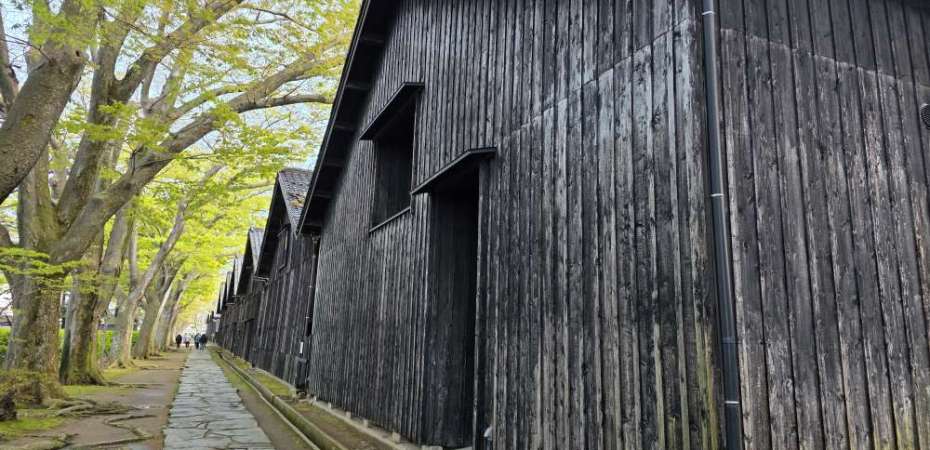
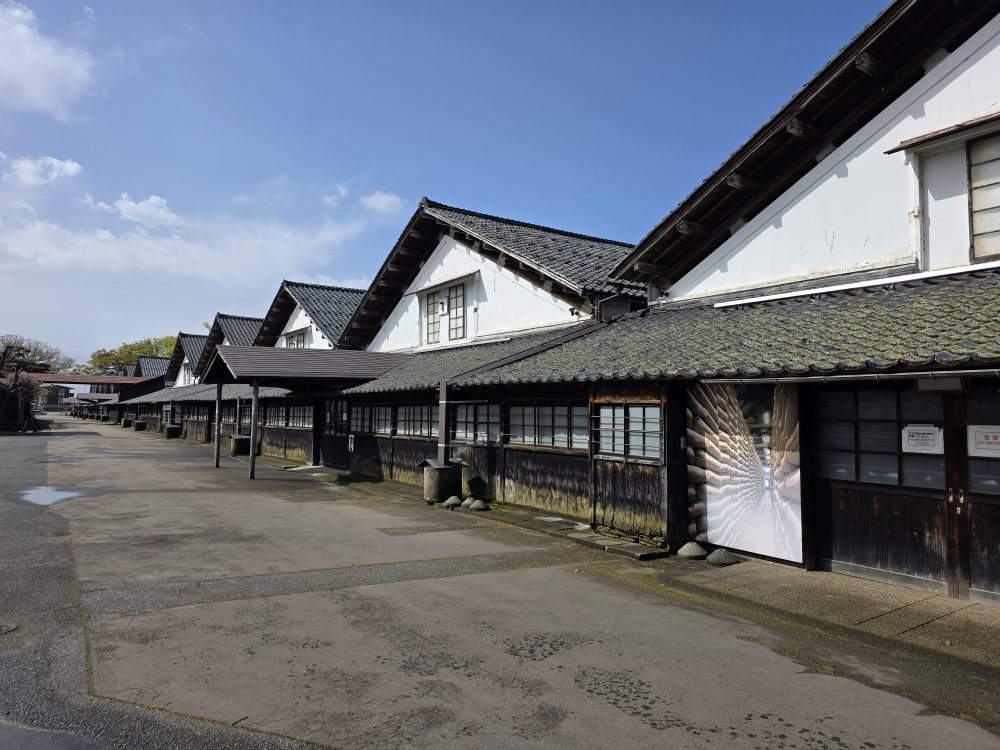
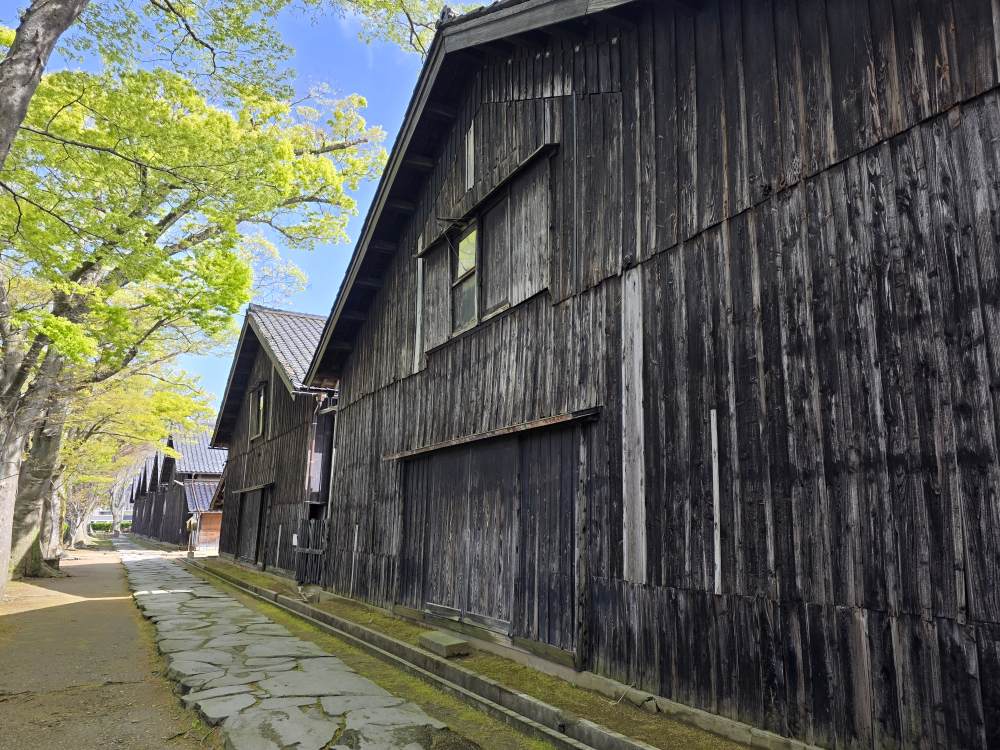
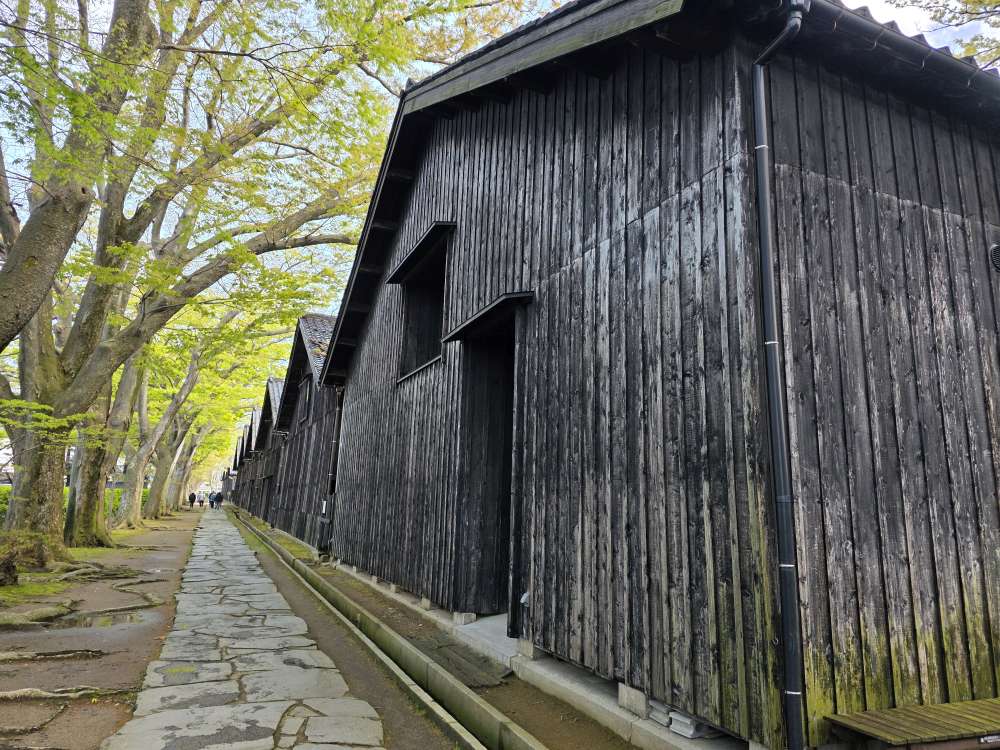
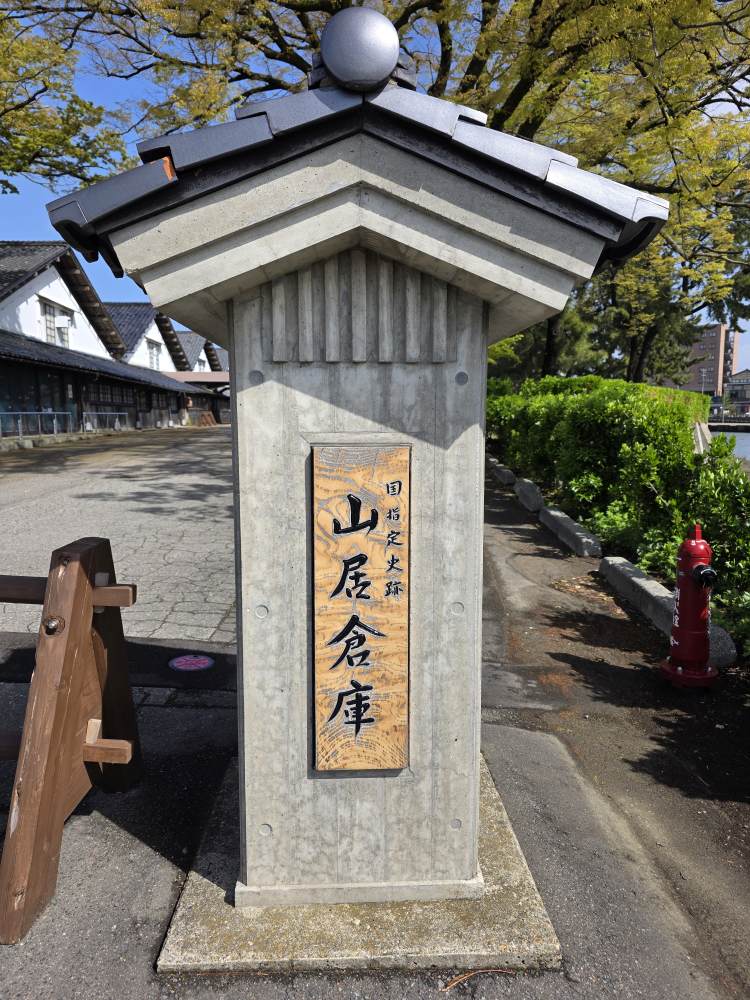
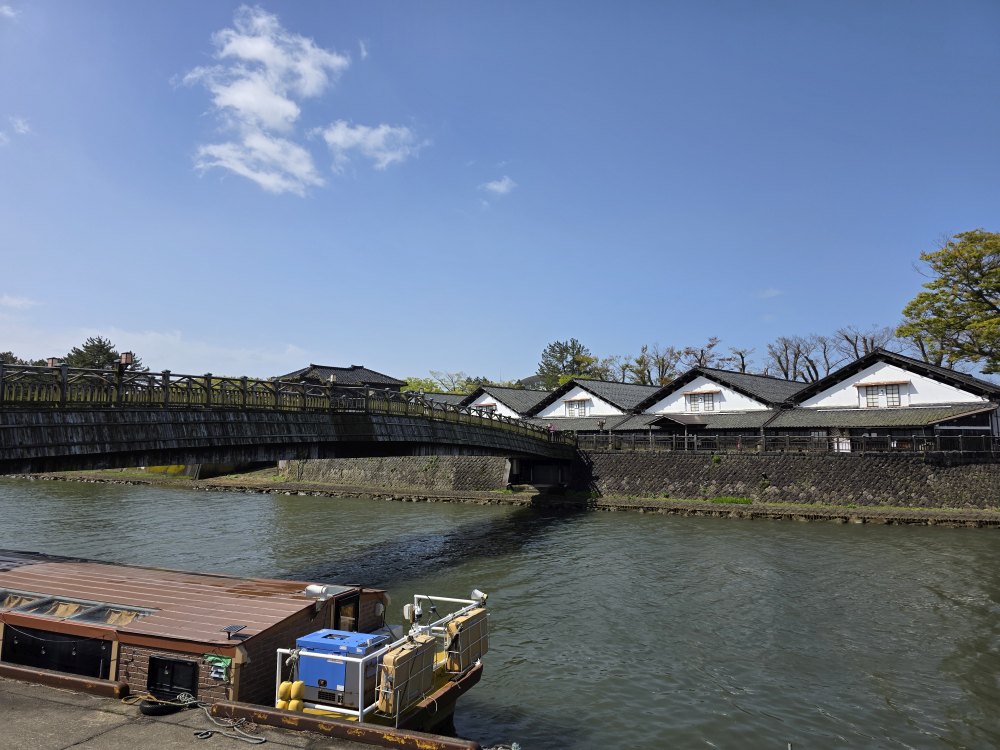
Off on one of the first (expensive) shuttles, we arrive in town and begin our explorations at the Sankyo Warehouses – the 12 iconic Rice storehouses built in 1893 placed strategically on the Mogami River. The storehouses themselves are closed to visitors (although they must have been opened in the past), but you can walk all through the complex and peak into the rooms and hallway that connects the interiors through most of the windows. We can also see, from the outside, the two-tiered roof construction that allowed for air to circulate, preventing the temperature from rising inside, thus keeping the rice cool and dry.
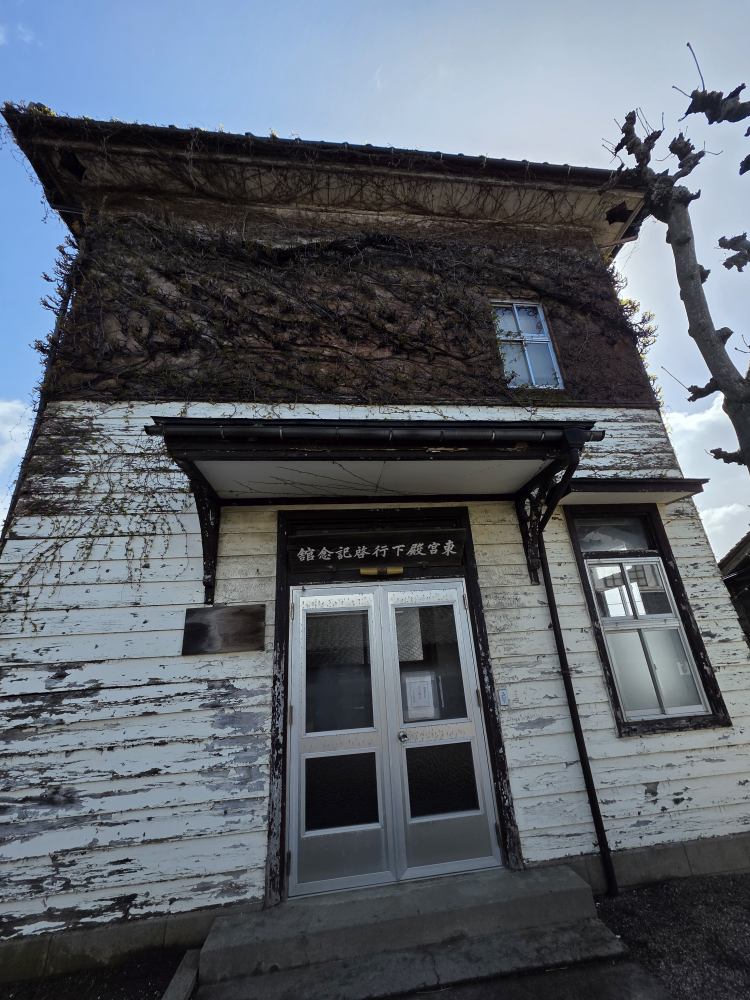
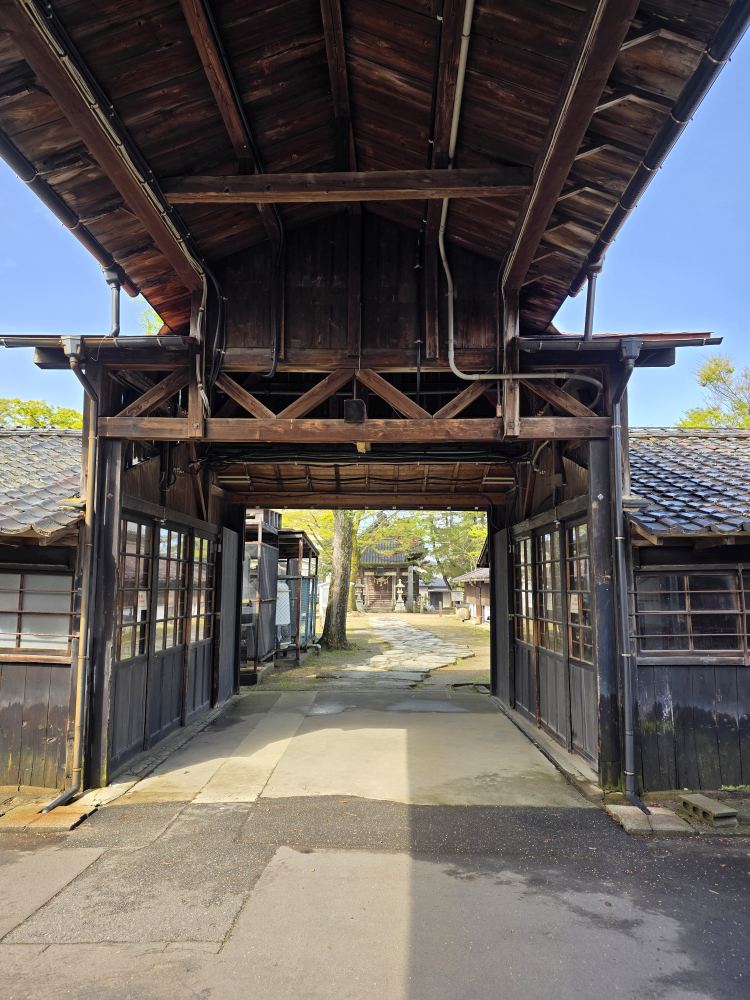
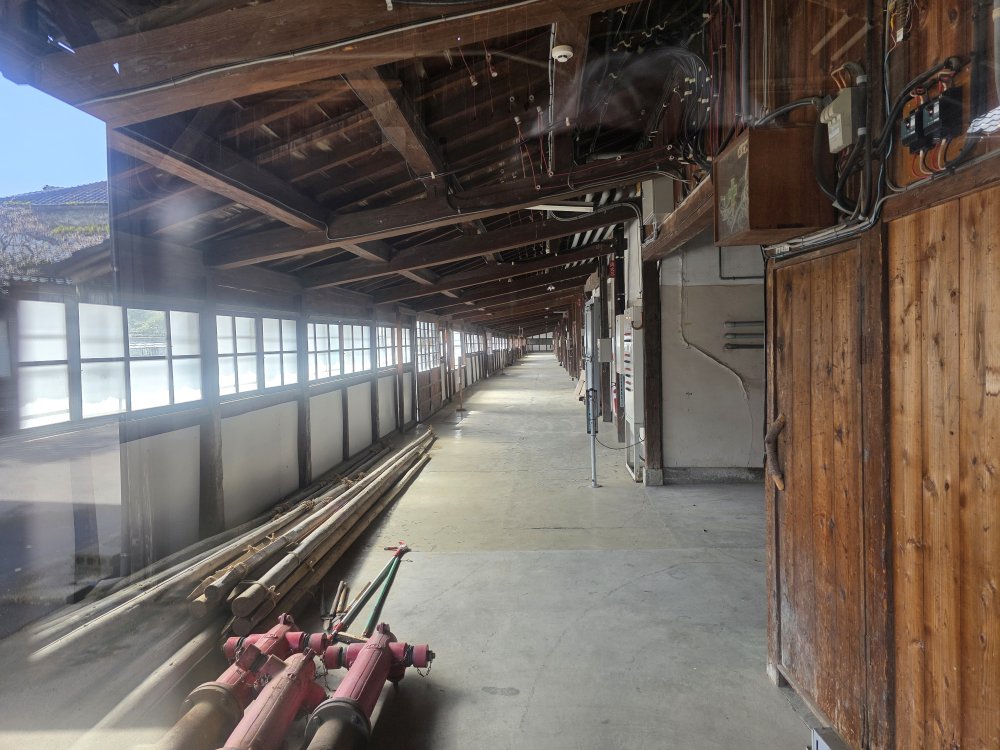
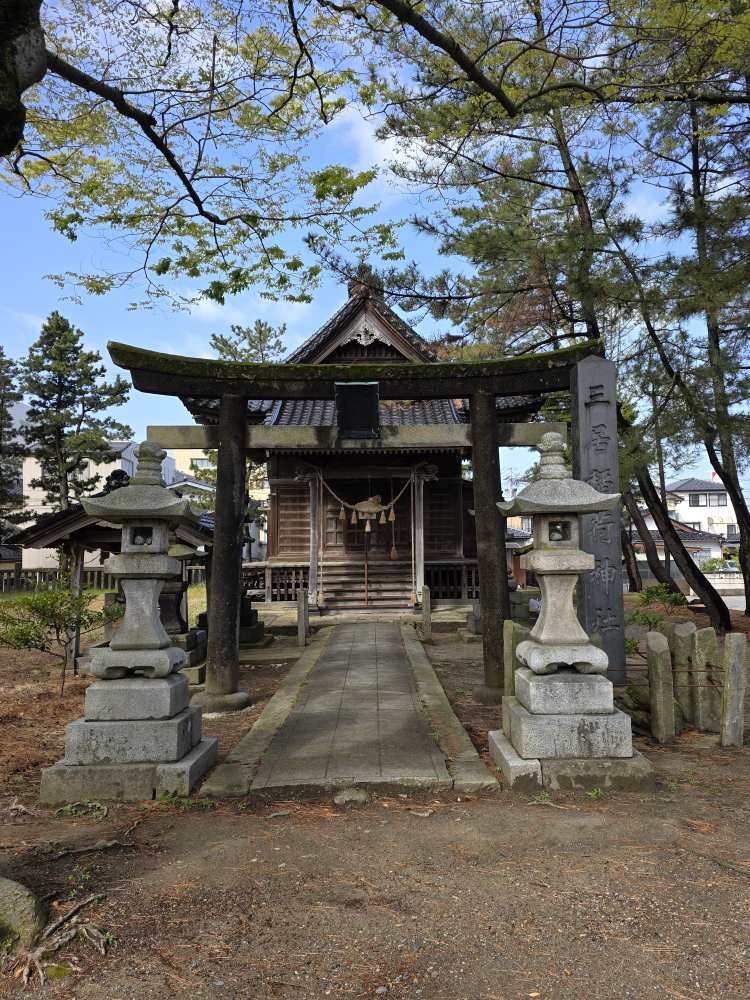
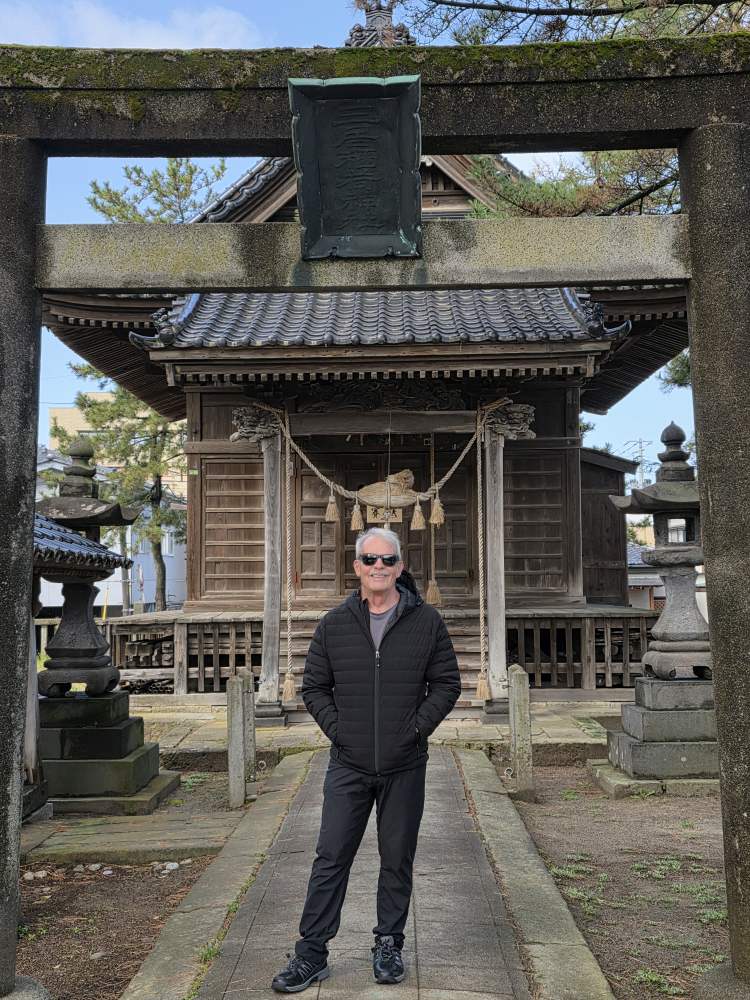
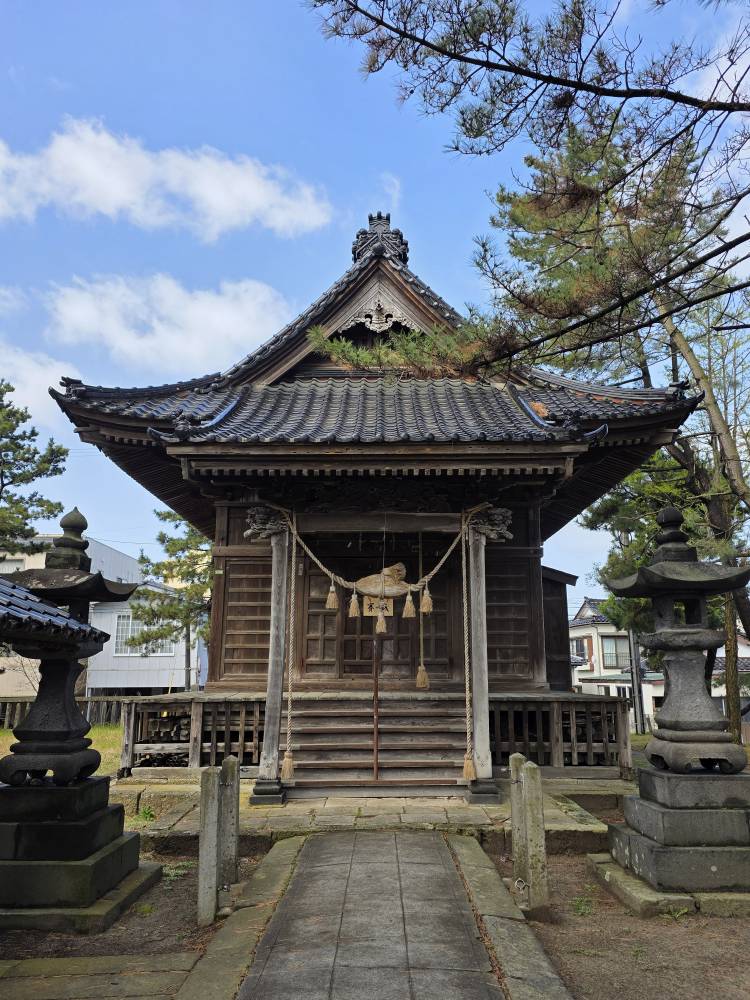
Out behind the storehouses is a little Sankyo Inari Shrine said to have two pillars taken from a shrine belonging to the Famous Tokugawa Family. It is peaceful and lovely back here, with the iconic view of the storehouses surrounded by Zelkova trees, whose shade helped keep the heat at bay in the hot summers.
Our normal early bird approach works wonderfully as the peacefulness quickly fades with the arrival of the first ship tour – Abort! We quickly scamper out of the warehouse area, visiting the little museum at the end of the complex which gives us tons of information about the storehouses, with displays that show how the rice was stored (each unit could hold 13,000 bags of rice, over 800 tons!). More recently, the storehouses were used as a backdrop/set for a popular Japanese TV series called Oshin” – which is depicted in a photo collage here as well.
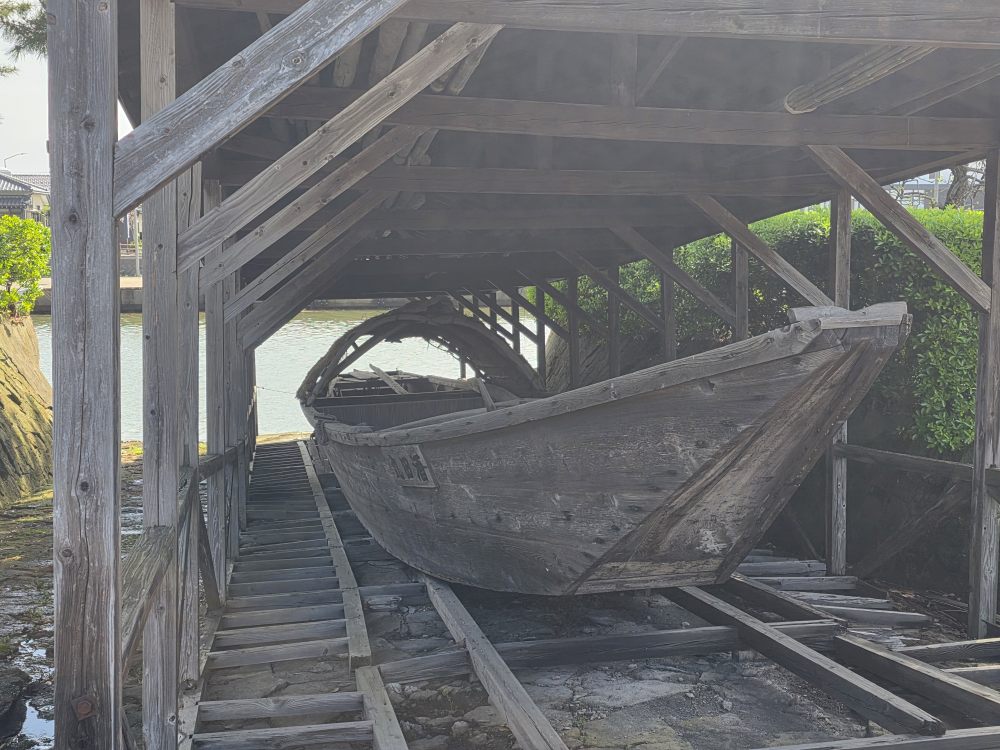
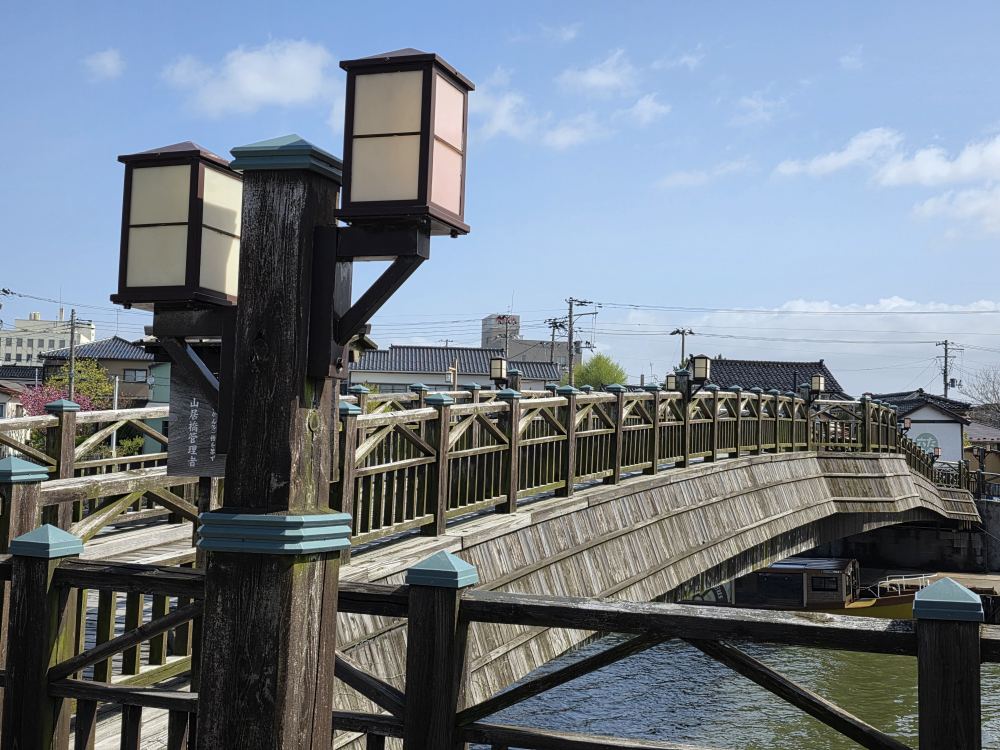
Outside, we begin our walk into town for our next stop – the Homma Residence. On the way we pass by replica of one of the Kokai Boats used to transport goods along the Mogami River. Because the river was shallow and difficult to pass, these boats were designed in the late 1600s to carry smaller loads through the smaller tributaries along the riverbanks. Directly behind the Kokai is the Sankyo Bridge – an old wooden bridge (reconstructed to look like the ancient original) that connects the storehouses to the main town. You can really get a feel of the old historic town and what it must have looked like centuries ago from the bridge and its vantage points.
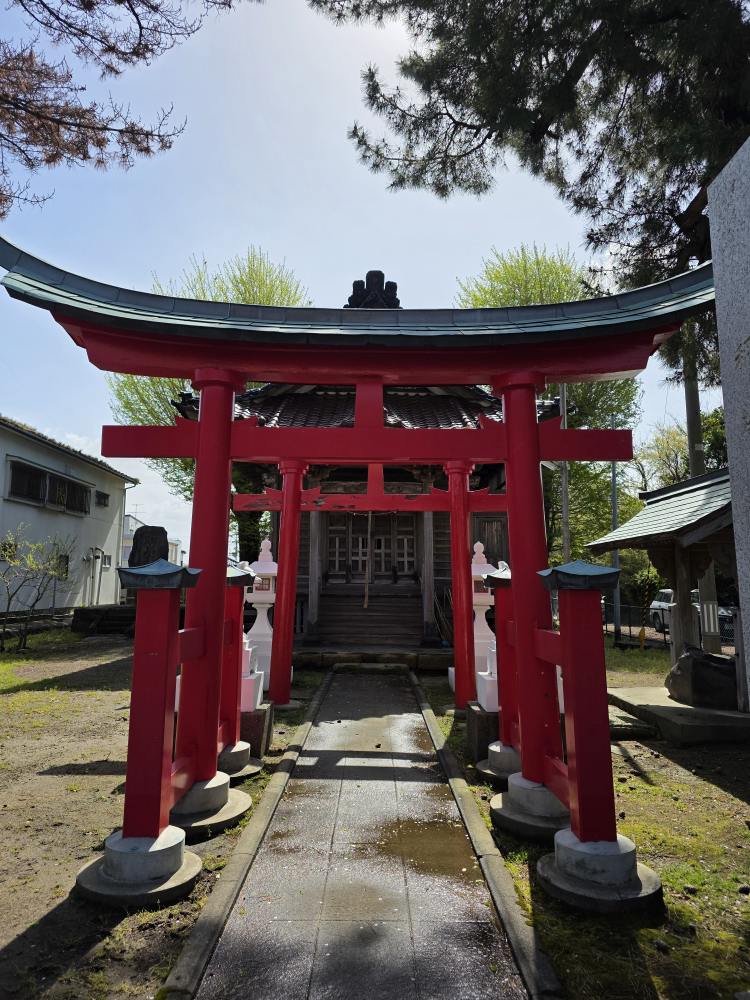
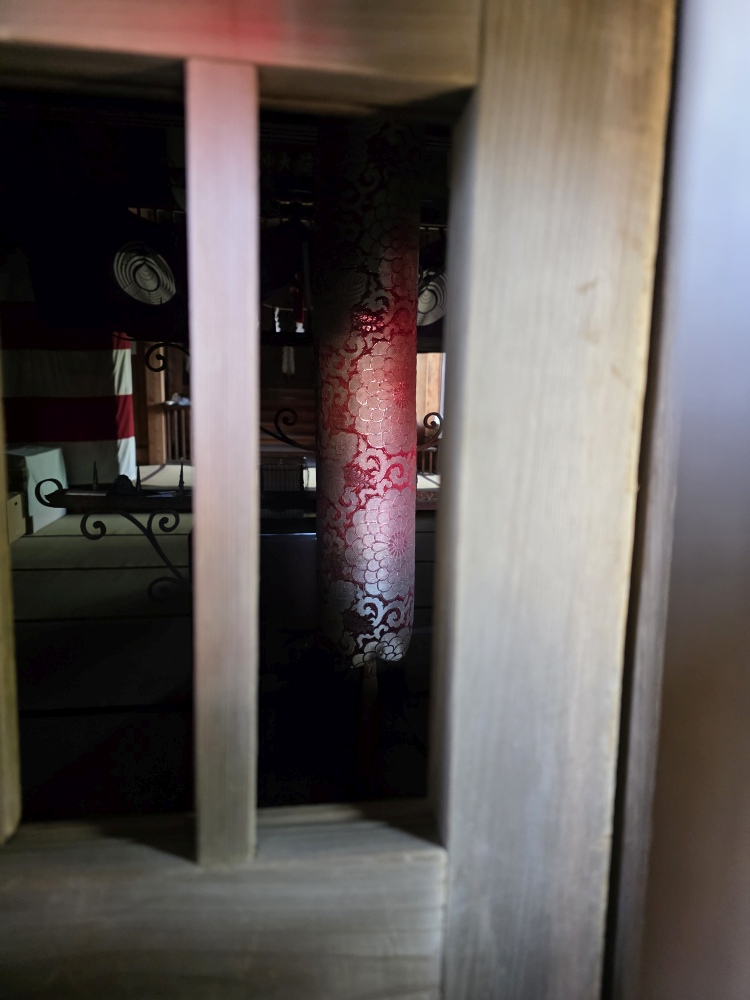
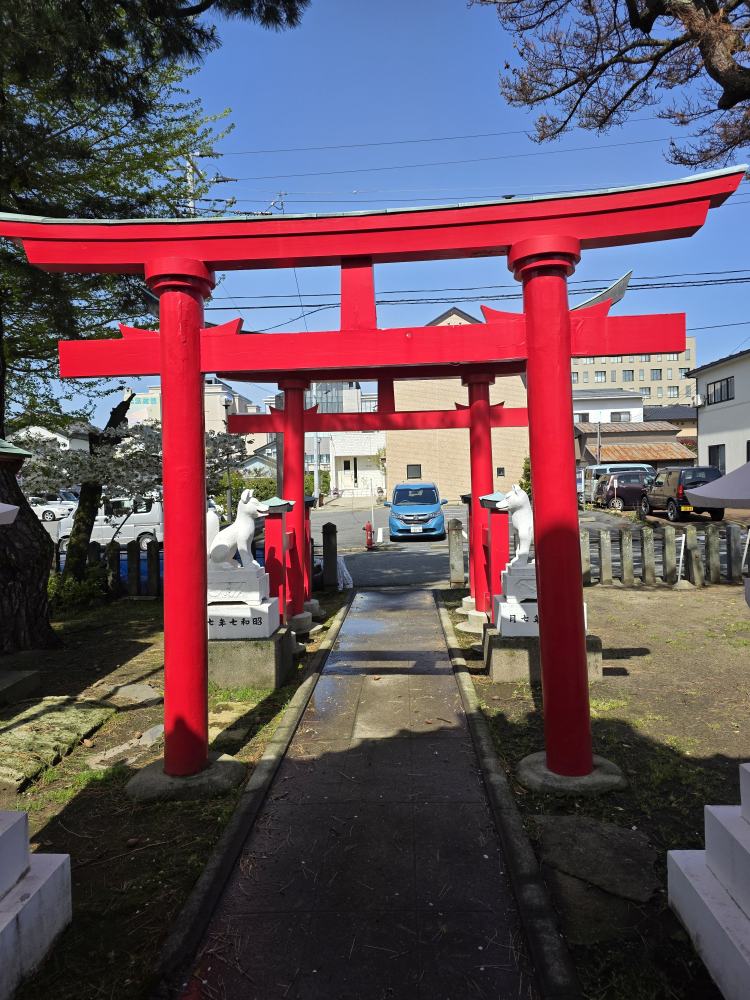
Heading toward the residence, we also pass a lovely small Inari Shrine tucked into a little park area on a city street. The Red Tori gates are a beautiful contrast to the cityscape and the inside of the shrine almost glows in the sunlight.
Even though we’ve messed around and wasted as much time as we can wandering, we are still a bit early for the opening of the Homma Residence, so we hang outside the main gate on the stone walls by the door reading about the unique design style of the residence. It is the only one of its kind in all of Japan to combine both the style of a samurai residence in terms of the outside appearance and layout with the style of a merchant’s home inside. Originally used for the traveling inspectors of the Shogunate, the Homma family inherited the house and lived here until the middle of WWII.
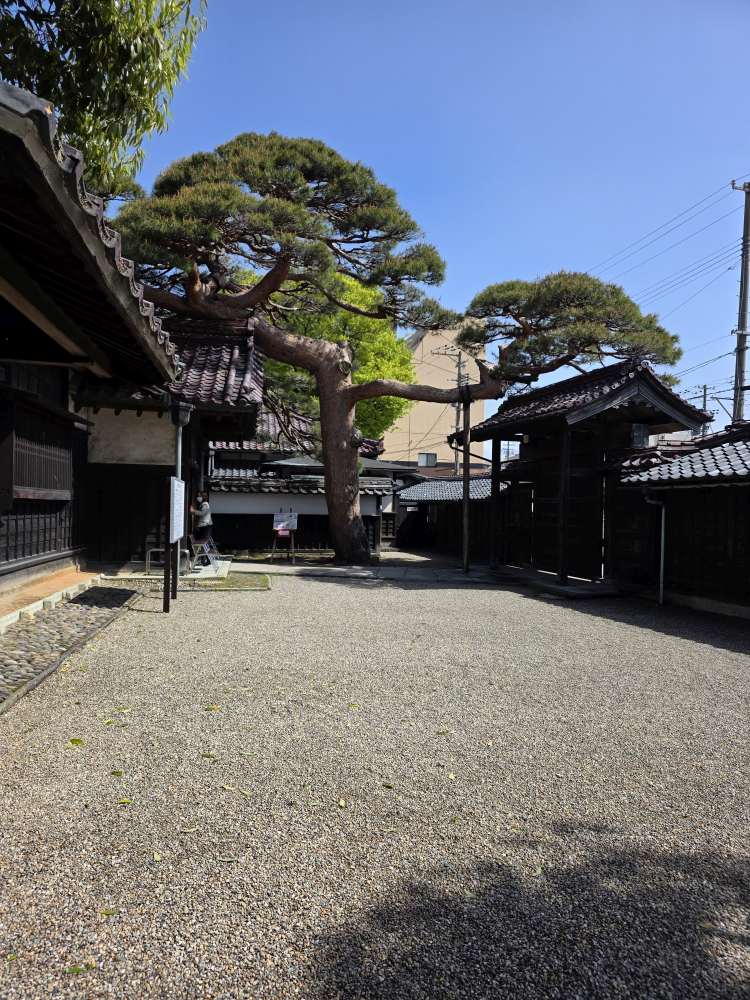
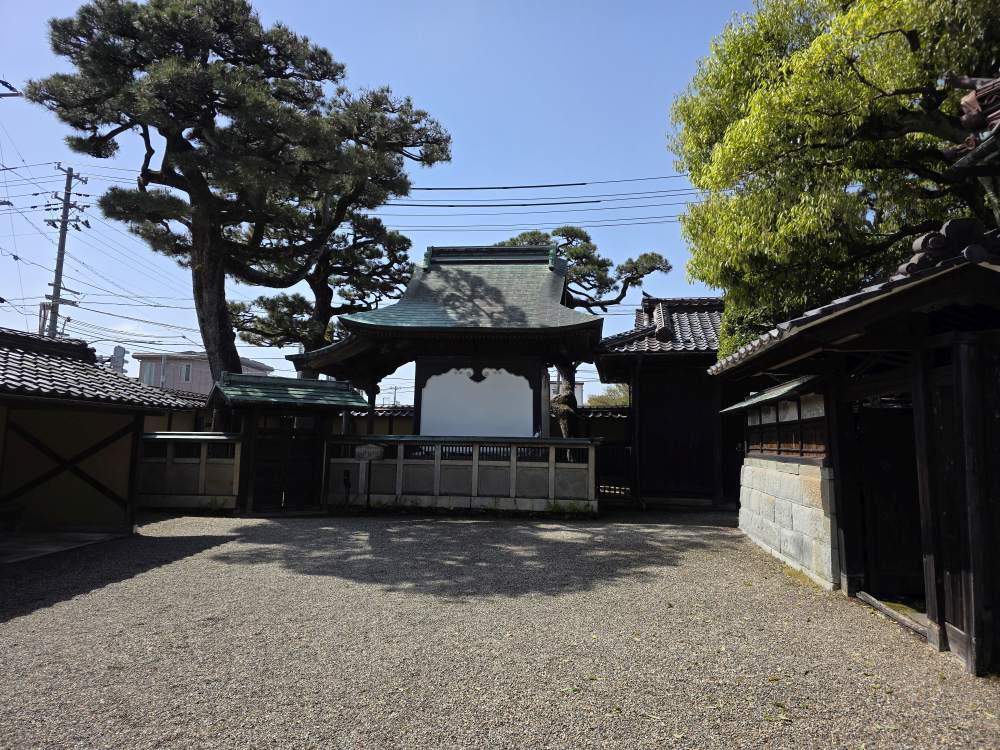
Once the house is open, we wander in through the pebble covered courtyard and into the house for a tour around the interior. Unfortunately, photos aren’t allowed for some unknown reason, so we just wander through the main entrance made of Zelkova wooden steps and 3000 year old Cedar wooden door, past the paining of the Battle of Tsushims and into different rooms, intrigued with the different designs and items left on display. The upper guest room with a dovetail wall and 12.5 tatami mats, the kitchen with its board floor (since the Homma were admitted into the Samurai class, they could replace the dirt floor with wood), the Chigai-dana, a set of staggered shelves with lacquer to provide a relaxed atmosphere. There are also wonderful paintings all along the walls near the high ceilings and a little museum type area with heirlooms from the Homma family and the business.
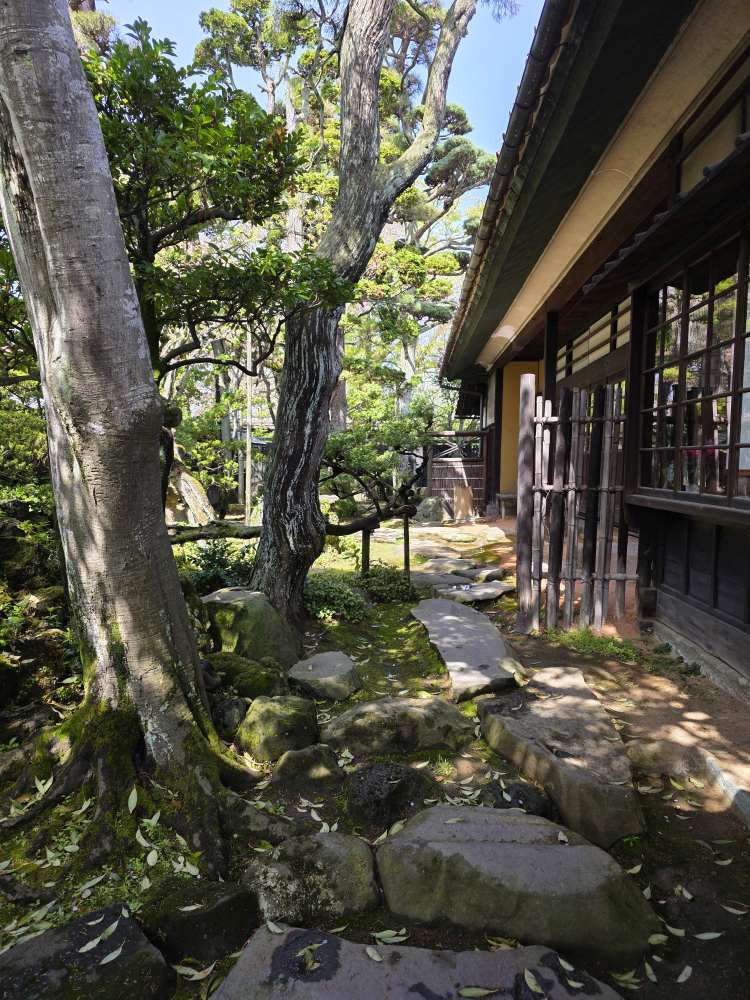
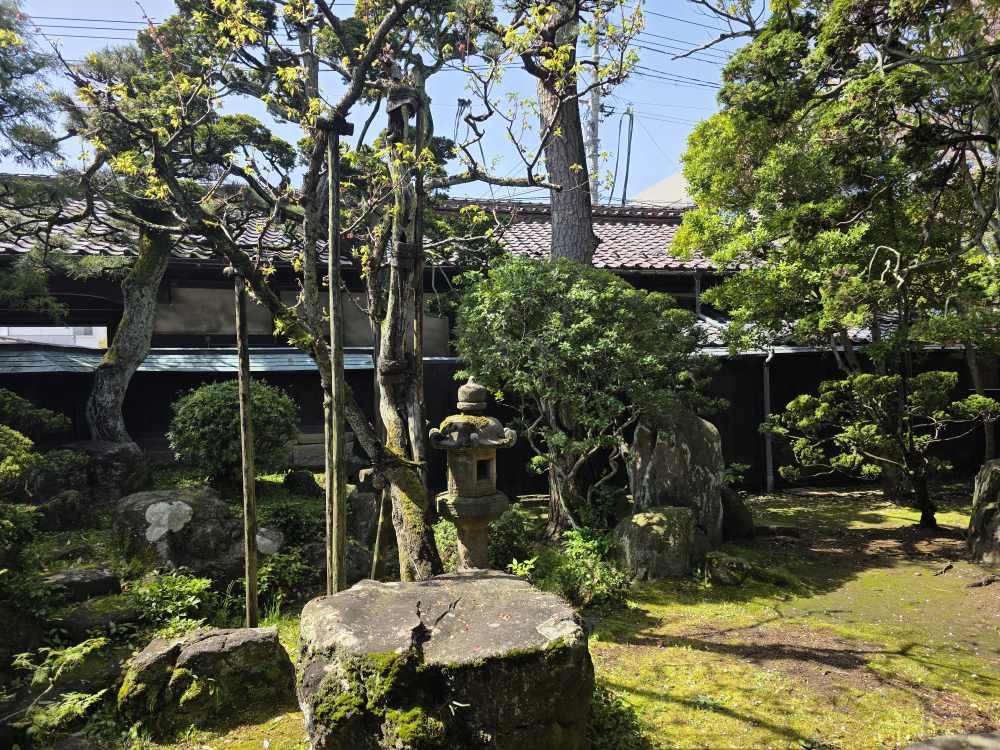
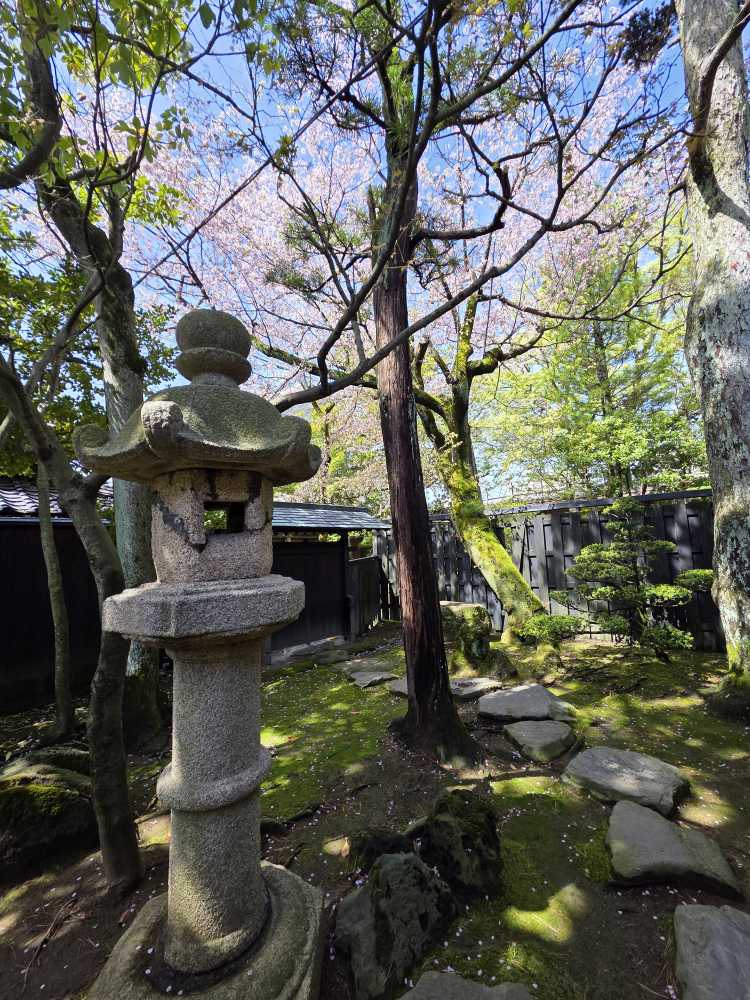
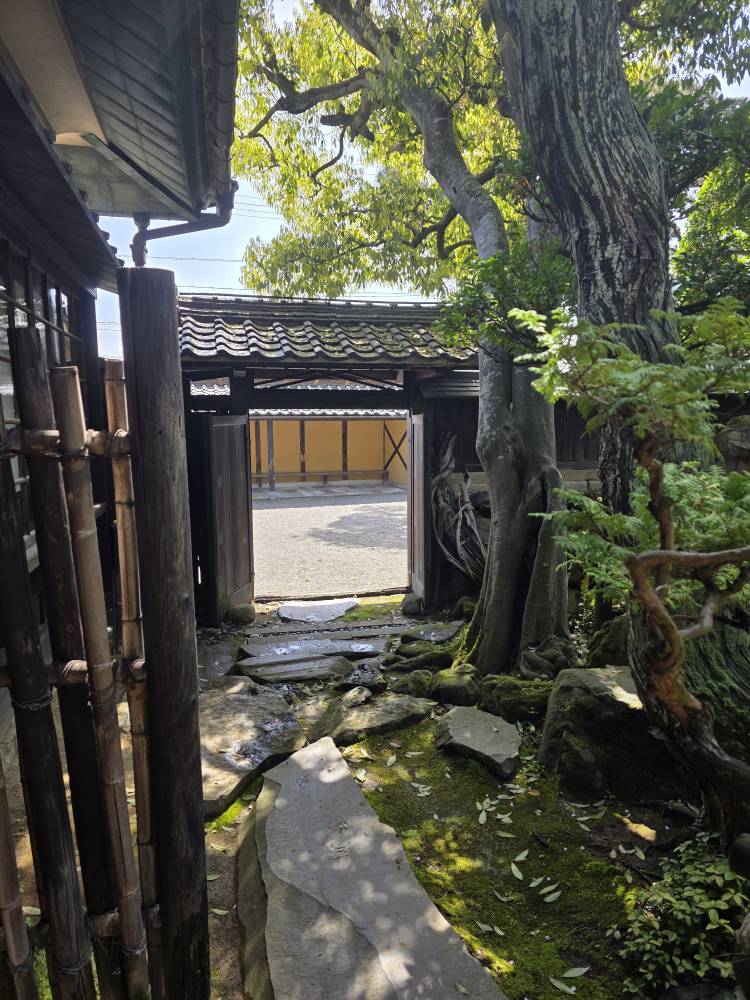
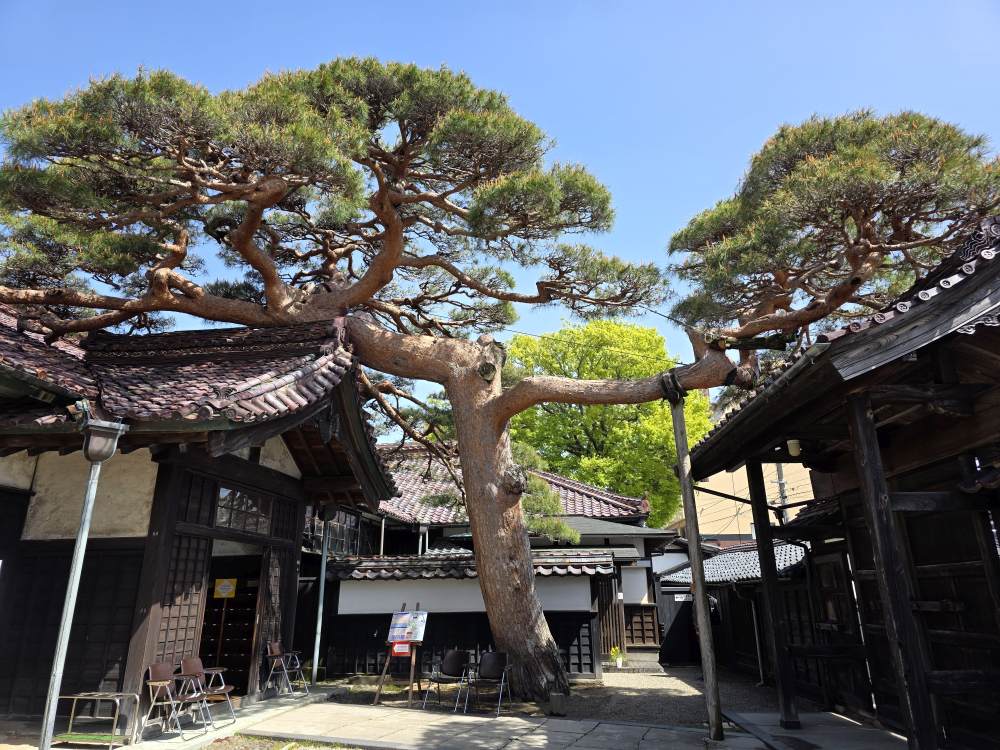
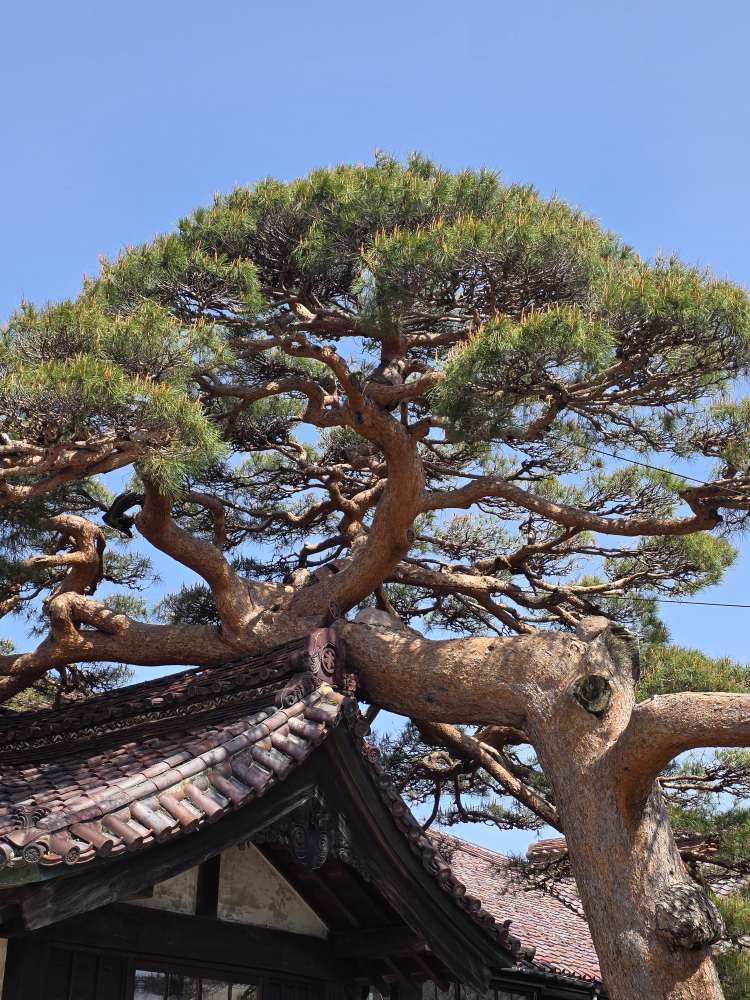
Finished with the interior, we resume our exploring outside in the lovely courtyard with the massive tree whose branches rest on the roof of the house. We can also explore the family’s private garden on the side of the house, a peaceful respite that is walled off from the street and the rest of the city.
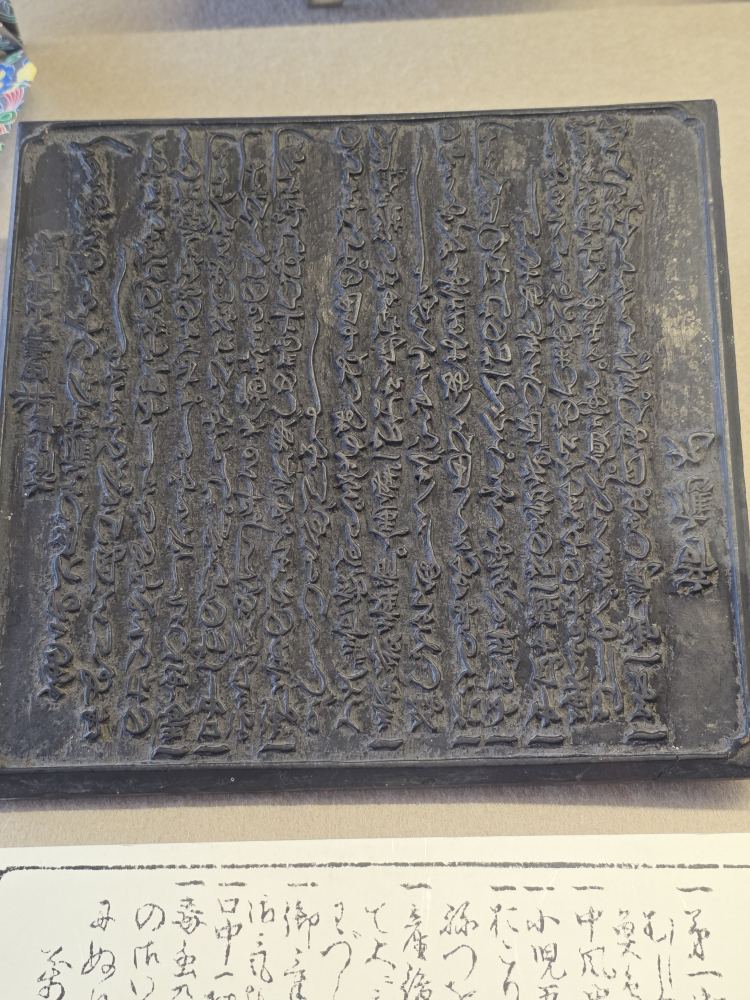
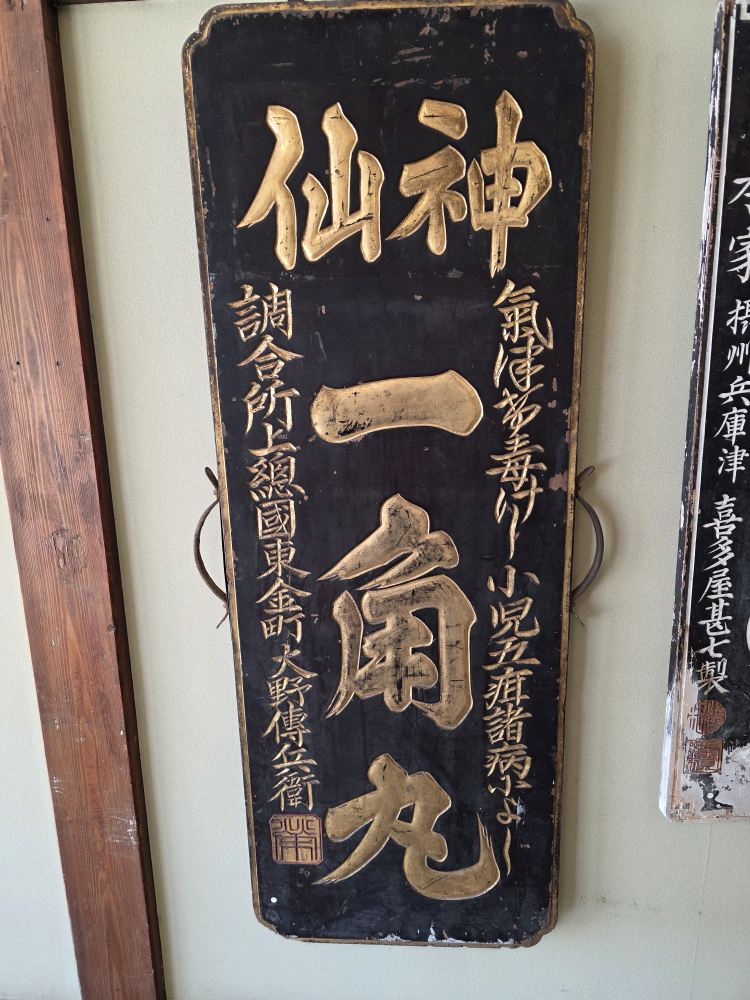
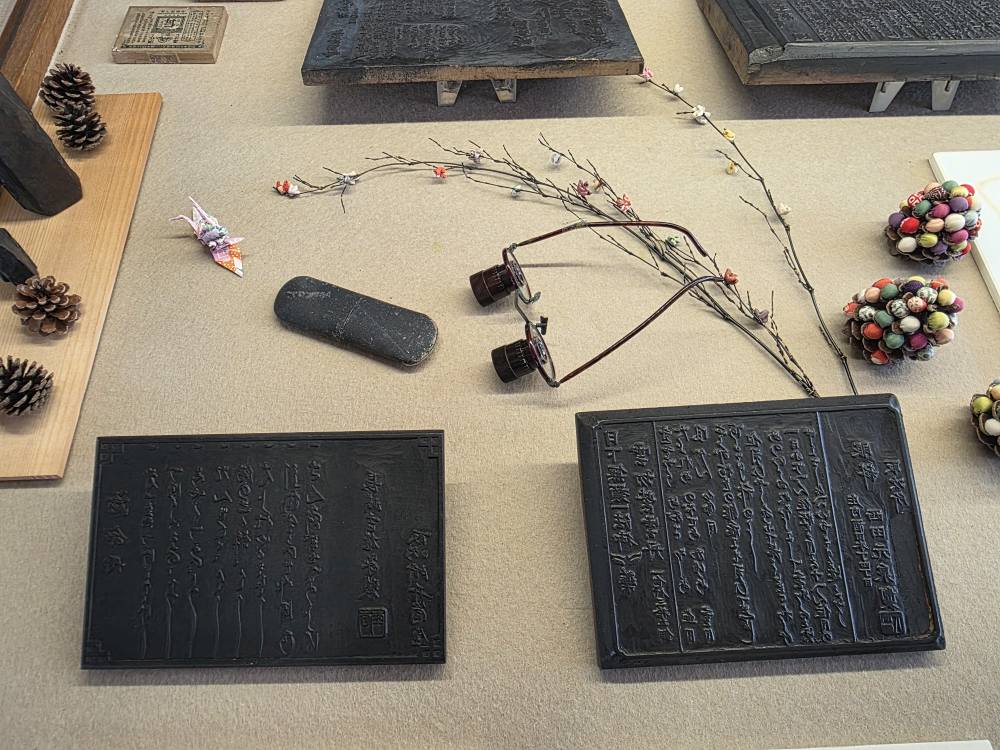
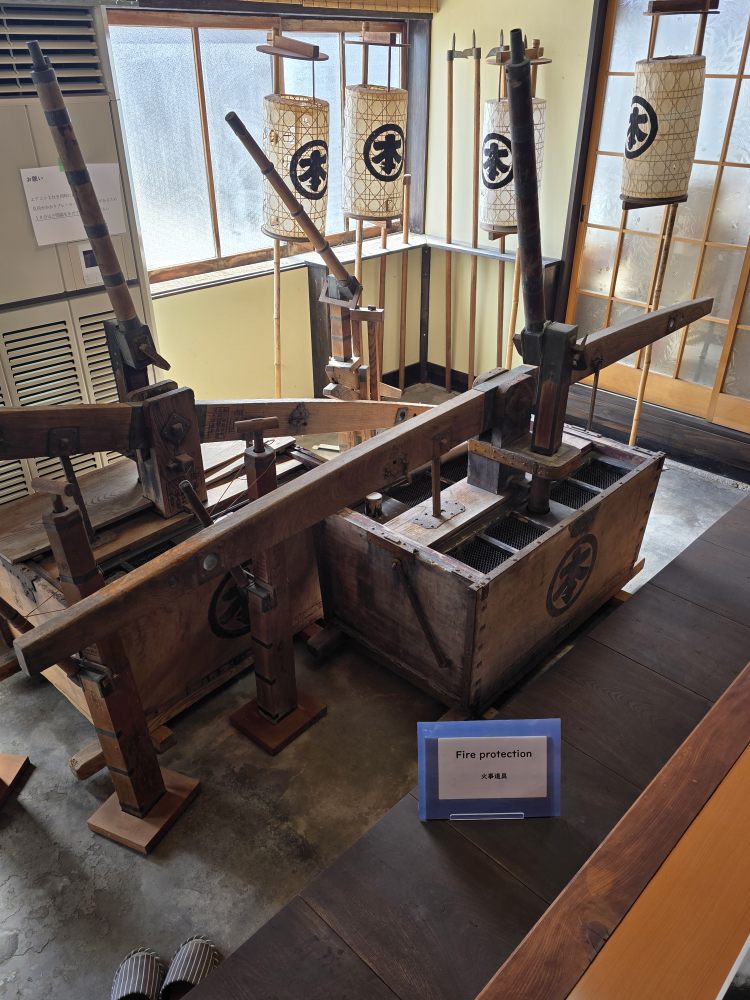
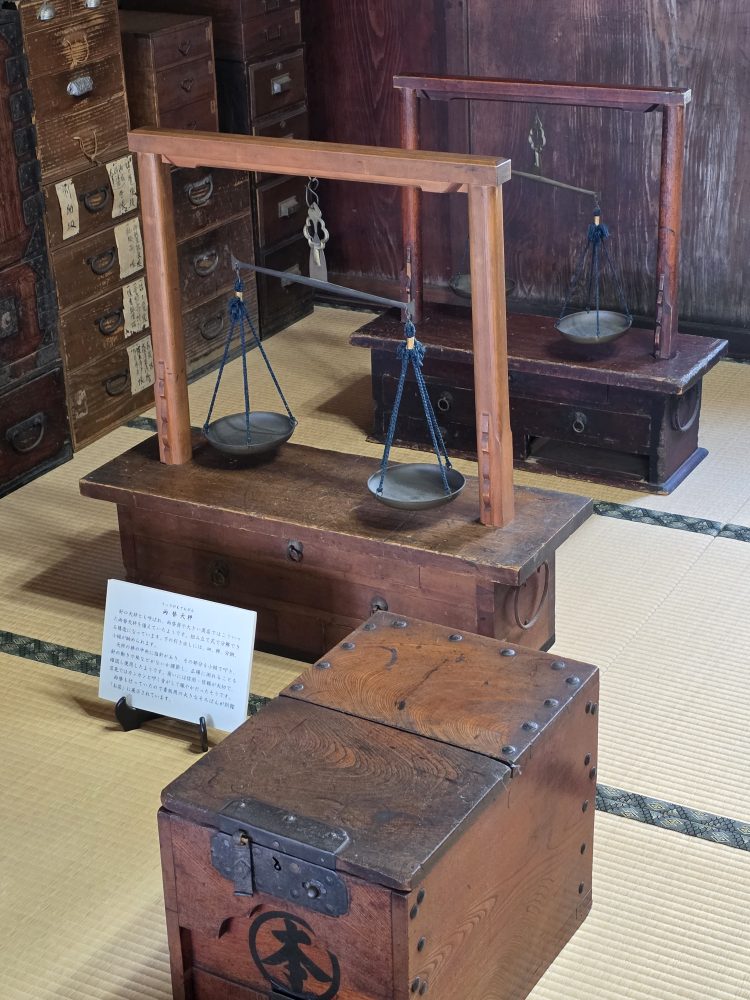
Directly across the street is the Homma Residence Annex, which was originally the general trading company store, but now houses displays of all sorts of items that were used in the Homma shipping, banking and mercantile business. Original printing blocks, some great old address-business signs – one of which is for a compounding company we think. The translation says that on the left side of the address, on the right side it says, “The pediatrician is highly toxic and is a scammer.” Take your pick! Other fun exhibits show a depiction of how rice was loaded and stored as cargo on an old ship, lots of “fire protection” gear, including a “water gun” that the shogunate ordered towns have to protect against spreading fires. A nice little visit.
And then we are off, out into the city a nice little 15-minute walk to the Homma Museum of Art. On the way we pass another passenger being trailed by 3 young men in uniform, each trying to help her with directions and information on the city. They catch up to us and turns out are part of a volunteer group that help visitors around the city. They are all adorable, can speak only a bit of English, but are so happy to help. Actually the leader can speak fairly well, the other 2 – well, they are trying. So sweet and nice. The lady is going to the museum, as are we, so we form a little group and head up the street chatting with the boys and asking for lunch recommendations which the leader provides us – the best ramen restaurant in the city – steps away from the museum. Perfect!
Bidding our guides farewell, we enter the museum and wander through all the wonderful exhibits, once owned by the Homma Family. To say they were well off would be an understatement, yet they were also very good to the city and the people here. The museum is an example; they wanted to share the art with the public. The gardens behind the museum are another; in 1813 the head of the Homma family gave out of work dockworkers jobs creating the Kakubuen gardens to fight against unemployment. Nice.
And the exhibits are equally nice – beautiful screens, intricate painted panels, a beautiful Shogi set (the Japanese version of Chess – at least that’s my take on the whole thing) and this really, really long scroll that needed a video just to capture it all.
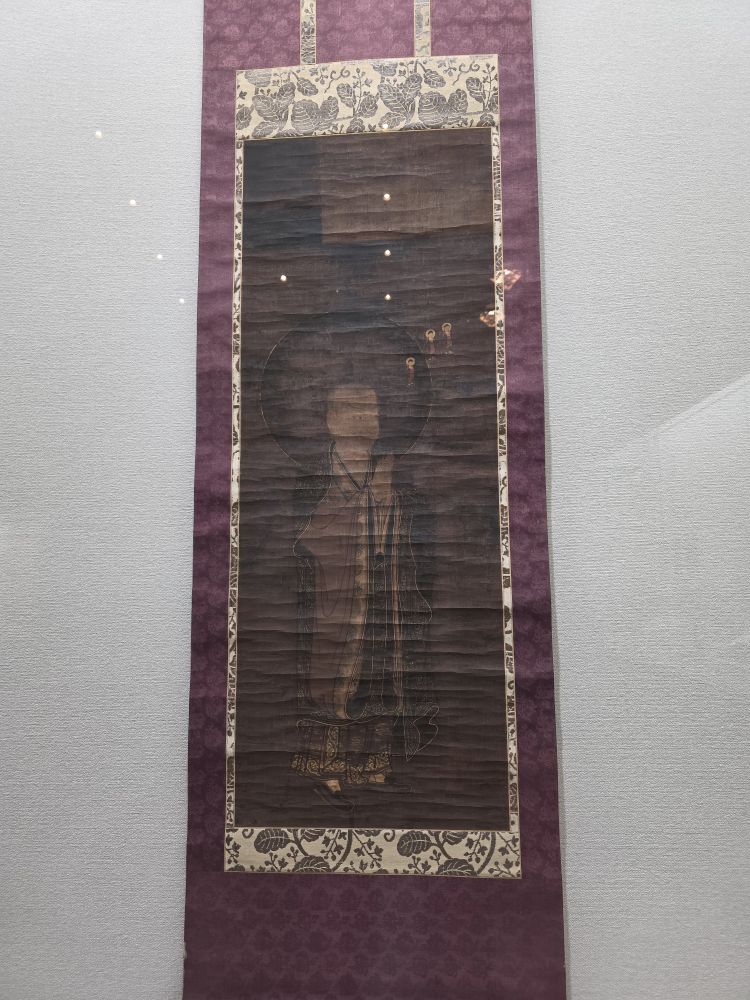
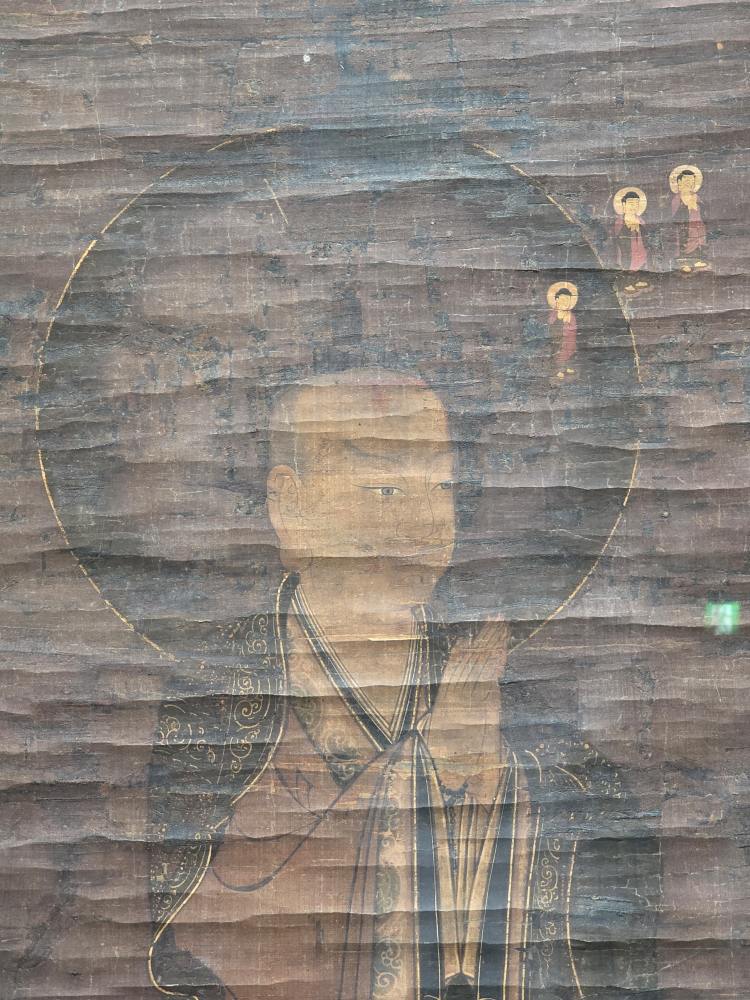
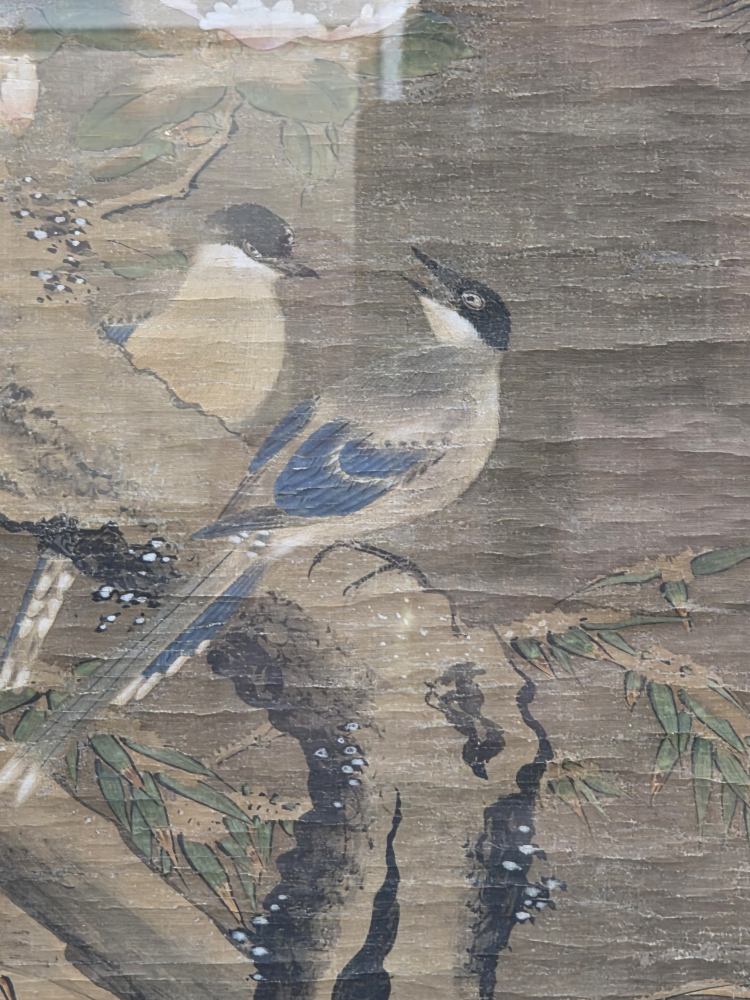
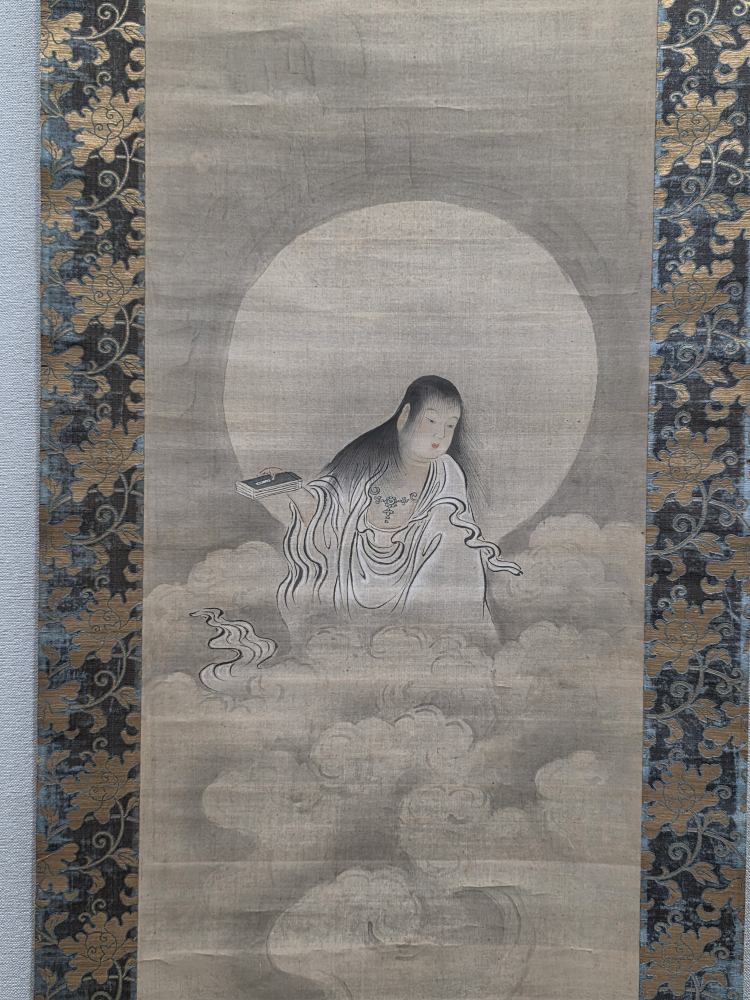
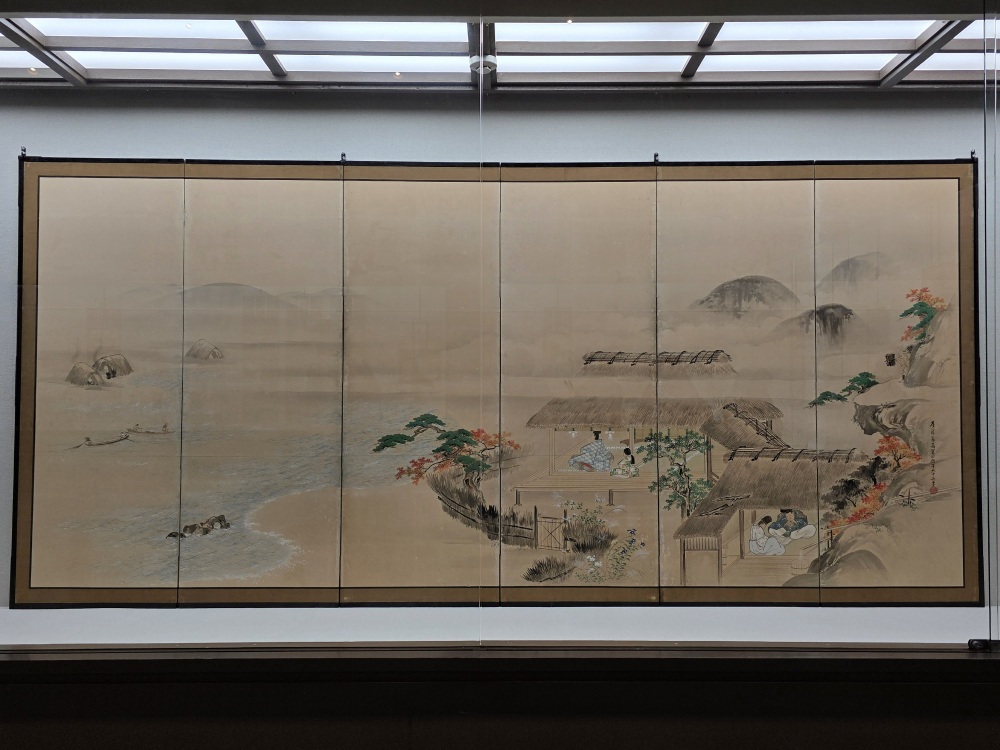
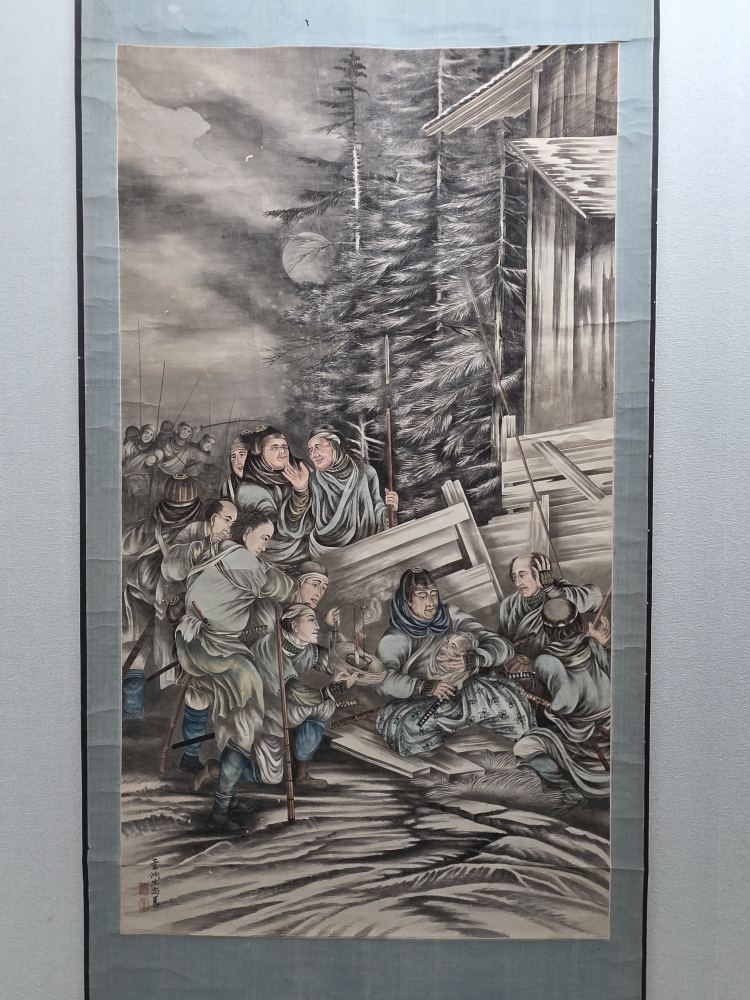
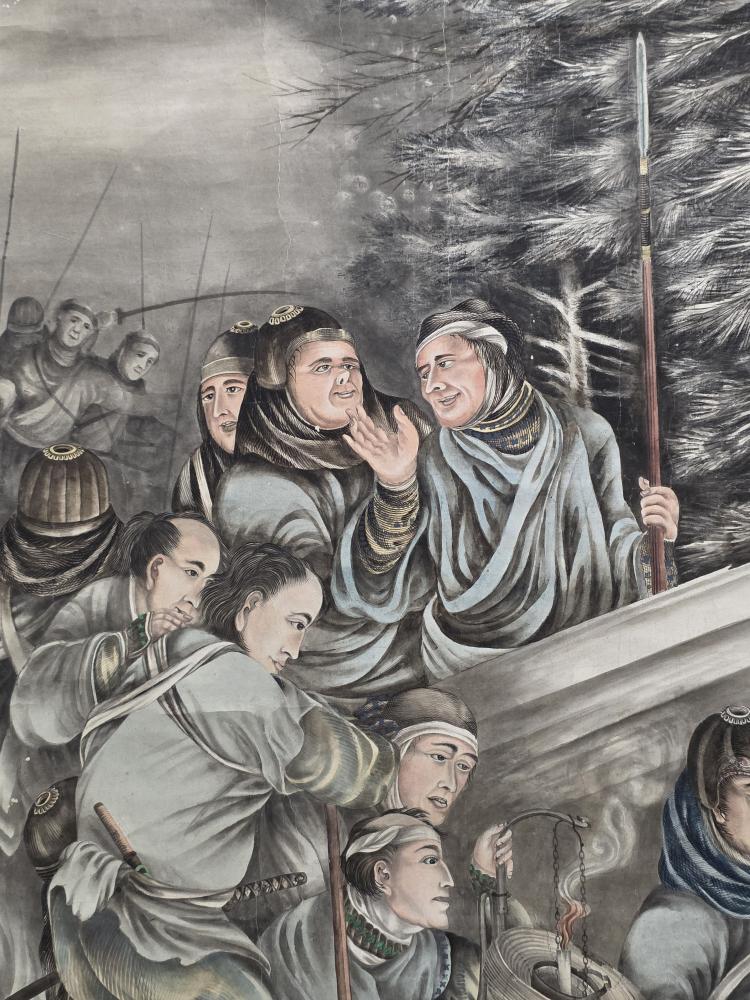
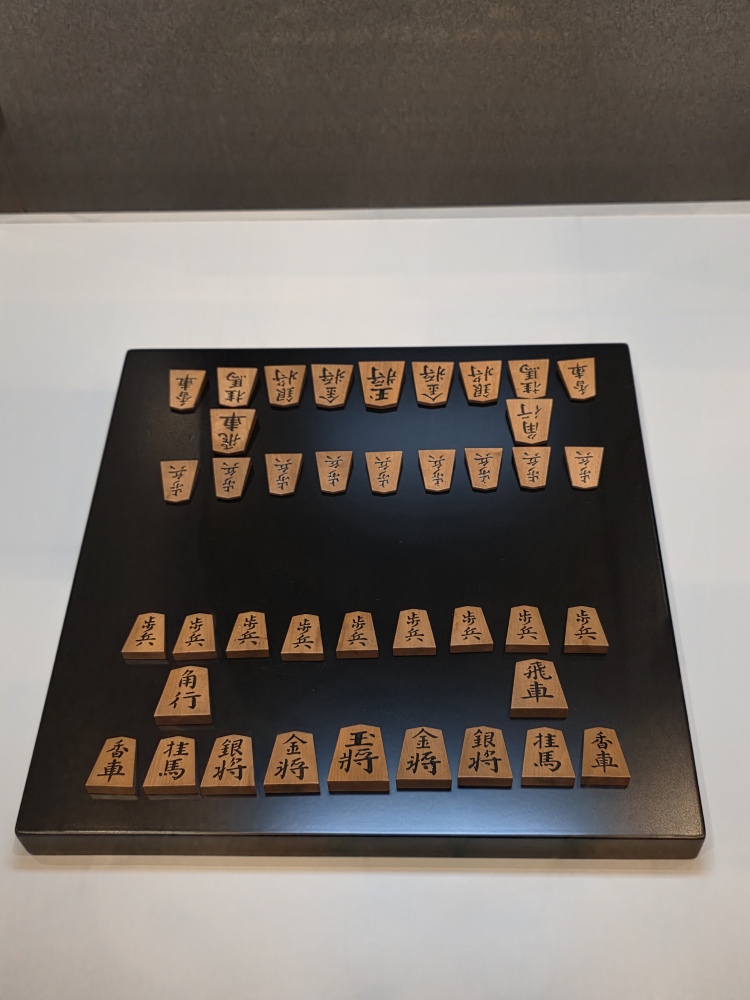
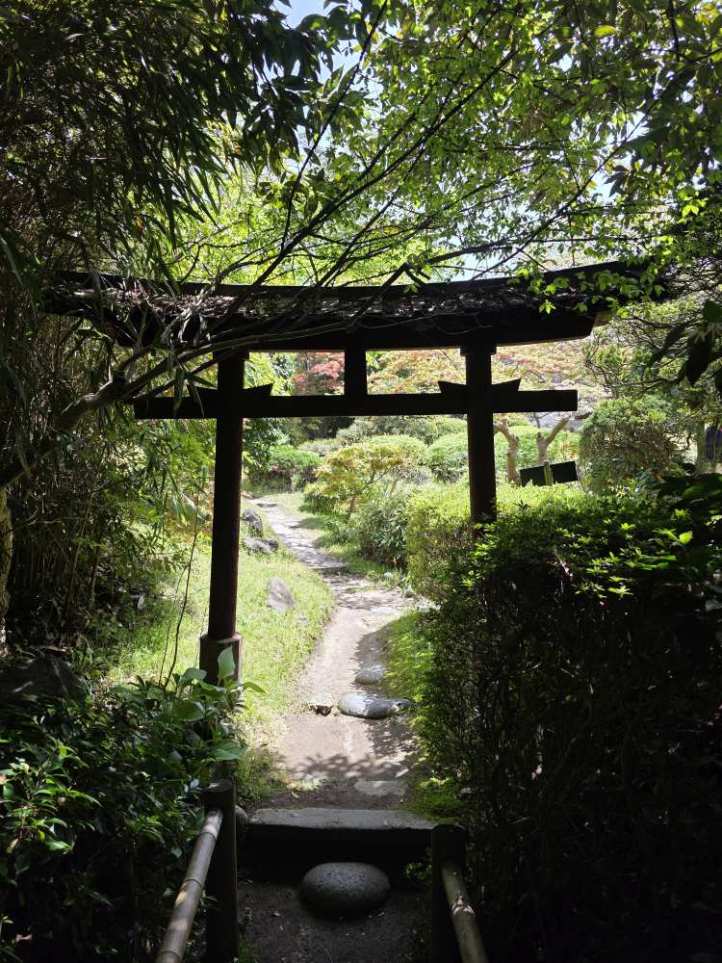
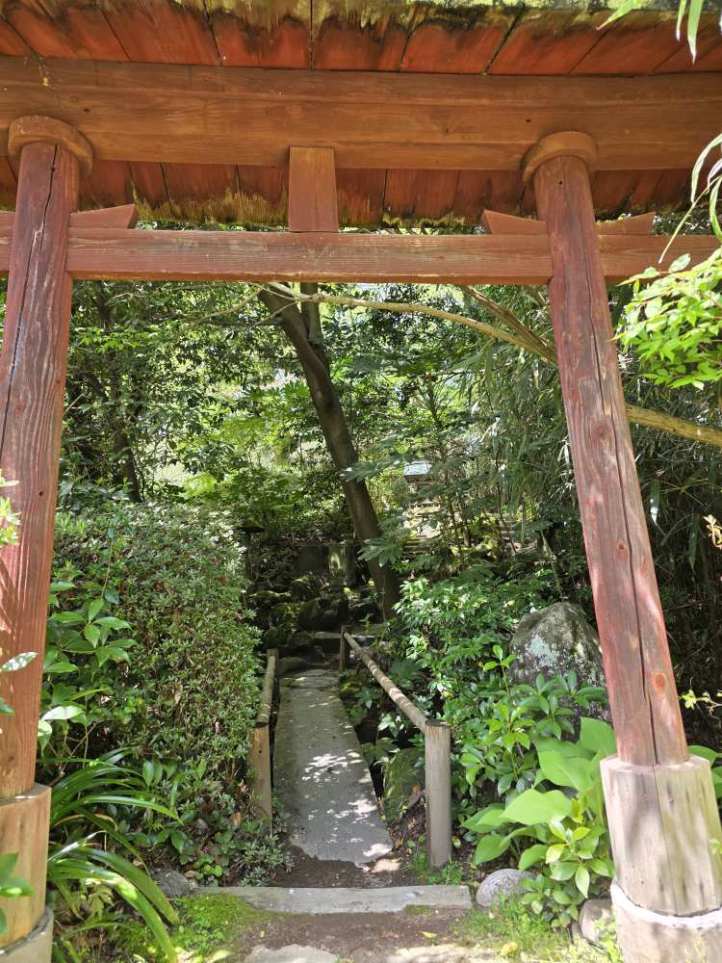
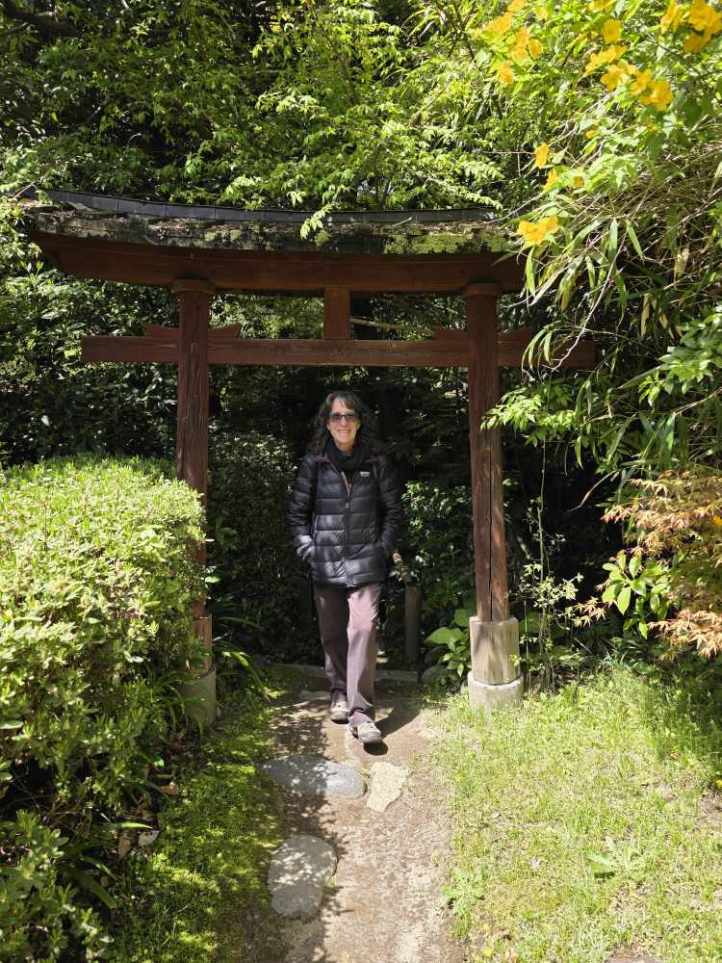
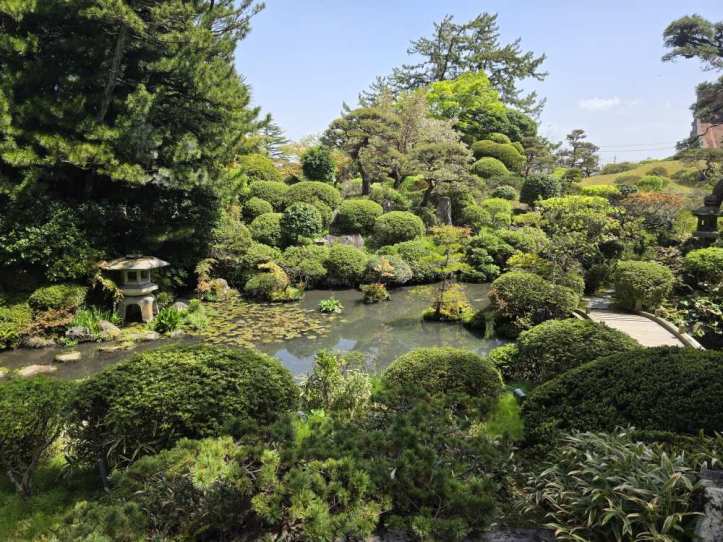
A tour group has just arrived as we finish with the artwork, so out into the gardens we go – trying to put some space between us and the random wandering of bored cruise passengers! Plus it is a gorgeous day, and being outside in the garden is what we prefer. Our meanderings take us all through the garden, past the serene pond and streams, up to a little shrine area, down past the beautiful Japanese Maples, the little koi pond and yet another shrine up some moss-covered stone steps.
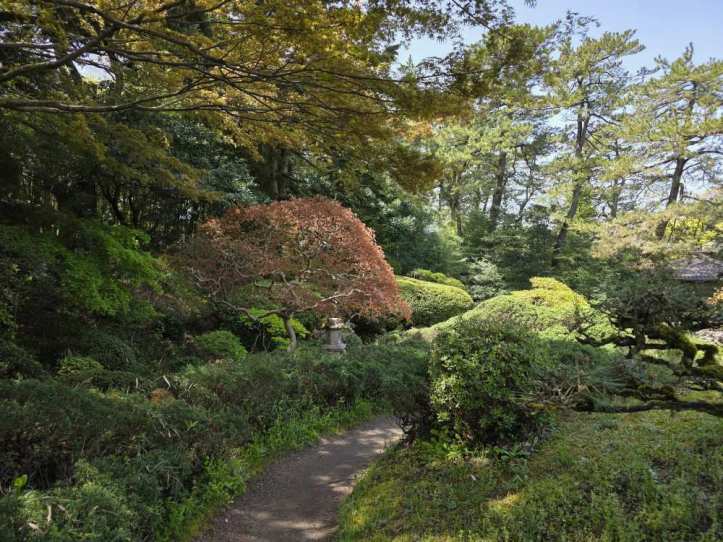
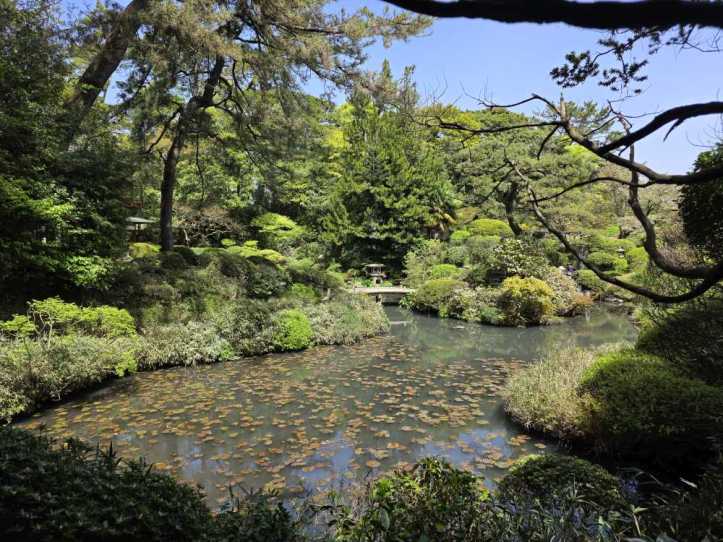
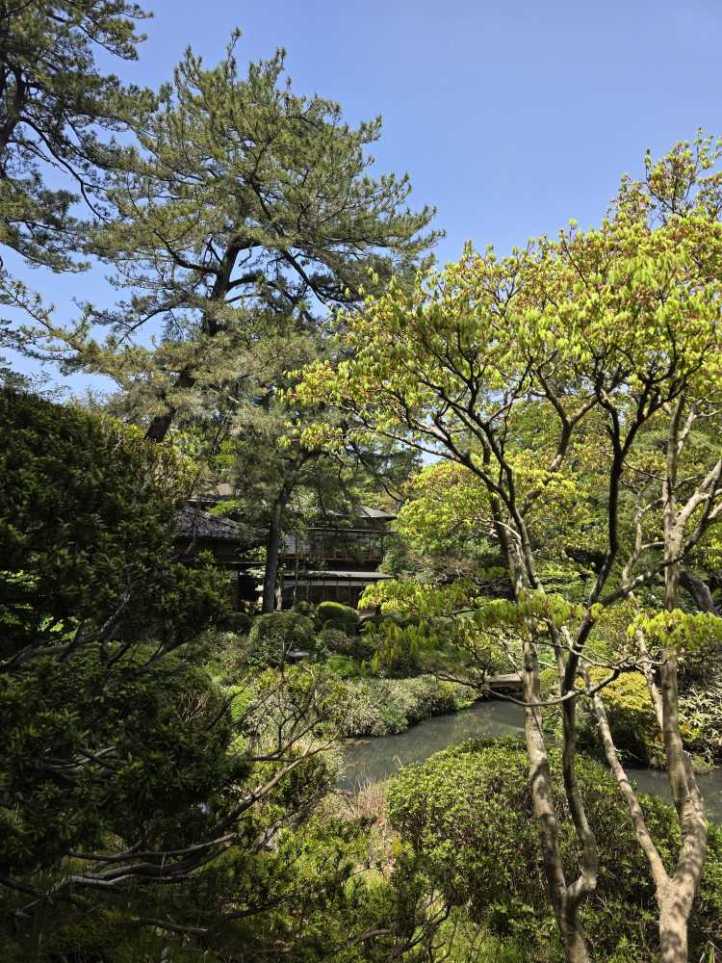
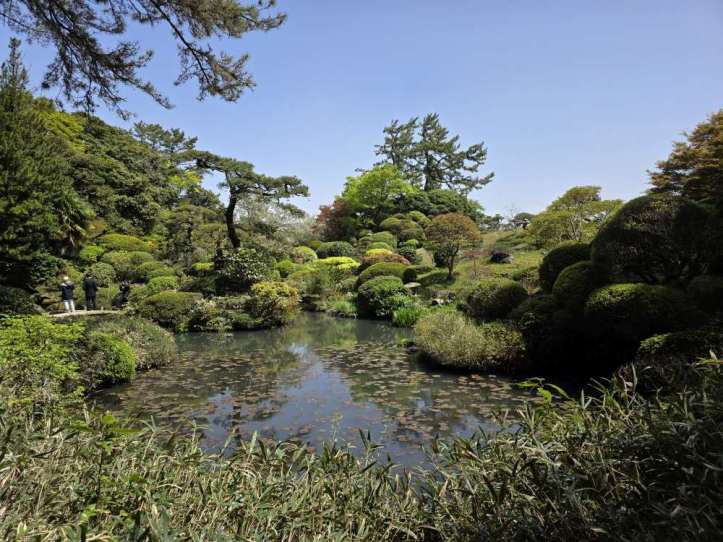
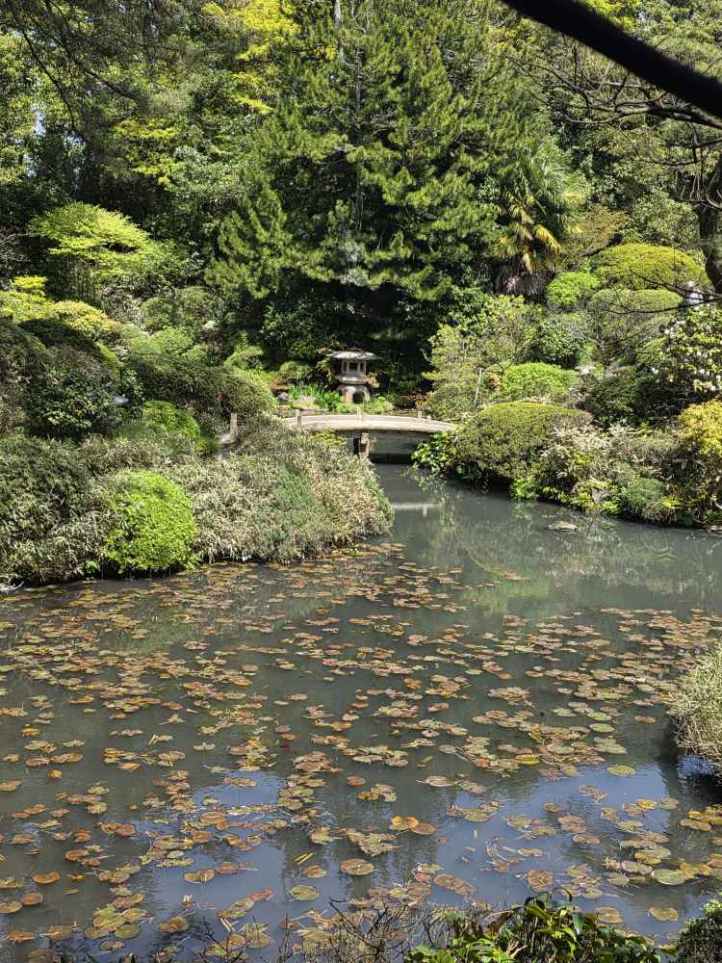
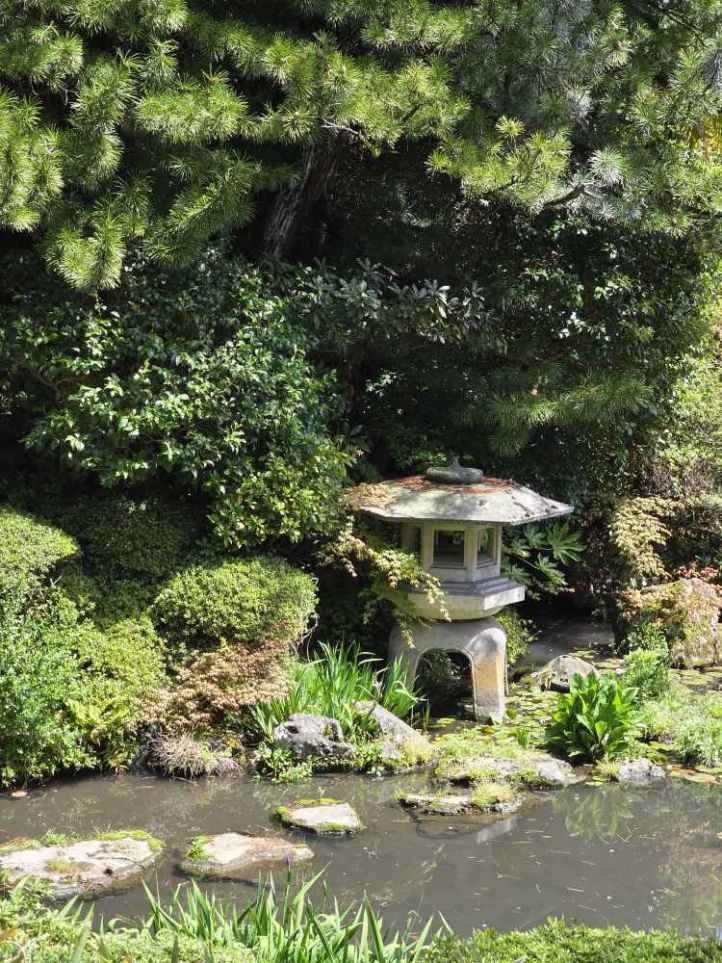
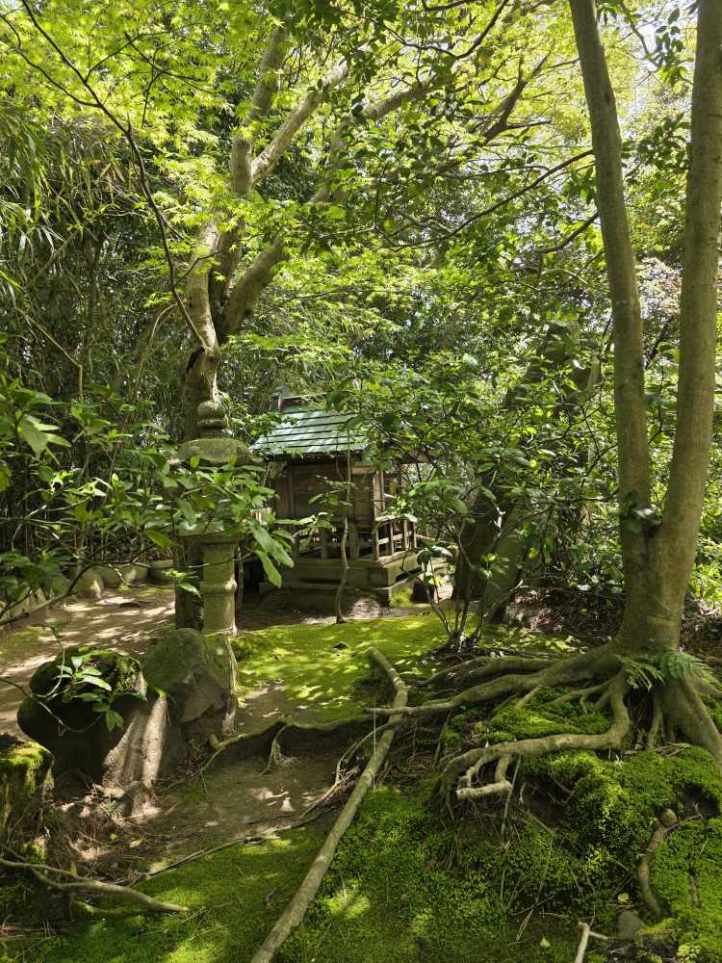
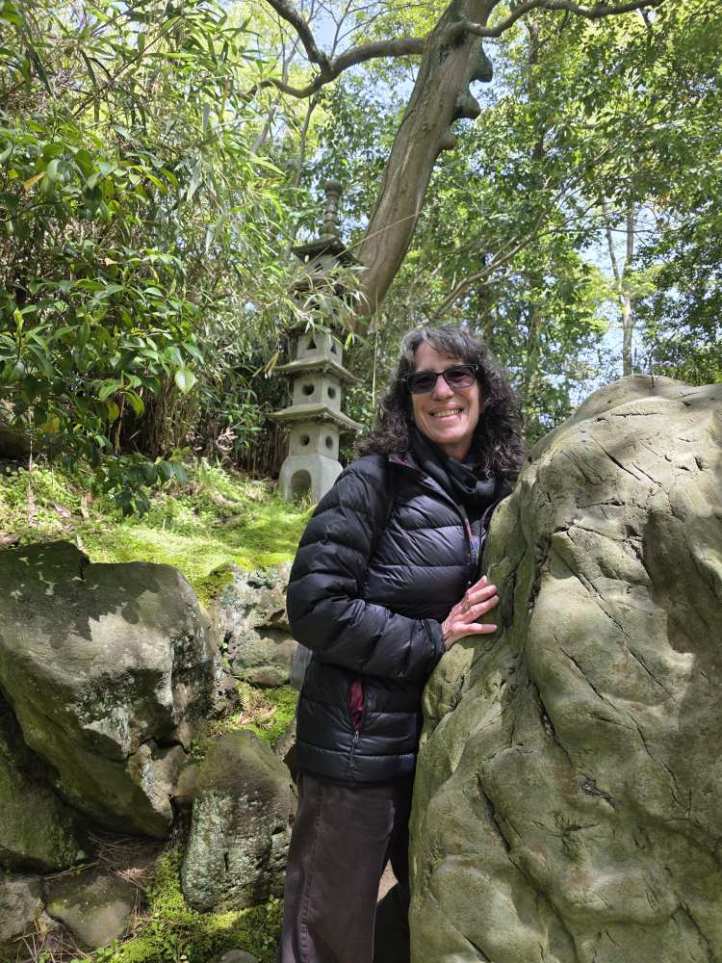
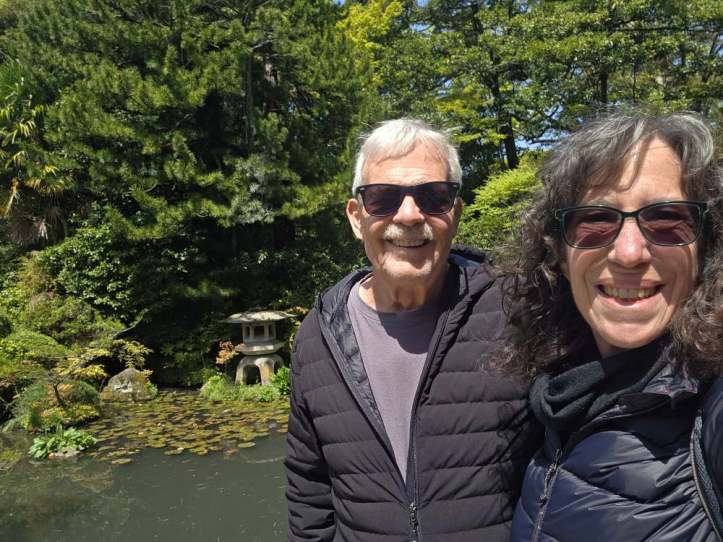
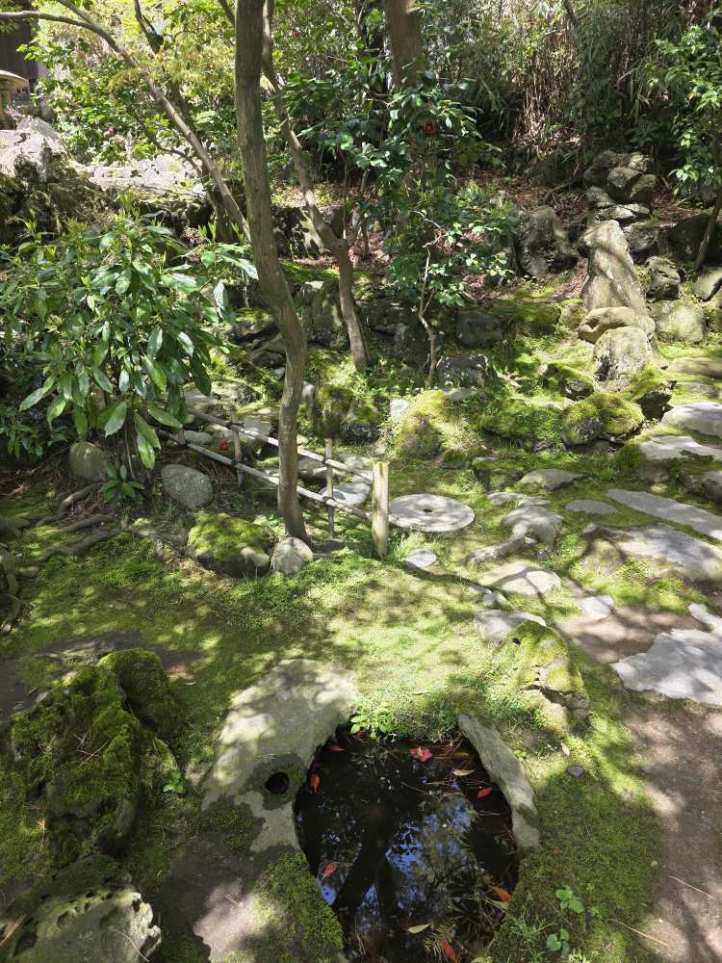
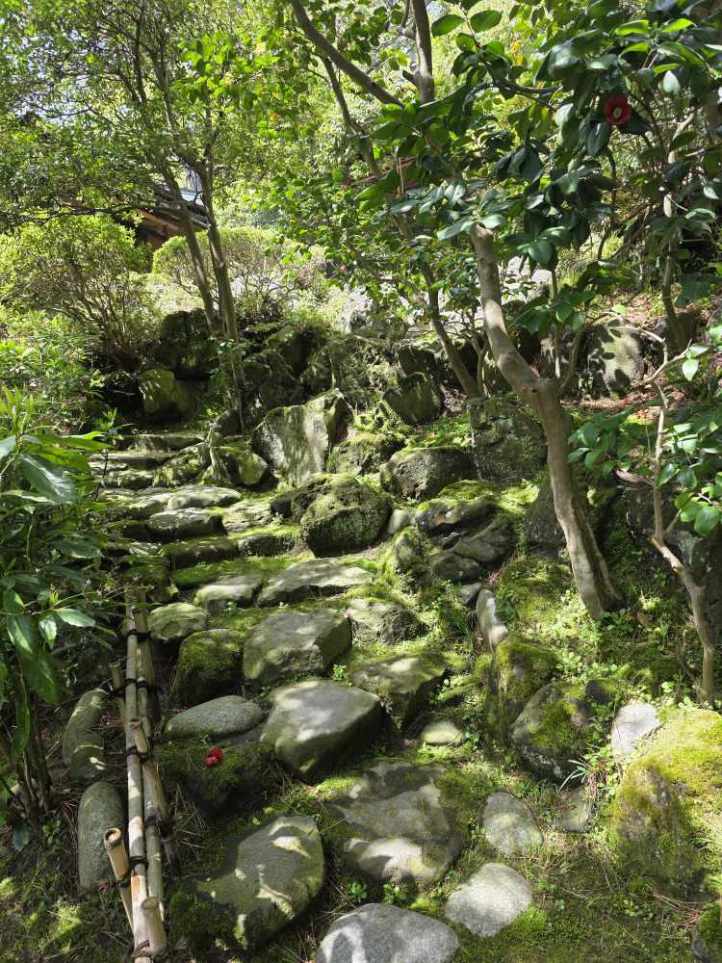
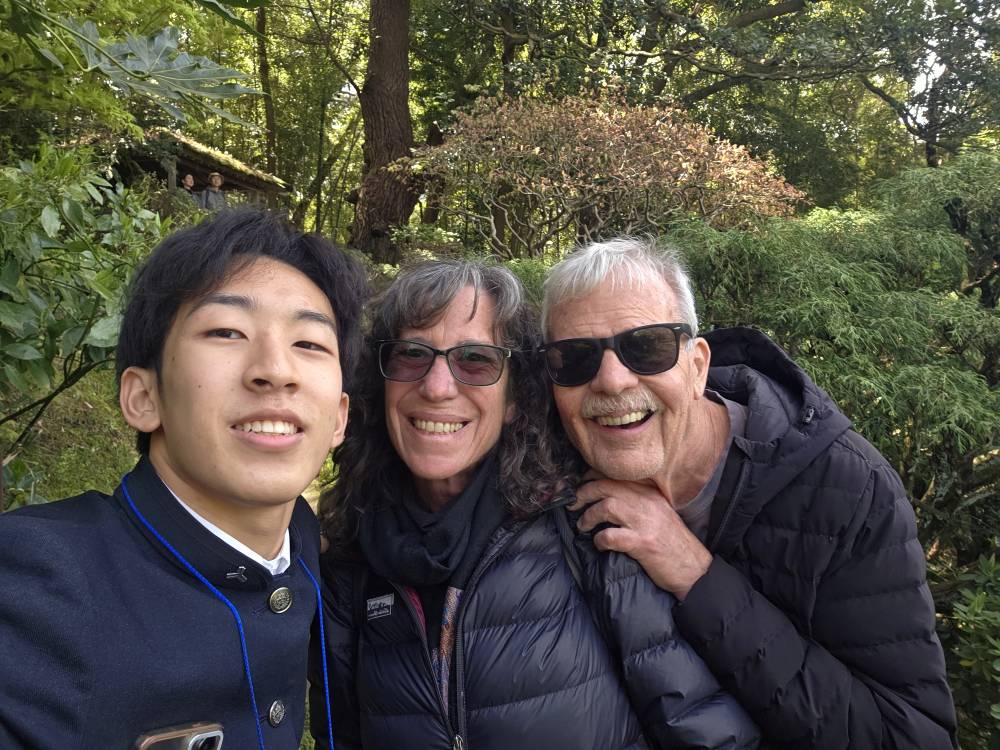
Another tour group was entering the garden, heading toward the Guest House at the rear, making our executive decision to skedaddle and head for lunch now an easy one. Circling back to the entrance path, we run across our little visitor tour leader and finally get a photo of the 3 of us, before saying goodbye to him again and heading to his recommended restaurant, Kumo No Ito Ramen.
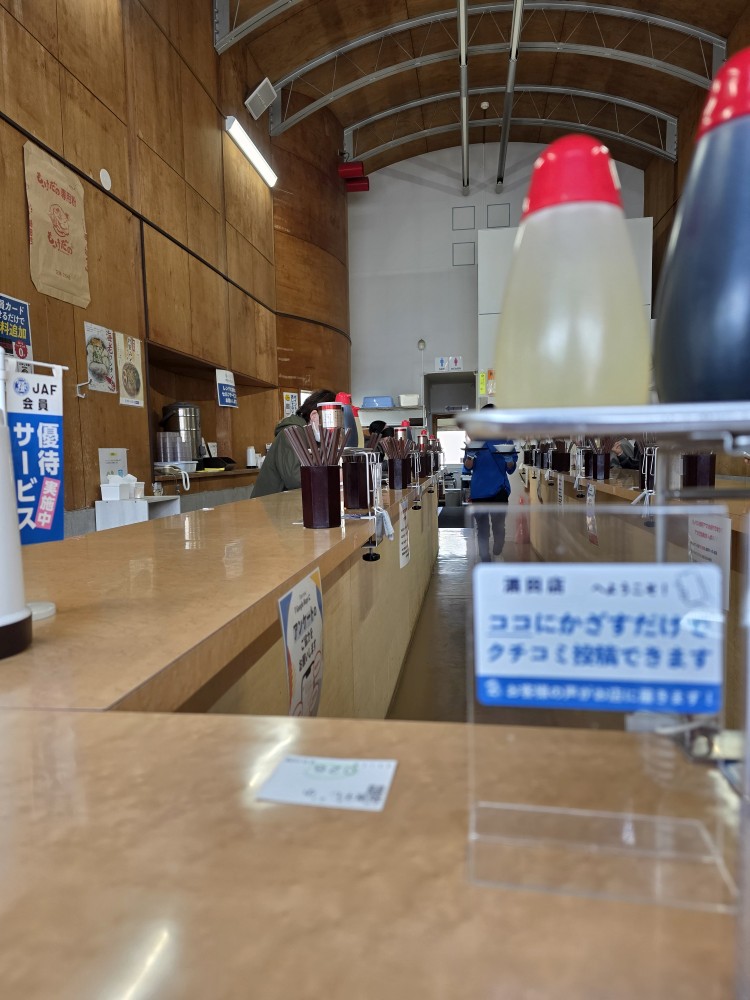
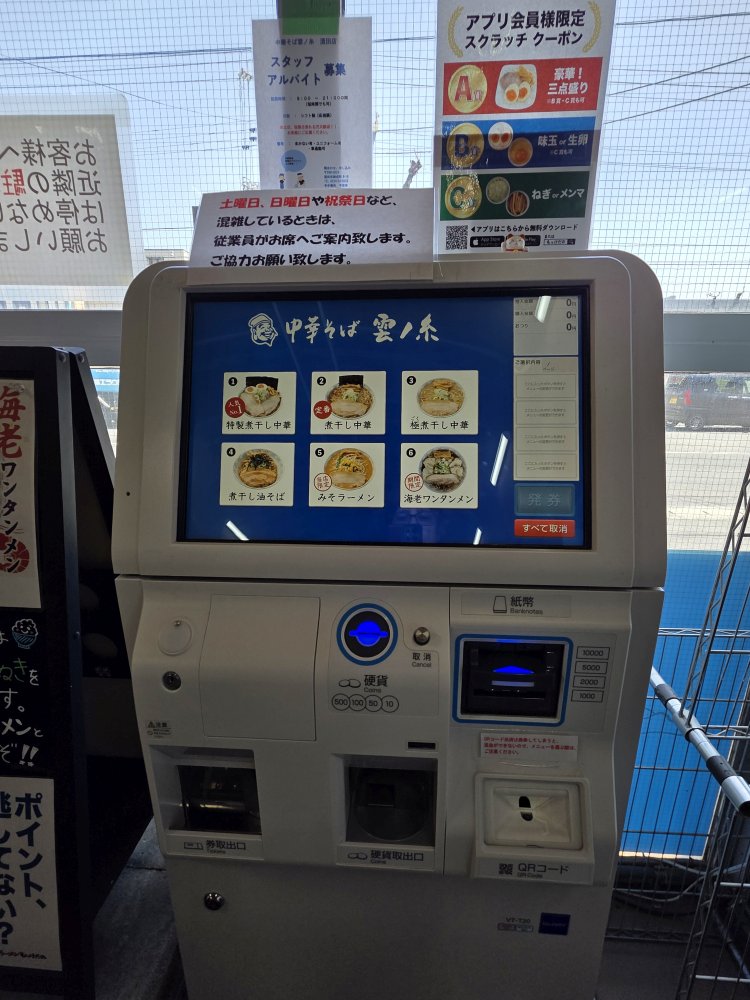
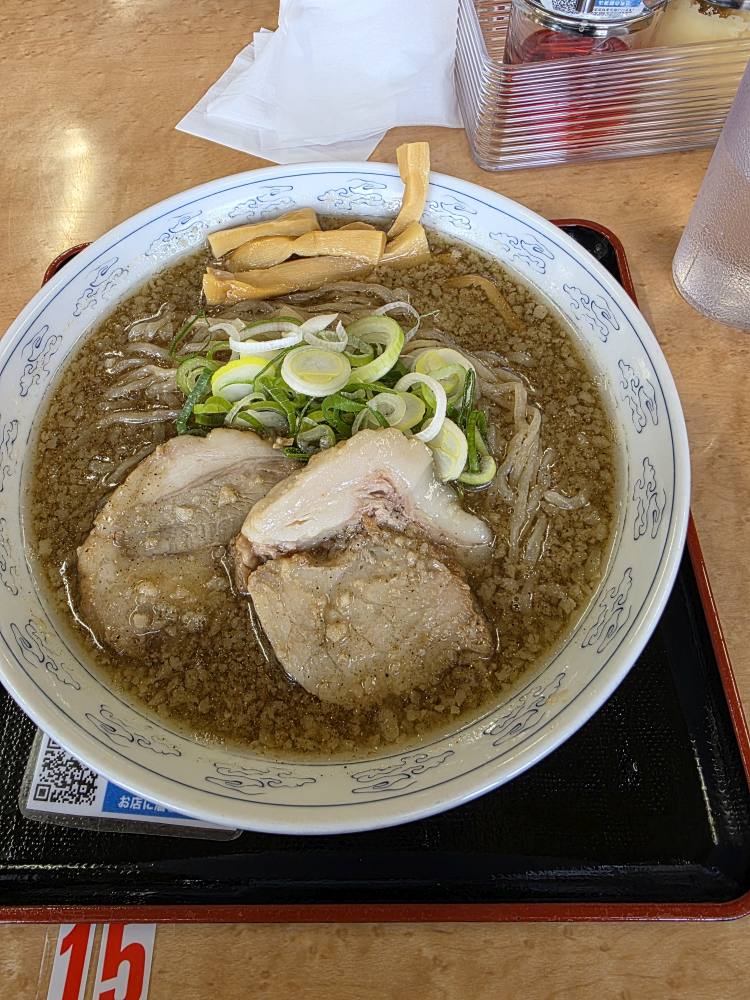
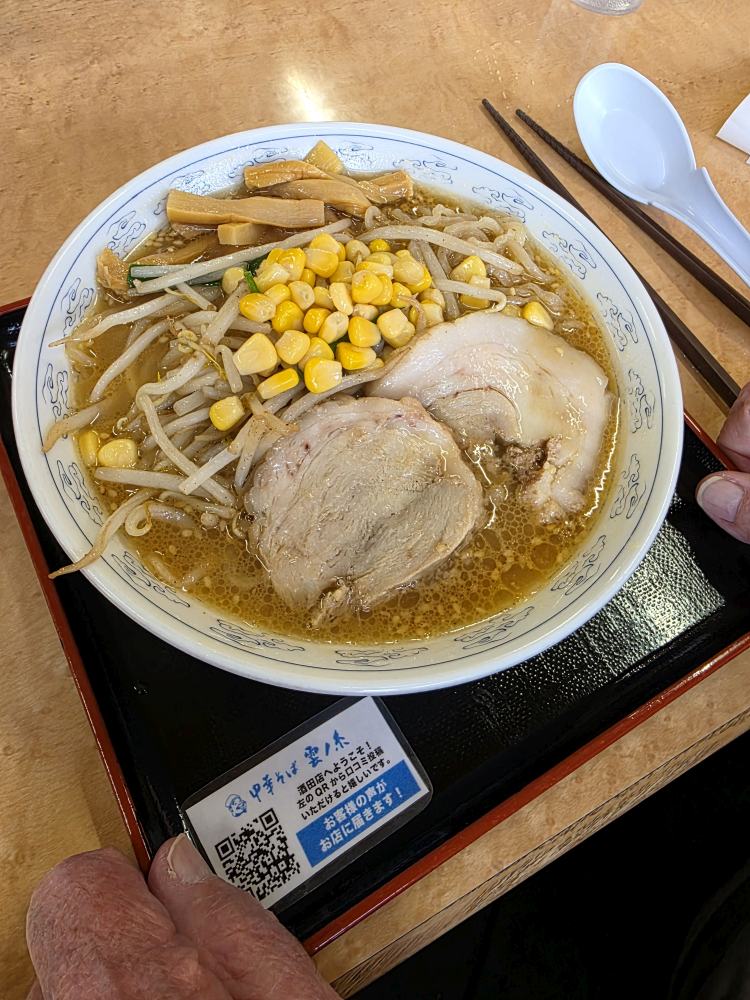
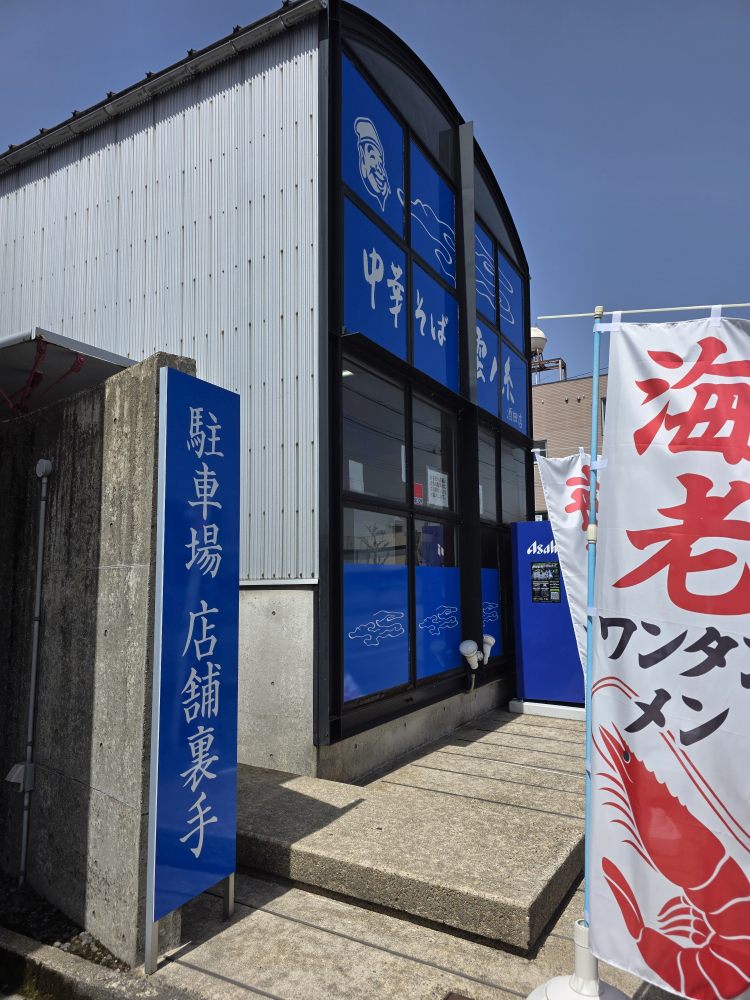
Excellent choice – although we have a little challenge deciding what to order from the Ramen ordering machine (actually making a tactical error and ordering the Niboshi Ramen which has a broth from dried fish – very traditional here, but not my favorite unfortunately. We did order a regular a Miso ramen that was really good – but I could only manage a few bites of the other when we shared, unfortunately.