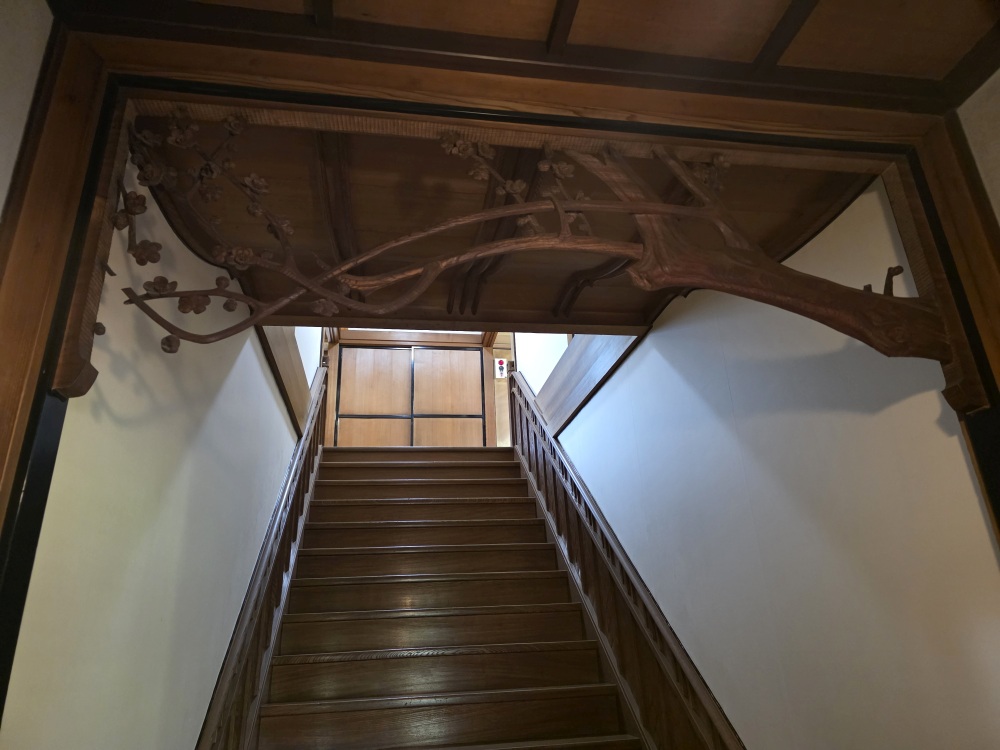
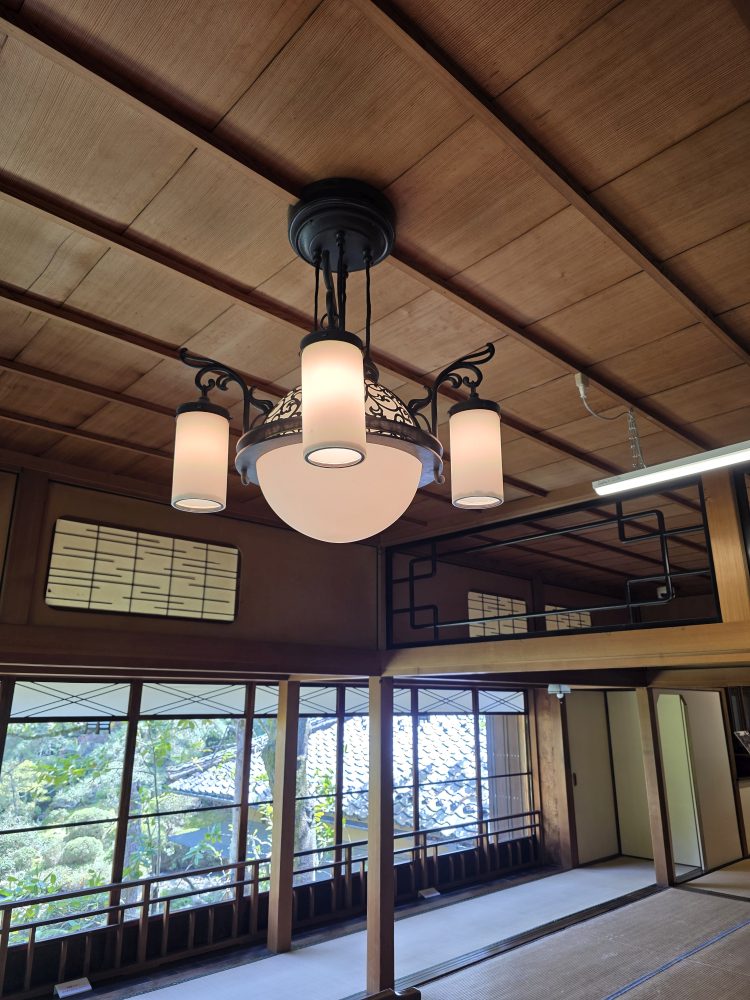
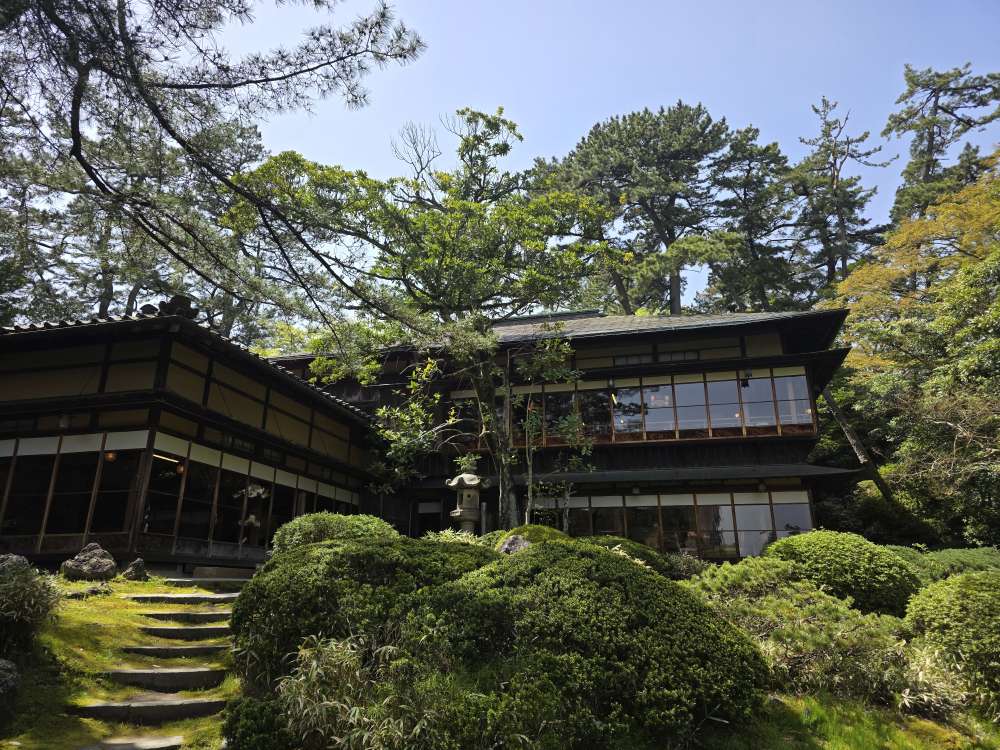
Back at the museum, we head into the Kakubuen Gardens only to be stopped by some confusion over whether we could enter them – since we already have our tickets, it is fine, but the visitor helper out front is confused. After escorting me inside and up to the ticket counter, where after some negotiation and sign language, everyone realizes we have already paid and can go on our way. Back through the garden we go to visit the guesthouse, which is surprisingly wonderful and lovely. Displays of figurines collected throughout the Homma rein, beautiful views out to the gardens, lovely painted linen on the walls and a beautiful zelkova wood carving of a plum blossom tree hanging in the transom above the staircase to the 2nd floor.
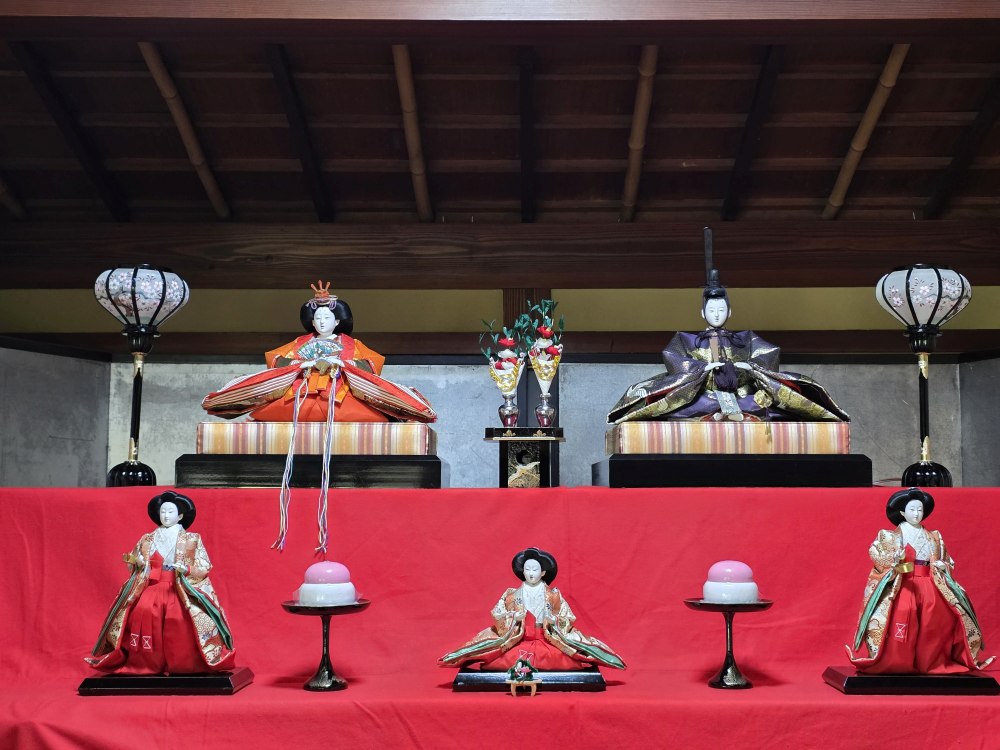
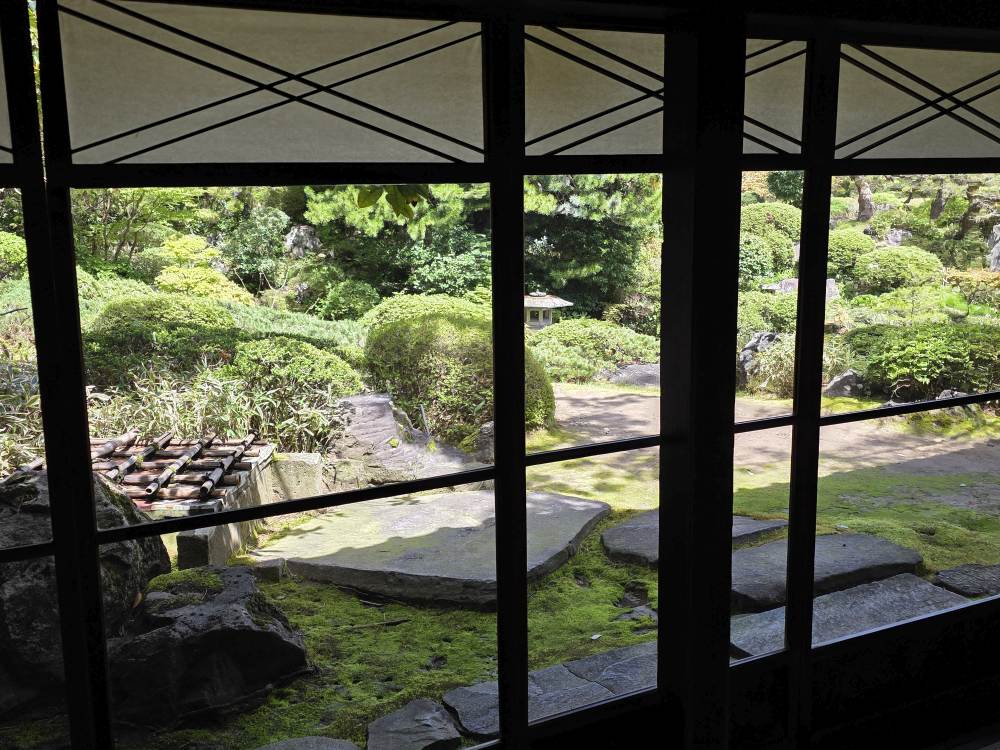
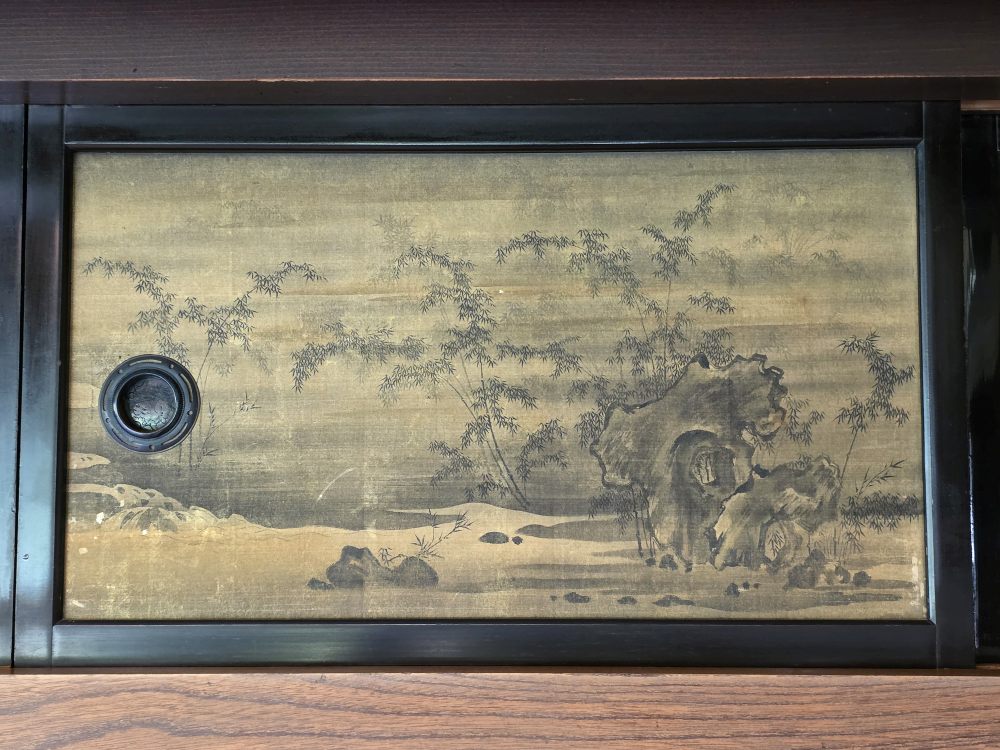
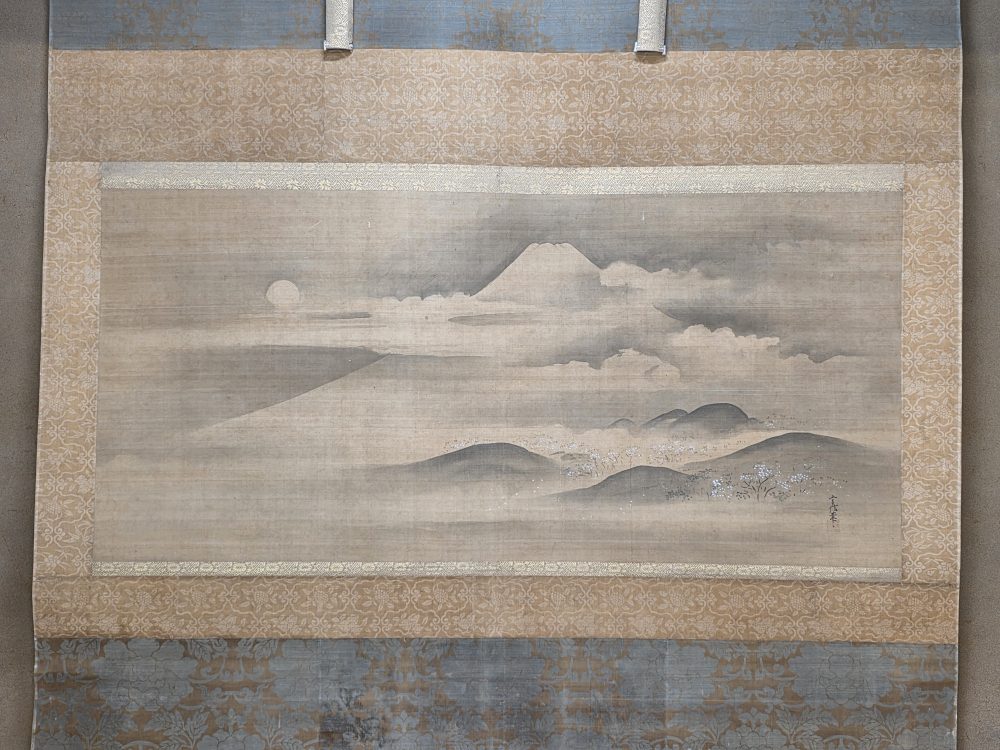
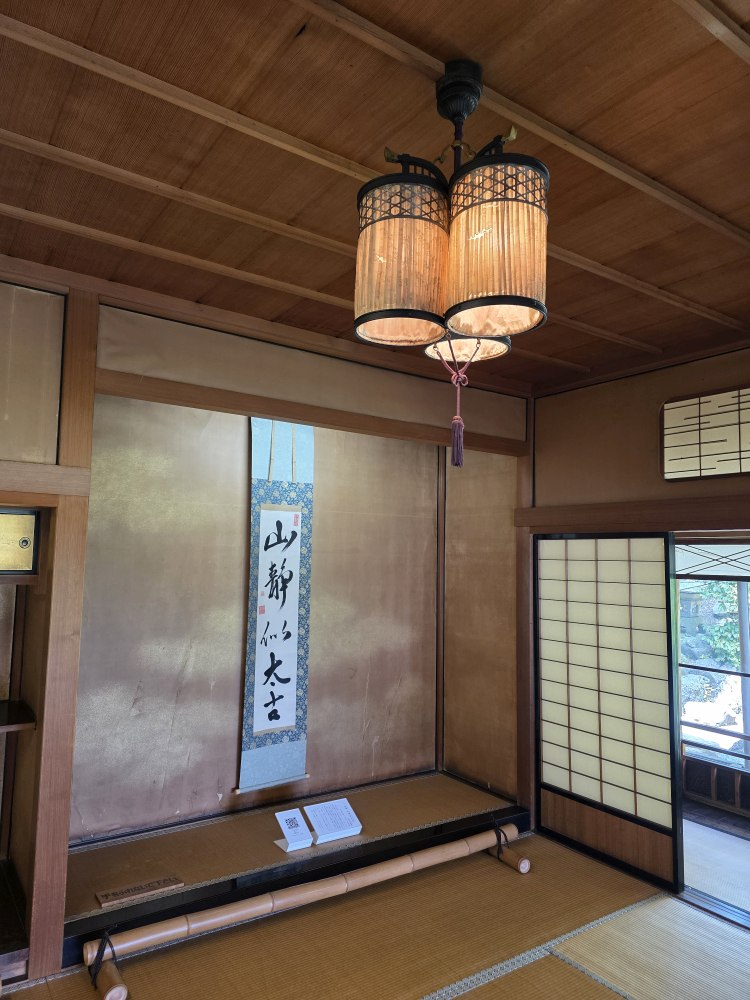
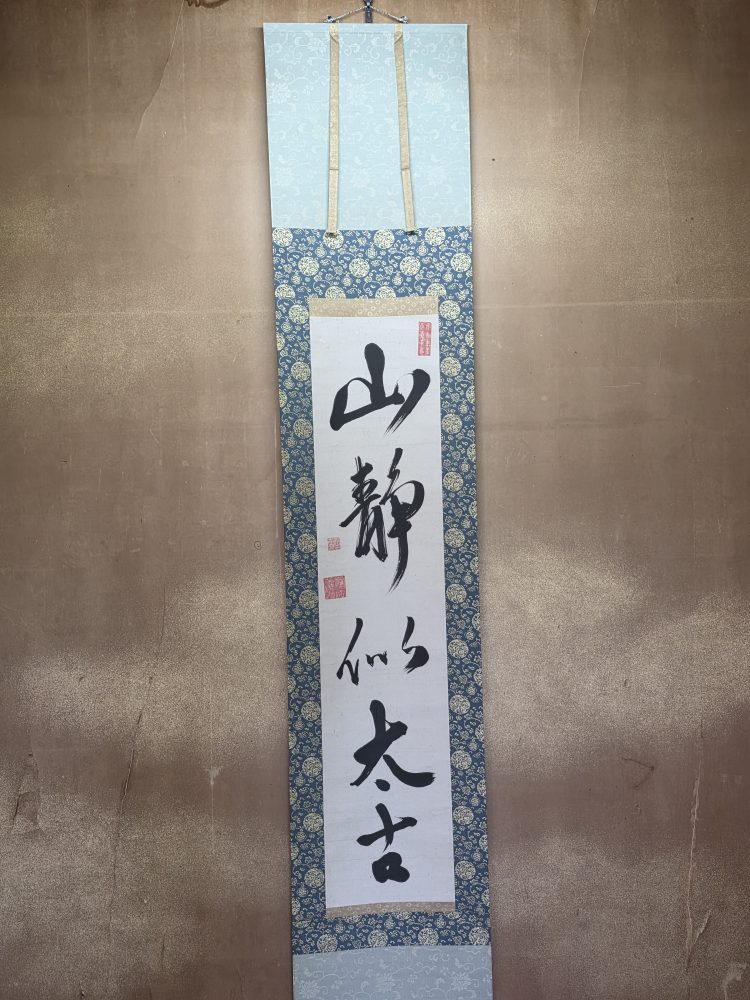
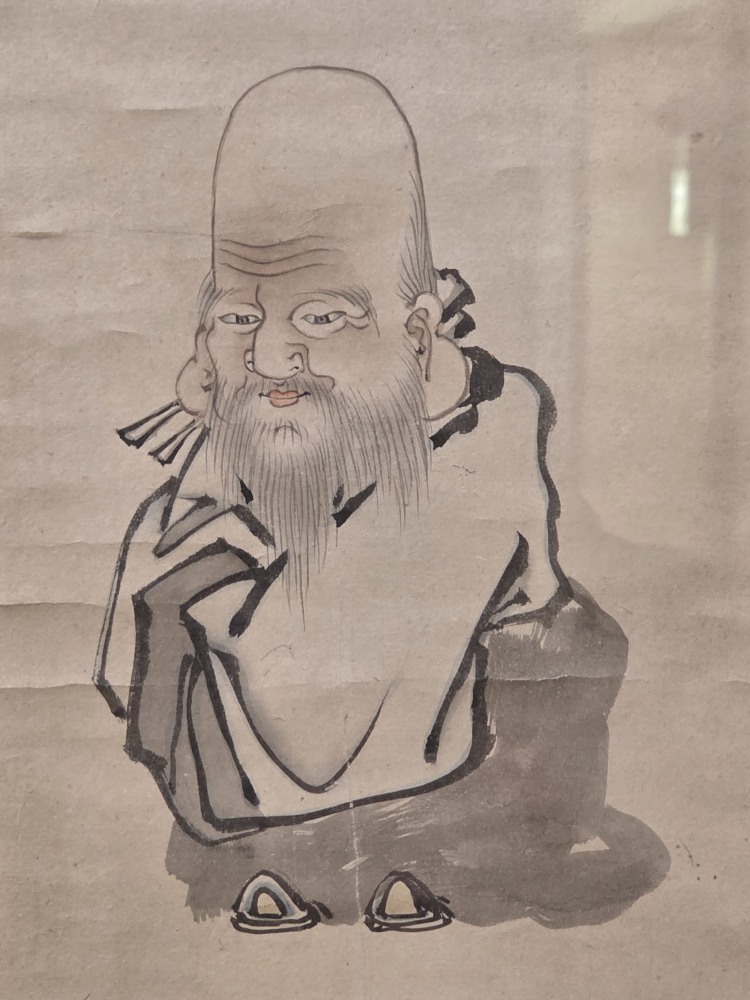
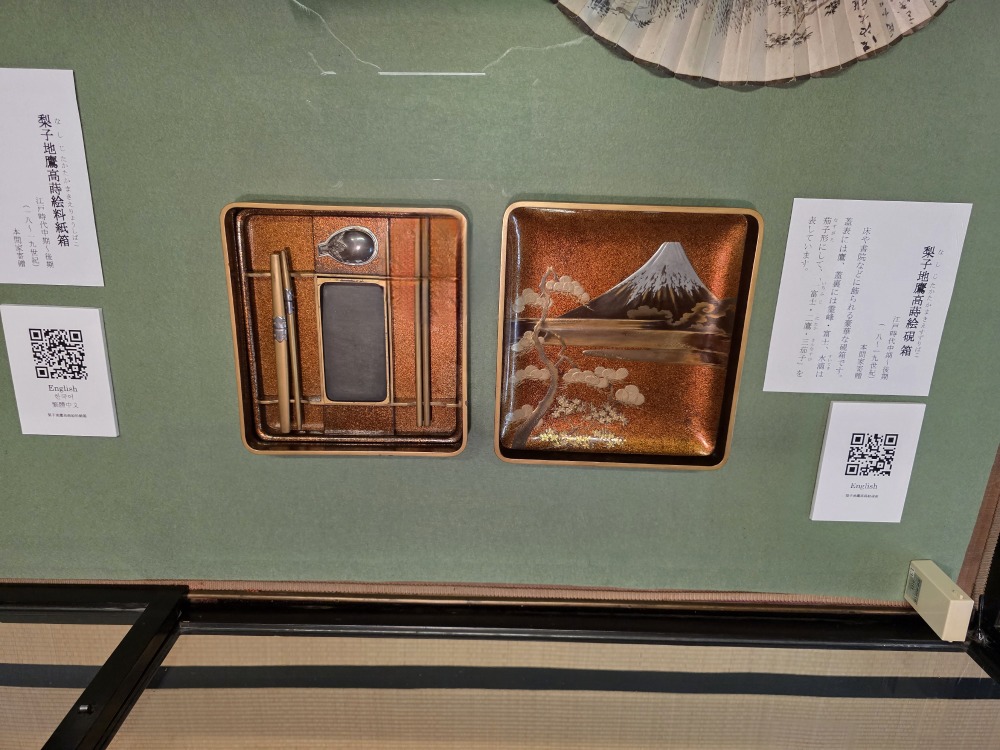
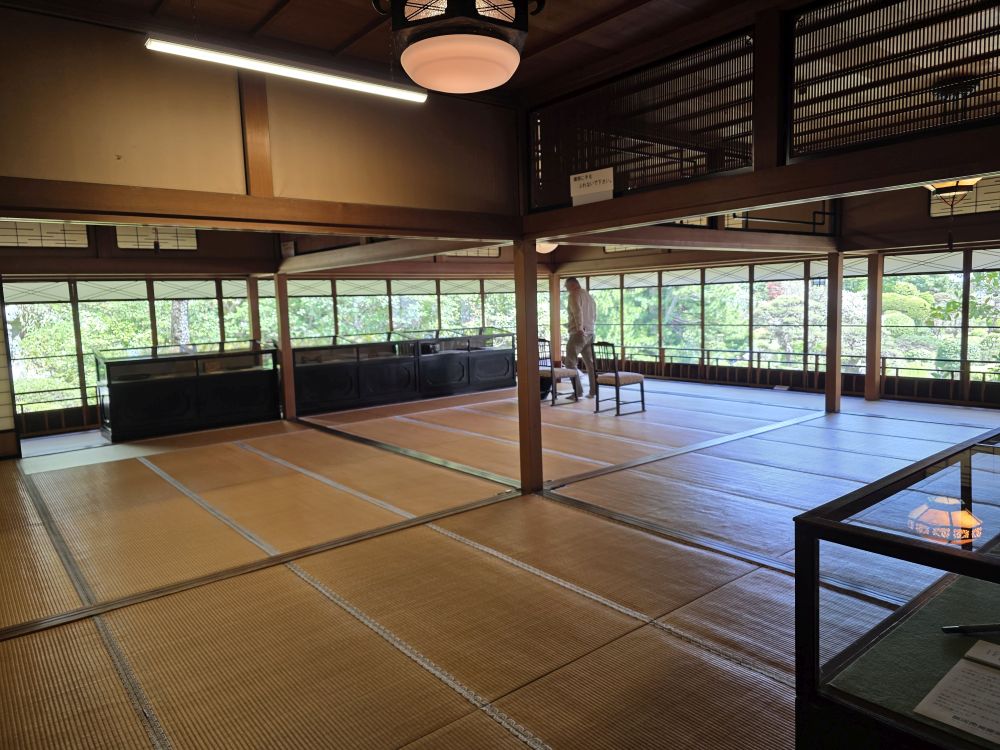
Upstairs there is a large Tatami covered room with lots of lovely garden views, a little museum area with lots of gifts given to the Homma family – including some beautiful lacquer boxes with Mt Fuji on one, a hawk on another.
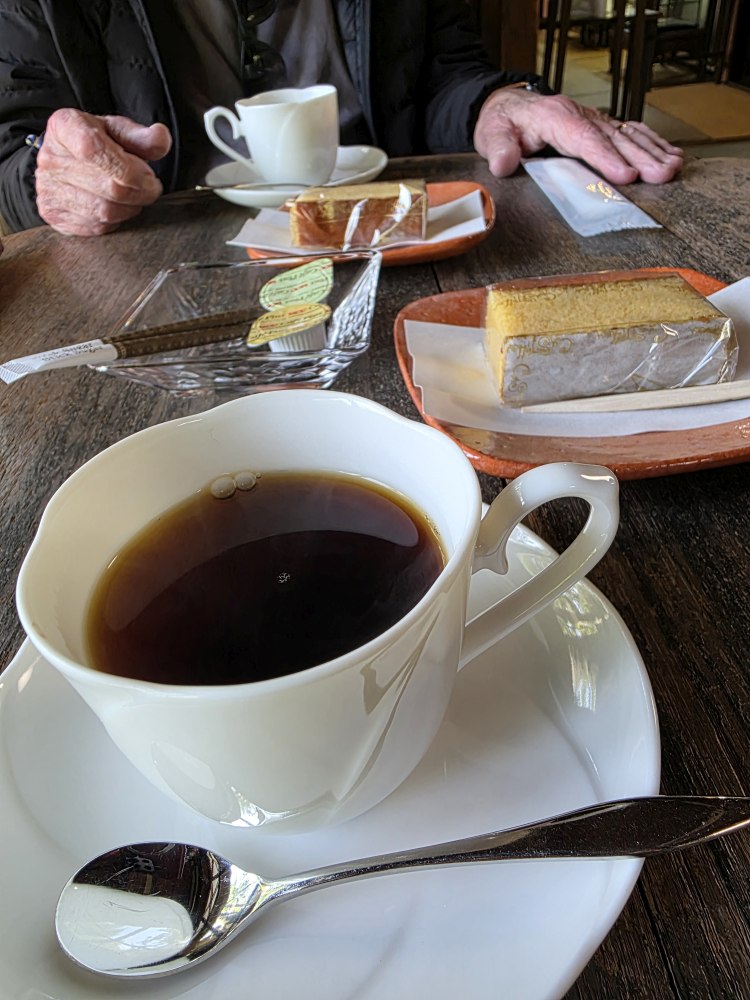
Downstairs, there is a little café where we decide to have some coffee and dessert – a delicious slice of Japanese sponge cake. Perfect.
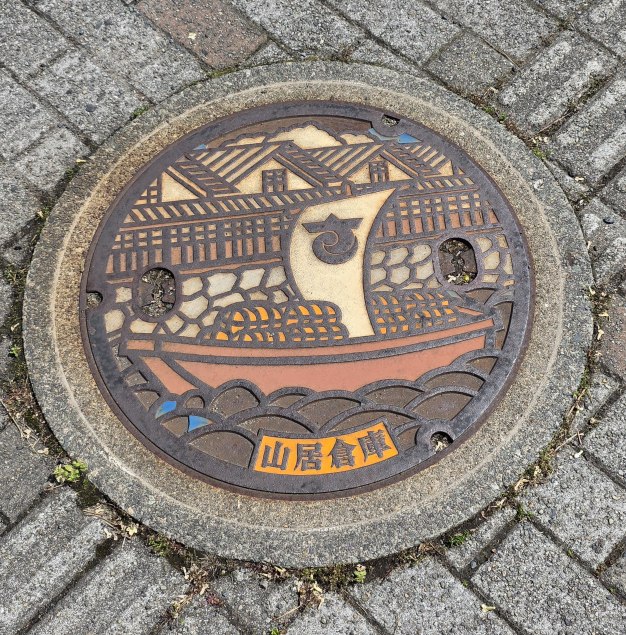
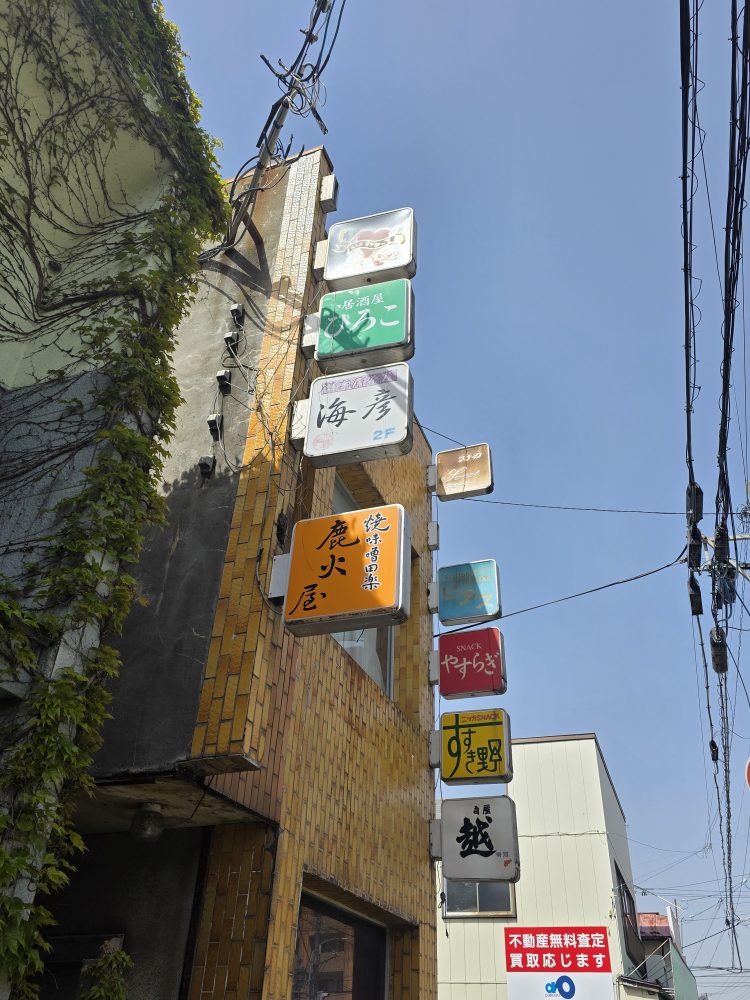
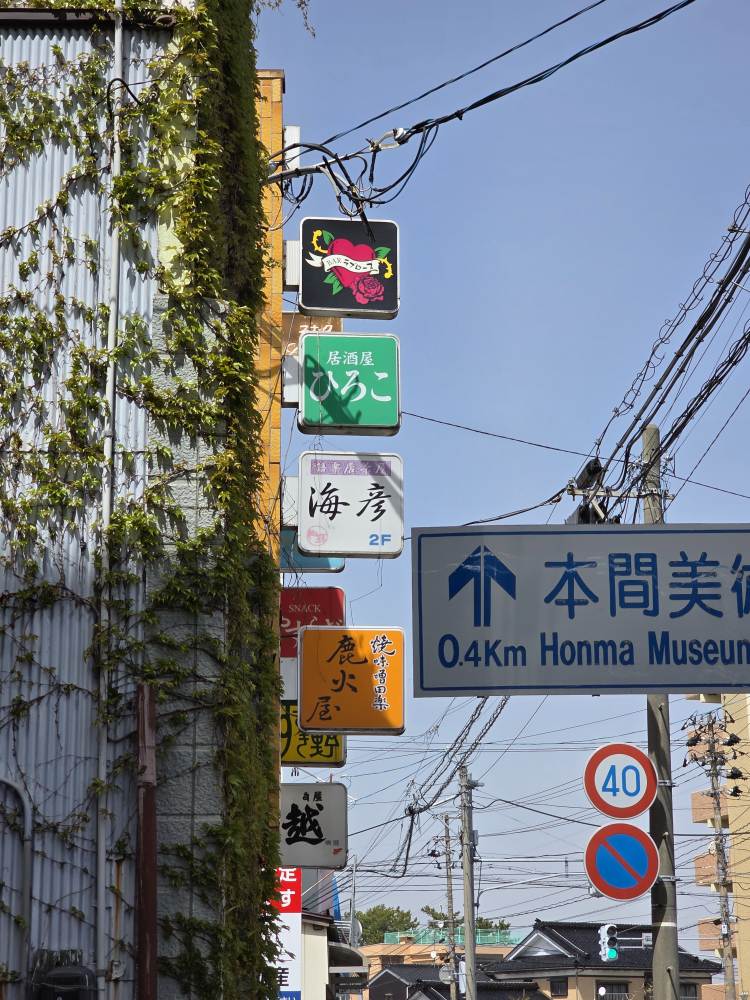
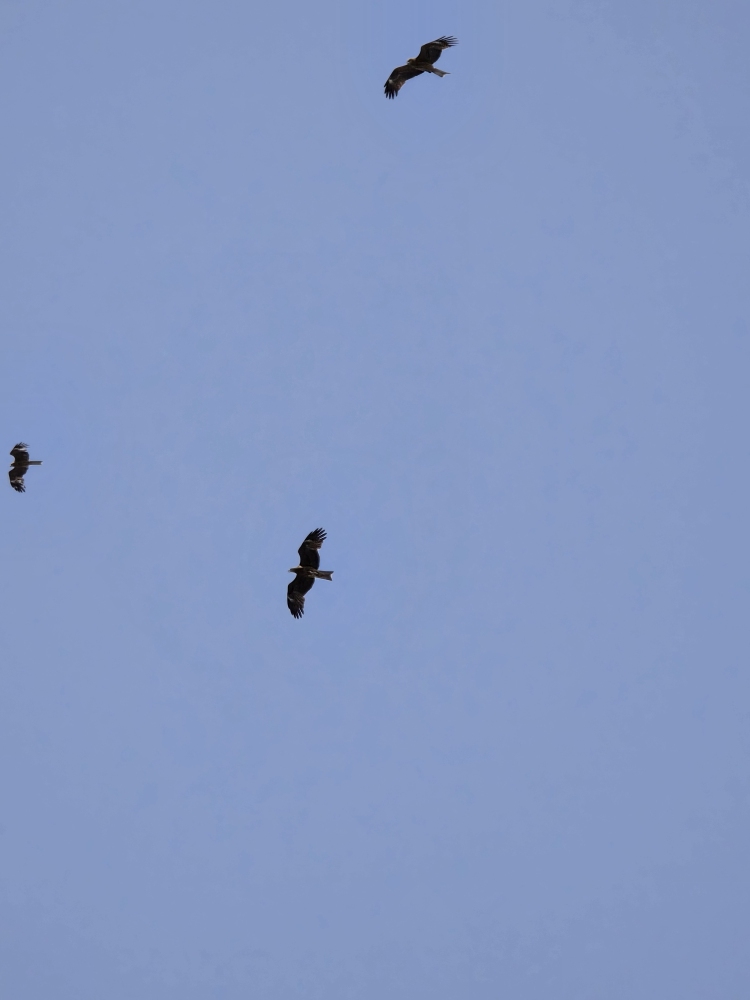
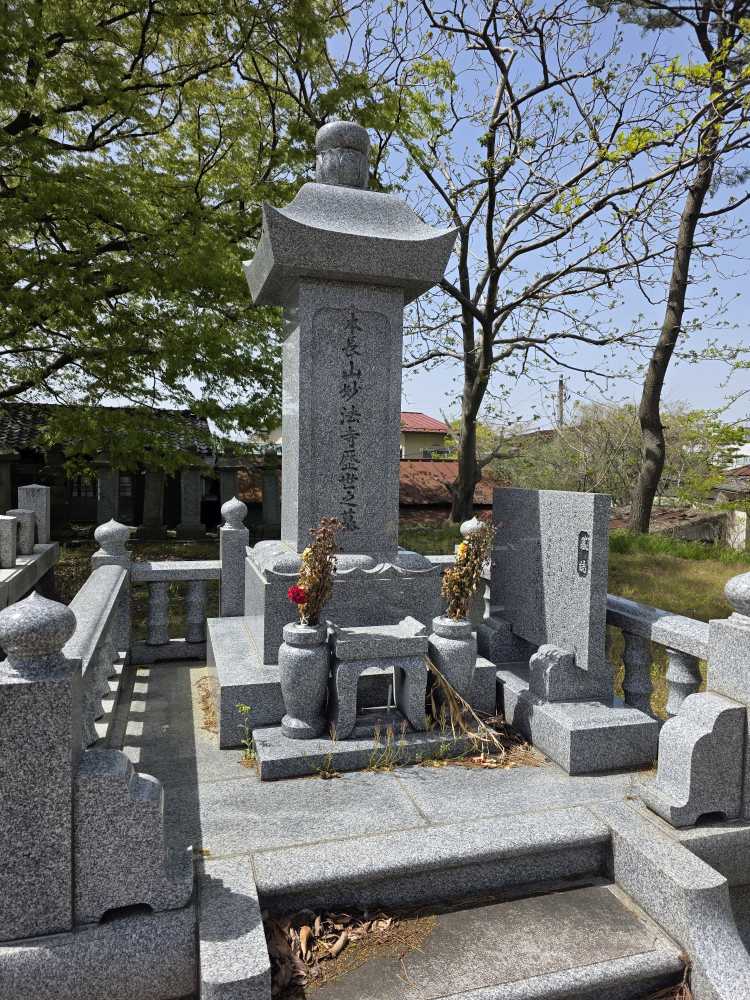
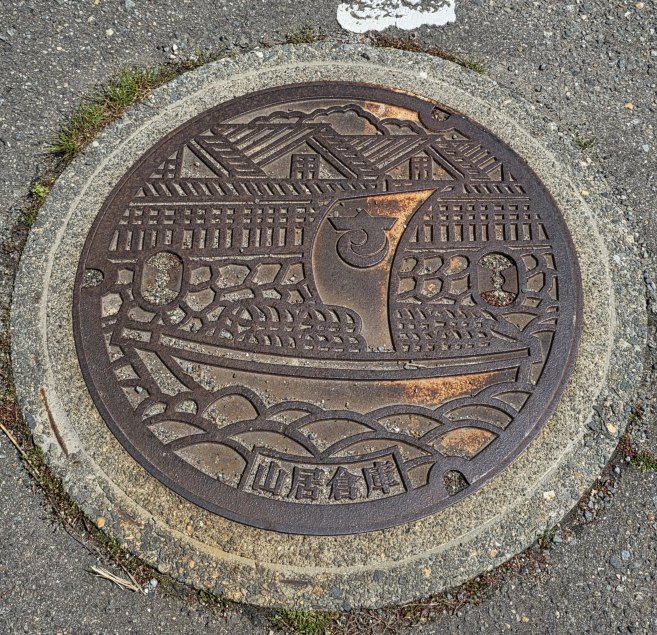
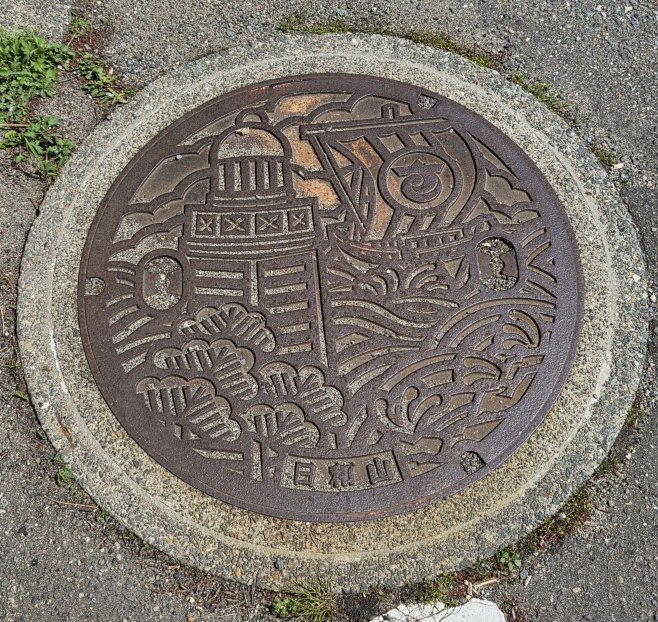
Back out onto the streets, we head toward Hiyoriyama Park for some more outdoor time, enjoying the manhole covers (as always) and the great business/bar signs that line the buildings. Further on, we stumble upon a lovely little shrine along with a small cemetery – and lots of hawks circling above.
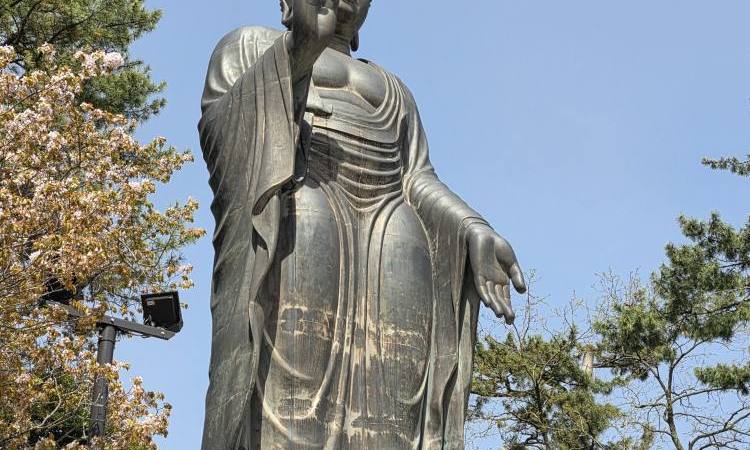
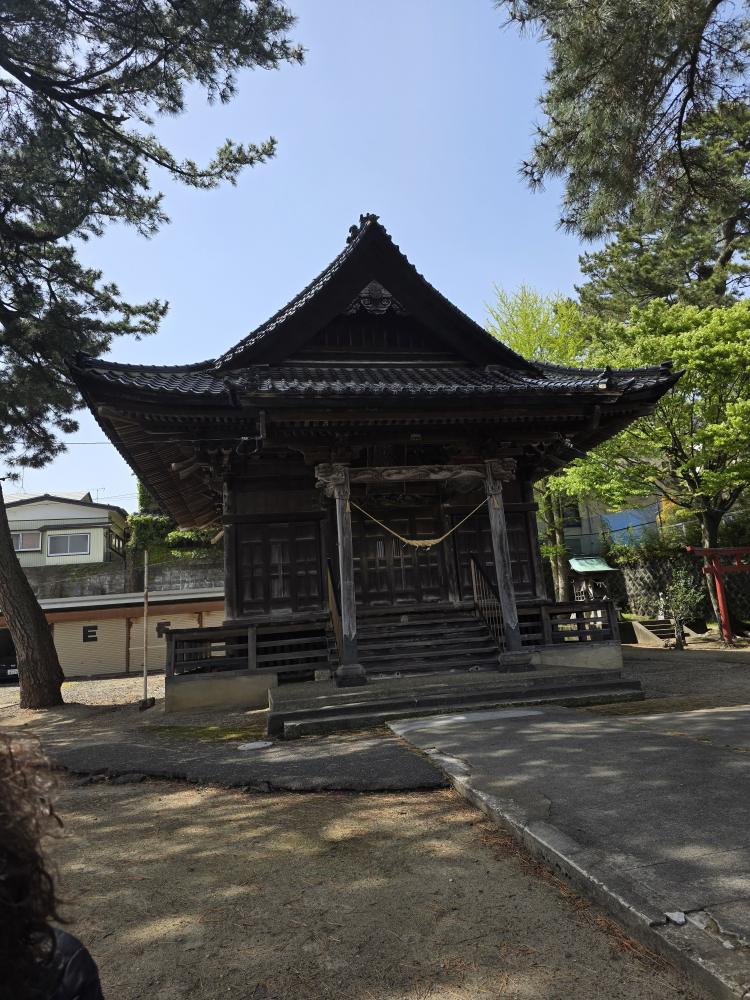
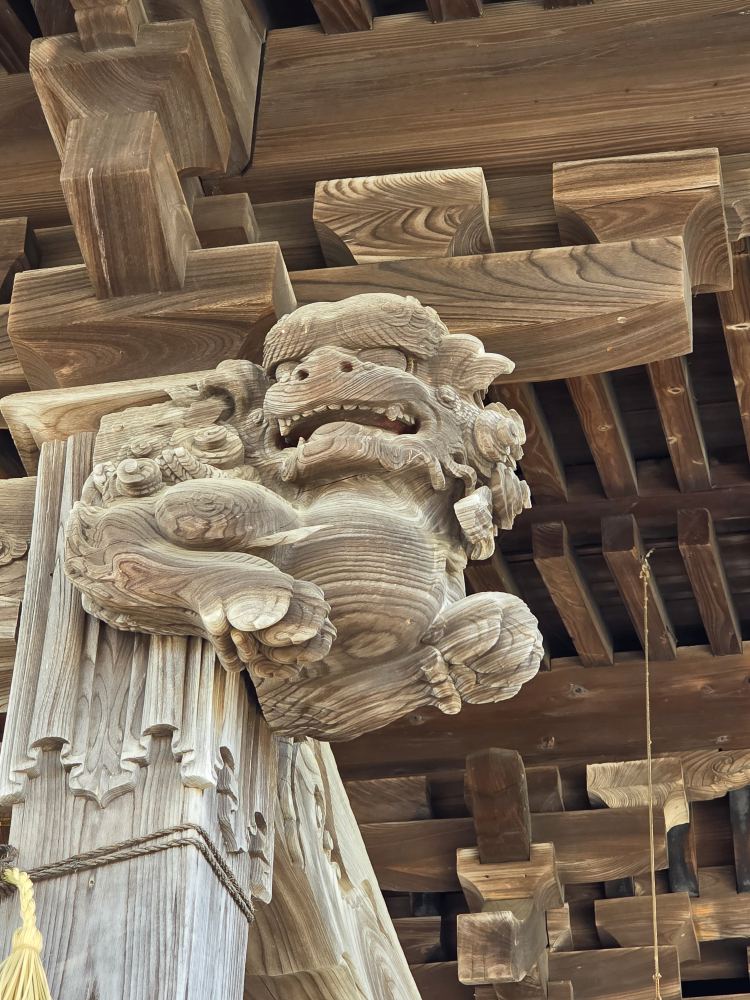
We get turned around a bit looking for the Jichi-in Temple – the maps show it in 2 locations, and we end up at some random – but neatly carved – shrine below the temple. We can see the giant Buddha up above us but just can’t quite get there. Finally, finding our way through the labyrinth of streets, we arrive Jichi-in, framed in cherry blossoms.
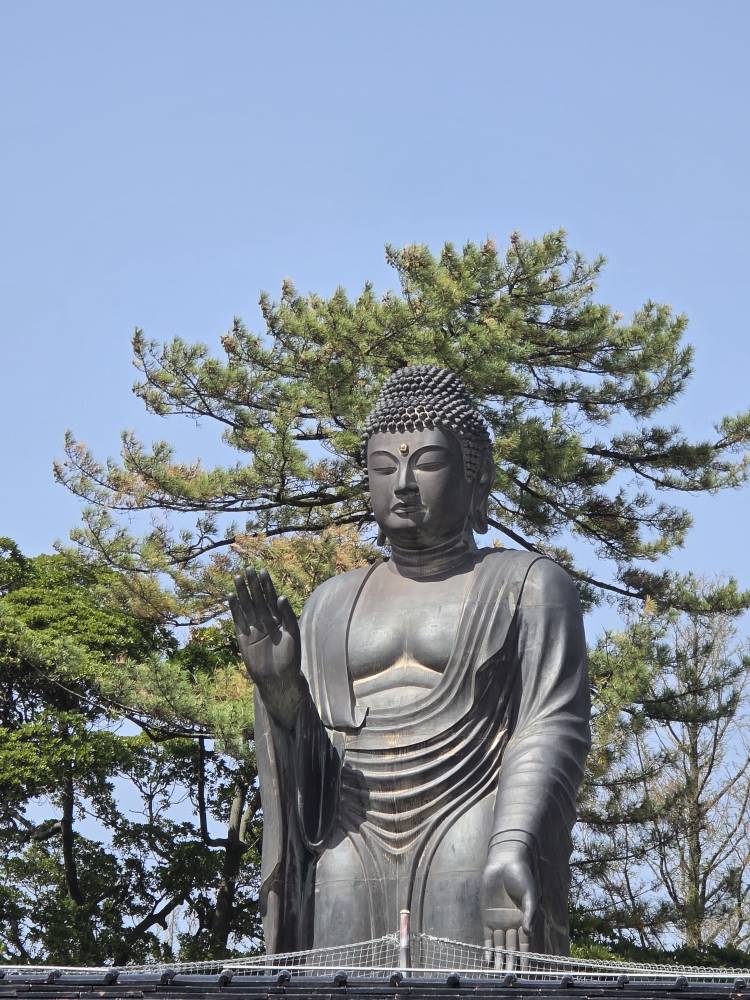
The Great Buddha is here, close up, towering at a height of 55 feet above us. A lovely sight – but an even better story. This is actually the 2nd Buddha statue. The first was built in1914 as an offering to the victims of the Sino-Japanese War and the Shonai earthquake, and as a symbol of peace. Sadly, during WWII, the government issued an order to collect all metal to be made into weapons, and the Buddha was sacrificed. The man who made the original Buddha was very sad that his symbol of peace was used as a weapon of war. For years, the spot stood empty, until the man’s grandson rebuilt the Great Buddha in his honor in 1992.
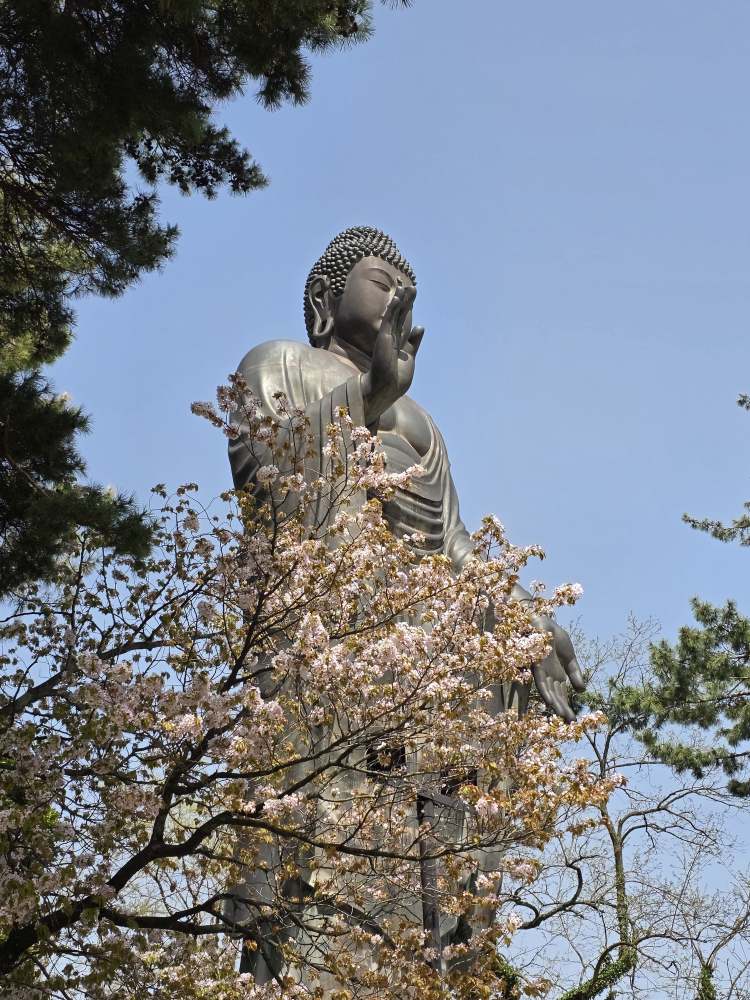
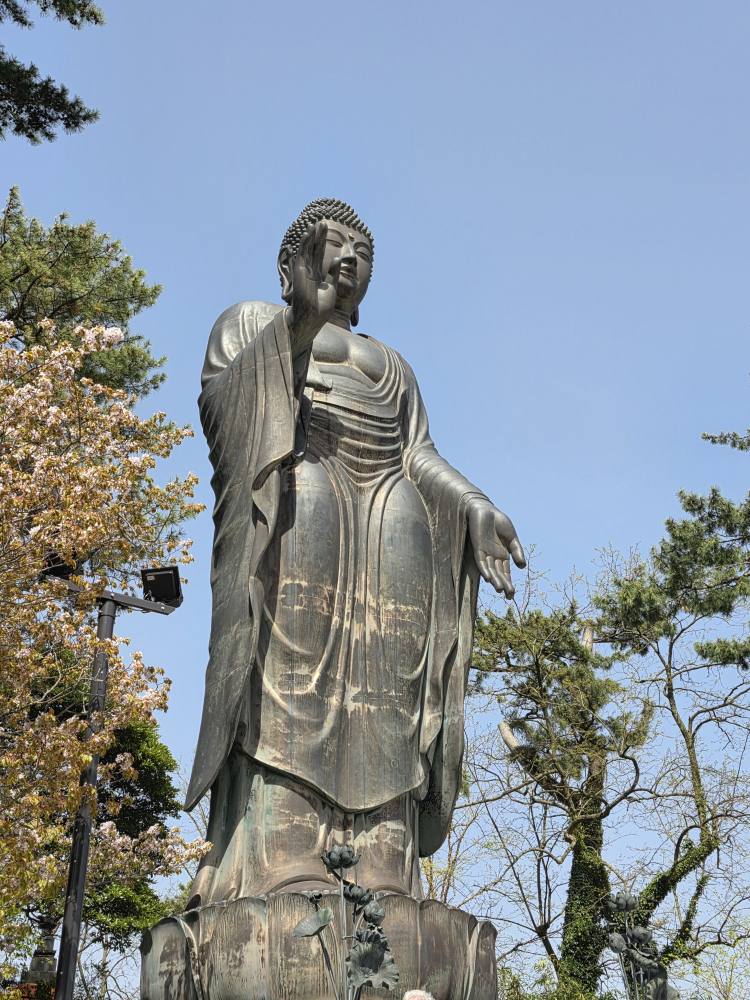
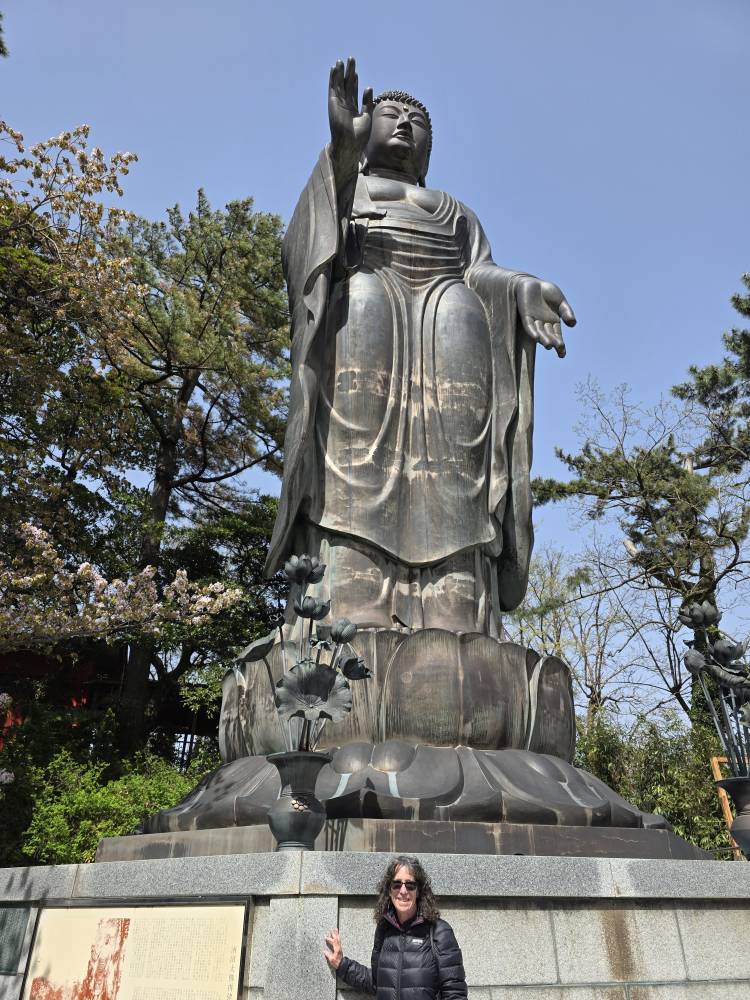
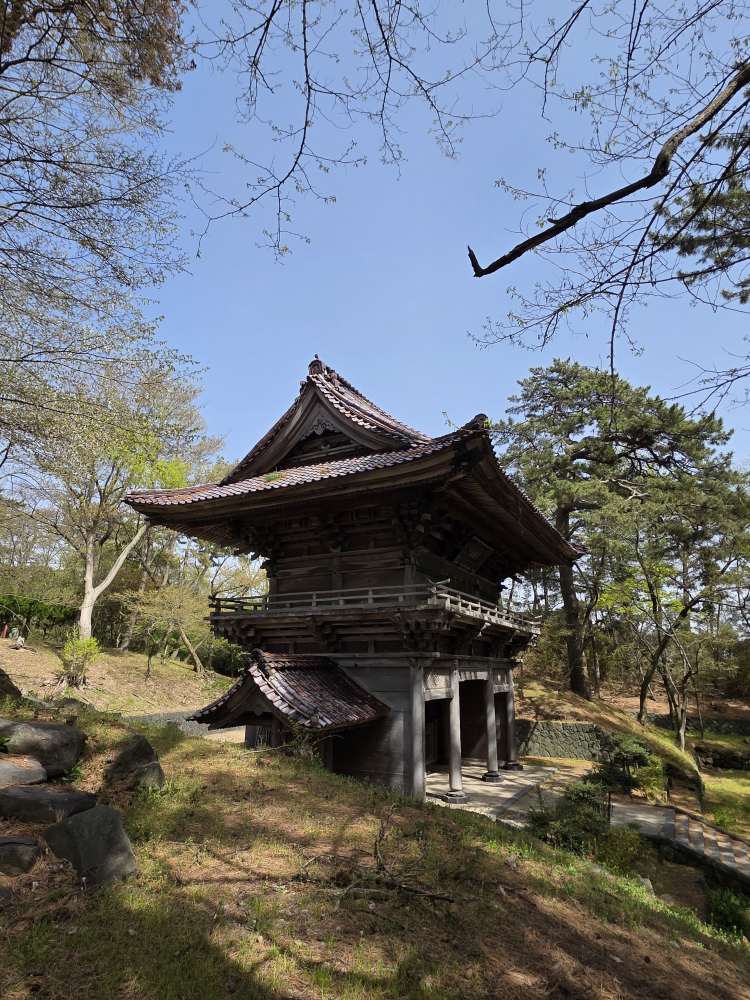
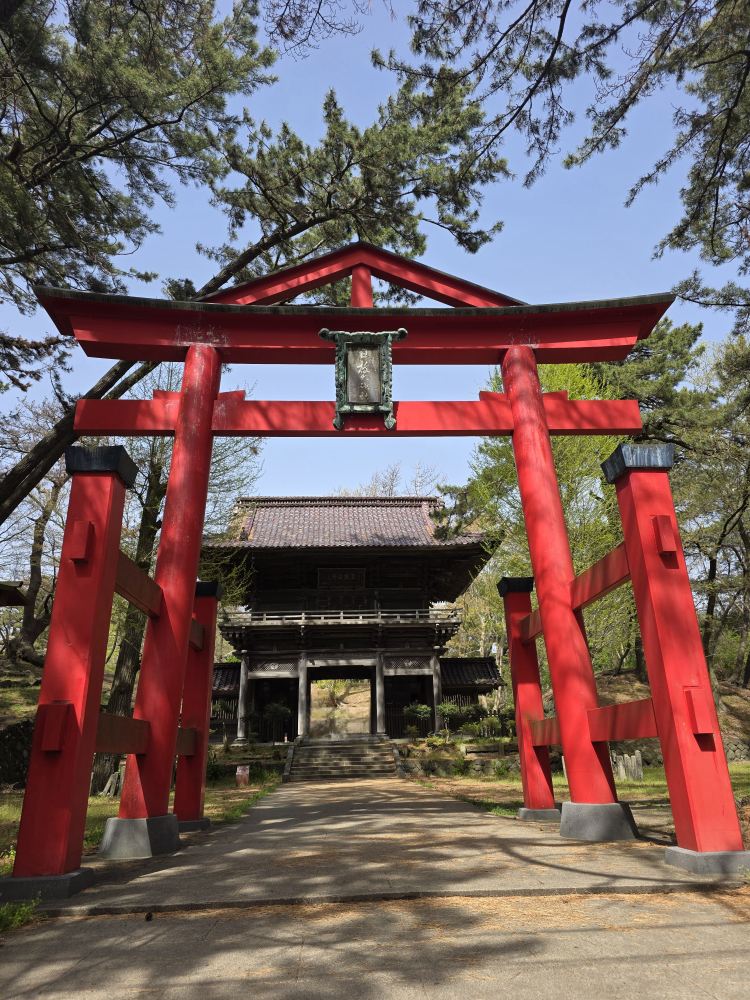
Moving on, we head to Hiyoriyama Park with its myriad of temples and shrines – each one with a different look, feel and statuary. The walk through the forest alone is fantastic, but to see these temples just pop up out of the trees is just special.
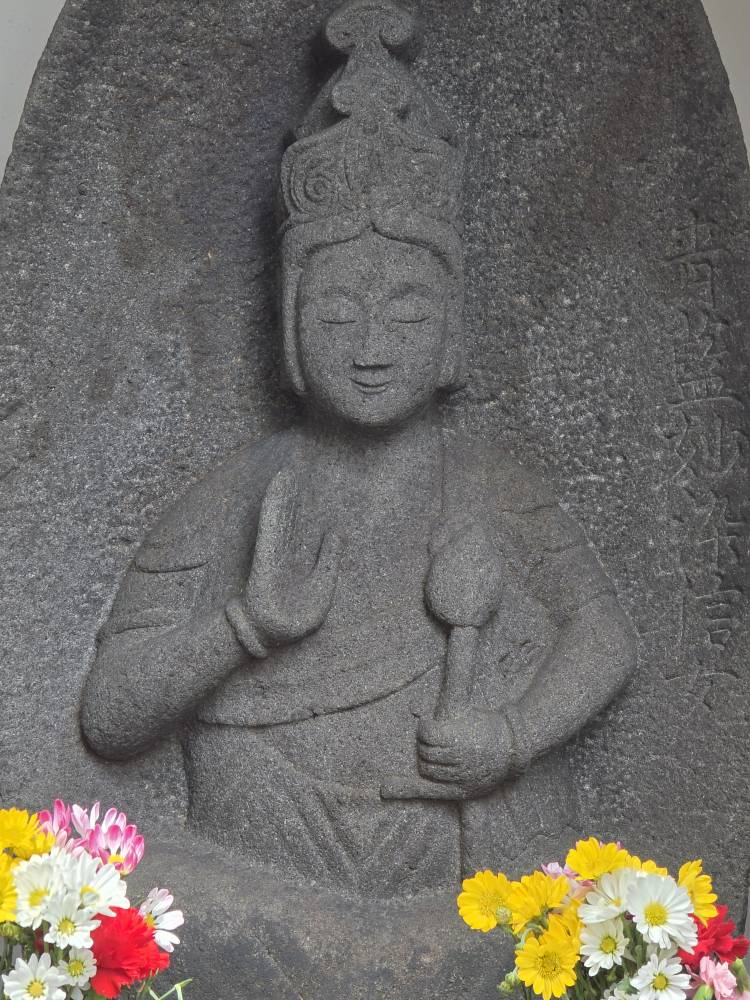
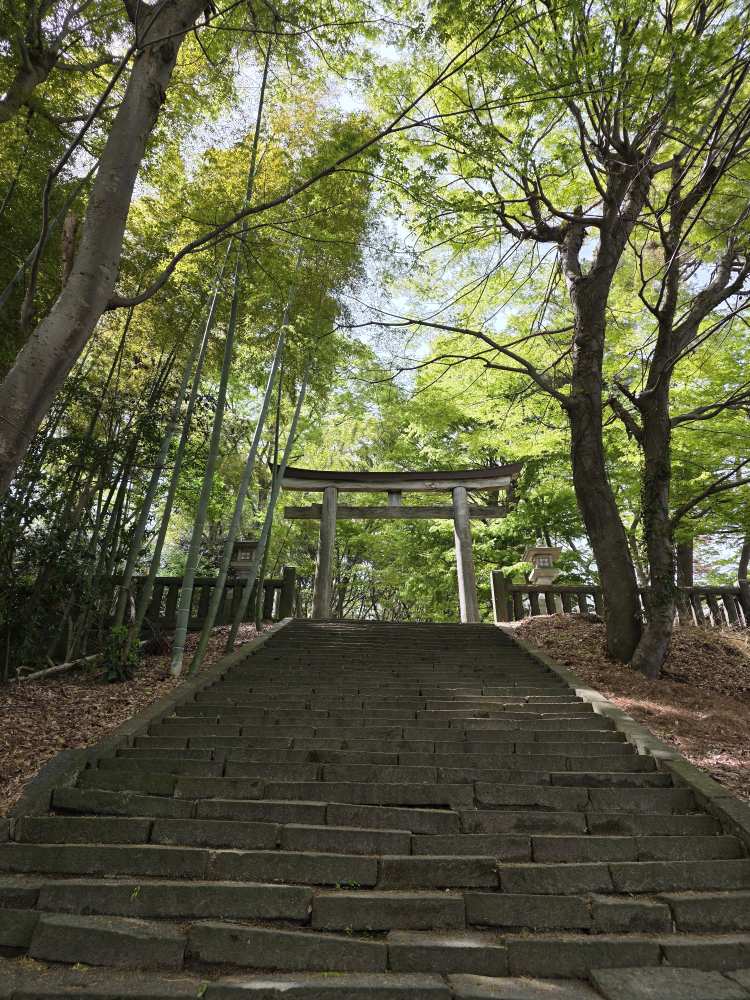
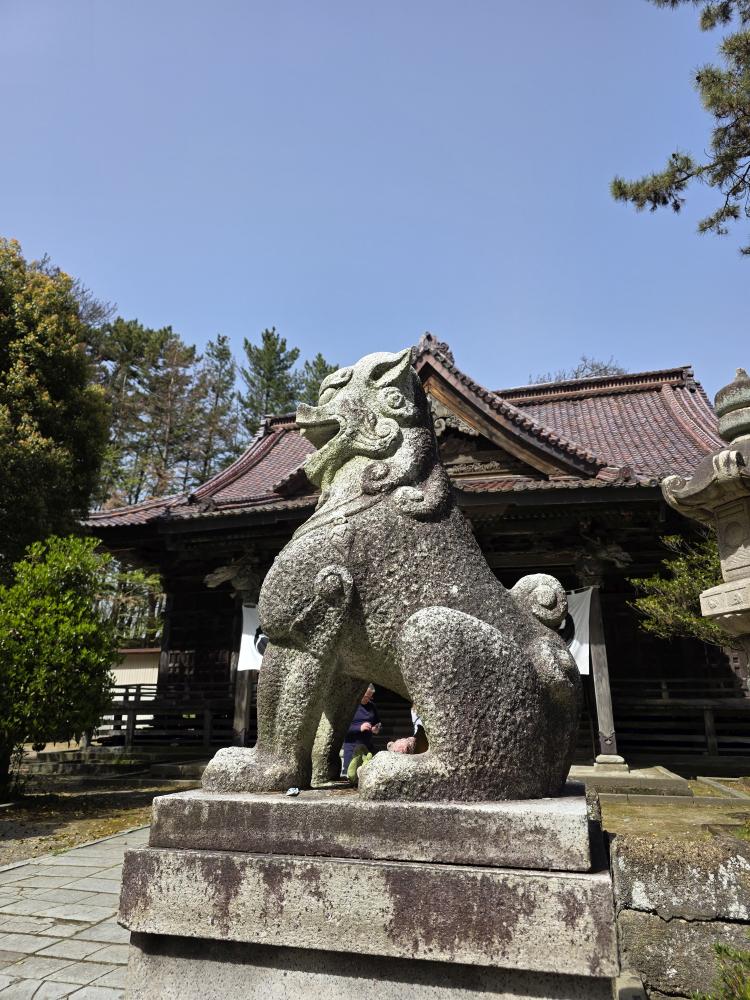
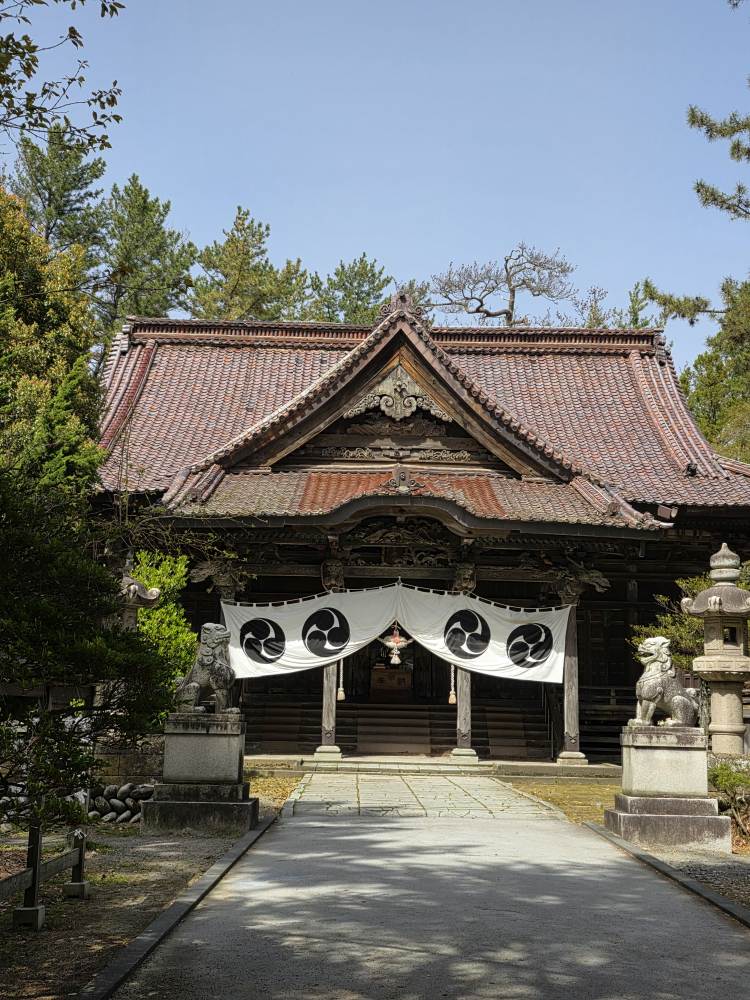
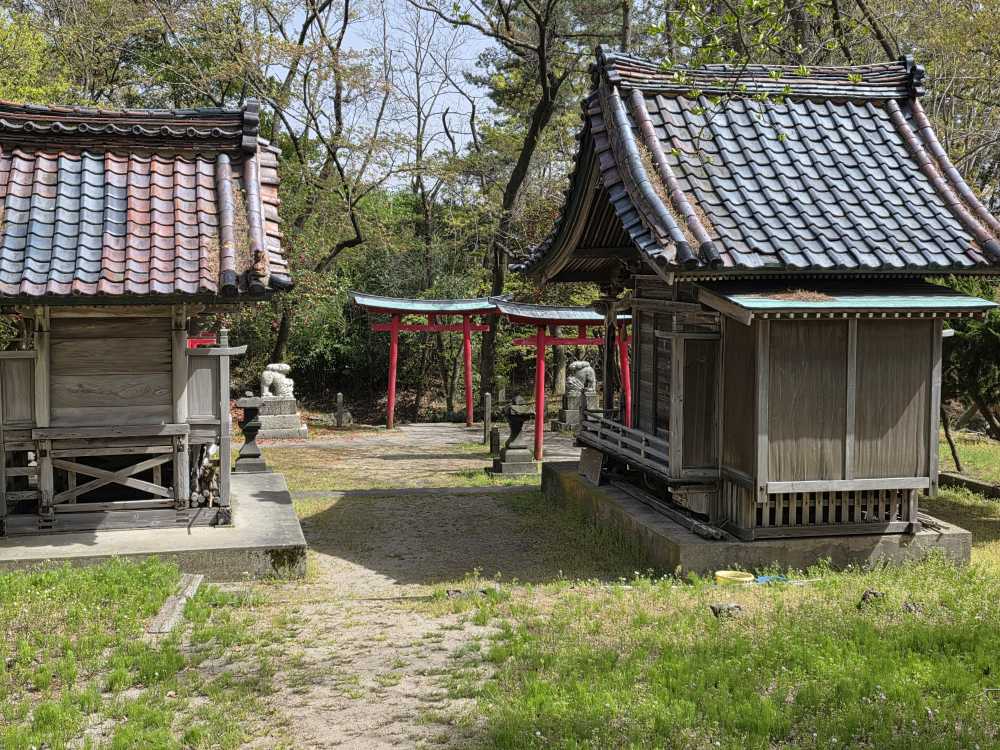
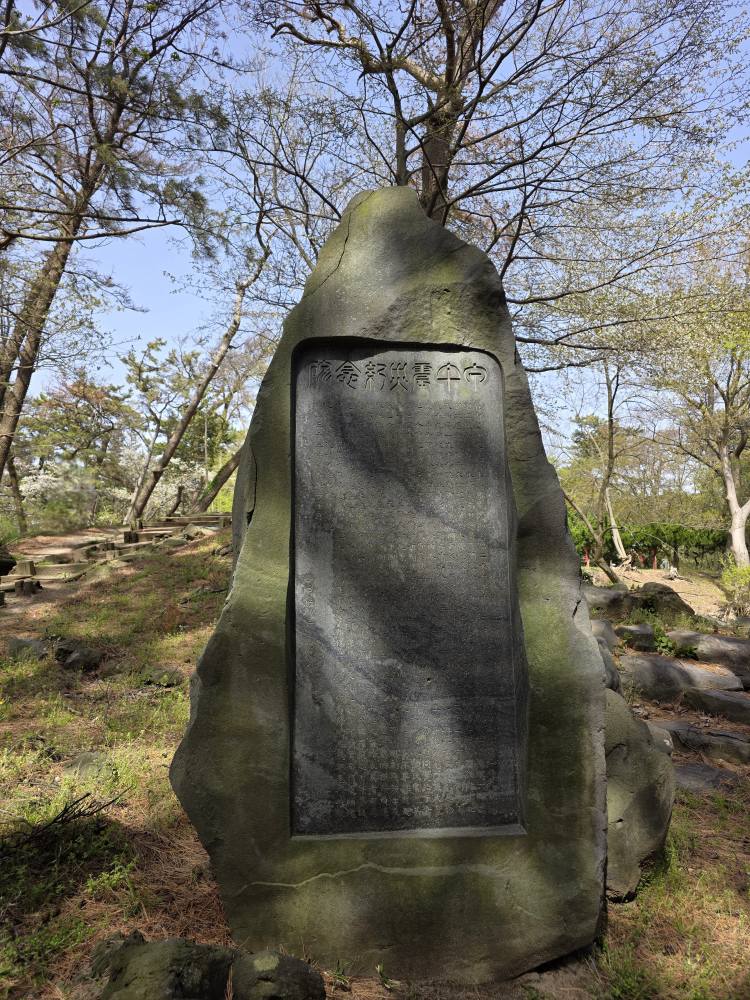
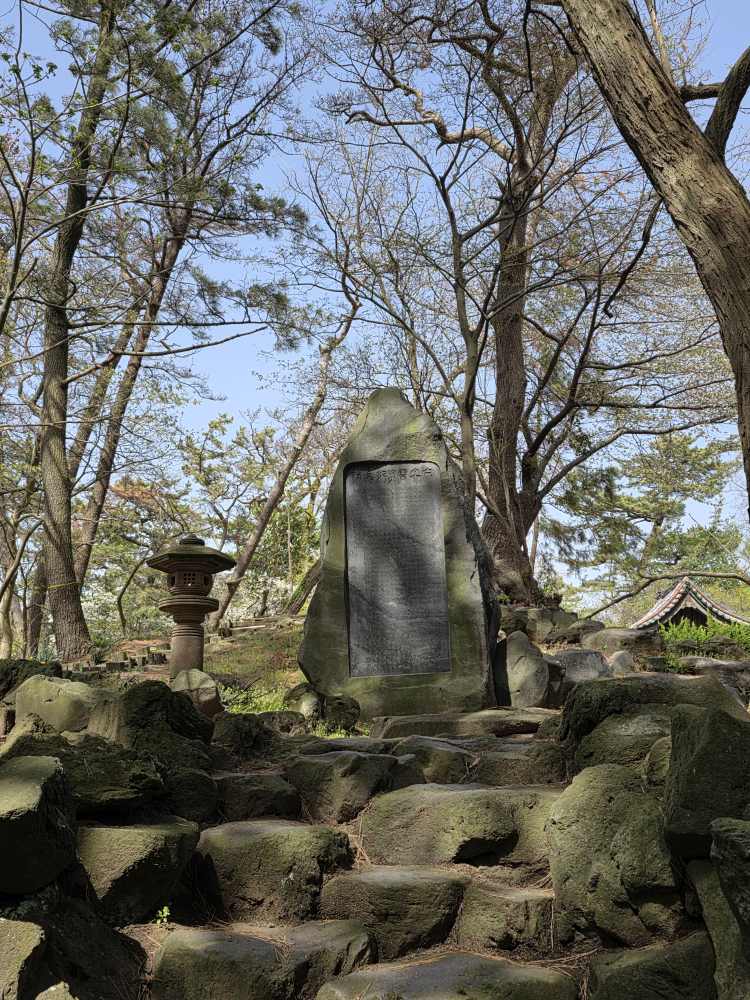
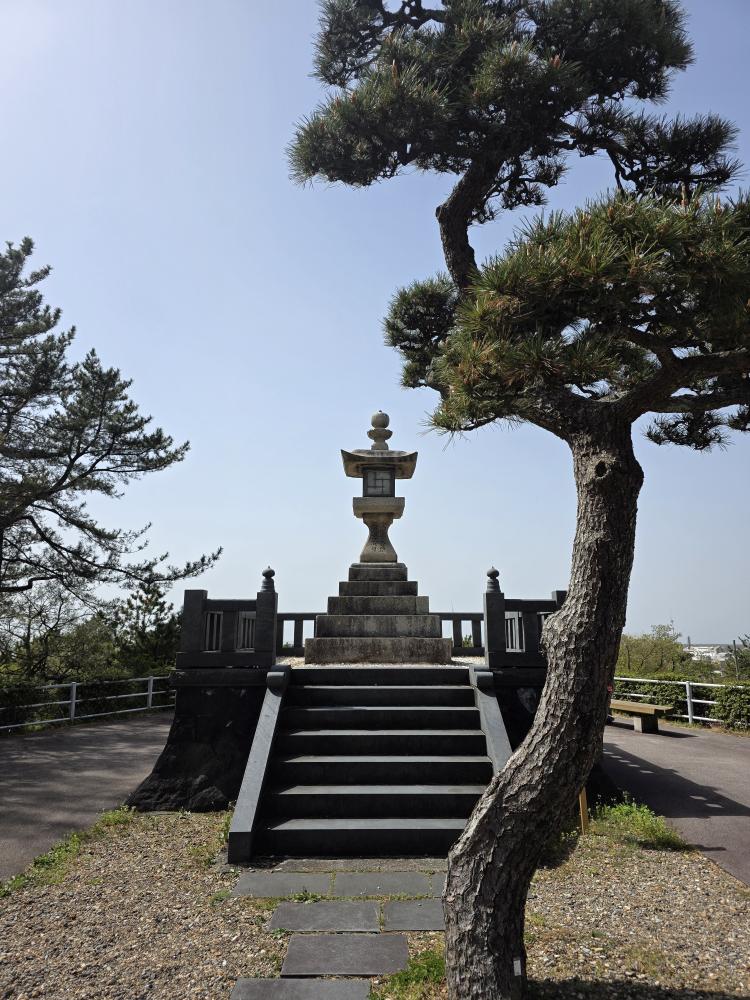
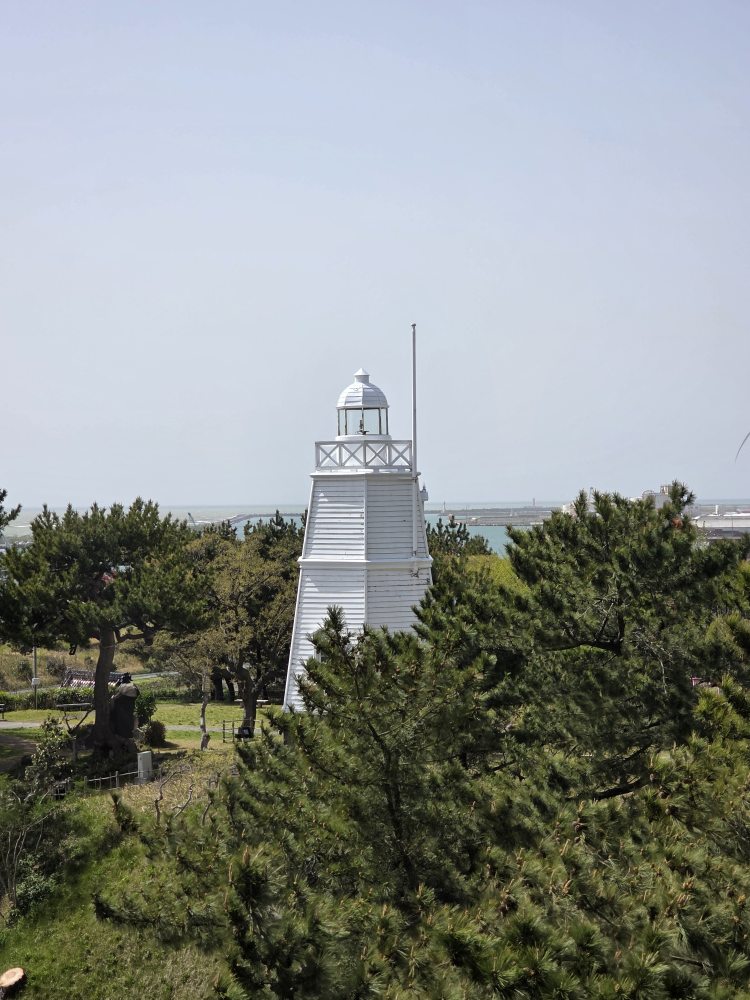
On our descent down the hill from the upper park, we stop to reflect on the Kou Earthquake memorial, the earthquake that struck around dinner time in 1894 setting off a massive fire that completely destroyed over 700 homes and caused over 160 fatalities. Then move on to the lower park area where the former lighthouse stands.
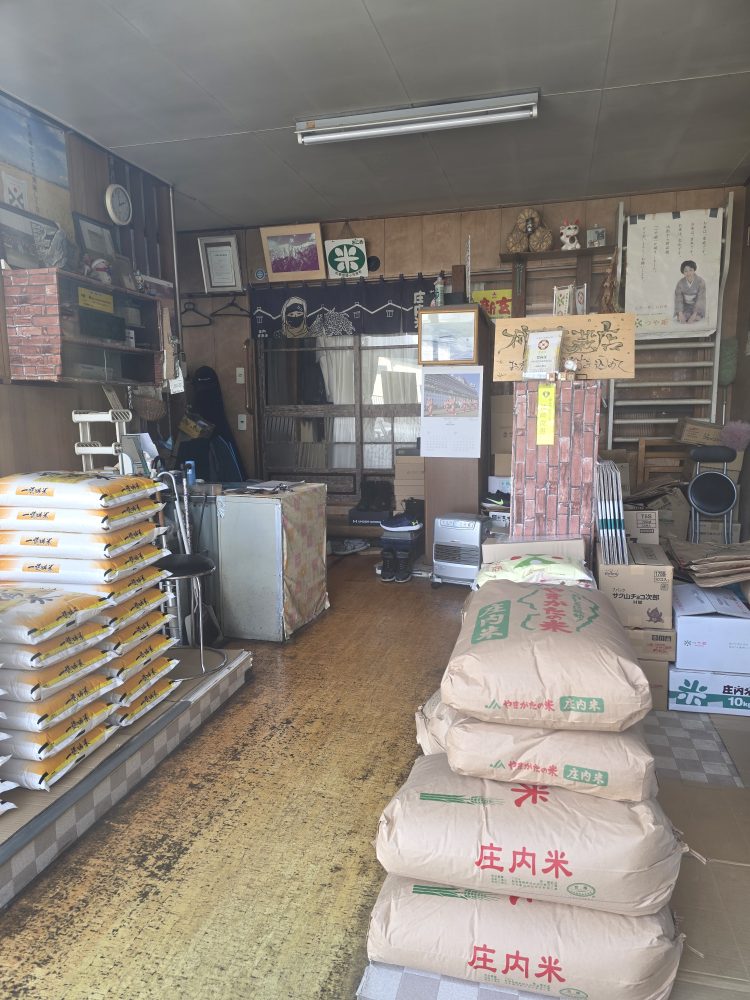
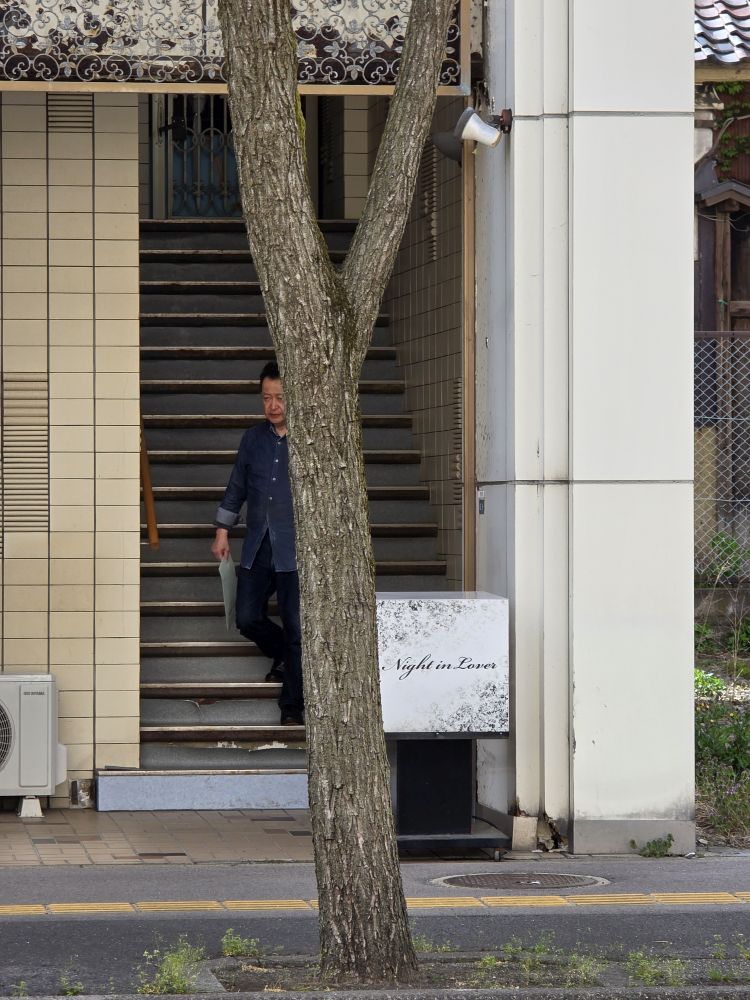
Explorations done, we circle back toward the shuttle bus, stopping briefly at the fish market which wasn’t much of anything but restaurant stalls and a shop – then make our way past the “Night in Lover” bar (gotta love all the bars, the names and the signs!), make a quick pit stop at 7-11 for snacks – Coffee Jellys! OMG! The best candy ever! – and we are back on the bus, back on the ship a little after 3.
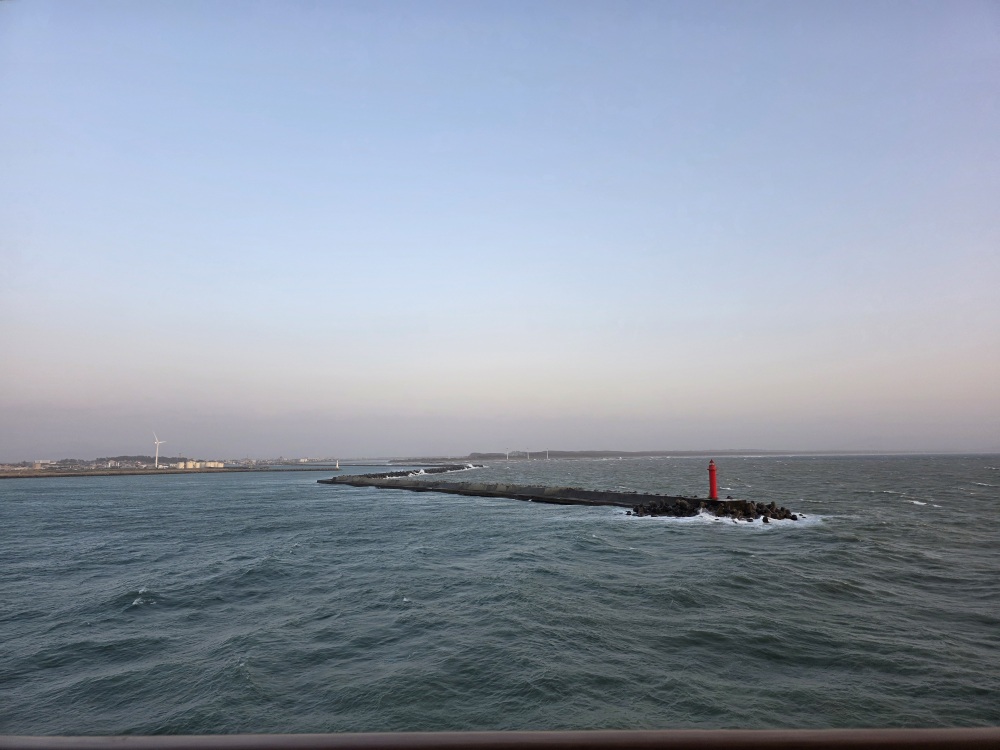
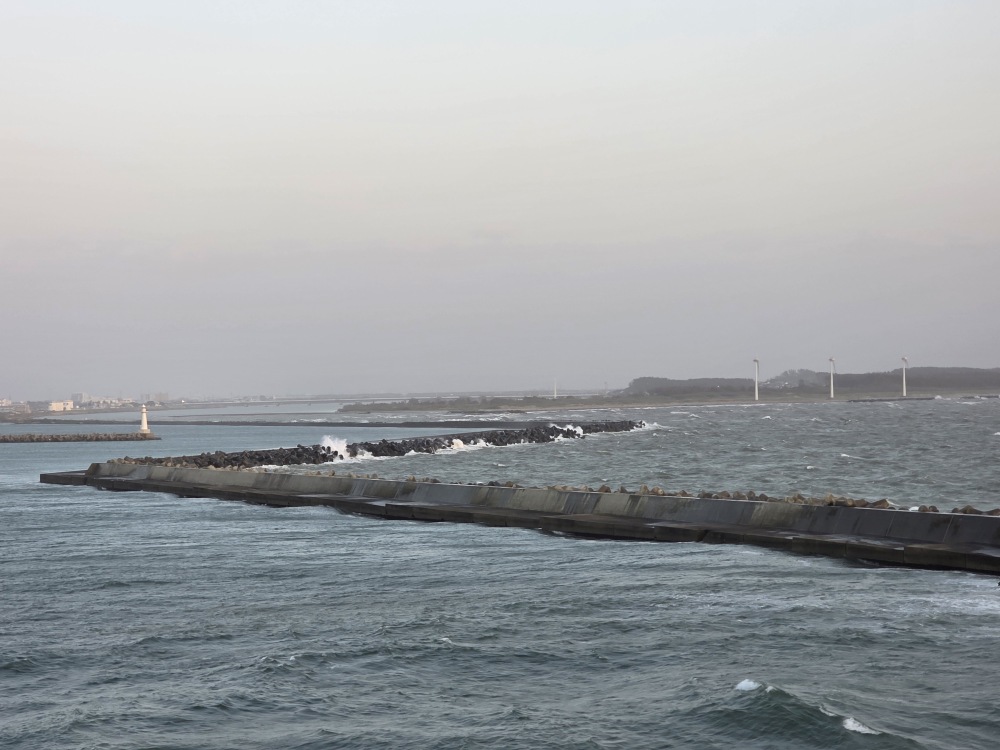
Sailing out of the harbor, the seas are really picking up and we now know why Aomori is out and Otaru overnight is in! Even though (fortunately) the earthquakes and Tsunami warnings are over – the seas are still pretty angry. Looks like we’ll be rocking and rolling all night tonight – but that’s what Dramamine is for!
Our evening progresses as normal, we just hold on when we walk! Dinner, then a great production show, after show drinks and off to a rocking and rolling sleep. Unexpected overnight coming up.

