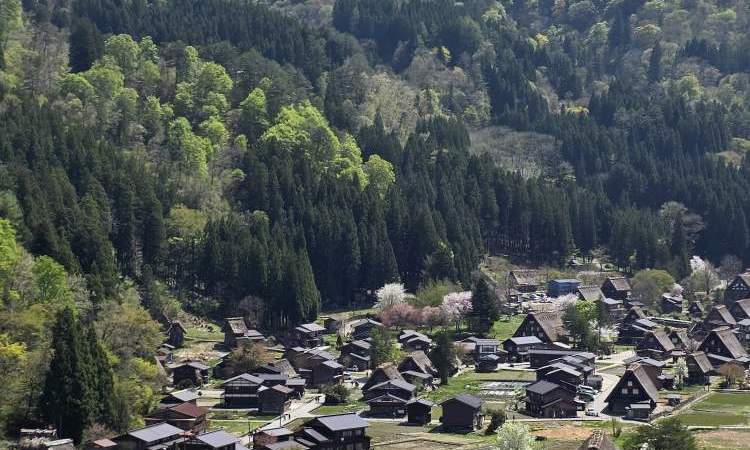
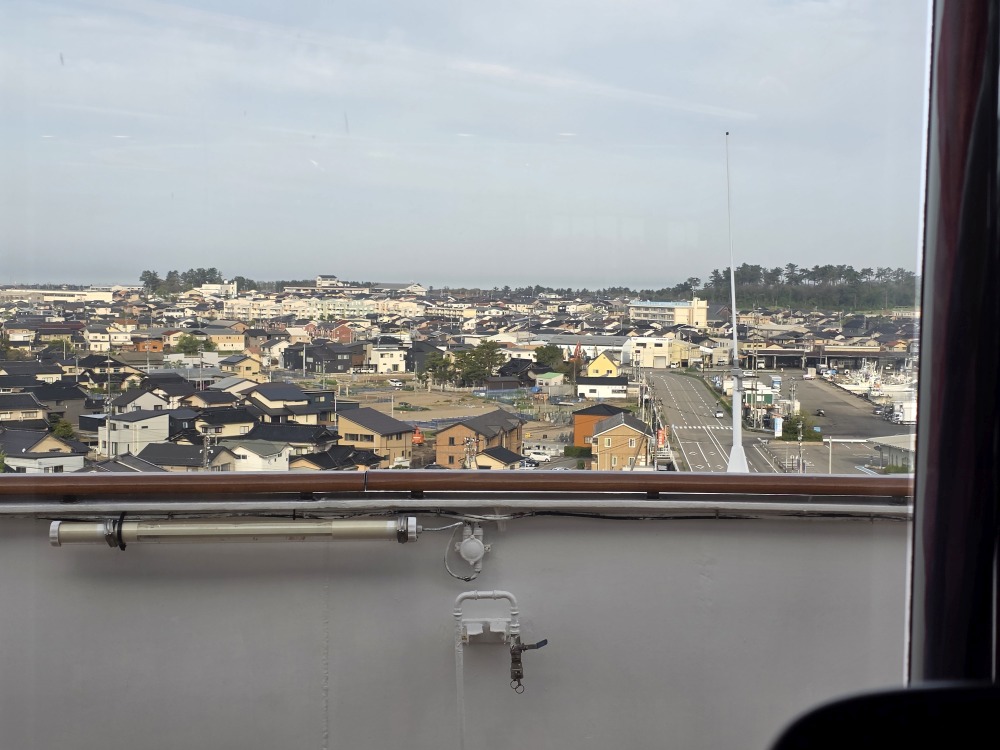
Captain early-bird gets us into Kanazawa way before our 7am scheduled time. We are docked by the time we are in the gym, and as you can see from the photo here it looks like we are literally right in town – driving down the street!
We have yet another ship’s tour today, so we do our thing, making our way to the theater, strategically sitting in the right seats to leave the ship and then hop aboard our bus for the hour plus ride to Shirakawa-go, our destination for the afternoon. The attraction of Shirakawa-go is its famous original Grass thatched roof houses (some are over 250 years old), called Gassho-zukuri which means “constructed like hands in prayer” because the steep thatched roofs resemble the hands of a Buddhist monk pressed together in prayer. Nestled in the valley of the mountains, these houses and village have storied histories and have survived in the roughest of weather. There are pictures of the village completely snowed under – and the mountain passes up here often shut down during the winter, isolating the village and the residents.
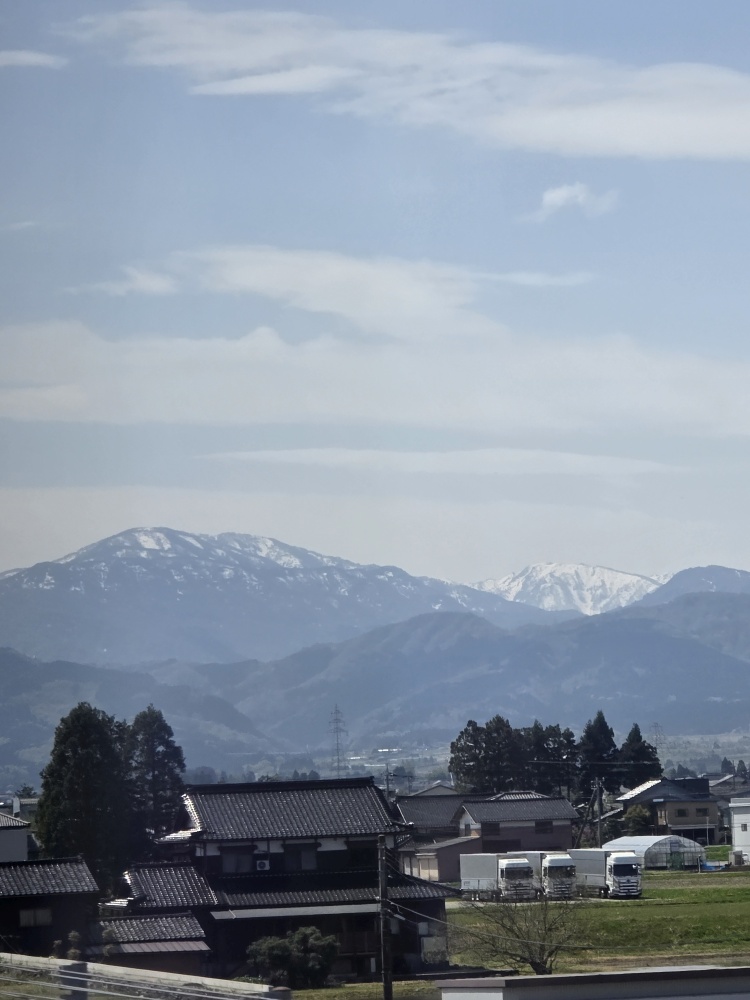
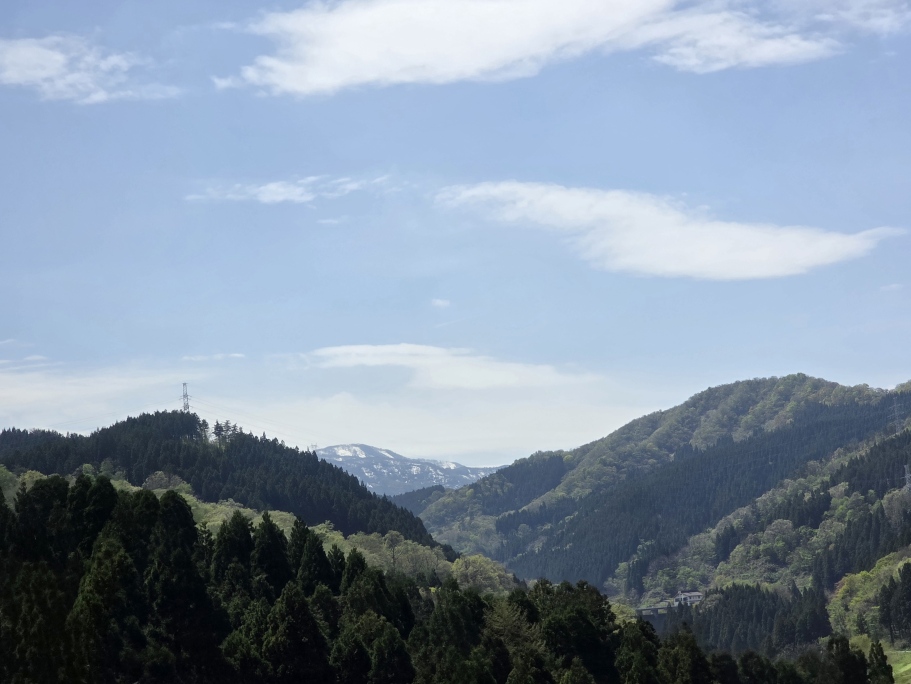
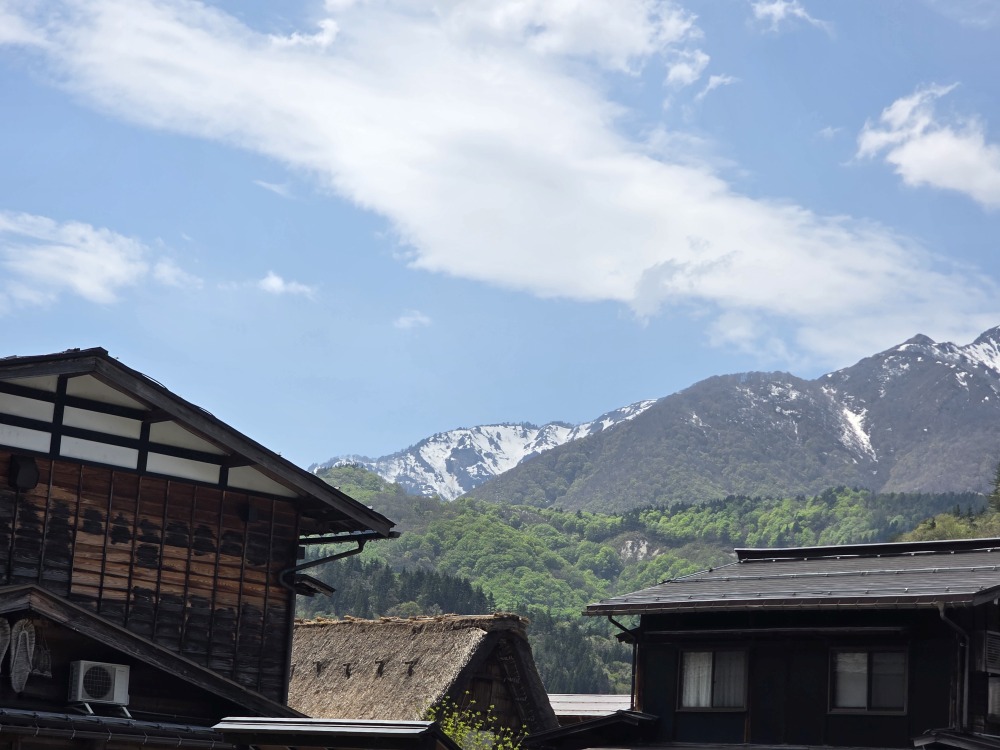
The drive alone shows us just how high up the mountains the village is located. It is a beautiful drive – always with snow capped peaks in the background. There are little contemporary villages nestled in the valleys along the route as well, making us wonder how isolated they are in the winter.
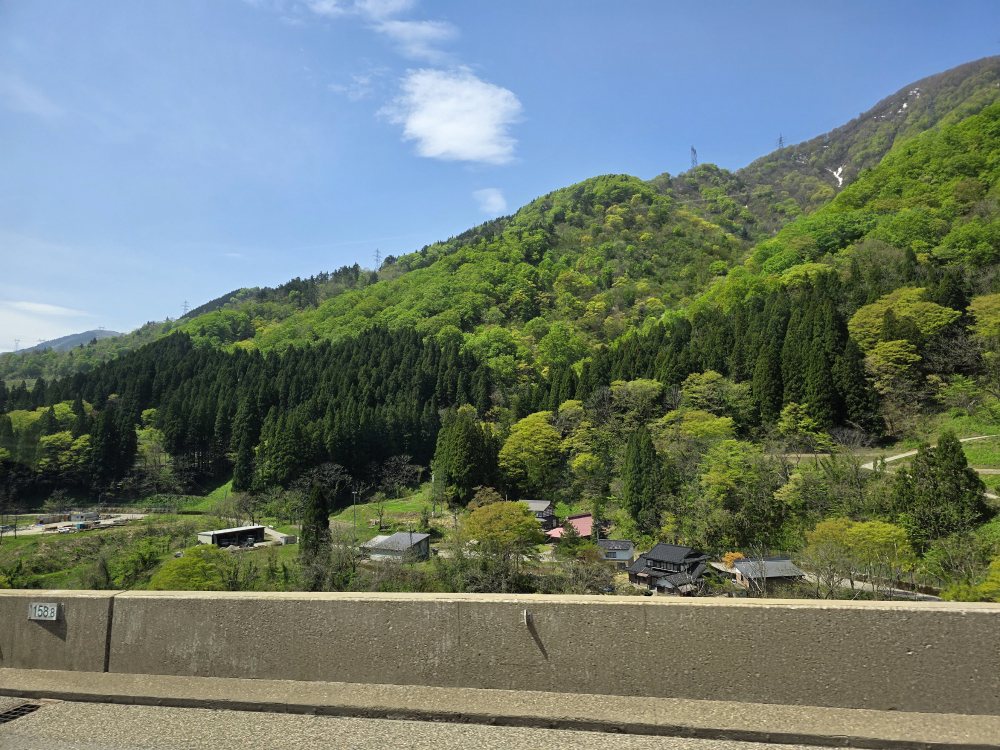
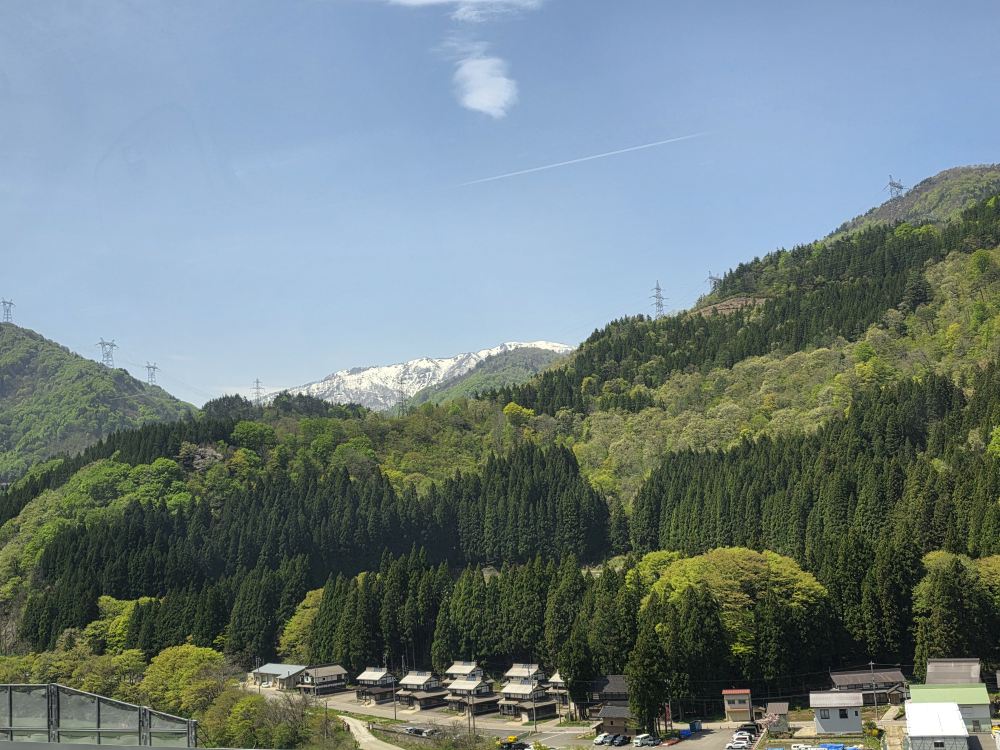
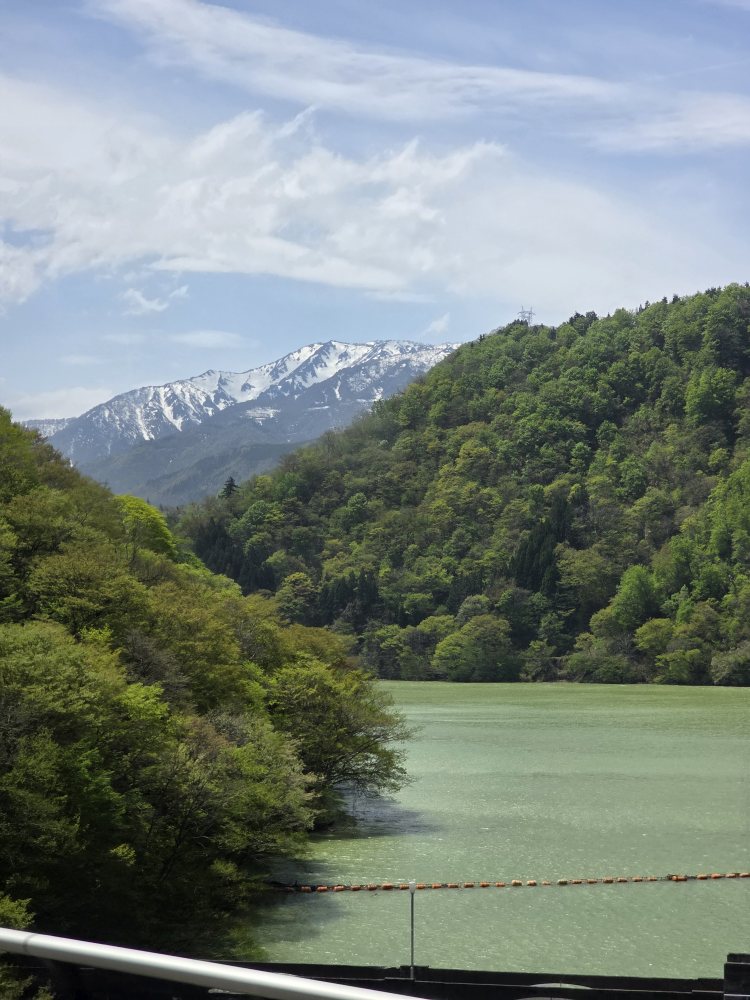
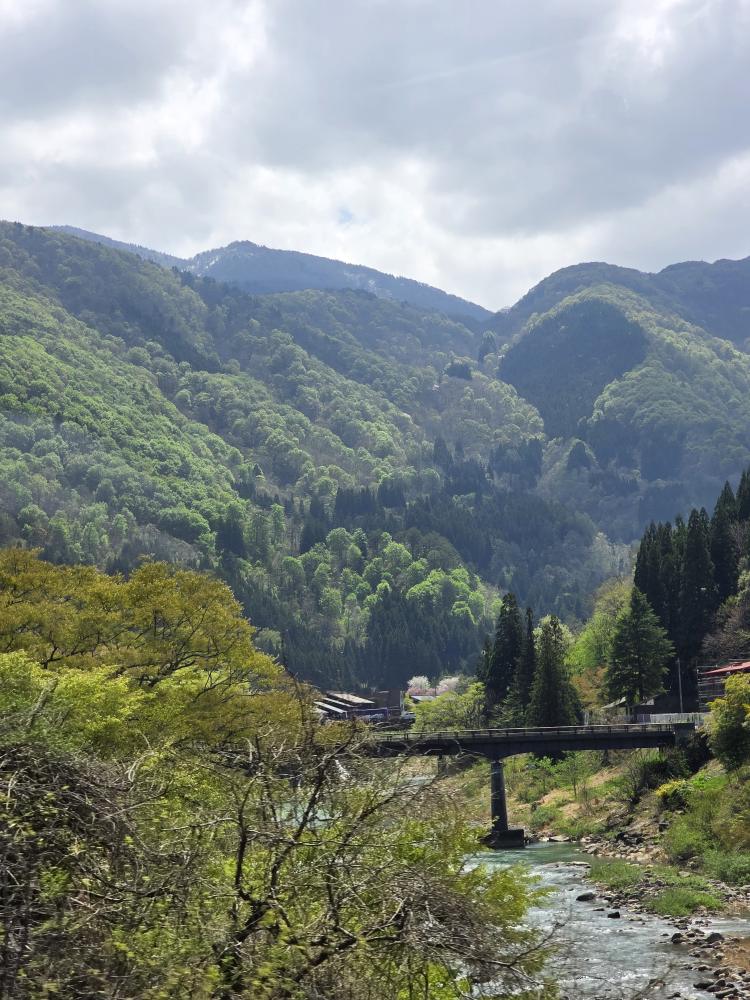
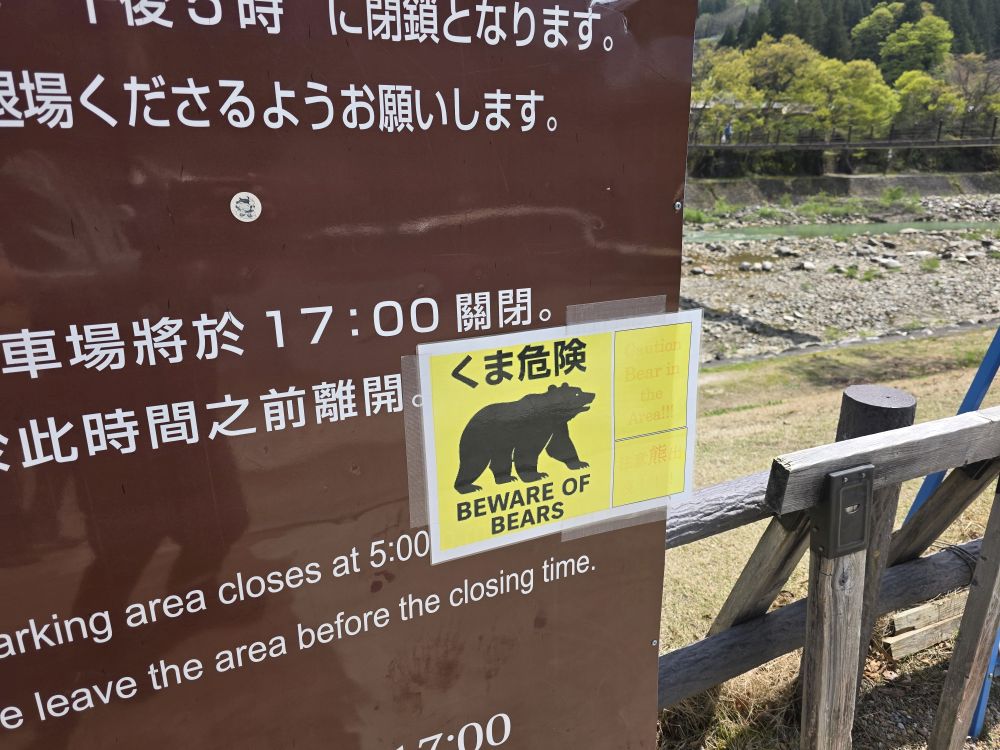
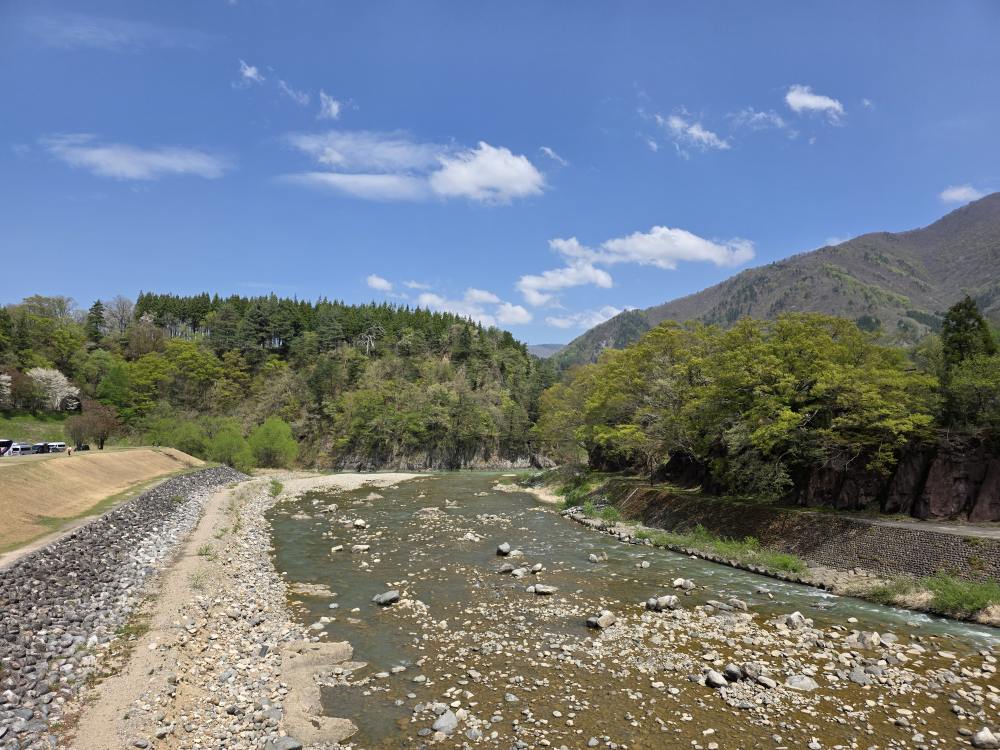
Arriving at the village, we make sure we know what time to return to the bus, then head out on a tour of our own making, as this is basically an on your own ship’s tour. Leaving the parking lot, we pass a beware of bears sign (we feel right at home!) as we cross over the Dei Bridge spanning the pretty low Sho River (can’t you just imagine what it looks like in the spring thaw?) and on into the town proper, passing our first grass thatched house, with many more to come.
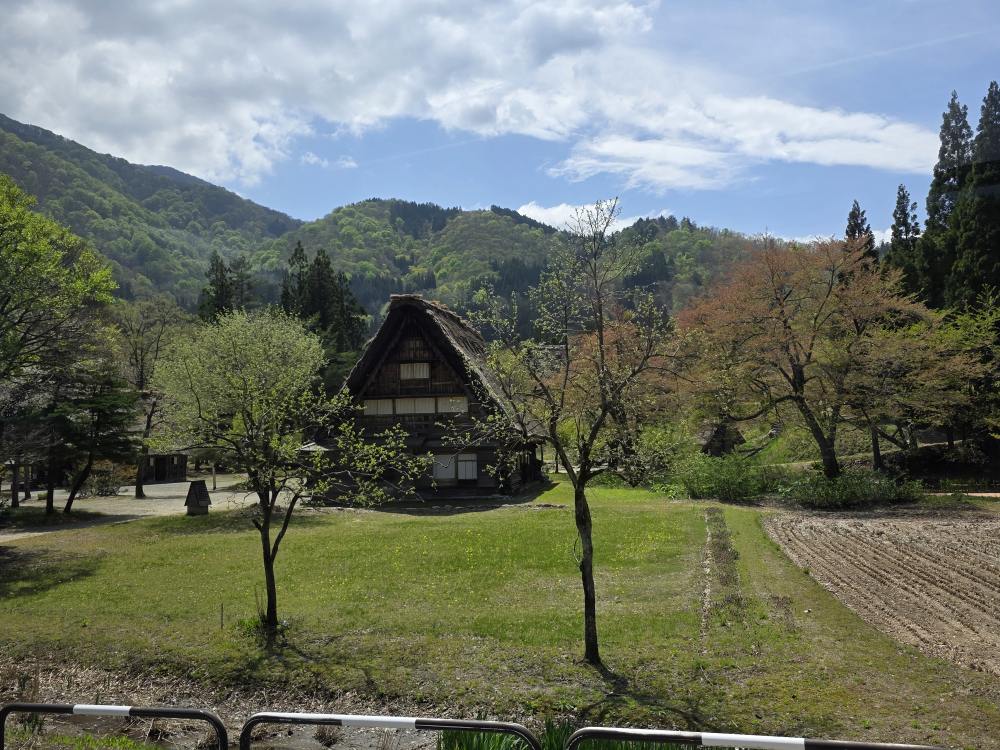
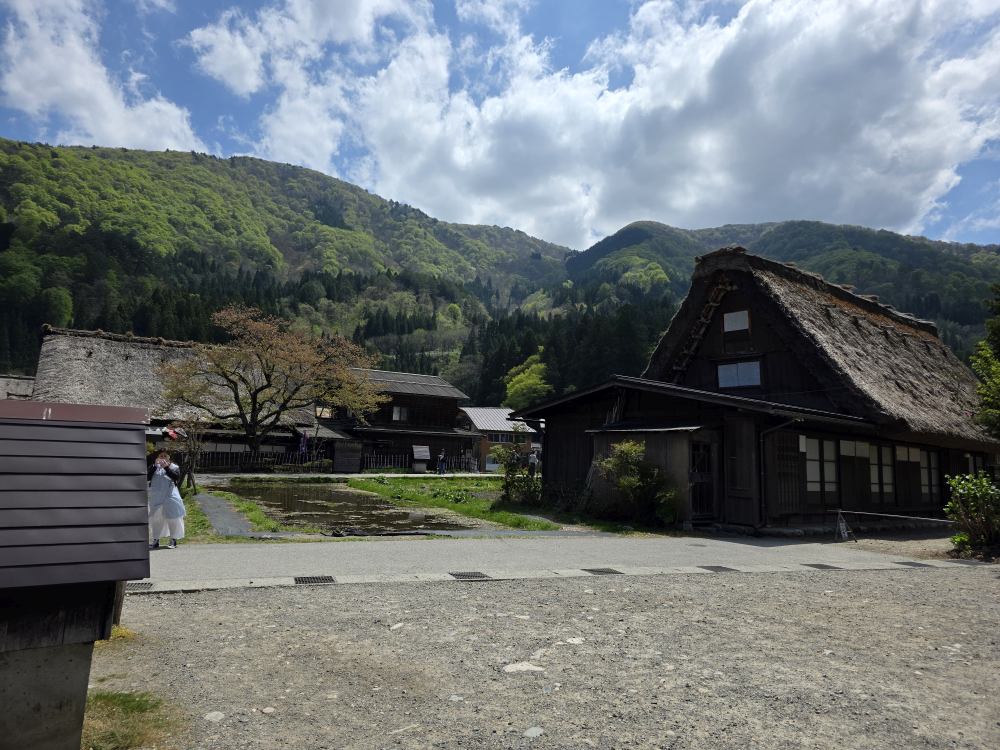
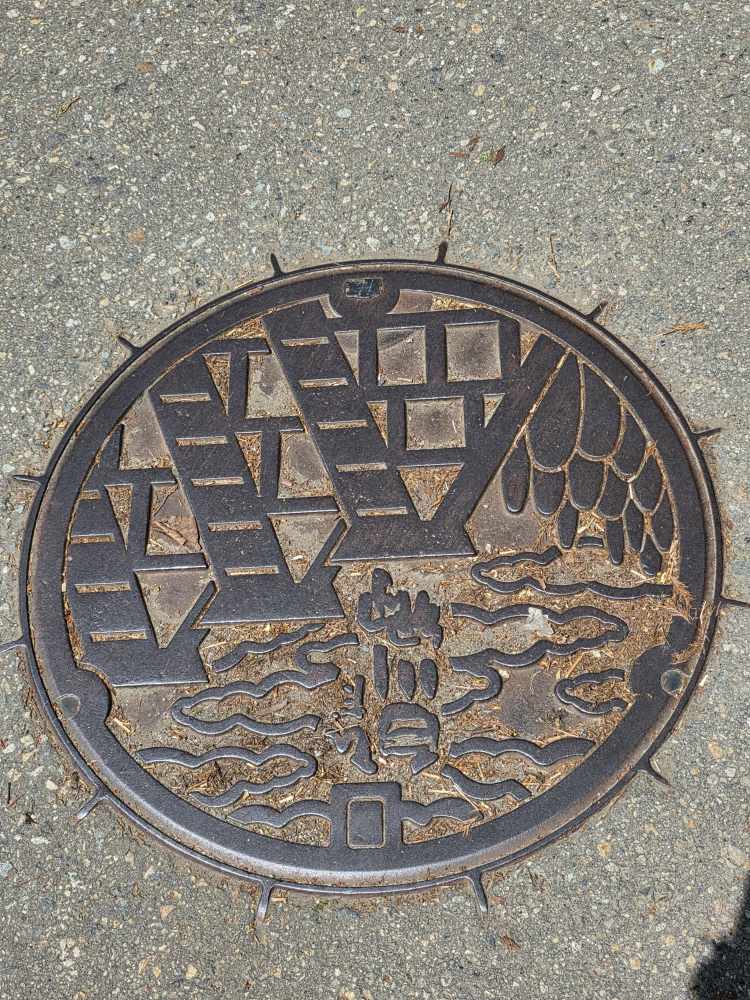
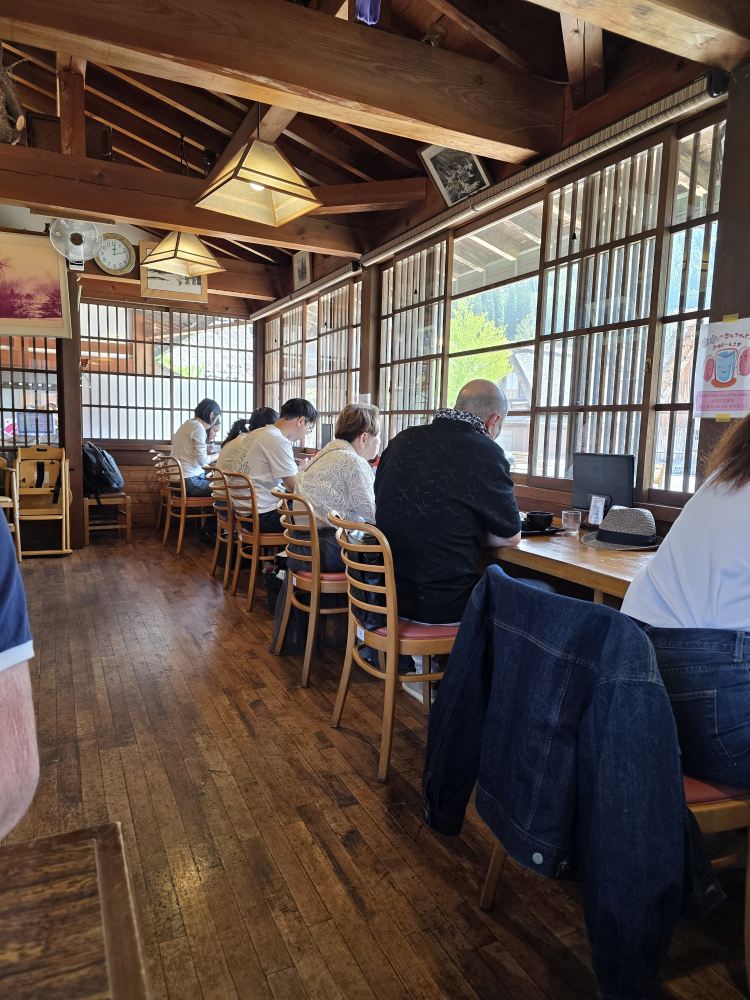
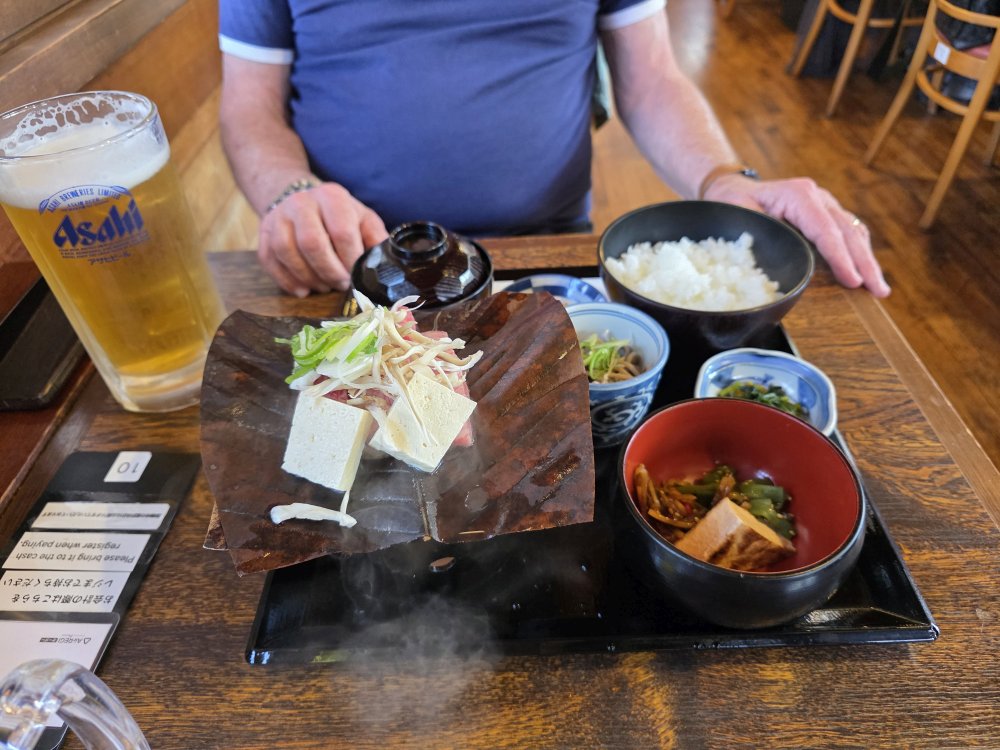
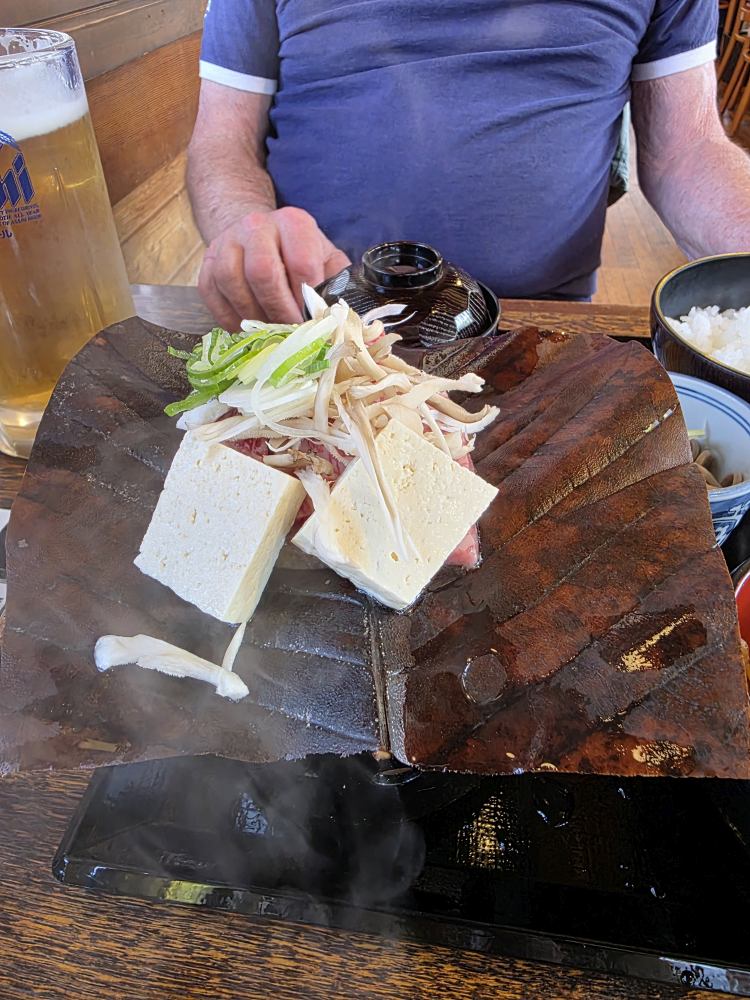
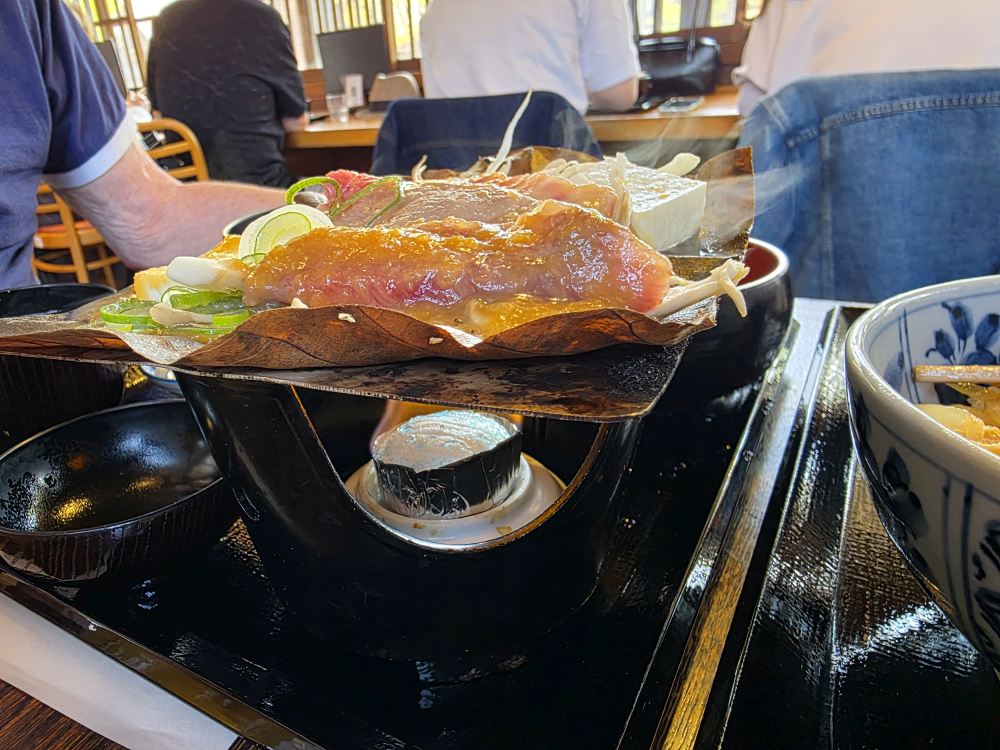
The village is crowded with tourists – as we expected – but large enough that it isn’t overwhelmingly busy. We opt to have lunch right away, because it’s almost noon and we know we don’t want to chance having a time issue on the back end. Stopping at Shiraogi, a traditional Suokudo and Teishoku restaurant that serves the special Shirakawa dish of Hida beef (the local grass fed beef) grilled on a magnolia leaf. Oh yes please! The restaurant is already full, and we dutifully step up to the machine outside the door to take our number, waiting in the courtyard/park area outside.
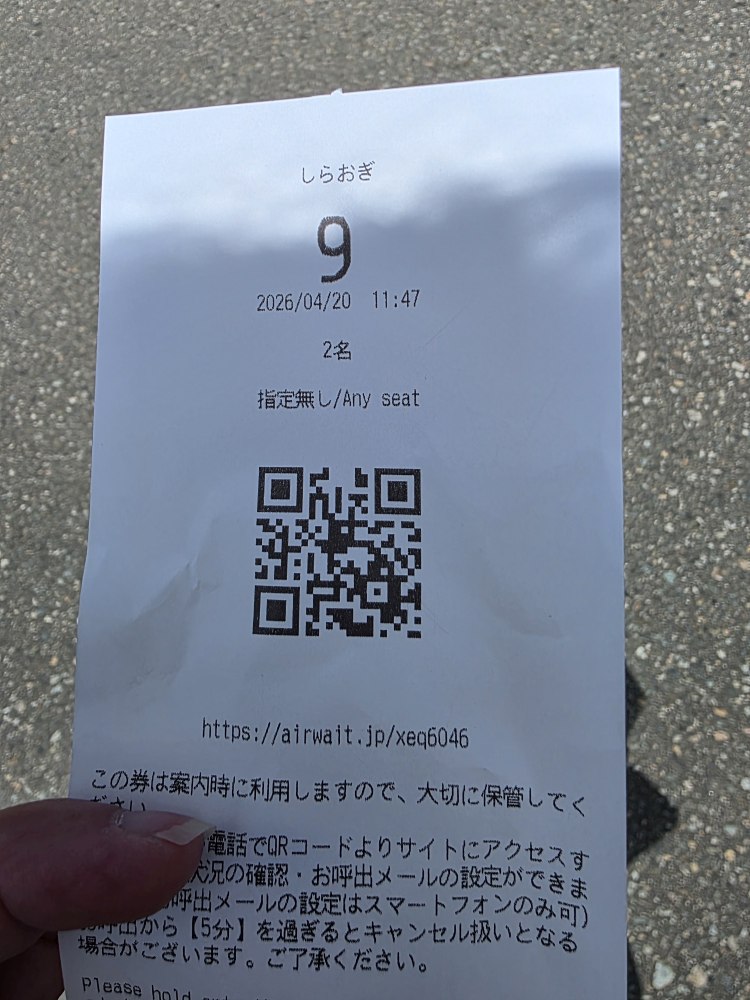
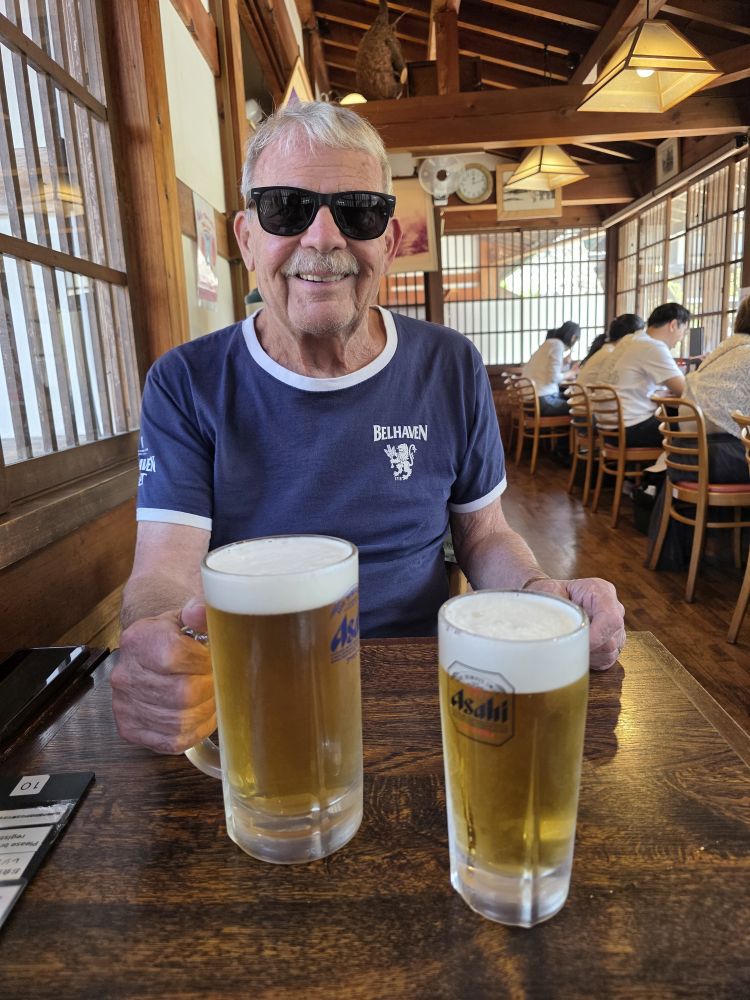
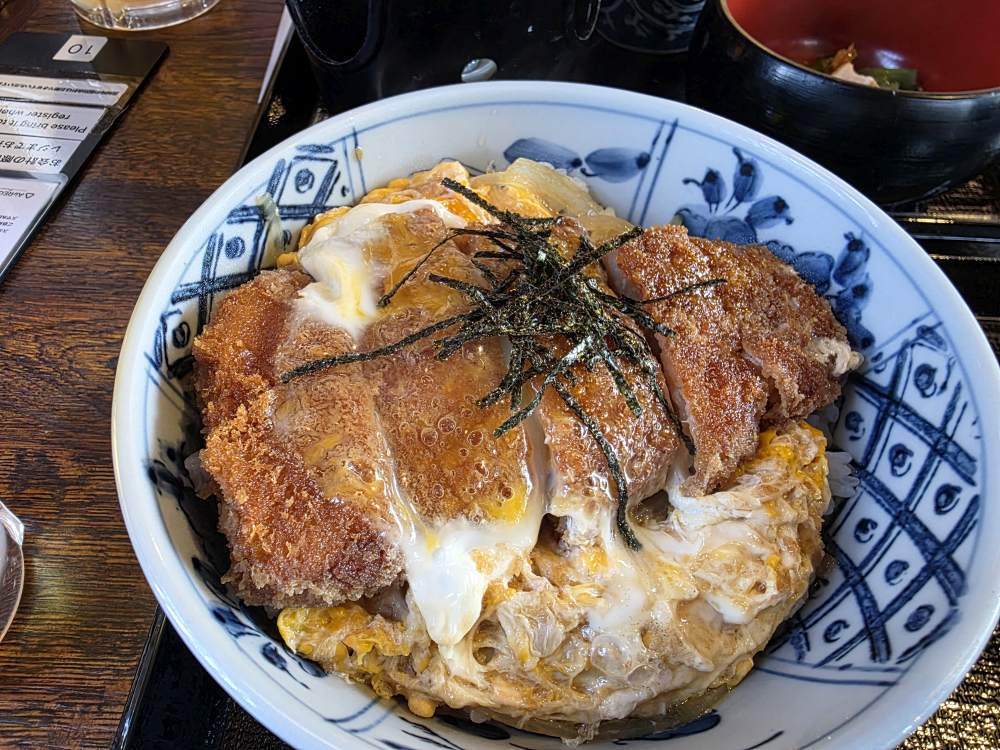
About 20 minutes later we are called in and seated at a great corner table, ready for our feast. We order the Hida beef, of course, as well as Oyakodon with Shirakawa-go born and raised pork cutlet on the top. A feast it definitely is – holy cow, the portions! Along with 2 huge beers, we’re going to need to wander the rest of the afternoon to work it all off. But it is so good. The beef was fun to cook and imbued with flavors of the magnolia leaf, but it tended to be a bit tough and hard to cook properly. Didn’t mean we didn’t like it – and finish it all, but the pork was than hands down winner – at least for me. Fantastic flavor and cooked perfectly.
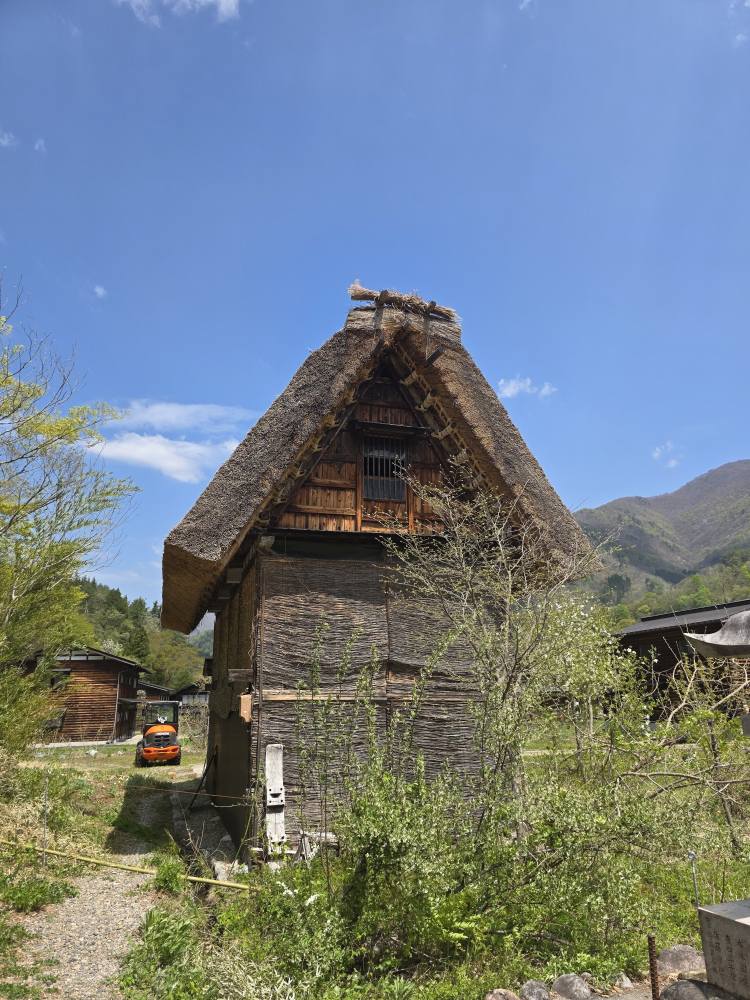
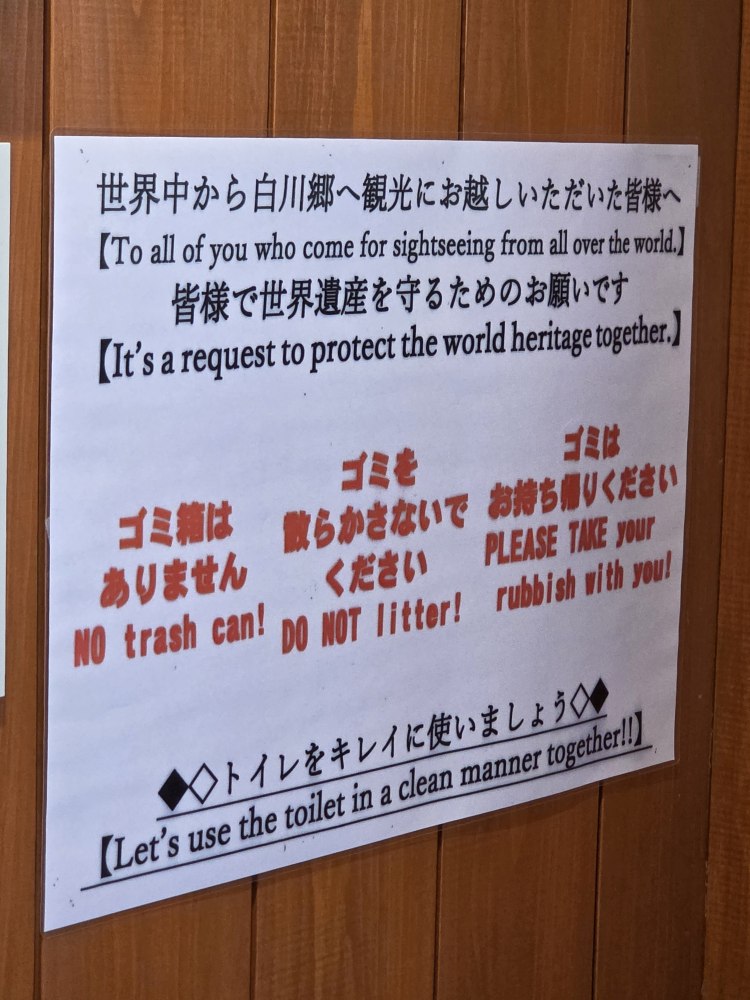
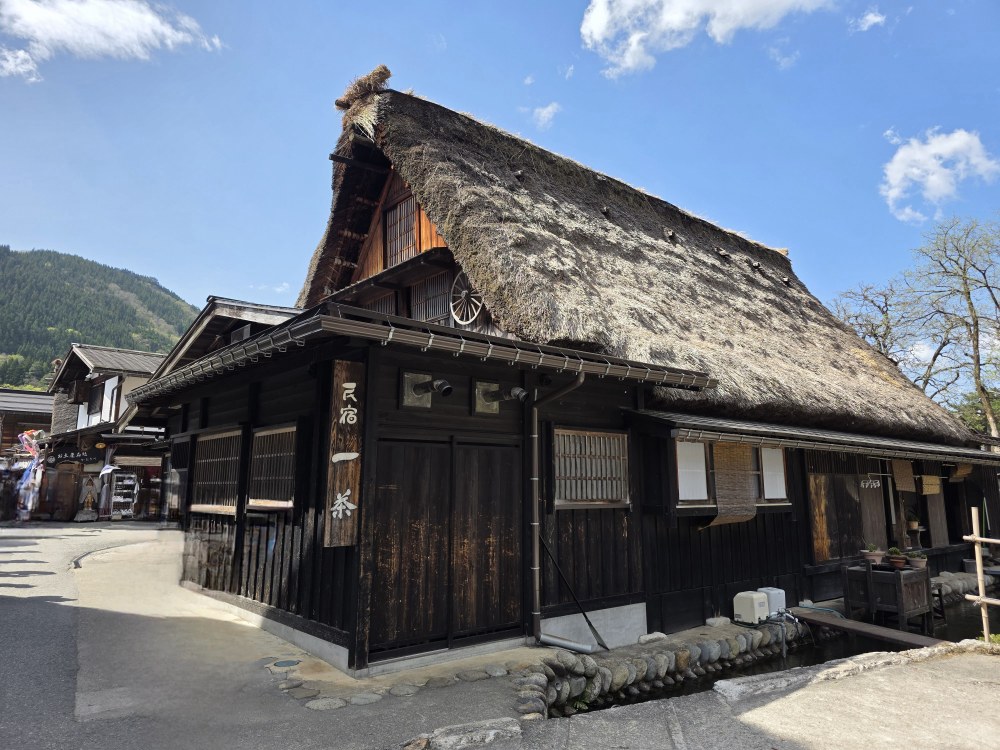
Stuffed to the gills, we head out into the village to start our explorations, stopping at the public restroom first with the tourist behavior signs! Then it is off through the picturesque little village, stopping here and there to just admire the amazing construction of these old structures. And to try to put some perspective on how big and thick and densely constructed these thatched roofs really are. They’d have to be to protect the home form the heavy snow that falls here, unbelievable.
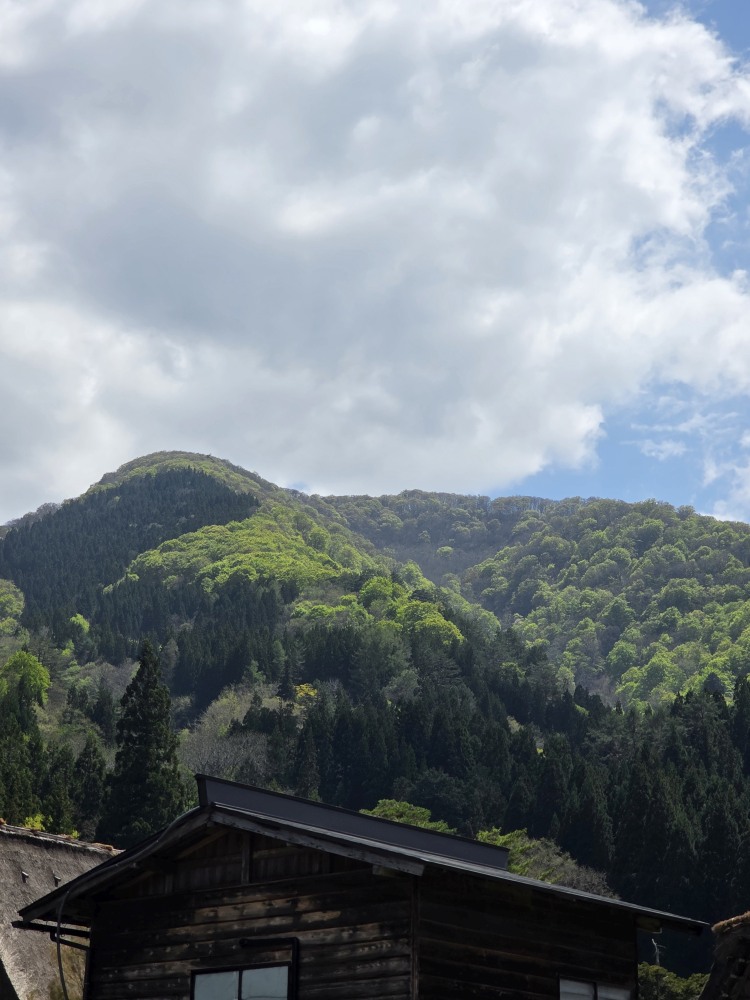
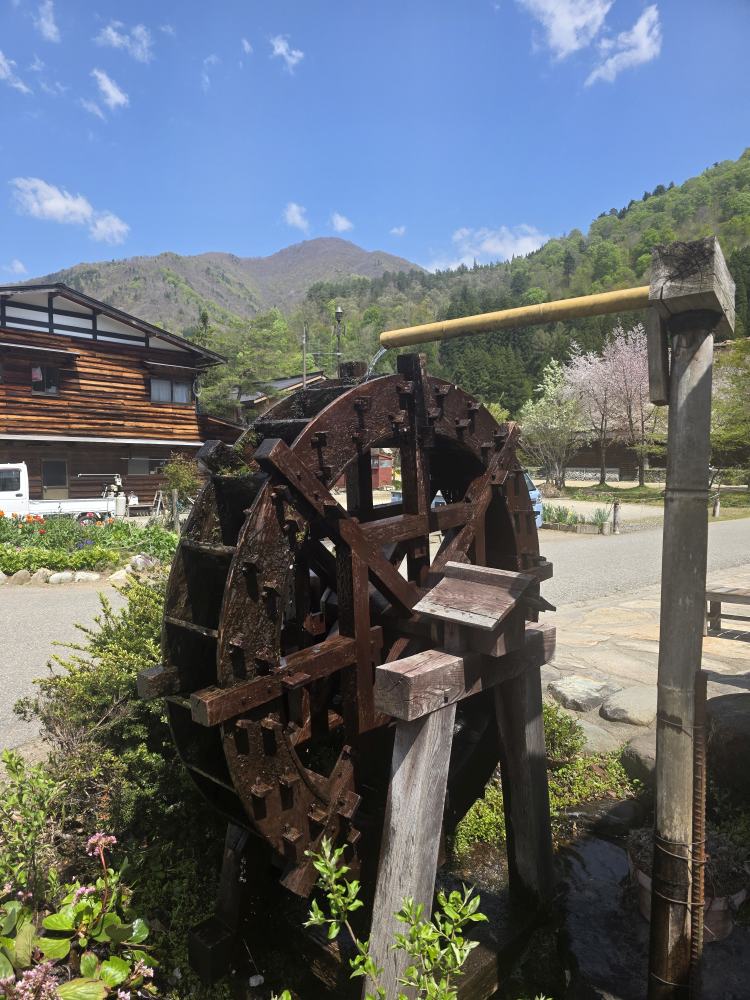
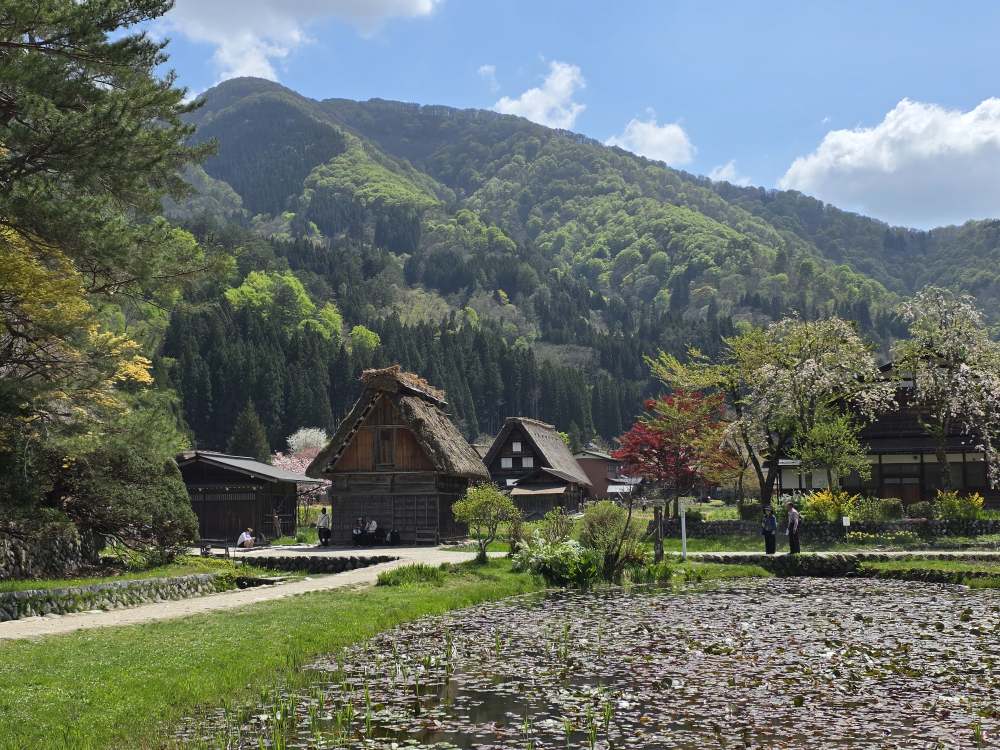
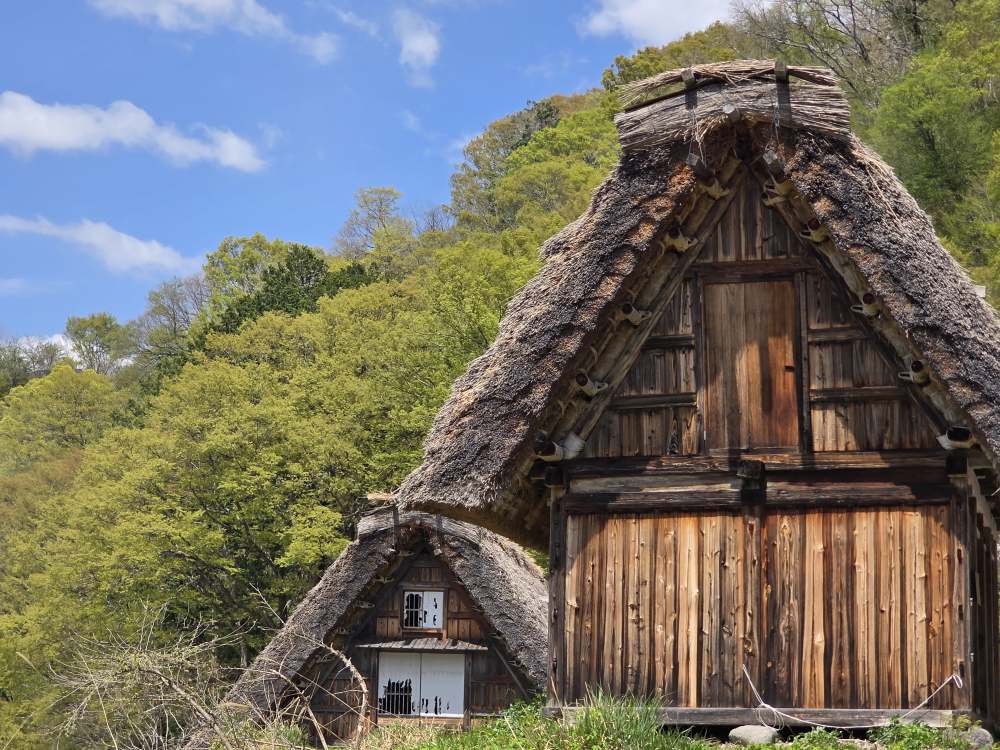
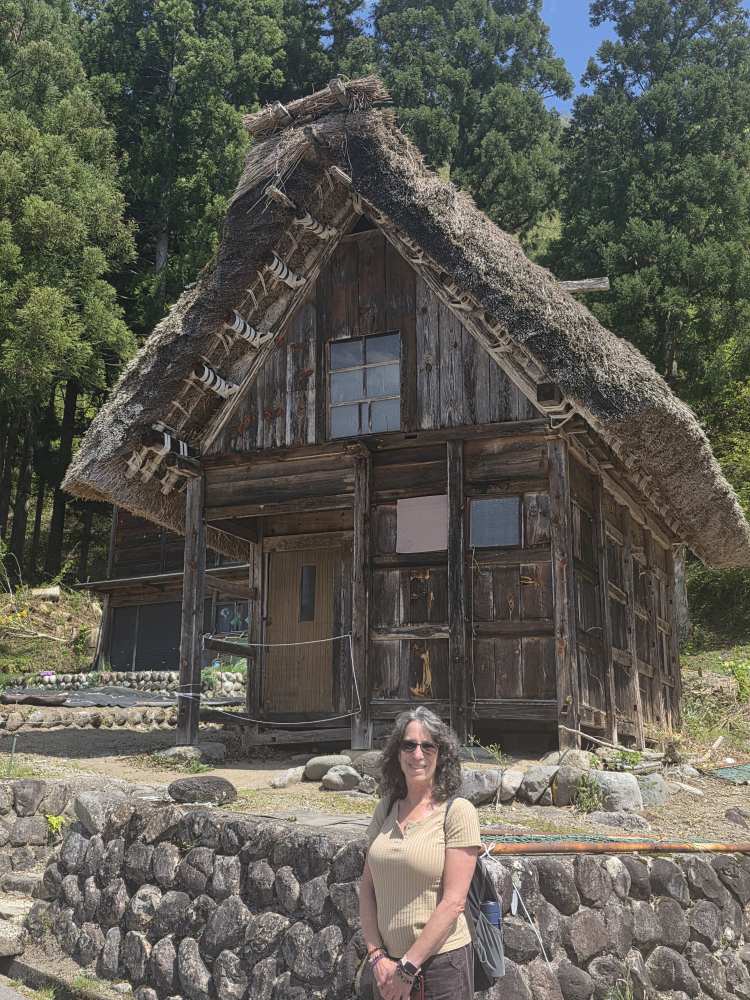
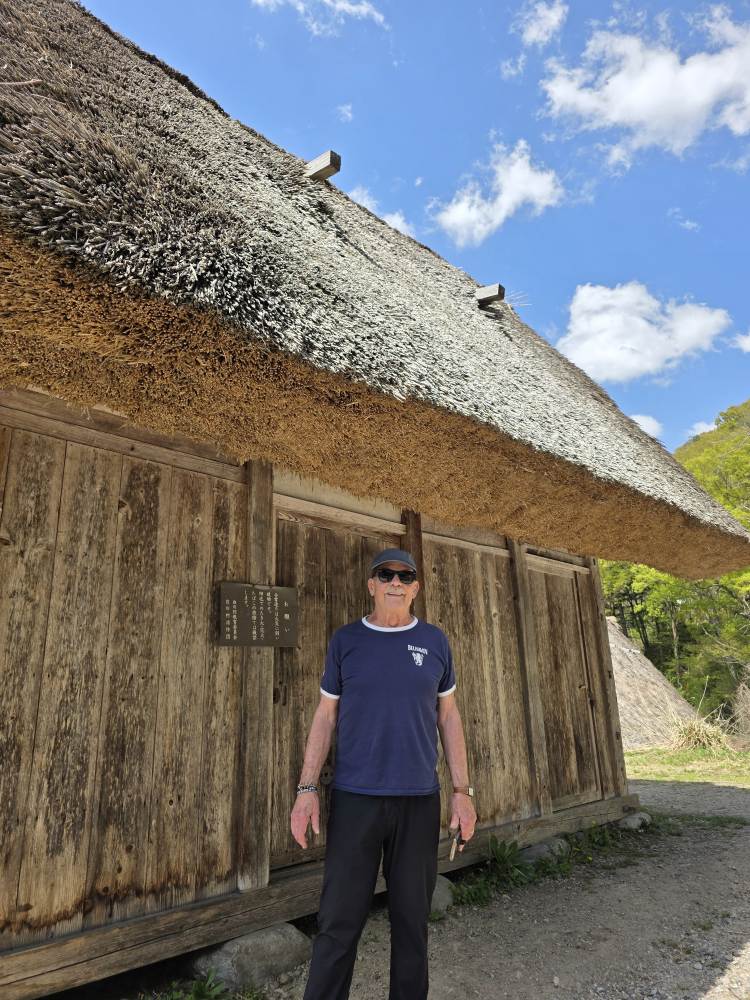
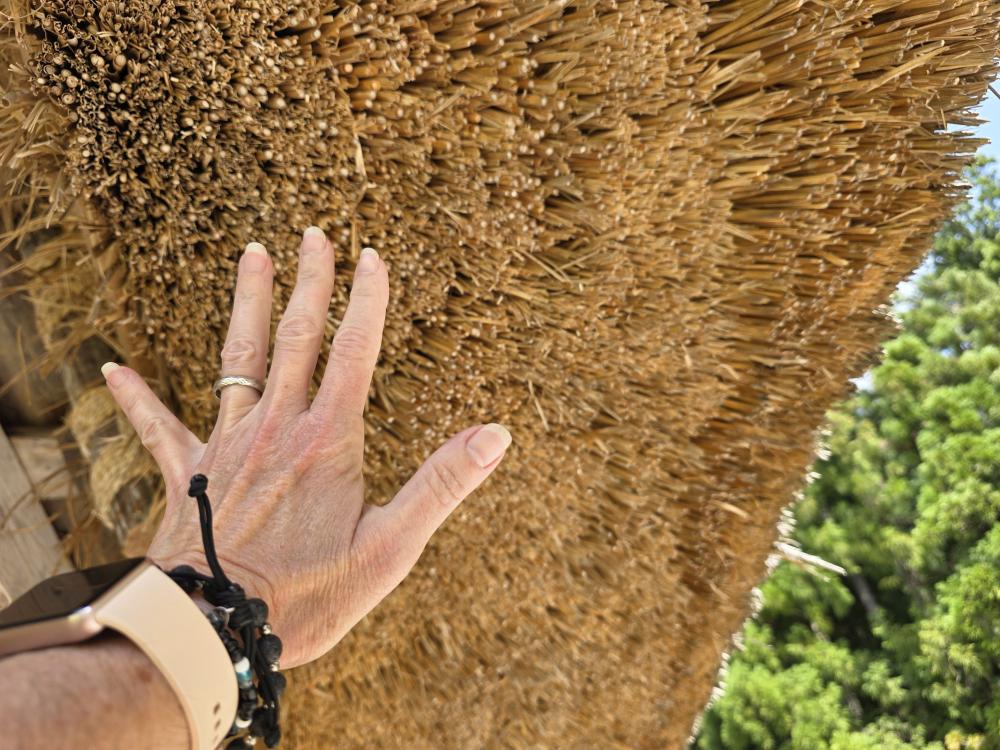
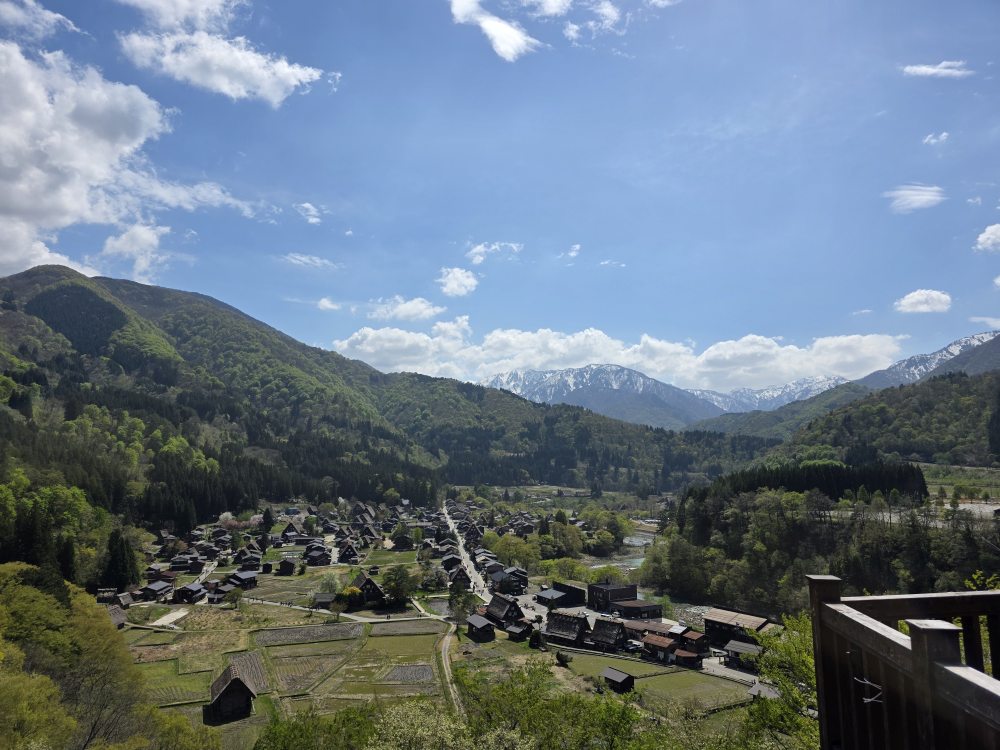
Passing through the “valley” part of the village, we trek up, up, up the path along the mountain ridge on our way up to the observation deck viewpoint high above. We definitely get a bird’s eye view from way up here with the entire village spread out below us.
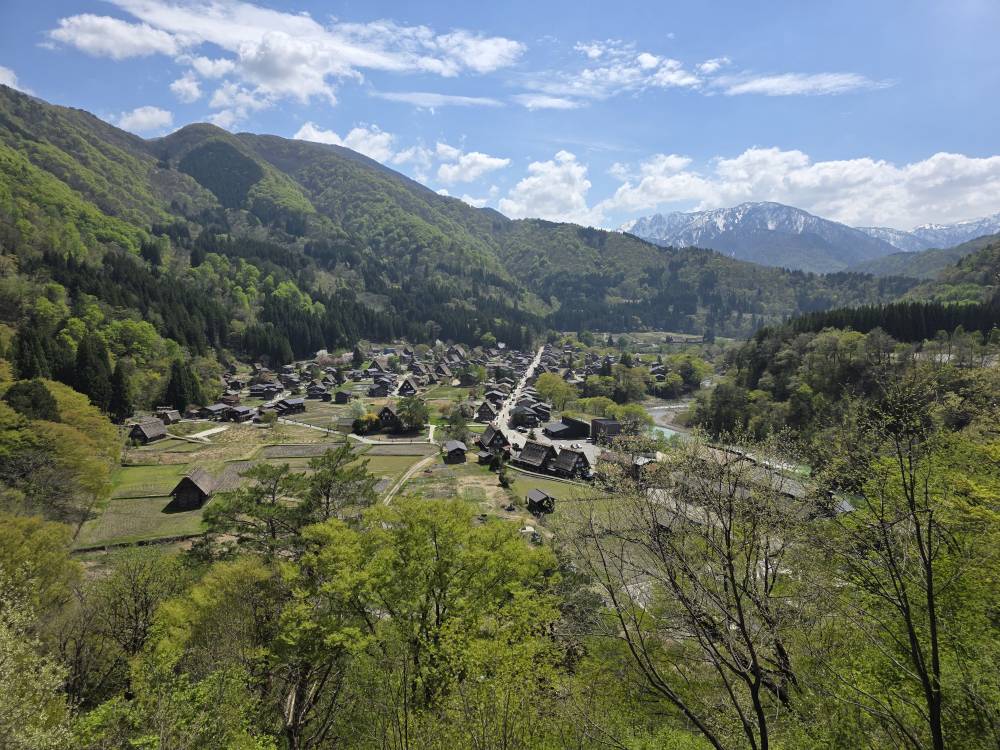
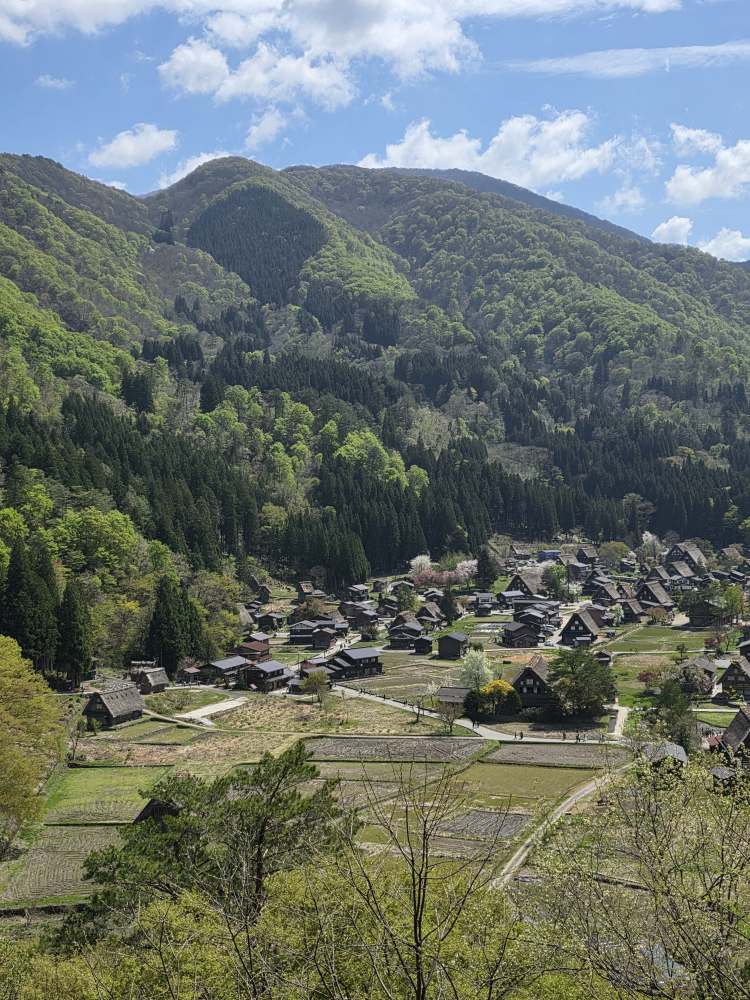
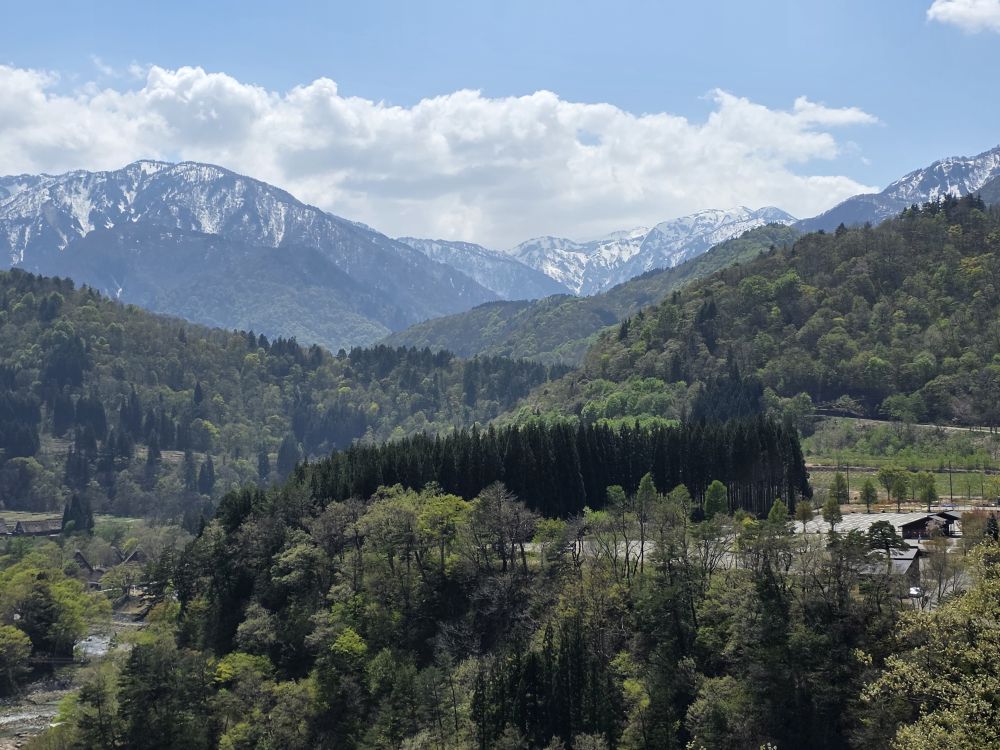
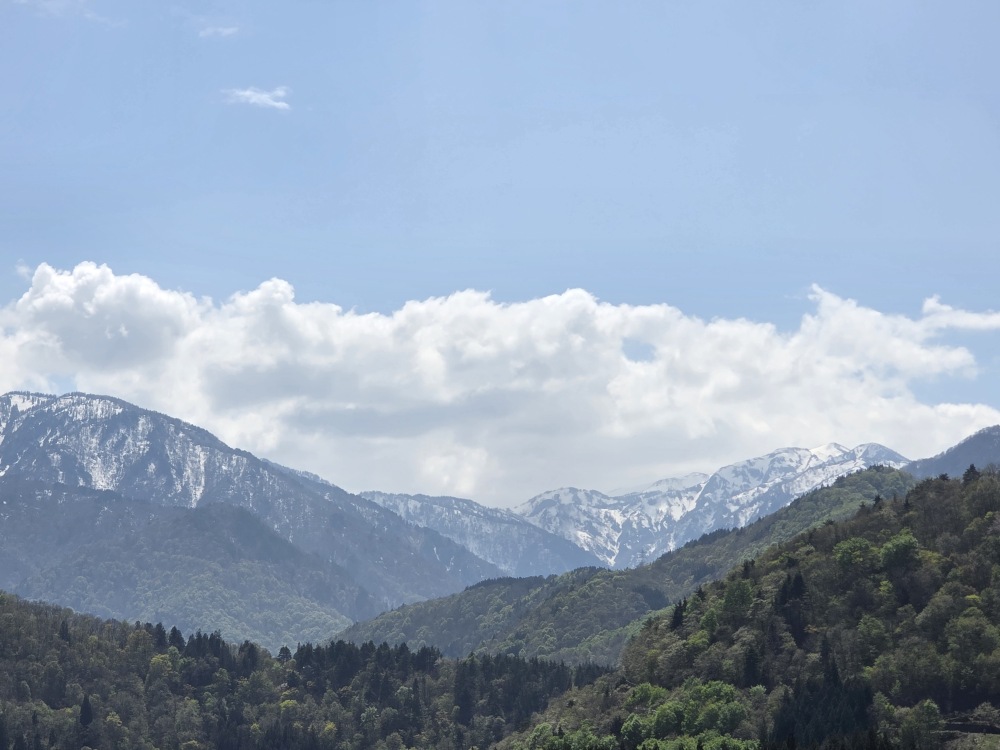
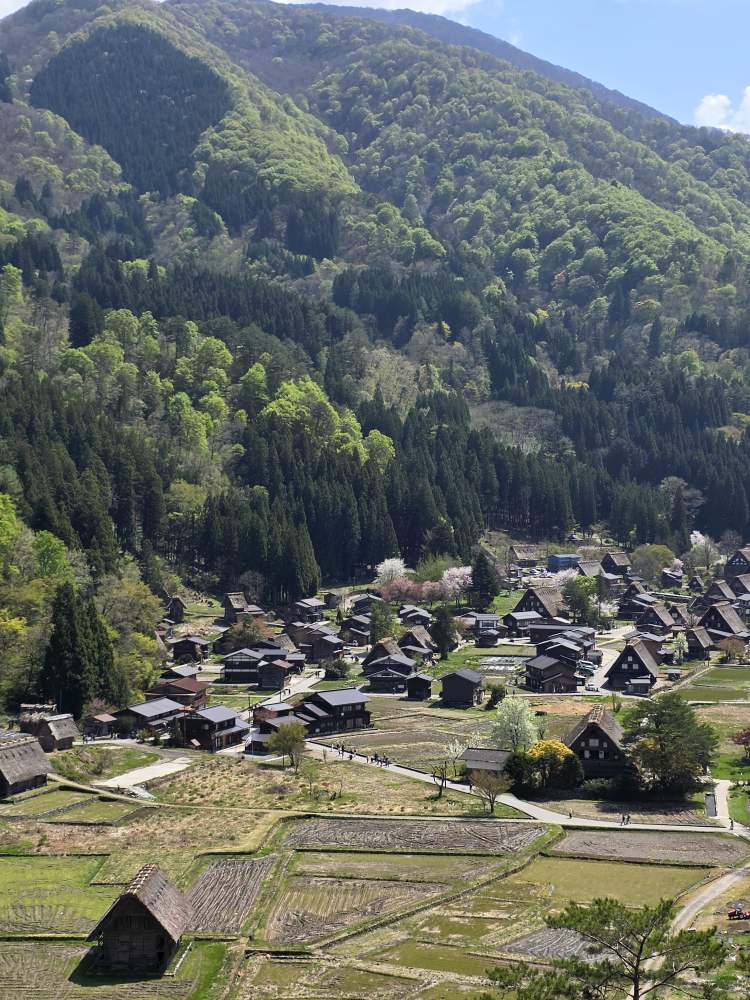
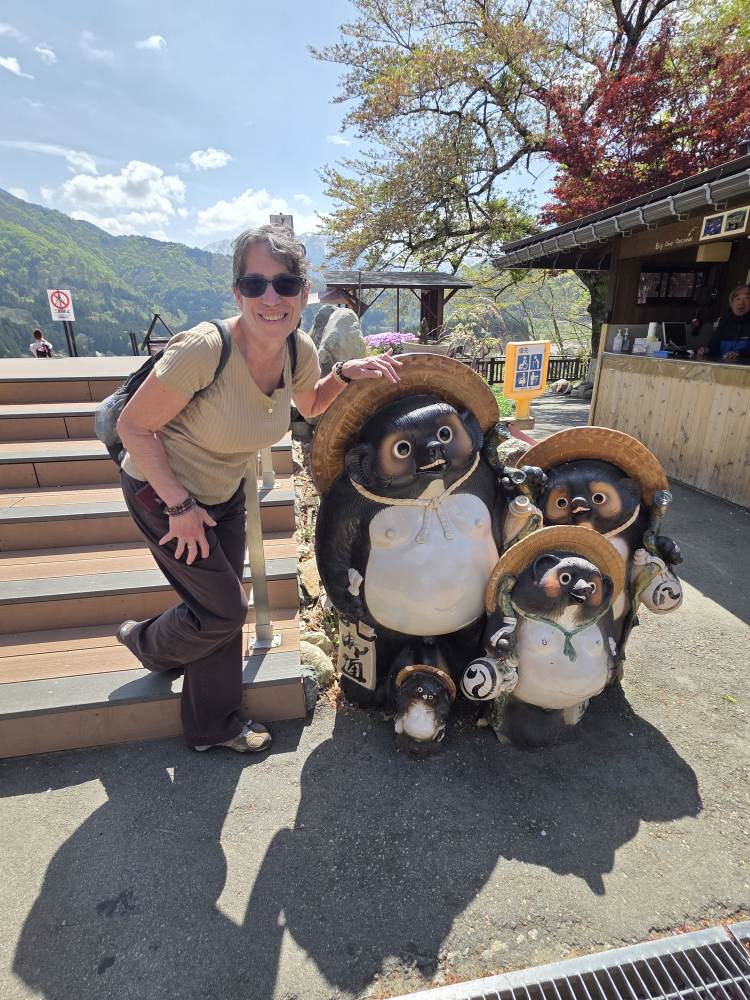
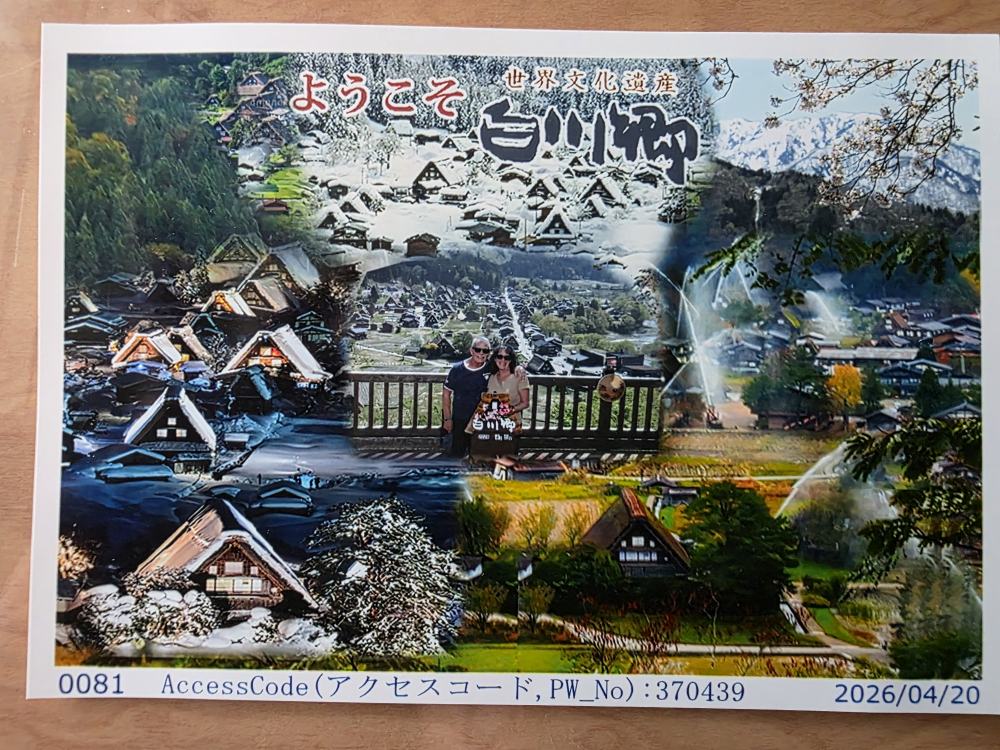
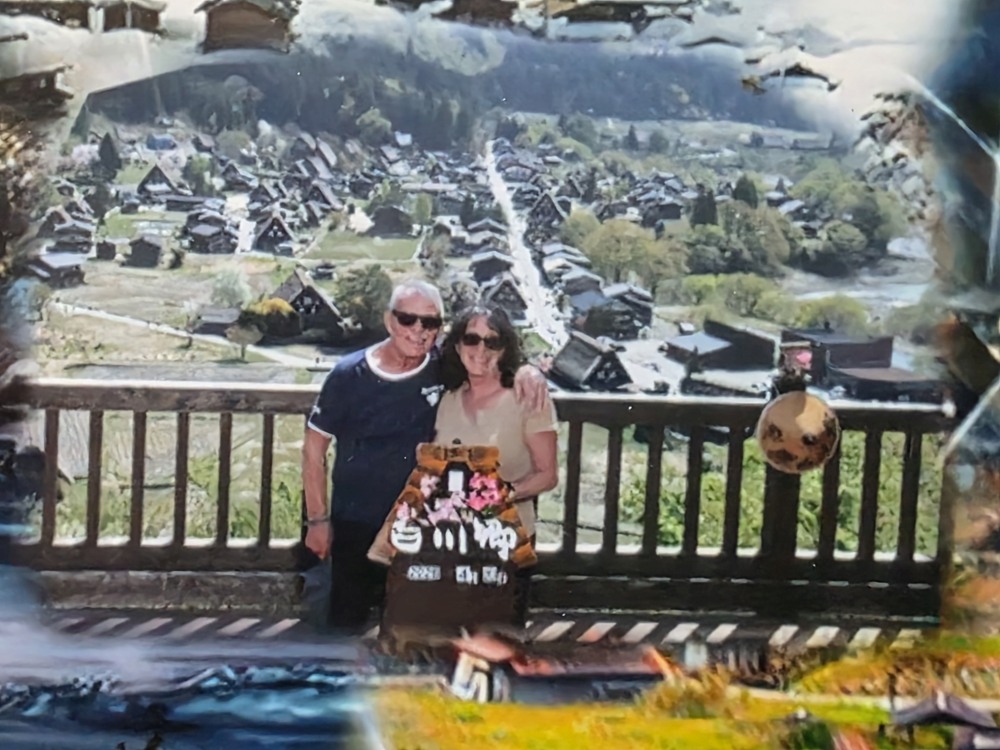
Further up in the visitor’s center that resides atop the hill, there is a cute little family of Tanuki – the traditional Japanese raccoon dog figures associated with good luck – near the 2nd viewing platform, each carrying their own bottle of saki. Our kind of Tanuki! Here, we can have the photographers take our photos with the village behind us – and if we don’t like the photo, we don’t have to buy it (of course), but they will give us a souvenir postcard of the photo to us for free. How can we go wrong? We aren’t buying the photo, but we do have the souvenir!
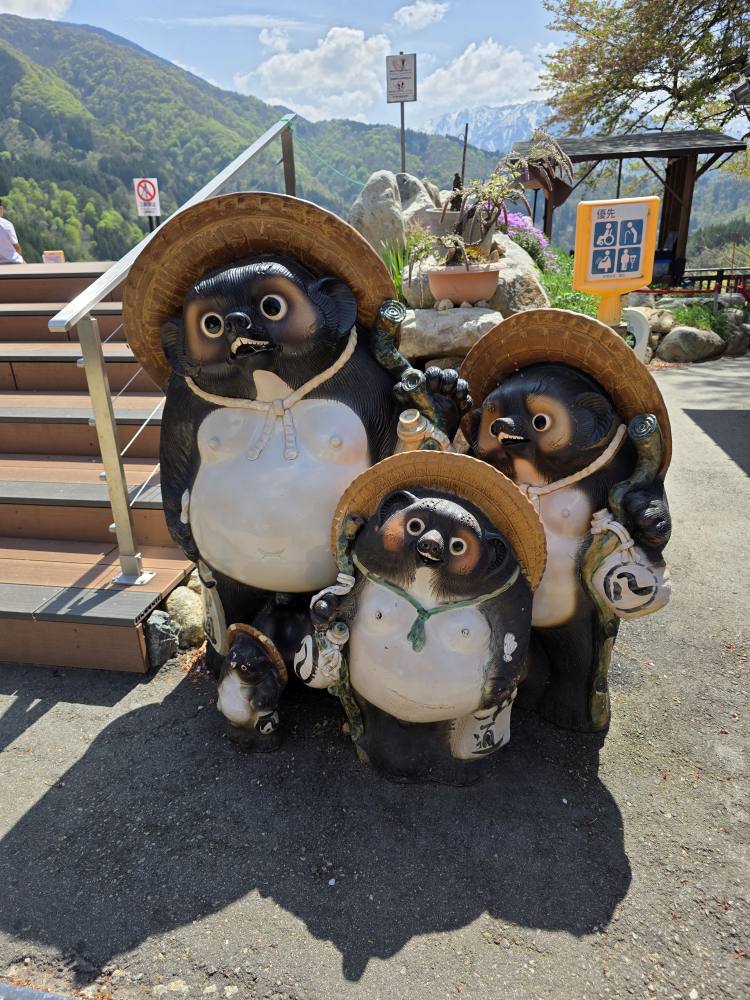
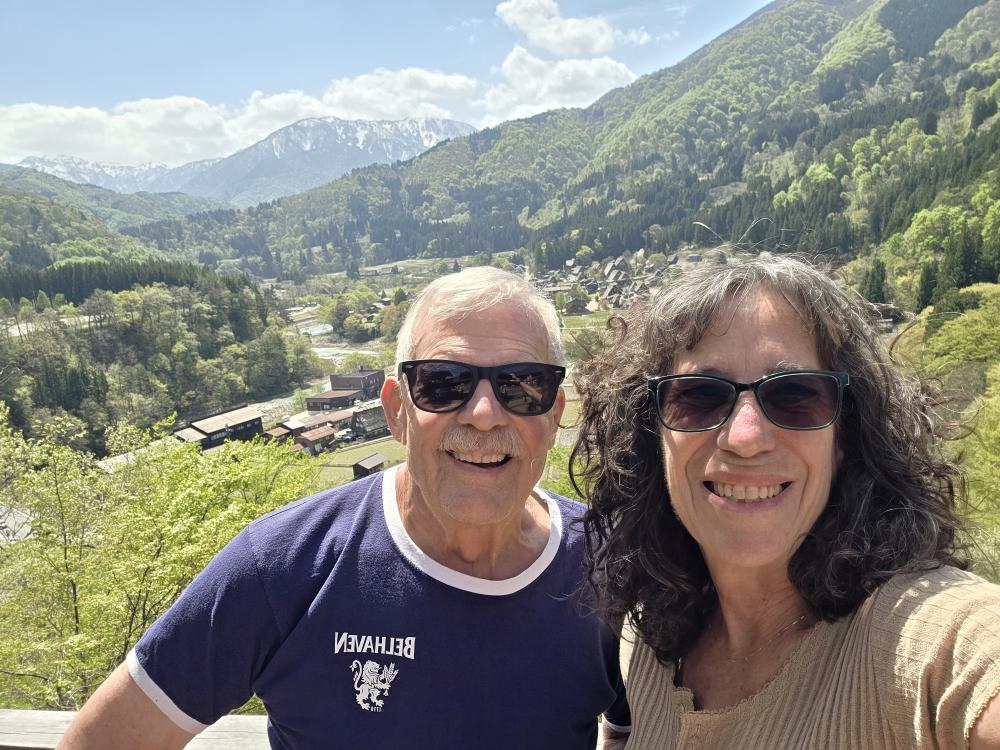
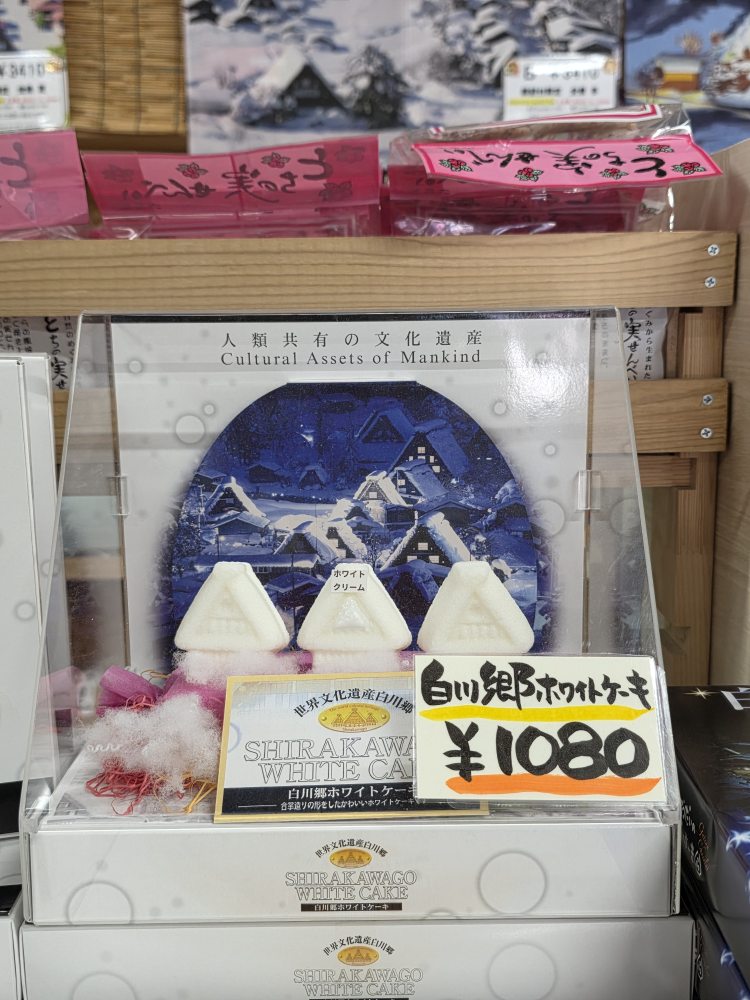
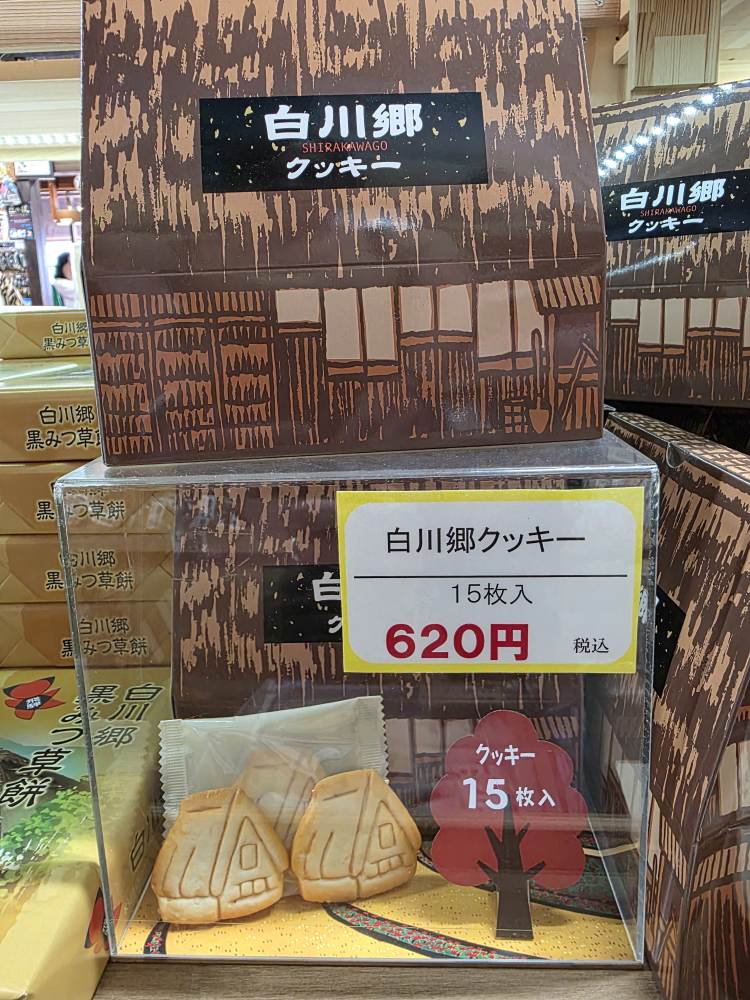
After our little photo shoot, we hit the gift shop where they just have the best cookies and candies and cakes in all sorts of shapes and designs – especially fun are the ones that look like the village houses.
Back outside, we wander through the Ogimachi Castle Ruins, the site where a mountain castle was built during the medieval period. Perfect place for a castle as it was protected on 3 sides by the steep slopes. There’s not much left up here, a small wooden shrine, some earthworks and mostly pretty forested land with tall pines. A pretty place to take a walk before we head back down to the main village.
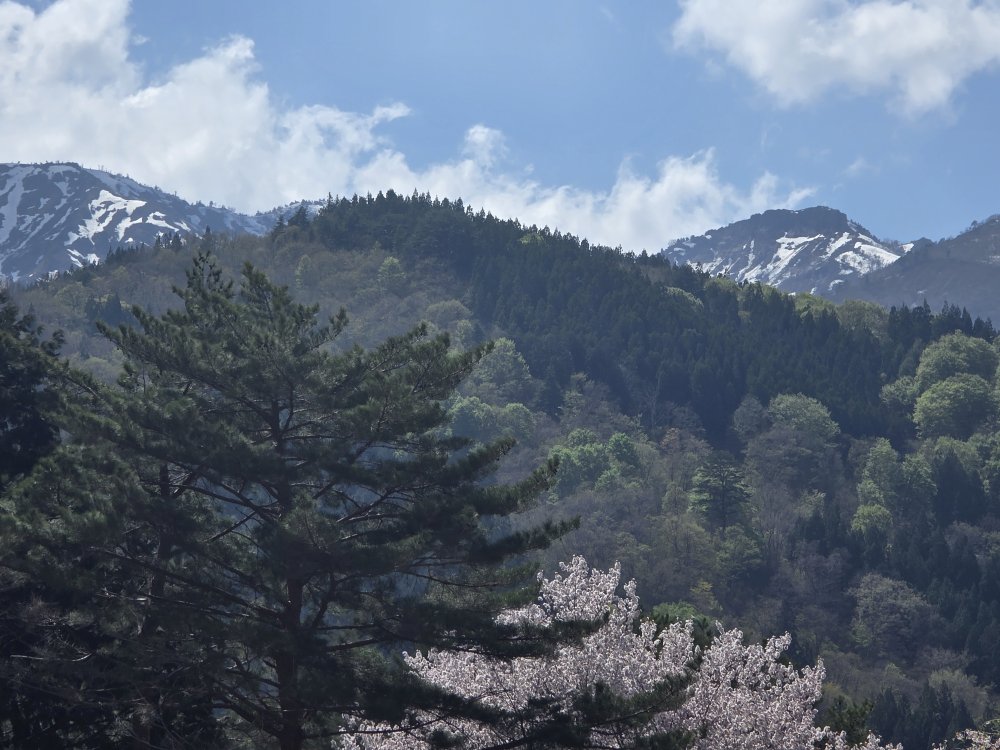
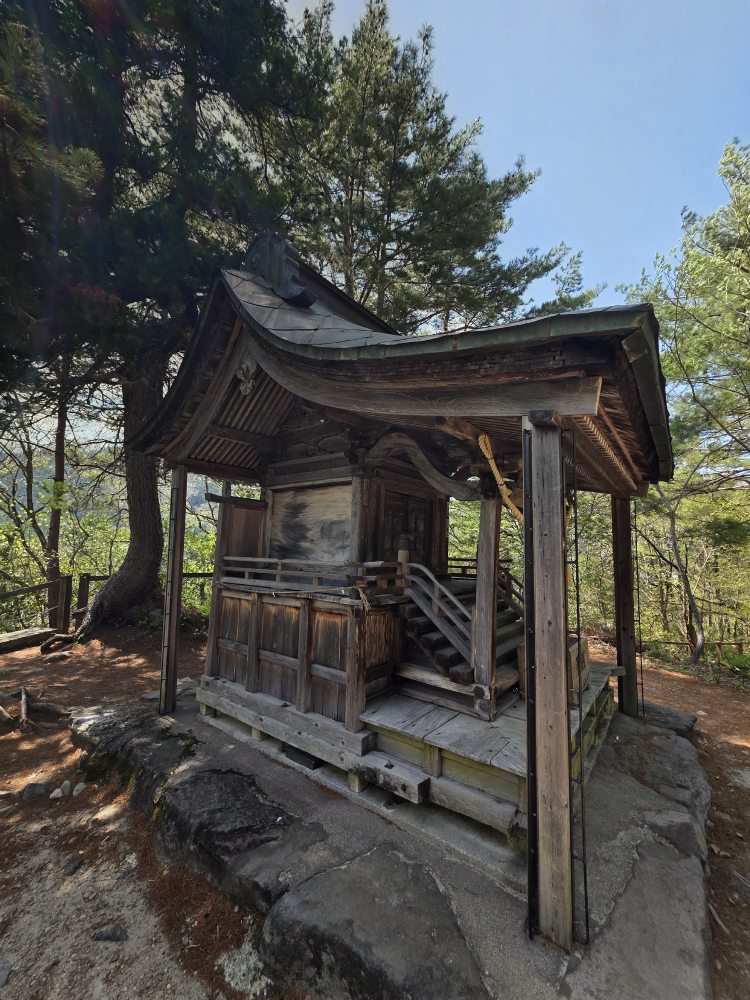
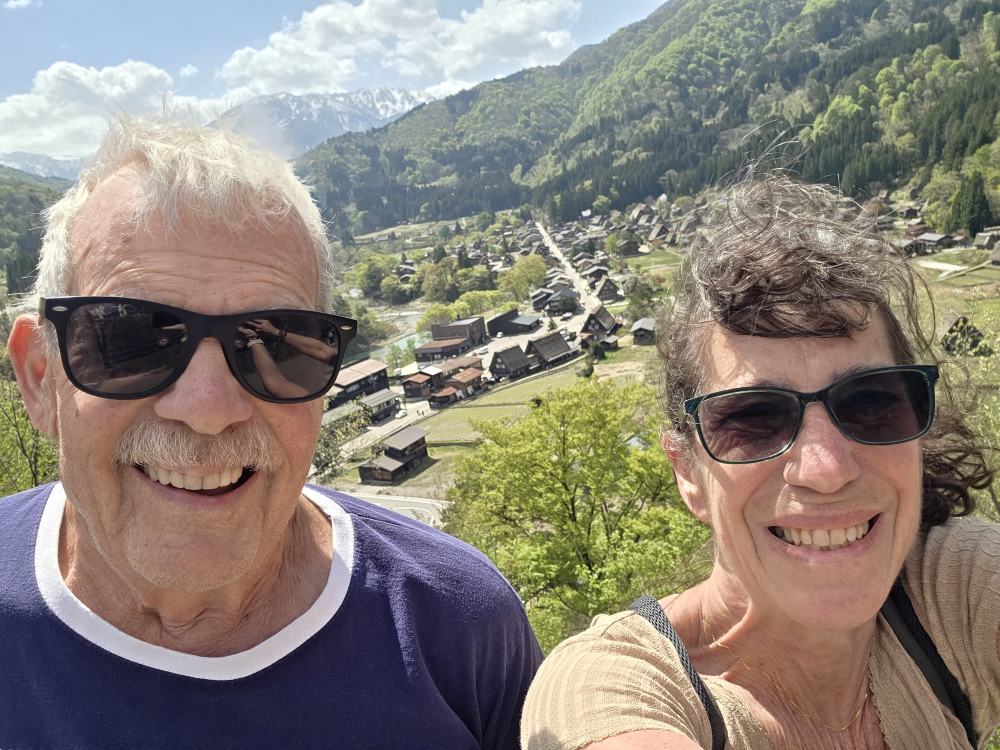
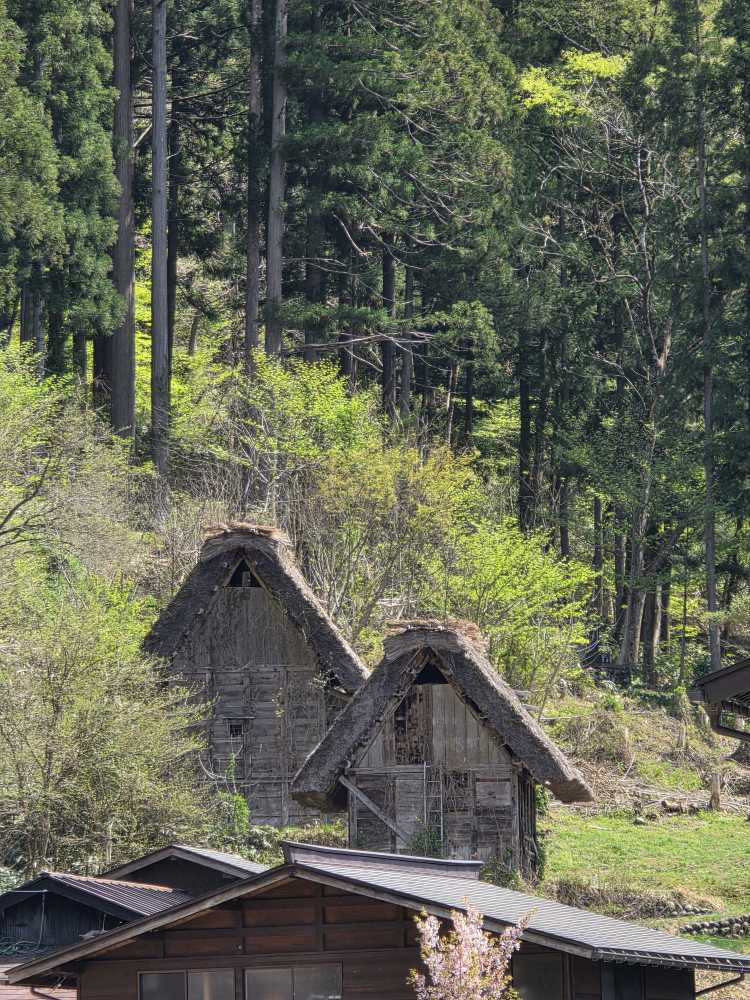
Wandering to and fro, we just snap away at the interesting houses, the gorgeous flowers and just the overall beautiful scenery.
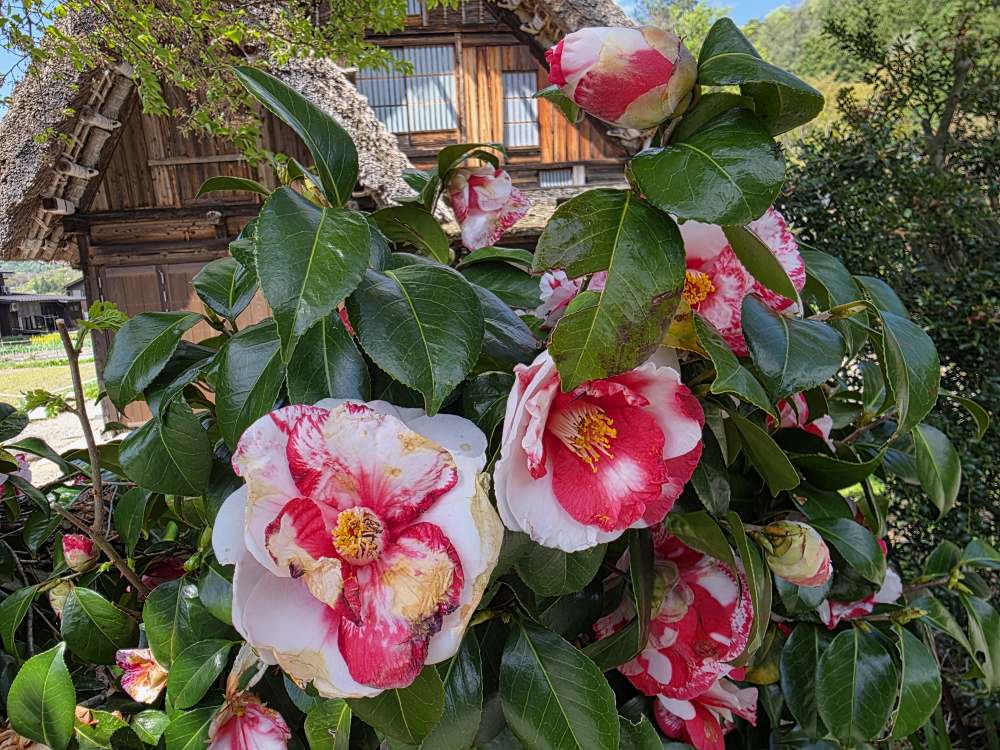
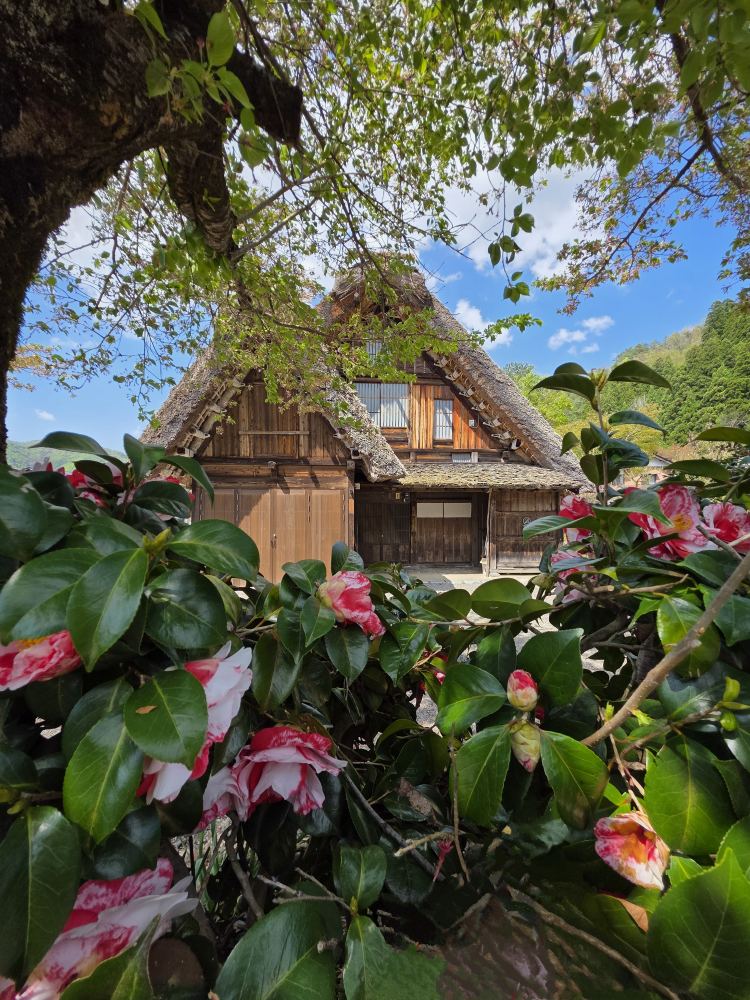
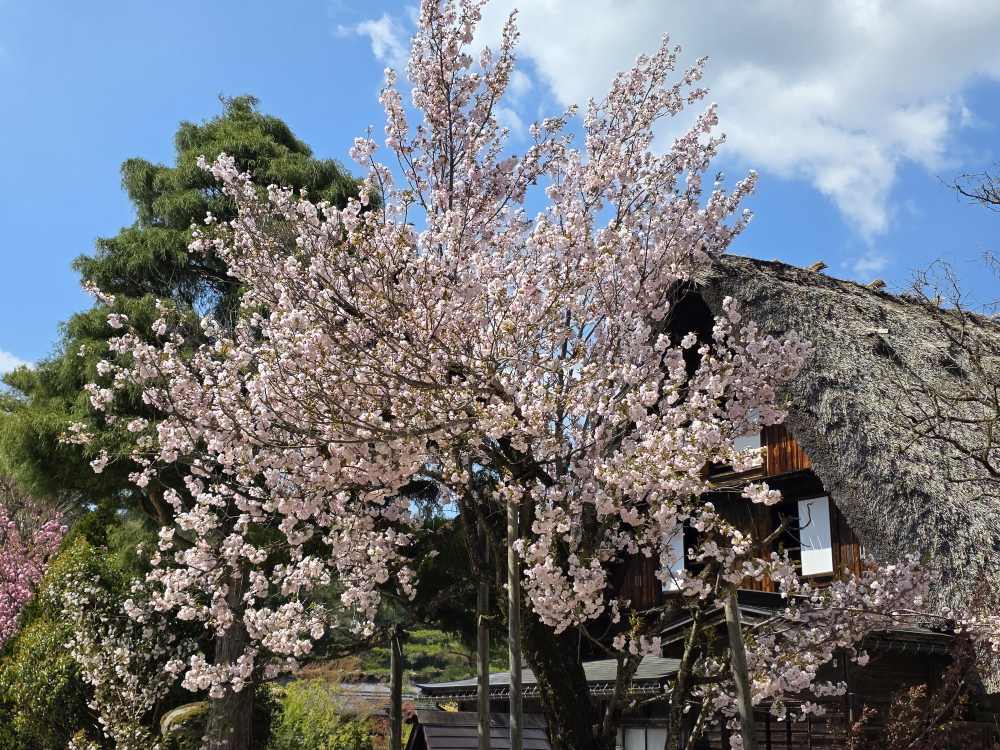
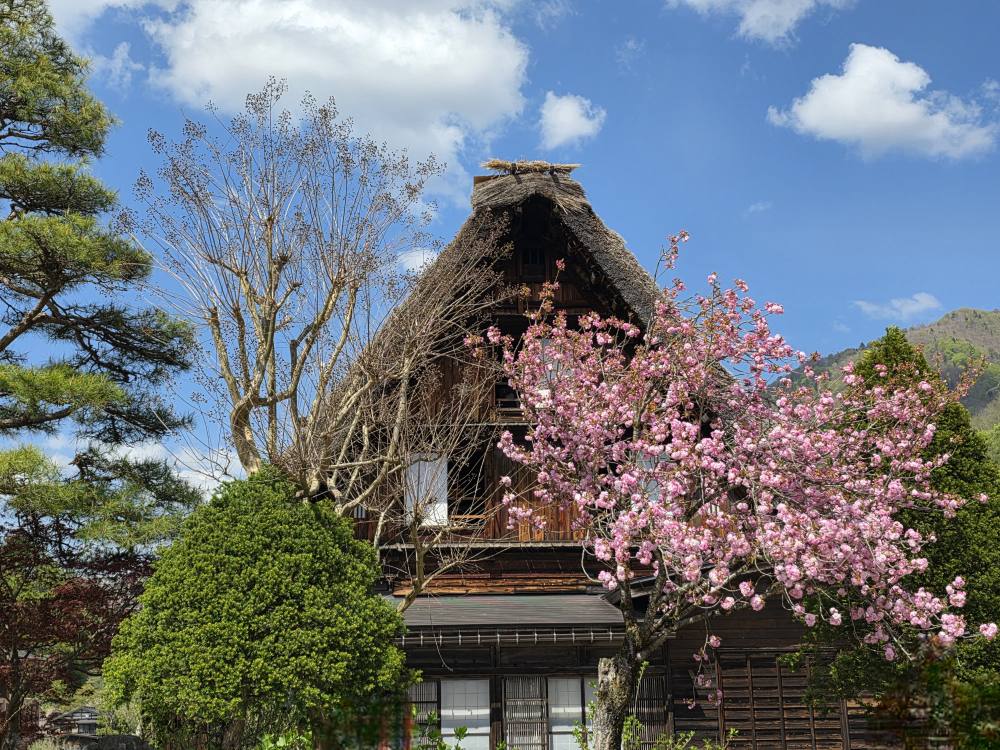
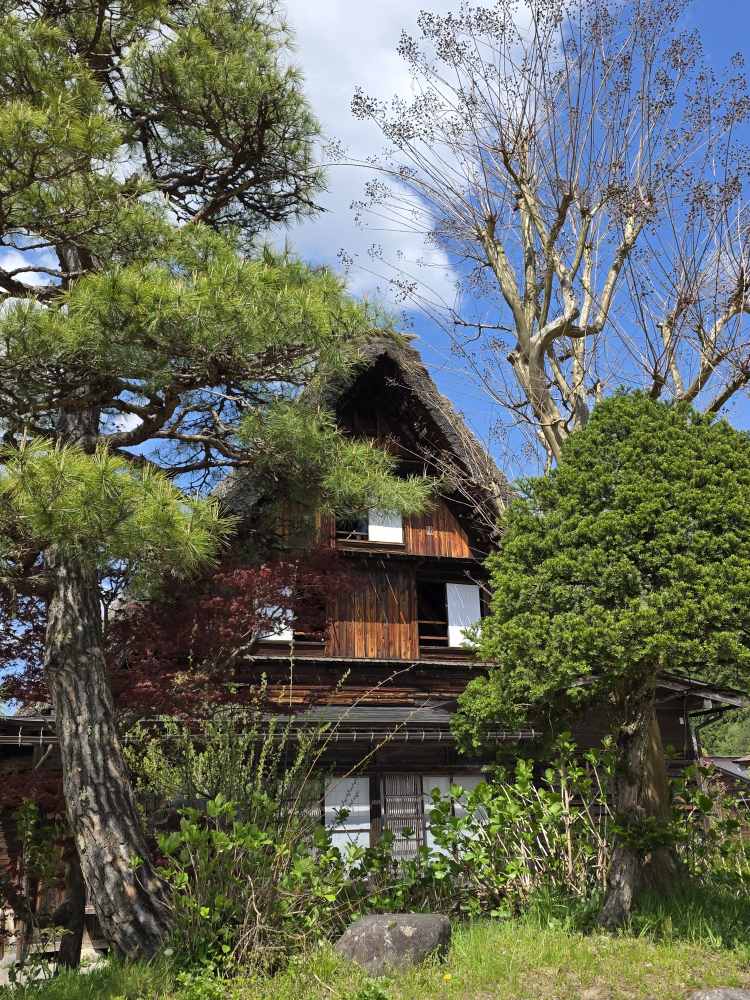
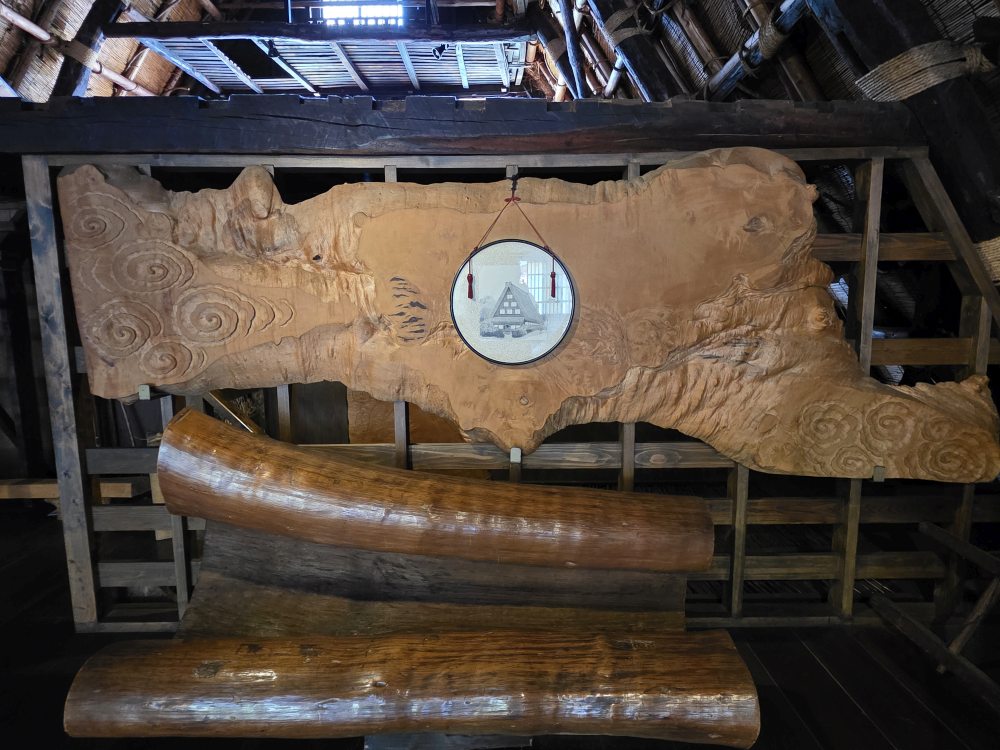
We do stop at the Binen-Yumeromu Museum, reputedly one of the best Gassho houses in the village. Inside, on the first floor are incredible wood works of a local artist. Plus an 800 year old tree – or at least a slab cut from one. The carvings and sculptures are just amazing. The details that he carves and how he meshes these with the features of the original tree are just fascinating.
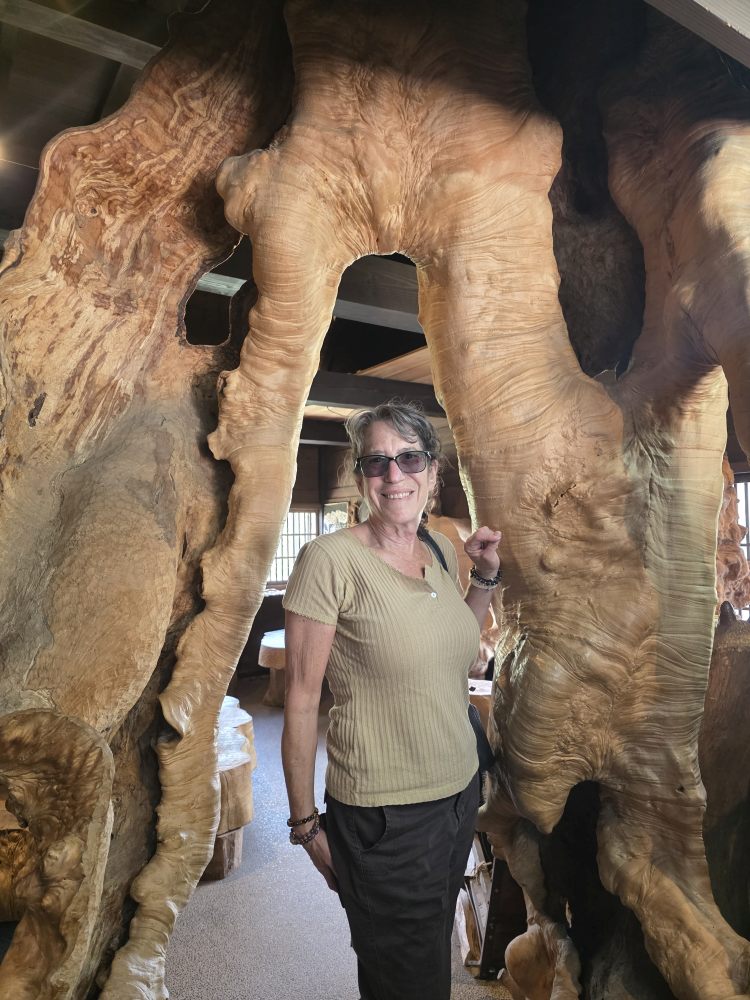
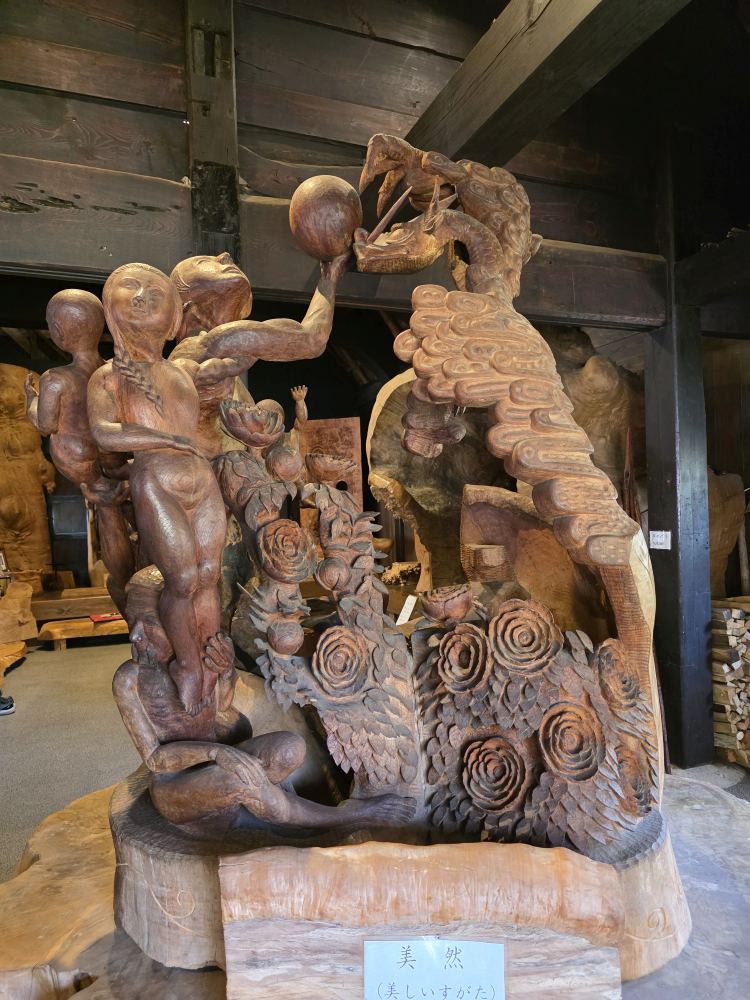
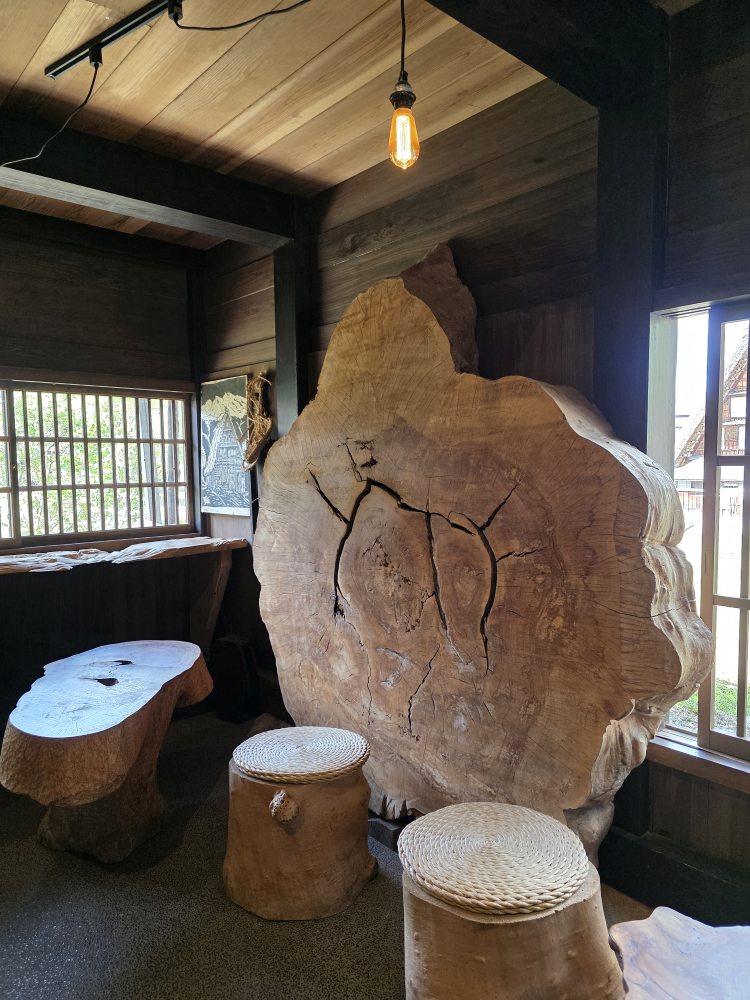
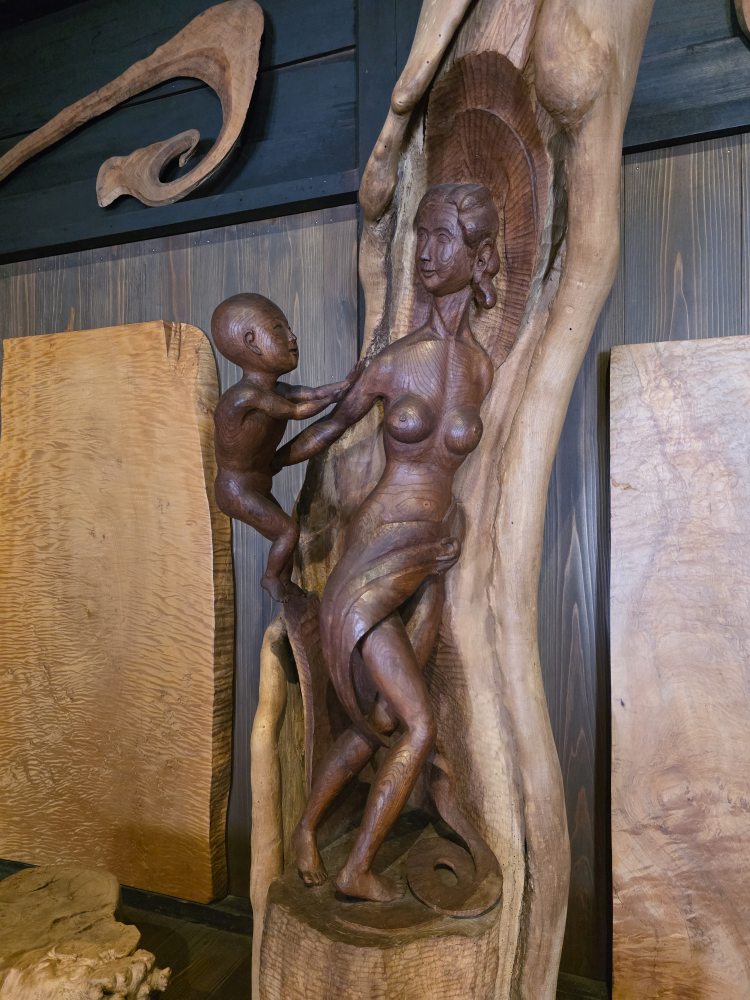
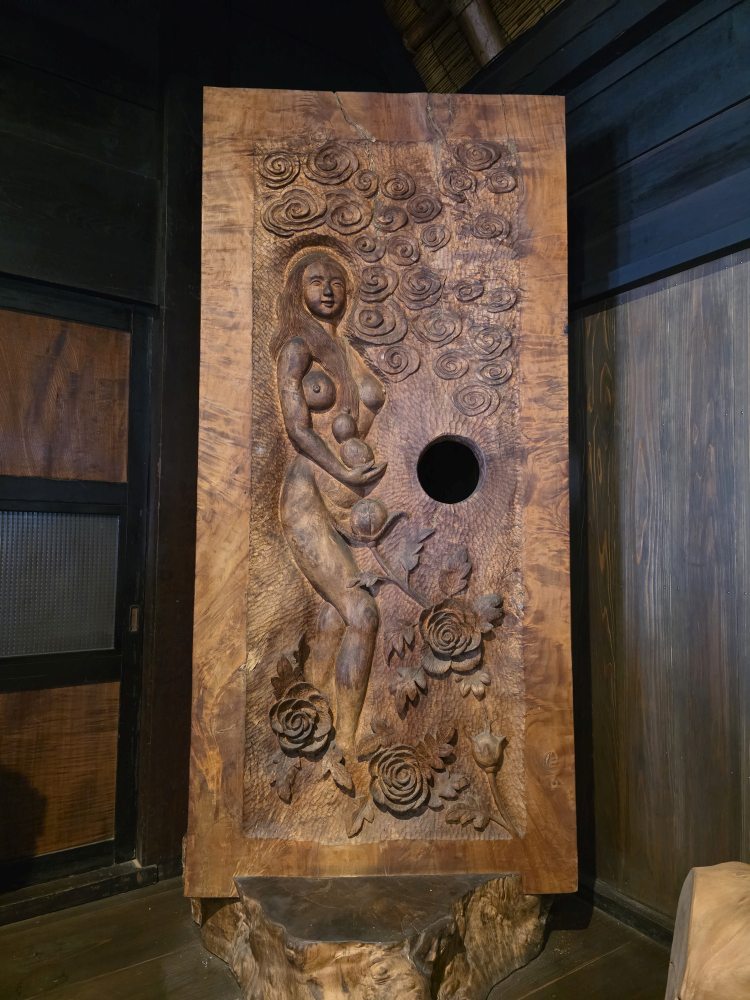
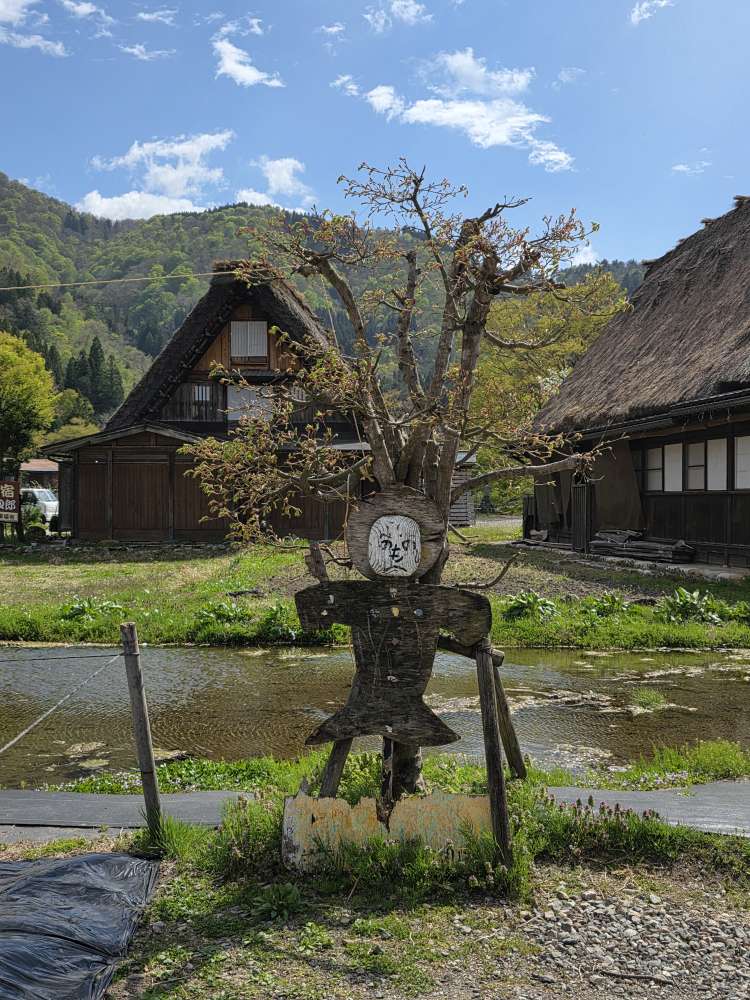
We find a Japanese Horse Chestnut that is over 1000 years old, the sign in front explaining that the tree spirit is smiling. Love that sentiment.
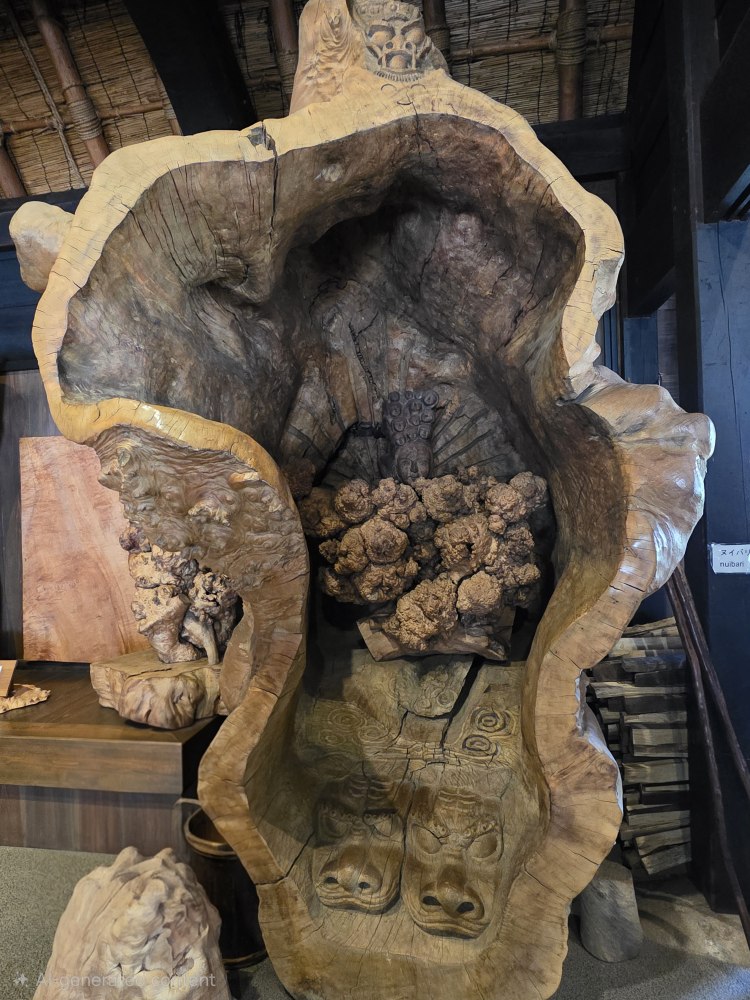
Upstairs, underneath the traditional woven and thatched roof are 2 floors full of historical drawings and posters that tell the story of the village and the people who lived in the house. There are also beautifully cut wood tables that you just want to take home with you – but for obvious reasons will never be able to!
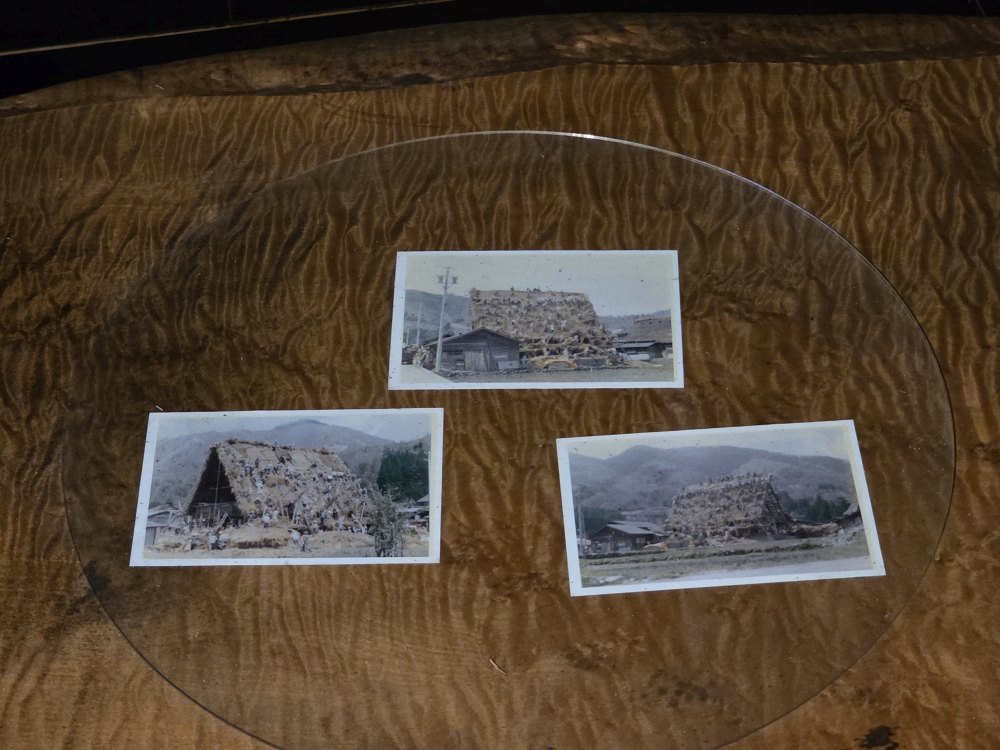
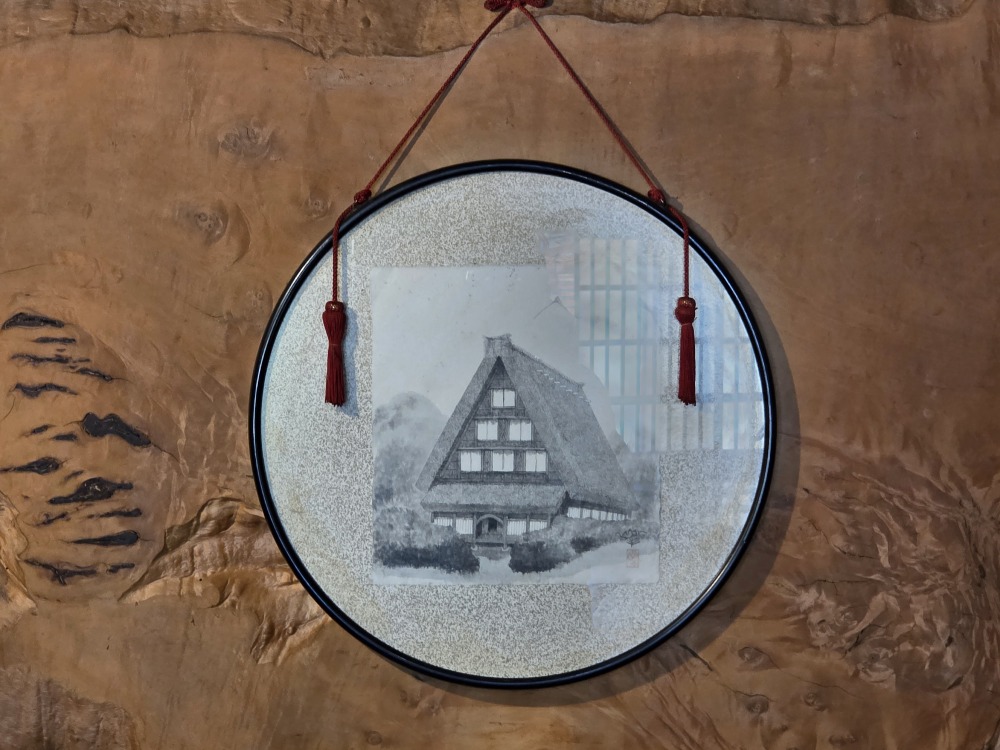
From the 3rd floor loft area you can really get a good feel for how these houses are constructed with the heavy, thick wooden beams for support and the natural hemp rope lashing them all together. The roofs are thatched under a communal labor system here called yui. One entire side of a huge roof here is thatched with Kaya in a day with the help of the entire village. They operate on a sharing system with the Kaya as well, and equal borrowing and lending of labor is always strictly observed. The town holds something like a festival each spring when the snow thaws and the thatching event begins. The whole system strengthens the ties of the community even further than they are naturally from living here in the snowy isolated village in the mountains.
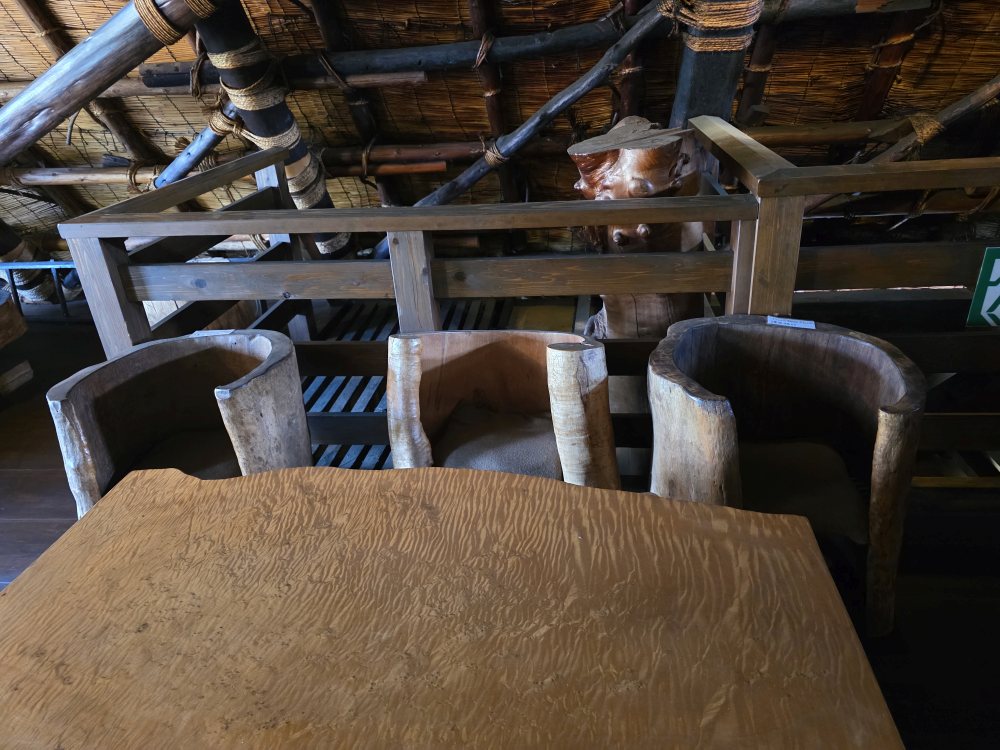
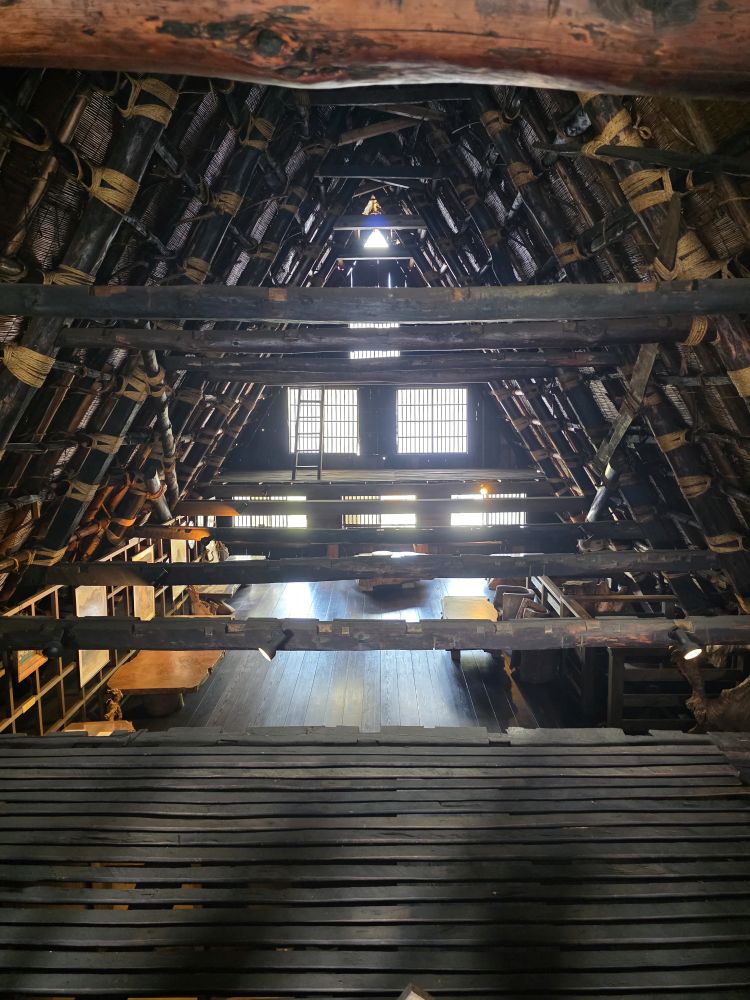
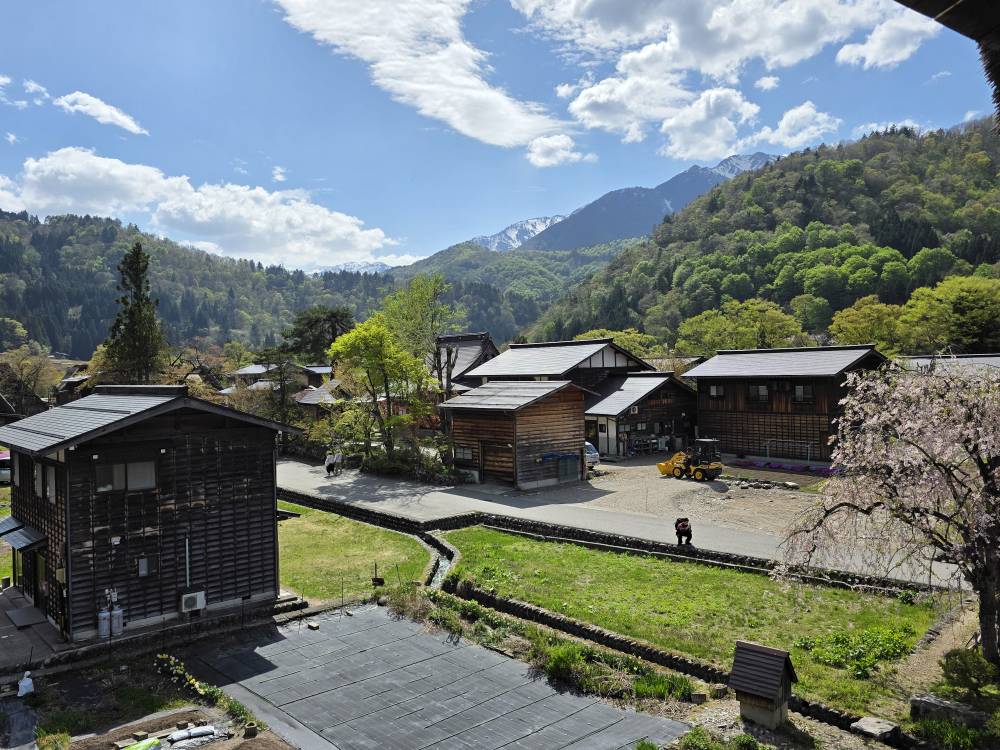
The pictures accompanying the explanation are just fascinating. We could stay here for hours just looking around.
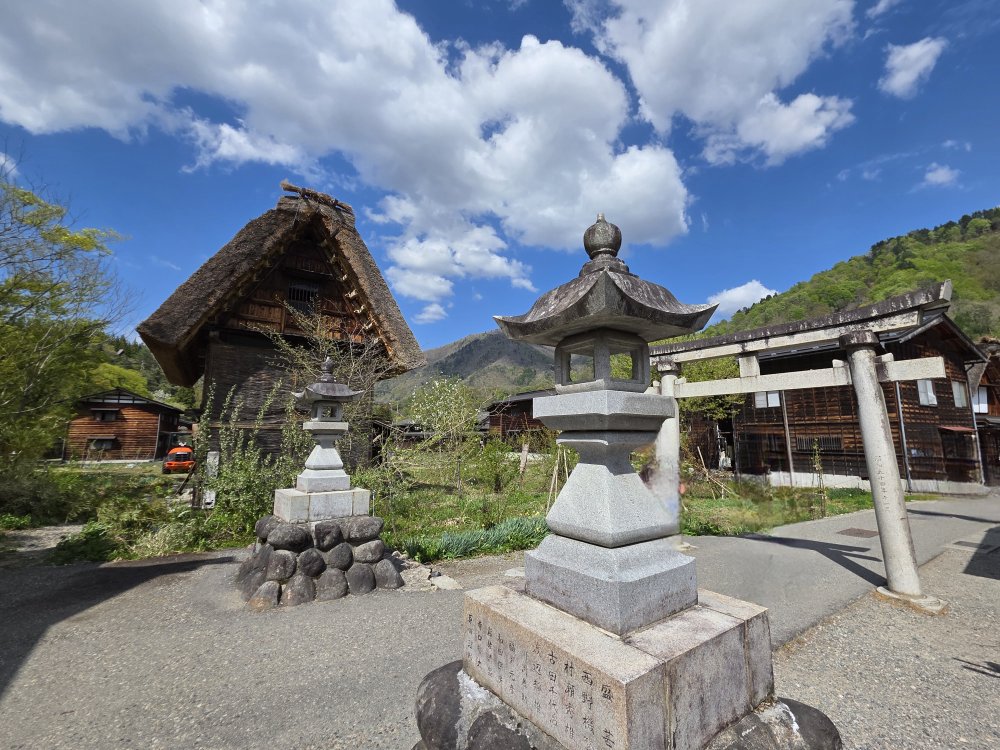
But that’s not in the cards today as we only have an hour or so until we need to return to our ride – so off we go exploring through the village some more. There are plenty of other houses we could go into, but decide to just wander through the various streets and areas enjoying the sights and the pretty day.
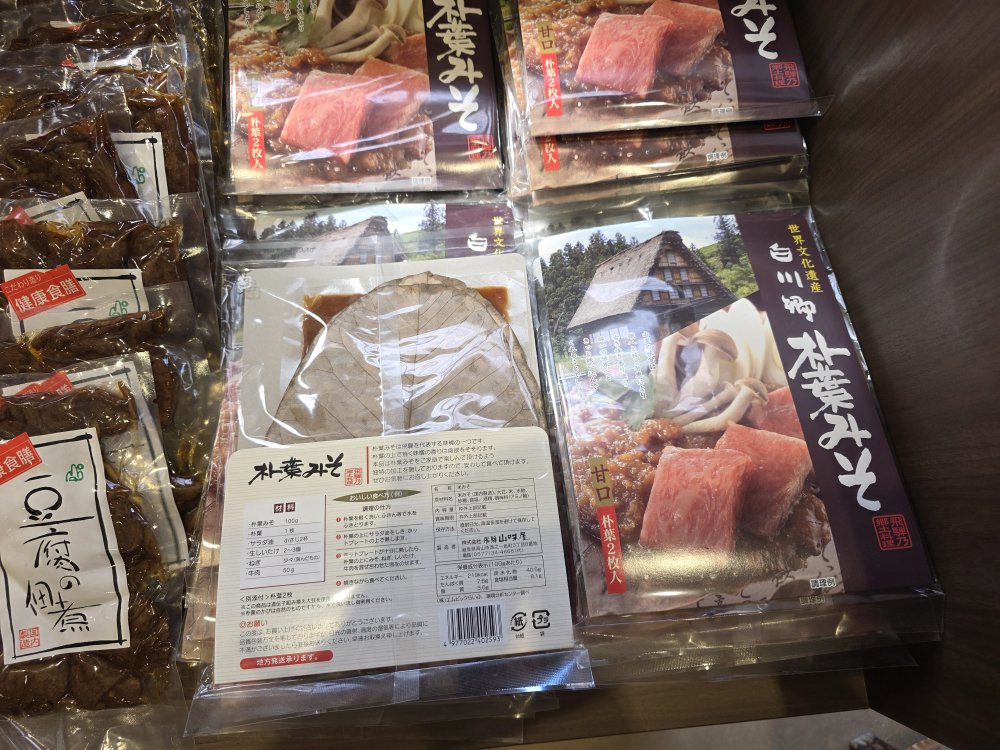
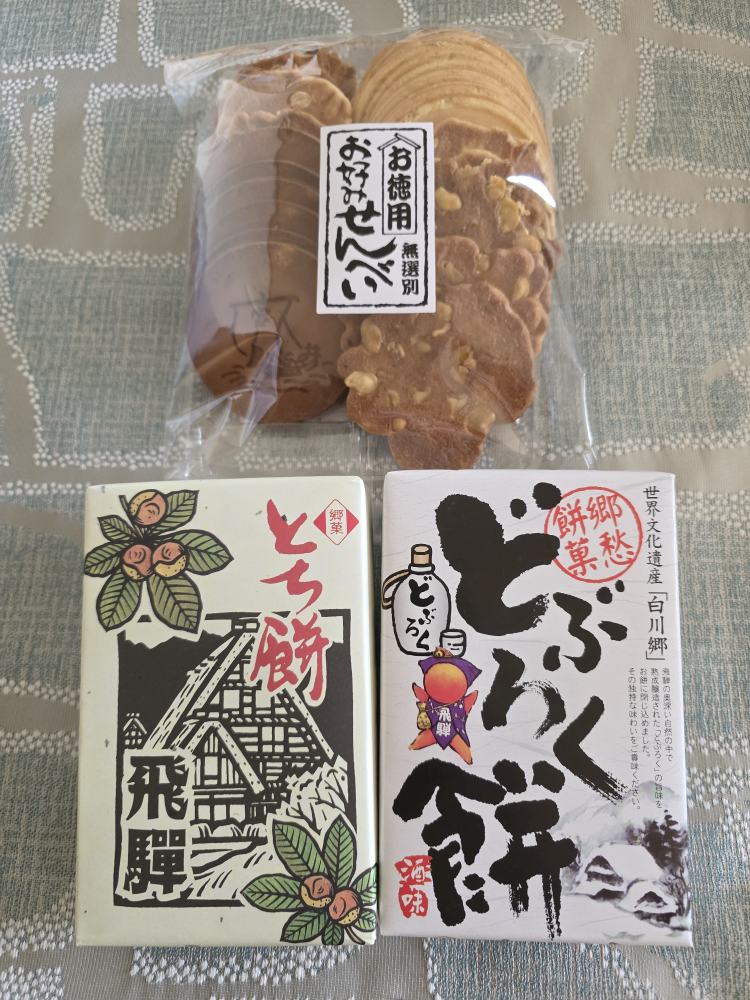
Finding ourselves back at the parking lot with time to kill, we mosey through the gift shop, forcing ourselves not to buy the pre-made packages of magnolia leaves, sauce and Higa beef strips to take home and cook, but succumbing to some packaged rice cracker-cookies as well as the special Hida mochi – both saki and chestnut flavors. The packaging is worth buying just for the printed designs.
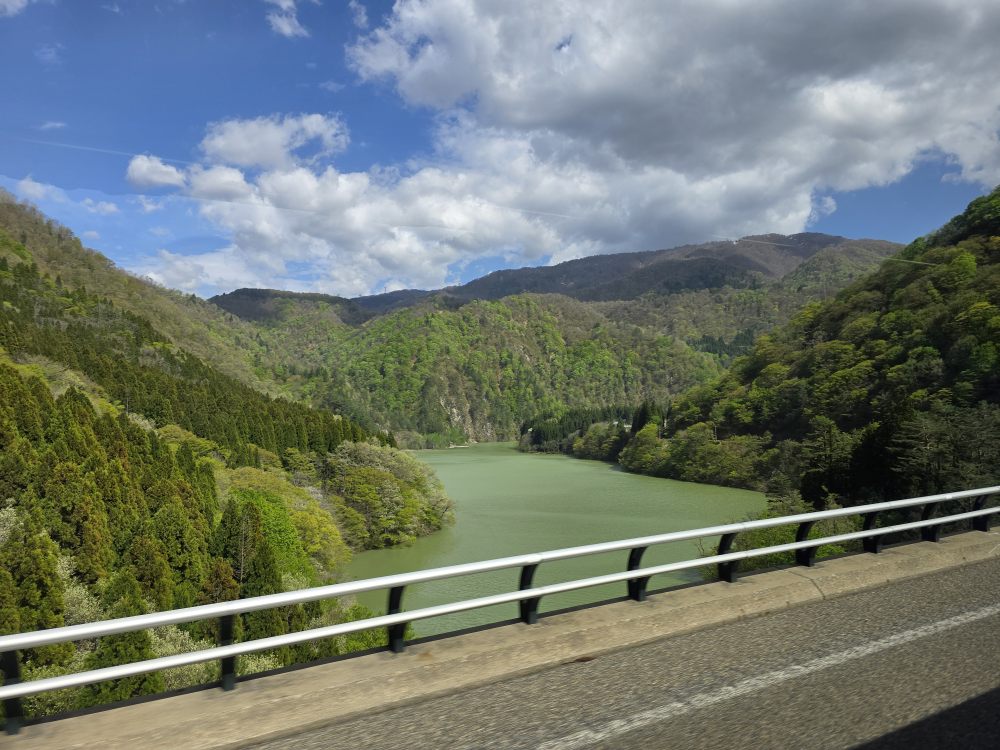
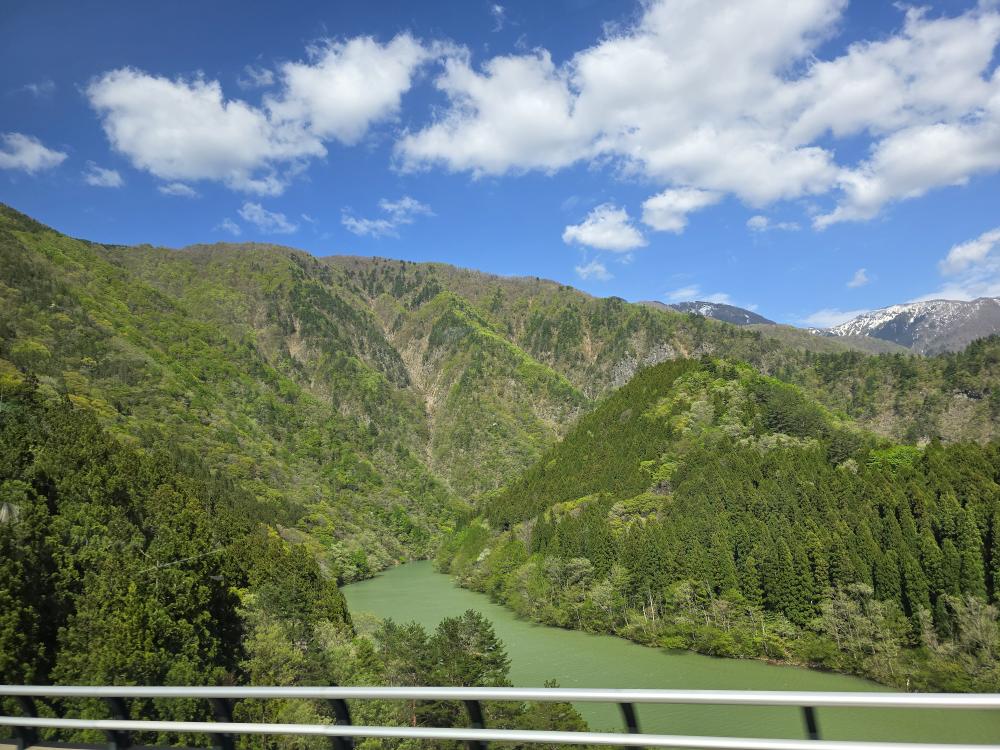
Back on the bus, we retrace our drive down the mountain past gorgeous deep green forests and equally green rivers, arriving back at the port easily and without effort.
After our pre-dinner activities, we decide to just eat in the Lido tonight. It is a gorgeous evening, we can sit outside, and after that huge lunch, who needs a huge dinner? Plus there is the Asian special section tonight with an excellent selection of Japanese delicacies which we dive into with gusto – even though we are still pretty full!
We end the evening with Sunny Chen, the illusionist who is pretty good and entertaining. Another good day on shore and aboard the Westerdam.
 Andiamo