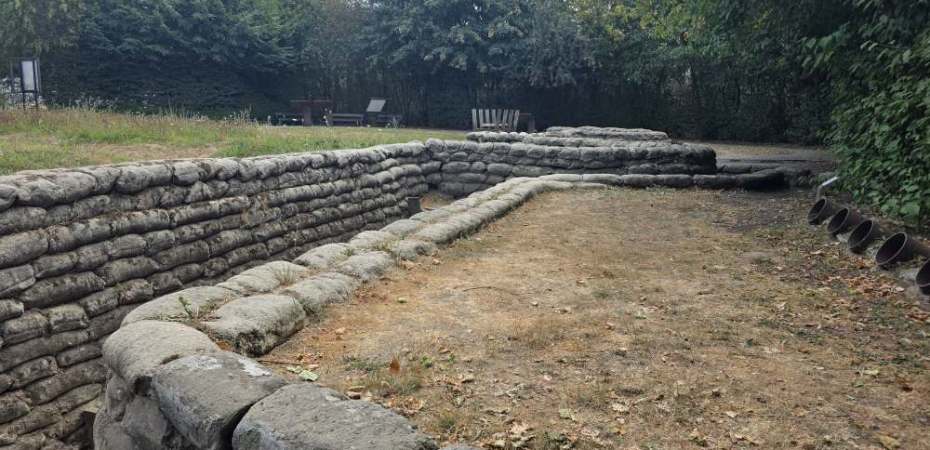
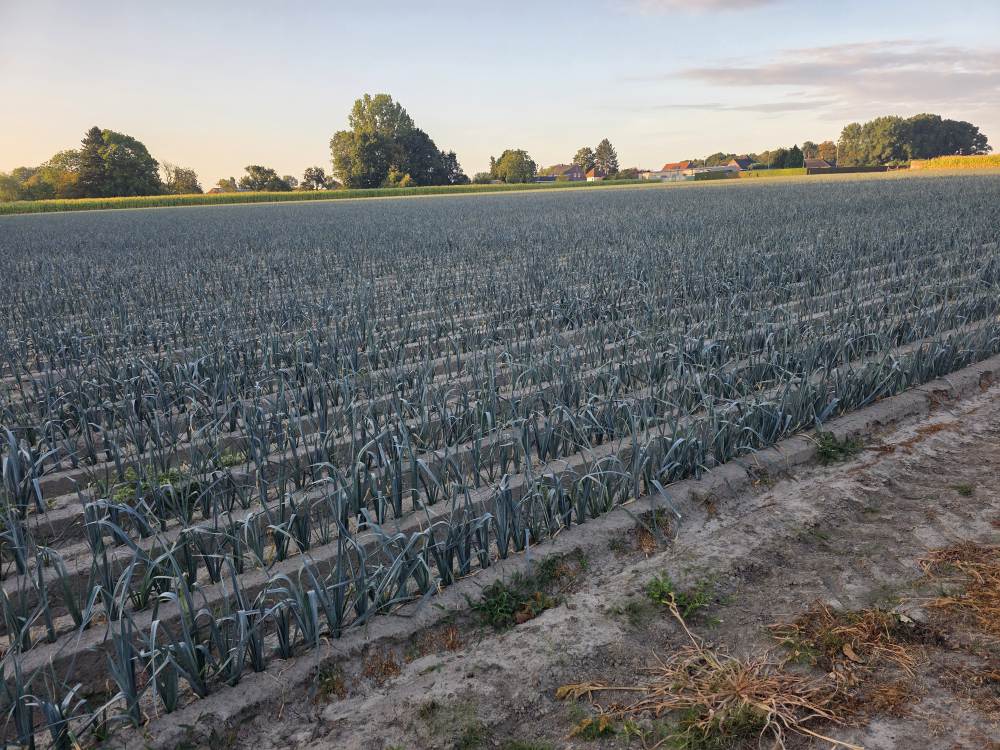
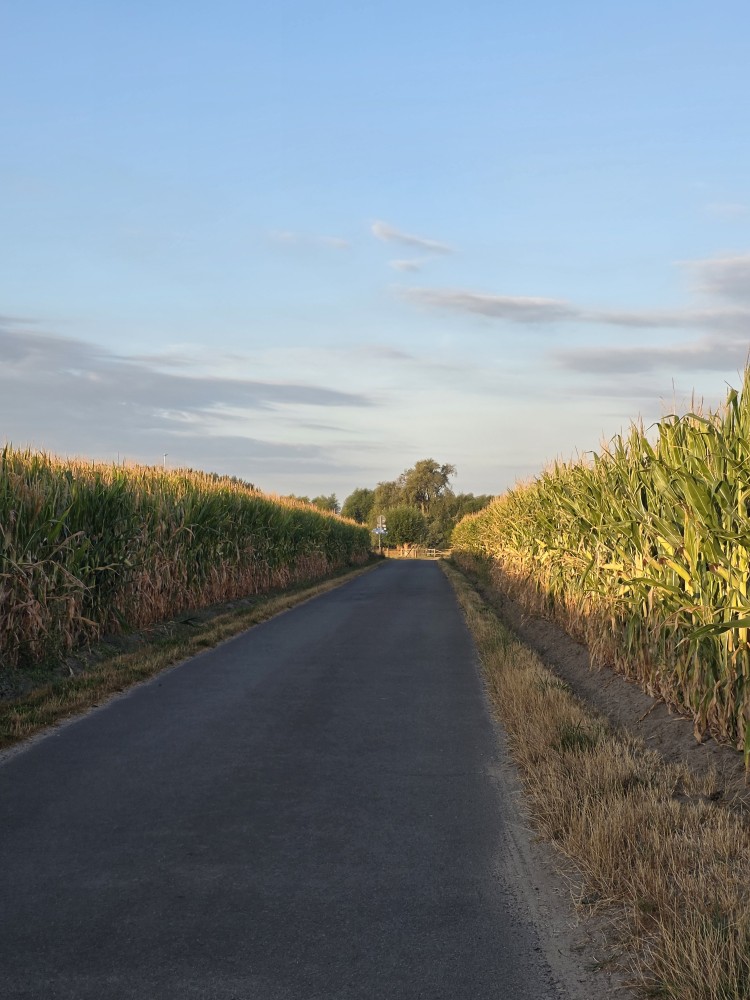
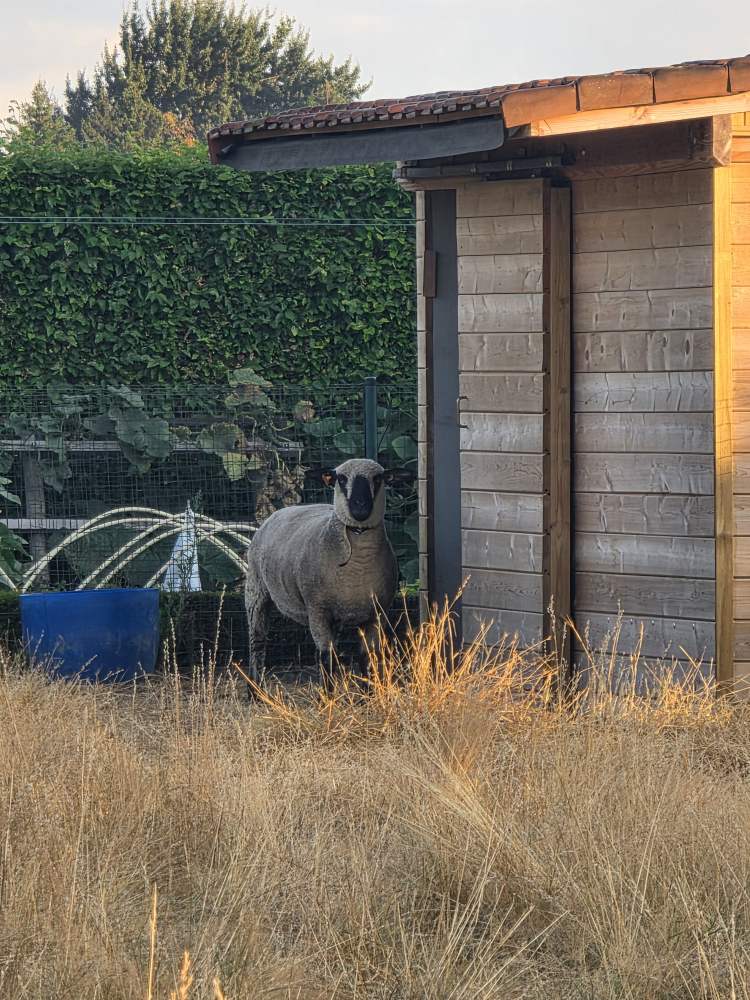
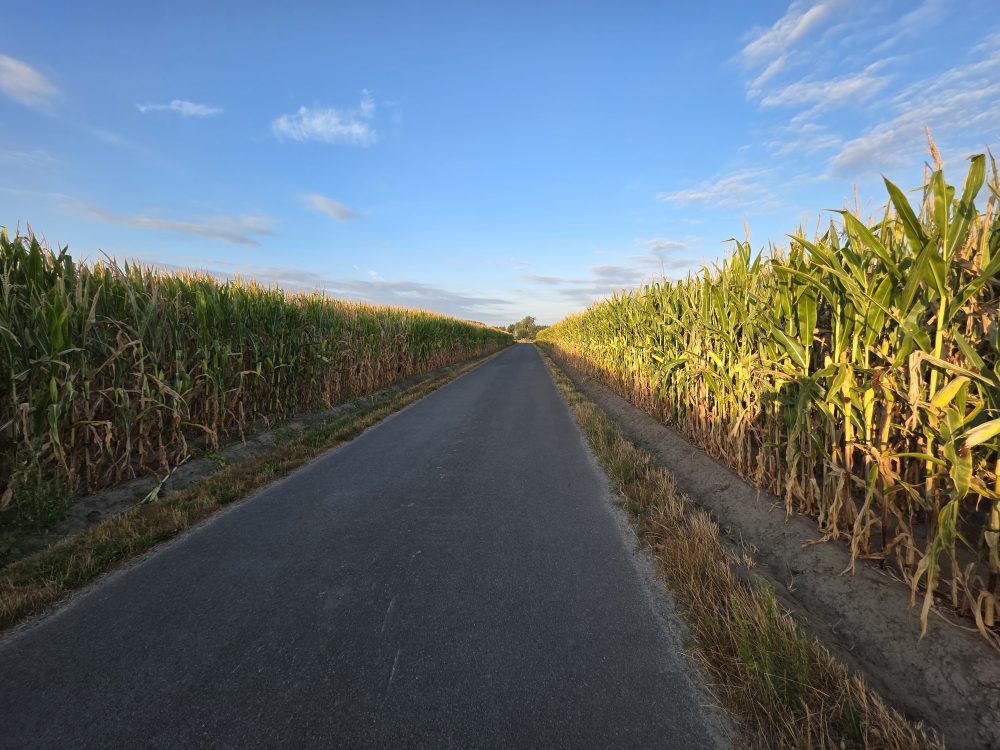
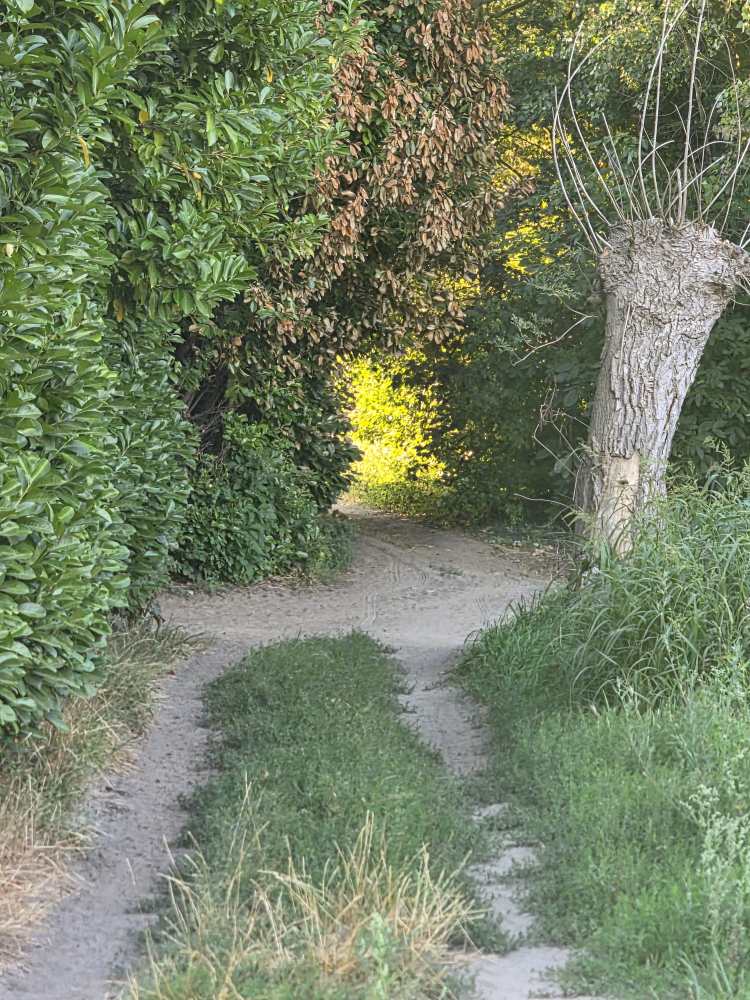
Our morning starts with a lovely early morning walk around the little village of Landegem, past the crops. through the cornfields and past various livestock and cute little cottages. We are ready for the day.
Our original plan was to just go to Brugge – but how many times can we go there, really? Instead, we decide to do the WWI tour, I mean we are right here in the thick of some of the biggest battles, so off to Ypres and Flanders fields we go.
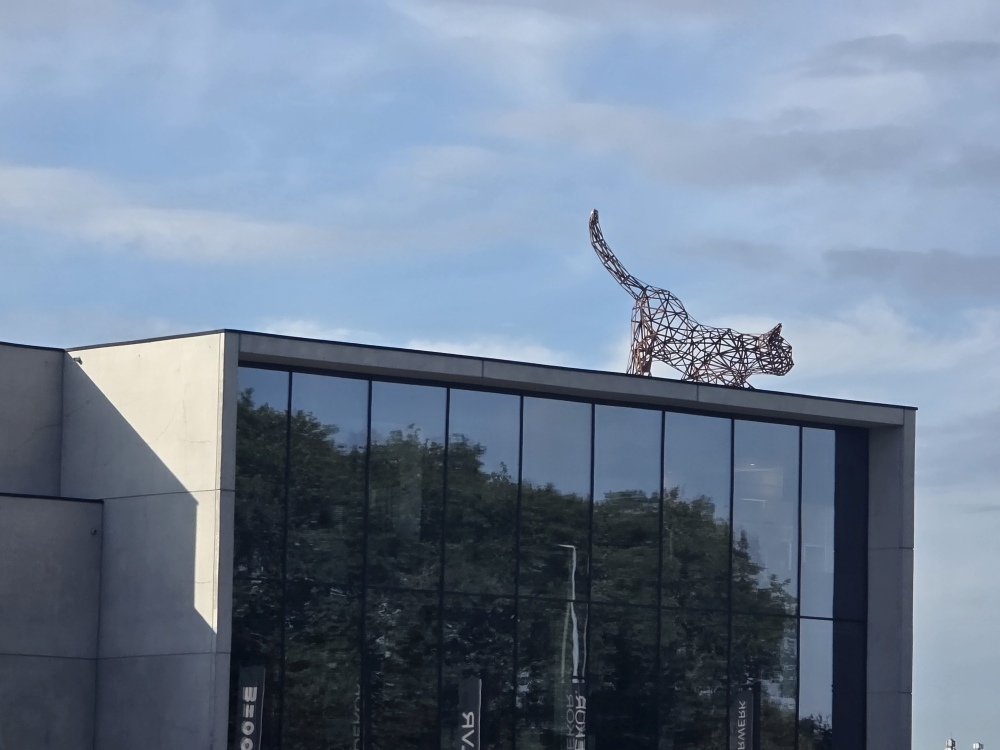
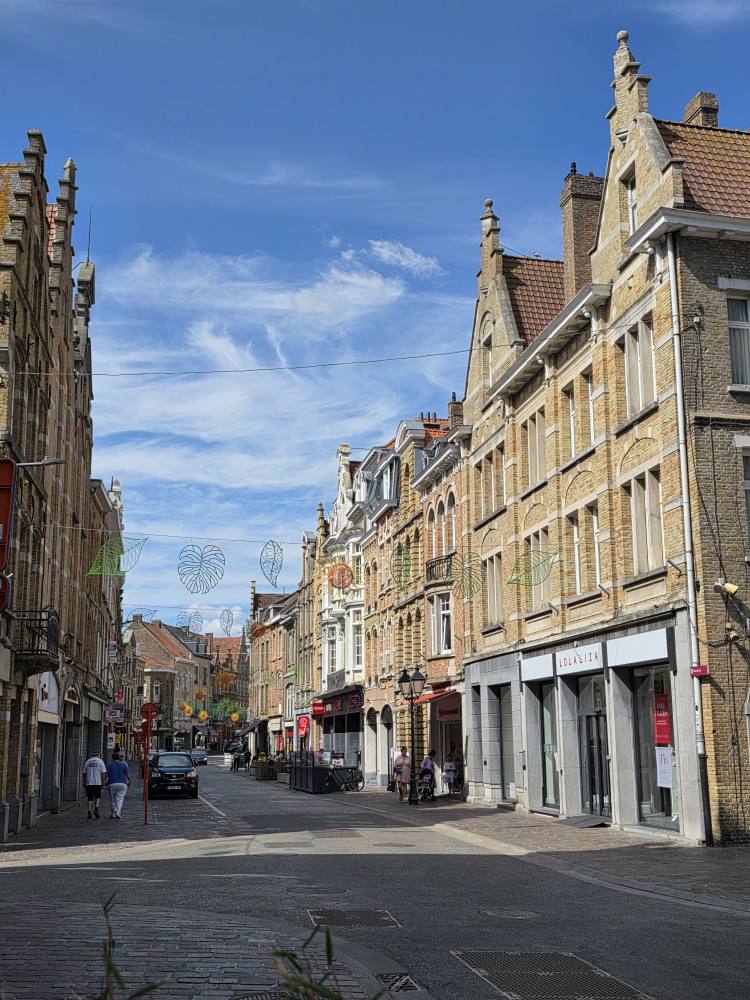
An easy, quick drive (past really inventive statues on the tops of buildings by the highway) brings us into the middle of Ypres where there is a carnival being operated on the main market parking area. Pooh. Fortunately, we find parking around the corner, but then begins the parking payment fun! We were having a horrible time trying to figure out the machine, even in English. It was so confusing. A local lady even came over to help us – and she was confused! We finally ended up with 3 hours of parking time – although there was a 24 hour option that was cheaper, but we all got totally flustered and mixed up, so 3 hours it was.
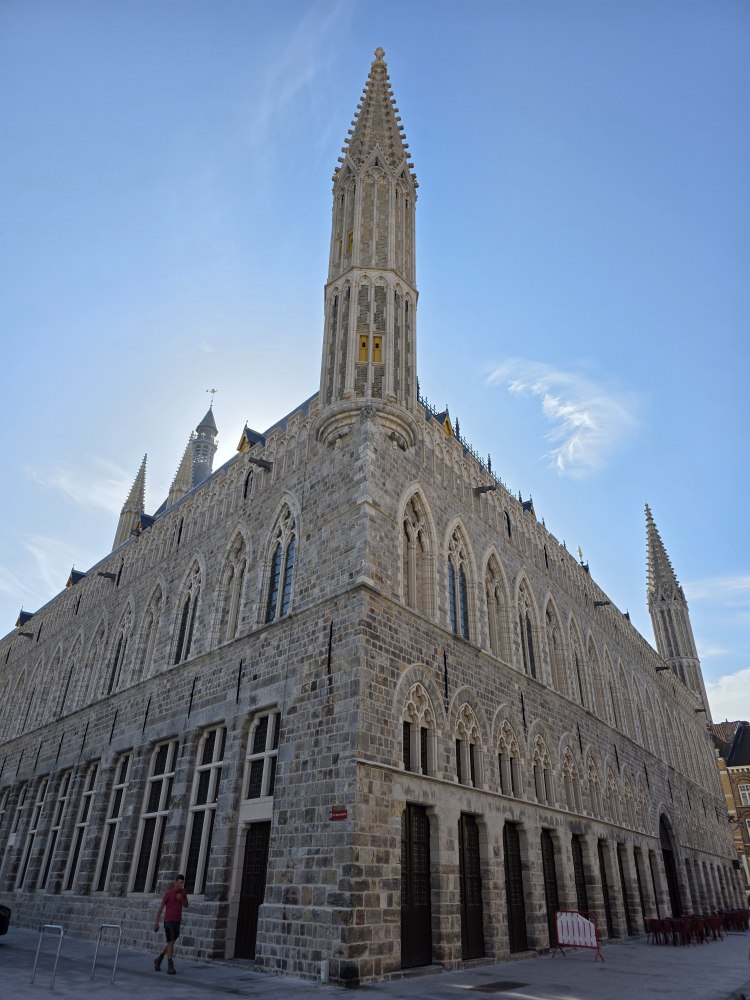
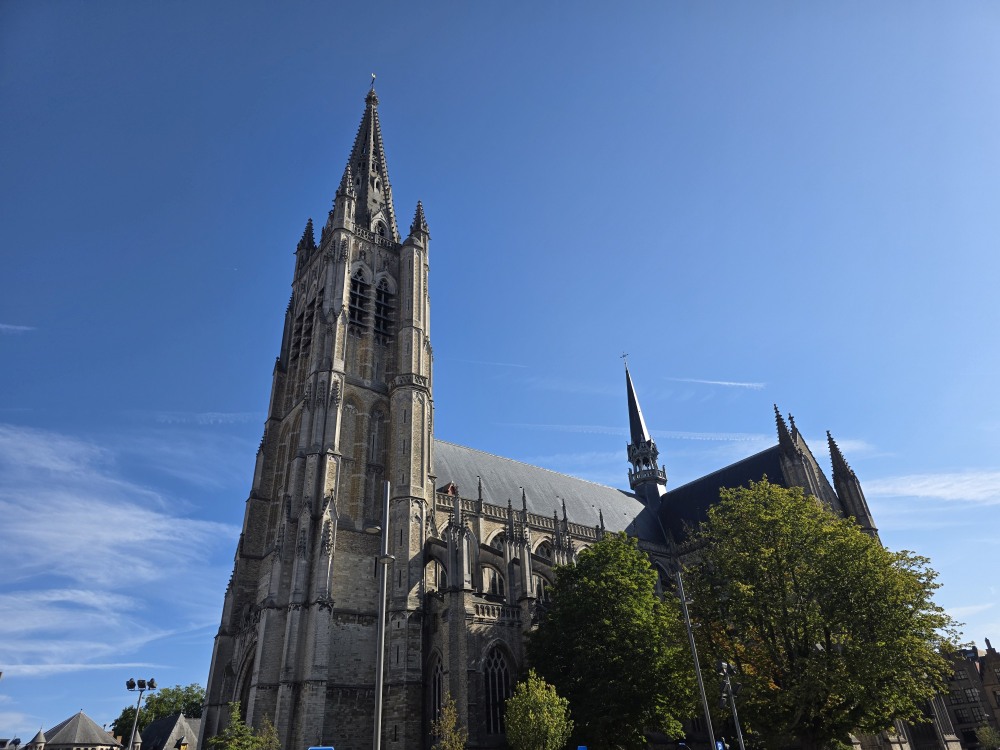
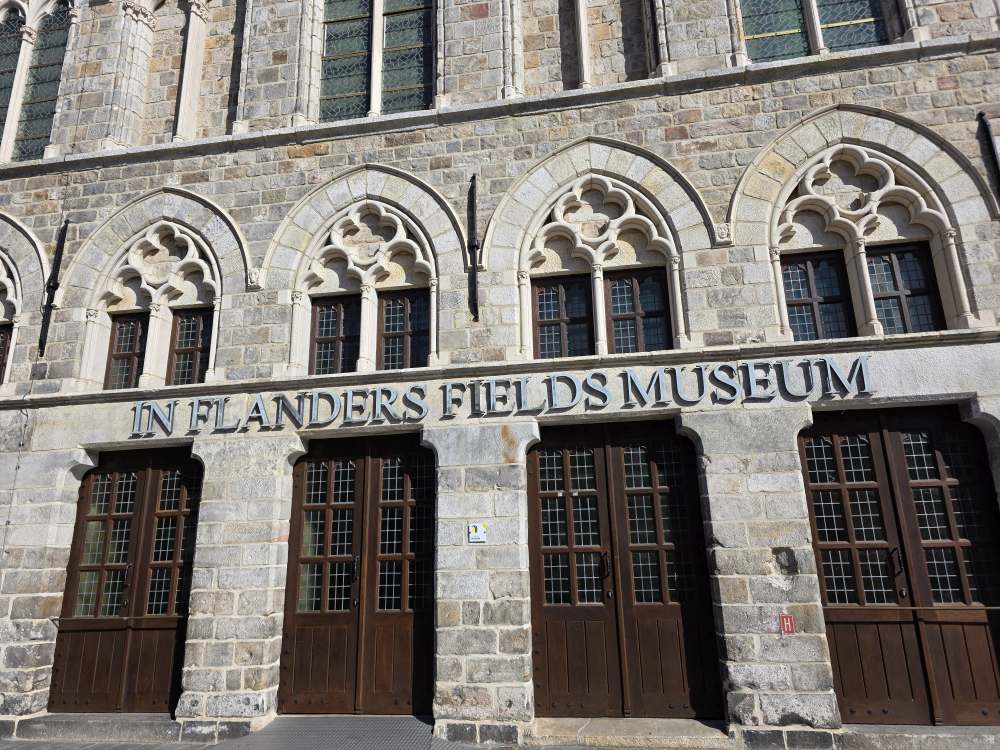
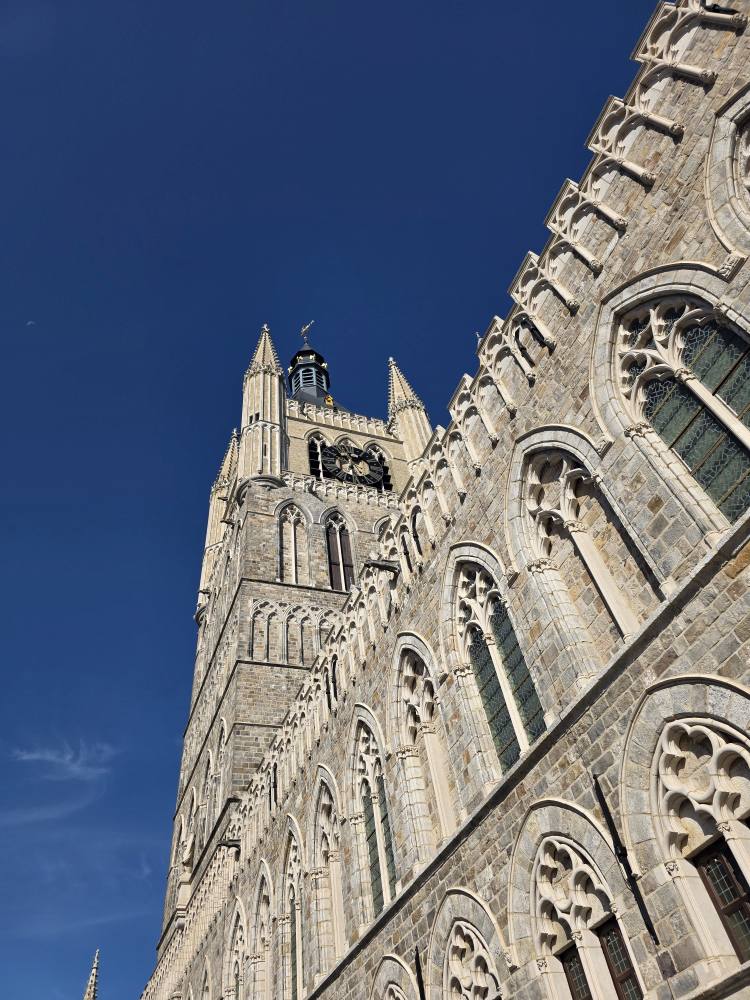
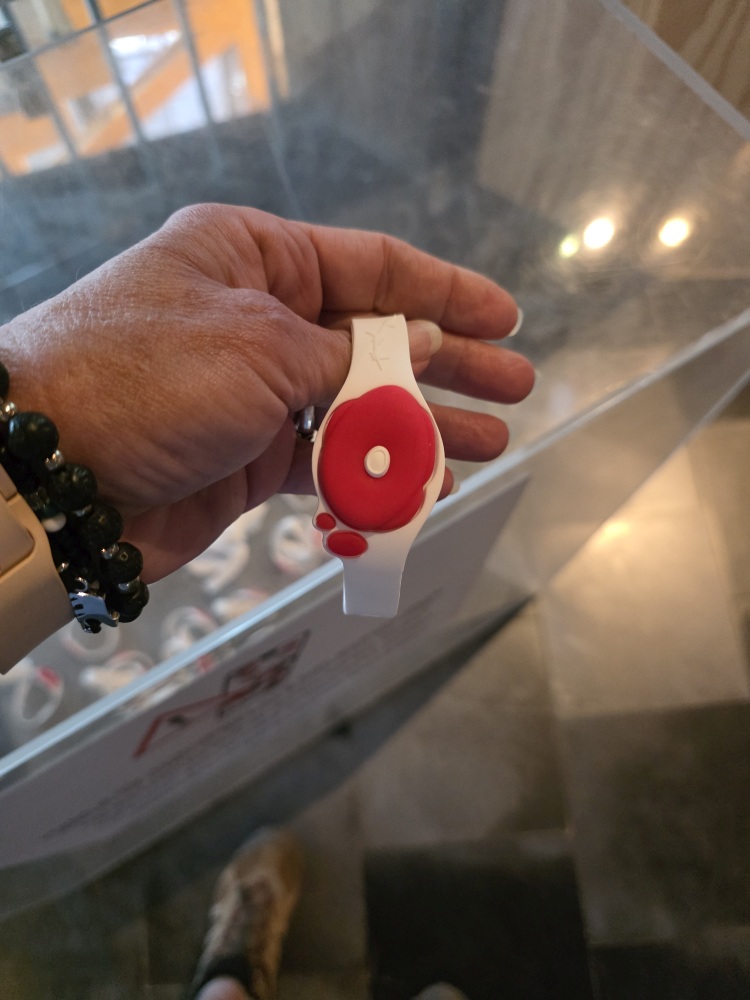
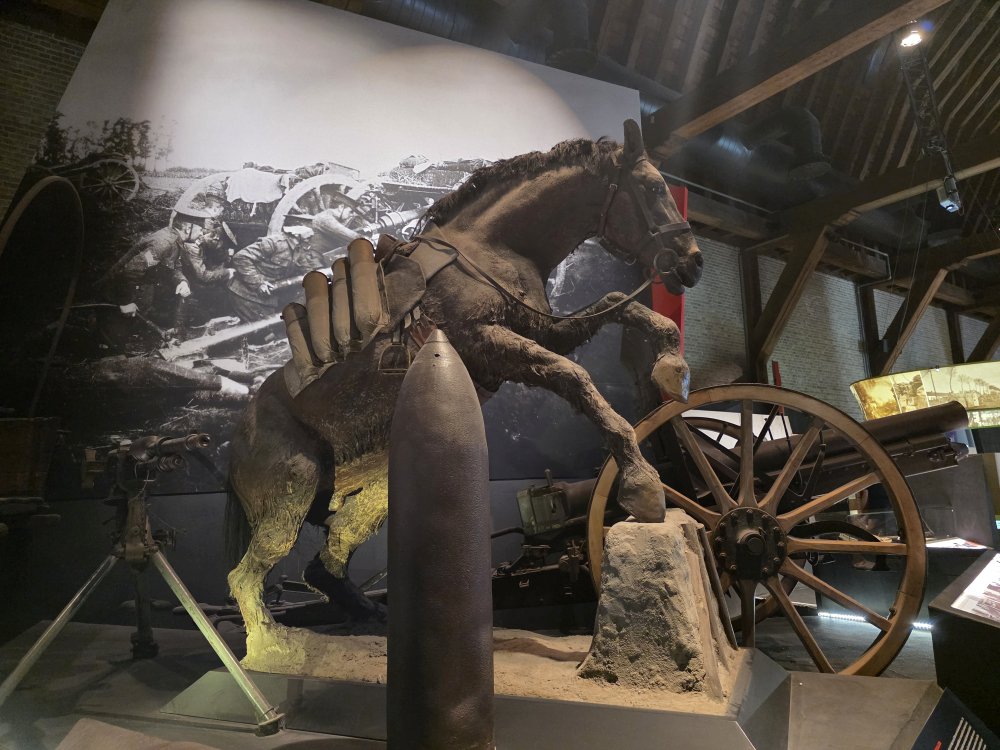
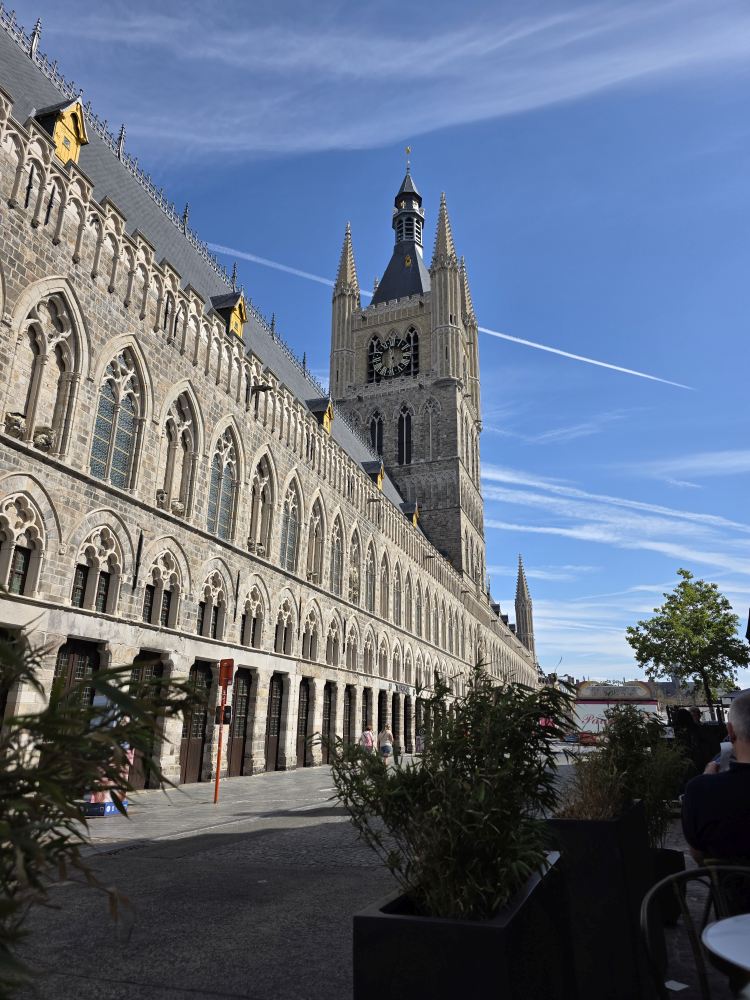
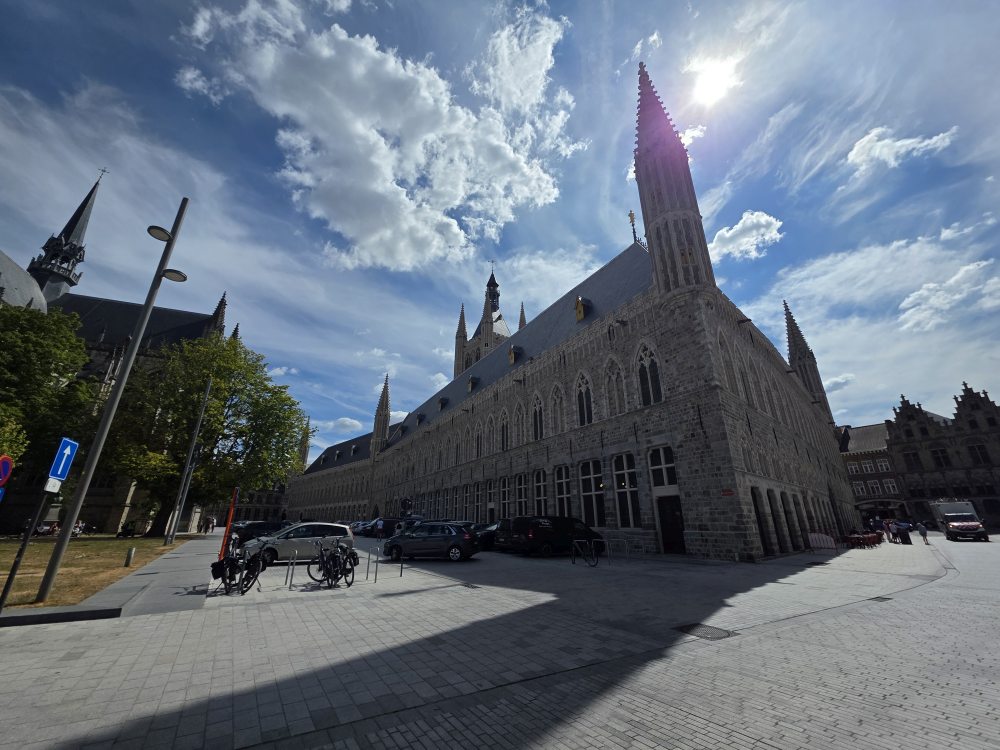
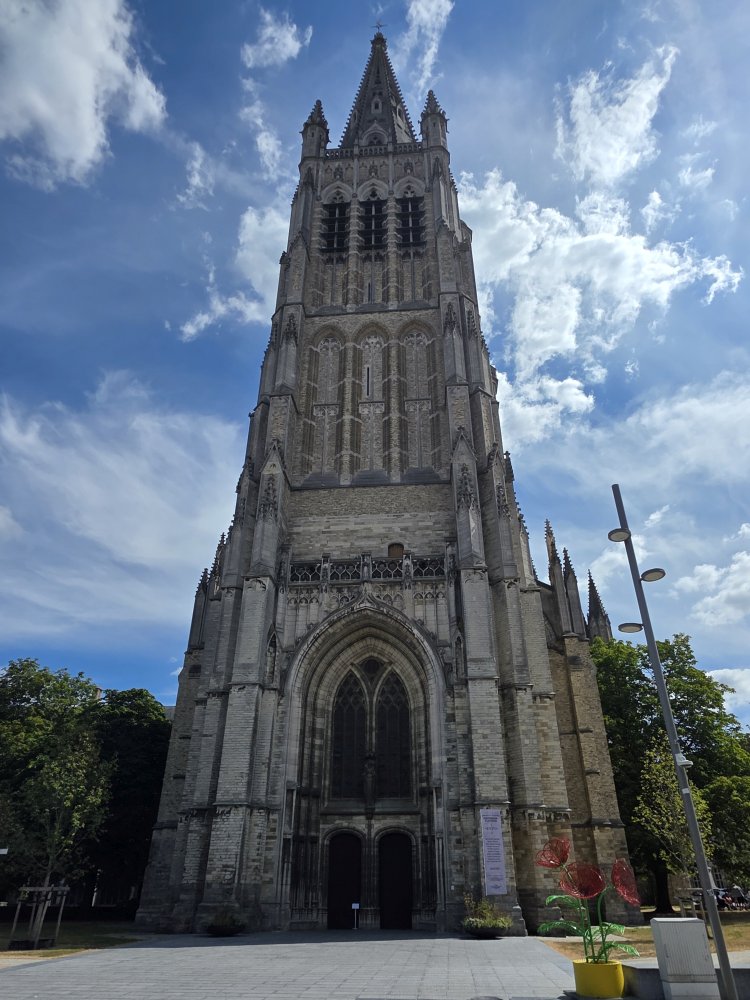
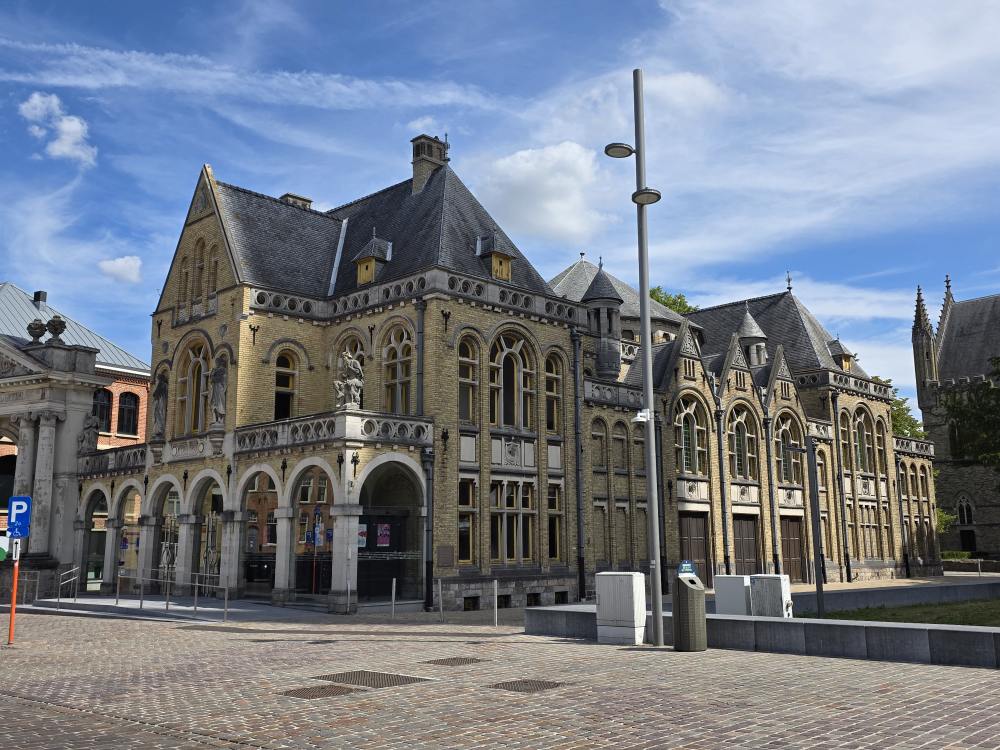
A quick walk brought us to the In Flanders Fields Museum, housed in a massive and gorgeous gothic style building. The museum is all about the War and battles here with tons of enlightening displays and very a/v intensive. We are given a cool bracelet with a poppy on it that we use to activate all the A/V displays. The really cool thing about it though is that at the first kiosk, we are assigned a soldier, and we follow that soldier all the way through the museum at different kiosks which tell stories from different periods of their enlistment.
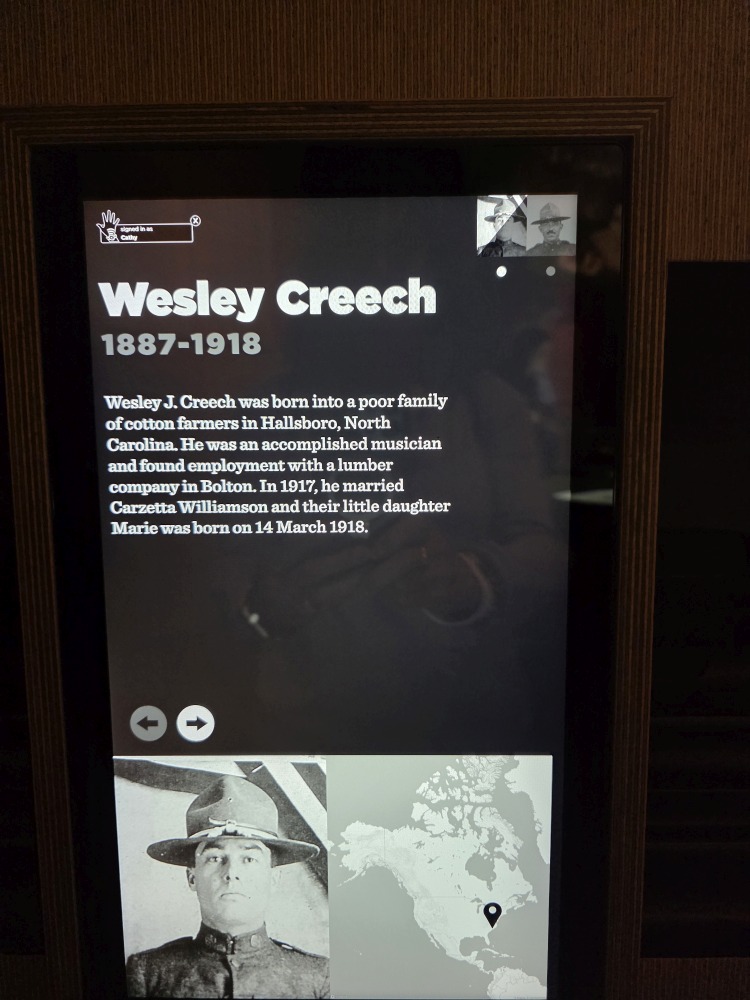
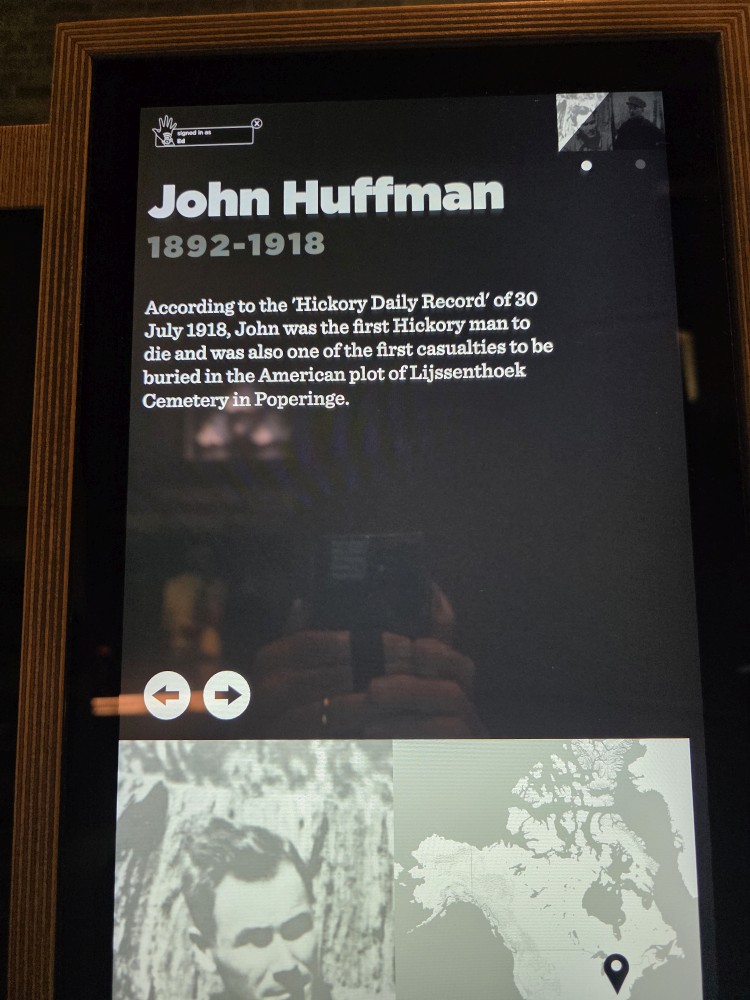
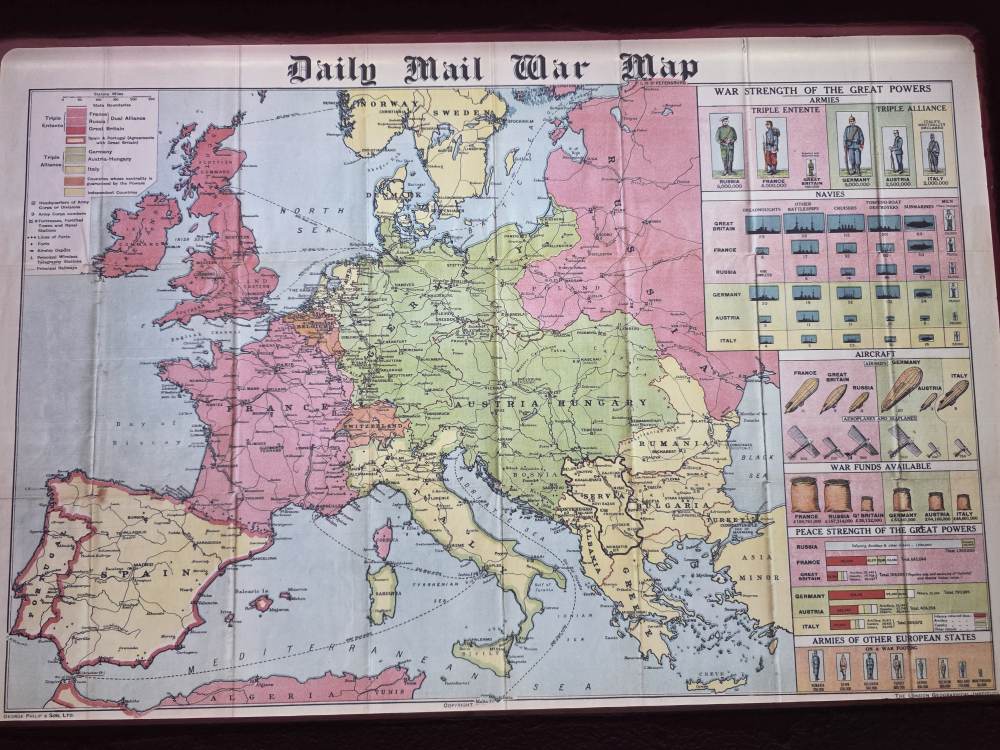
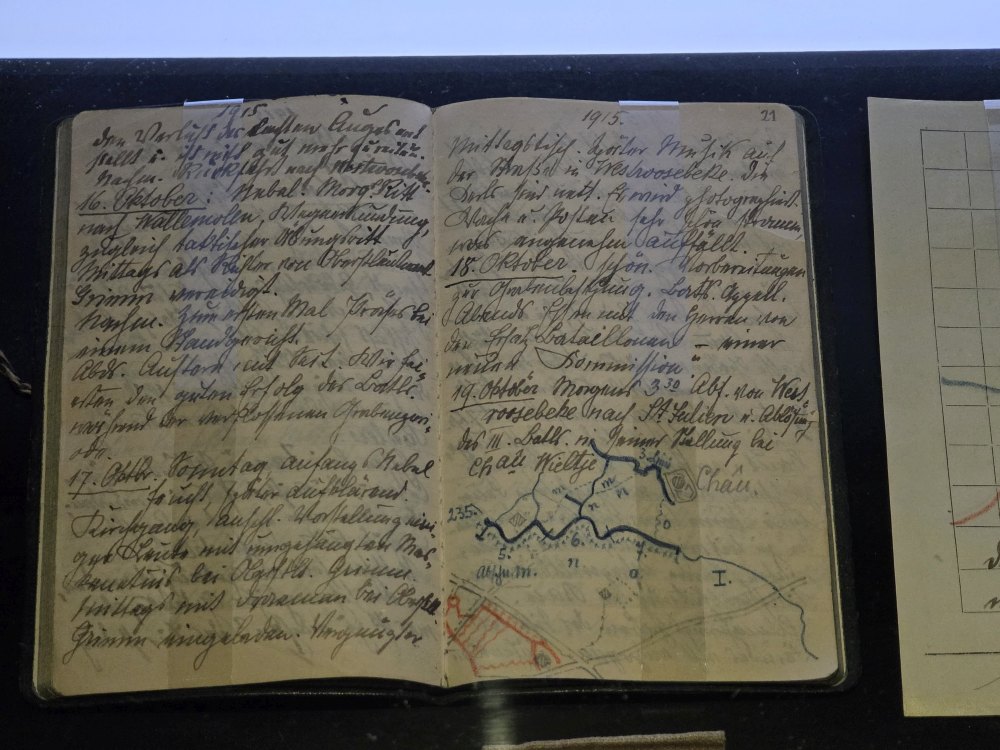
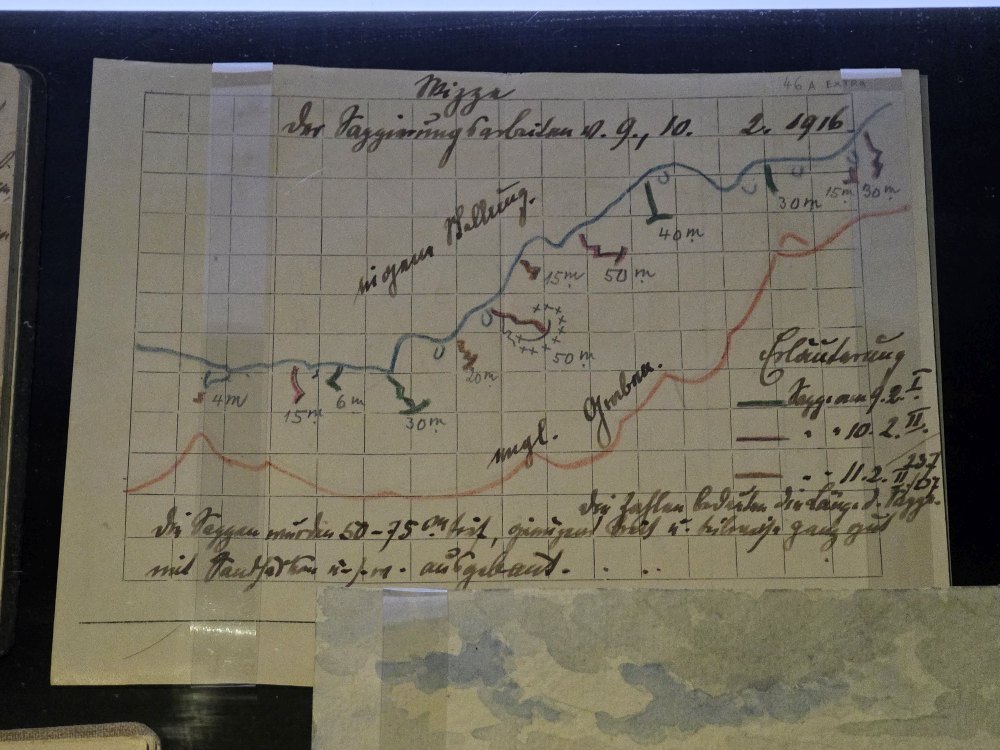
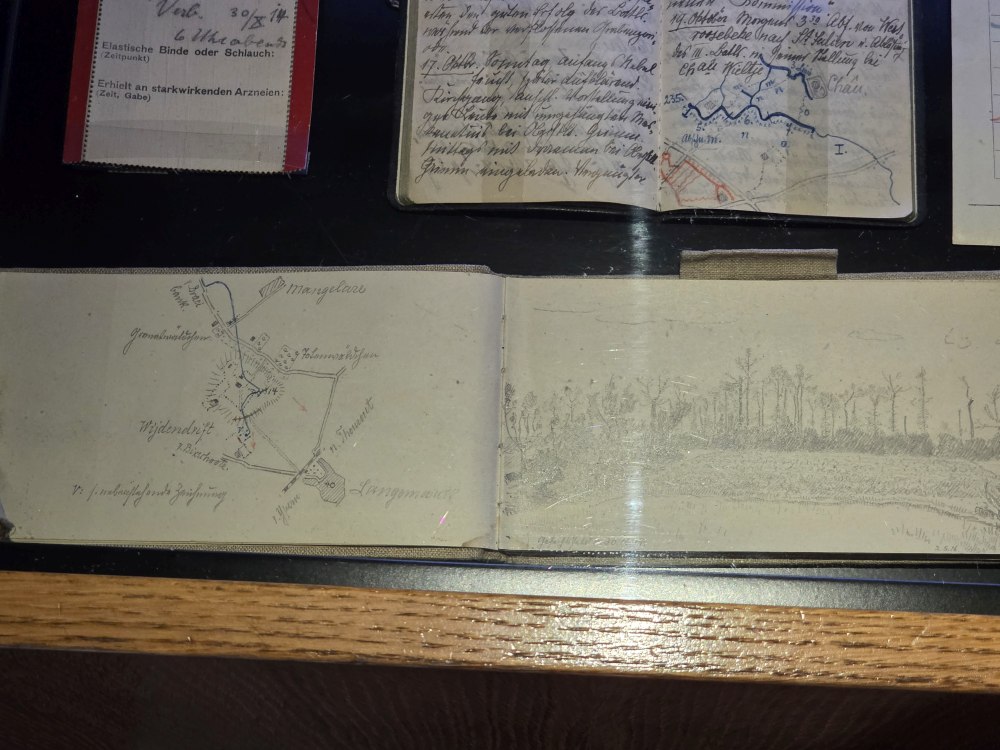
Along with the “personal” soldier stories, there are great photos and maps of the divided areas, a German Officer’s original diary with illustrations of his war experiences; helmets and armor. Even pictures of Dinant and the destruction that occurred there during the War.
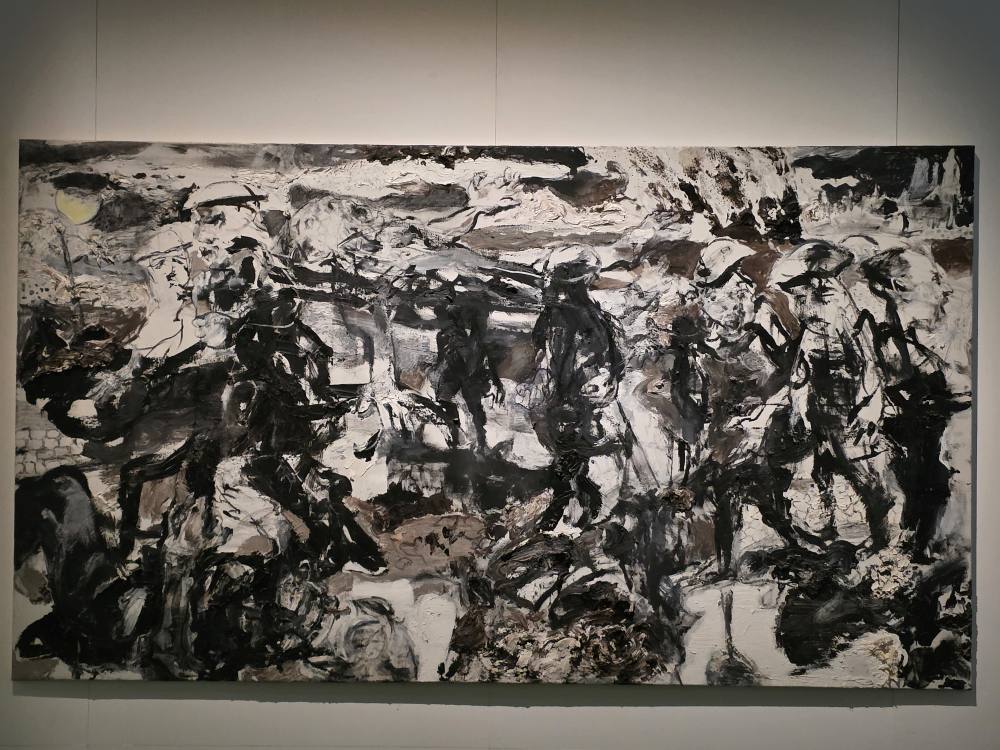
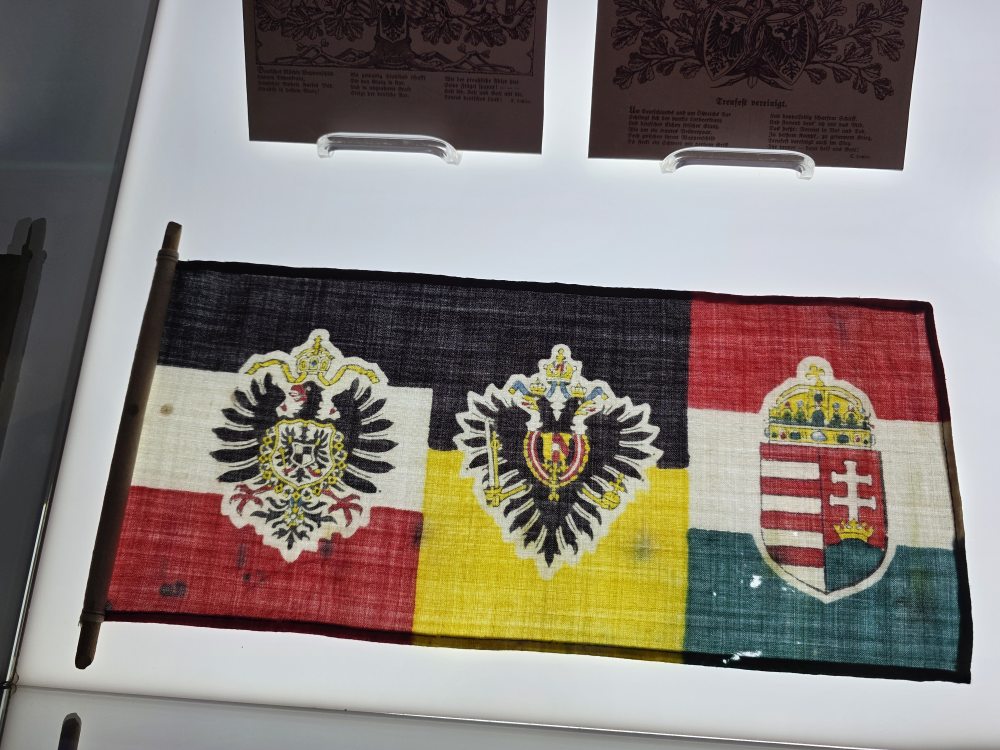
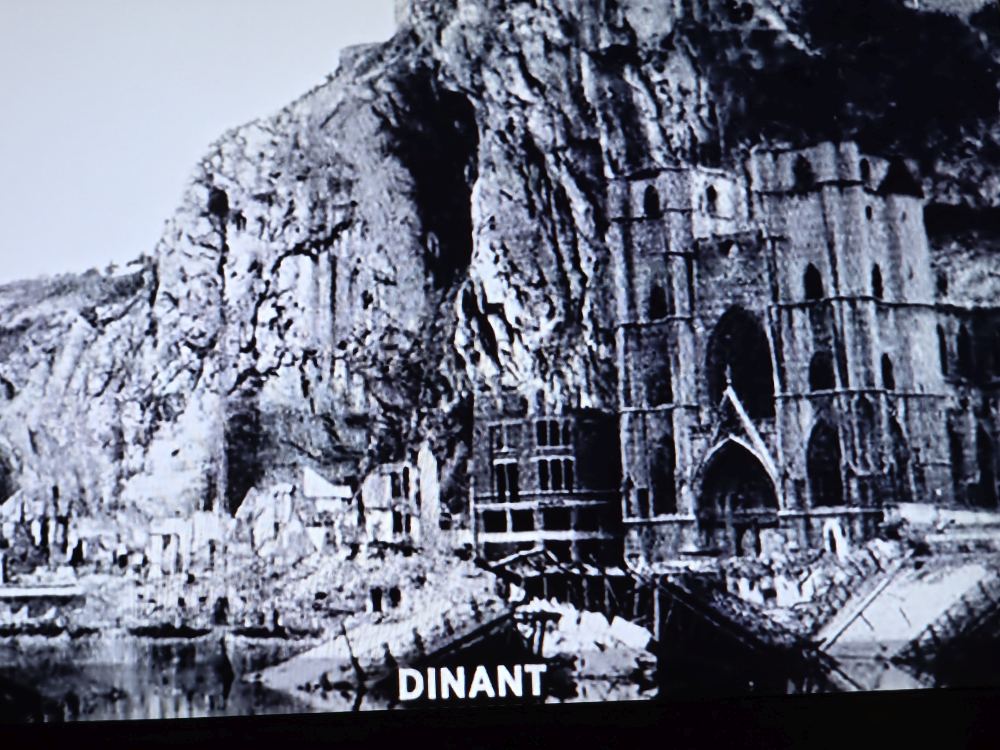
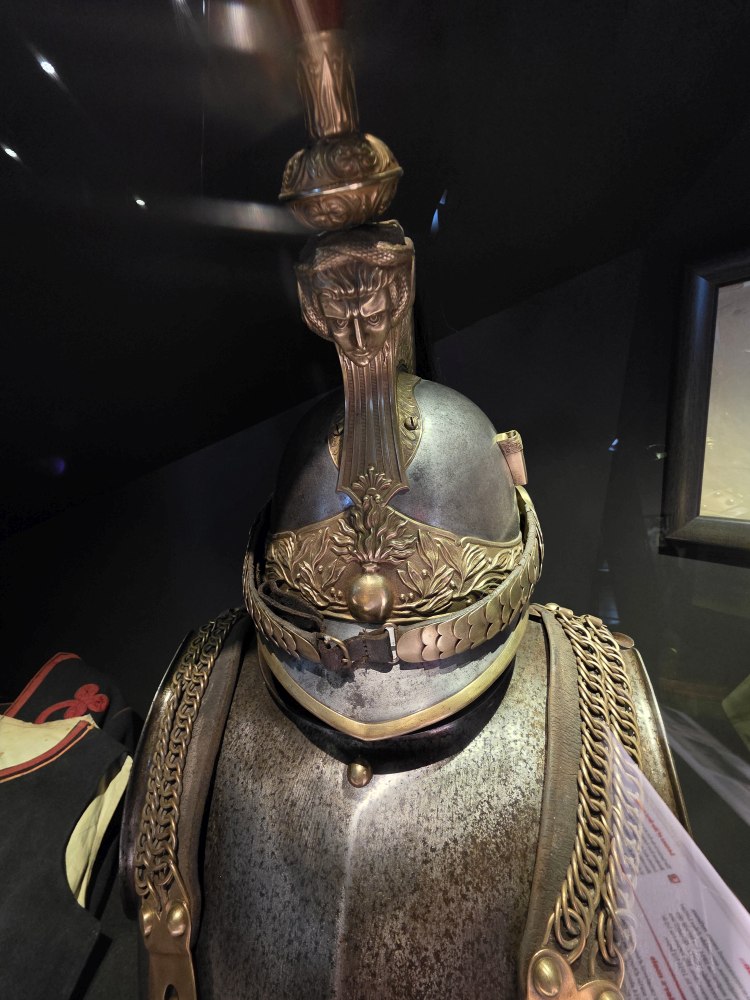
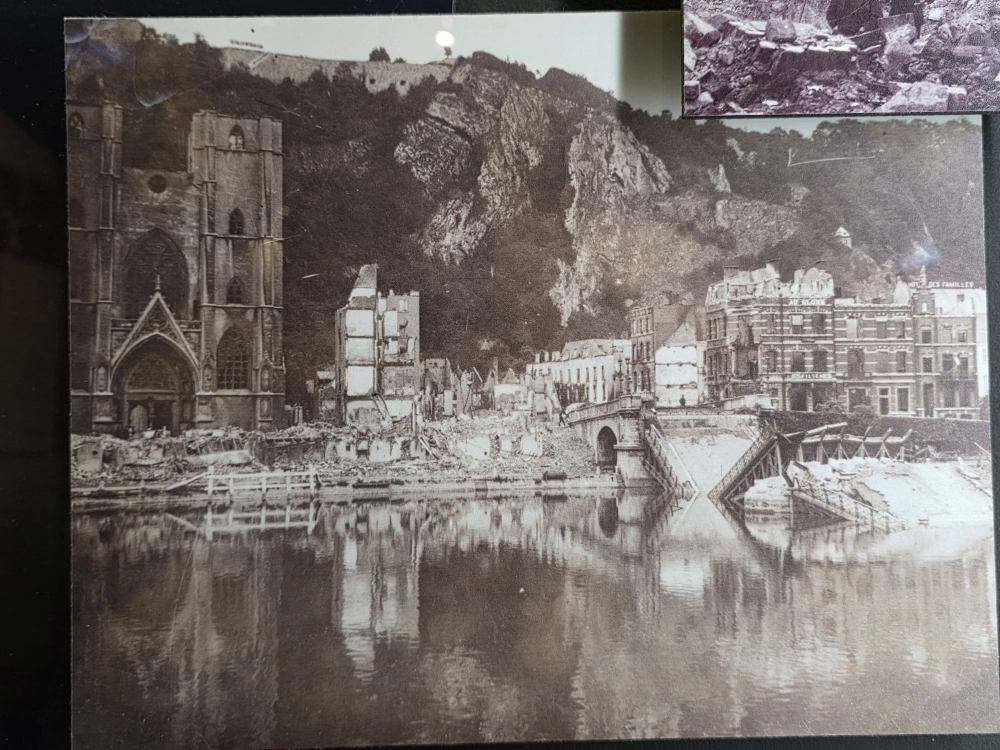
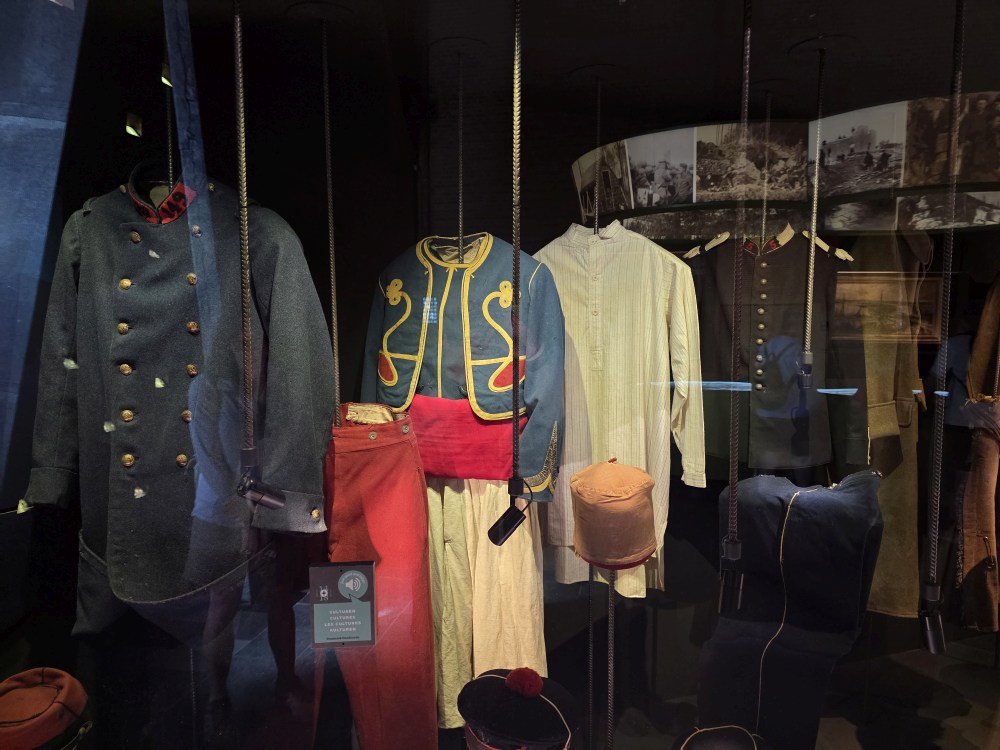
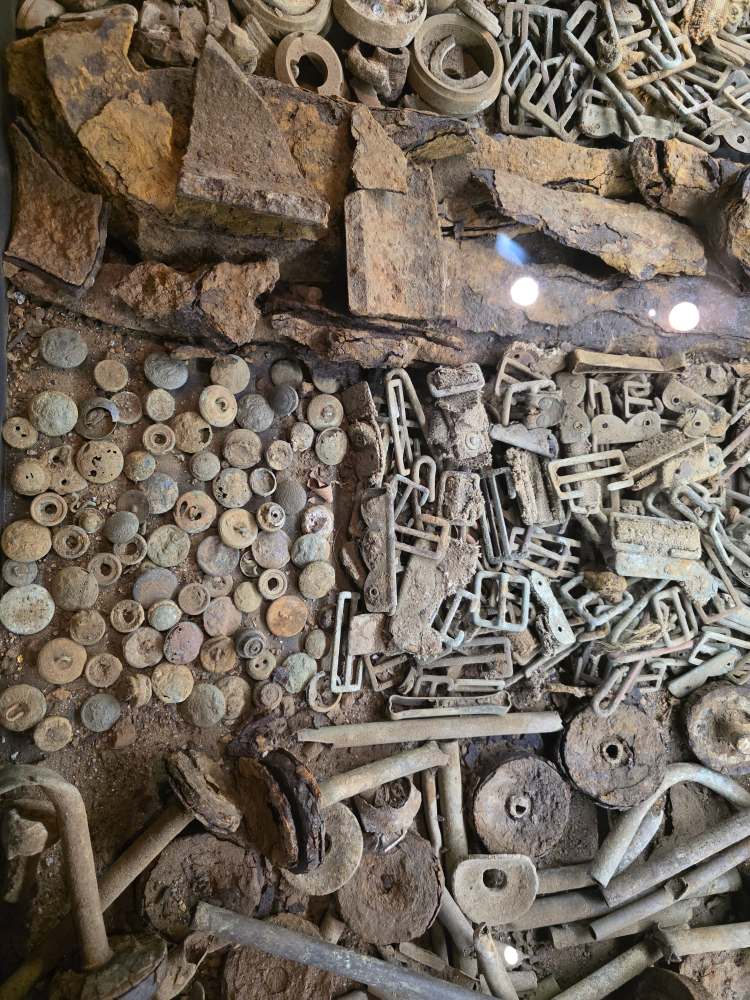
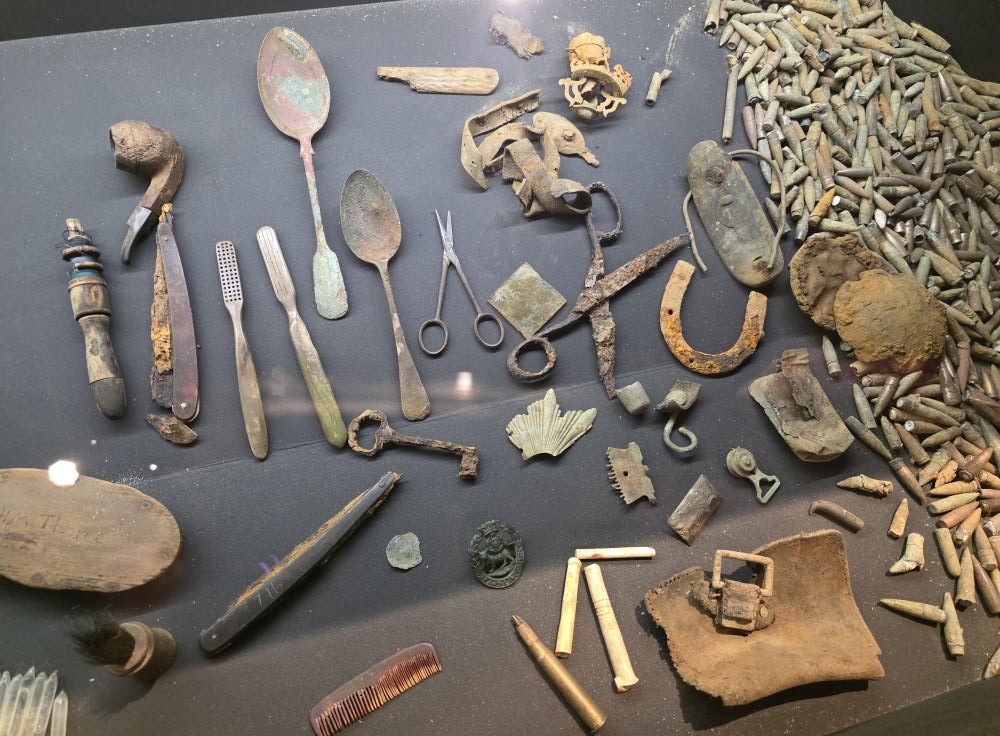
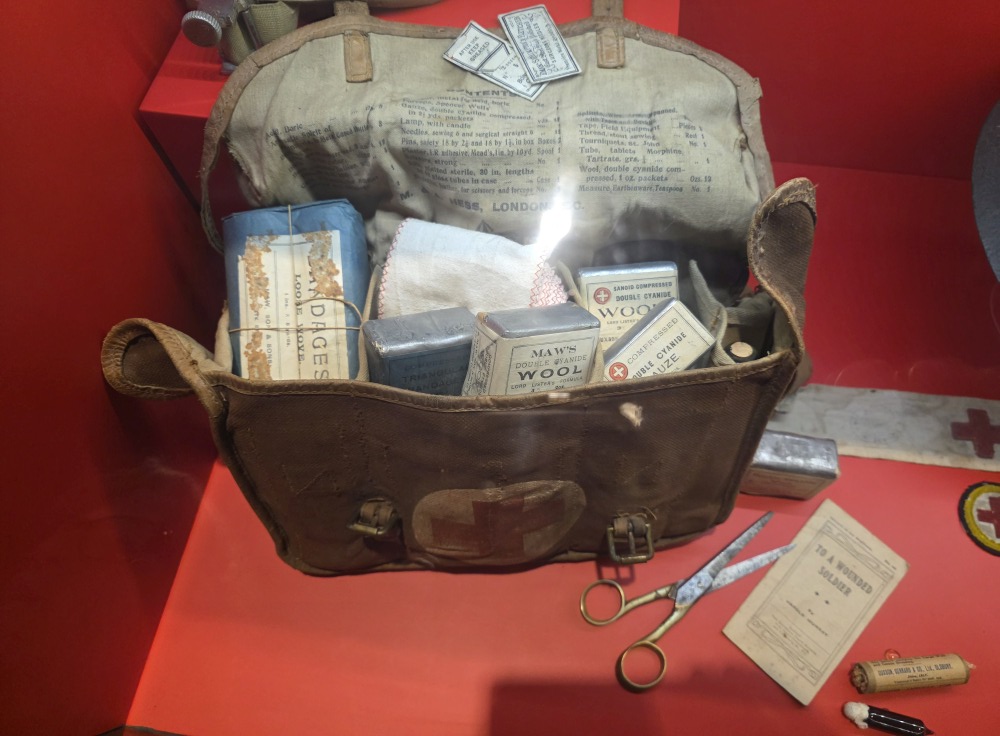
Other display cases held shrapnel and tools and bullets found when farmers plowed their fields around Flanders, models of the Yorkshire trenches found in the area, uniforms, Medical kits, all sorts of military paraphernalia.
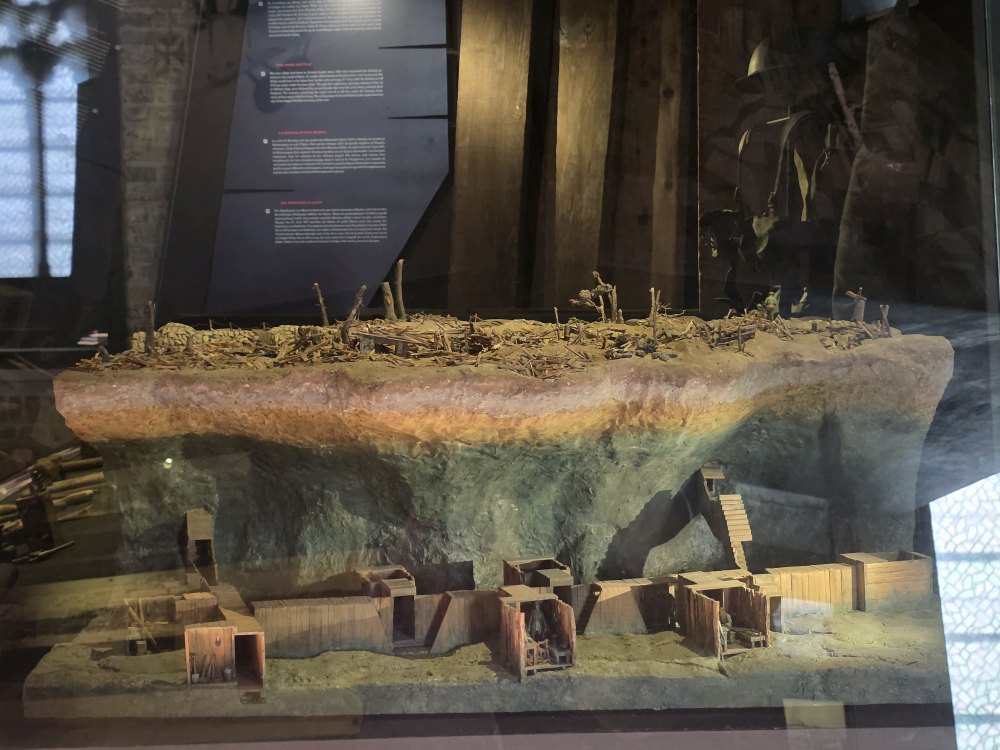
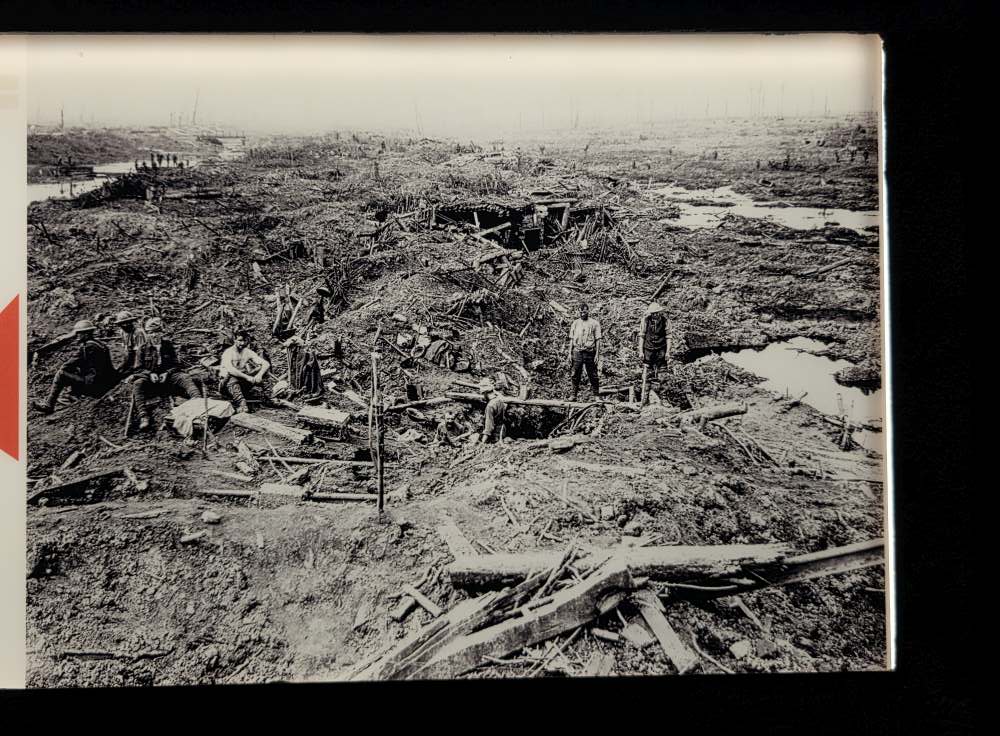
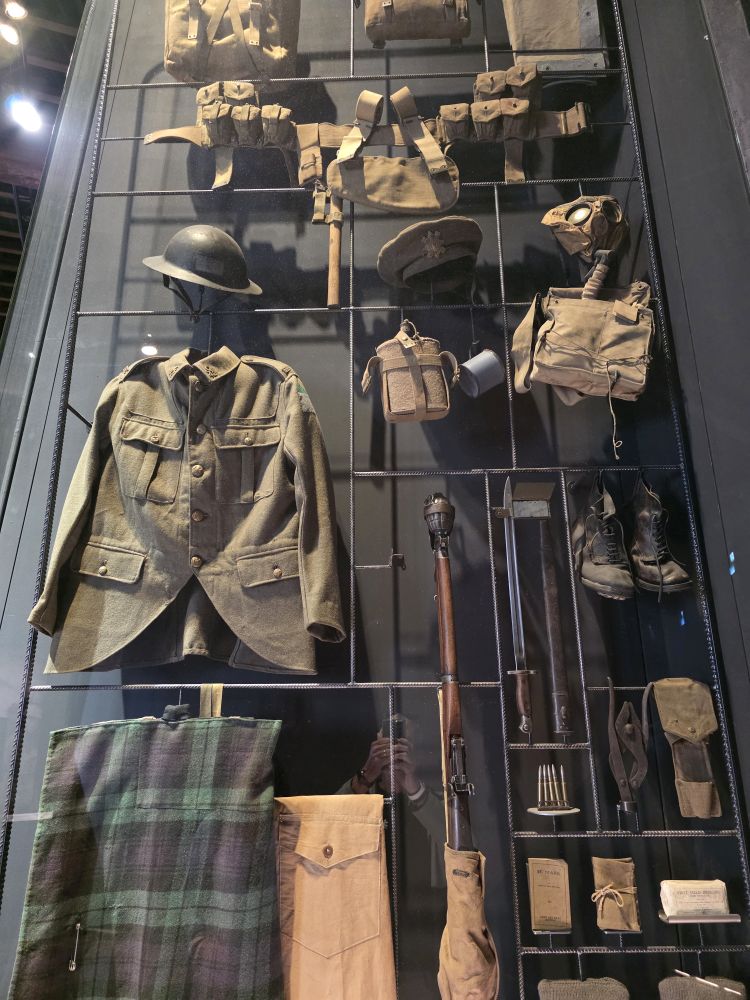
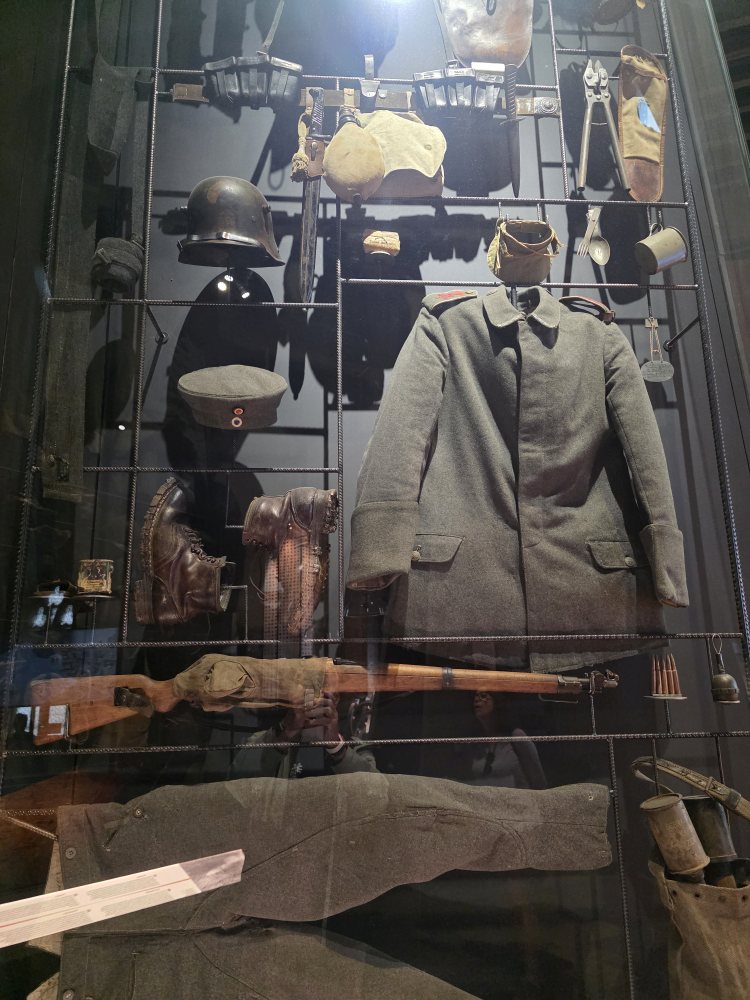
The very last display is a sculpture of a traditional African chair composed of 1,000 white ebeji dolls, created by Dominque Zinkpe, a famous Benin artist, in memory of the many Beninese (Senegal) who fought in the French Colonial army and died here.
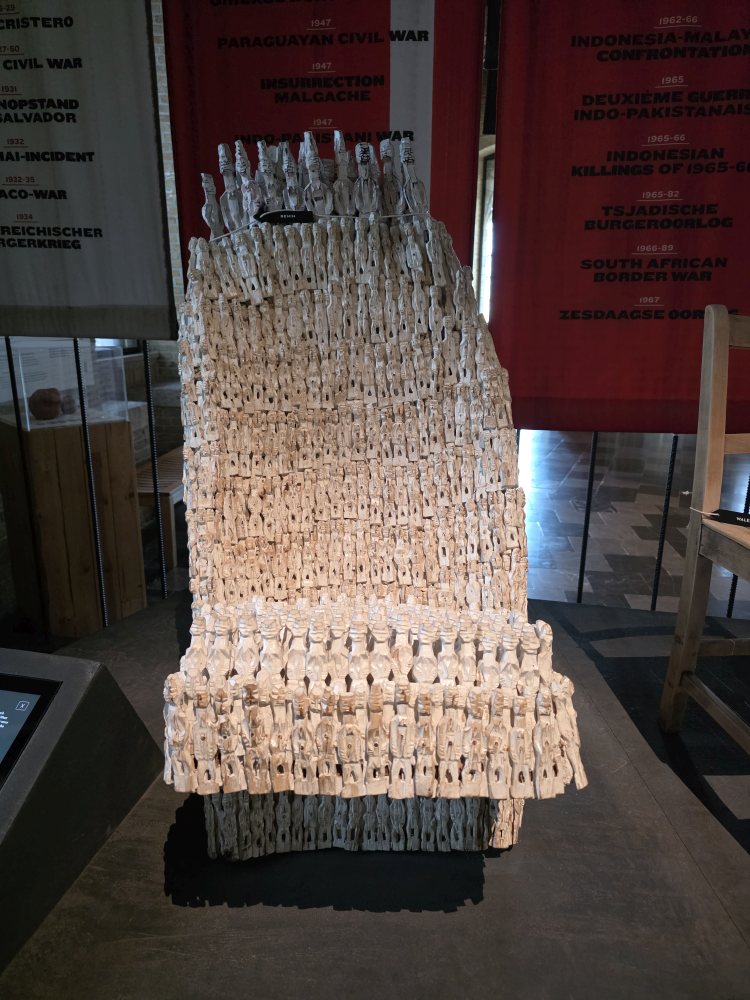
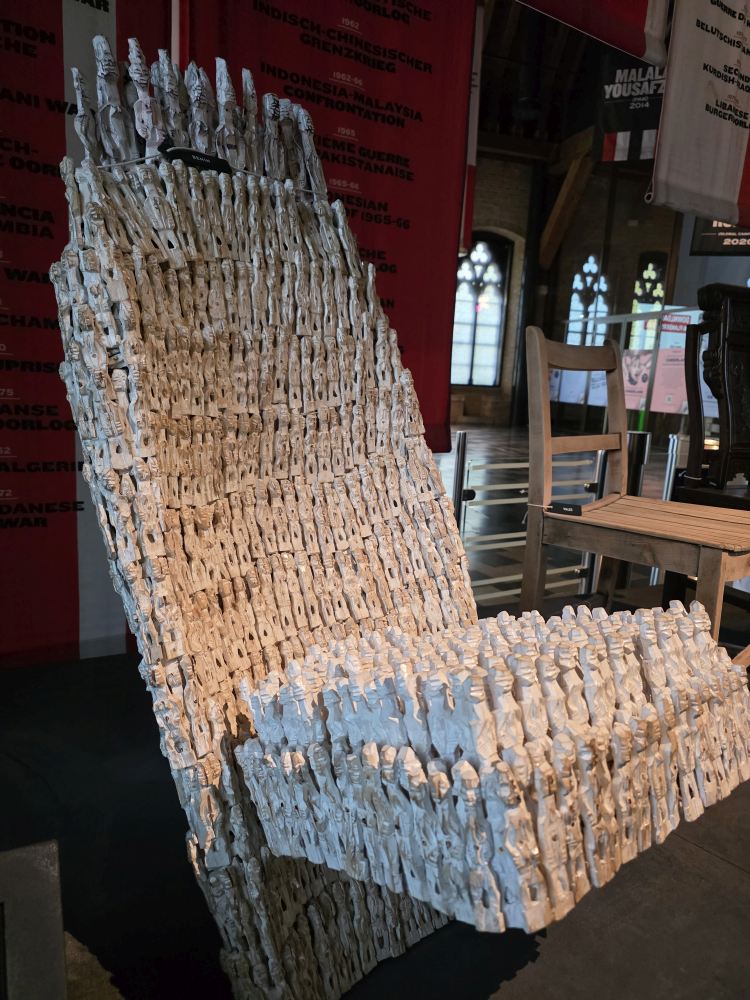
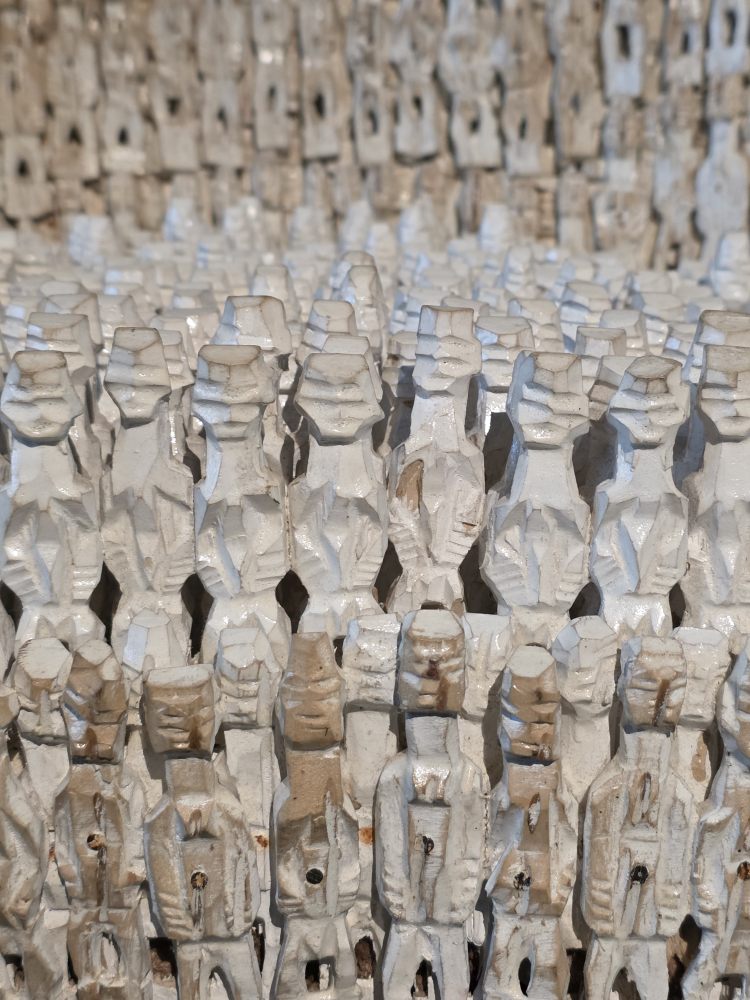
Excellent visit!
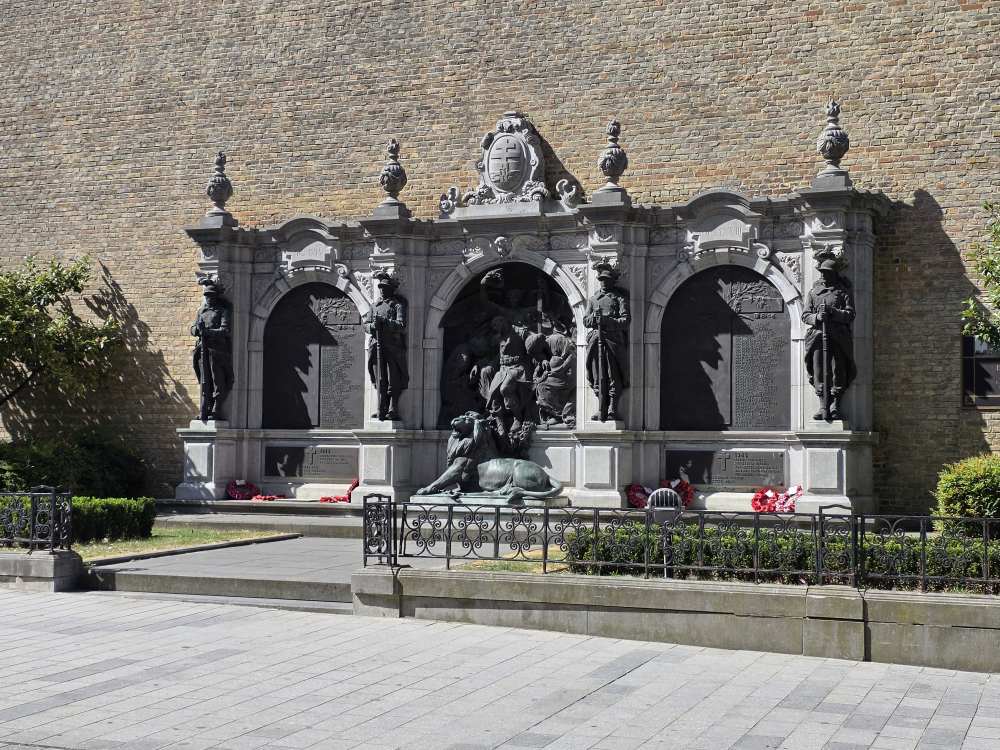
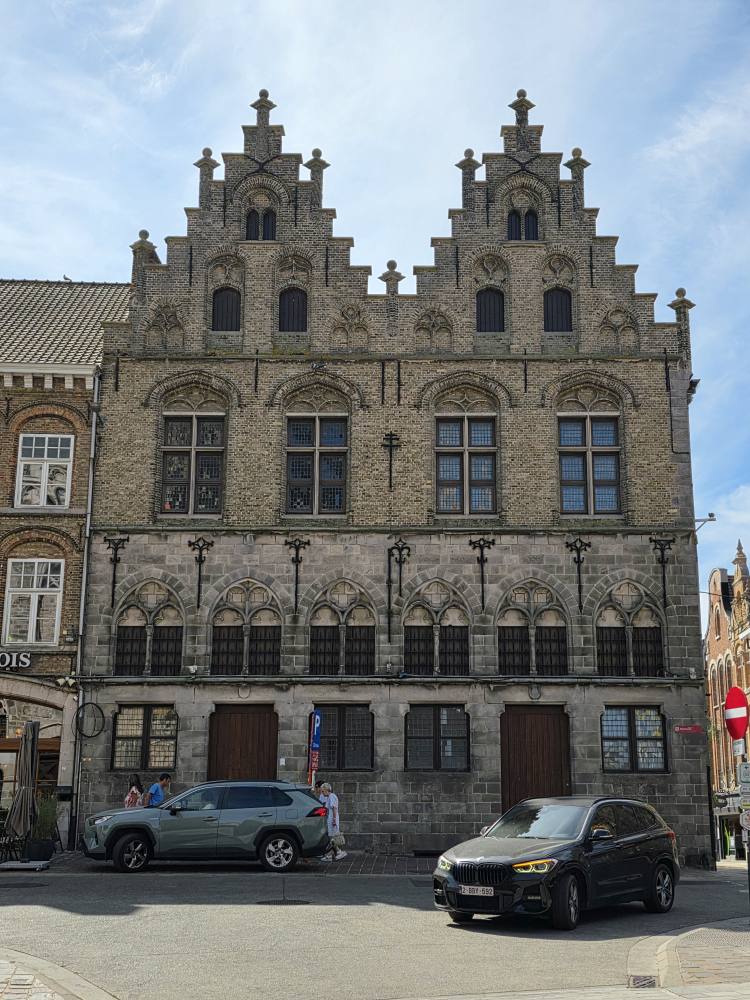
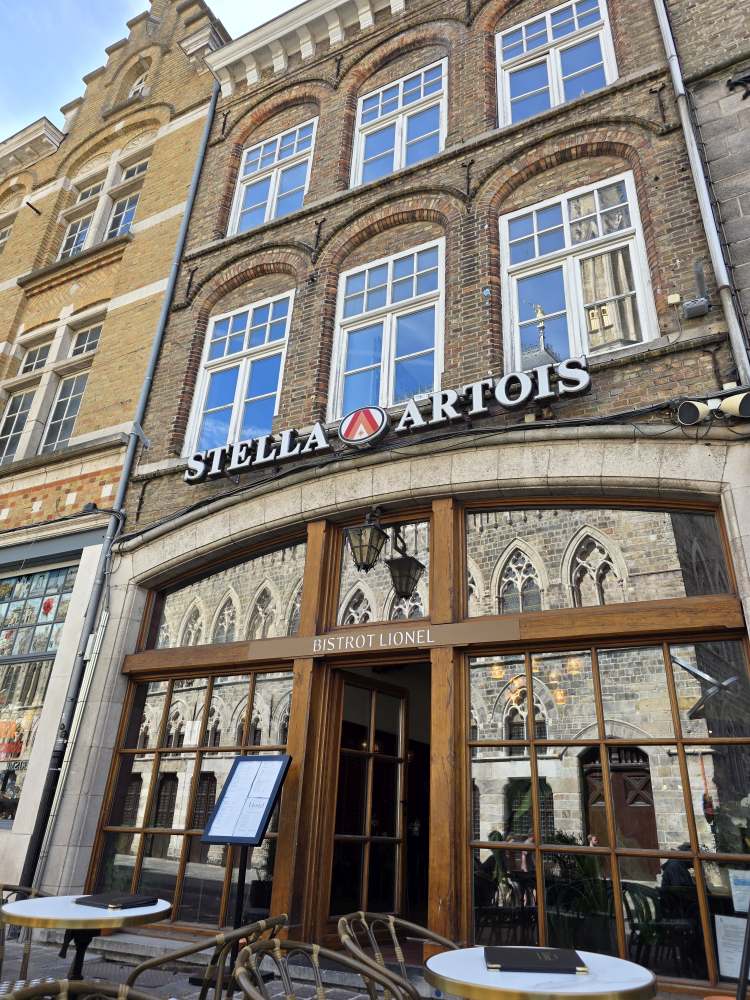
Outside, we pass by the Ypres War Victims monument, then take a moment to figure out our surroundings and where to go for lunch. We settle on a cute little café right across from the museum, Bistrot Lionel, grabbing a table on the patio.
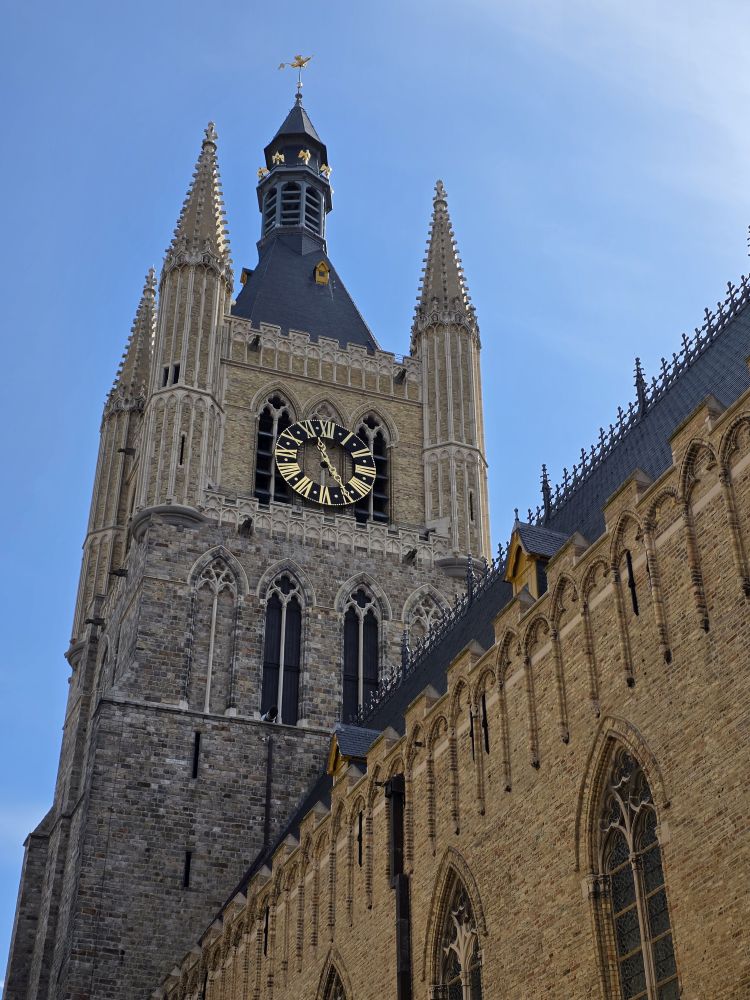
We are assuming they are serving food as another customer is out here with coffee and what looks like food, but trying to get information is a little interesting as we think the waitress is brand new. We managed to get drinks fairly easily, but for the food, I virtually had to put the order in on the computer for her! NO English at all. But the chef and other server spoke perfect English. Its an adventure! And you can’t beat the location.
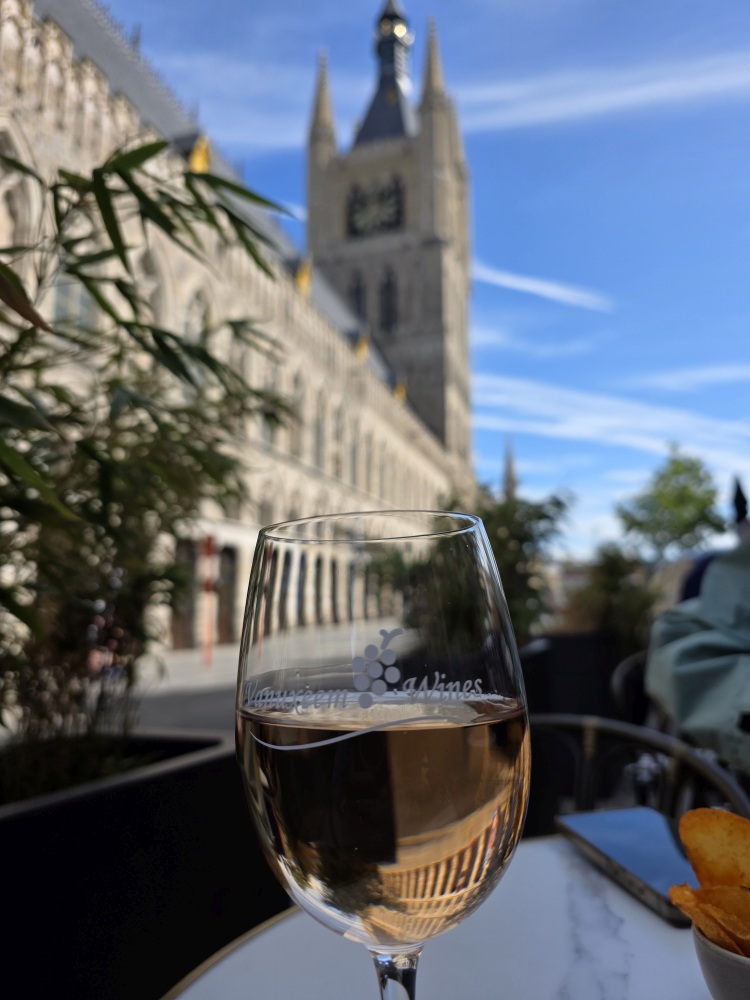
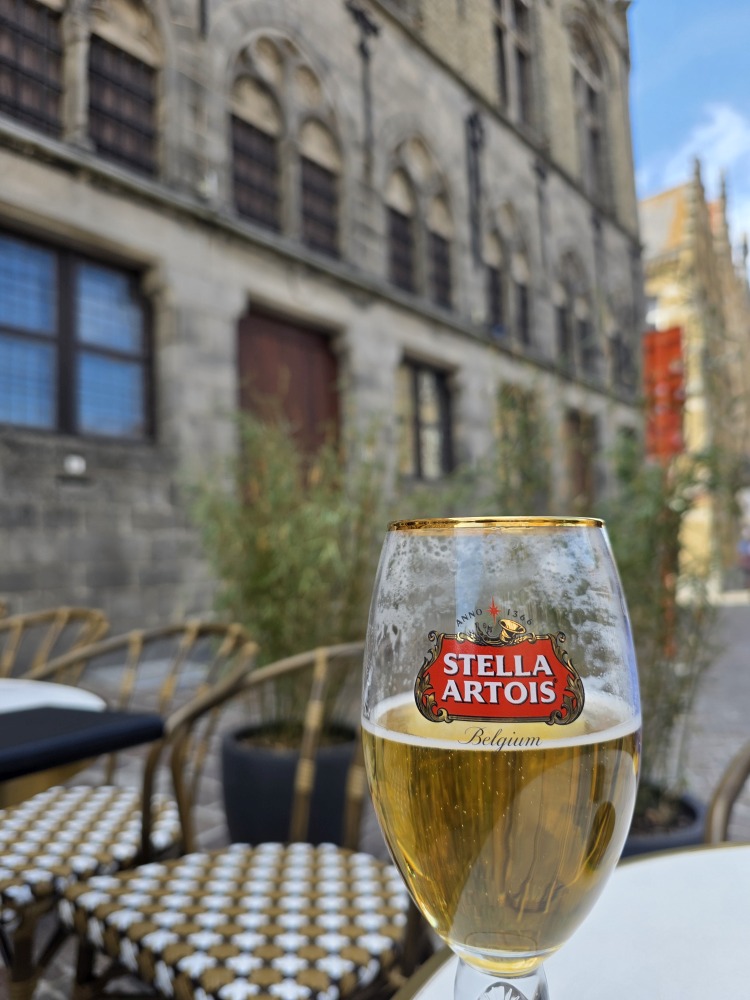
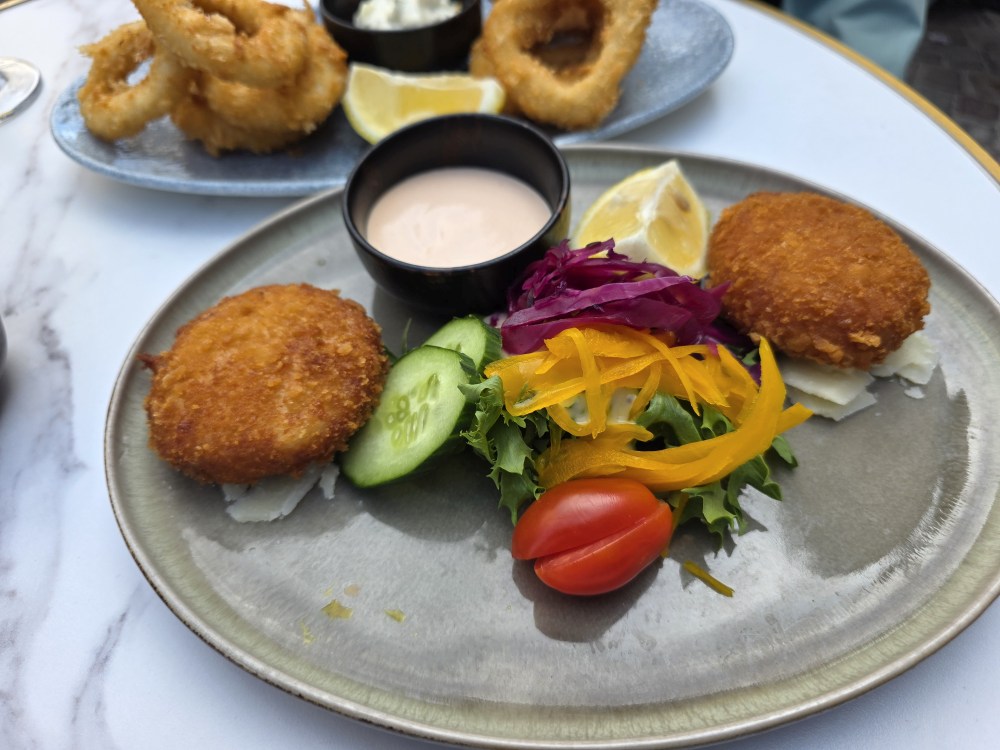
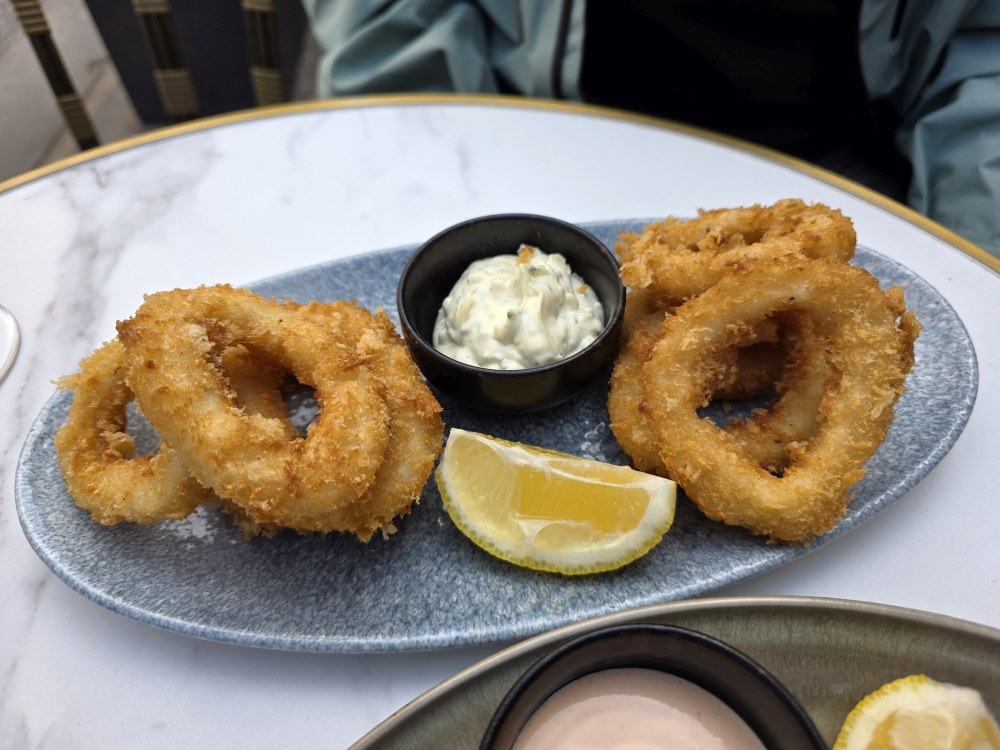
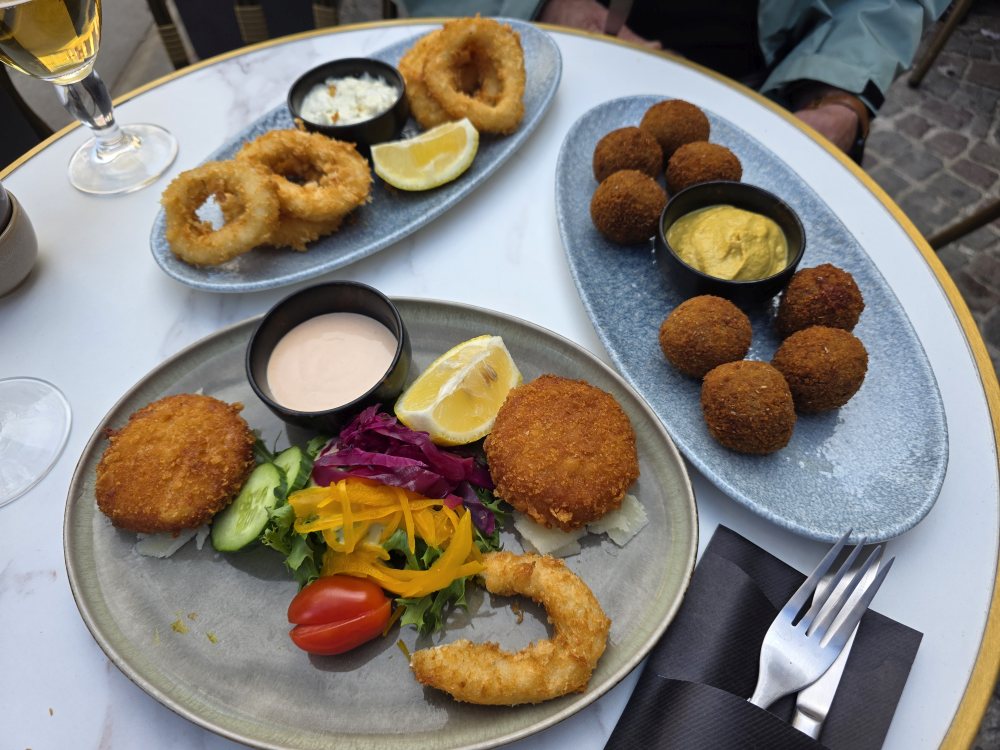
Our meal of Bitterballen (couldn’t resist!), Cheese croquettes (of course) and Calamari finally arrives – all excellent – making the wait and the fun ordering process worth the while.

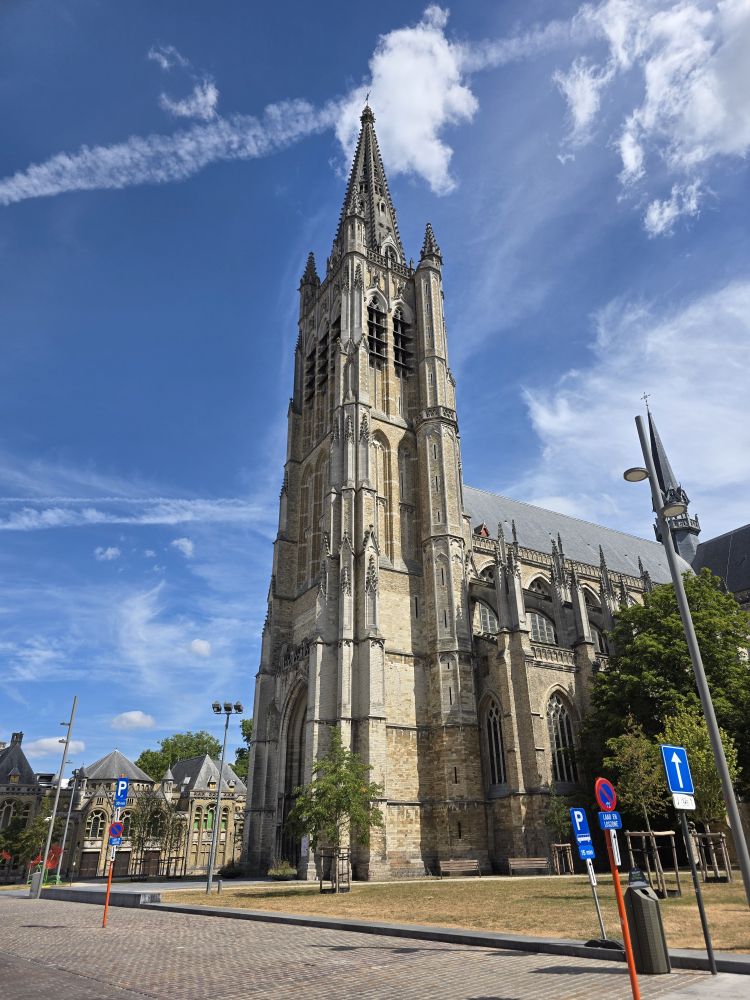
Retrieving our car which is directly across from Sint-Maartenskerk, we head off for our next stop – Hill 60 and the Caterpillar mines, two of the most fought after pieces of territory in the area.
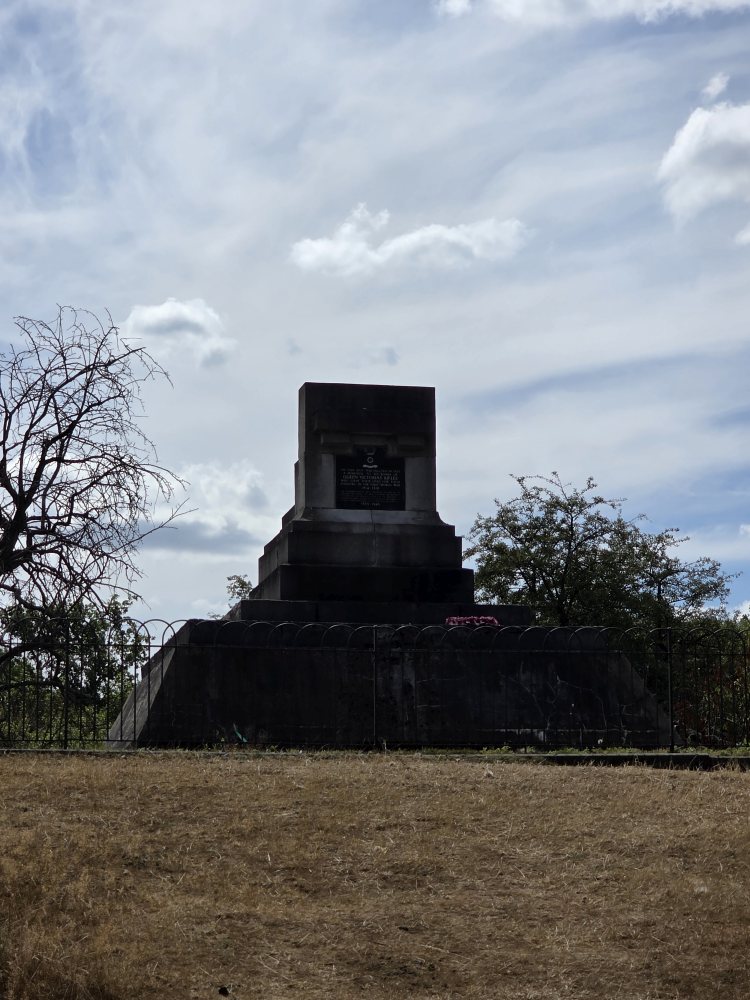
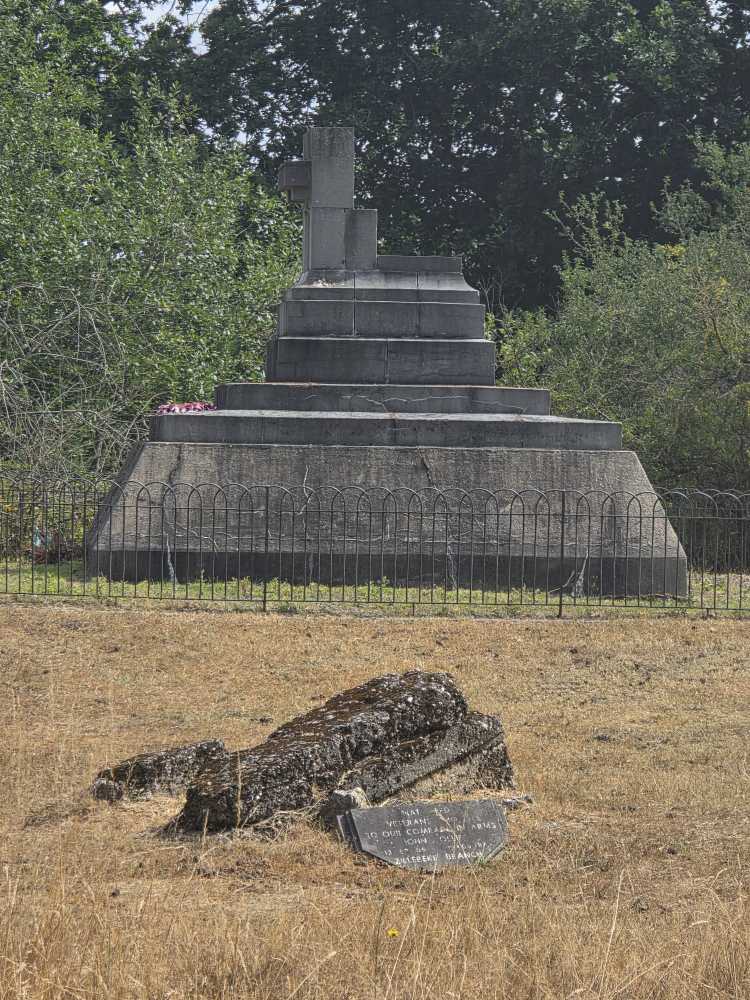
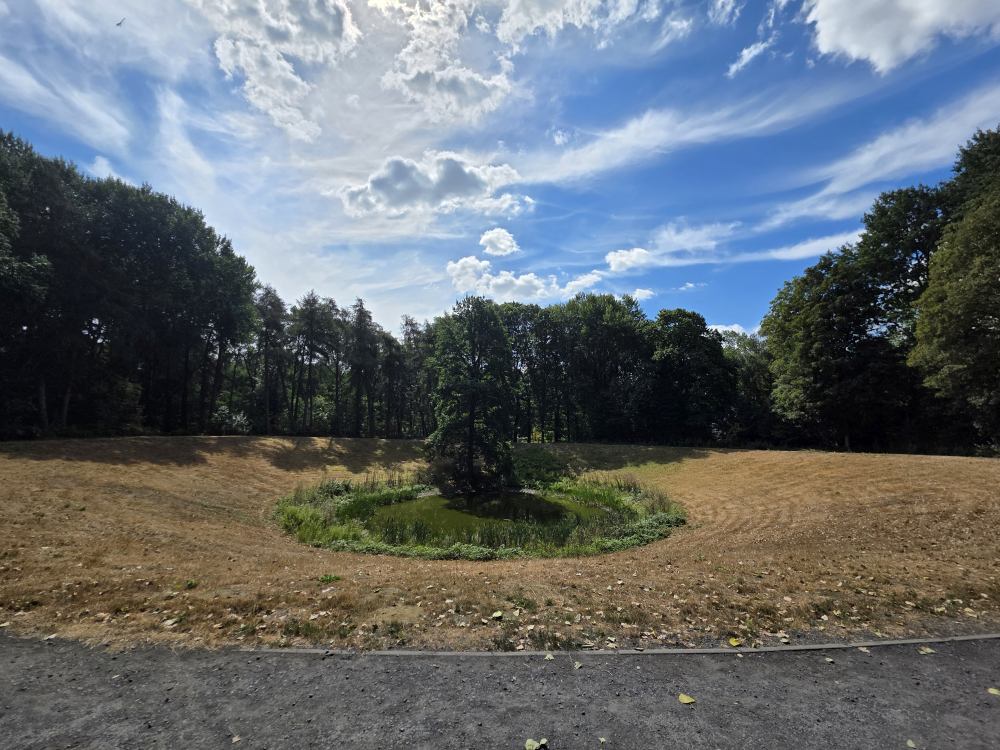
Hill 60 and the mines are some of the best-preserved war landscapes in Flanders, having been purchased by a British family after the war and being left untouched since. There are memorials here, but also the trenches and the tunnels that were built by the British and the Australians and used to place explosives under German positions. The bomb craters are still here as well. Boardwalks lead you through the war site, with markers to indicate where each country’s Frontlines were located. You can see how close they were to each other in many instances, and when they changed hands.
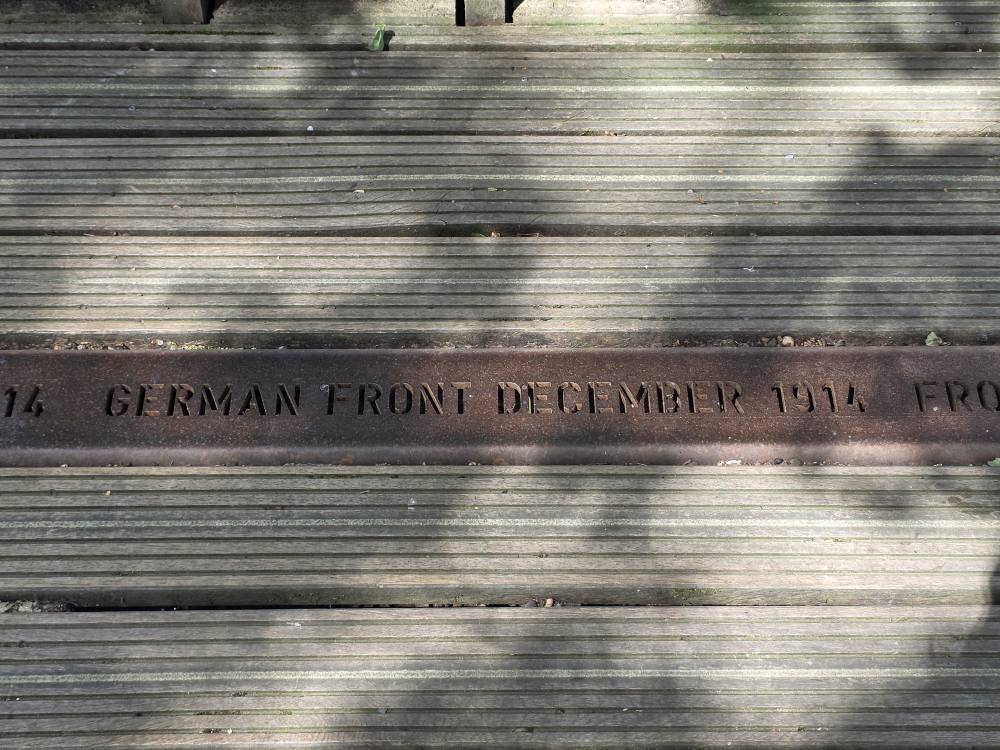
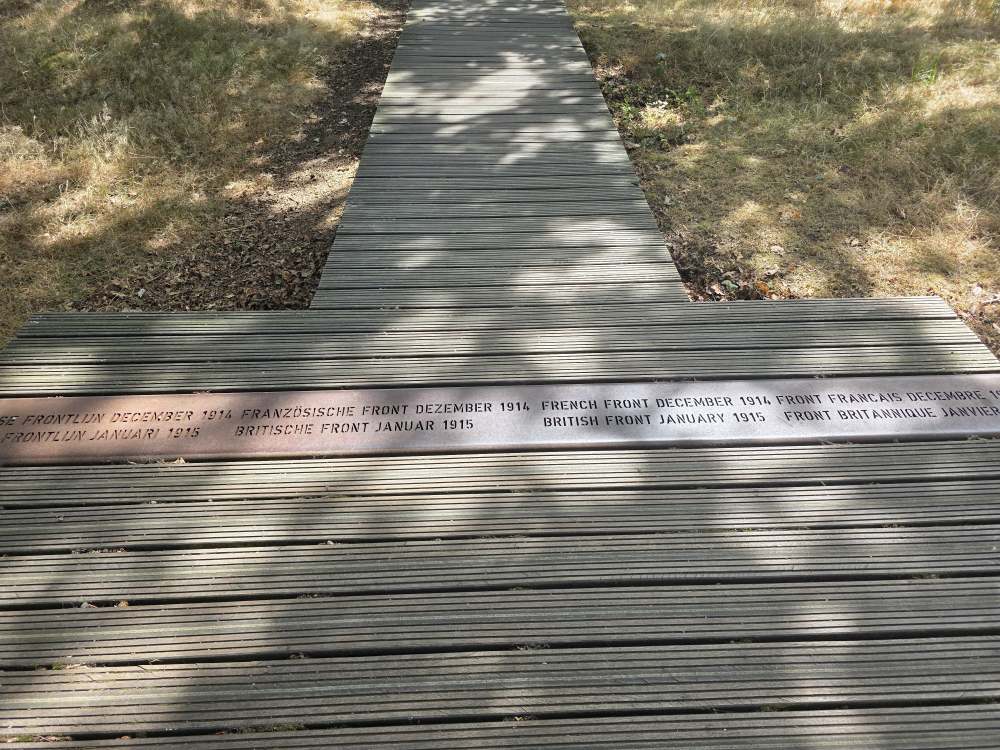
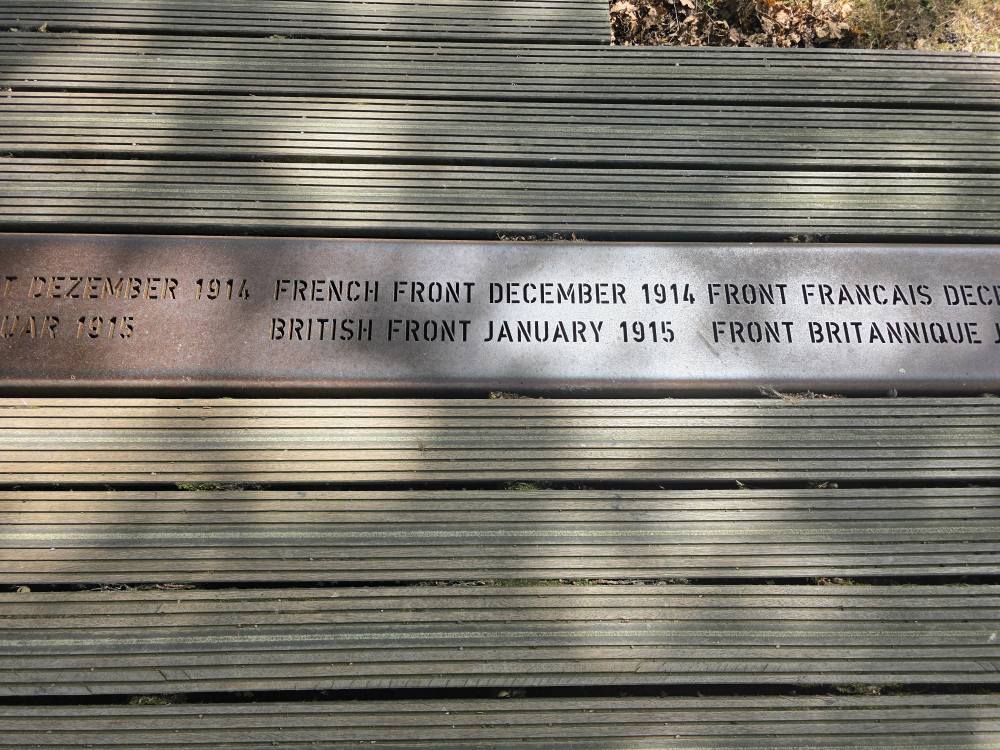
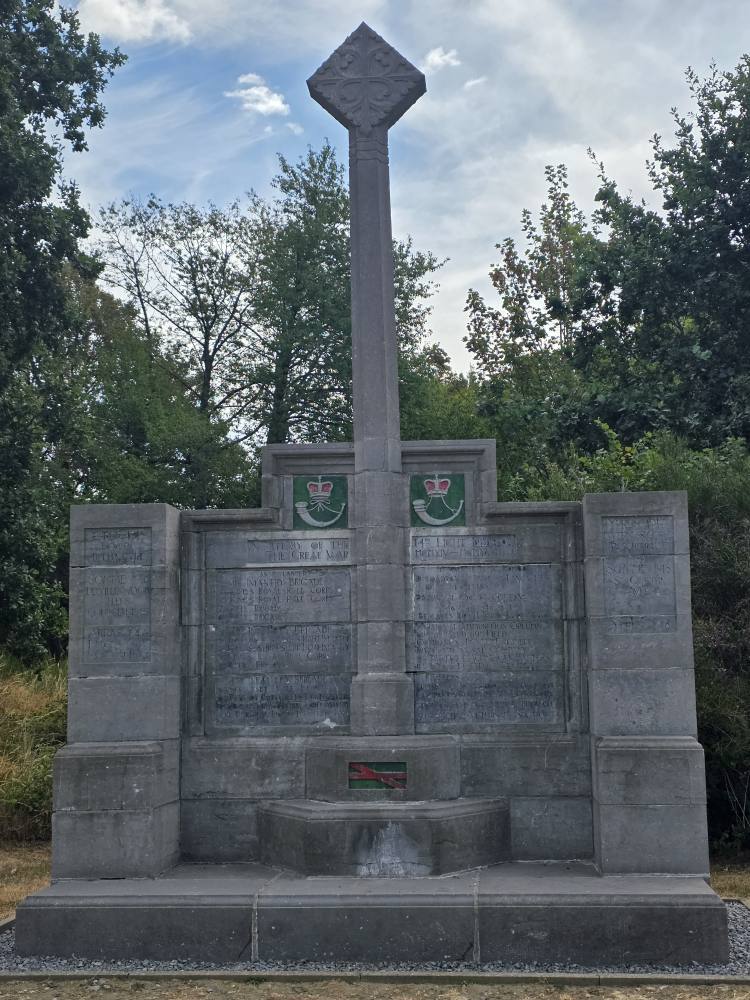
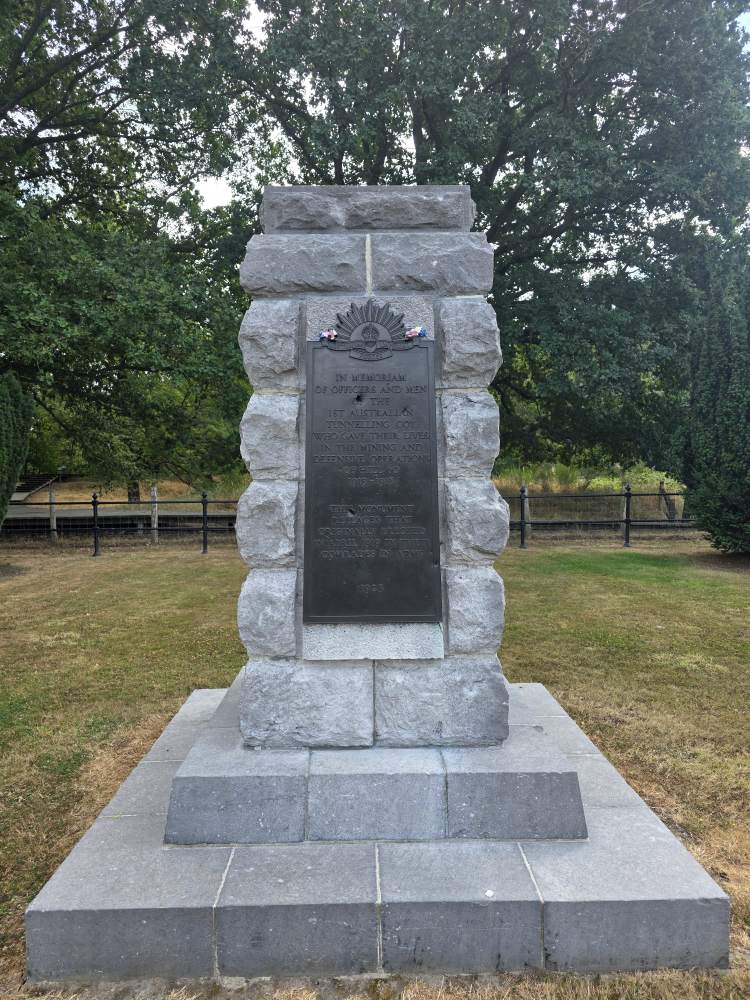
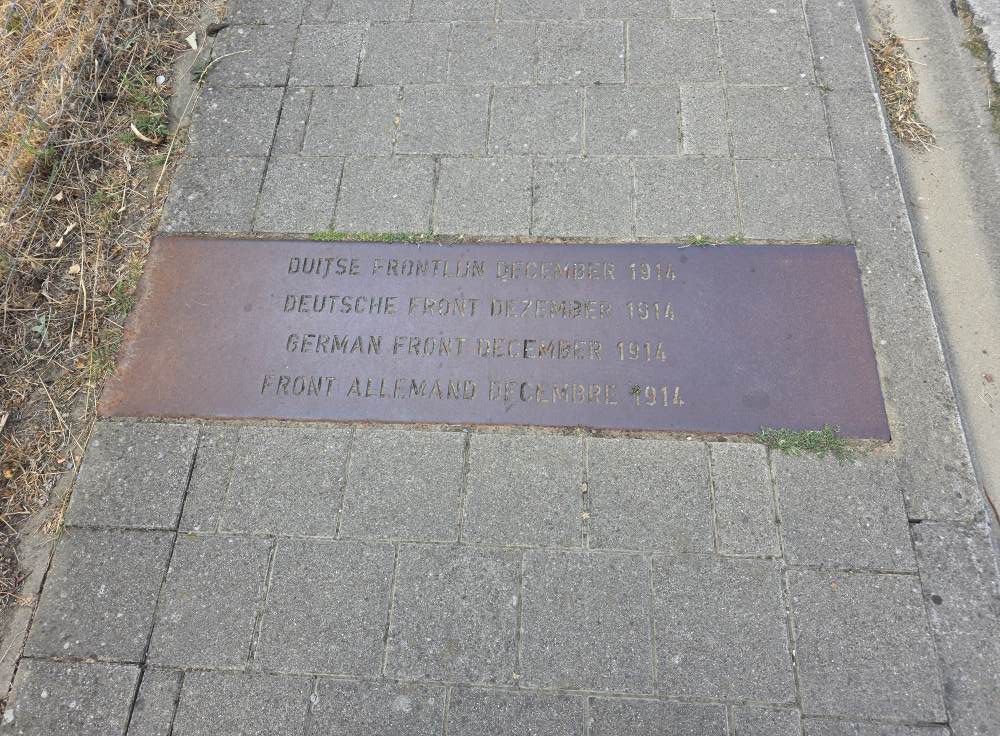
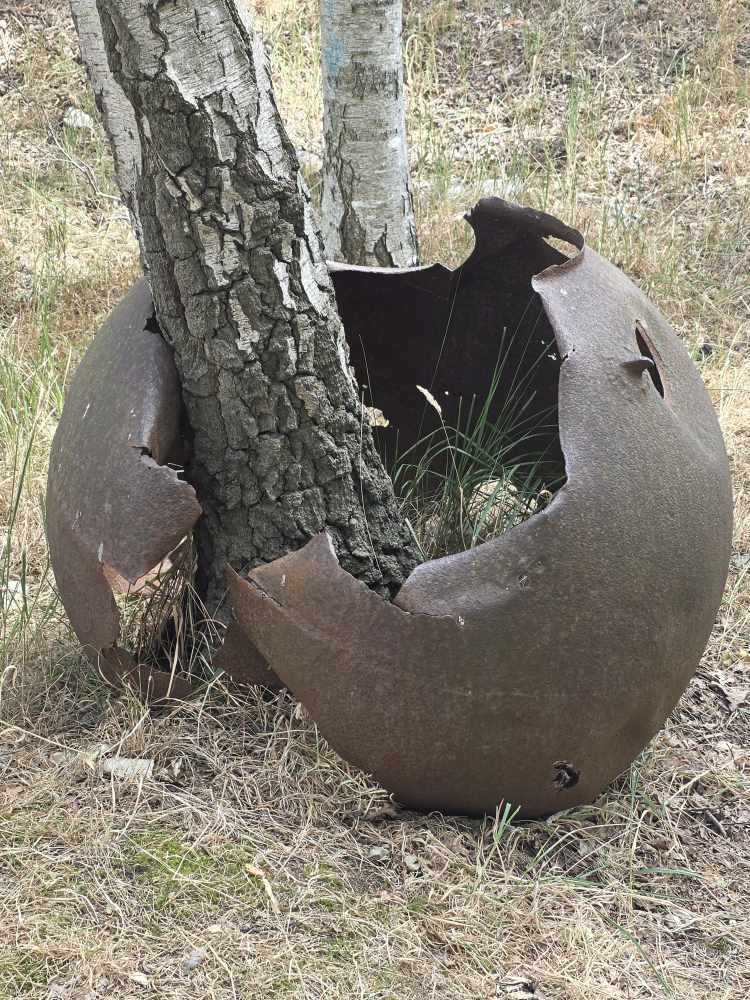
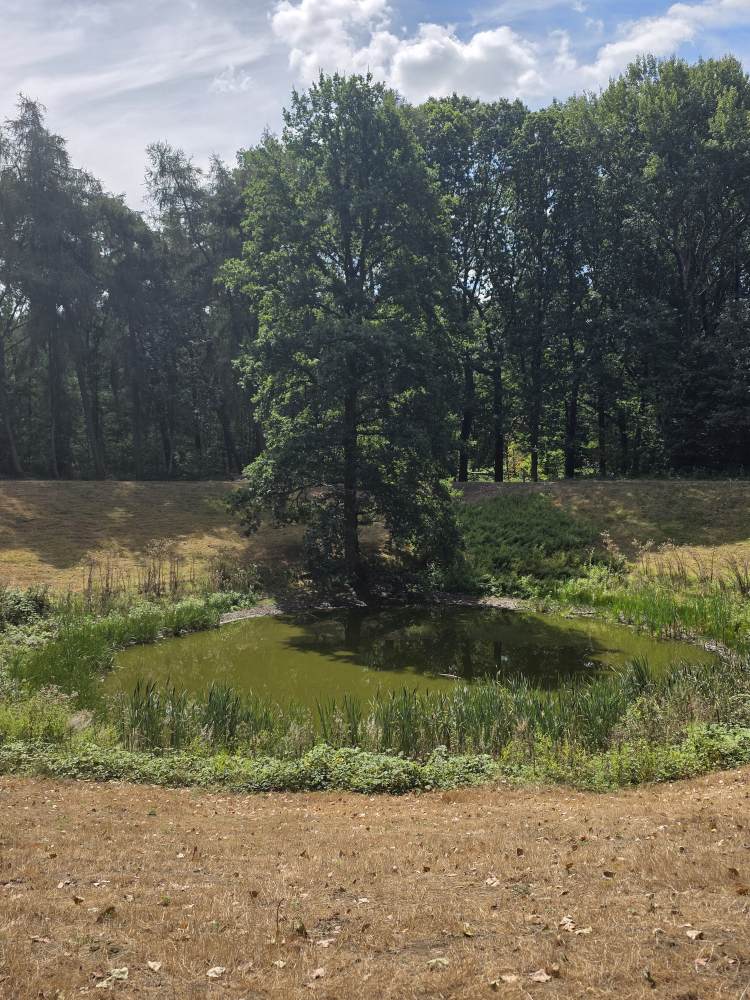
There are exploded bombshells left in place, once with a tree growing through it; pictorial explanation boards showing the different fighting sites; and then the actual bomb crater – now a little pond with a tree growing out of it.
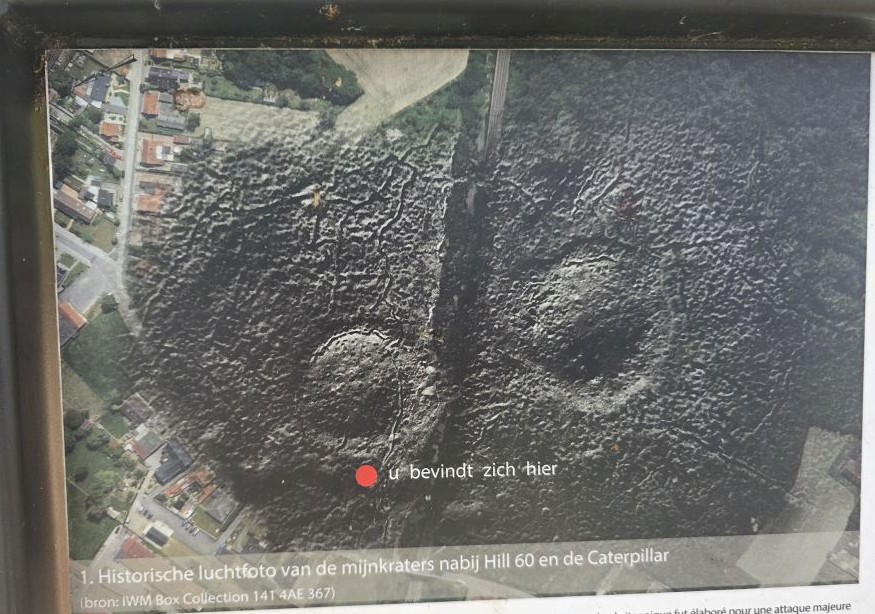
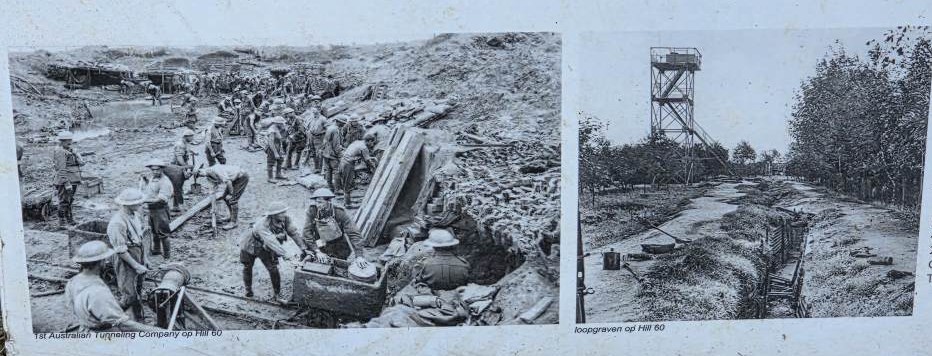

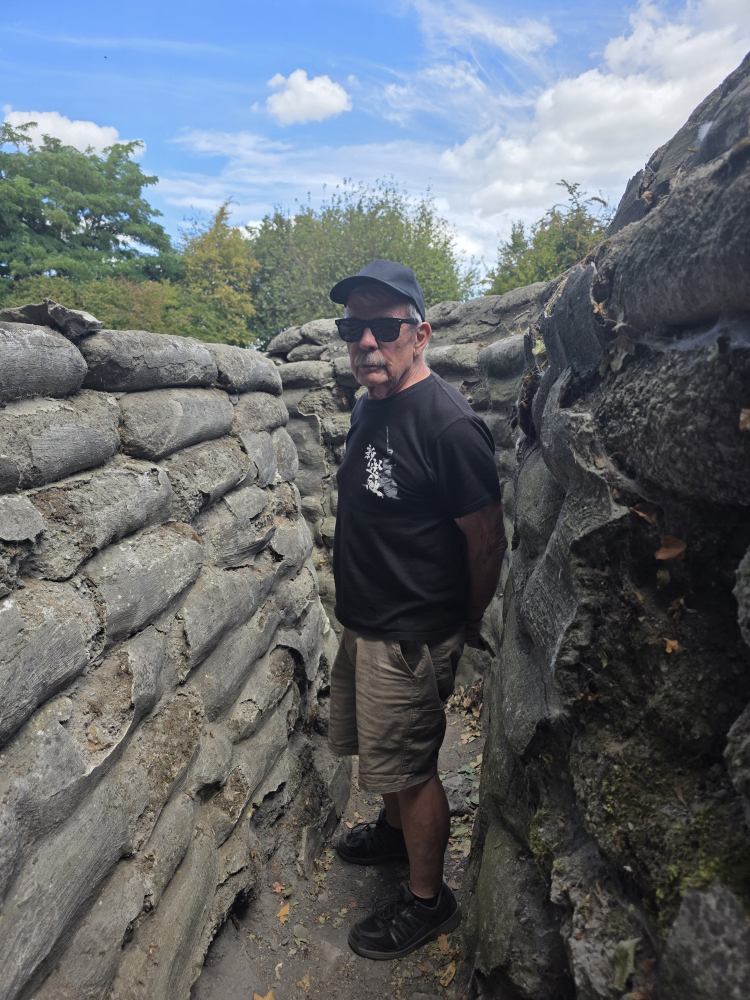
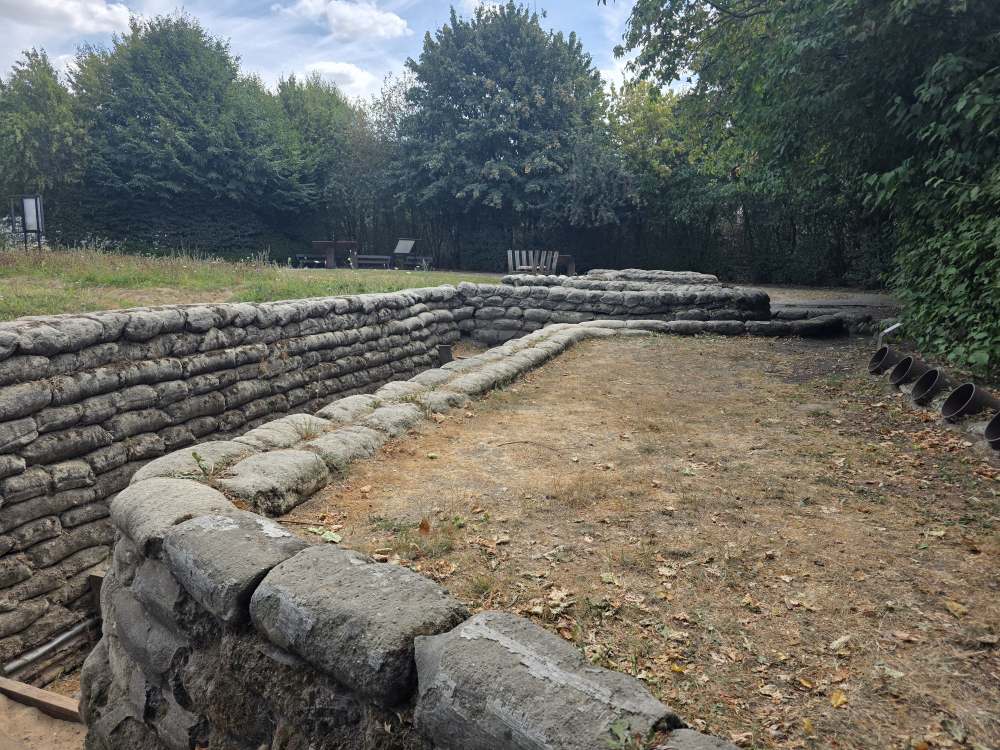
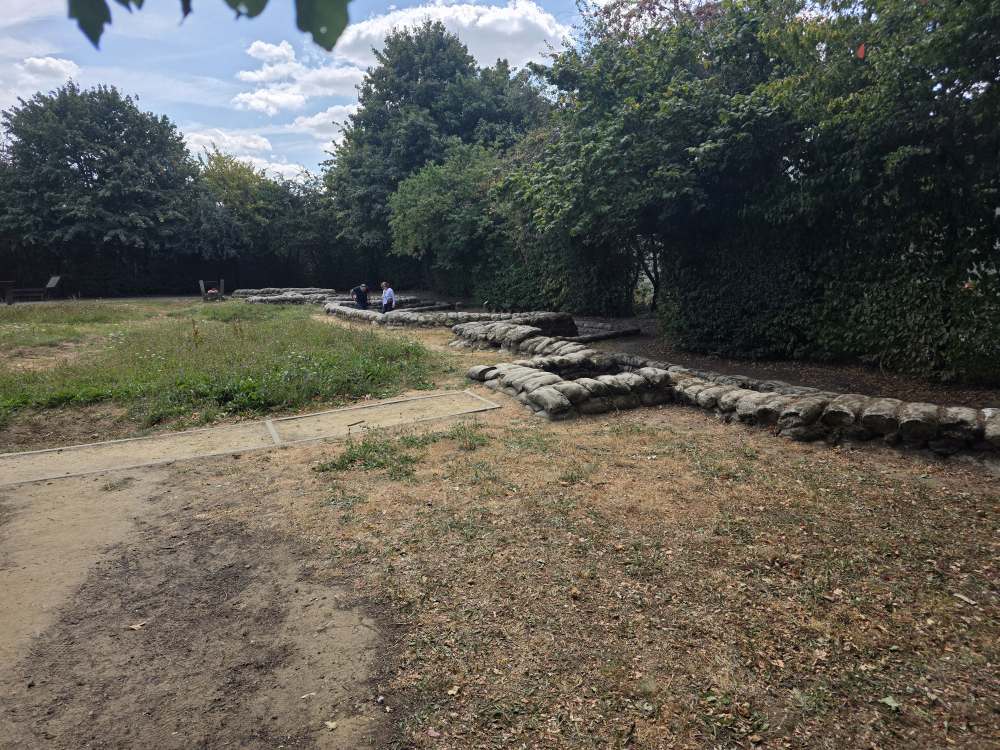
Phew. Crazy interesting. As is our next destination: the Yorkshire trenches, which we just learned about at the In Flanders Field Museum! Located in the middle of a huge industrial complex – you literally drive through the huge warehouses wondering just where in heck you are going – the trenches were actually discovered when they first started developing the area and dug up 200 bodies!
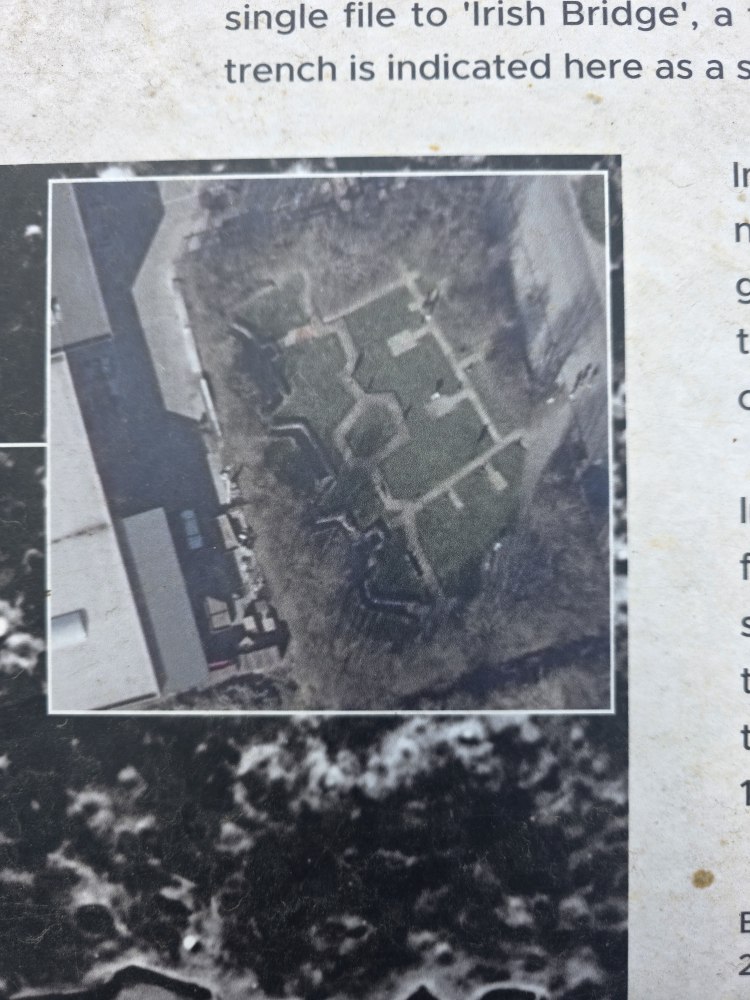
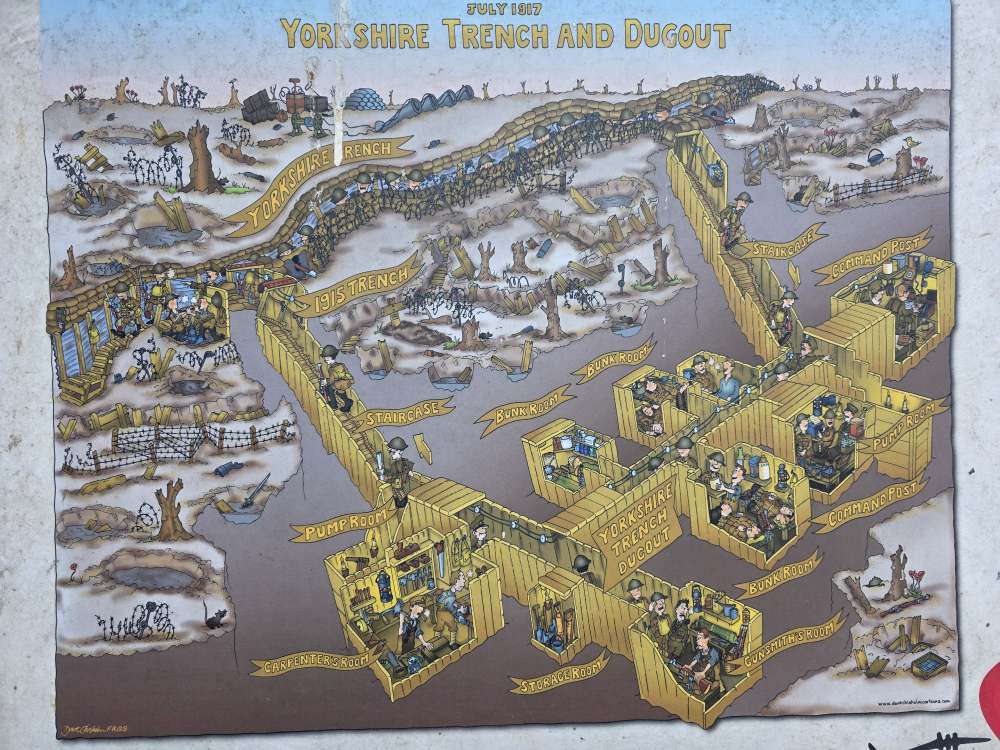
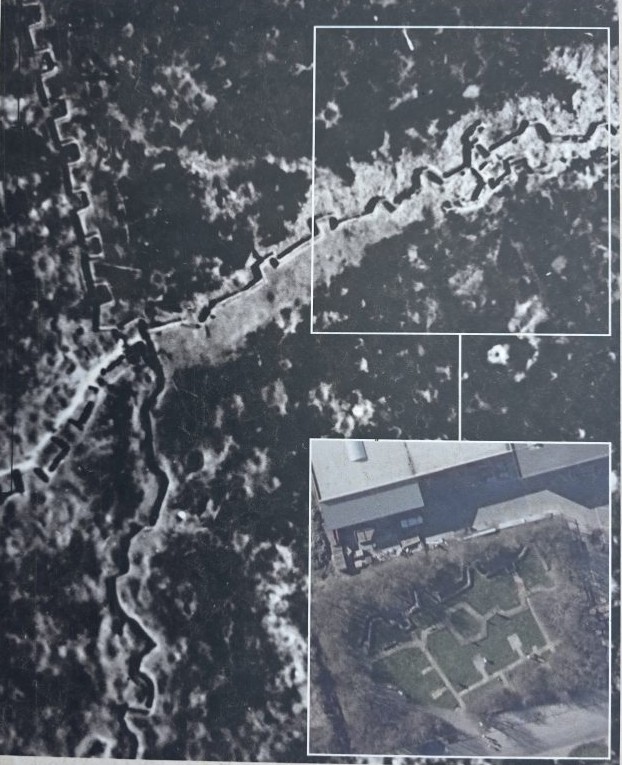
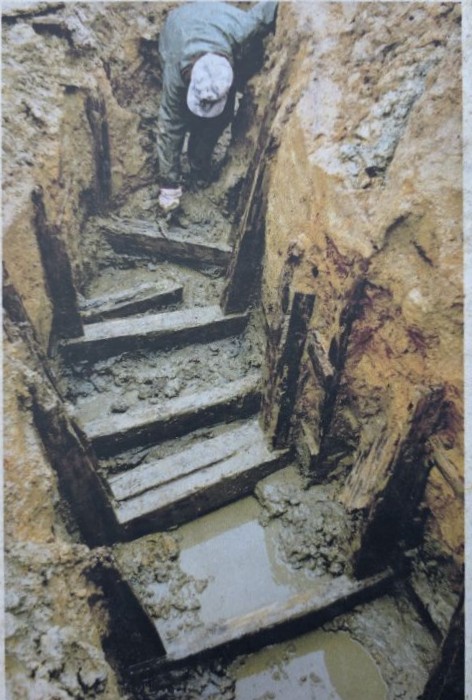
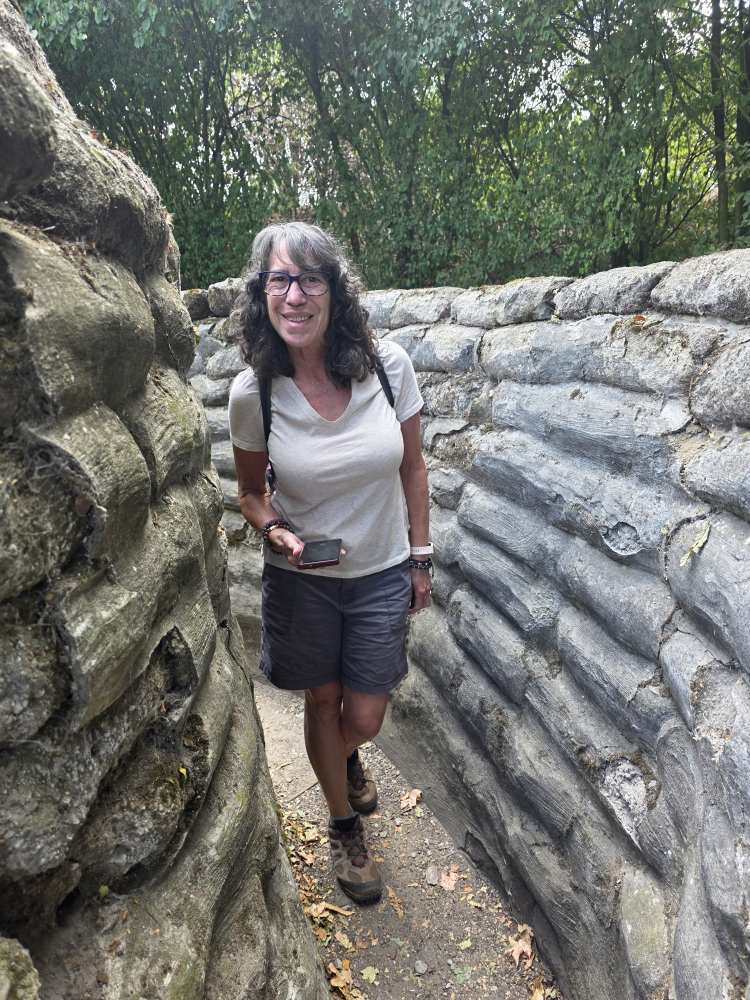
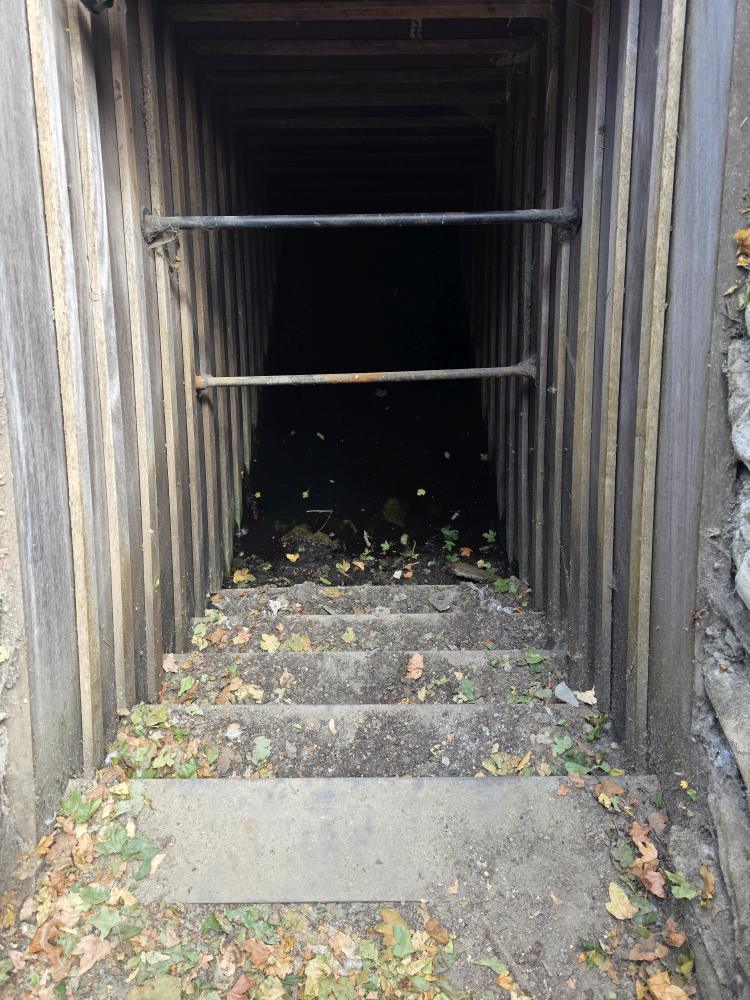
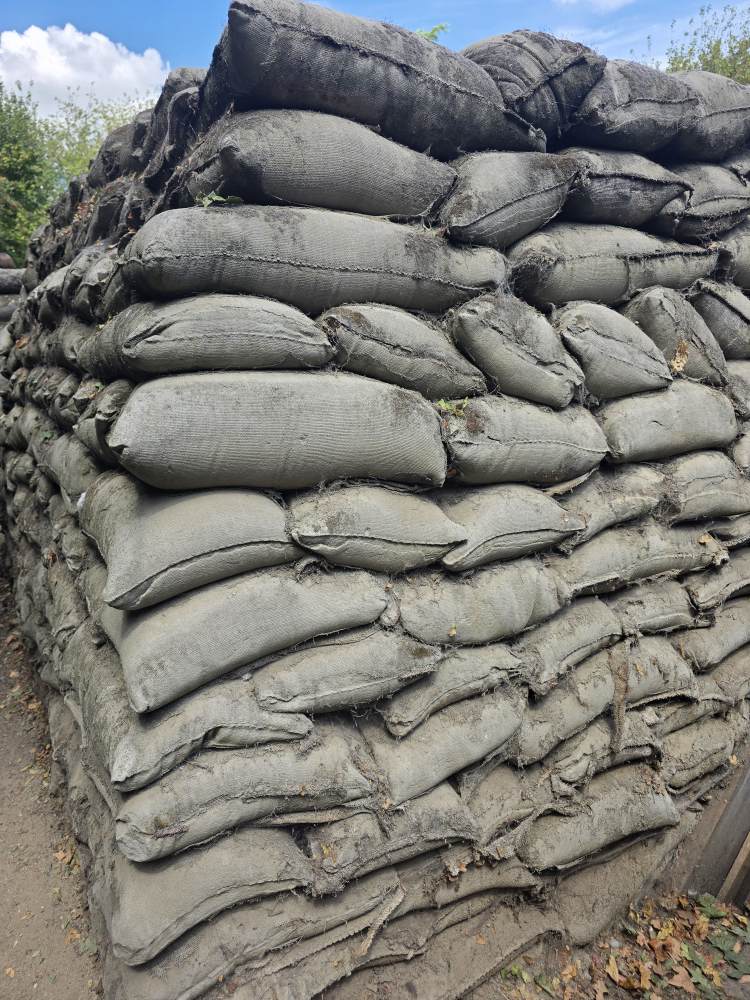
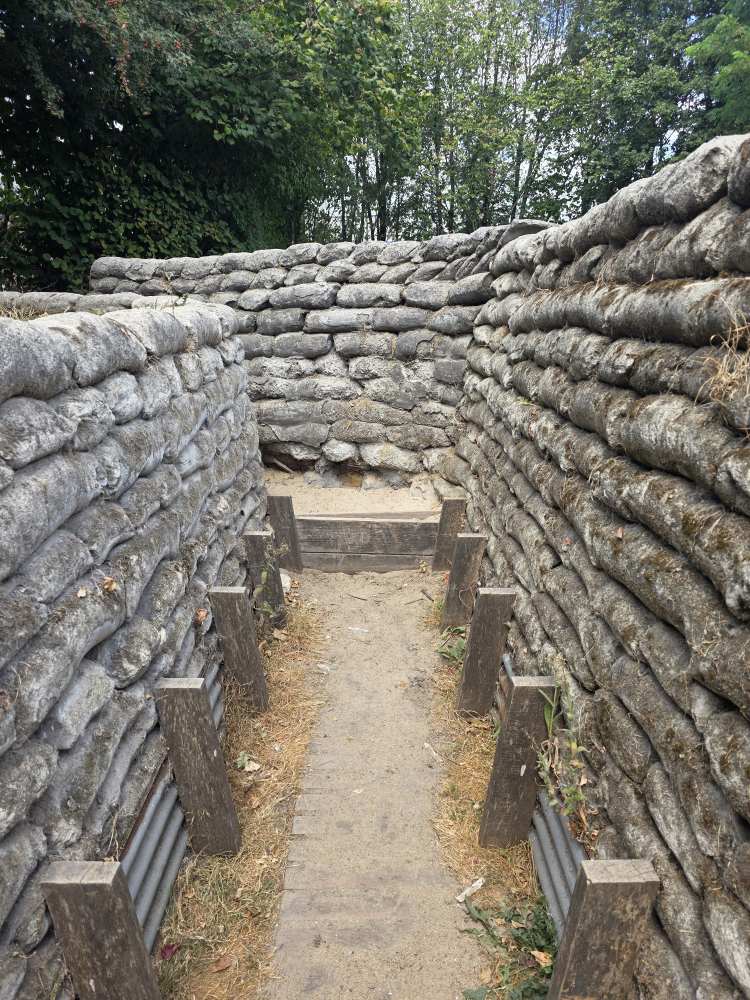
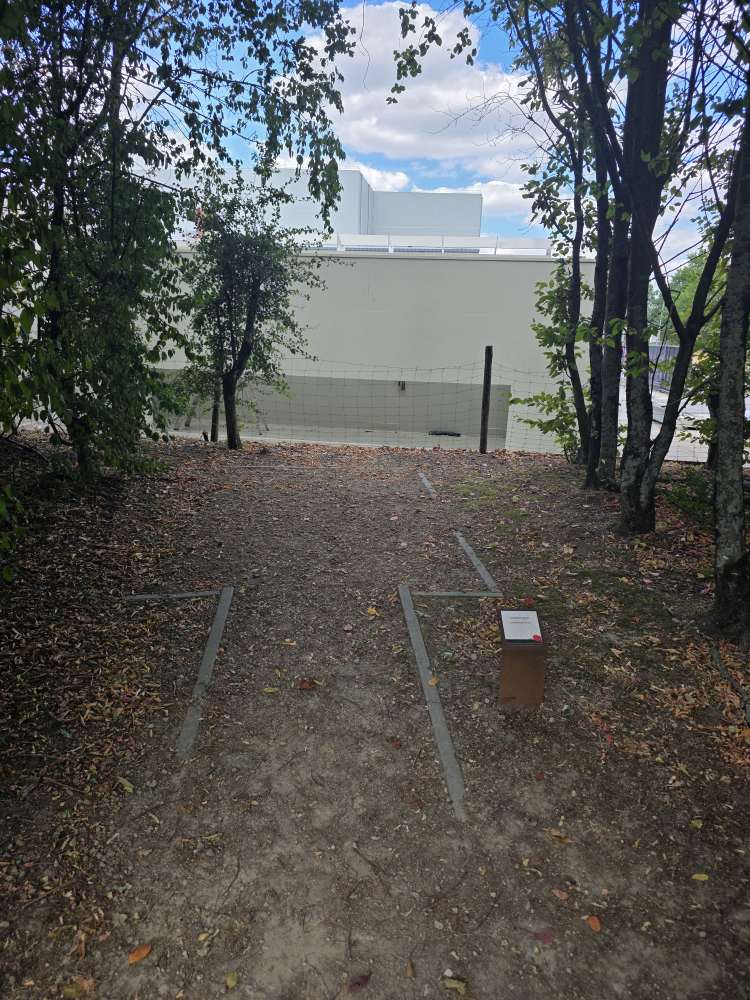
Originally dug in 1915 as a small narrow communication trench, it was reconstructed a year later and eventually became the battalion headquarters for the Welsh division. Today, we can walk through a portion of the trenches, see the sandbag and cement construction, gaze into the dugouts that served as the headquarters and see outlines of where other underground dugouts were located. Totally amazing.
 Andiamo