This morning, we navigate down the steep stairs to go explore Crupet on a hike around the little village. There are lots of long hikes we can take, that actually start right here by the apartment – but we are sticking to shorter, more manageable walks this week (only because some of the trail information is suspect on AllTrails, and while there is good signage on the ground, a lot of the maps here seem to take you along roads – which we prefer not to navigate on foot).
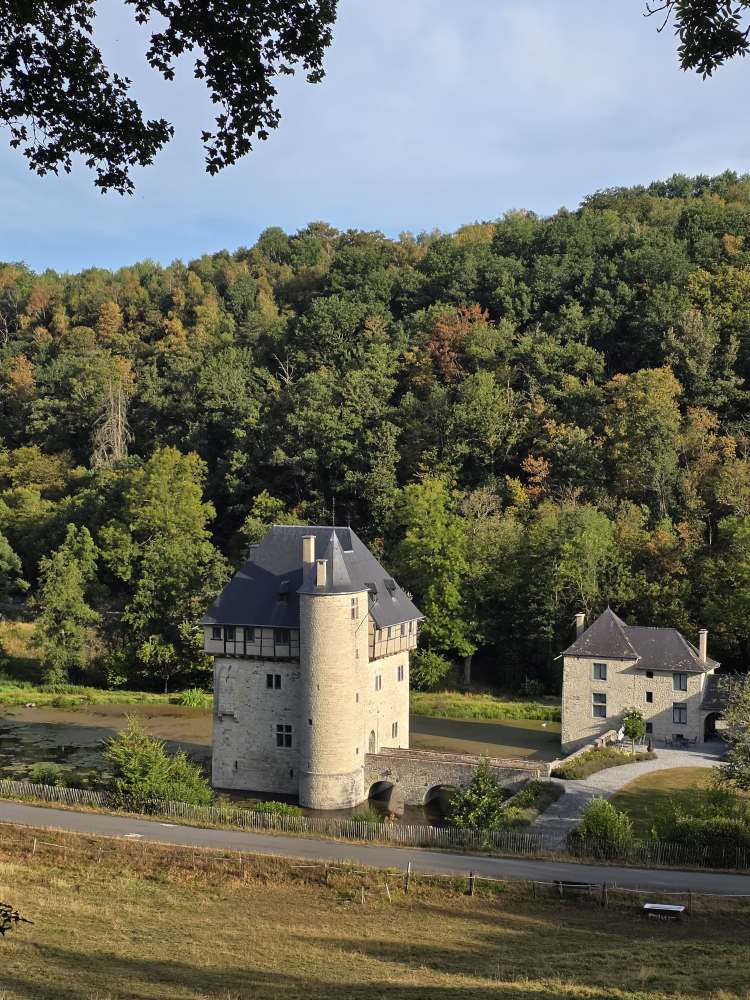
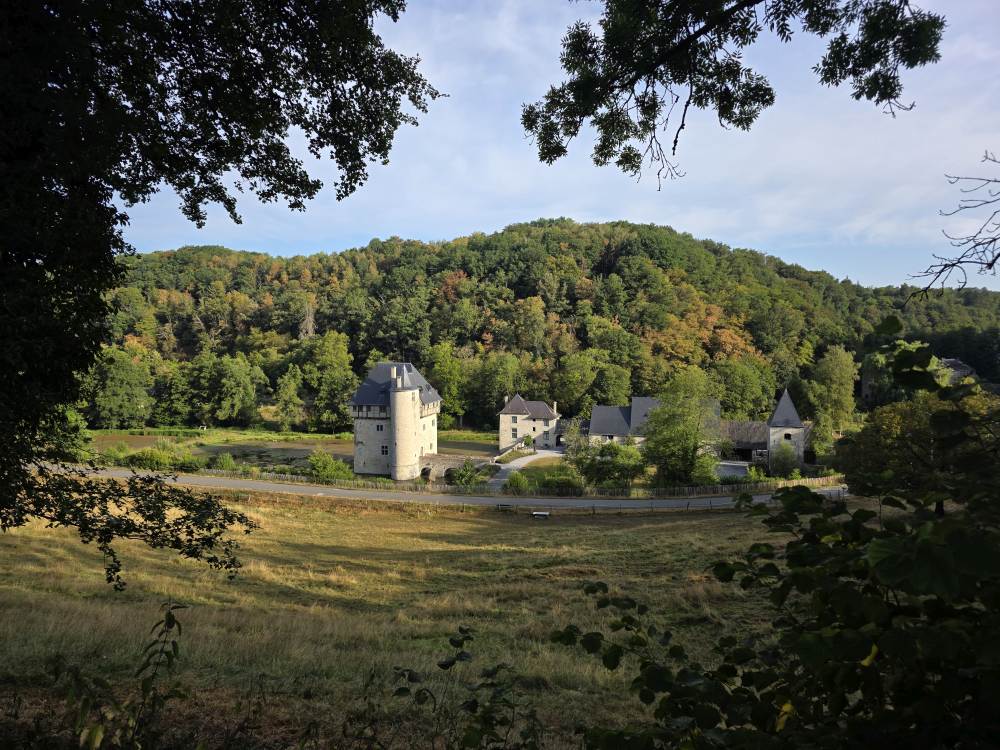
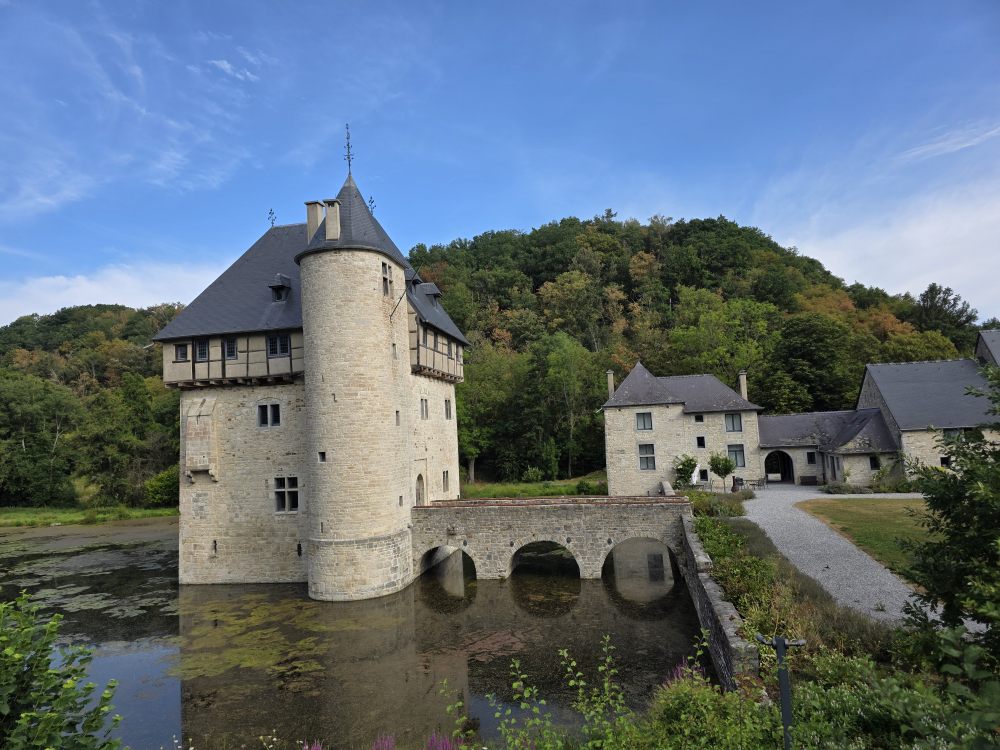
So, off we go in the car to Crupet (again, we could have walked, but choose not to test fate on these narrow little roads going up the ridges to Crupet). Crupet lies in a deep gorge between two hills. The upper section (where we park) is on a ledge overlooking the valley with the Ry de Jance stream where many “huisines” or water mills used to exist when the city was a hub for hydraulic powered industry. From here, between the trees, you can see the castle down below jutting out into the stream.
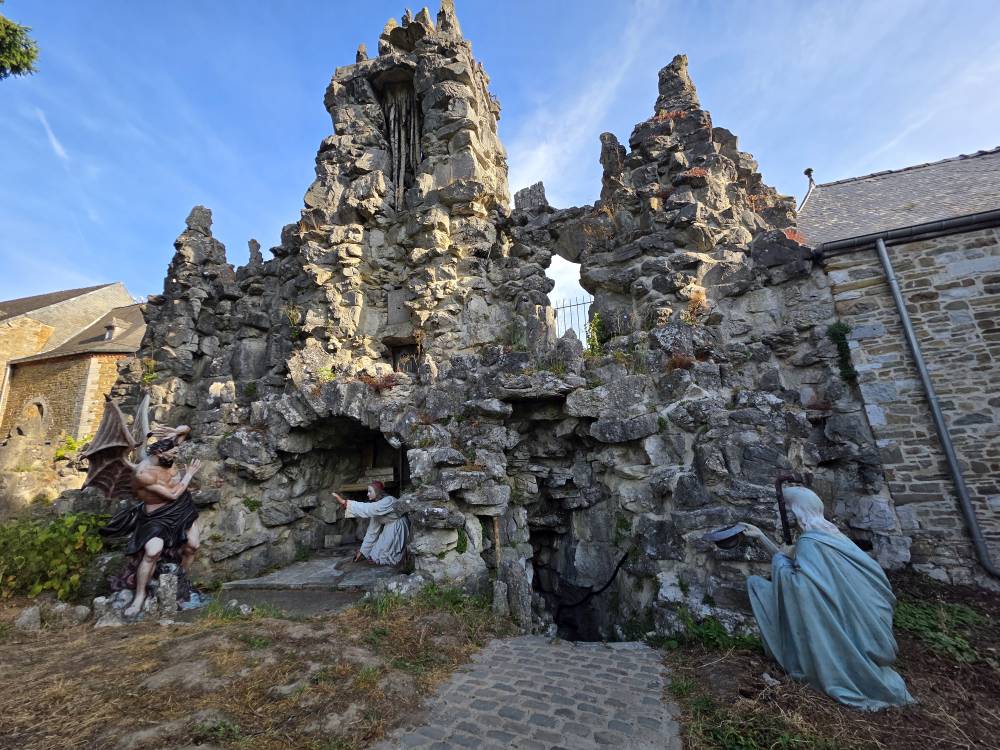
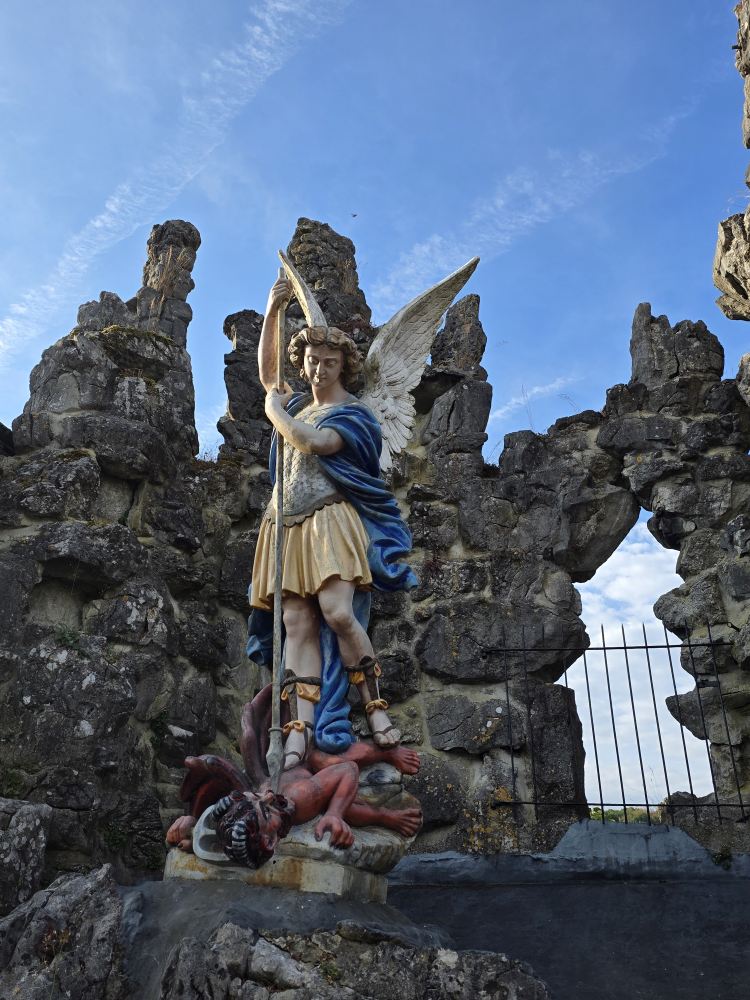
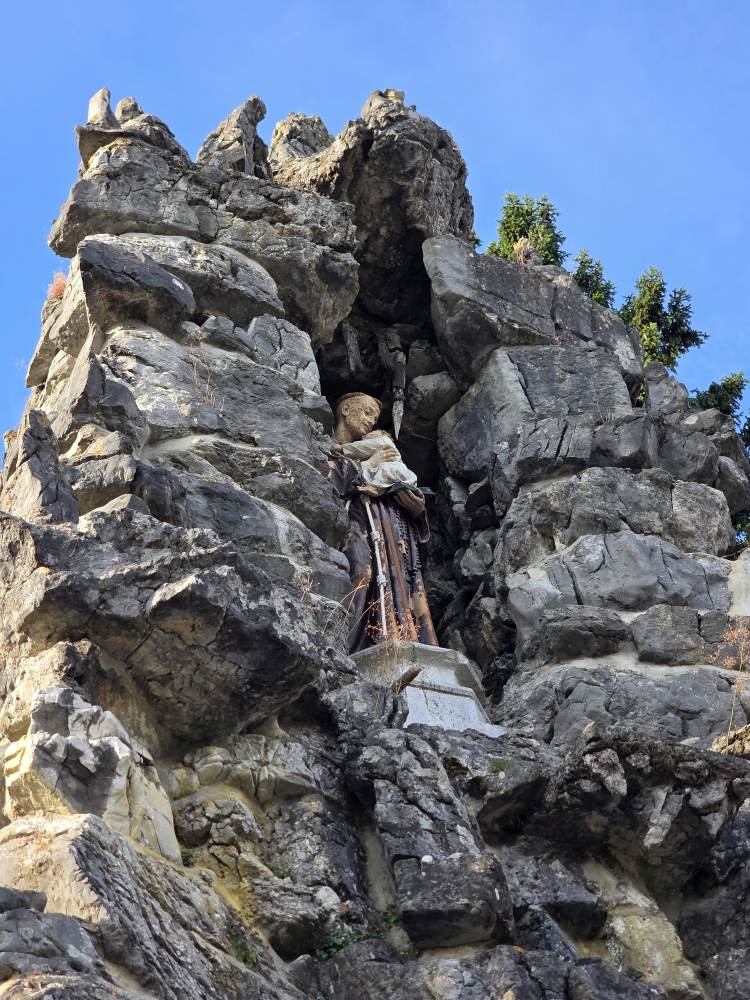
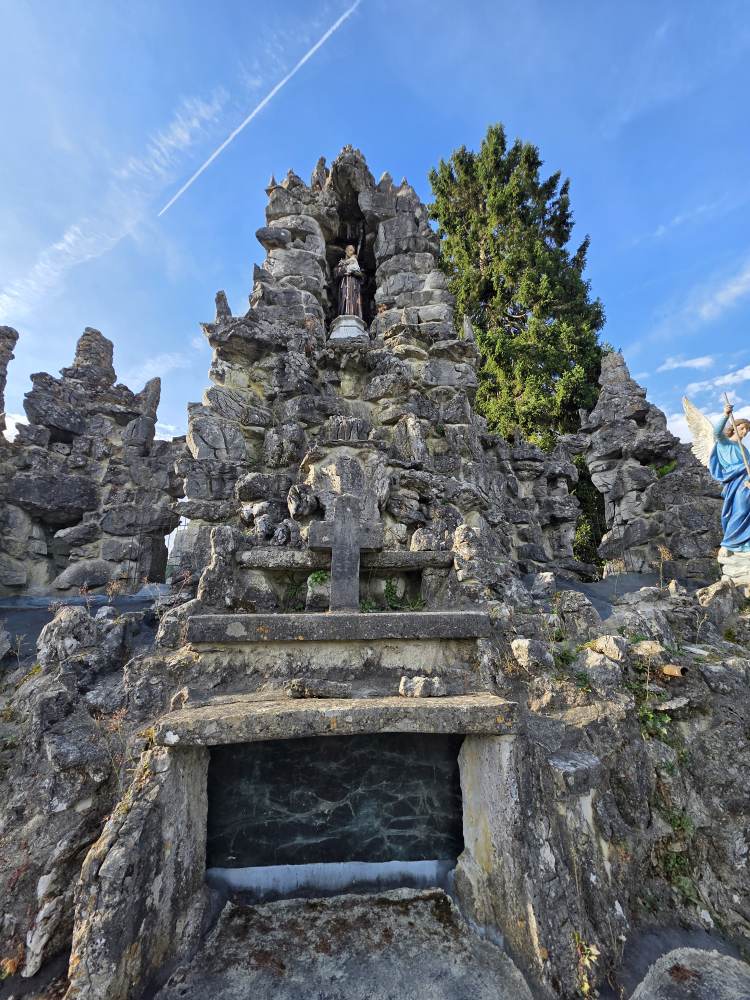
Beginning our walk, we cross over to the Grotto dedicated to Saint Anthony of Padua, built in 1900 out of 300 tons of rough-hewn rocks and stones found in the nearby woods. The cross on the altar is from a 17th Century tomb. Still in use today – with tons of spaces for candles and iconic tableaus inside.
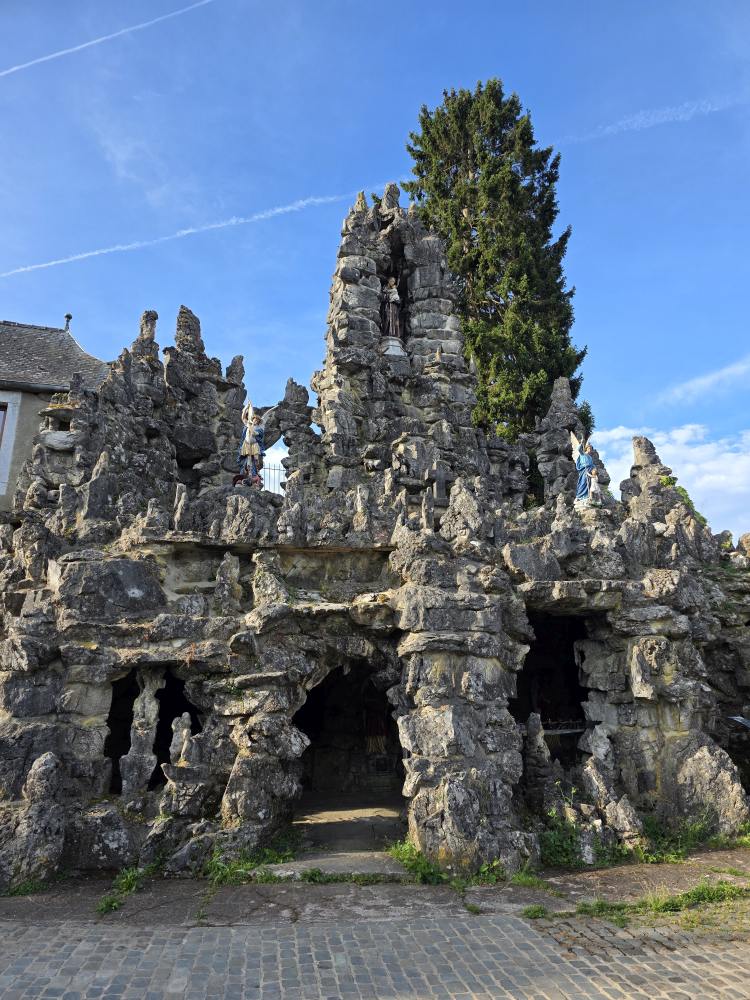
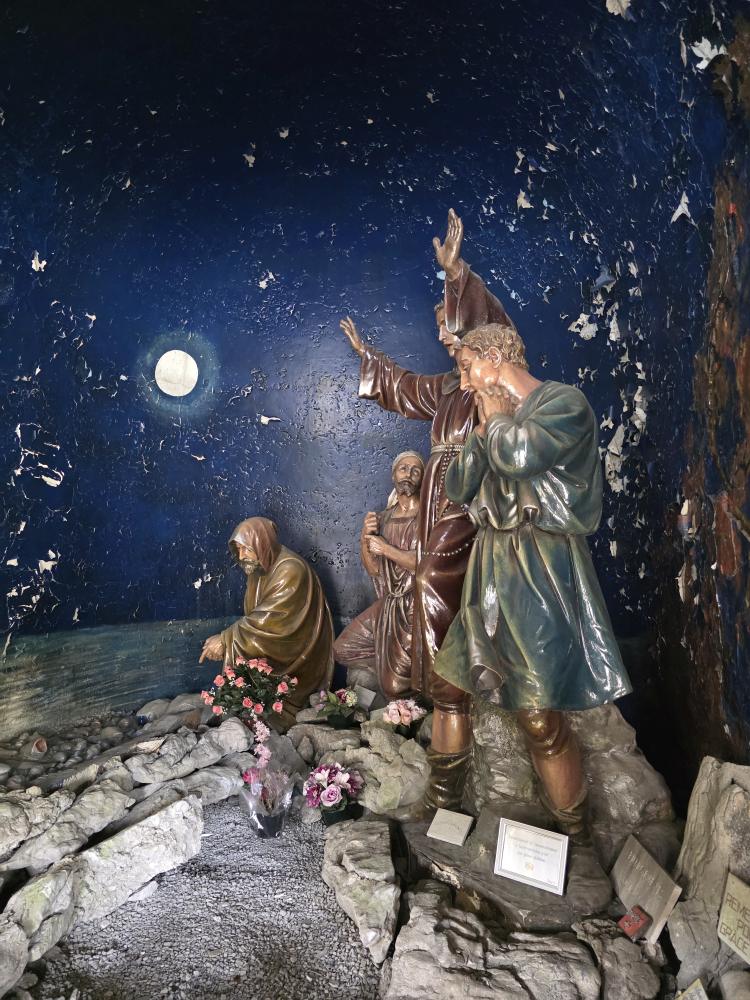
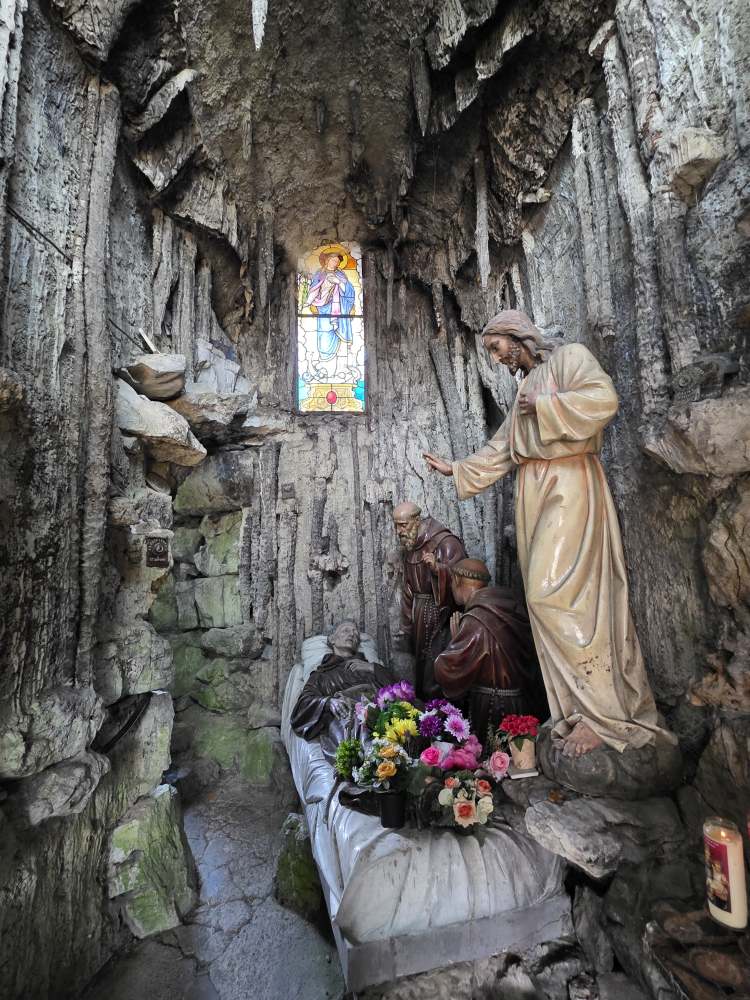
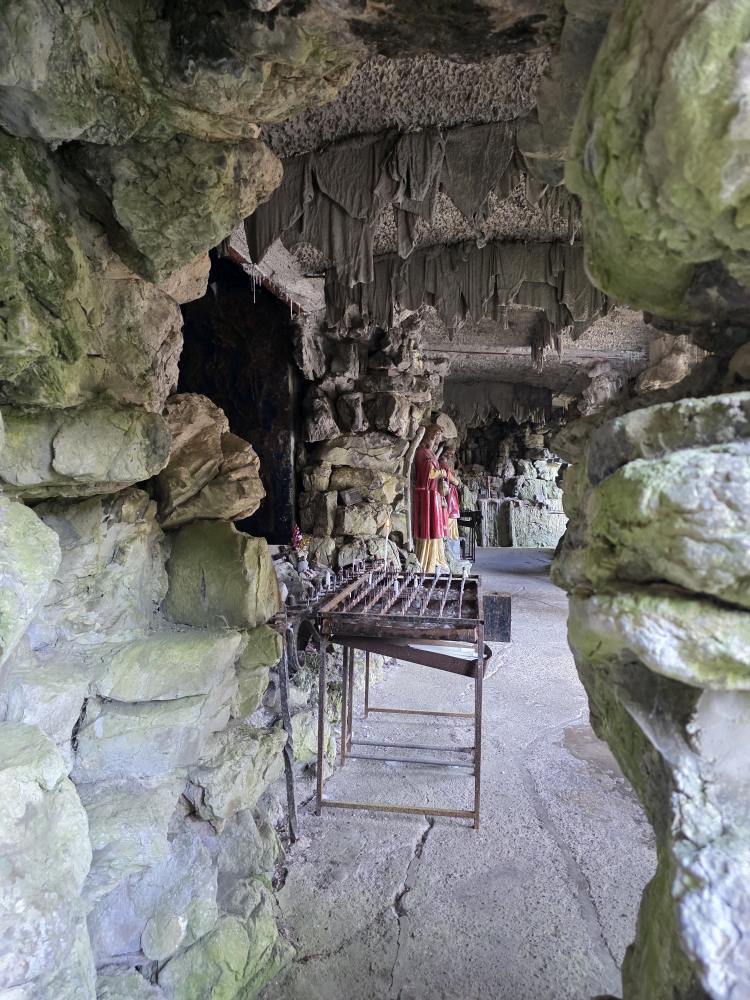
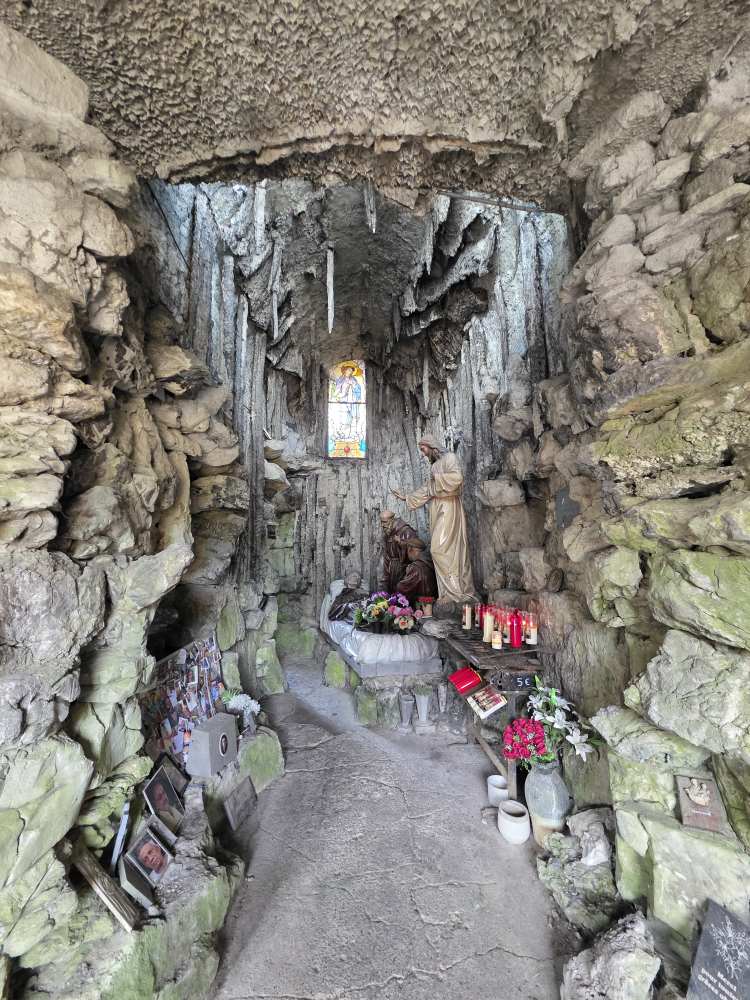
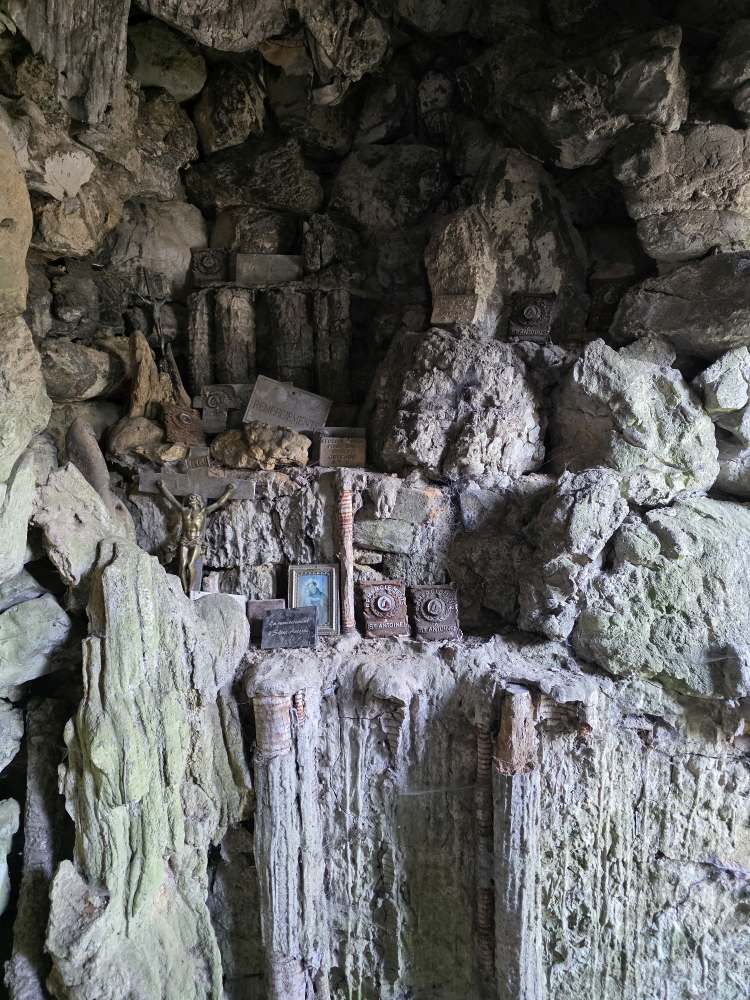
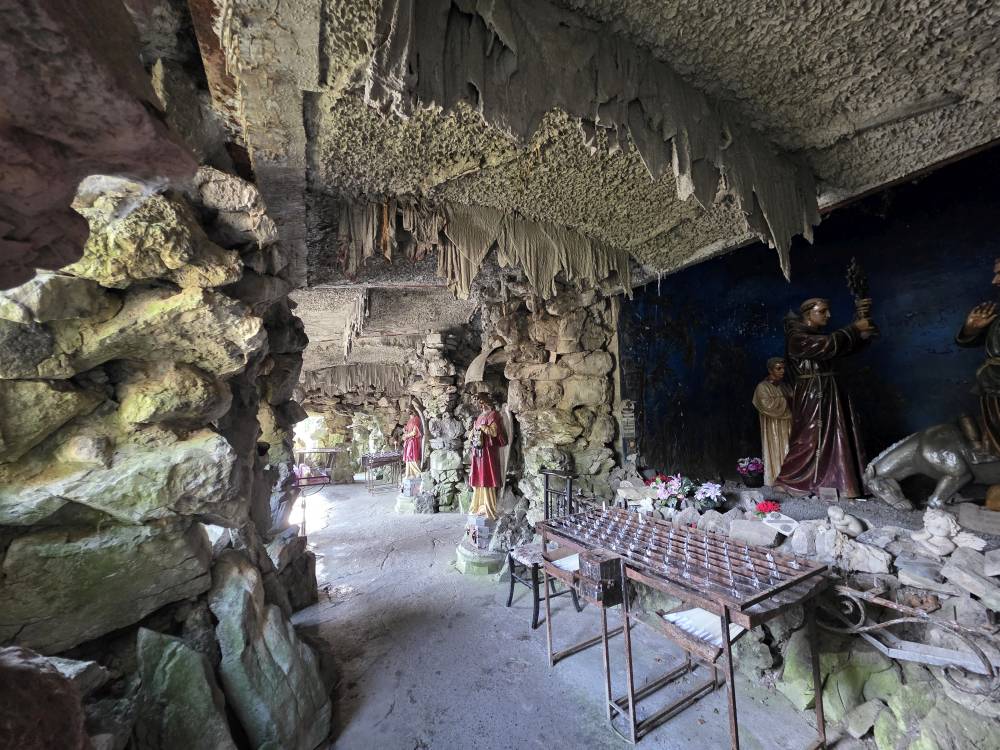
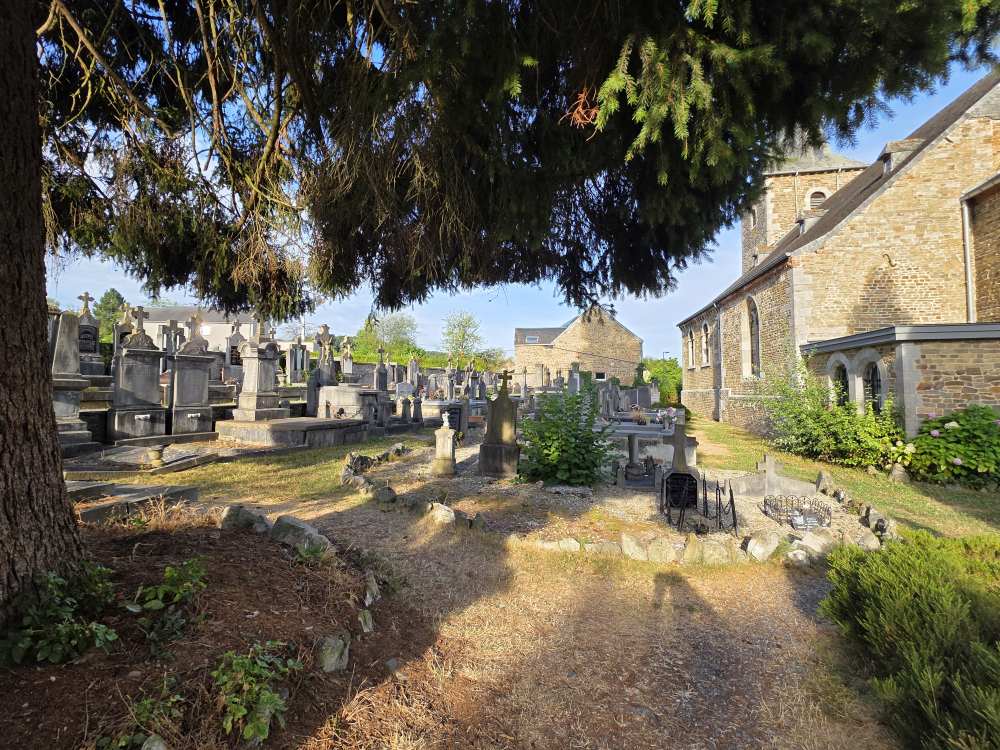
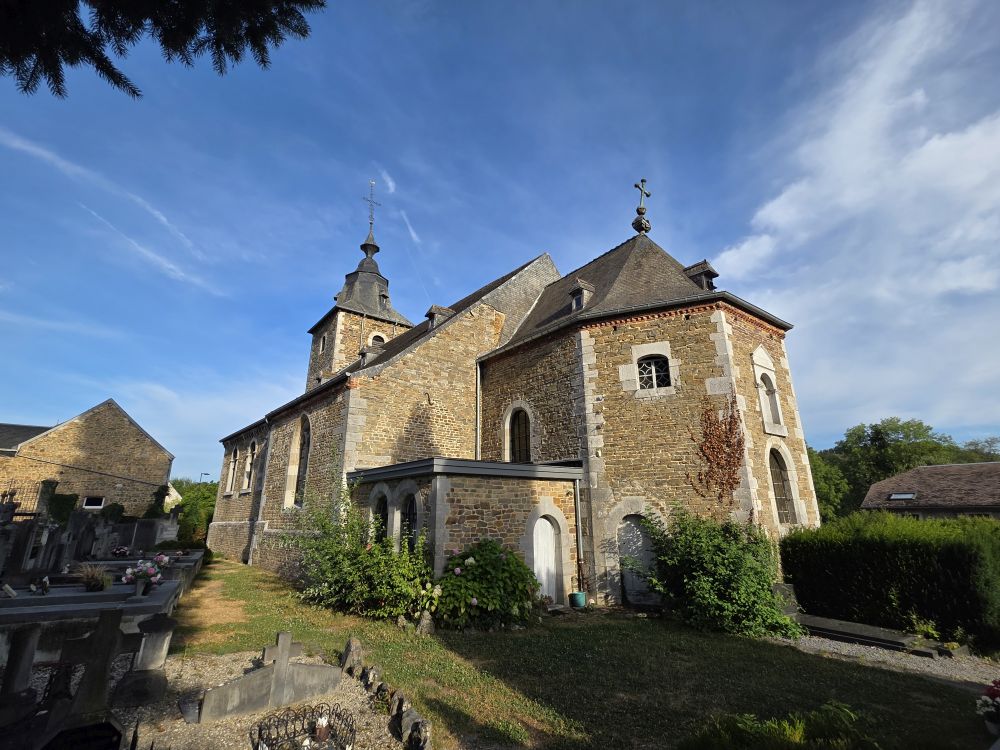
The grotto has two levels, the upper most has a statue of a large devil with horns and wings opposite St. Anthony as a choirboy pushing him away. This level also leads directly to the Church of Saint Martin from the 12th Century, as well as the cemetery.
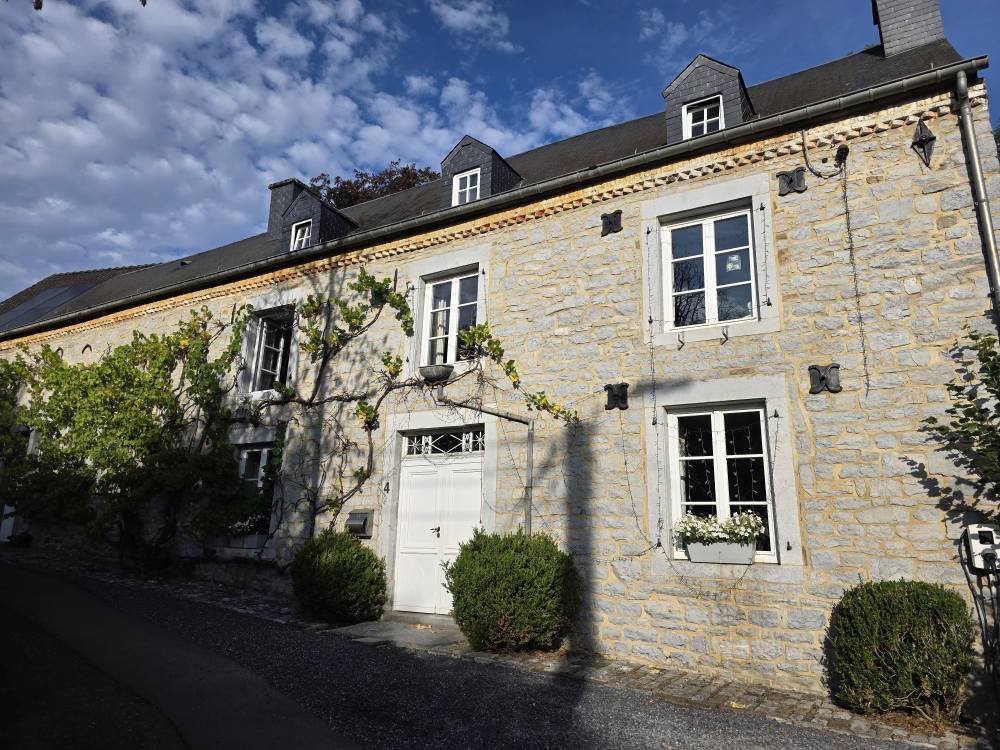
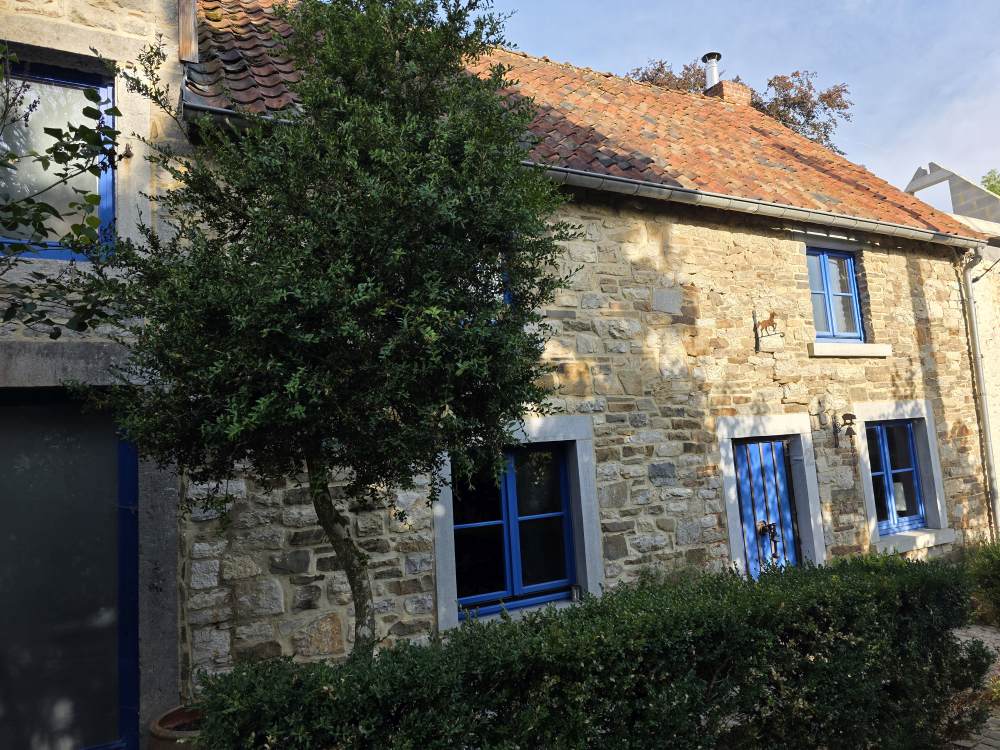
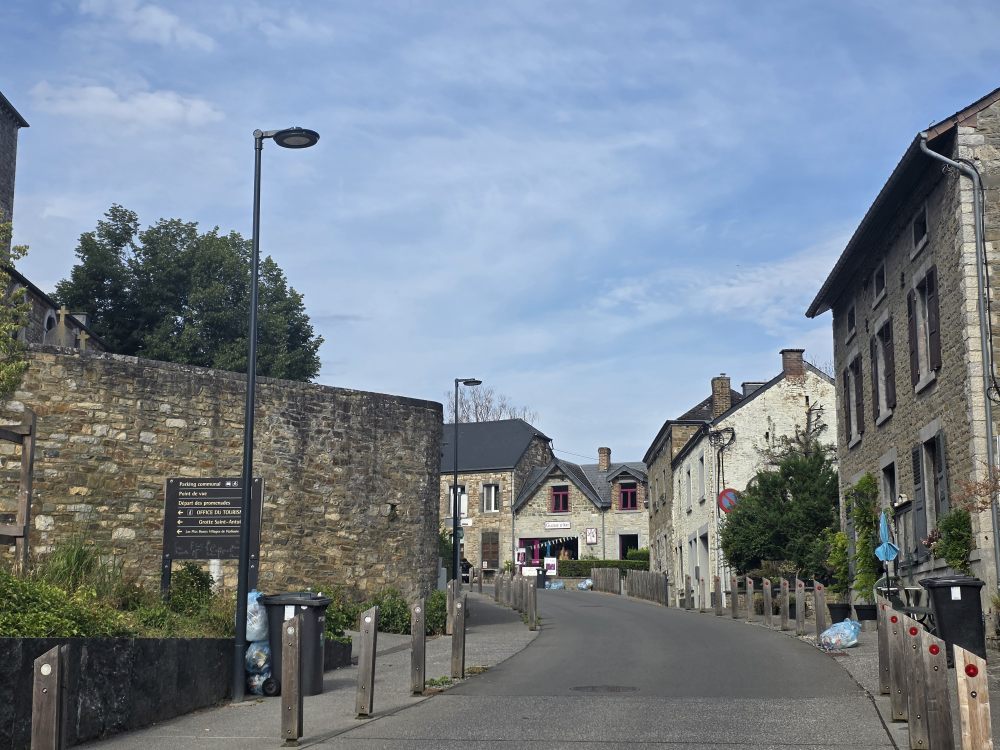
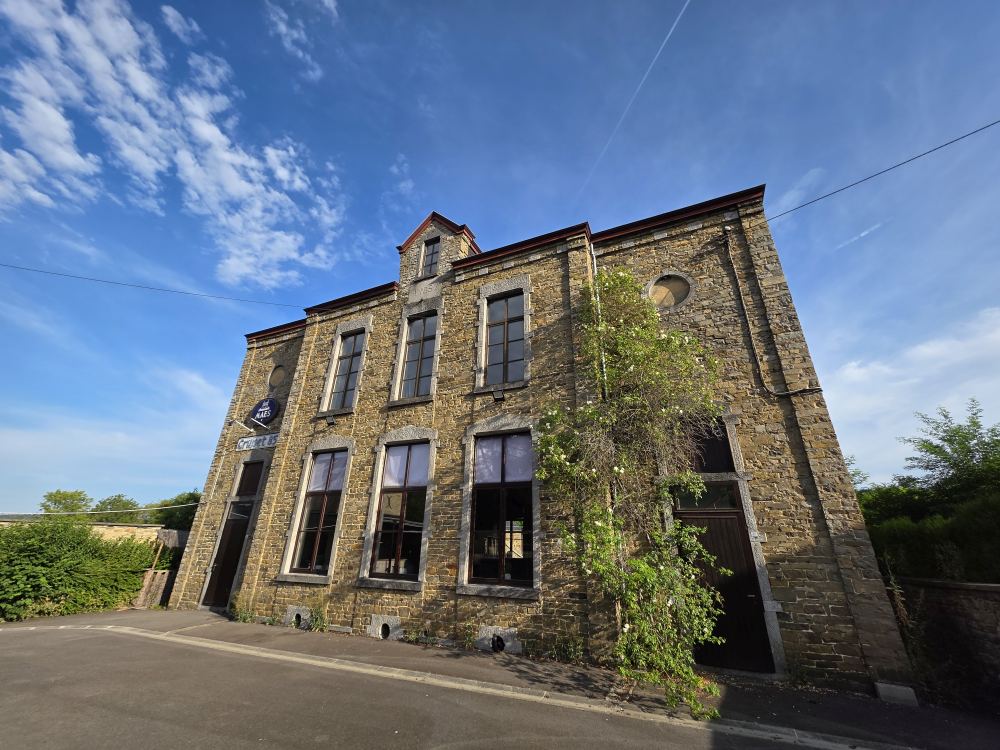
Moving further along the street, there are traditional homes built in the 18th Century, as well as the old schoolhouse, built in 1853 to accommodate 100 students and house the teachers working there. The school operated until 1972 and is now the village’s events and functions room.
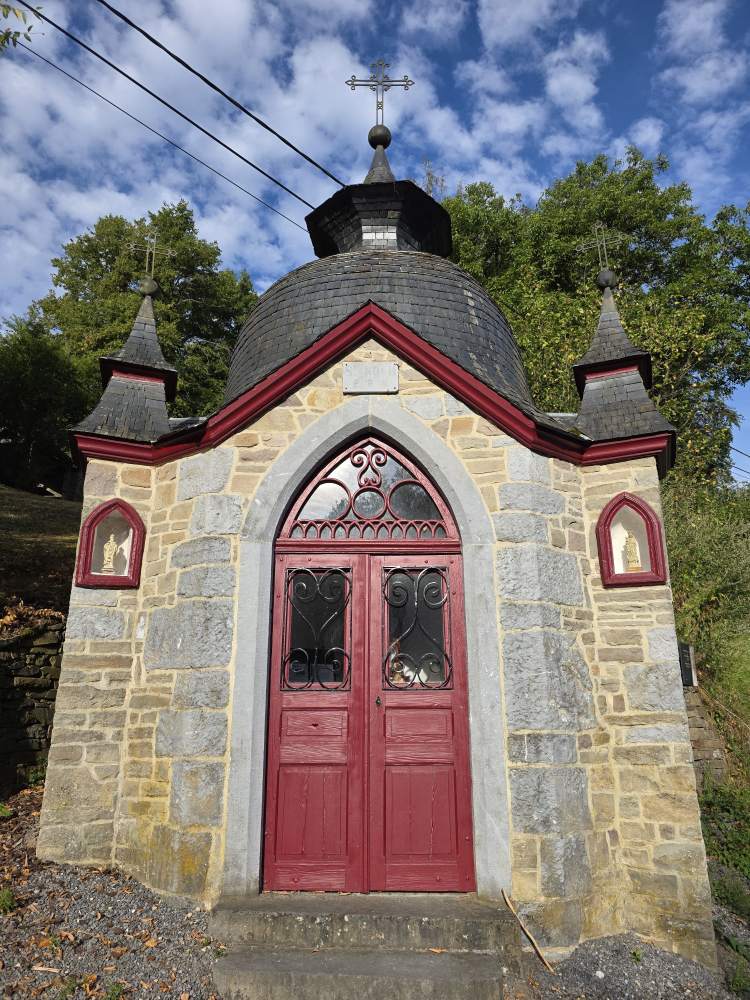
As we turn to leave the upper village, we pass the limestone and sandstone Saint-Roch Chapel, unusual for its circular style and round roof. Saint-Roch protects against disease; this chapel was built in 1869 following the great cholera epidemic.
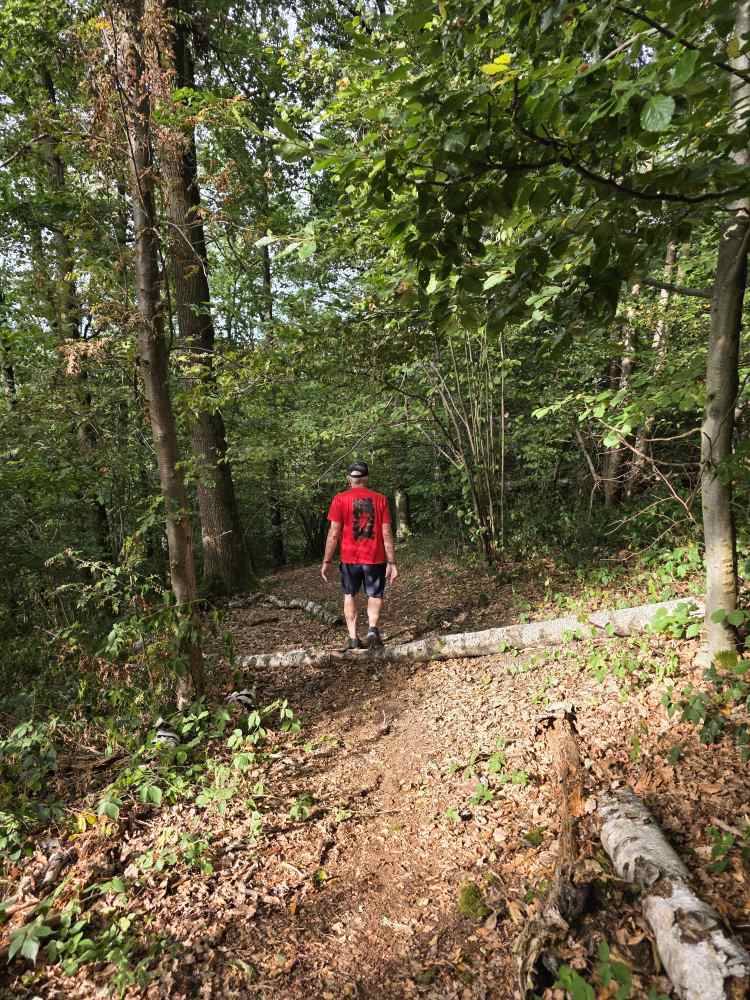
Crossing over the riverbank, we pass the old Delvosal paper mill from 1769, now a hotel and proceed along the river past other old mill houses and buildings, before hiking up a narrow path to find the nearly 100-year-old statue of the Sacred Heart.
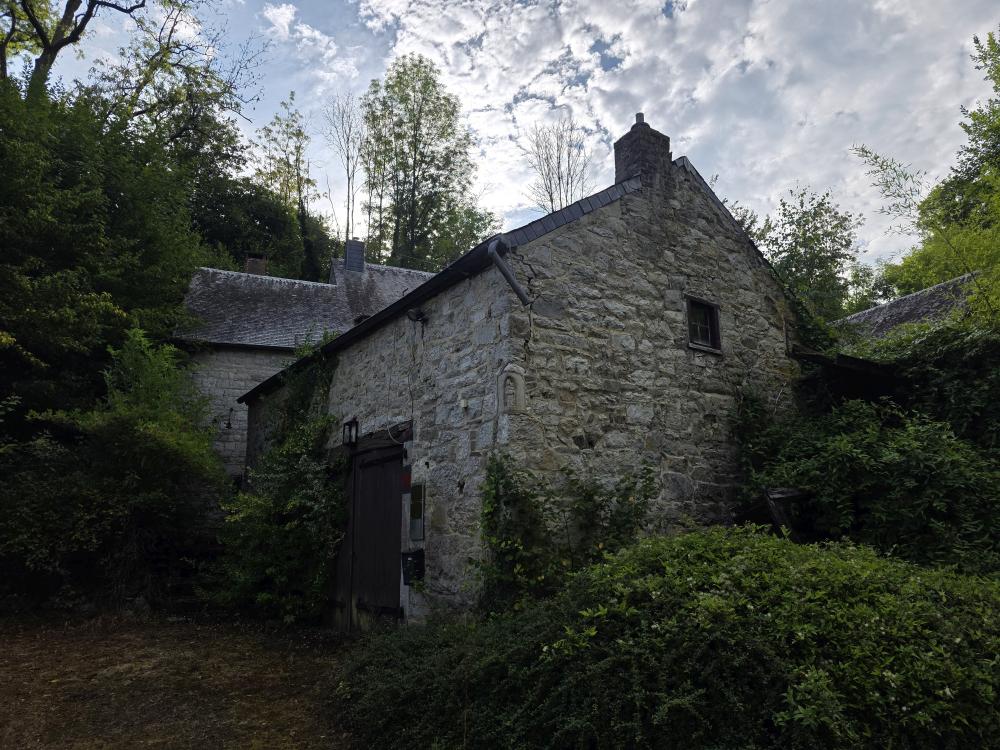
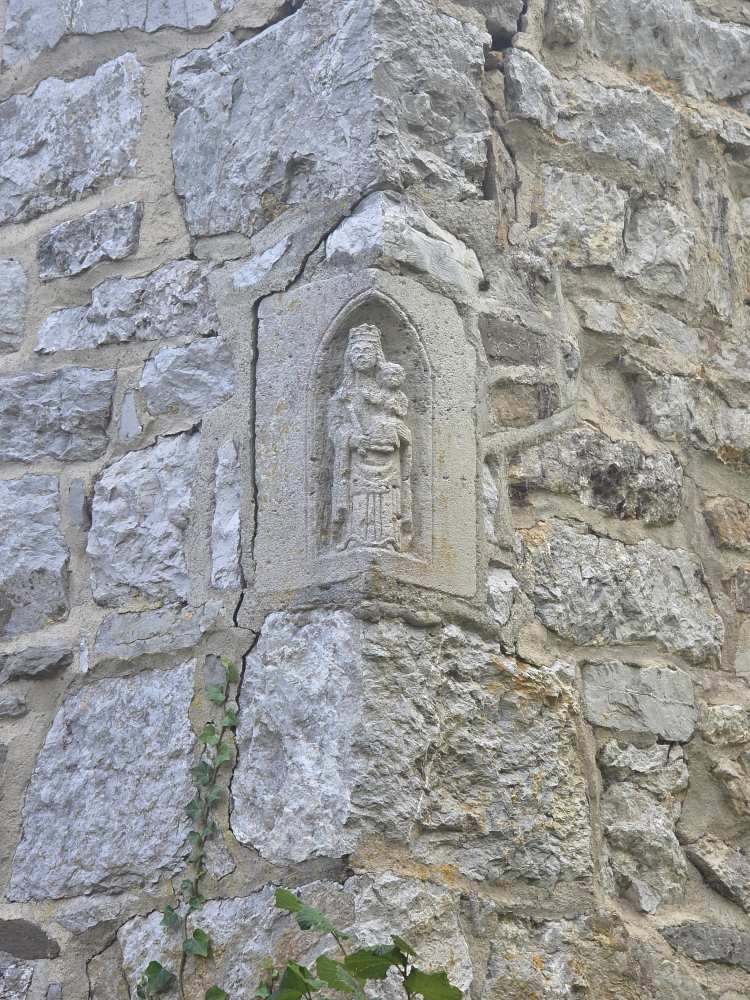
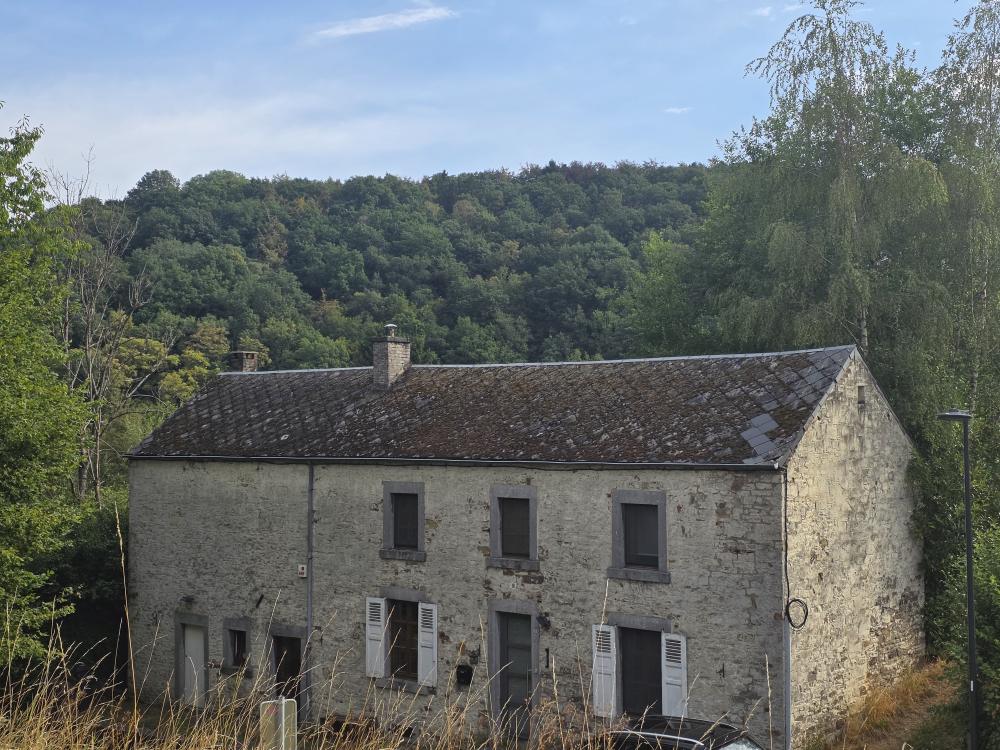
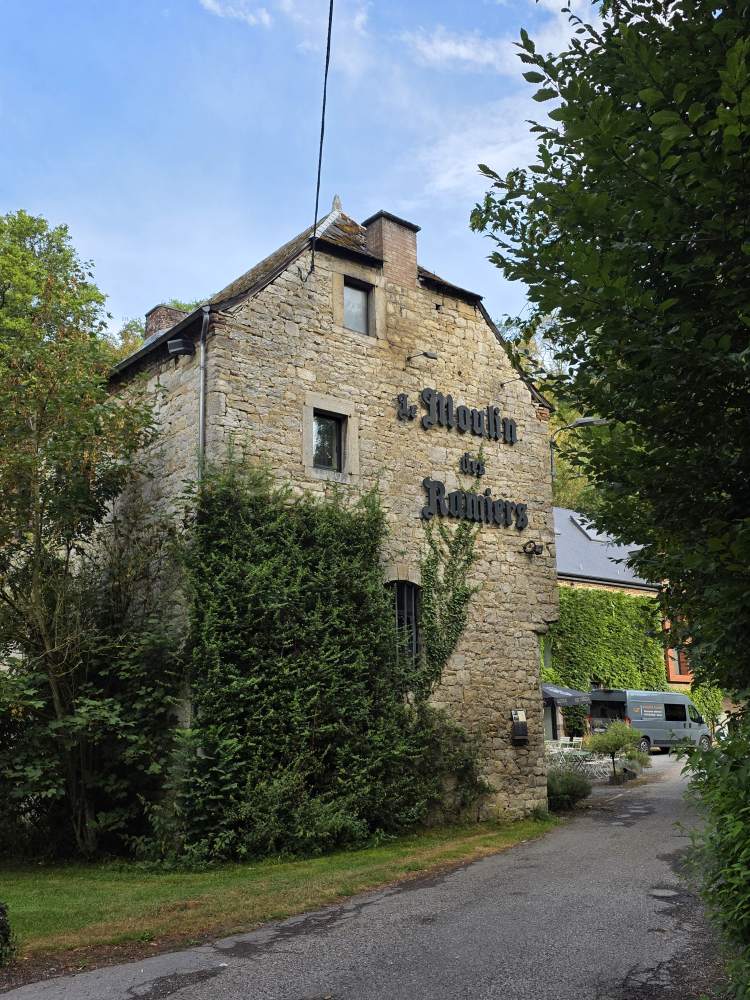
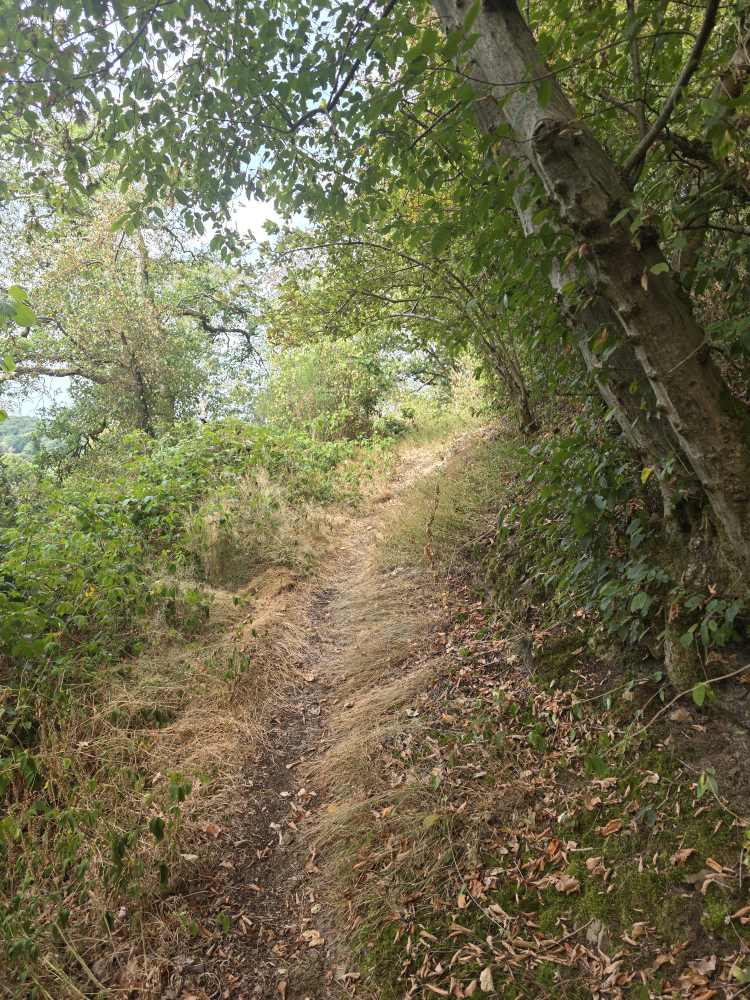
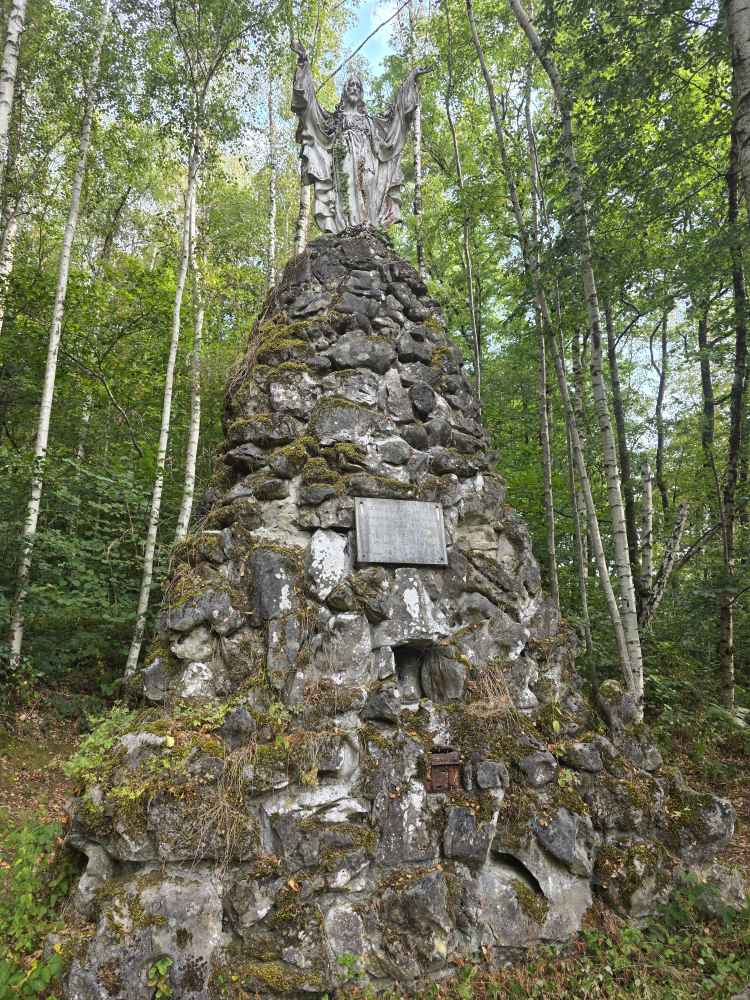
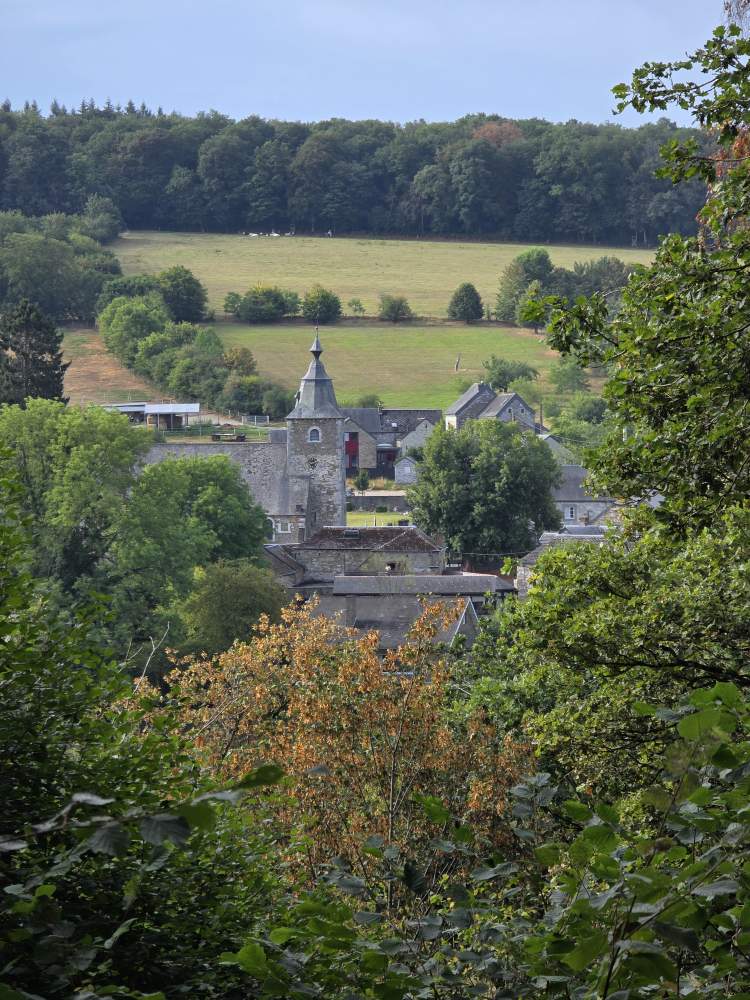
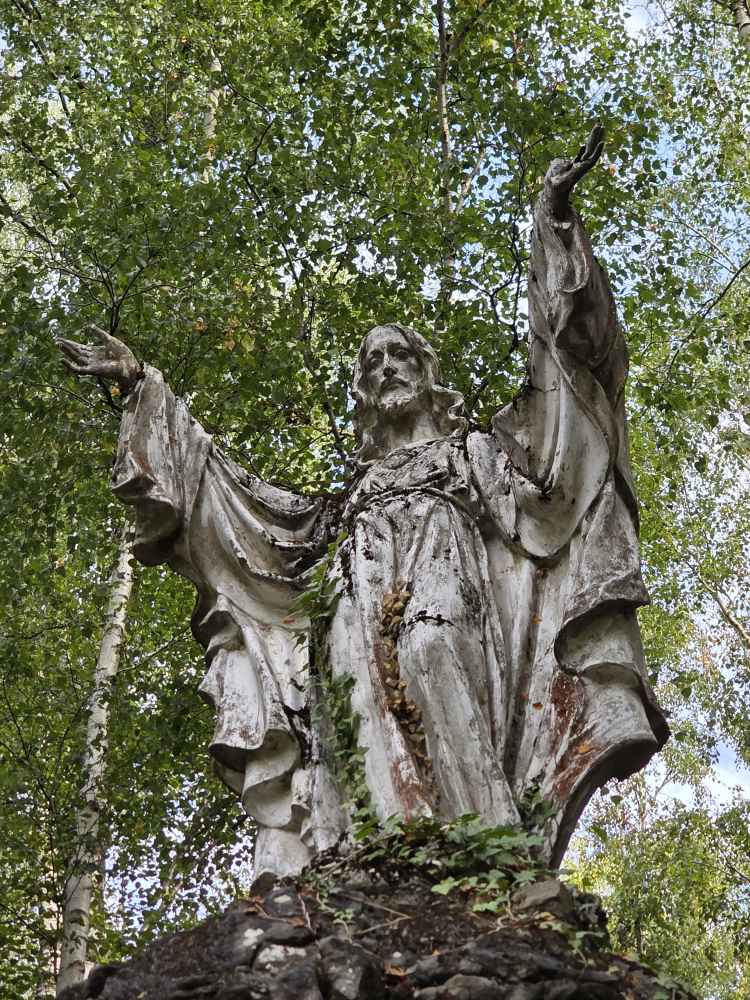
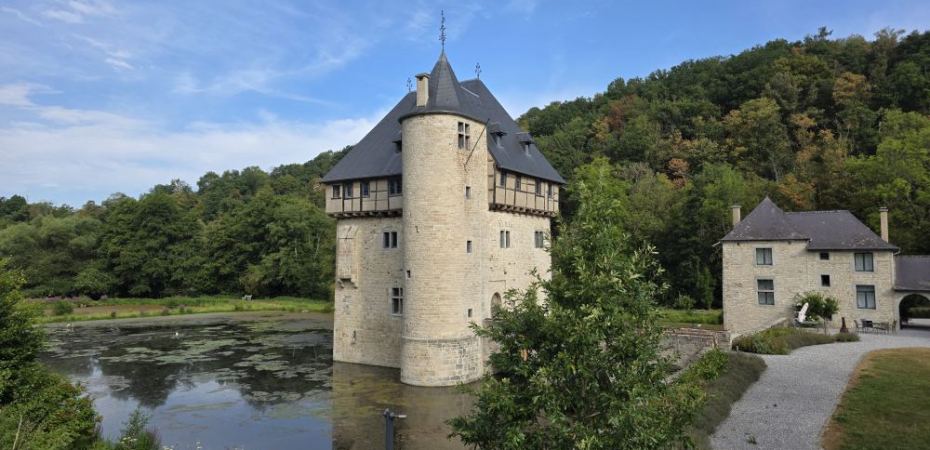
Back on the road, we come upon the 13th Century Crupet Castle, sadly not open to the public, but nonetheless lovely to look at from the street.
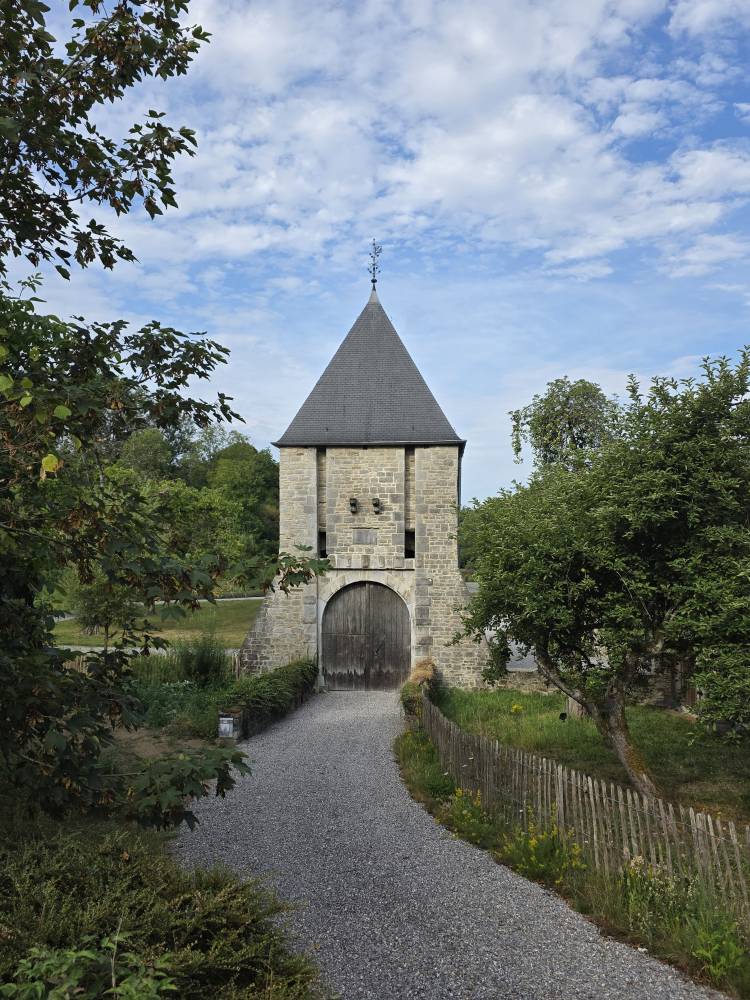
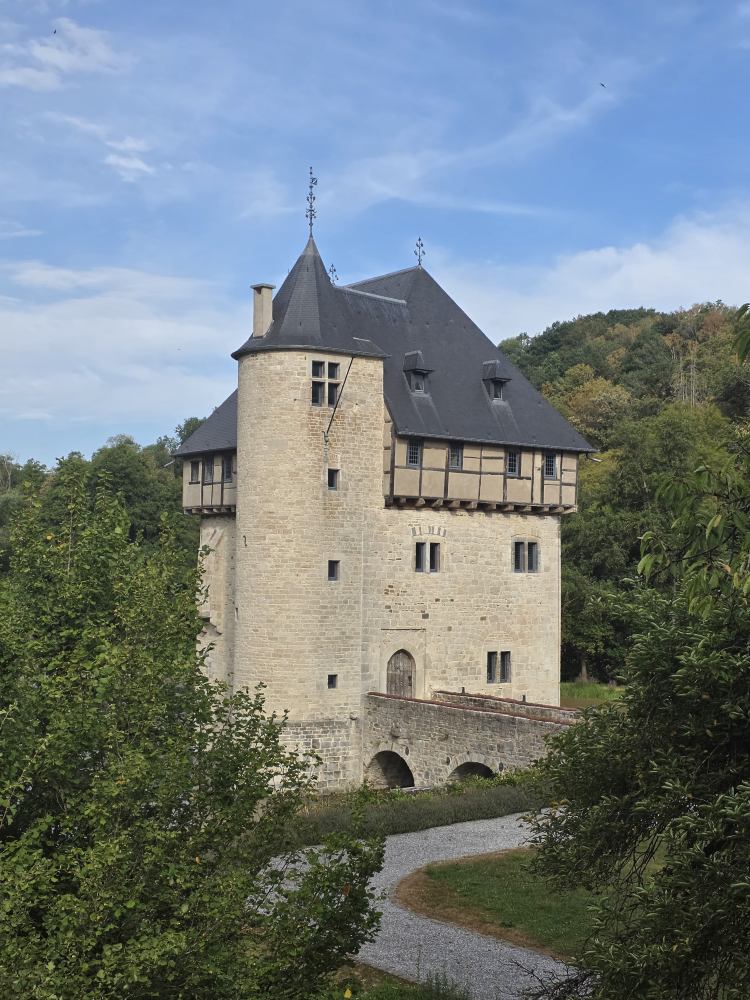
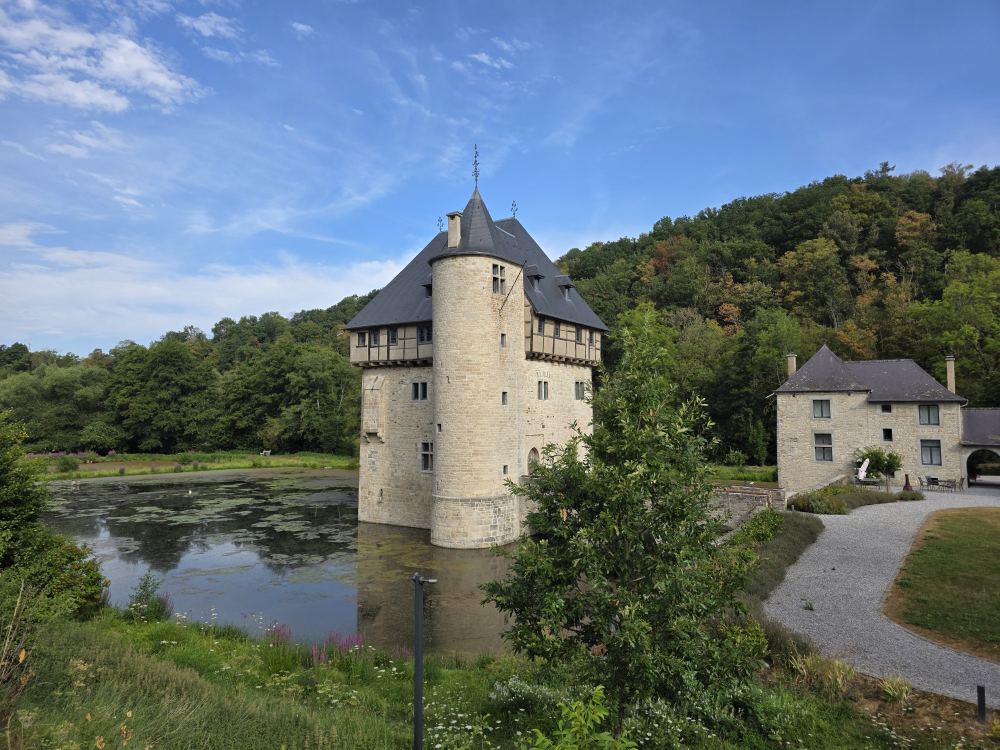
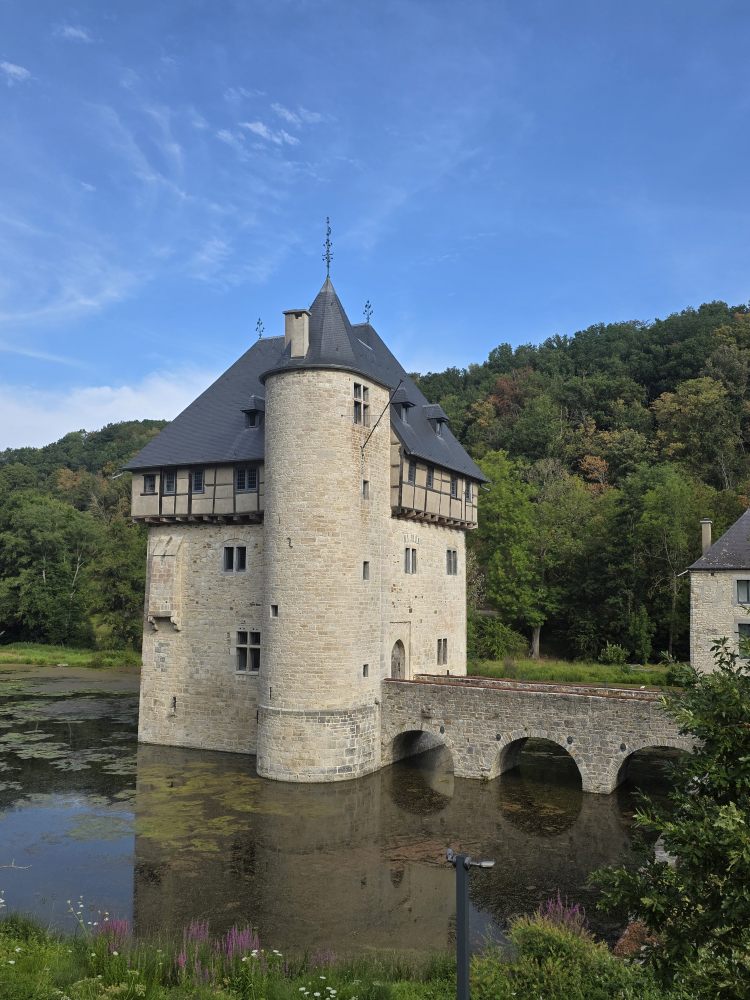
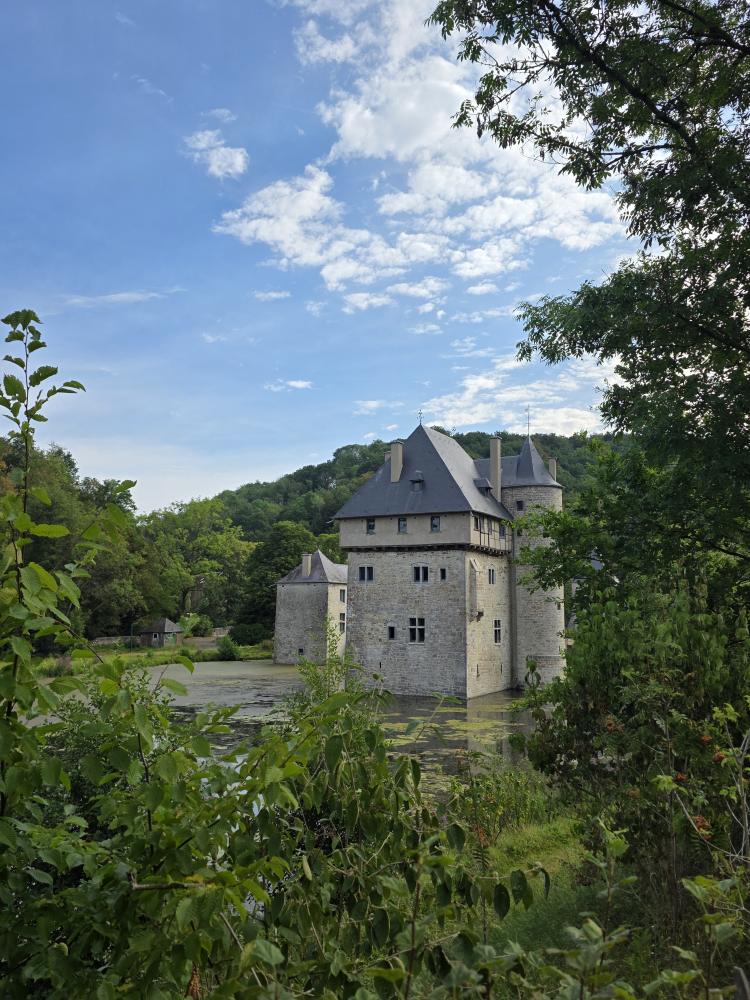
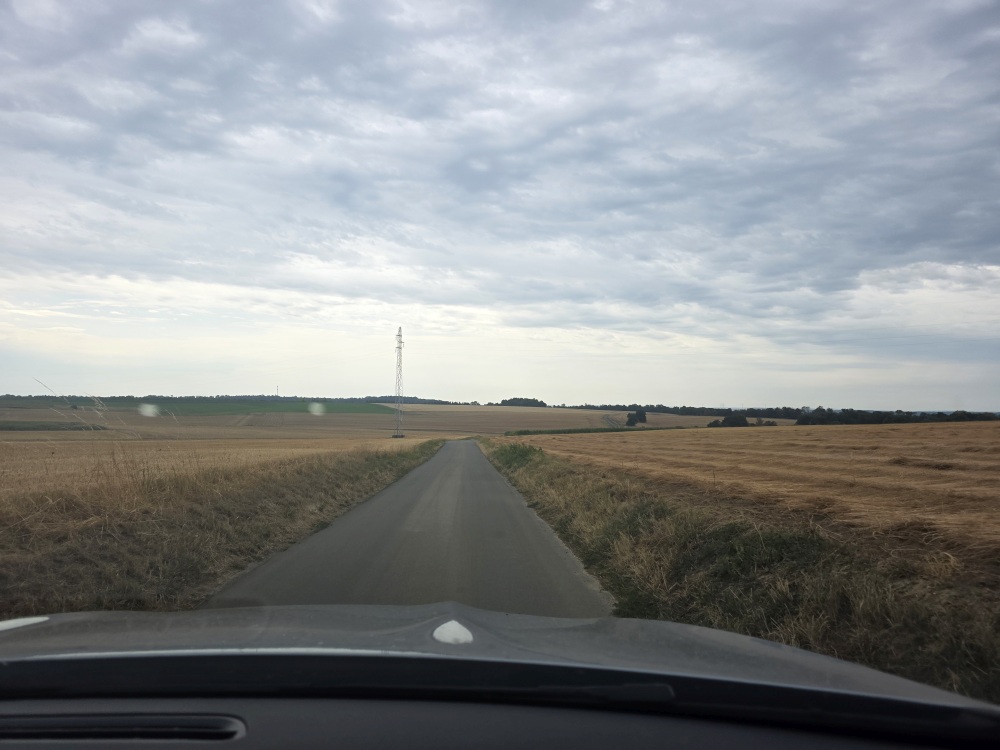
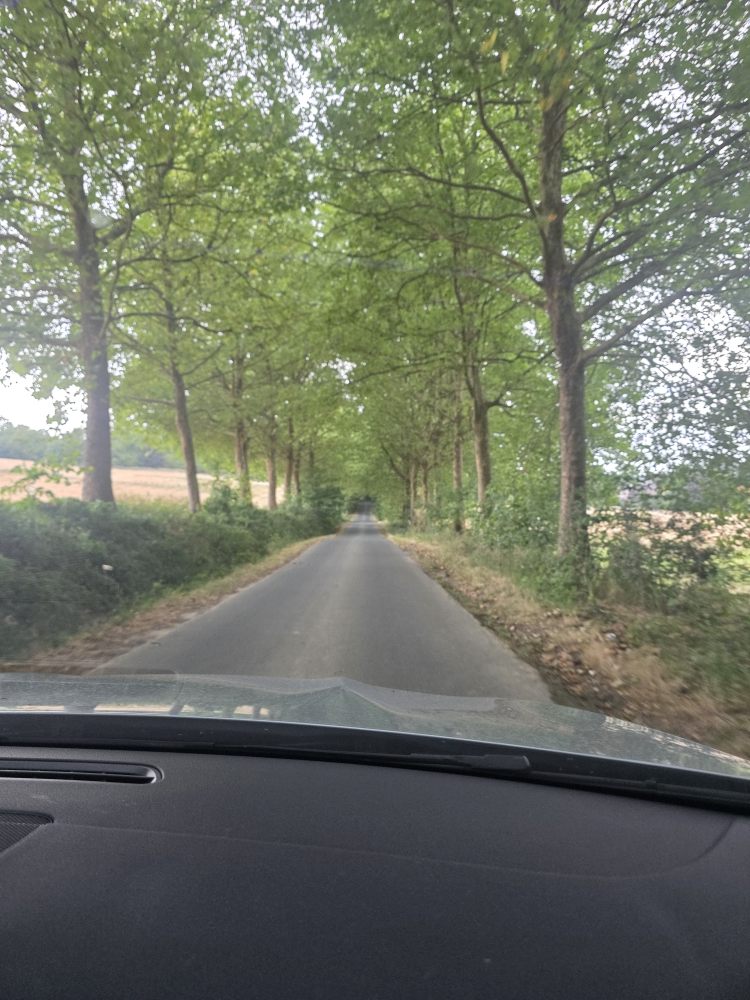
Morning walk complete, we return to the car and the apartment for lunch before heading out onto the little lanes and roads leading us through the farmland and along the river to the village of Dinant to visit the Maison de Leffe.
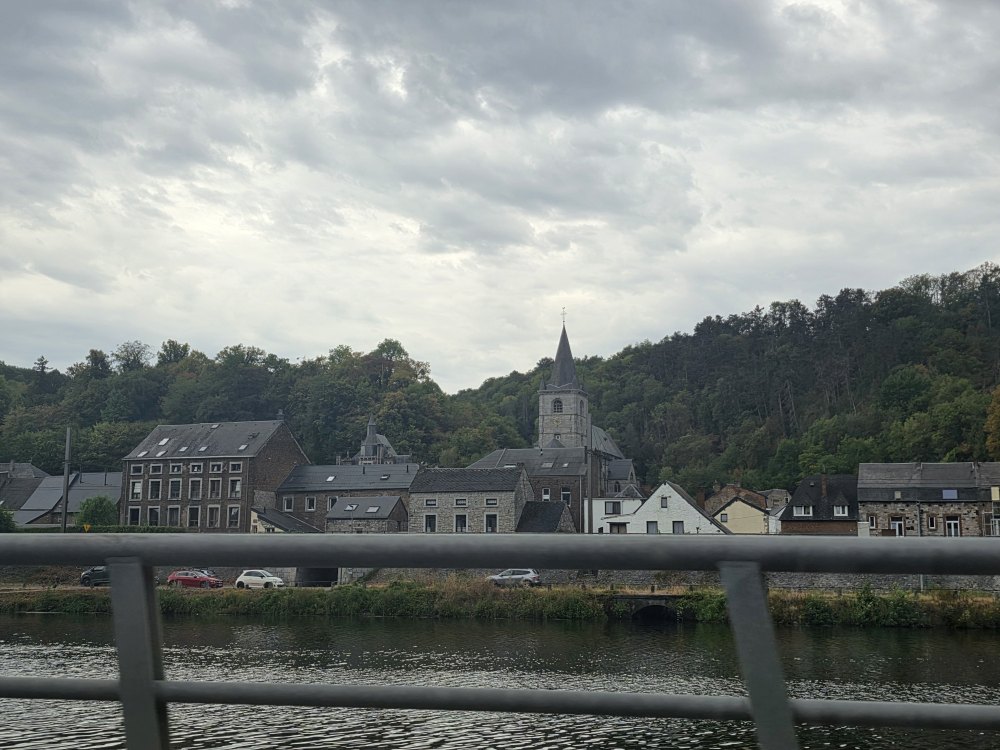
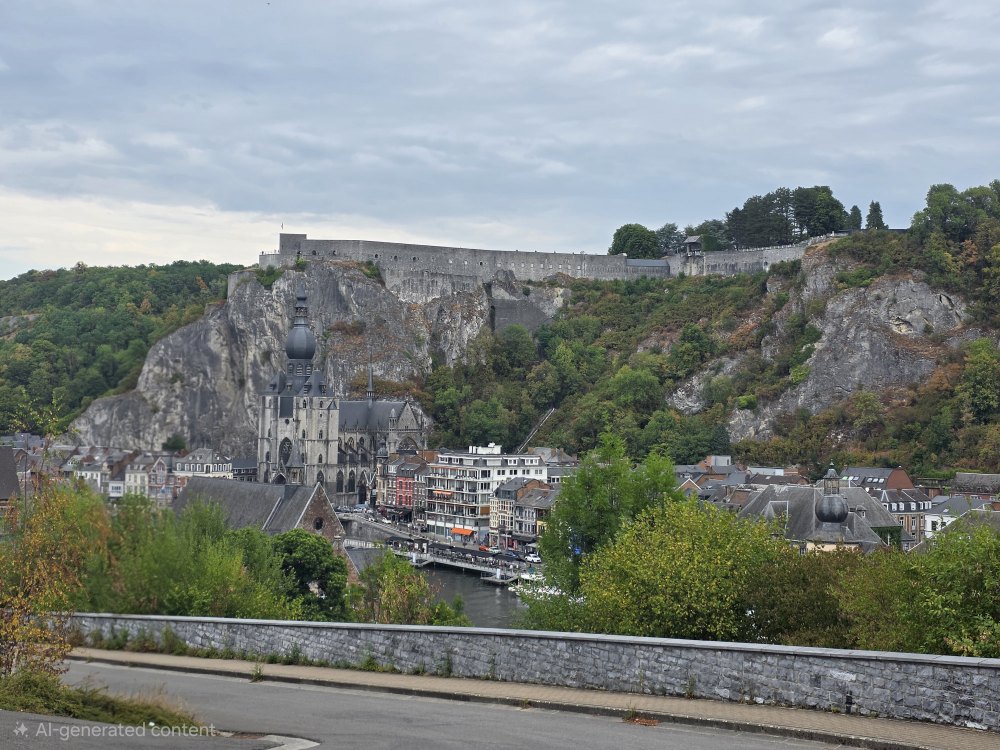
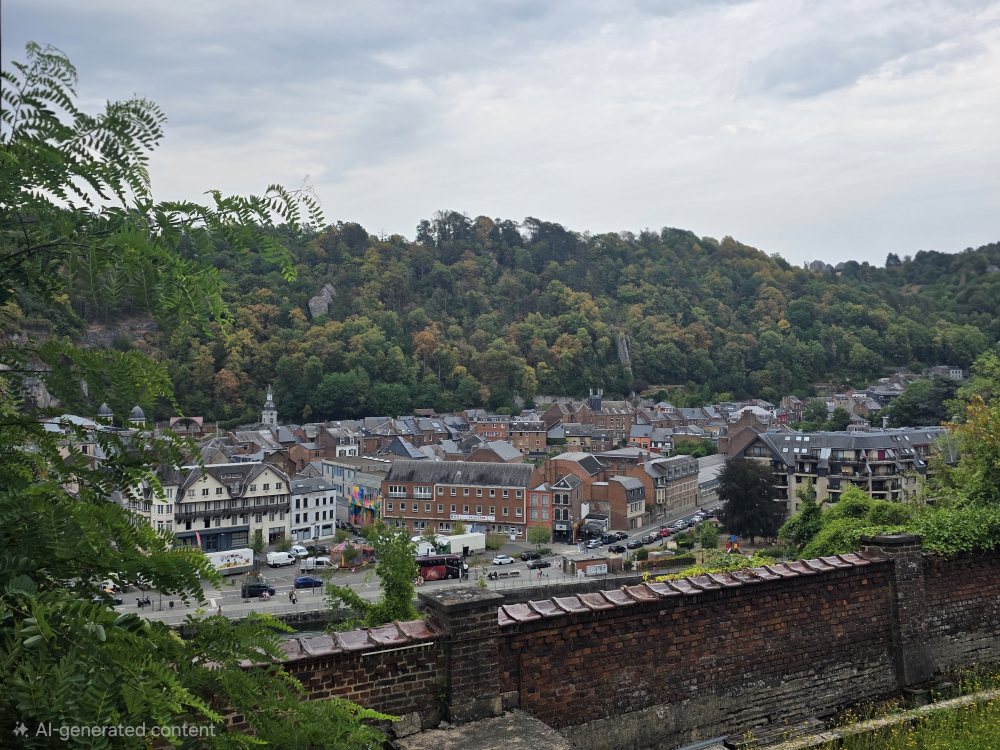
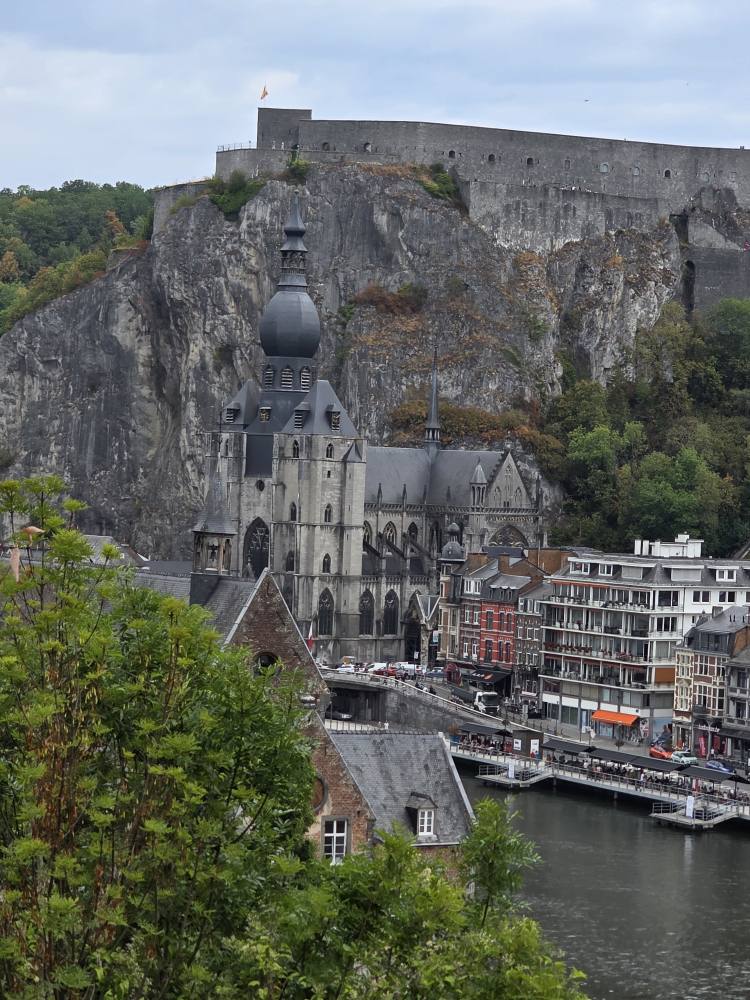
We manage to safely arrive through the hubbub that is Dinant (ay yi yi – totally cram packed with tourists and River Cruise passengers!), to the Maison Leffe, which quite frankly has a fantastic view of Dinant – who needs to be down there in that mess when you can look at it from above? – to start our tour of what is now just a museum explaining the history of Leffe.
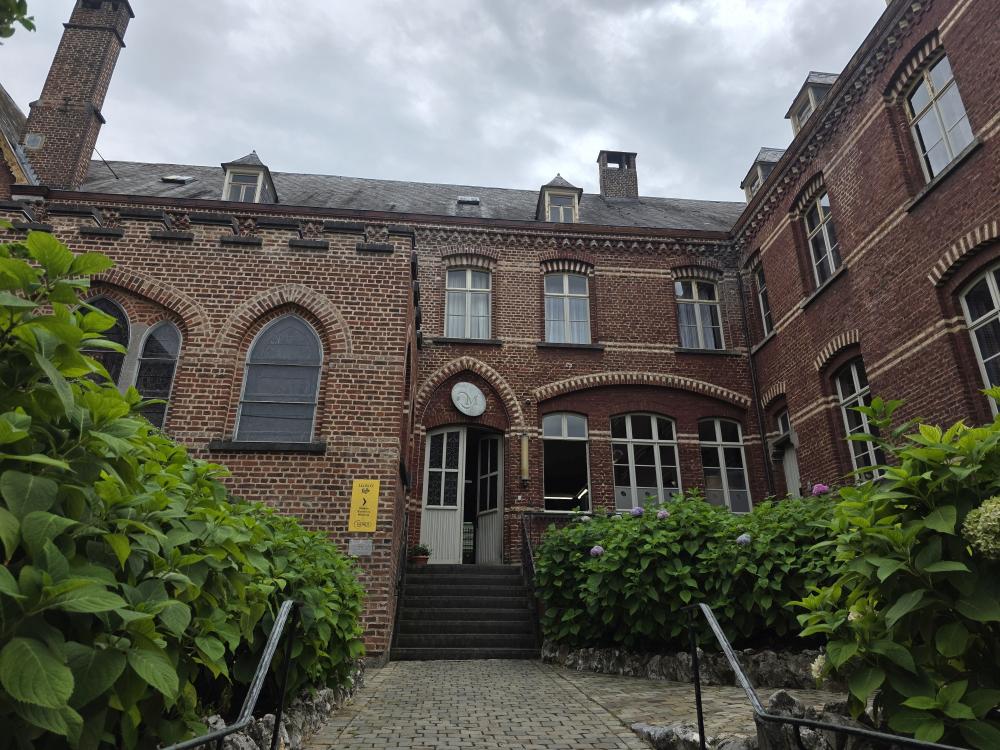
Located on the ground floor of the old monastery, now a hotel, the Leffe museum traces the history of the beer and brewery through 8 Centuries using mildly annoying multi-media stations set around a relatively small open area. The information is in-depth and interesting, the challenge is that the audio is broadcast from each station – aloud, not through earphones, which makes for a cacophony of noise when you are trying to concentrate on your particular station.
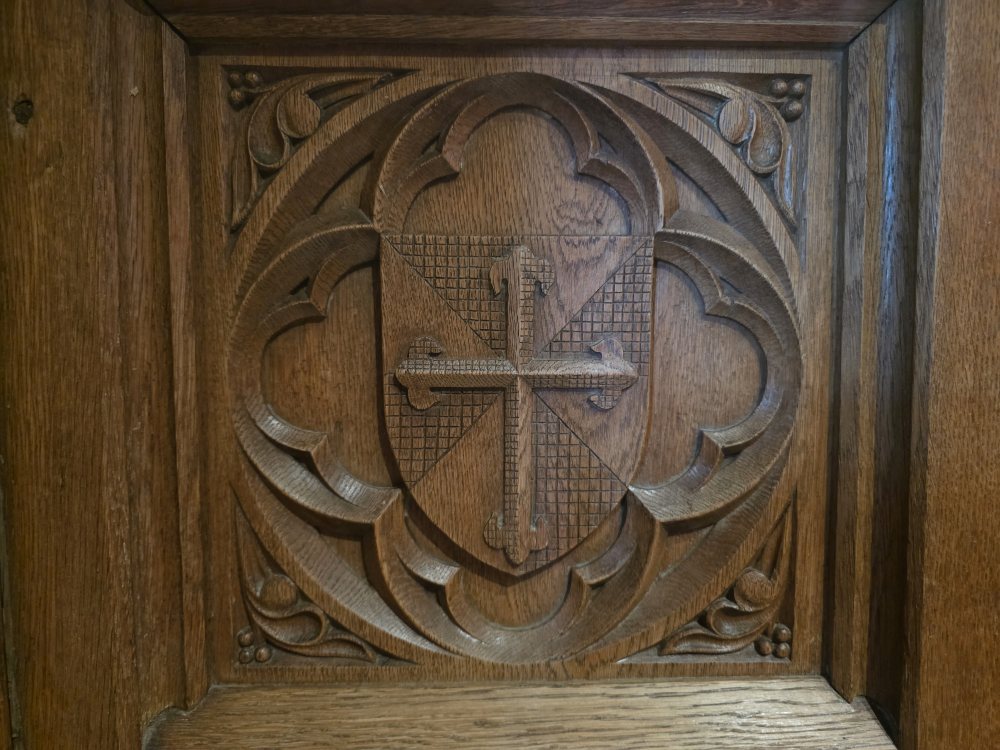
Nonetheless, the setting, in the old chapel portion of the Monastery is beautiful – and unique – with the old pews, stained glass windows as a background to the more modern day multi-media displays.
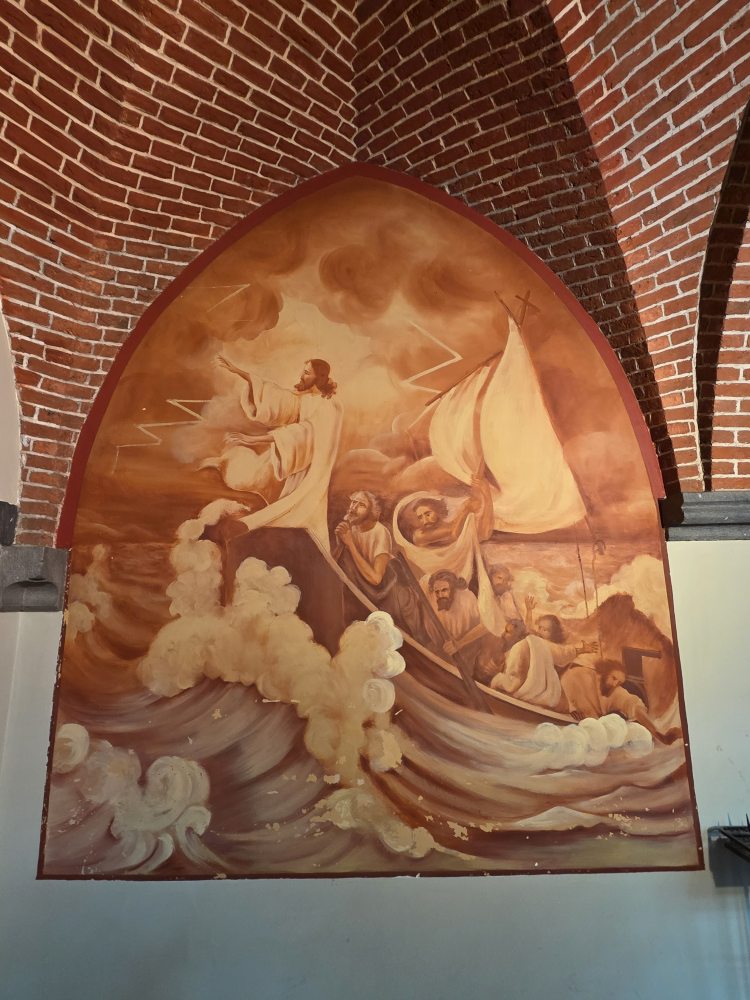
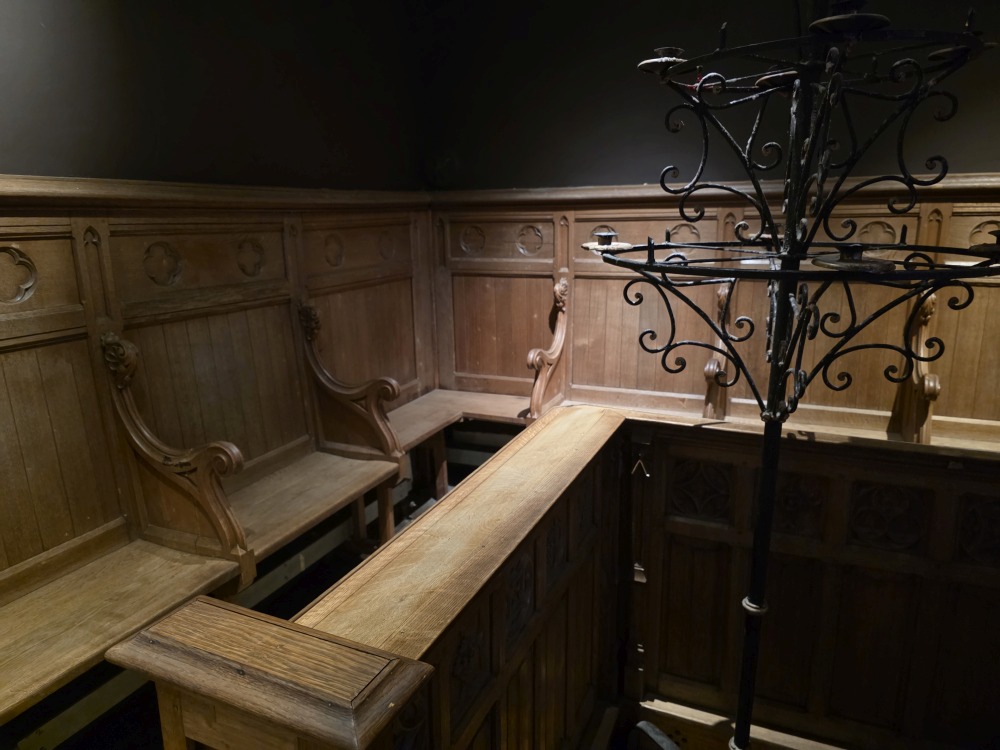
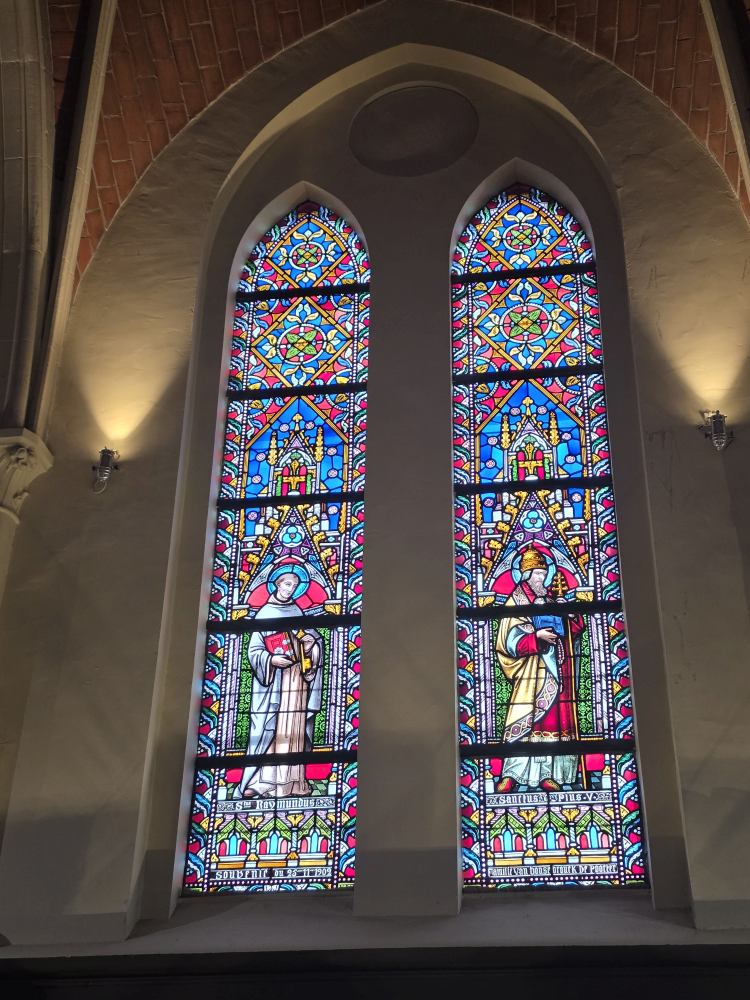
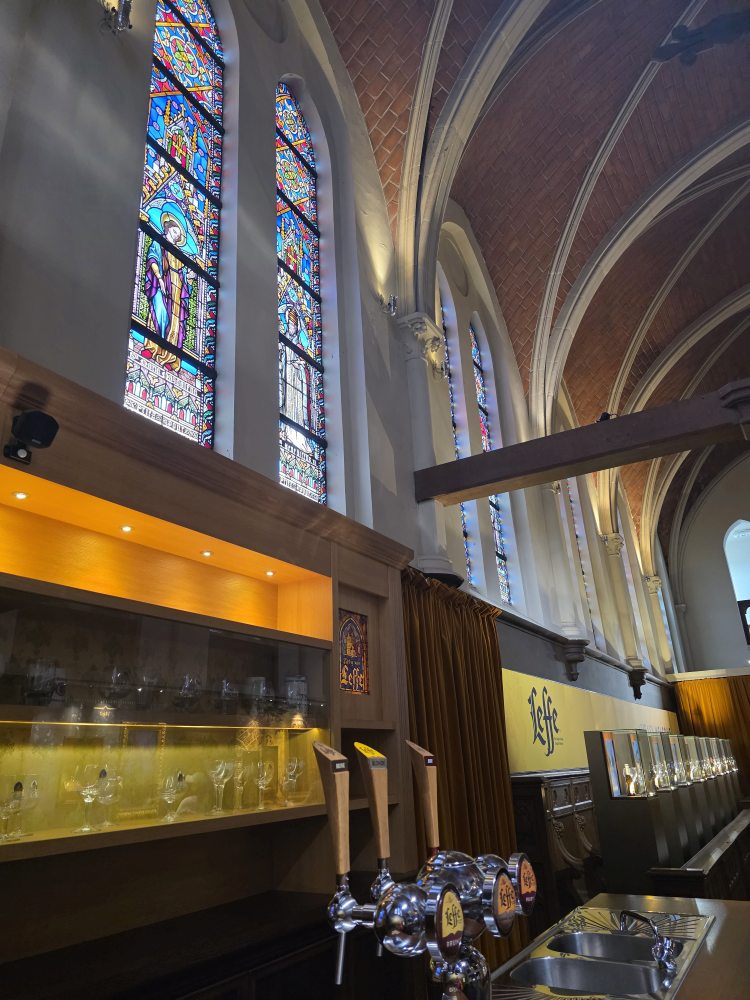
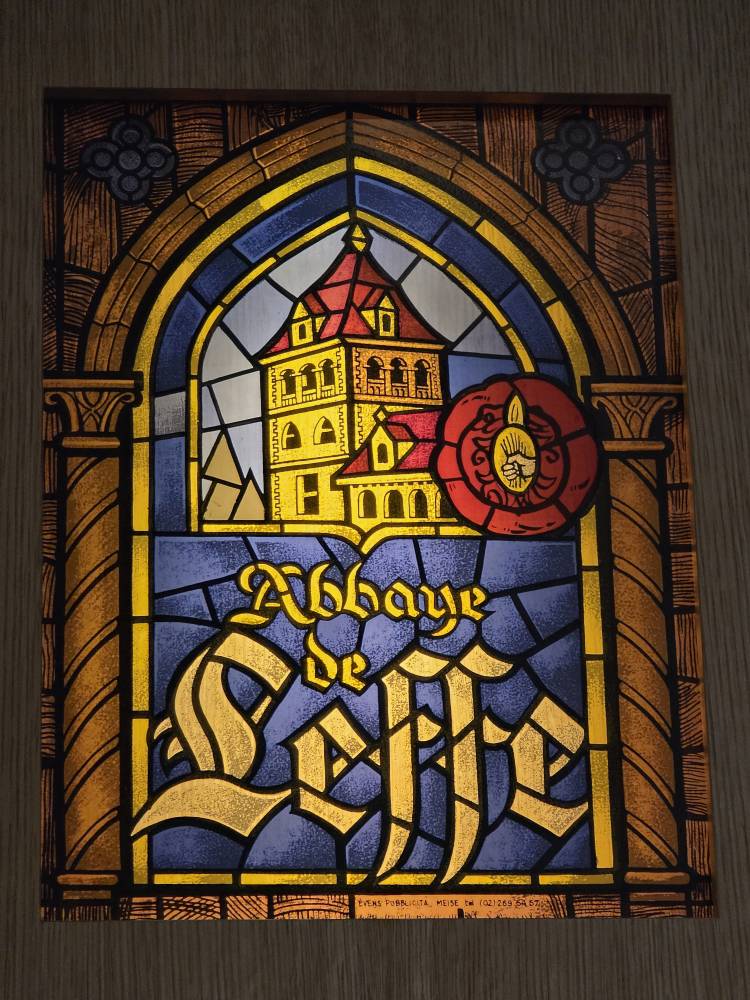
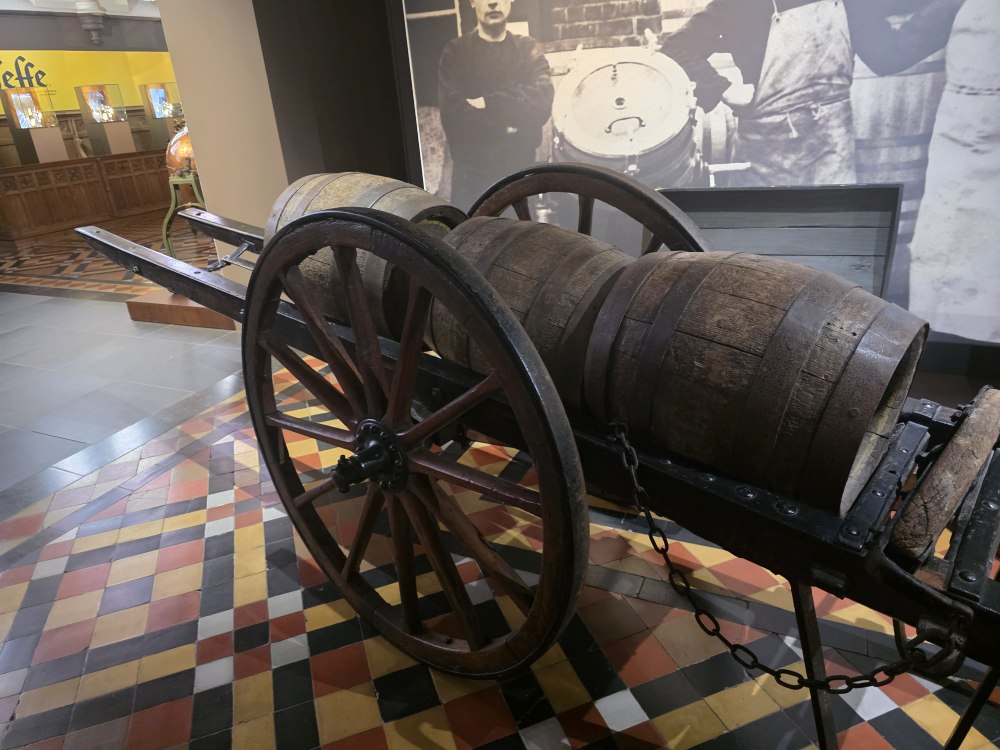
We skip around through most of the presentations, even though you should do them chronologically (it’s sort of hard because you have to basically stand in line to wait for the person in front of you to finish – and the presentations aren’t all that short), but still get the basic ideas. And wandering around the different display cases is very interesting for the old glasses, old barrel carriers, taps and beer bottles.
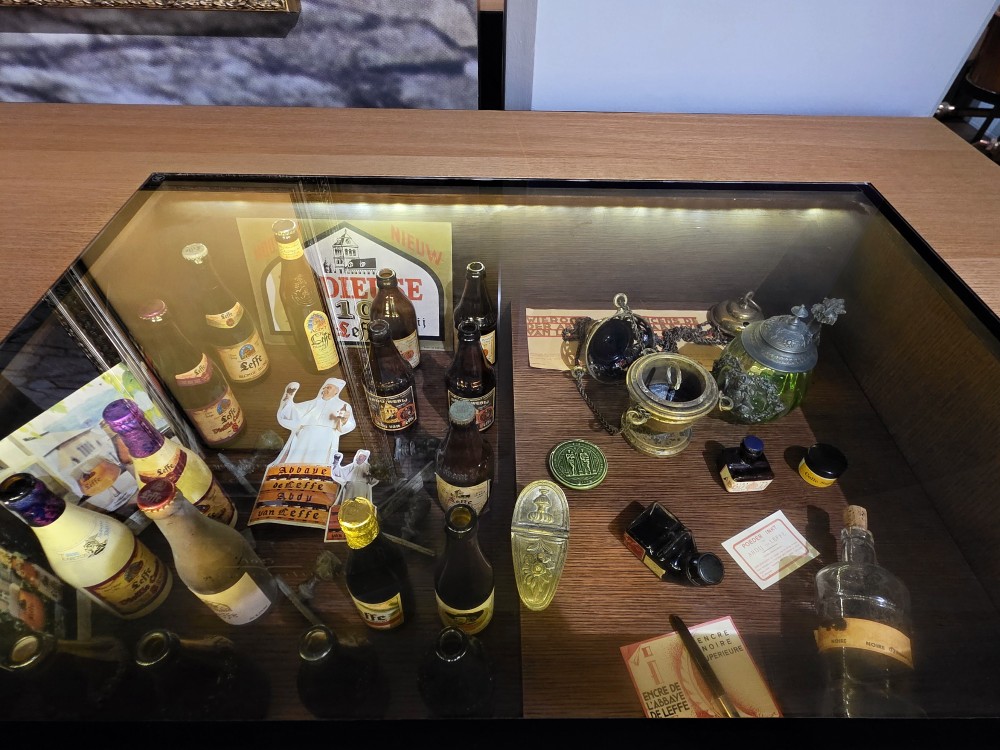
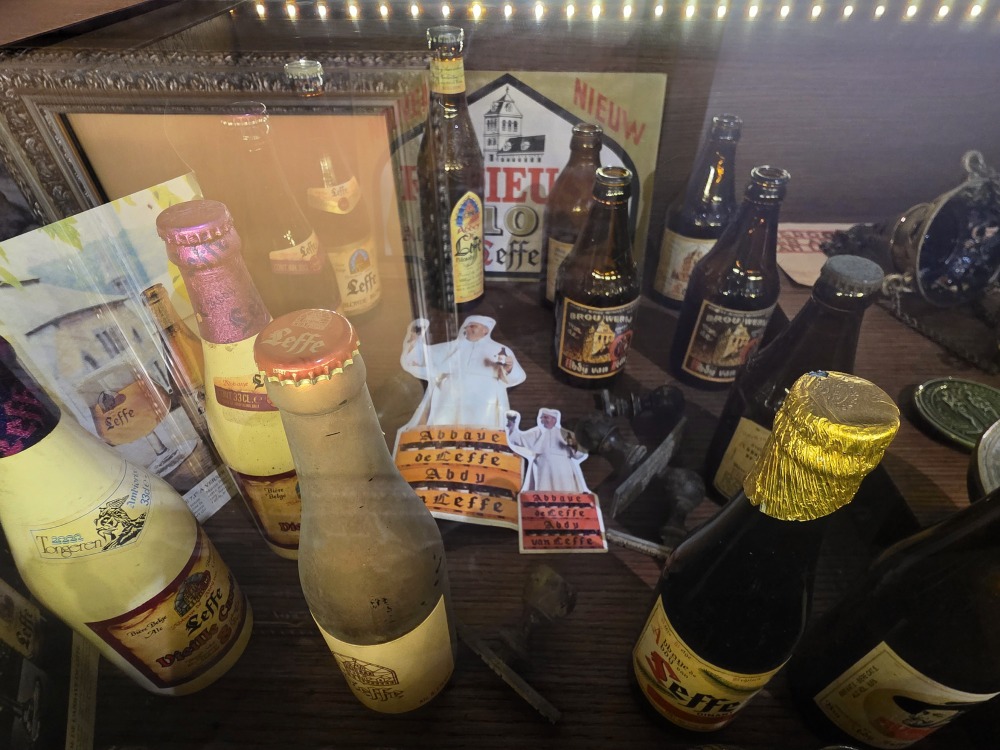
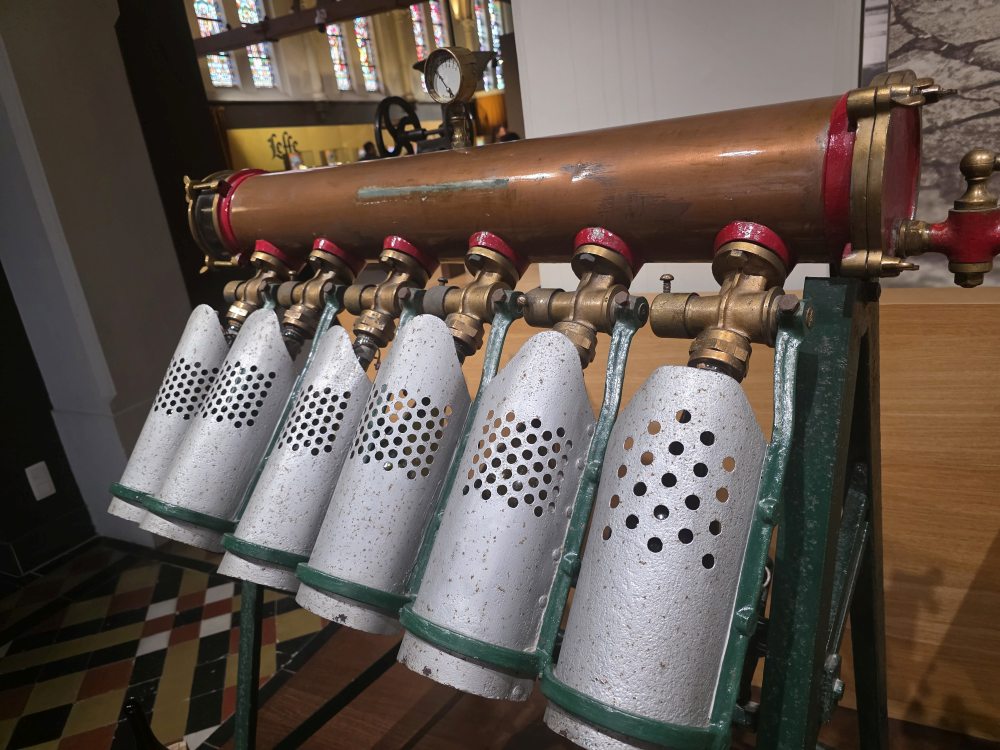
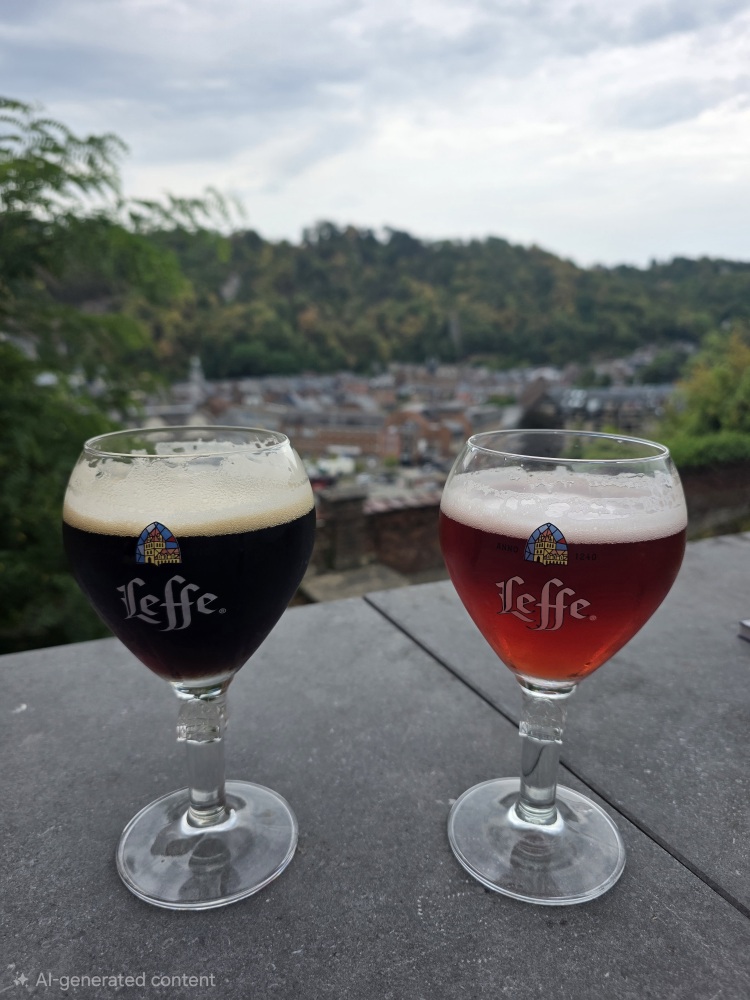
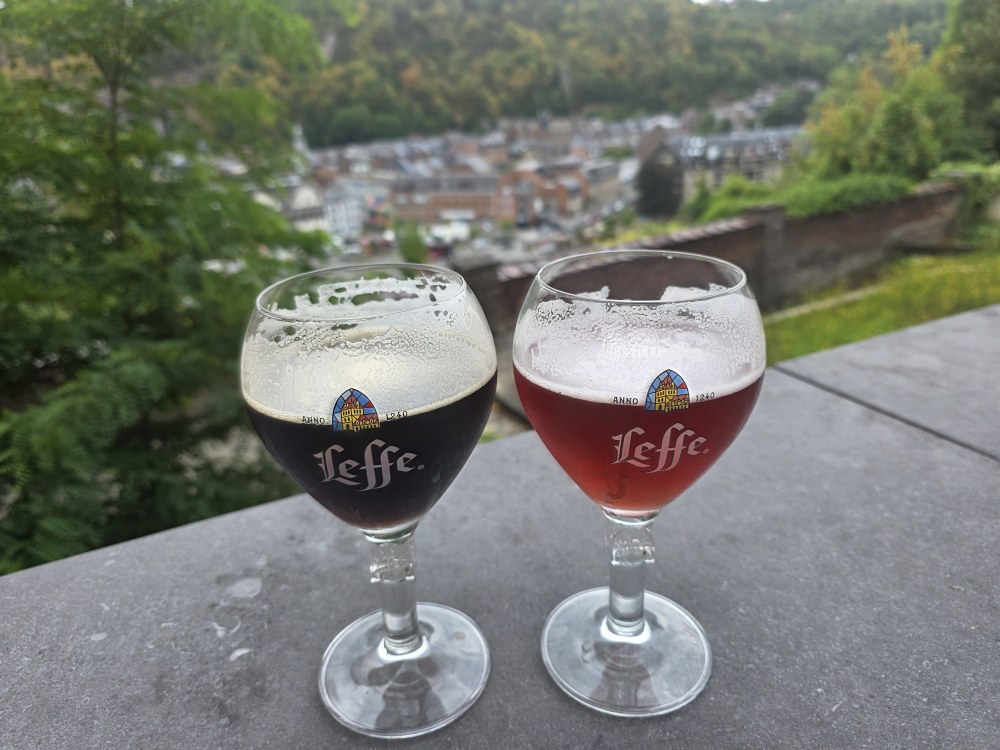
Of course the best part is the free beer – and free beer goblet – that is included in the ticket price. Can’t go wrong with that – it basically covers the cost – now it is just a matter of getting the goblet home in one piece…..At any rate, we enjoy our beers on the terrace overlooking the Meuse river and the south portion of the town of Dinant.
Visit complete, it is time to move on to our afternoon Castle touring.

