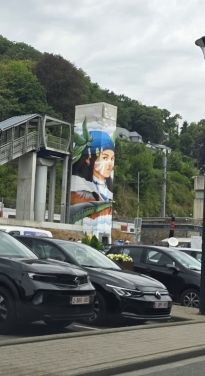
Reversing our course but fortunately staying on this side of the river from the Dinant craziness, we wind our way down past the train station with the great mural to the turn for Chateau de Crevecoeur. Abort! There is massive construction and the roads up to the castle ruins are closed. Hmmm….there has to be another way…..
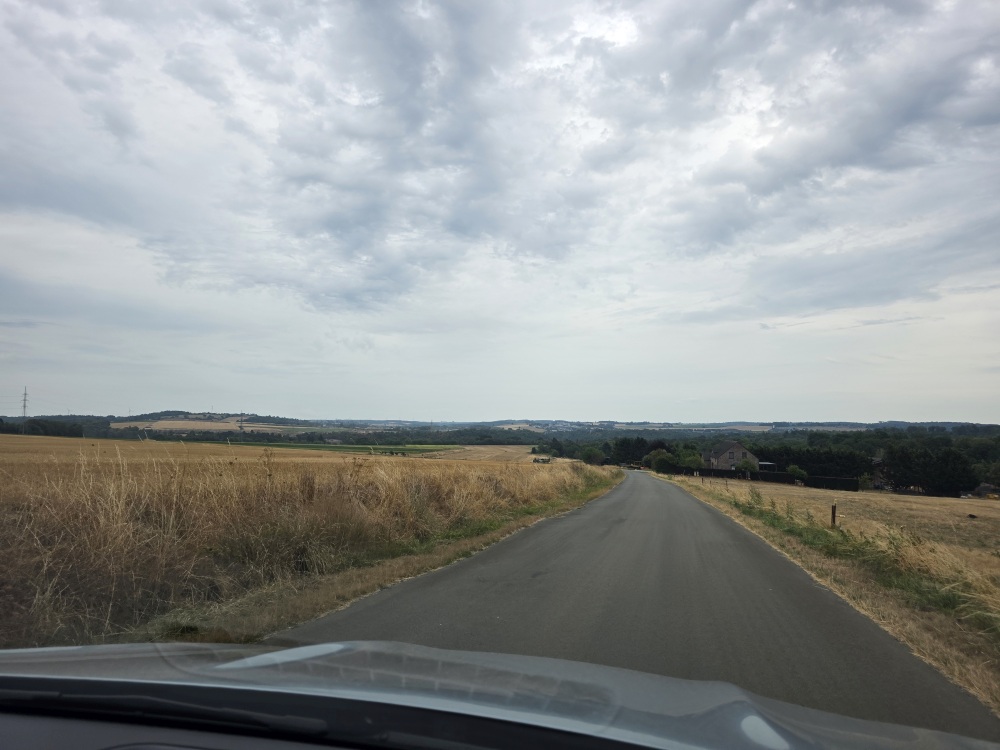
Deciding to trust Google Maps, we plug in the castle from another direction and circle our way around, into the farm fields on the top of the hills above the Meuse, finally turning off on a gravel road we hope will lead us to the ruins.
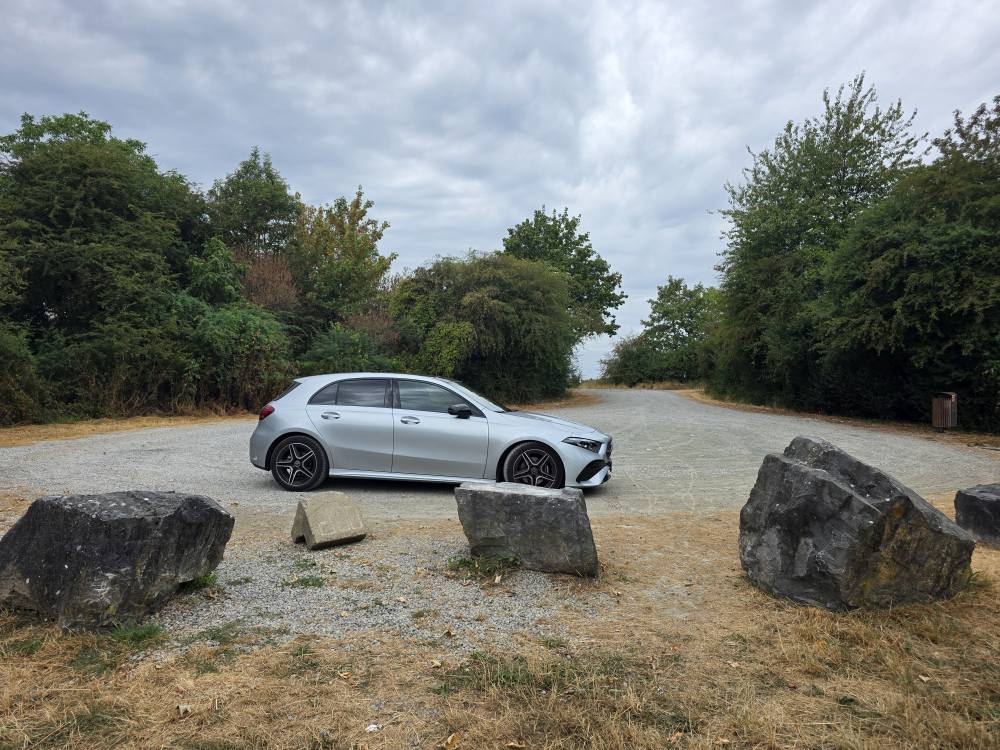
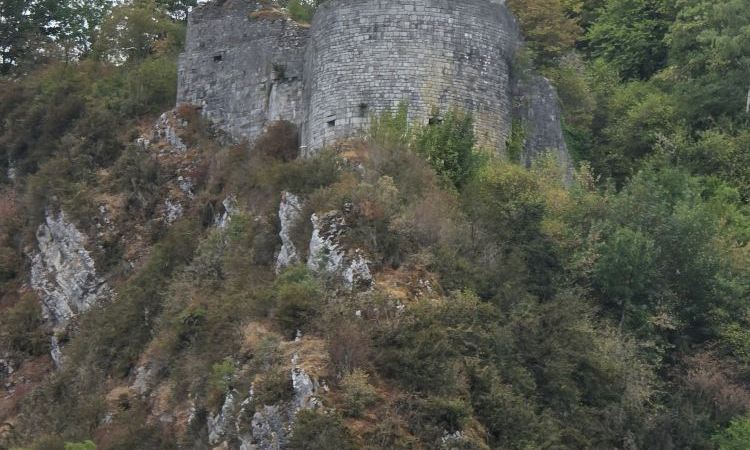
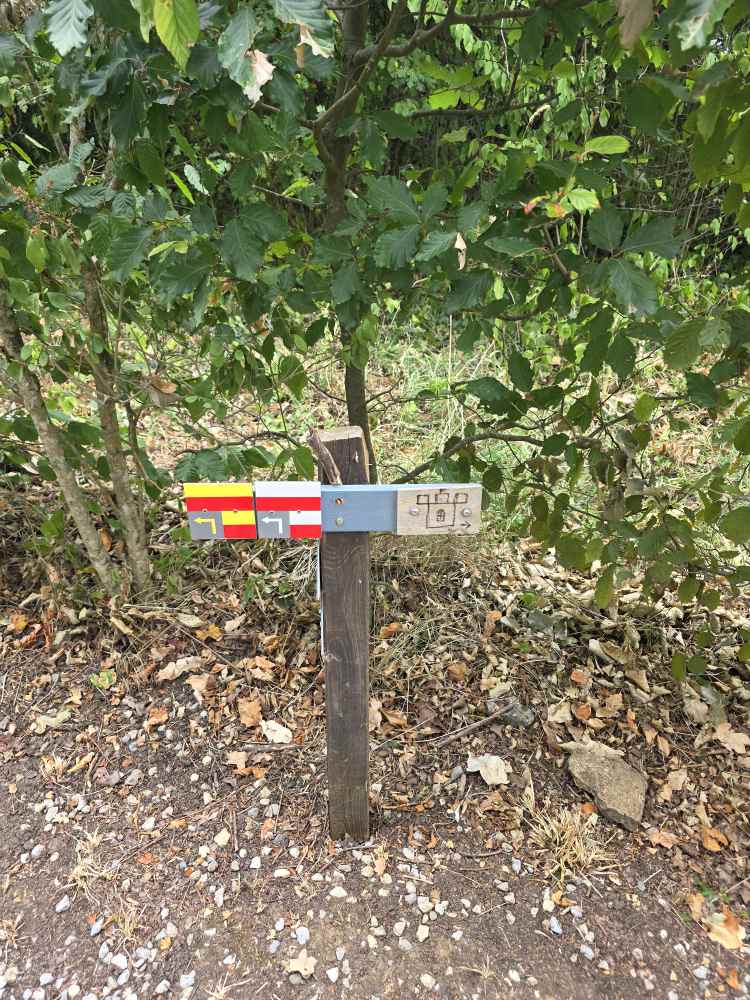
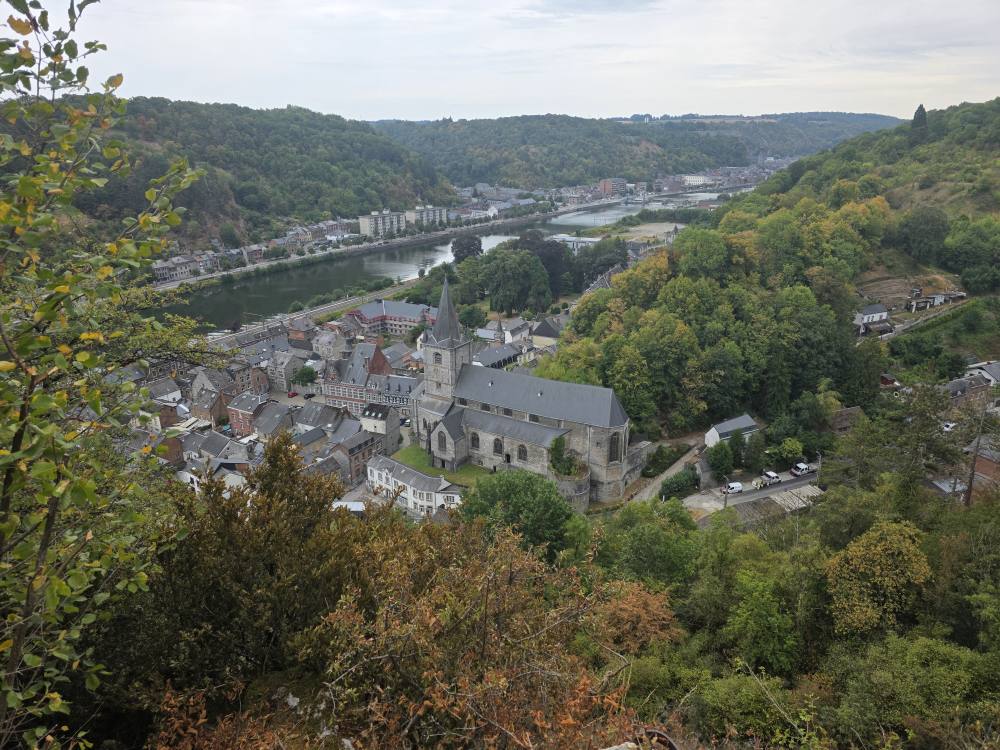
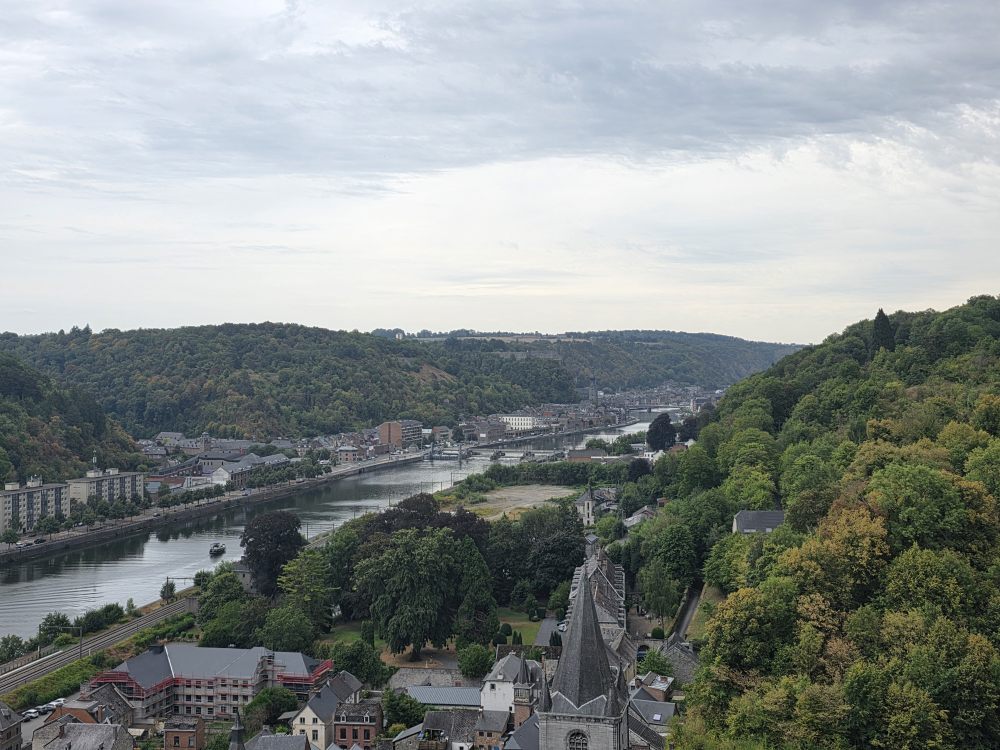
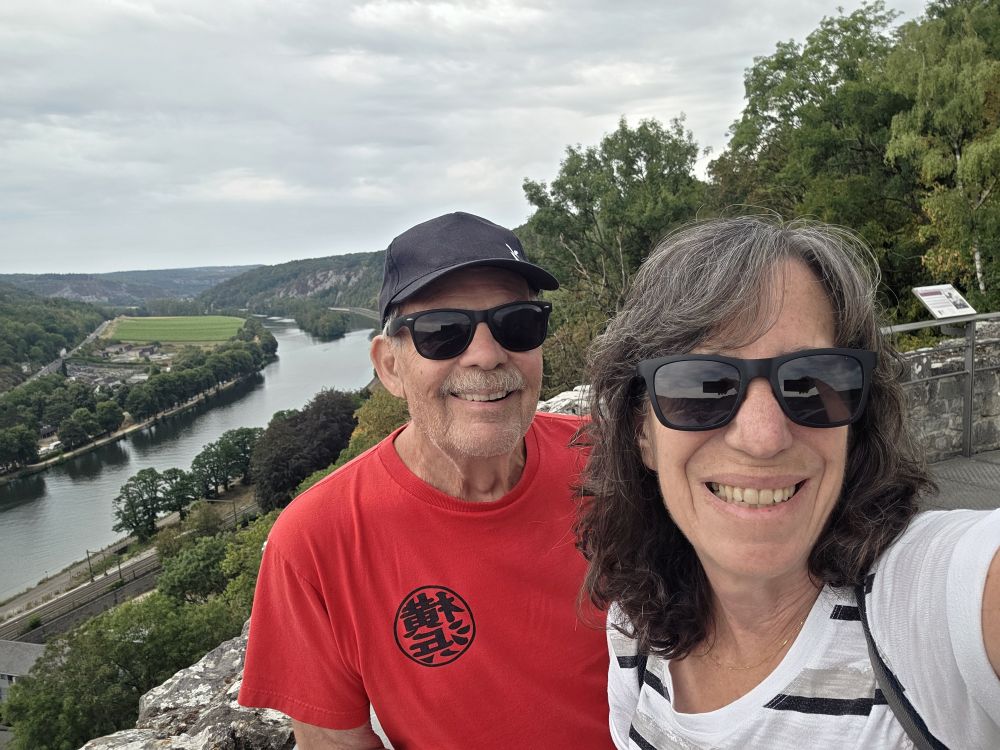
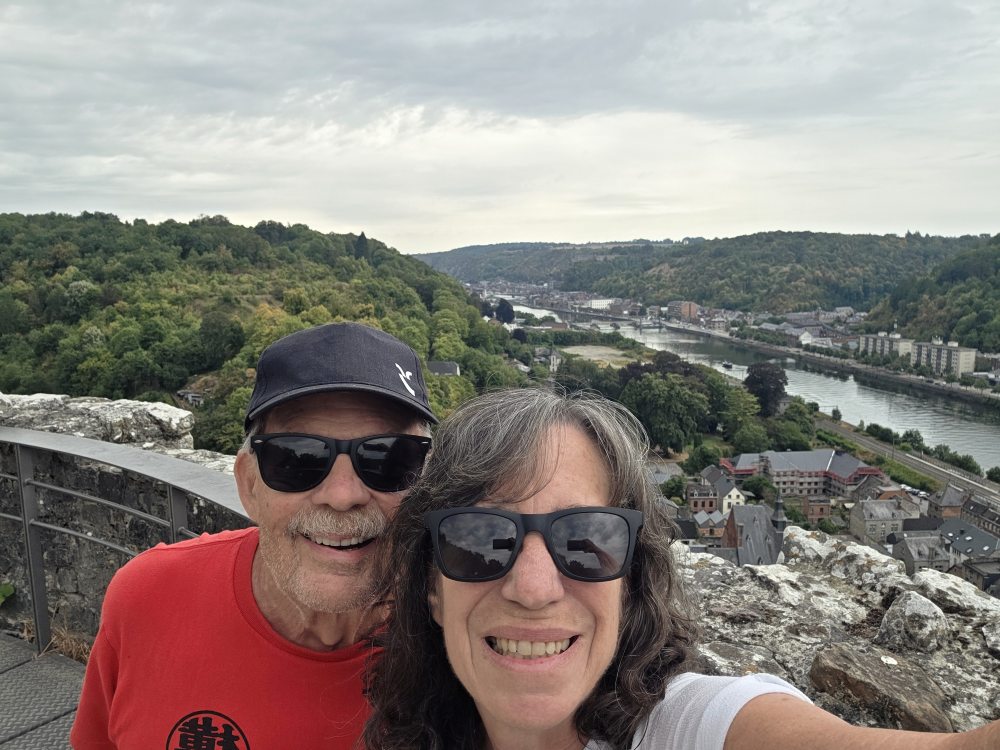
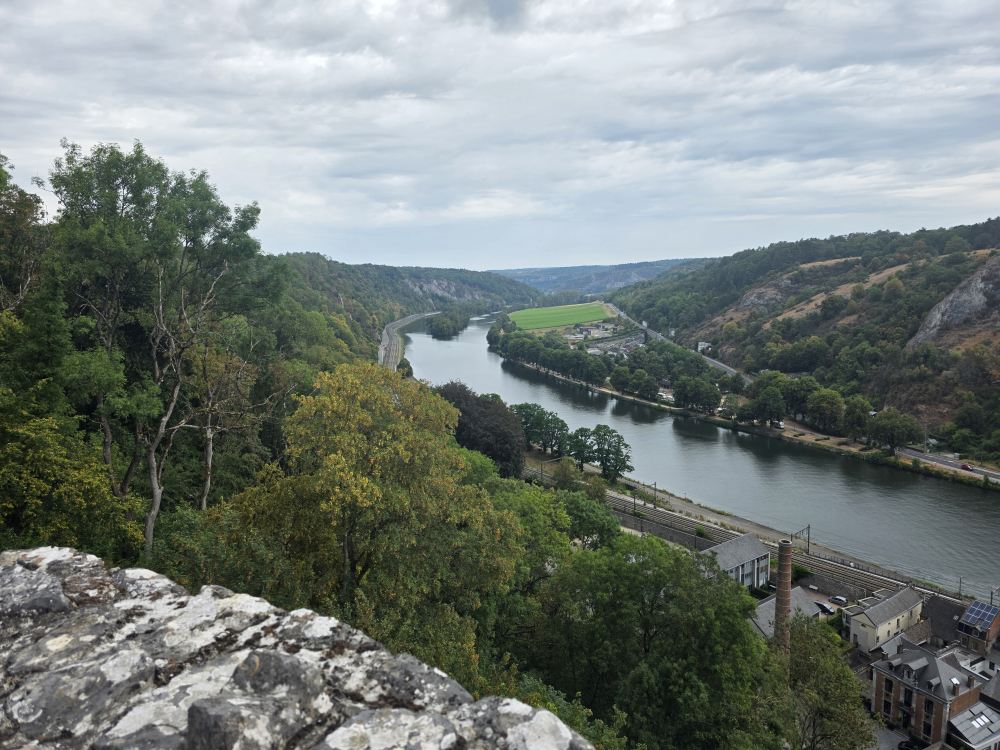
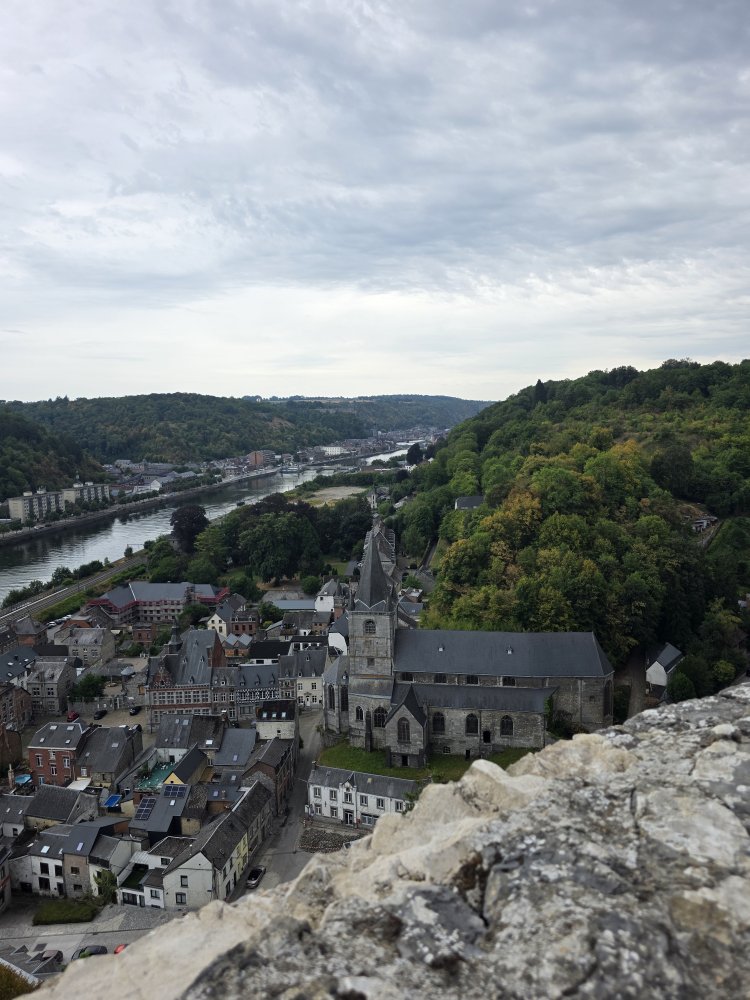
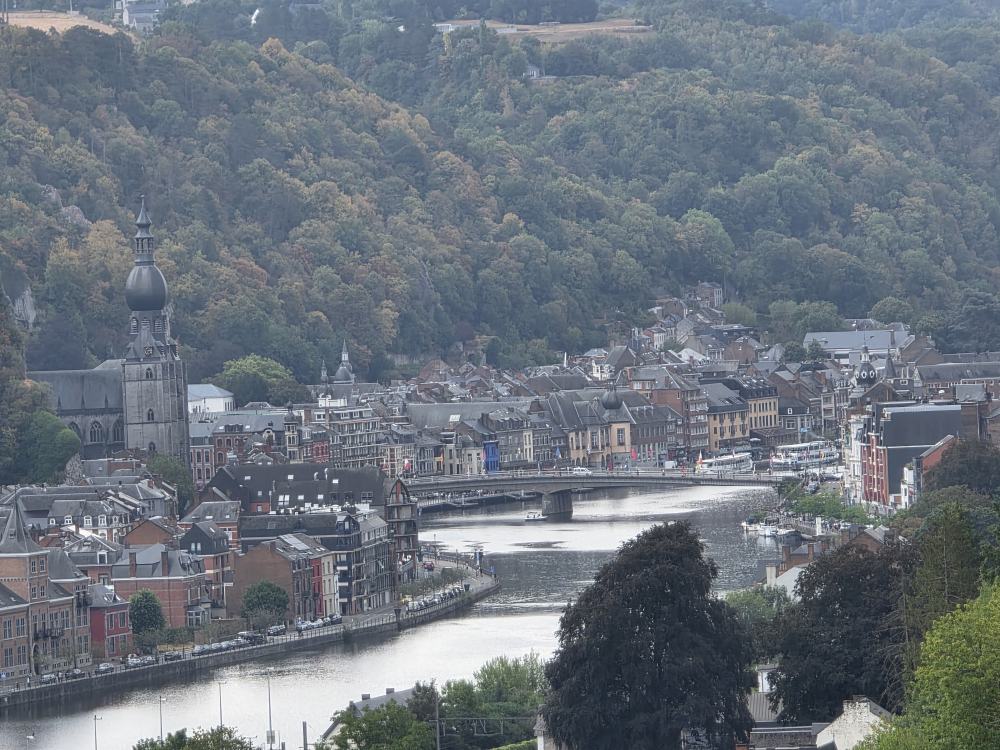
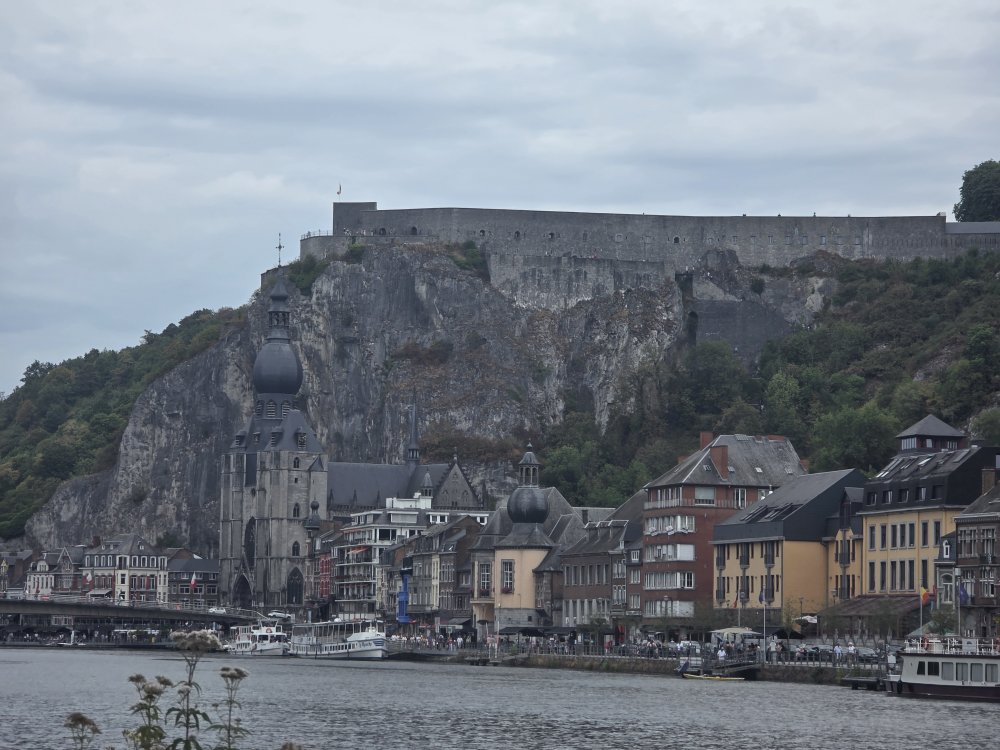
Success! The map actually worked (shocking!) and we are soon following the cute hand drawn trail arrows to the ruins perched high above the Meuse river. The castle sits above the town of Bouvignes, part of the ancient earldom of Namur, when this side of the river was Belgium and the other side part of the Liege and France (13th C). From a viewpoint on the edge of the hillside we can look down on Bovignes and the Church of St. Lambert, built in the 13th C, as well as a little ways down the river, the fortress of Dinant and the Notre Dame church dominating the skyline.
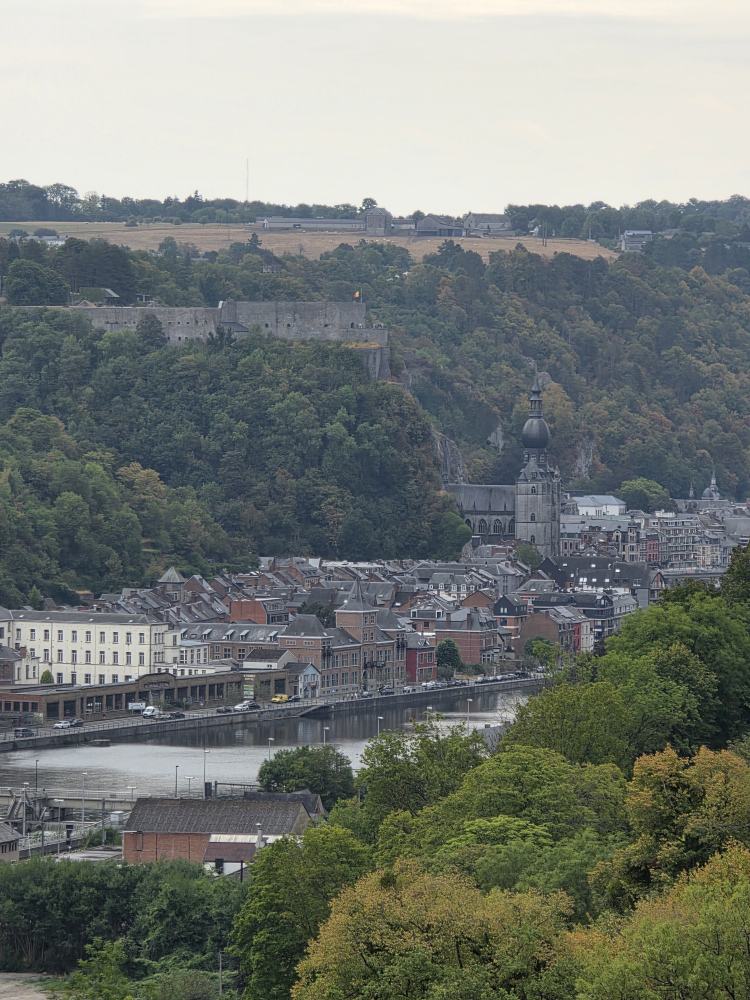
Arriving at the ruins, we walk all over the old 14th century defensive towers and walls. The castle was in use until partially destroyed by Henri II in 1554. It underwent occasional repairs over the years, being completely destroyed in the late 1600s, then restored in the 19th century. Now a protected public Heritage Site, we can safely explore all over the castle, from room to room and rampart to rampart, just imaging what it must have been like in its glory days.
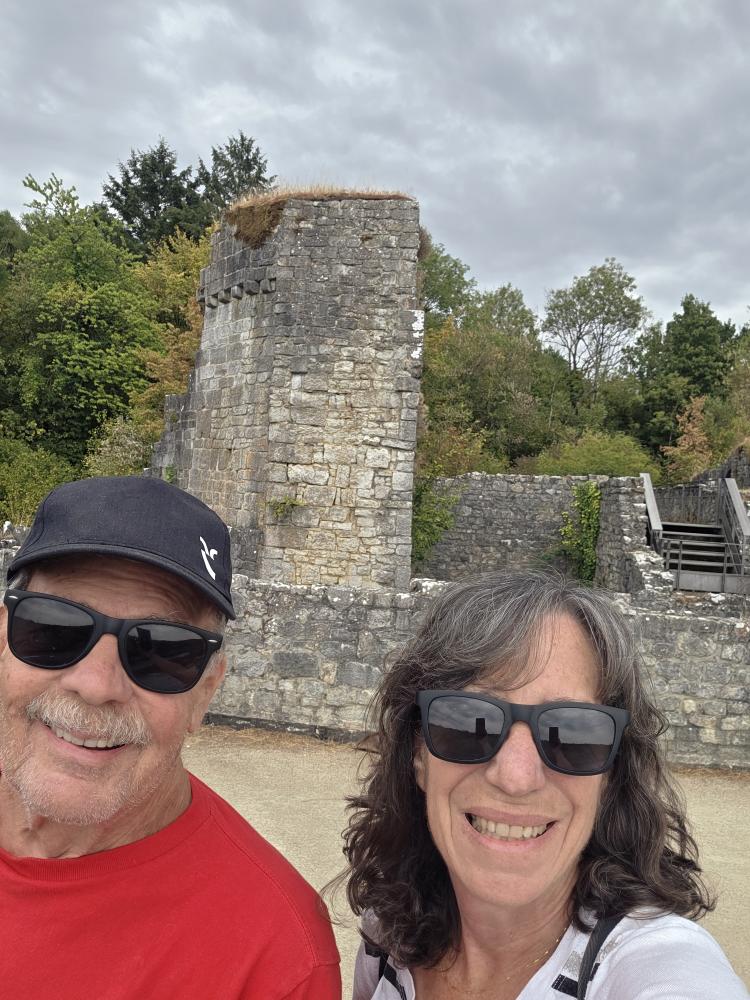
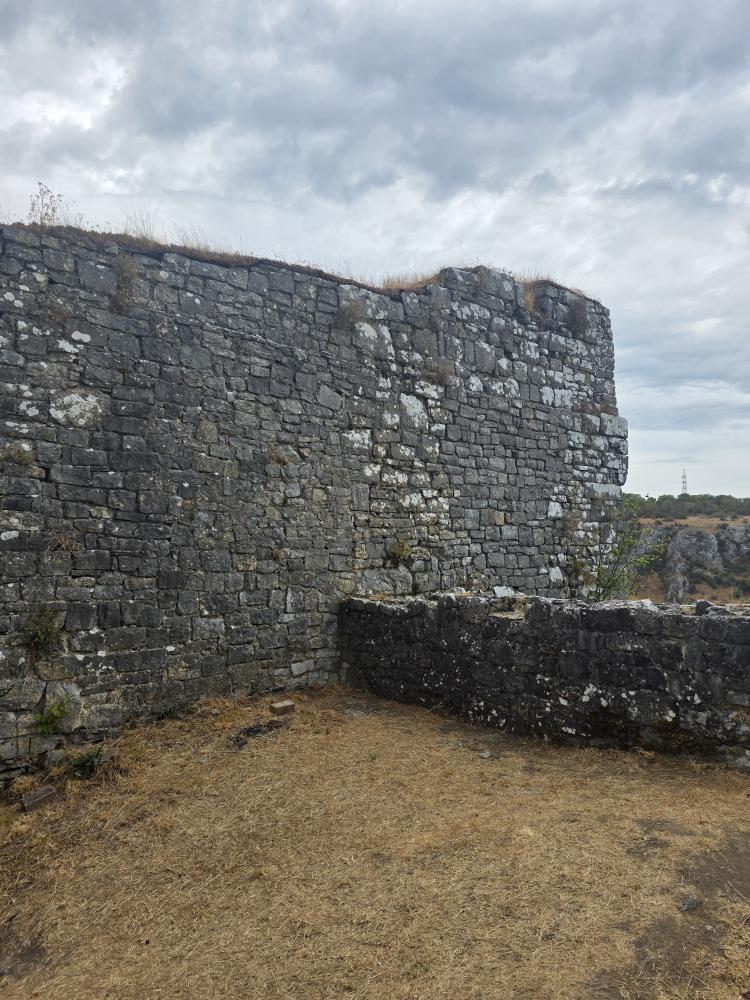
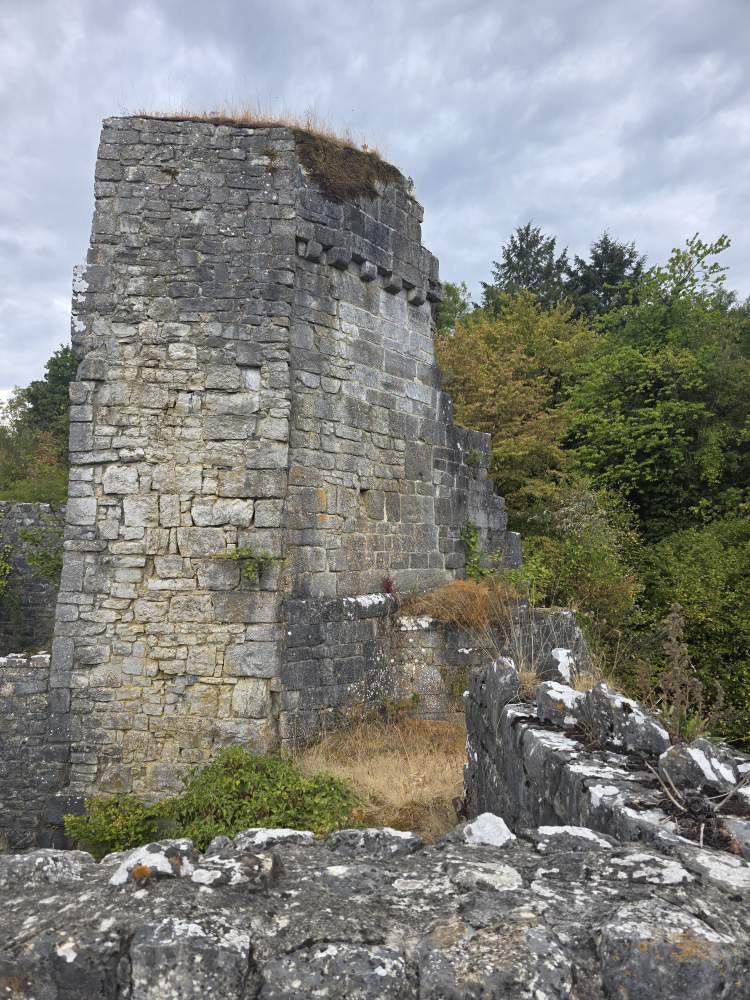
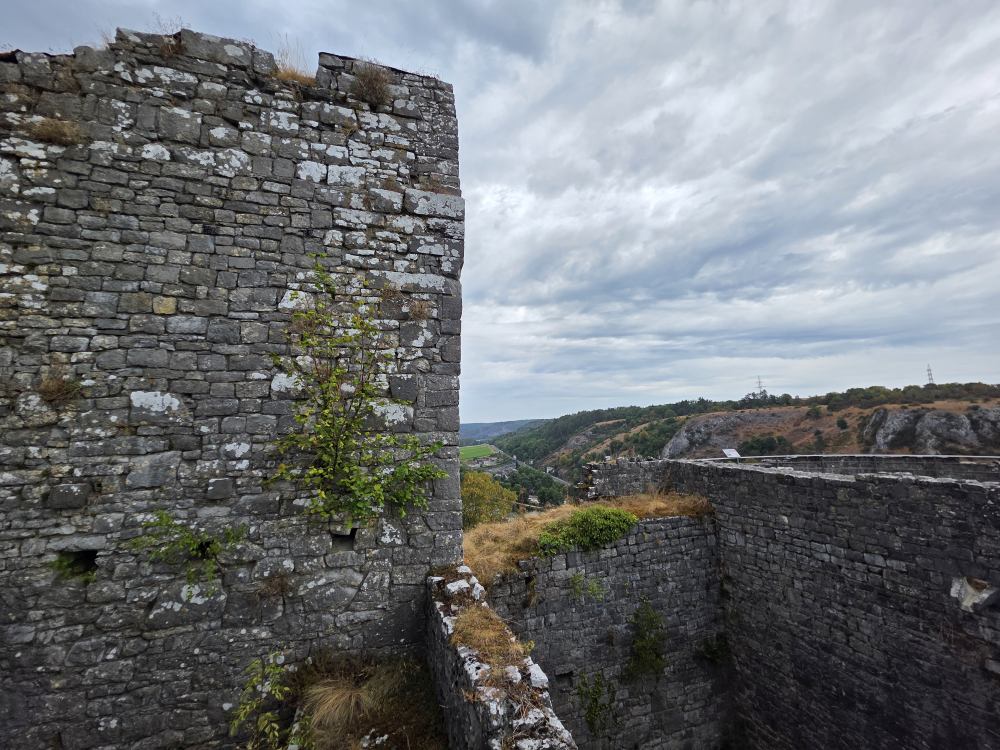
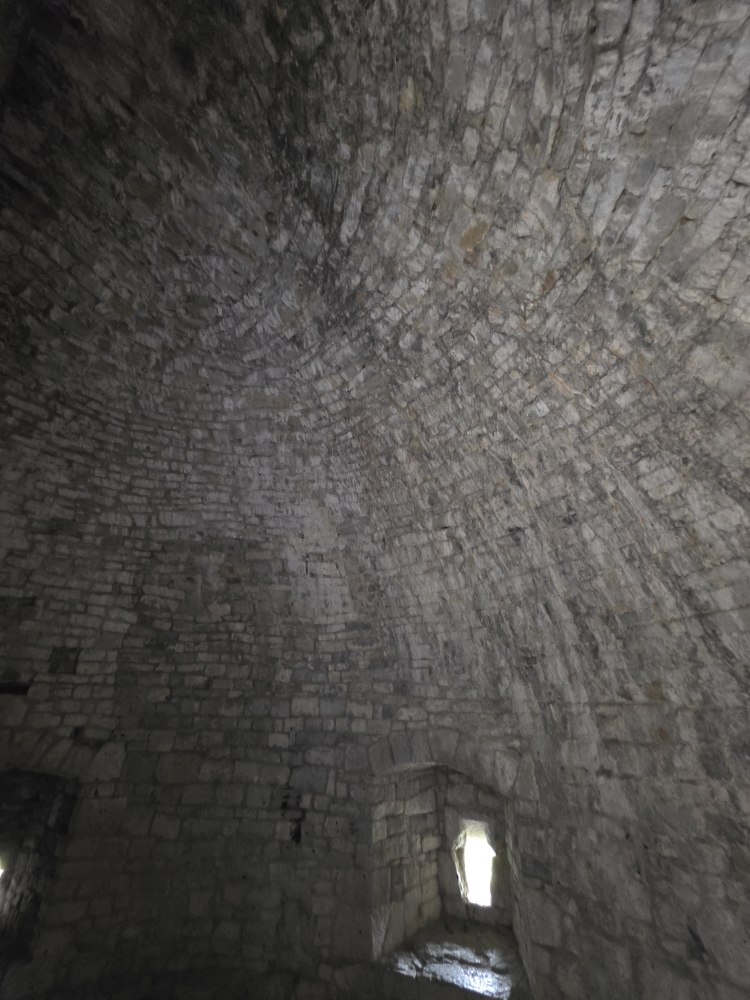
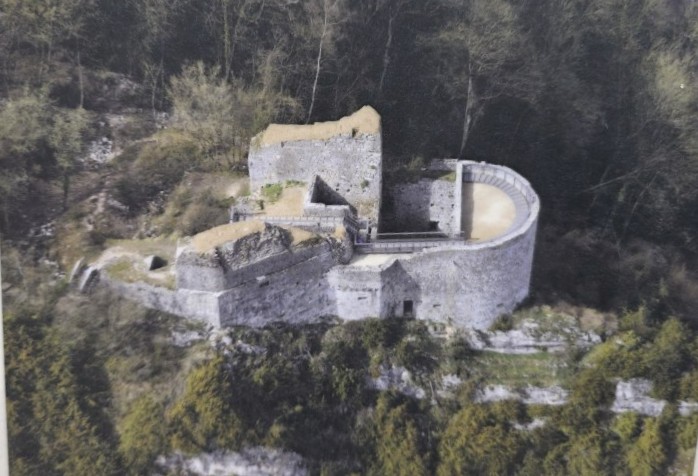
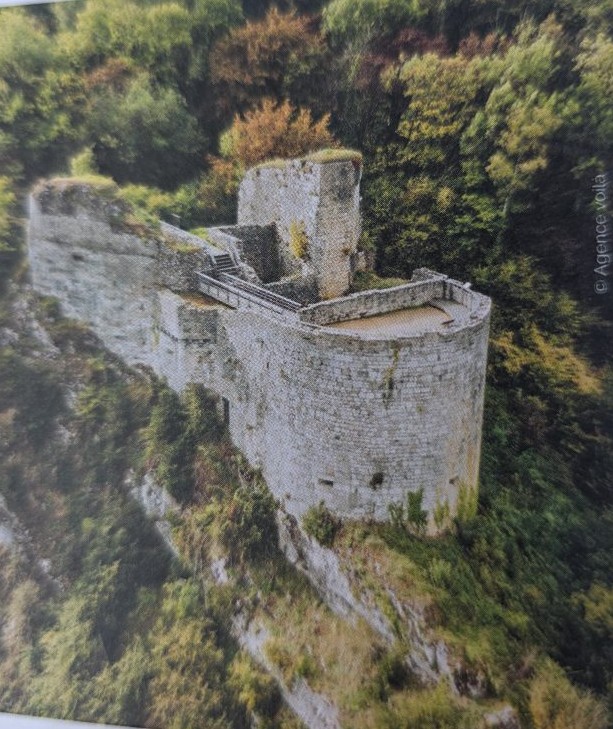
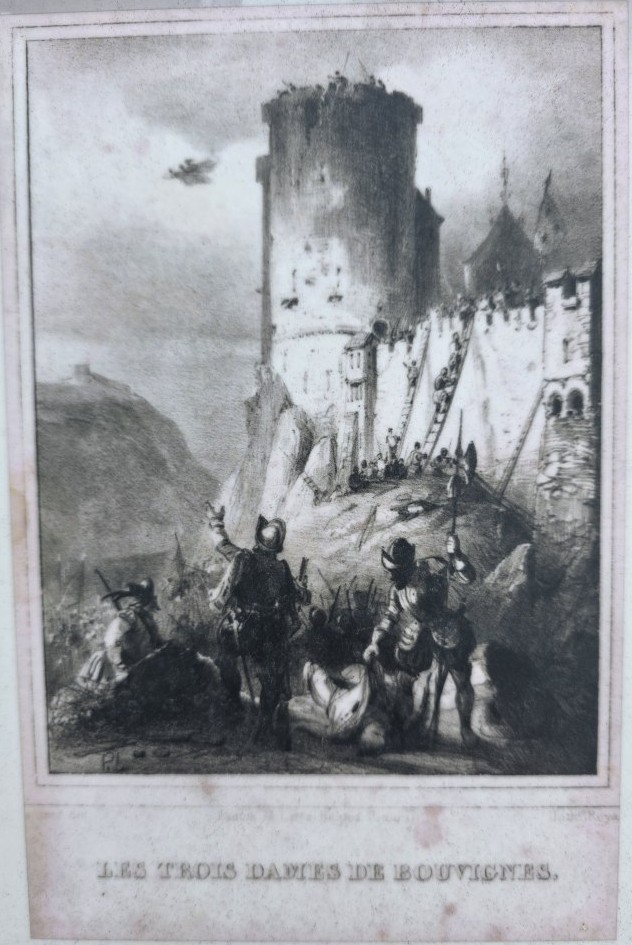
The views are incredible – up and down the river – and the historical plaques lend context to some of the legends (the Ladies of Heartbreak, the wives of the 3 best knights who helped take care of their husbands and injured during the siege of Henry II and who, once the French entered the fortress decided death was better than capture and threw themselves off the tower, holding onto each other as they dove to their death), as well as the name of the castle – Castle of Heartbreak.
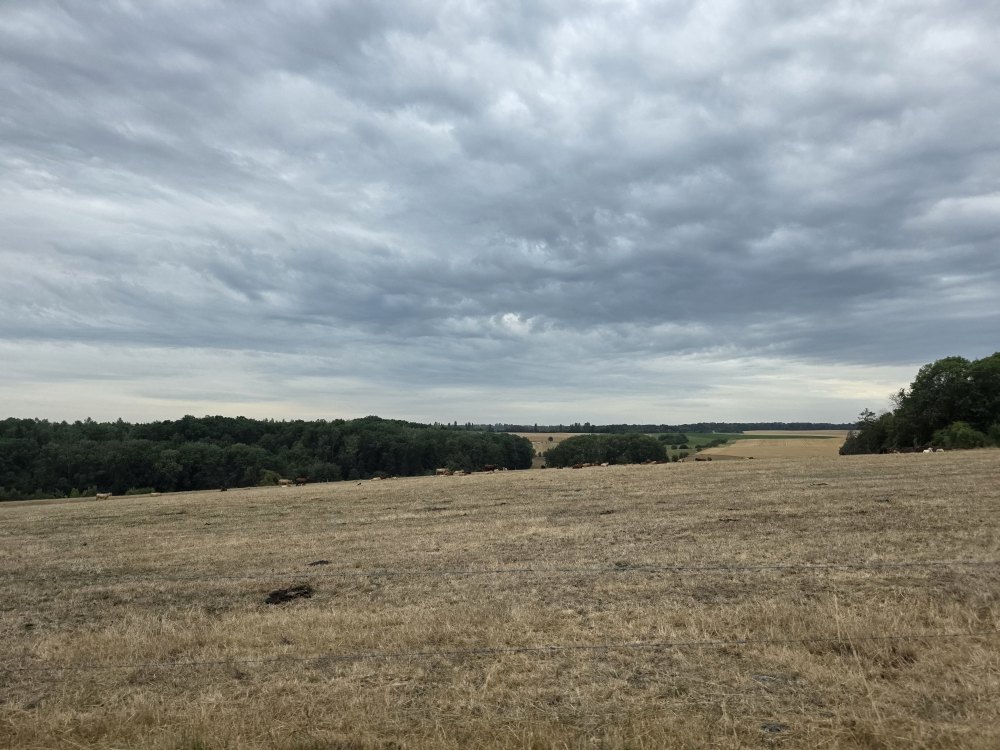
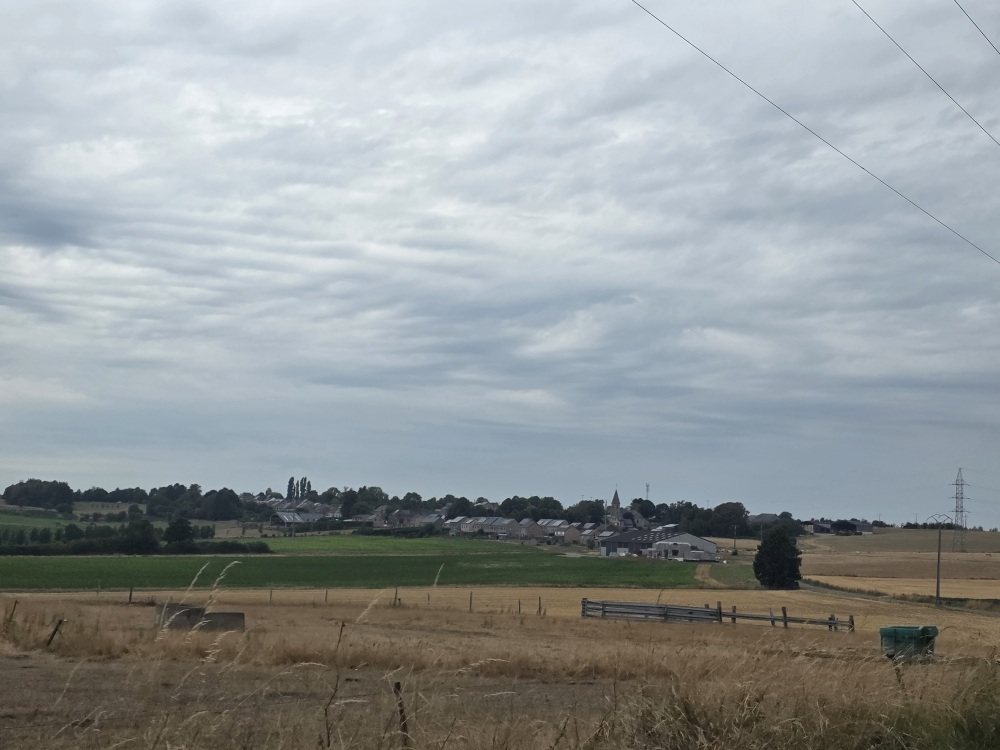
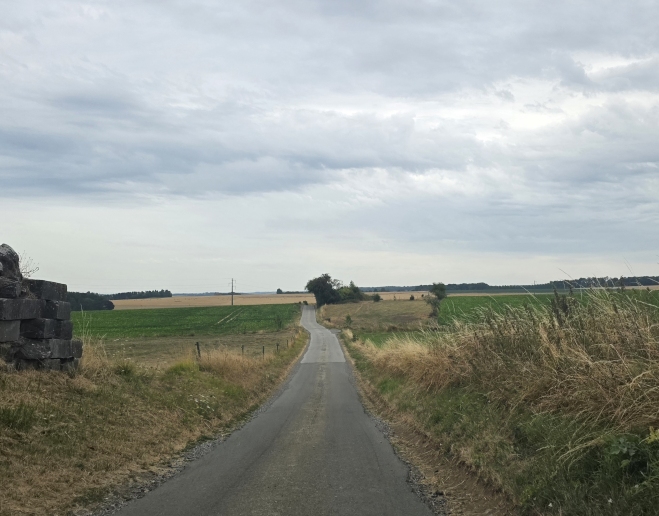
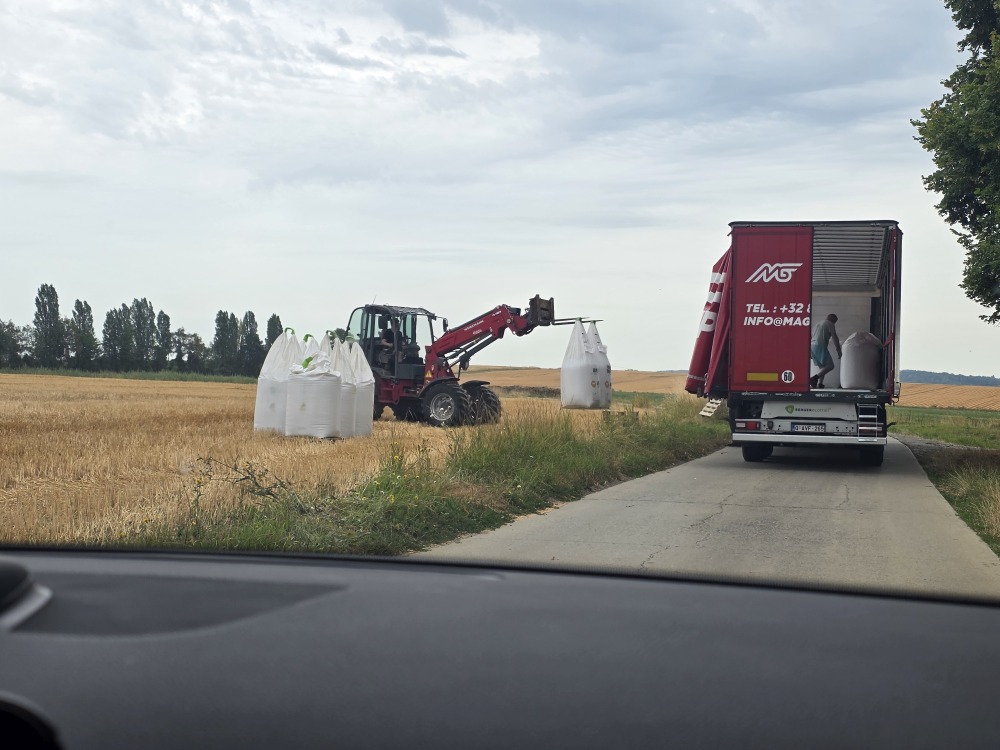
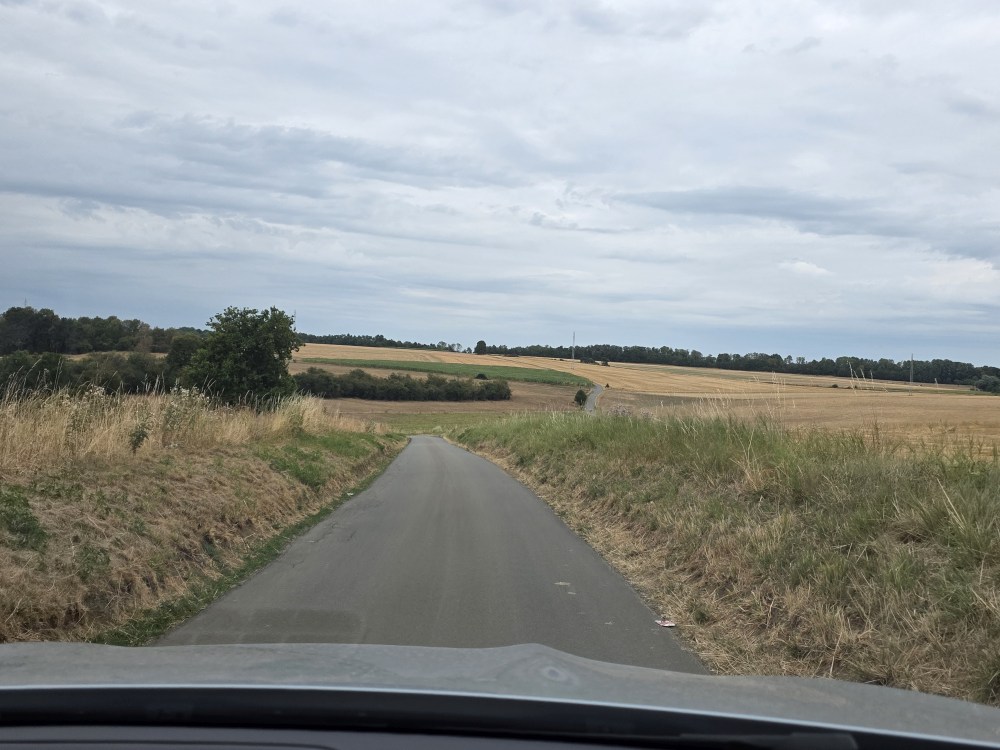
Turning our sites to a more “living” castle, we leave Crevecoeur and venture further down the Meuse river to Chateau de Freyr – but first we have to get to the river! The drive out takes us once again through farmland, this time though we are have a slight delay as we are stuck behind a large truck delivering bags of fertilizer to a farmer in his field. Ah, the joys of country and farm living. Nothing to do but bide our time (we’ve got no real timeline anyway) and wait until they are done as these little one lane roads give you no room to pass.
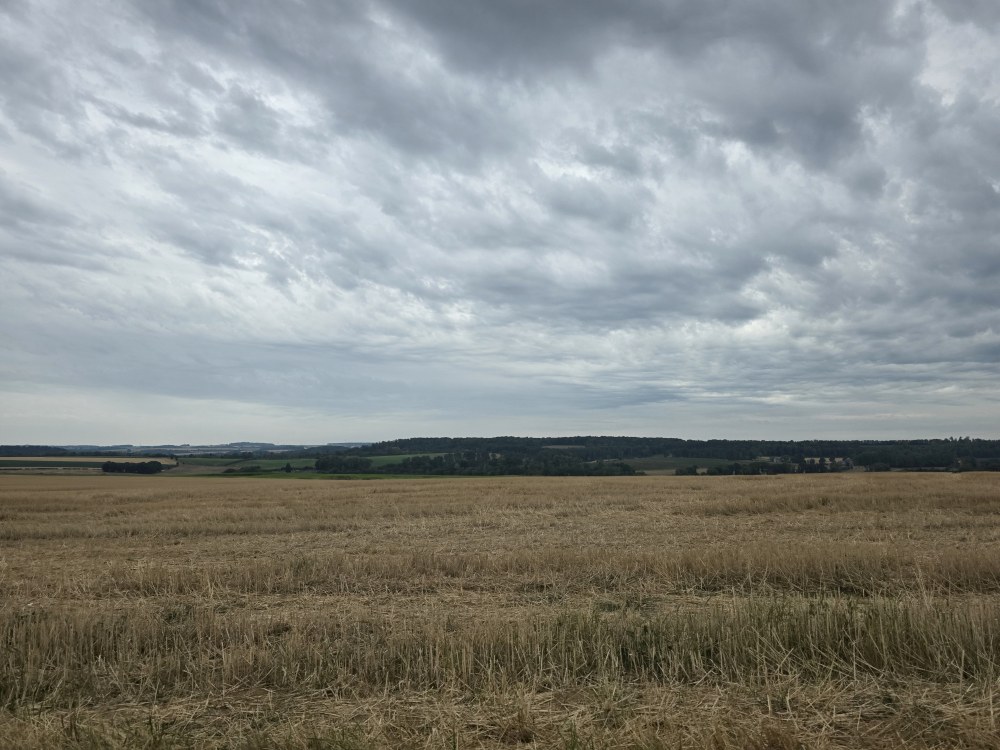
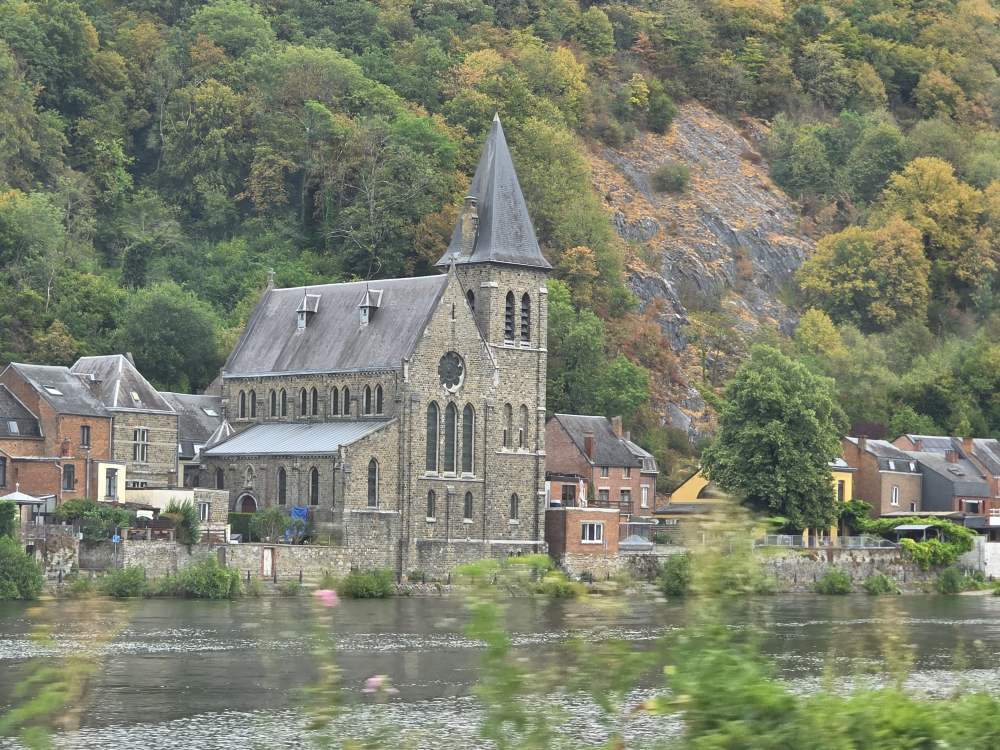
Delivery handled we finally make it to the river, retracing our steps past Dinant on the opposite side and further down, tiny villages and wild rock formations.
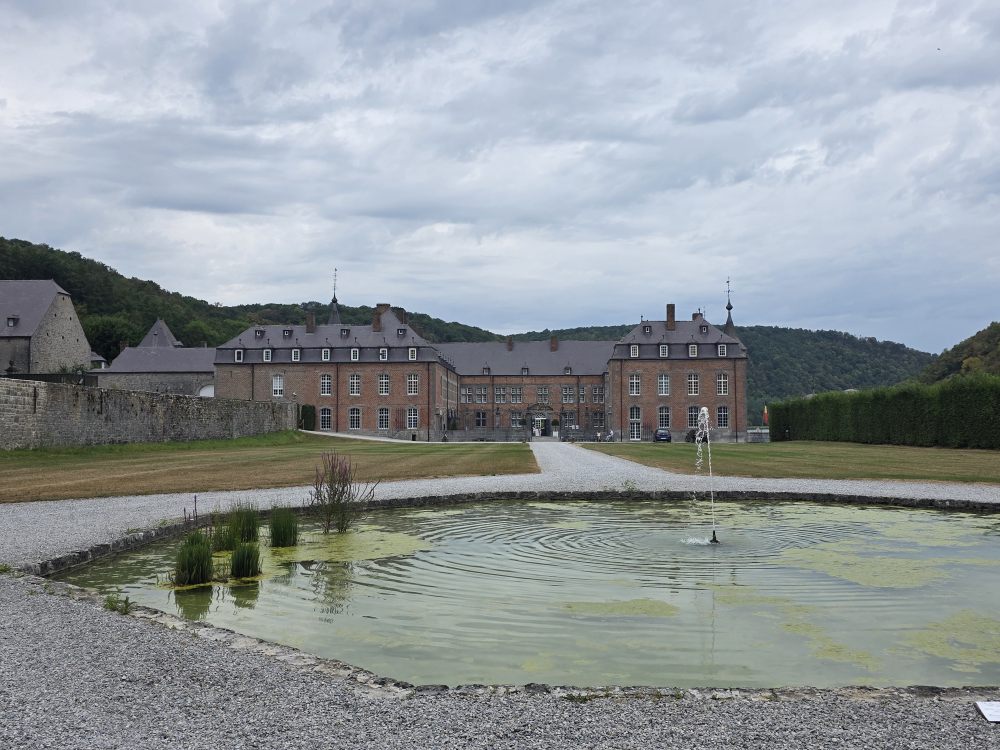
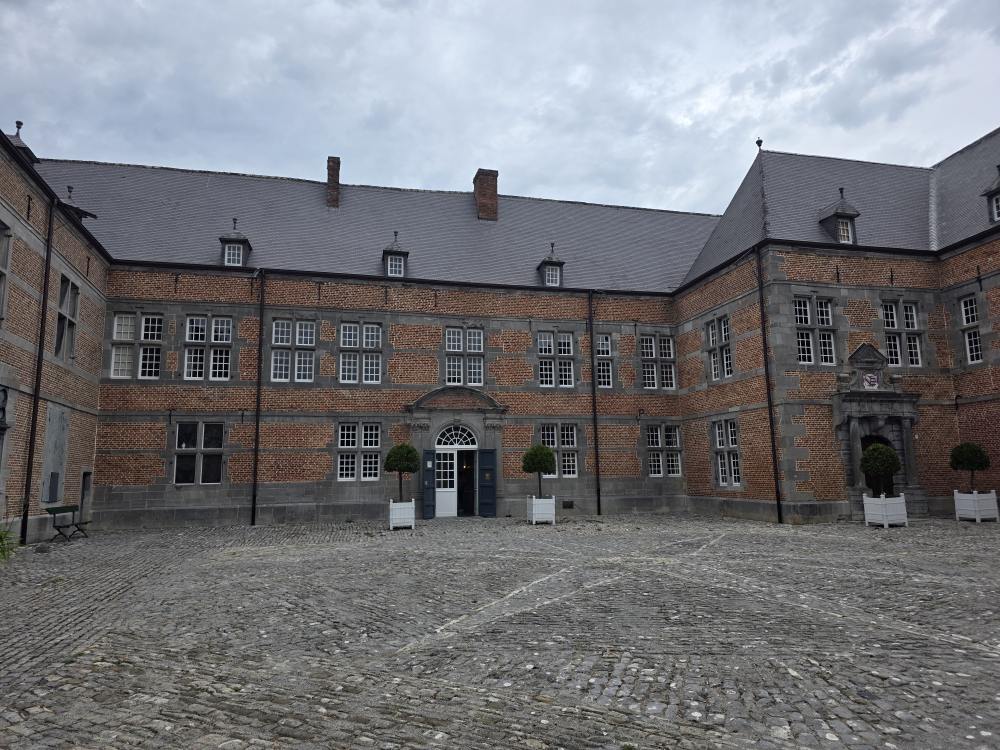
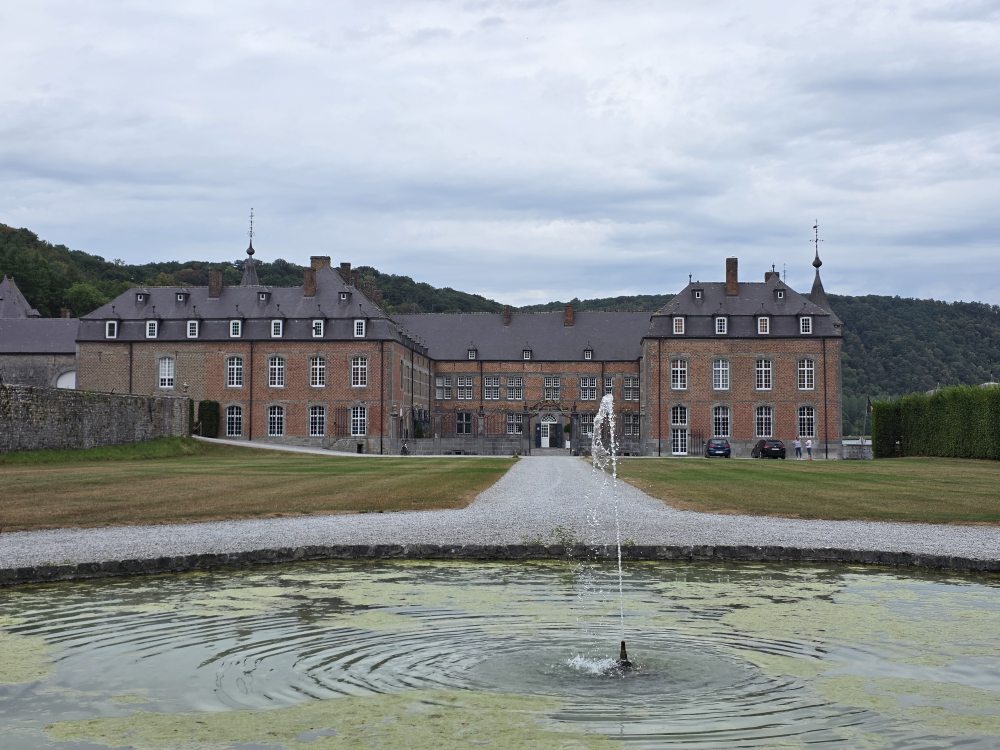
Arriving at the stately castle, we begin our tour with the history of the place – never sold, handed down through generations from the late 14th century when the first iteration of the castle was built, the current castle being built in 1571, becoming a Duke’s resident in 1758 and redesigned to become a residence “befitted” for a Duke, which is how it remained – through wars (Waterloo, WWI when it was a German military hospital) until 20th century restorations were made to keep it up to standards and maintained.
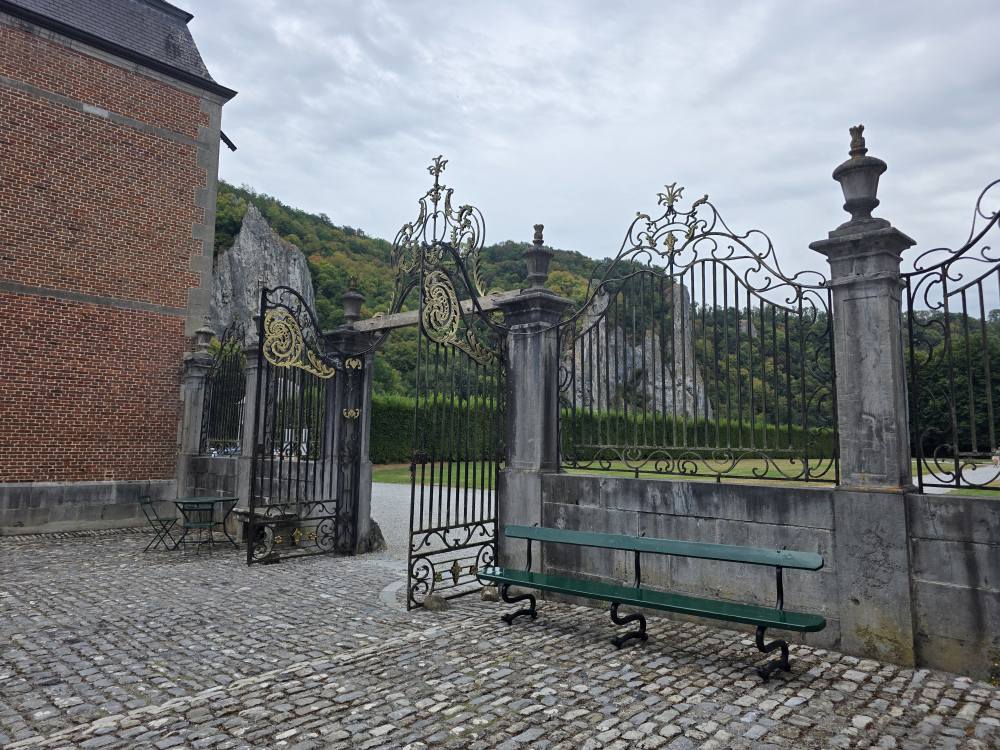
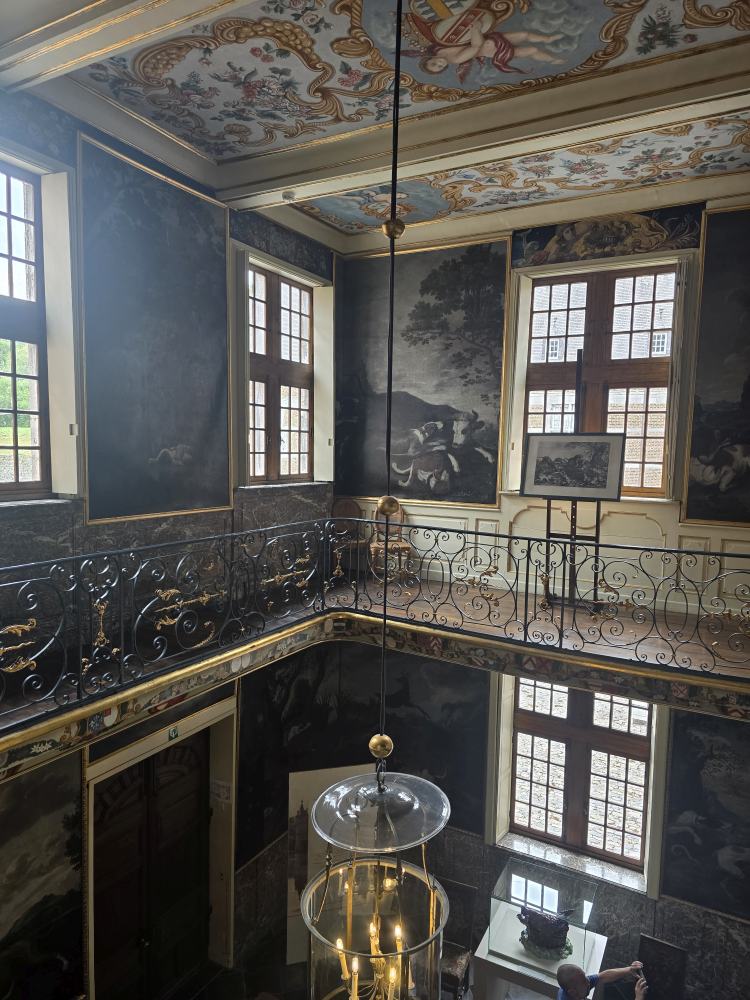
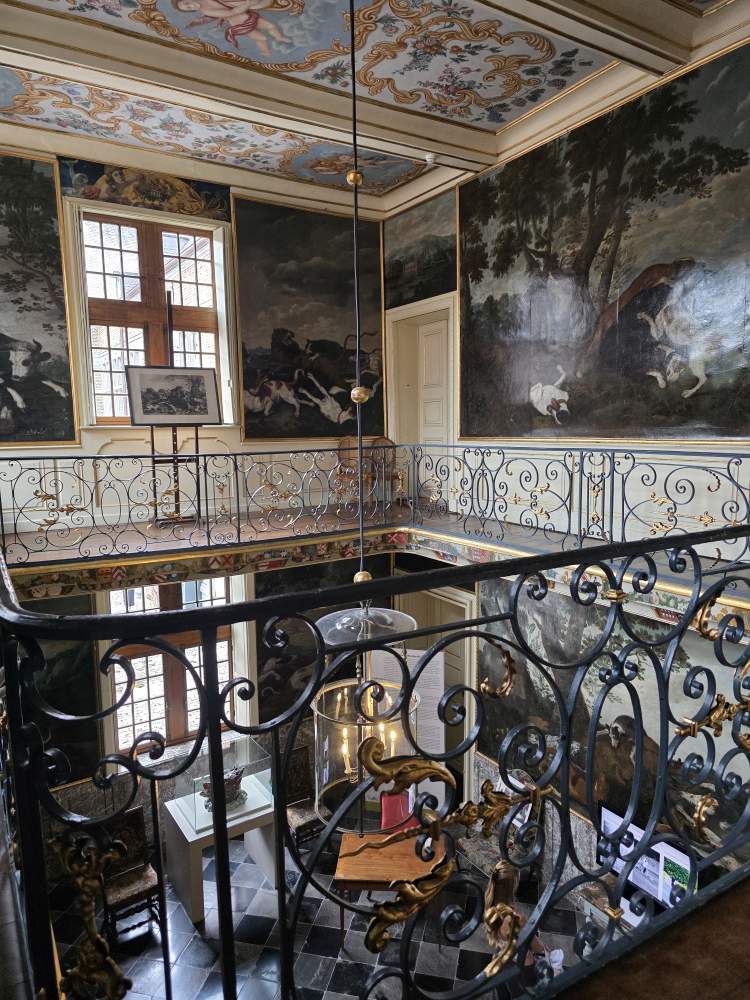
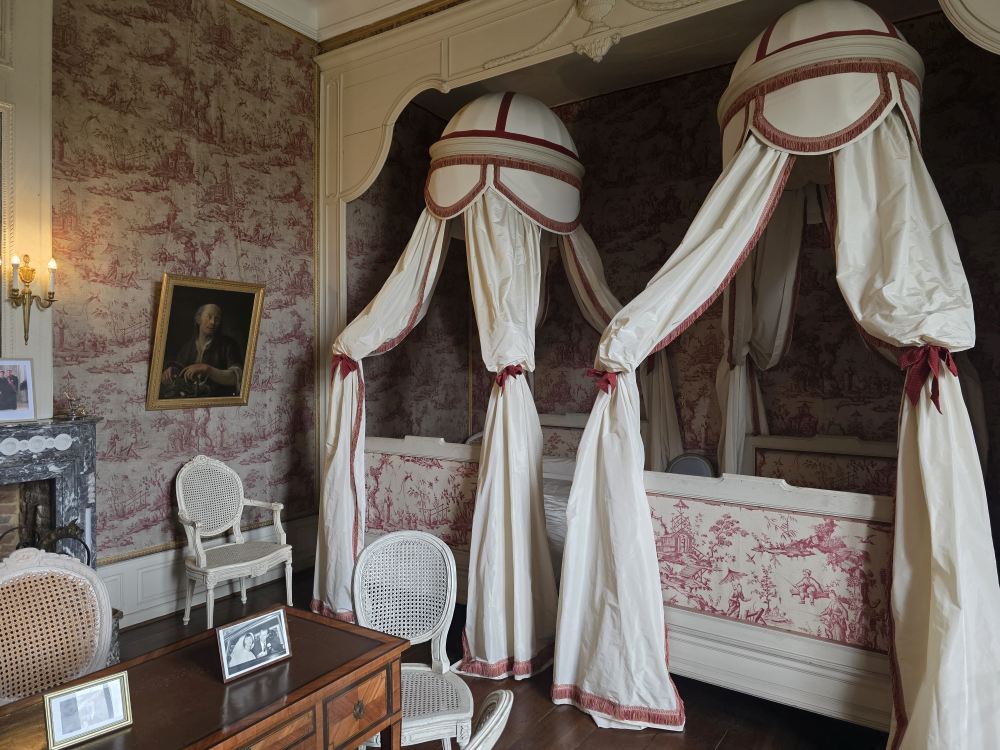
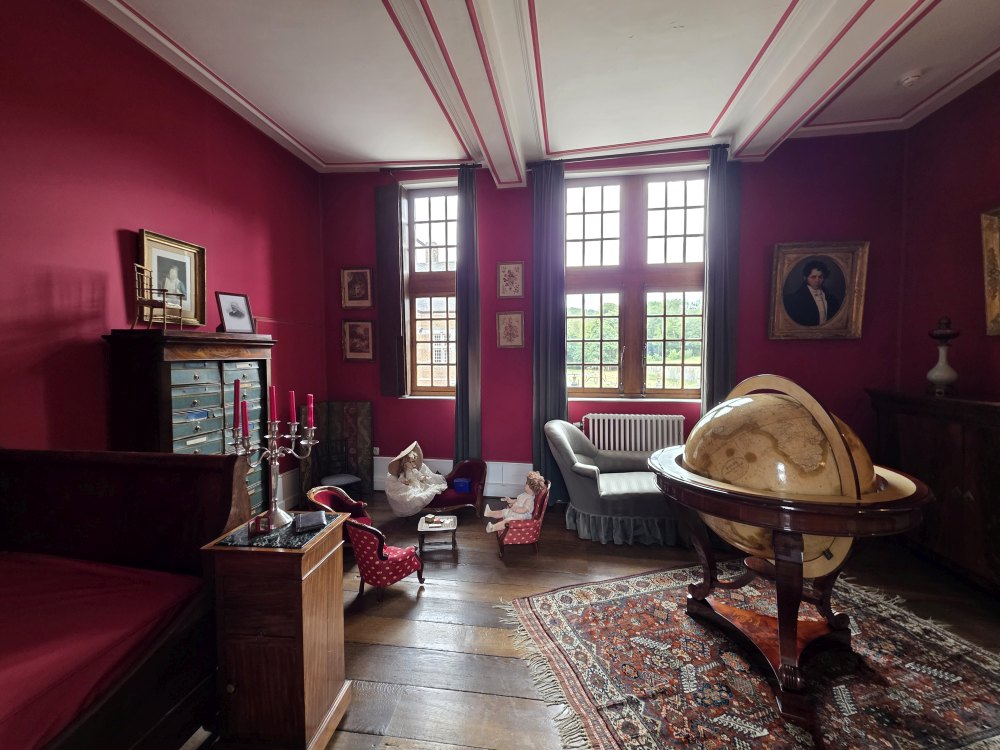
Such history – and all ours to explore, as we wander through the different rooms, the Duchess Room, Louis XIV room (where he stayed in 1675 as he besieged Dinant) with a lovely marble fireplace from local marble of the 18th century, beautiful open balustrade with locally produced iron railings and gorgeous wall paintings, more bedrooms from the 1800s, one with strange “Polish” style beds (the canopies drop from a cupola instead of from the ceiling).
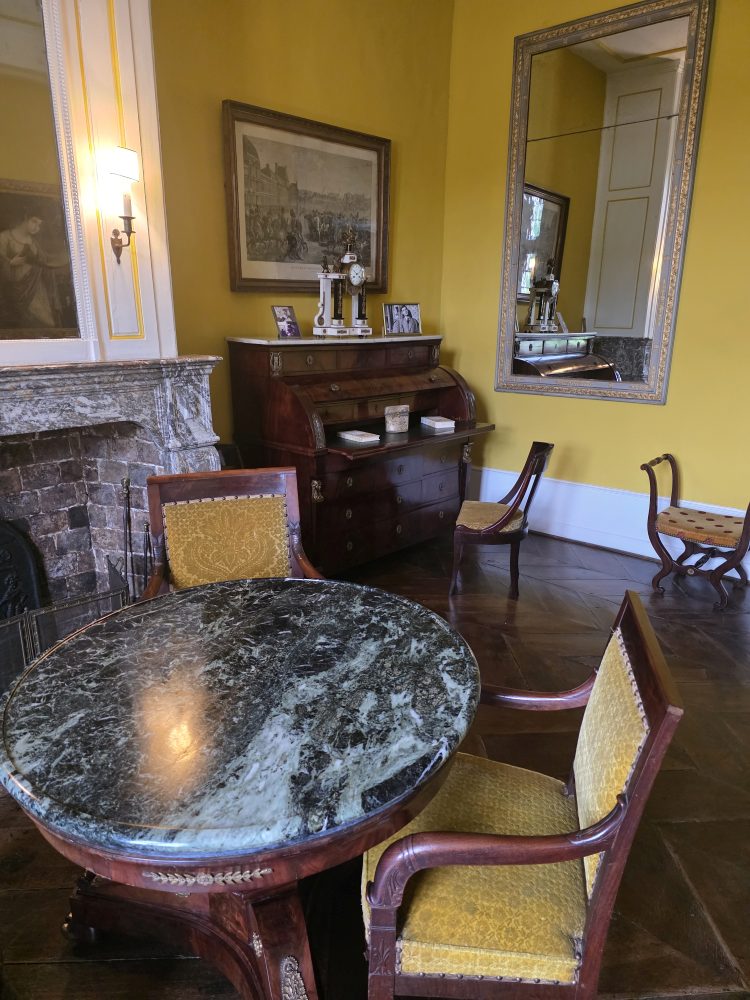
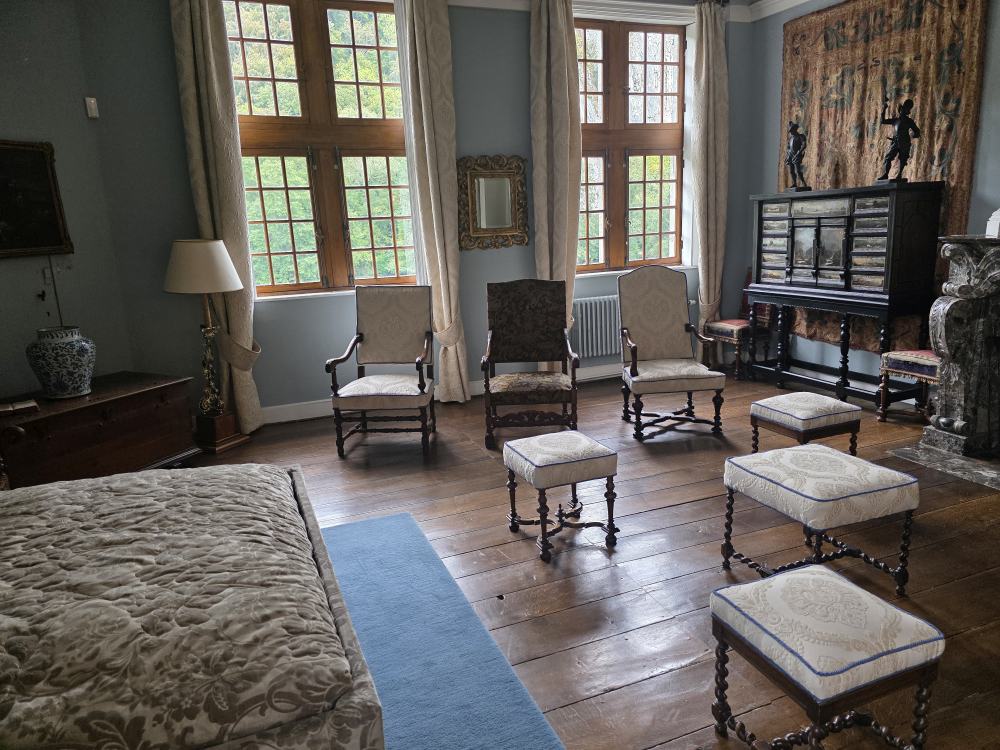
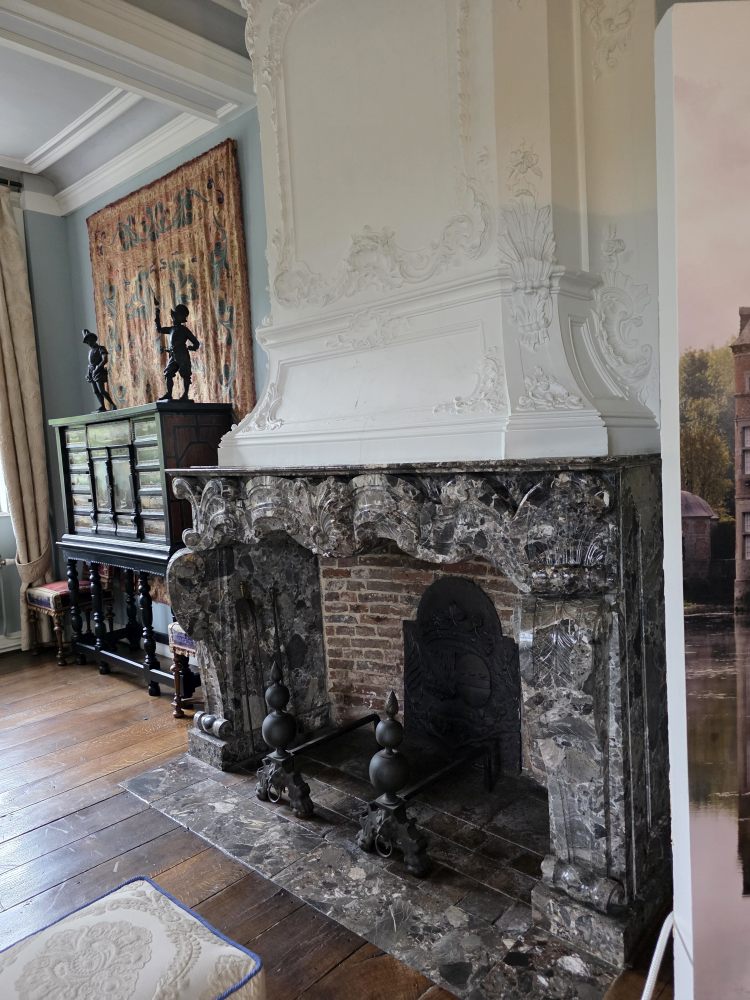
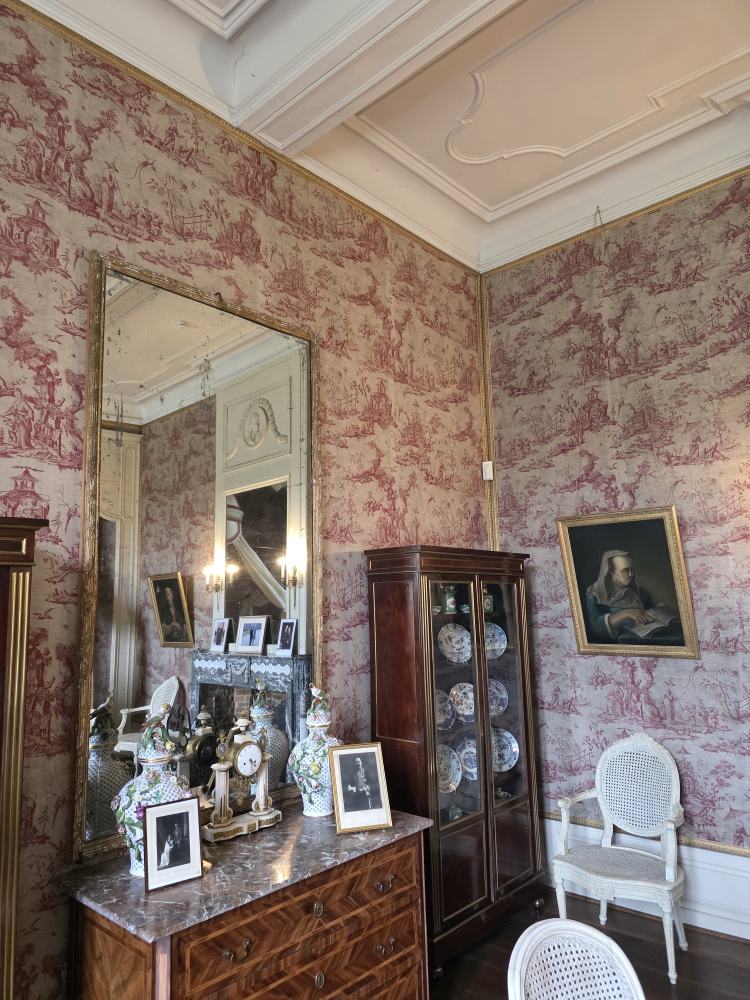
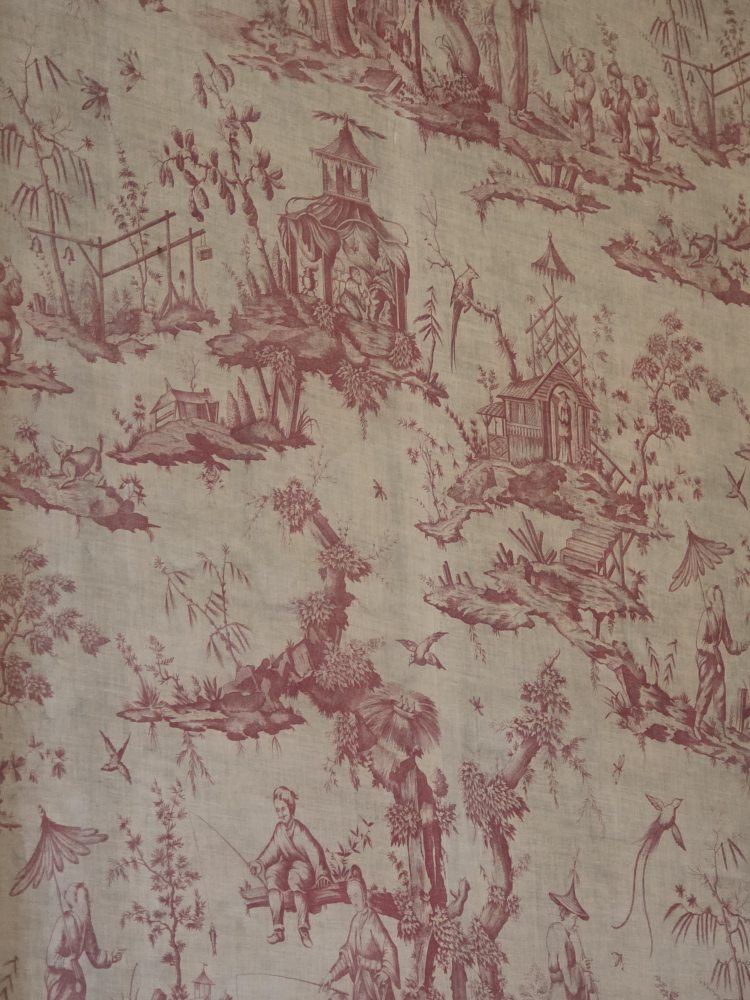
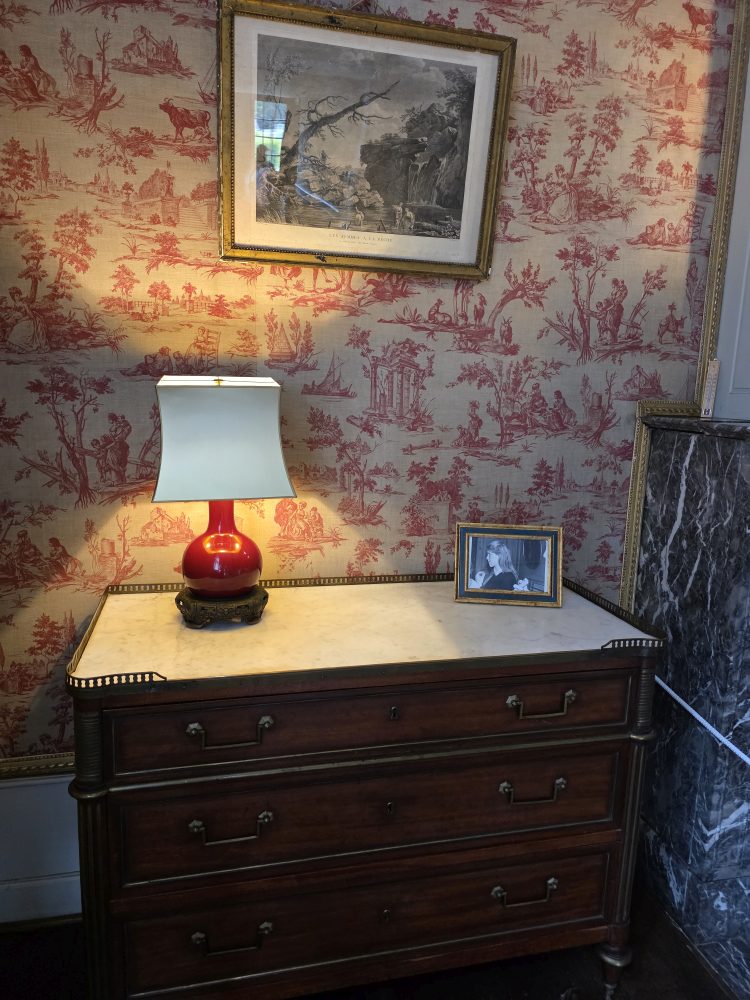
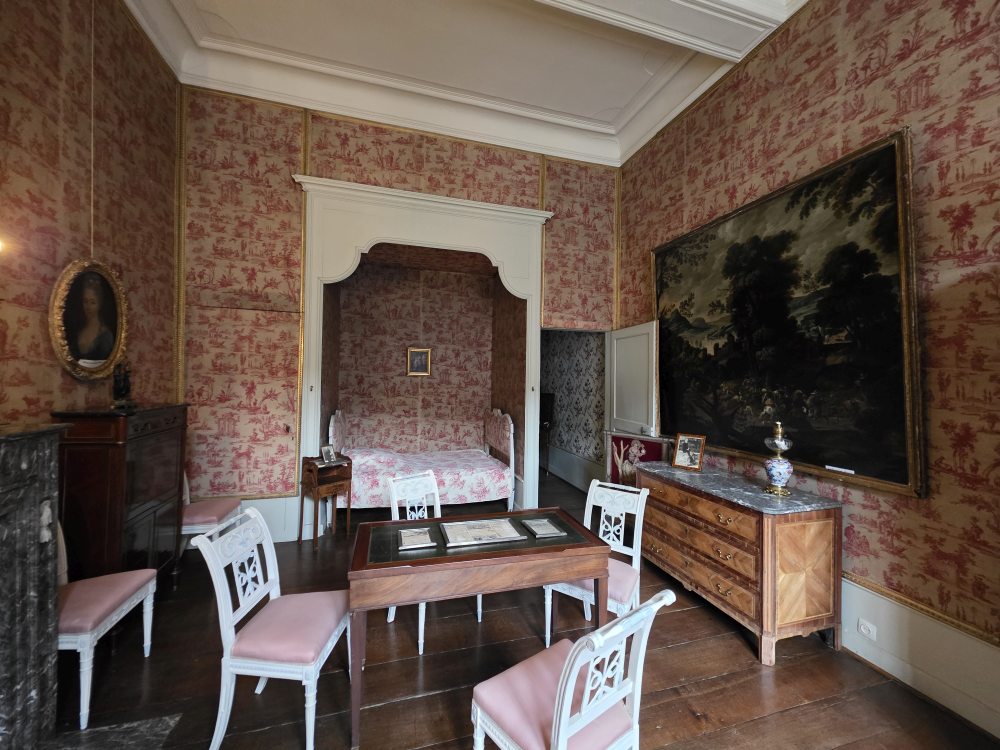
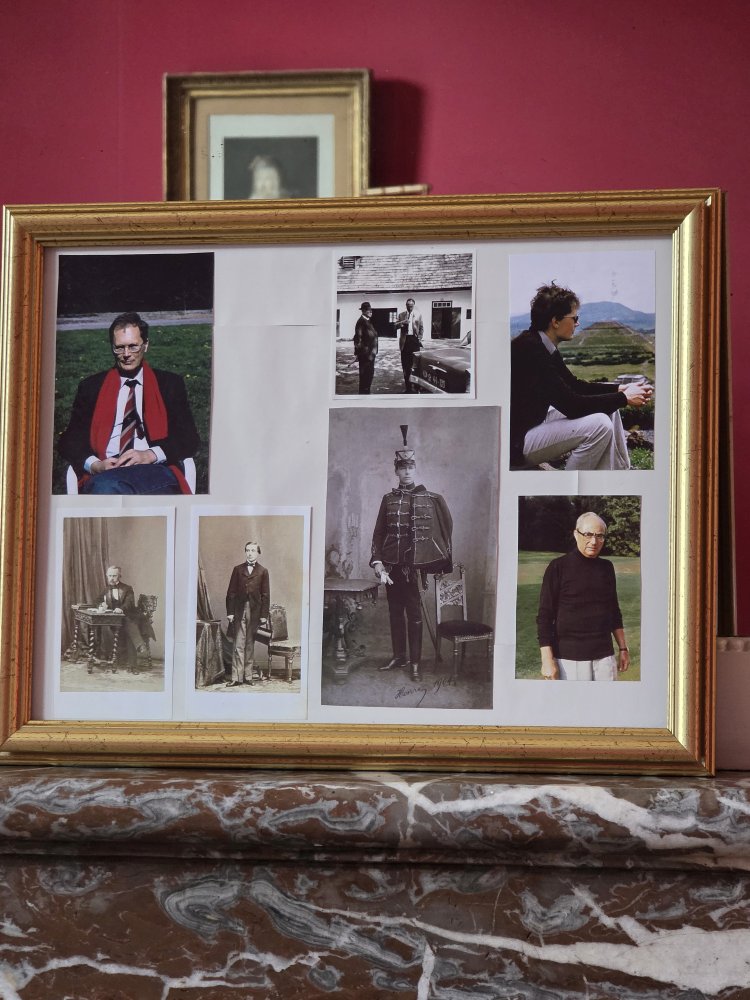
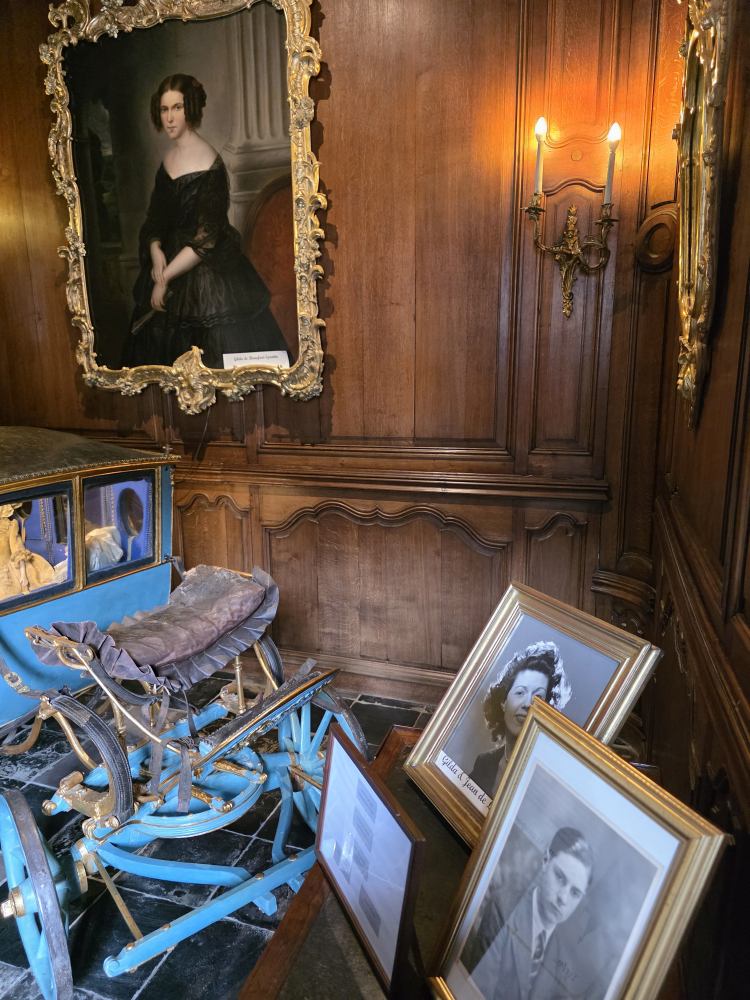
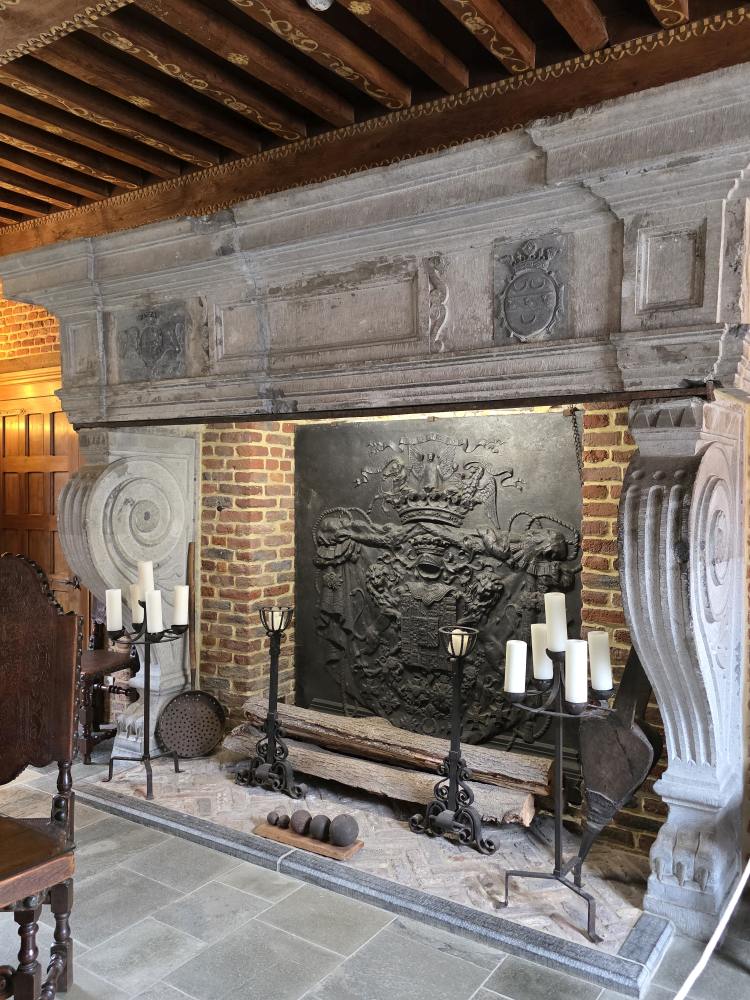
There are displays of 18th century tableware, more bedrooms with original wallpaper decorated with landscapes (and a relatively modern photograph of one of the daughters of the owner family), more gorgeous marble fireplaces and more modern photographs chronicling the family heritage.
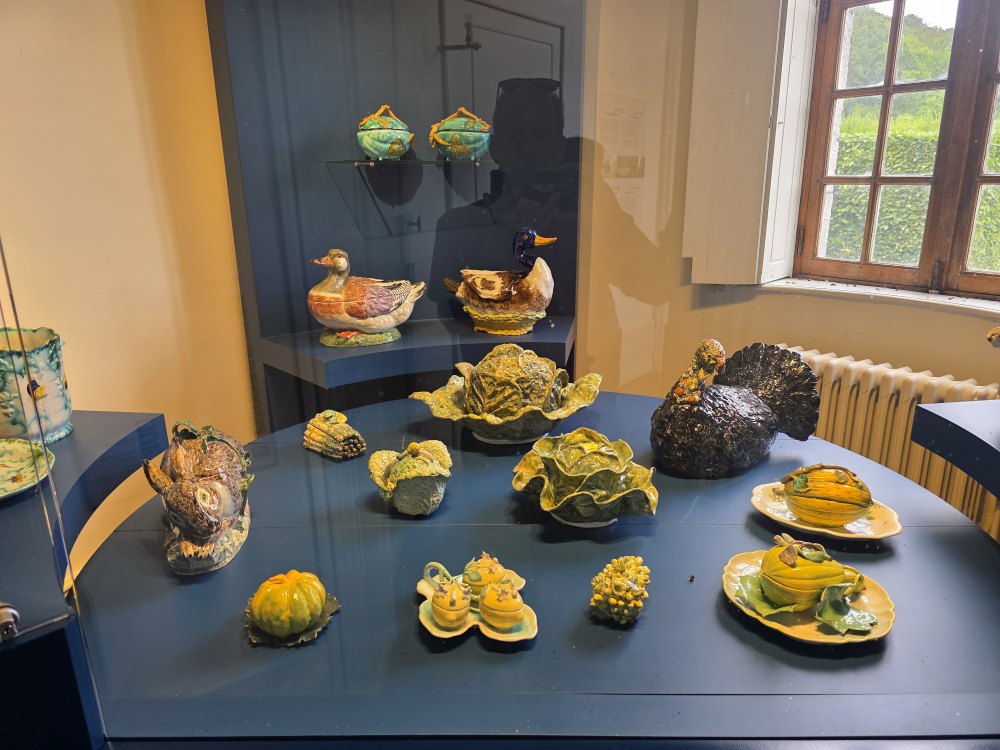
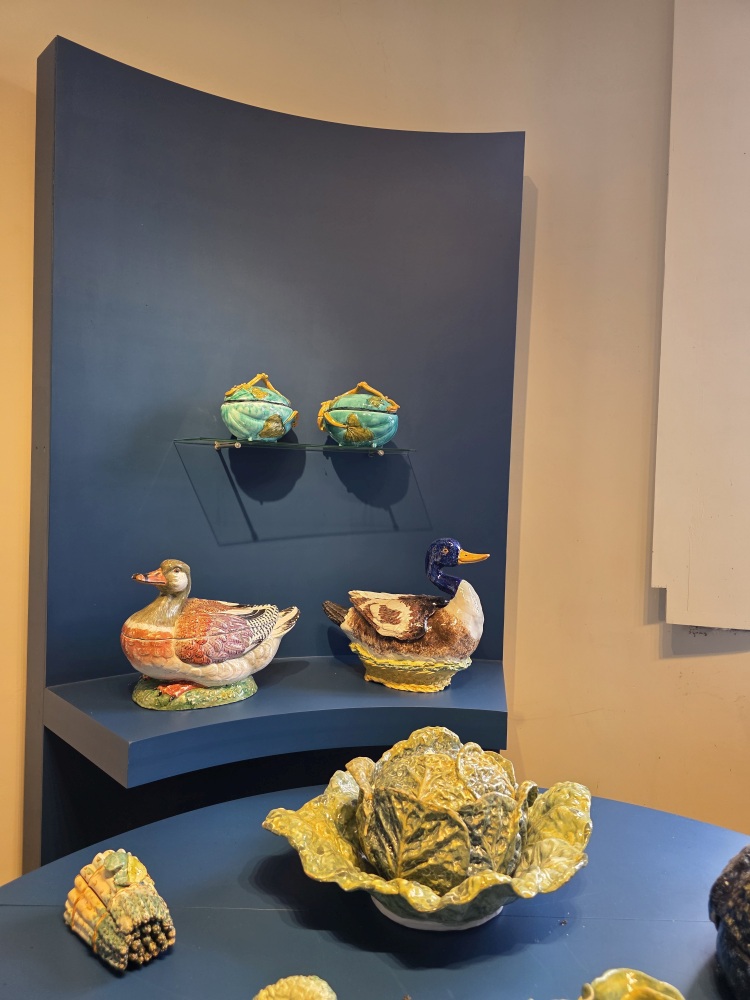
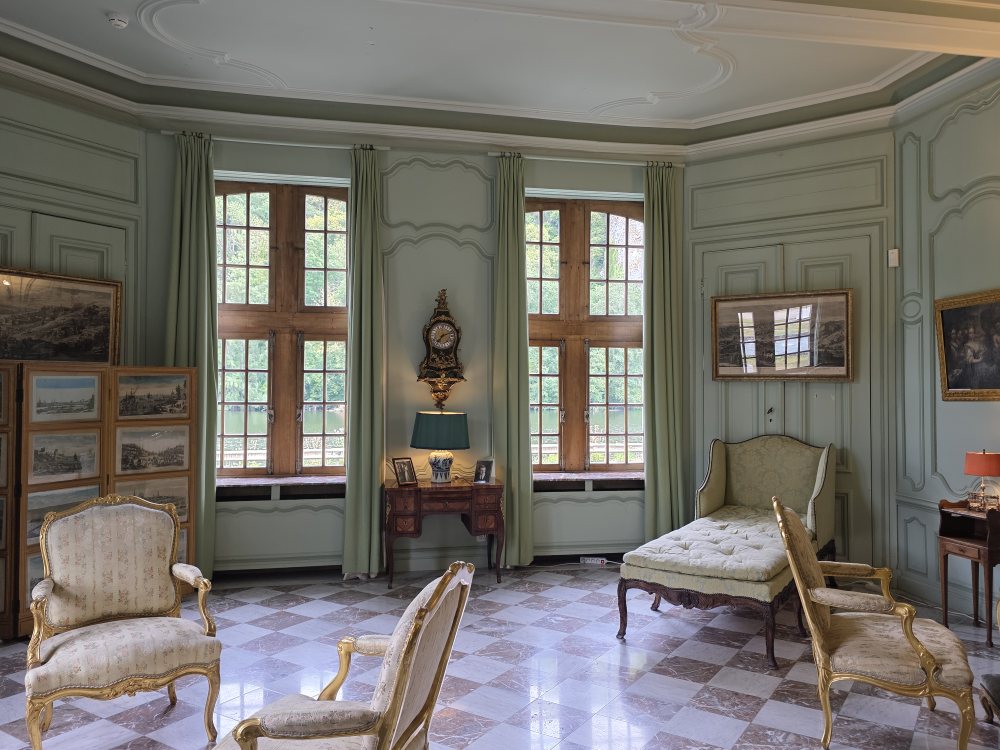
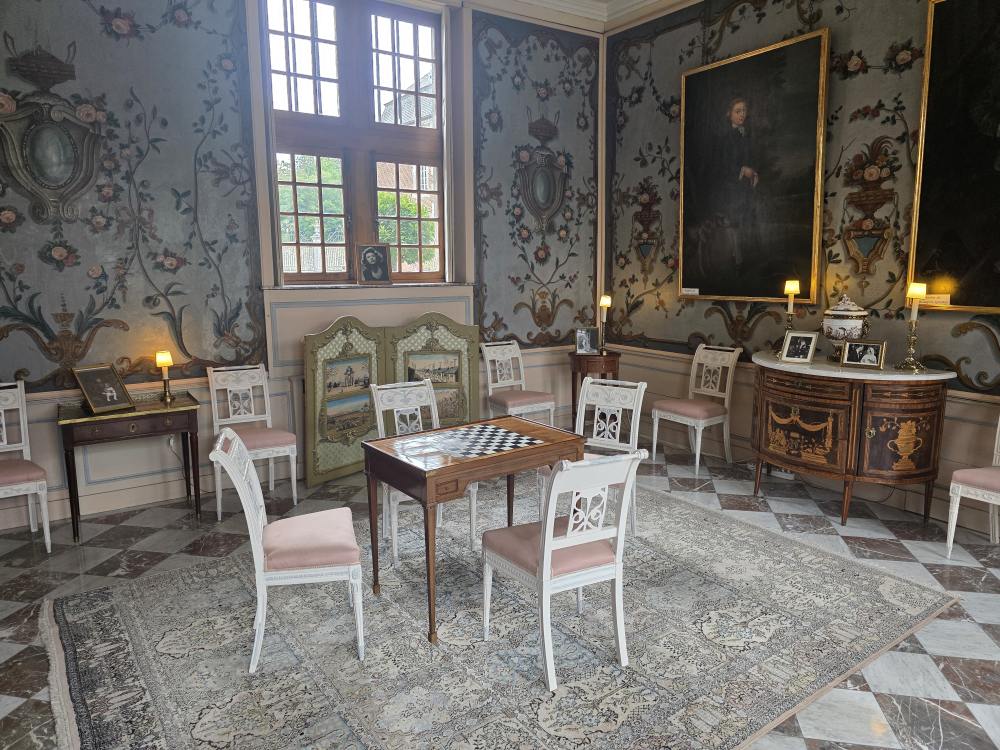
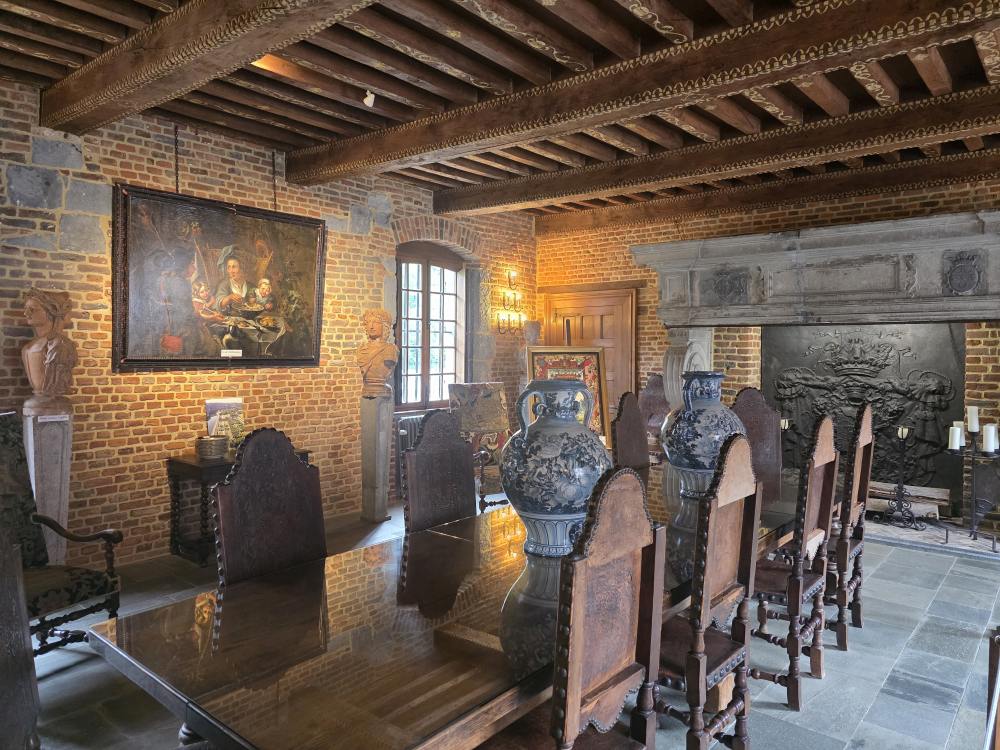
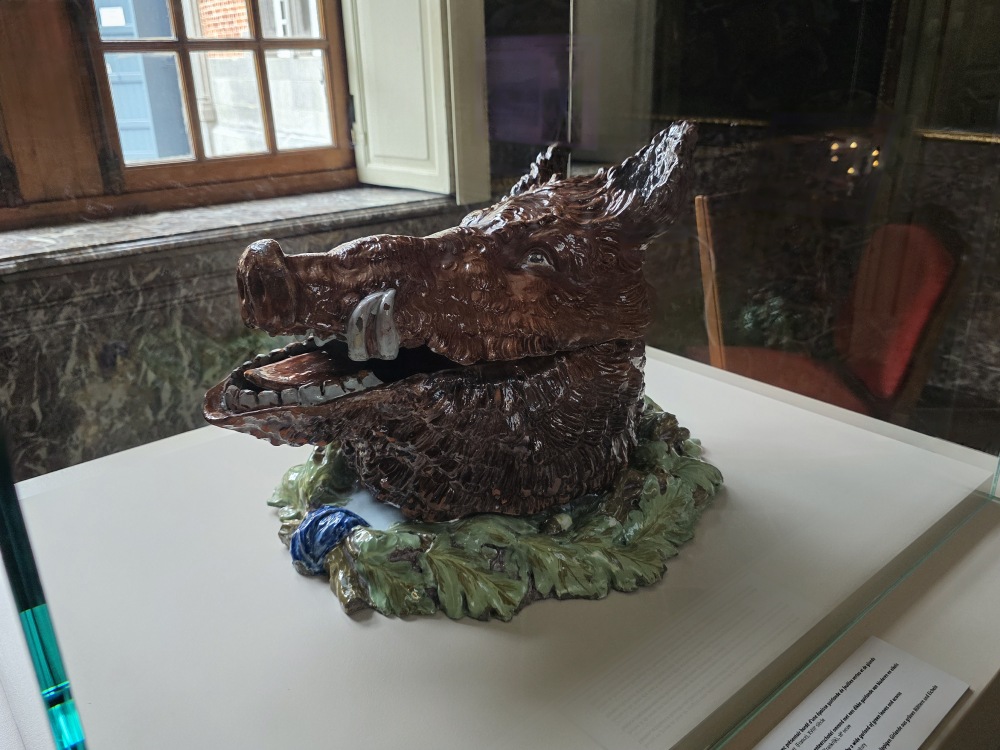
The final rooms are sitting rooms and the dining room – all befit for Dukes, for certain – with gorgeous furnishings and interesting porcelain Boar Serving platter. The family chapel completes the interior visit. A gorgeous place with so much history (and so much information they provide, it gets overwhelming after a bit!).
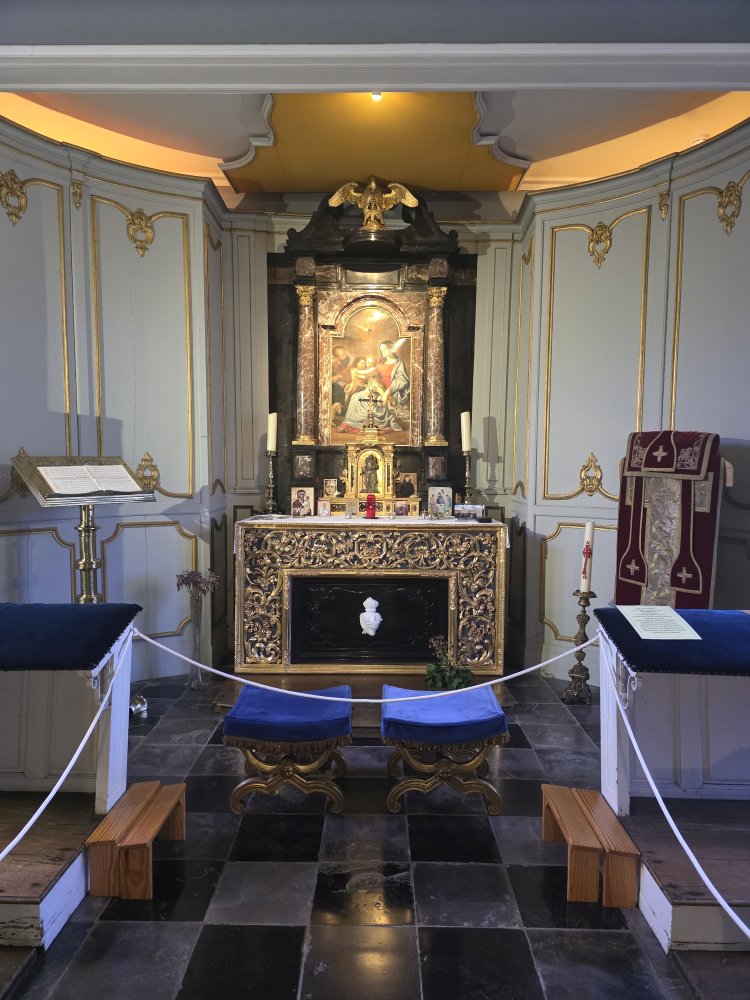
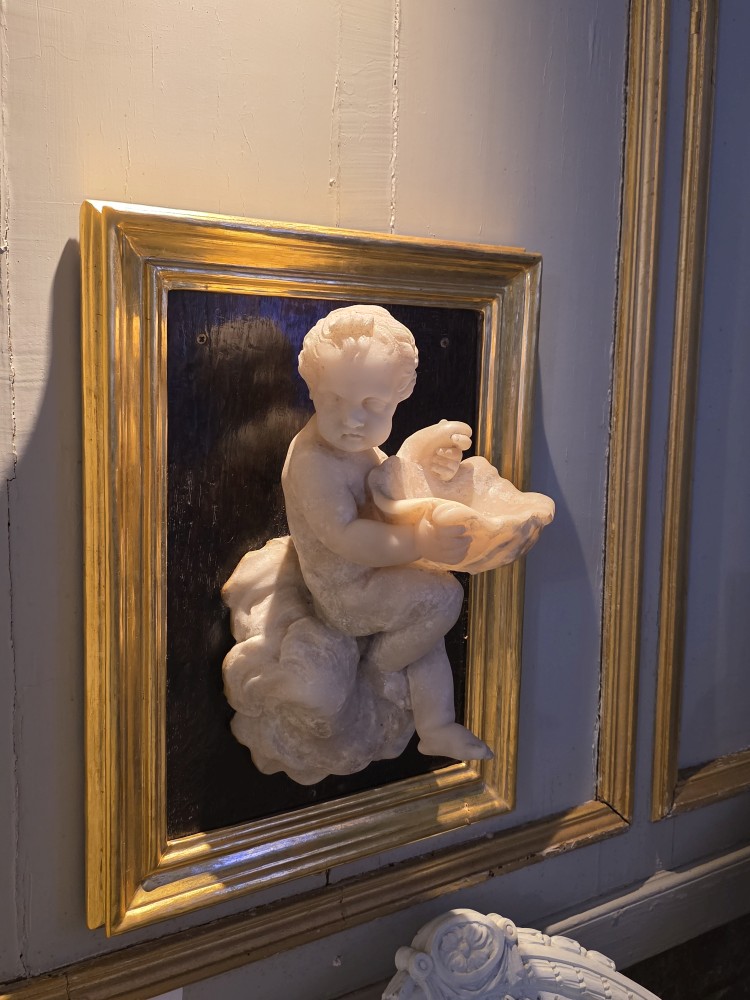
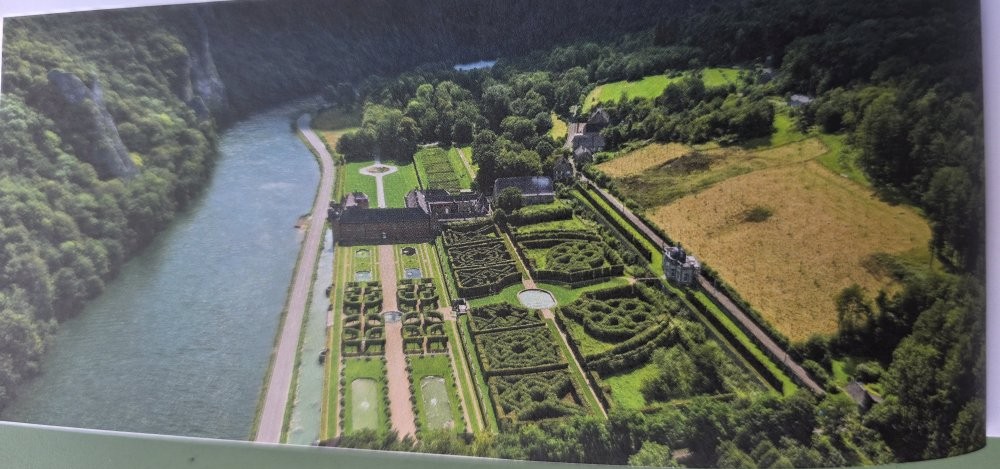
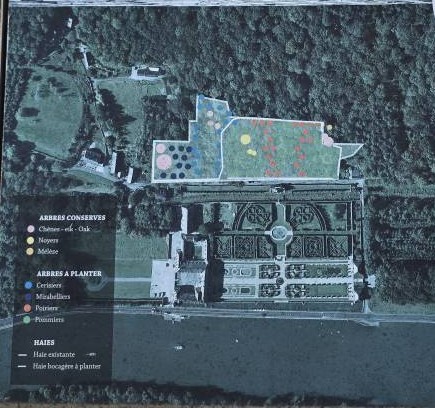
The 2nd part of our exploring is in the beautiful gardens adjacent to the castle. Acres upon acres of manicured trees and fountains and arbors and hedgerow mazes. It is lovely to just explore around the area in the fresh air. You can’t really get the whole feel from down on the ground though, so we’ve taken the liberty of using some of the castle’s photos to show the aerial view of the gardens here.
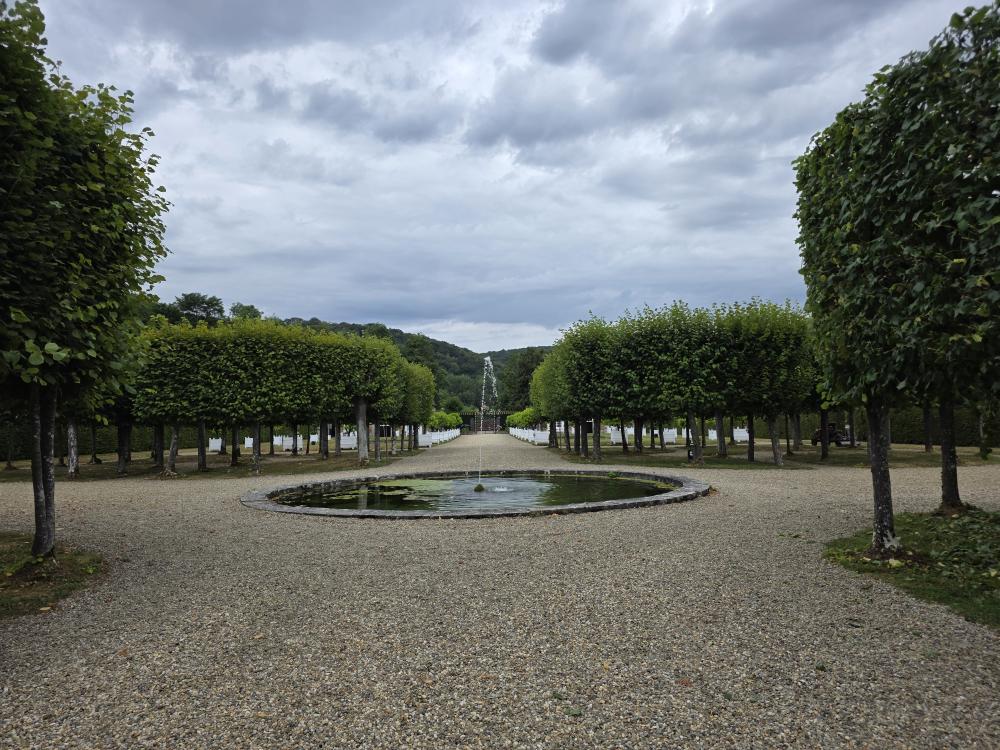
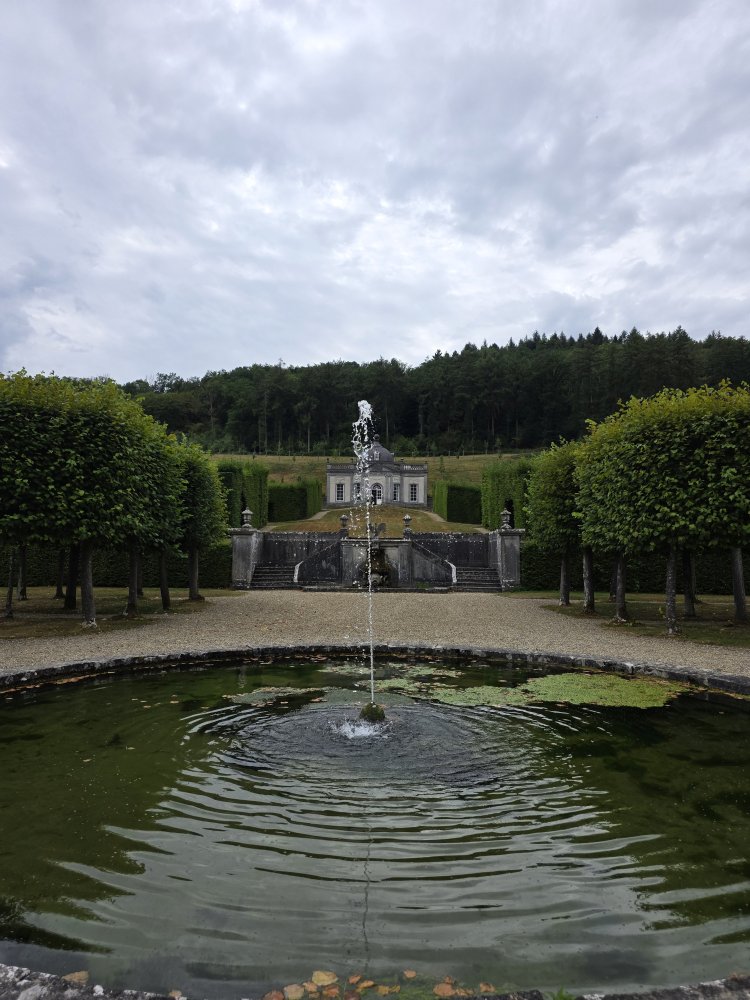
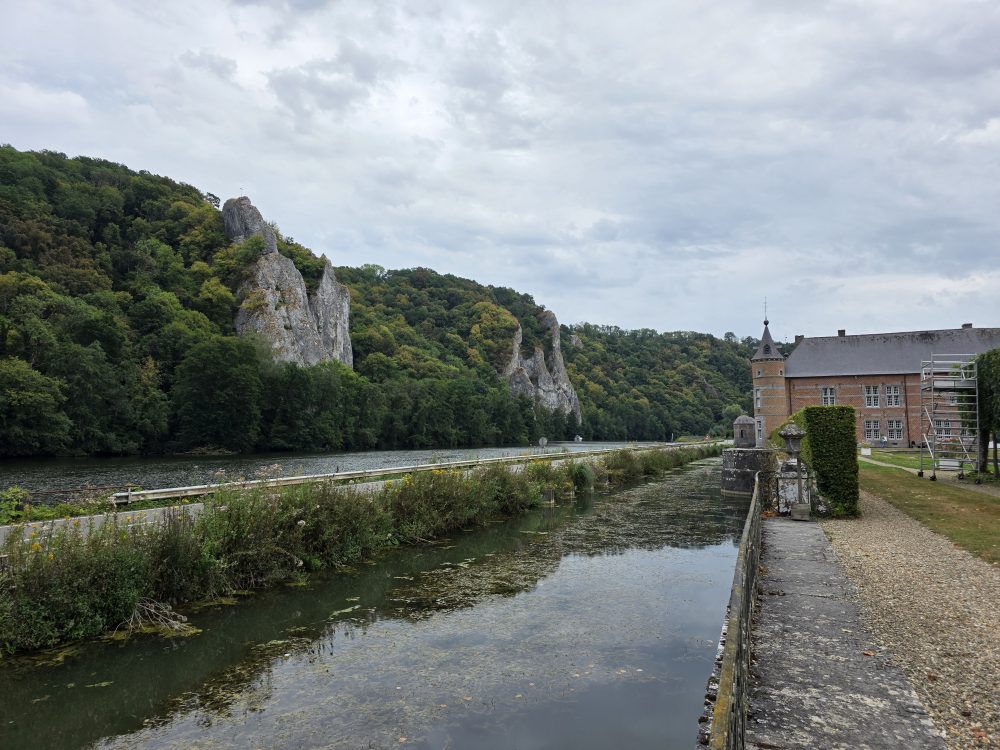
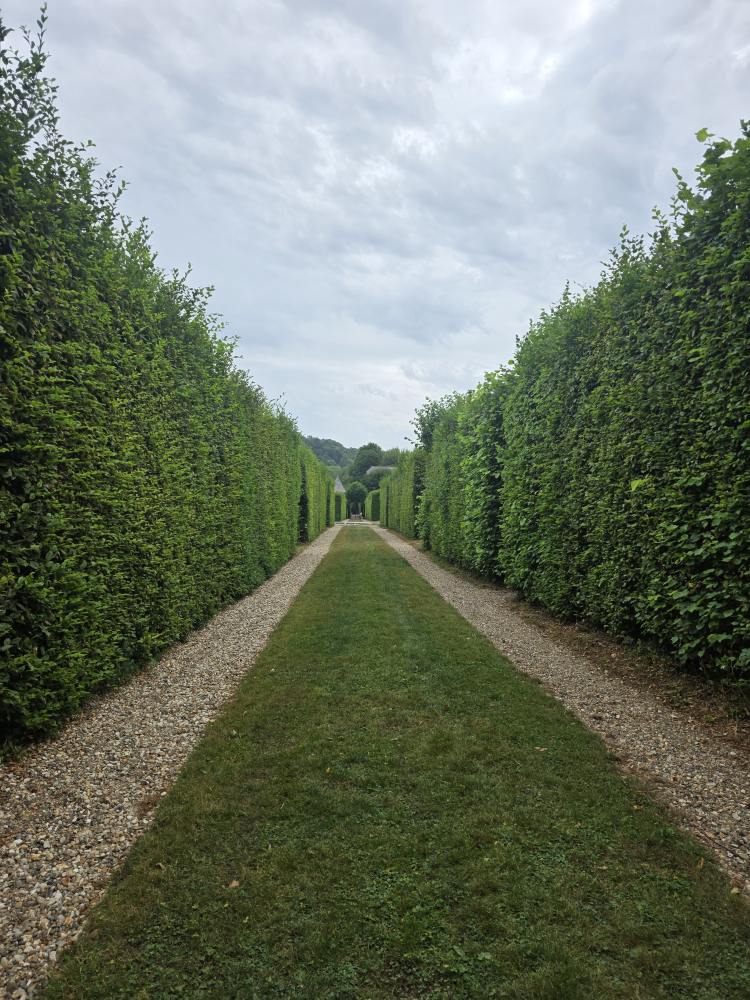
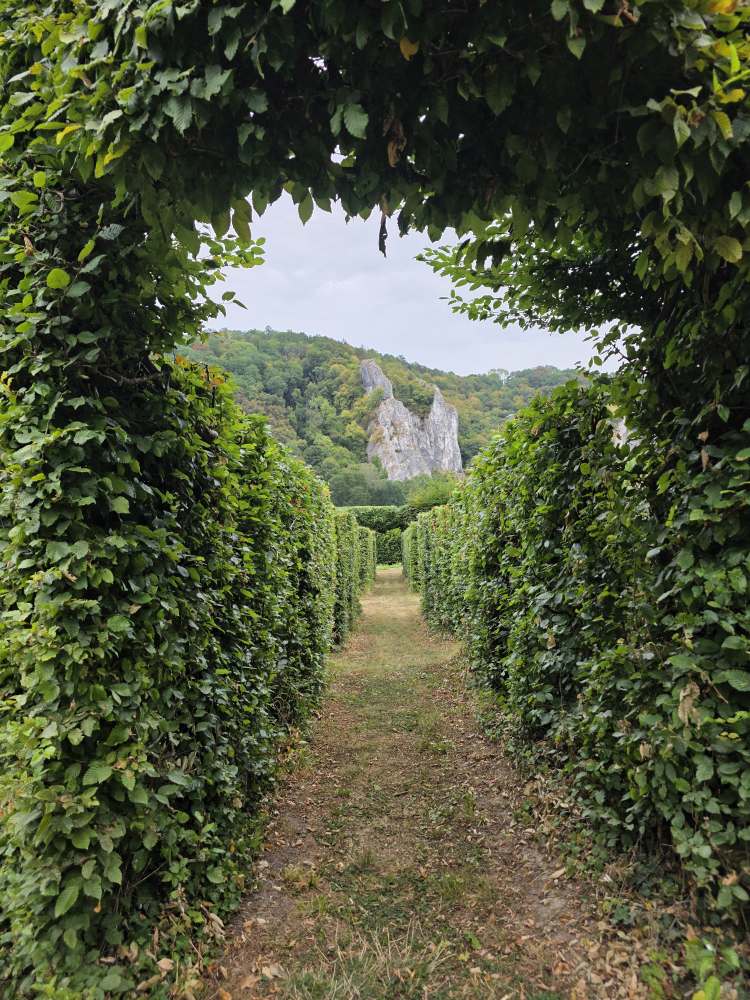
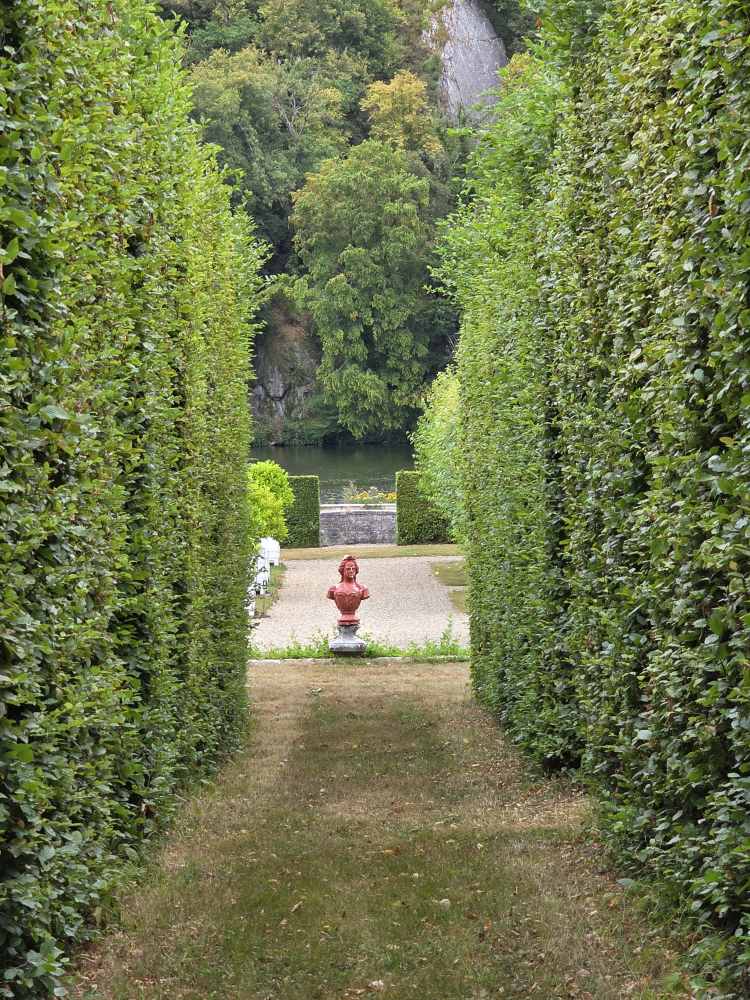
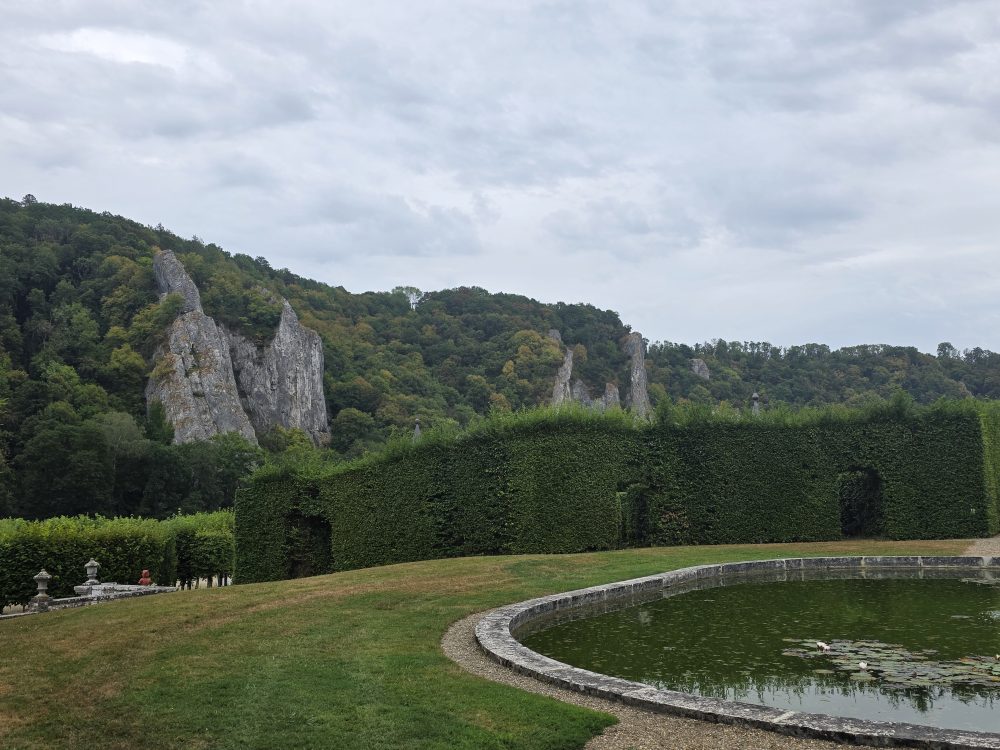
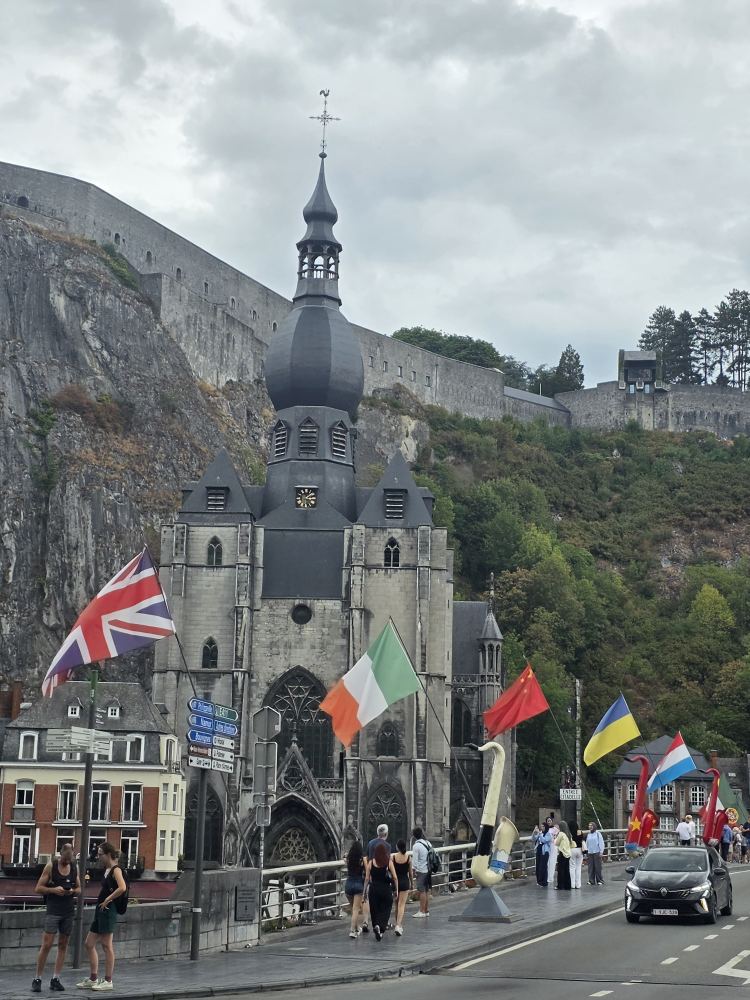
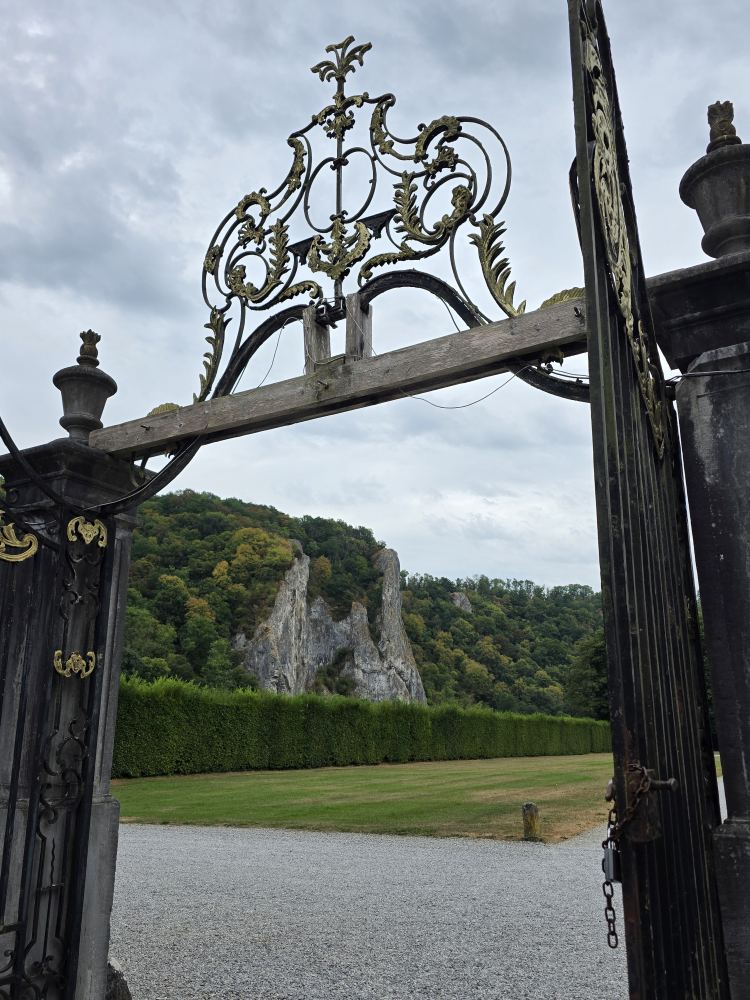
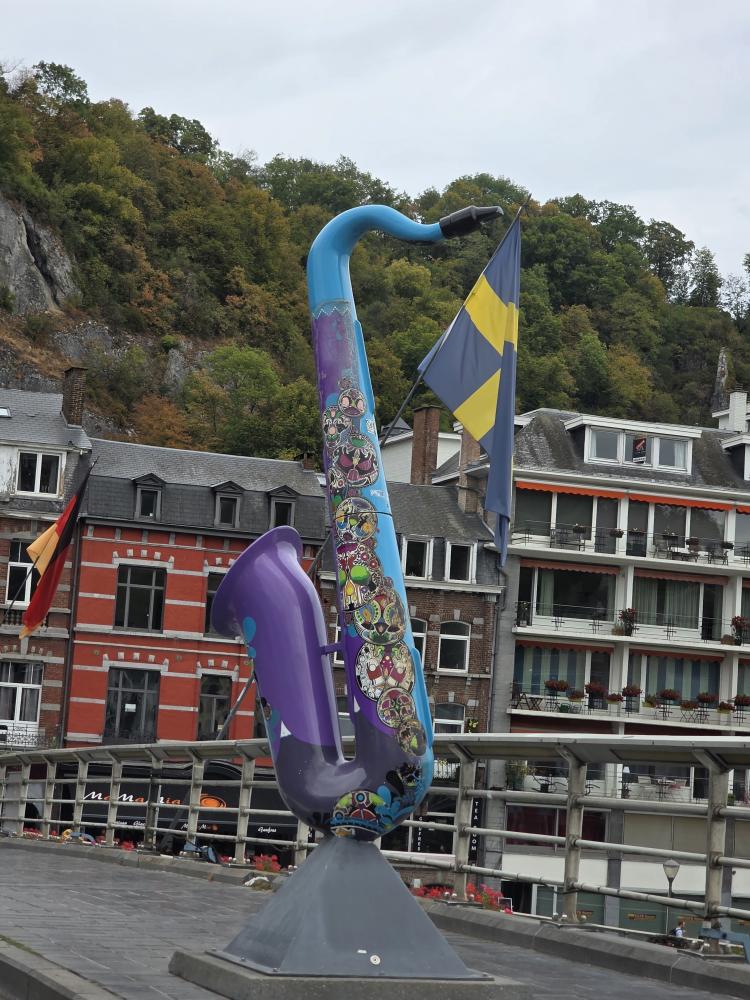
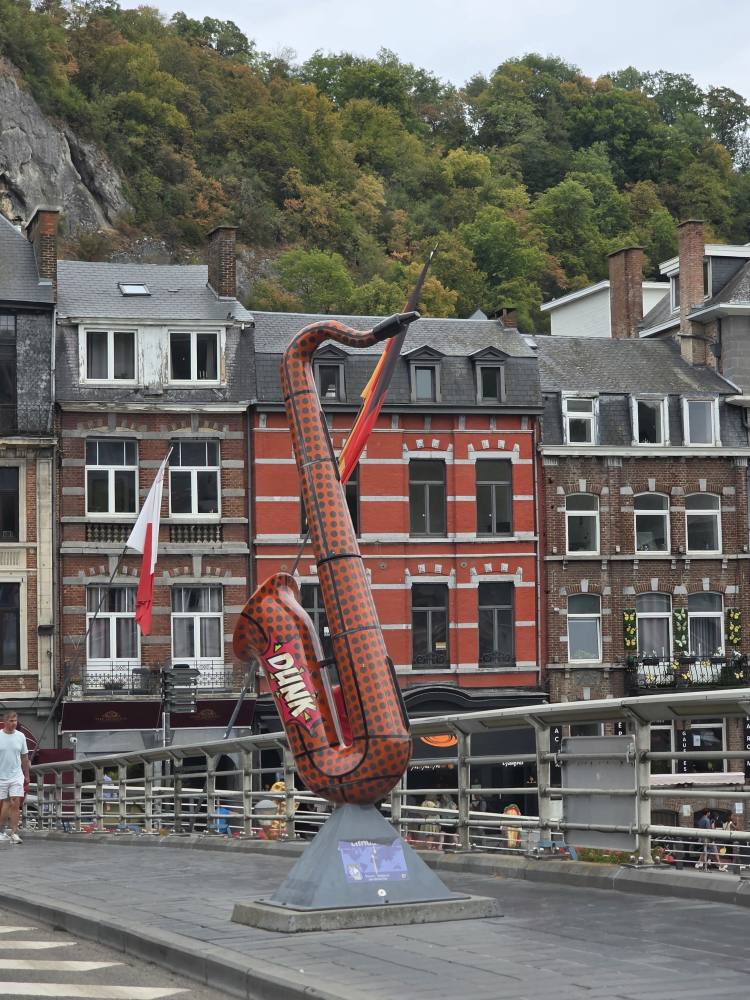
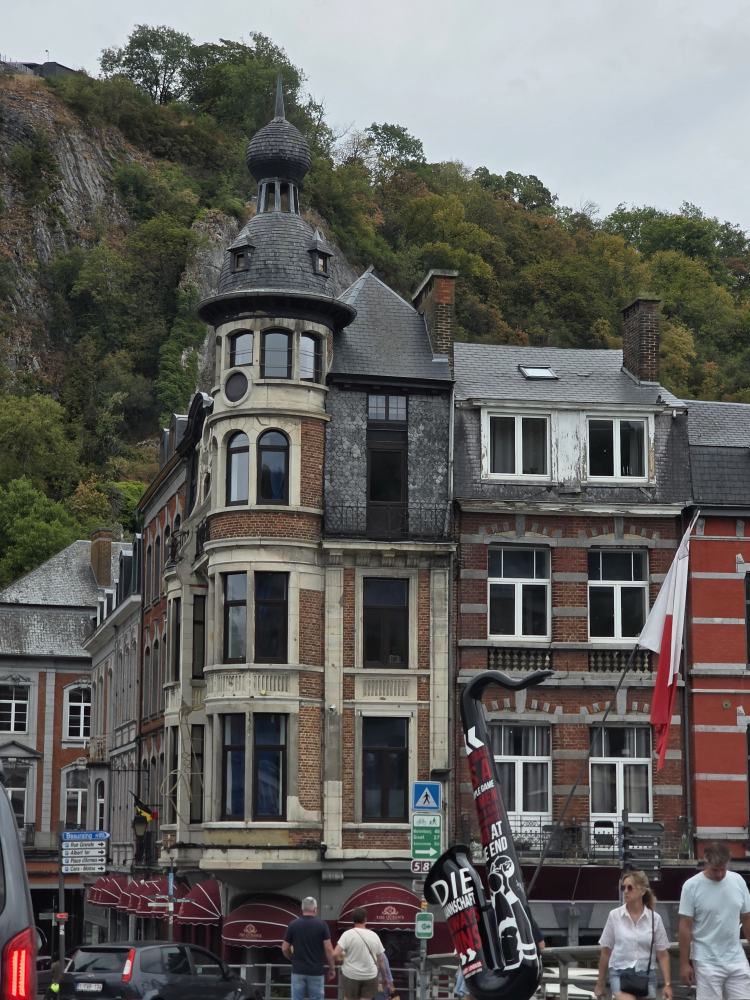
Taking our leave, we snap a few last photos of the castle, then hit the road for the drive back to Yvoir – once again through Dinant where we can see up close the decorations on the main bridge across the Meuse – which are large Saxophone statues, for the inventor of the instrument, Adolphe Sax, originally from Dinant. Too bad Dinant is so crazy crowded, we’d probably like to explore the town and the museum dedicated to Sax – but nope – this place is the definition of way to peopley!
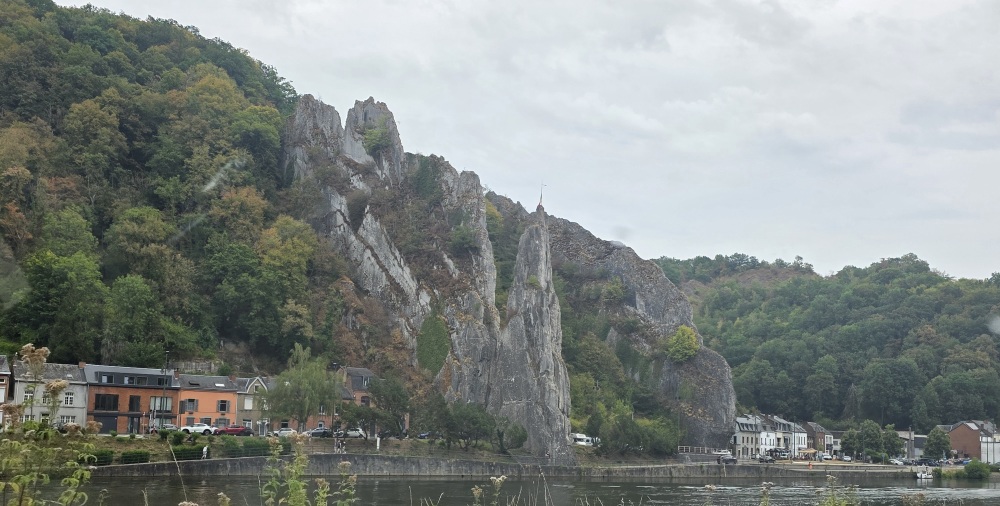
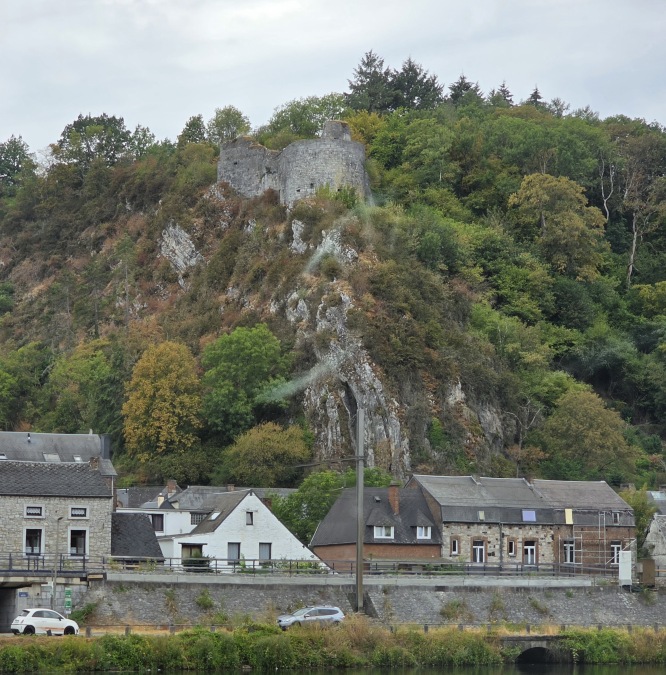
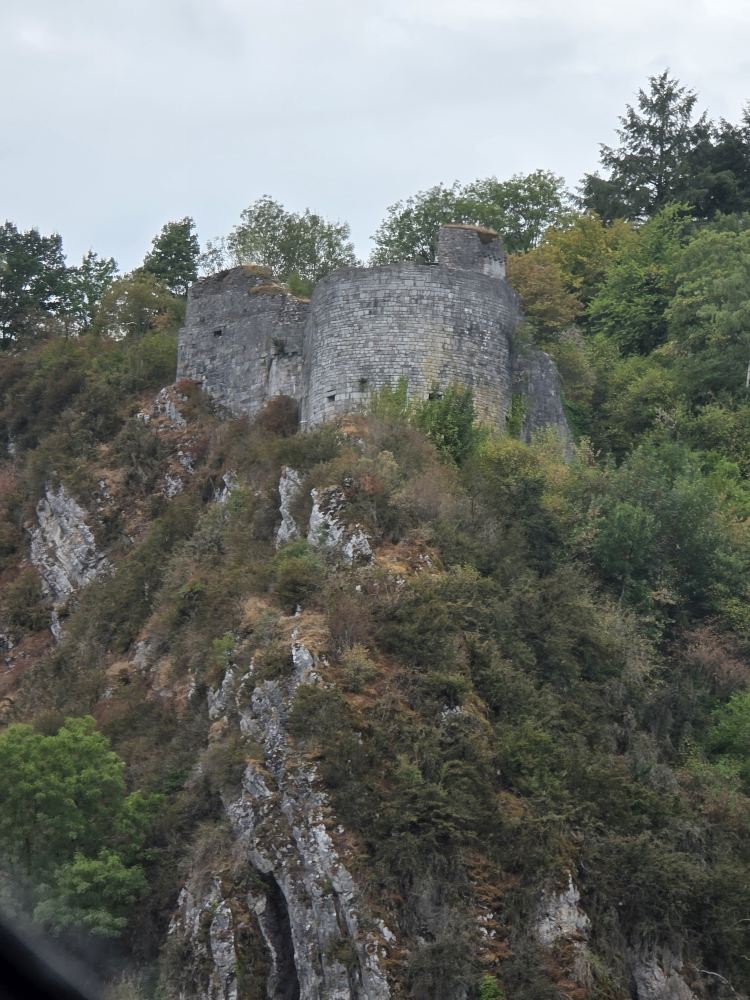
A little further down the road and we pass Chateau de Crevecoeur, this time from the ground level, where we can look up and see the ruins perched on the hillside and cliff. Gorgeous.
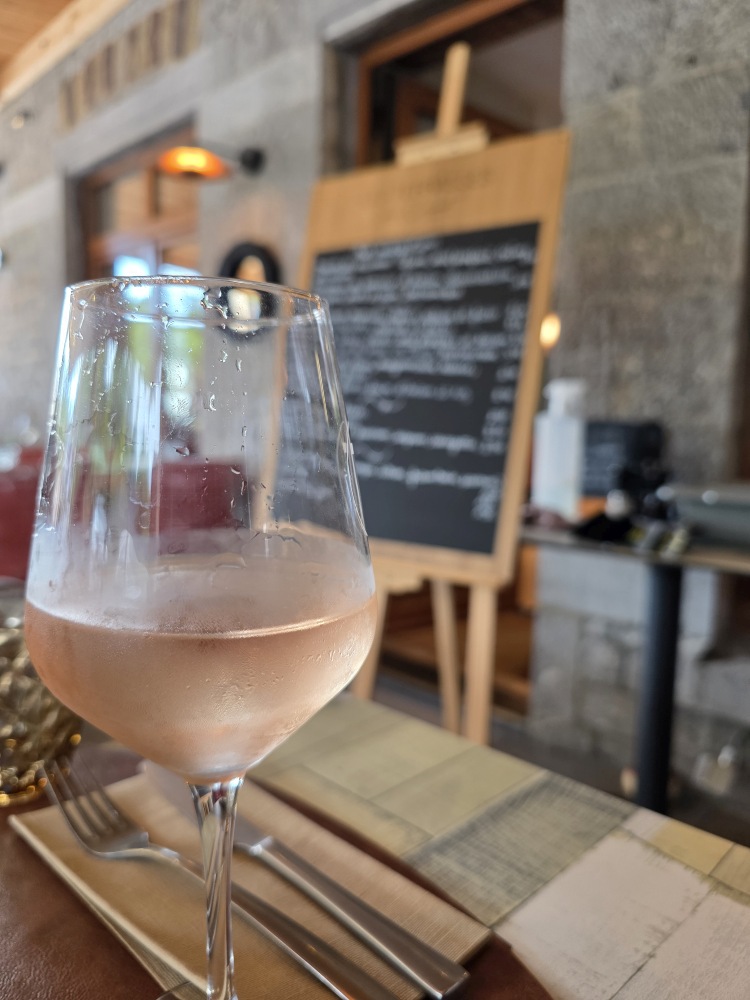
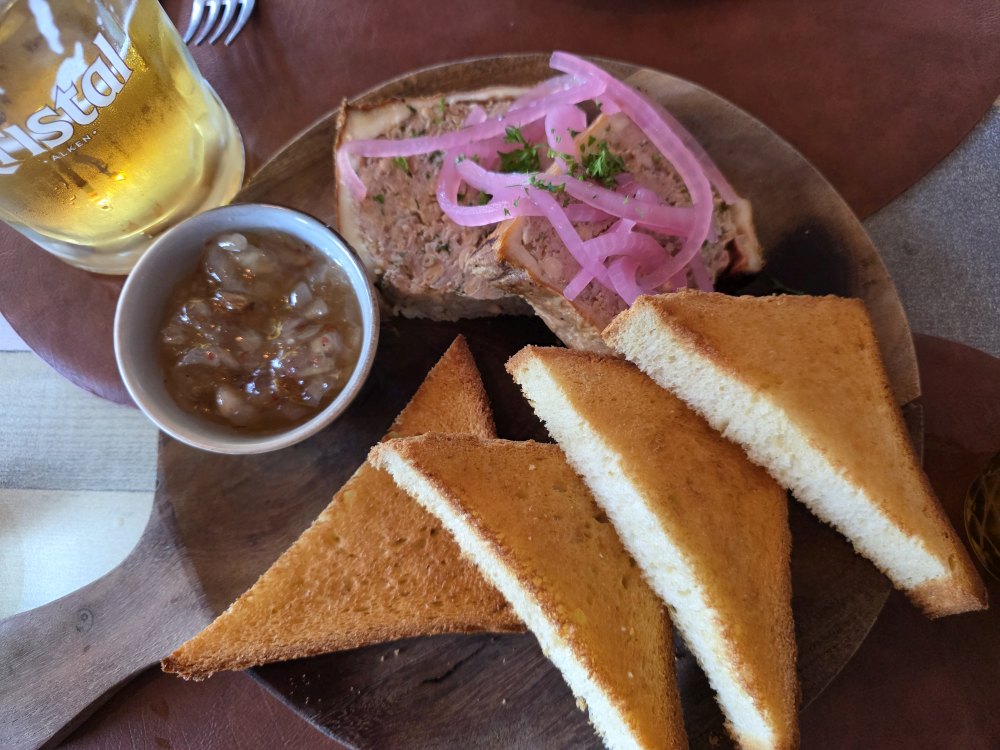
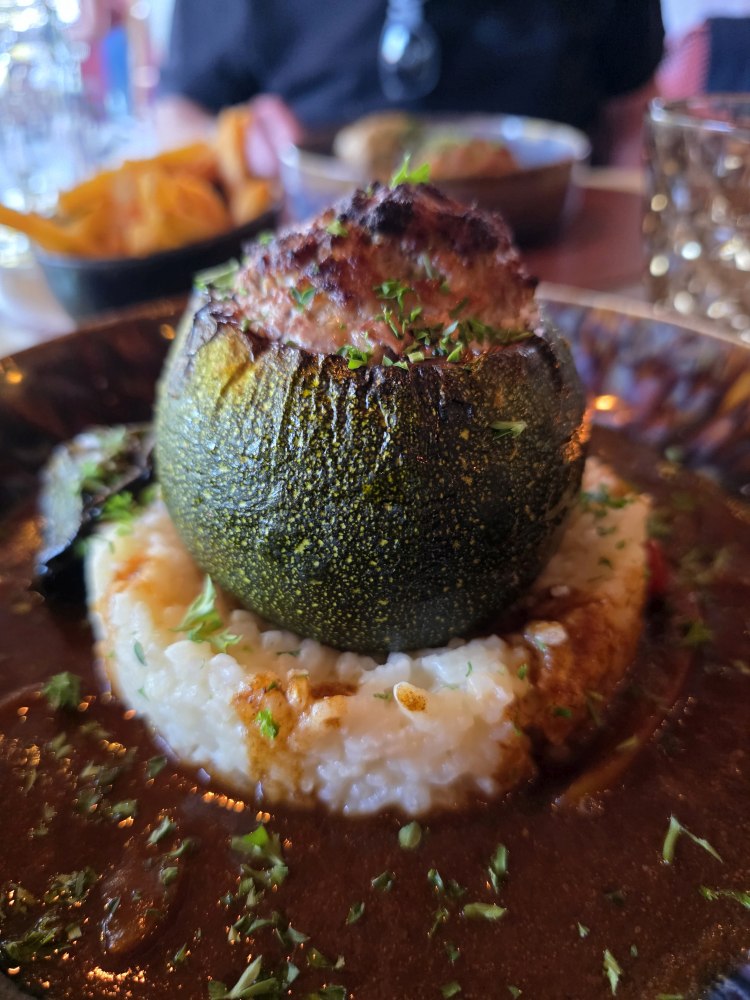
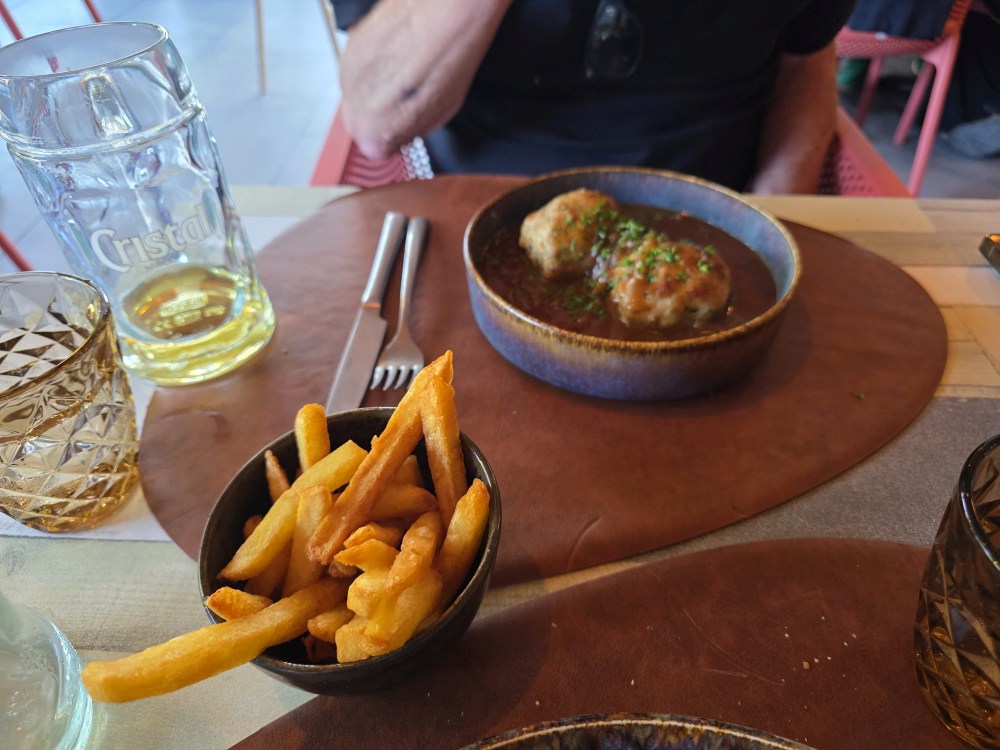
Back among the now familiar country lanes, we navigate back to the apartment, then head out for dinner at Les Terrasses de Crupet – a little restaurant in the corner of the village overlooking the Castle. We have a great meal – ordered by pointing and translation apps because no one here speaks English! – but it all works out as we enjoy our starter of pate and bread, my Courgette farcie (a baked zucchini stuffed with meat) and Ed’s Boulettes de Saison (meatballs of the season).
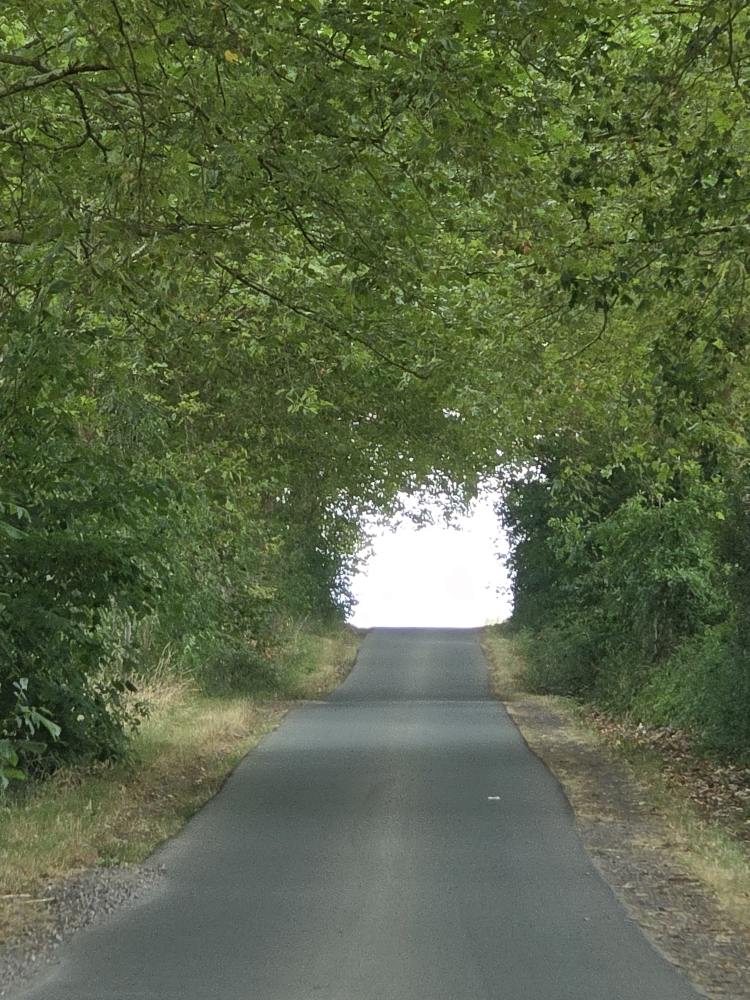
A quick drive home brings an end to a great day of exploring and a fabulous dinner.

