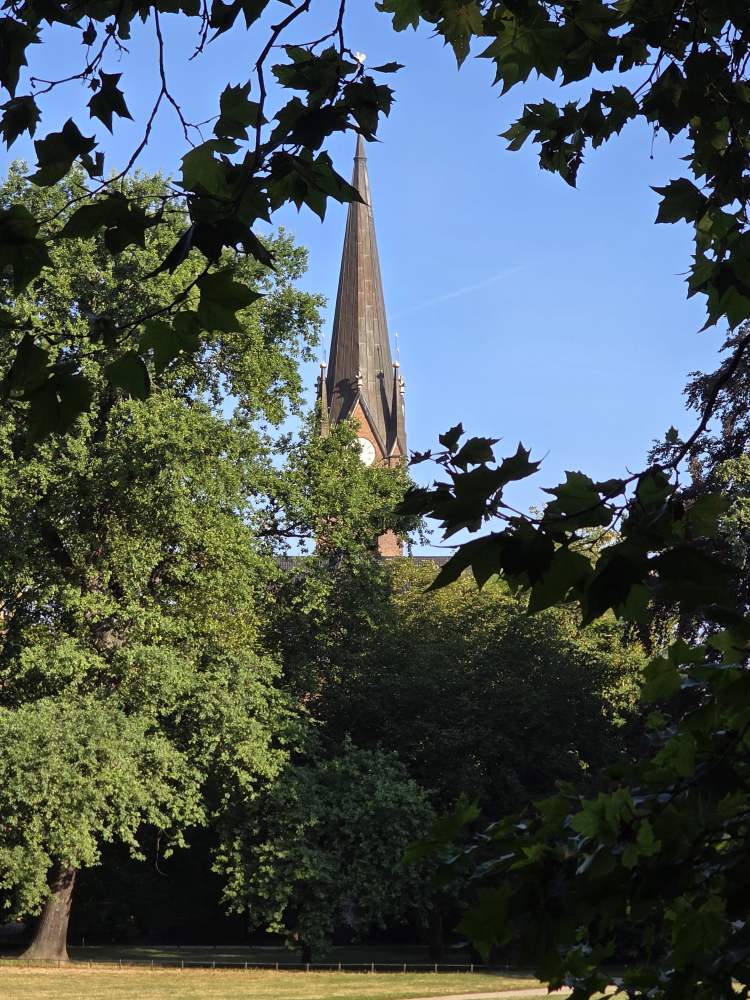
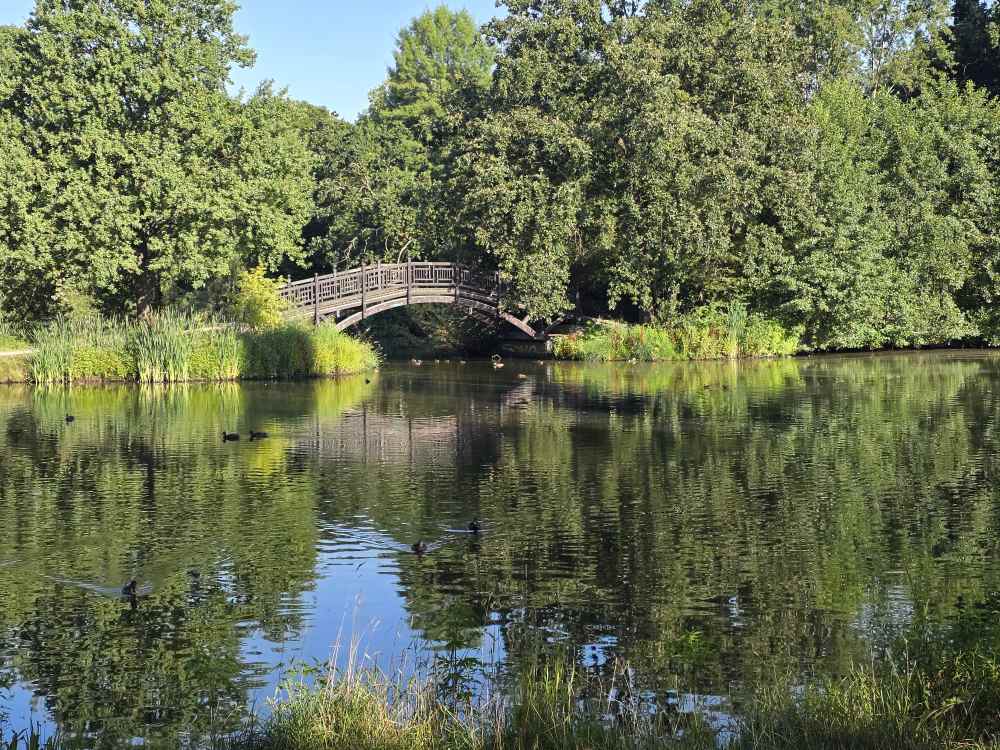
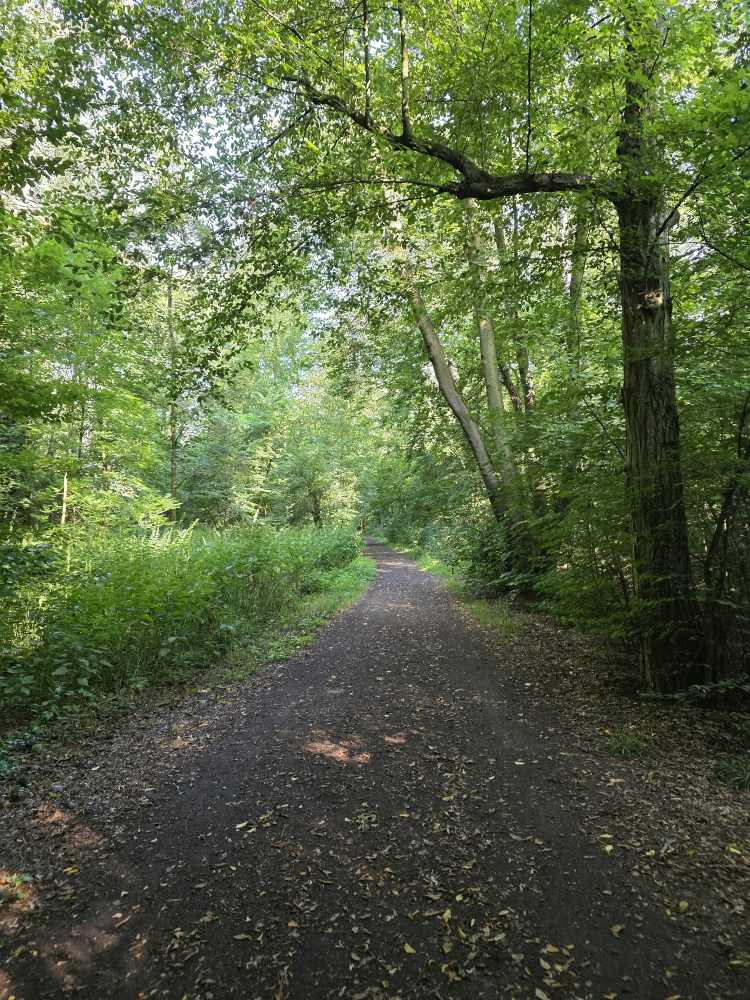
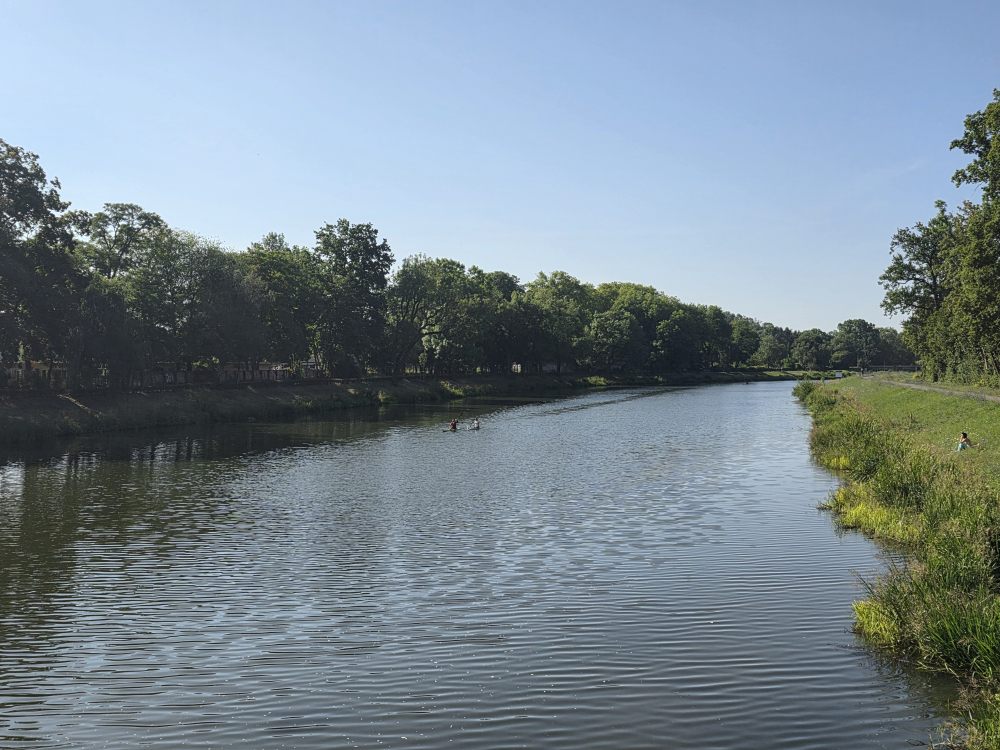
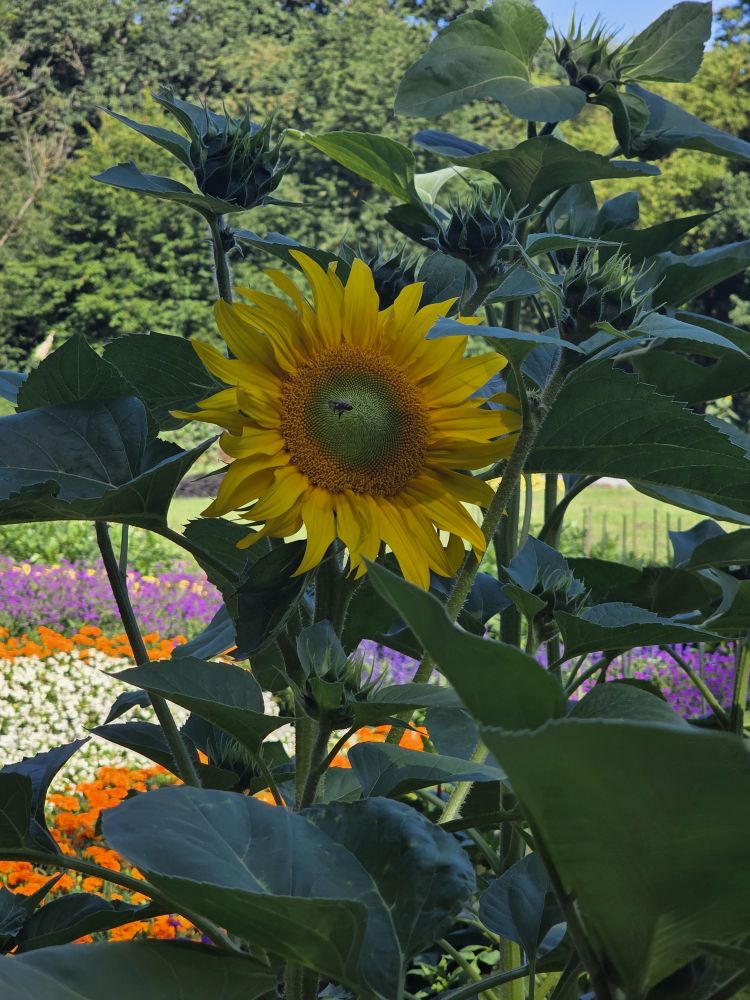
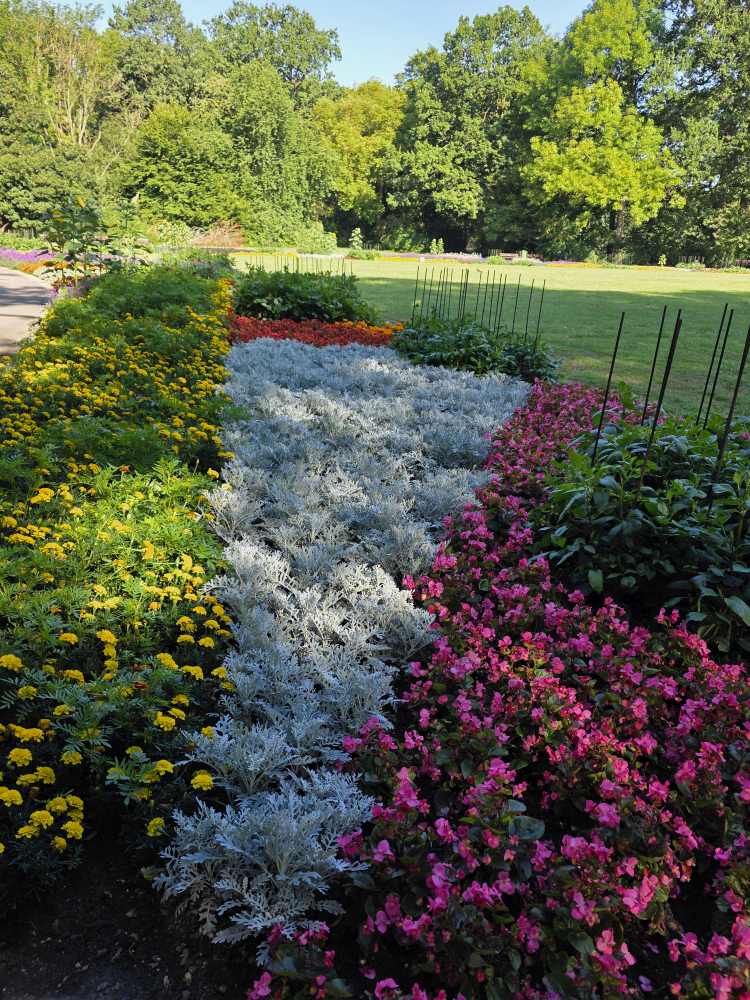
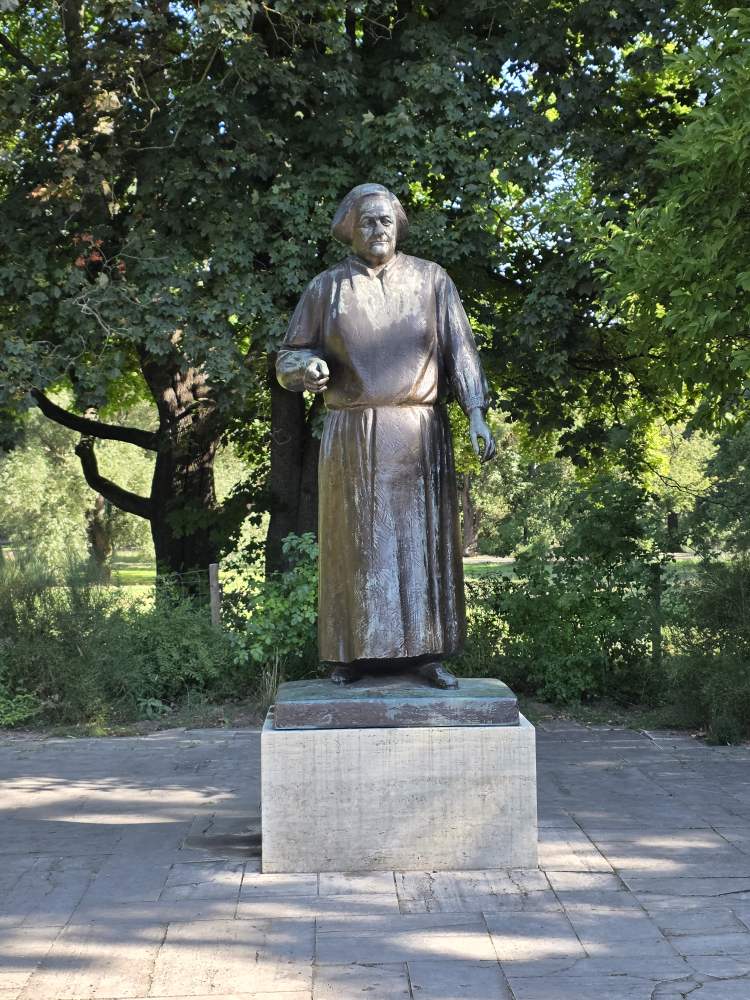
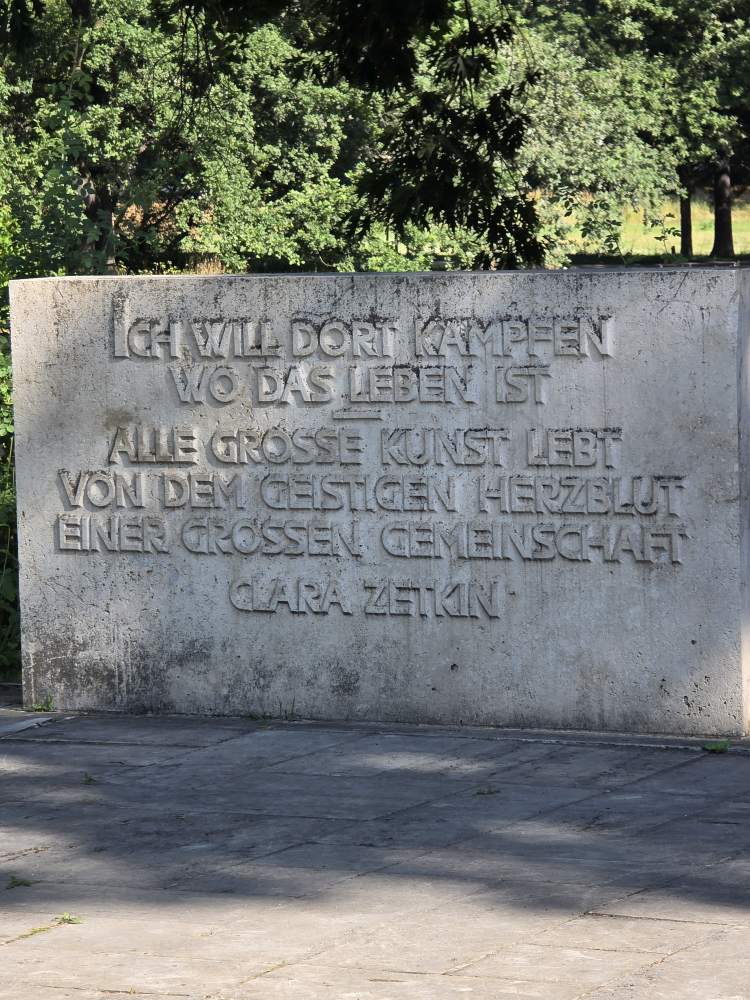
Today begins with nature – a walk through the Clara-Zetkin Park, which is huge and full of lakes and paths and trails along the river. An absolutely lovely way to start the day.
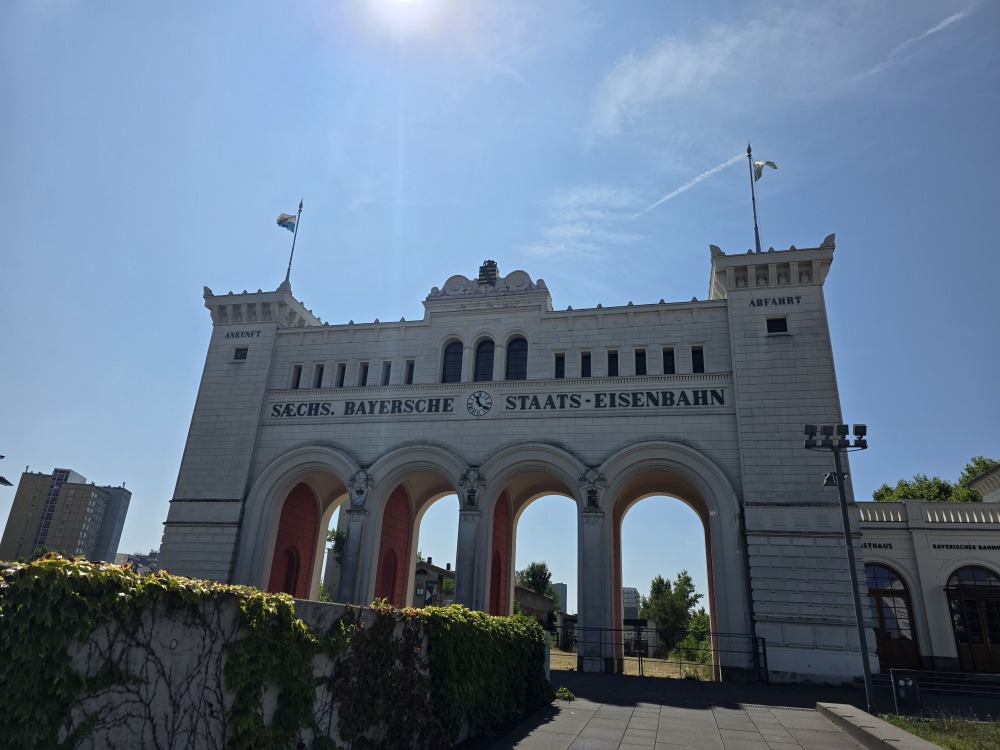
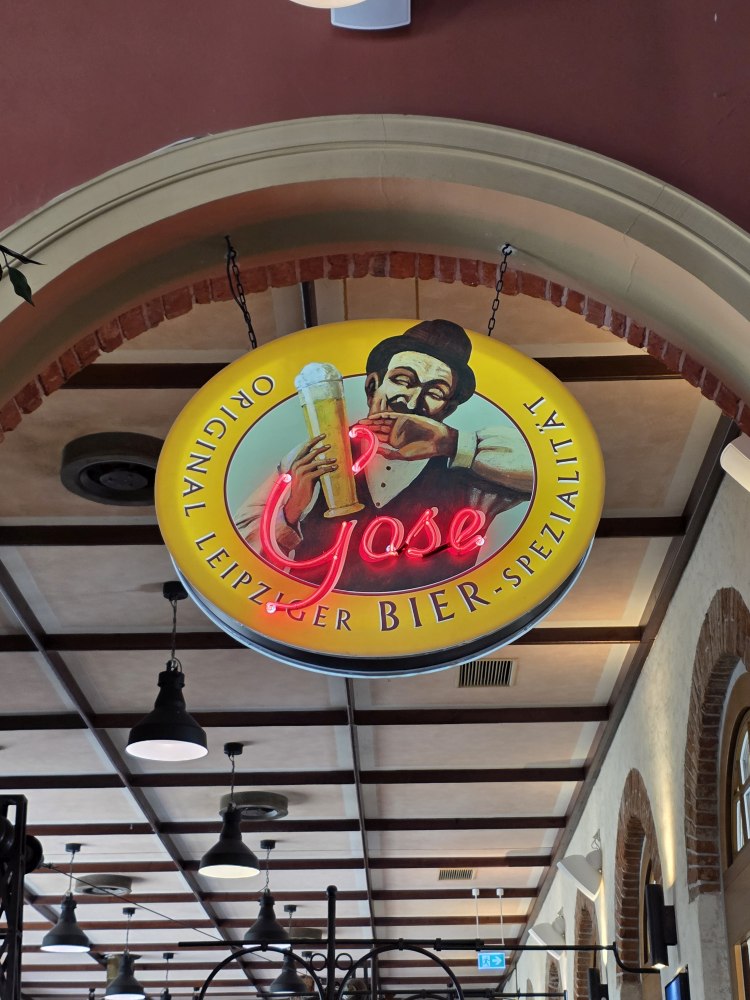
Back at the apartment, we freshen up, then hit the streets again heading out of the old town proper and down to the old Train Station where the Bayerischer Bahnhof Gasthaus is located. Housed in the old main train station, the Brewery/restaurant gets excellent reviews …. And is famous for its Gose. Oh yes, Ed is all in on this! Unfortunately, Google Maps has other plans – instead of sending us directly down Windmuhlenstase, the main road, which reaches the brew haus directly, she sends us meandering through side streets and round Robin’s barn! Honestly! What is wrong with straight down the main road?
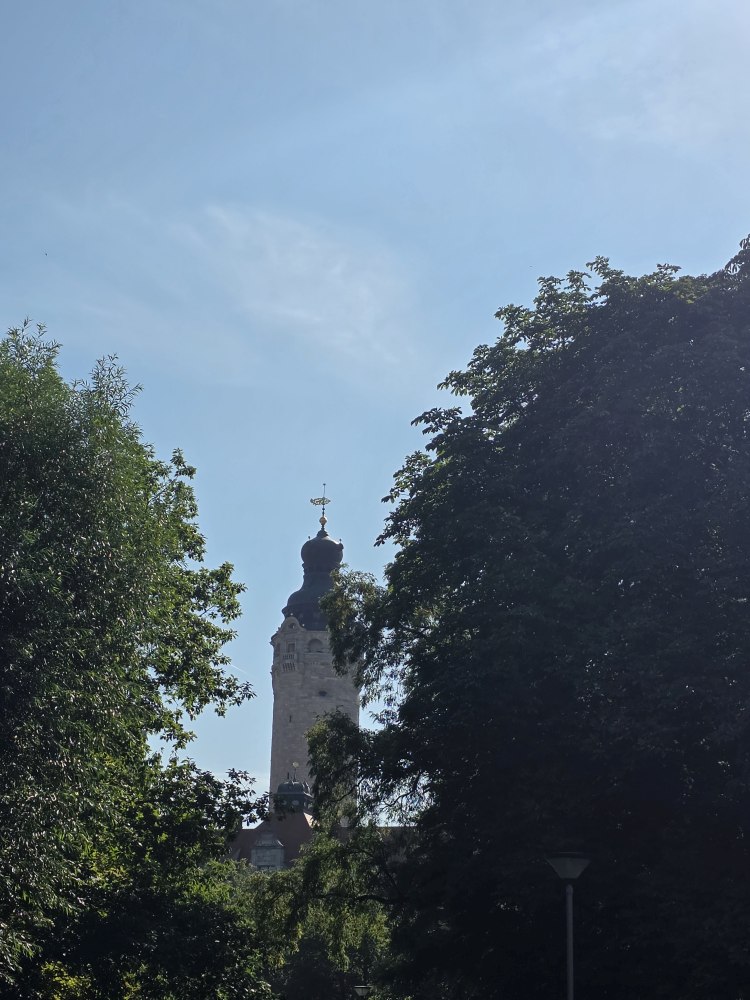
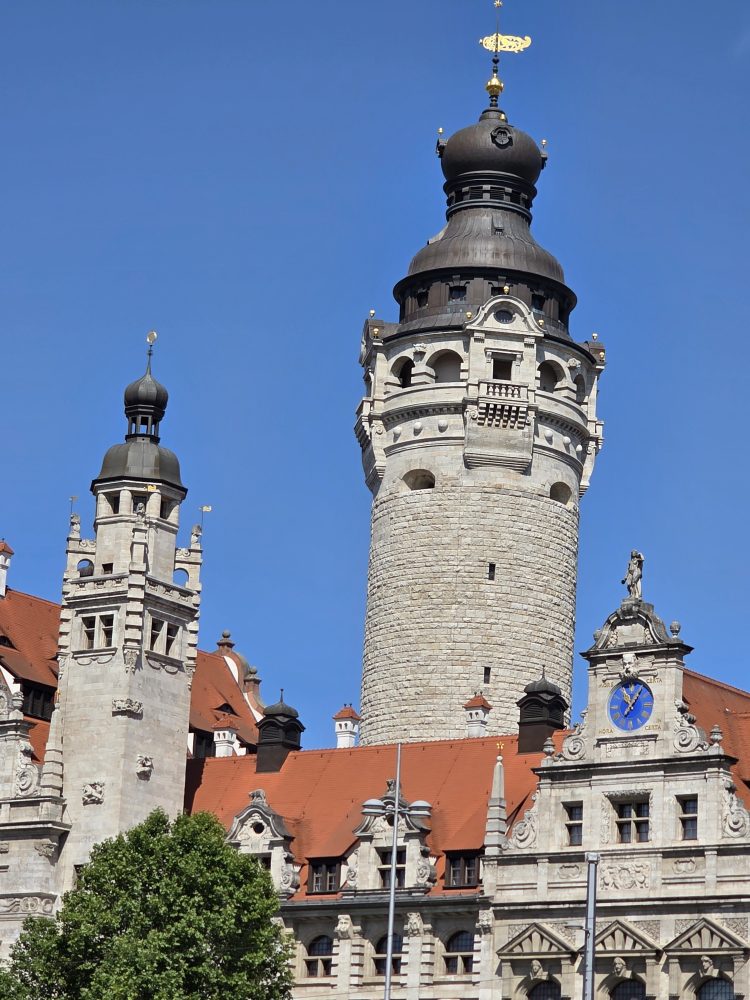
We finally arrive at the old station with the tracks and façade still standing and make our way inside the restaurant. Because we don’t have reservations, we can’t sit inside but are free to sit in the biergarten – although we have to order pub style. Hey, it’s a beautiful day, we don’t care about table service – so off we go to the huge biergarten where we have a lovely table in the shade for an excellent lunch of a goulash starter (we just had to try it – and it was really good!), a massive salad with chicken for me and then the Kalbfleischpflanzerf – 5 mini veal patties for Ed. Plus, yes, of course, Gose. Fantastic.
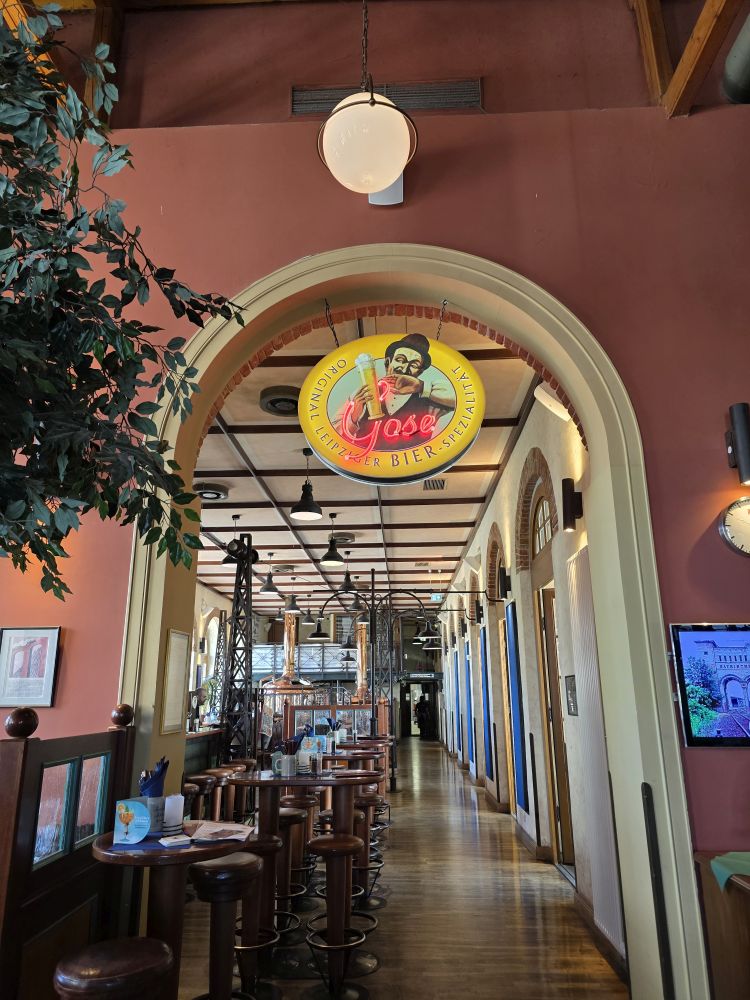
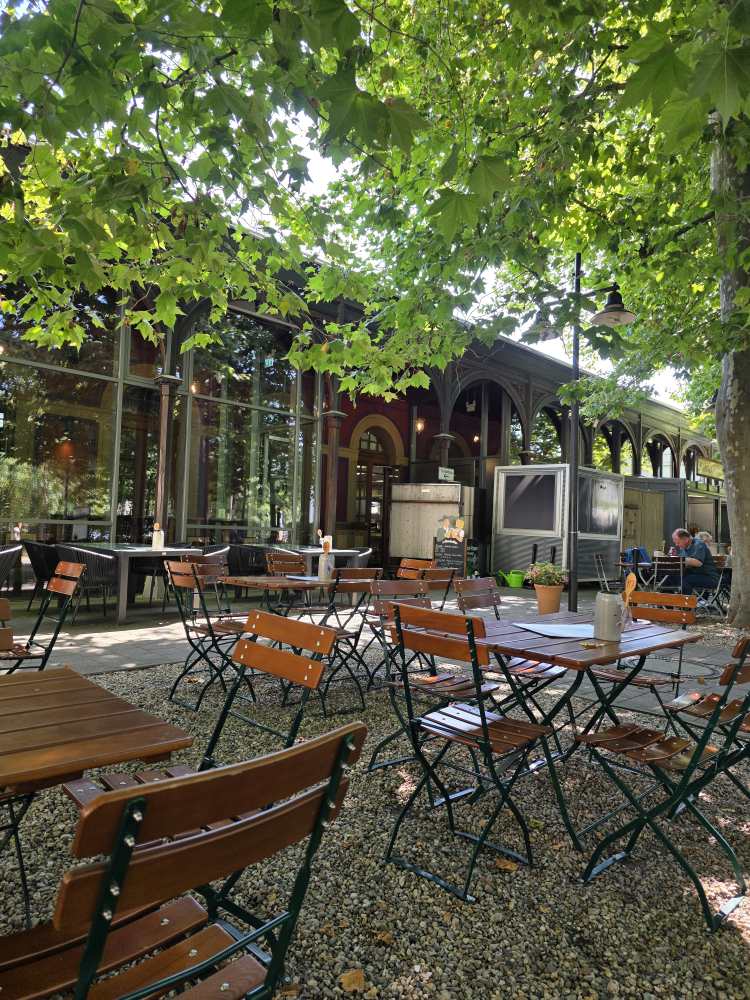
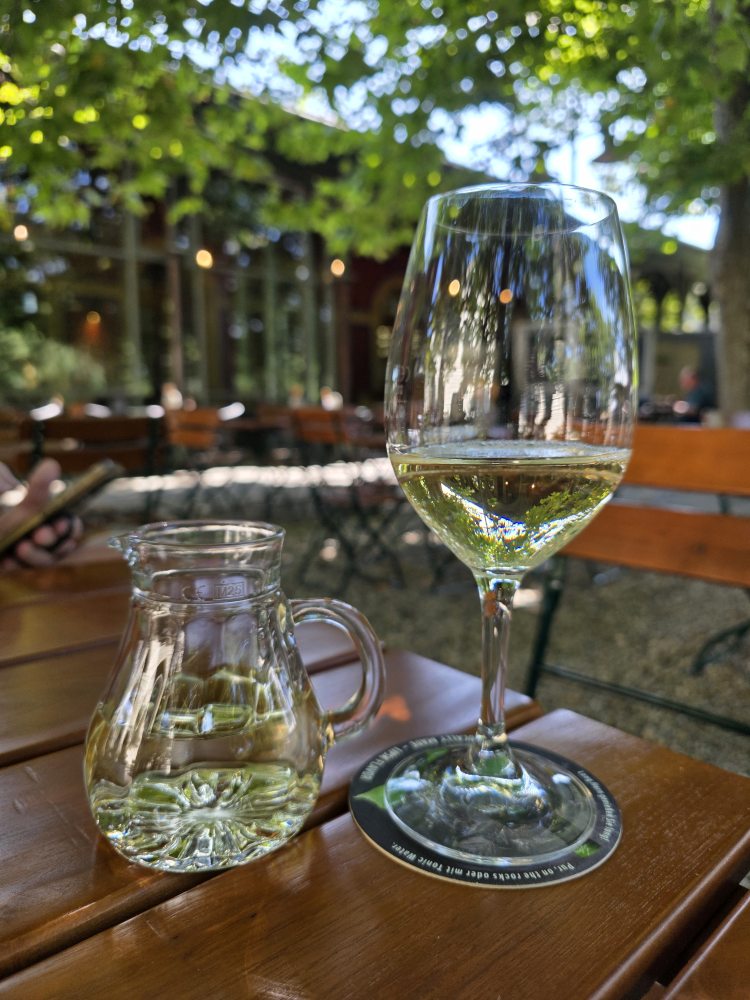
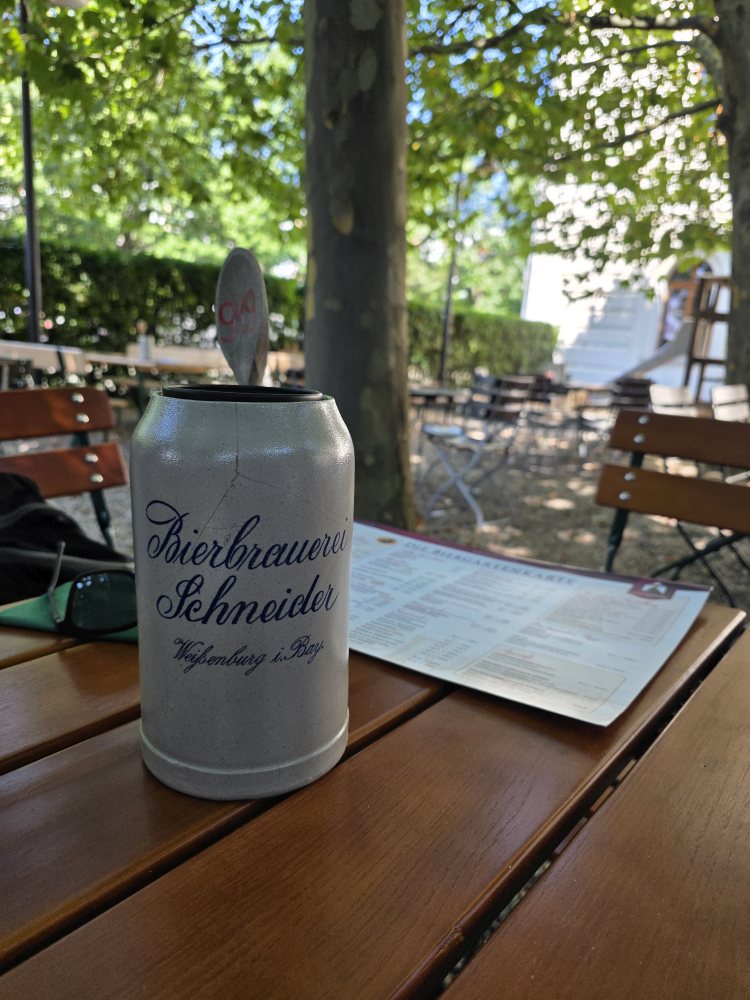
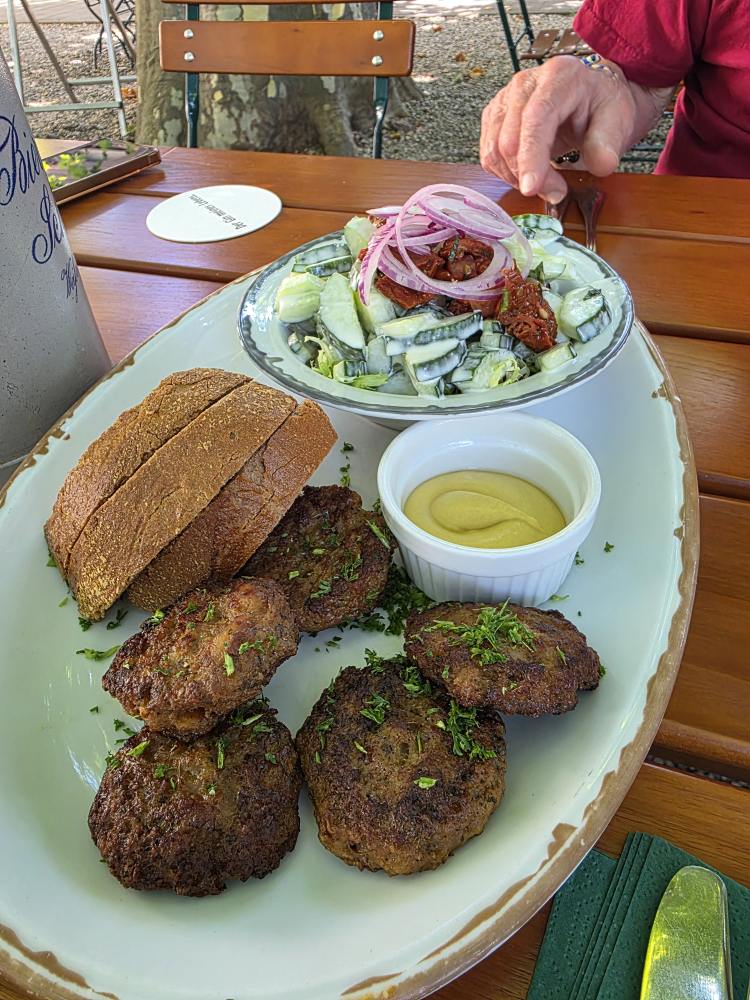
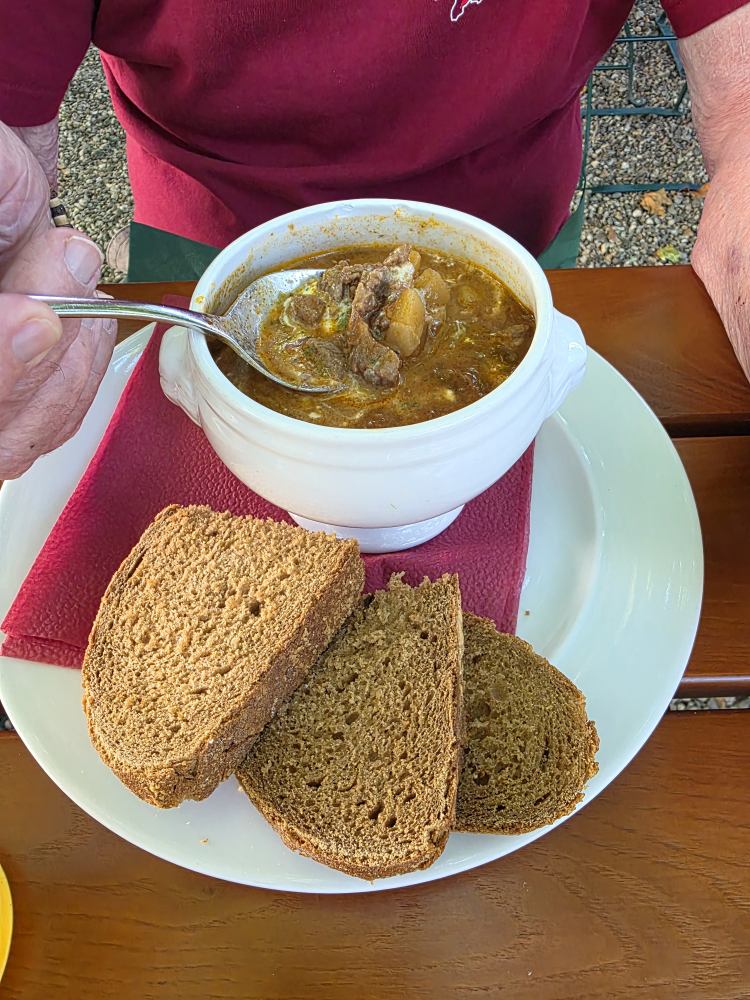
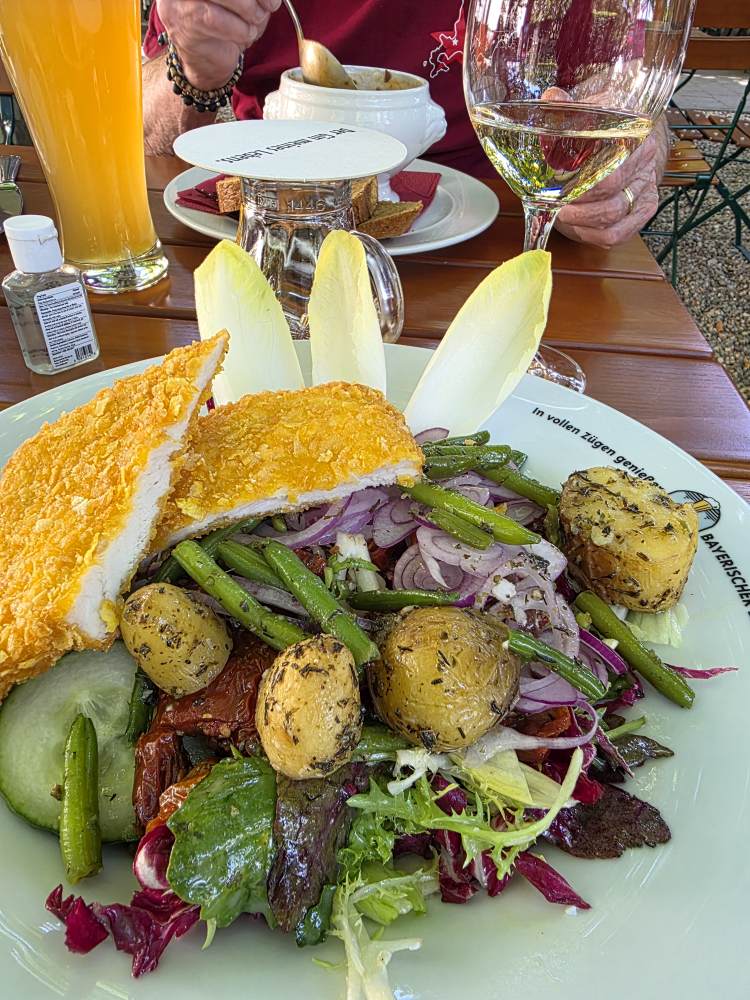
The place is definitely filling up as we eat – and we notice a big sign at the entrance that translates to: Anything but fast. Too funny, but apparently true in the evenings if they need a big sign. Glad we are here for a relatively early lunch!
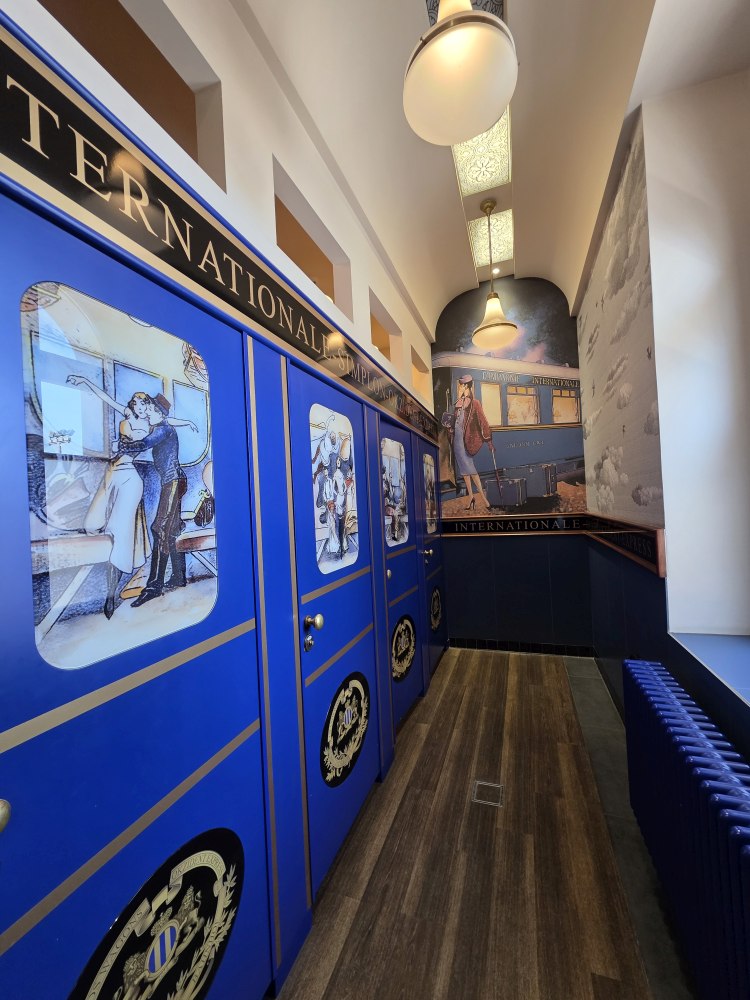
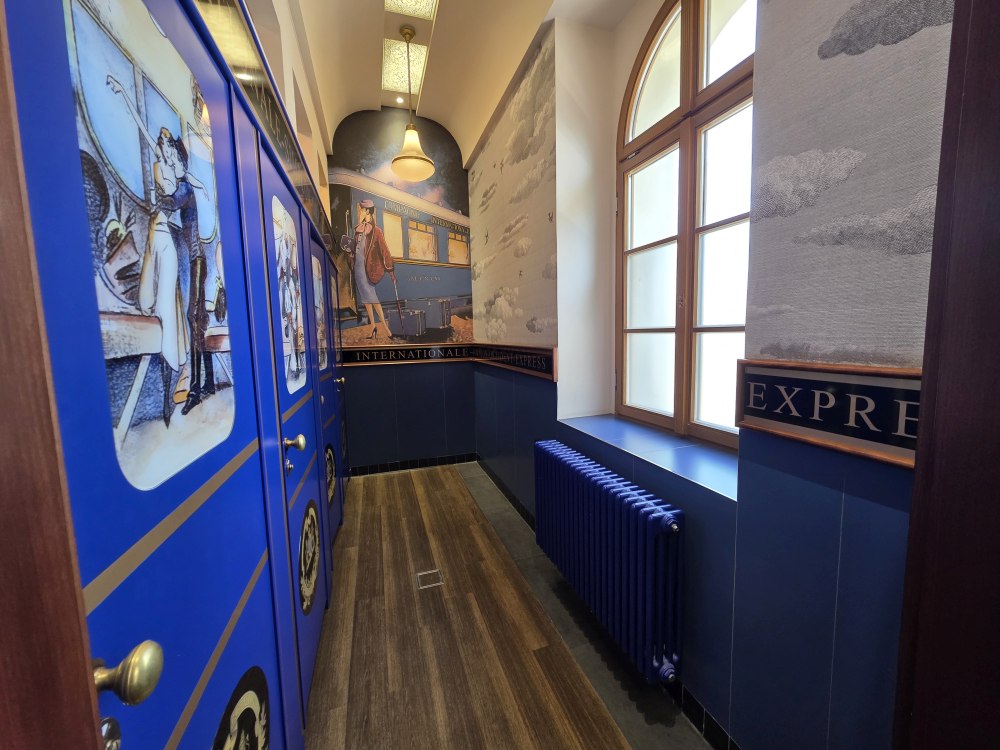
On our way out, we hit the restrooms to find the décor makes the room – and stalls – looks just like a train. So creative and fun!
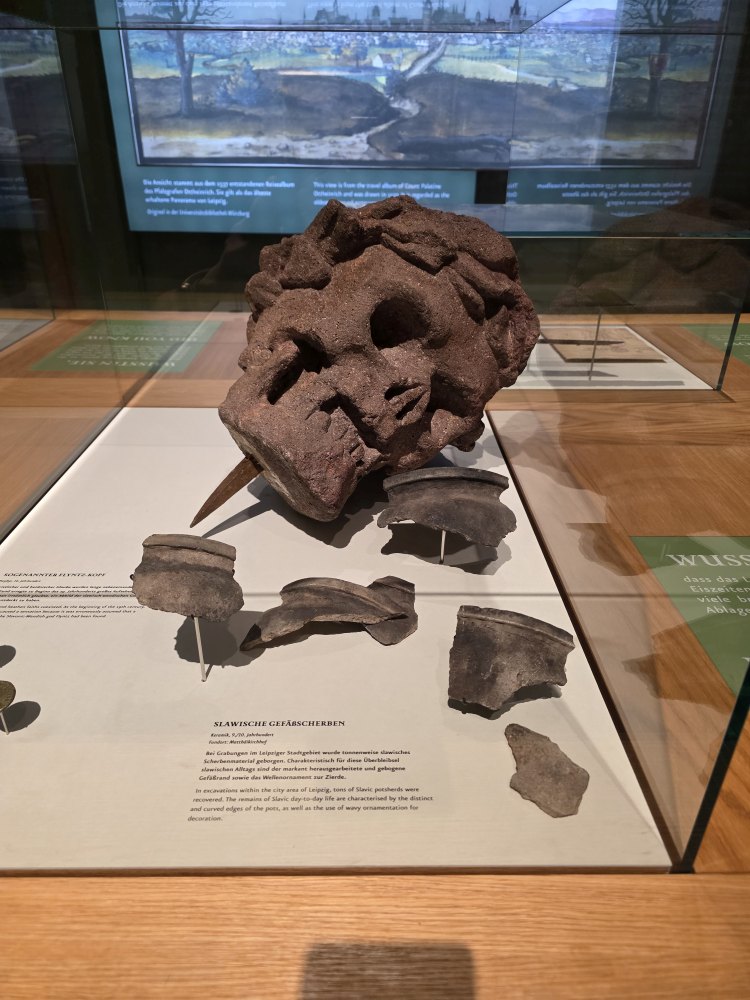
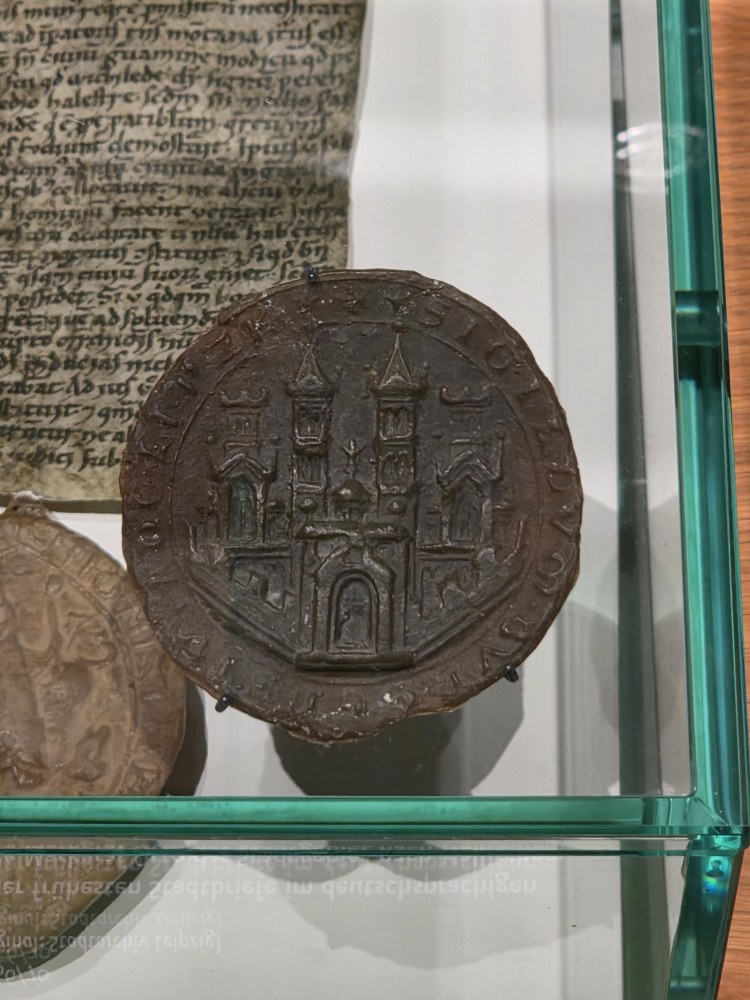
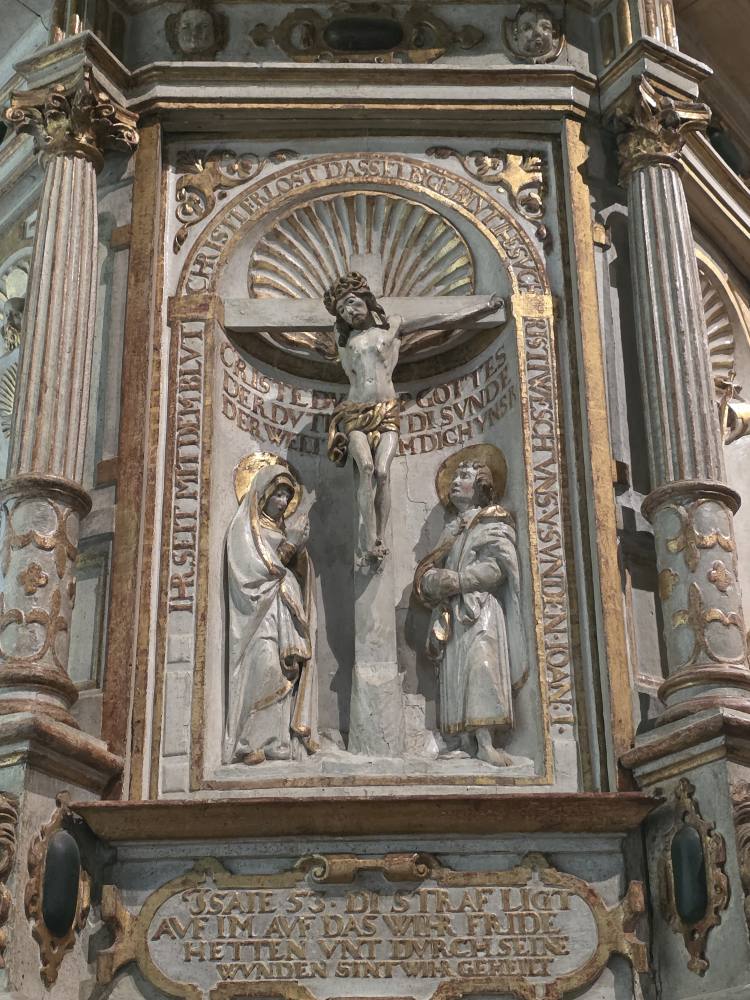
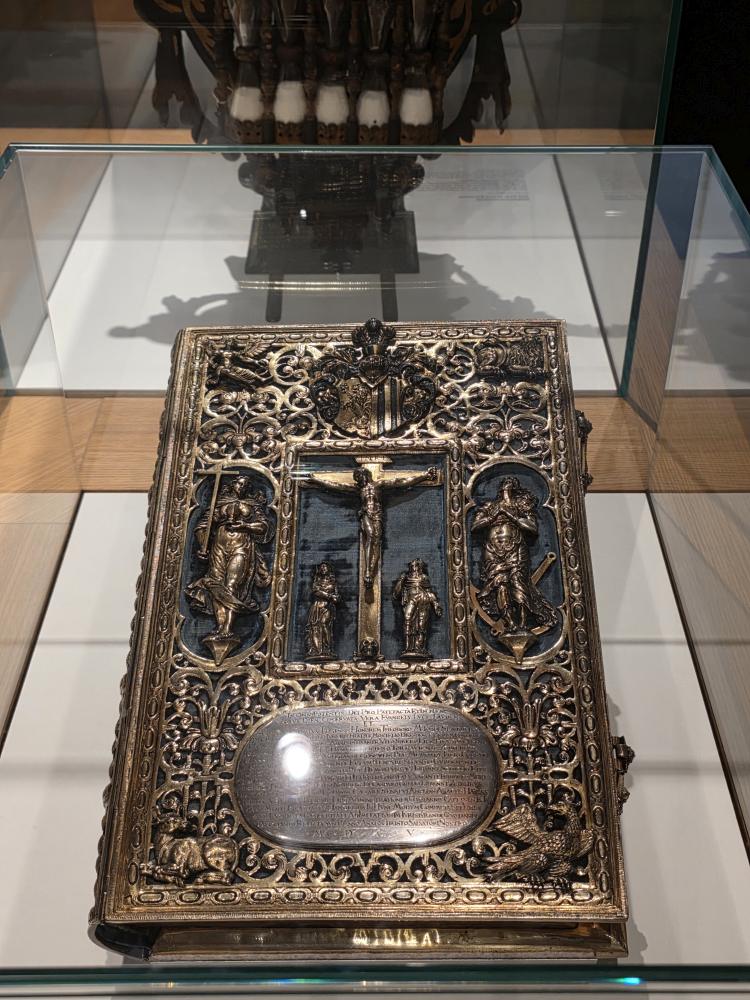
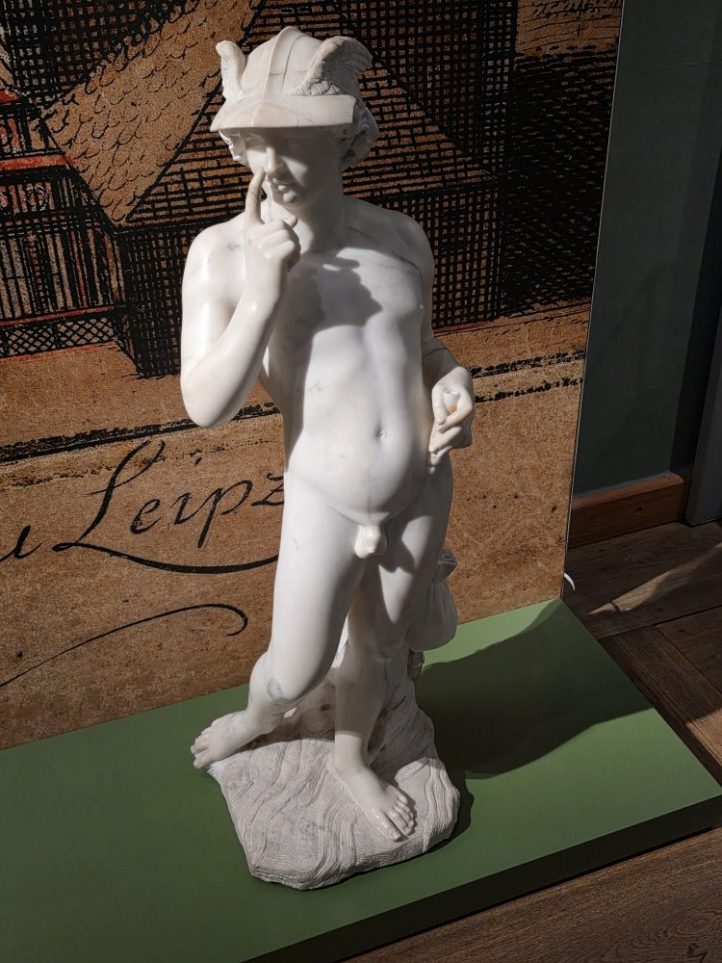
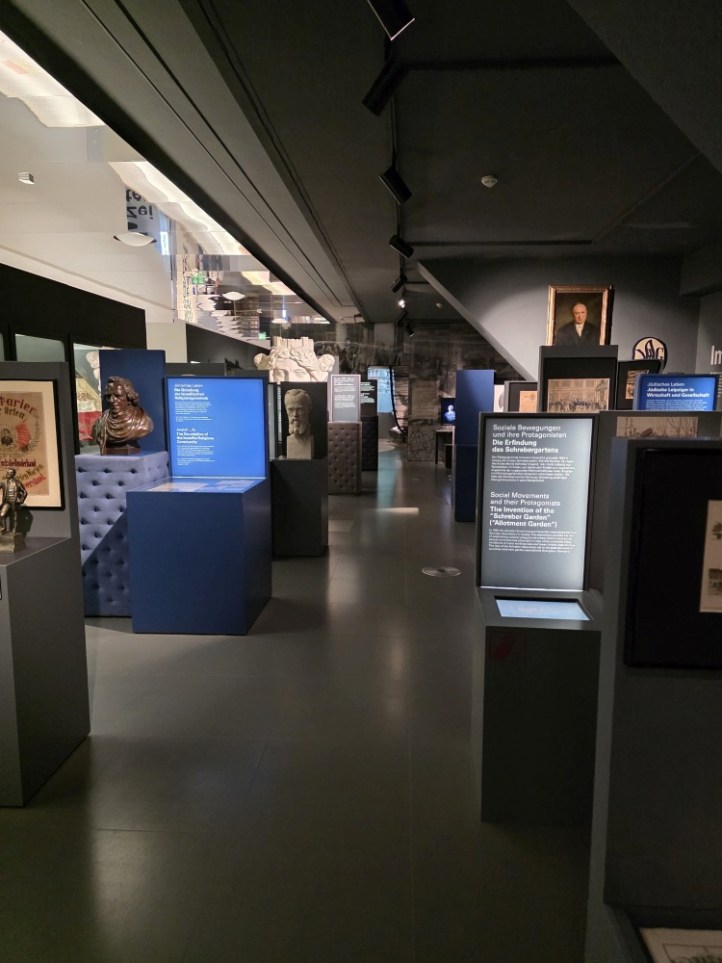
Then we’re off, back into town for the Stadtgeschichtliches Museum – the Old Town Hall City museum. Another excellent visit – where we learn all about the history of the city, past to present. Starting from the early 1500s with original city and emperor seals to bizarre pottery shards in one room, then religious symbols and the original bible that the on which council members were sworn in.
There is a little door that allows you climb up a stone spiral staircase to a little alcove overlooking the first floor of the museum – the original medieval halls and chambers. Back downstairs, we get a close up look at the amazingly detailed Leipzig city model, created in 1822.
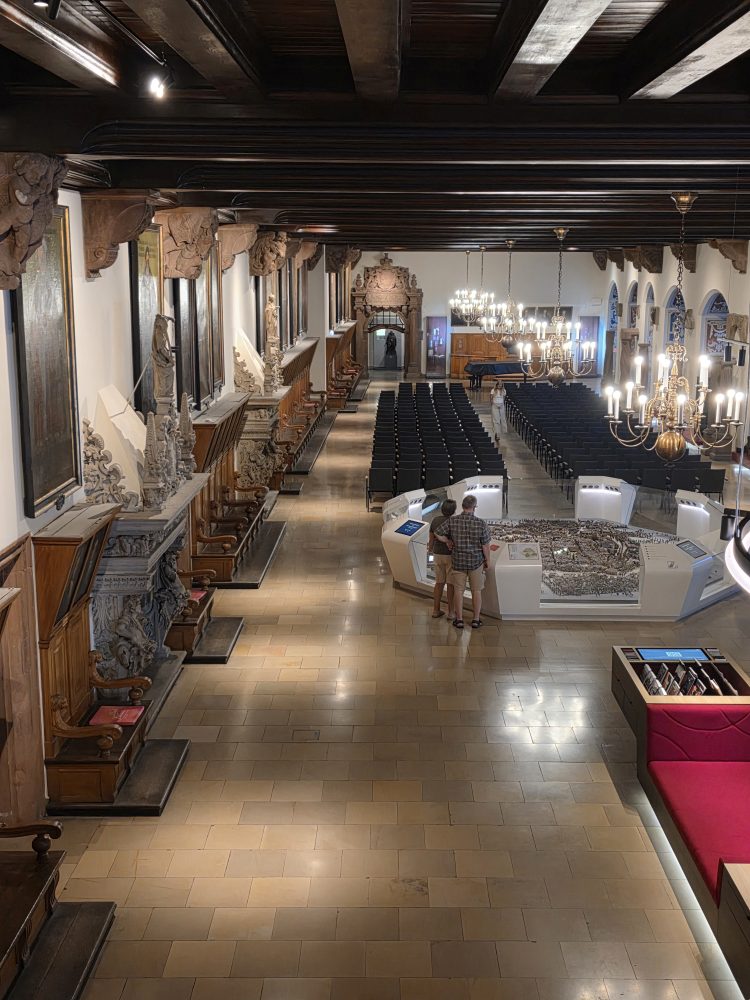
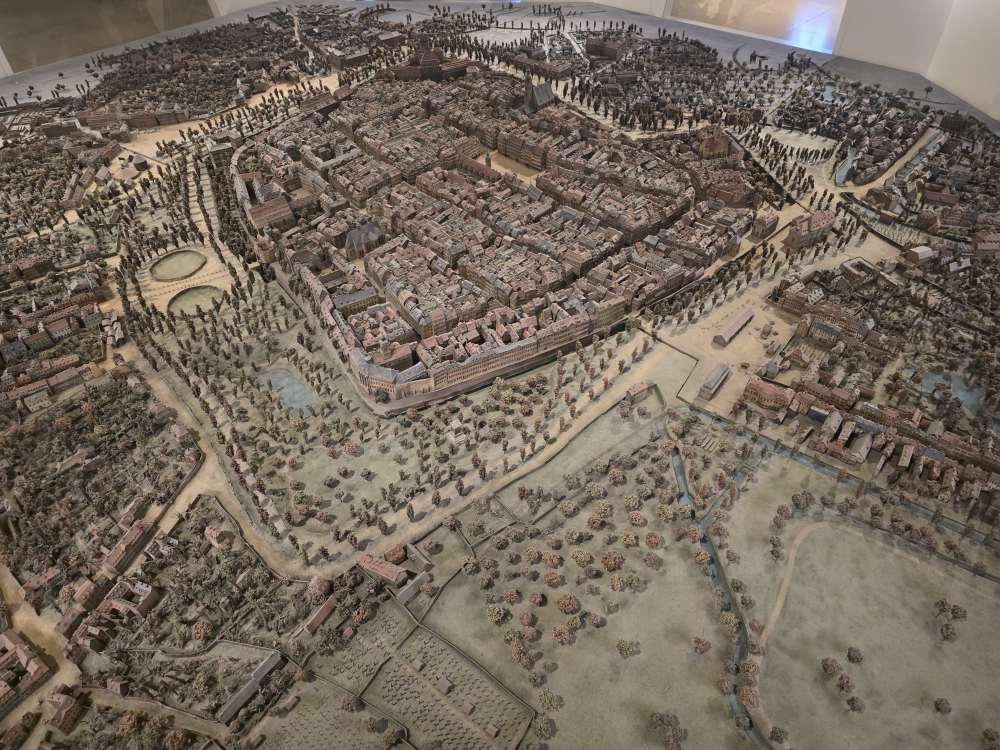
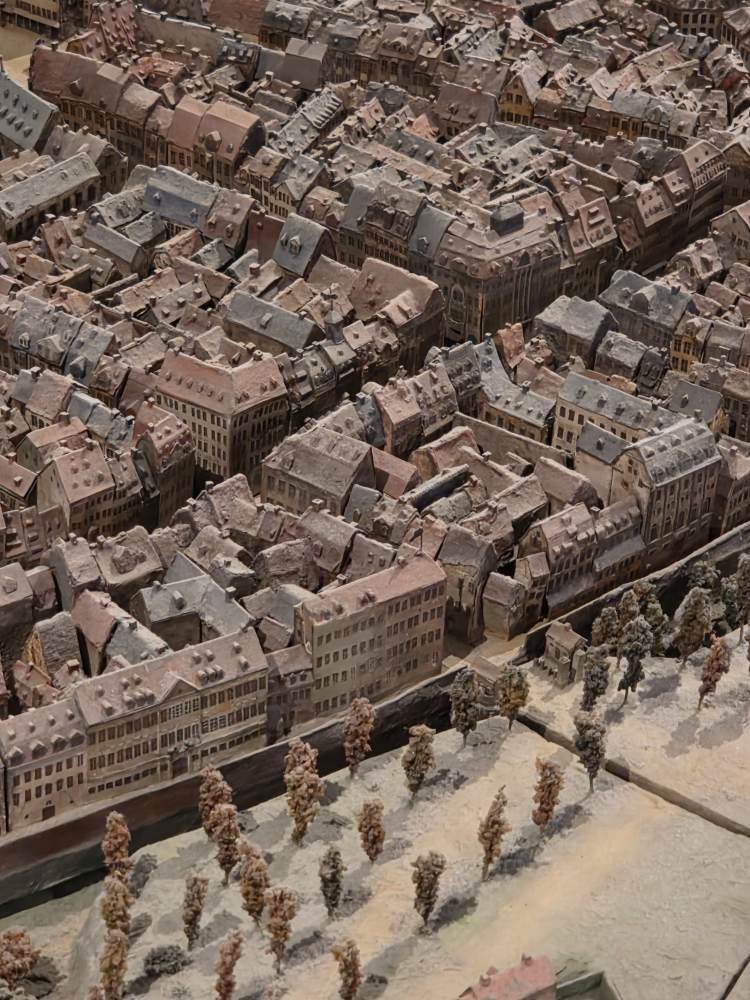
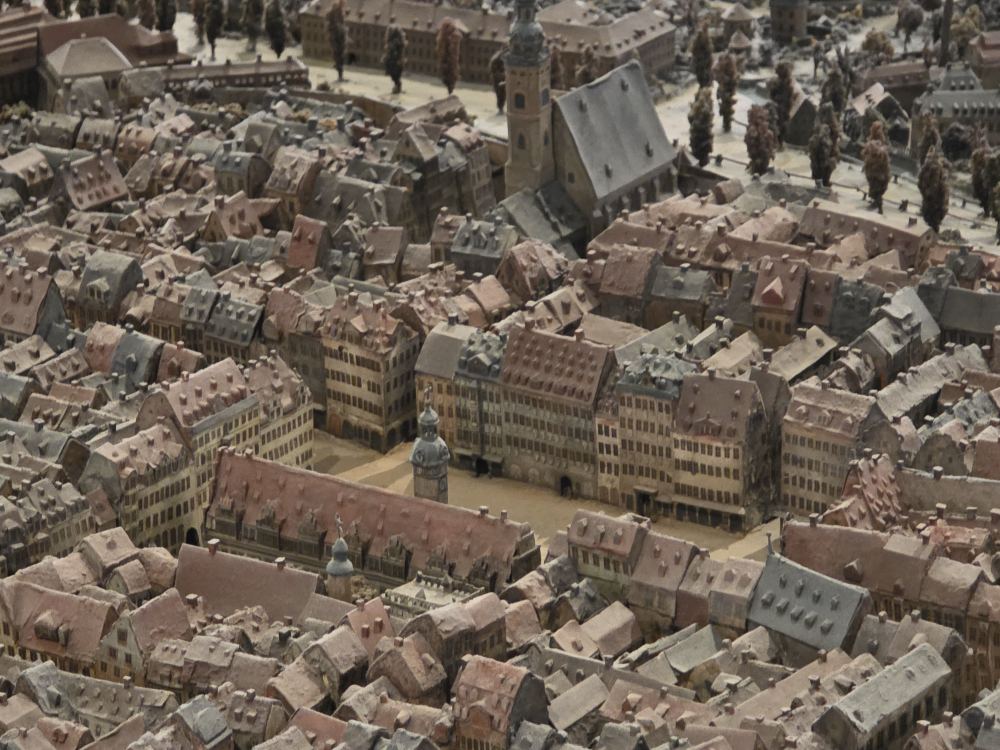
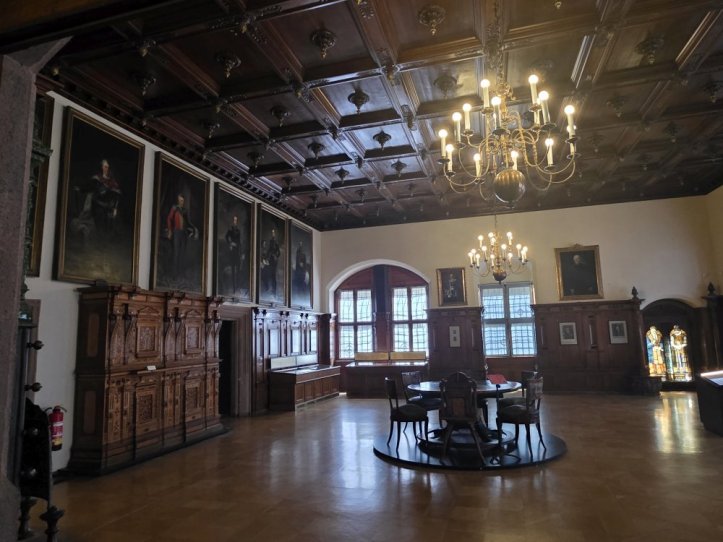
On the sides of the room are the seats for the council, along with portraits of each council member over the years.
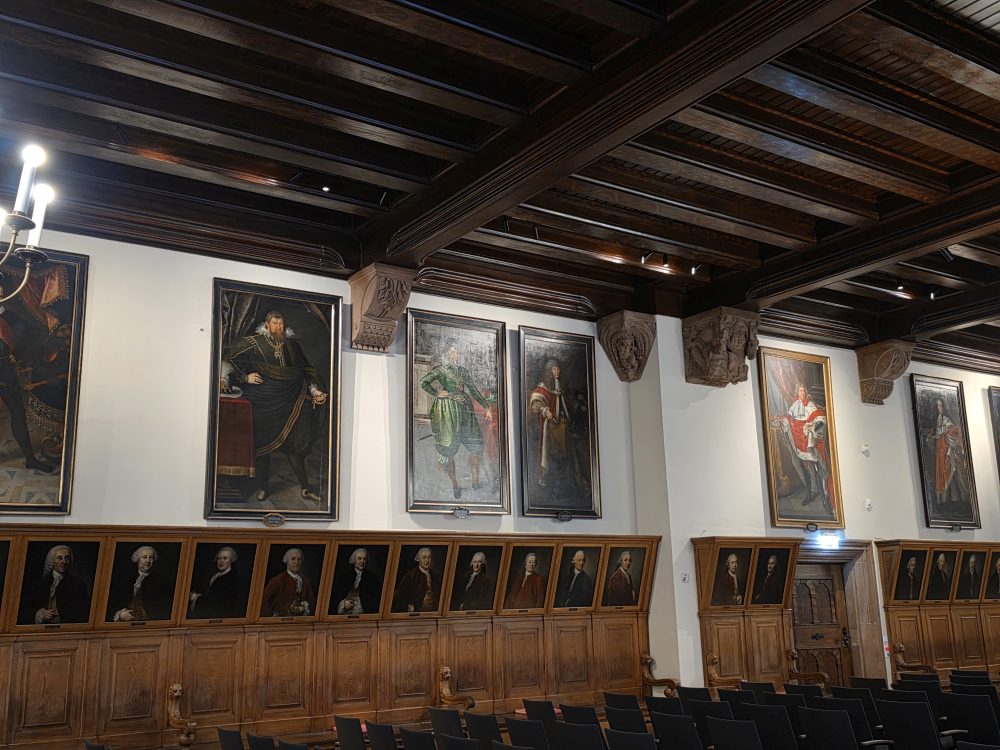
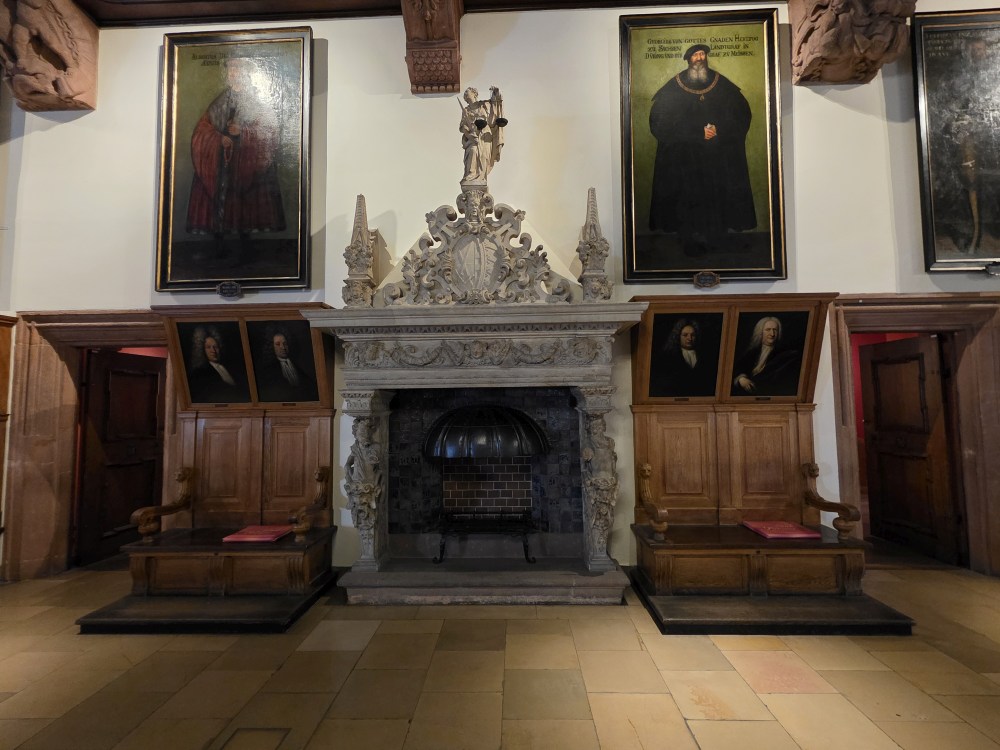
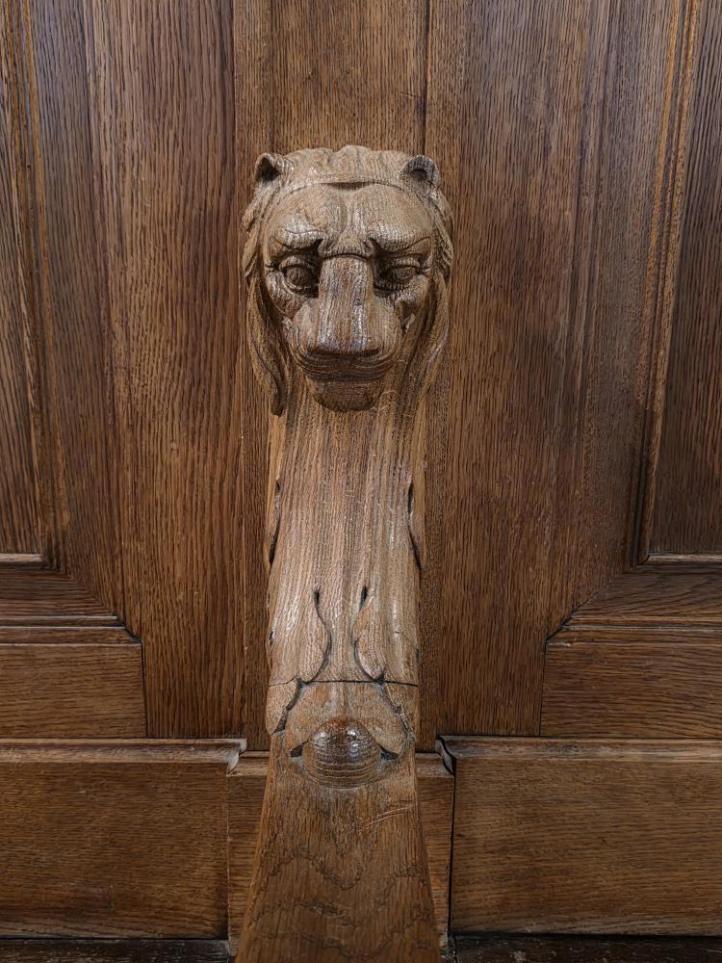
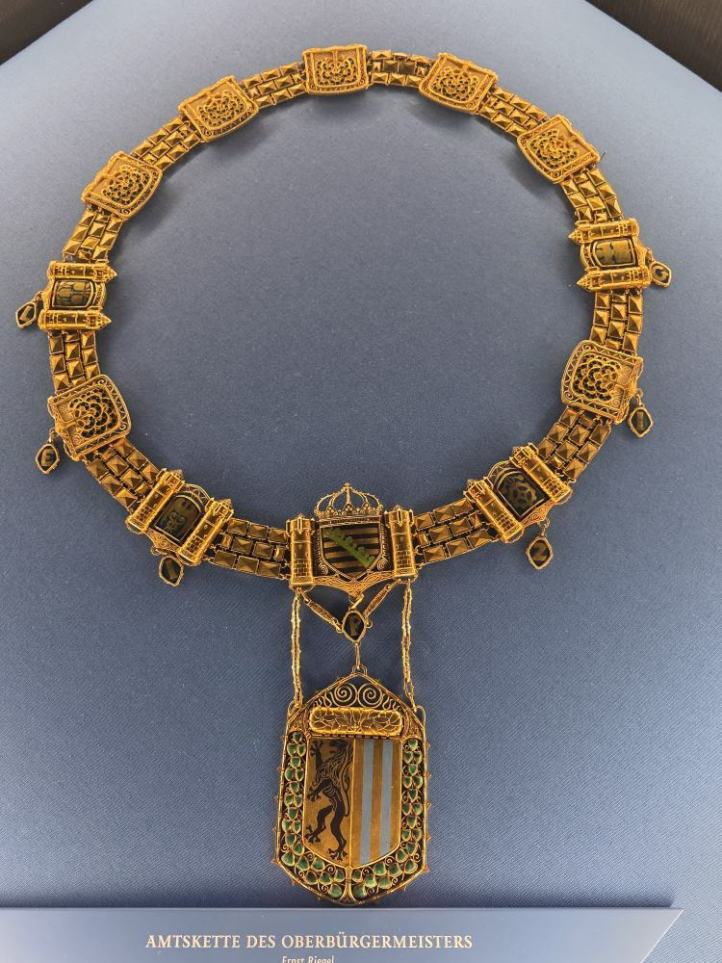
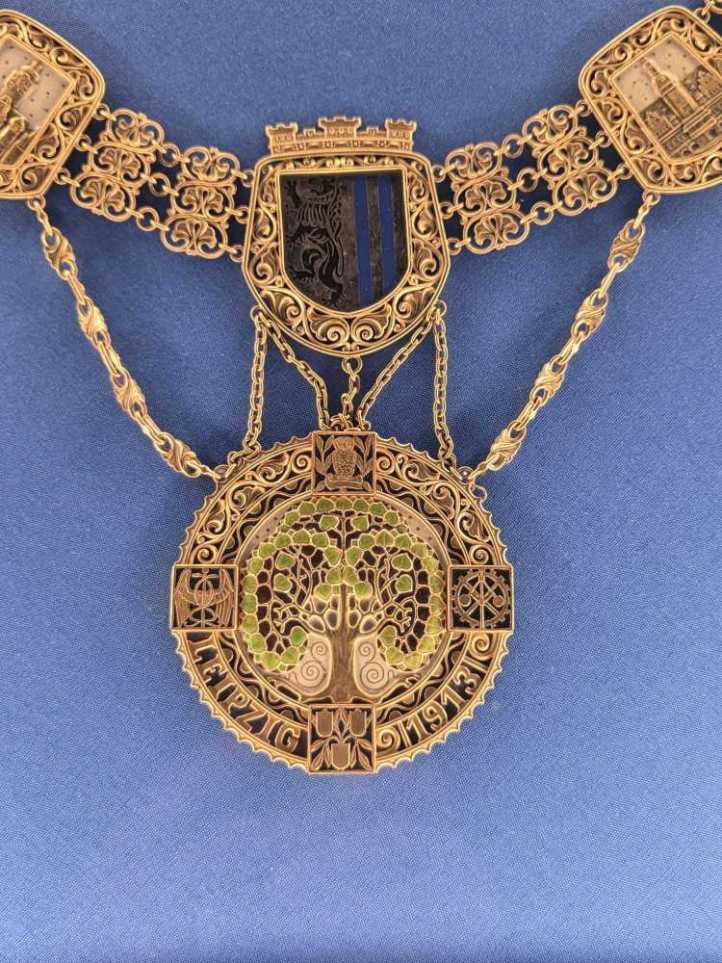
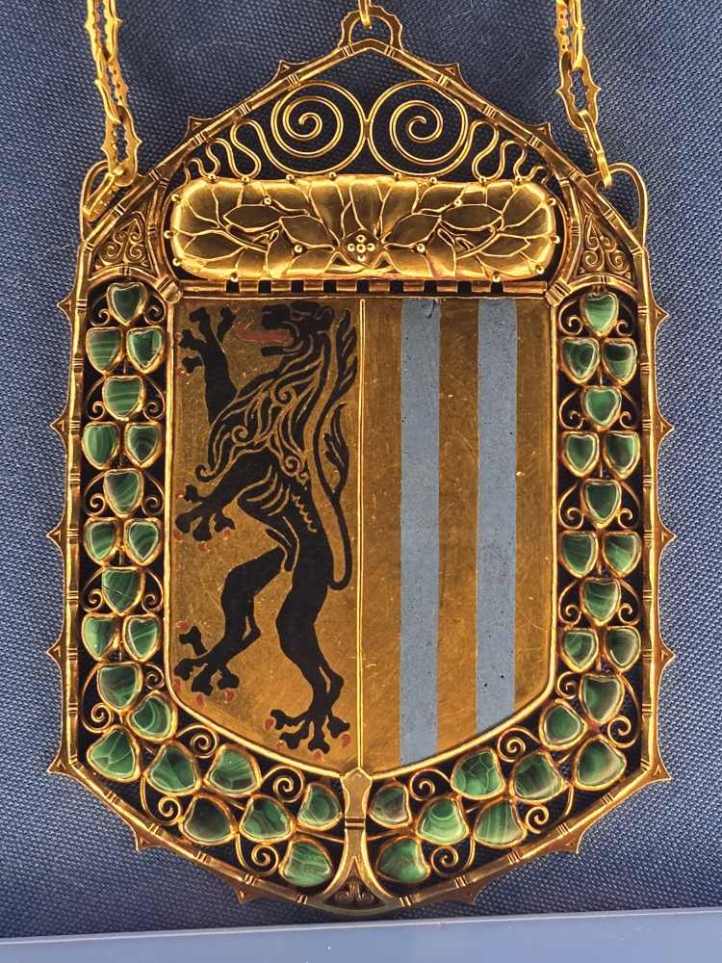
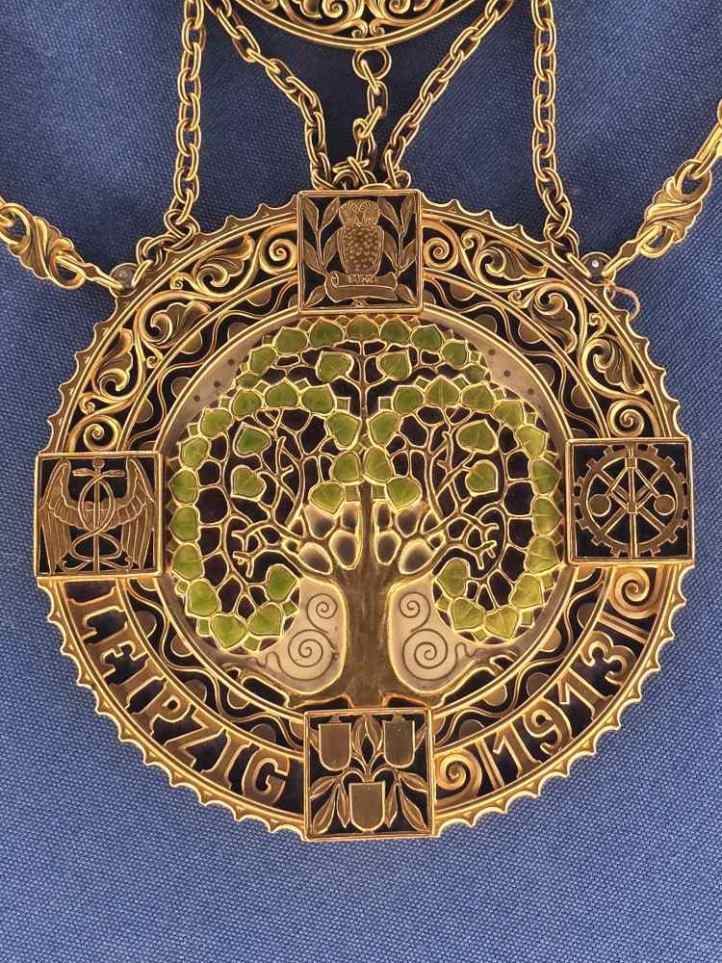
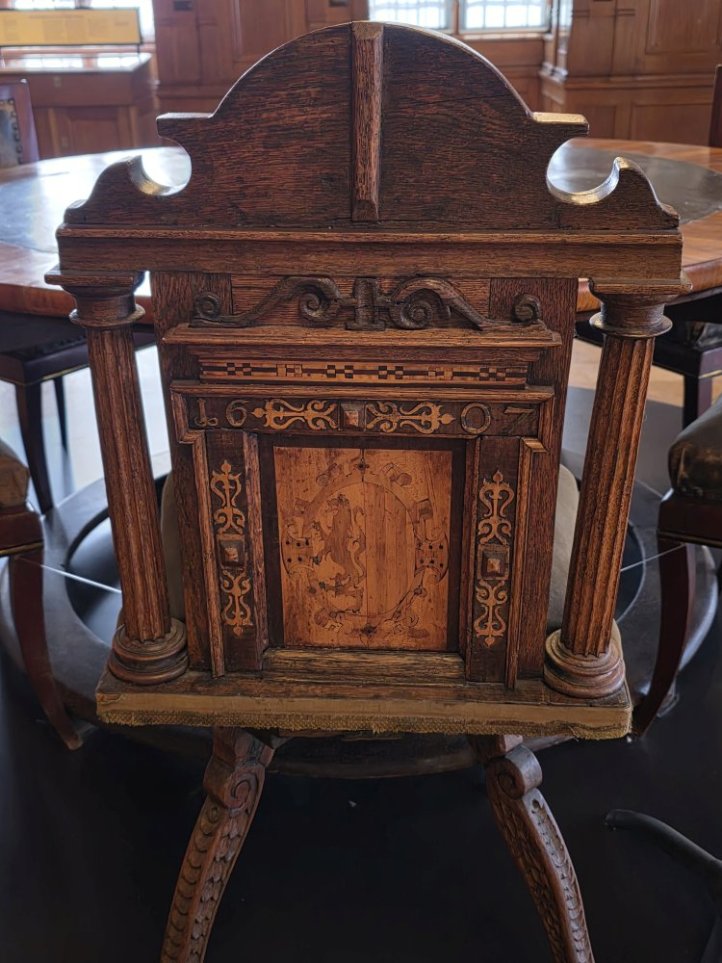
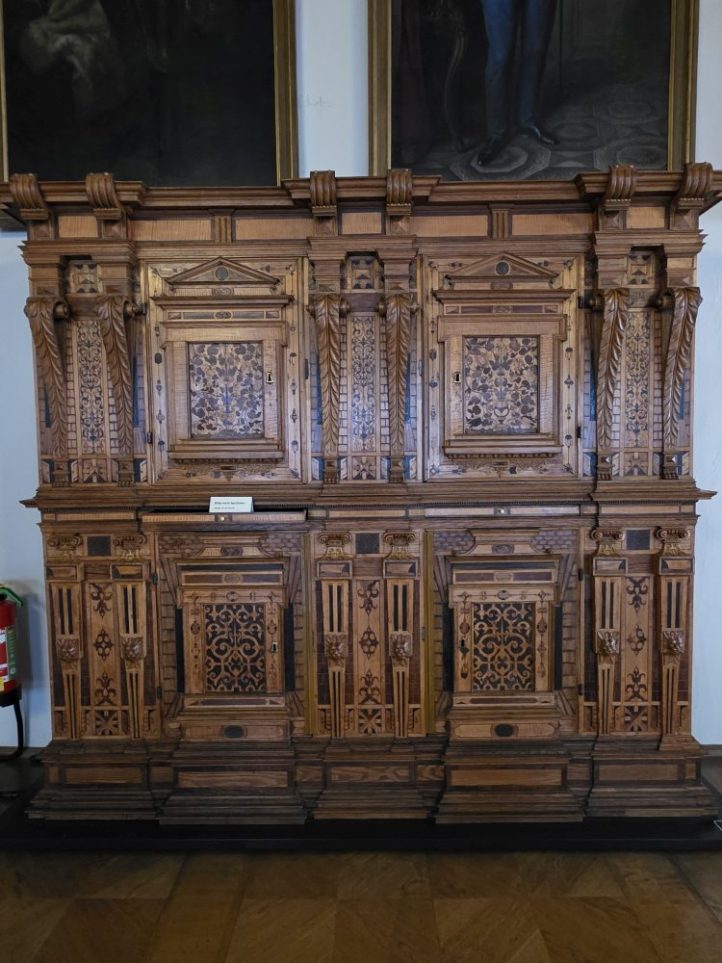
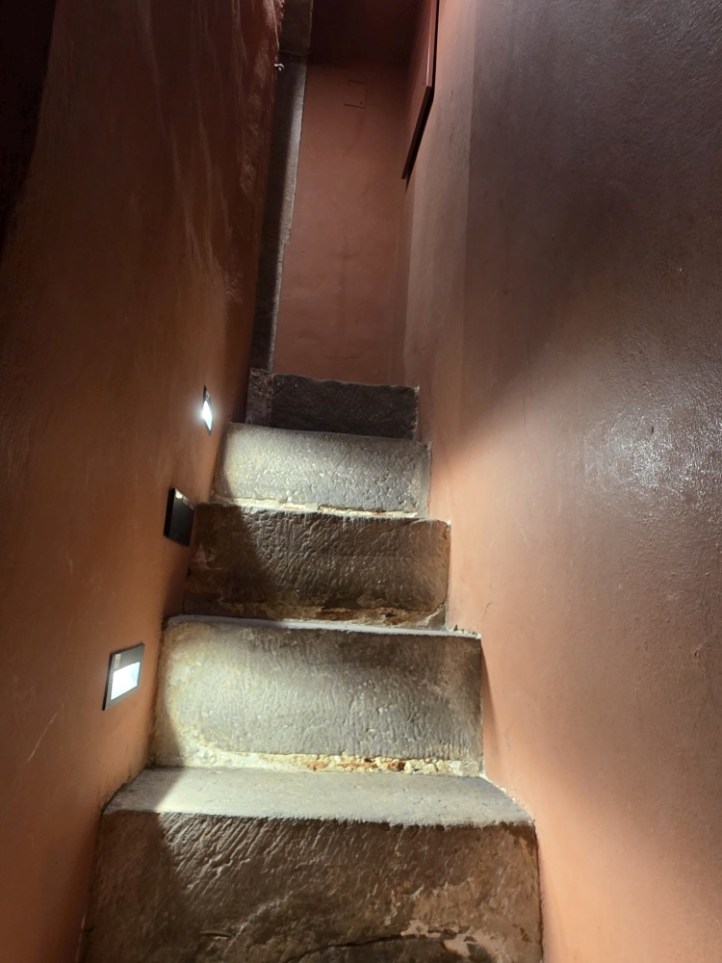
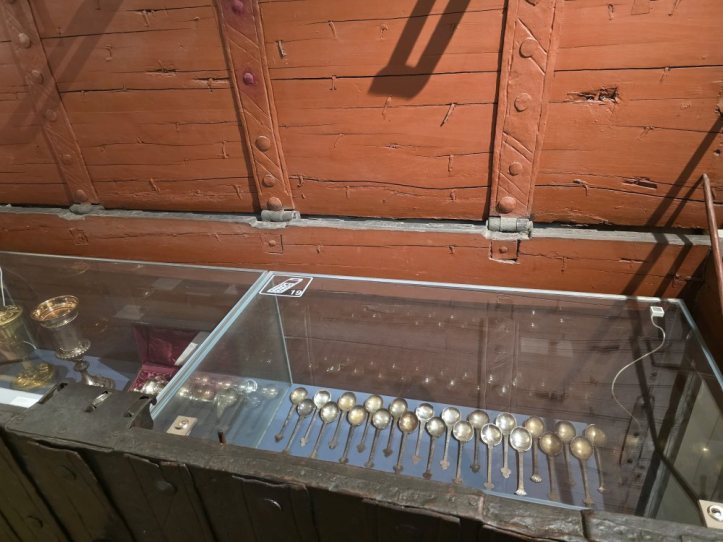
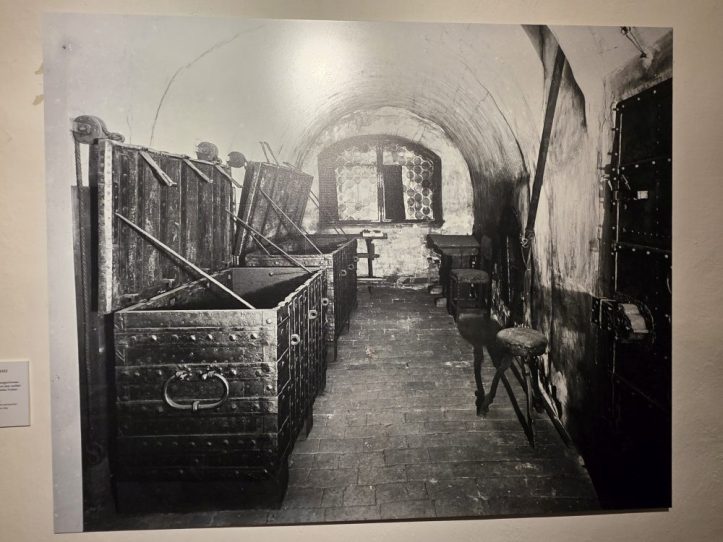
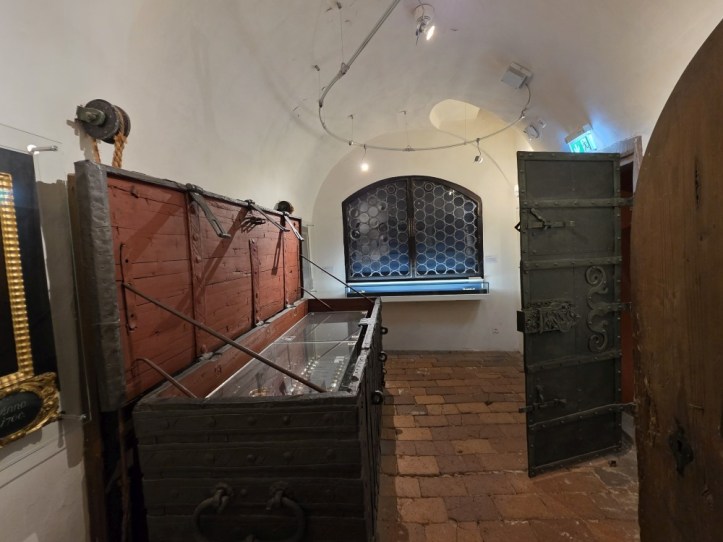
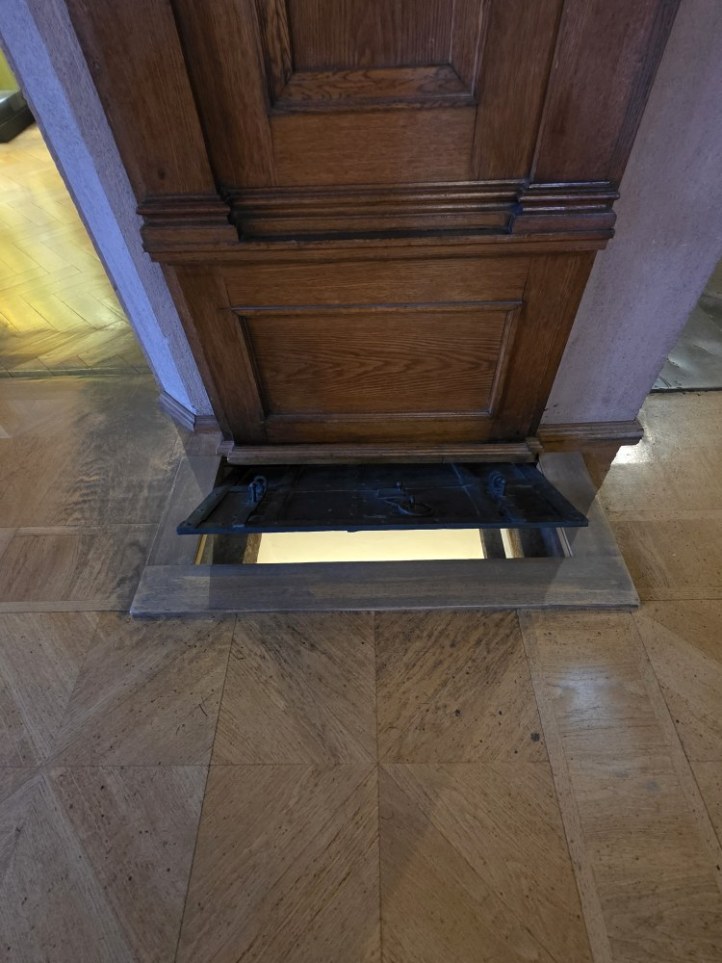
Other rooms have areas devoted to Bach, Wagner and Mendelssohn, who each have ties to the city; the council room with the Mayoral chair with the Coat of Arms on the back; the official chains of office – big golden medallions worn by the Mayor and another Coat of Arms medallion that shows the coat of arms along with a Lime Tree, which is important somehow to the city; gorgeous wooden cabinetry, and down this little narrow stone staircase, the Treasure Room, where the important and priceless art, jewels and silver were stored. Upstairs on the main floor you can see the trap door where council members would throw down important items to quickly hide them when necessary.
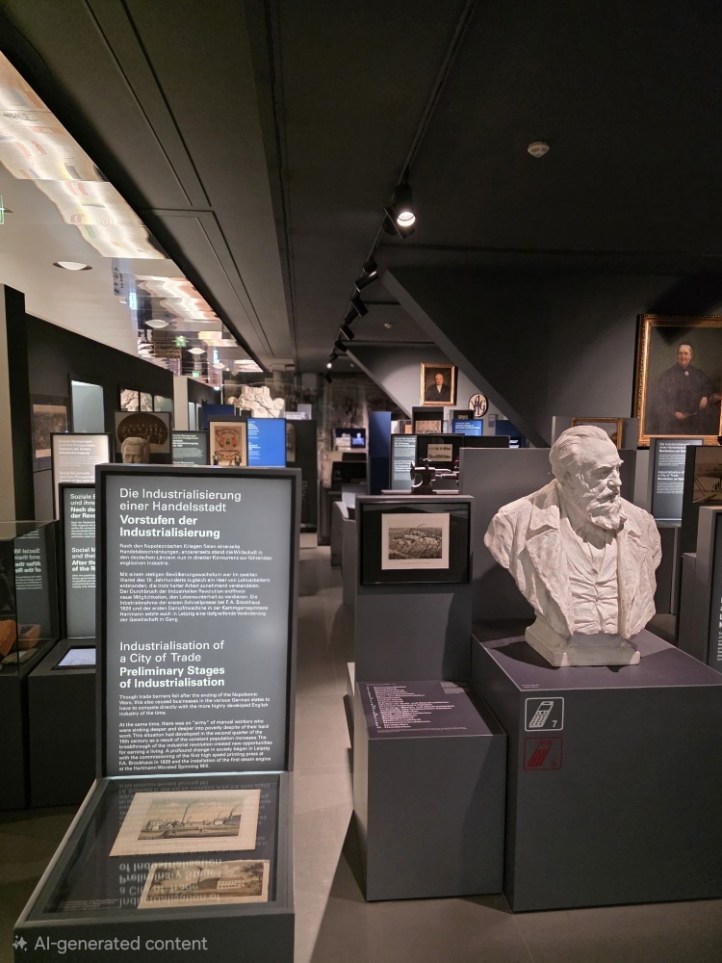
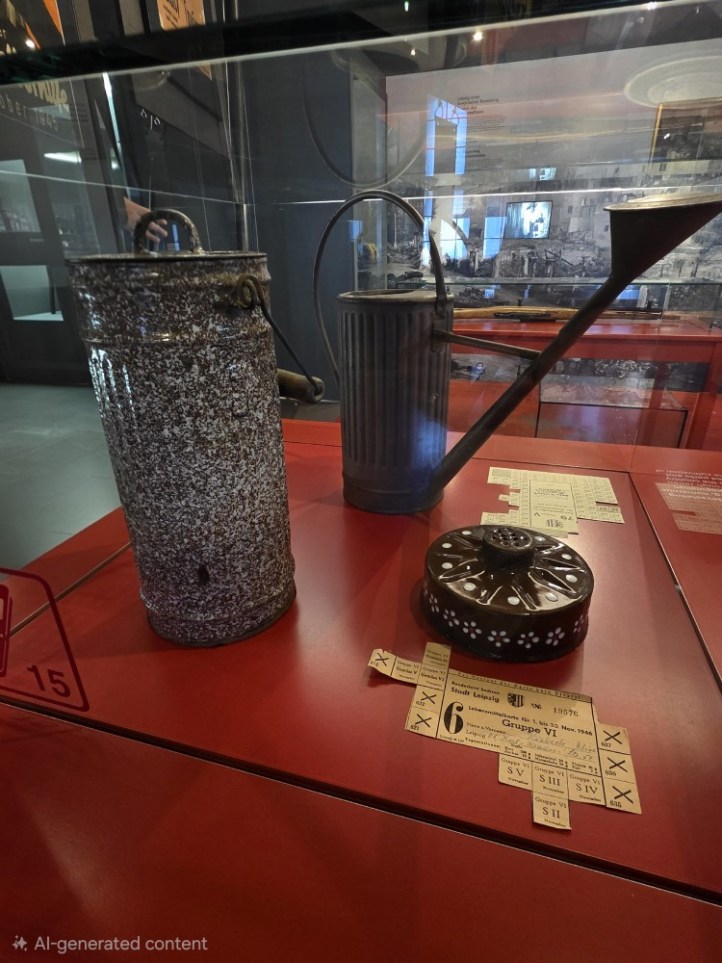
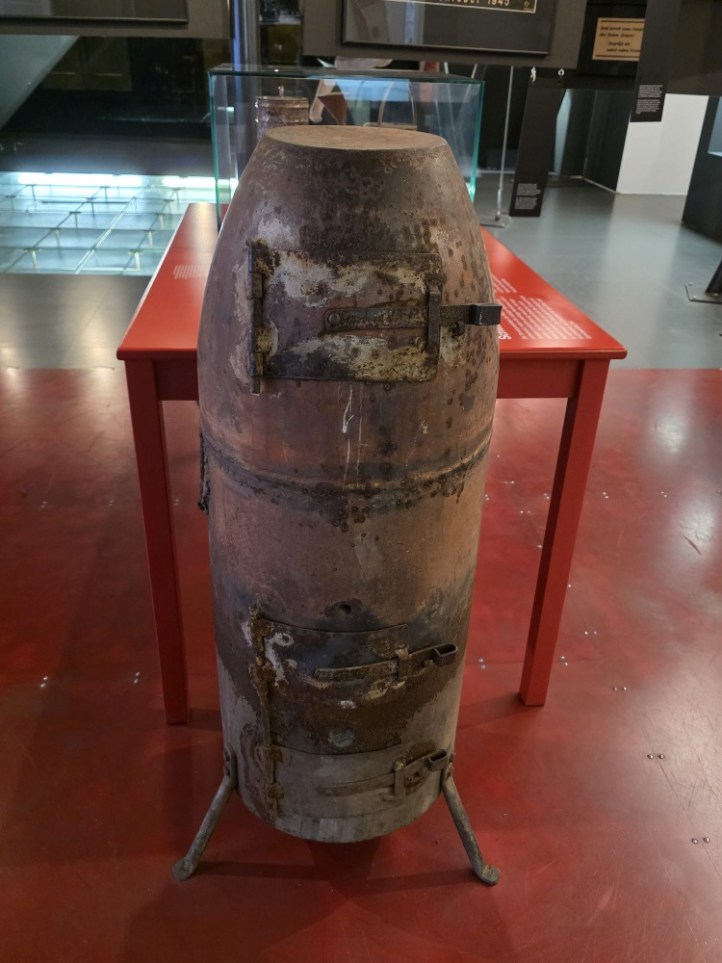
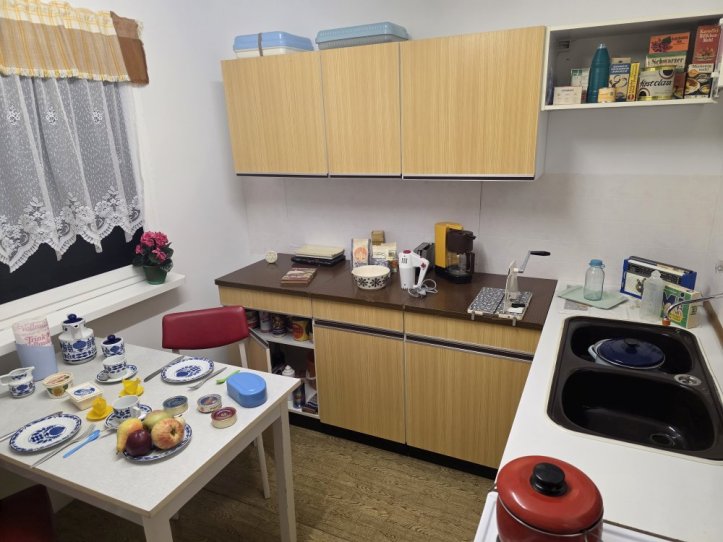
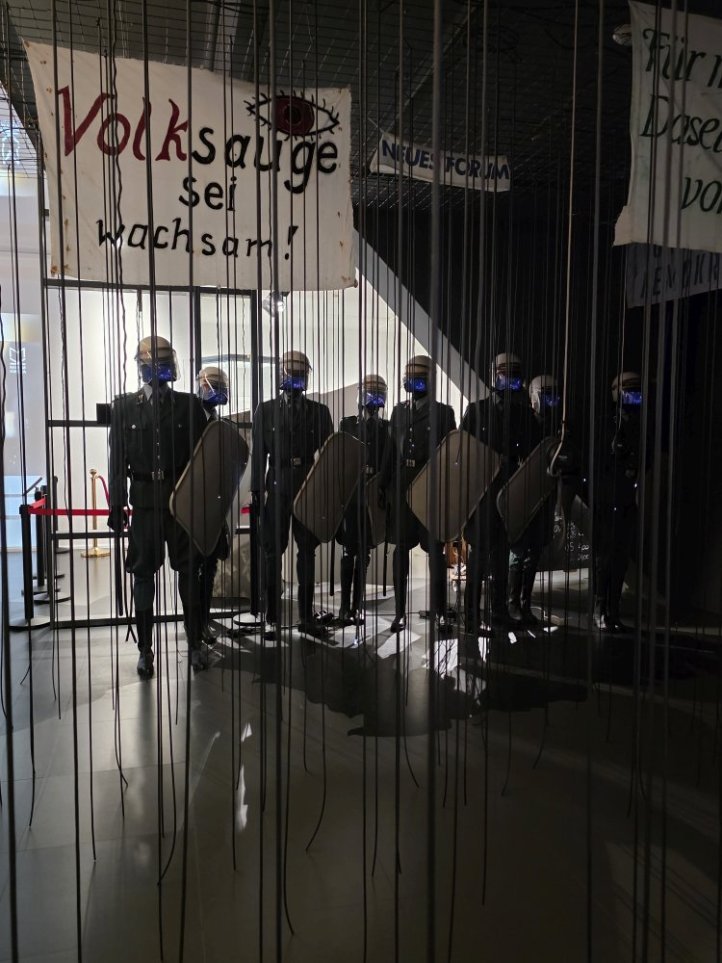
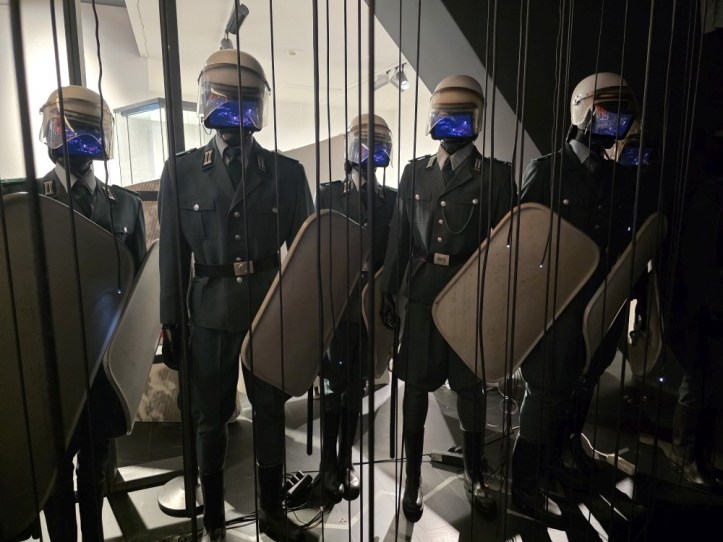
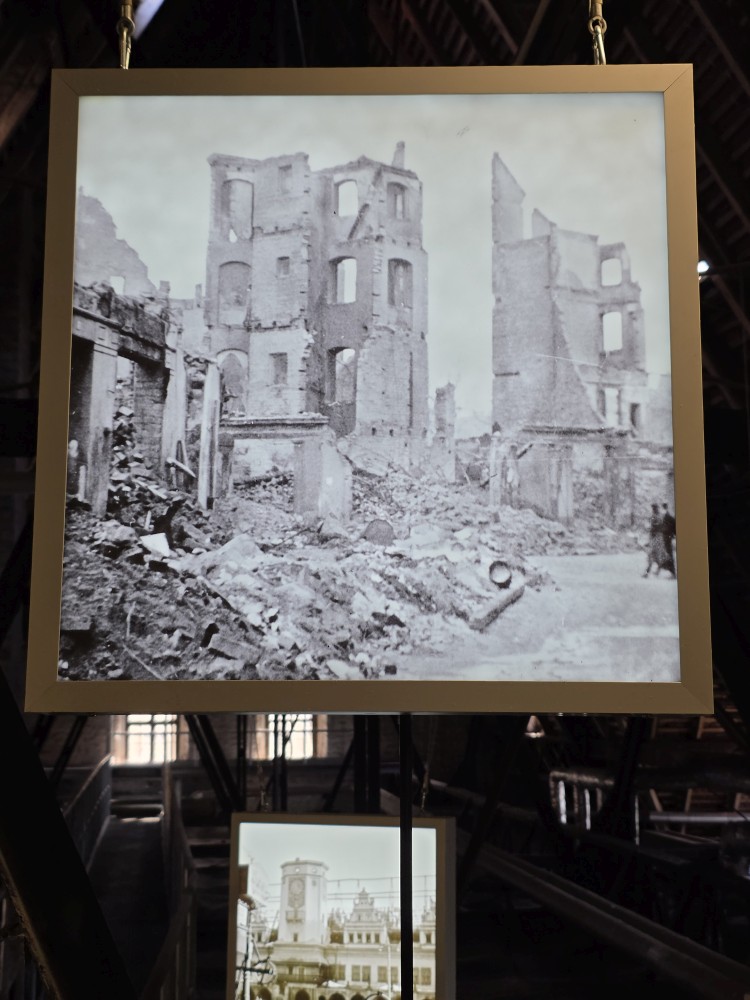
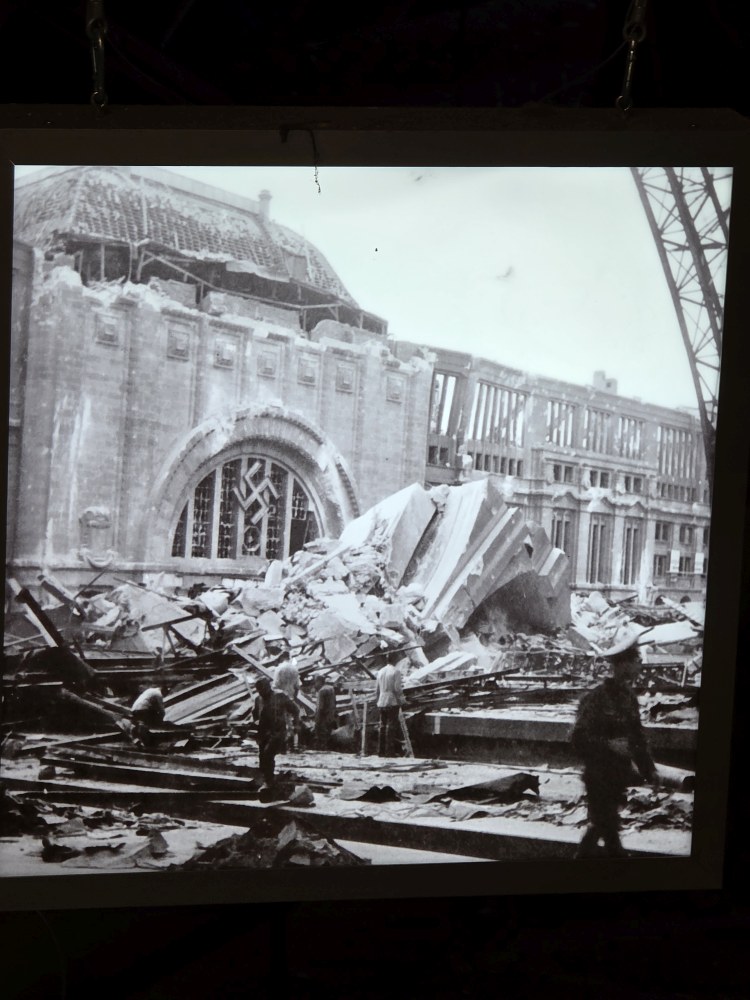
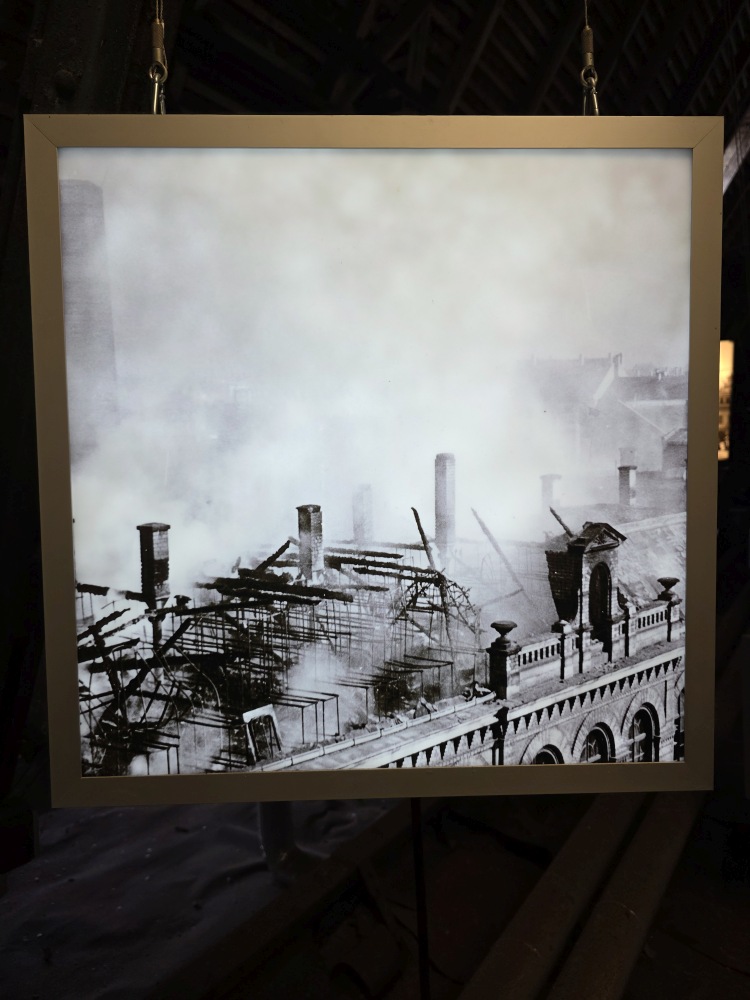
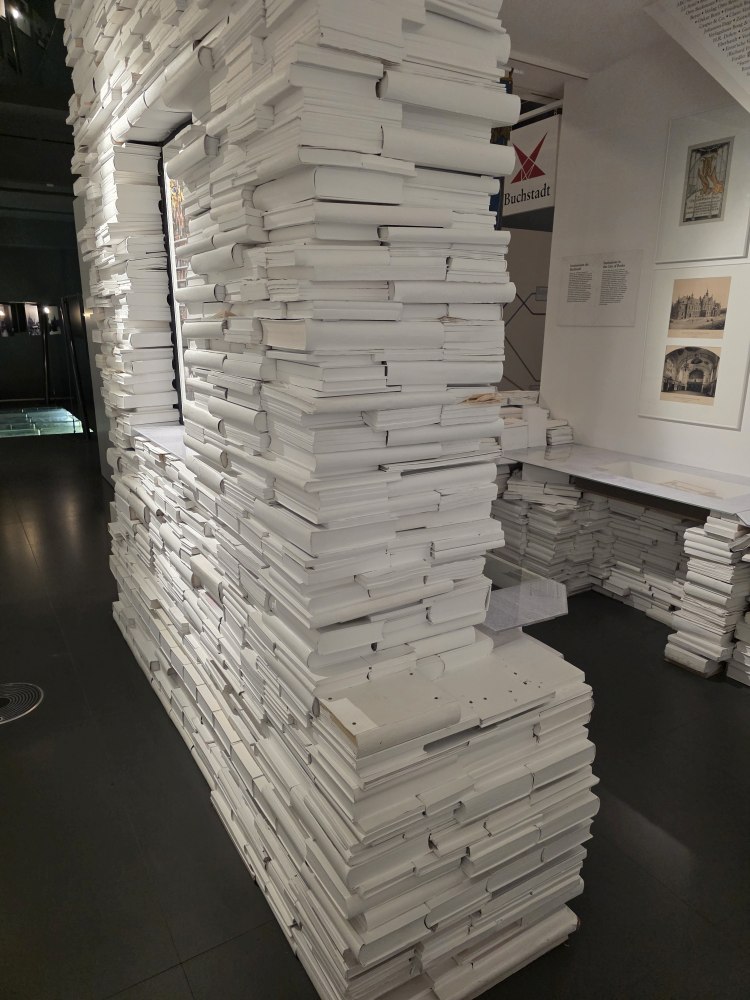
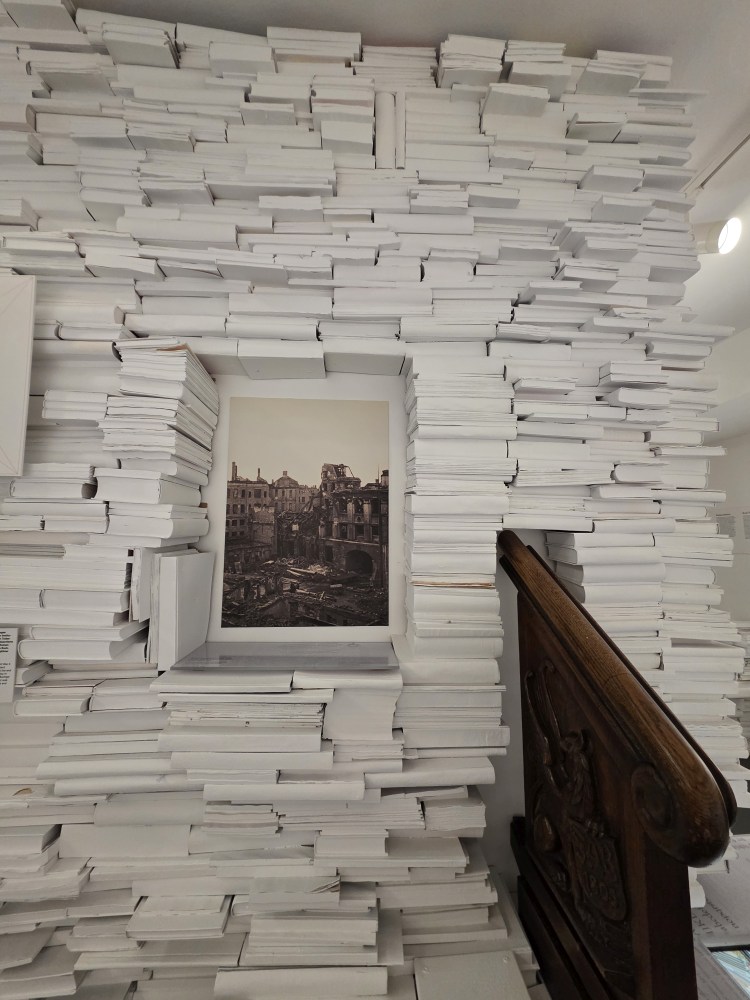
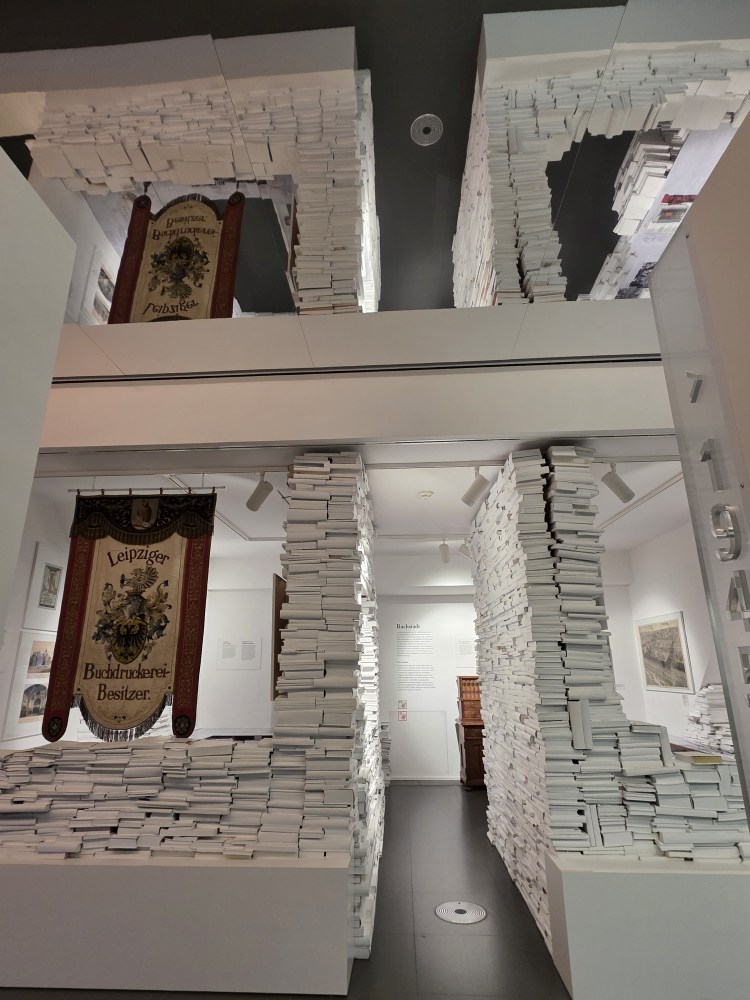
Upstairs there is yet more history, this more modern beginning with the Industrialization of Leipzig – known as the City of Trade – and on through the Nazi regime and beyond. Including a great area that shows how people reused surplus military equipment, creating cooking pots and milk pots; a representation of a 70’s kitchen; a scary section depicting the police force used at the Peaceful Revolution; and an excellent depiction of the destruction of the City of Books – Leipzig was a huge producer of books, 50 million of which were burnt during the December 4, 1943 bombing that destroyed 80% of the Graphics Quarter and damaged or destroyed approximately 1,000 companies.
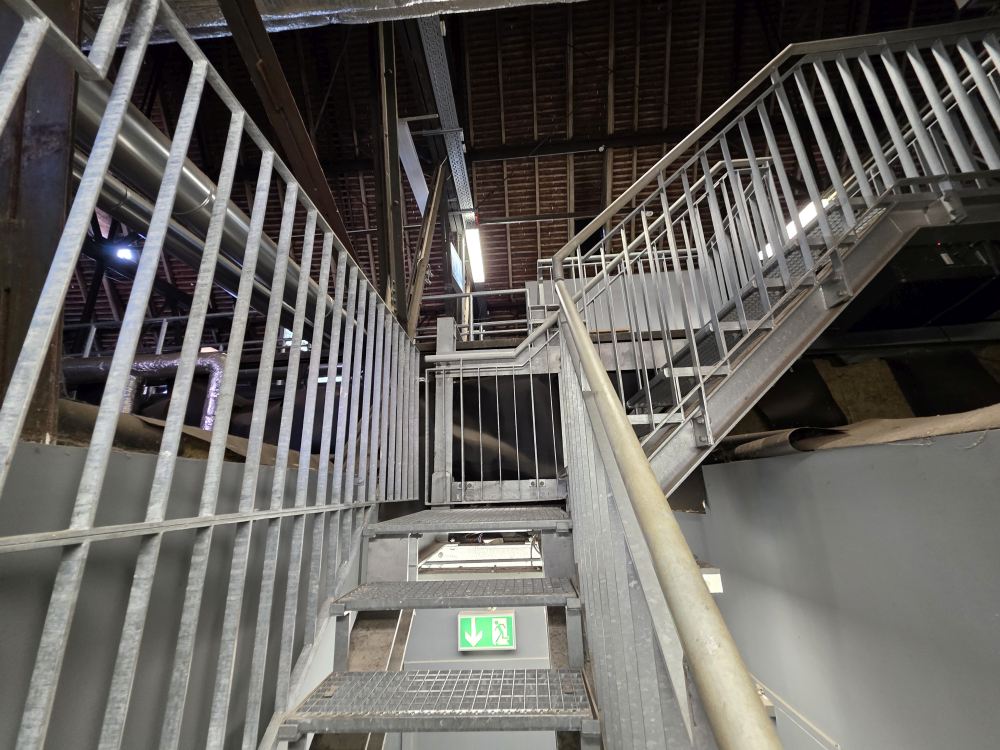
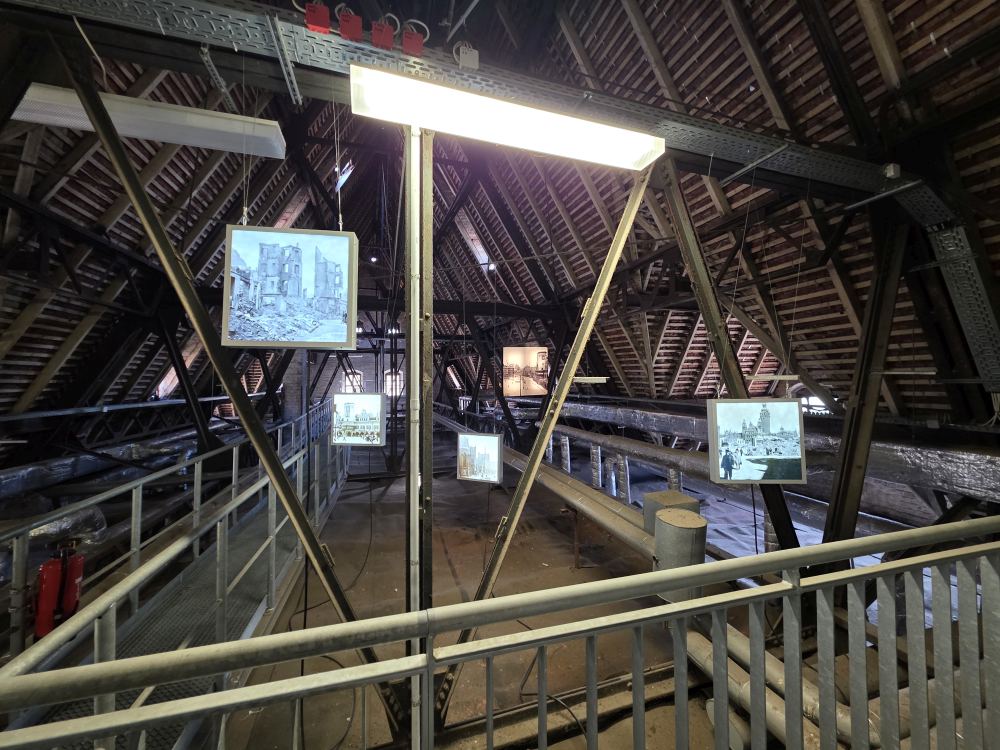
And tucked into a side wall is this little unassuming door that has this little sign about the Bombs on Leipzig. Through the door are scaffolding steps that don’t look like visitors should really be in there, but once you reach the top, you find an entire AV presentation on the December 1943 bombing, complete with flickering lights, the sounds of bombs dropping and photos that chronicle the destruction. Totally wild.
Huge and very interesting, if not an overload of information.
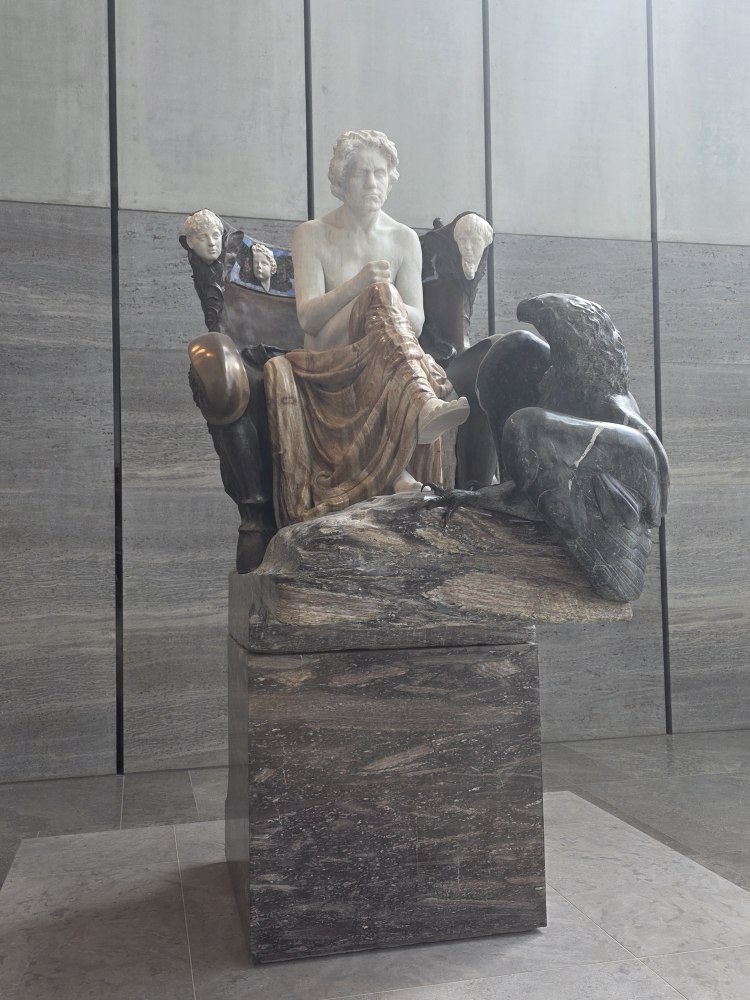
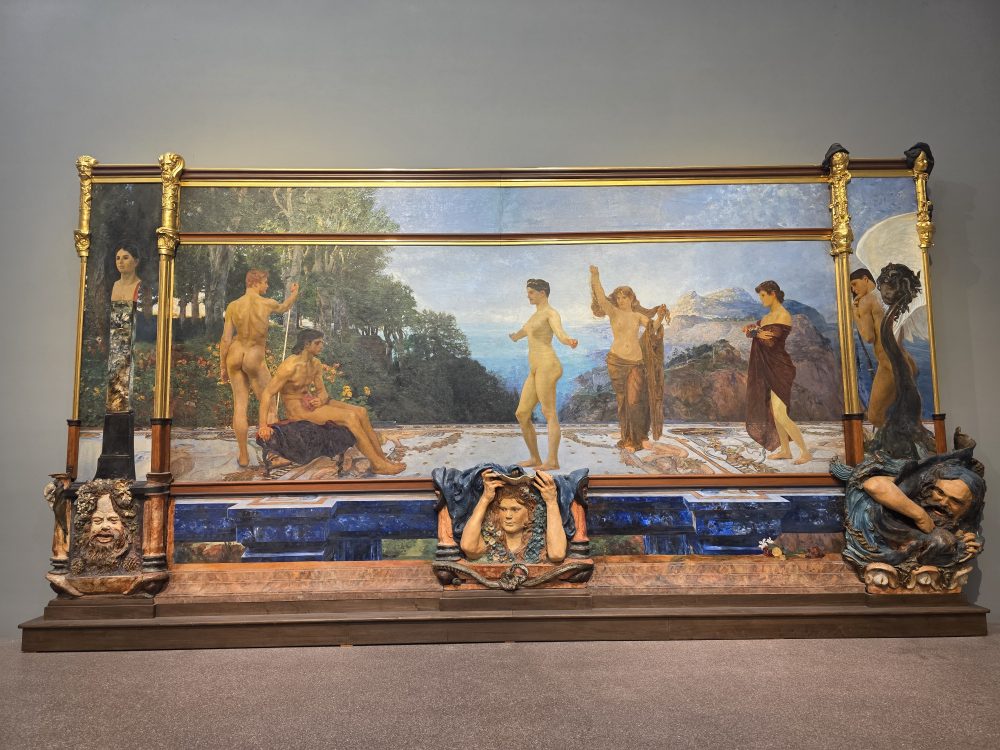
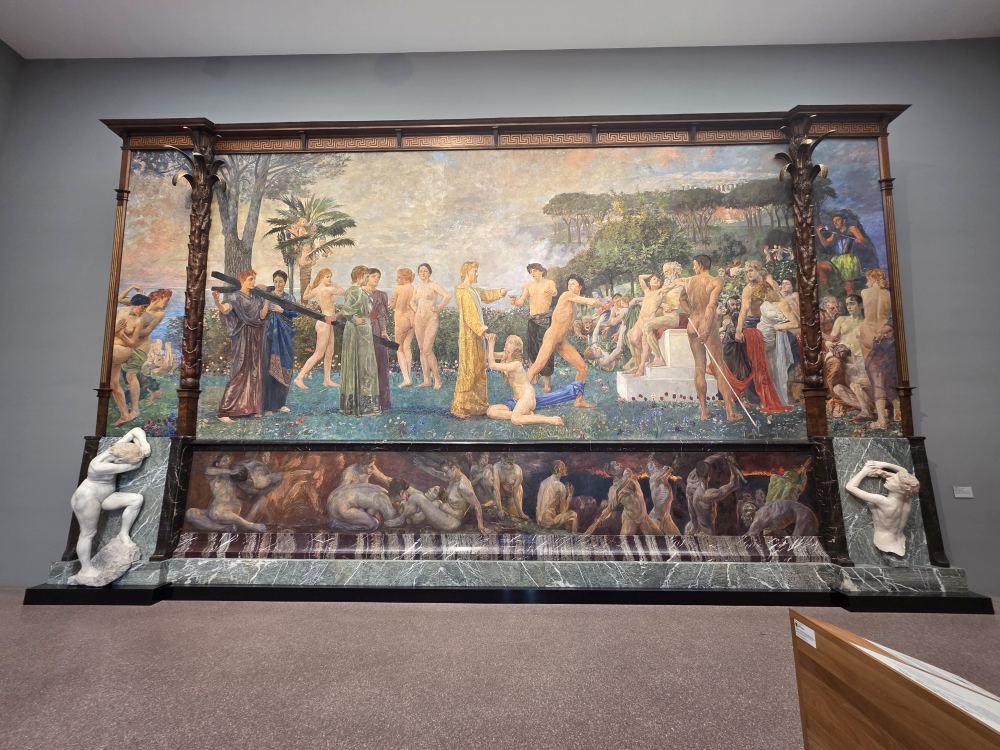
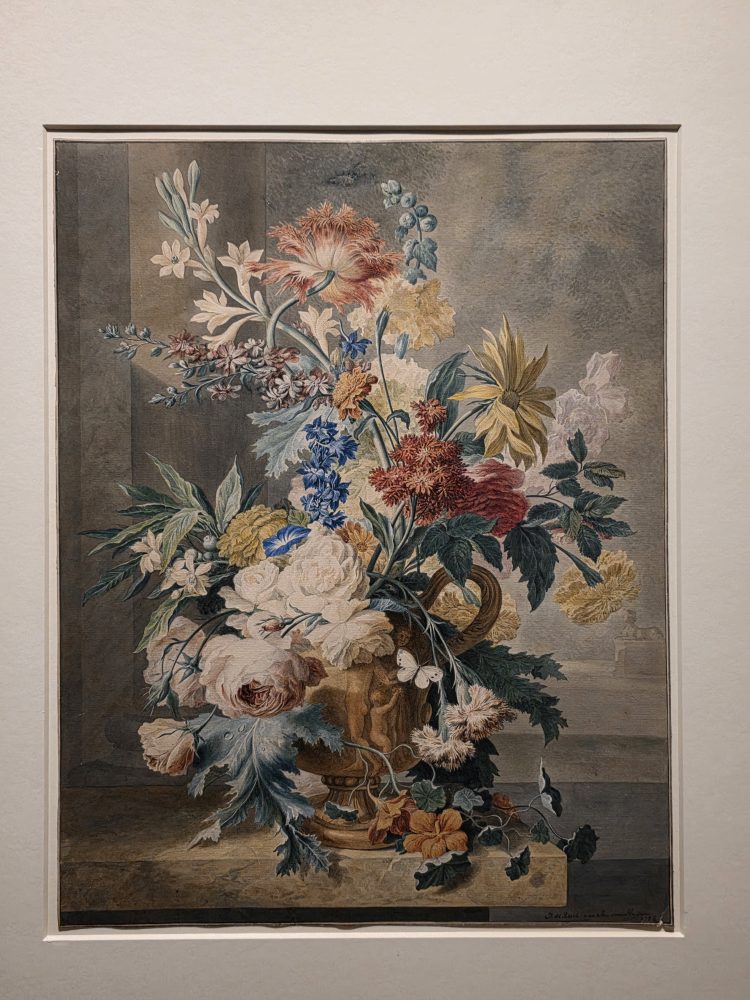
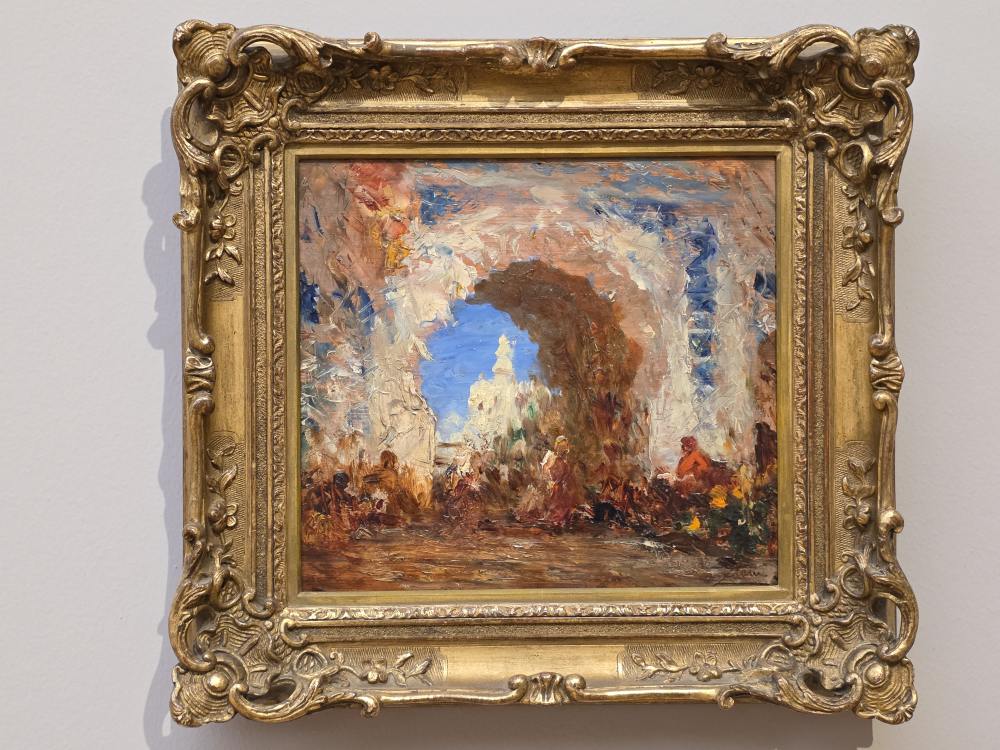
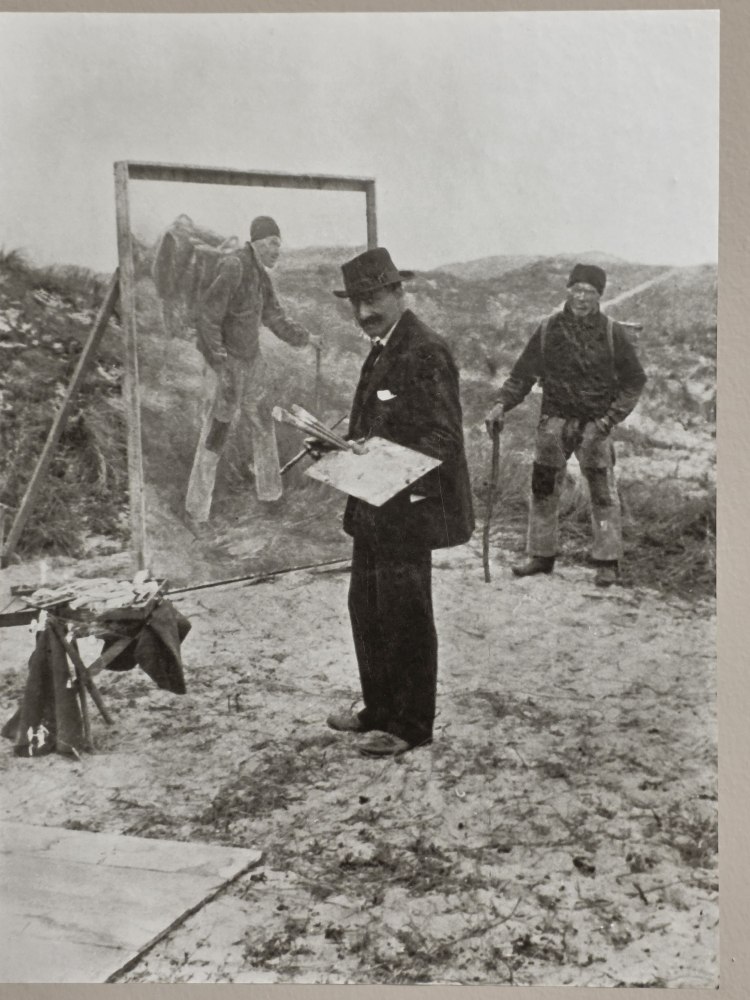
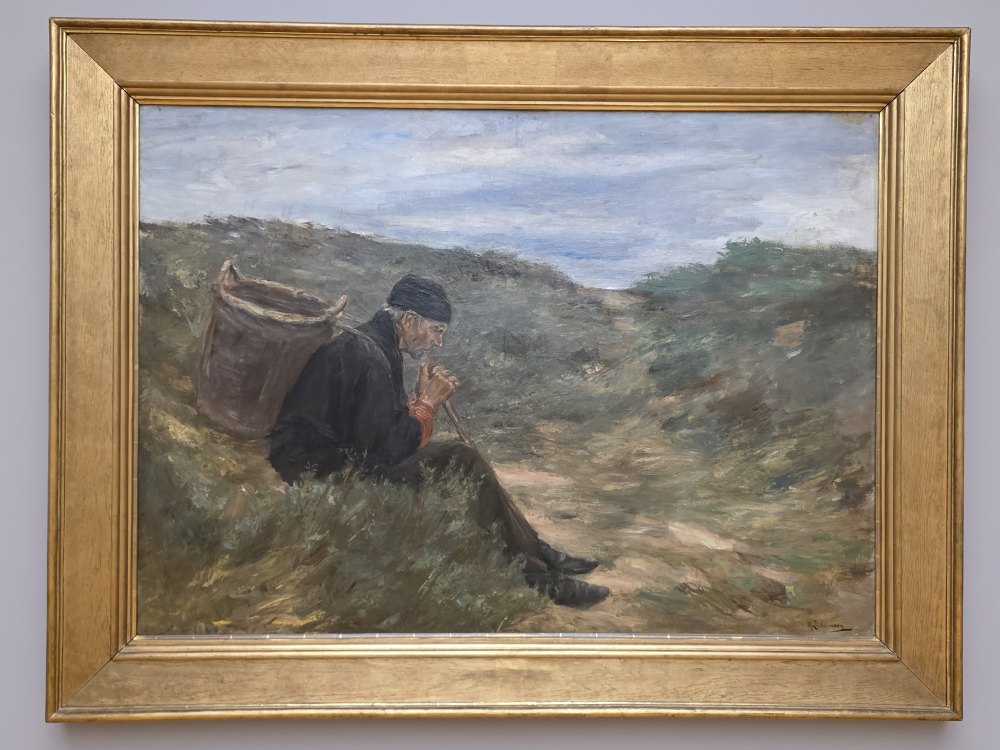
It is still pretty early when we finish with the History Museum and decide to just go all out and visit the Fine Arts Museum located a quick 3 minute walk away. What the heck? The museum is actually a refreshing change from the medieval and Nazi history, full of statues by famous Leipzig resident Max Klinger – Beethoven; interesting bacchanalia-ish paintings with strange 3-D, or even bas-relief, figures on the frames; more traditional still lifes; impressionist paintings; a neat exhibit on Max Liebermann that has a photo of him painting the “Walking Peasant” with the same model that can be seen in the painting “Rest in the Dunes.”
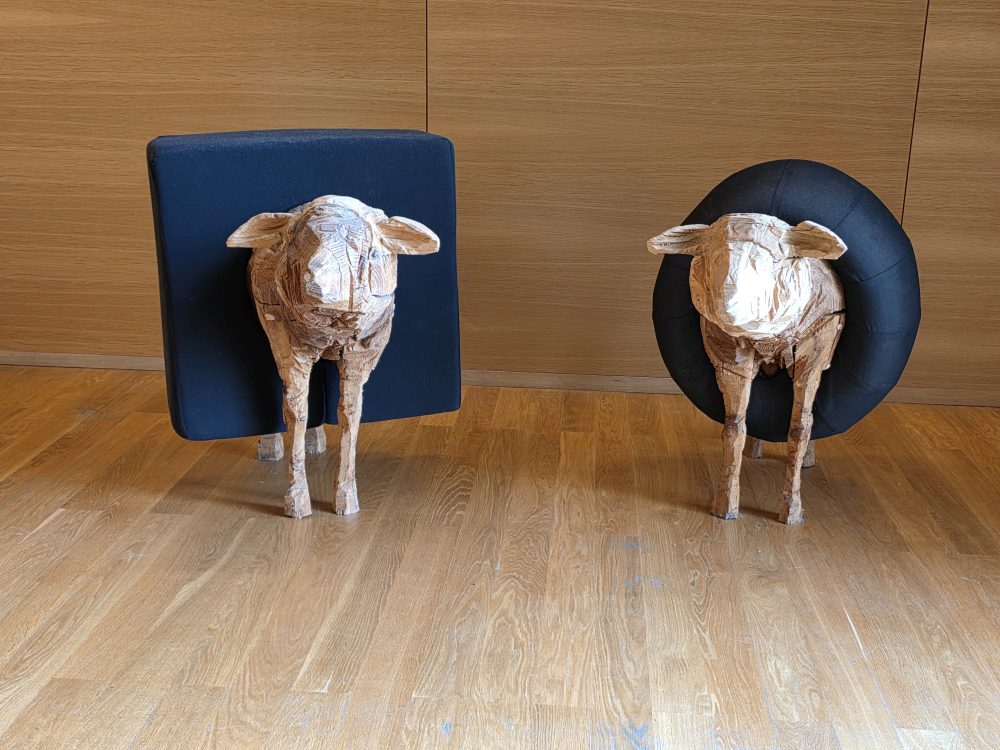
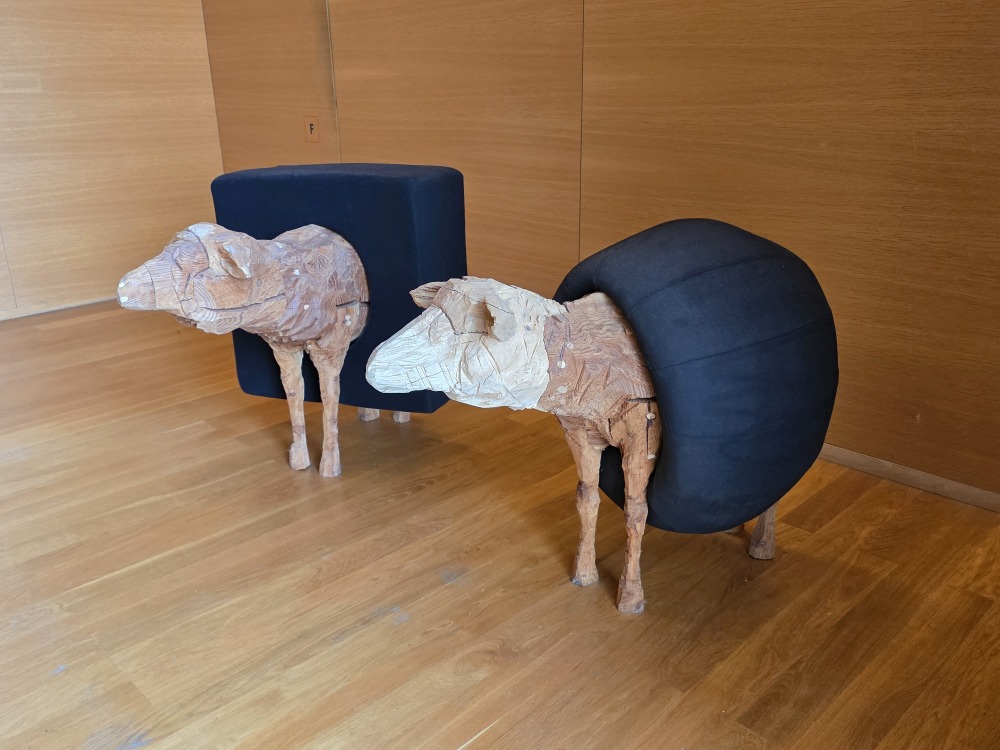
And then there are the bizarre sheep in blue cloth cubes and ottoman looking things. Go figure.
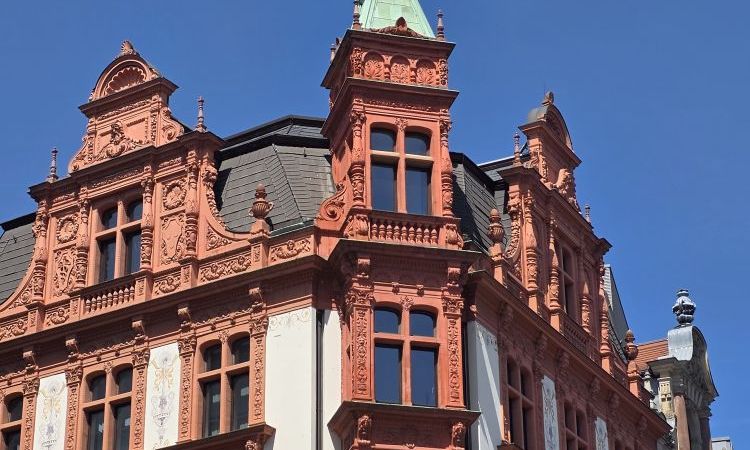
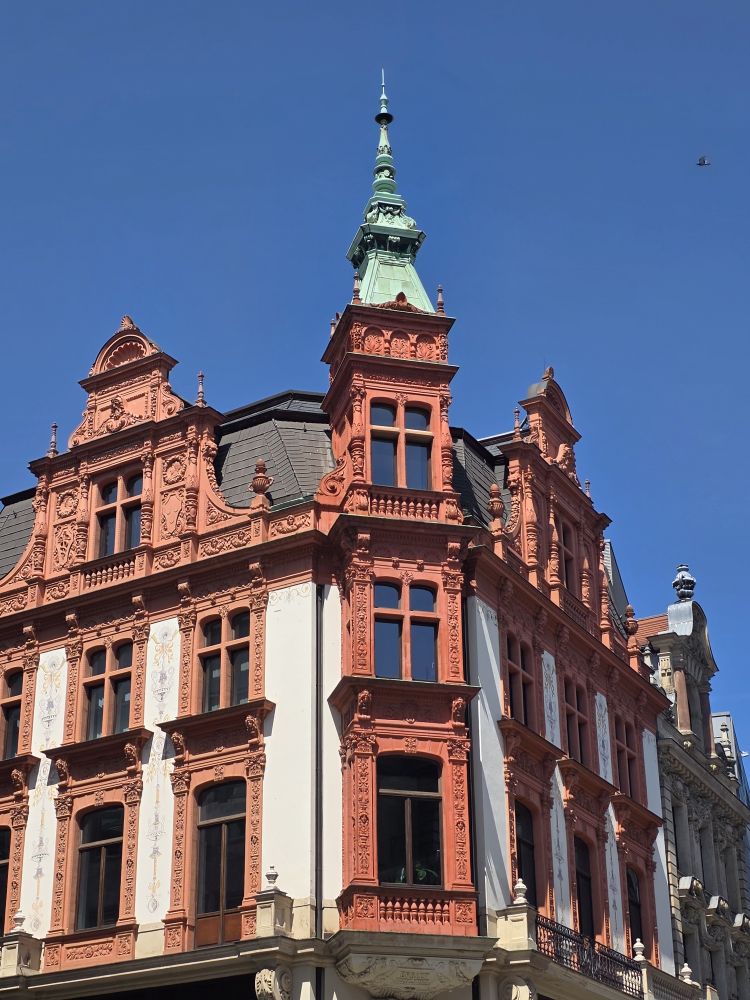
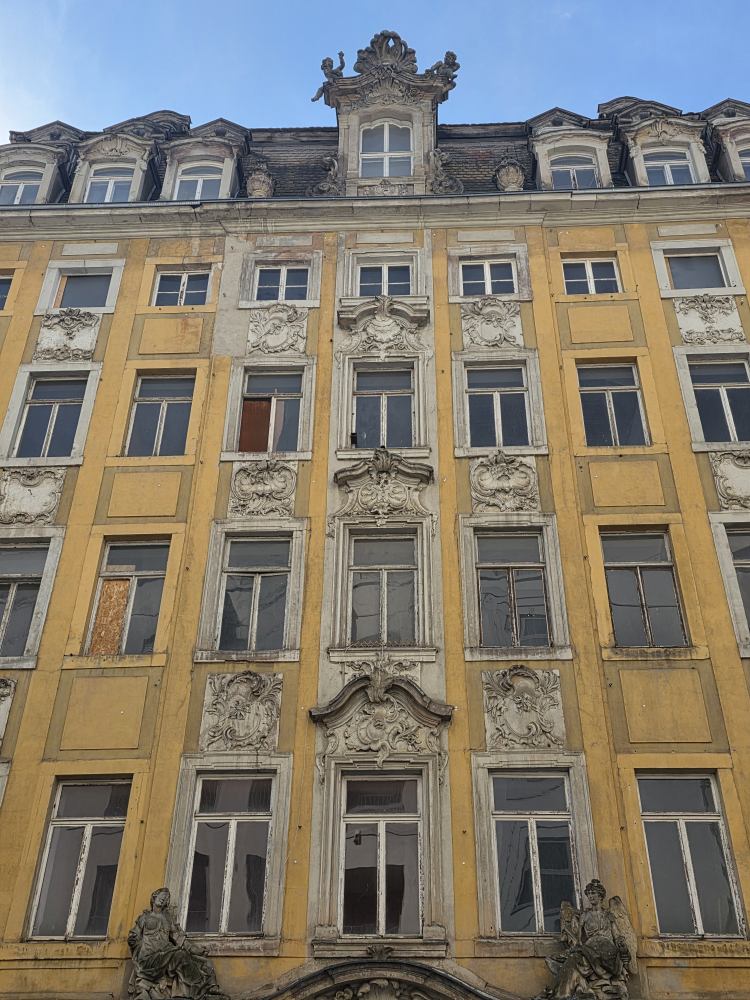
Museum visits concluded, we wander back through the Old Town, loving the beautiful buildings that line the streets.
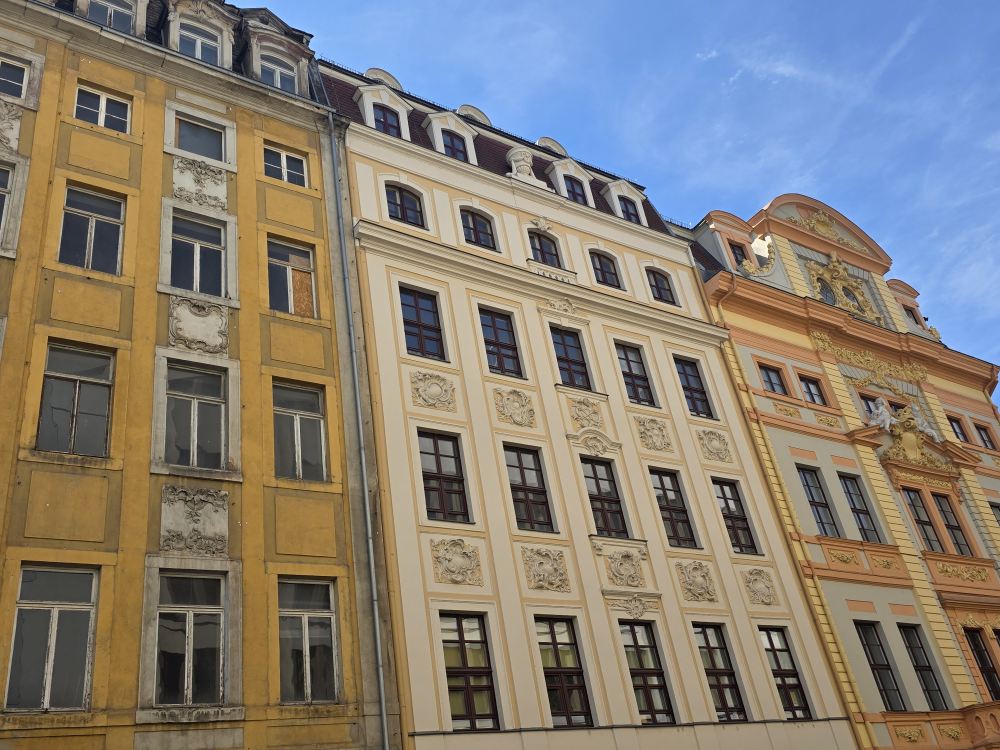
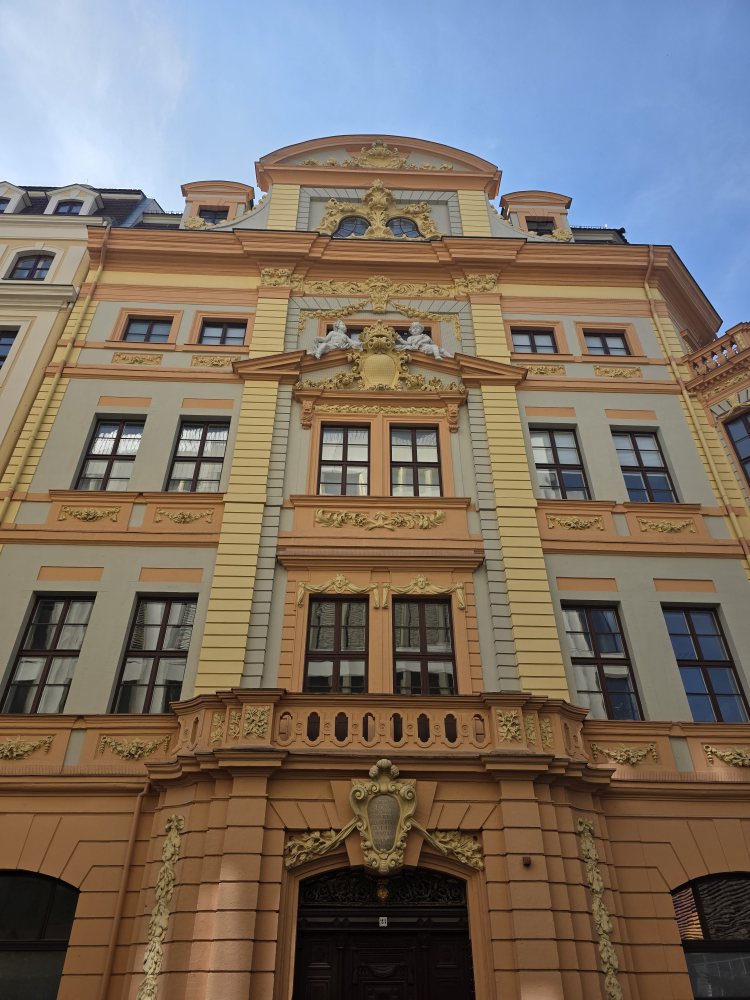
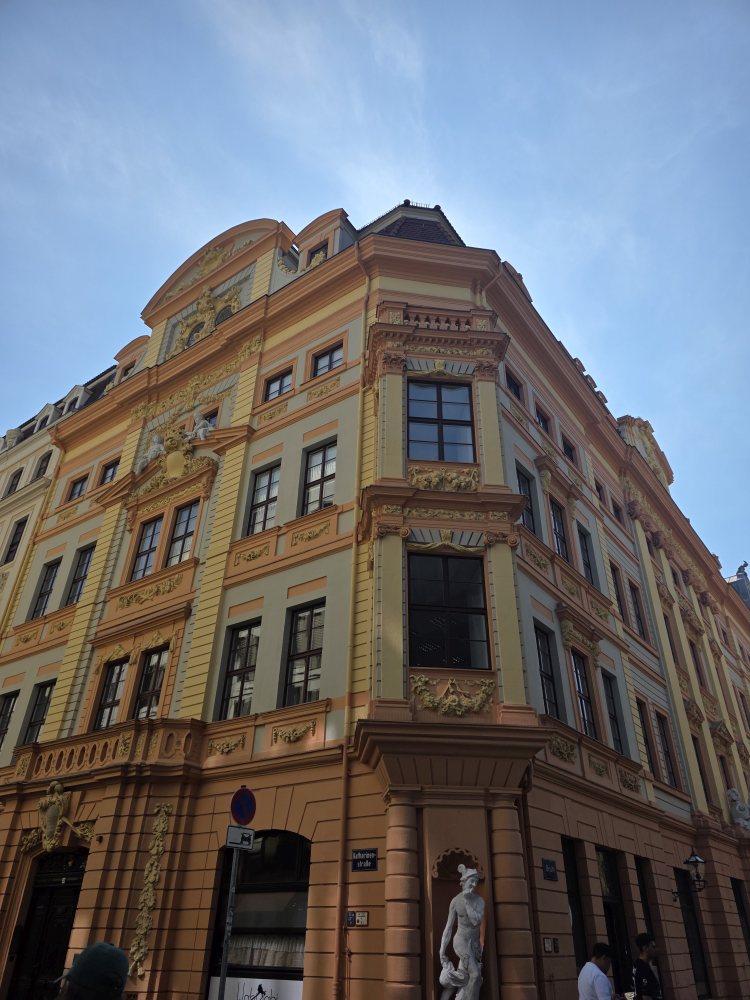
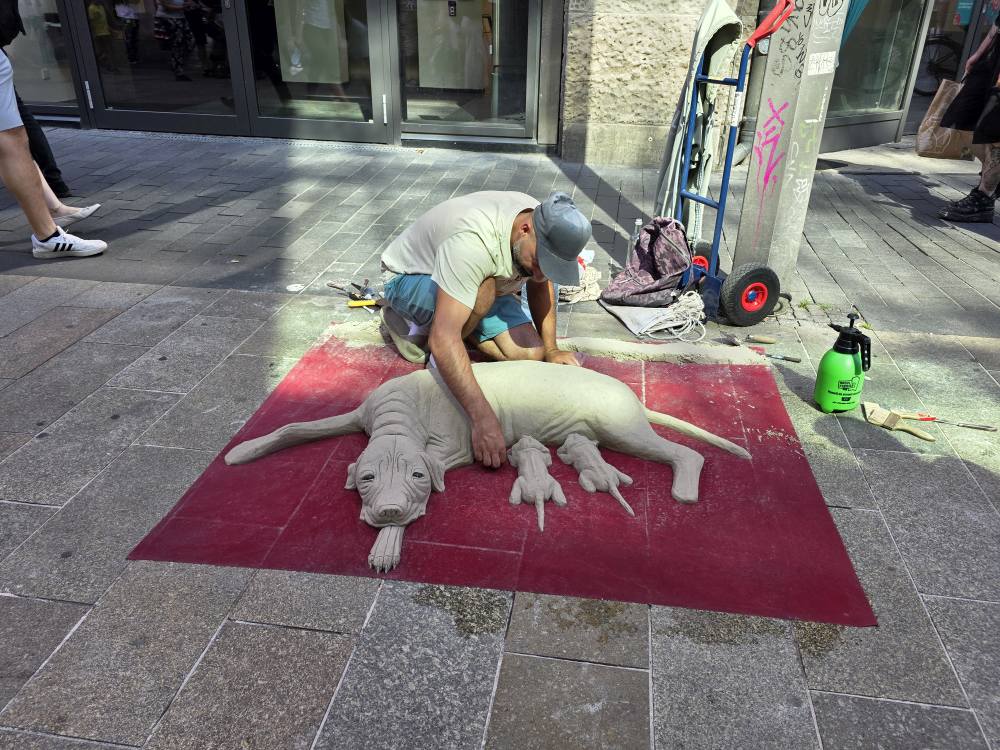
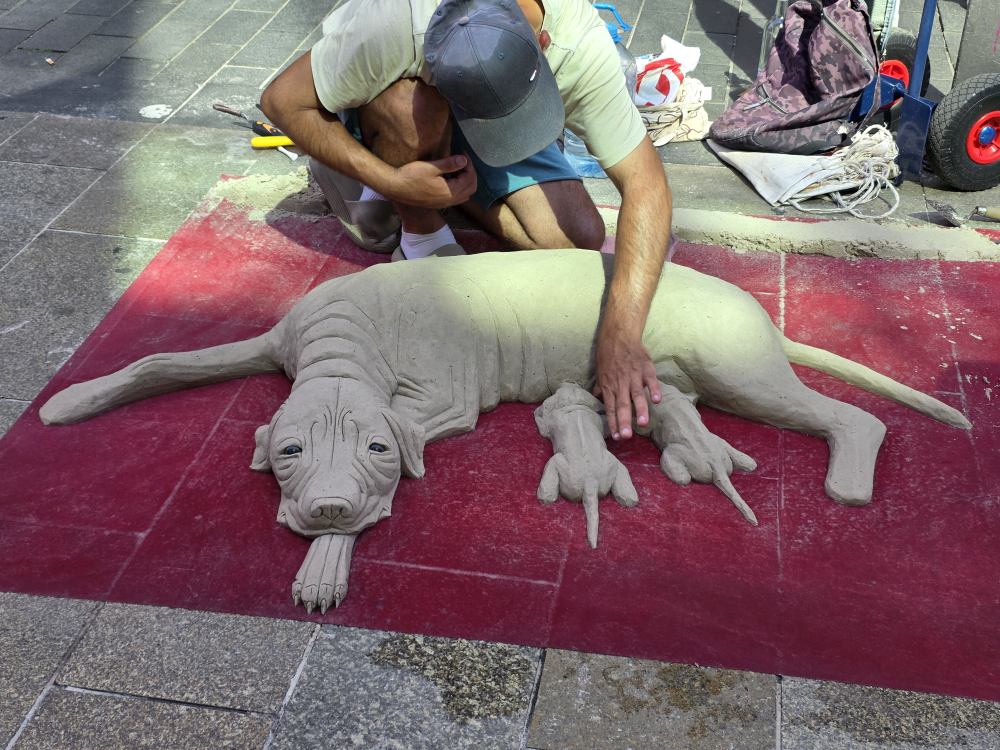
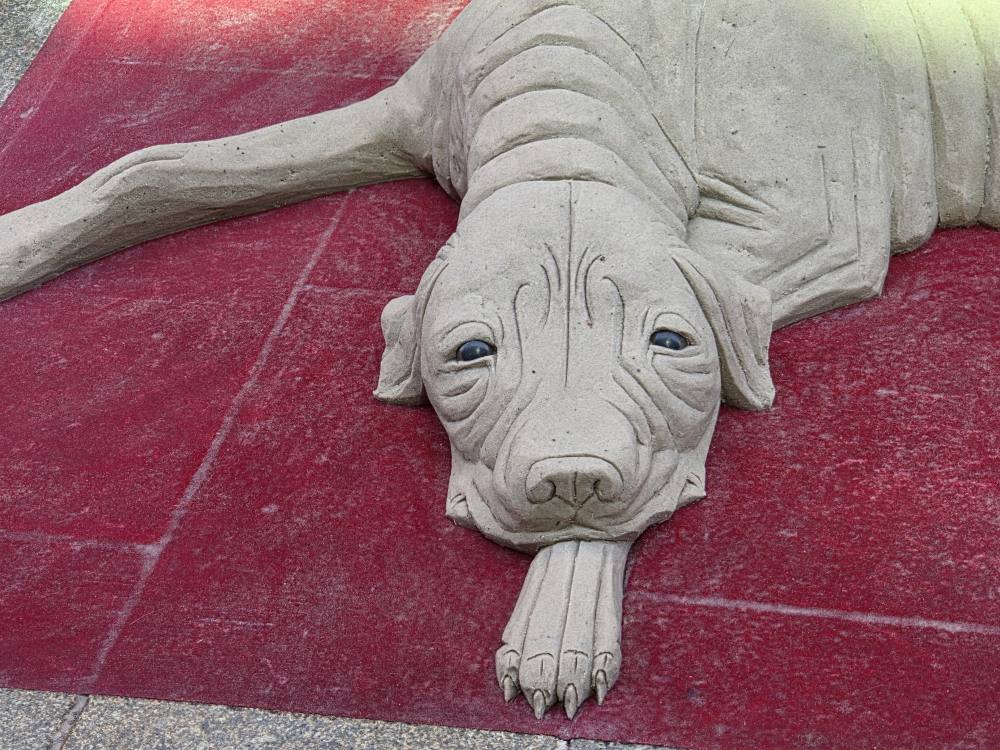
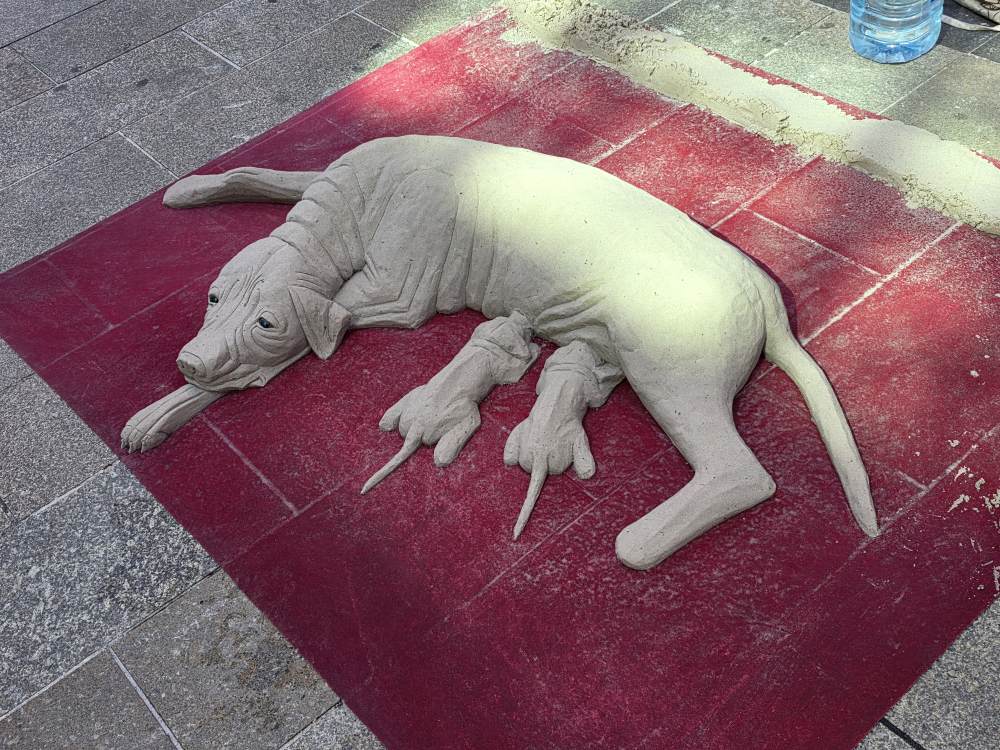
And on the main pedestrian boulevard, we pass by the guy who has finally finished his sand sculpture of the mama dog and her pups. We watched him in the morning when he had just started, and now, voila! We love the detail, the dedication he has – just fantastic.
Done for the day, we hit Lidl one more time for dinner supplies – sausage and meatballs and of course, kartoffelsalat! And I finally get to use the sweet and spicy mustard pack we’ve been carrying around since Berlin! (I love that stuff and am on a hunt for a jar to take home.)
And with that, our visit to Leipzig is almost over – tomorrow back to Berlin for the night and Switzerland on Monday!

