Wow. We actually slept 10+ hours and then had a totally unlike us morning just hanging around waiting for the forecasted rain. Our original plans were to do what I was calling the “3rd Reich walk” – basically all the WWII stuff. But because it is supposed to rain, we changed to visit all the Museum Island museums today, which didn’t open until 10. Thus, an unusual quiet and non-active morning.
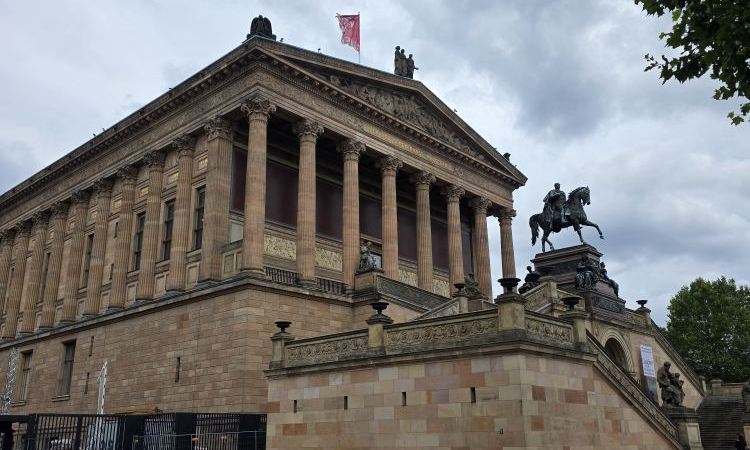
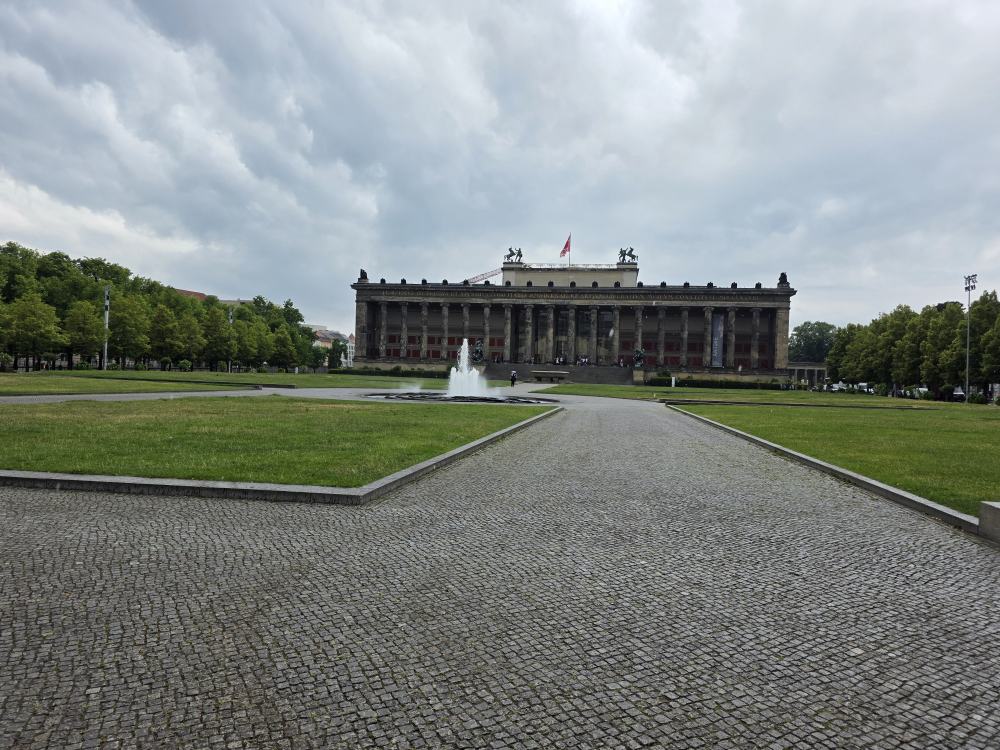
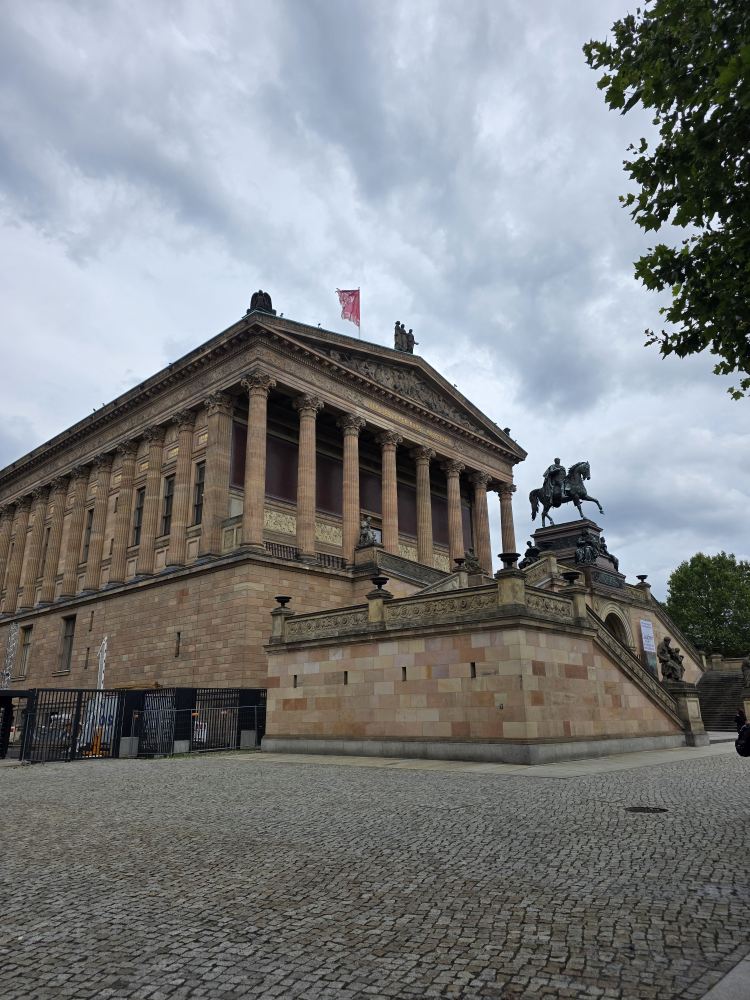
Hitting the streets, we arrive at the Altes (or Old) Museum right before 10a opening time. And just in time too. We were on the plaza walking toward the steps when the rain began. Pouring rain – perfect timing.
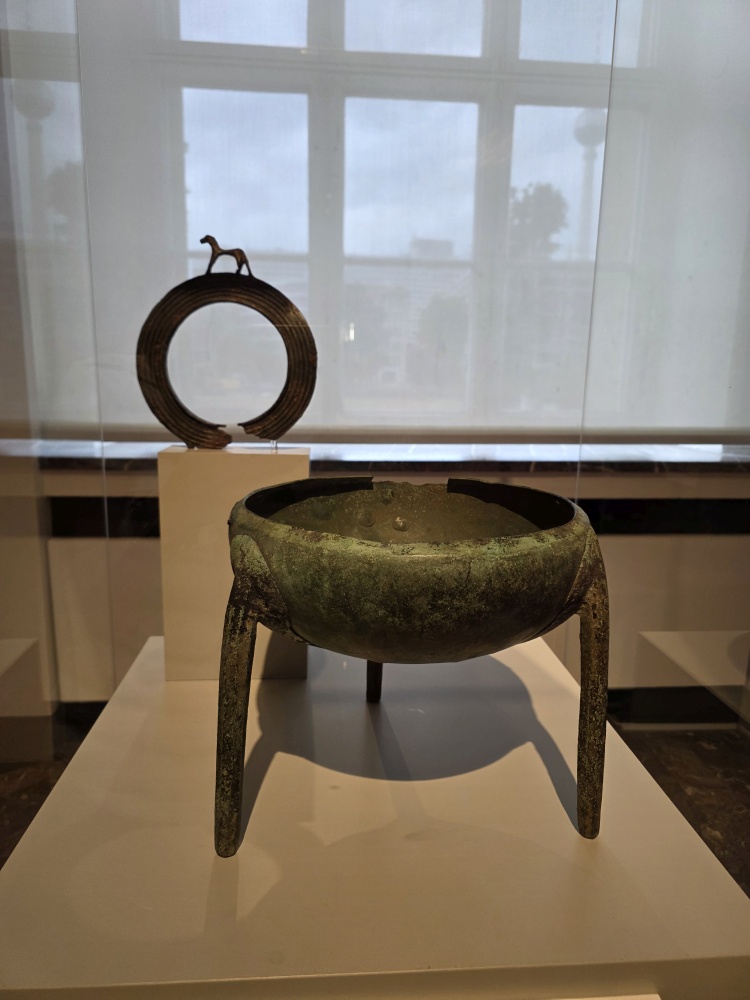
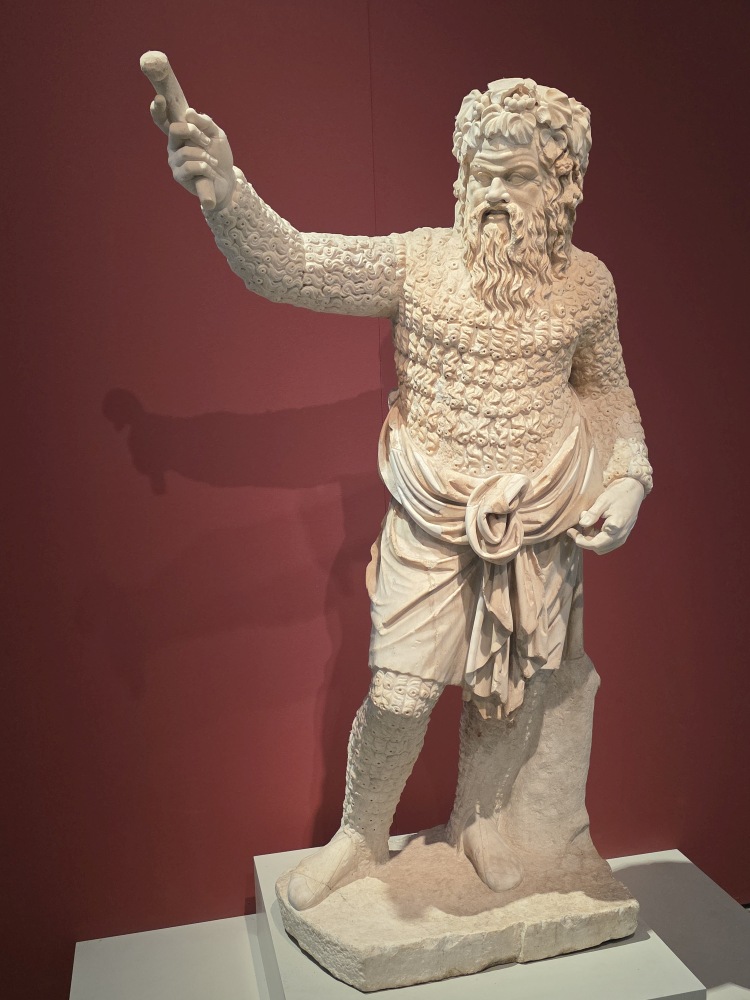
Inside the massive museum, the oldest in Berlin, we wandered through the Greek and Roman relics – enjoying the art, but also the translations, like this “Tripod Cauldron with Not Belonging Ring Handle.” Go figure! Bunnies (woman holding a hare), statue of an actor wearing a “woollen costume,” all interesting.
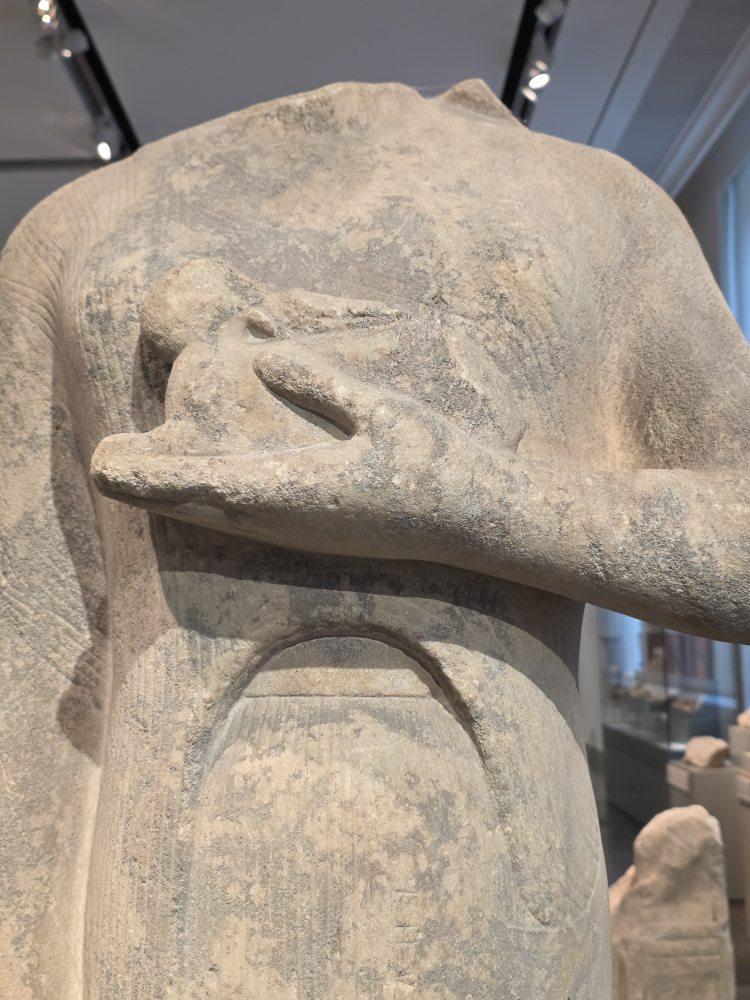
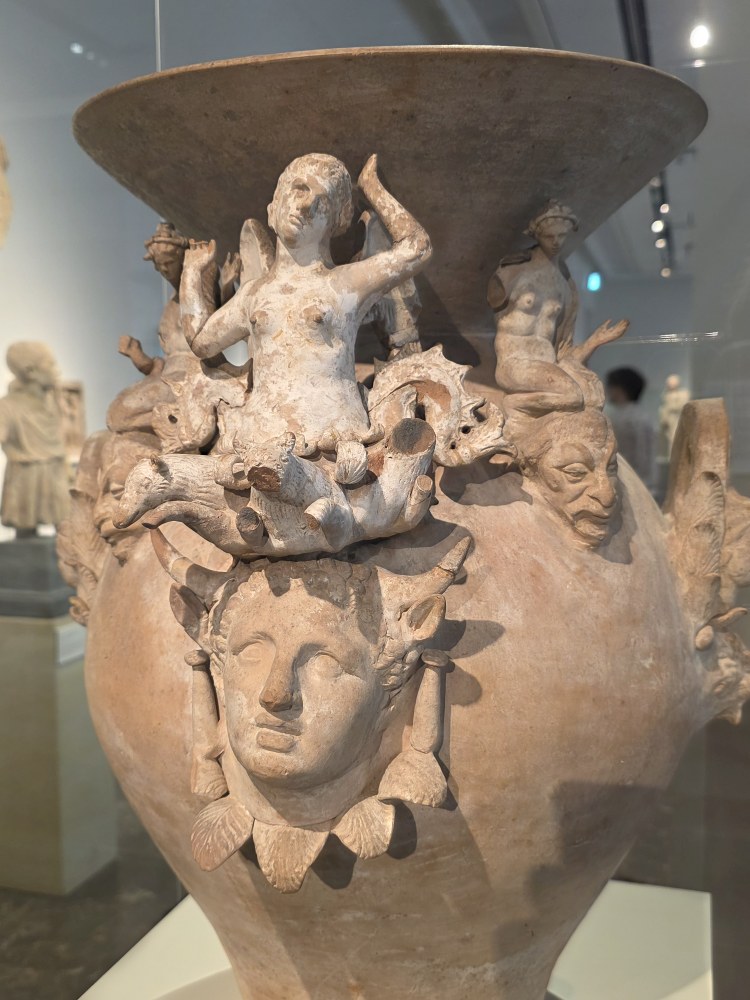
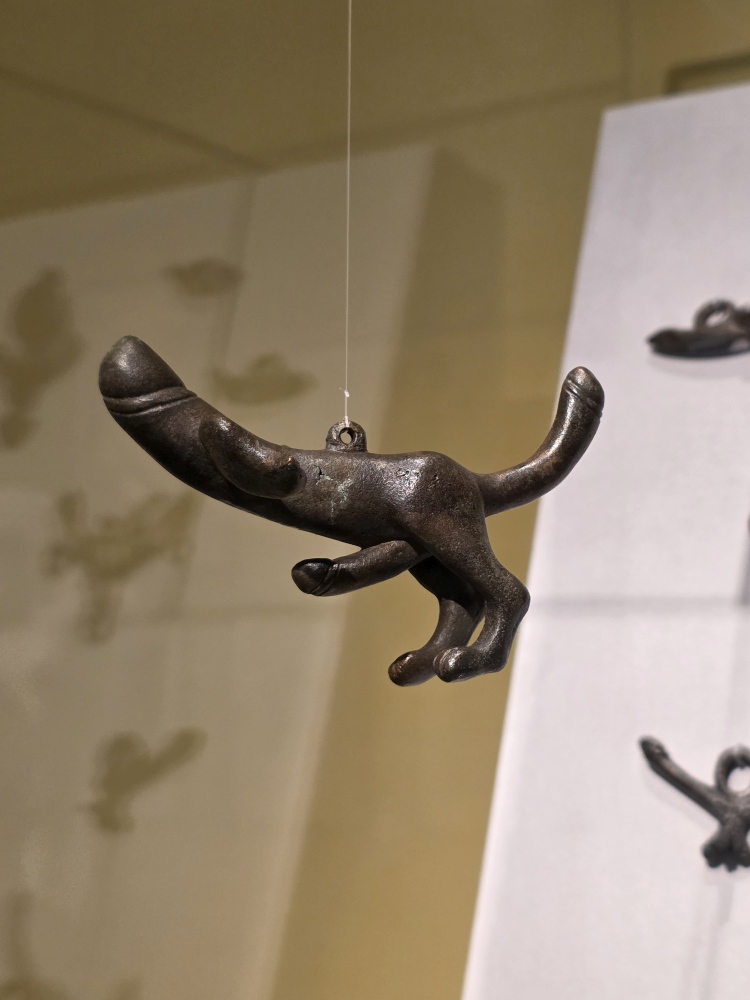
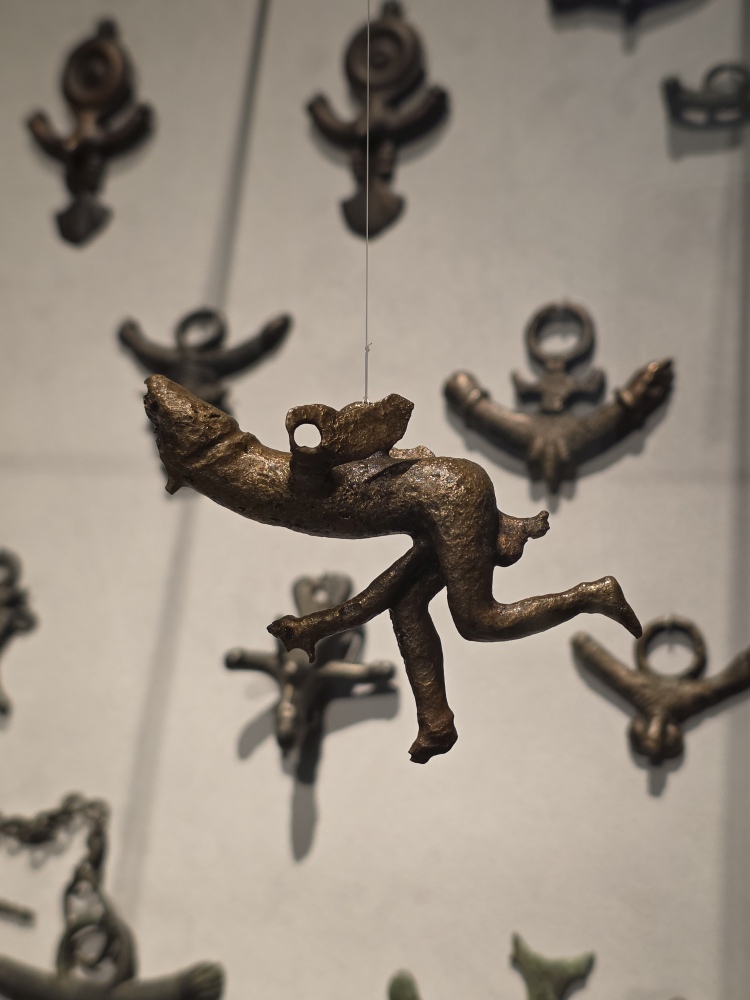
But not half as interesting as the separate room full of phallic symbols. Entitled “The Garden of Delights – The Art of Love in Antiquity,” here are amulets and talisman that represent fertility and lust. Apparently it was everywhere in ancient Greek, Etruscan and Roman times – and later in time, all these pieces were locked away in “secret cabinets” in museums so as not to be displays. There is even a warning on the door that basically says not for children, adult material. And oh boy are they right. The photos here are just the more whimsical amulets – the hanging ones are bells, the devil looking ones are ostensible for incense? Use your imagination.
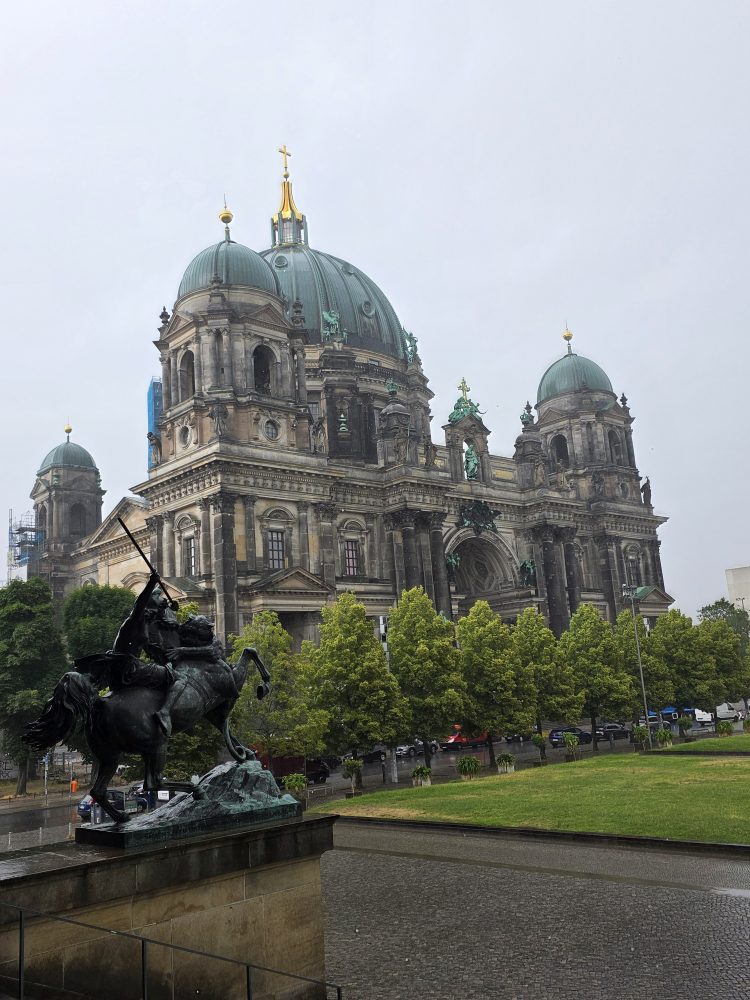
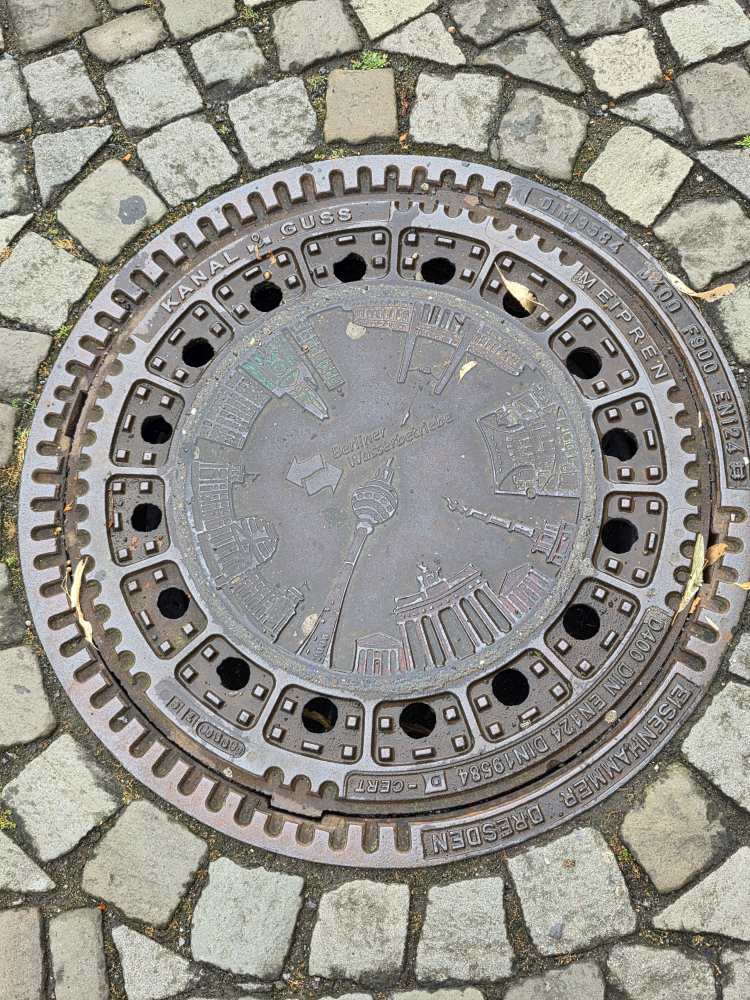
Tiring of antiquities, we head over to the Neues (New) Museum (finding a cool manhole cover in the process!) where we find more antiquities.
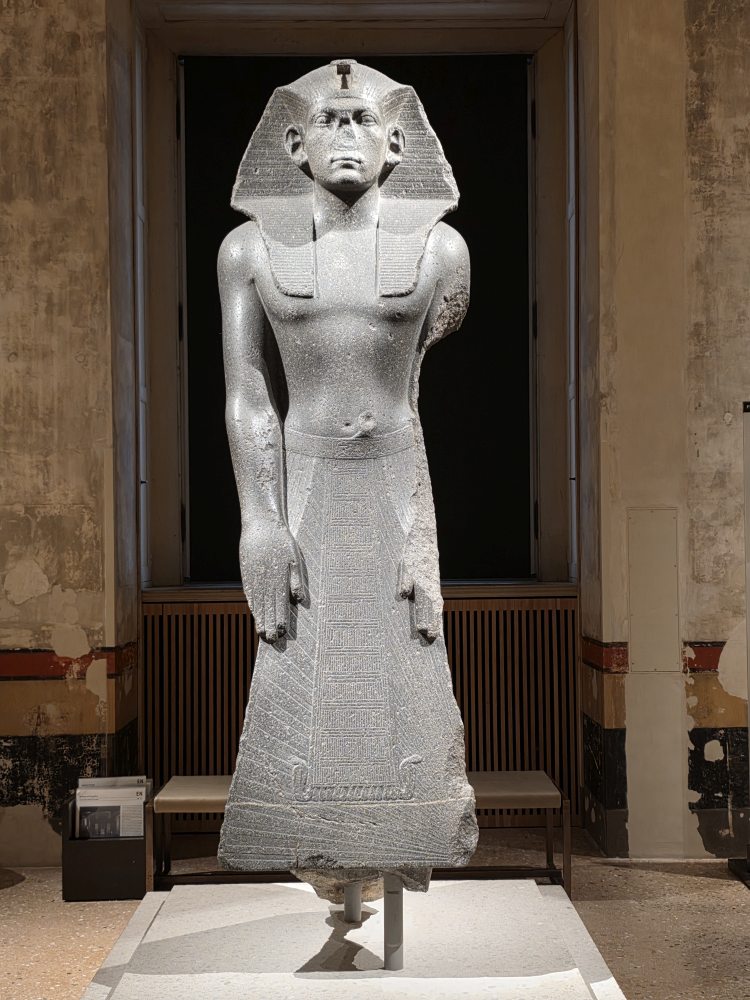
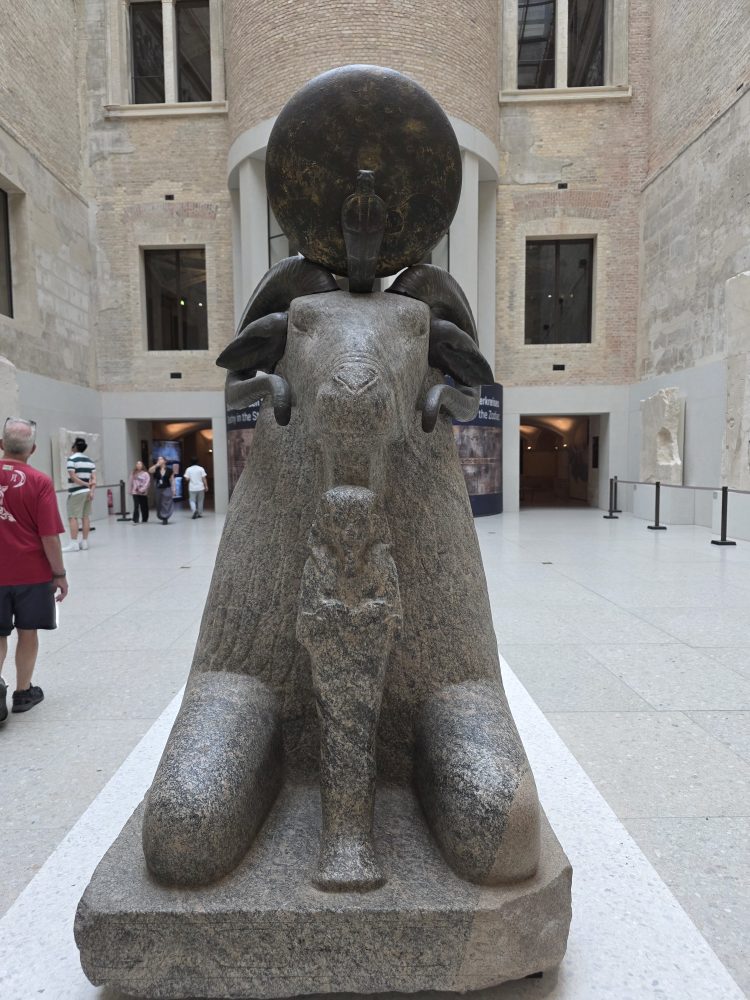
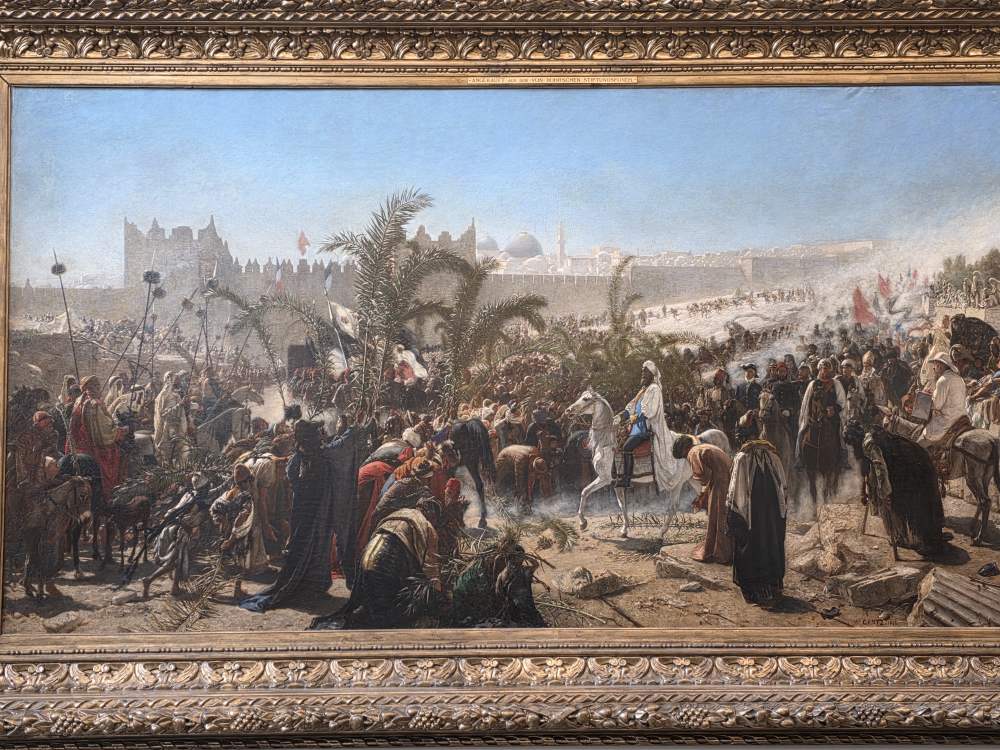
Hmmm….anyhow, we make short work of that museum, moving across the courtyard to the Alte Nationalgalerie where there is actually art to view – including this painting from 1876 of Prince Friedrich Wilhelm entering Jerusalem. The detail just captivates us. Look at all those people – painted in such minute characteristics.
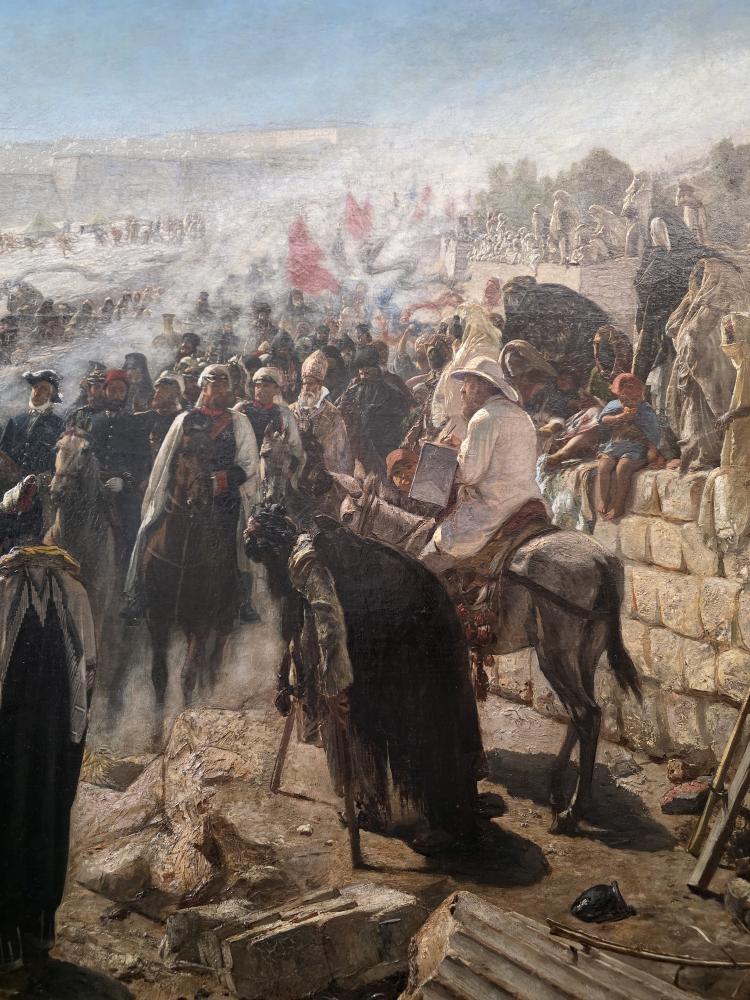
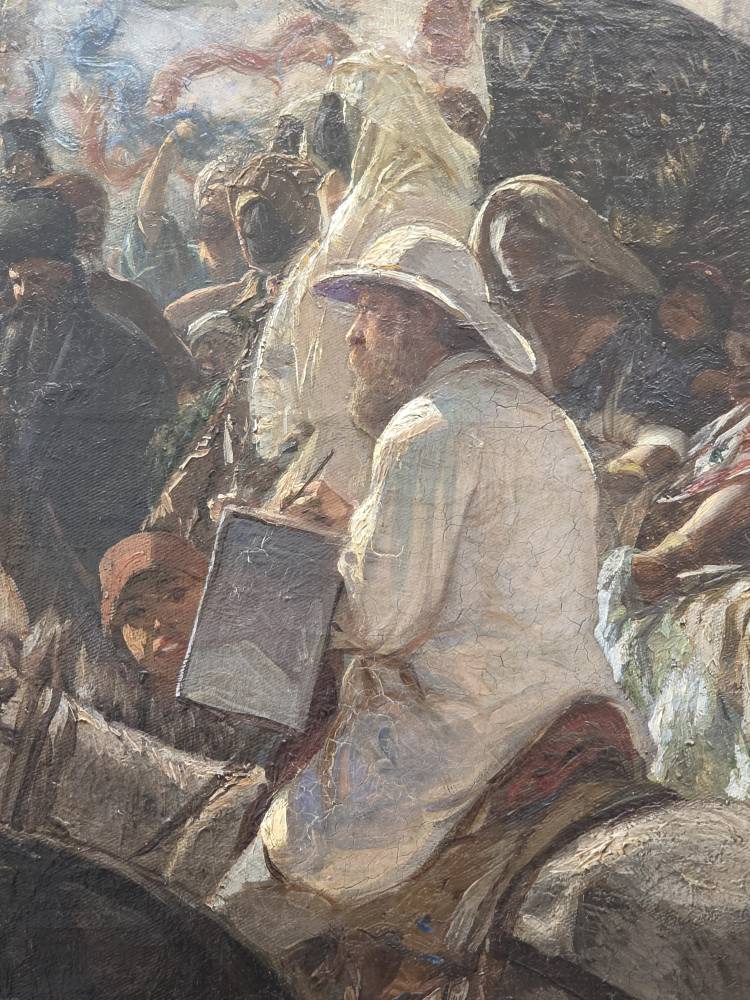
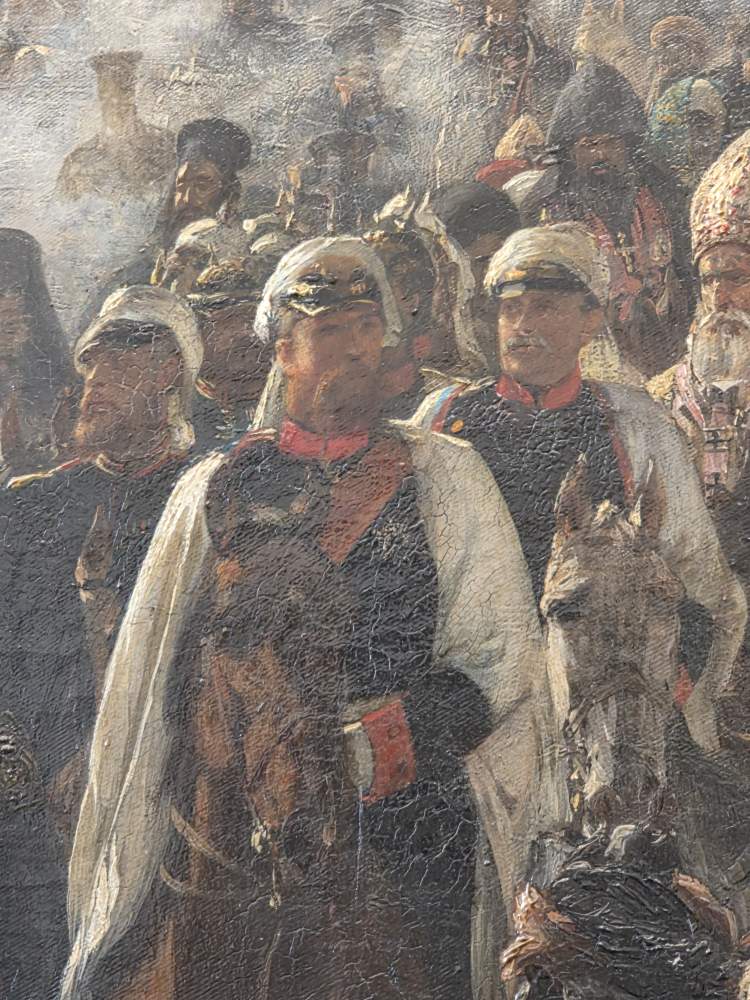
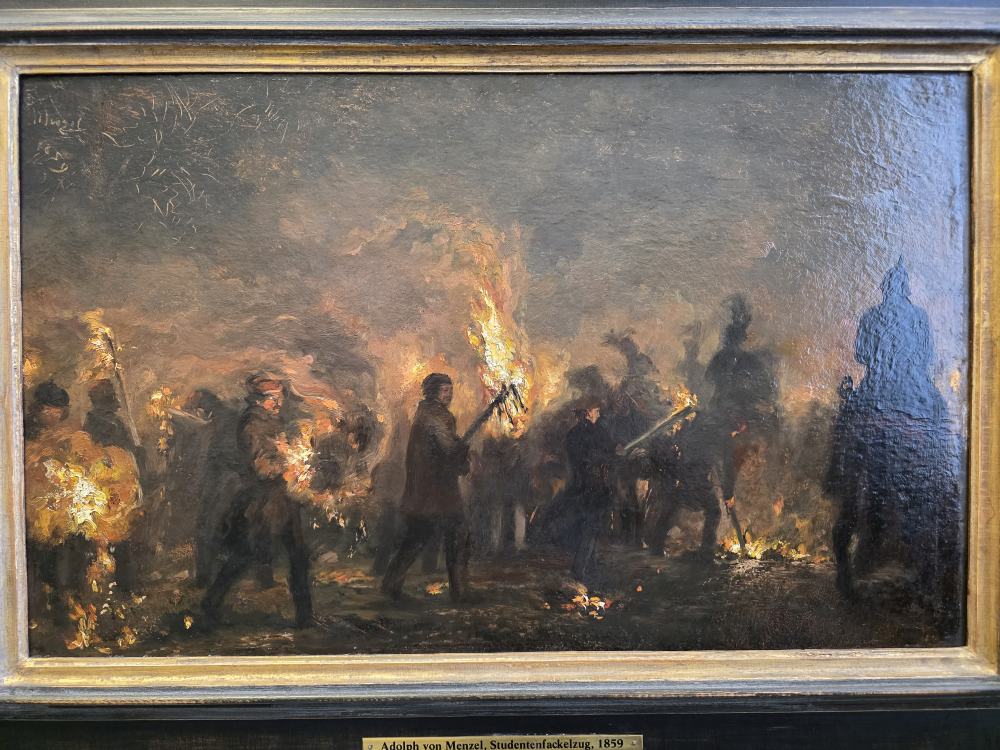
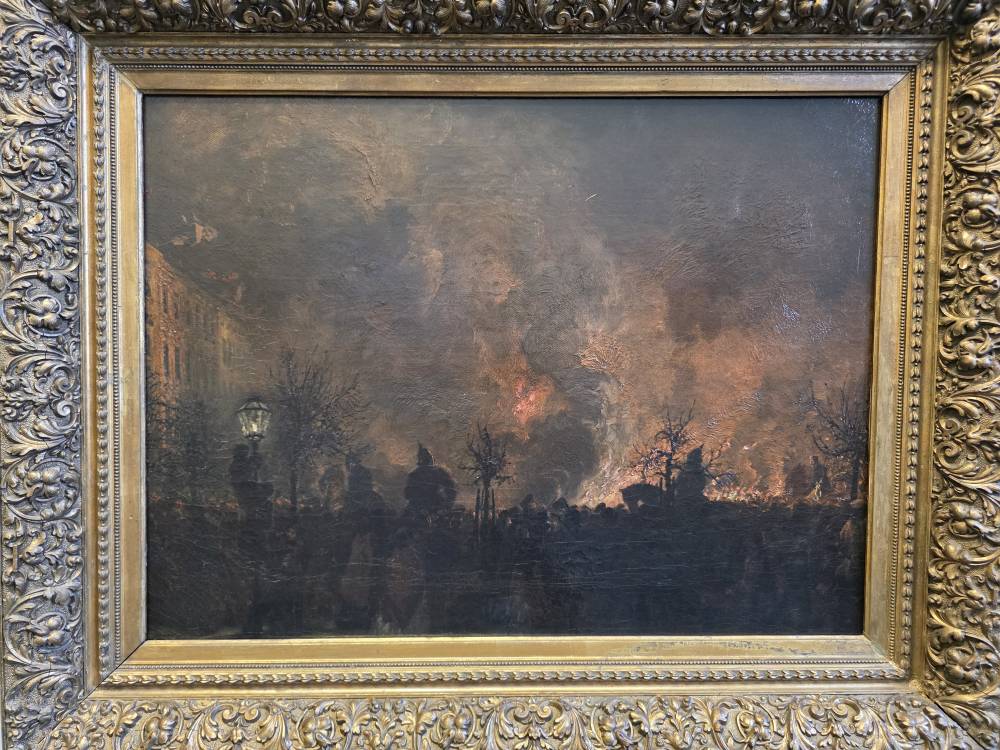
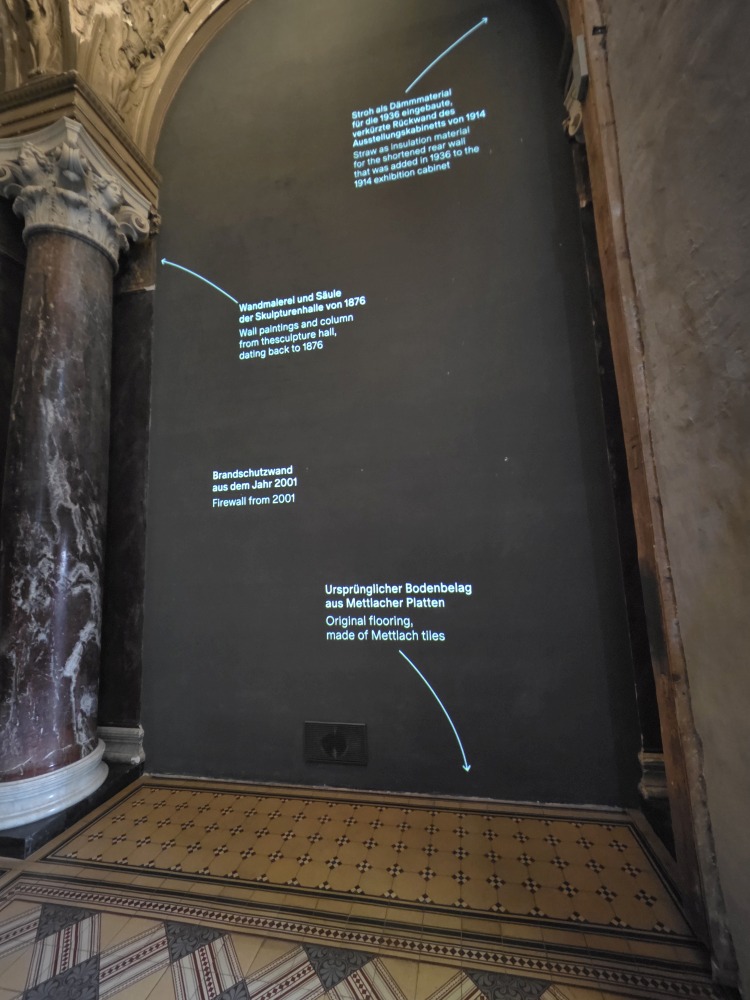
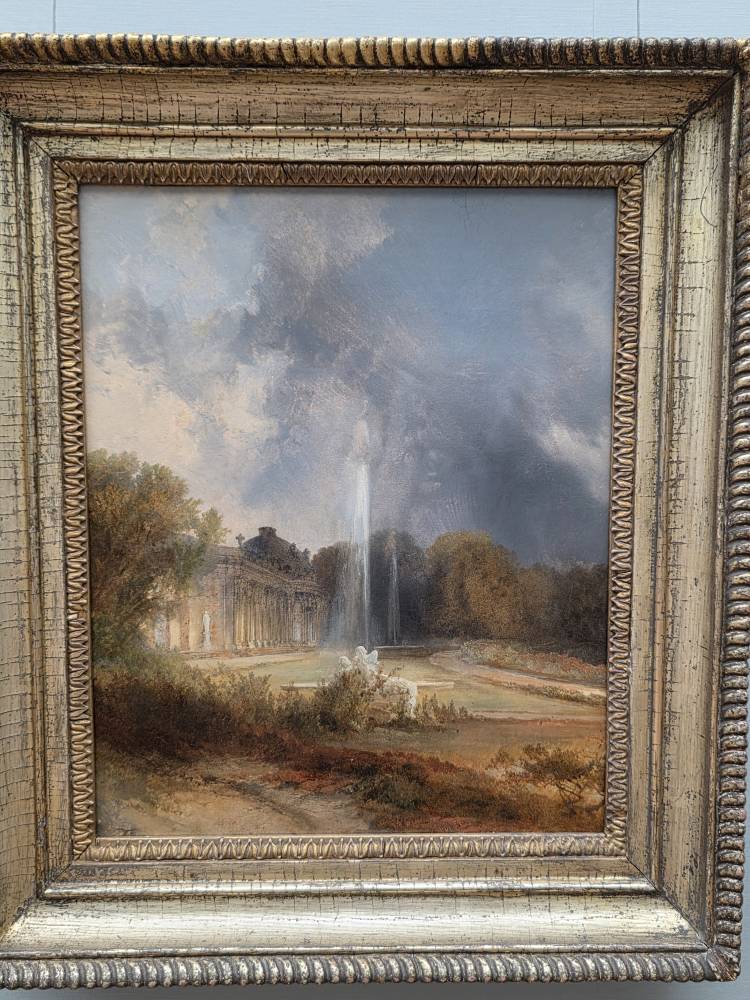
Other paintings, such as the torchlight processions, are incredible for their moodiness and general atmosphere, and little sculptures, like the devil here, were quite interesting. So too the multi-media exhibit that pointed out the original features of the museum before being damaged in the War. And there is also a lovely painting of Sanssouci, where we will visit tomorrow!
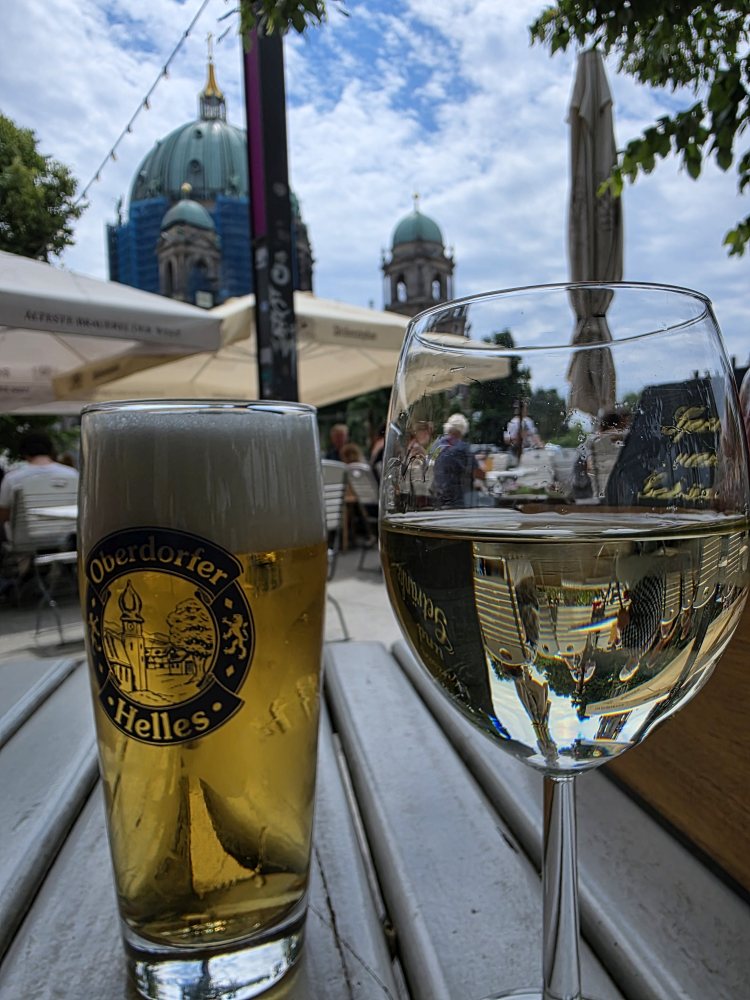
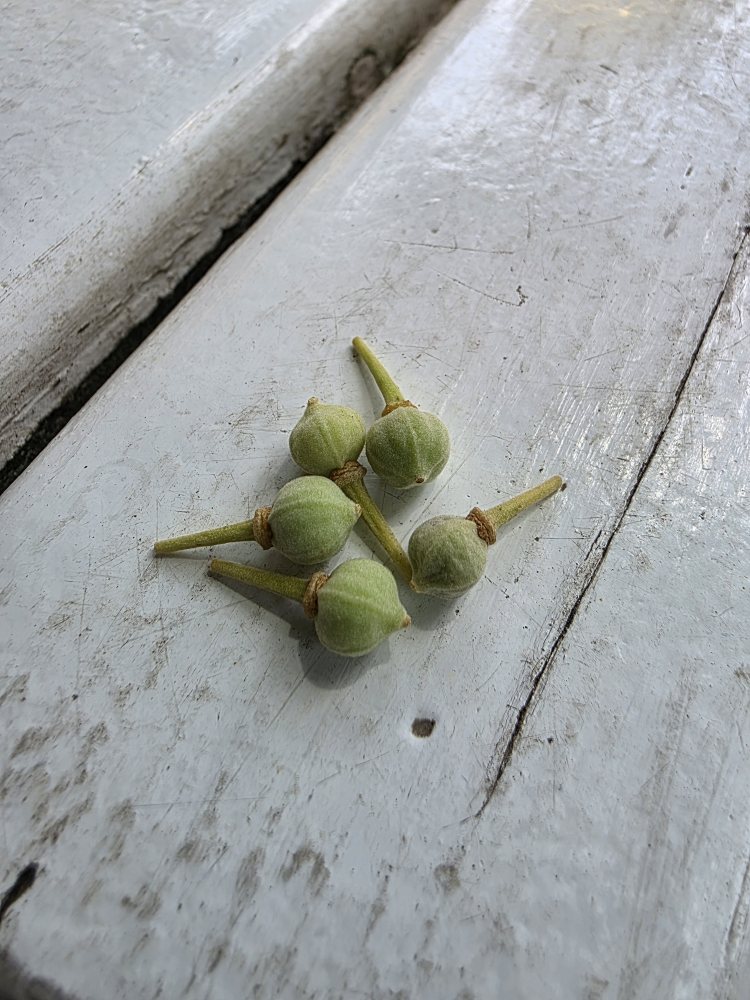
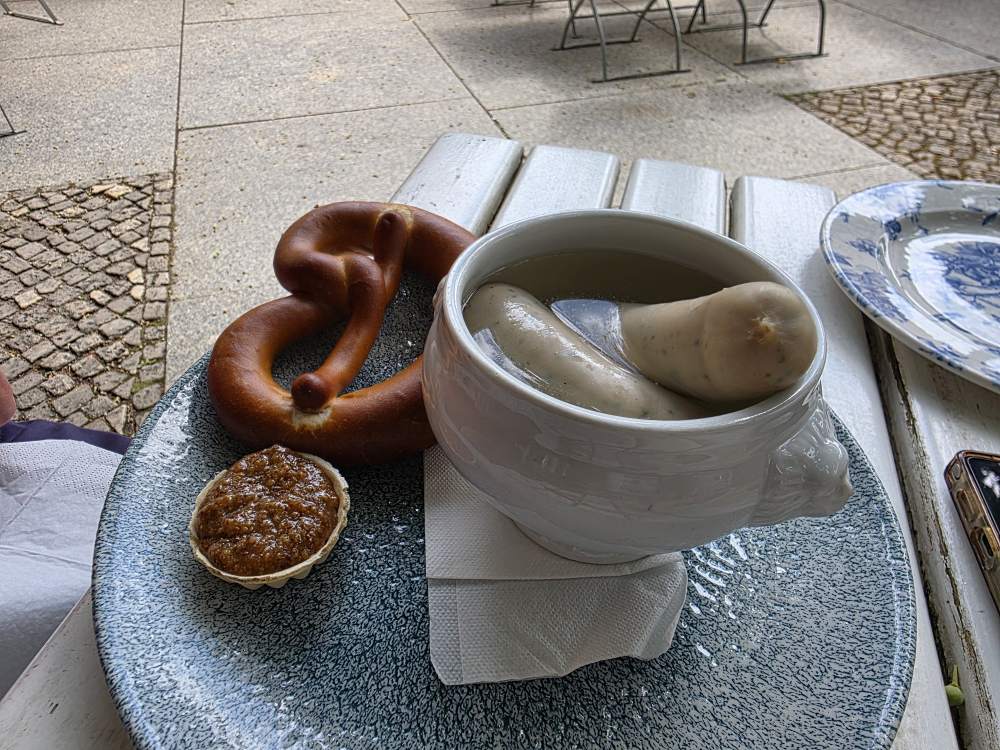
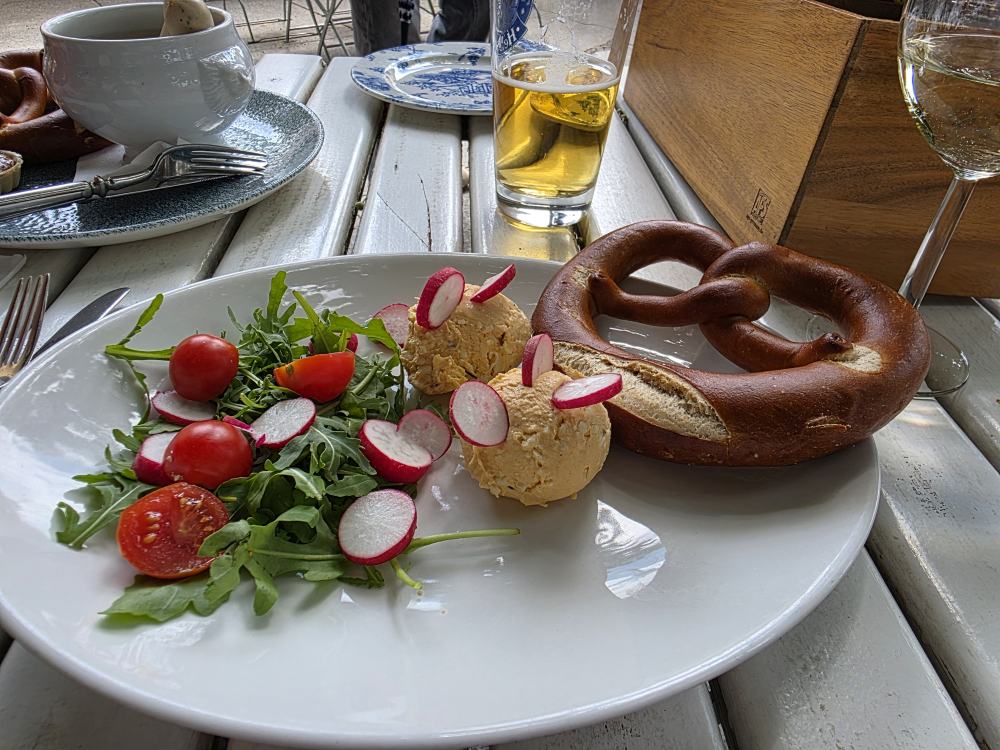
All really interesting, but to be honest, we were museum-ed out by 1:30. Fortunately the rain had abated as we left the museum and made our way to Speisen und Getranke, a sweet little restaurant on the banks of the Spree River. Sitting in the garden under the trees for shade, we had a lovely traditional German lunch of Obadza (the German cheese spread Rosanna has raved about) and Weiswurst (2 Bavarian sausages with sweet mustard and a pretzel). Yum. The only challenge was the wind – while it wasn’t raining, the wind did bring what we are calling tree! It blew seed pods off the tree above us, making us cover our drinks and food at various intervals!
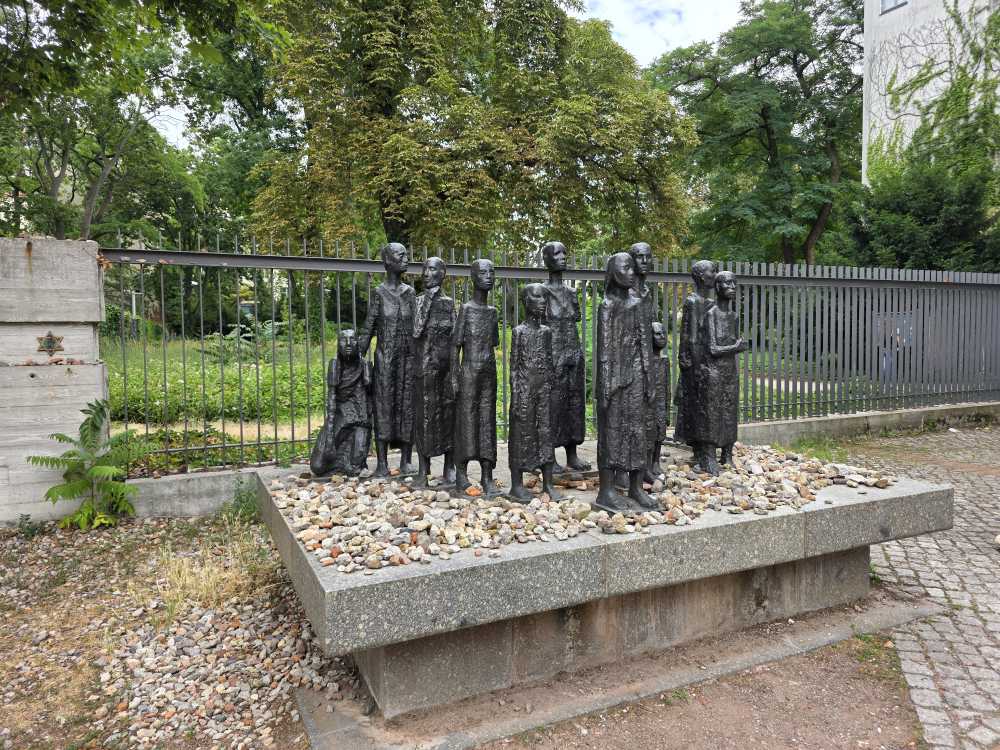
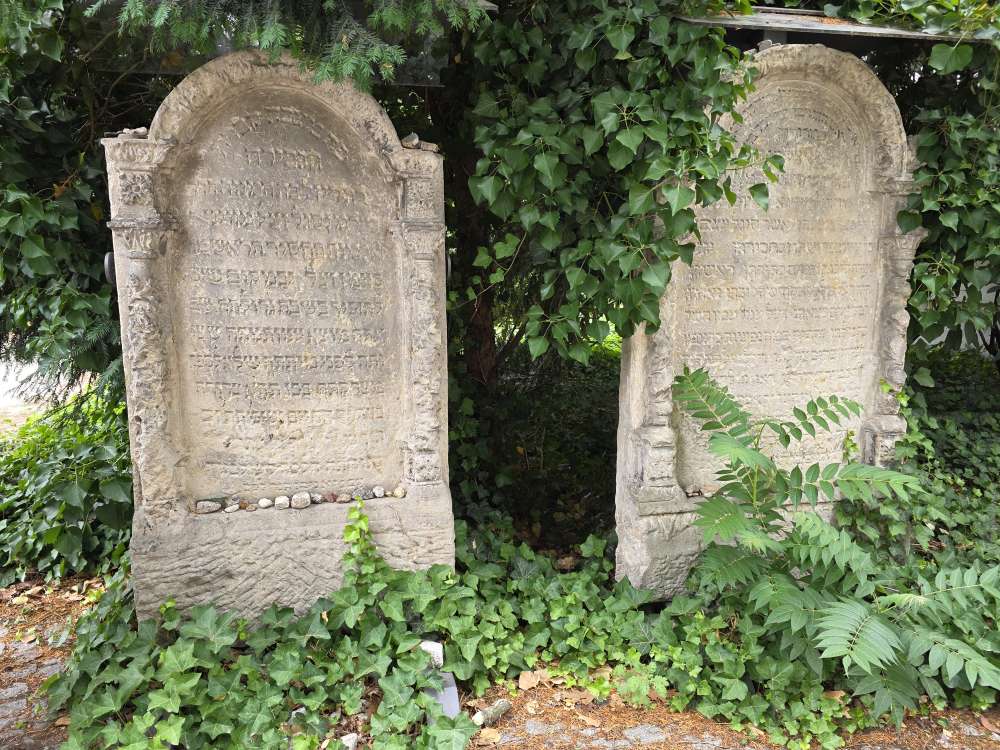
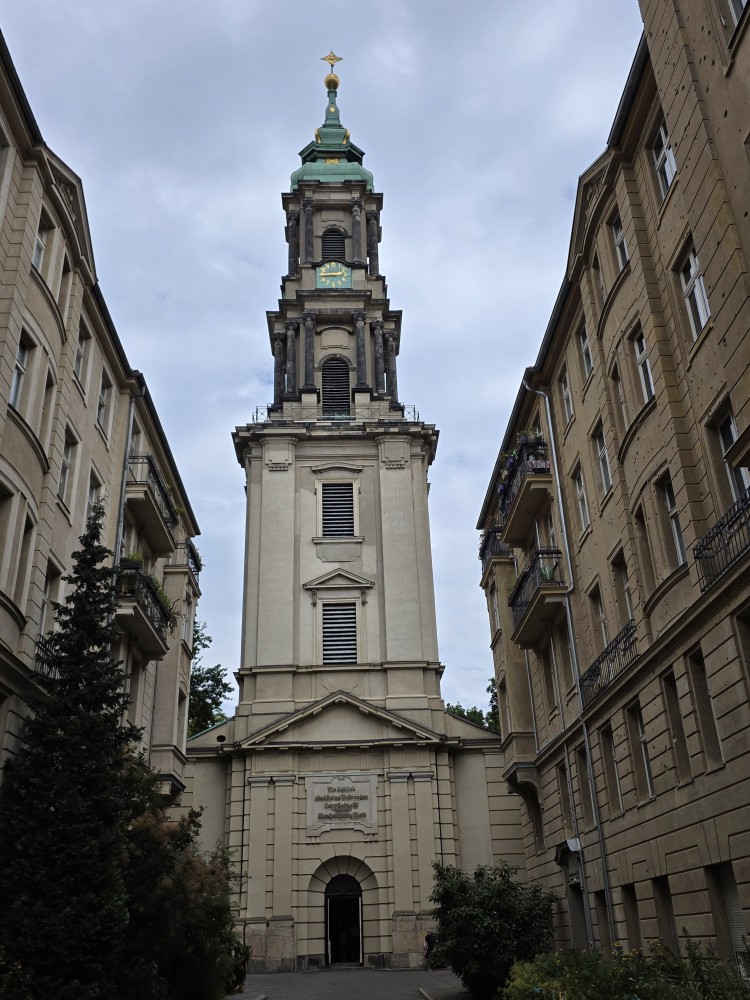
After lunch, we decided to blow off any further museums and head directly to the Wall Memorial, a 30-minute walk away. Great way to walk off our lunch. On the way we pass the location of the Jewish Community’s first old-folks community. In 1942 it was converted into a collection camp where 55,000 Berlin Jews were subsequently deported to concentration camps. Behind the community statue lies a Jewish cemetery where it is thought that over 10,000 Jews were buried. A bit up the road is the Sophienkirche, where Martin Luther King, Jr., delivered a sermon to the people of East Berlin in 1964.
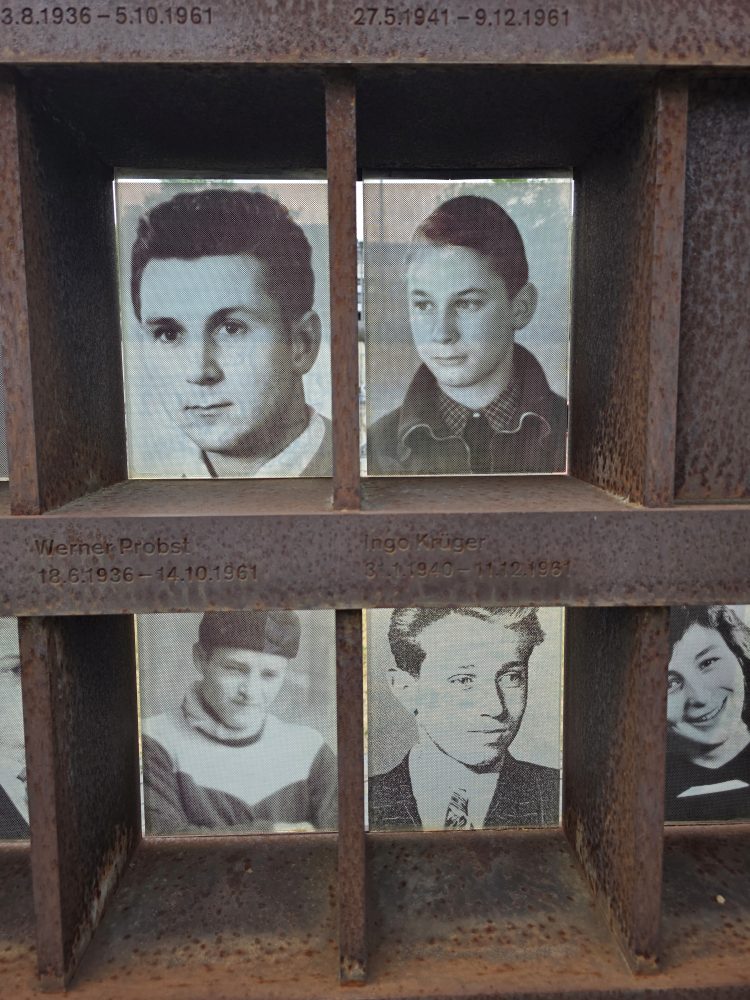
Arriving at the Memorial, we can walk along border fortifications and the reconstructed border strip with the two 20-foot-tall steel walls that were originally in place. It just boggles the mind that we are walking through the “no go zone” separating East and West Berlin and that it existed as recently as 1989. Exhibits dot the no-go zone, explaining the church and cemetery that lay in the middle of the zone, the 136 people who died at the Berlin Wall, some trying to escape, others took their own lives when they realized their escape failed, others who were mistakenly identified as fugitives. Crazy stupid sad.
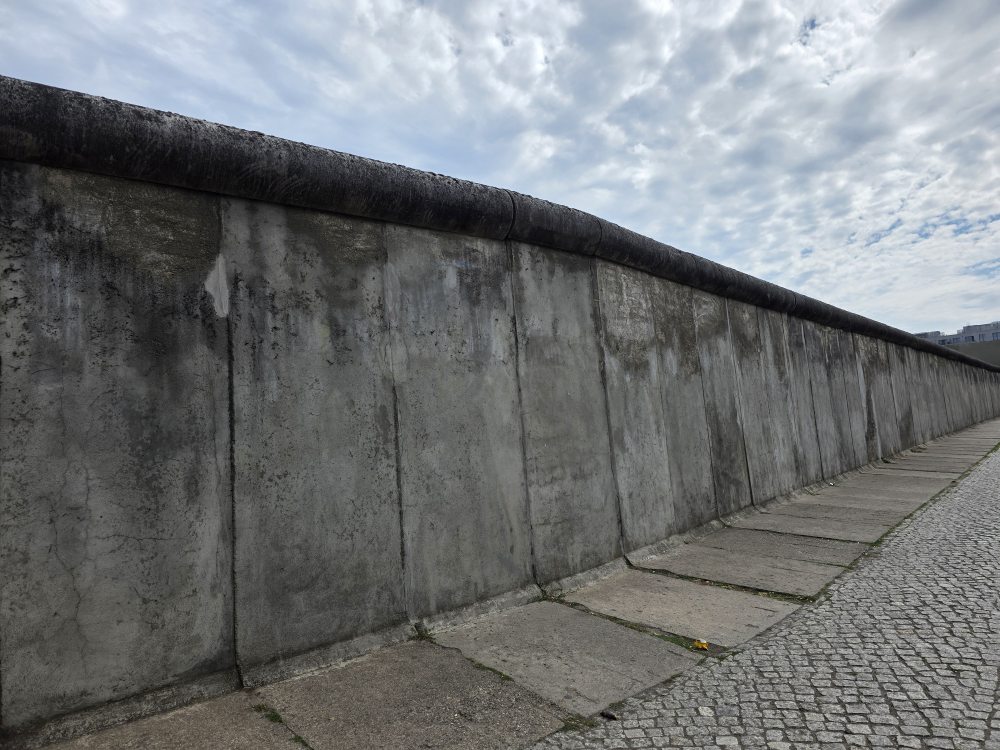
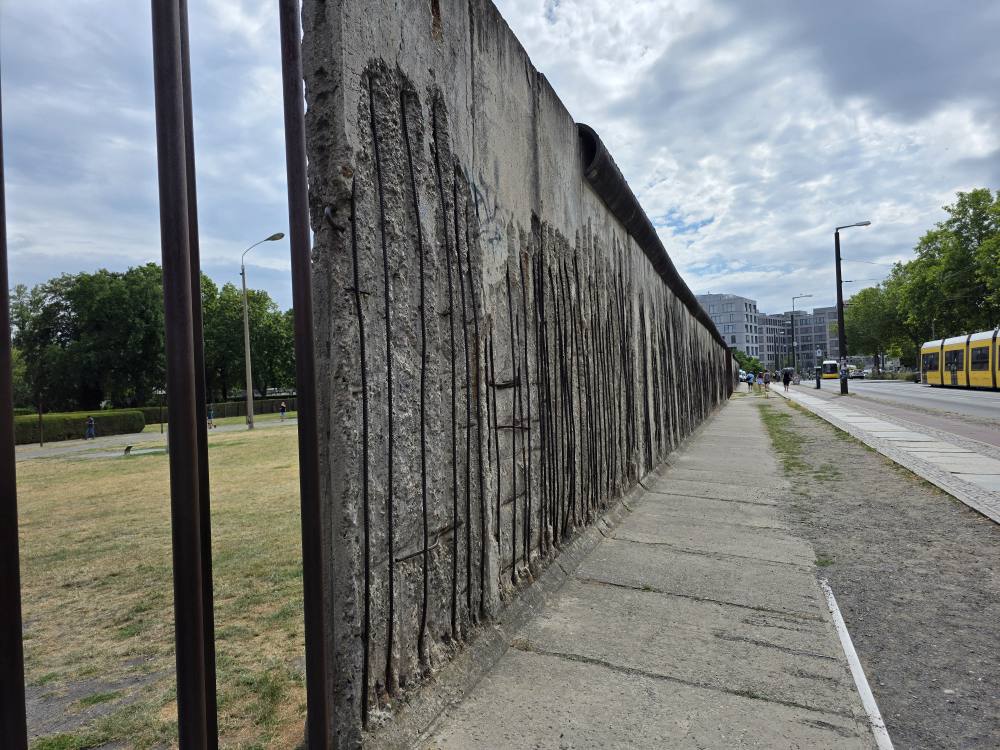
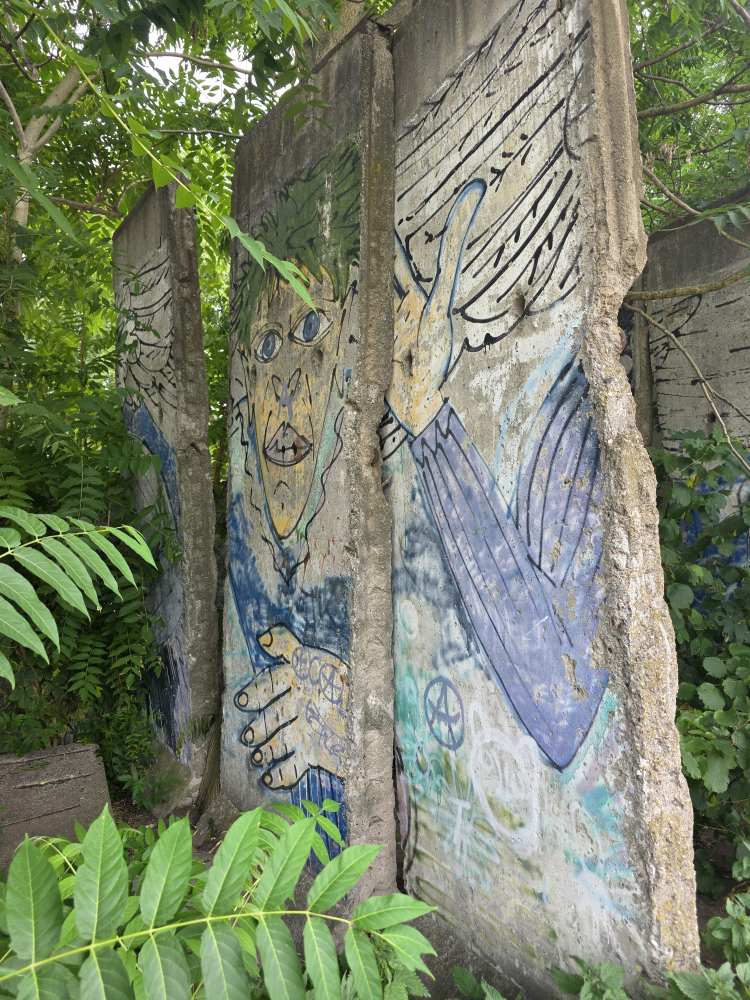
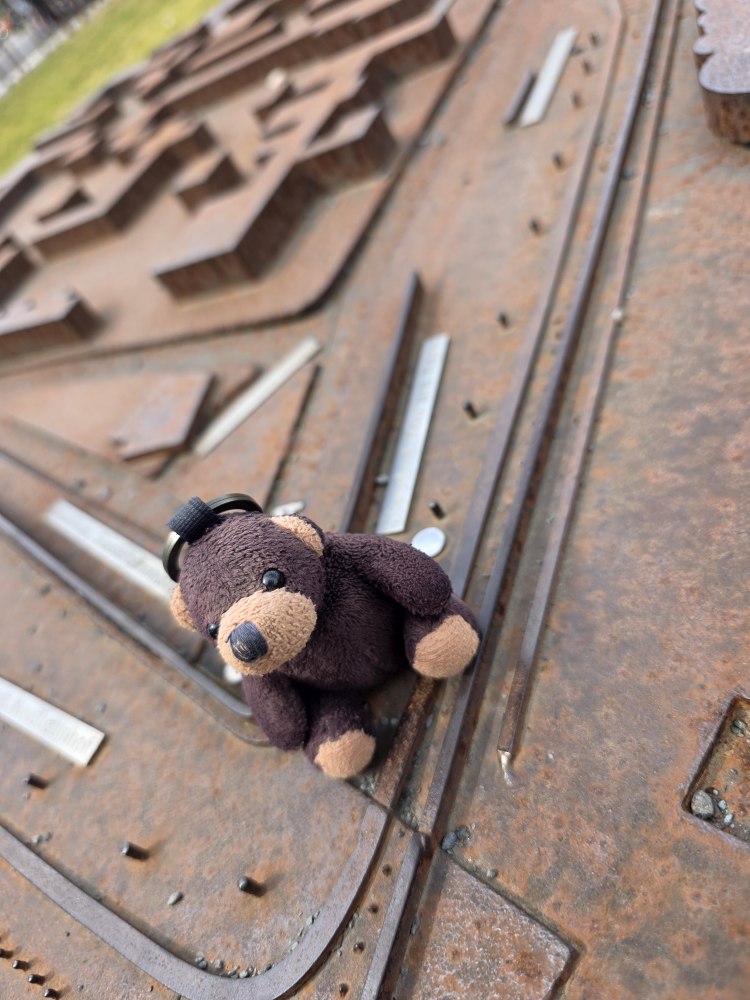
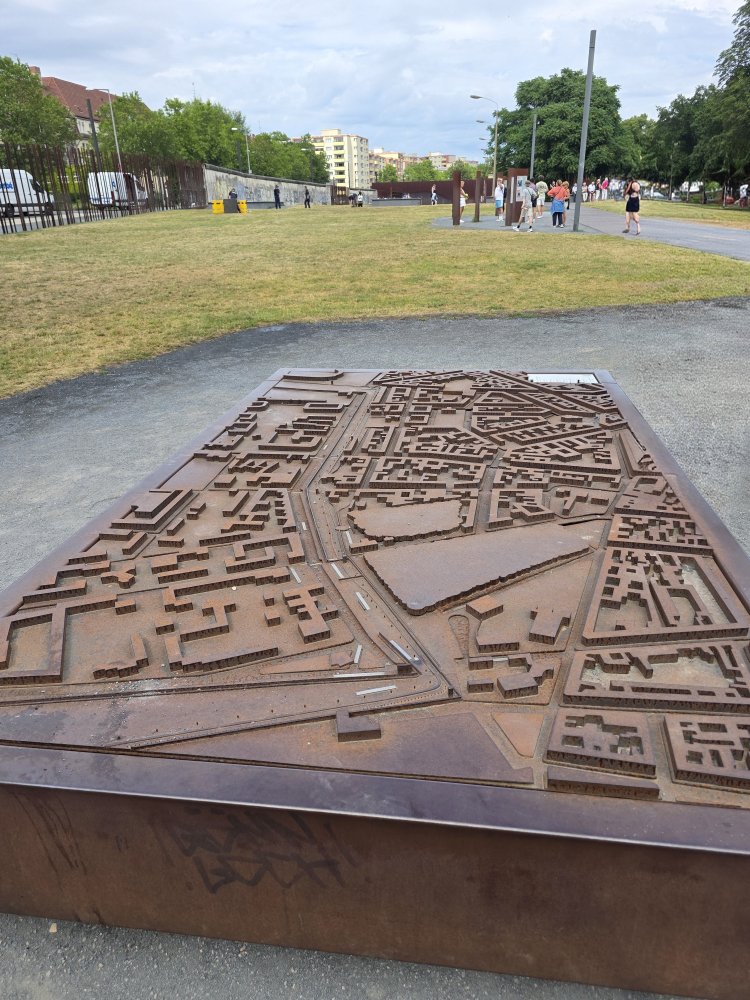
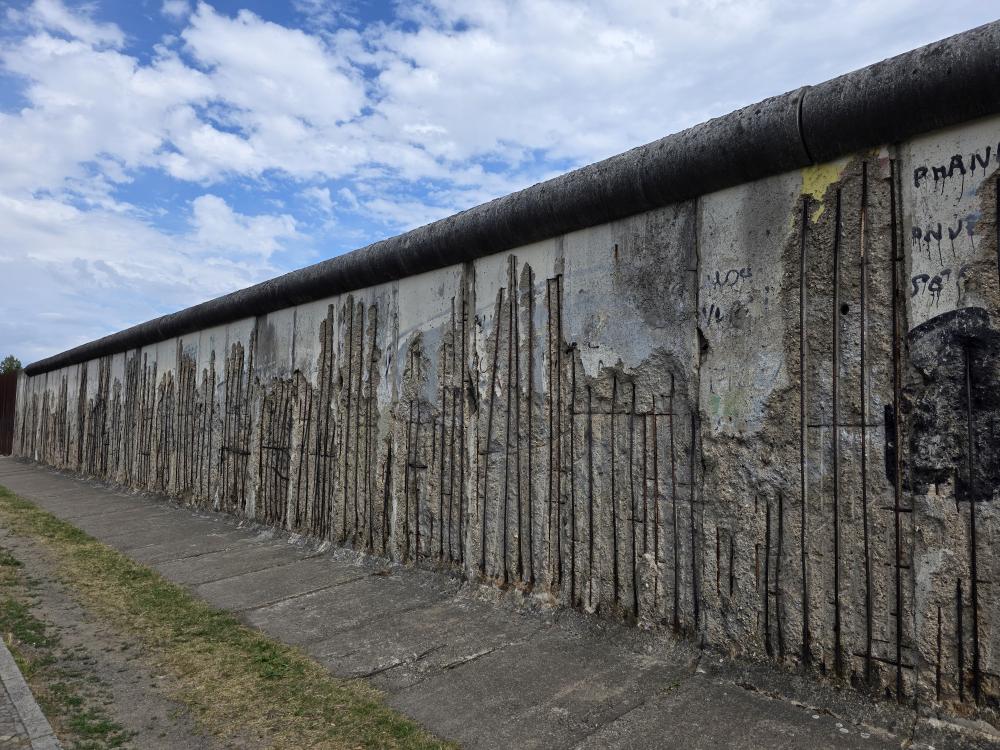
Entire wall section pieces have been preserved, with graffiti artwork as a memorial. Photos from the time show exactly what the wall and the “border strip” looked like. A brass map of the where the wall was located punctuates one end of the Memorial grounds (and yes, Sunny felt compelled to come out as this is a significant visit) and more sections of the wall – with rebar showing – line the sidewalk that leads along the border.
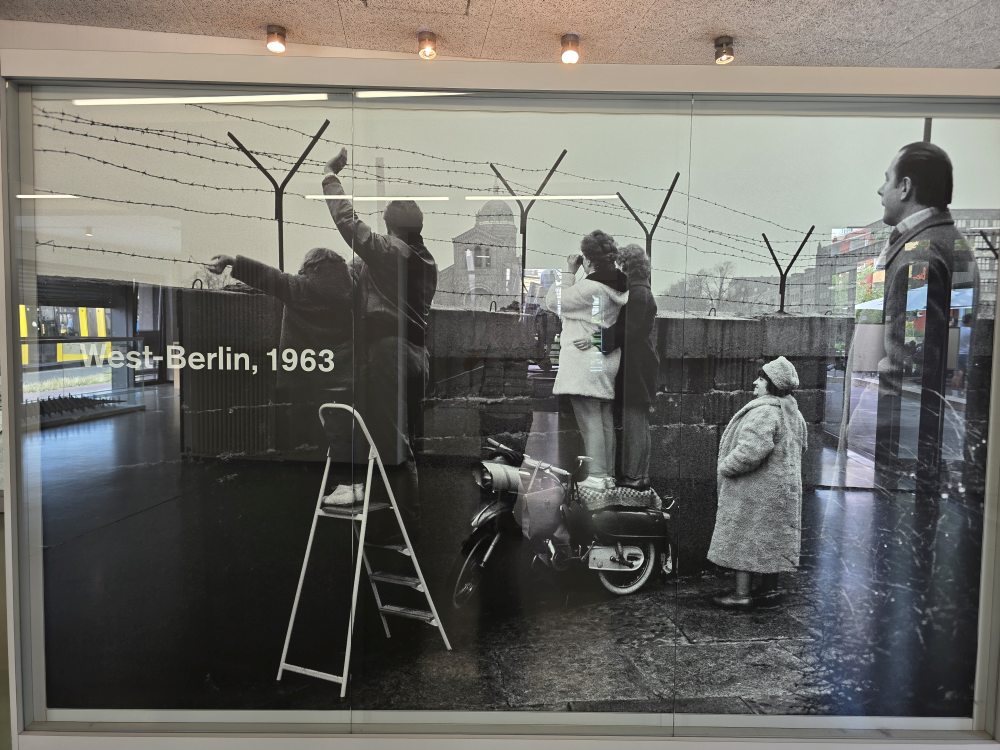
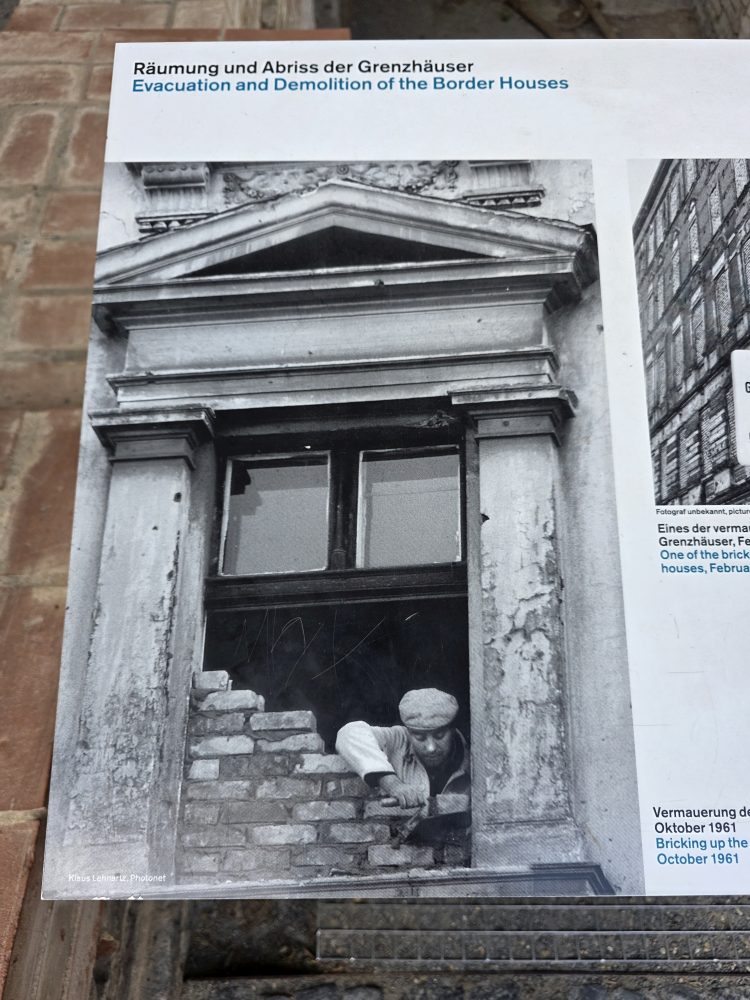
Inside the Documentation Center alongside the Wall Memorial, we peruse incredible exhibits – I mean, just amazing to think that you had to talk over barbed wire to your neighbor. Well, at the time at least you could. But then there are photos of the wall that literally ran through buildings, with the windows and doors in buildings on the East being bricked up so people couldn’t climb out to escape. The stories!
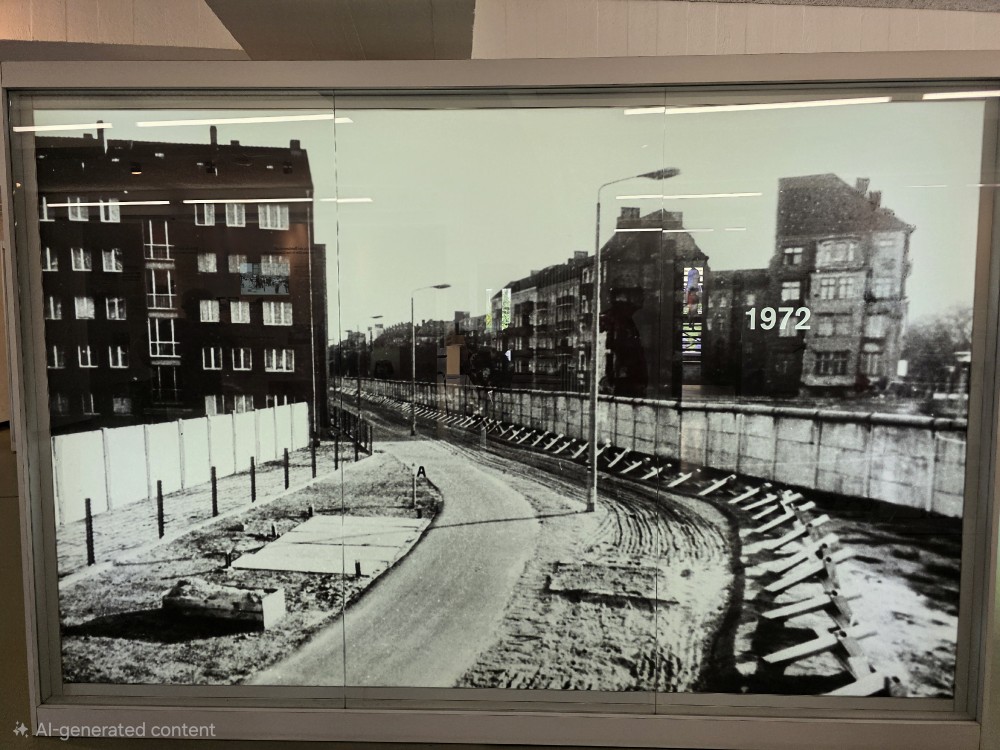
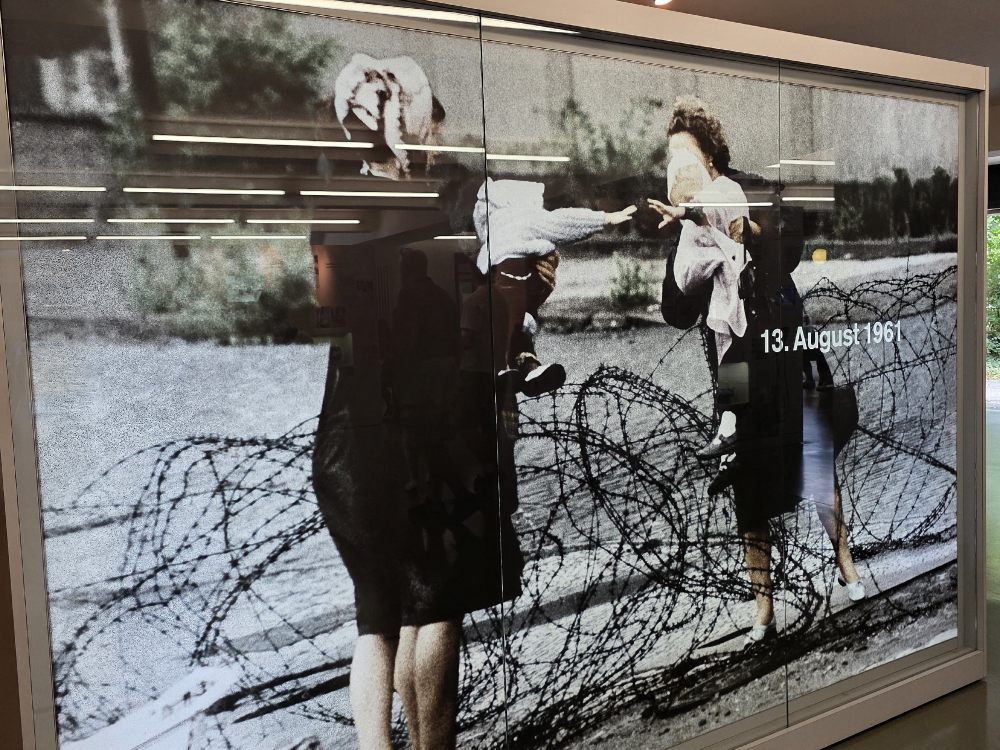
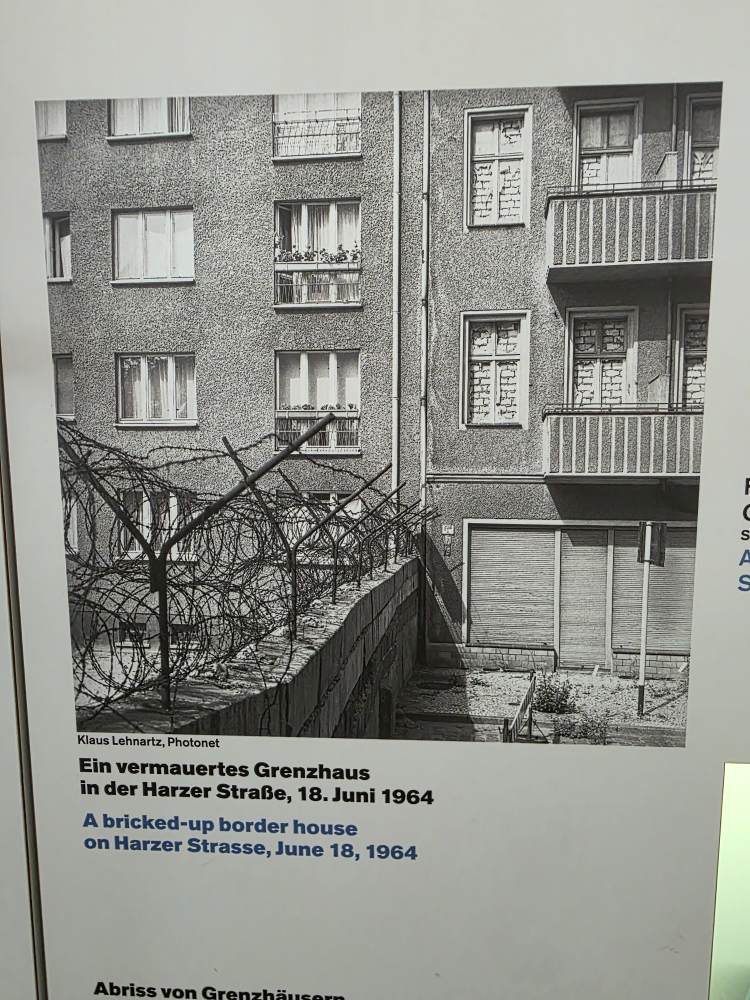
We could have spent hours there but decided to move on so as not to totally overwhelm ourselves, moving outside and up to the viewing platform that gave us a birds-eye view of the reconstructed no-go zone with the watchtowers and walls in place.
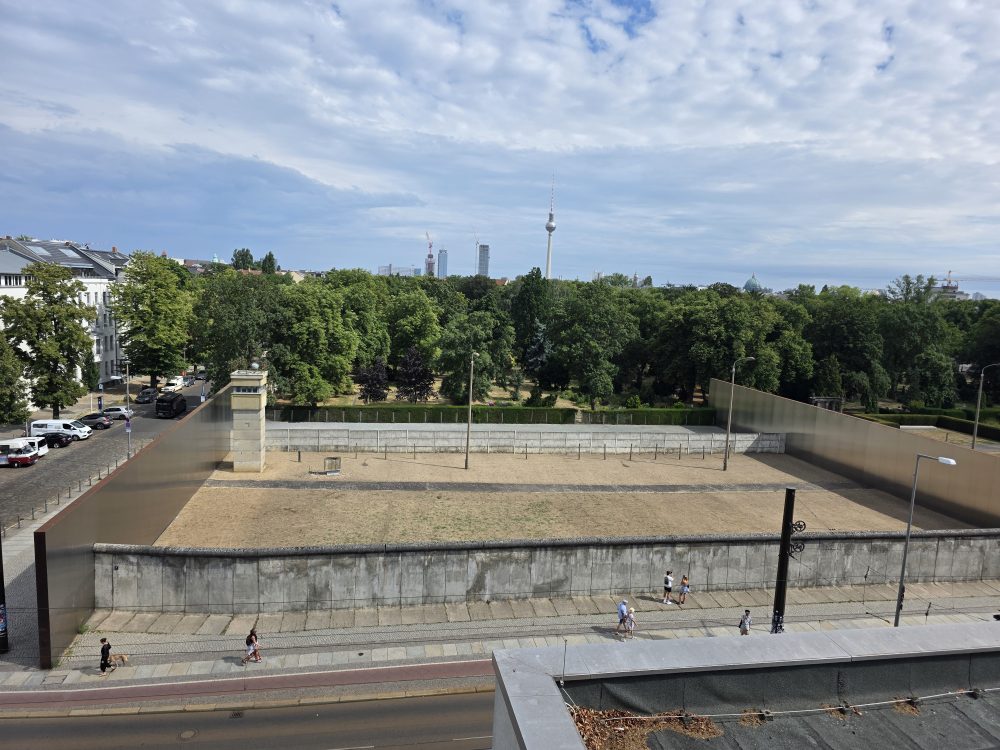
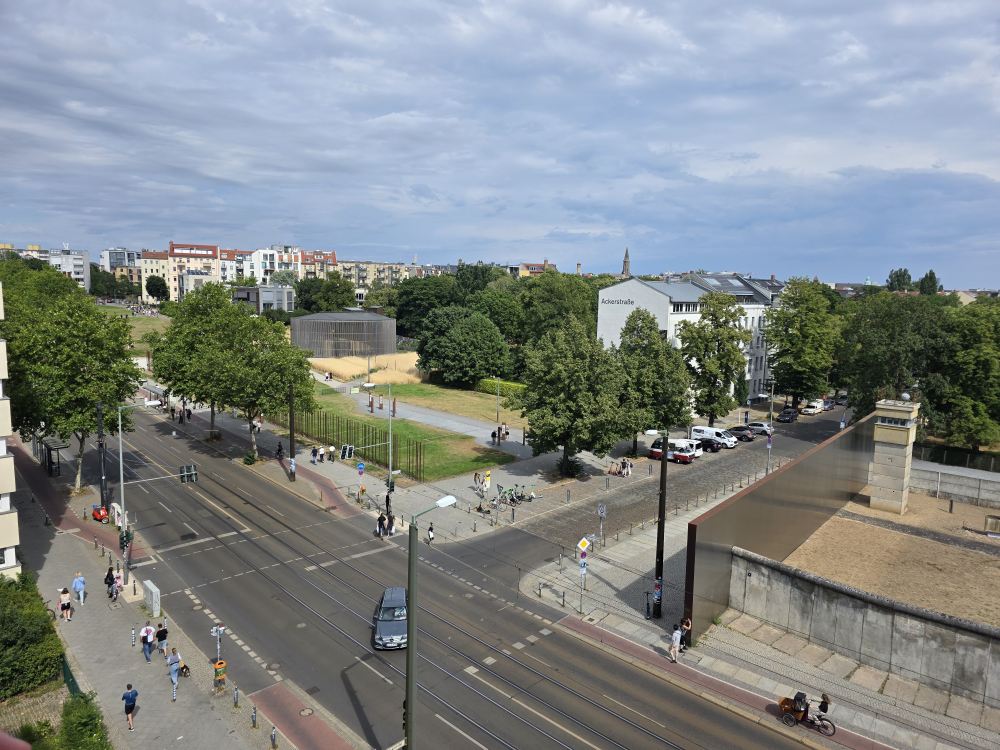
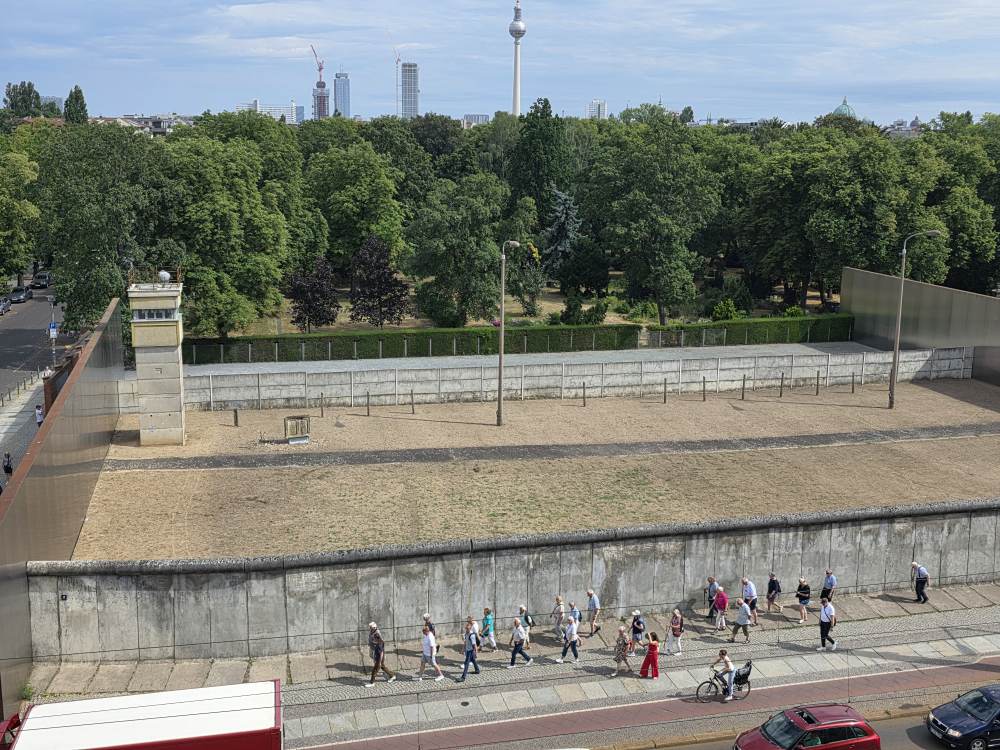
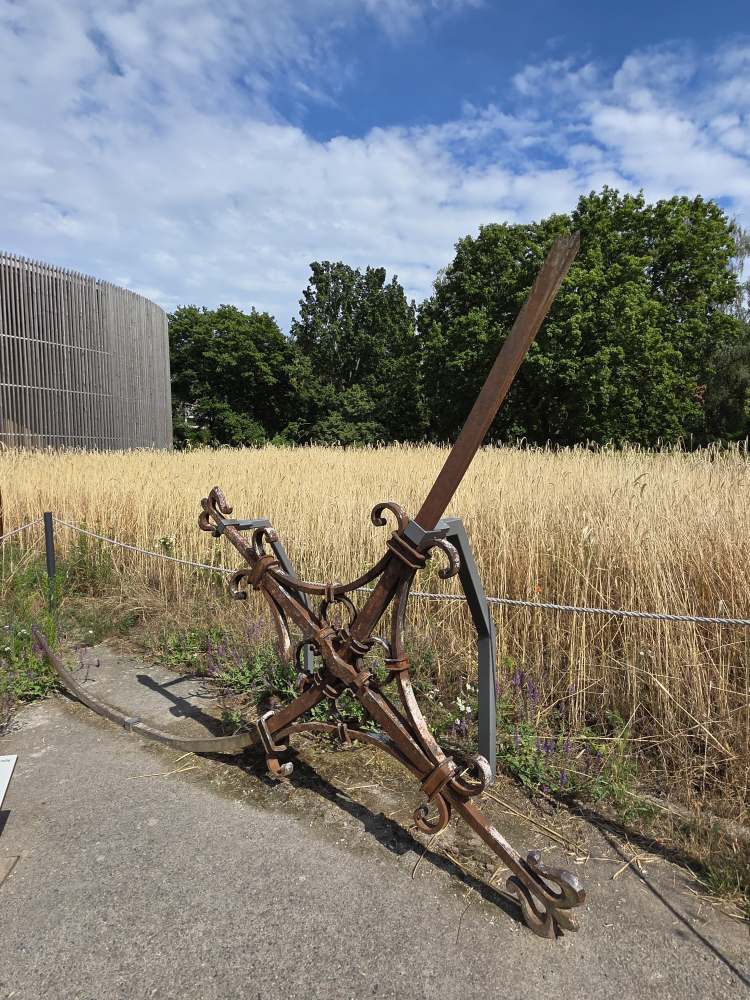
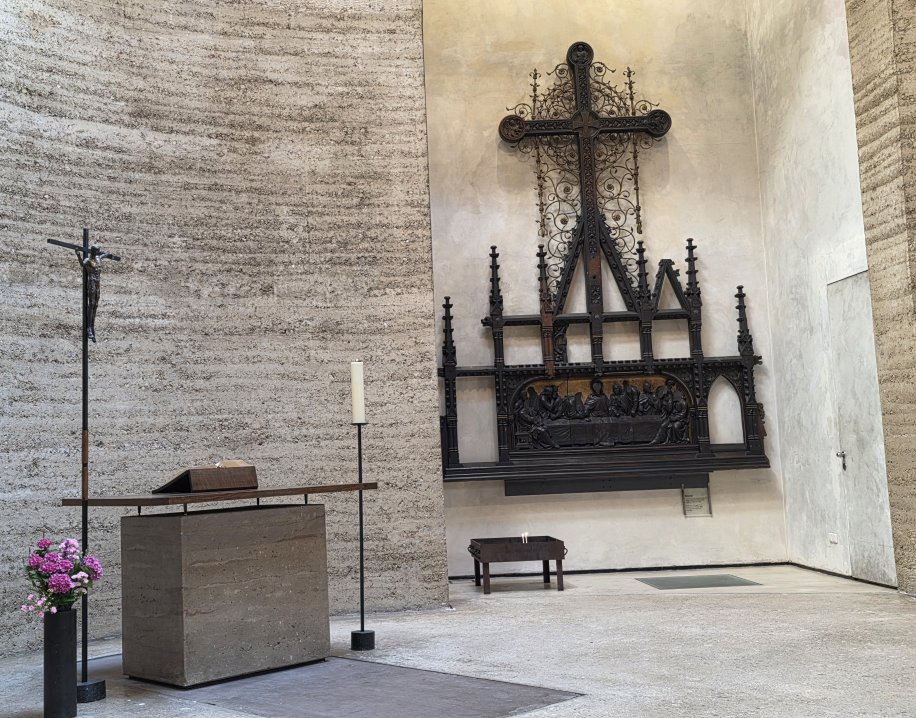
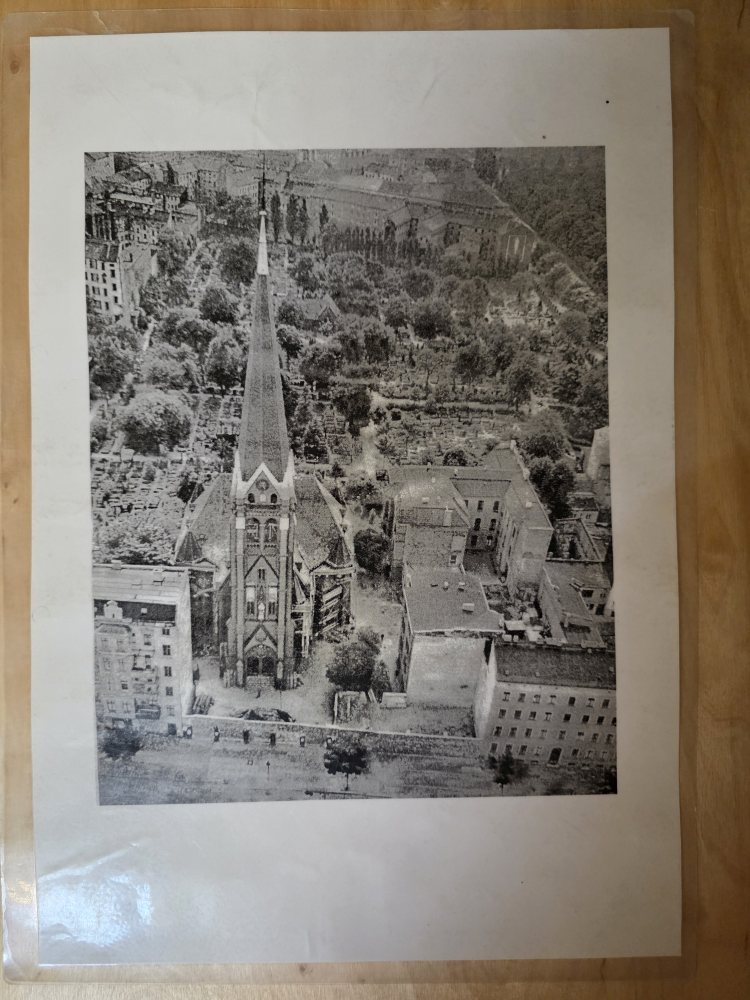
This location is where the Wall first came down. Back outside on the Memorial grounds, there is a fabulous picture of kids playing along the Wall remains where you can see the actual watchtower in the background. Then we move onto the Reconciliation Church – the church that was literally walled into the death zone. Inaccessible since 1961, the SED (the GDR government) nonetheless were annoyed with the symbolic value of the church, so they destroyed the Nave and tower in 1985. The church has been rebuilt and we were lucky enough to visit before they closed for the day. A very small, simple Nave now, the church incorporates rubble from its original walls, as well as the original tower cross (which broke off when the tower was demolished and cemetery workers secretly preserved it for years). It is a powerful example of resistance and resilience.
Further along the Wall Memorial are explanatory panels that talk about how the SED tried to stop escapes to the West by tearing down buildings adjacent to the wall and bricking up windows. Photographs show where these buildings originally stood (where we were standing at the moment) and how they were bricked up to stop escapees.
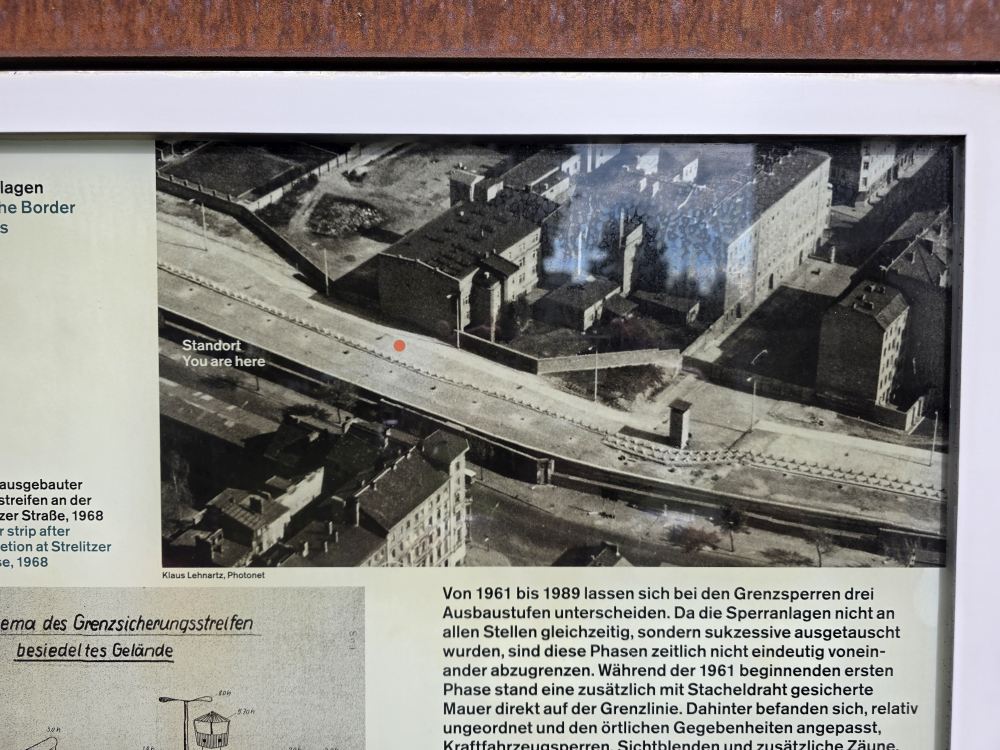
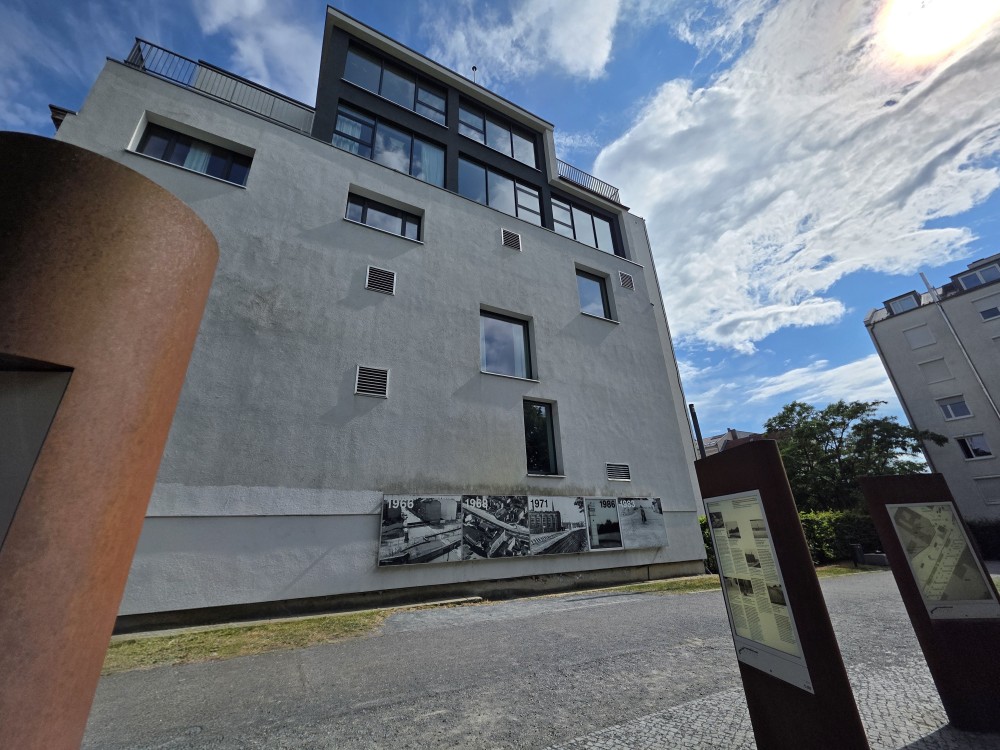
In addition to the outdoor panels, the Documentation Center has brochures that explain each and every section of the Wall Memorial and why it is significant. Far too much information to even begin to summarize here. Suffice it to say, it makes for incredible, poignant and sobering reading later in the evening after we return to the hotel.
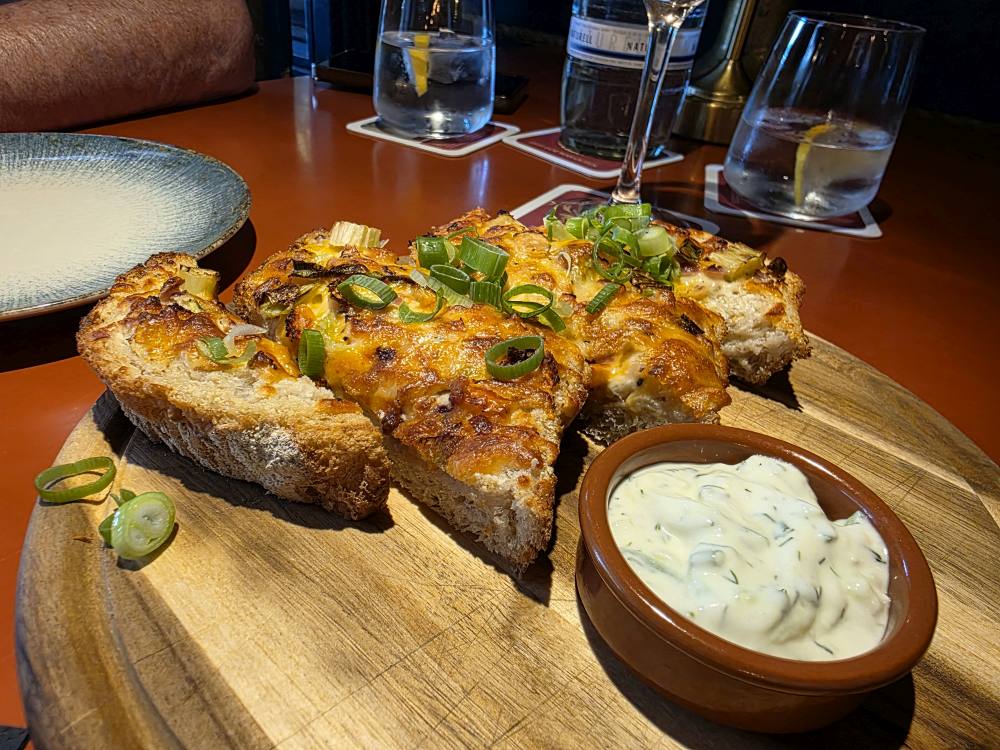
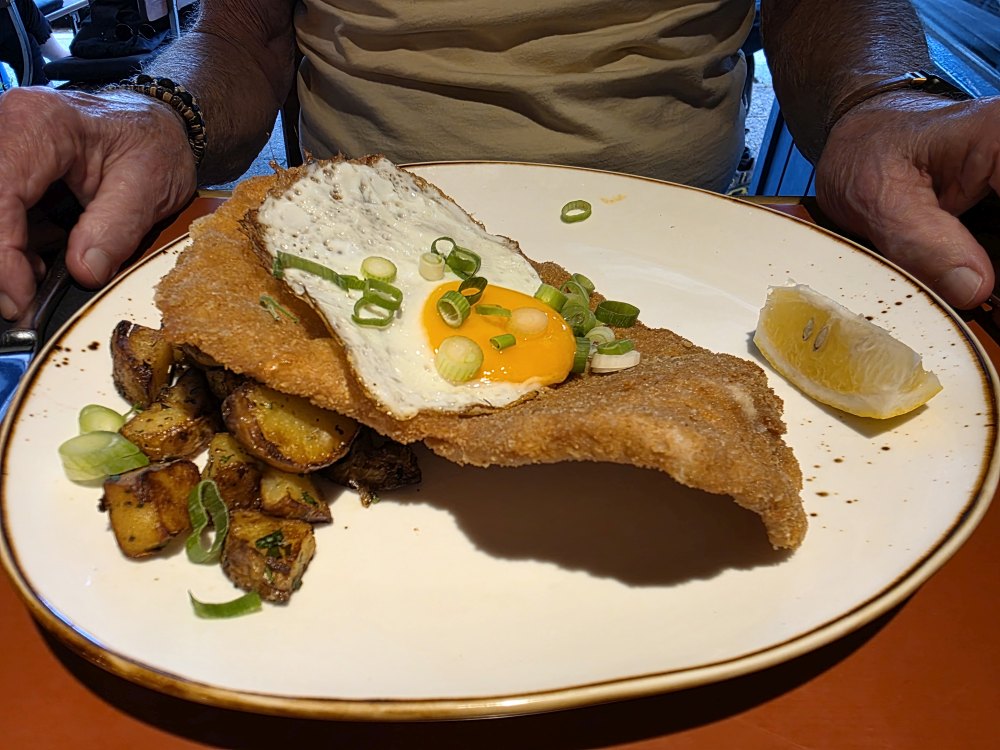
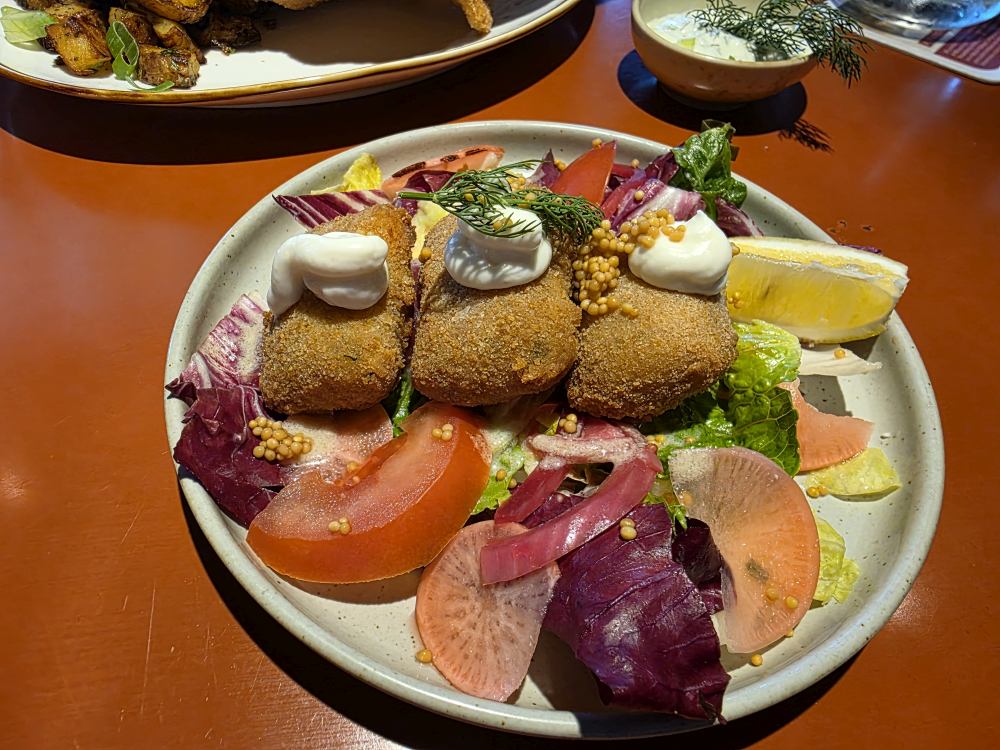
And at this point in our touring, we decide it is indeed time to return to the art’otel for a well-needed break. Using our Berlin Welcome Card with our unlimited transport, we hop the metro and are whisked back to the hotel in no time, where we cool off and relax until dinner. At the appointed time (we’ve made a booking to ensure a table), we head off to the Marinehaus, a seafood restaurant a few blocks from the hotel that gets great reviews. Definitely not needing a booking (better safe than sorry though!) we grab a nice table inside (it is too hot out on the sidewalk with the sun beating down) and settle into a fun meal of Holzfallerbrot (excellent sourdough bread topped with ham and Gouda), Fisch-Kroketten (yes, fish croquettes, how can we not?) and Pork Schnitzel for Ed (he was drooling for his pork schnitzel!).
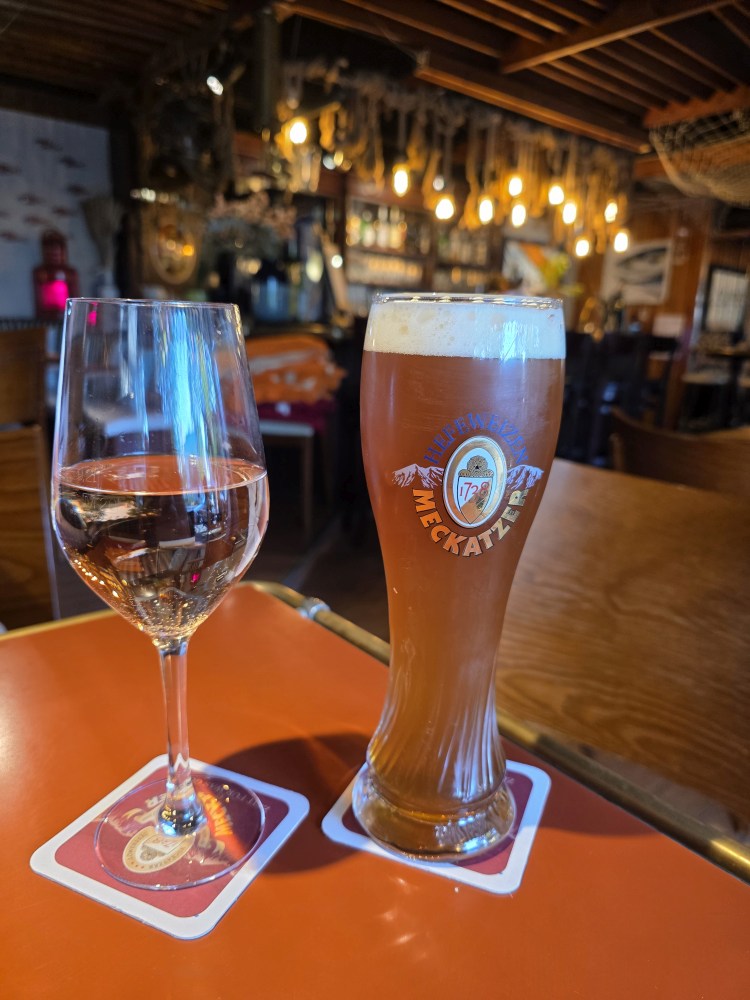
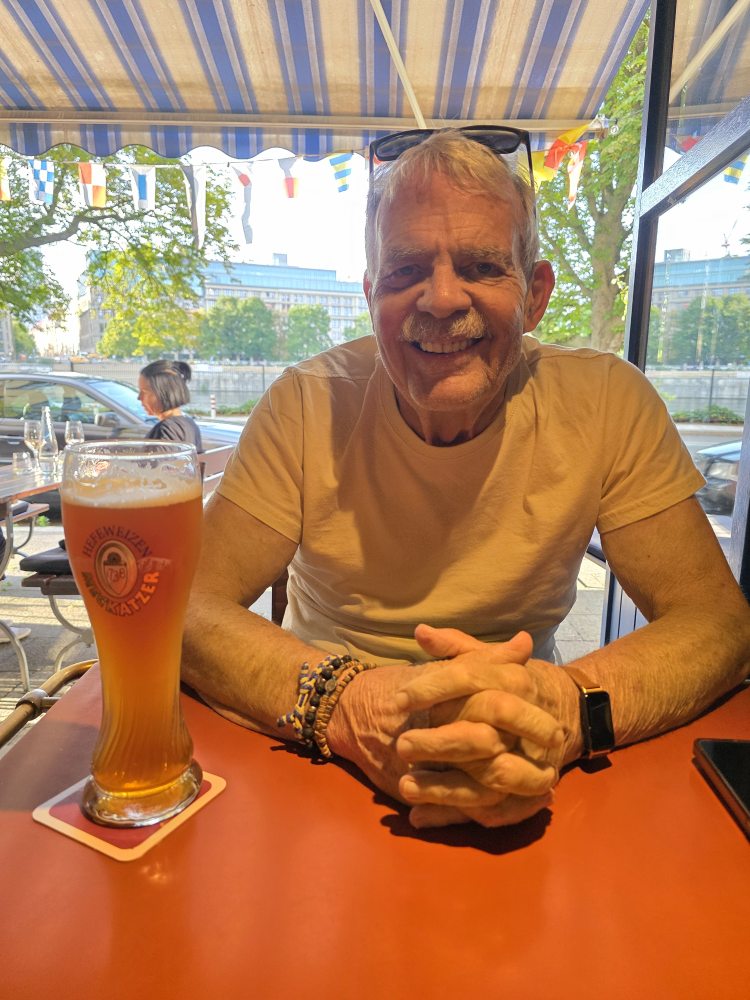
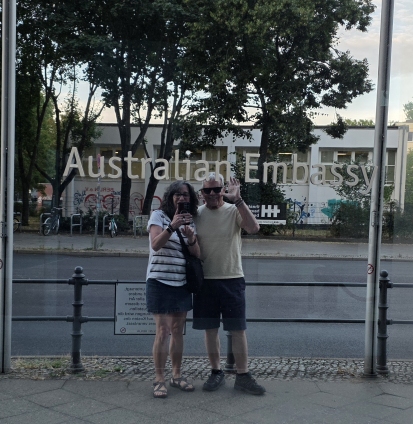
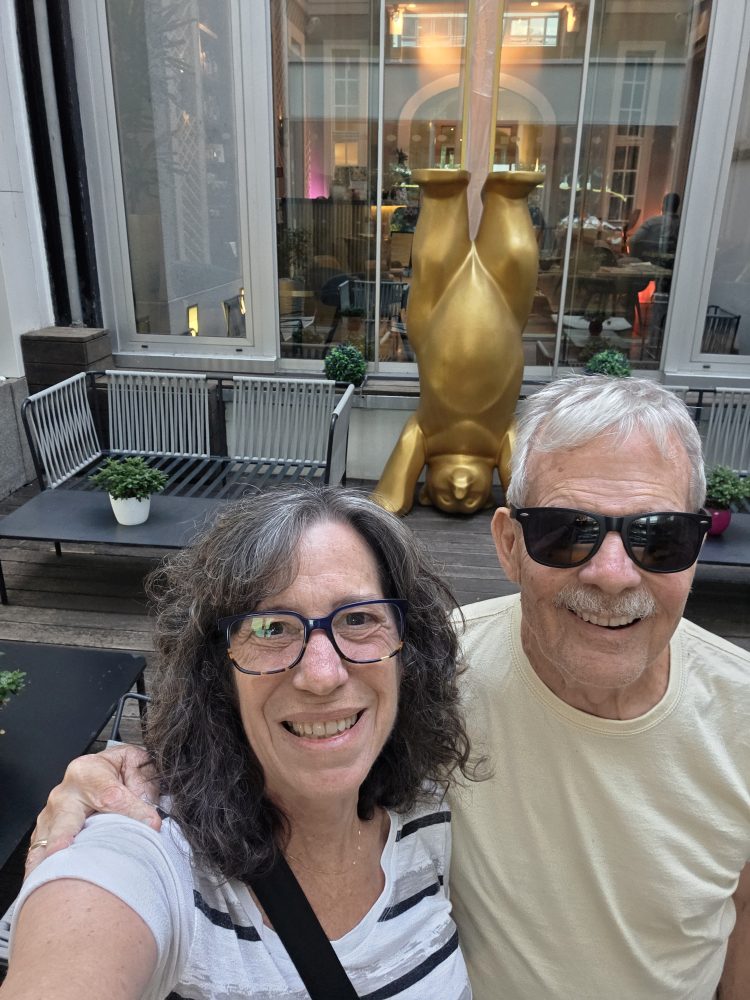
Super good and fun end to a good day. On our way back we take a semi-selfie with the Australian Embassy sign – talk about small worlds! Our dear AAC friends, Rosanna and Peter, originally from Germany, now in Australia, and we’re staying at a hotel right next door to the Australian Embassy! Can’t get more connected than that, we don’t think! And then, back at the hotel we snap a selfie with the upside down bear. Don’t ask. We don’t know. The bar is called the upside-down bar and bears are the symbol of Berlin, so…..Who knows? But it’s a Bear! The whole Universe is connected tonight.
And then it is an evening relaxing in the room – tomorrow: Potsdam explorations.

