Our original plan had actually been to visit the cannery first, maybe eat lunch here, then go hike afterward. But the timing didn’t really work and then all the ship tours were here in the morning, so we figured we wouldn’t even bother going to the Cannery at all. But seeing as it is only a little before 1pm and we still have hours before we need to return to the ship, we thought, what the heck? And what a good decision that turned out to be.
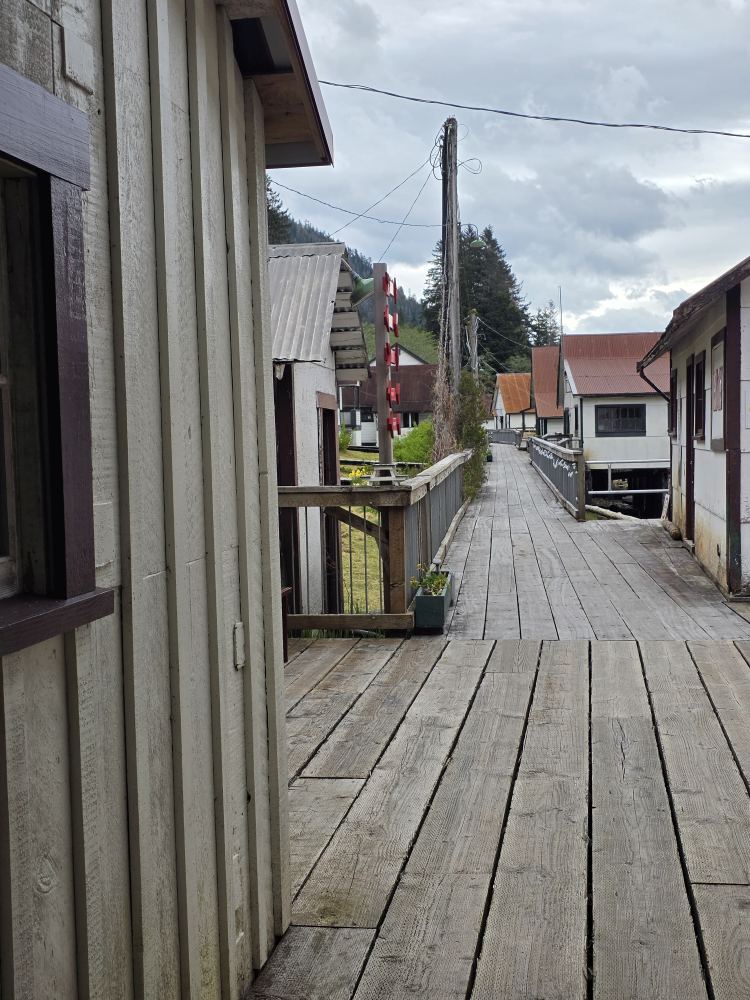
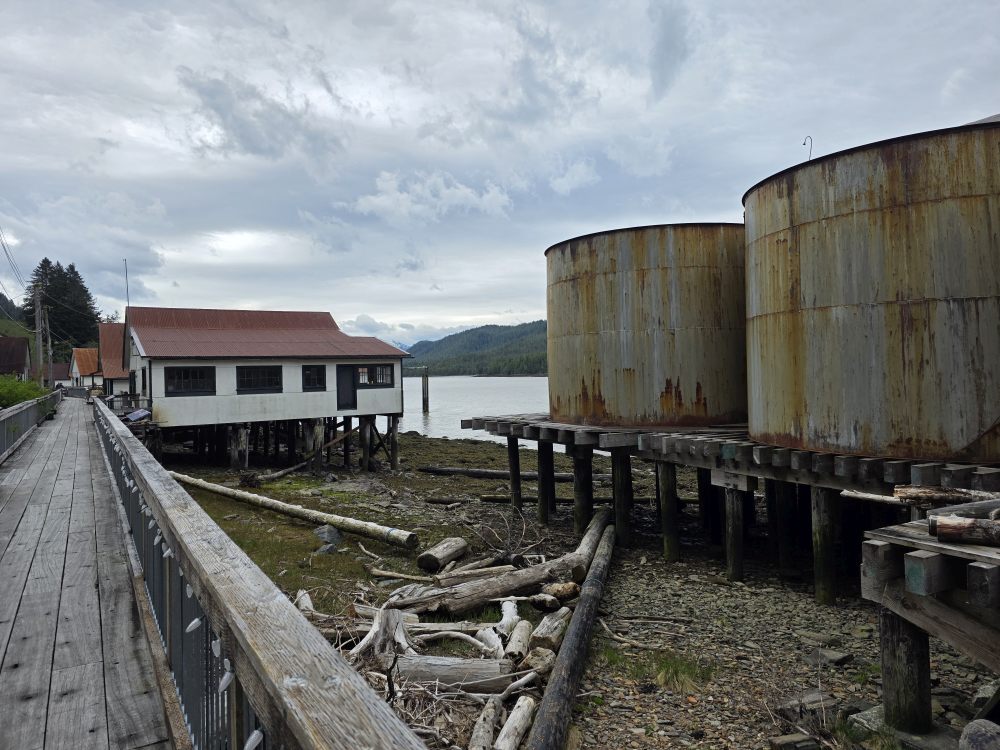
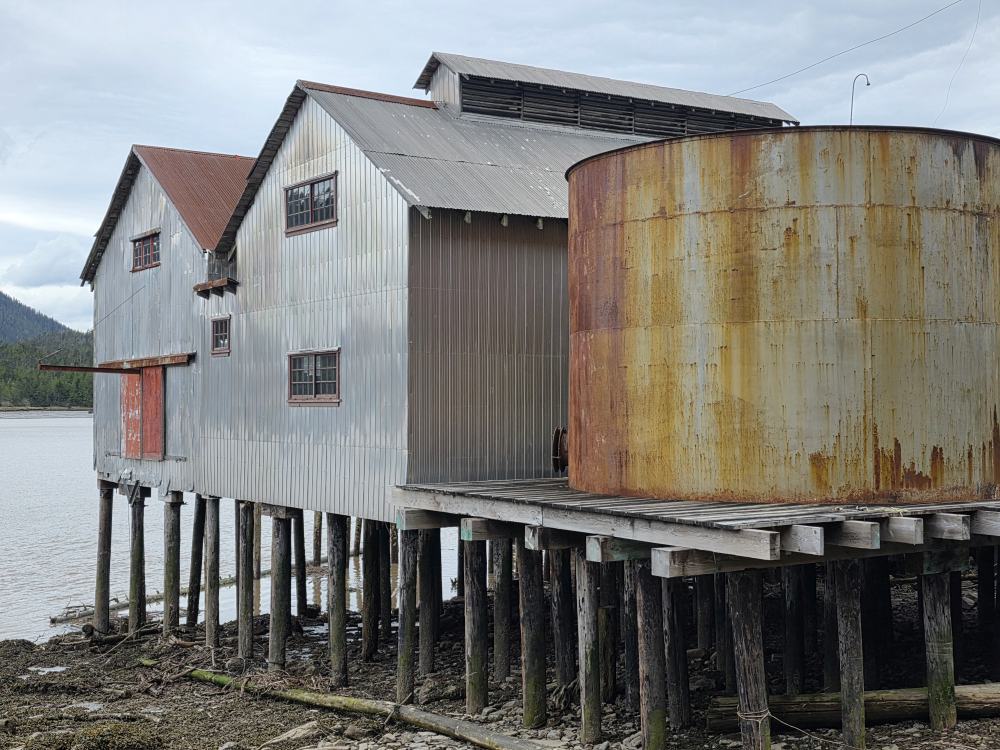
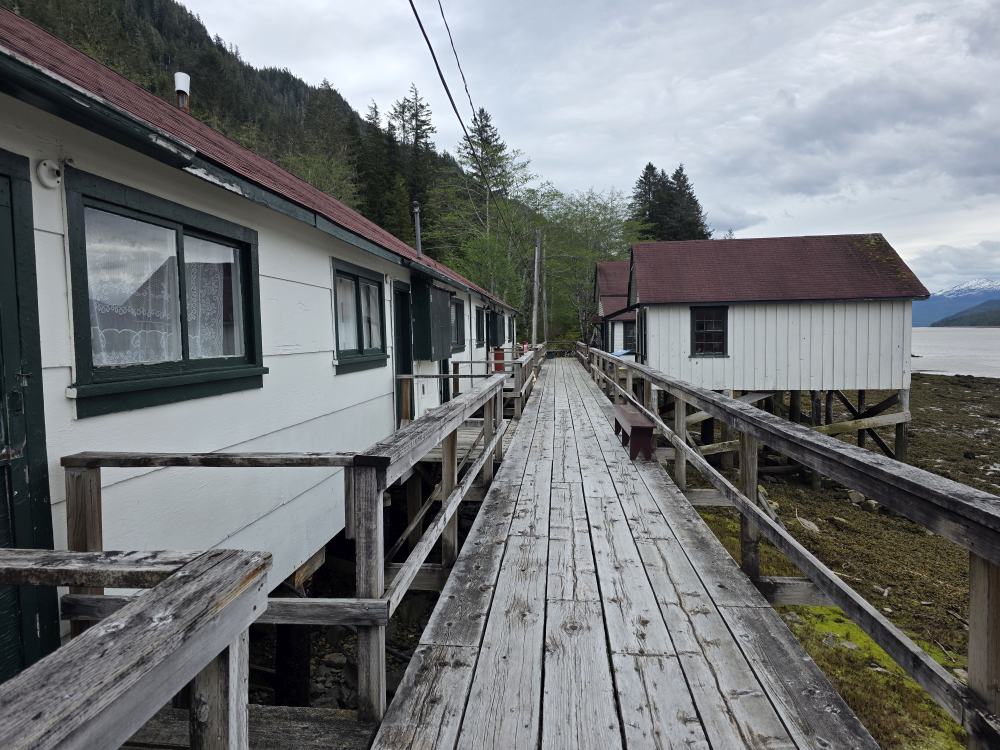
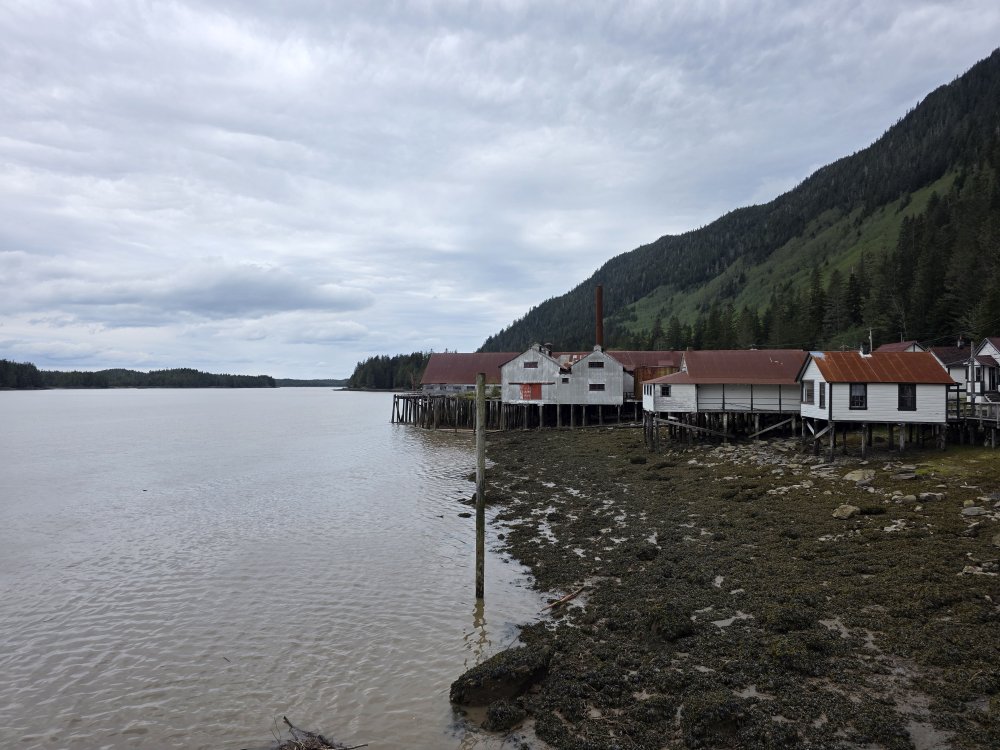
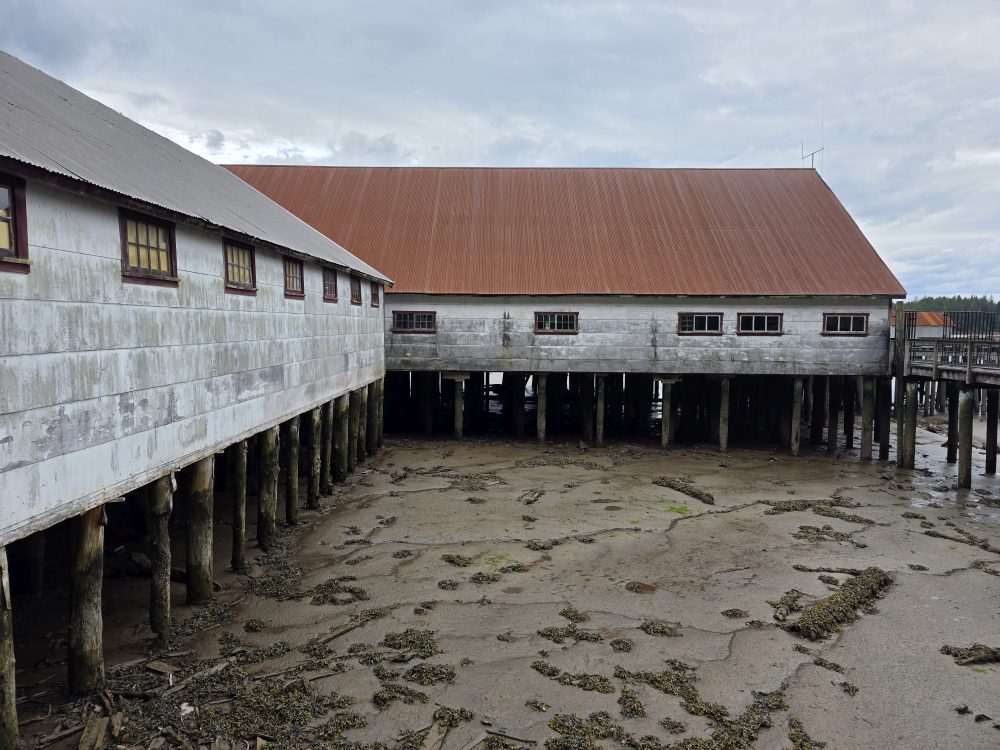
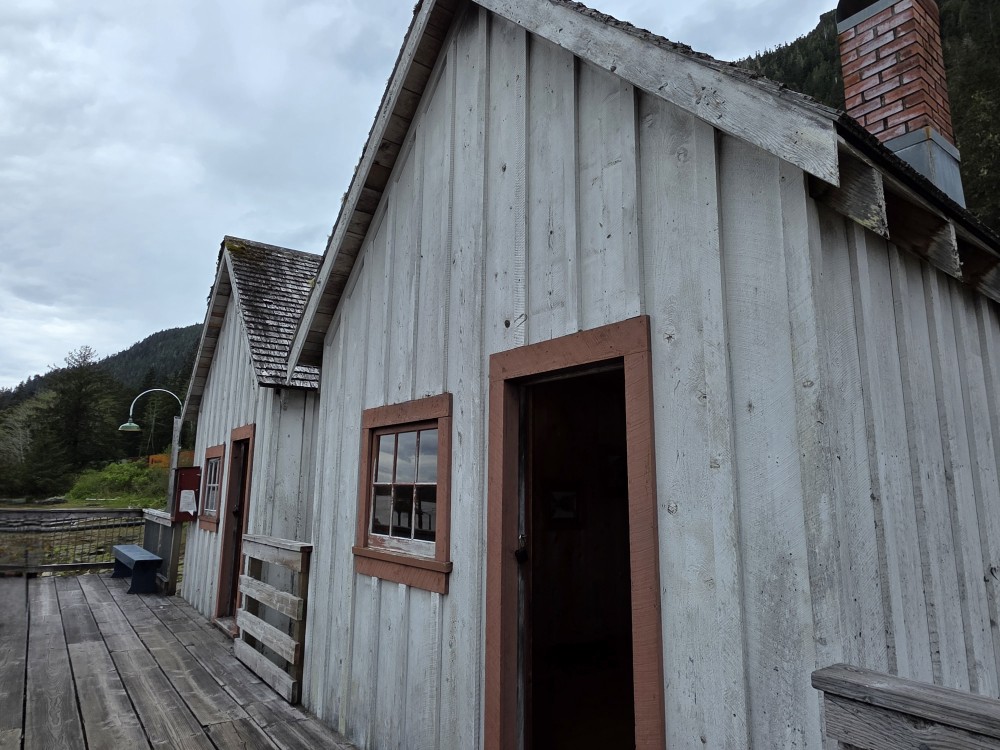
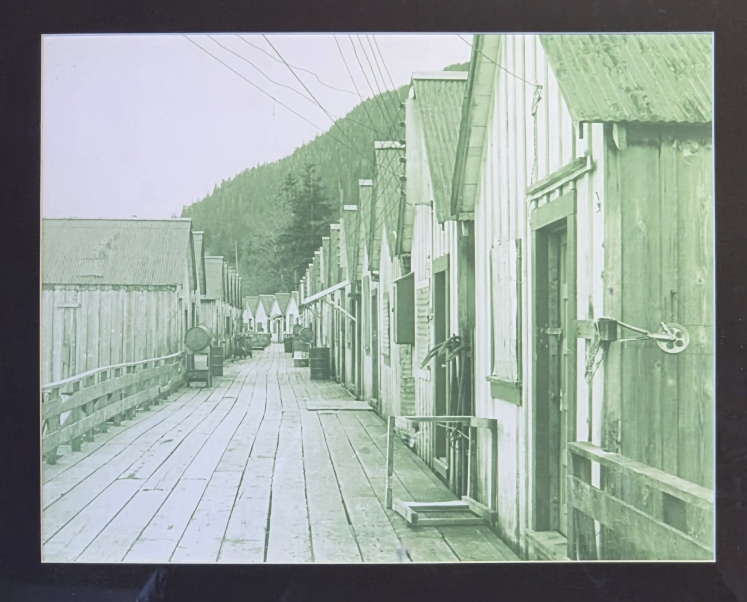
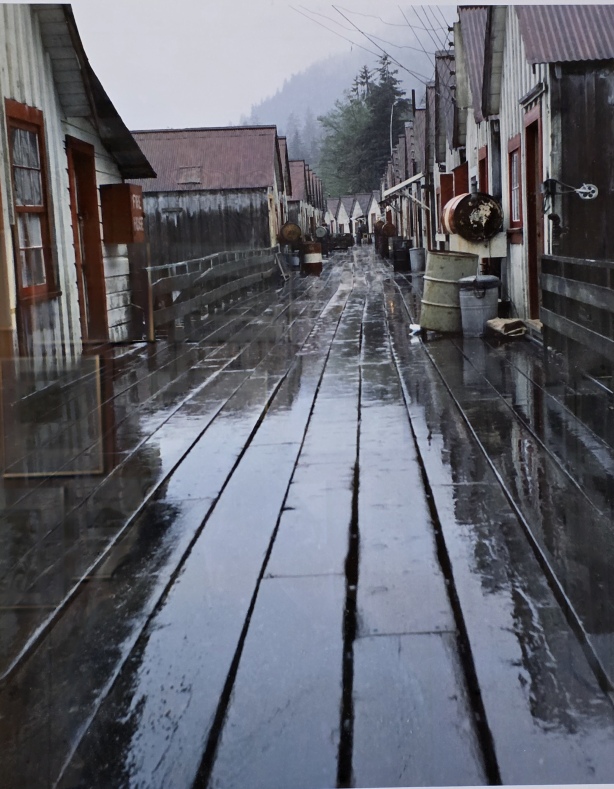
In the category of timing is everything, another group of visitors is just leaving as we arrive so we have the entire facility all to ourselves. And what a facility it is! The longest running cannery in B.C. history, the operations shut down in the 1970s after 90 years of continuous salmon production. Most all the original buildings –from the early 1900s – are all pretty much intact and on display. We start off on the Boardwalk which leads us past the reduction plant and holding tanks on through the quarters and living area of the workers when they were here.
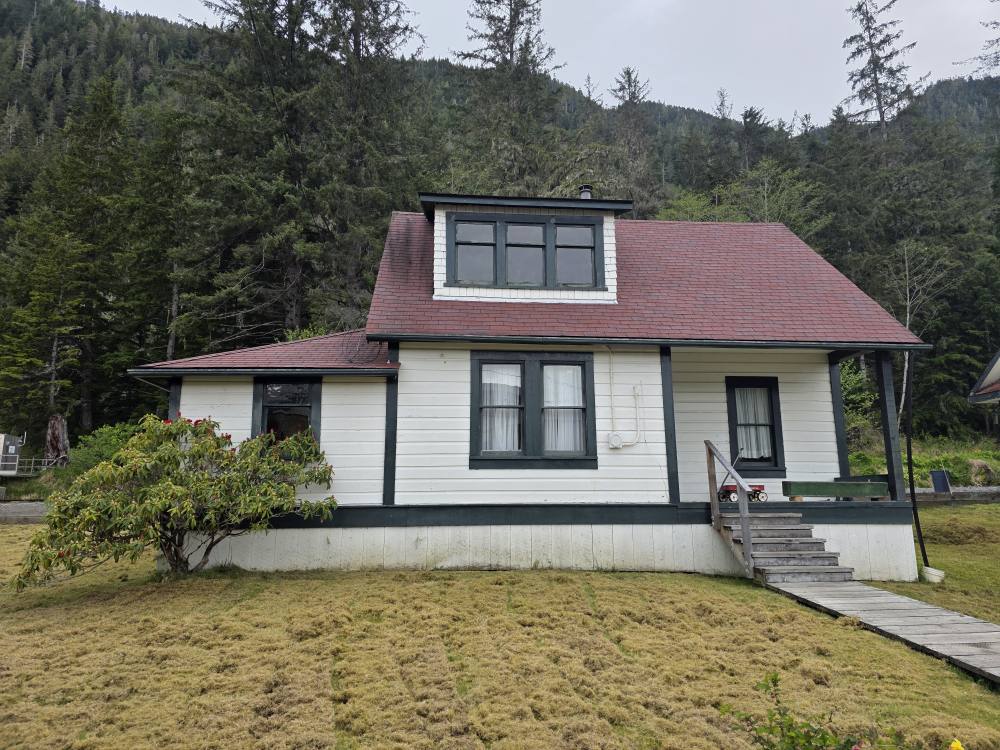
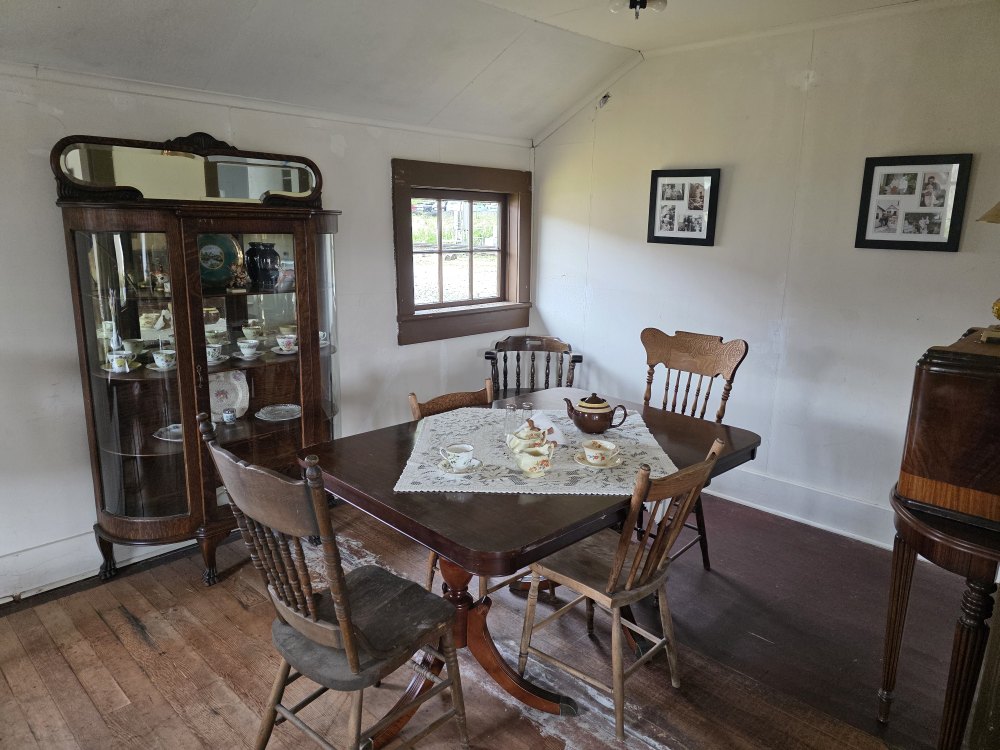
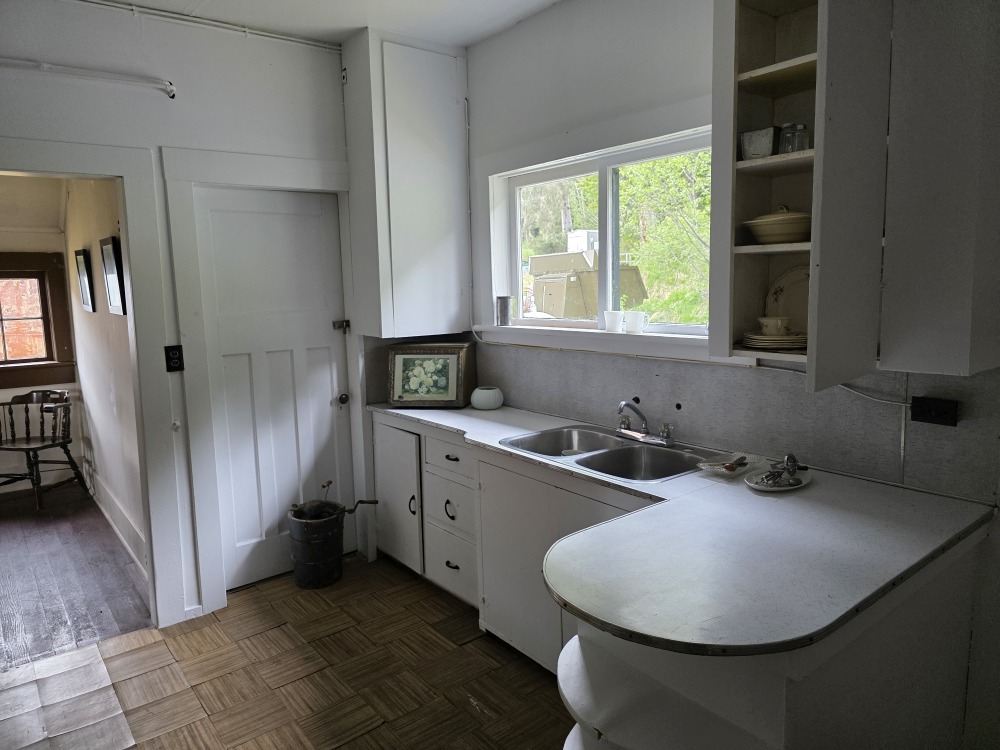
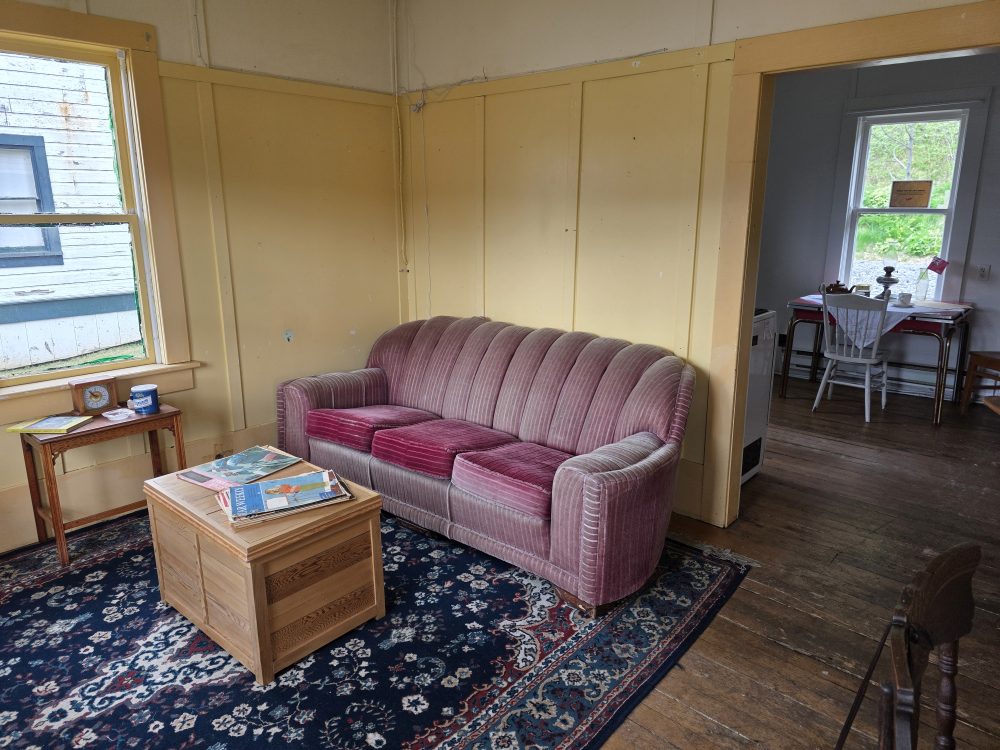
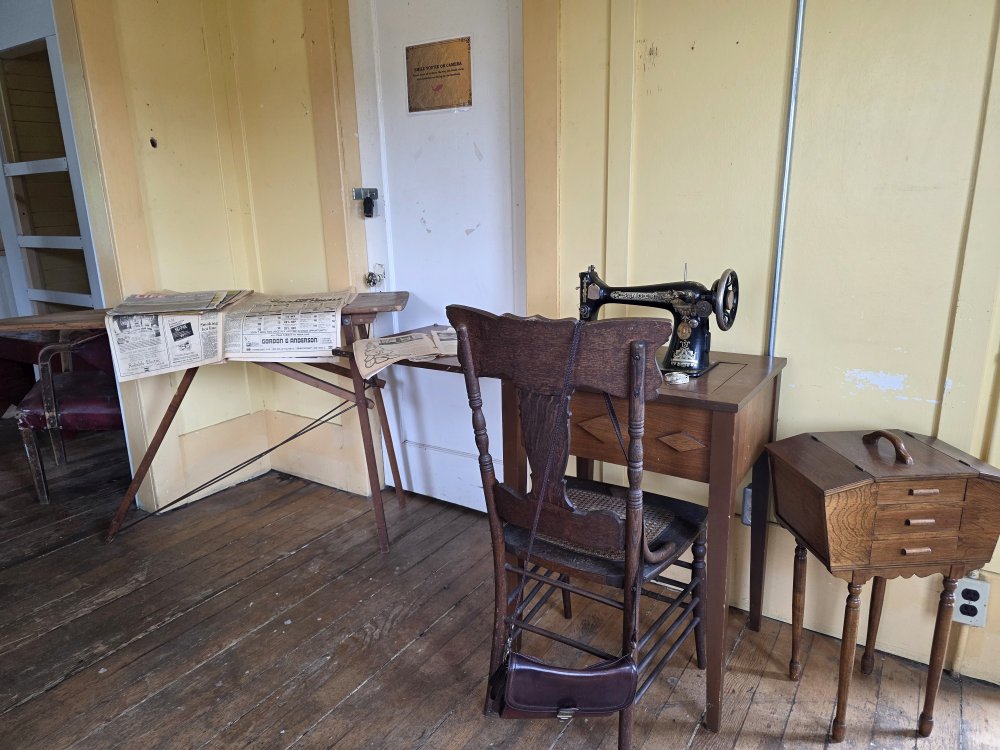
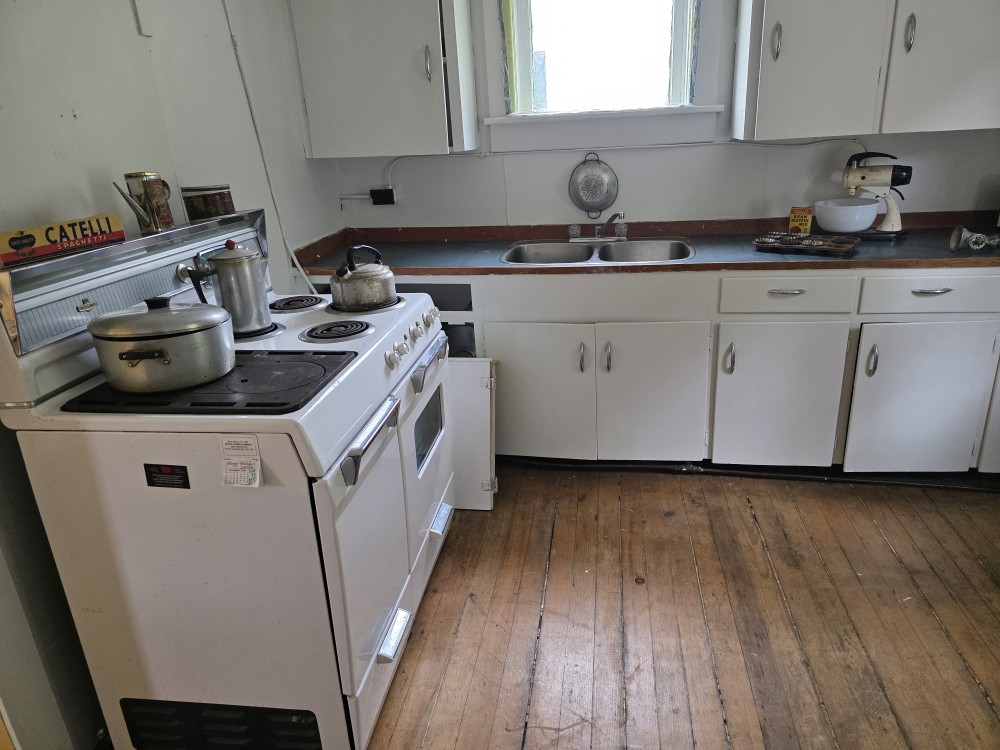
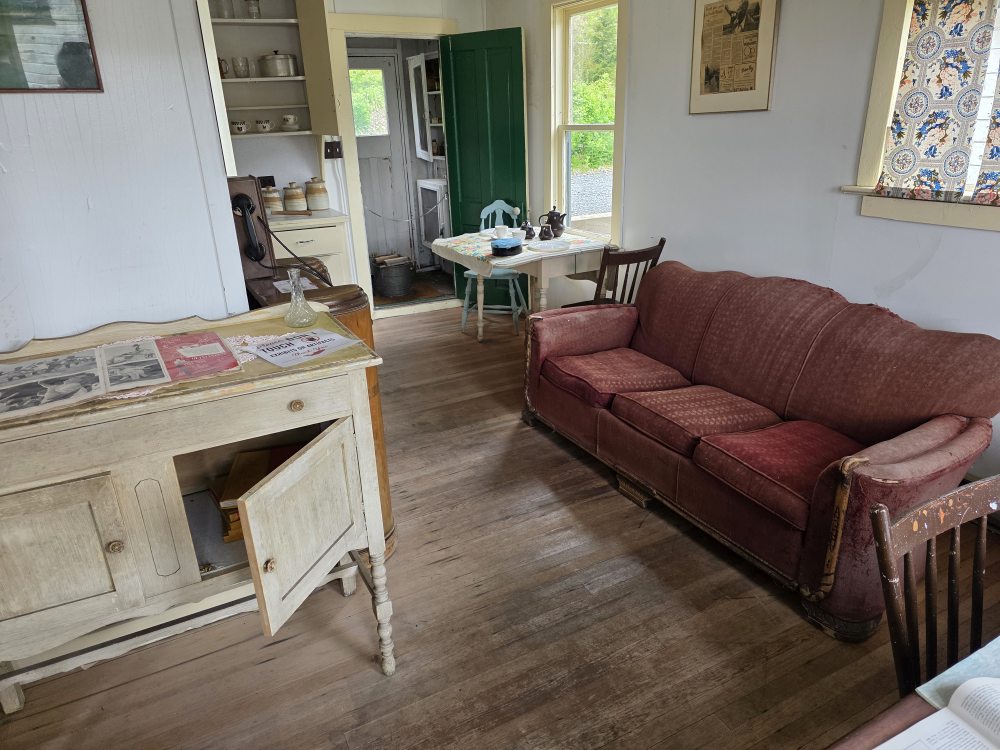
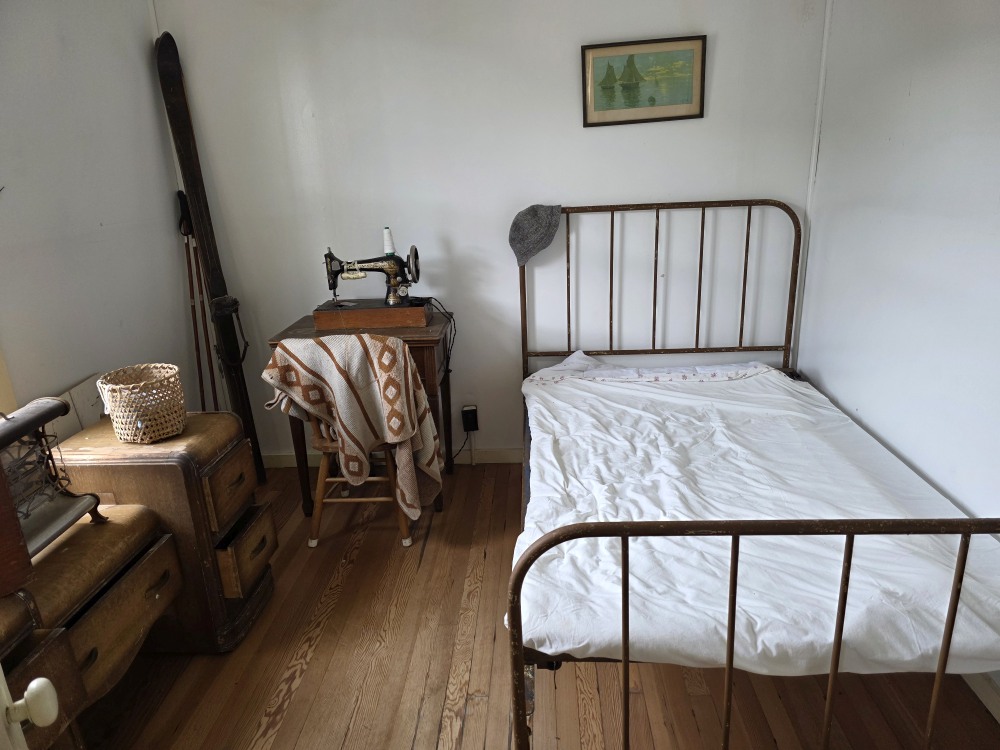
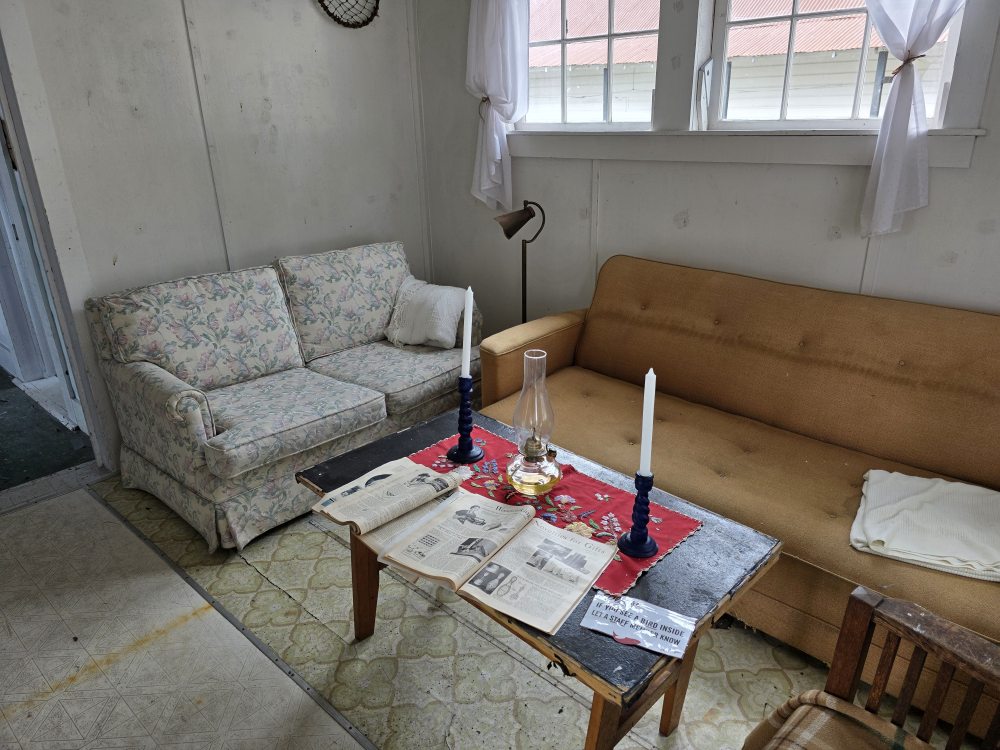
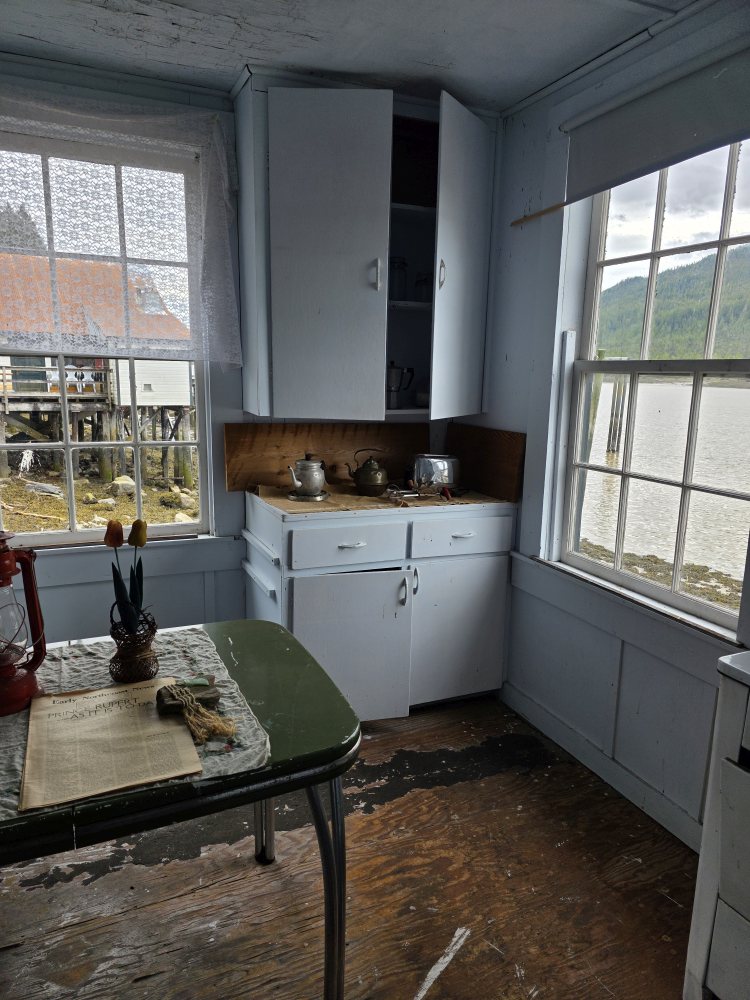
Quite a few of the buildings are open, and we can tour the Manager’s House, staged to look as it did 50 to 60 years ago – furniture, kitchen accessories and everything. Next up, the Assistant Manager’s house – staged in the same fashion, only with a smaller footprint and not as nice furniture (of course, this was only the “assistant”).
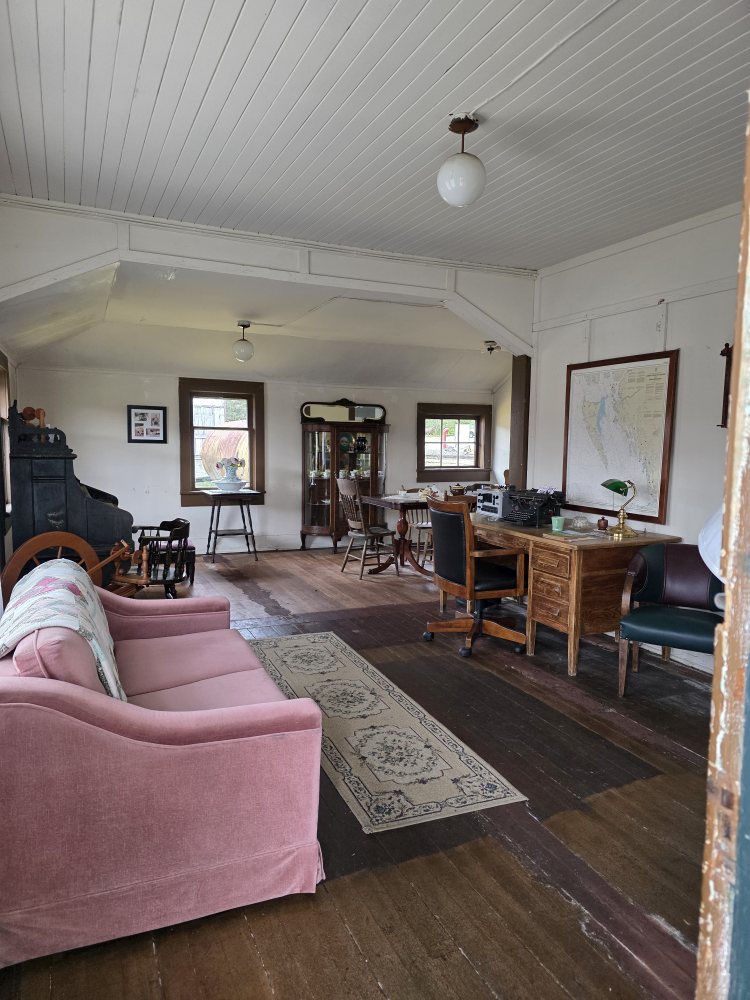
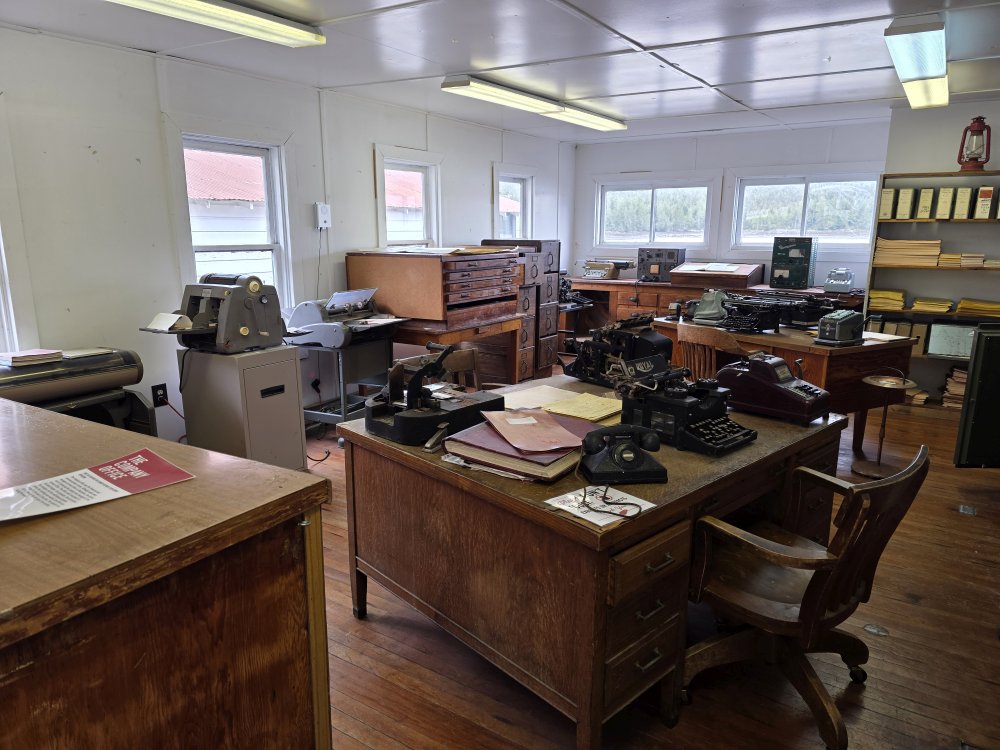
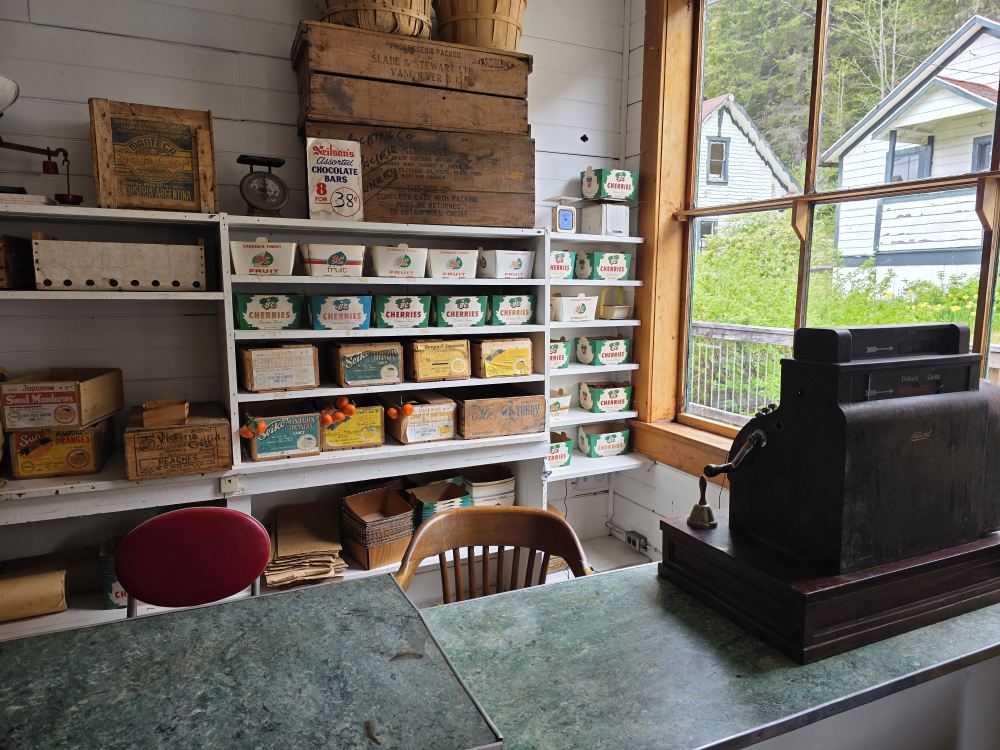
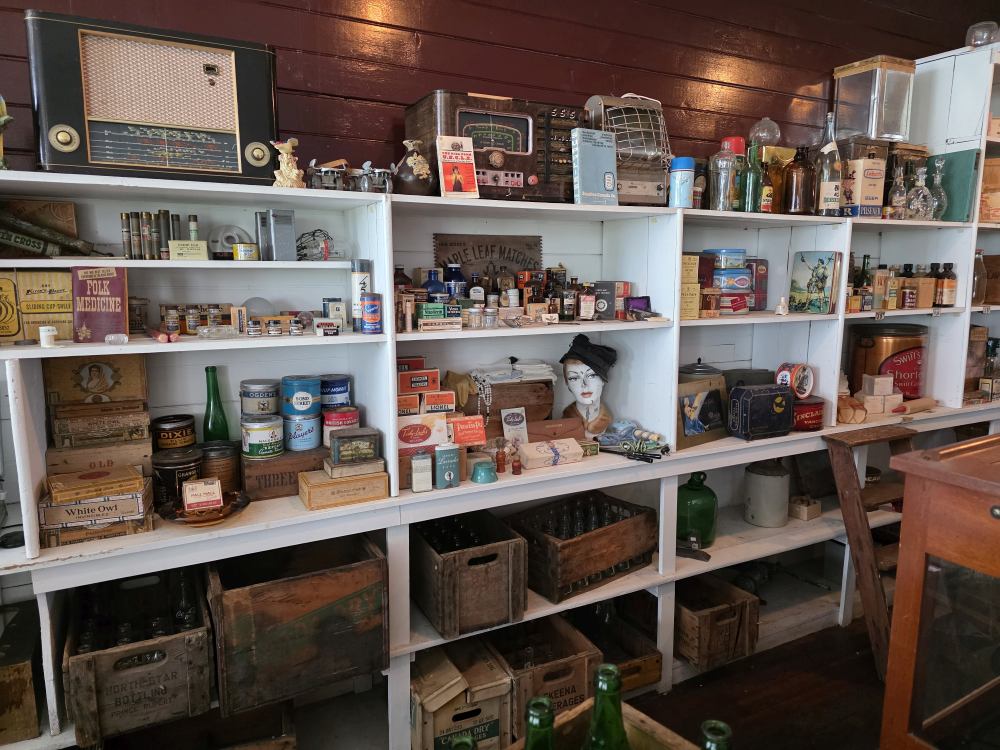
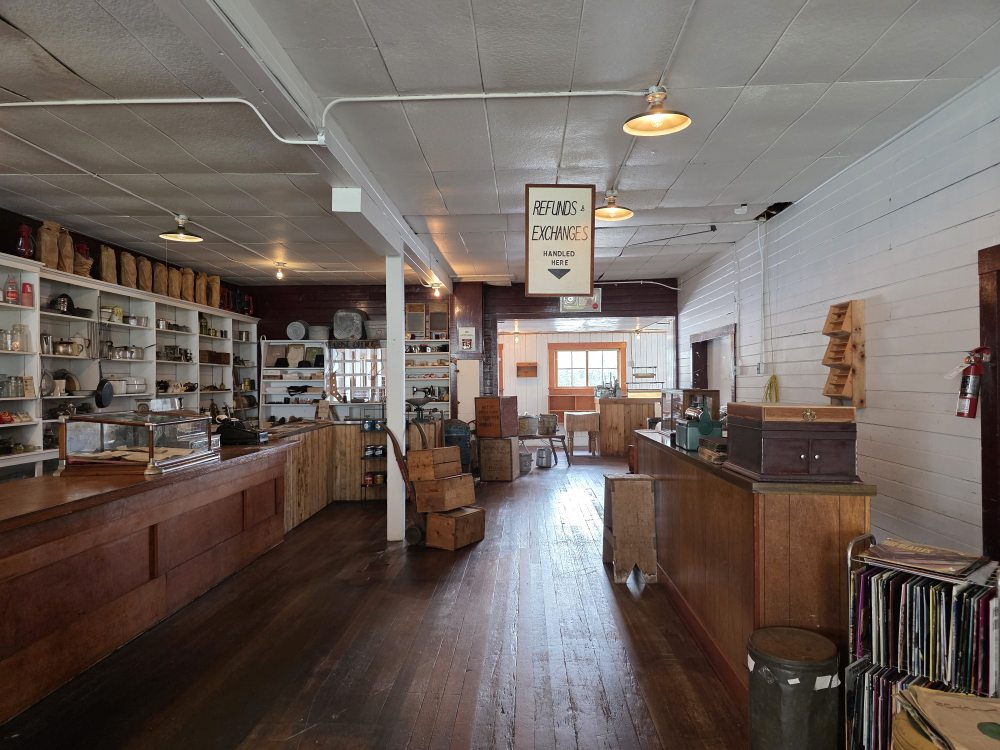
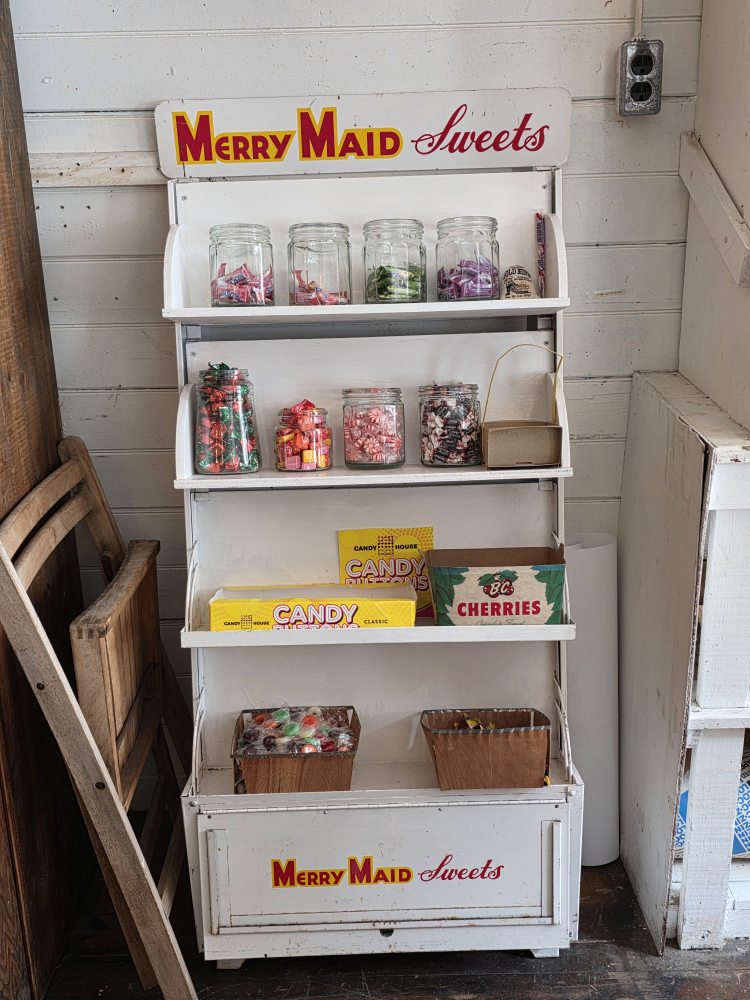
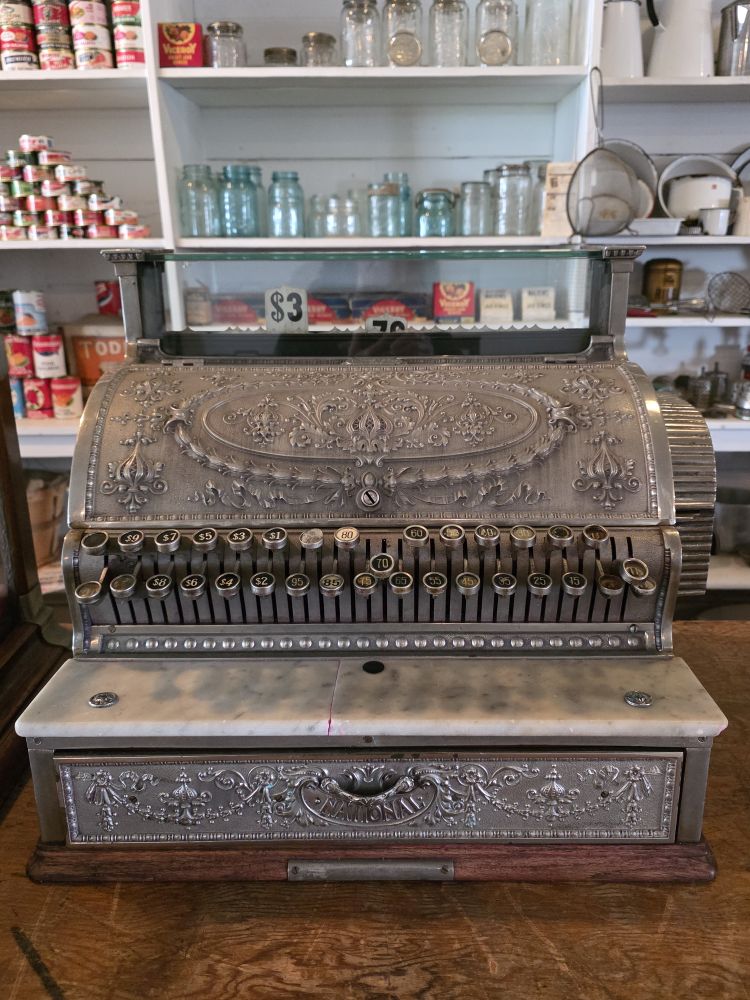
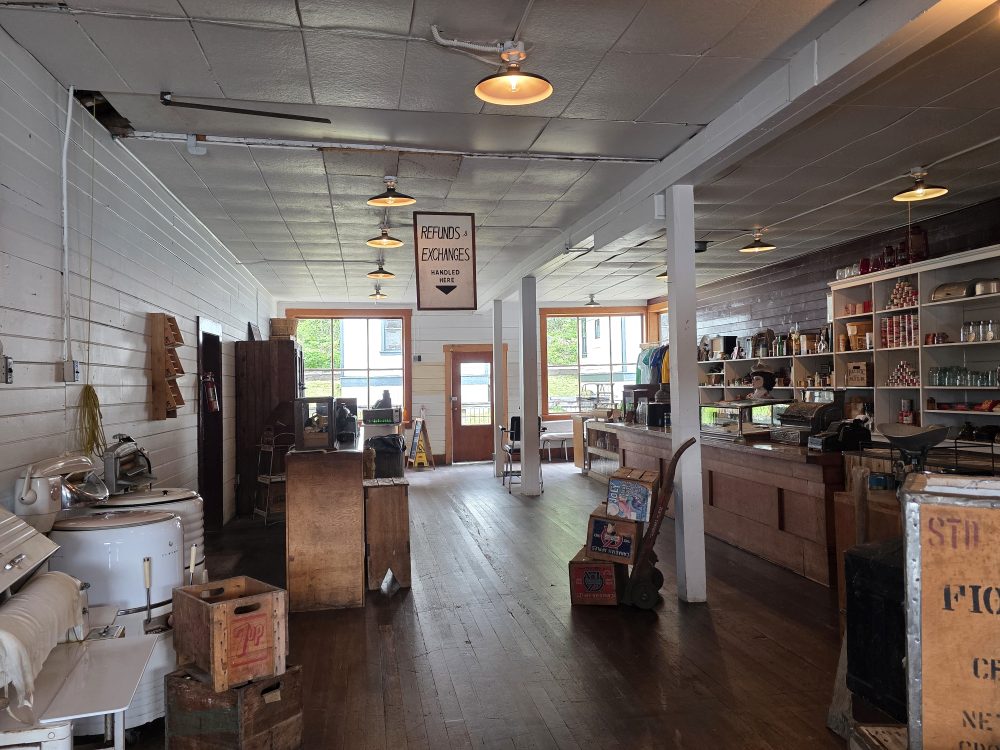
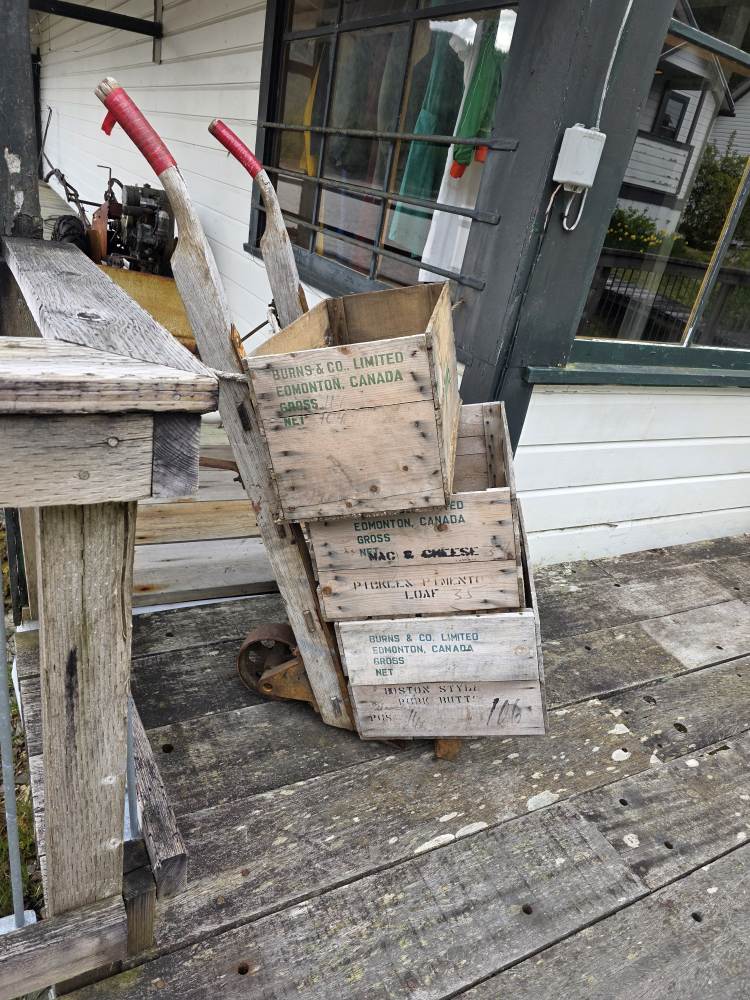
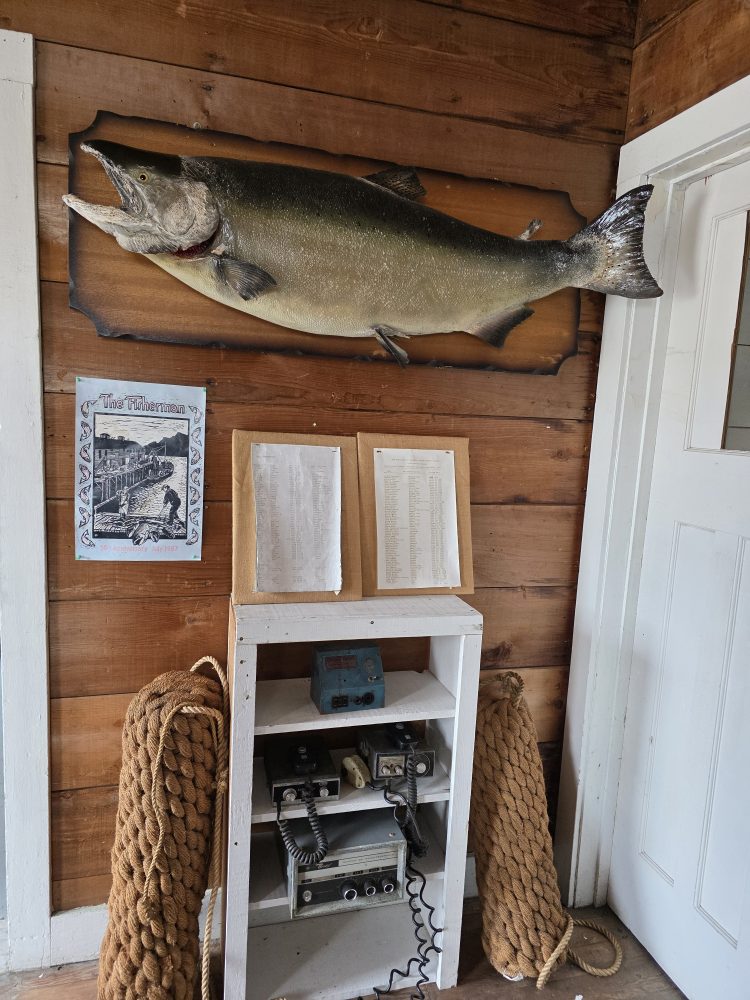
Across the boardwalk is the Company Office, which is a great view into the inner workings of the Cannery. Built in 1956 when the Cannery began year-round operations, they have everything here from time clock stamps to mimeograph machines to ledgers for the fish bookkeeping. The really fascinating building though is the Company Store (which I think we sort of broke into because the map said it was only accessible on a guided tour, but the door was left ajar and we just waltzed right in) which was stocked full of all the supplies that would be needed for all the workers here in the cannery. Everything from the old fashioned cash register to candies to a little café in the back – the epitome of an old timey general store.
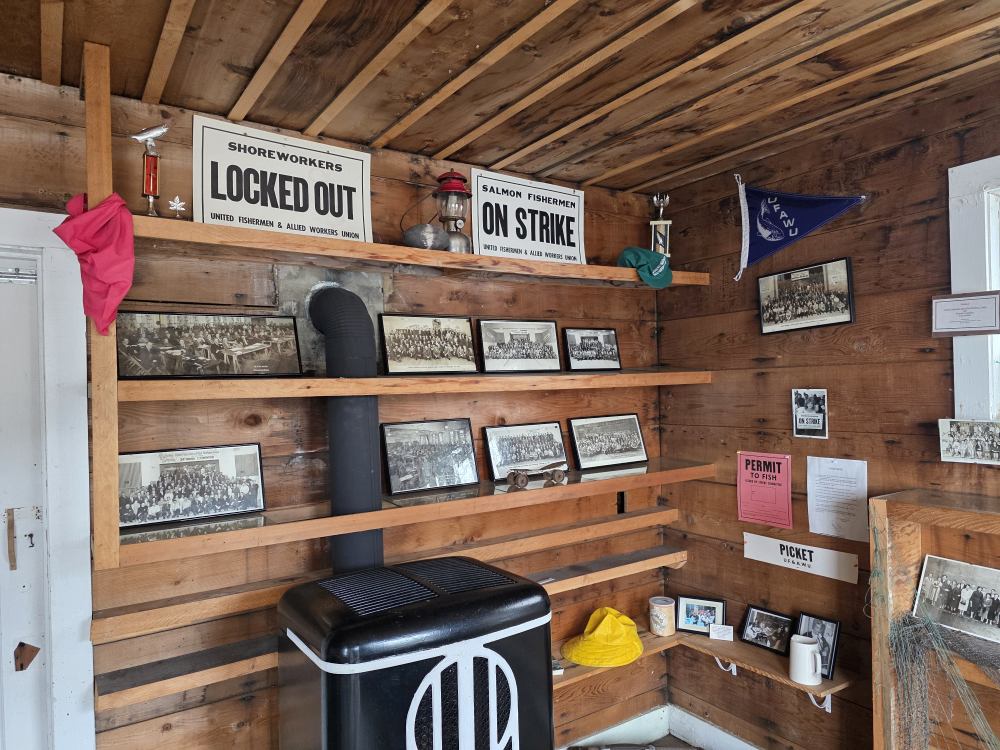
Back to the houses – this time the Net Boss’s house, smaller and less “opulent,” so to speak, than the manager’s house. Each net loft (European, Japanese, First Nations) had their own Net Boss, who each got their own house. Net Boss’s were responsible for – yes, you guessed it – everything to do with the manufacturing, repairing and caring for the nets of each fishing group. Smaller still was the Company Store Manager’s home – and then there was the Railman’s house. Originally built as a sidling office for the railroad, it was relocated from the tracks to the boardwalk for an extra residence. Now it holds exhibits on labor and fishing unions and Chinese workers who were recruited en-masse for the fishing industry.
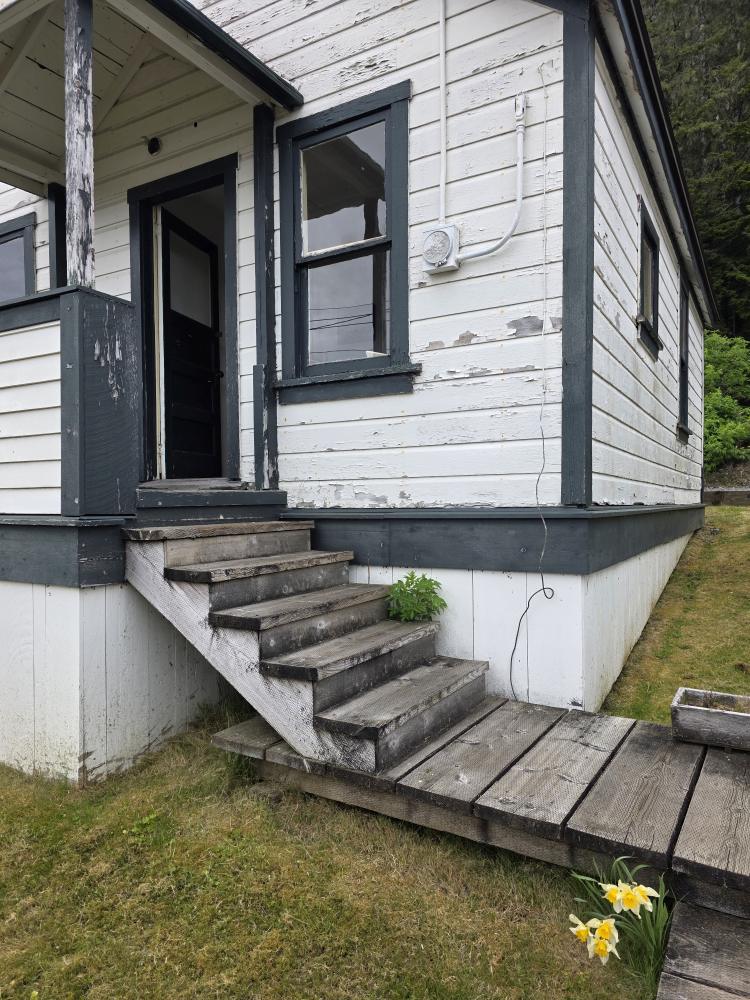
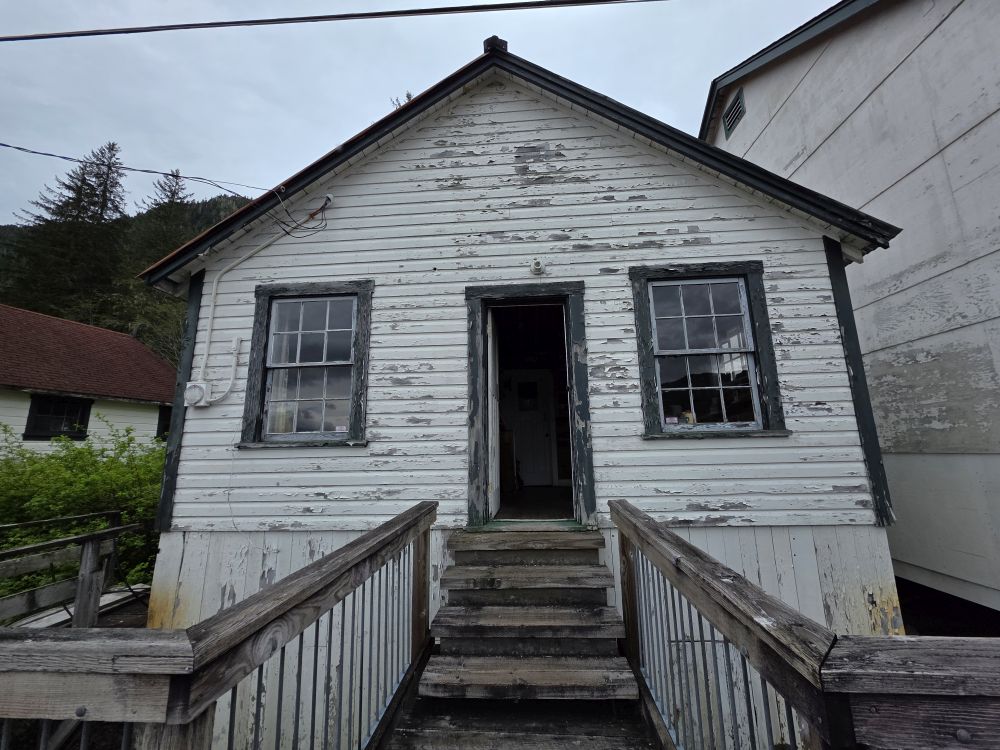
At the very end of the Boardwalk are the Japanese residences – the triplex built in 1964 for Japanese-Canadians and their families (which are now available as overnight rentals!) and on the water side, the original units from the 1930s that housed the Japanese Manager and what is known as the Miki house (because the Miki family lived there and ran the bunkhouse for Japanese-Canadian fishermen, boat builders and carpenters). The Japanese were sought after workers all through Cannery history – they worked hard and eventually ran over half of the North Pacific Cannery’s fleet. They were forced to leave and live in internment camps during WWII, but at the end, those who returned were still in high demand by the cannery management.
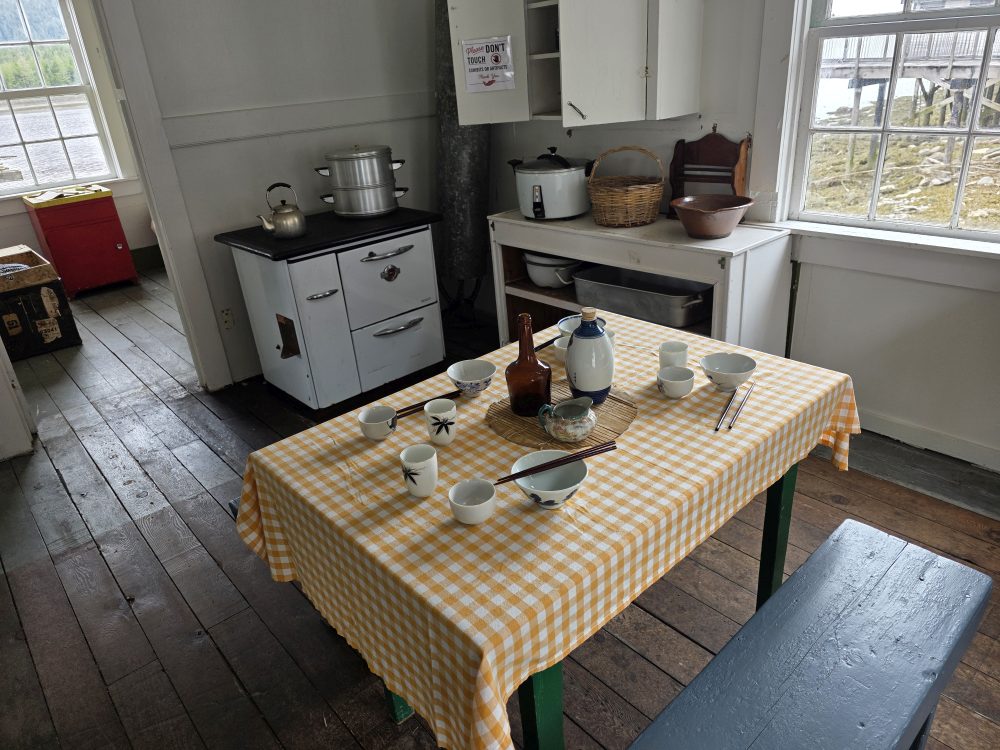
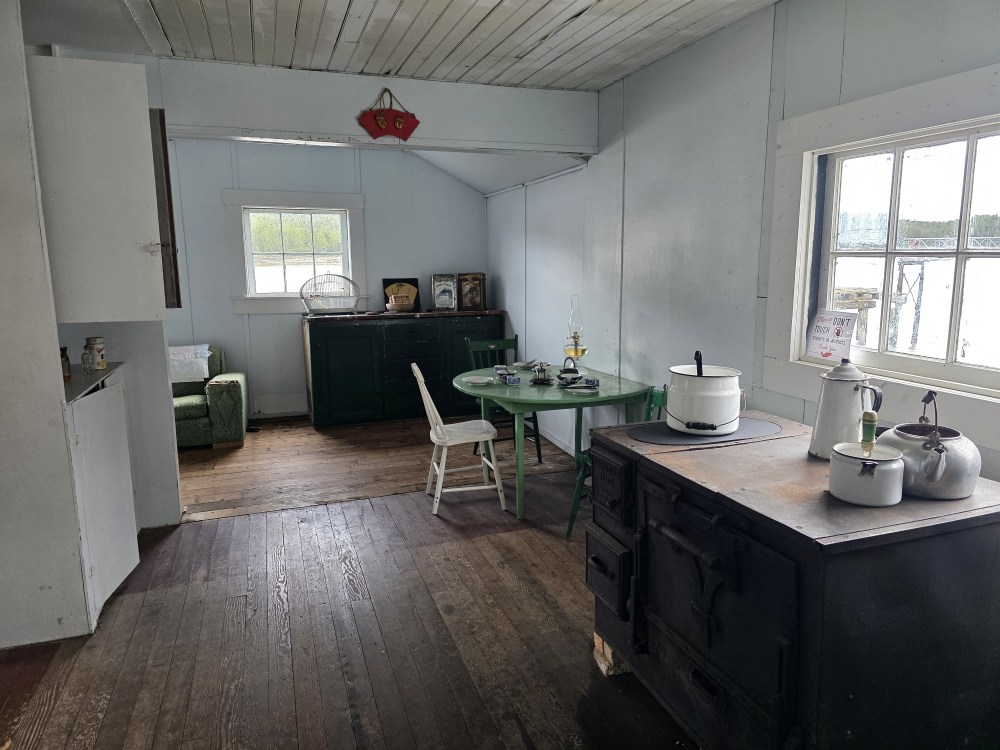
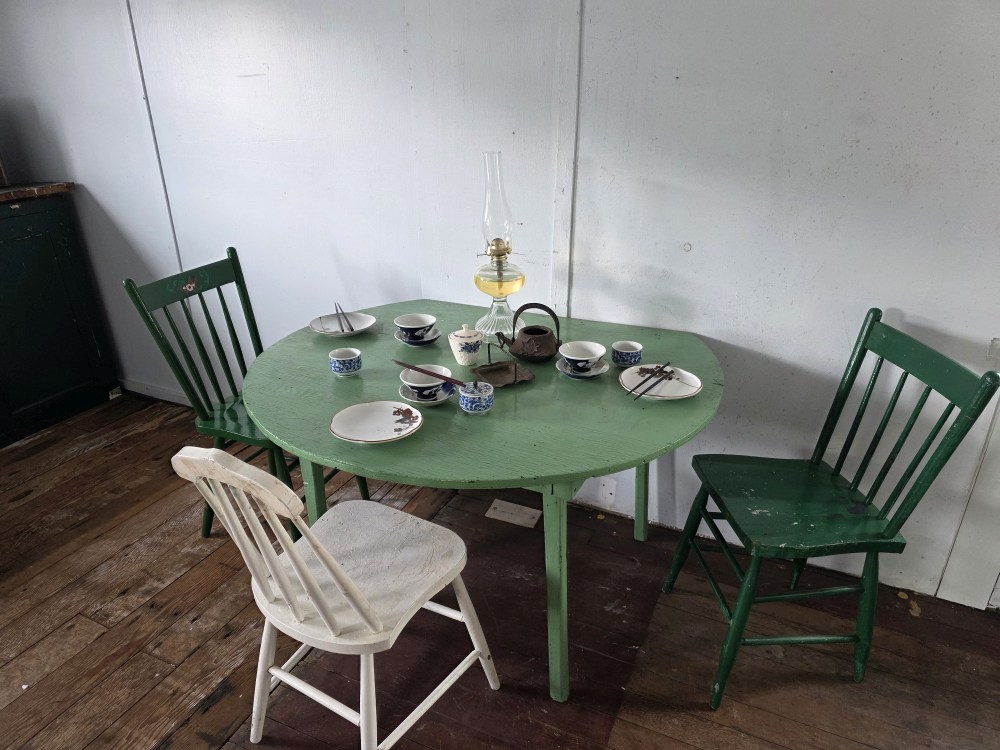
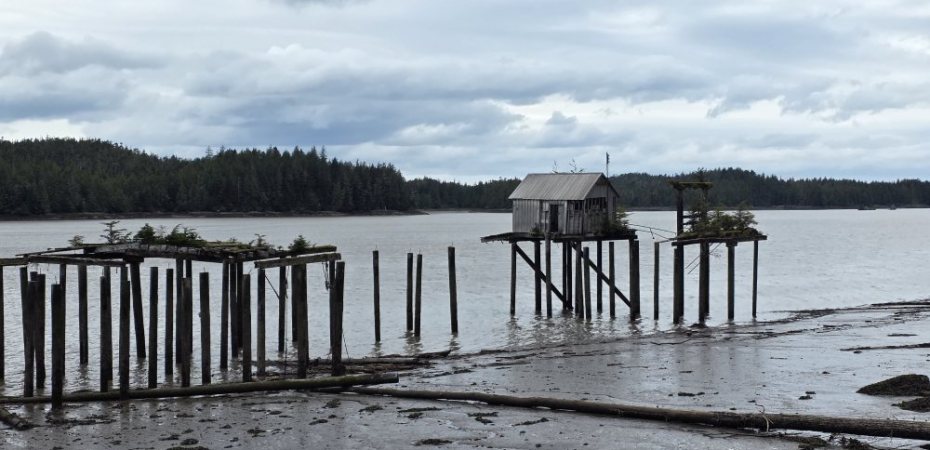
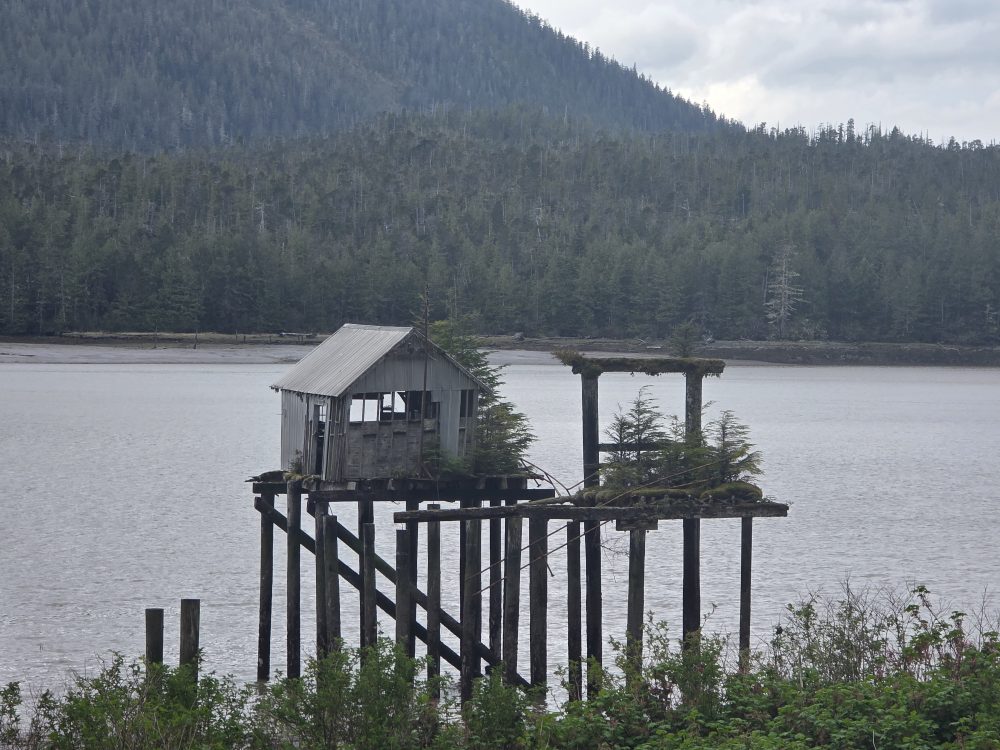
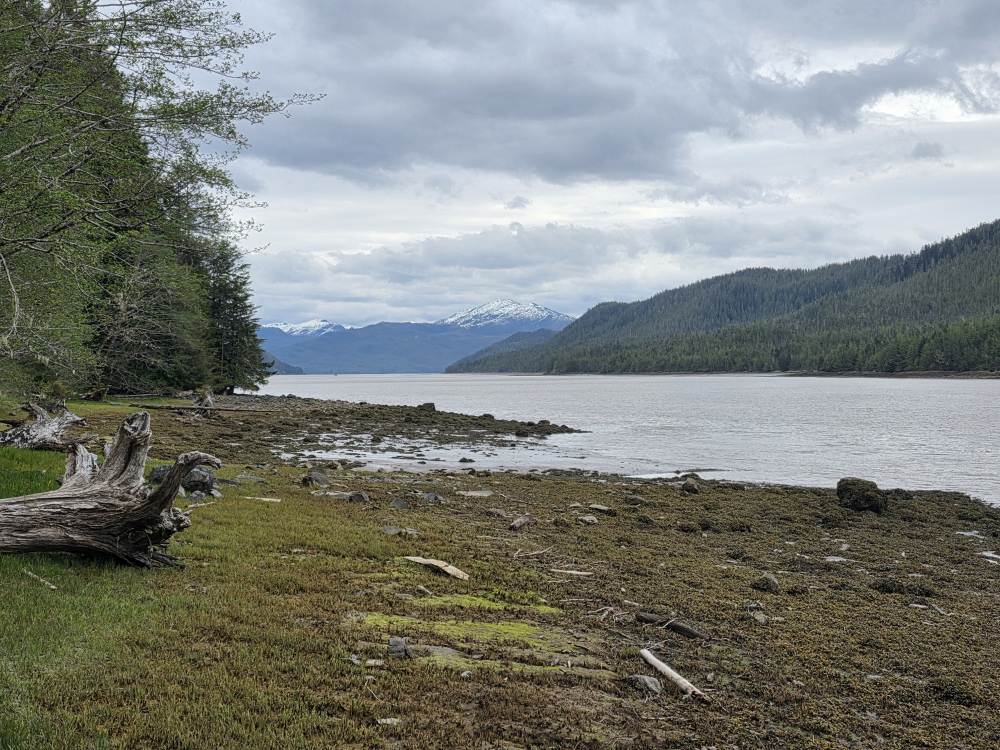
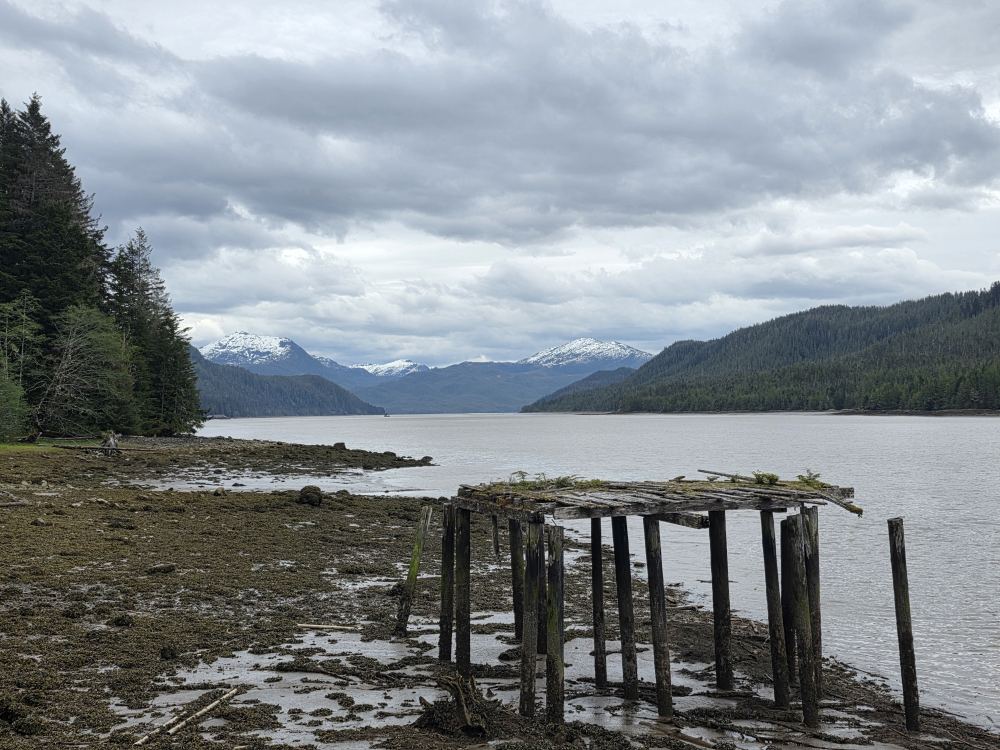
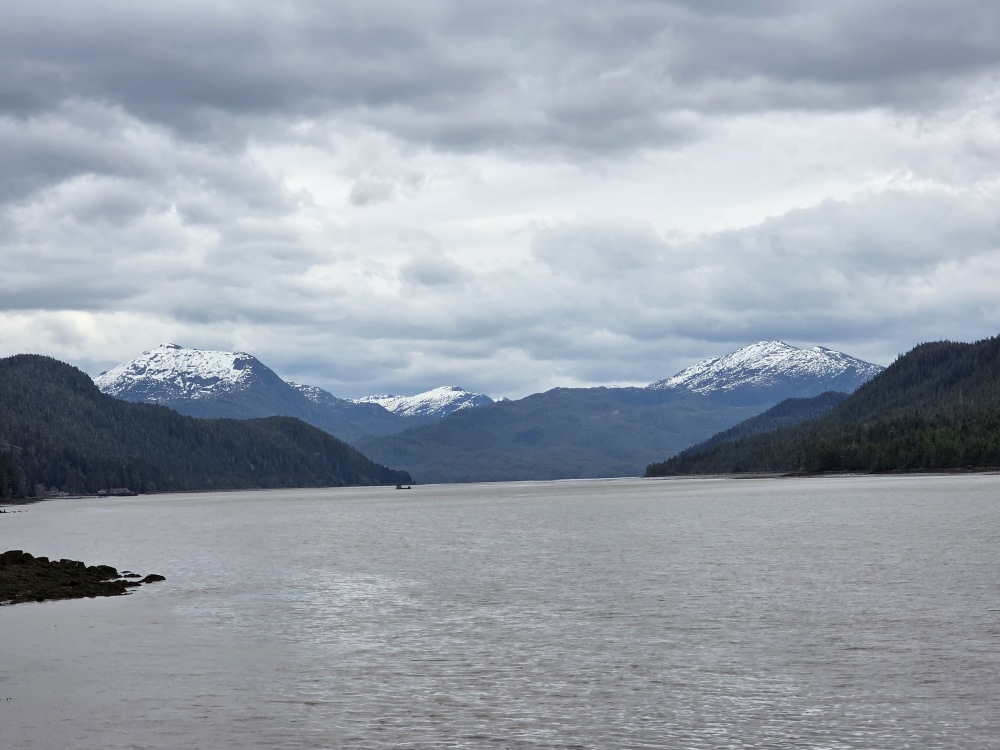
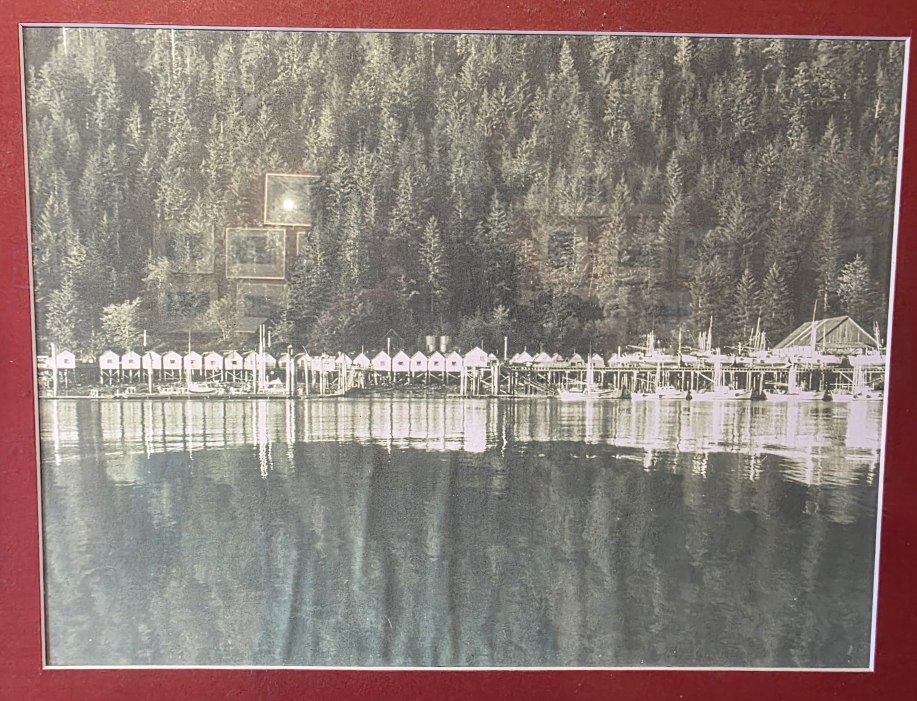
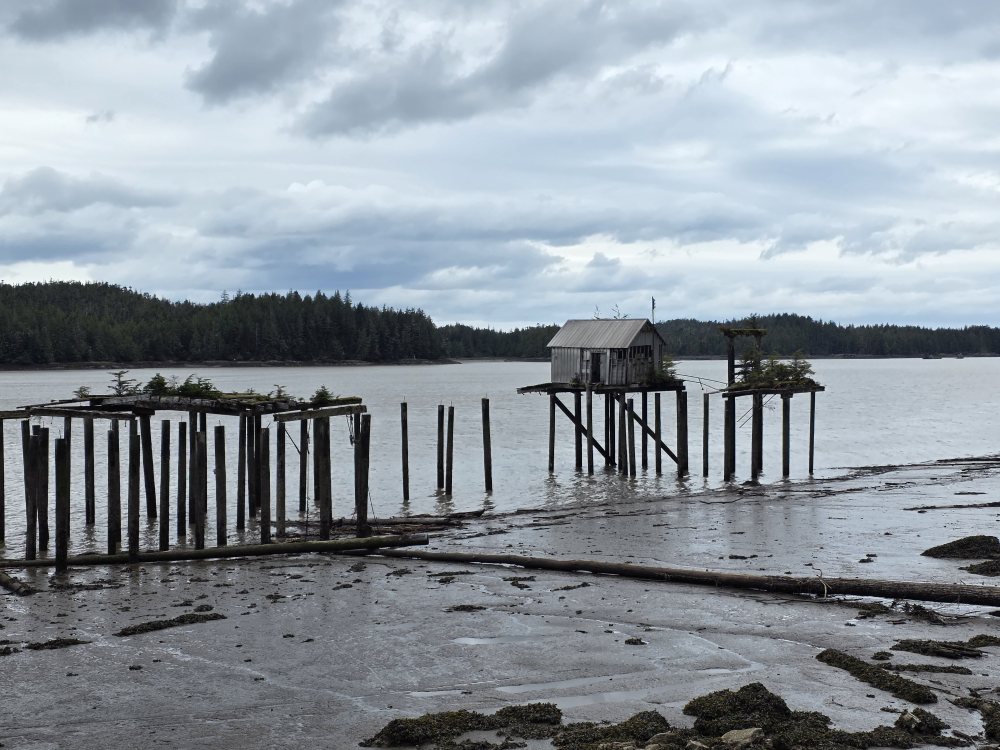
All of this is an excellent glimpse into the lives of the fisherman and the operations of the Cannery. Not to mention the history! The informational signs and the photos alone make the visit worthwhile. But the views up and down the sound – and once out on the long dock to get an overall view of the Cannery (as you can see, at low tide) totally cement the visit as one of the best things to do in Prince Rupert!
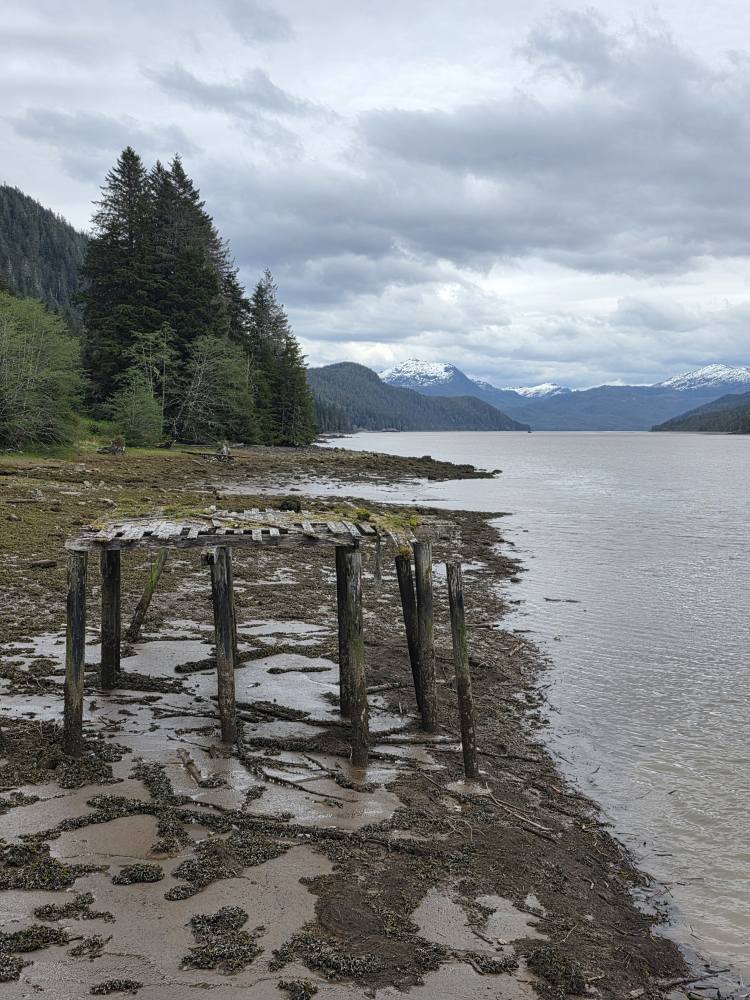
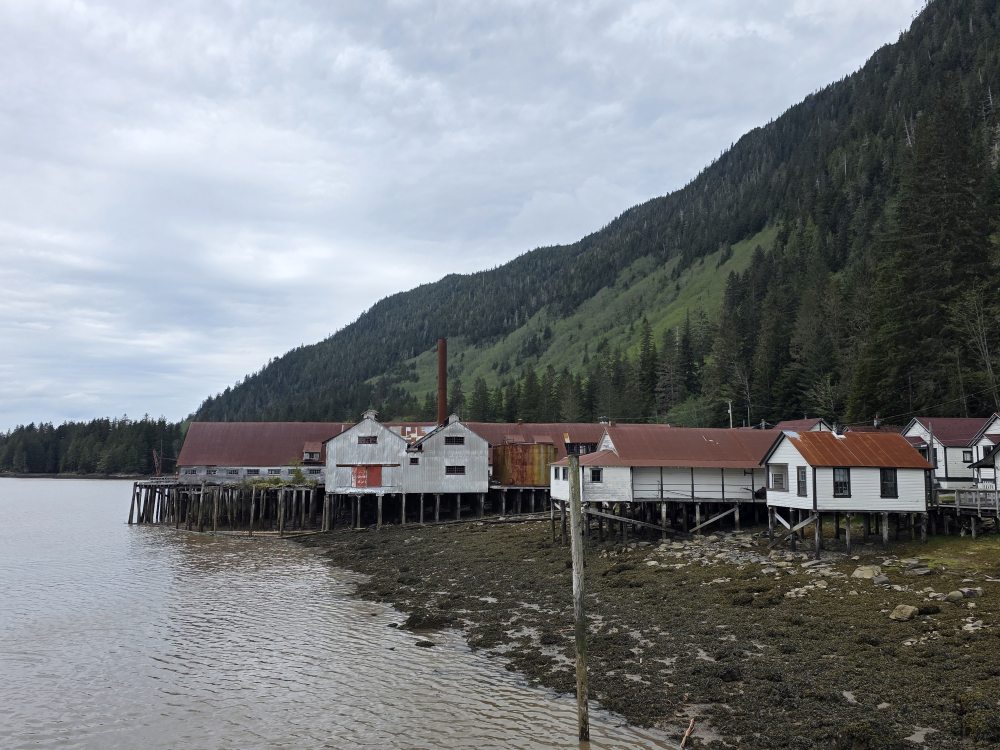
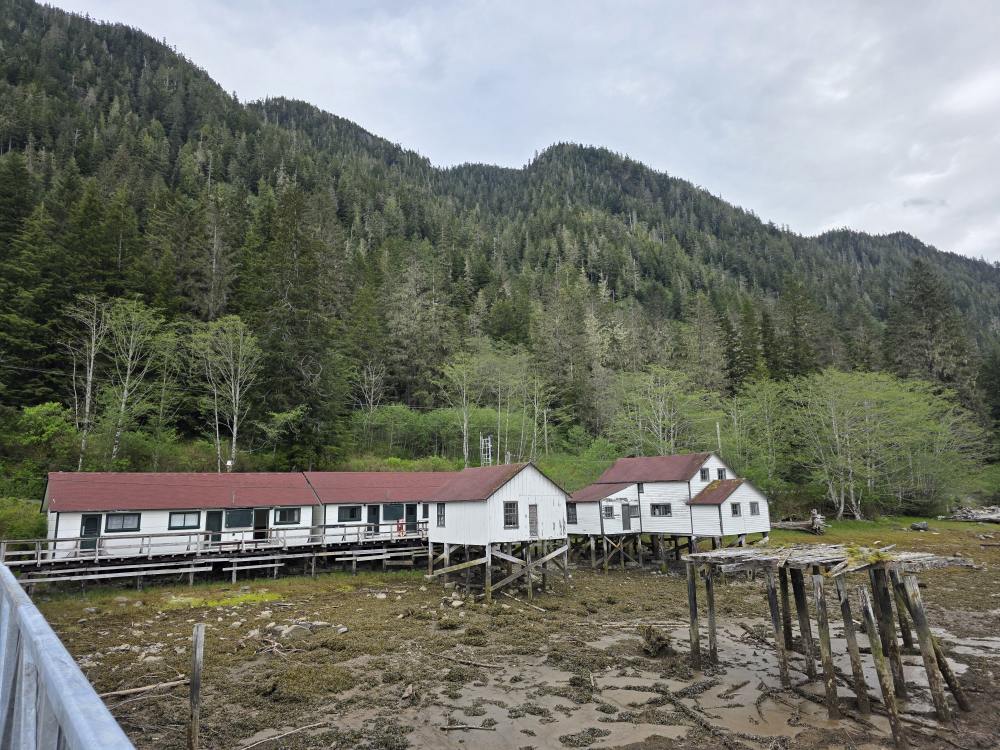
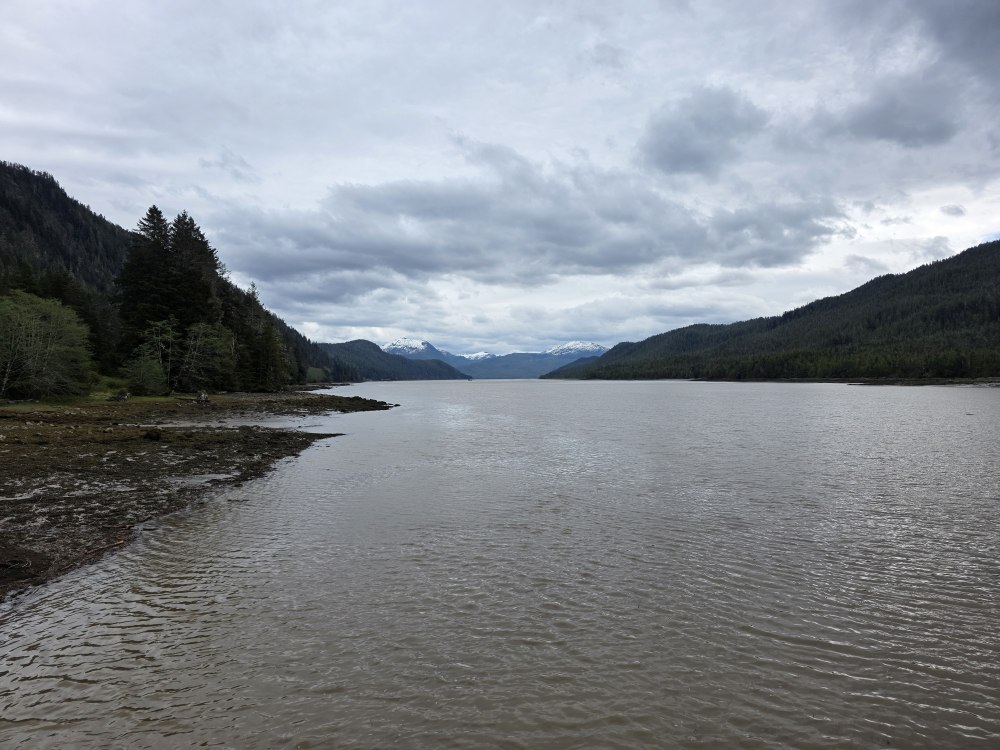
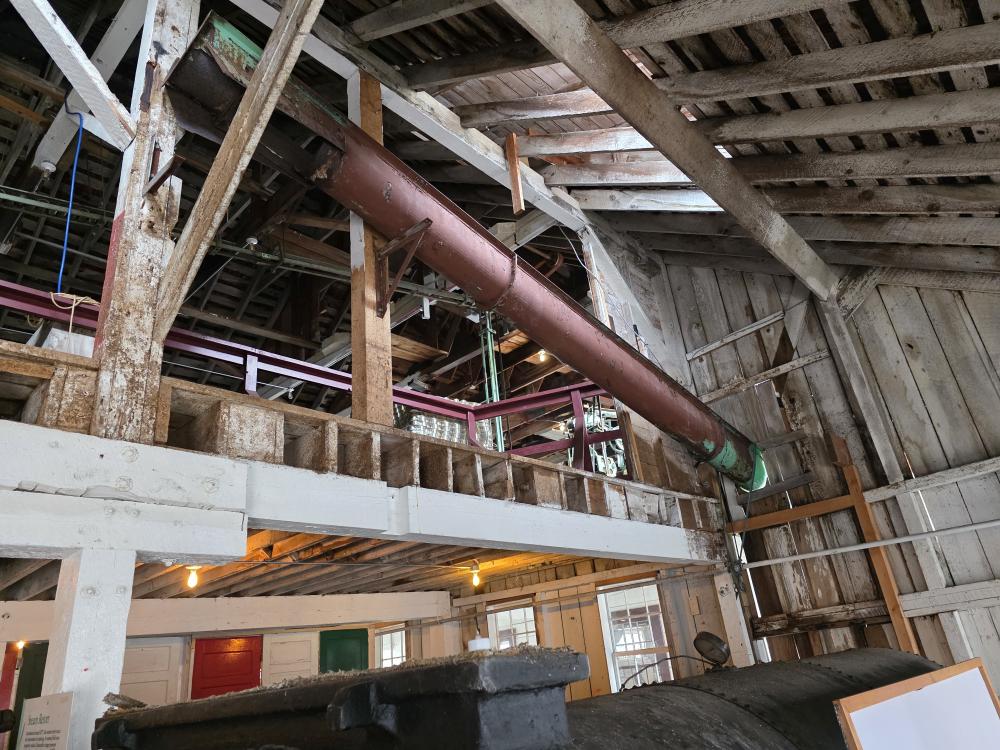
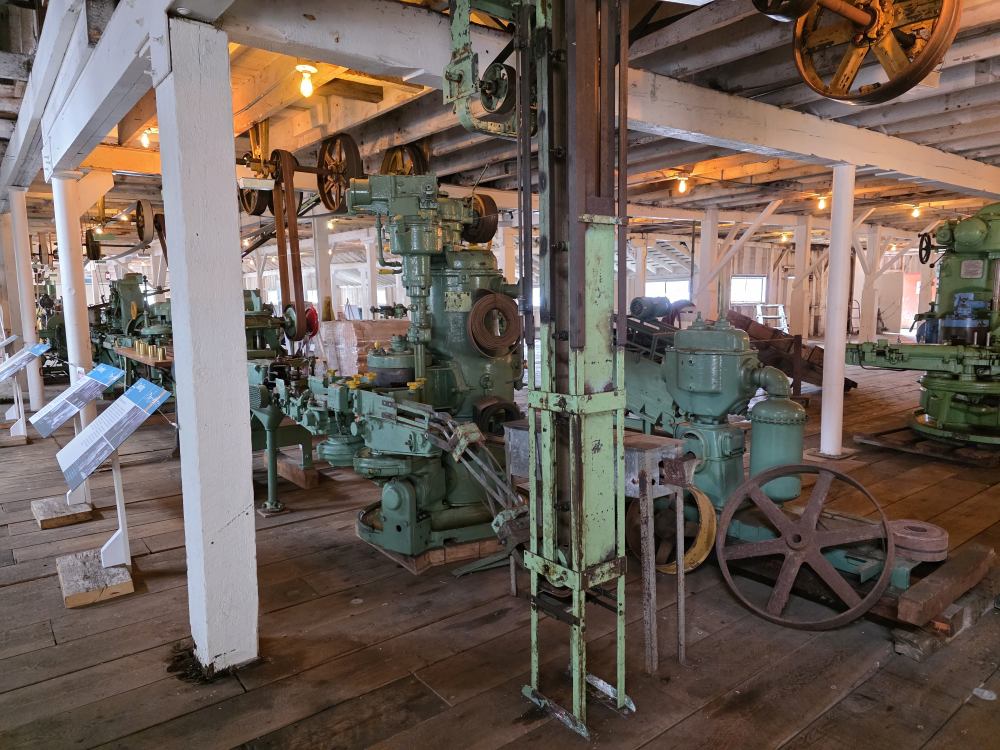
And we’re not done yet! We still have the entire production facility to tour. Here again, the history and the information provided are amazing. The signage walks you through the entire canning process – from unloading (in the beginning, a crew unloaded the salmon one-by-one) to the “elevator” (containers and chutes that moved the fish up to holding bins) to sorting, butchering (all by hand), filling and packing, capping and sealing (which was done through a 2 tier cooking process known as retort cooking in a huge stove; vacuum closing wasn’t introduced until the 1920’s) then finally cooling, labelling and casing – amazing the amount of work and machinery and people power that went into canning salmon!
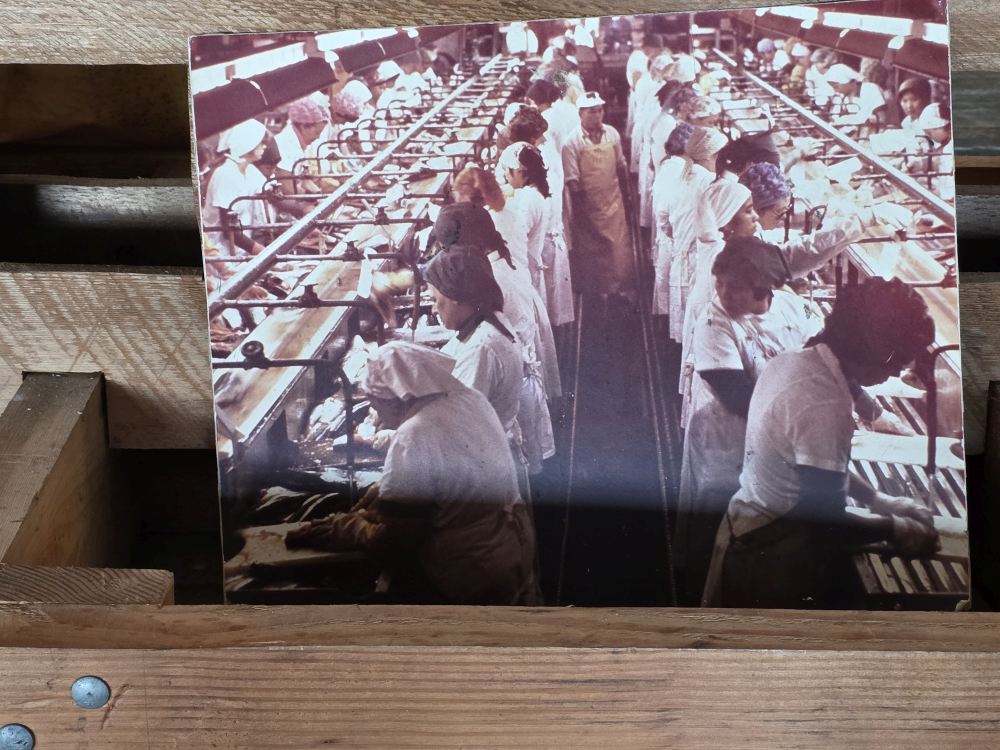
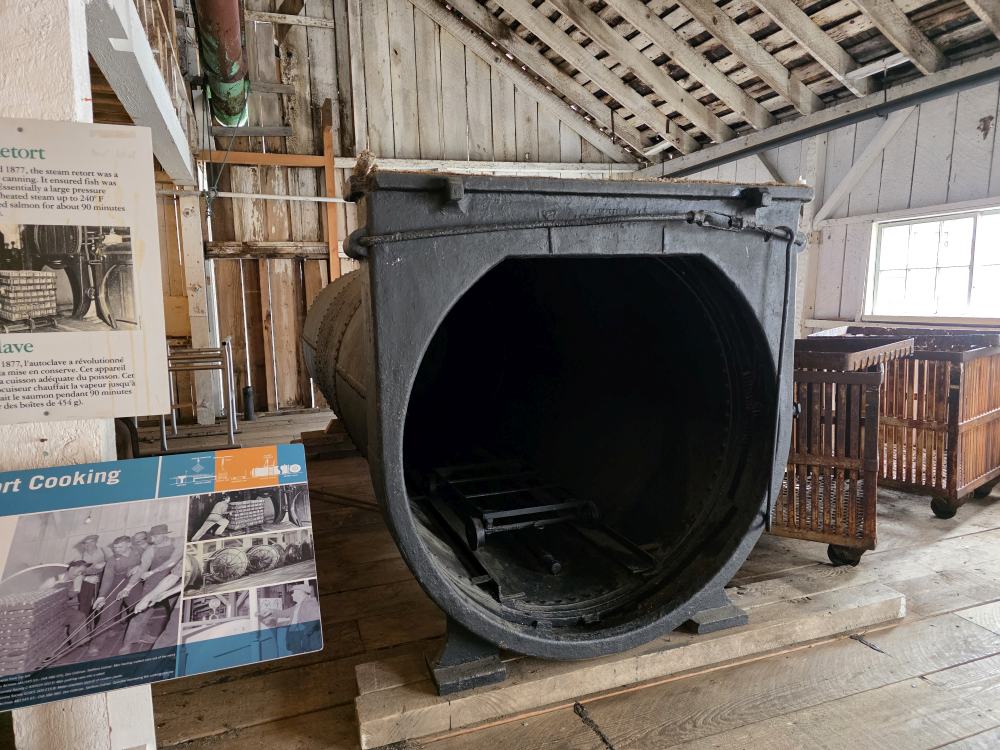
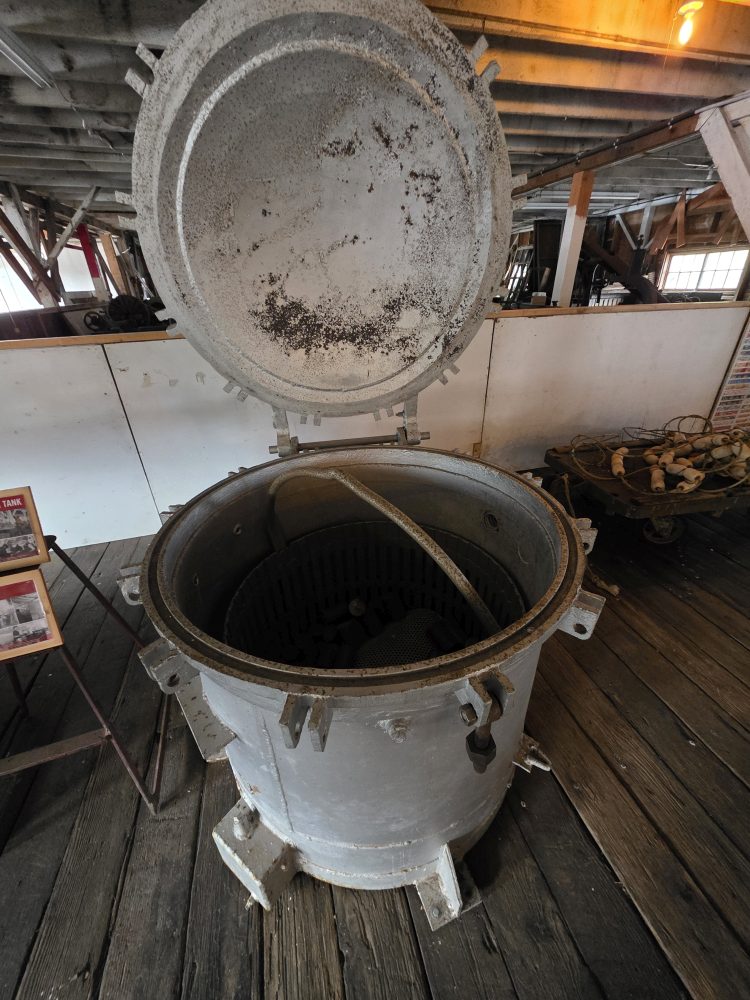
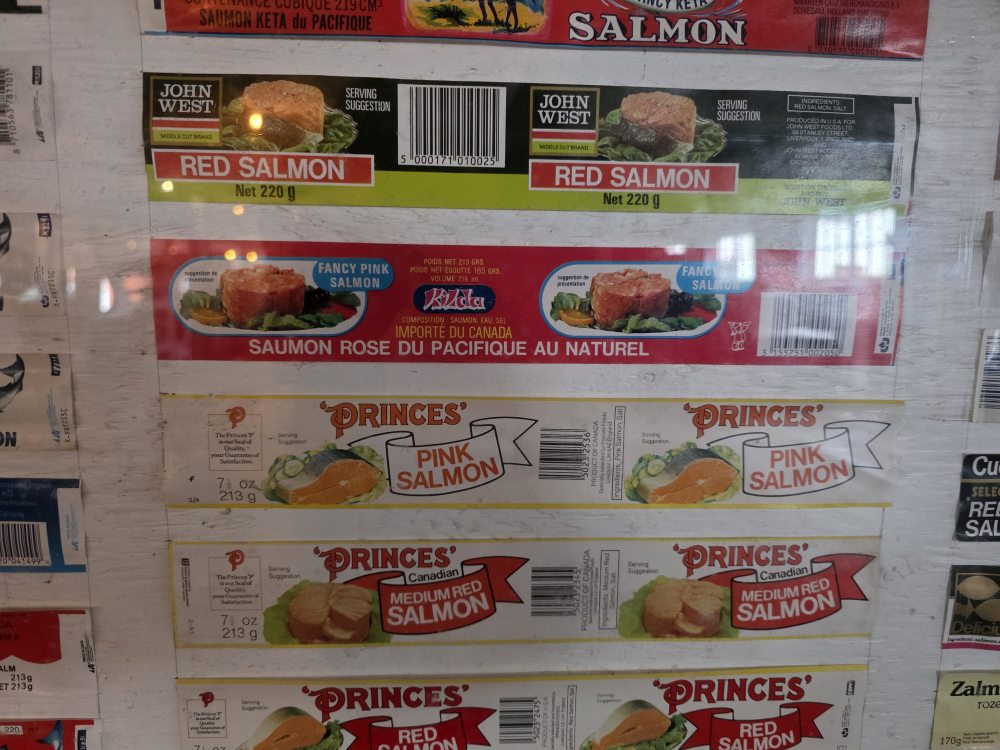
At the end of the production facility is a model train collection that an employee of the Cannery collected over 50 years. He bequeathed it to the museum upon his death. The display gives homage to the main form of transportation in the North Coast – Trains – from 1914 until 1959 when the first road to connect the North Pacific to Port Edward was built.
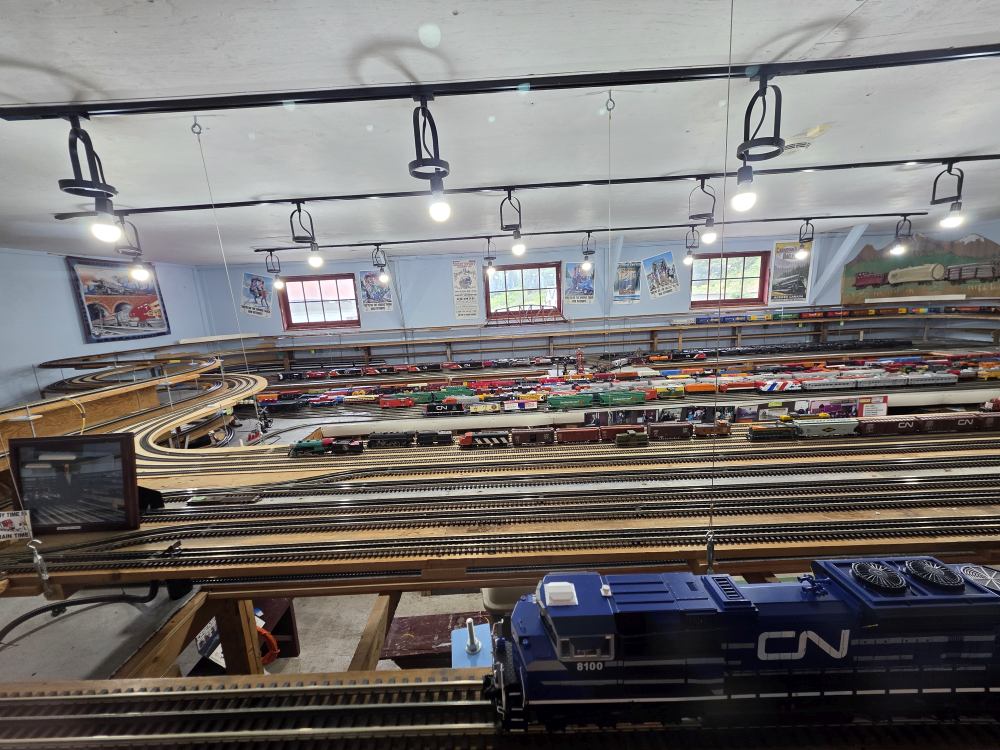
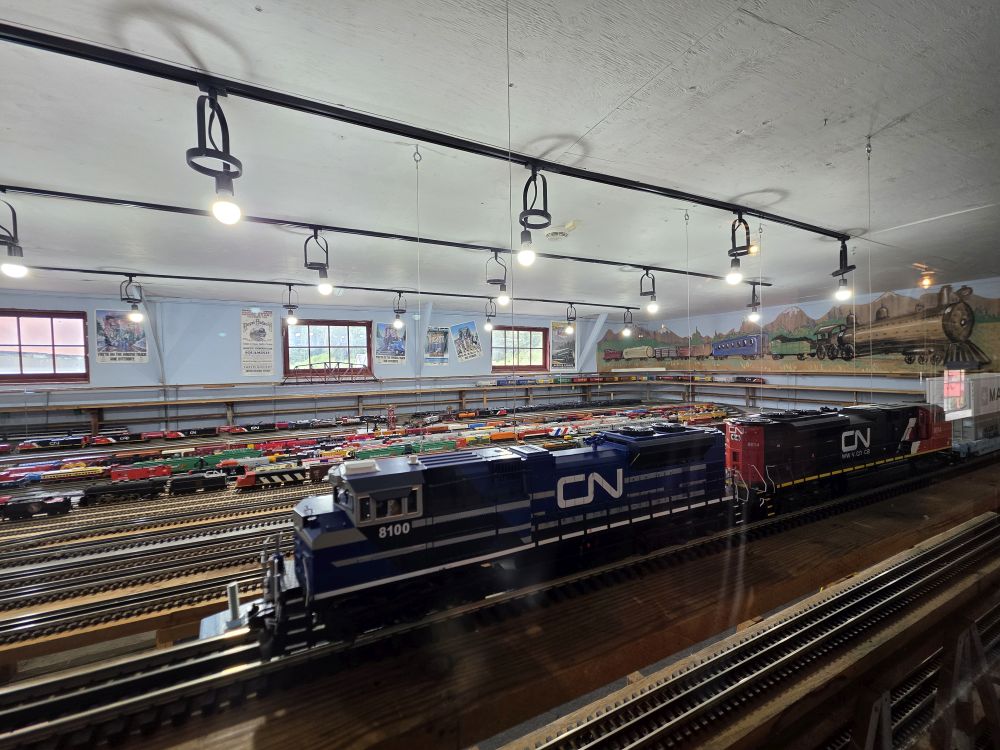
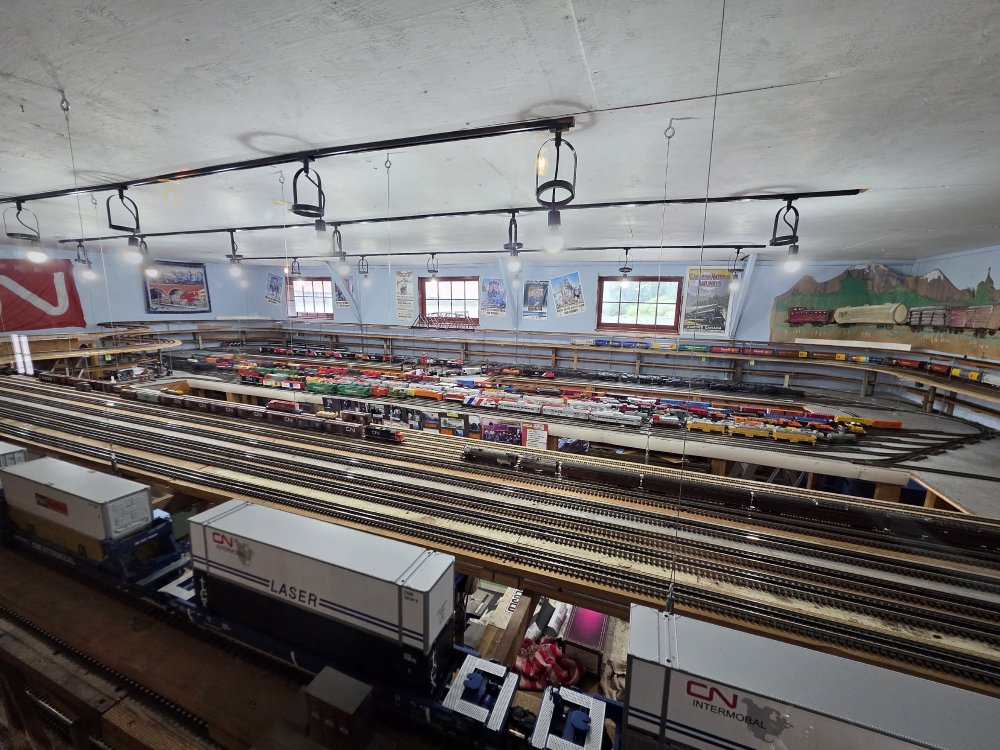
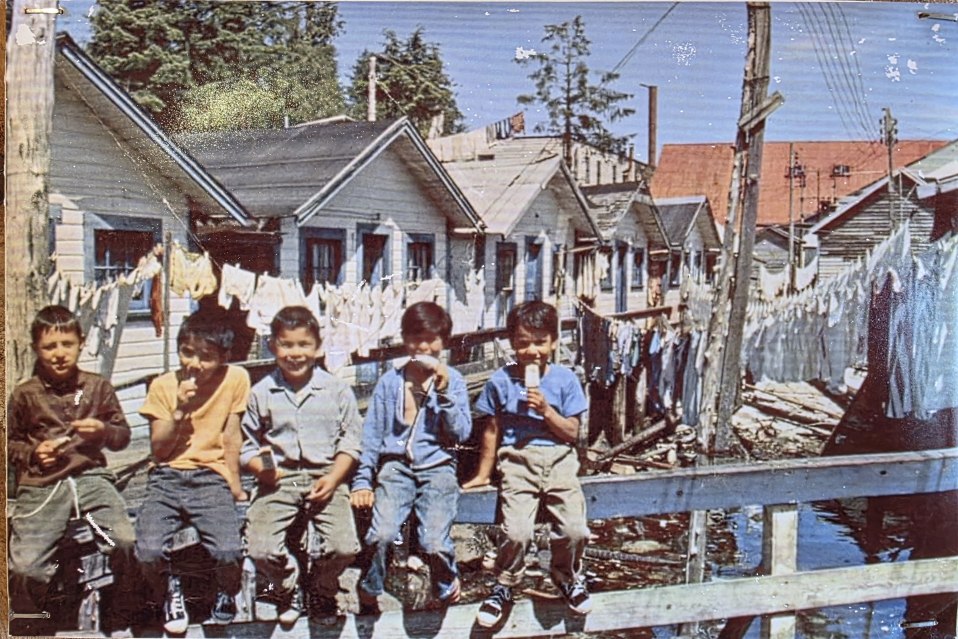
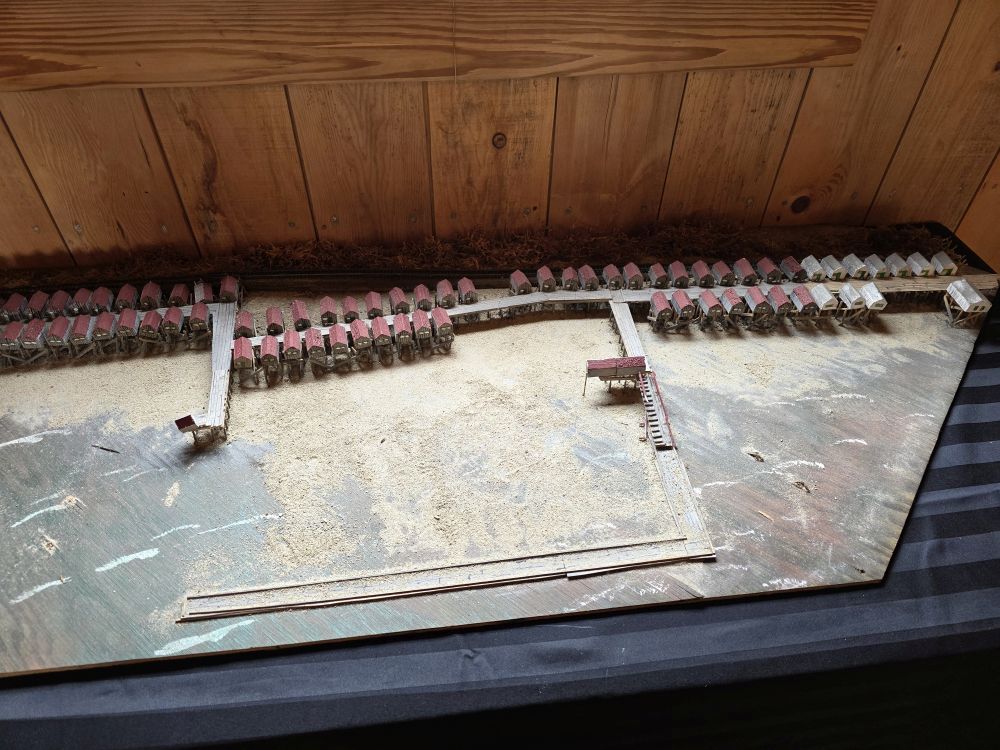
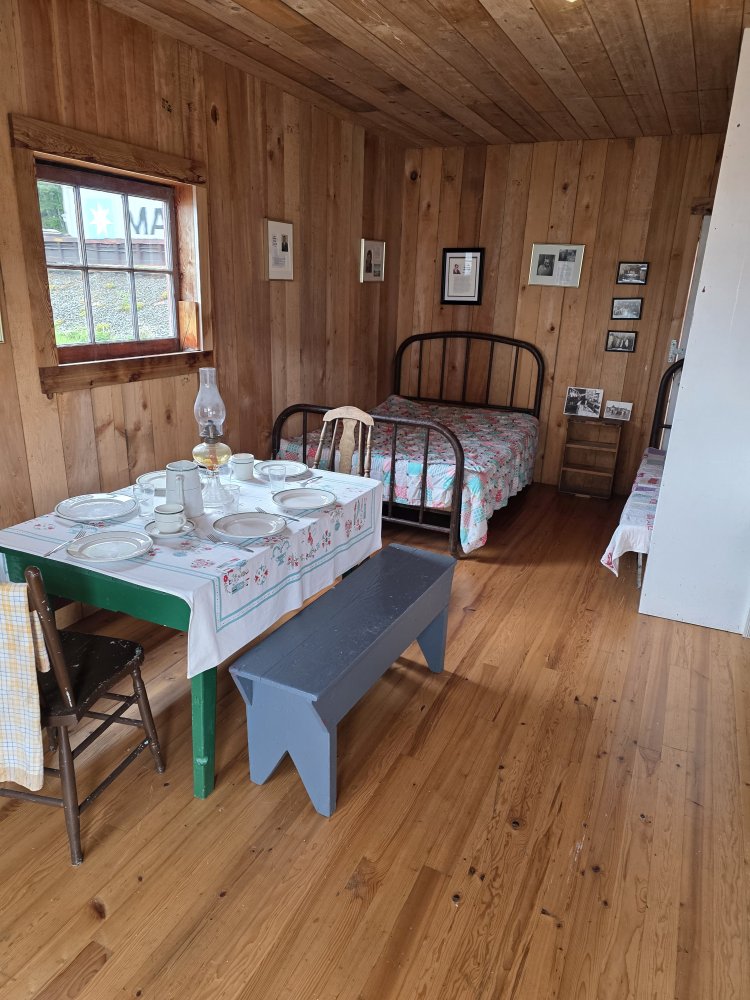
Our last stop on our visit is the First Nations area, located by themselves at the downriver end of the cannery. A series of houses, side by side, divided into 3 sections: 1 each for the nations of the Gitksan, the Nisga’a and the Tsimshian. Inside, one of the houses contains furniture the other a wonderful collection of historical photographs depicting life here at the cannery – as well as a miniature model of the entire cannery housing from the early days. As we are leaving, our visit is capped off by a passing freight train running along the still working tracks right outside the cannery. A perfect example of the main transportation – and an idea of what it was like to really live here in these houses as the trains came roaring by.
A totally amazing and worthwhile visit and we are so very happy we didn’t just blow this off as too touristy or too crowded. Quite the opposite!
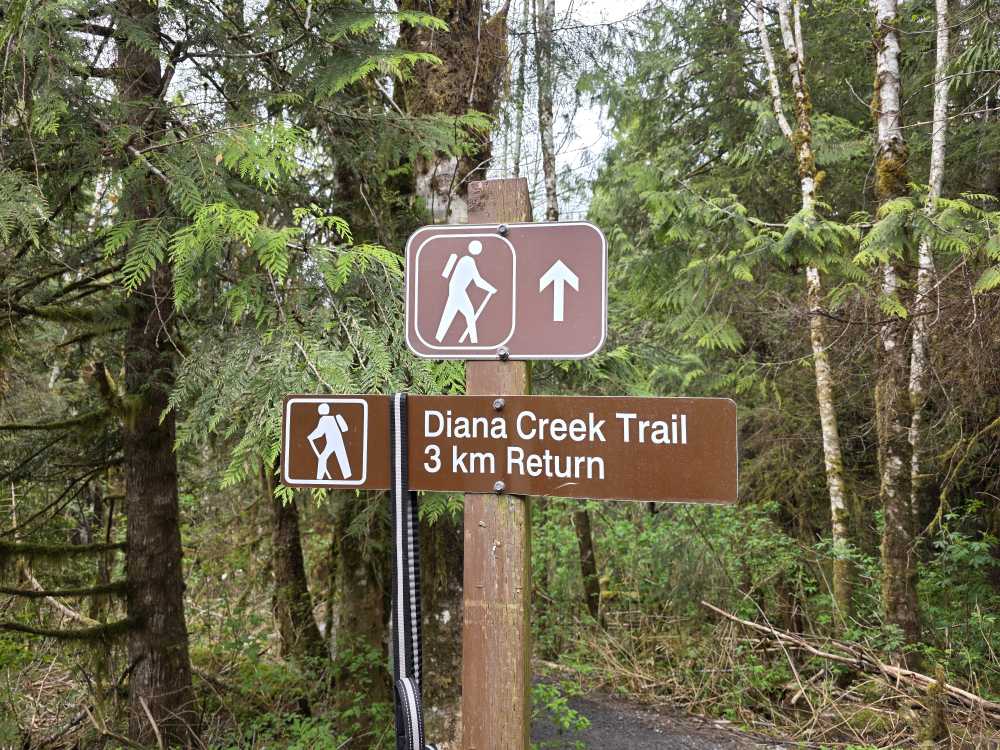
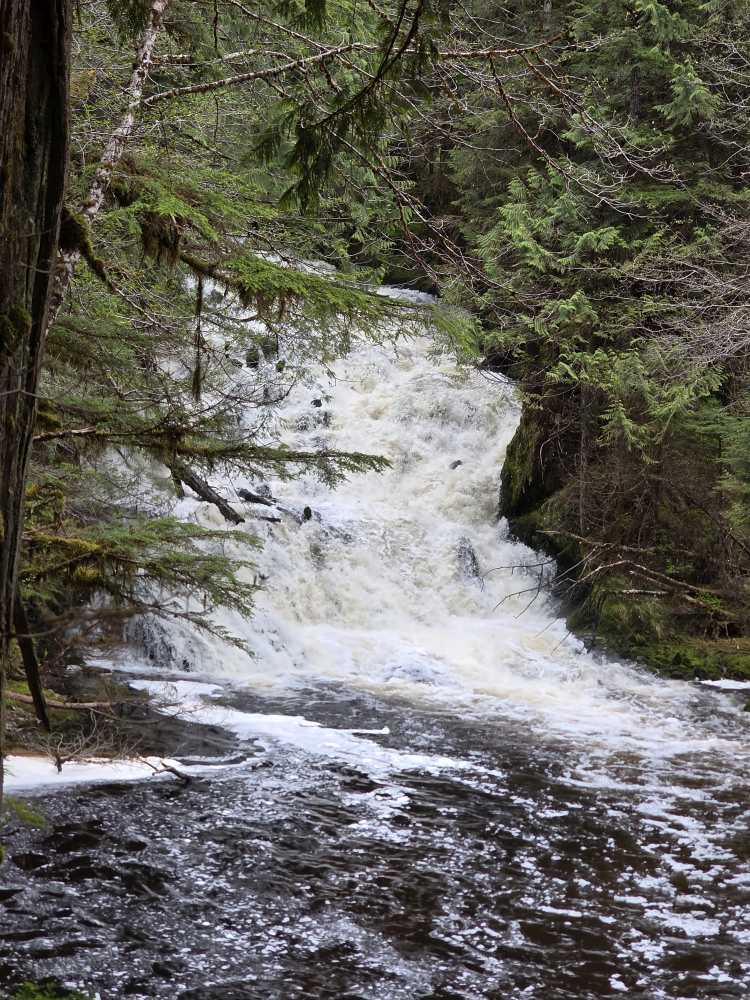
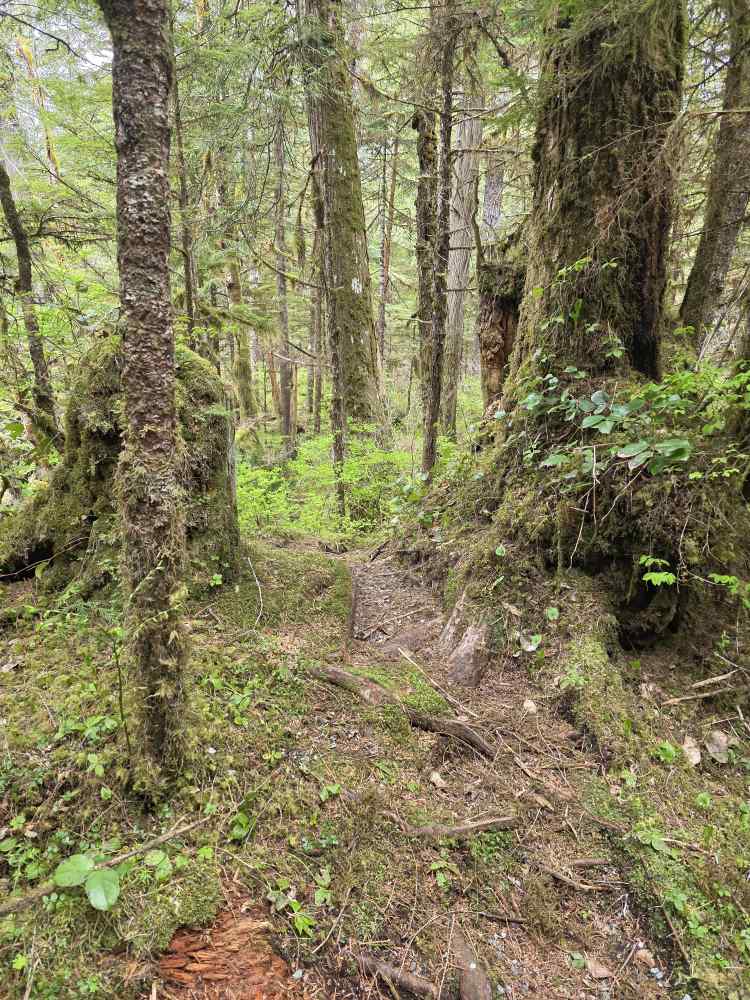
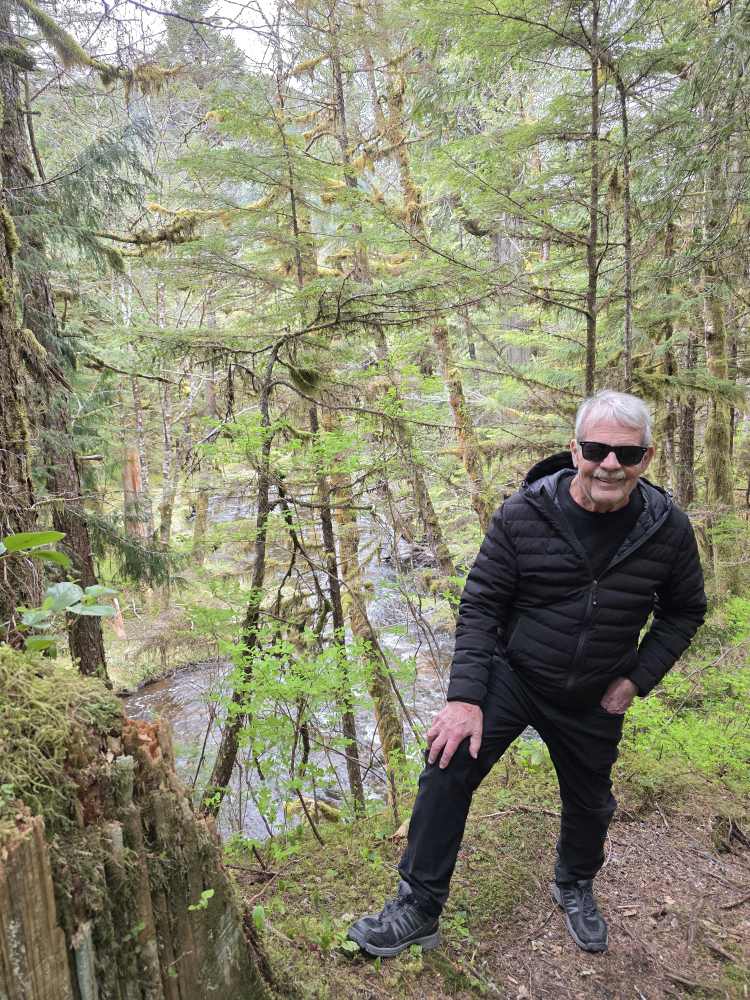
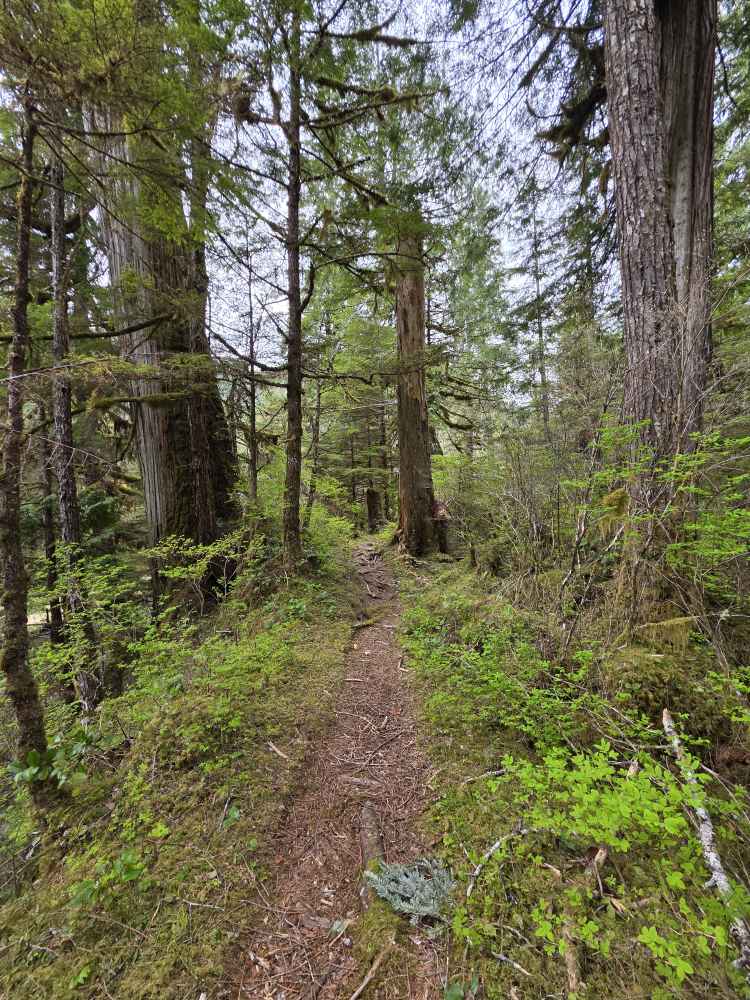
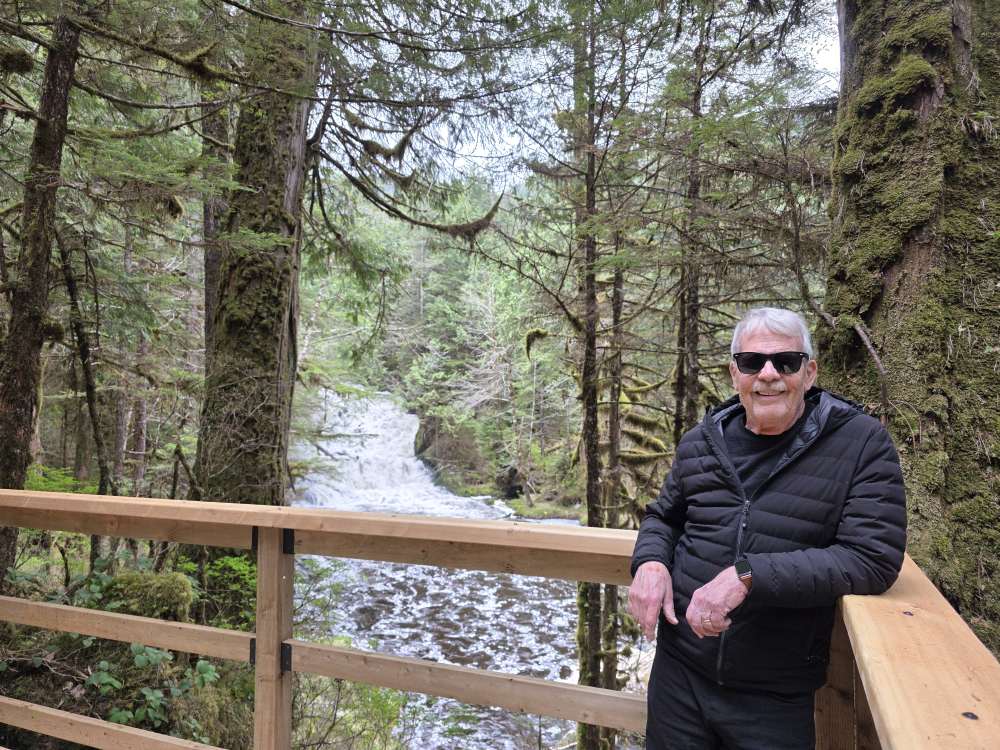
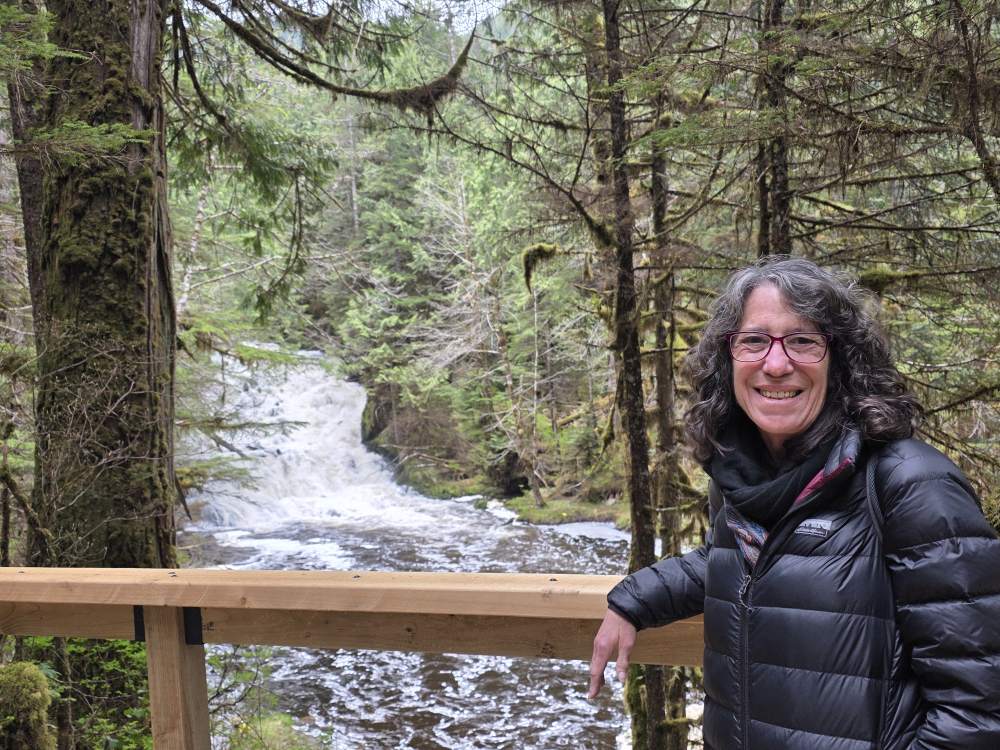
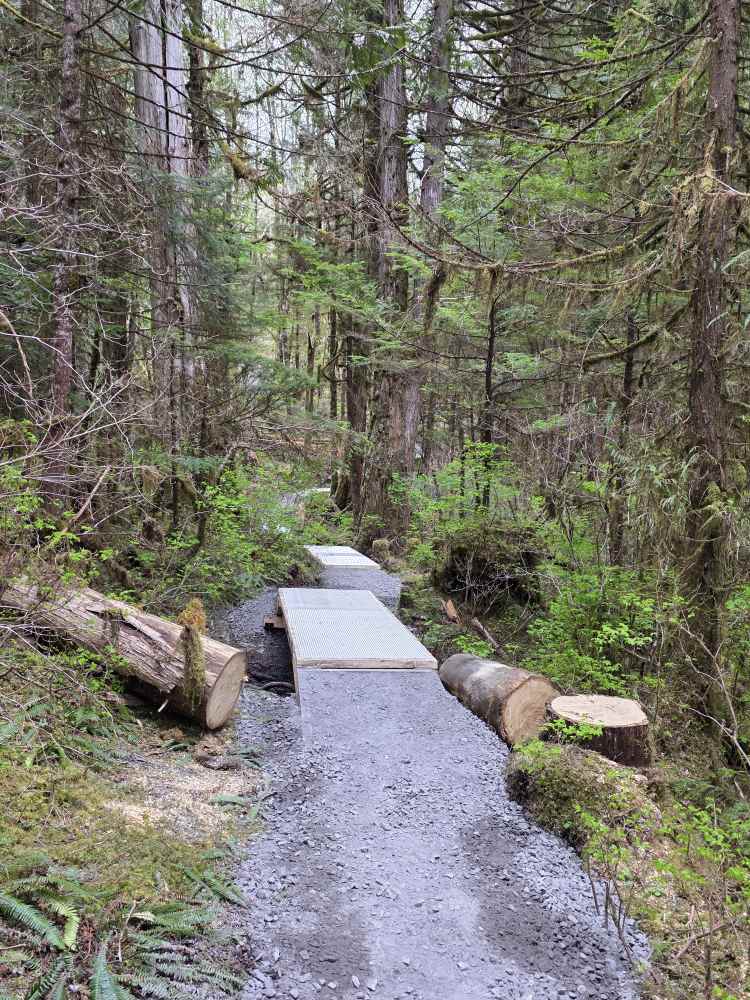
Still having a few hours on the island, we end up driving out to Lake Diana Provincial park – turning off “The” highway onto a gravel and dirt road that leads us past farms and chicken coops, ending at a park that is either not open fully yet, or just opening! There is all sorts of construction equipment around the parking lot and the trail we hike – the Diana Creek Trail – looks like a brand new trail with obviously just cut trees and just built bridges and overlook decking. It is another gorgeous walk – through more fabulous forest and this time a really rushing waterfall.
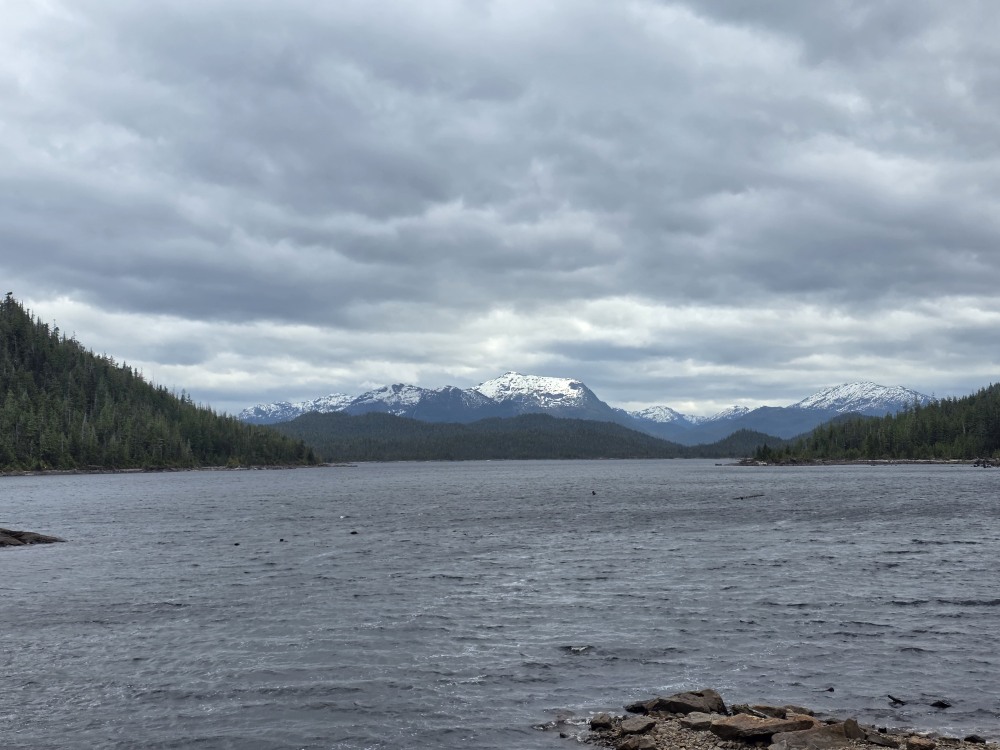
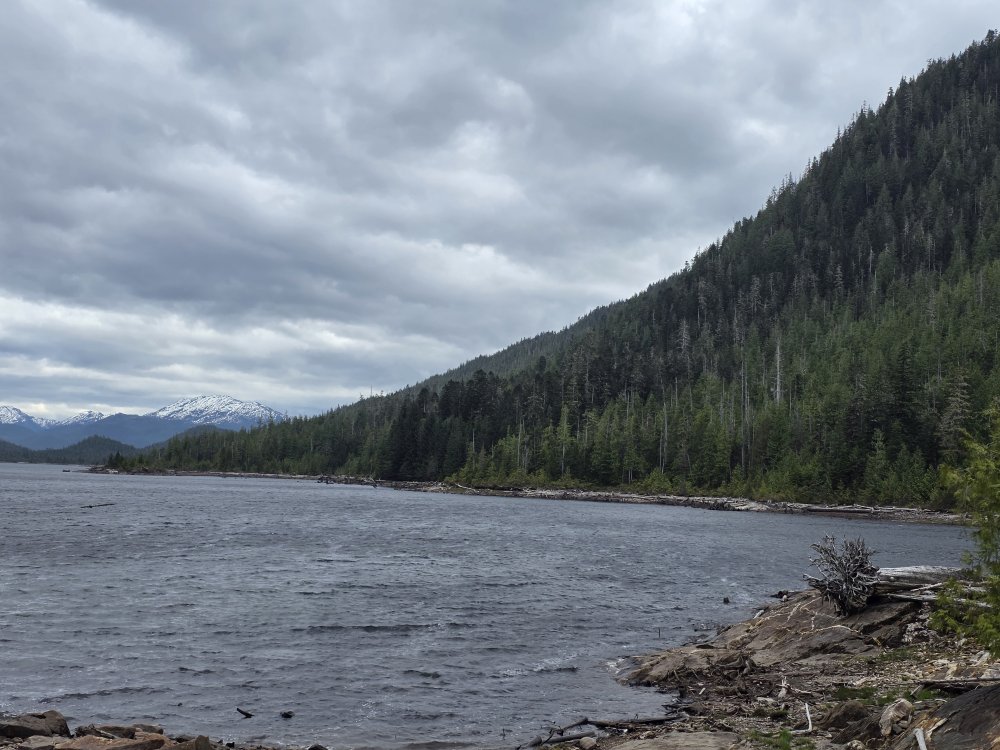
After the creek hike, we walk to the end of the parking lot, climb up a hill and look out over Lake Diana to the snow-capped peaks in the distance, watching the wind whip up the surface of the lake. Absolutely gorgeous – and probably one of our best port visits just for the diversity and the sheer surprise of it all.
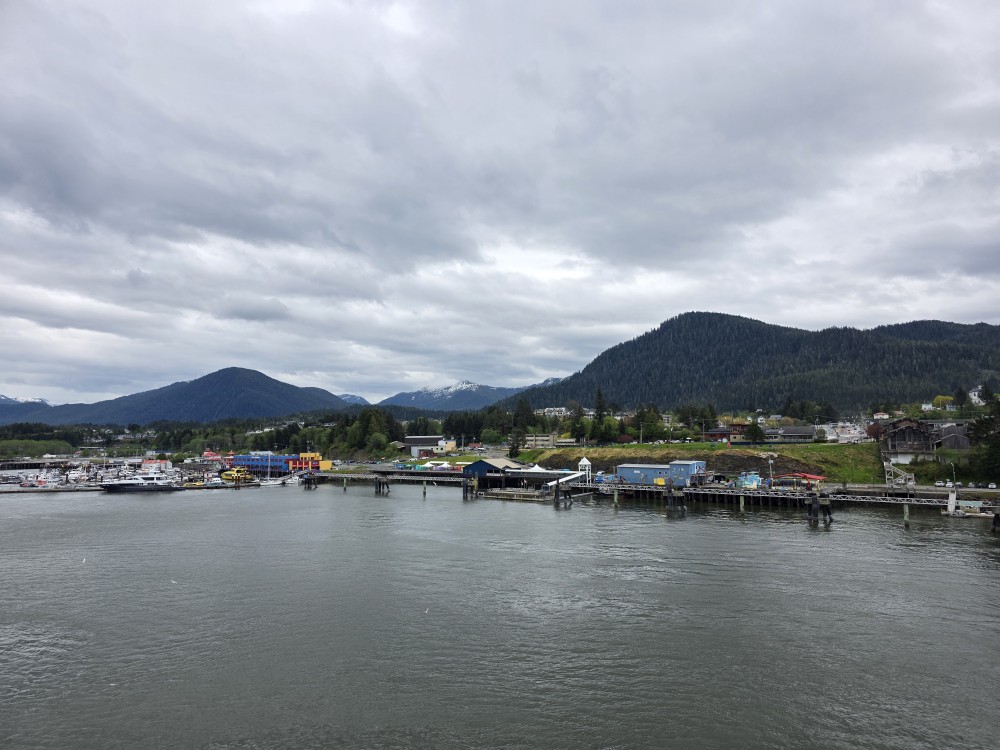
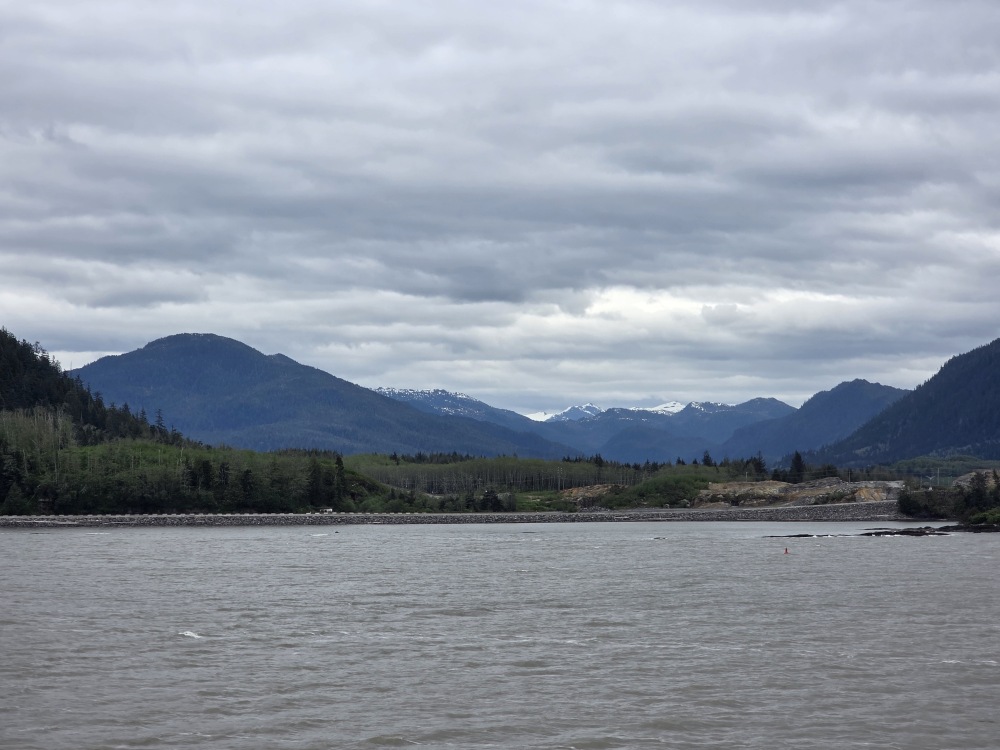
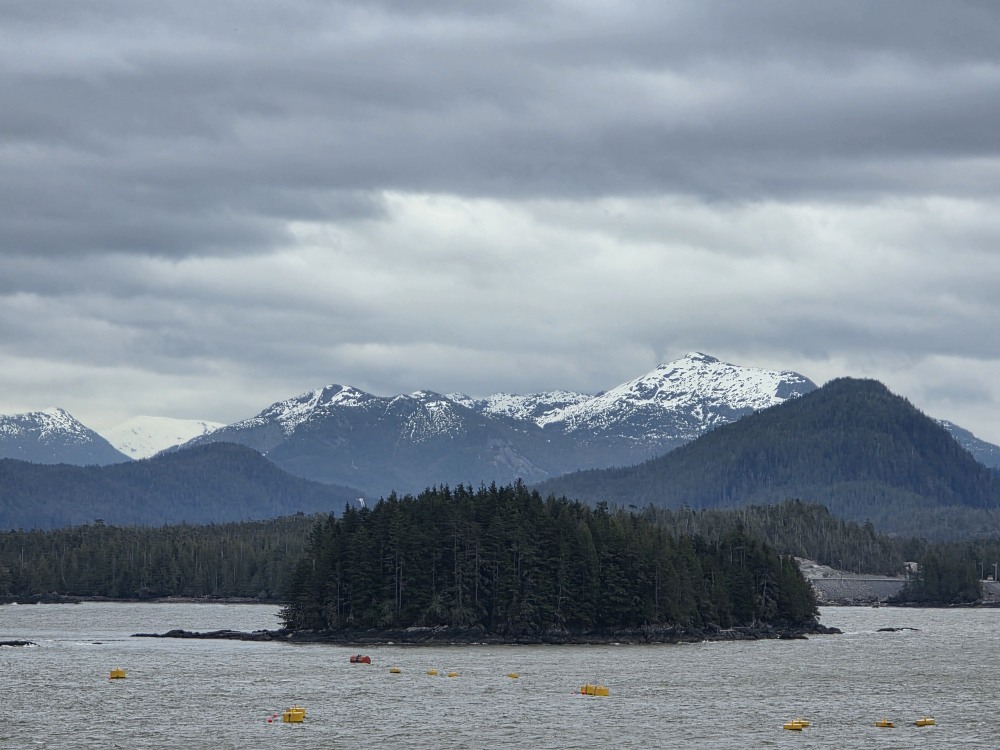
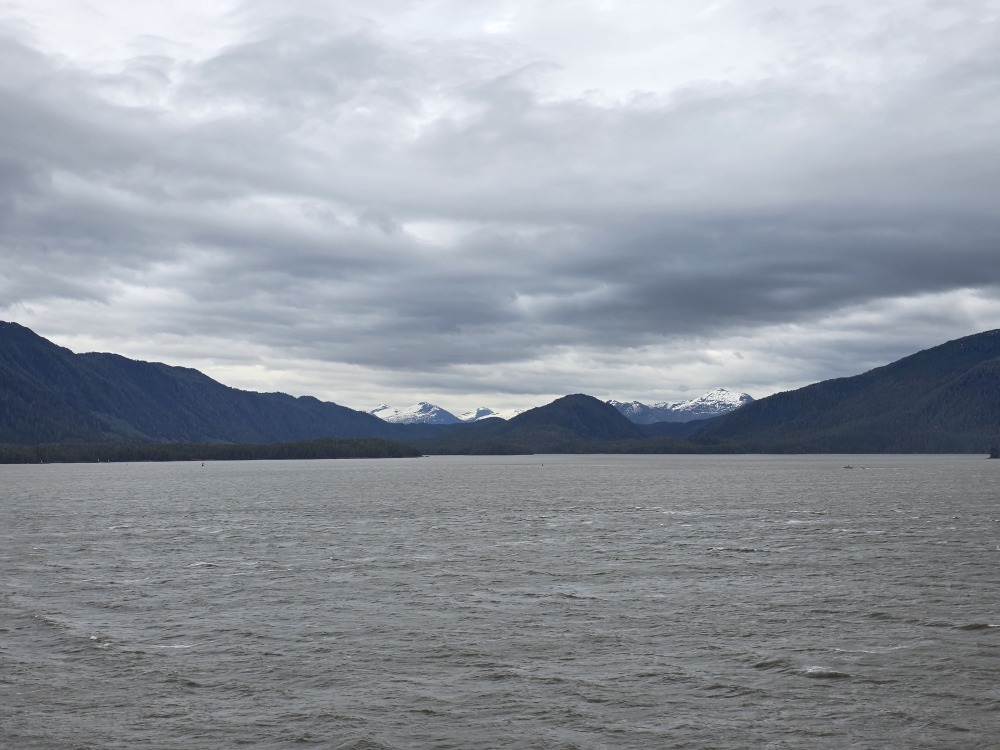
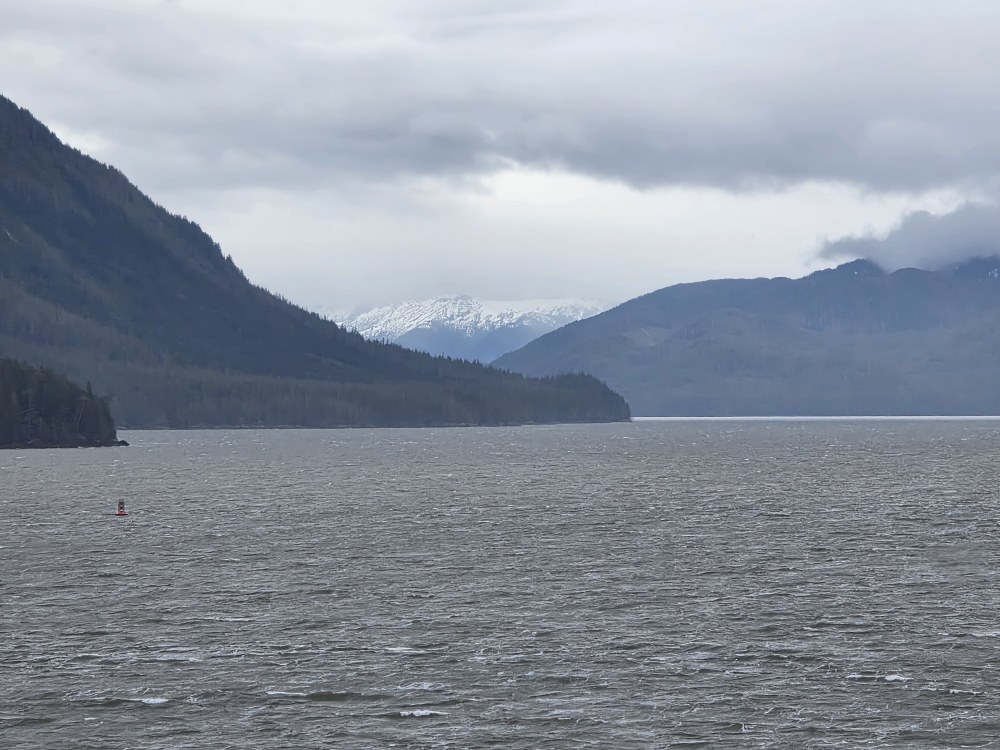
We return the car without incident, walk back to the dock and board our home for the next 2 days, watching Prince Rupert and the fantastic North Pacific coast mountains fade into the distance as we sail away.
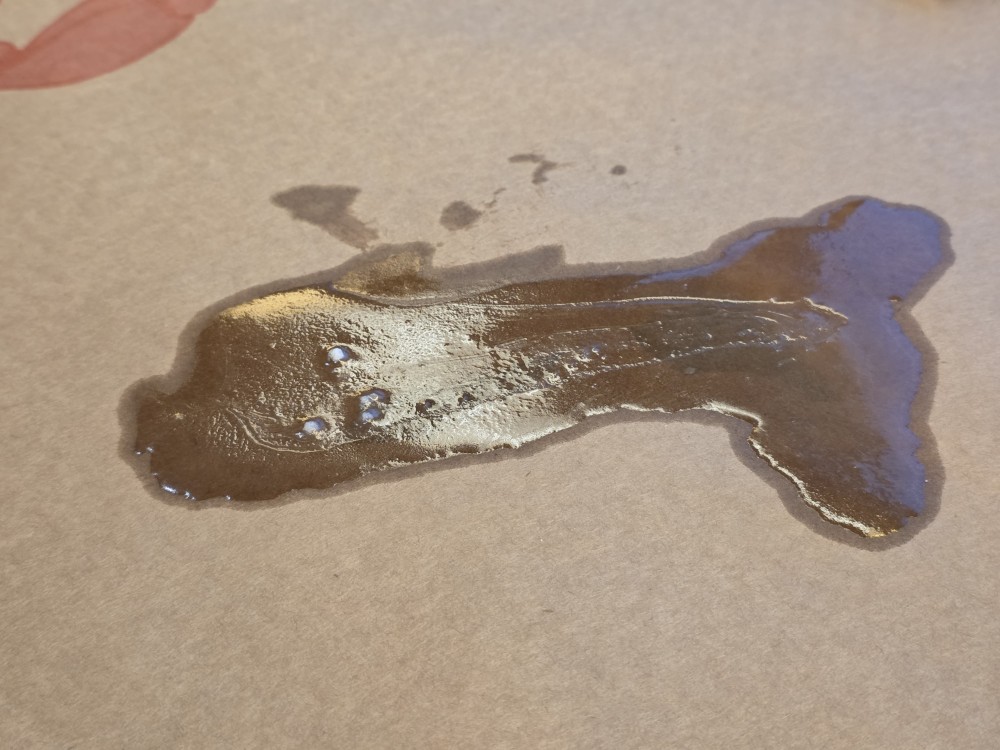
Later we go to the seafood boil on the Lido deck – excellent as always and still way too much food! We get a big laugh over the remnants of our dinner, left on the paper table cover, that looks just like a fish! Great way to end a pretty darn perfect day.