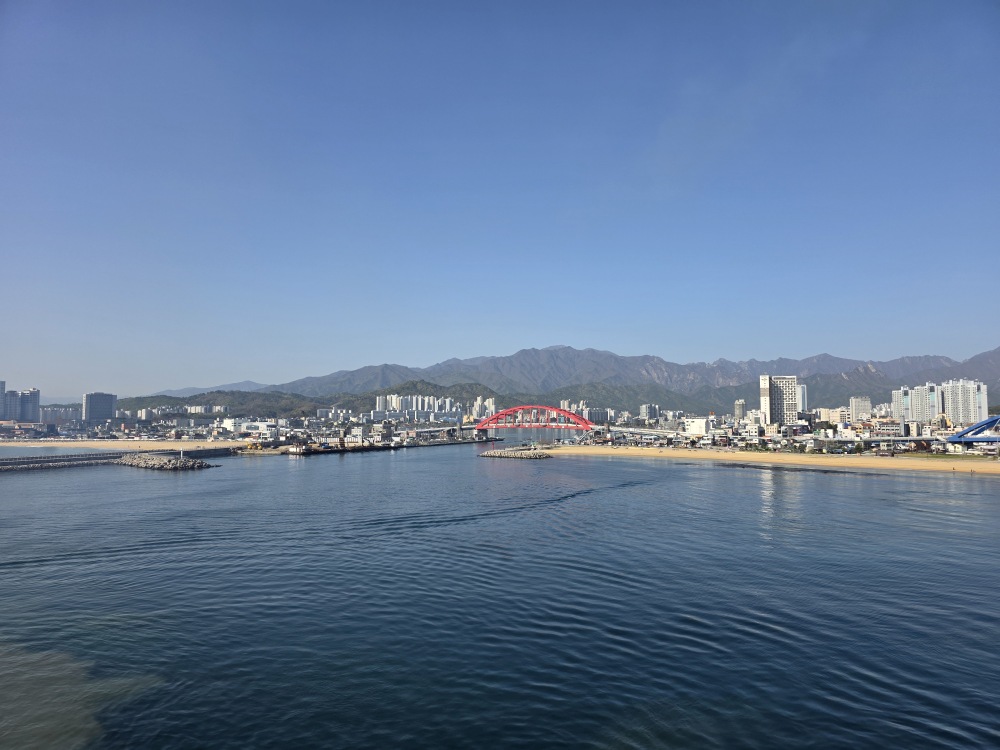
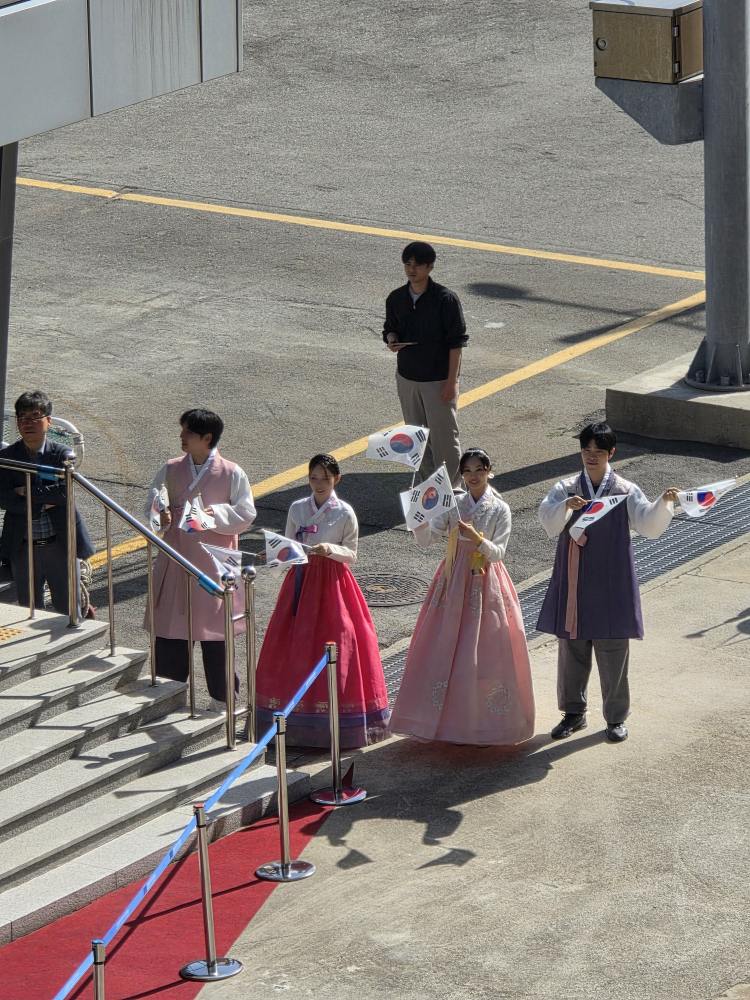
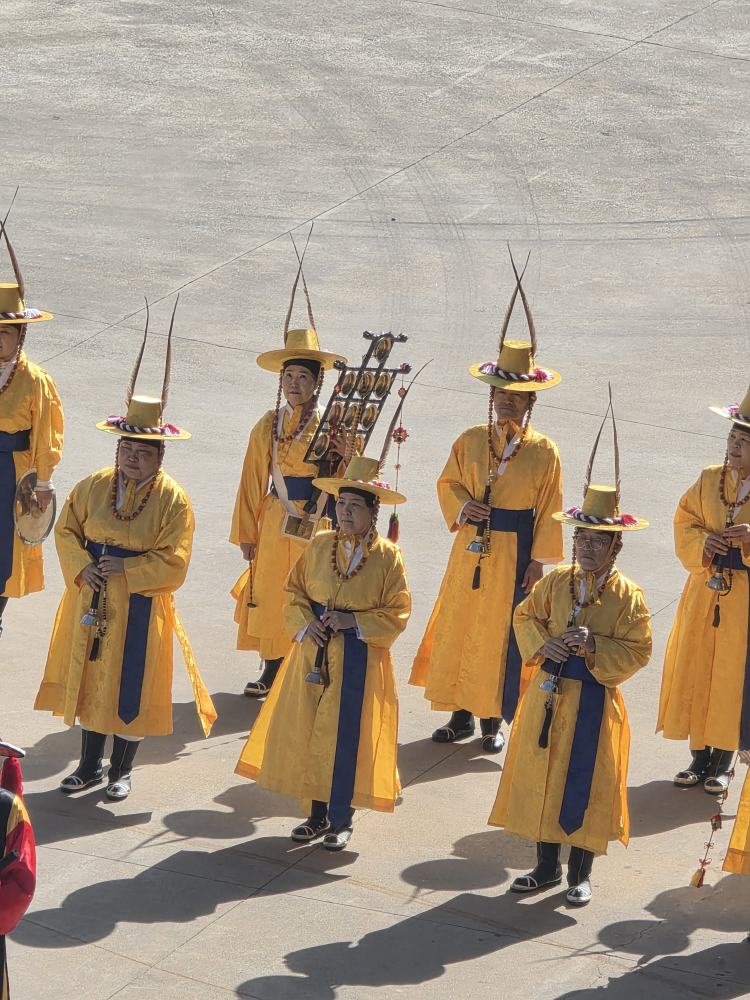
A bright and sunny day greets us as we sail into Sokcho, early as usual (this is Captain Early-Bird, he is always early into port, which we appreciate it). We are up on deck watching the sail in as well as the lovely welcome celebration, including the brass band.

We also can see the parking lot and are watching for our tour guide, Chan, and his bright yellow-green bus, which we easily spot. Chan put together a whole WhatsApp group chat but somehow we weren’t on it – which is funny considering we’ve been talking to him for over a year now trying to take this tour. We had originally booked this tour with Chan for our last visit in 2024, but the political issues at that time made it too dangerous to visit, which is why we are so excited to finally be able to go today. At any rate, Chan is now having individual WhatsApp chats with Ed, sending him all the stuff he missed and laughing at us when we send him our photos of him and his bus driver taking their own pictures of the bus to send to us. This will be fun!
The tour was supposed to start at 10 – but seeing as we are here early, we are out and through the terminal before 9:30, heading straight to Chan and his bus. First onboard, we grab a front row seat on what is obviously a party bus – decked out to the nines, the wood, the laminate, the lights, the stereo mixing board! OMG – we so want Chan and the driver to turn everything on and let us dance and party all the way up to the DMZ.
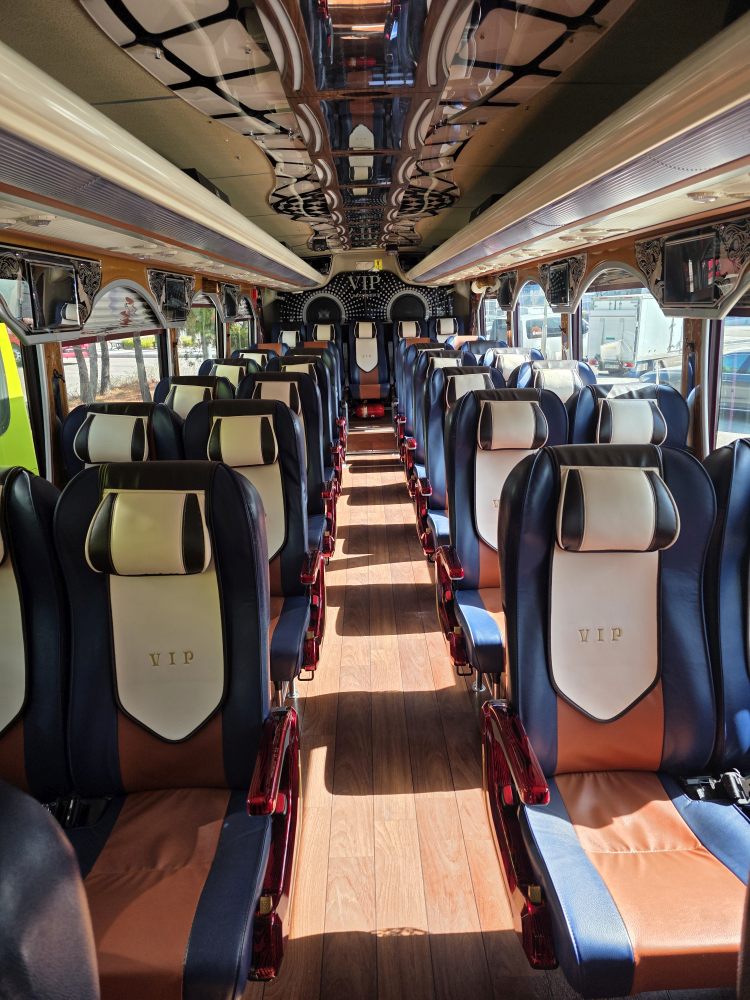
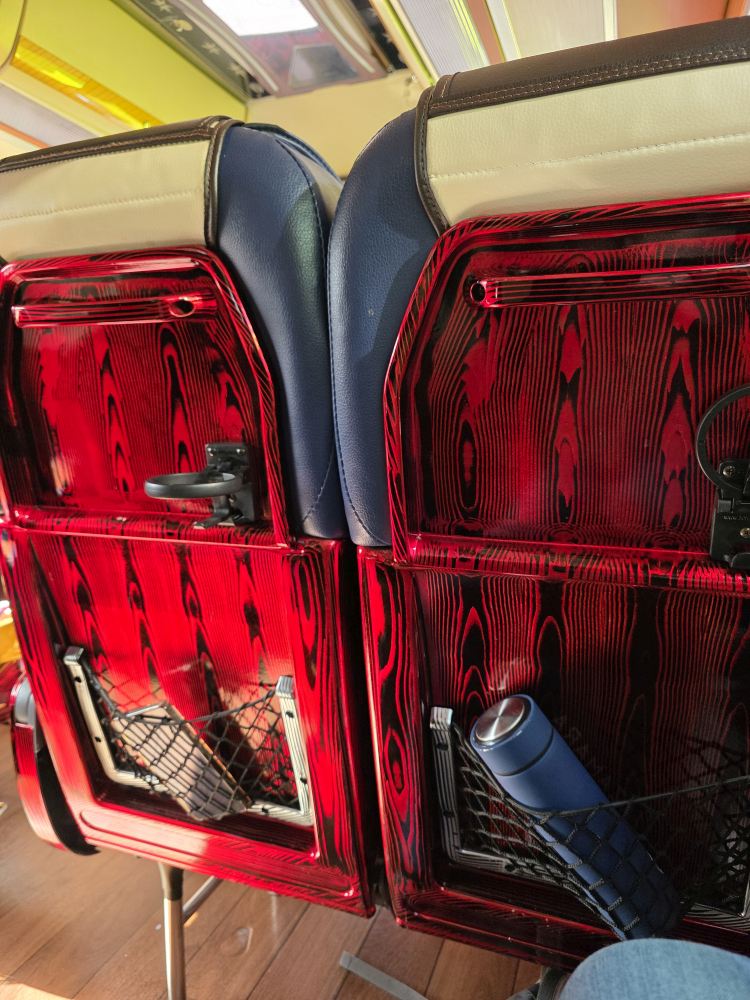
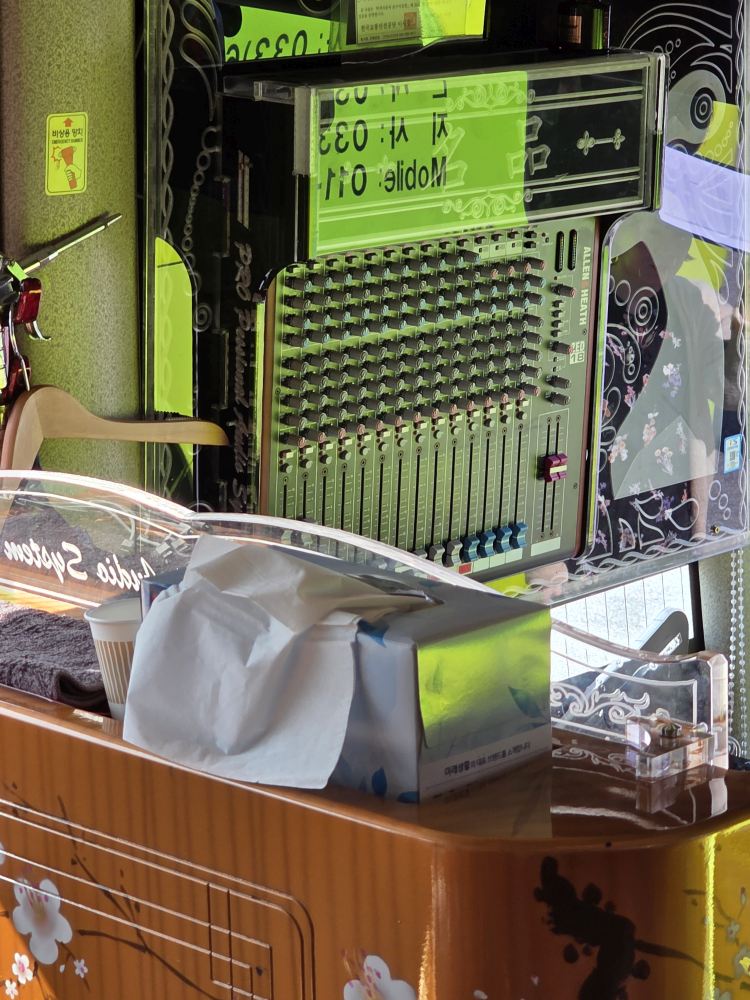

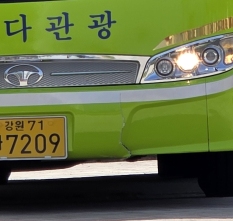
All of our other tour guests dribble out of the terminal and onto the bus, and we are finally ready to go a little after 10. Chan introduces our driver as the Best Driver in all of Sokcho, and immediately after the introduction he hits the curb and a concrete pylon, cracking the front fender of the bus! Poor guy! We try not to laugh, as he rights the bus and successfully gets us out of the parking lot and up onto the bridge that takes us out of the port area, past the little old Abai fishing village area and onto the main highway heading north.
Chan gives us the history of Sokcho along the way. This entire area was originally North Korea. At the end of the war, North Koreans came here to evacuate, feeling it was safe because it was a very isolated river bank, almost like an island, protecting them from the military rule of the North. Many families were separated by a few miles and never saw each other again, once the area became S. Korea after the war. So many sad stories.
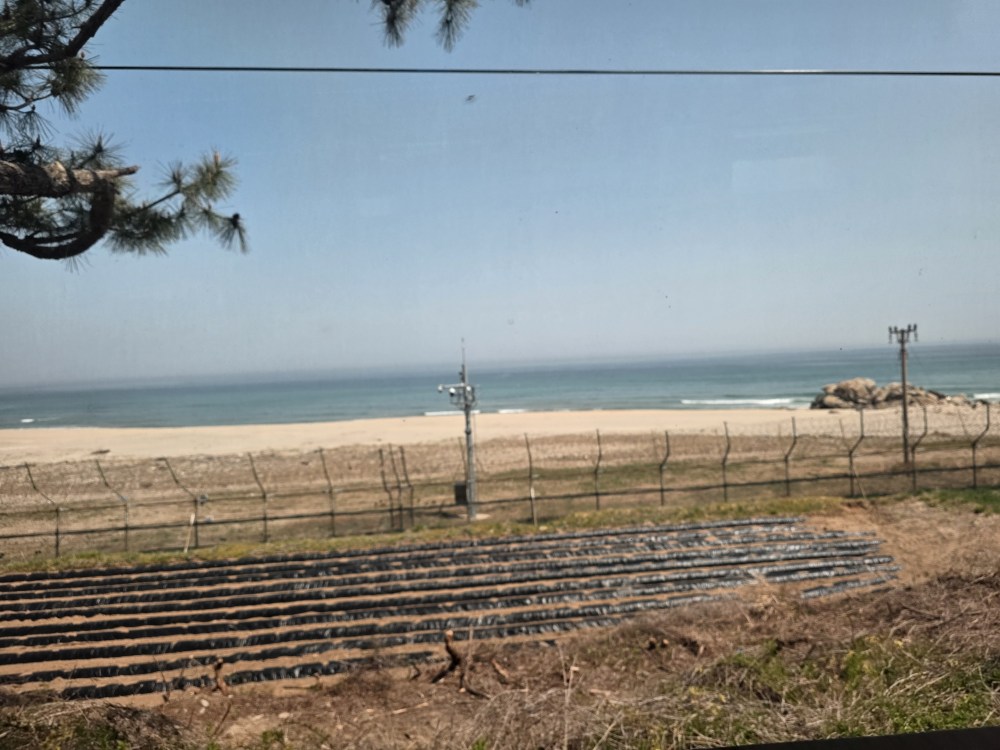
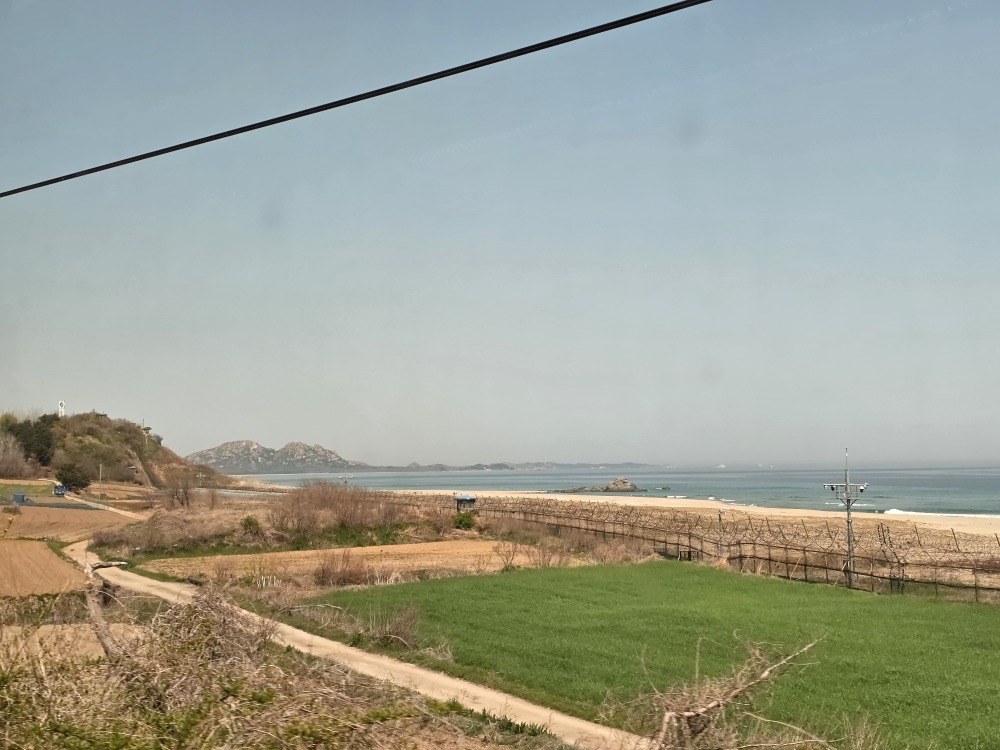
Driving along the road toward the DMZ, there are little farms dotting the coastline, nestled up against the barbed wire fencing that keeps people from entering S. Korea from the sea. A constant reminder of the precariousness of life here.
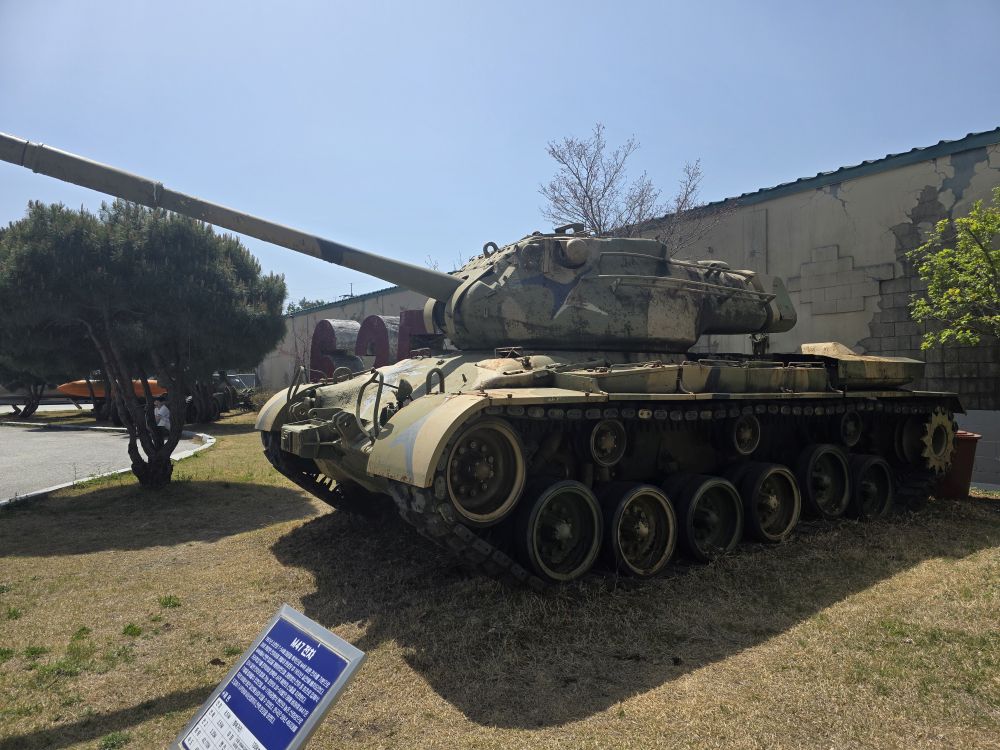
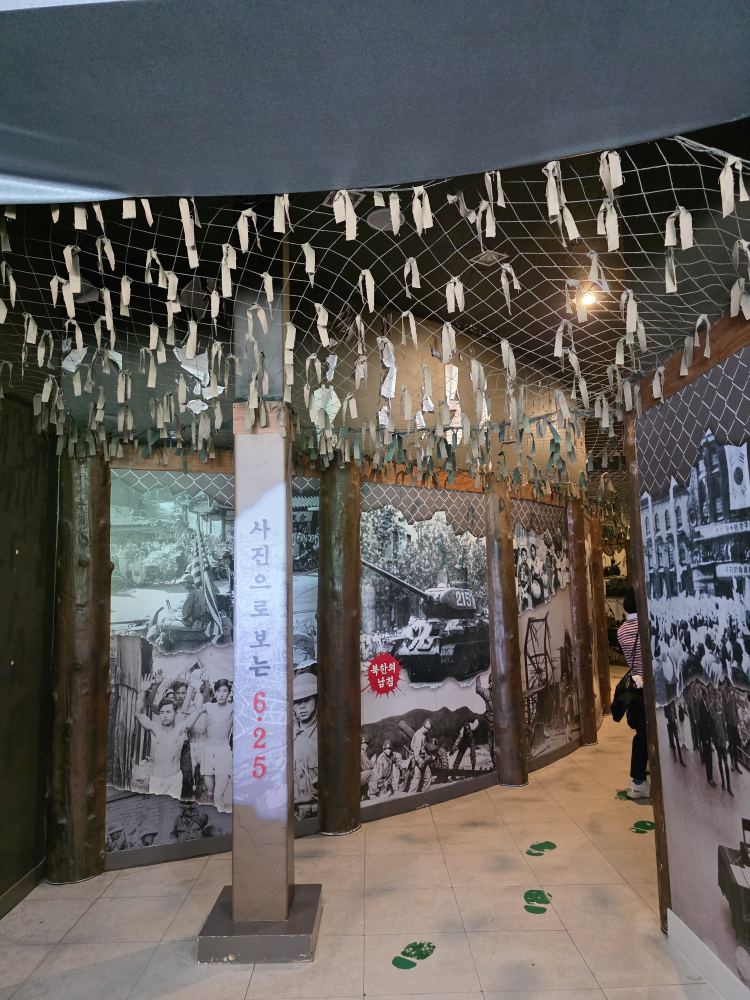
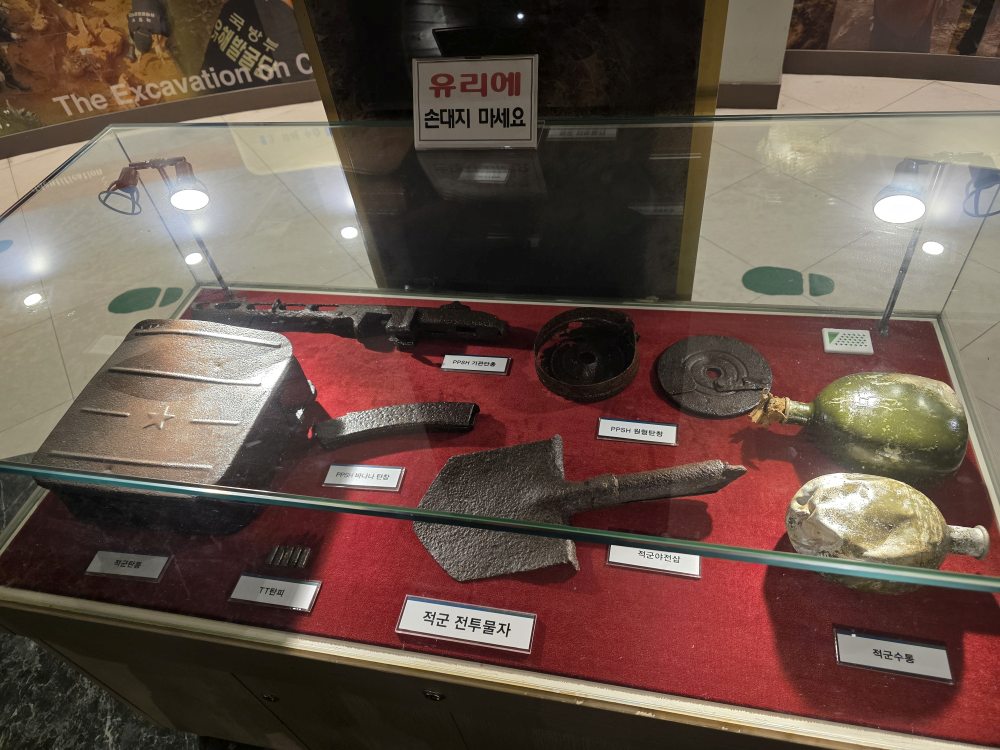
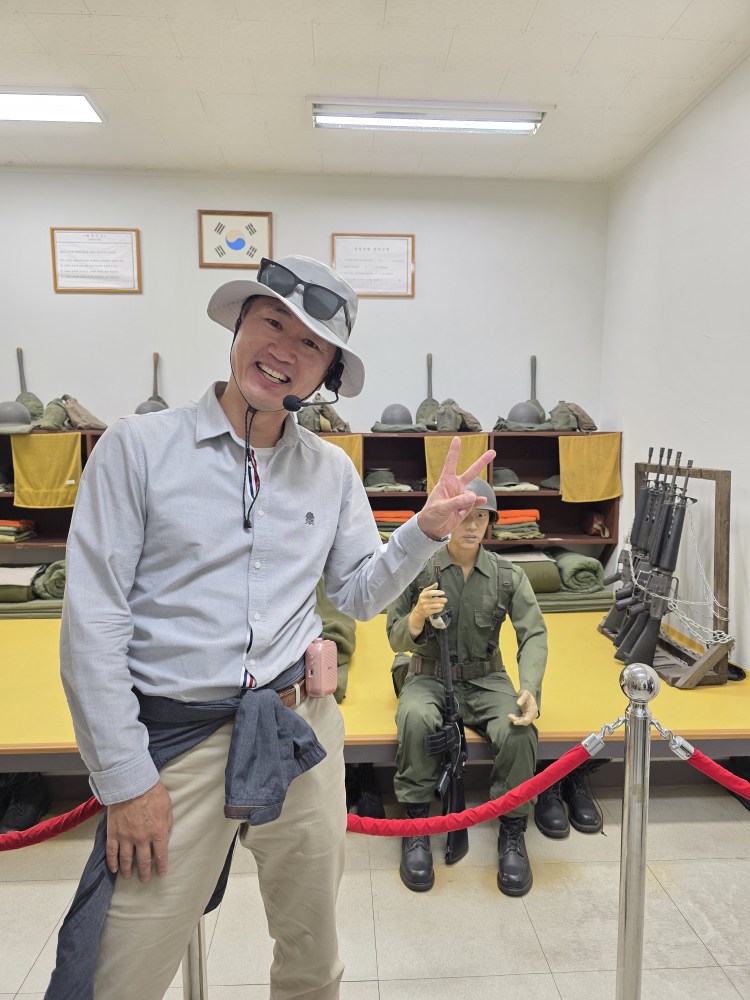
Arriving at the DMZ complex, we begin our tour in the Korean War Experience hall where there are some great exhibits that provide insights into the 2-year war. A good timeline, great photos and props, displays on how remains of soldiers were recovered and identified and the complexities of doing so (the project just started in 2000 – 50 years after the war began), weapons, models of planes, a model bunkhouse (where Chan poses for a photo). At the end we watch a short movie that provides an overview of the outcome of the war and the sad statistics: 4 million civilian deaths; 50,000 war orphans, 10 million people separated from their families: the military casualties: 39K killed in action, 101K Missing in action. A very sobering yet incredibly well done look at the Korean War overall.
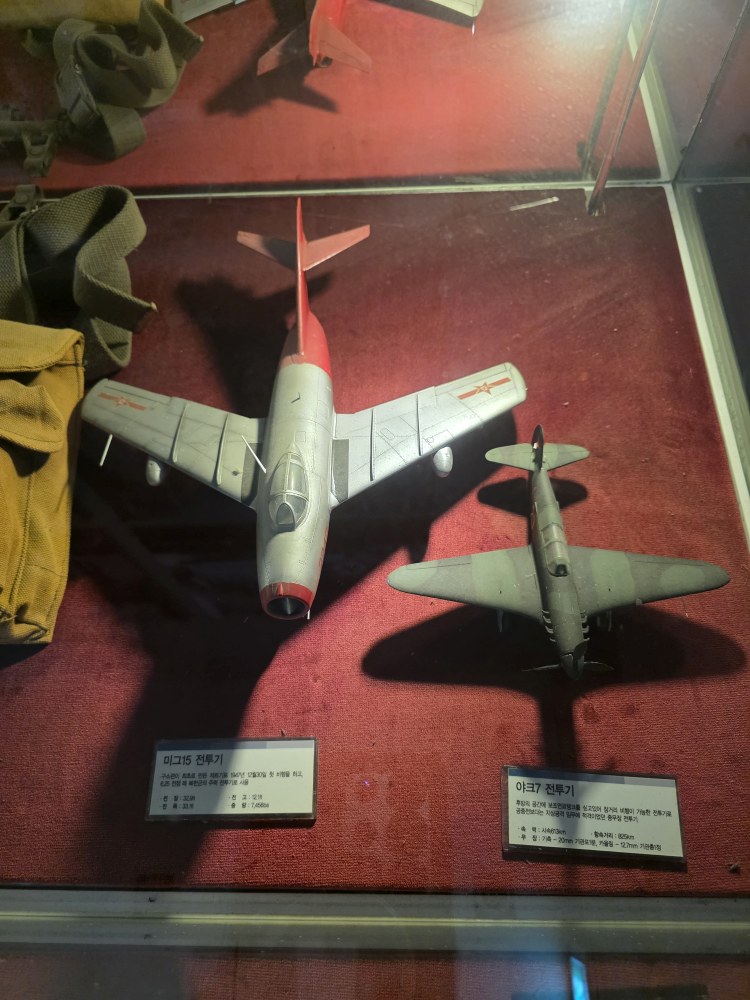
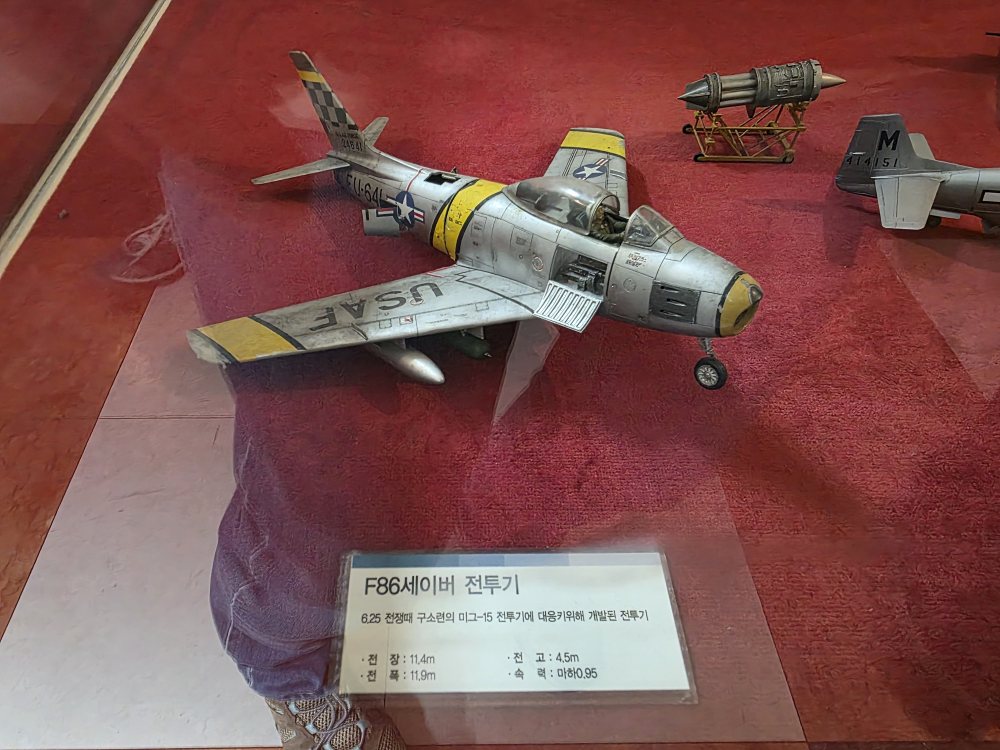
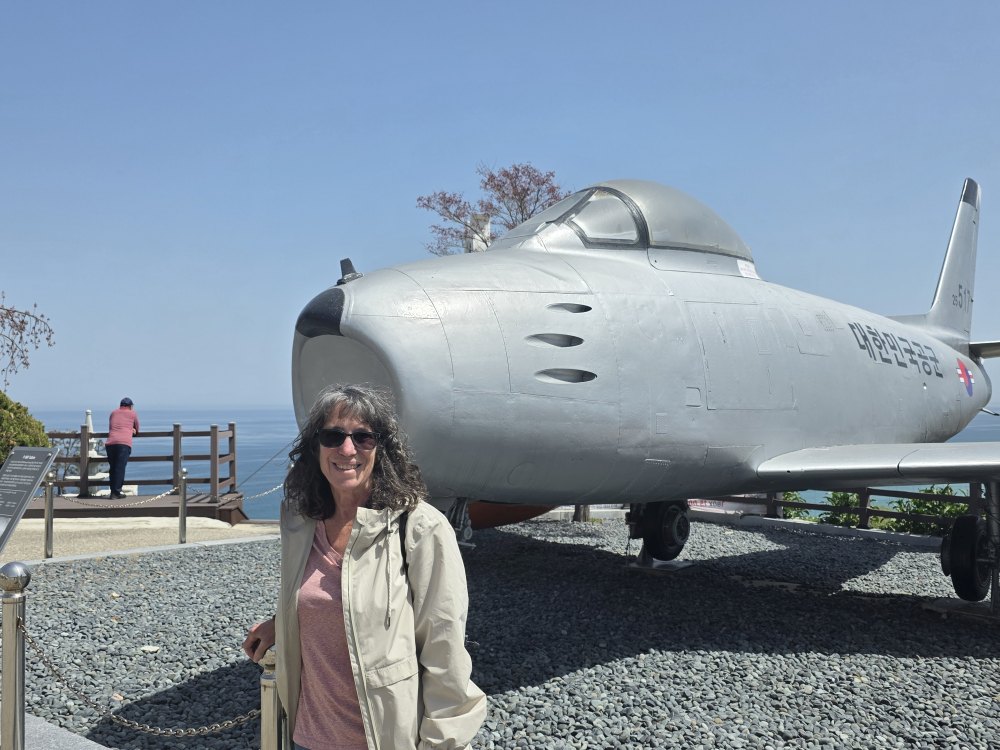
The interesting thing, which I never really through about, is the difference in how Americans are viewed here vs. Vietnam. Because the wars were so completely different, the justification, etc., Americans are viewed as the good guys, the ones who saved S. Korea. We are held in high esteem, Chan making sure we understood how appreciative he is (he thanked us numerous times) and the country for our dedication and help supporting their cause. He asks a couple of times if anyone was in the war or had family who participated – a woman got all teary eyed about her father, who had just passed away. She made it seem like he died in the war at first and we were all confused when we found out he literally just died last year. We sort of stayed quiet, not wanting to rain on her parade, but eventually told Chan about my Dad and his fighter pilot days. We were even able to show him one of the pictures we had of Dad in his plane. Oh, you would have thought Chan had died and gone to heaven – he was so excited and thankful (after he chastised us for not telling him sooner!). Now he was all over us – and made sure we knew that we could see the same plane Dad flew at the Unification Observation Tower where we would visit next.
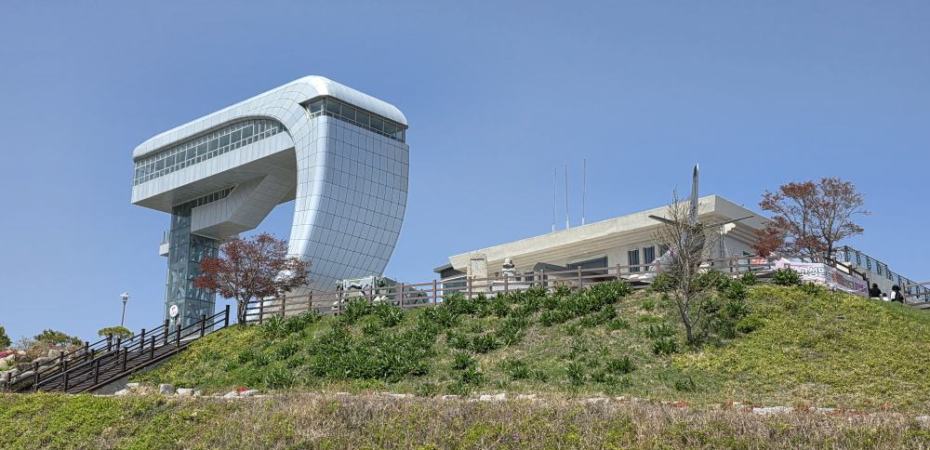
Up the big hill we go to the weirdly designed Unification Tower.
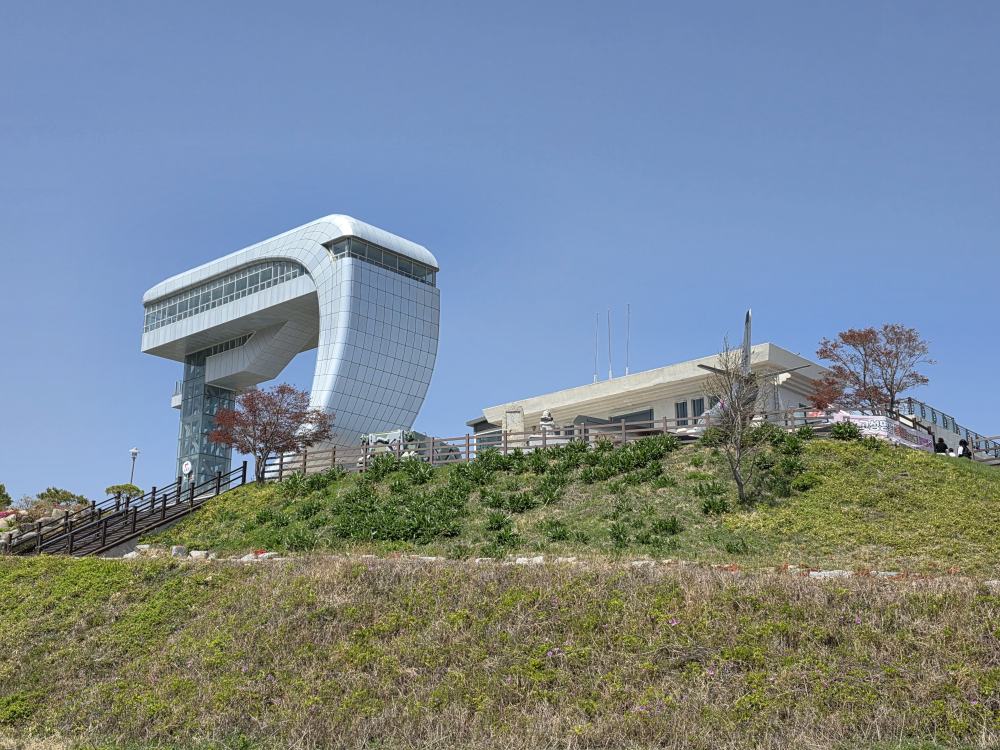
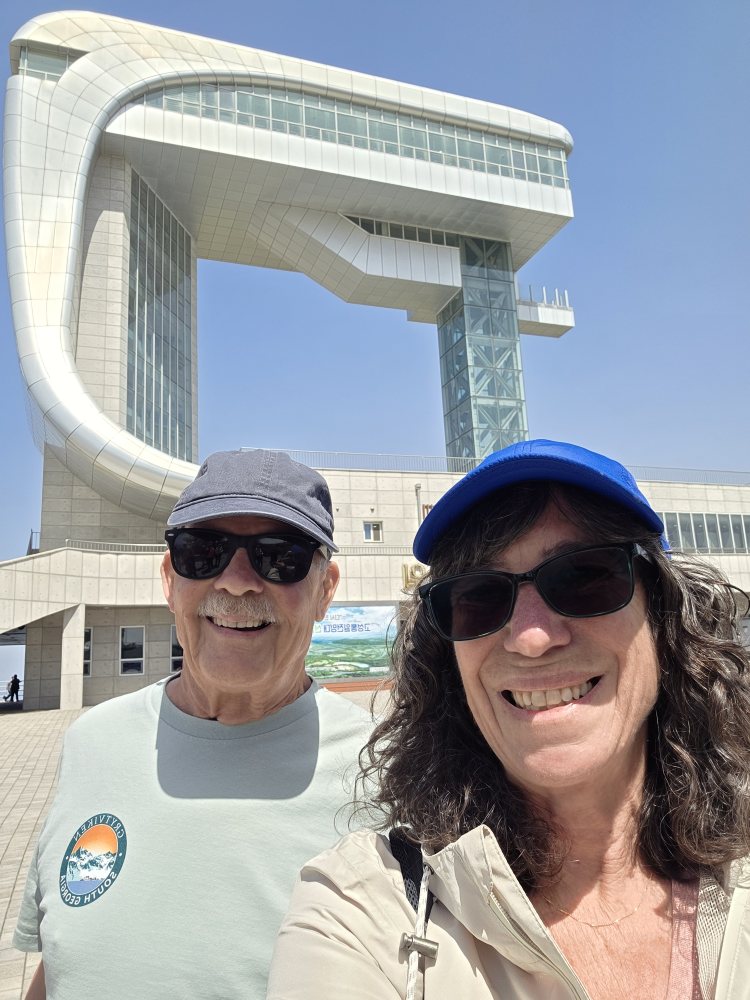
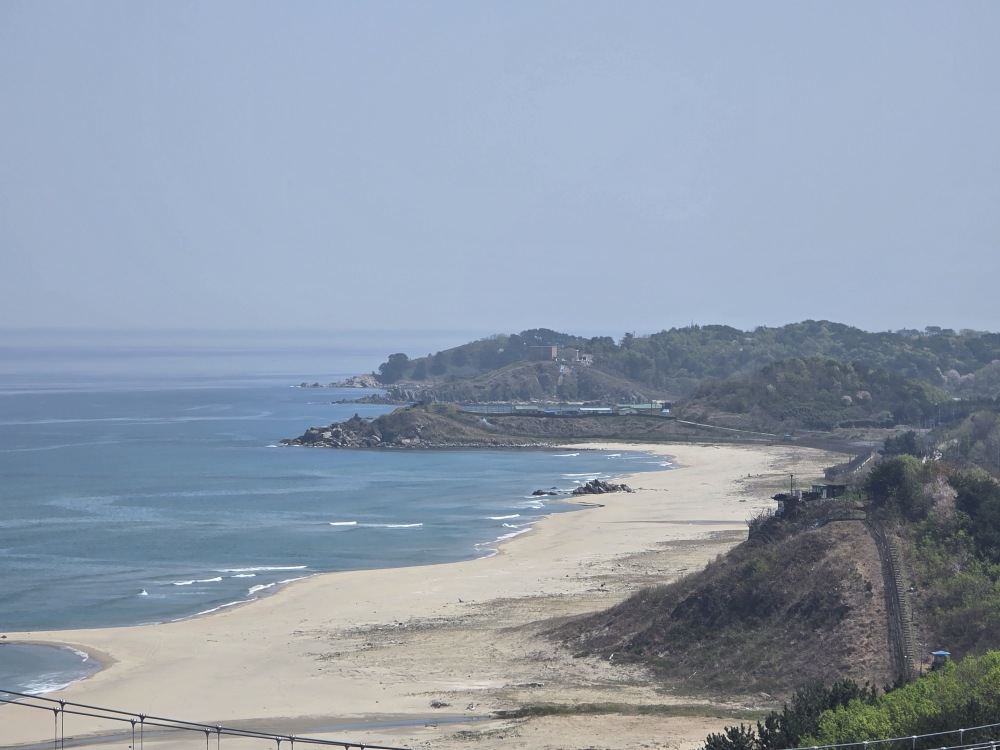
Up in the observation tower, you can clearly see across the 2.5 miles of DMZ to the N. Korean border – even the N. Korean military post on the far end of the zone. Very odd to be able to just look out over a lovely seaside area and know that it is filled with mines and is a no-go zone for anyone other than the very few who have permission to cross.
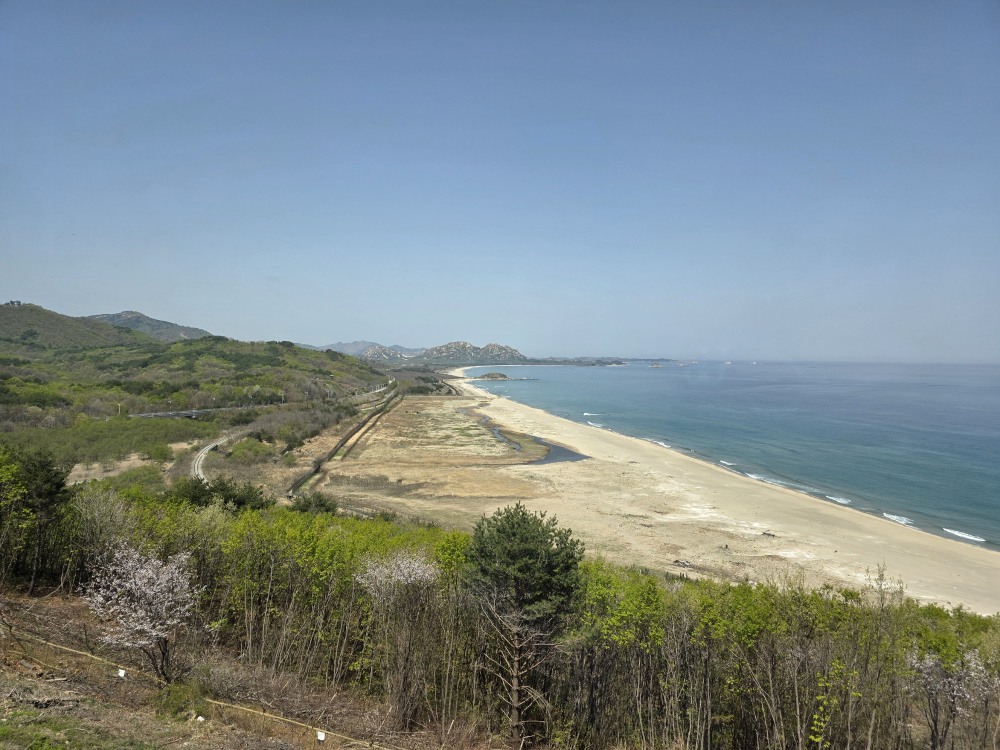
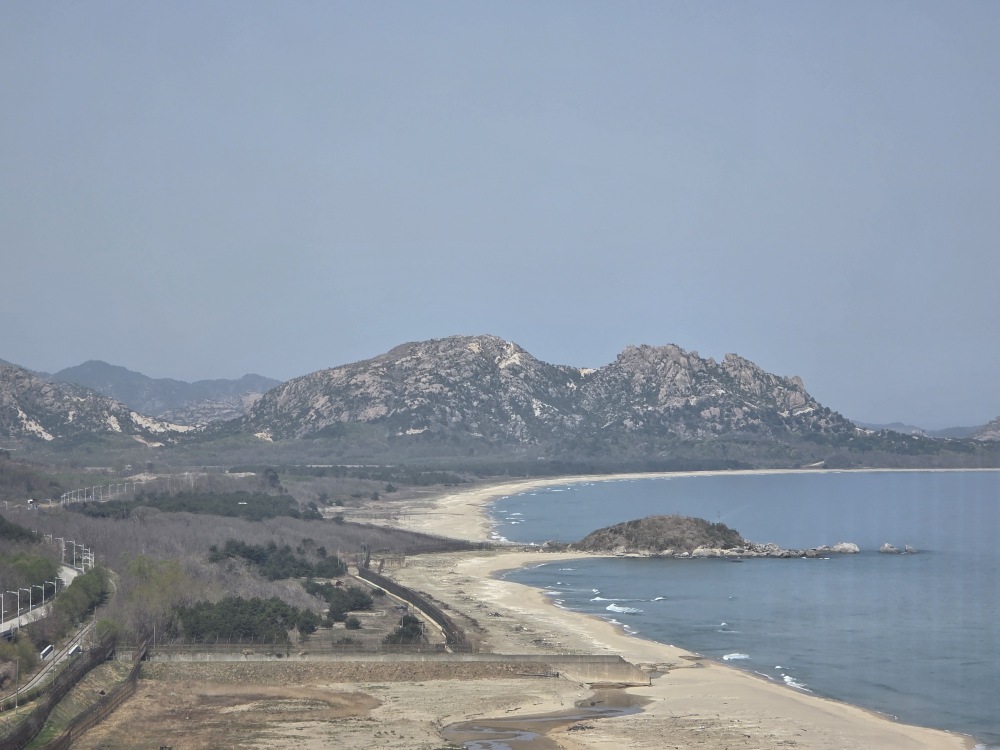
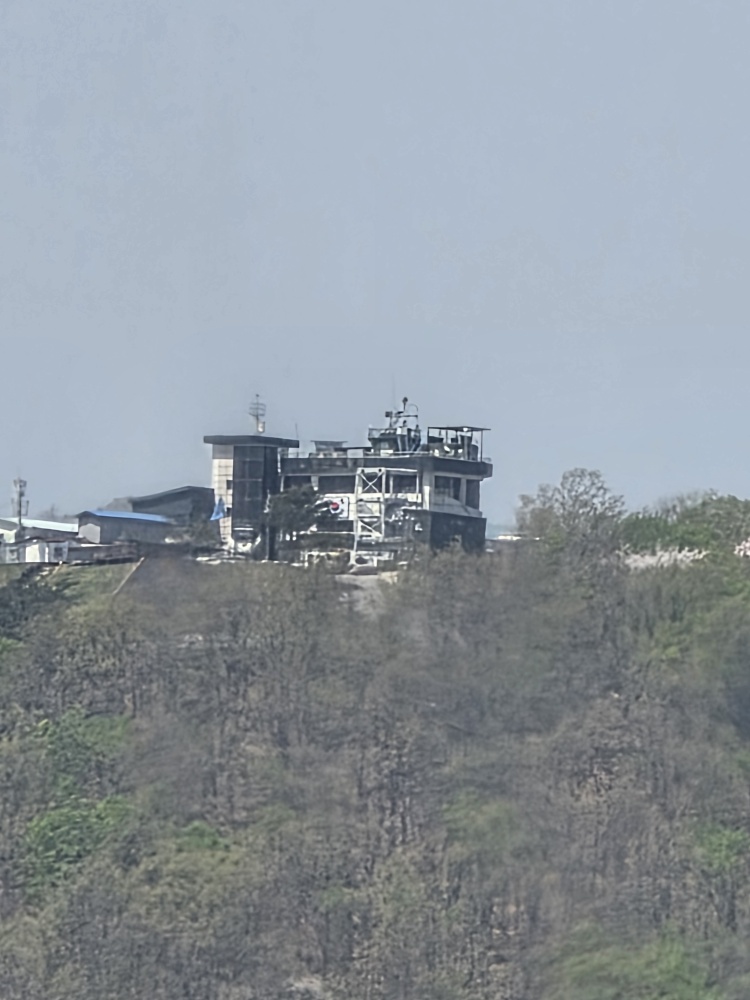
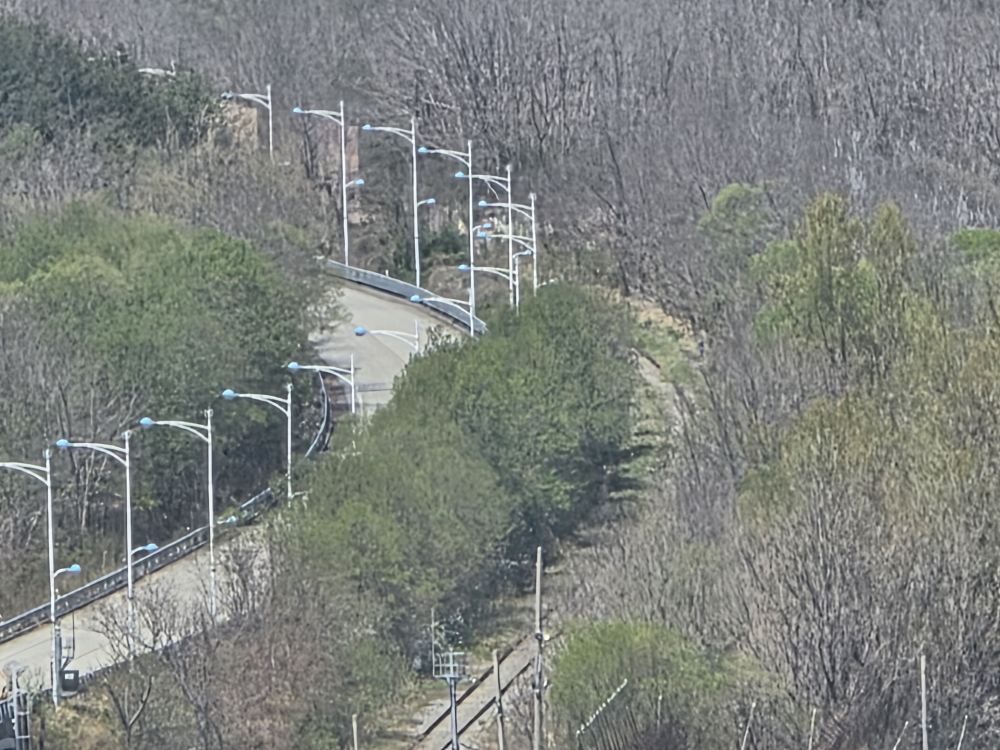
Here too there is a small museum that focuses mainly on the impact the war and the DMZ have had on the Korean population. Chan explains more about the separated families and shows us a timeline of the events that led to the DMZ from 1950 to current day. One of the women just can’t understand why people can’t just walk across the border or get permission to visit. She repeatedly asks the same question in disbelief. (Ok, we’re in disbelief over the lack of awareness, shall we say, of some people in the world, especially as they travel the world.) He also explains there are different languages – and characters – for South and North Korea. Crazy! It started as the same country – and now are so completely wildly different. Boggles the mind.
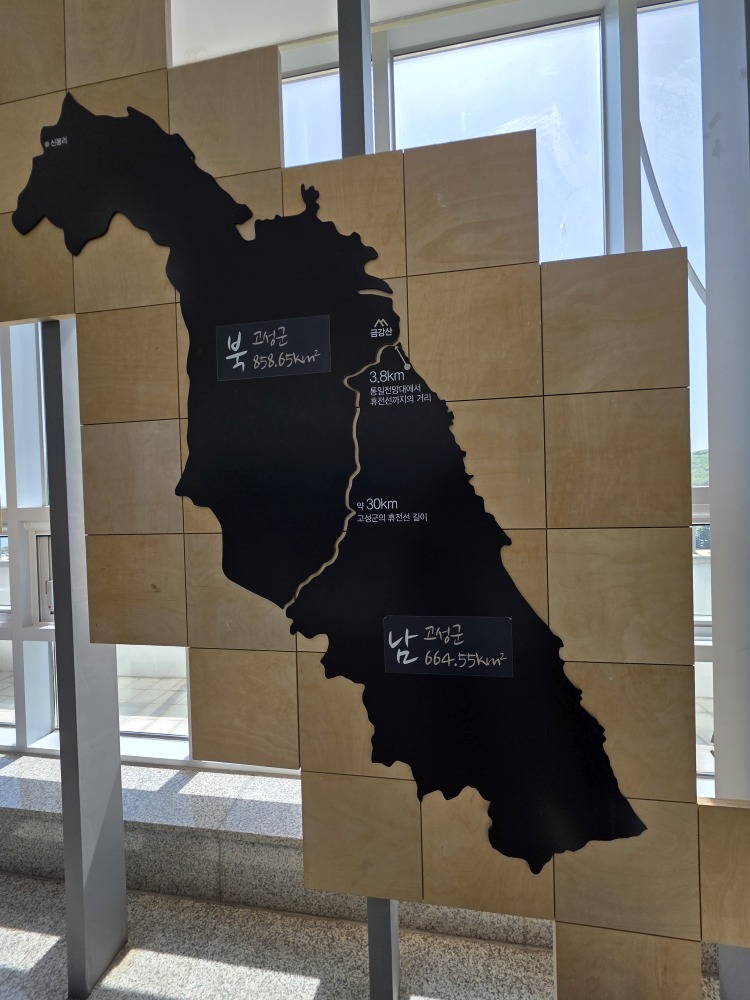

There are also displays on food – and a fascinating exhibit on Mt. Geumgang, a famous mountain right here in the DMZ with 12,000 grand peaks that look different during each season. In 1998 a tour company set up shop and created the first hotel-style cruise ship in Korea to sail into the harbor of Sealbangho to go to Mt. Geumgang. An overland route to the mountain was also opened in 2003 and by 2008, almost 2 million visitors had come here. Then in July of that year, a S. Korean tourist was shot dead by a N. Korean soldier and that was the end of tourism here. And, obviously, as tensions have mounted, that particular idea has yet to be re-established – for the apparent reasons!
Outside, there is a lovely observation deck where we linger for a bit, taking more photos of the DMZ without the windows or reflections. Chan holds court on one side, while we wander around to the end of the outside deck, overlooking the concrete Buddha and shrine statues – as well as the weird suspension bridge that we find out later is going to be a tourist attraction when it opens – you can pay to walk across it. Like the Observation tower and museum aren’t attractions enough?
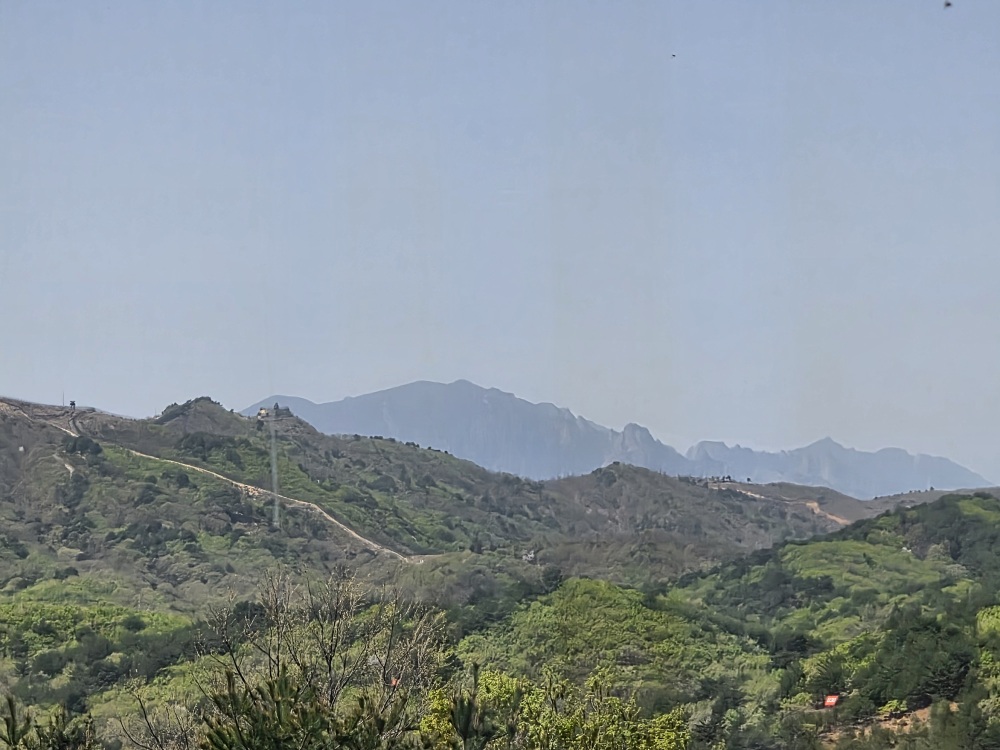
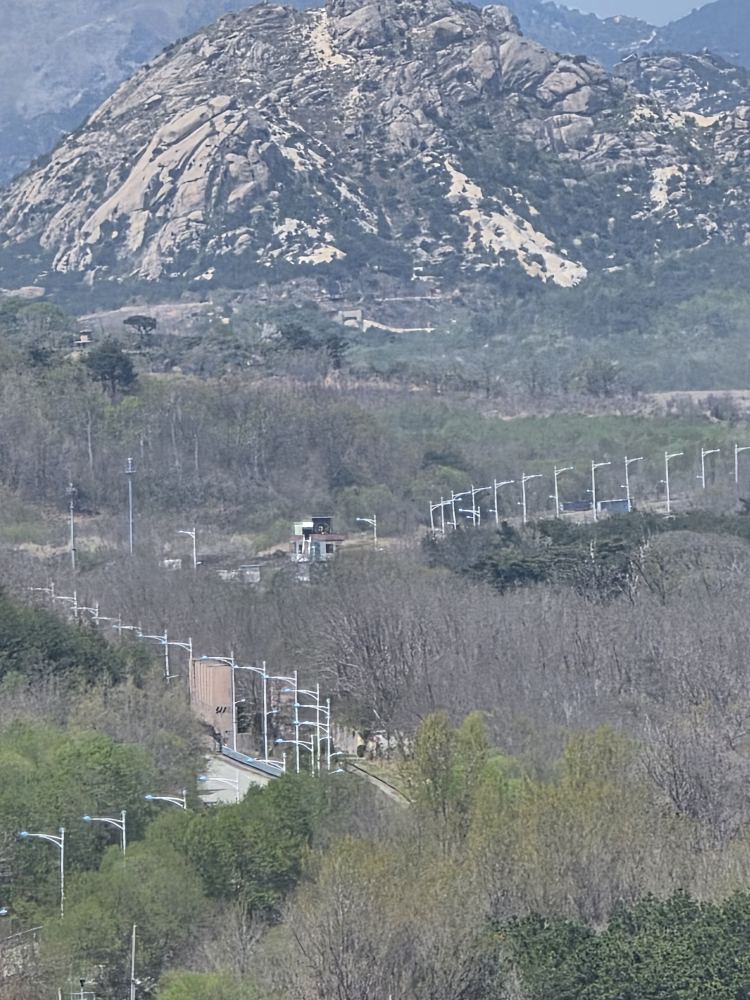
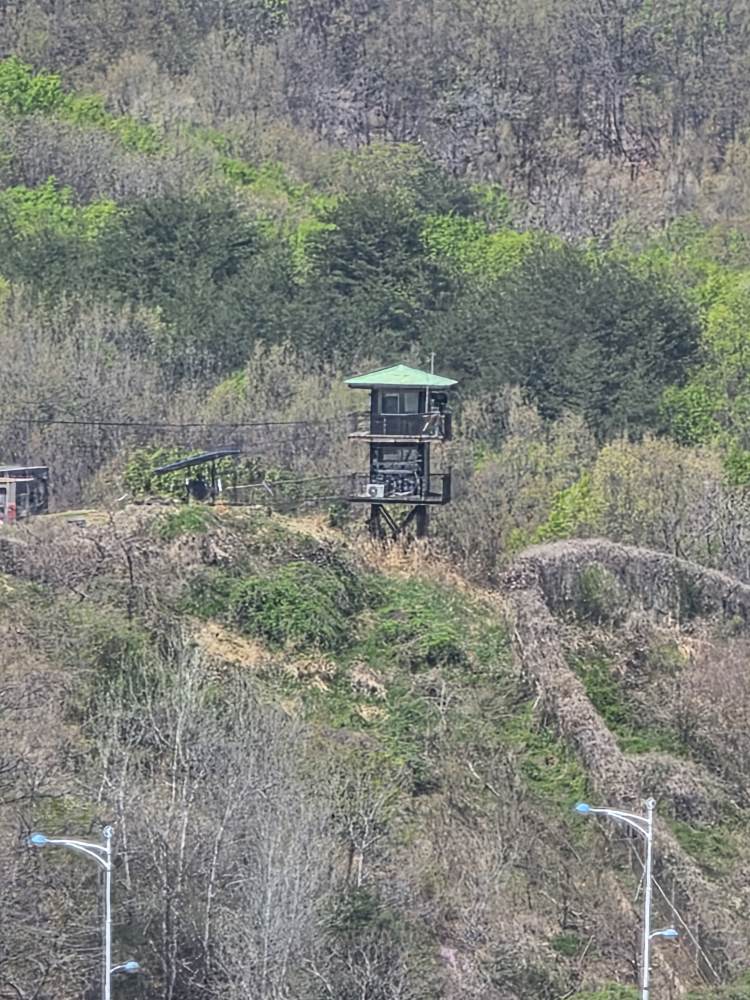
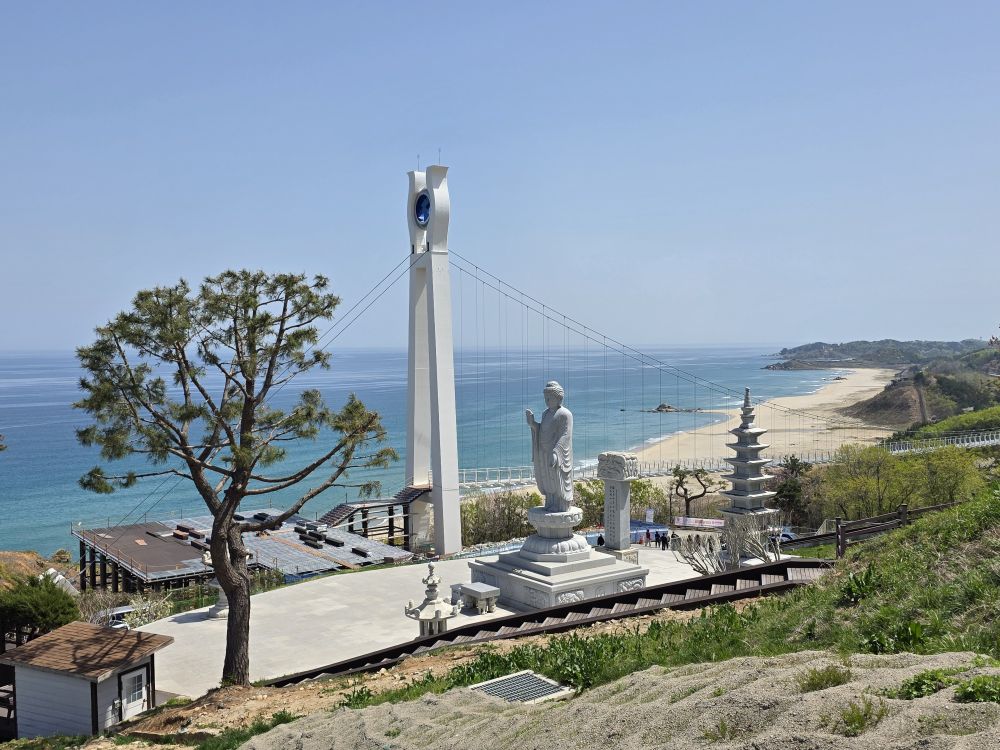
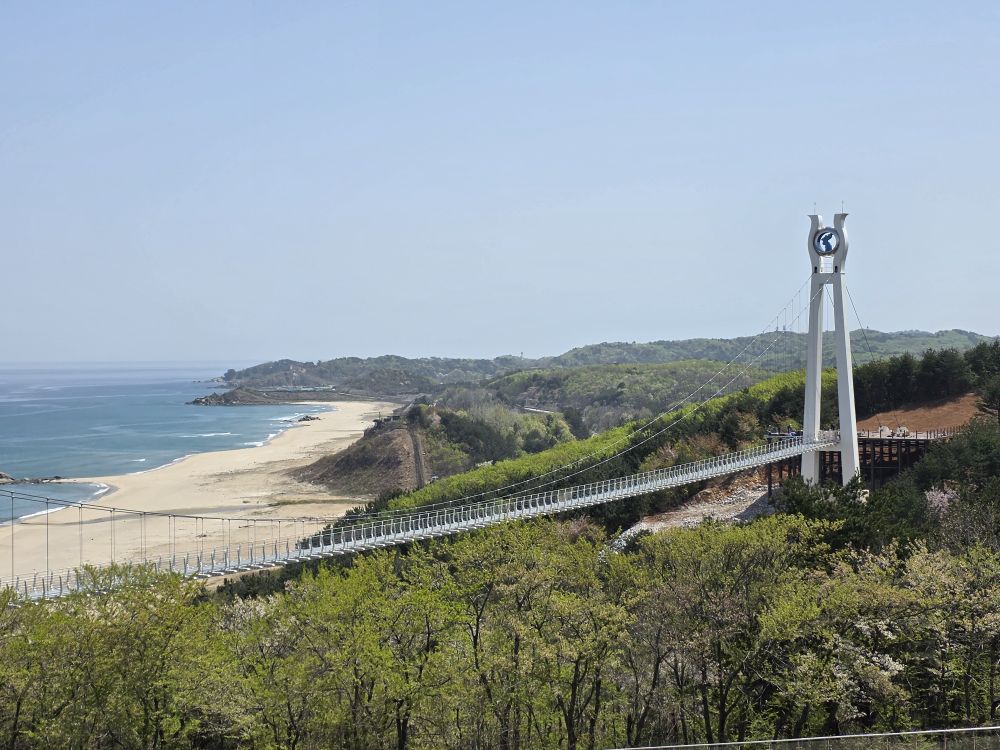
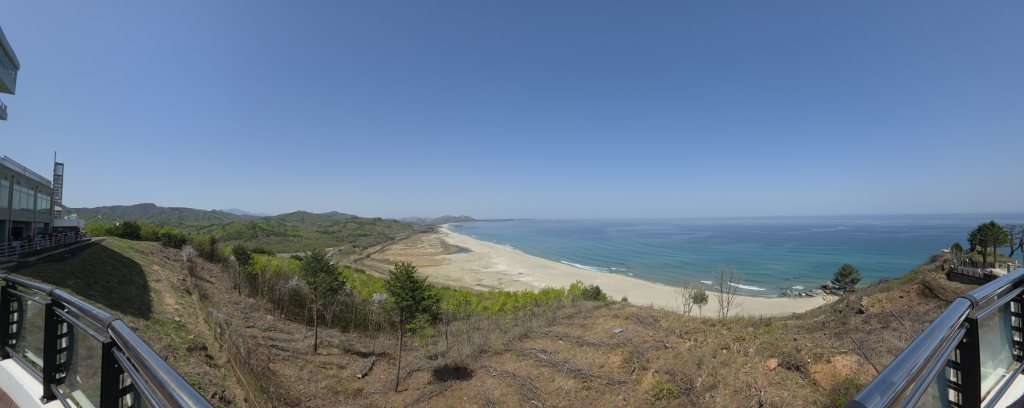
Circling back to the front, we get our photo with a fighter jet similar to Dad’s and then wander about, snapping more photos of the area.
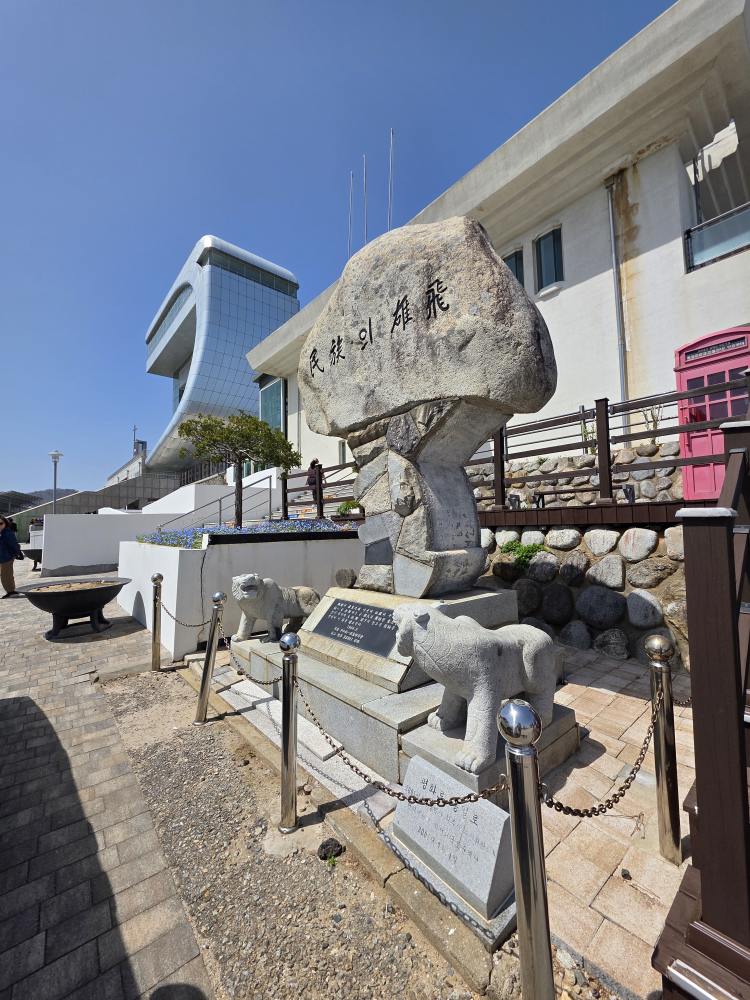
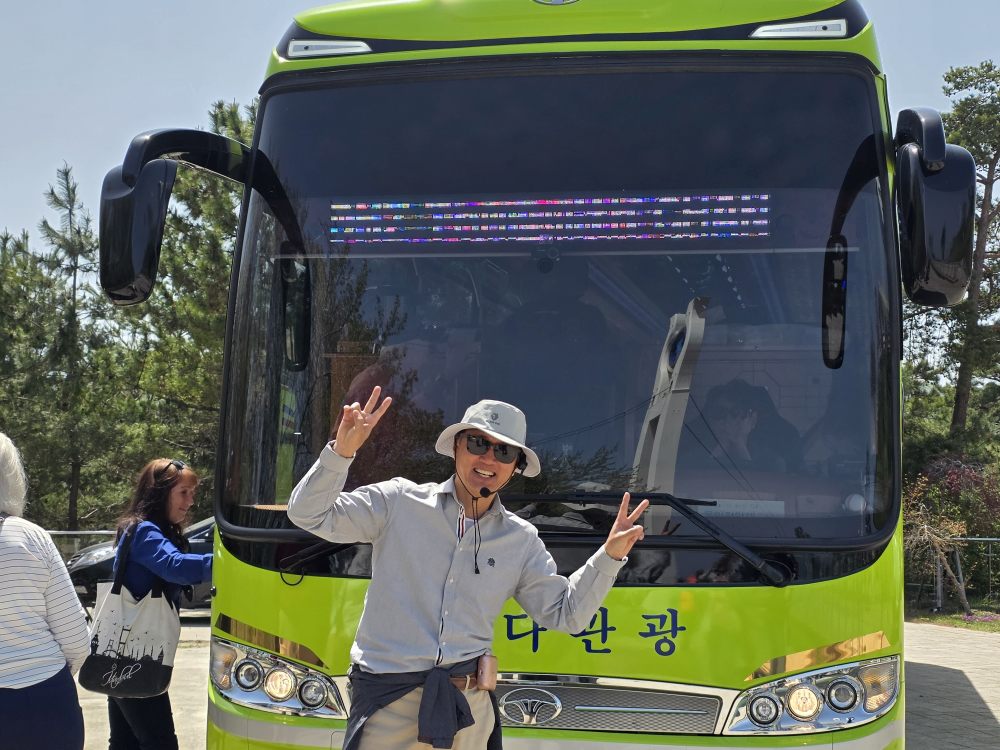
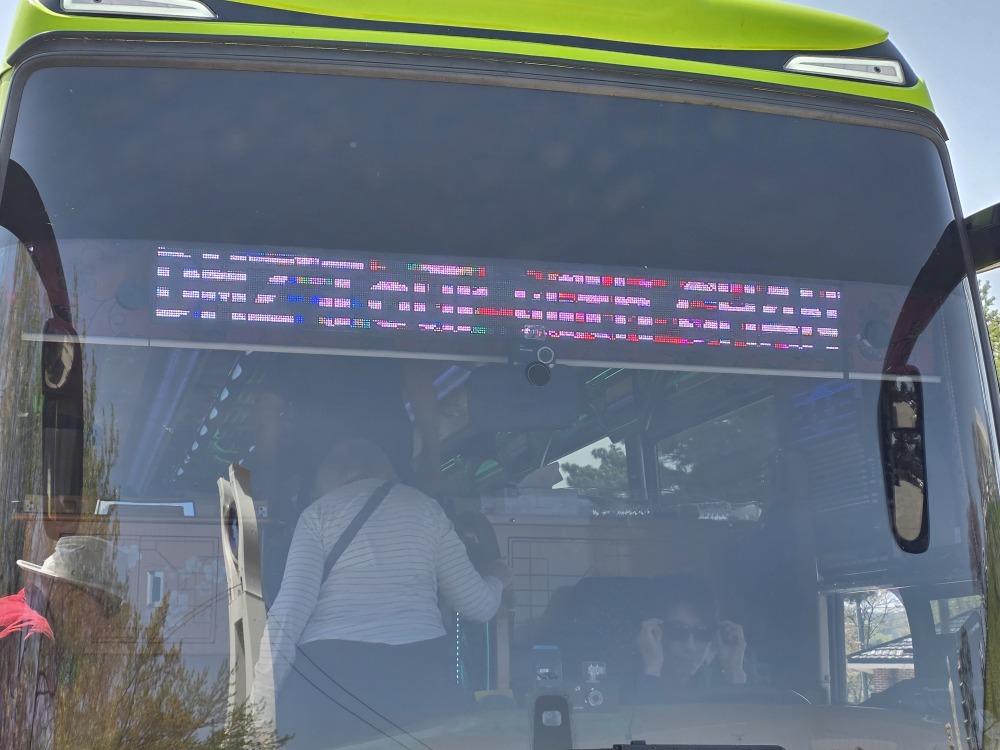
Including the damaged bus. Bummer. Chan hams it up for our photos with the bus – not for the damage, but the neon lights spell out DMZ Tour With Chan. It doesn’t show up well in the photos, but it was all there in its neon light glory. Now its on to lunch!
 Andiamo