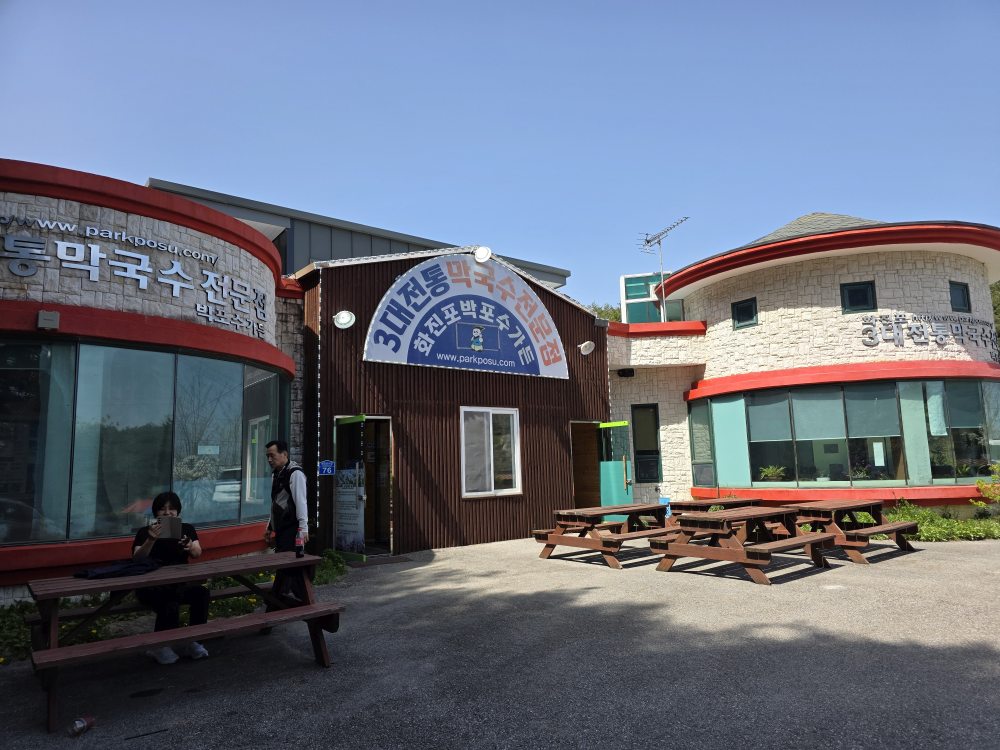
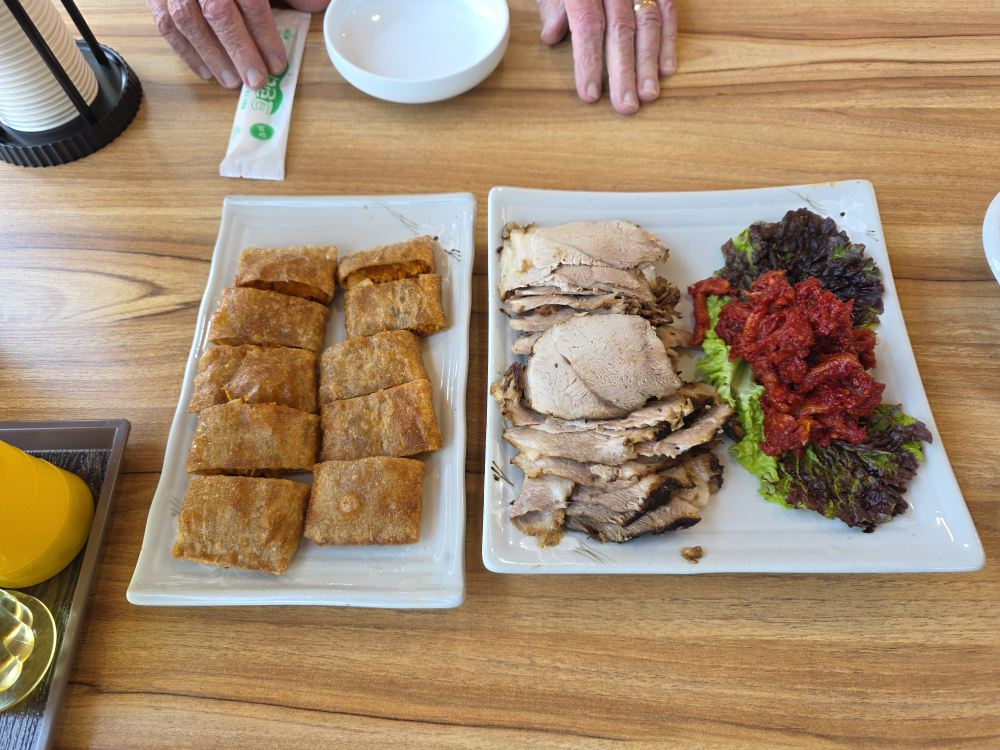
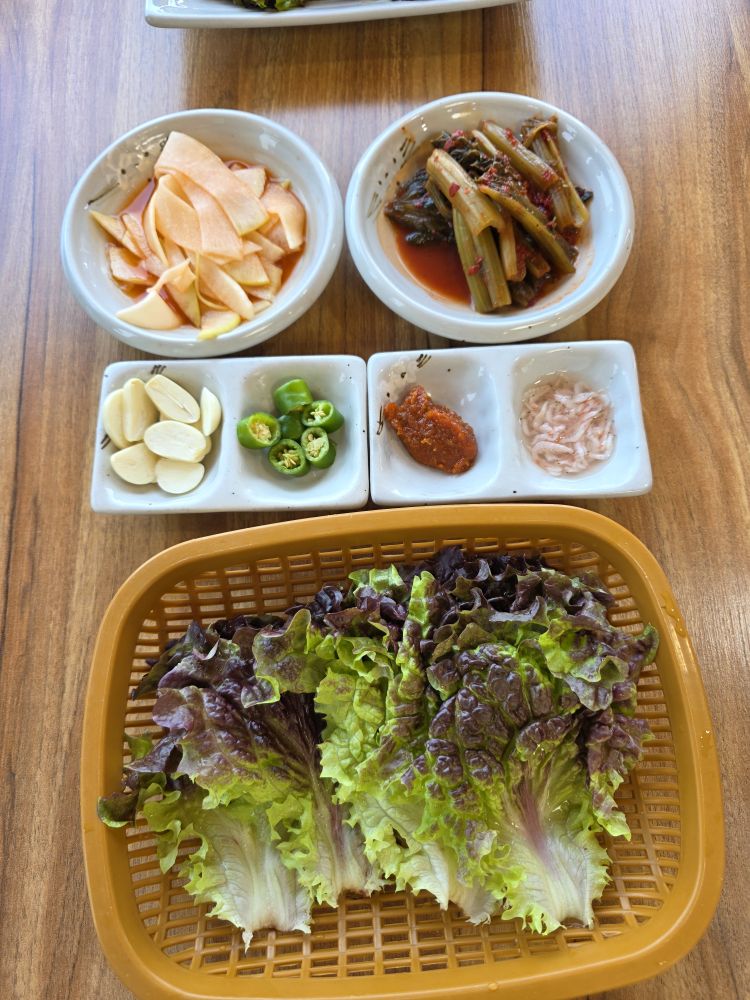
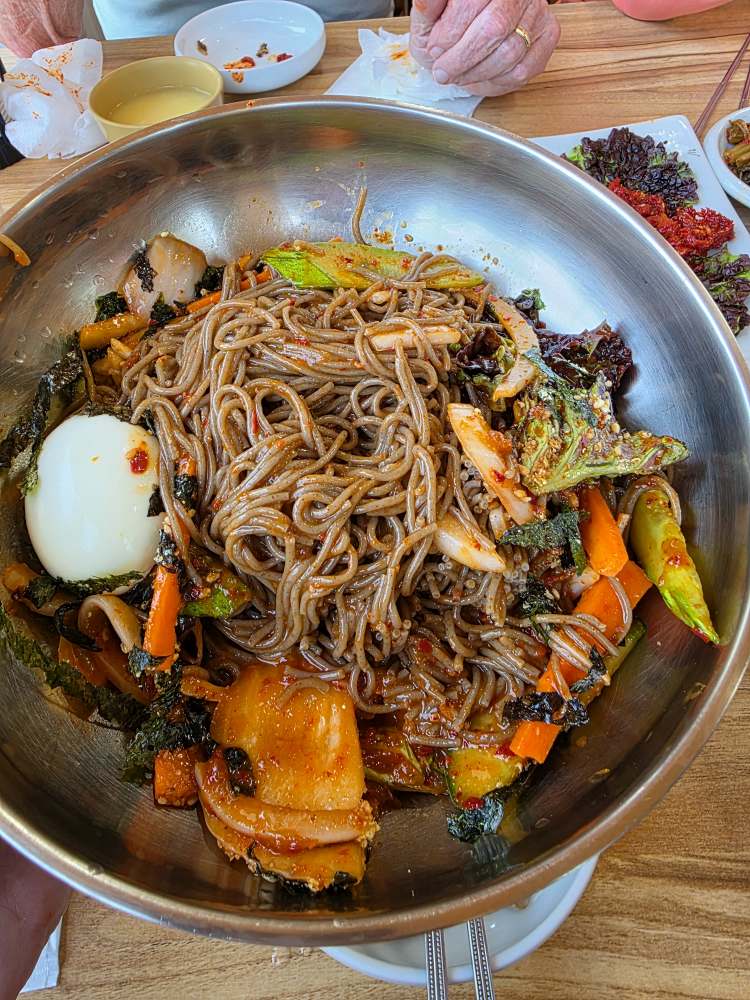
Arriving at the cute little Hwajinpo restaurant, Chan escorts us through to our own separate room for lunch, where we are served a family style meal of boiled pork with kimchi, some sort of fried eggroll type things that were described as buckwheat pancakes (ok, they were good whatever they were!), lettuce with different accoutrements and the main event: the Dongchimi Makguksu, cold noodles which again was surprisingly good! There was also natural wine, which Chan made sure to keep refilling as the meal went on – we were all happy little tourists once we left there!
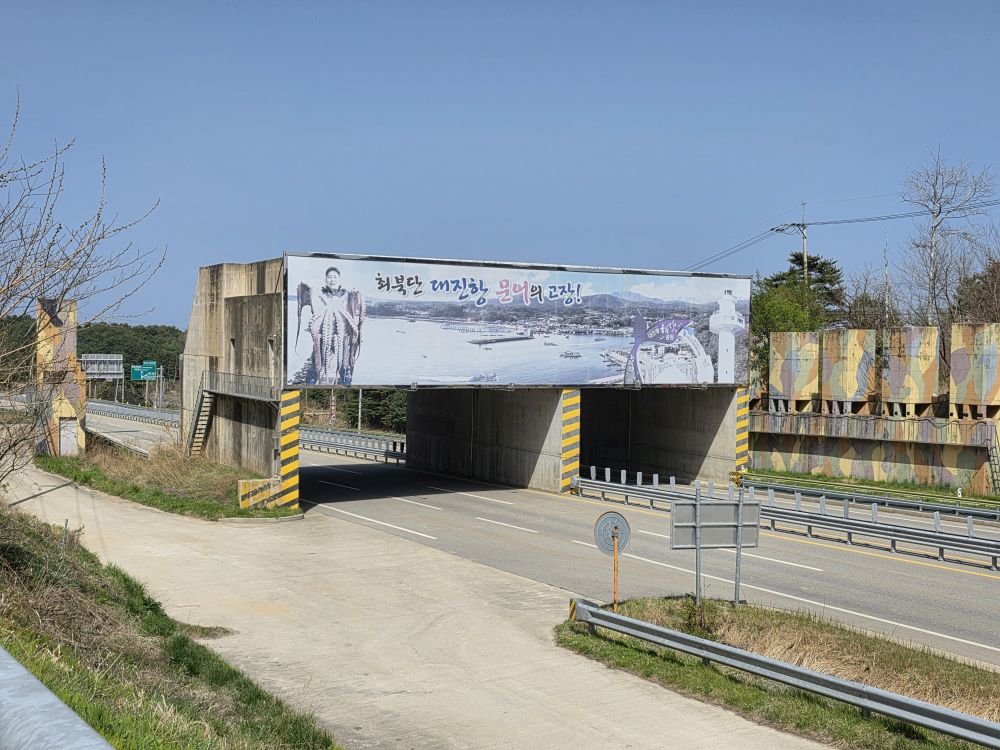
On the way out we were able to get a good photo of one of the many bridges to nowhere that dot the highways up here. This structure is actually not a bridge per se, but an overpass wired with dynamite that can be remotely detonated to collapse and block the roads. Nice to know – and to hold your breath and cross your fingers when you drive beneath it!
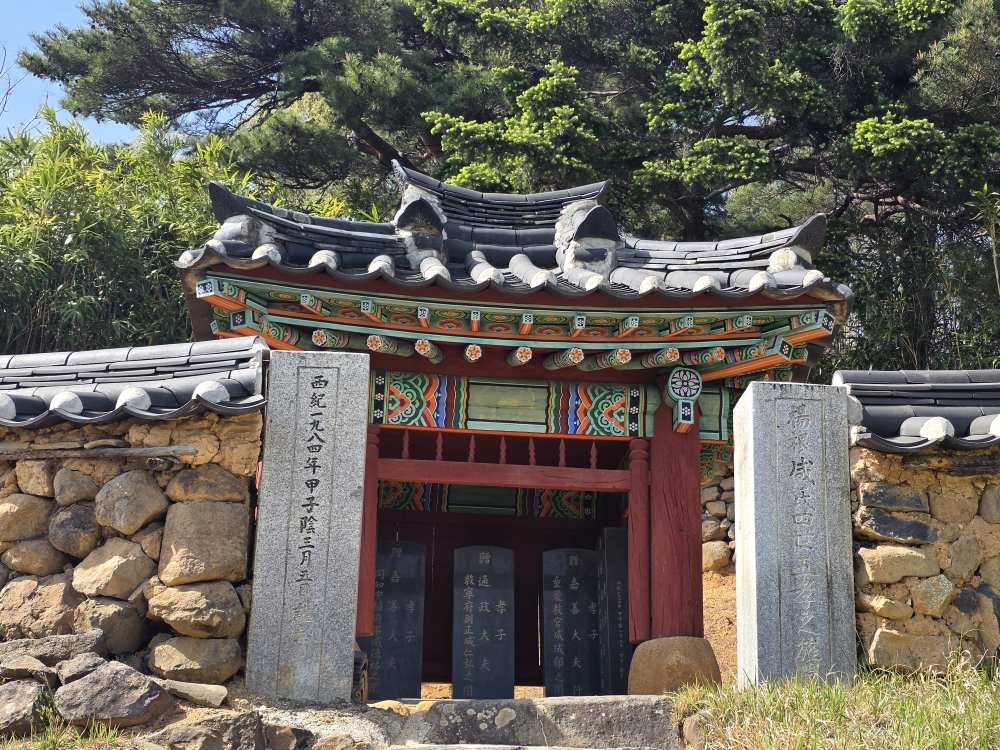
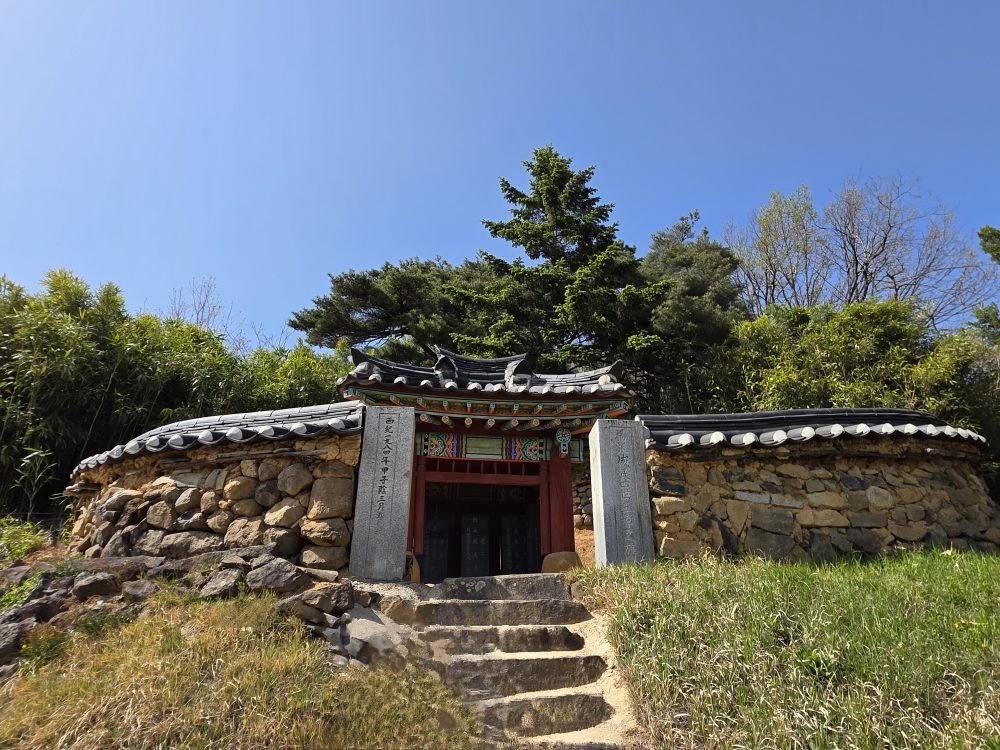
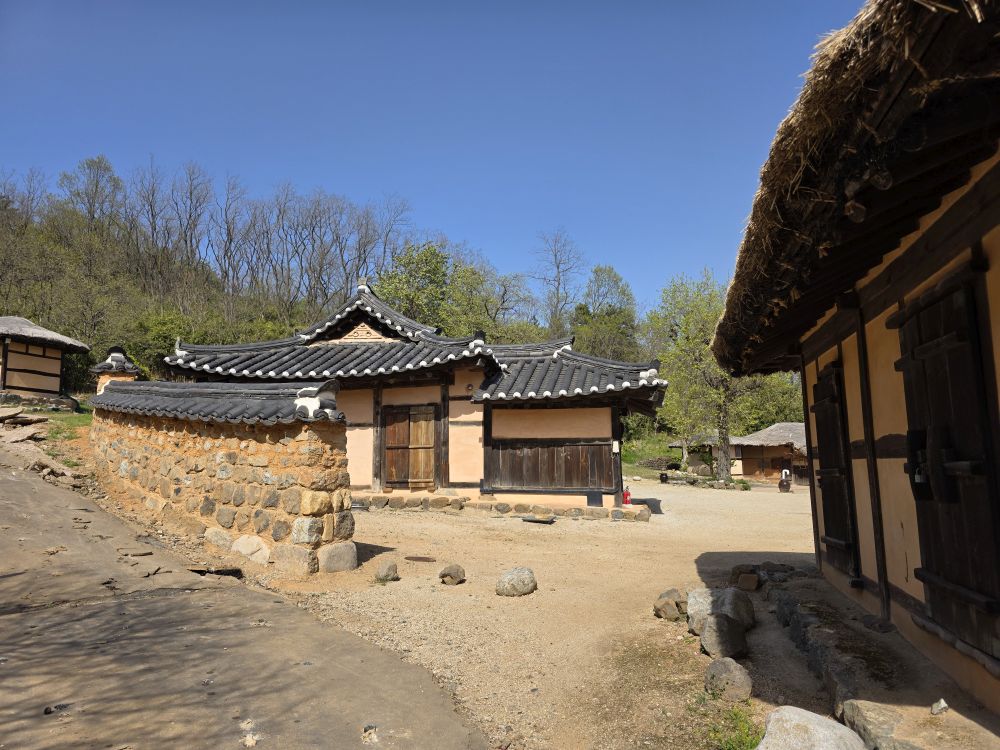
Our next stop is the traditional single clan village of Wanggok – dating from the 1200s. The traditional houses still standing here were built between 50 and 180 years ago and all belong to the same clan relations still to this day. The first structure we pass is actually a commemorative Pavillion dedicated to the filial devotion of the Yanggeun Ham Clan whose sons, grandsons and great-grandsons were each so devoted to their fathers that they performed extraordinary acts to help the father survive when they were old and seriously ill.
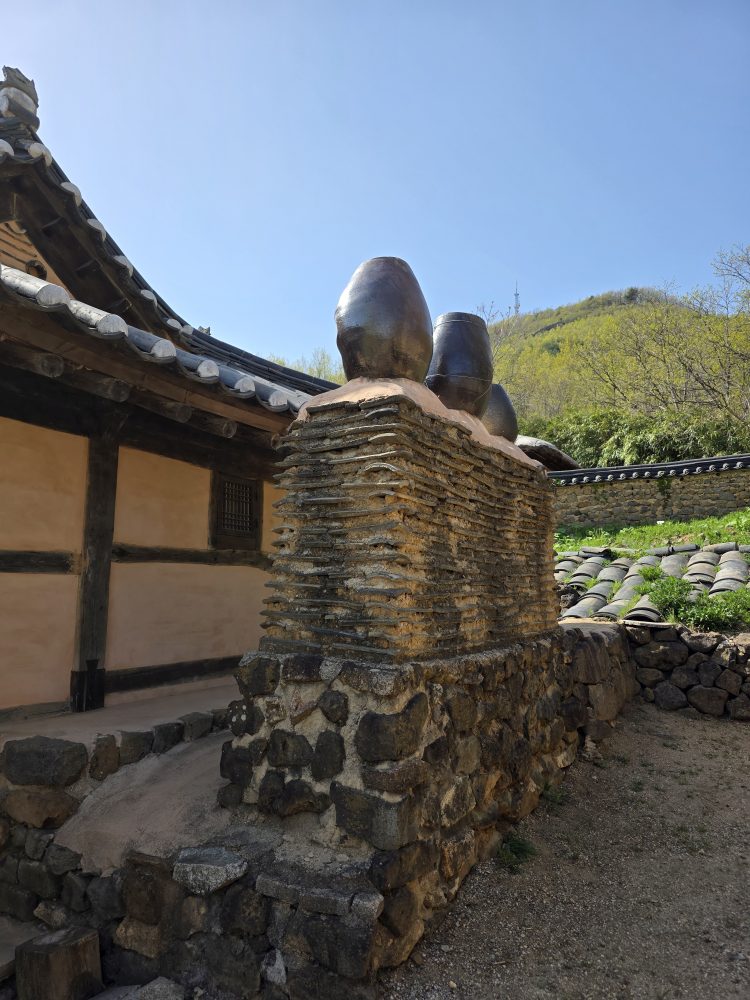
Inside the main village we are able to visit a traditional house, with its underfloor heating and traditional cooking and living areas. Everything here is original and how most of the clan still lives today – including the wood beamed ceilings and clay tiled roofs.
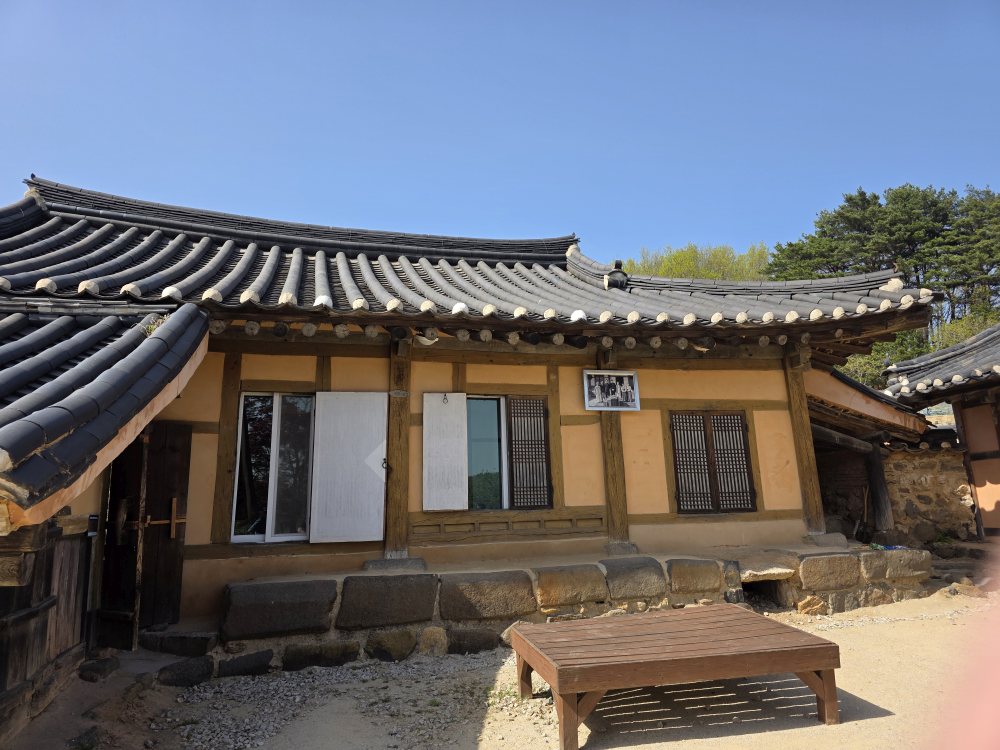
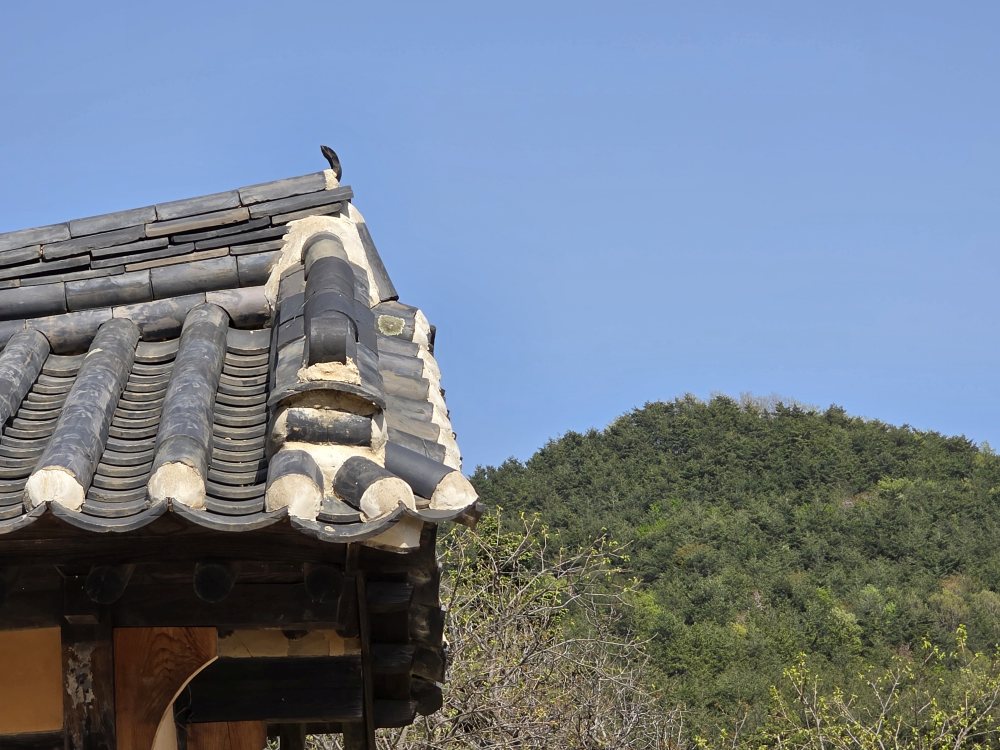
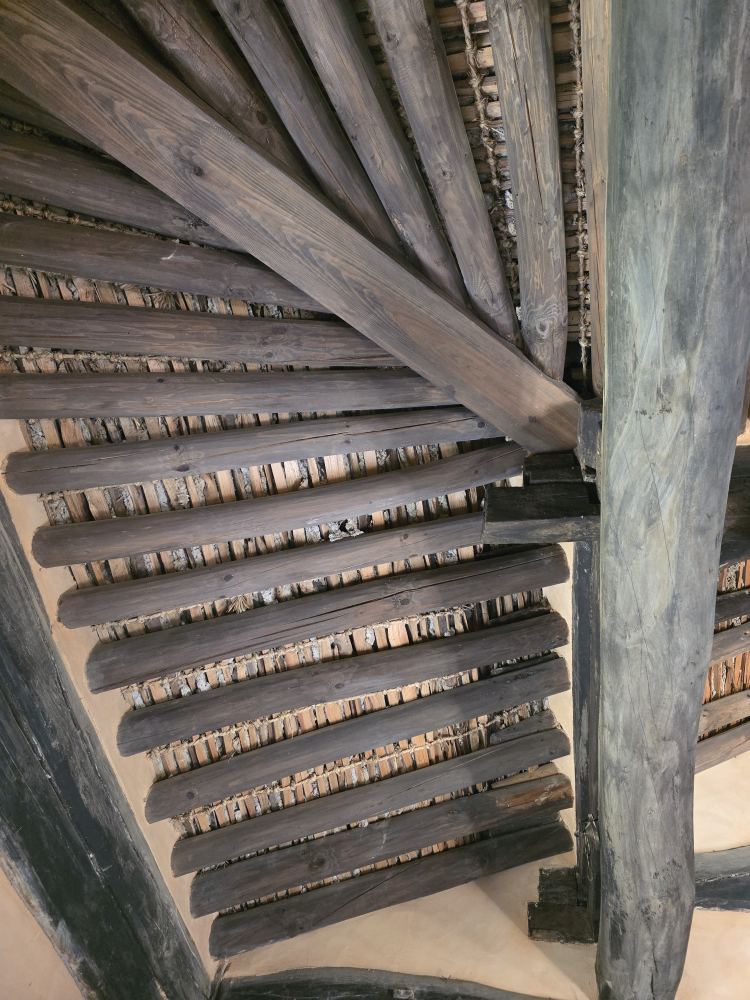
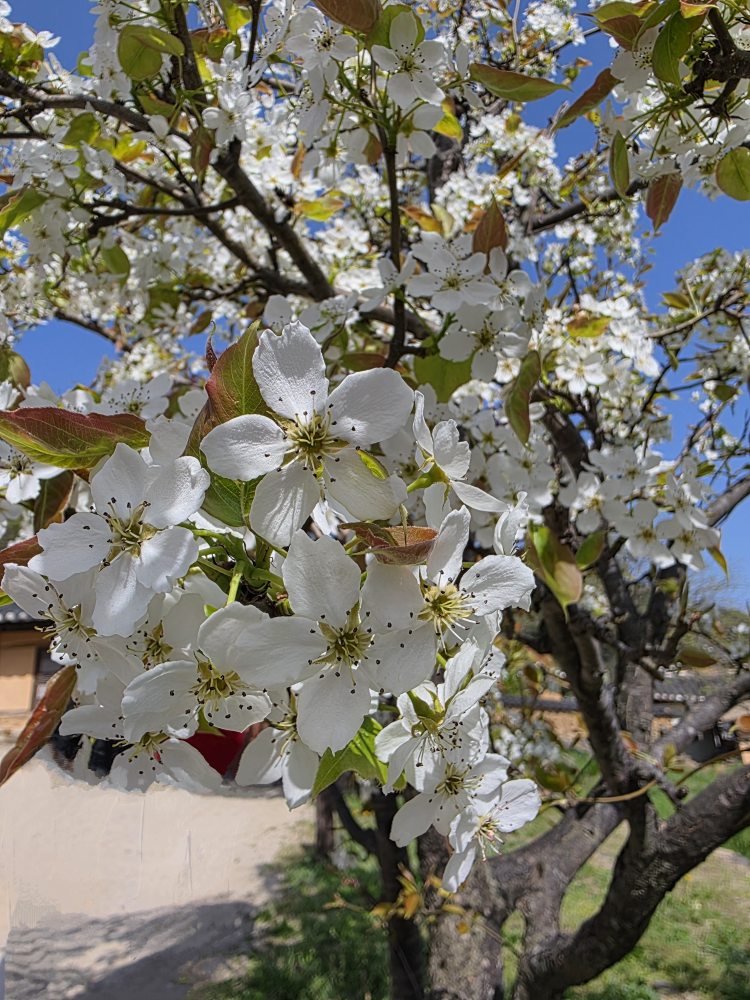
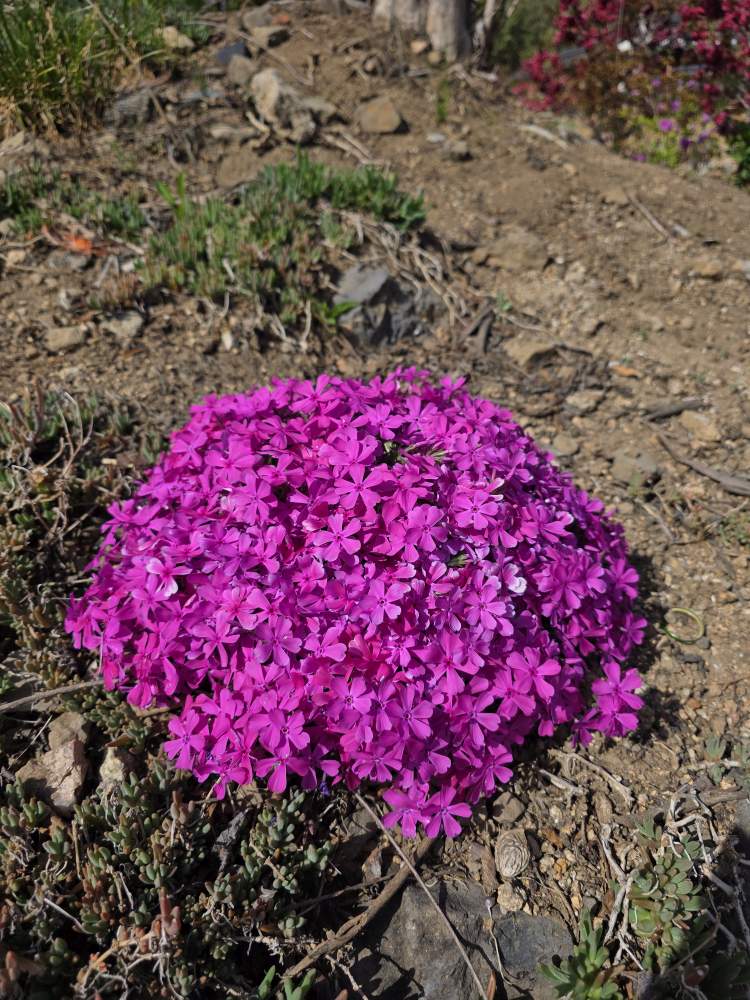
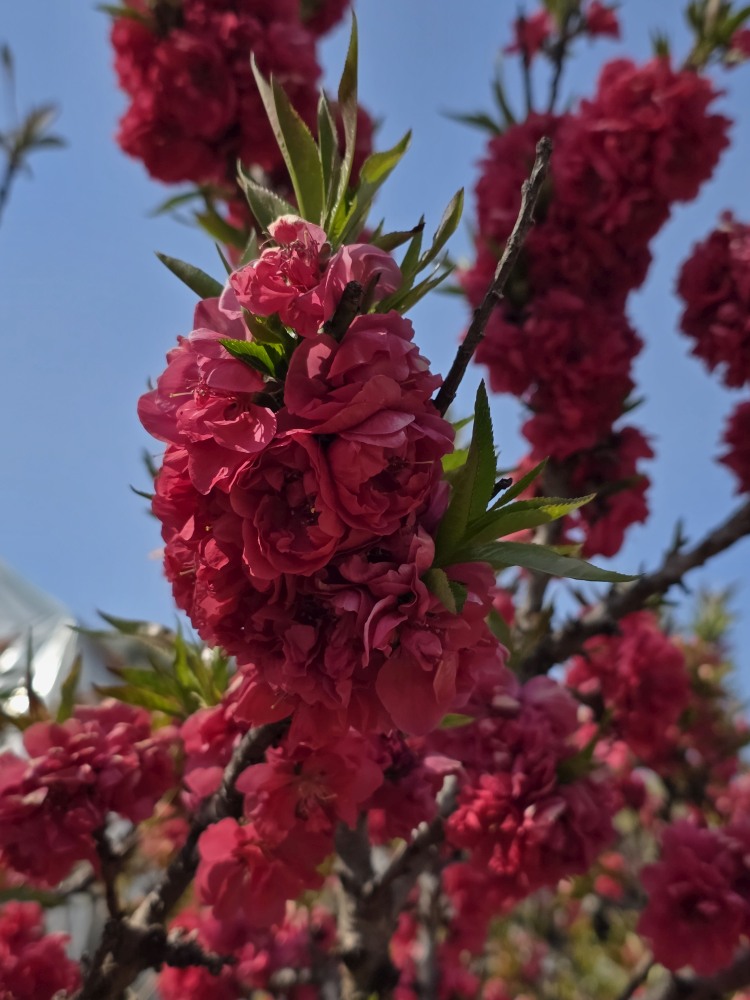
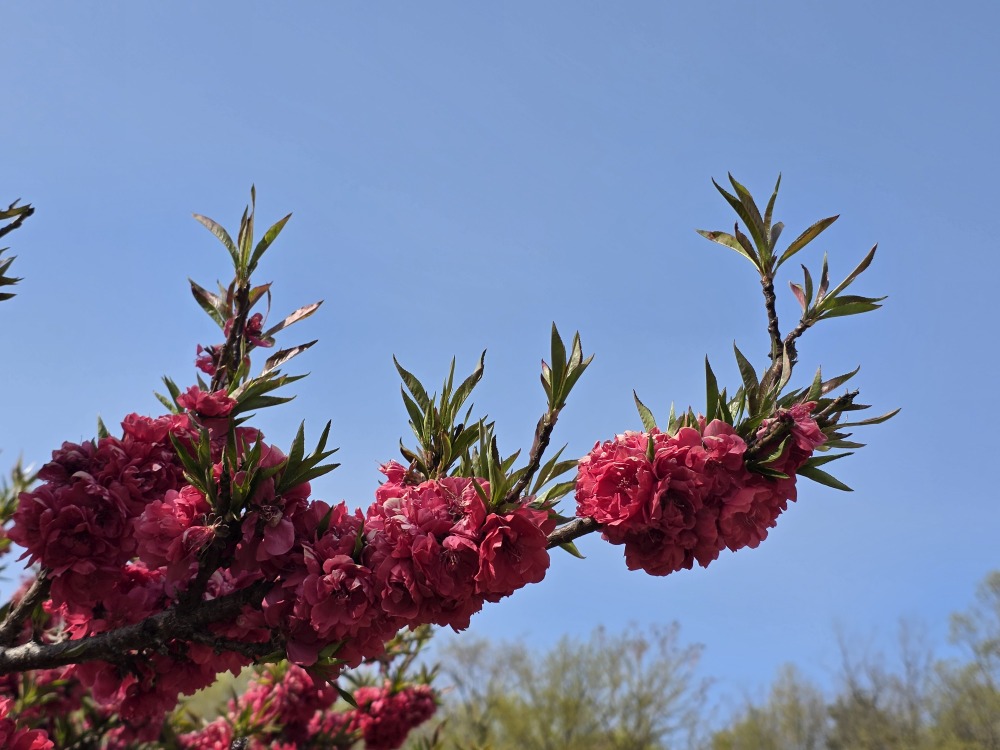
The village is extraordinary in that it still exists and is occupied today – obviously with the help of tourism, but still. Chan says people do still live here and commute into the city for work daily, so it is a live village, and it explains why it is so deserted today. Walking around, we marvel at the construction of all these structures, the beautiful cherry blossom trees and other floral blooms and just the serenity up here.
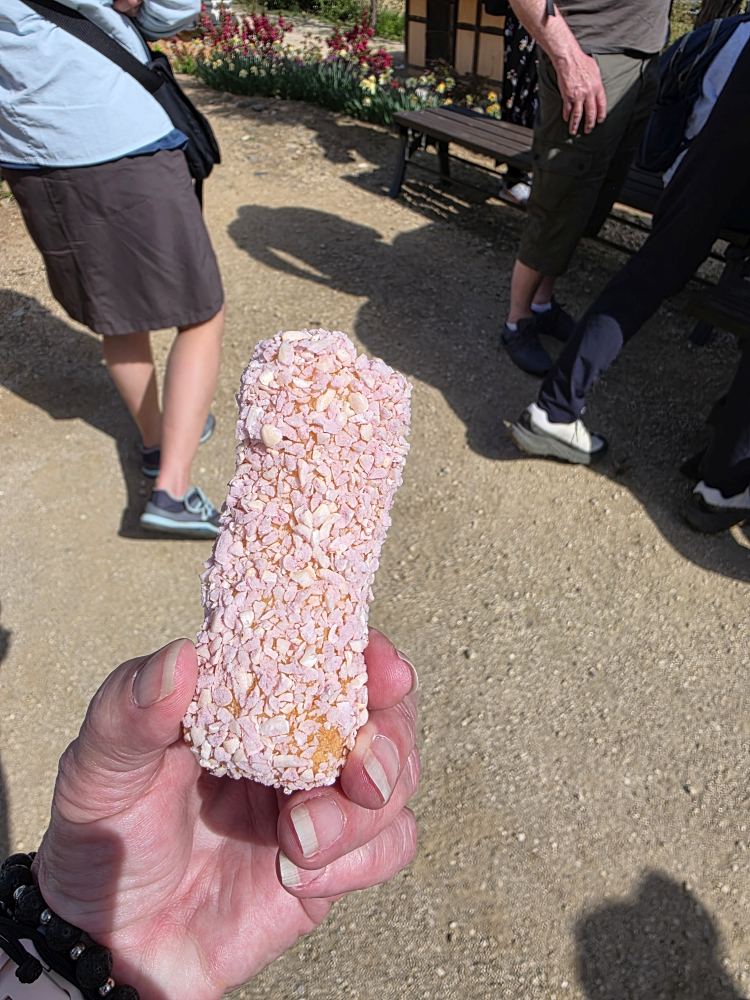
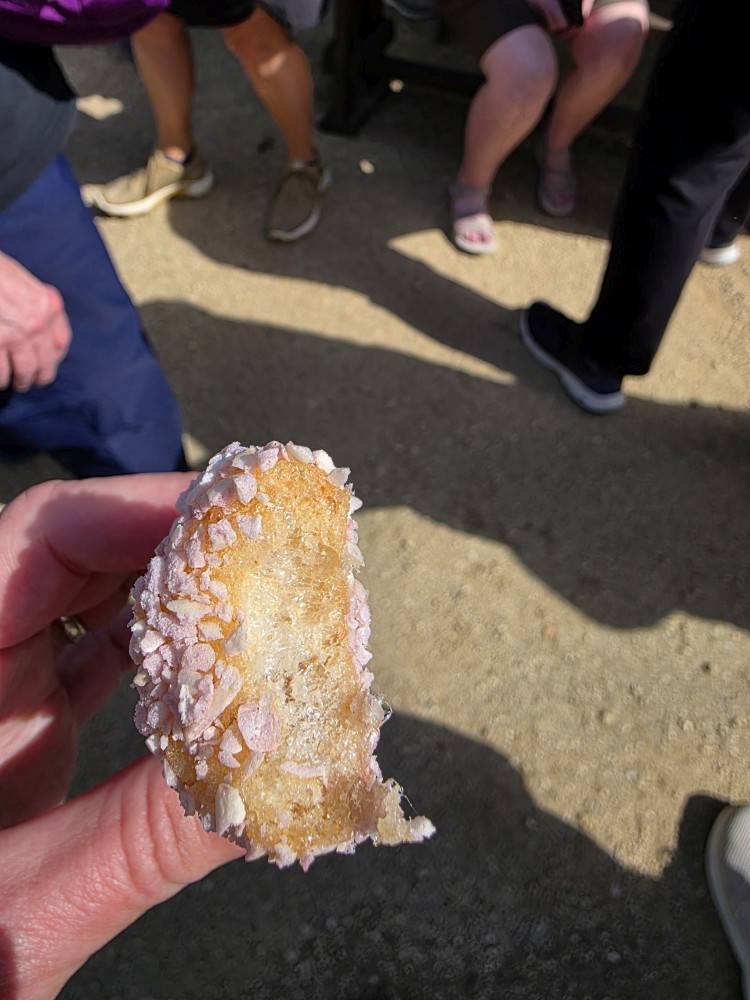
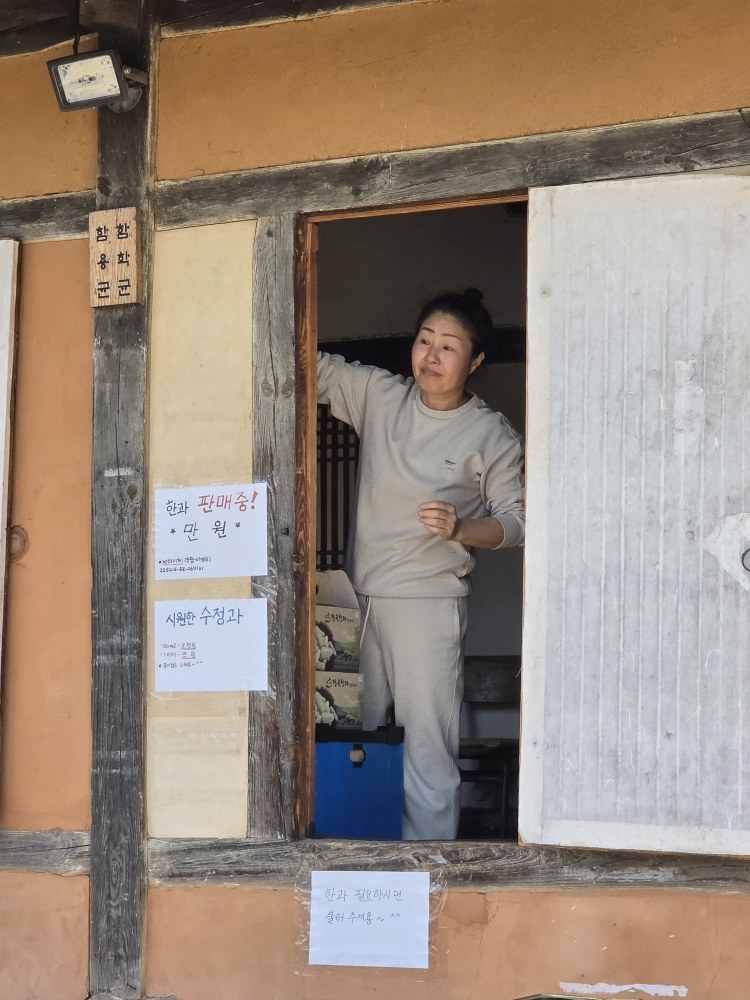
At the top of a hill, we visit a local vendor and Chan treats us to the local Wanggok Hangwa treat: basically an over the top rice crispy in assorted colors. Delicious.
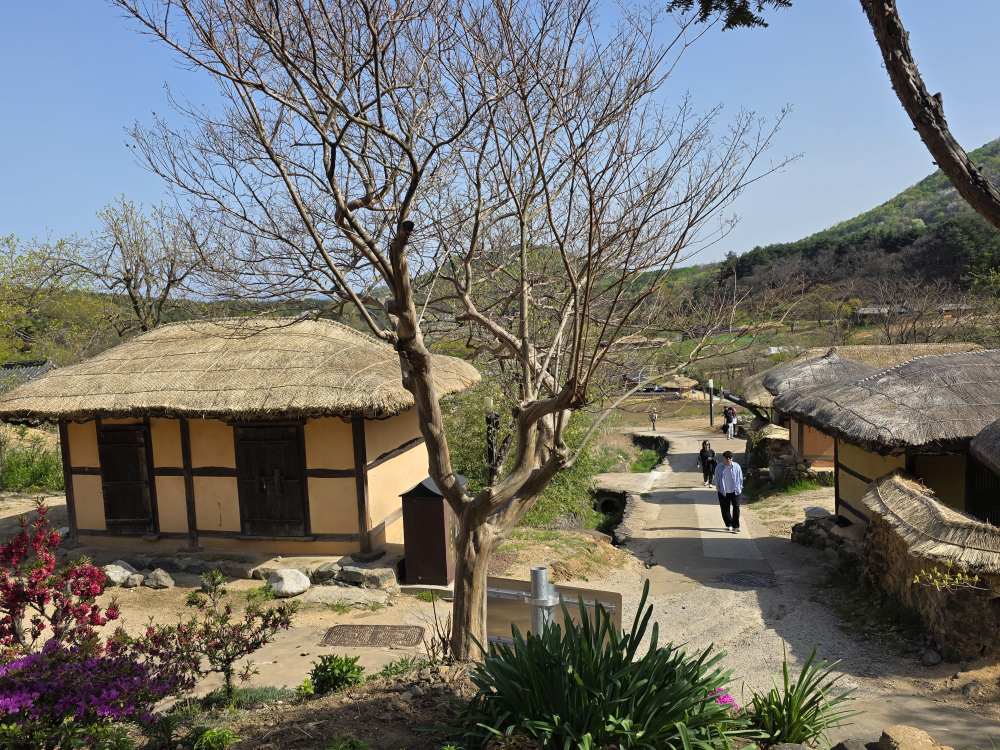
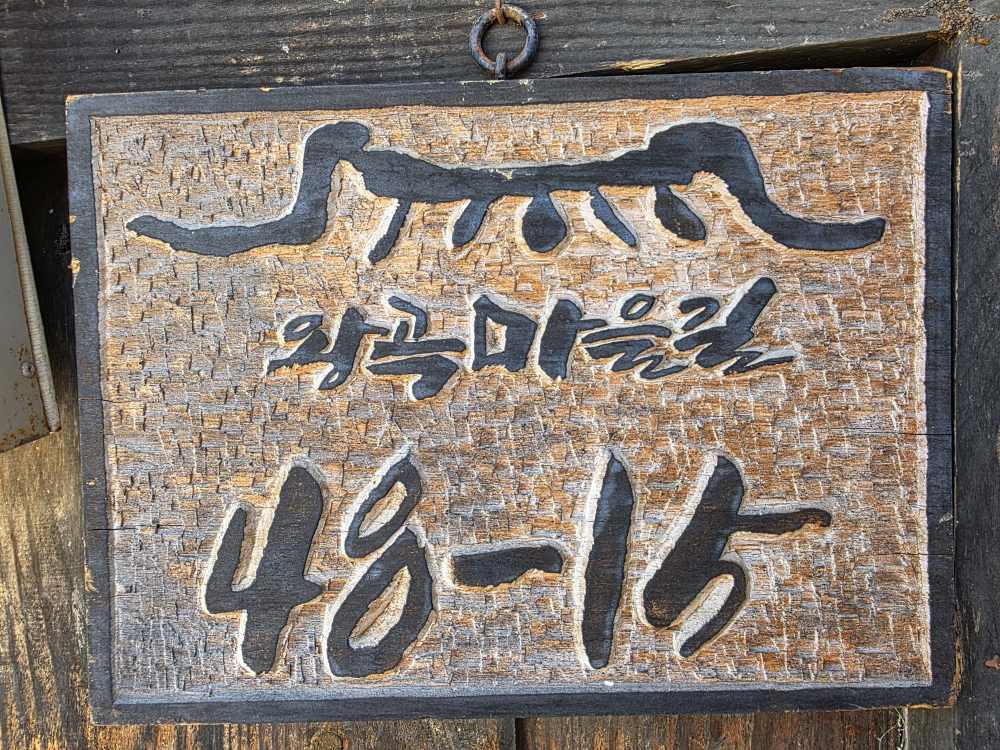
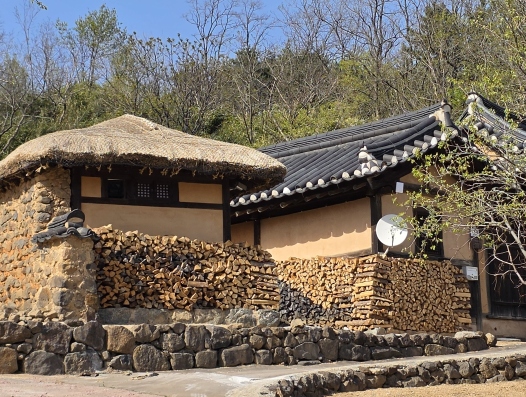
Moving on through the village, we pass different style houses, some with outdoor kitchens, some with enough wood for the winter (and yes, the satellite dish, which just proves someone is living there!) and eventually end up in the farming valley area near the old rice mill – the focus of the farming community here.
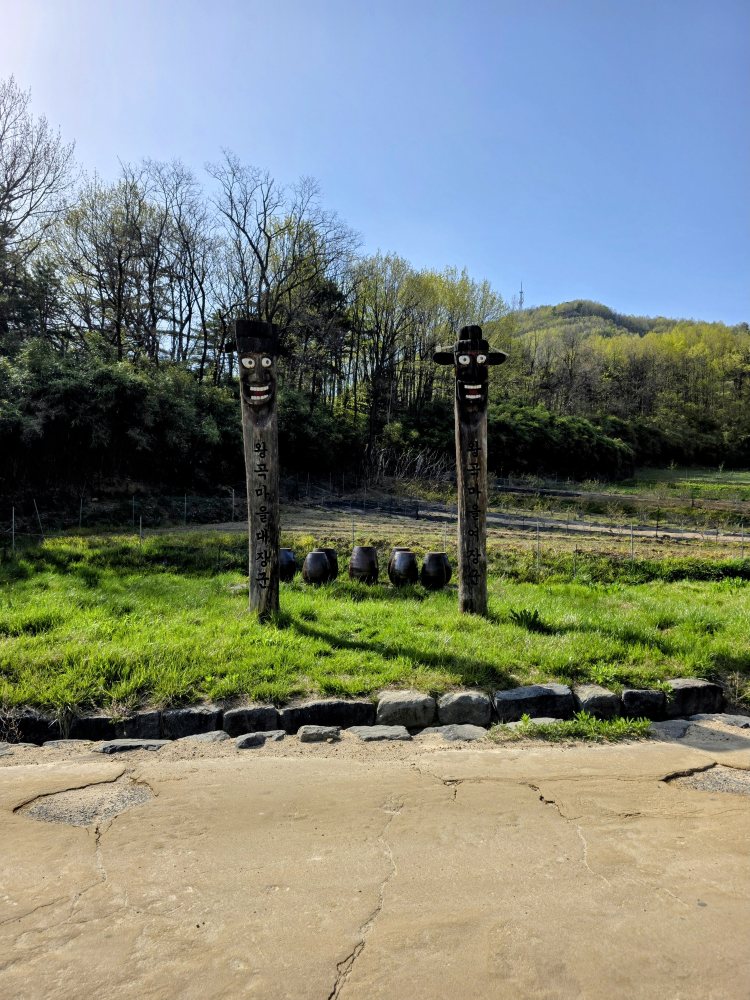
Walking past empty rice fields, just being readied for the season, we return to our bus parked in front of the two cool totem like poles – one that says something about a burial group, another that says it portrays the Female General. Translation – who knows? But they are fun to look at anyway.
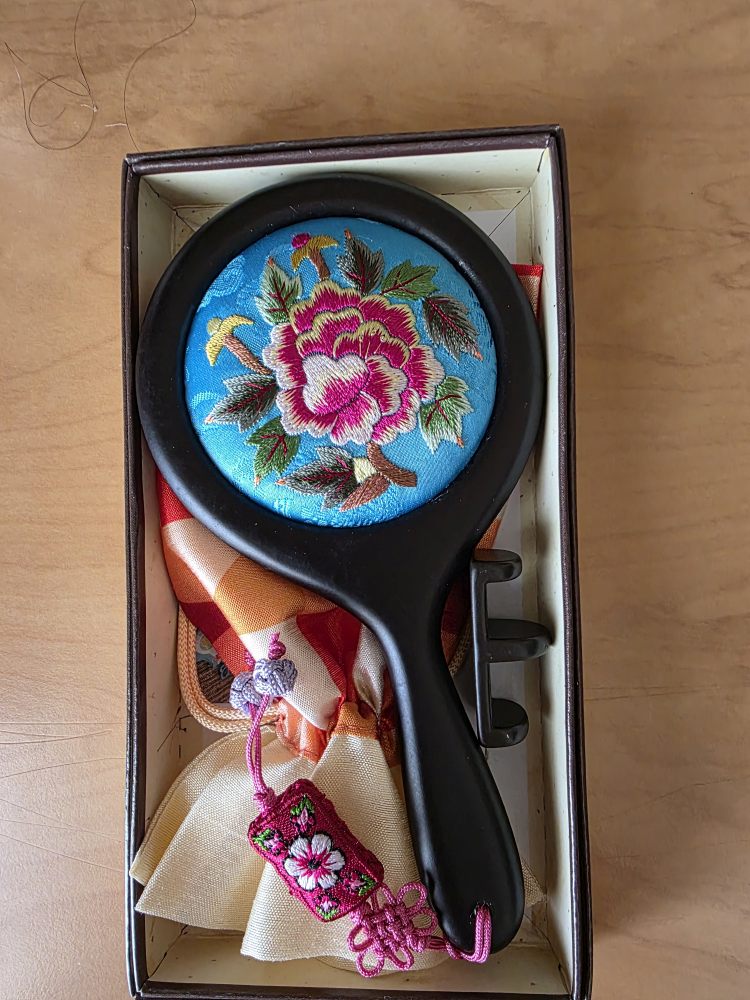
And that concludes our tour. A lovely day. On the way back to the ship, Chan comes over to us and gives us one of the beautiful handcrafted mirrors he is selling on the bus. As a thank you for my Dad’s service in the war. I am in tears. Honestly, that was one of the sweetest, most heartfelt things we have ever experienced. Chan has tears in his eyes too. Amazing.
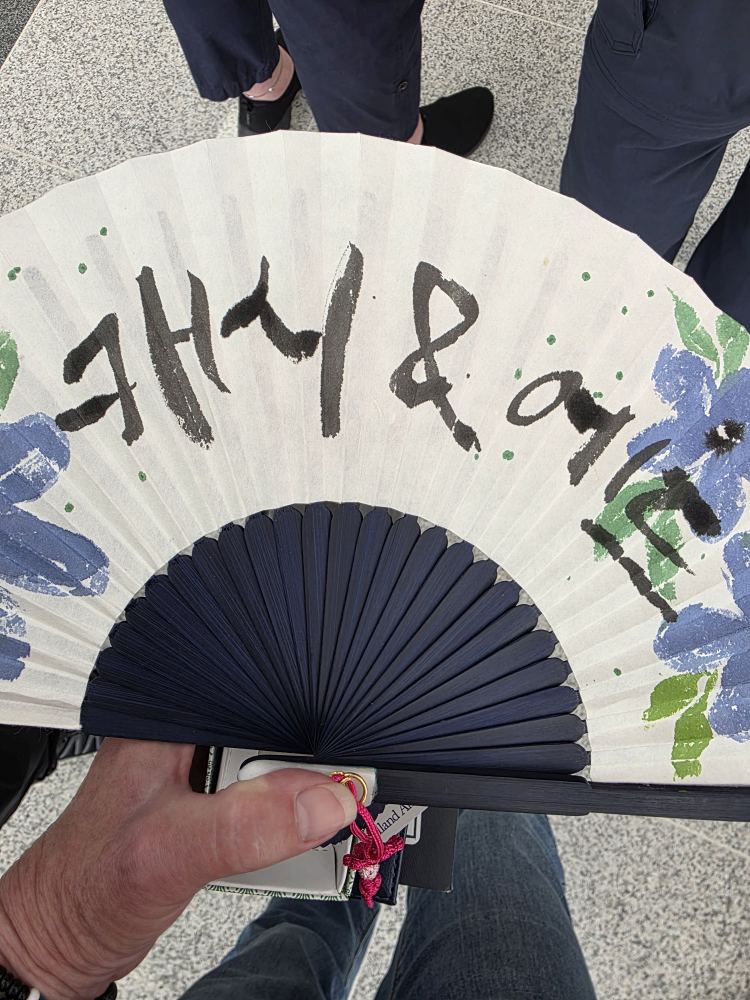
Bidding a sort of tearful goodbye to Chan at the port, we head on inside only to find there are calligraphers there personalizing fans. Yay! We have one done that says Cathy & Ed as another wonderful memory of our time here in Sokcho. Excellent day.
Our day is completed by a wonderful dinner in Tamarind – Barramundi for Ed and these huge and wonderful Mongolian lamb chips for me. Followed by an excellent production show – Solid Gold. Perfect ending to a wonderful day.

