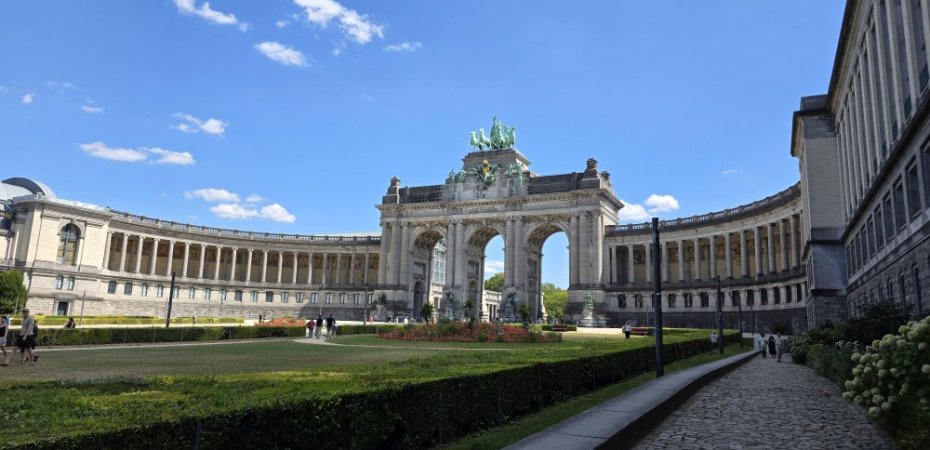
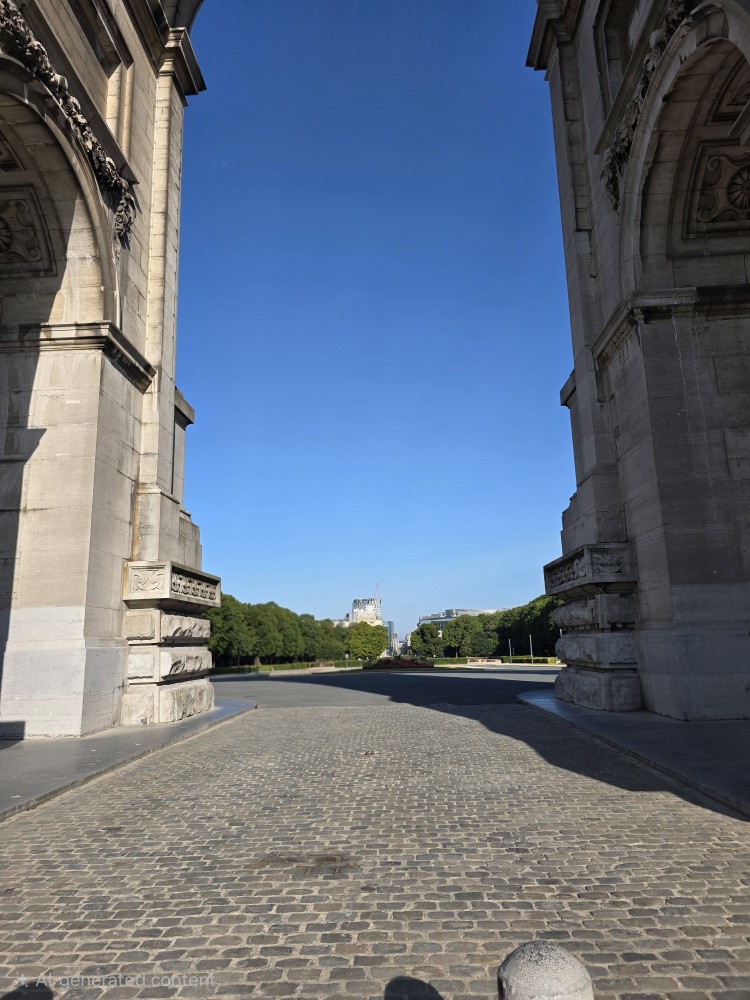
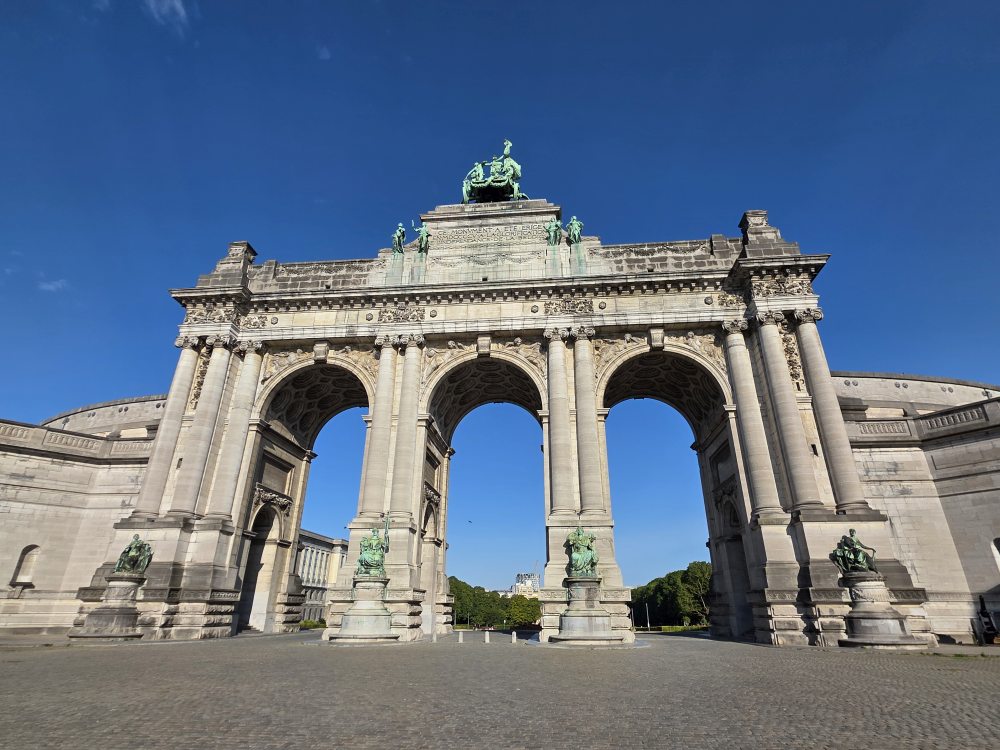
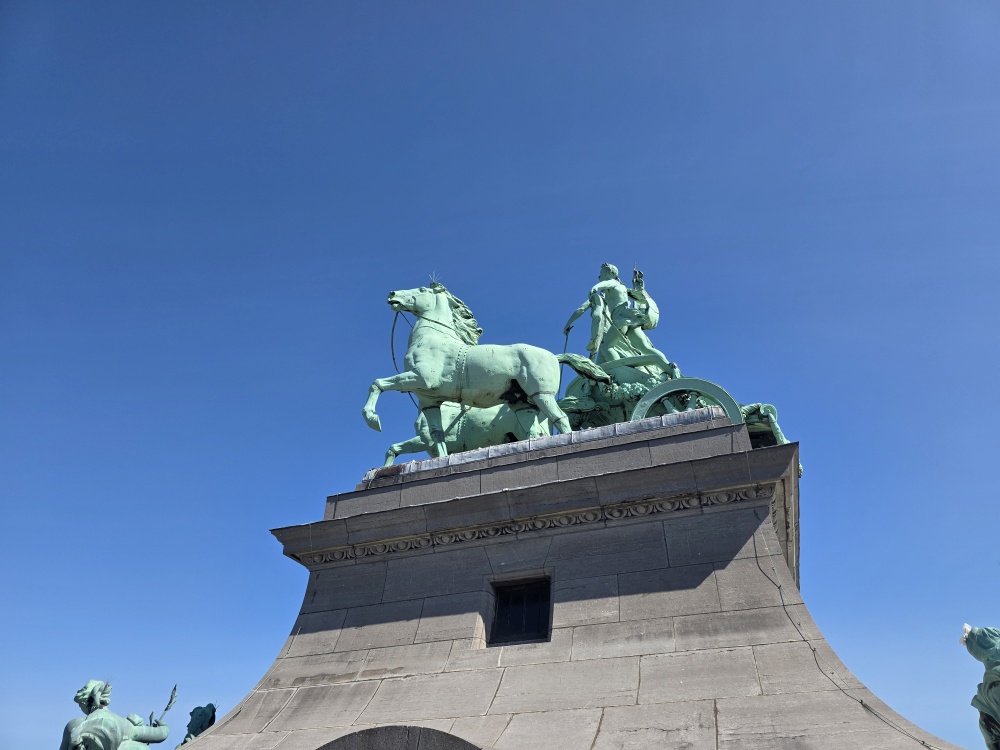
An early start, as usual, takes us on a walk through the EU and Belgium government building area, and out into the Parc du Cinquantenaire and the Triumphal Arch – the centerpiece of the park, built in 1880 by King Leopold II to commemorate the 50th anniversary of the Belgian revolution (and thus the park’s name – Cinquantenaire, meaning Golden Jubilee). It is an absolutely gorgeous day, once again, with hardly anyone around.
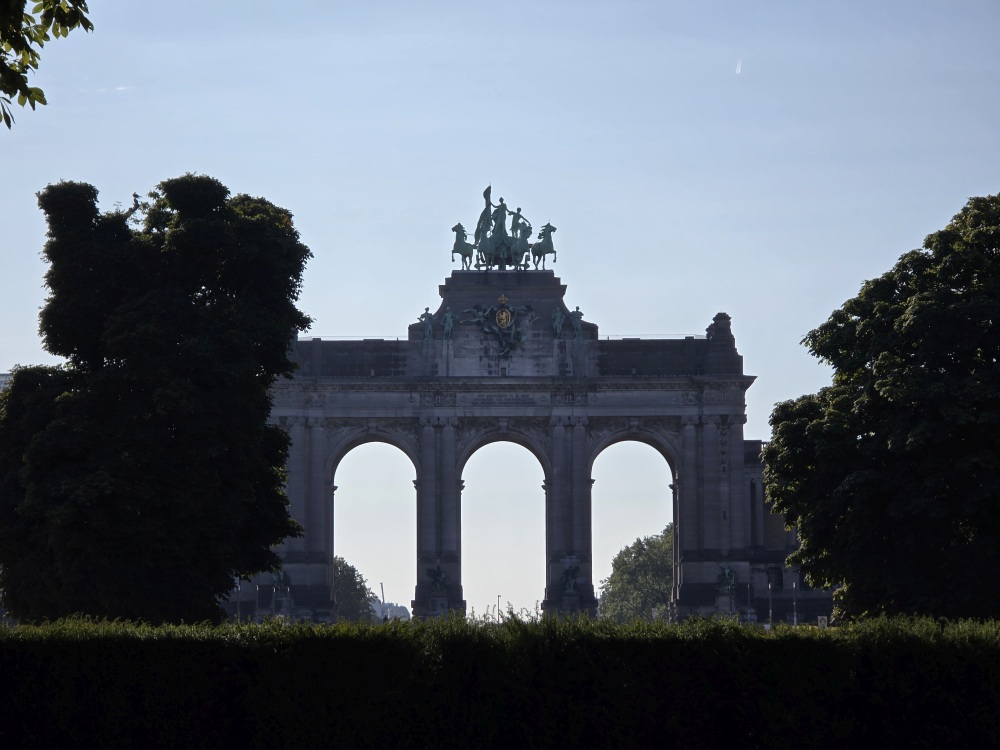
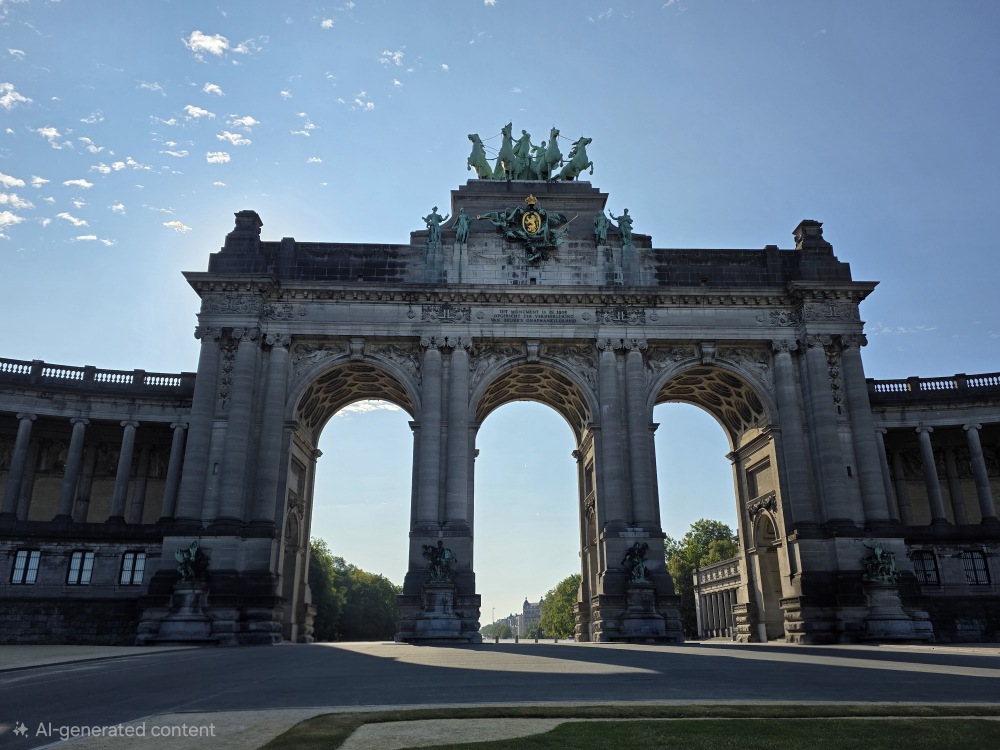
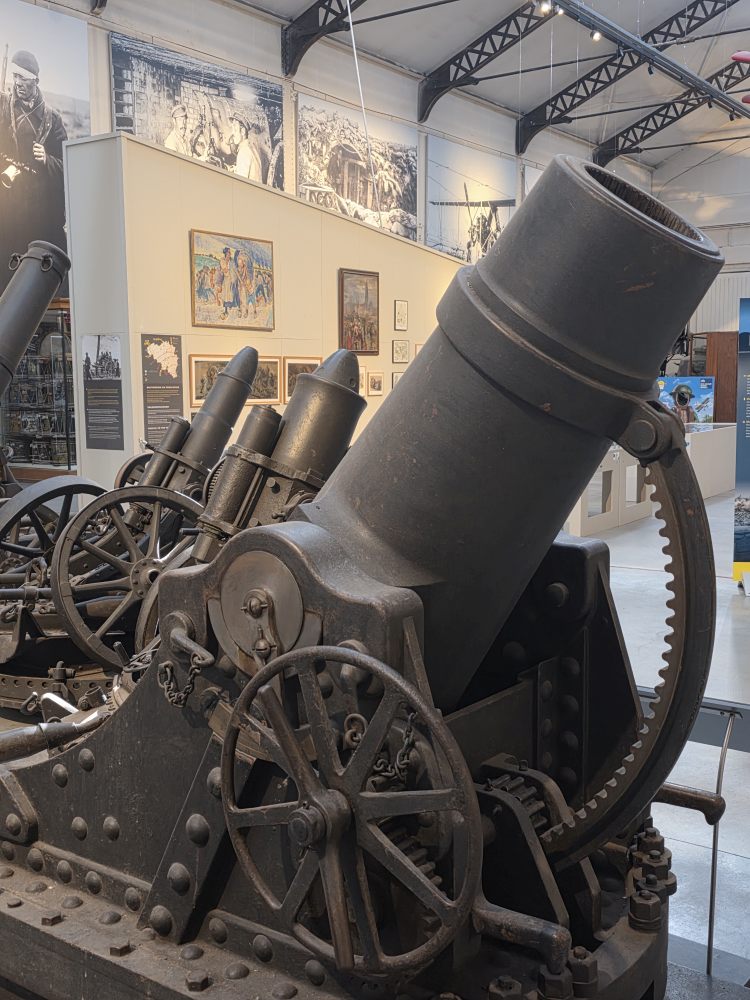
Passing through the arch, we reach our first destination of the day – the Royal Museum of the Armed Forces and Military History. While you might not think it very interesting, OMG. The place is A) enormous, and B) filled with fascinating relics (how the heck did they preserve/find/keep all this stuff?) and C) tells the story of more than 1,000 years of military history through to the present day. Fabulous.
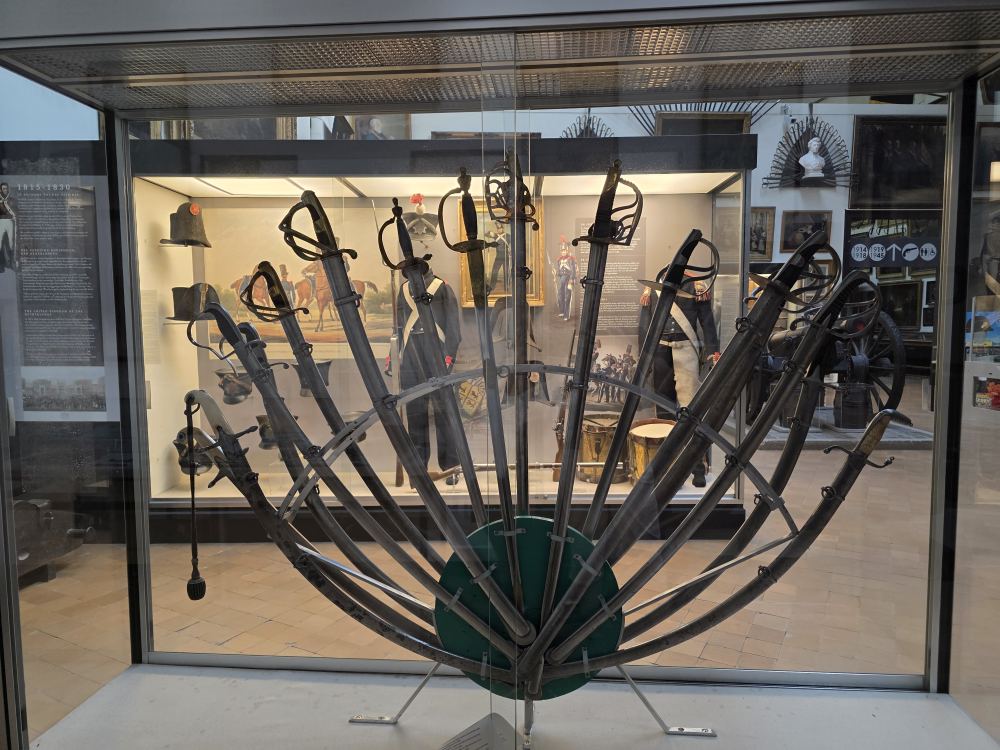
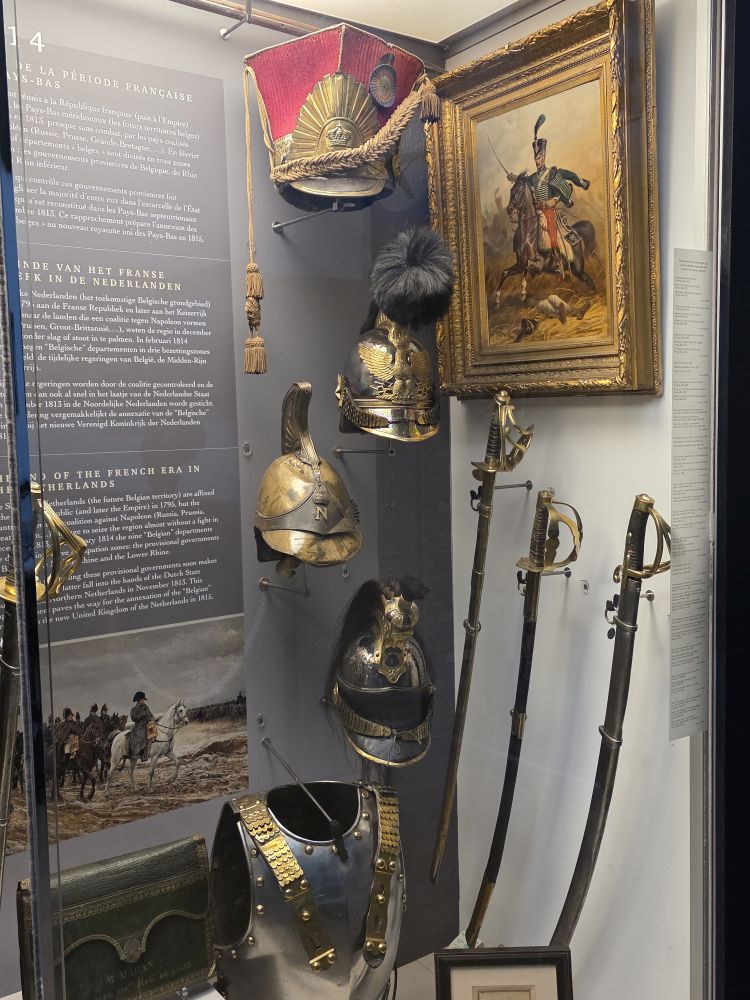
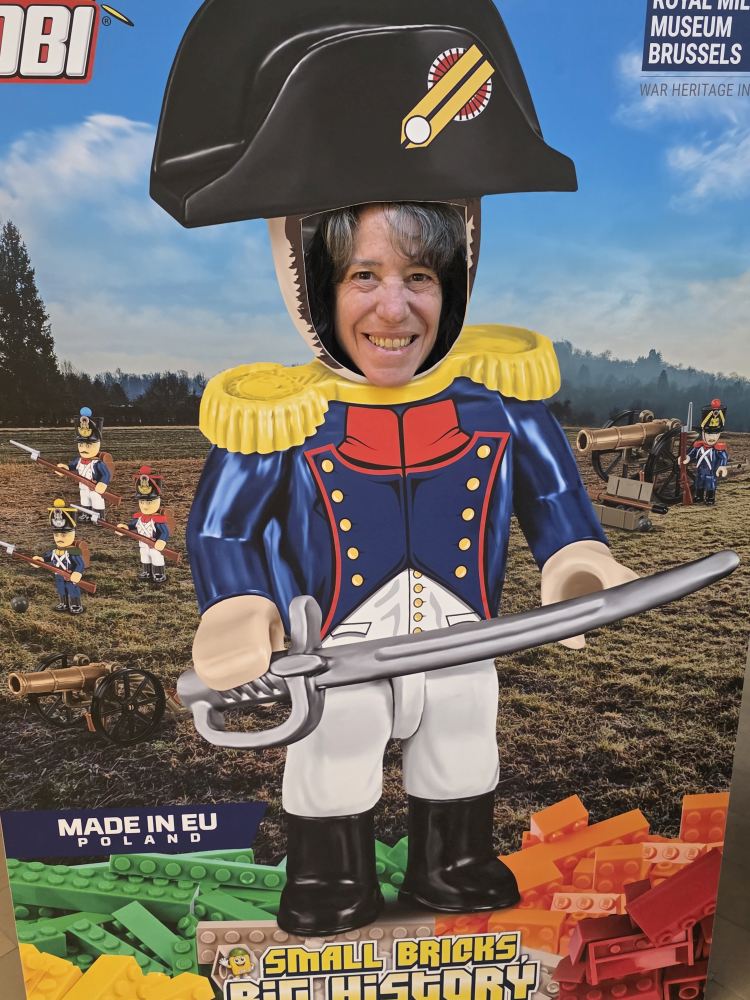
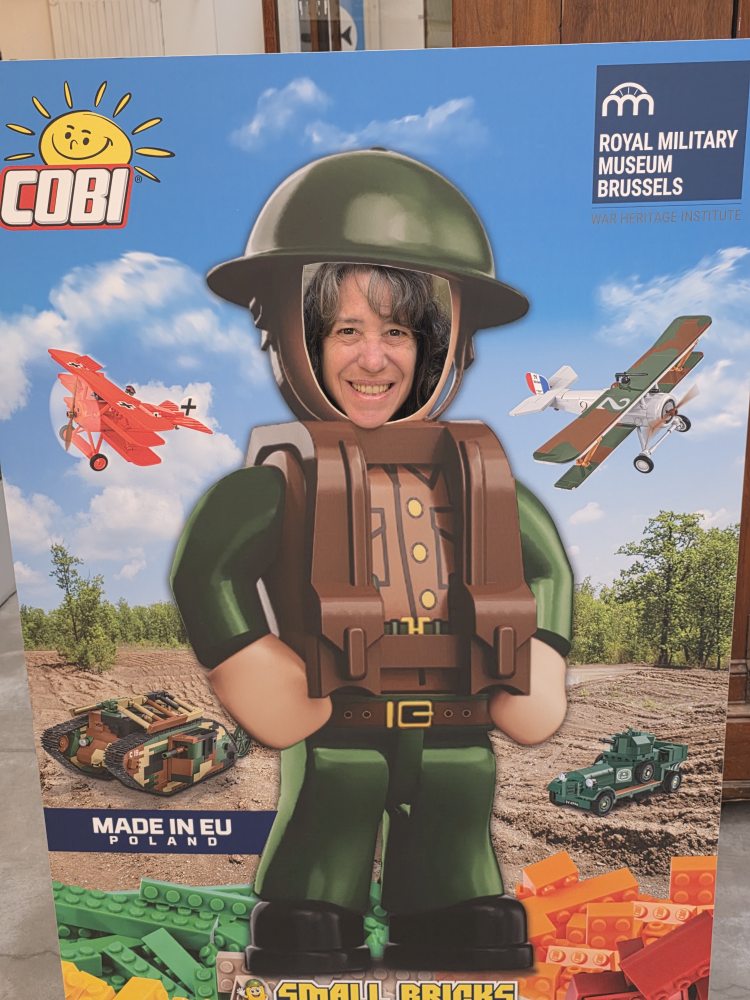
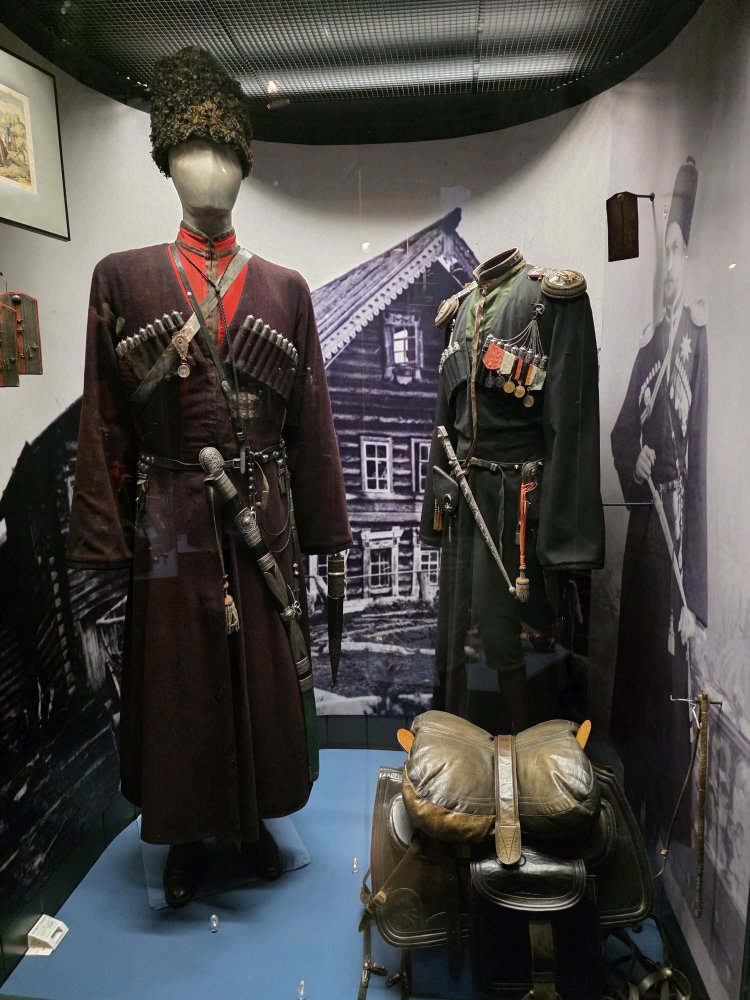
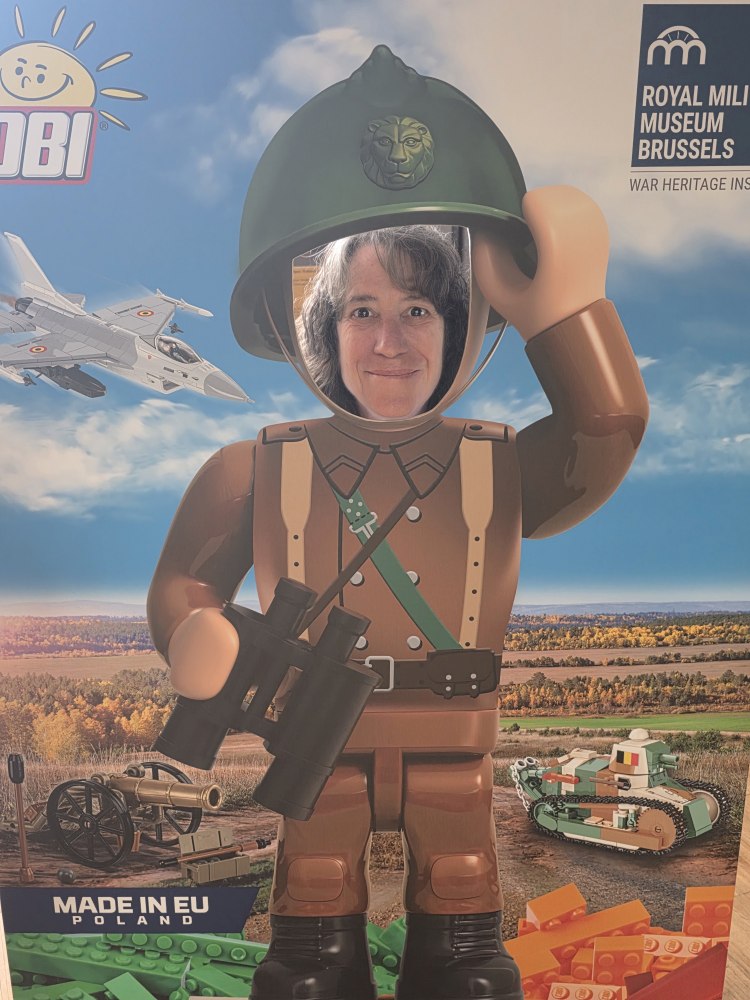
We start in the curving Historic Gallery, filled with uniforms and weapons and packed with information on the military from the 1800s. Totally interesting. And fun – as I find a lego display (in virtually every room) where I can play soldier!
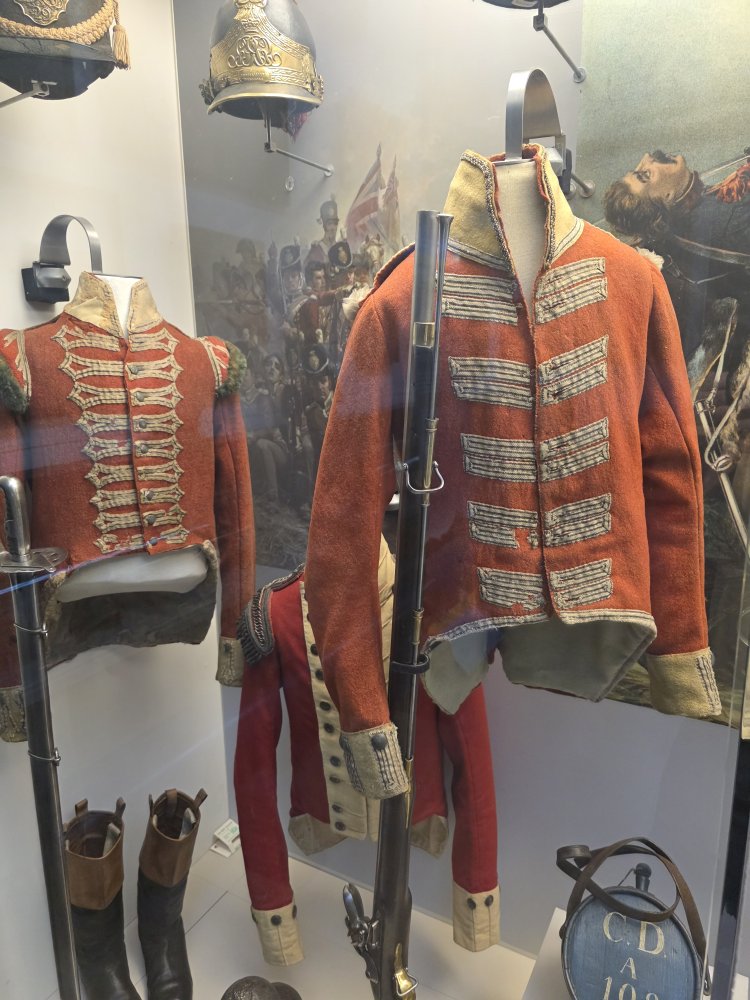
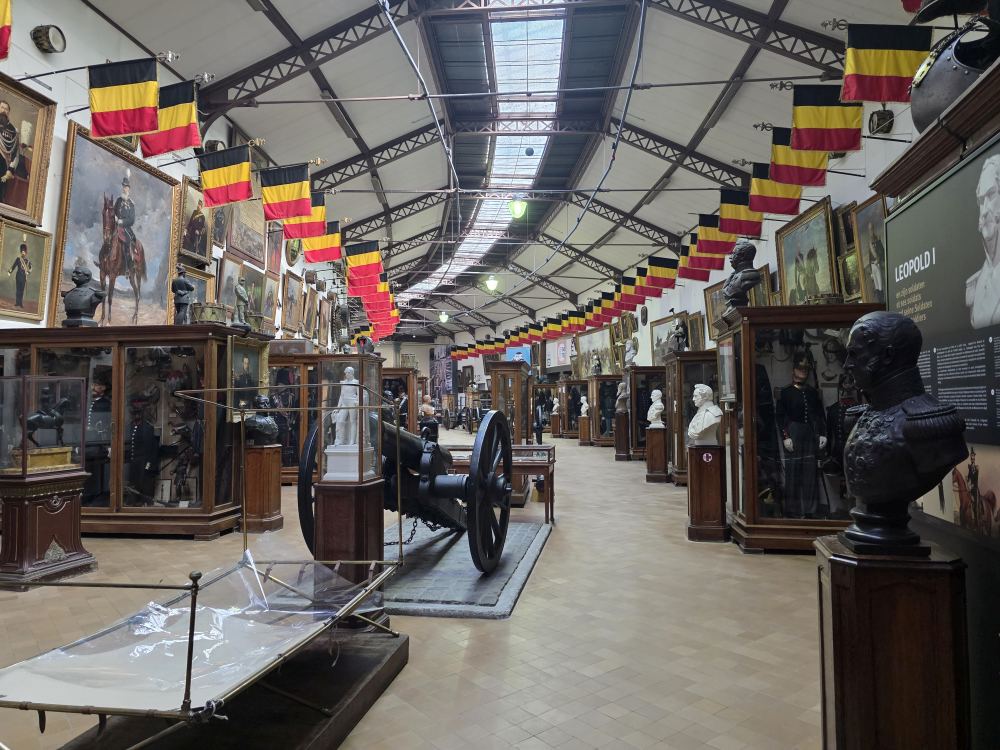
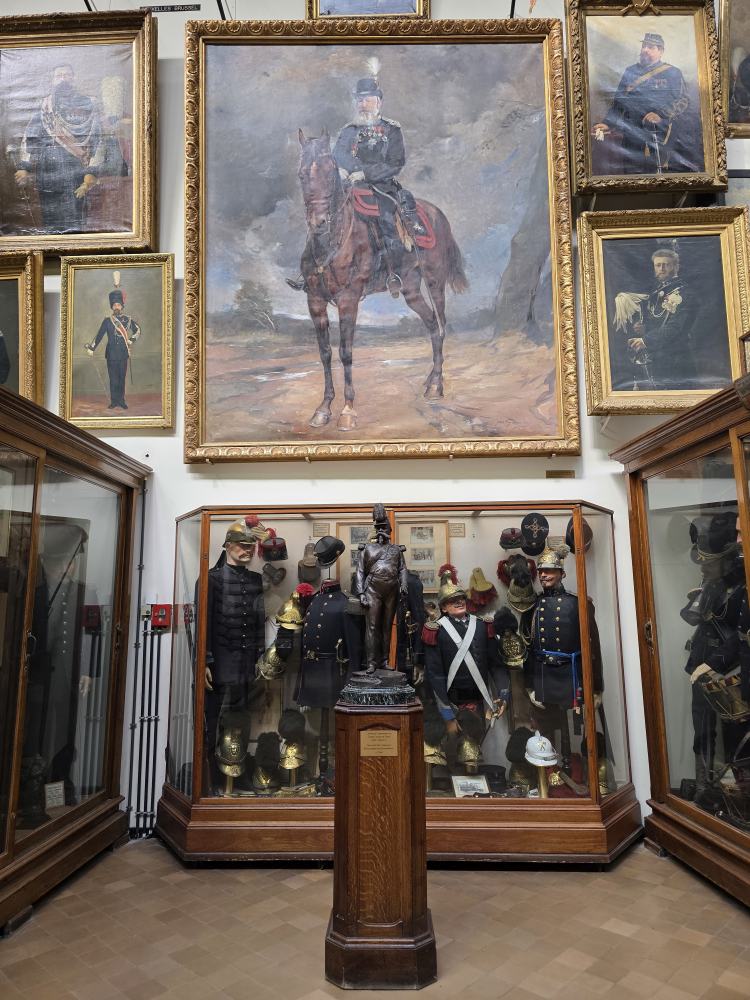
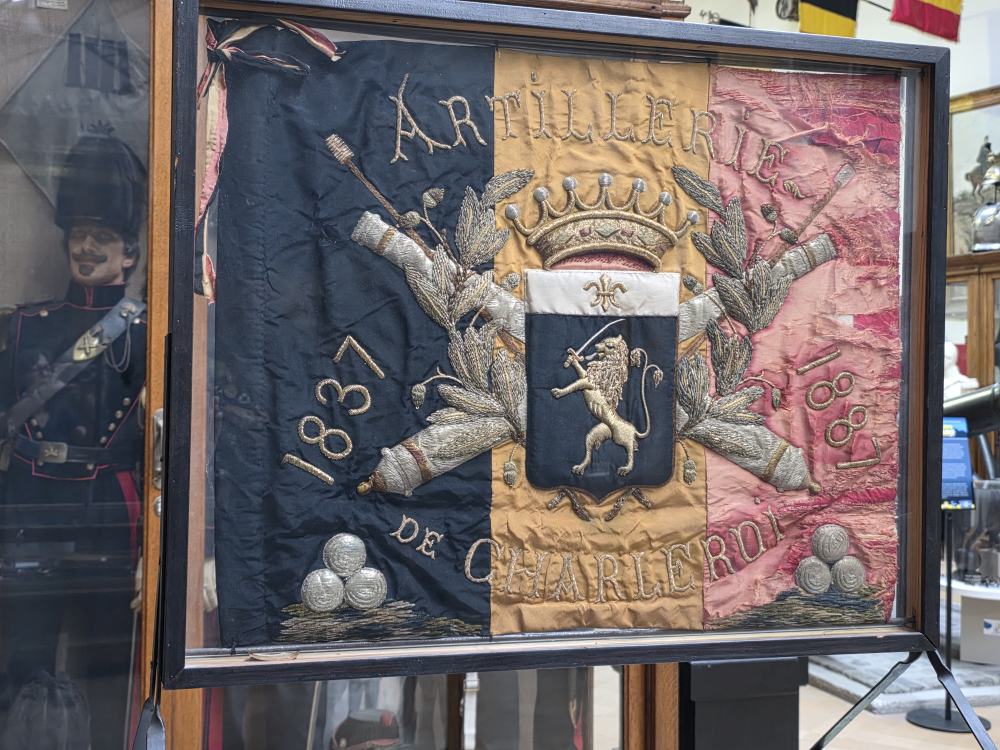
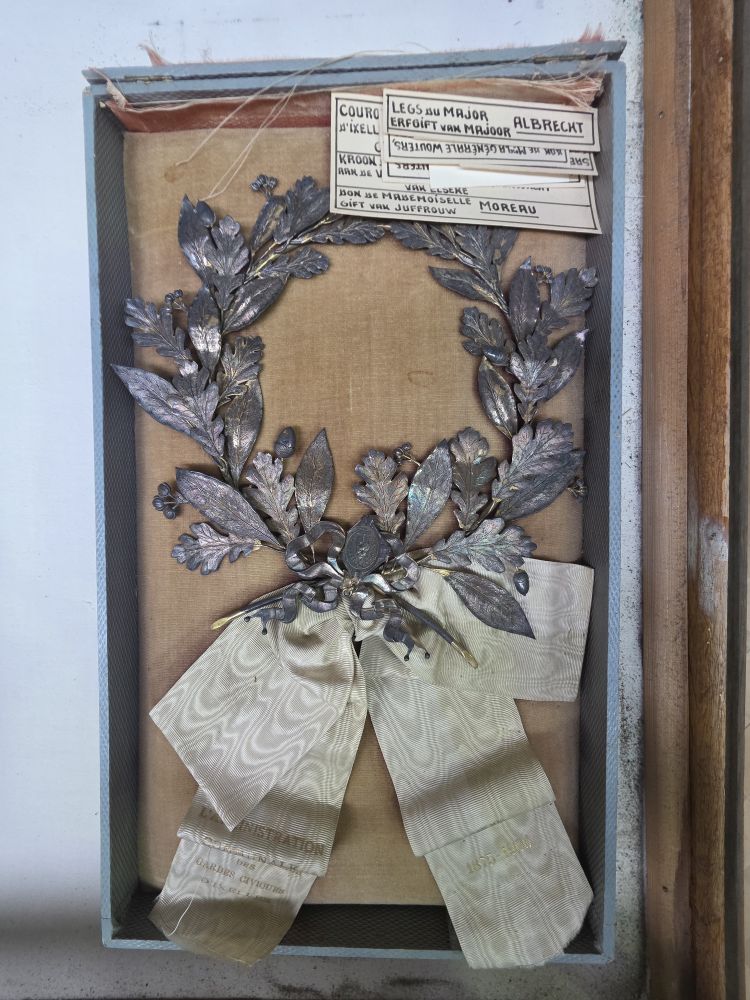
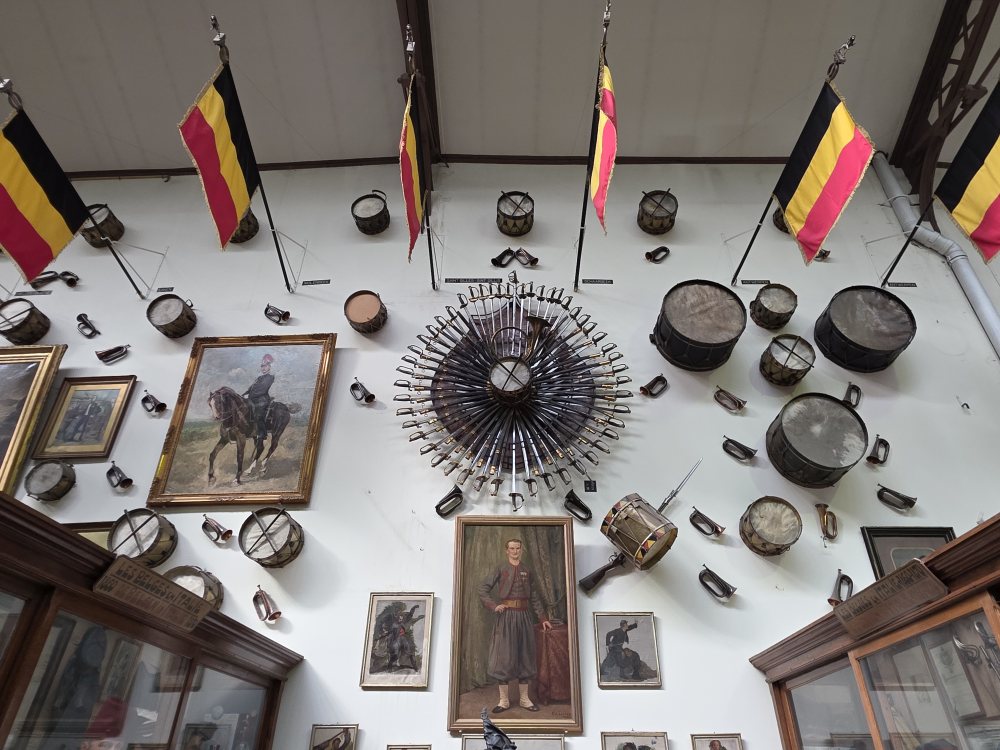
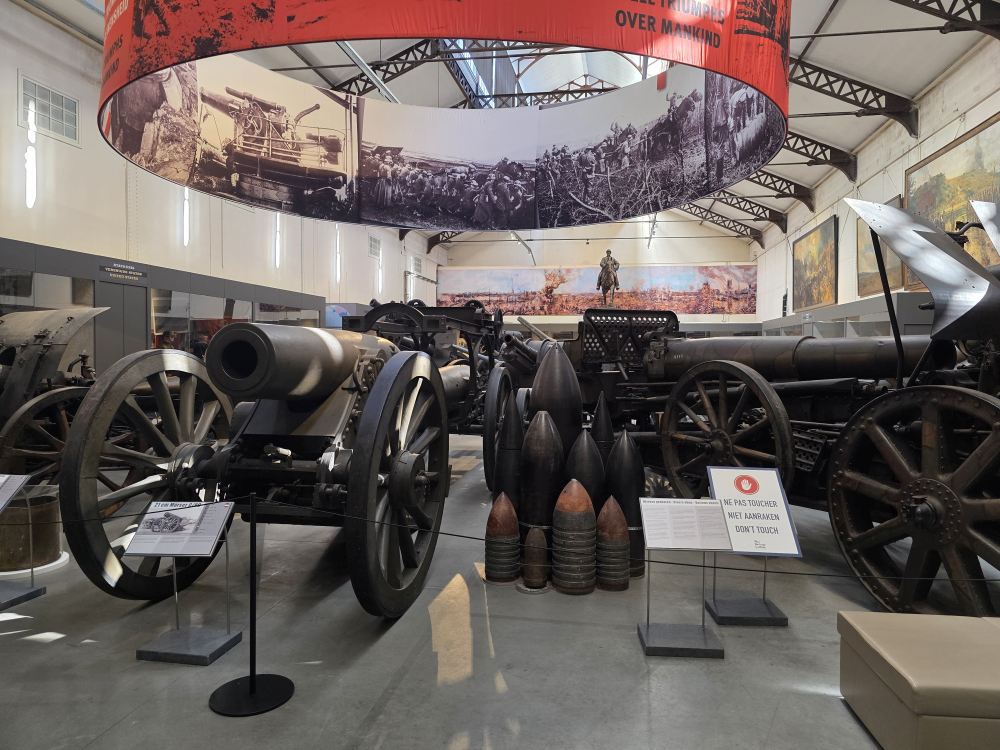
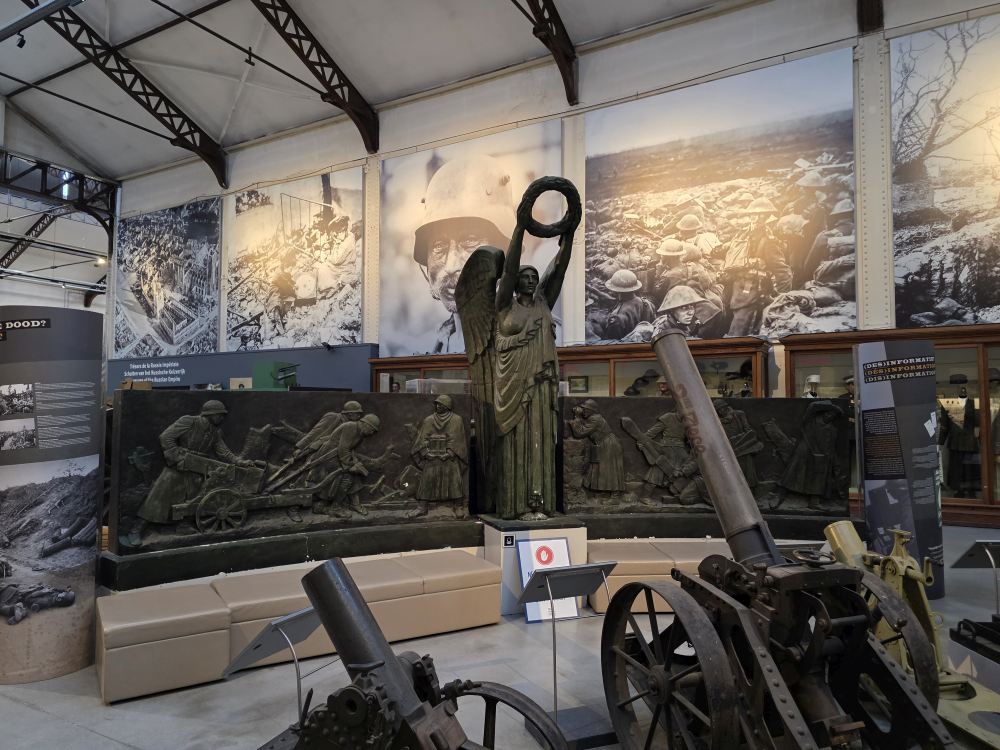
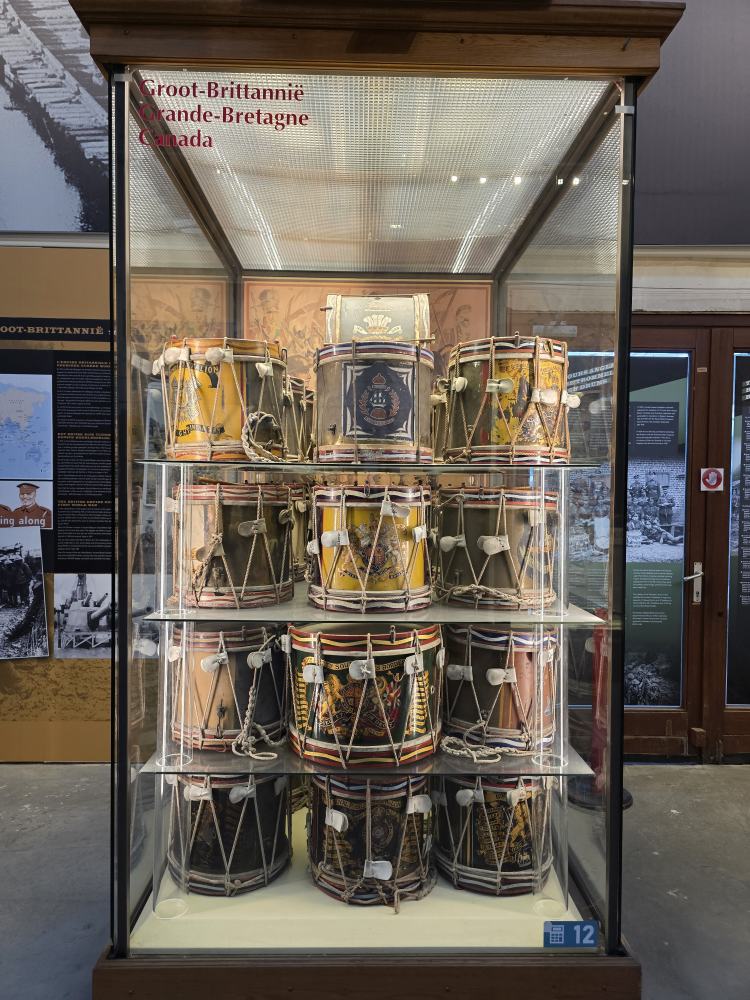
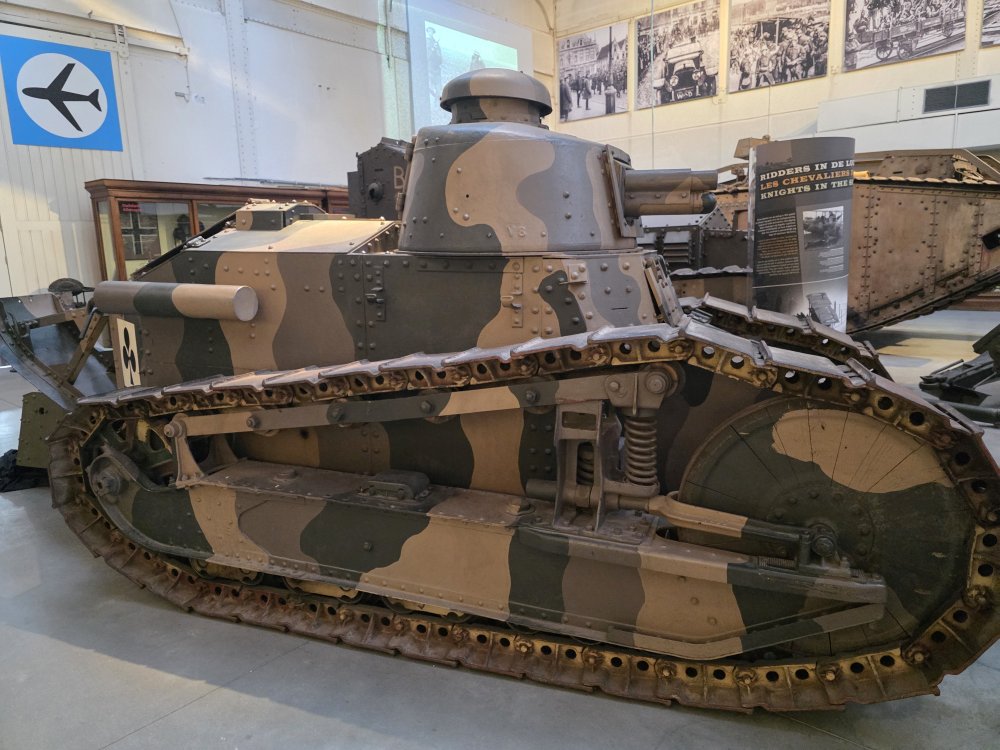
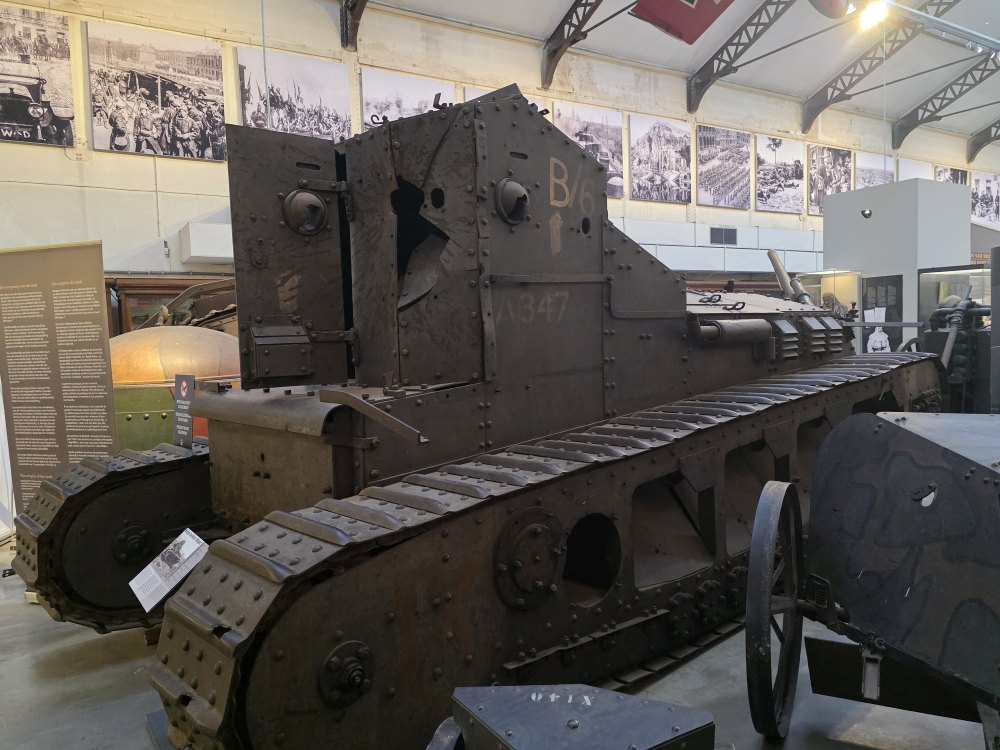
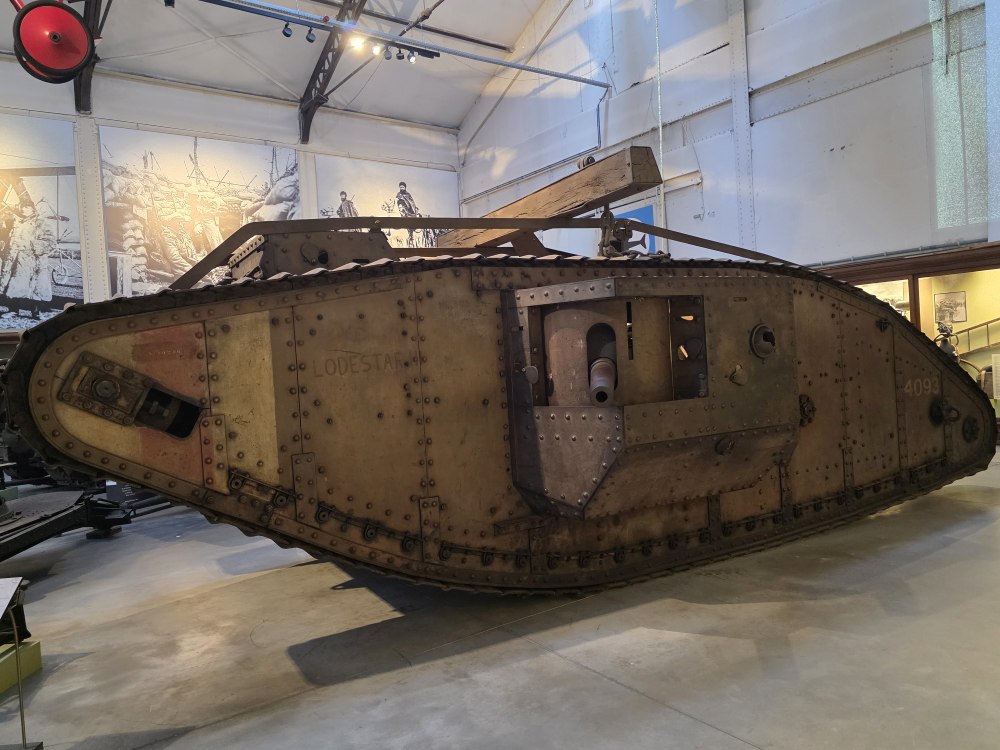
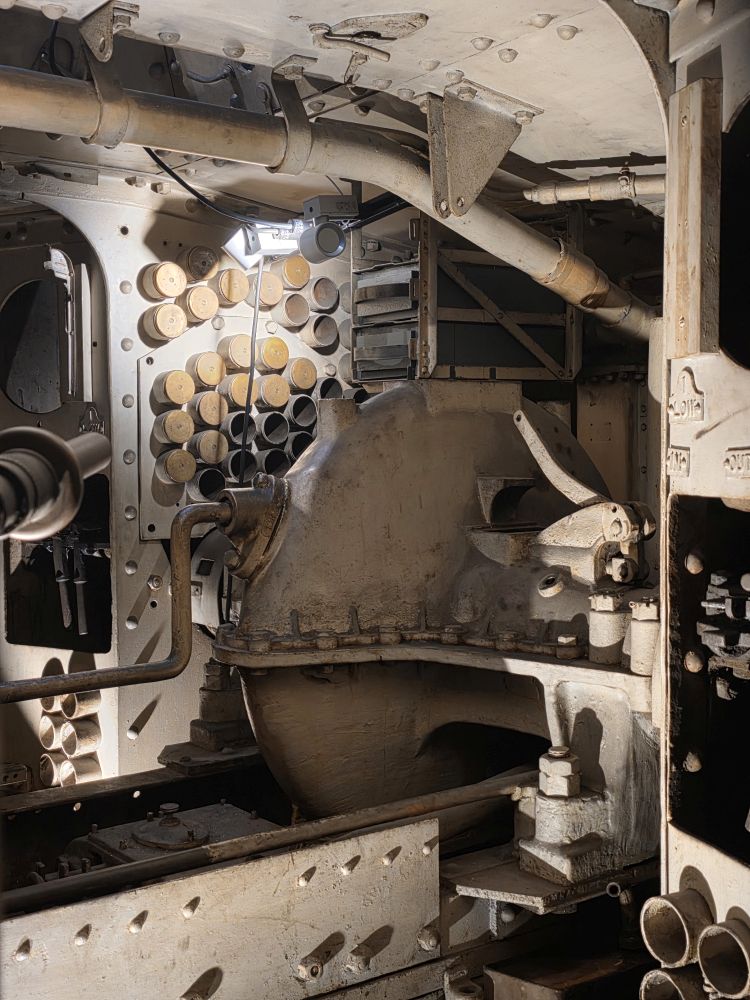
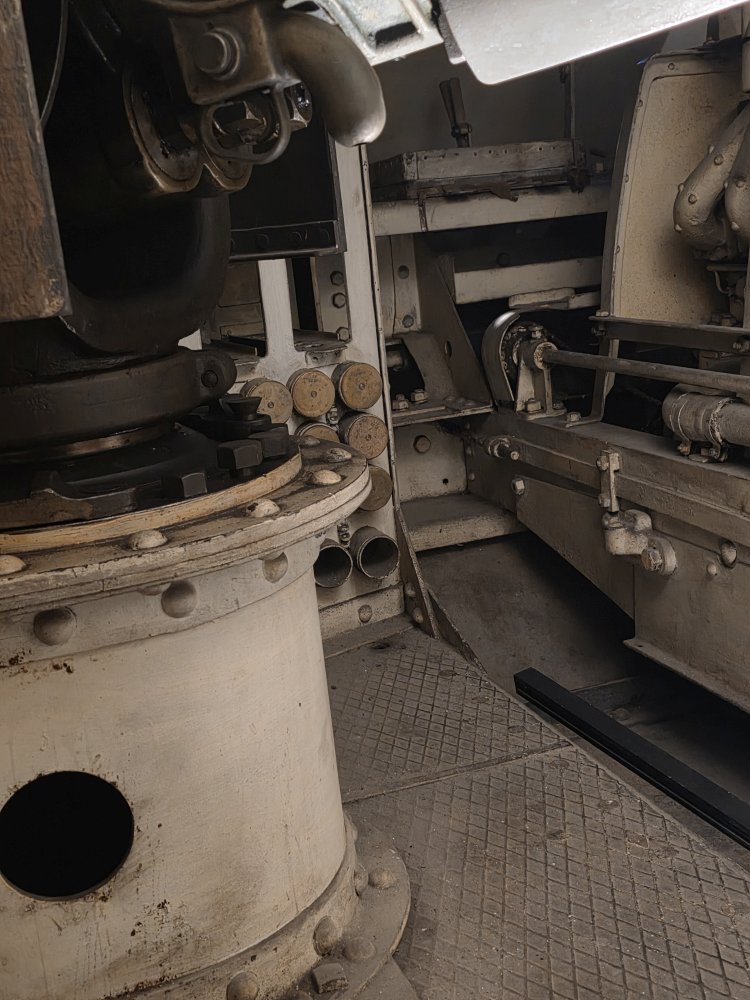
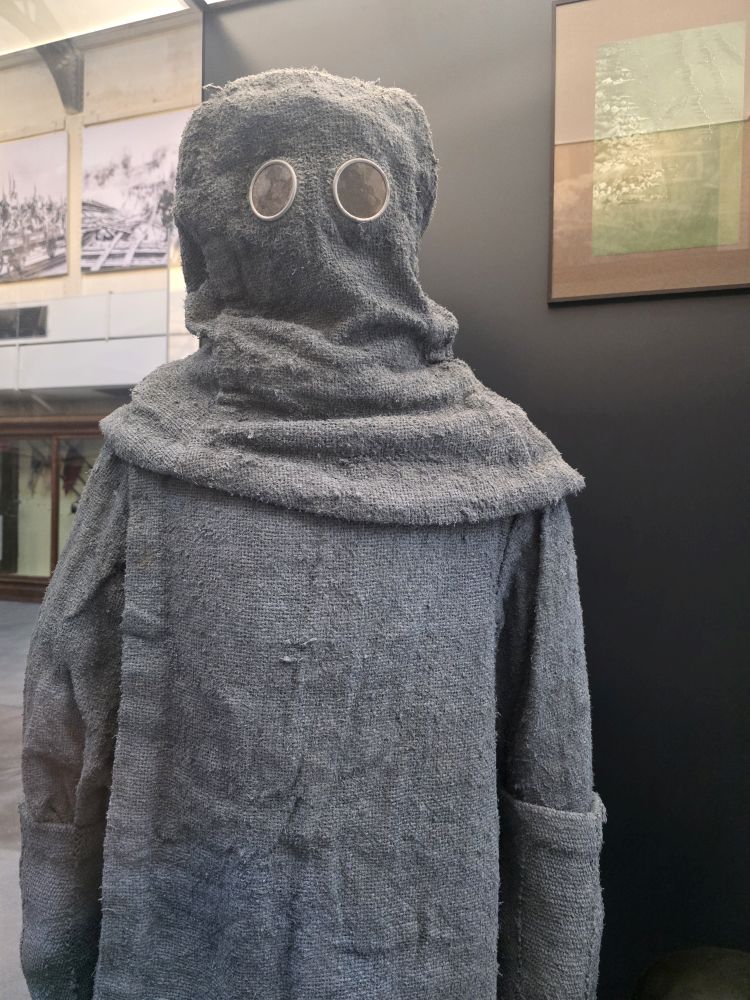
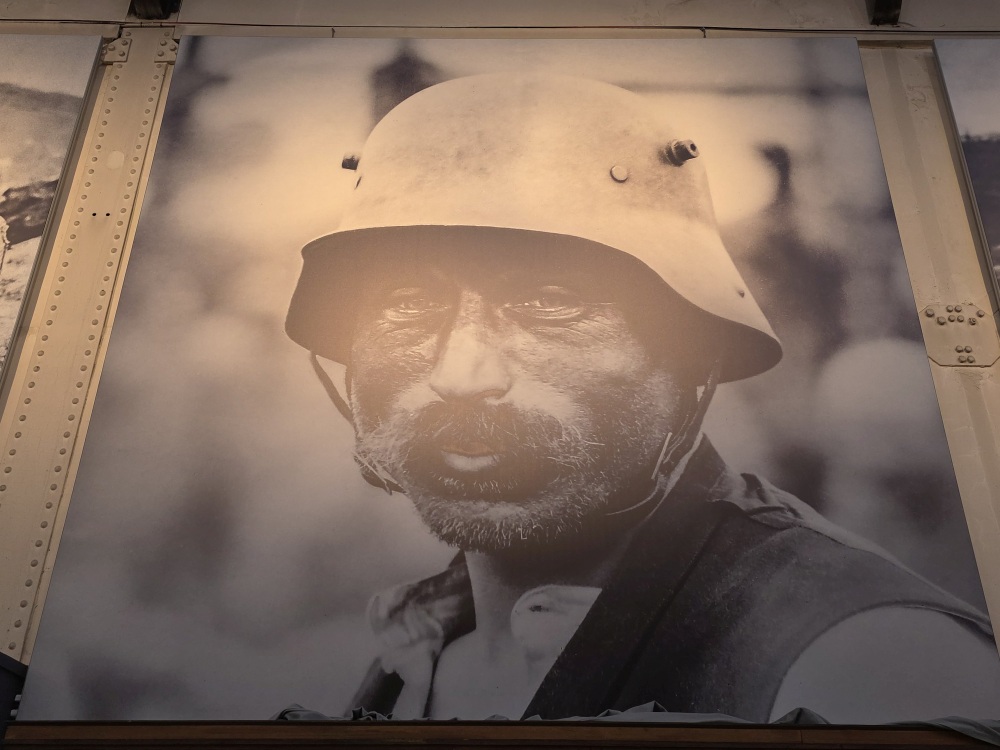
Moving into the “14 to ’18 gallery – we explore all things WWI: tanks and memorials; explanations of how tanks have evolved from the fully rotating gun turret tanks produced by Renault to the Whippets and onward; info about drum corps and how the drums were used, not only to ensure cohesion with marching rhythms, but to transmit orders during battle; scary flamethrower suits (necessary for sure, but still creepy); and amazing photographs hung high up on the walls.
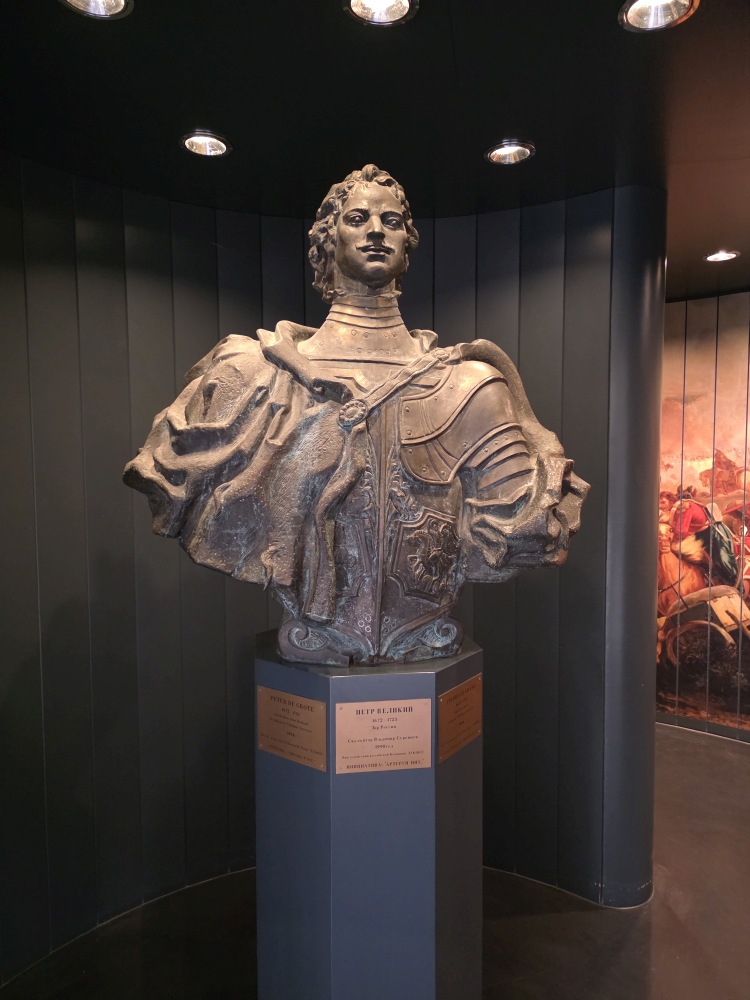
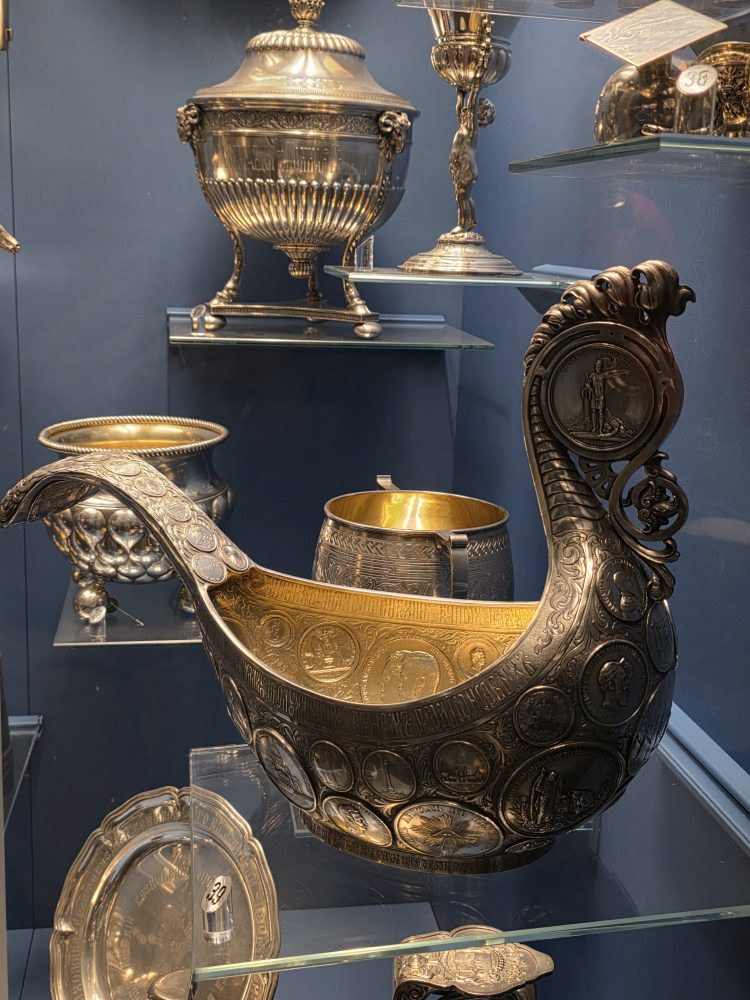
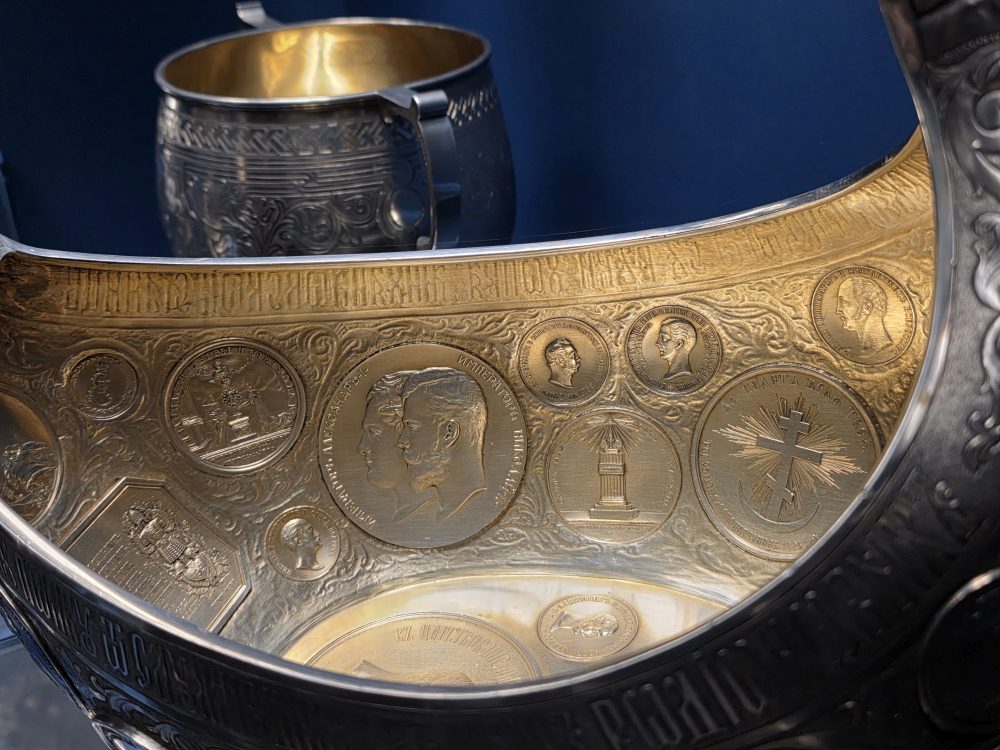
Next we explore the Russian room – with trophy bowls and medallions of the King’s likeness.
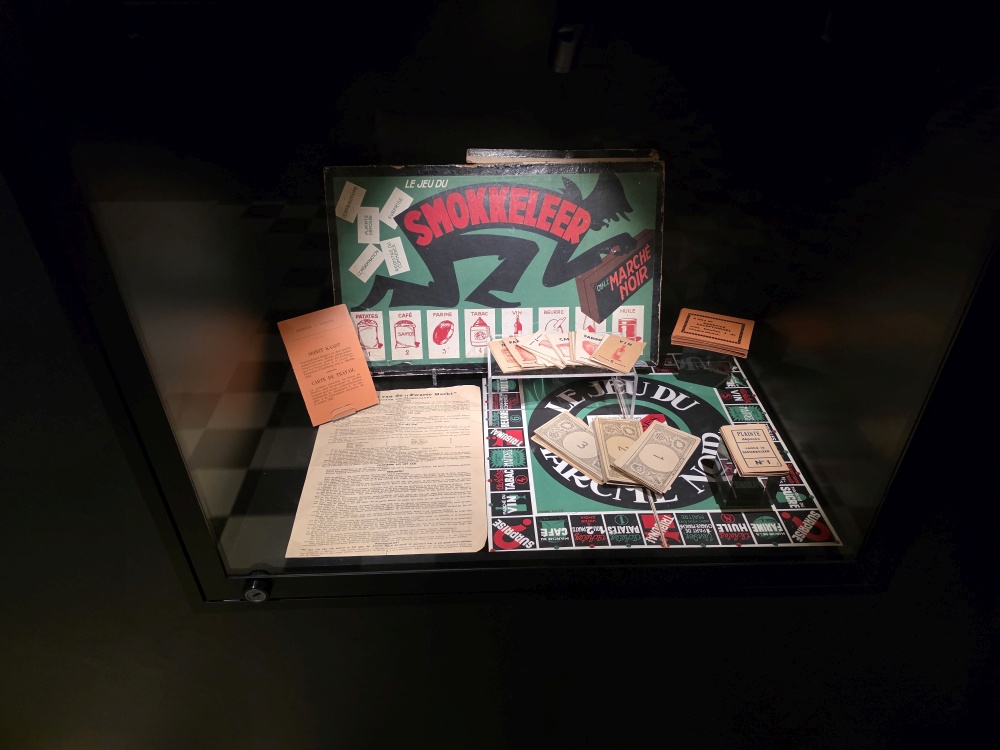
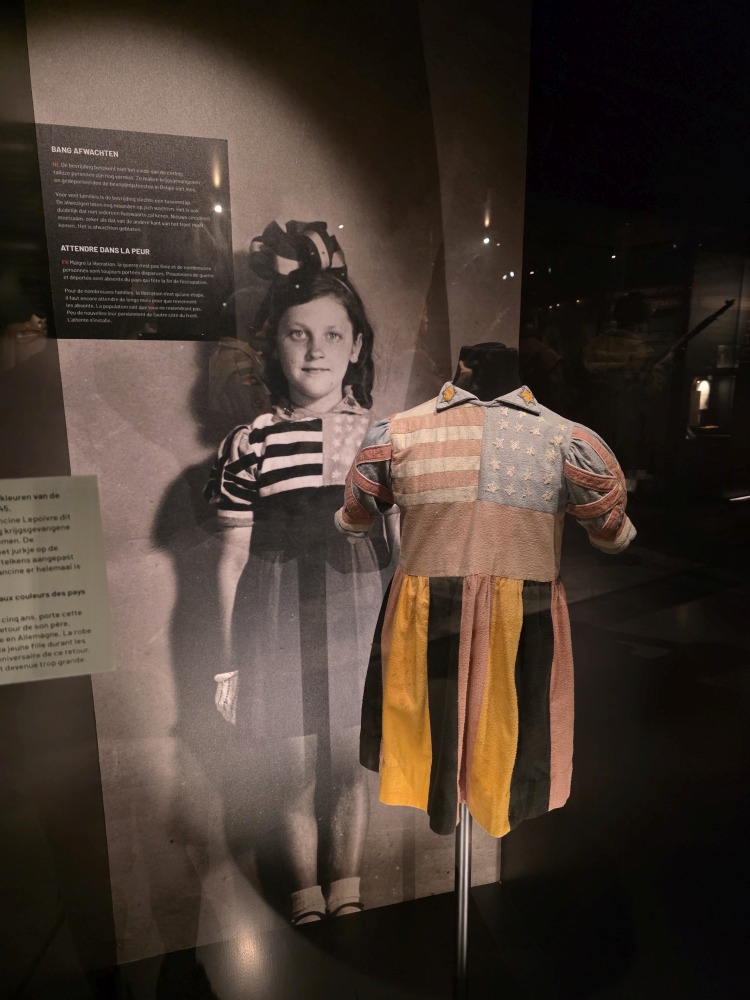
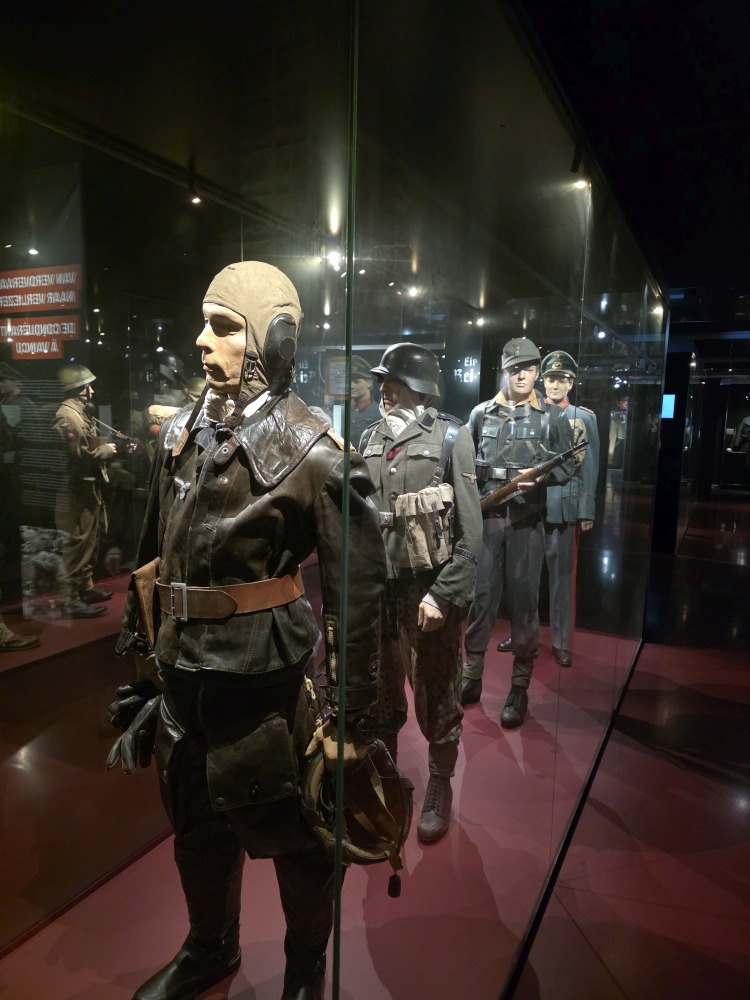
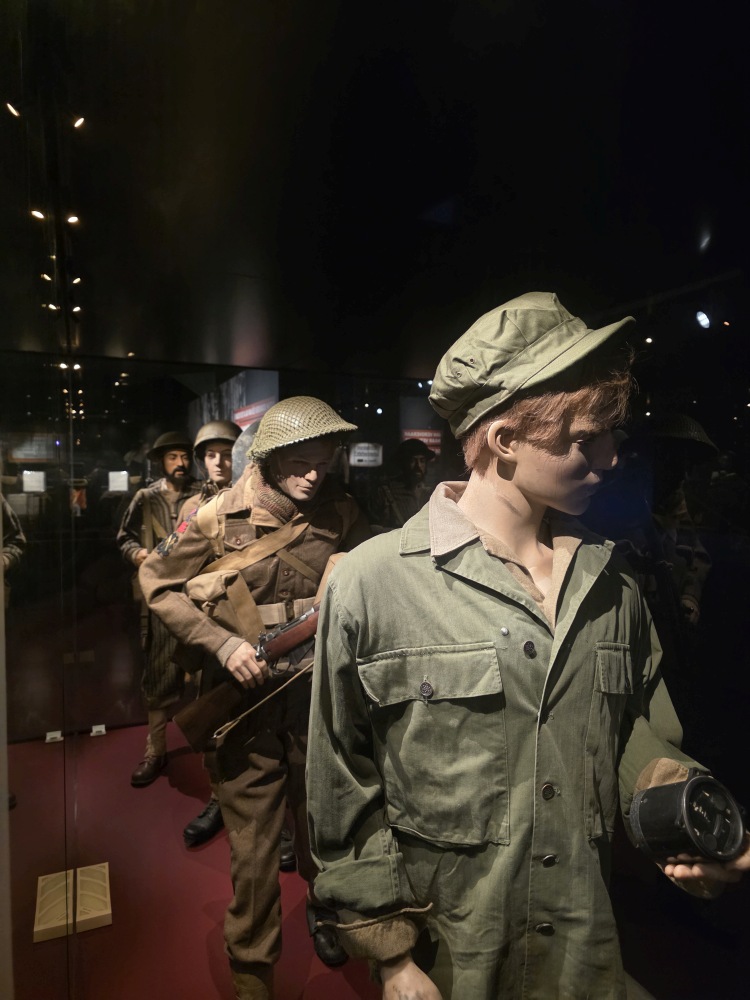
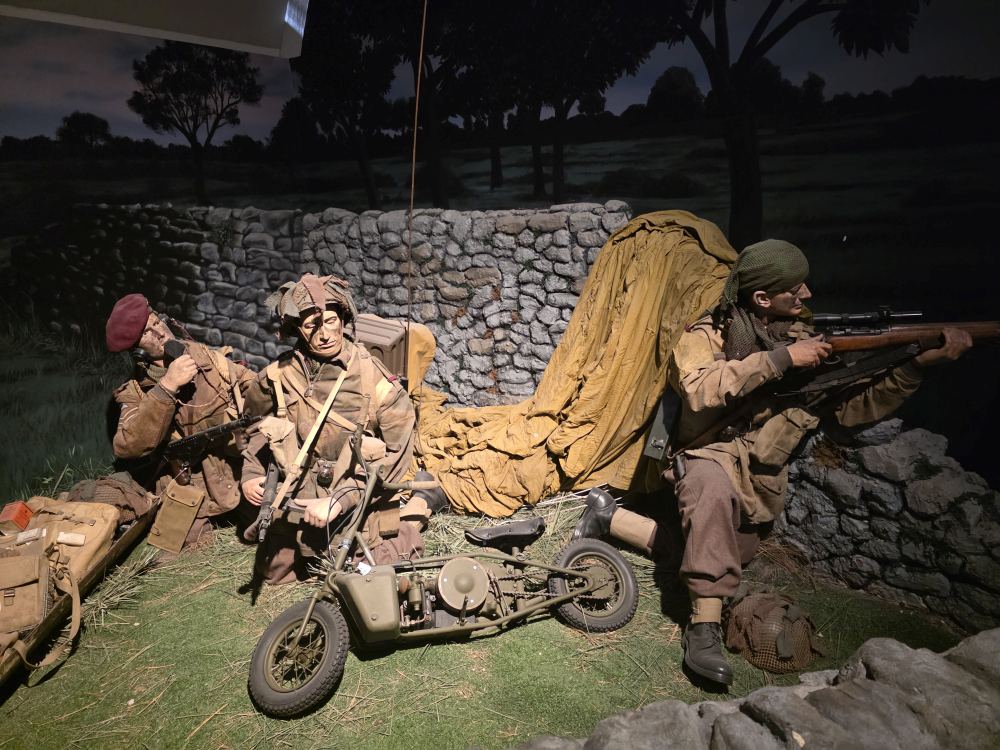
Then it is upstairs for the WWII exhibits, which give some really in-depth and good explanations of how Belgium was affected by the war, the most violent episode in the country’s history, and how the population coped with the occupation (made do, passive – what most of the 8.3 million Belgians did – Collaborate or Resist – only a small minority took these paths). One example is a Black Market game – making a game out of very serious shortages of goods. Another is a hand-sewn dress in the colors of the Allied countries that a 5-year-old wore to celebrate the return of her POW father in 1945. Then there are creepy mannequins in uniform, Hitler and SS Christmas ornaments and a host of dioramas displaying scenes from the time.
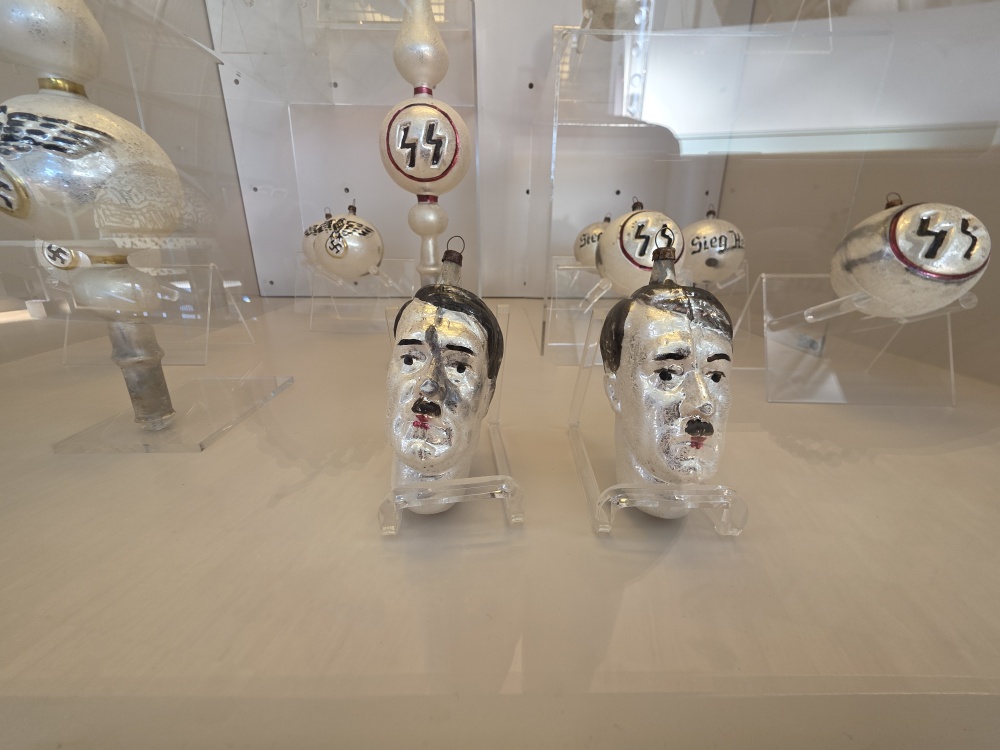
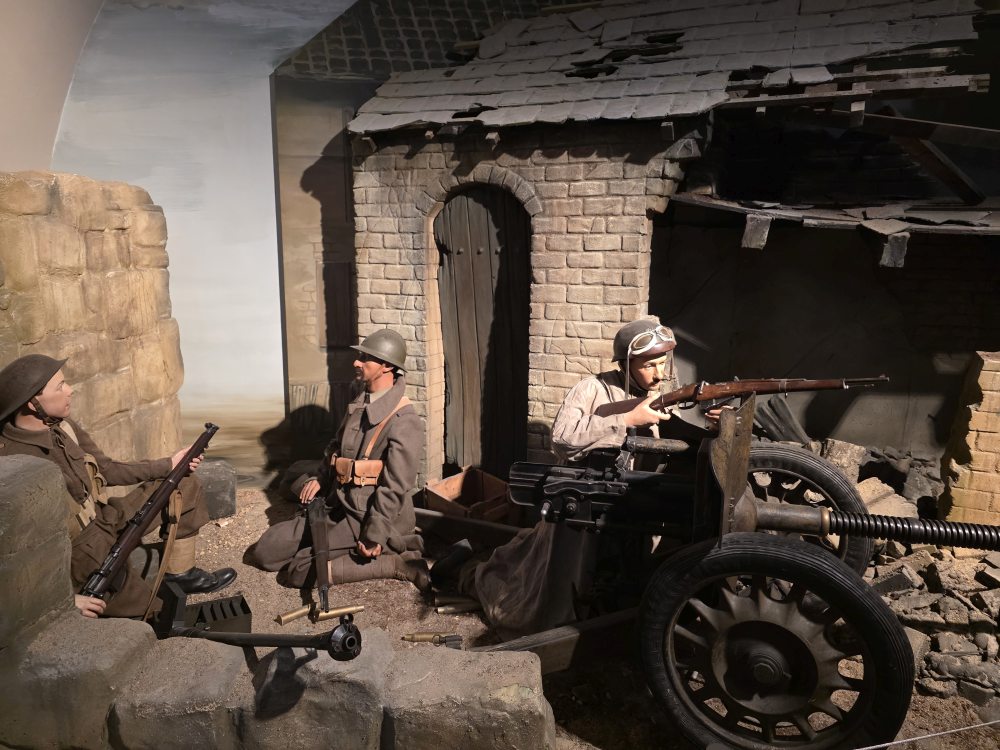
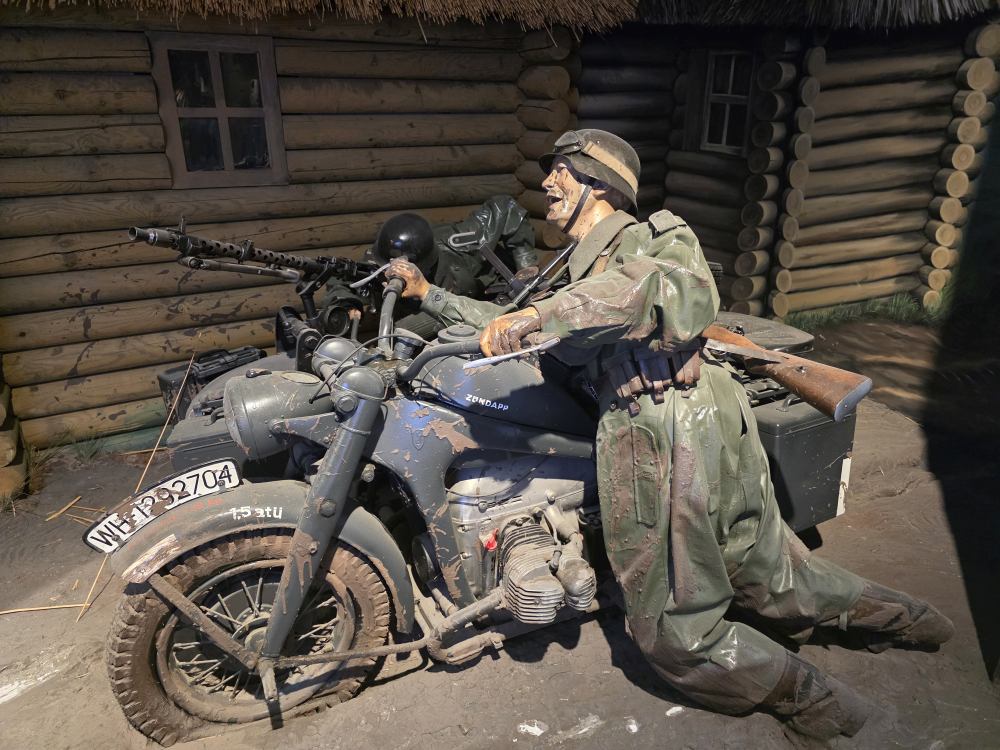
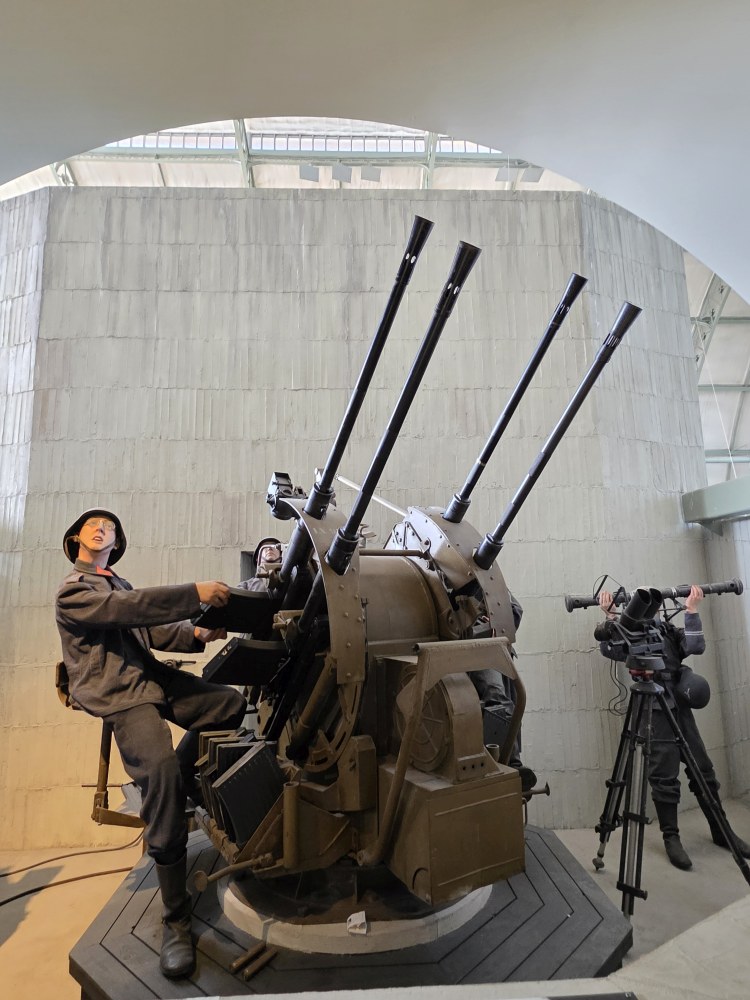
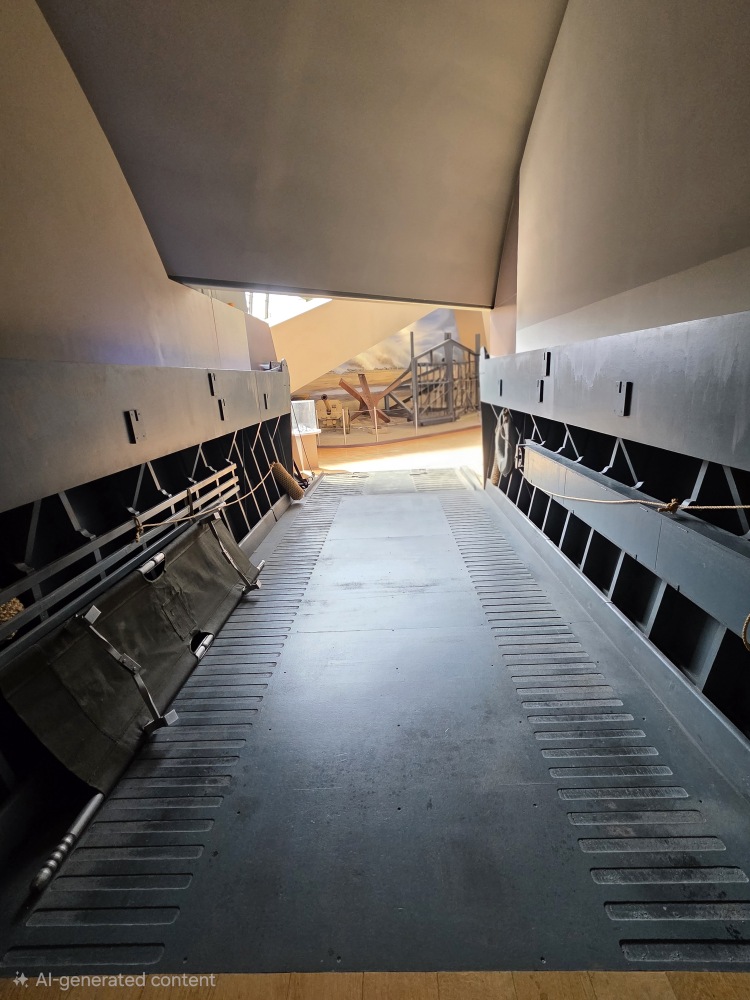
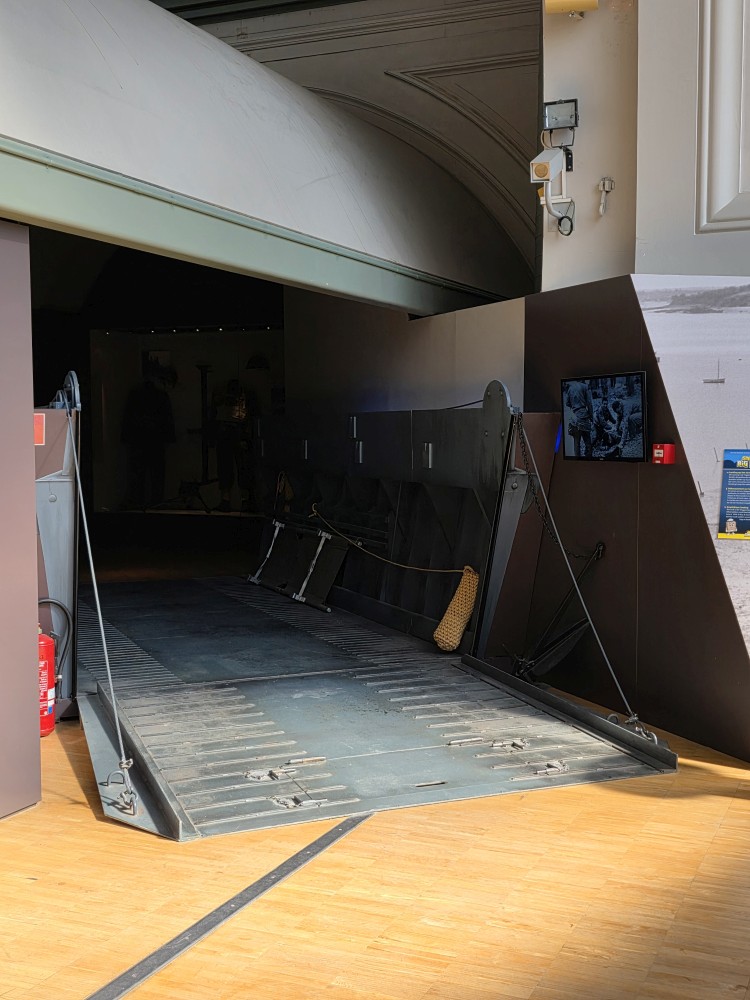
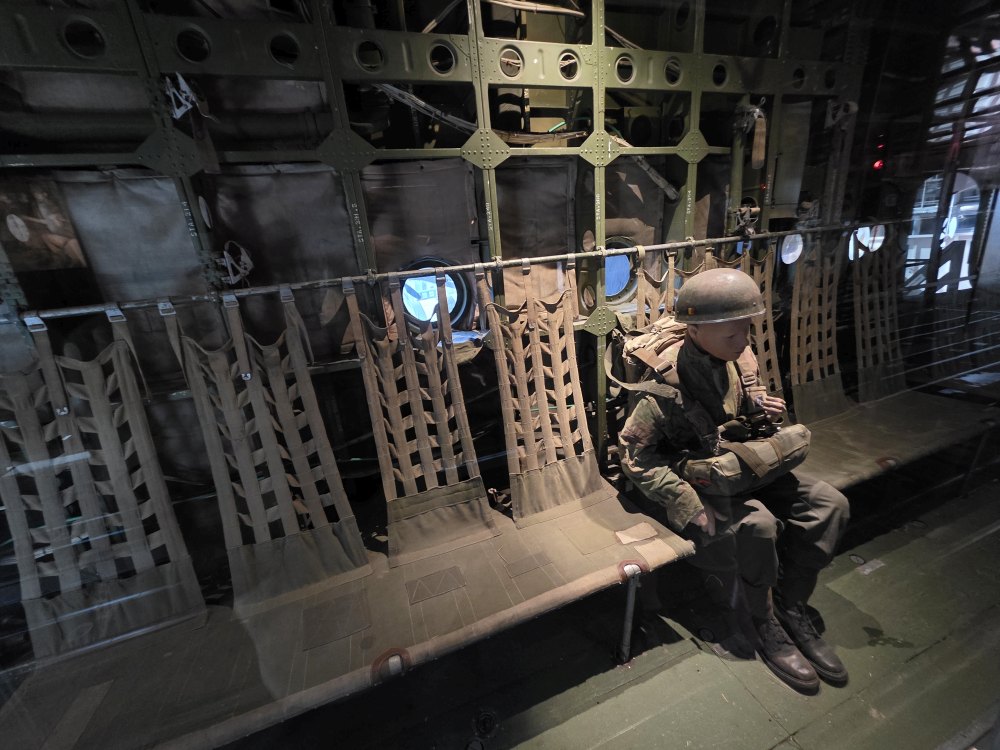
There is also a section with a full size troop carrier – like the ones that landed on Normandy – we can walk through. And then all sorts of military artillery and vehicles used in the war.
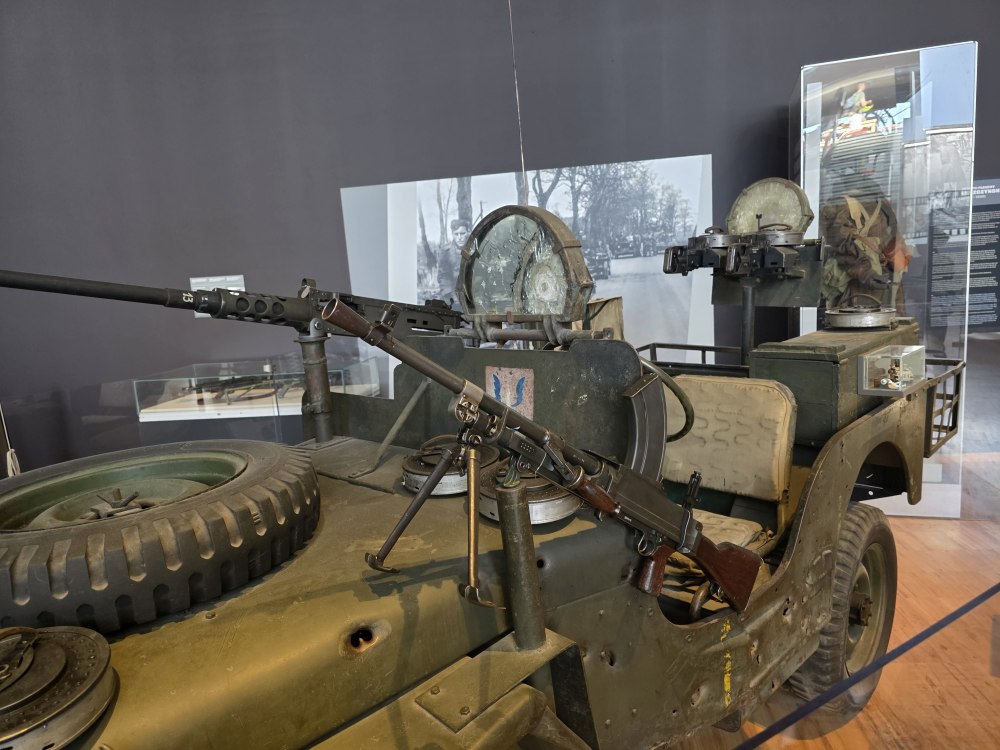
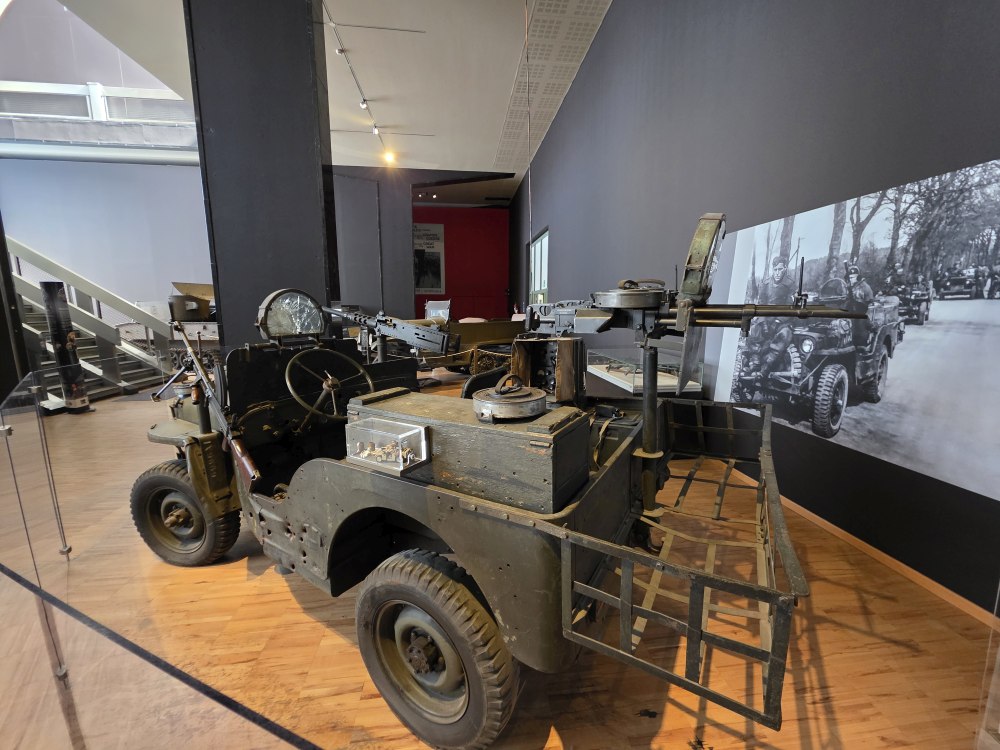
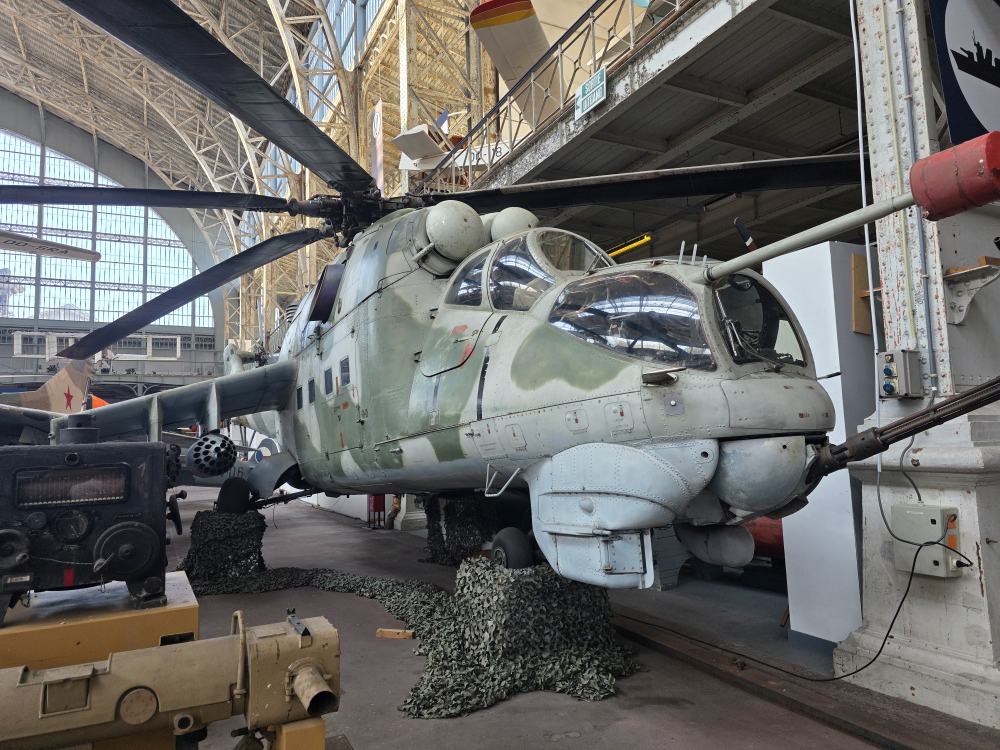
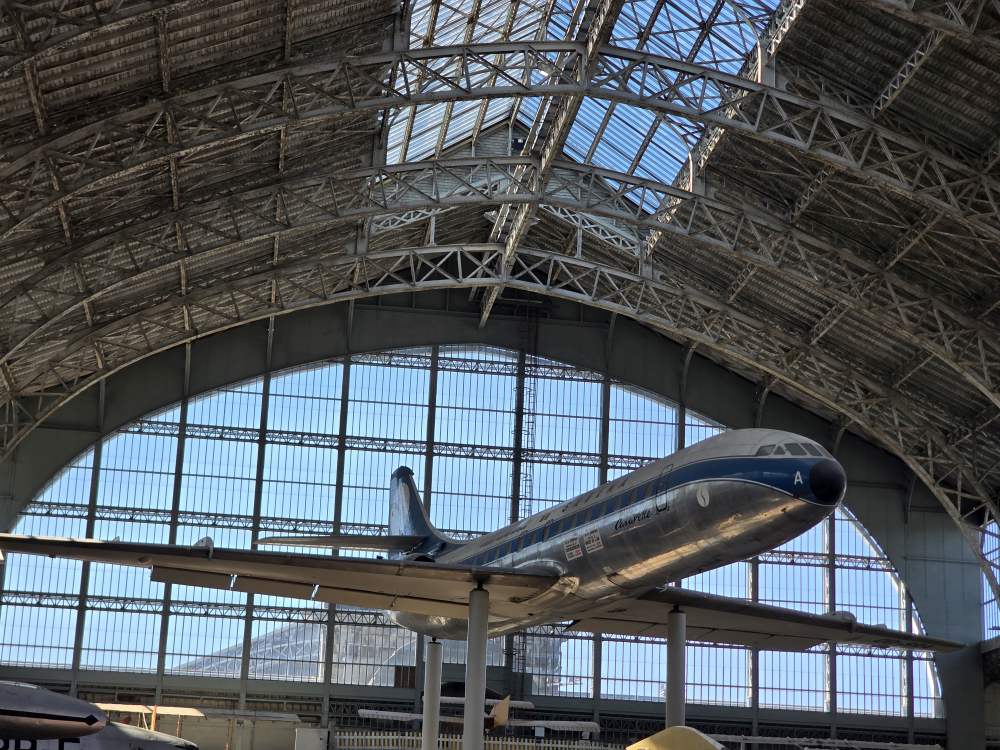
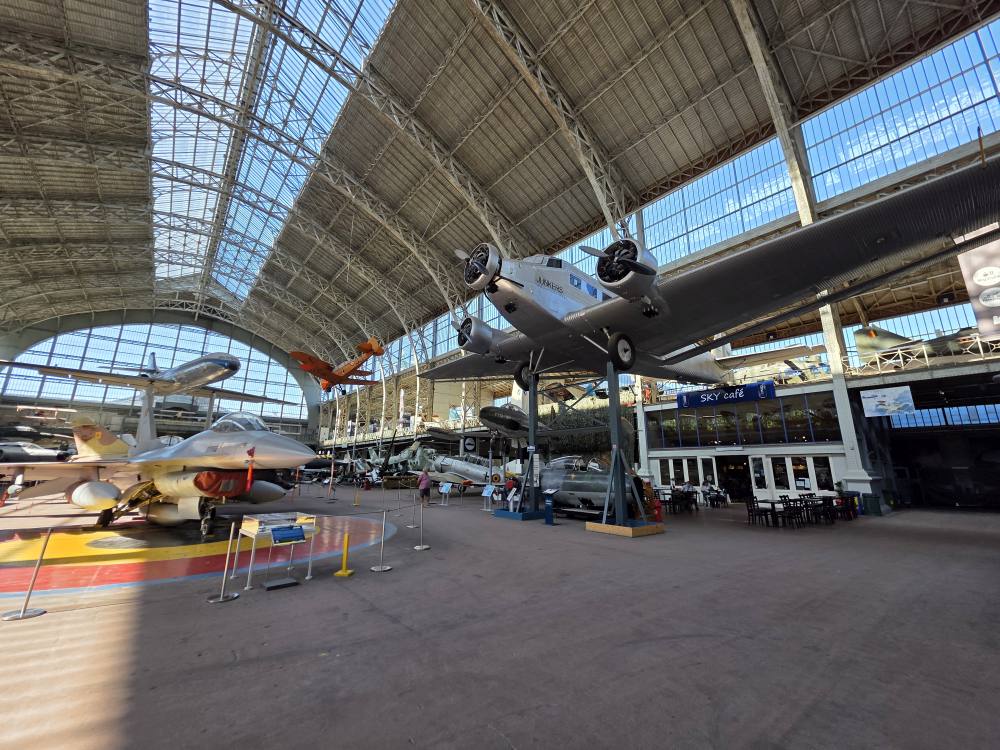
Finishing up the land based equipment, we move on to the aviation area in a massive glass domed hangar with we don’t know how many planes and helicopters on display!
To literally top it all off – we can visit a terrace on the top of the museum, which is actually one side of the Triumphal Arch for a fantastic view of the city and the landscape around us.
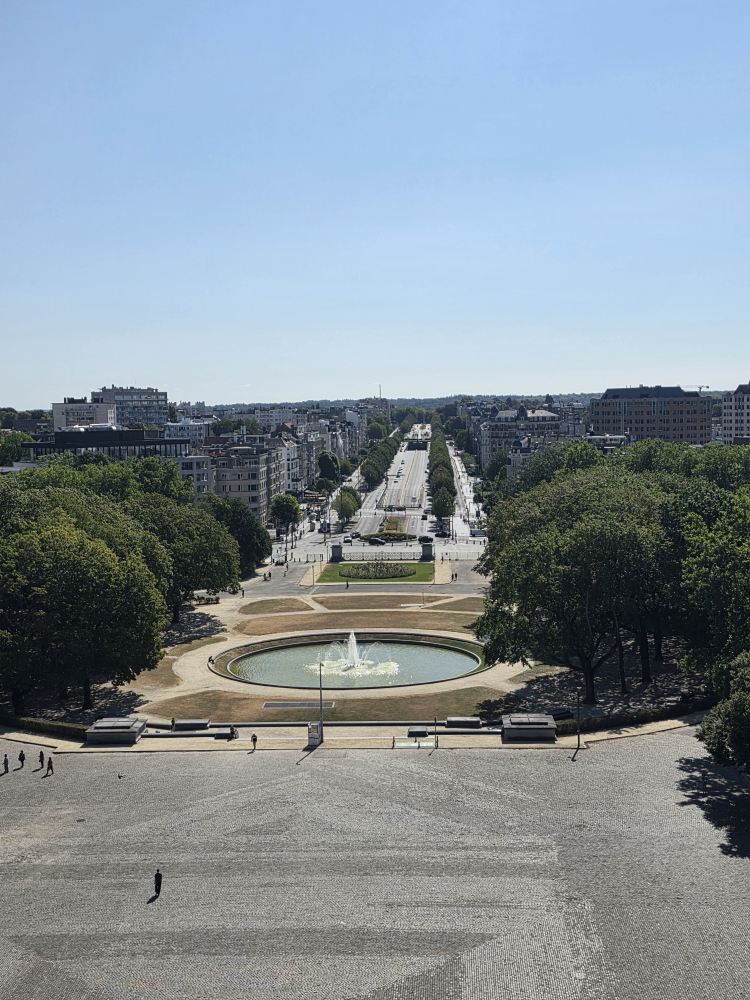
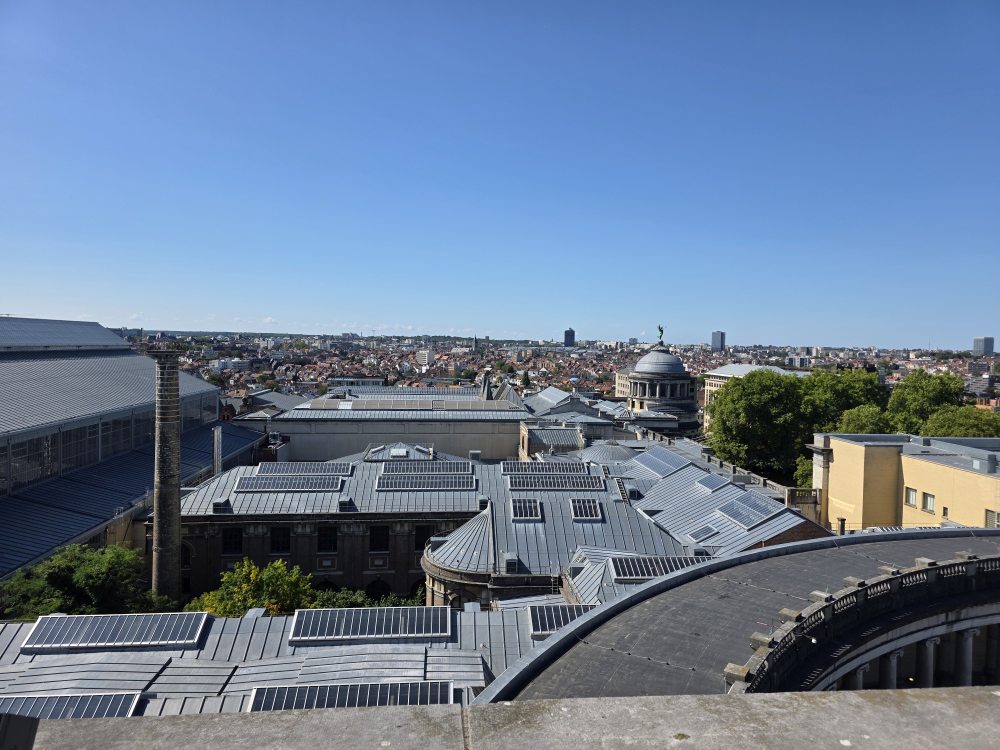
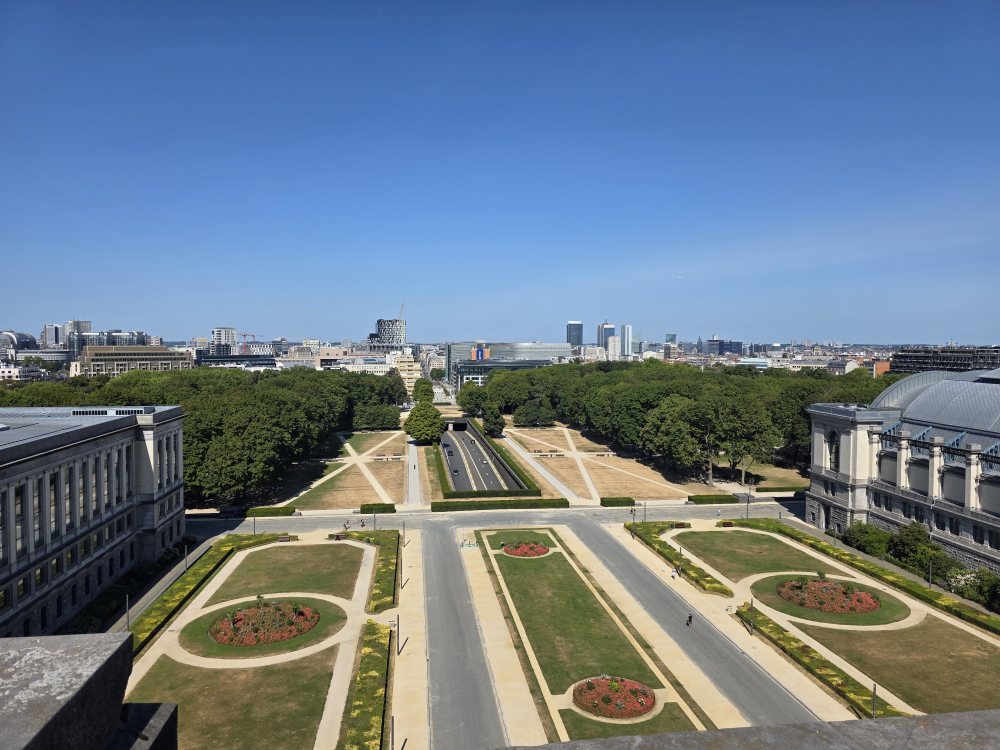
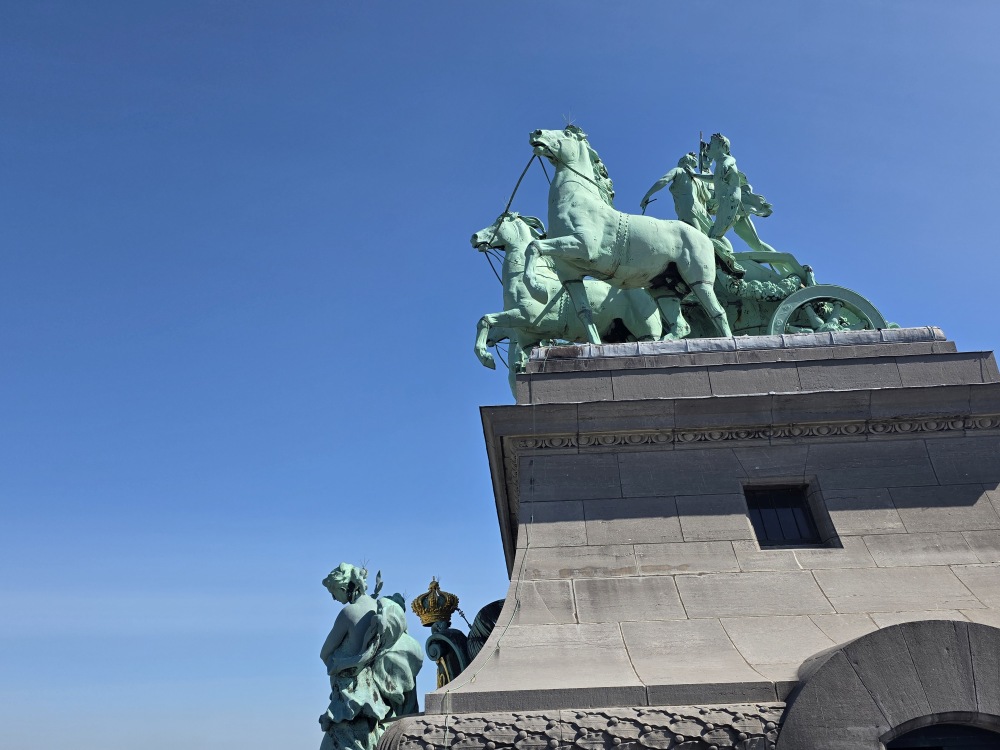
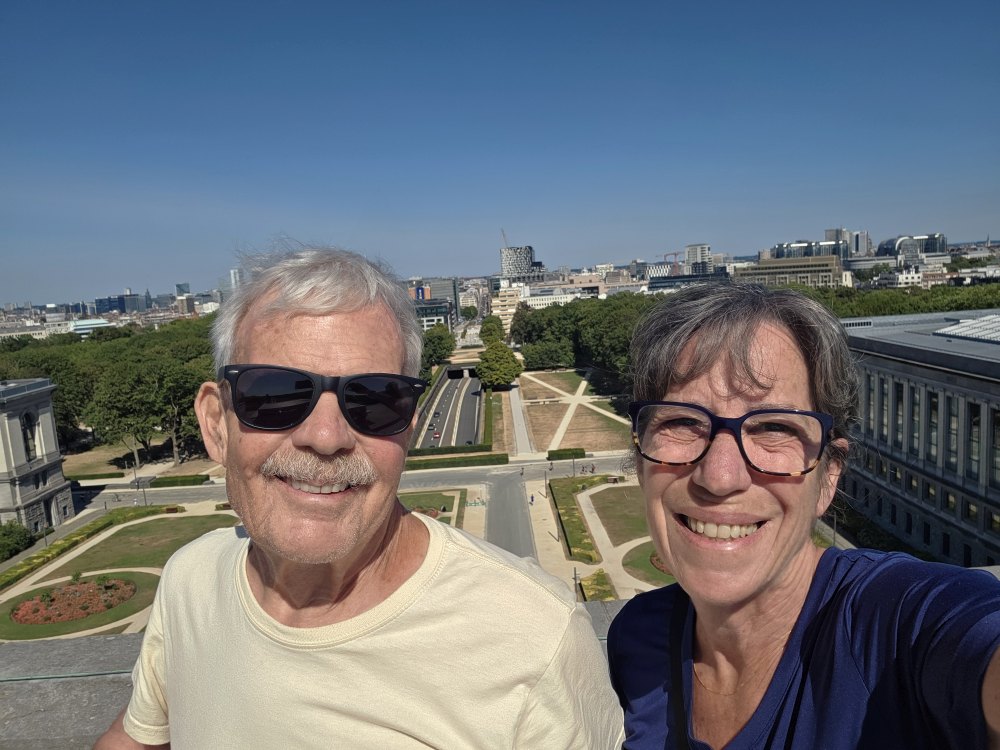
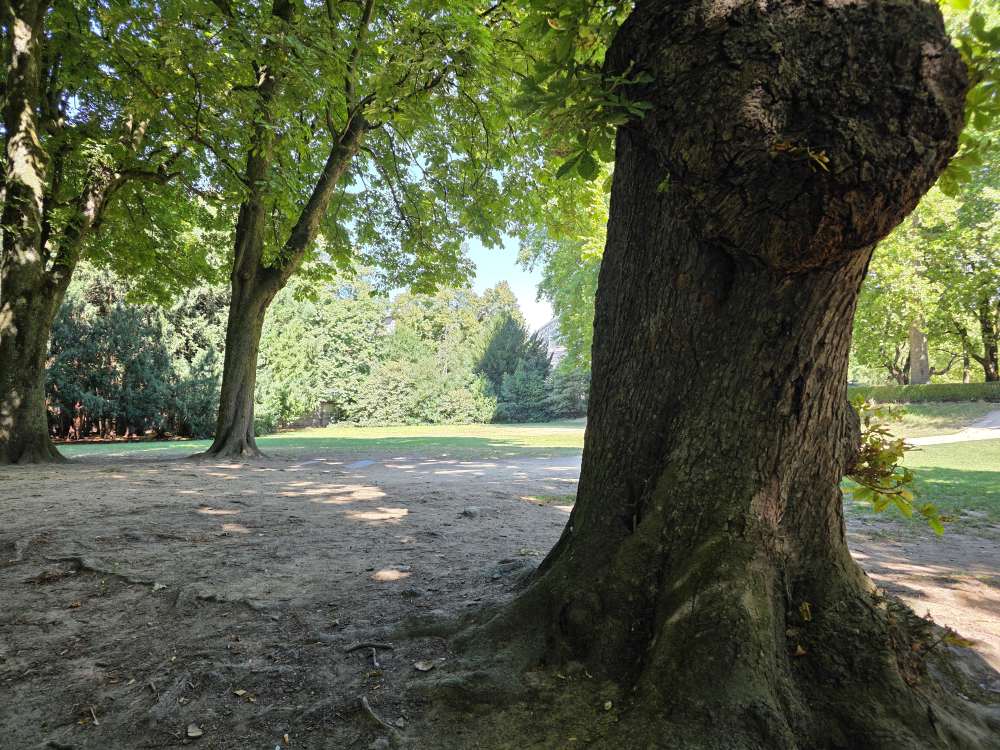
We spent so long in that one museum, it is almost time for lunch. But unfortunately, it is still too early for European lunch time and there is nothing near that is open. We walk over to a more residential area with a pizza place that appears to be open, but they are just prepping. As we turn to try other options, we spy a grocery store up the street – pivot! We grab sandwiches and drinks and head back to the park for a really nice little picnic lunch.
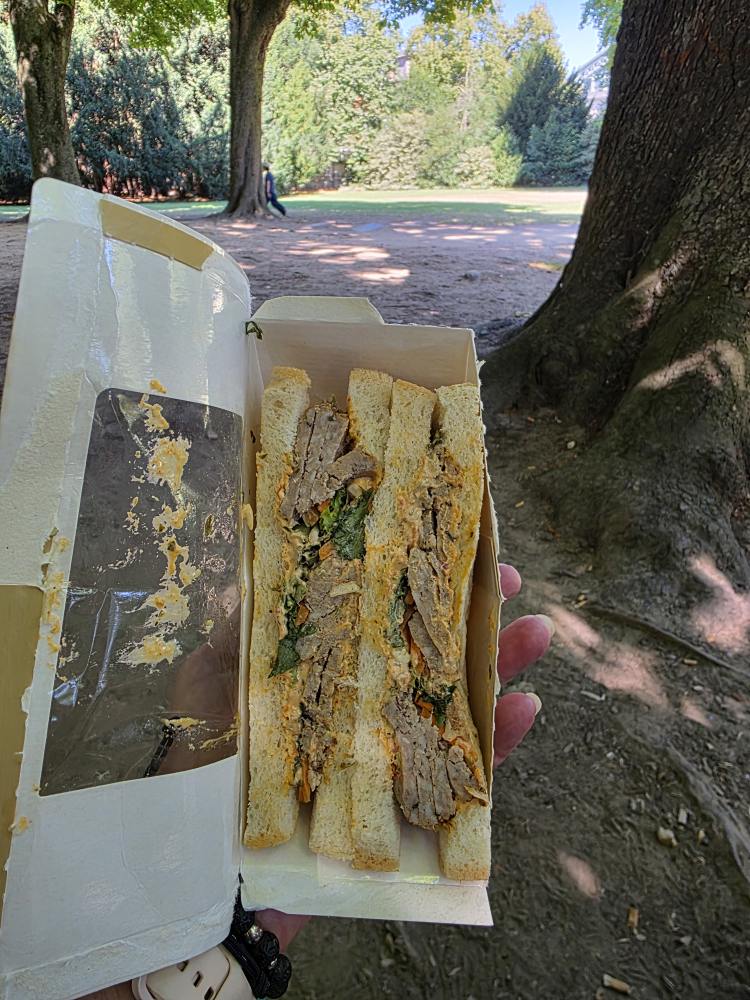
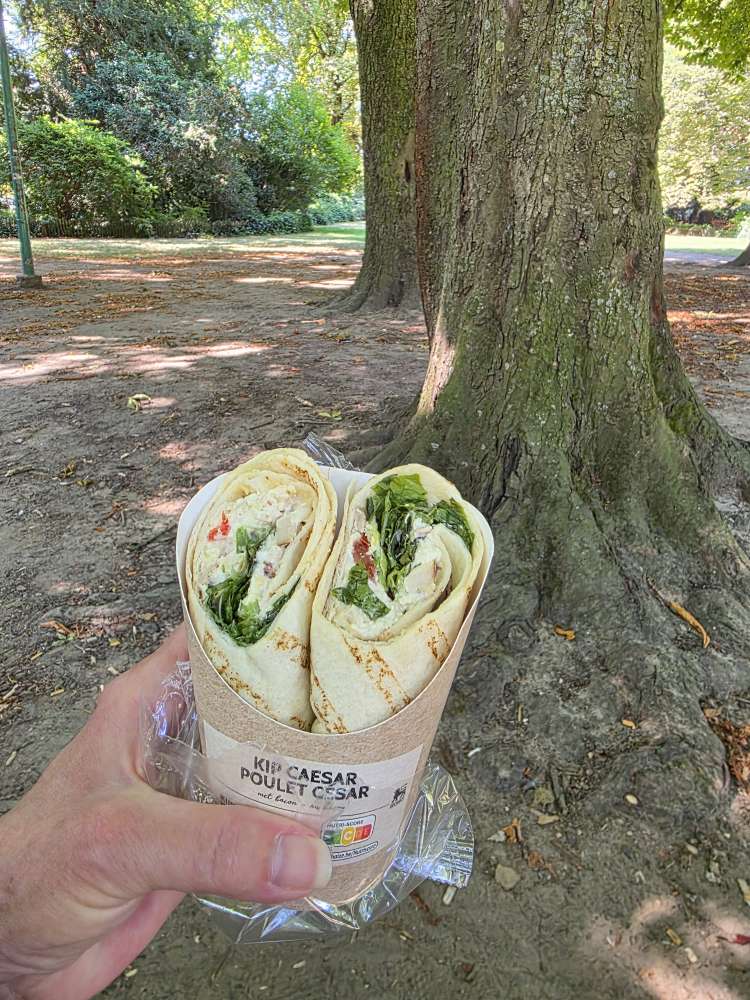
Our plan is to now go over to the Royal Museum of Art and History, however, on the way, we walk by the Autoworld museum and figure, what the heck? It’s included with the Brussels card. So in we go – to explore the history of automobiles from 1896 to today through more than 250 vehicles with a special exhibit on “Icons of the 90s.”
Another monstrous venue – although not quite as big as the military museum – we wander through every era – with wonderful posters that list the timeline of automotive evolution.
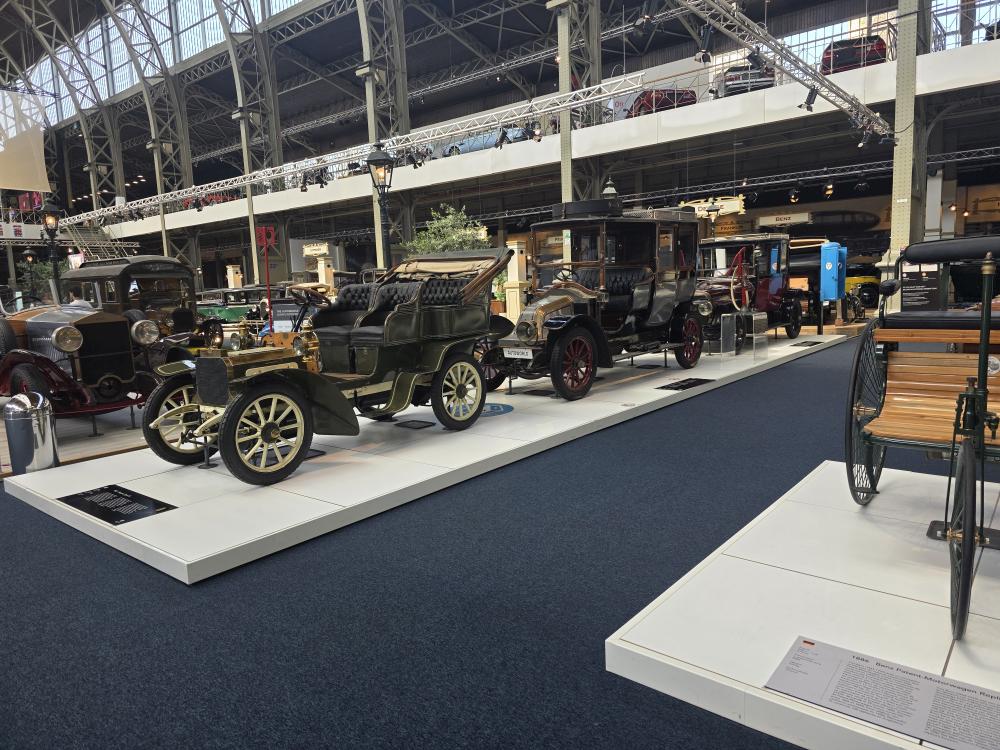
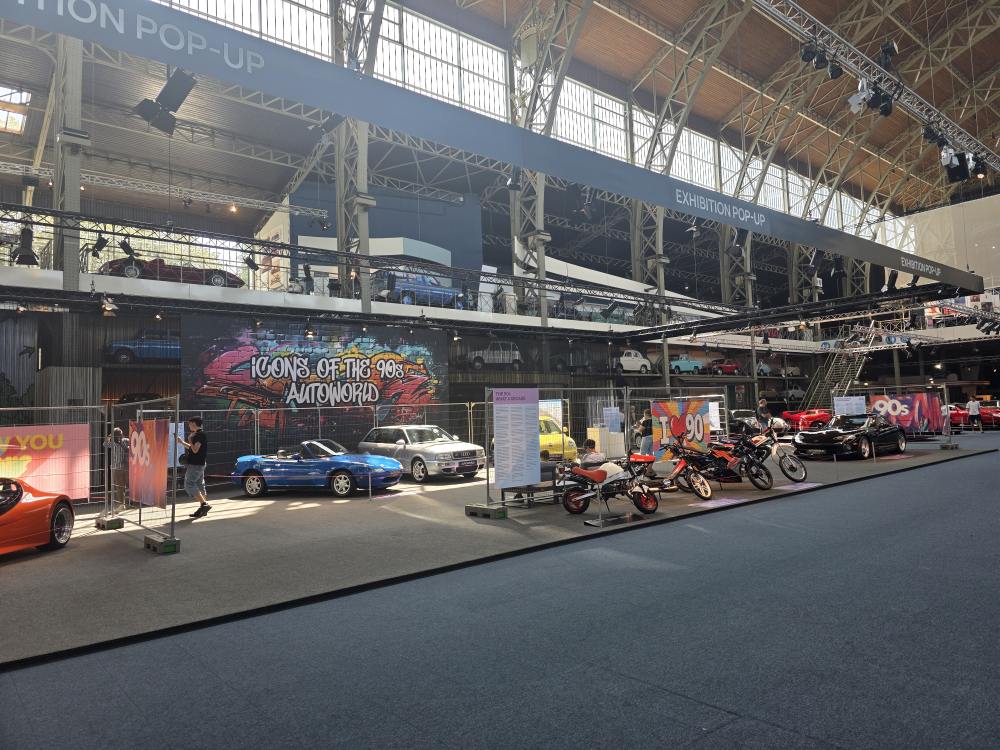
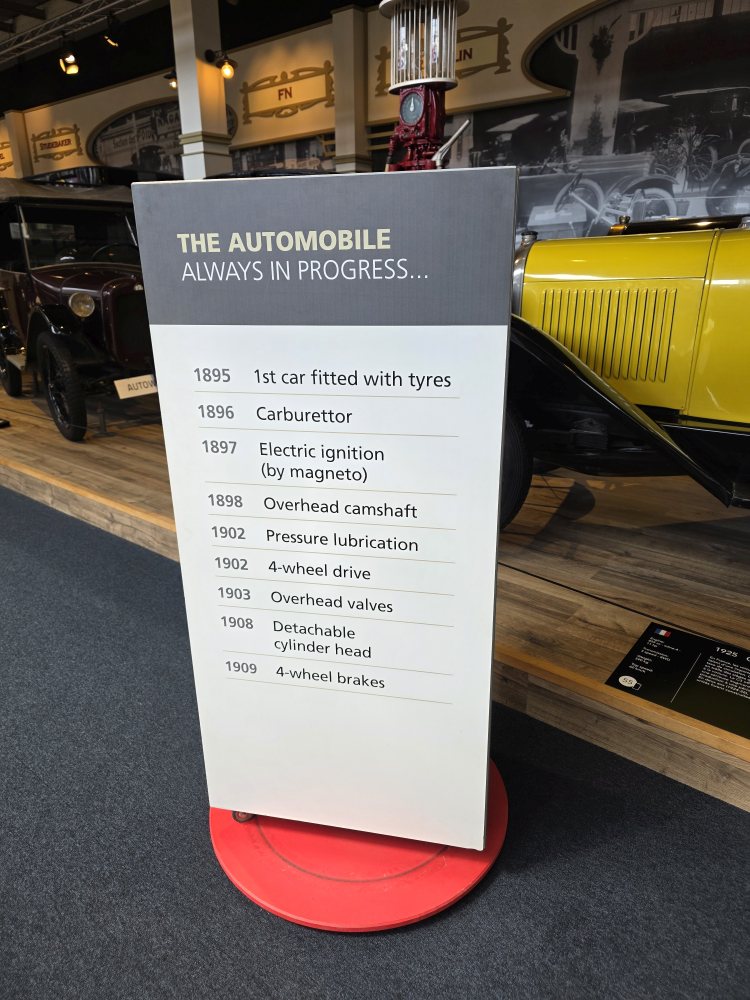
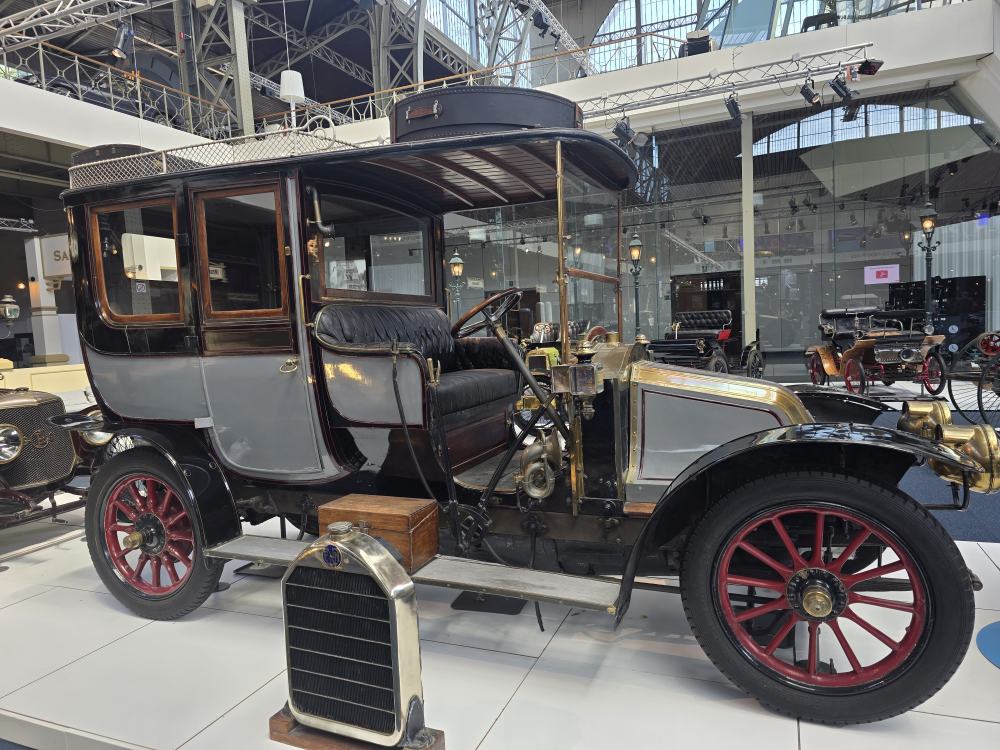
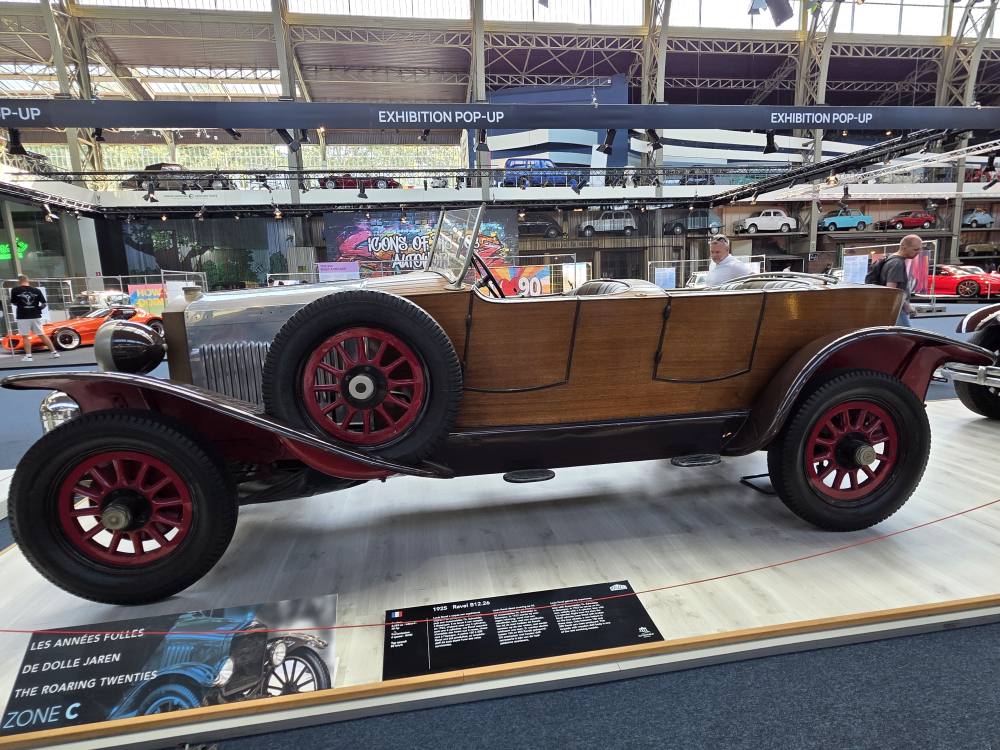
There is also the first ever motorhome; an explanation of the 4 rings in the Audi logo (a combination of 4 companies, thus 4 intertwined rings); interesting info on the development of car manufacturing in Belgium (huge before the wars, destroyed in both WWI and II); a totally fascinating timeline on Electric cars (did you know they existed 1899 in Europe? And were popular in the US in 1916? But disappeared with the introduction of the Model T.).
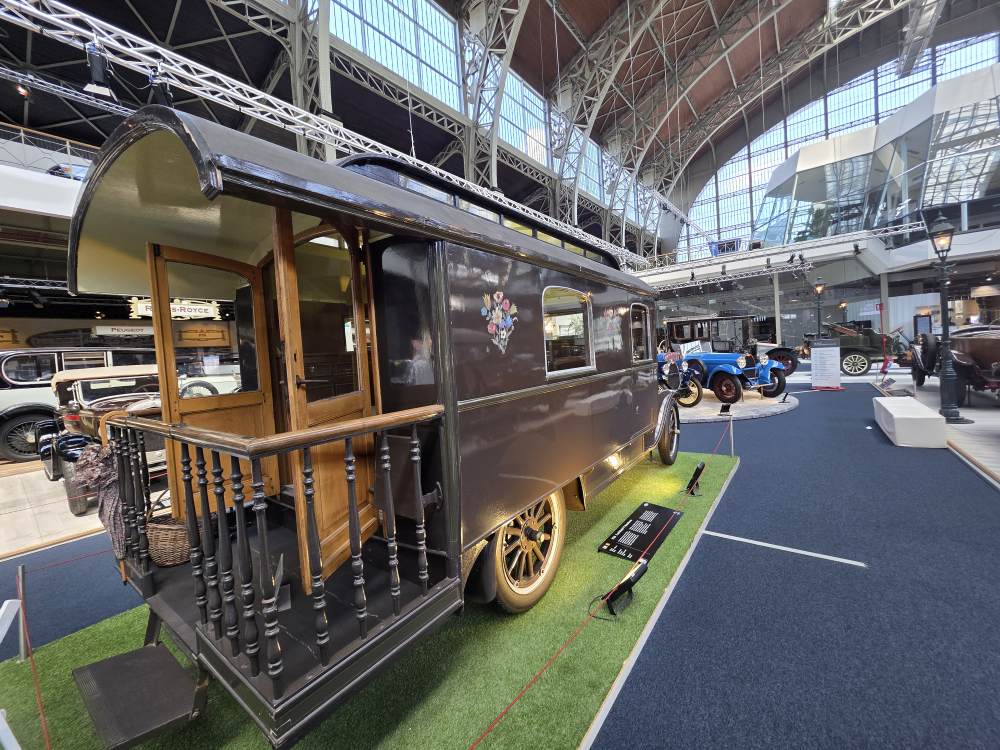
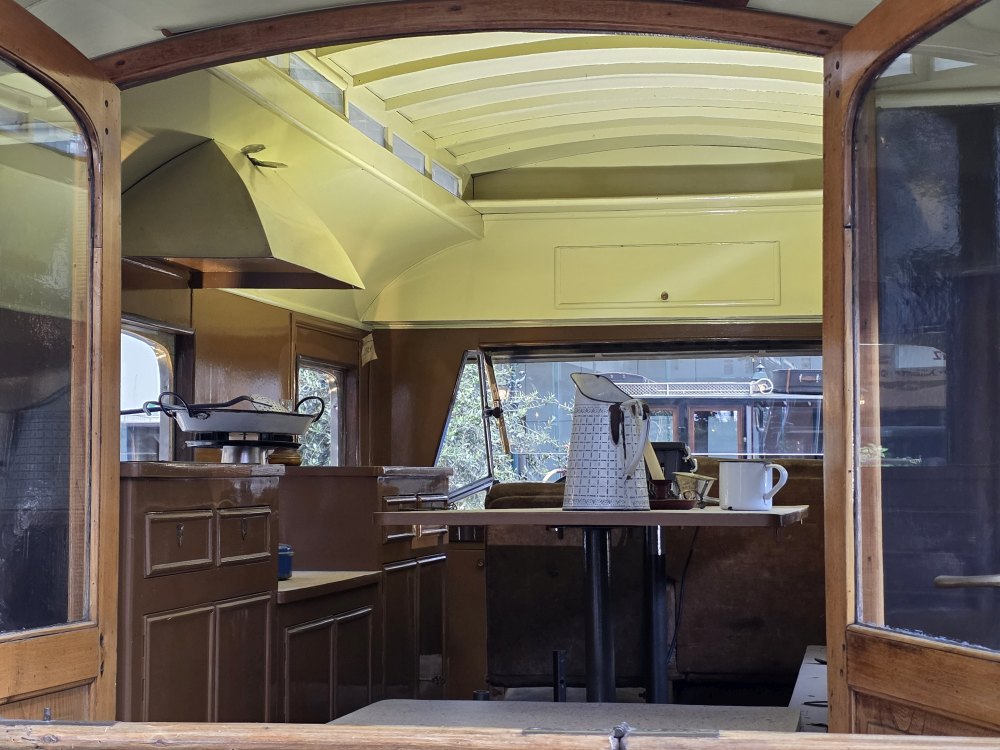
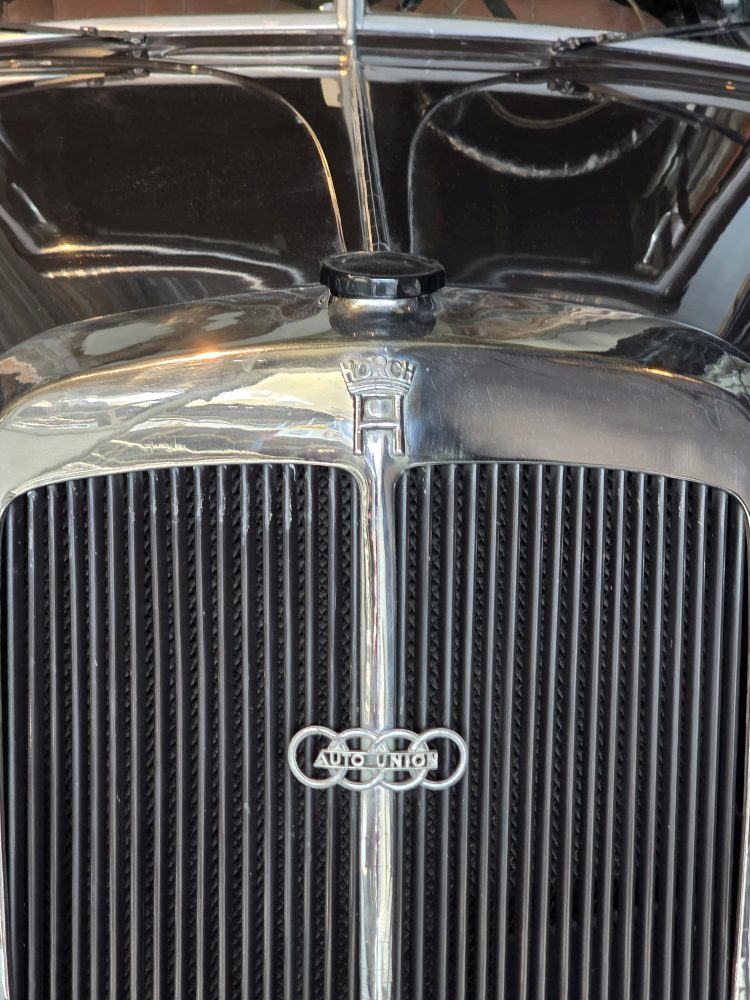
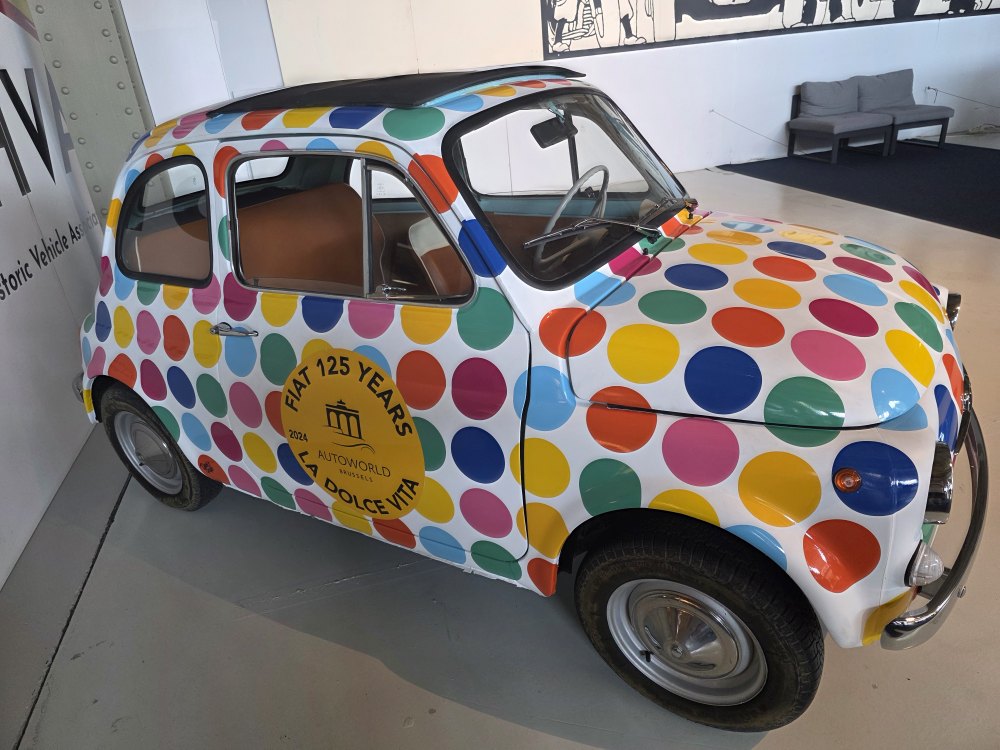
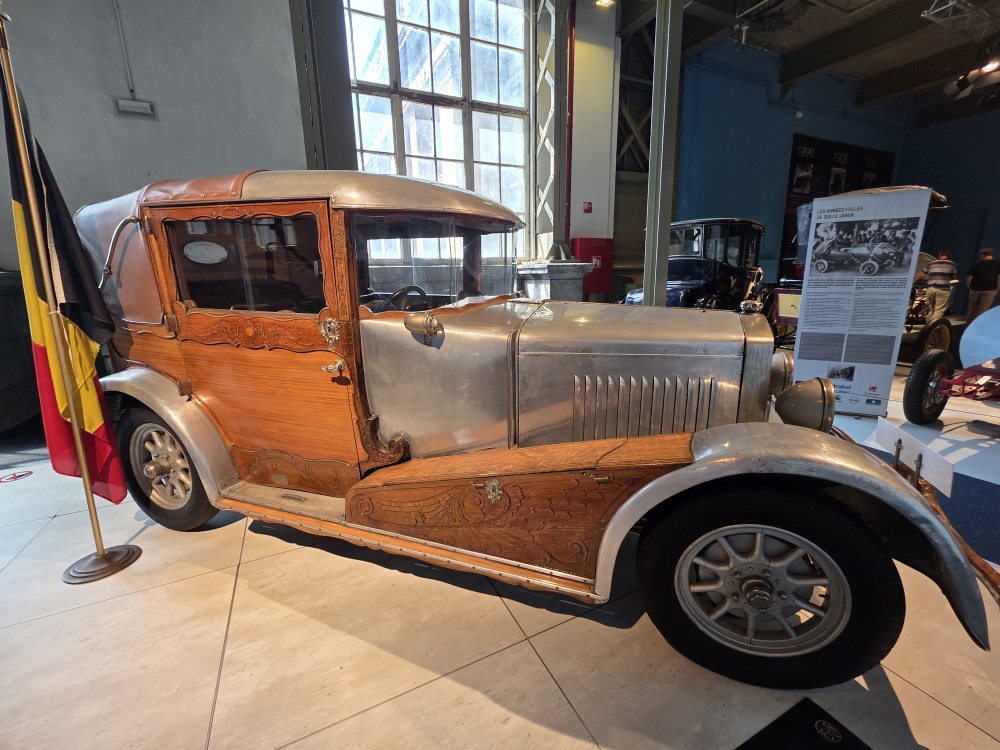
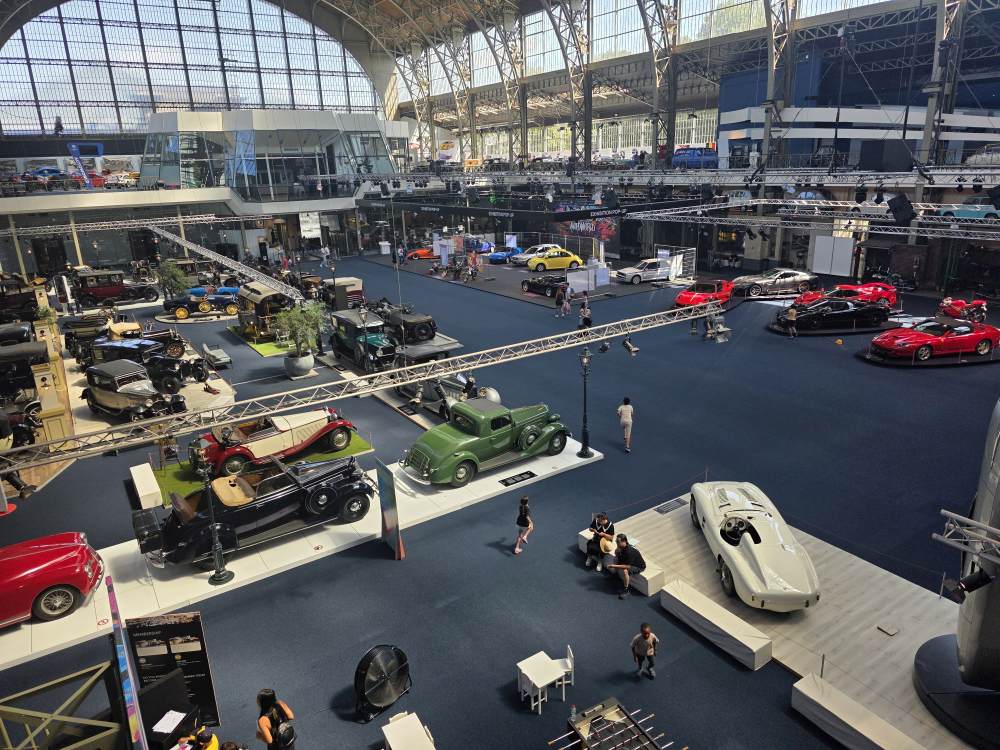
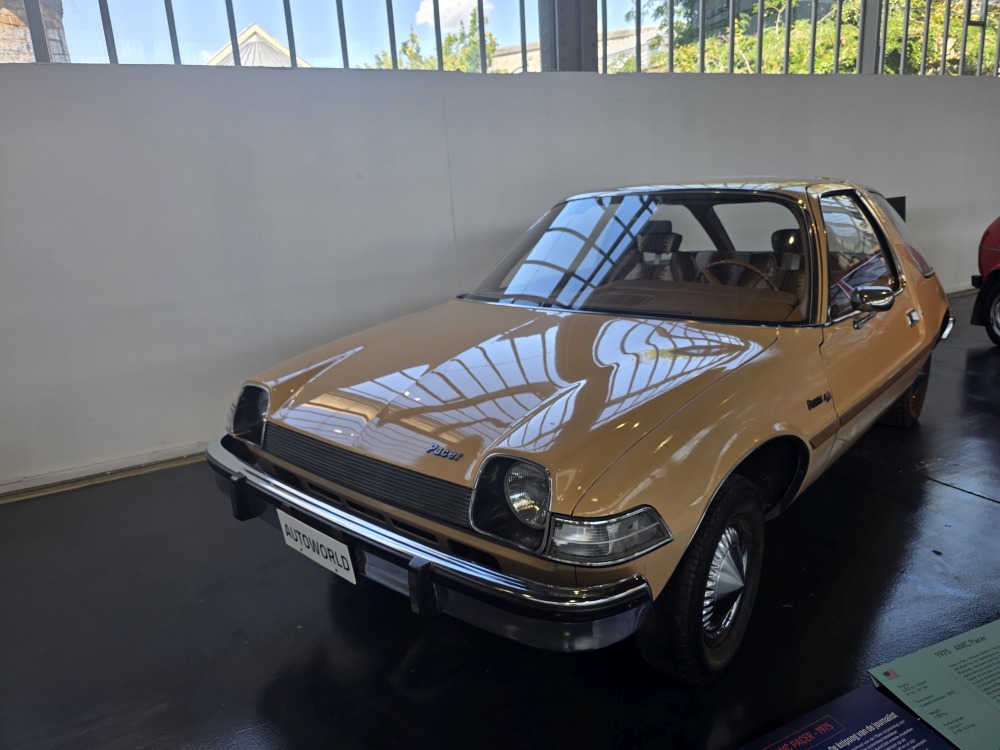
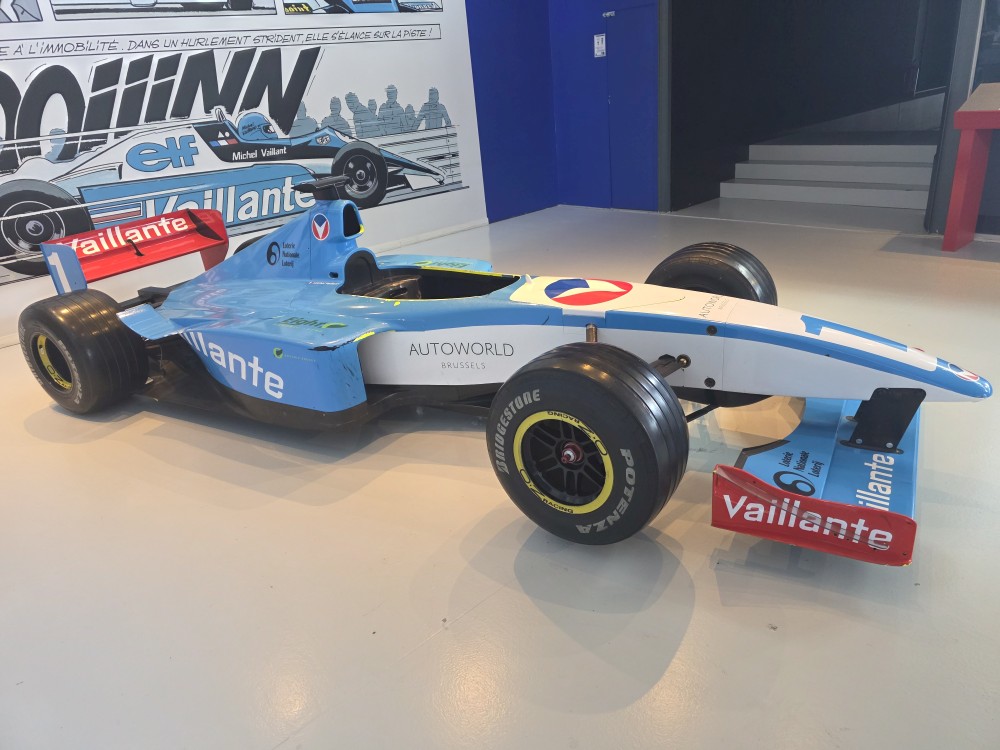
It’s just a cornucopia of cars and history and facts.
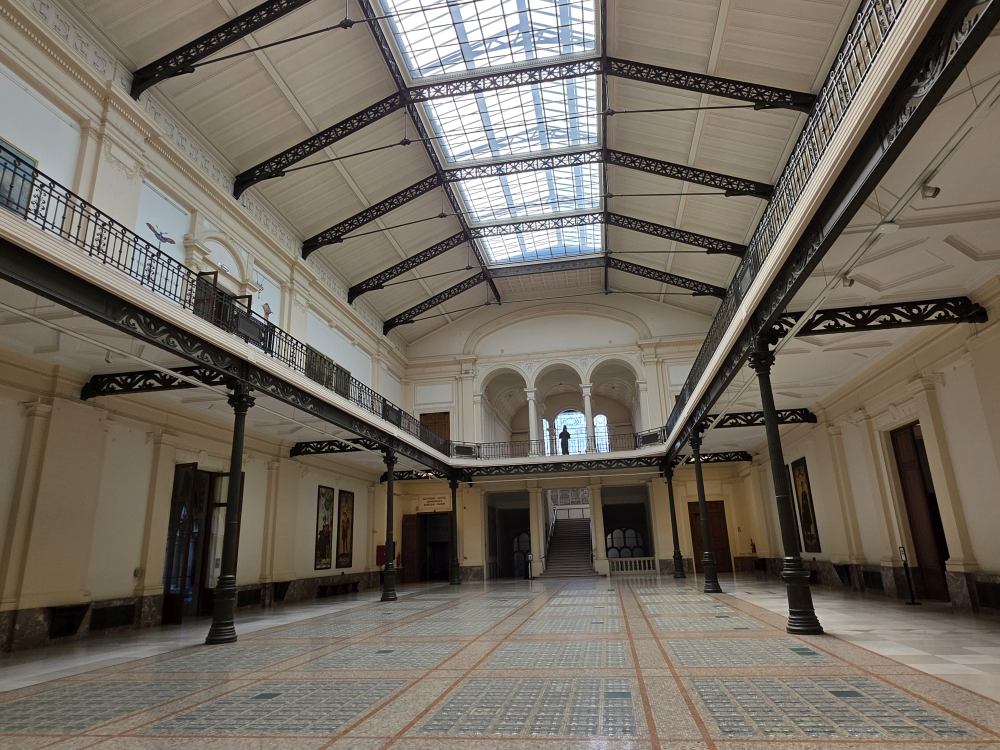
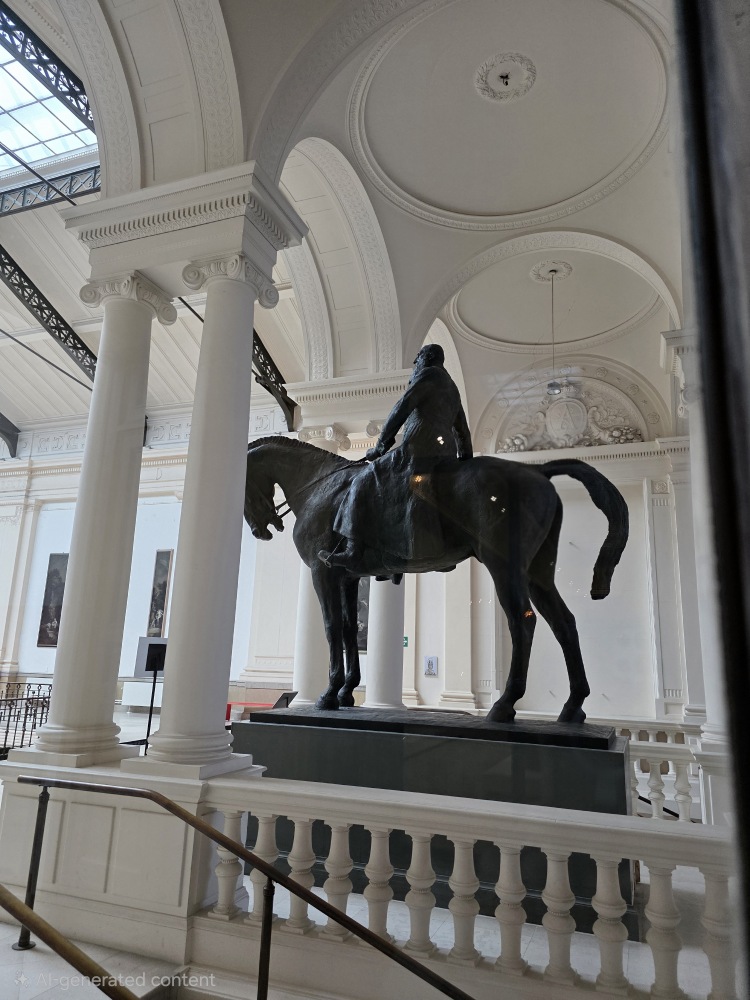
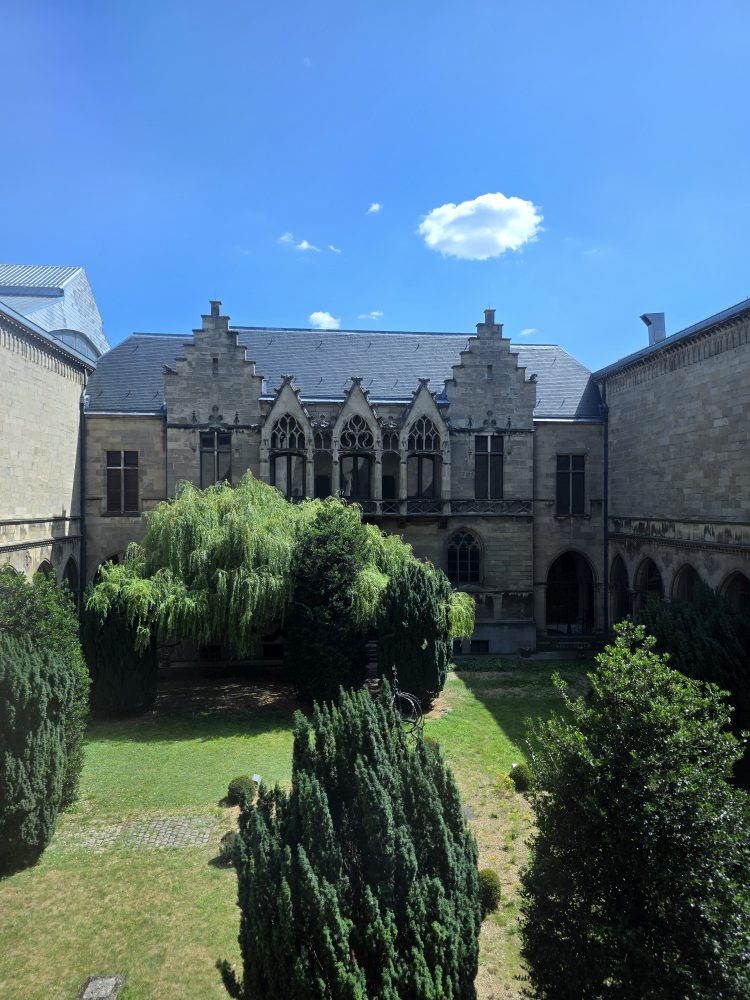
Around the corner is the Art and History museum, where we wander through yet more incredible history filled with Leopold II statues, Art Nouveau pieces and then more mundane items like the Manual switchboard from the early 1800s.
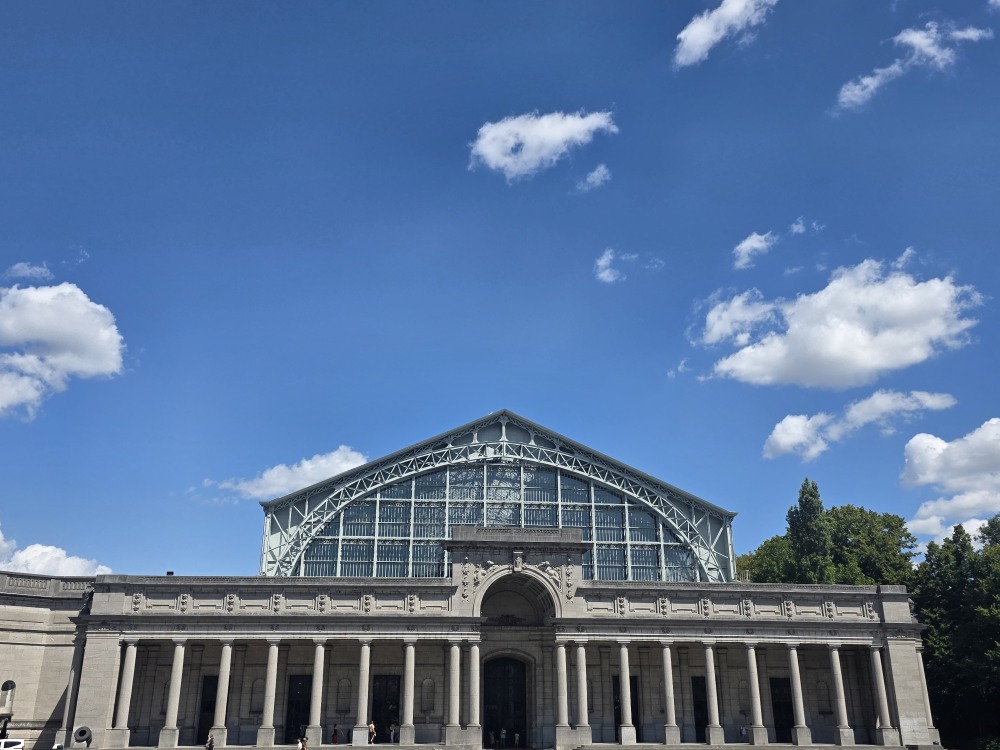
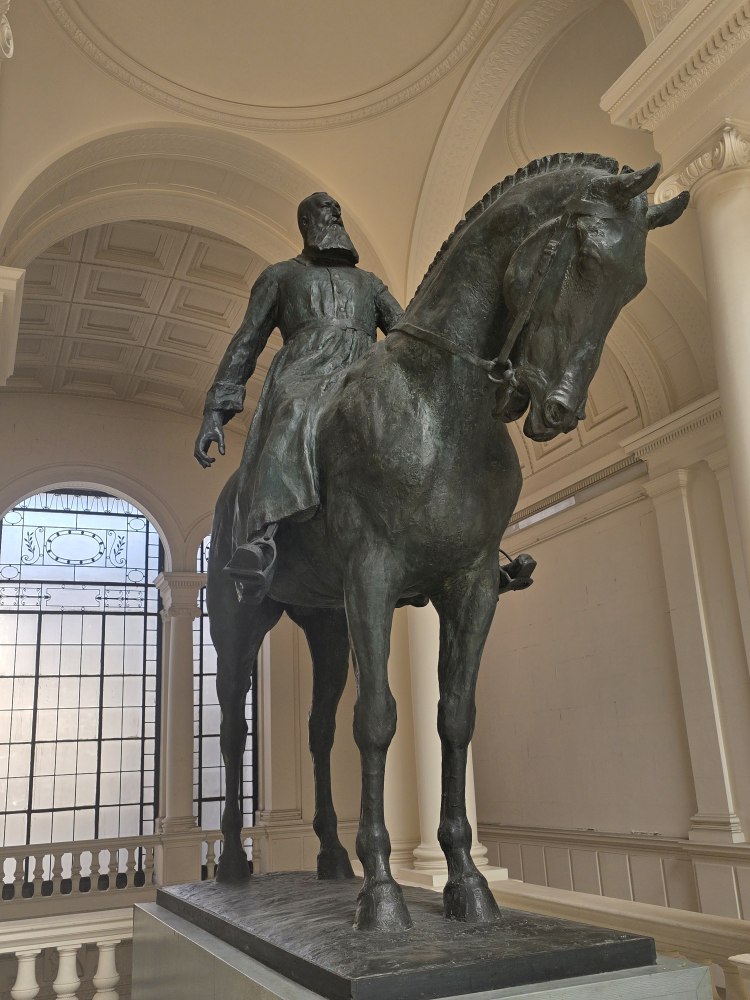
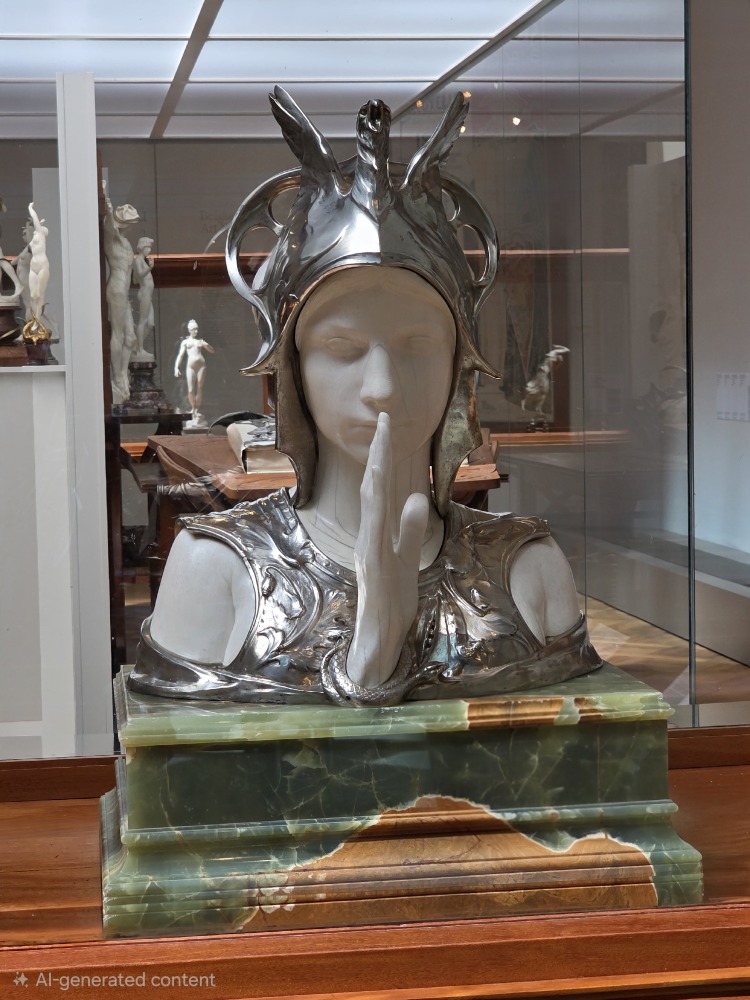
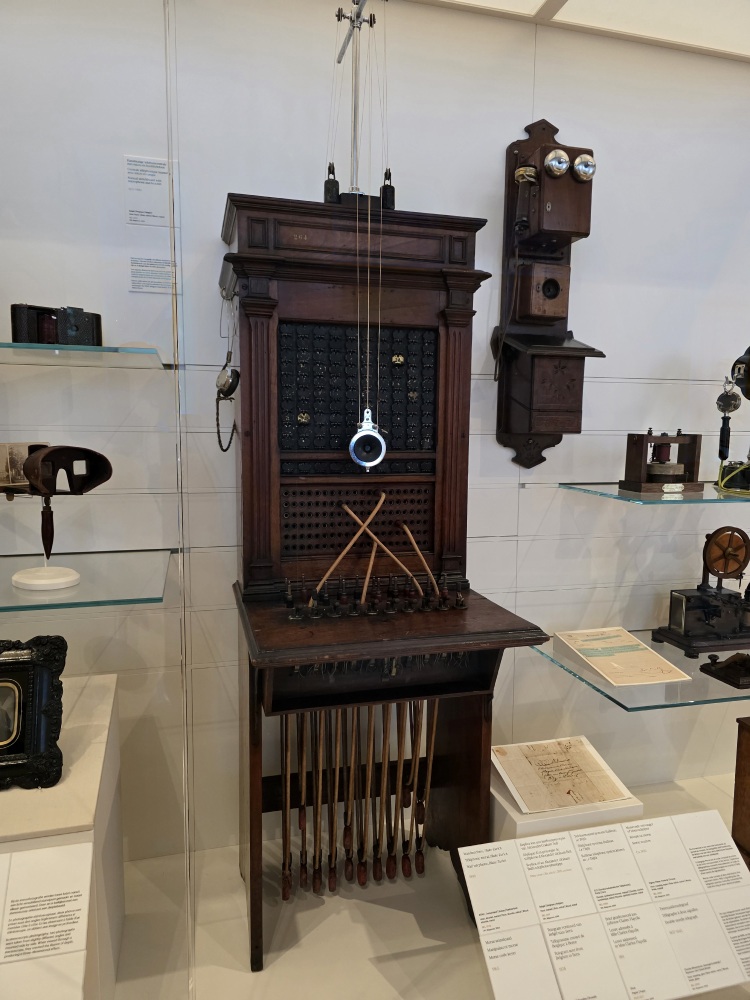
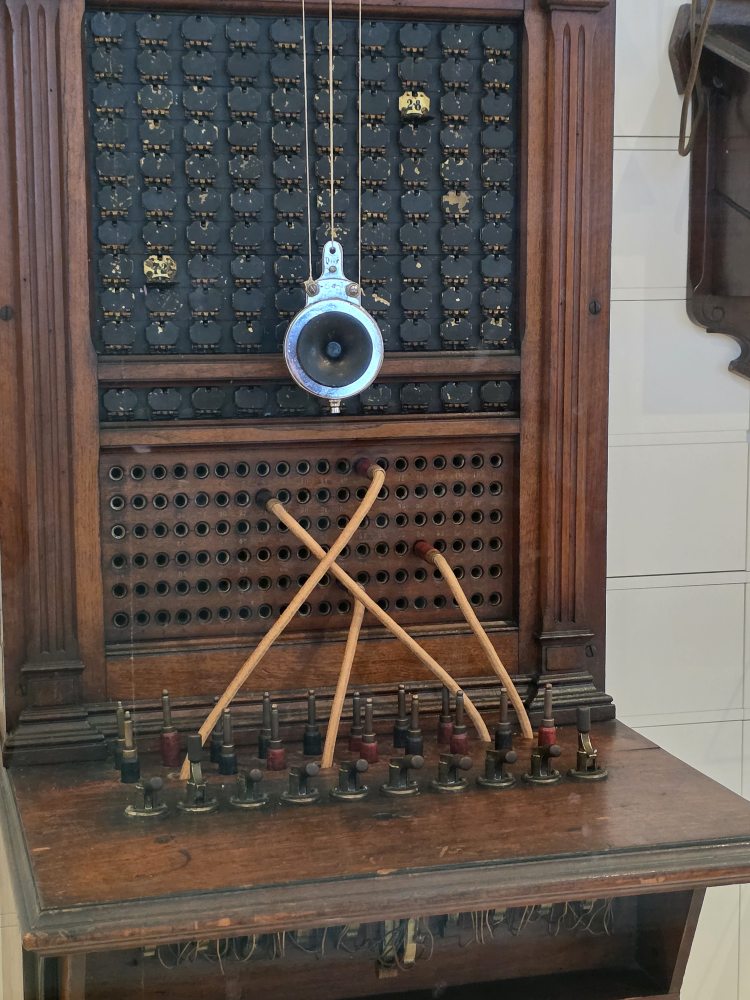
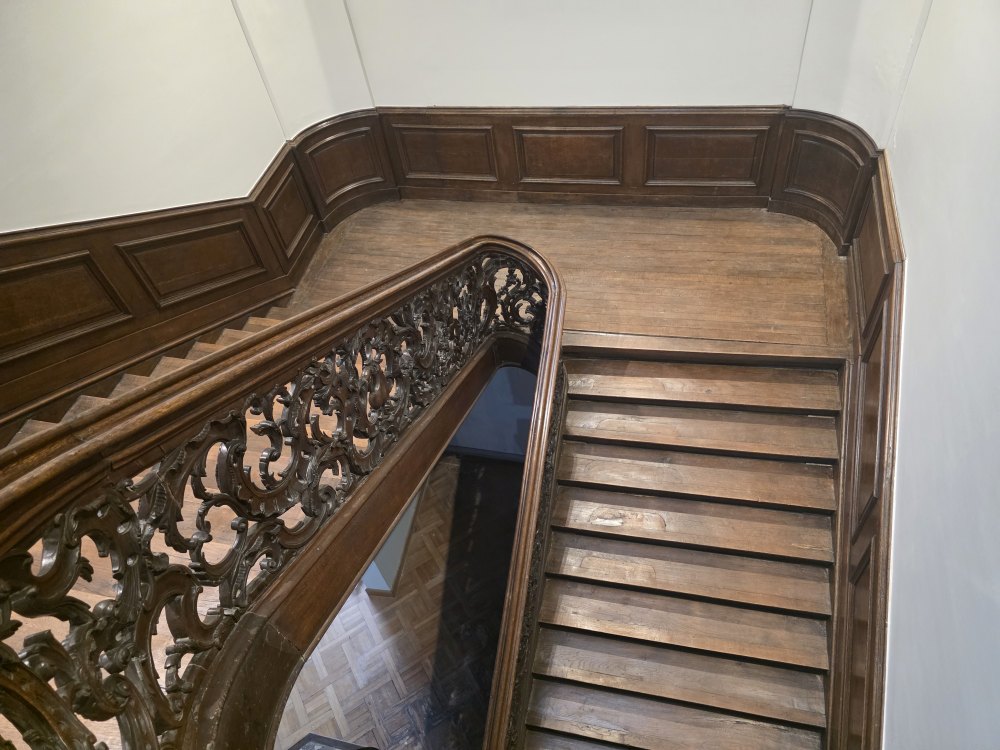
The building itself is a piece of art, with gorgeous wood staircases and soaring domed ceilings.
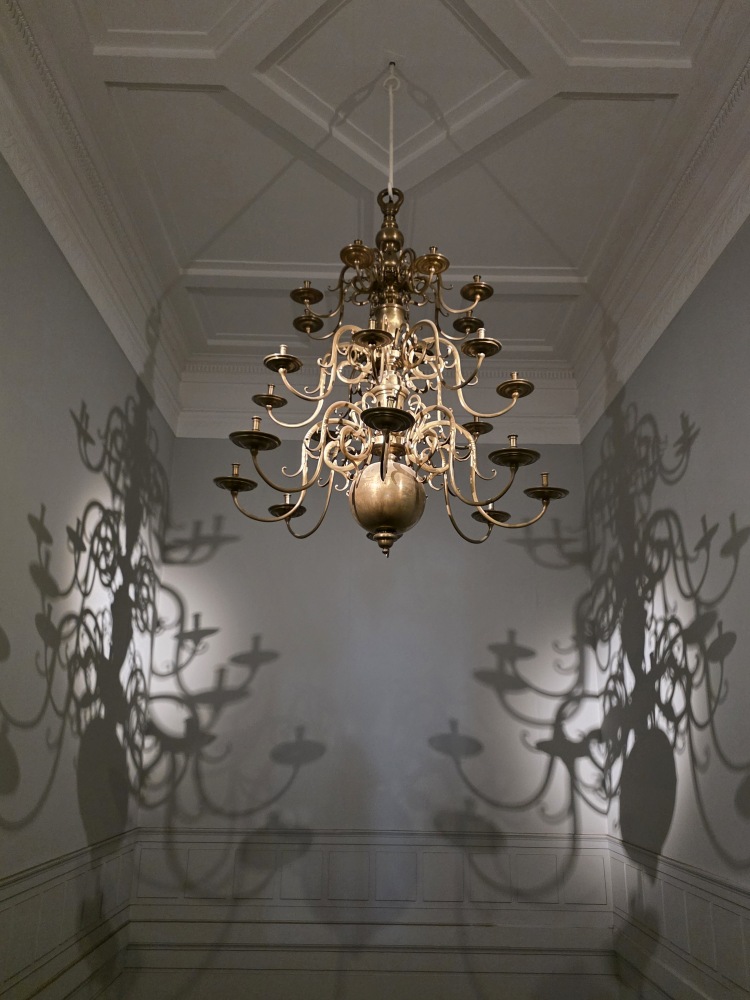
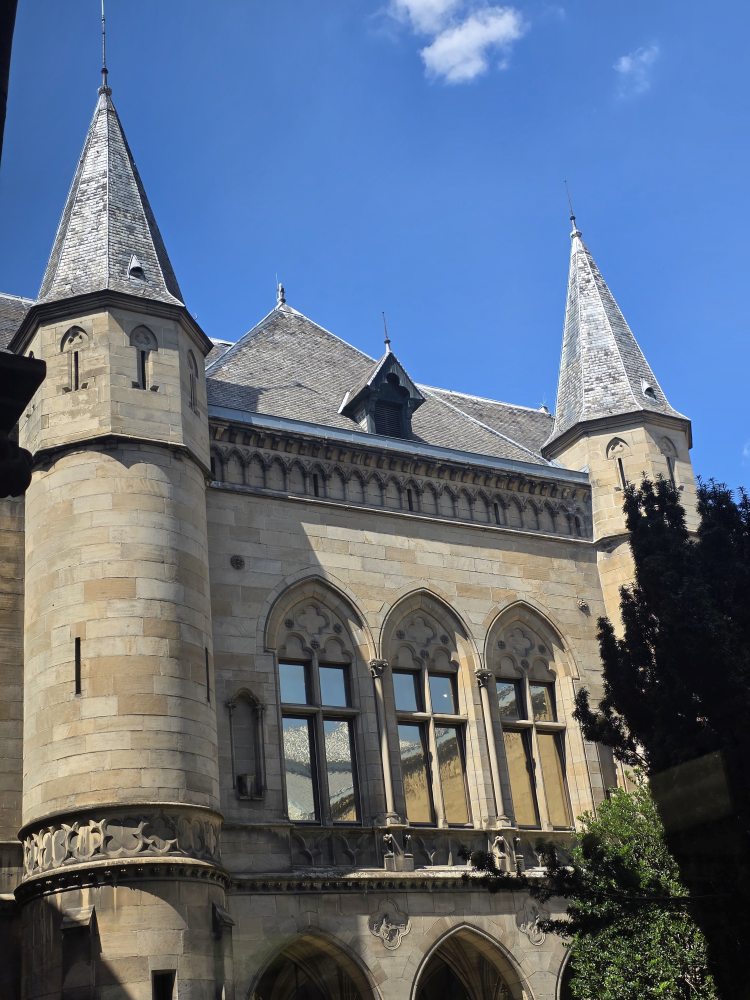
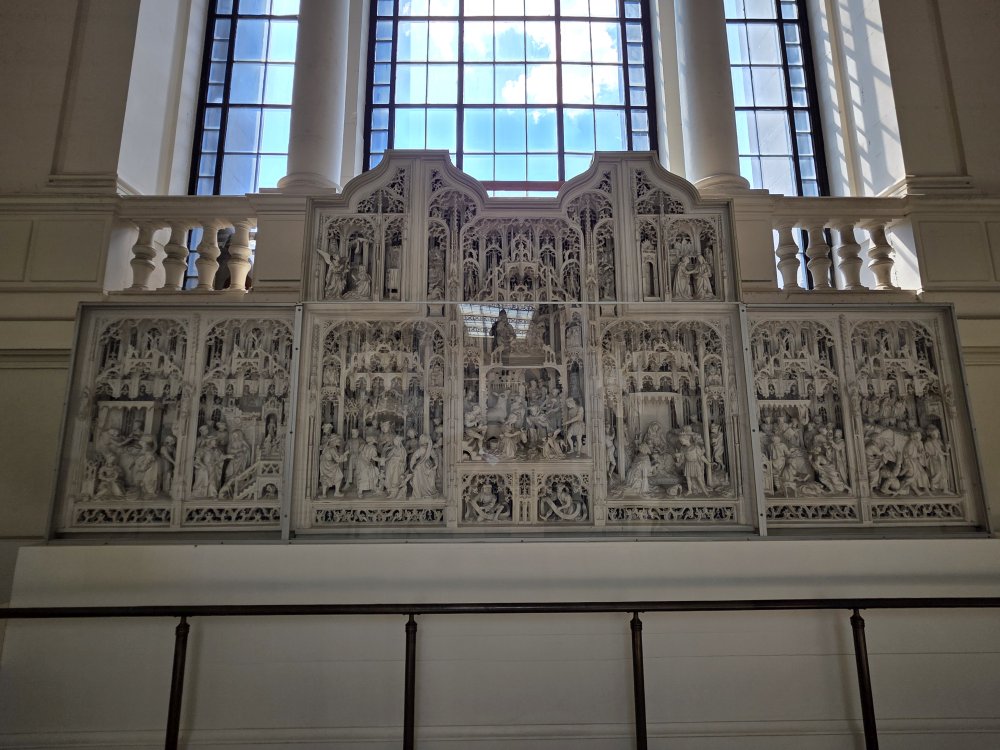
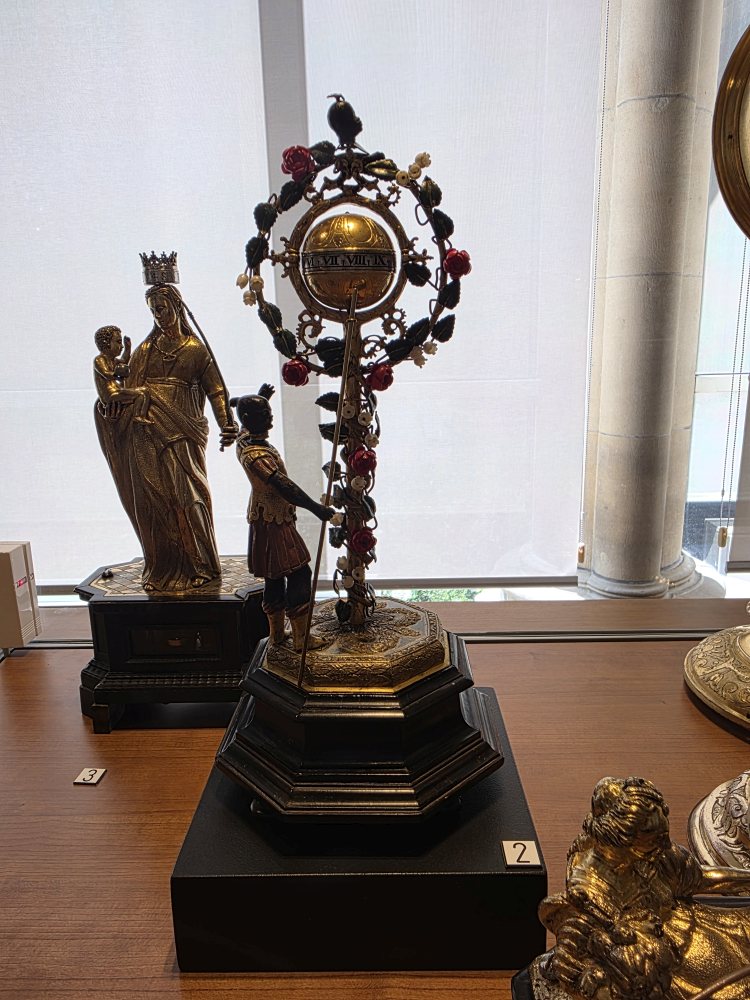
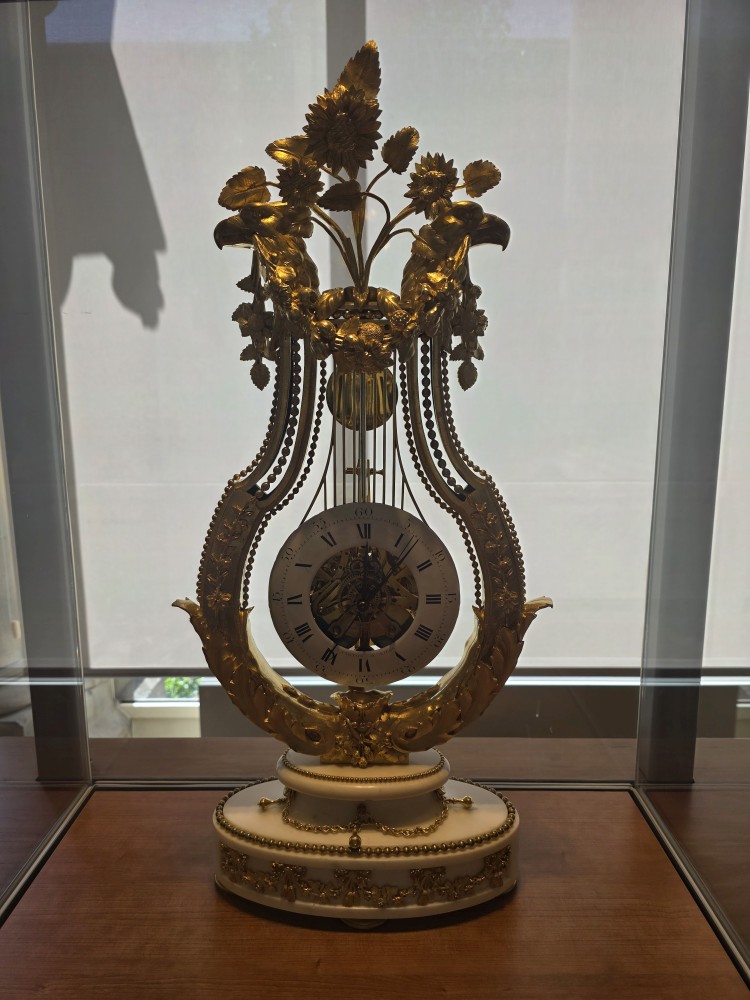
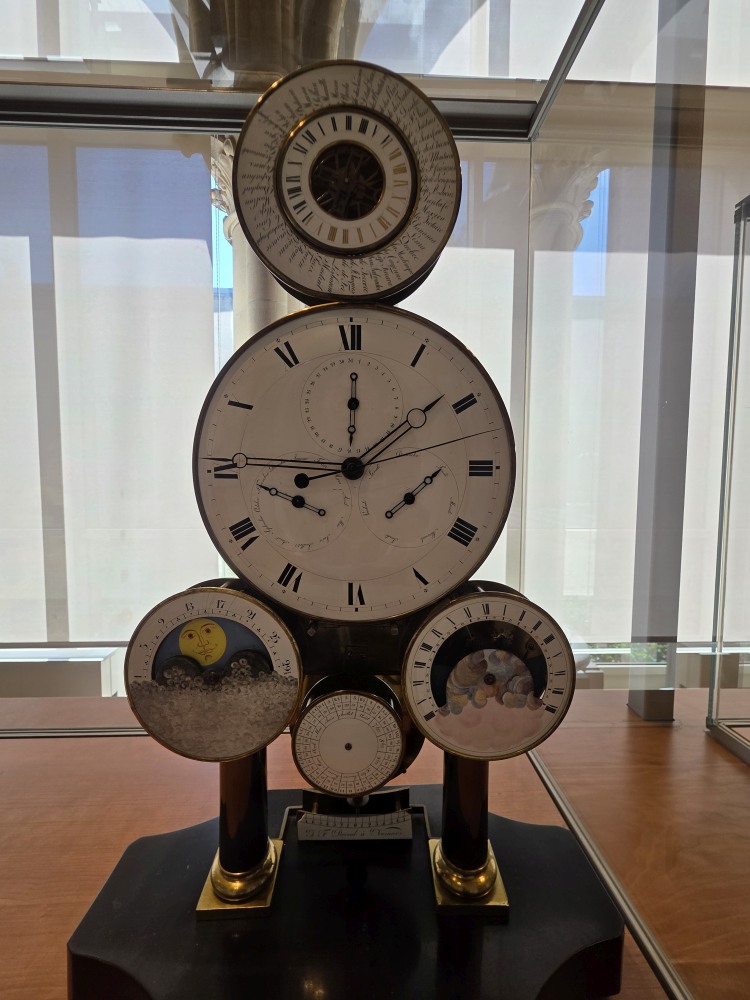
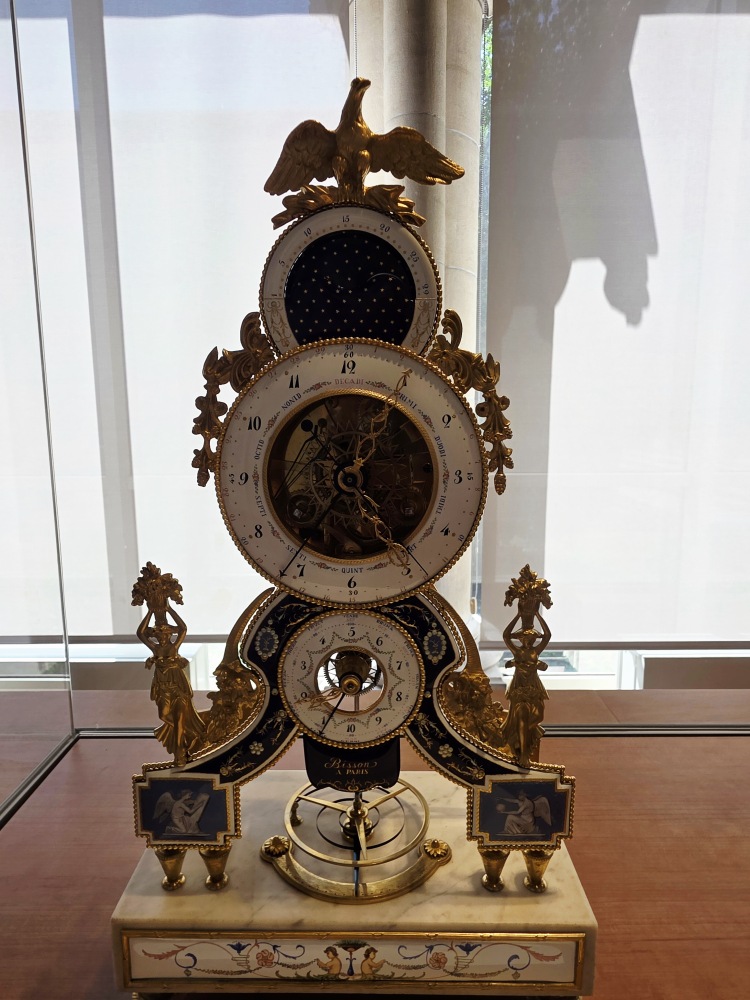
There is, of course, a religious section with all sorts of statues and icons, and an especially intriguing cast of the Altarpiece from a church in Lombeek. And an entire display of clocks – including a very intricate designed Astronomical clock.
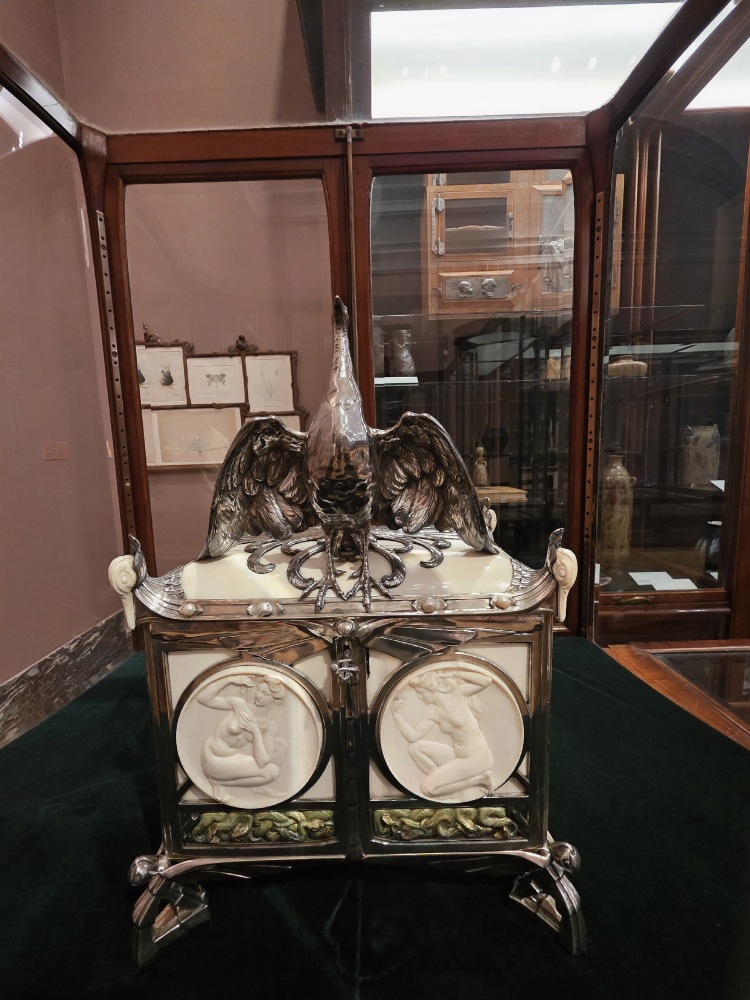
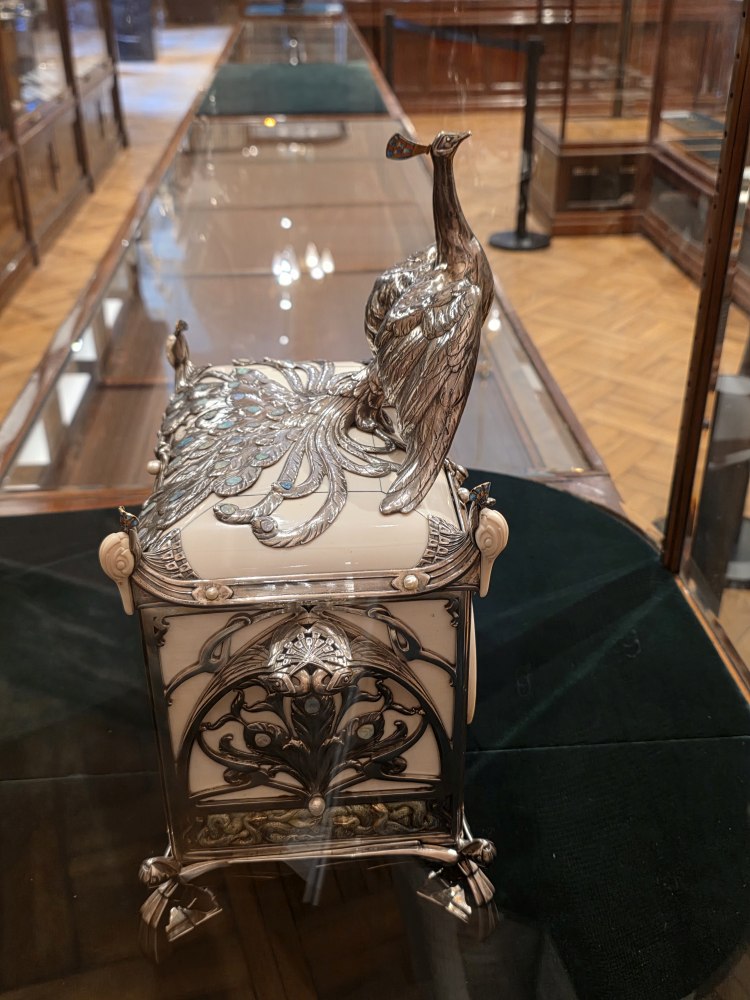
Phew. That’s a lot of museum touring – and we’re not done yet. Now back into the city for the Grand Place.

