We have lucked out with the weather, it was nice and cool overnight and we didn’t have a problem sleeping. Here’s hoping that continues.
Up and out early, our goal is the Imperial Castle, what is called the symbol of Nuremberg which has presided over the city since the Middle Ages. Its formidable silhouette represented the power and importance of the Holy Roman Empire of the German Nation throughout the ages. Our plan is to wander around the gardens, then visit the castle which doesn’t open until 9.
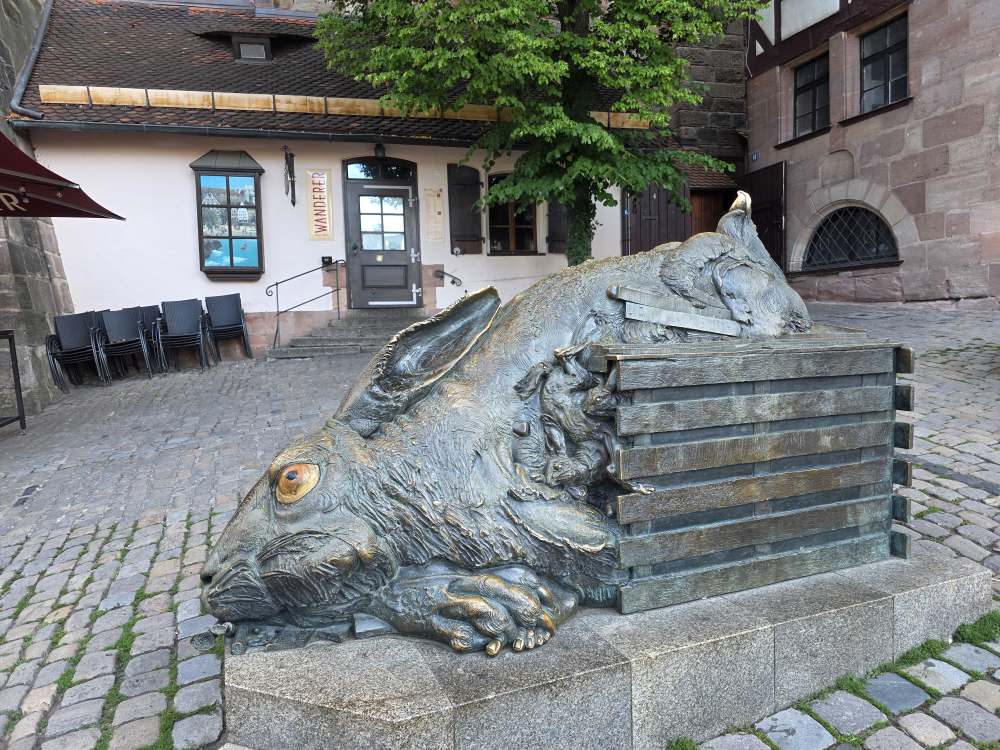
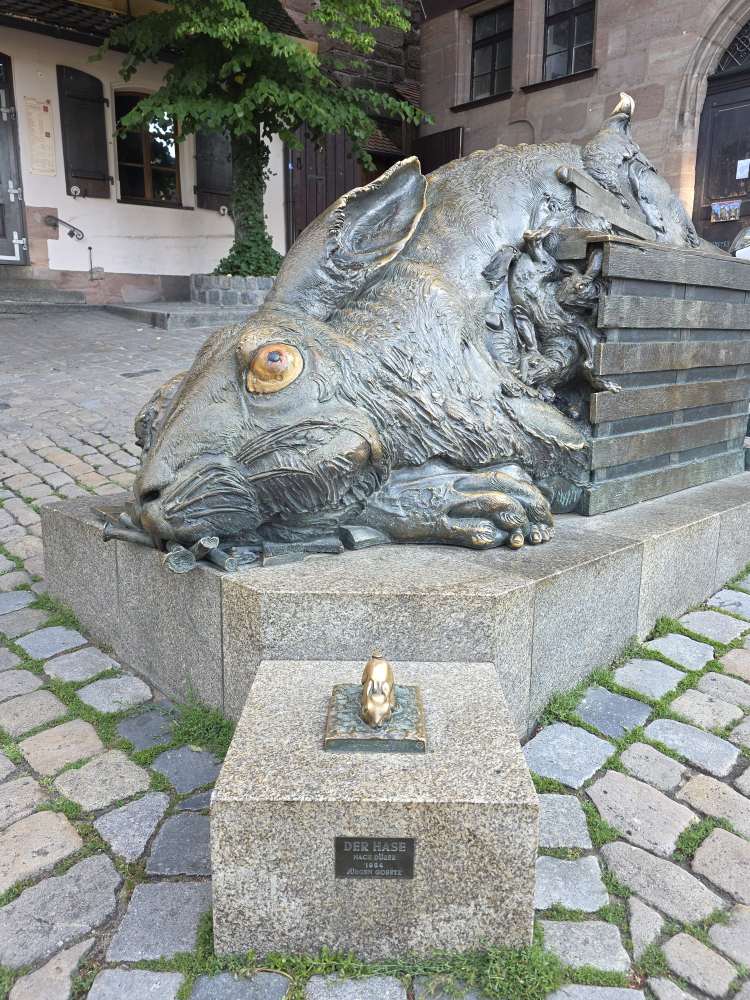
The walk through town is wonderful, once again no one is up early. We had the whole town to ourselves. The old (ok, reconstructed) half-timbered houses are beautiful and the castle definitely looms above you at all angles. Then there is the weird bronze bunny sculpture in the courtyard below the castle, that is sitting upon a broken crate with what appears to be a man crushed underneath him. Um. Ok. It is some statement on art and commercialization, ripping off the famous “hare” of Albrecht Durer (whose house we will visit after the castle). Anyhow…
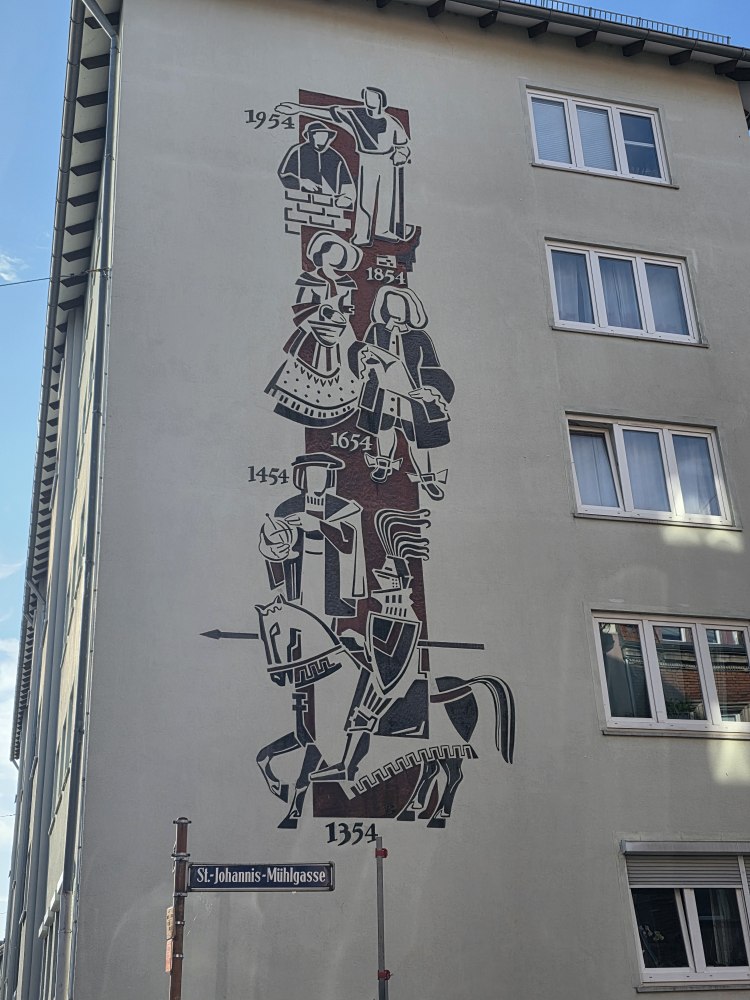
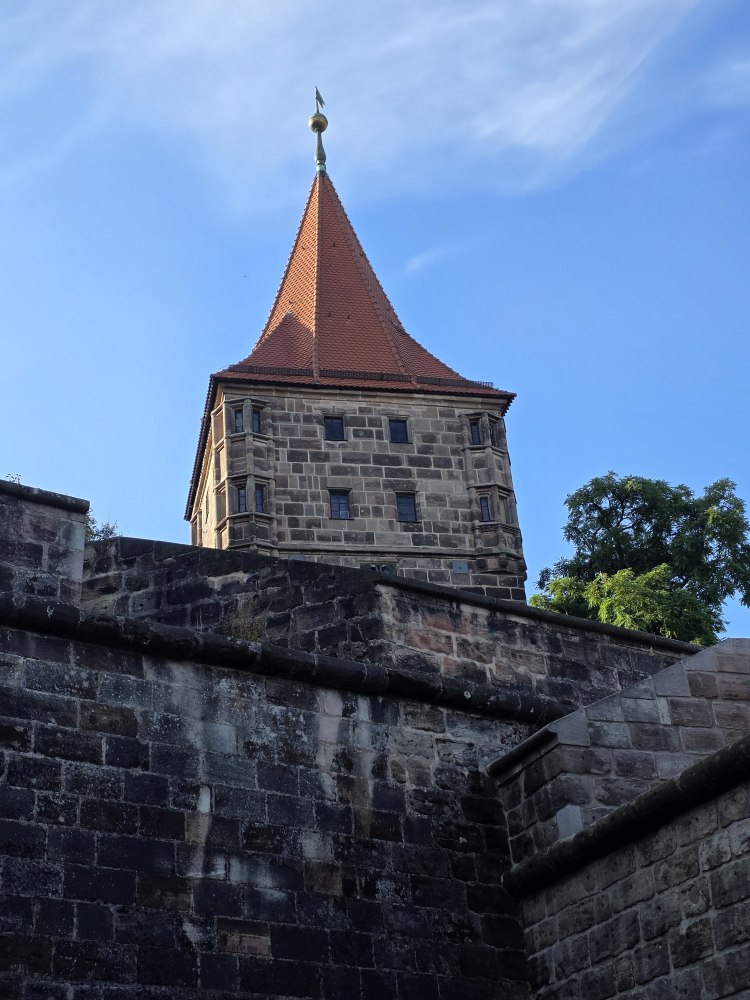
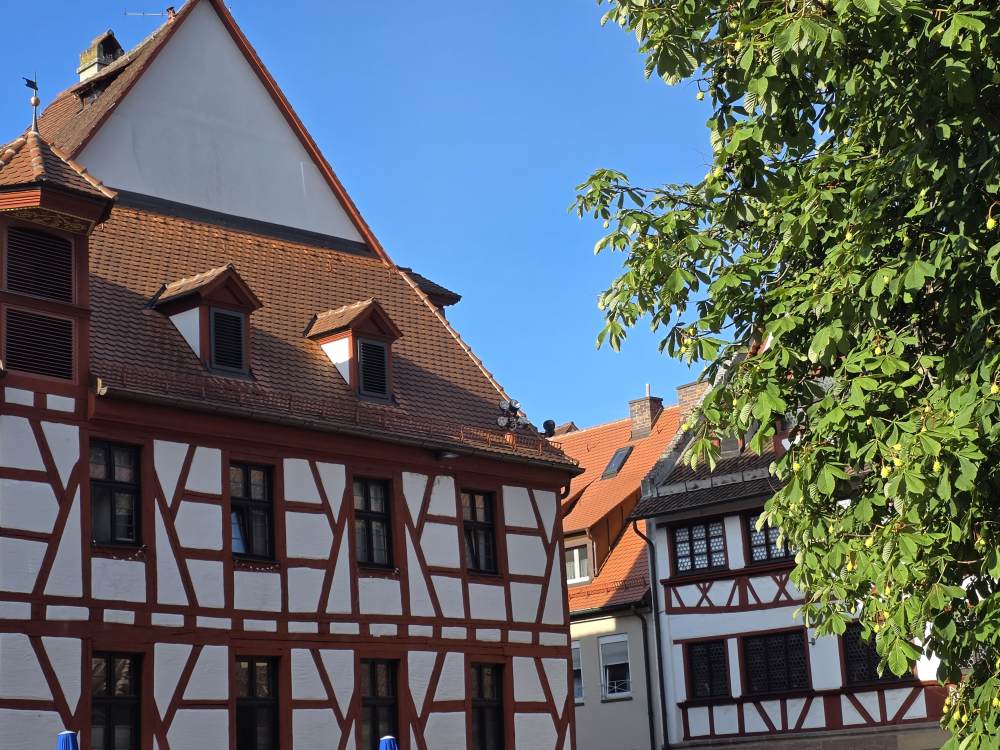
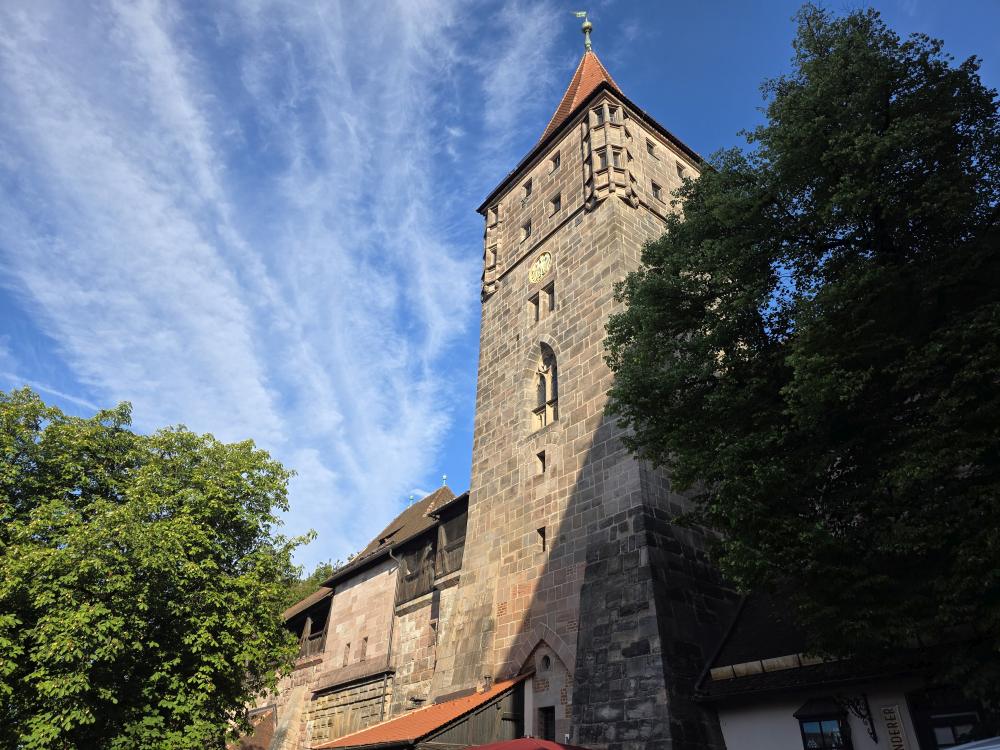
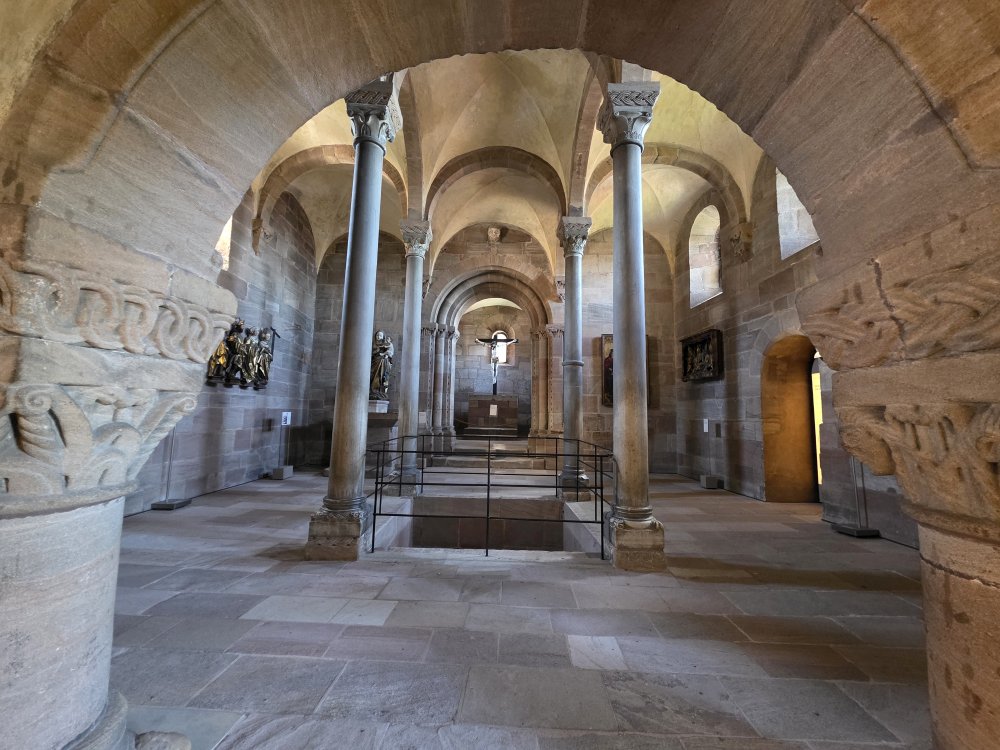
We head up to the castle (and I mean up very steep hills) and realize that the gardens are down below the castle, not up here where everything is locked and closed. The courtyards are open and quite nice for the views. The castle is definitely iconic in its current form – the first castle was built here in the 11th century and it has been expanded and improved upon since. The chapel still dates back to the 13th century though.
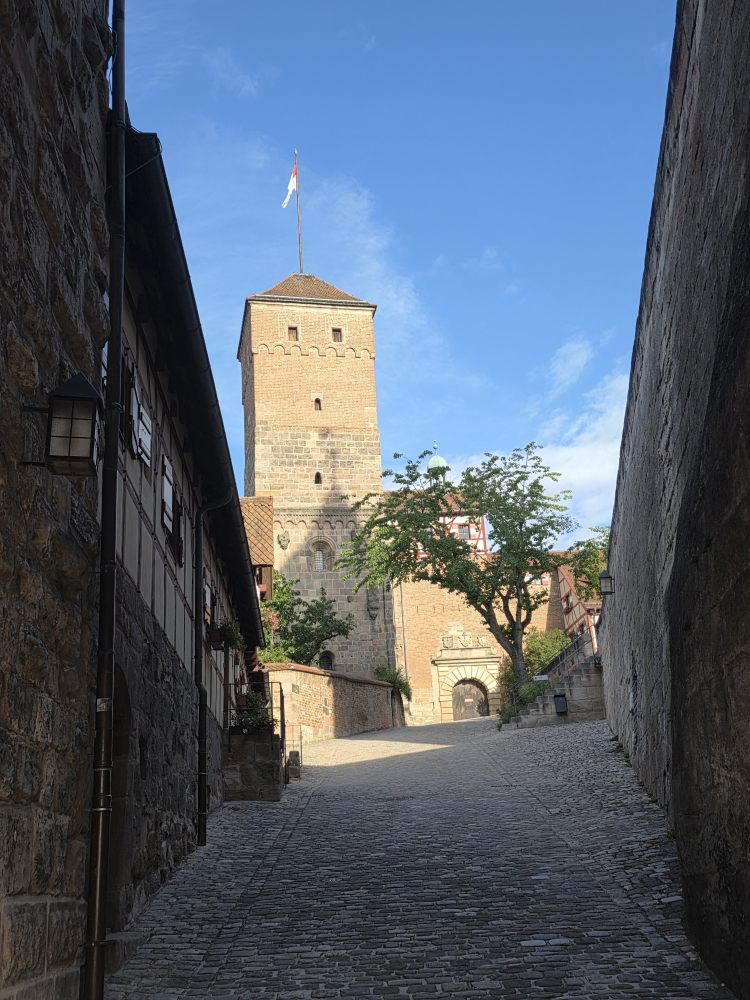
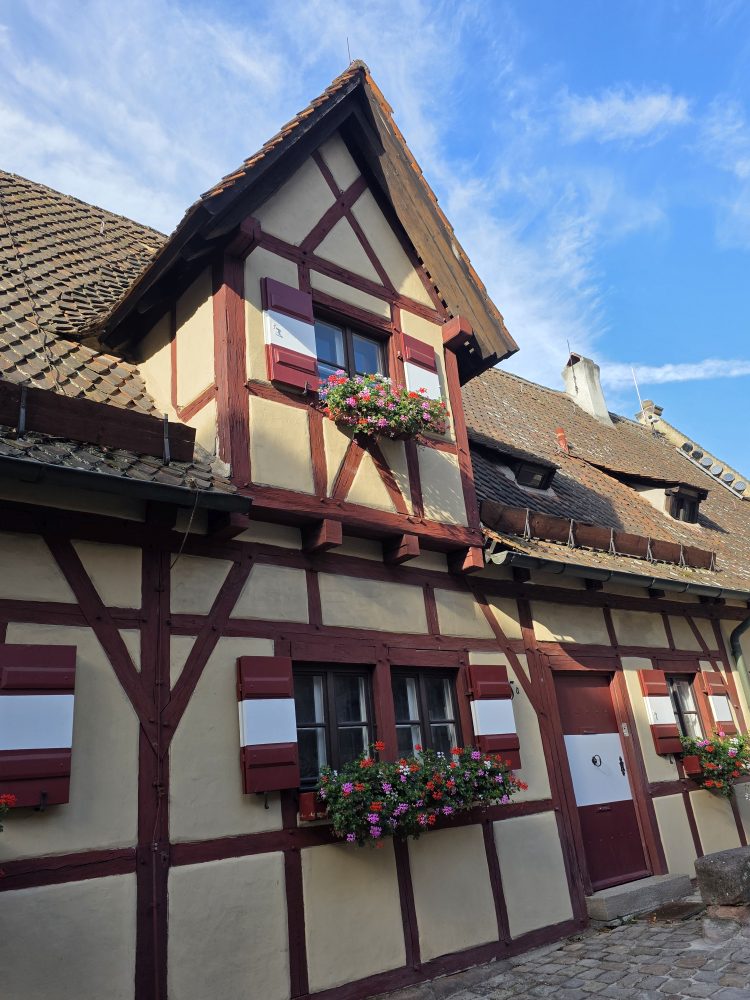
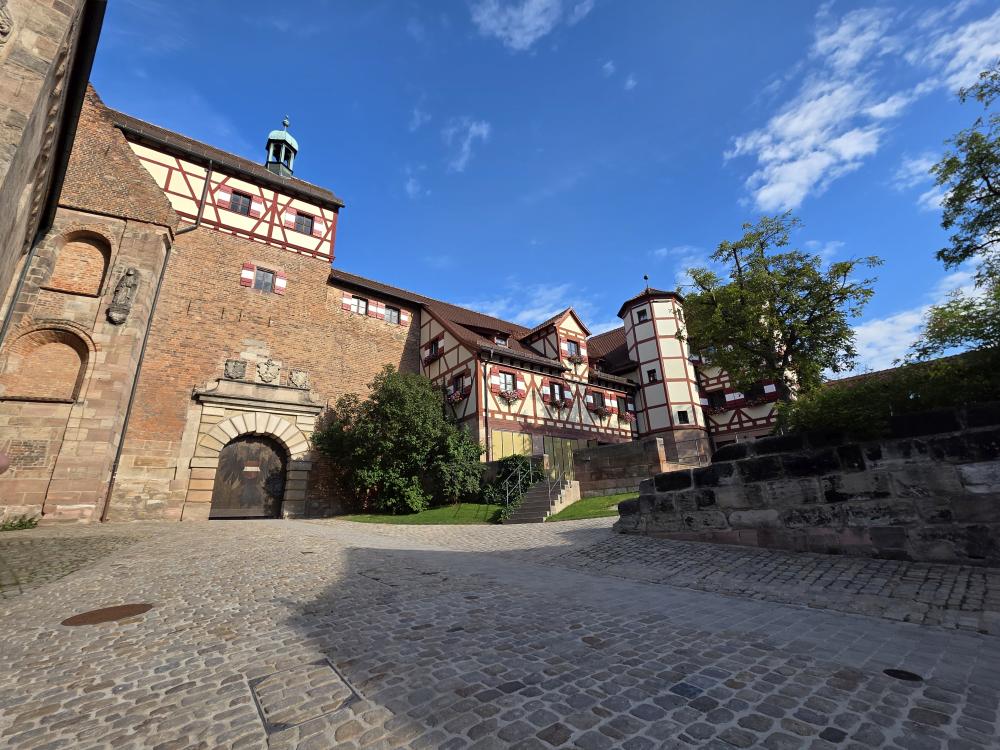
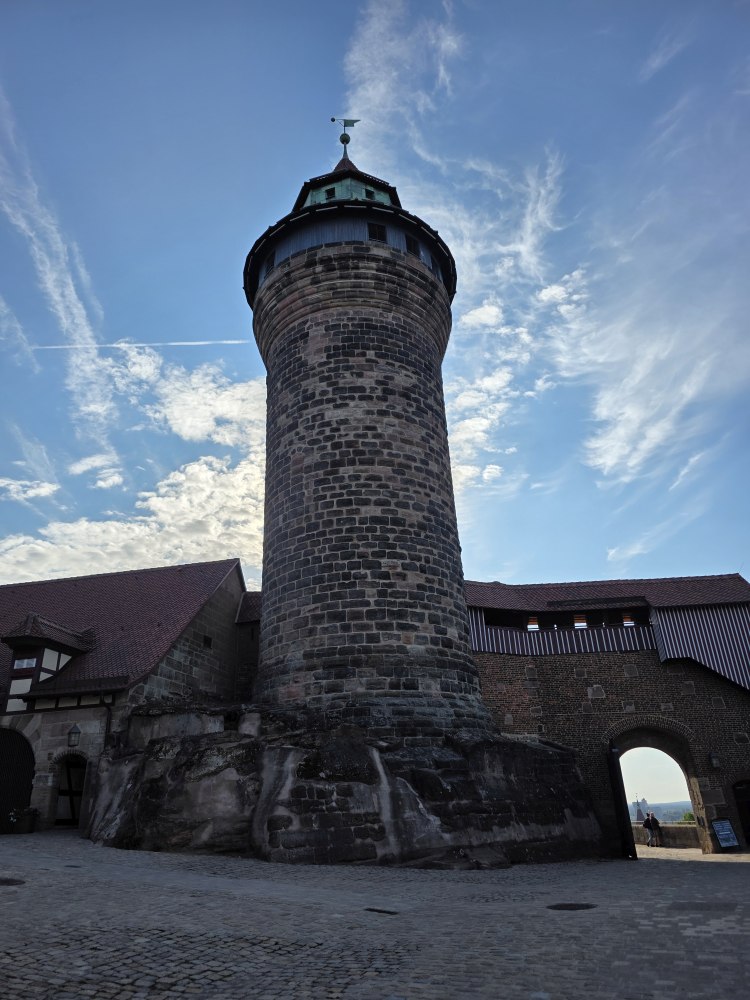
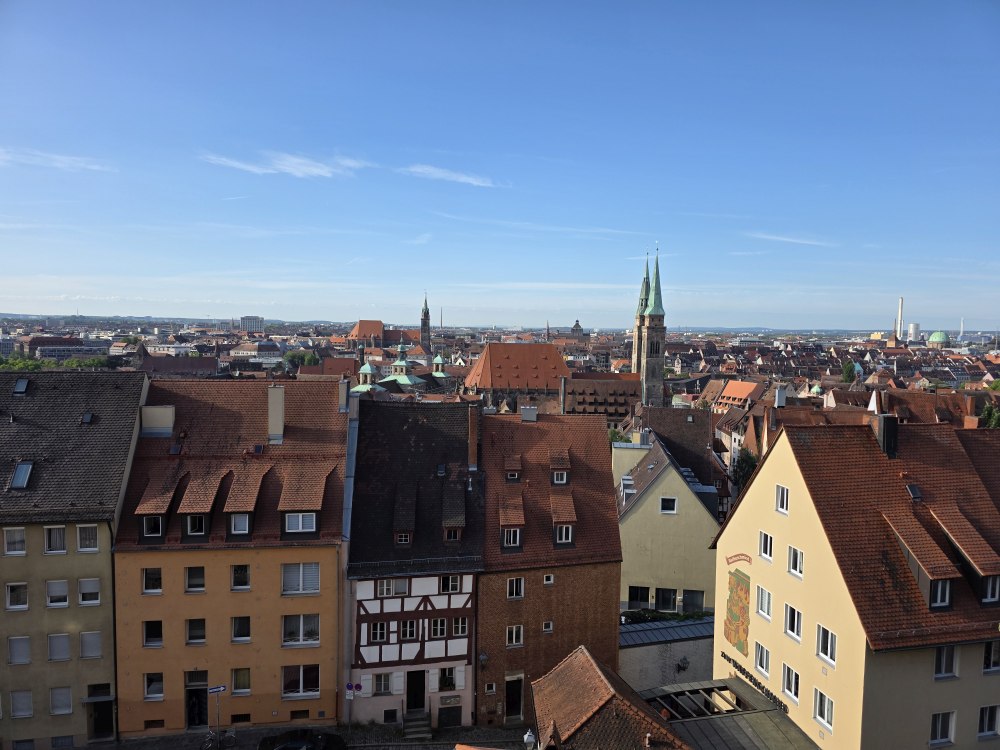
It is a beautiful day, so we content ourselves with wandering around, snapping photos, looking out over the city from the entrance gate, generally just waiting for the castle to open in the empty peacefulness.
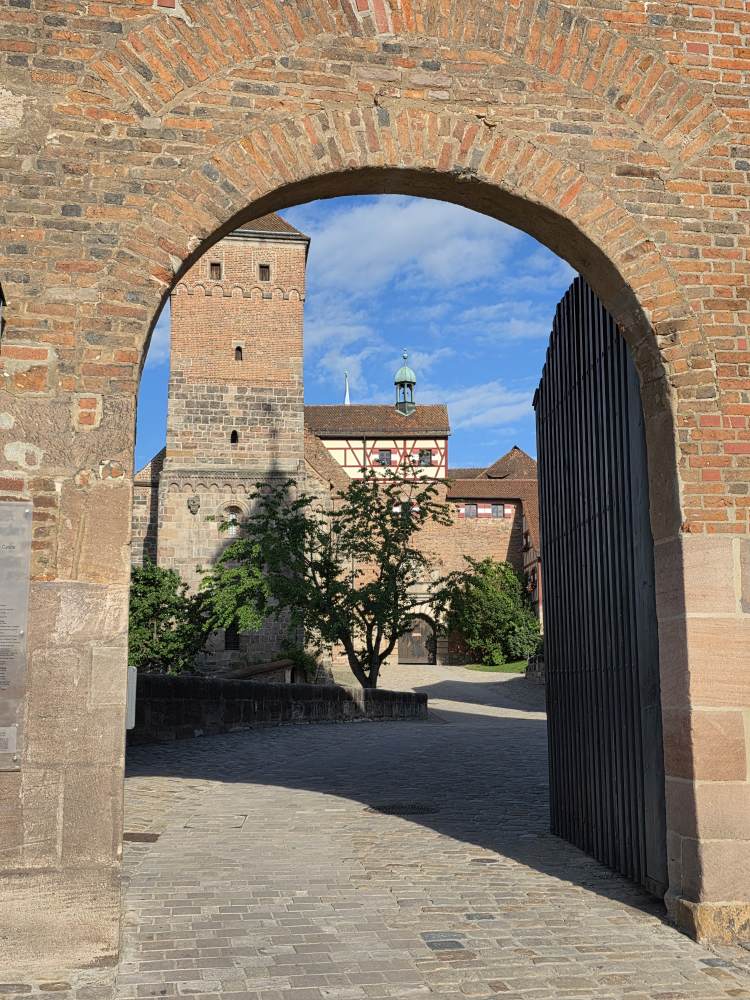
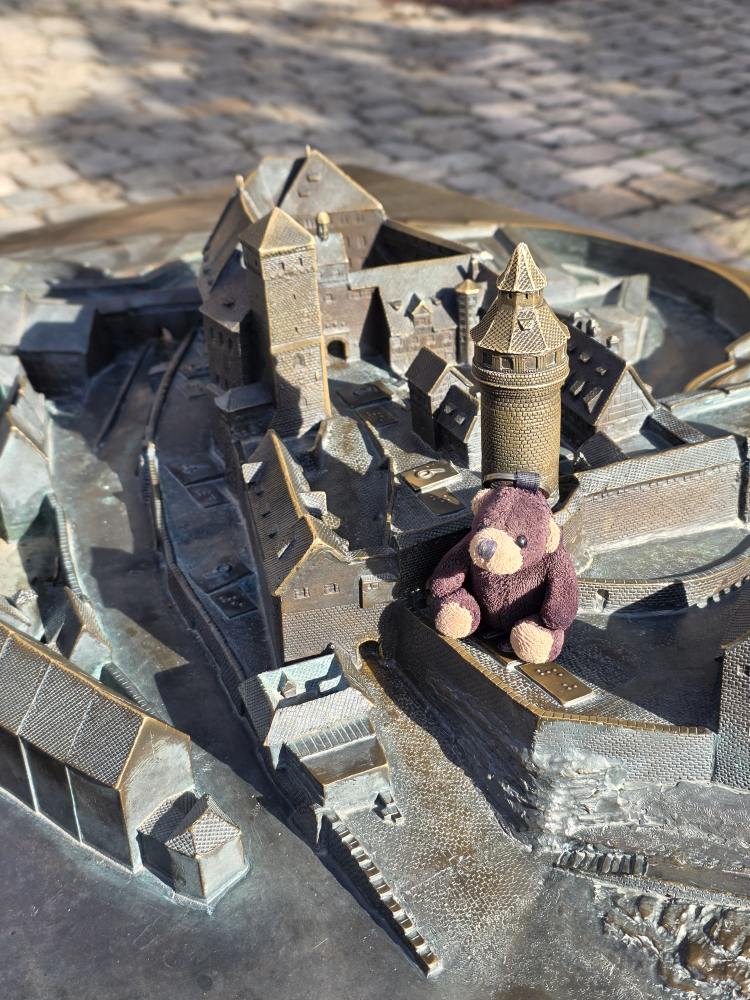
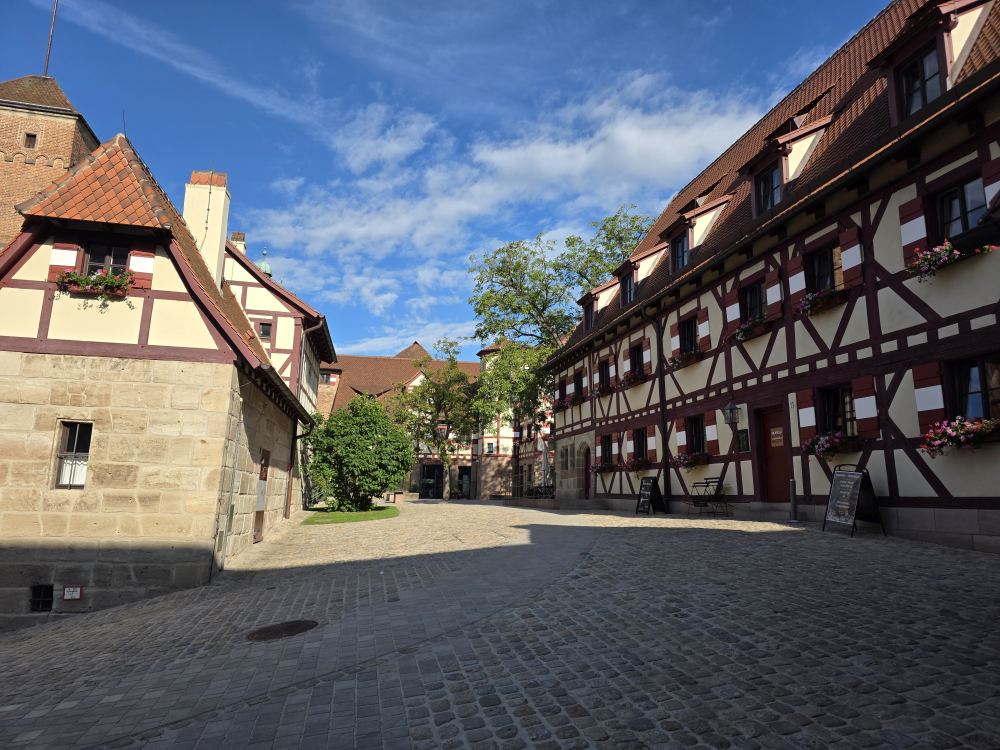
Some folks do start to arrive closer to 9, but we don’t know what they are doing, as no one enters the doors at opening time. We look around (after standing at the wrong gate, we managed to find the glass entry doors) and since no one seems to be moving, we walk right in. First ones in, TIE, and begin a fabulous tour of the castle, all by ourselves.
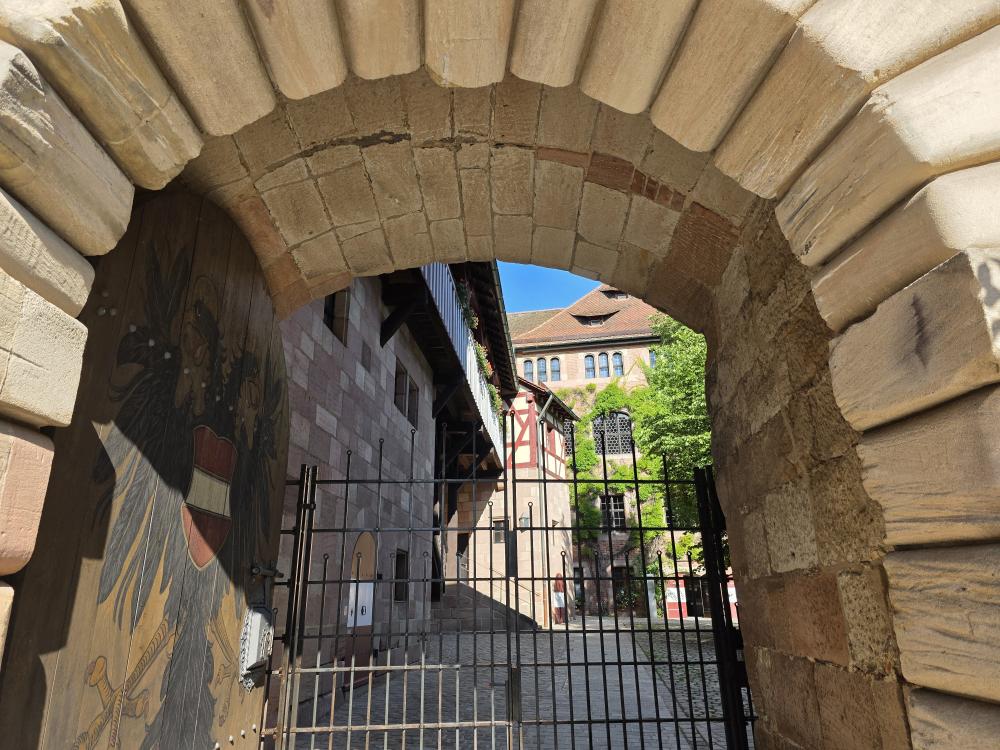
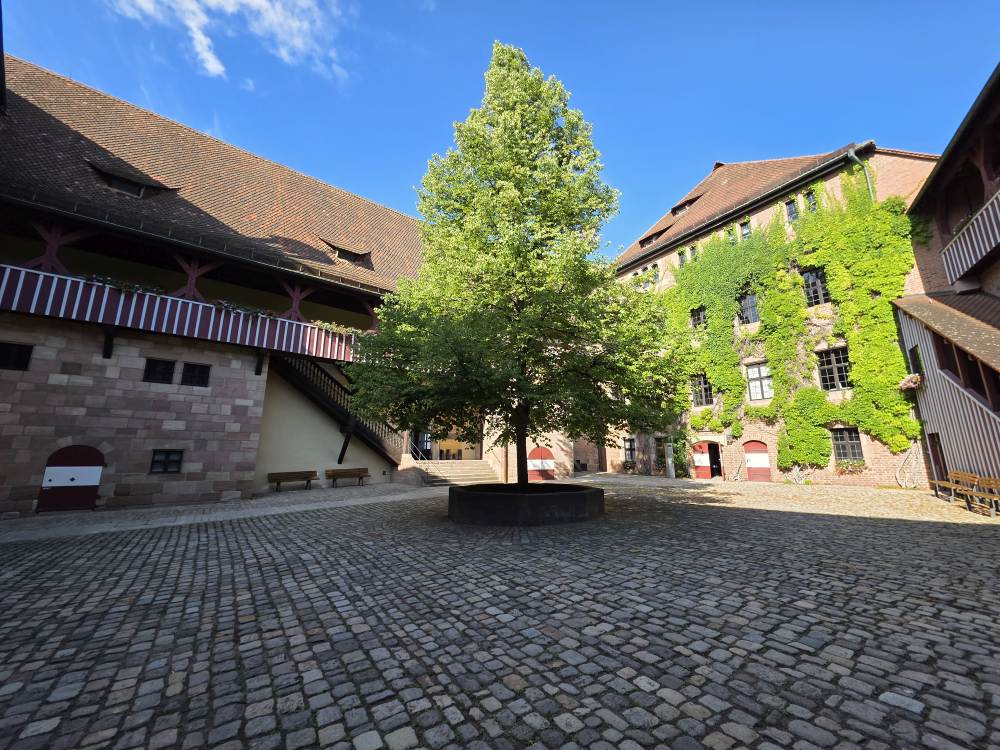
We start in the Royal Court, a huge room where the King pronounced his judgements, then moved upstairs to the aforementioned chapel. Original from the 13th Century and beautiful to behold.
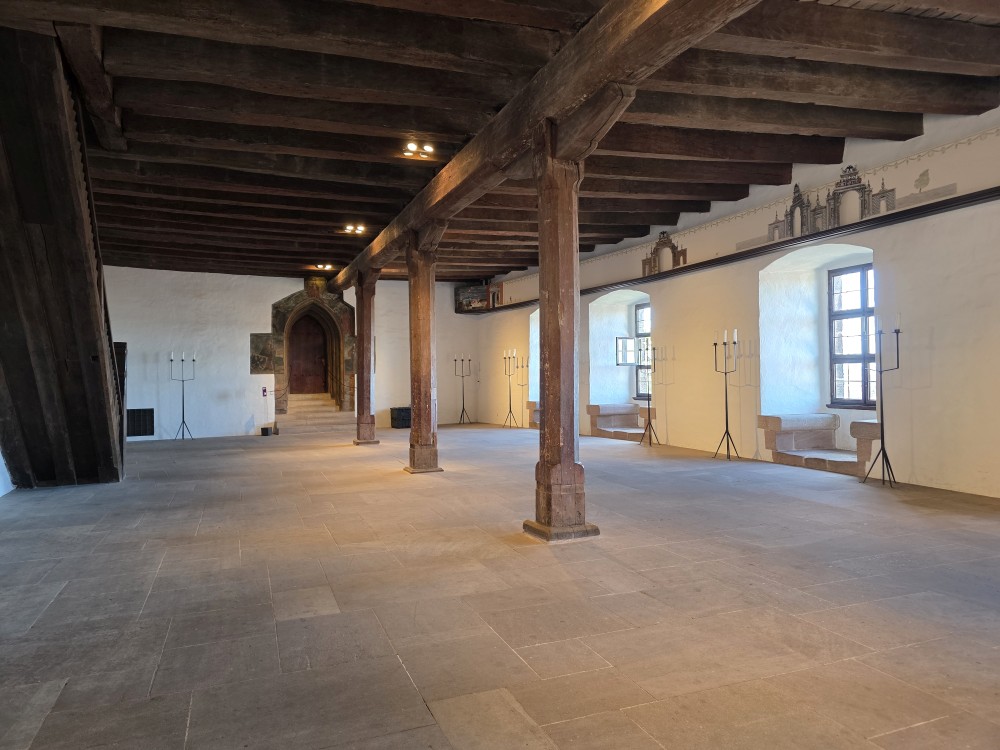
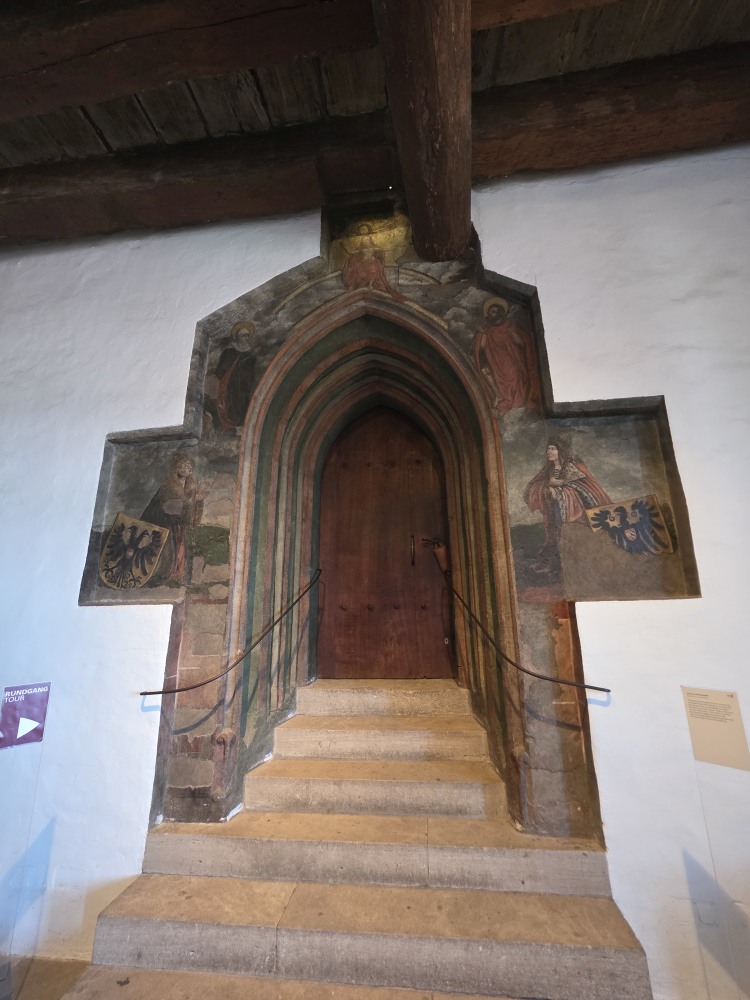
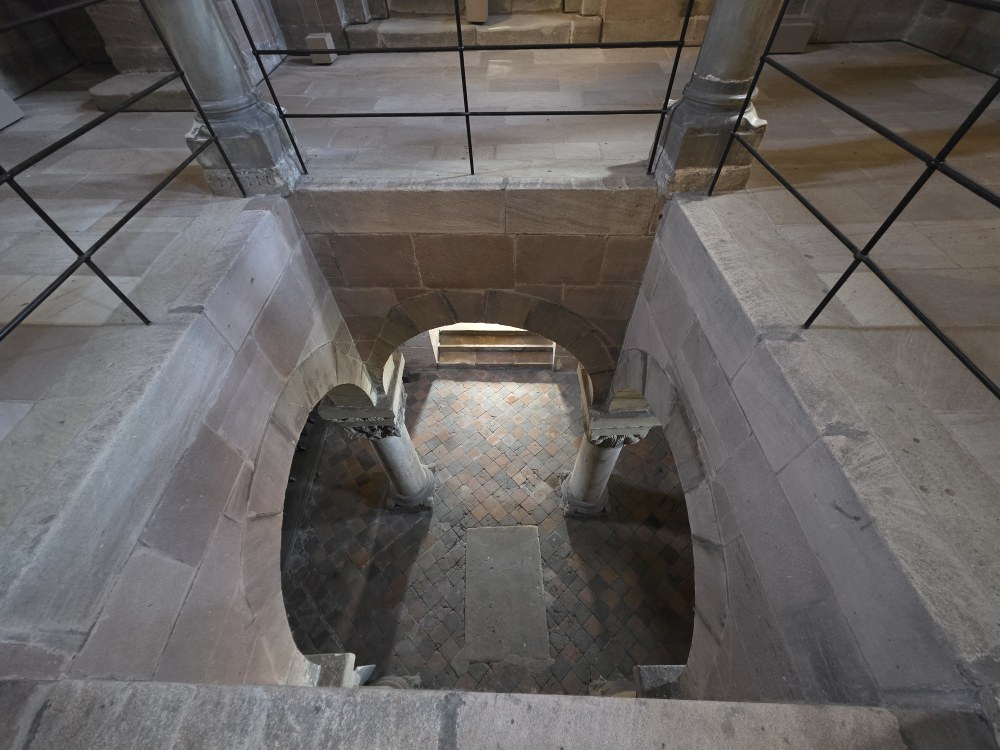
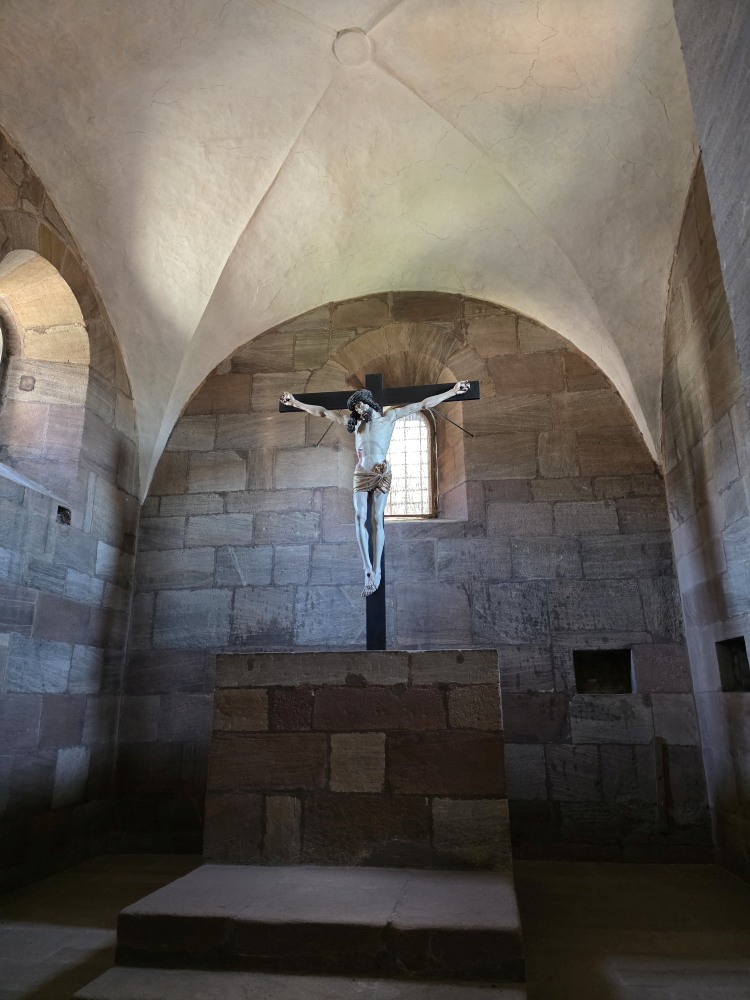
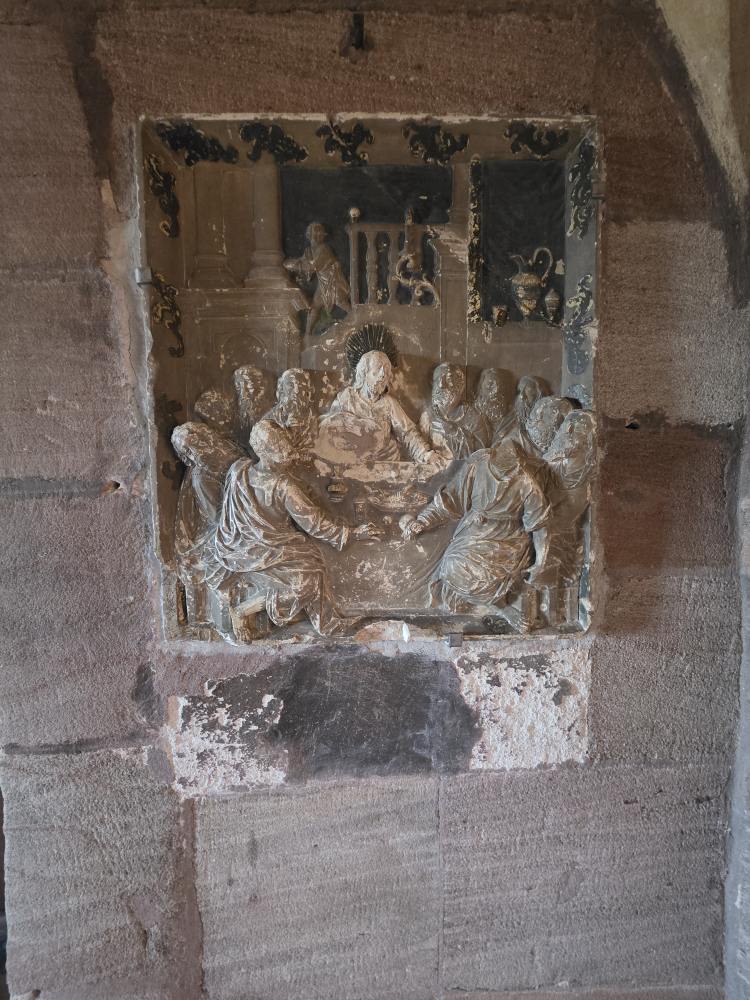
In the Palas, or upper hall, a whole museum of artifacts and historical information is laid out in a variety of rooms. We learn all about the royal power structure, how heads of state where chosen, the “golden bull,” a group of royal electors with their own seal. All sorts of great information and relics.
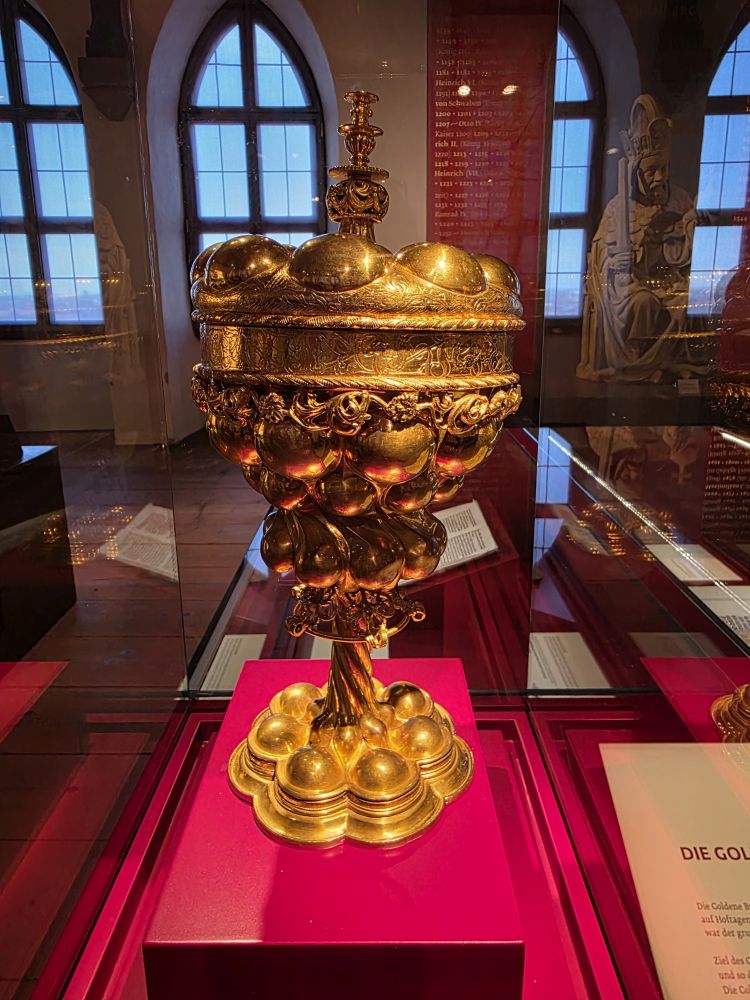
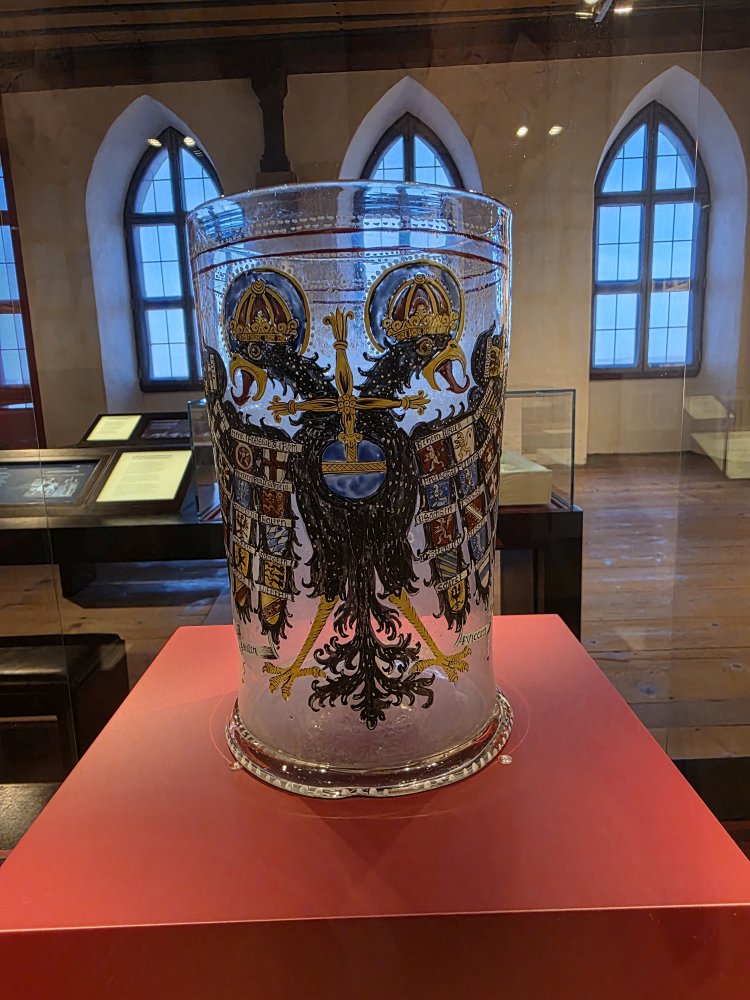
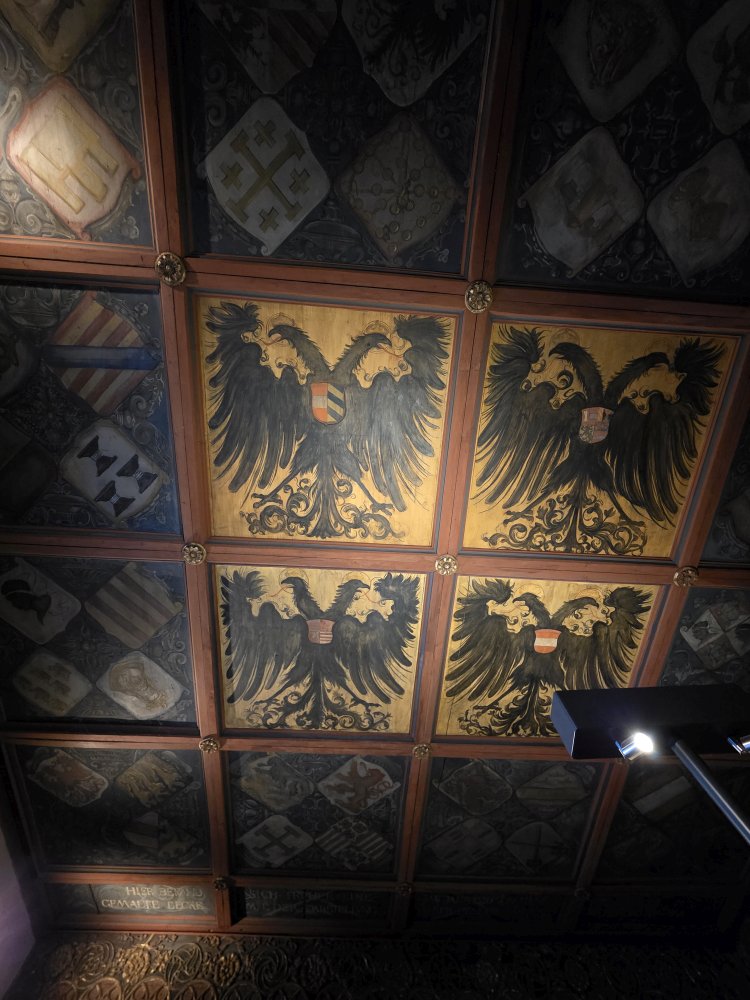
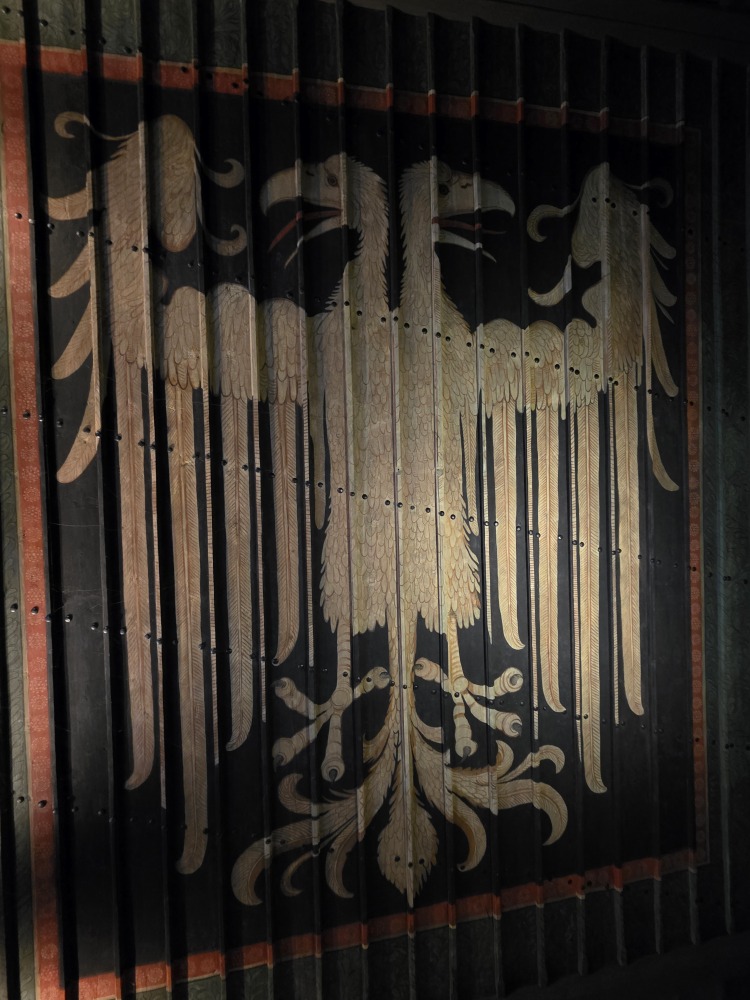
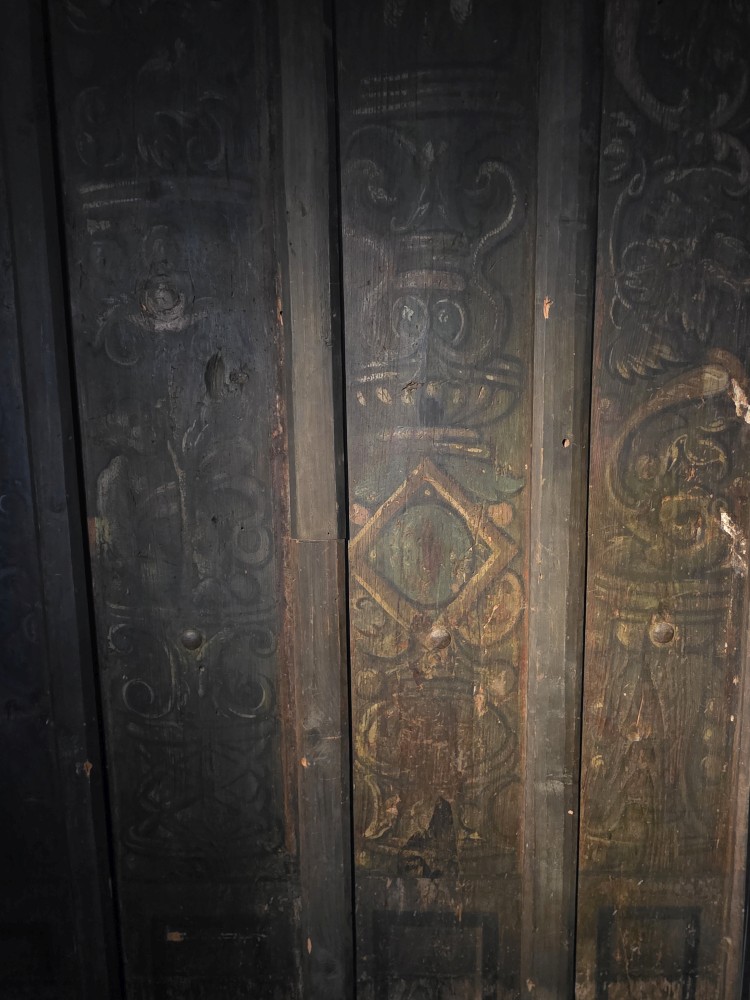
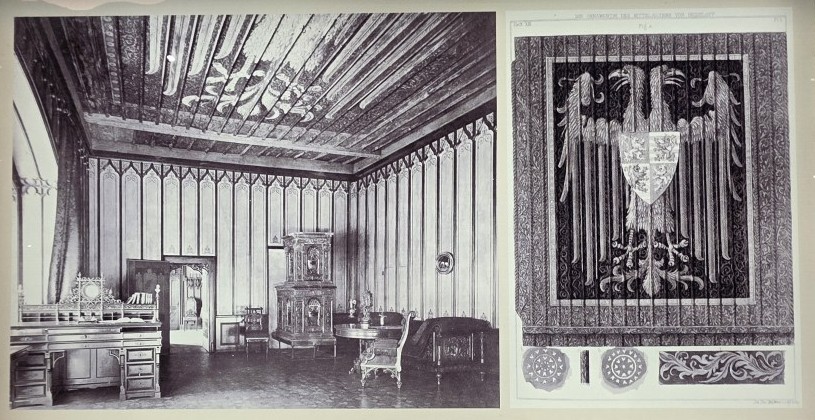
Moving into the royal apartments, so to speak, there are great explanation panels showing how the rooms looked in the 1500s, complete with the still existing double-headed eagle, a symbol of the imperial throne, painted on the walls and the ceiling. In other areas you can see where old paintings have been found on the walls while doing renovations.
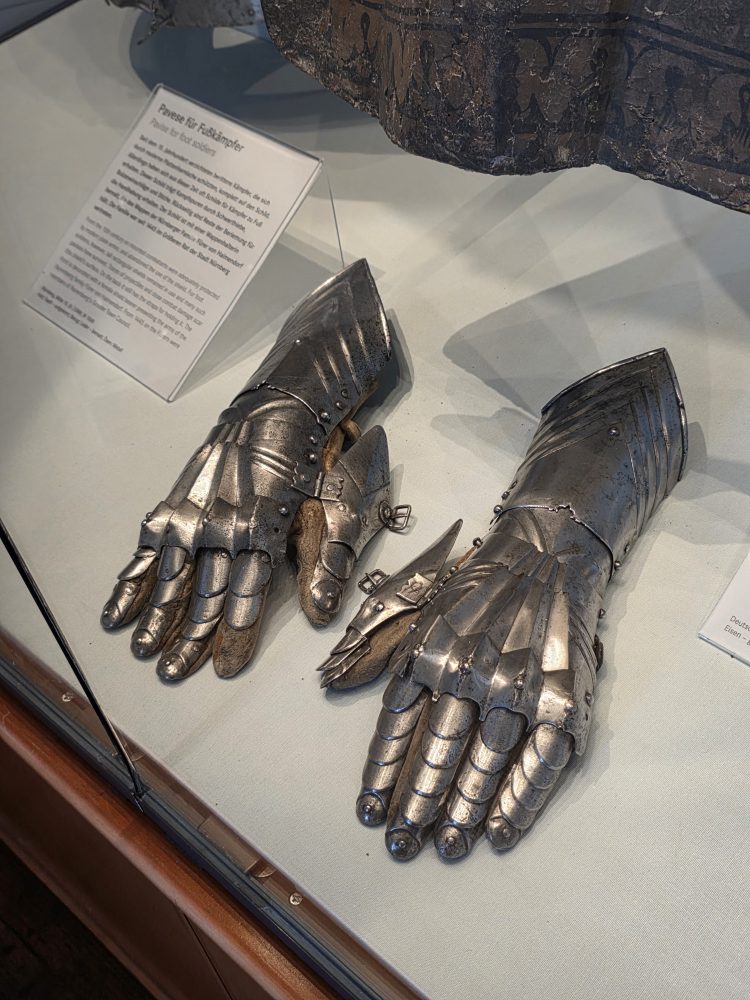
The last room is sort of the “armory” room, filled with scary medieval “gauntlets” – harness finger gloves made of plated armor. All I can think of is that these are from the true original Edward Scissorhands. Eek. There are decorated javelins and blades and an oak door protected by embossed sheet iron.
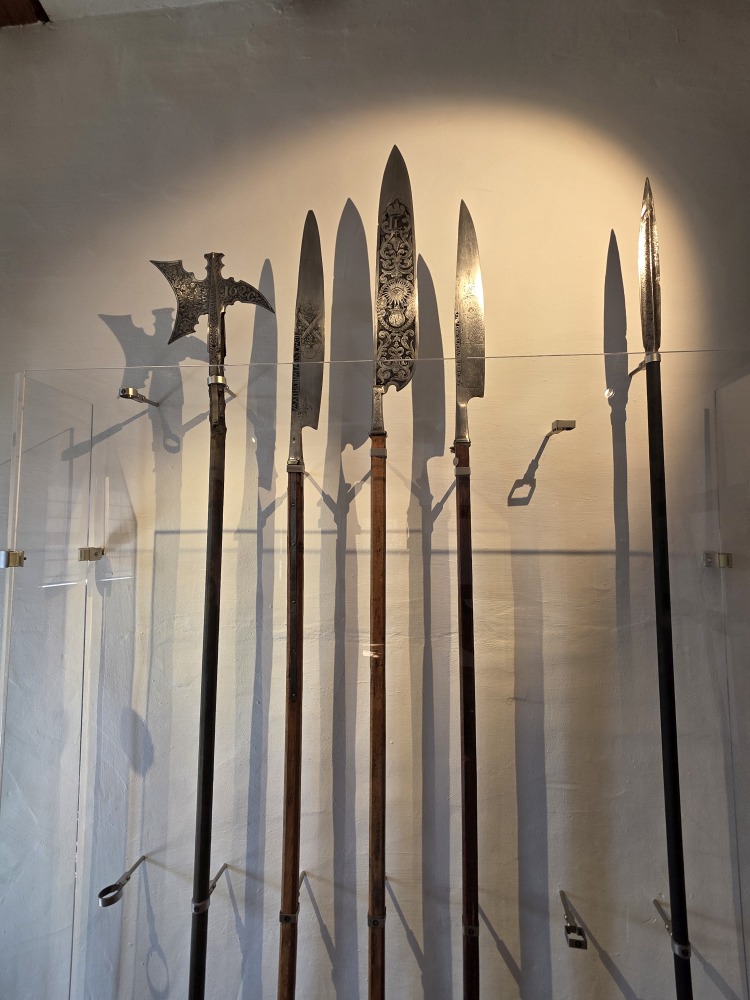
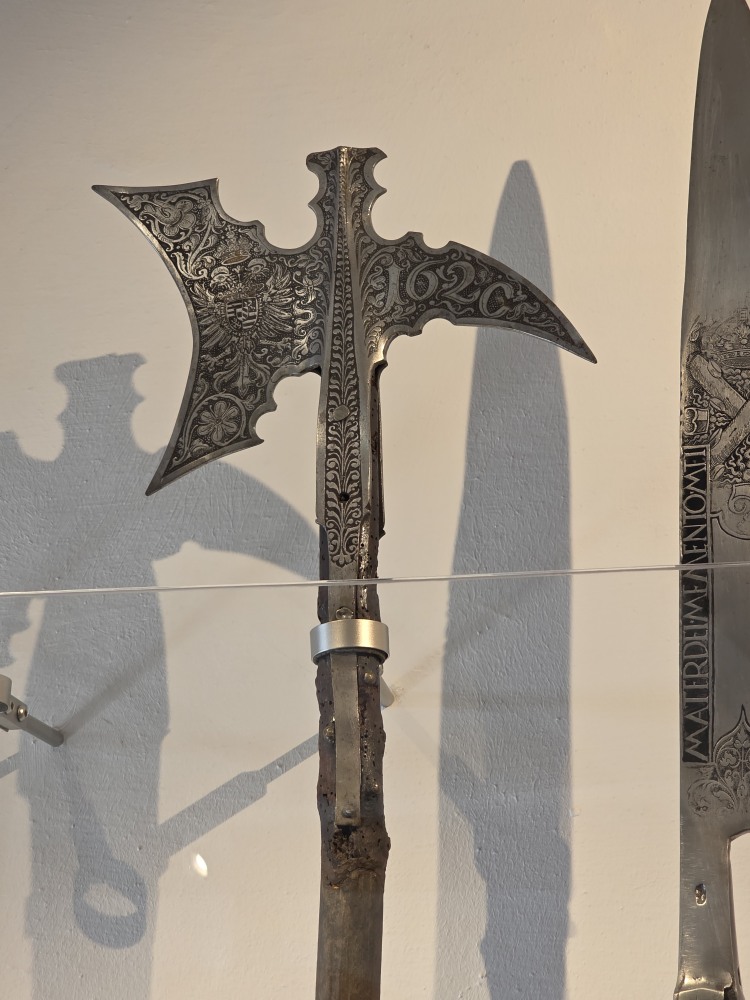
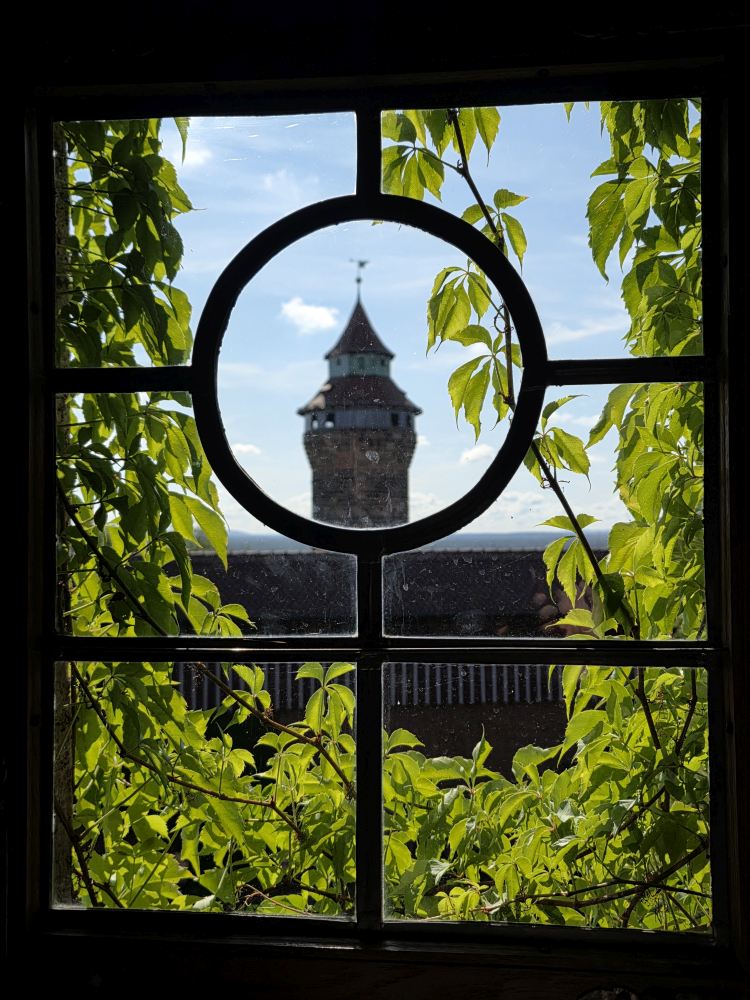
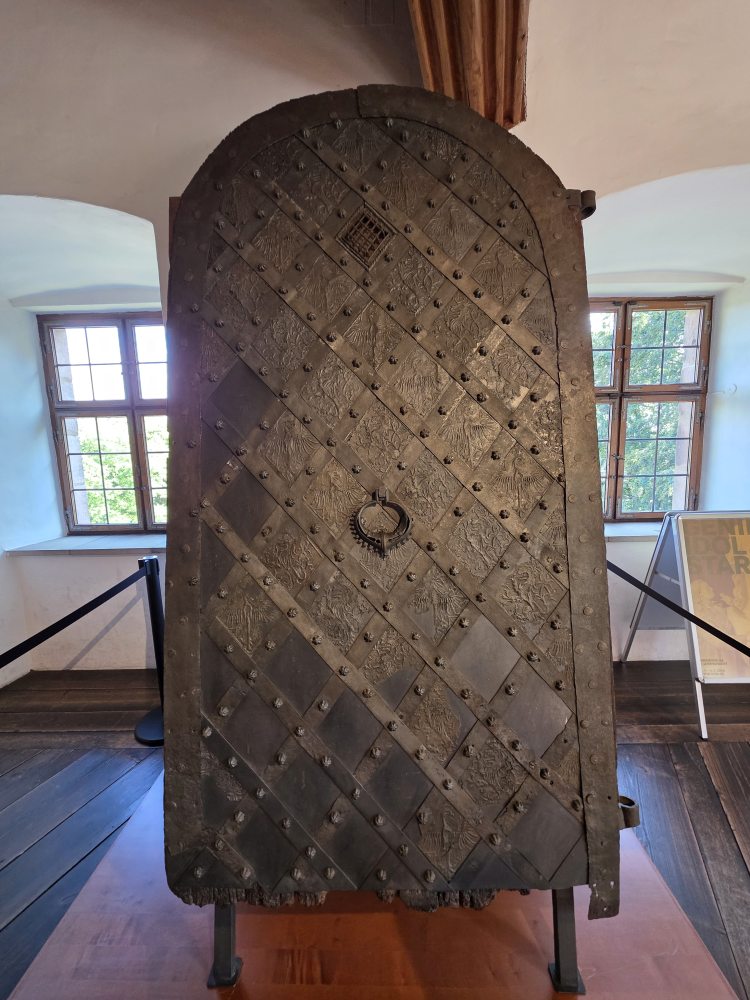
Awesome visit, made even better because, all this time, we have had the museum all to ourselves. Just us and the docents. Until, in the “armory” room, at the very end, a group of rushing Americans came flying by. Seriously, this one guy was running to every display and taking a million pictures and then running some more – calm down dude!
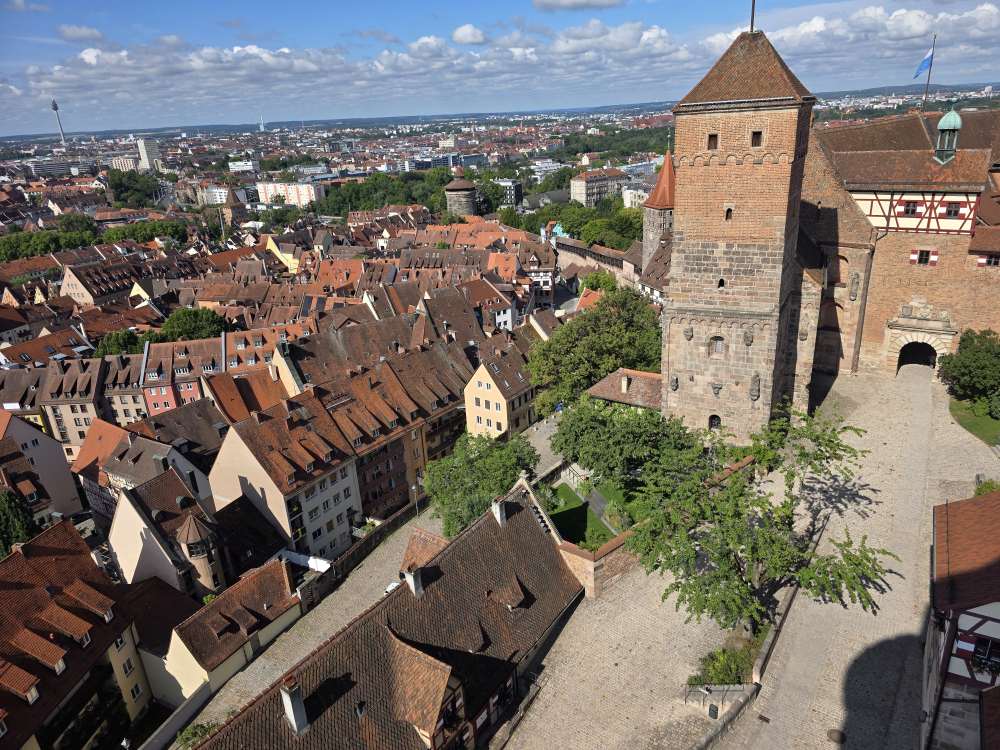
Once done with the castle, we walk out into the courtyard which was now packed with people! We have the option of climbing the Sinwell Tower that served as a defensive look out and the Deep Well, that provided the water supply for the Castle. Deciding it is going to get really crowded really soon, we choose to only climb the tower, and luck out to be up at the top with just a mom and her 2 kids.
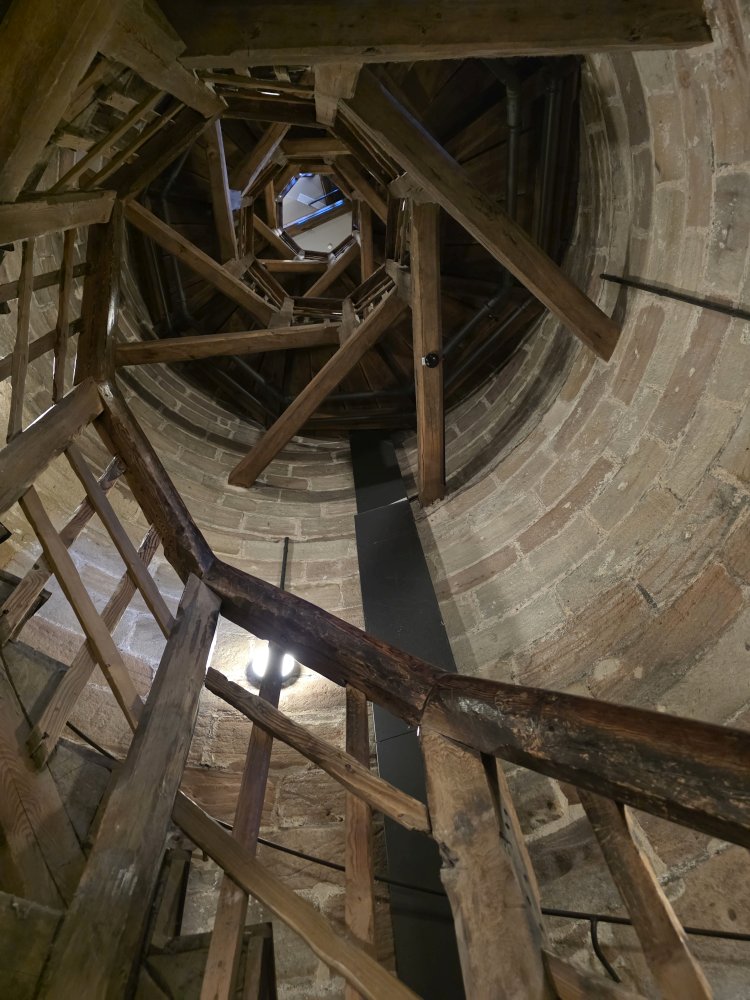
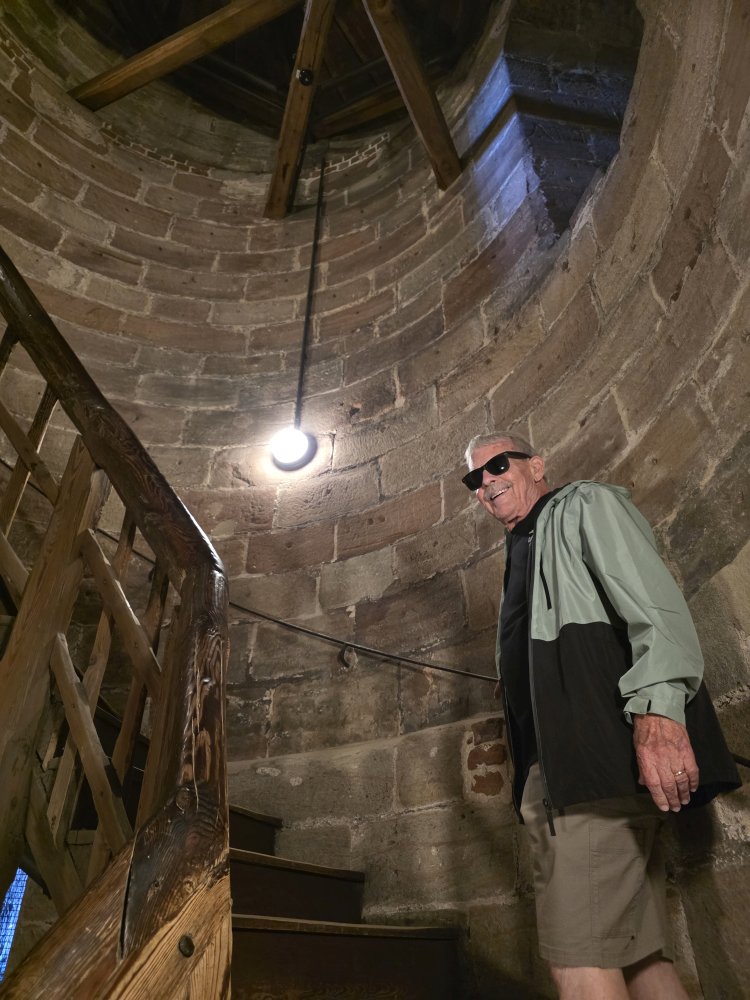
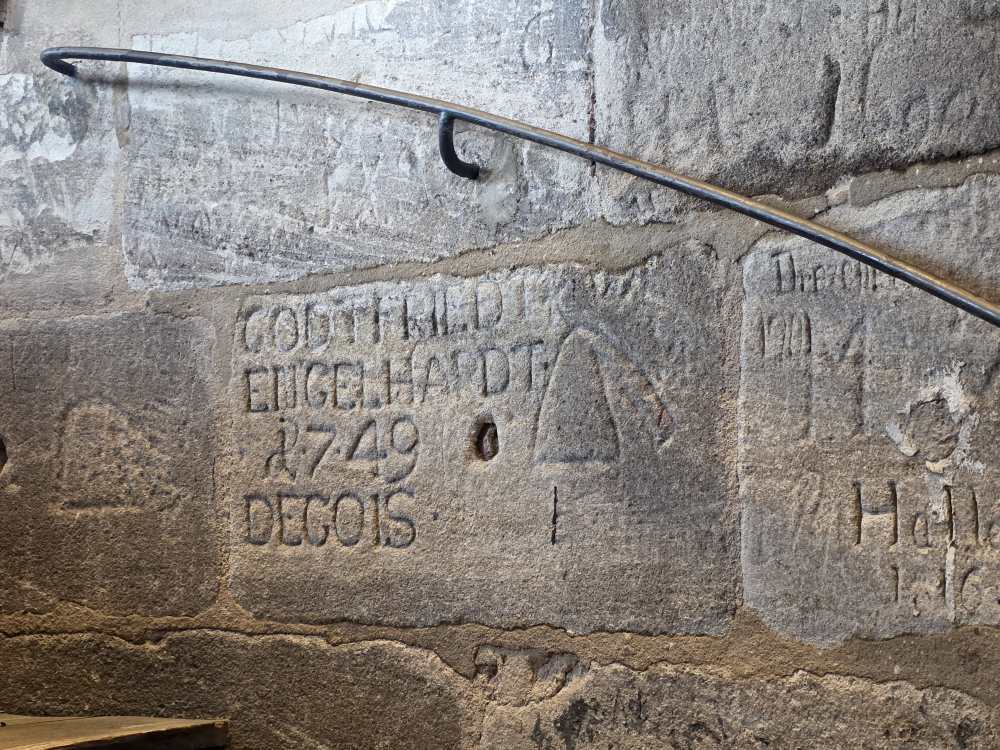
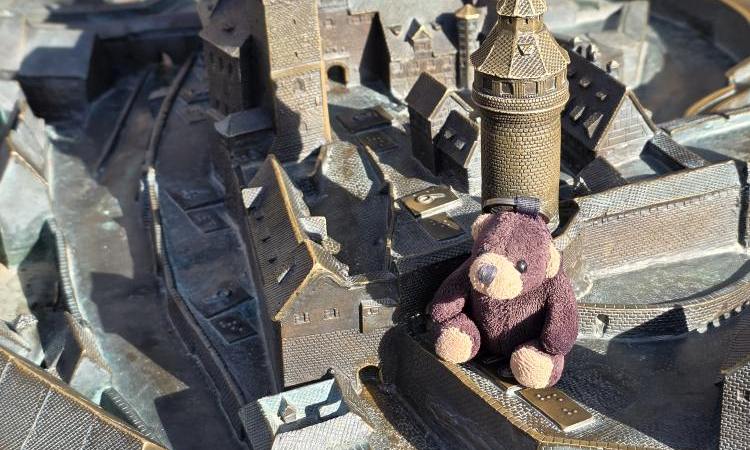
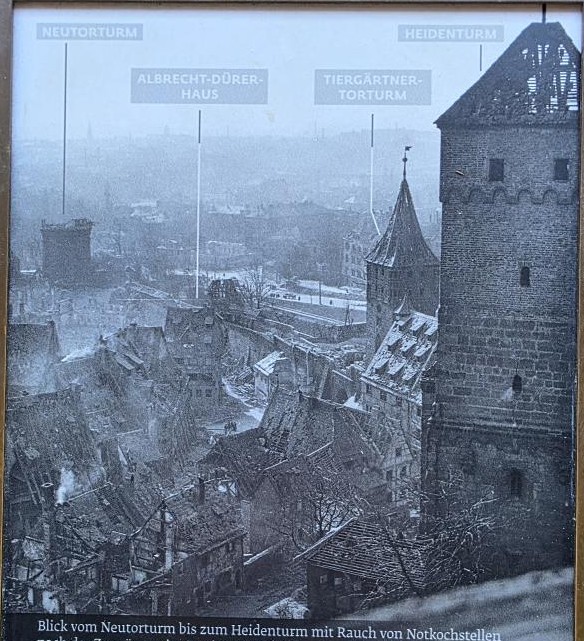
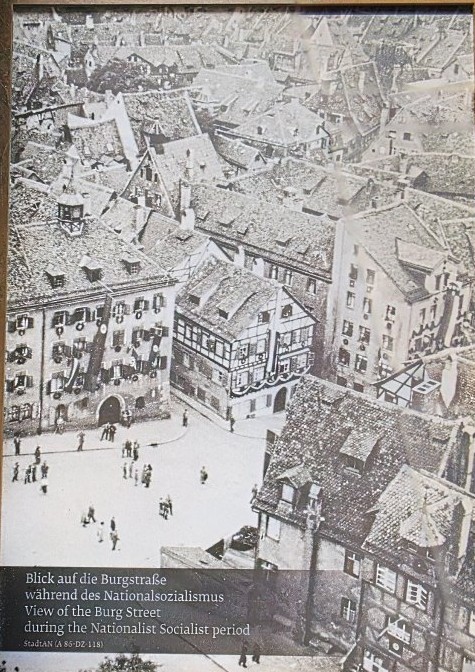
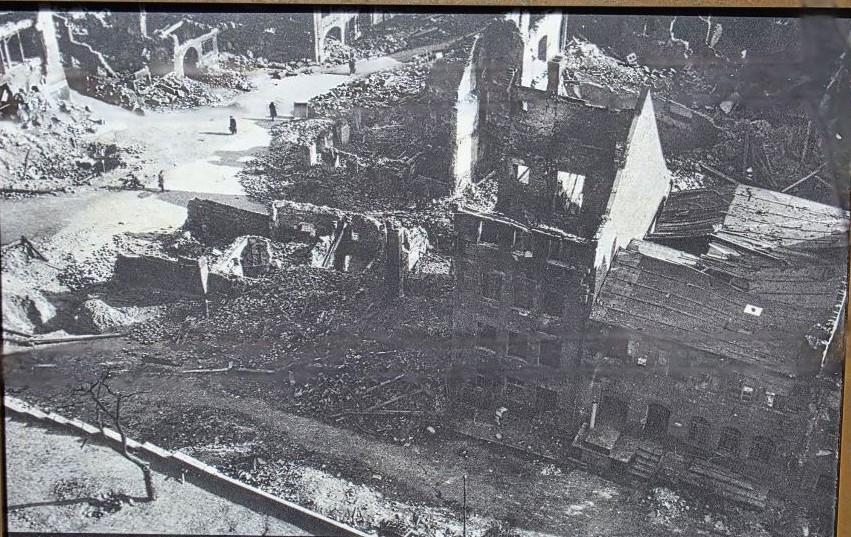
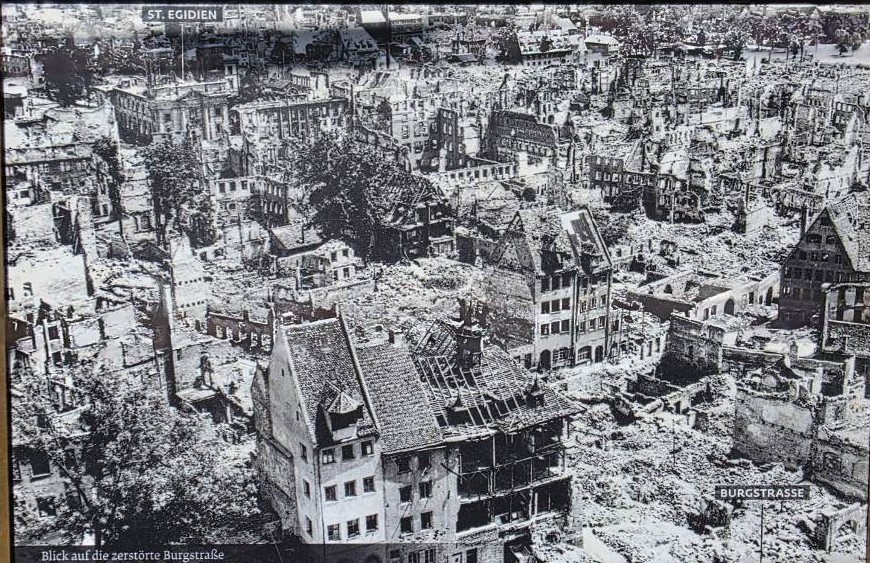
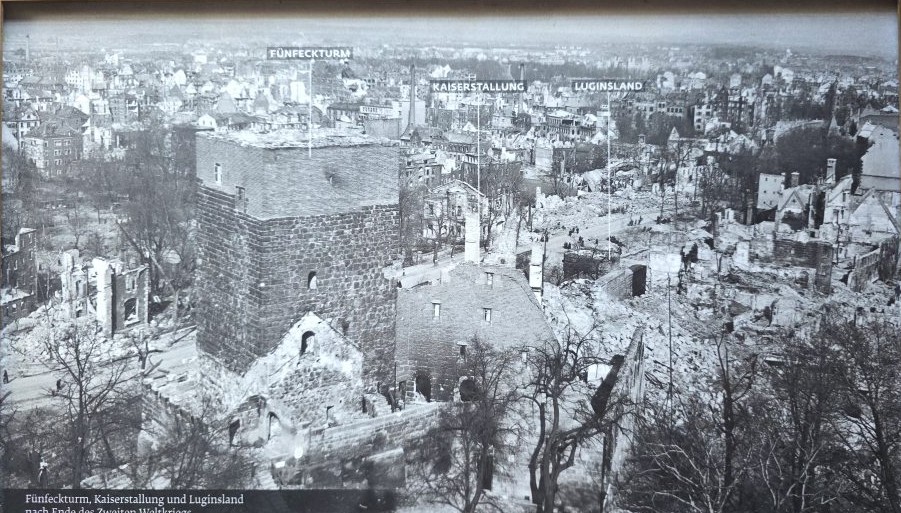
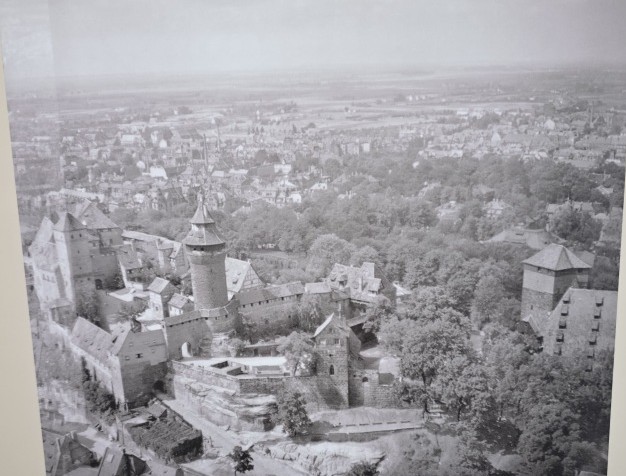
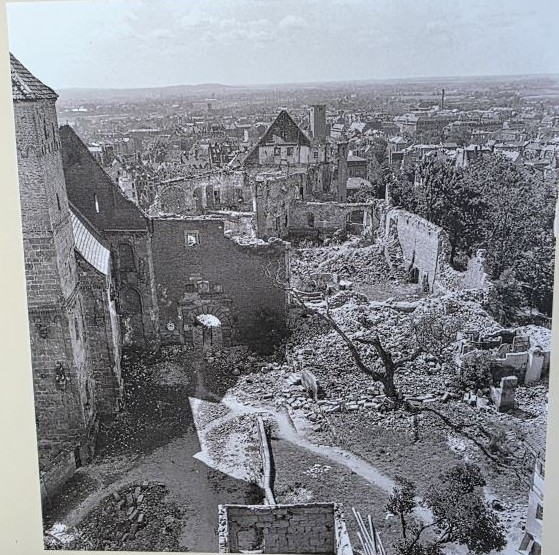
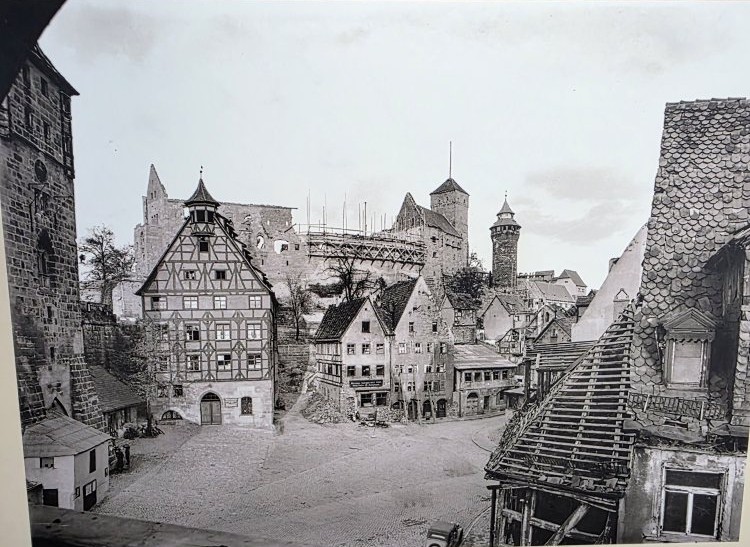
It is an awesome view from up there. You can see why it would be the defensive lookout and a standout feature of the Castle. In addition to the stellar views, there is a ton of information about the WWII bombing that took place and the reconstruction. Nuremberg was one of the most severely damaged cities during WWII, as it was the city of “Nazi Party Conventions” and Hitler was focused on creating the center of the Third Reich here – because the city holds such an important part in the German Empire history. The castle itself was severely damaged in many areas, although the 2 Towers (Sinwell and Heathen) and the Chapel were only slightly damaged and original to this day.
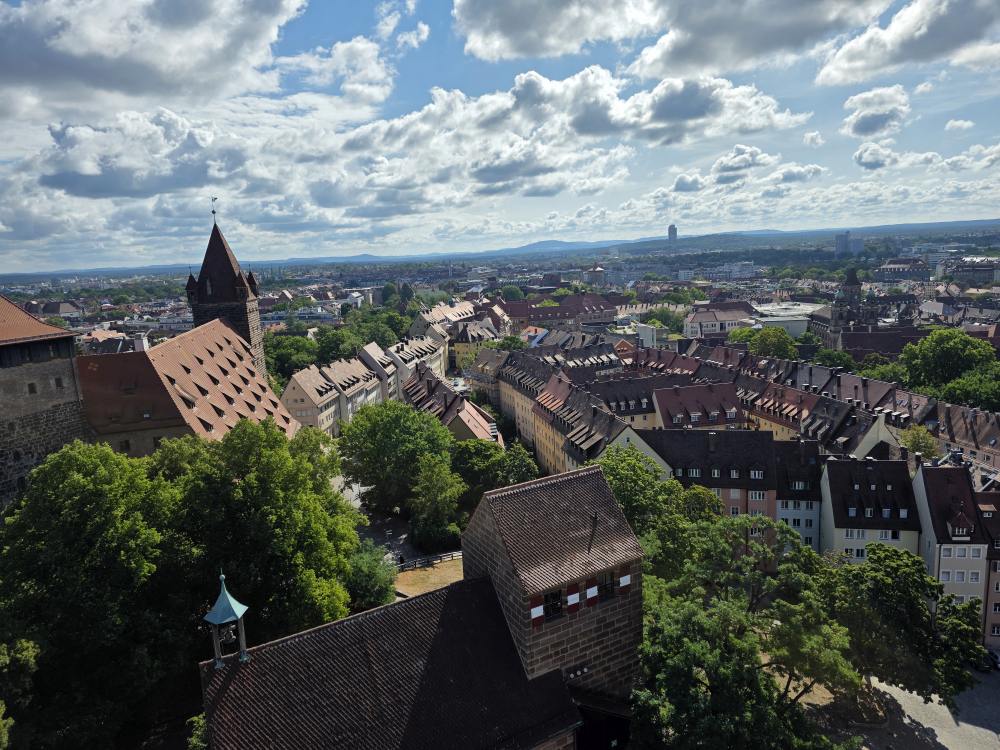
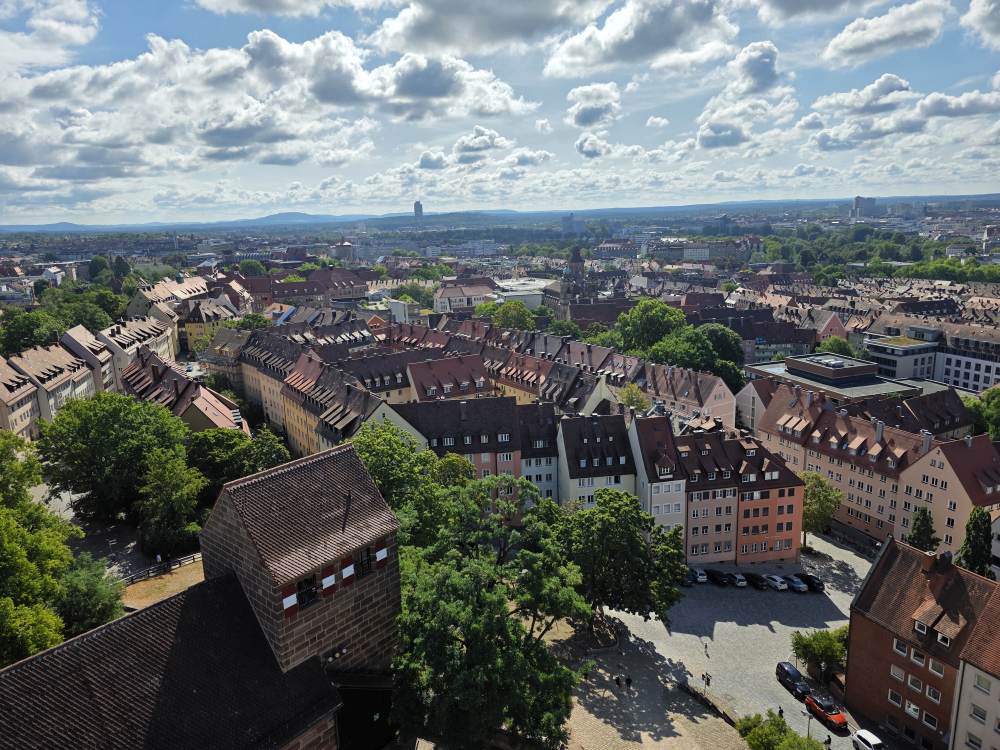
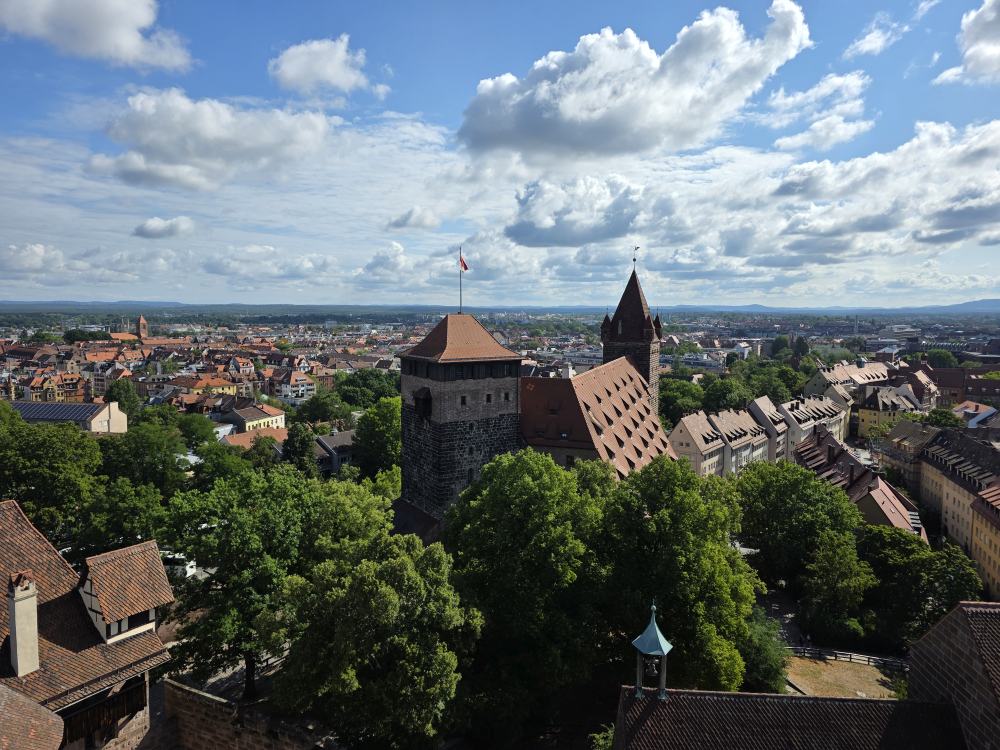
Turning to leave, we find an entire school group on their way up to the viewing platform. Yikes! We definitely timed this right! And with that in mind, we bid goodbye to the Castle and head back down to the Town level for the Albrecht Durer house.
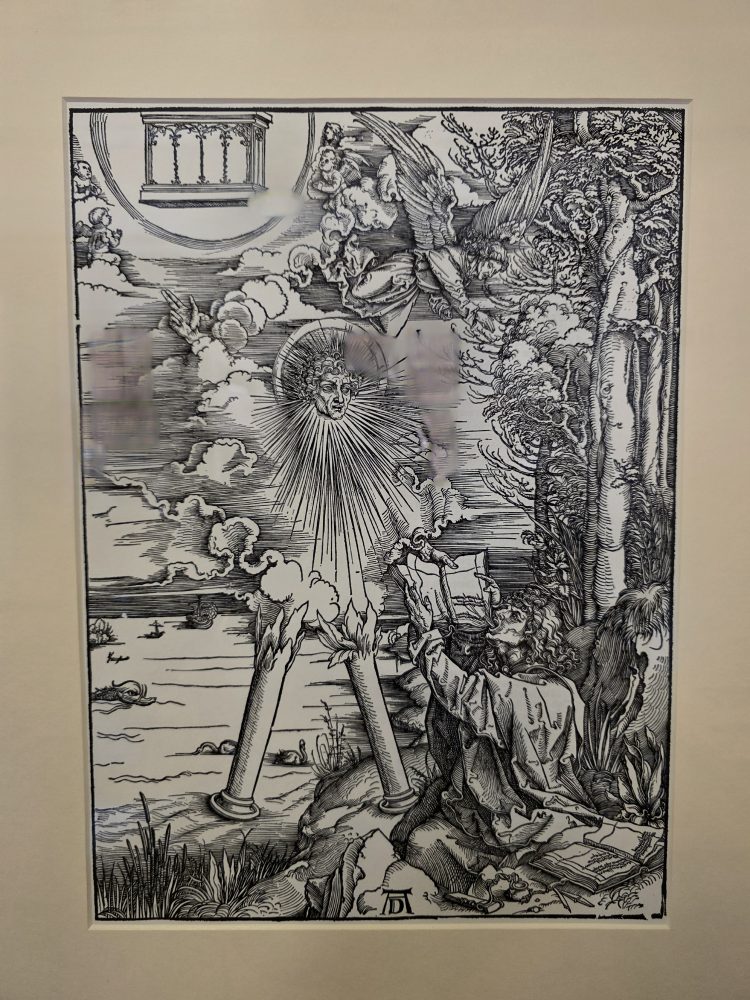
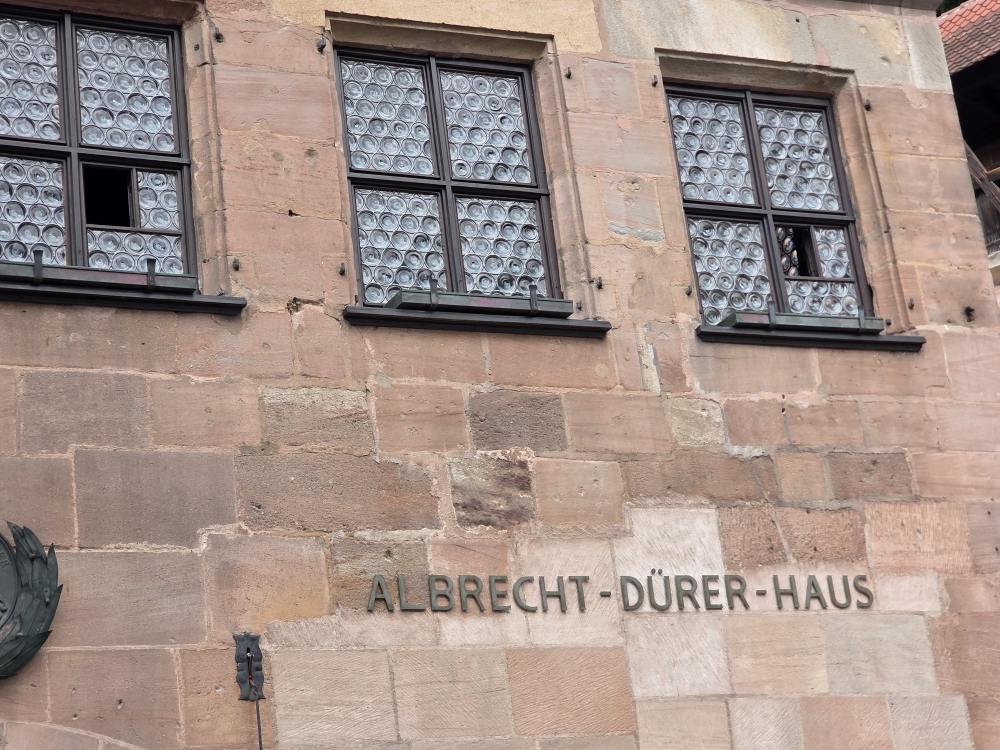
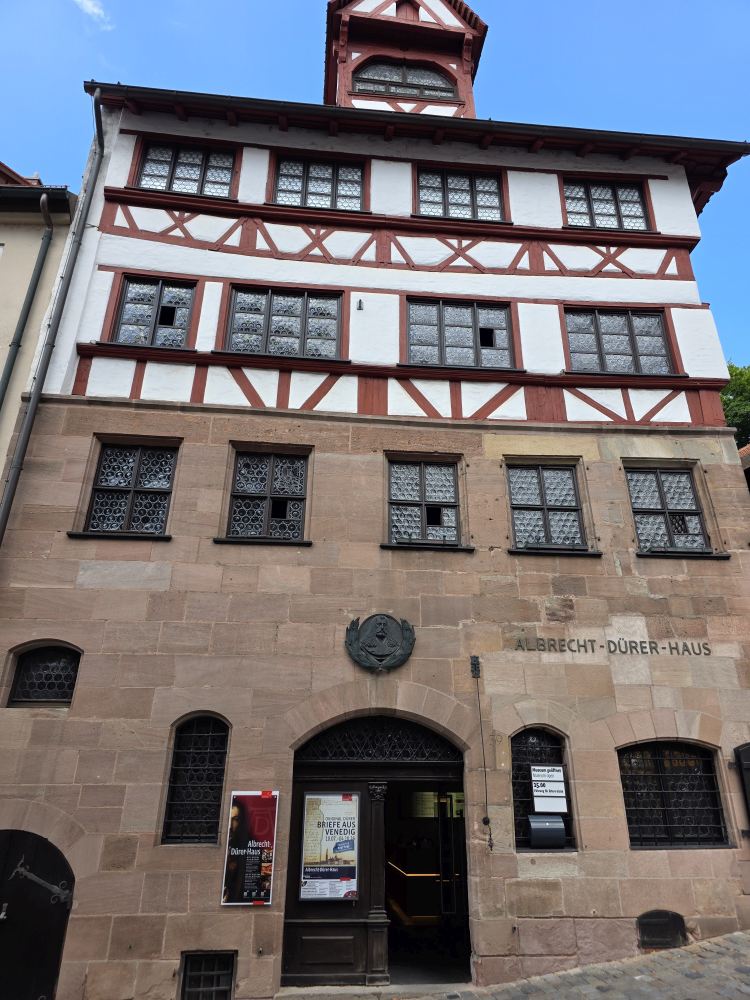
Albrecht Durer was an important German artist who was famous for his woodcut prints and his knowledge and contact with major Italian artists such as Raphael and Leonardo DaVinci. We arrive just as the house opens, 4th in line. Perfect for a leisurely exploration of this excellent museum dealing with his life and work. None of the art here is original, it is all just copies, because over the years the Emperors took a liking to Durer and “spirited” his works away to Munich and other locals. The Nuremberg city officials wanted to have something here for display, and in 1928 when a large number of originals were laned back for an exhibition, the city commissioned local artists to produce copies on the spot. They have hung in this house ever since.
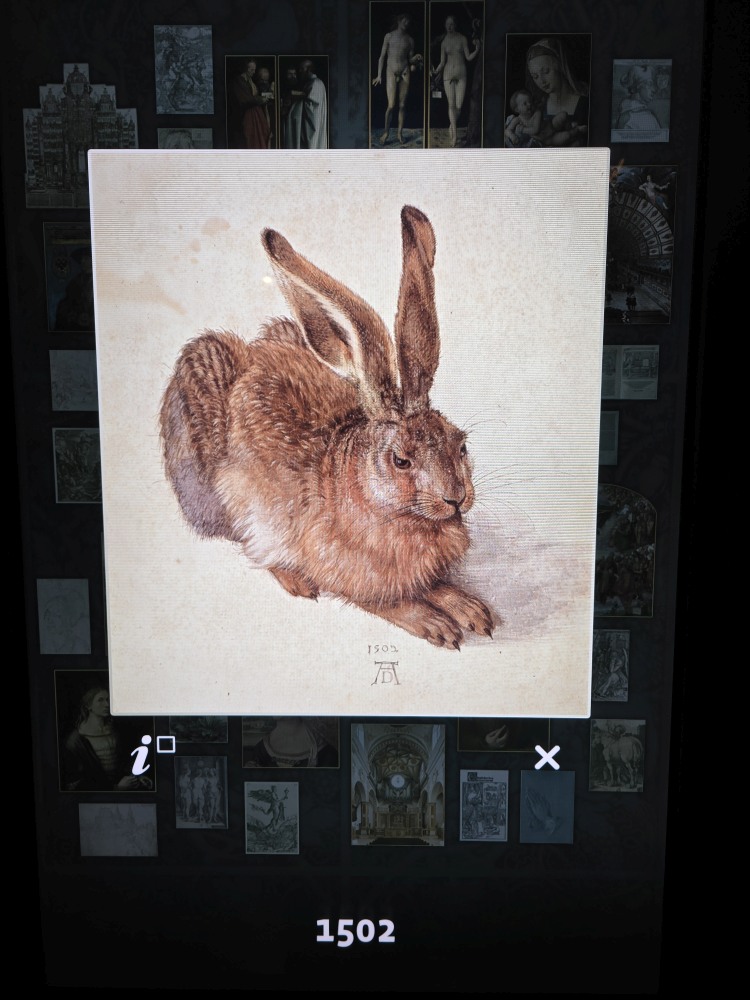
Even knowing nothing is original, the museum is still interesting with lots of history. We can see a digital representation of The Hare, a great series of paintings of Durer in different stages of his life, his famous “Self-portrait in Fur.”
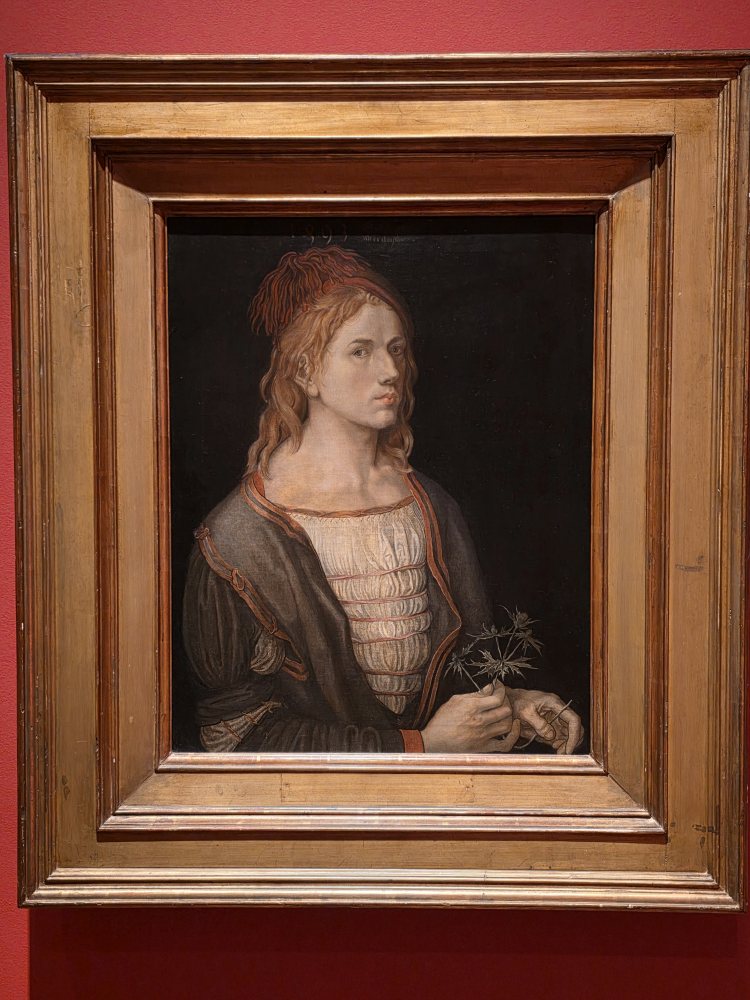
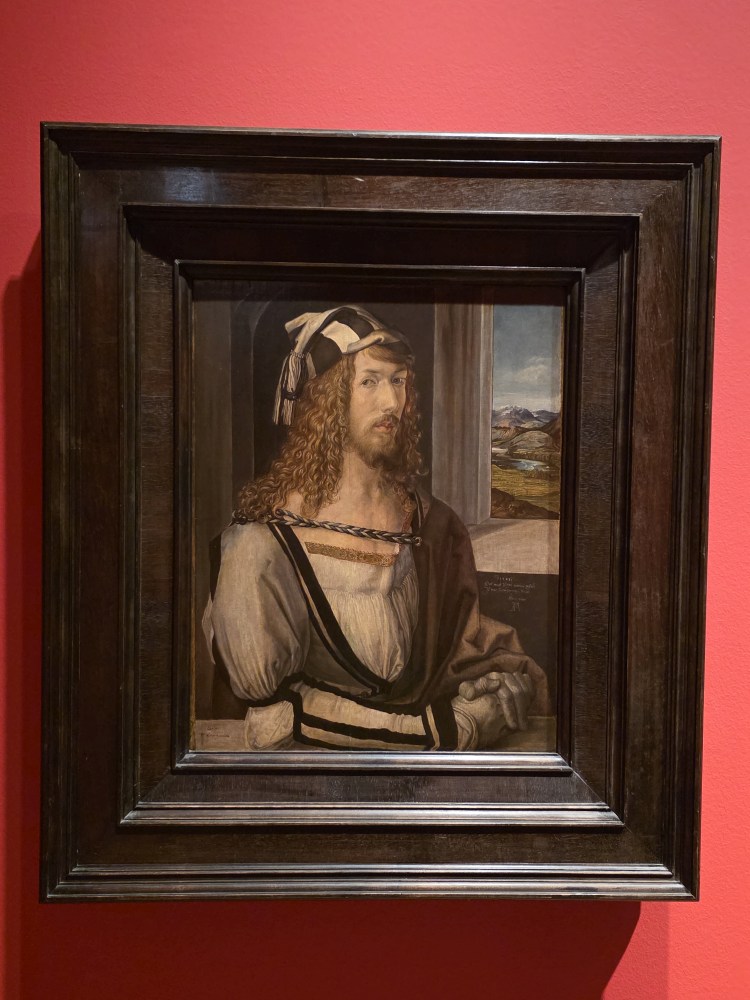
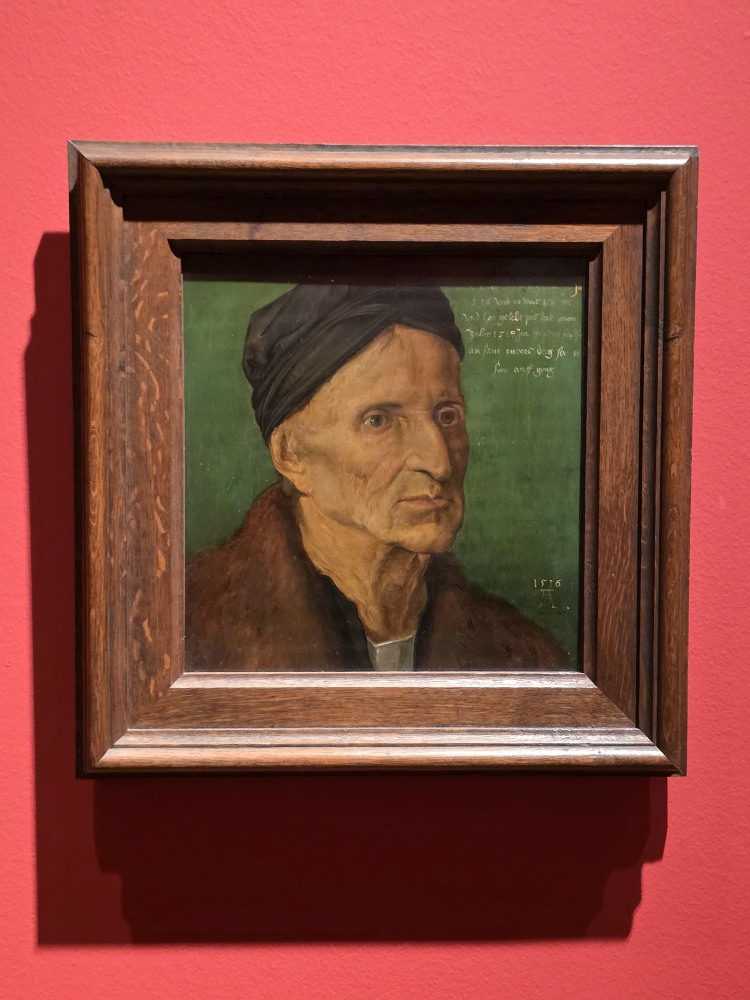
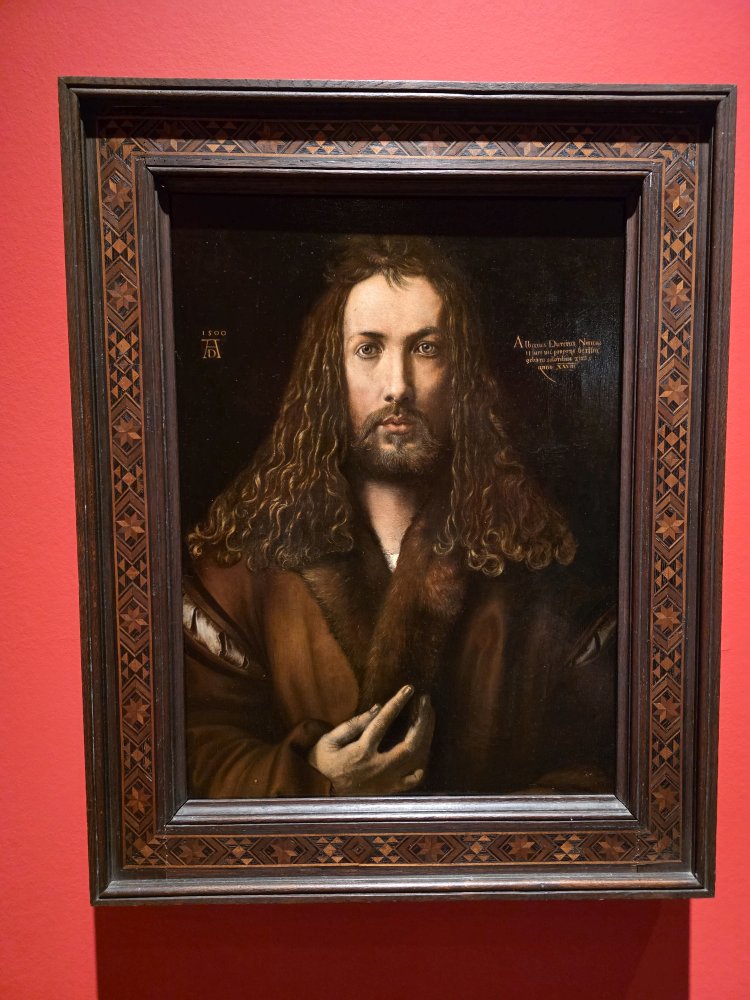
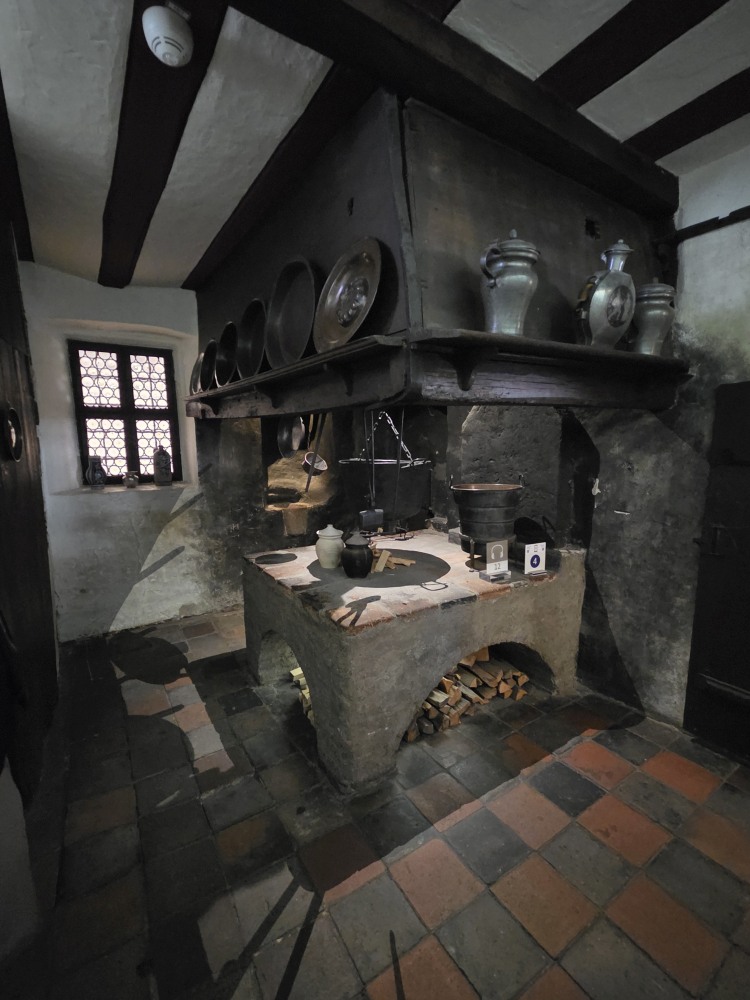
There are reproductions of what it would have been like to live here in the 1500s – a kitchen on the first floor, and upstairs what would have been Durer’s study with the fabulous dragon ceiling hanging, as well his studio with engravings and woodcut carvings and much more.
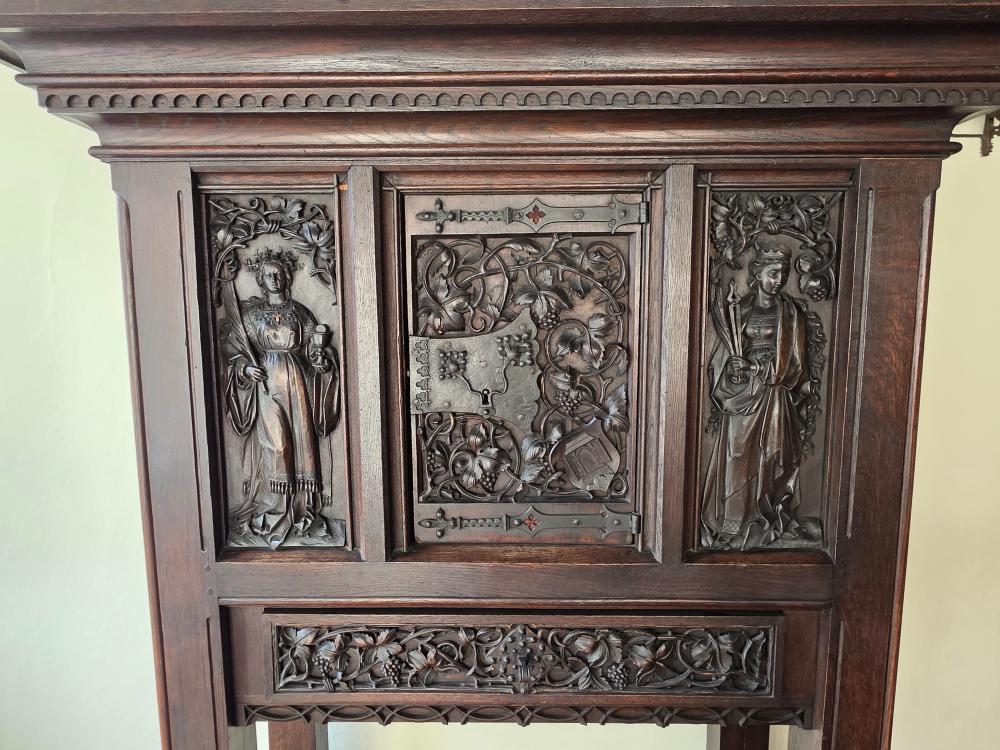
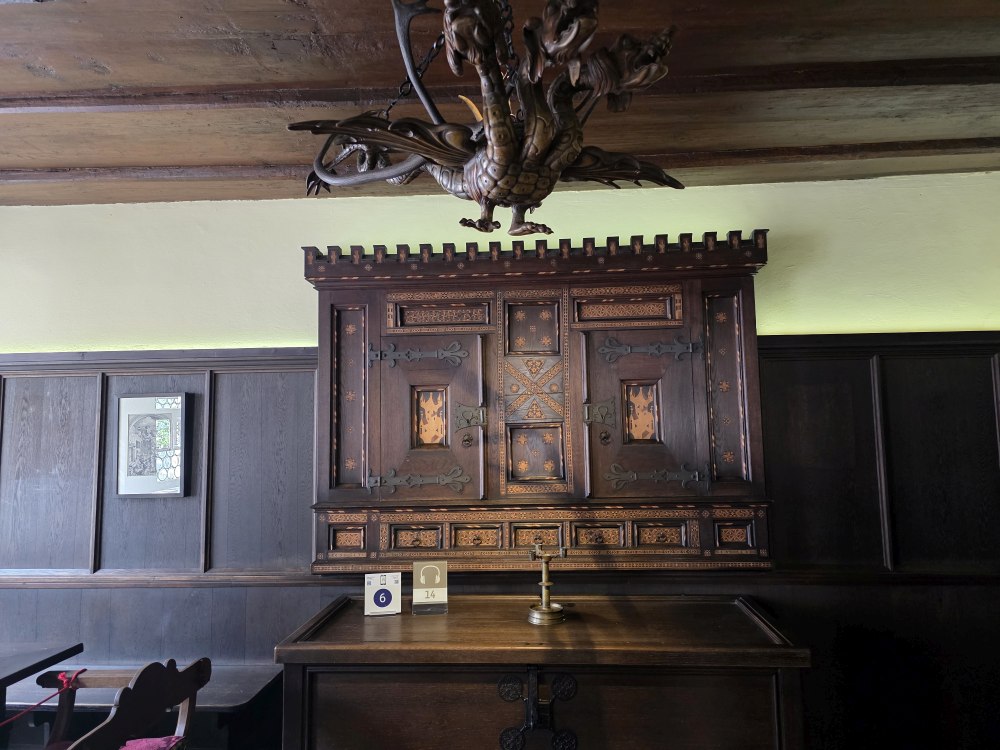
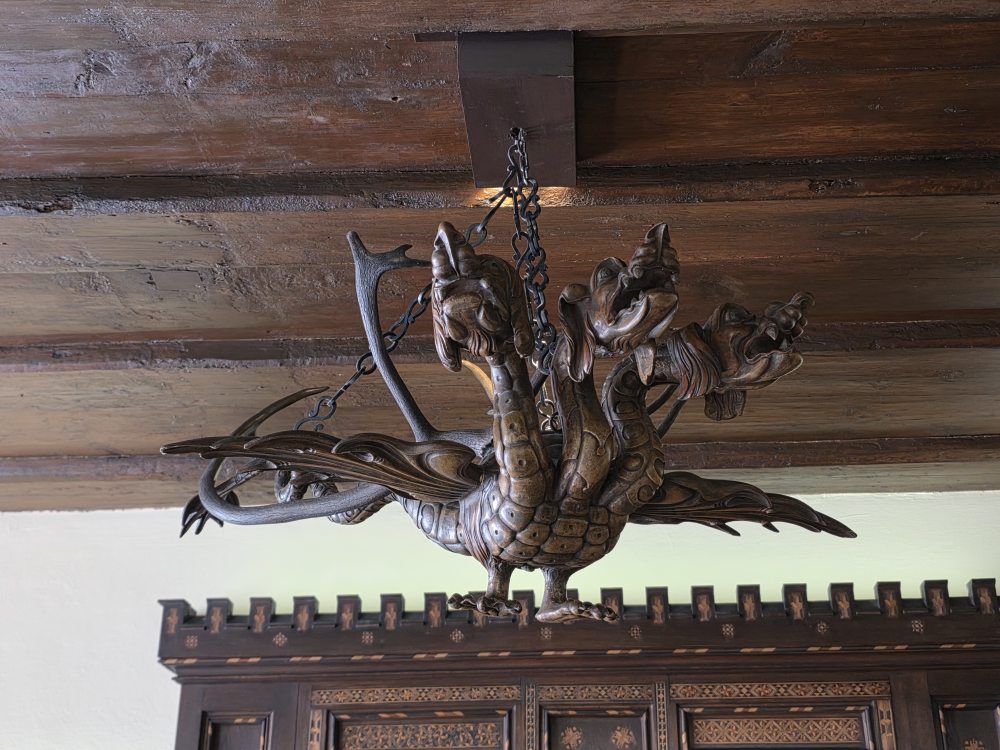
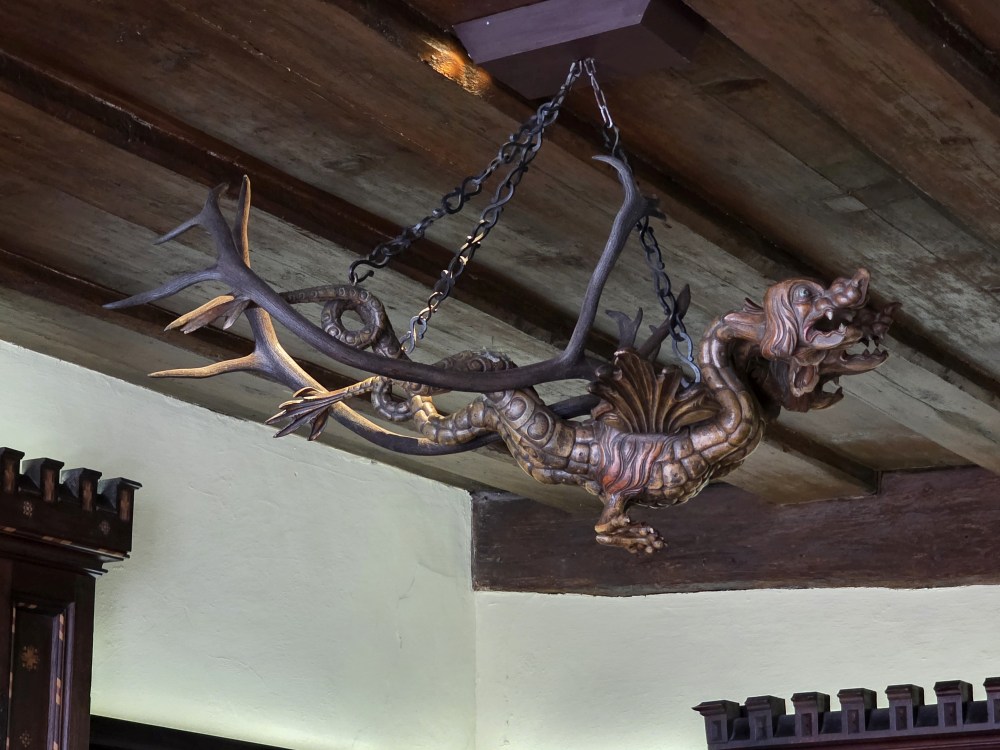
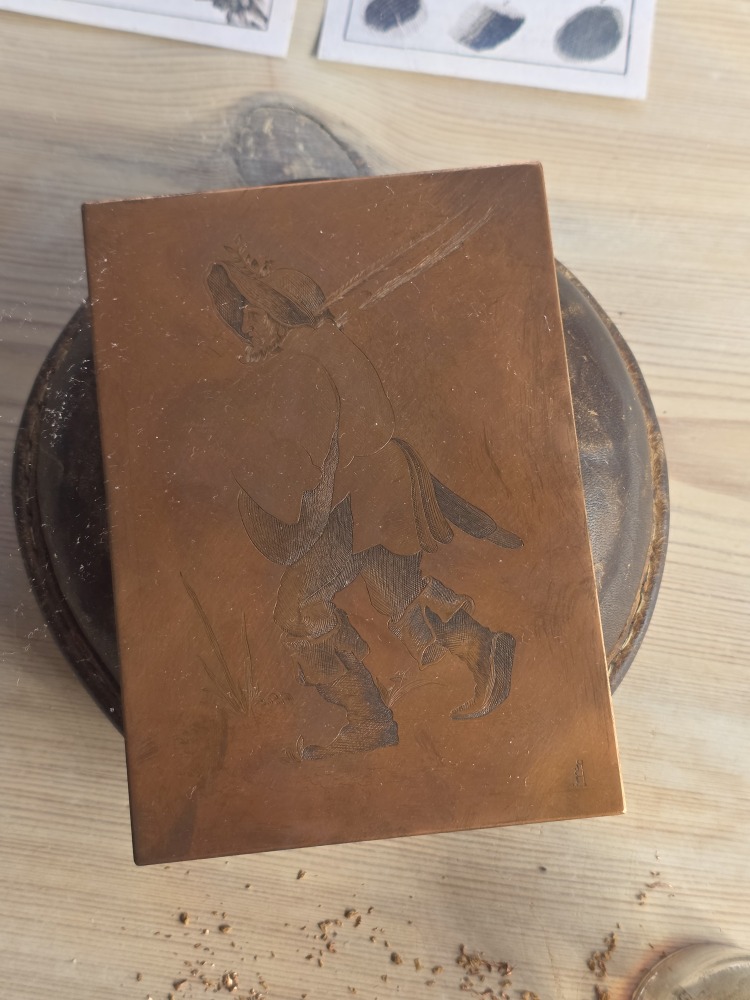
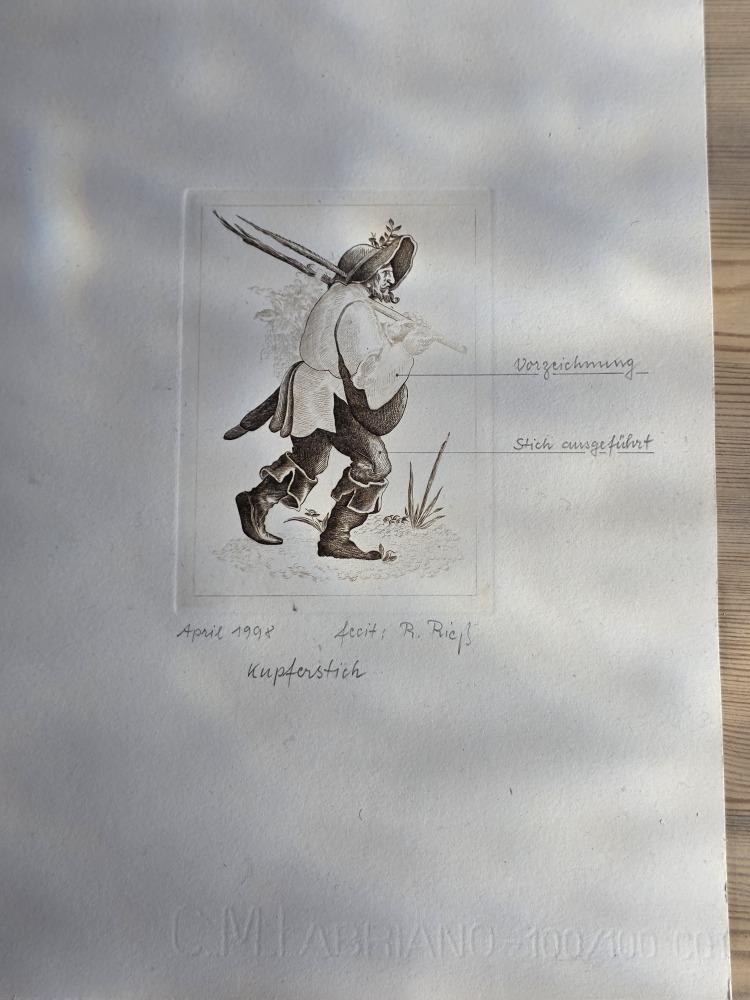
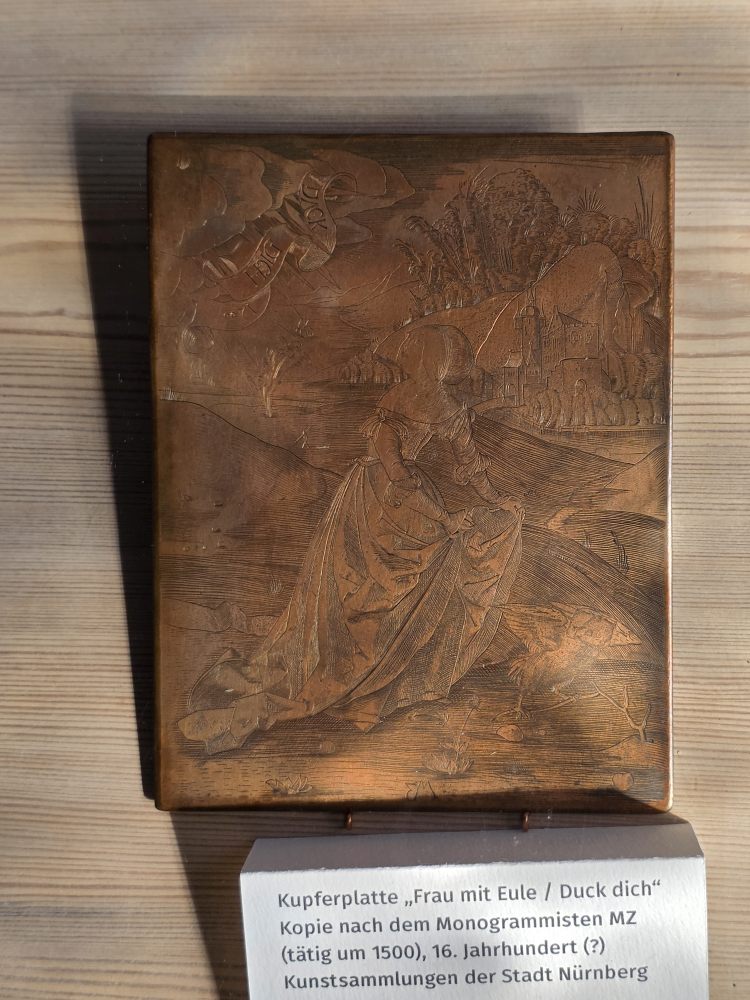
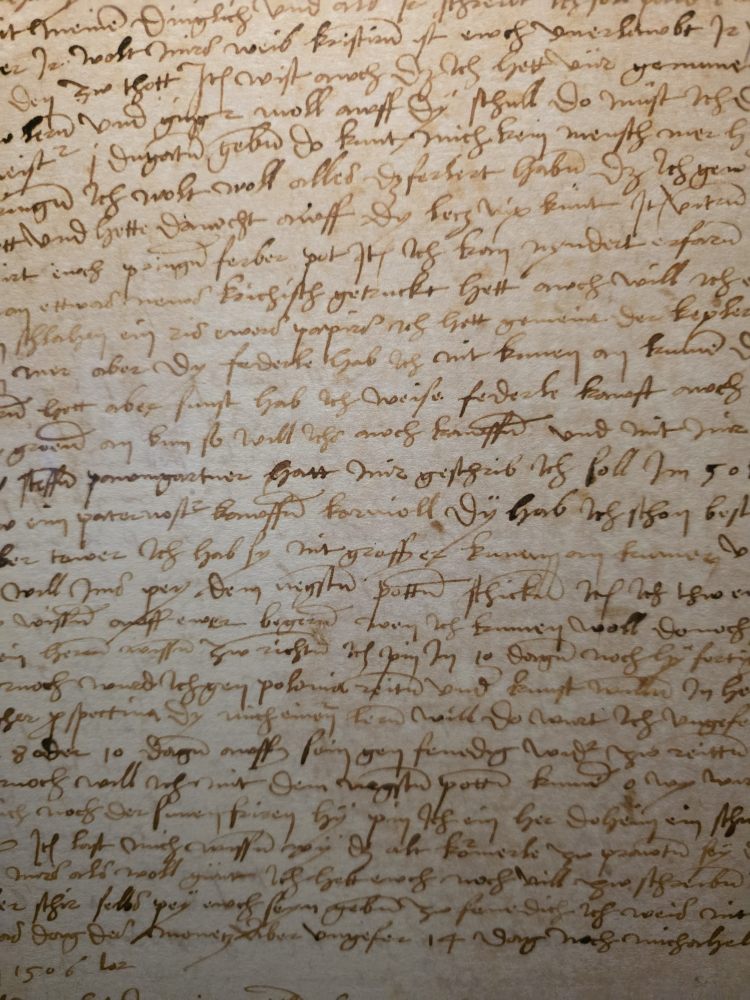
And of course, the draw here is that this was his actual house, where he lived and died, and is one of the few left standing after the carpet bombing in 1945.
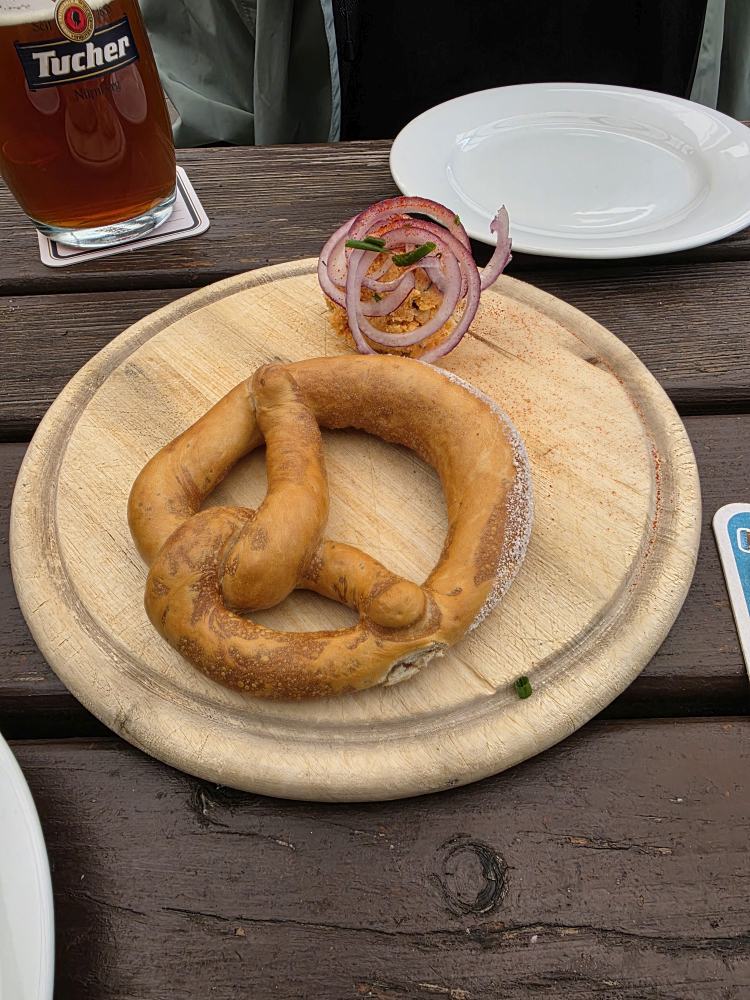
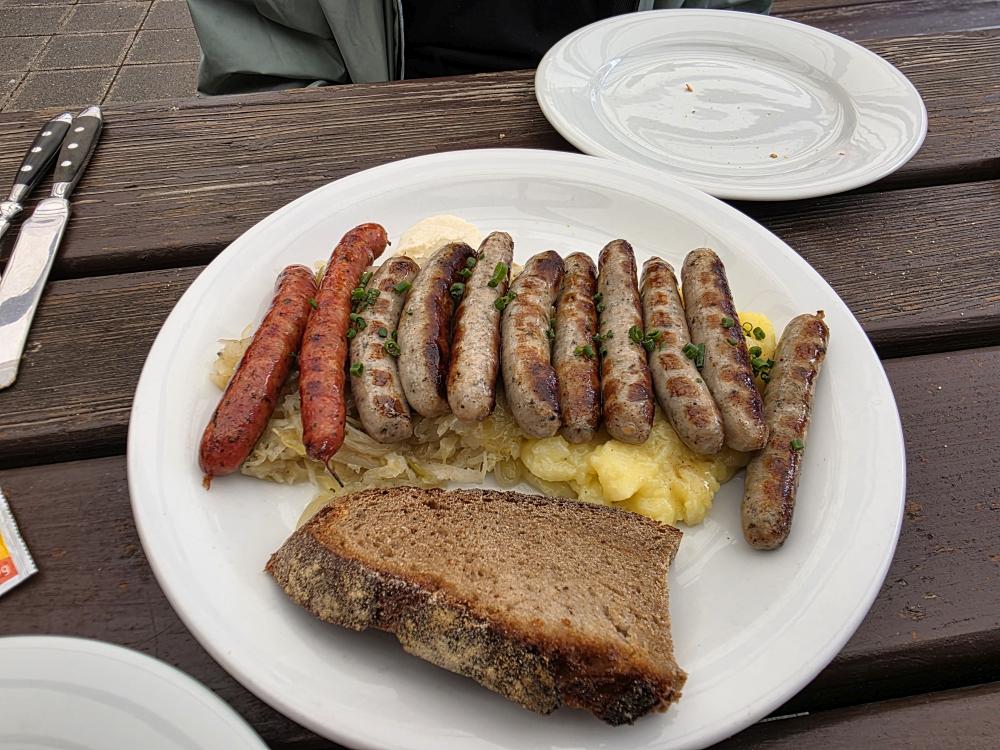
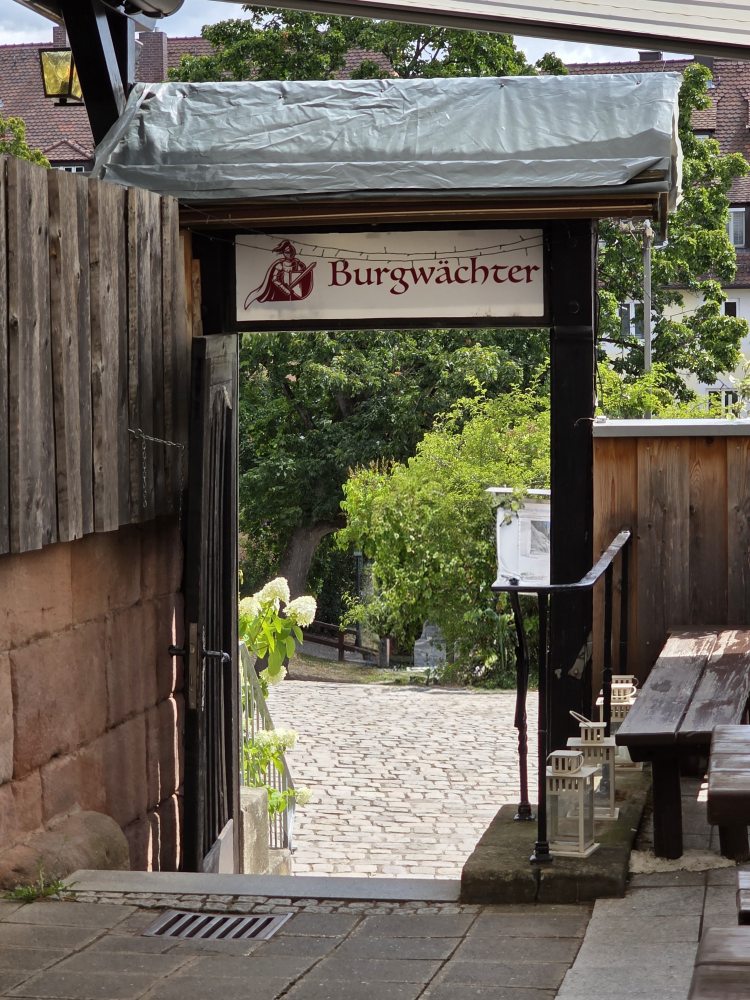
Ready for lunch, we huff our way back up the hill to the Restaurant Burgwachter, right below the castle. Fortunately, we arrived right as they opened as well, because we didn’t have reservations, but they let us sit at a reserved table if we promised to be done before the reservation time. Of course we can do that! And we did, while enjoying an excellent meal of Nuremberg sausages and Obadtz – of course!