Another overcast chilly day greets us as we disembark to start our explorations of the city of Motril – a new port for us. Motril it seems, is all about sugar and the Sugar Industry, which is what supported the settlement for almost a decade in the18th and 19th centuries.
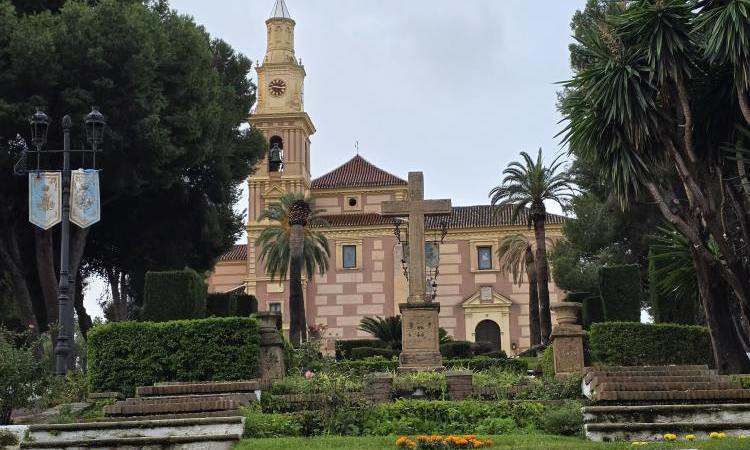
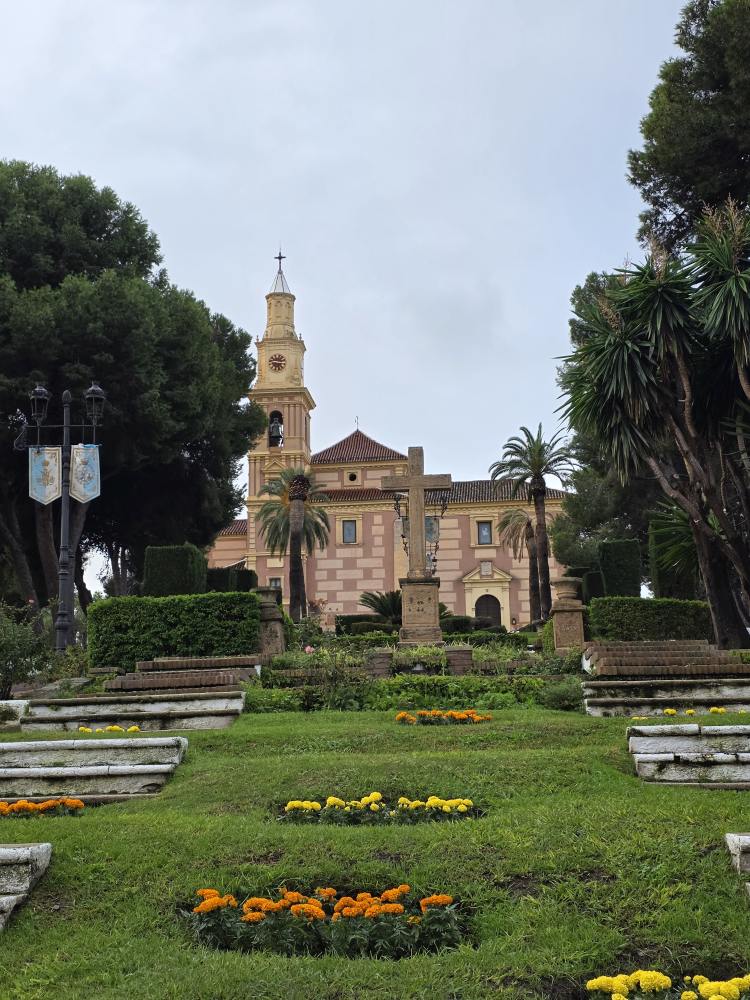
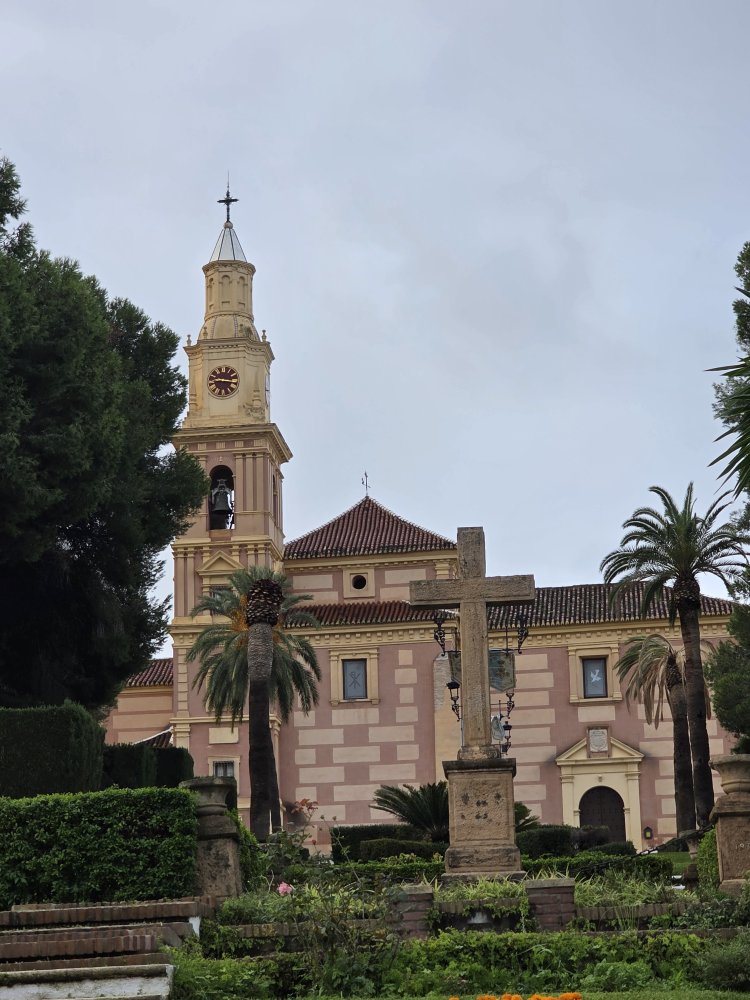
Unfortunately, we were docked in a really far out position – about a 15-minute drive or 35-minute walk from the city – and had to take a shuttle into town. We were a little worried about the timing because we planned ahead (gee, us? No, never! LOL), emailing to pre-book an English tour at the large Sugar Factory for 10am. We got lucky and the shuttle actually left at 9am – just as scheduled – with only about 15 of us on it. Arriving into town a little after 9, we began our 20 minute walk past the Plaza de las comunidades, where the shuttle dropped us off, with the pretty stepped garden leading up to the oddly named Santuario Nuestra Senora de la Cabeza (Sanctuary of Our Lady of the Head…hmmm….) and on through town to the Factory Azucarera Nuestra Senora Del Pilar – the old Sugar factory.
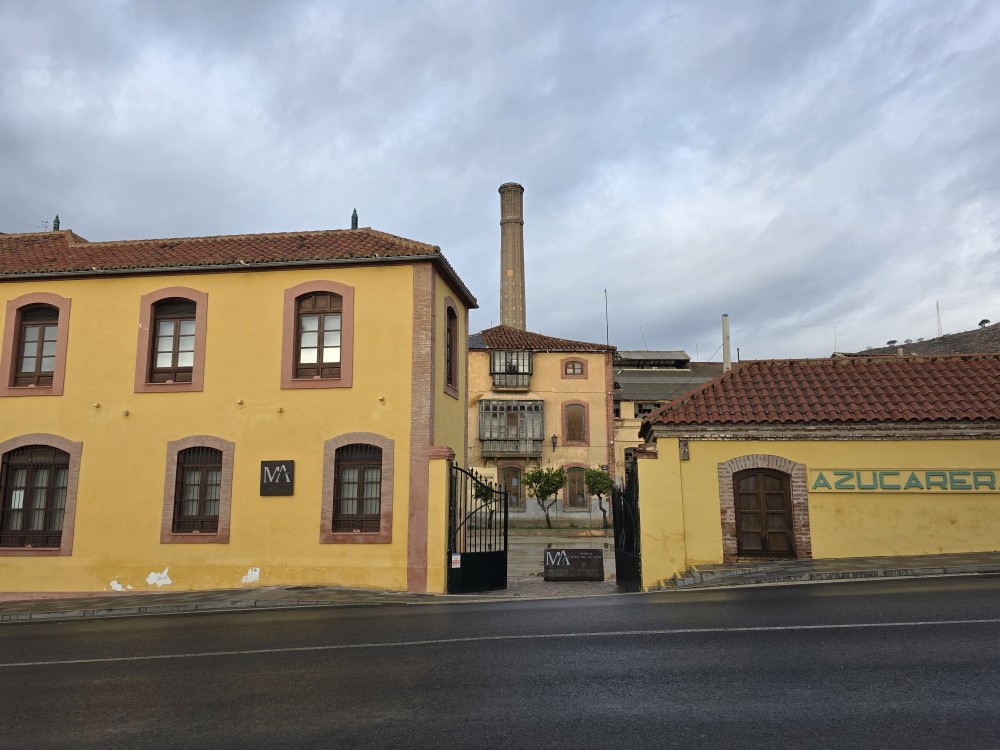
As we were walking to the factory, we were alternately followed and following a 4 Canadians from the ship who looked like they knew where they were going, until they didn’t. They kept running to get ahead of us – you know the type – then would stop and look confused while consulting their maps. We just motored on – with another couple sort of following us – but who disappeared somewhere when we turned a corner. As did the Canadians. Whatever. Arriving at the factory, we are of course early (gee, us? No, never!), so we sort of just hang around outside the gates until the tour folks arrive at work to unlock them.
We still had to wait about 20 minutes for the tour, which we spent wandering around the courtyard, and reading the information in the visitor center. And it all would have been fine ….except….a few minutes later, here come the Canadians and the other couple, all wanting a tour without pre-booking! Thank you to us for pre-booking and having one available coz otherwise there would be no tour and you peeps would be SOL! (PS – we never received any thanks, even after Carlos, the sweet guide, kept reemphasizing that we had pre-booked and they had not. Anyway….)
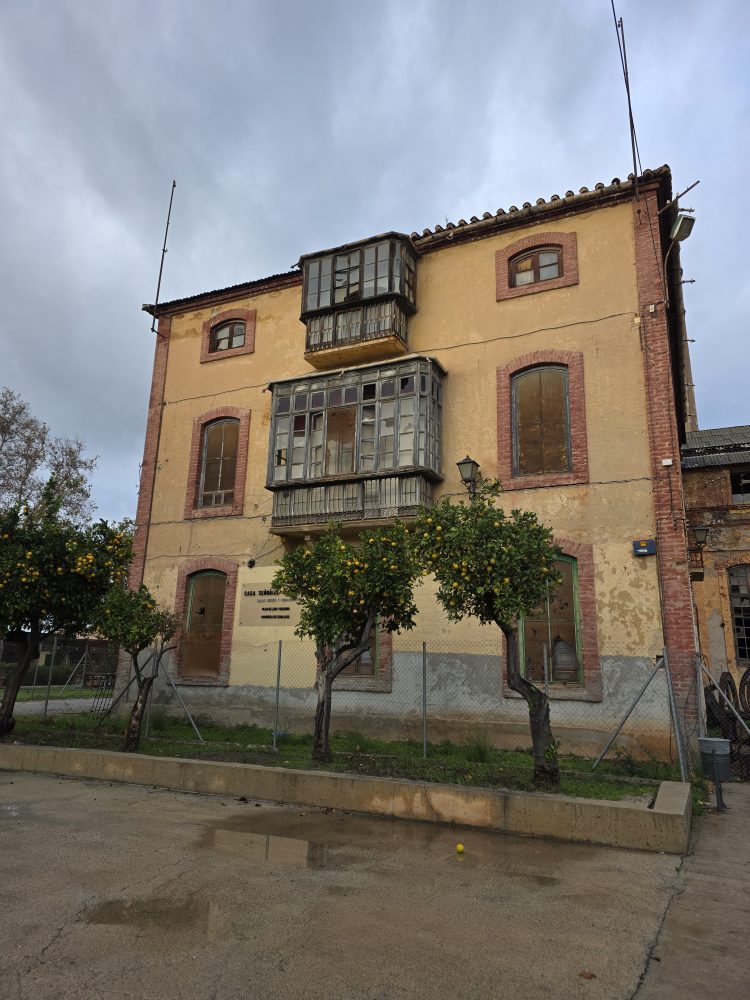
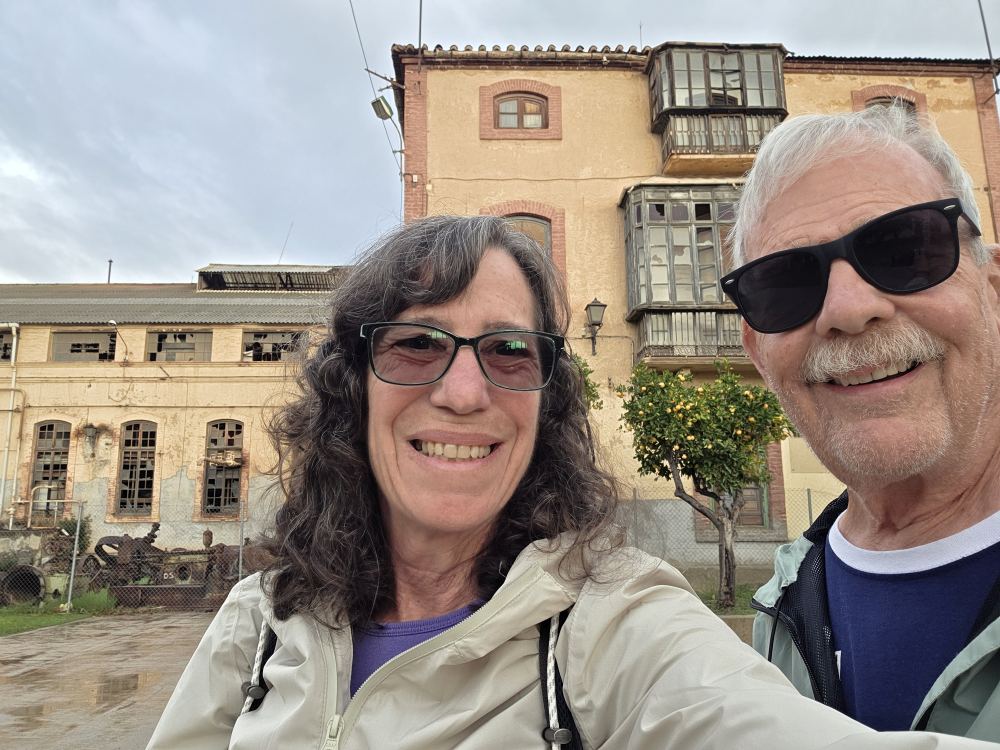
As the tour begins, Carlos gives us an overview of the sugar industry in what is called the Costa Tropical. While Andalusia was known for its mining industry, this area was known for its agribusiness, in particular sugar. The city of Motril was built on the sugar trade and while the last factory closed in 2006, the town is steeped in sugar history.. This particular plant functioned for over 100 years, closing its doors in 1984. The historical society managed to save and preserve the factory and its steam engines when the city was planning to raze it for housing.
The tour was a fascinating look into the operations of the plant – from a miniature replica of the machinery that was used to make cane sugar to the actual plant with most of its machinery still intact.
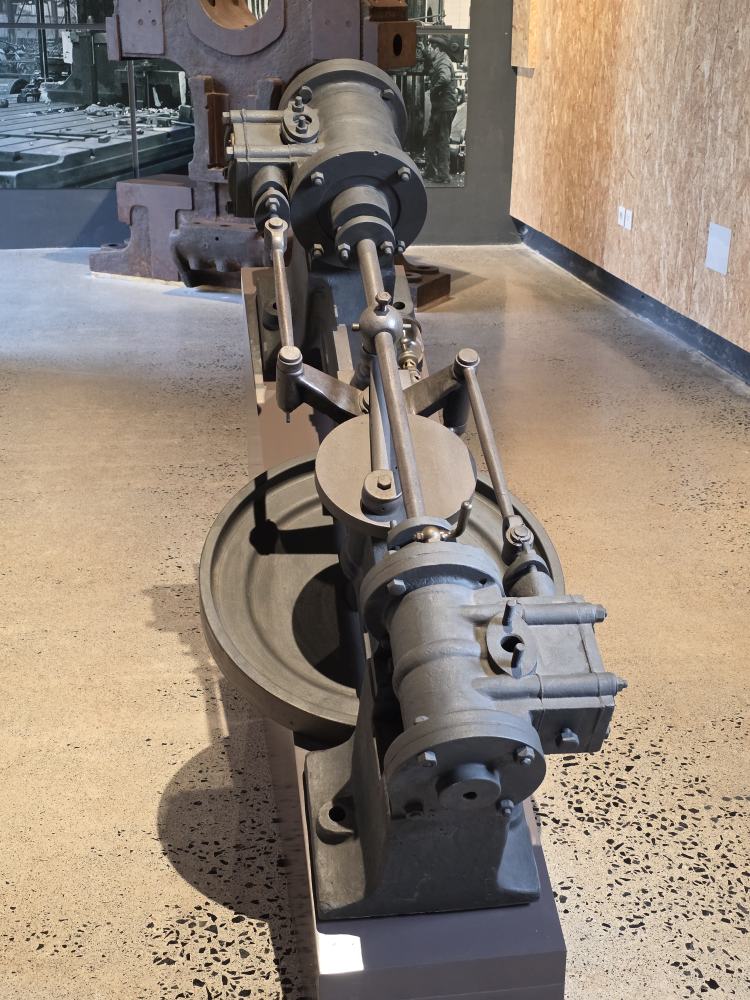
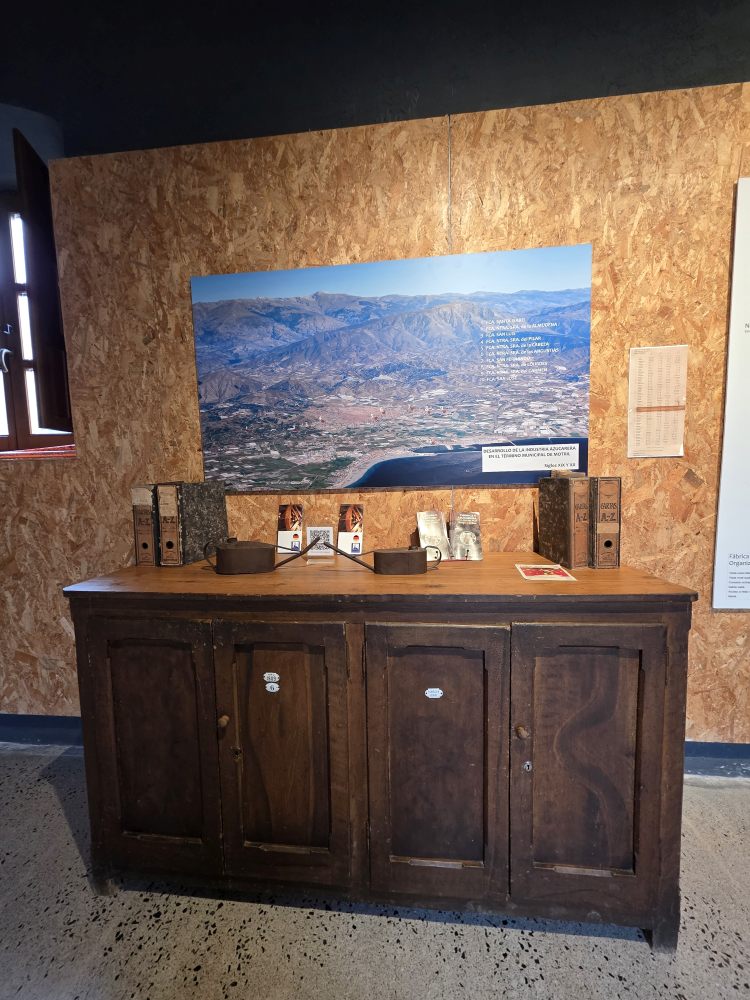
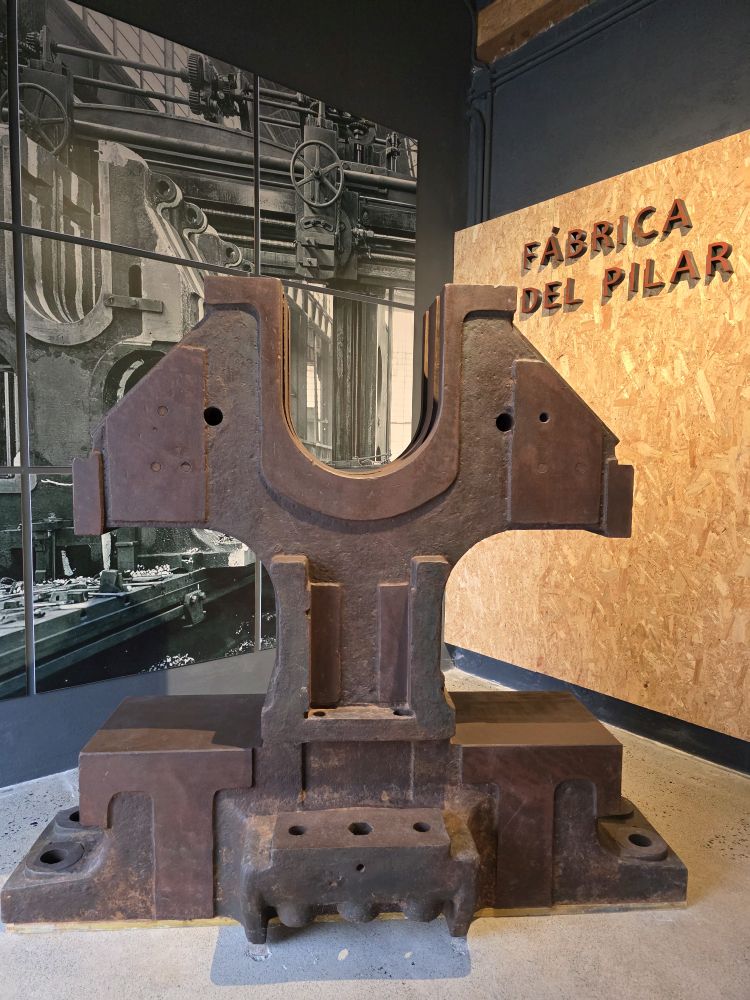
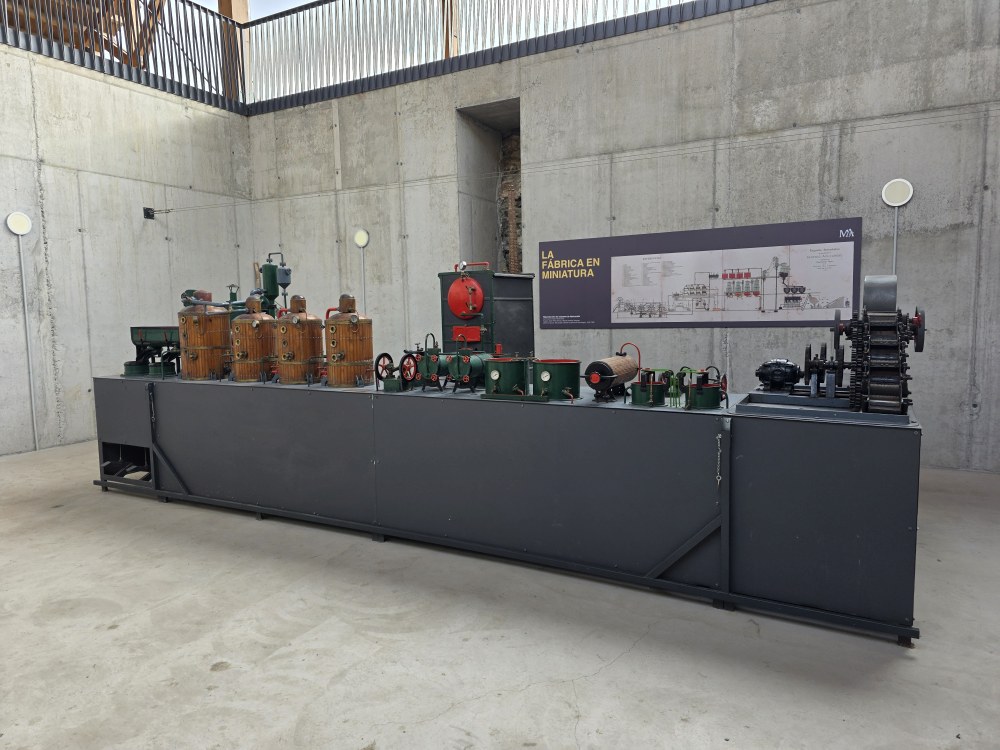
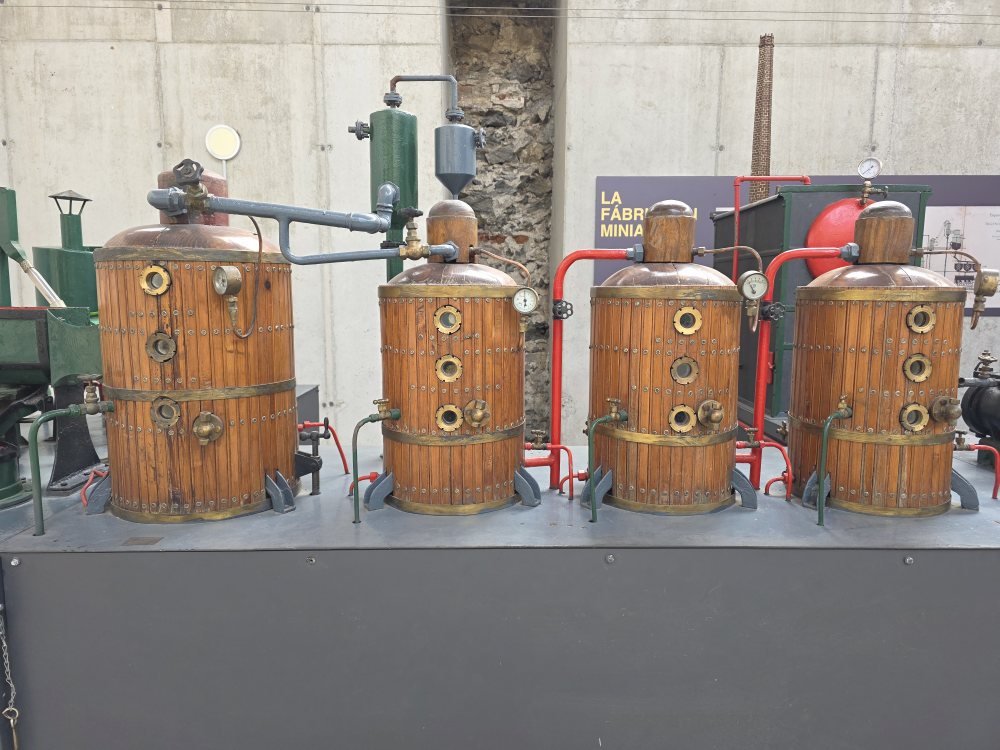
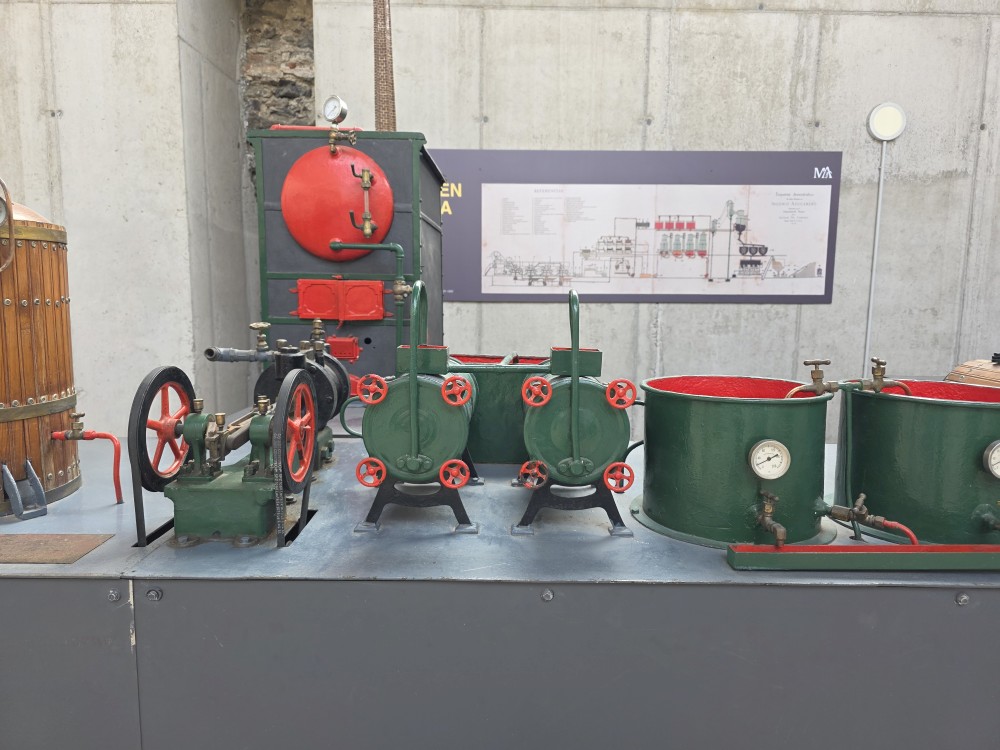
Walking along the plant floor and raised walkways, we could just imagine the noise! And the machinery is crazy big and scary. There were accidents of course, and we could definitely see how people could be maimed by any of these machines.
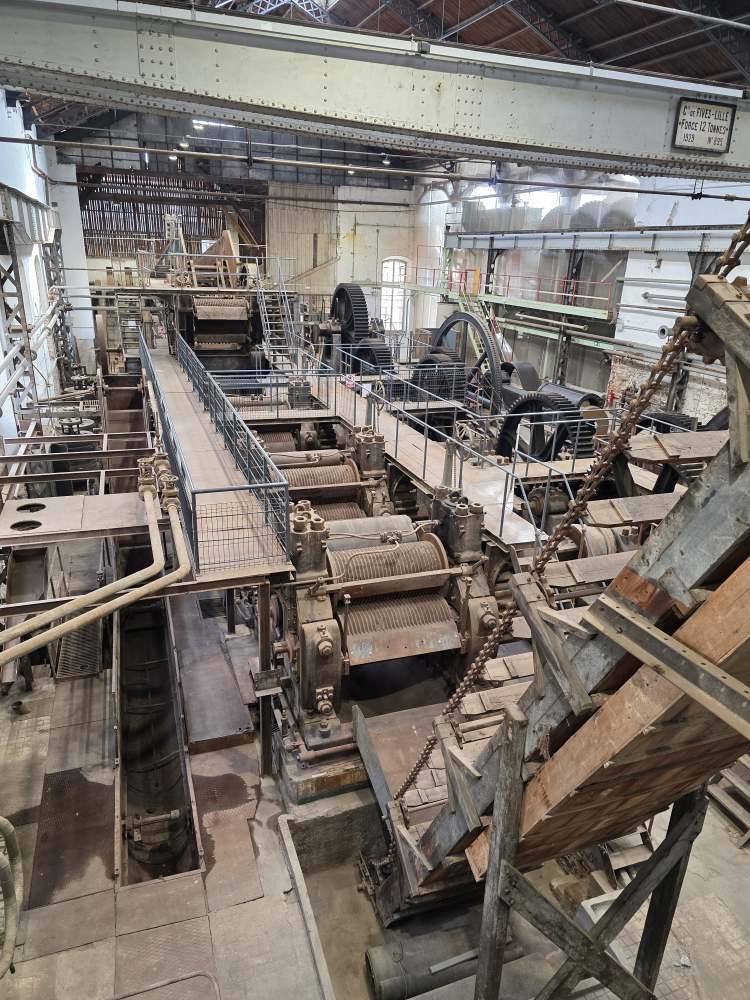
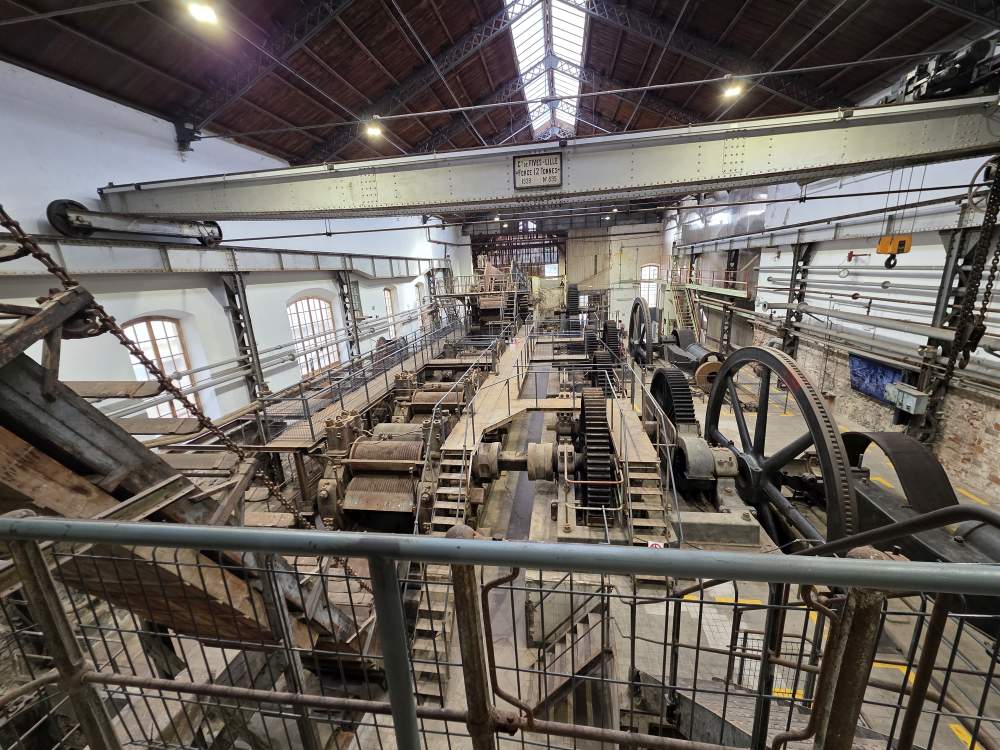
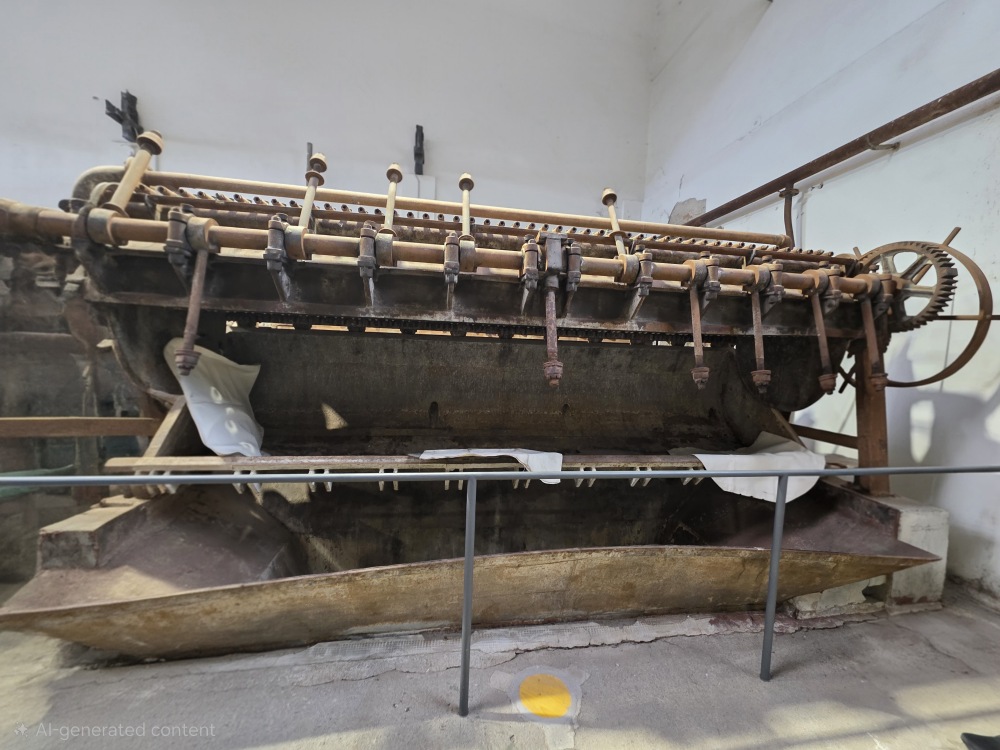
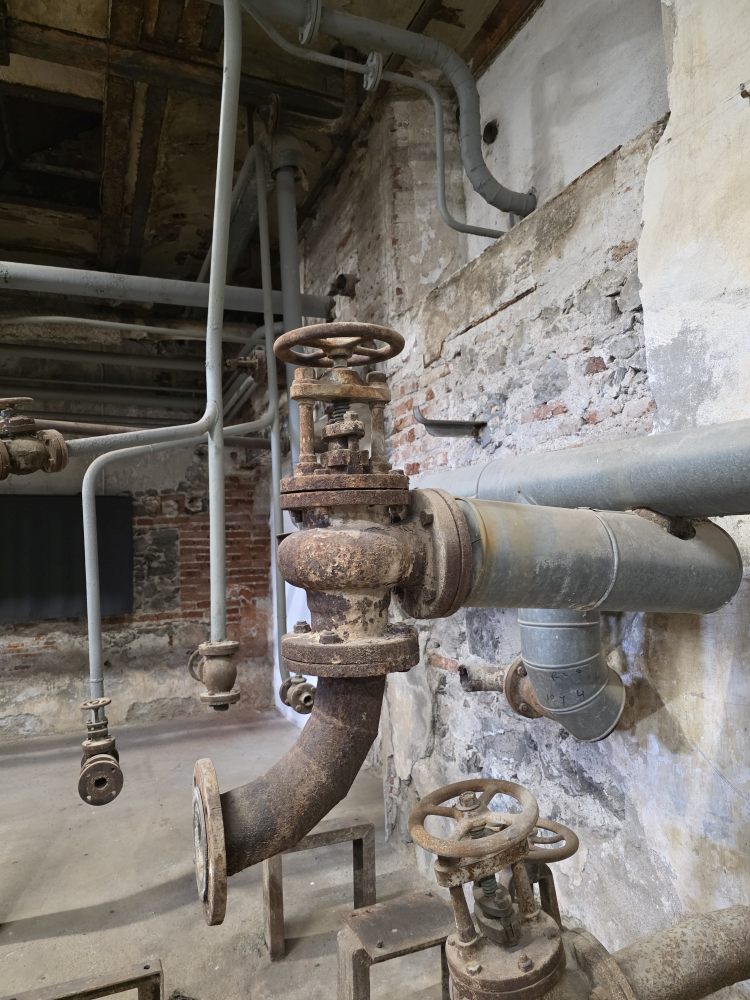
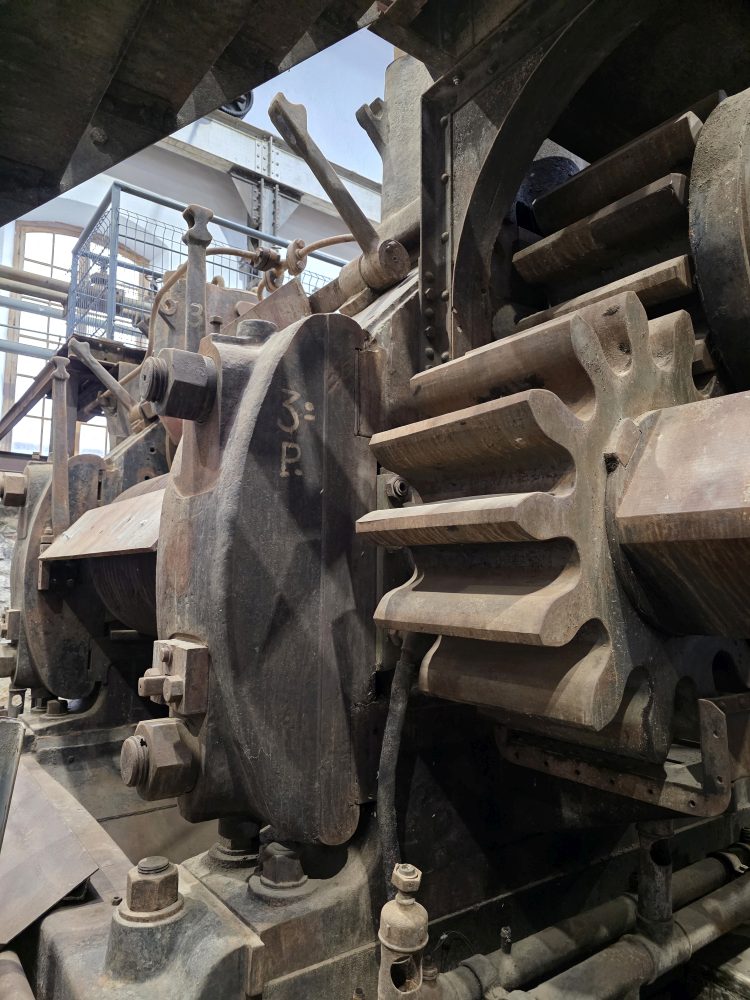
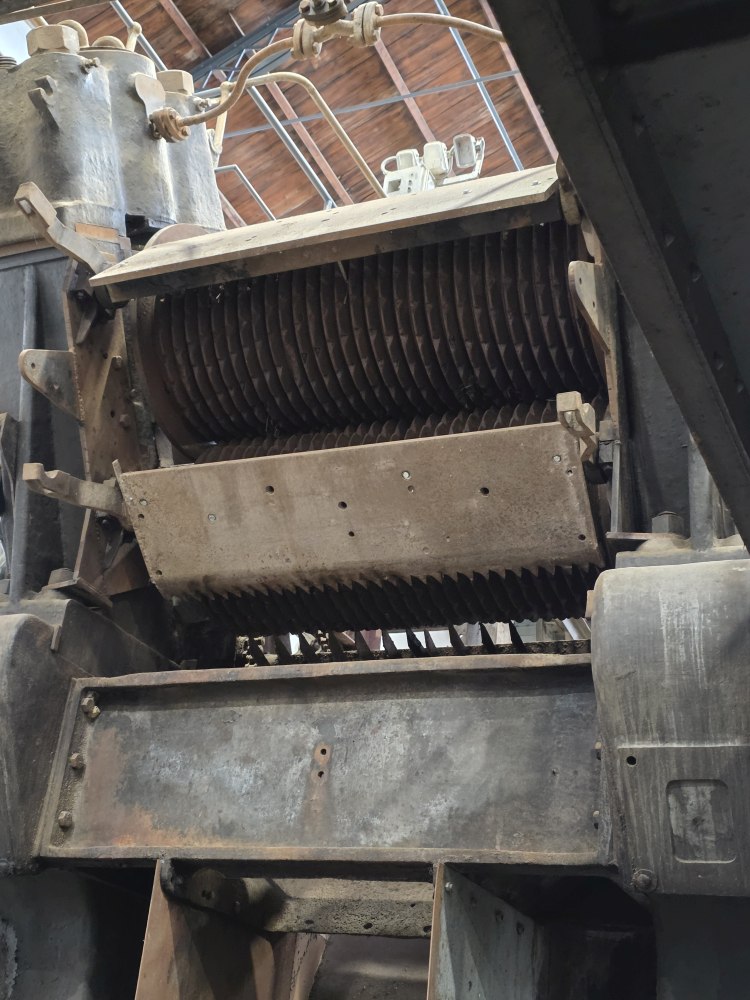
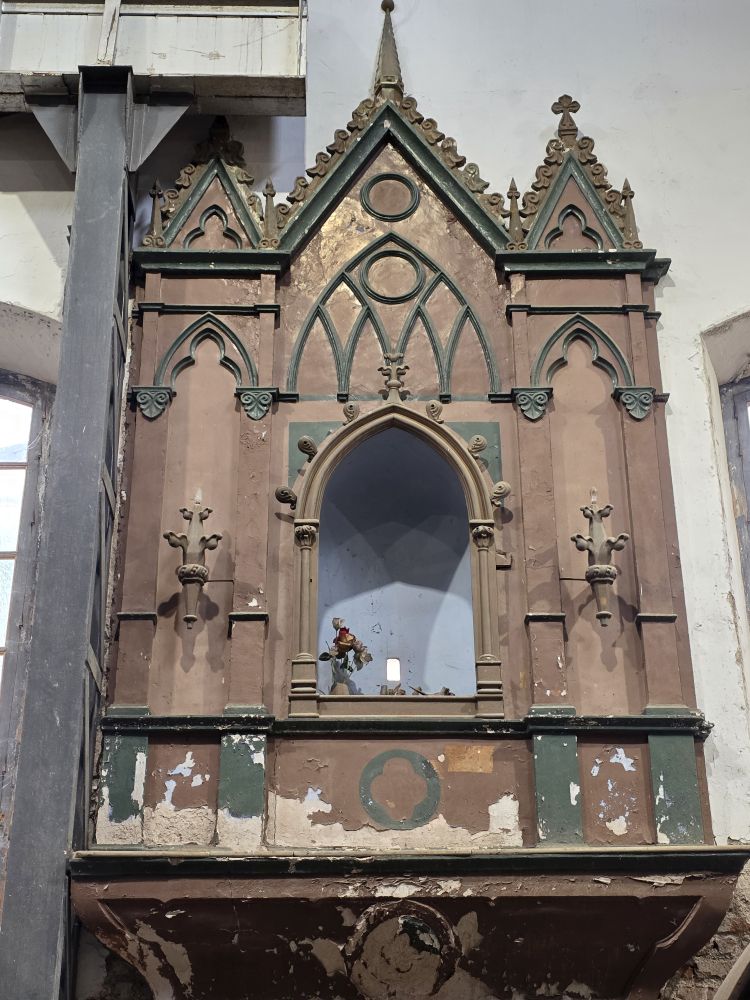
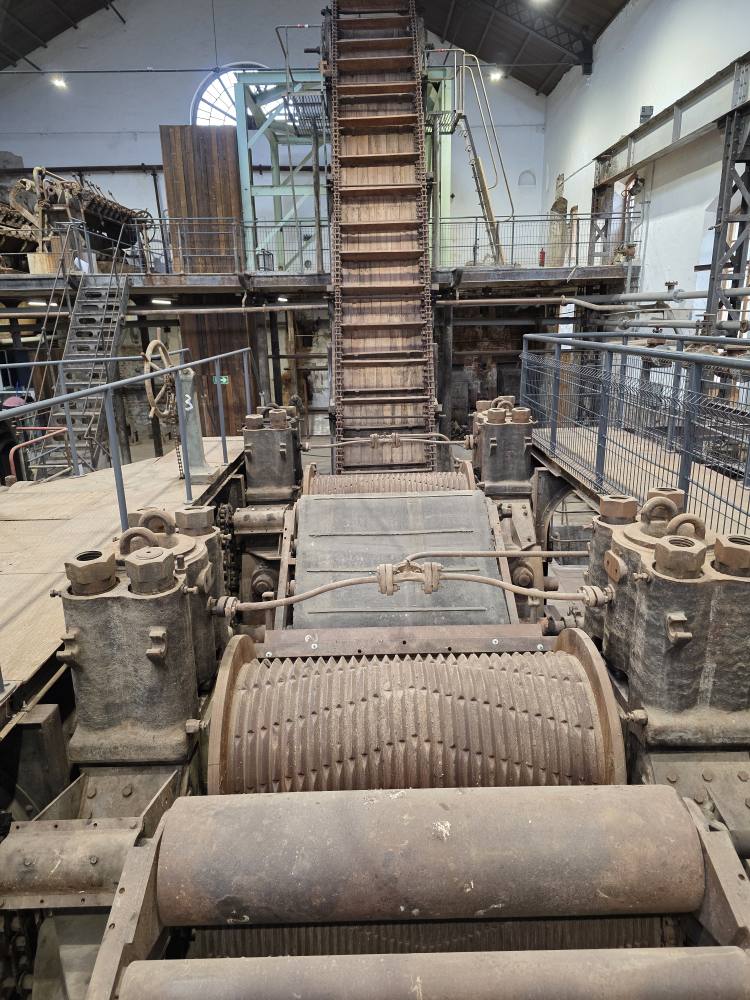
A very fascinating look at the history of sugar processing – and Carlos was a great guide, even giving us all a parting gift of little replica numbered tabs that workers used to sign in and out of the factory shifts. Sweet.
Continuing on with the sugar theme, we next visited the Pre-industrial Sugar museum about a 5-minute walk away. Another interesting place that lays out the whole 1,000 year history of sugar production in the area – from how it was introduced here to how it was processed before industrialization.
Following the placards around the museum we learn that the sugar production led to a “serioooous” (the exact spelling mind you!) environmental crisis with the destruction of the oak forests that covered the Sierras. The wood was used to fuel the furnaces in the sugar houses, denuding the land. There were an average of 5 sugar houses operating here, producing 45,000 blocks of sugar a year, equivalent to over 3200 tons of sugar. Excavations for development of a park uncovered the foundations of an old factory which are on display – as are life size recreations of how the sugar was worked and hauled.
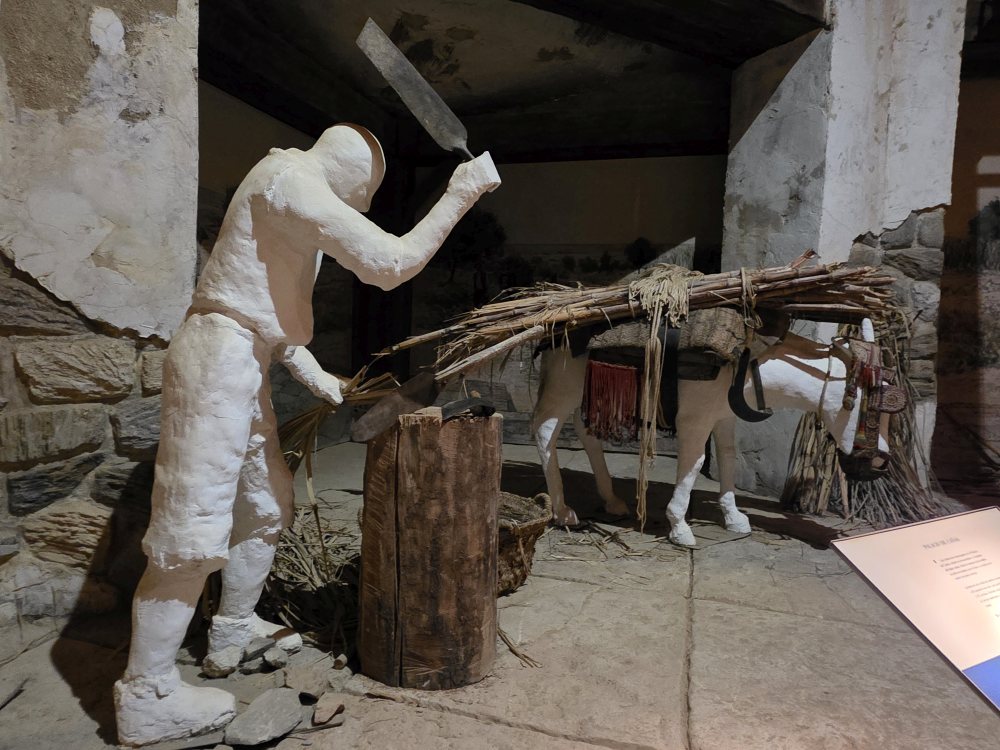
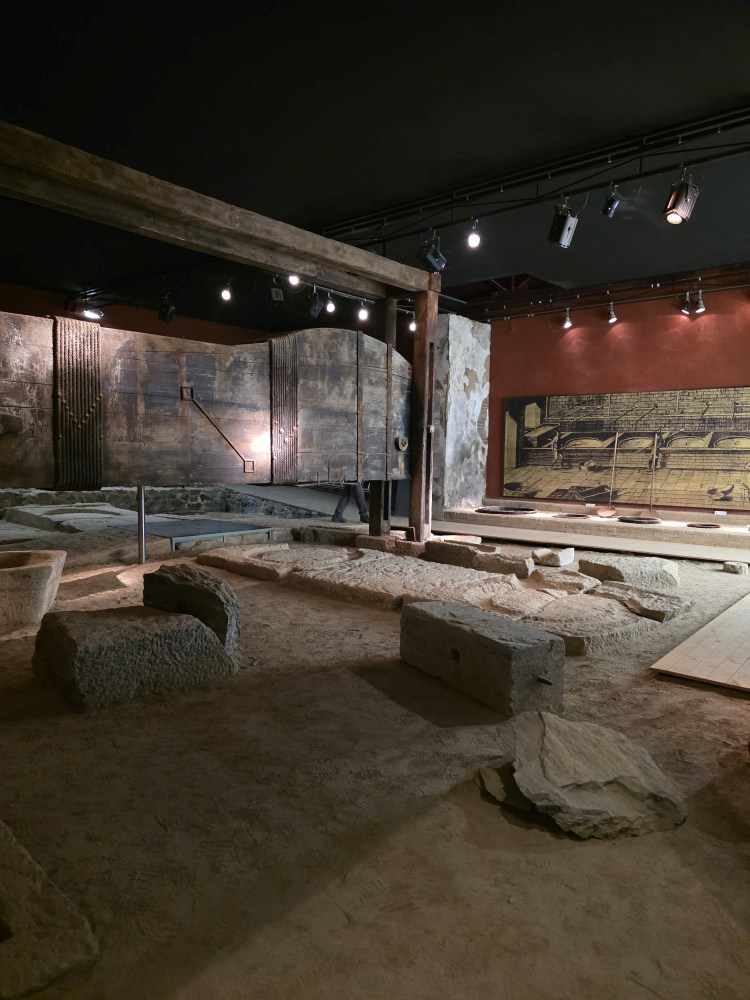
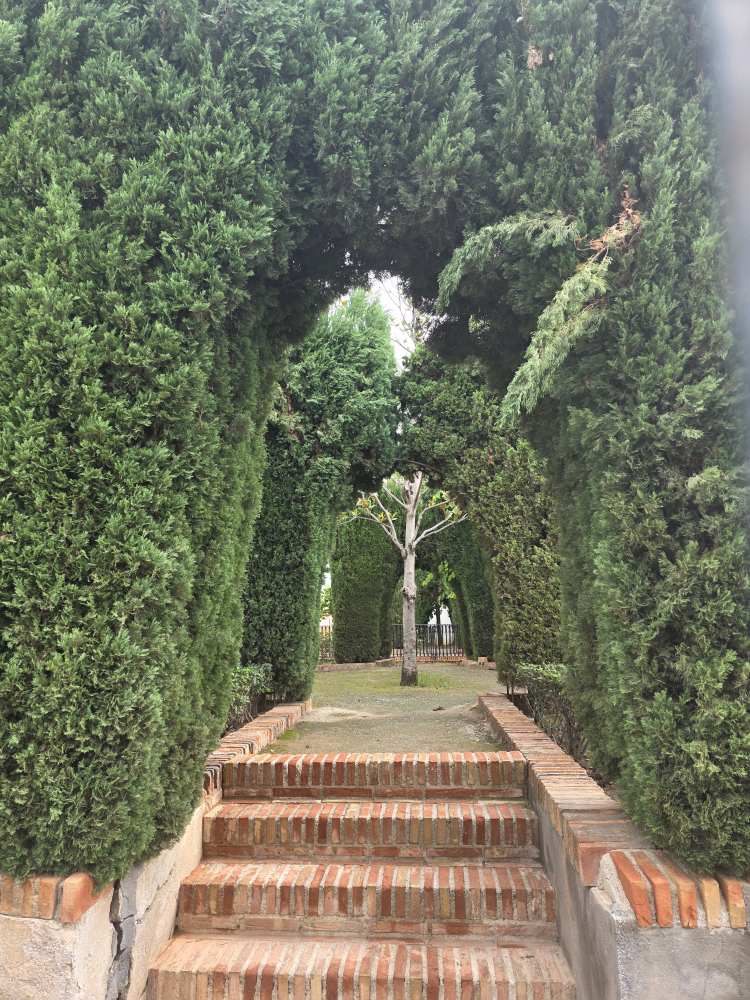
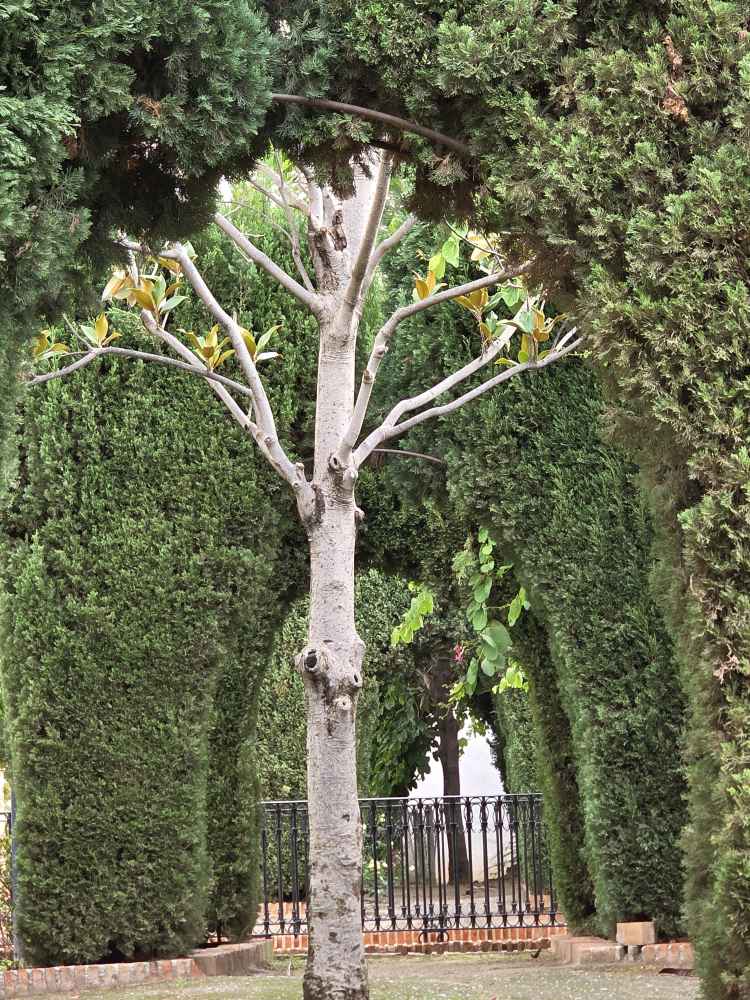
Sugar history and knowledge done – it’s lunch time! Off we wander through the town, past lovely gardens and a median area with statues depicting sugar workers to find food.
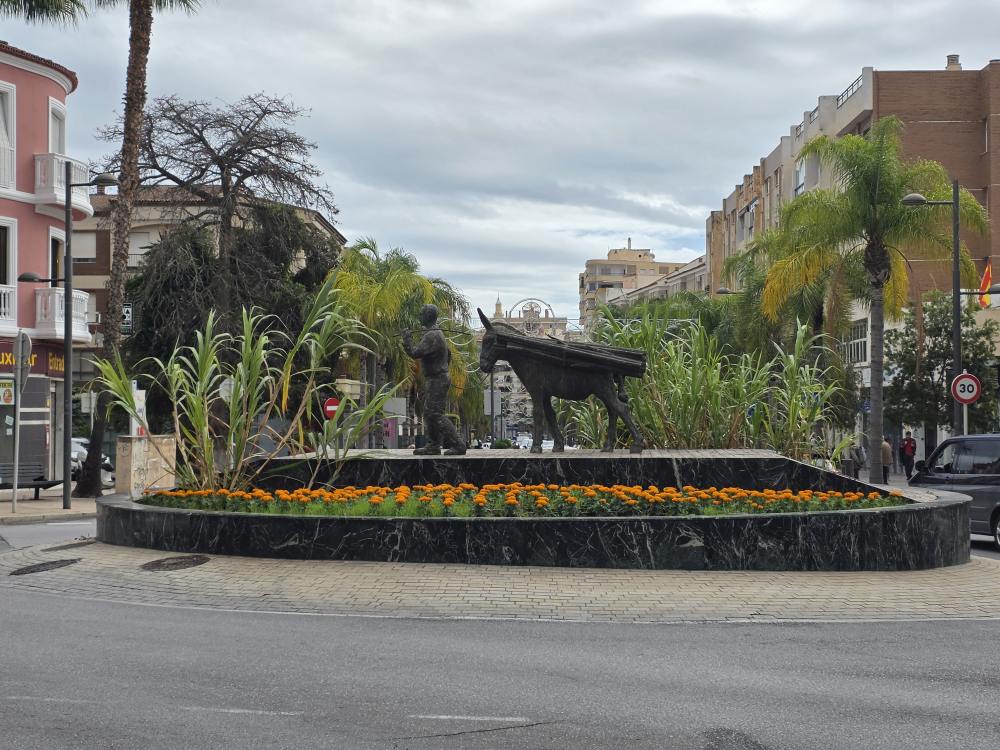
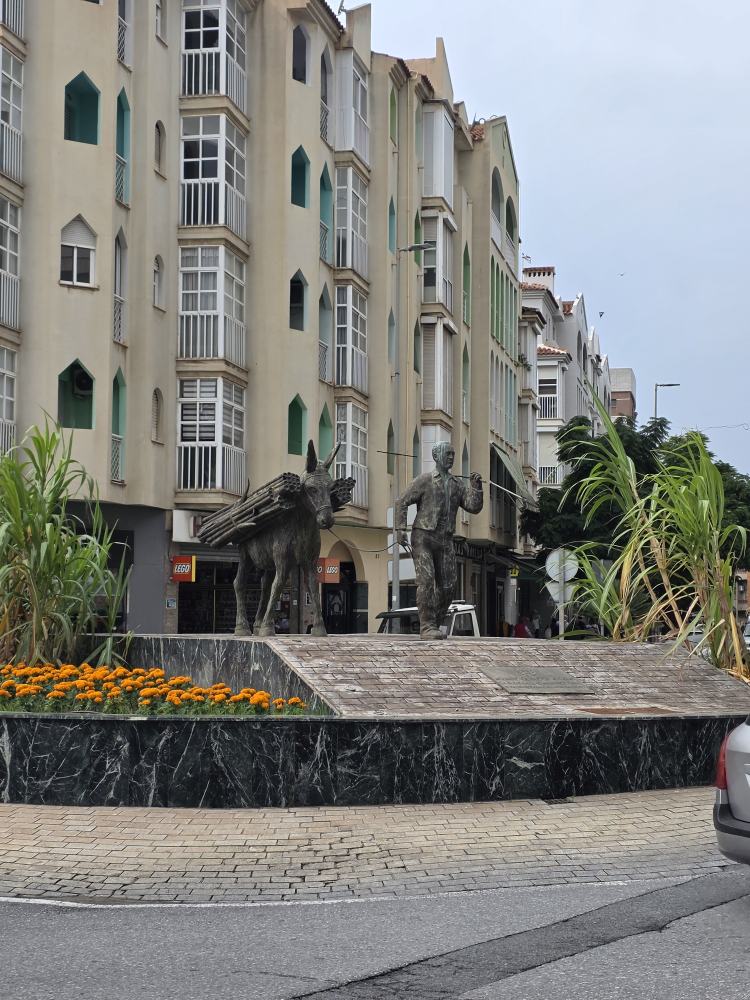
Which ended up being at a teeny corner bar/café that served tapas where we had our beer and wine and free tapas! Here as in Granada you get free tapas with drinks! Perfect. We shared croquettas jamon and tosta butiferra (sausage on a piece of bread) and then also ordered a lomo a la orzo (pork loin on bread with tomato and oil – the best!) and mixed embutidos (which are basically Spanish charcuterie meats). Perfect lunch – and it all cost 10 euros 50. Crazy!
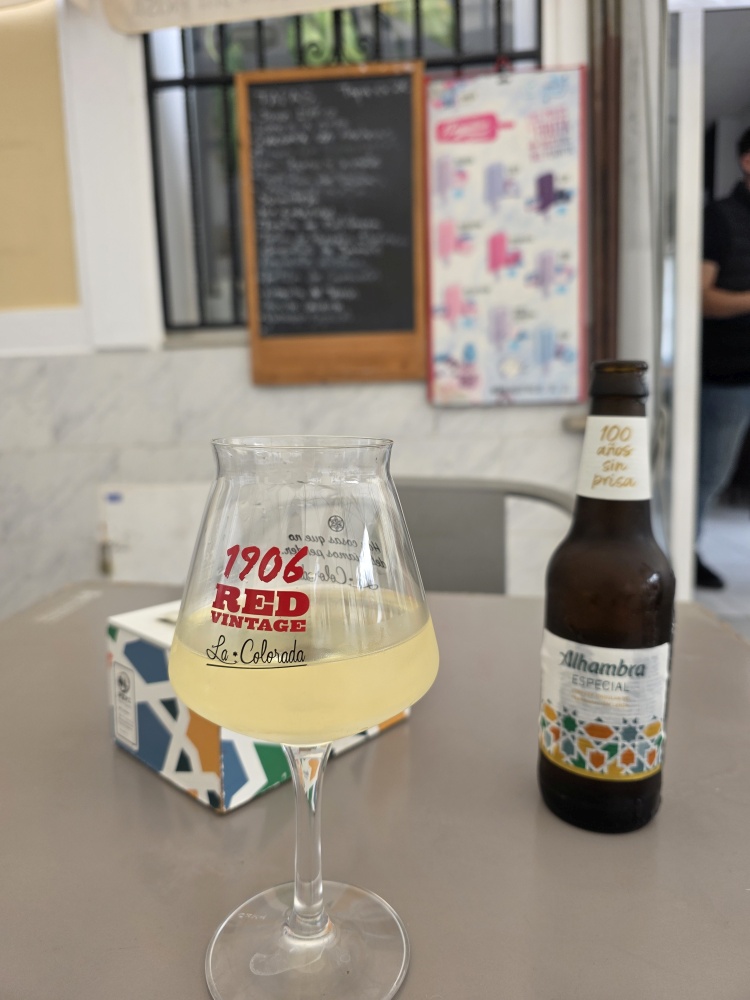
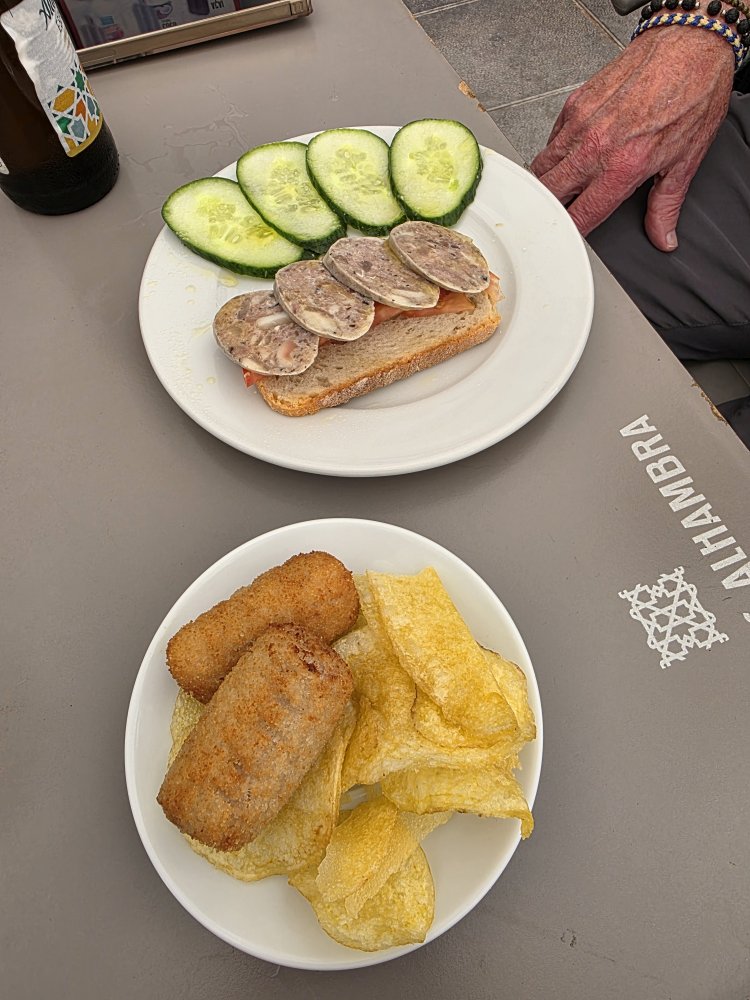
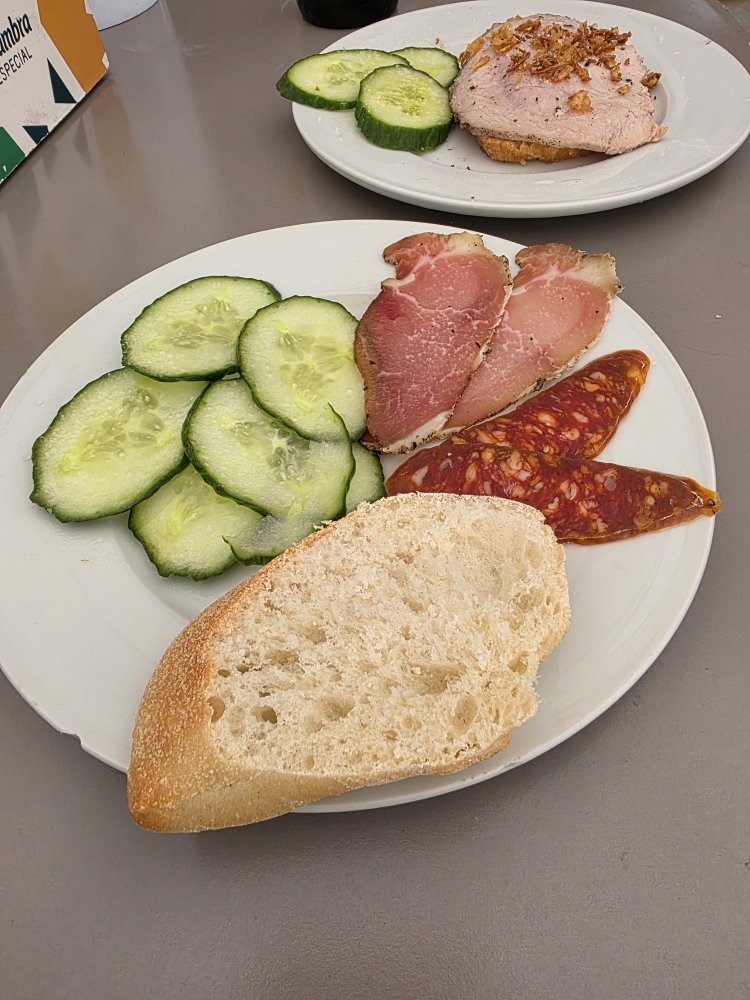
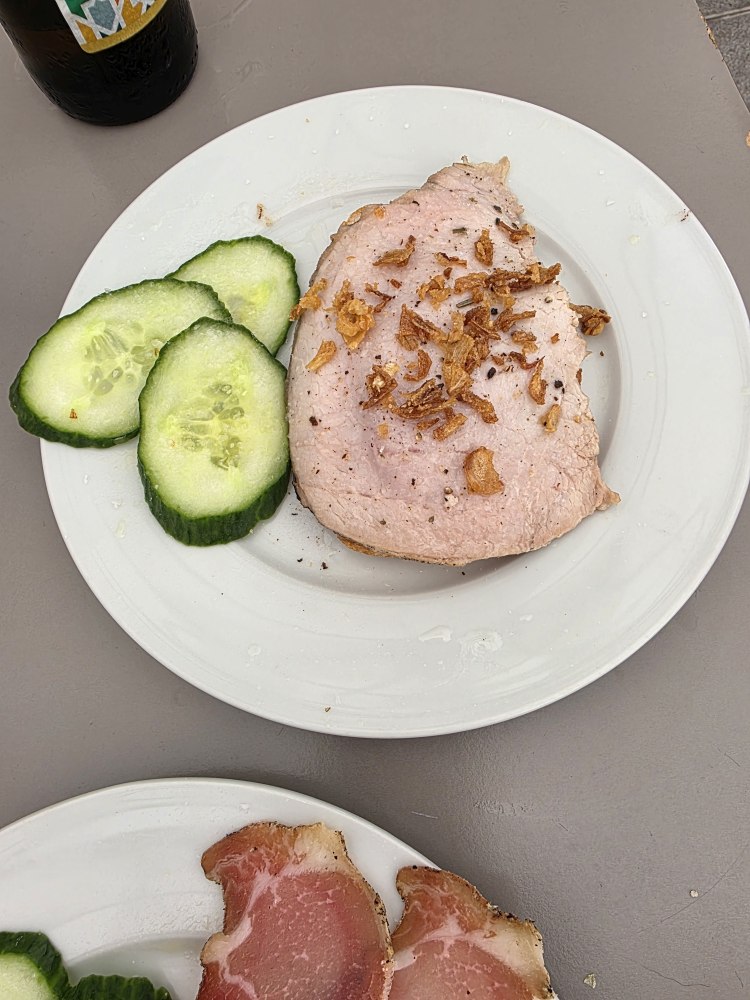
As we left our sweet little tapas joint, the rain began, so executive decision: we just went directly back to the shuttle and back to the ship for the rest of the afternoon. What the heck – it is the perfect day to just hang out and have half a “sea day”!
Later, we have dinner with Rafael and Monique, sharing all our travel stories and bringing each other up to date on our happenings. So nice! Oh and of course Monique knew all about Benidorm (she knows everything!) and what a sterile, cold place it is. Couldn’t agree more. We had a lovely time, catching up and planning our future adventures when we are back on Journey in January. Very fun. Then it was off the Cabaret for Jose’s solo show, that we adore, where he sings in English and Spanish and puts on quite the show – and then off to bed, crossing our fingers the rain goes away for our Granada OYO tour from Malaga.

 Andiamo