Another Kusadasi visit. This time though we are renting a car and driving out to Lake Bafa, a landlocked 70 sq km lake that is somehow 50% saltwater. Weird, but, somehow the Aegean Sea used to go all the way out there. It is well over 70 km from here, but when you look at the map, only about 10 km from the coast. Still pretty interesting – and not only that, there are the ruins of Herakleia all around the hills of the lake. We like out of the way ruins!
Off we go to find our car, which is right in the heart of town and an easy walk from the port entrance. We’d already scoped it out last week and even met the rental agent, telling him we’d see him this week. And here we are. He’s amazed we are here – and on time. Obviously, he doesn’t know us! But apparently people are frequently late there or no-shows. At any rate, we’re signed, sealed and on our way in no time, trying to avoid listening to Sybil the GPS who tries to make us drive down a pedestrian street. Sigh. OK Google, take us to Bafa!
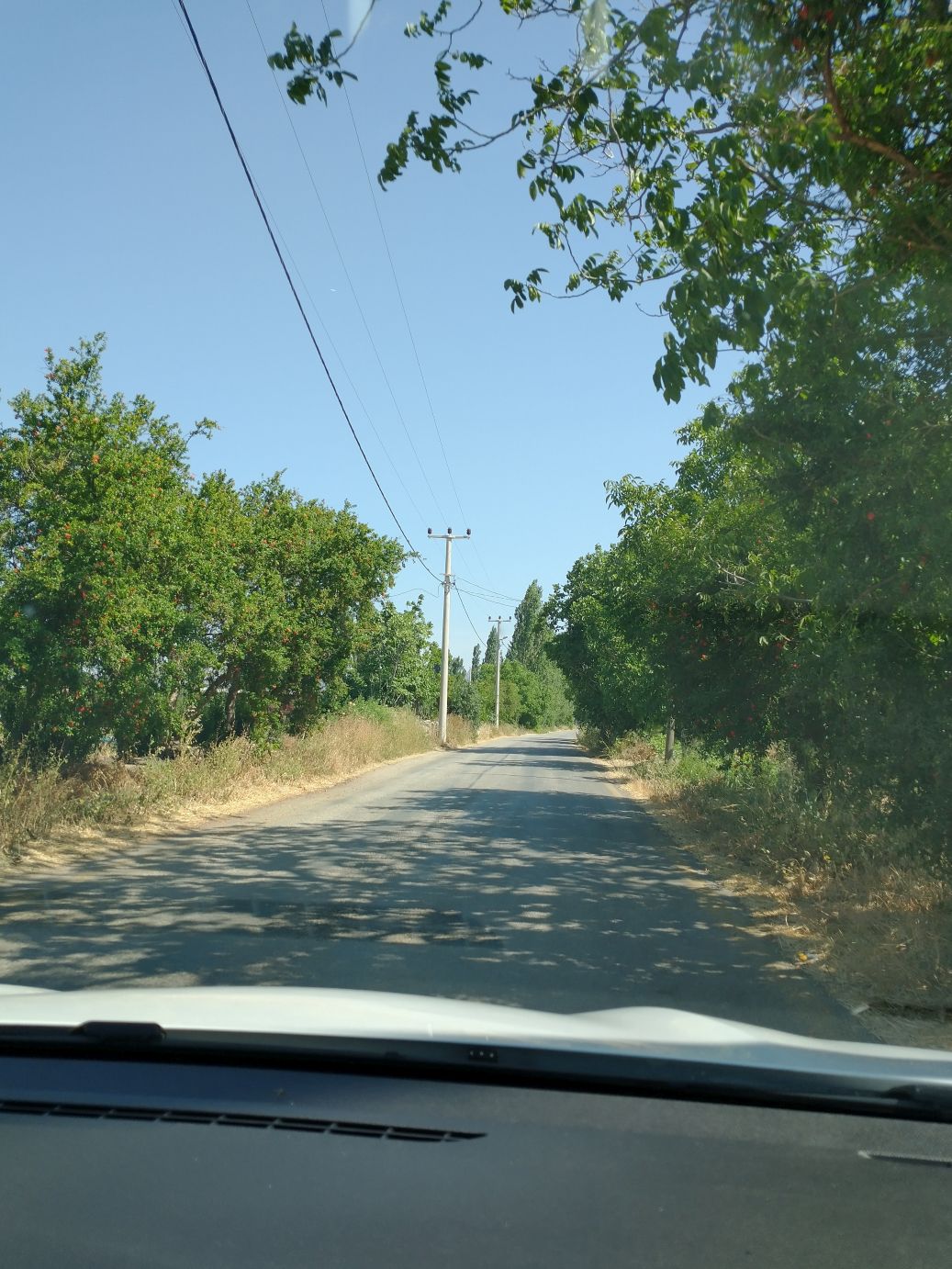
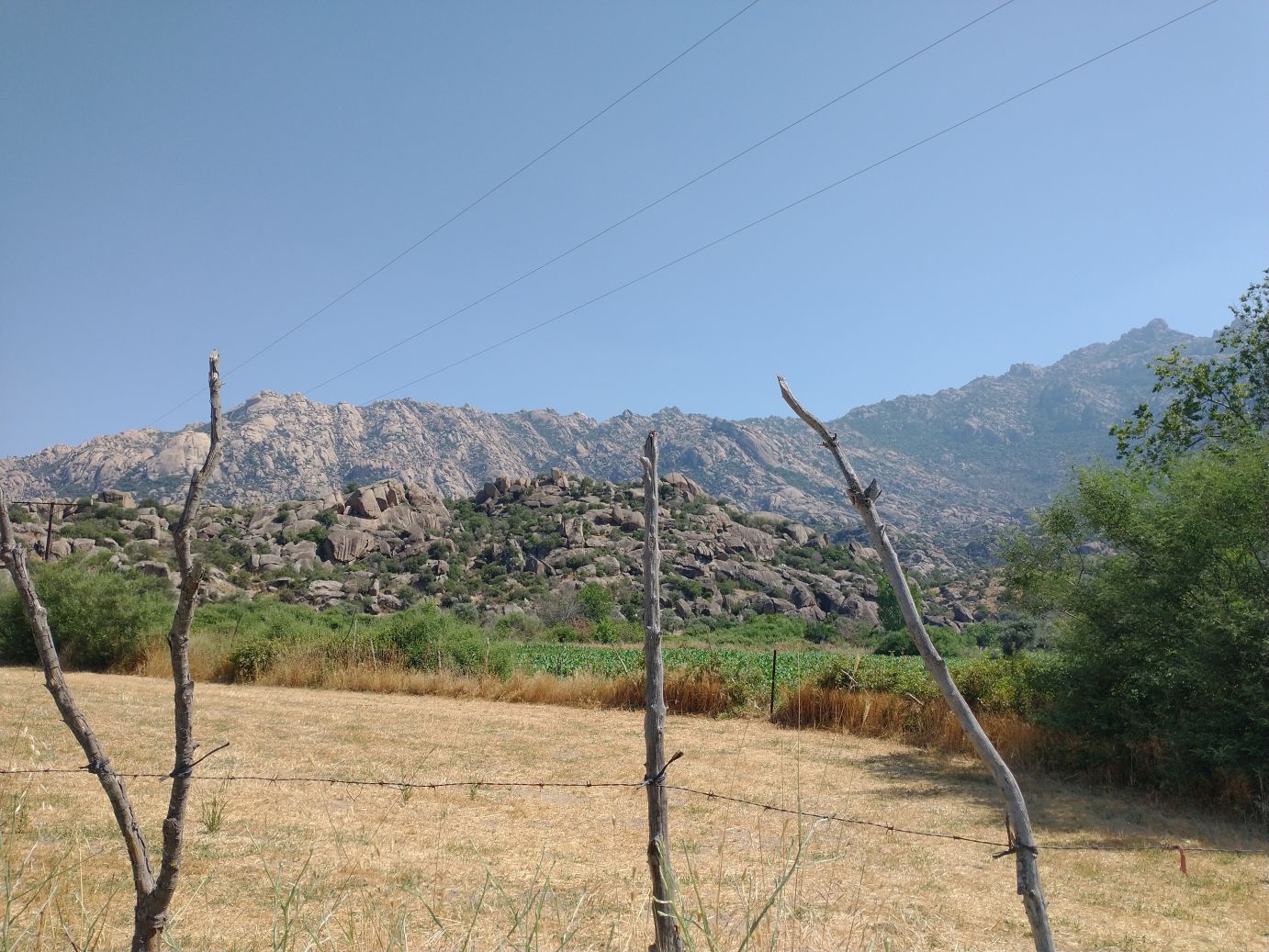
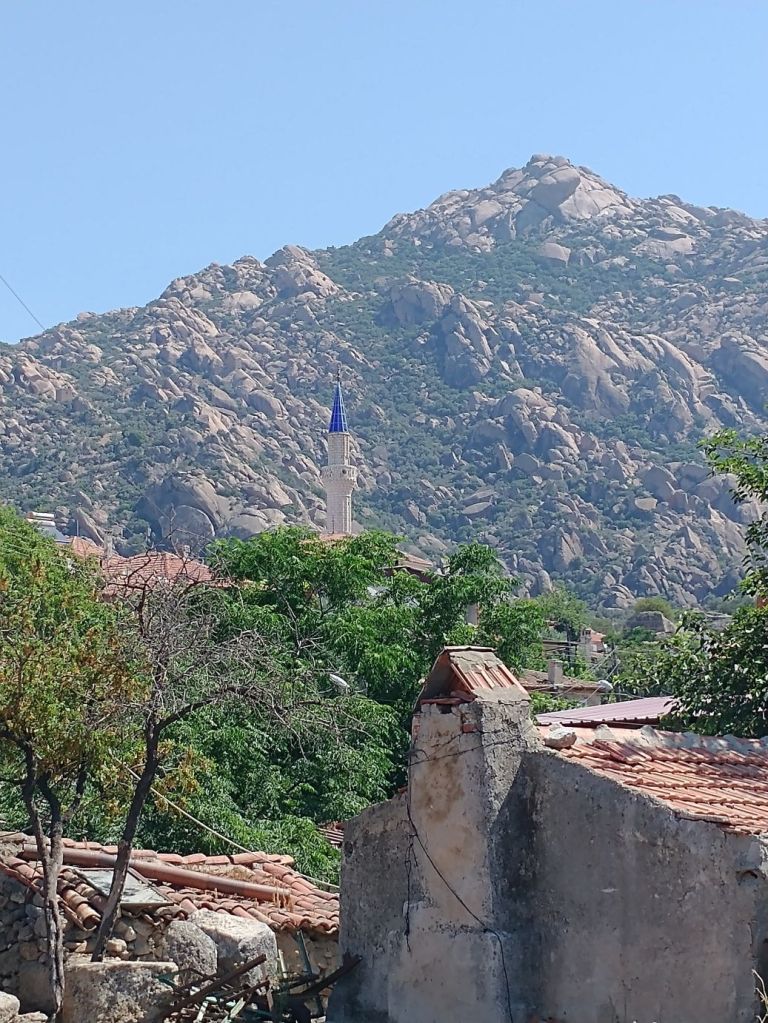
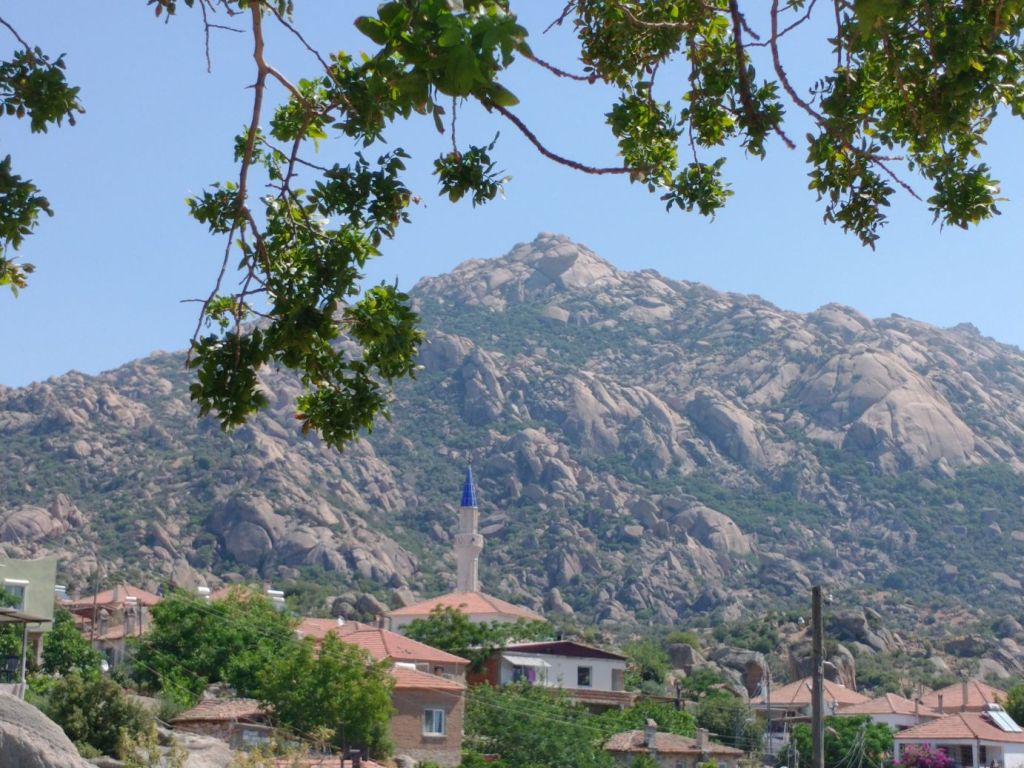
The hour plus drive takes us out of Kusadasi (finally) and onto a main highway as we make our way south toward the town of Kapikiri on the lake. The main road takes us along the Western edge of the lake, which we can see down below us as we leave the mountains. Turning off toward Kapikiri, the road becomes a little narrow one lane affair with stunning countryside, farmland and rock formations all around.
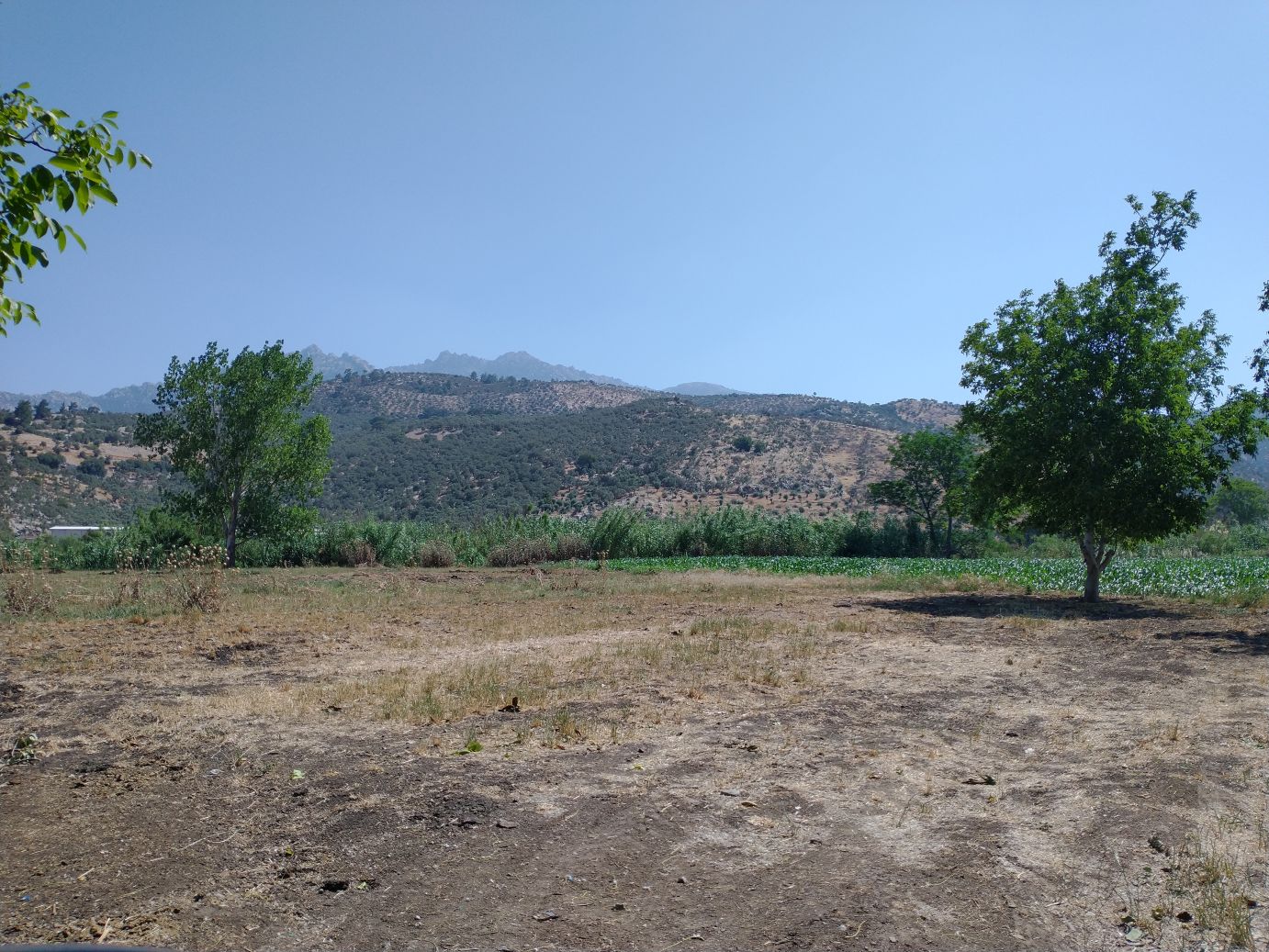
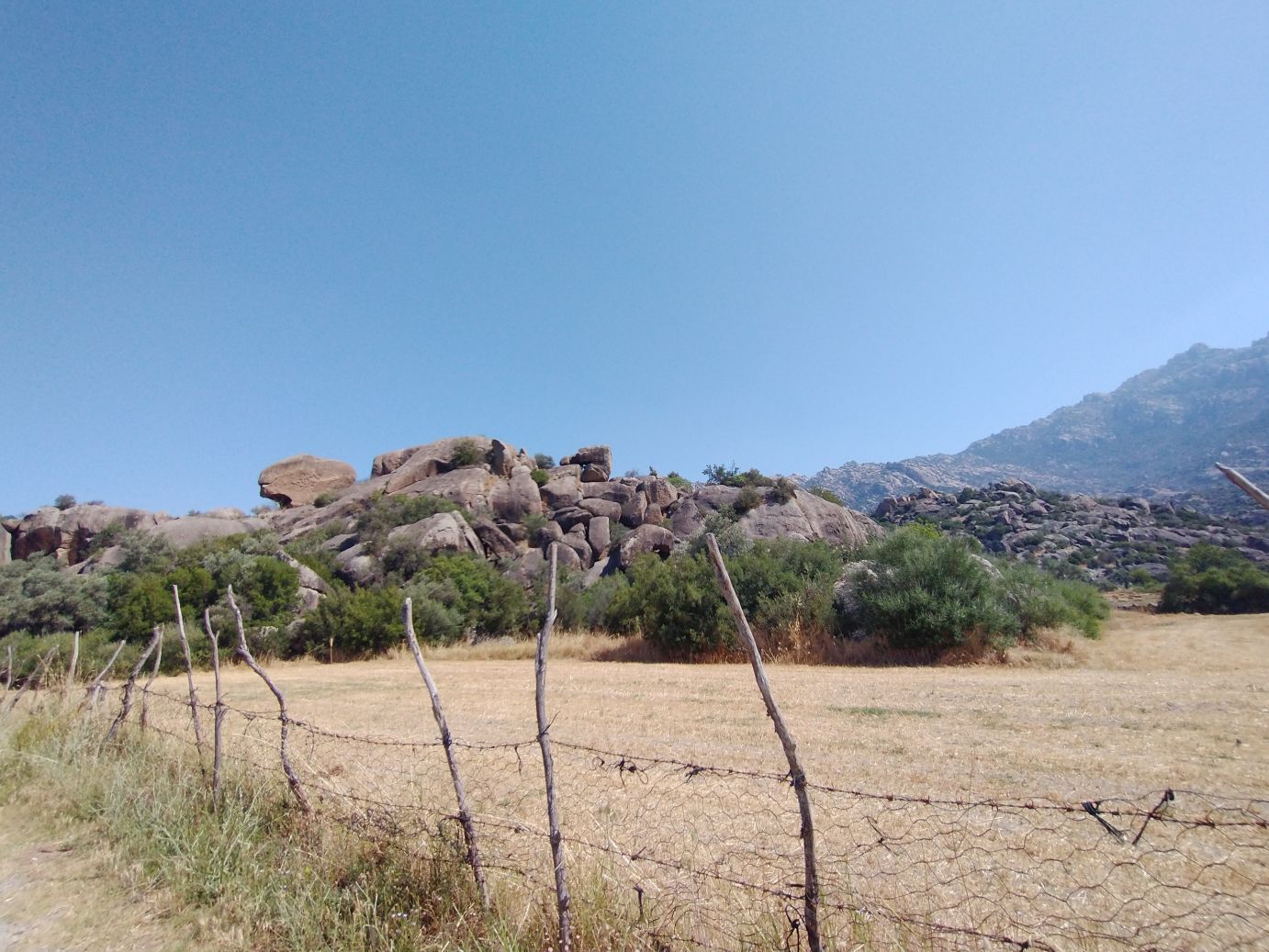
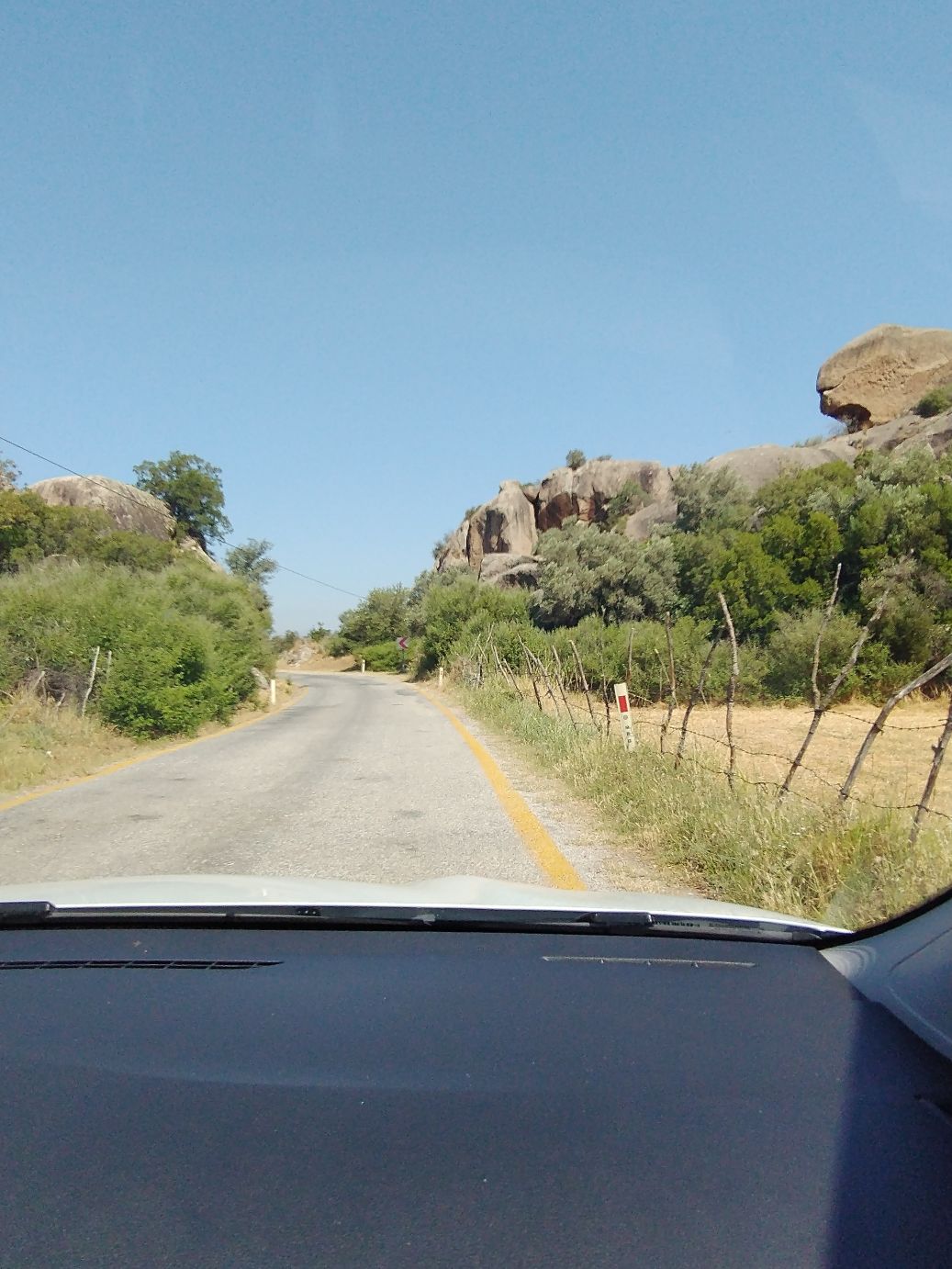
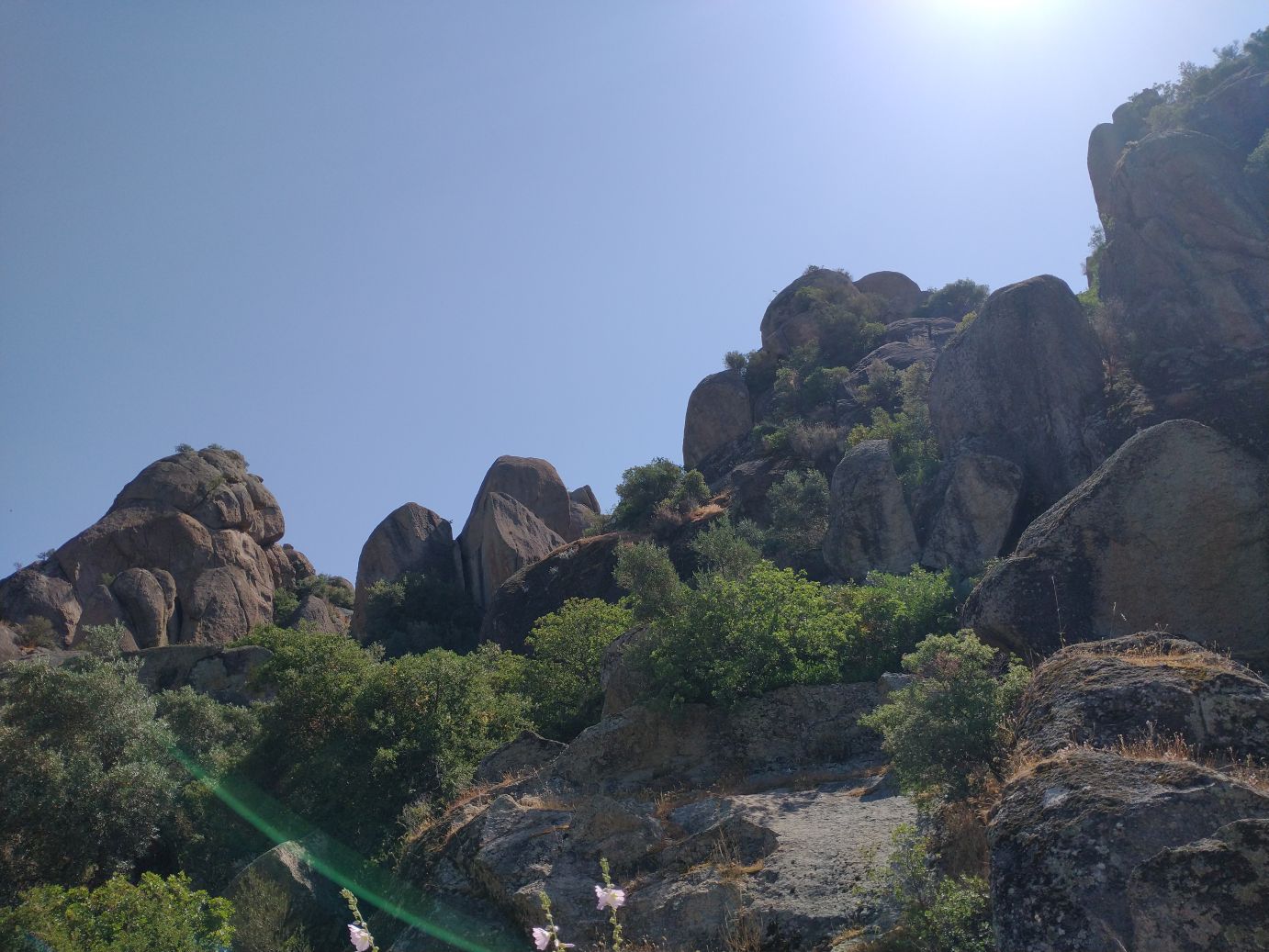
We make it relatively easily to Kapikiri, but as we enter the town, the road becomes very steep and even narrower – and even though there are signs directing us to the Roman Baths and the theater up the hill, we decide to play it safe and stop at the Temple of Athena where there is a large parking area that it virtually empty. Empty except for the local mamas selling their wares – who point out the temple and the Agora for us as we begin to wander.
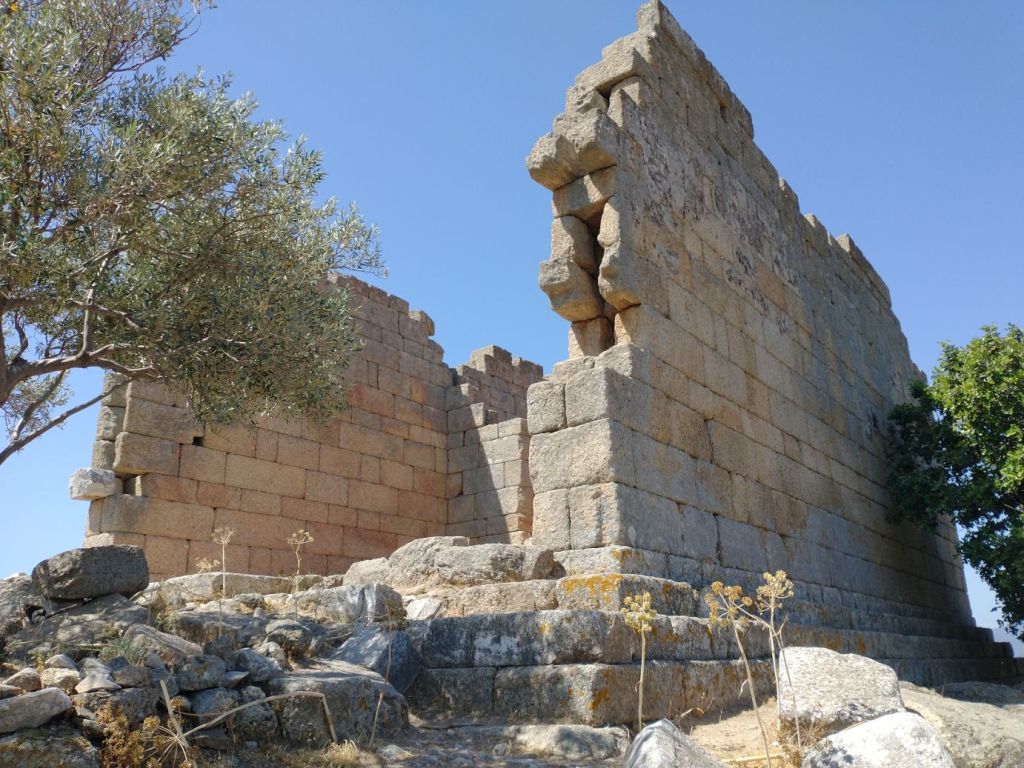
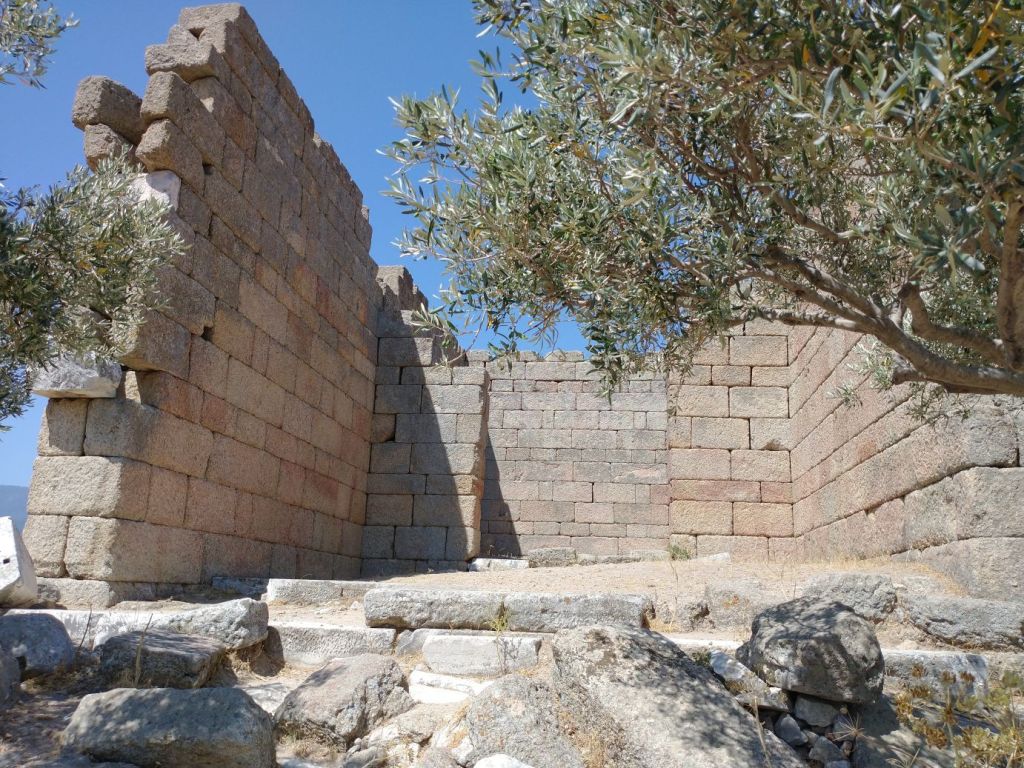
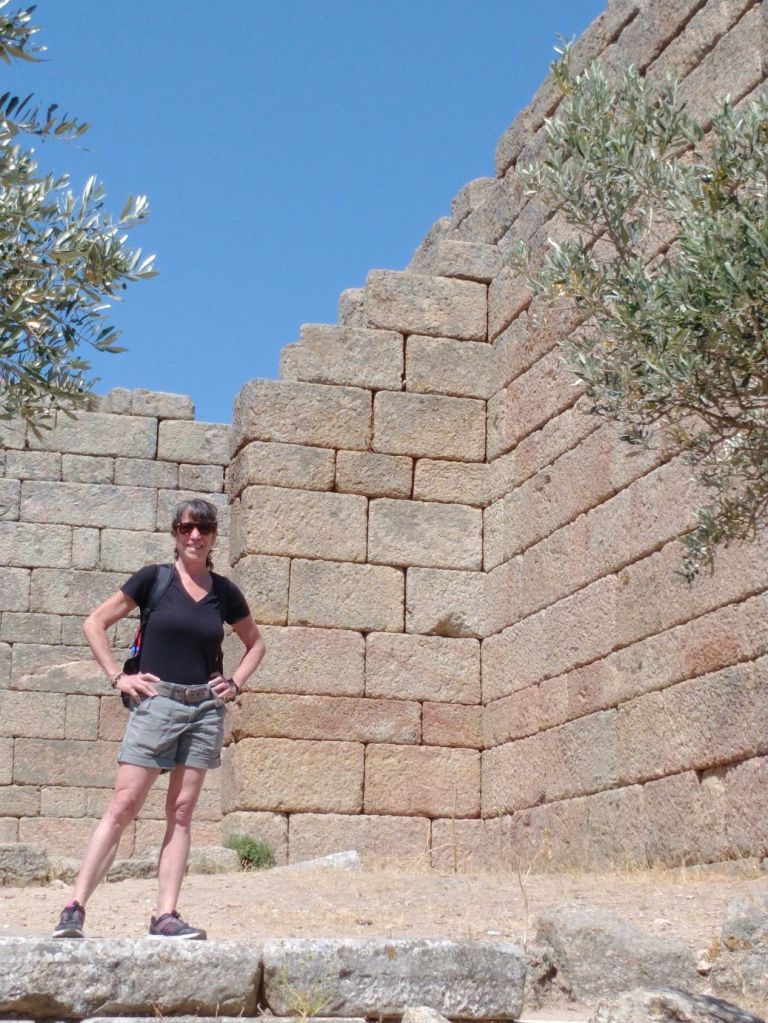
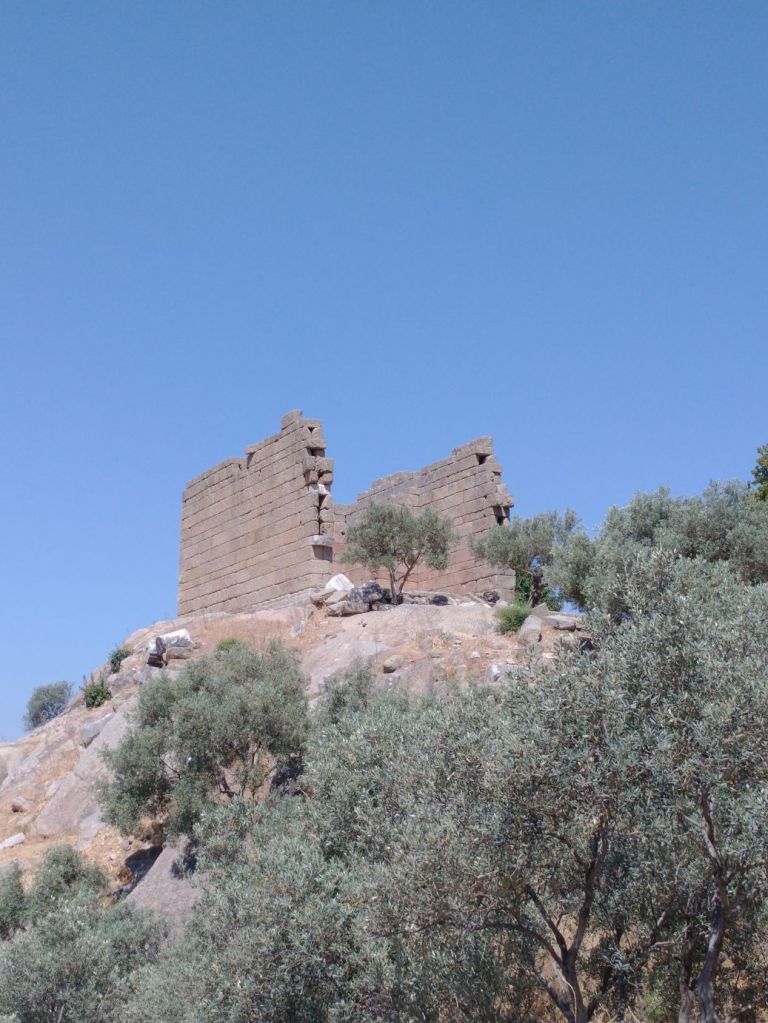
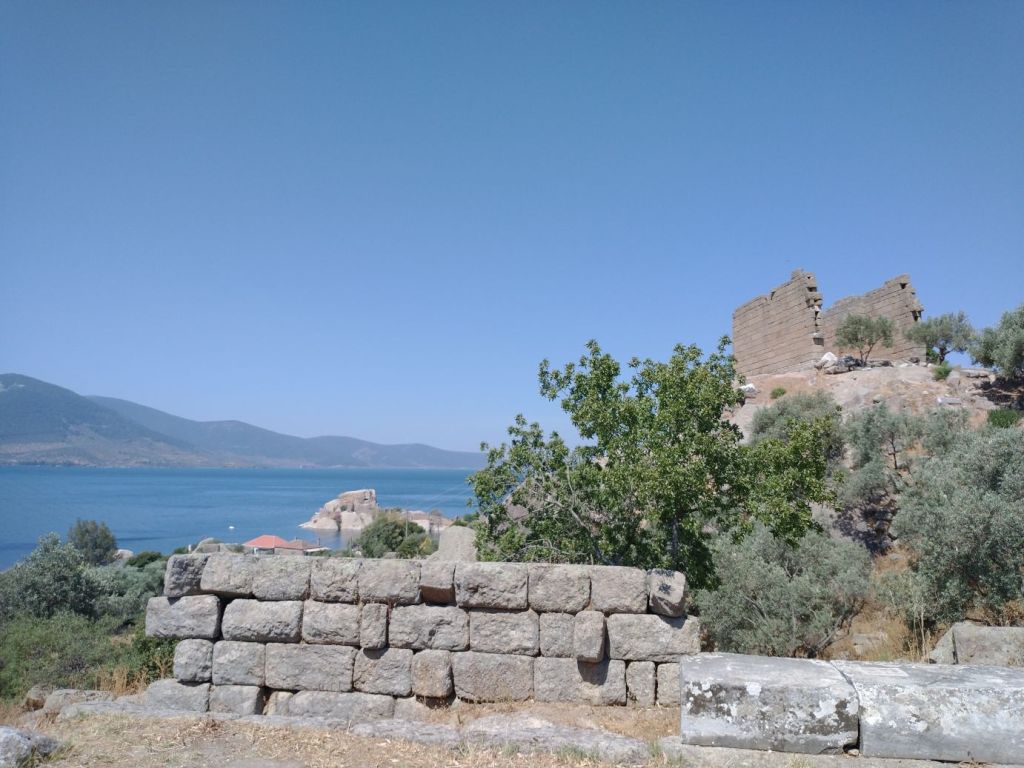
Built in the 2nd Century BC, these structures are amazing. The Agora is (or was) a huge 2 story rectangular structure built together with the Parliament building, which you can still sort of see the outlines of today. All the perfectly square block look machine made, but of course, in 300 BC? Definitely not. And supposedly there was no mortar used at all either. Fascinating.
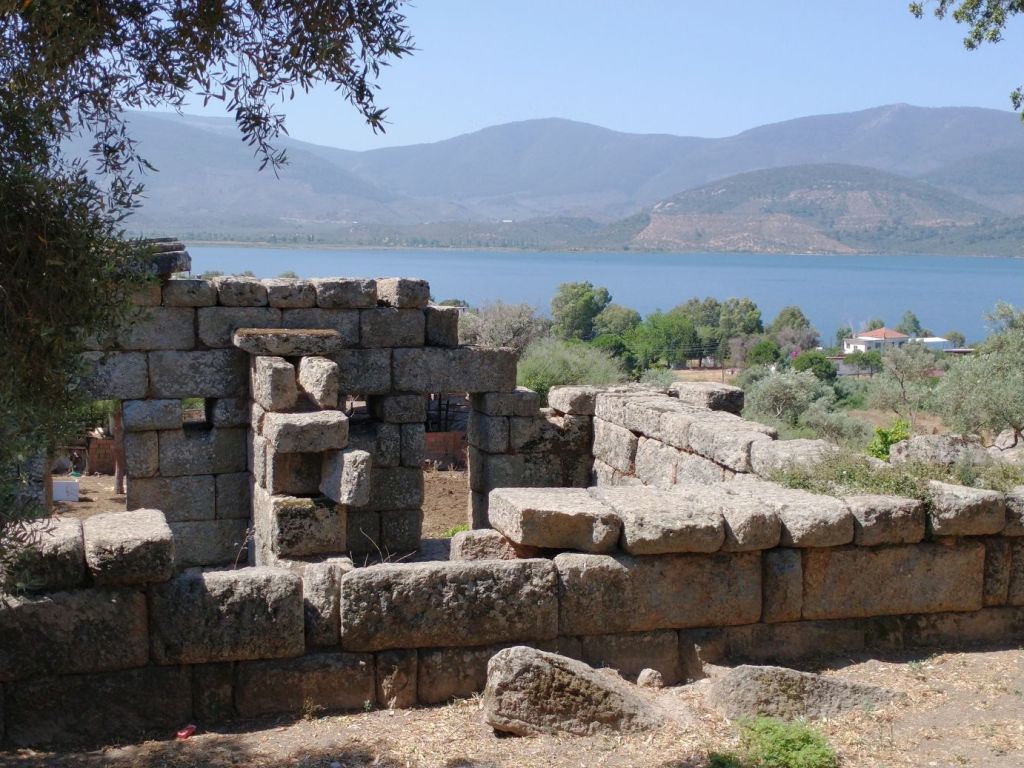
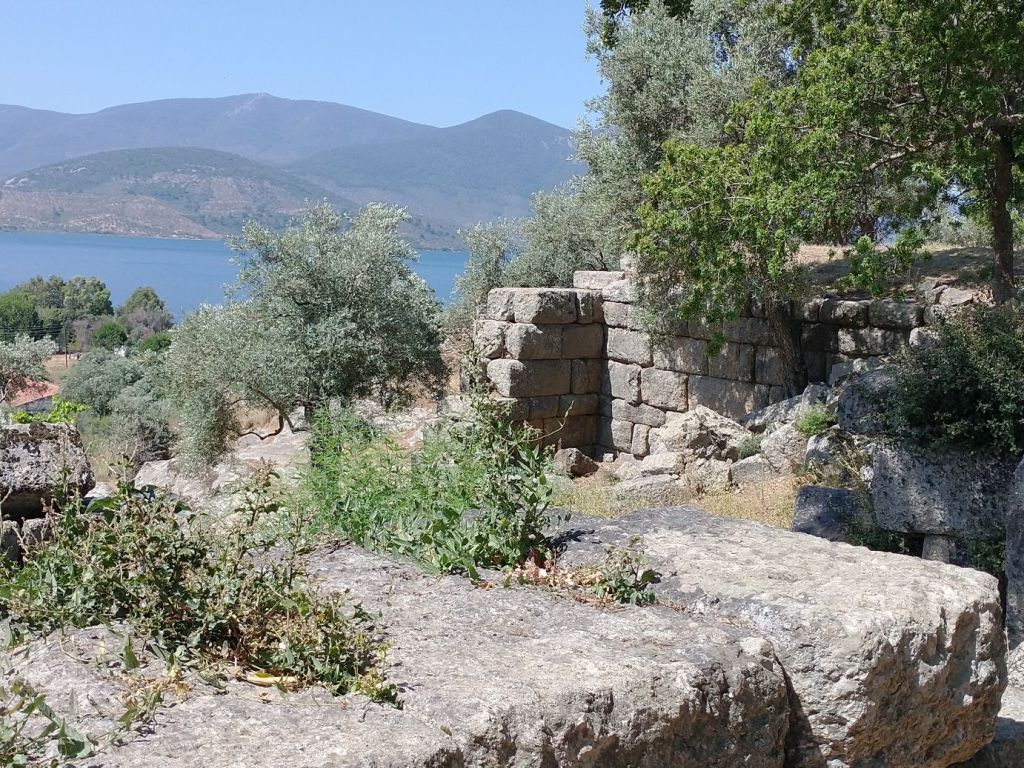
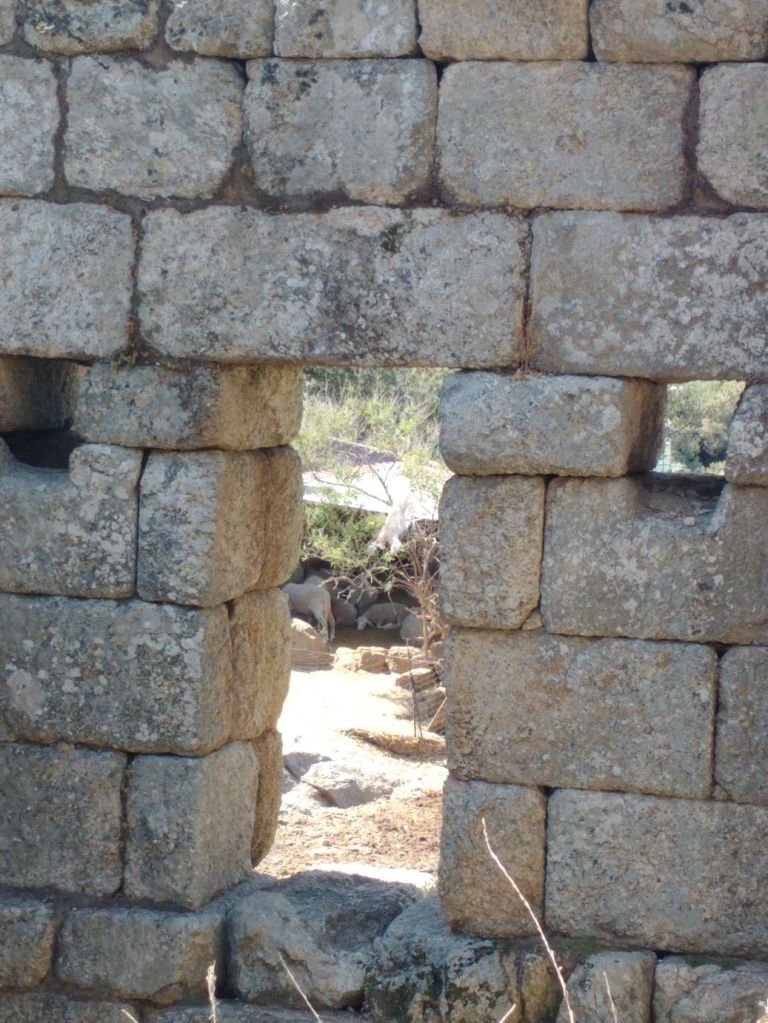
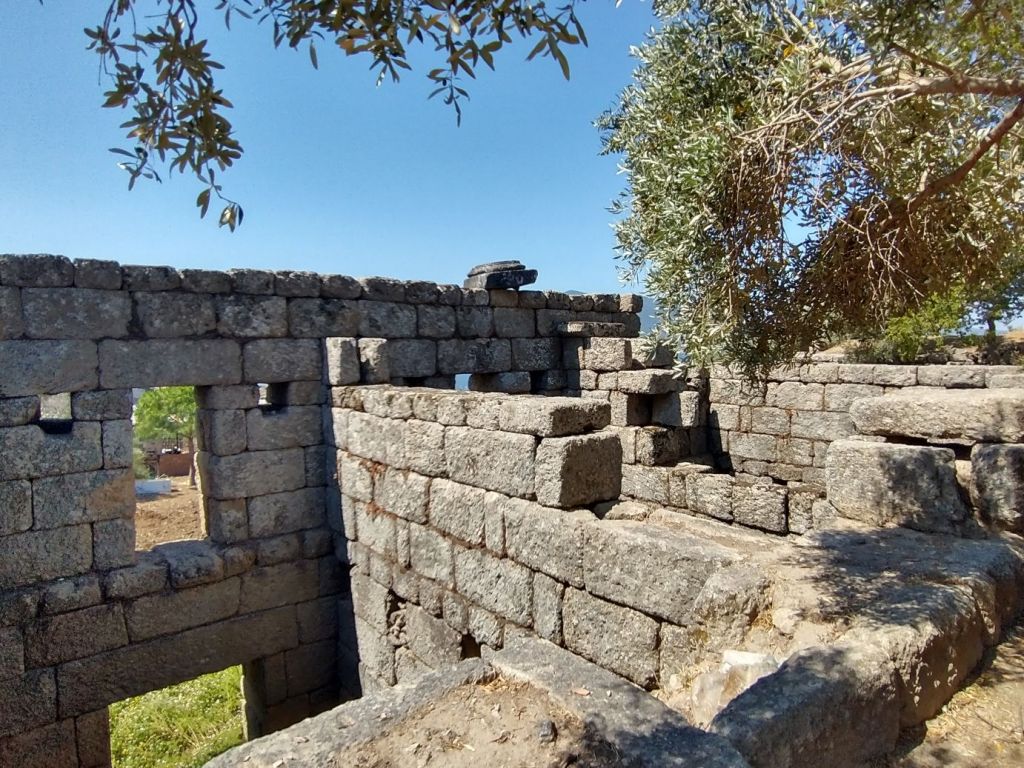
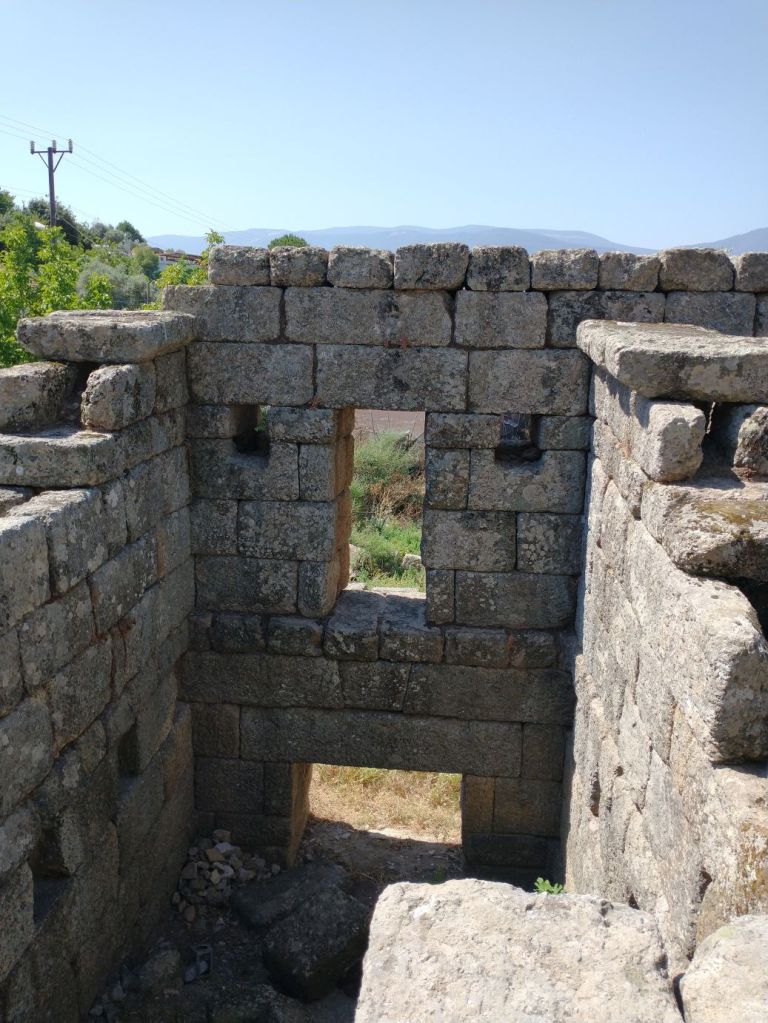
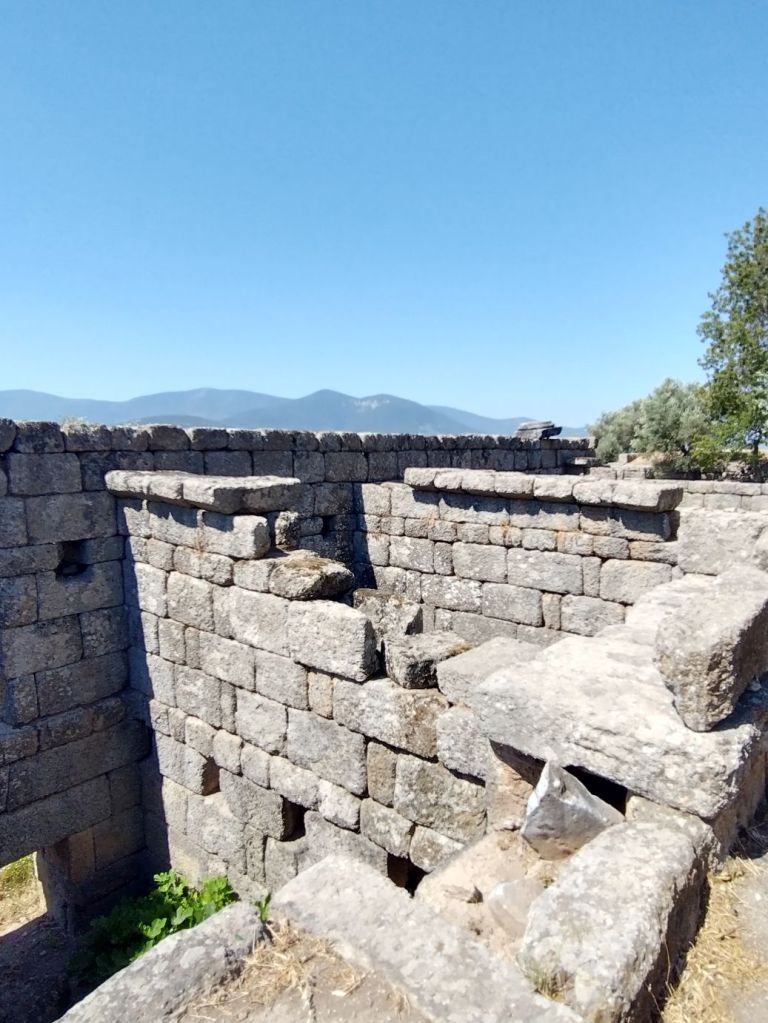
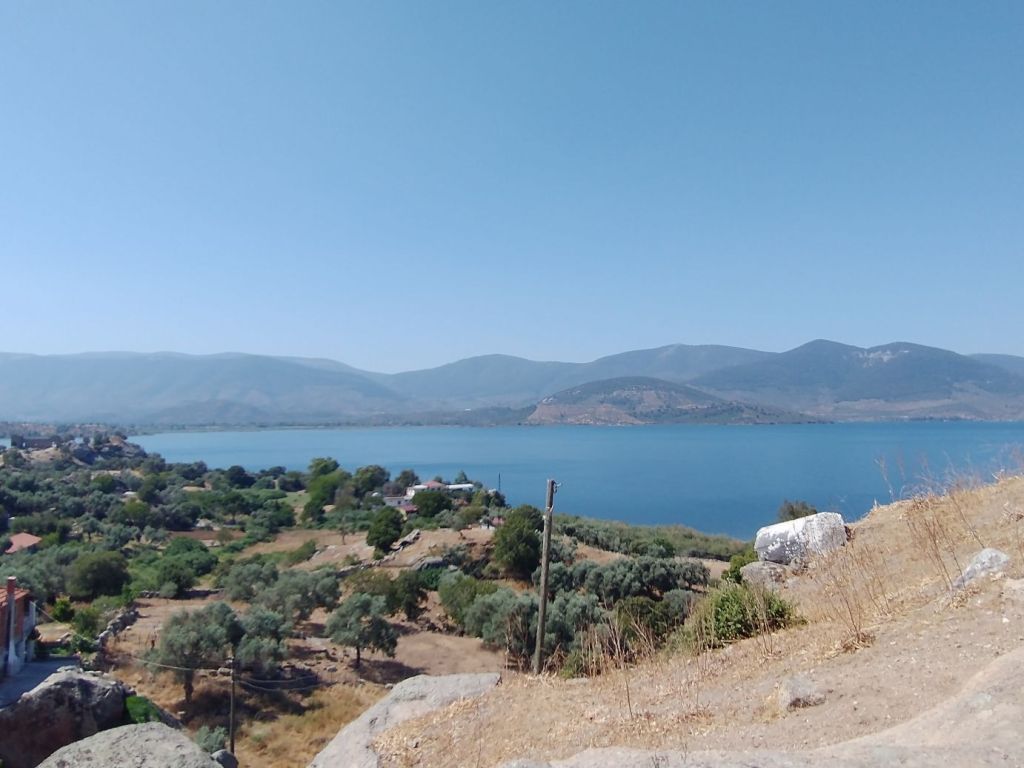
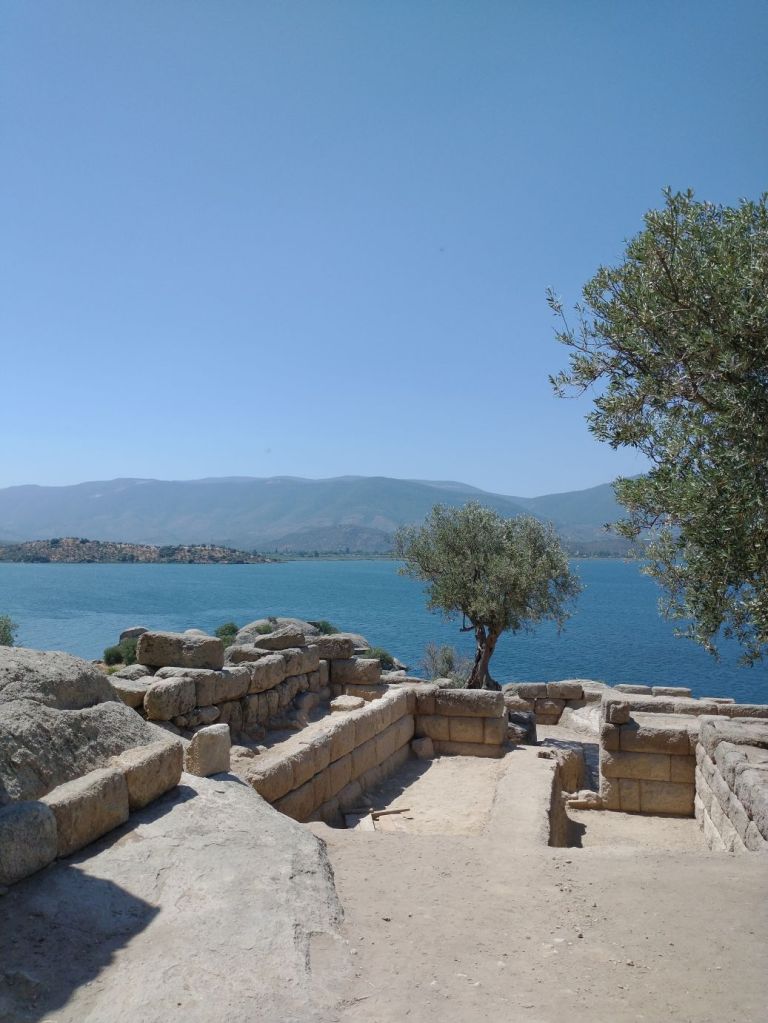
Crossing the parking lot, and dutifully telling the ladies we would look at their wares when we returned, we climb up the hill to the Temple of Athena on a promontory overlooking the lake. It is beautiful up here – with incredible scenery all around – as well as those blocks! Here you can really see the block work up close. It is just amazing that these were handmade, then manually stacked and have endured through all this time.
Back in the parking lot, we make good on our promise to look at the ladies trinkets. Of course, we have one lady with 2 kids and a table, then another lady comes over with her stuff and then yet another. Ok – enough ladies! Turns out Mama with the kids is Grandmom, the 2nd lady is the kids’ mom and the 3rd is just the 3rd. Don’t know her relationship!
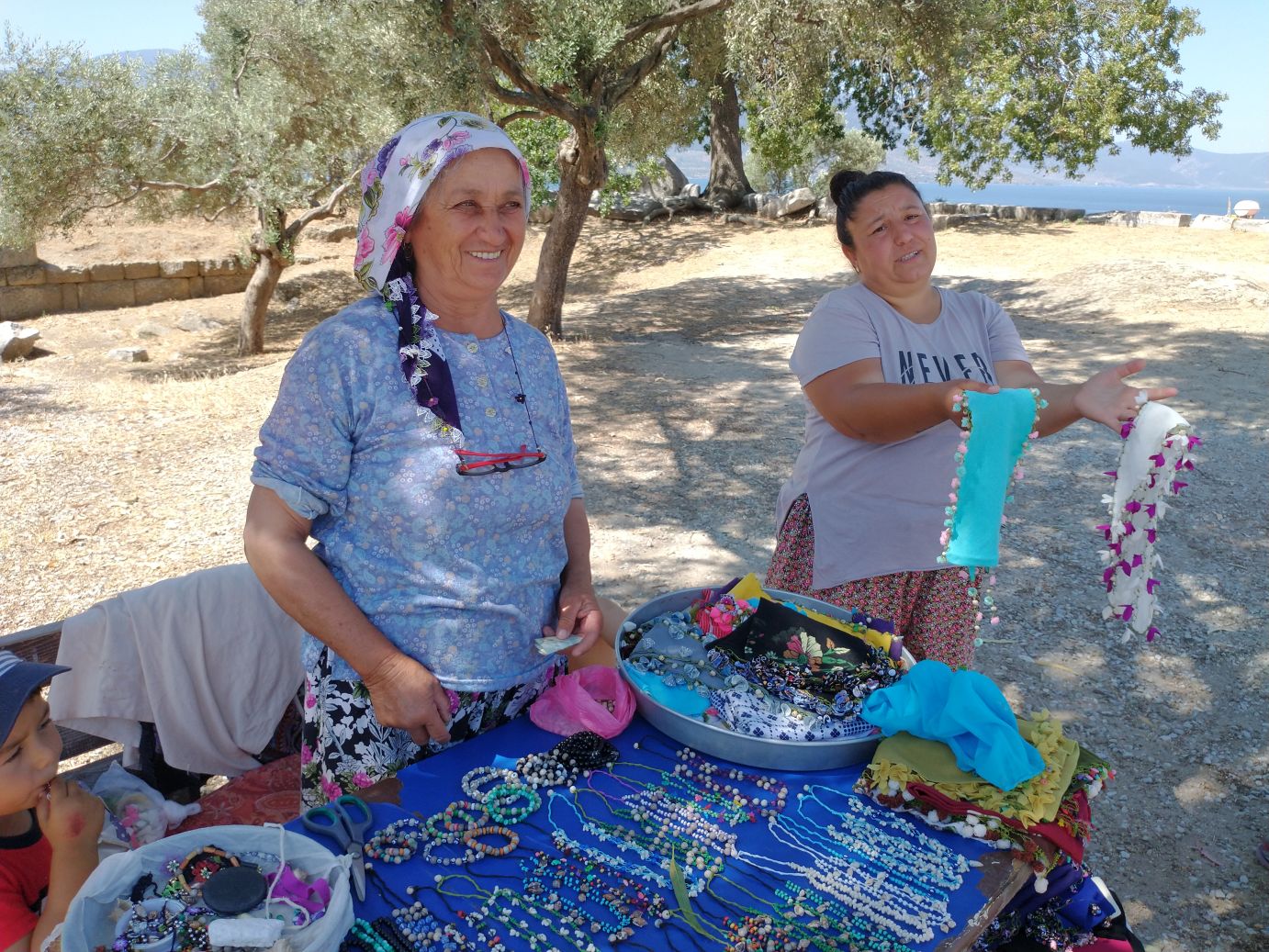
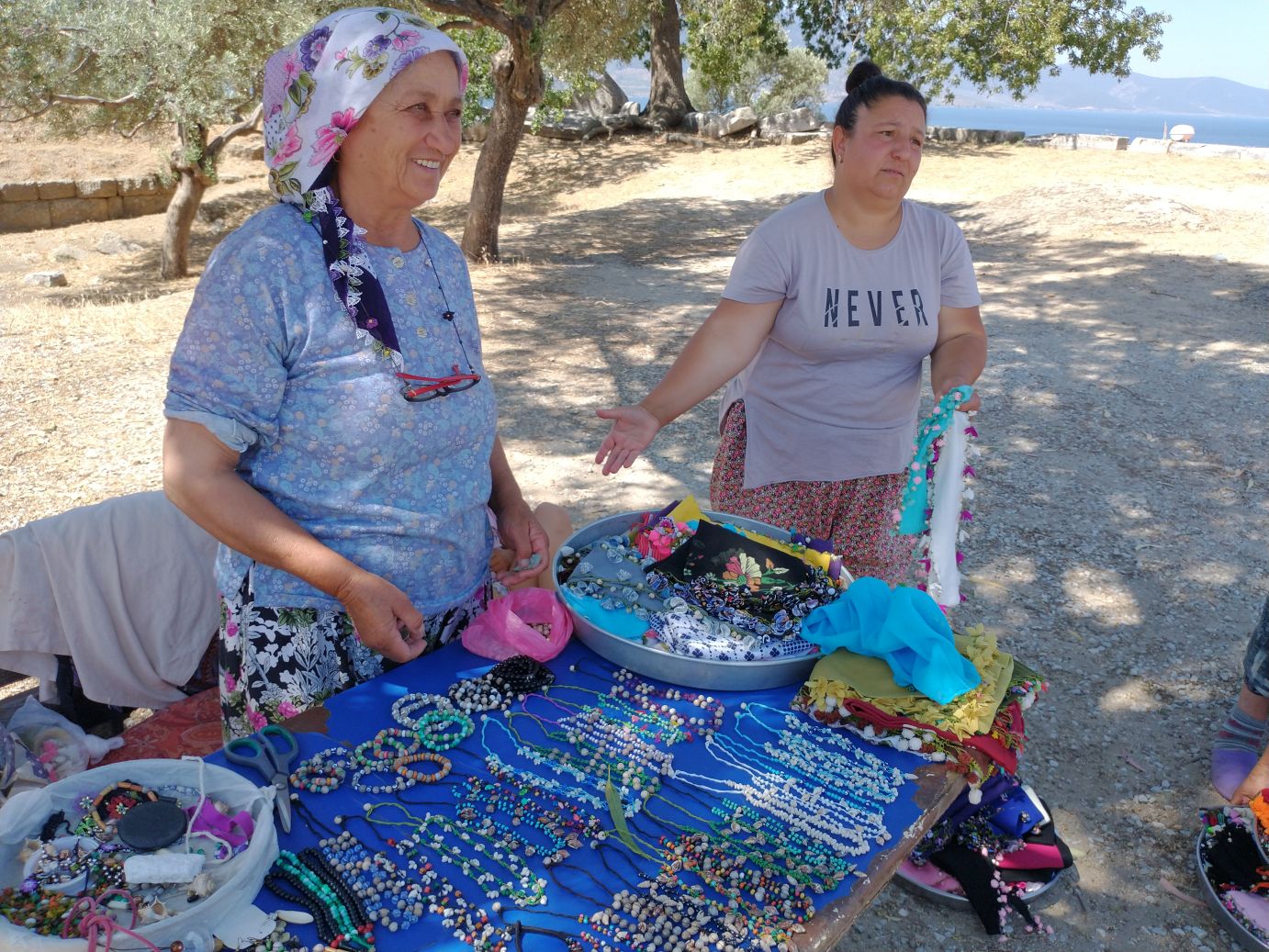
We end up with Grandmom’s and mom’s trinkets – a very cool bracelet (which the one mama told me in hand signs and broken English that it was natural – and I think she meant seeds that were hand picked and polished) and a scarf sort of thing that is pretty, and the grandma put it on my head to show me how to wear it like a babushka. Unfortunately I had forgotten to get the Lira out of the safe, so all we have are Euros. The negotiations that ensued were pretty funny. Eventually we walked away with our goodies for 6 Euros. I’m sure we overpaid, but you know, nobody else is coming out there! This is not a hotbed of tourists. So at least they had 6 Euros to show for the day.
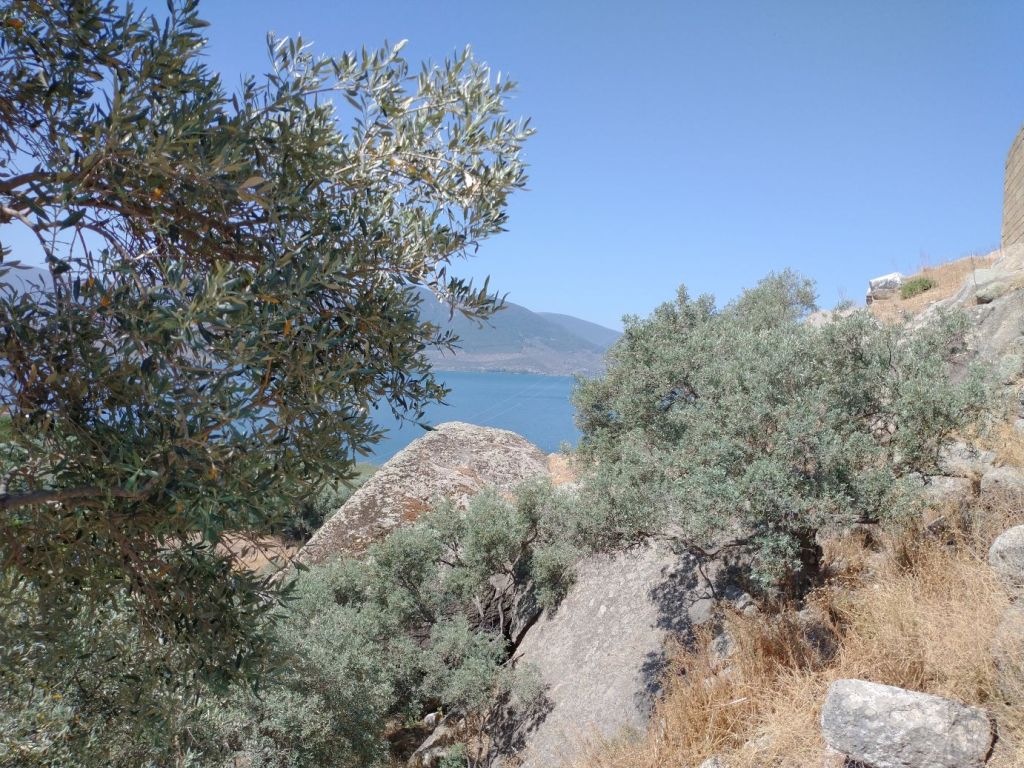
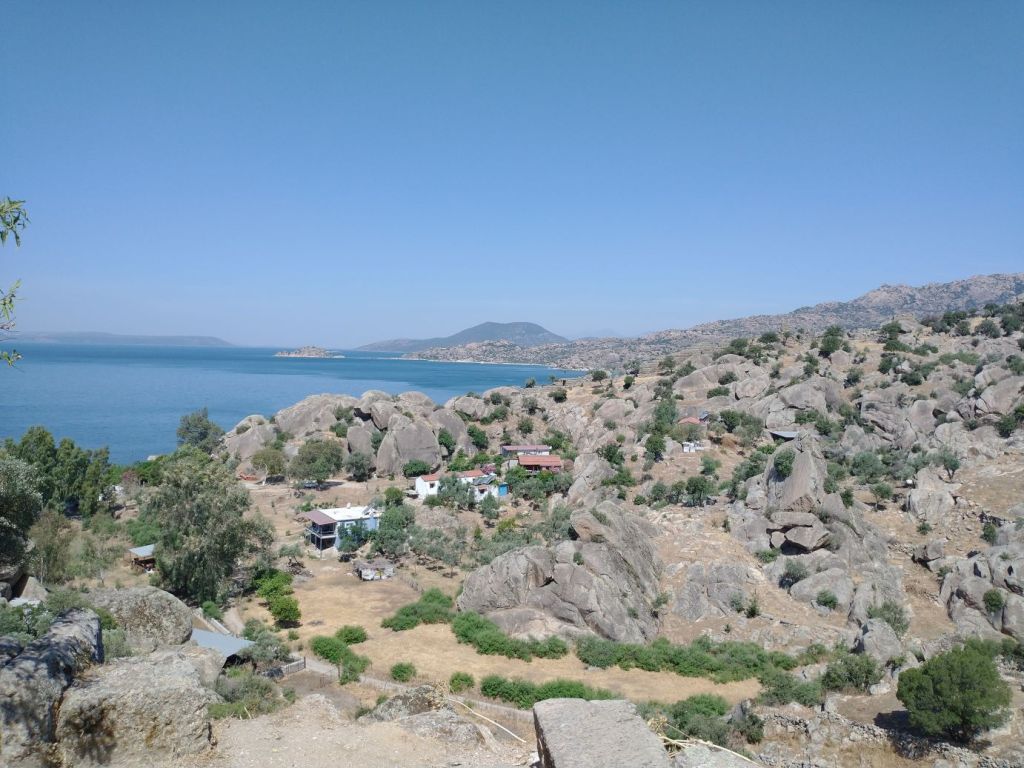
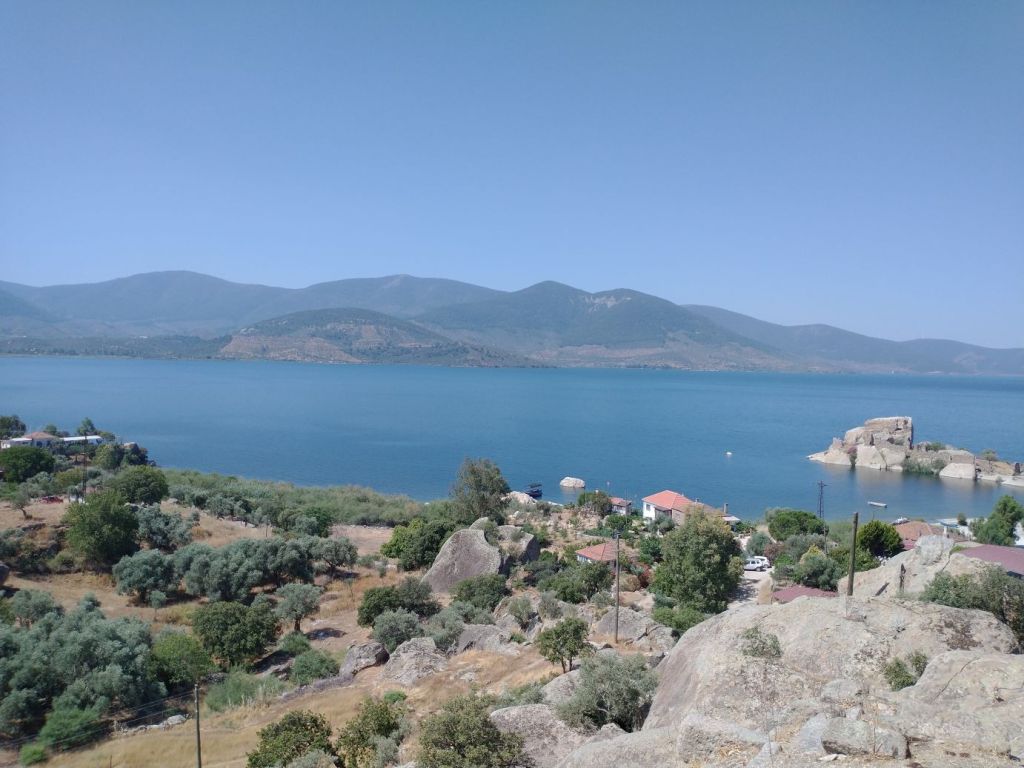
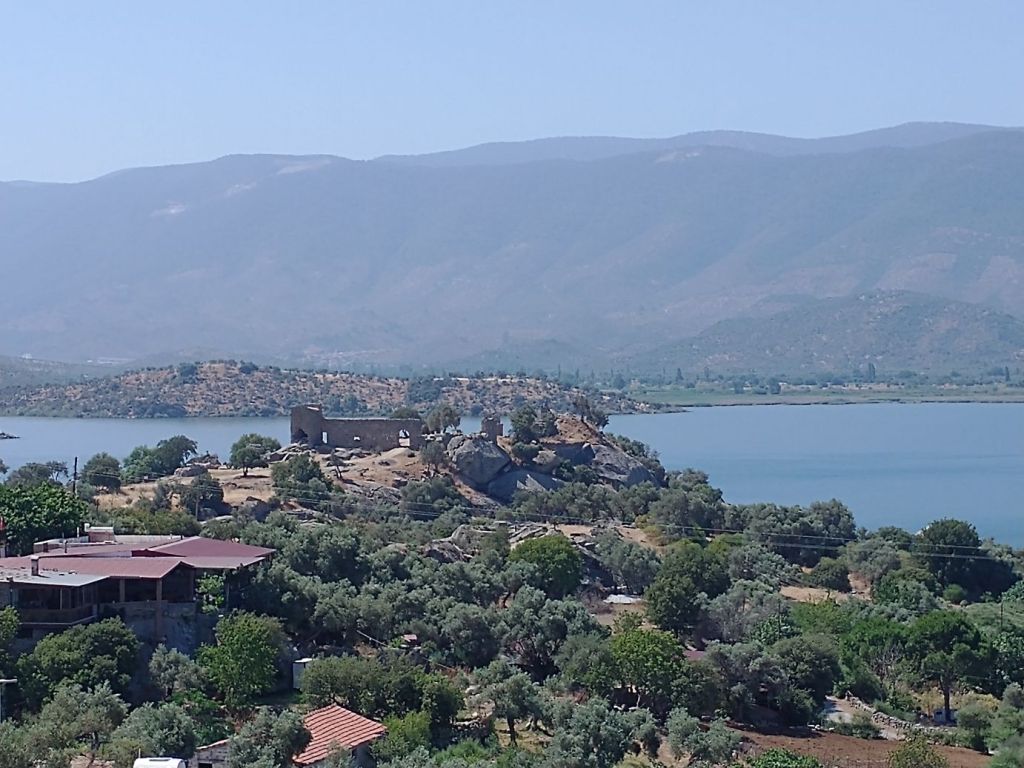
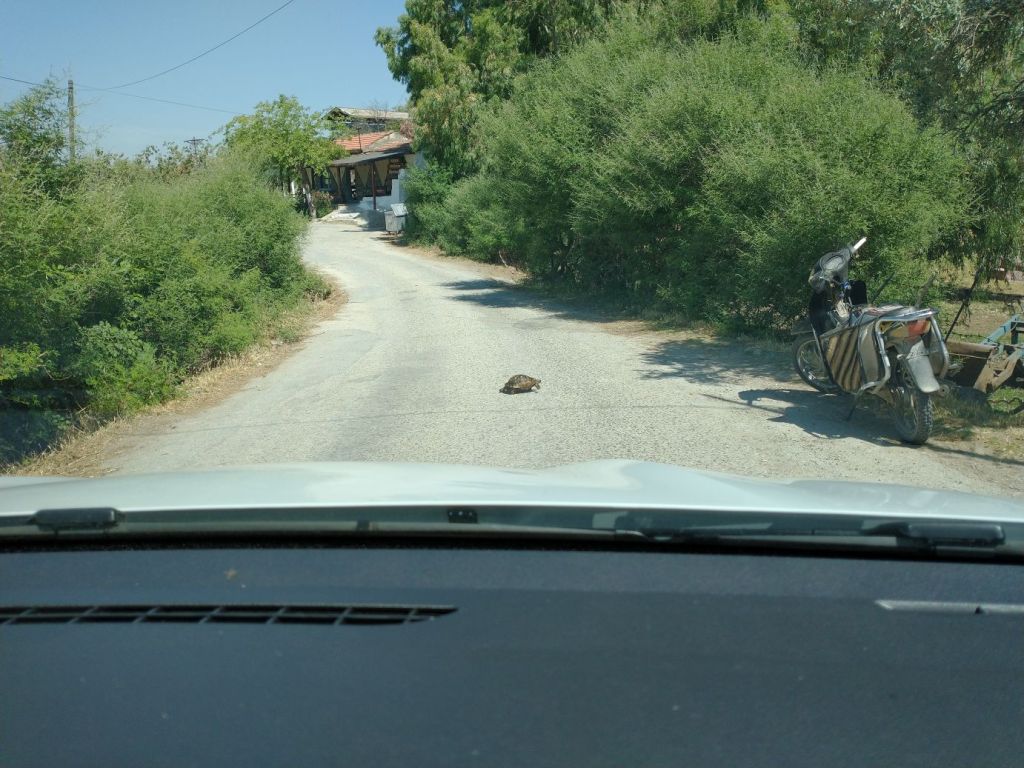
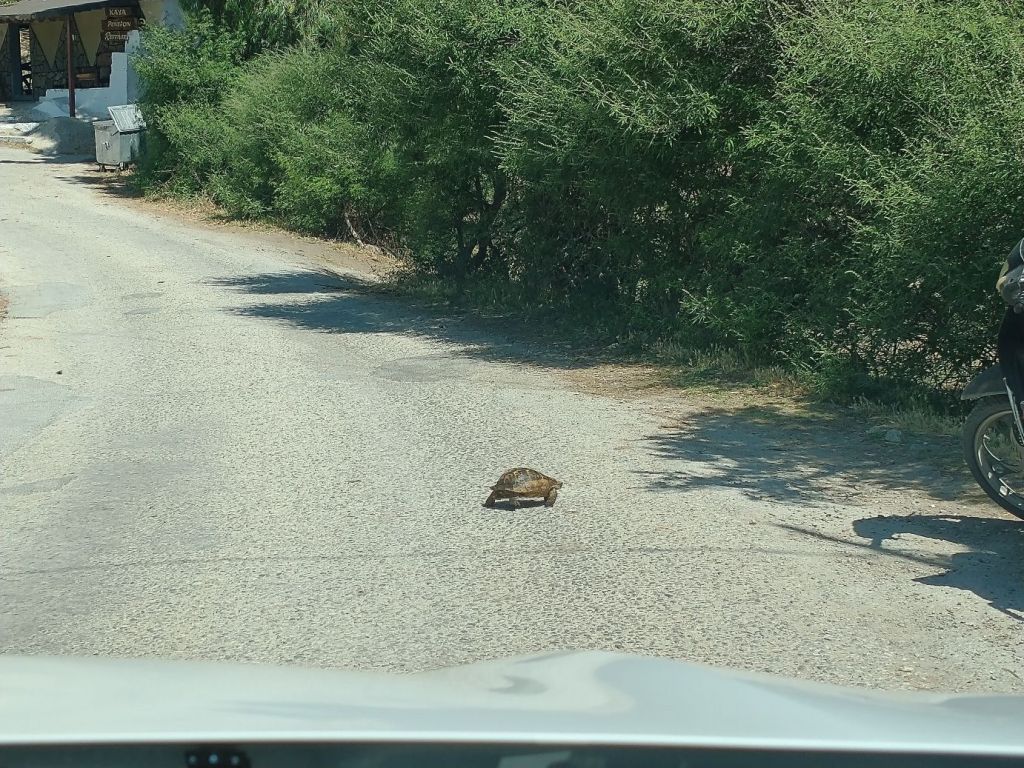
Leaving the mamas, we went back down the hill a bit and turned at the lake Castle to follow the little one lane dirt road around the lake, making sure to avoid the turtle crossing the road, for incredible views of the mountains and rock formations all around.
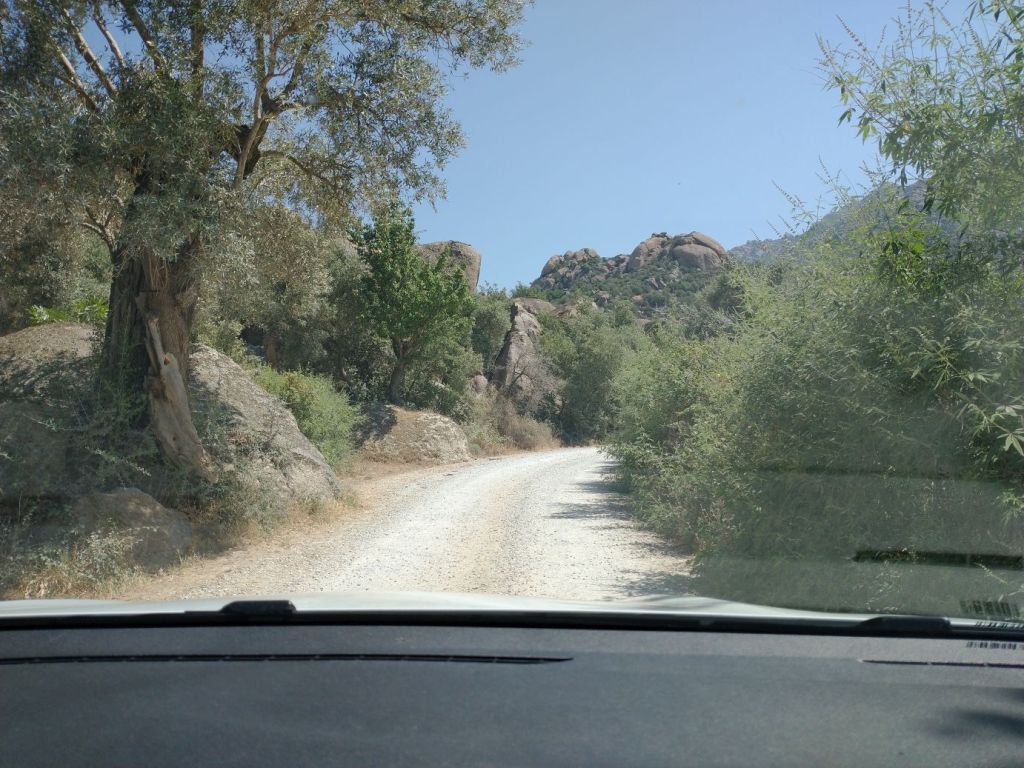
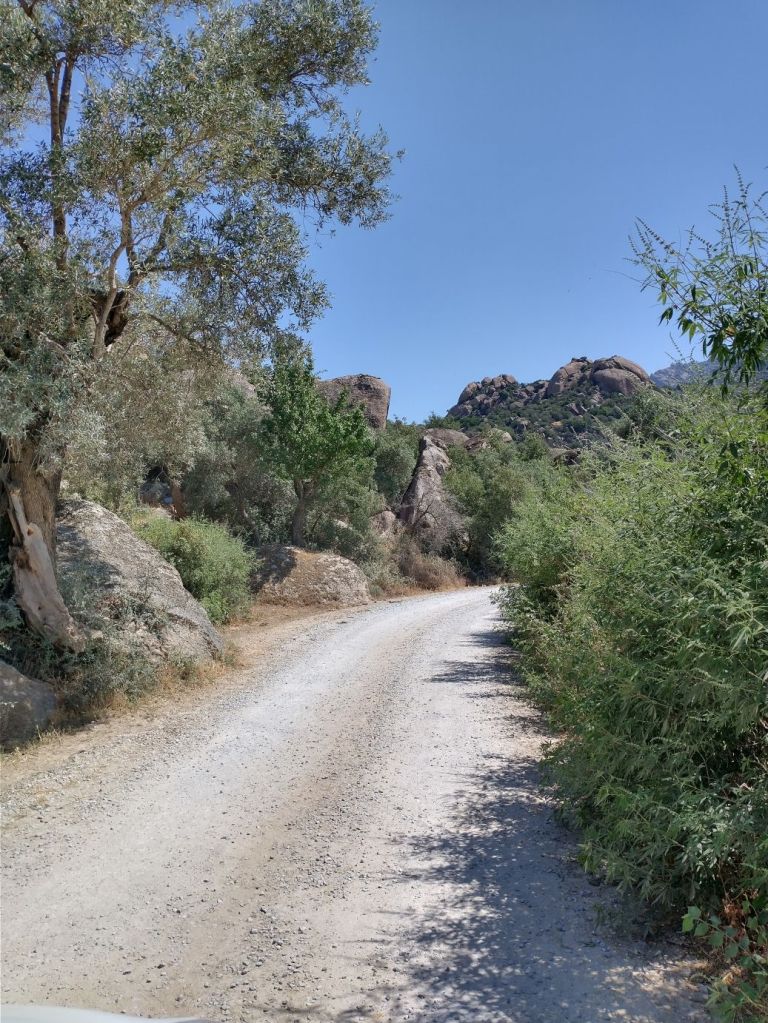
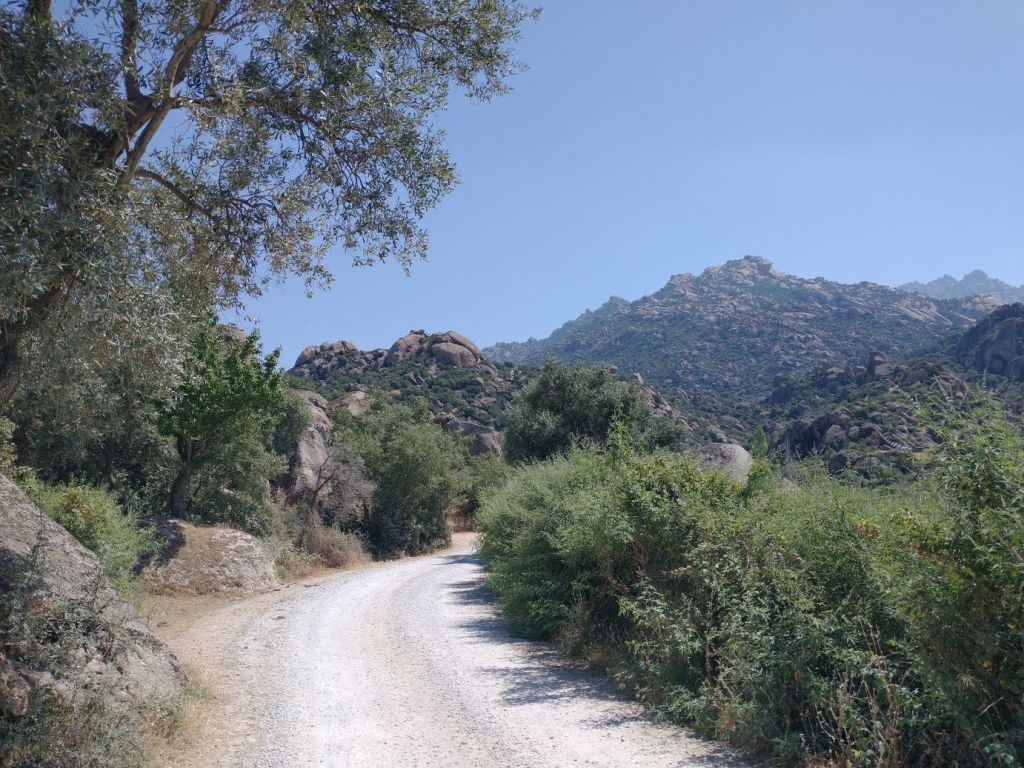
Oh, and the cows. Two days ago it was the goat path. Today it is the cow path. And they don’t move as easily as the goats do, let us tell you! And we’re in the car. Stupid bovine.
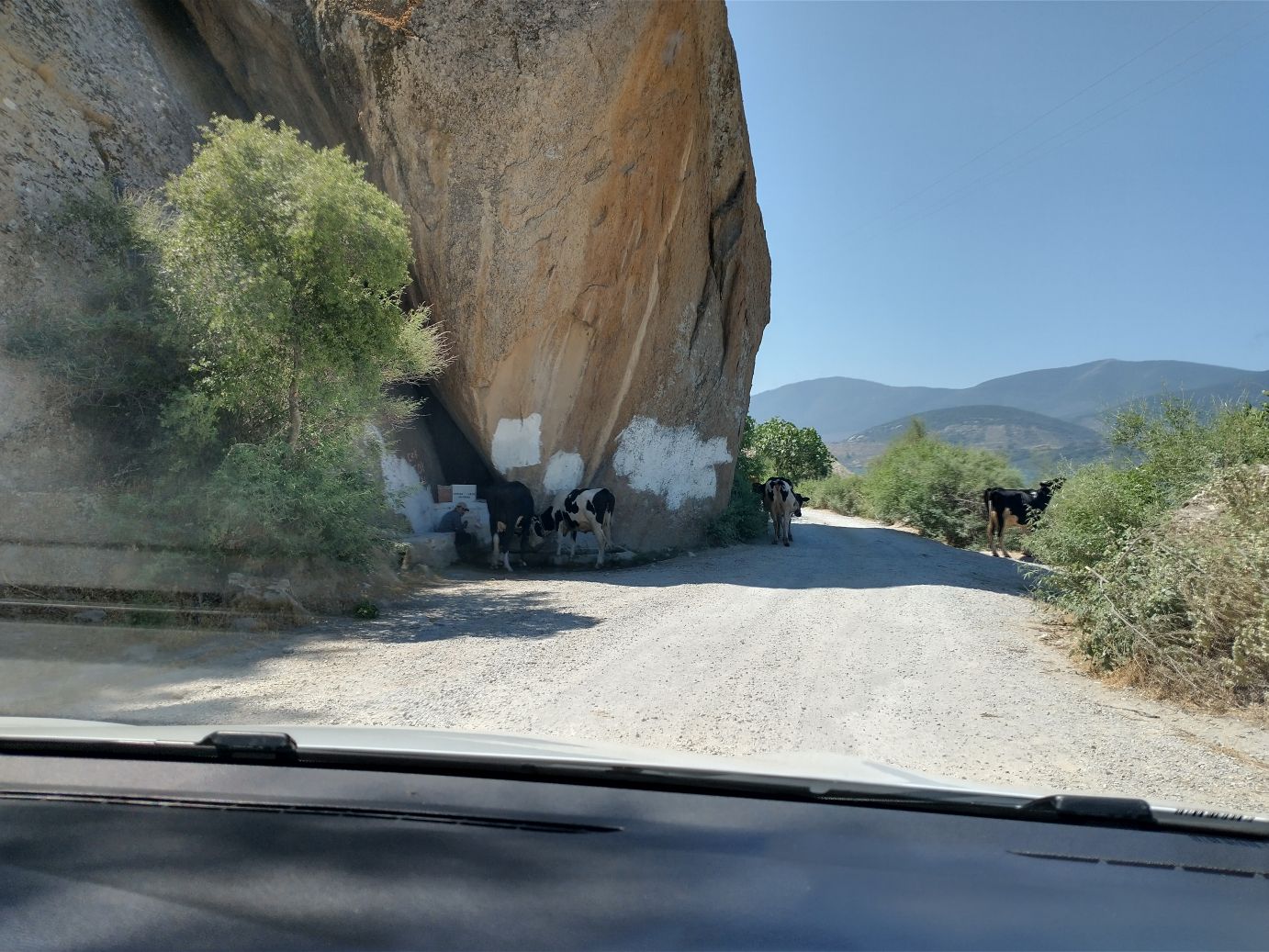
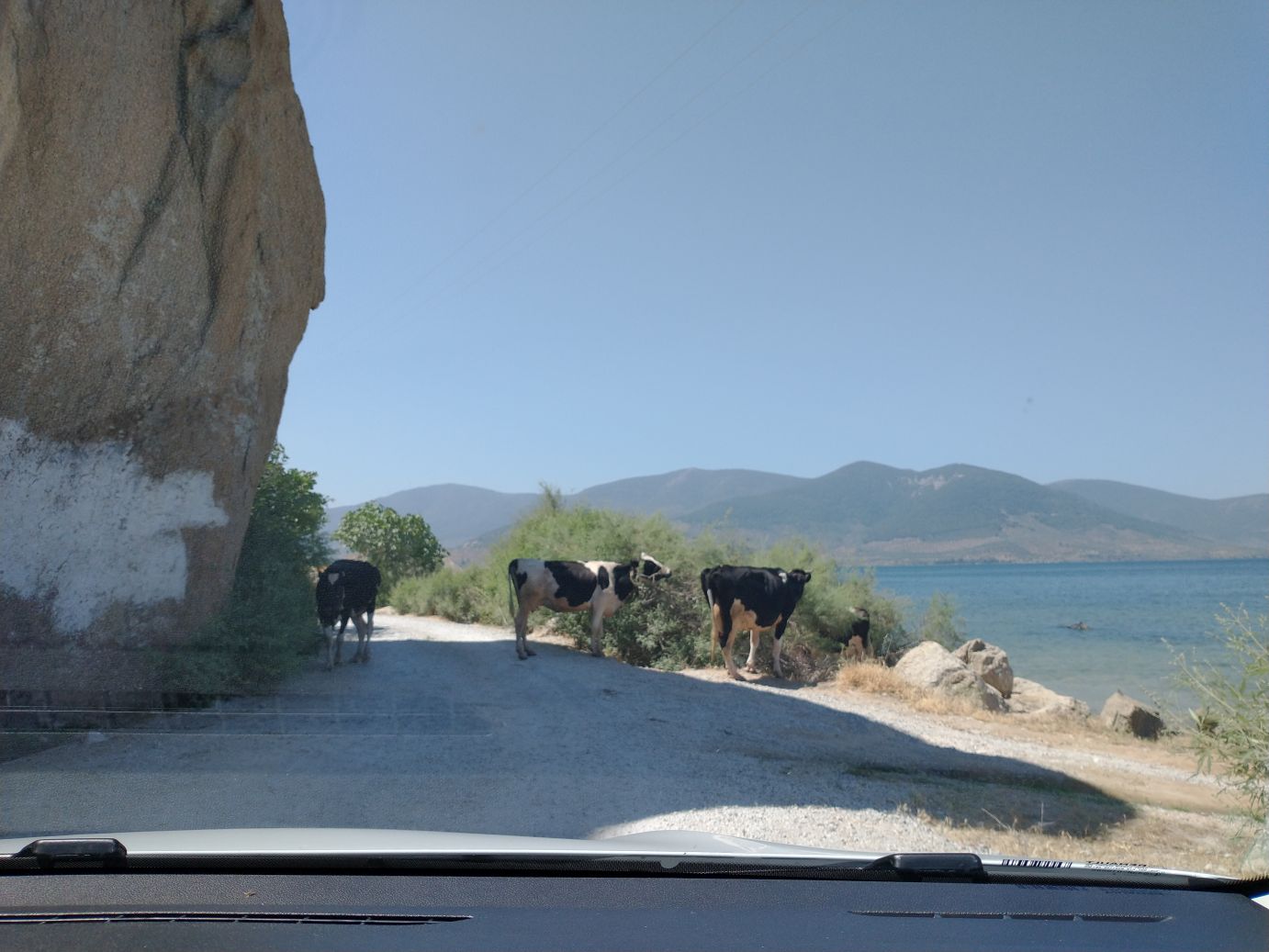
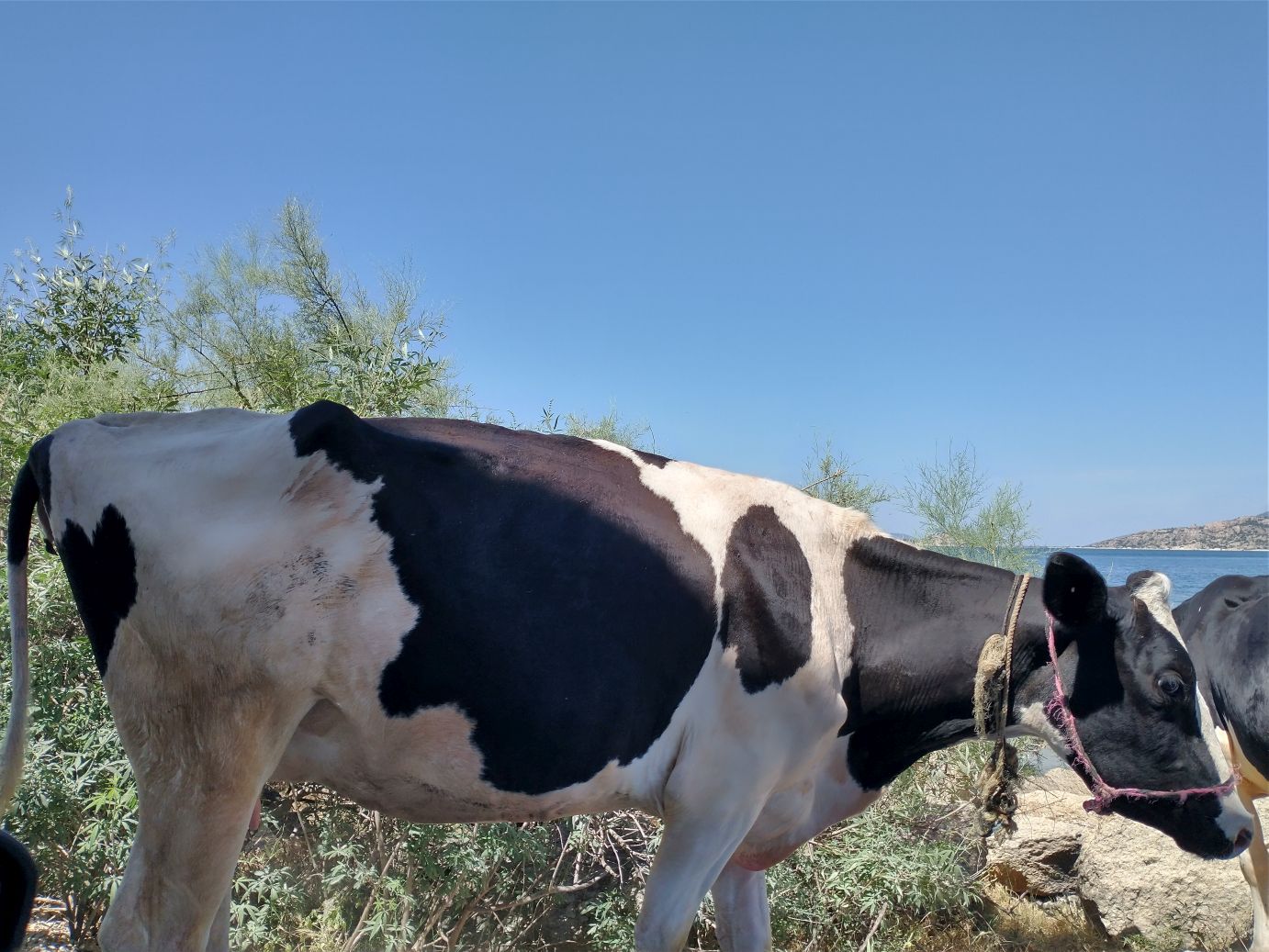
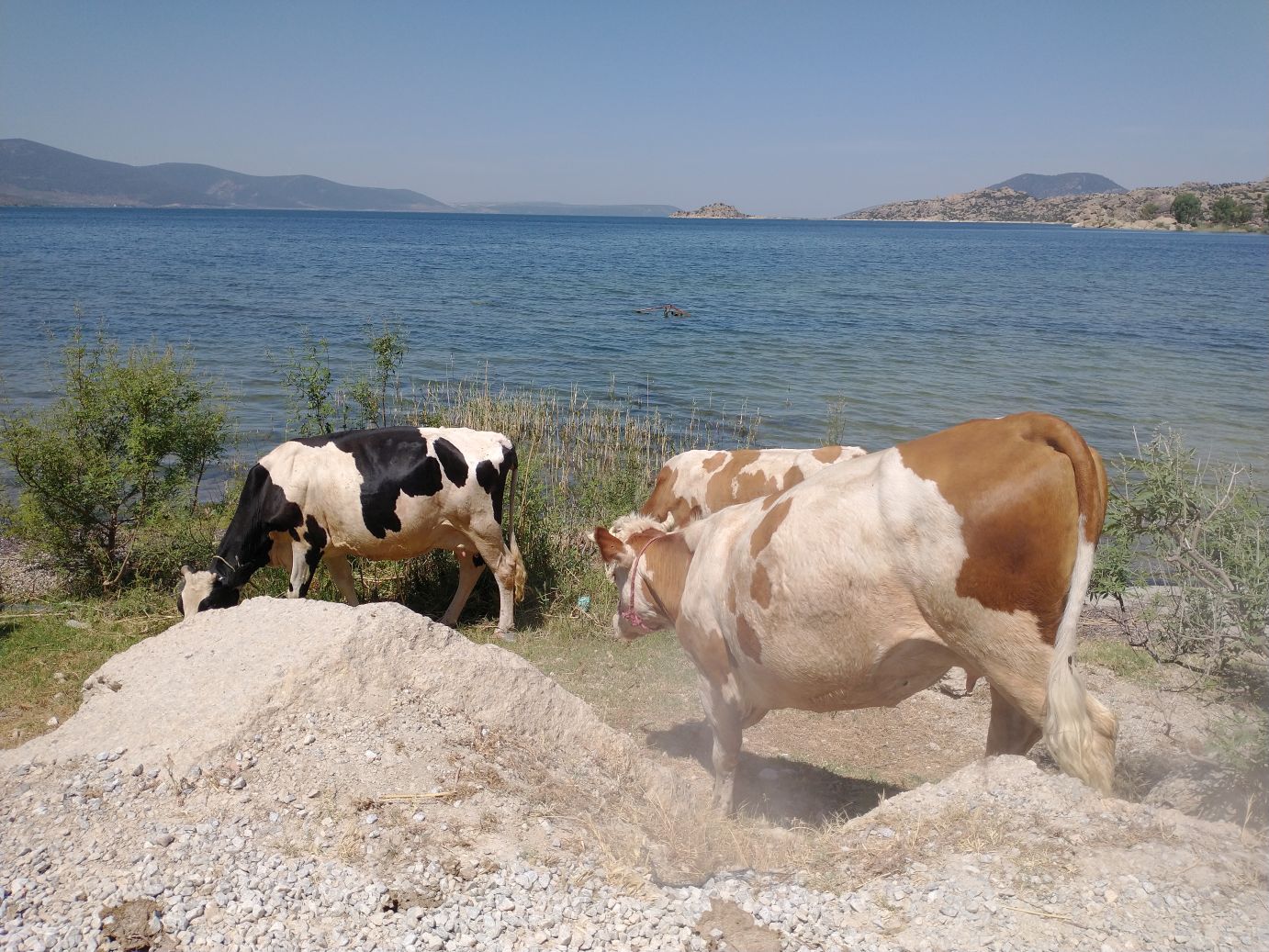
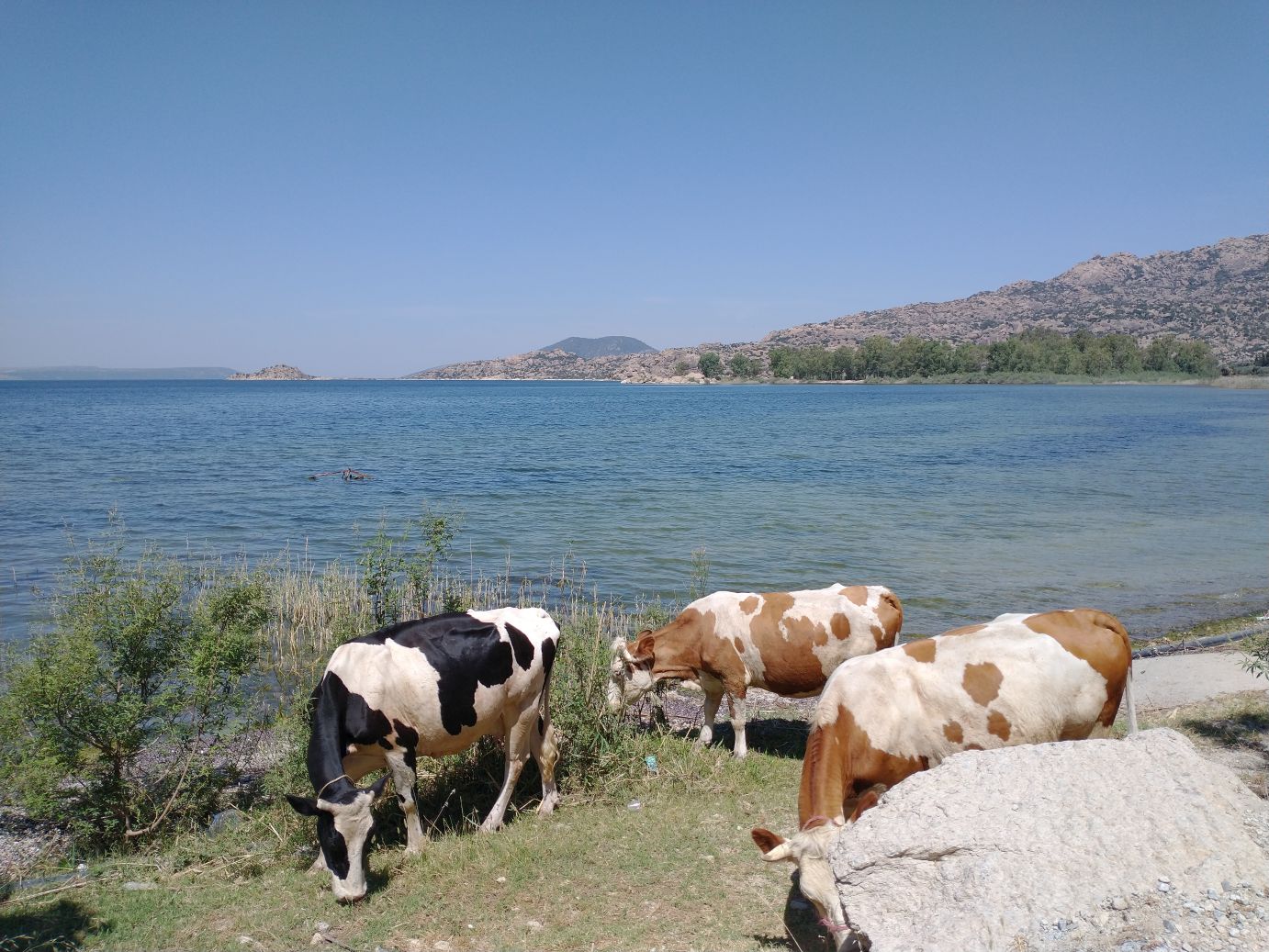
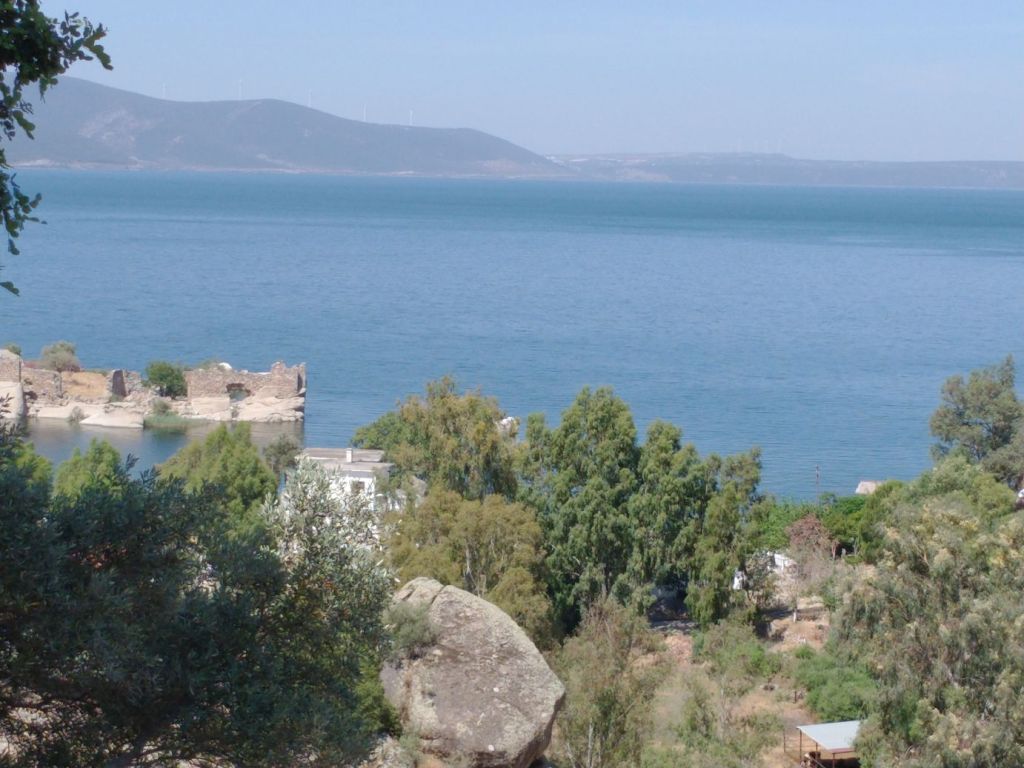
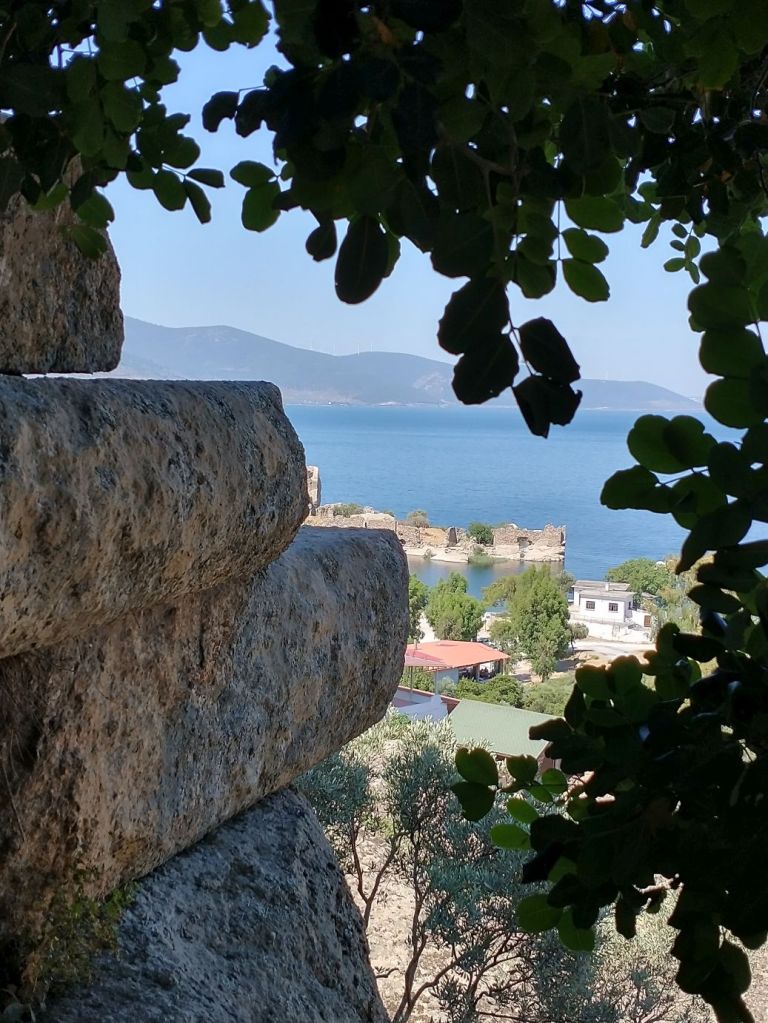
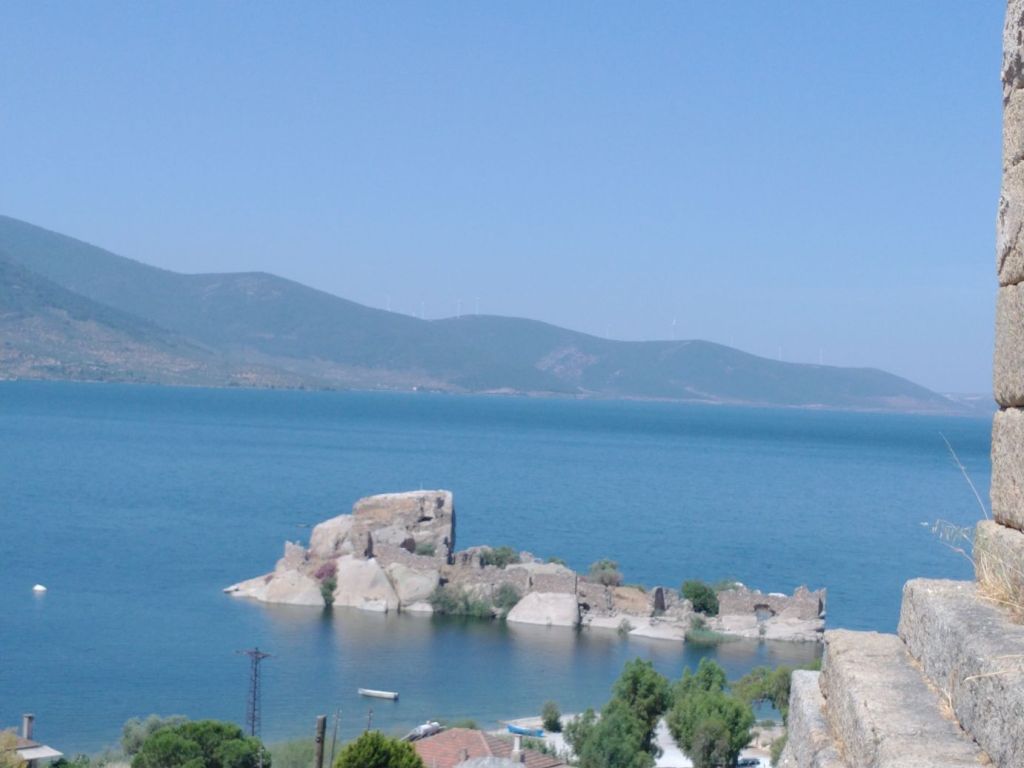
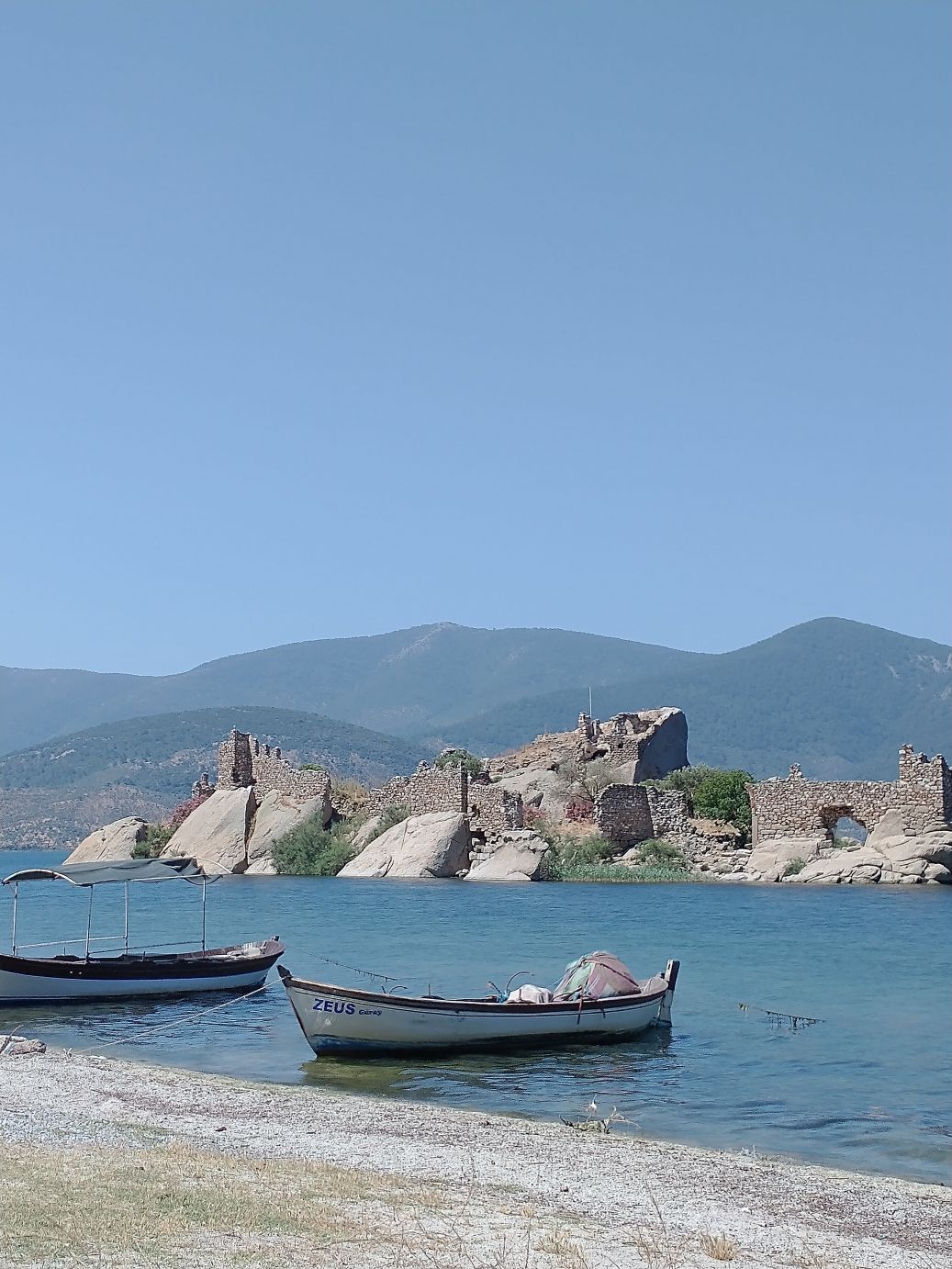
We decide to turn around when the only thing we can see up ahead are farm implements and vehicles – and we don’t want to get stuck on the road with them. So we make our way back to “civilization,” such as it were, stop at the little beach to gaze out upon the ruins of what looks like another castle out on a little island in the lake. Apparently there used to be a causeway to walk out there, but now you need a boat.
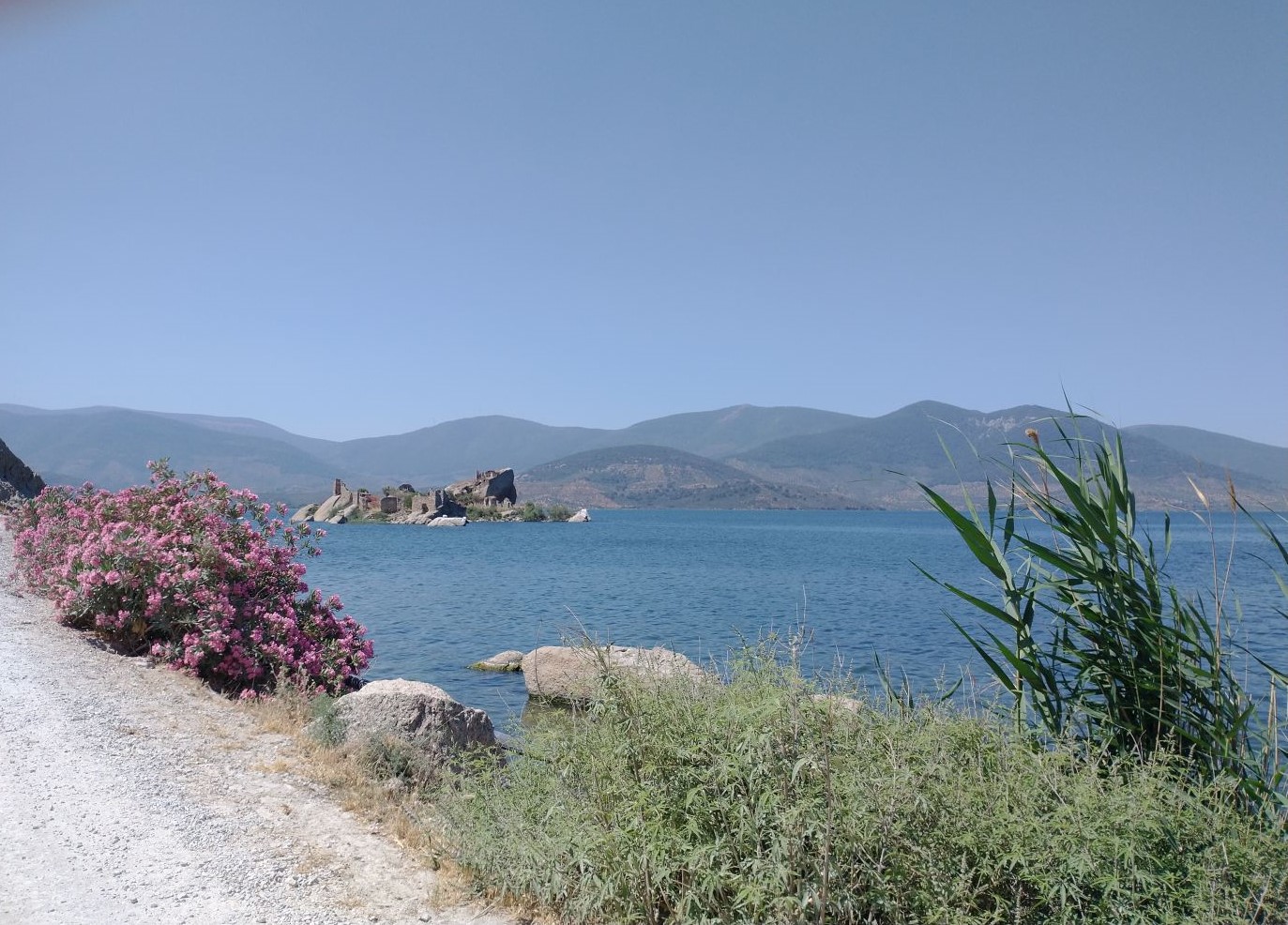
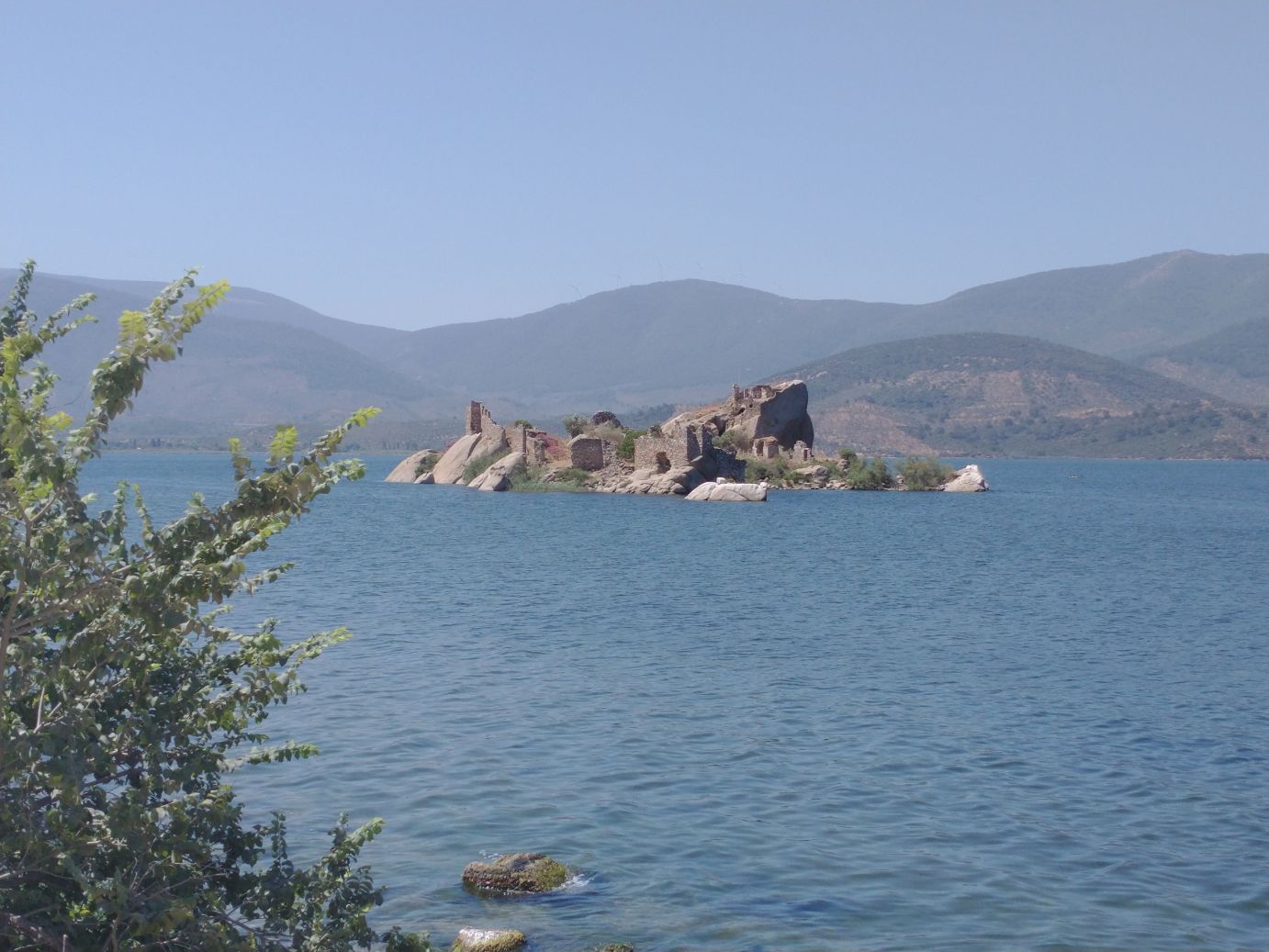
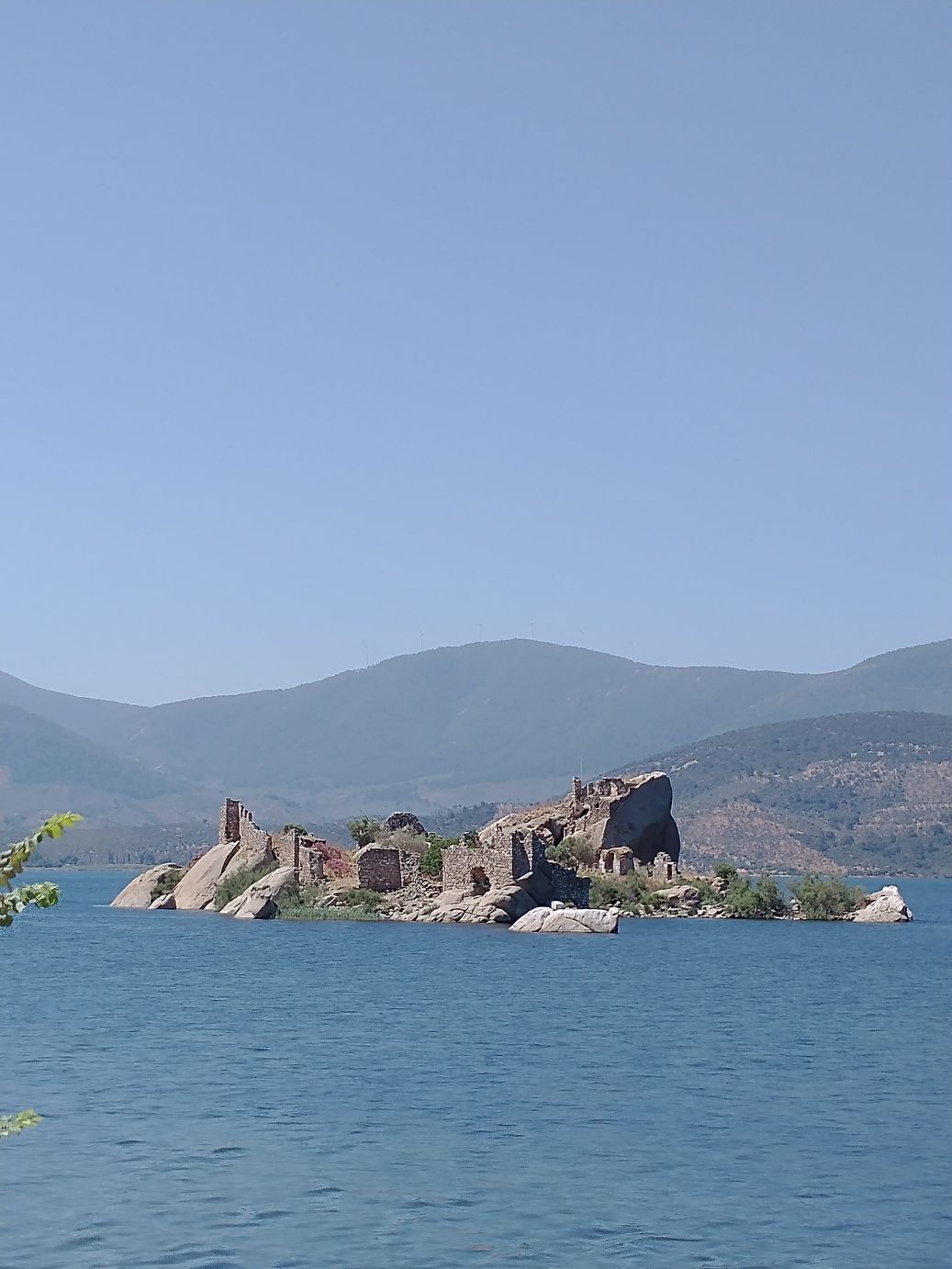
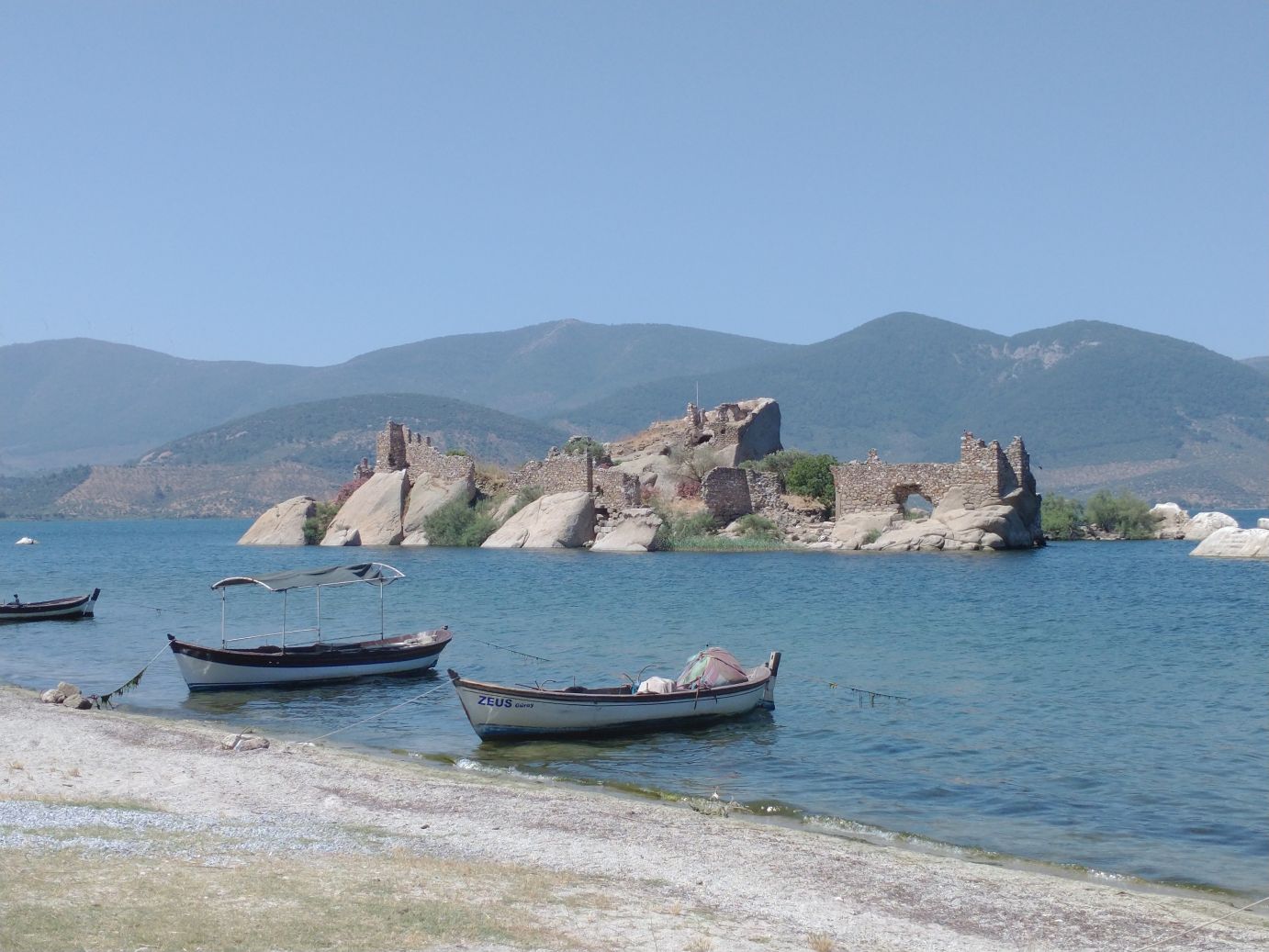
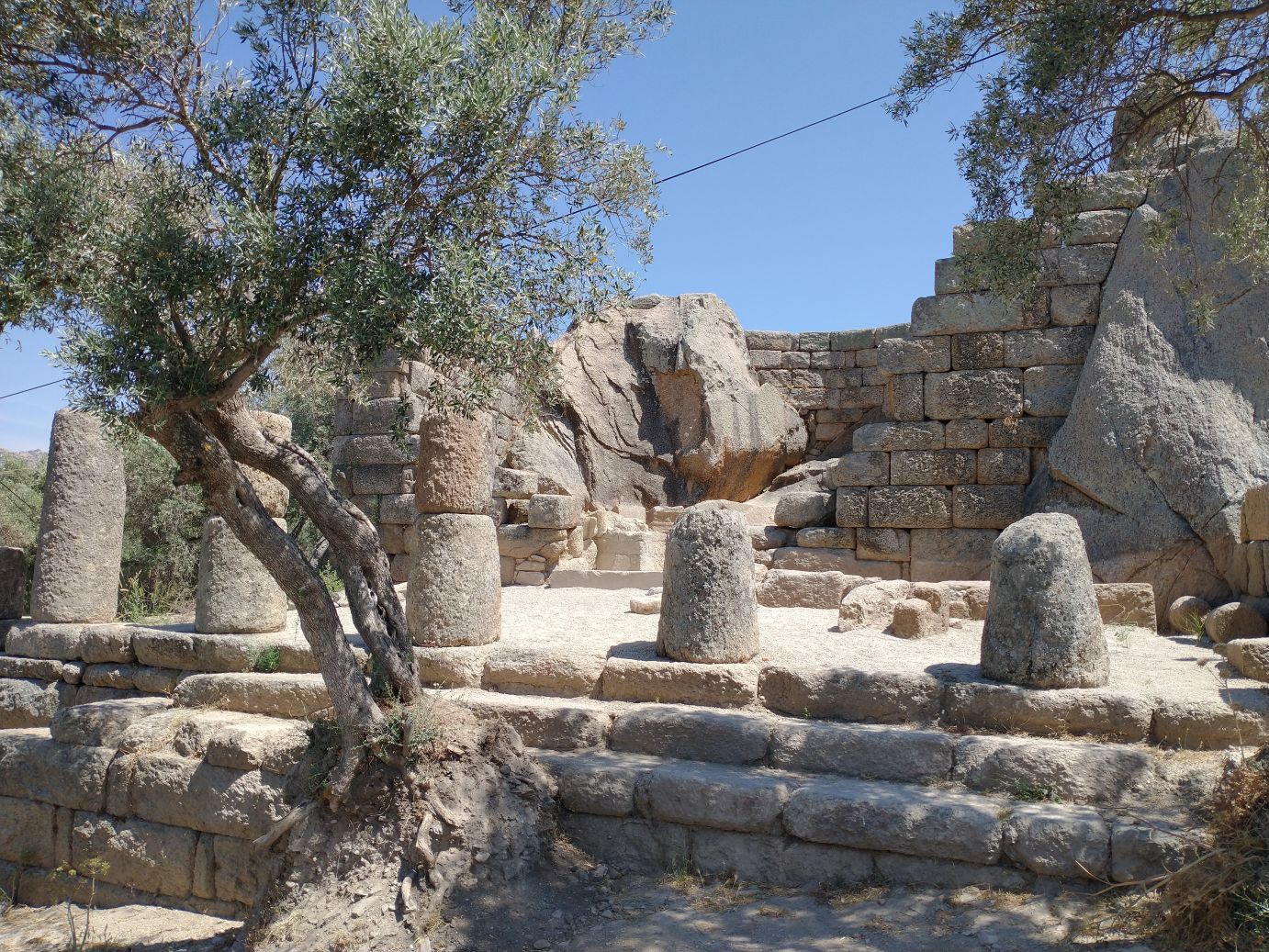
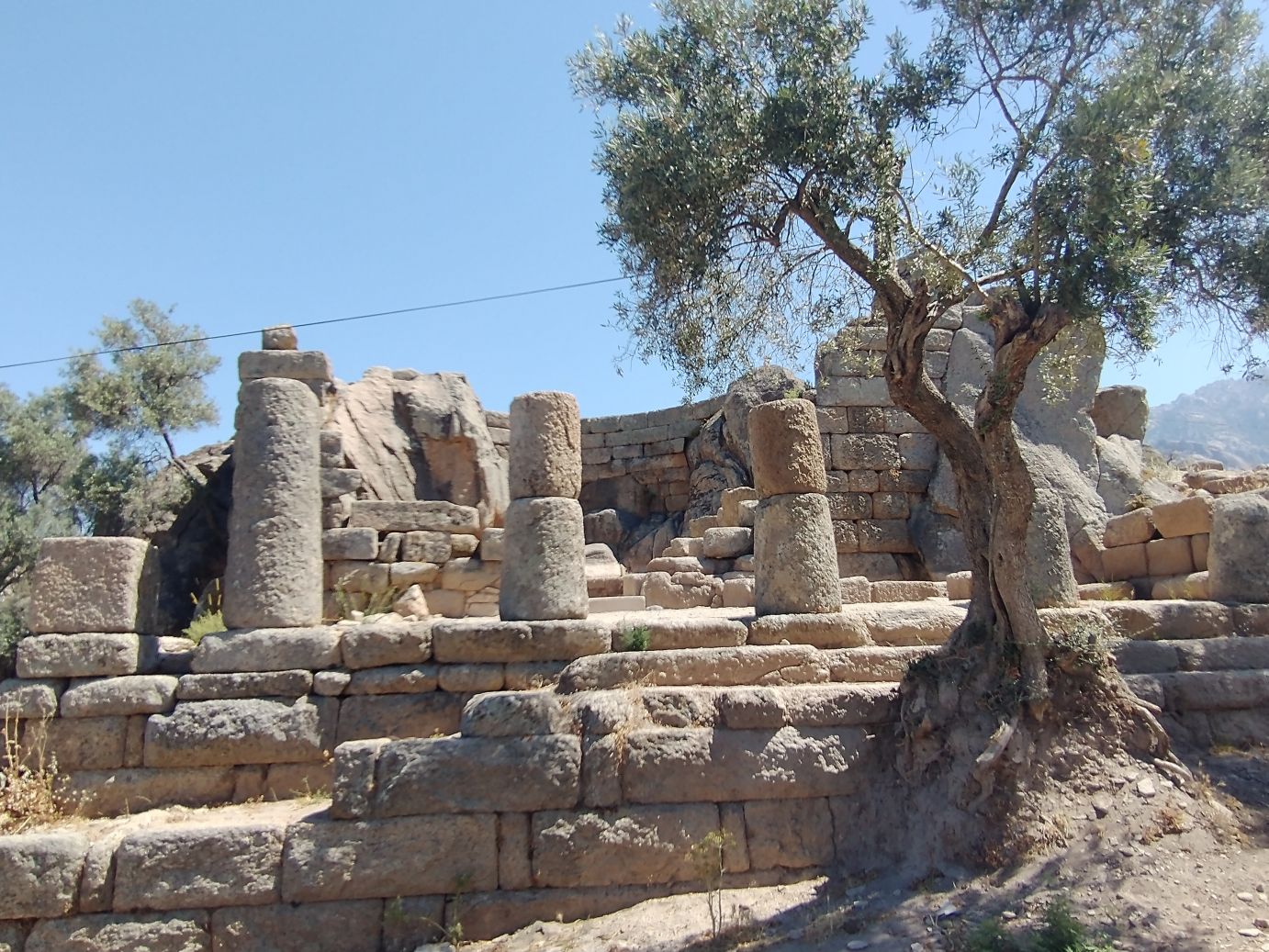
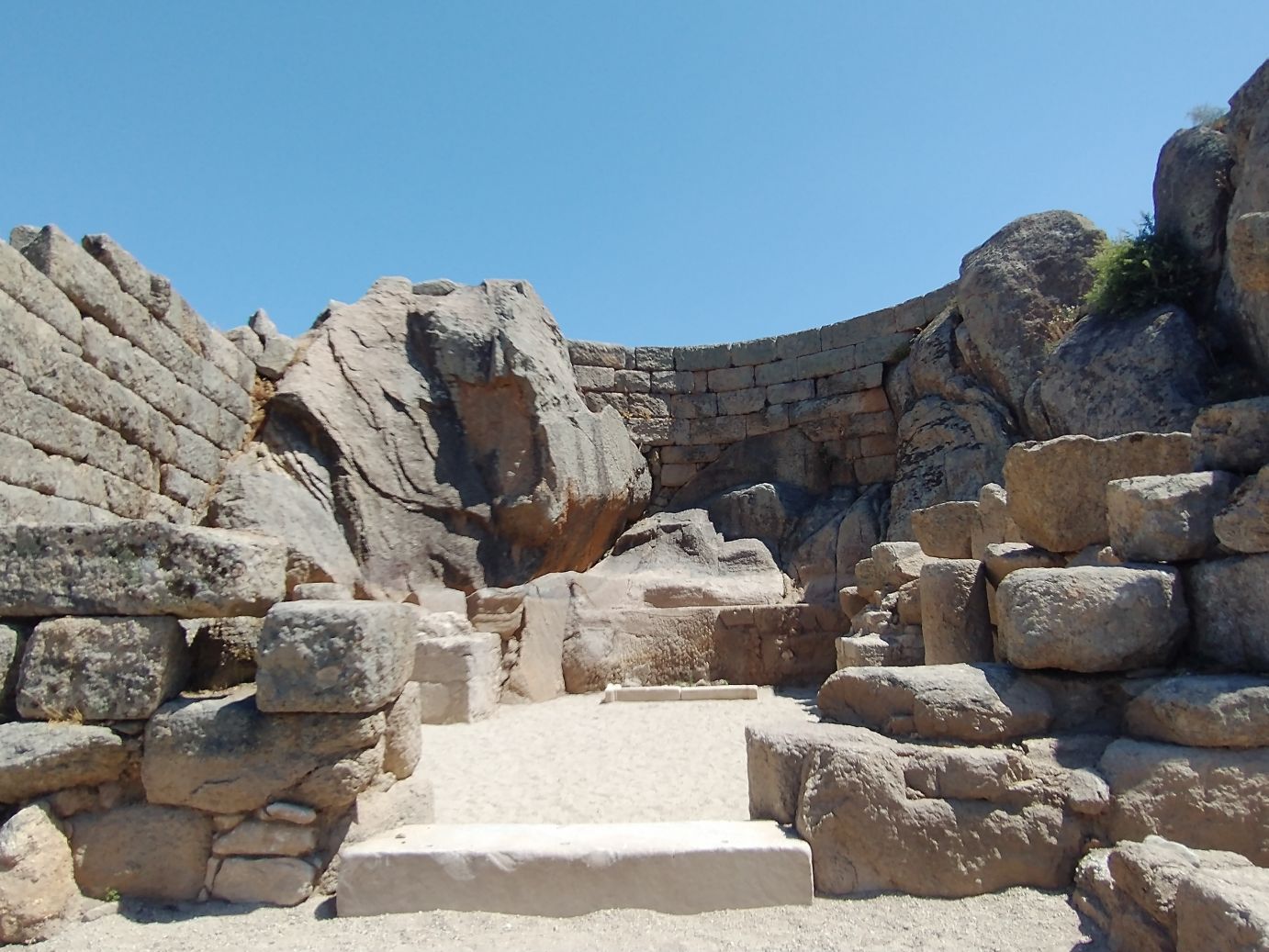
Continuing on, we park on the side of the road and visit the Temple of Endymion which is built around a rock to symbolize the cave that Endymion slept in after grazing his flocks of sheep on the slopes of Mount Latmos. One legend has it that Selene, the goddess of the Moon, fell in love with Edymion and visited him every night as he slept. She asked Zeus to give him eternal sleep so that Edymion would never change and she could be with him every night. She bore him 50 daughters without him ever waking. Greek mythology. Gotta love it.
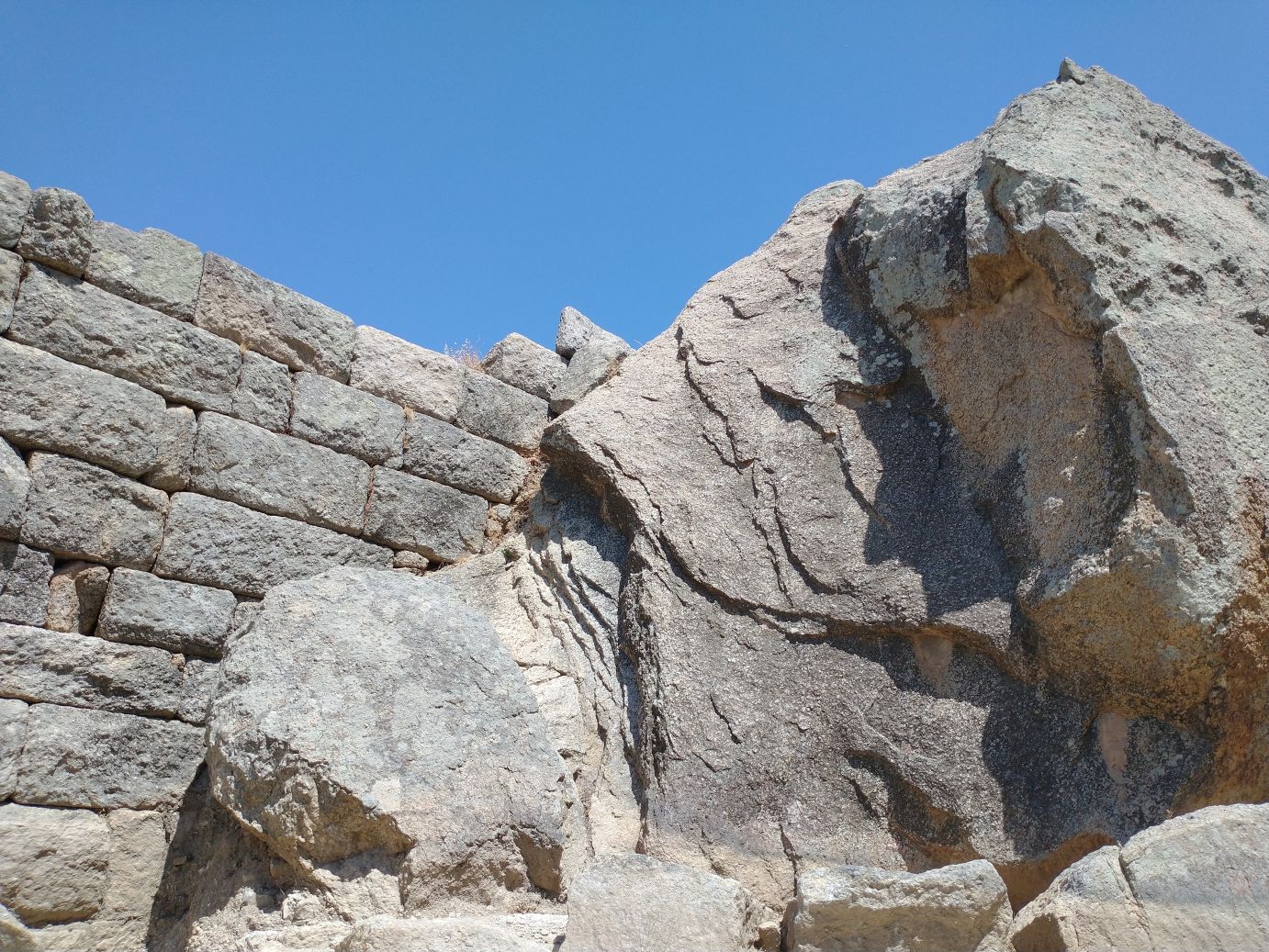
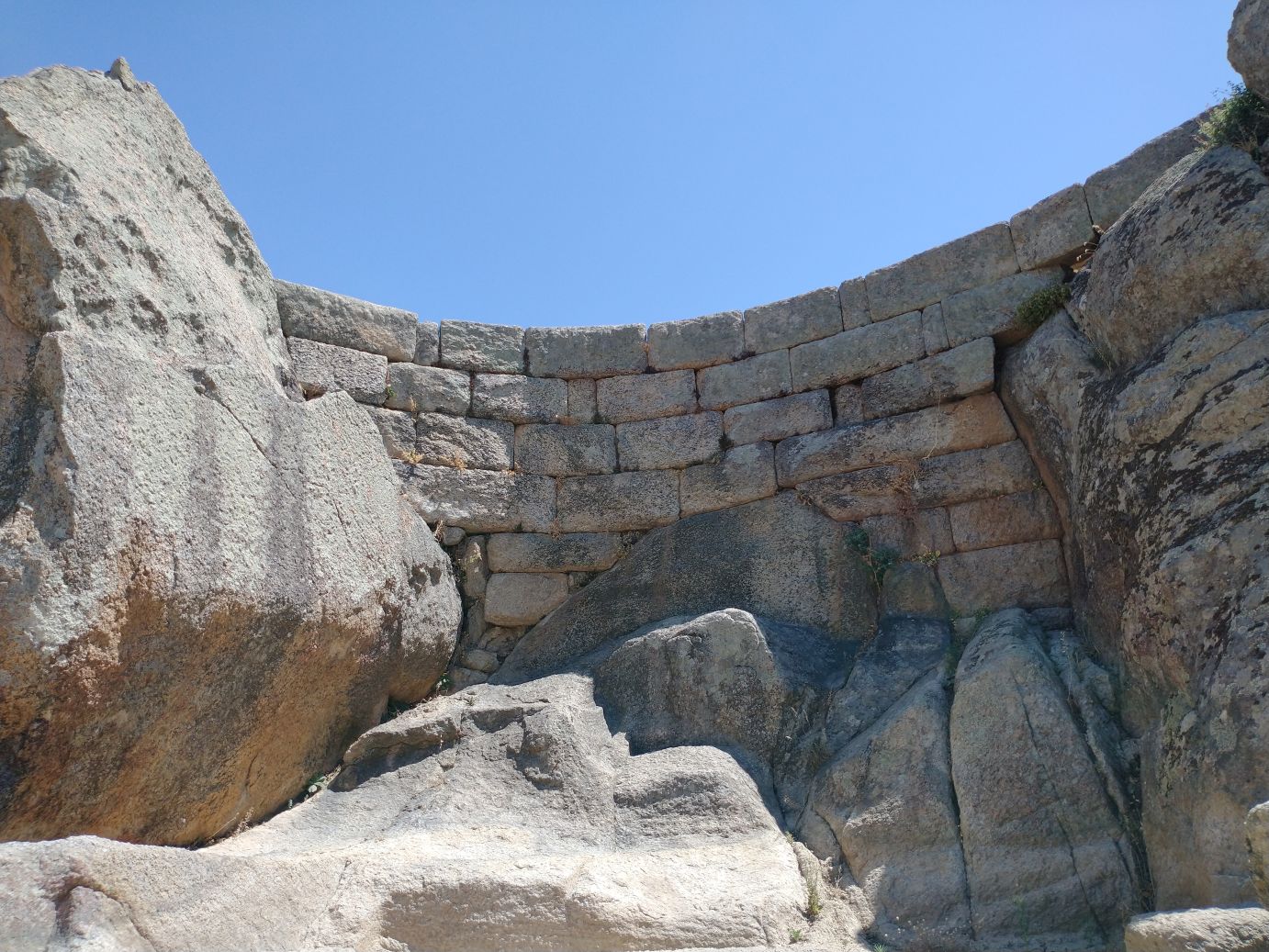
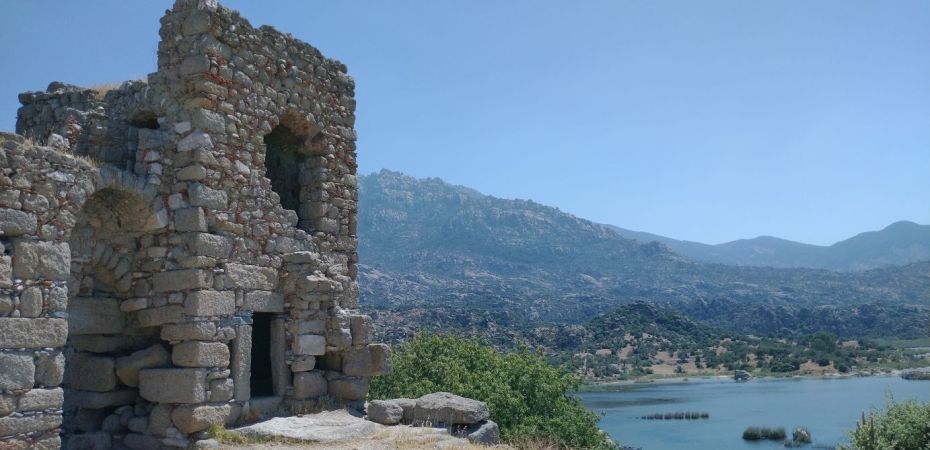
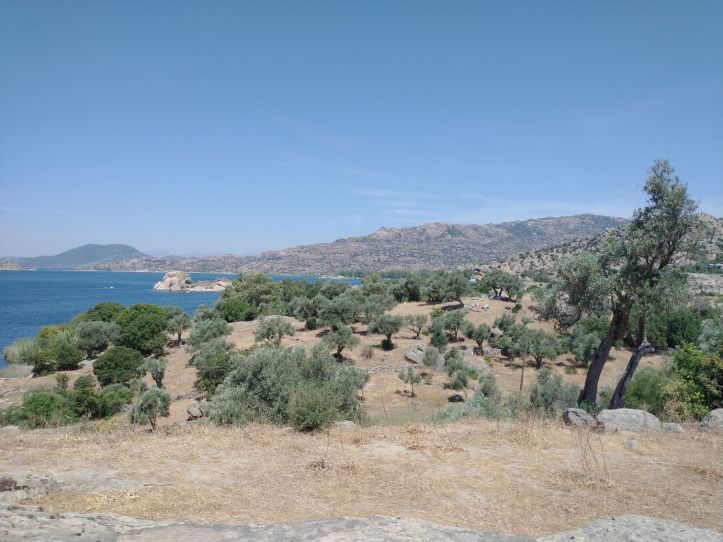
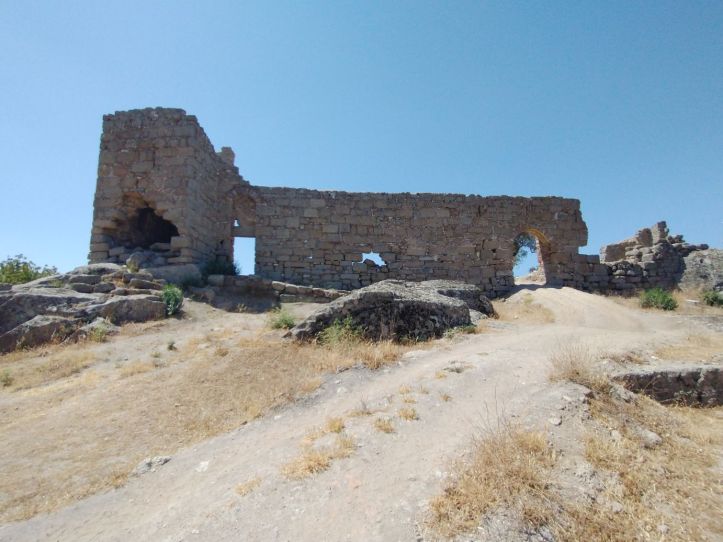
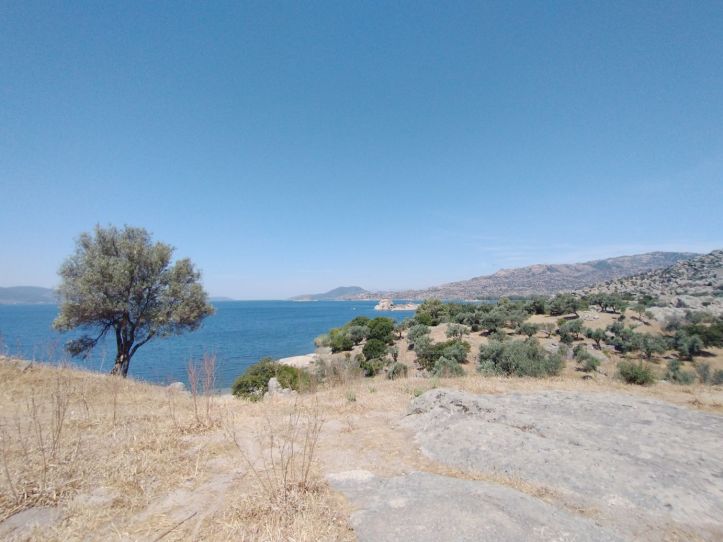
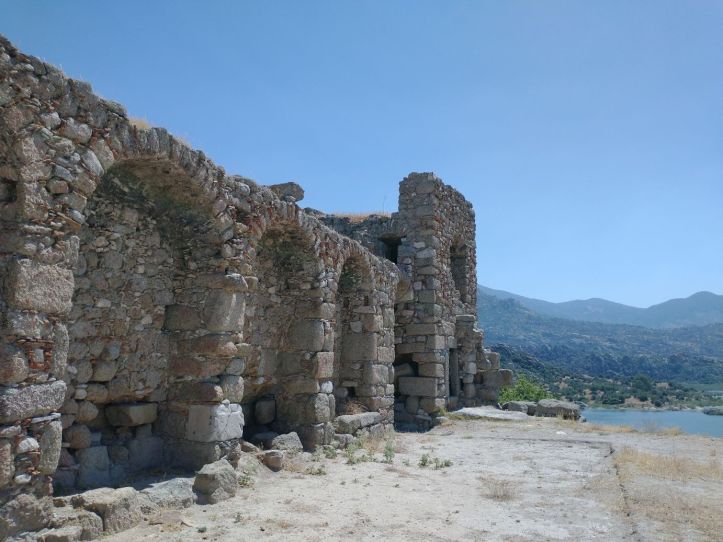
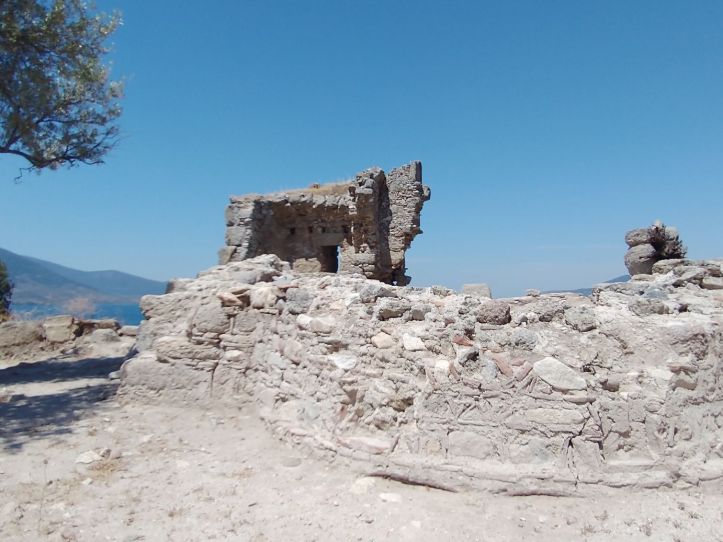
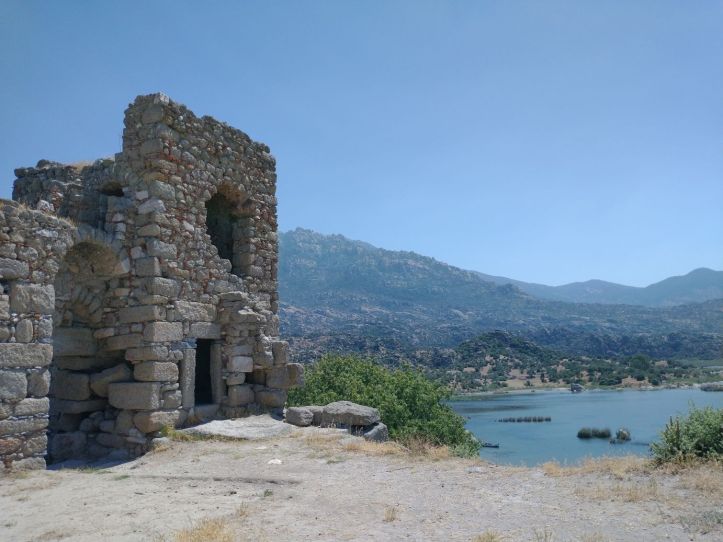
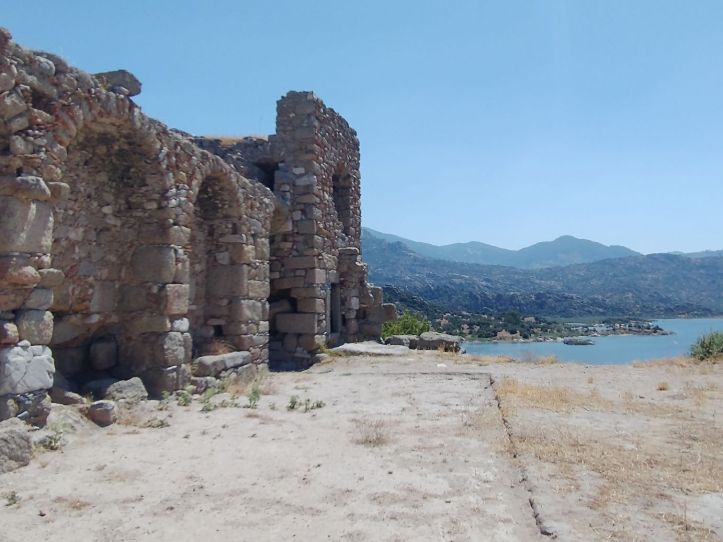
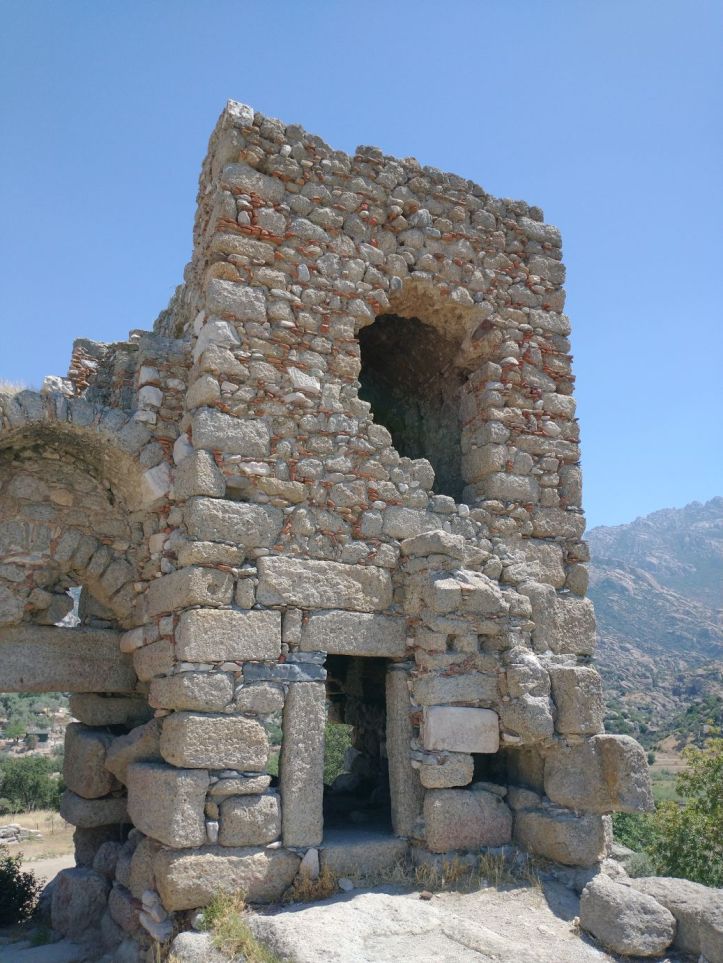
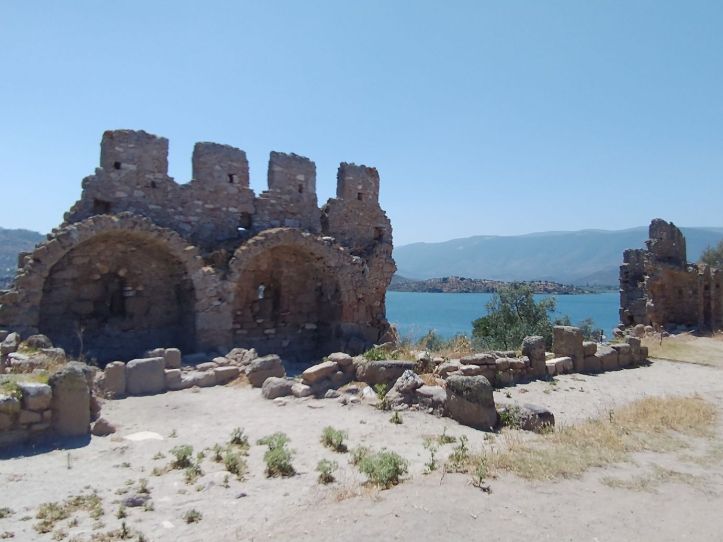
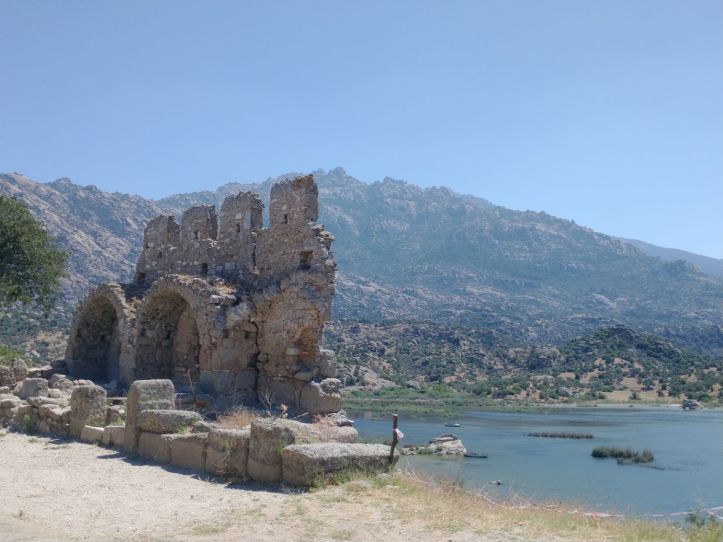
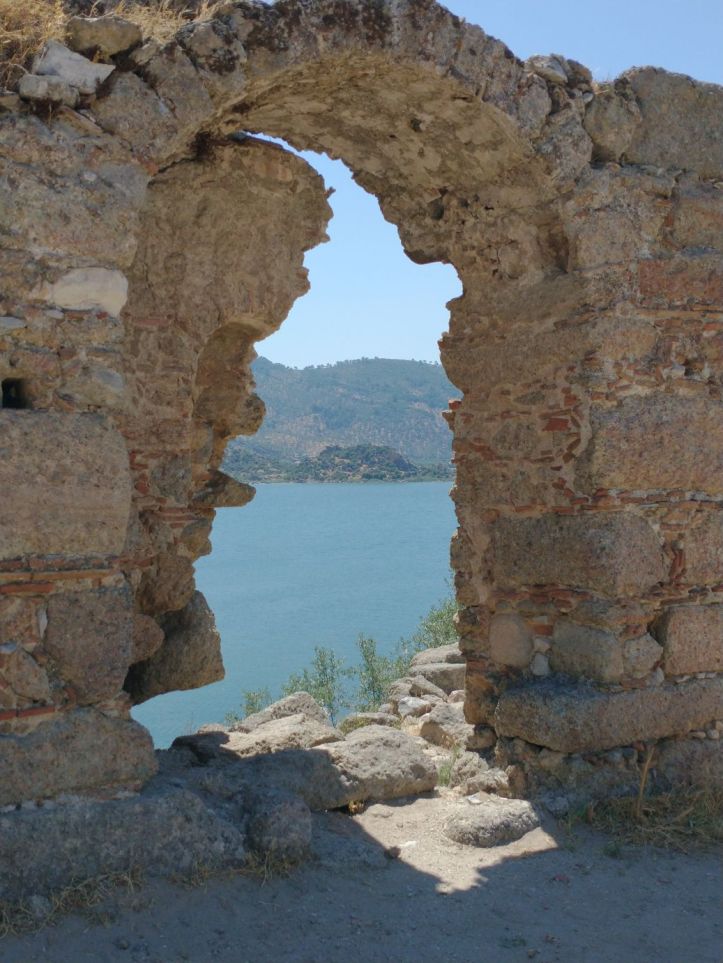
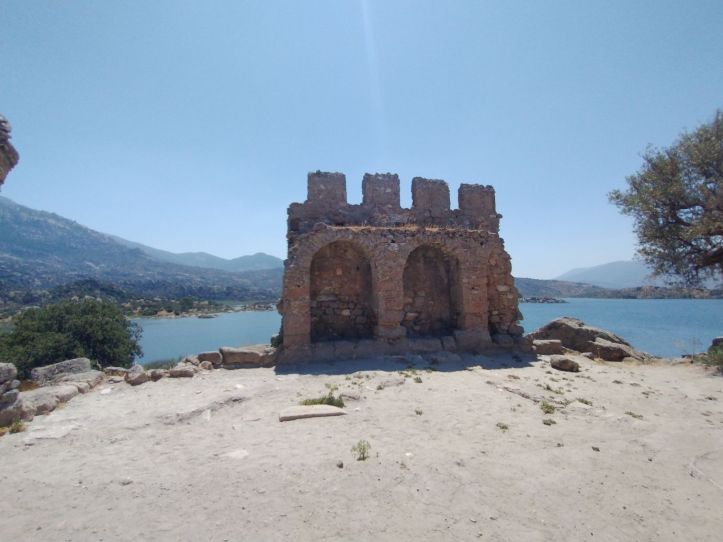
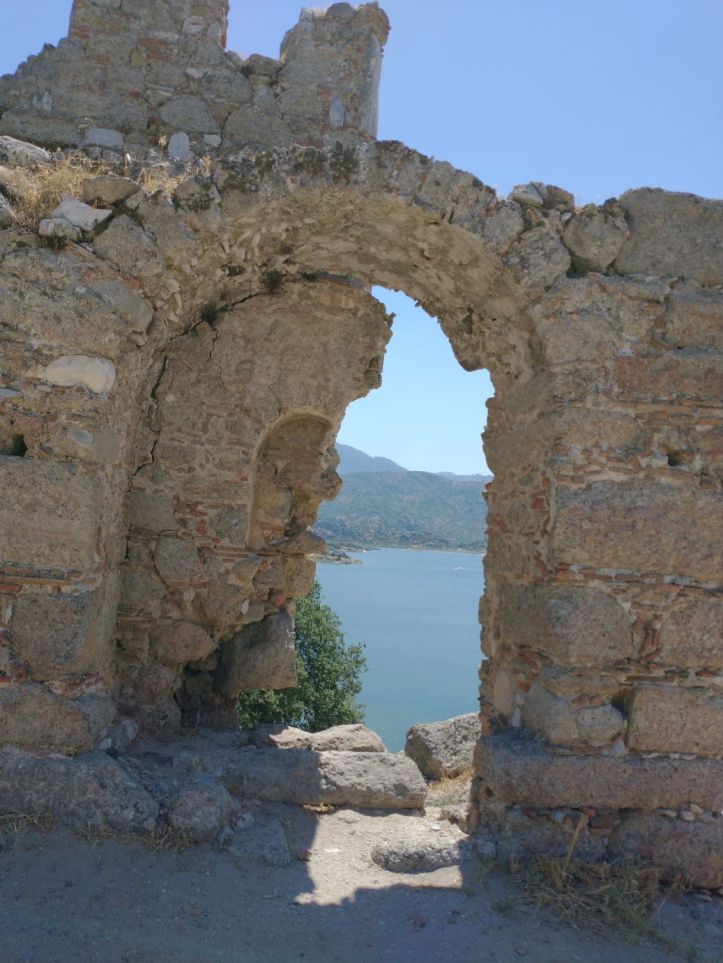
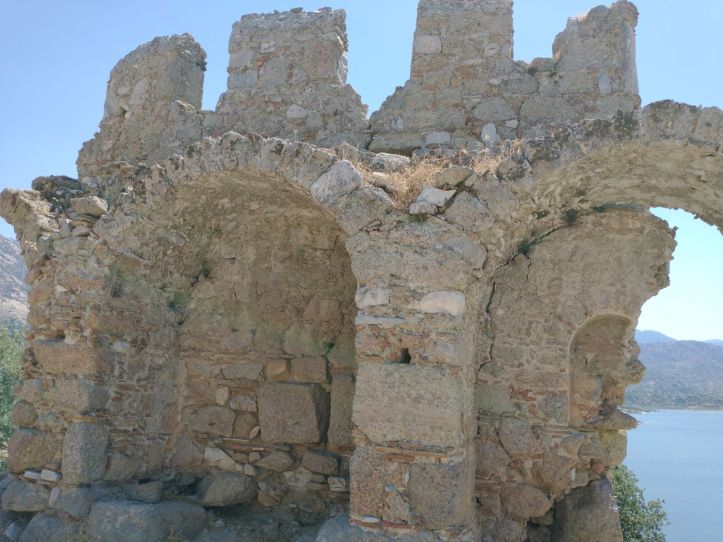
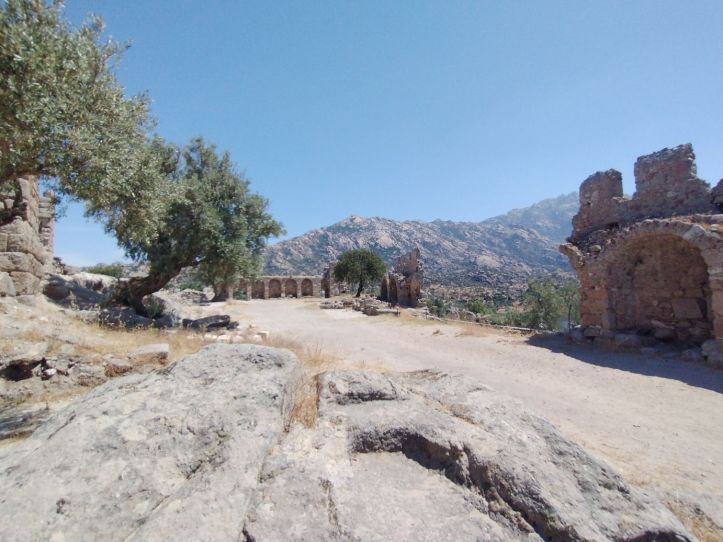
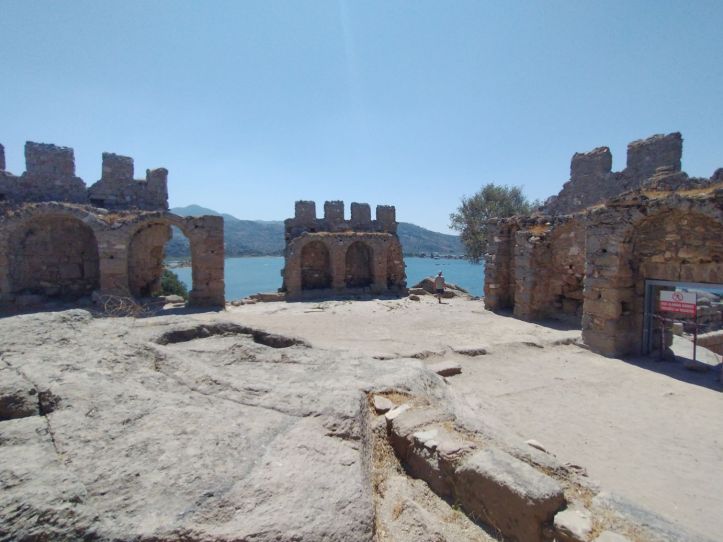
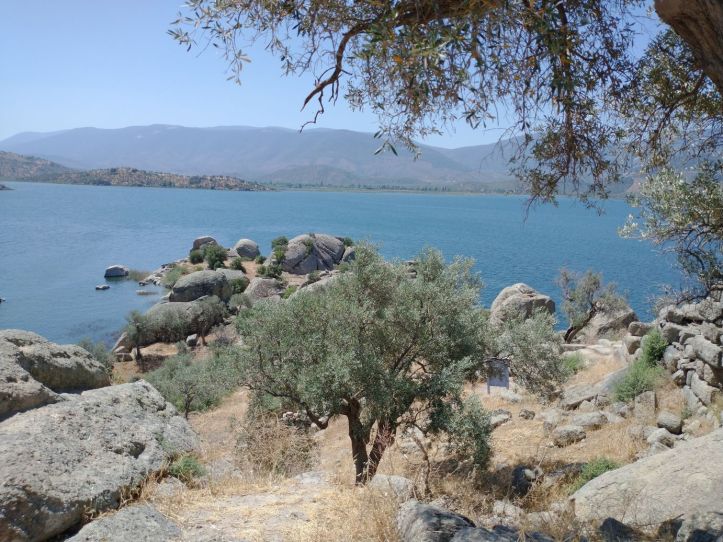
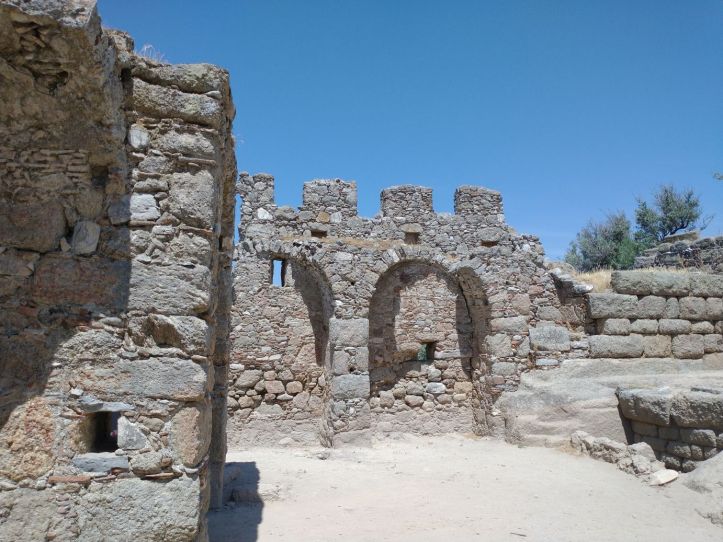
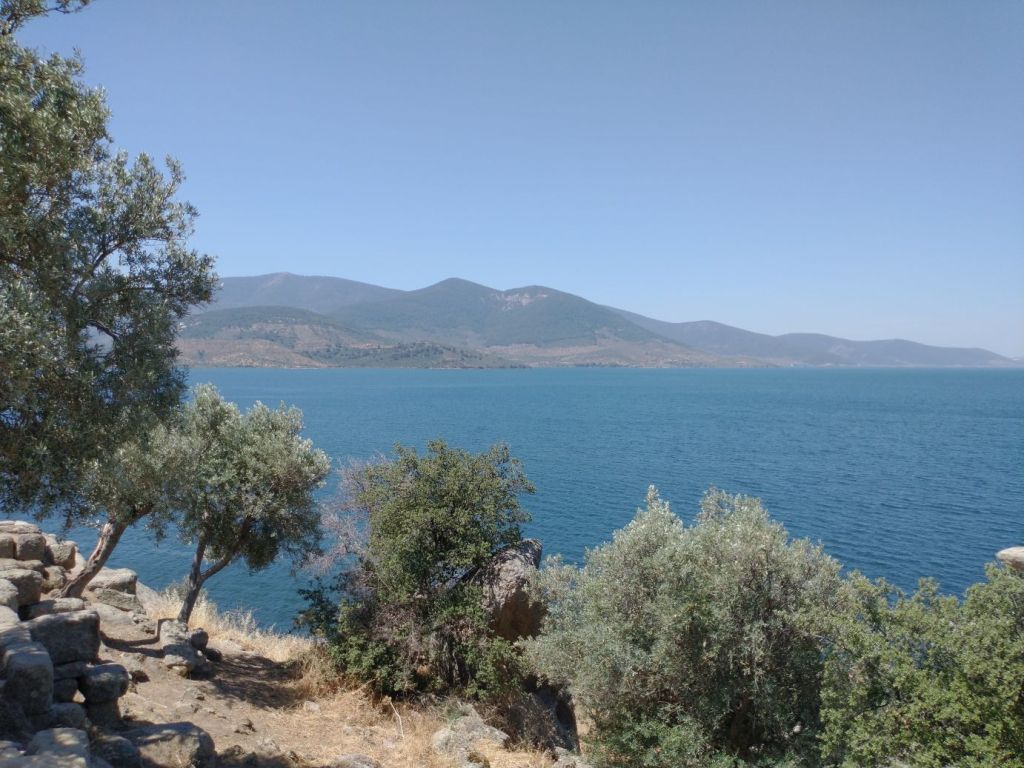
Our last stop here is the Byzantine Lake Castle, thought to be built in the 12th Century. It was originally built as part of the Hellenistic defense system that protected Herakleia and now just sits in ruins on the peninsula jutting out into the lake. It is a bit of a dusty hike up to the Castle, but once there we are rewarded with beautiful views across the lake and into the mountains, as well as great ruins to explore.
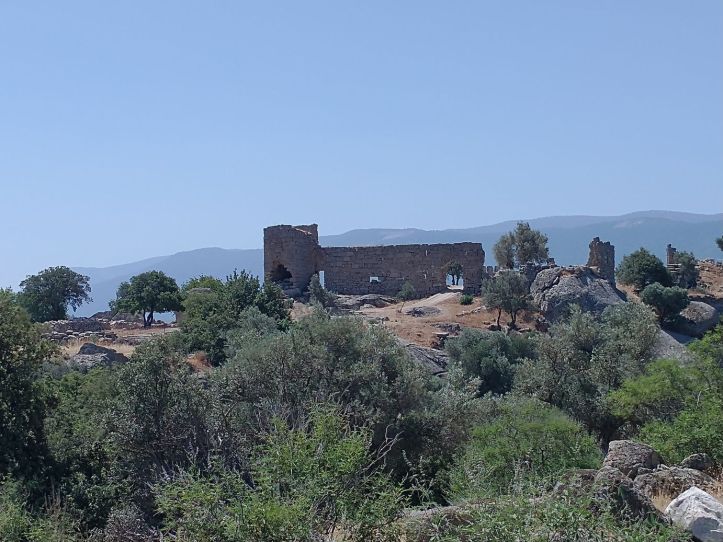
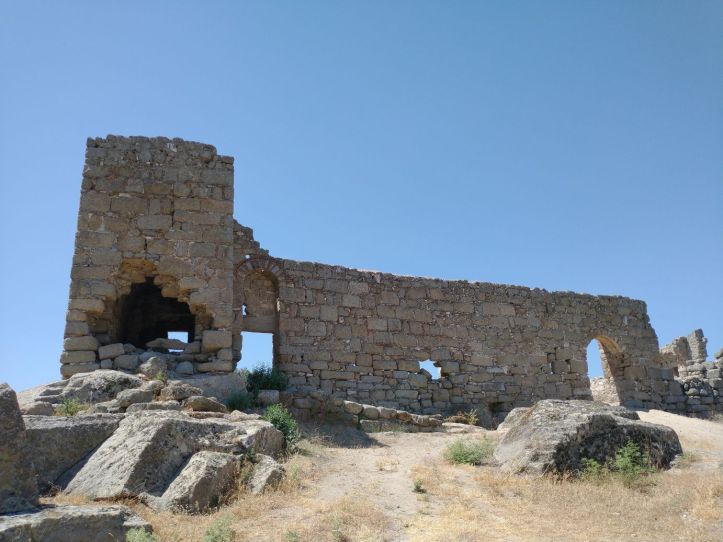
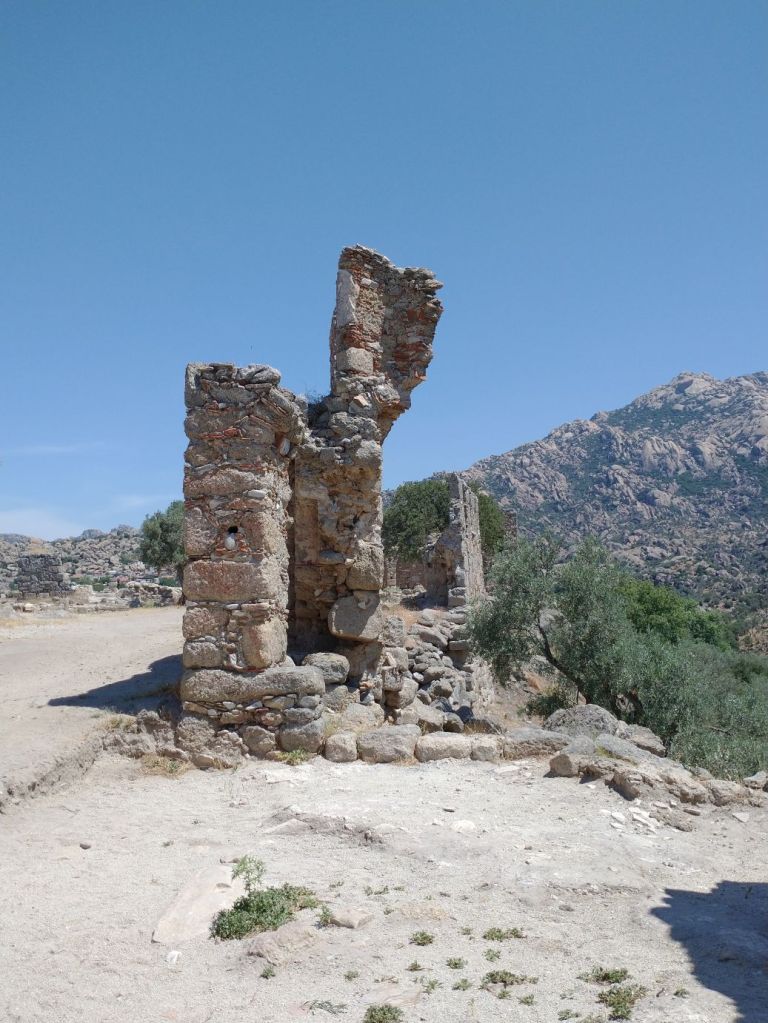
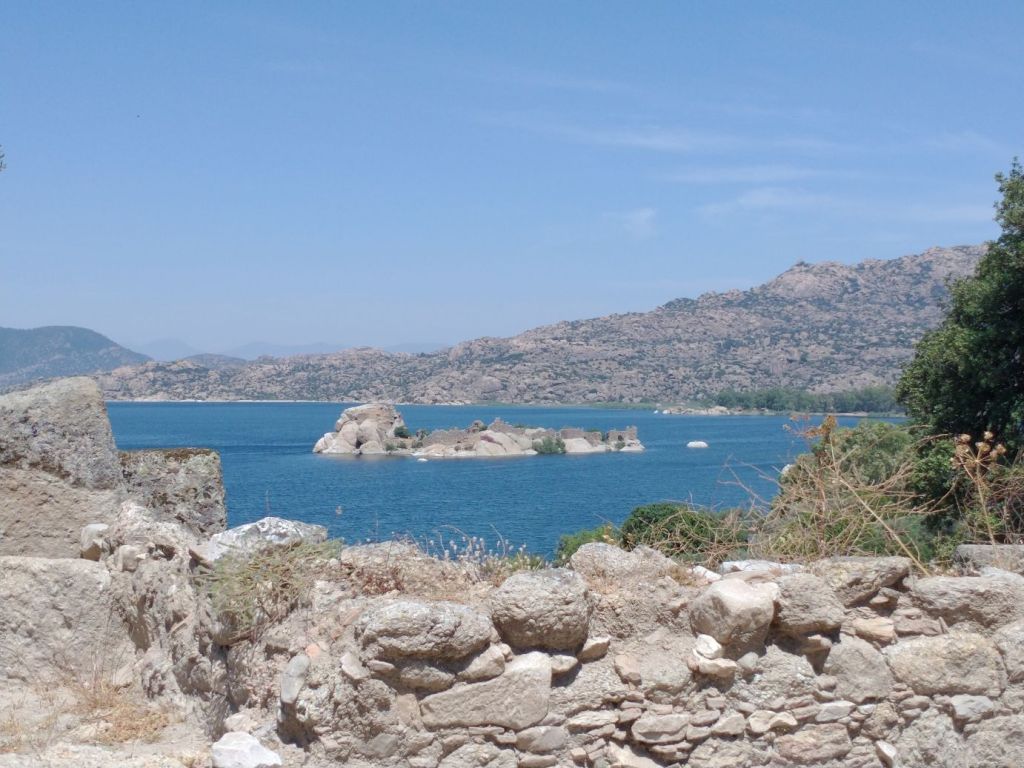
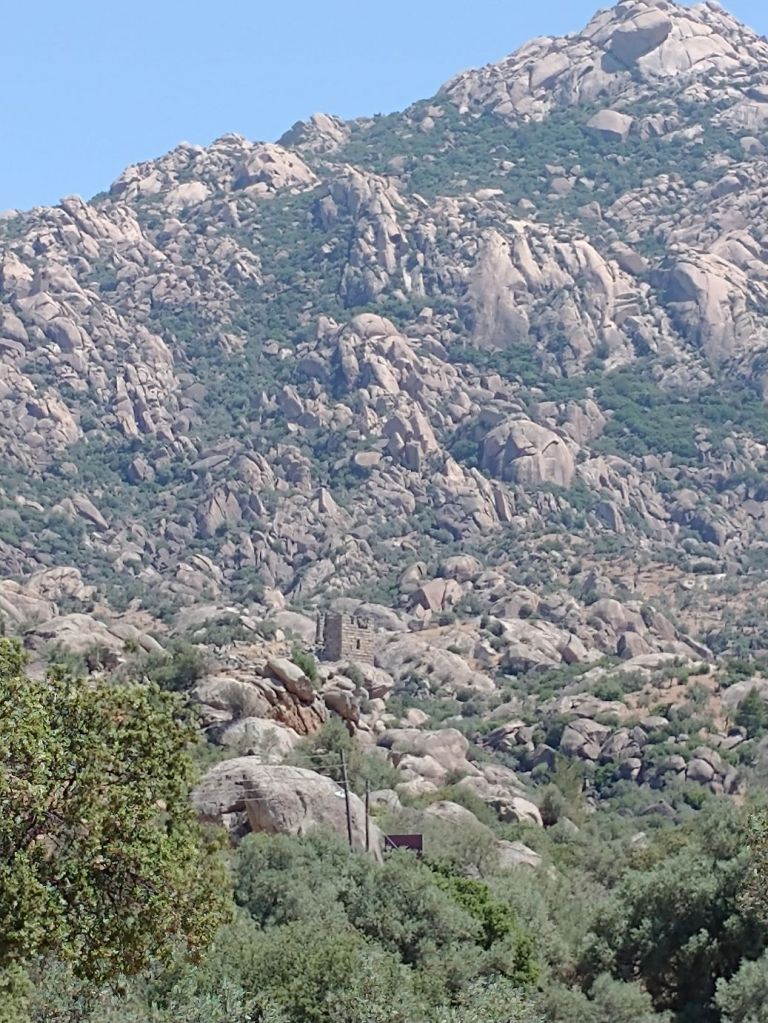

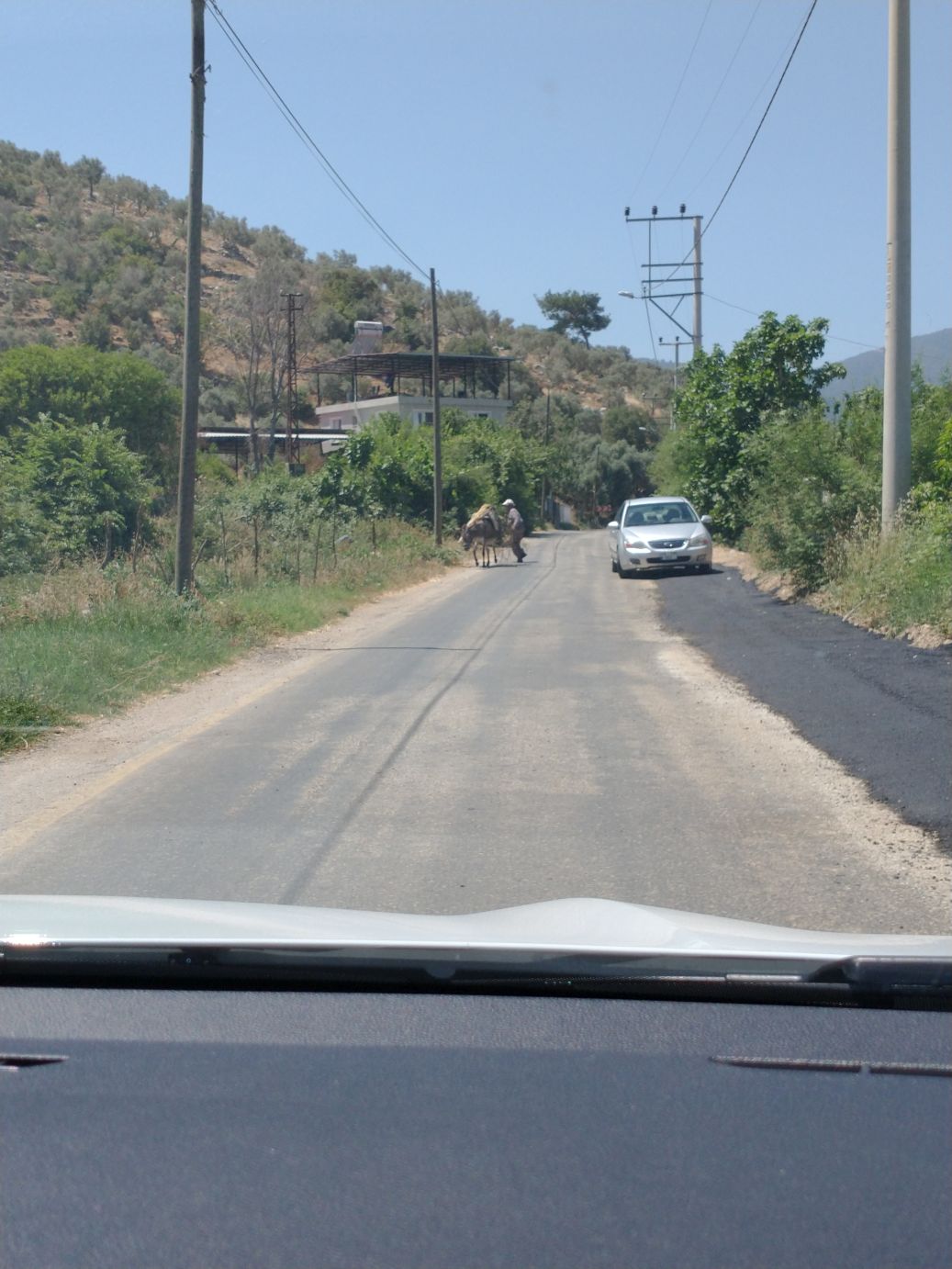
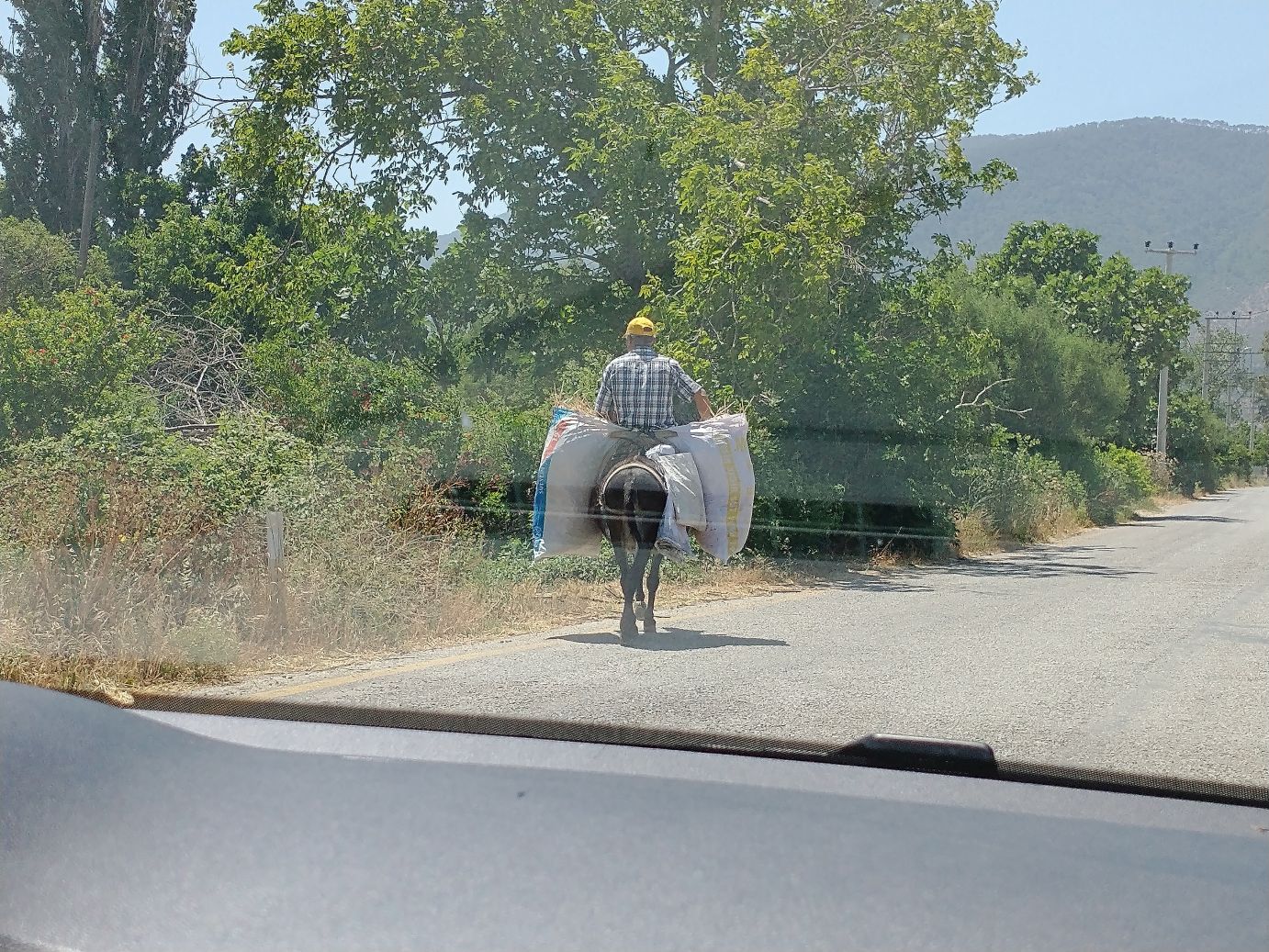
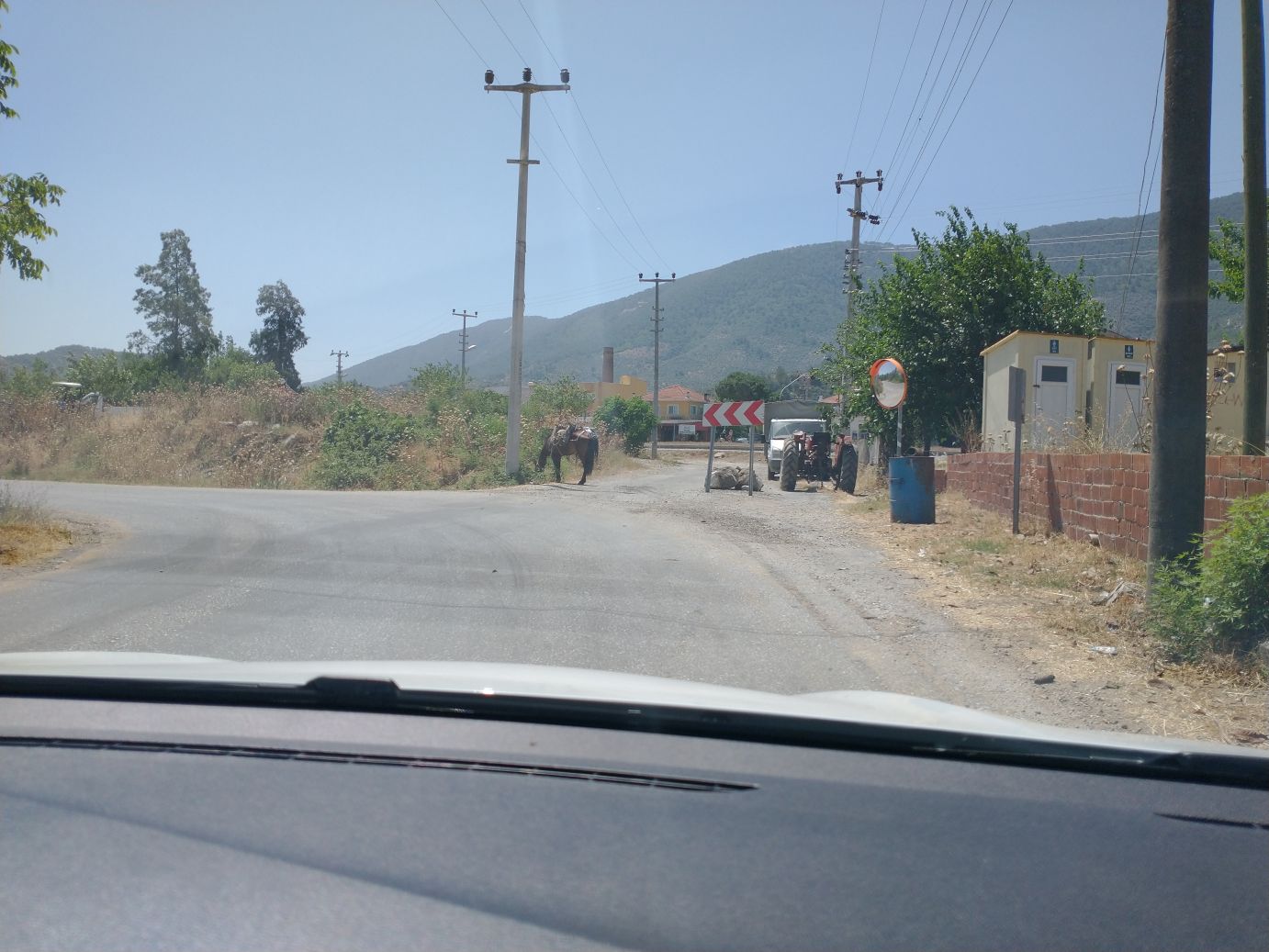
Bidding farewell to Lake Bafa, we drive back out the little narrow lanes – avoiding the donkey riders and horses tethered along to the road – to spend the afternoon on the opposite side of the Dilek Peninsula Milli Park from where we were on tour last week.
 Andiamo