Yay, Cordoba! We had already planned our own road trip here, but after listening to the lecturer aboard, we are even more excited to be coming to this city to explore. We’ve got tons of things we want to see and do and we are hoping we’ll have enough time to accomplish everything.
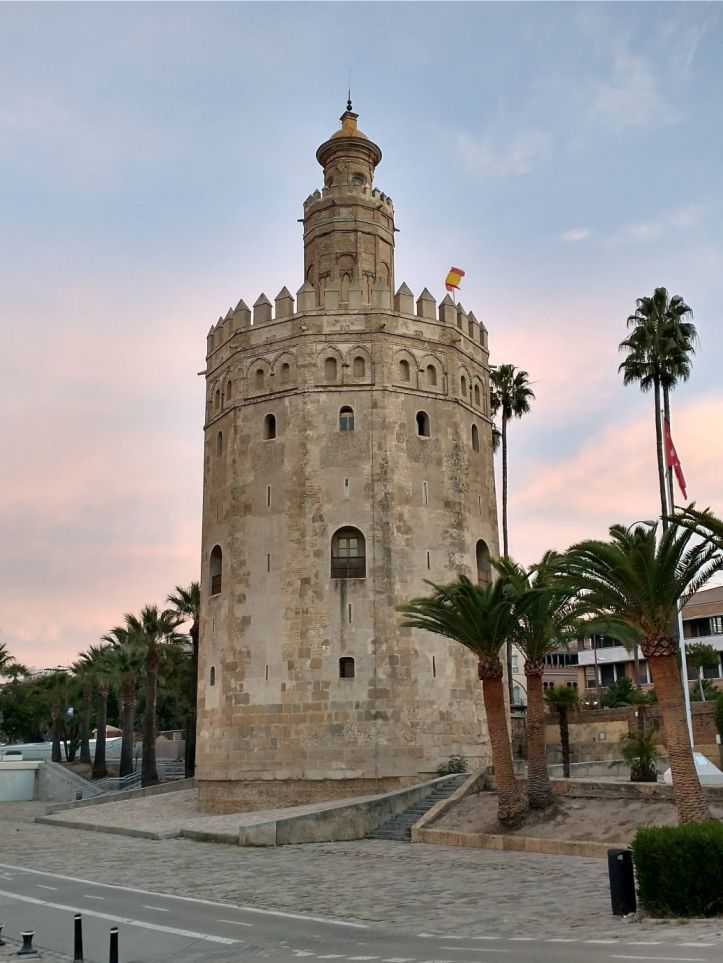
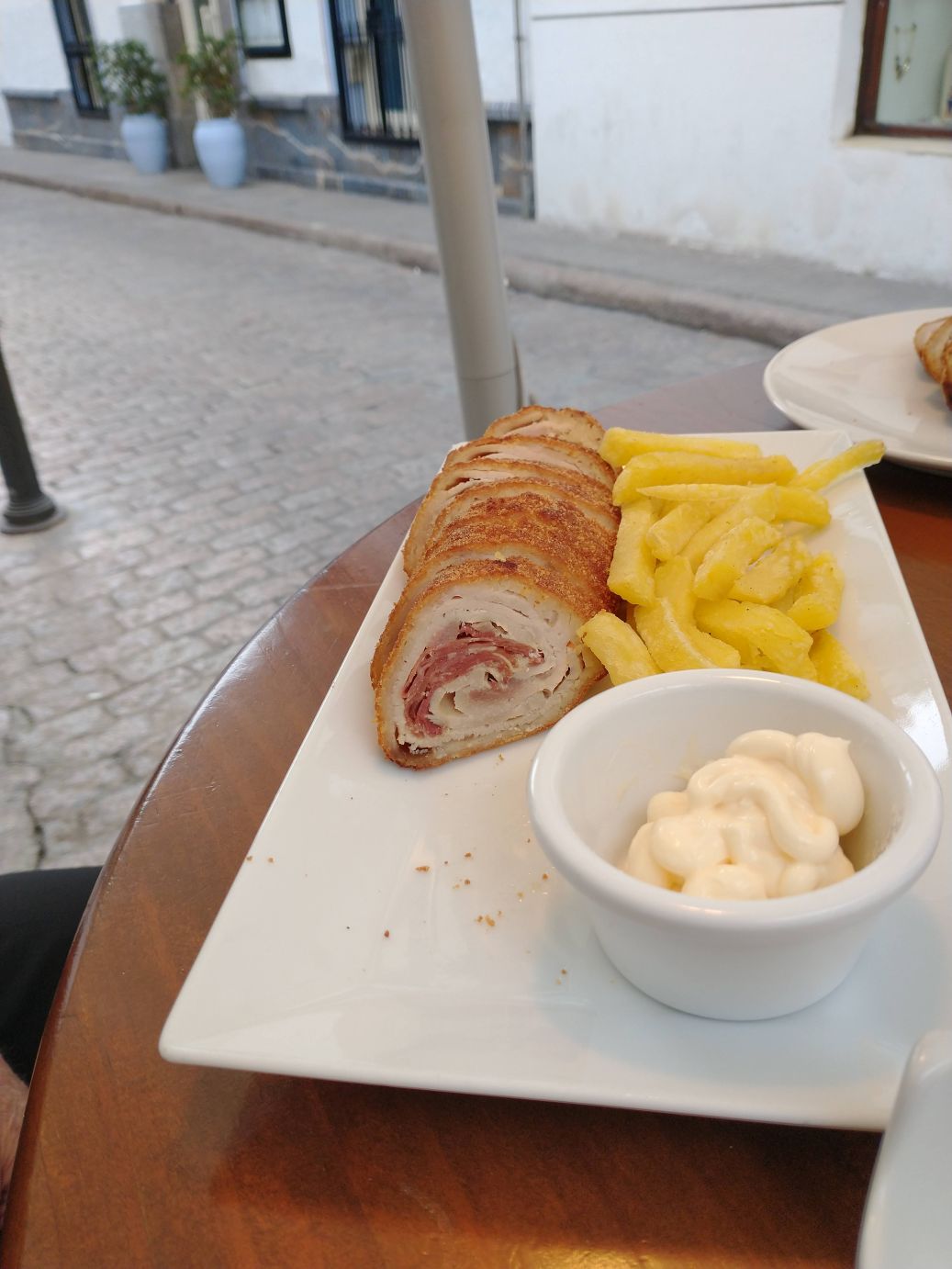
The day starts off well – it is gorgeous once again – and the walk to the car rental (located in the public parking deck 5 minutes past the Puente de Isabel II bridge we crossed yesterday) is a great way to get some exercise this morning. Arriving a few minutes before they open, we reconnoiter in the parking lot, making sure we have our GPS all set and know how we will get out of this deck and on the road. Once in the car (which the agent sweetly upgraded for us and then got all excited about us going to Cordoba, giving us directions and telling us we have to have the traditional dish of Flamenquin which is a pork loin rolled around Iberia cured ham and cheese, then breaded and baked) with our GPS and directions from the agent, we’re on our way up the road that will lead us directly to the highway and out to Cordoba. Seriously easy (which is always a great way to start a day!).
A little over 2 hours later, after a very relaxing drive up one highway that takes us through the farmland and little hillsides of the Andalusian countryside, we pull into Cordoba, and find the parking garage we’ve scoped out literally 20 yards from where we crossed the bridge to access the city. I just love it when a plan works out!
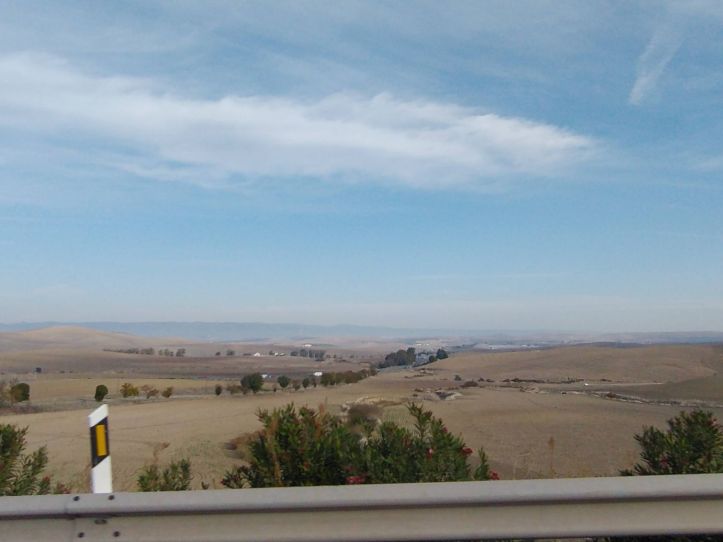
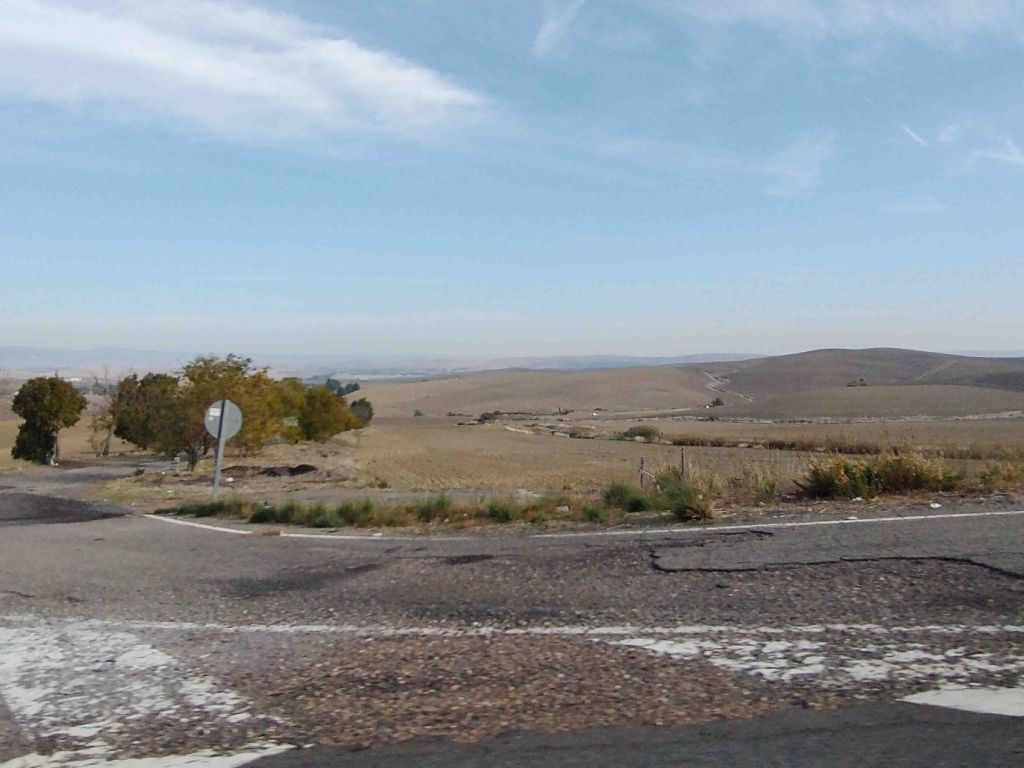
We manage to find what we think is a safe space with room for us to maneuver (upgrading always means bigger which is never good over here) and head off into the city. Turns out, everything we want to see is within a 15-minute walking radius, so we should be able to complete our whole route.
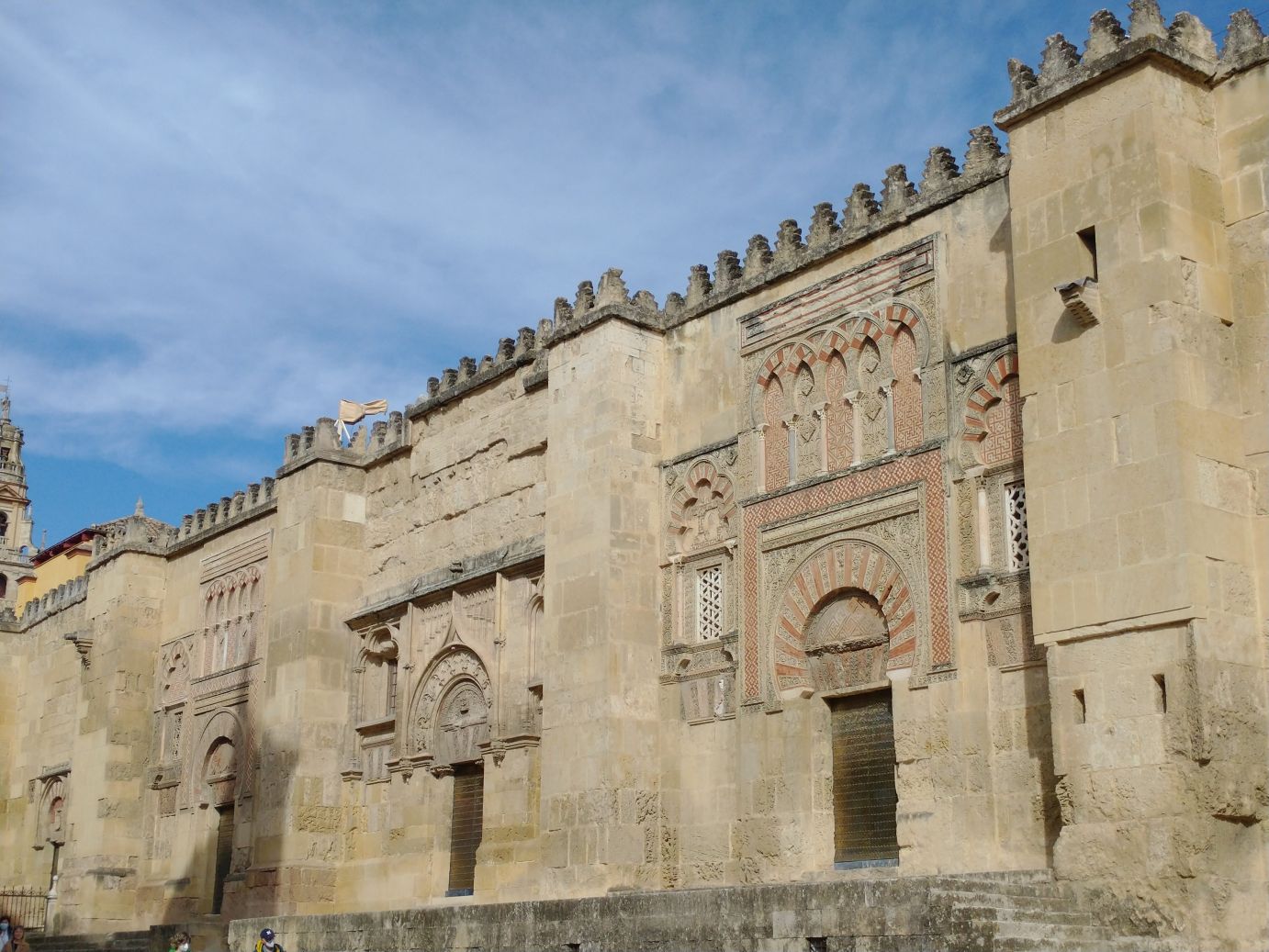
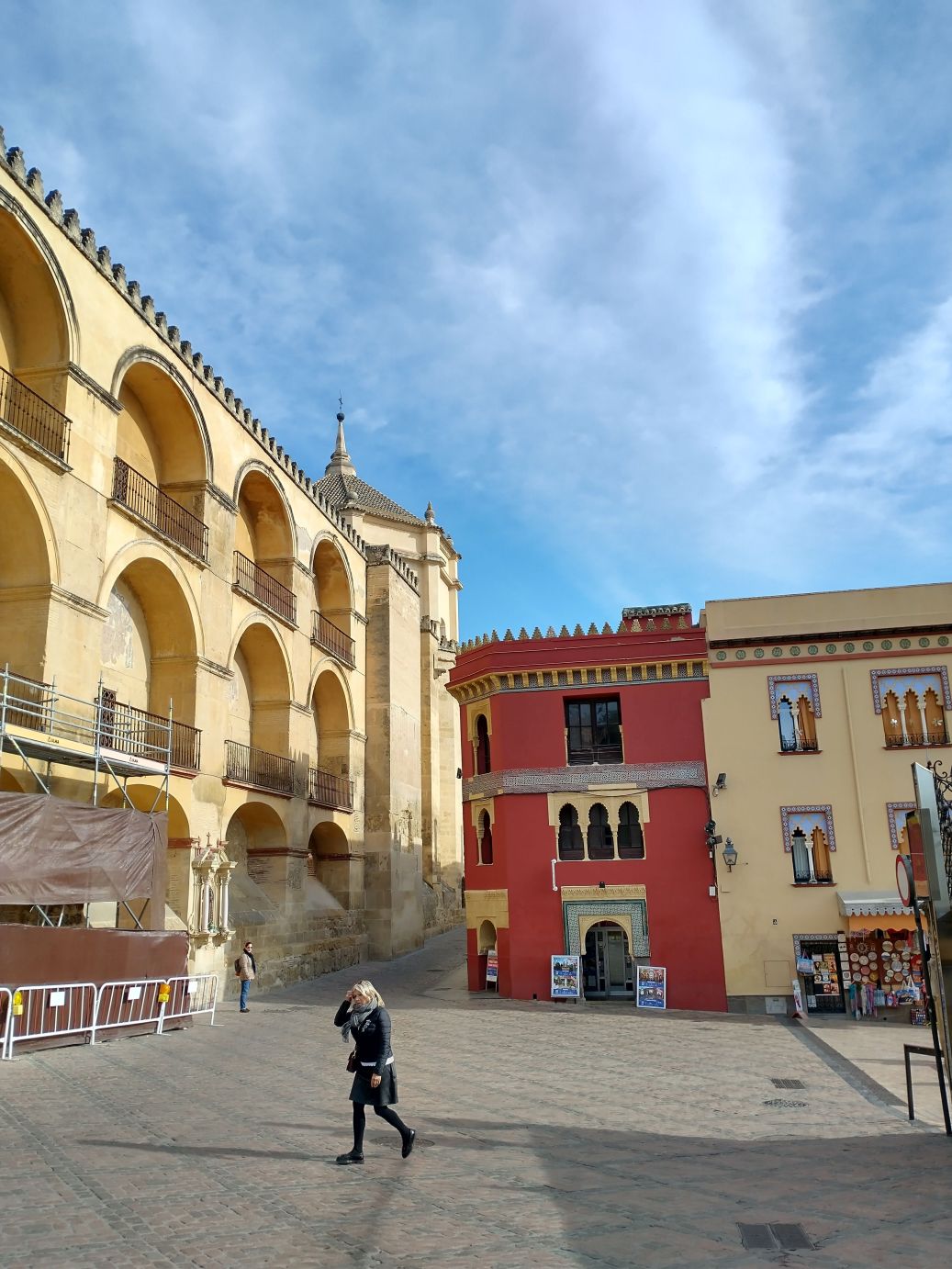
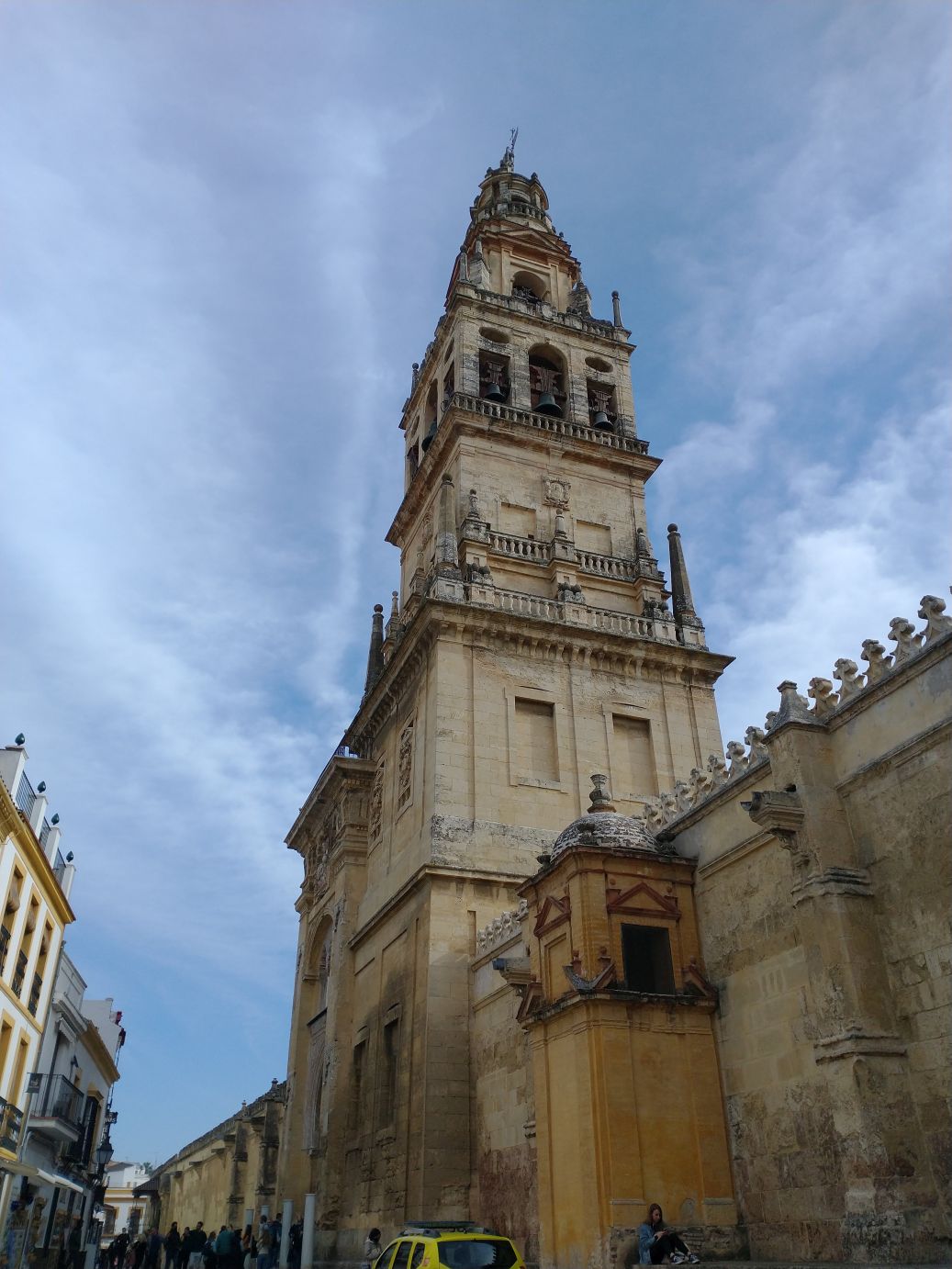
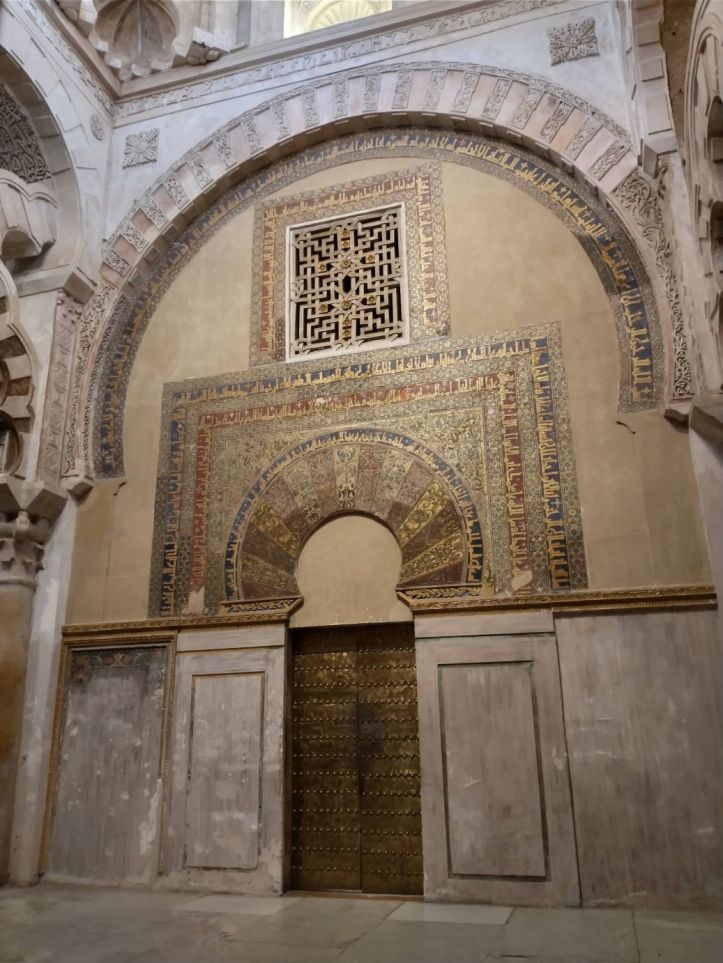
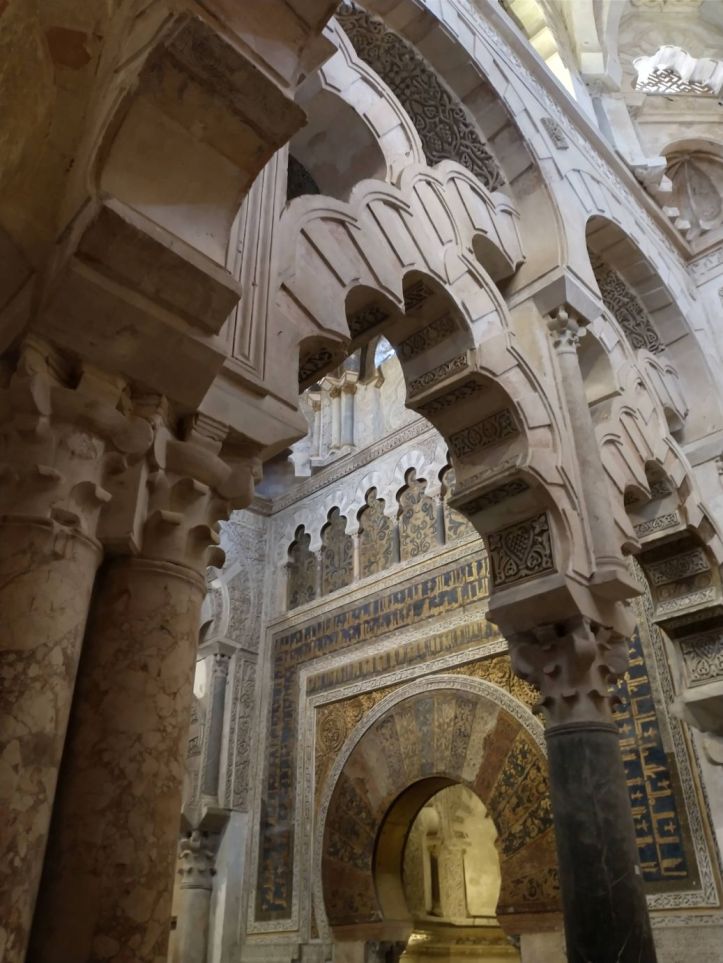
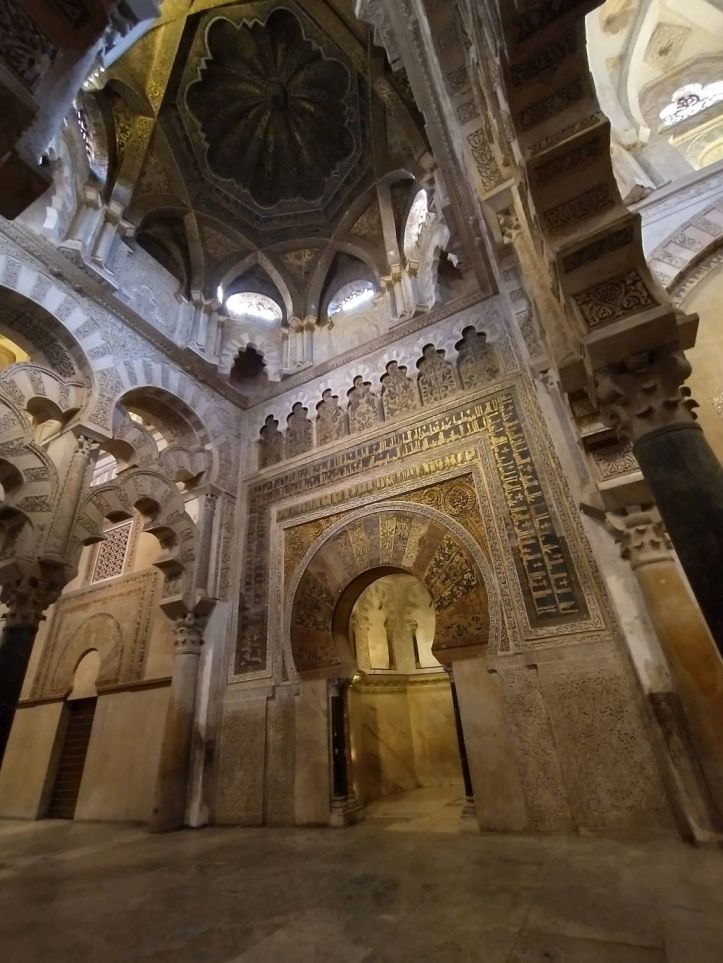
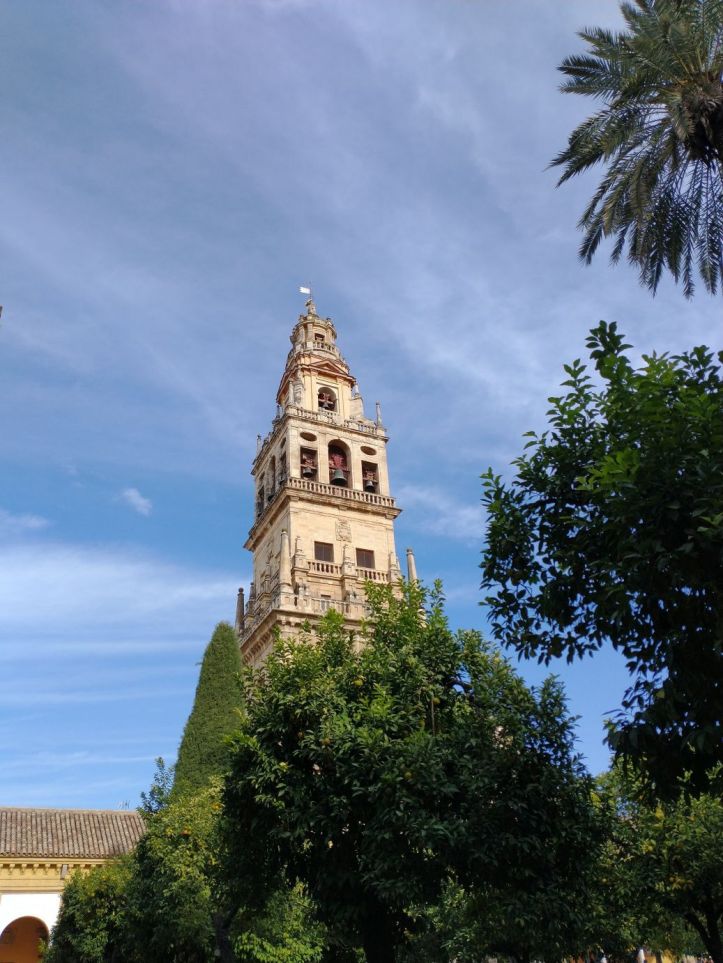
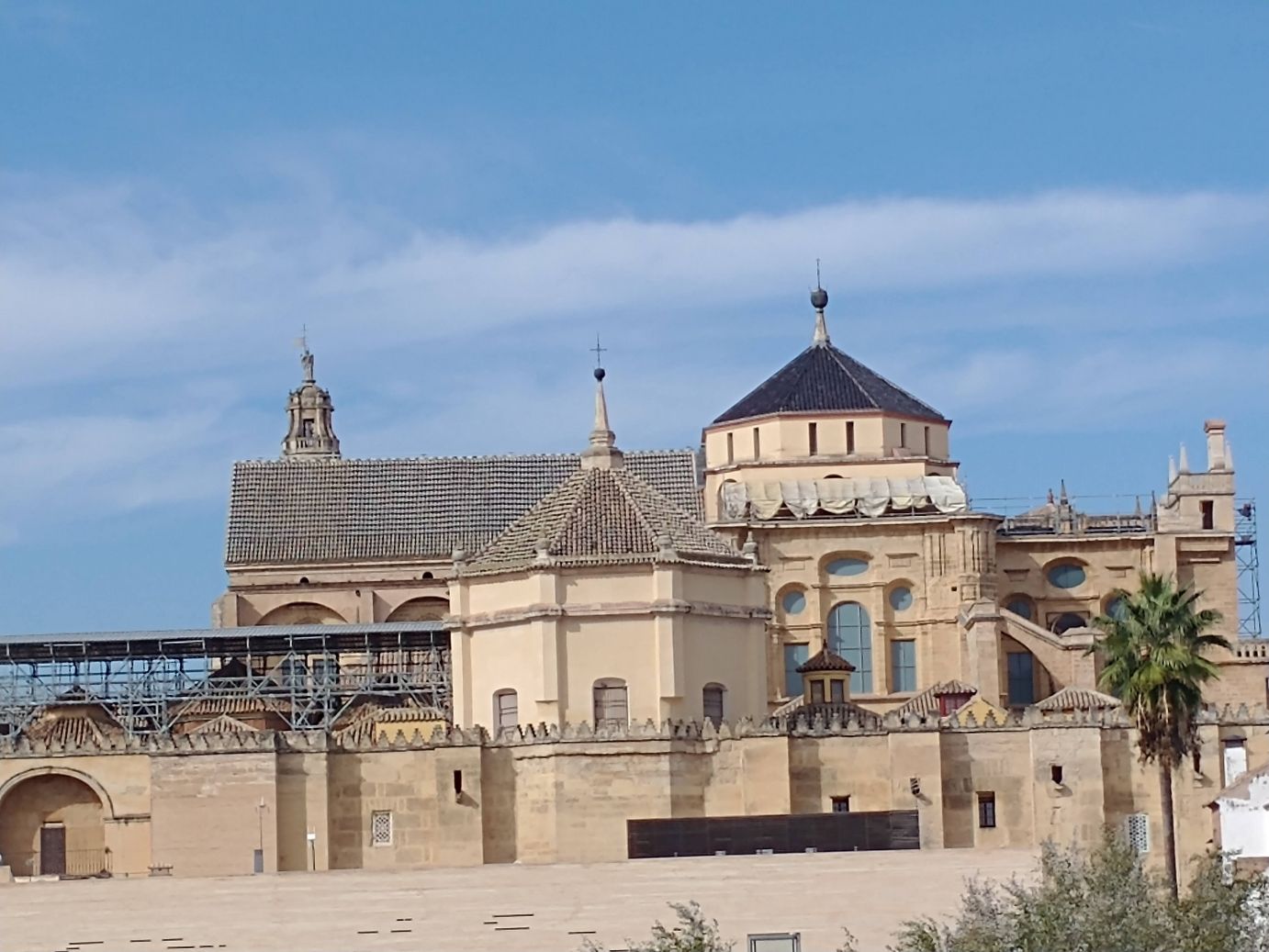
Our first stop is of course the Mezquita-Catedral (Cathedral-Mosque) that is so intriguing. Cordoba was one of the first caliphates to be developed, even earlier than Granada, in the 9th or 10th C. It has the longest legacy of Islamic/Arab rule, and as in Granada, also has the same tolerance of all. As a matter of fact, there was a large Jewish population here, and there are still lots of Jewish sights (like the synagogue) that have survived to this day. The Cathedral is a prime example of the Spanish re-conquest. They literally inserted a new Renaissance cathedral nave and transept right tin the center of the Mosque! In the middle of the walled Arab section here. If only we had a drone! The pictures from above clearly show how they just built this thing in the middle of the Arabic town. And converted what was once a minaret into a bell tower. Sheesh.
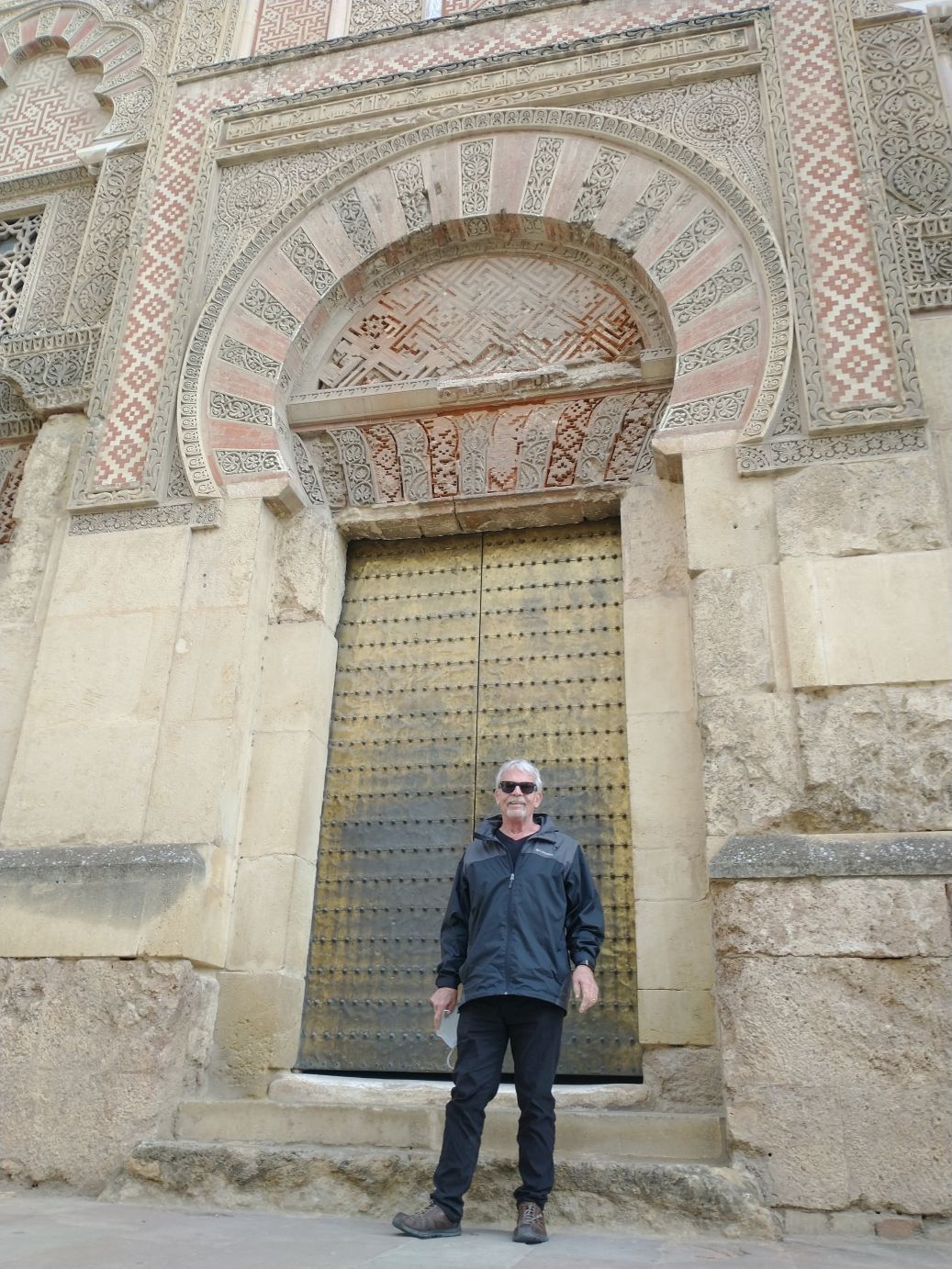
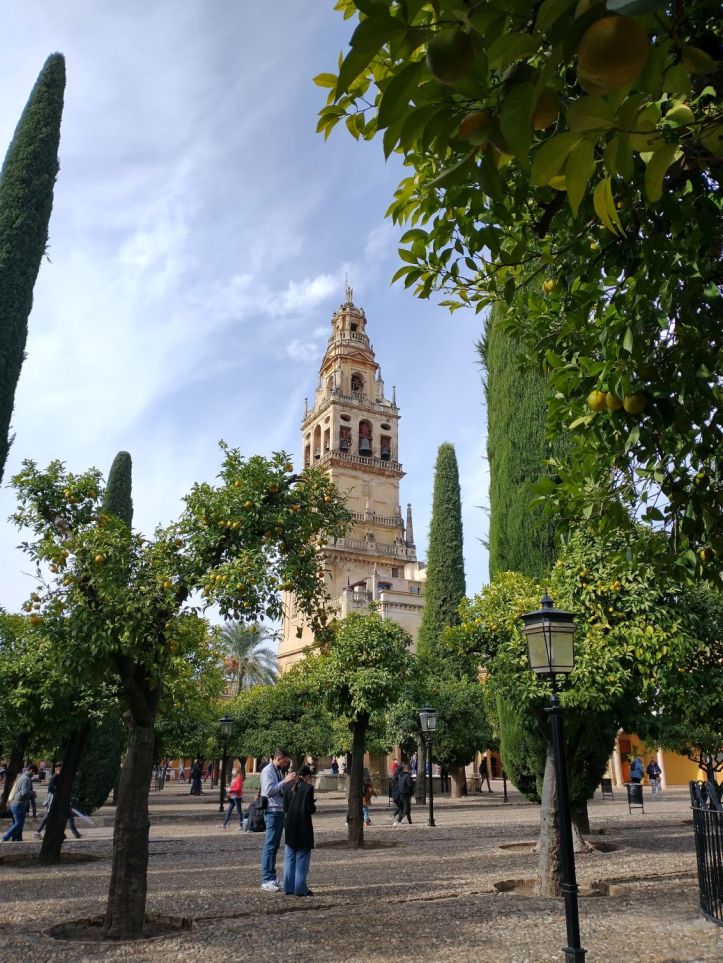
Obviously, it is really easy to find, it is gigantic and the exterior structure so solidly Arabic in design. We could stand outside for hours taking different photo angles. Access is easy enough as well, through multiple gateway doors that open onto a huge park-size courtyard. Buying tickets is also simple – if you know where to go! Which is not the entrance to the cathedral, but directly across the Patio de los Naranjos, the huge courtyard where Muslim worshippers would perform their ablutions before prayer. It is all electronic – a guard directs everyone and helps you get to a ticket machine, tap the appropriate tickets (Senior please), tap the credit card and out you’re your ticket. Quick and easy.
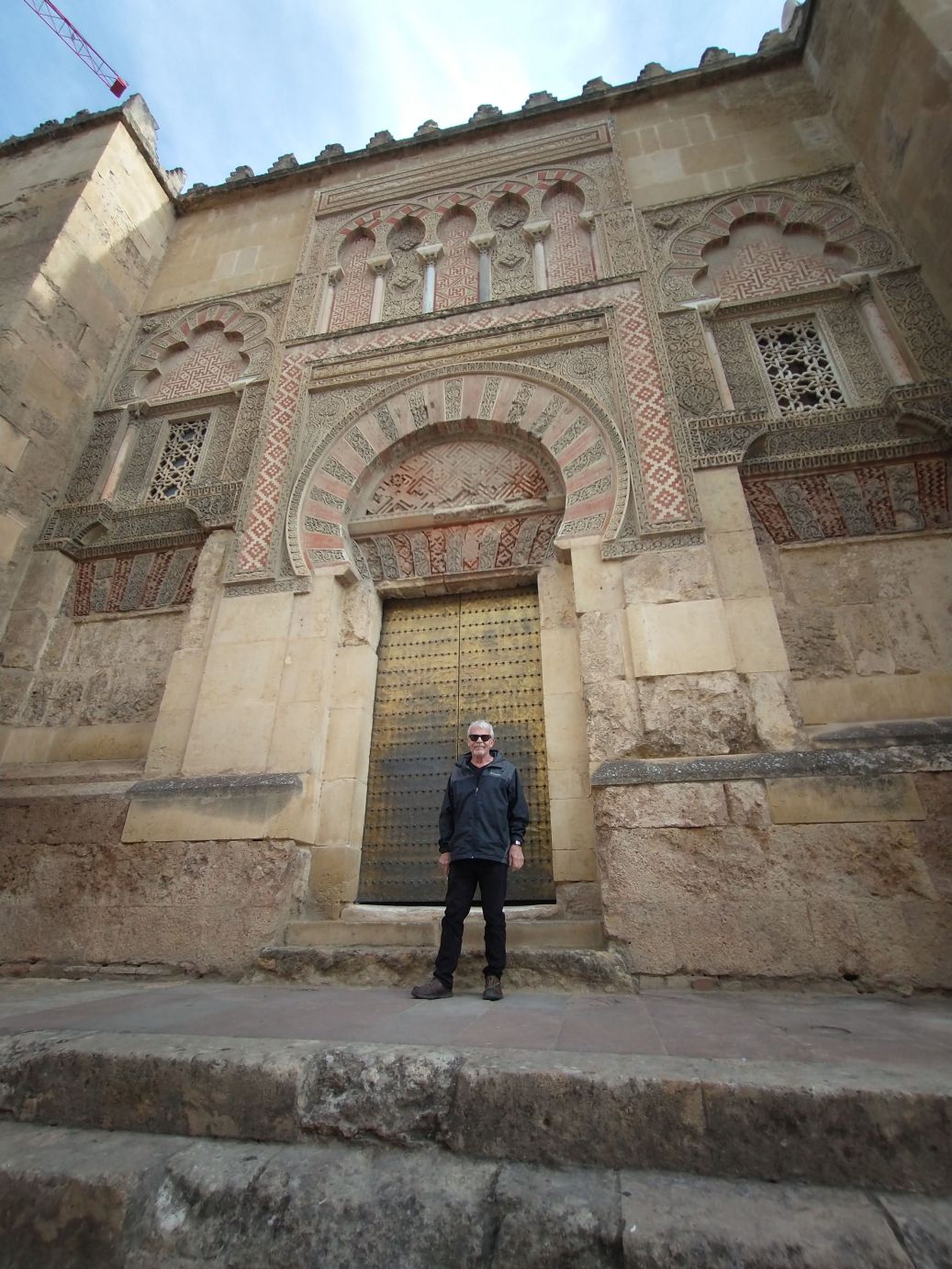
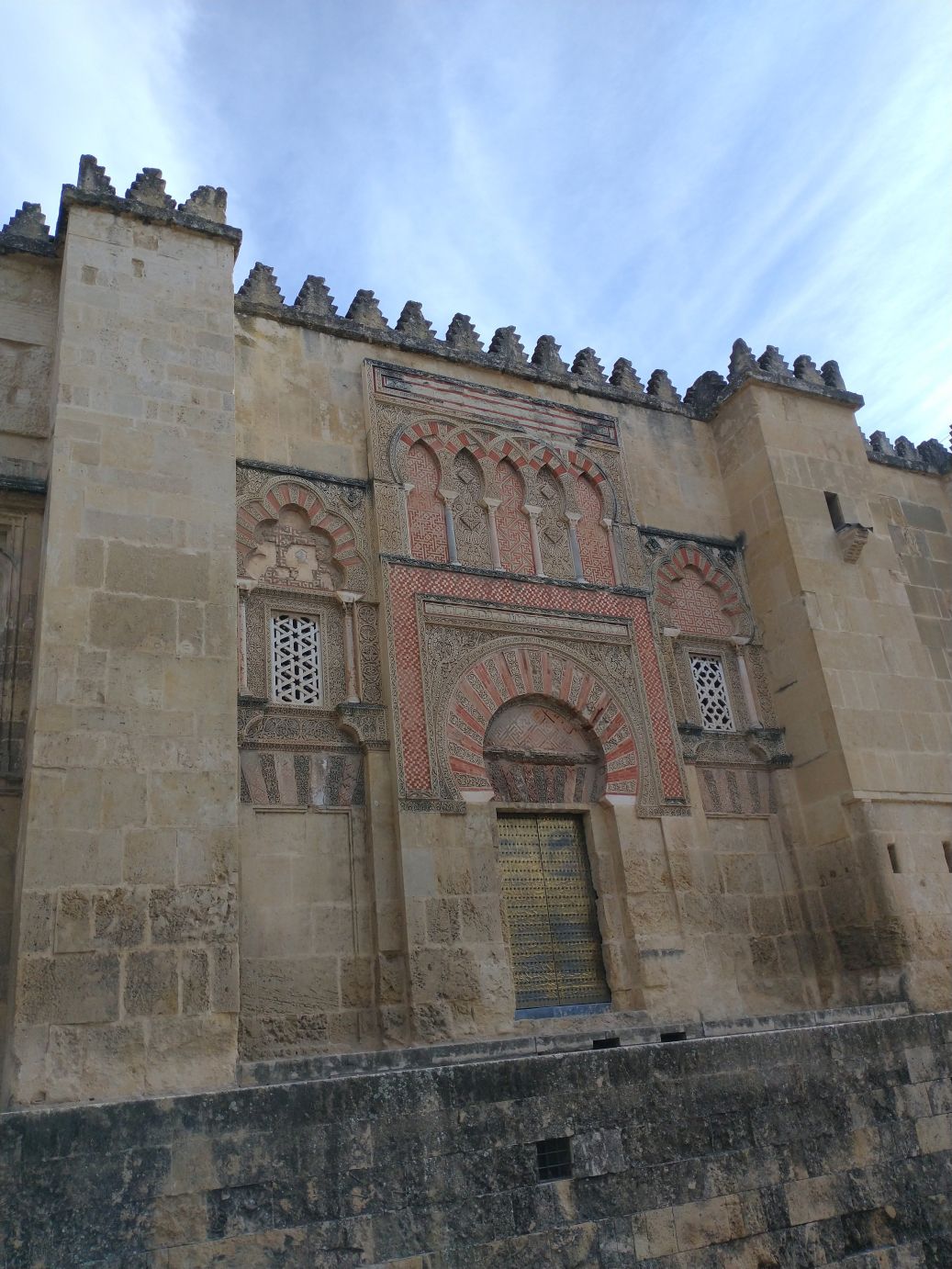
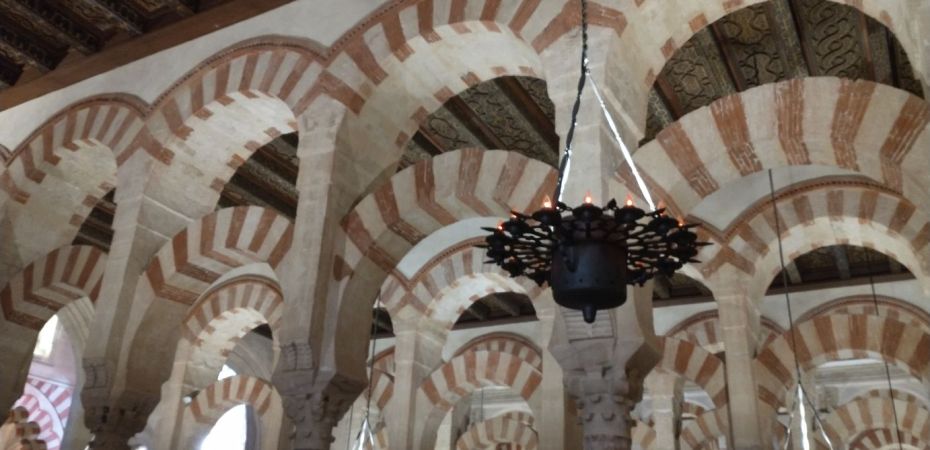
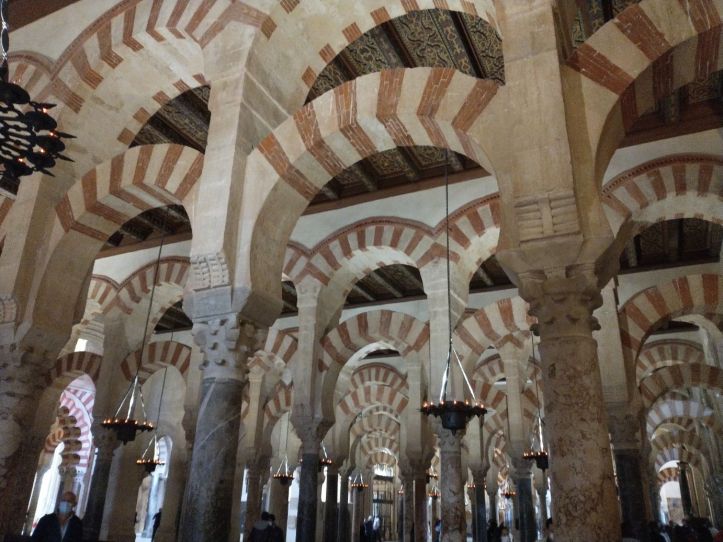
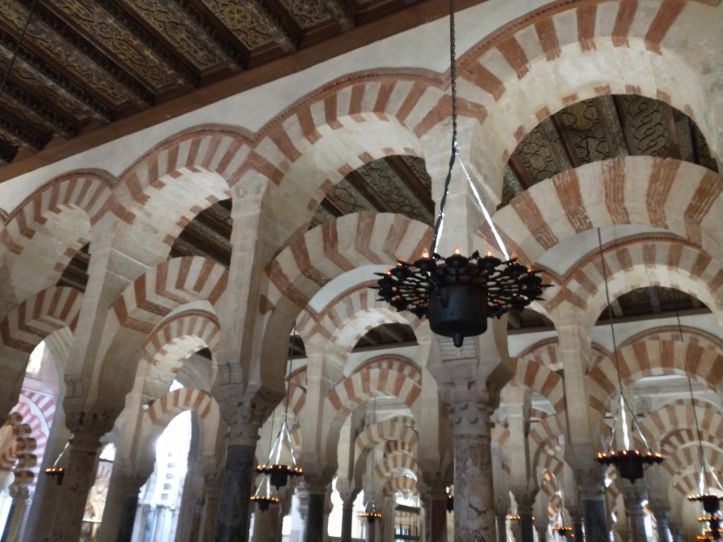
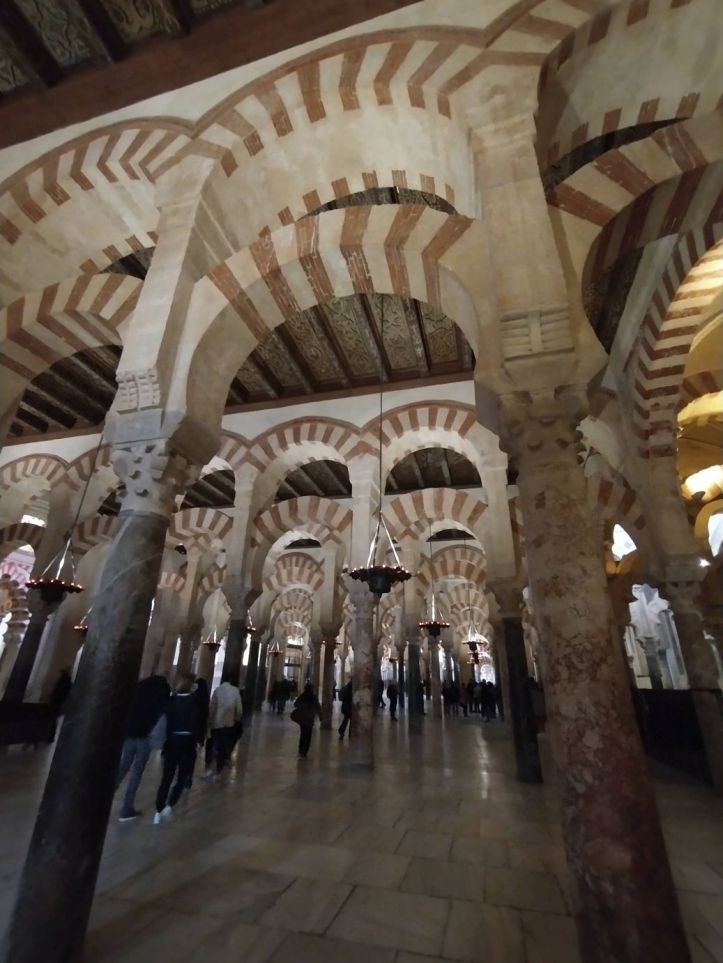
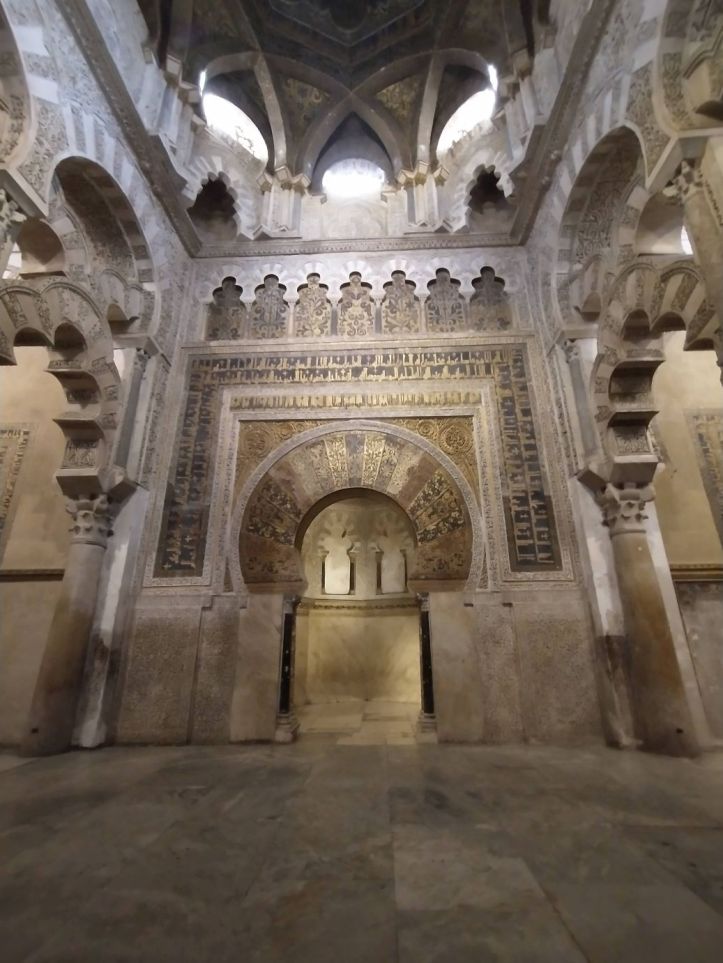
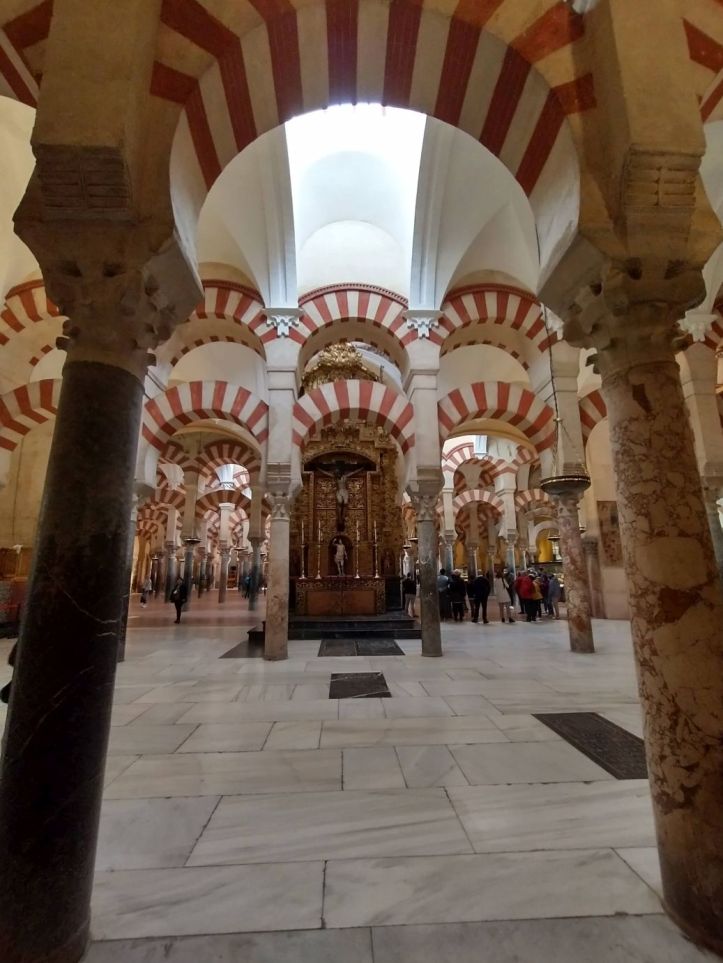
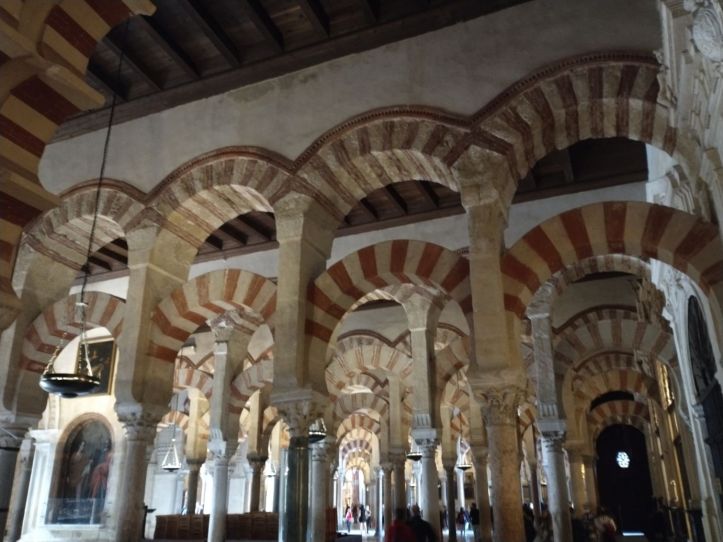
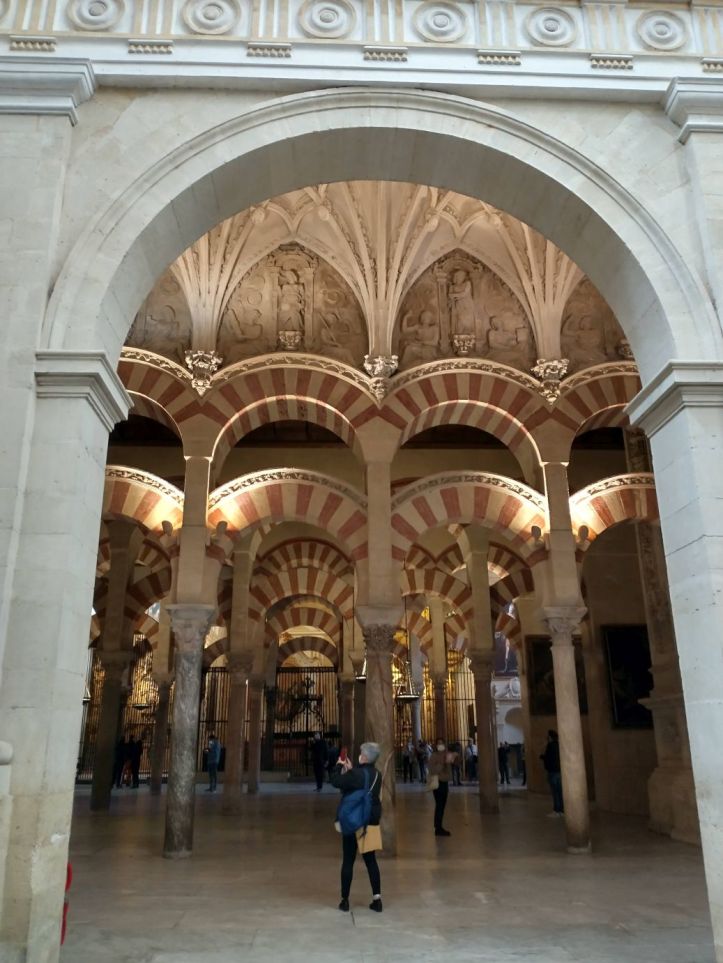
Then it is back across the courtyard and into the main hall, known for its polychromatic archways – a hallmark of Arab architecture before the Nasrid period. This is the original central prayer hall of the Mosque which has about 850 columns made of jasper, onyx marble and granite. It is so completely photogenic, it just makes you stop dead in your tracks and gape about. It is also completely monstrously huge! (So completely huge that we managed to lose each other for a couple of minutes when I turned to take a picture and Ed continued on, not aware that I had stopped! We had to text to find each other!)
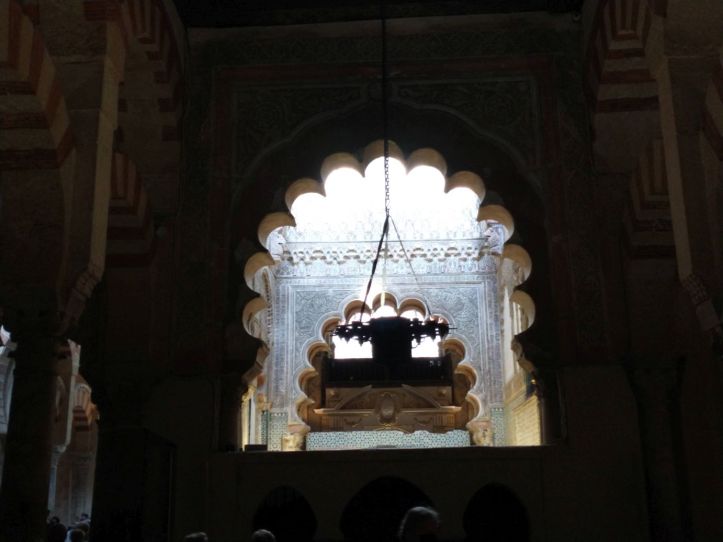
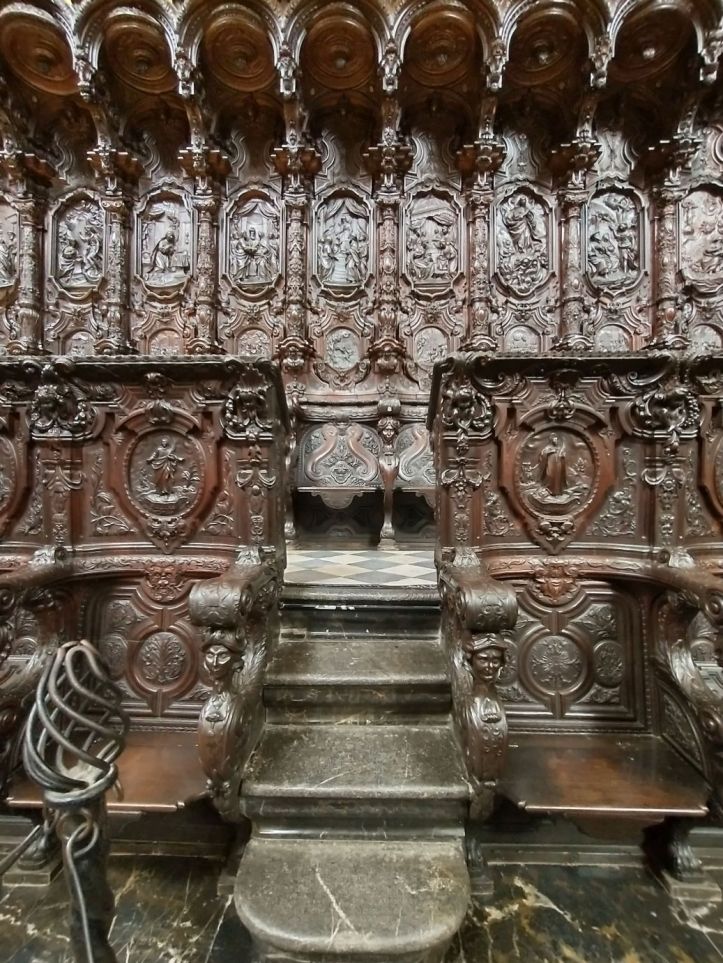
And gape we do! While snapping more pictures than would ever be necessary! The columns, the ceilings, the original archways and intricately carved wooden ceilings. Then juxtaposed with all the Catholic chapels that have been built around the perimeter! The gold, the silver, the Jesus and saint statues. The main altar and pulpit. It is so oddly out of place, yet equally intricate and ornate. There is a special exhibition off to the side of different religious statues, crucifixes, carriages and robes that is amazing in its richness, but again such a contrast against the backdrop of the original Moorish arches and columns. Amazing.
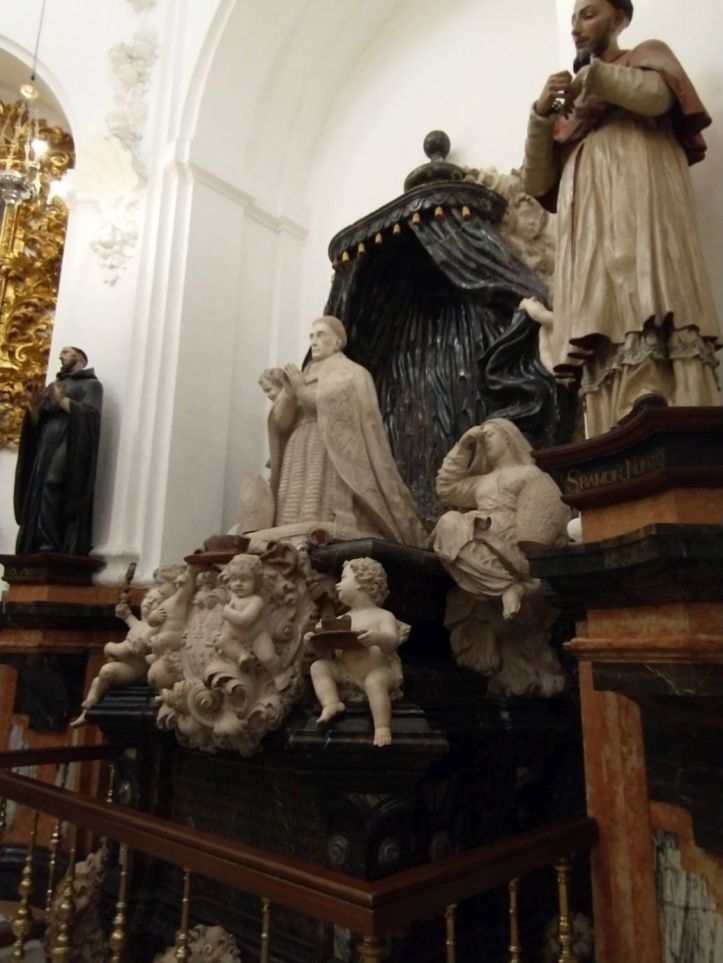
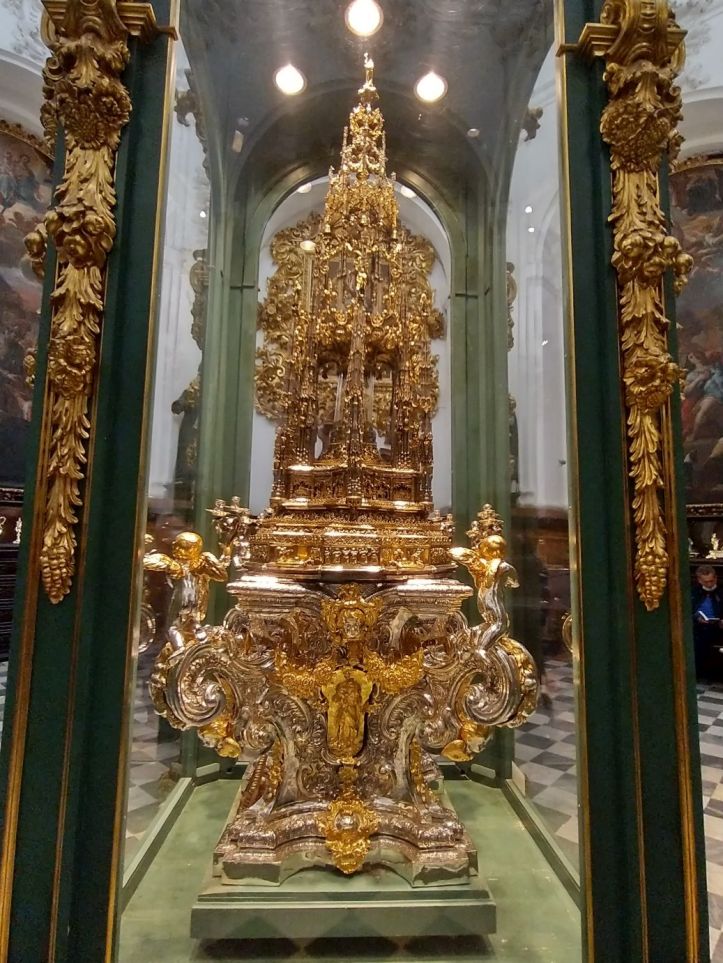
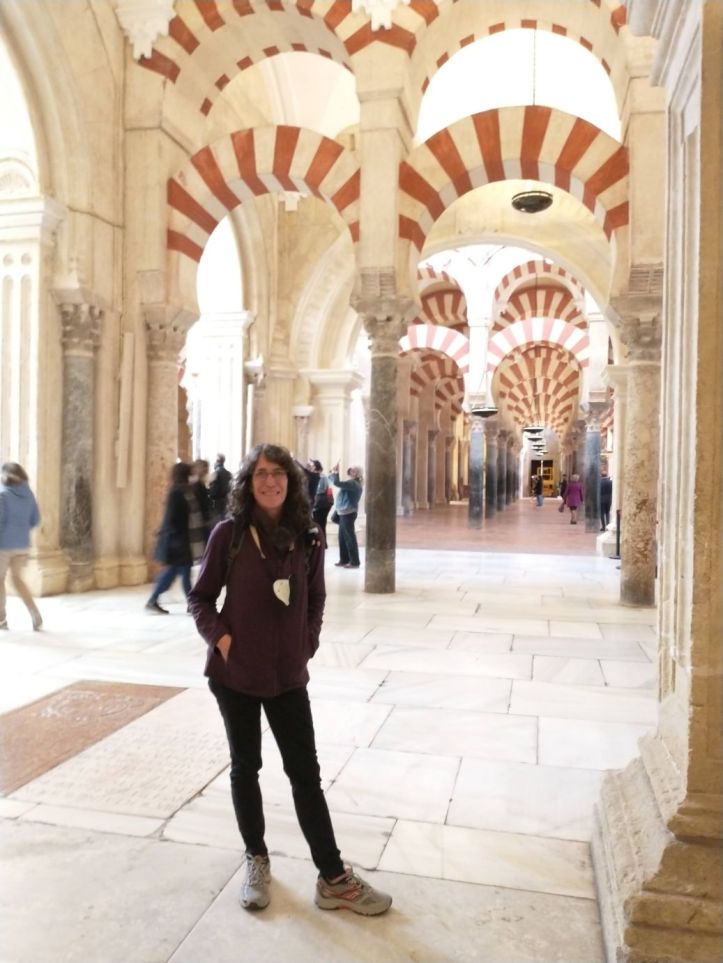
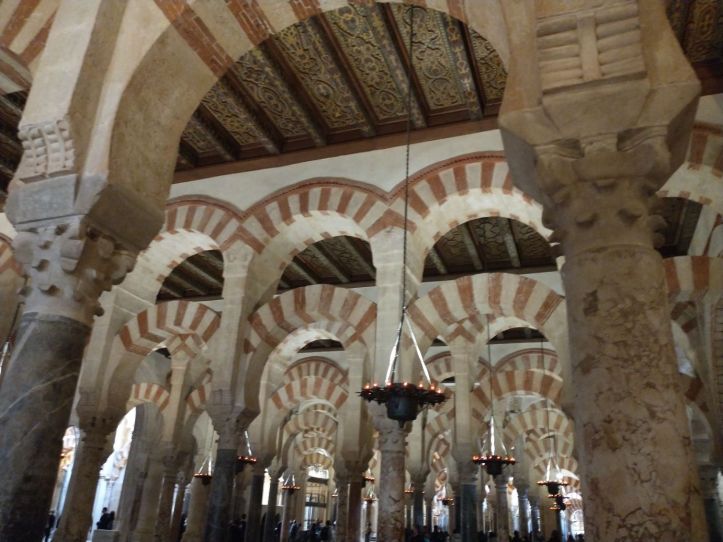
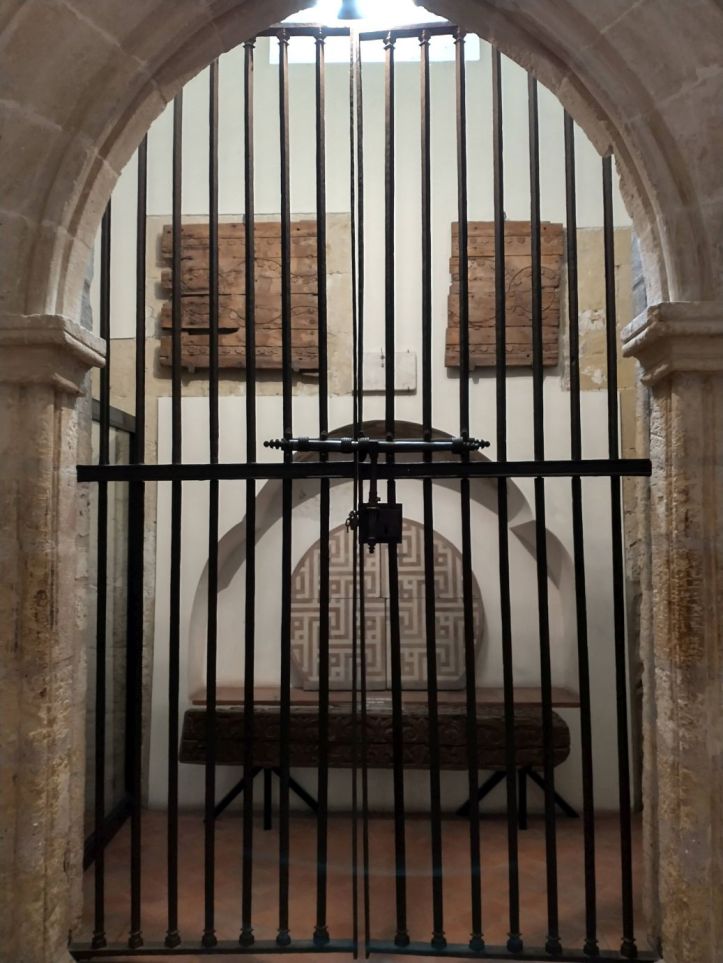
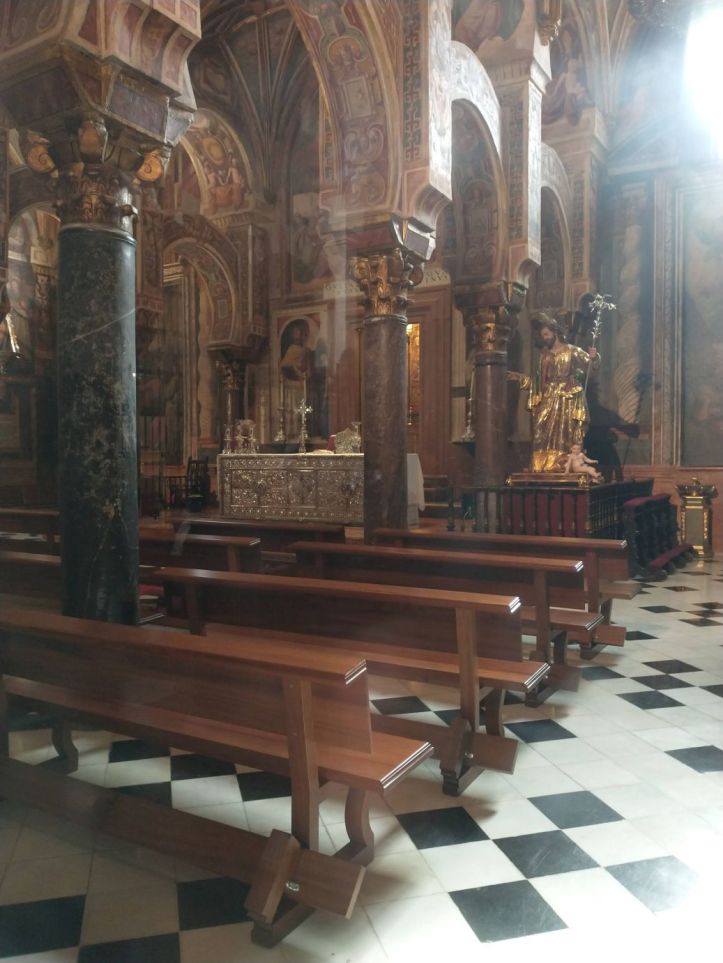
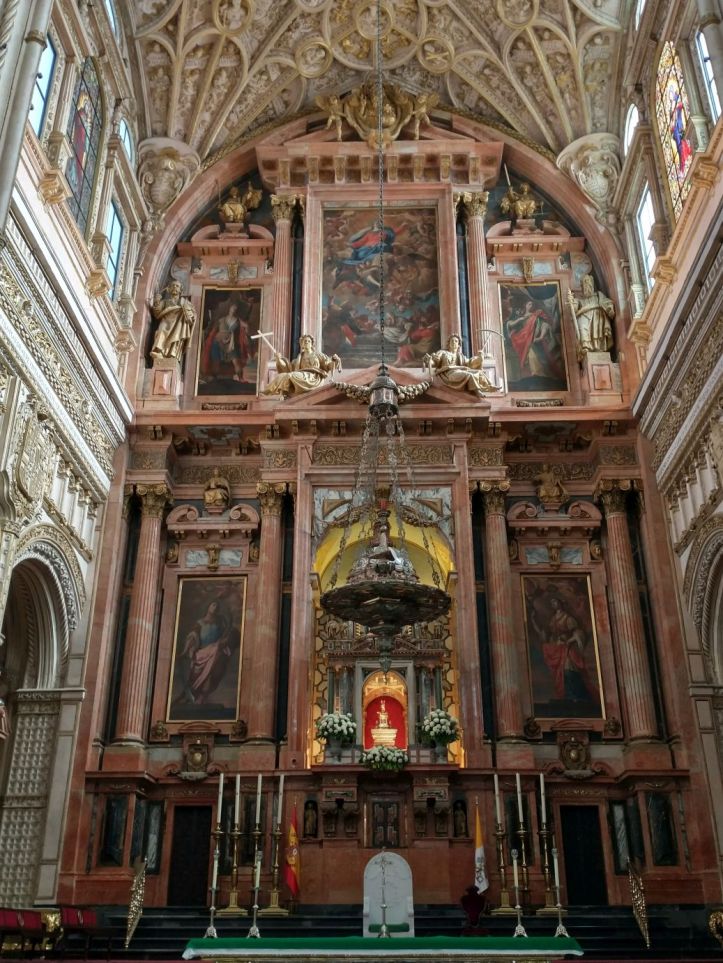
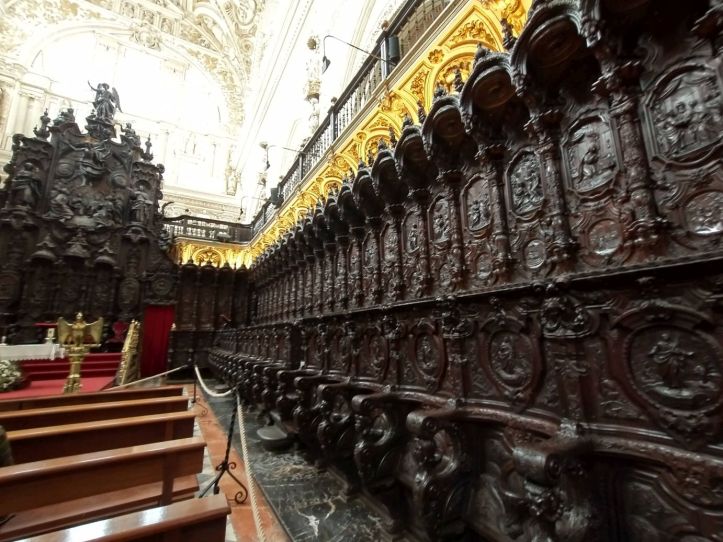
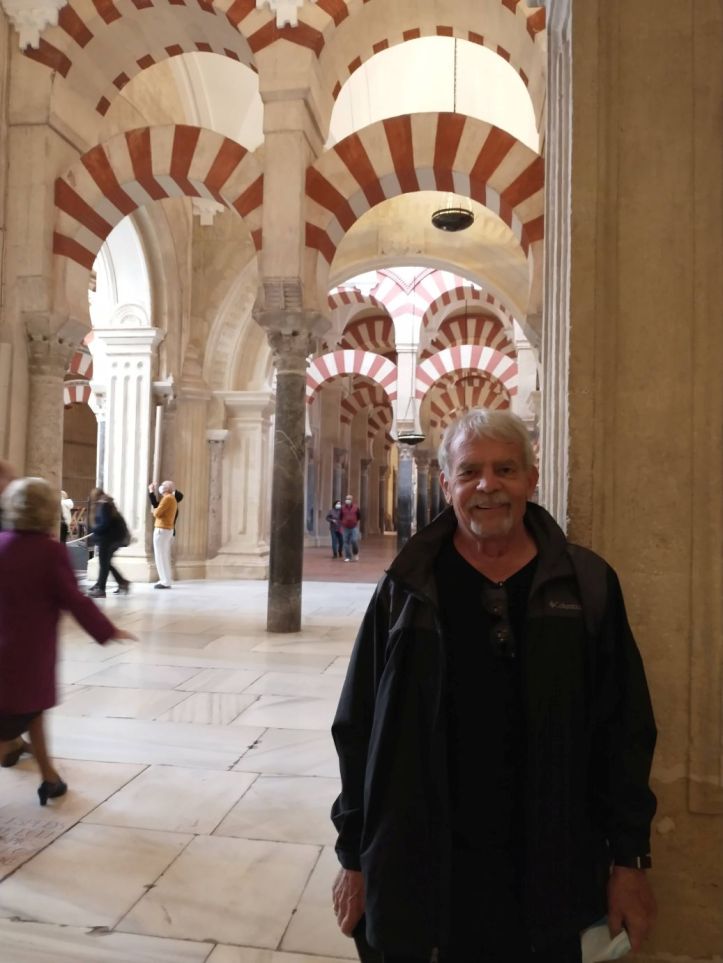
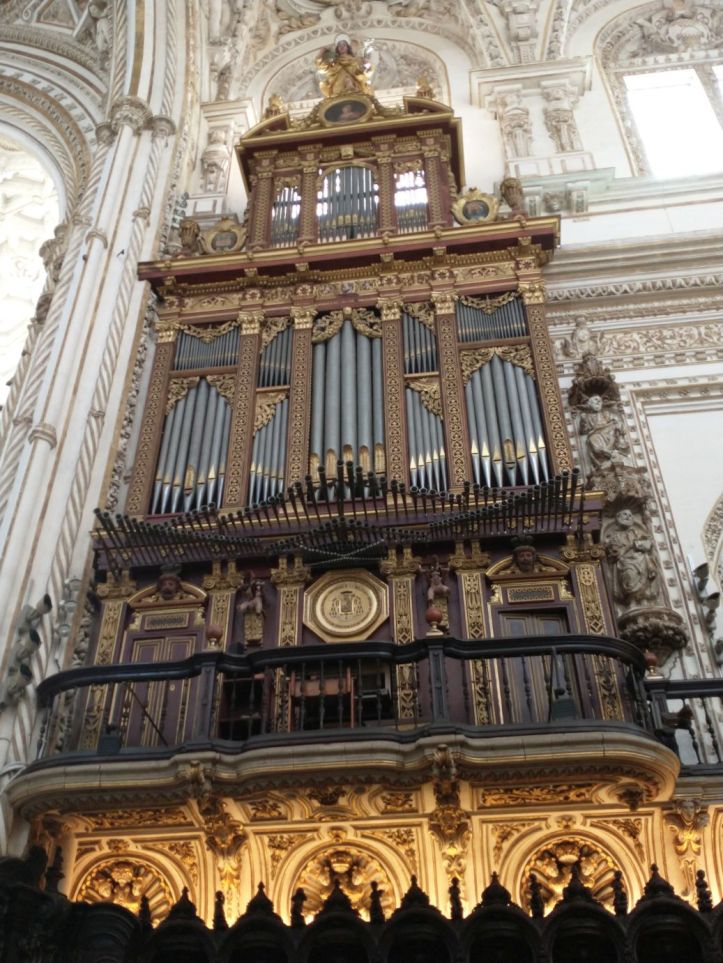
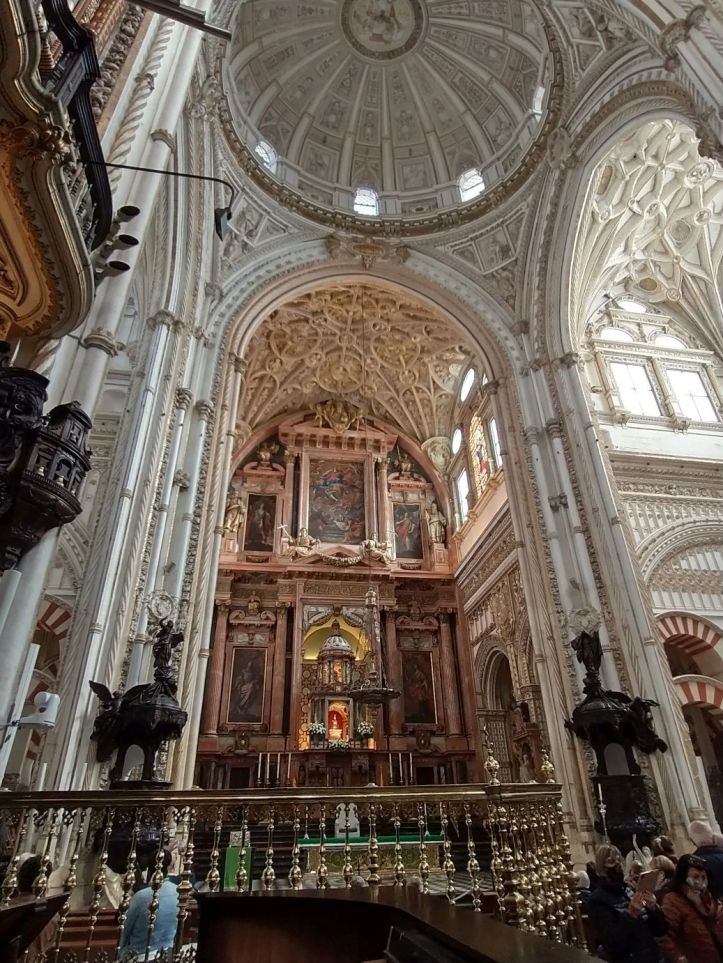
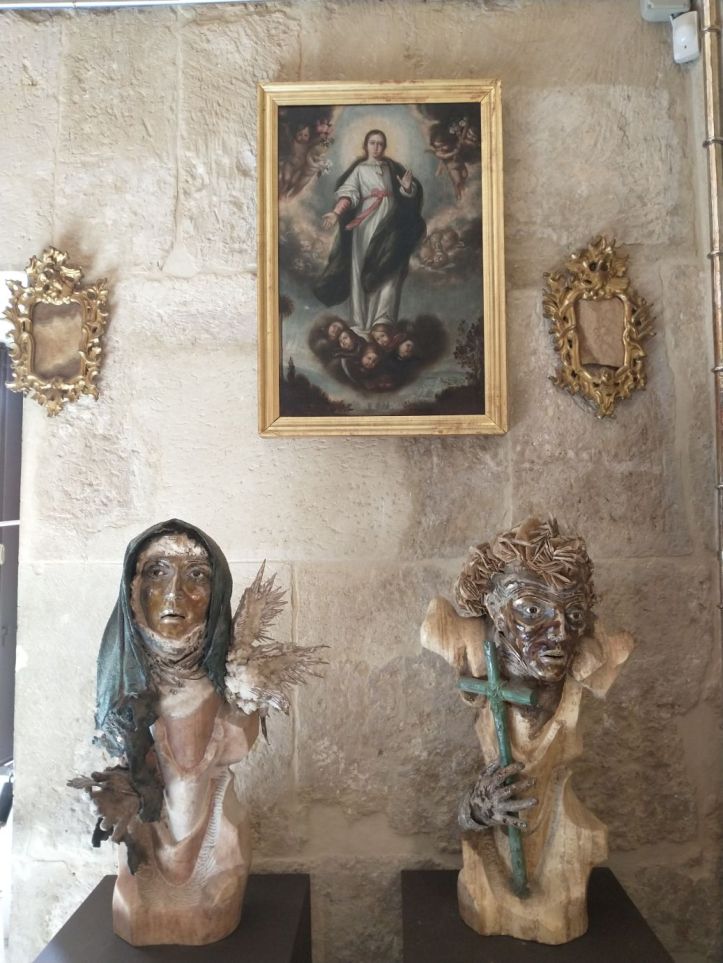
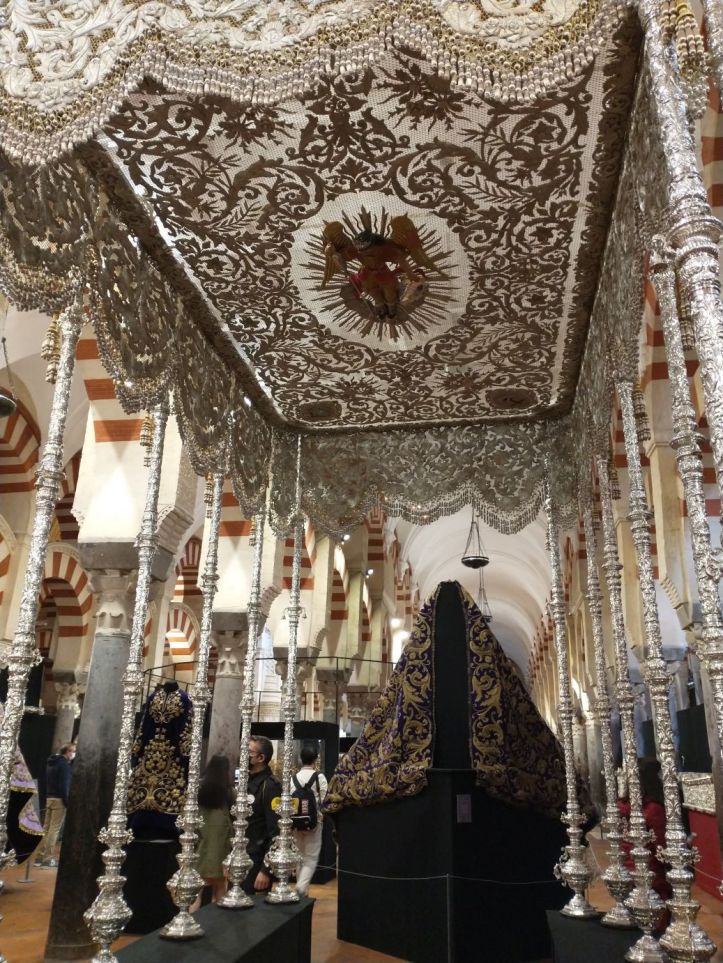
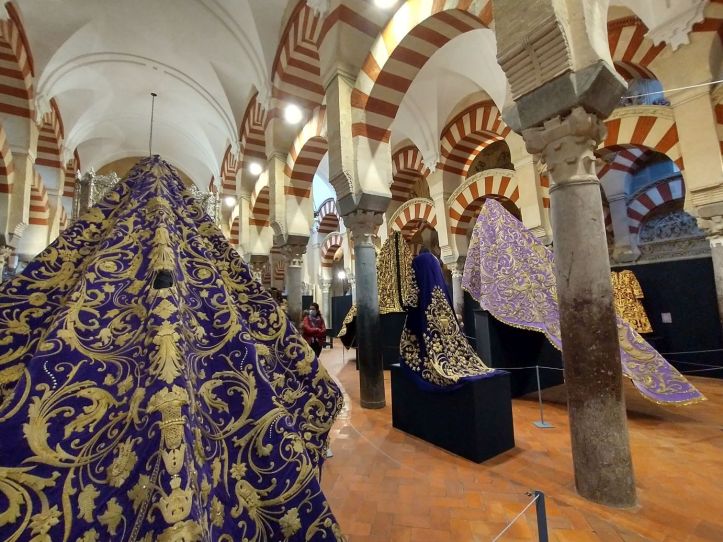
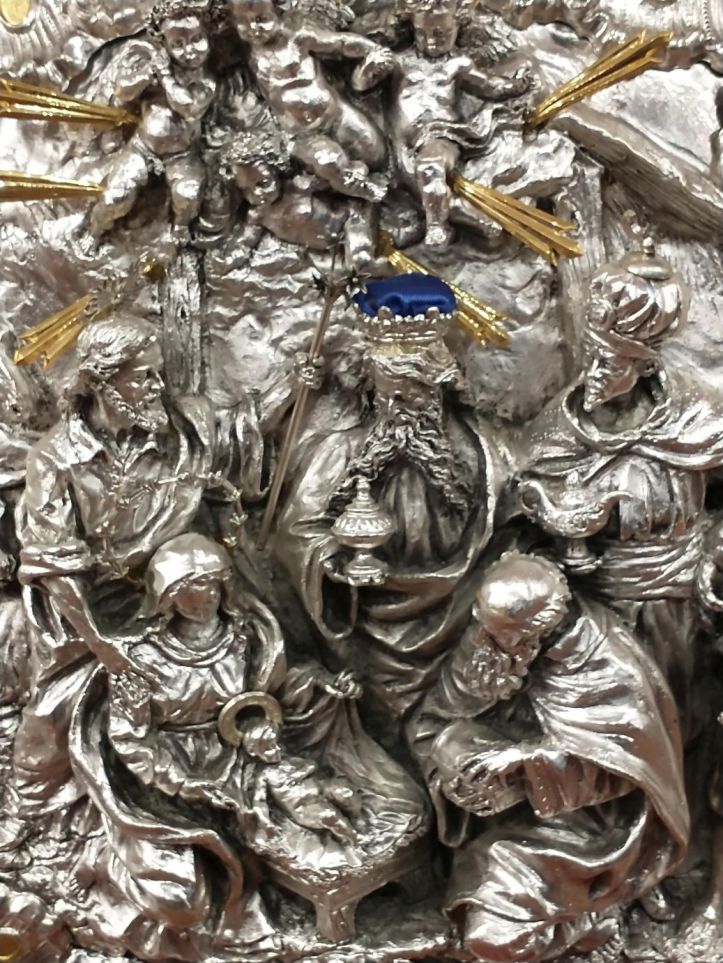
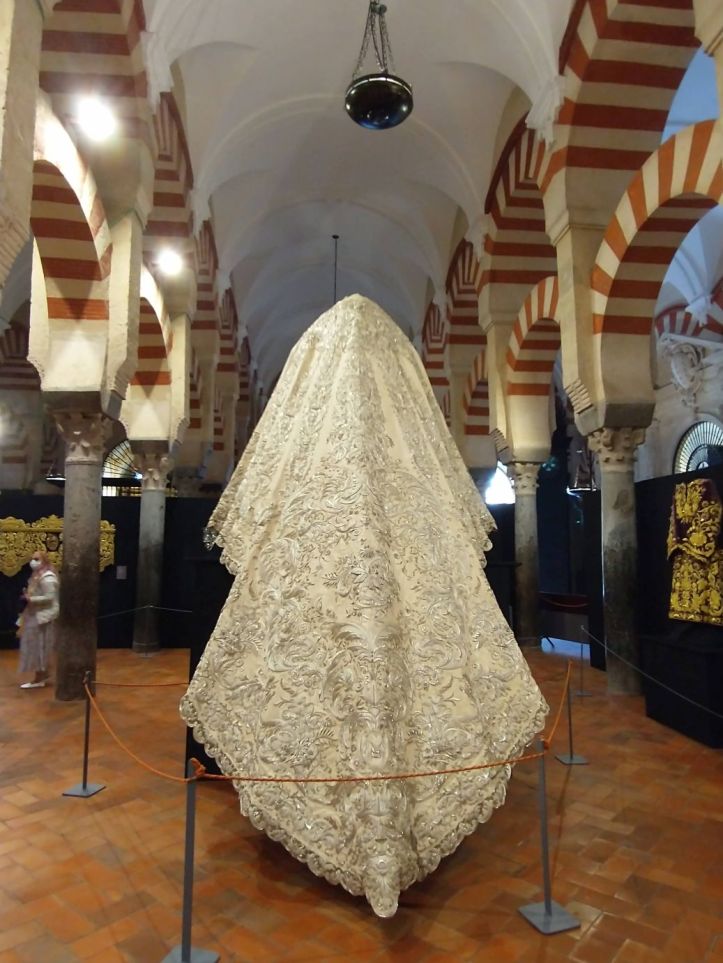
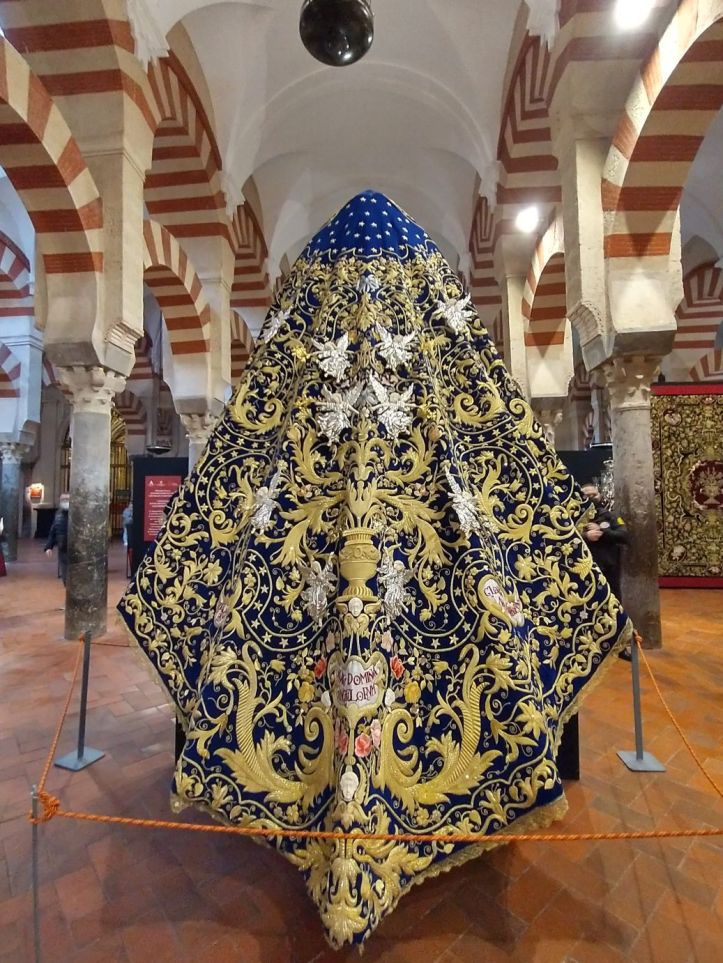
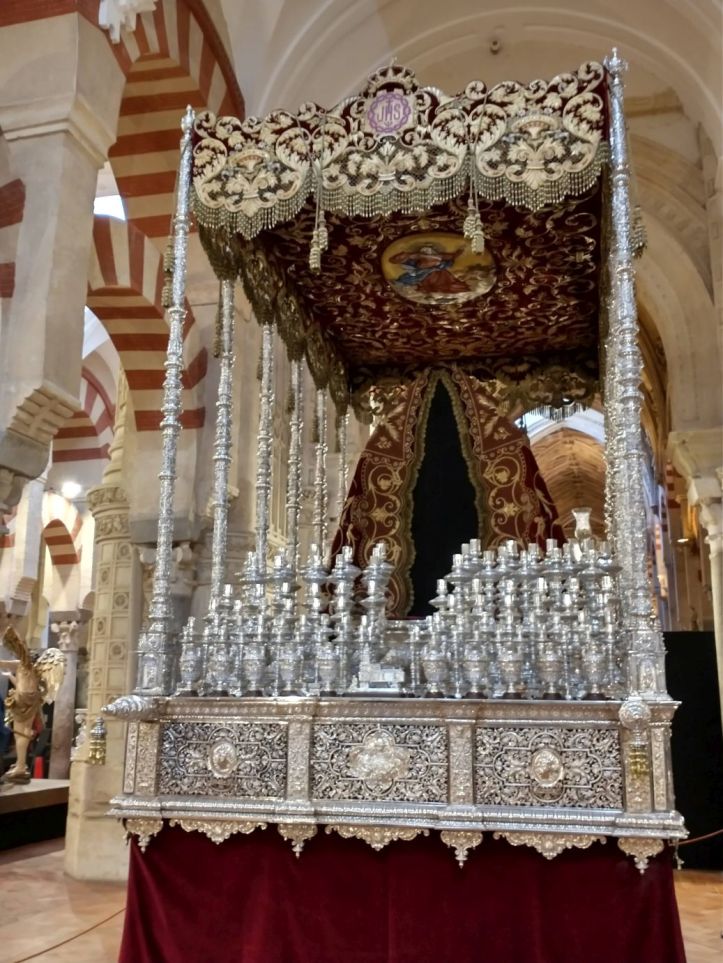
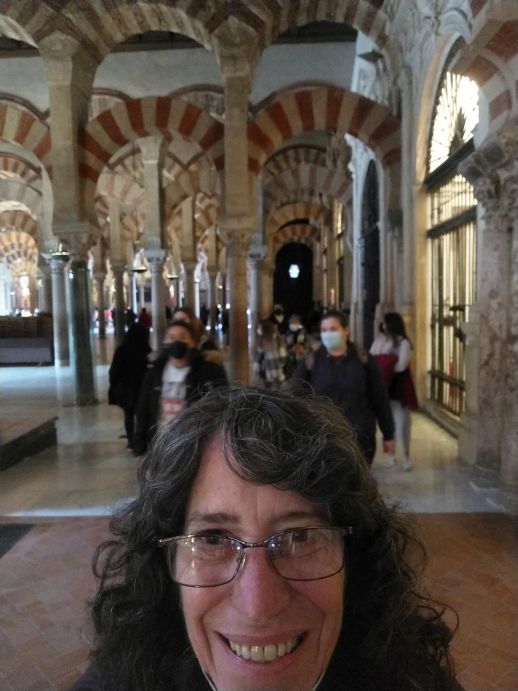
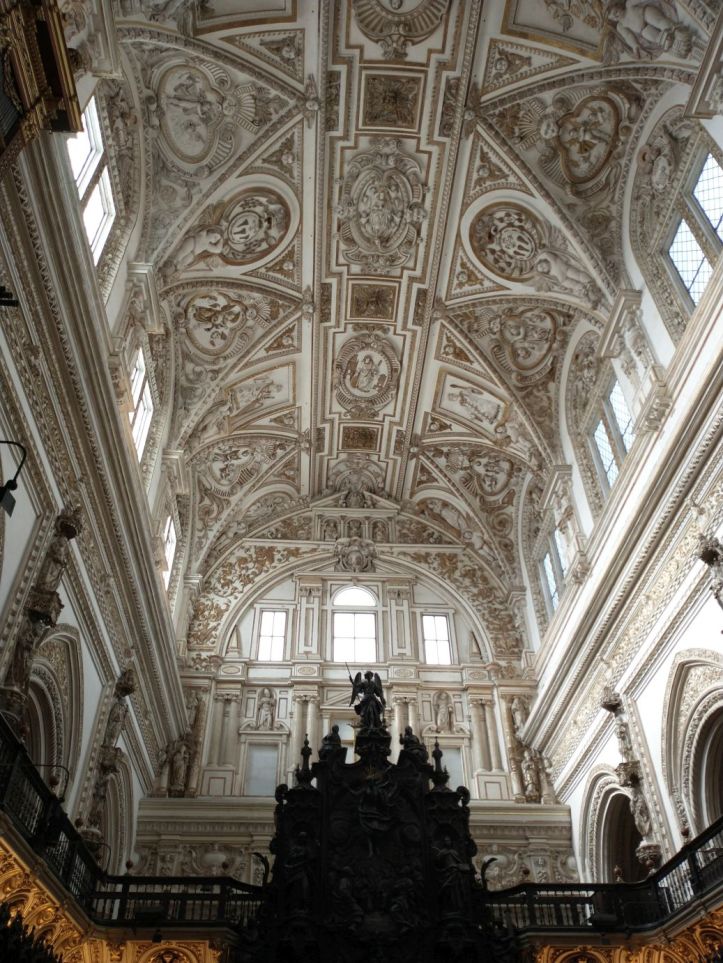
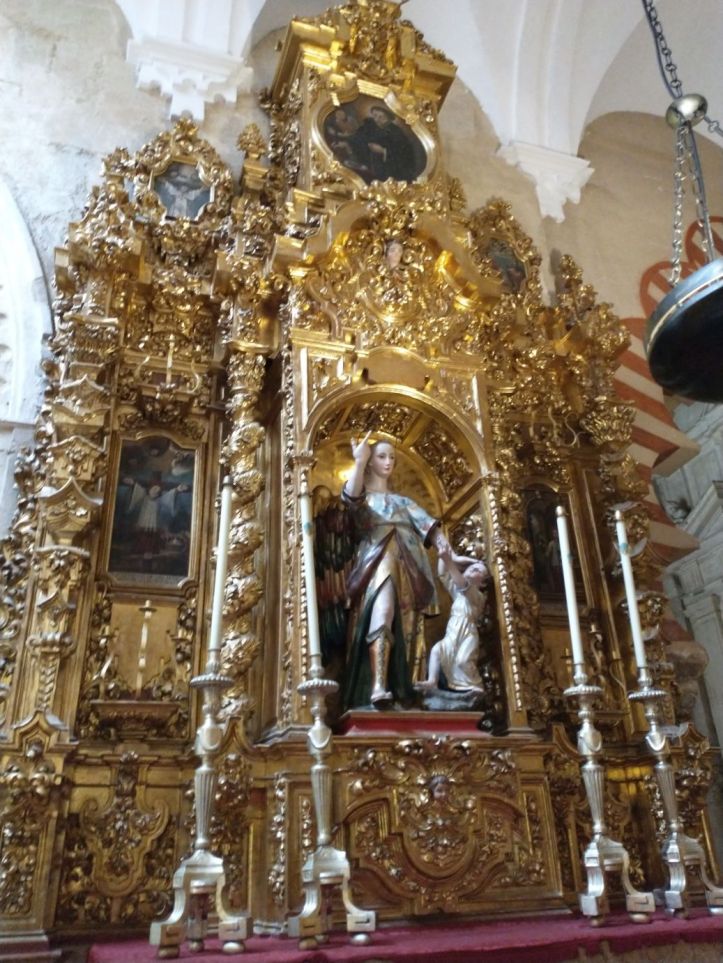
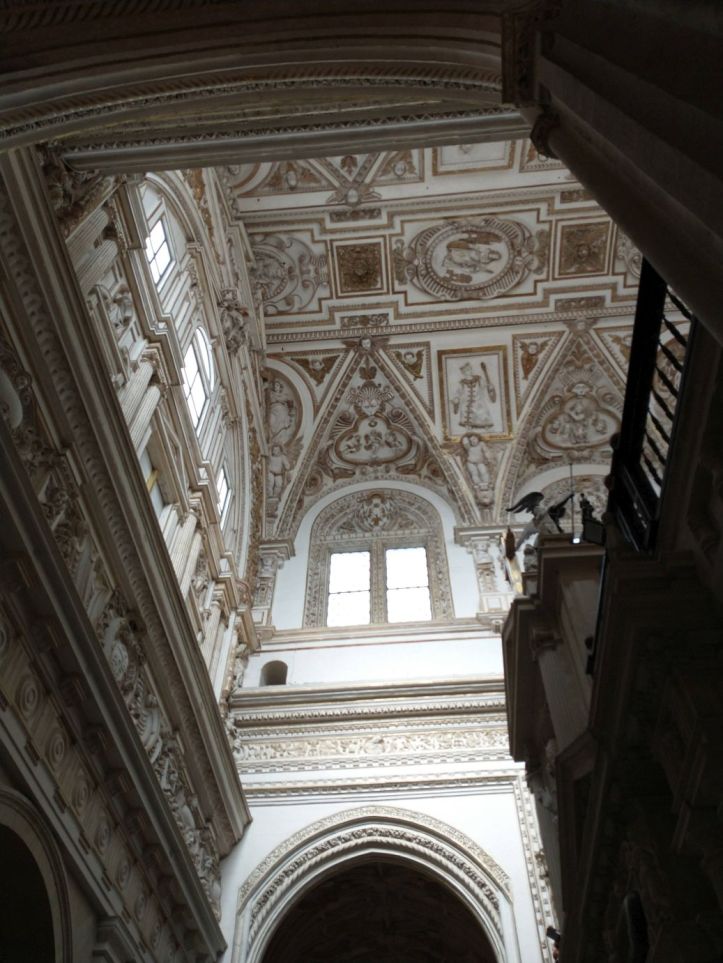
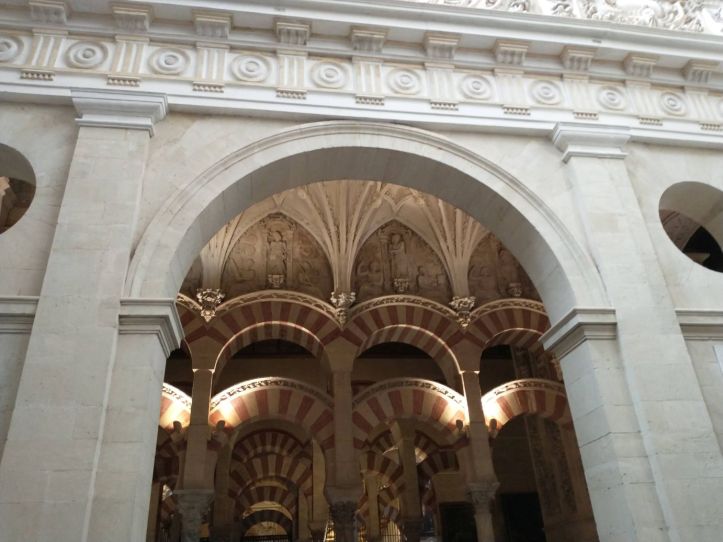
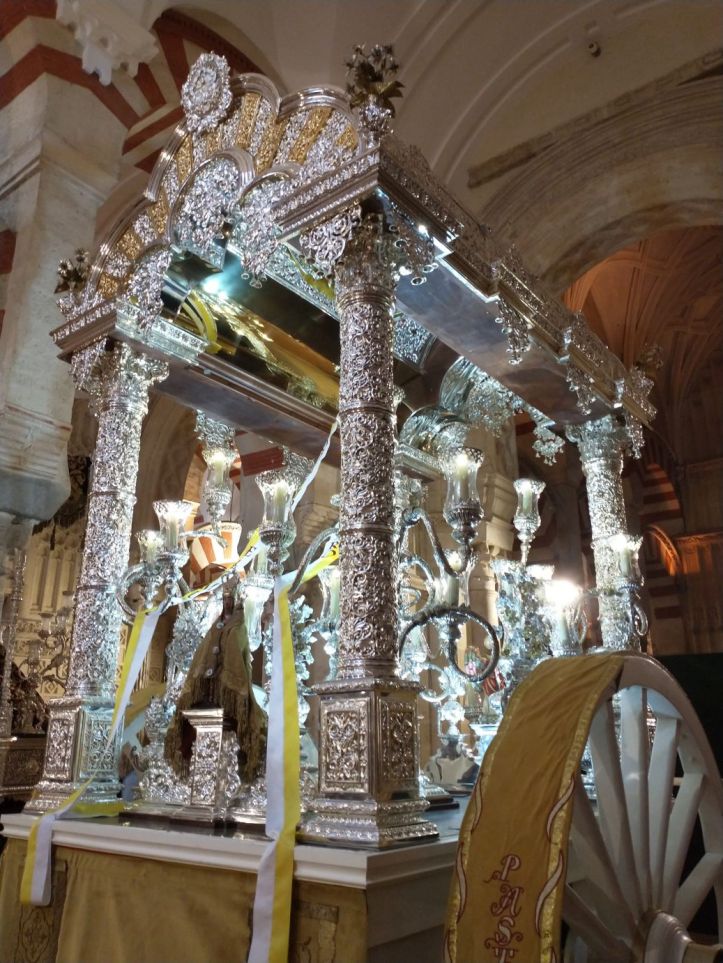
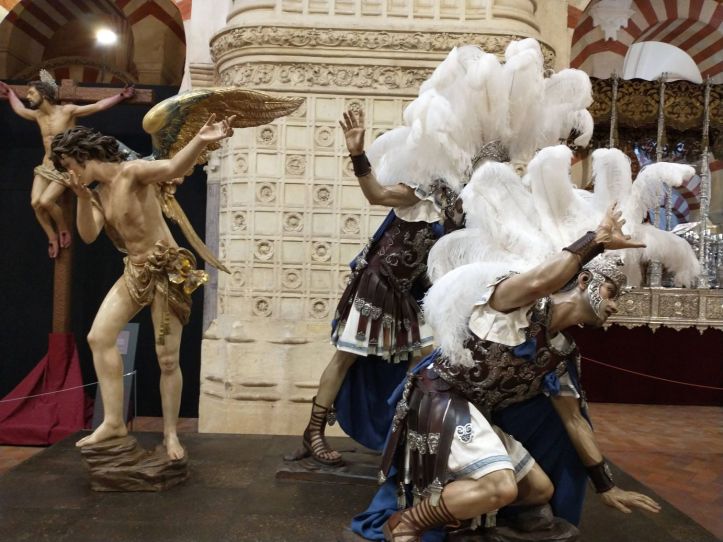
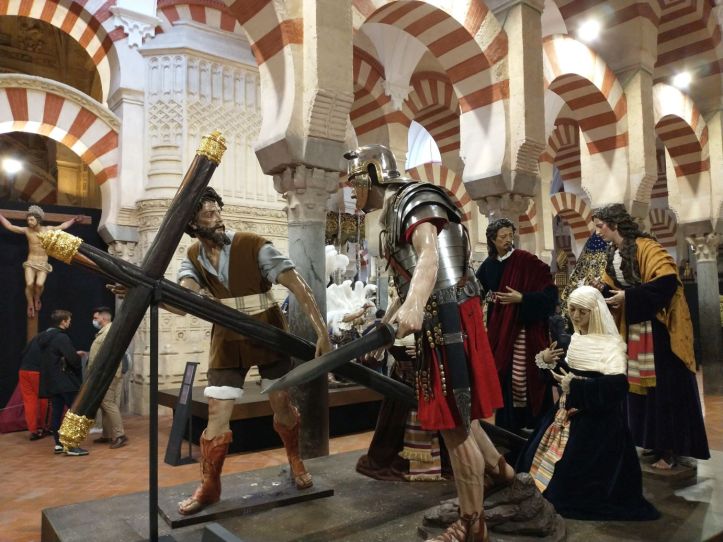
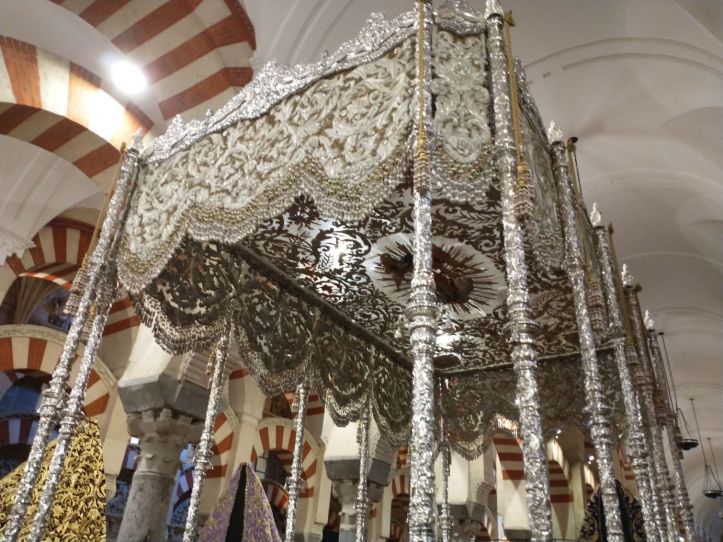
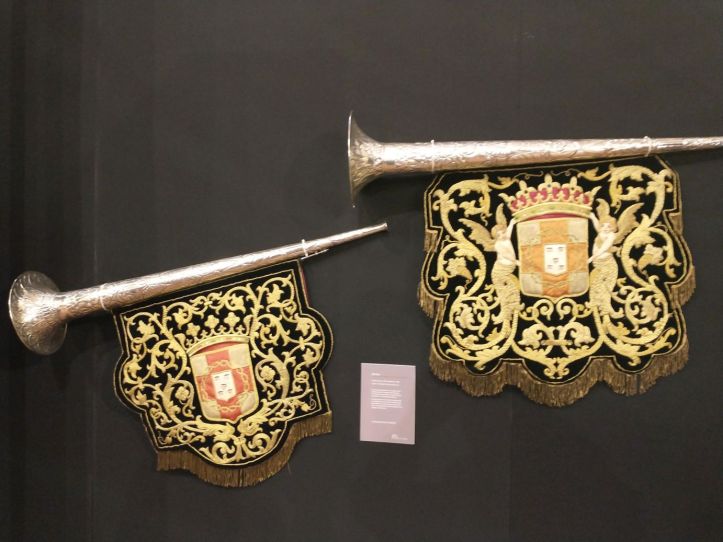
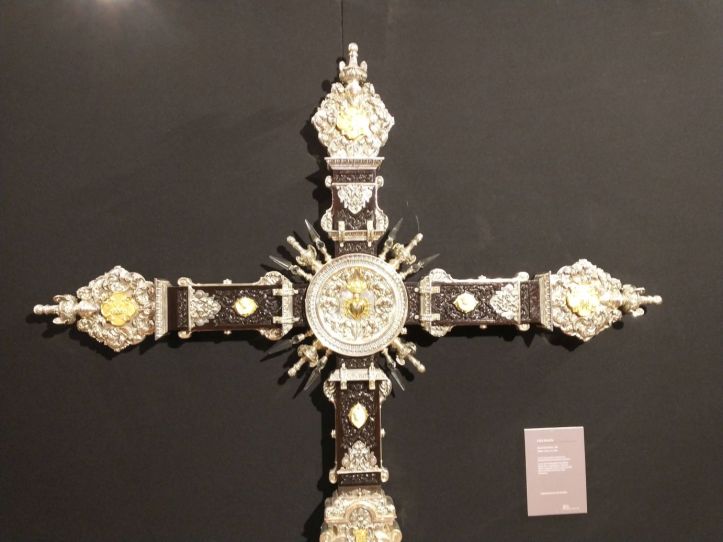
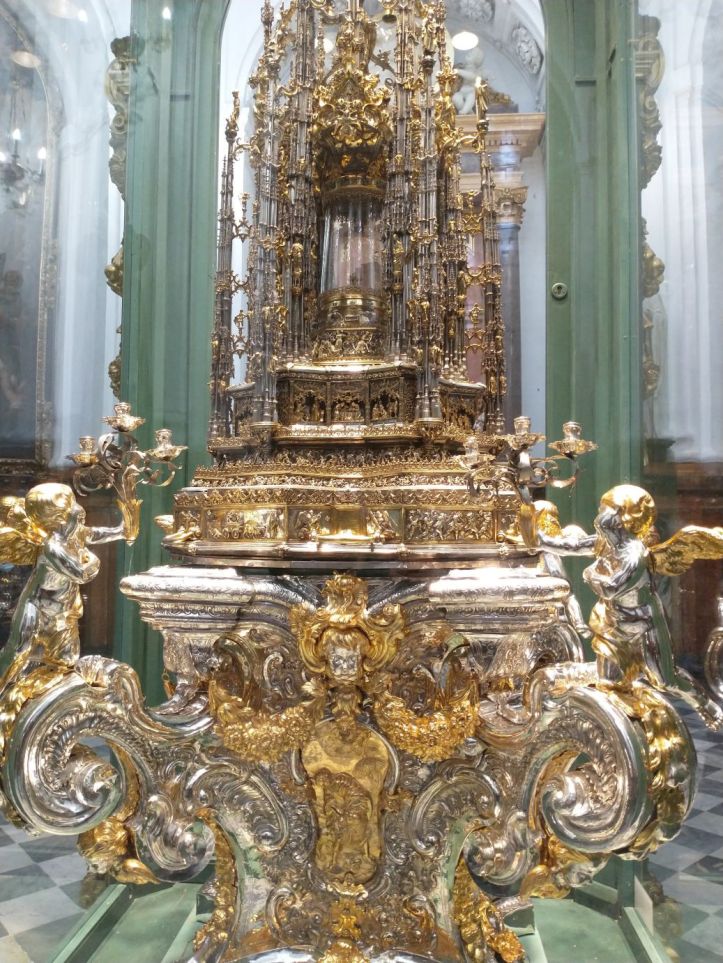
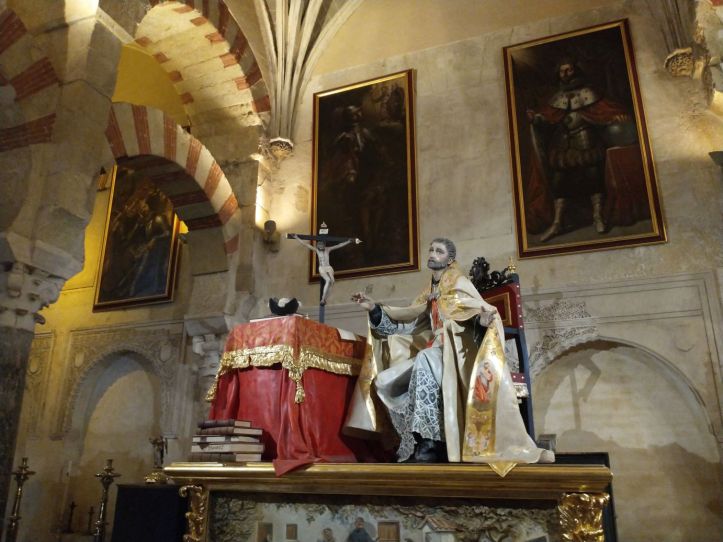
Finished with our exploring, we head back out into the garden with the fountains and the 98 orange trees, all planted in a grid. A few more moments here, enjoying the sunshine and the atmosphere (and taking more photos of the minaret turned bell tower), then it is back out onto the streets heading for the Alcazar de los Reyes Cristianos, the palace of the Castilian Royal Court.
Buying tickets here is a little more complicated! There is a guard at the entrance ropes shooing people away, and a little knot of people hanging around the exterior garden courtyard. We boldly stroll up and tell him we want to purchase tickets. Through some combination of my pidgin Spanish and his sign language, we figure out we have to go over to this sign, scan a QR code and make a reservation to enter. Well, pooh. But as it turns out, we can make a reservation for right now. Pretty bizarre! Once we have whatever it was the system sent us, we show that to the guard and are allowed into the line to purchase tickets. Weird. But effective. I guess.
Inside the fortress/castle, we wind our way through enormous rooms, a huge chapel and this awesome Mosaic room – with, you guessed it mosaics. Of course. There are also ruins from the Visigothic fortress that was here before the falling to the fist Caliphate and then of course to the Christians in the 13th Century. There are gardens all throughout the complex, contained in numerous courtyards and the main garden complex that is almost 14 acres of manicured lawns, shrubbery, plazas, ponds and fountains. And of course, the ubiquitous orange trees!
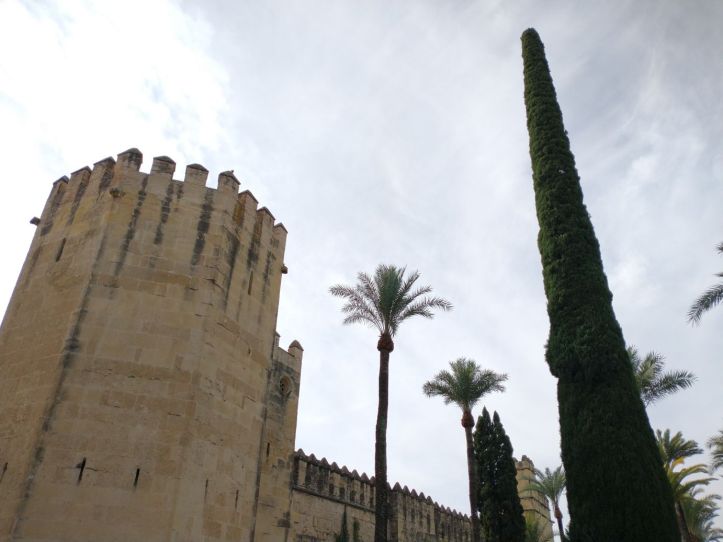
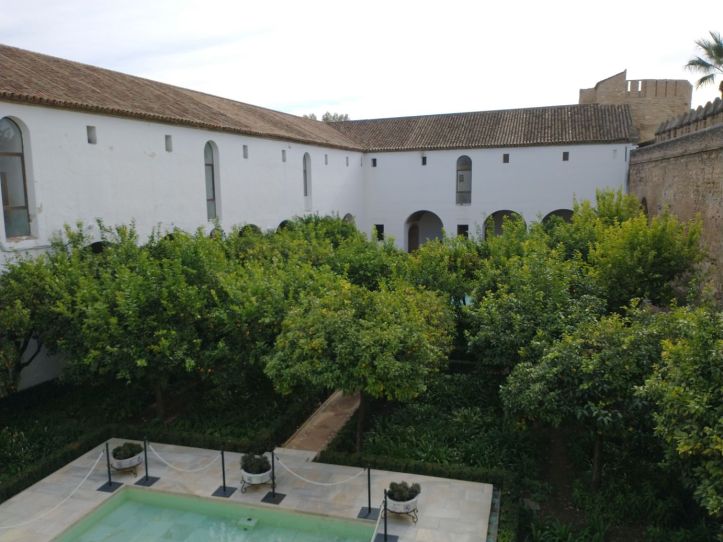
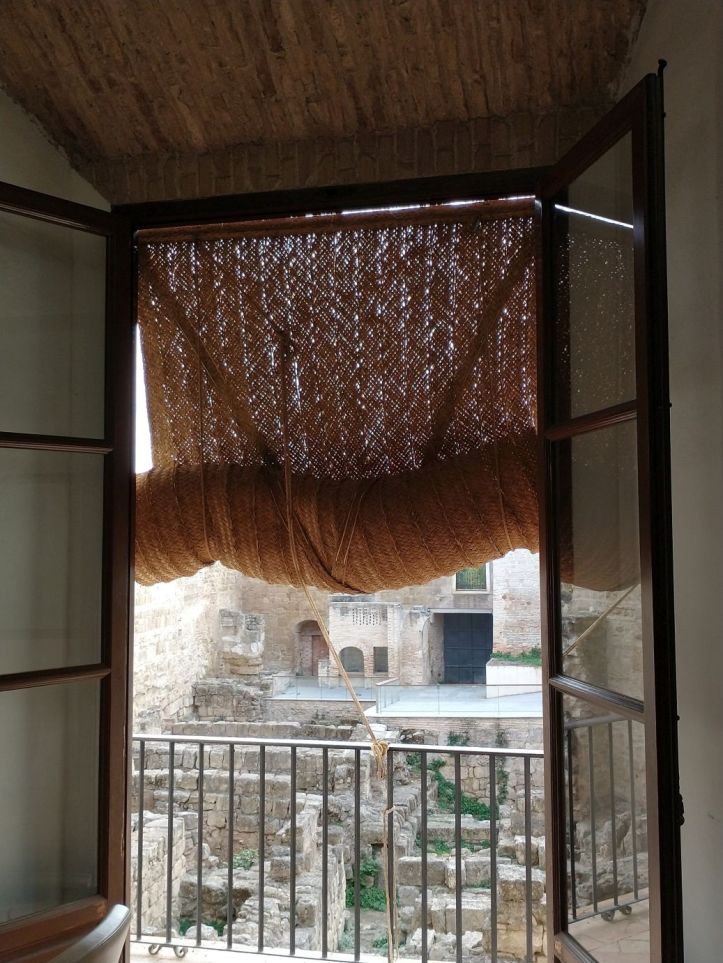
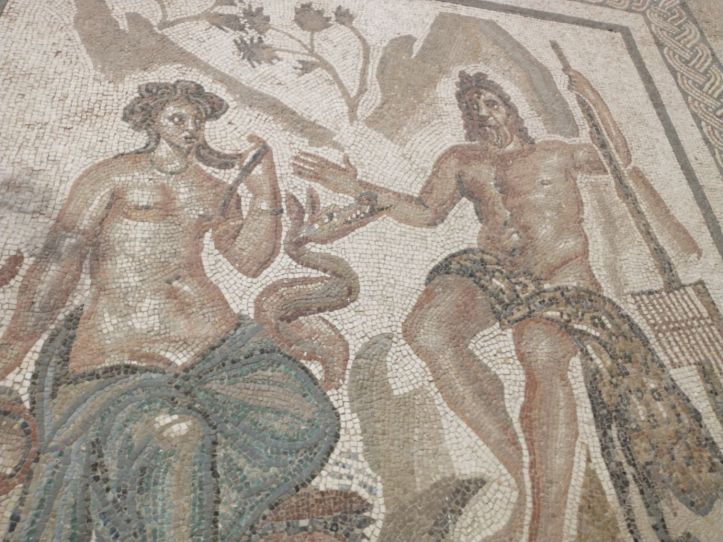
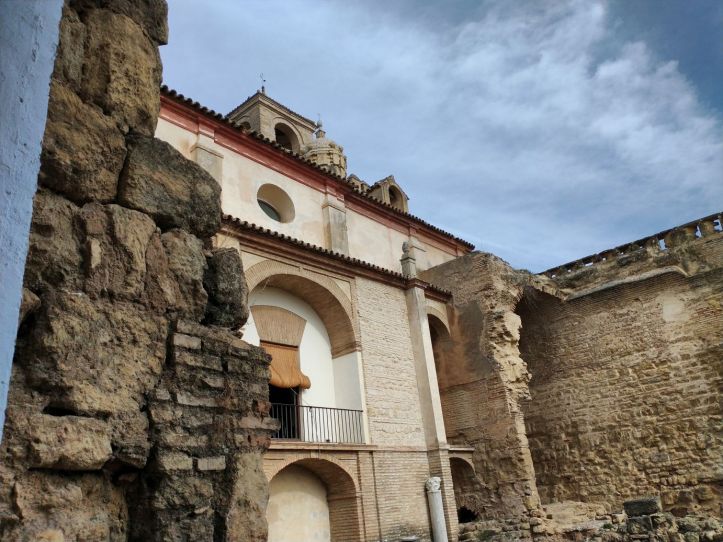
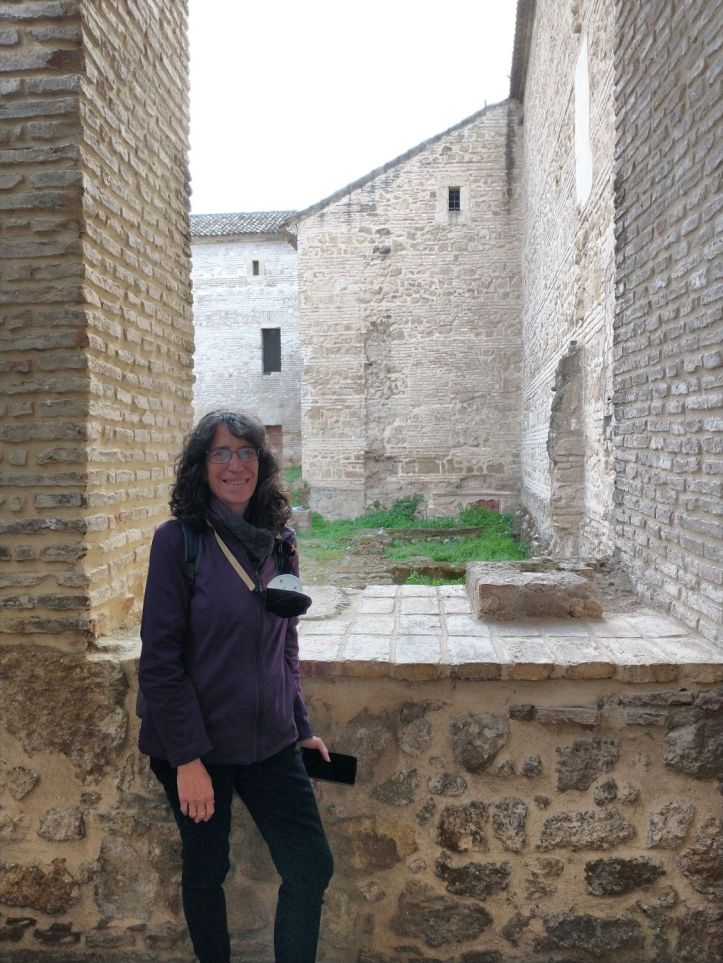
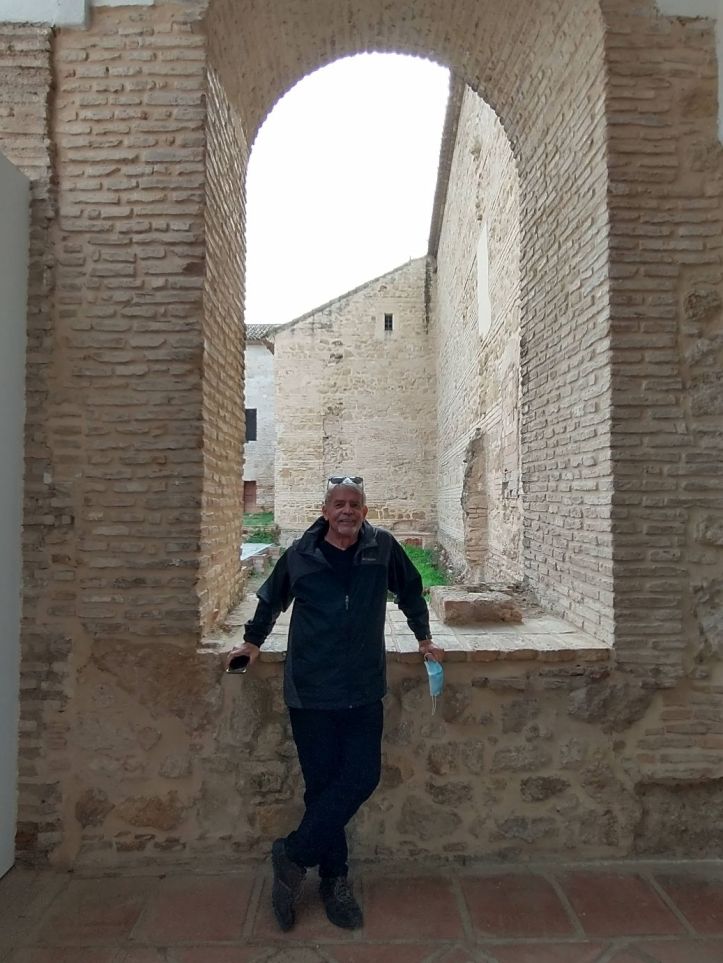
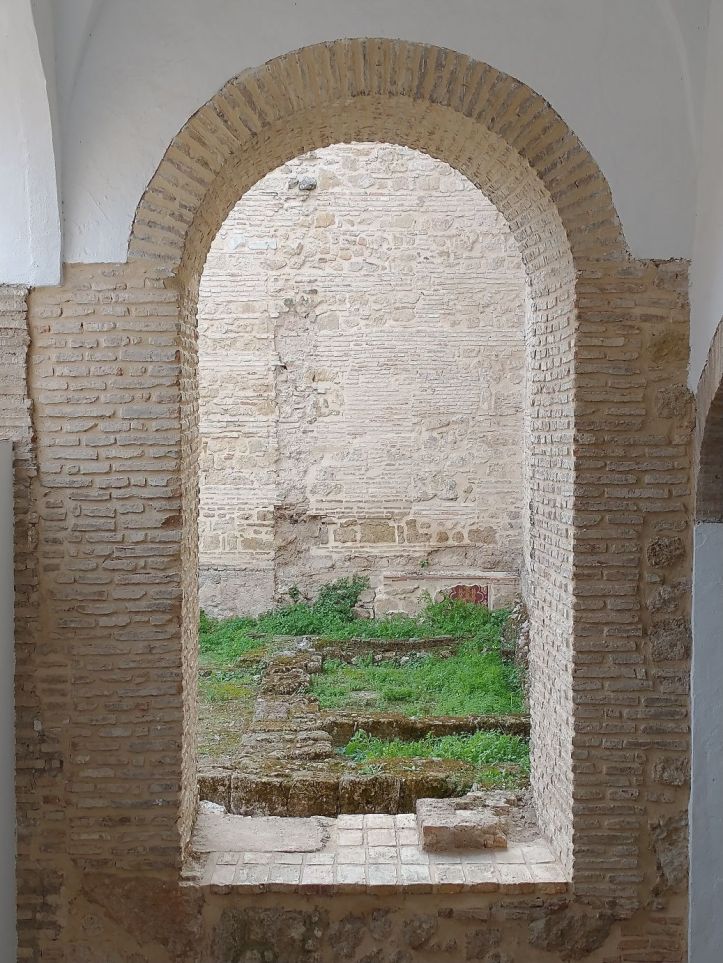
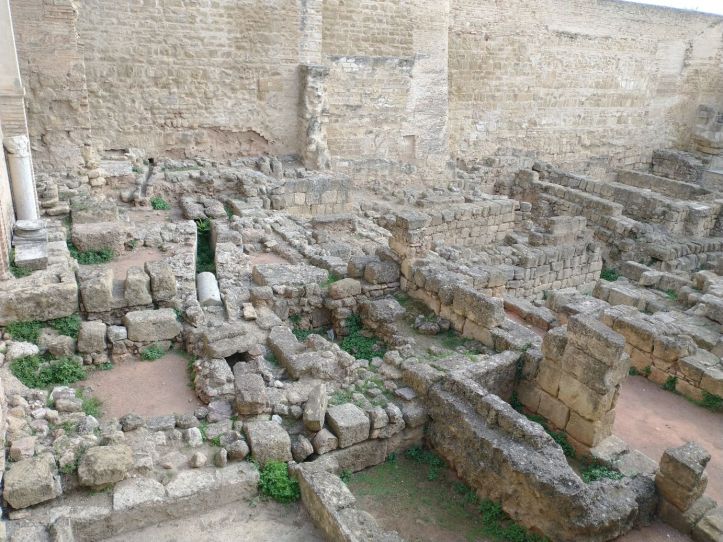
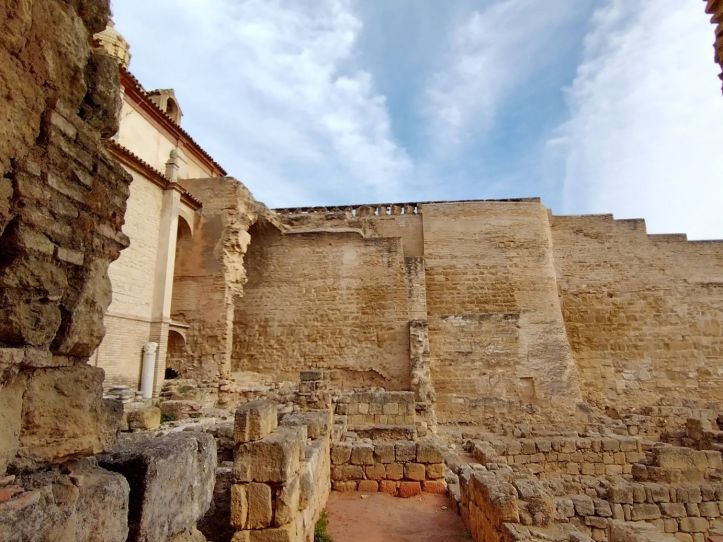
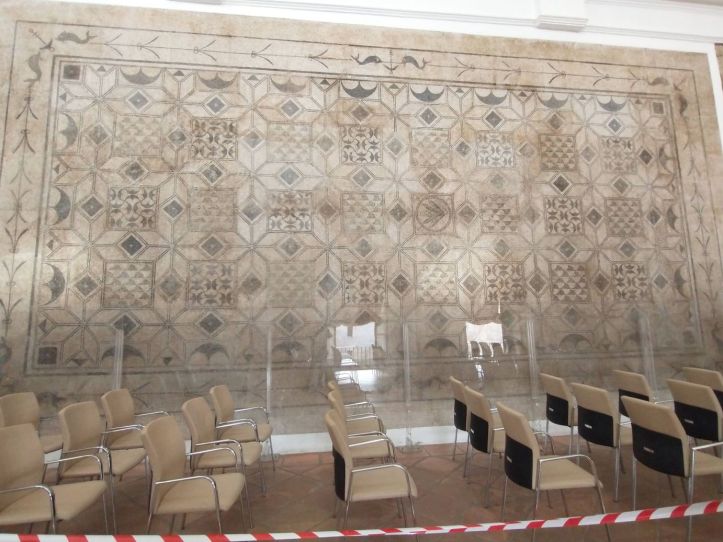
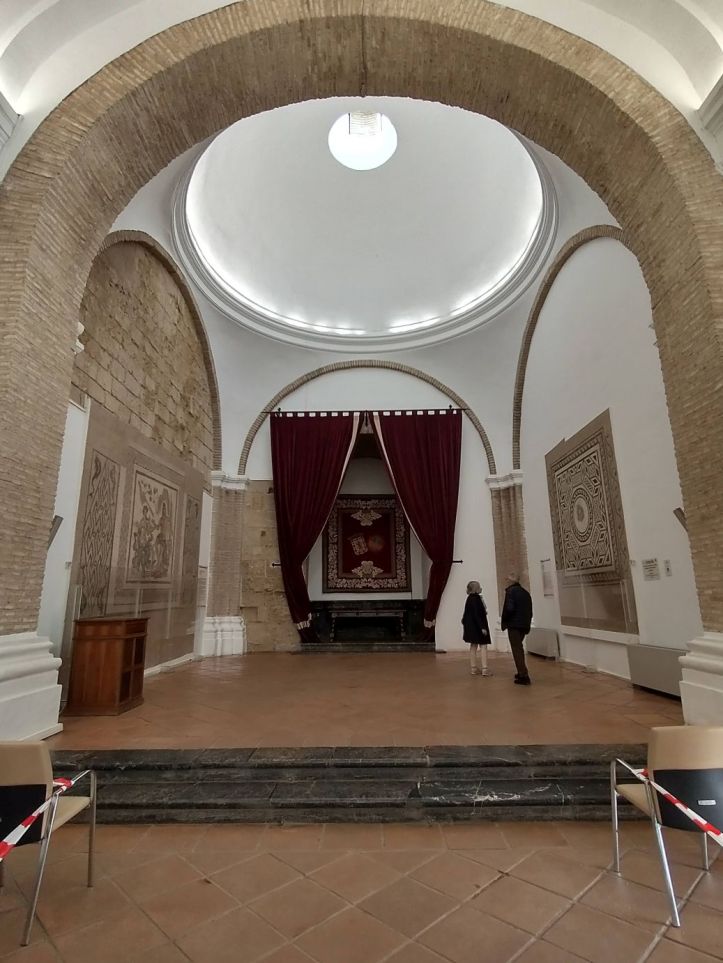
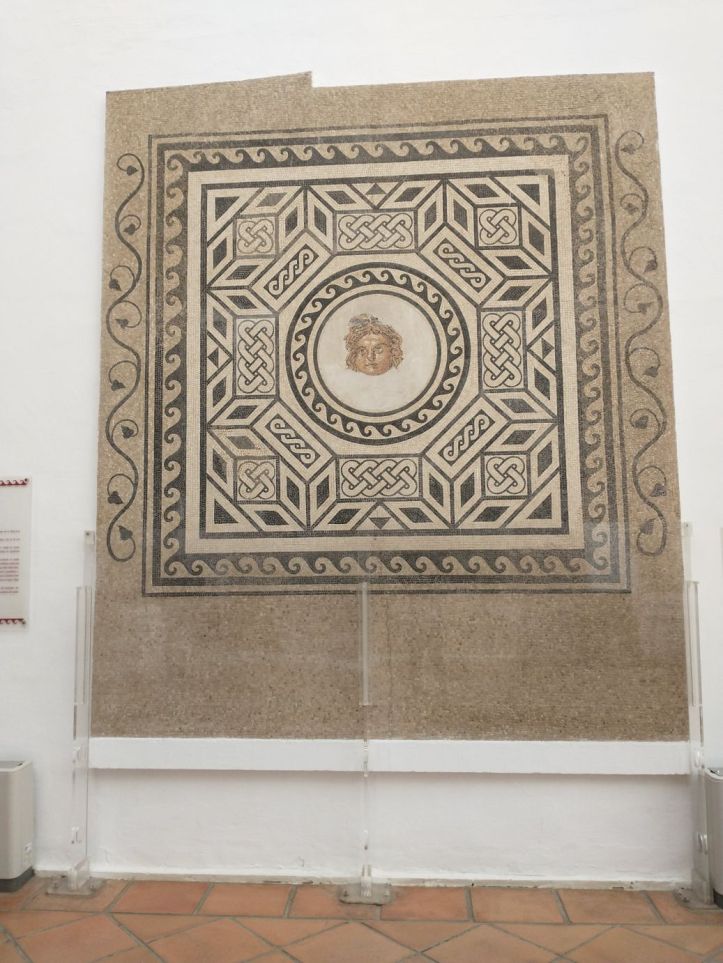
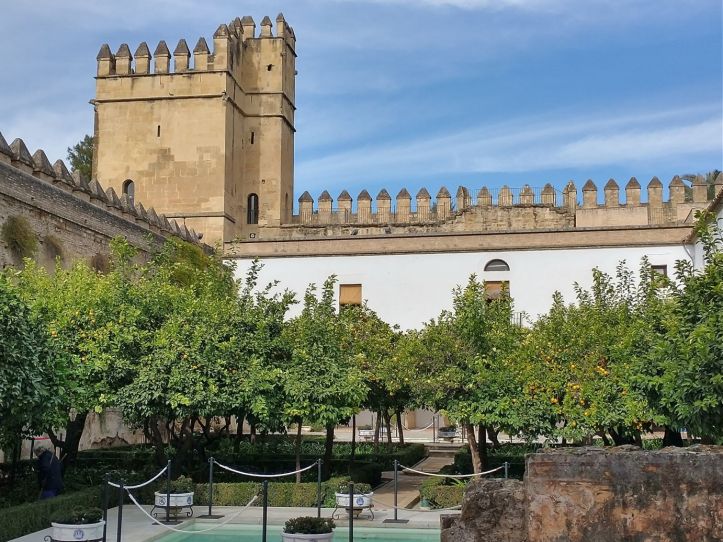
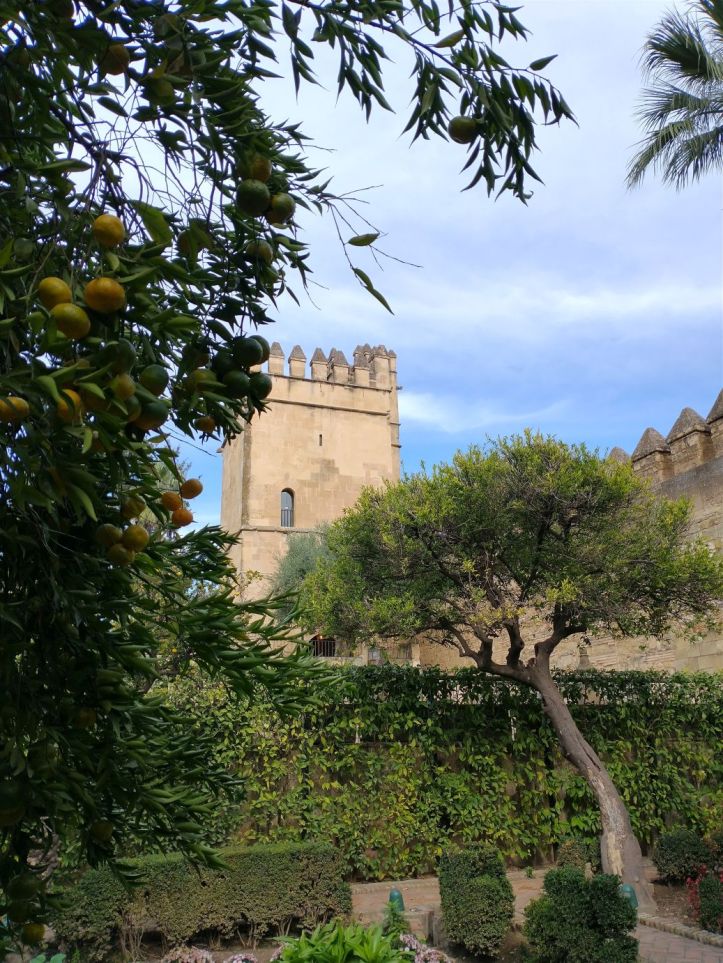
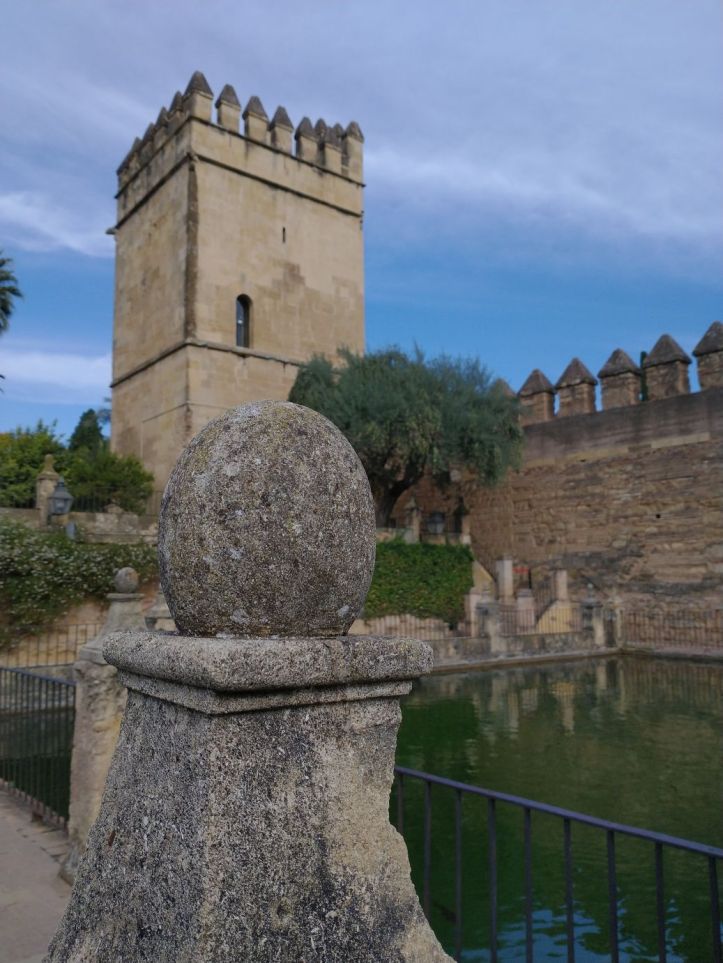
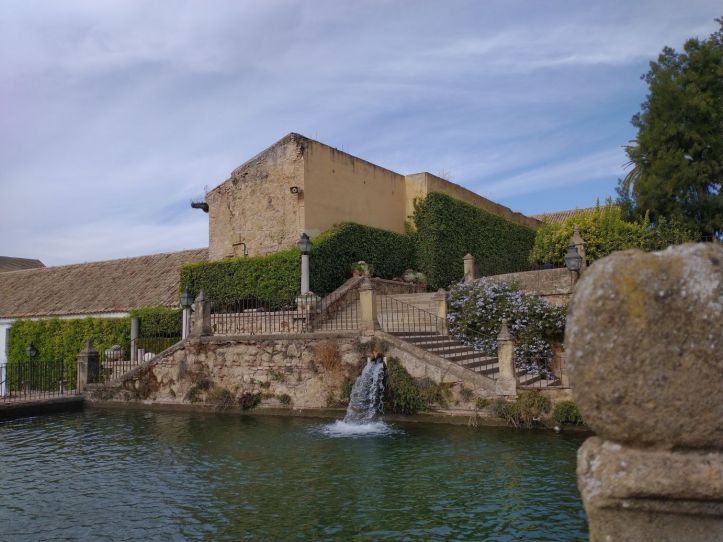
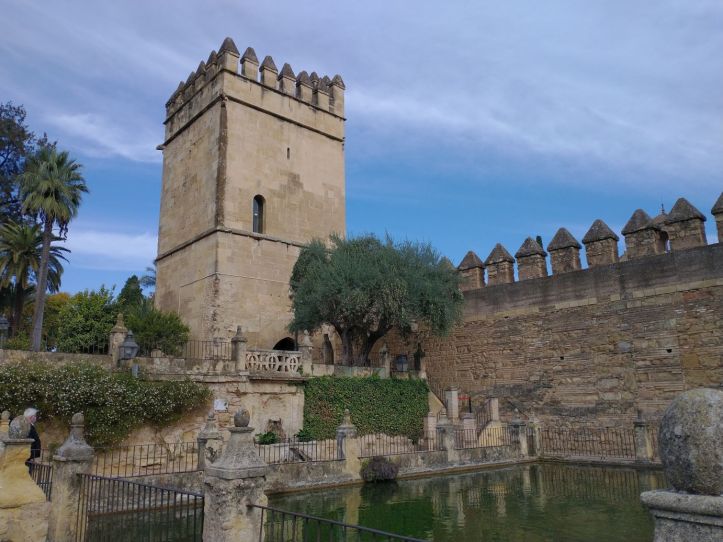
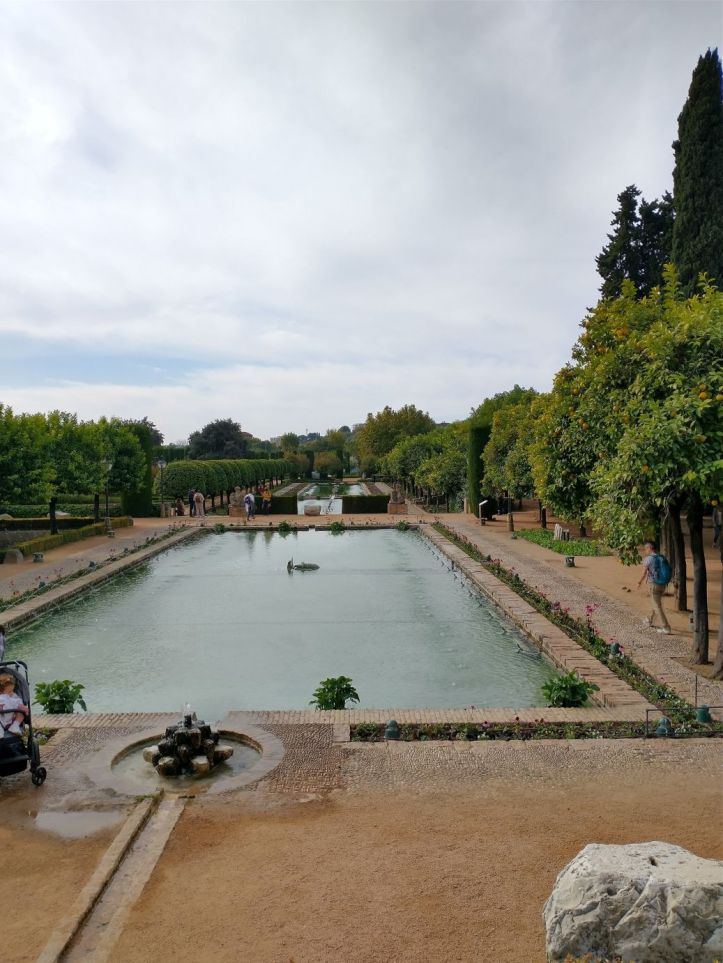
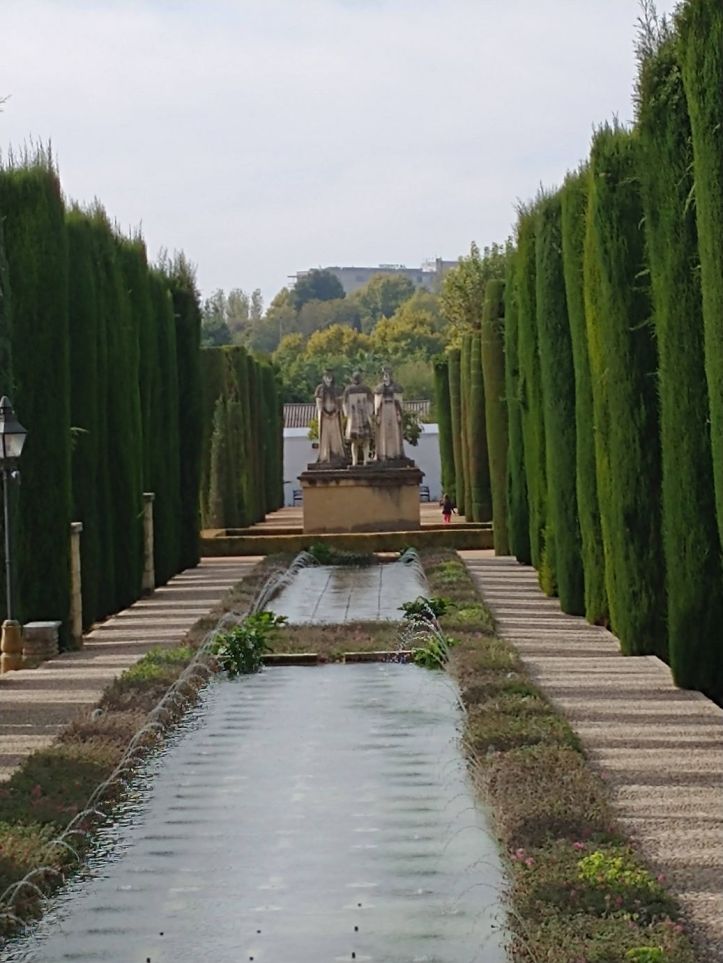
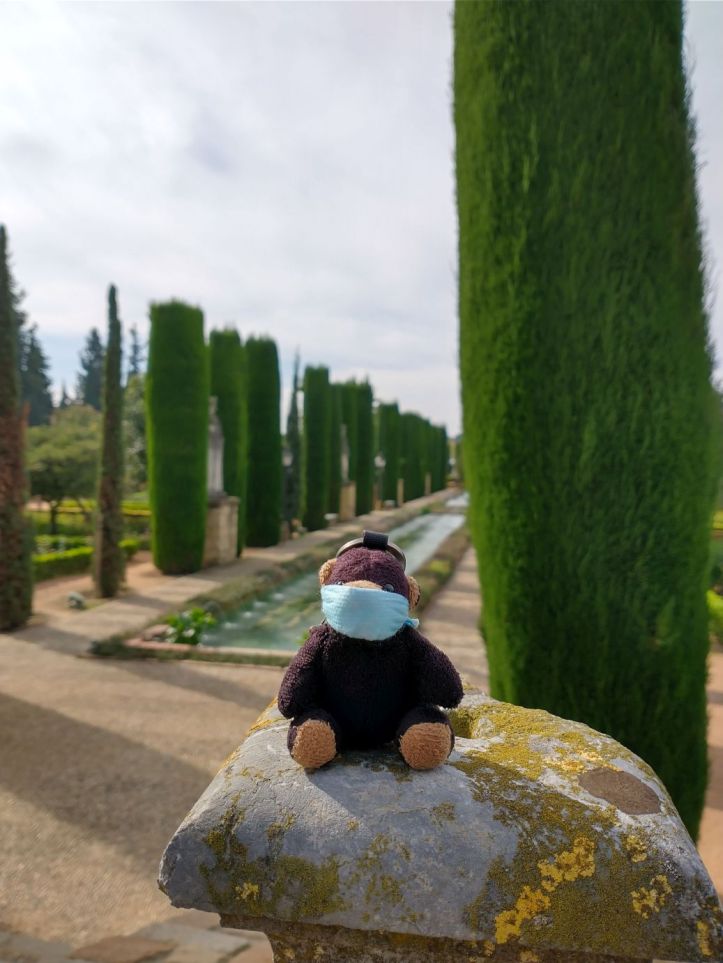
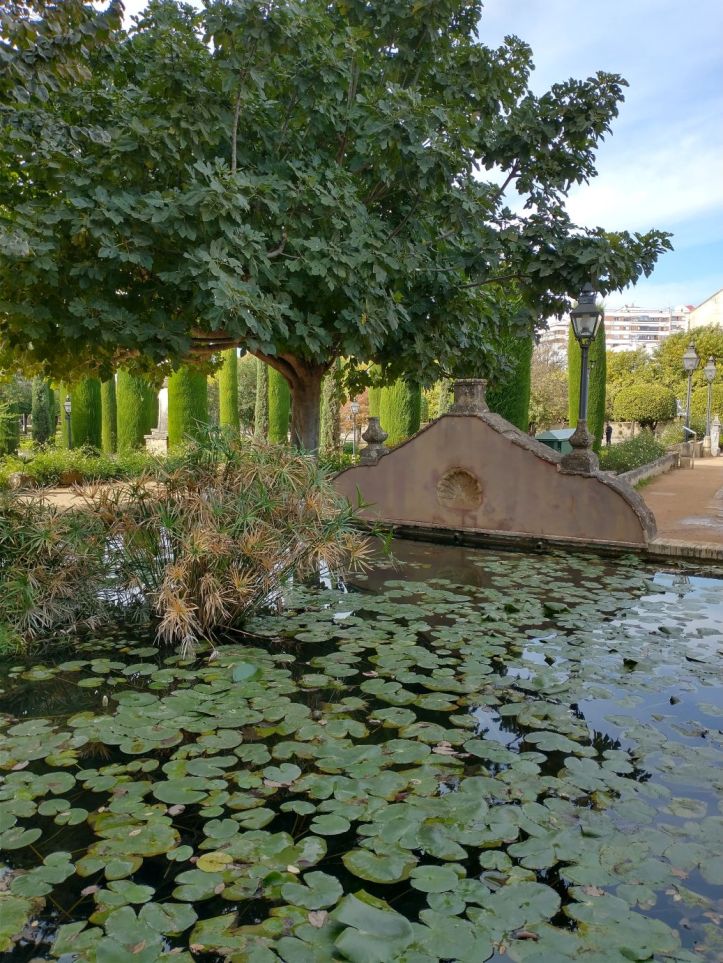
It makes for a very nice little visit – just wandering through the royal halls and outside in the gardens, enjoying the gorgeous weather.
From here though, it is time for us to search for lunch. I have a bunch of restaurants picked out, but none are close to the alcazar, or in the direction of the synagogue, which is our next stop. So, we strike out on our own and end up a this little place called El No. 10 Taberna. It is for “Vinos, Tapas & Lovers” – how can we resist?
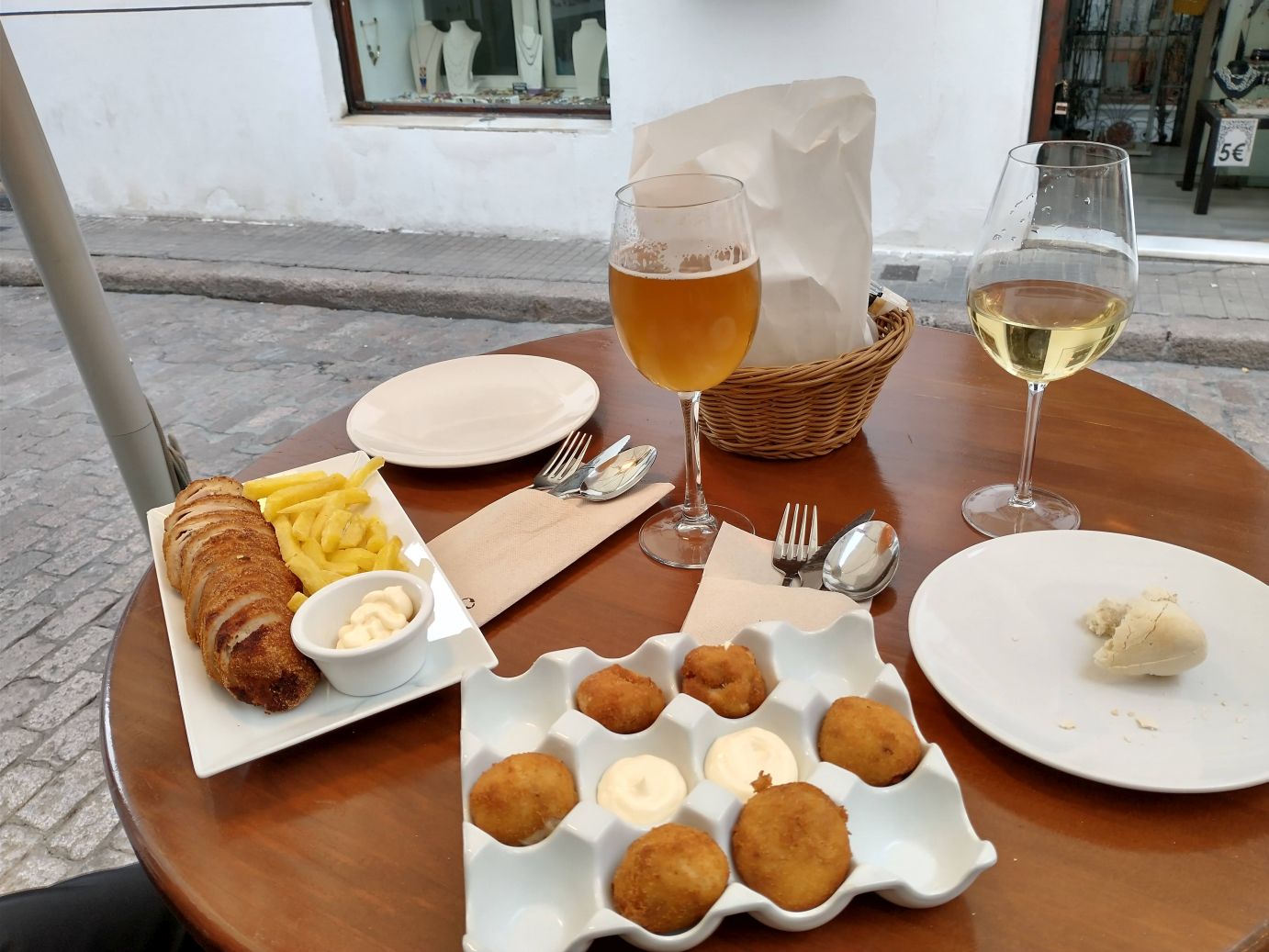
A nice little table outside, good menu, off a little square with plenty of people watching opportunity. It is definitely a good choice. We fill up with Meat and ham croquettes and the Flamenquin the rental agent told us we must try (and oh, he was so right!), along with drinks and bread of course! Way too much food – but oh so yummy.
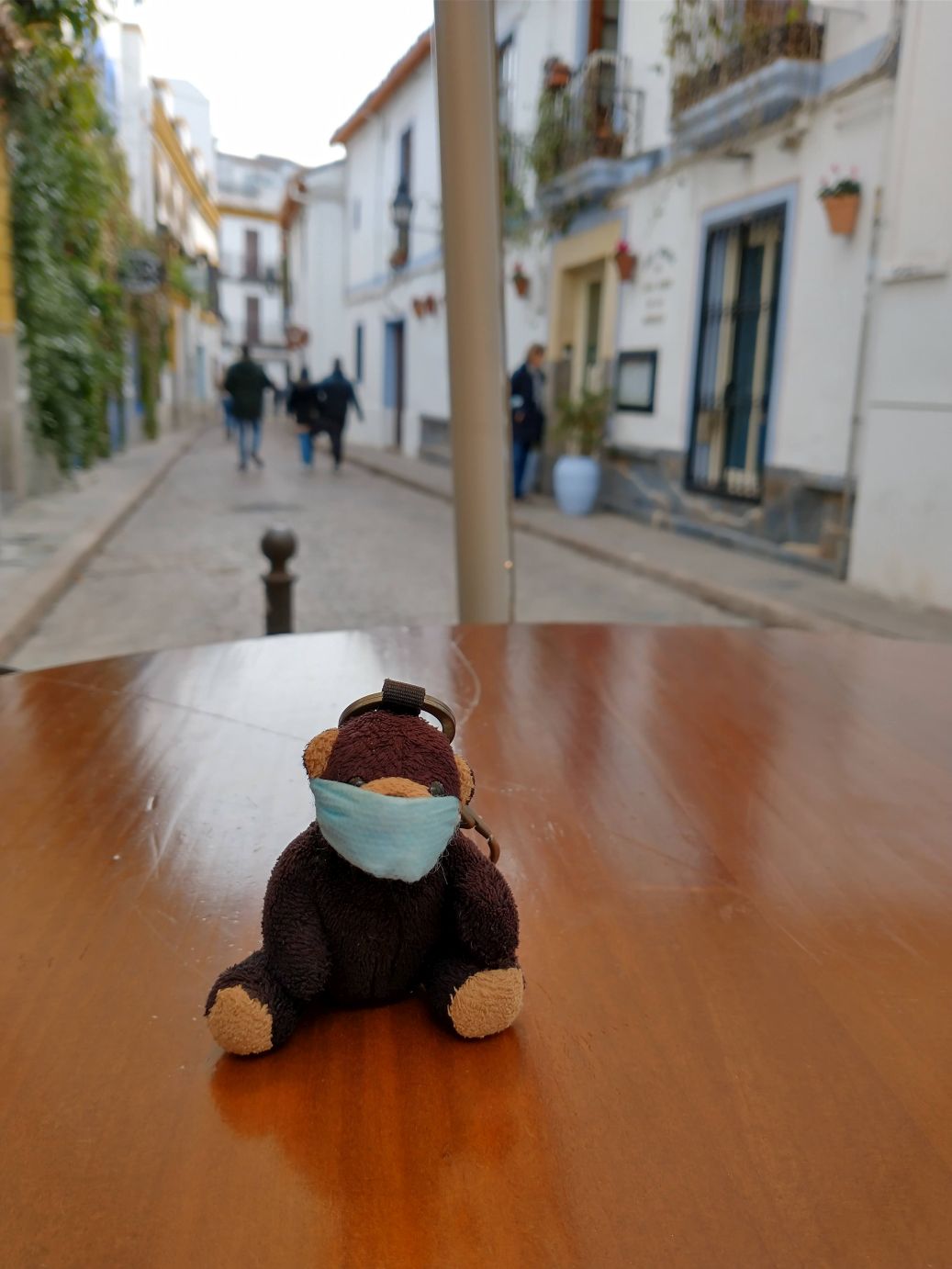
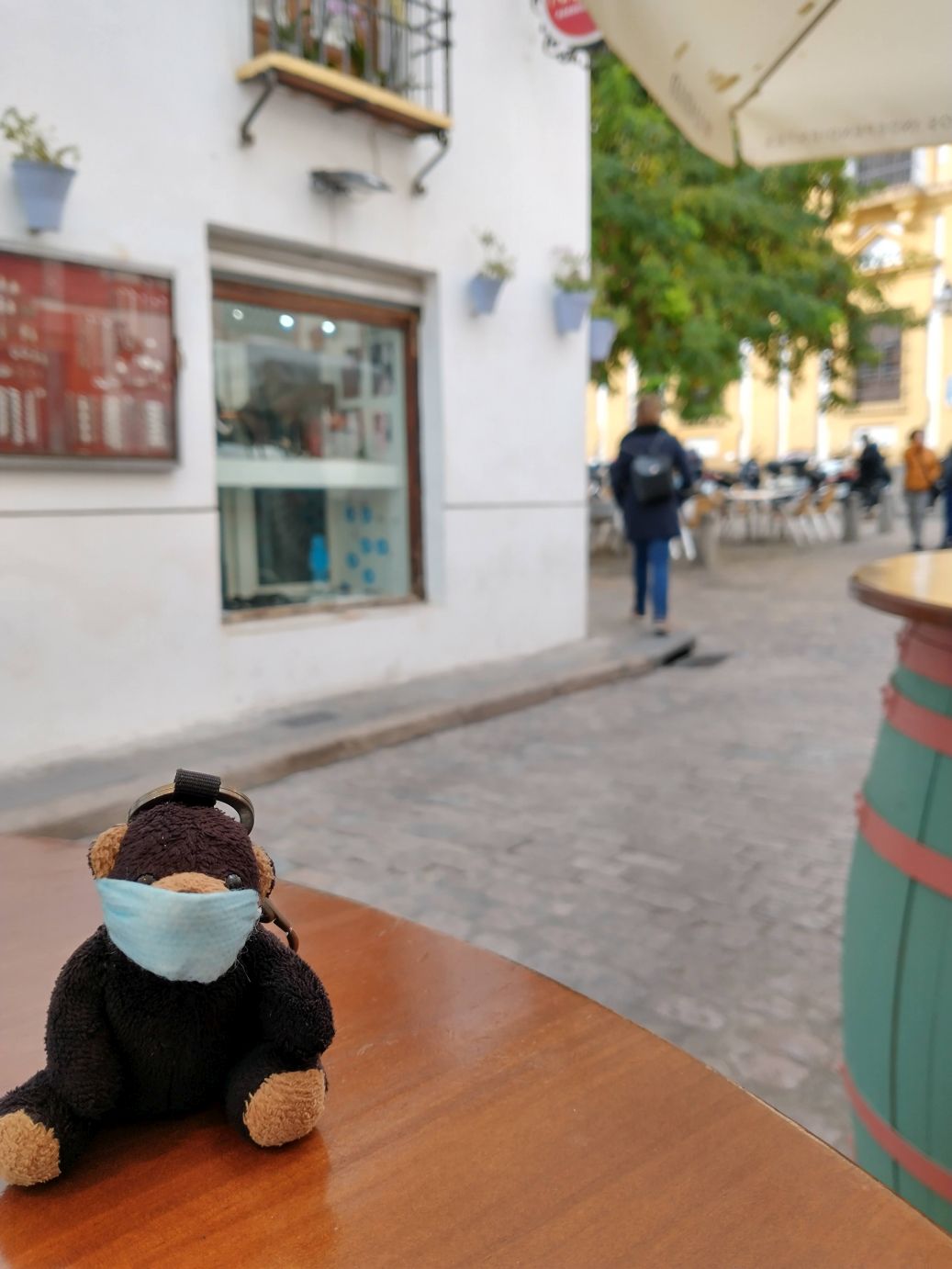
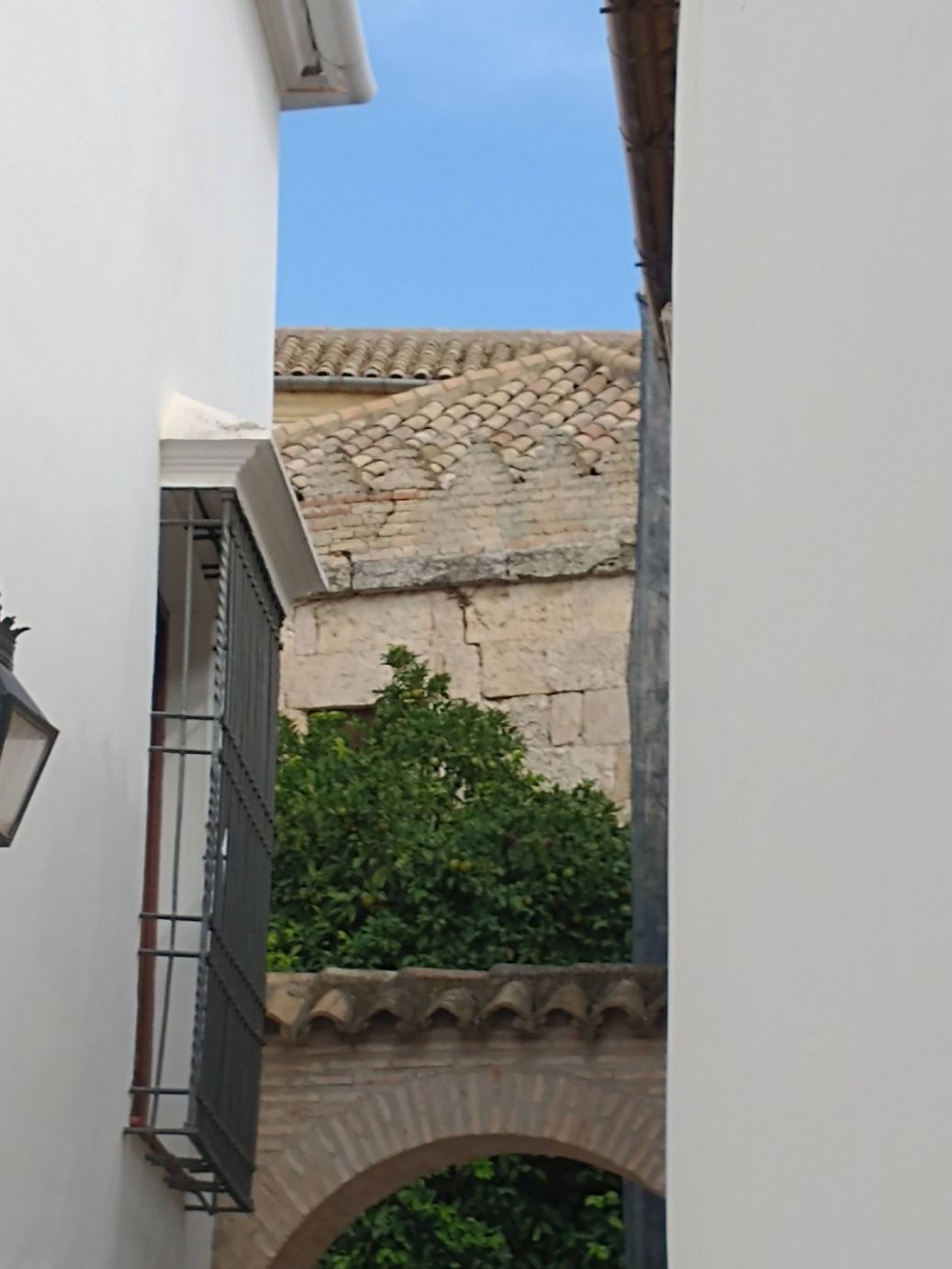
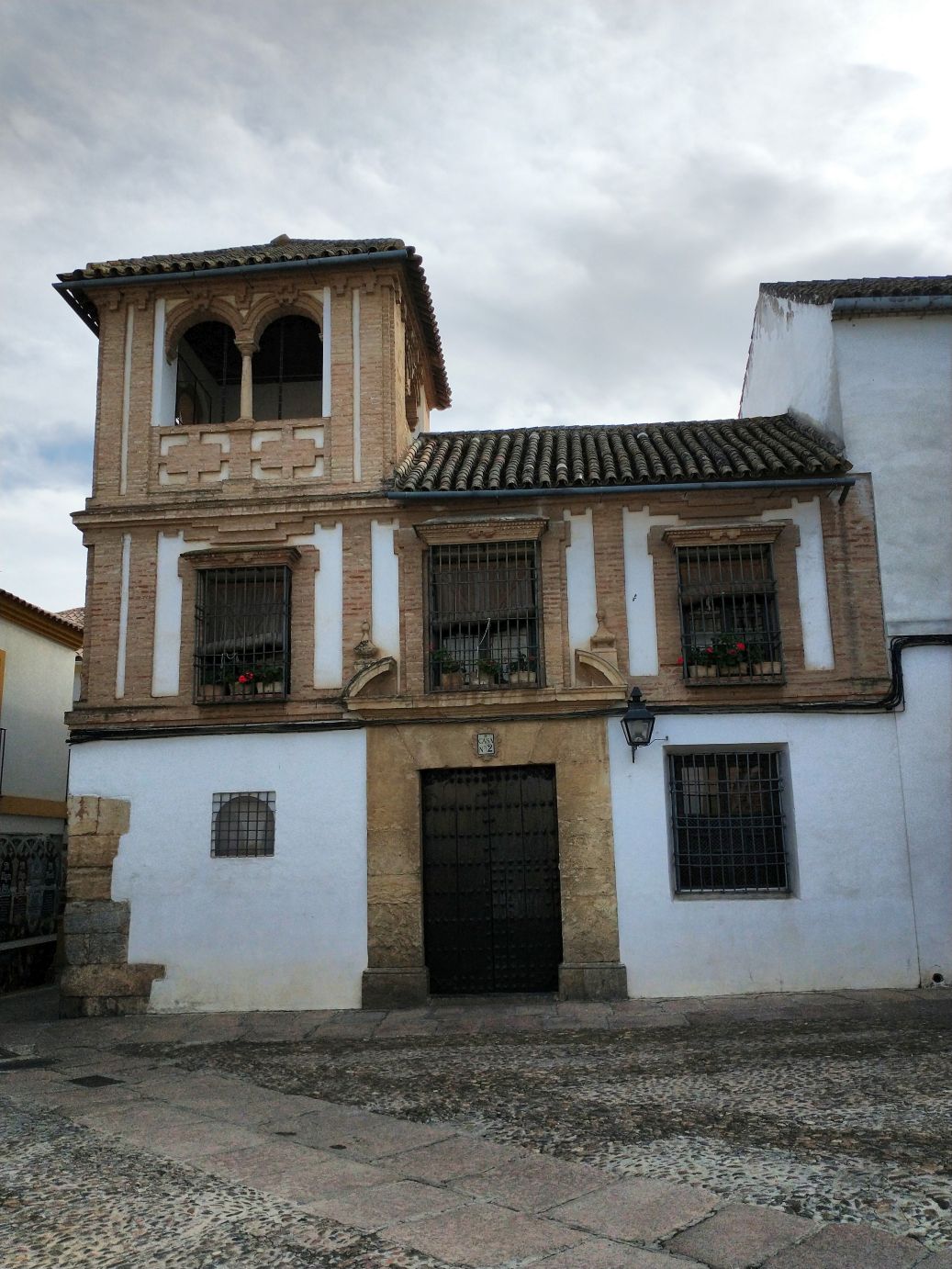
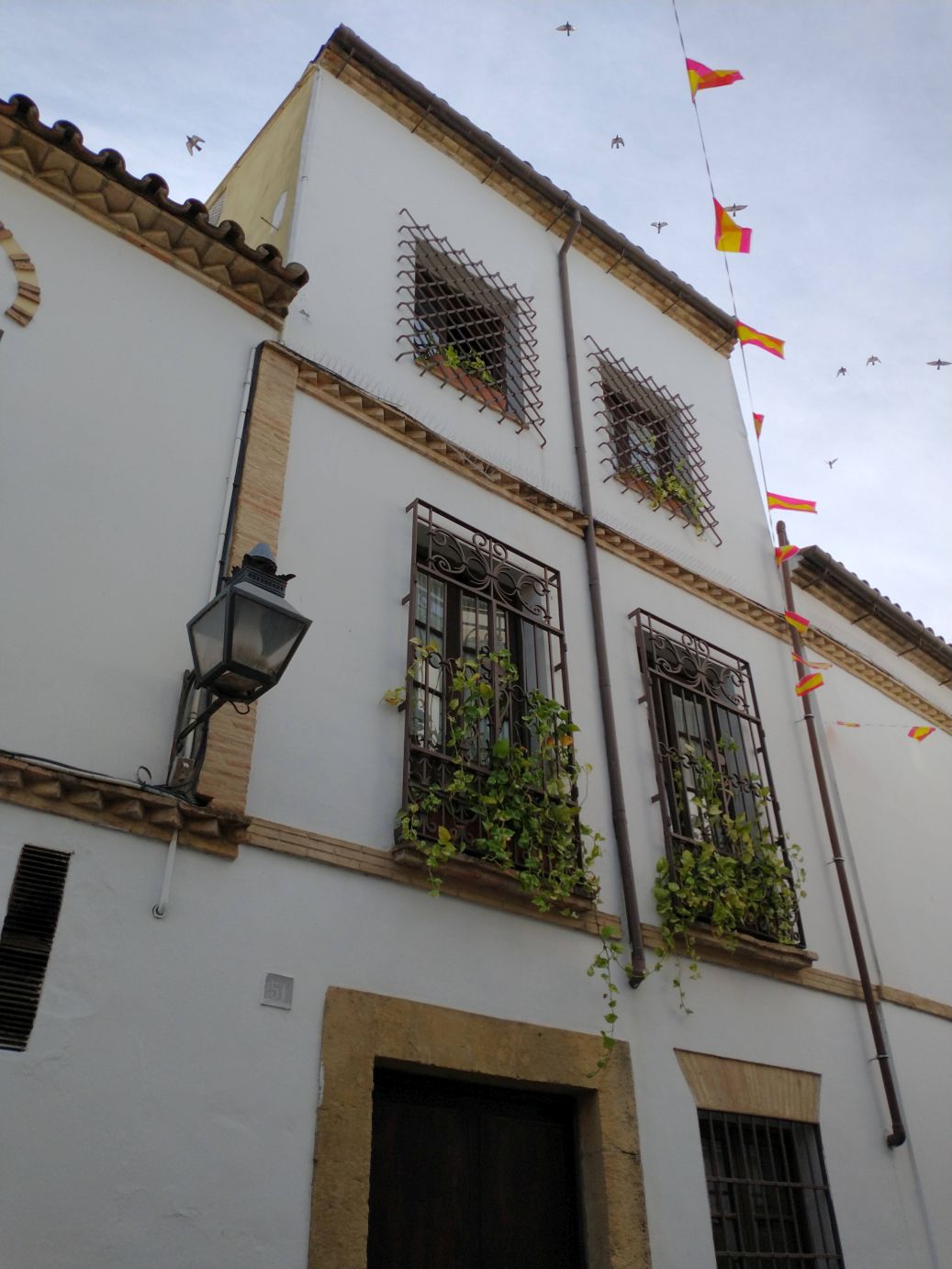
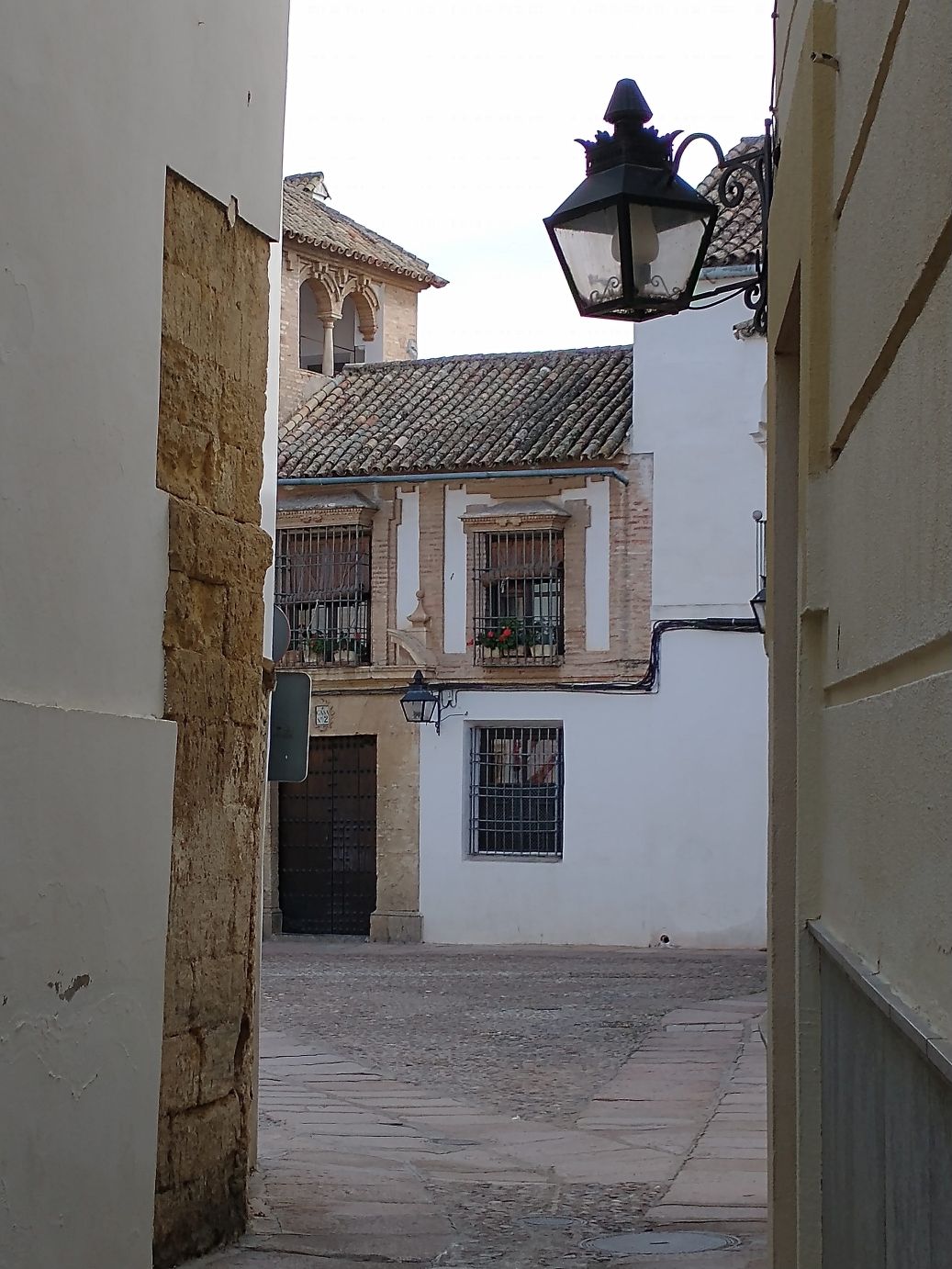
Fully sated we wander off to the synagogue, getting turned around by Google maps (again – sigh) and finally walking back past our little luncheon spot to wend through alleys and little streets, past a hotel in a confusing square to the synagogue. Thank heavens (no pun intended).
Built in 1315, and one of the three best preserved medieval synagogues in Spain, it wa sin constant use until the Jews were expelled in the 1492 reconquest. It is built in the Mudejar style, with carvings and decidedly Moorish arches and embellishments. It is typical in layout – the entry atrium and prayer room (which amazing arches and carved designs and Hebrew inscriptions) on the lower level, the women’s gallery on the upper level with arches and openings that allow them to hear and follow the service but barely be seen. There is also a lovely little garden area before the atrium entrance.
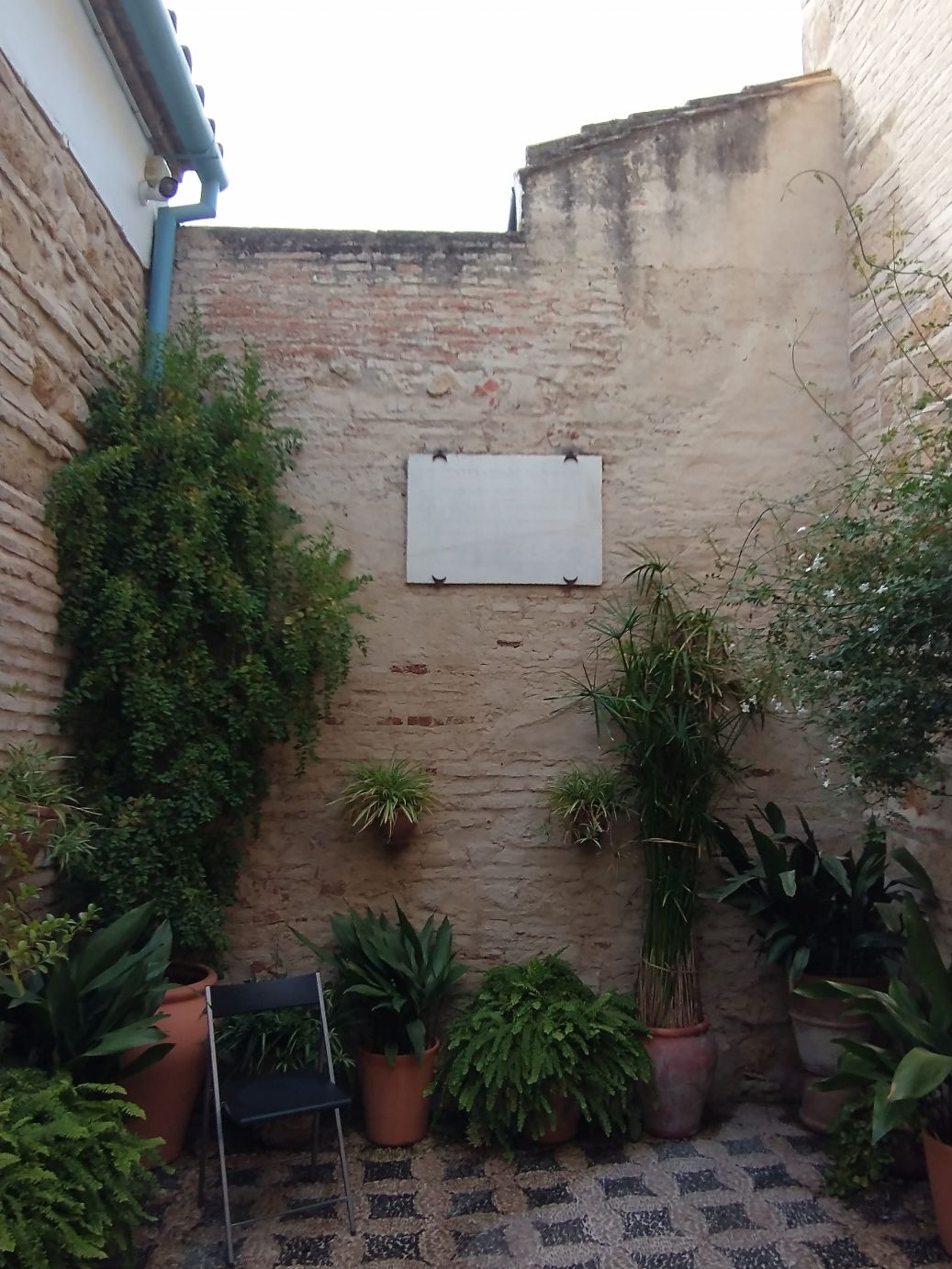
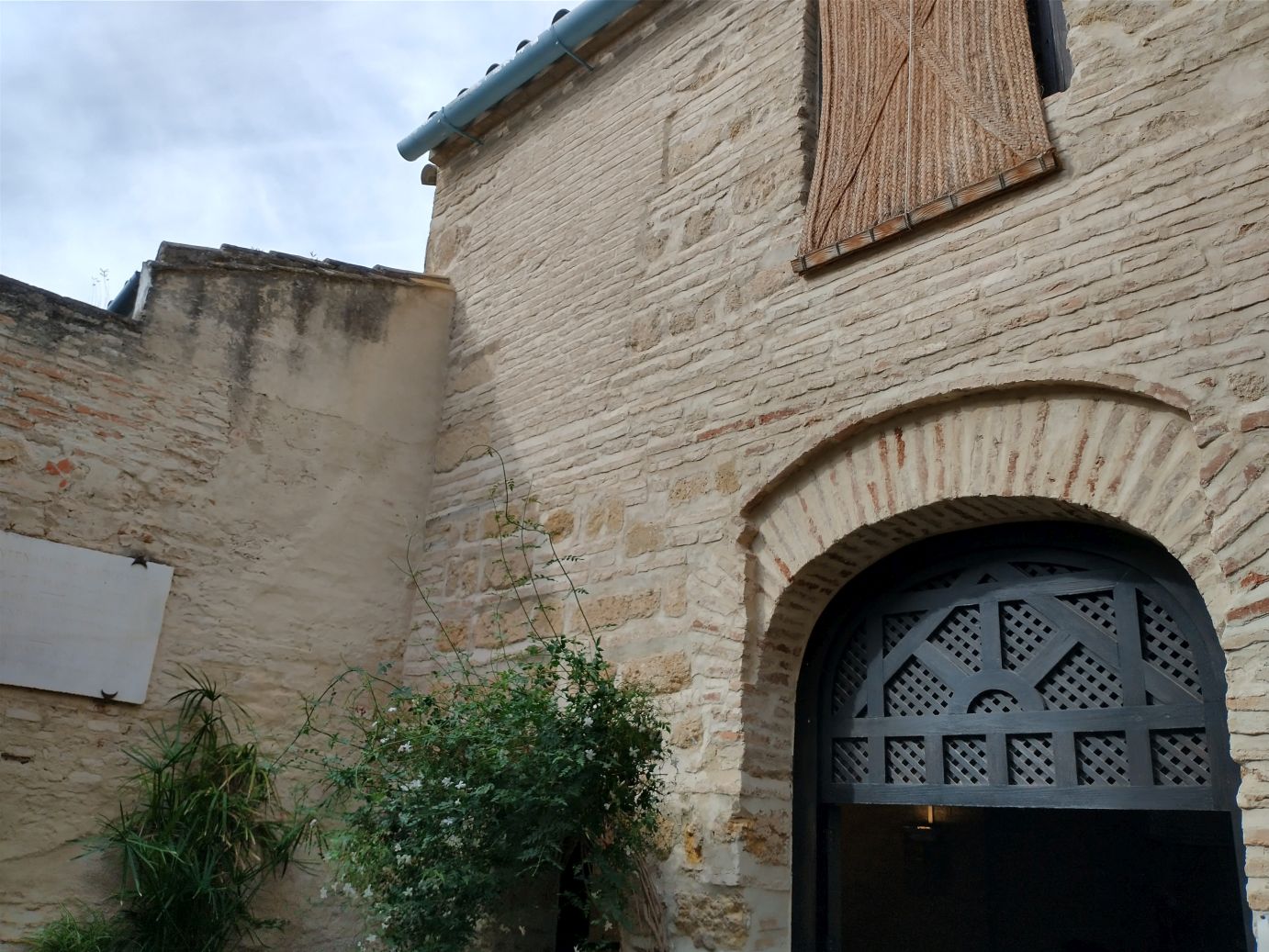
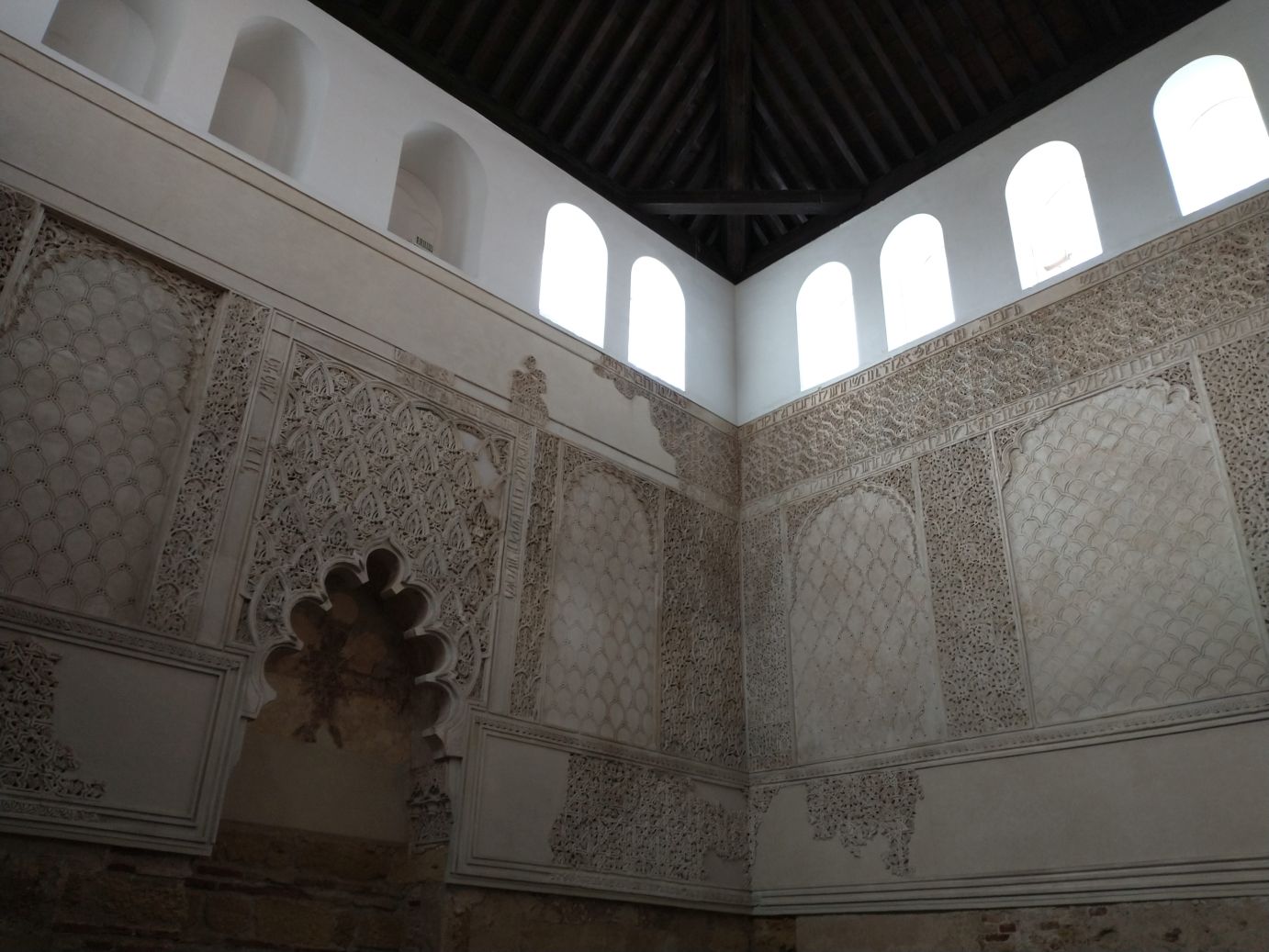
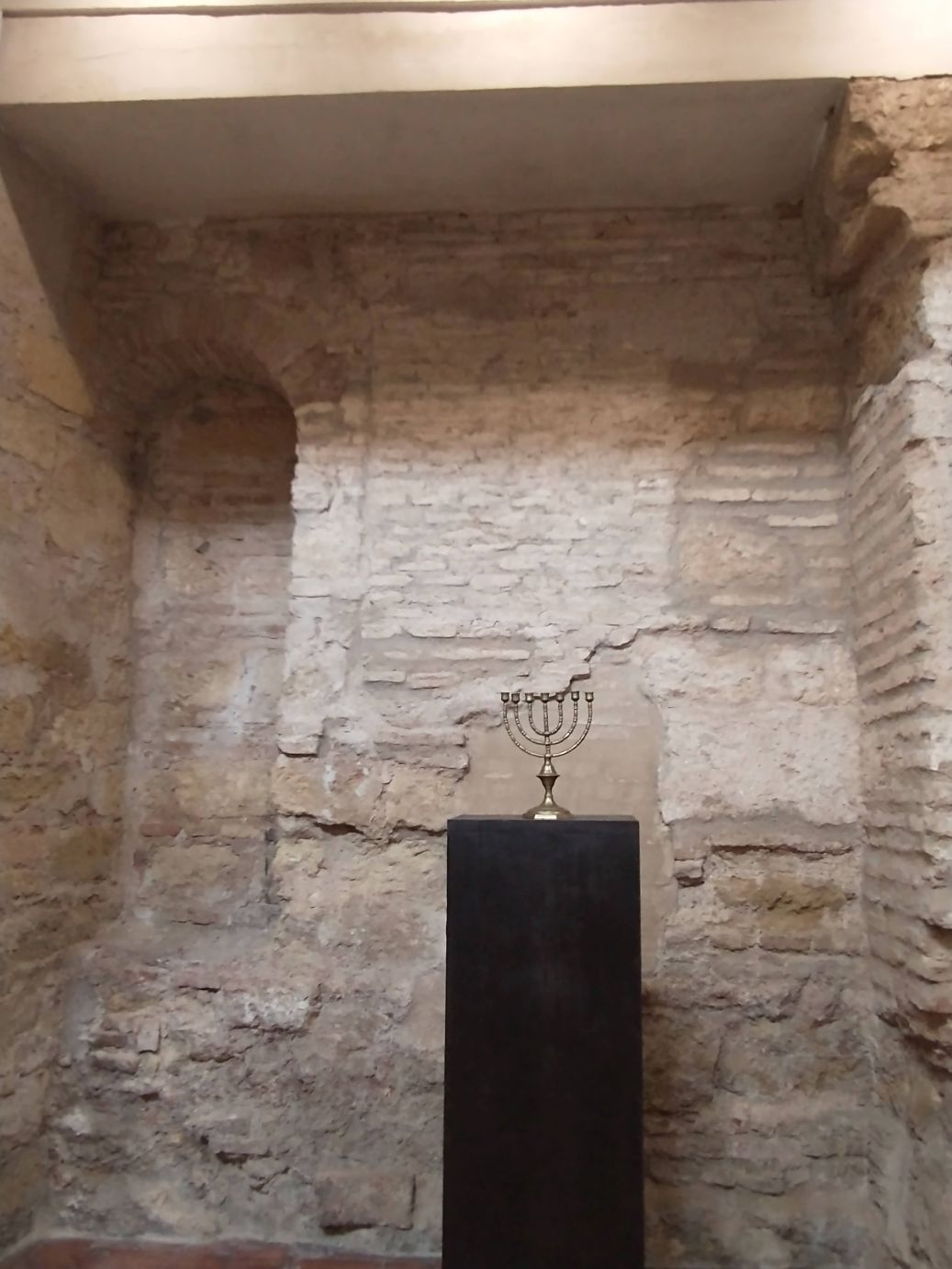
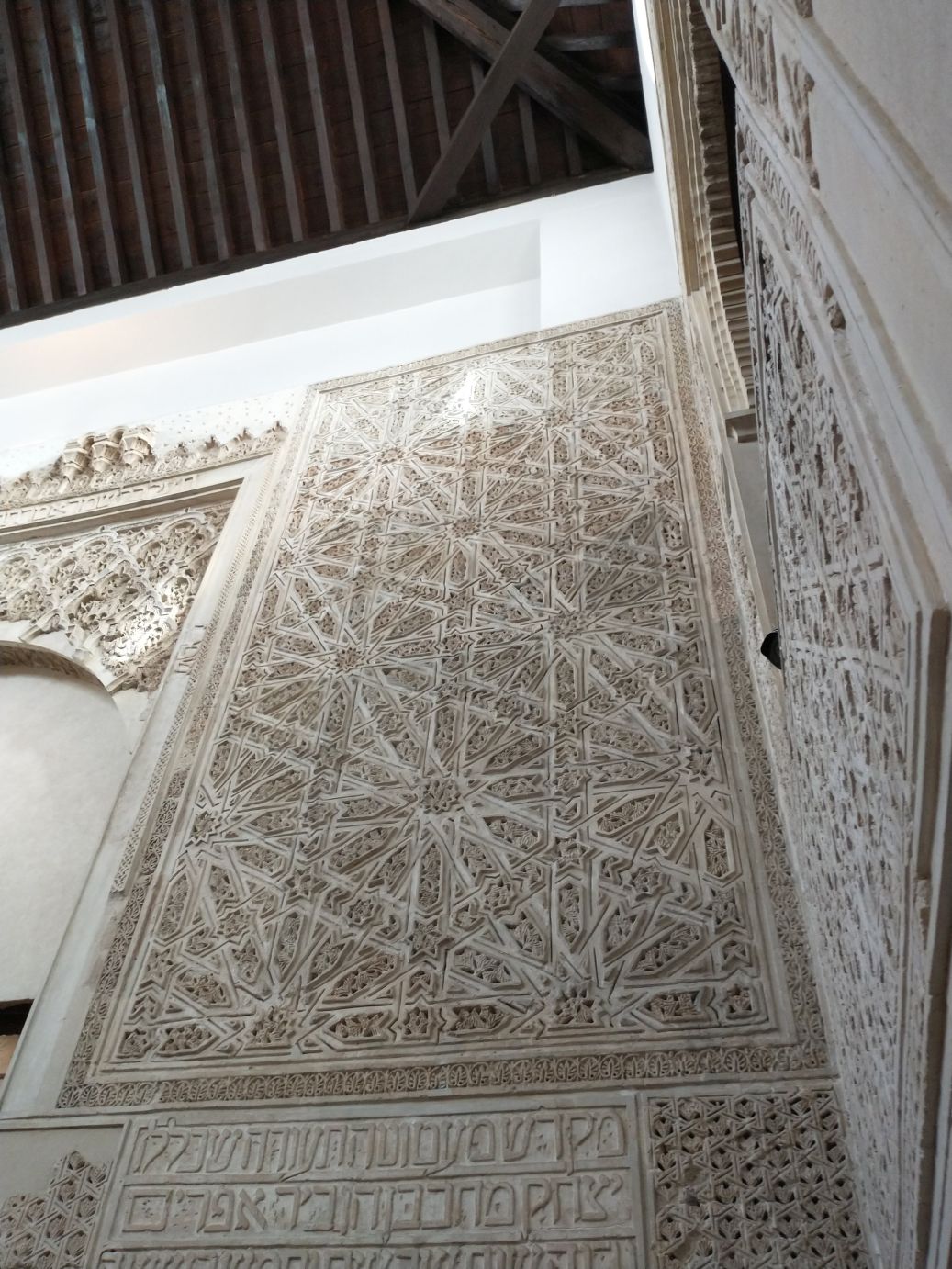
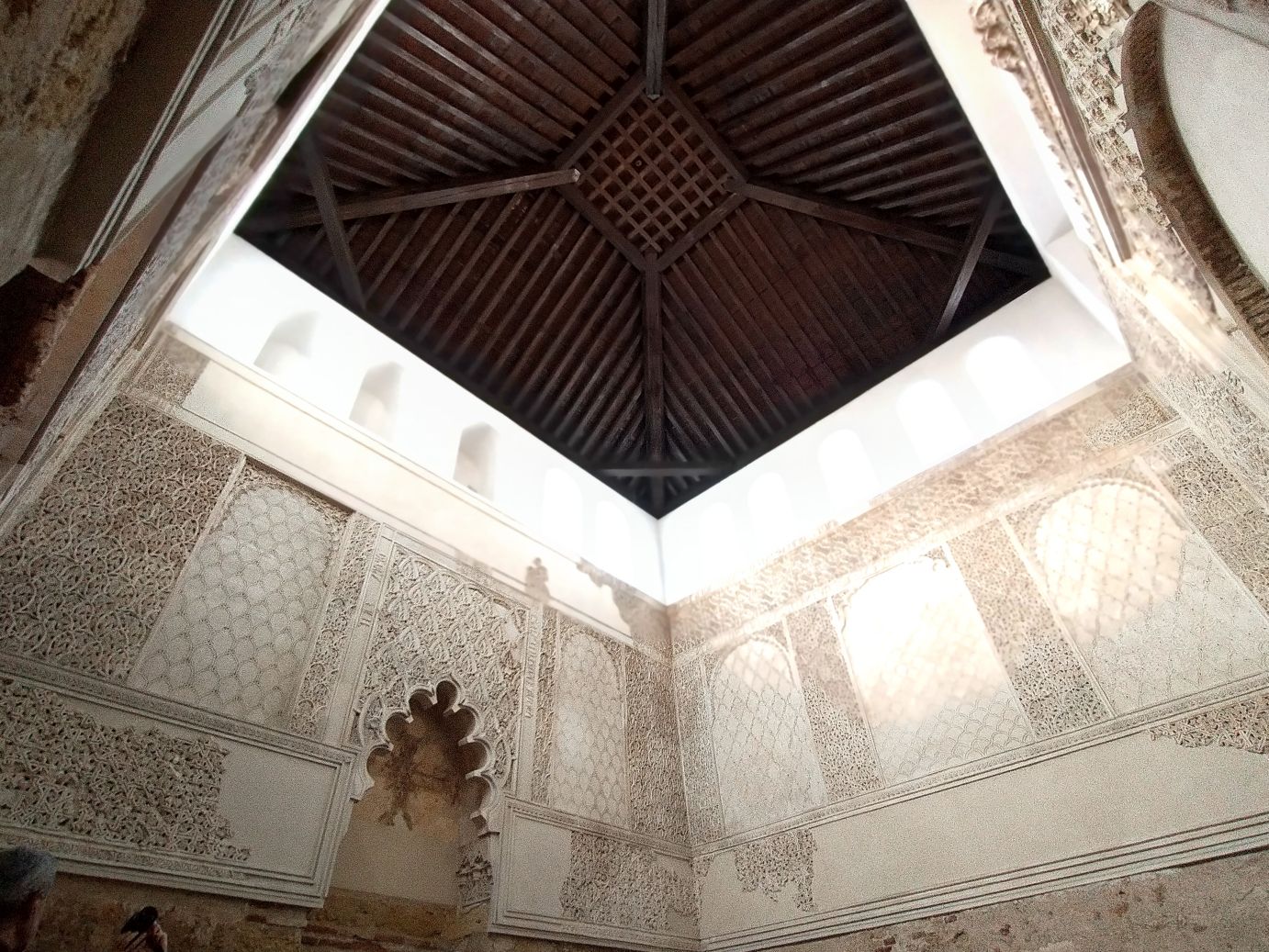
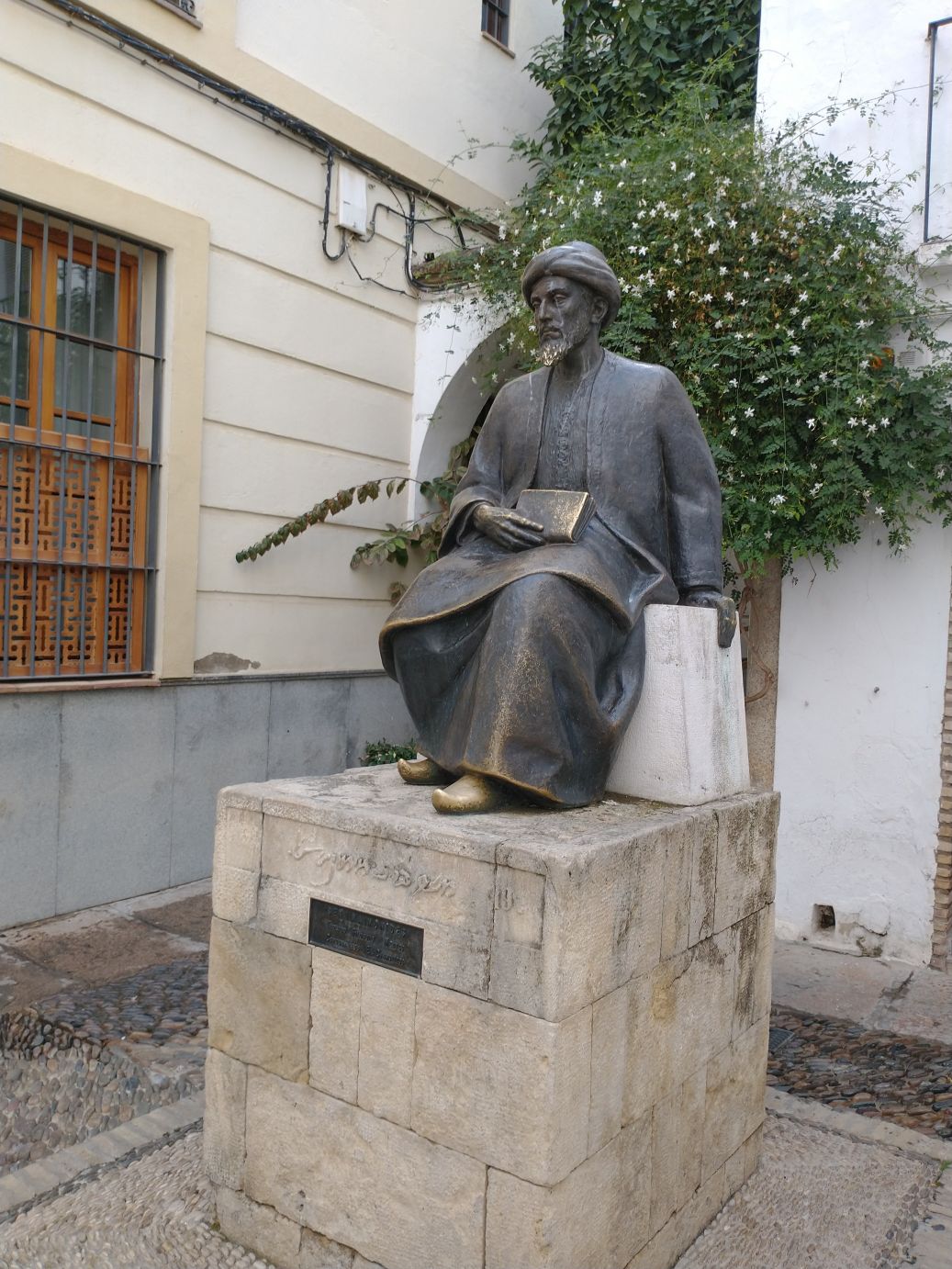
It is really very small – and we are lucky it isn’t very crowded – but still, we don’t want to linger in case more people arrive. While quite interesting, there is only so much to see inside so we head out into the sunshine to find the Arab baths – passing back through the little maze of alleyways and streets to the confusing square and then out onto the main street where the baths are located down a subway-looking set of stairs.
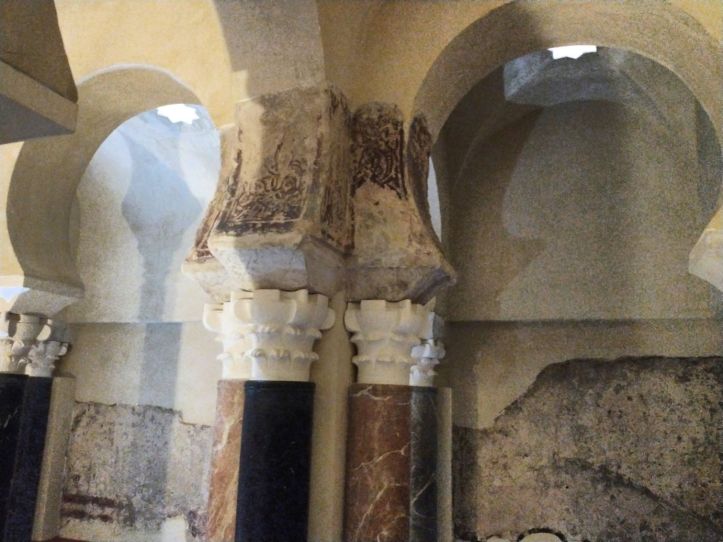
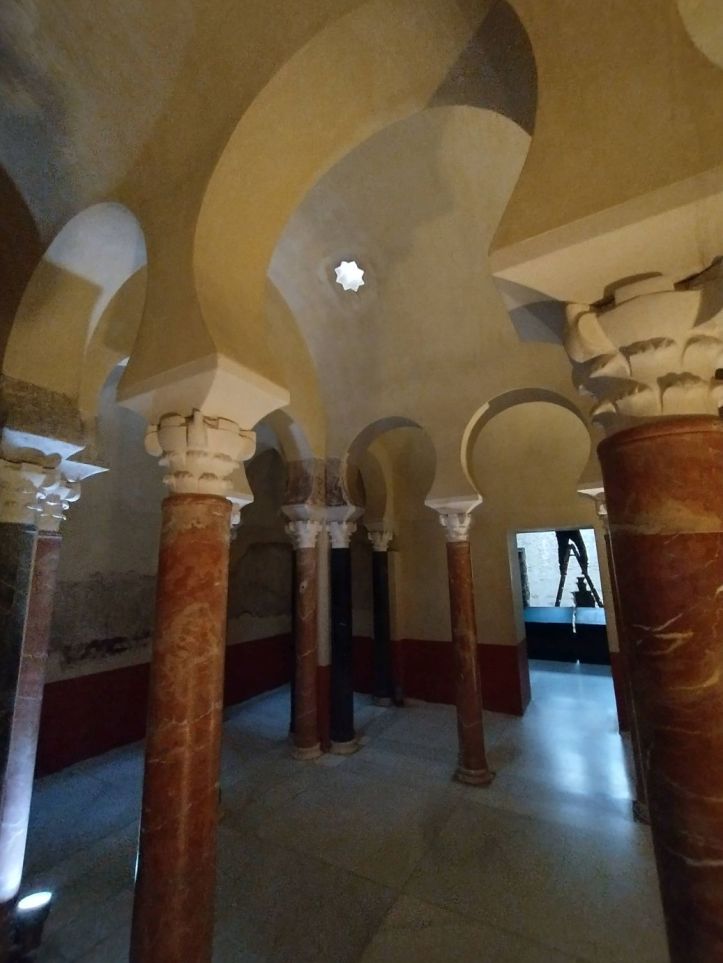
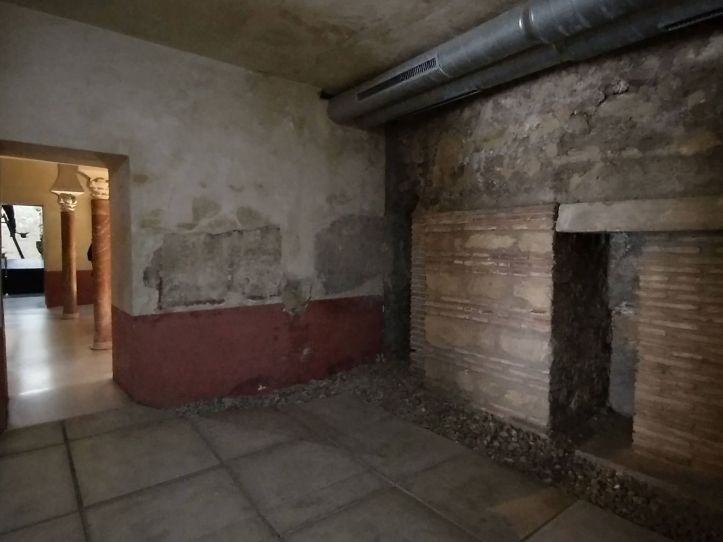
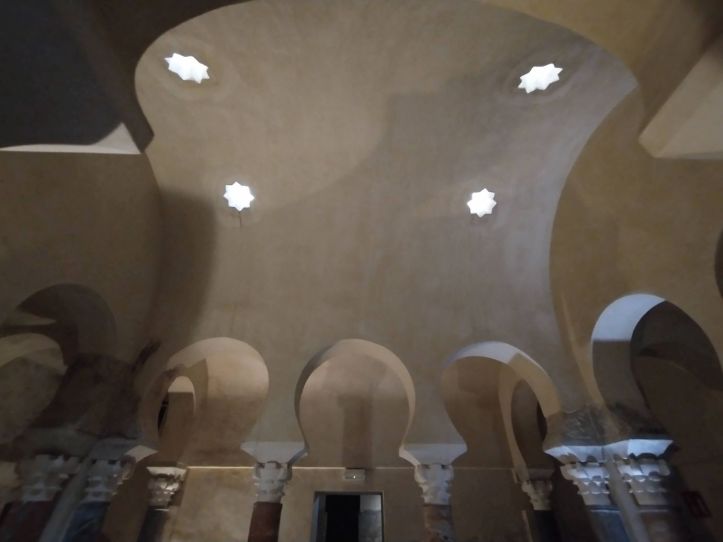
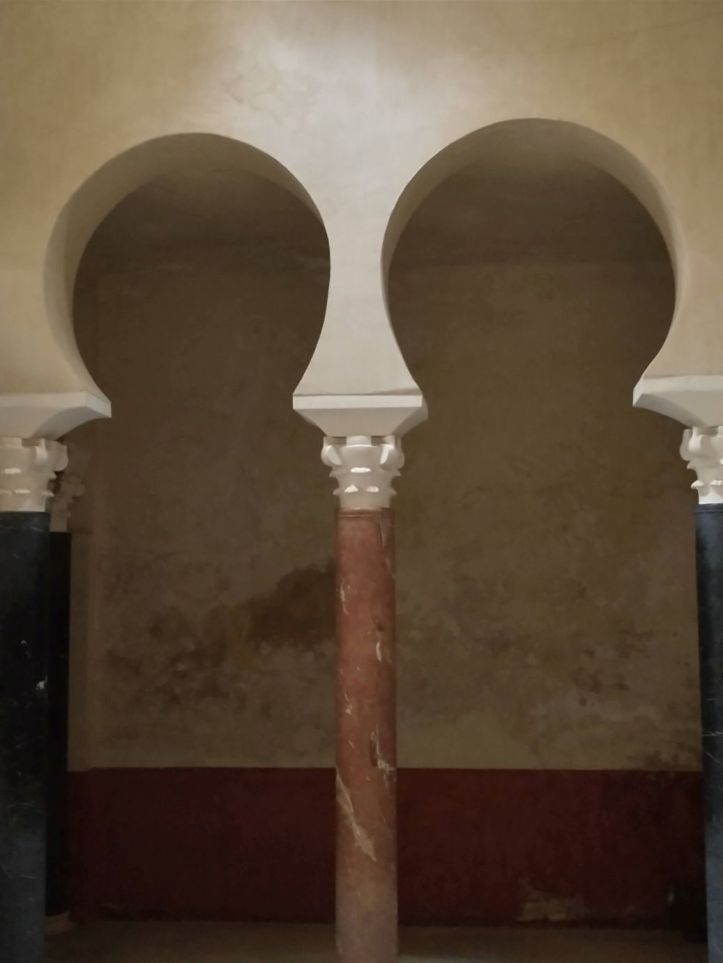
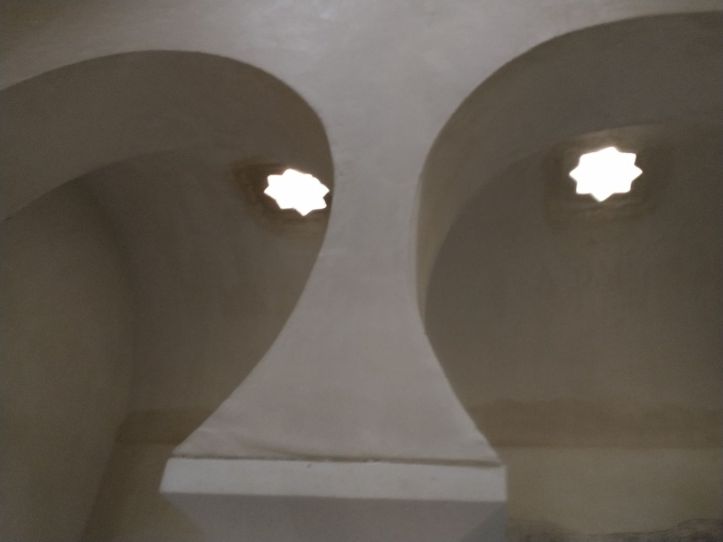
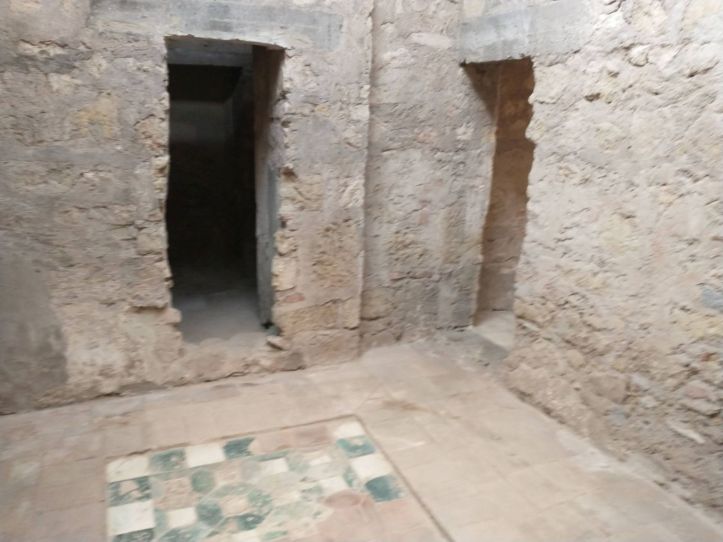
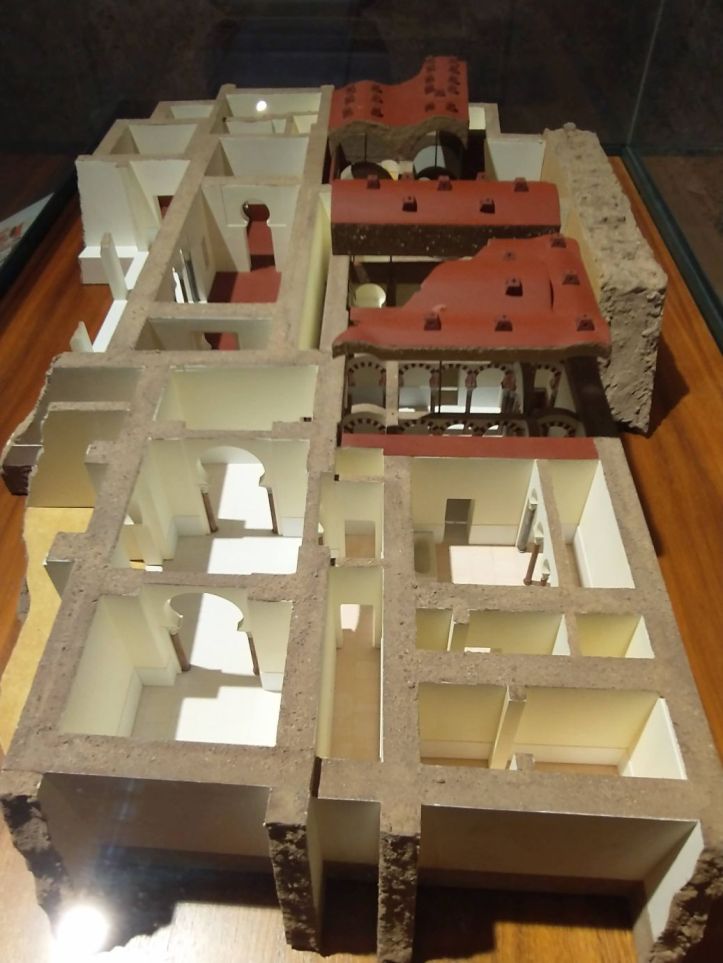
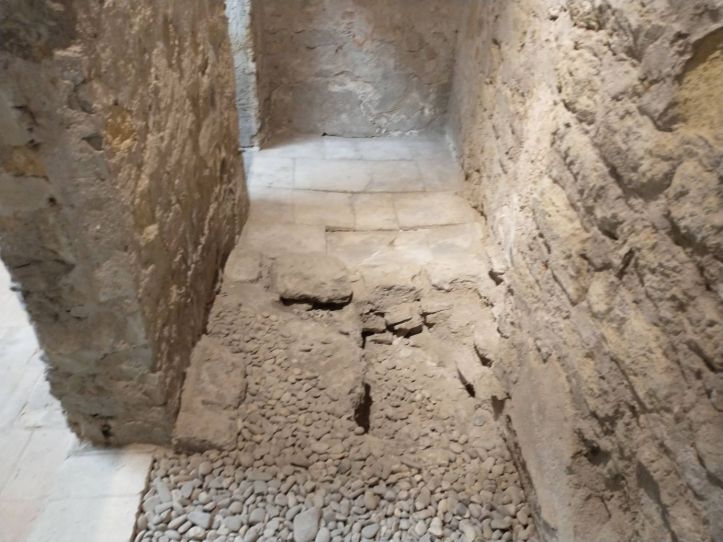
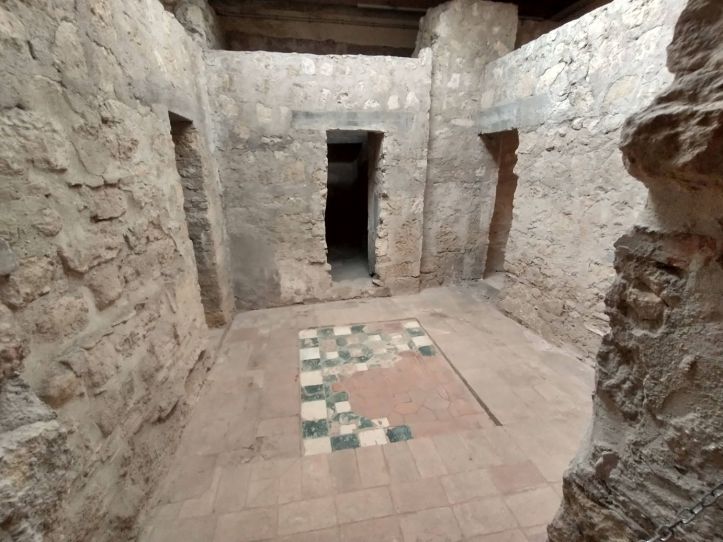
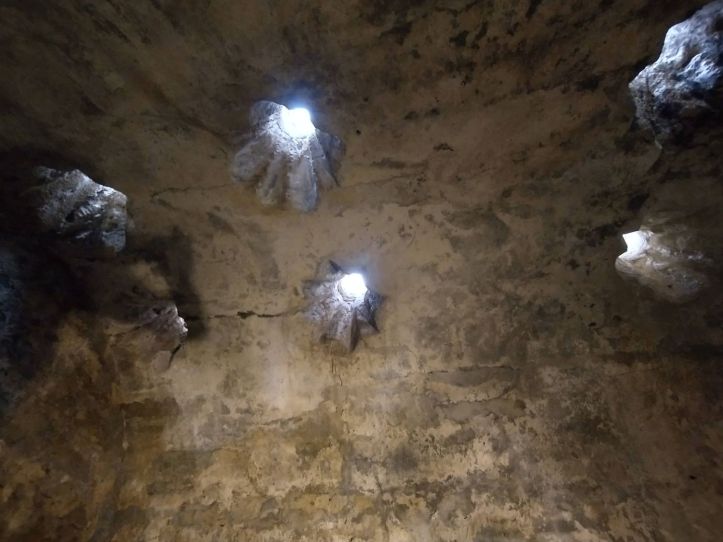
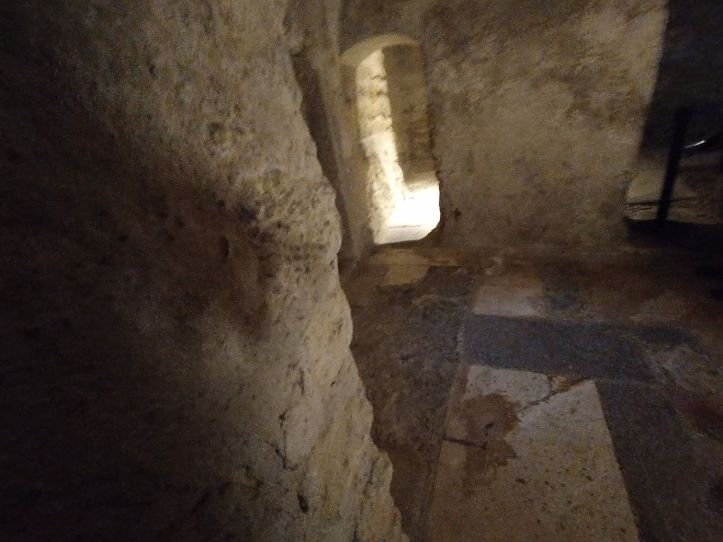
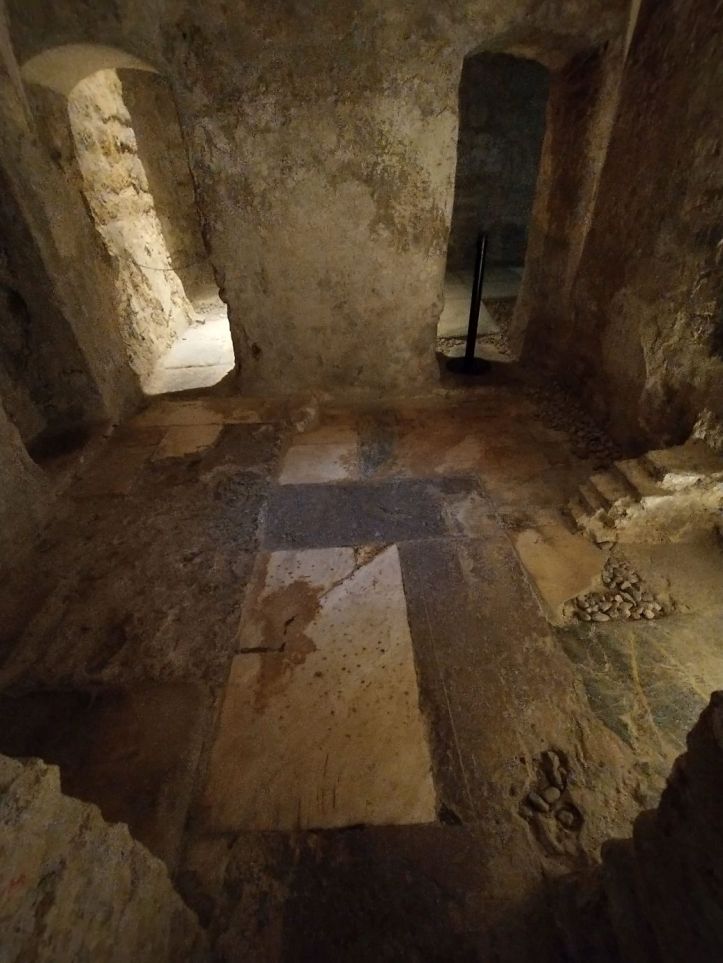
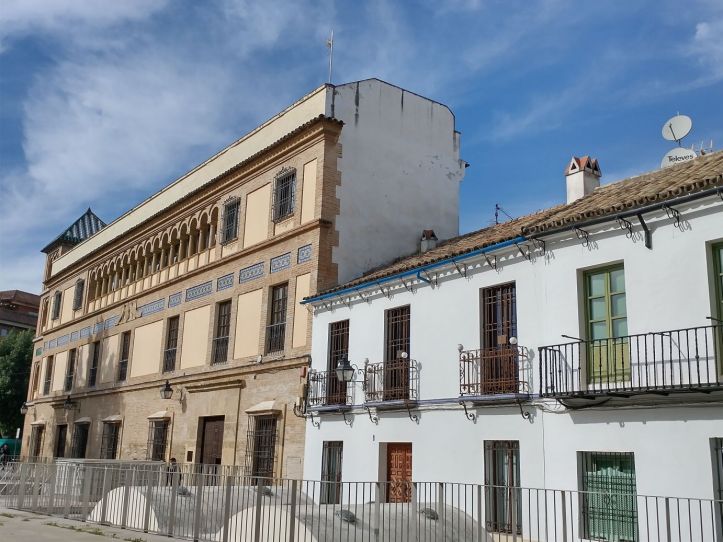
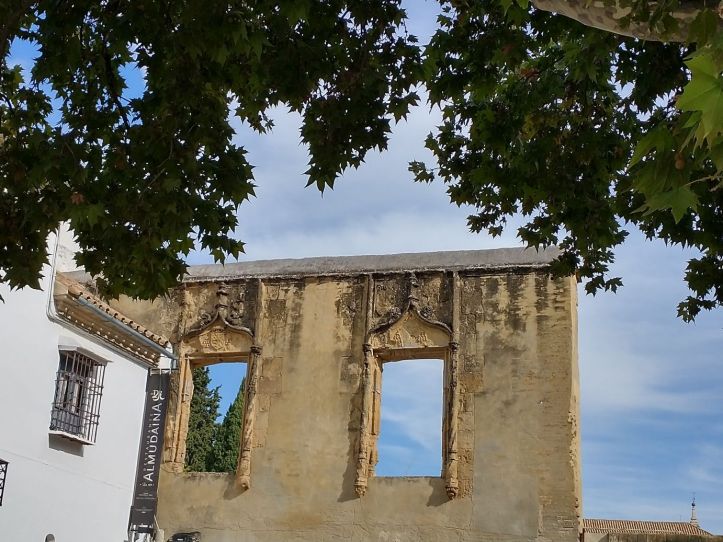
Part of the Umayyad Alcazar, which is no longer in existence, the baths were first built for the Caliphate of Alhakem II. They were added onto and then reused by the Almohads in the 12th Century, before being abandoned altogether. Surprisingly well preserved, our tour route takes us first through the Caliphal baths then on to the newer Almohad additions – all with the cut outs in the ceilings and preserved and recreated columns and archways.
It is a really big complex – much bigger than expected – and there is so much interesting to see, it takes us a good while to make our way all through the different rooms and corresponding displays. There are excellent background explanations posted all over, as well as a great miniature model of what the city looked like during the Caliphate and Almohad times. It helps put most of what we’ve seen today into perspective making it much easier to see how the reconquest changed and added to the city from the original development.
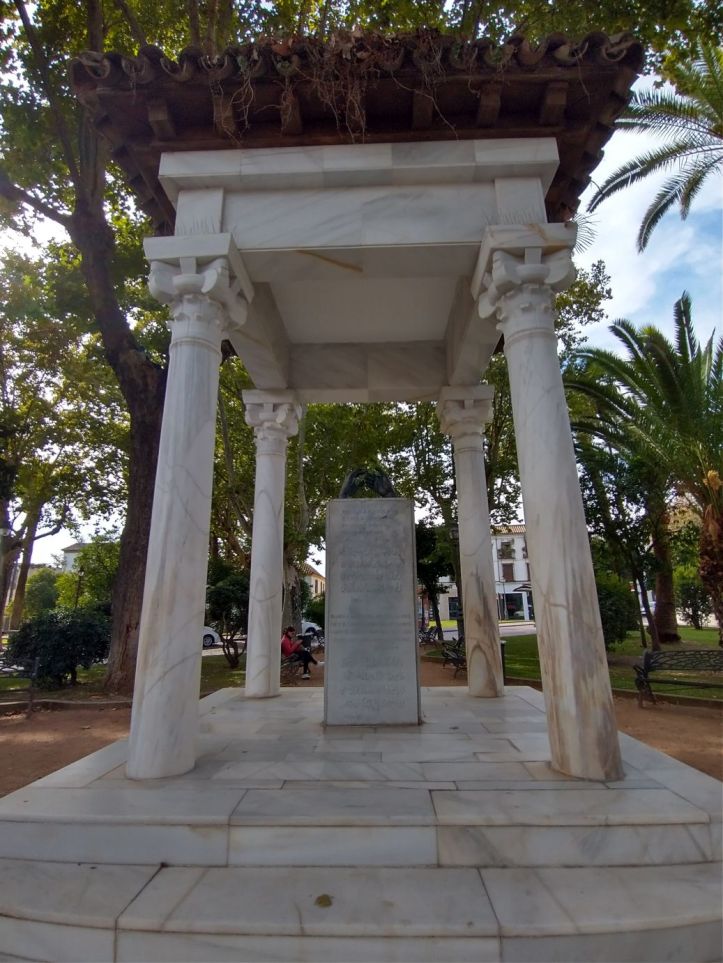
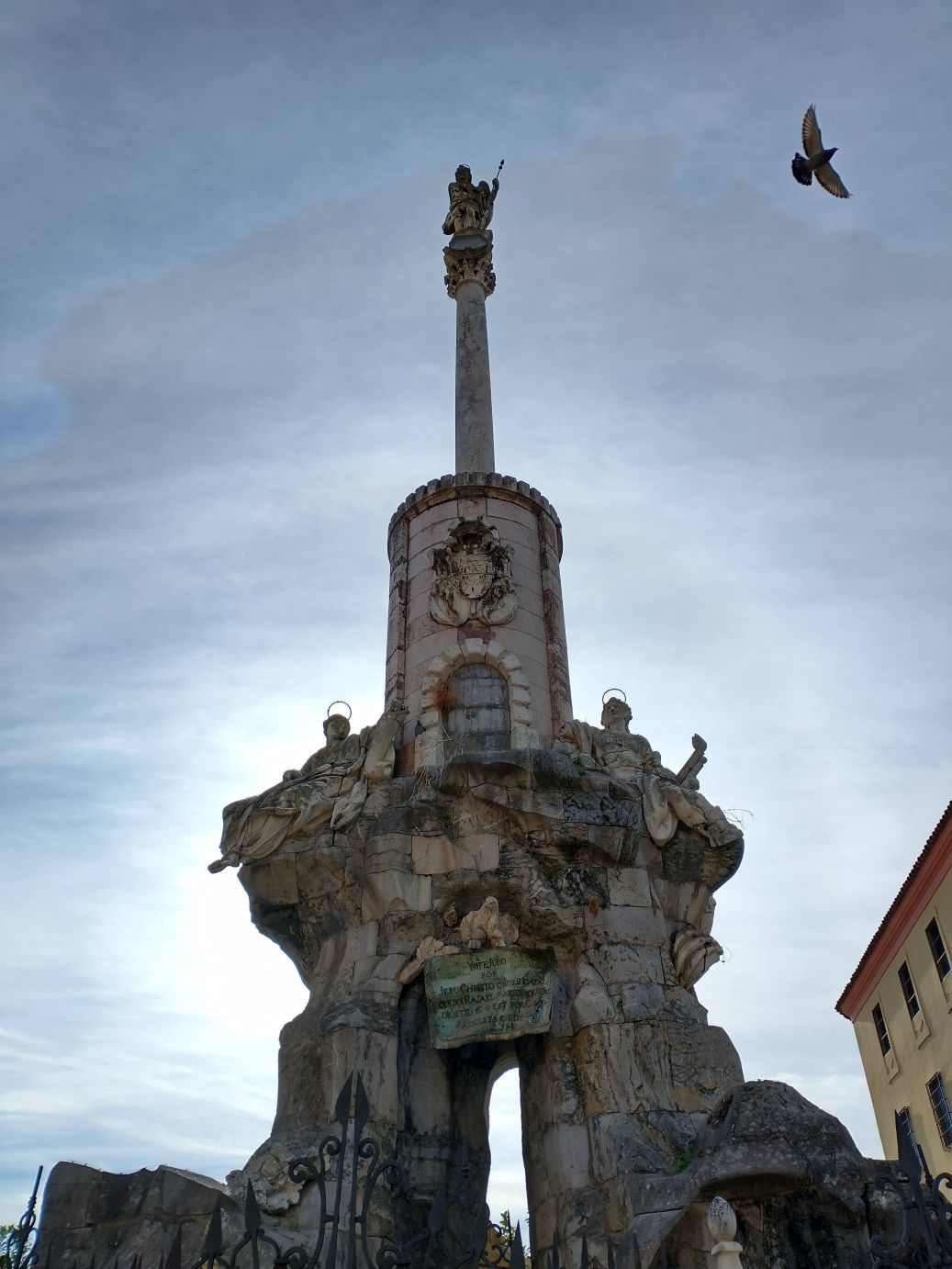
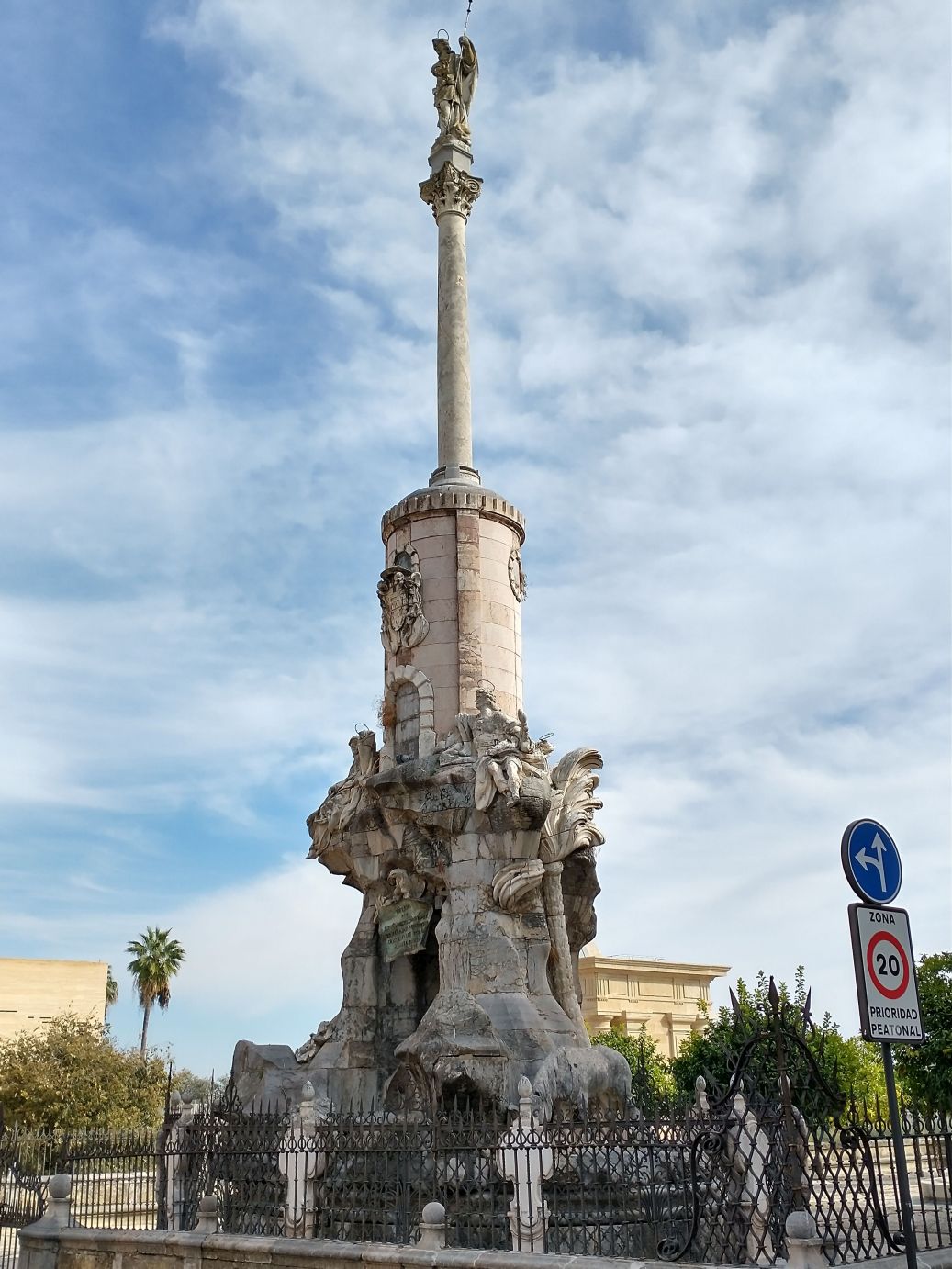
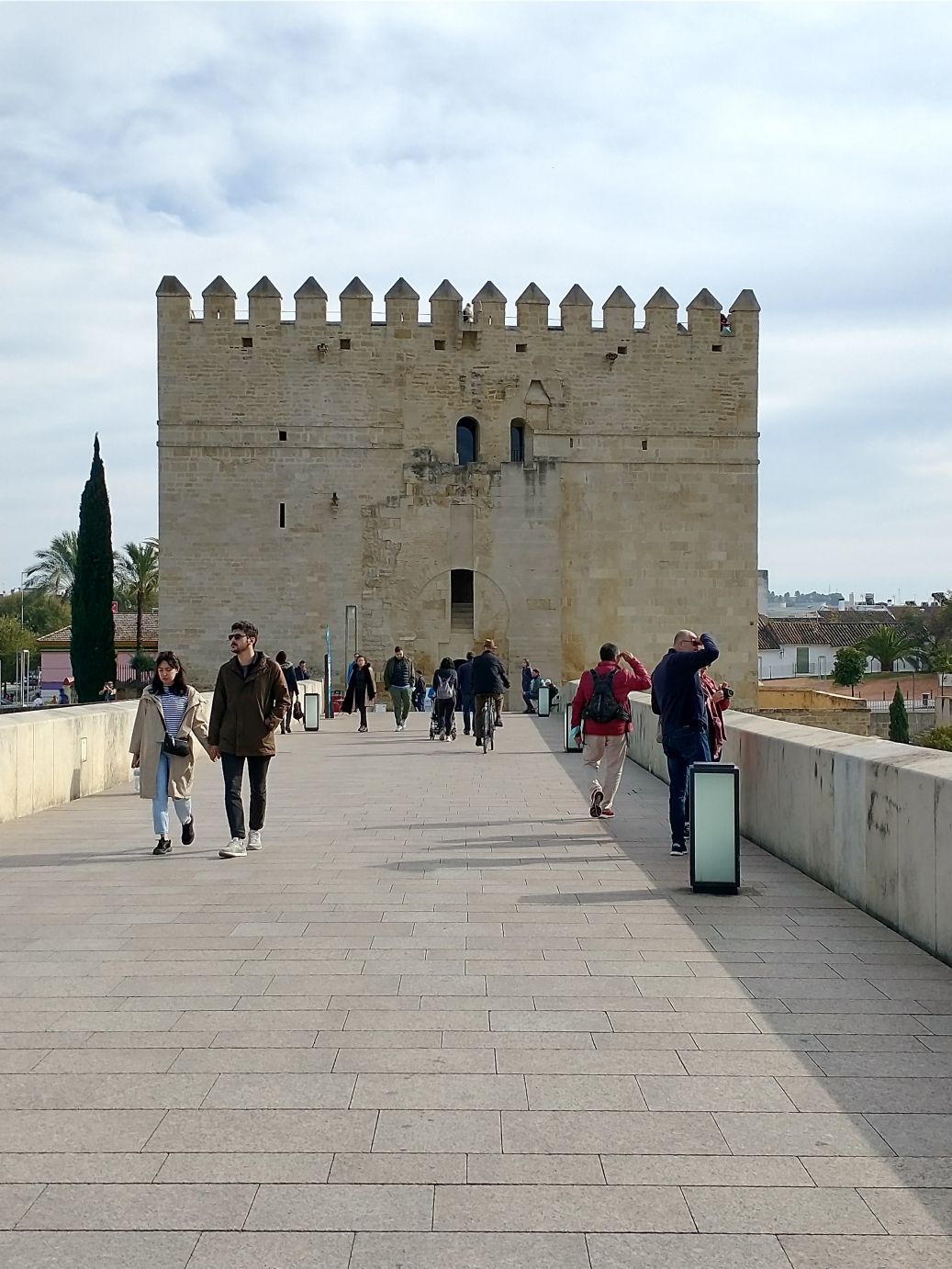
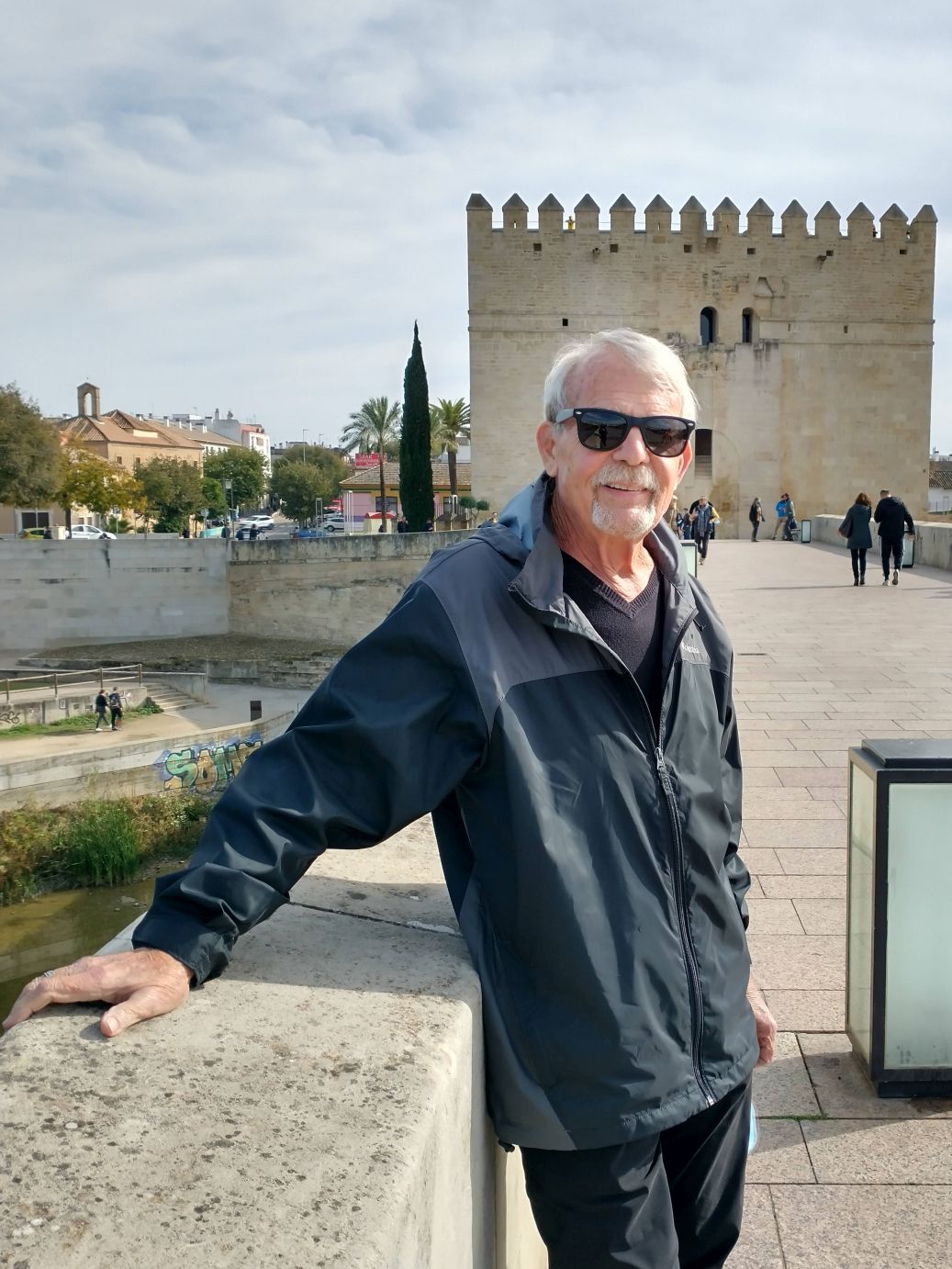
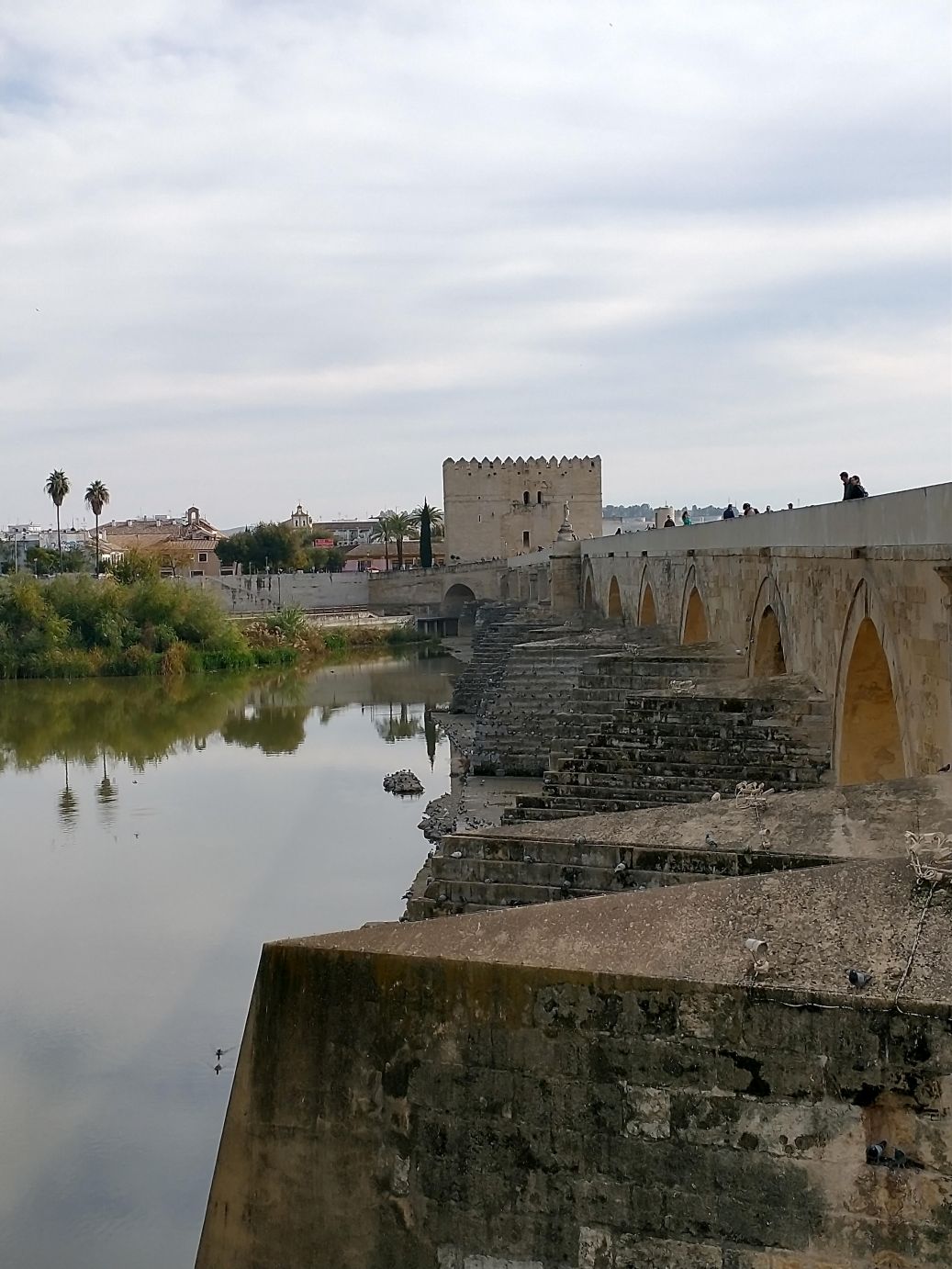
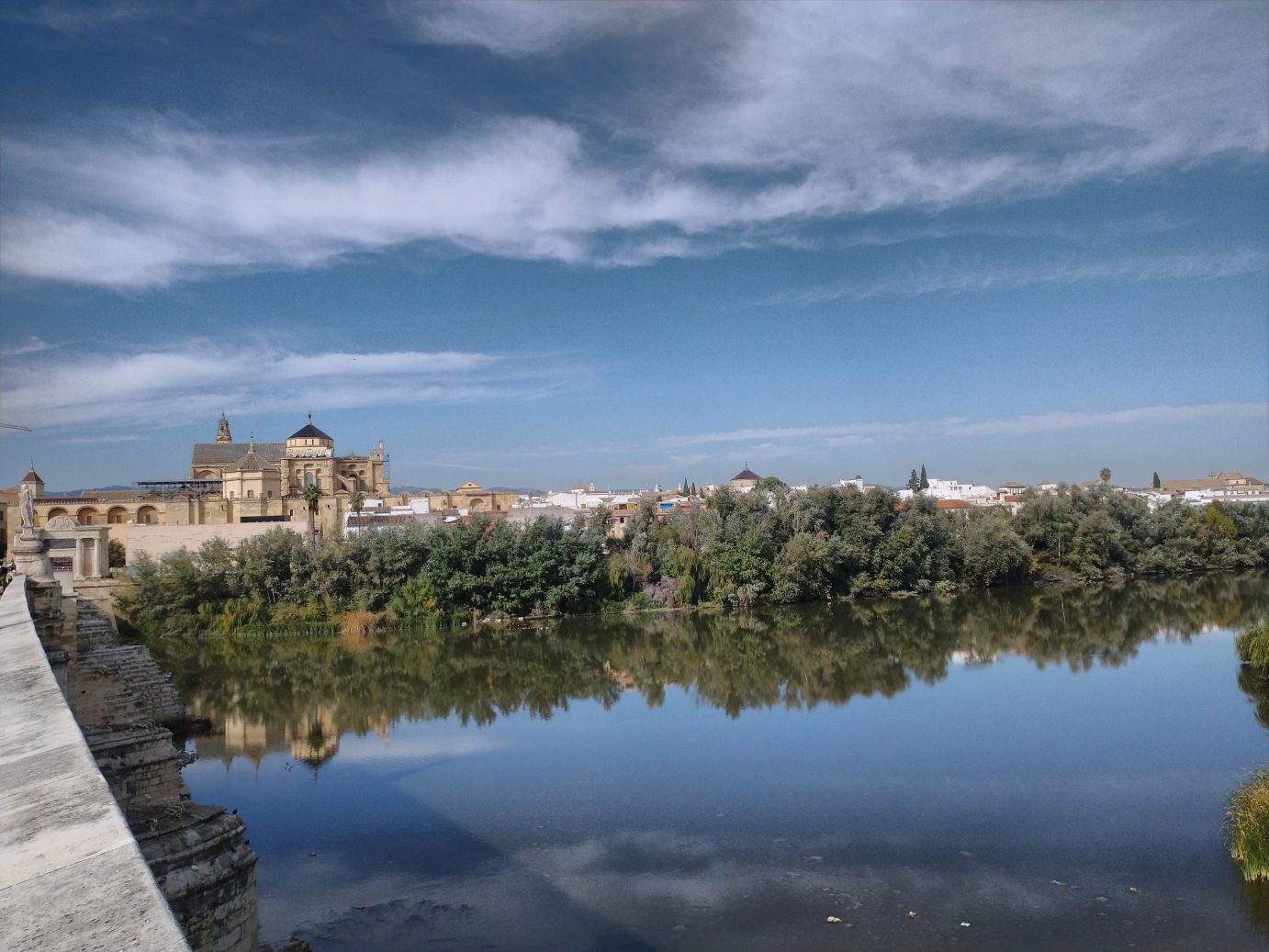
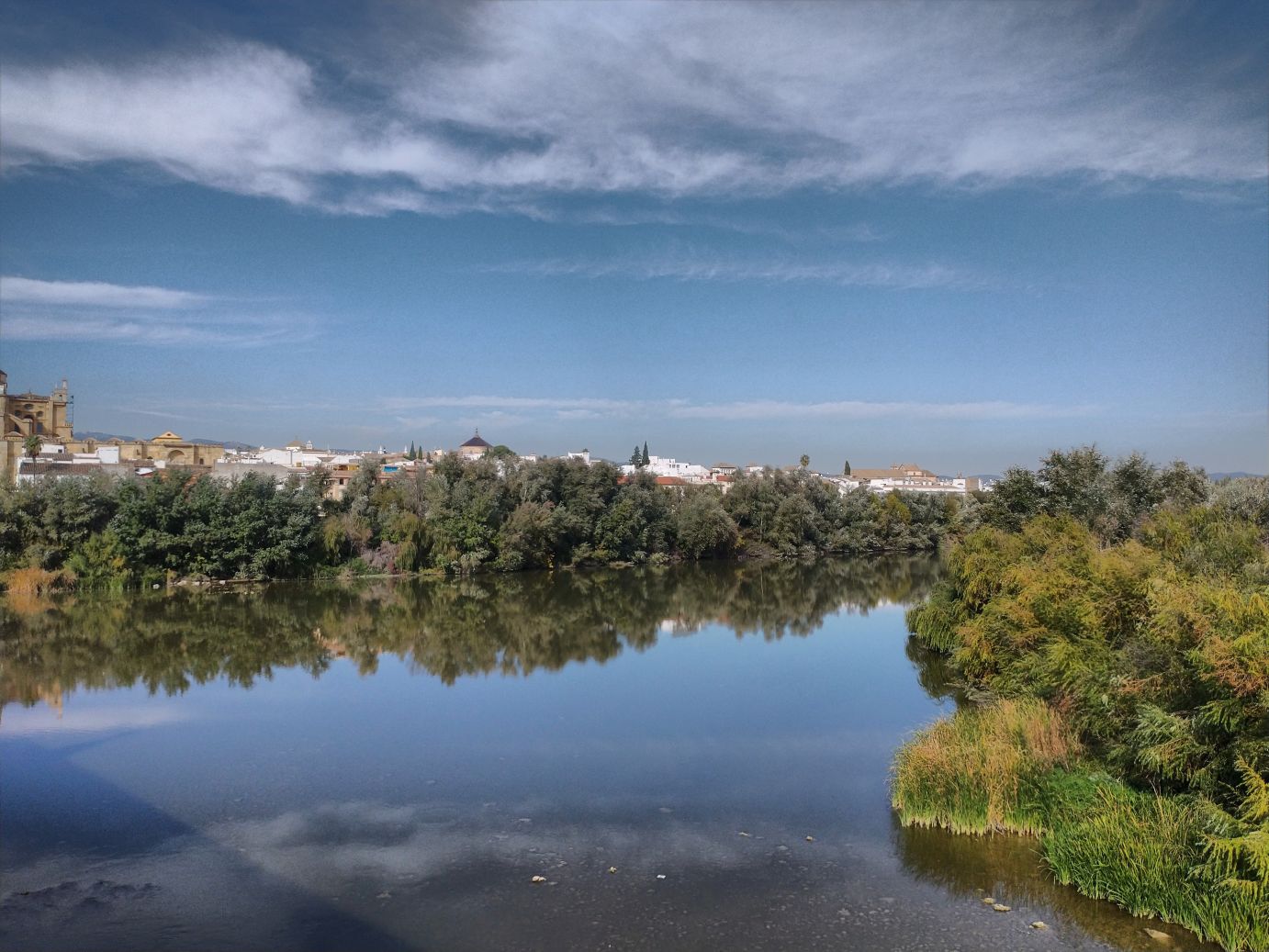
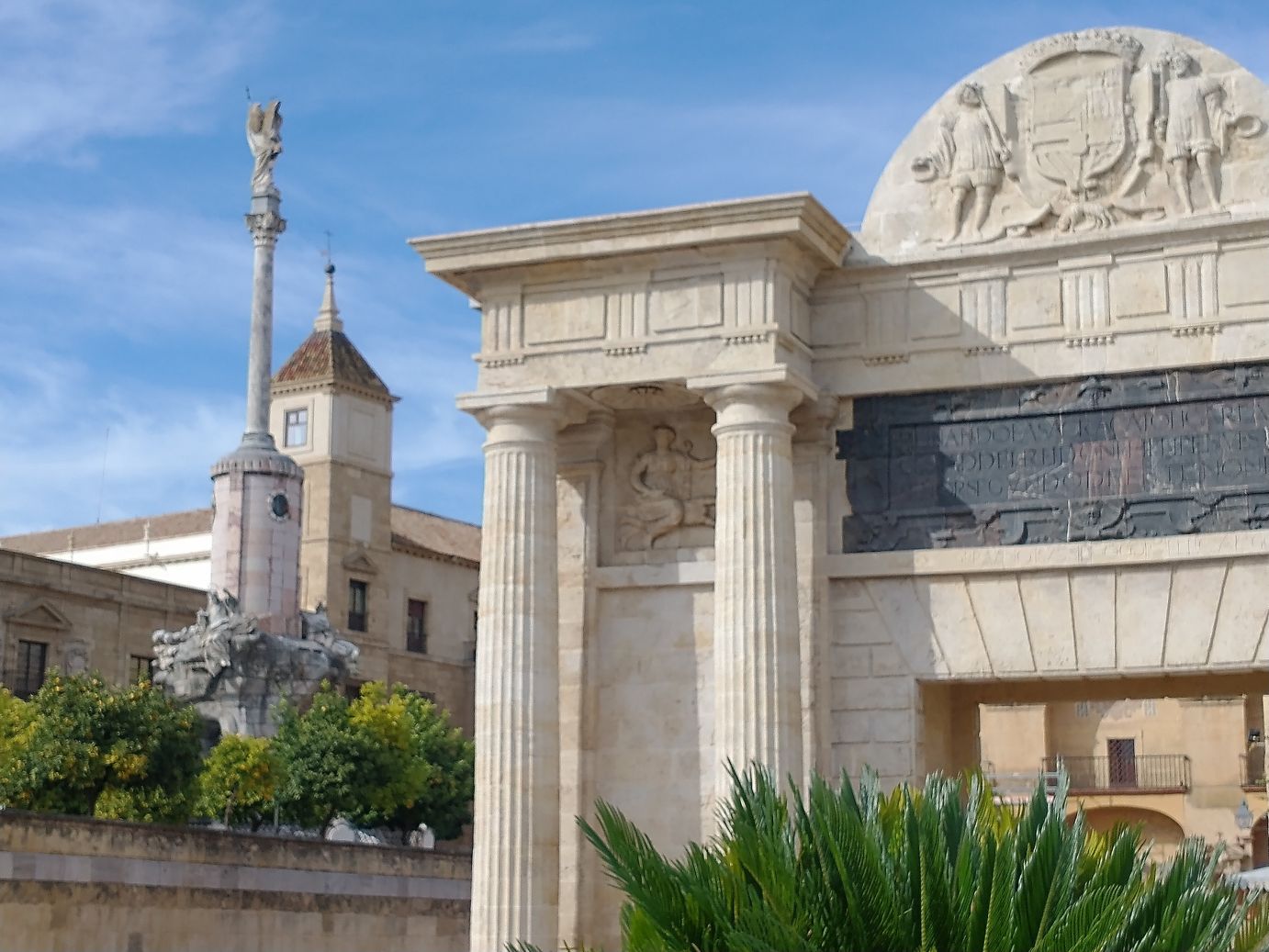
By the time we leave the baths it is getting past 2pm and we need to be getting back on the road so we aren’t driving in the dark back to Seville. As all roads lead to the cathedral, we find ourselves back in the square, taking yet more pictures of its perfectly lit façade, more pictures of the 18th Century Tiunfo de San Rafael de la Puerta del Puente (the monument to the archangel San Rafael) and the Puerta del Puente itself (the city gate). Since we are there, and we do have some time, we cross the roman Bridge for wonderful views up and down the Guadalquivir river as well as the Torre de Calahorra, the Medieval gate-tower, now the town museum. There are too many people about and we don’t want to spend any more time here because of the drive, so we skip the museum, enjoy the scenery and head back to the car.
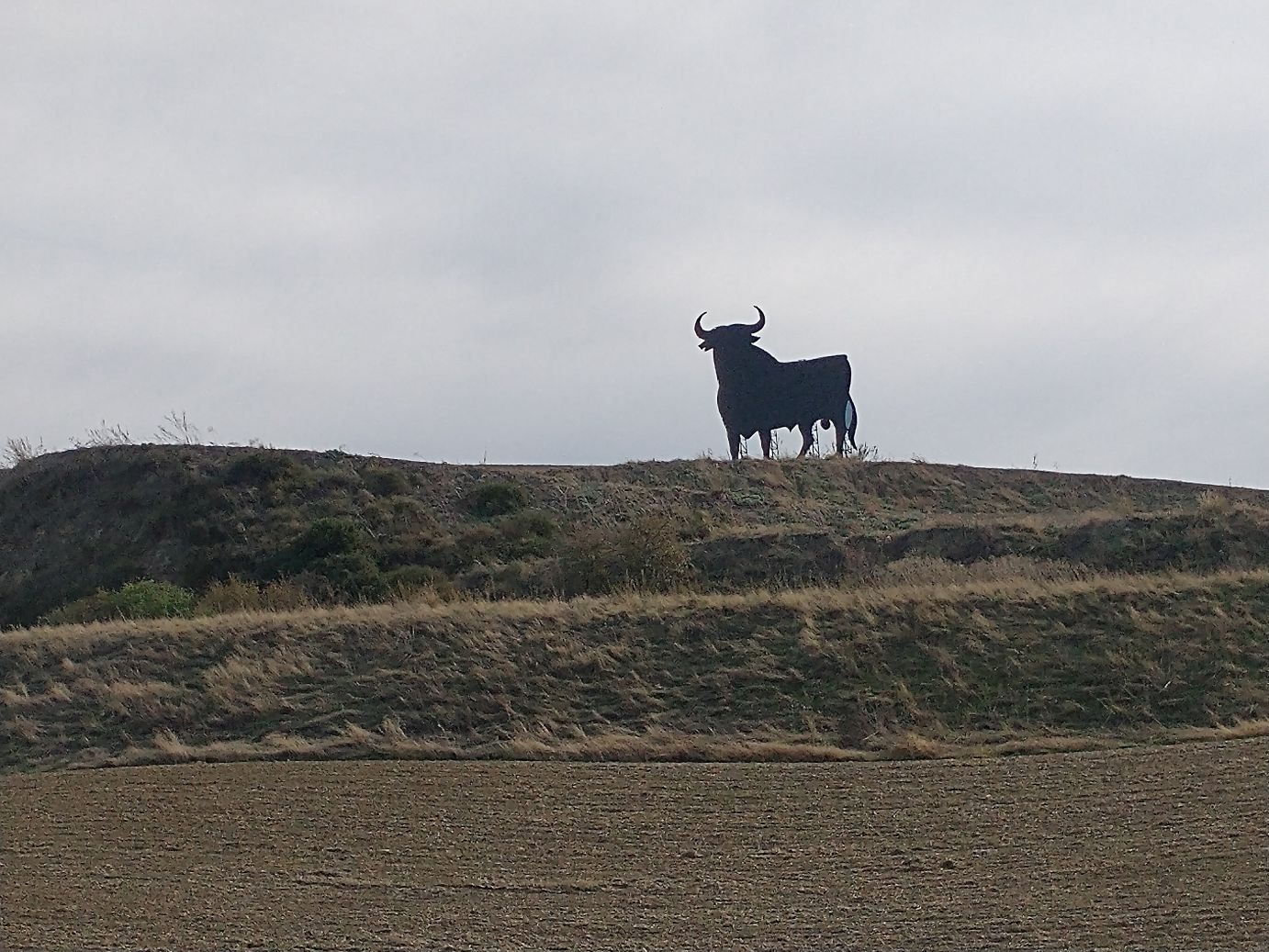
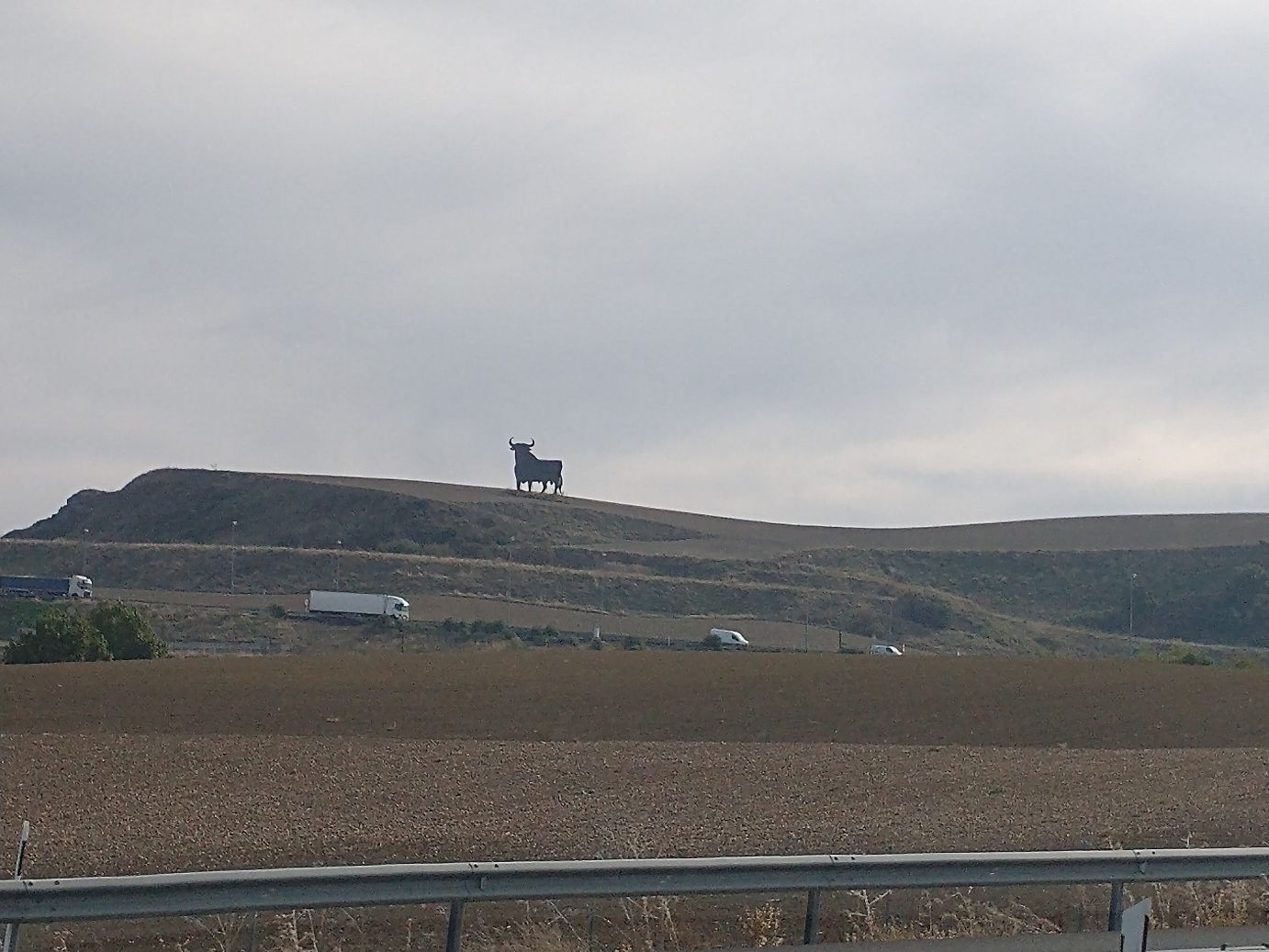
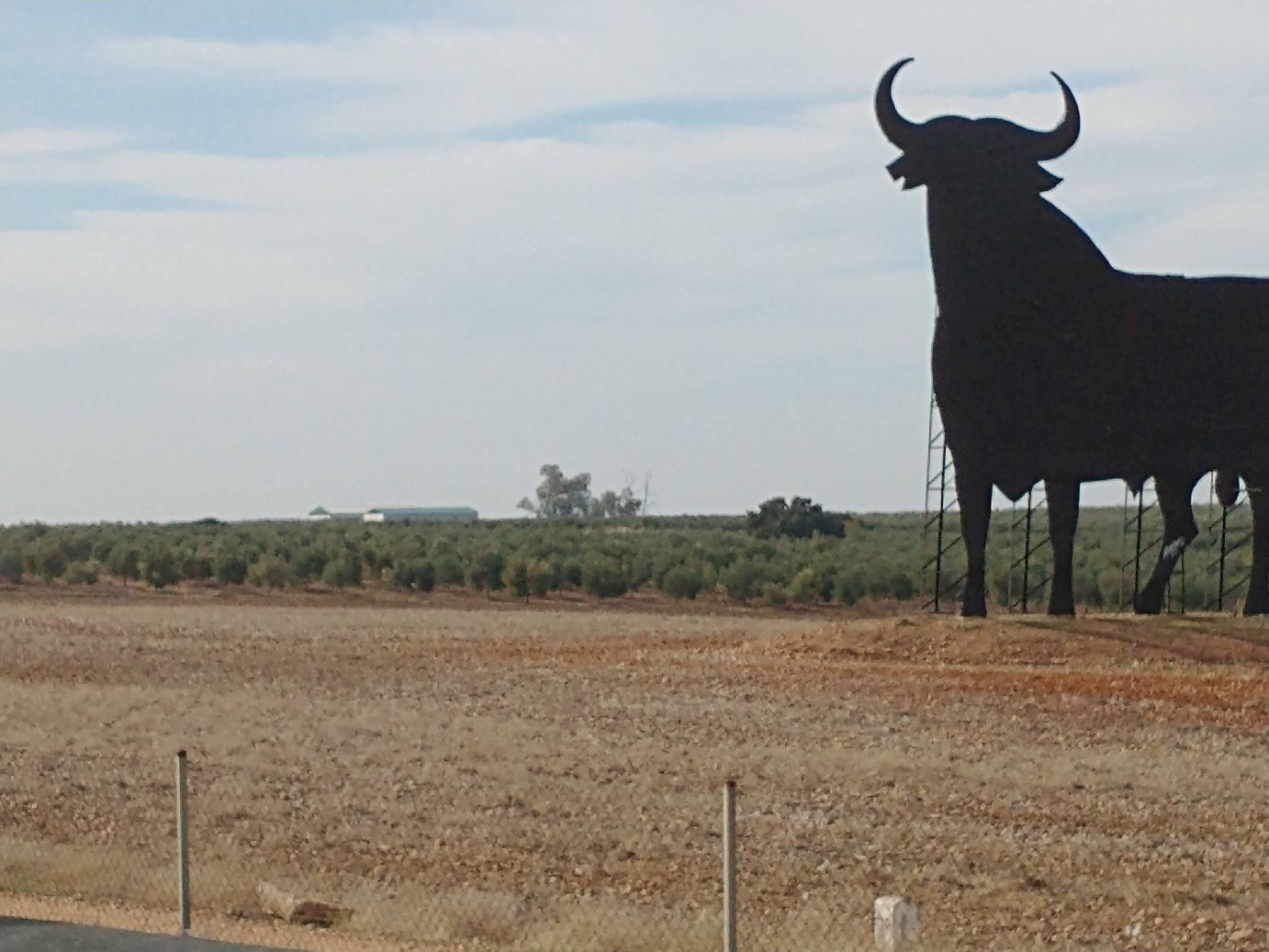
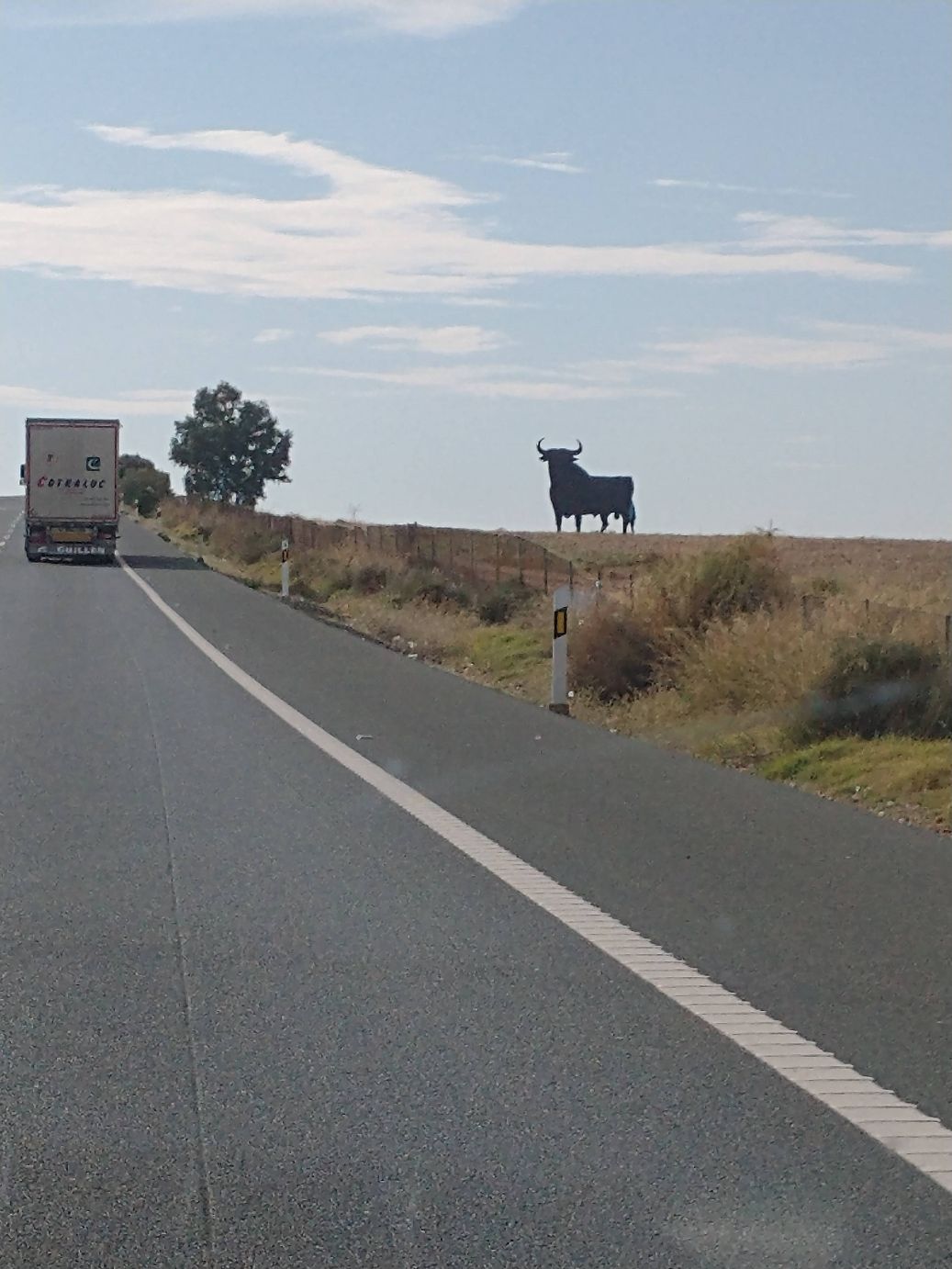
The drive back is just as easy as the drive out. Straight shot along the highway, with those enormous black bull cutouts on the hills. We saw these in 2008 when we drove from Barcelona to Madrid but didn’t remember what they were until we looked them up again. Originally an advertisement for Toros de Osborne, a brady made by the Osborne company, and emblazoned with the name in red, in 1994 the legislature passed a ruling limiting advertising on highways. There was such an outcry over the possibility of losing these enormous bull signs, that the legislature relented on the condition the name of the brandy was removed and the bull was painted all black. So there you have it – why there are so many of these huge bulls strategically placed all over the country!
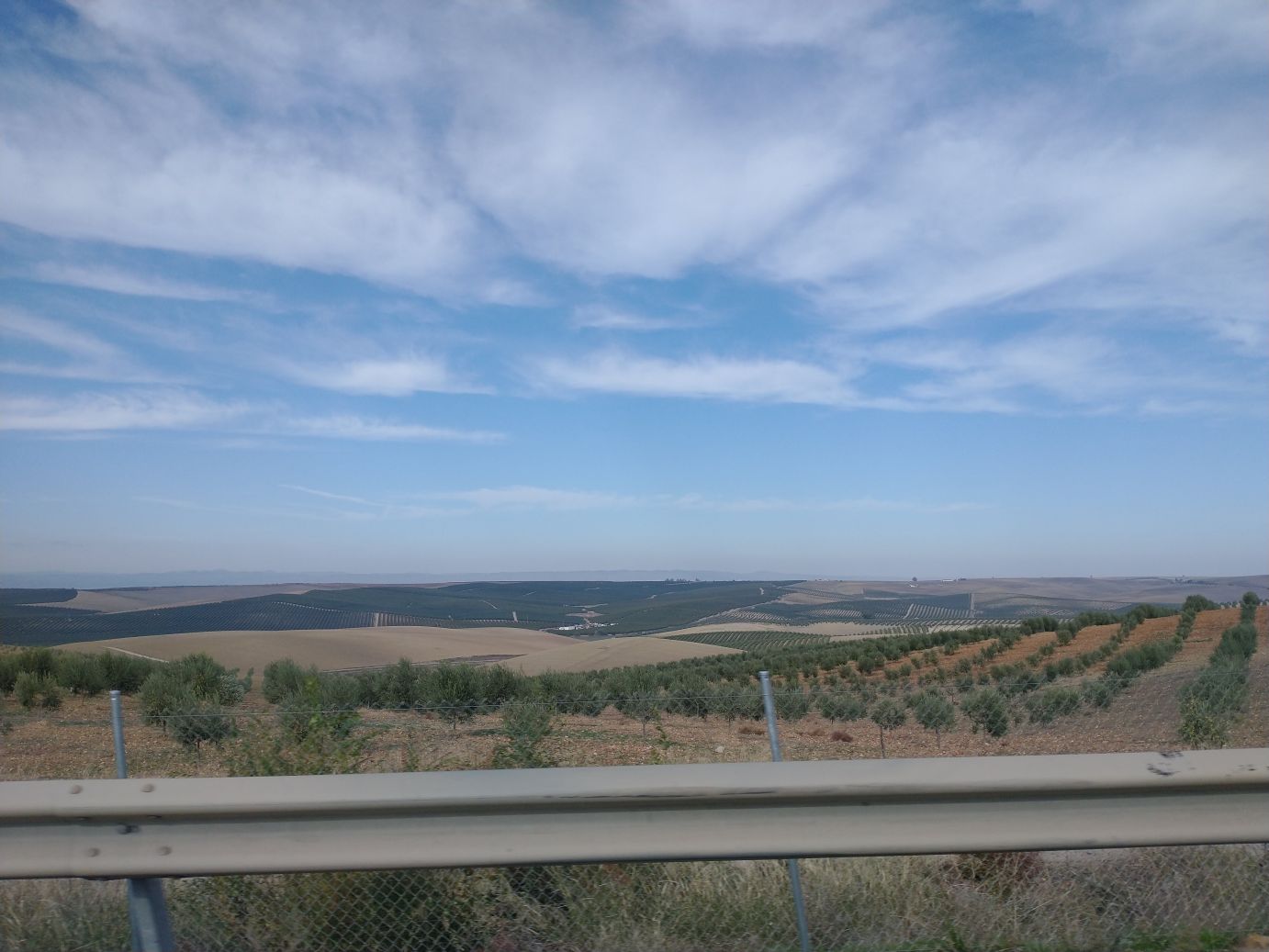
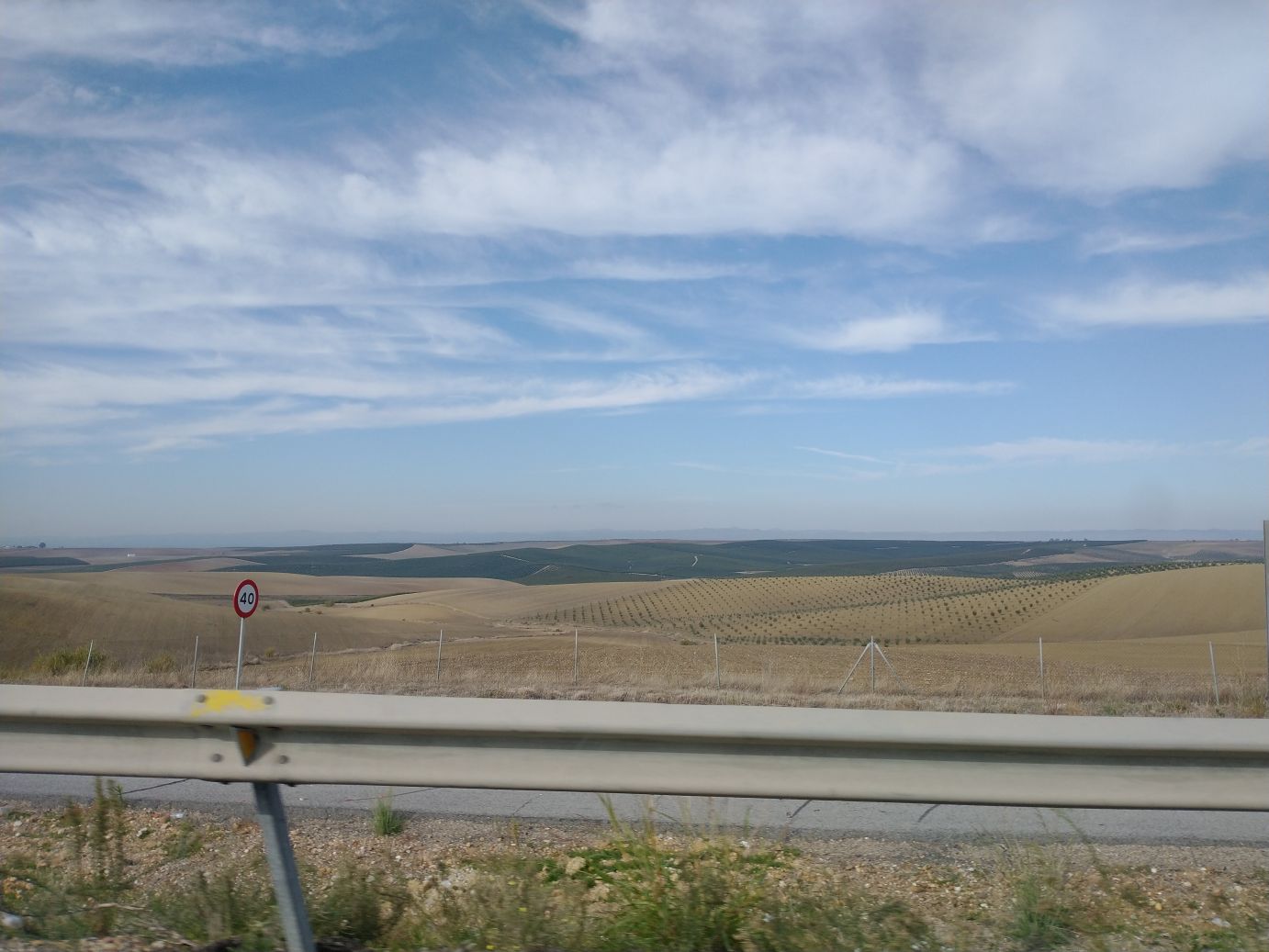
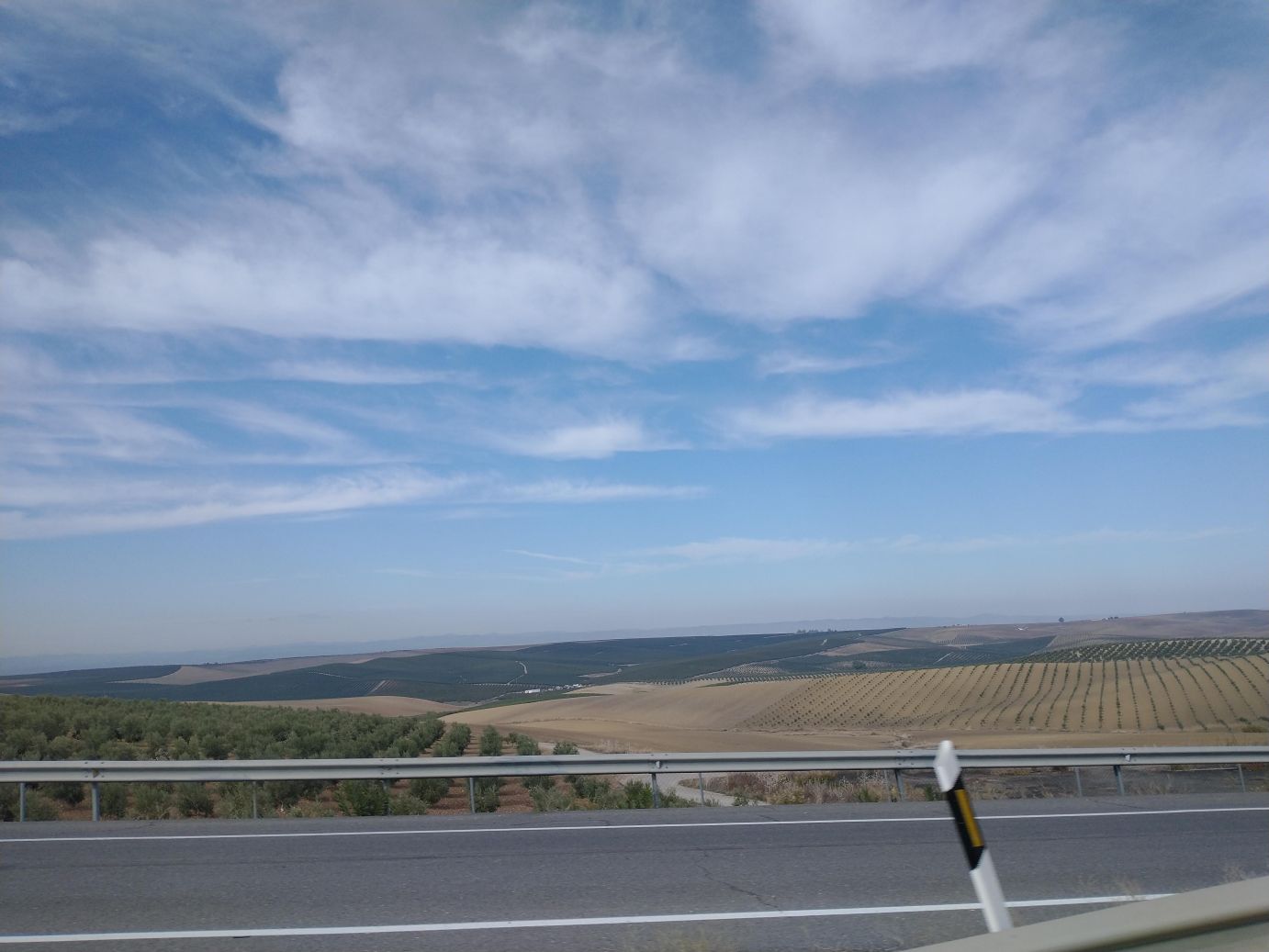
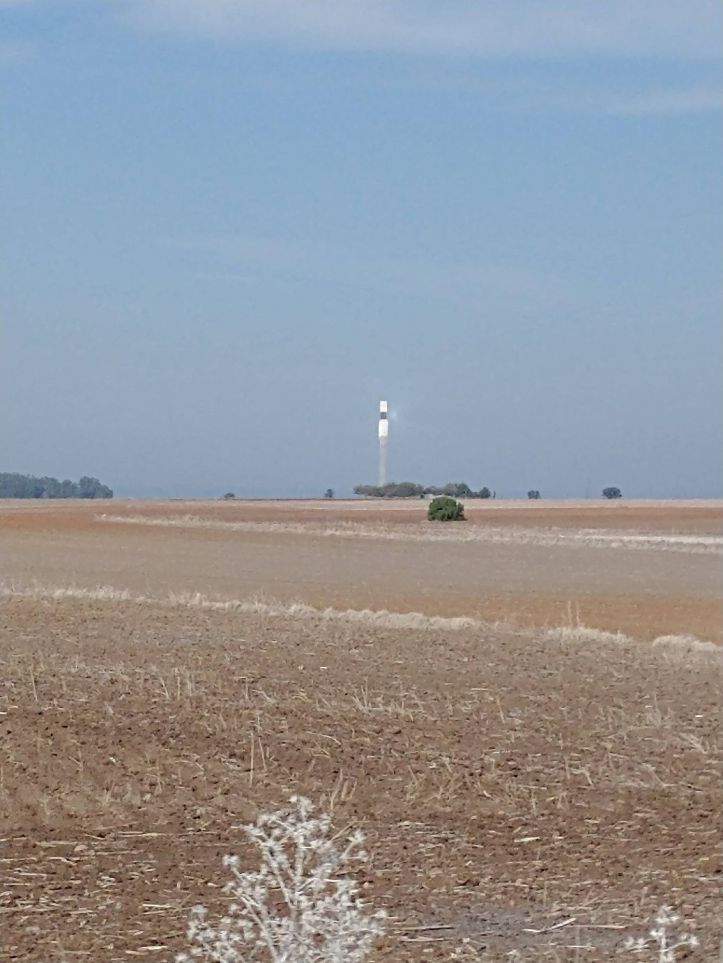
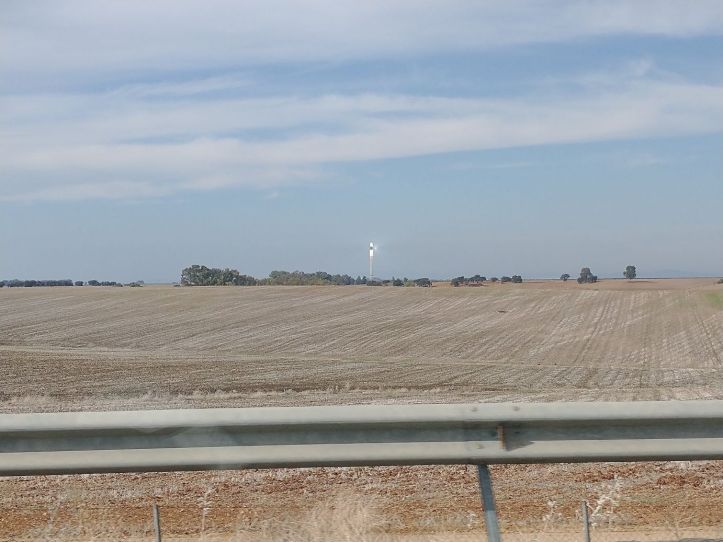
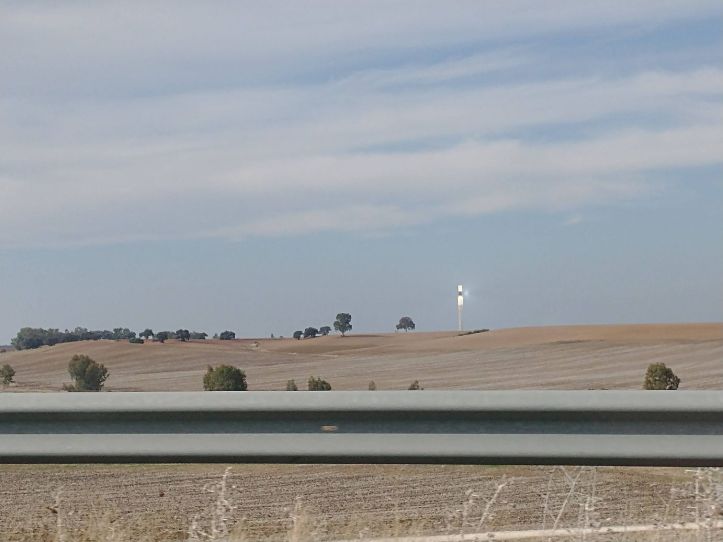
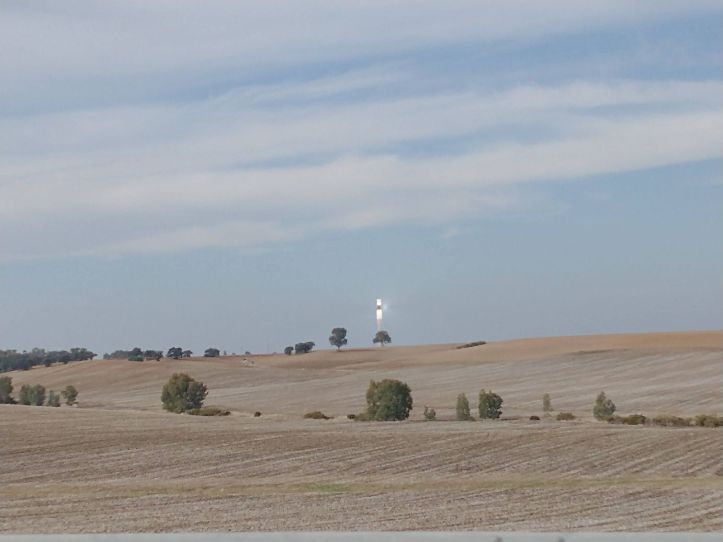
The rolling countryside and farmland slide past us as we make our way back to the city including this bizarre alien-looking light tower in the distance. We spied this thing on the way out to Cordoba but couldn’t get a photo. On the way back, it is still glowing and seemingly emitting rays of light out of the topmost portion. We have no idea what in the world it is – but it is weird and creepy and we are quite happy when it disappears behind us, out of our sight. Shiver.
We make it back to the garage in one piece, before nightfall, even though the GPS was bound and determined to make us drive 30 minutes out of our way due to a ‘road closure’. We didn’t want to take the chance that it was correct and we’d be stuck, so we followed its advice, got stuck in a lot of traffic, had to make a u-turn once due to poor left turn advance notice (both me and the GPS), but finally made it back to safe territory and the car rental parking garage.
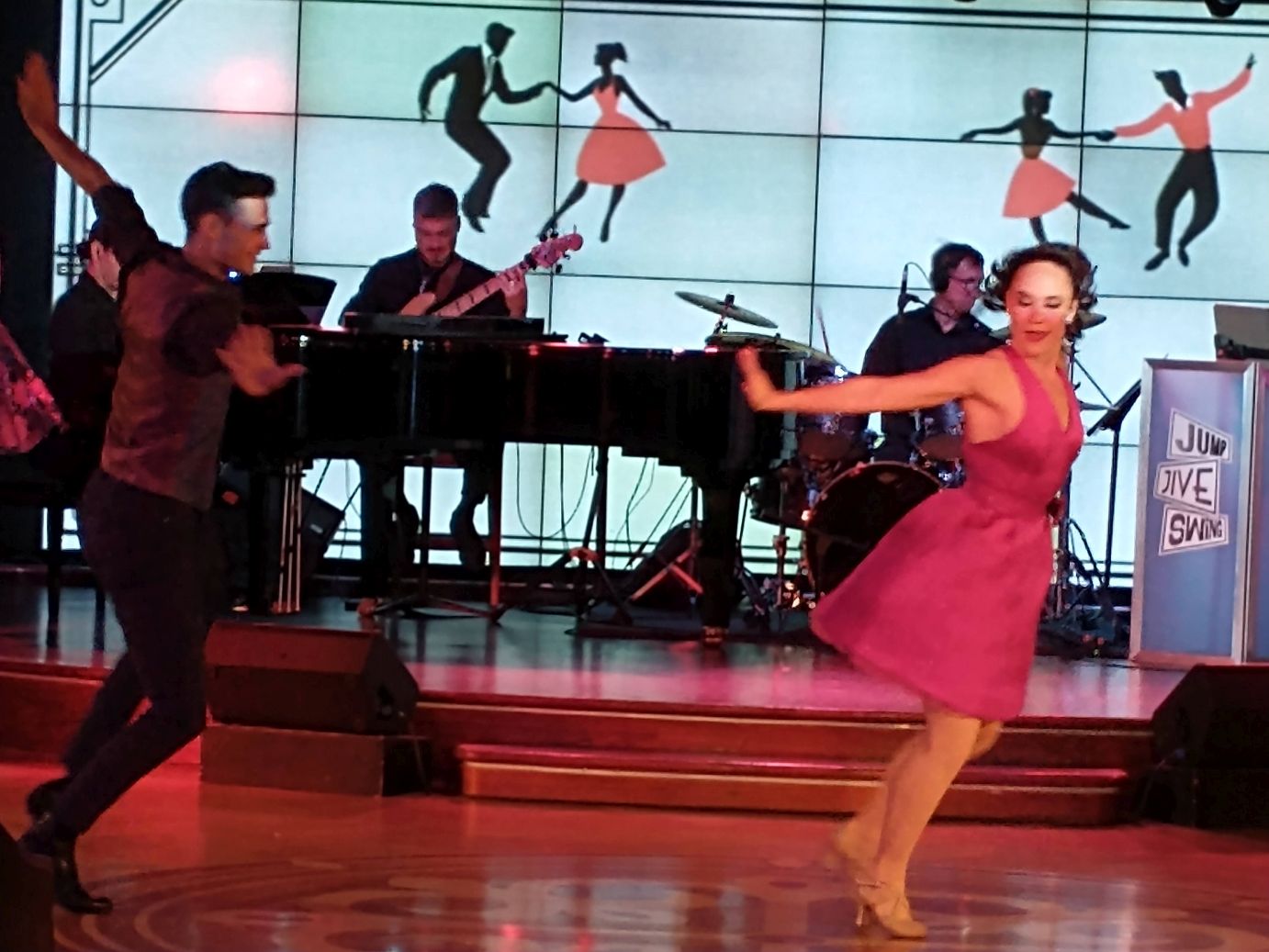
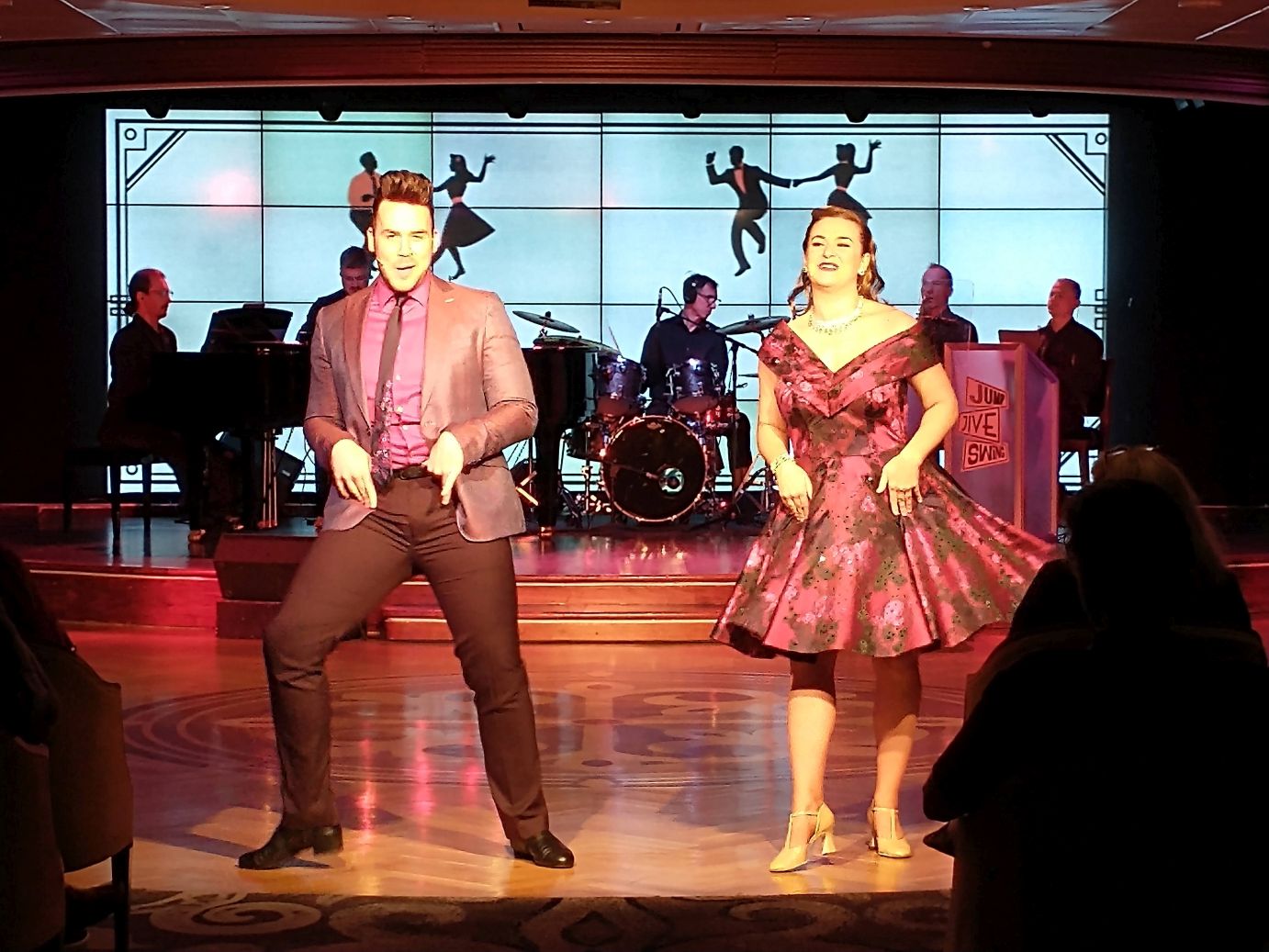
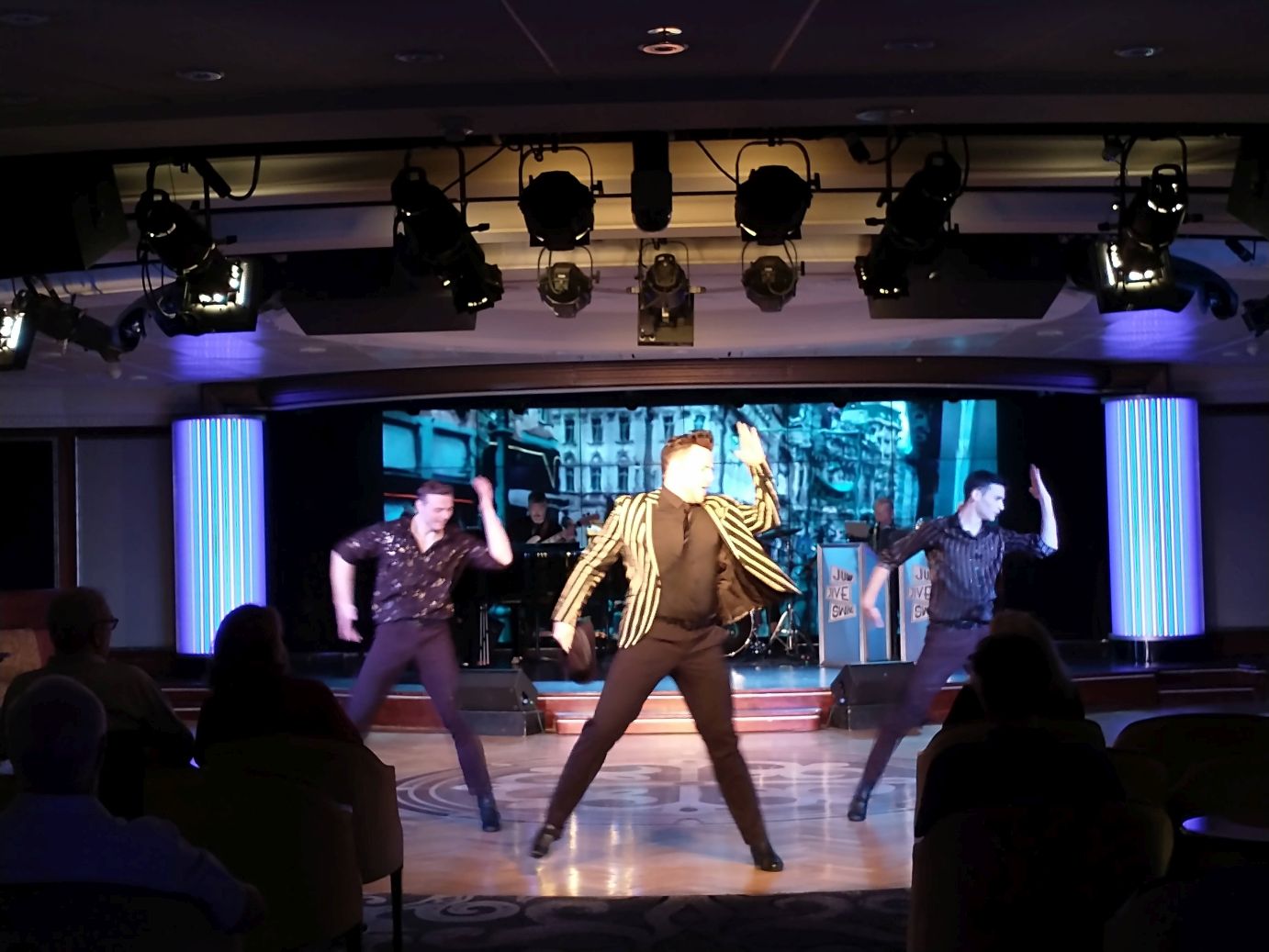
We know the way back to the ship – one street – super simple – and are back aboard, all ready for dinner and jump, Jive and Swing show in plenty of time. The show is amazing as usual – Zoe and Galen are just so special together (the rest of the dancers and singers are superb too).
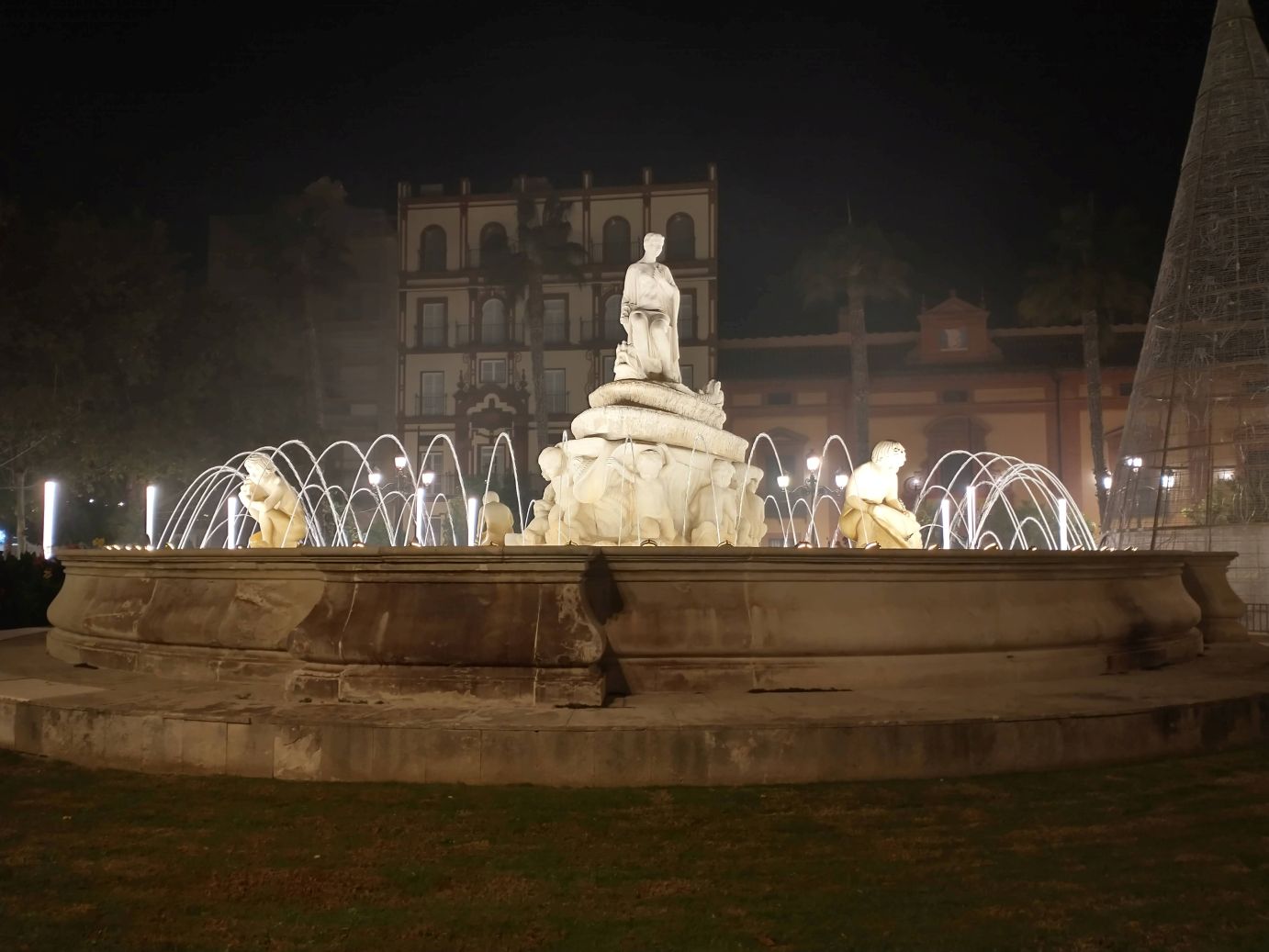
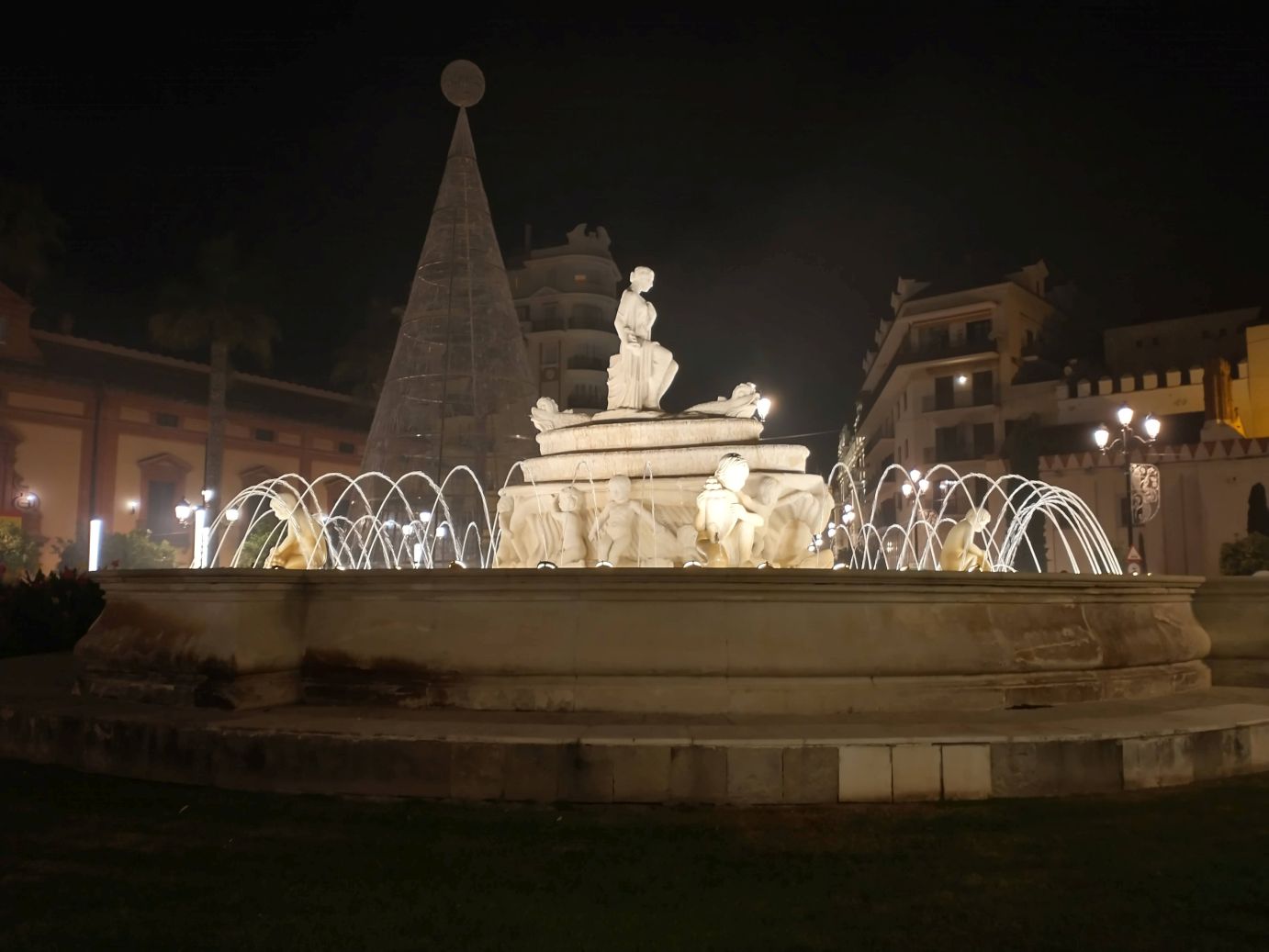
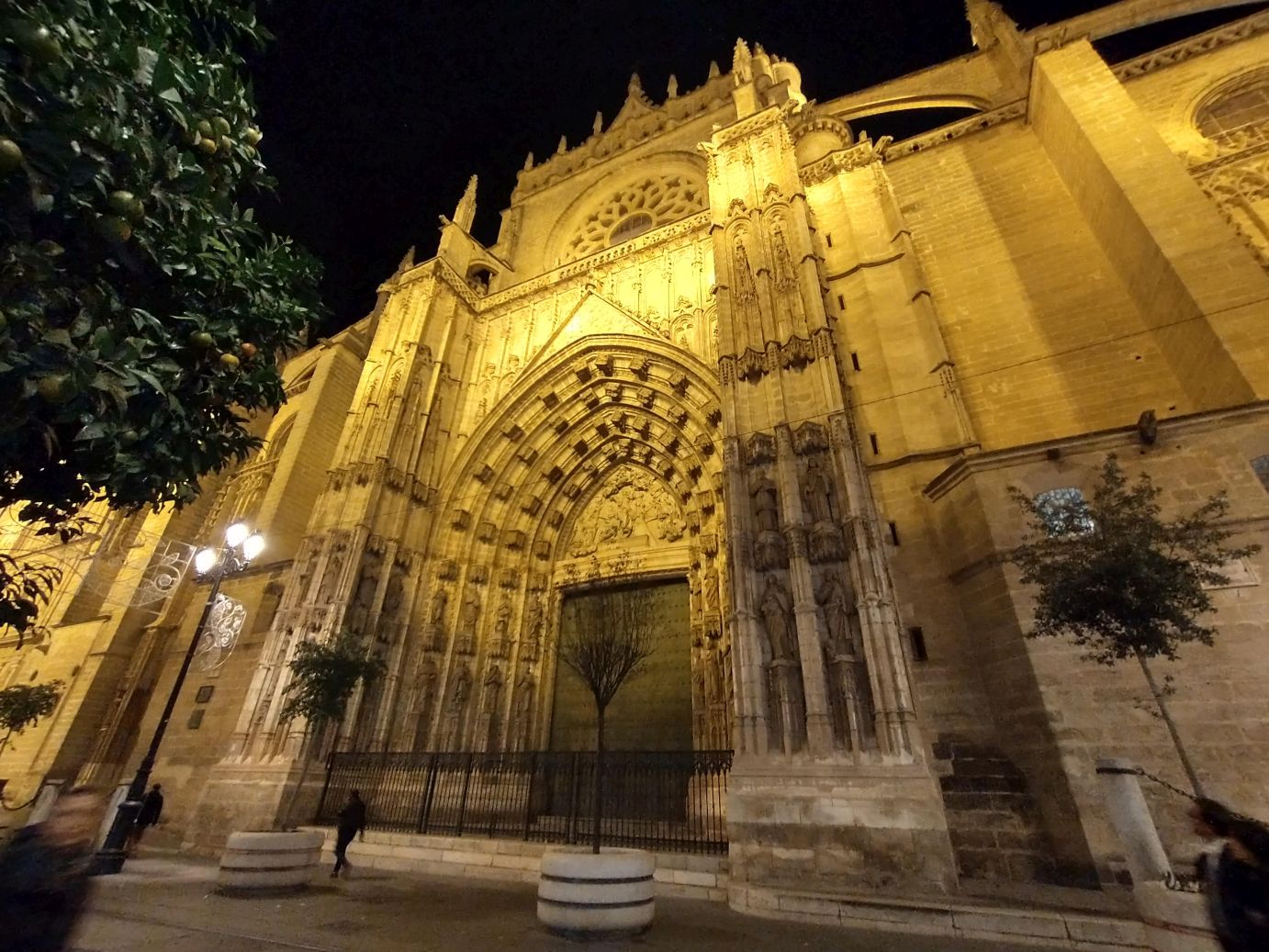
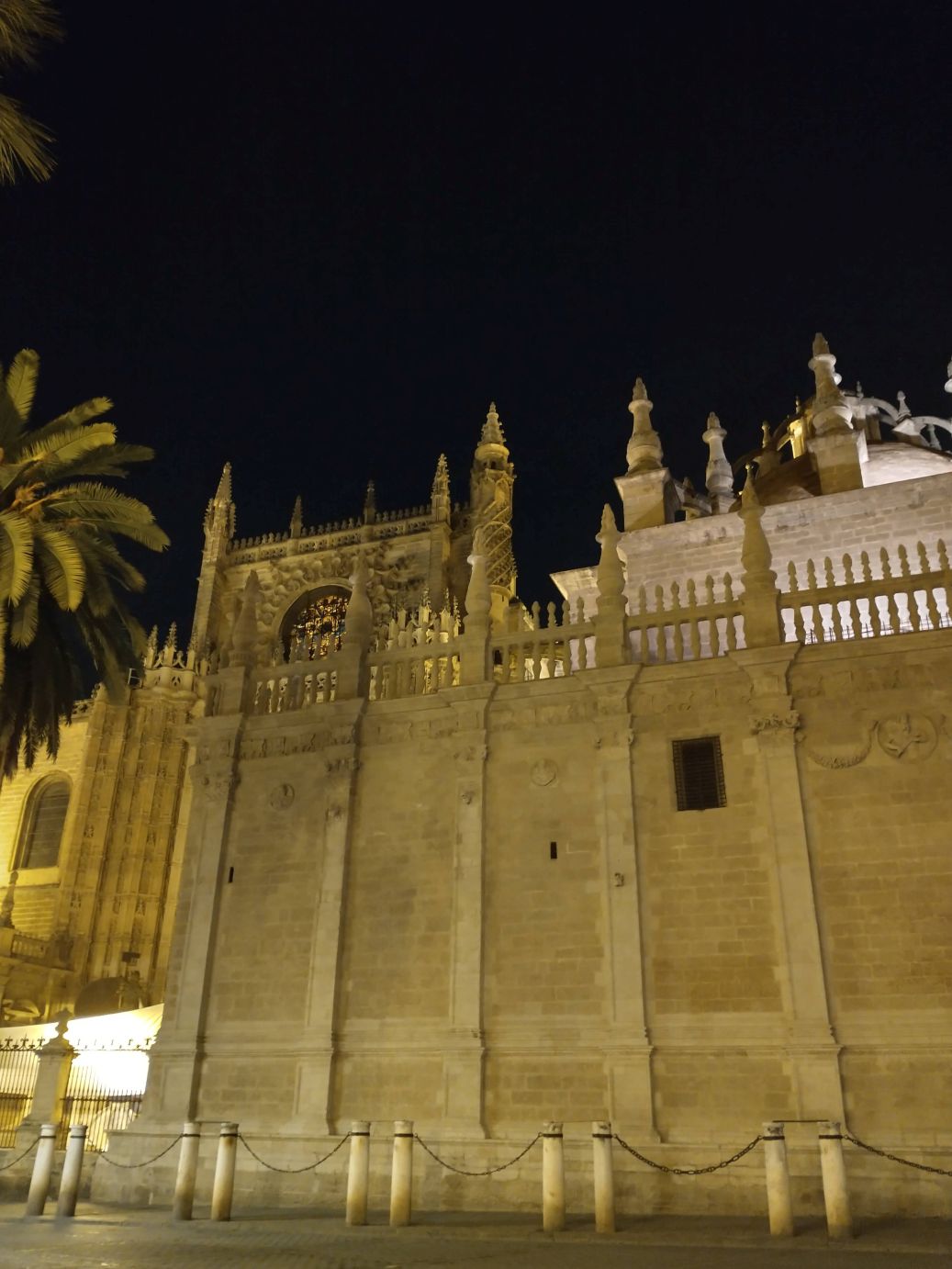
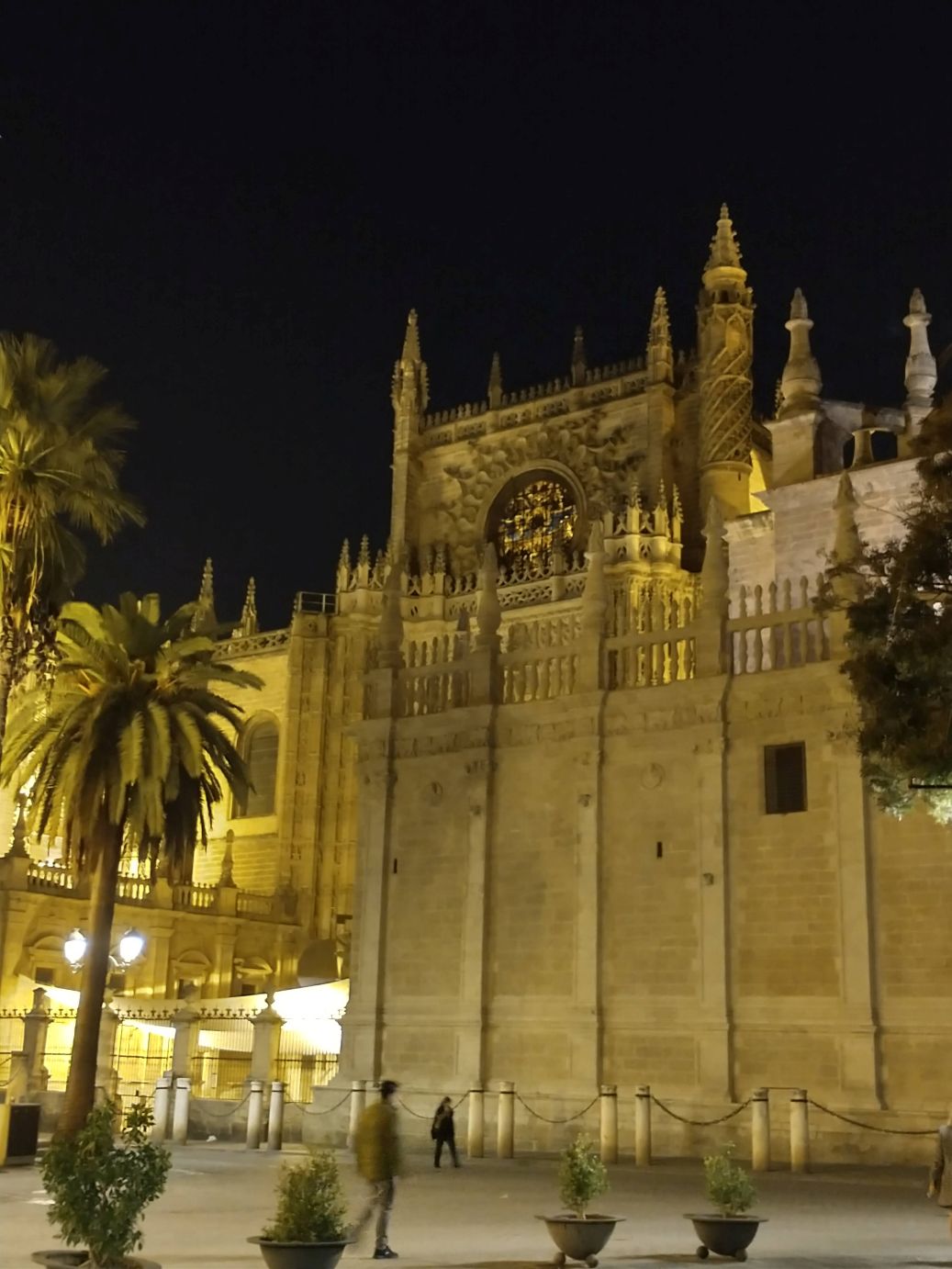
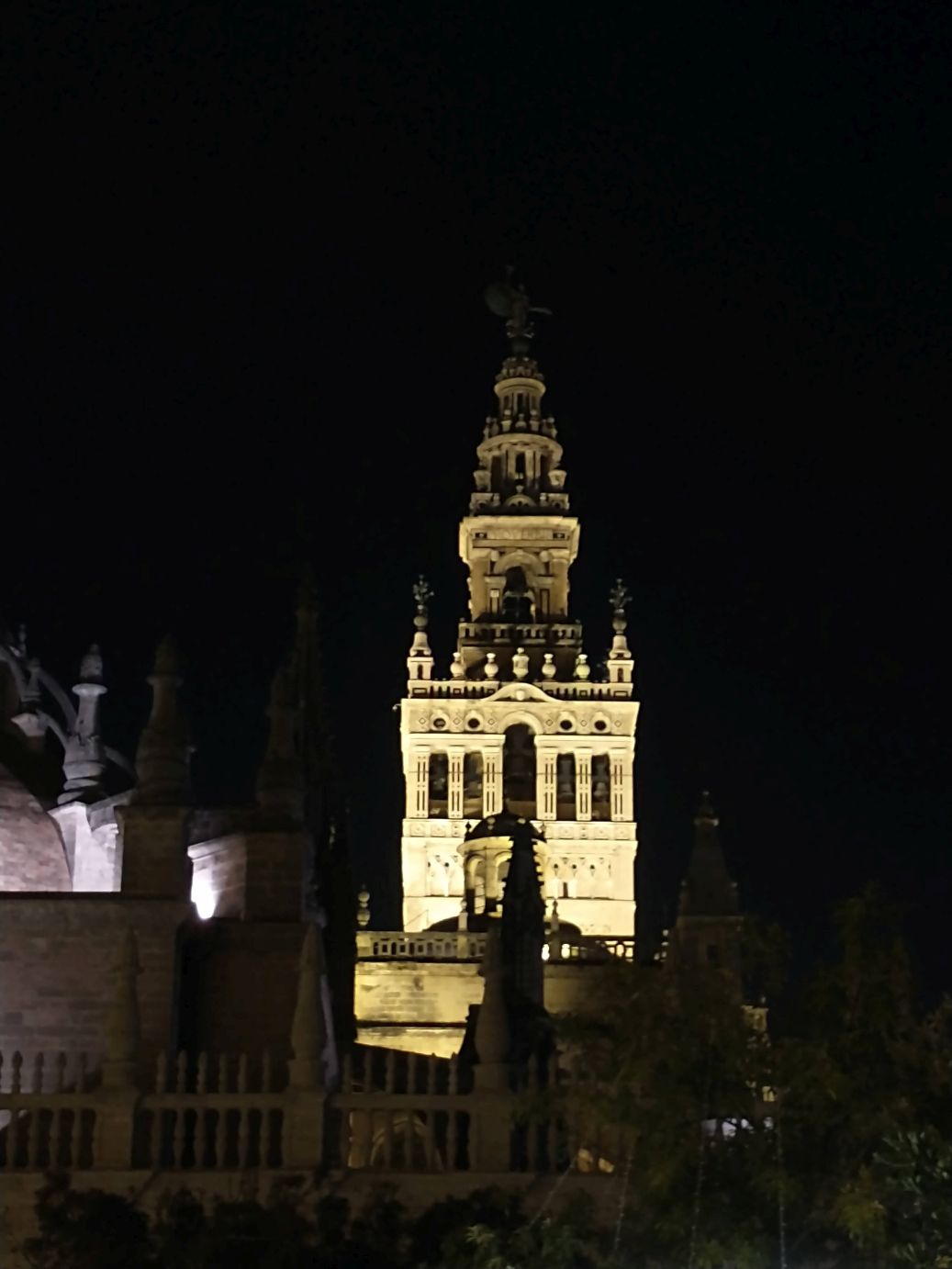
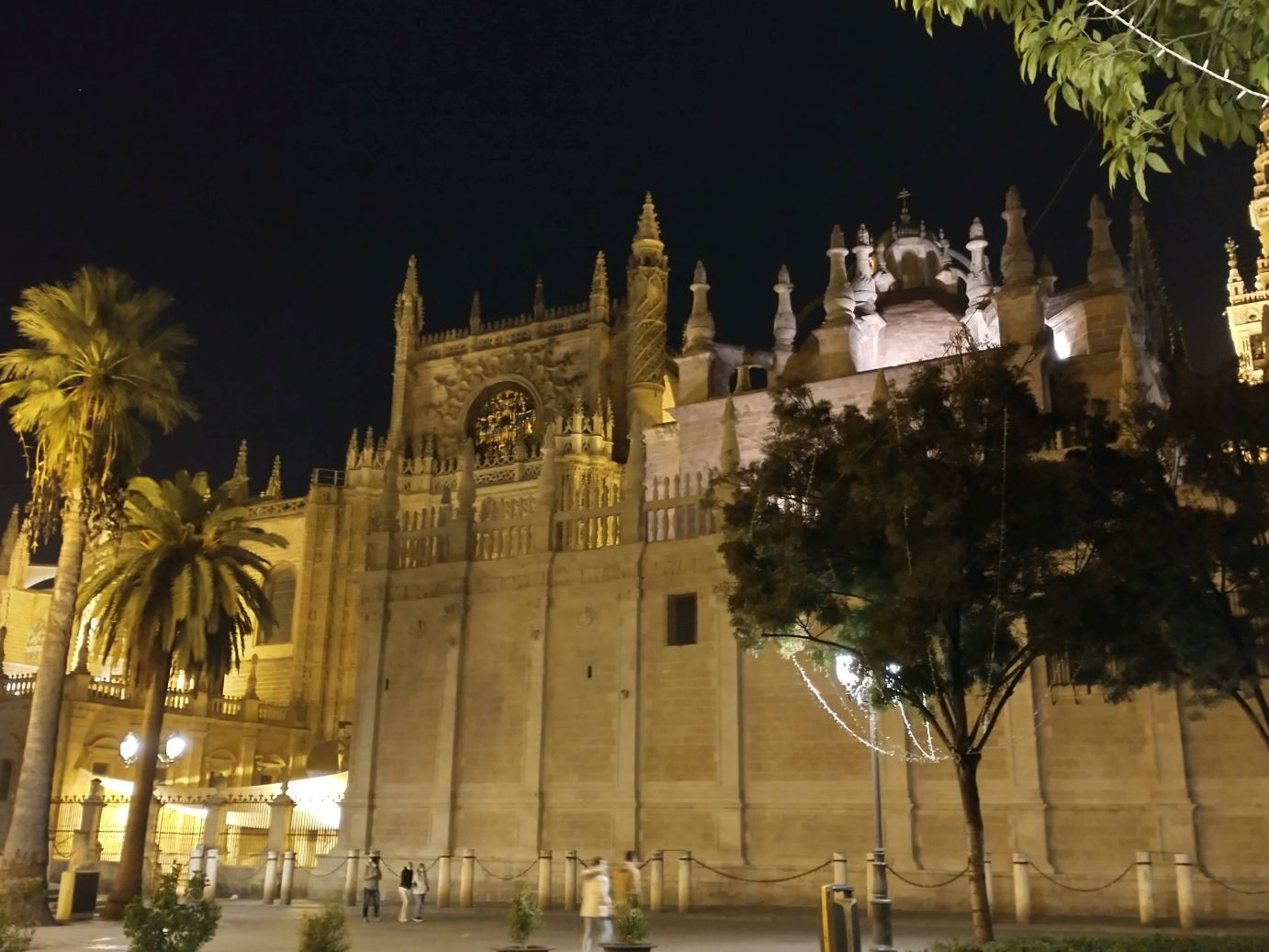
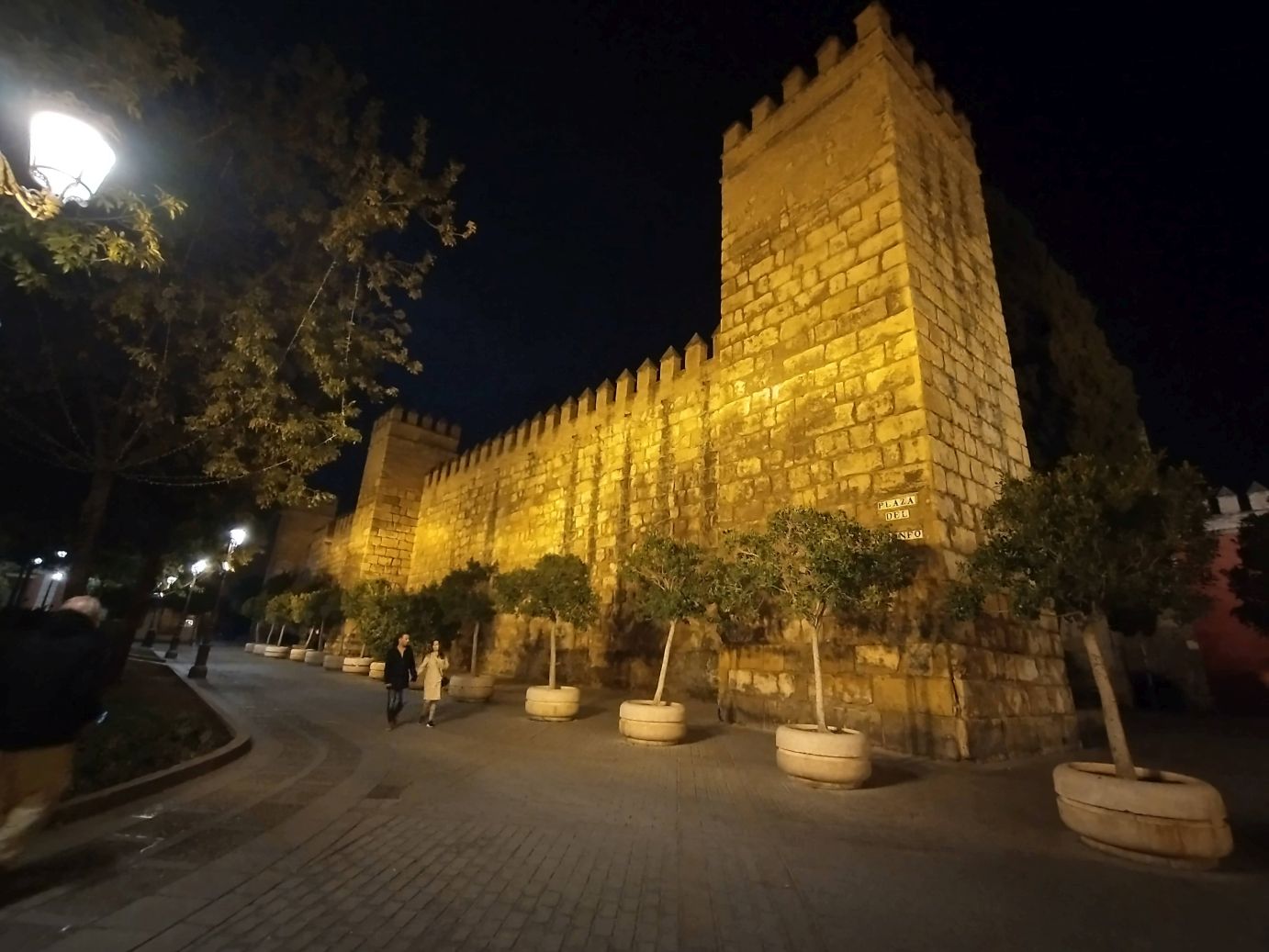
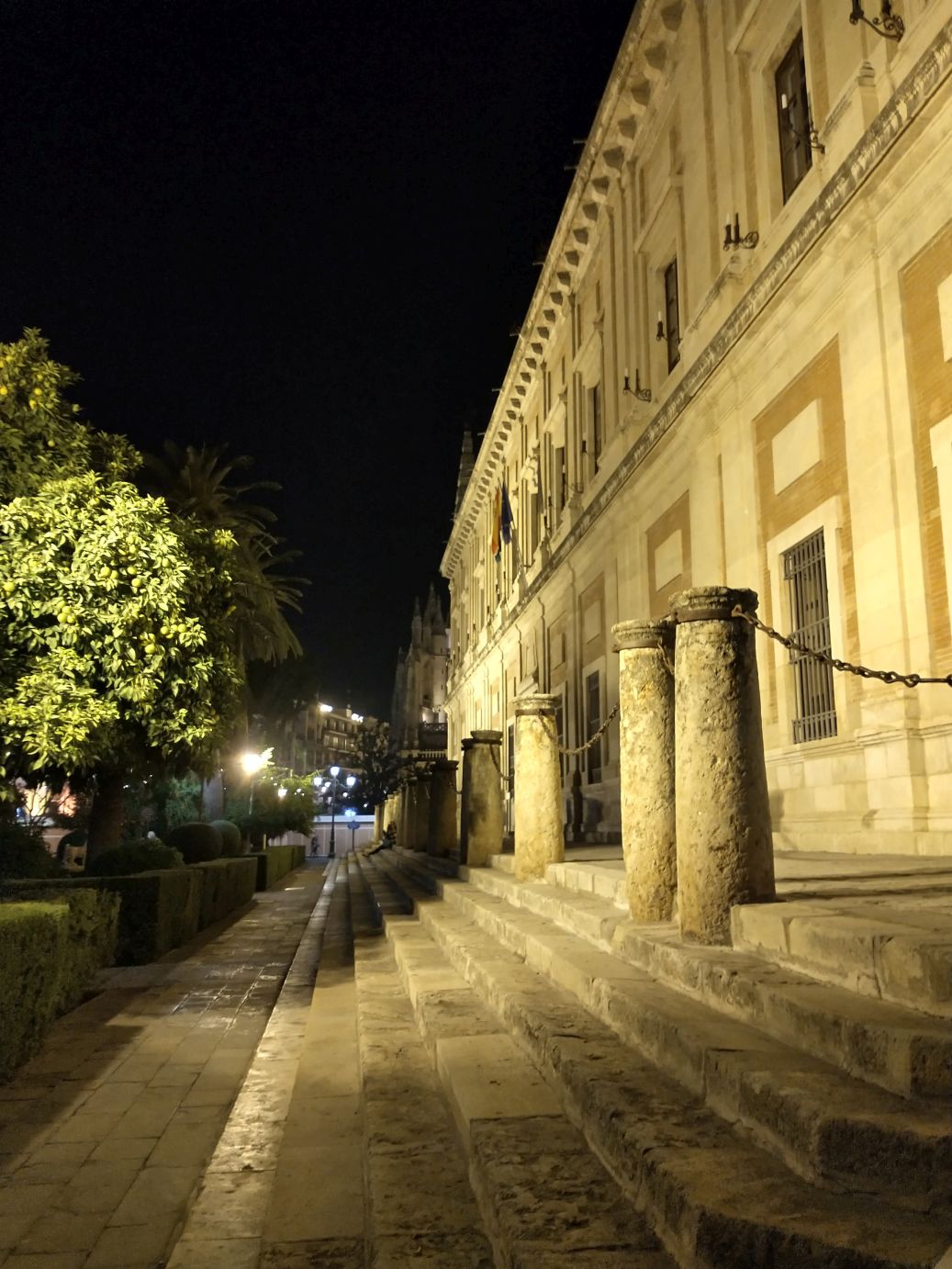
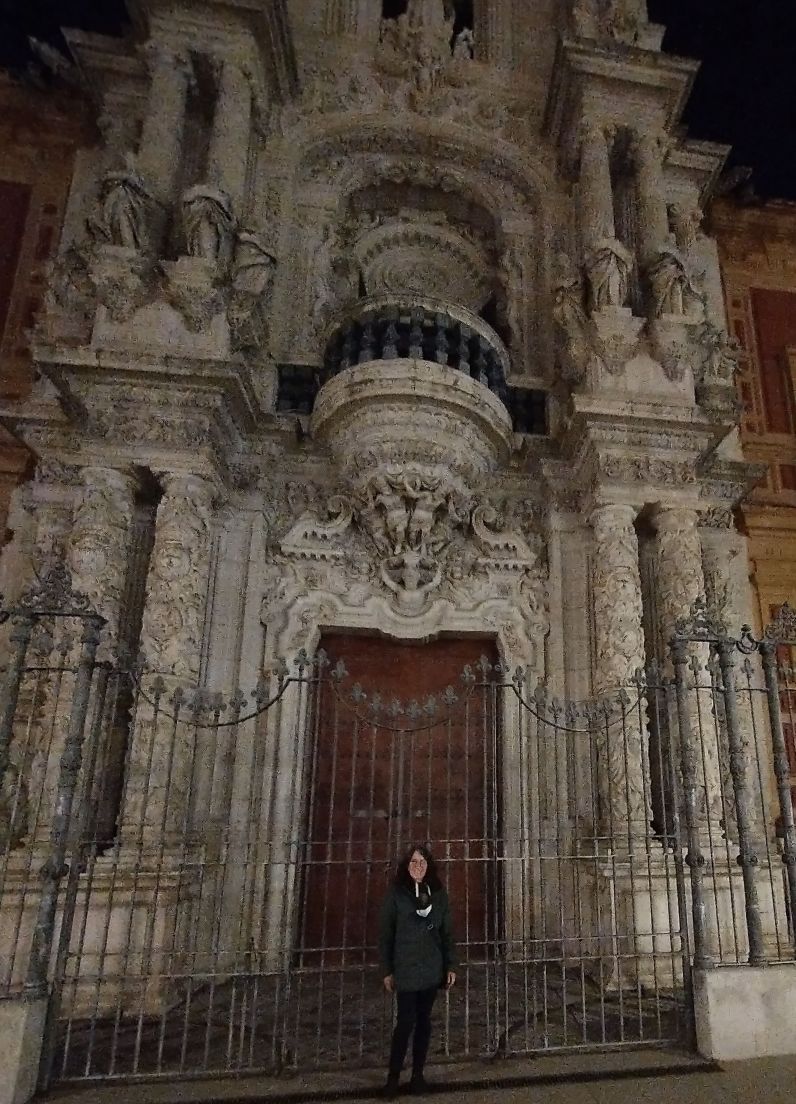
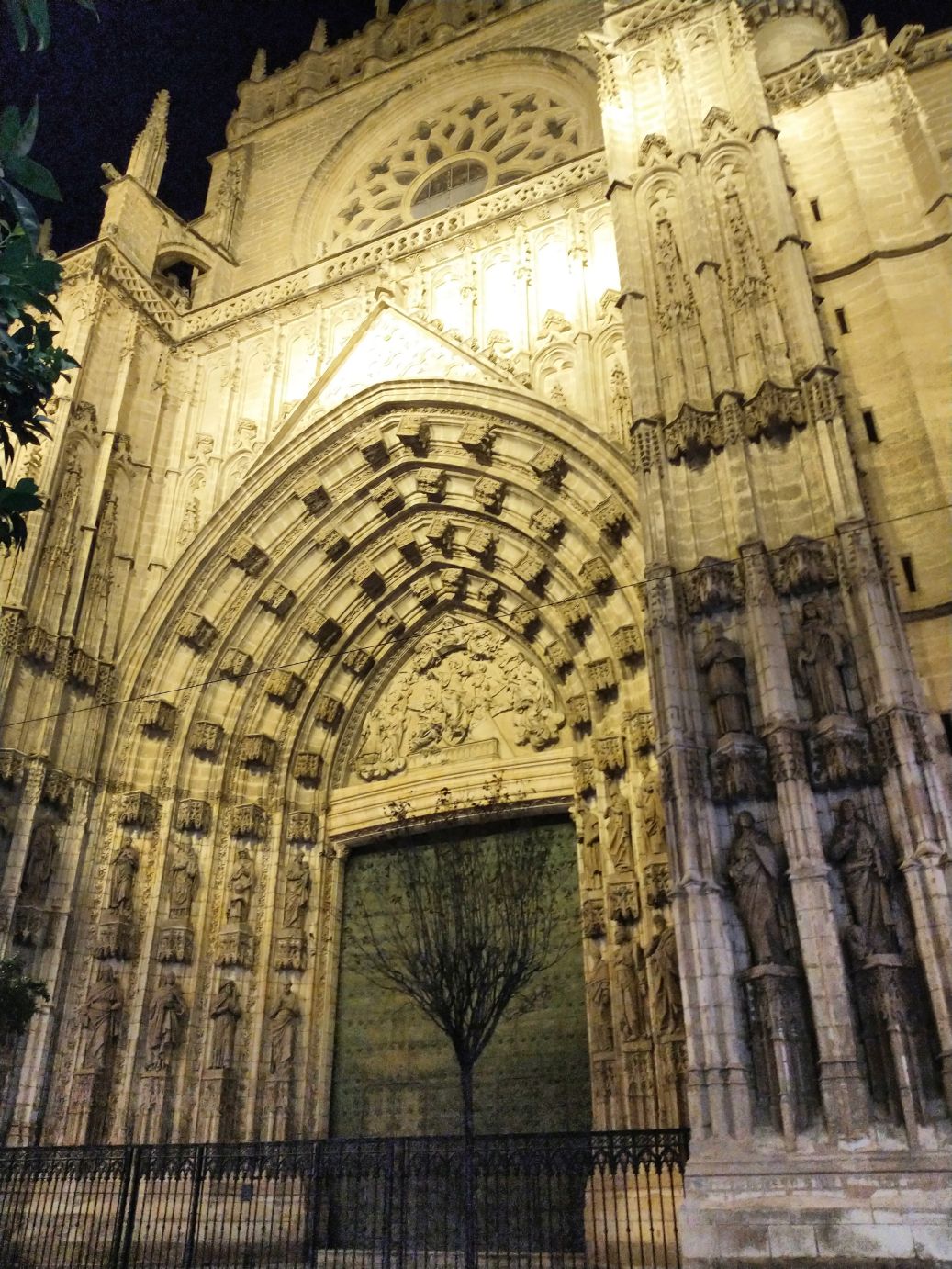
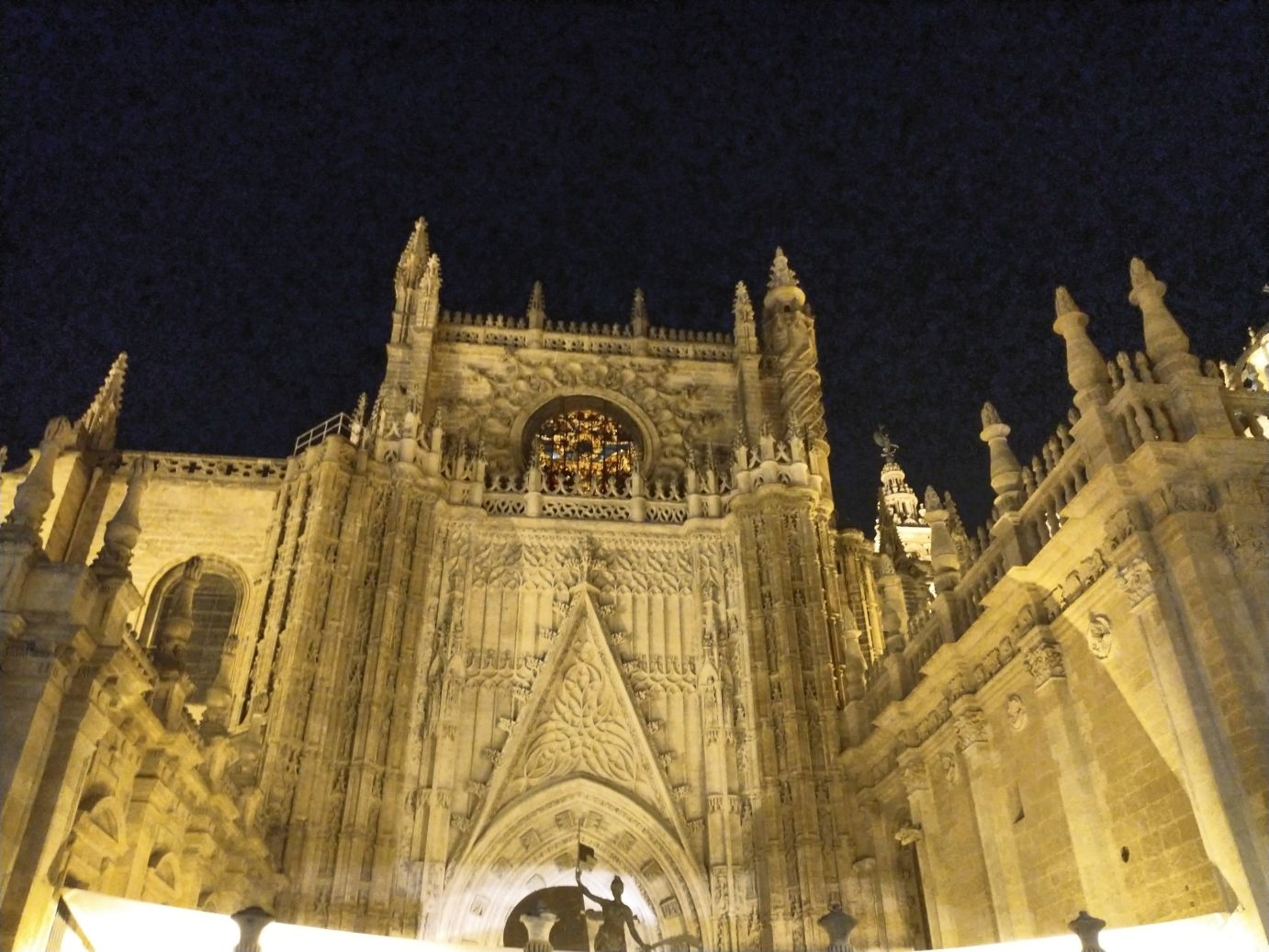
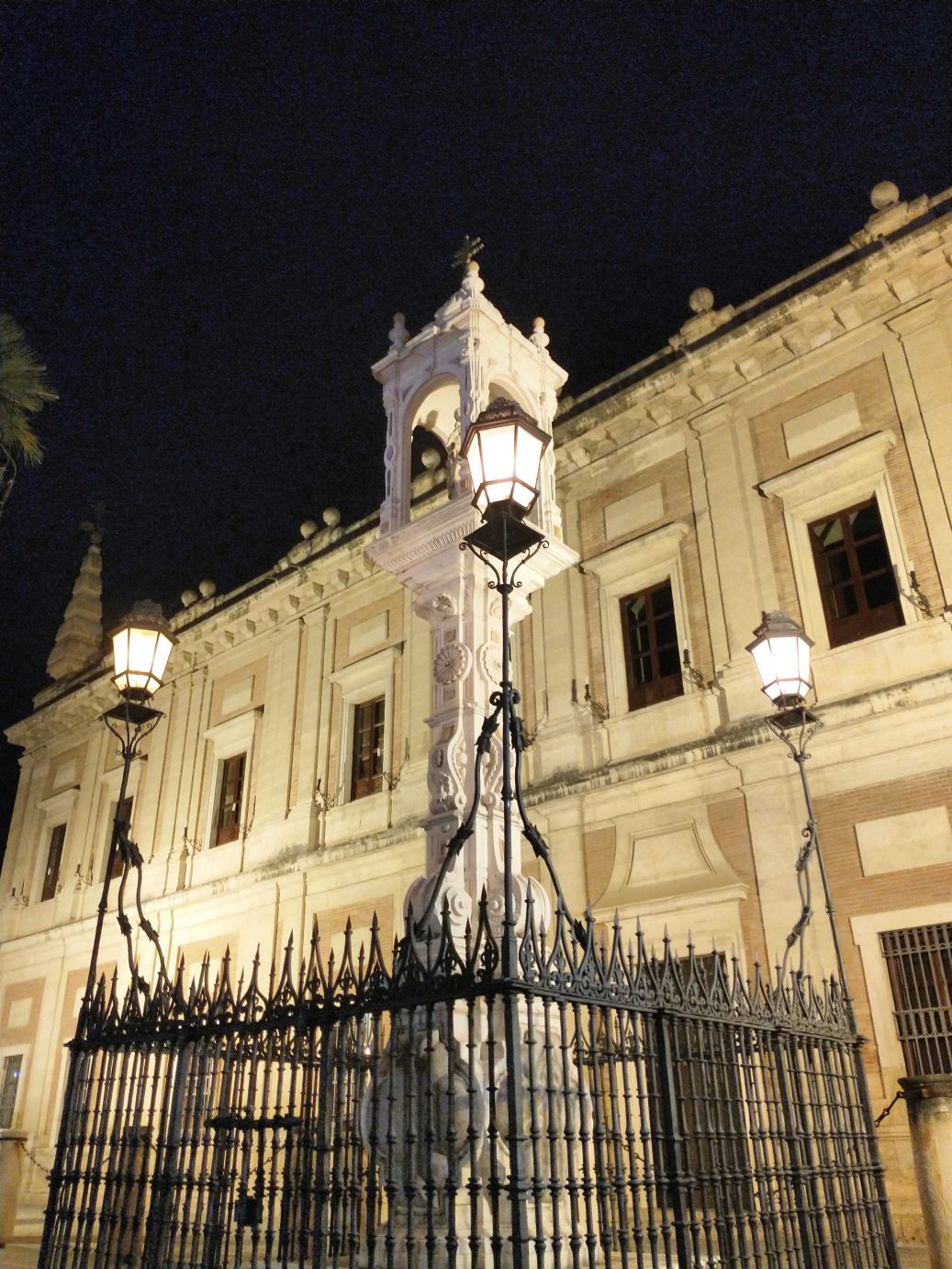
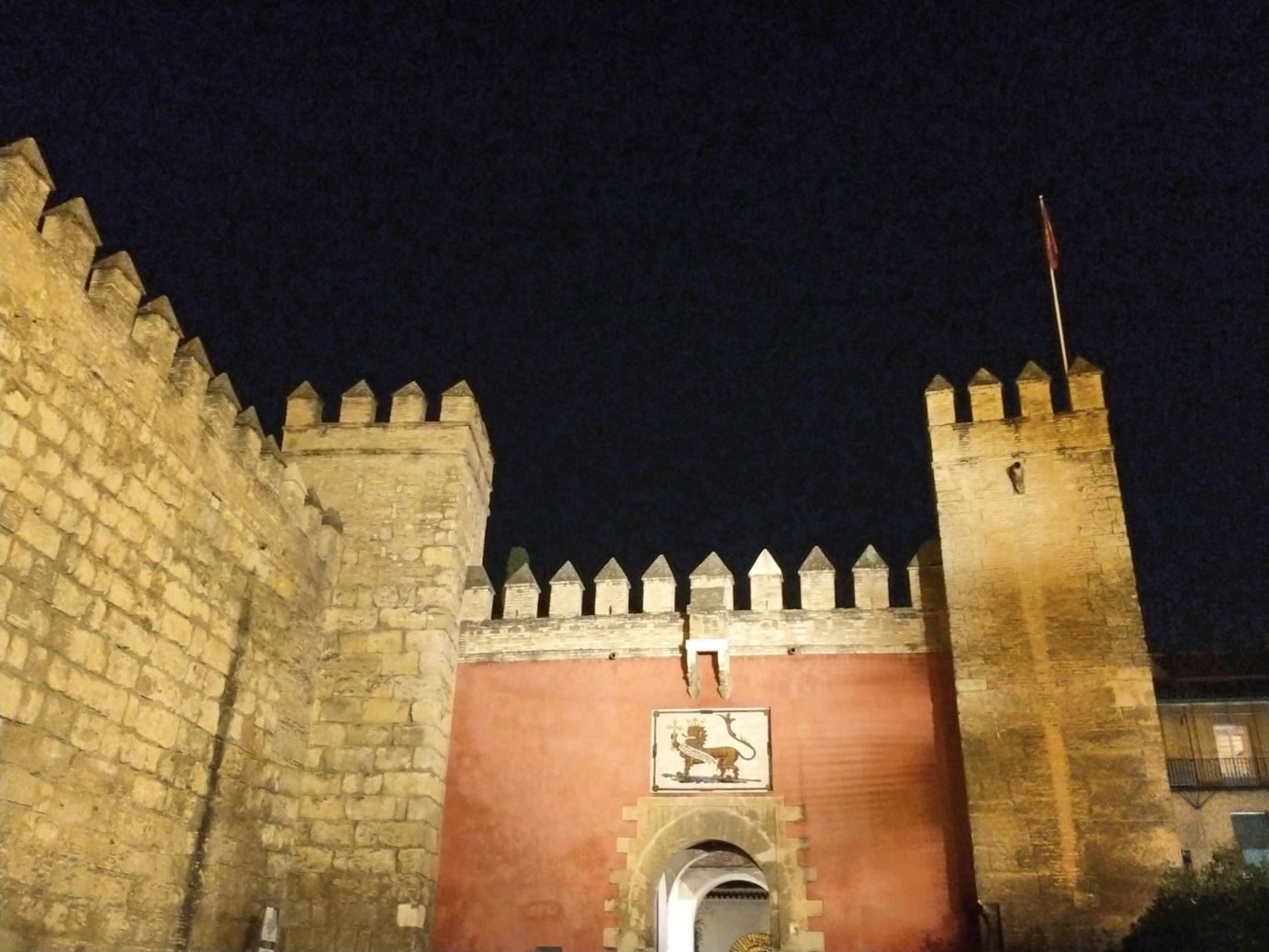
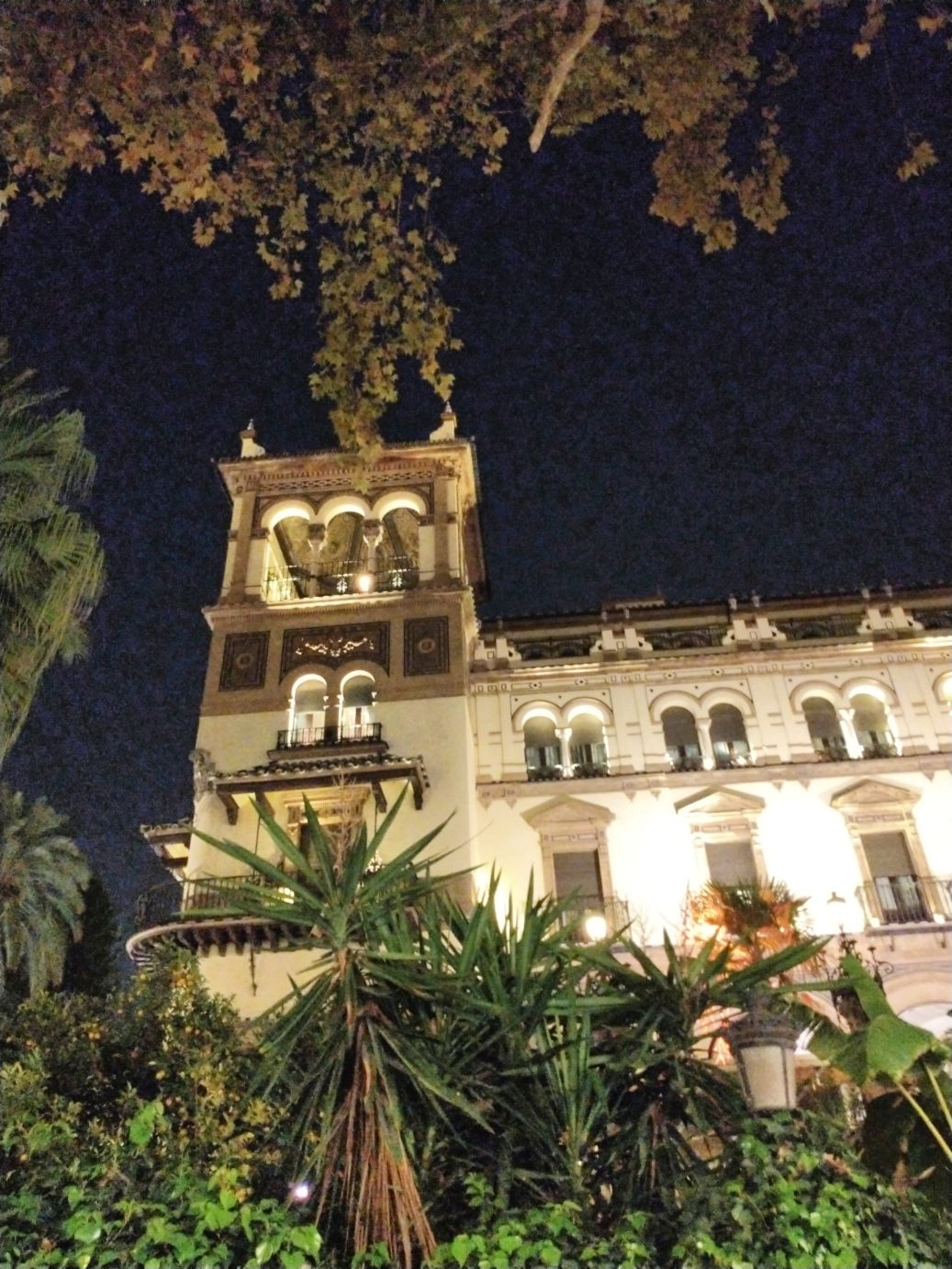
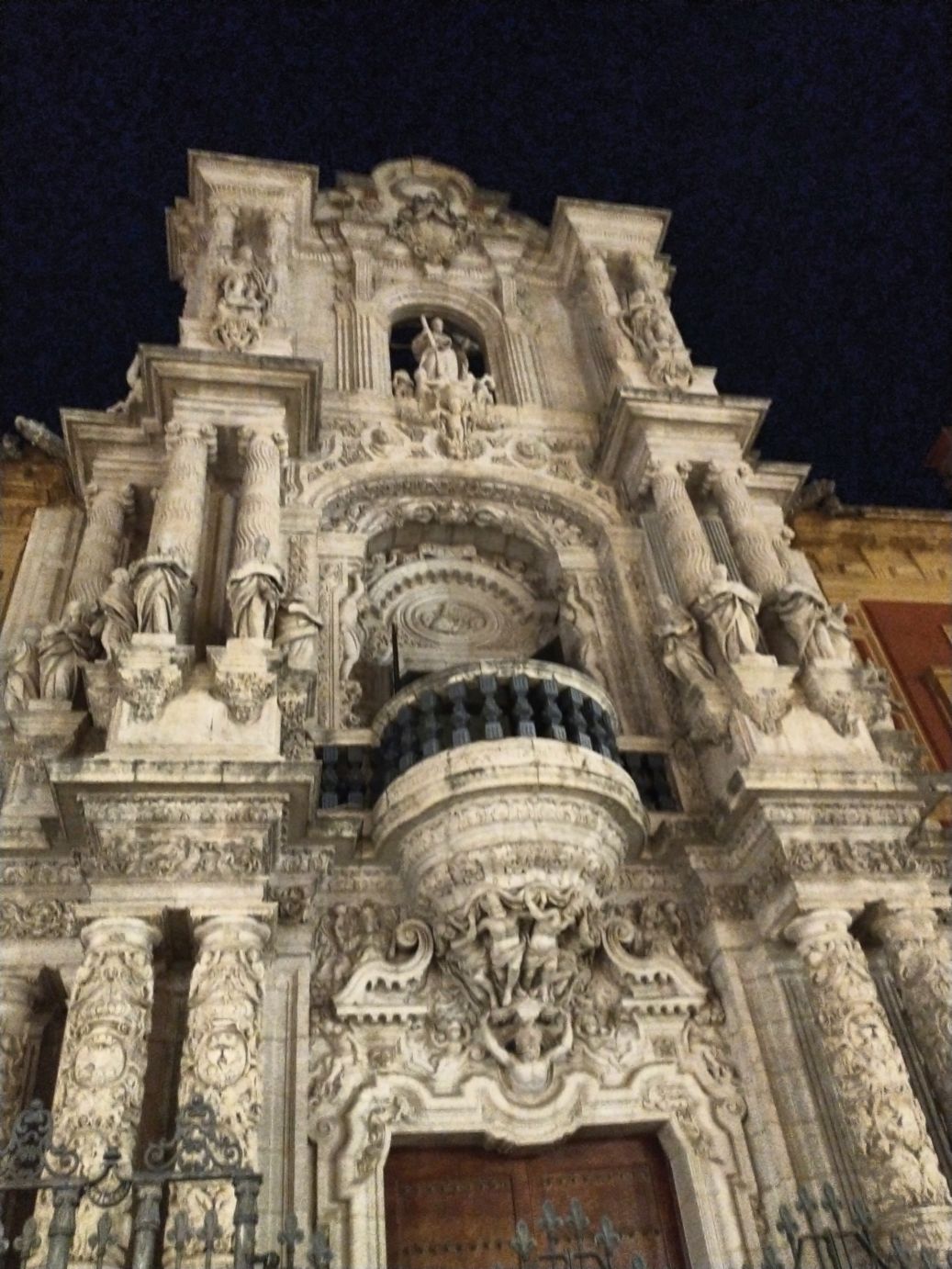
We head back up to the balcony after the show, but after 10 or 20 minutes decide we are bored. What the heck – the city is right outside our door and waiting – so off we go into the night to see the old town all lit up at night. The cathedral is breathtaking. Every angle is lit and glowing in the night sky. The Alcazar looks brooding and hurky in comparison, but still an amazing with lights on the fortification walls and balustrades. Other buildings and the fountains are similarly lit, and hauntingly beautiful – particularly the Palacio de San Telmo, housing the state government offices, and the last building we pass before crossing to the waterfront) – making our impulsive walk well worthwhile.
The perfect ending to another perfect day.
 Andiamo