This is absolutely why we upgraded to the Aft Balcony cabin! It will take us 6 hours to sail up the river to Seville, the last 2 miles of which we have to back up! The Captain will be turning the ship in this little narrow basin and we’ll have the prime spot for viewing it all. So exciting!
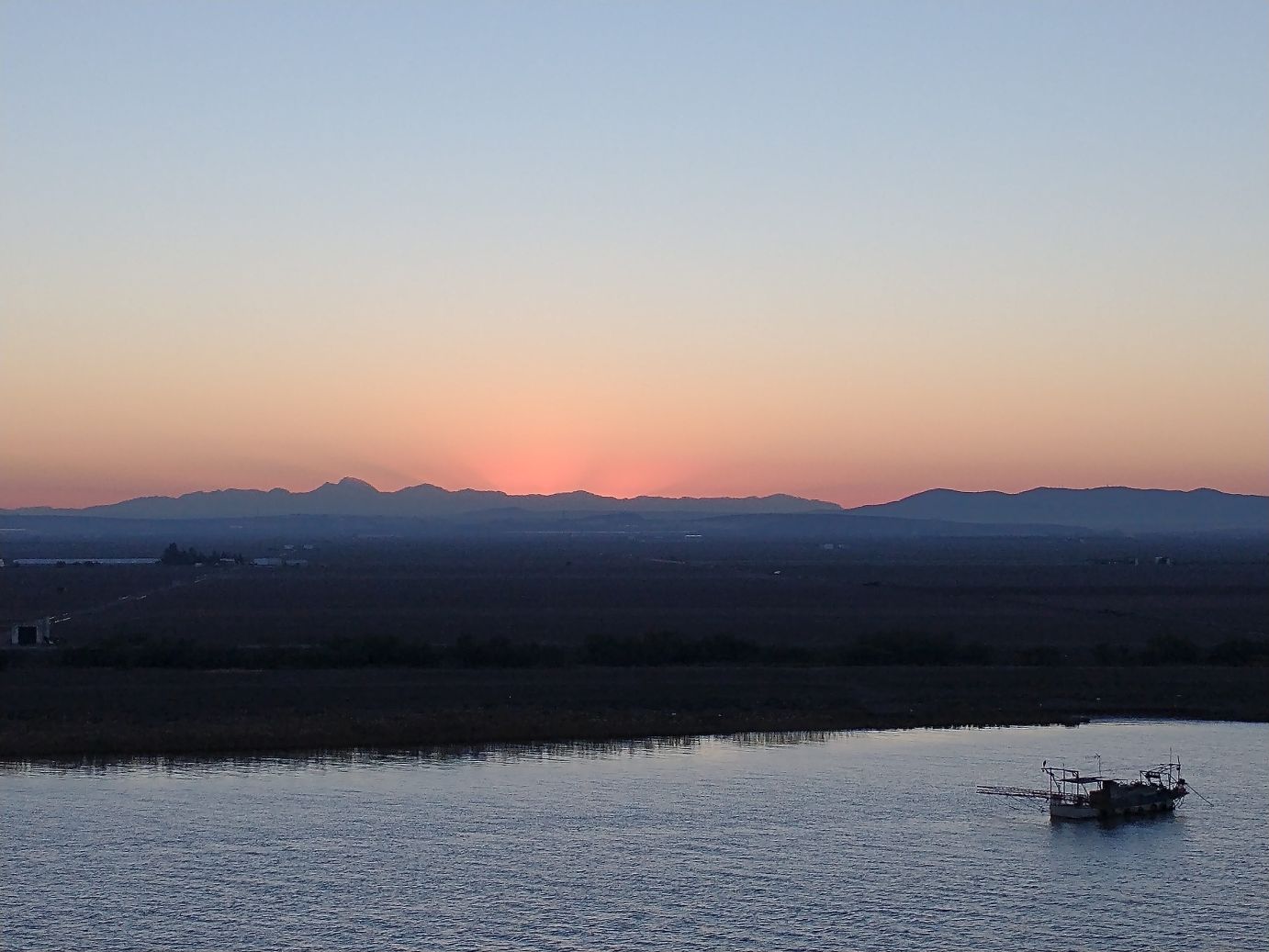
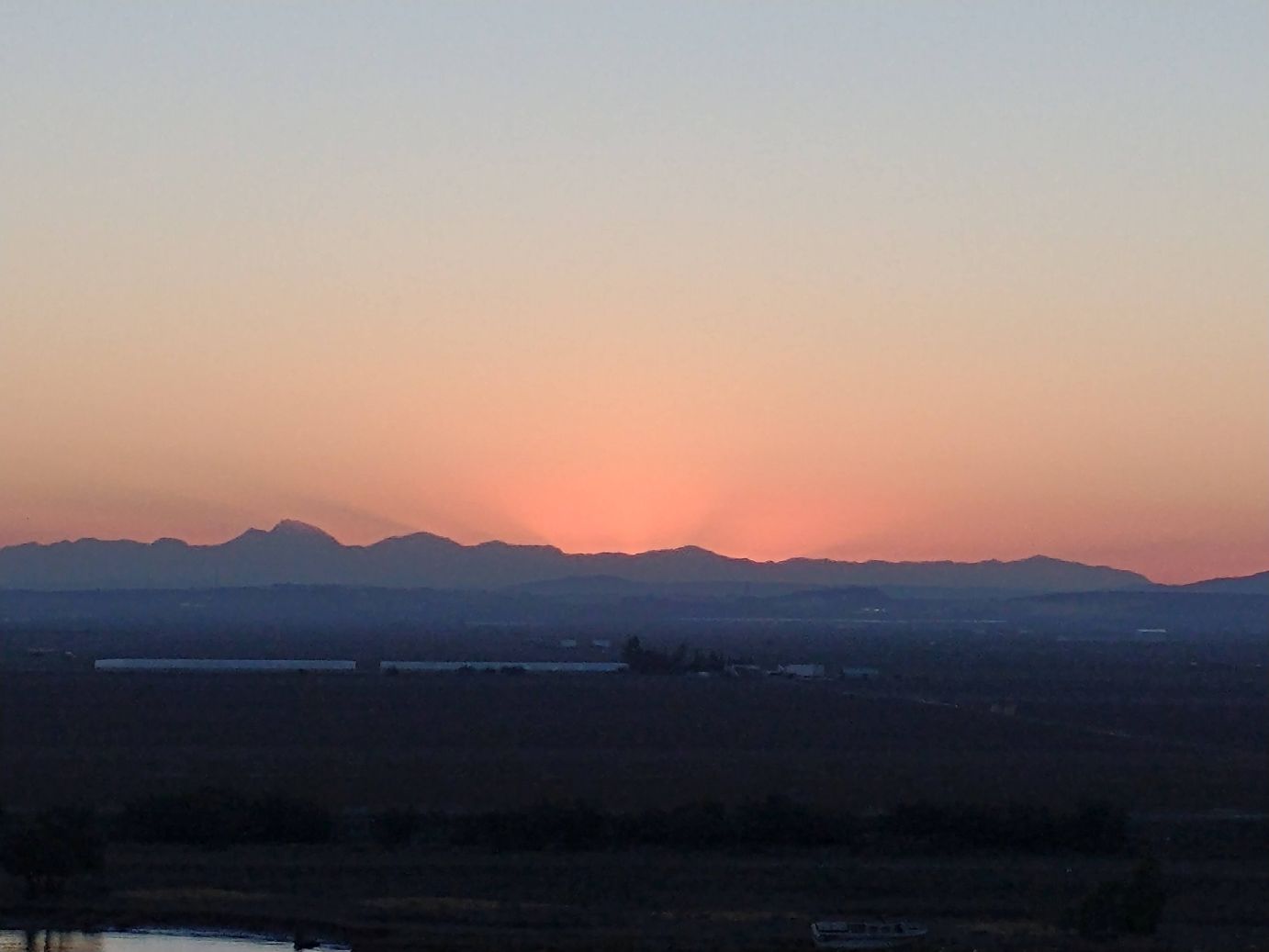
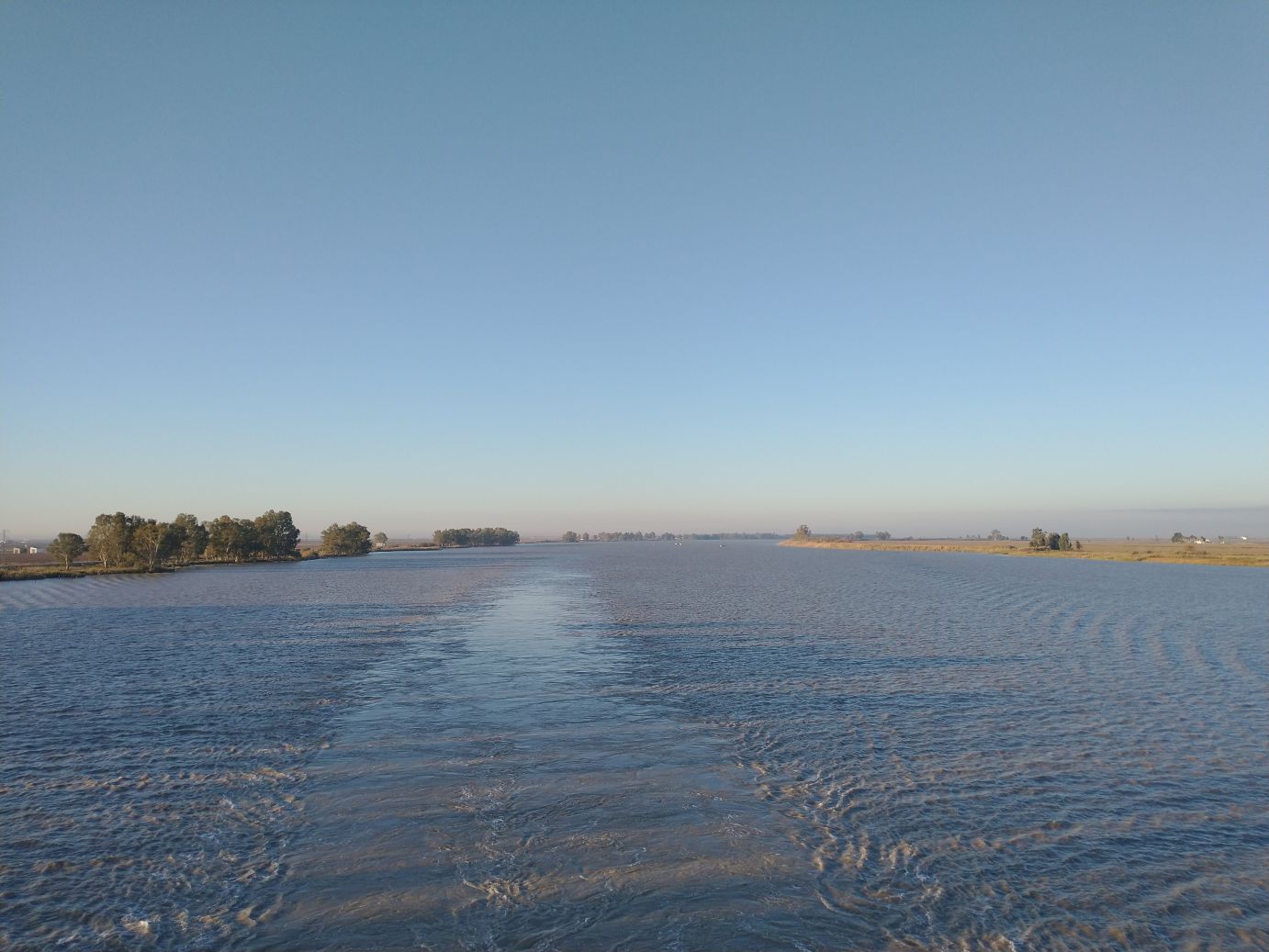
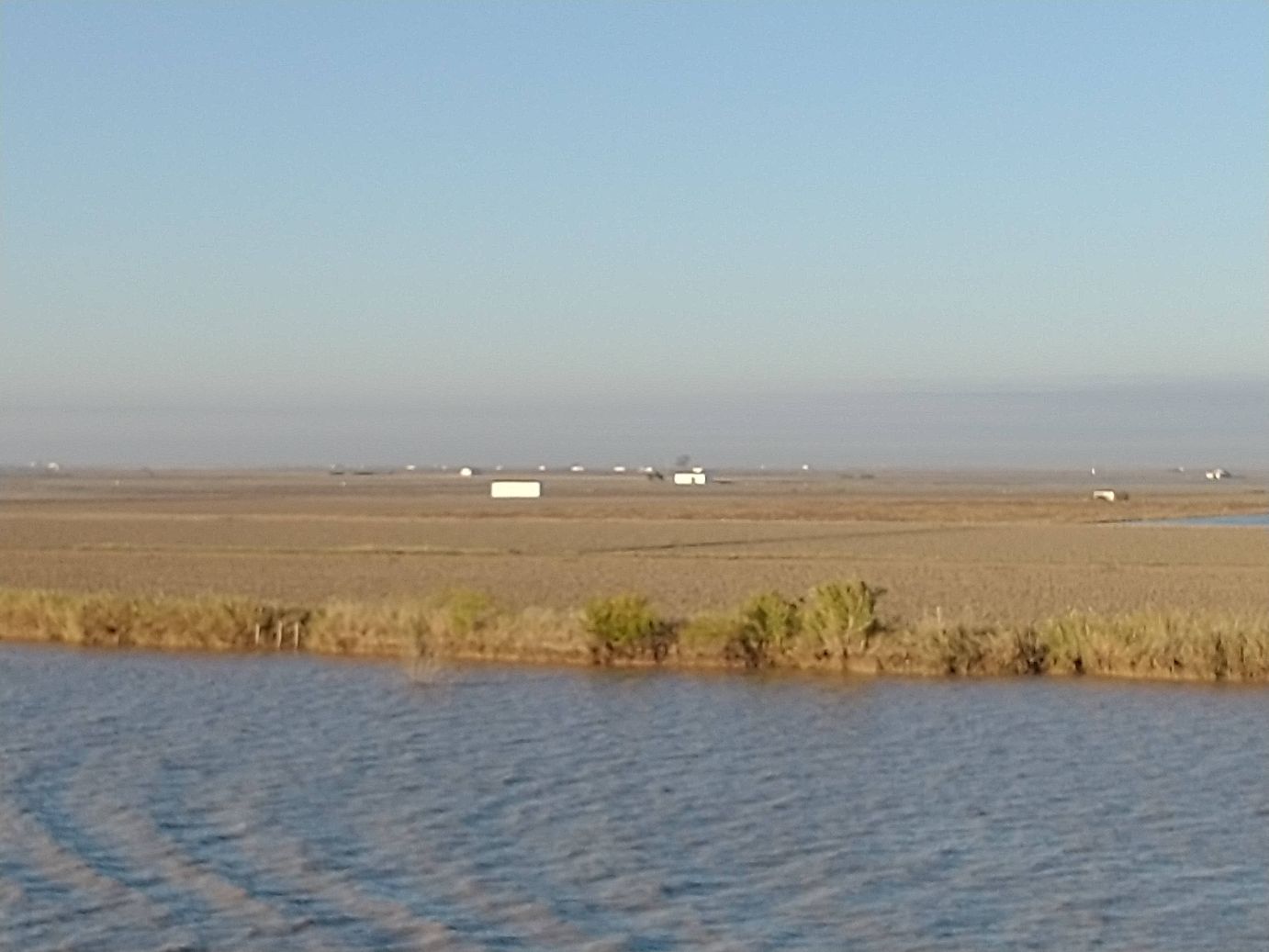
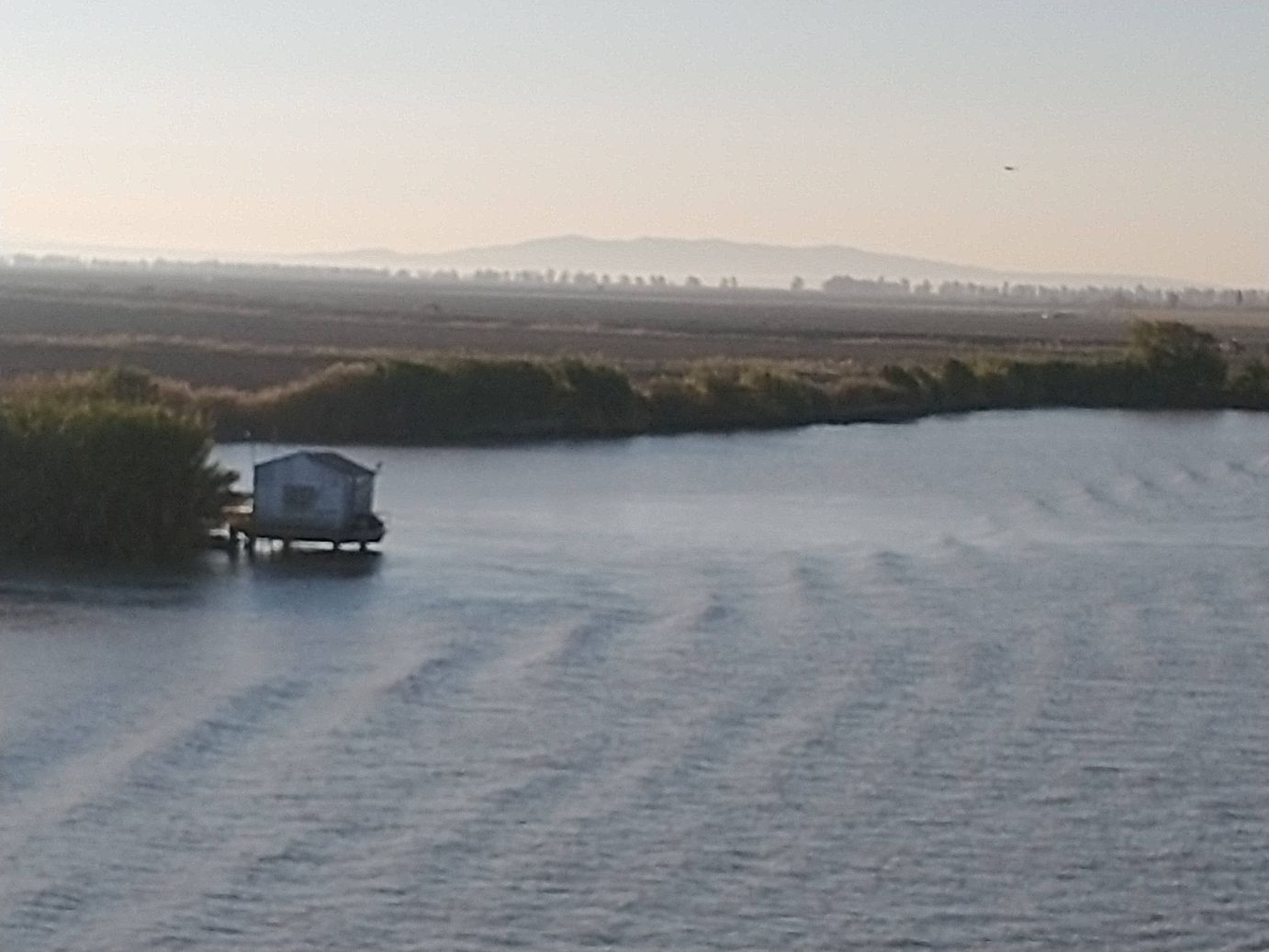
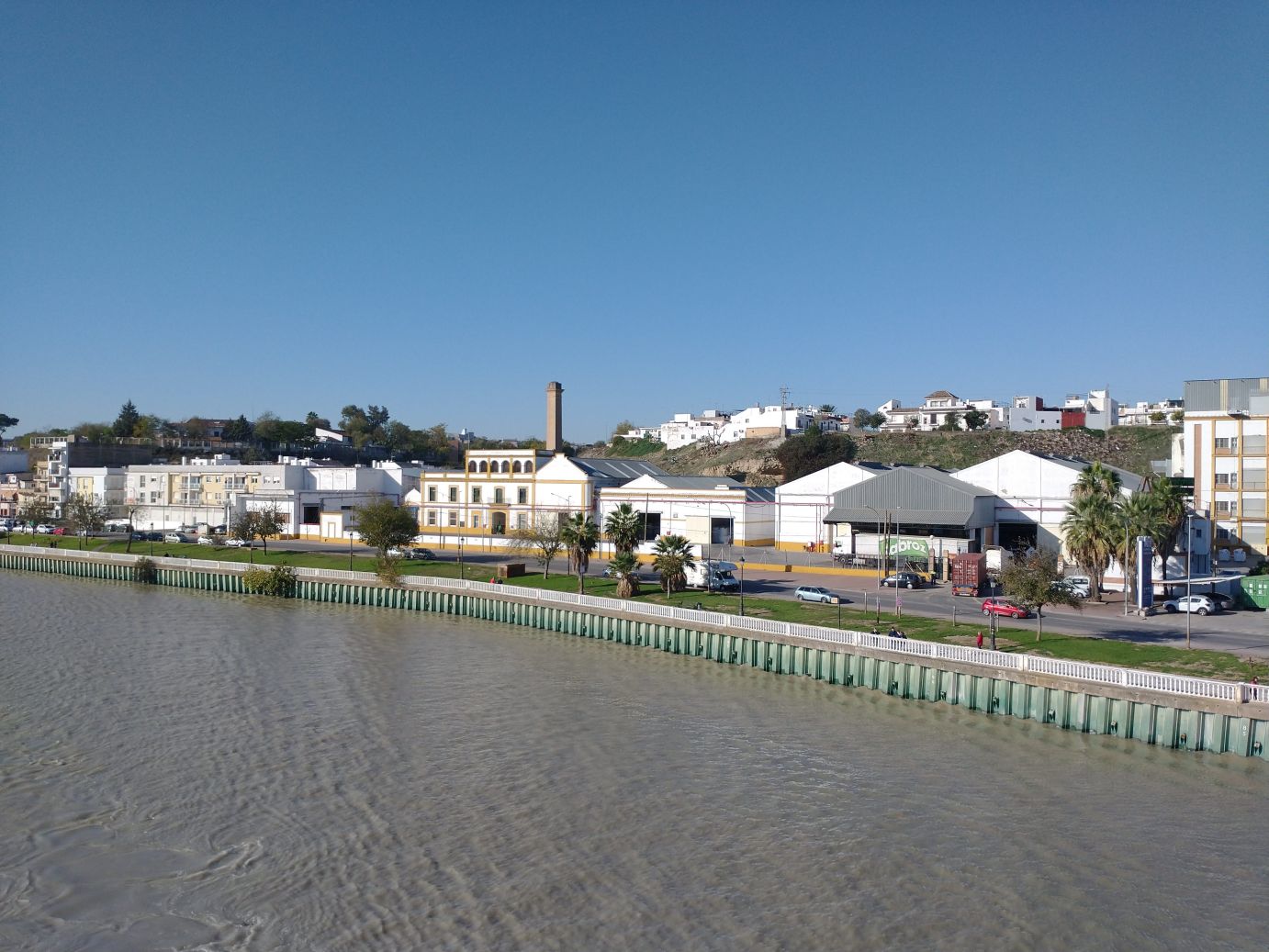
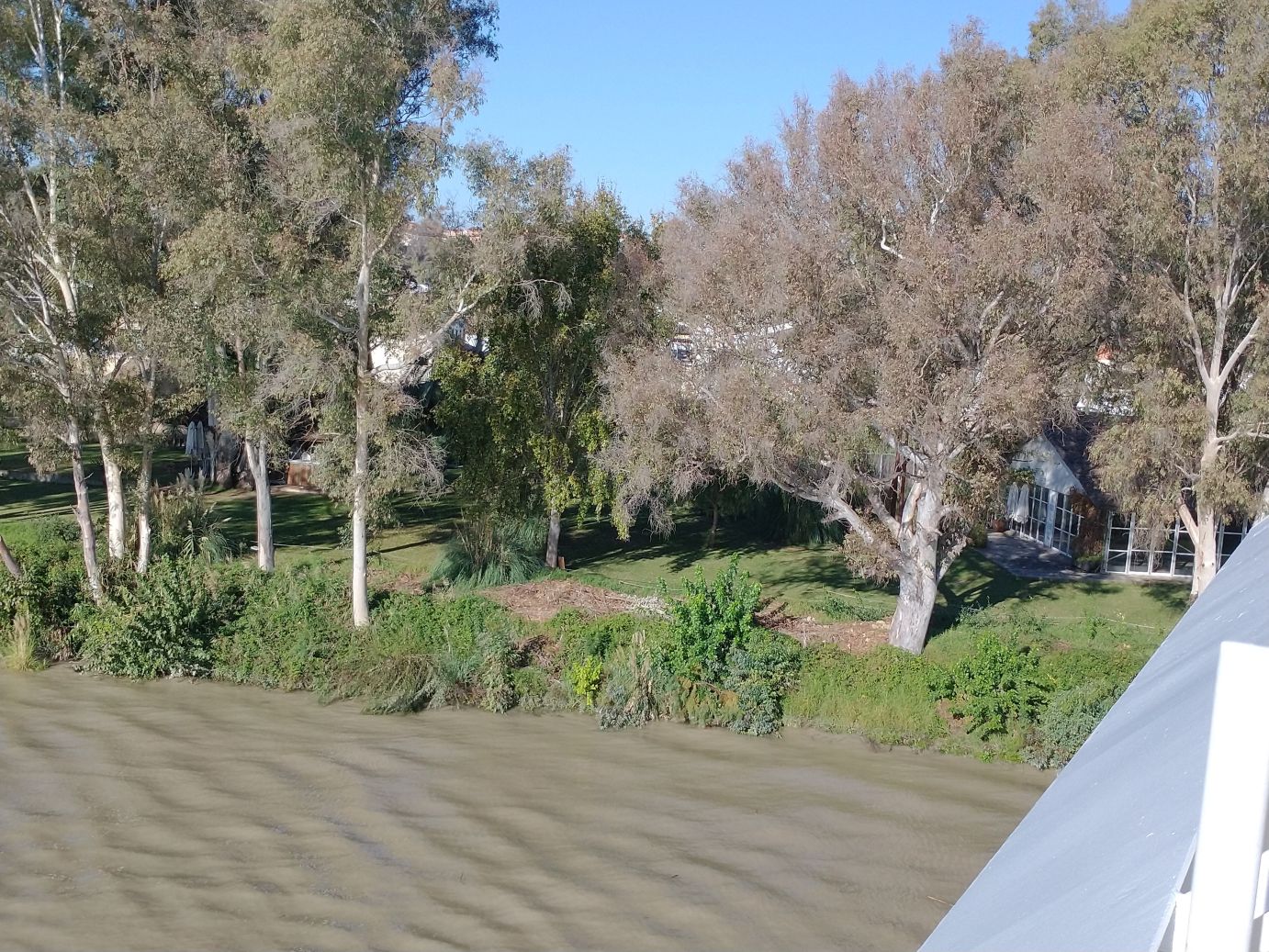
The sunrise is beautiful, cresting the mountains in the distance. We run through our normal routine – coffee, gym, breakfast (more coffee for me), then head back to the cabin to spend the rest of the morning watching the scenery. It is an incredibly beautiful, clear day – we can see forever across the fields, dotted with little farm buildings and some random houses. We sail past a town with a small grassy promenade, then back into farmland before reaching the first locks around 11am.
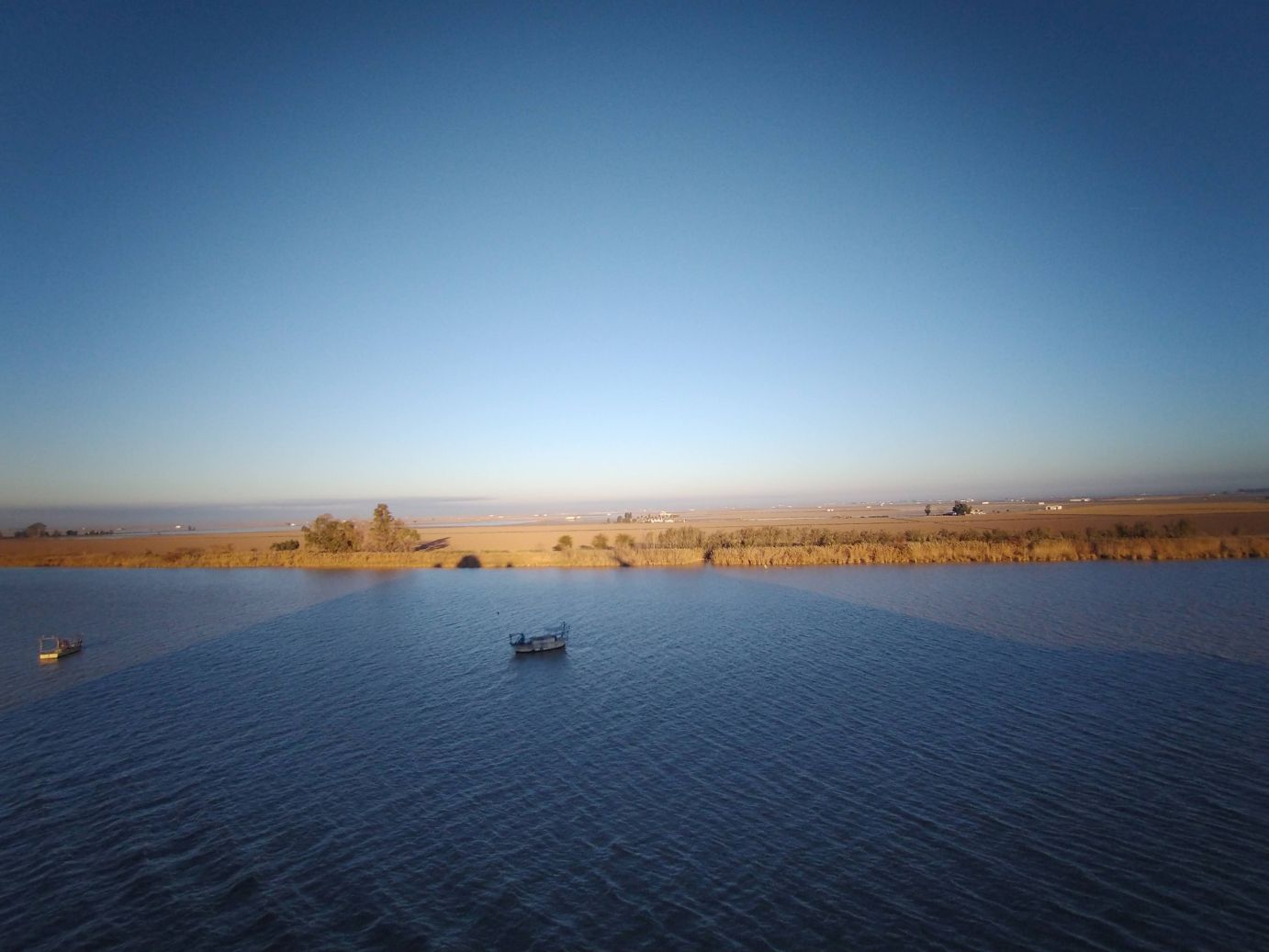
We have a great vantage point to watch the tug escort into the lock and a good close-up view of bridges that cross the river here – open now to let us through. It’s really cool to watch the lock close behind us, the drawbridge come down to allow traffic while the water rises around us. Then we’re making our way out of the lock, watching in the distance as the 2nd drawbridge begins its descent across the river. Can you tell we’re just enamored with canals and locks?
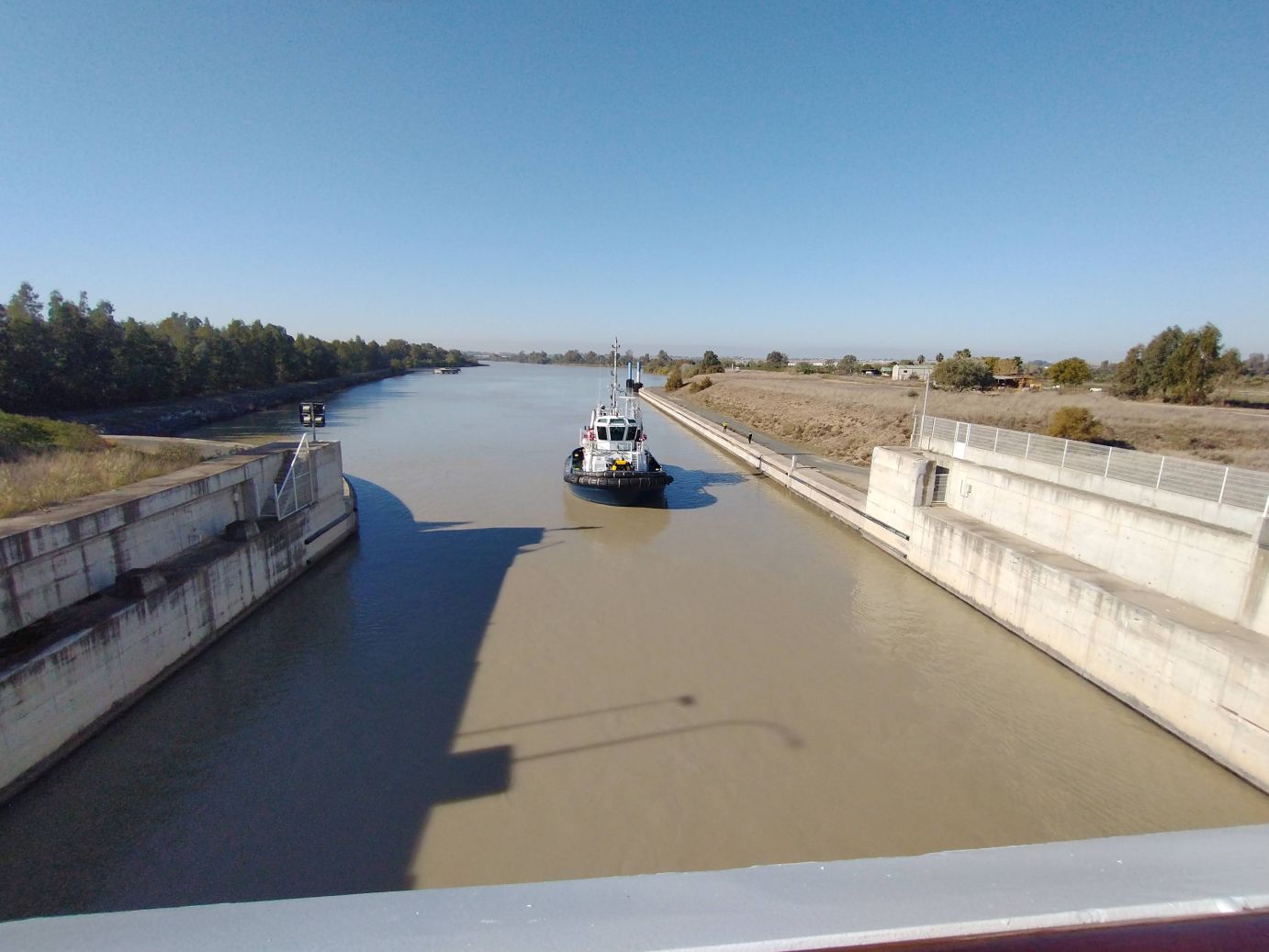
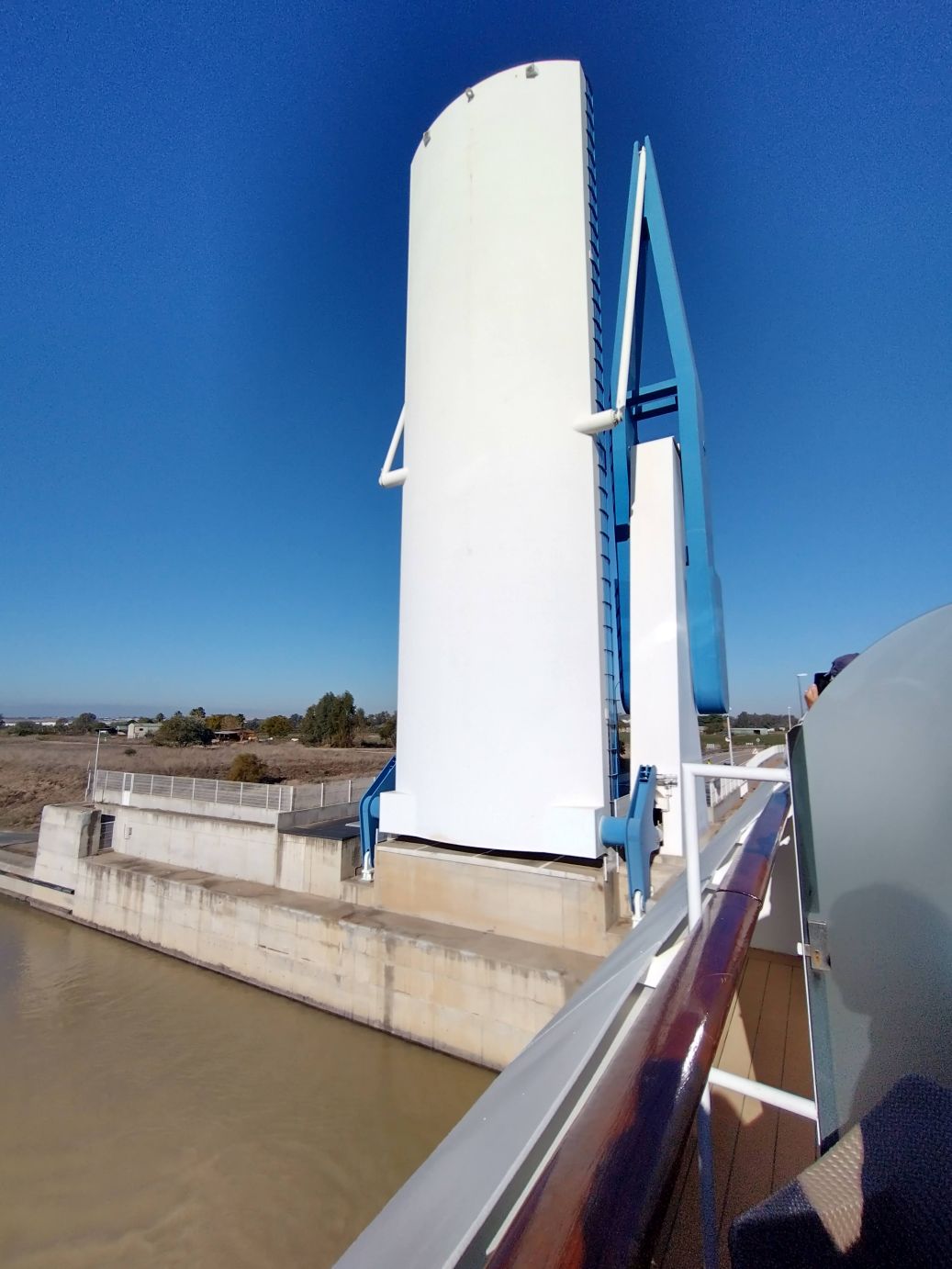
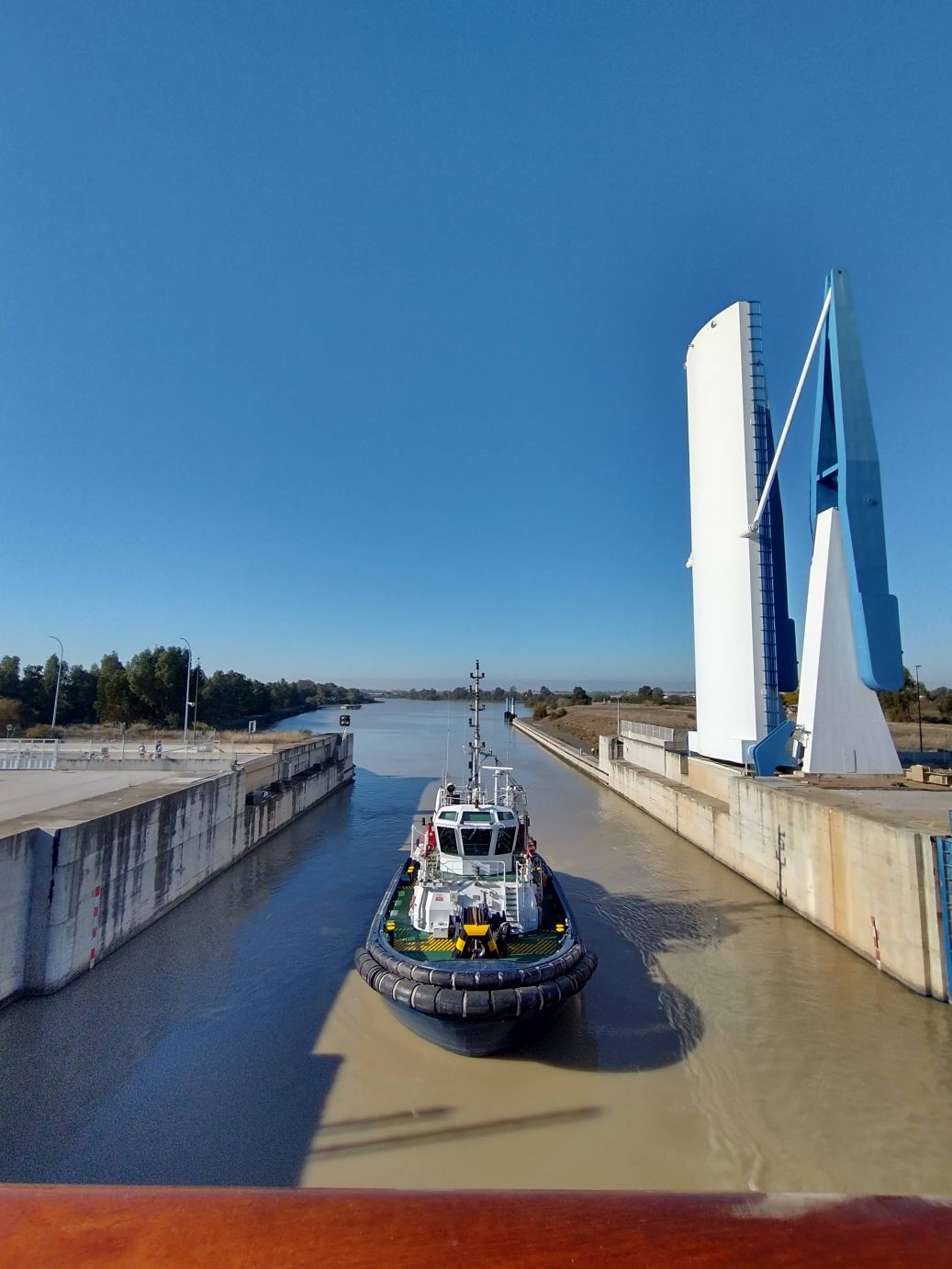
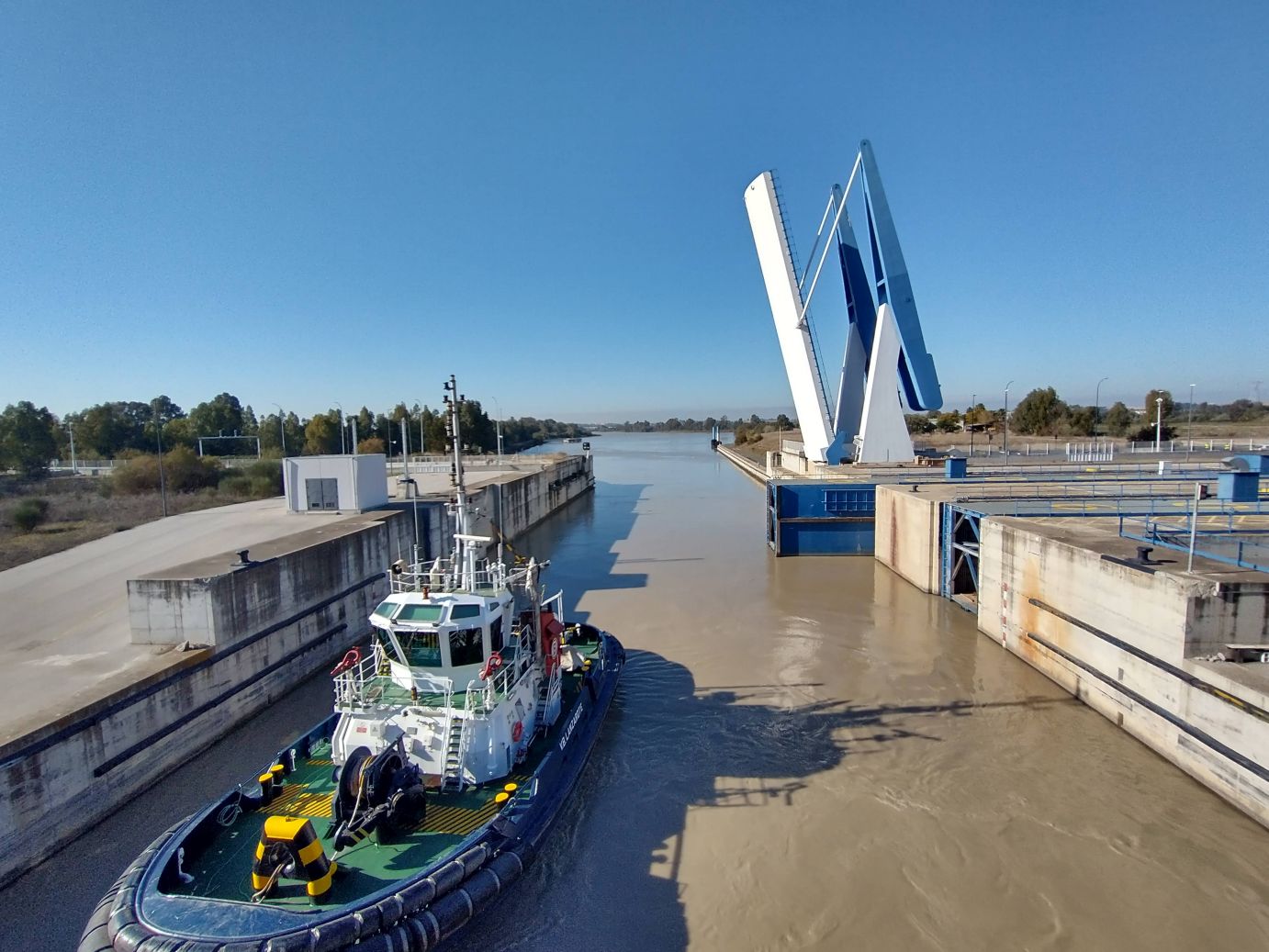
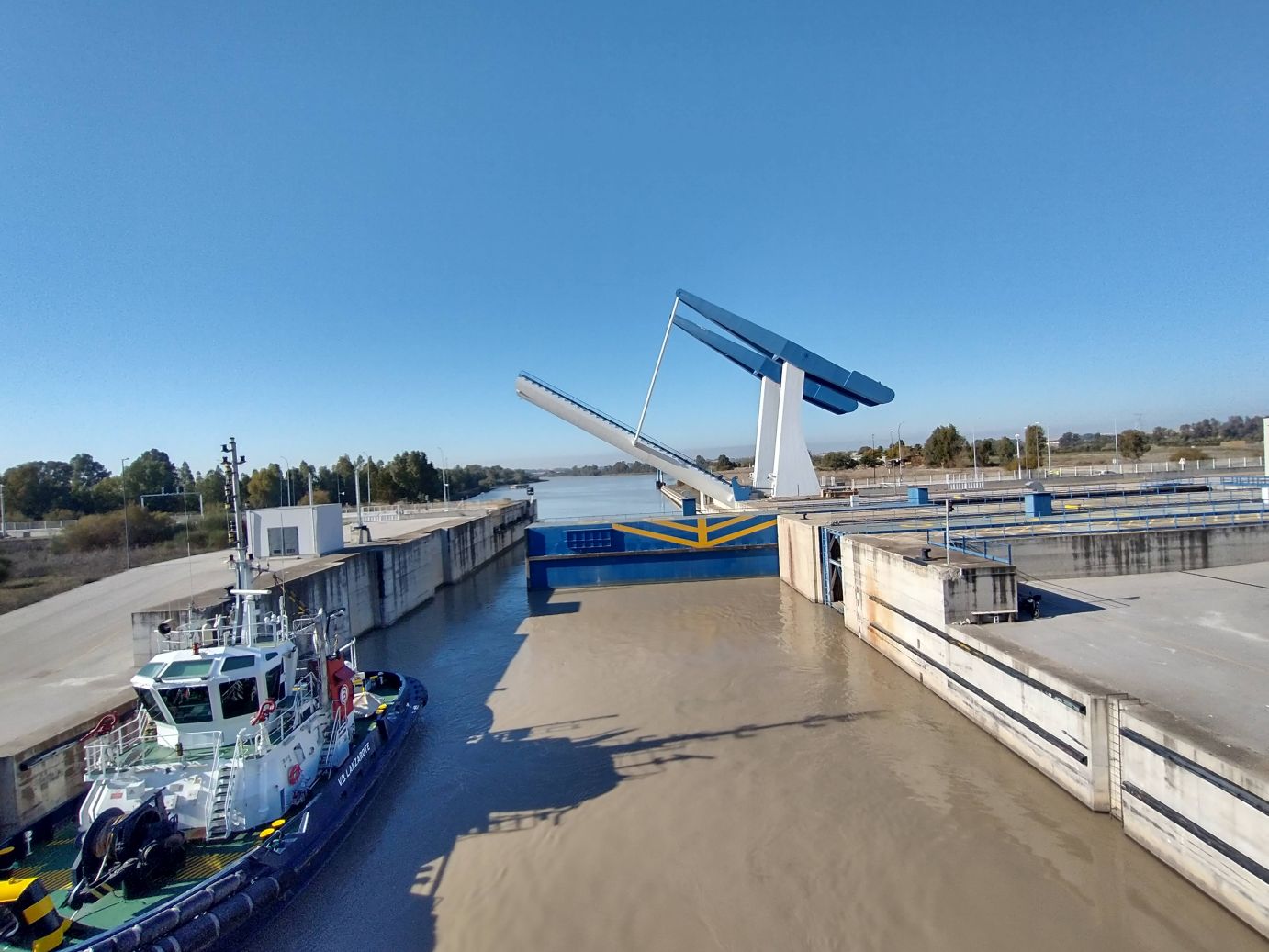
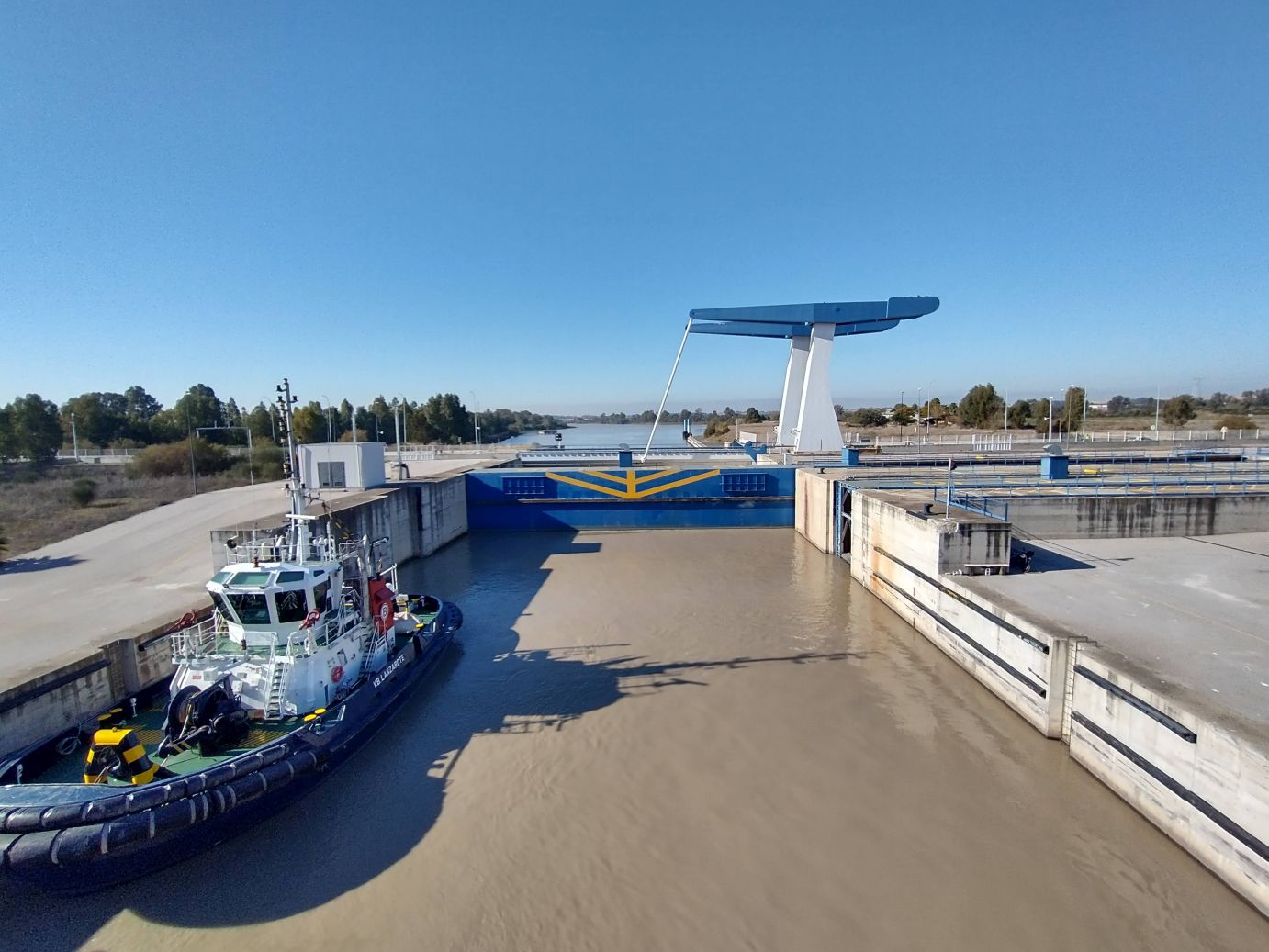
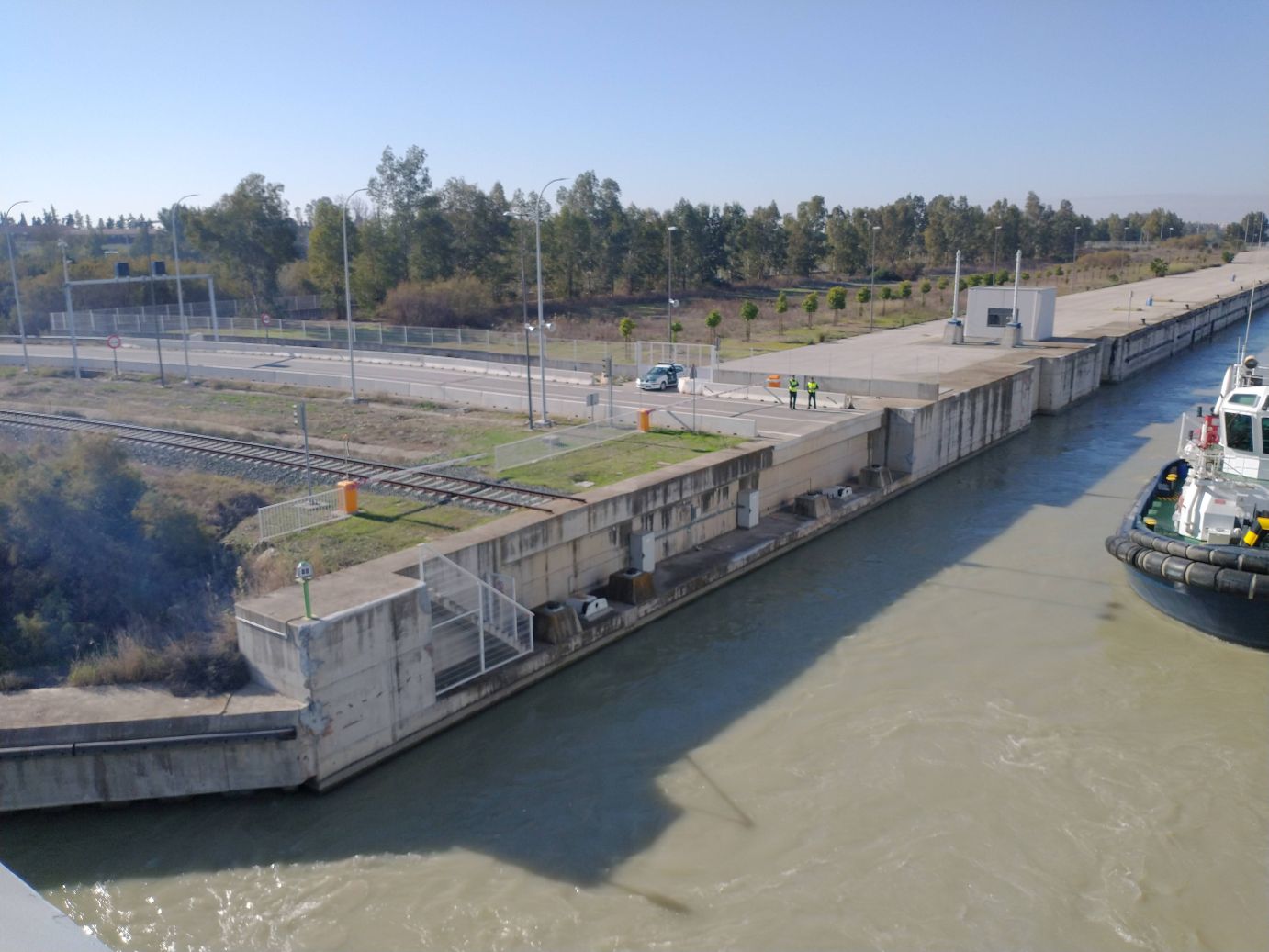
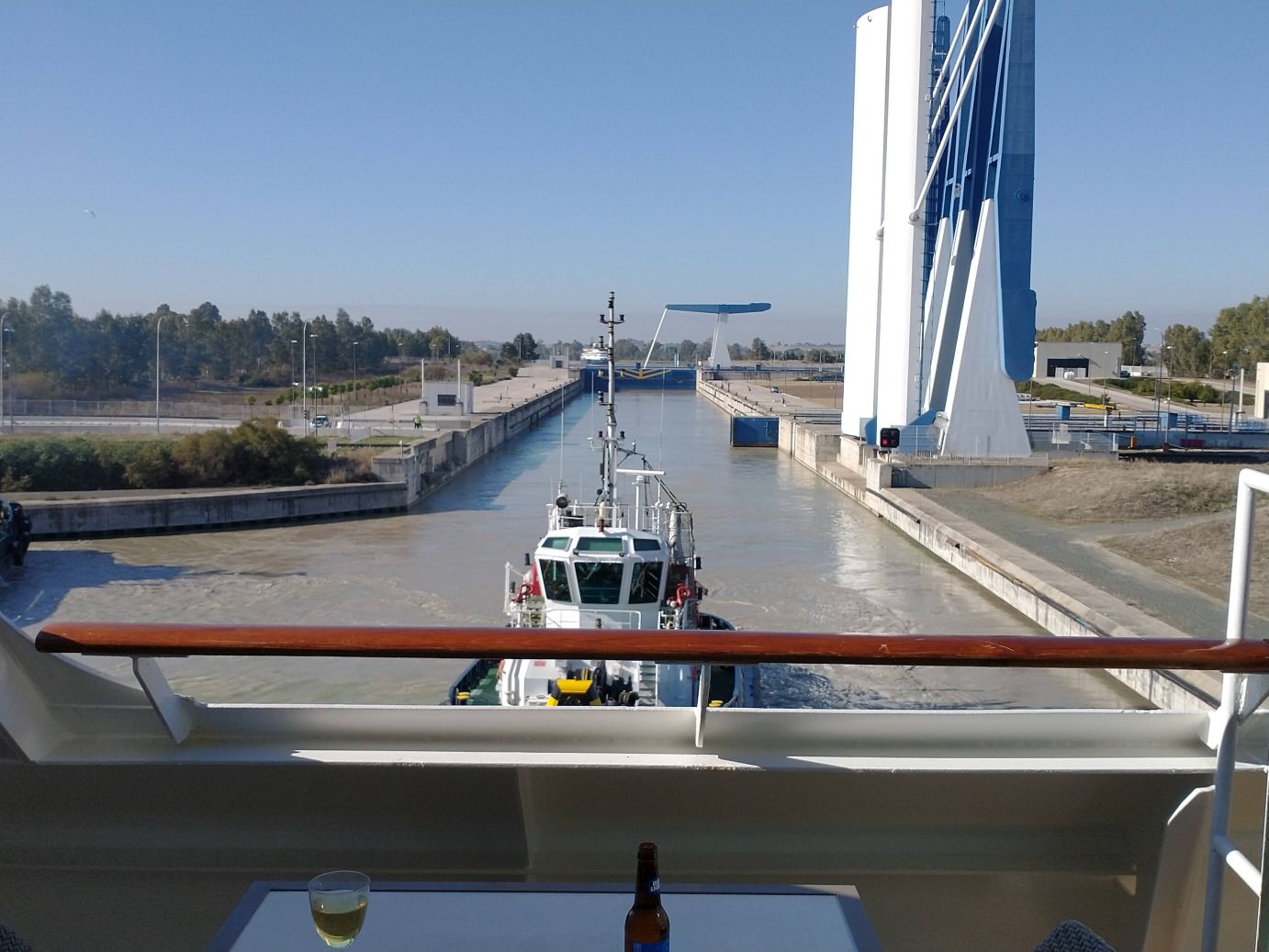
About ½ an hour later, the Captain begins his turn and we watch, fascinated, as we come with in feet of the sides of the river basin. Talk about stressful! But we make it (we had no doubts!) and off we go – in reverse up the river. This is too cool! I mean, I know they have tons of experience on the Bridge, and this is what they do, but still. How do they do this? Especially when we reach the 2nd drawbridge, and he has to back through it? With precious little clearance? Amazing.
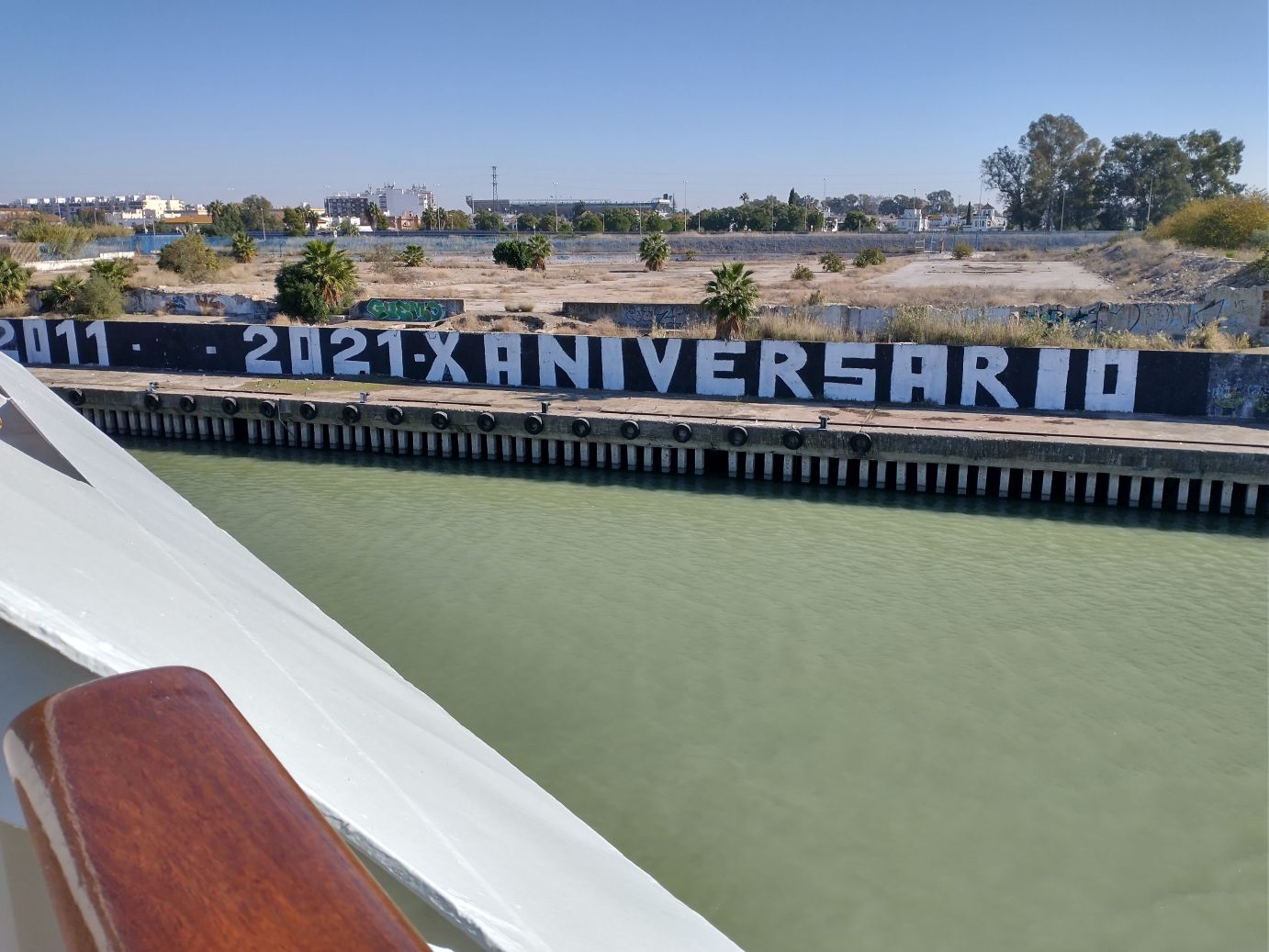
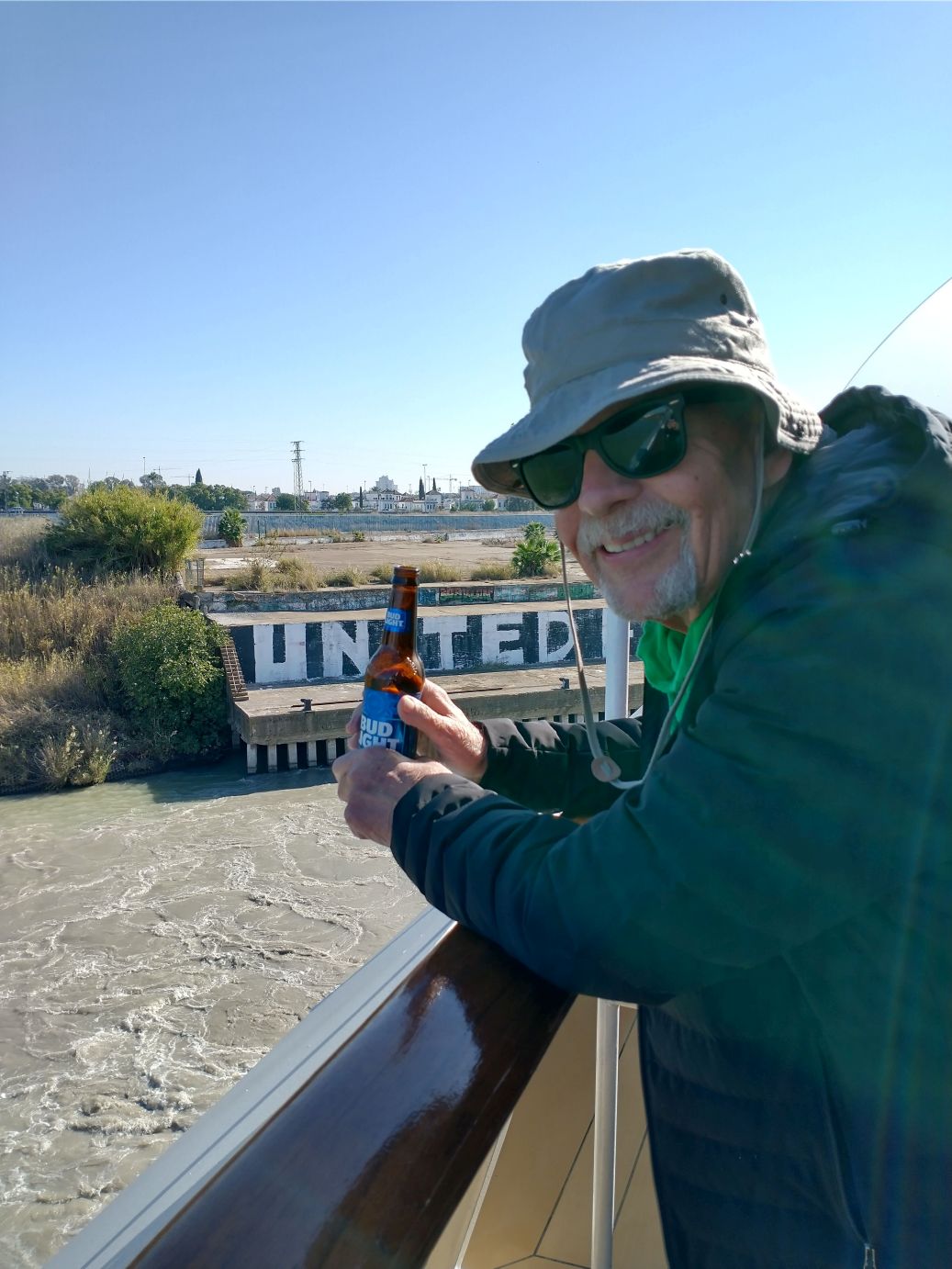

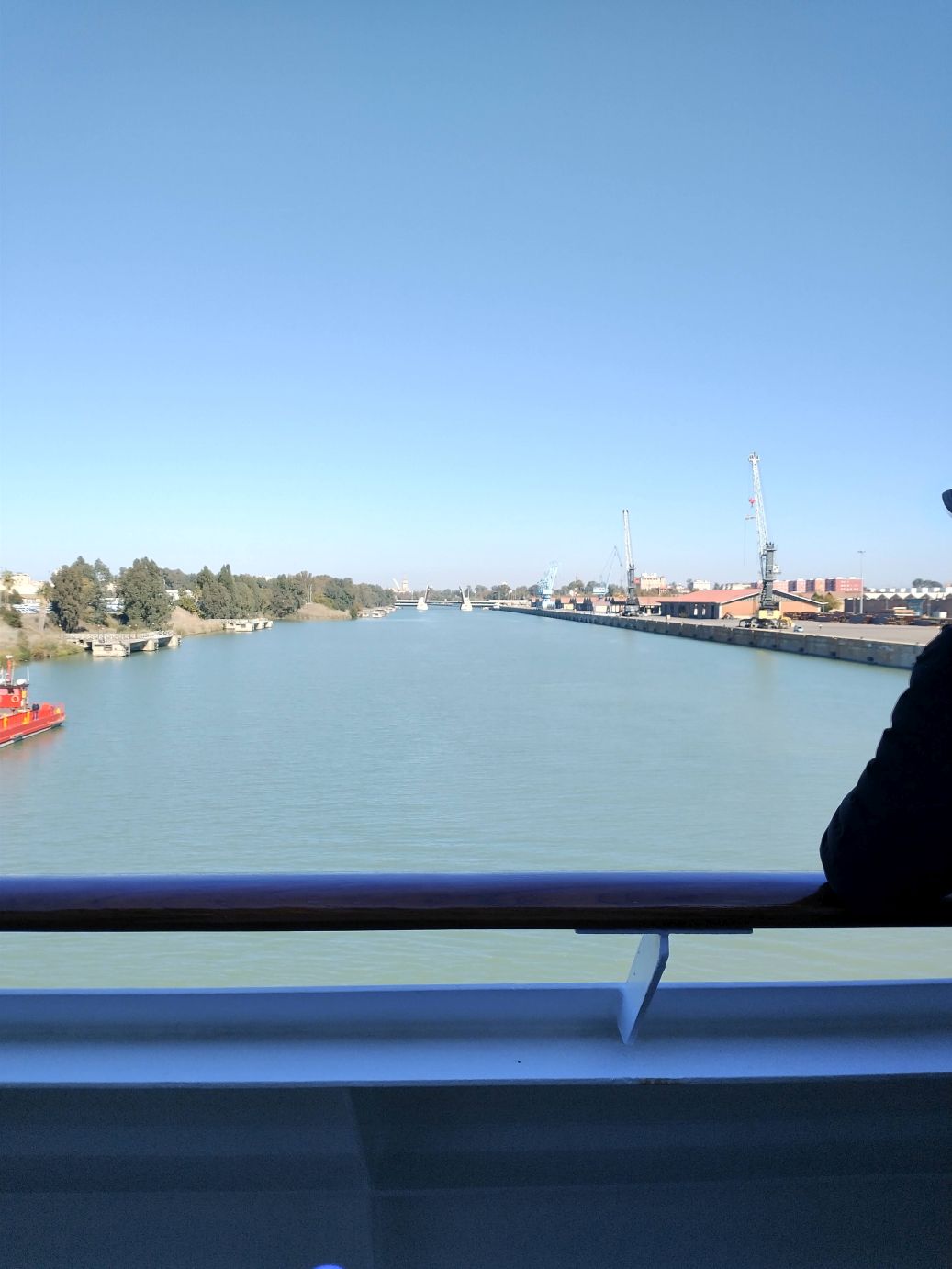
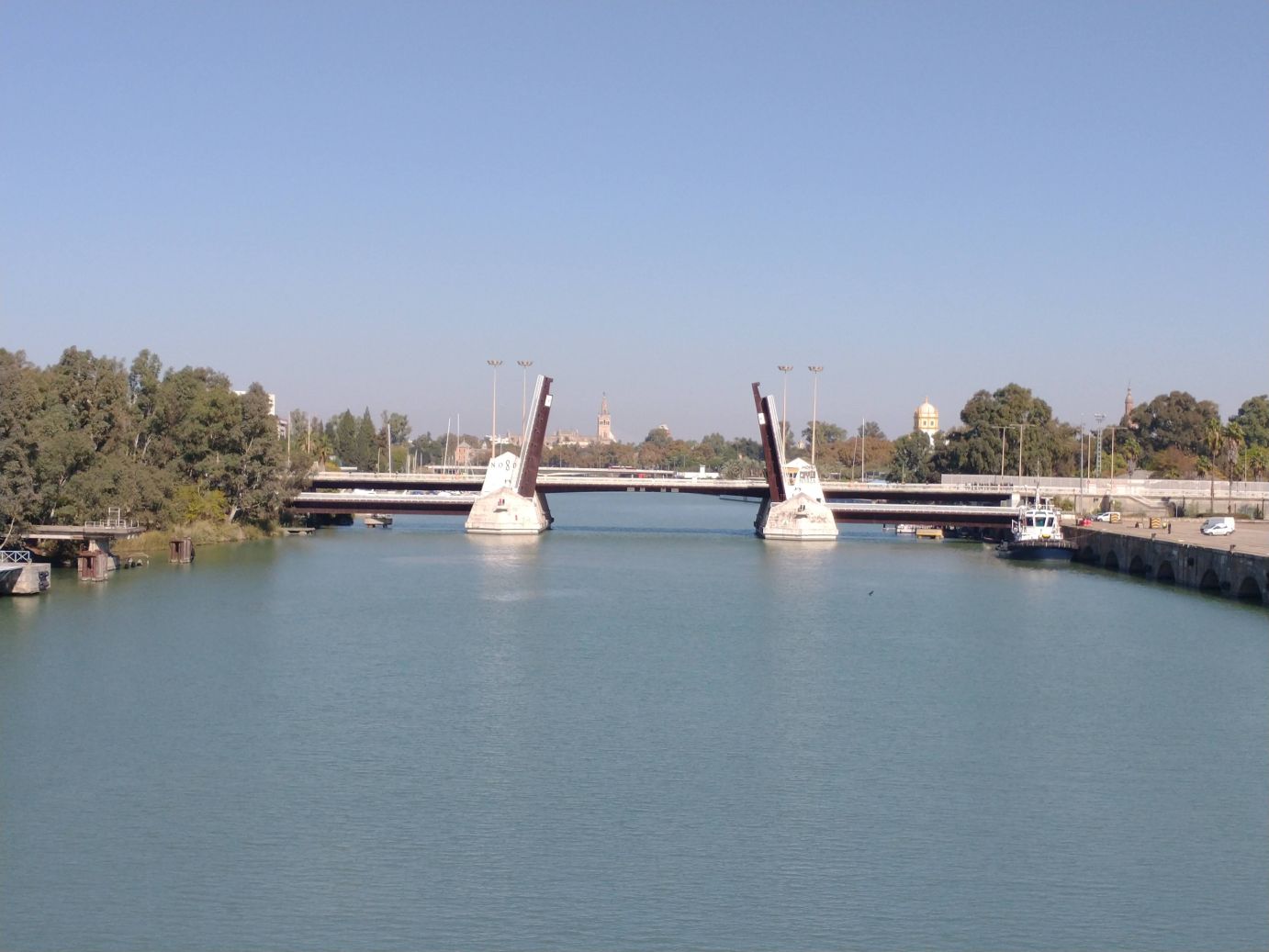

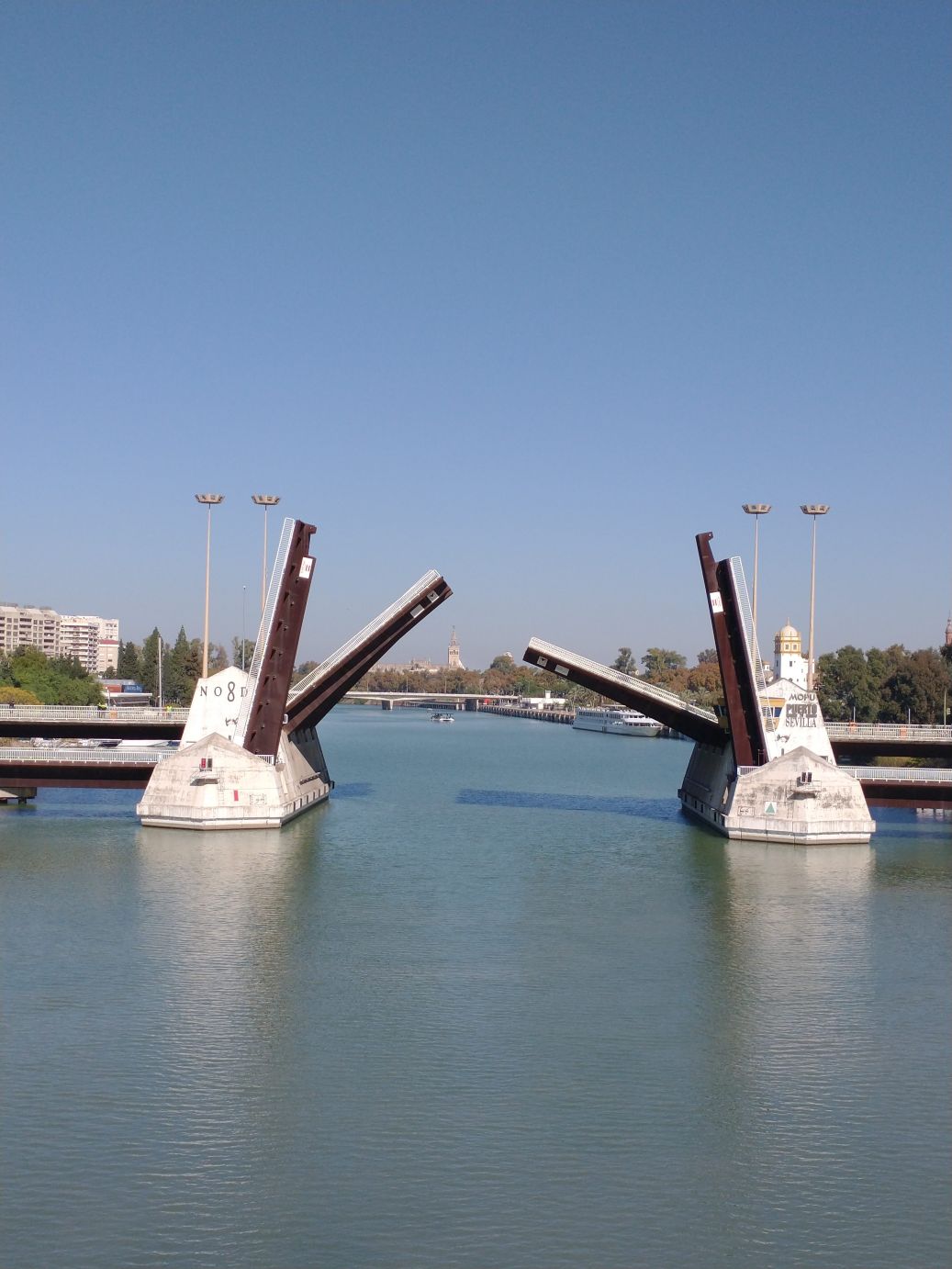
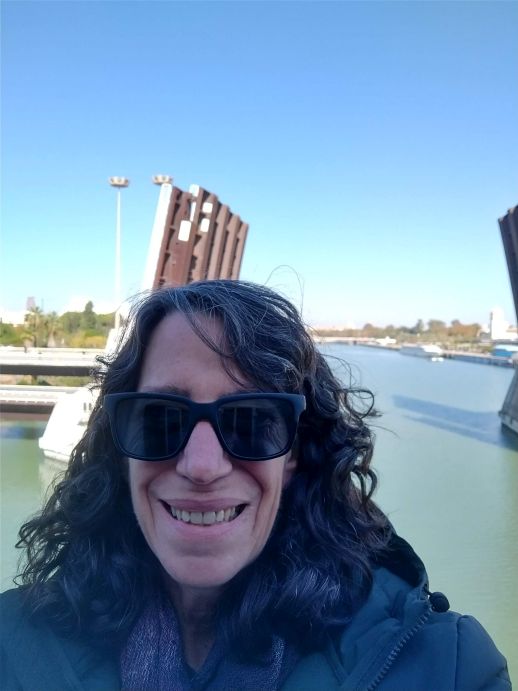
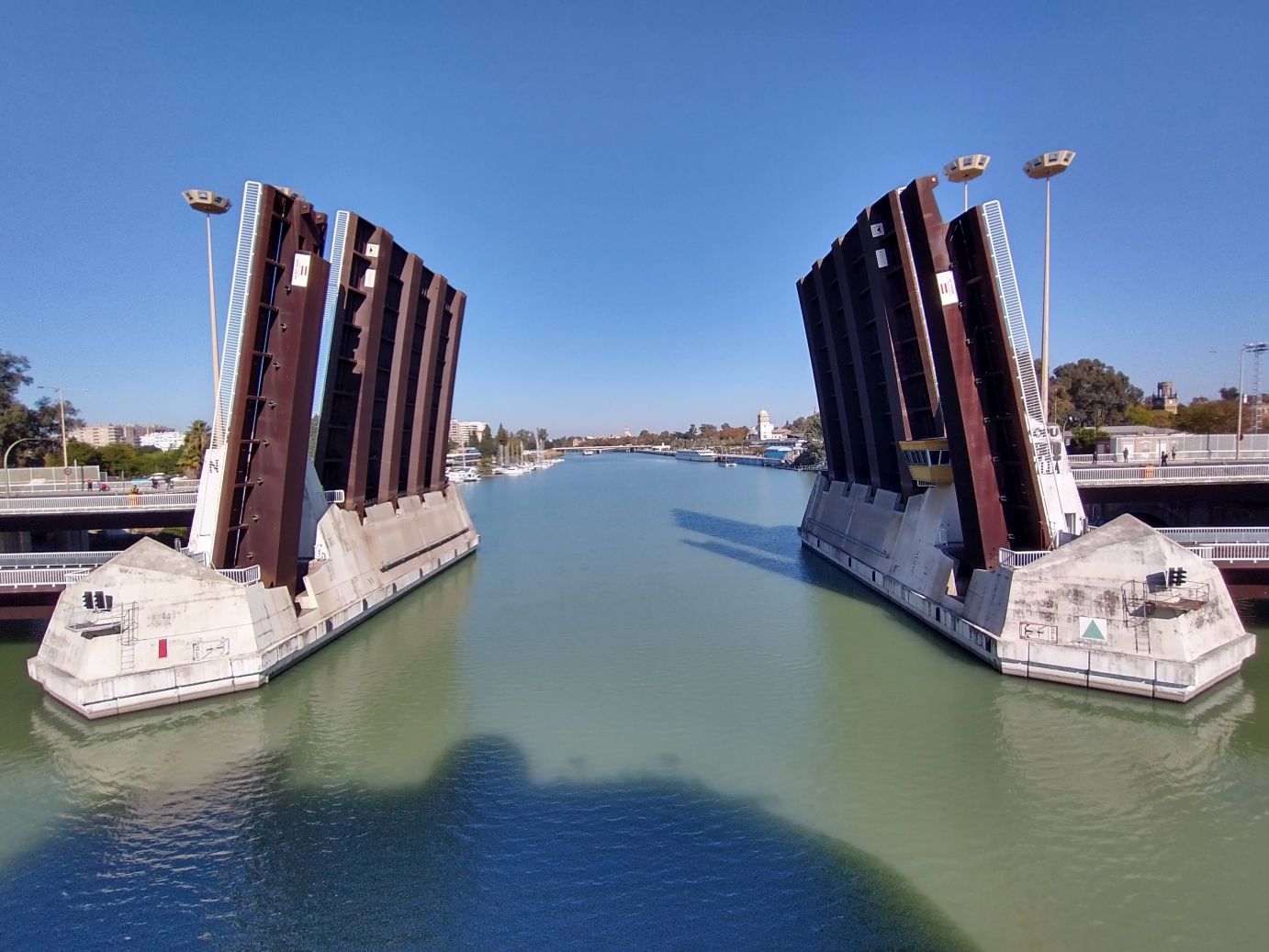
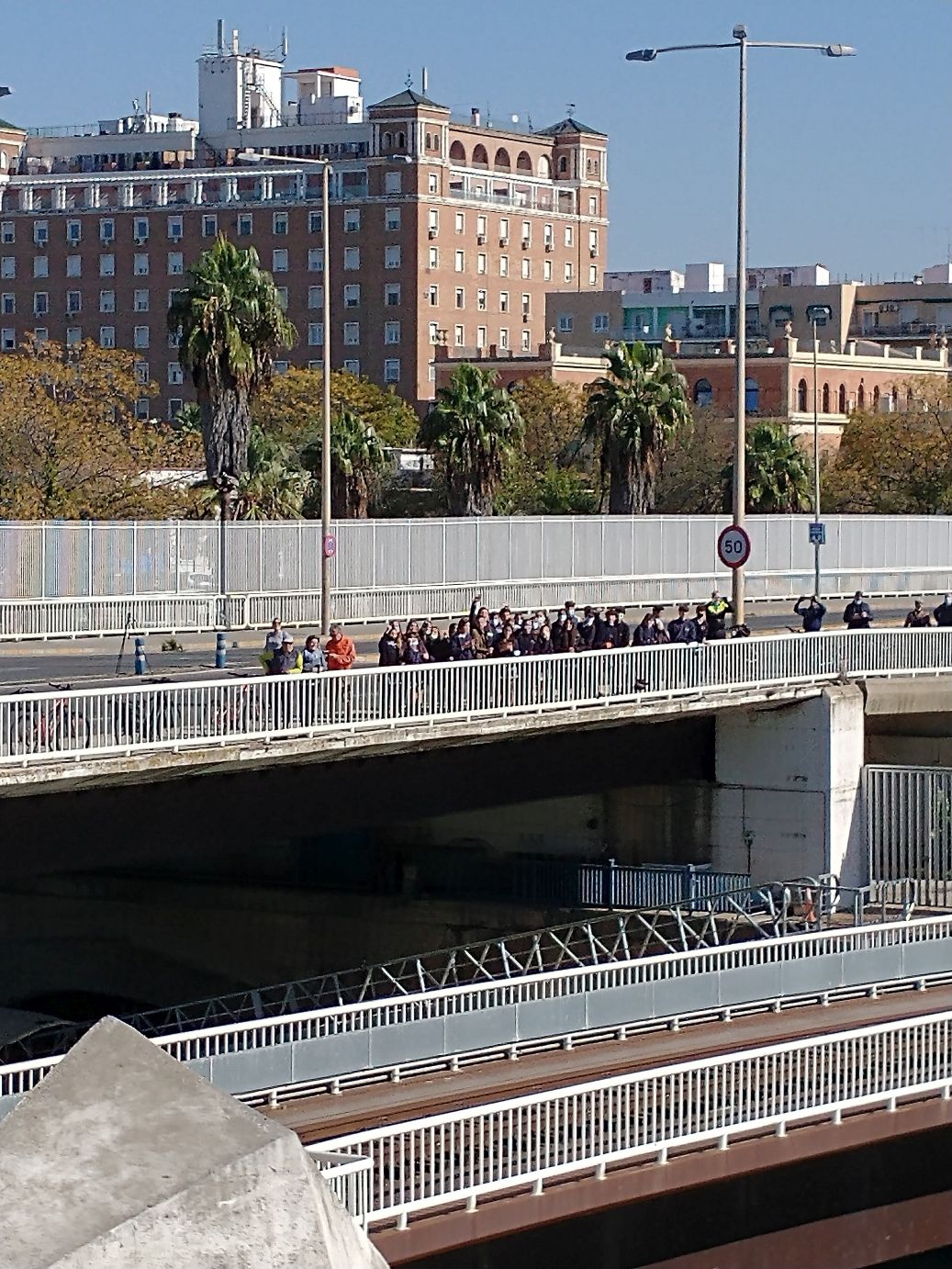
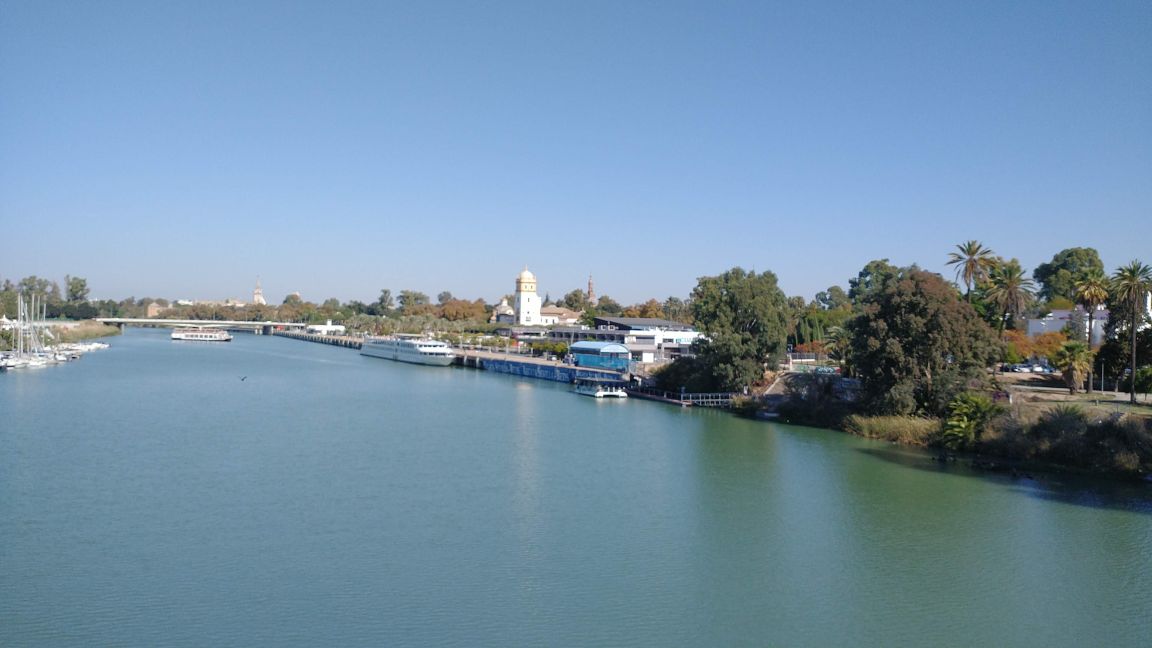
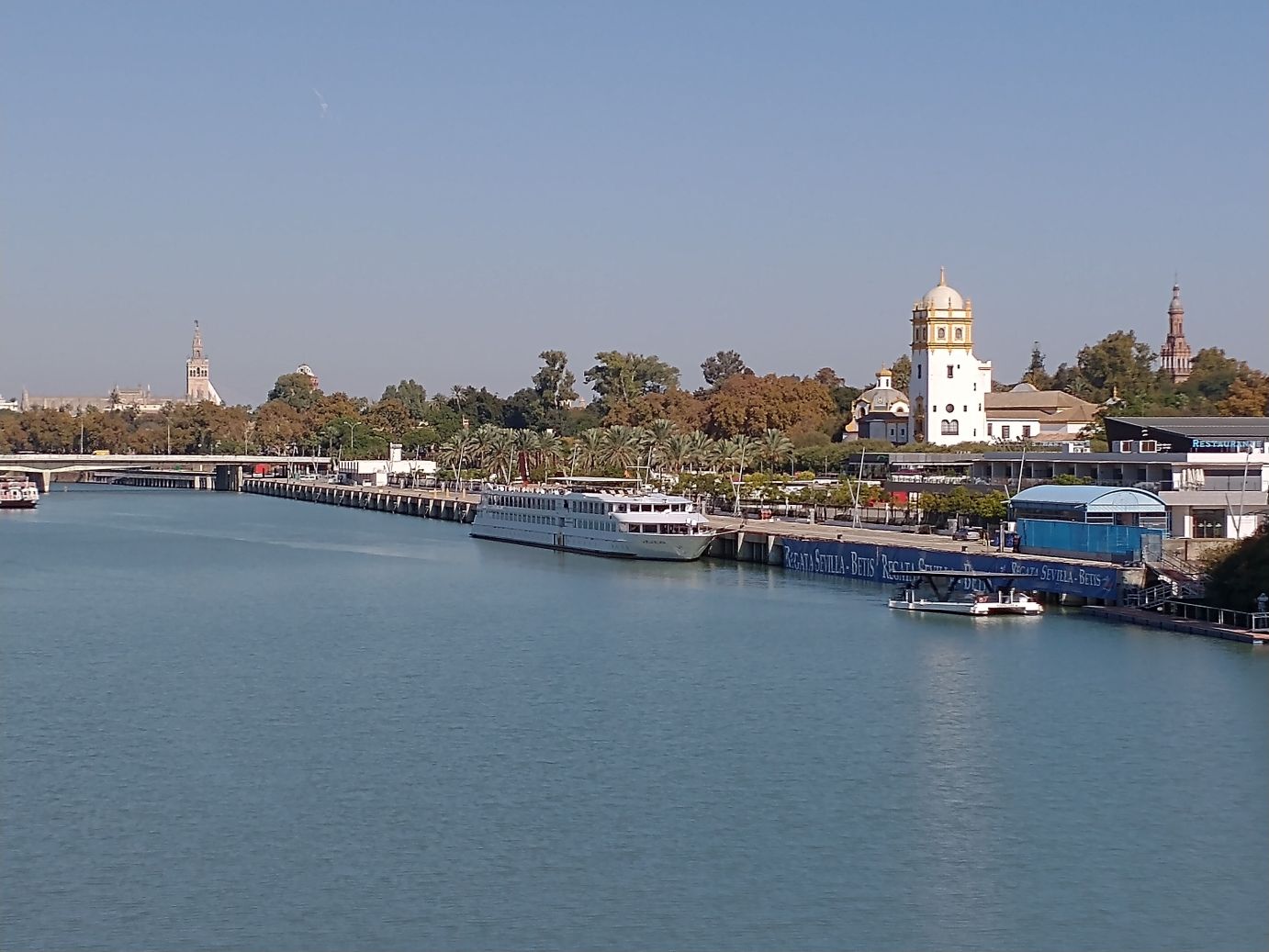
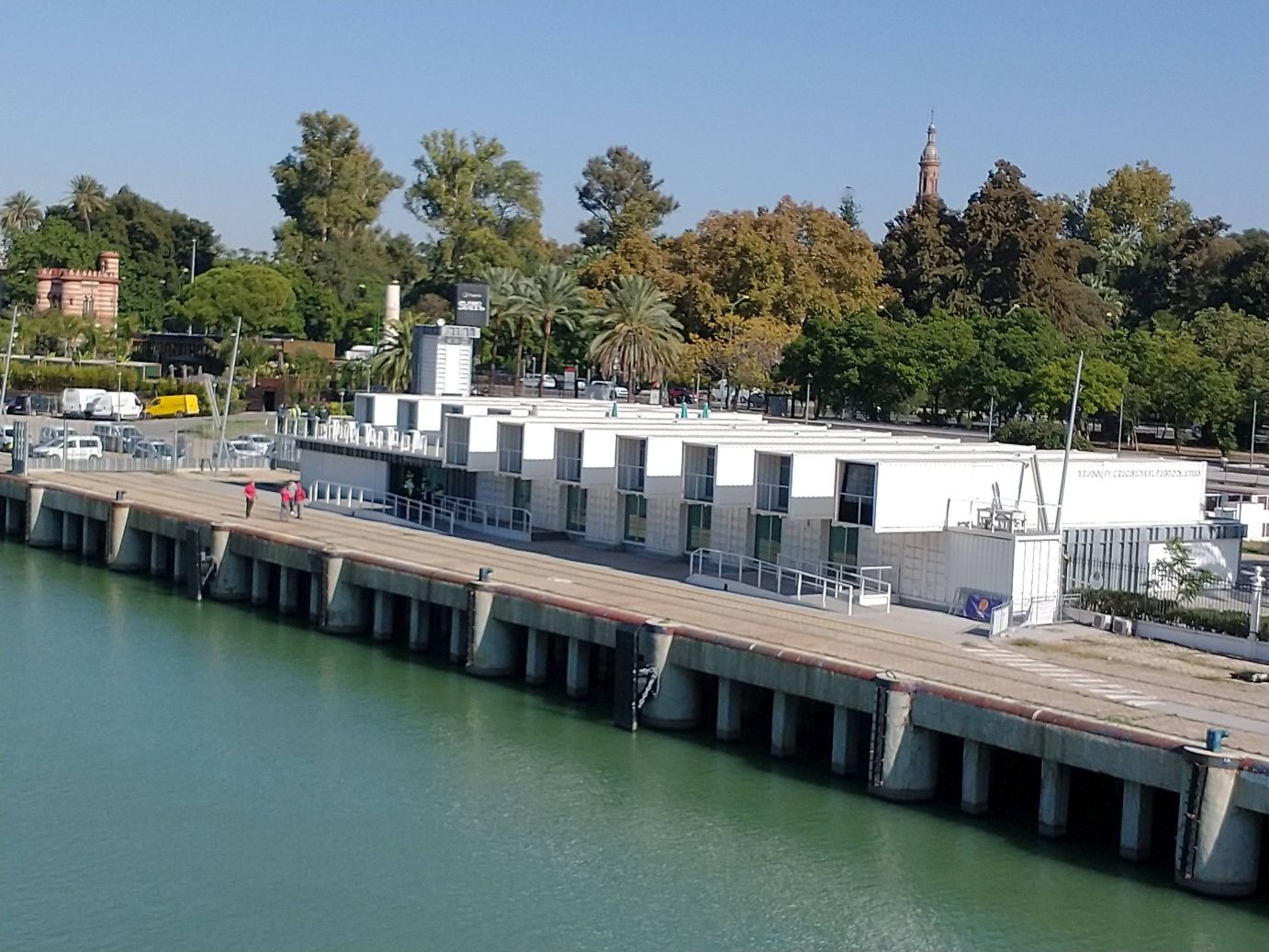
And then, voila! We are here. Approaching the new ship terminal right below the main historical district of Seville. What a fabulous way to arrive! And we’re here for 3 days – even better. We get to just walk off and explore – not drive 2 hours in a bus from Cadiz for a limited time visit. And walk off we do! Within minutes of being cleared we are outta there – and out here on the seaside promenade ready to begin our explorations.
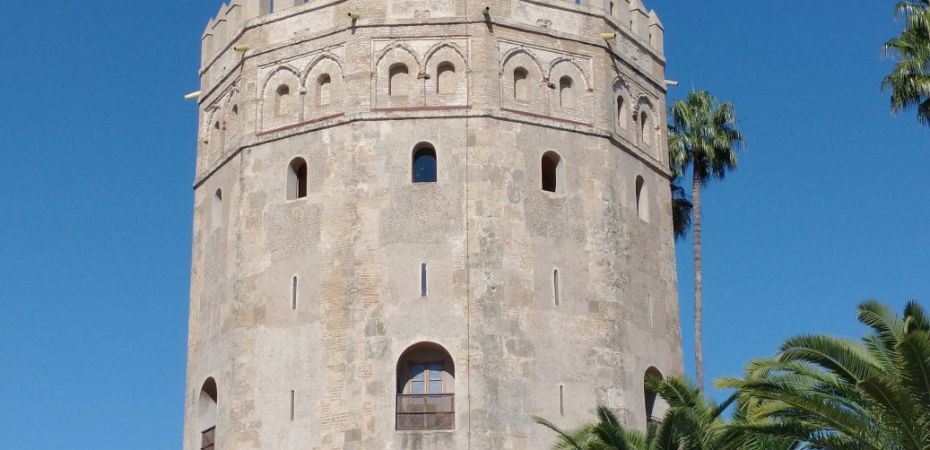
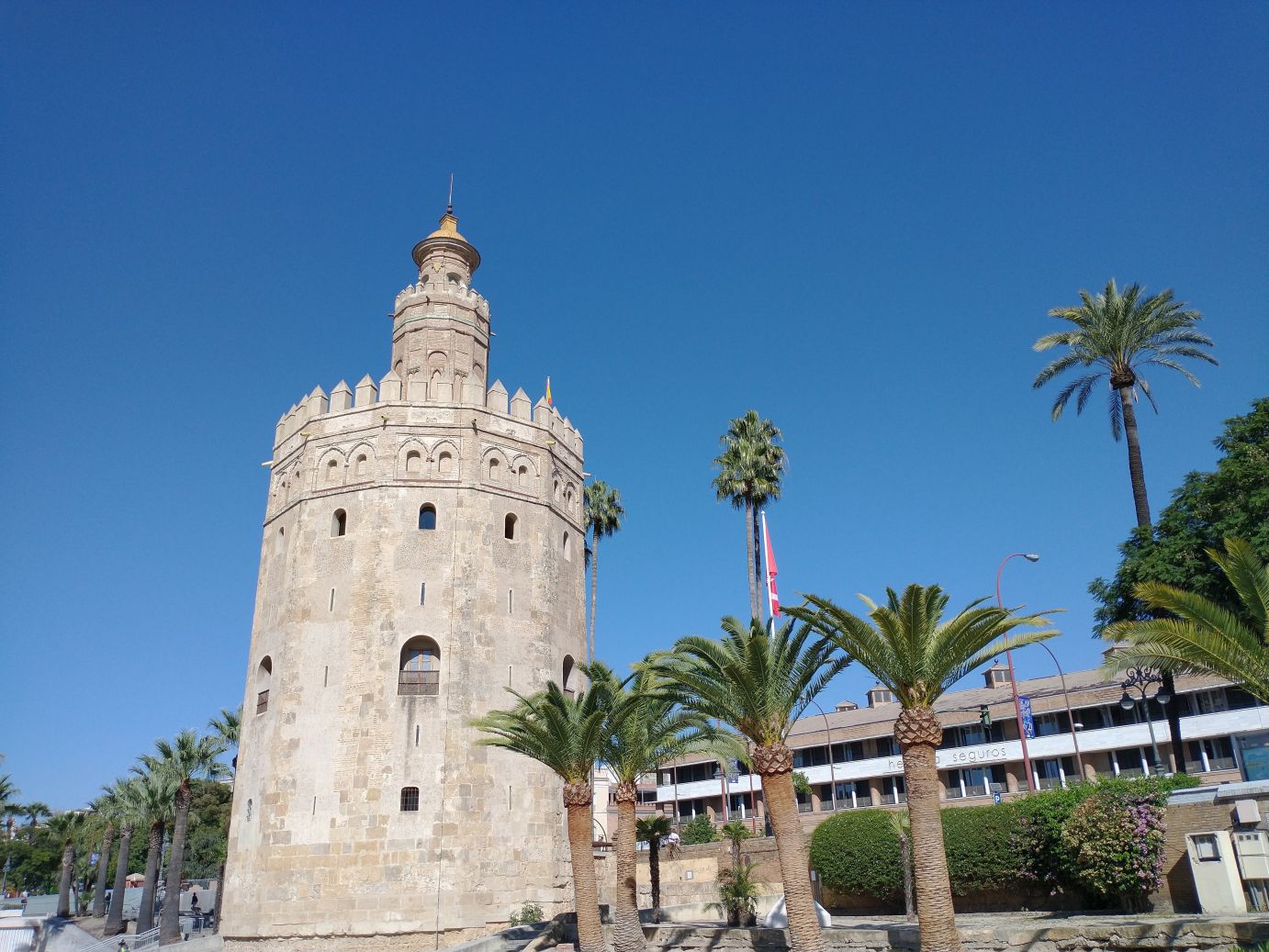
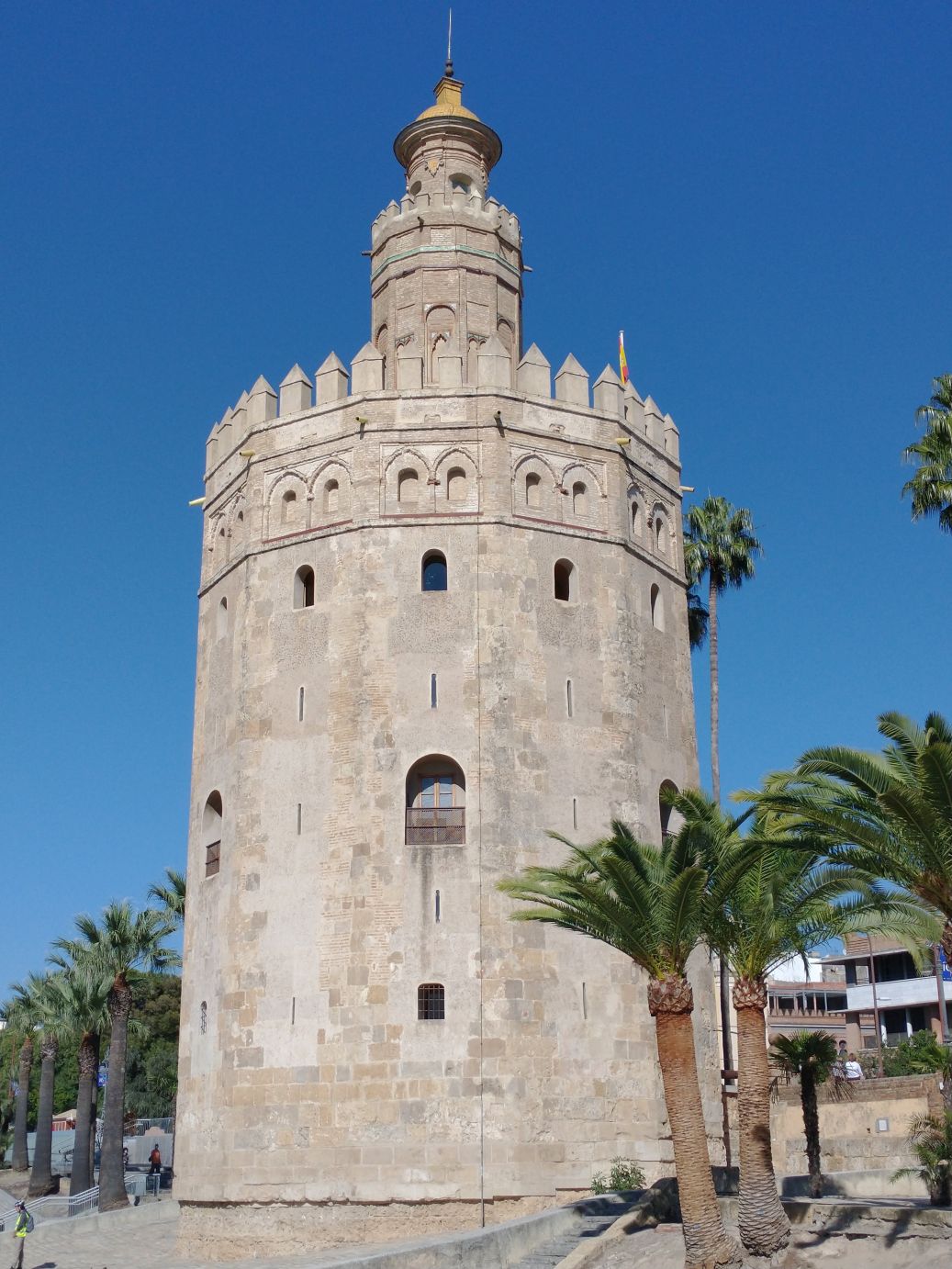
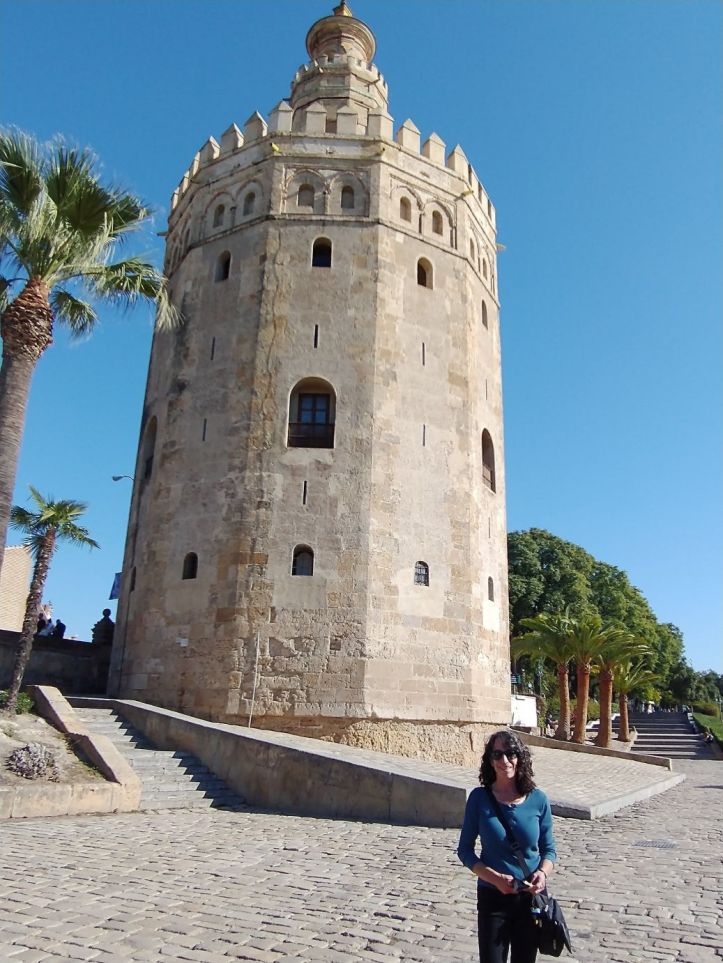
As we have already visited the Royal Alcazar, the Cathedral and the Bullring on our last trip here – we have a whole list of other museums and exhibits we want to see. We start with the furthest flung, the Castillo San Jorge and the Inquisition Museum. It’s a lovely ½ hour walk from the port – all along the riverfront, where we pass a perfectly lit Torre de Oro, looking like the town’s lone sentry standing stolidly against azure blue skies, then a couple of little bars oddly named New York and Manhattan. Hmmmm….finally climbing up to street level to cross the Puente de Isabel II (or Puente de Triana – the area of town we are entering) to find the Inquisition museum located on the site of the excavated 12th century Castillo de San Jorge.
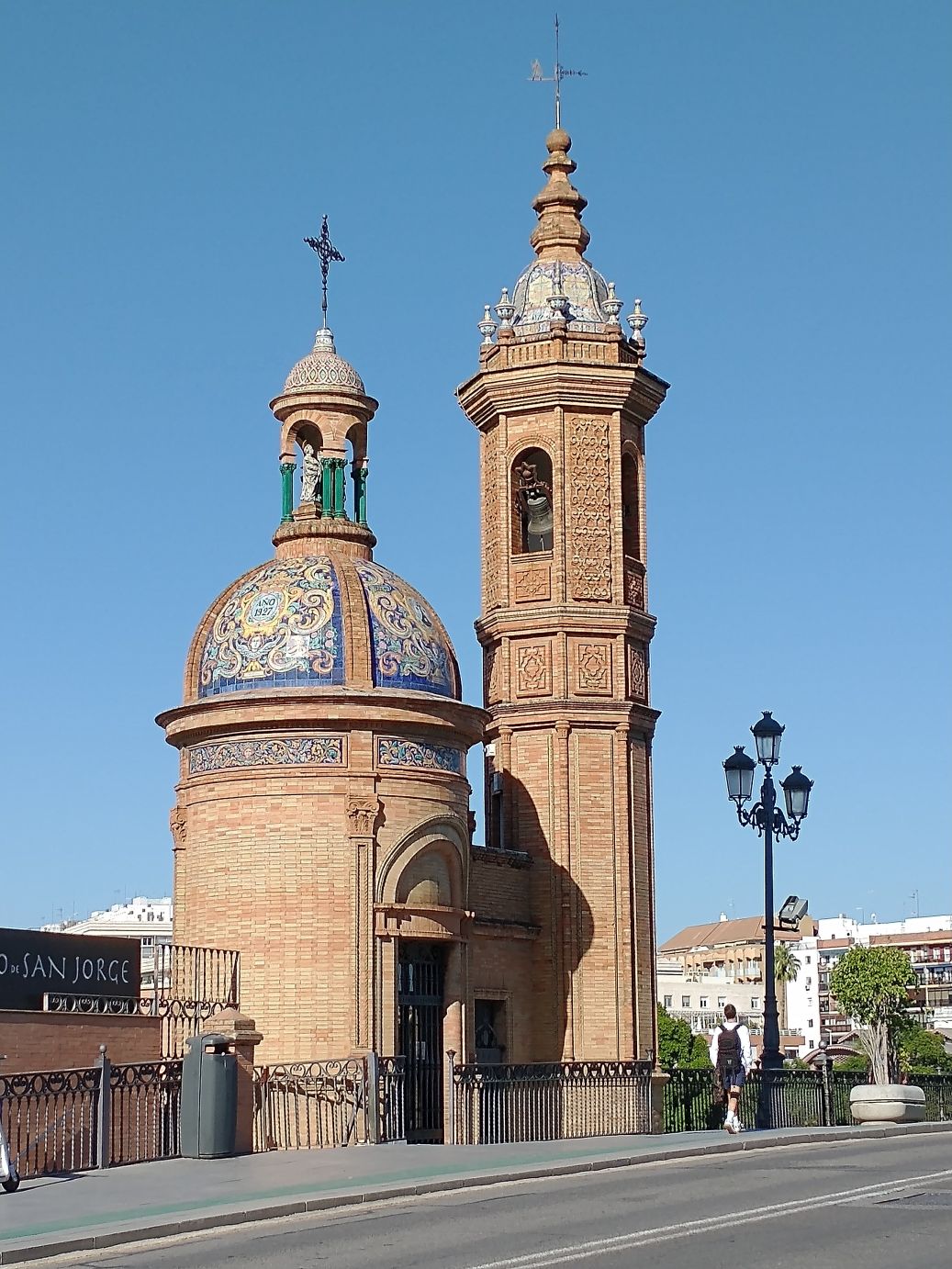
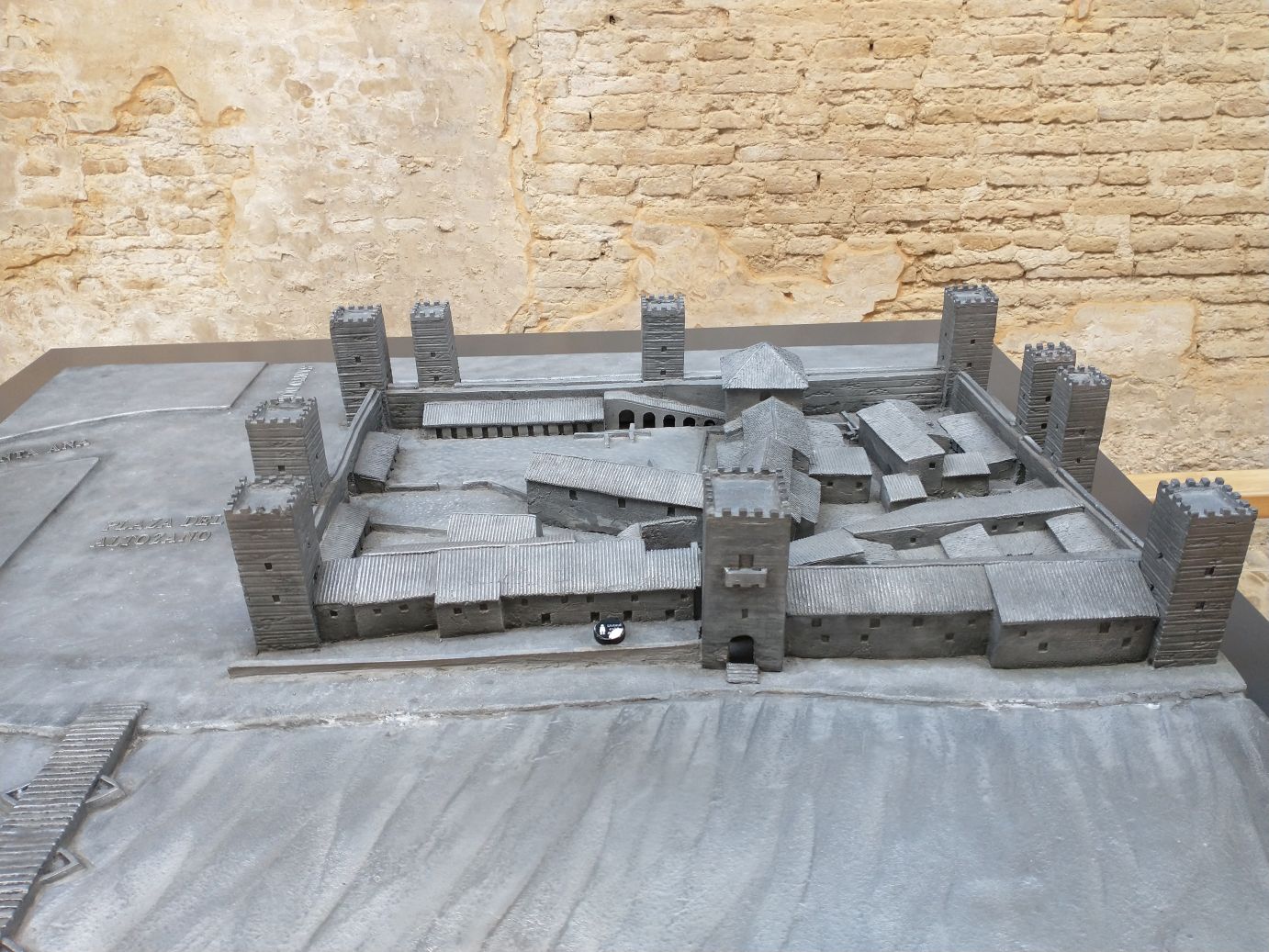
The museum memorializes the first headquarters of the 15th century inquisition with ruins of the castle and jail cells used for the prisoners. The ruins are well preserved, and the explanation displays – about the process of the inquisition, the different rooms, the chapel – are all very informative and well done. It’s not very large, though well worth the short visit. Leaving the museum, we wander through the Triana market, which is mostly all restaurants and not all that intriguing. Glad we already had lunch as the place is quite busy and we’d be hard pressed to find somewhere to sit.
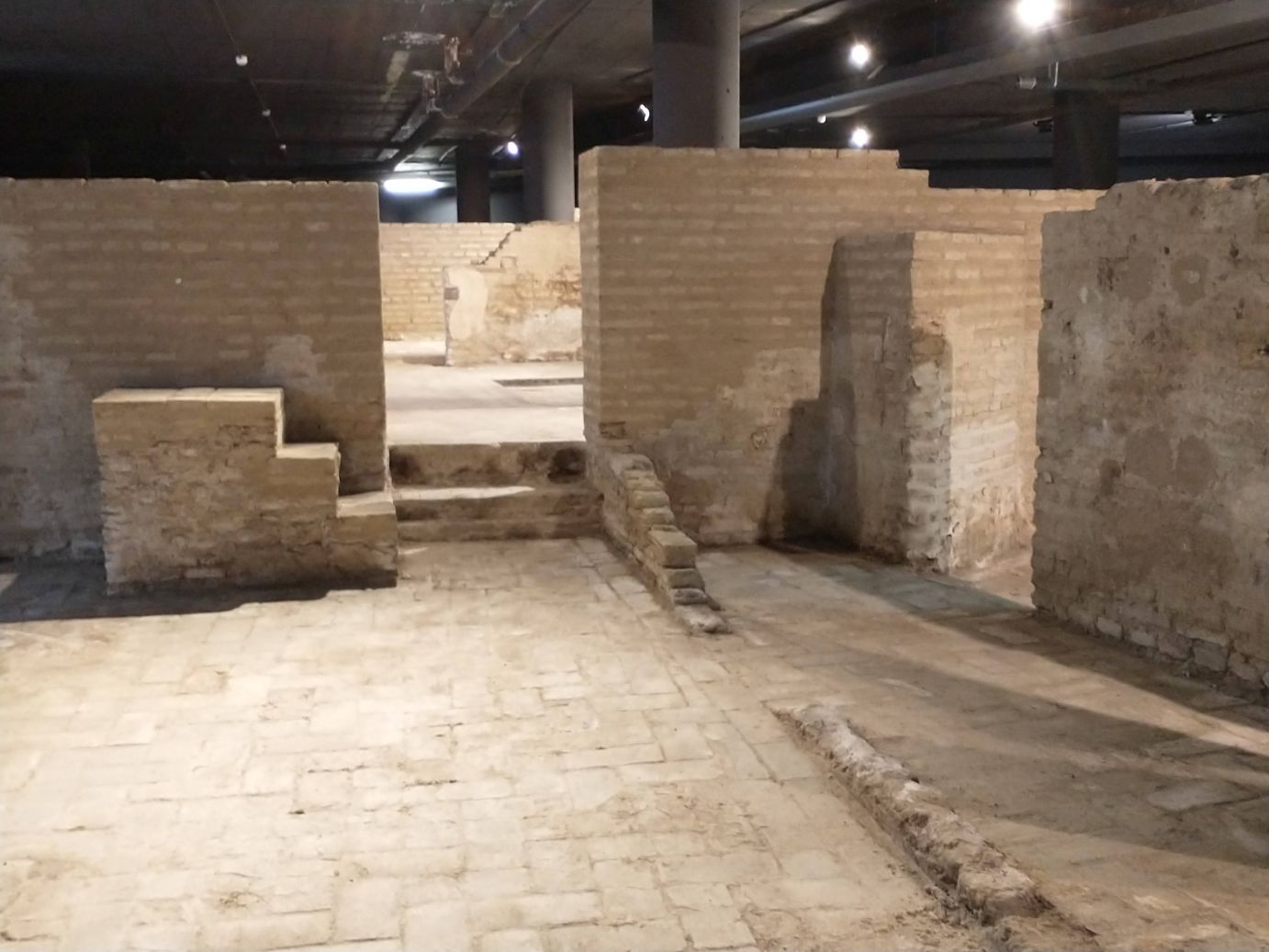
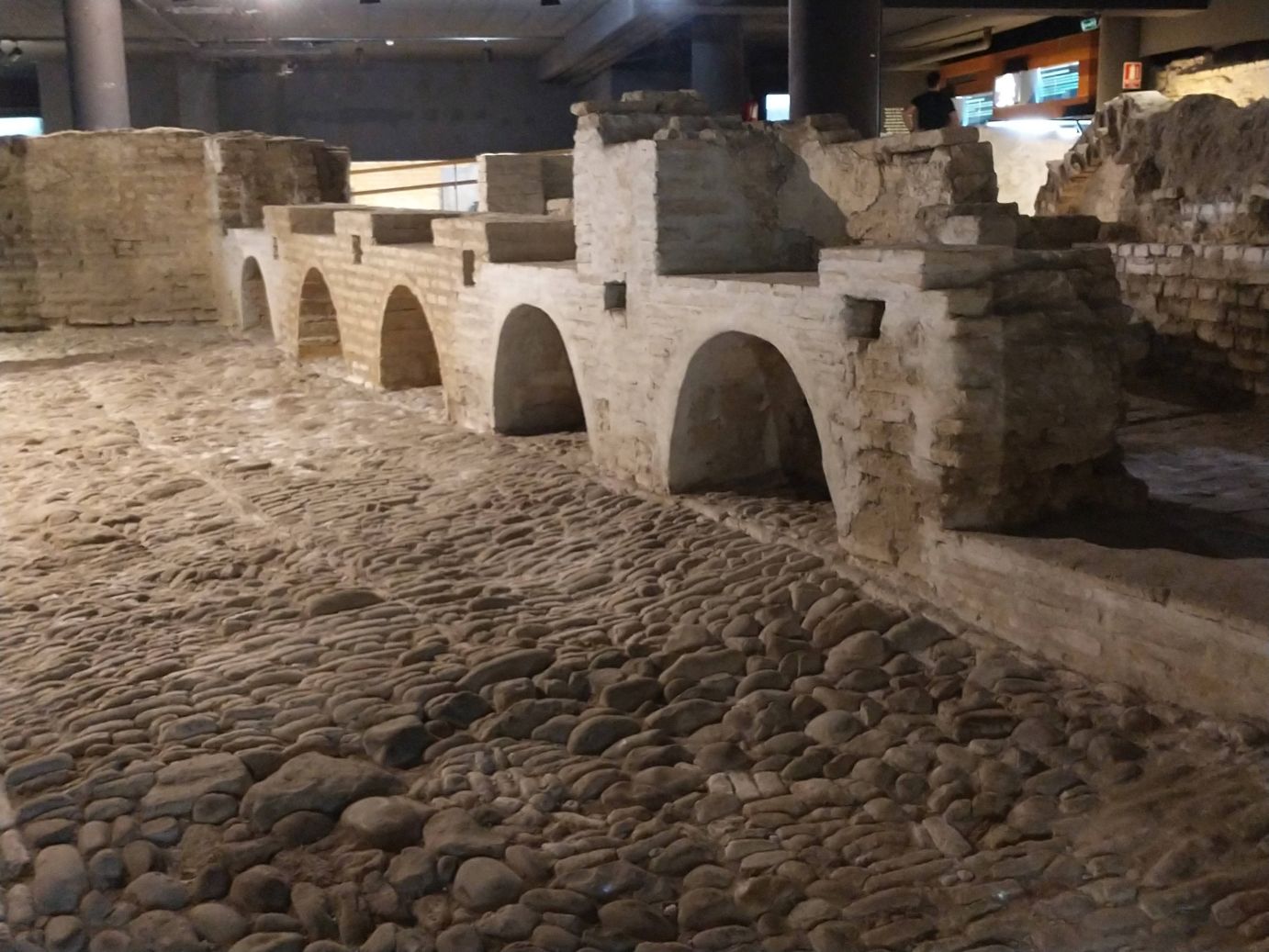
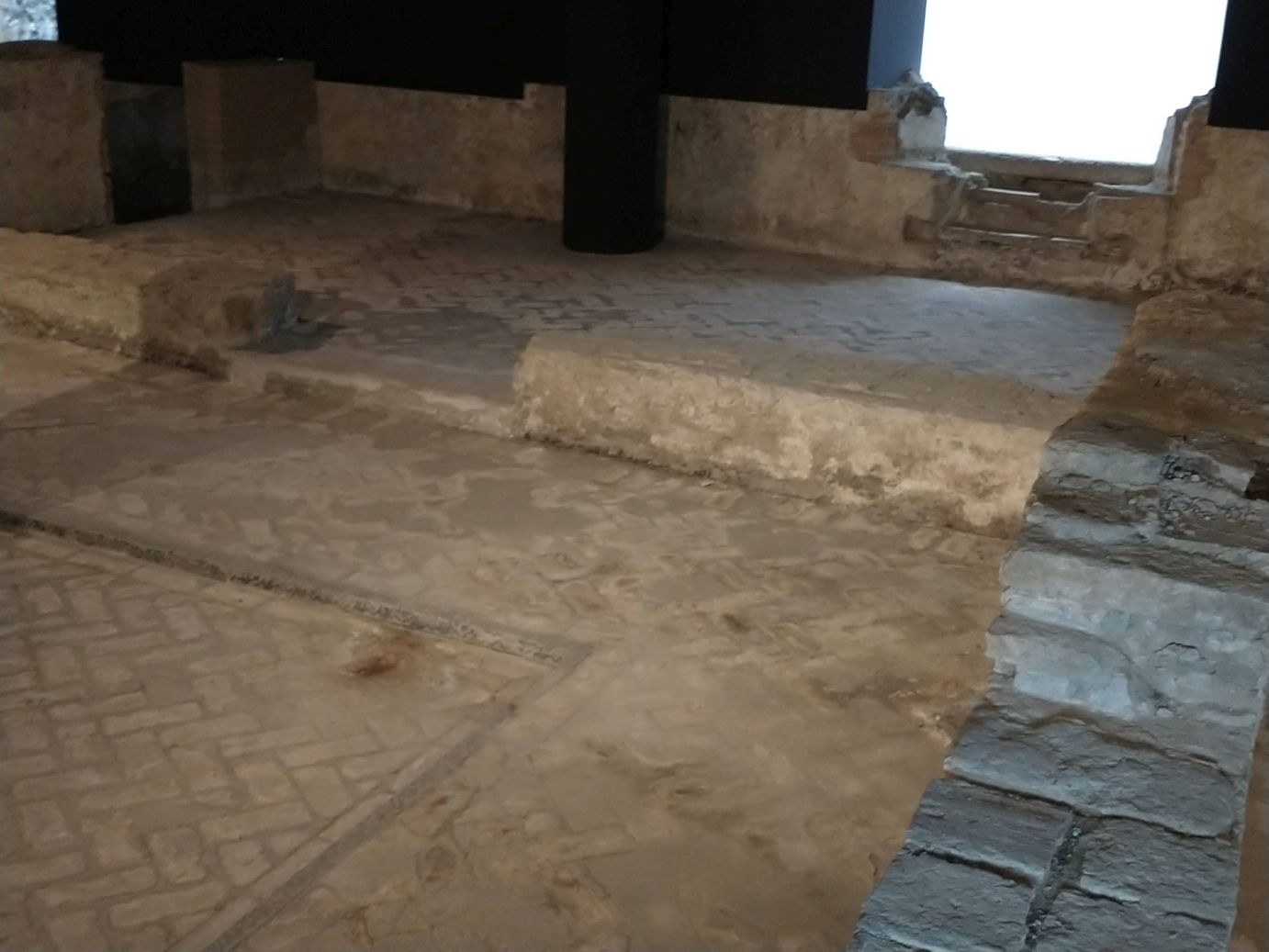
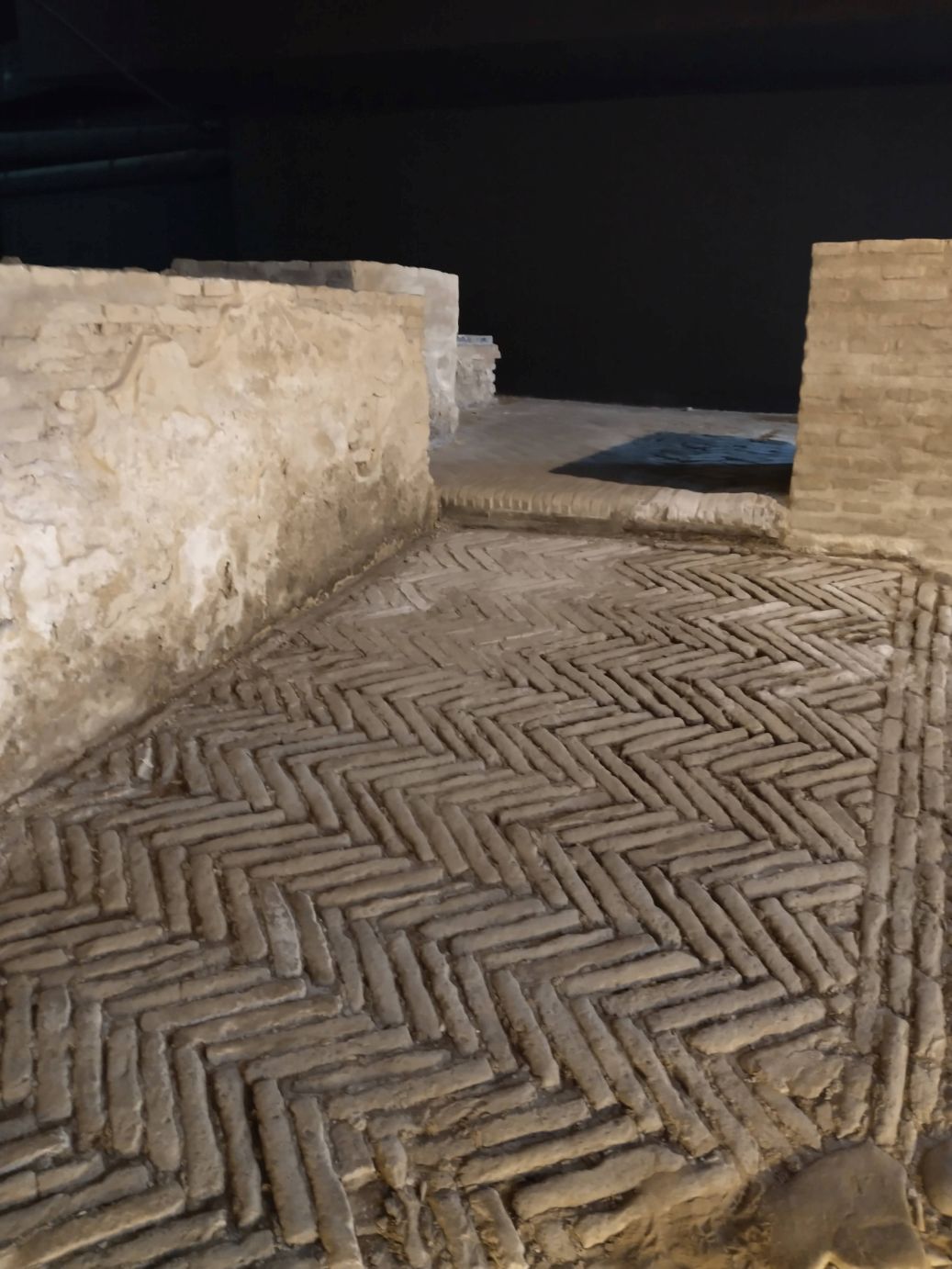
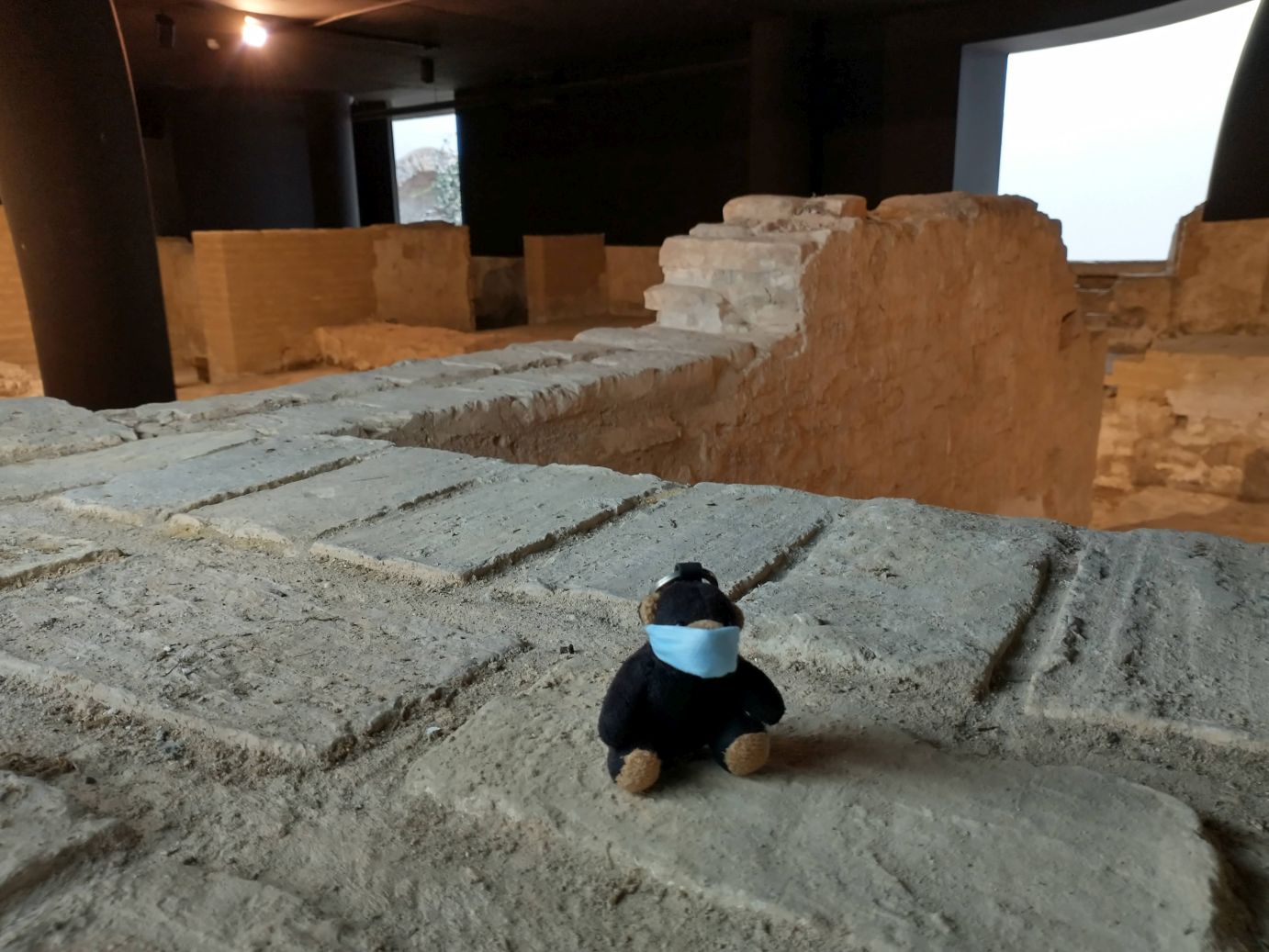
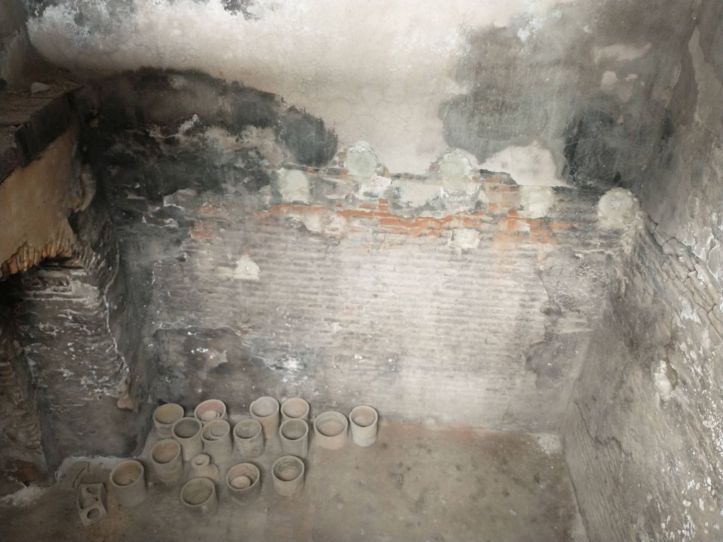
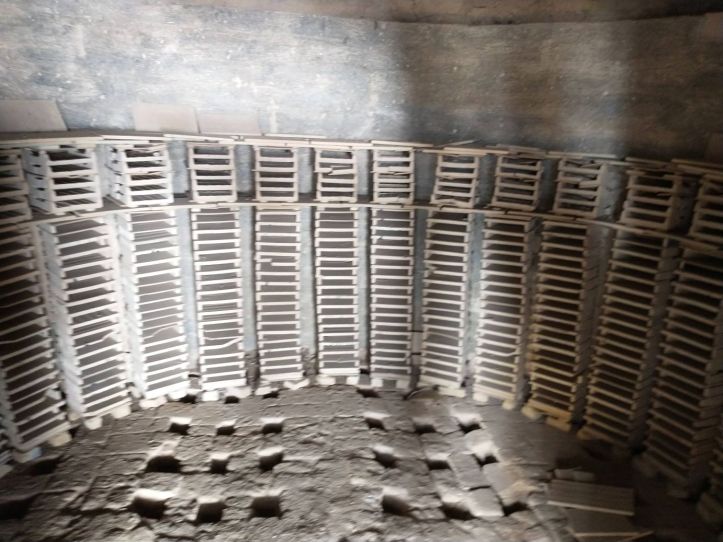
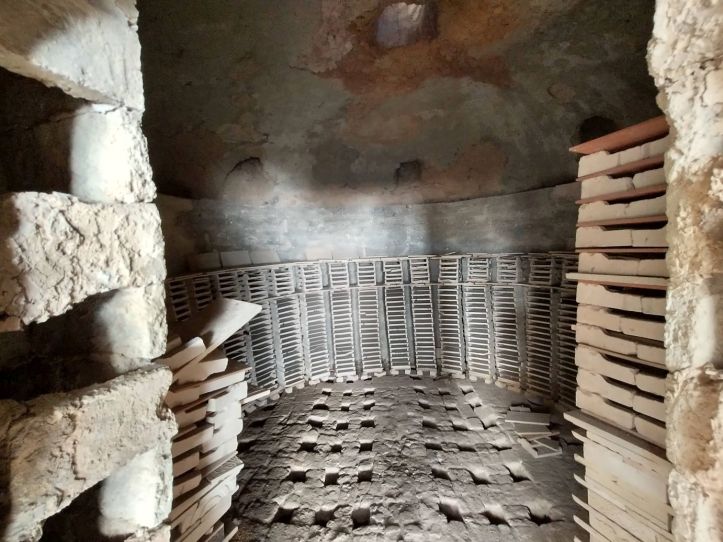
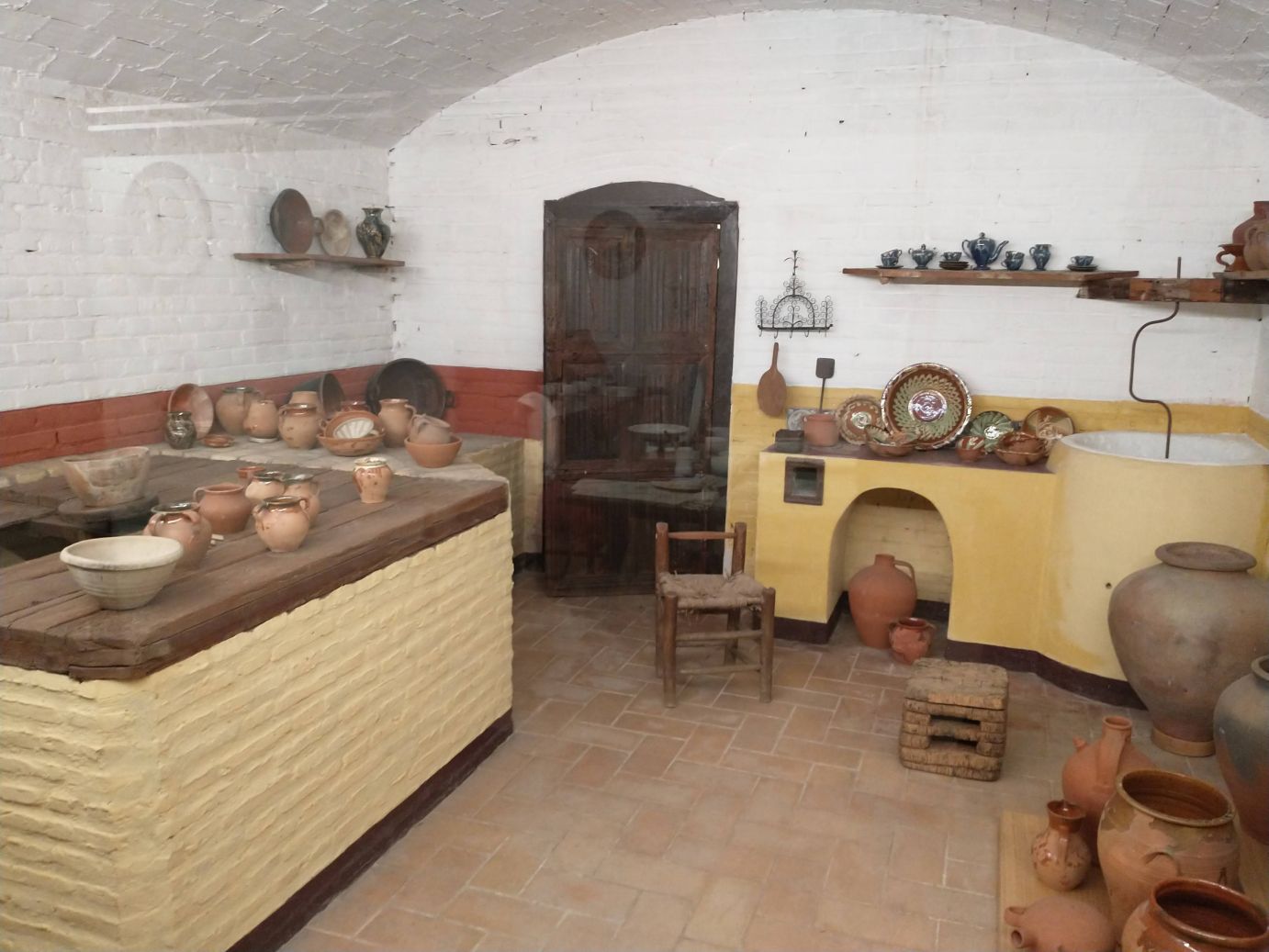
Going off script, we head toward the Triana Ceramics Museum. I had read about this but didn’t think we’d ever make it up here or have time to see the area. Triana has a storied history as the ceramics center of Seville, and the museum is actually located on the same property that once was the Santa Ana Pottery factory, which was in operation until the end of the 20th Century. When converting the buildings into the museum, they unearthed kilns dating back to the 16th Century and incorporated them into the displays. The layout is a labyrinth of display cases and open-air stone rooms and of course the huge kilns used in modern times and ancient. There are really interesting (to me at least) explanations of the history of the area, the clay used from the banks of the river, the factory, the processes, everything.
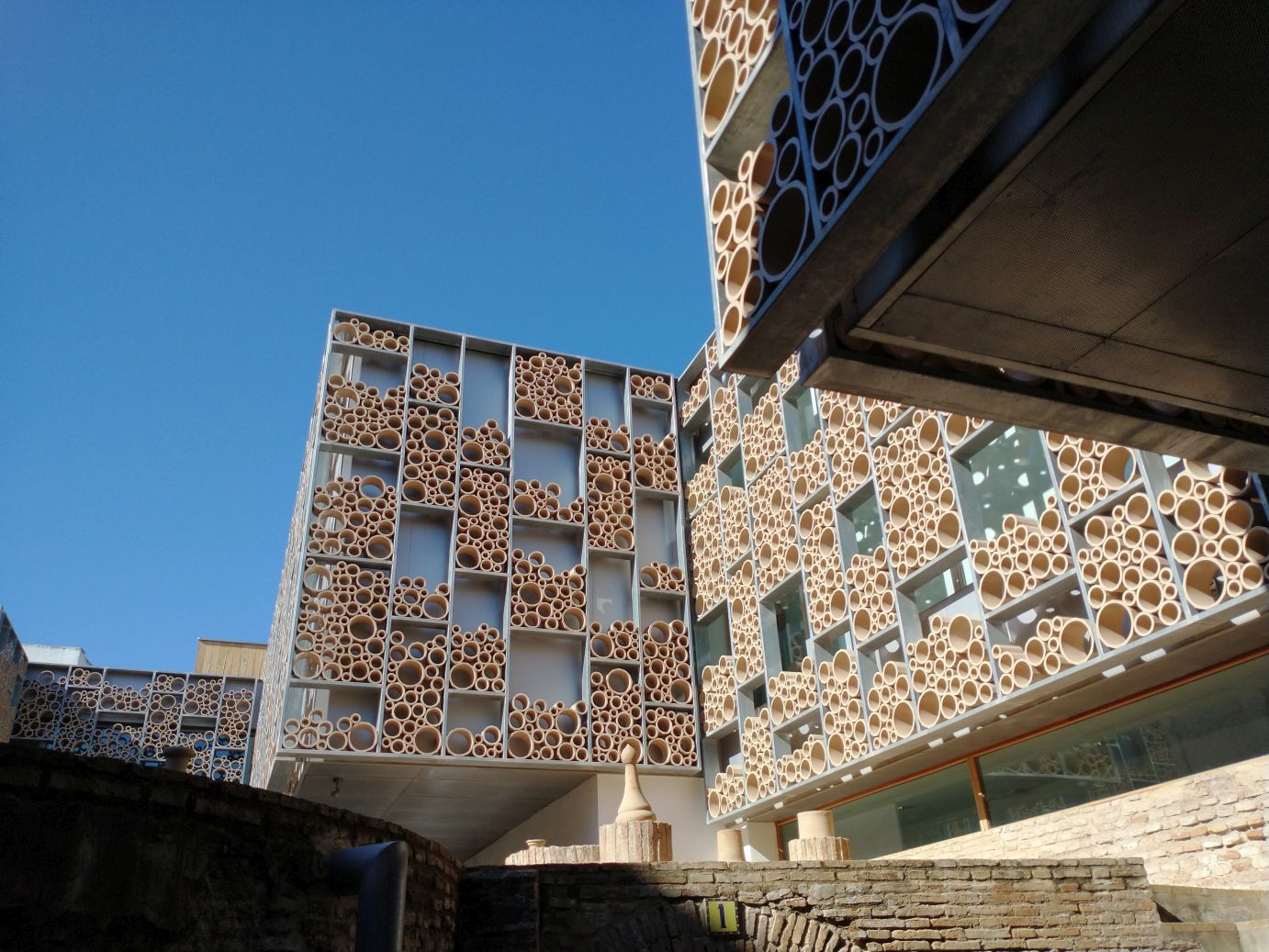
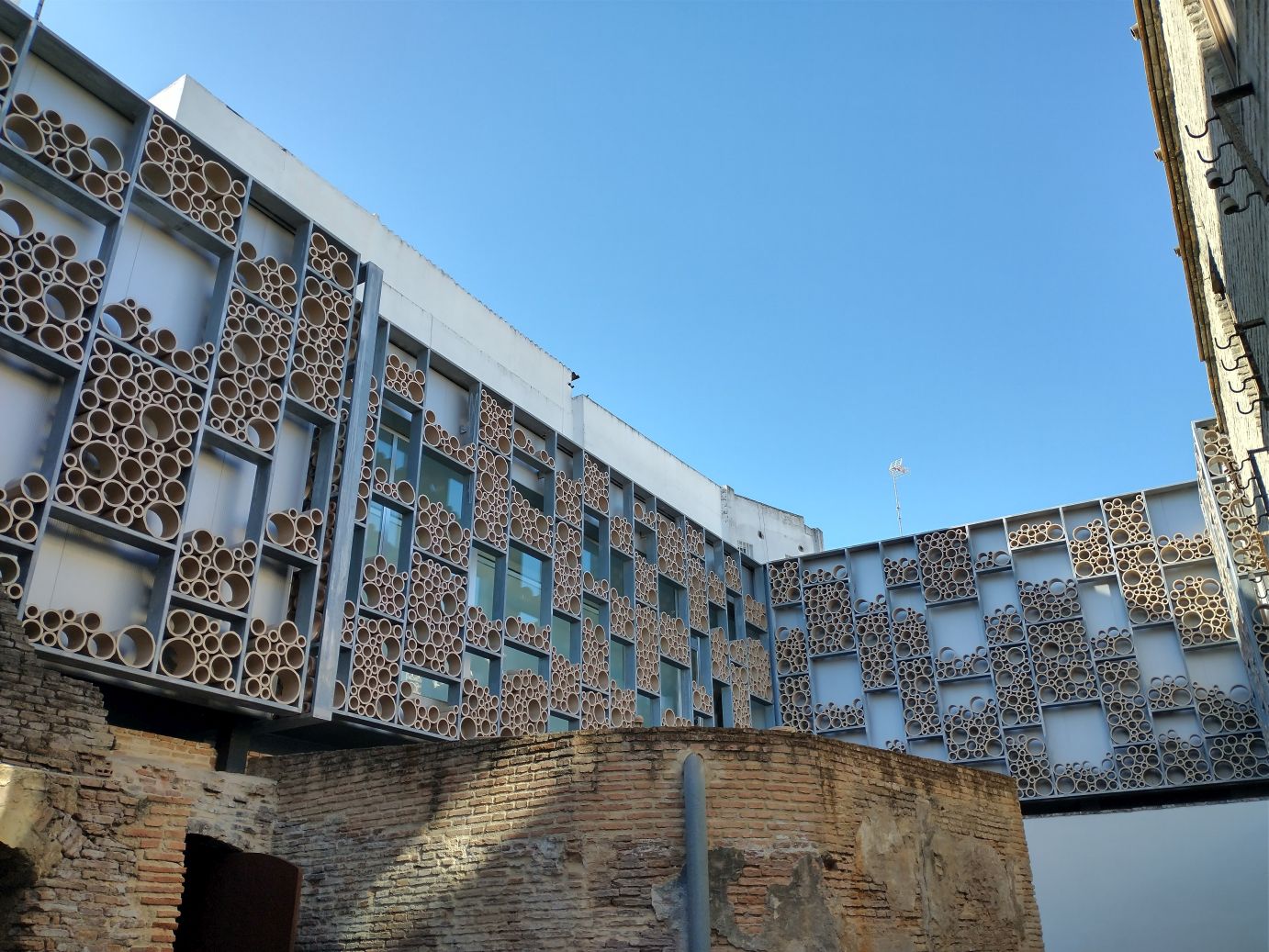
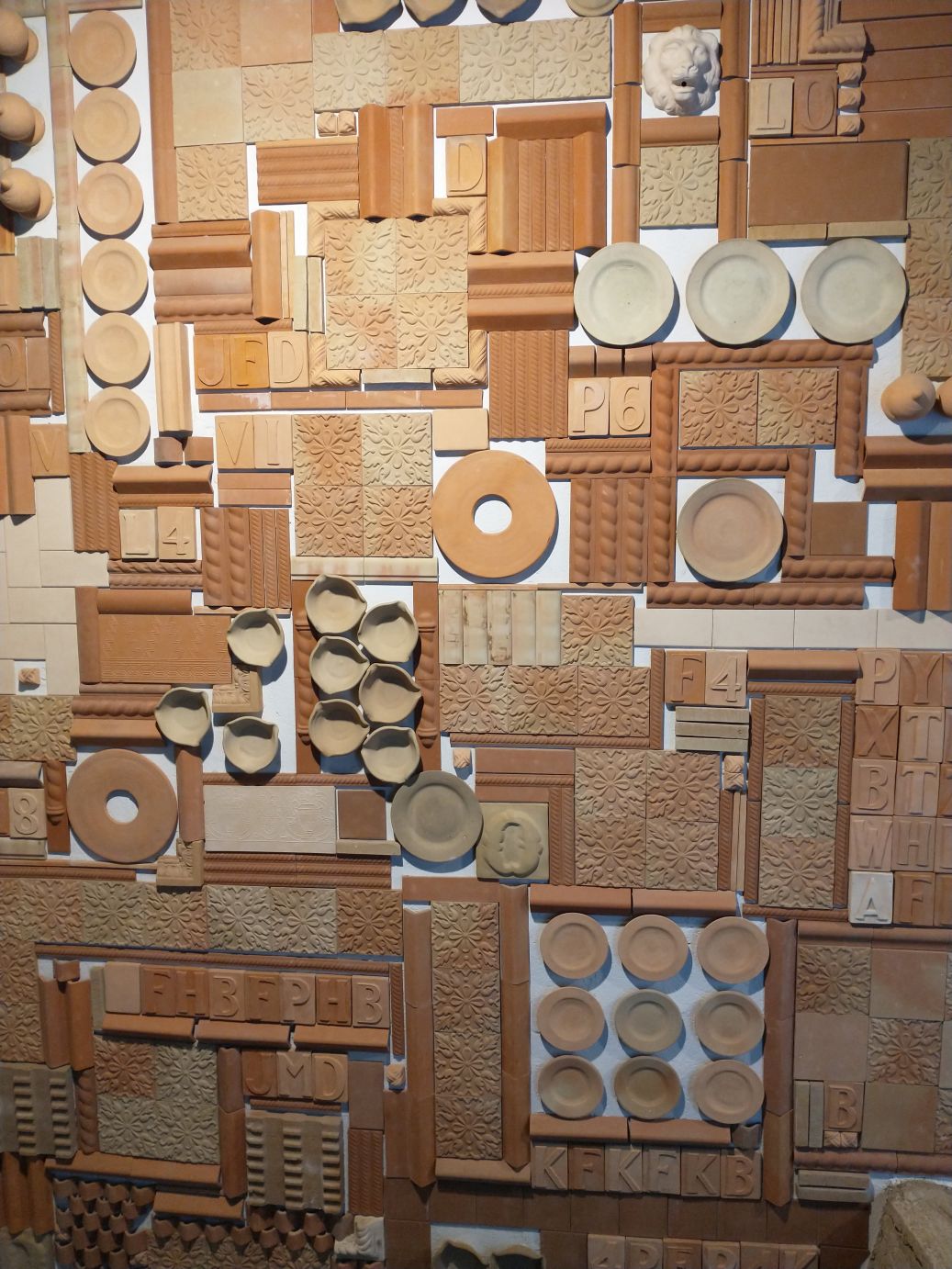
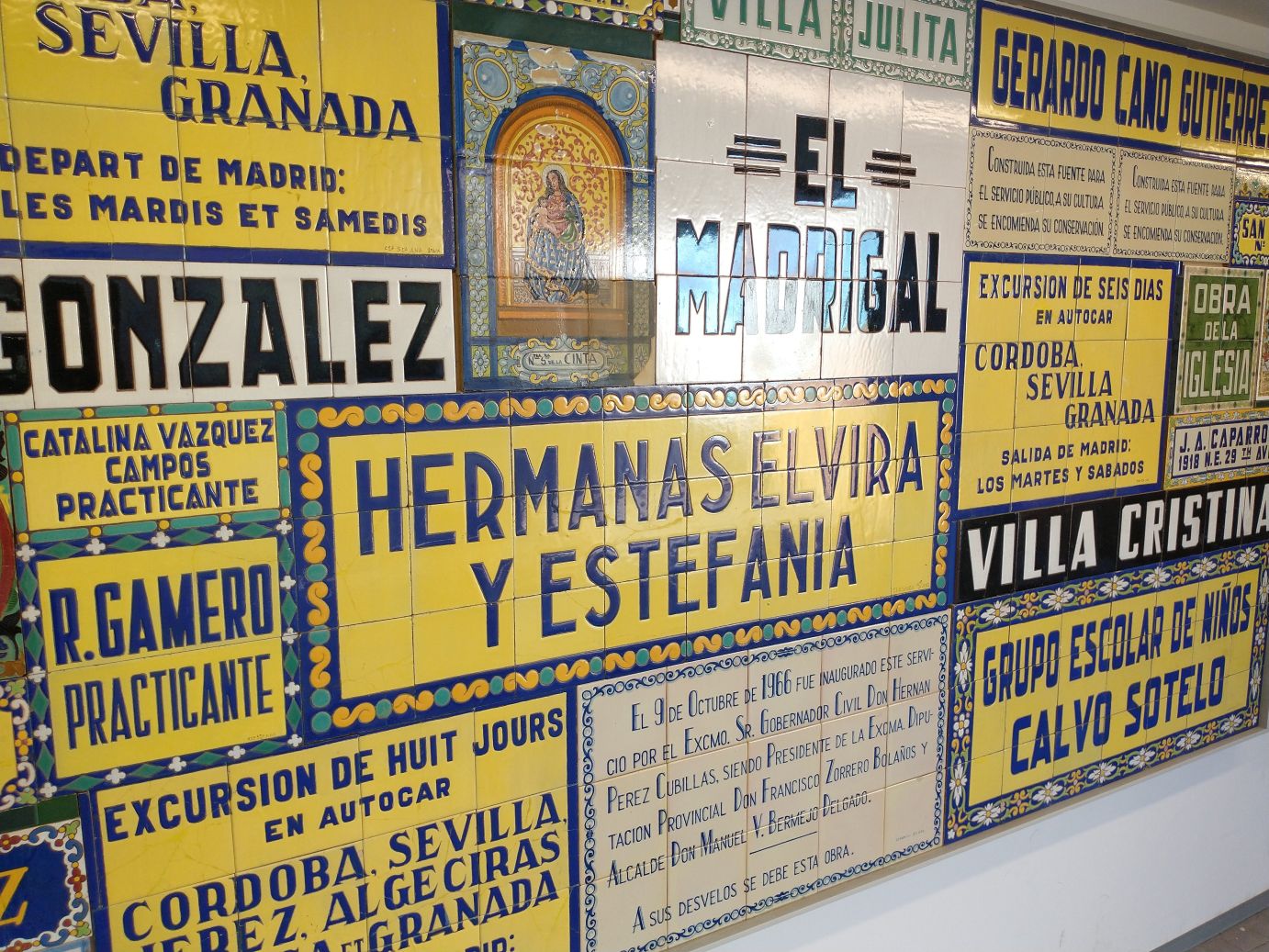
In addition to just the basics on pottery and the area, there are also fantastic samples of different pieces and “sign” tiles made up into great big wall murals, benches, vases, intricately painted tiles that, when pieced together make for exquisite decorations depicting nature or random designs, and the most incredible modern art display of terracotta tubes that line the walls of the exterior courtyard. You just can’t get enough of it (well, I can’t!).
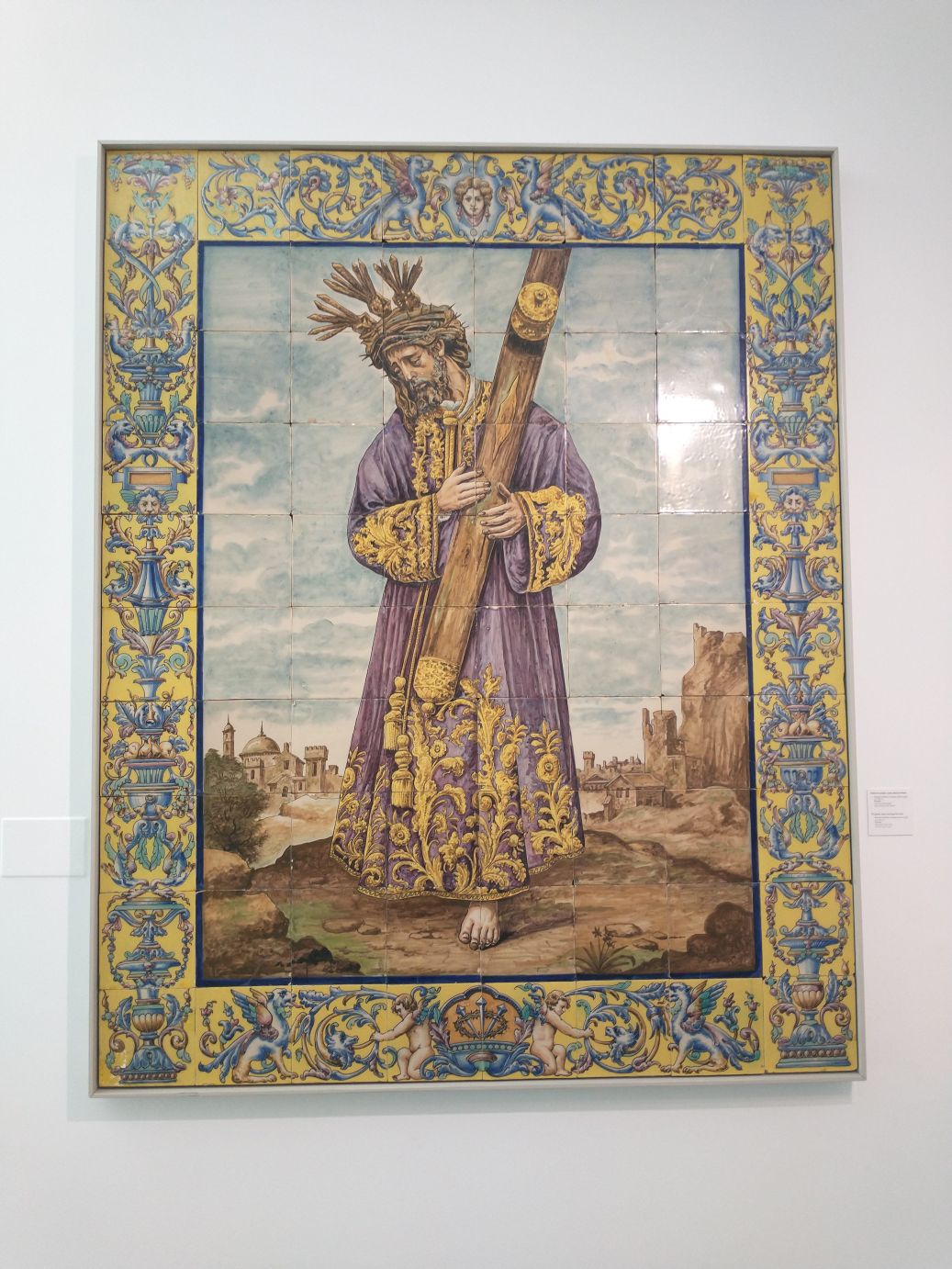
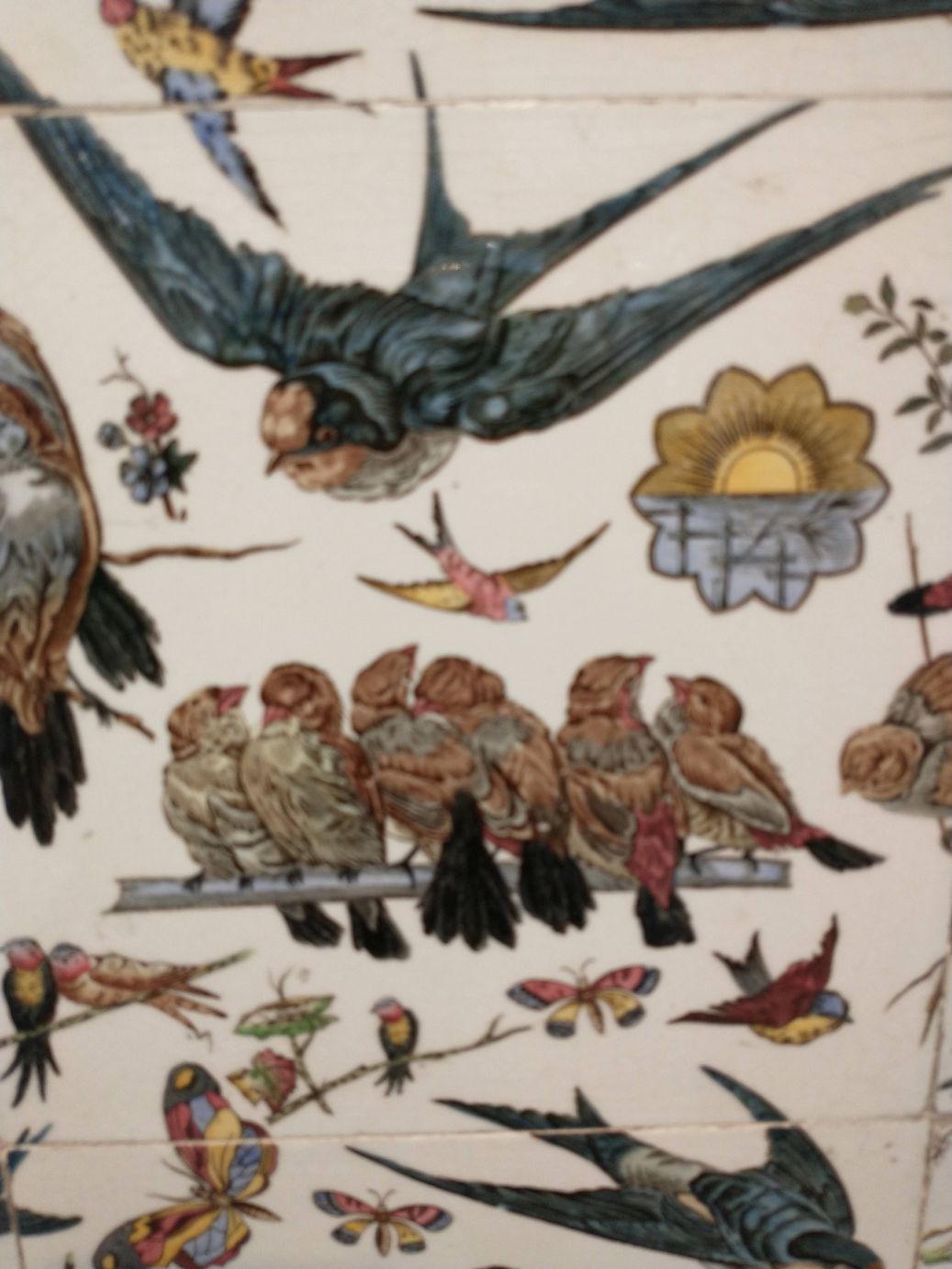
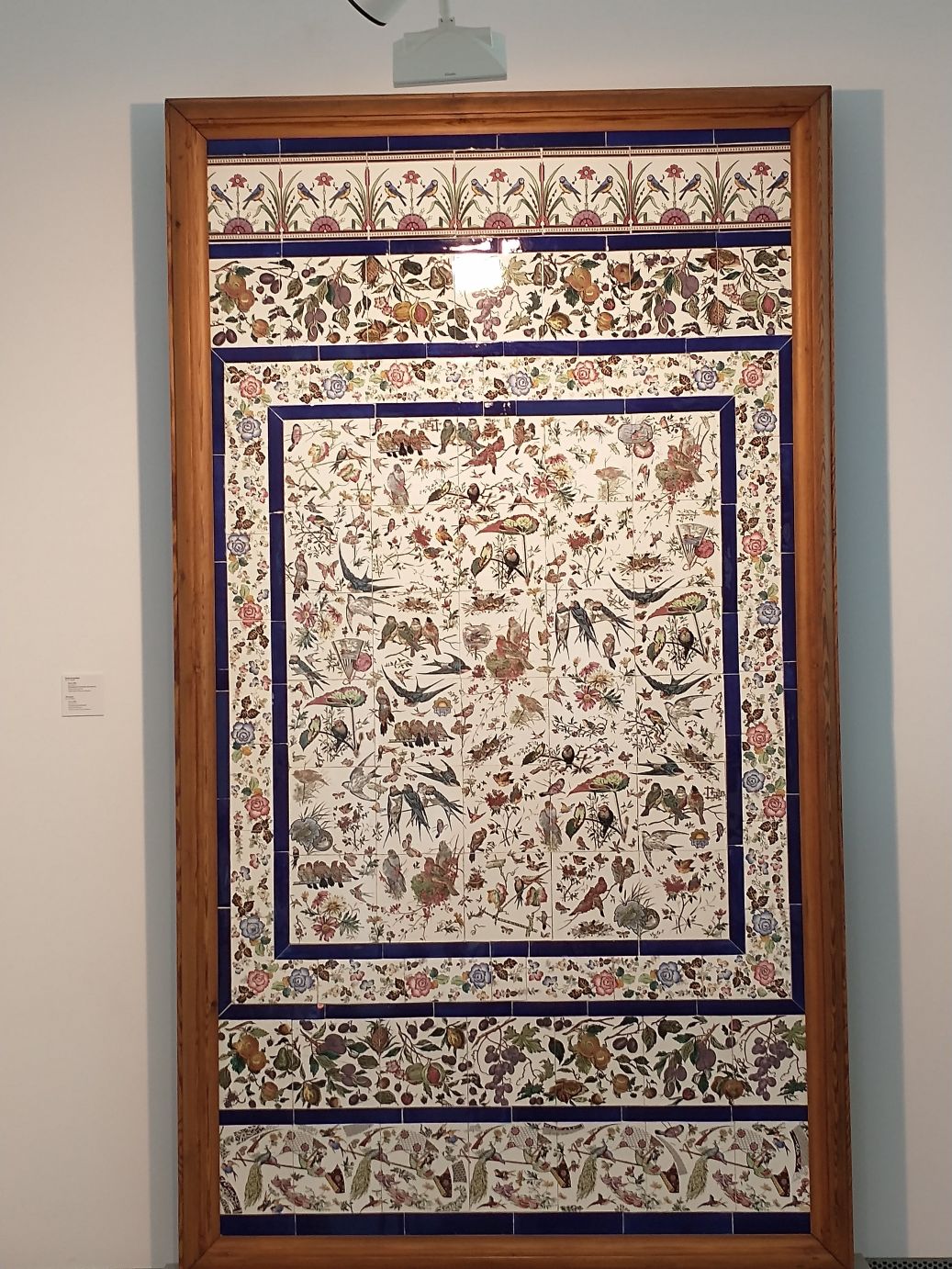
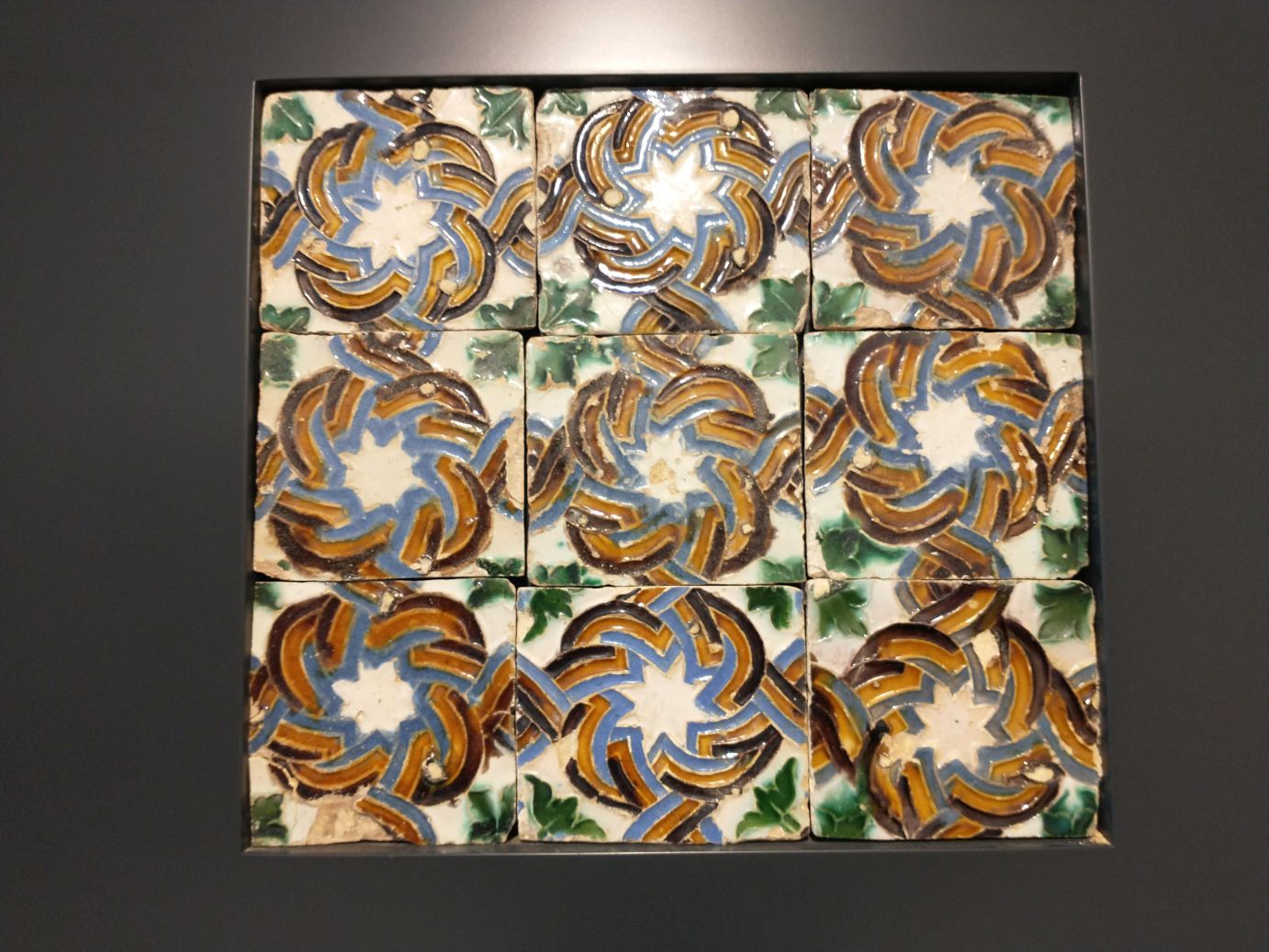
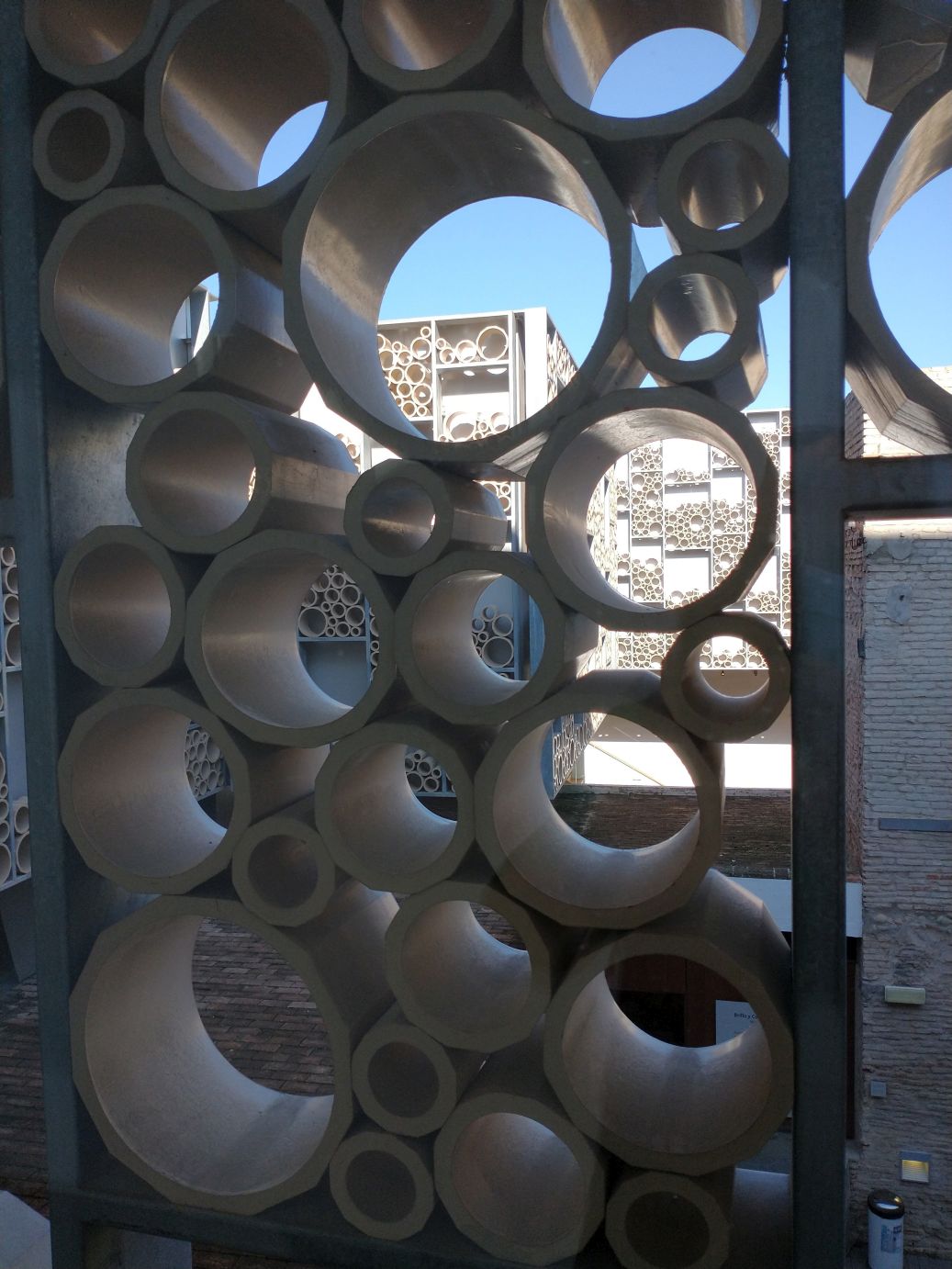
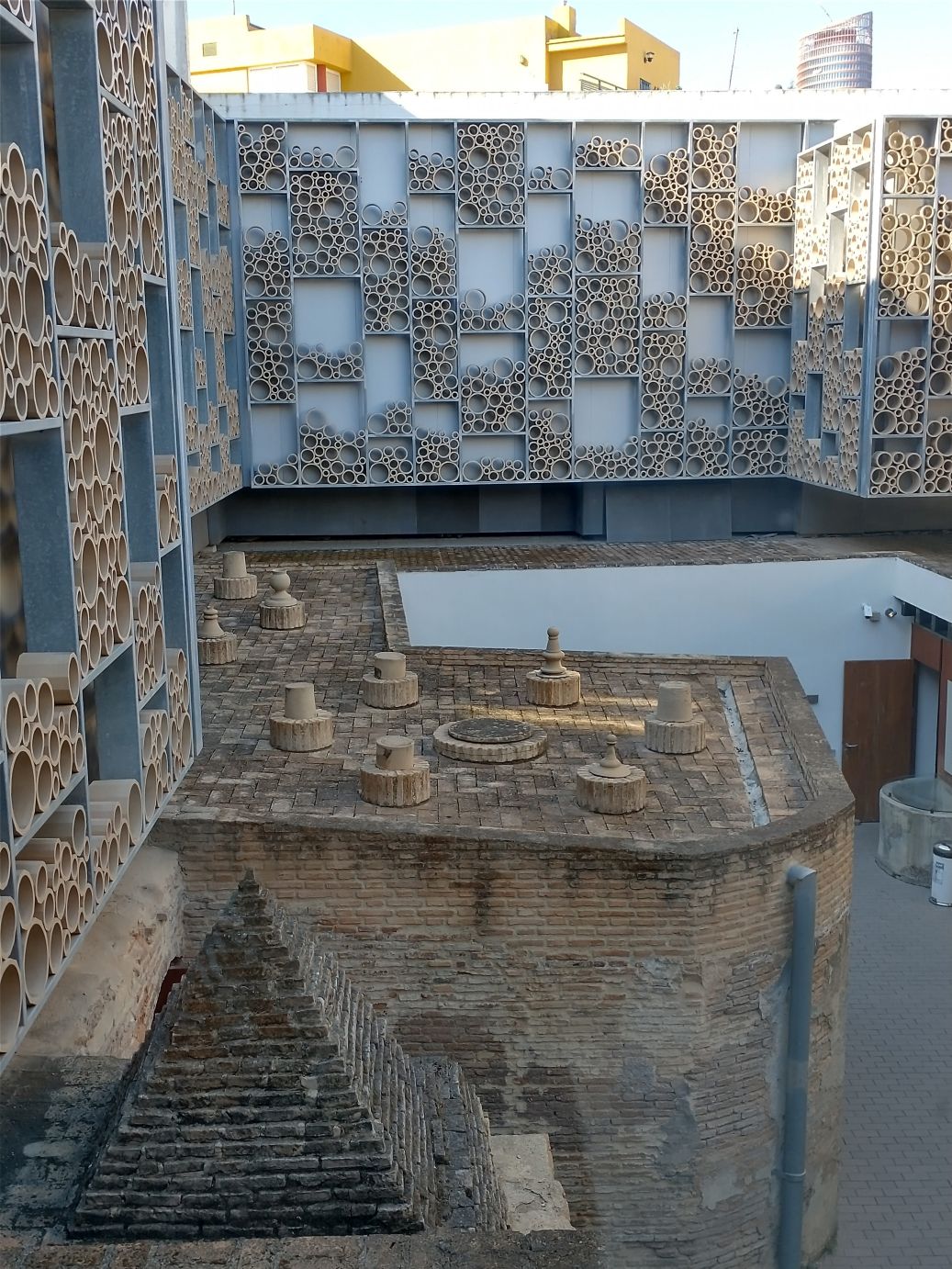
The kilns are probably the most fascinating. They are monstrous stone creations with venting holes and little stone chimneys on the top. Some have shelving, probably the more recent kilns, others are just cavernous spaces with different vessels placed strategically here and there to illustrate how they were used. Pretty neat.
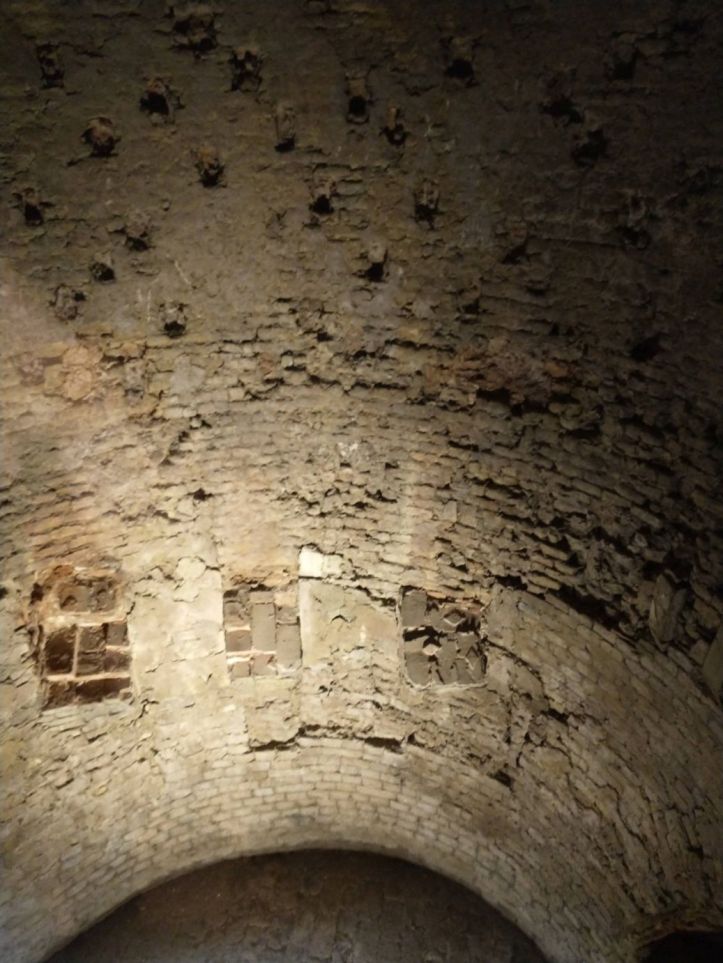
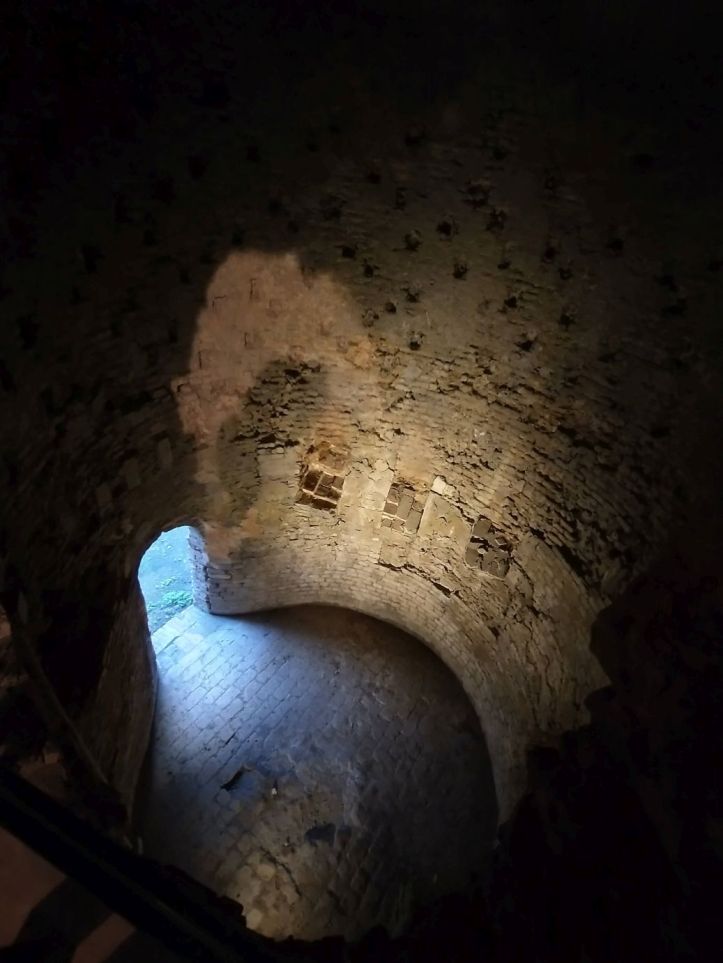
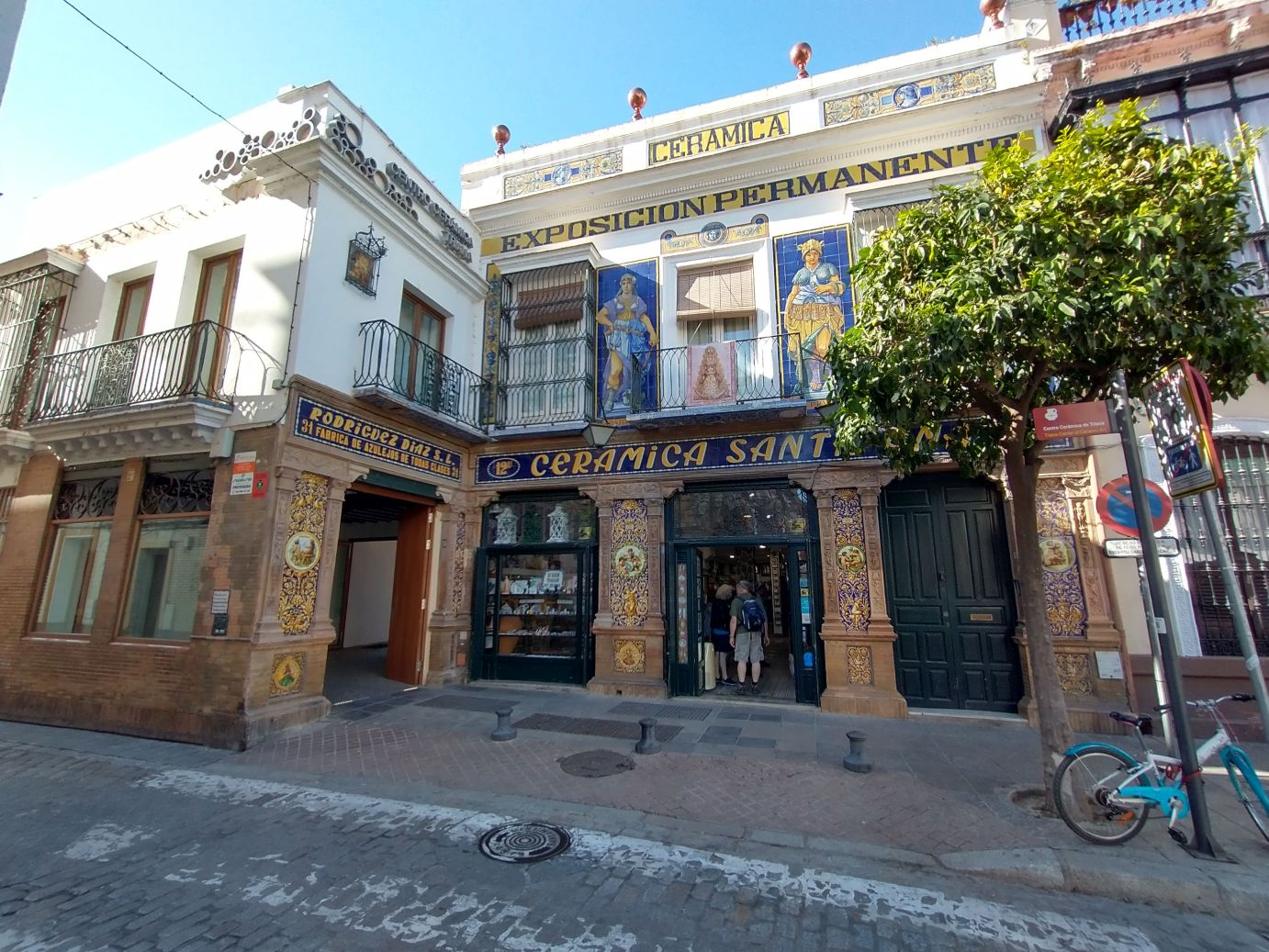
Finally prying ourselves (me) away, we go back out into the streets, marveling at all the tile work on the buildings surrounding the museum, then exploring the pedestrian area filled with restaurants and cafes. Nothing really strikes our fancy, and we’ve already had lunch, so we just cross back over the bridge to the other side of the river with its scenic views down the Guadalquivir, heading toward the Parque de Maria Luisa to visit the Museo de Artes y Costumbres Populares (Museum of Arts and Traditions).
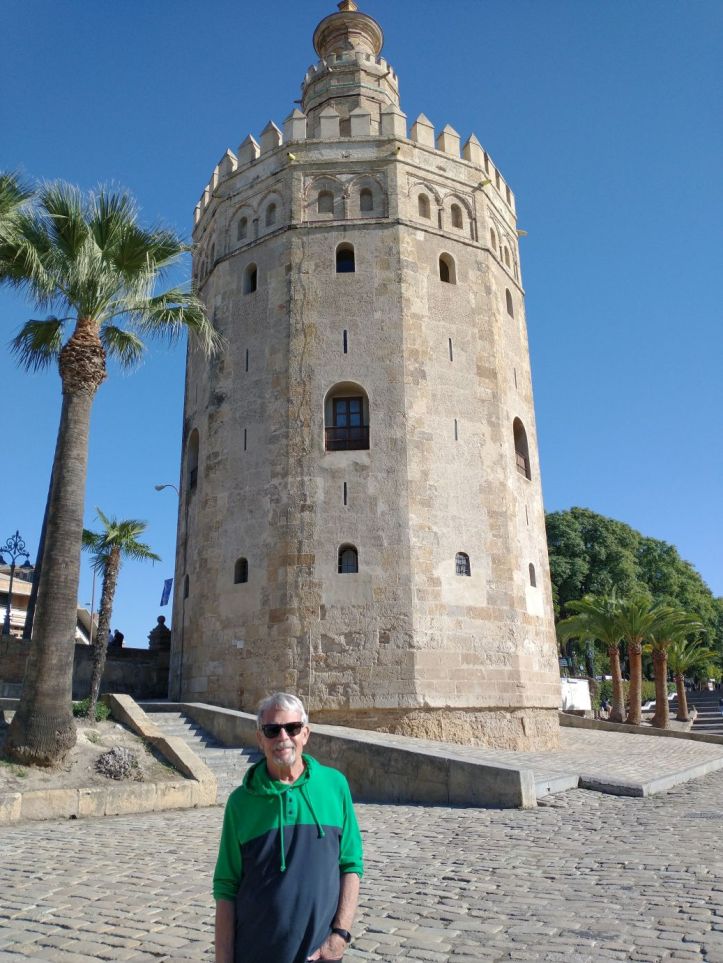
Retracing our steps down the riverfront promenade, we figure we’ll stop for a quick drink at the New York bar. But once there, we find out all their beers are in cans (and nothing local, think Corona, Heineken, etc.) and they have no wine. Nope – wrong – we’ll keep going. Passing the Torre de Oro again – this time completely devoid of people providing some great photo opps.
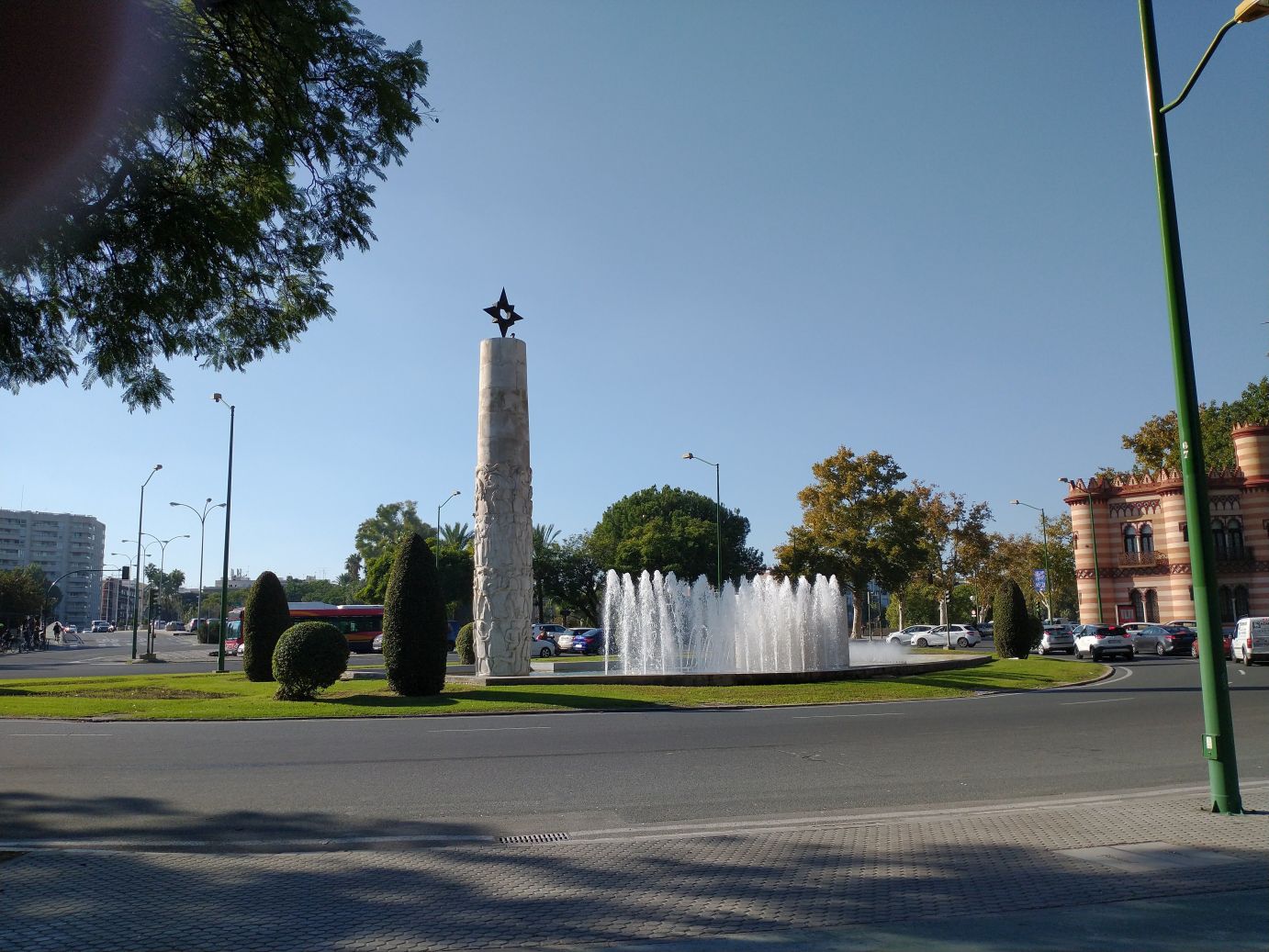
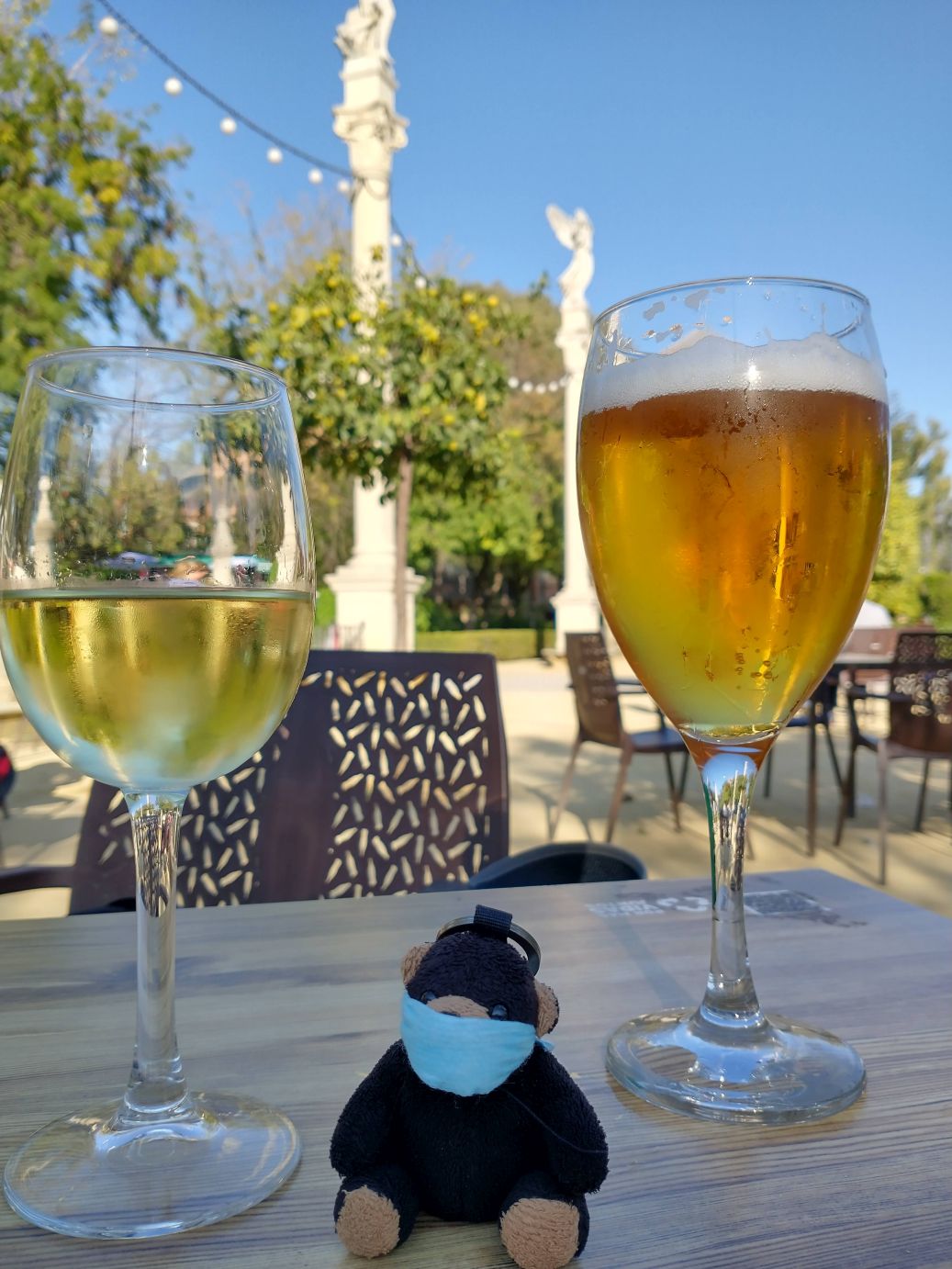
Rising up to street level right before the port, we cross around the huge roundabout with the cool fountain and obelisk in the center to enter into the park. It is a lovely walk through the treelined paths that skirt the main park but keep us sheltered from the main road. Wending our way through the different foliage, we eventually emerge upon the Plaza de America, where the museum is located. Strategically situated right at the beginning of the plaza though is a lovely little café where we can indeed get a local beer and wine before moving on to our museum explorations. Couldn’t be a better spot actually. We’re in the sun. We’re bracketed between parkland and majestic museum buildings. We have beer and wine. What could be more perfect?
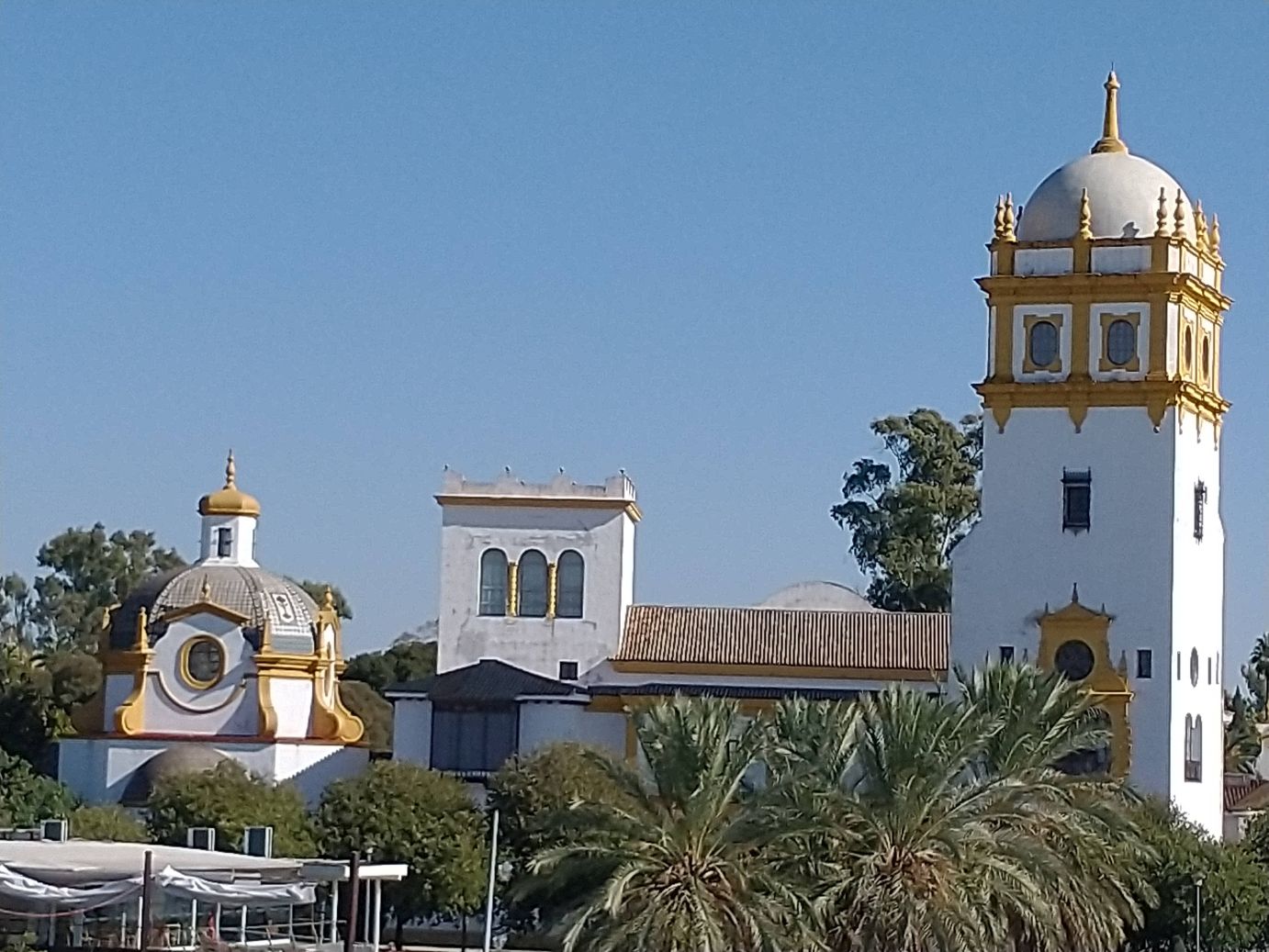
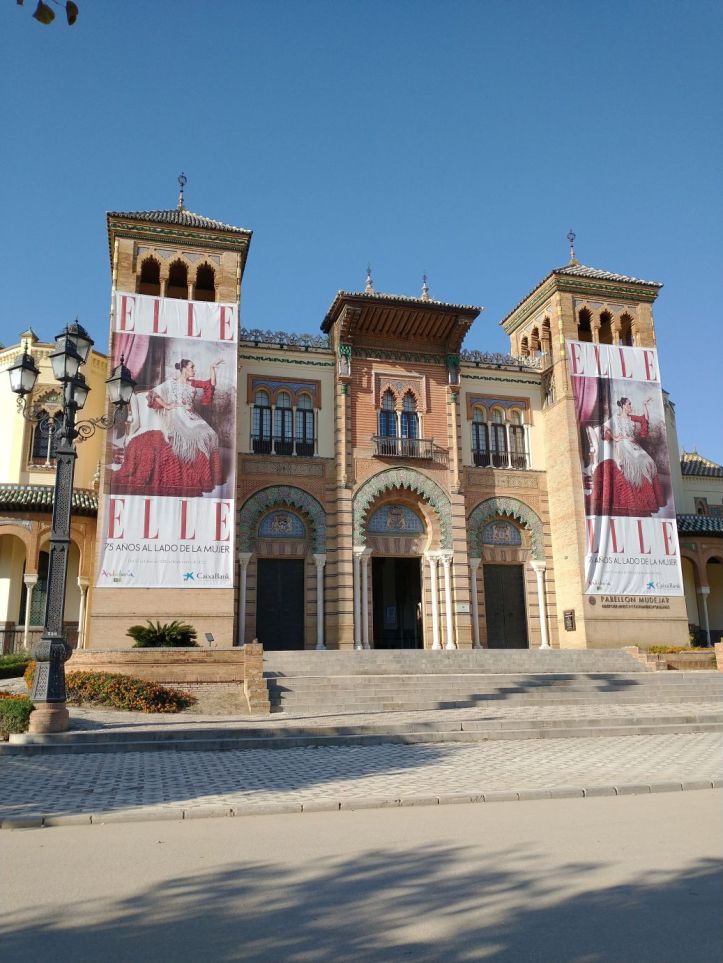
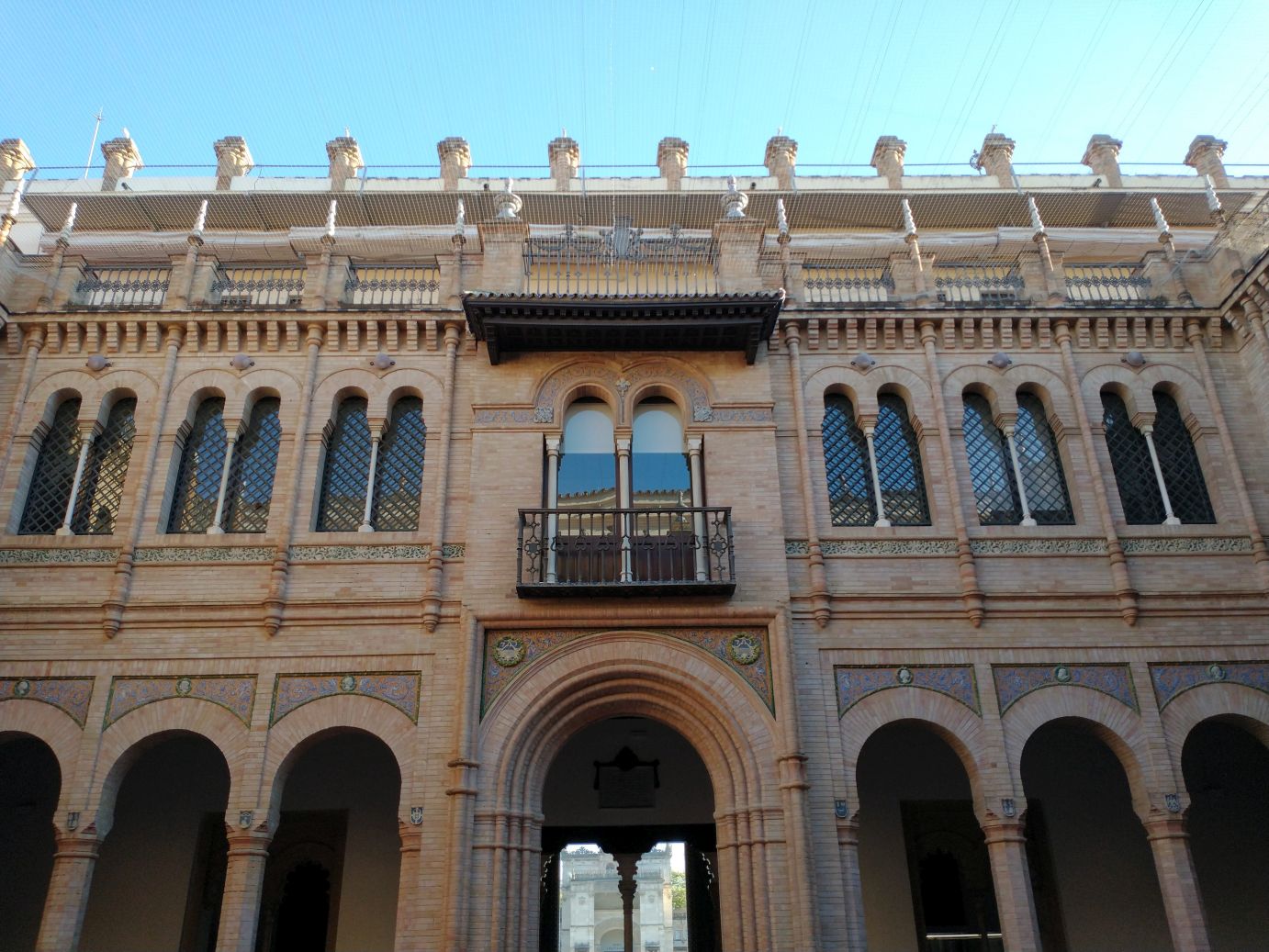
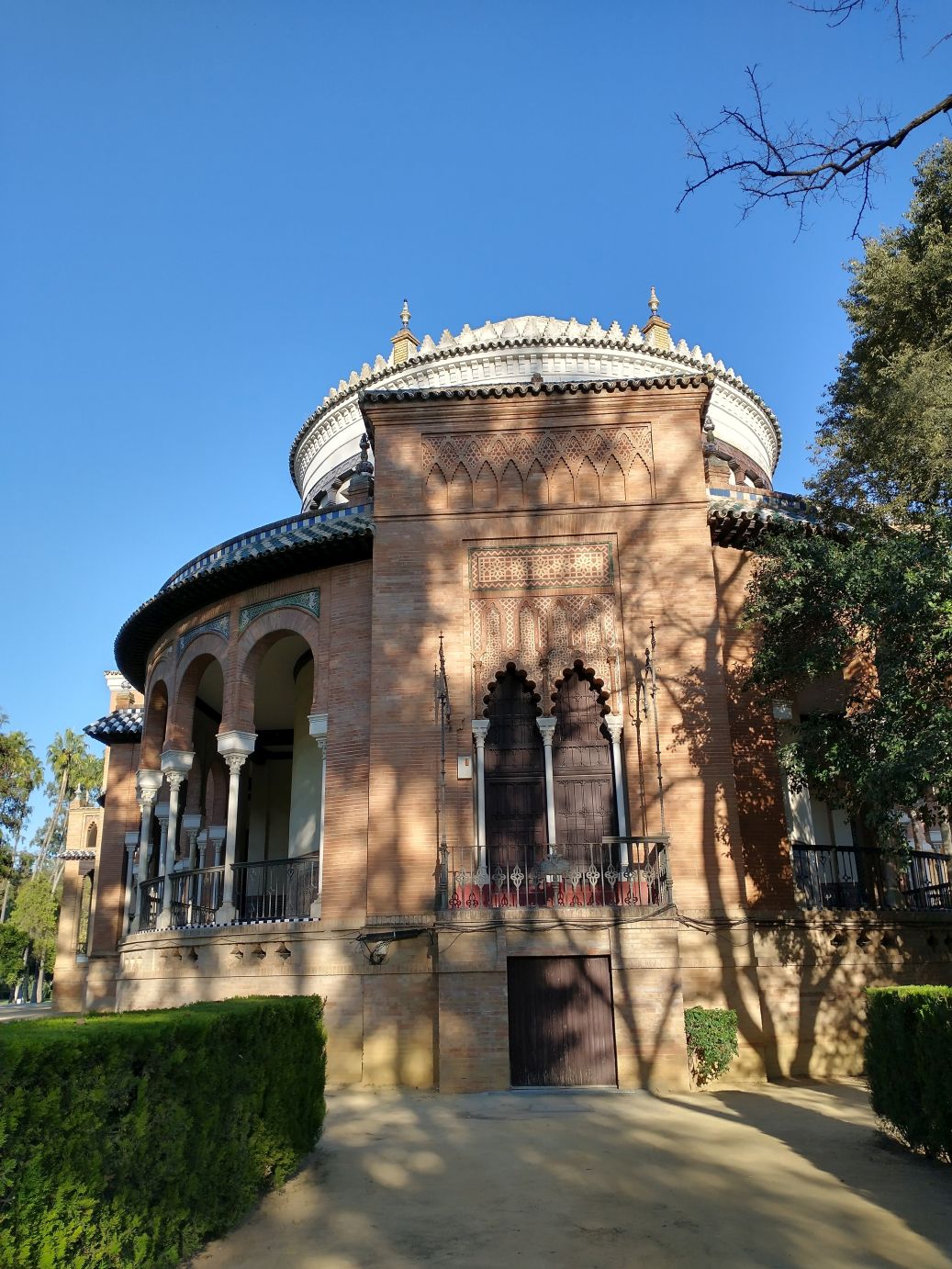
Done with our refreshments we walk the short distance to the museum, which is housed in a building that demands equal billing with the museum itself. A gorgeous building, built in 1914 as a Mudejar Pavilion (which you can see from the arches and the decorations), it was originally designed as an art pavilion for the Ibero-American Exposition in 1929, eventually being turned into the Traditions museum in the 70’s. In our lectures on board, we learned that architecture in Seville is a mix of styles not seen anywhere in the world. A hybrid of Mudejar (Islamic) and Gothic (Catholic). You can definitely see that expressed in this building on the plaza.
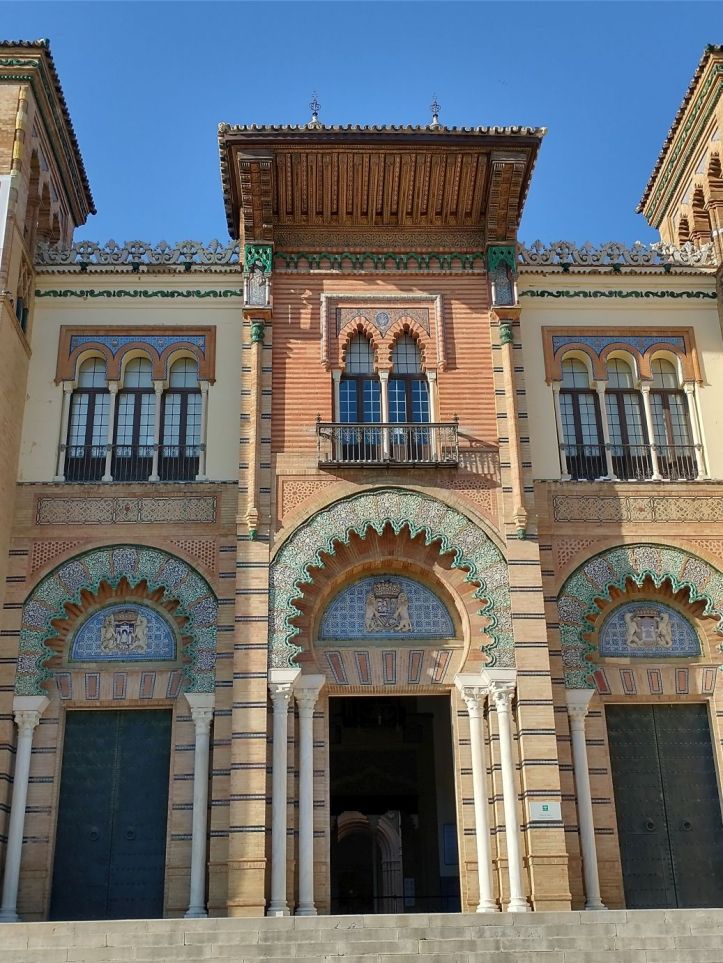
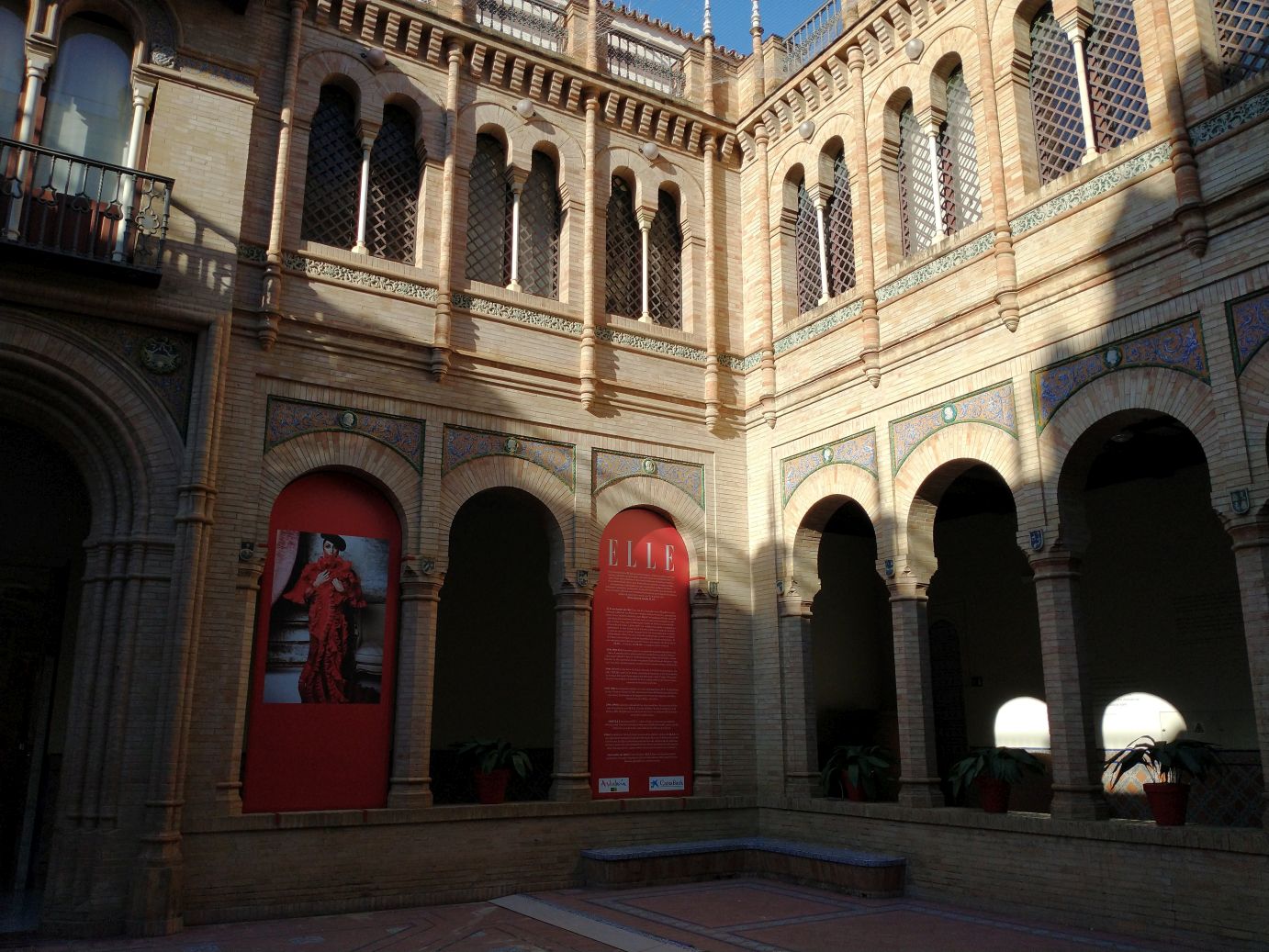
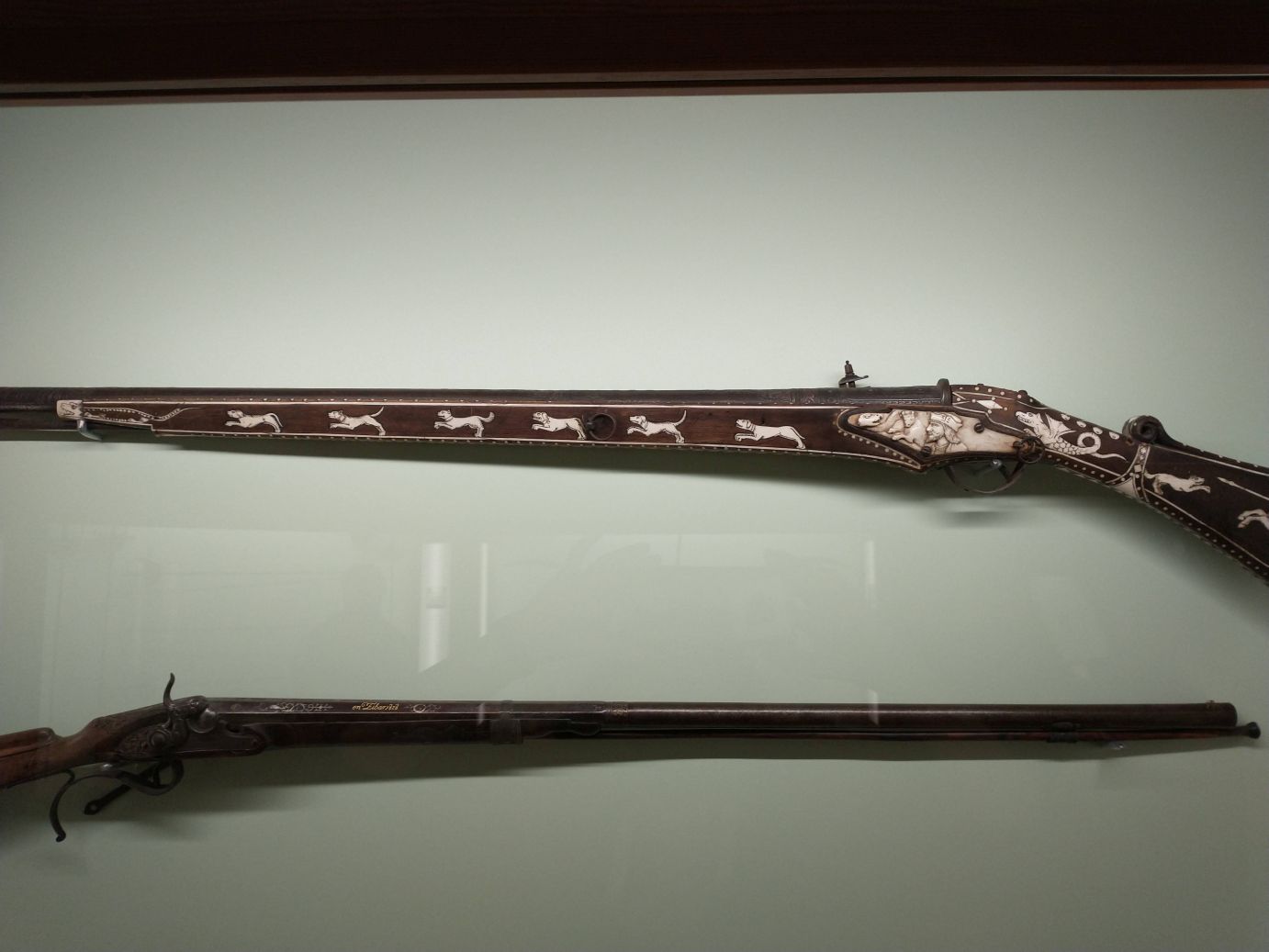
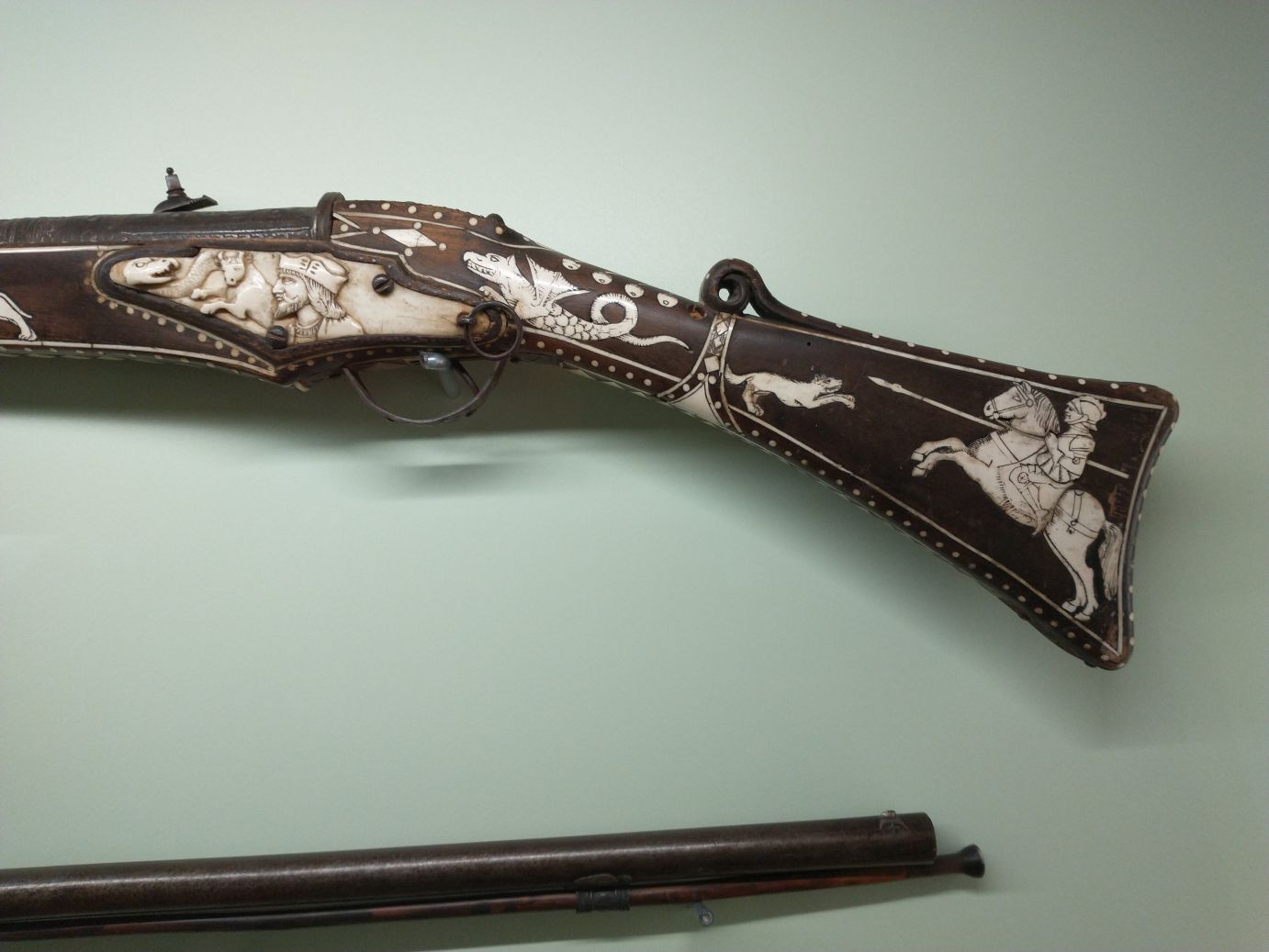
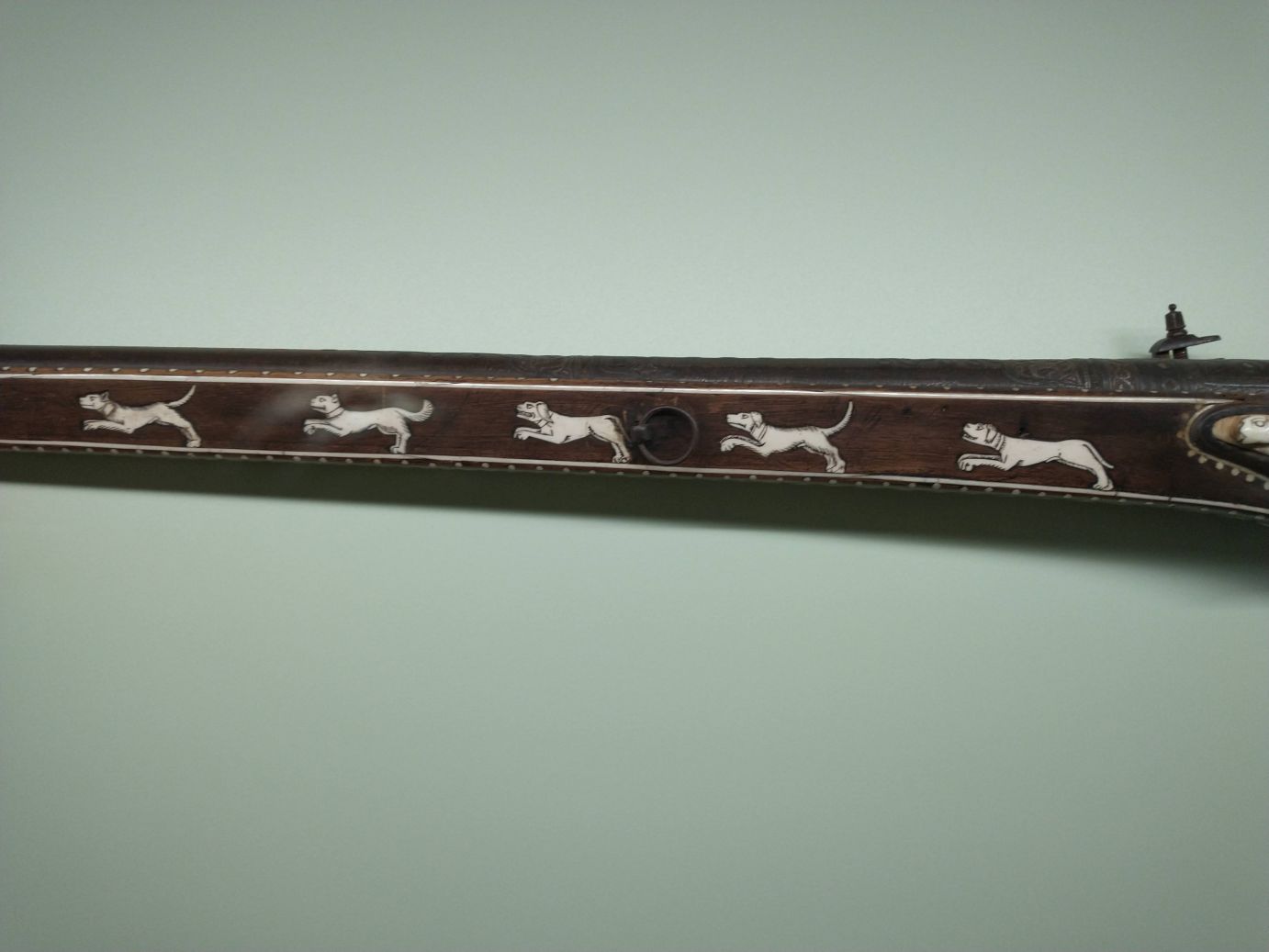
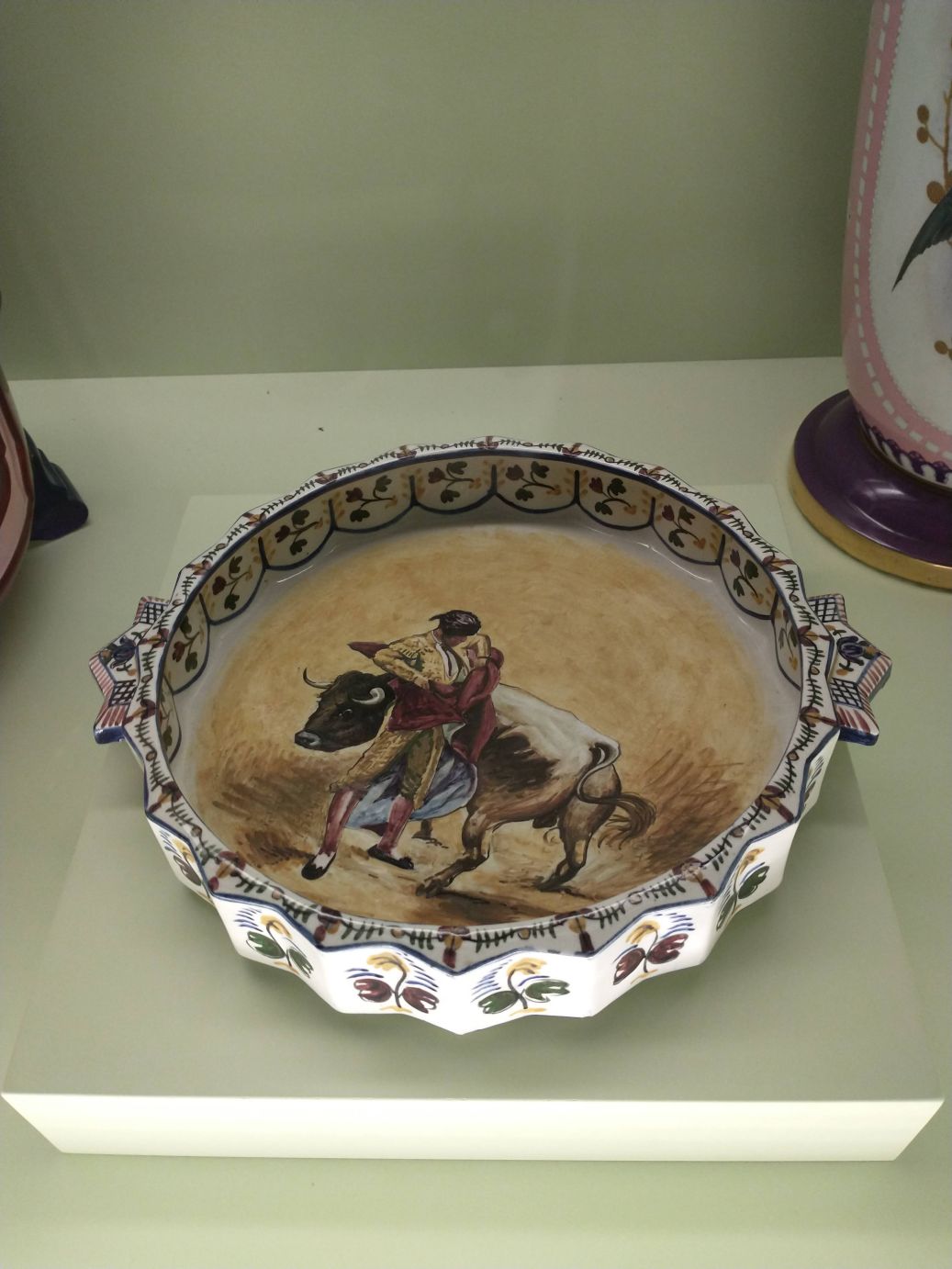
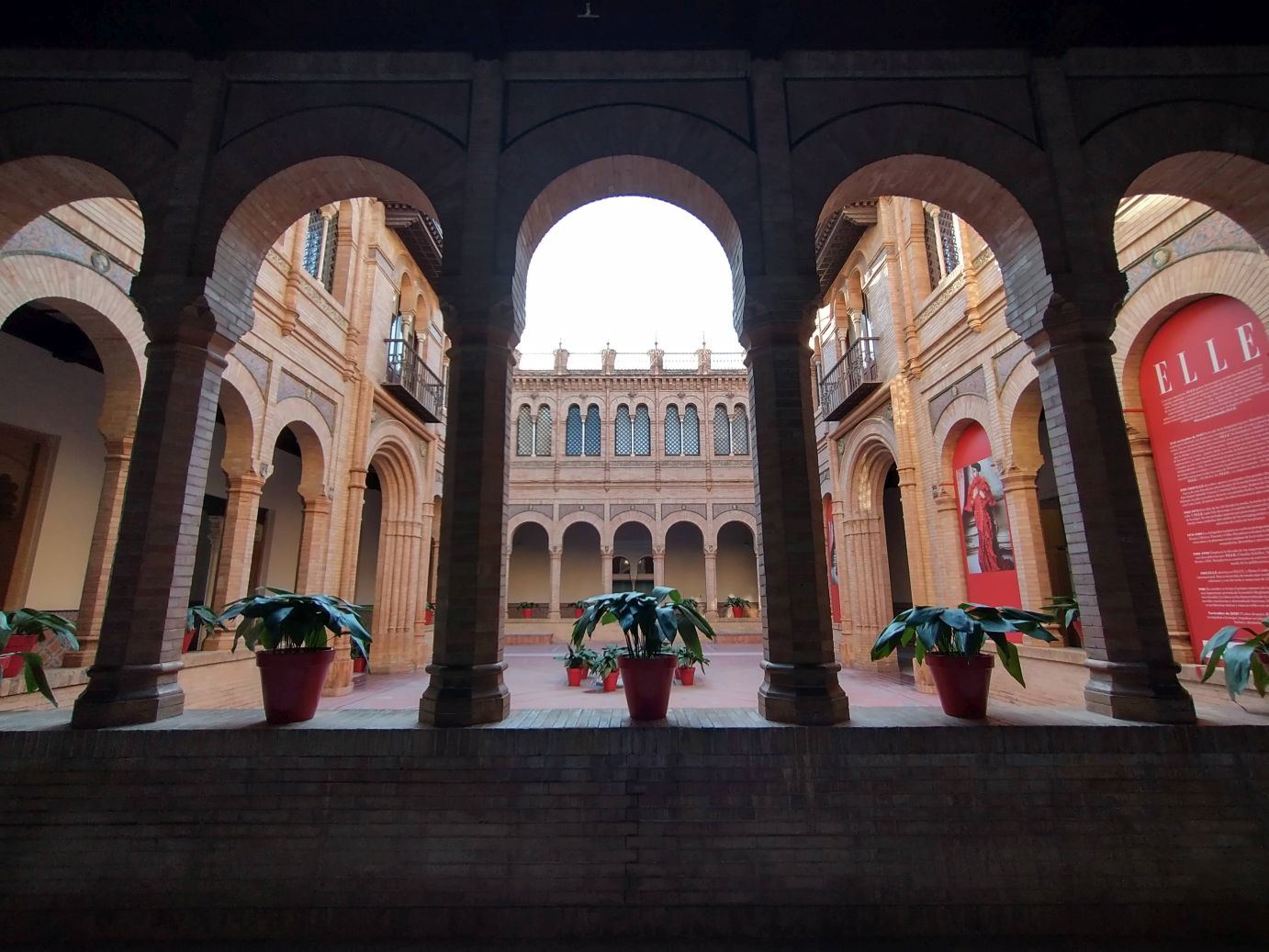
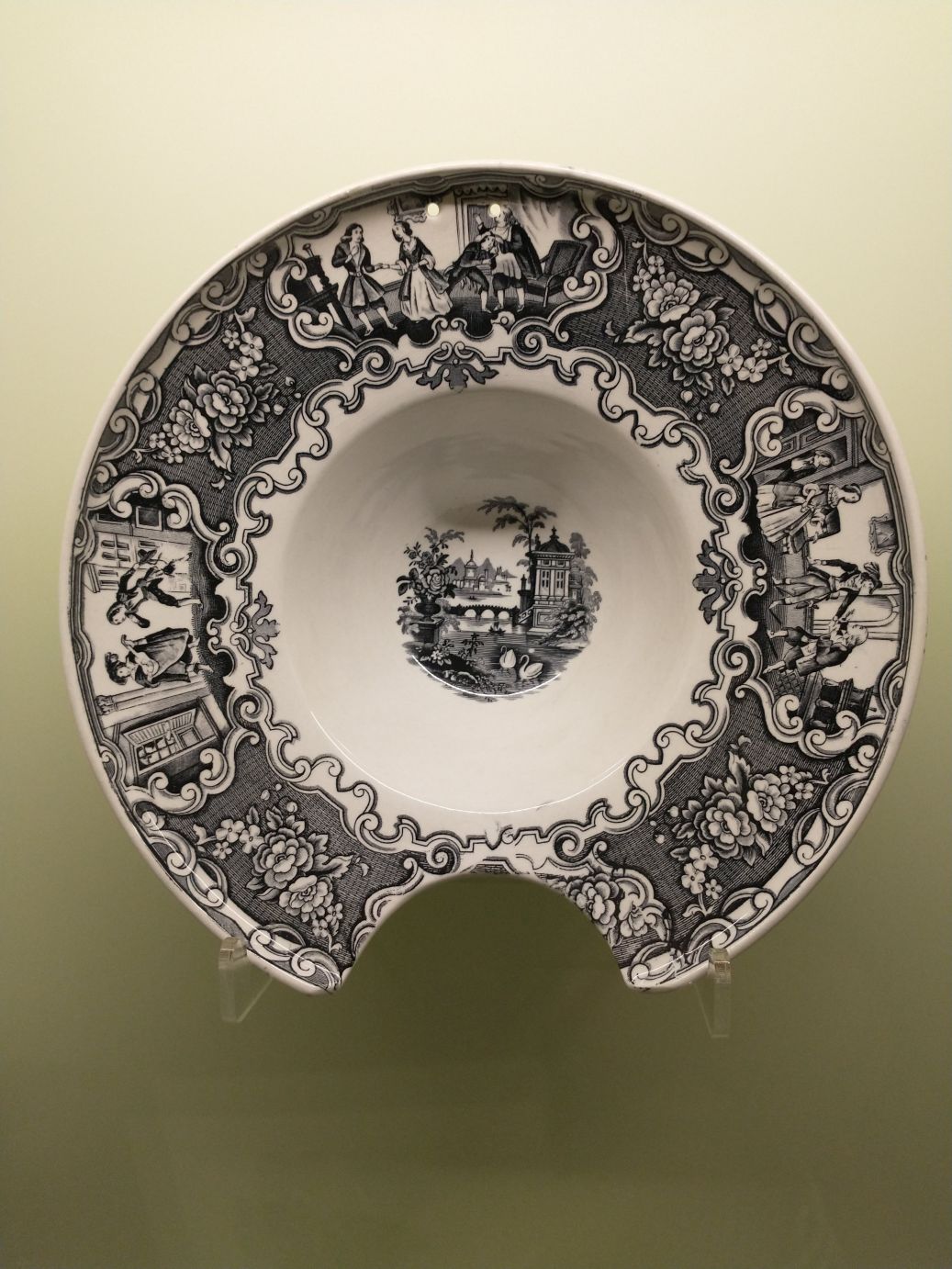
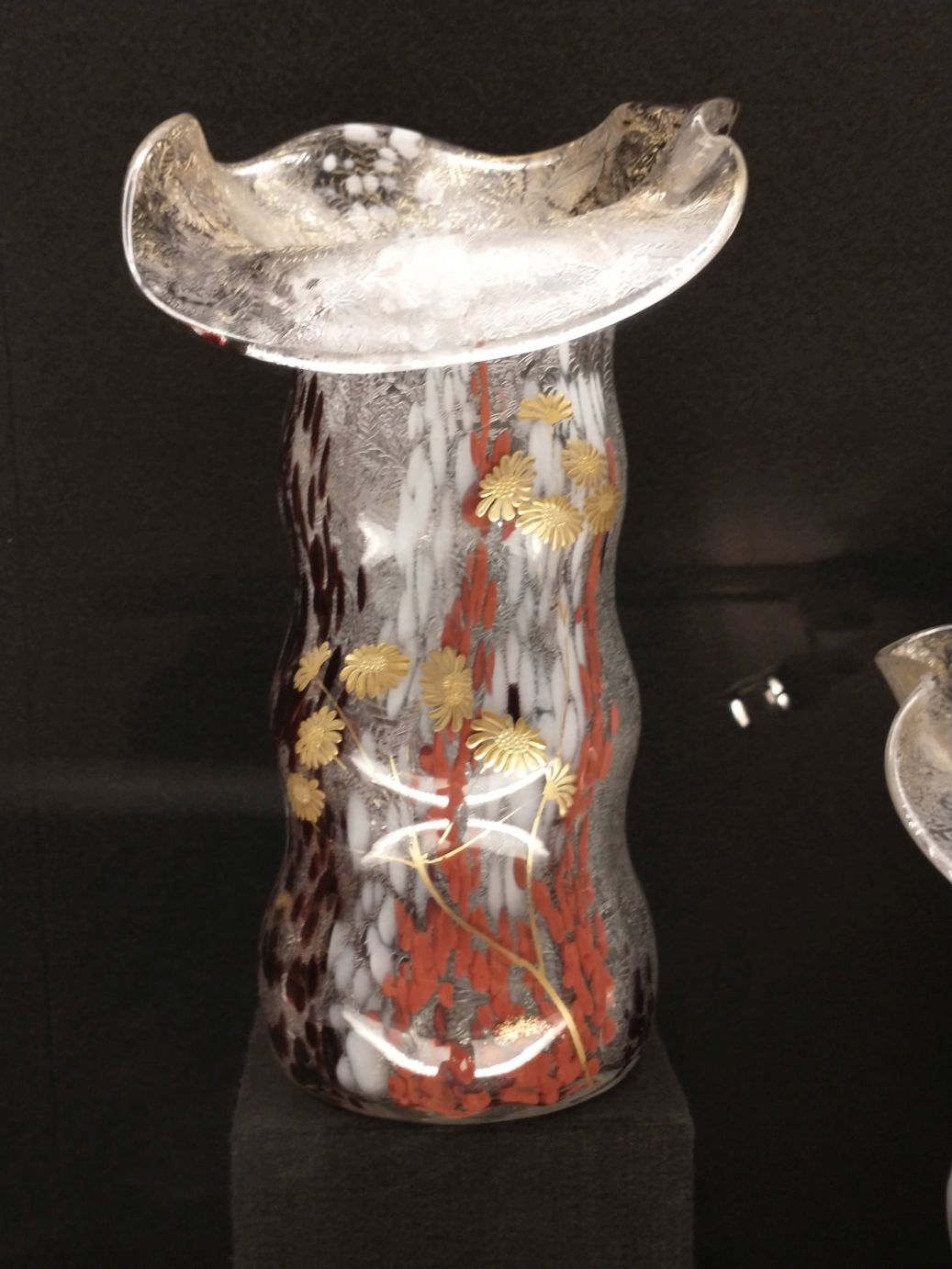
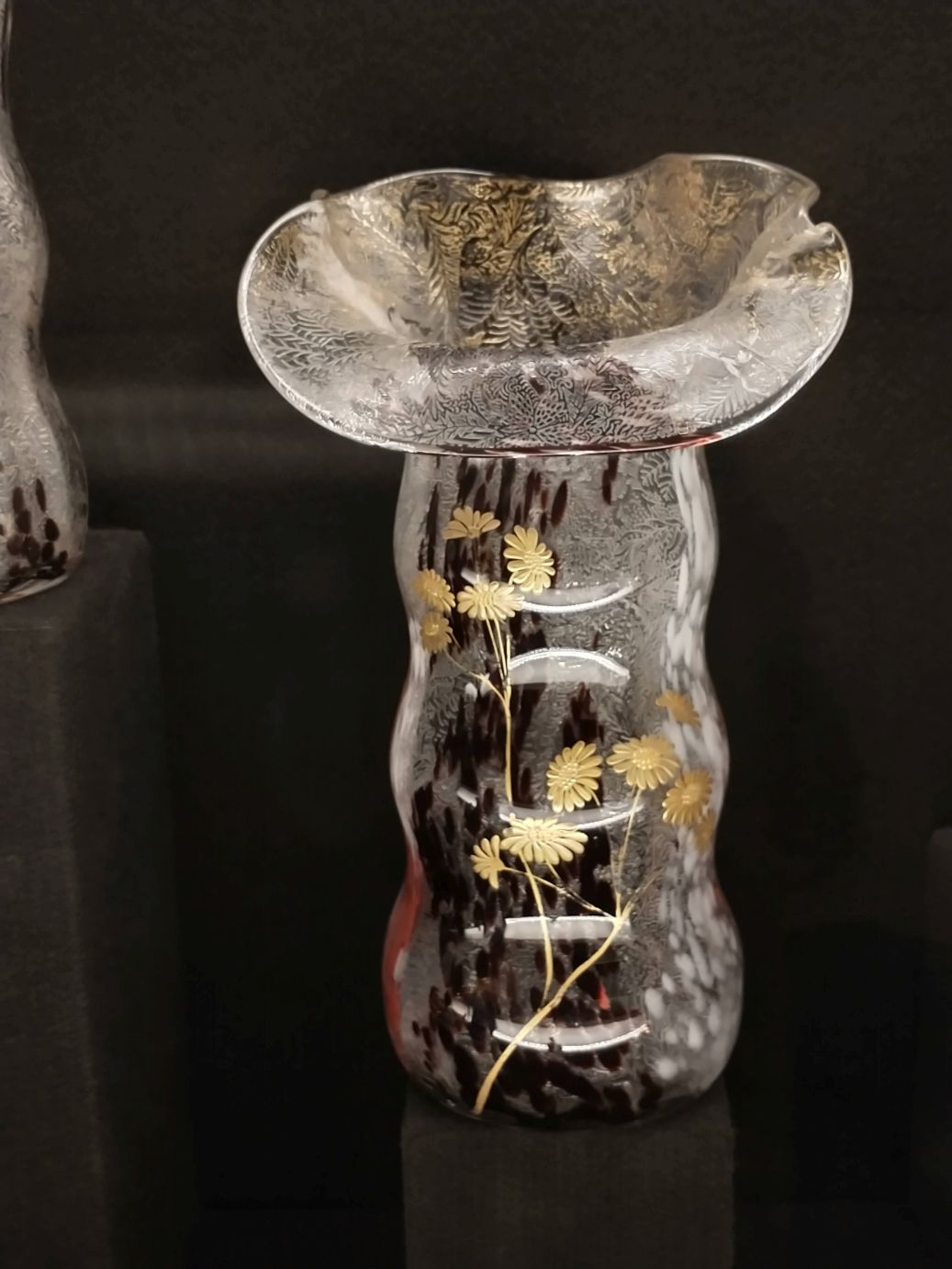
Inside the facilities are laid out in a block fashion around an enormous and very picturesque courtyard filled with Islamic architectural designs. Rooms extend off the first floor, including a special exhibit, as well as all around the 2nd floor and the basement level. The whole idea of the museum is to give a history of Andalusia from the perspective of the traditions that have existed from time immemorial. Truly a fascinating collection of artifacts. An ivory inlaid shotgun depicting a dog running down the barrel chasing after a reptile of sorts. Ceramic bowl in the shape of a bull ring with the matador doing battle painted inside the bottom of the bowl. Pottery from the “Barber of Seville” dated in the 1800s. Displays and explanations of plinths, techniques for making different tiles such as cloisonne, which replaced what they call the “dry string” method. Examples of every different tile technique along with a typical studio set up. Fabulously gorgeous glass vases etched with gold flowers. Wine making paraphernalia. Knives. Furniture. A huge wide variety of traditions and crafts spanning centuries.
One of the more interesting rooms though dealt with “Diversity, Creativity, Resistance. Intangible Heritage of Andalusia, exploring the huge cultural diversity found in Andalusia. One large room with photographs and explanations, the displays bring home the vast differences across the region and finishes with the premise that knowledge (or re-learning) of Andalusian heritage can be used as social transformation. Different cultures and traditions don’t have to be frightening or threatening but are a living dynamic heritage that can be understand and celebrated once you understand them.
The last room we visit contains the temporary exhibit: Elle, 75 years alongside women, chronicling all the magazine covers for 75 years. Huge blow ups cover the walls with actual outfits featured on magazine covers at the back of the room. Interesting if not 100% in line with the rest of the museum!
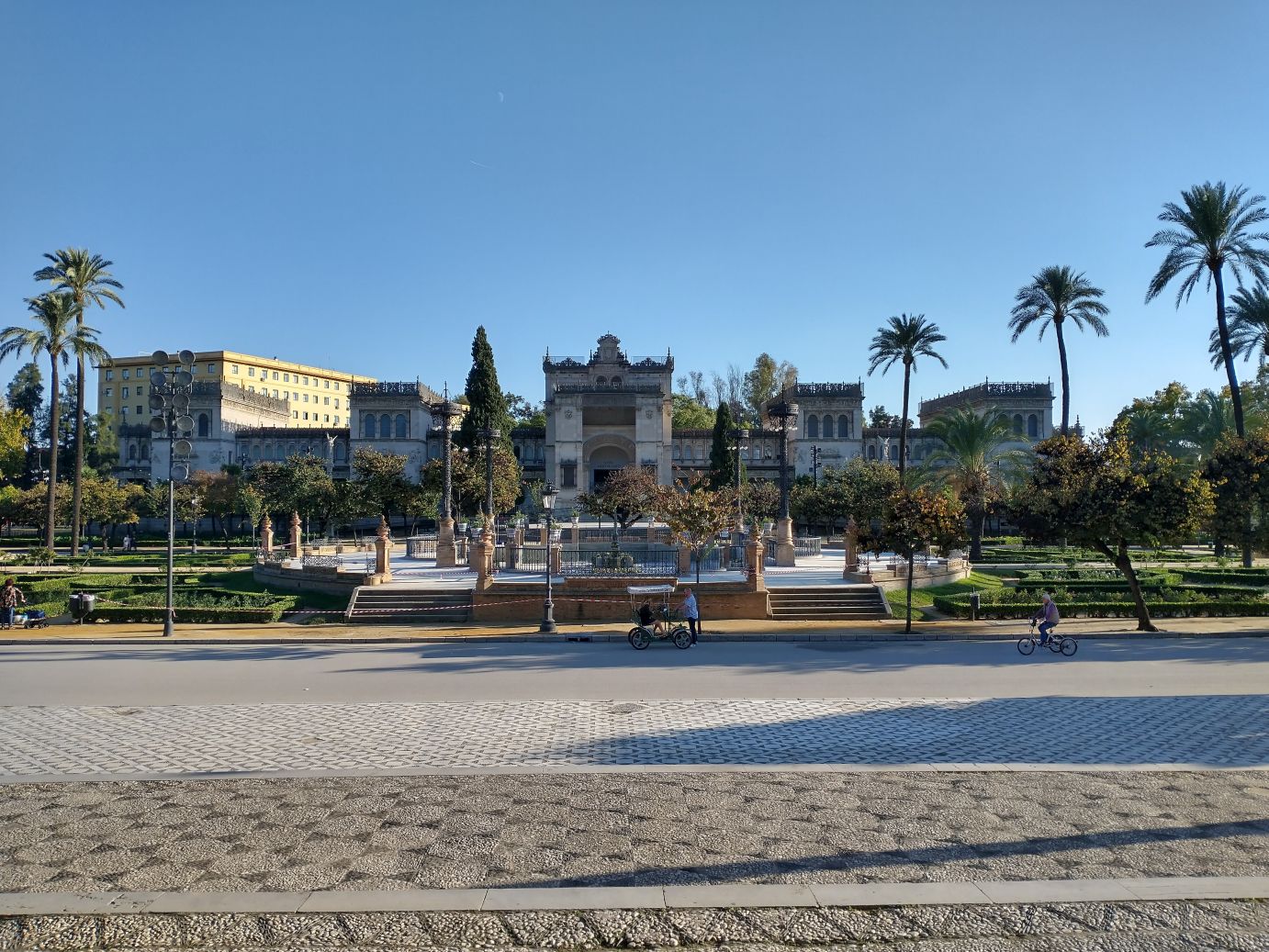
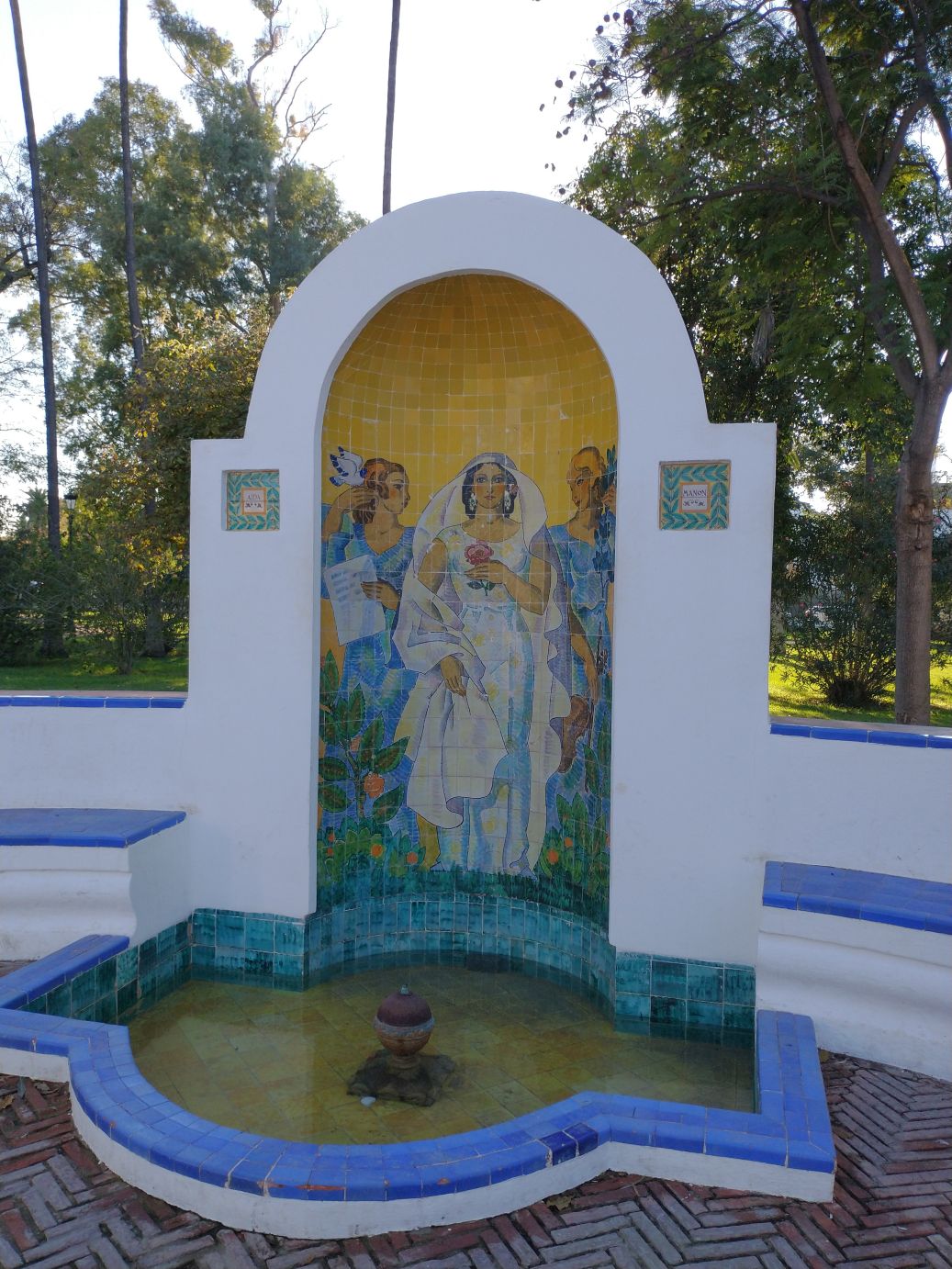
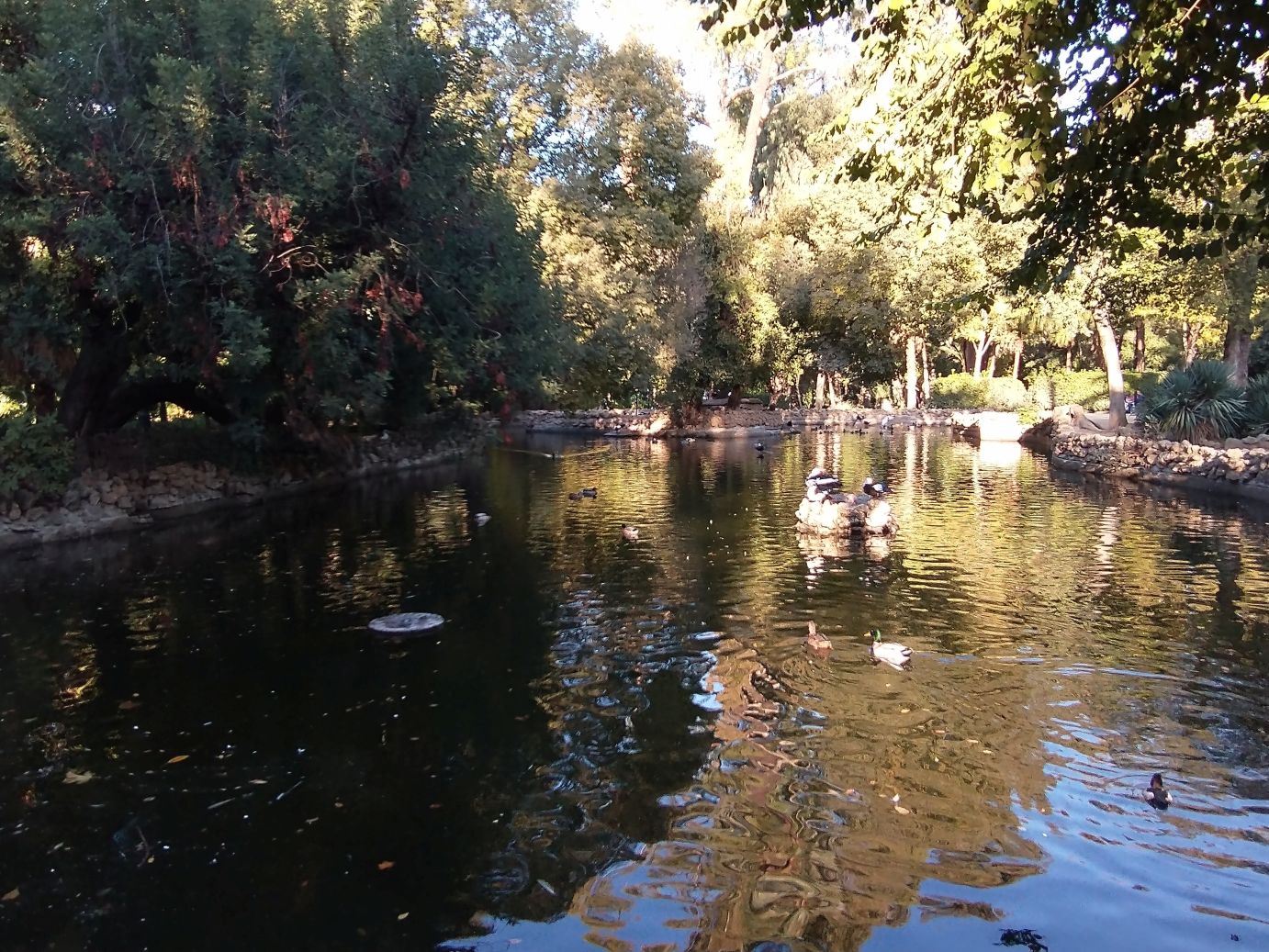
Wandering back outside to the plaza, we snap a few shots of the majestic building across the square that houses the archeology museum, sadly closed to the public since 2019. Oh well, one less museum to visit. Still fairly early, we meander back through the park, taking different paths here and there to waste time in the beautiful day, finding a beautiful altar type structure with a bride painted on the tilework, a lovely little gazebo in the middle of a pond filled with ducks and geese and of course the main promenade which leads us back out to the boulevard and to our ship.
Nice day spent exploring Seville. Tonight we are staying on the ship for more local performances – some really cute singers who keep us entertained until we retire to our balcony for a night cap. Tomorrow we strike out to Cordoba!
 Andiamo