It is a cloudy morning with a strong breeze, making it much more pleasant than the overbearing heat of yesterday. We fight the crowd at the gym door – yes, we are here waiting and should be first in line, not you sir, who just walked up and is now crowding the door. Here we go….tale of 2 cruises! We have decided not to break in to the gym as we aren’t quite certain about the crowd here and don’t want to cause a riot. Thus, we are being rule followers…for now!
Gym drama handled, breakfast done, we hurry ourselves along and head out to grab the first shuttle to the waterfront. As we sit waiting to leave, we realize it is silly to just sit here. It isn’t all that hot, the wind makes it very pleasant and we know we can walk. Hopping off the shuttle we embark on a lovely 15 minute walk over to the waterfront, past the Aquarium (that has a 25% discount for us on the ship which we pass upon), across the wooden swing bridge and on into the Caudan Waterfront complex.
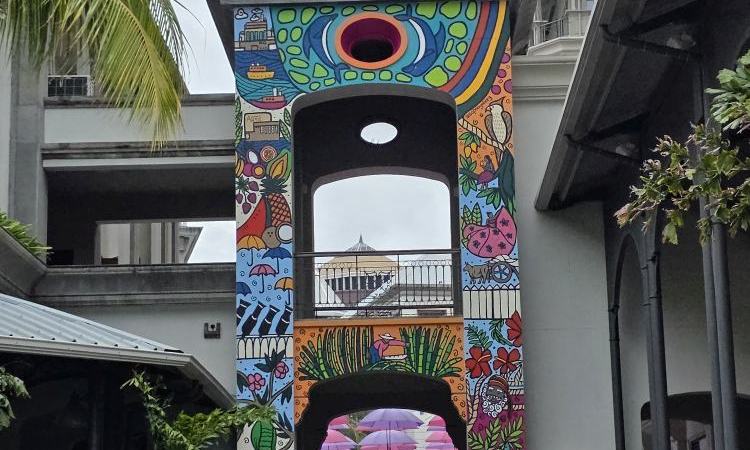
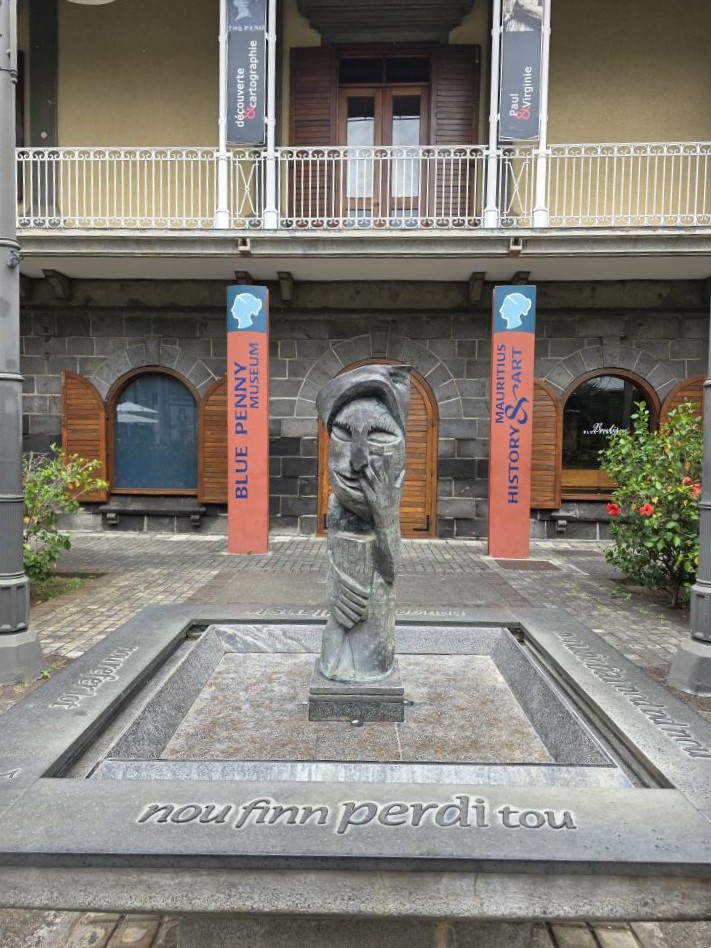
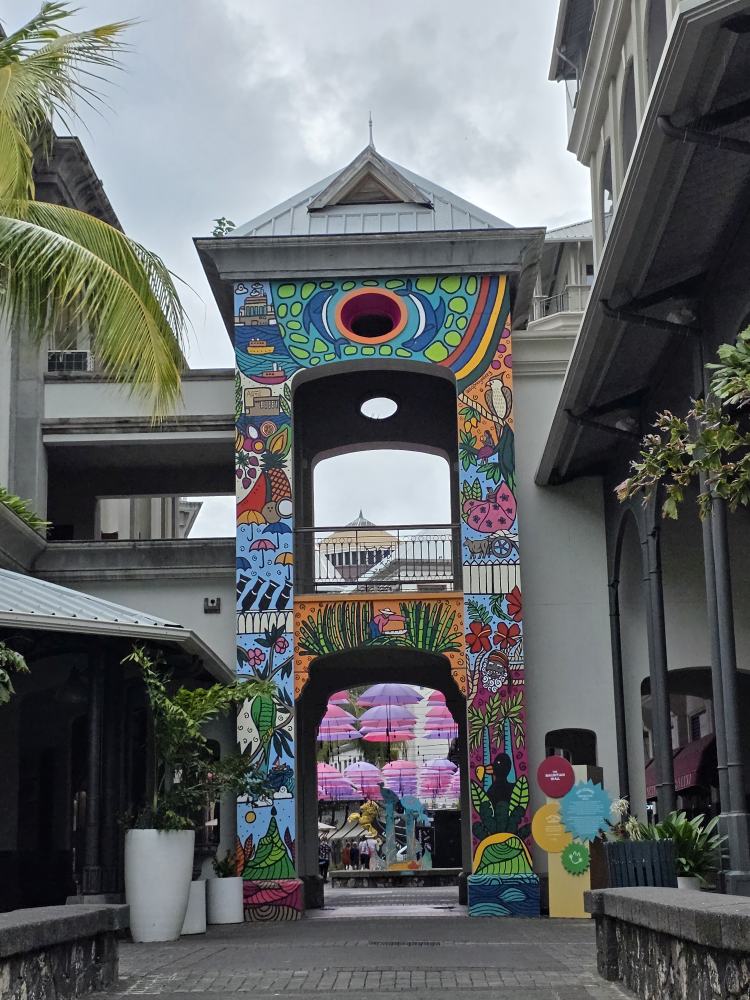
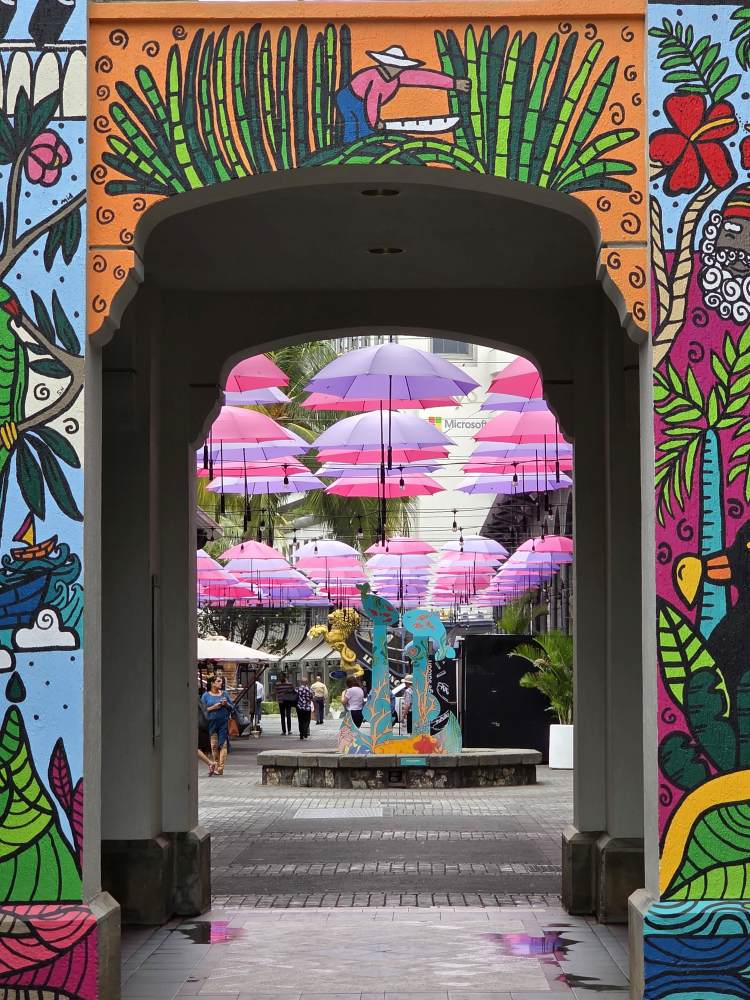
Walking through the complex from the front (as opposed to following Google Maps through the back) is an entirely different experience. We pass the Blue Penny museum which we will be visiting later, with some great statues out front. We also enter through the Mauritian Wall – a mural depicting every section of Mauritius history, culture and natural beauty. With the colorful umbrellas viewed through the arch, the Wall makes for a vibrant and fun entry into the retail complex.
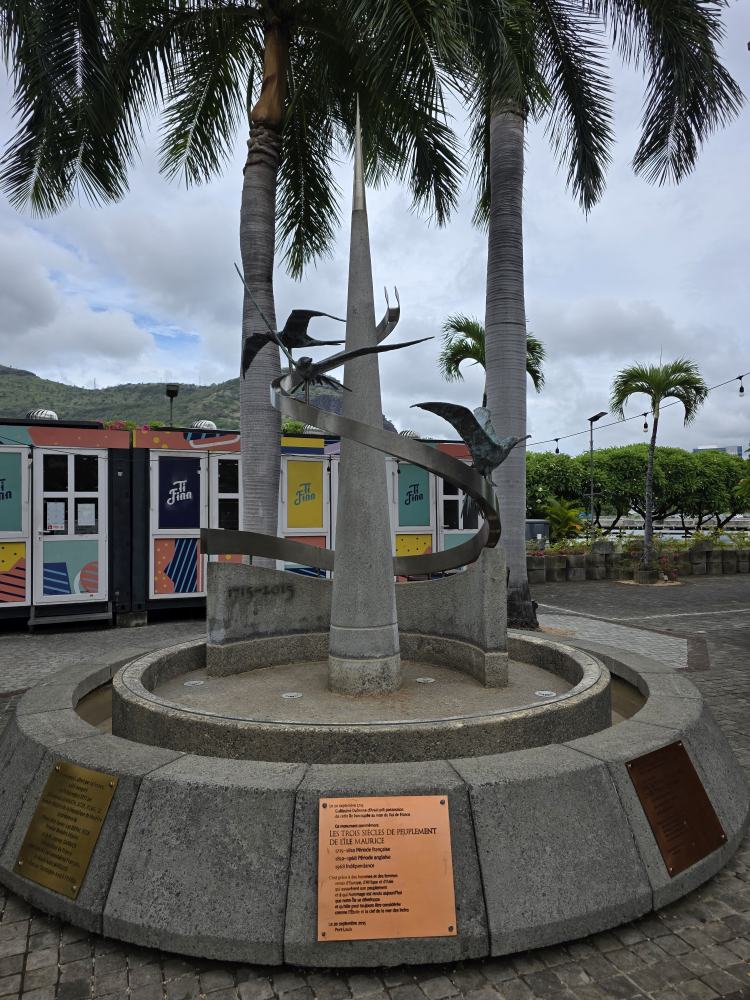
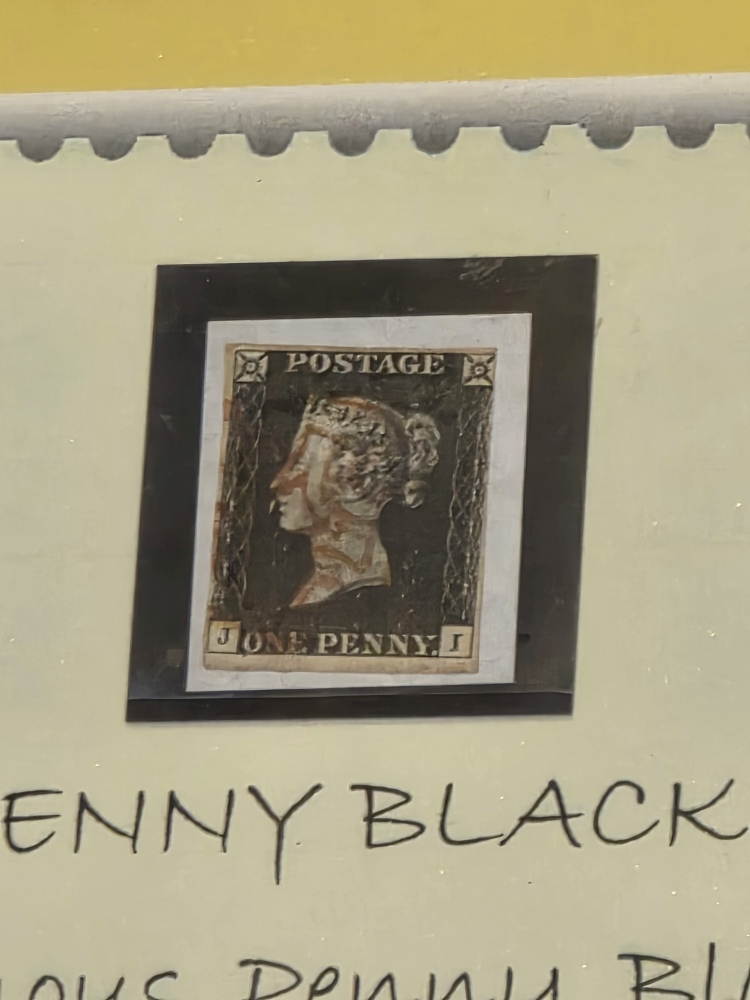
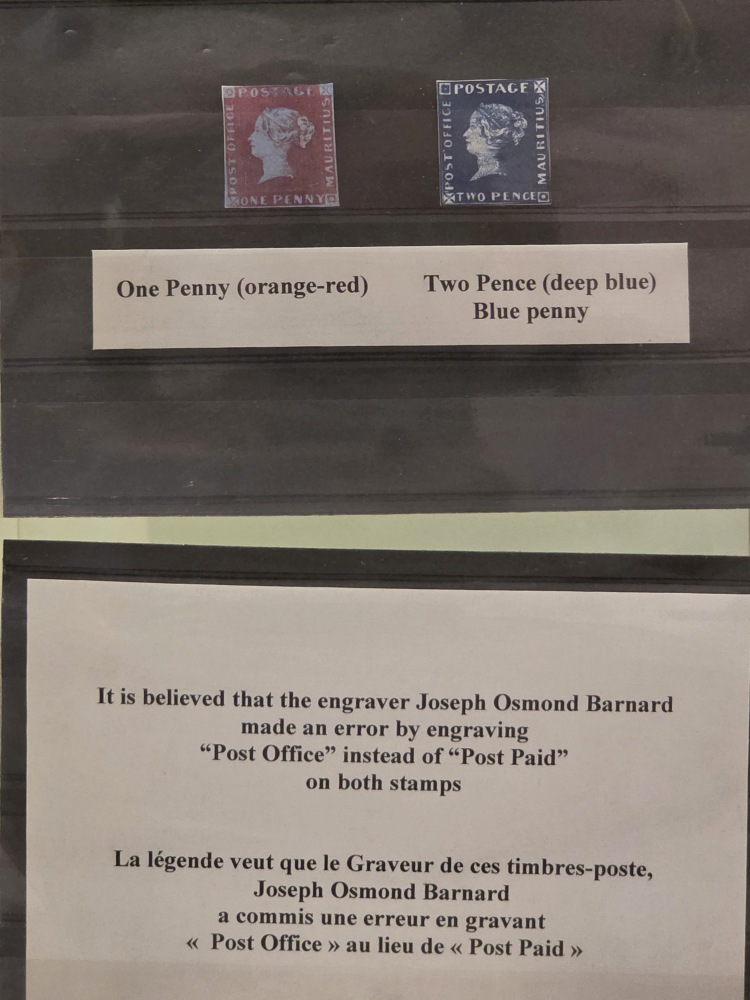
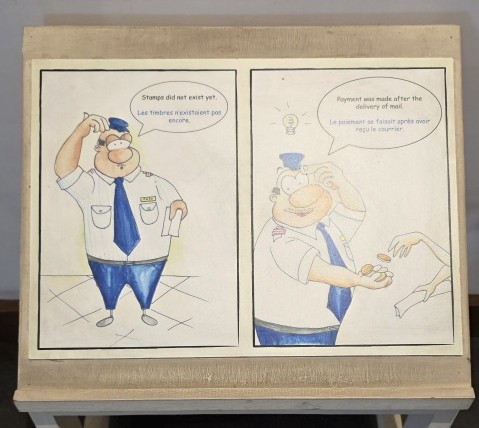
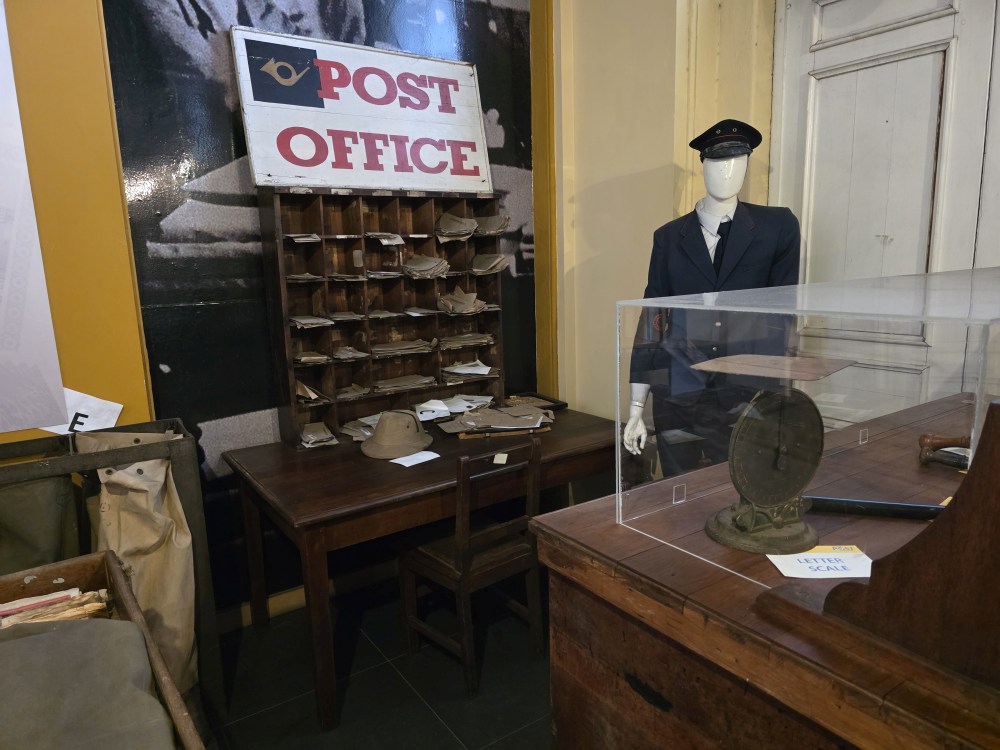
Arriving at the Post Office Museum – the only museum open at this time of the morning – after retracing our steps on the tour yesterday, we enter into a fascinating history of the postal service here on the island. The postal service? You ask. Why yes, apparently postage is very important to the Mauritians, as this and the Blue Penney museum focus on postage….because as we learn, Mauritius had a recognized postal system early on, in 1772, and became the fifth country in the world to issue postage stamps in 1847. They took their stamp design directly from the Penny Black, the first adhesive stamp ever designed and produced in Great Britain – but putting their own stamp (pun intended) on it making their first stamps red and blue (thus the Blue Penny museum to be visited later).
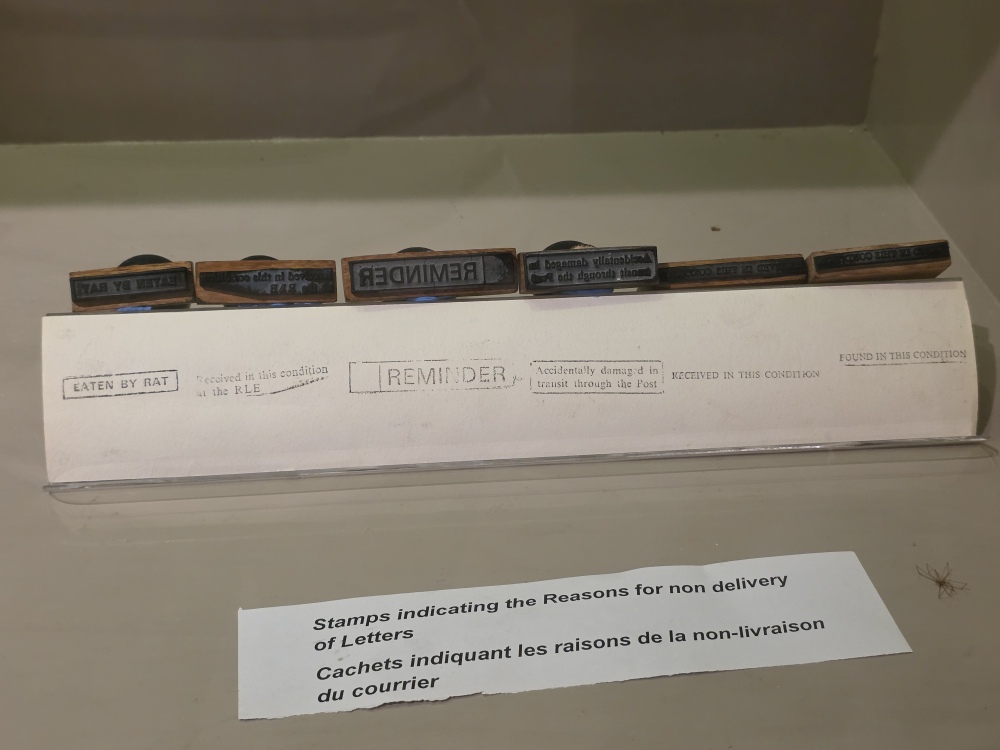
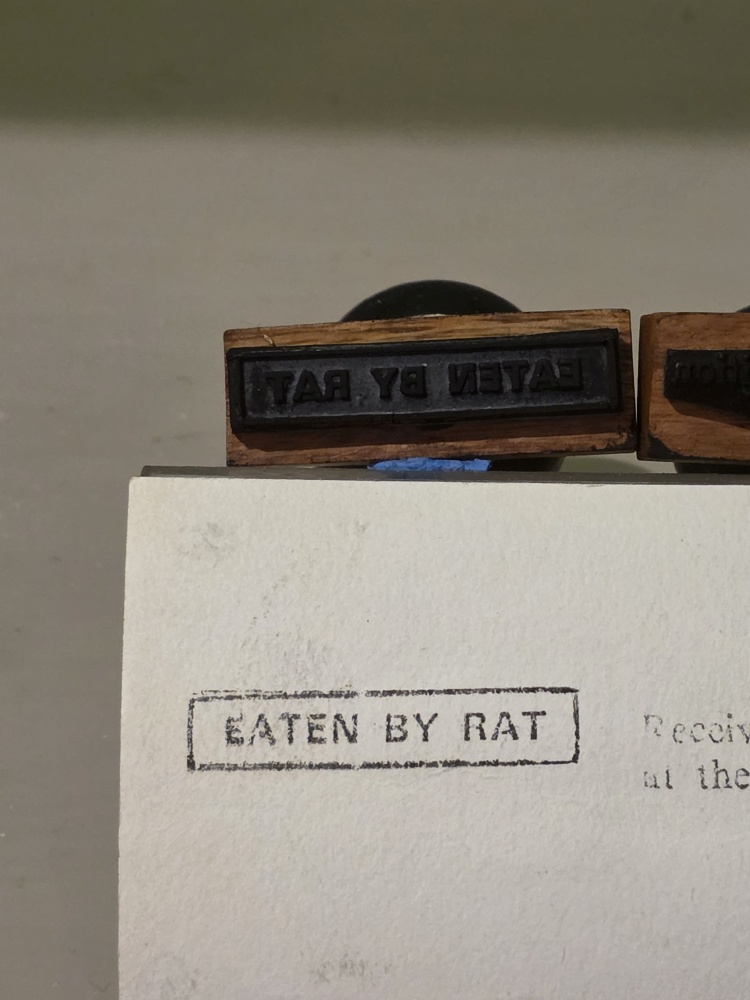
The museum holds 2 full floors of postal history, fun and interesting poster boards (especially the ones for kids) and tons of old memorabilia. Of particular interest are the non-delivery stamps: Eaten by Rat! For real! Hysterical.
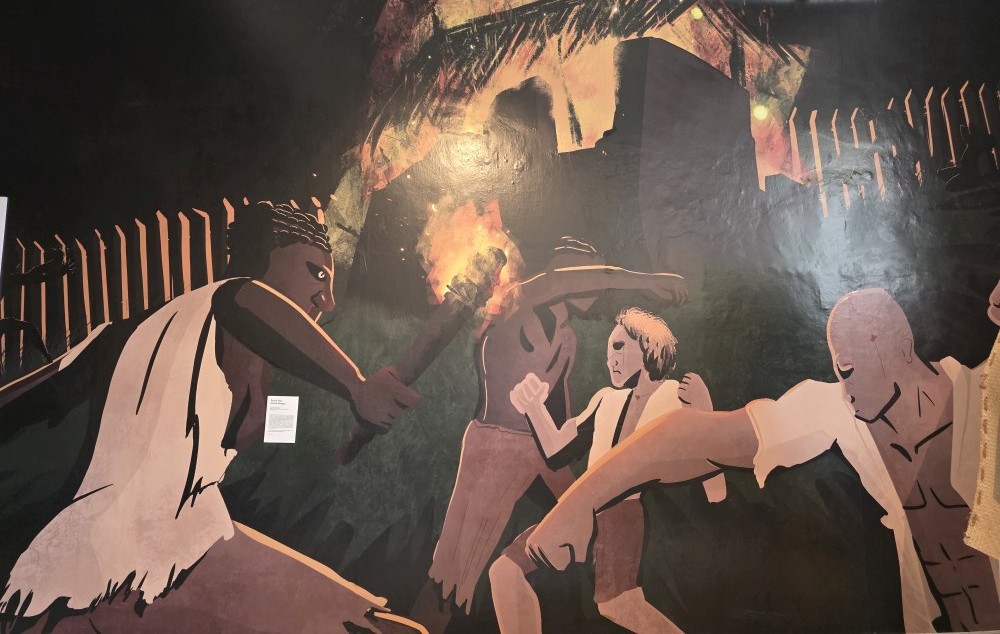
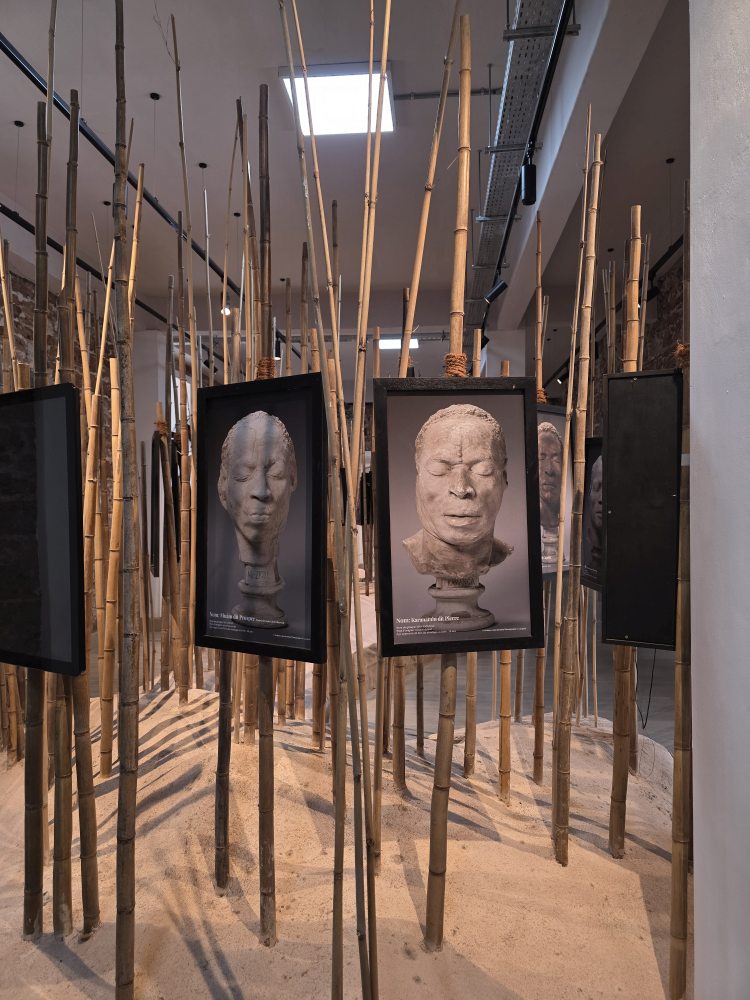
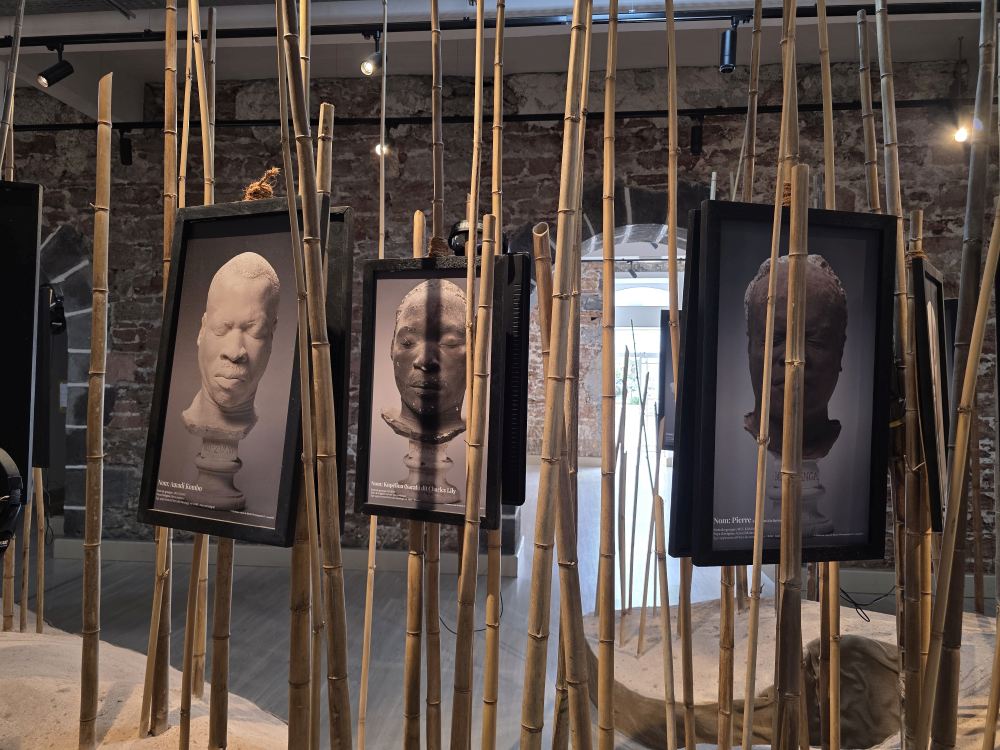
We spend an enjoyable time here, just wandering and reading, then hit the streets again heading to the Intercontinental Slavery Museum Project (ISM), a series of displays and historical information laid out inside the former military hospital. The site was selected for its symbolism – the fact that it was mostly guilt by slave labor forces. The buildings themselves are incredible – that they have been preserved so well for so long.
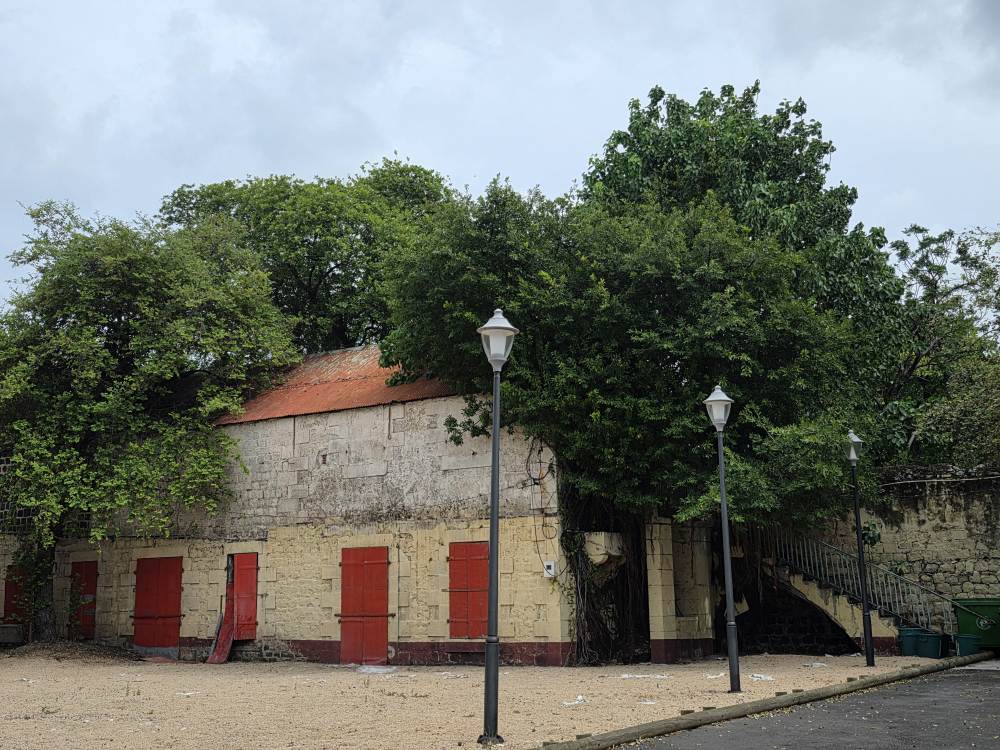
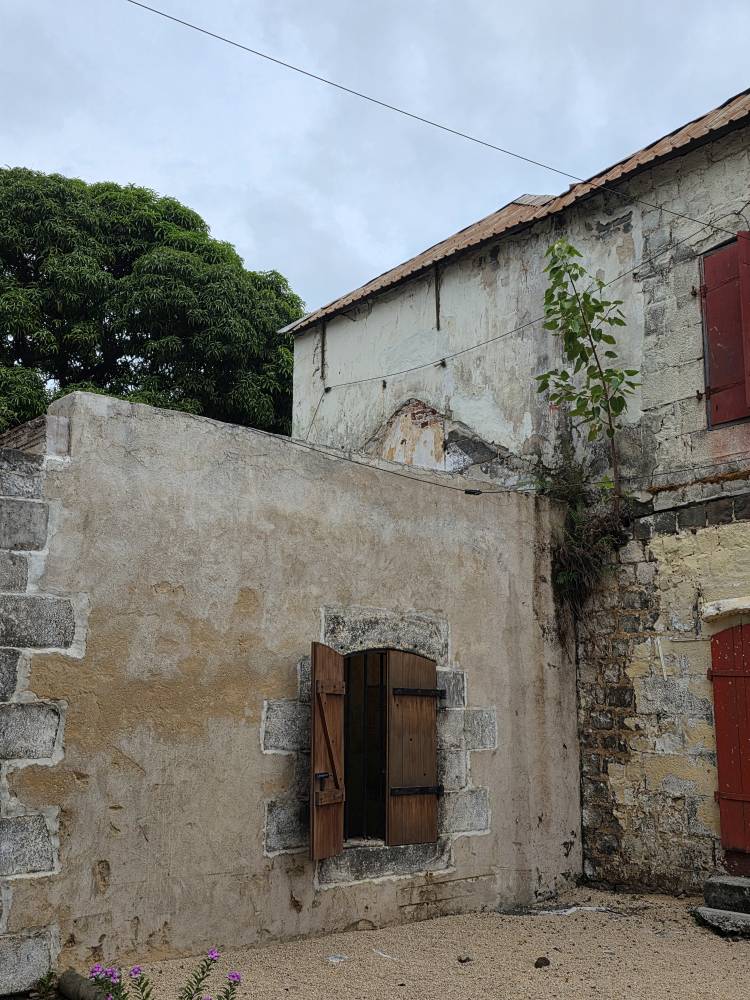
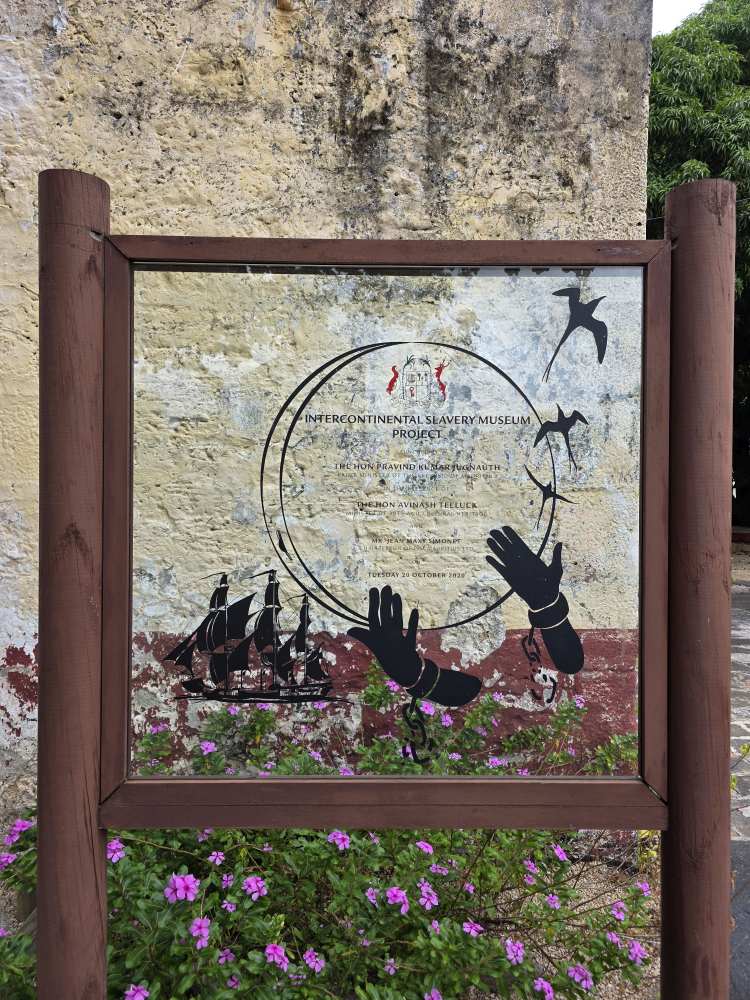
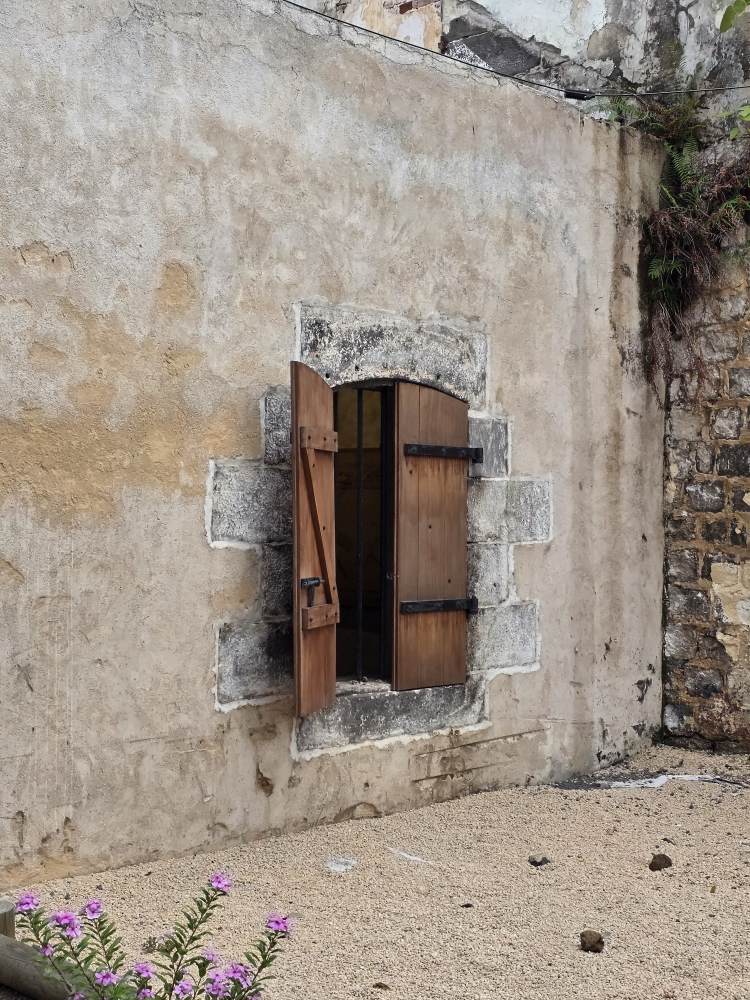
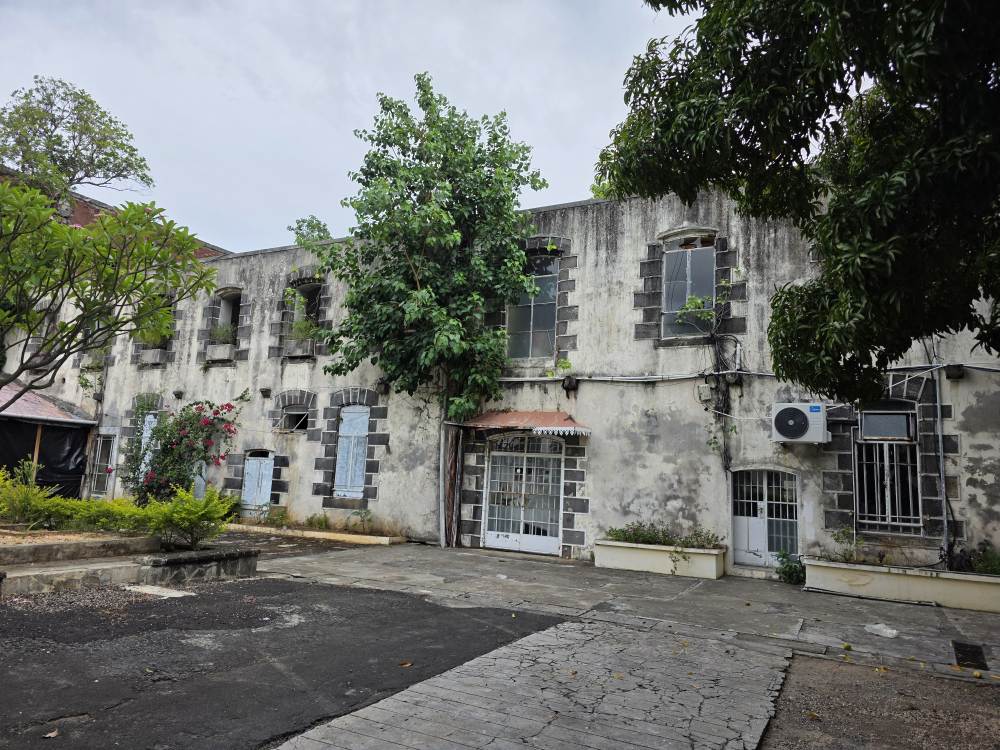
The displays inside are also thought provoking, well done and quite artistic. A fitting memorial to a painful part of history and, as the ISM wants, a place to reflect discuss and preserve the memory of enslaved people and their resilience.
After that somber visit, we return to the waterfront for the Blue Penny museum, where we arrive just in time to view an original Blue Penny stamp – one of only 27 remaining in the world today. Similar to The Scream in Oslo, for preservation purposes, this stamp is only lit for 10 minutes every hour. We’re fortunate we arrived when we did – we’d hate to have to wait around for another hour to try to see the real stamp. (Although tbh, we think there were a few originals over at the Post Office Museum – at least they seemed to be originals – who knows?)
Once again, we find Mauritians to be very proud of their postal heritage! The entire top floor of this museum is dedicated to all things stamps and postage – from the early days of ships and mariner captains, to the nascent postal system on the island and on into more current history as Mauritius gained its independence.
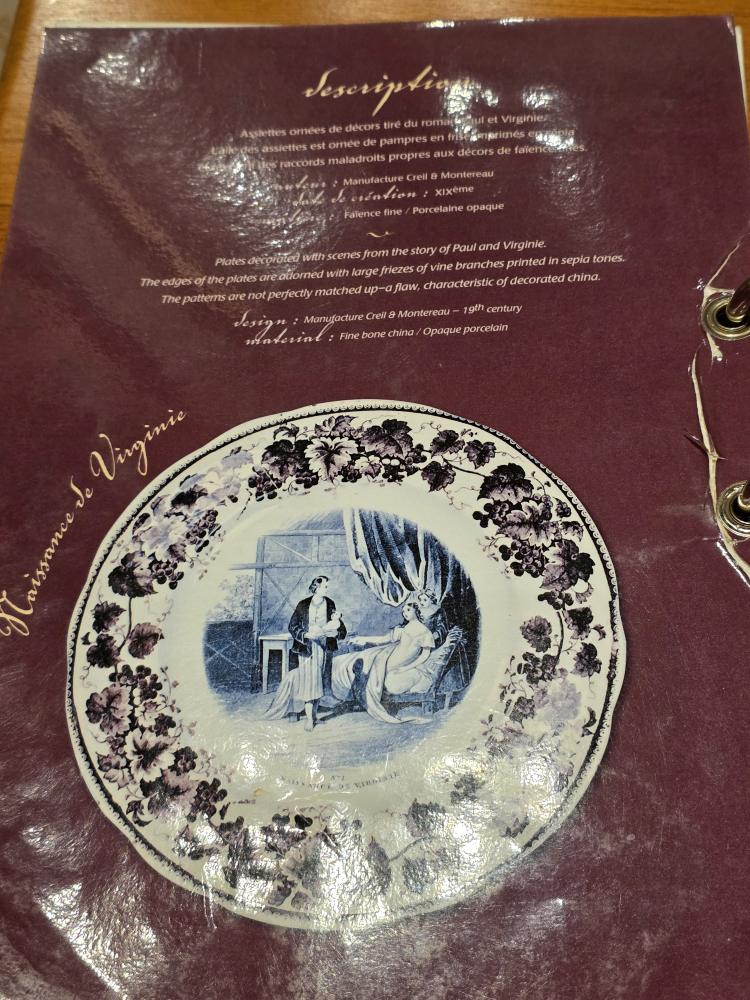
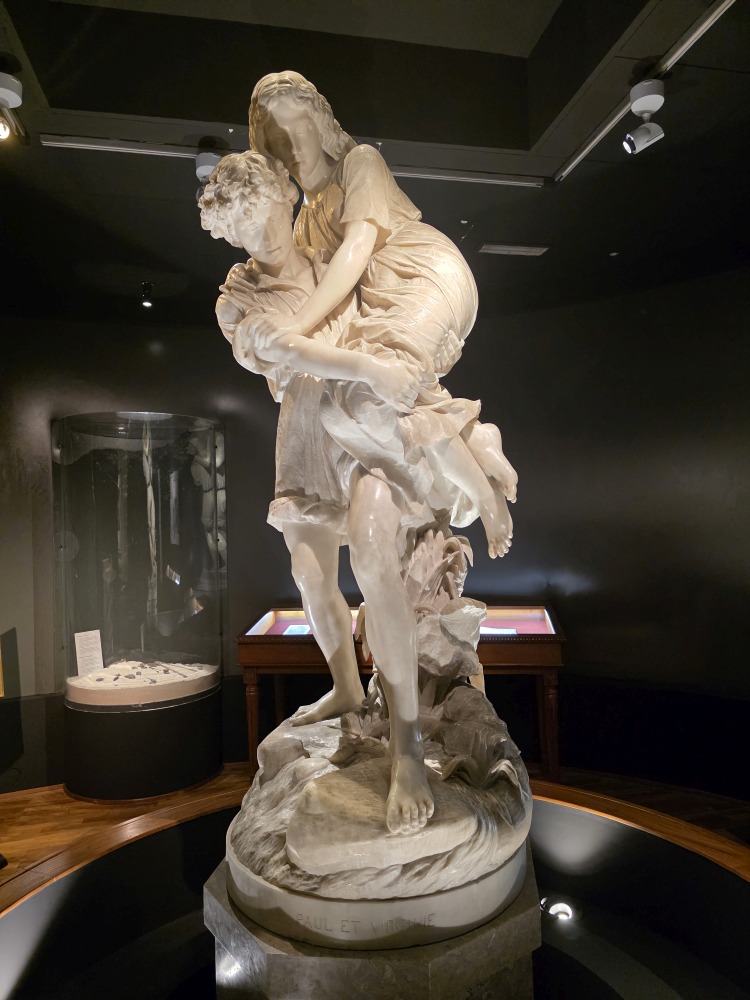
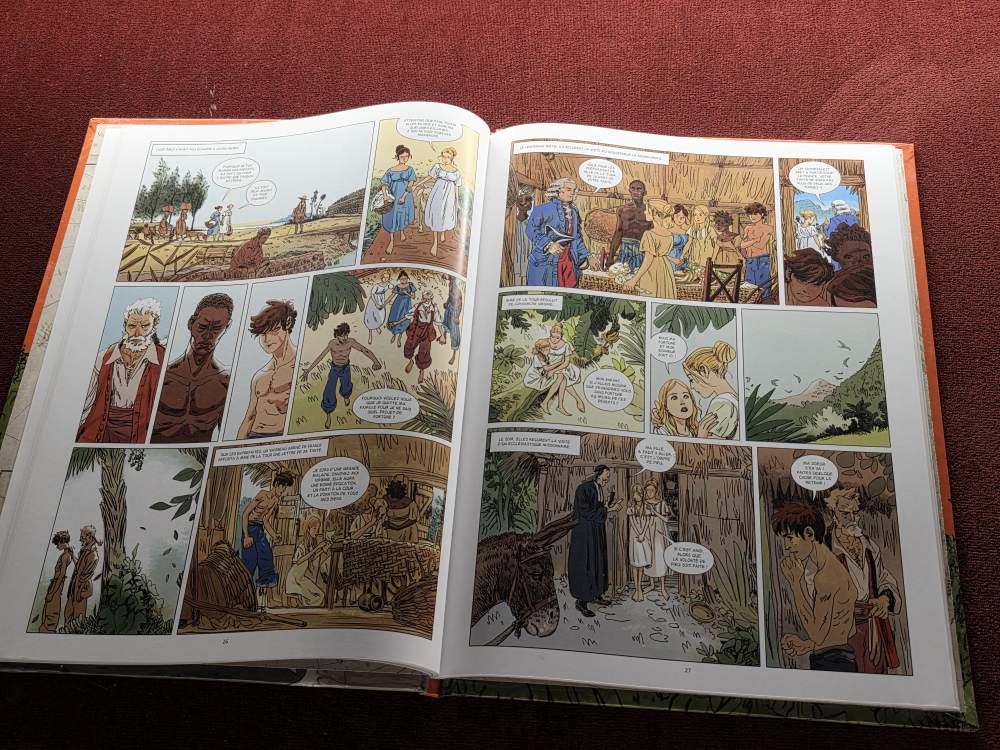
On the ground floor there is an entire exhibition around the Paul and Virginie story: a love story that begins in 1726 Mauritius. Apparently, a huge deal here – we’ve never heard of it, which means nothing really – there are books upon books of different ages with illustrations and stories, plates decorated with scenes from the story, a marble statue of the 2 young lovers, even comic books depicting the story. Ok, we’re now hooked and have to find the story to read it!
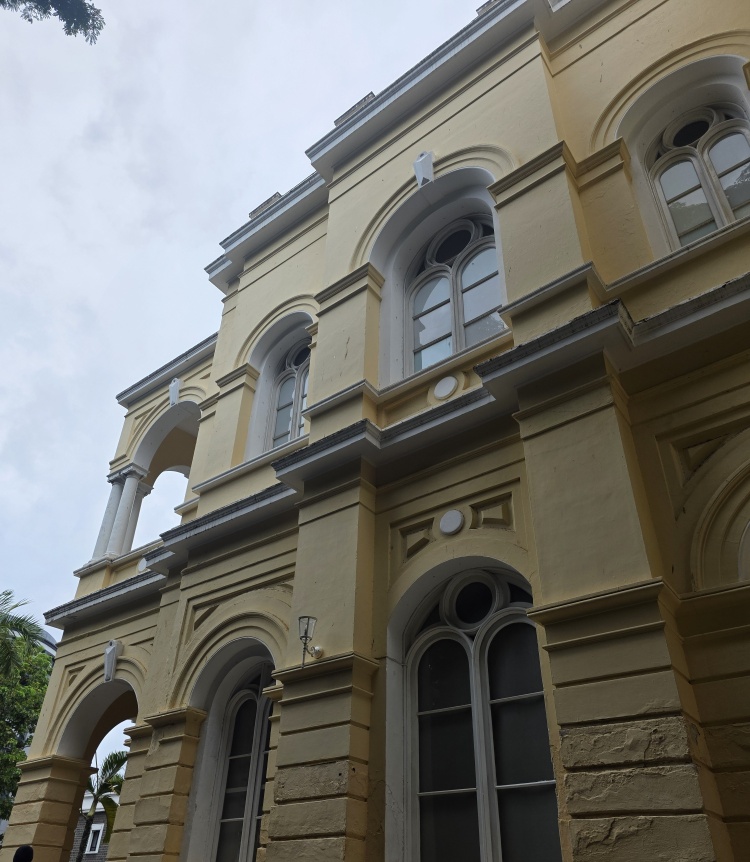
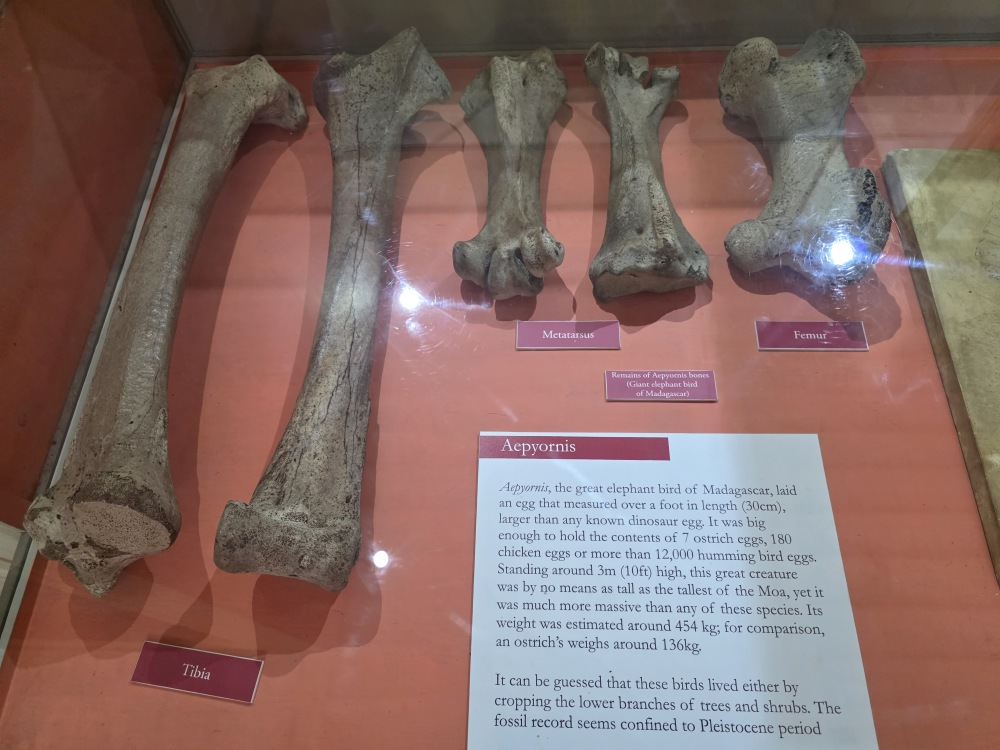
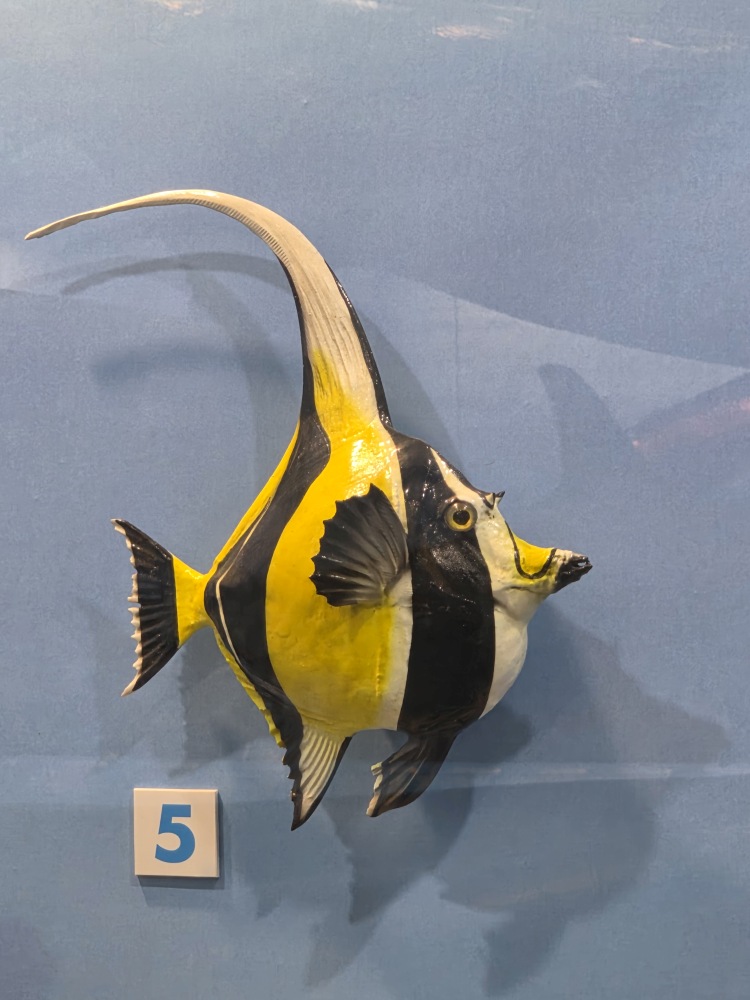
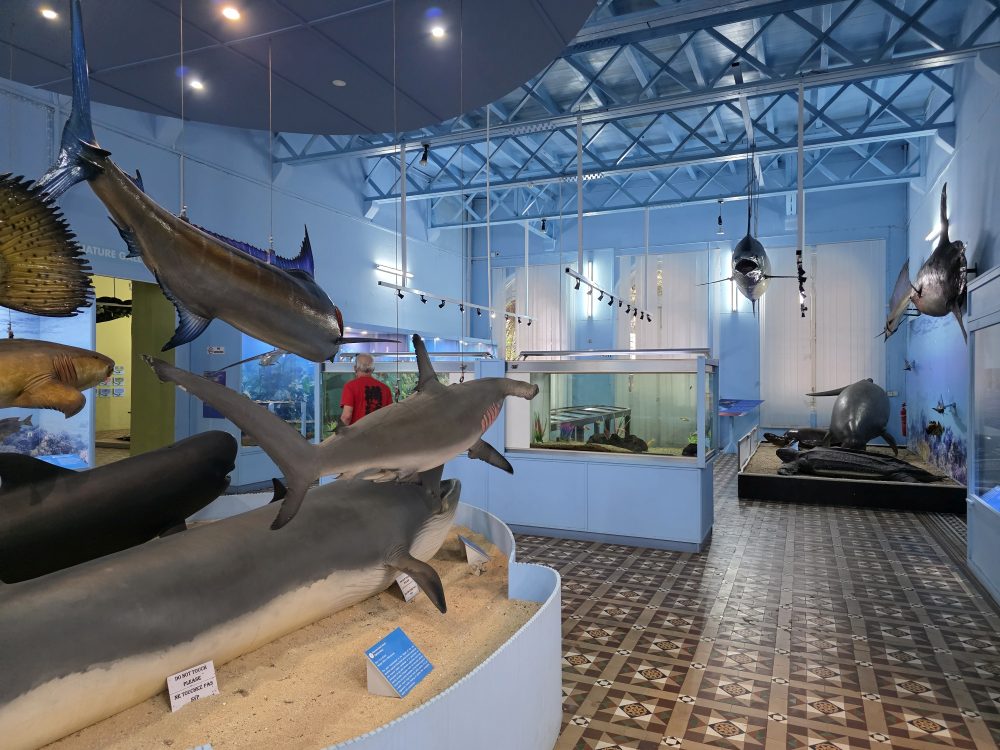
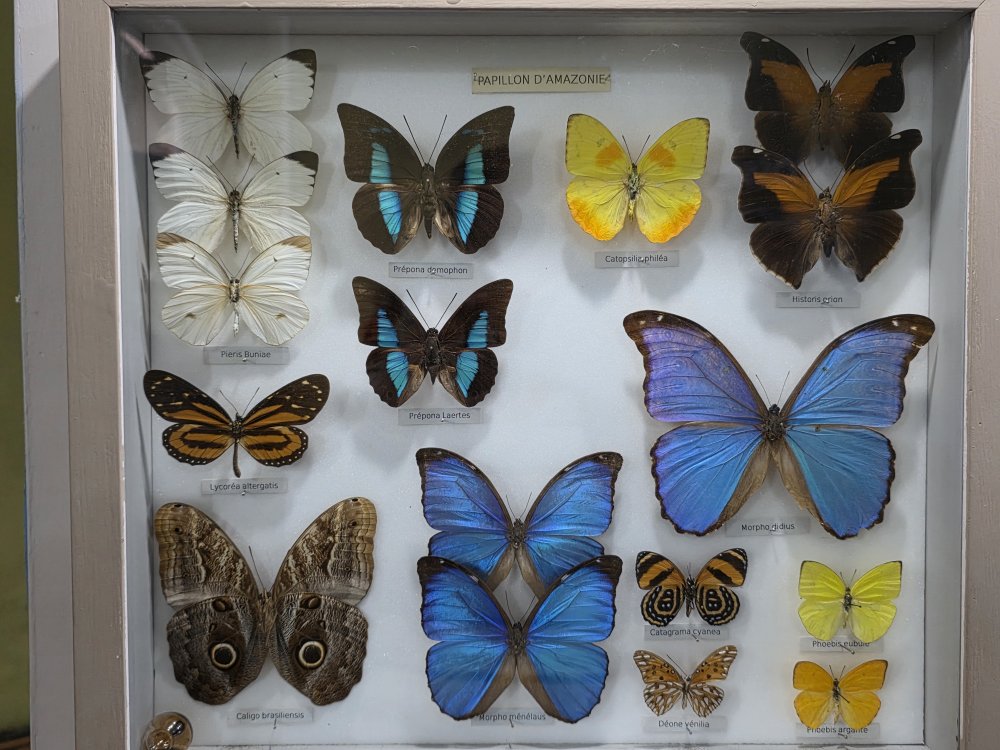
Time for our final museum visit, we head over to the Natural History museum, again retracing our steps from yesterday through the underpass that spans the train tracks and huge 4 lane main road and up past the Place d’Armes to the other side of the Company Garden and the huge yellow concrete building we took pictures of yesterday. At precisely 11, the gates open and we wander on in to the free museum which covers everything from birds to sea creatures (with great explanations like “a lovely, rather pompous little fish) to butterflies. Including a display on the Aepyornis or Great Elephant Bird that laid an egg that measure over a foot in length! The bird stood about 10 feet tall and was massive, weighing up to 1,000 pounds. Obviously dinosaur times, but still.
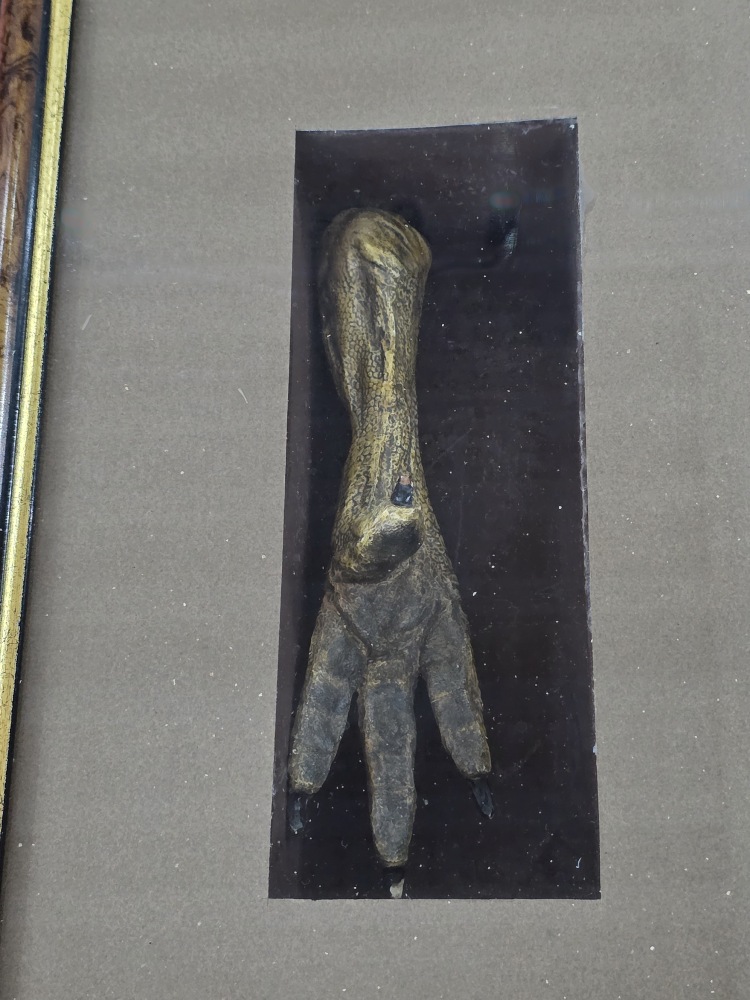
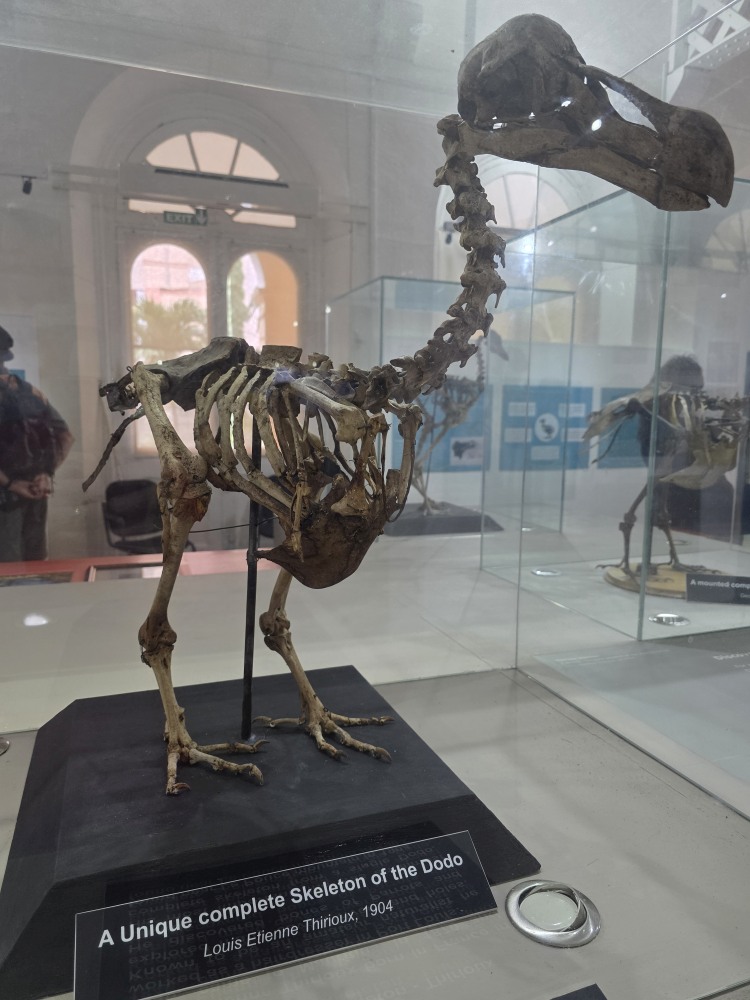
The most important room though – and what we came to see – is the Dodo exhibit. Dodos are the national symbol of Mauritius – used on bank notes, coins, stamps and other objects. The flightless bird was endemic to the island, encountered in the late 1500s and extinct by the mid-1600s as a result of human activities. Having no predators before humans, they were fearless around them, making them easy prey for sailors as food. Plus the introduction of rats and pigs destroyed their ground nests leaving them without places to breed. The Dodo was known only from written accounts, drawings and a stuffed head and foot at a museum in Oxford. In 1865, skeletal remains were found at the Mare aux Songes (a marshy area near the airport) but they were all sent to museums in either England or France.
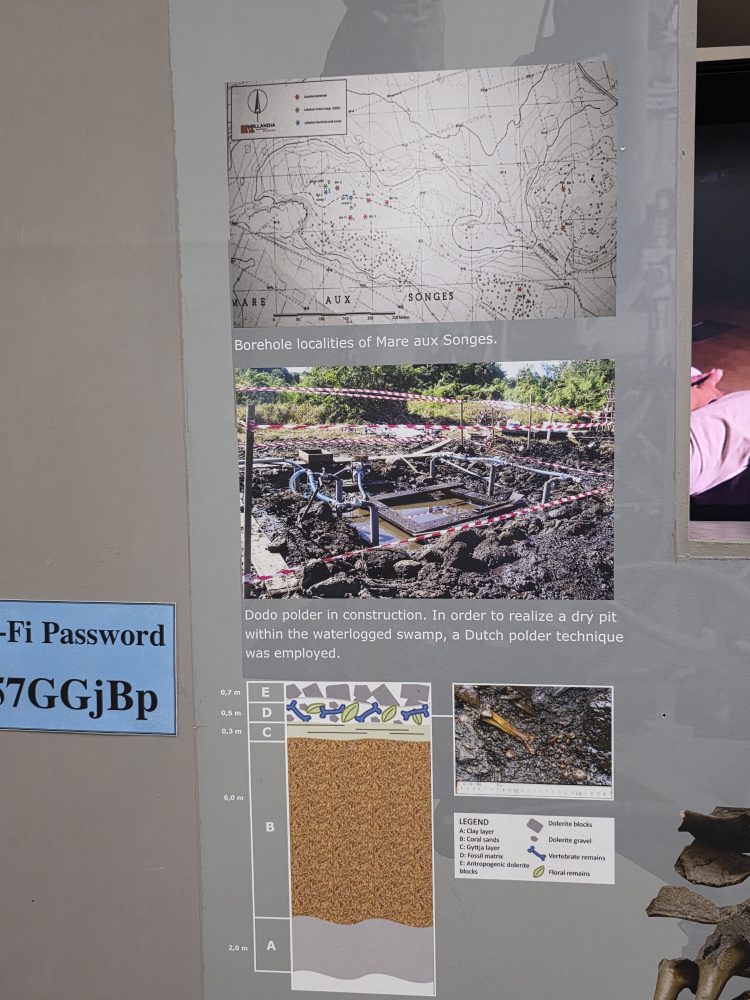
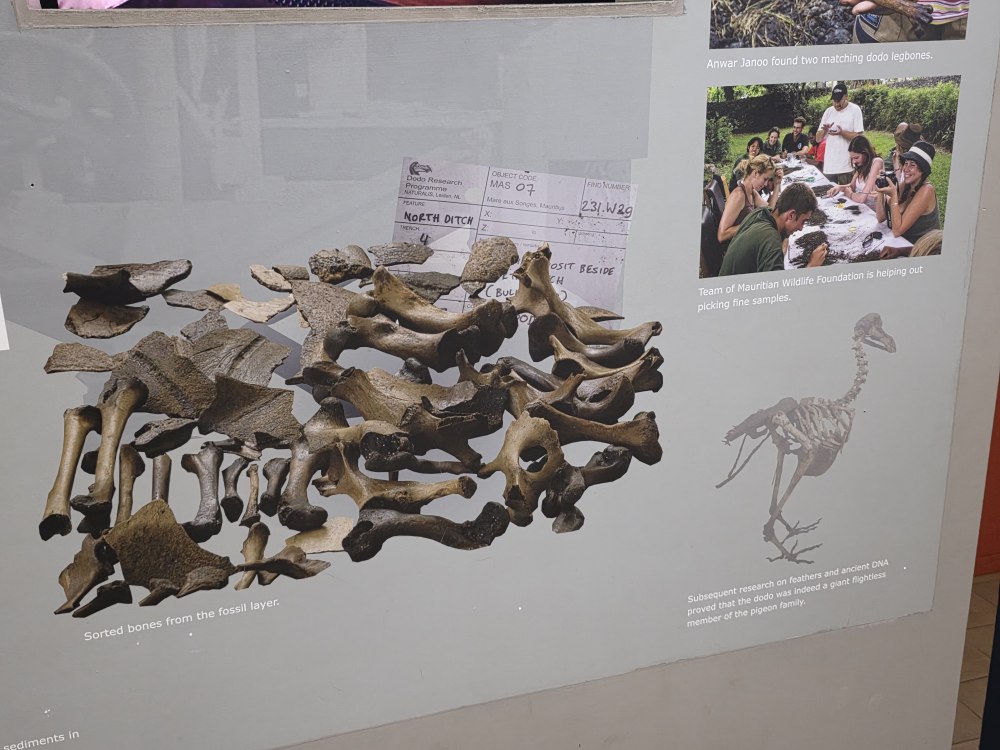
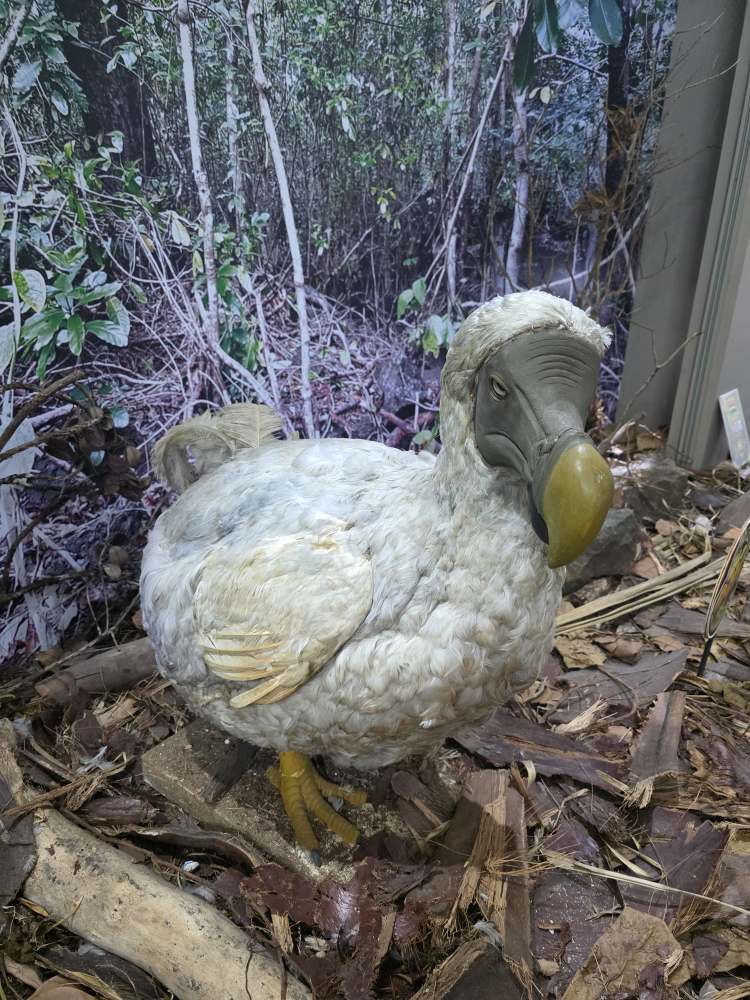
In 2005, excavations in the Mare aux Songes uncovered thousands of bones of the Dodo which in turn, resulted in this exhibition that is an attempt to show the lost world of the Dodo. Cool! There are life size interpretations that visually show the size and shape of the bird. DNA research proved that the Dodo was a giant flightless member of the pigeon family and you can see it in these representations. Even though there have been lots of finds in the digs, you can still only see the real face of the Dodo in Oxford. Now though, there are at least skeletons here and more to come apparently when they put all the bones found more recently on display.
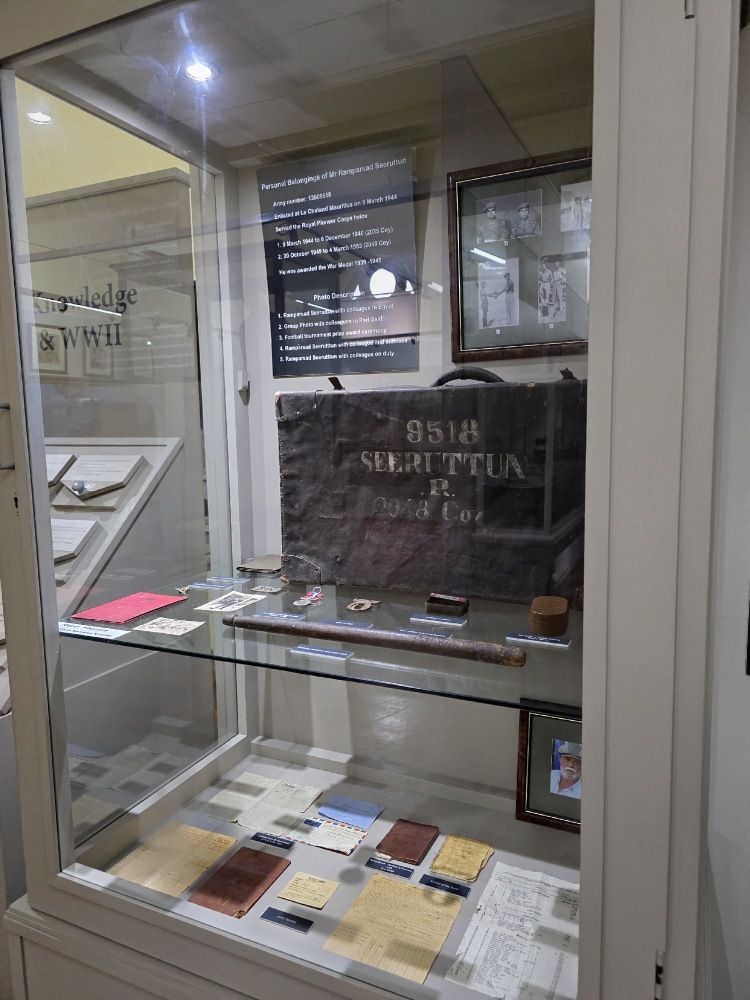
Upstairs in the museum building is an entirely different exhibit: A remembrance of the Mauritian soldiers who fought in the great wars. Total mind warp – from animals to soldiers – but hey – we’re here! It is a very interesting exhibit “in the words of” different soldiers in all the forces. And we find yet one more reference to Paul and Virginie – a model of the French ship St. Geran which wrecked off the coast of Mauritius in 1744 (resulting in the loss of 200 passengers, a significant event in the country’s history symbolizing colonization, trade, slavery and commercialization) and is said to have inspired the novel. Definitely worth the visit.
Walking back to the shuttle – it is getting hot and we figure we have to walk right by the stop so if it is there, we’ll take it – we spend our last Mauritian rupees on snacks for our afternoon coffee. The shuttle is just pulling out as we approach, and he sweetly stops for us, but it is jam packed with no place to sit except those little jump seats. Nope. I hate those things! Ed gets a seat up front with the driver, I stand in the door well and pretend I’m the guide and we make it back to the harbor easily without fuss (much to the consternation of everyone else aboard the shuttle who were none to pleased he stopped for us – no comment).
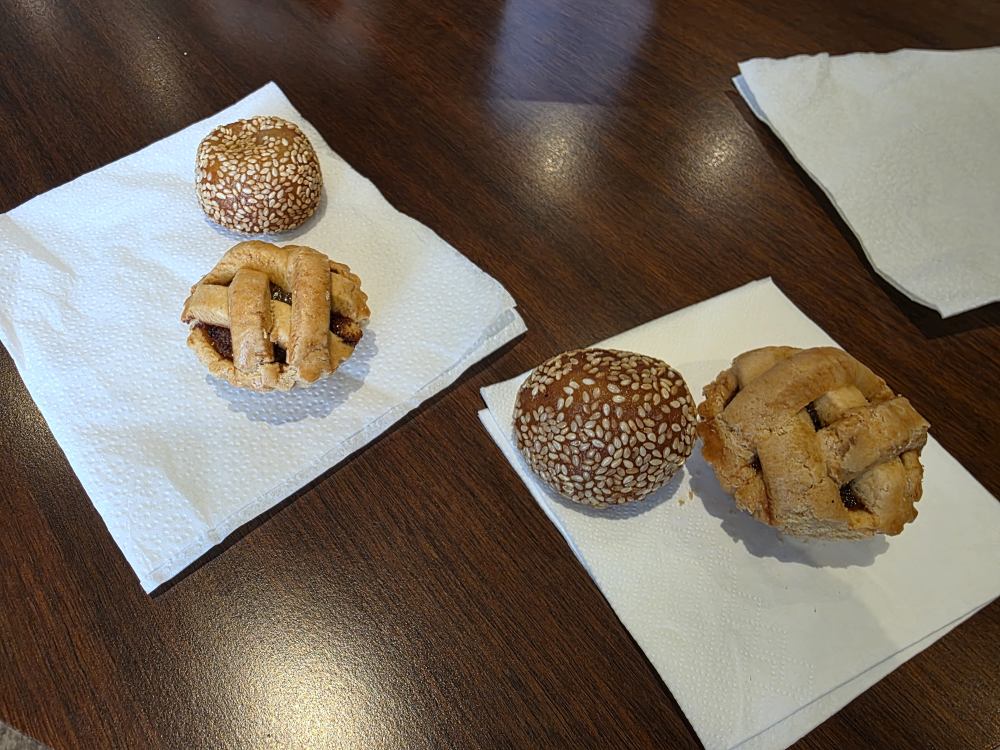
Speed tourists! 4 museums, 3.5 miles walking, all in under 3 hours. Port Louis. Done! We’re up in Windows at lunch in not time, then settled in Mosaic, we have our dessert of little gateau zinzli (much better than yesterday!) and an excellent little banana tart. Yummy afternoon snacks.
Later we go through our exit immigration when they open the Cabaret and proceed with our afternoon activities. Then dinner in Discoveries, where Chef Sri has an excellent destination special of Poisson Aigre Doux, fried fish in a sweet and sour sauce. Excellent – we are so happy with the food aboard Journey. So different from Quest – thank heavens.
We aren’t going to the Captain’s toast and welcome aboard show, instead choosing to spend the evening in the cabin reading and watching the water as we sail away from Mauritius onto Reunion Island – hitting the COVID cruise highlights!
 Andiamo