Another gorgeous day dawns, after some incredibly strong, and loud apparently, thunderstorms last night. I slept through them all – Ed was amazed, the storms woke him up and he said the storms were so brutal, it shook the ship! But the birds? Oh no, the birds woke me at 4am! Go figure.
Anyhow, intending to make a full day of it on our last day here, we head out early, find the car fortunately still in its space, still in one piece with no parking ticket, and make our way south down to the La Manche Village trails in the Tors Cove area of Newfoundland.
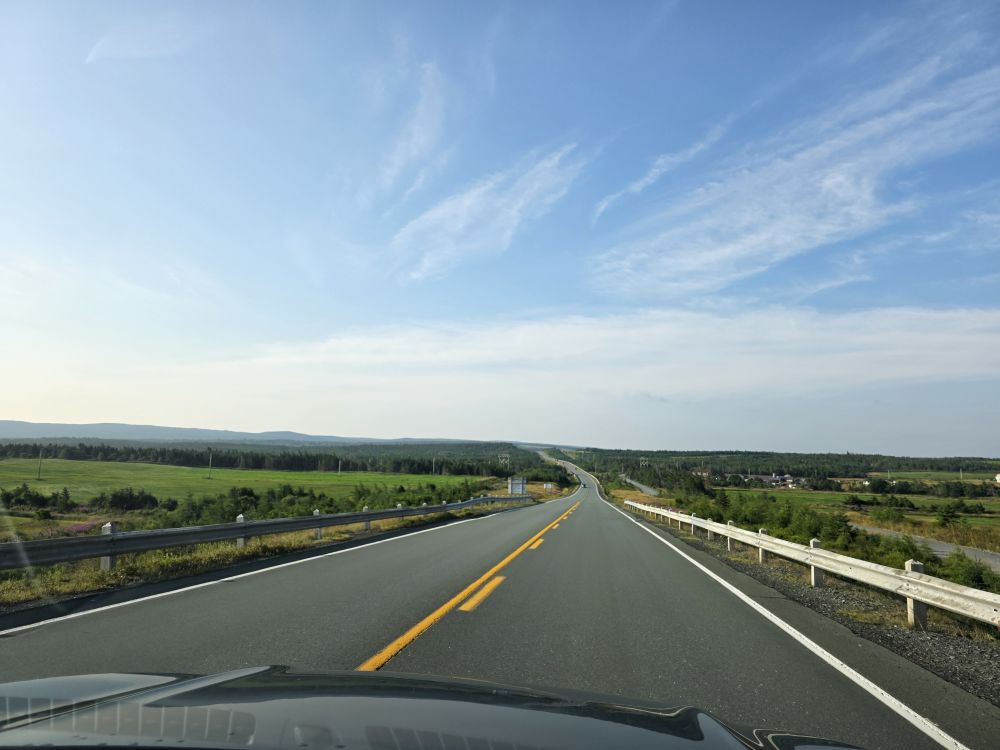
An easy drive takes us through large swaths of farmland and through little villages, along a wide open road lined with telephone poles that have a wood fence filled with large boulders around them. Odd. Wind protection perhaps? Also along the way are various advertising signs for different villas and B&Bs, some of which are quite enticing (and cute) – like The Whale Inn that has stargazing hot tubs. Are the hot tubs stargazing? Or the people using them?
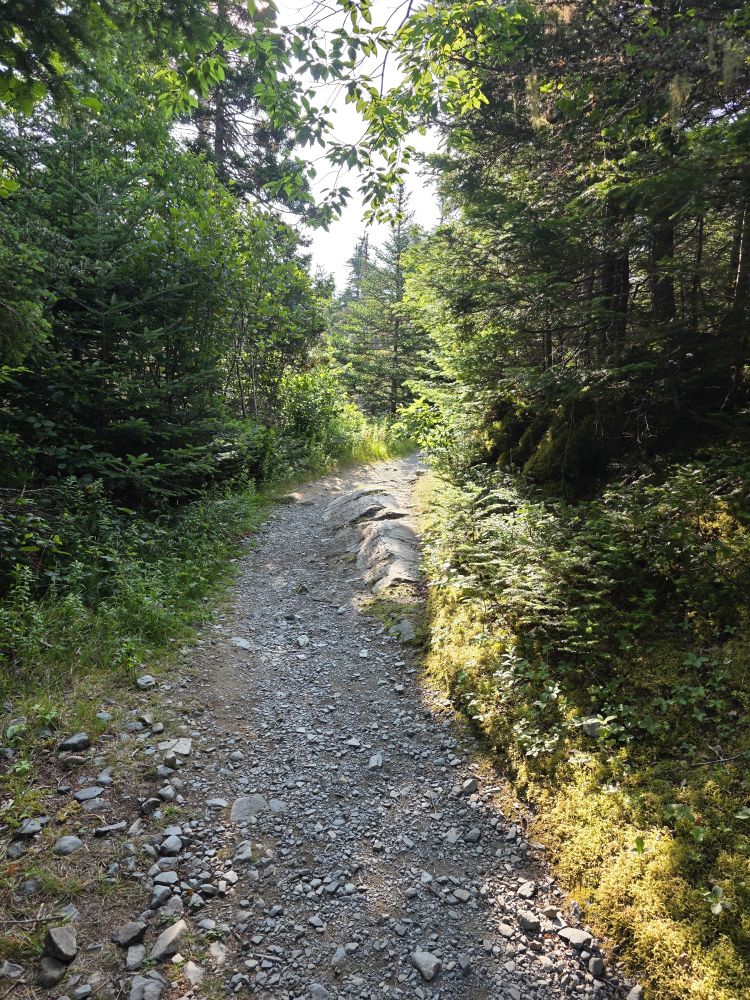
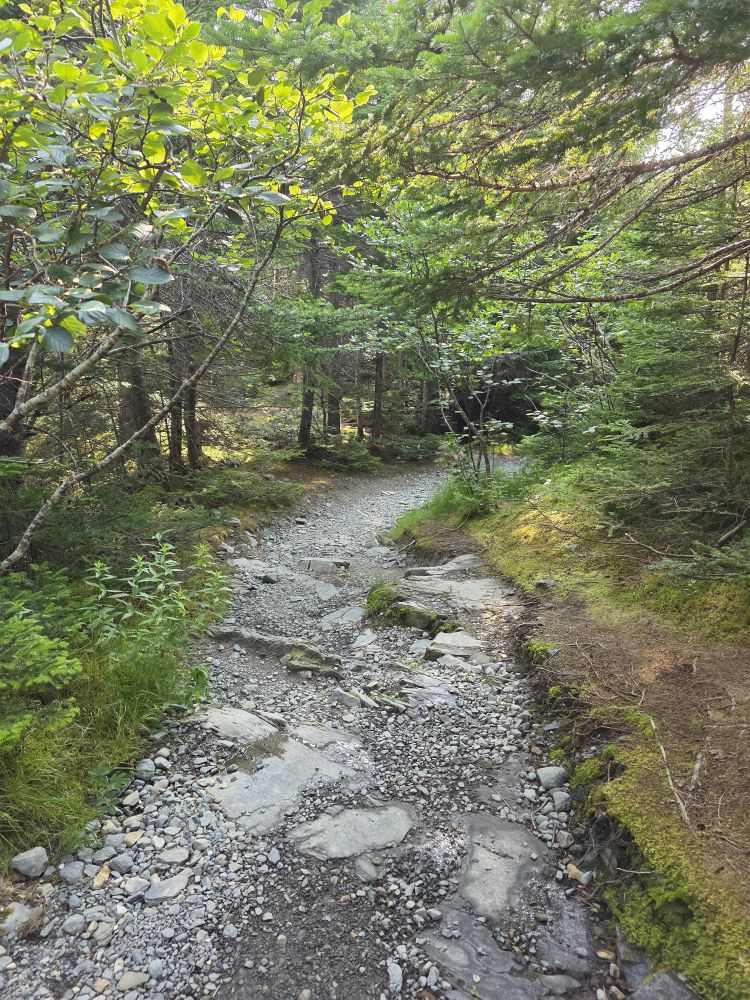
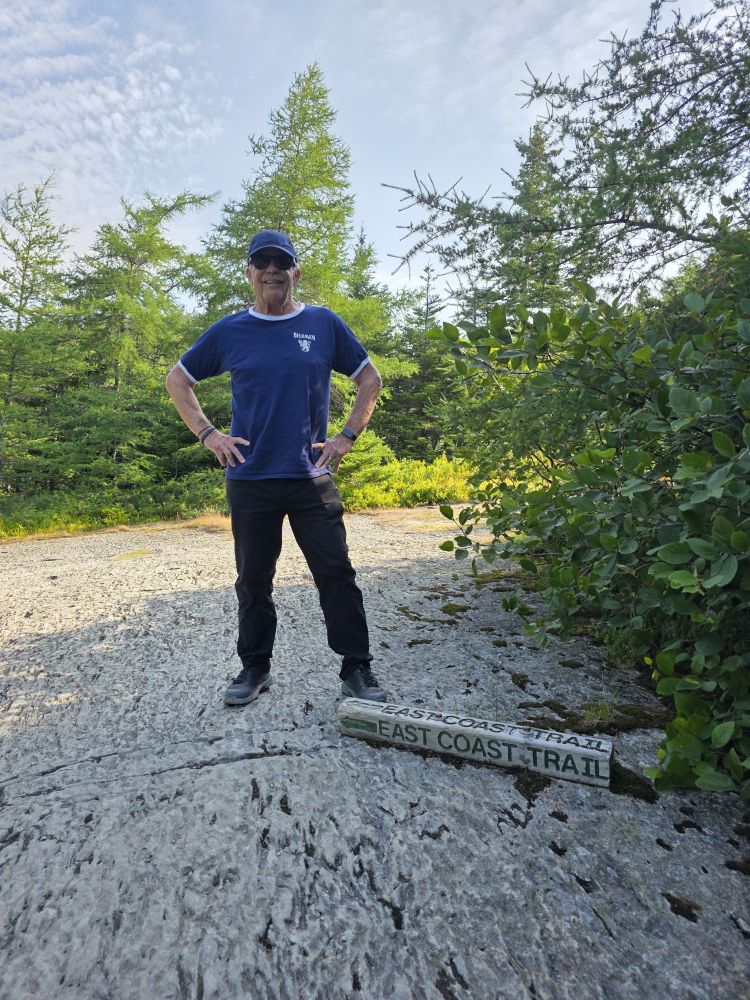
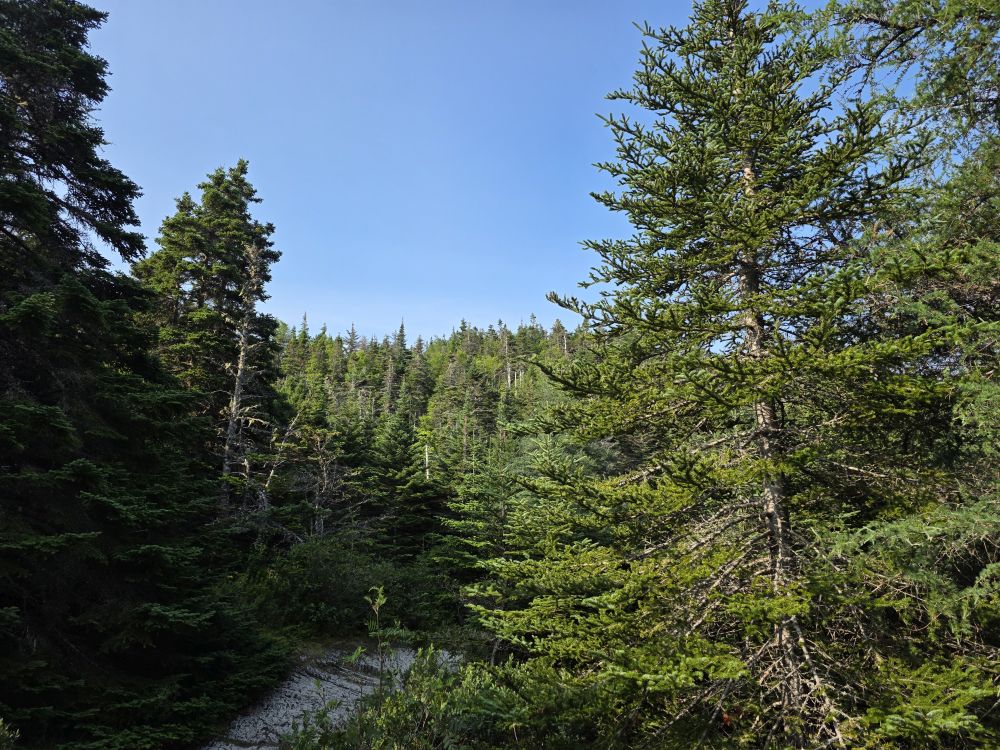
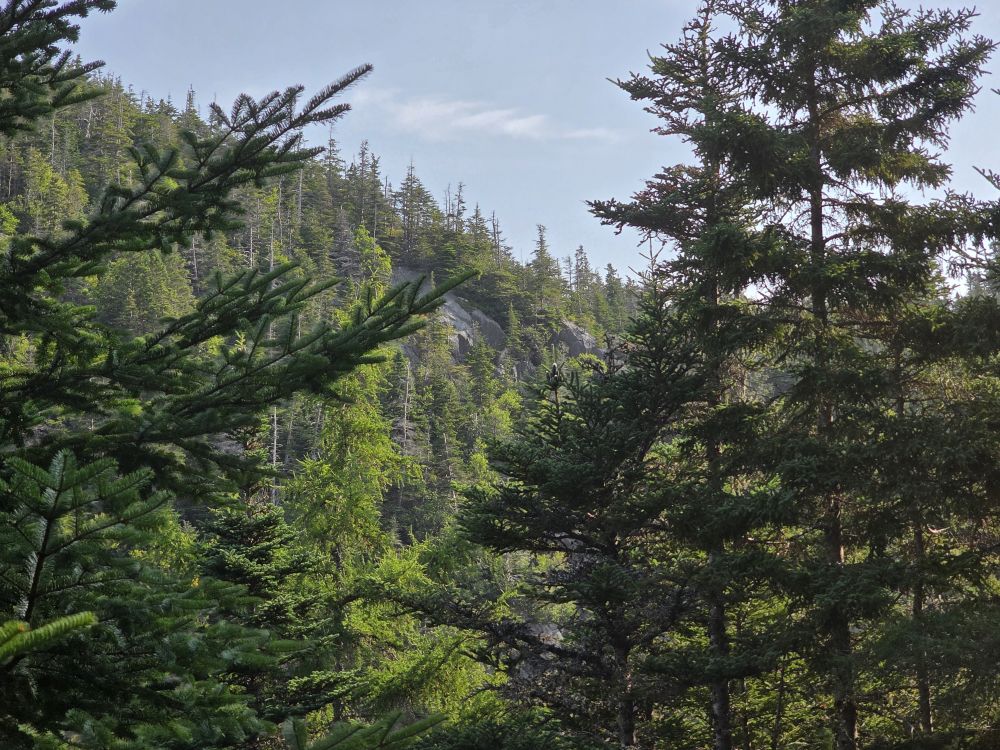
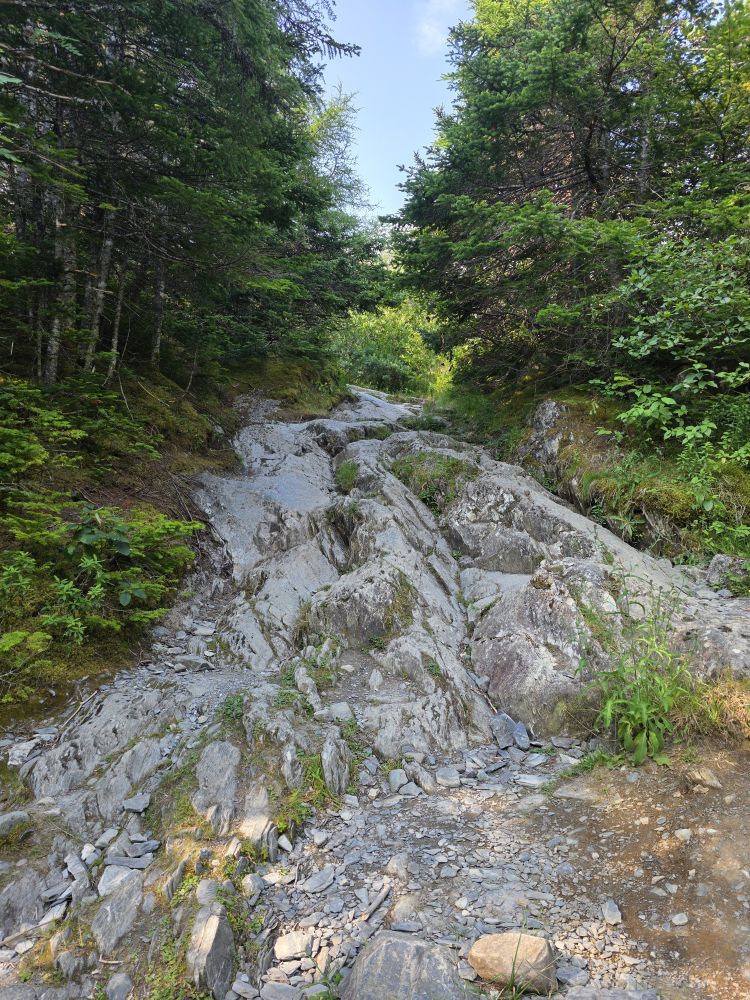
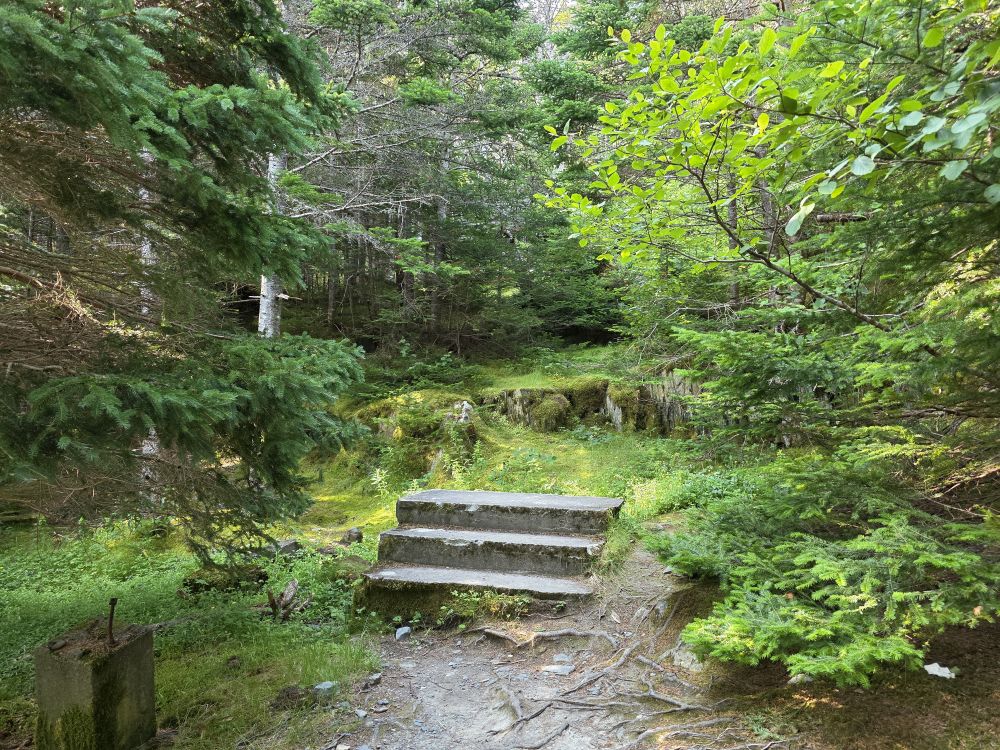
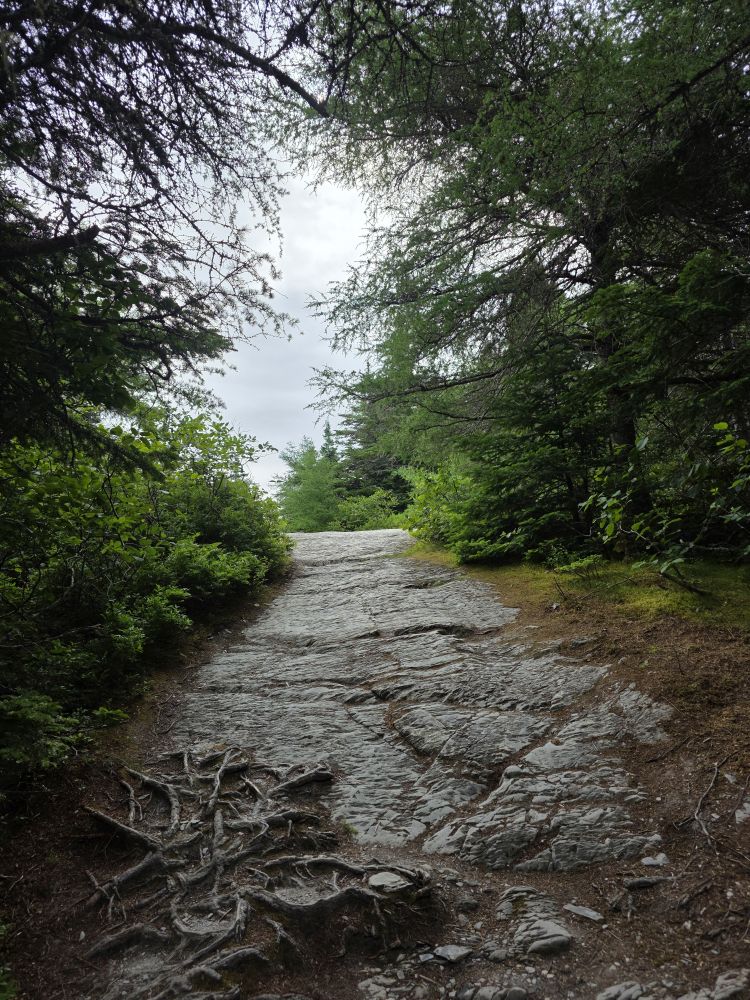
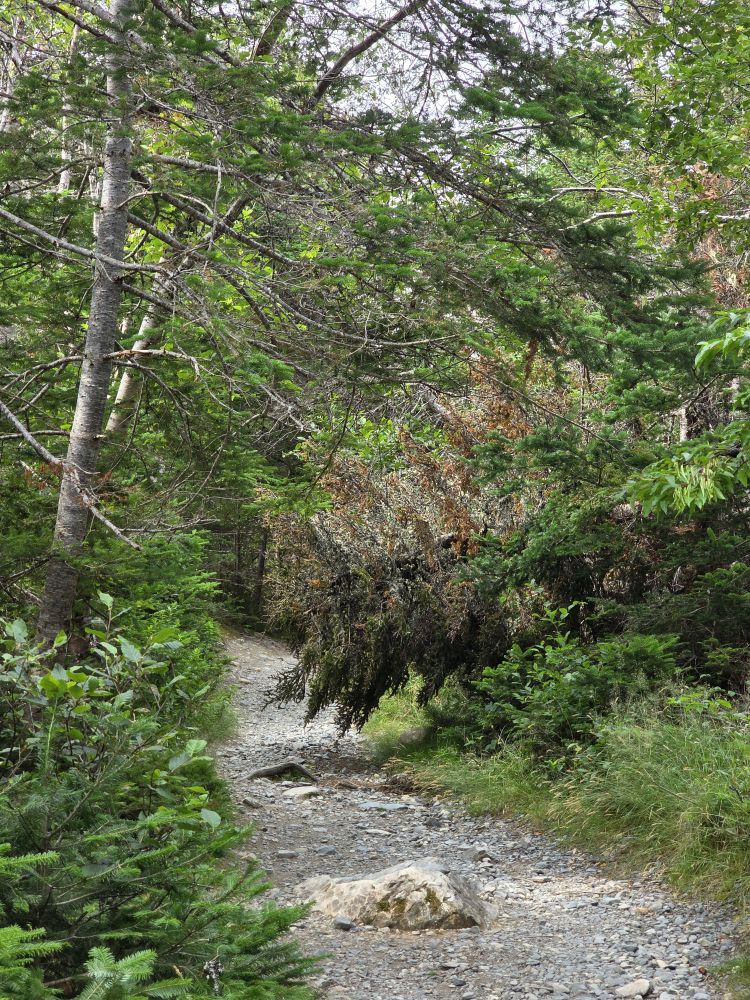
Finding the free parking lot for the trail easily, backing into the space as directed by a bunch of signs posted around the small lot, we strike out on this portion of the East Coast trail, through gorgeous forest, fun train markers, one literally attached to the rock so you don’t go the wrong way – which was easy to do, as we found out in a few minutes when we took a side trail that ended in a little landslide we couldn’t pass. The forest is wonderful, so peaceful and pretty; the rock formations – both on the ground that we scrabble over and towering above us on the cliffs are picturesque as well.
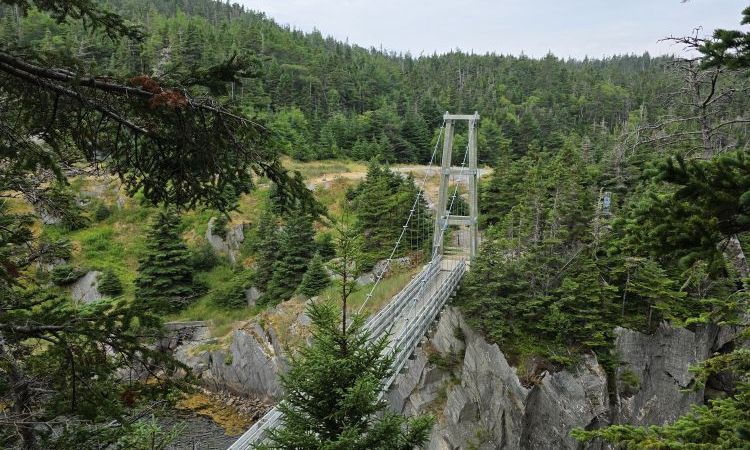
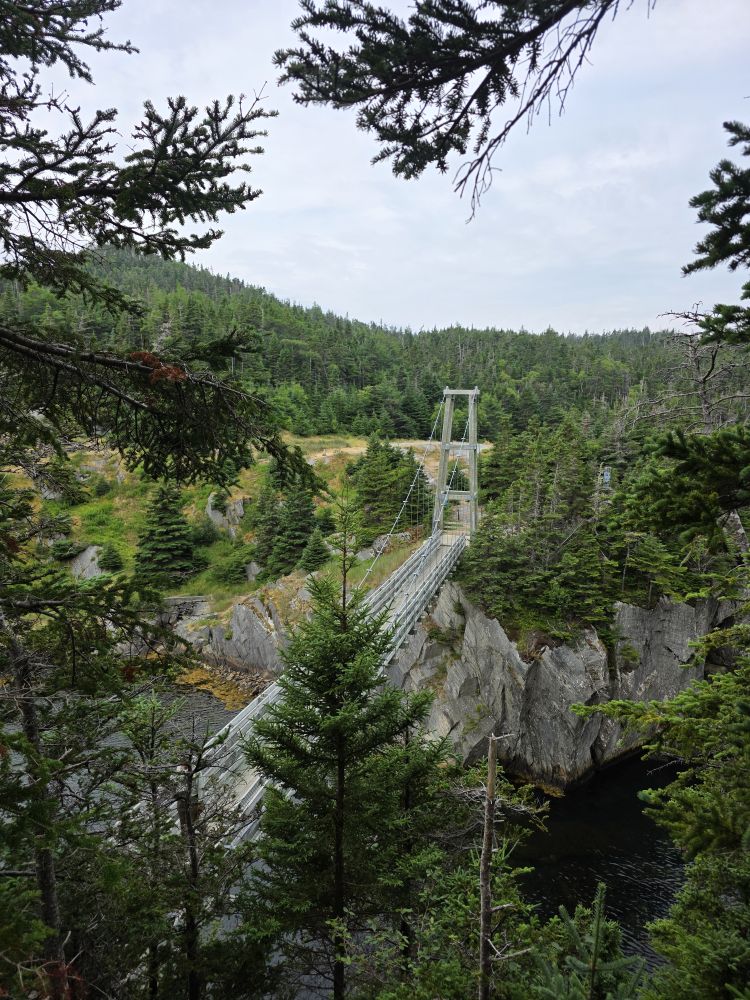
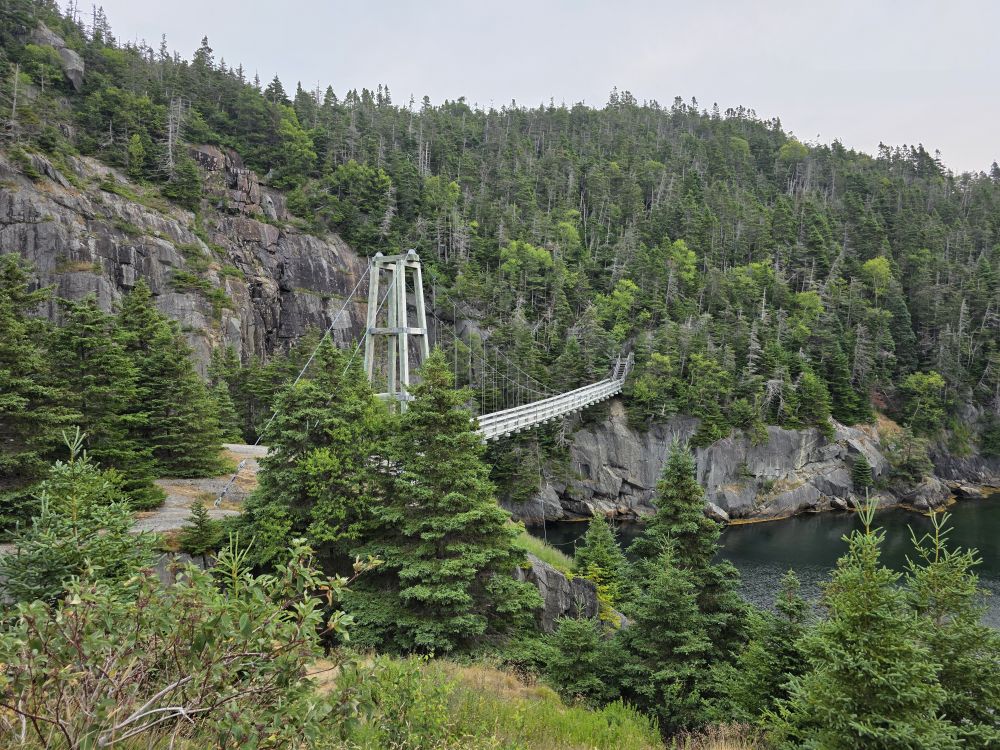
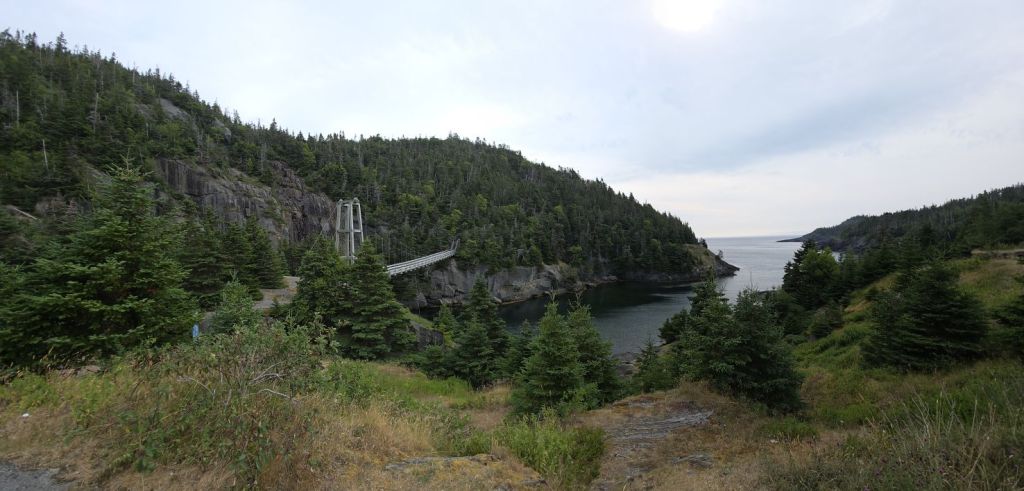
After about 1 mile or so, we begin to pass what remains of the structures of La Manche Village. The Village was first settled in the 1840s by fishermen, growing into a community of about 54 by 1949, complete with a little church, school and suspension bridge to cross the inlet – which looked like a “sleeve,” thus the name, La Manche (sleeve in French). The school closed, and by 1961 the population dwindled to 25 individuals. La Manche was finally totally abandoned in 1966 when a January storm caused waves so large the wharves were demolished and the suspension bridge collapsed. 30 years later, the East Coast Trail Association rebuilt the suspension bridge to connect the park trail system to the larger East Coast Trail.
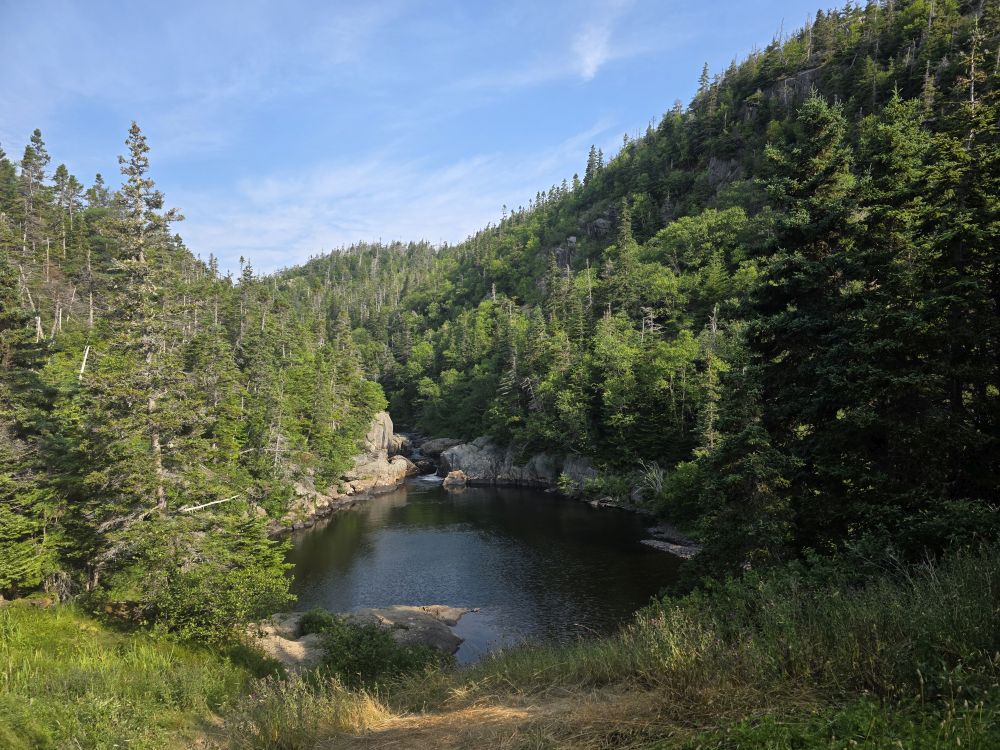
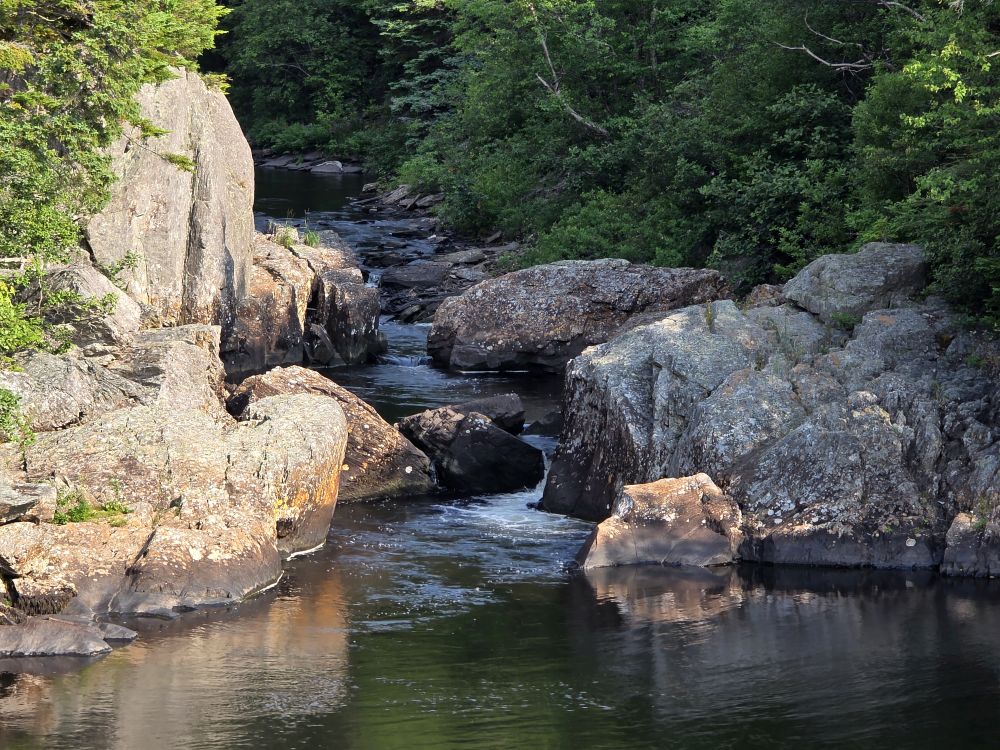
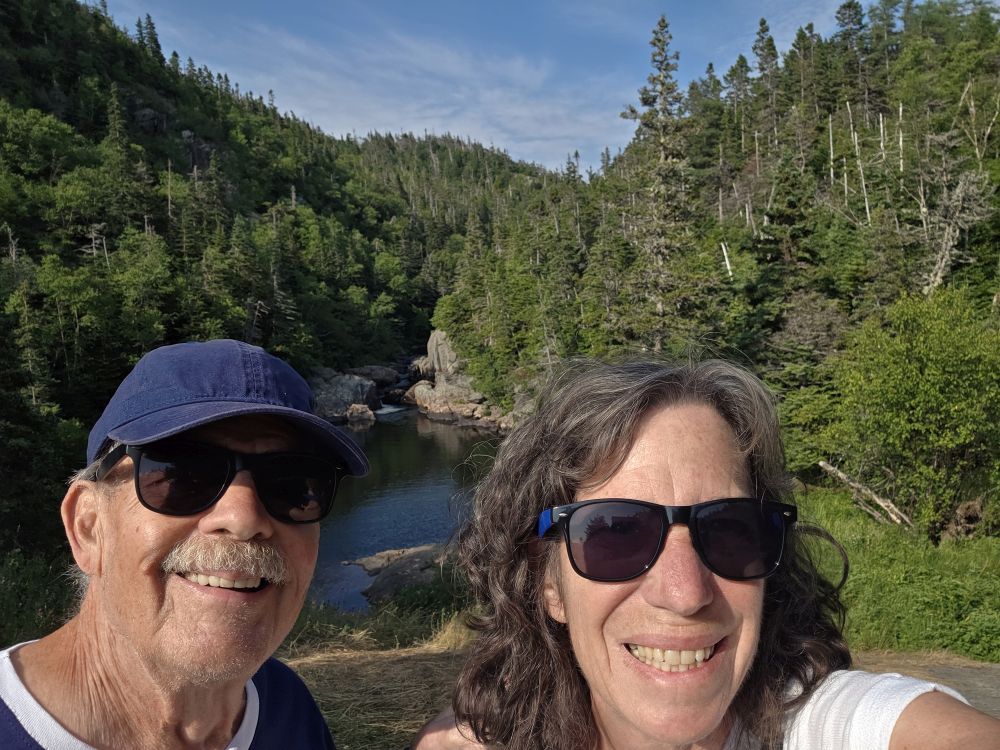
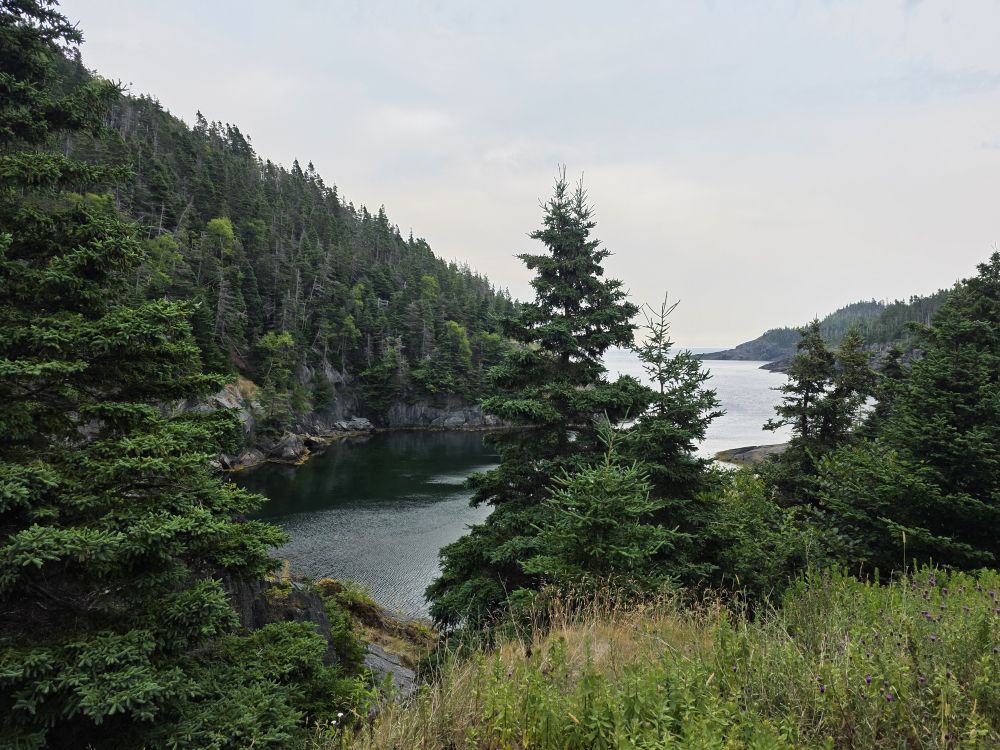
It is a gorgeous – if not remote – place with creeks and deep forest, the incredible inlet sparkling in the sunshine and the amazing bridge, overlooking both the inlet and a waterfall coming from the creek on the shoreside. You can definitely see the appeal of living here, but oh the storm! That had to have been a huge storm to take out a bridge this size!
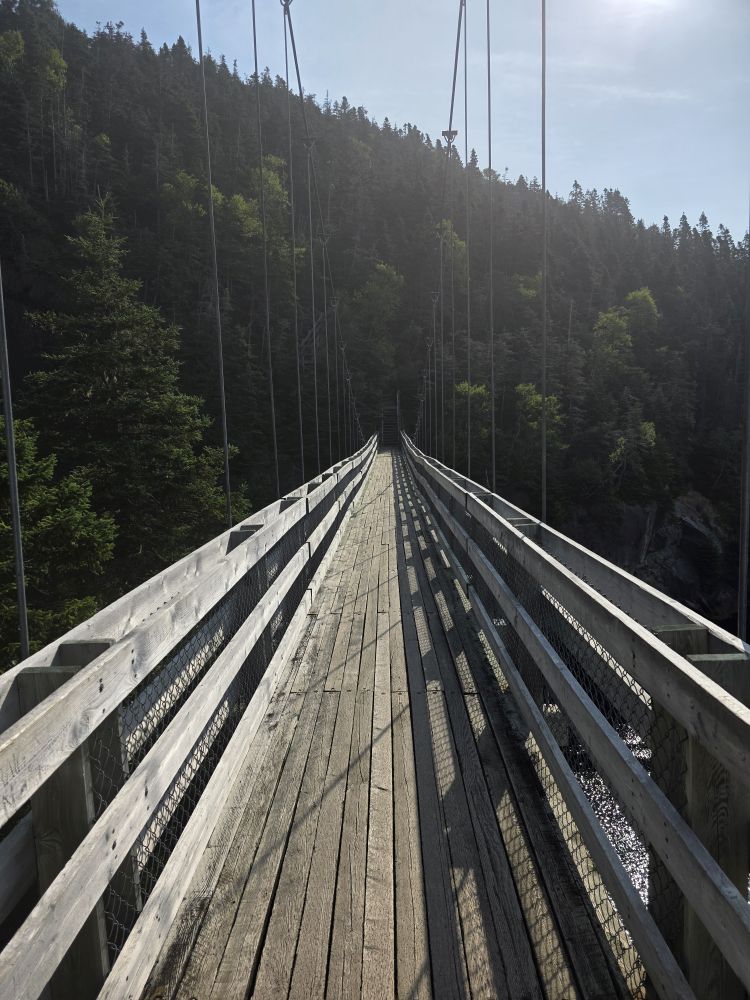
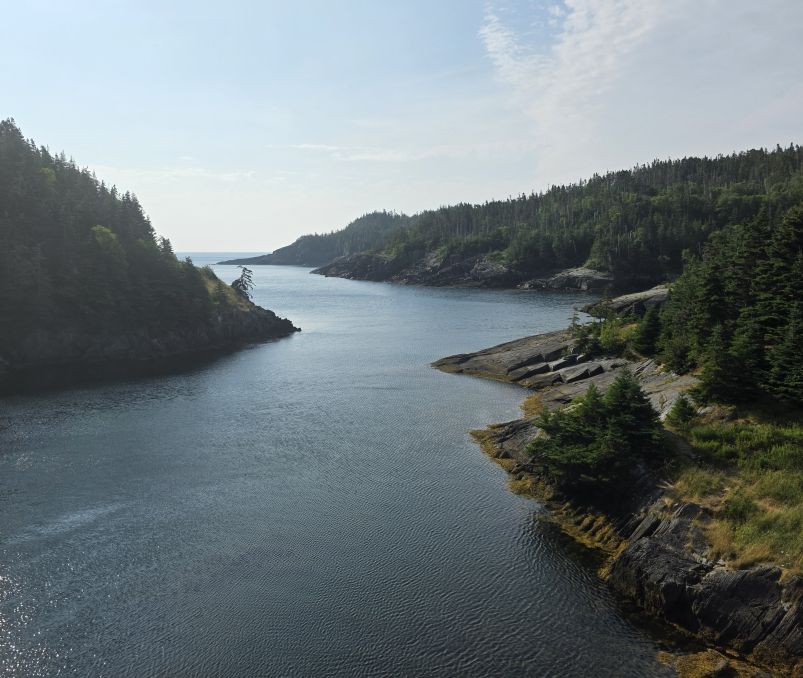
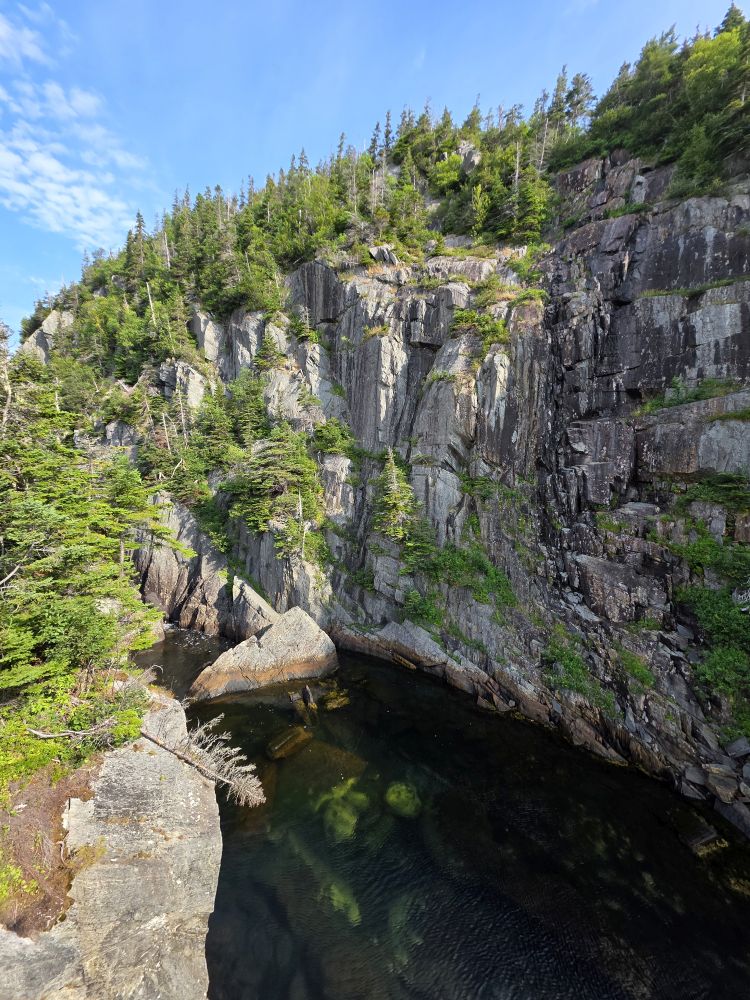
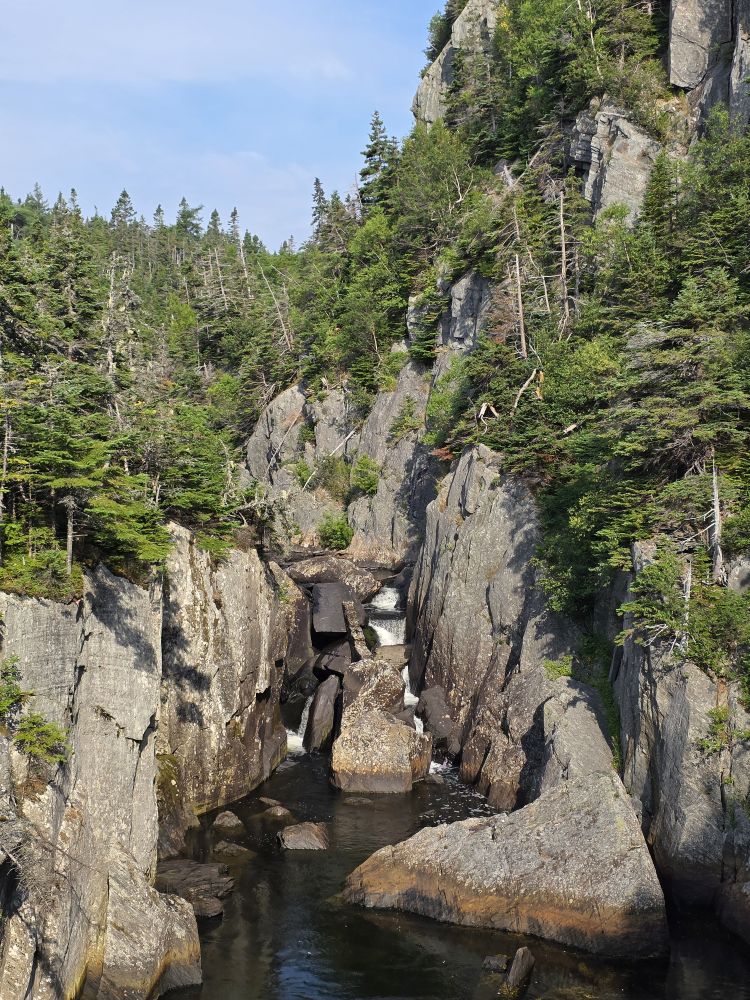
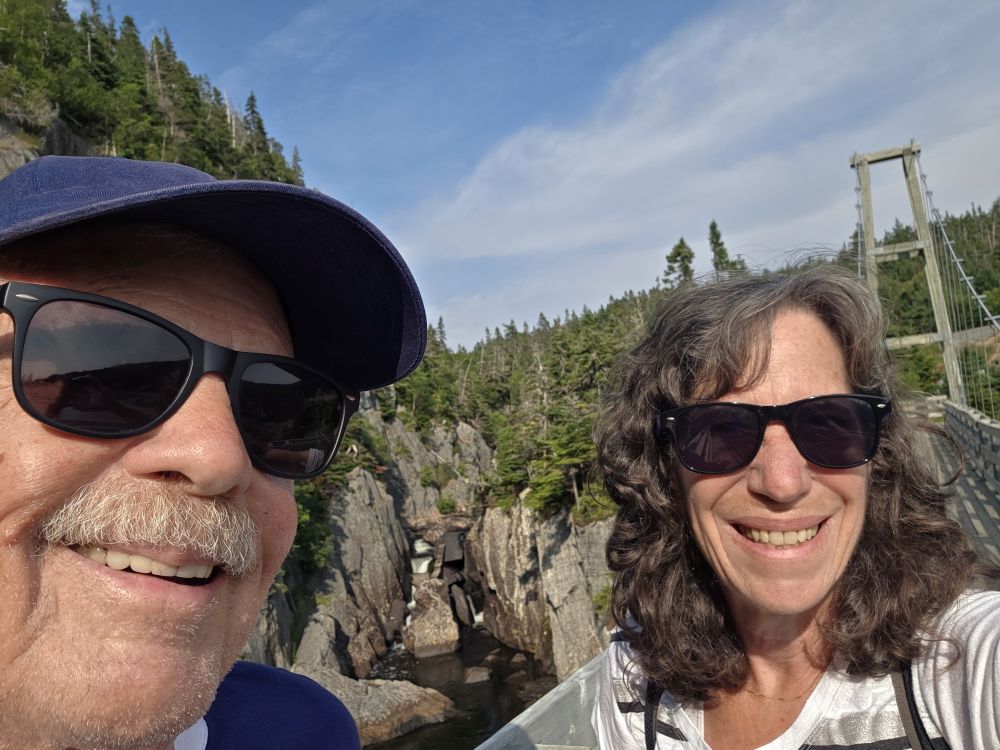
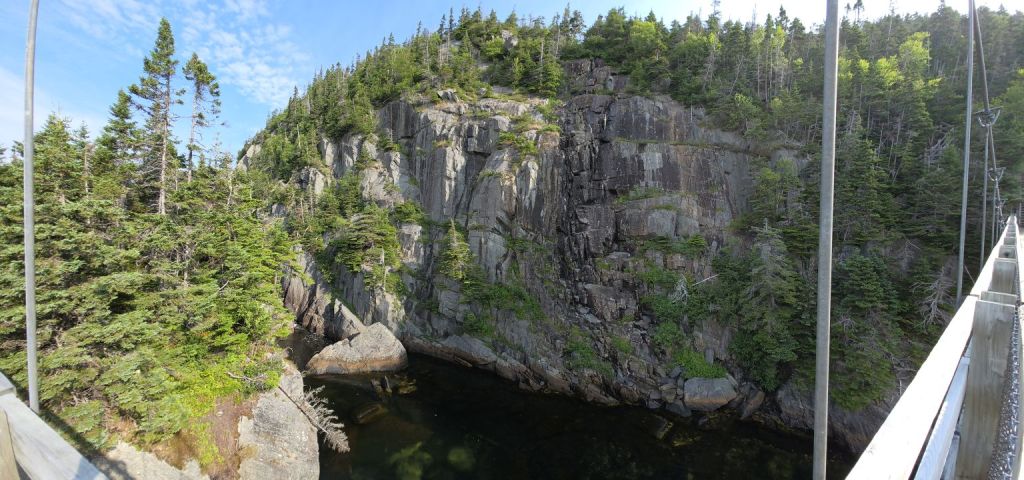
Continuing on our adventure, we hike up the other side of the trail, heading toward Tors Cove, where there are more stunning views of the inlet, the rocky coast and the bridge. Passing by more foundation ruins, climbing up wooden stairs, it is a wonderful hike – which we unfortunately have to end too soon, as we still need to have lunch and drive the hour back to the car rental office.
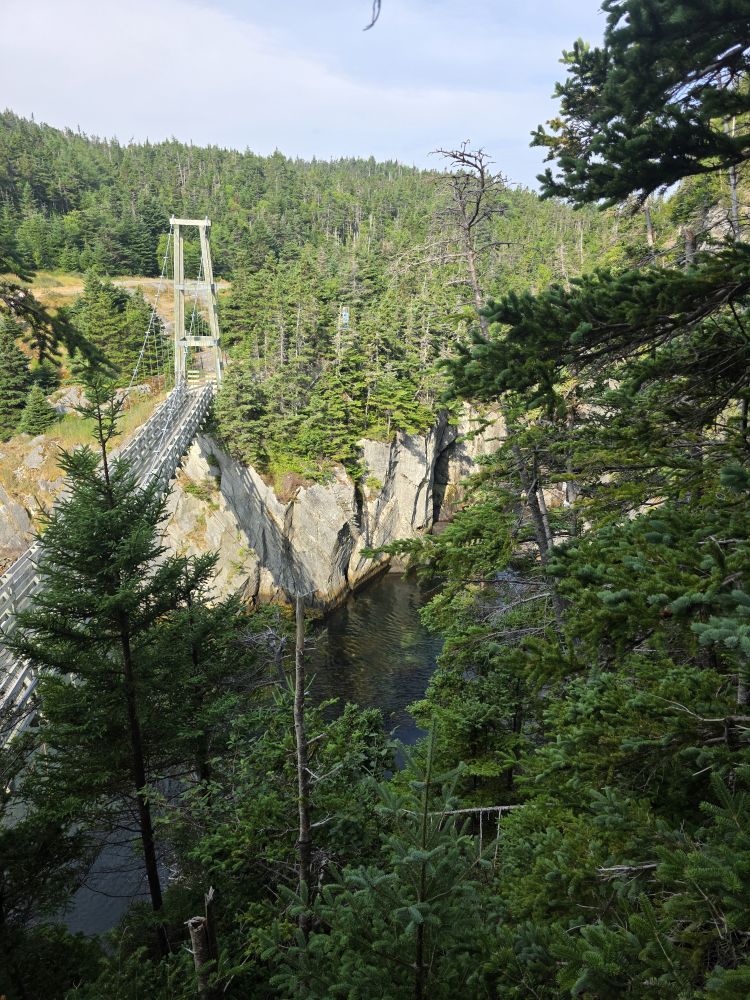
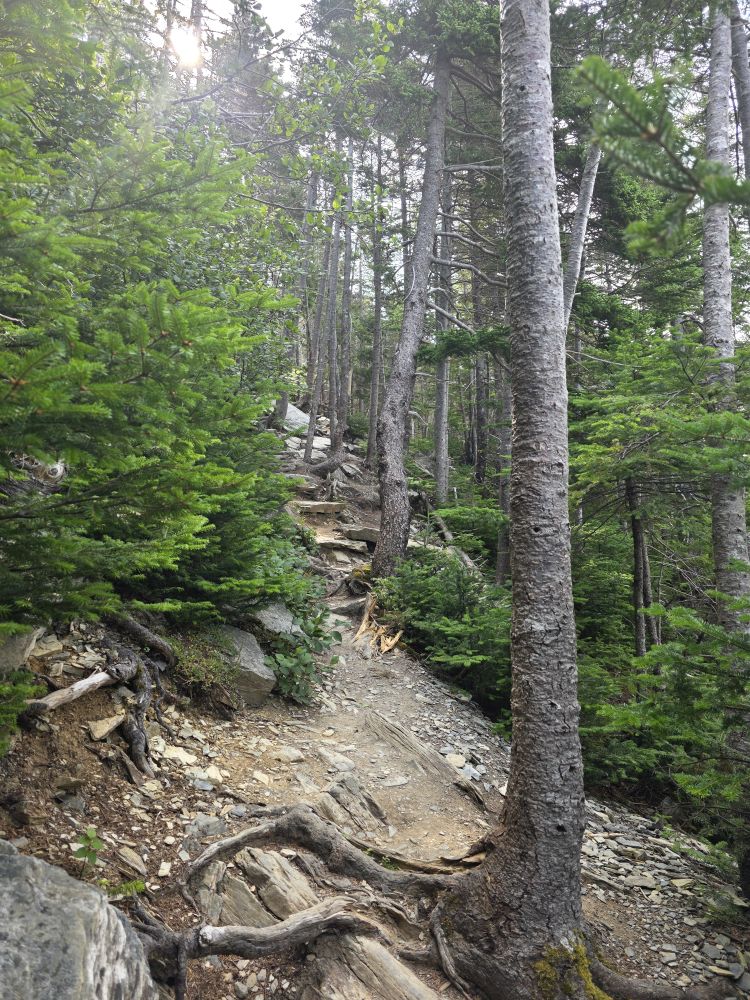
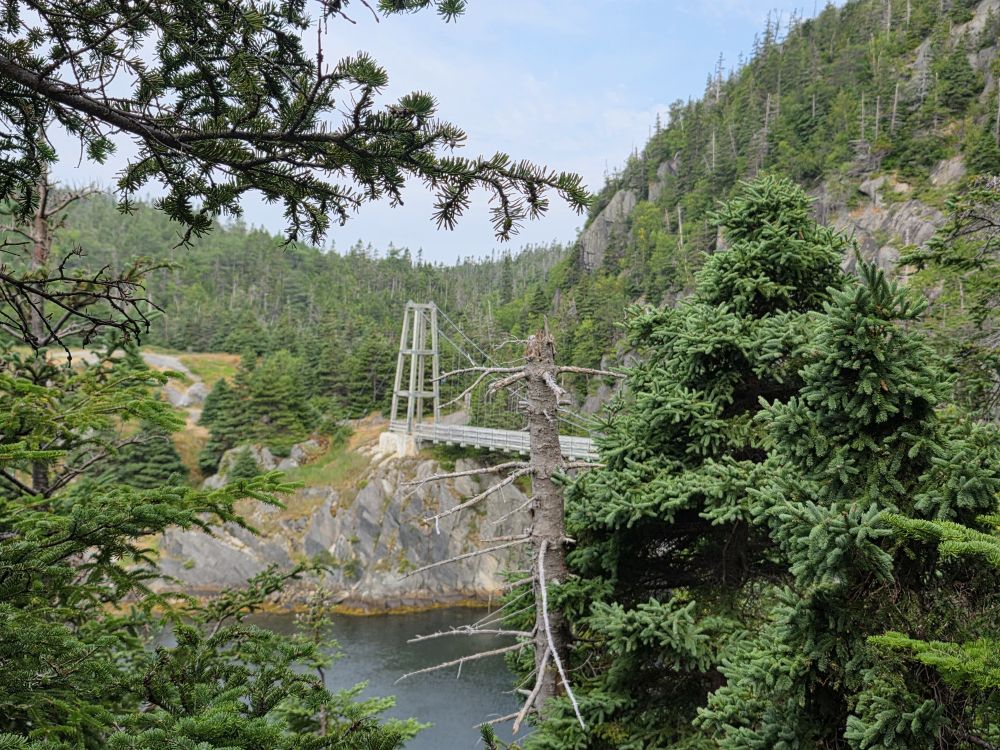
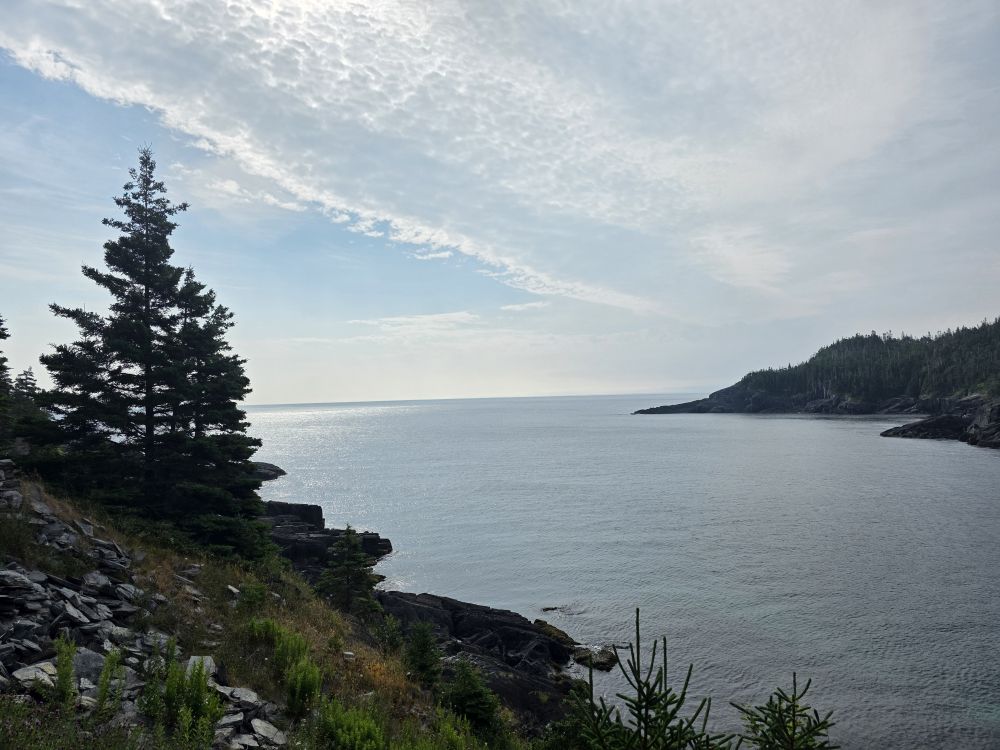
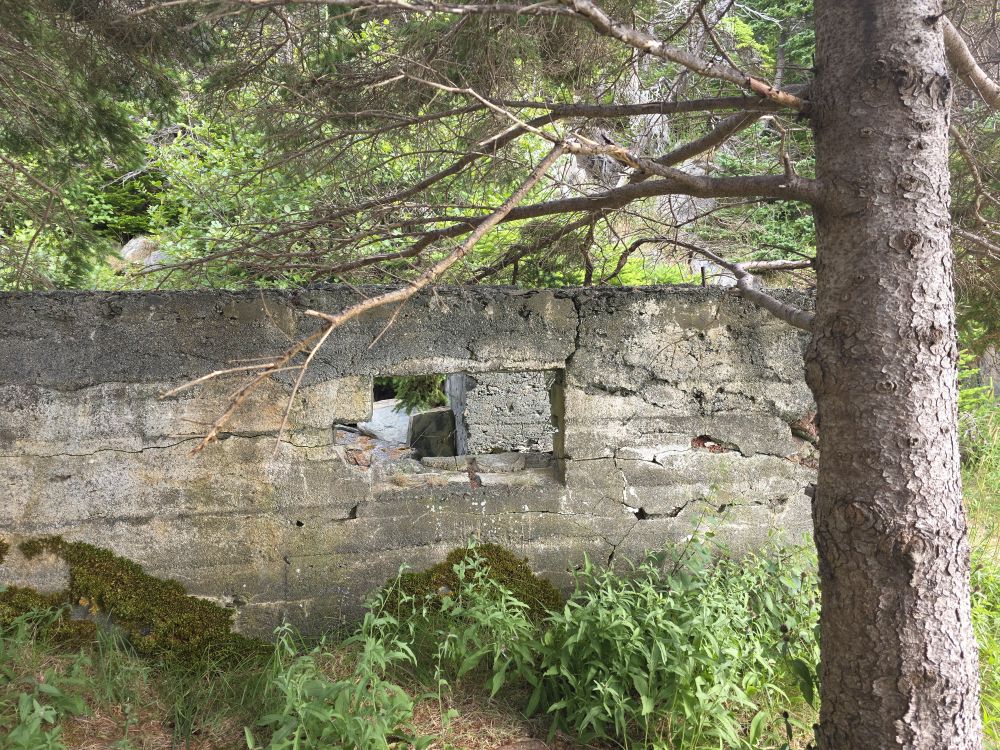
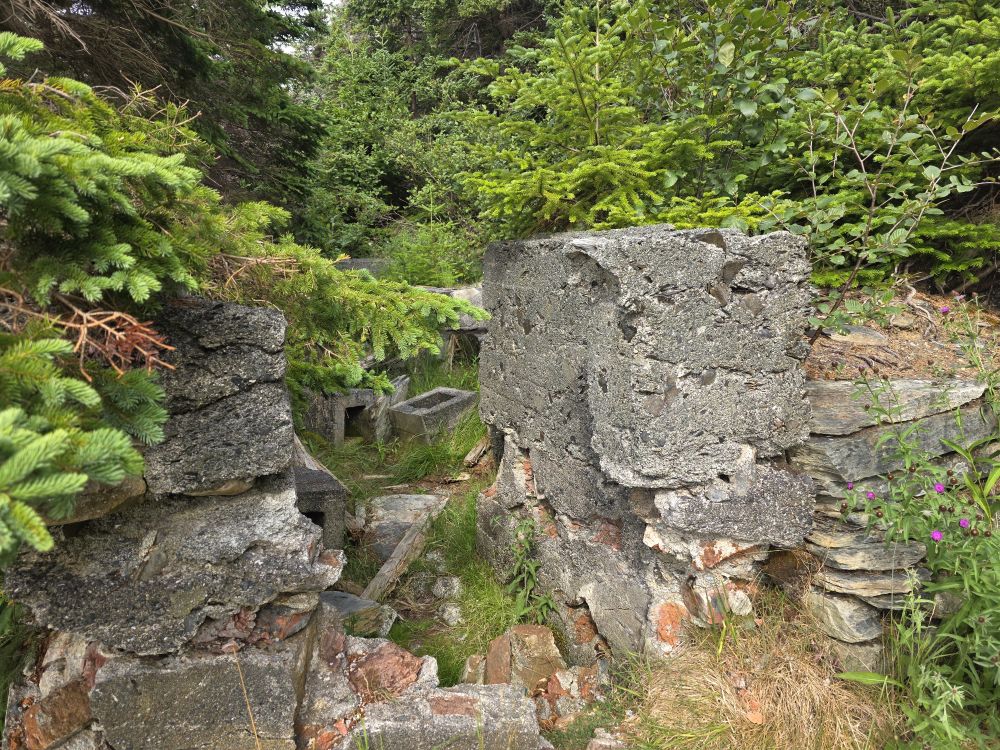
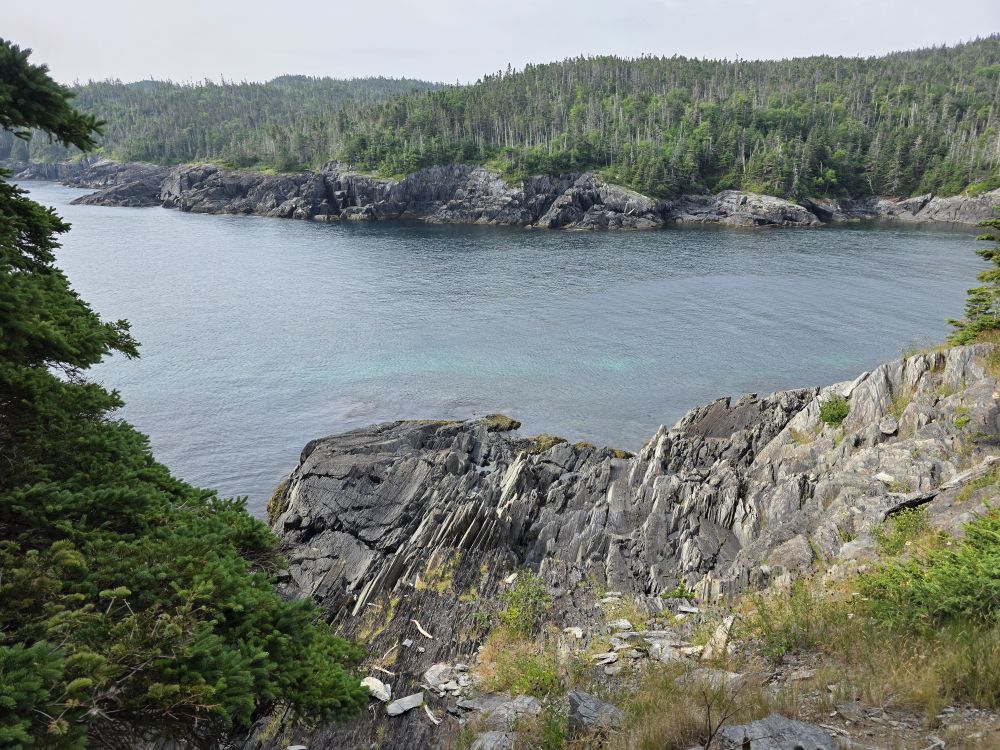
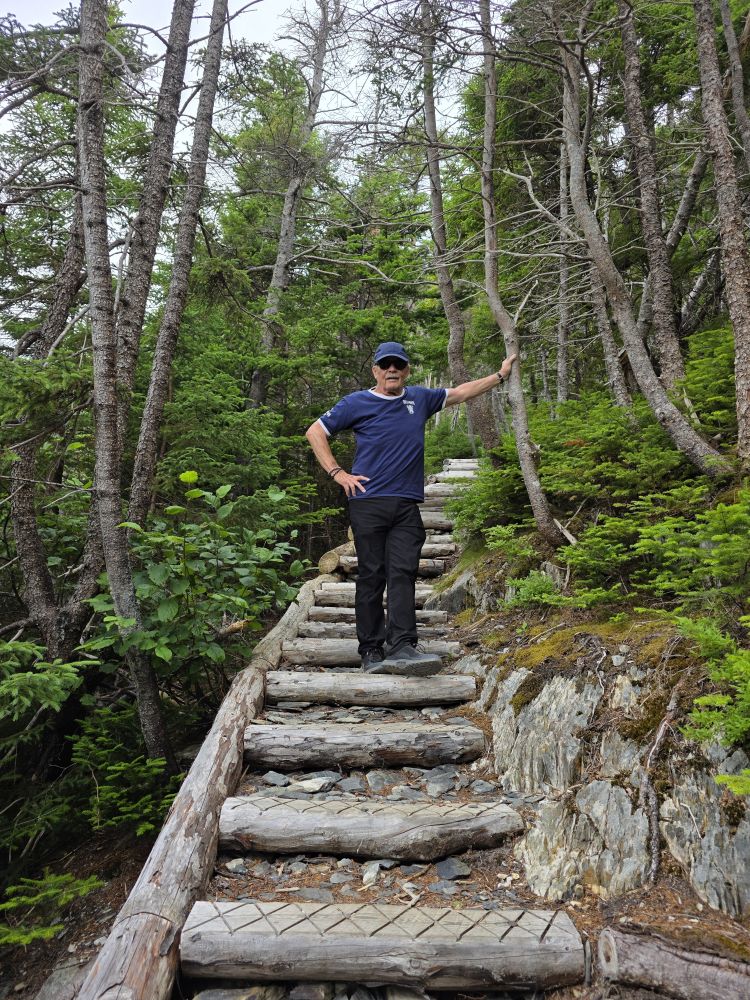
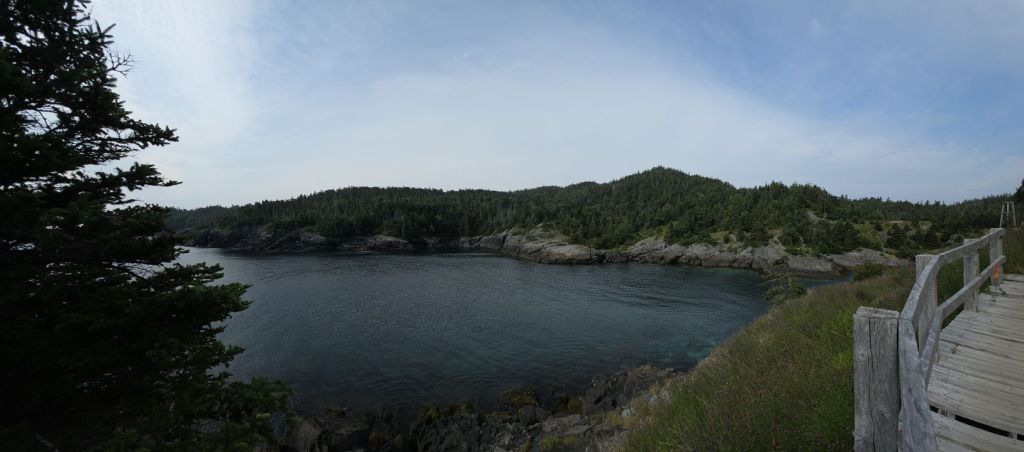
Retracing our steps carefully through the rocks and the roots – but not carefully enough to avoid the bees! Ed was stung on the face by one! Eek. Some quick first aid and we were able to continue on down the stairs to the bridge and then up onto the flat rocks (definitely reminding us of “our” flat rocks on the Carl Sandburg Home trails), we stop for a bit to just take in the scenery and enjoy the day before heading back to the car.
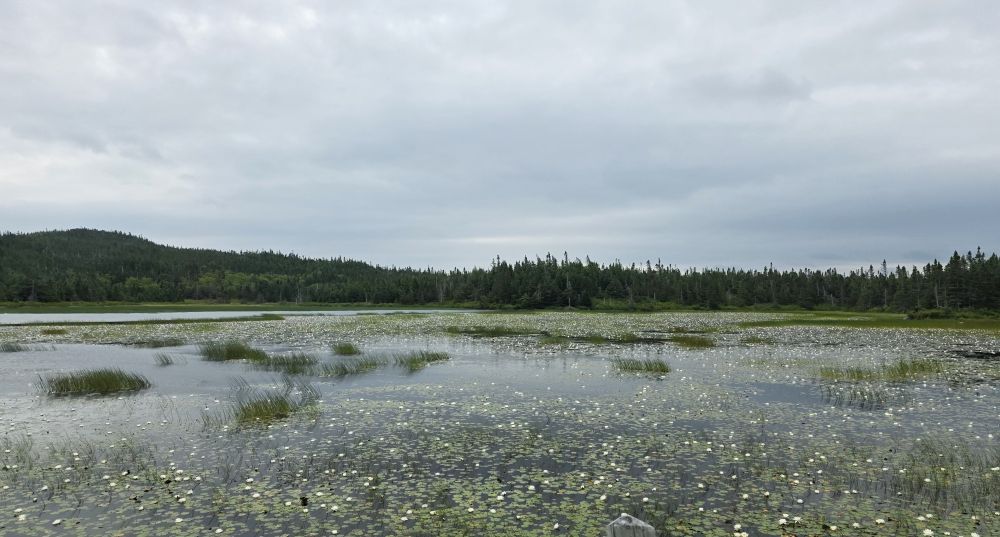
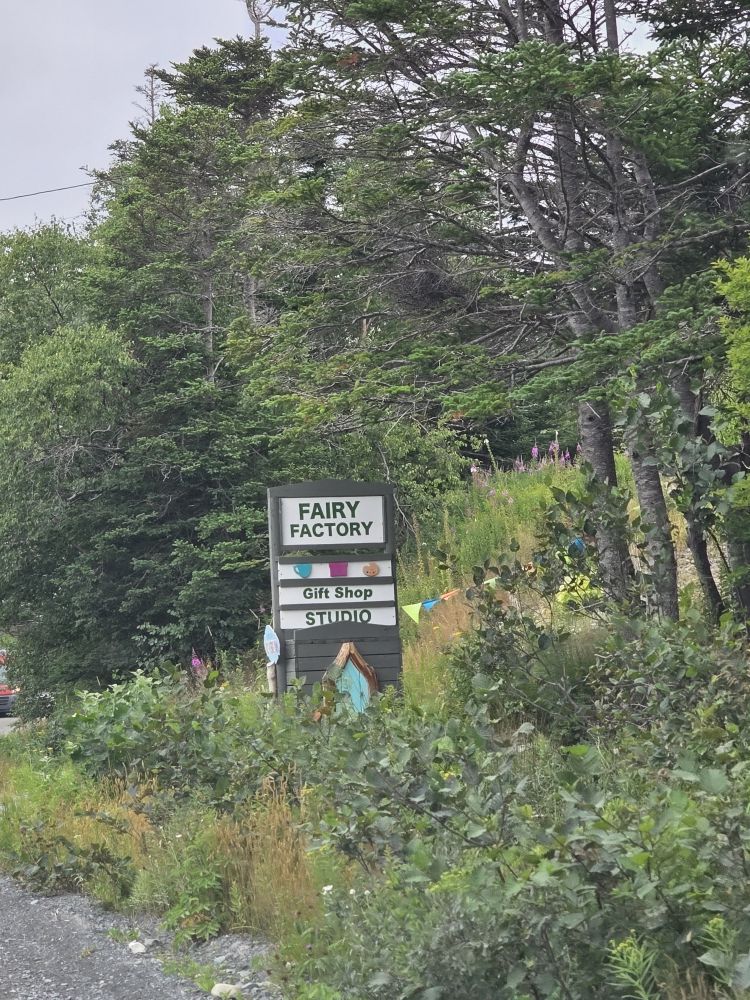
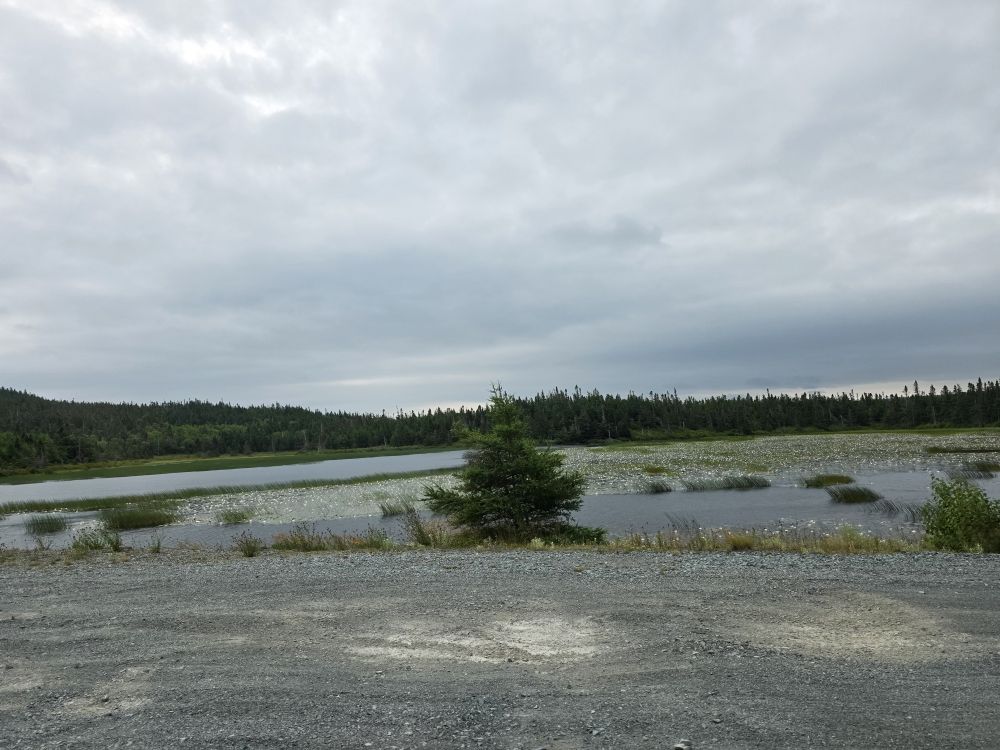
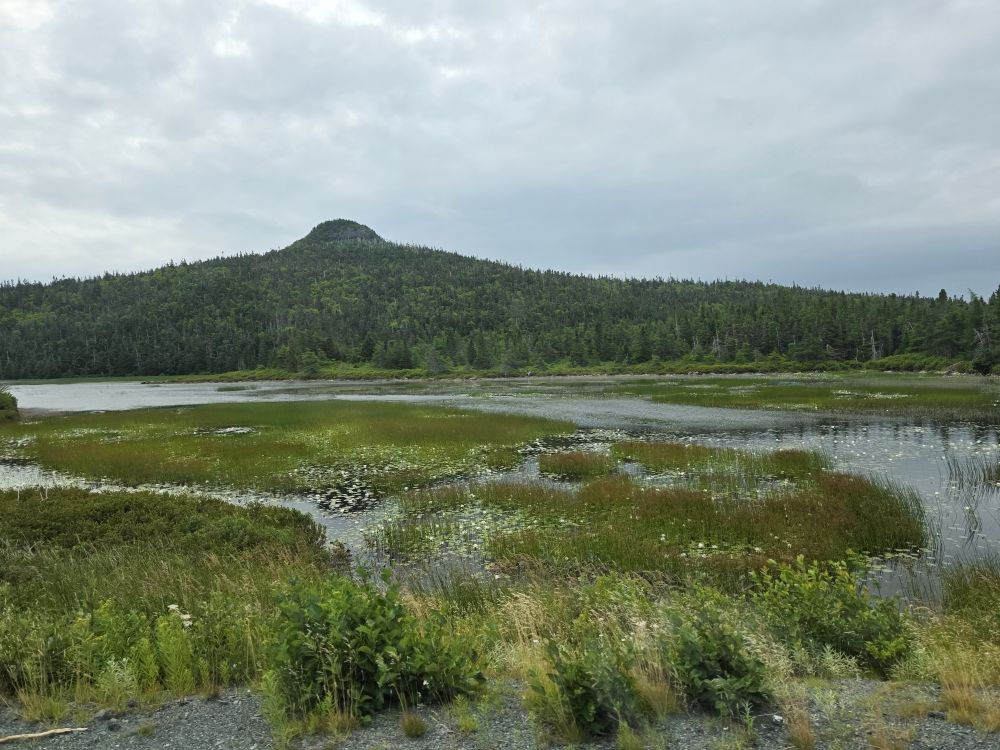
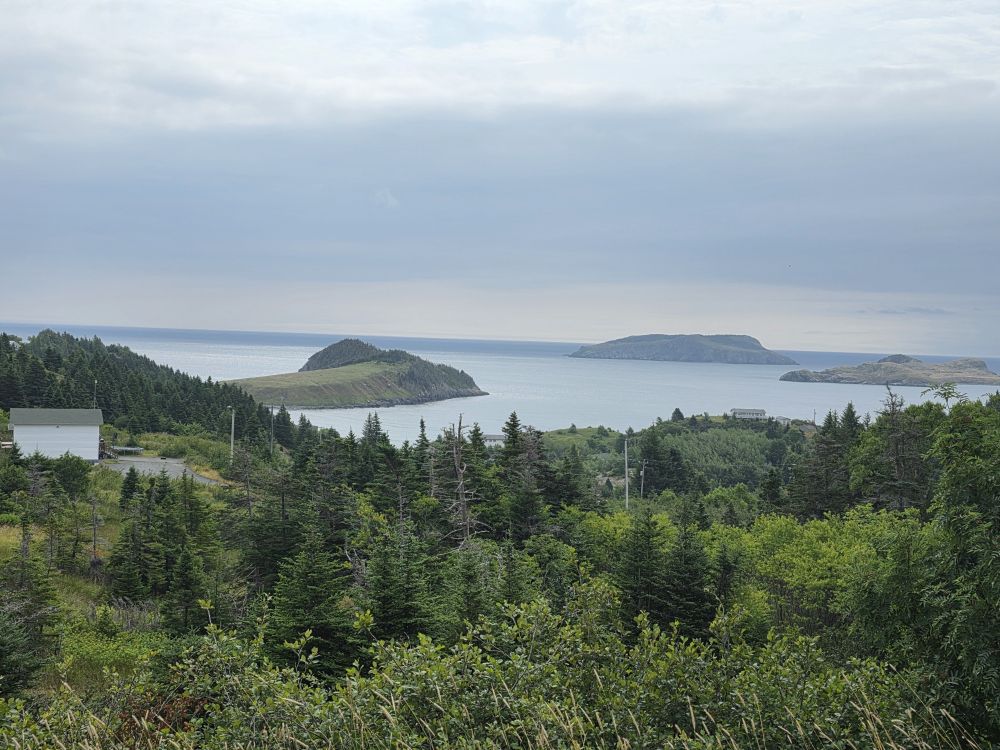
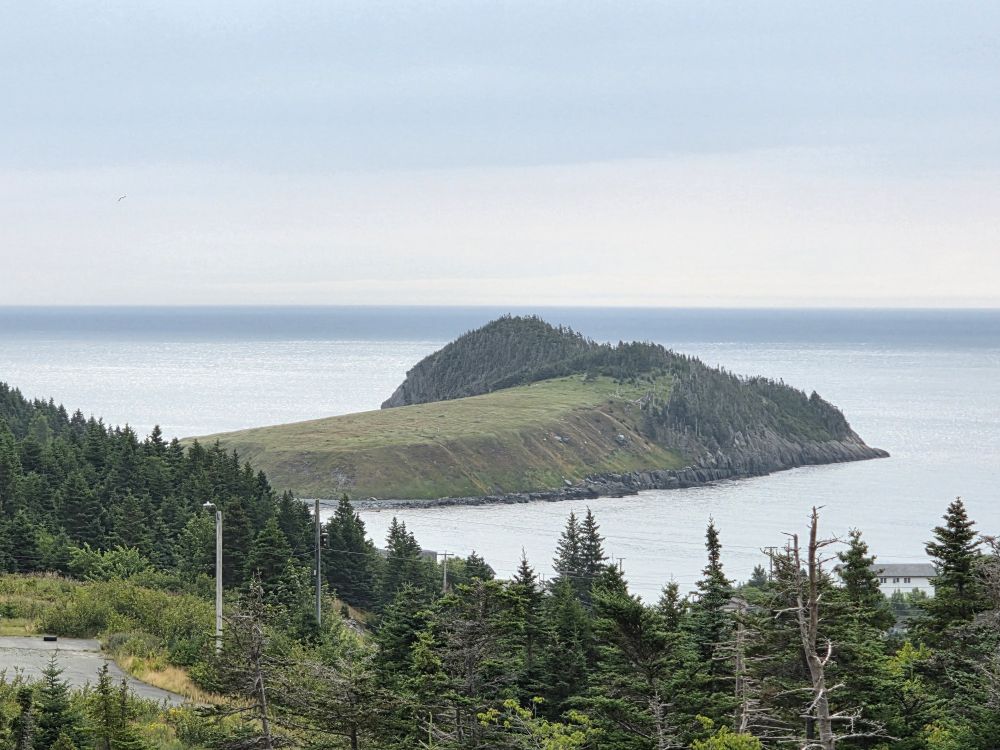
Excellent excursion. On the way out we pass the Fairy Factory – where I’d love to stop to explore, but they don’t seem to be open, darn those fairies! – driving alongside ponds and marshes until we reach the main road. Another brief stop at the Tors Cove lookout, where the scenery is more coastal, we learn all about the settlement, this time settled in the 1600s by one fishing family and growing to a population 449 by 2011. The view is stellar, out to Fox island, owned by on family for more than 200 years where they had their homes, stores and fishing wharves – as well as using the island as pastureland for their sheep.
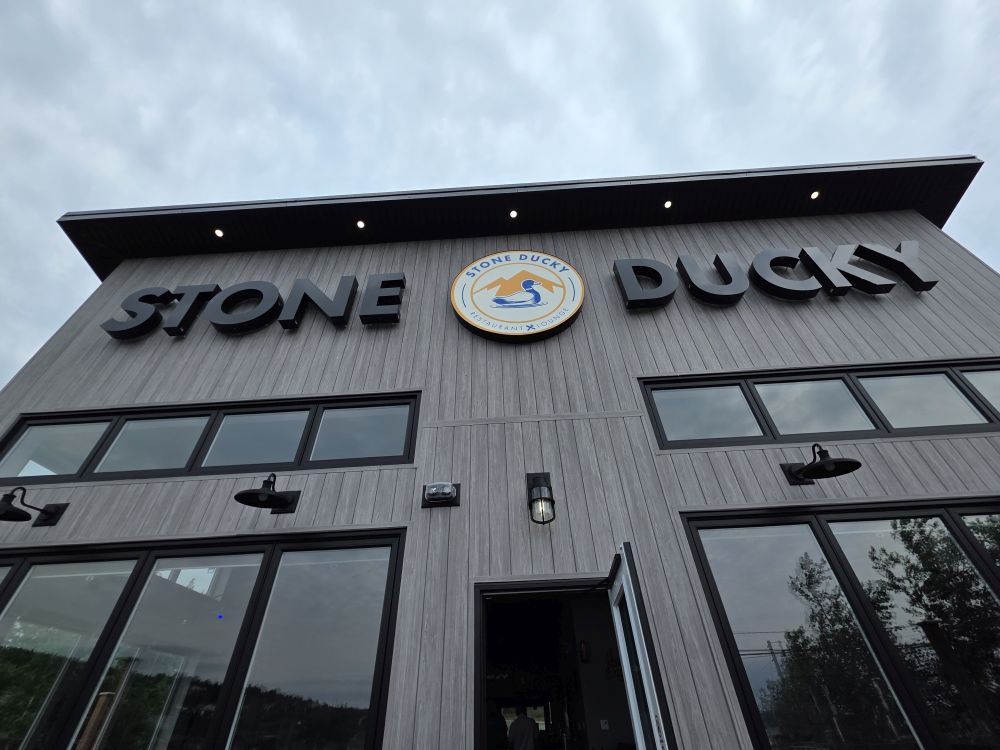
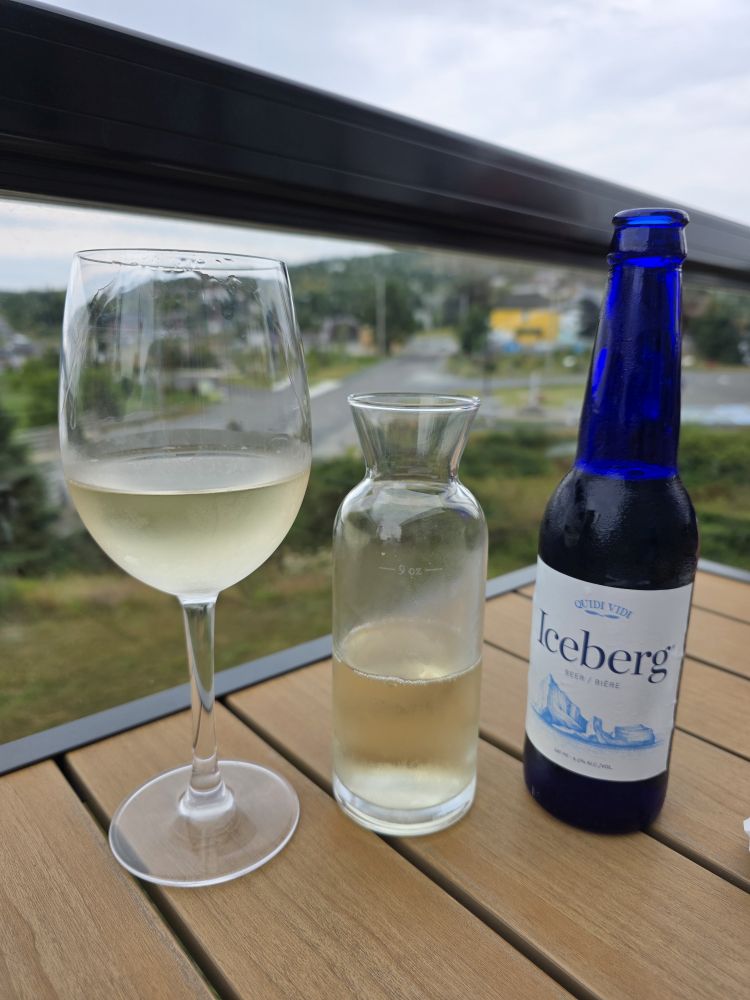
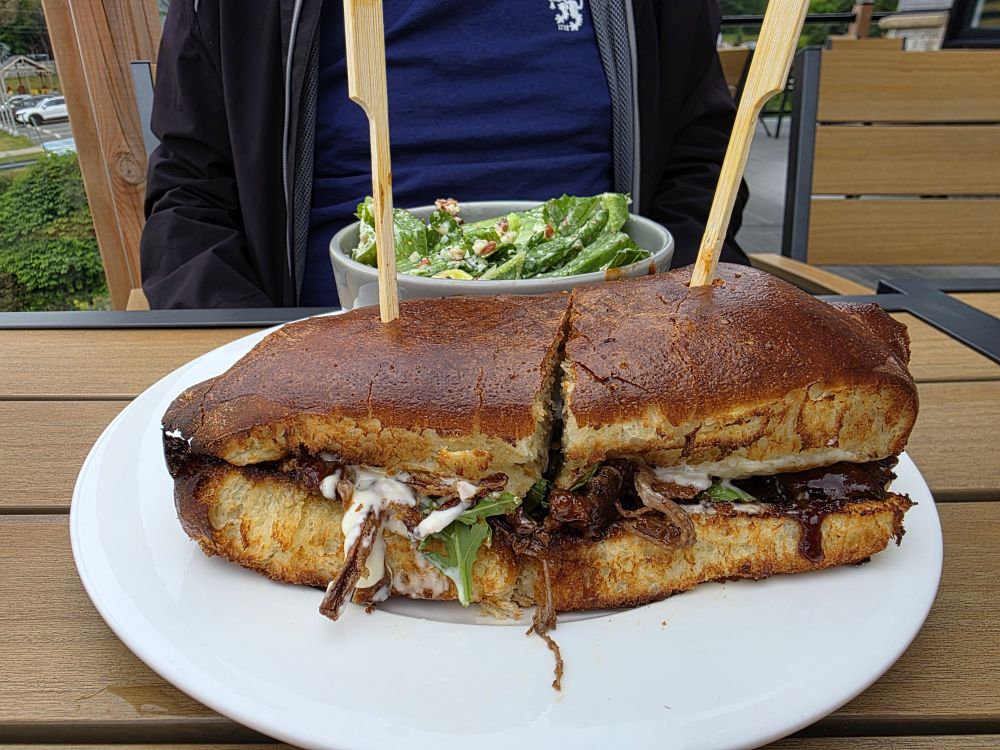
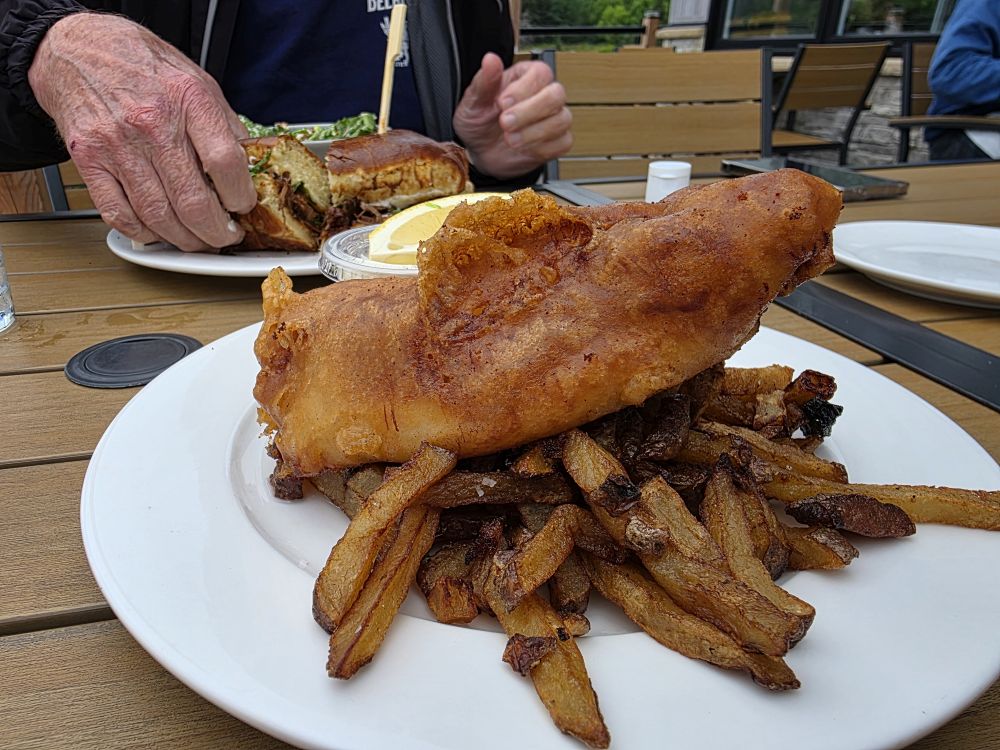
On up the coast we go to Bay Bulls, stopping at the Stone Ducky – just because we loved the name! Oh, and the fact that they opened at 11am. Sitting on the windy deck, overlooking the harbor, we tucked into a feast – massively huge Fried Cod and equally massive Brisket Horseradish Sub, accompanied by an excellent glass of Canadian wine and Iceberg Beer. Love the blue bottle!
Turning back toward St. John’s we still have oodles of time before we need to return the car, so we decide to go up to Signal Hill, where we’ve yet had a chance to visit. Luck is on our side, as we are able to find a parking space in the upper lot, eliminating a steep haul up the hill to Cabot tower.
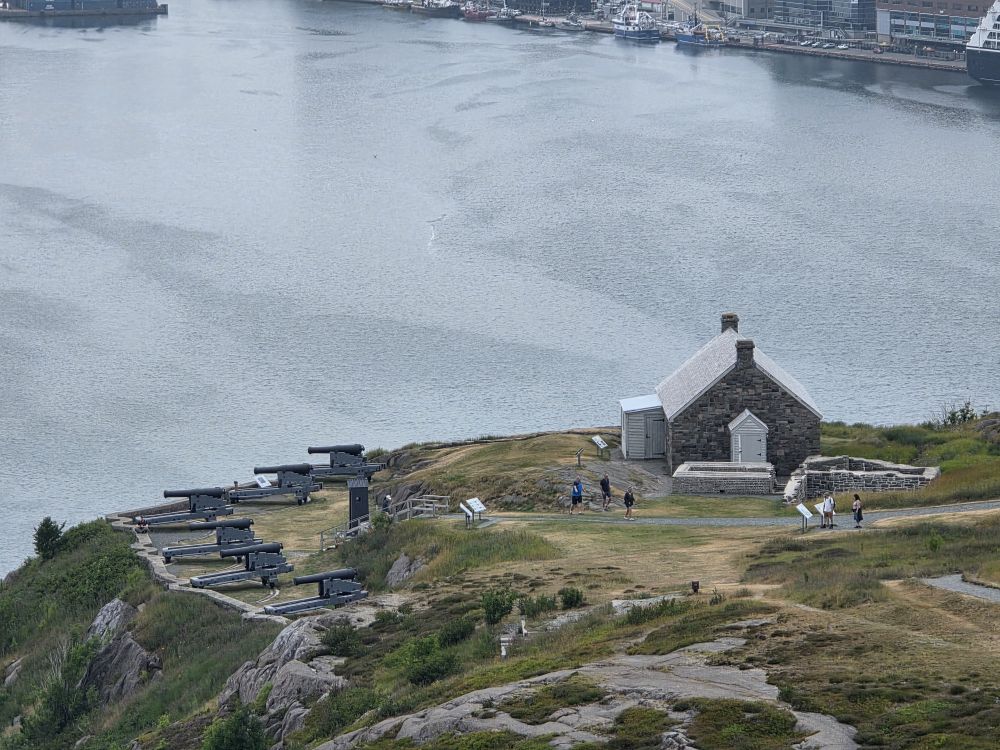
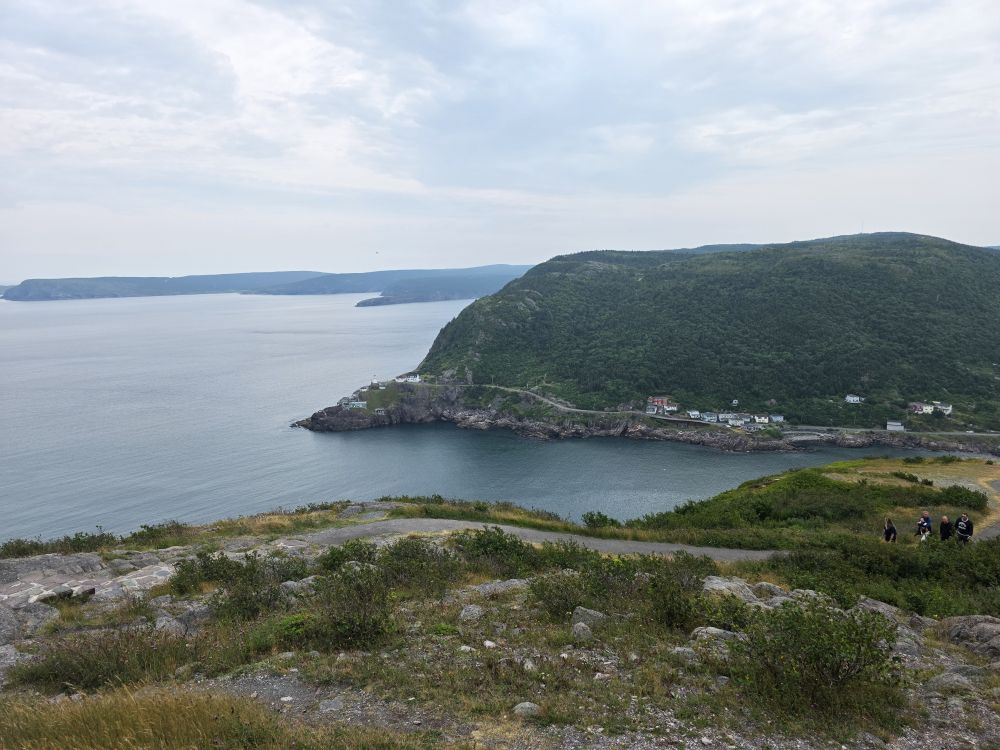
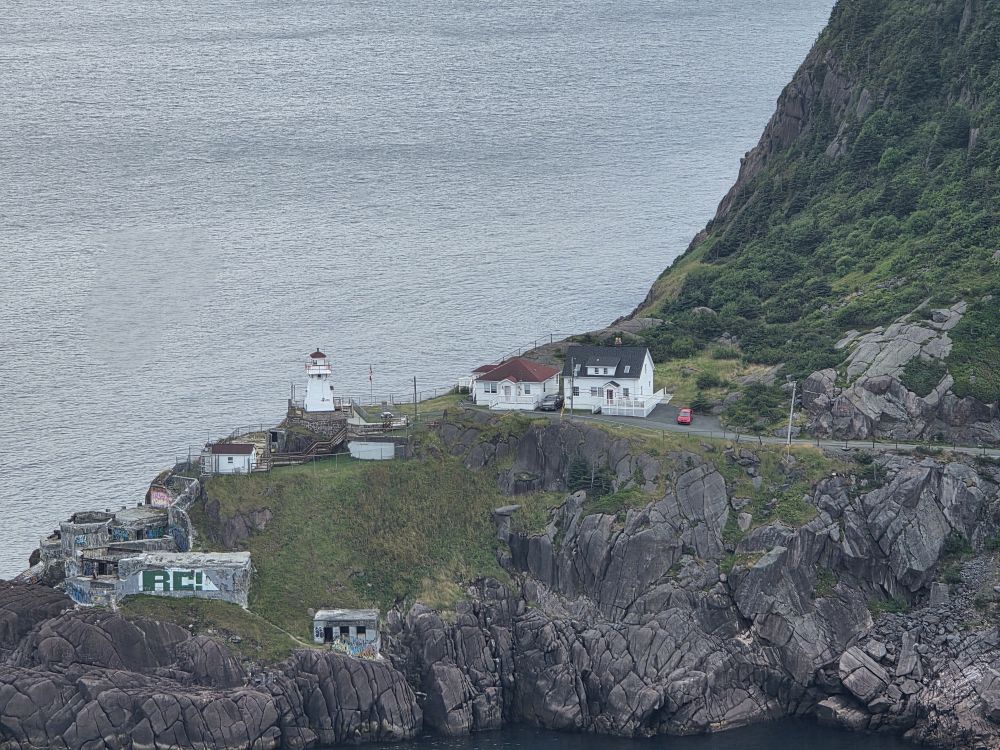
Named Signal Hill by the British Military in 1762, this strategic outpost is still known to many by its original name, the Lookout. Quite apropos as there are sweeping 360 degree views from virtually every angle up here. You can see the harbor with Quest majestically docked alongside the city, George’s Pond – the original water reservoir for the city, and Fort Amherst on the other side of the Narrows. All along the battery there are gun placements as well as information plaques describing the history of St. John’s; the Great Fire of 1892 that destroyed more than 1700 buildings and shaped the future development of the city; a concise overview of how Newfoundland participated in both WWI and WWII – WWI being protected by one lonely gun on the lower ridge of the hill, WWII with 10,000 American troops and 6,000 Canadians stationed here, using the city as a convoy port; and most interestingly, a panel describing the pack ice and icebergs that can appear here in St. John’s – pack ice up to 27” thick in February and March, icebergs from Greenland – 2,200 of which reached the waters off of St. john’s in 1983/84. Wild.
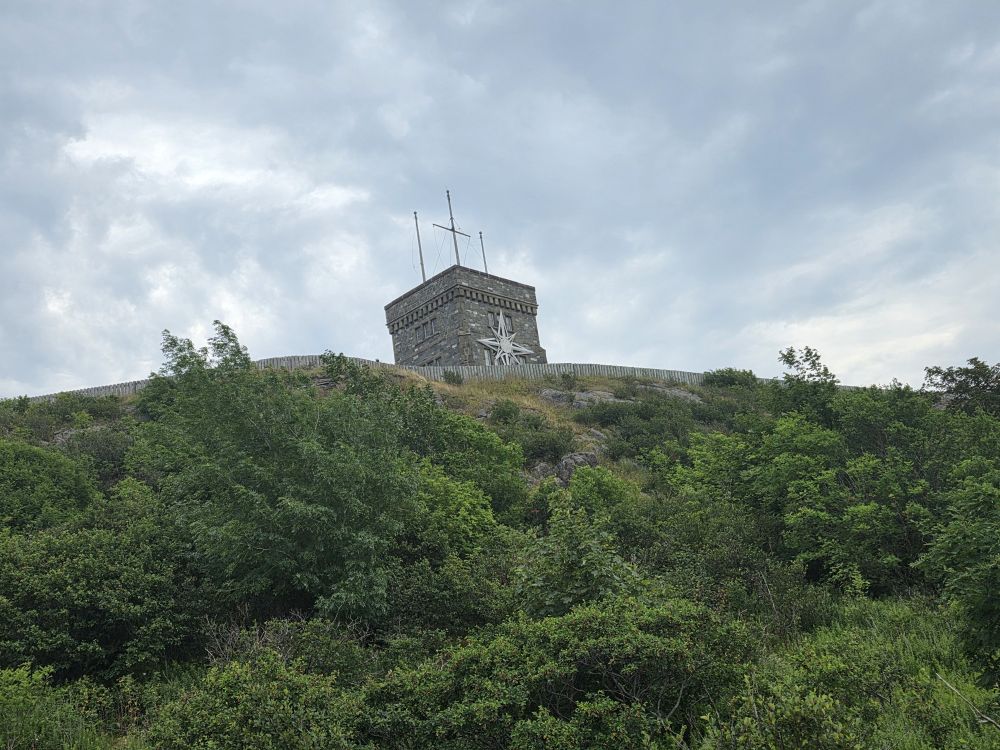
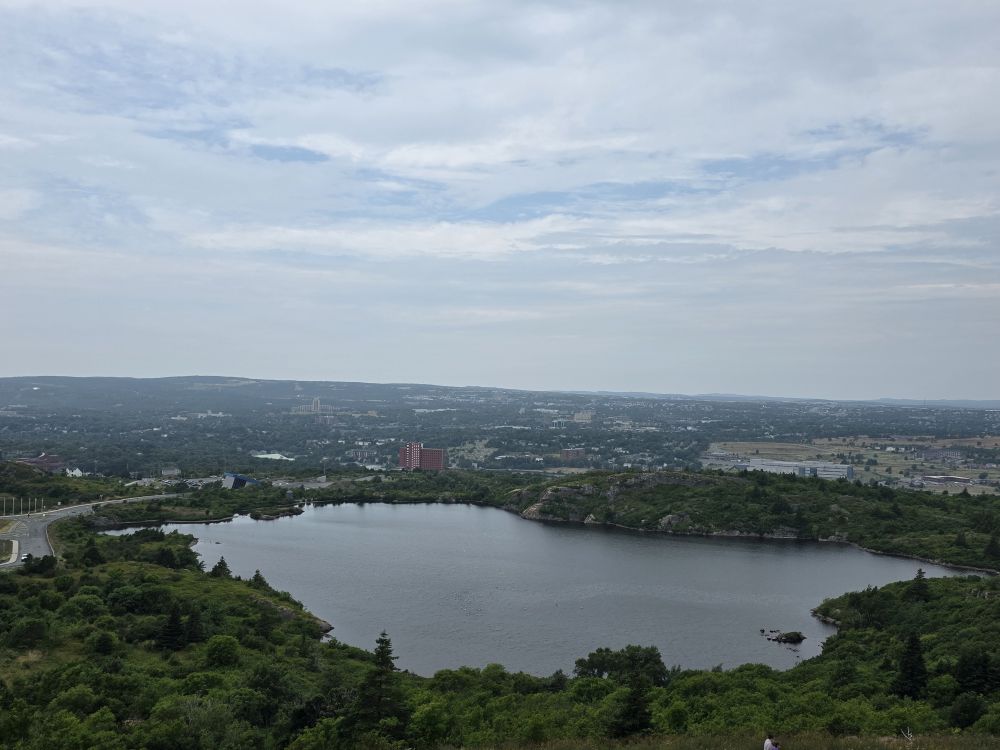
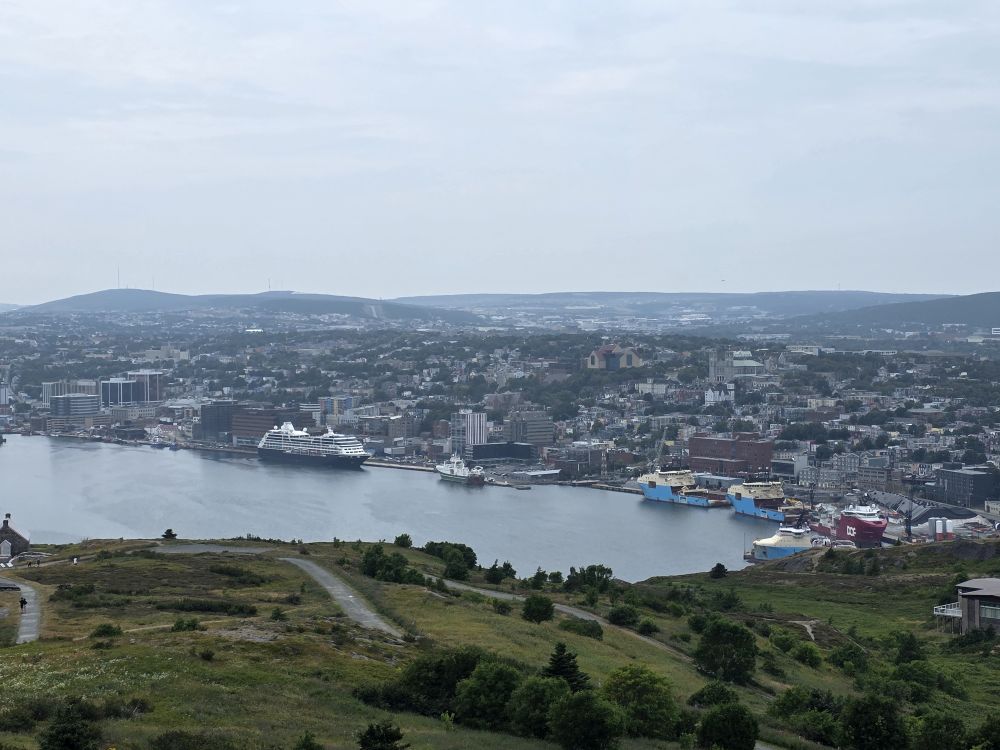
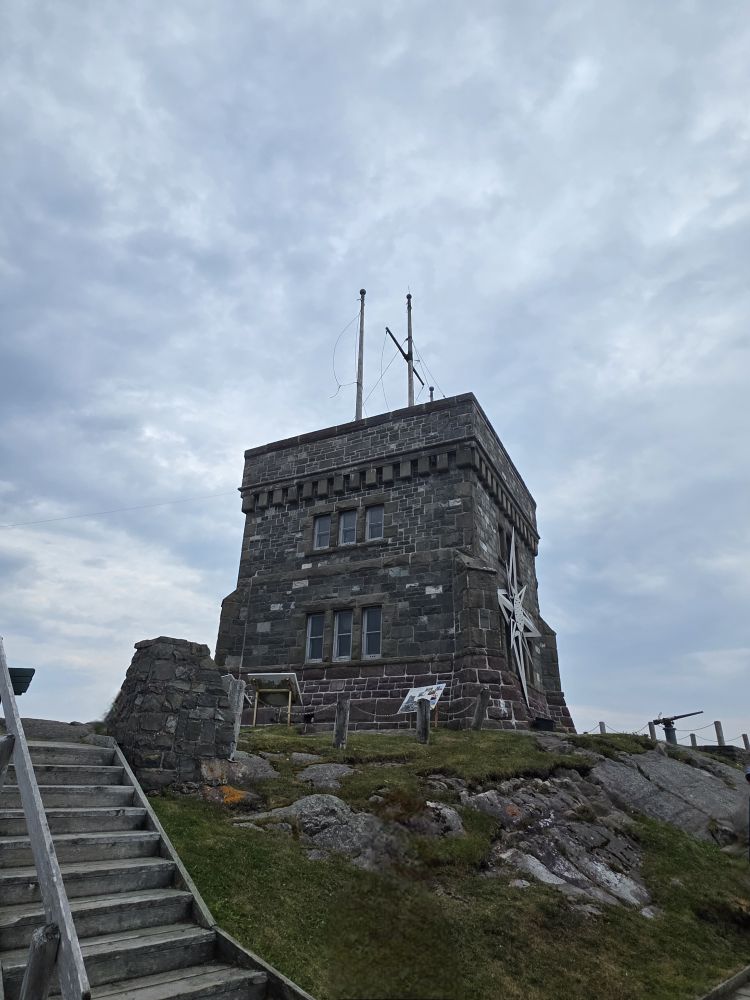
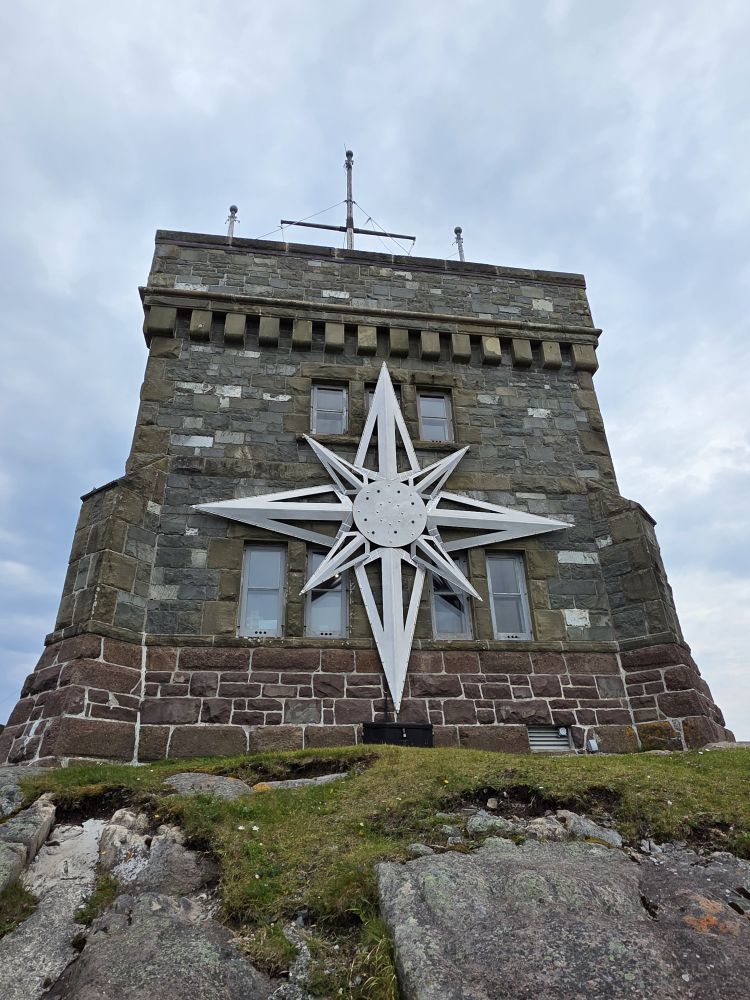
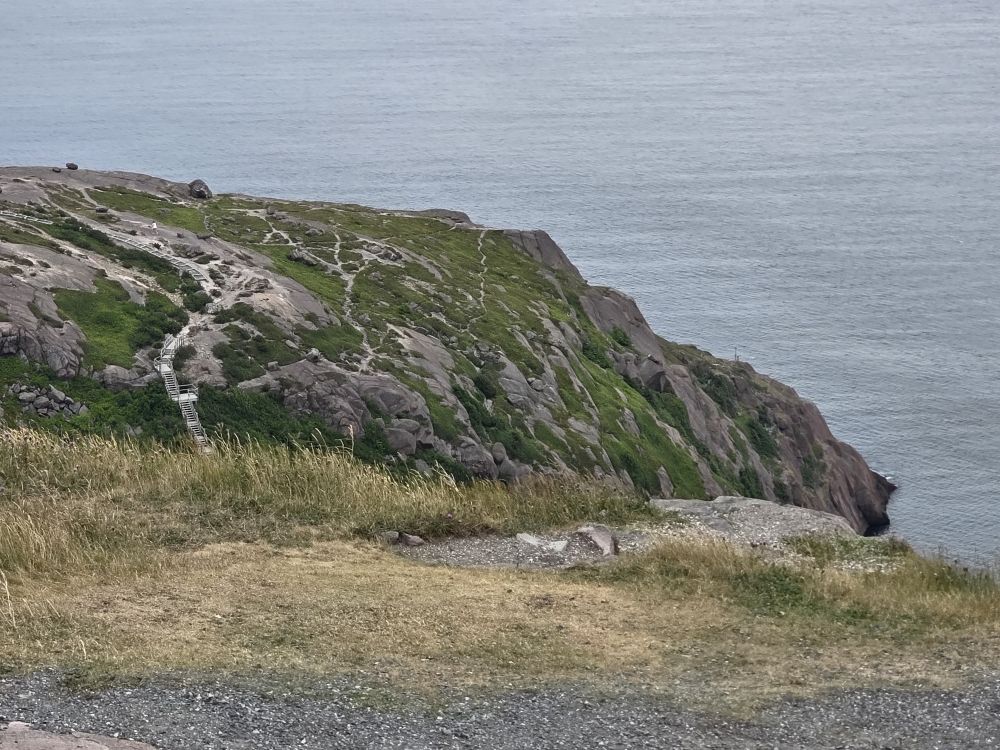
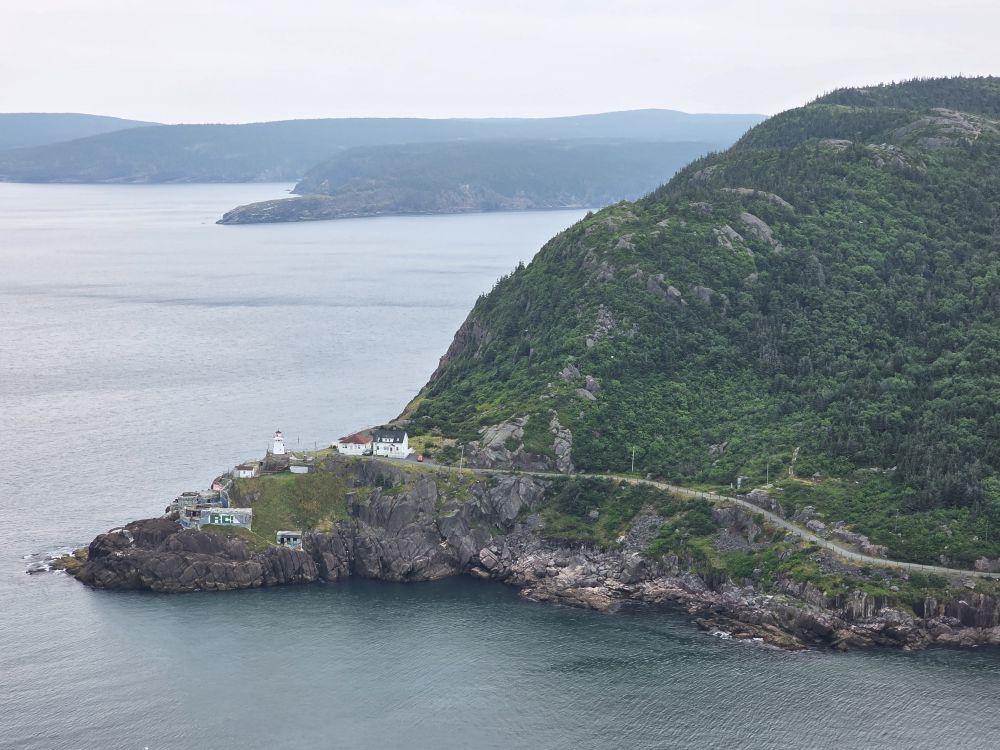
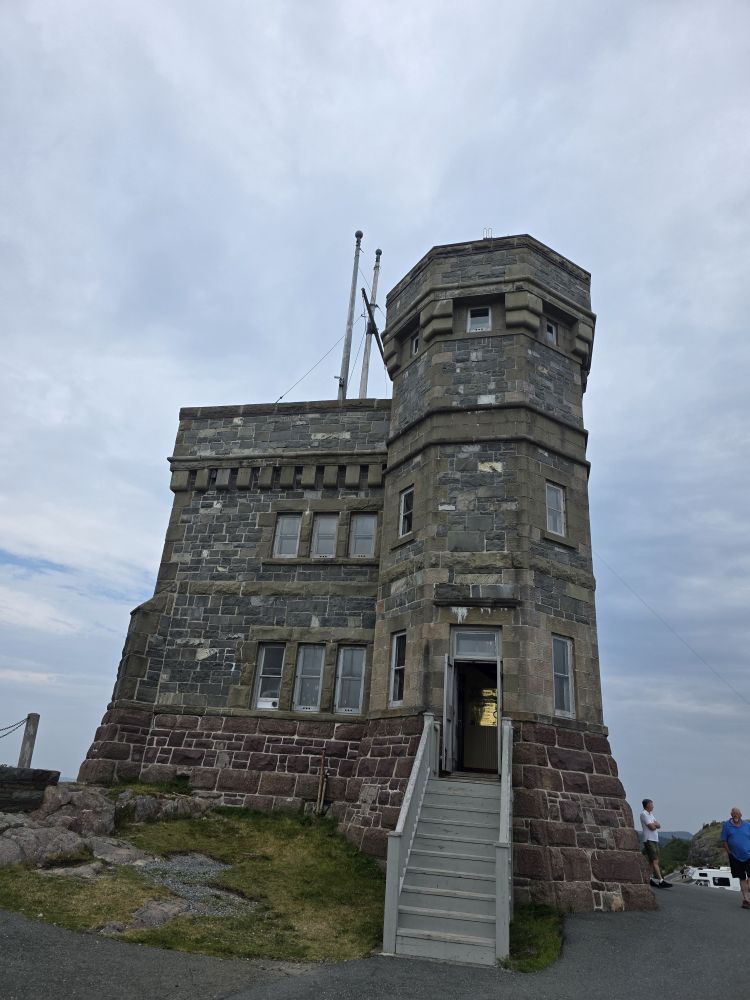
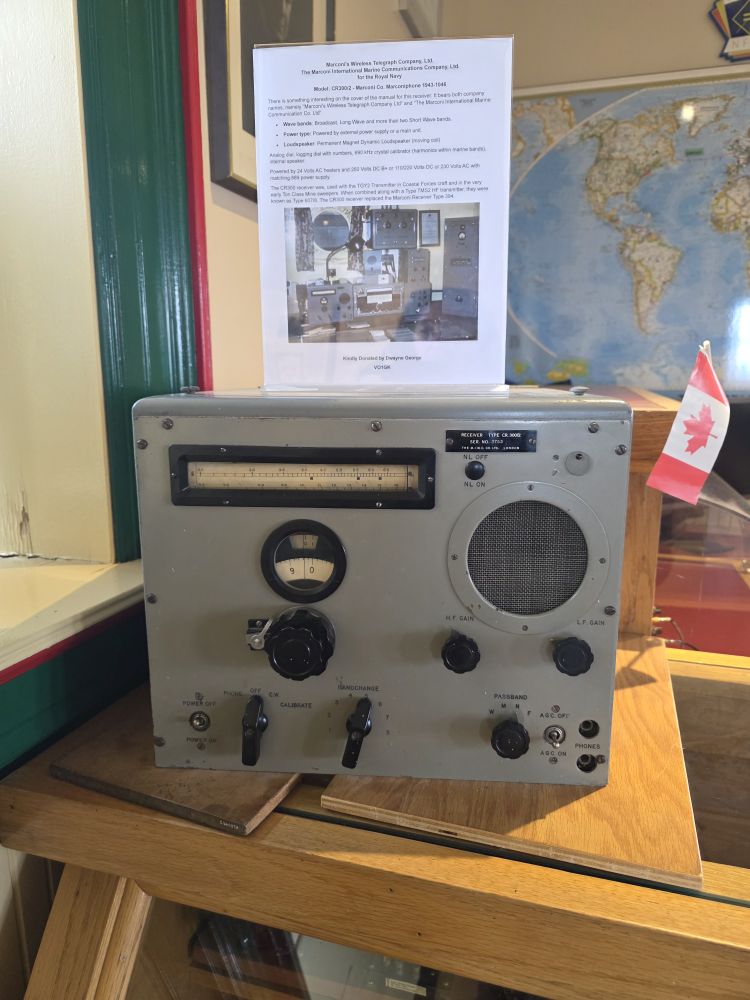
Inside the Cabot tower, built in 1897 in commemoration of the 100th Anniversary of the discover of Newfoundland by John Cabot, is a little museum dedicated to all things Marconi – an old transmitter; information about the amateur radio operators who operate a HF station up here on December 12th of every year to commemorate the first wireless transatlantic signal received in 1901 – plus great views out the 2nd story windows. Unfortunately the terrace upstairs is closed, but it is fun to be up here and imagine all those radio operators completing such important business all those years ago.
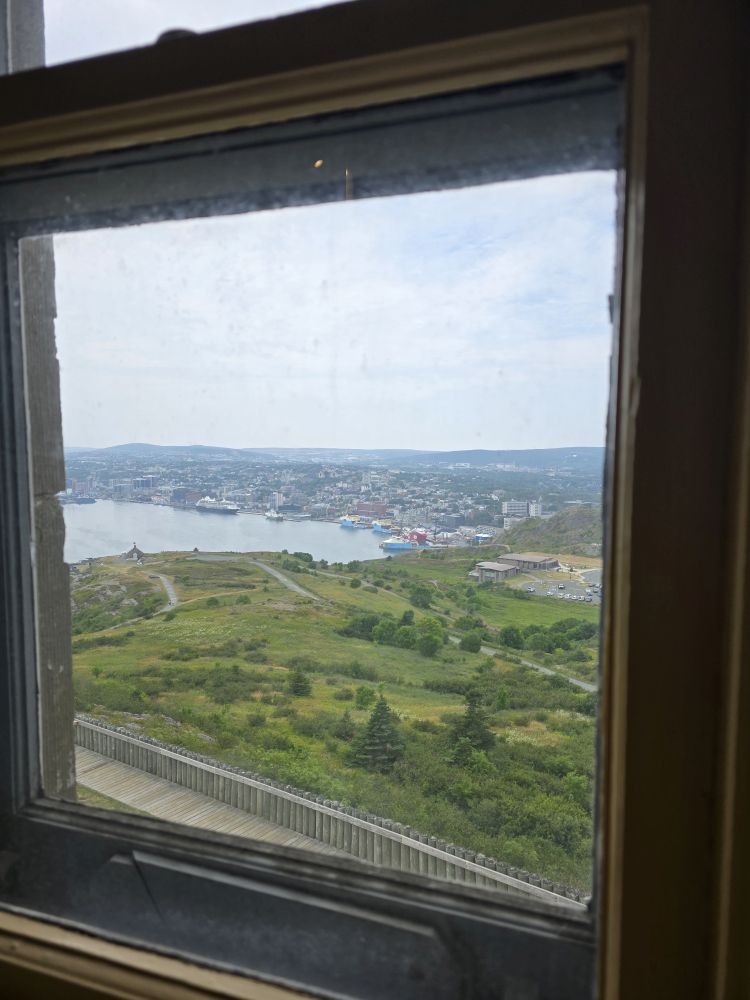
After a brief – and unusual – shopping stop in the giftshop on the lower level (1 stuffed puffin and cool fleece for me, 1 t-shirt for Ed), we descend back down to sea level and make our way to the Enterprise office to return our car. To our huge surprise, there are 2 other ship couples there who had rented a car also. Never figured that with this crowd. Made it easier to get back to the pier though, as we all piled into one of the cars and a sweet agent took us back into town.
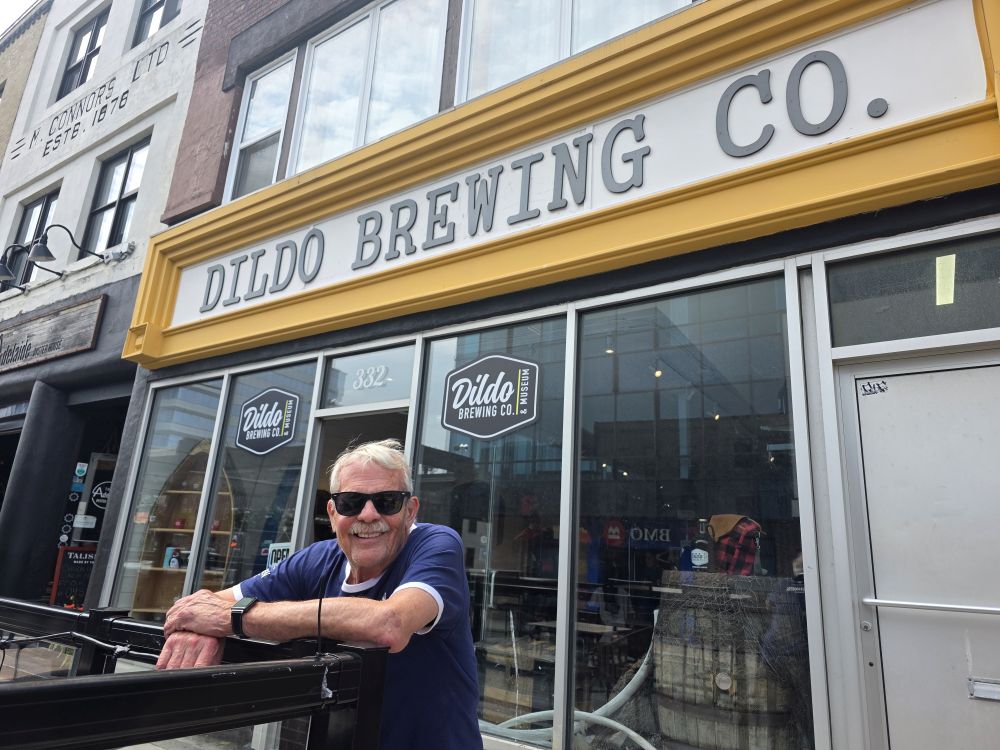
Plenty of time still left to wander, we headed up to the Dildo Brewing Company, hoping to find a little brewpub so we could try their beers. No such luck – it is only a retail store where we could have bought cans of their beer to take on the ship – but we just wanted a taste. Oh well – it was a photo stop at least. Turning toward the ship, we eventually stopped at a restaurant/bar with outside seating for a last aperitif in St. John’s. We (of course) got to talking to the waitress who told us how strong the thunderstorm was last night, and how it shook her boyfriend’s house!
Back aboard, we did our normal evening thing – gym, drinks – then down to dinner where Vicson told us the storm was so loud it scared him! And he’s down on deck 2! Now I’m totally bummed I didn’t wake up for that. Sheesh.
After dinner drinks up in the Living Room and then back to our balcony and cabin for the evening – Brit Rock in the Cabaret, which have seen enough. A lovely end to an excellent overnight stay here in St. John’s.
 Andiamo