Our first stop after lunch is the Museum of Edinburgh, housed in 3 buildings dating back to the early 1400s, but combined into 1 single building in 1517. Over the years, many additions were made to create a rather large tenement (most all the buildings in Edinburgh at the time were tenements due to the high cost of living, the low wages and lack of proper jobs) with as many as 16 tenants. The museum was created in 1932 after the city purchased the building and today holds a wealth of history about the city.
The city’s history is of course is fascinating:
The town is built on an outcropping of volcanic rock and the growth was constricted by medieval boundaries. Still, by the 1740’s over 40,000 people were living here in Edinburgh, requiring more housing and services than available. The city couldn’t grow outwards, the only option was to grow upwards, creating multi-storied tenements that we can see today everywhere we walk. The population grew steadily, forcing tenements to be divided into smaller and smaller homes, some with as many as 11 people living in one room! The disease, poverty and squalor were terrible in the 19th Century, eventually forcing (well, they weren’t forced, but had the means to) the wealthy to move to New Town.
Equally interesting is the dichotomy of living quarters, before the wealthy moved away. On the street level were the shops and pubs. The first floor housed the trades people who owned or rented the shops. Professionals (doctors, lawyers, wealthy) lived in the middle stories “high above the filth and stench of the streets below.” The very top levels housed the city’s poorest. And speaking of filth and stench – the reason the streets were such a mess is that people were allowed (after a certain hour of the evening) to throw their chamber pot contents out the window – calling out “Gardy Loo” to warn any passersby. Eek. No wonder there was disease.
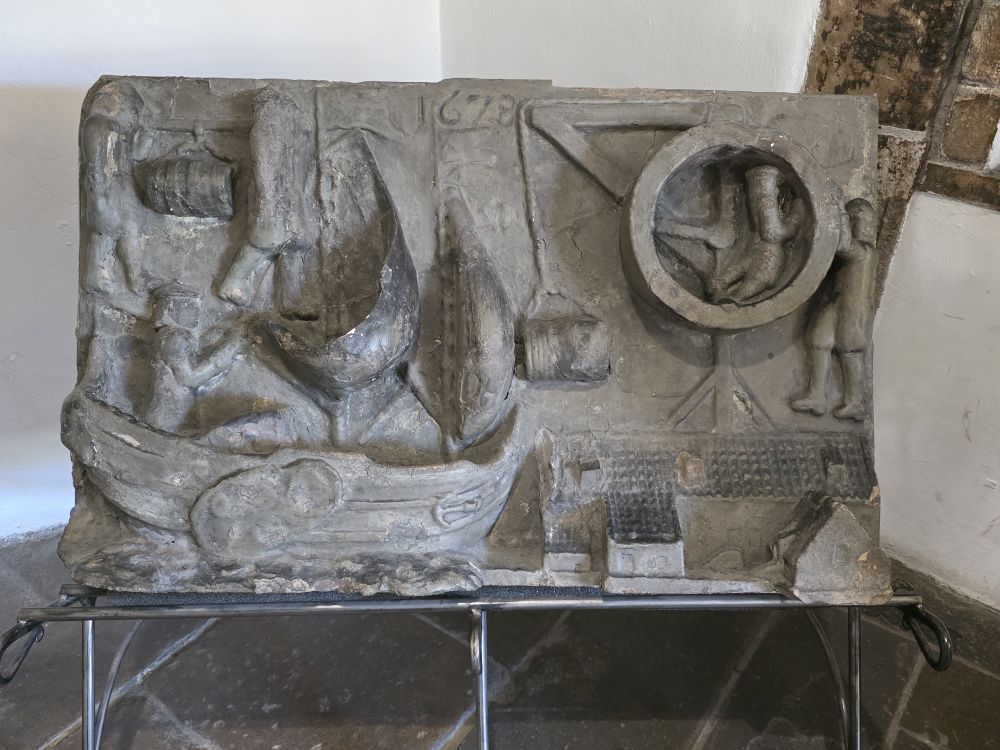
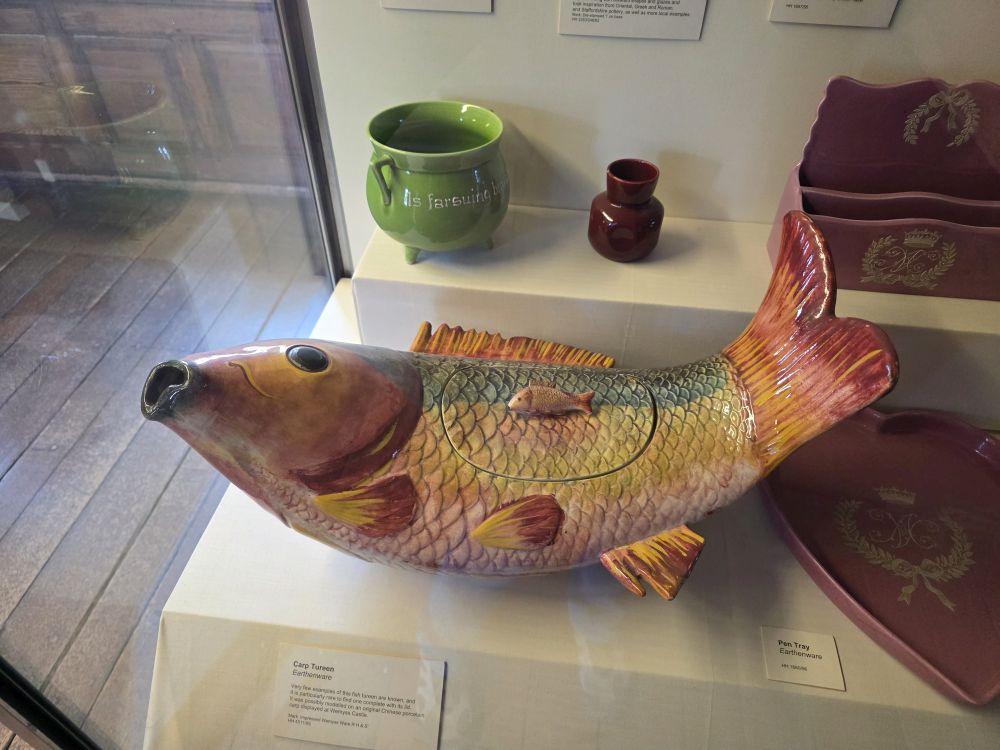
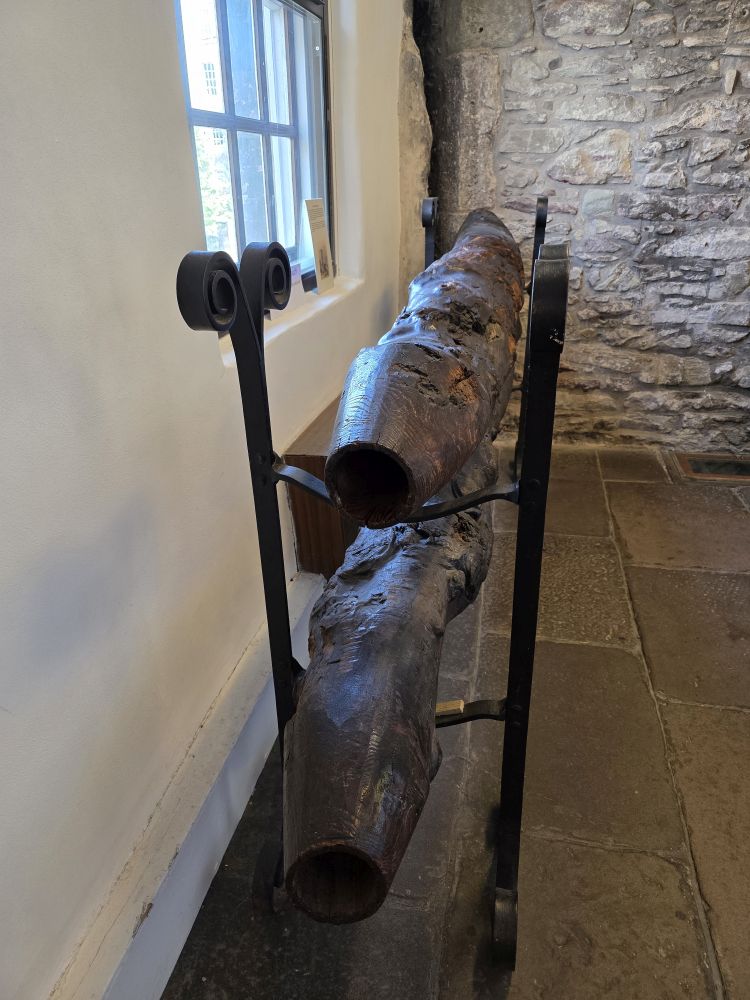
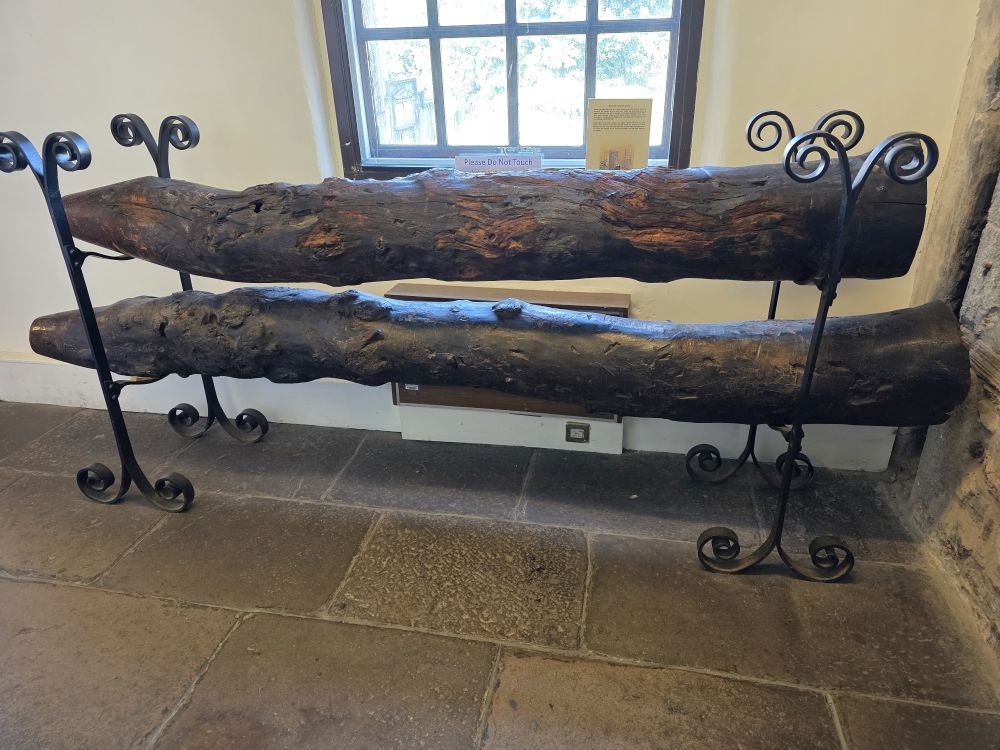
Most of the displays in the museum deal with the retail aspect of the city – pottery and glass making, goldsmithing and masons. Some really nice little displays. The wooden water pipes really intrigued us! For about 50 years, beginning in the 1750s, the city used Elm wood to create water pipes to bring water from the hills 4 miles south of the city. Totally amazing – you’d never think water pipes could be made of wood, no less be used for 50 years.
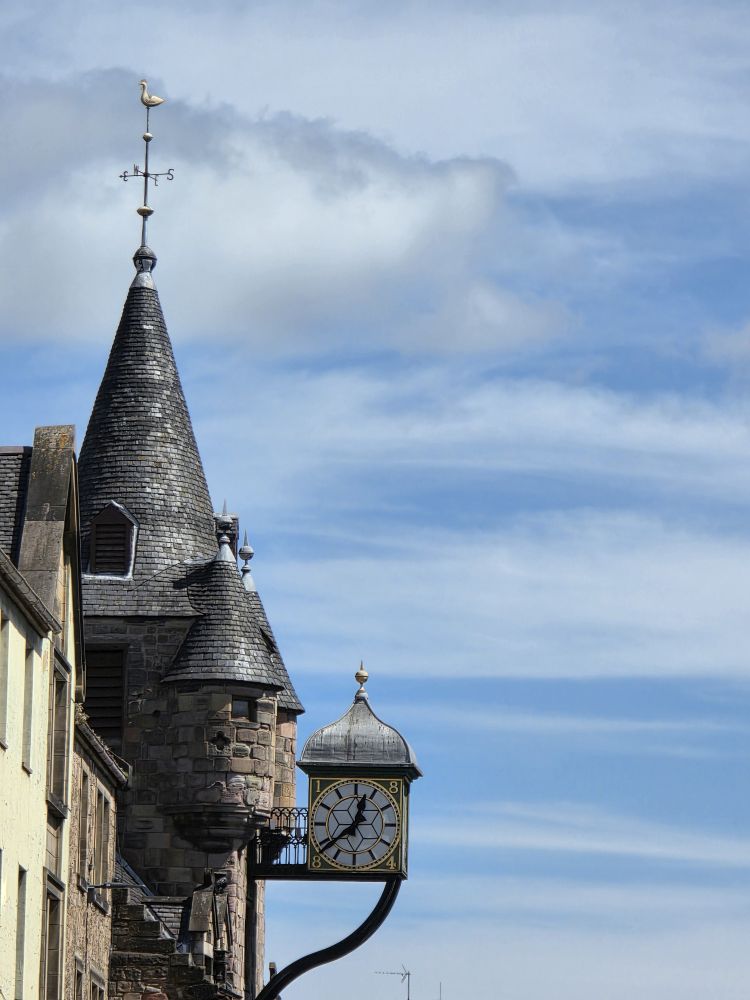
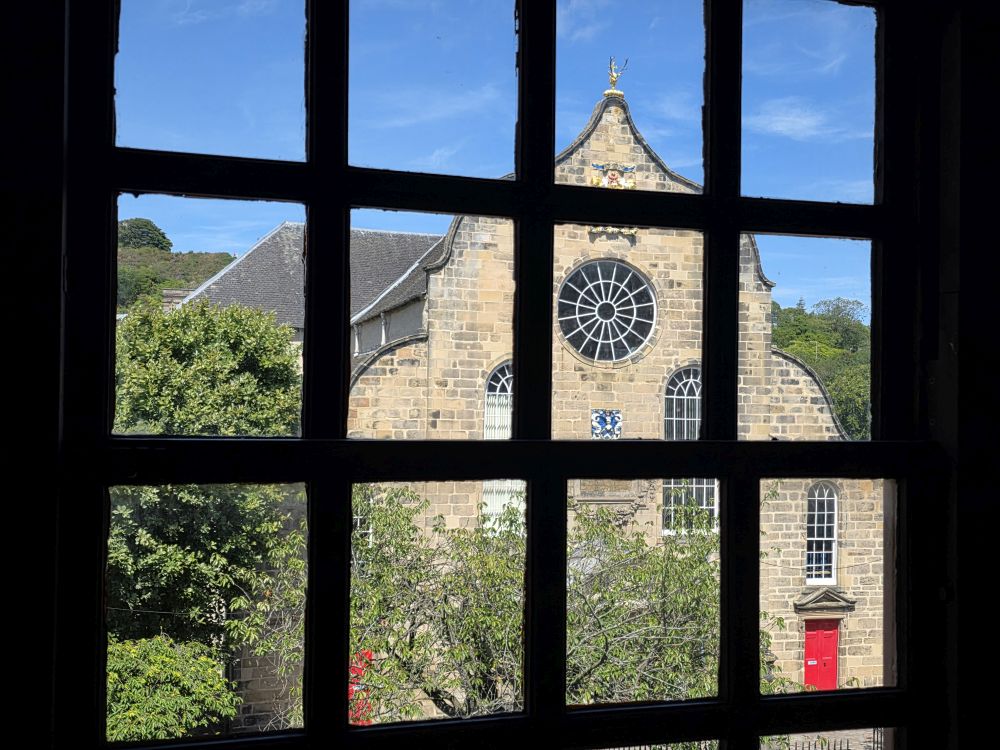
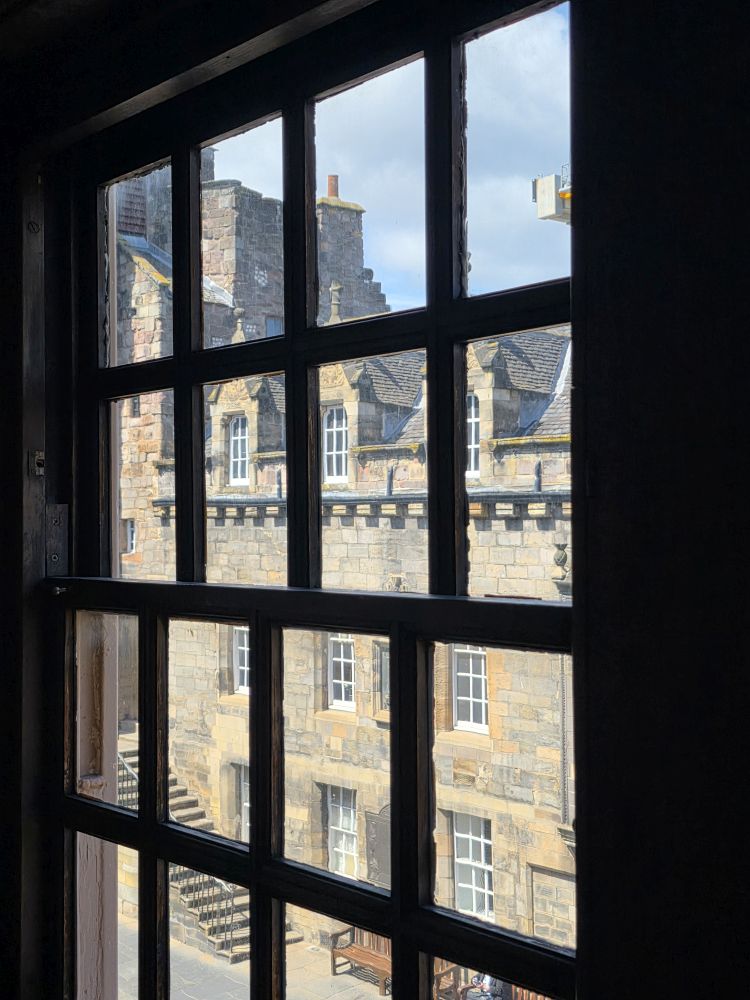
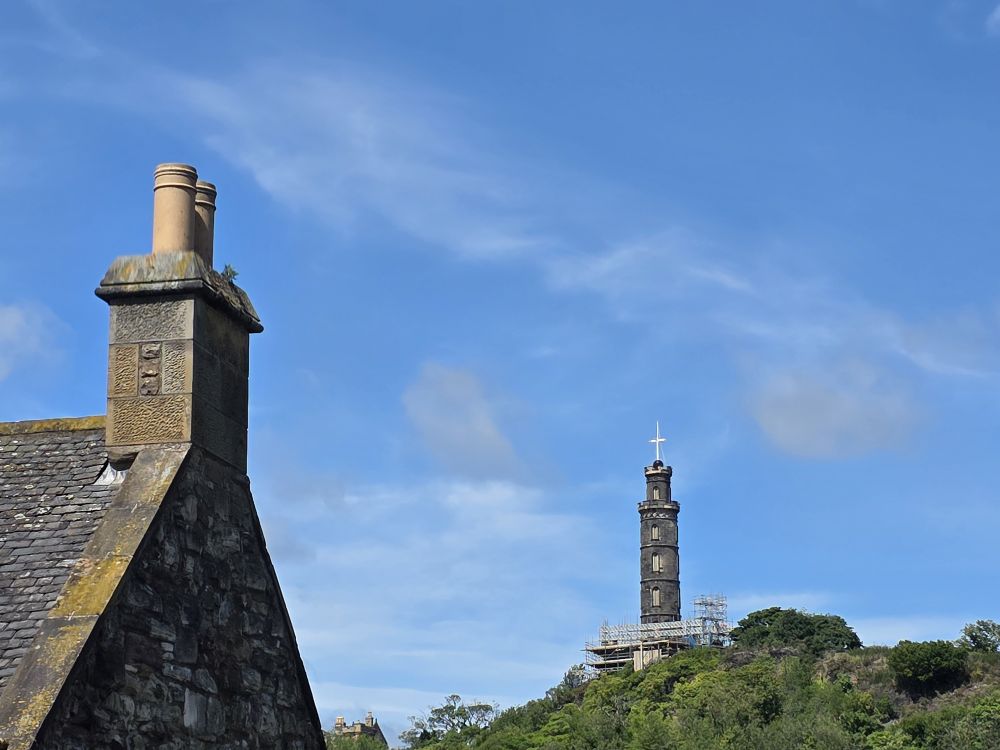
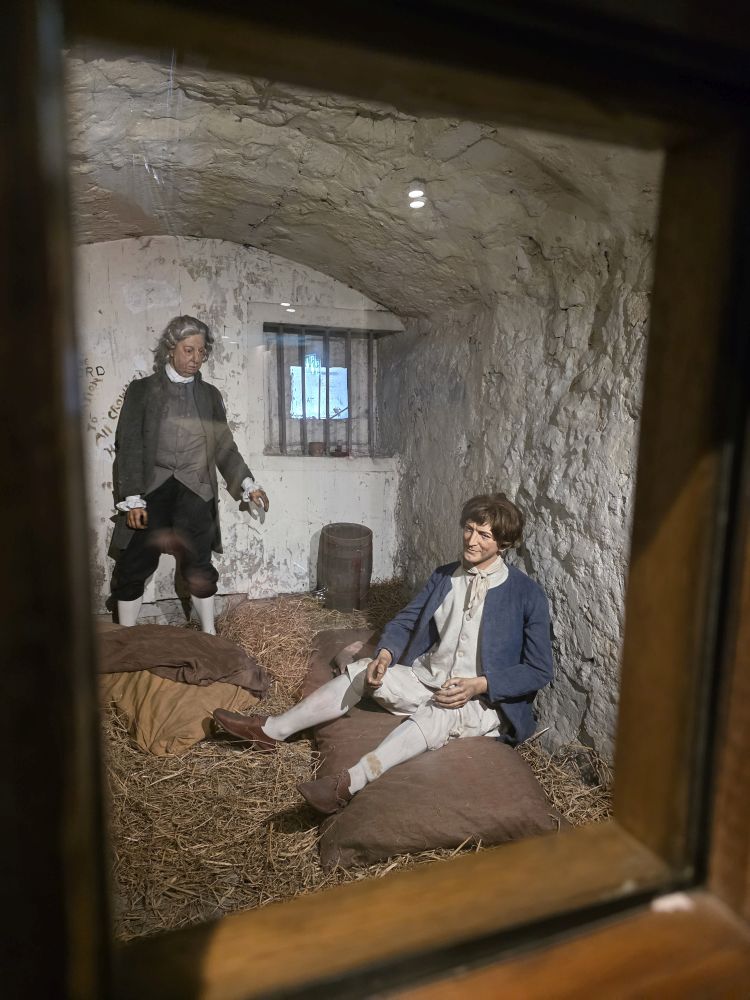
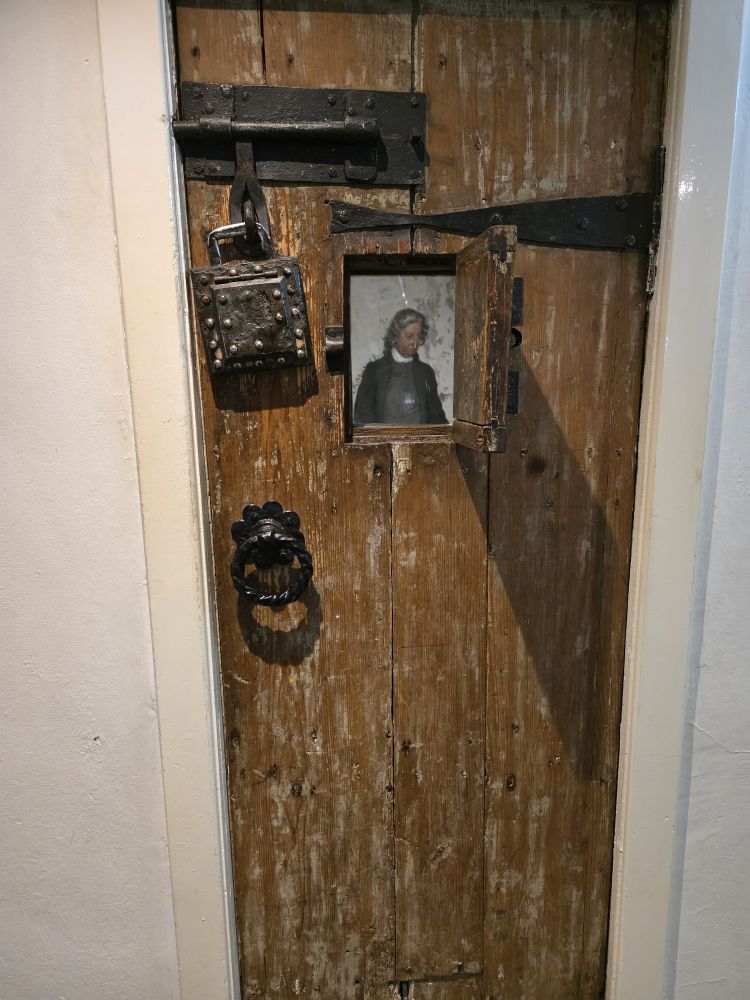
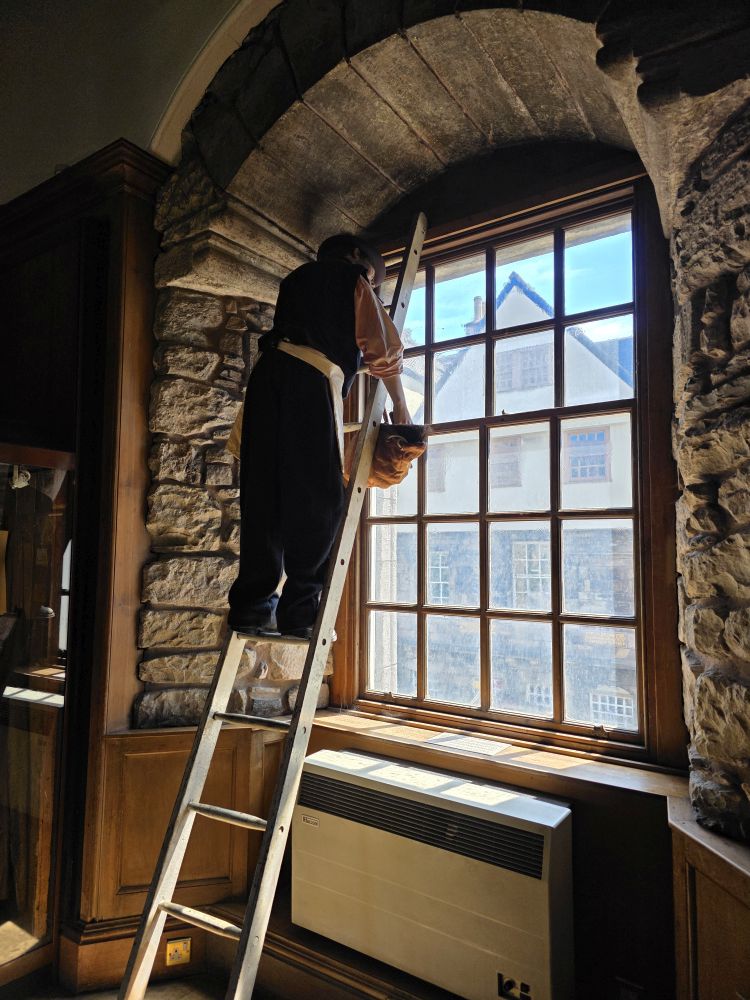
Across the street from the City Museum is the People’s Museum. Housed in the old Canongate Tollbooth (circa 1591), the museum tells the story of ordinary working people – through their own words as written and taken form oral histories – and recreates scenes of daily life, from the jail cell to a wartime kitchen to a bookbinder’s workshop. A nice bookend to the overview of the city across the street.
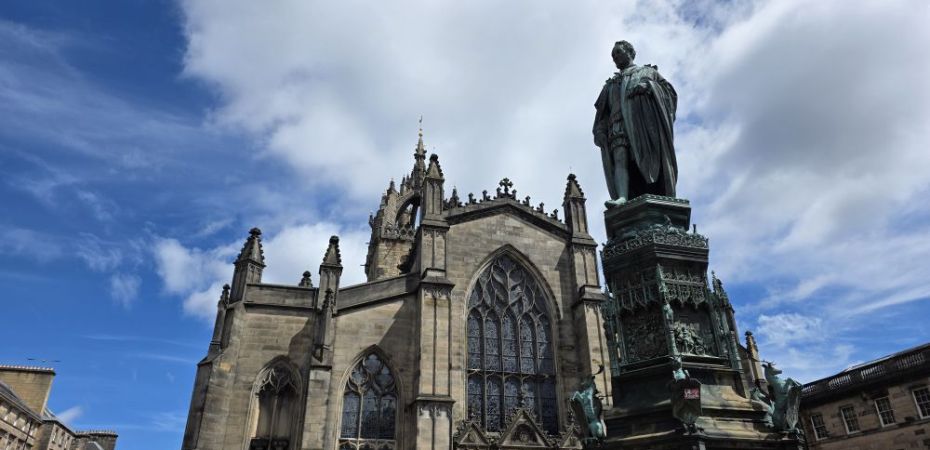
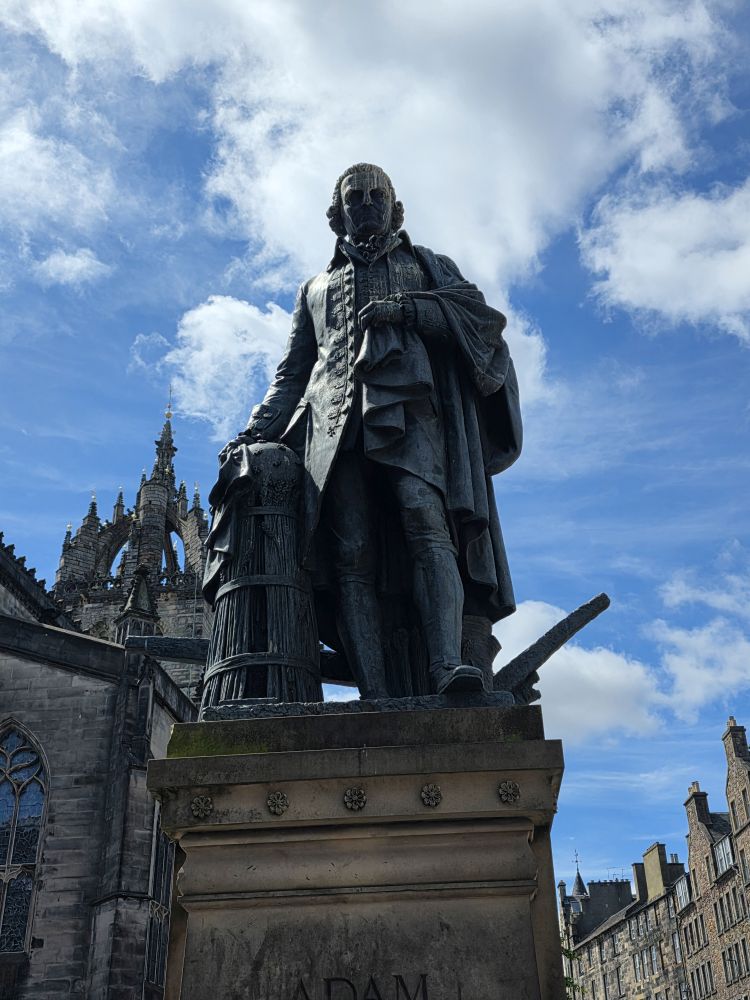
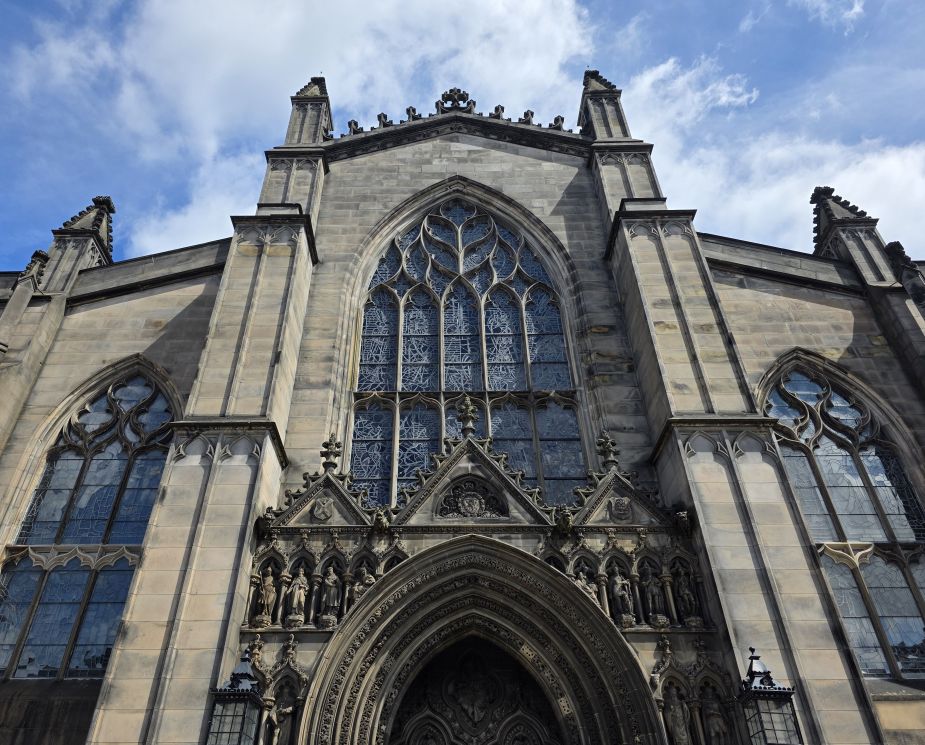
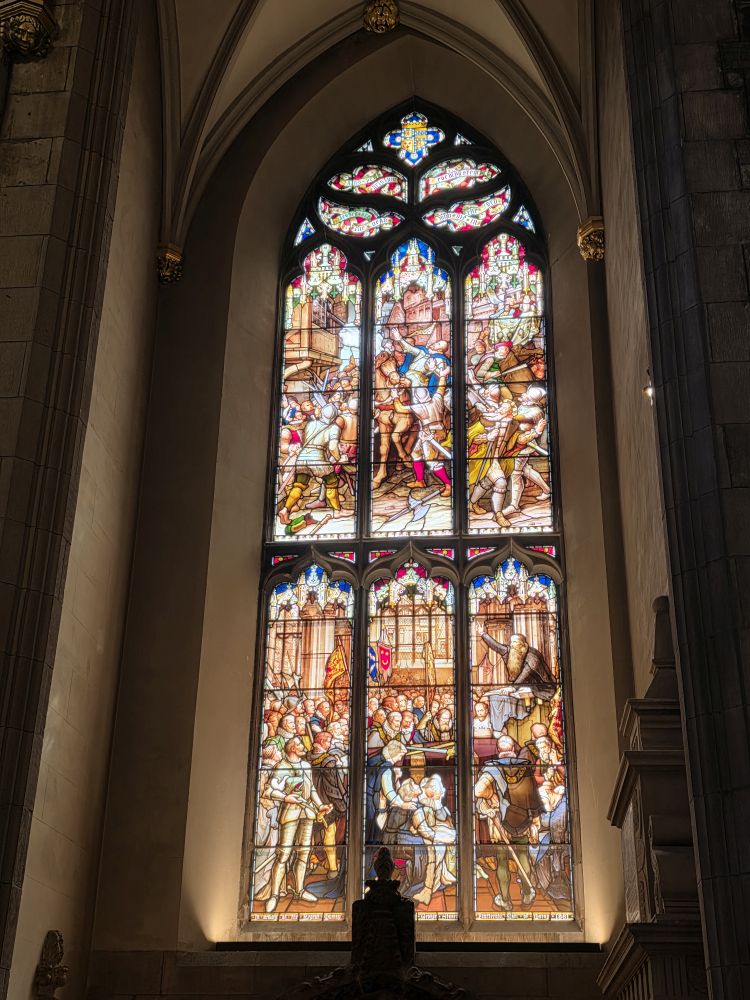
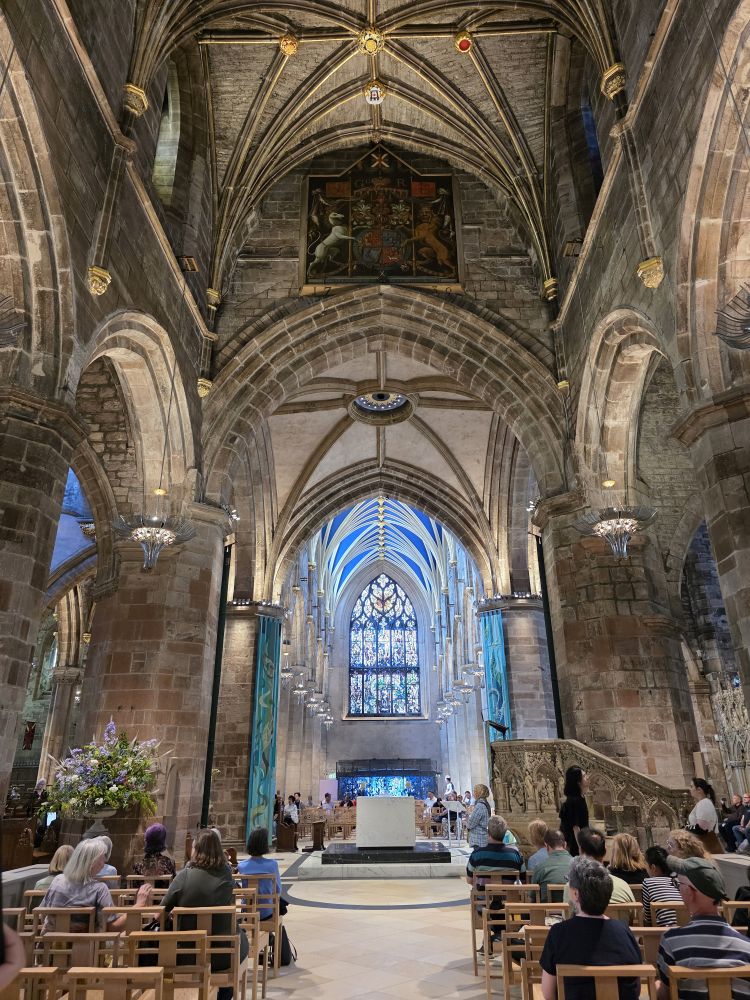
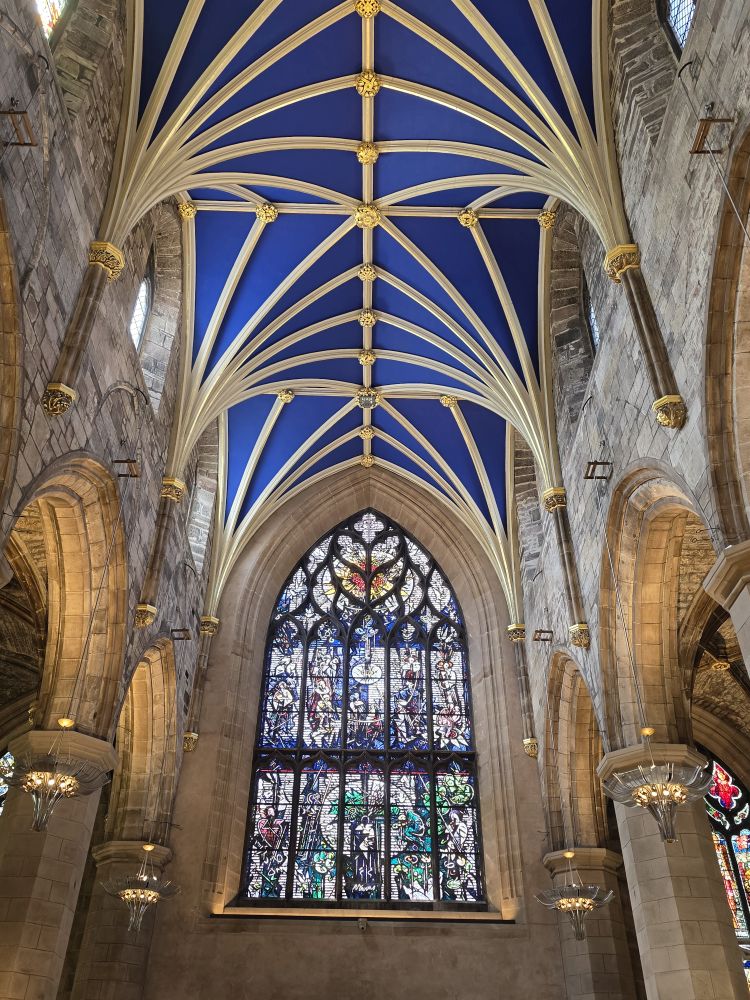
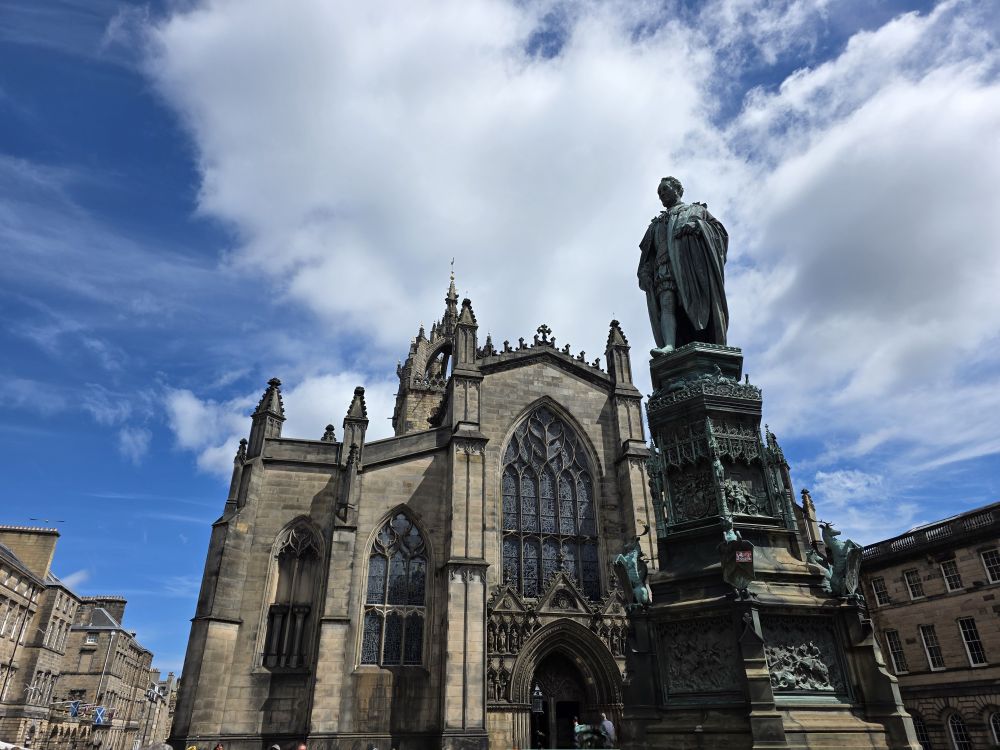
Reversing up the Royal Mile, we make a stop at St. Giles Cathedral, one of Scotland’s most important medieval church buildings, begun in the 14th Century. It is as magnificent as one would expect, with soaring arched transepts and gorgeous stained-glass windows.
Our last stop of the day is Gladstone’s Land, a traditional Edinburgh tenement. Arriving a bit too early for the last guided tour, we hang out in their cafe with cappuccino and a sweet treat until our guide calls us for the tour. Thus begins a fabulous 90-minute tour of this historic 1550’s building. Our tour guide is fantastic (a movie producer/screenwriter with personality plus) who guides us through 3 floors of Gladstone history telling delightful stories and recounting different tenants life stories.
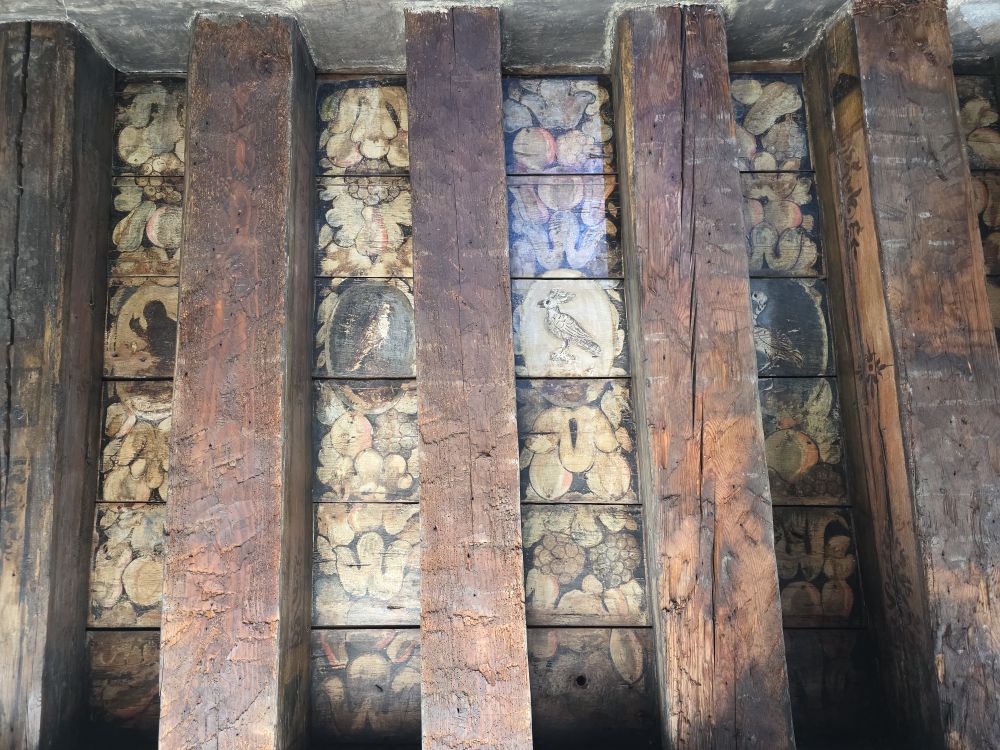
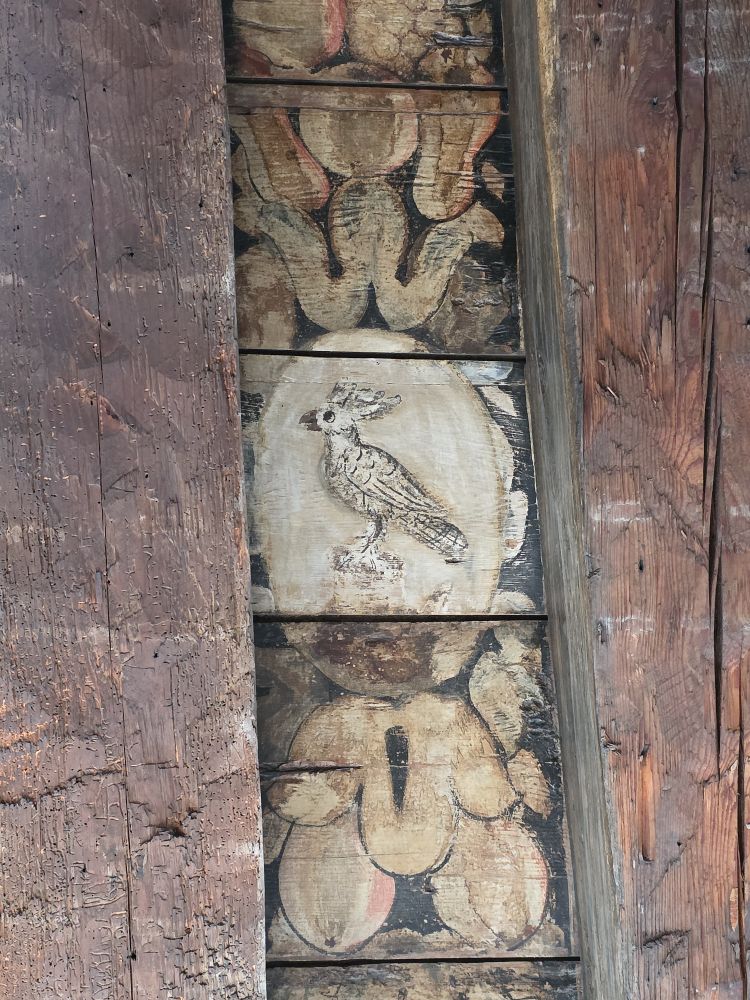
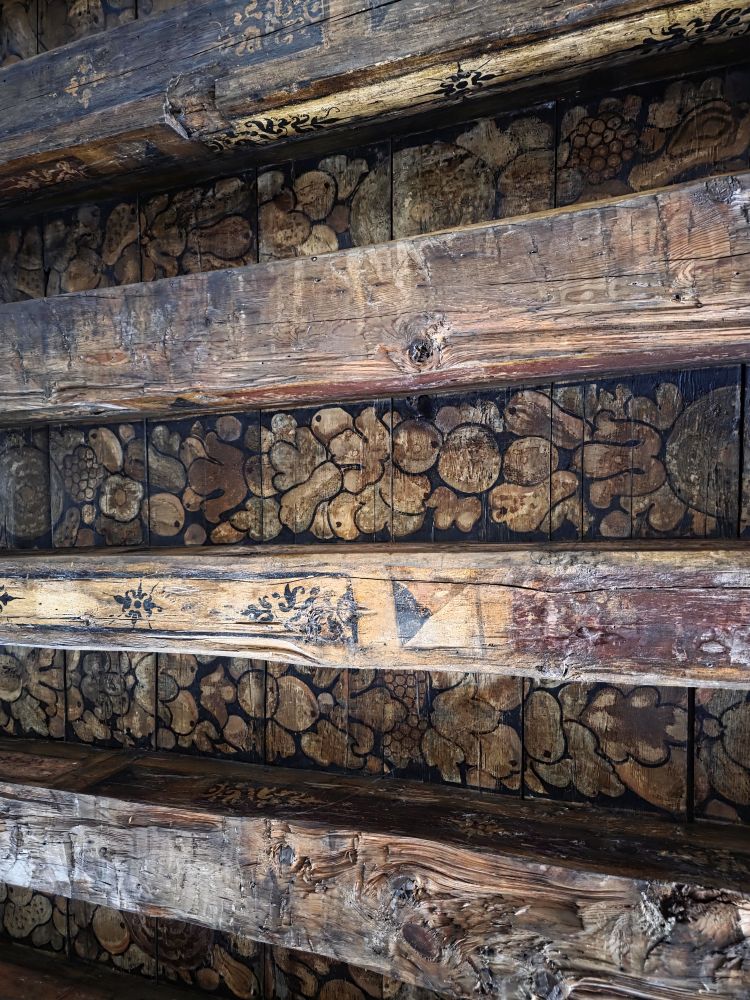
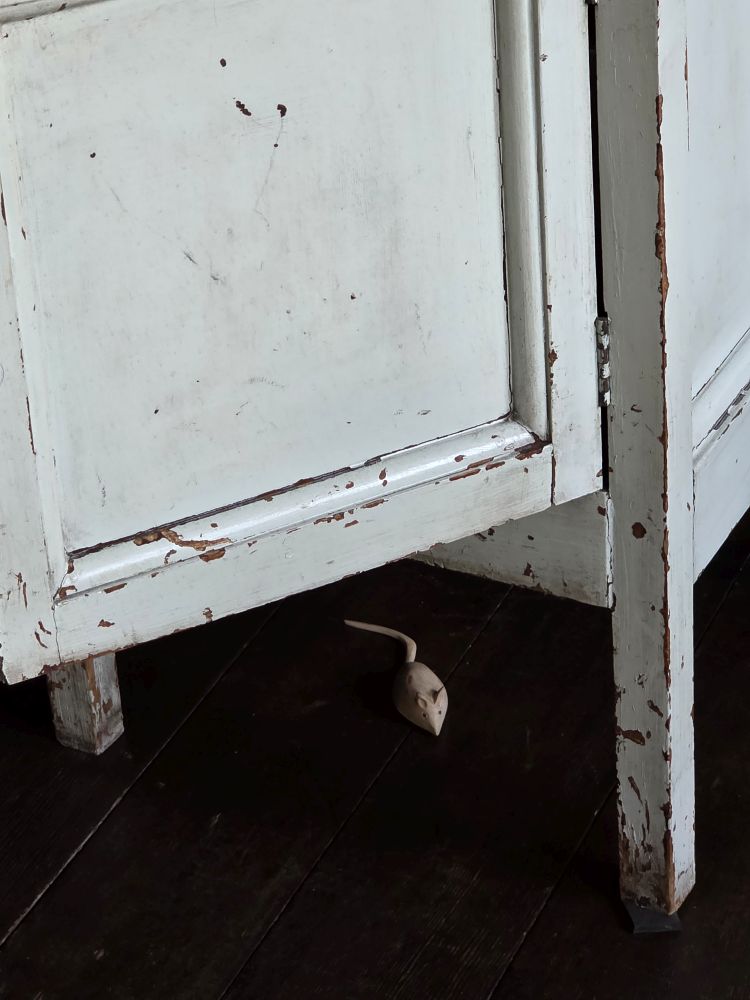
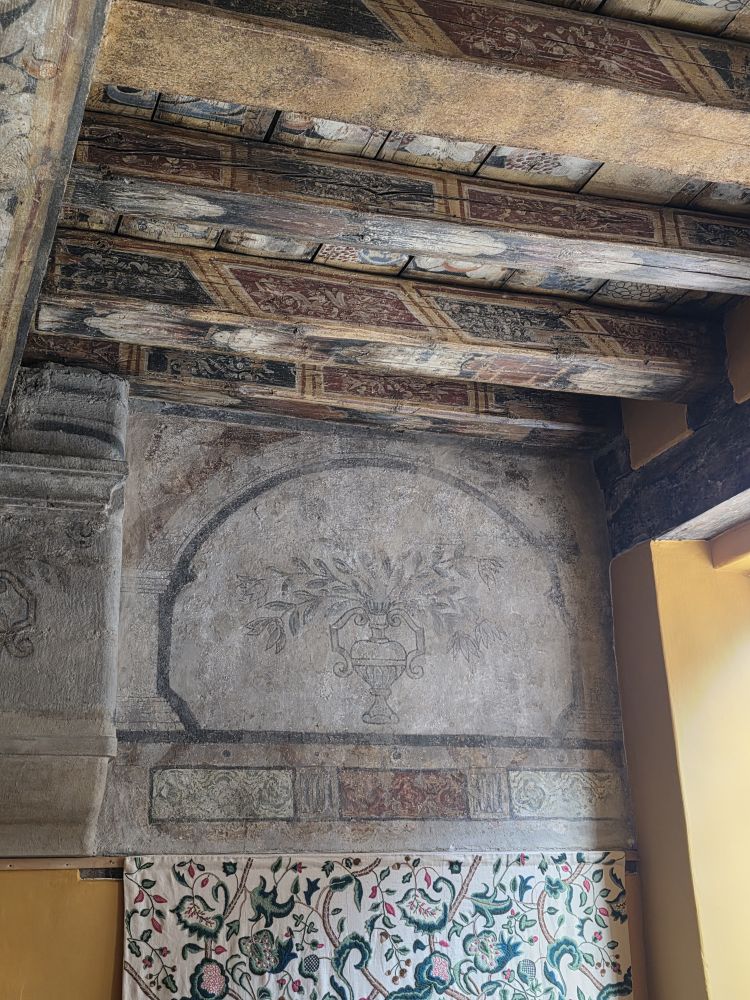
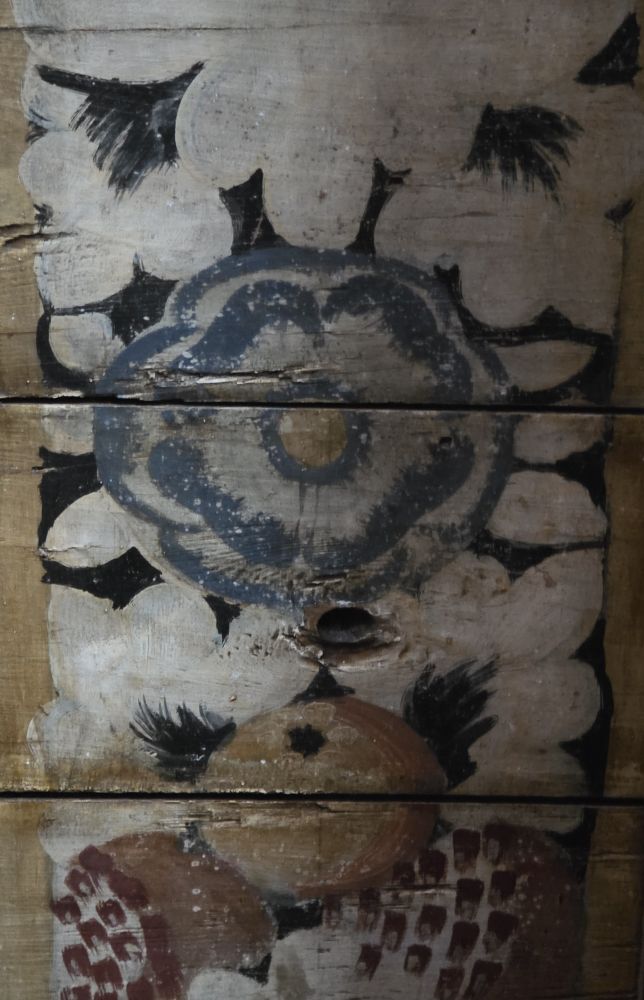
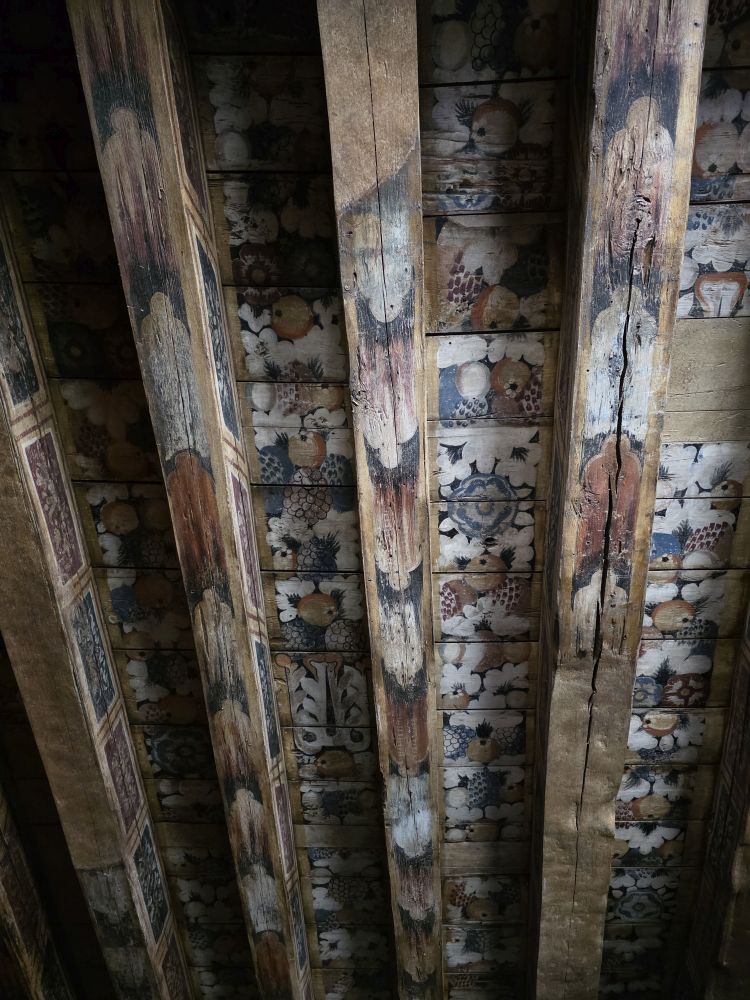
The building was purchased in 1617 by Thomas Gladstone and his wife Bessie, who set about creating a rental home for the wealthiest tenants. The top floor of the home held one apartment – which is outfitted in typical 1700’s furniture with adorable little features like the wooden mouse under the bedside table – but the main attraction are the painted ceilings. Truly amazing artwork created in 1620 that depict fruit which didn’t typically grow here – pomegranates, oranges, grapes – birds and flowers; these painted ceilings were considered the ultimate status symbol of the wealthy. Footnote: It is absolutely amazing they still exist and were not painted over or covered with plaster during all these years – and are the original ceilings, not repainted.
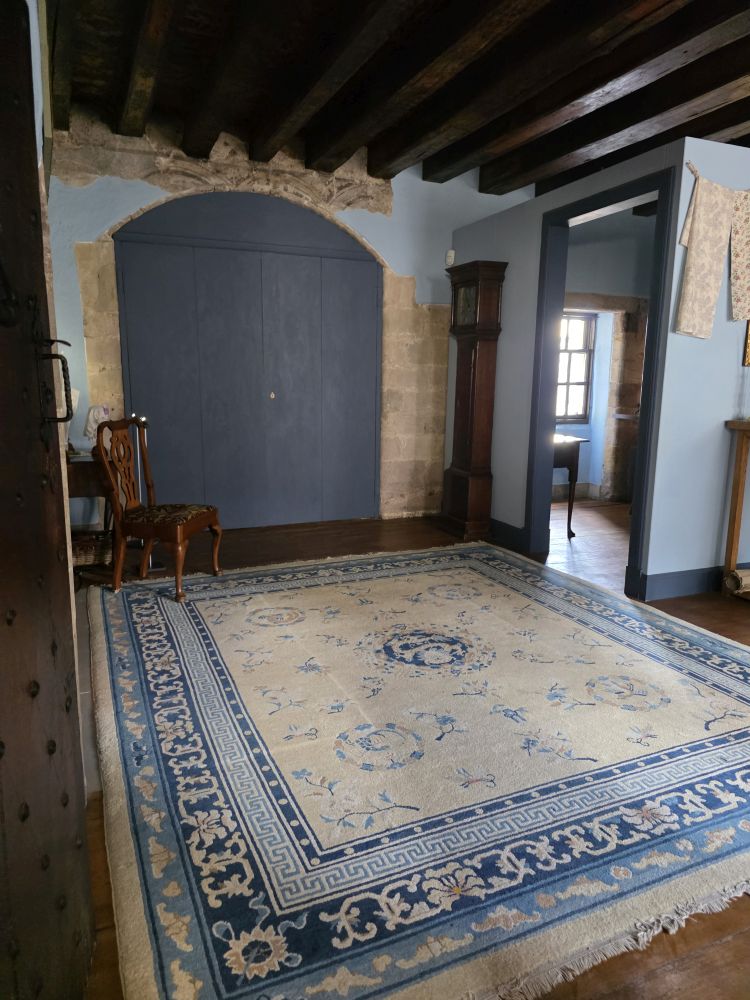
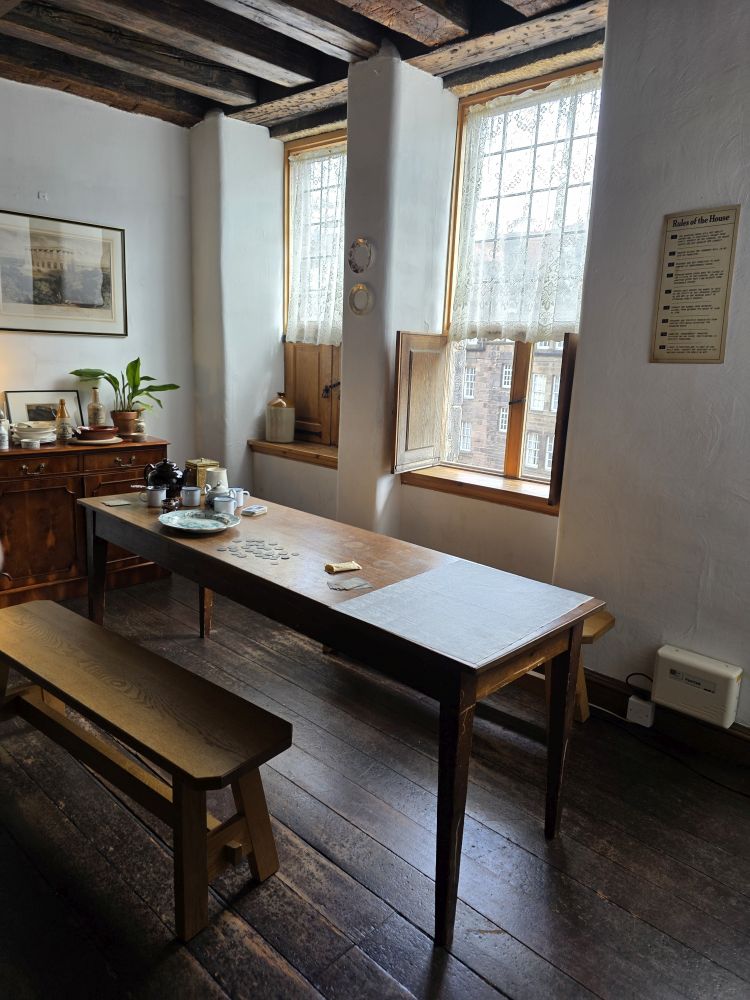
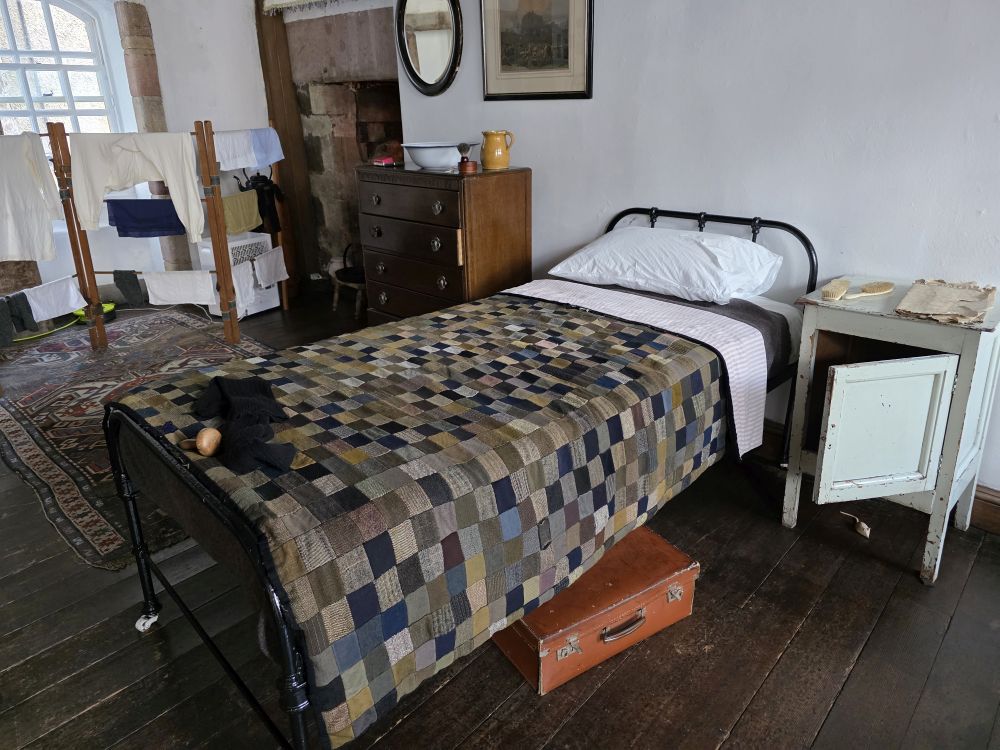
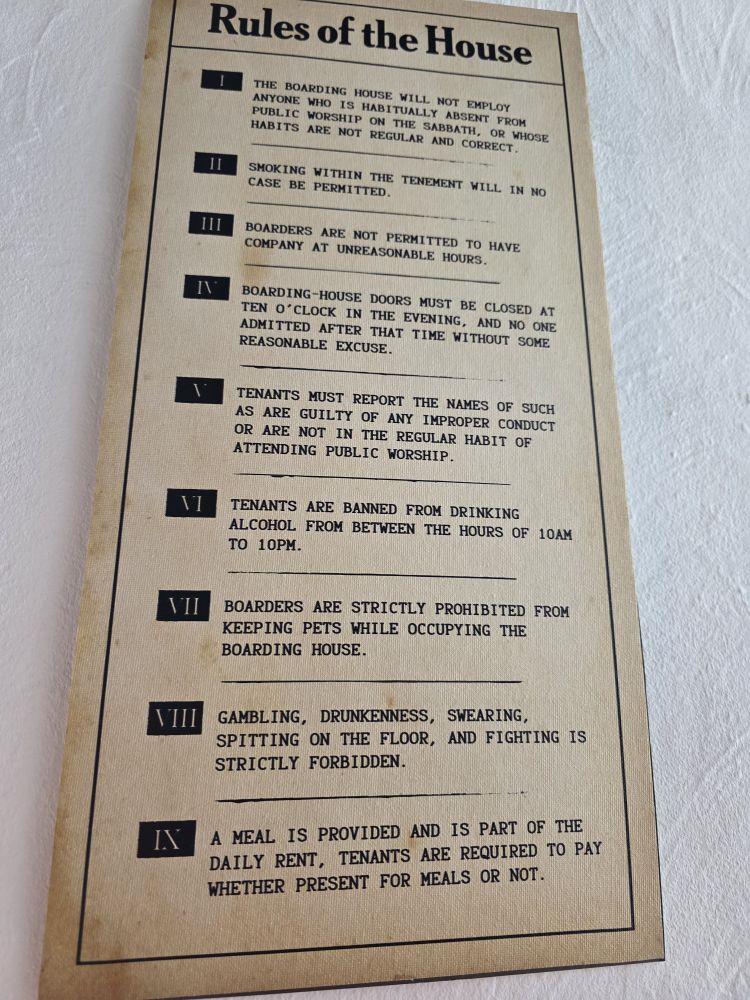
After the wealthy decamped to New Town, Gladstone’s Land declined over the years, becoming a boarding house in 1911 – which is the period of furnishings and info we find here on the 3rd floor. There are house rules posted on the wall (no alcohol between 10a and 10p, one must not be habitually absent from public worship on the sabbath, no company at unreasonable hours, etc.) and the rooms have been divided into 2 smaller areas to accommodate 2 people.
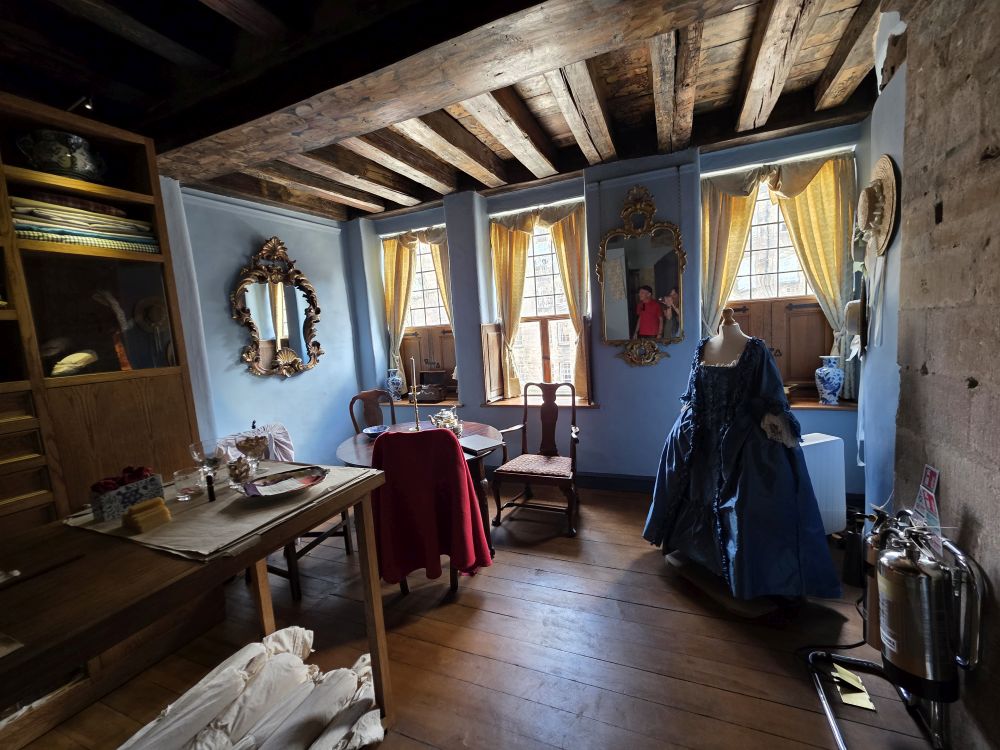
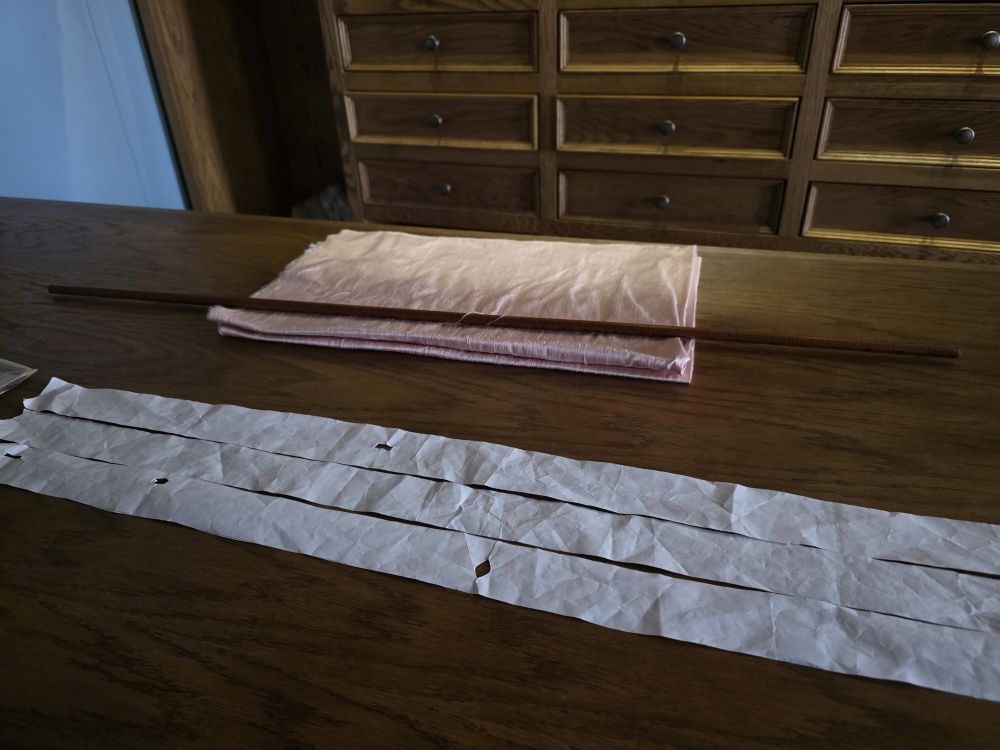
The 2nd floor holds the “drapers” shop – the tailor, seamstress and fabric seller – and our guide gave us such great details about their life, the shopping they did, how they marketed to the wealthy. She also gave us a lesson on the Edinburgh L – or the Scottish L, a yard stick with an extra inch to protect draper from customers who claimed the fabric was mis-measured. There was a fireplace on this floor (of course, the only heat) as well as a little round dining table that was used to ply wealthy clients.
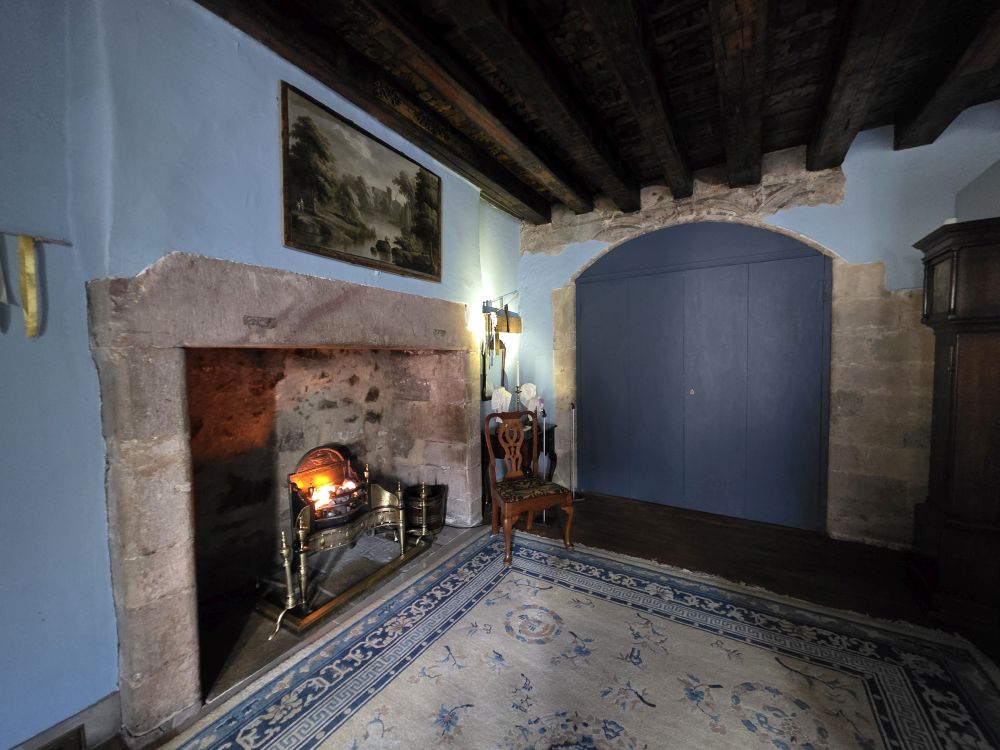
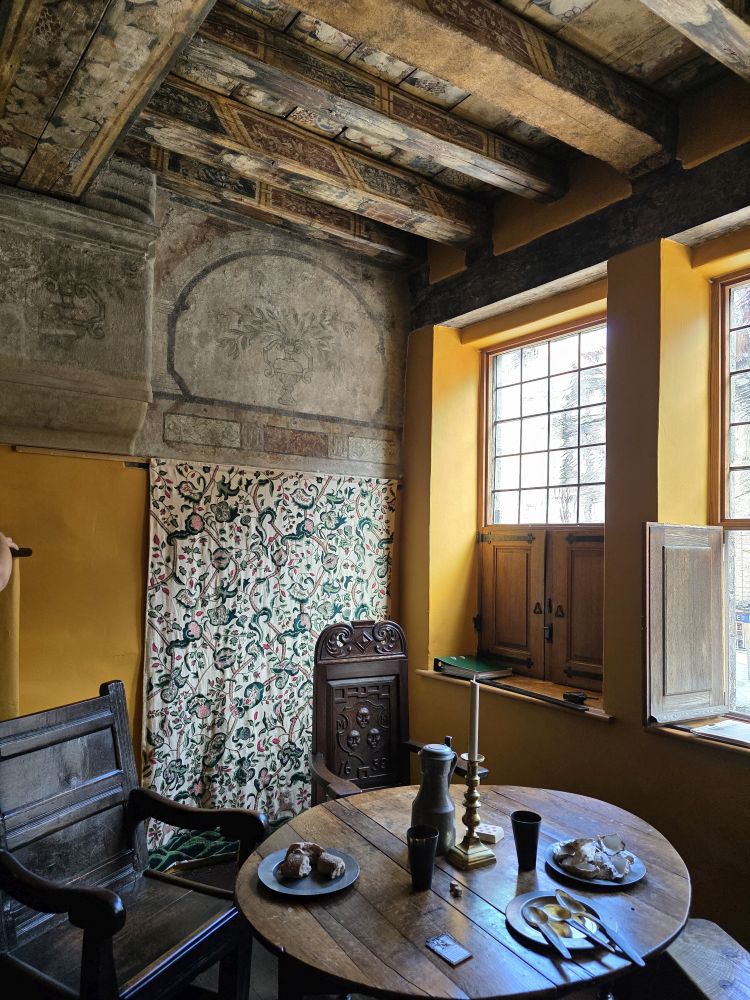
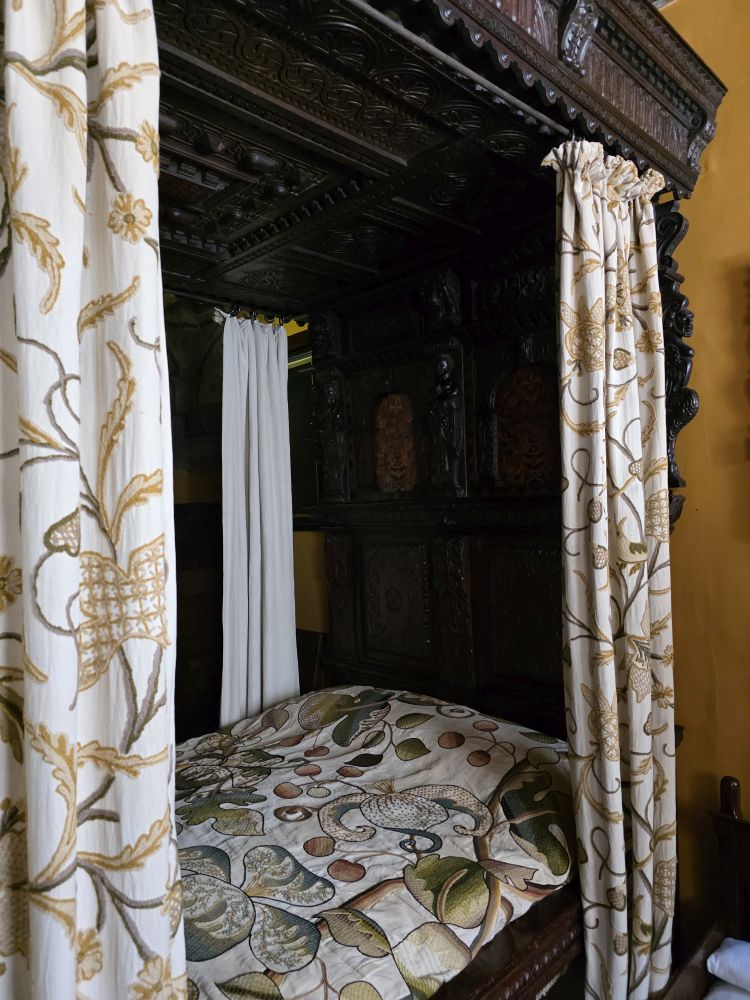
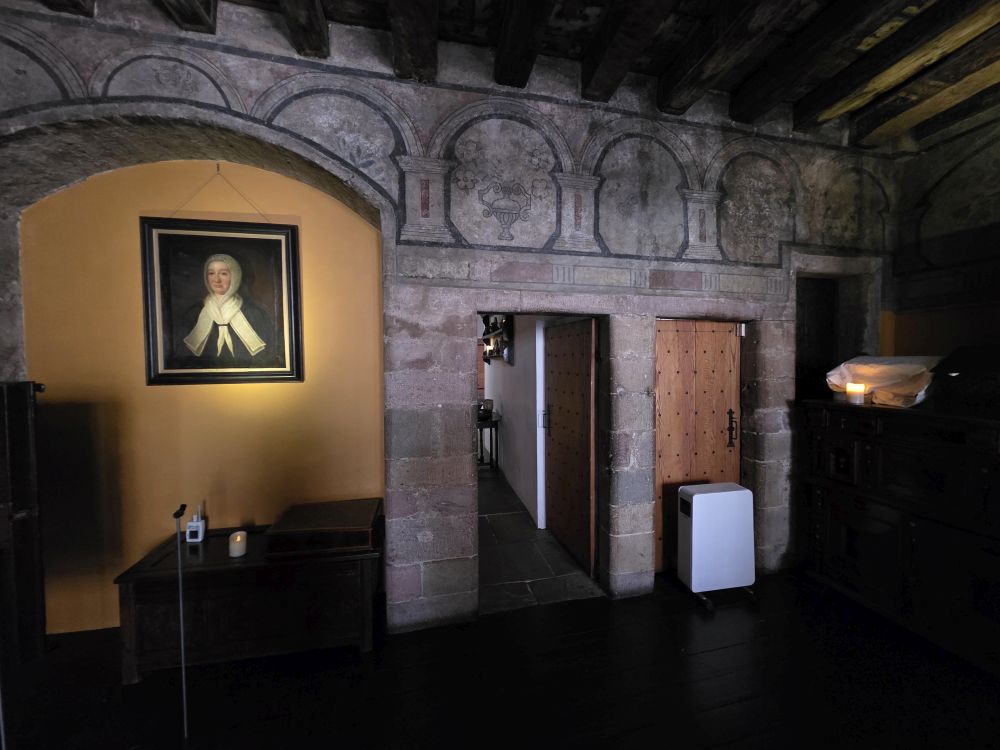
The 1st floor is reminiscent of the early 17th century when a wealthy merchant owned the building and ran his shop on the ground level. Here there is a four poster bed, more painted ceilings, but also painted walls – frescoes found on the walls after wood paneling was removed. Wild! There is also a small little chapel like area, an office of sorts and a full kitchen, complete with servants’ quarters, i.e., a bed in the kitchen!
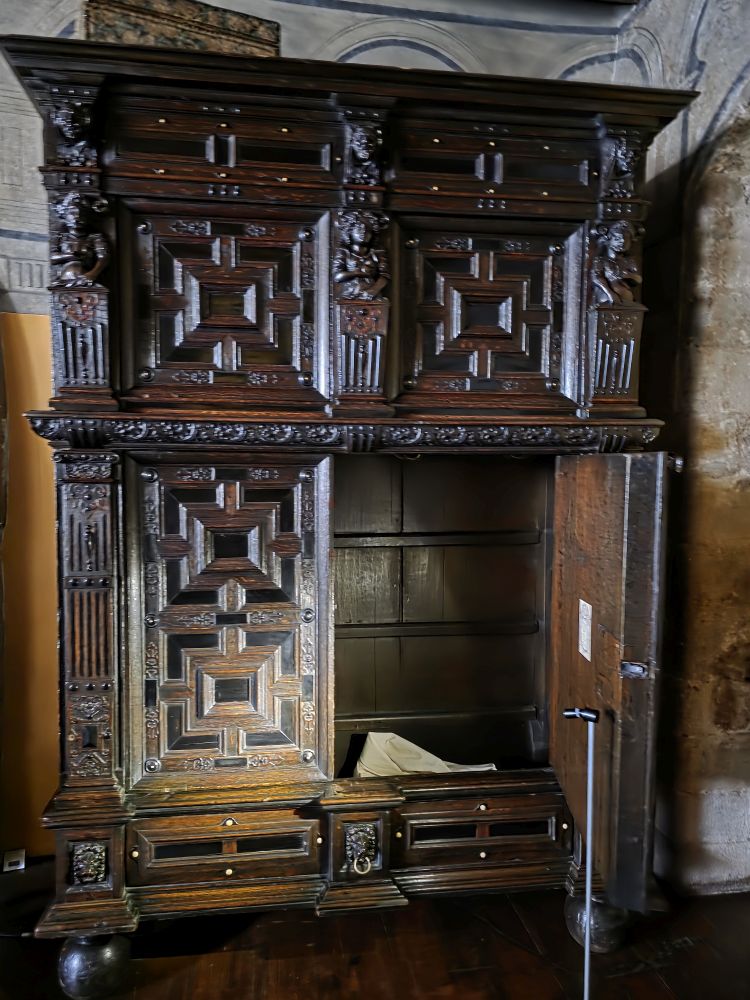
The saddest thing though – the current house also has 4 holiday apartment that can be rented. One of the apartments had a leak – when the tenant stupidly left the faucet in the kitchen run all night – that has worked its way down all the floors. There are de-humidifiers everywhere, and some antiques are covered up in plastic, with areas inaccessible to us. They don’t think there is too much damage, but they are still exploring exactly what has to be done to restore everything. Such a shame in such a wonderfully historic home.
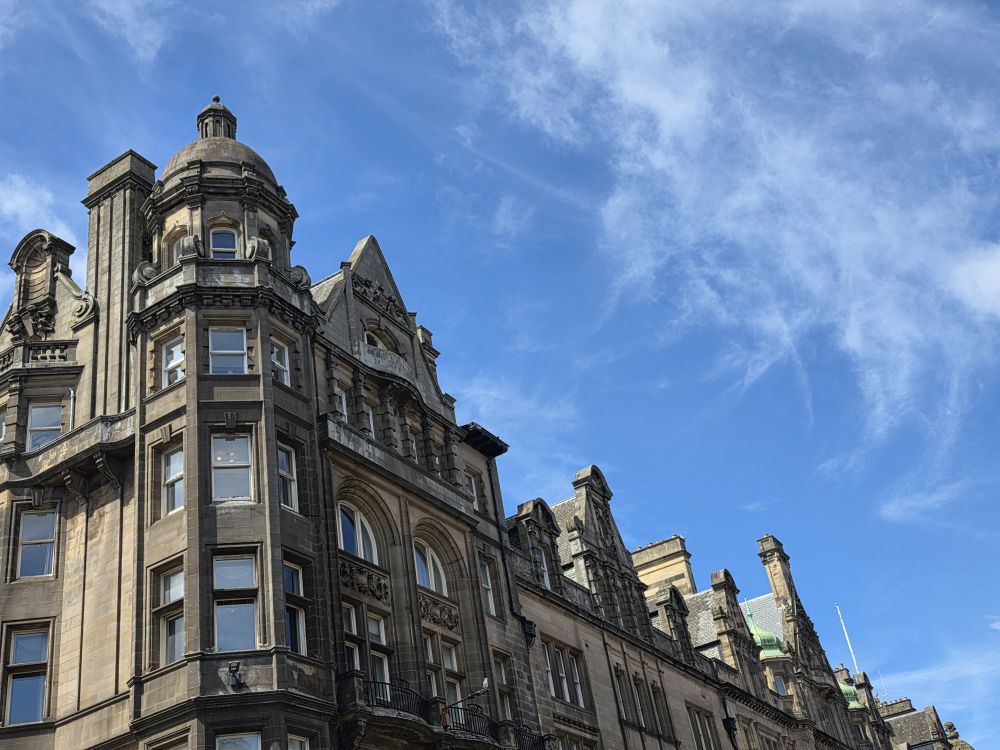
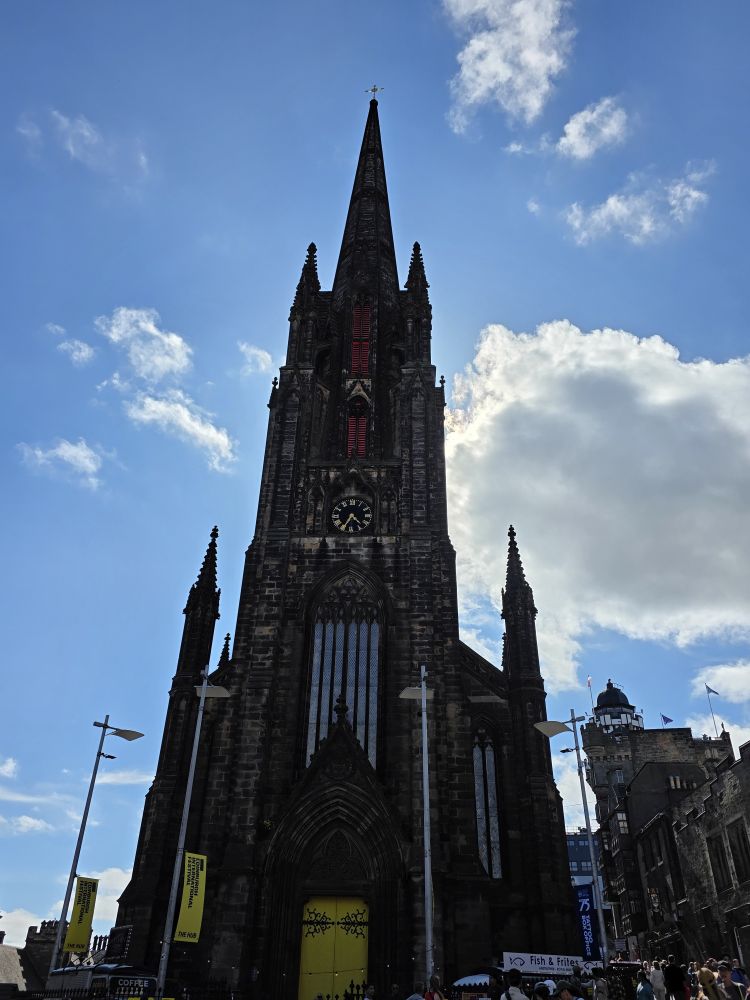
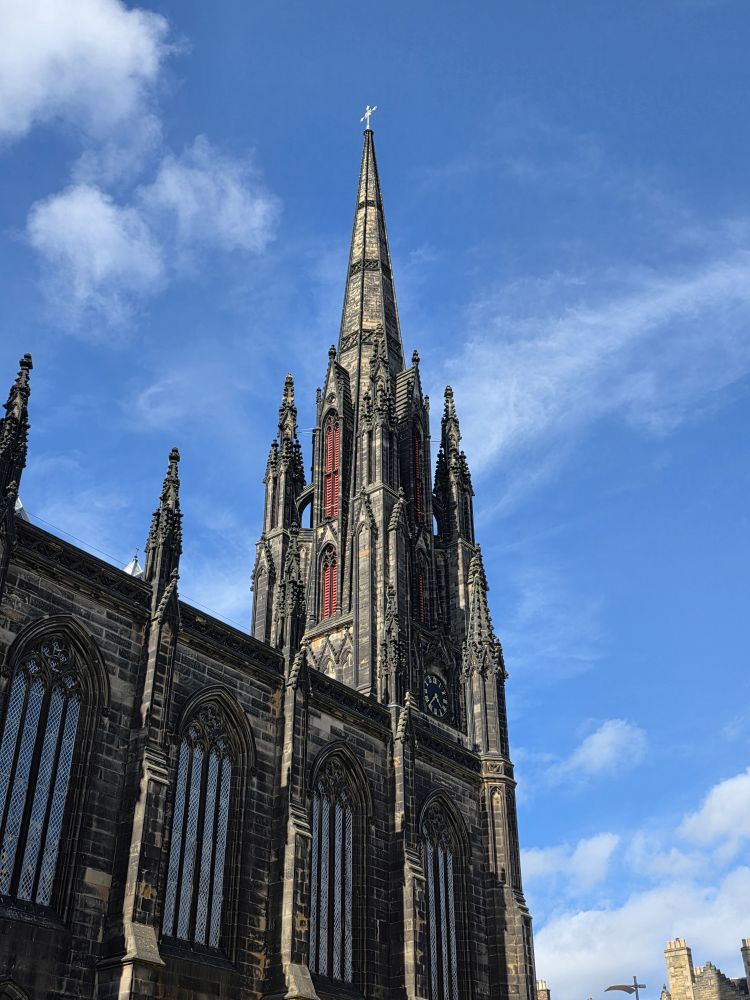
After our totally unexpected – but happily – excellent tour, we walk back to our apartment, continuing to snap photos of the marvelous architecture and the little closes (sort of like squares) that are everywhere in this city.
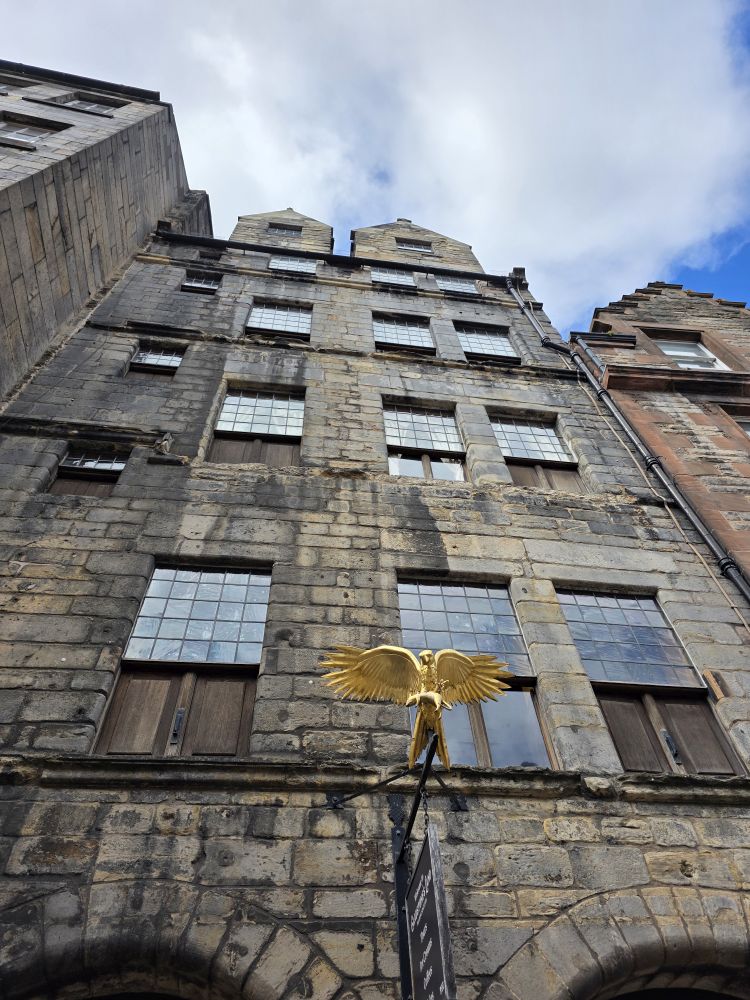
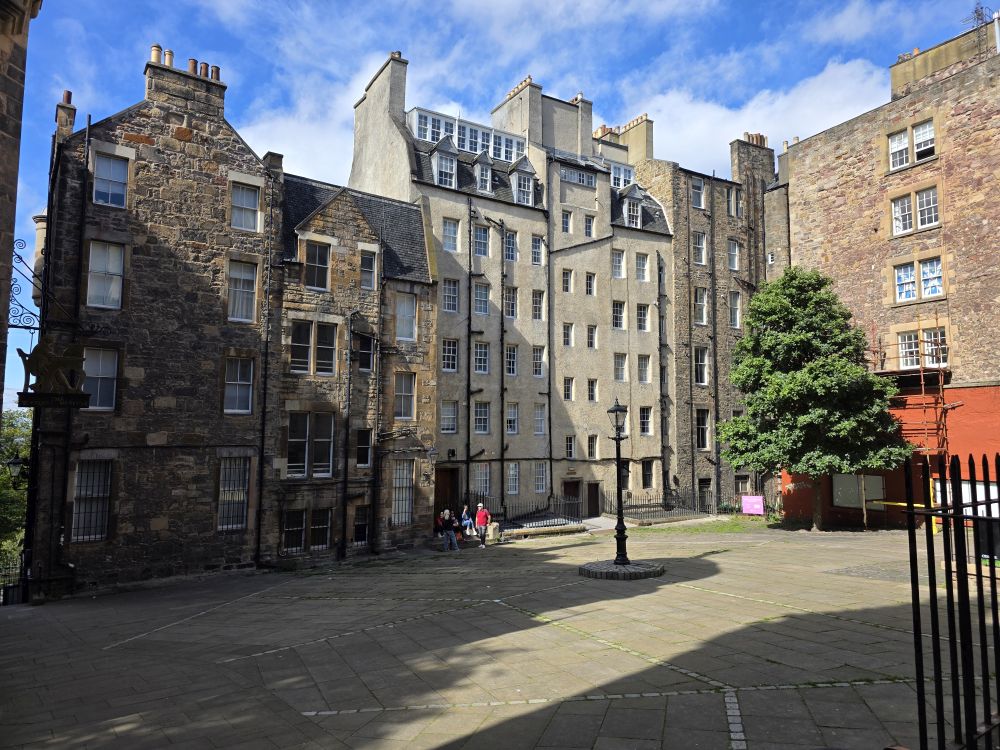
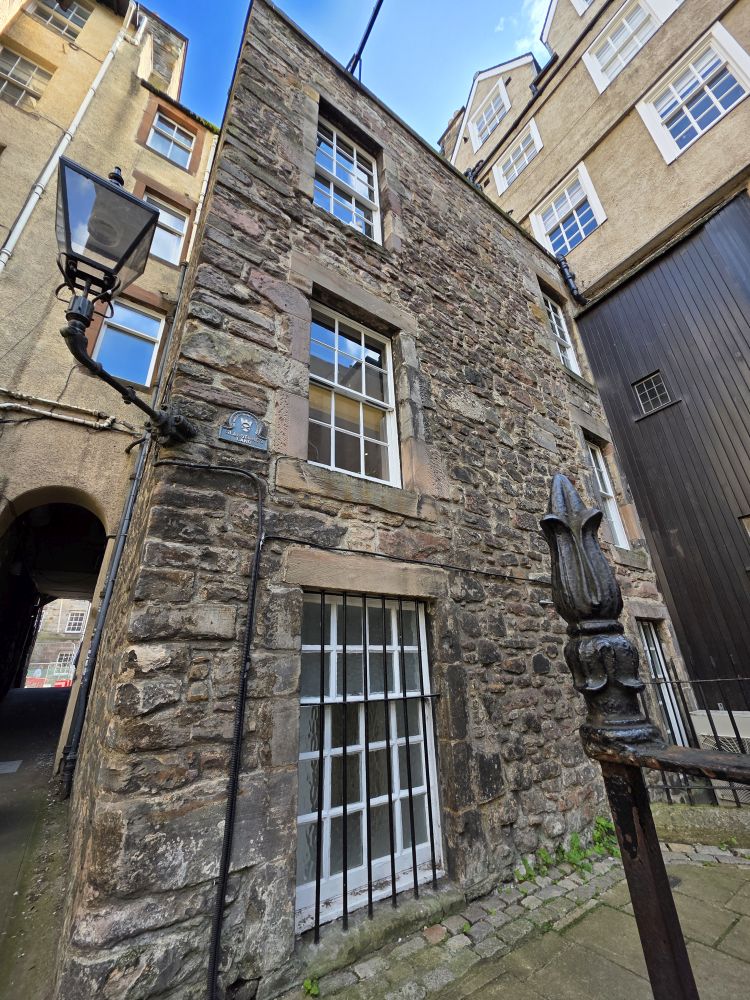
Since we had such a huge lunch, we decided to just stay in with sandwiches for dinner, making for a perfect end to an excellent Edinburgh exploration day!
 Andiamo