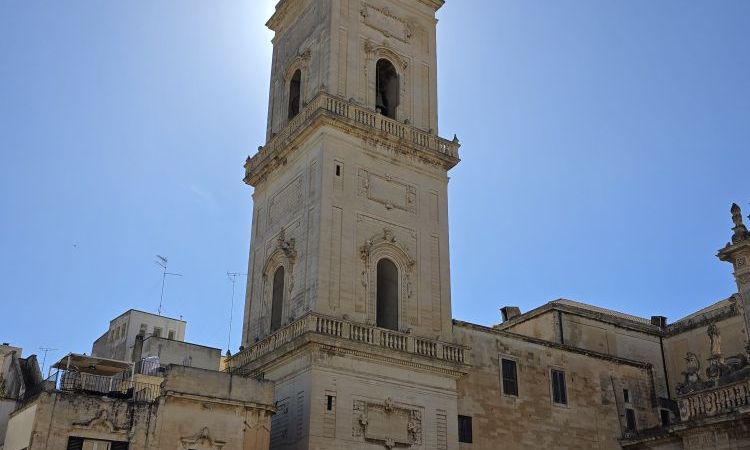
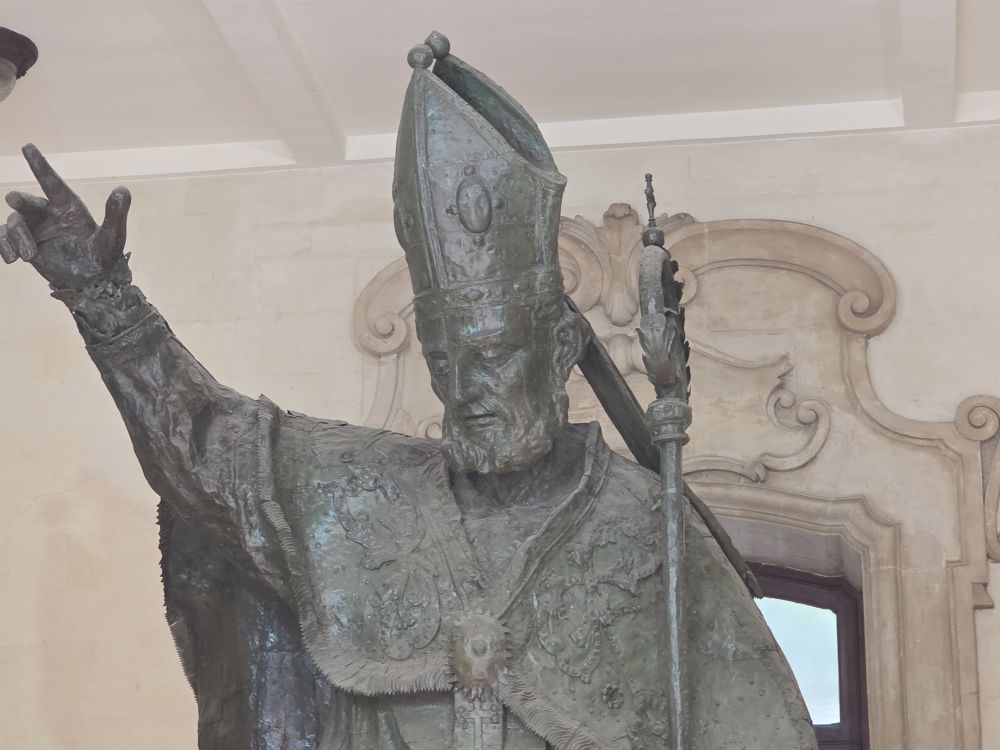
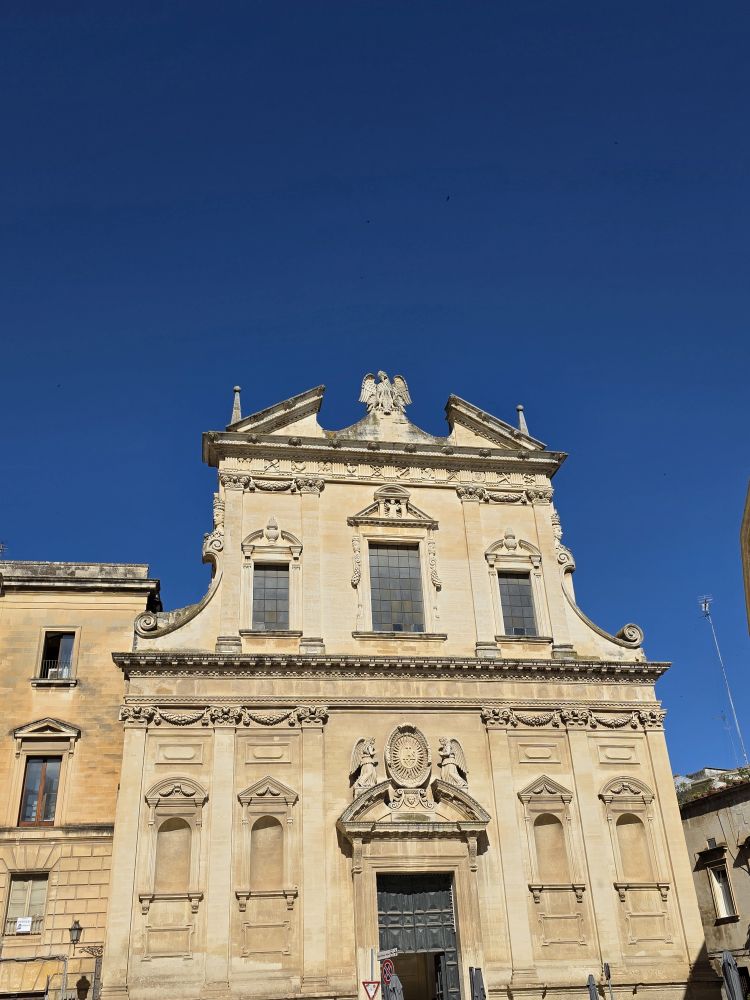
Of course we are up and out early, even though none of the places we want to visit will open for hours. But it is lovely out in the town with no one around, taking photos of the empty squares, the statue of Sant’Oronzo, they patron saint of Lecce, the Church of Sacred Heart, all the gorgeous architecture.
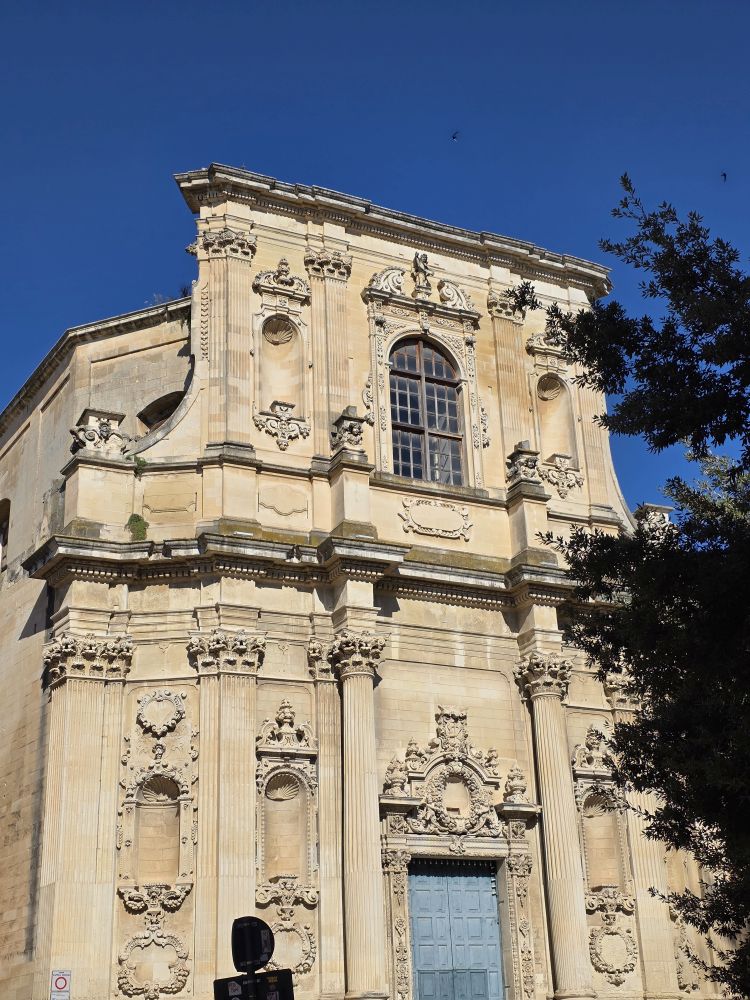
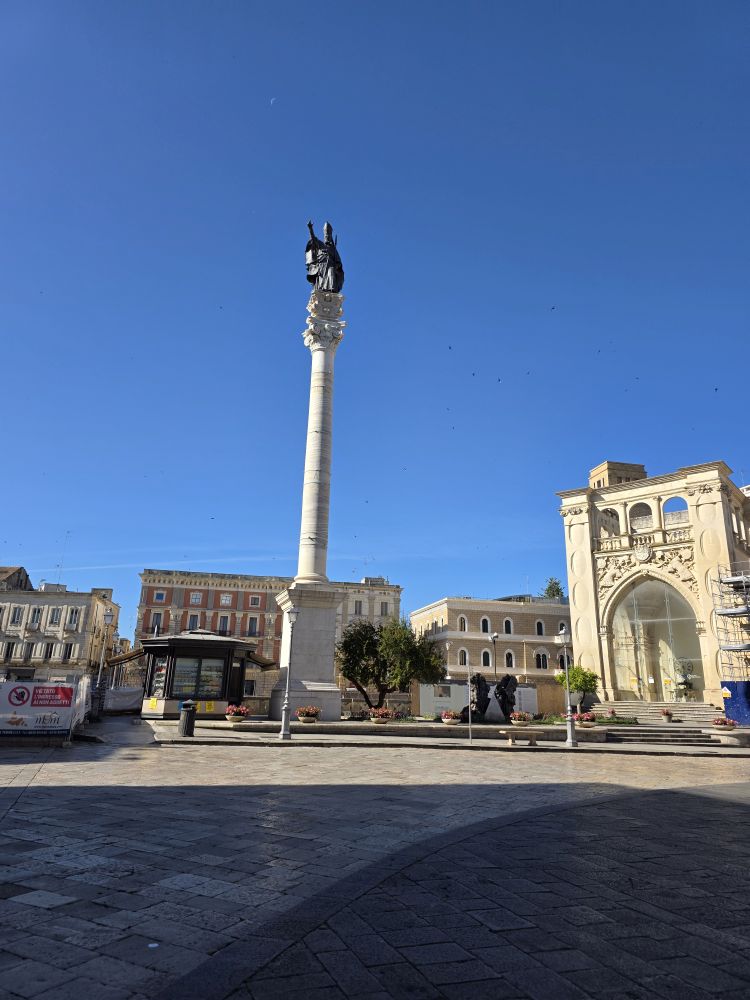
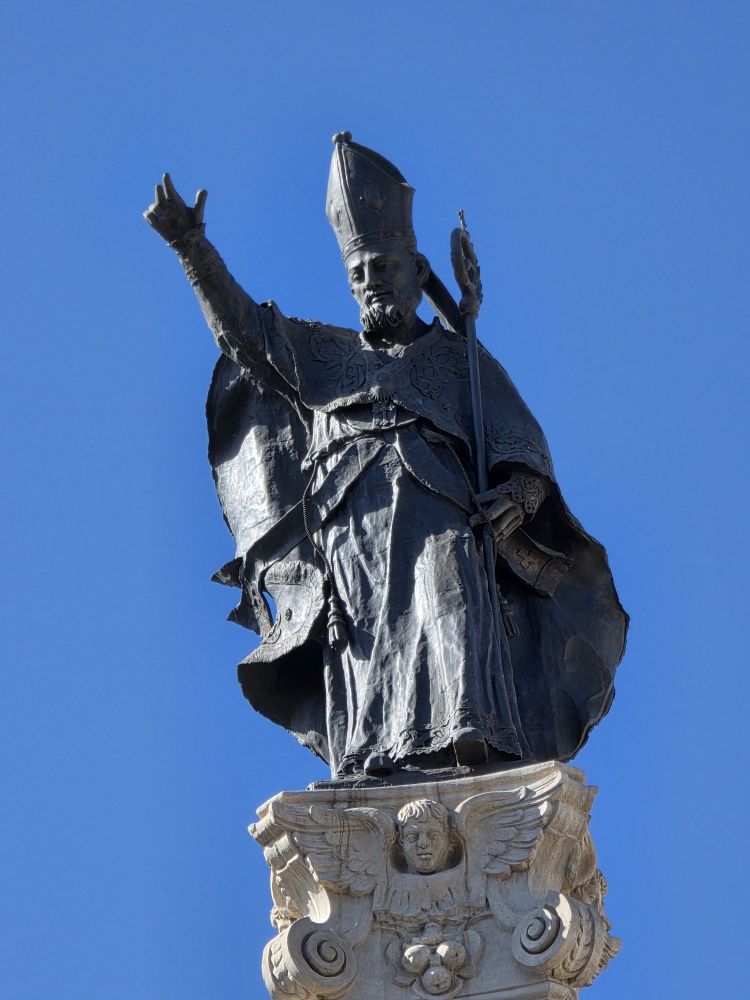
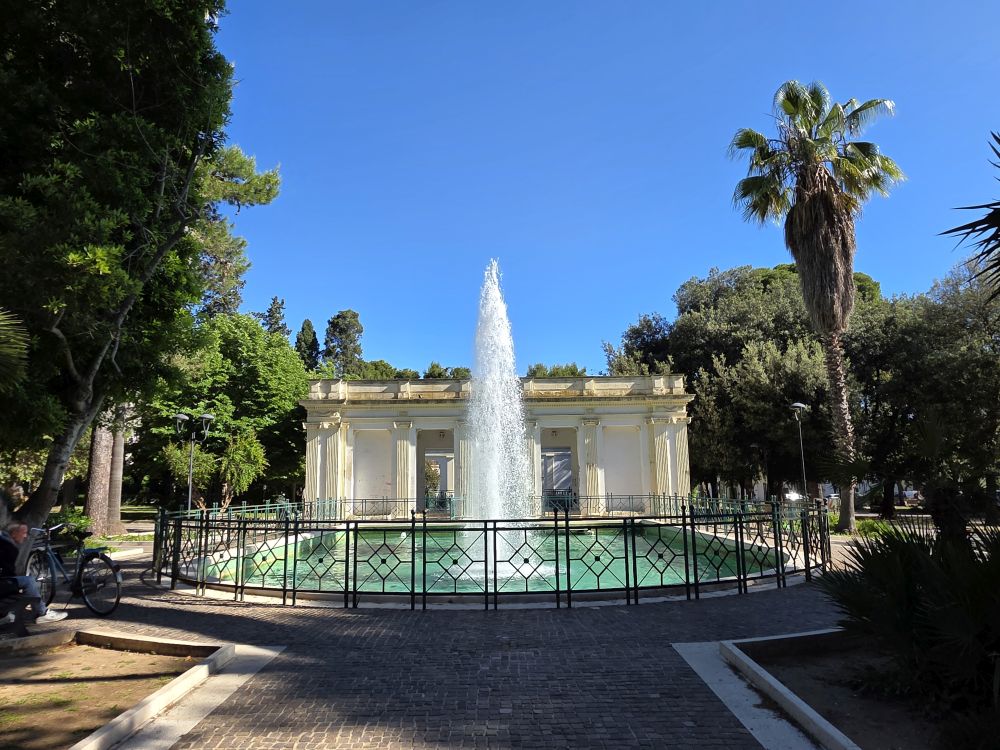
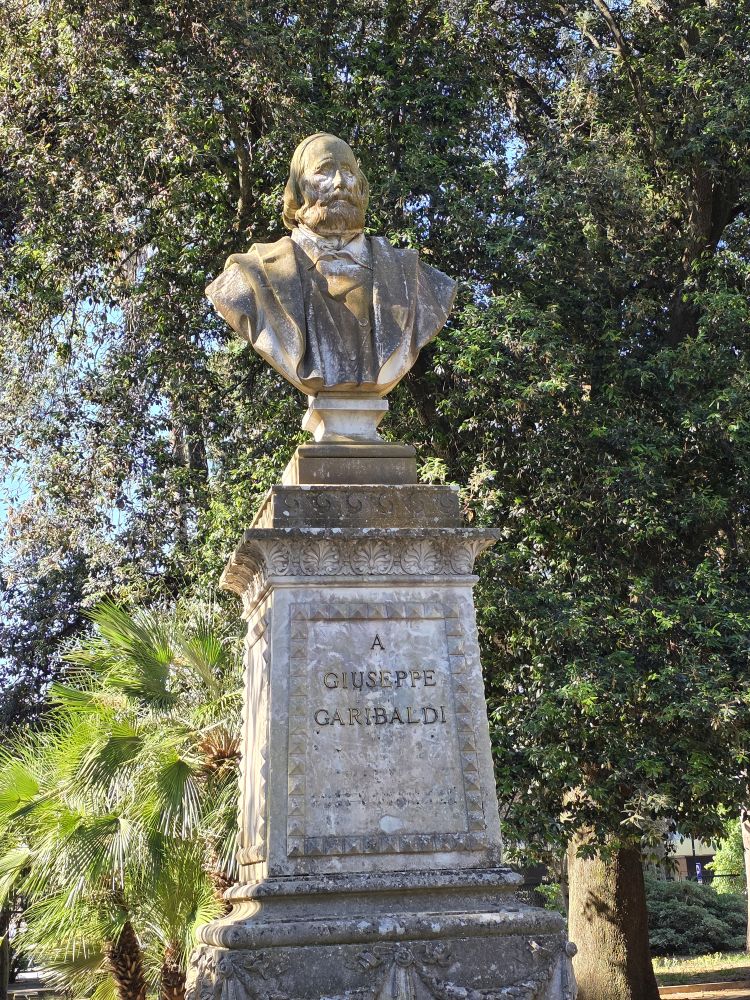
Our first planned stop was the castle of Charles V, but we were still too early for the opening, so we wandered through the Guiseppi Garibaldi public gardens for a bit, not finding anything much of interest, except a lovely fountain, then trying to find our way out! There were only 2 gates open, so we had to reverse back to where we entered. Oh well, just more walking.
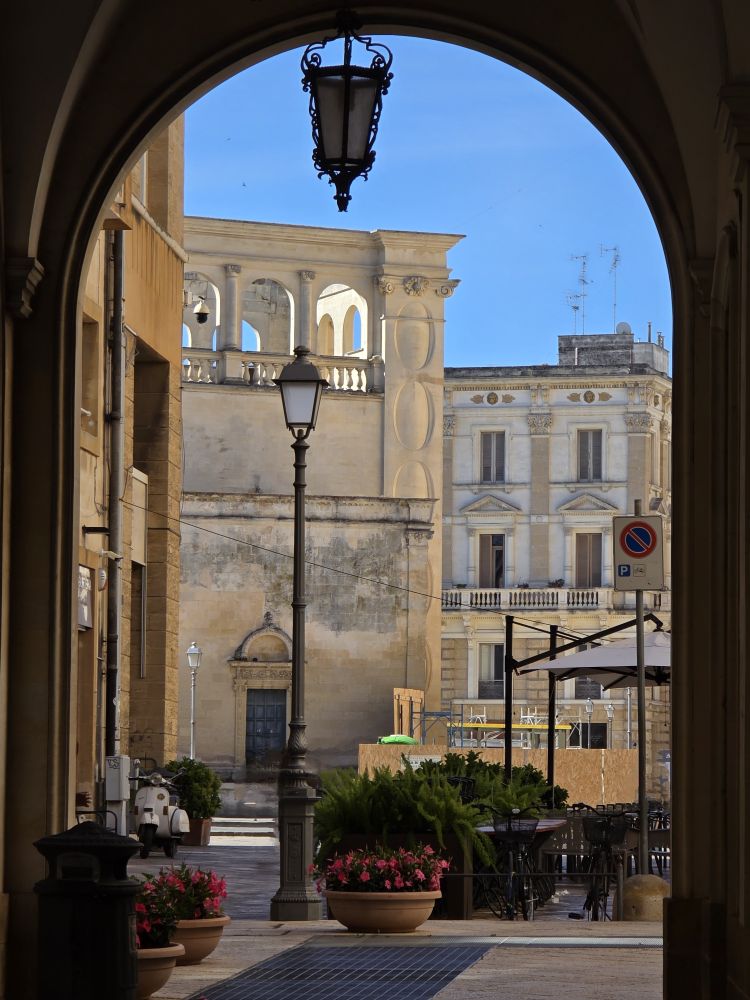
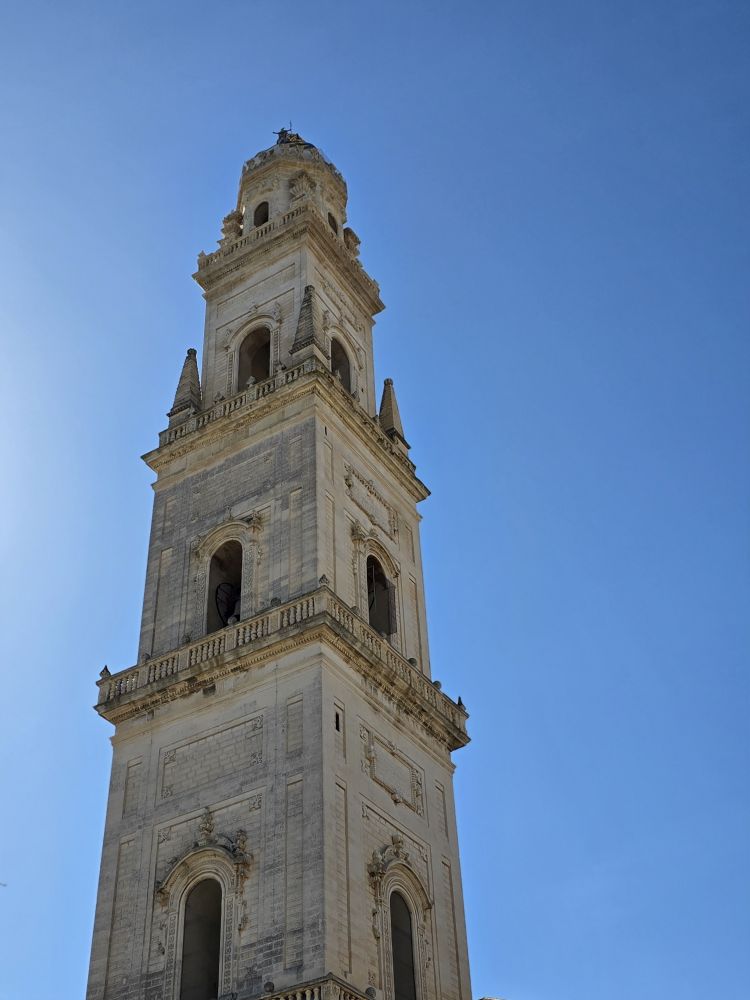
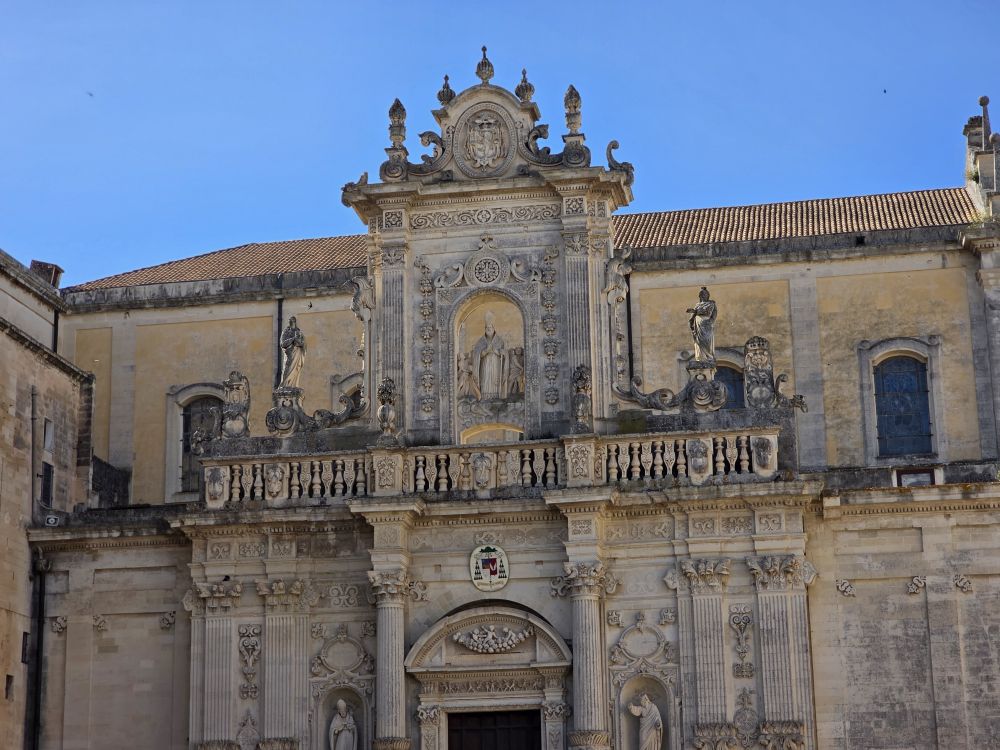
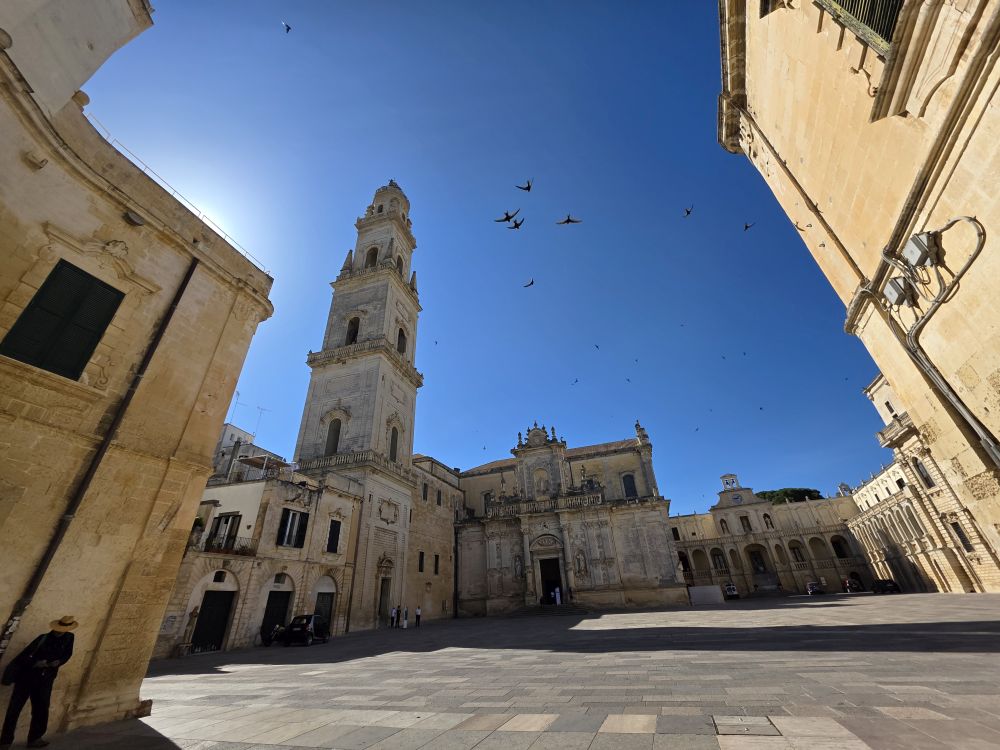
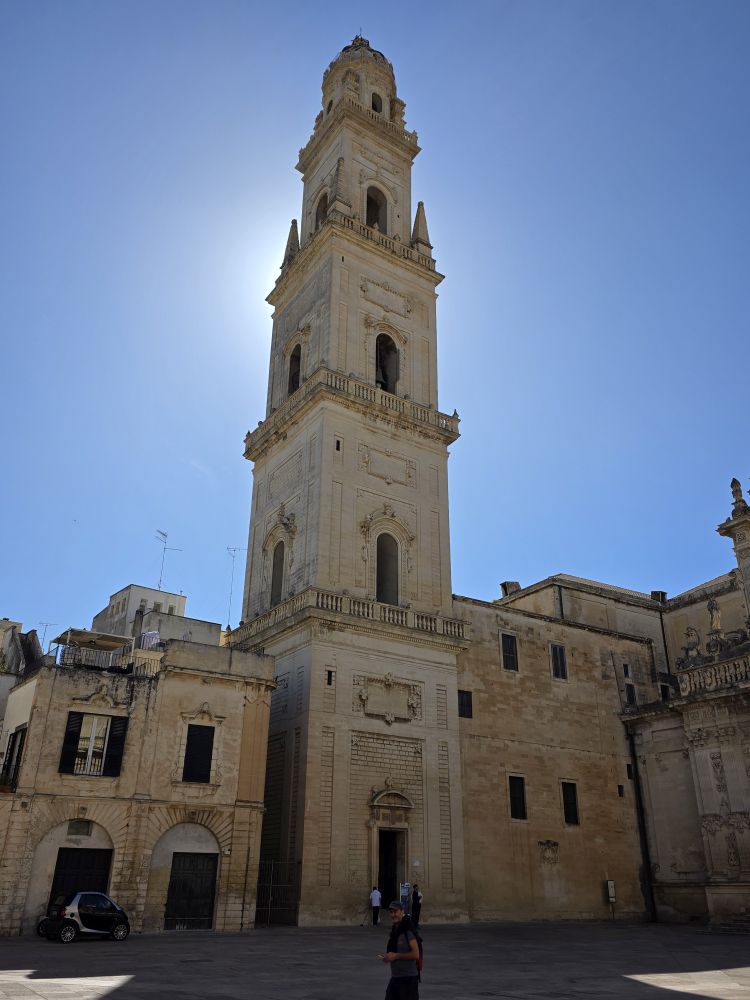
With more time to kill we head back into town to the Duomo piazza to explore in the early morning emptiness. Beautiful.
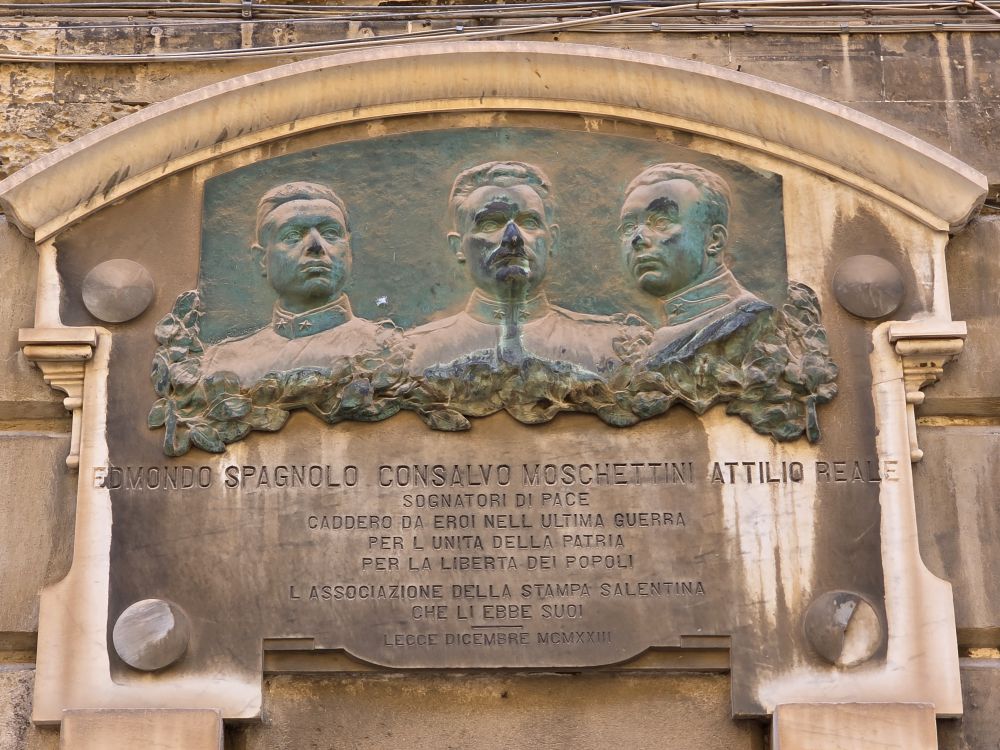
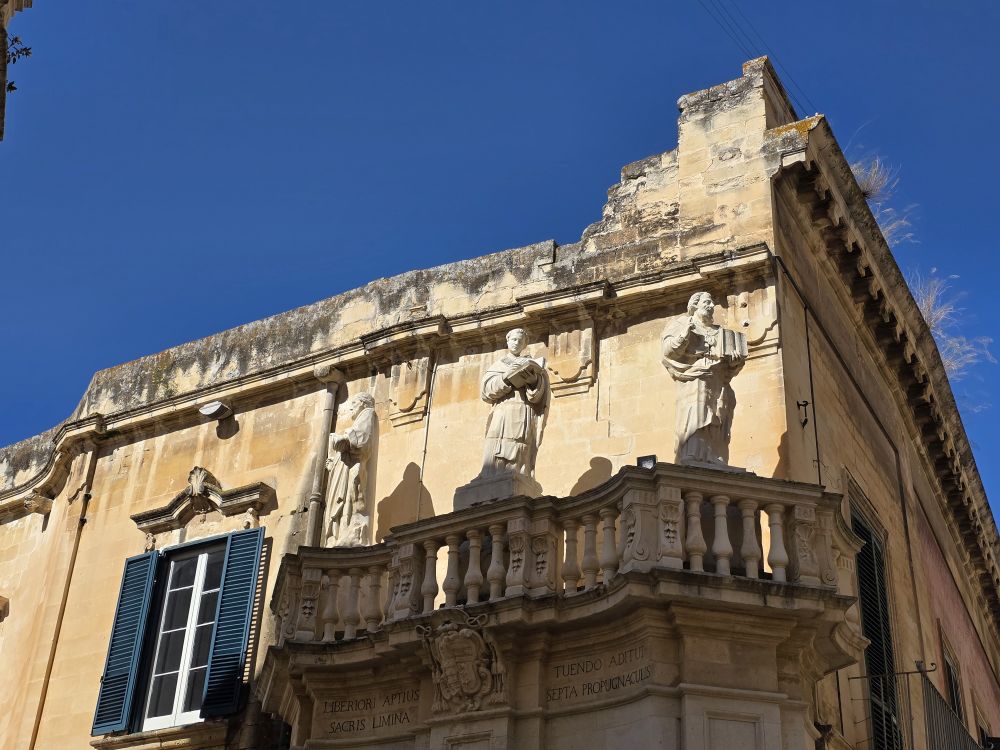
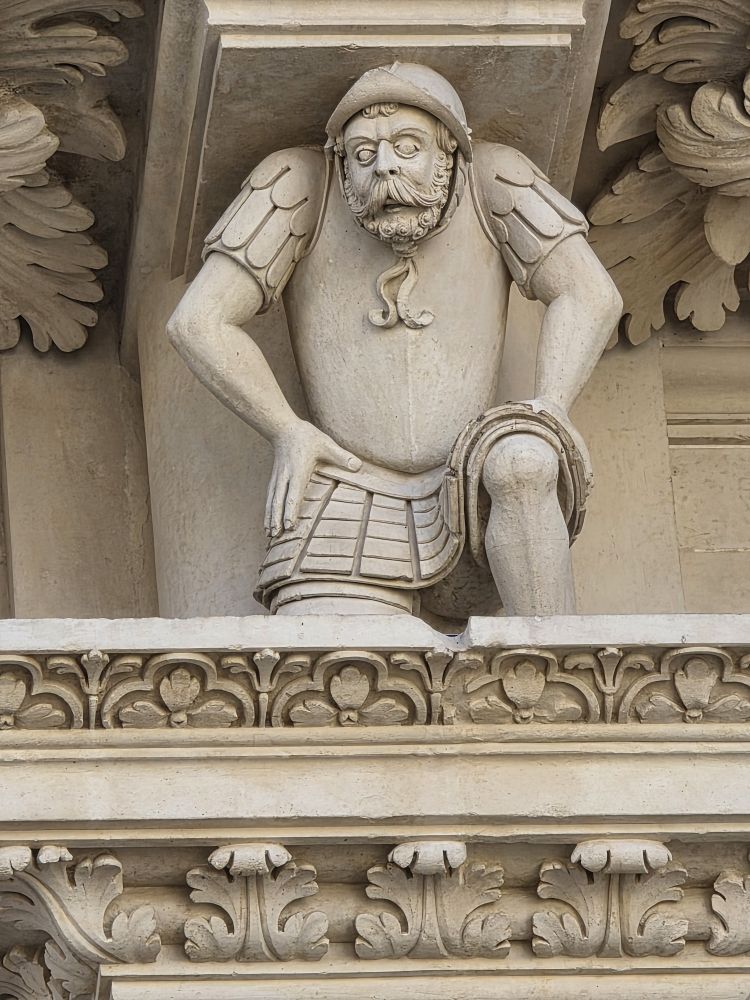
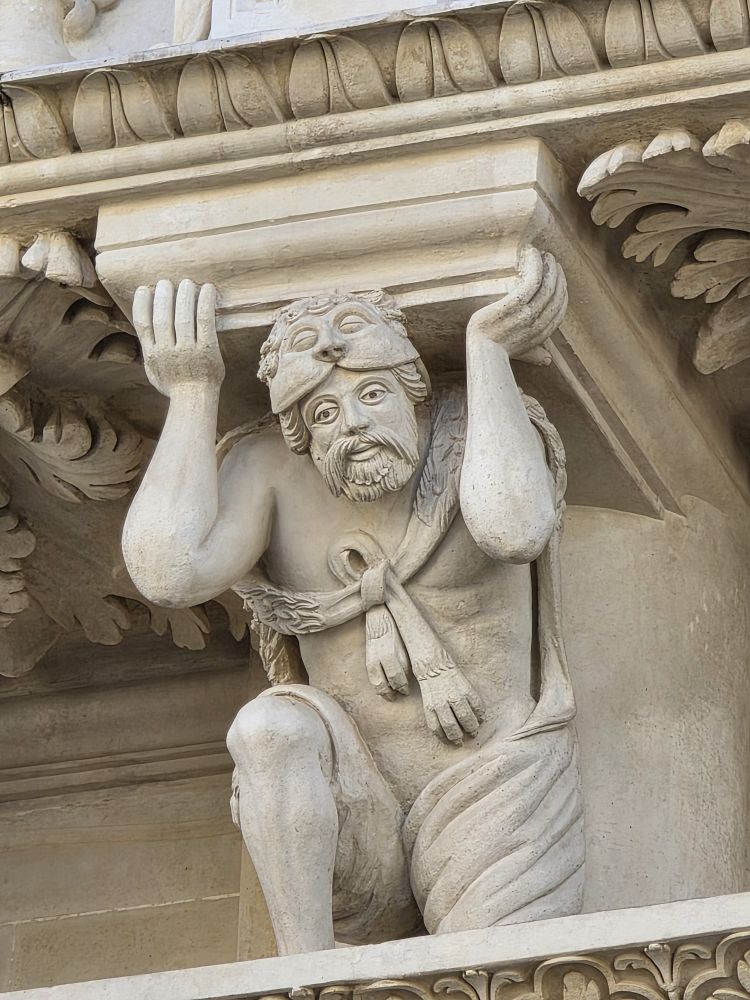
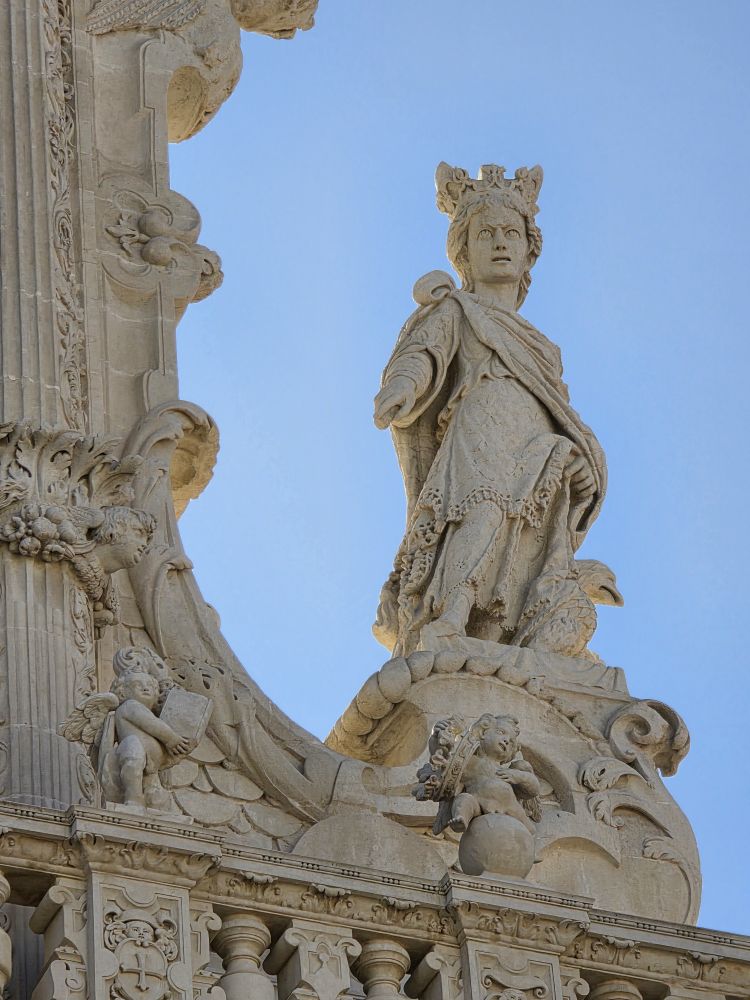
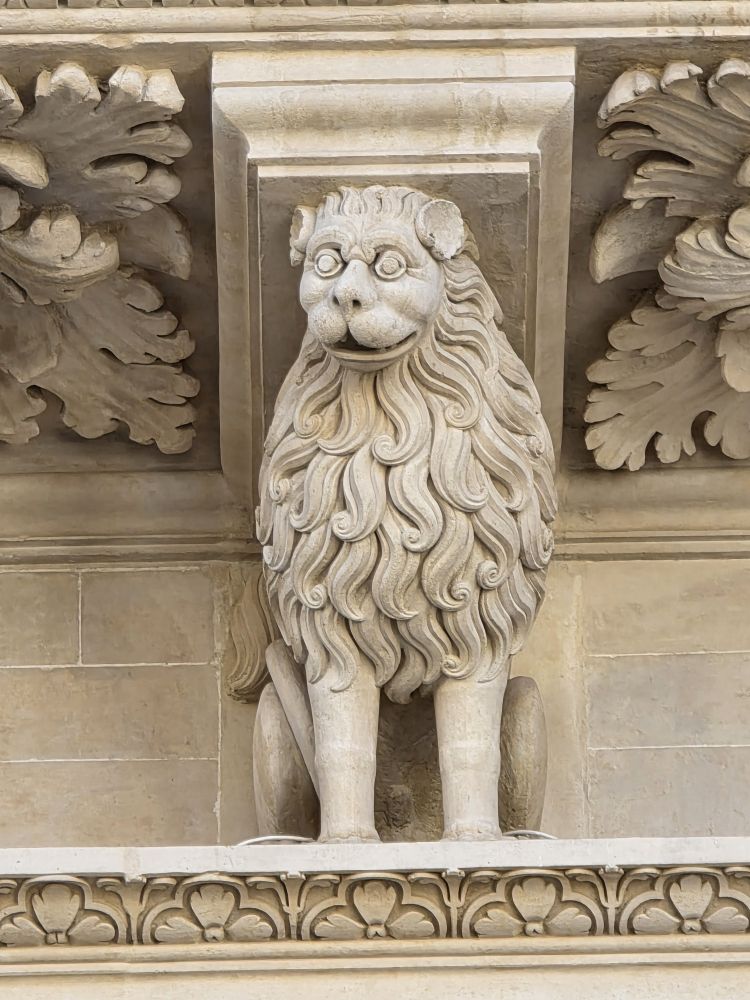
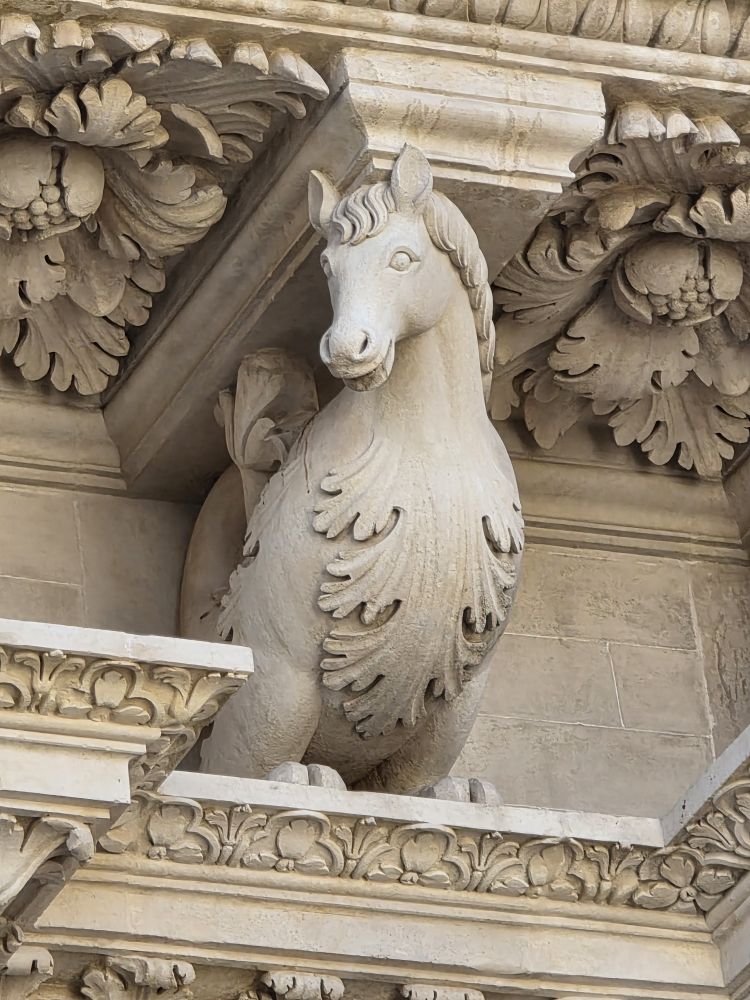
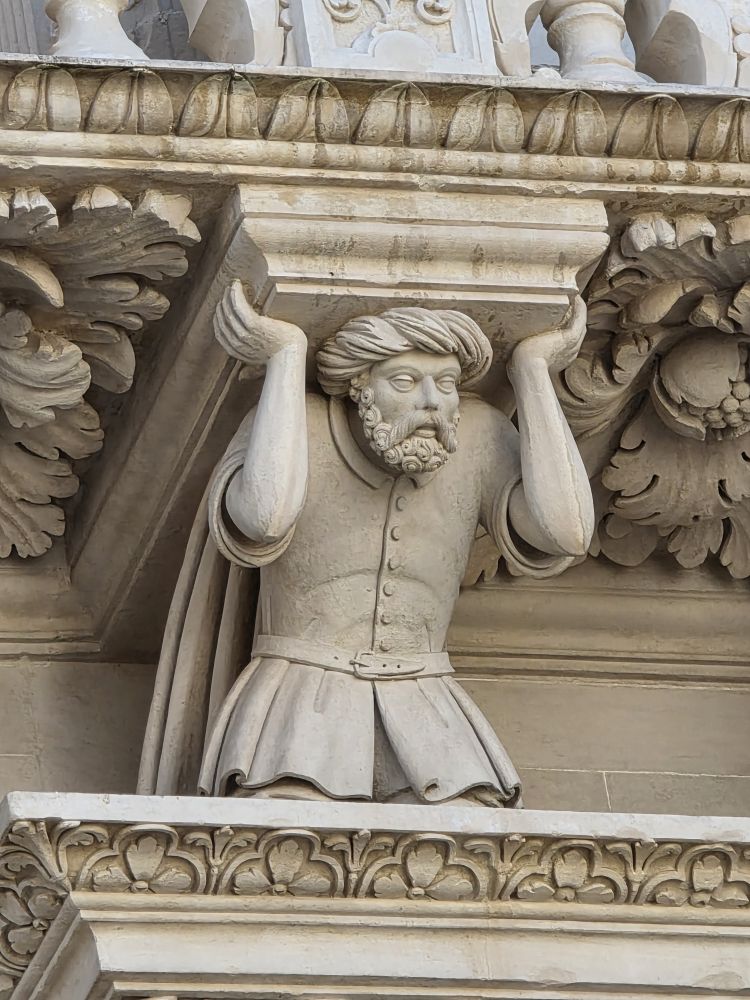
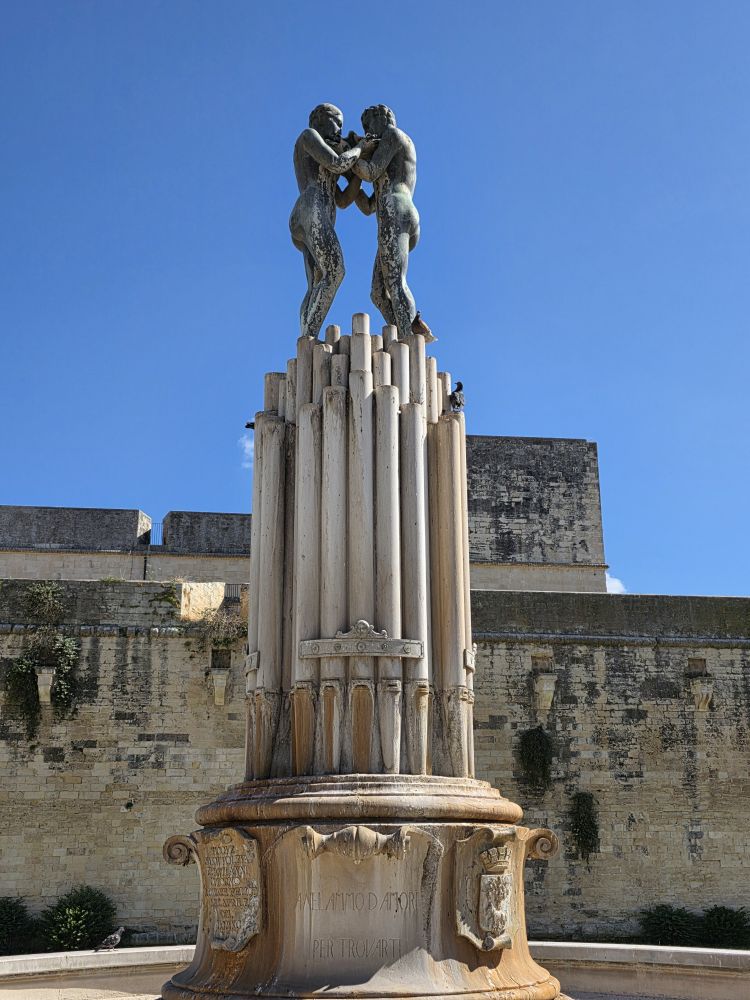
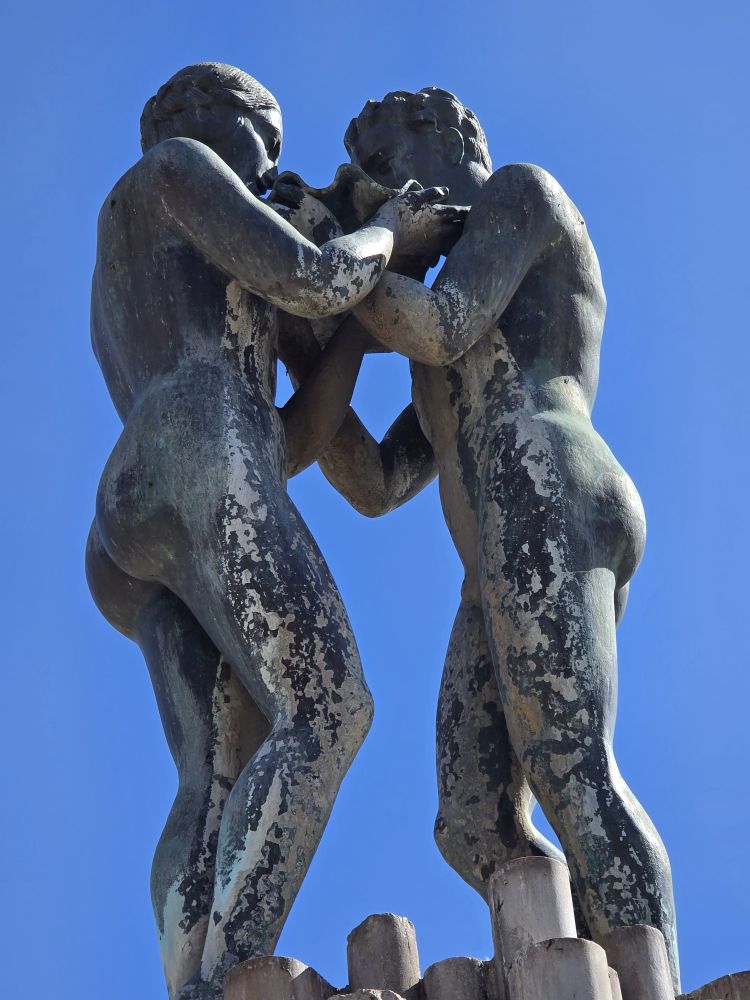
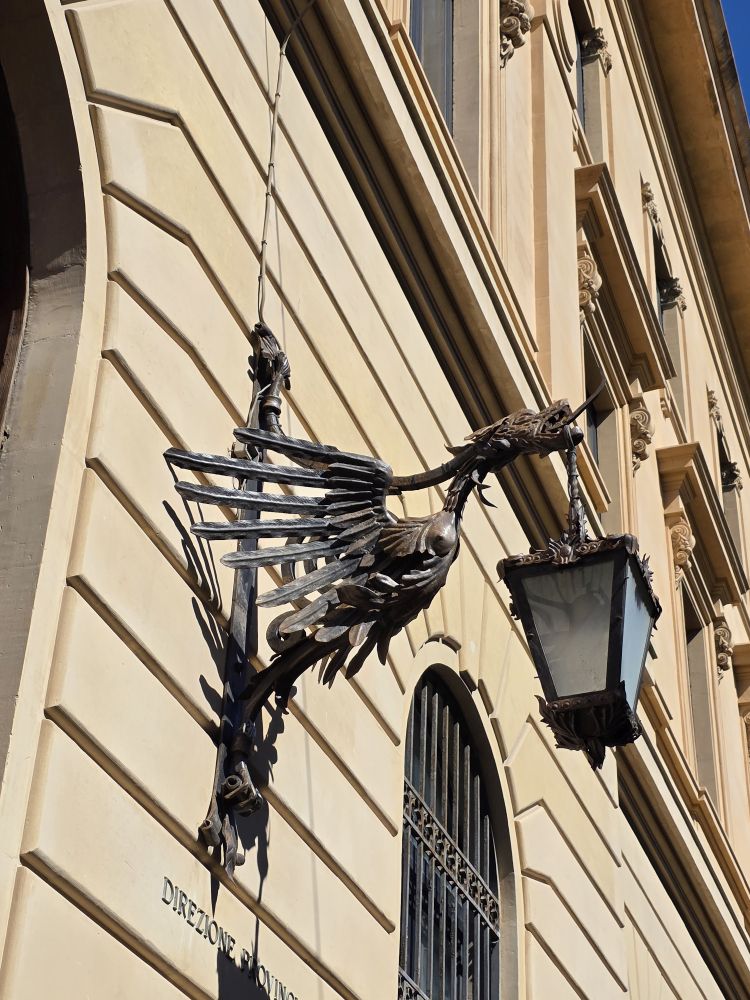
Arriving back at the castle, still with time to spare, we cool our heels outside the entrance watching all the tour buses pull up to board passengers, then decide to walk the circumference of the castle just to keep from being bored waiting for opening time. The reward here are statues and sculptures and more gorgeous architecture to capture on film (ok, digital).
Finally, the darn castle opens and we are allowed inside. We can only visit with a guided tour, and this one is only in Italian, but we do have a free app we can download with the information. We are joined by another Italian couple and begin in the entrance with an overview of the castle (the app had good info, but the guide talked way more than what we got on the app!). The castle dates back to the 11th C, but Charles V enlarged it in the 16th C, thus the castle is dedicated to him.
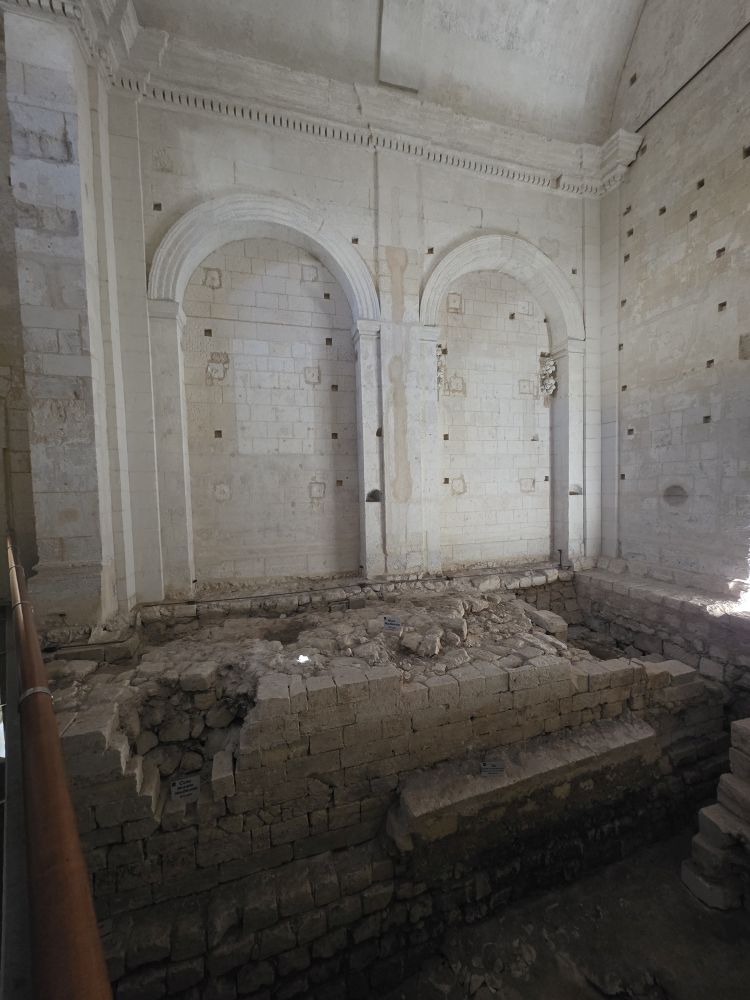
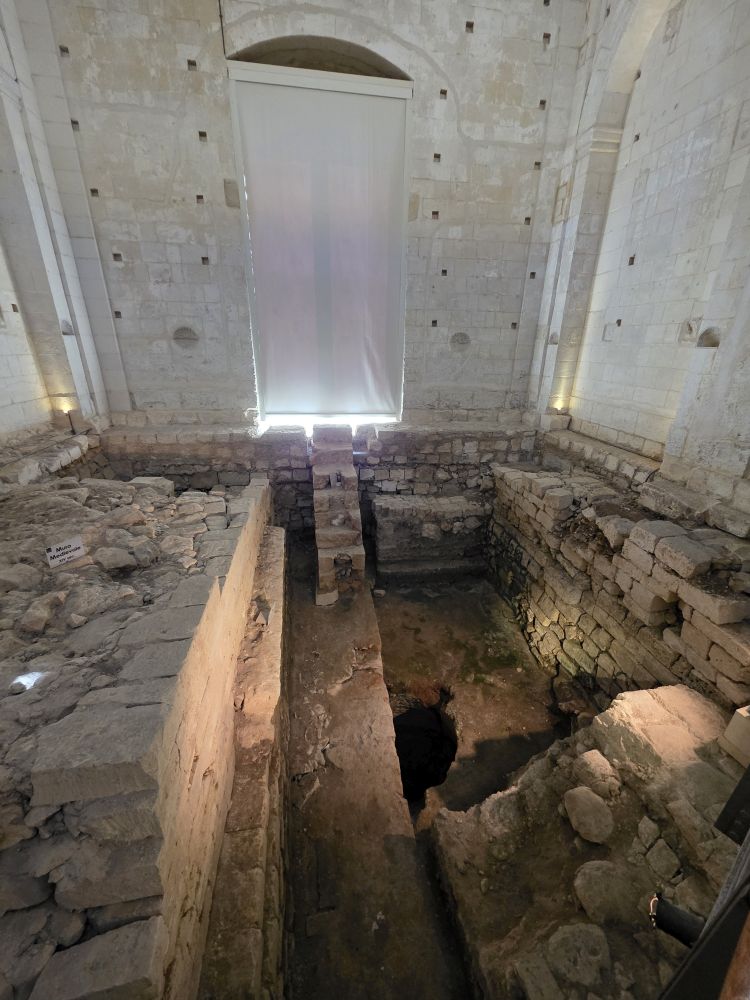
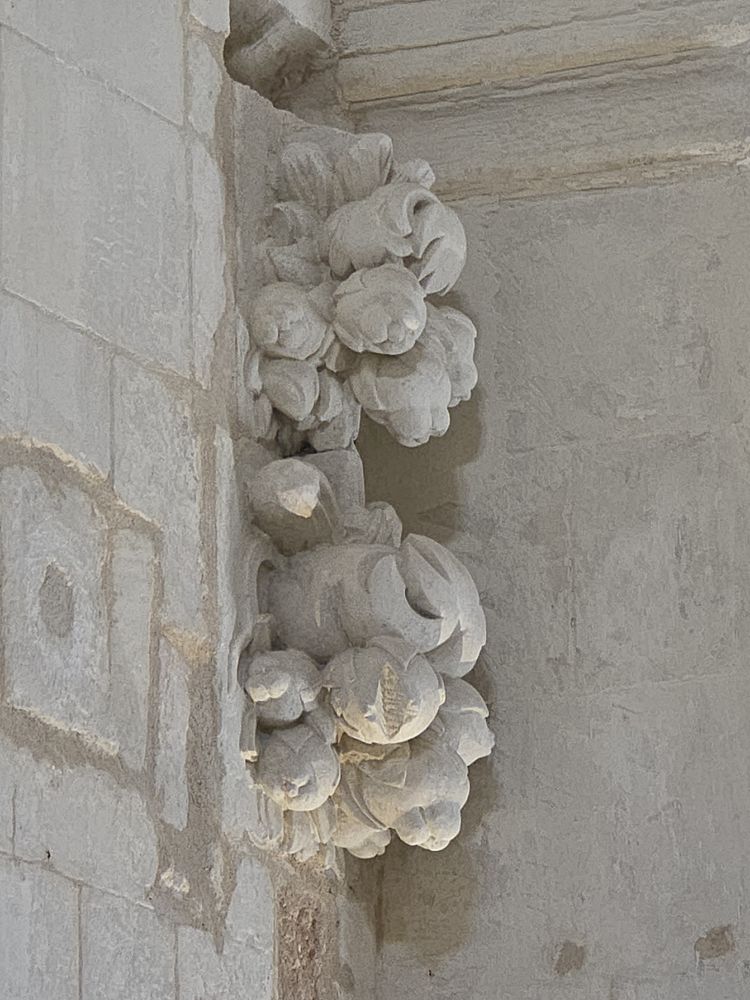
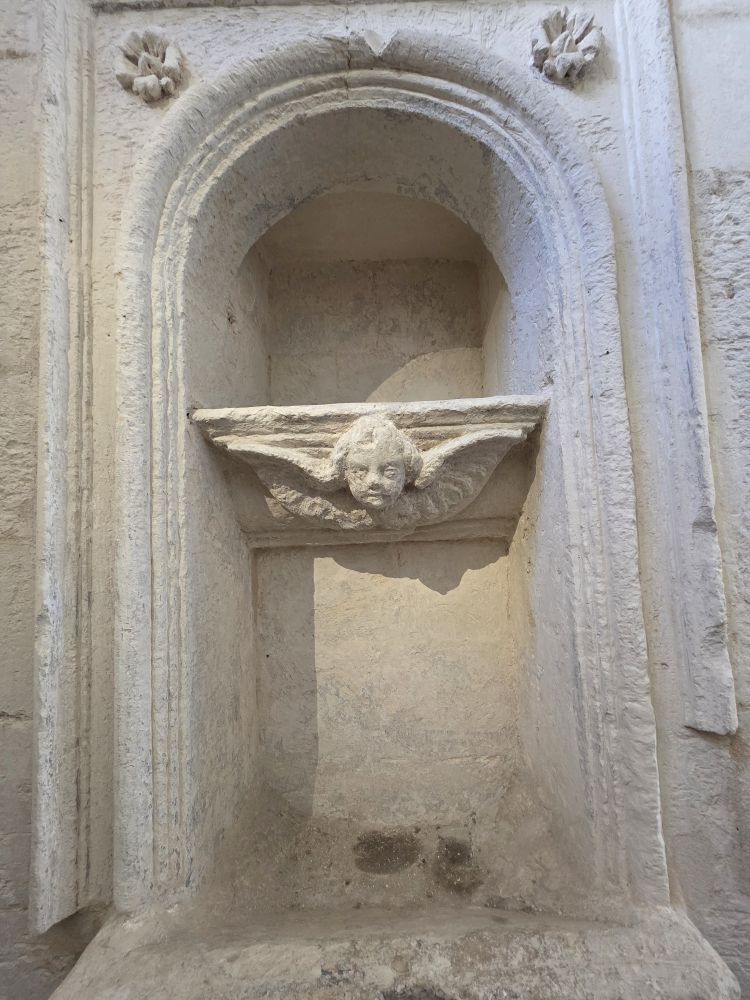
The first room we visit is the Chapel of Santa Barbara, which was actually dedicated to the Virgin Mary with only one altar dedicated to Santa Barbara, the patron saint of artillerymen. When the castle became a military base in the 20th C, the chapel was converted into a café/shop for the soldiers. Inside, we view the old medieval walls, as well as the hole dug for a cistern, the threshold of the medieval gate and various carvings.
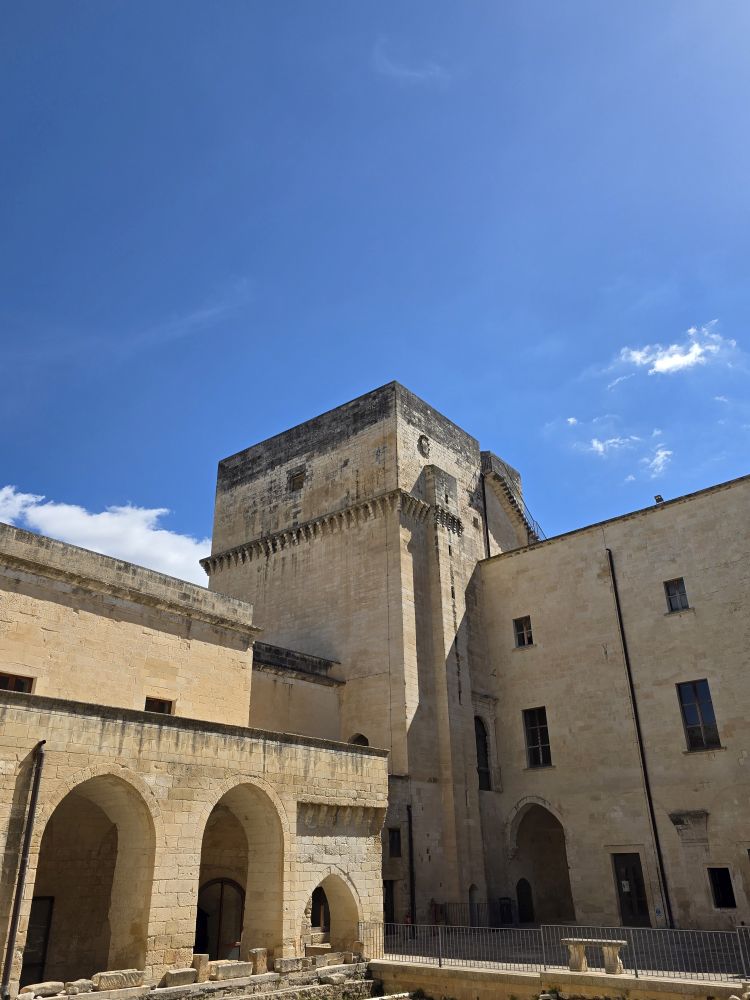
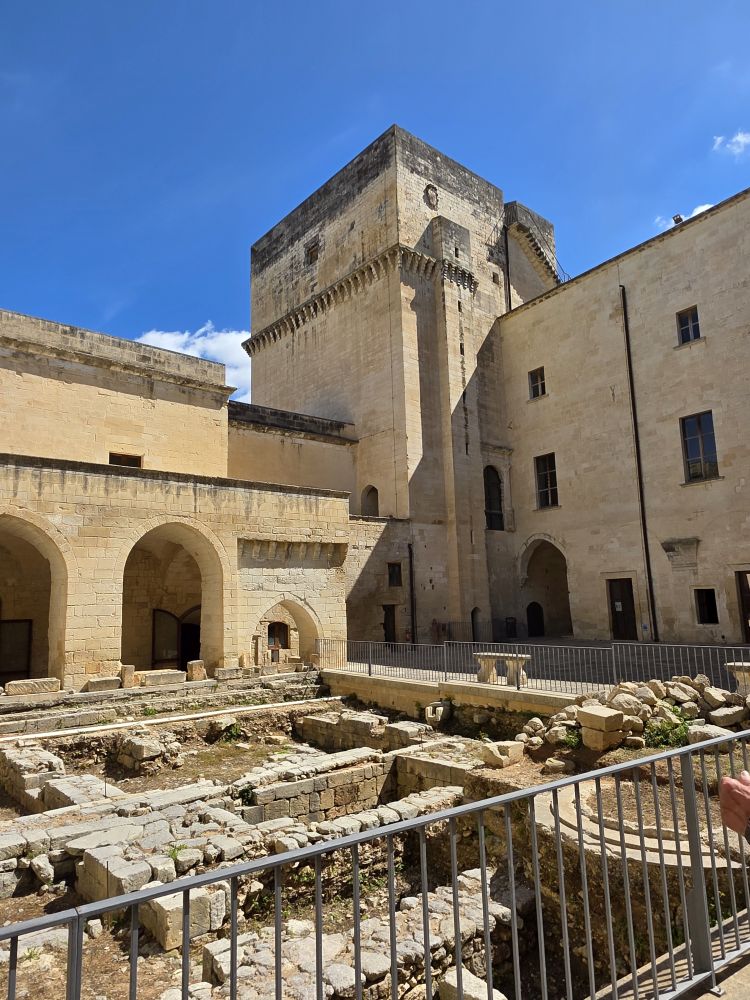
Out into the courtyard, we can see all the archeological digs here that have uncovered the history of the castle, unearthing pottery made here and in Greece from the 11th and 12th C, as well as walls form that time period. The guide goes on and on about the courtyard – but the above is all we got from the app and the signage!
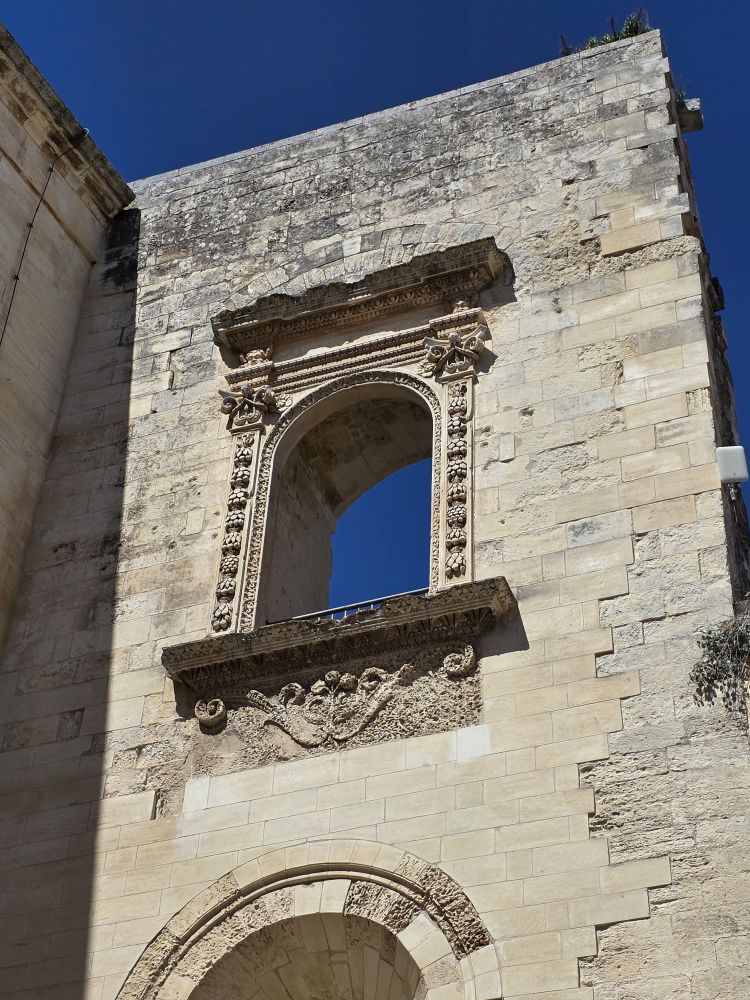
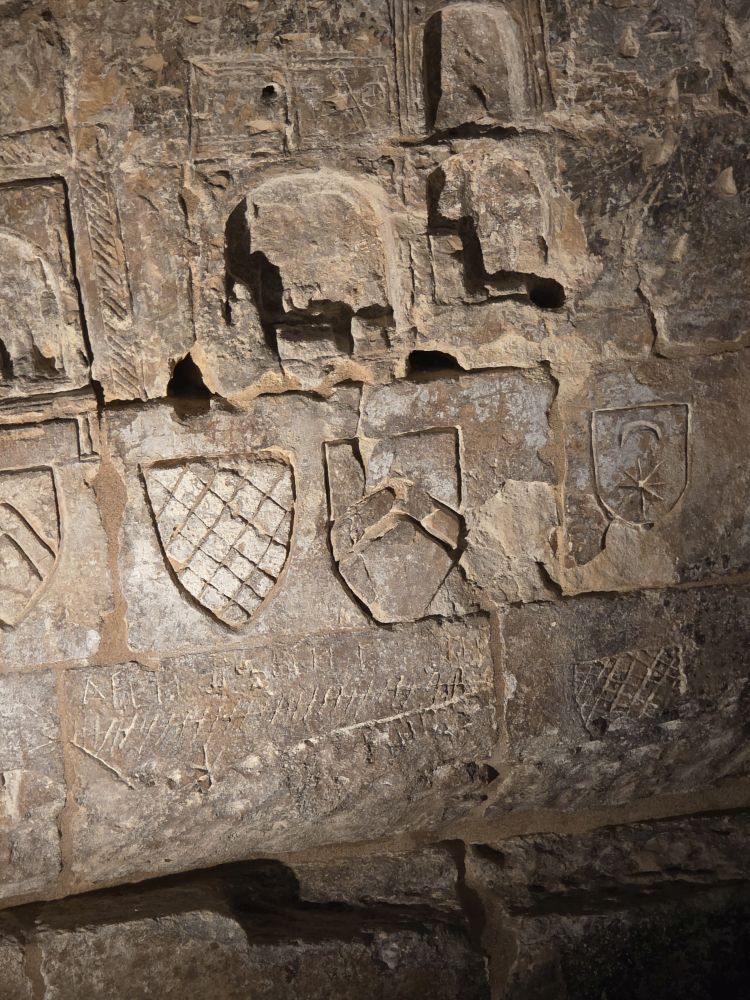
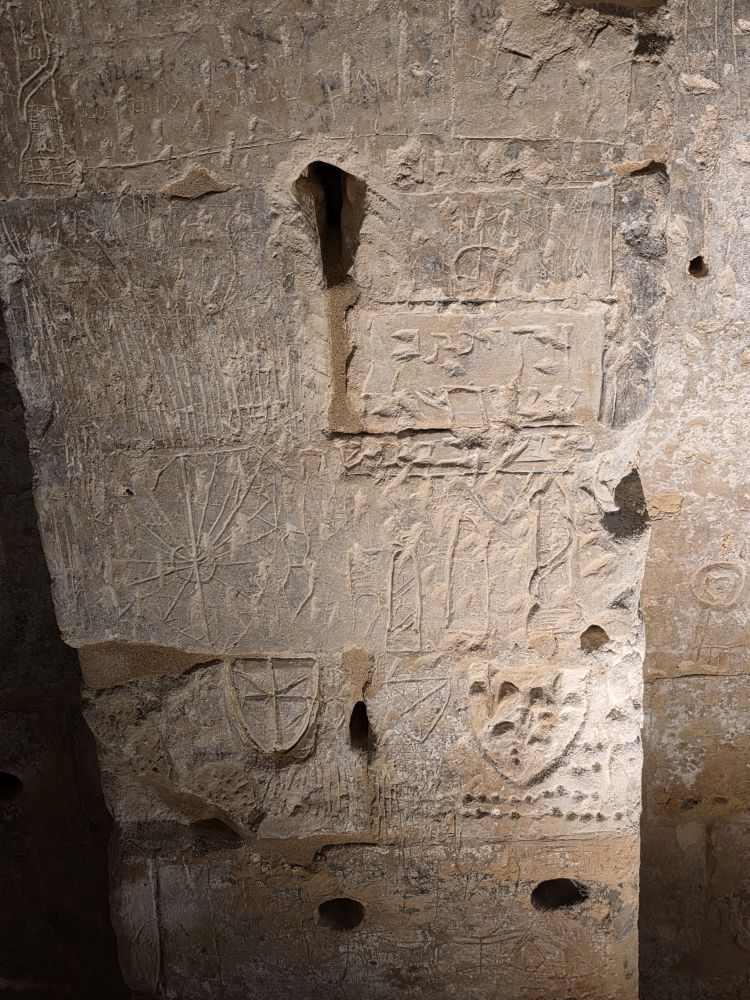
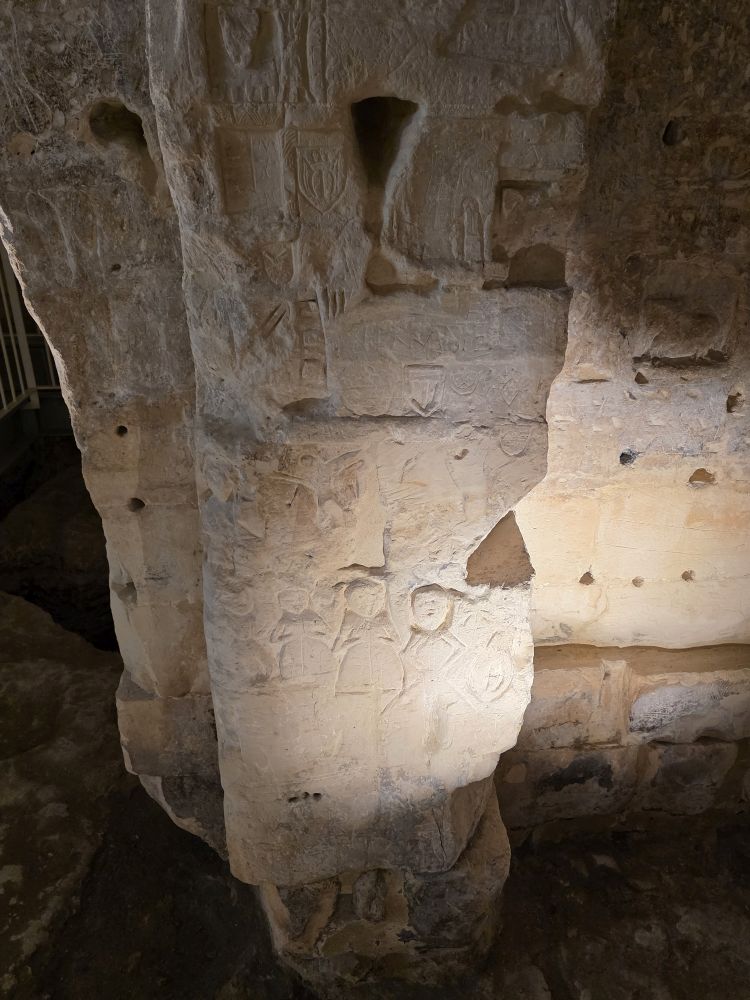
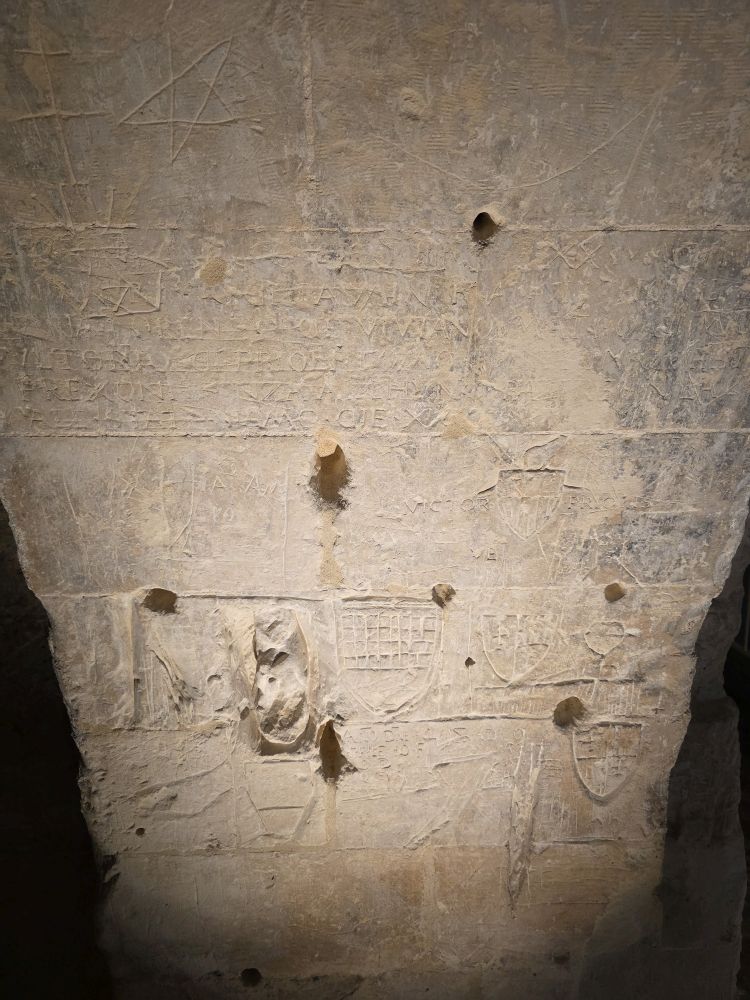
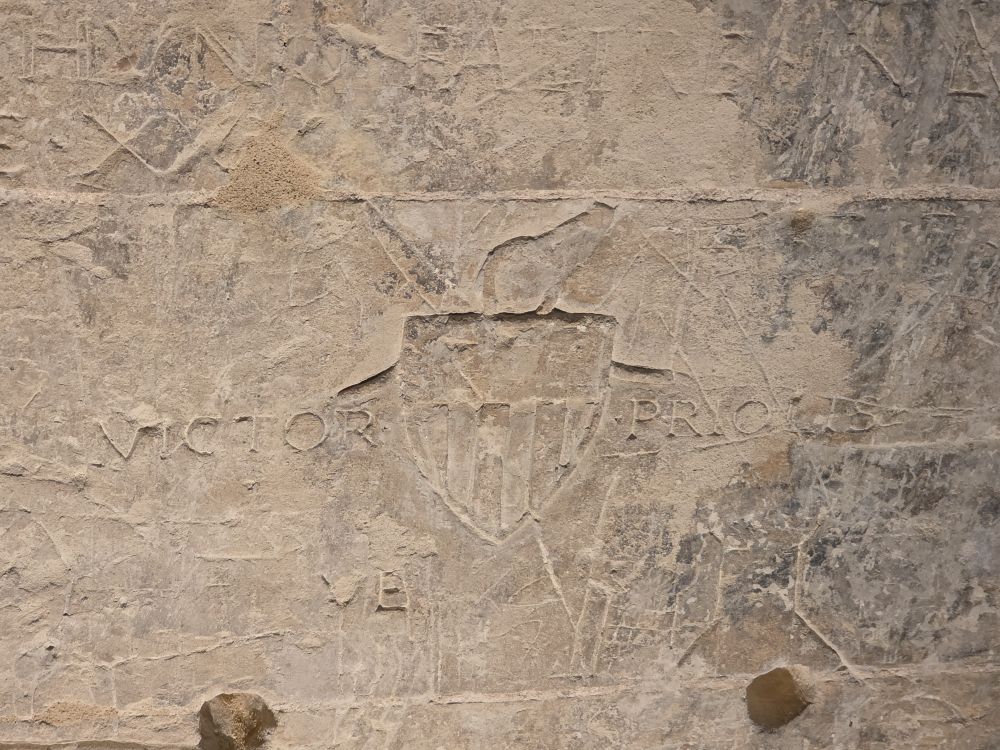
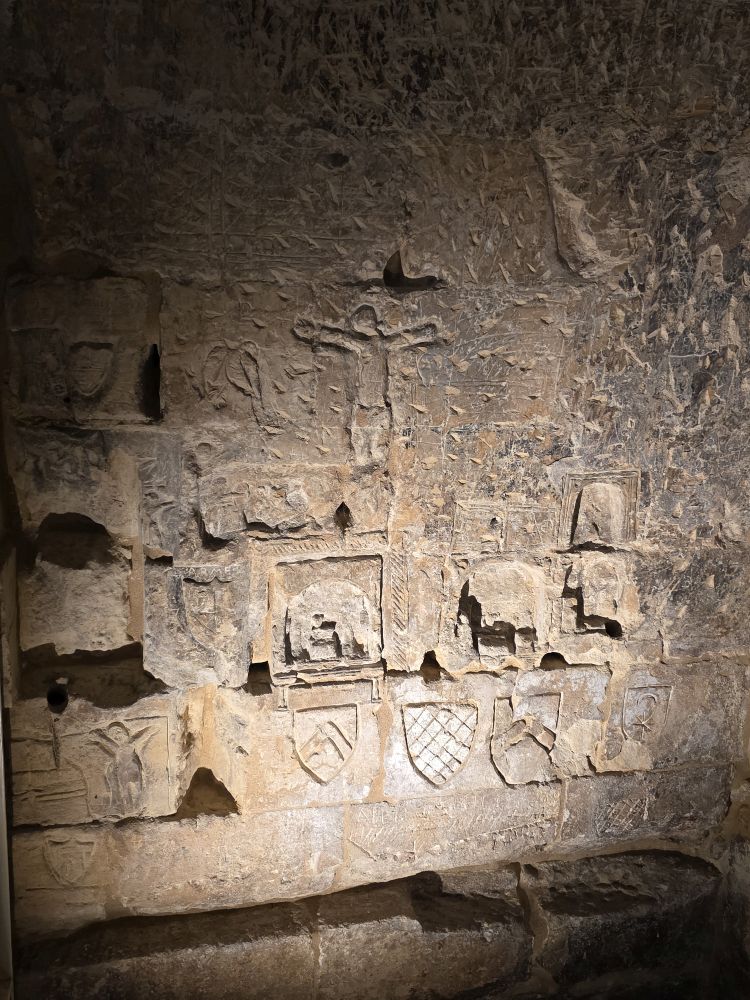
Next we head to the dungeons. These are super interesting! Nobles accused of crimes were held prisoner here between the 15th and 19th C, etching graffiti and inscriptions into the walls with animal bones or nails. One of the famous prisoners was the architect who designed the Renaissance part of the castle! He was a guarantor for someone who didn’t pay their debt and was therefore imprisoned here, where he died in 1570. He didn’t do any graffiti, but others sure did: there are messages of innocence, a prisoner signature over his family’s Venetian coat of arms crest, even a Hebrew plea to God from a Jewish prisoner named Jakob. Amazing. And funny, because the guide is going on and on and on, while we are just walking around in the opposite direction reading our app, embarking on a treasure hunt to find the inscriptions the text mentions.
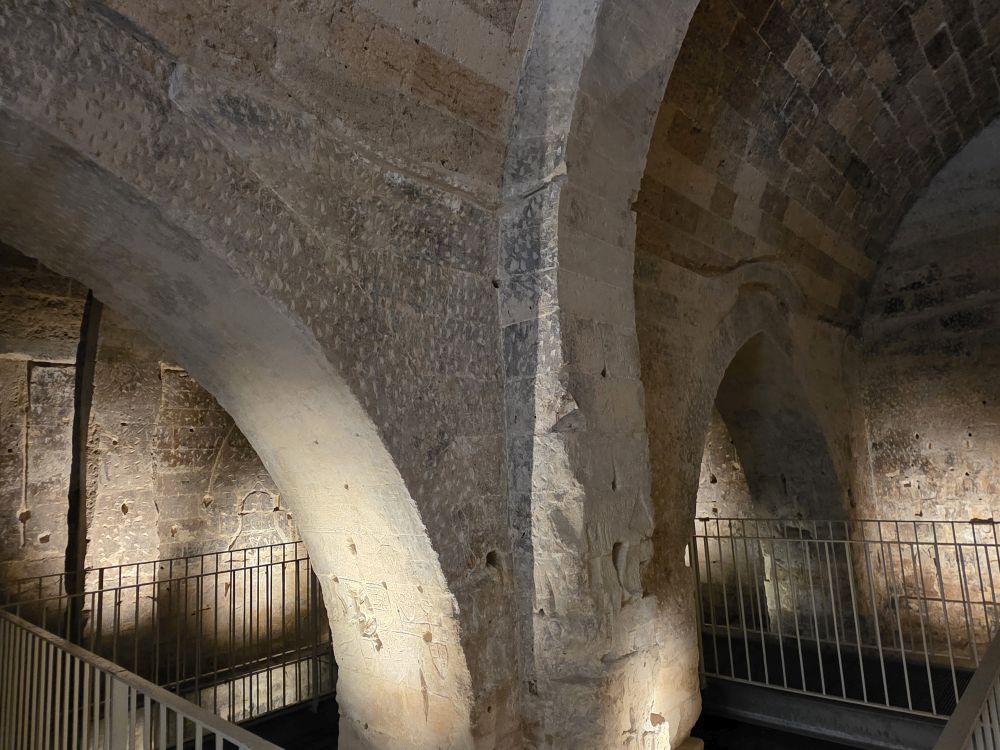
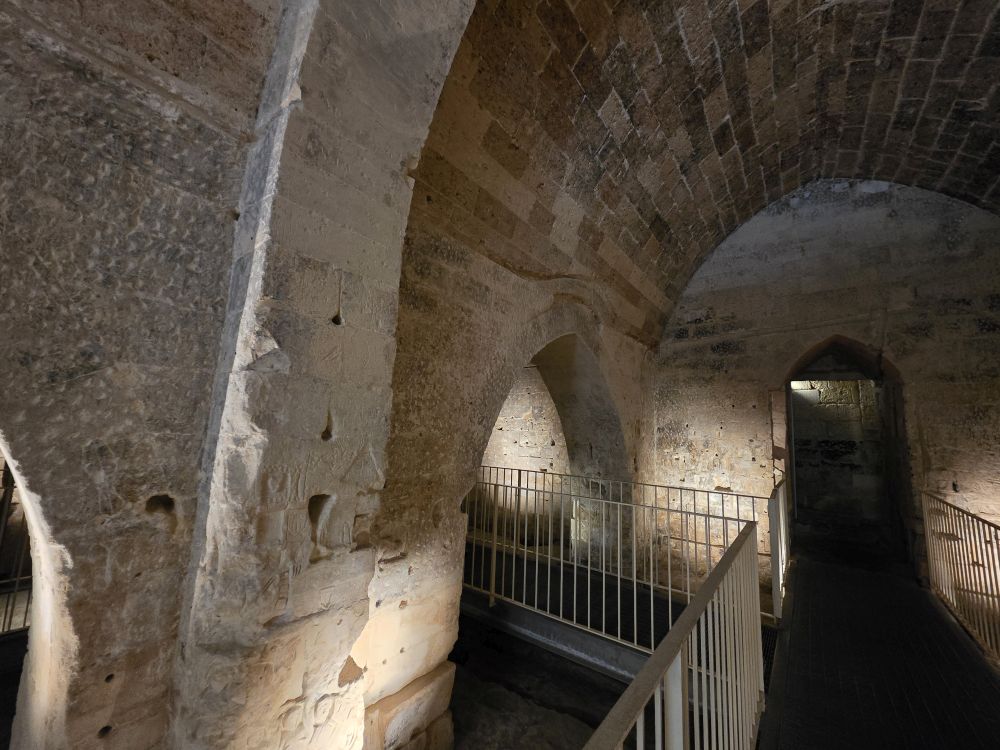
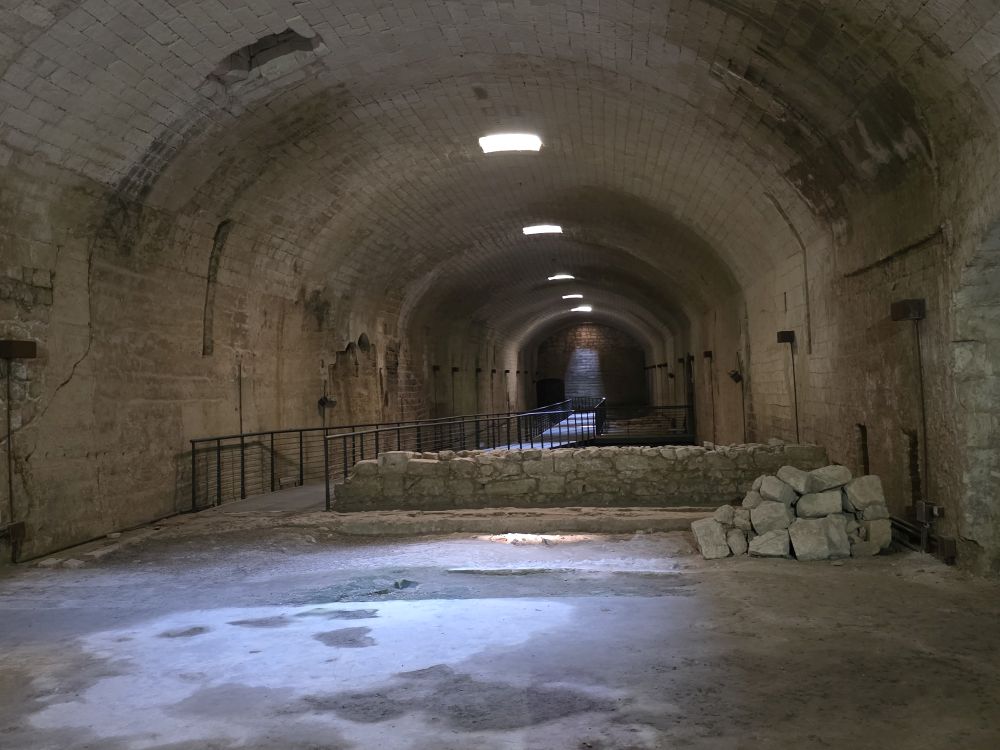
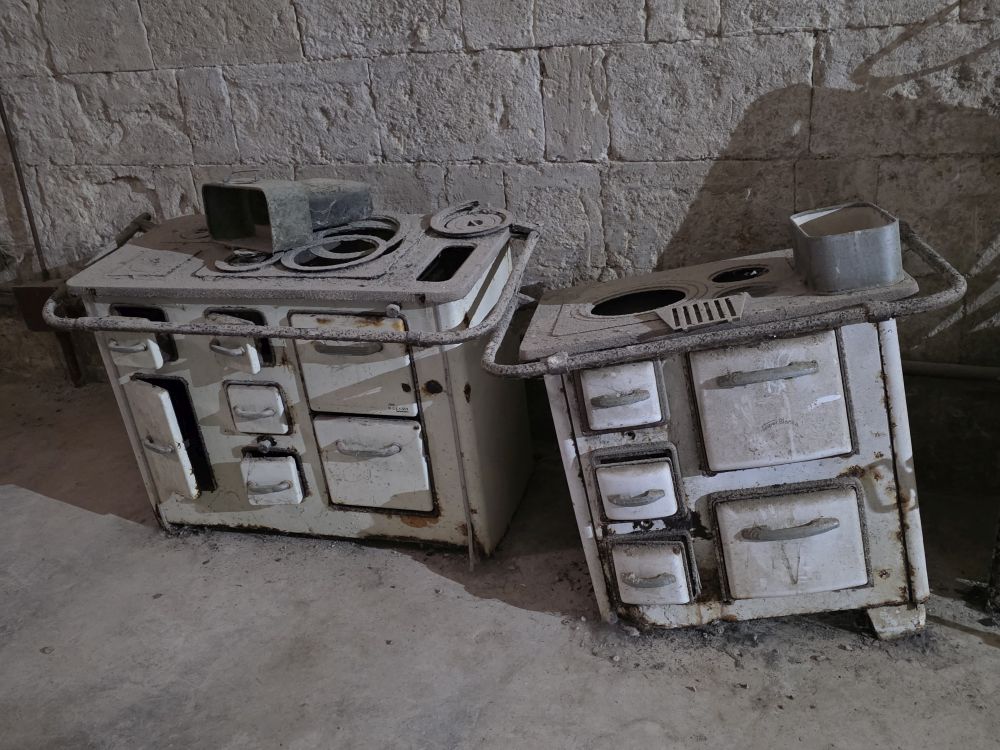
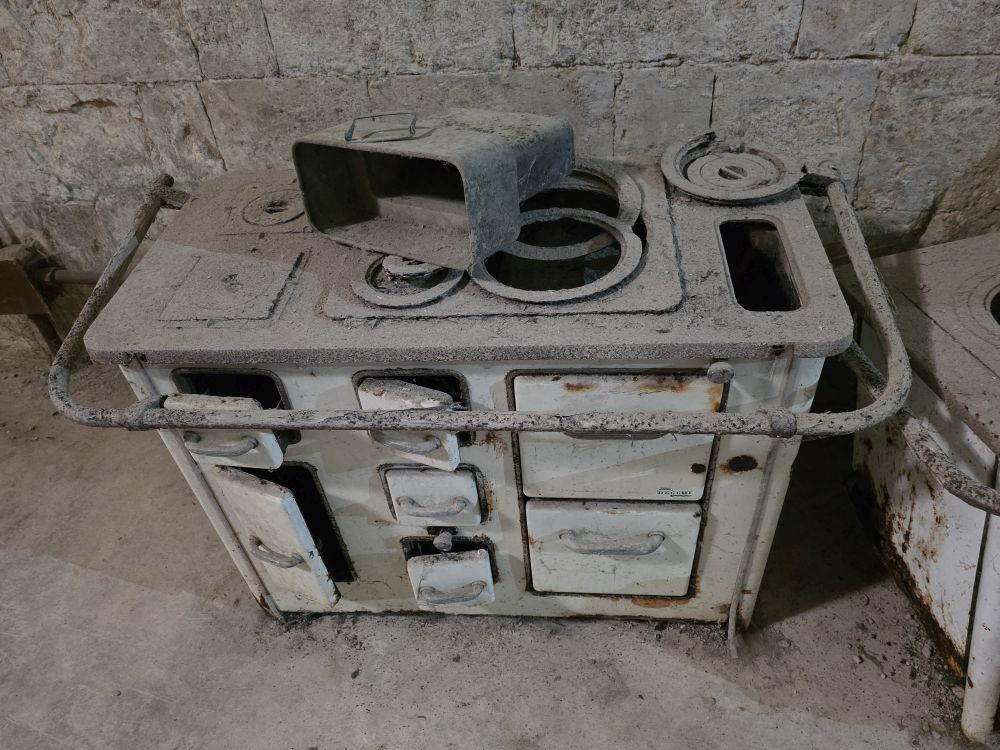
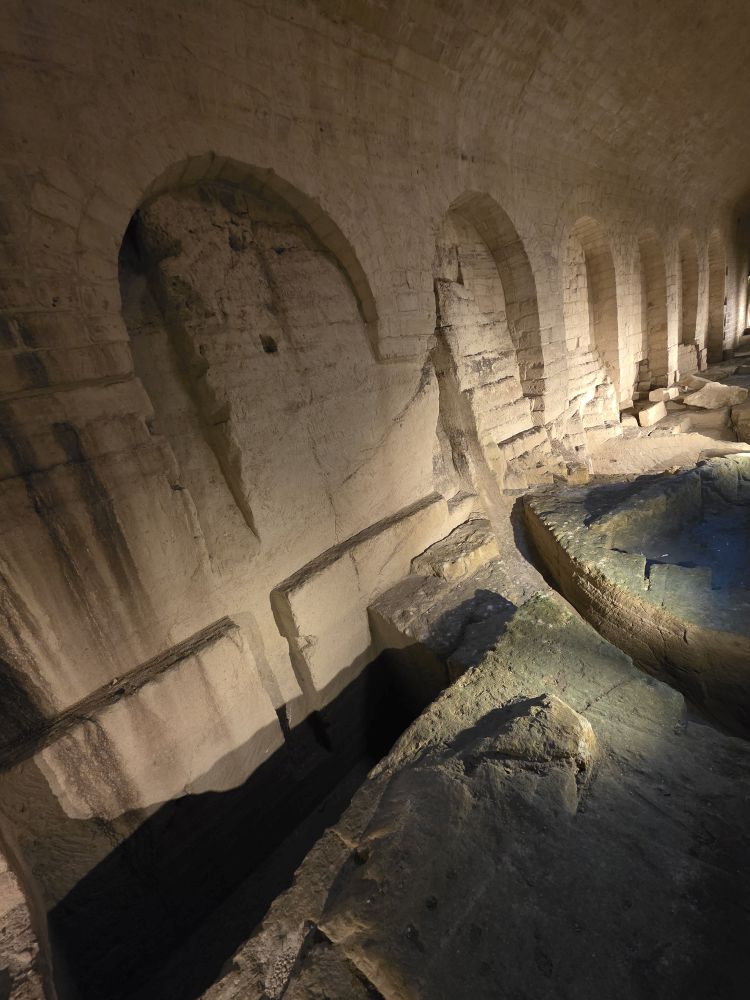
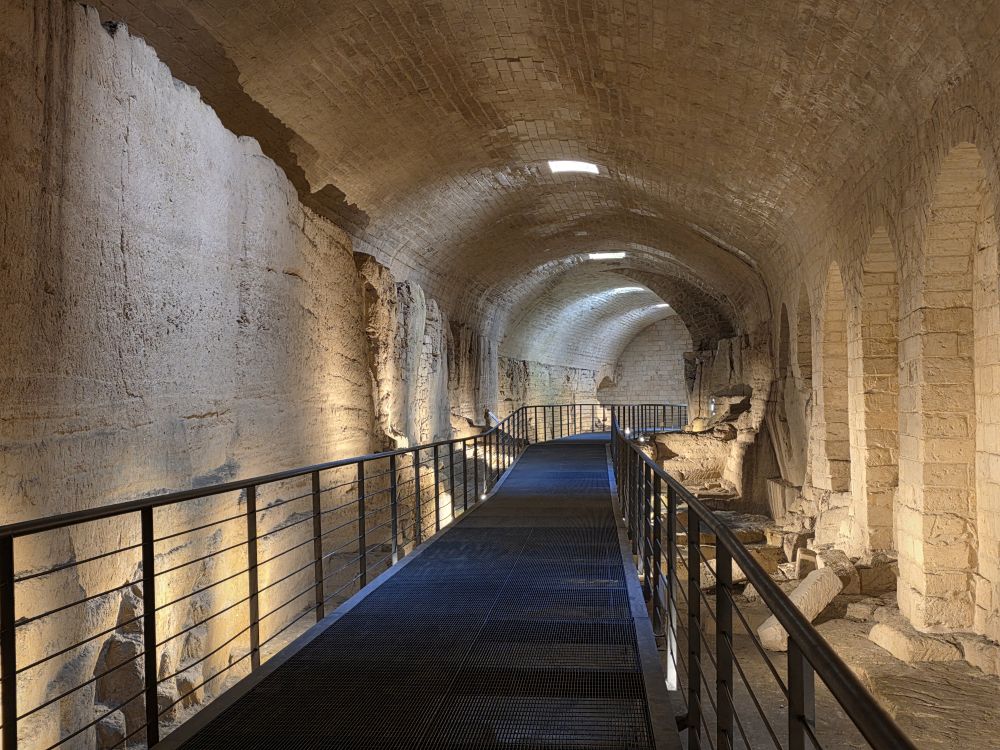
Exiting the dungeons, we walk around the exterior courtyard on our way to the underground. Here our guide goes into even more detail about what, we’ve no clue! Our app tells us these underground caverns are the result of the 16thC renovations the king made expanding the castle. The area here was originally a dry moat, but covered over to make the bastions and the reinforced walls above. The caverns have been used for multiple purposes over the years: the aforementioned moat, military purposes (never explained as to exactly what purposes), stables, and a bomb shelter during WWII. There are still kitchen and infirmary items as well as electrical wires from that era.
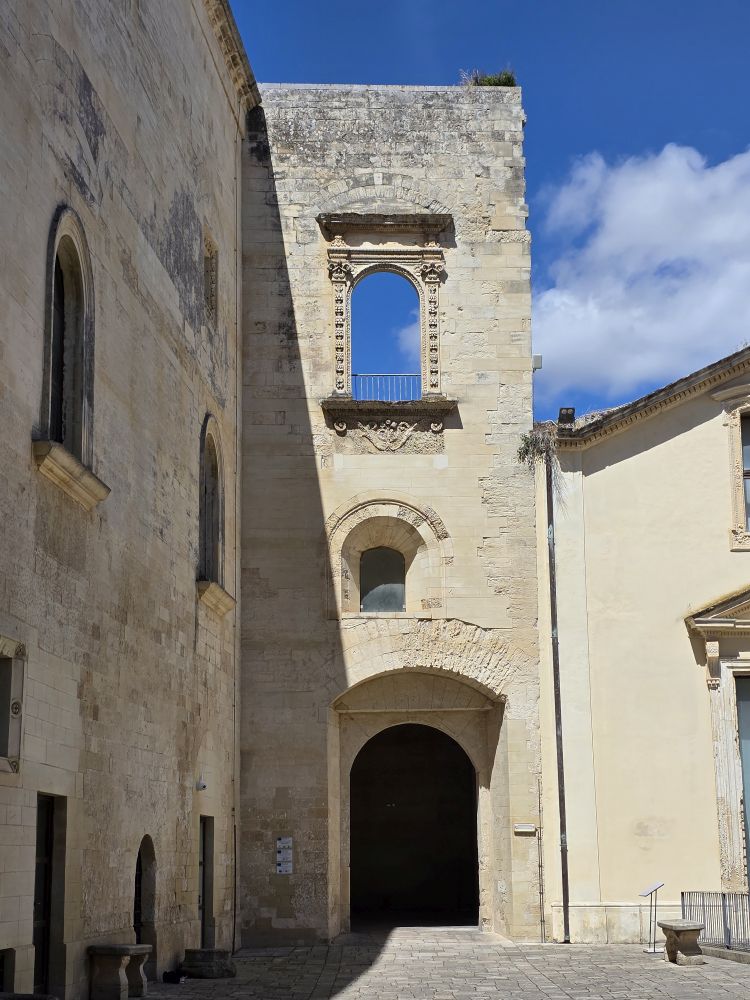
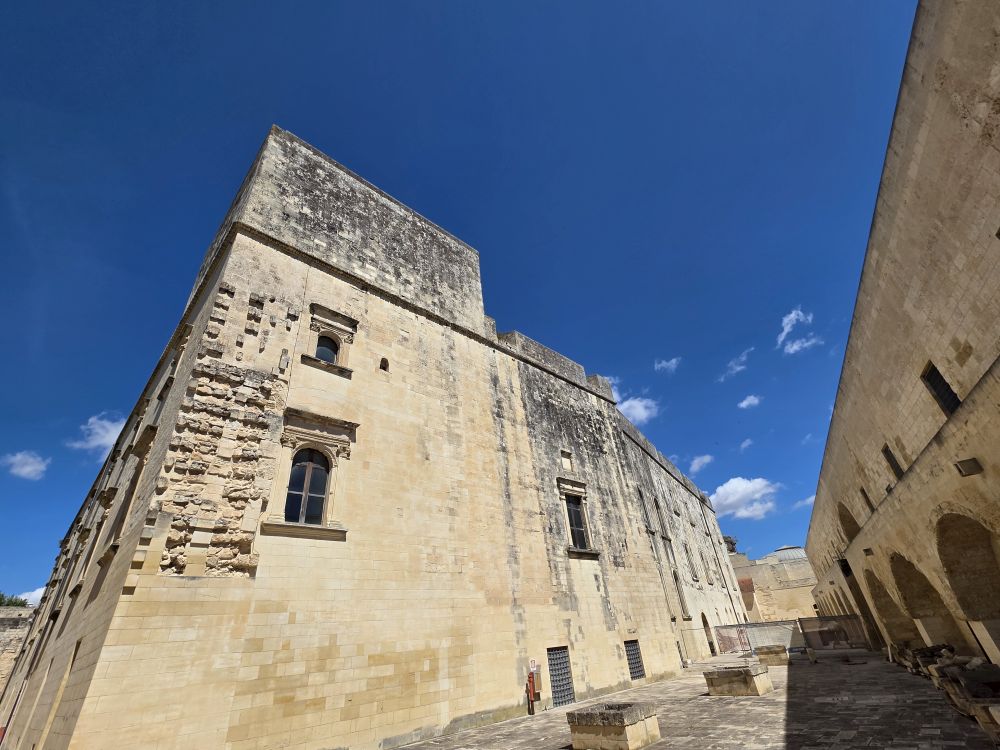
Really interesting tour, that ends after the underground. Huh? We missed half the castle which was quite a disappointment, especially the Papier Mache museum which we really wanted to see. Apparently there is a lot of construction in the castle and they deemed it unsafe. Would have been nice to tell us that upfront – but now we understand why the guide went on and on forever in the dungeons and the underground – she was wasting time because the tour lasts 50 minutes, and without the other areas she had to create diversions! Oh well.
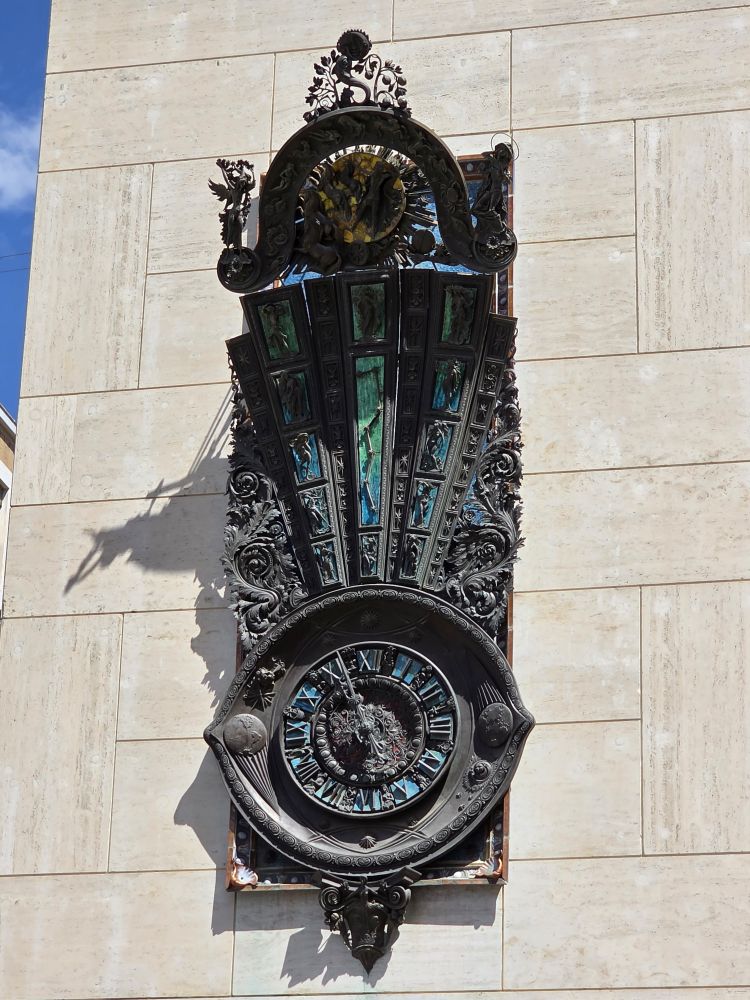
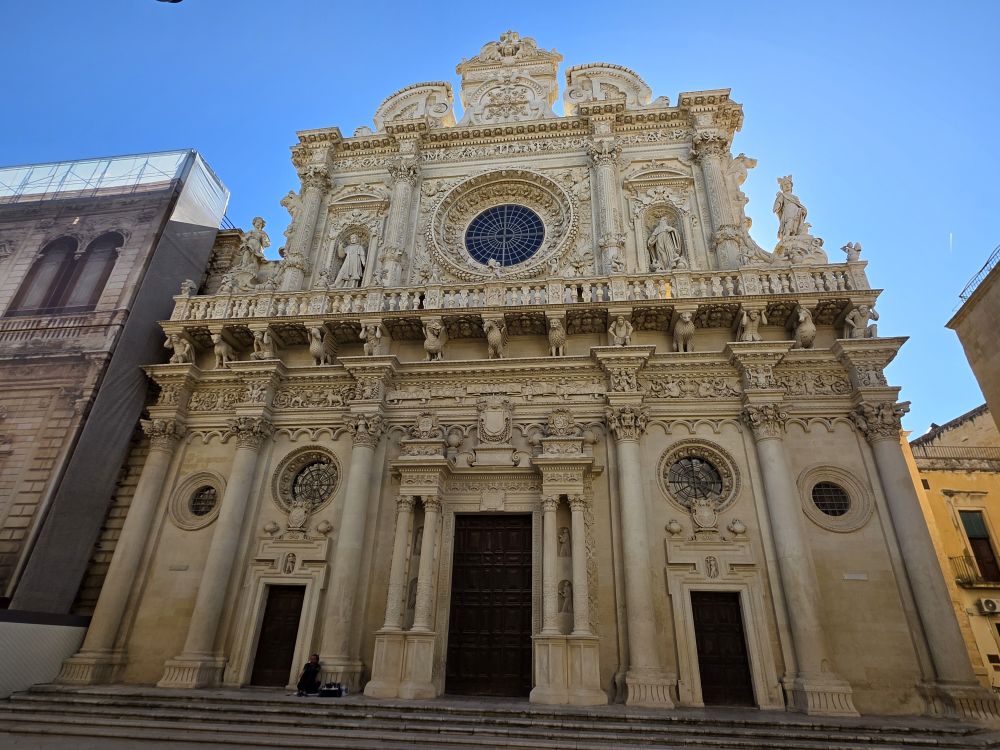
Back into town we go, which is starting to fill with tourists. Molto touristico, Lecce is. There was even a tour from the Celebrity Constellation, docked in Brindisi. Sigh. Well, we have a plan – which begins with the Basilica de Santa Croce – the Basilica of the Holy Cross. We buy a combo ticket that gets us into all the churches and museums, but skip the climb up the Duomo tower, figuring it will be too crazy, plus it is really an expensive add on, almost the cost of the whole ticket! Sheesh.
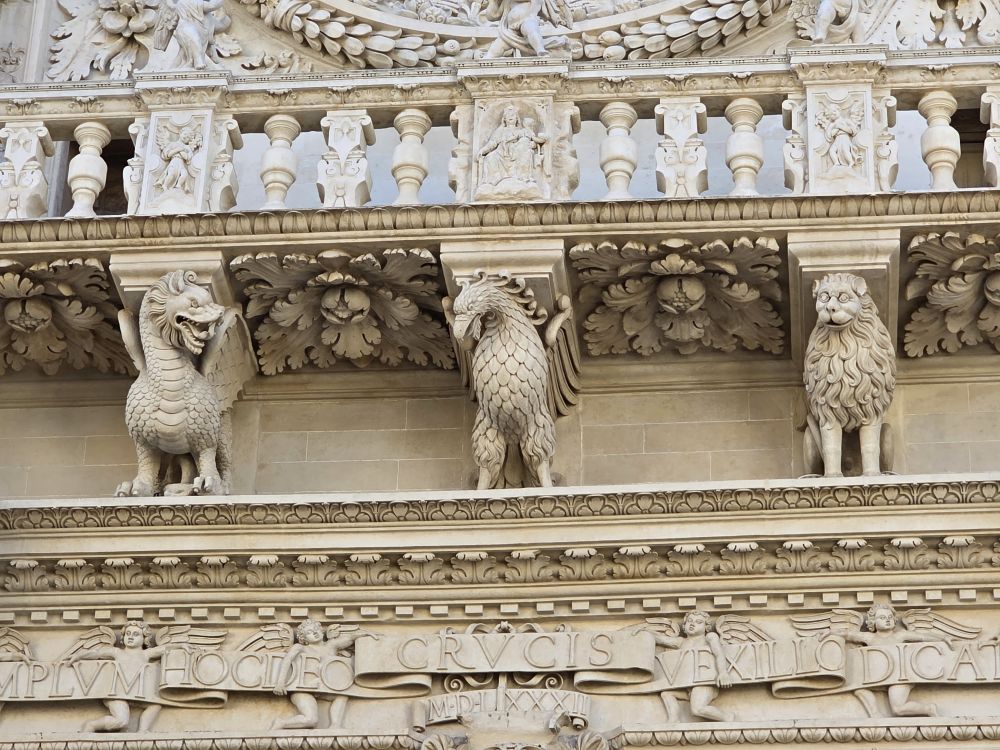
The Basilica is – as one would expect – totally opulent. Considered the absolute masterpiece of the Lecce Baroque, this location was begun in 1569 but not completed until 1646. There are 16 chapels in addition to the sacristy – all built by wealthy residents who tried to outdo one another with their burial crypt chapels. Crazy religious rich – 400 years later, anything changed? No comment. Anyhow – it is an incredible church to explore. The gold. The sculpture. The artwork.
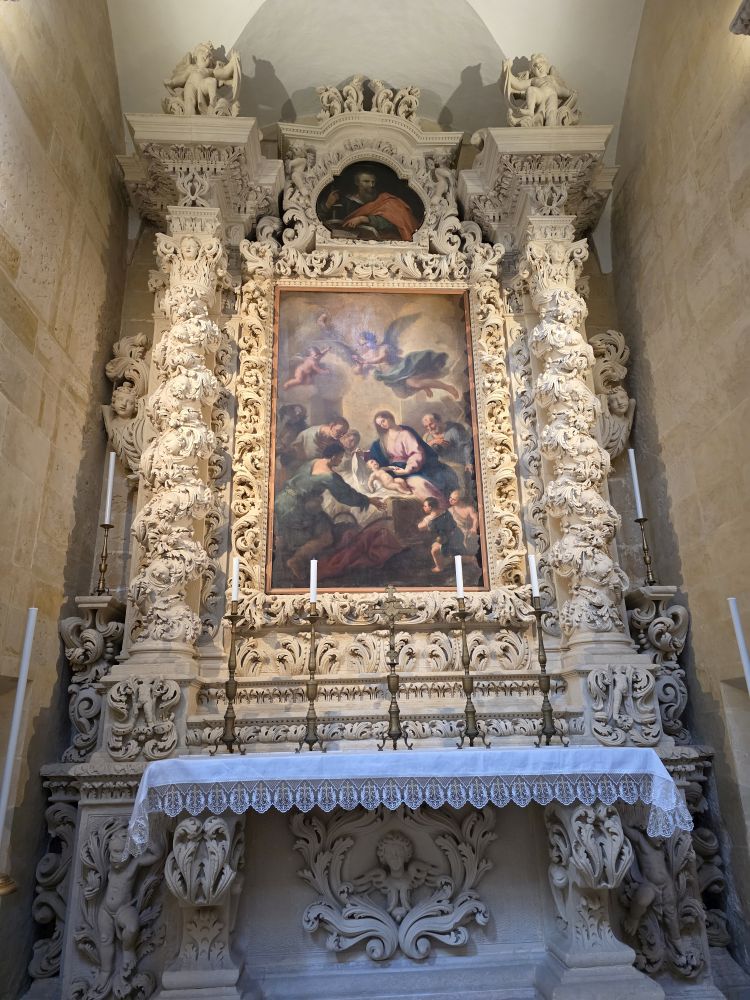
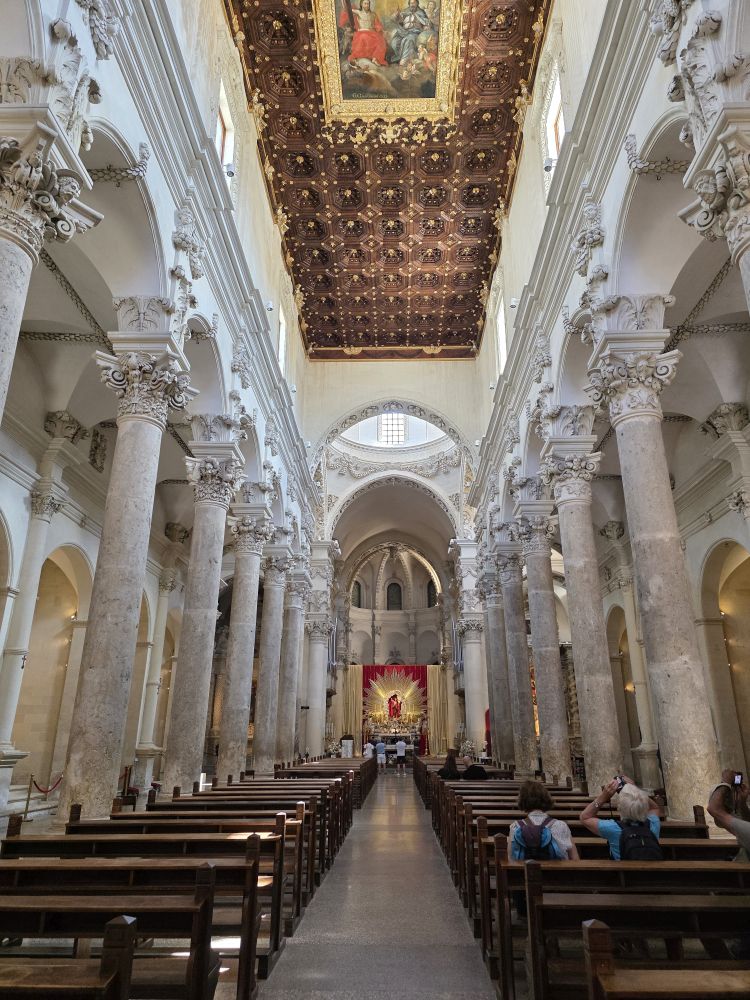
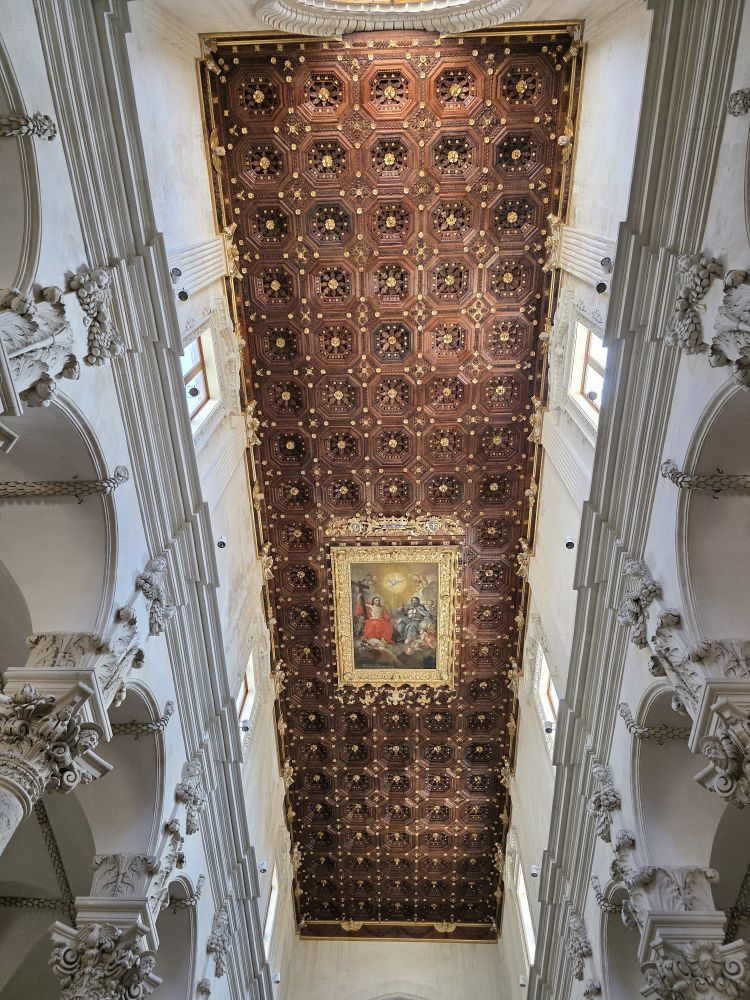
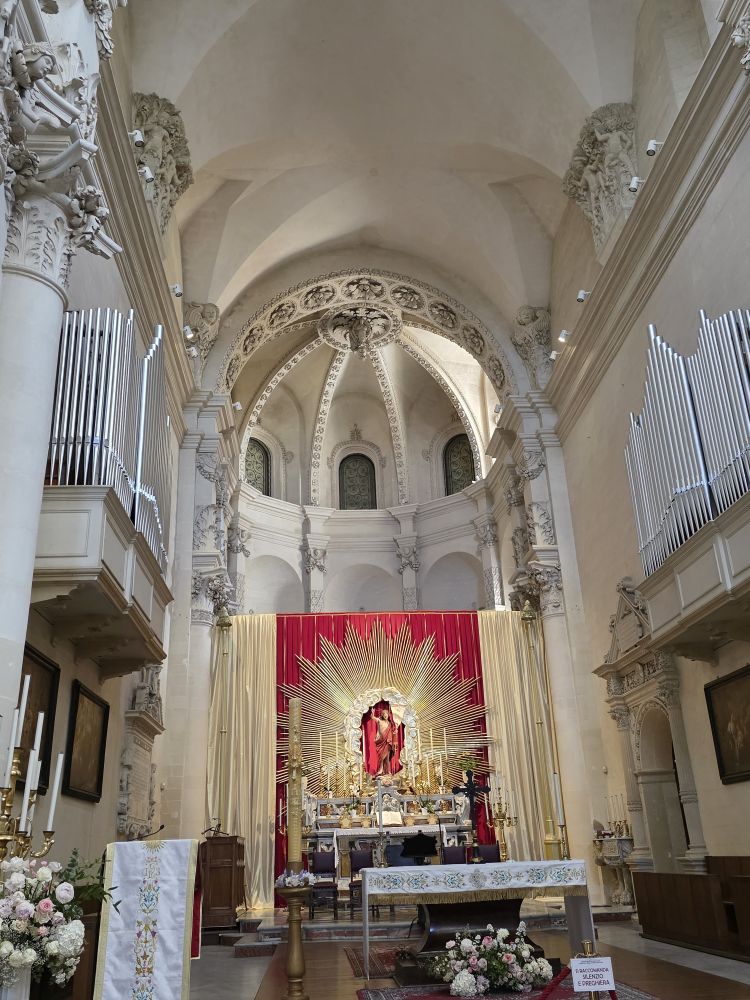
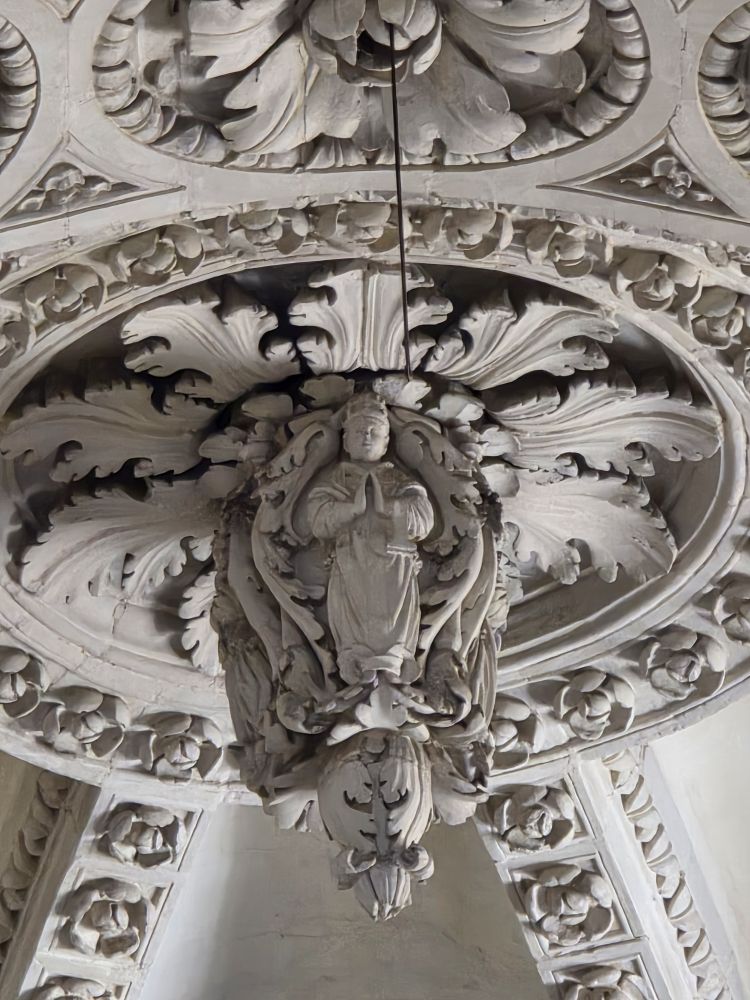
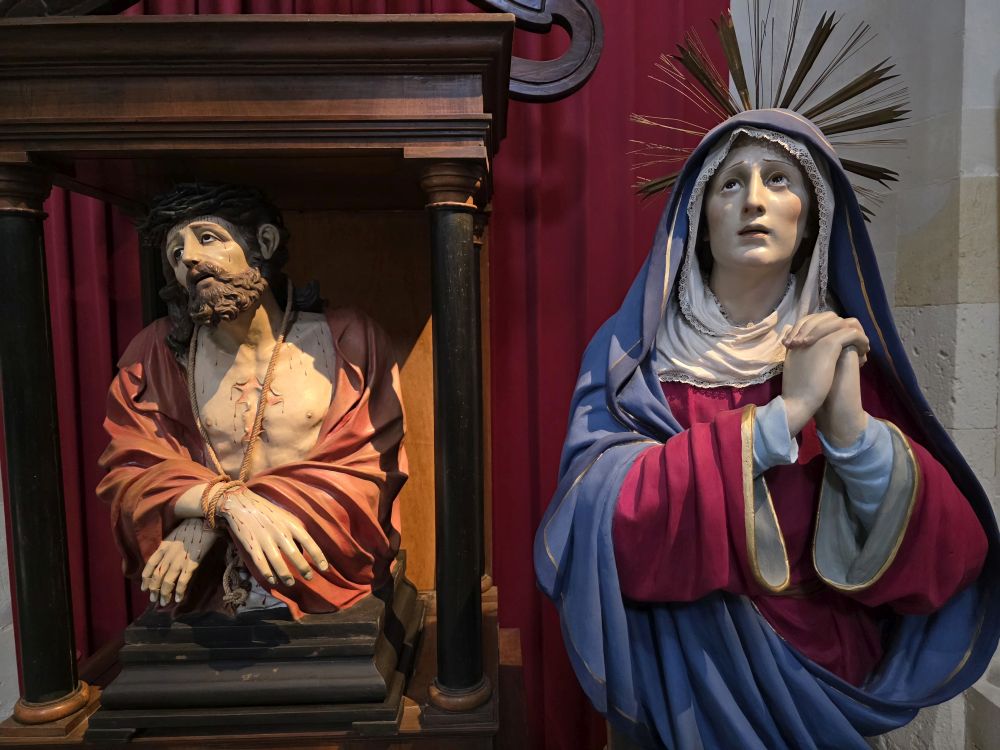
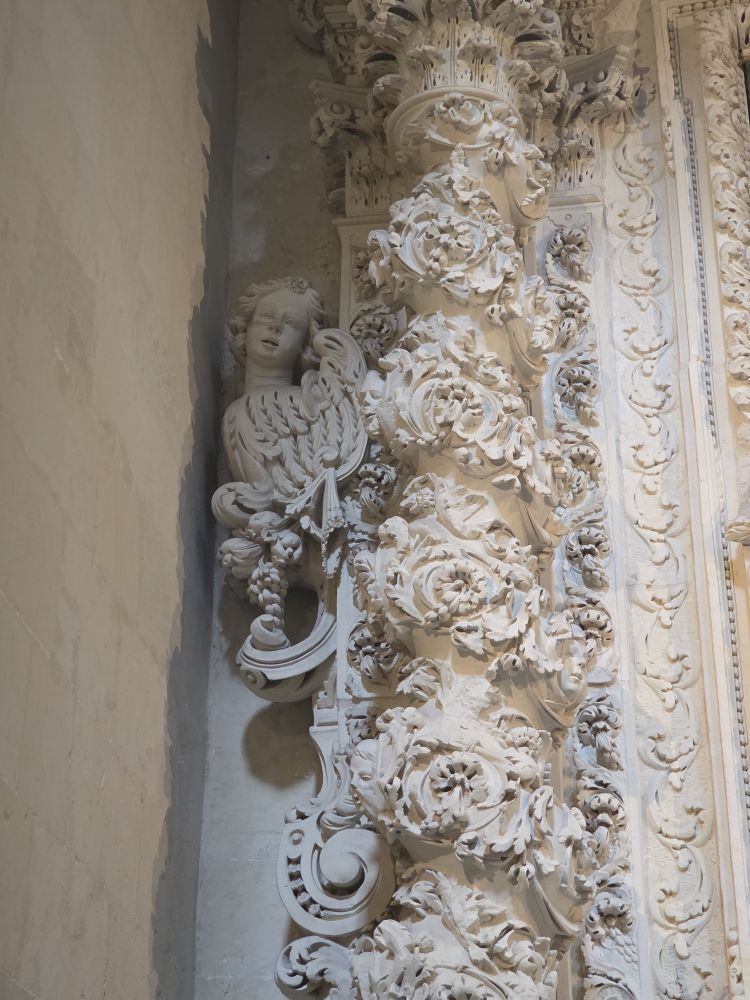
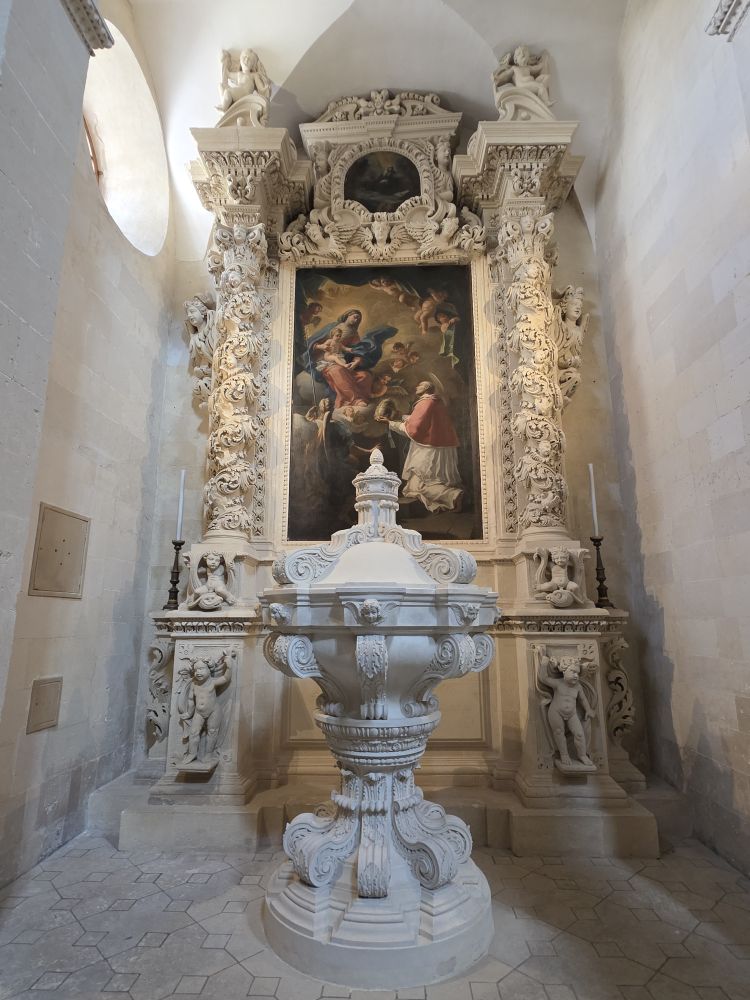
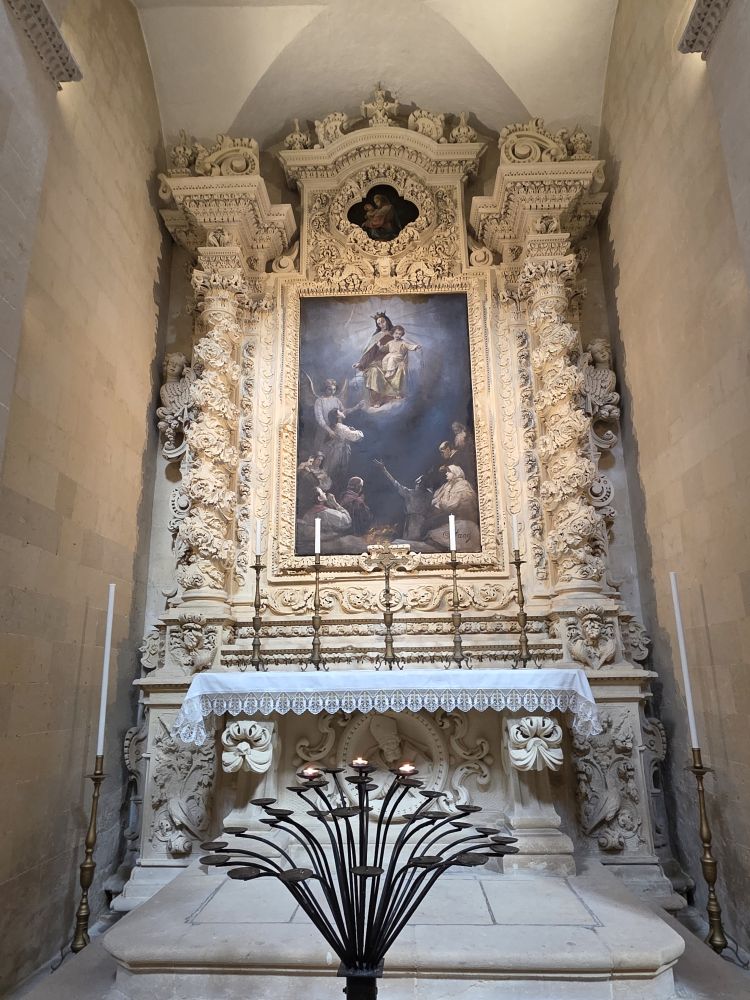
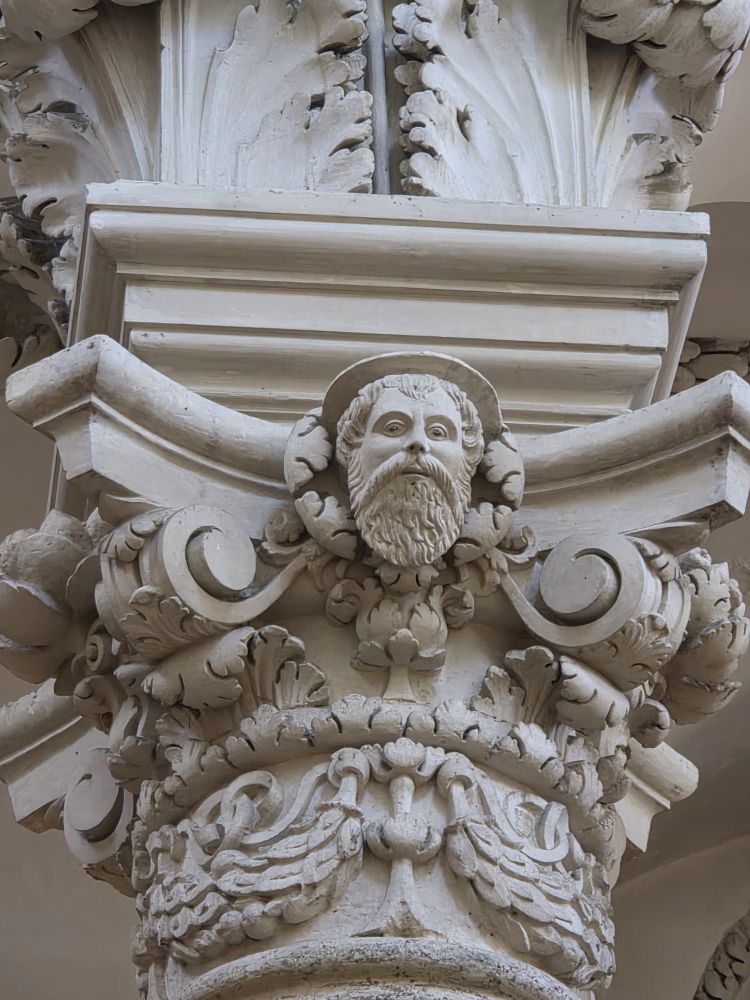
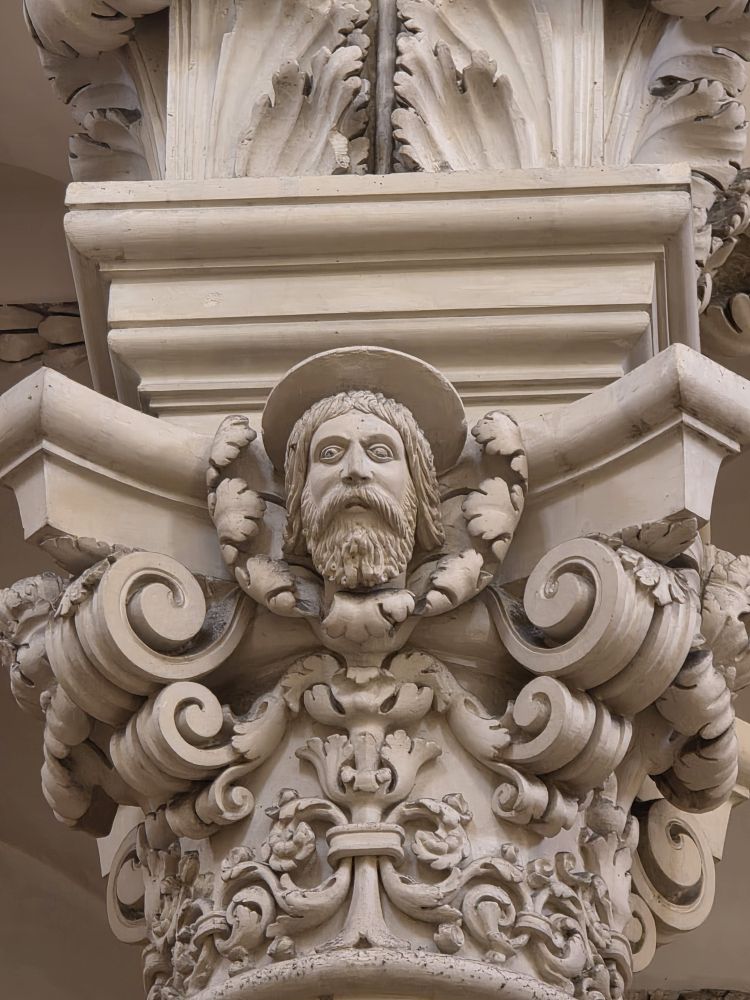
Each of the central pillars is dedicated to the apostles with their sculpted faces atop the capitals. Overall an amazing place of craftmanship and artwork, if not outright over the top opulence.
 Andiamo