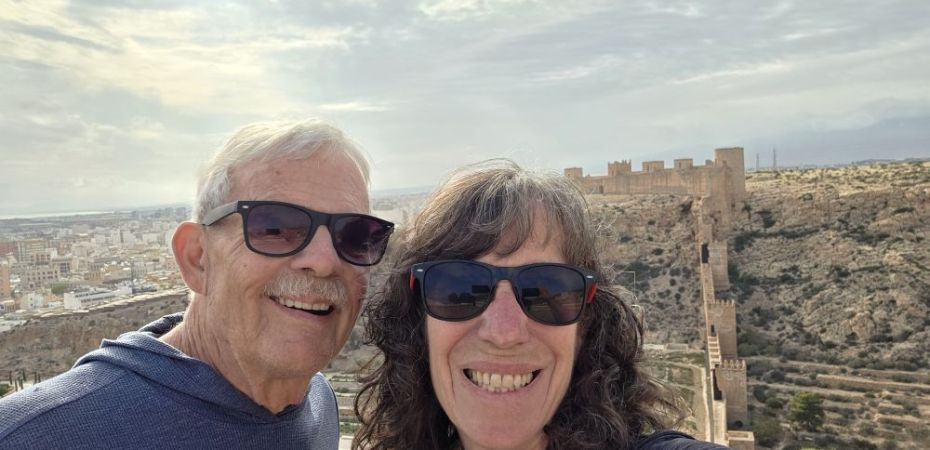
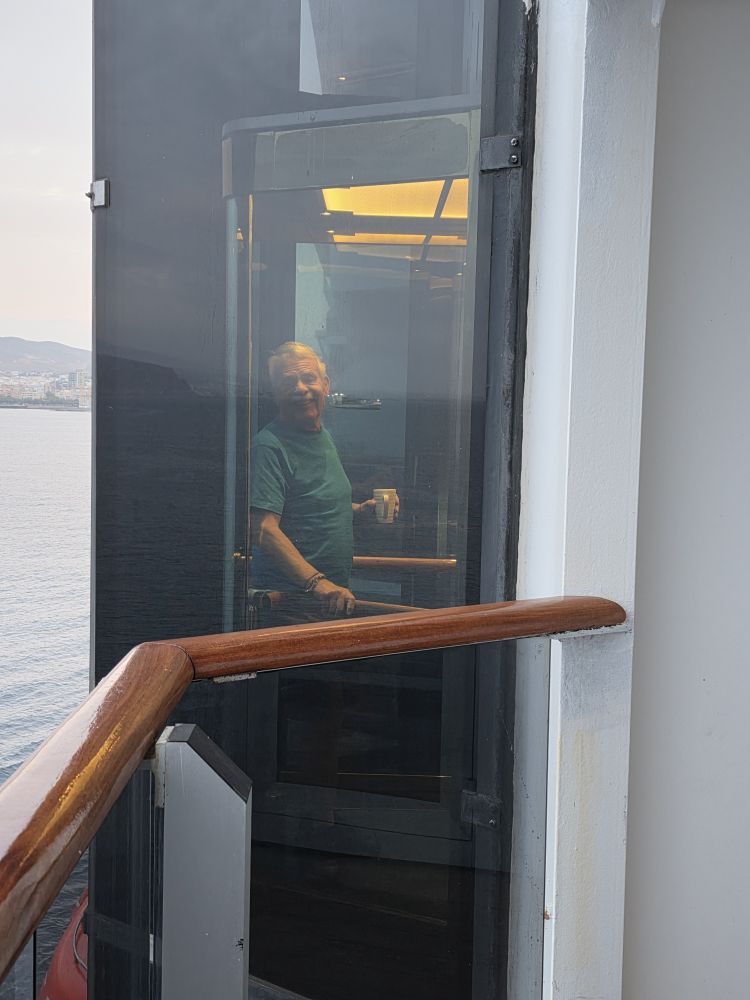
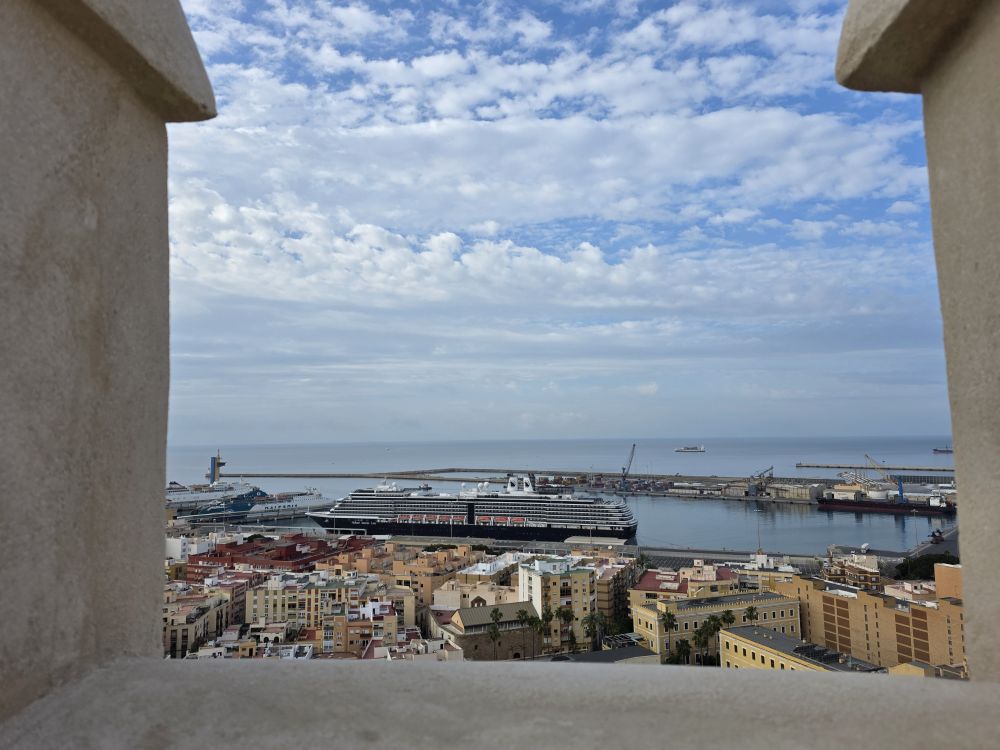
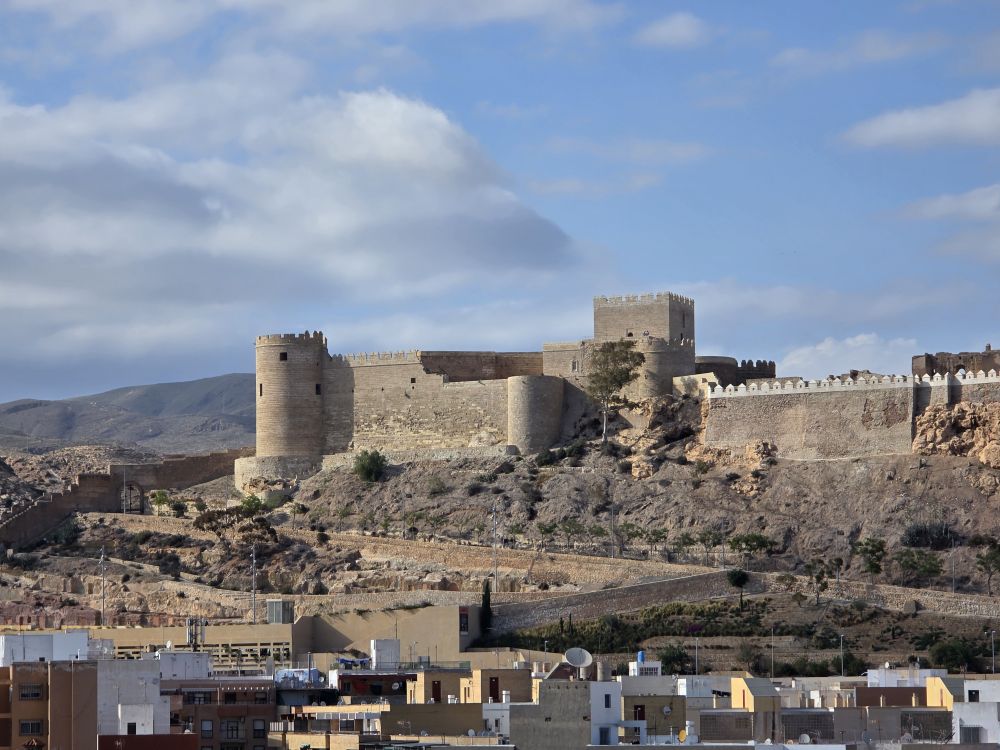
Up and at’em early (when aren’t we?), we’ve finished our morning routine and are on the balcony for our sail into Almeria, another new port for us – woohoo! Set at the bottom of the hills of Sierra Alhamilla, the city slowly appears (as does Ed in the elevator with his coffee) in front of us as we pull into the port. From our location, we get some excellent views of the Alcazaba fortress, the 2nd largest in Spain, which is our first destination today.
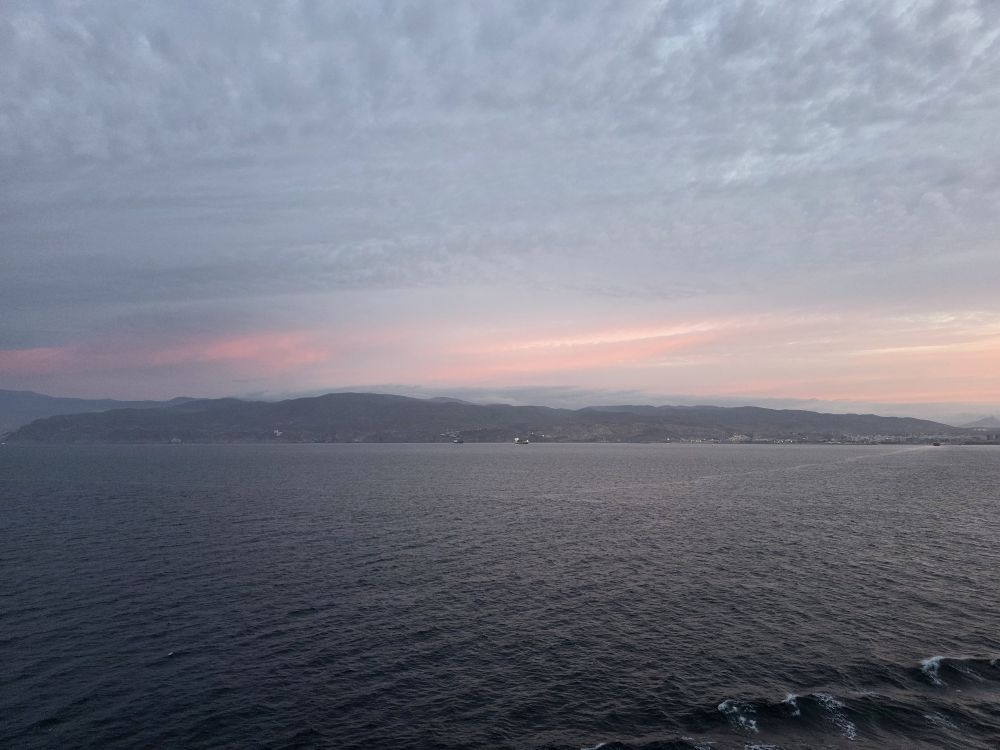
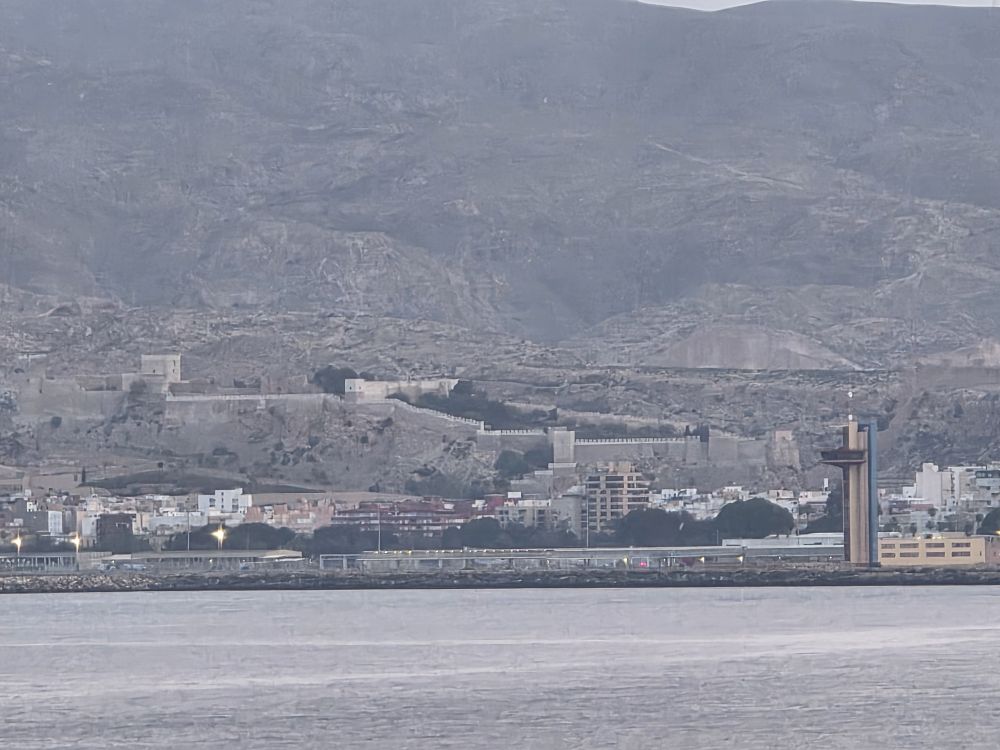
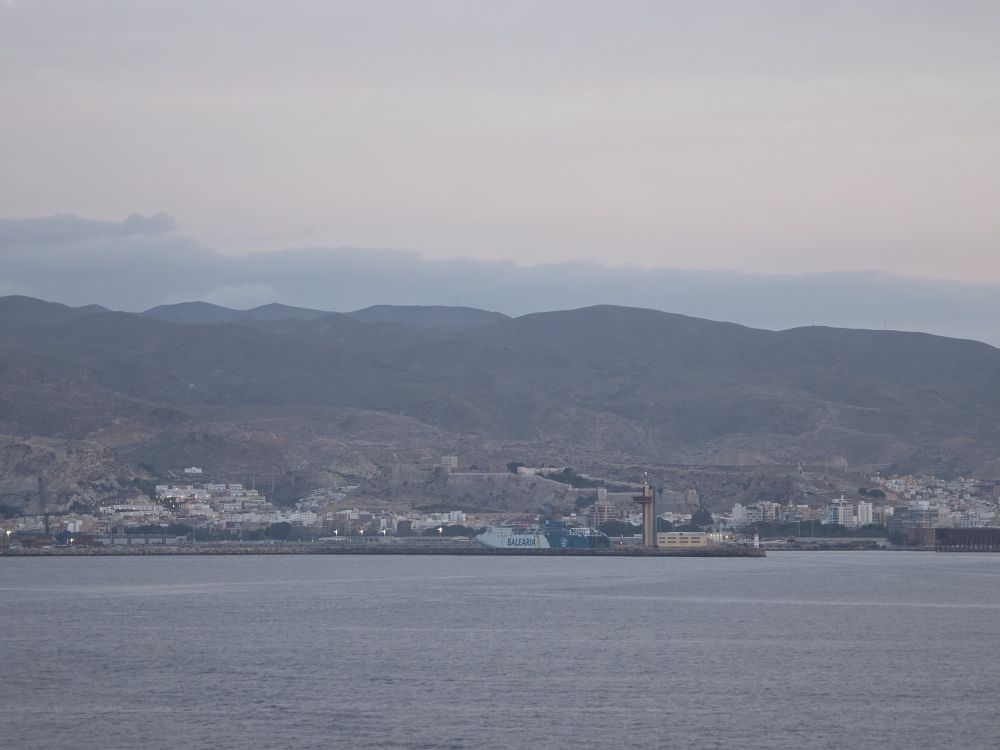
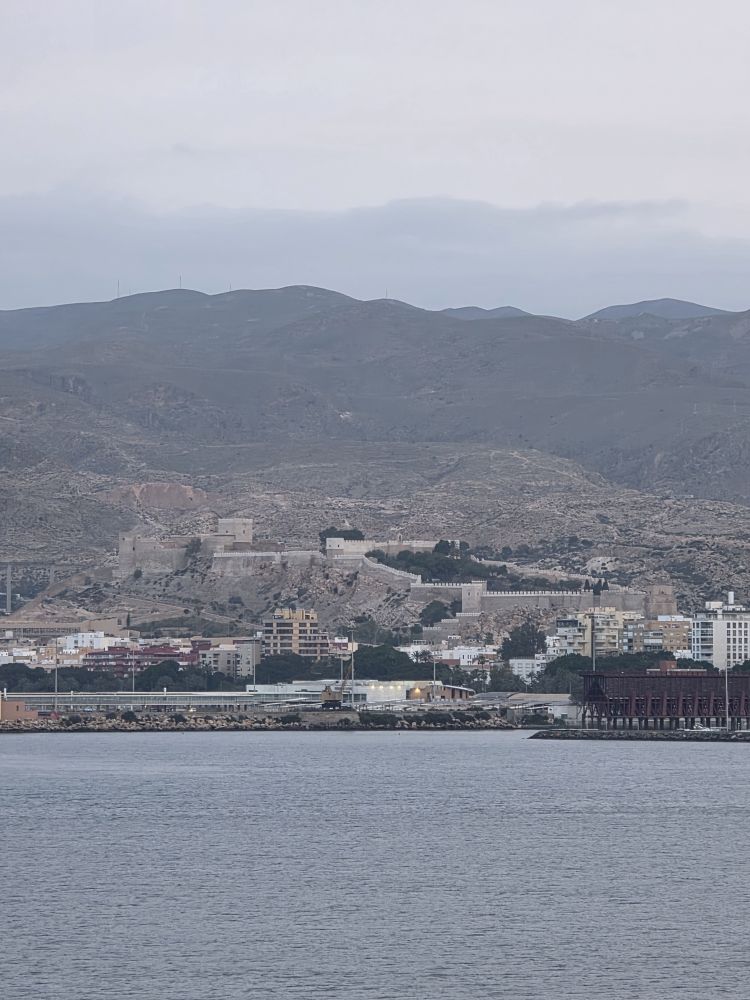
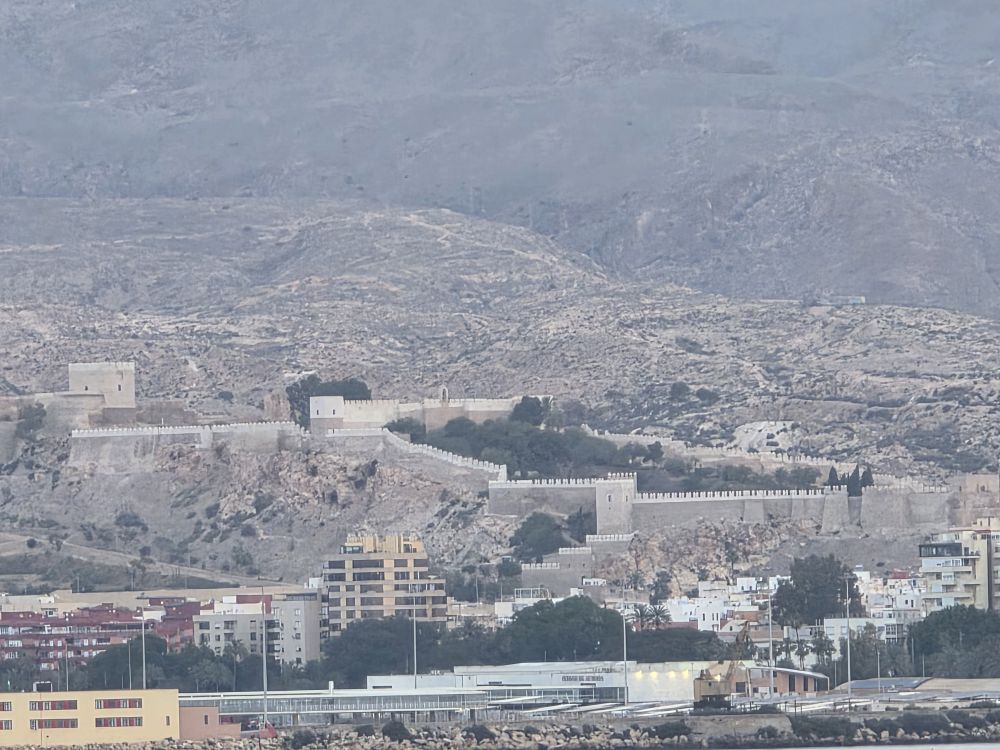
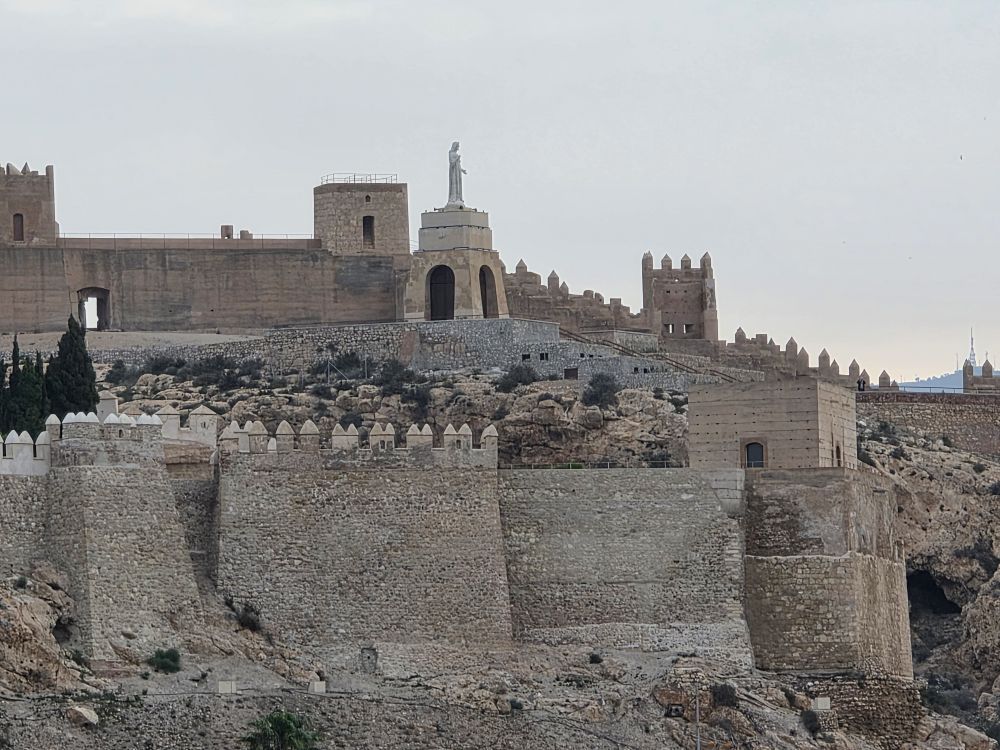
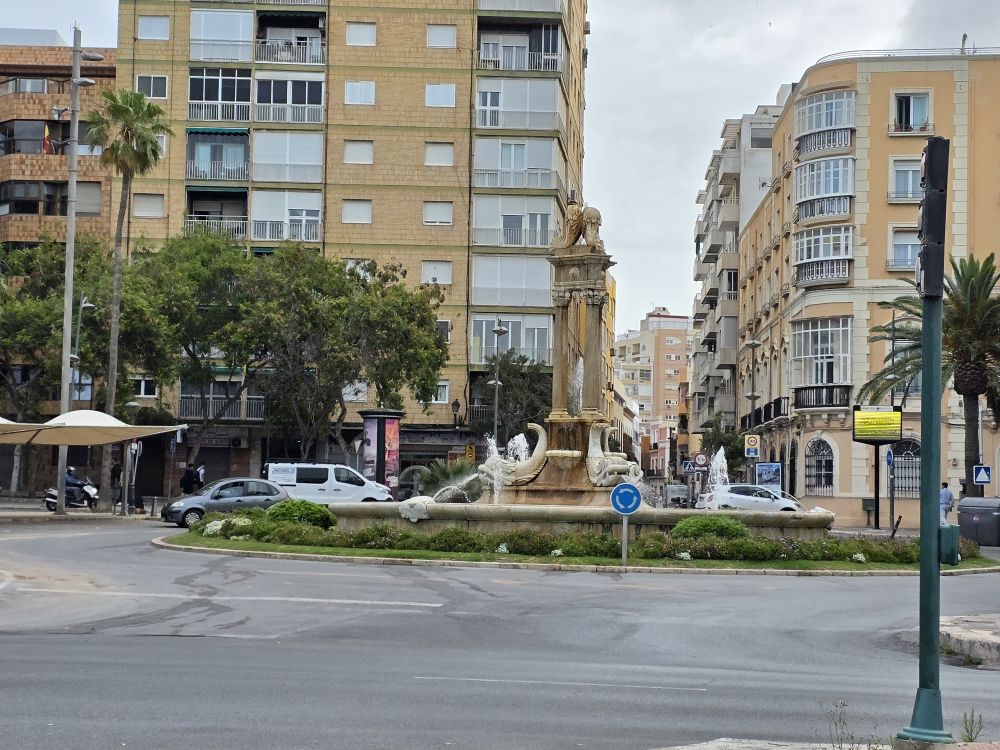
We are ready and waiting when the ship is cleared, and are off first, well, 6th, but same, same, no different. Quite literally, we have the town to ourselves! There is no one about at the early morning hour of 8am. Spain. You know. Having plenty of time to kill – the Alcazaba didn’t open until 9am – we found a café for a cappuccino, making the faux paus of ordering at the counter then sitting at a table. Hey, we didn’t see the waiter until it was too late! Then walked through the sleepy town streets, up to the Alcazaba, passing the statue of Jayran al Amiri, the first king of the independent Taifa of Almeria in the 11th C.
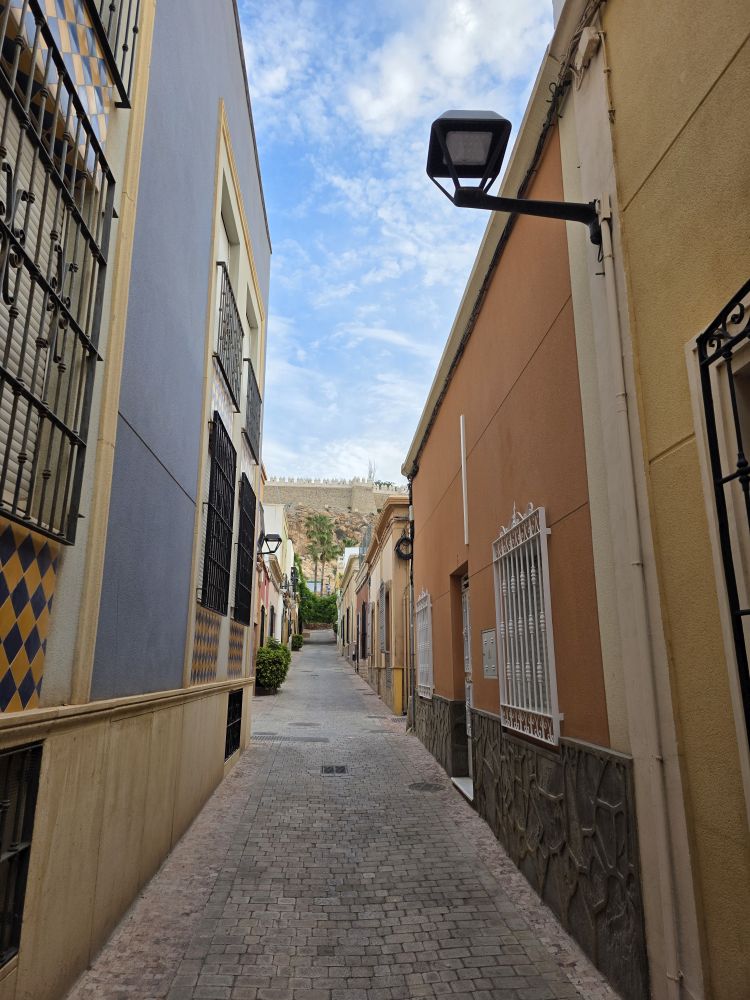
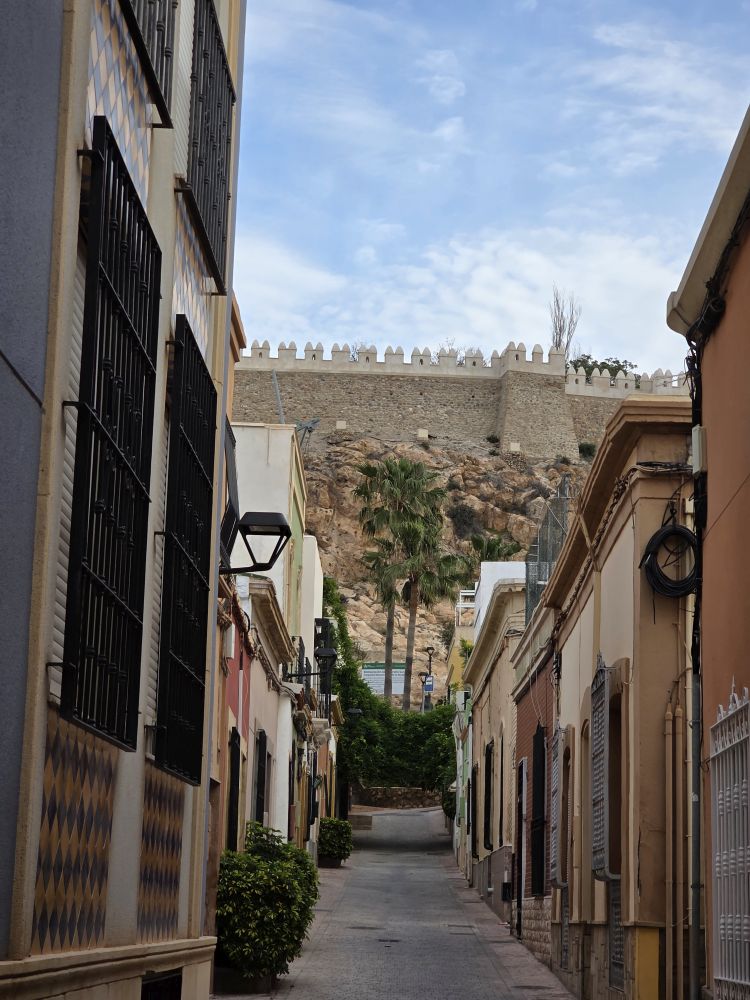
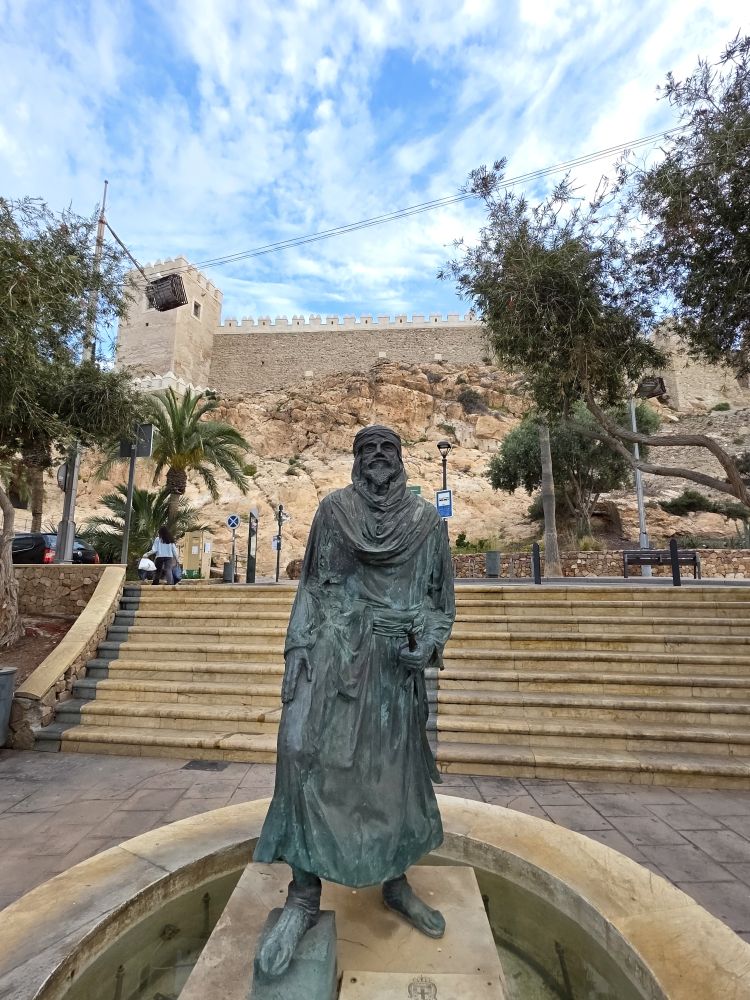
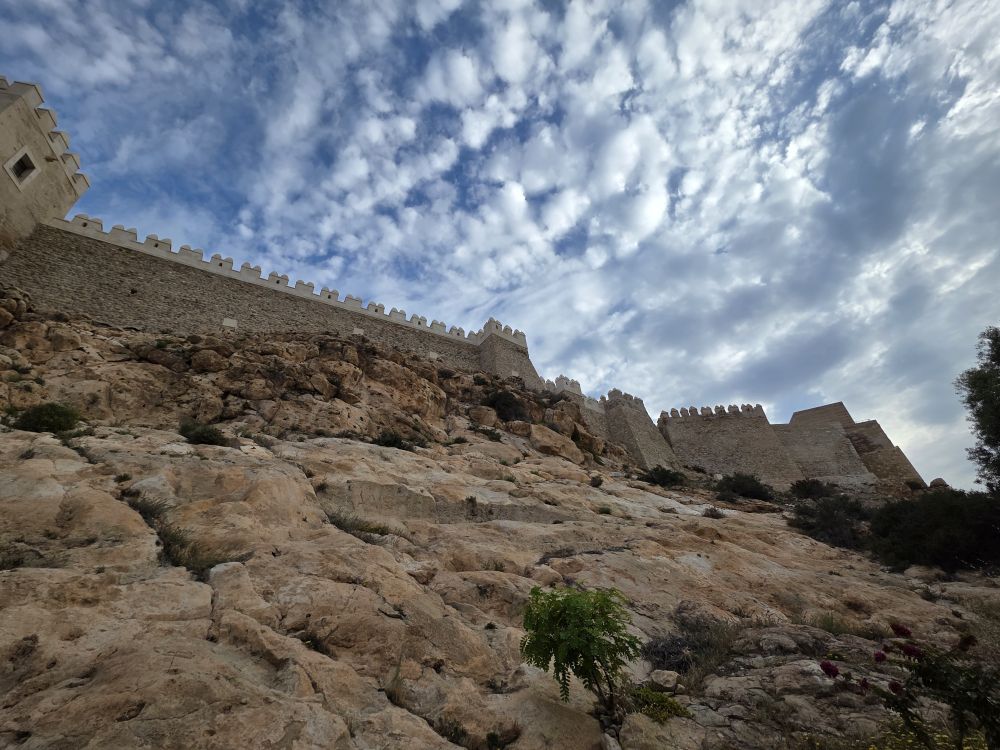
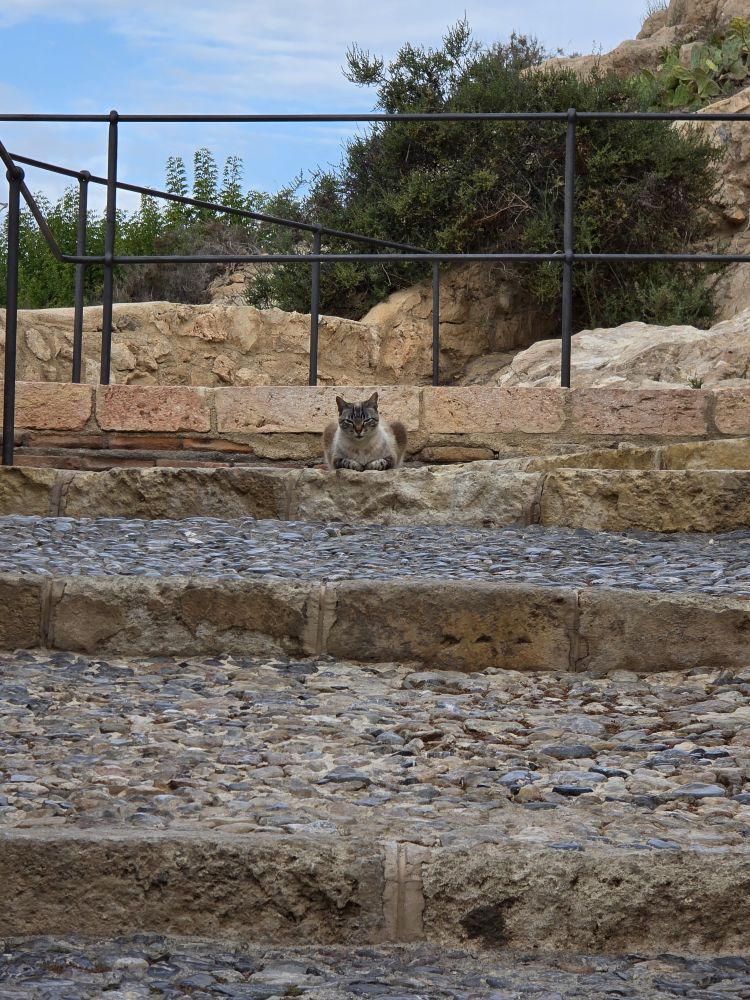
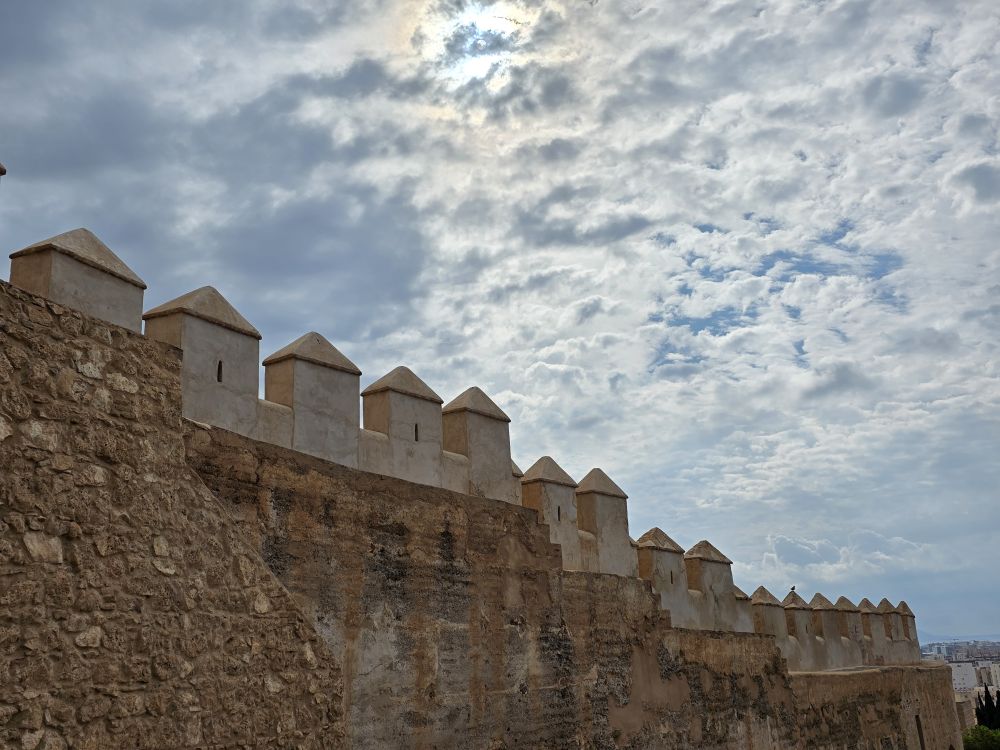
Up the steep stairs to the ticket booth we go, cooling our heels until the fortress opened, the sweet ticket lady telling us in Spanish that she would open at 9am. We had about 15 minutes to kill, amusing ourselves with tons of exterior fortification photos – as well as little cat photos.
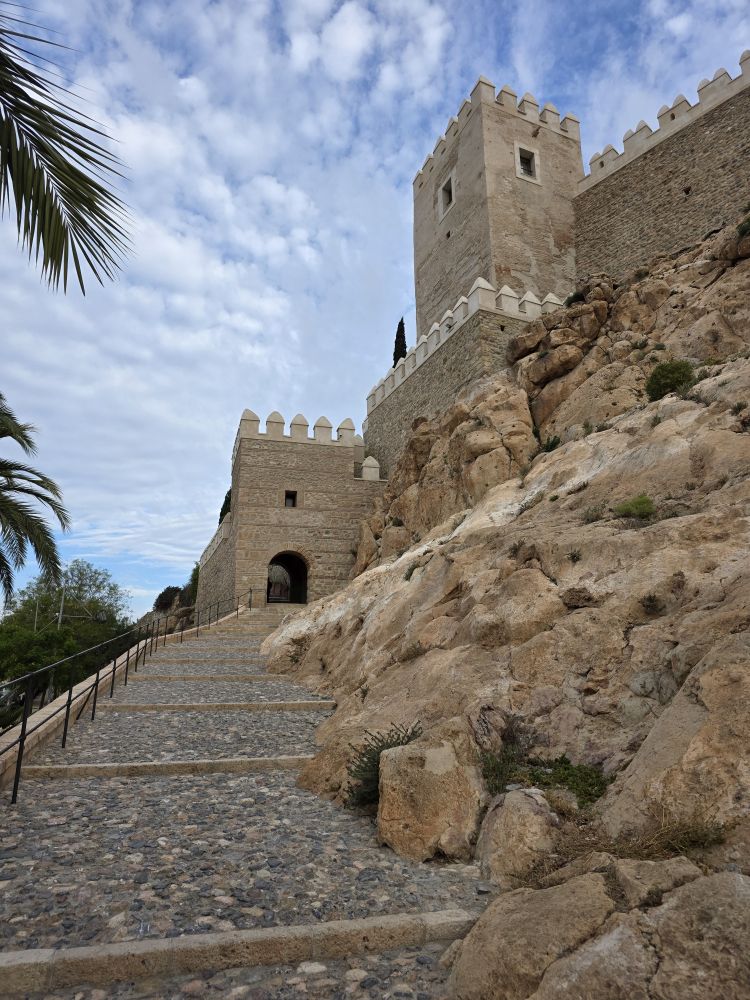
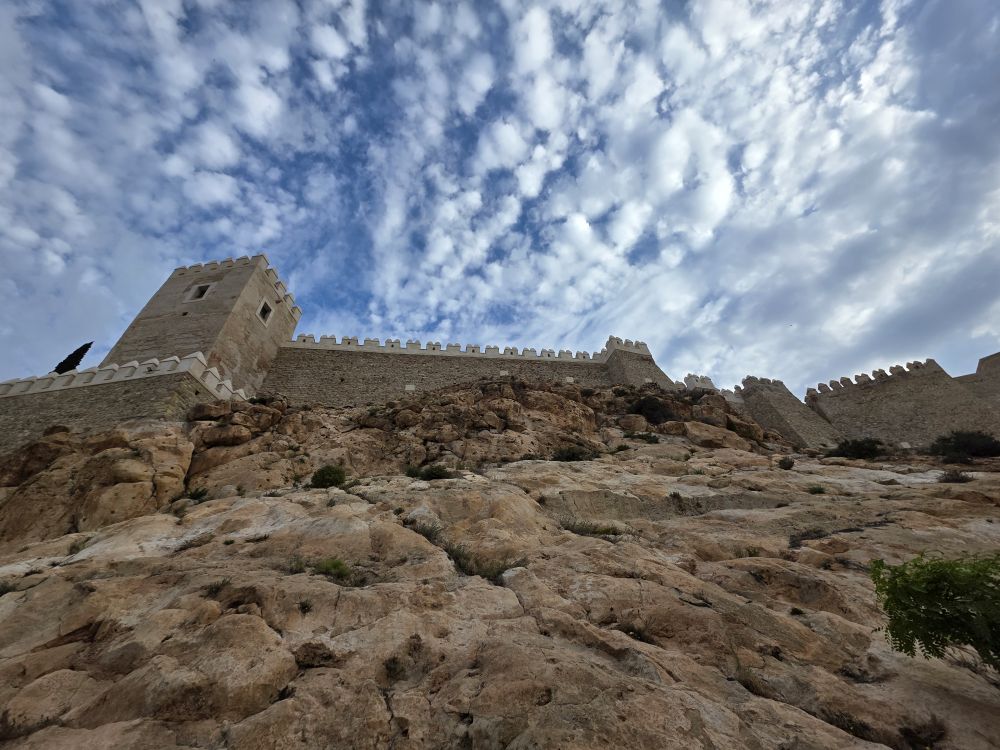
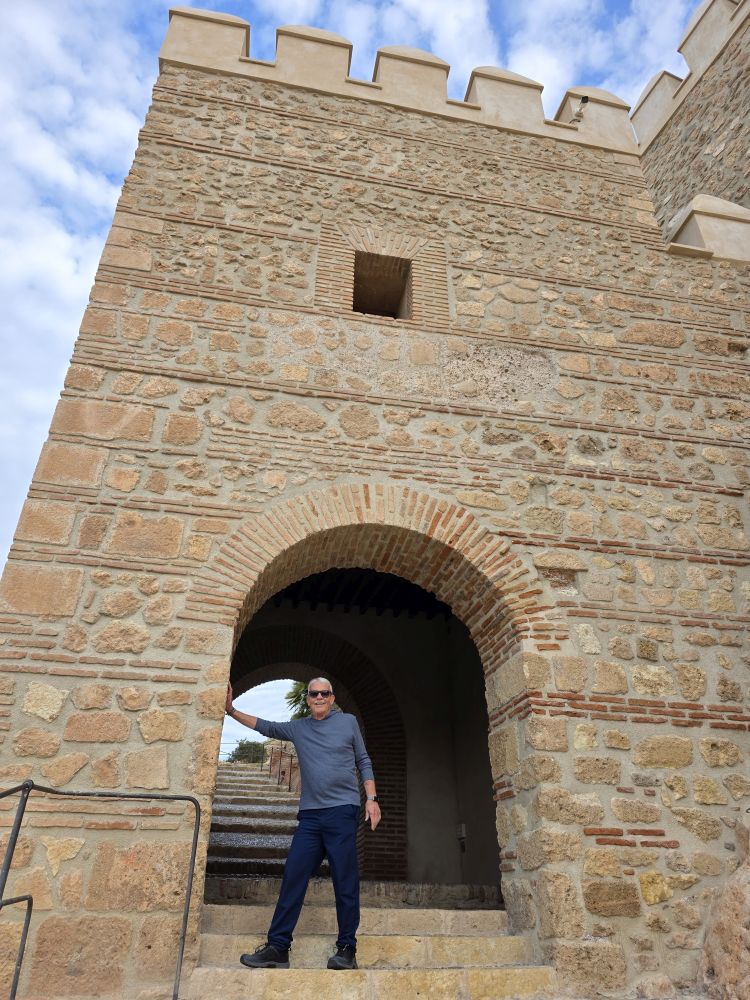
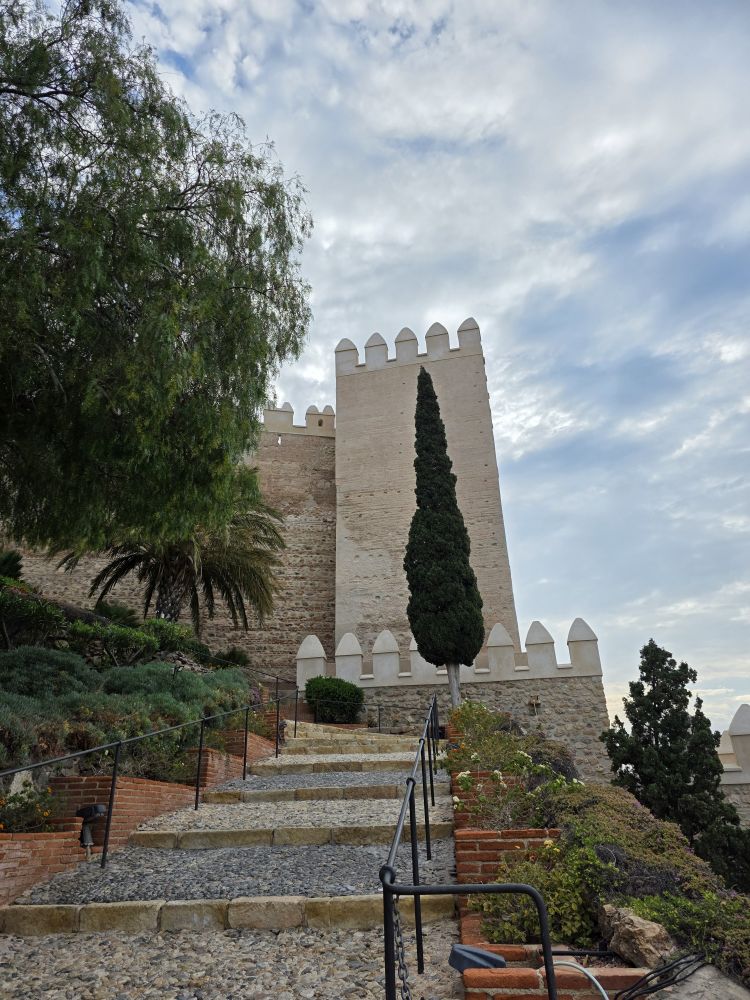
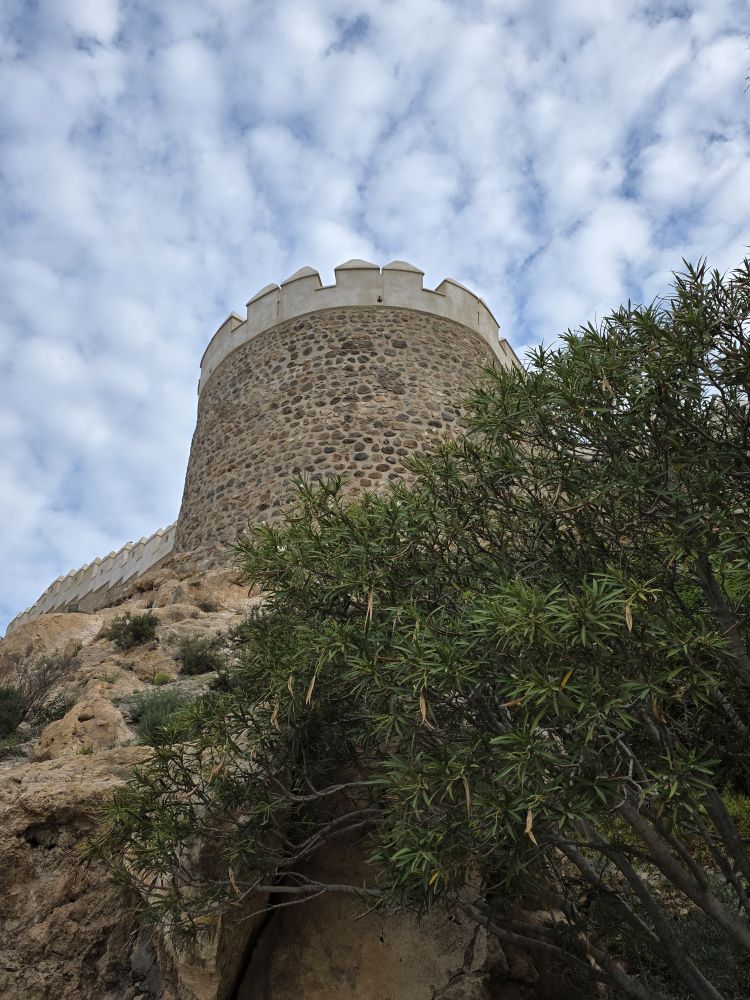
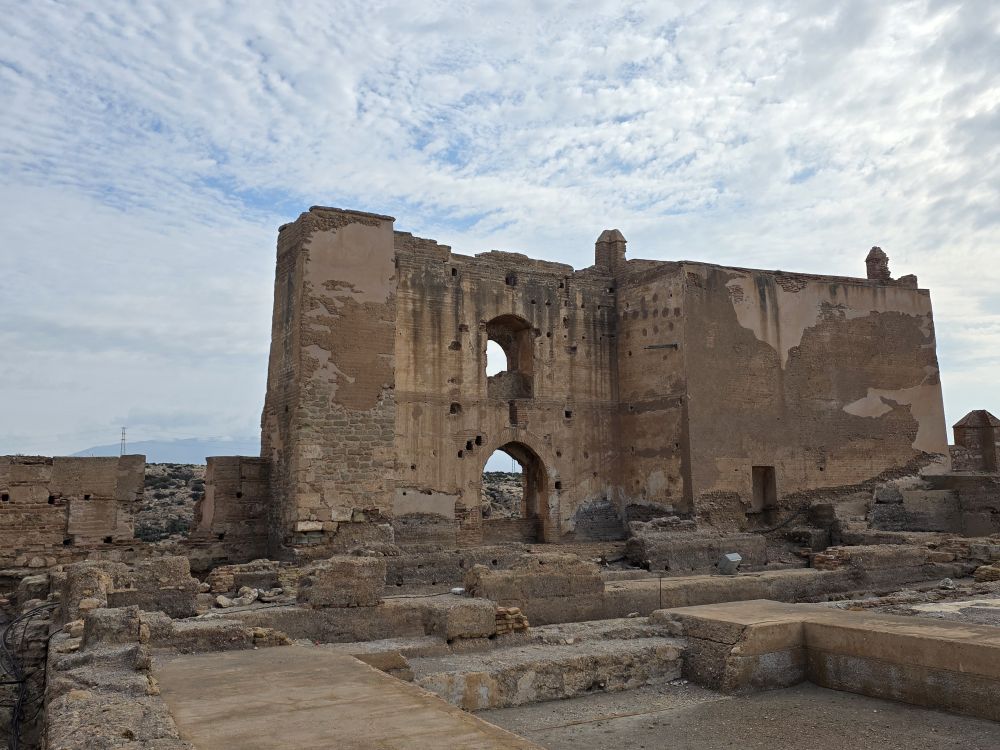
Another couple from the ship arrived, waiting with us patiently until exactly 9am when sweet ticket lady let us in – free admission – bonus. Climbing yet more stairs into the fortress itself, our self-guided tour begins in the first of 3 different sections of the complex – 2 of Islamic origin, and one, the last, of Christian. The Alcazaba, or citadel, was begun in the 10th century (thus the Islamic origin), then destroyed by an earthquake in 1522. It was originally built with a triple line of walls for fortifications and is, as mentioned, the 2nd largest of Muslim fortresses, second only to the Alhambra in Granada.
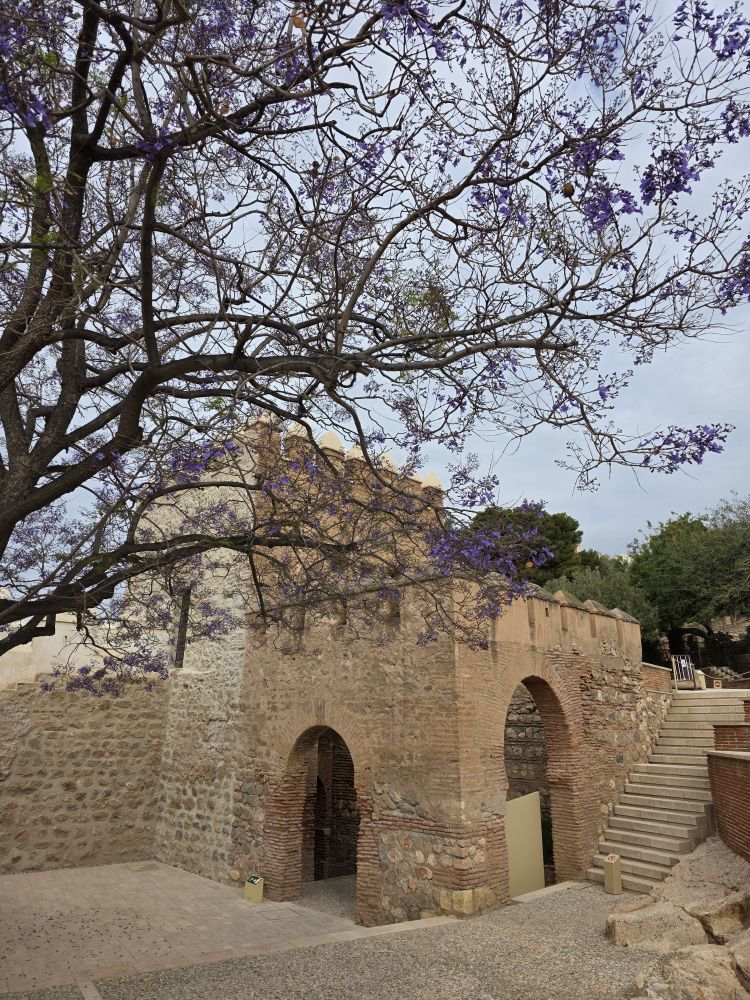
Being here this early is perfect because we have the place to ourselves – for over an hour and ½ as it turns out – while we wander all through the entire complex. The first area we entered was the garden area. At least it is a garden now, in medieval times, this area was where the town was located and had many streets and houses situated between the two fortified walls. Now, a beautiful cascading garden with what would be a cascading water stream coming down the stairs, if the water were working (there is a bunch of construction going on here, thus no toilets on this level, and no water in the “stream”).
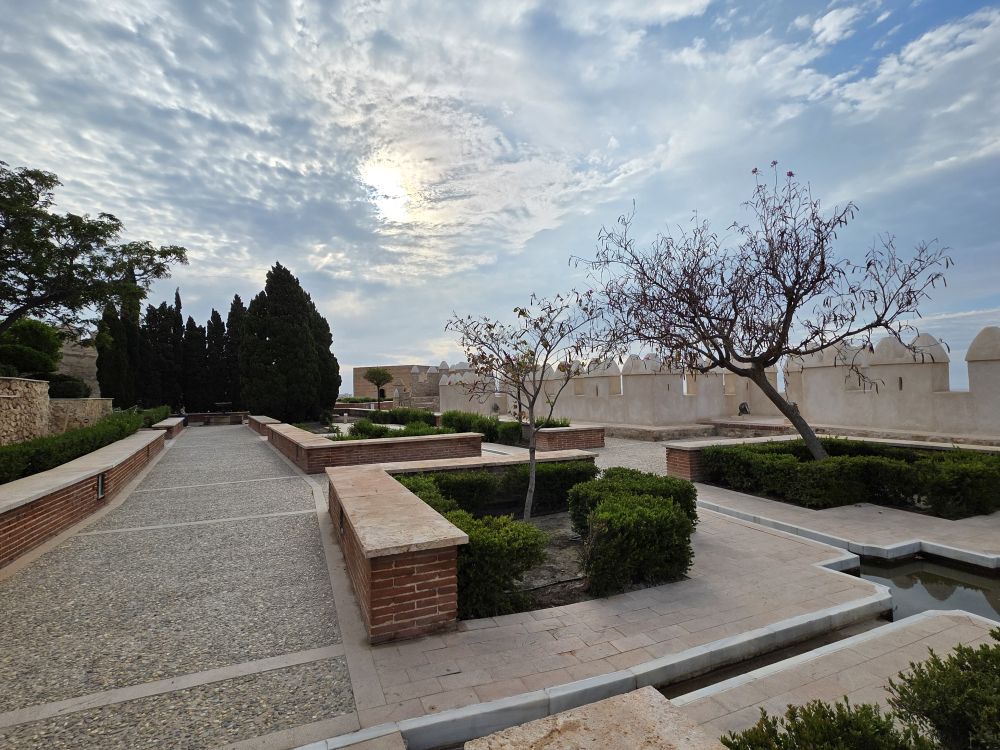
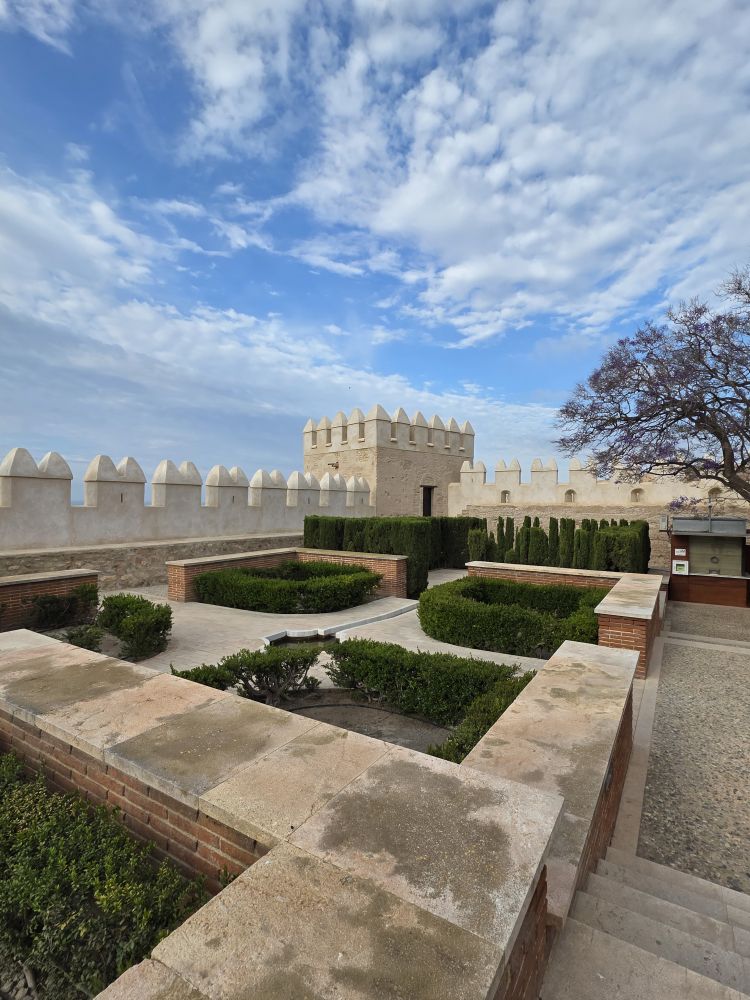
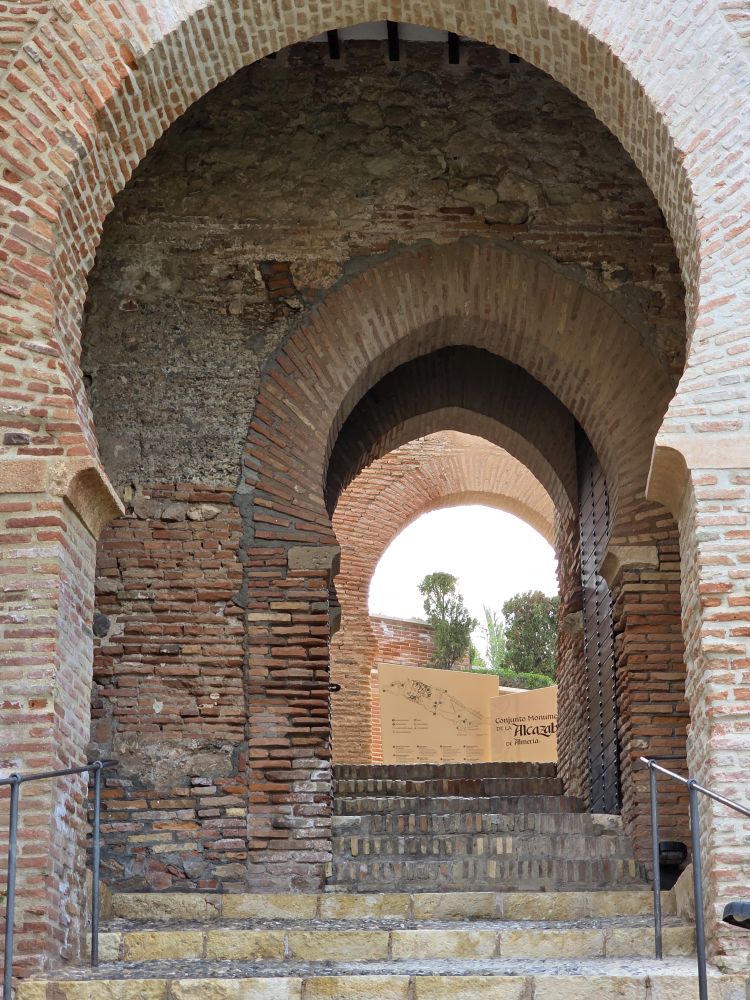
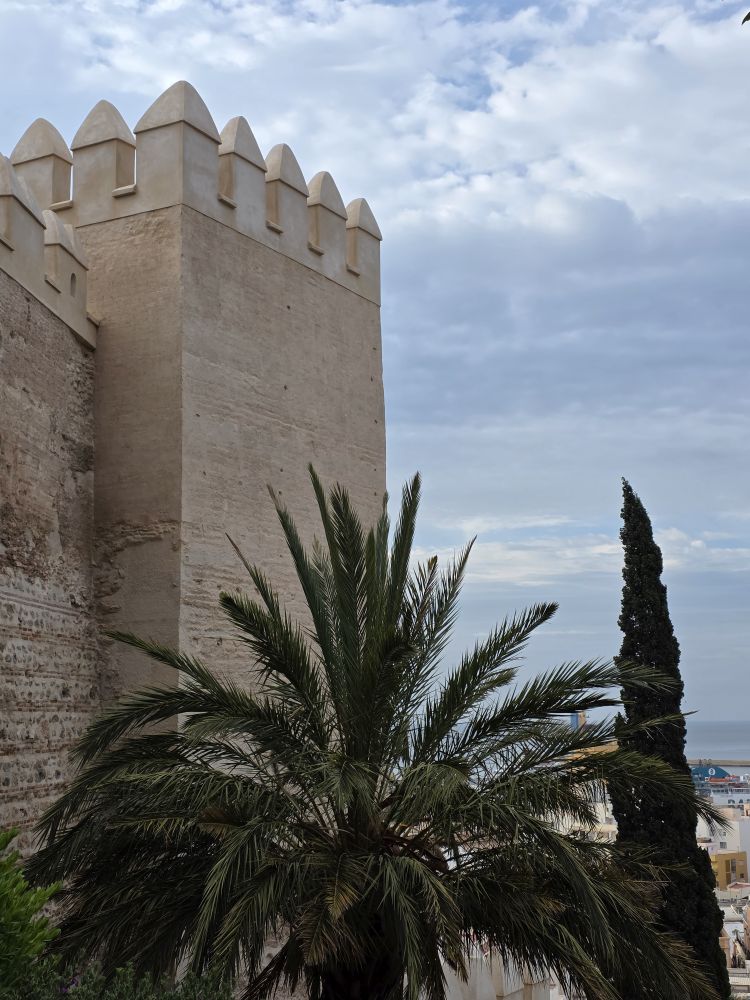
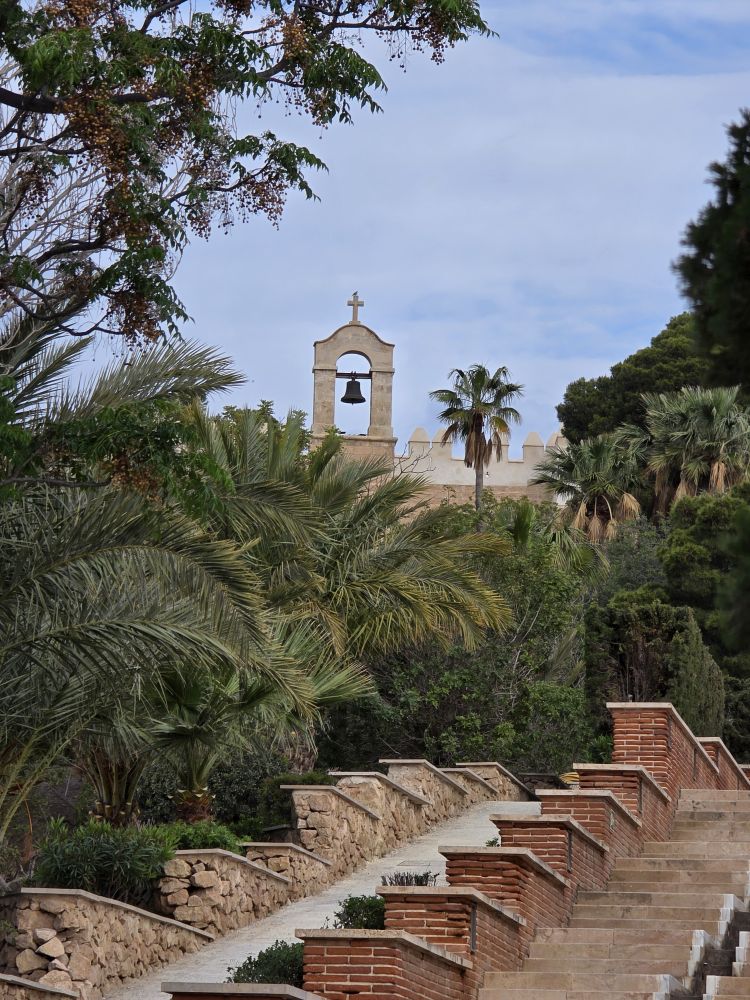
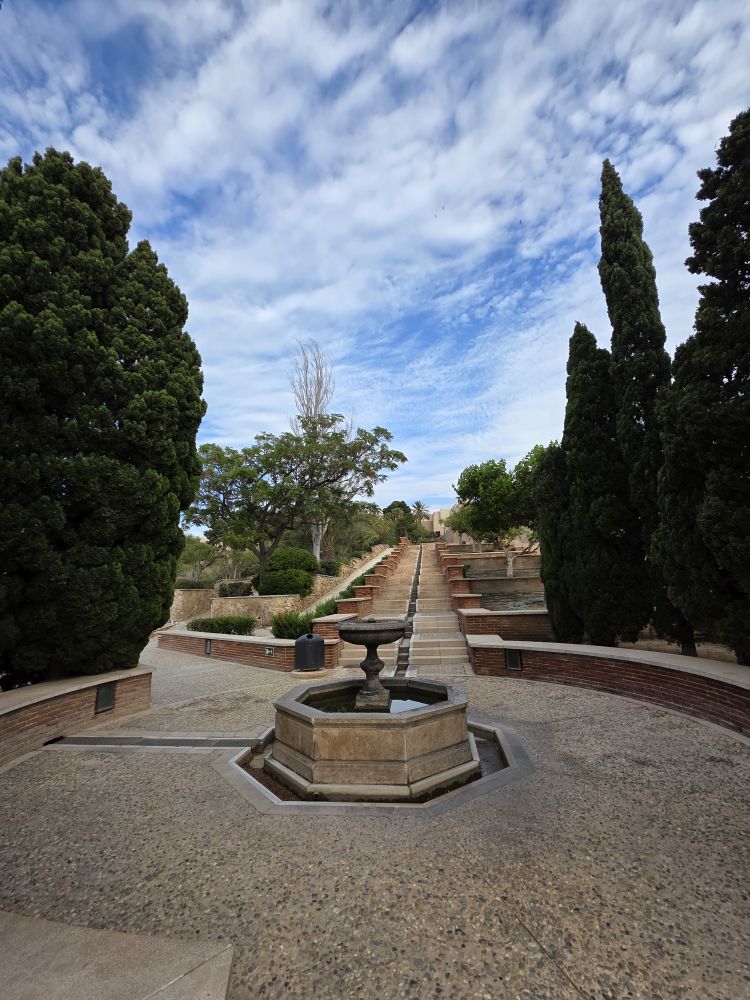
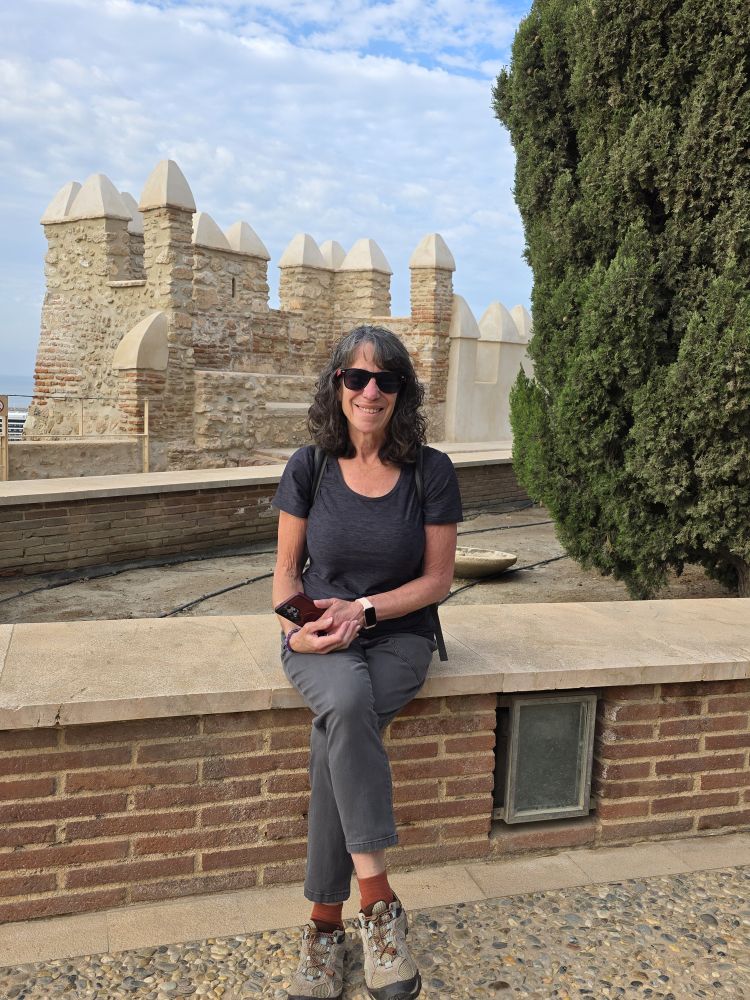
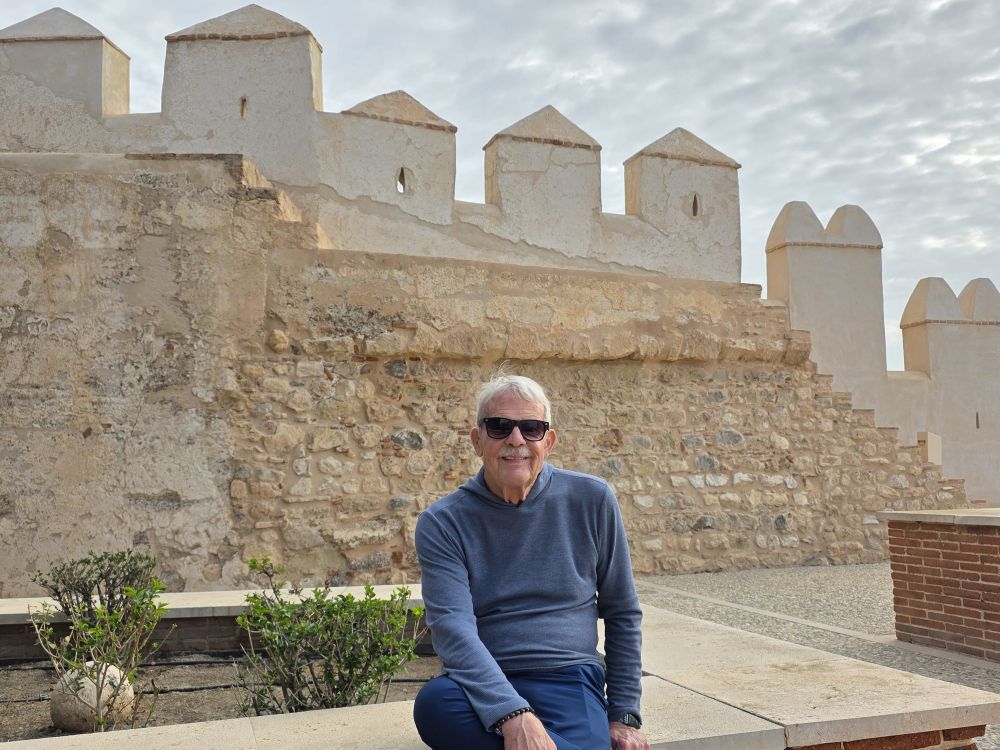
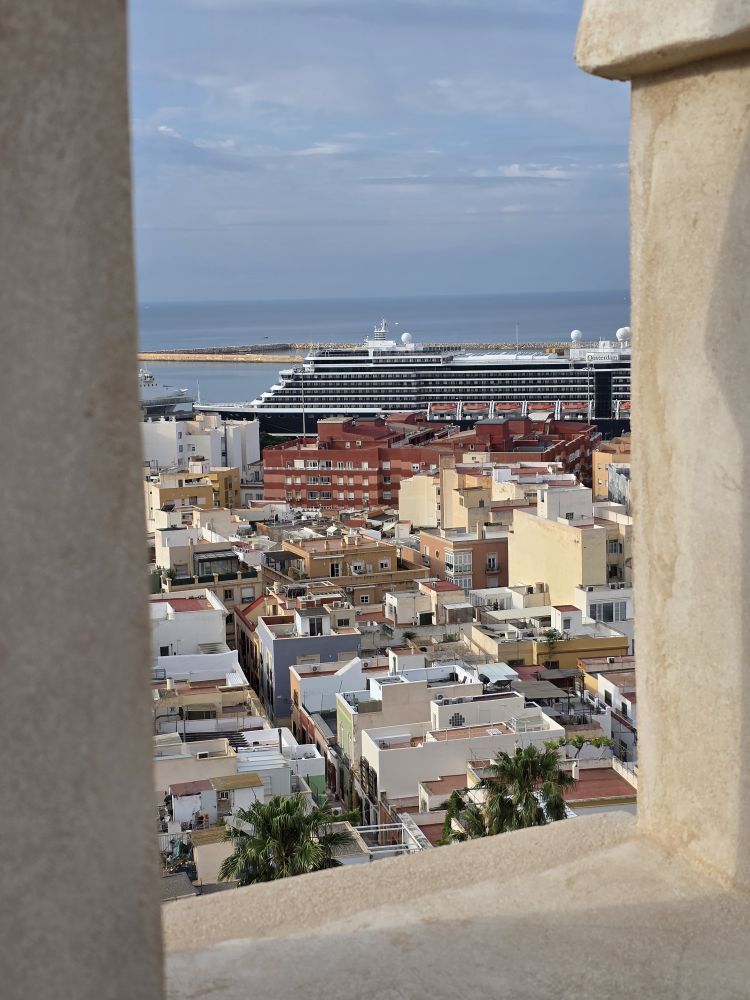
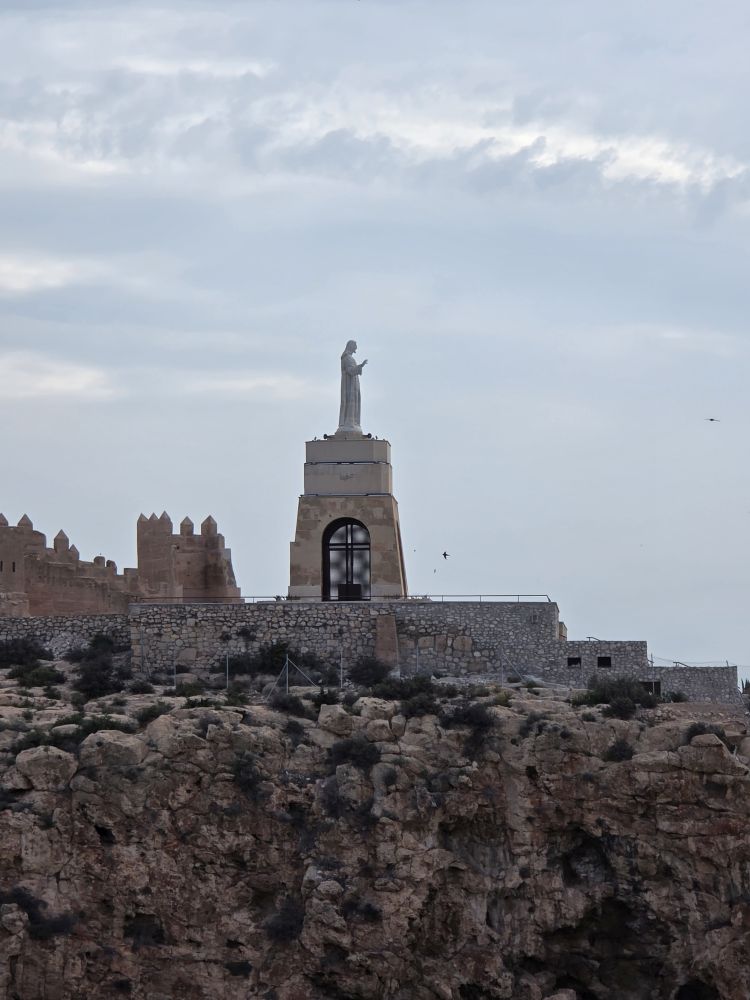
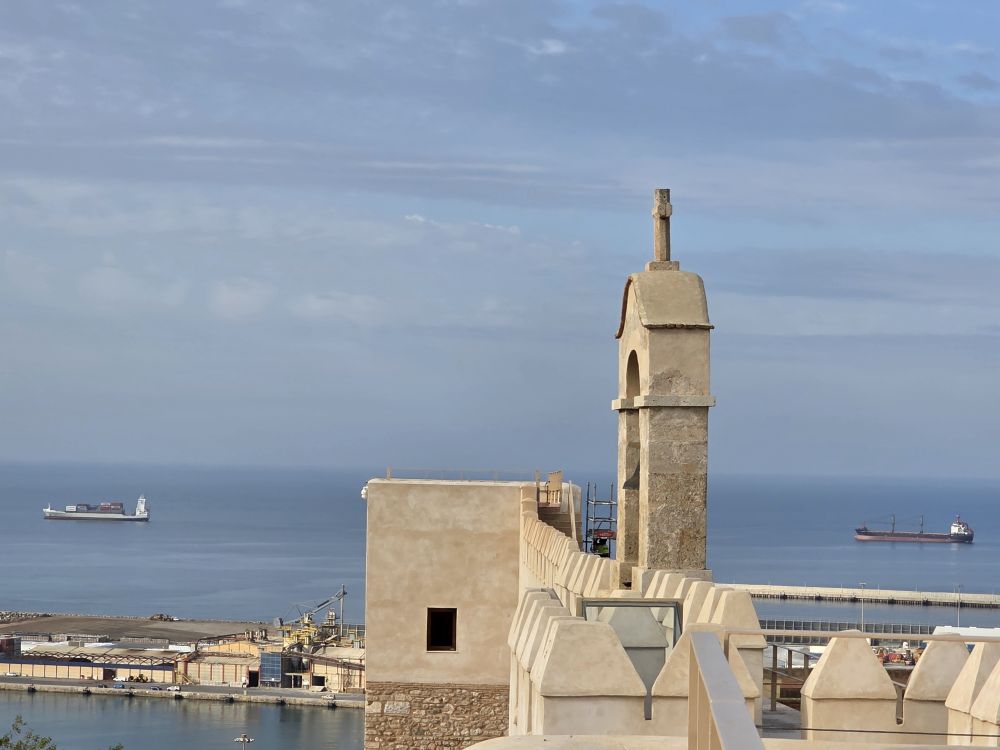
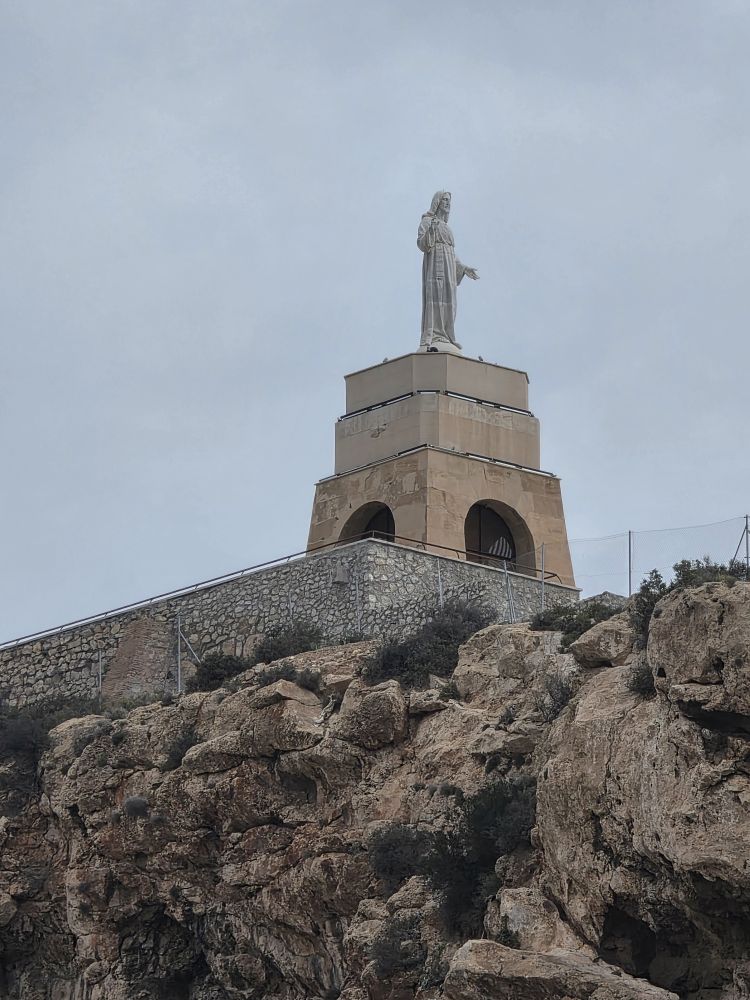
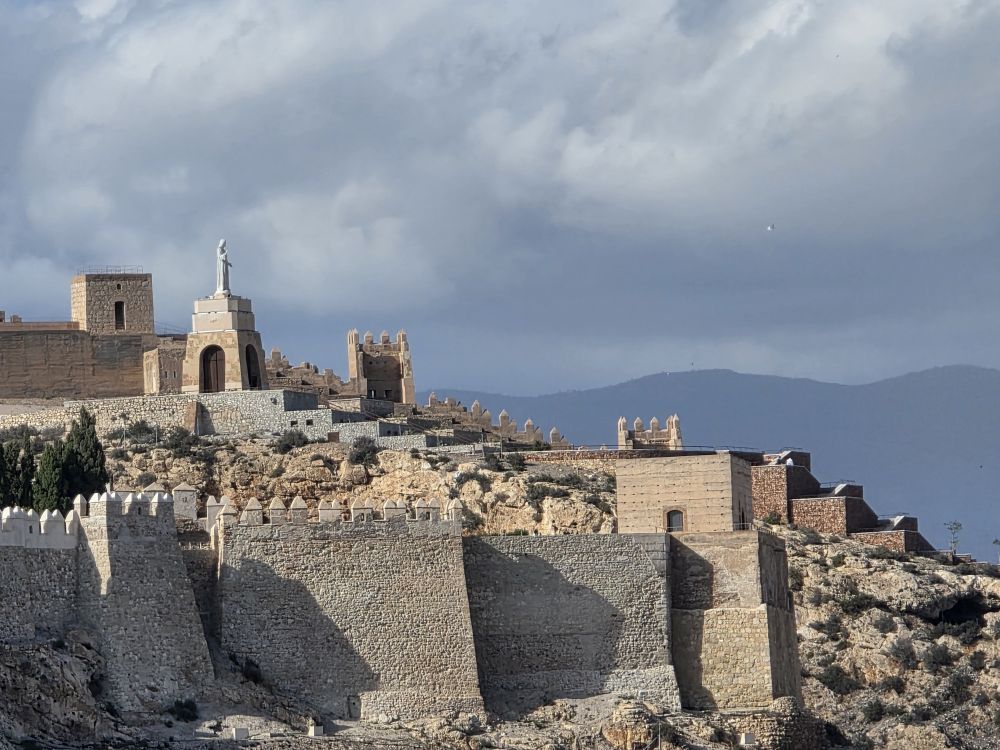
The views from up here are great – looking down at the harbor and across the city. Walking up the stairs next to the North Wall, there are also fantastic views out to the San Cristobal mountain with the Castle of San Cristobal (more like a fortress than a castle honestly) and view over the Mediterranean gardens below. Fabulous.
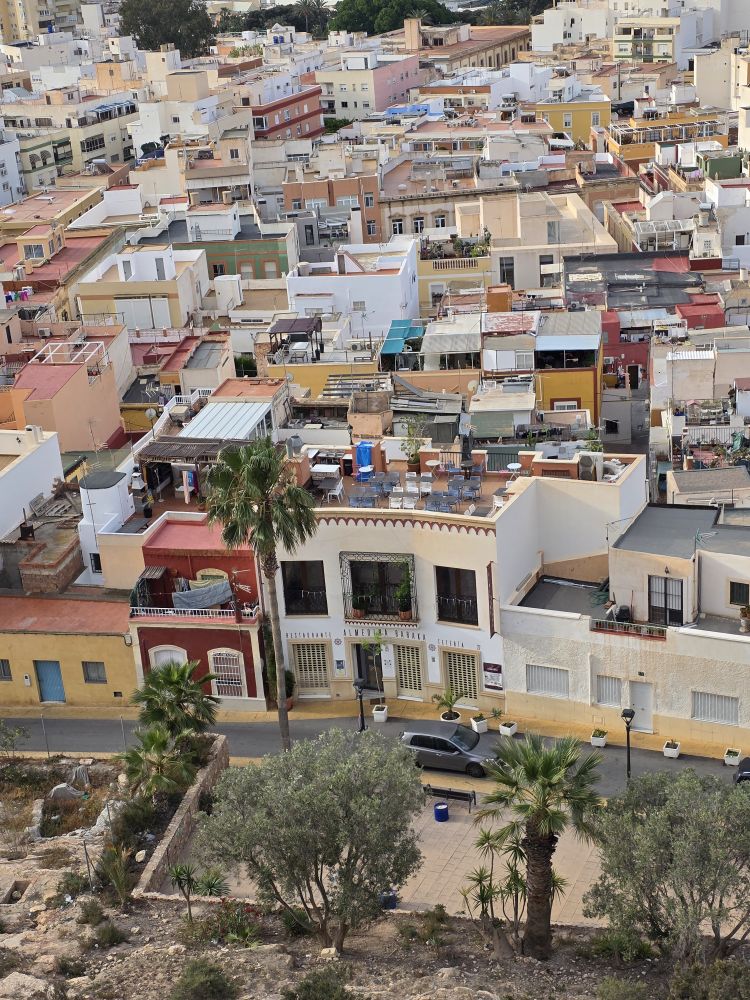
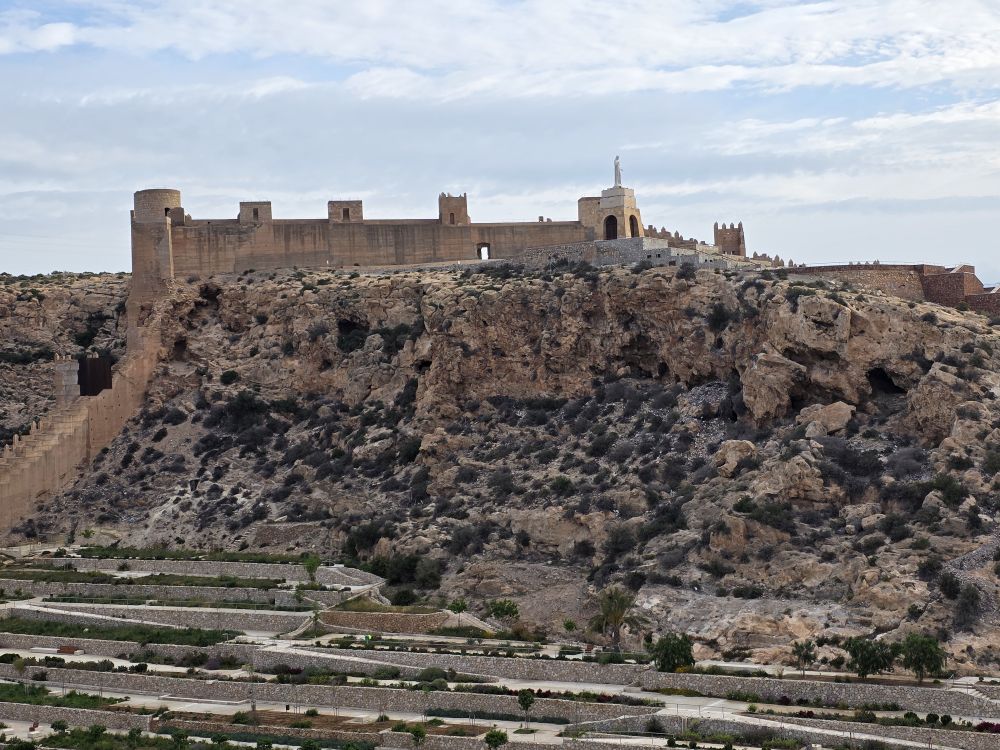
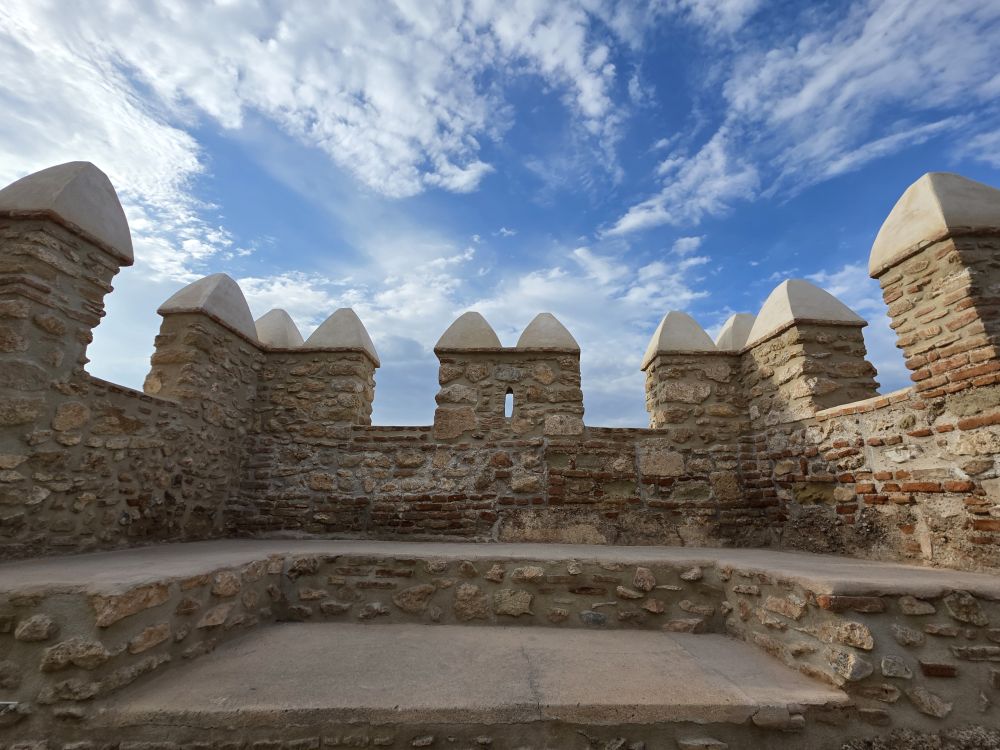
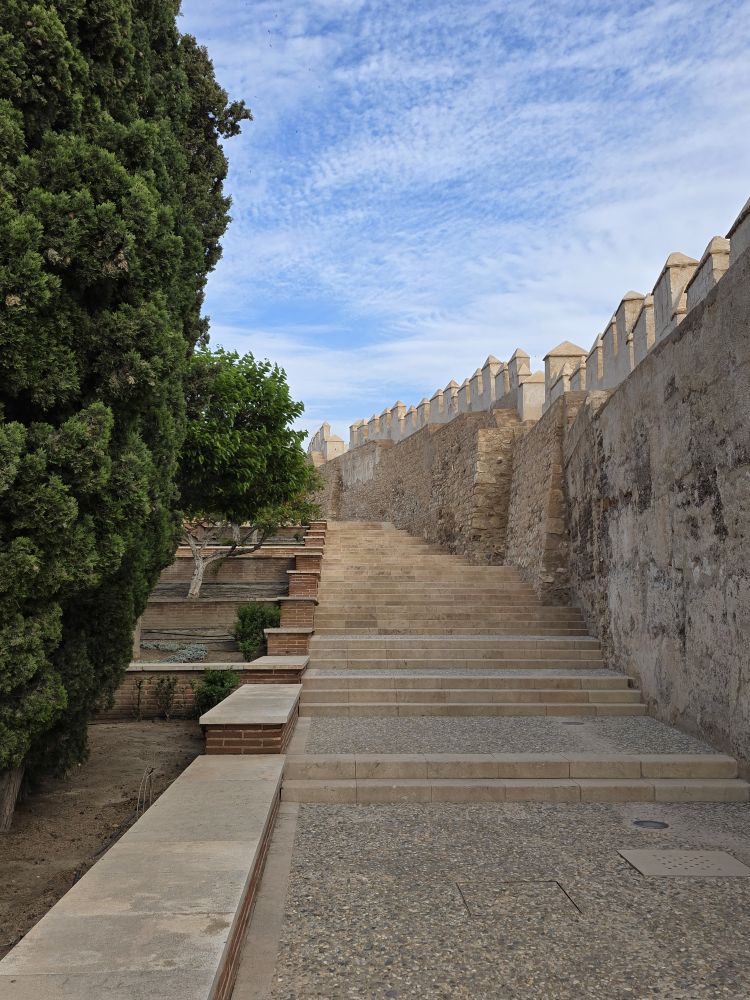
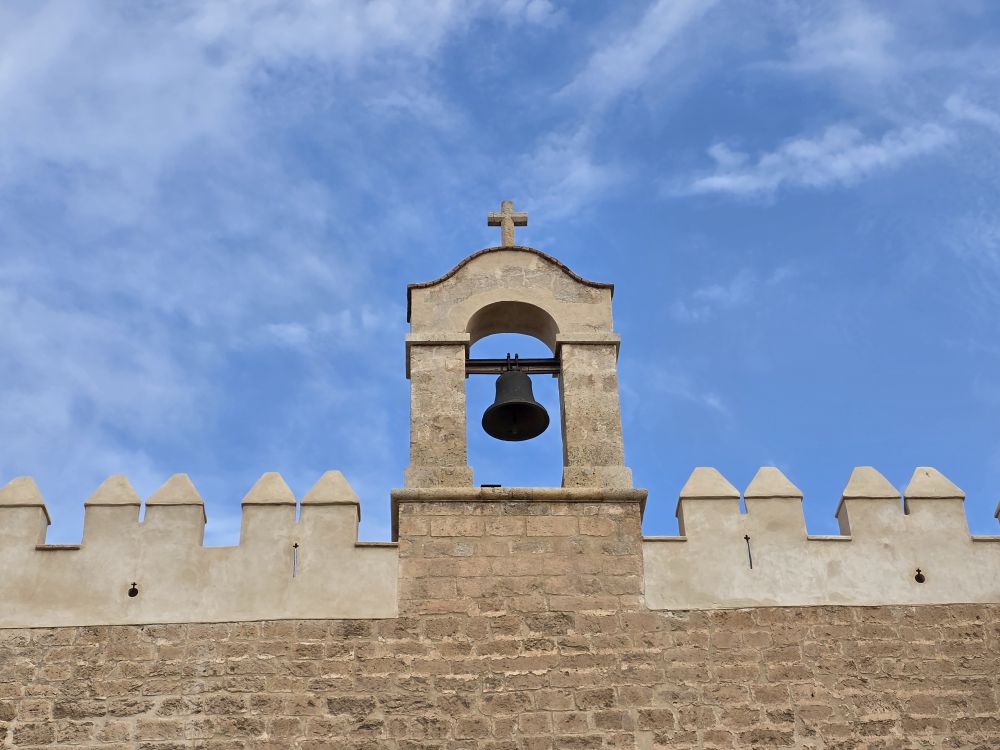
Turning west, toward the great tower that allows entry into the 2nd section, the small city-palace that forms the center of the Alcazaba, we encounter Eurasian Collared Doves (thank you Merlin!!) fighting (or are they mating?) on the sidewalk. An interesting little diversion, they finally stop long enough for us to pass them by as move closer to the Vela Wall, with the bell tower, which was added in the 17thC by Charles III.
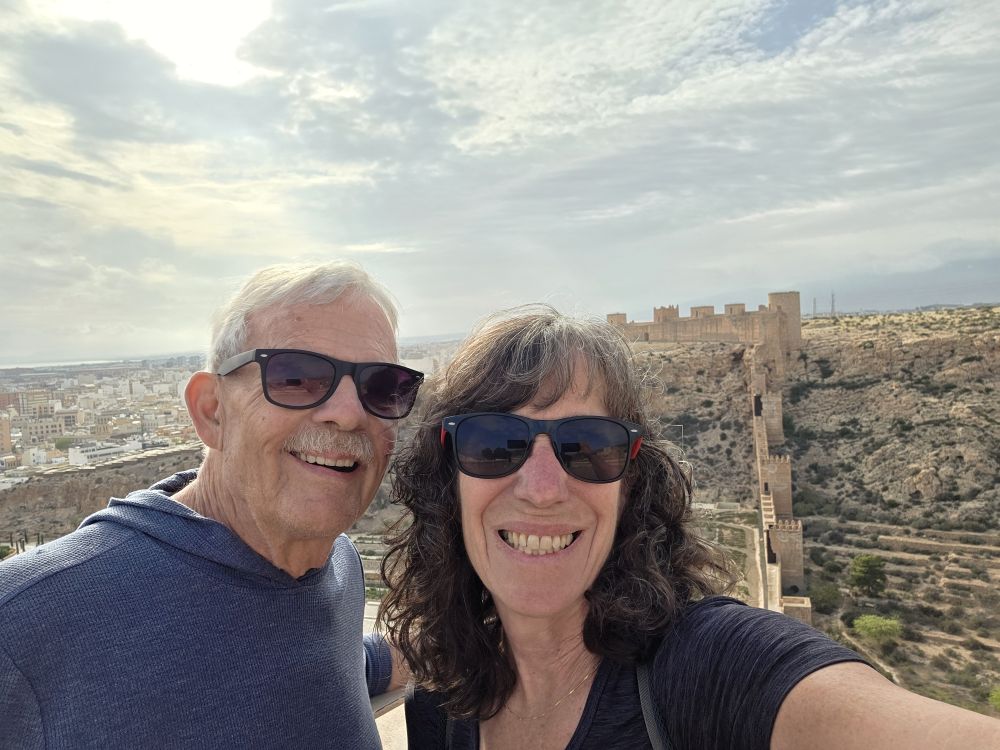
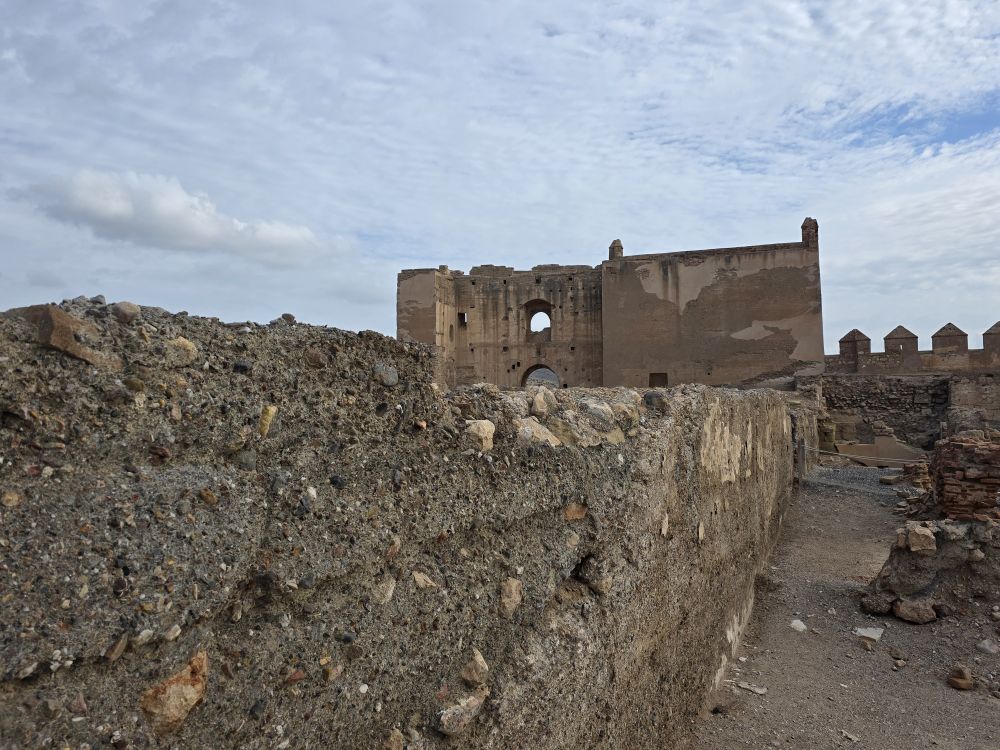
Entry into the 2nd section – the heart of the original Alcazaba with cisterns, public baths, houses, mosque and palace – is through the Vela Wall itself. Inside the complex, we can also climb the belfry, where we can walk up on top of the wall from the South end overlooking the city to the North, below San Cristobal. The middle part of the wall, of course, provides excellent bird’s eye views of the entire 2nd section of the complex – the lily pond, garden area, archeological excavations and the Christian defense walls at the far end of the area.
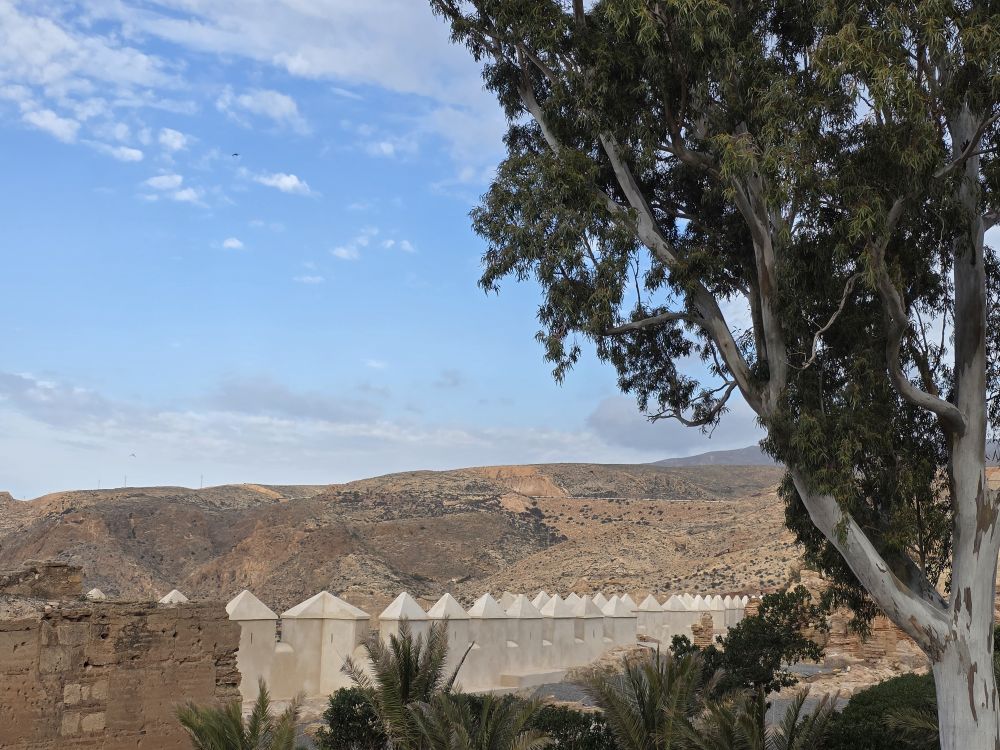
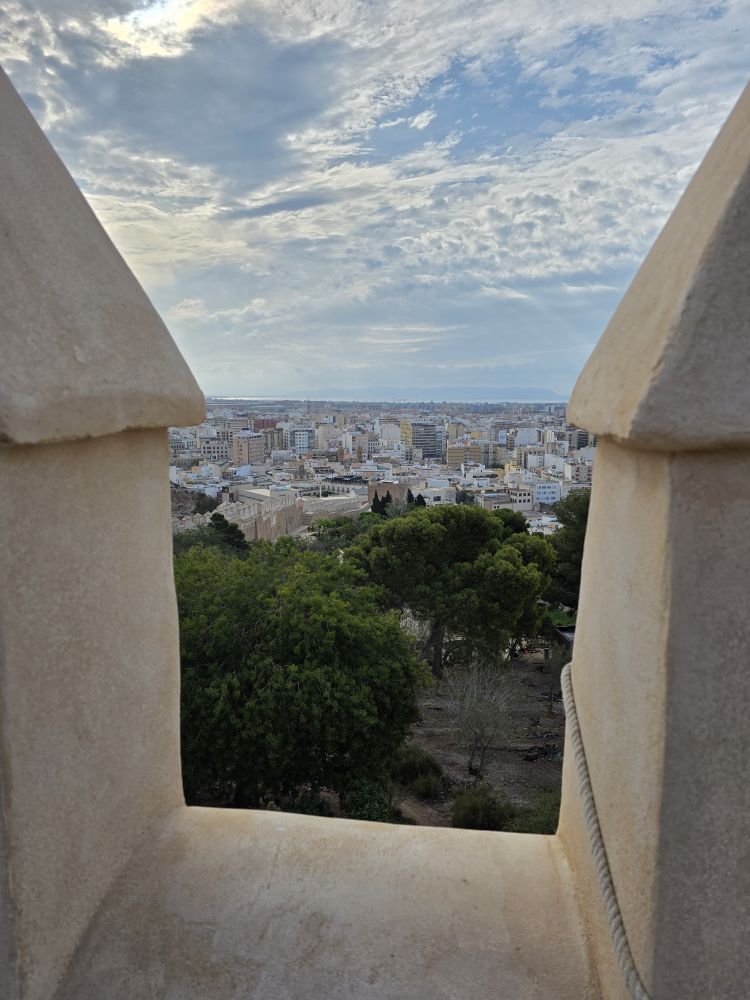
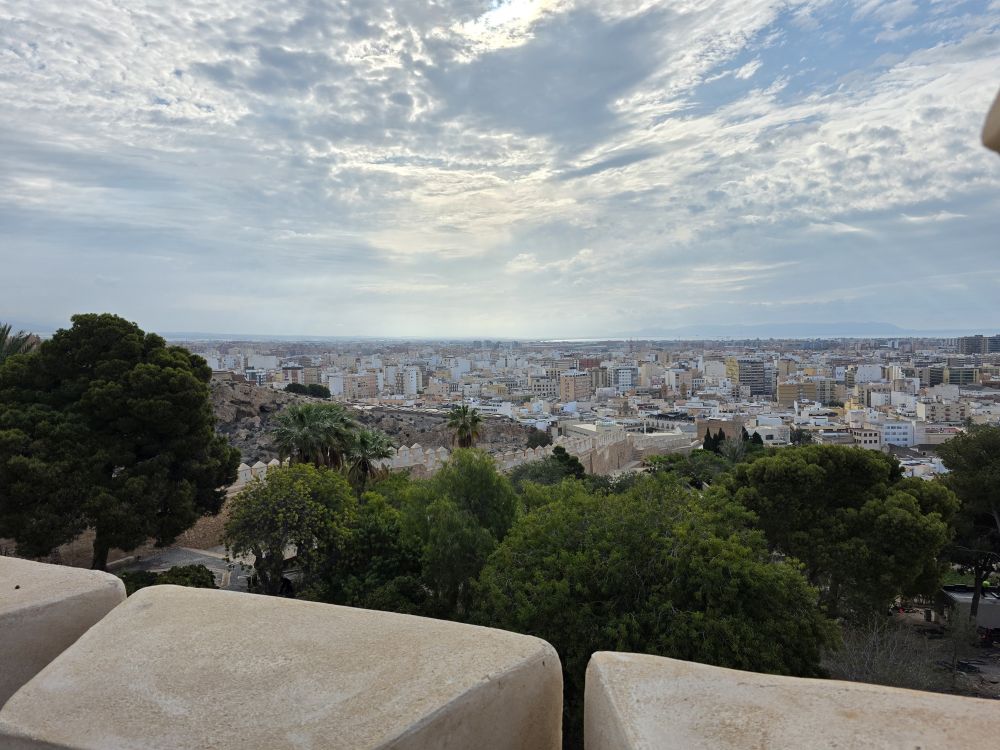
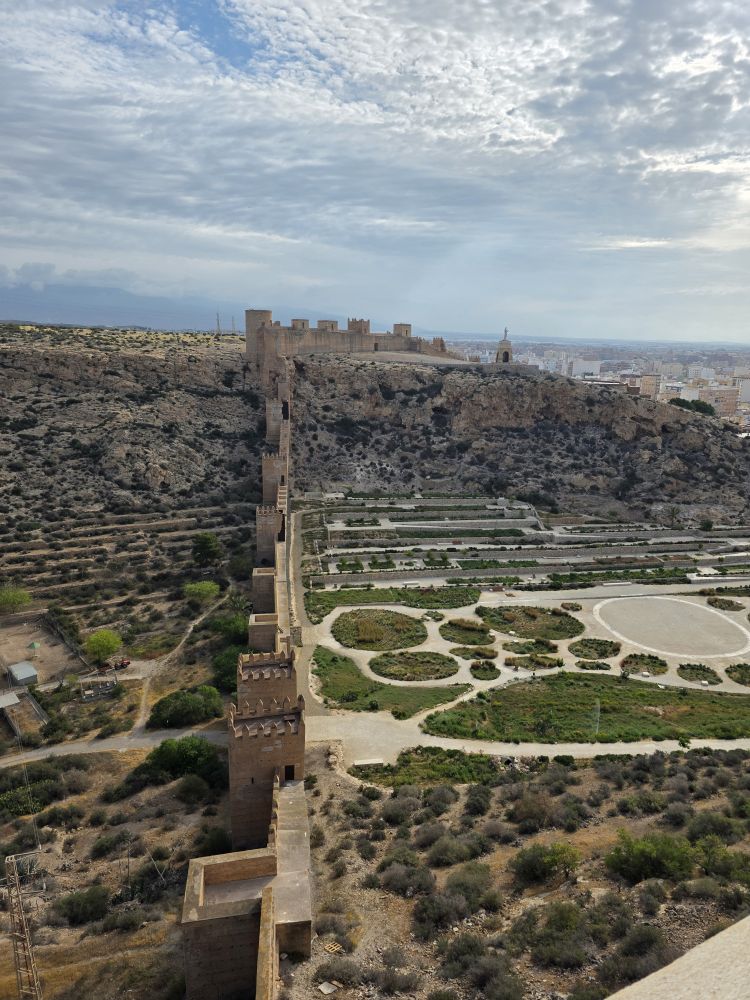
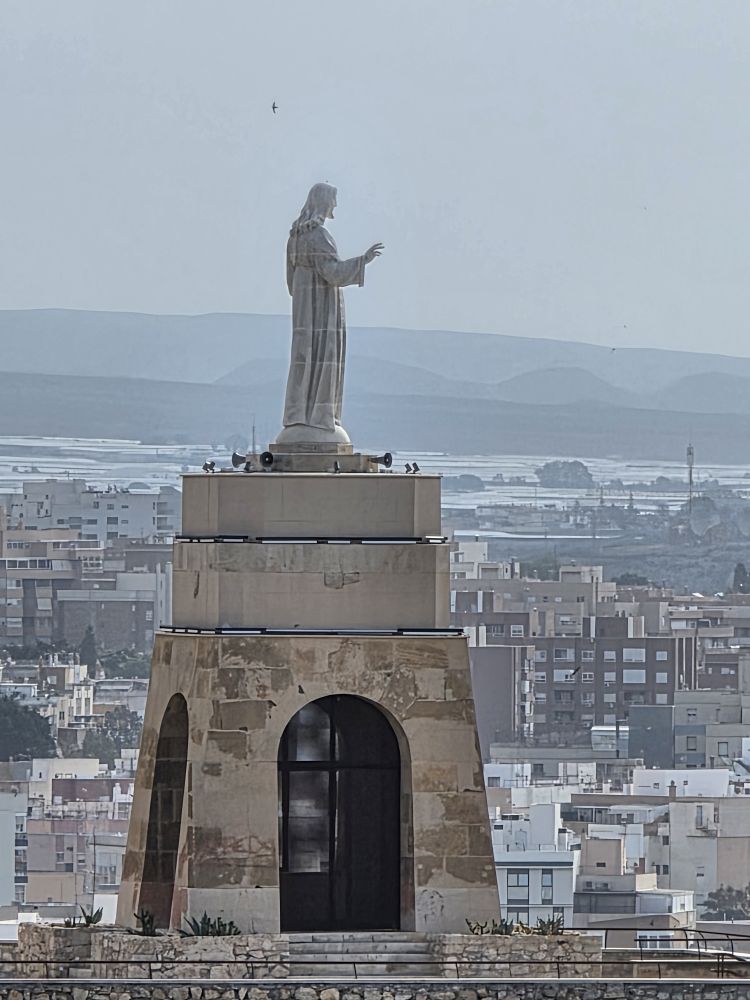
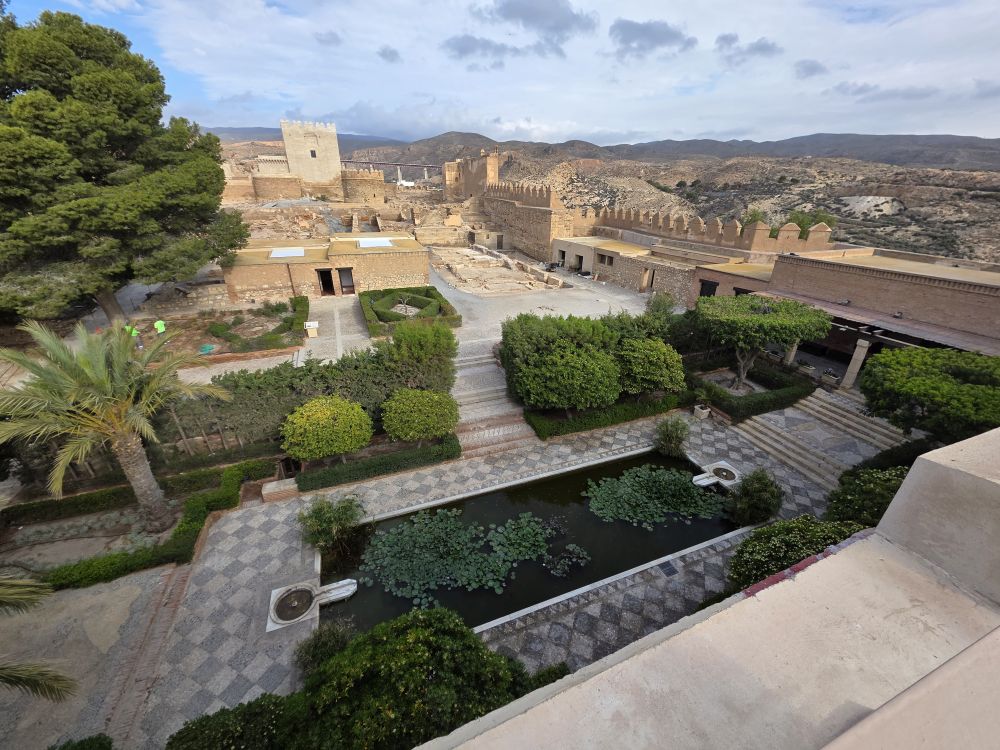
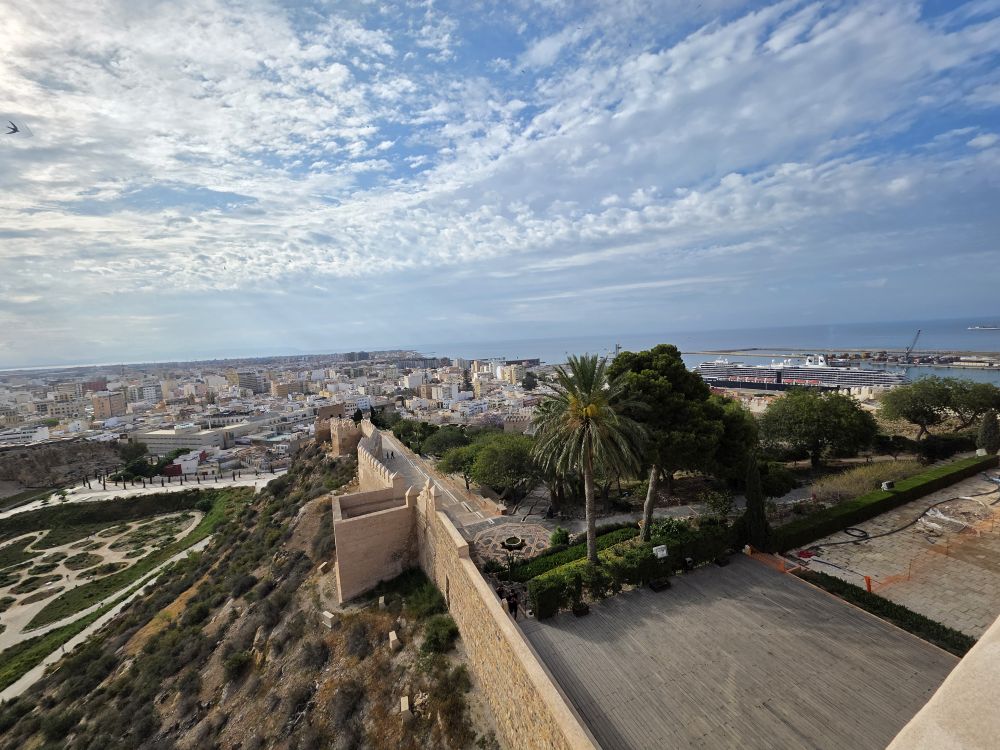
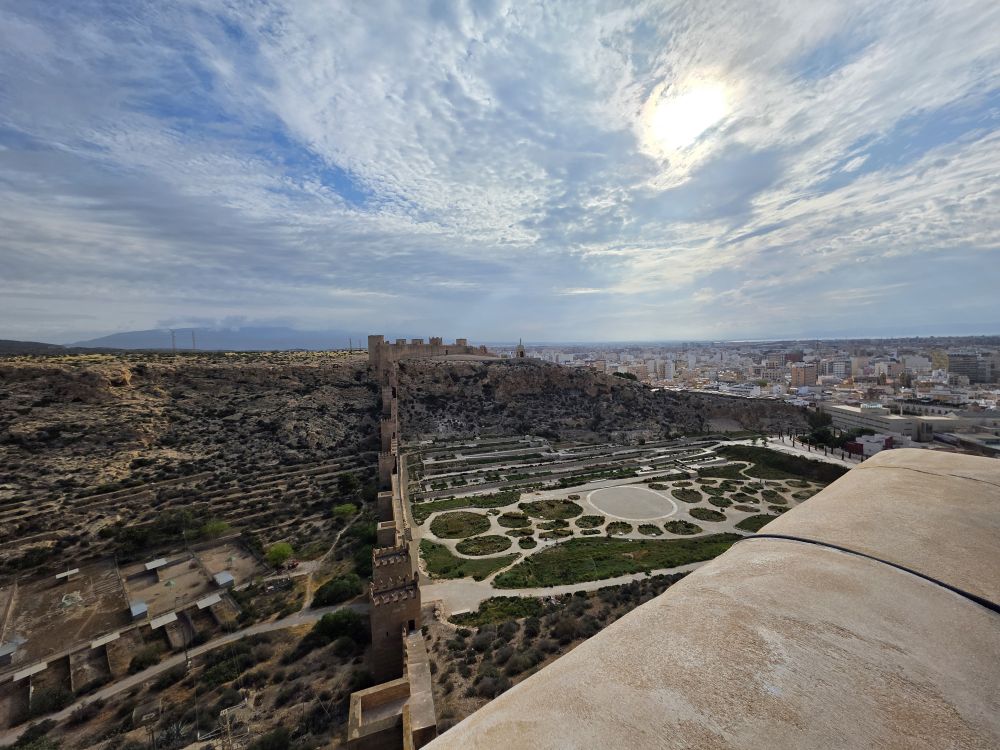
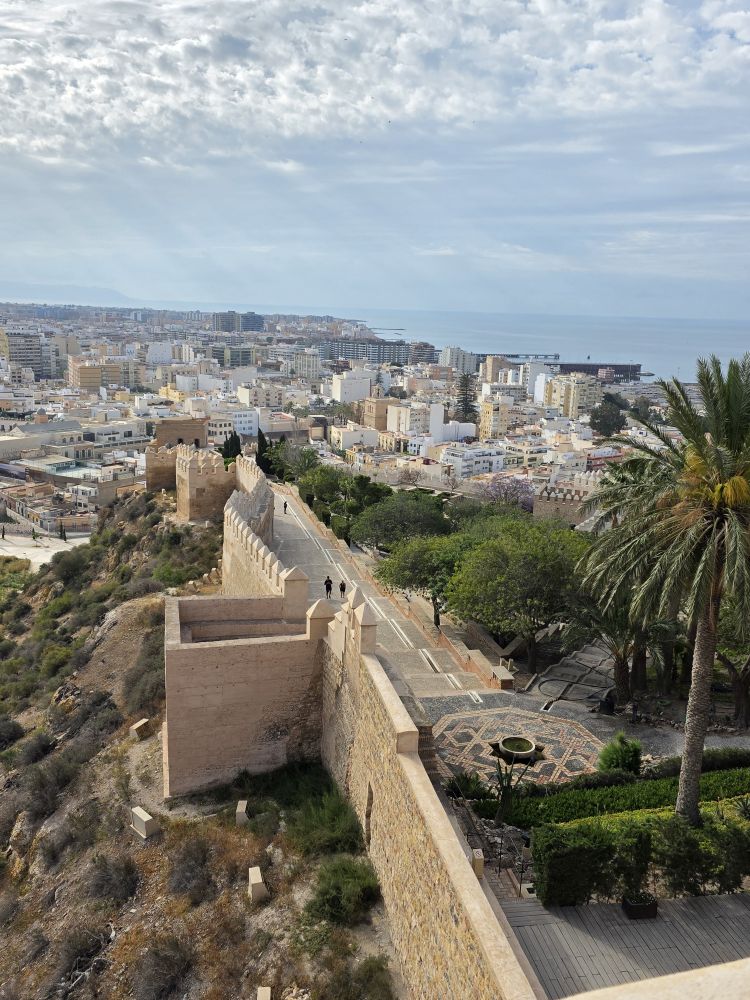
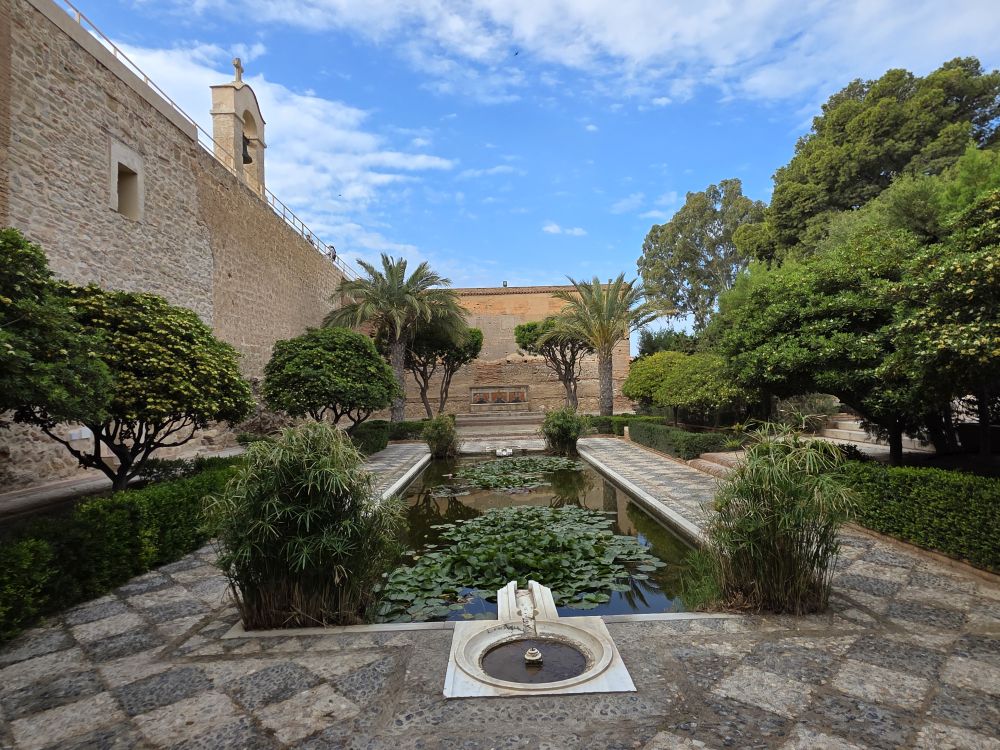
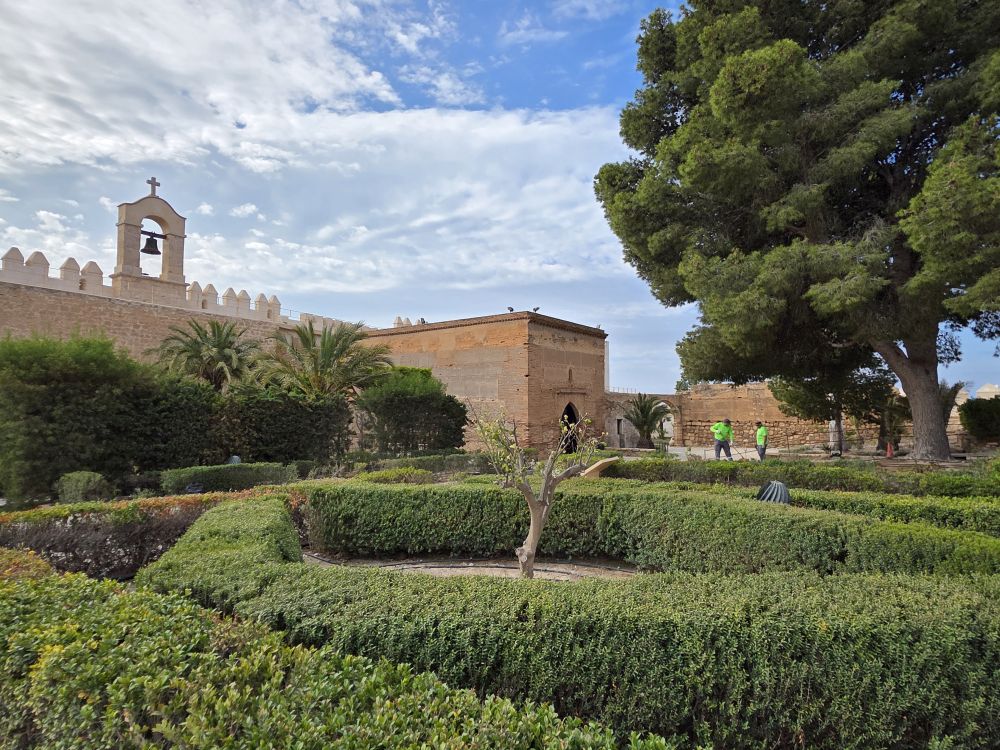
Back down on land, we wander through the garden area, reconstructed in the 1970s, based on remaining structures to represent a “romantic notion” of the House of the Alcaide (governor) and the courtyards that surrounds it. Thus, the “romantic” lily pond and all the gorgeous greenery.
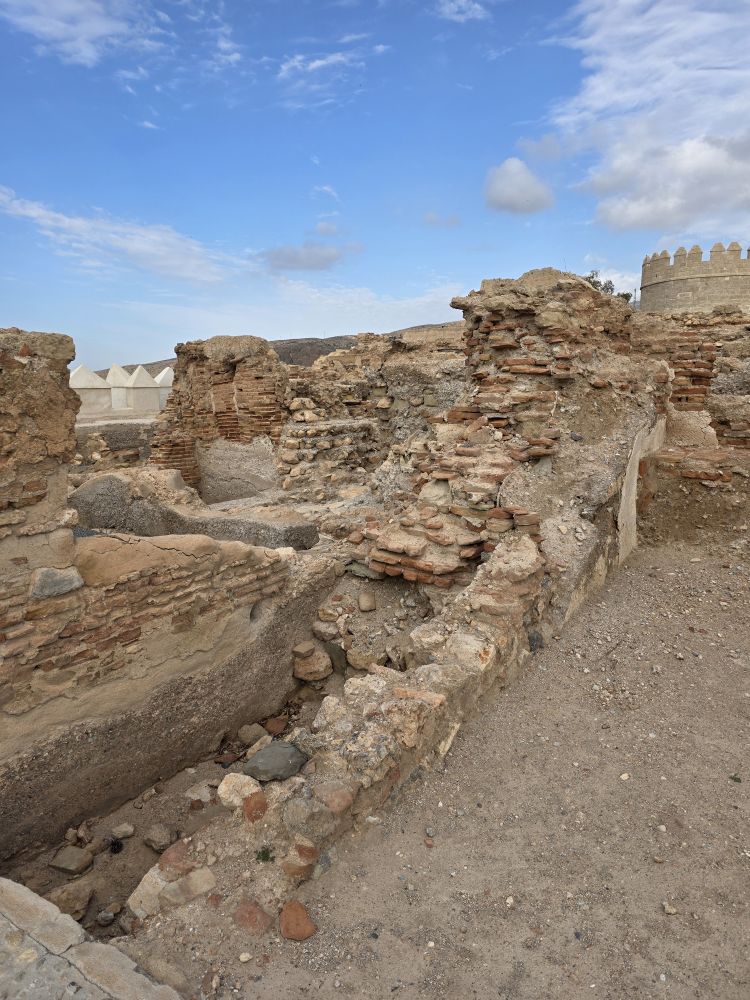
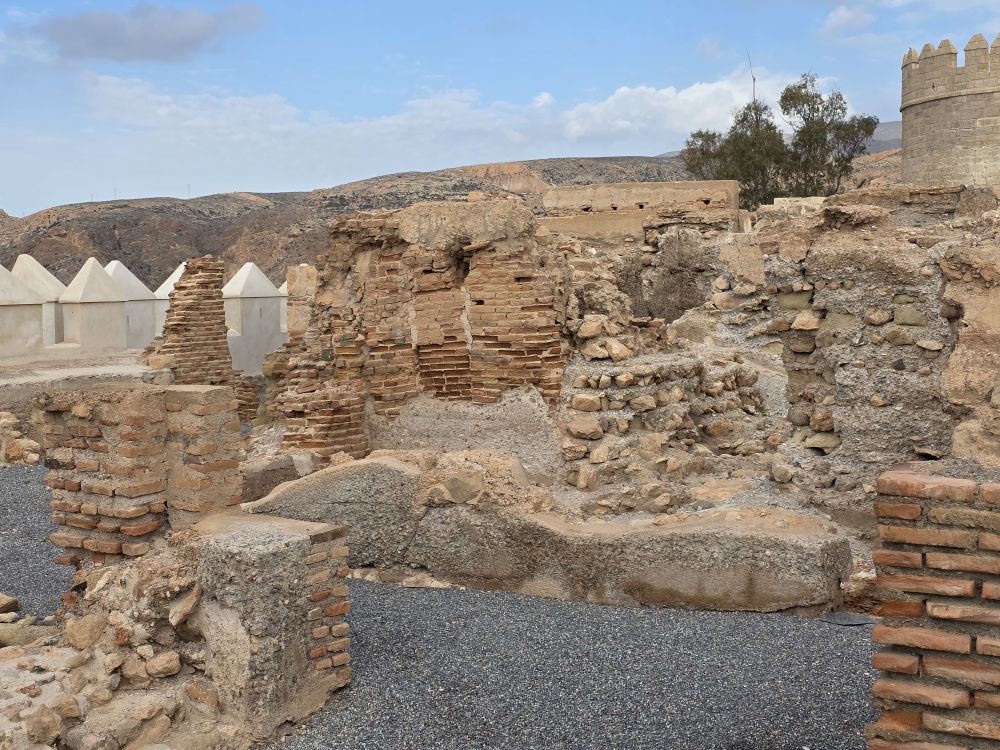
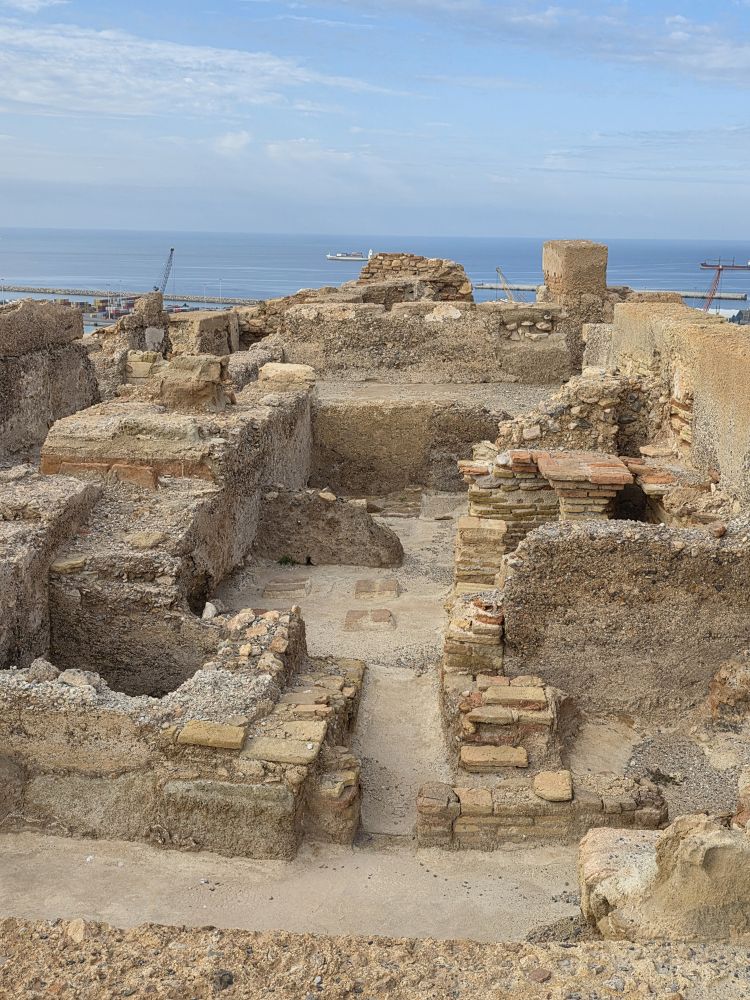
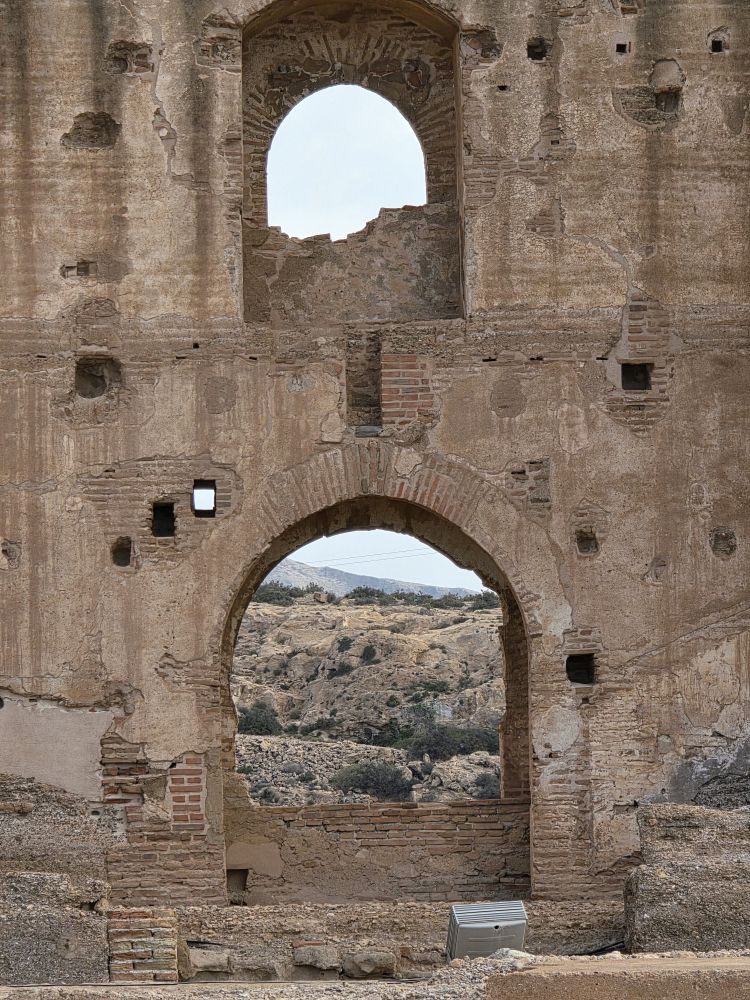
Further out into the 2nd section, we wander through the amazing archeological digs begun in the 1950s and still going on today. The amount of work is amazing, as are the finds. They have discovered the bath house/room for the Palace, the Palace walls and so much more. This alone makes for an interesting 30 or 40 minutes of exploration in and of itself.
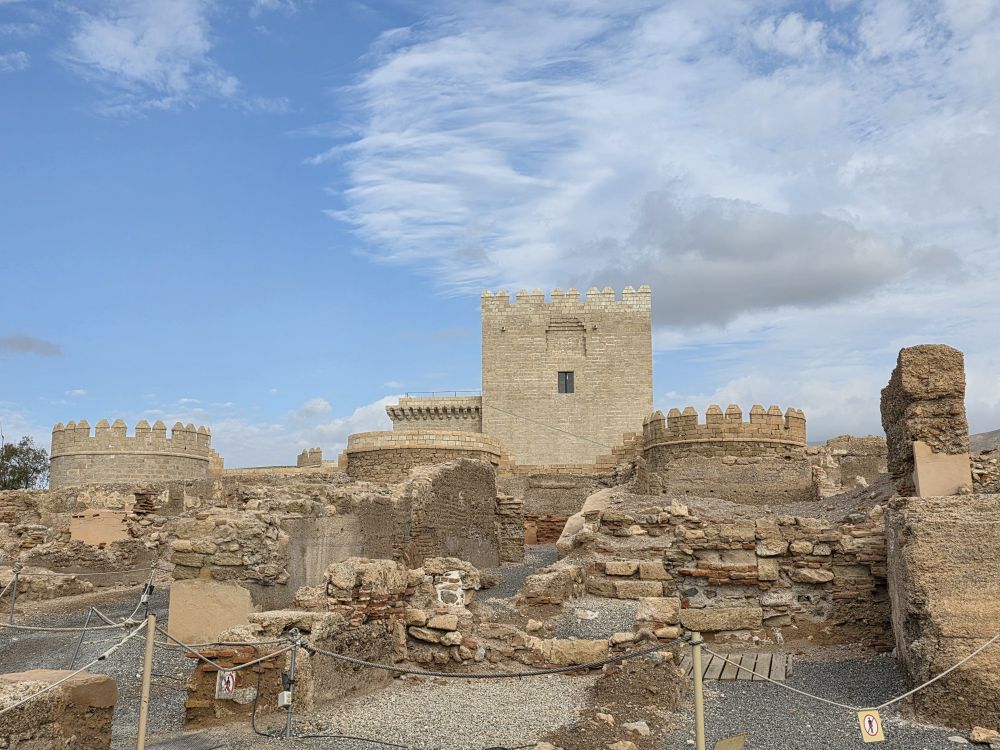
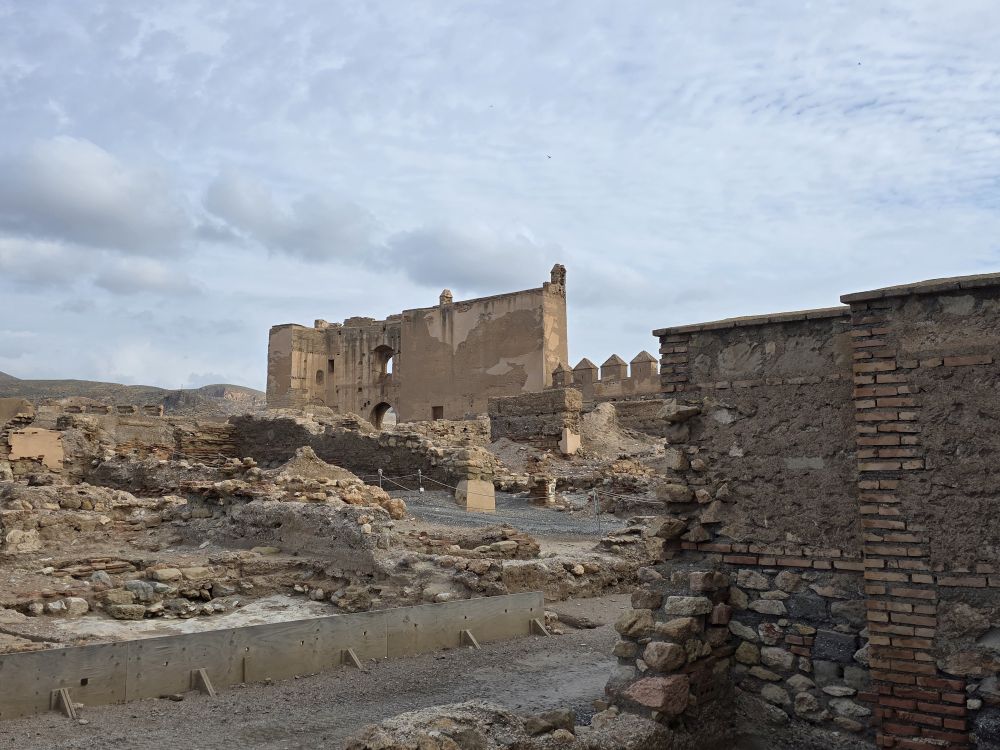
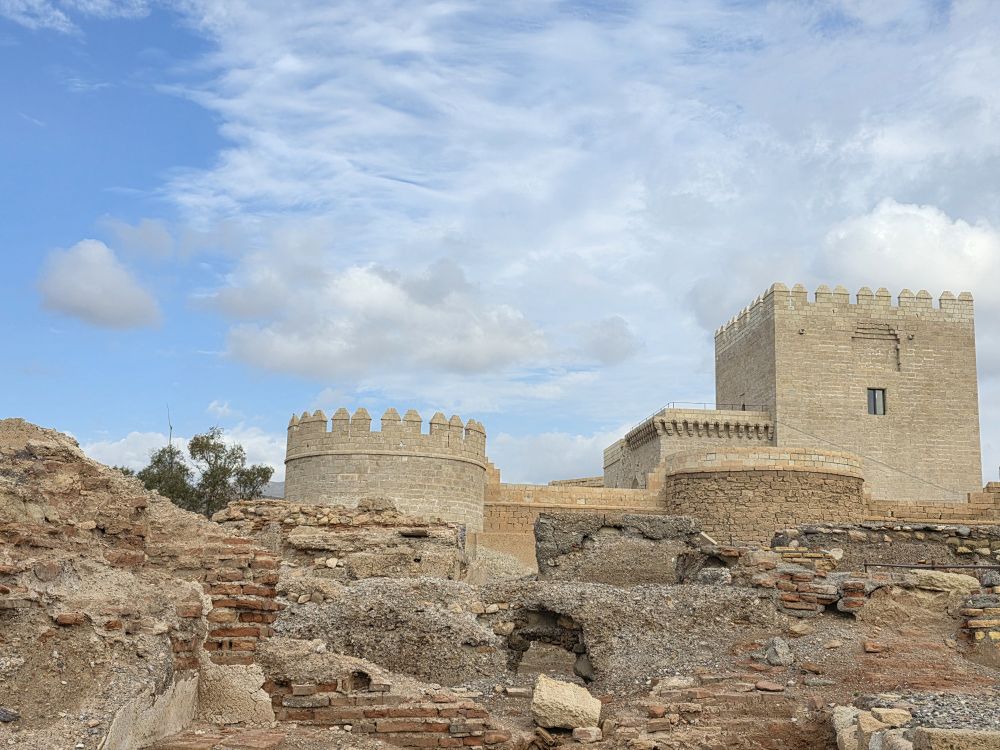
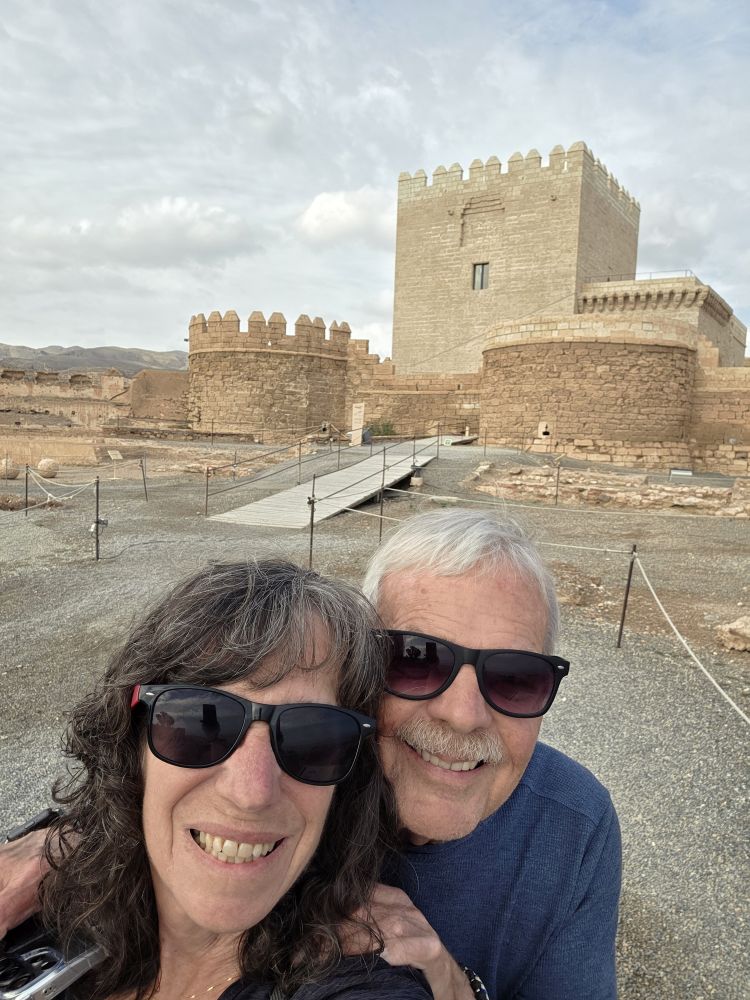
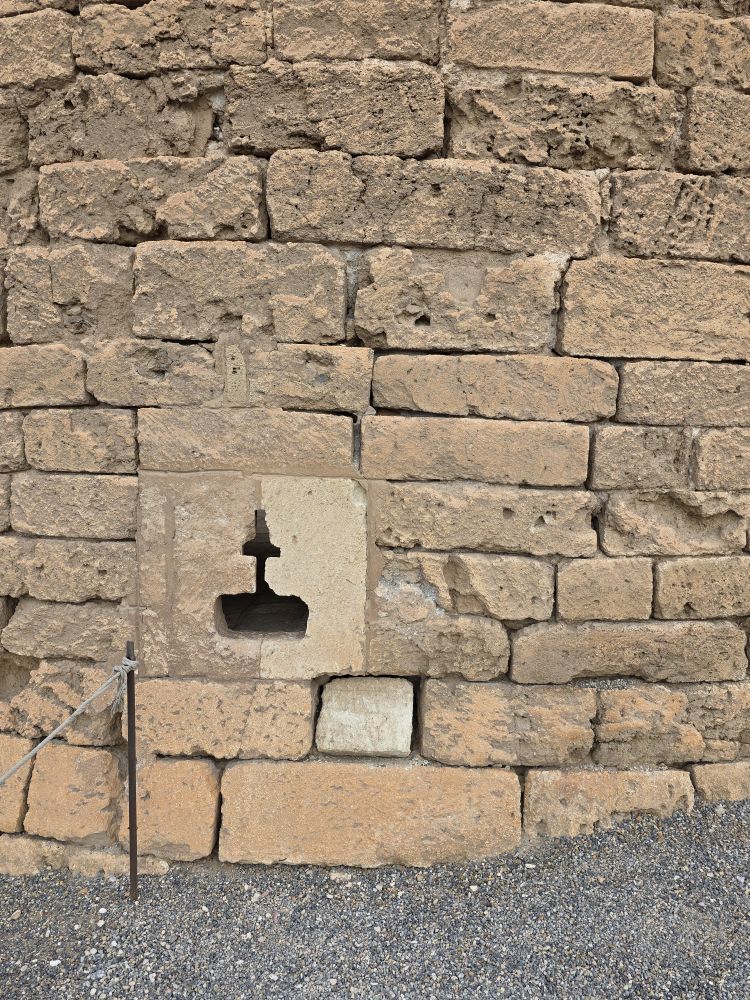
Next, we walk over a drawbridge into the Christian Castle portion of the fortress. Built in the 1490s to create a stronger defensive position (because the rest of the fortress had crumbled into disrepair) and to create the symbol for the new Christian power in the area (of course). The latter is why this part of the fortress looks so different from the rest: the architecture is completely different with a triangular ground plan, semicircular towers, parade ground, Tower of Homage and ball and cross loopholes for cannons to provide a visible reminder of who and what was in charge of the Almeria area.
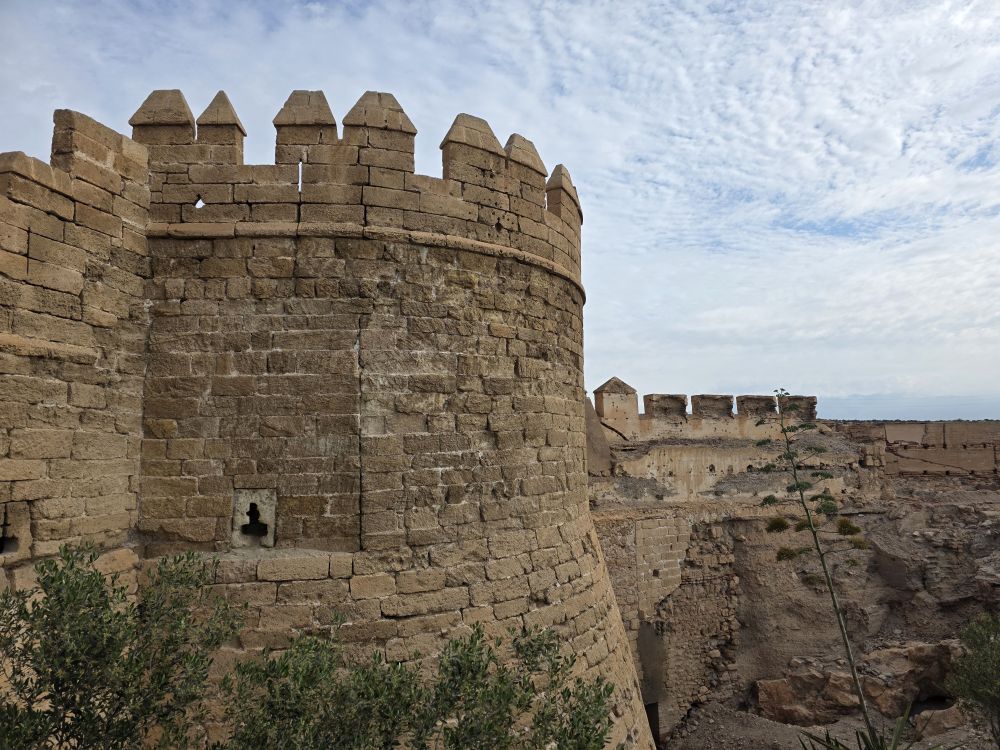
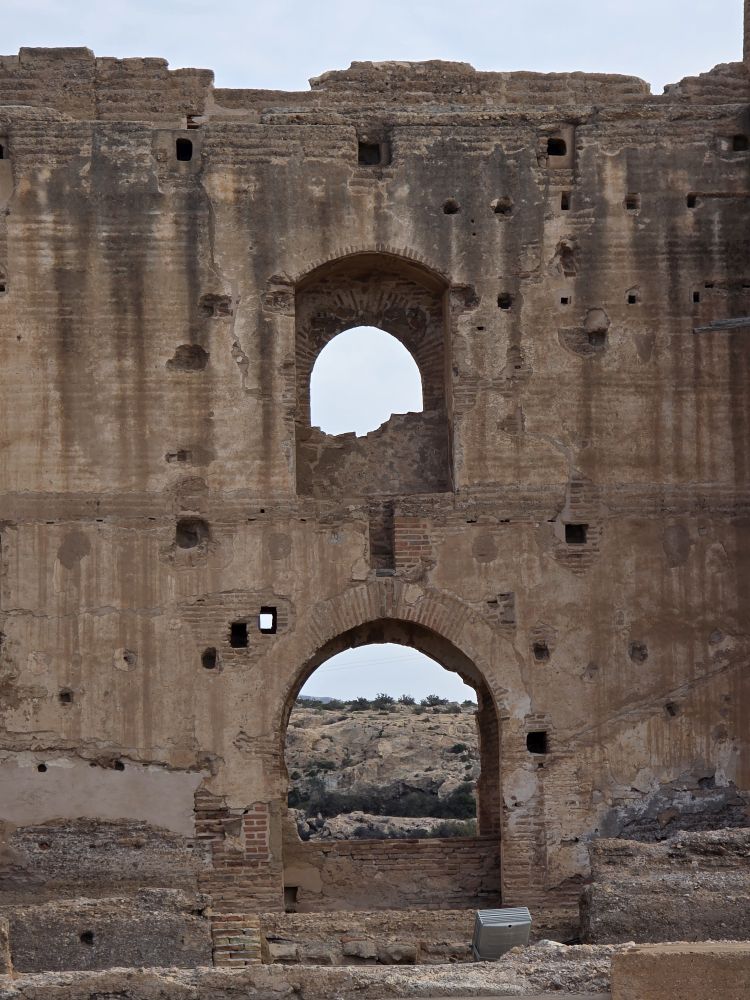
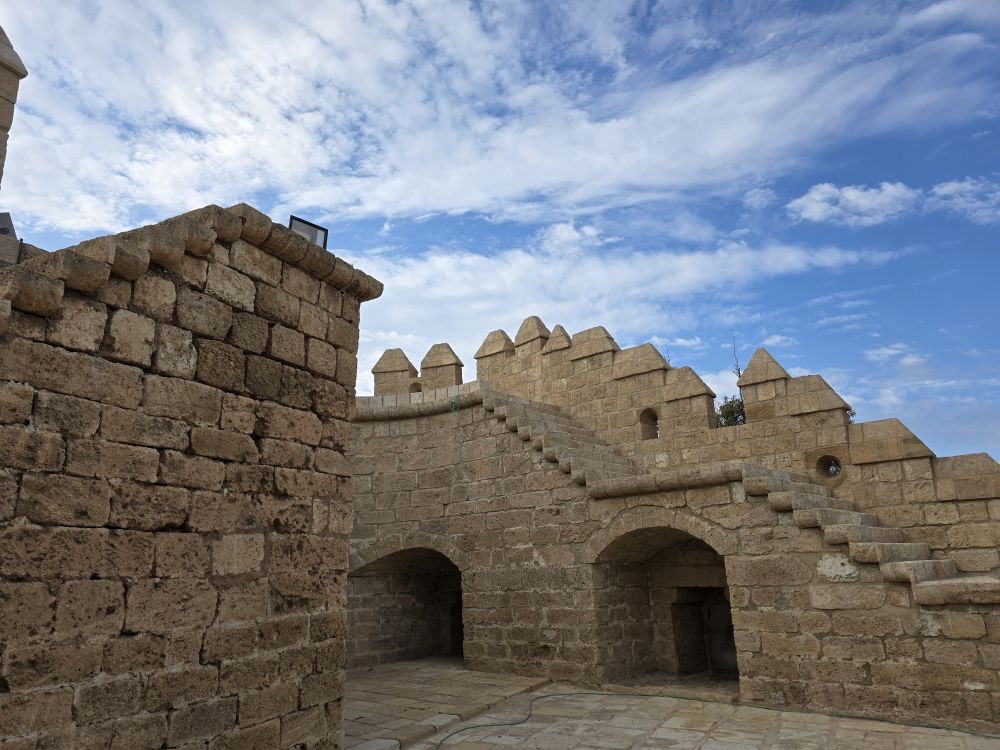
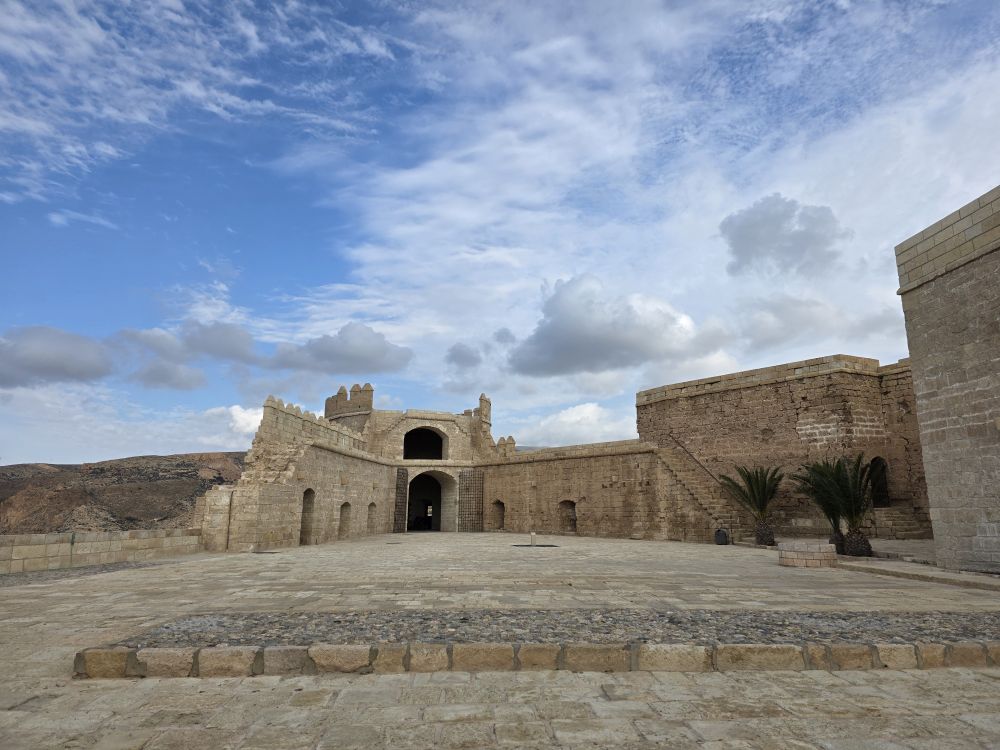
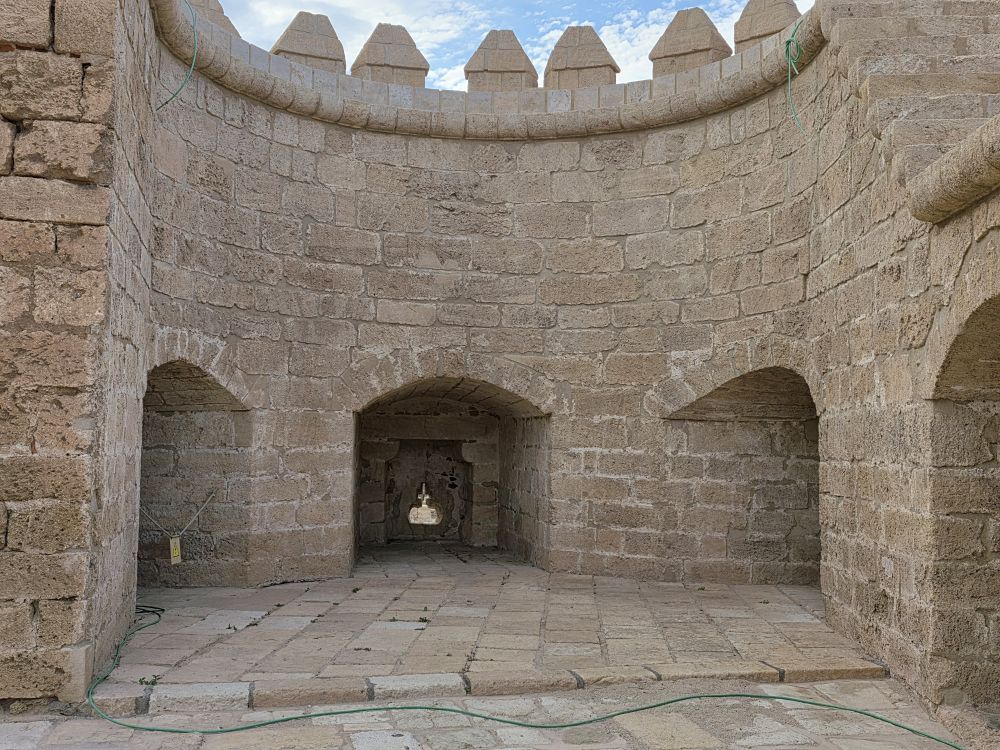
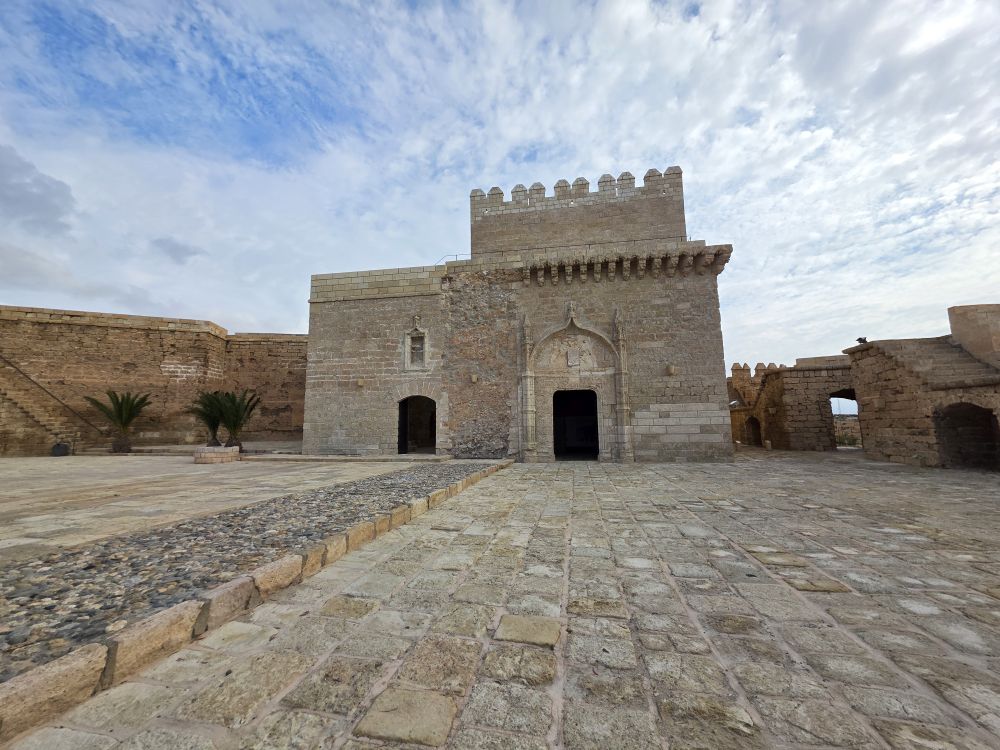
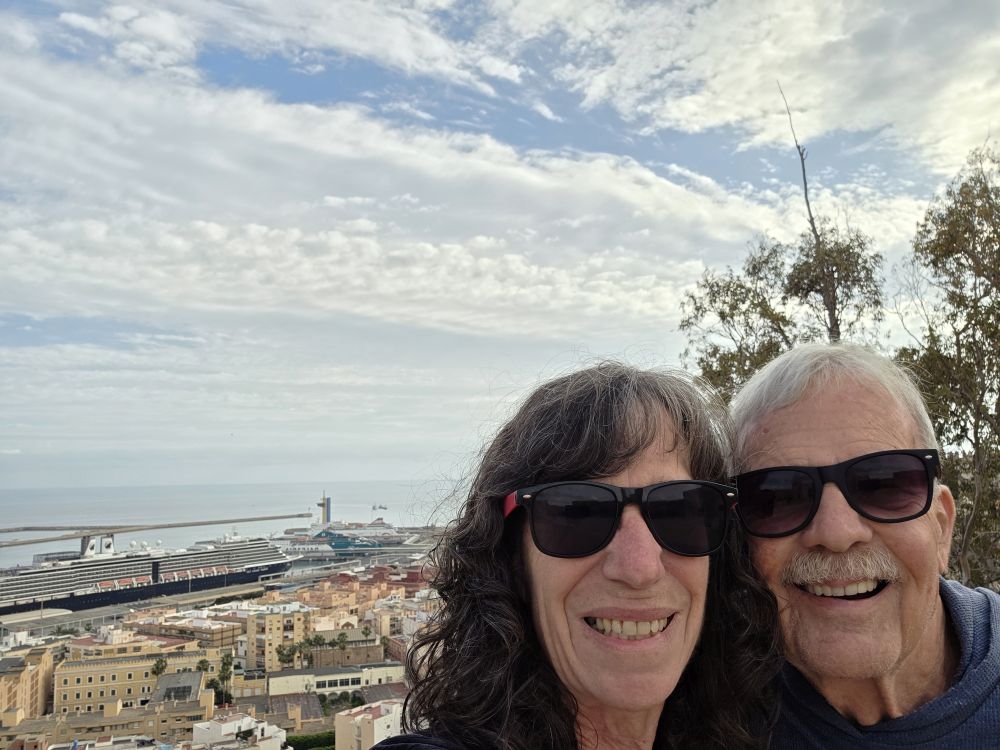
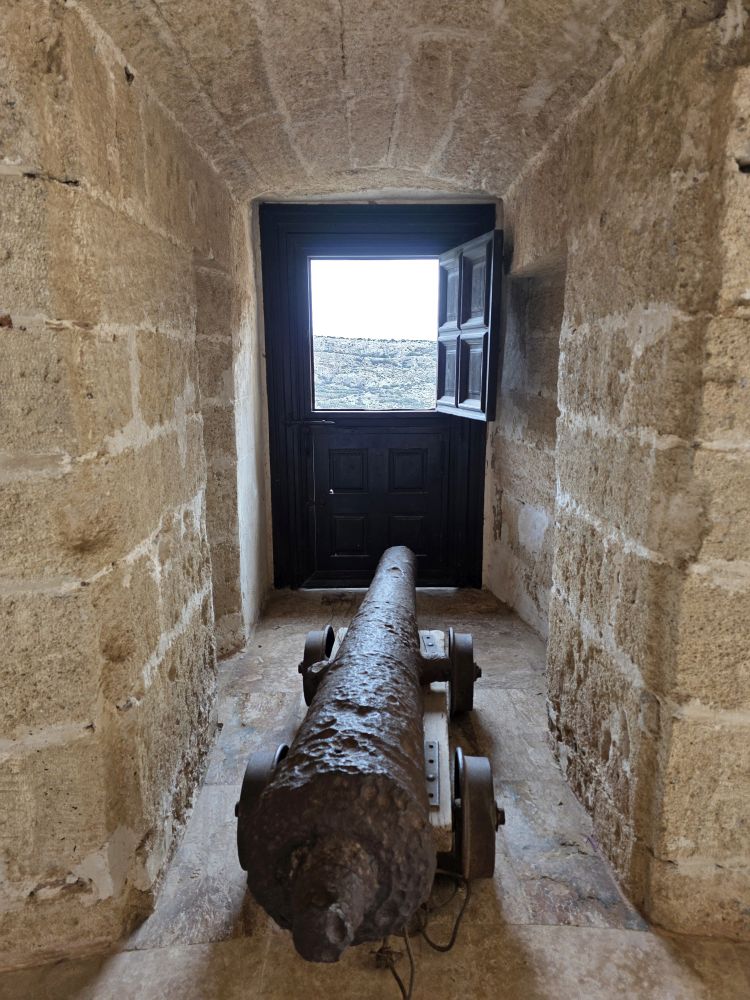
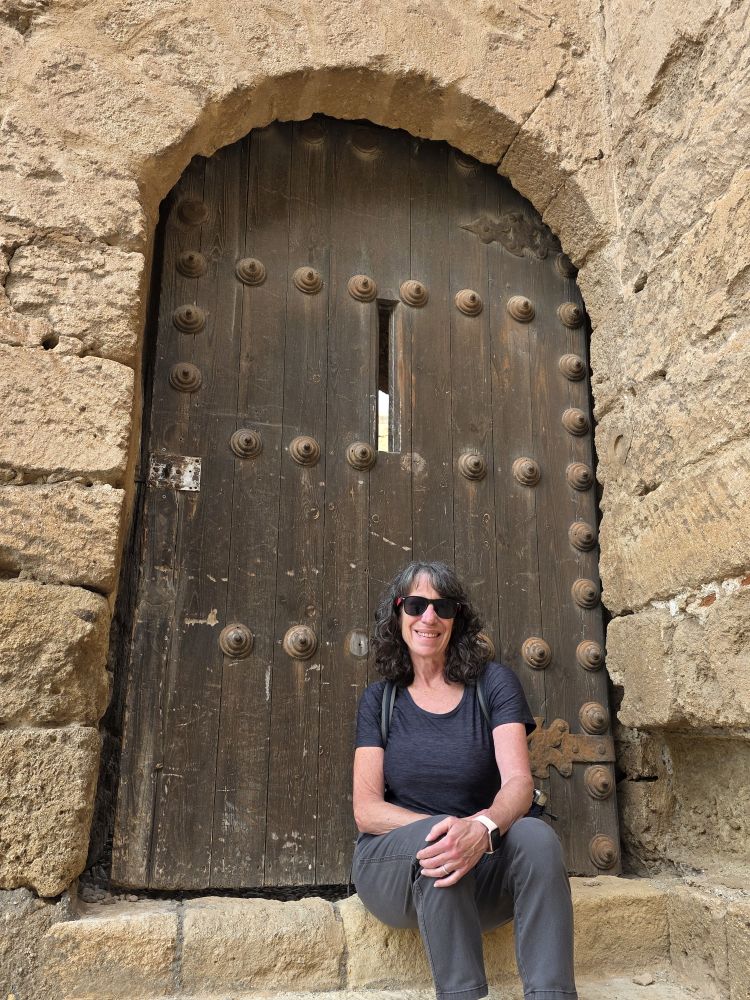
Climbing up to the top of the Tower you can see exactly why this site was chosen for the castle and fortress. There are uninterrupted views across the city to the water, the hills to the North and all around – 360 degrees. Makes for great picture taking now, great defensive posture then.
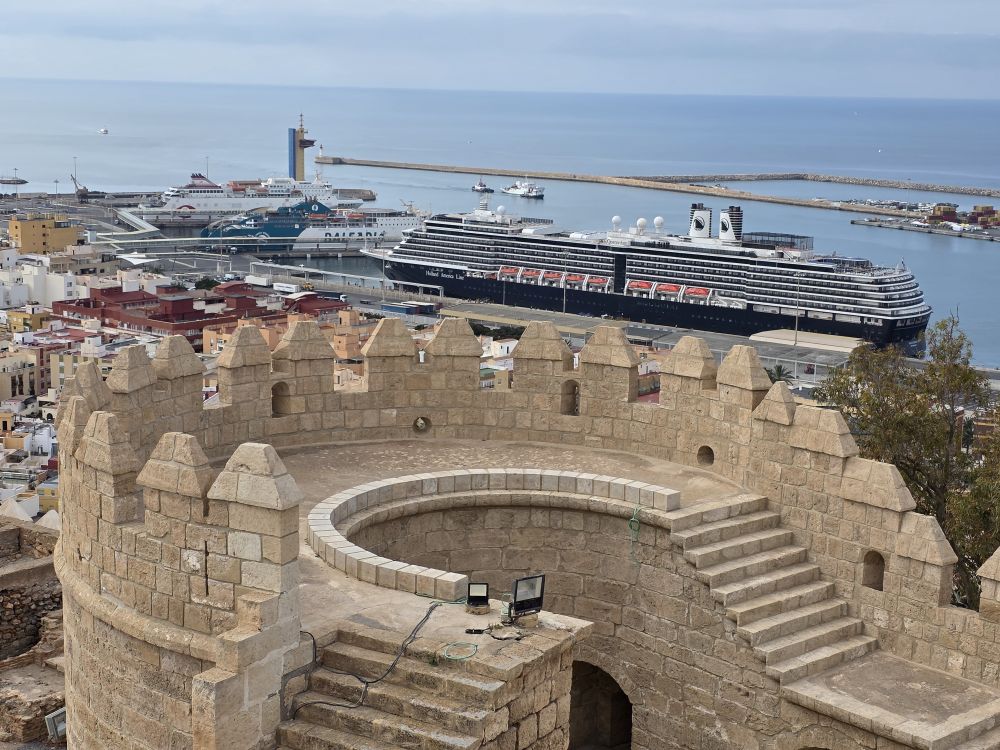
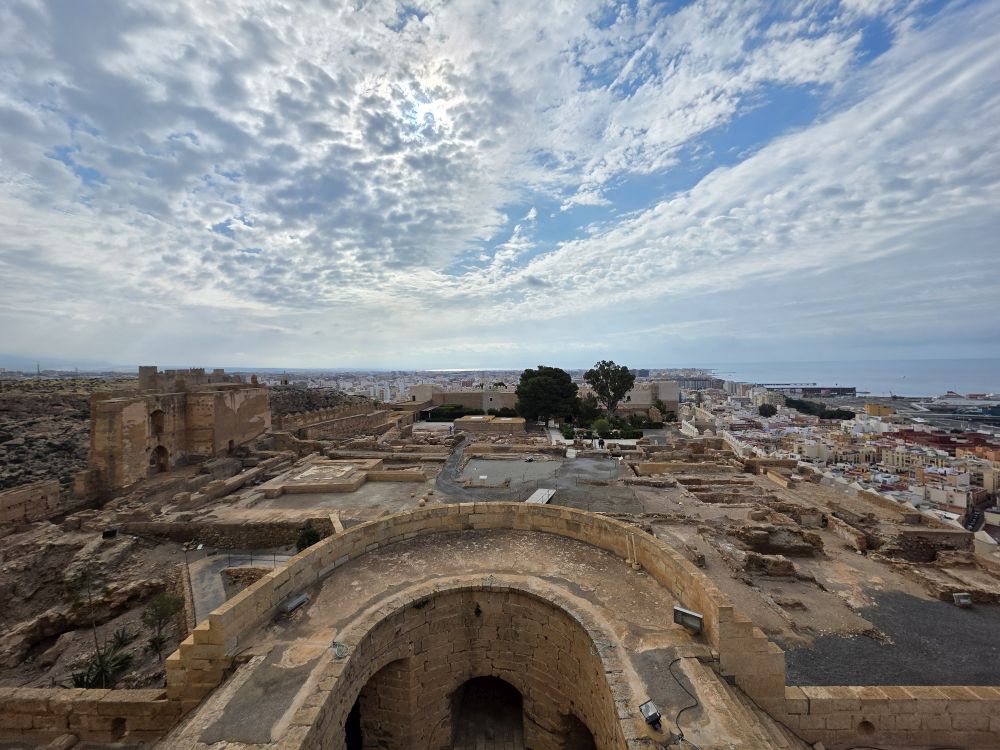
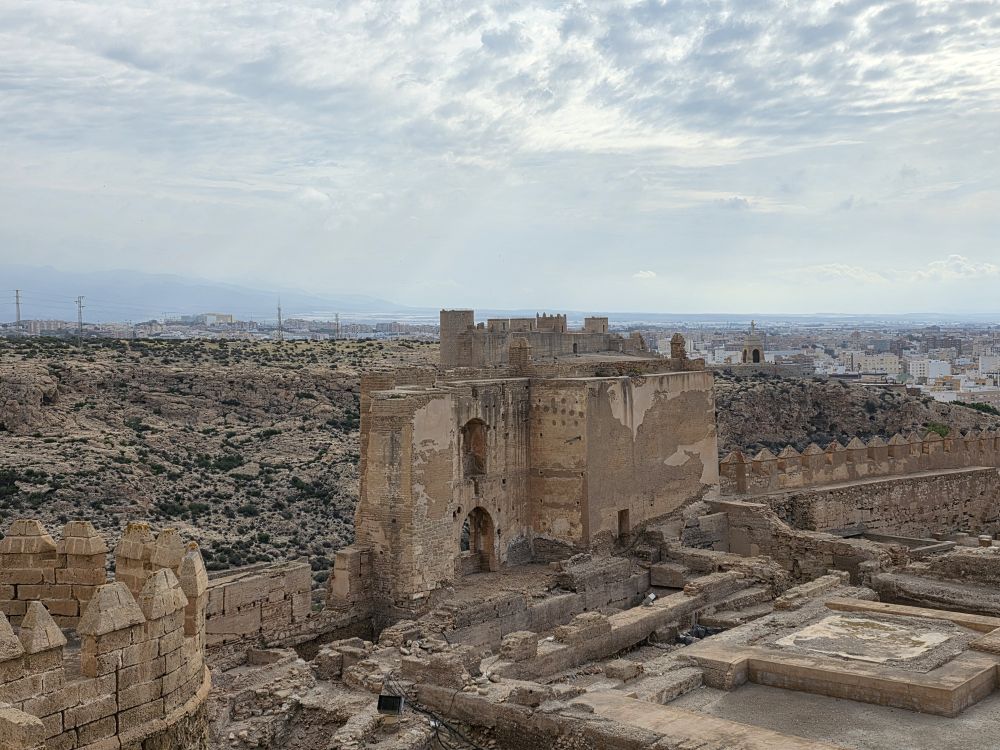
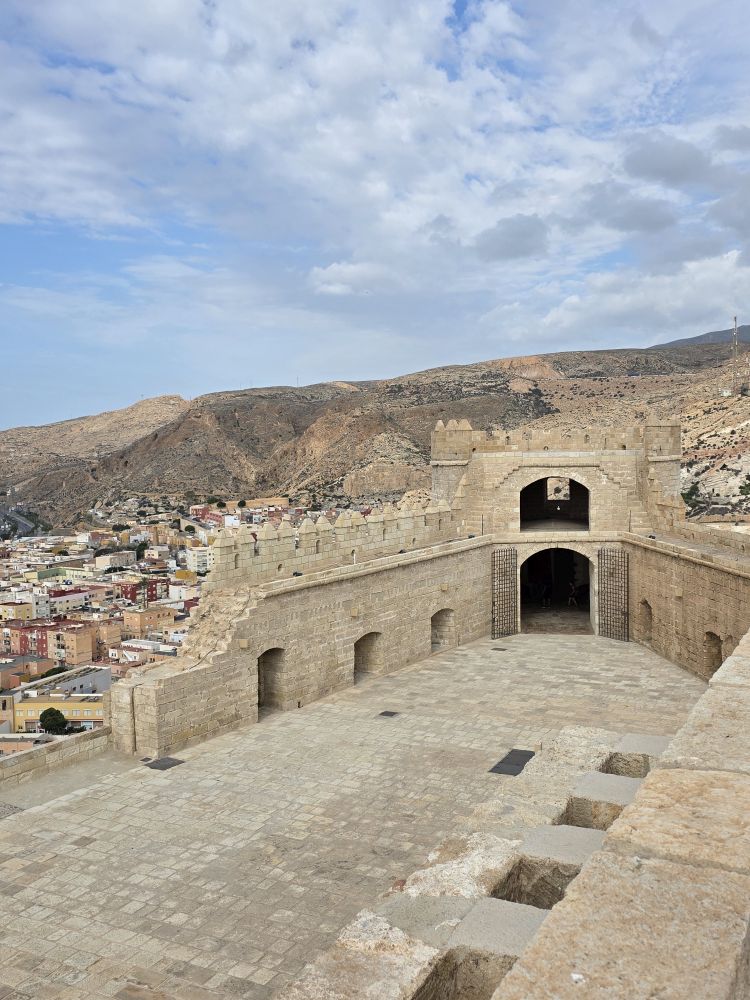
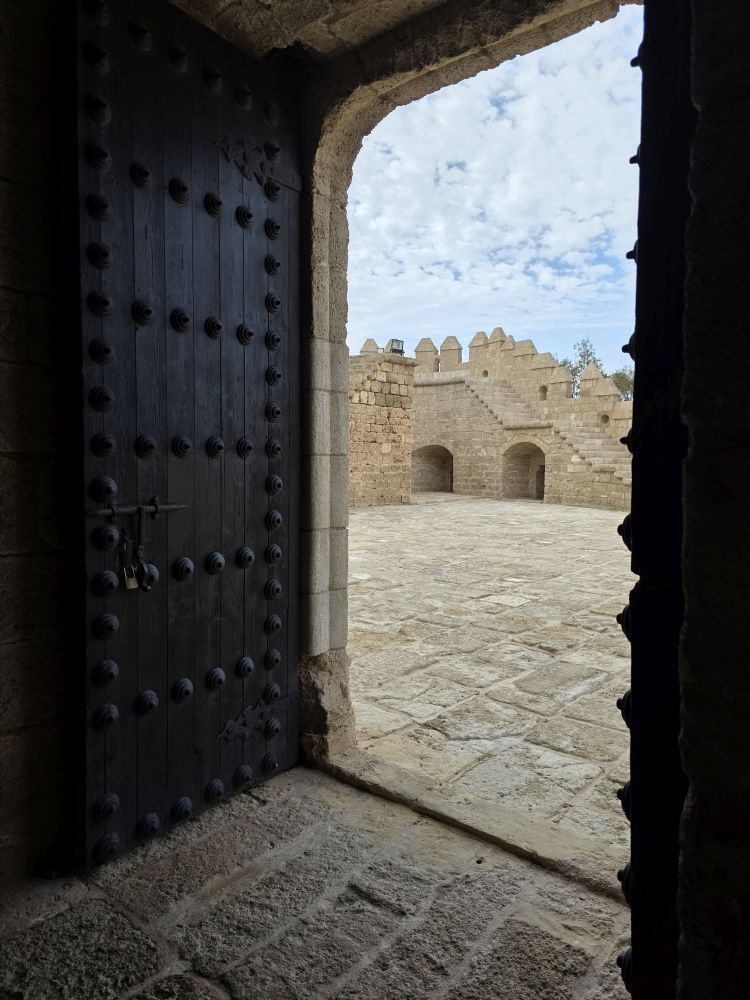
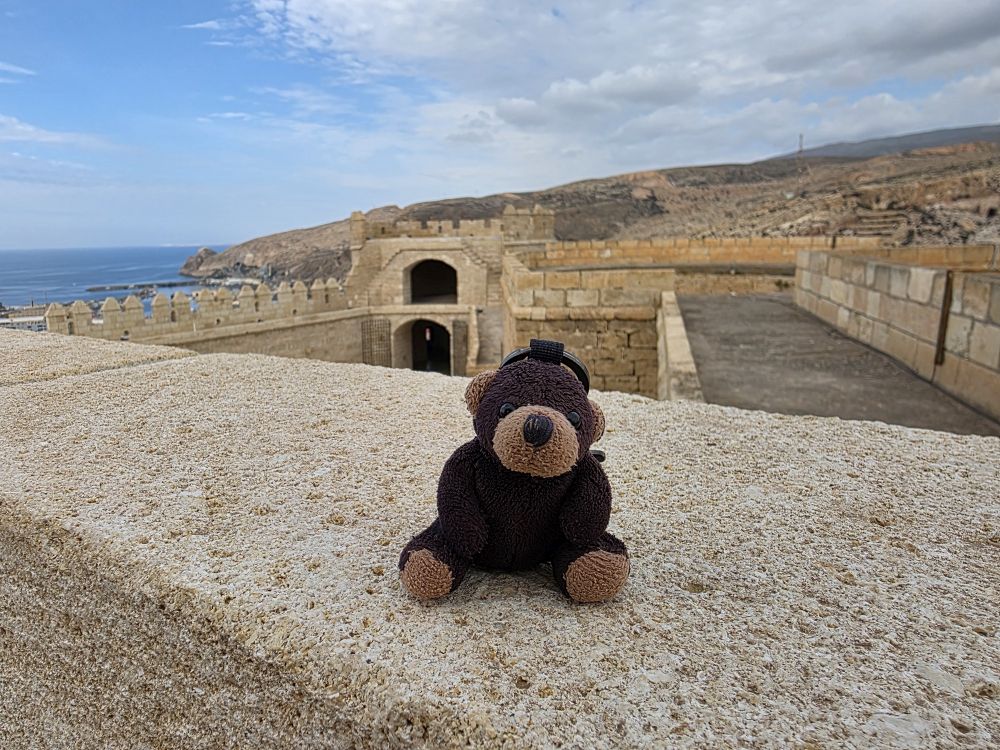
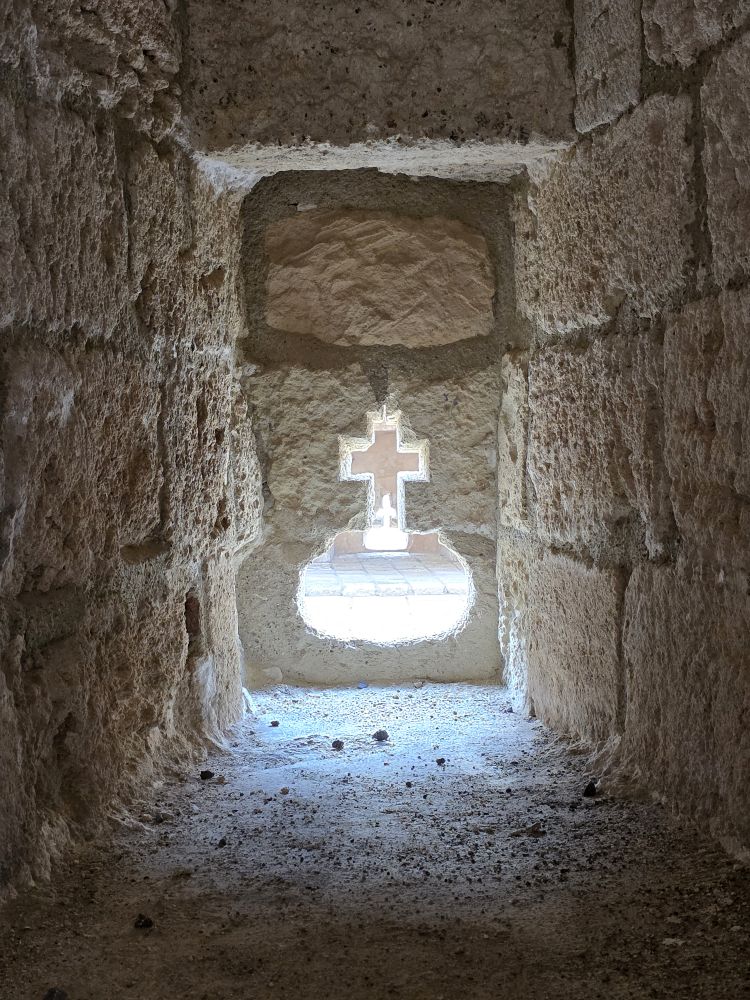
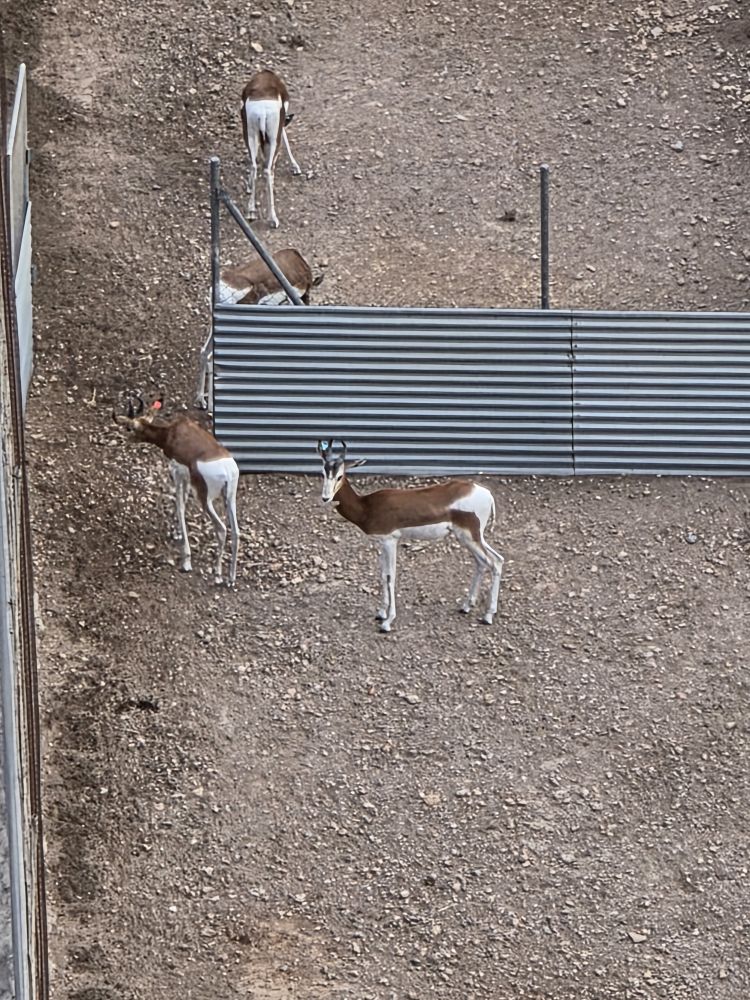
As we gaze across the hills and plateaus, we notice some gazelles in fenced pens below us. Of course we had to research why there would be gazelles in captivity here – and lo and behold, these are Saharan Dama Gazelle, now totally extinct in the Sahara. Brought here in 1971 as an experiment, the population has grown to 400 gazelles (or antelope) that can’t be found anywhere else. This just shows that the Almeria region, one of the driest in all of Spain, has much the same climate as in Africa, proving that these animals can thrive here, even more so than in what was originally their native setting. Pretty wild.
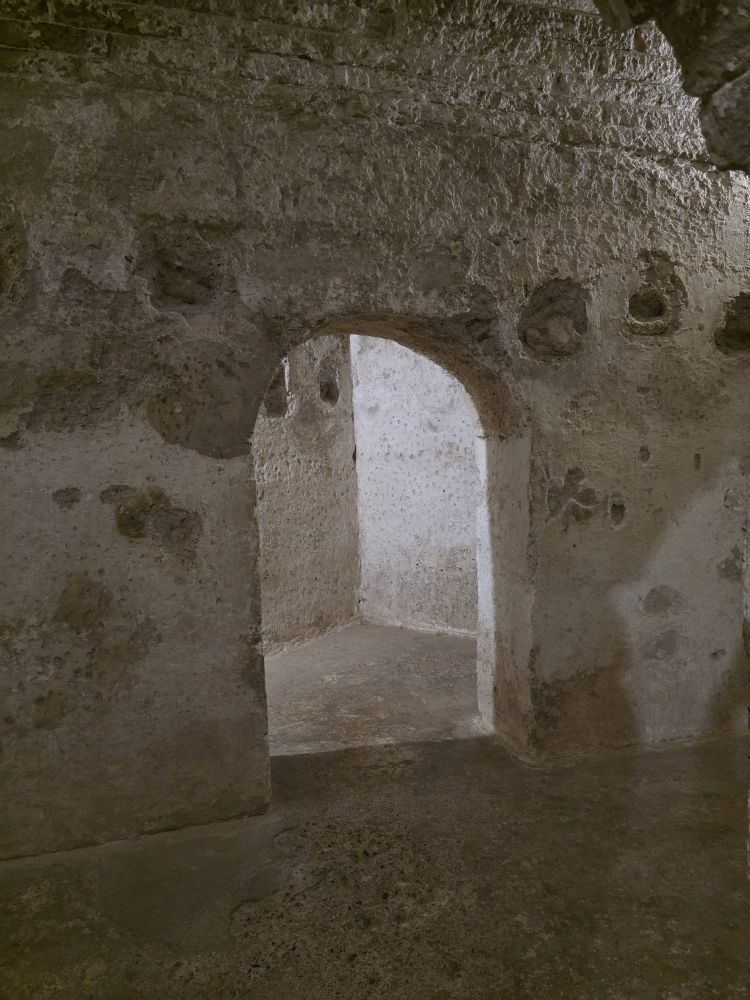
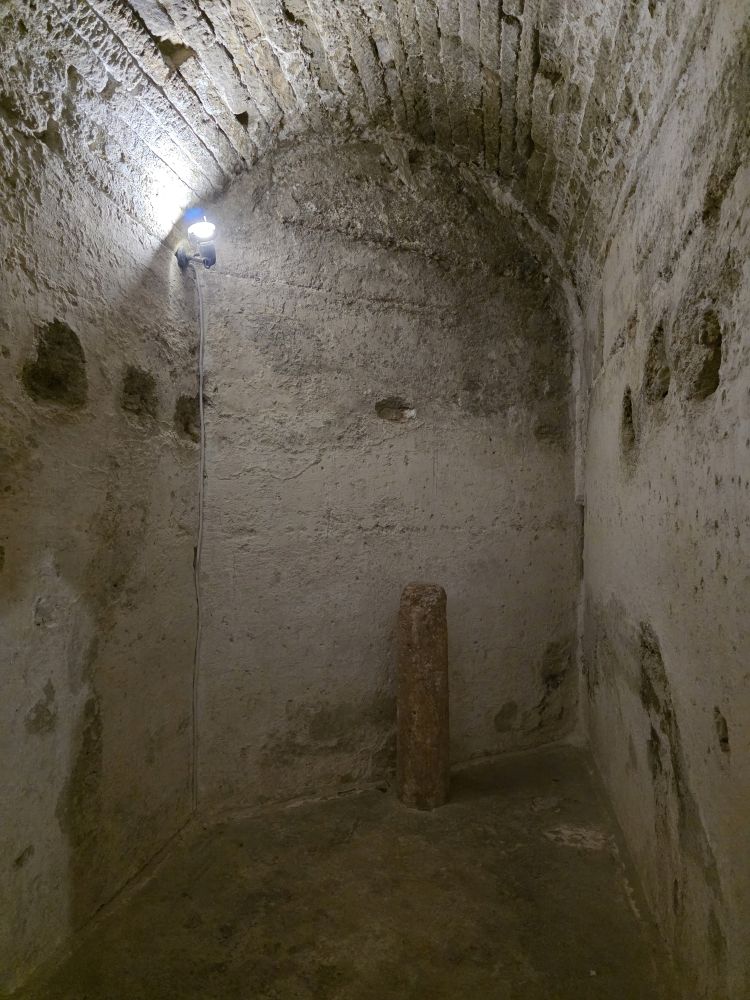
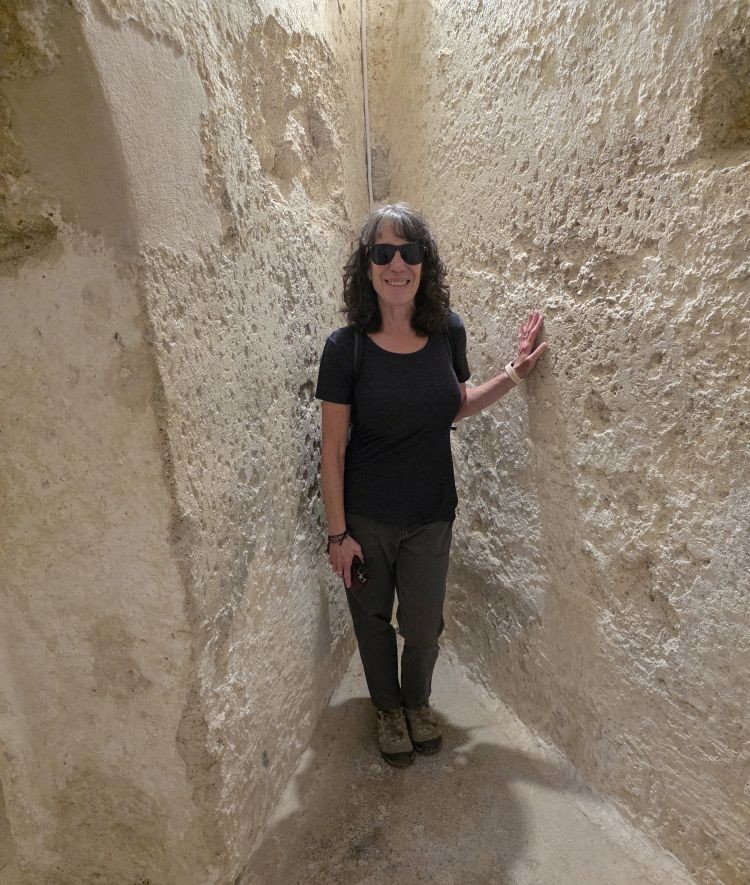
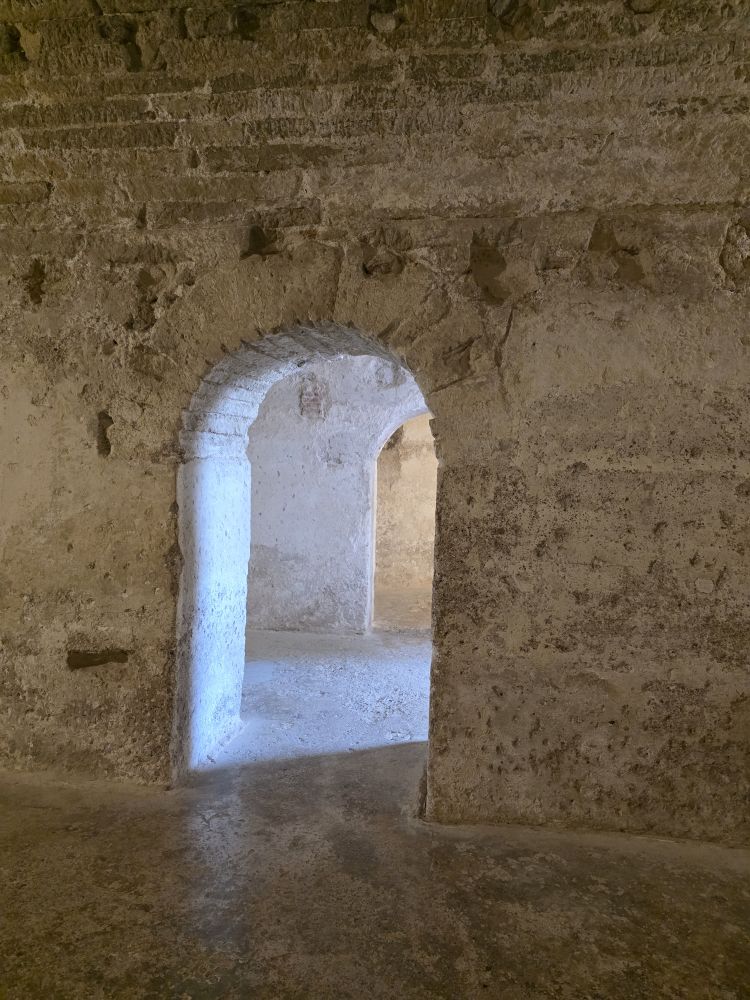
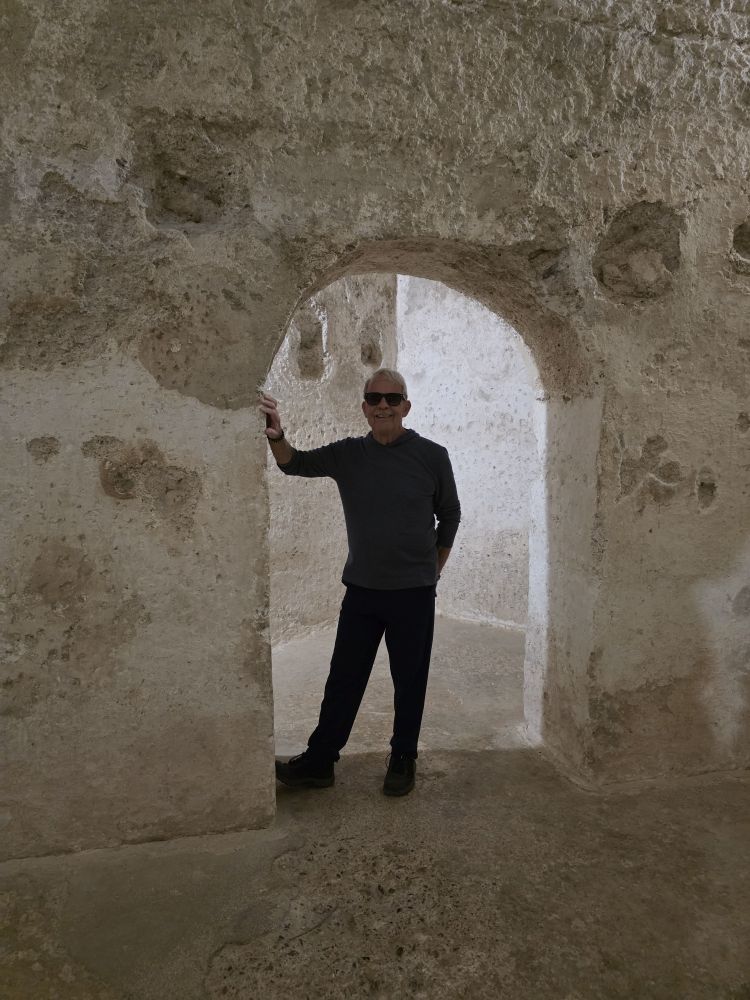
On our way out of the castle, we explore the ancient Islamic cistern, wandering through the different chambers that held the fortress’s drinking water. Then it is back through the gardens, along the walls and out into the city proper, successfully skirting all the tours and individuals who are now exploring the Alcazaba. TIE.
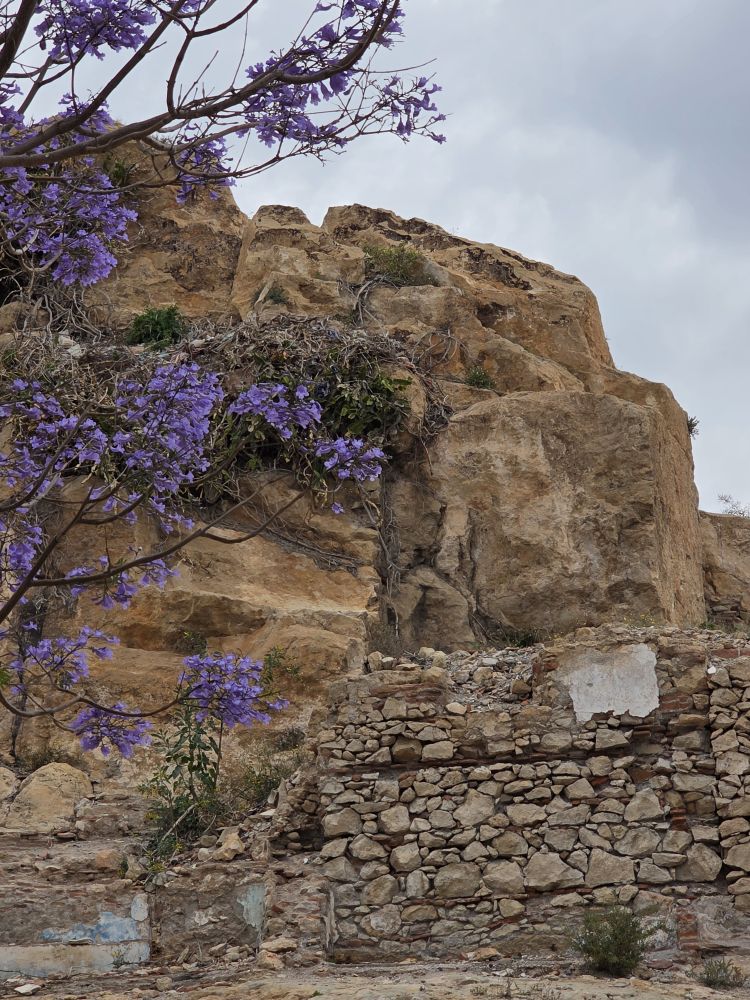
Traversing through the streets, we pass the Mediterranean gardens, give the hills and stairs up to San Cristobal a look, then take a pass on climbing all the way up there. We got fabulous views from the Alcazaba, we’re good with not climbing that massive mountain right now!
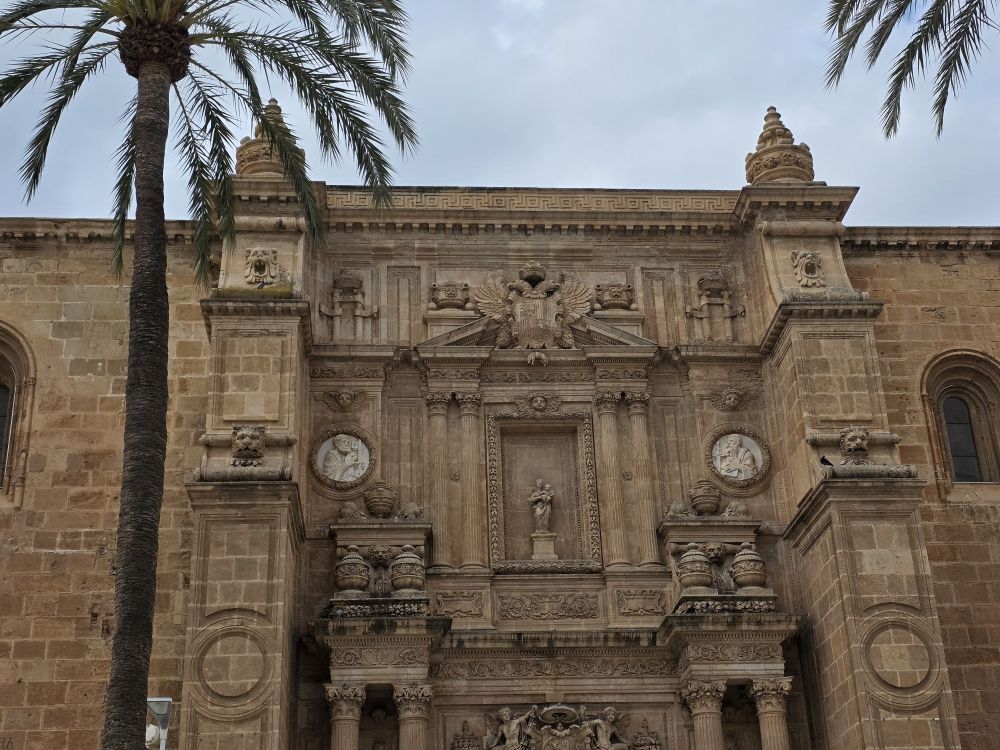
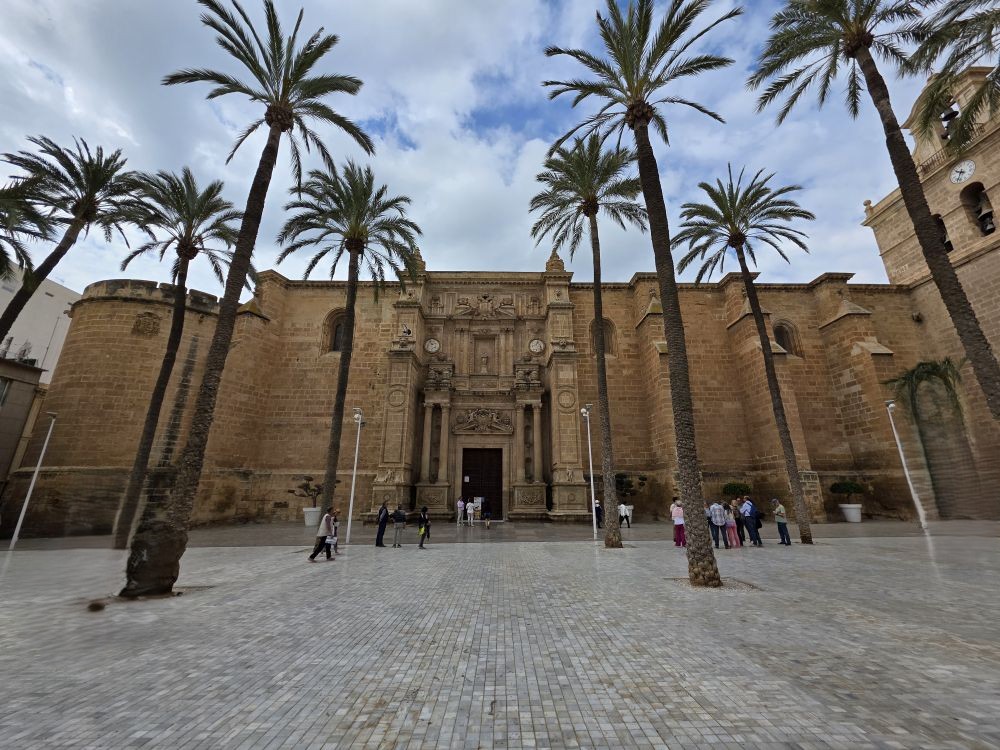
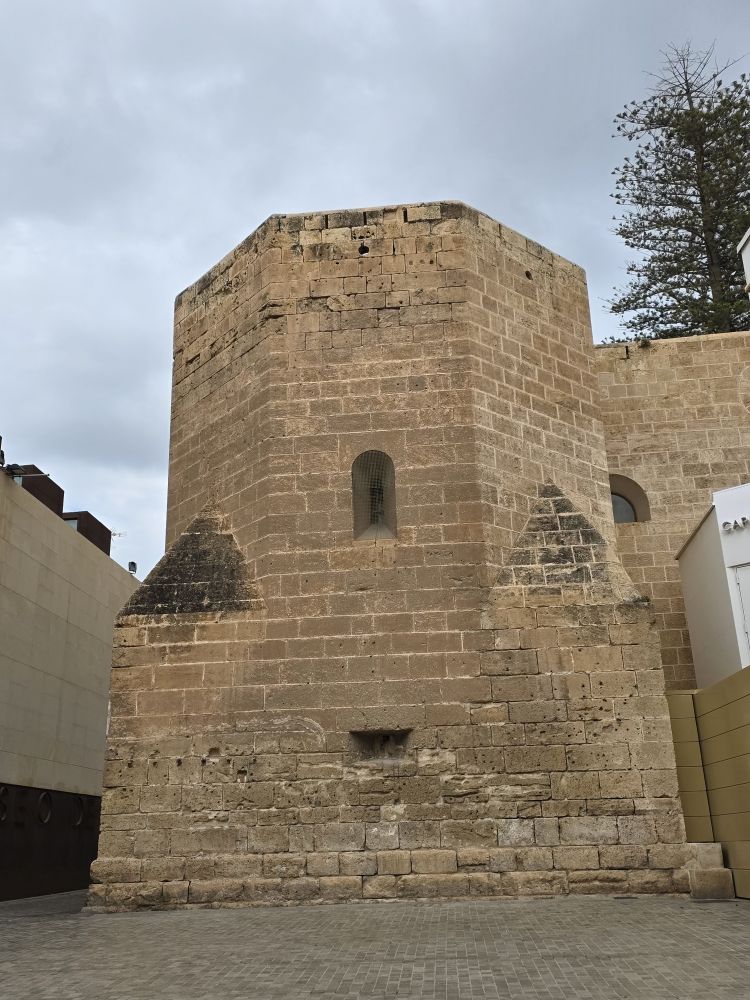
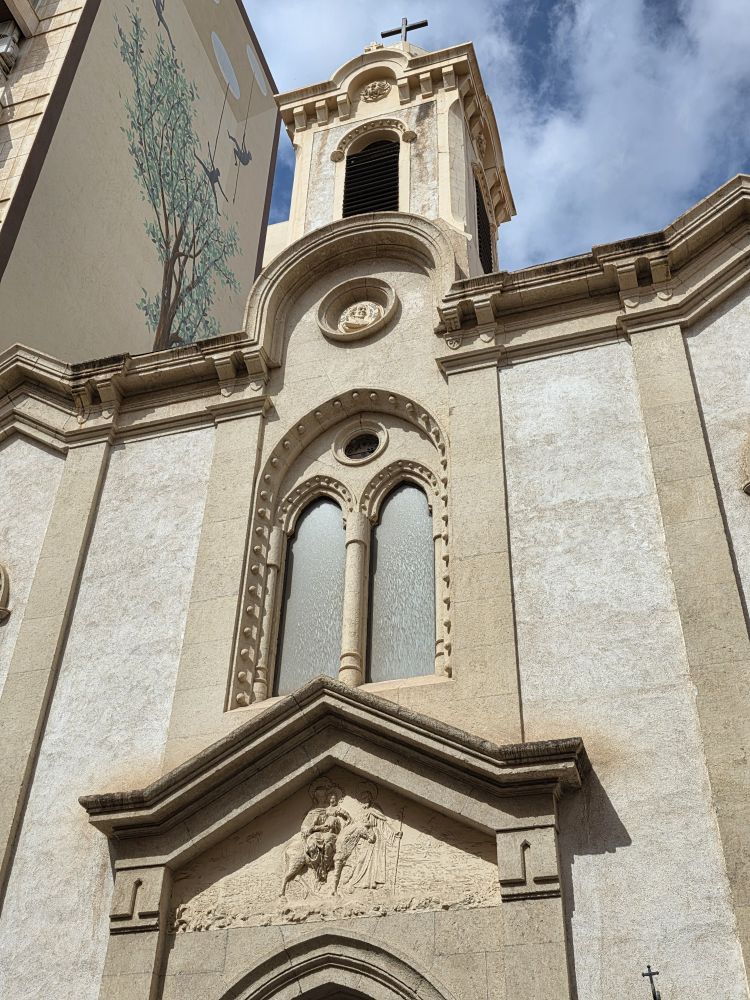
So, on we go through the city, stopping to admire the Almeria Cathedral in all its fortified glory. It was actually built as a cathedral-fortress in 1524 after the original cathedral located in the Alcazaba was destroyed in the 1522 earthquake. It is the only fortified cathedral in Spain from this era; the fortifications – buttresses and towers on the corners, plus the massive walls – are easily visible from the plaza in front of the main entrance. Choosing not to go explore the interior, we continue around the cathedral, with more looming corner towers, to the little back street that contains the Guitar museum.
Yes, a guitar museum! The Museum of Spanish Guitar Antonio de Torres, so named because Torres is considered the father of the contemporary guitar. This is a great museum exhibition with tons of interesting educational pieces and information. There are guitars from medieval, renaissance, baroque and romantic time periods. Examples of the types of wood used to build guitars, tools Antonio Torres used, the oldest Spanish guitar (circa 1684) and a guitar made by the great-grandson of Antonio Torres. So interesting.
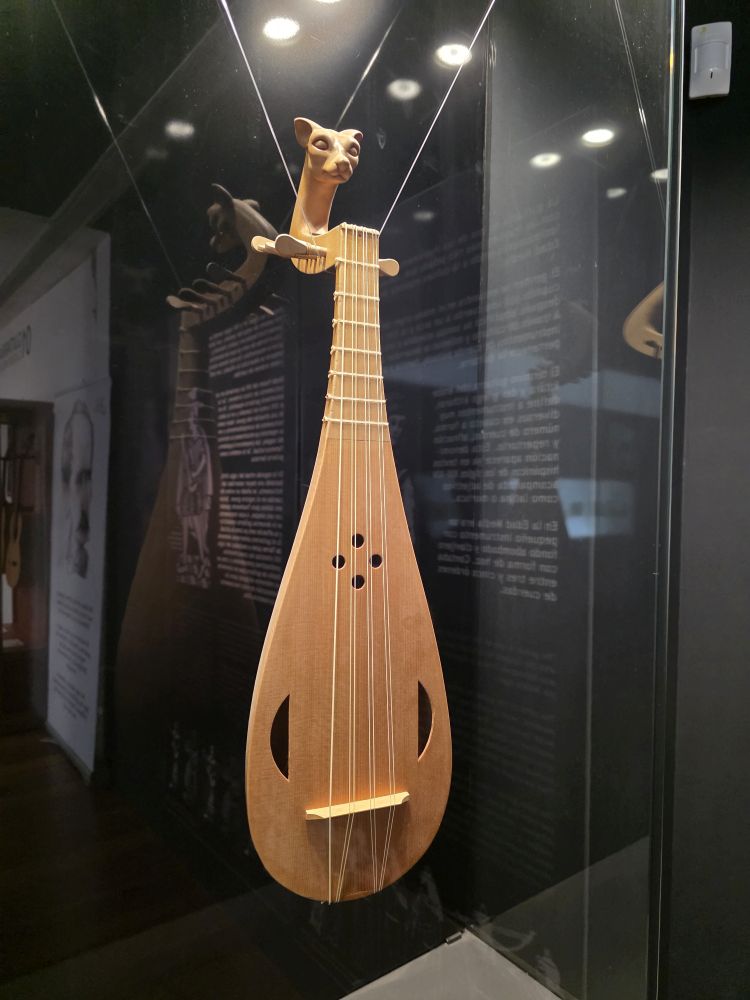
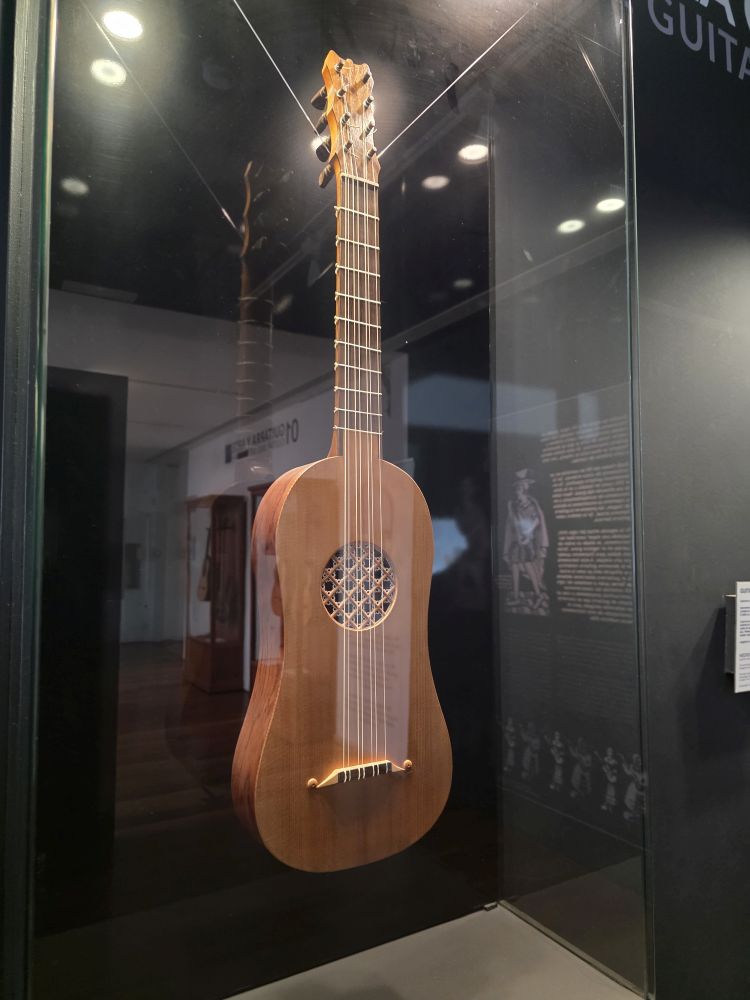
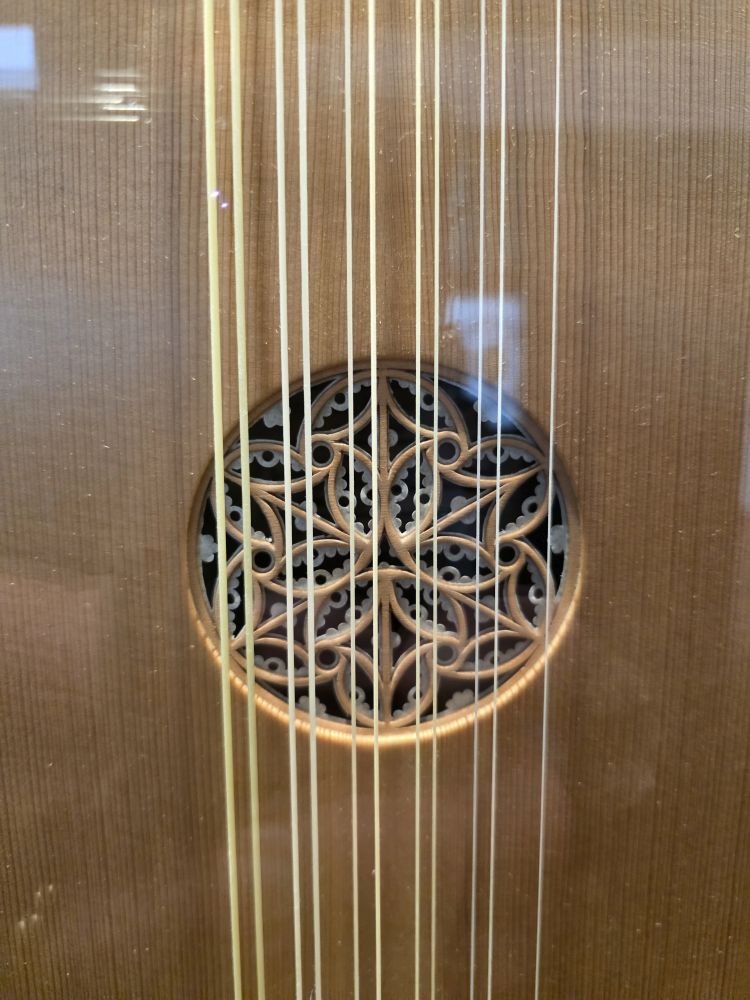
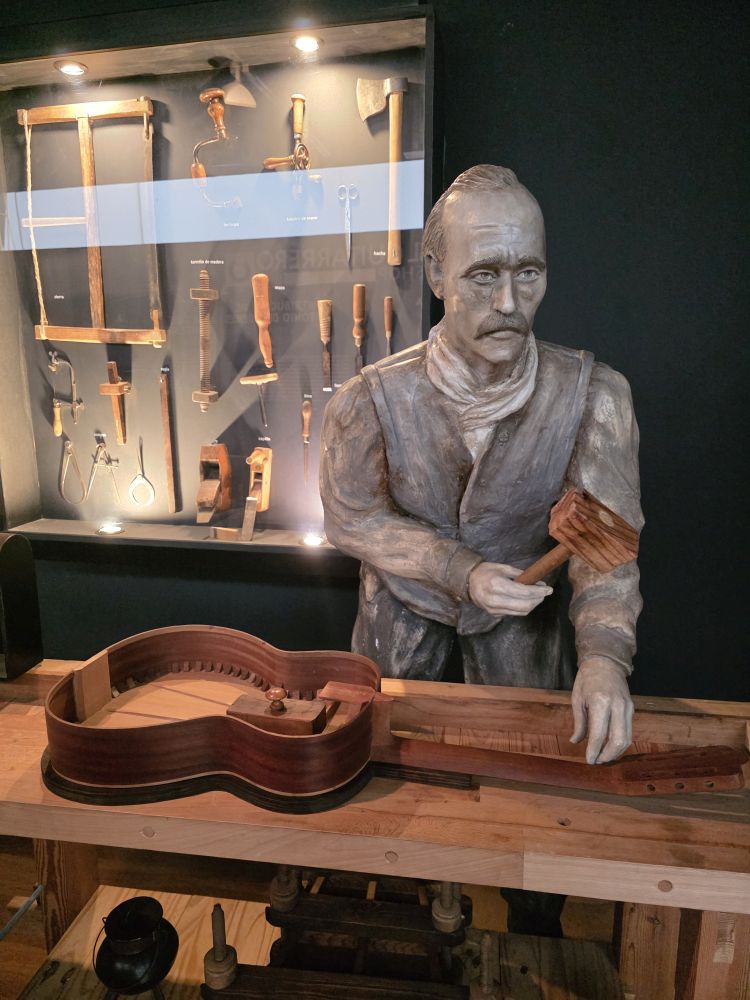
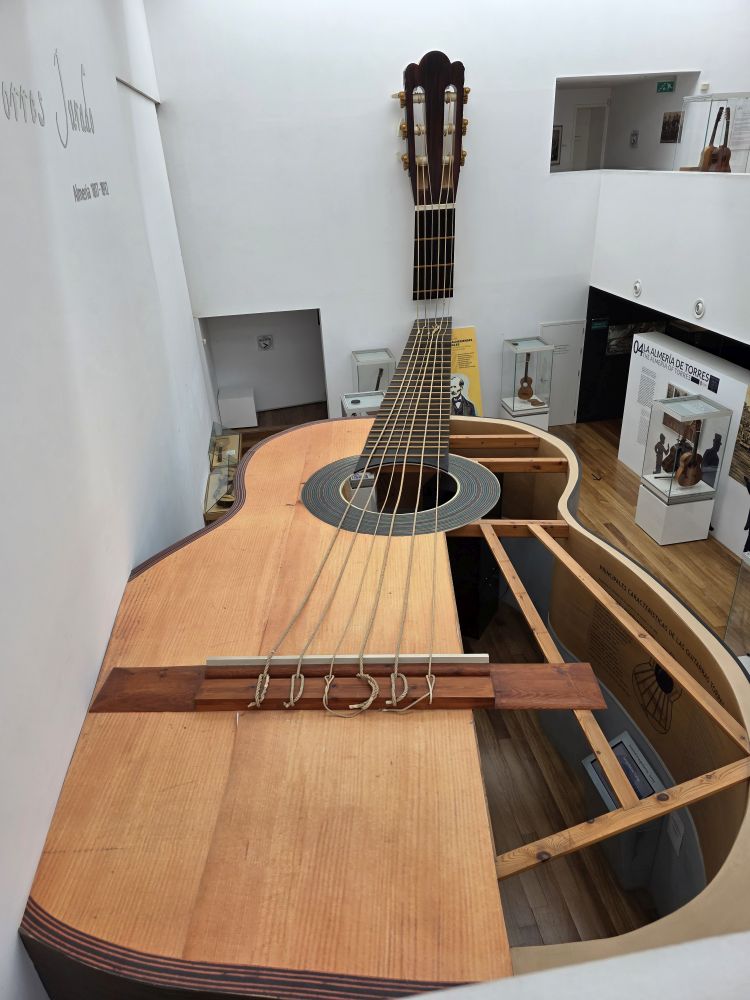
There is even a full scale guitar that you can walk through on the first floor and viewed from above on the 2nd floor. Very fun.
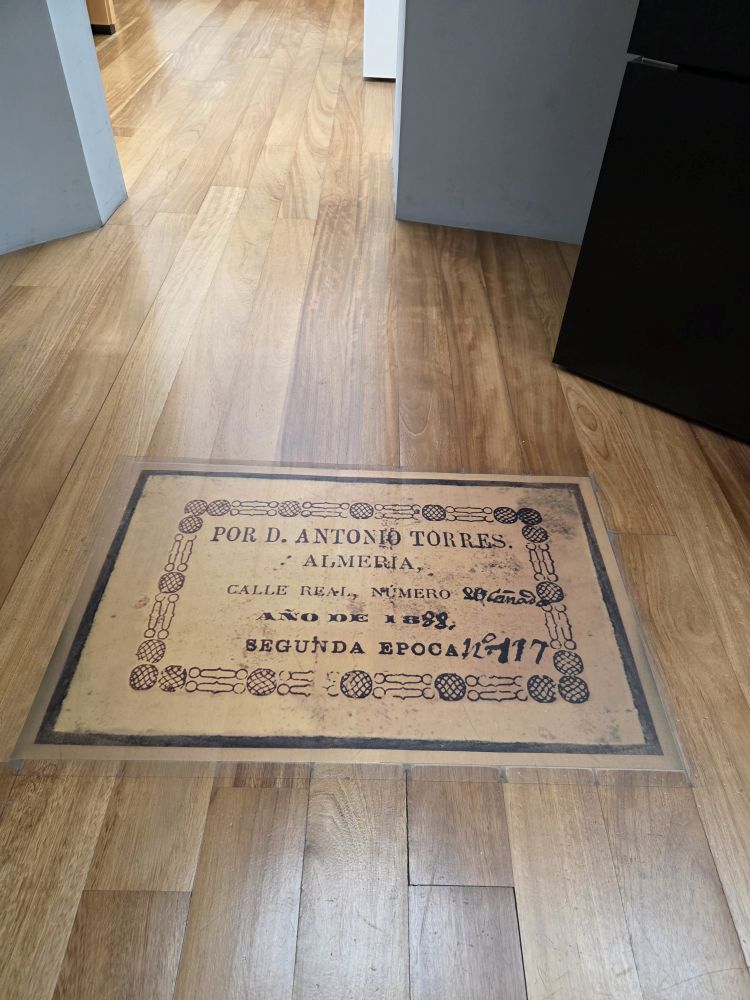
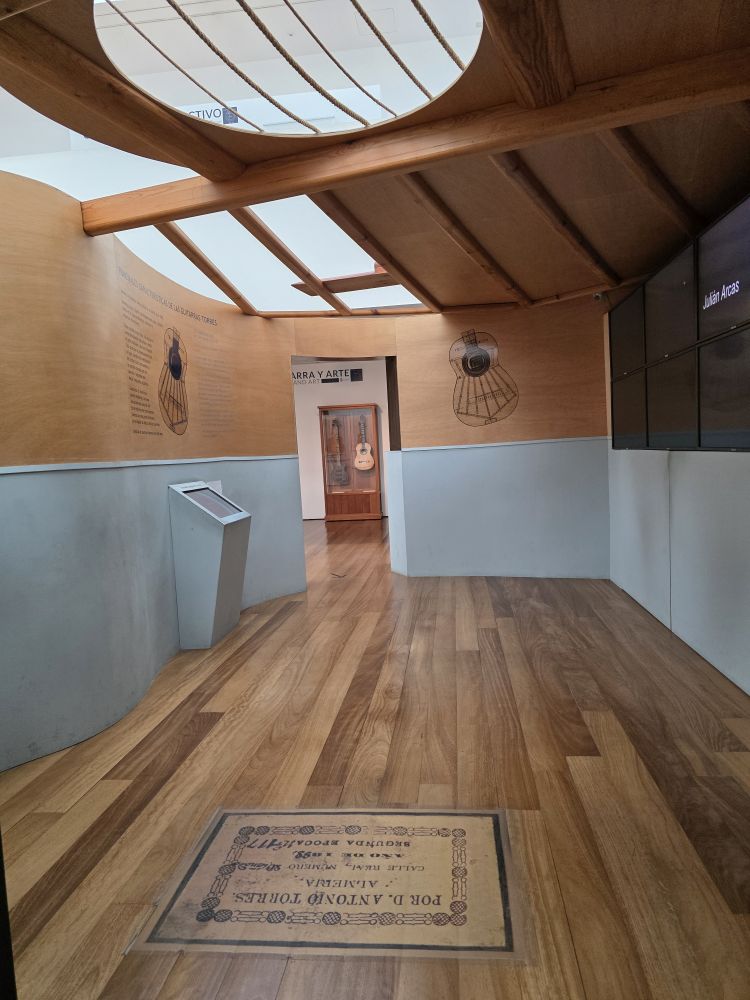
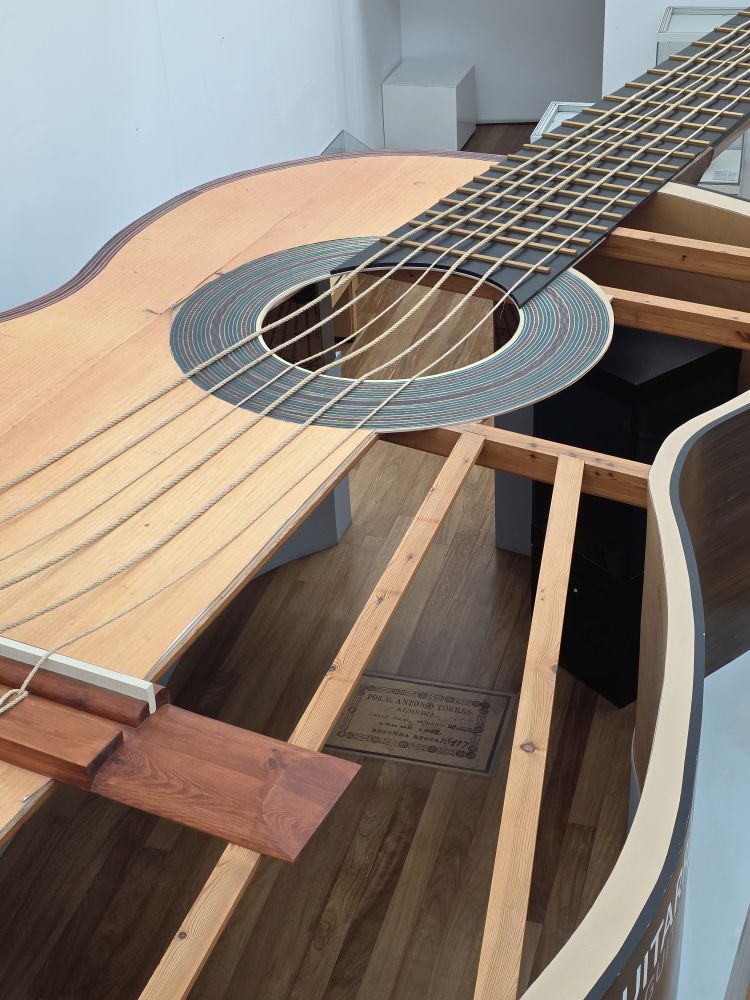
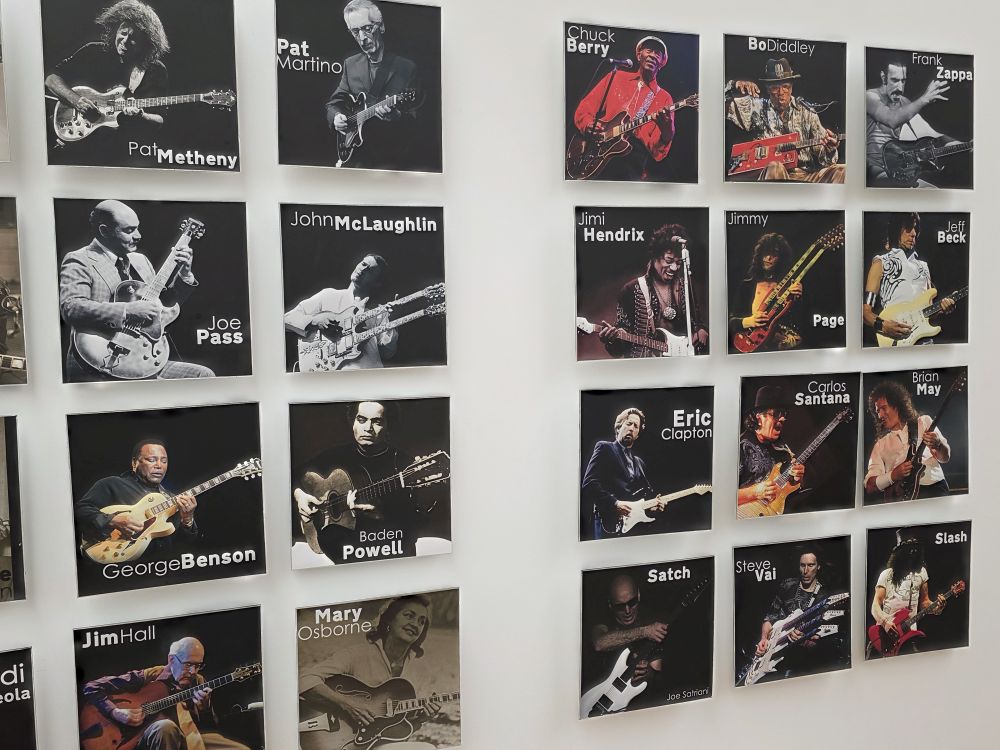
Also on the 2nd floor is a contemporary display of historically renowned guitarists, as well as a really fascinating exhibit detailing the reconstruction and renovation of an original Antonio Torres guitar from 1865. 51 pictures. Each totally fascinating. We’ve given you just a teeny sampling below.
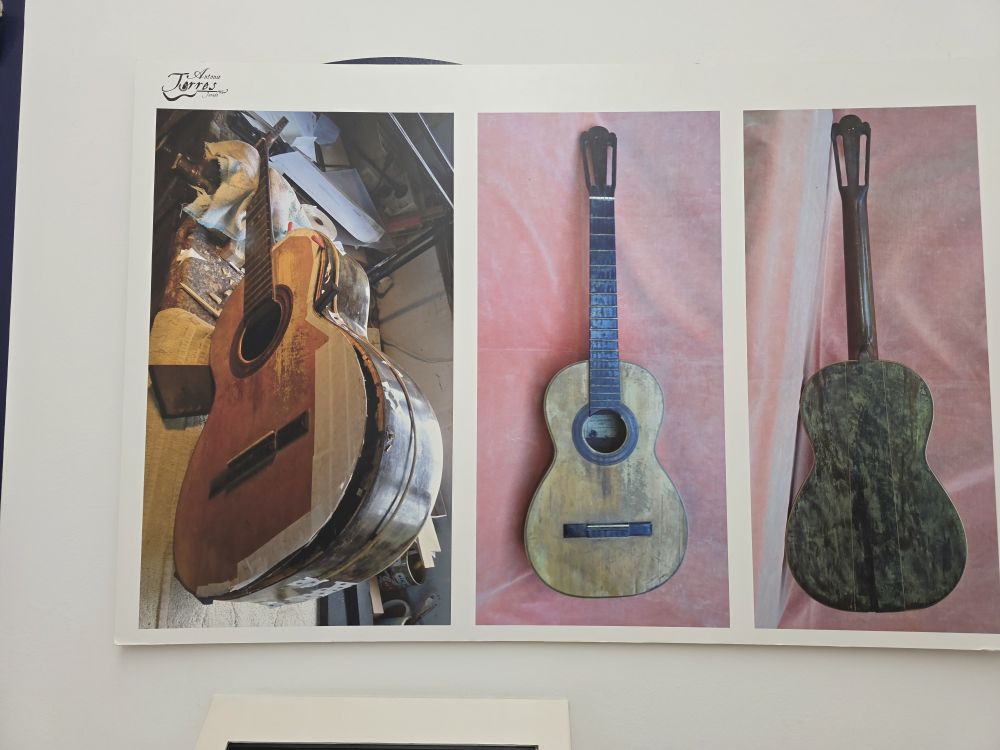
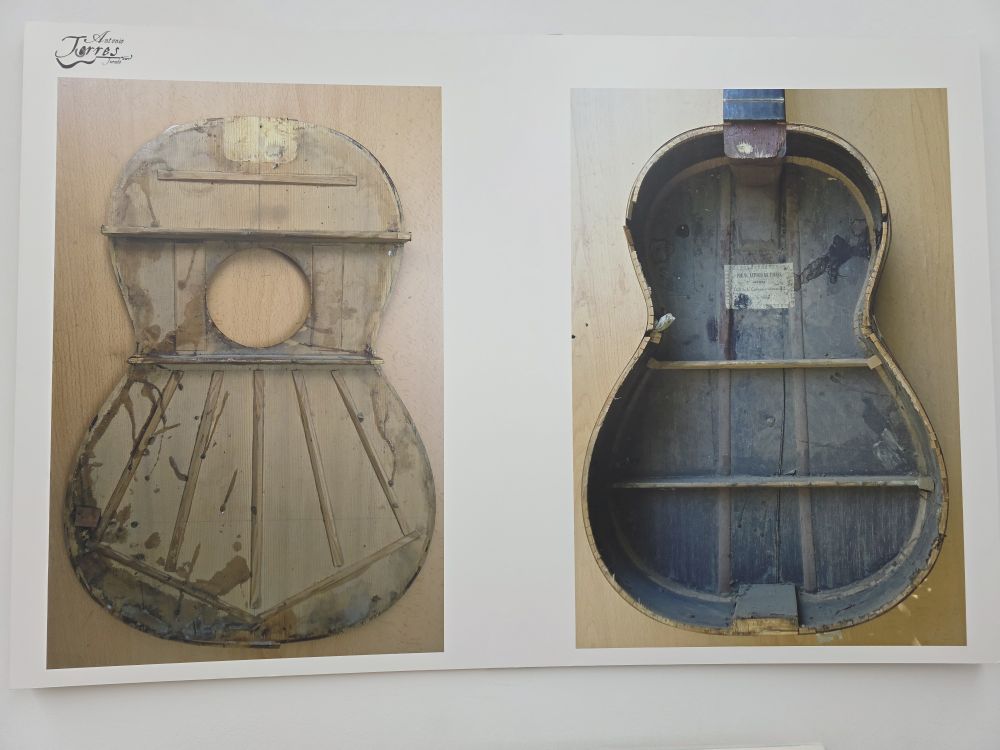
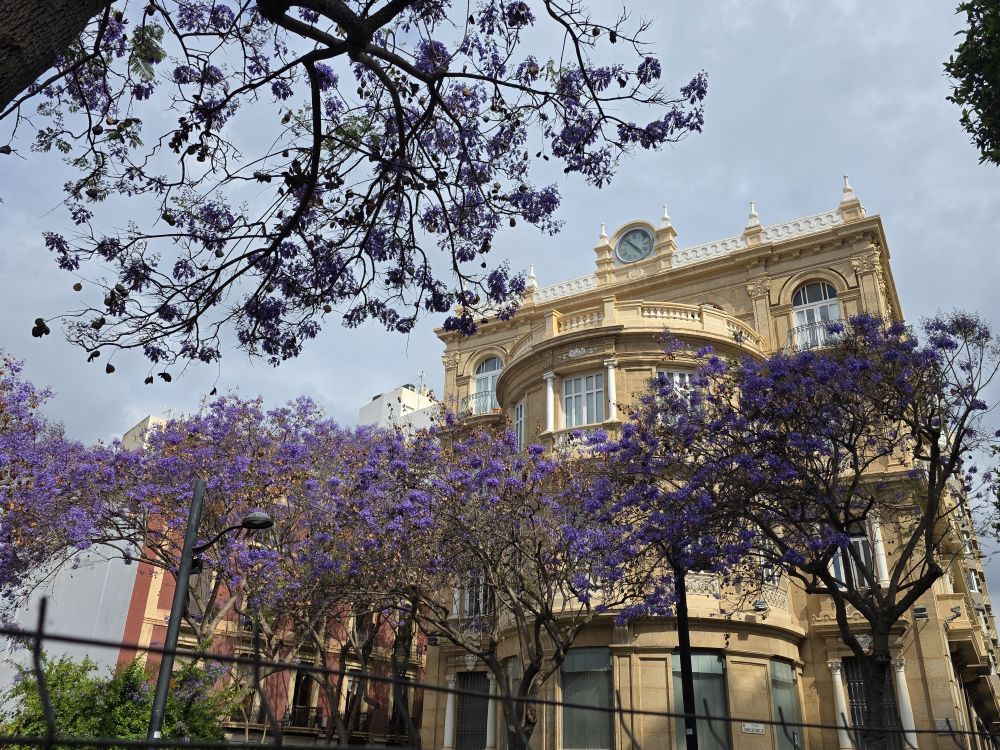
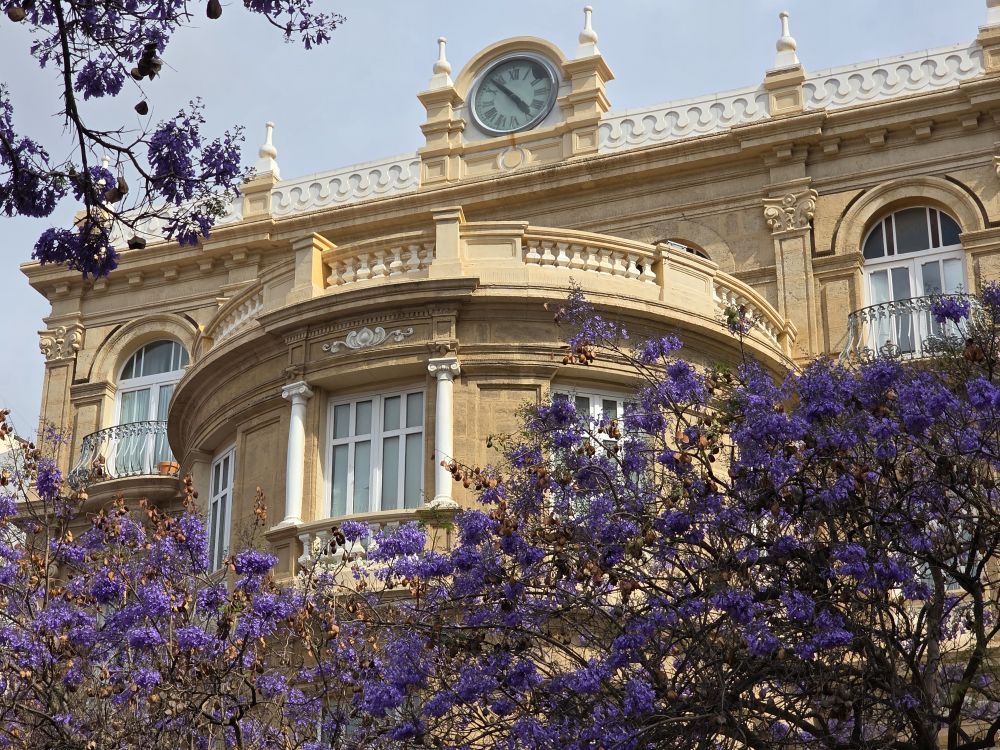
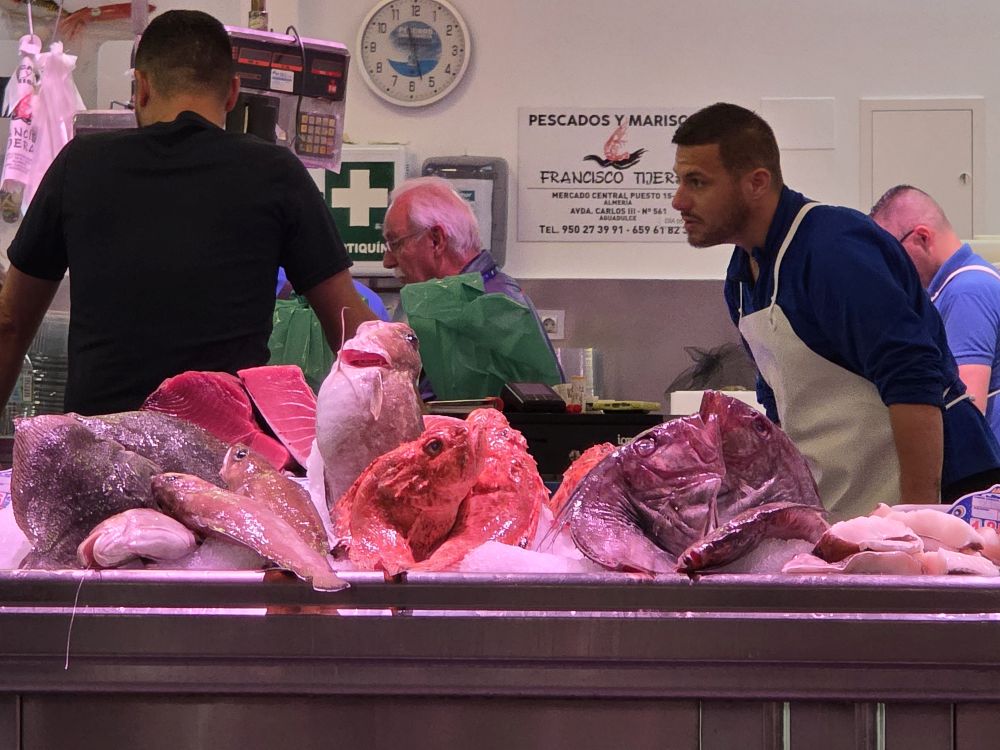
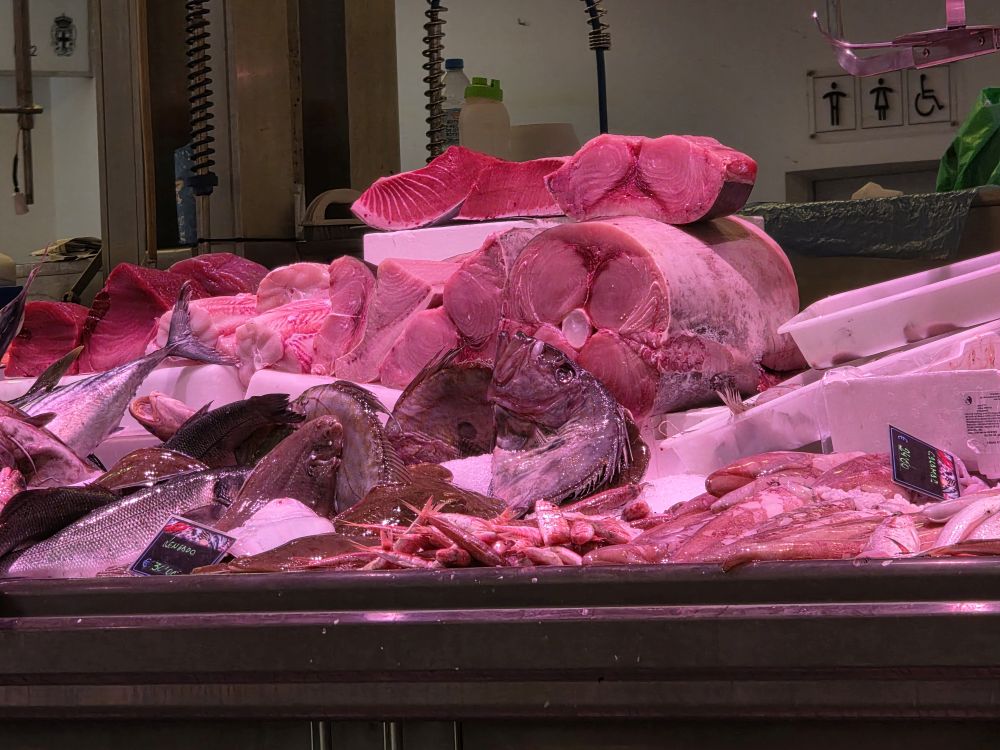
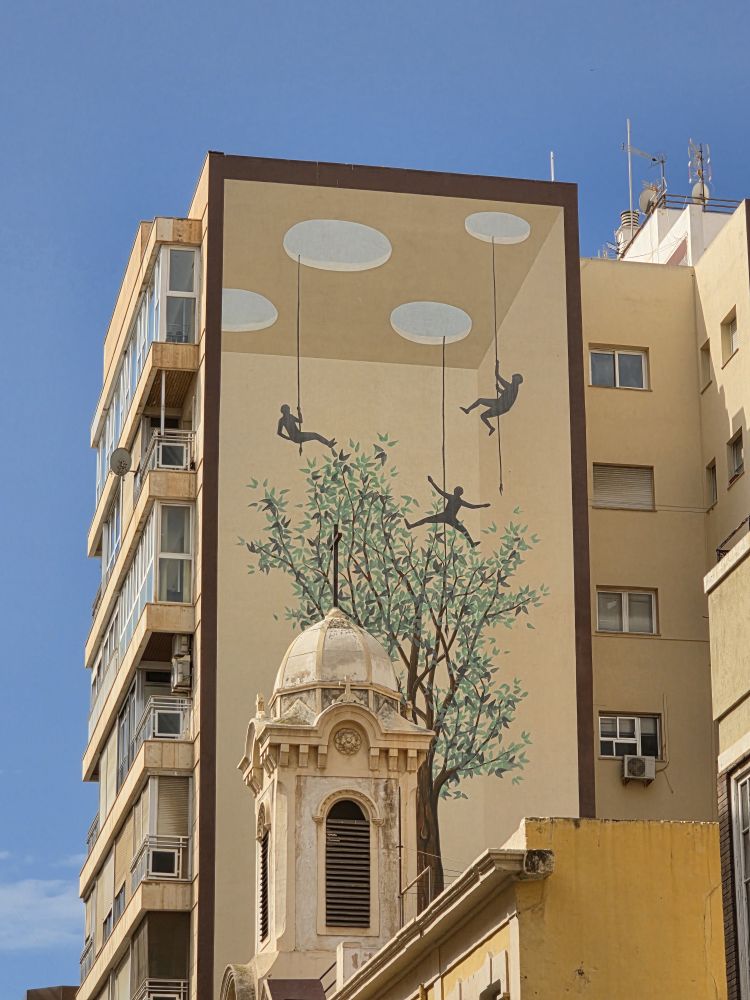
It was getting on toward lunch time for us (but as we all know, not for Spaniards) so we decided to wander through town to the central market in search of food. Great street art and architecture kept us busy on our way, only to be disappointed in the market which was actually pretty sterile. Interesting, yeah. But like an open grocery store. Ah well.
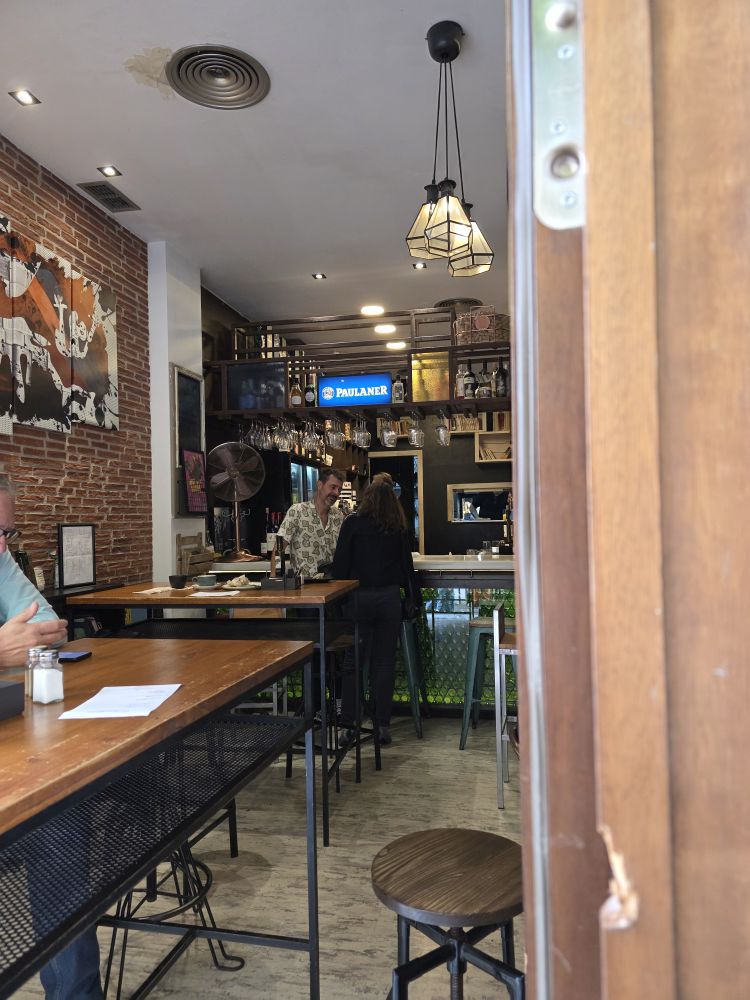
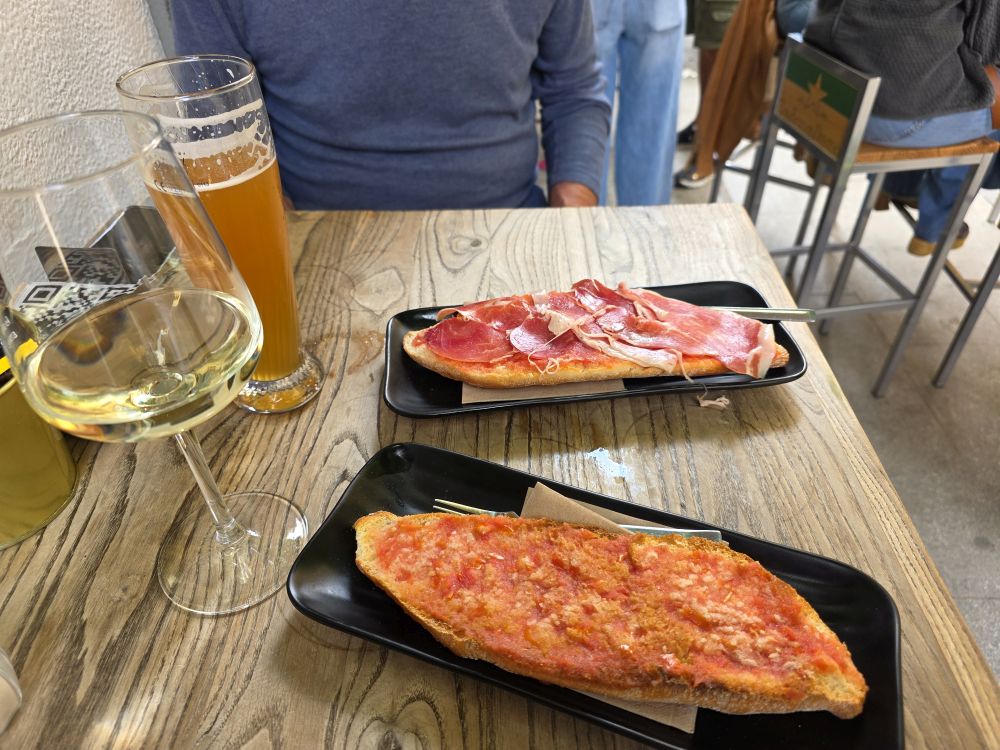
Back on the streets we stumbled on an open restaurant called Chi-ton – a speak-easy! – and totally packed inside, but with a few available tables outside on the sidewalk. Unfortunately, they weren’t open for lunch yet – another hour the waitress informed us – sigh – so we ordered drinks and snacks of tosta – Jamon iberico and pan de tomate. At least we’ve something in our stomachs to help as we look for more food.
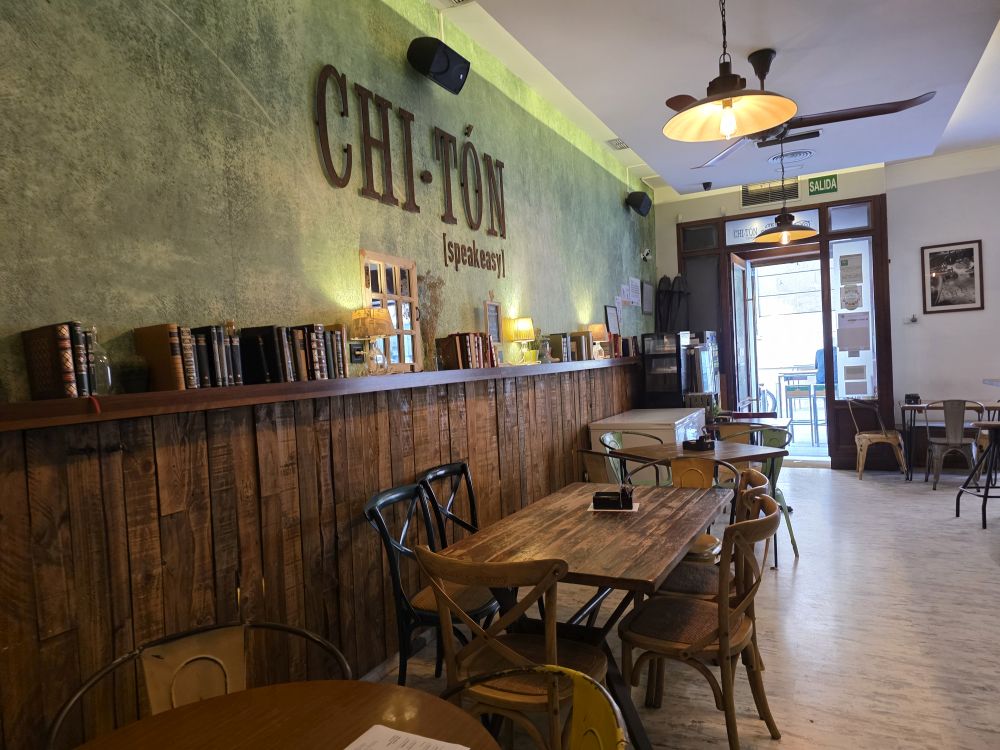
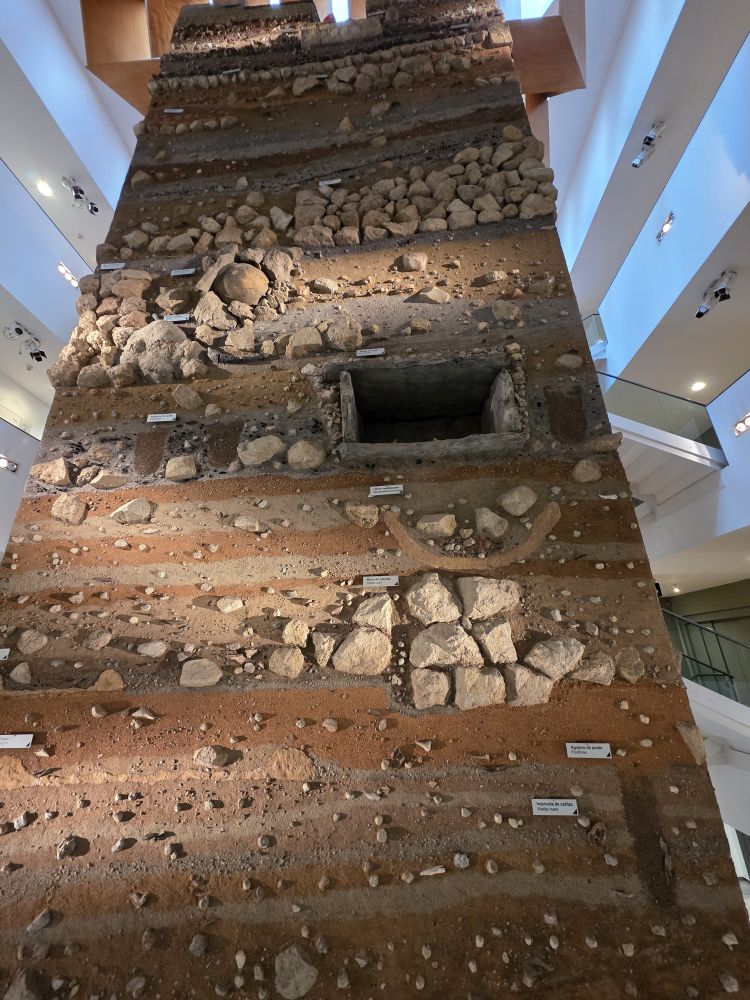
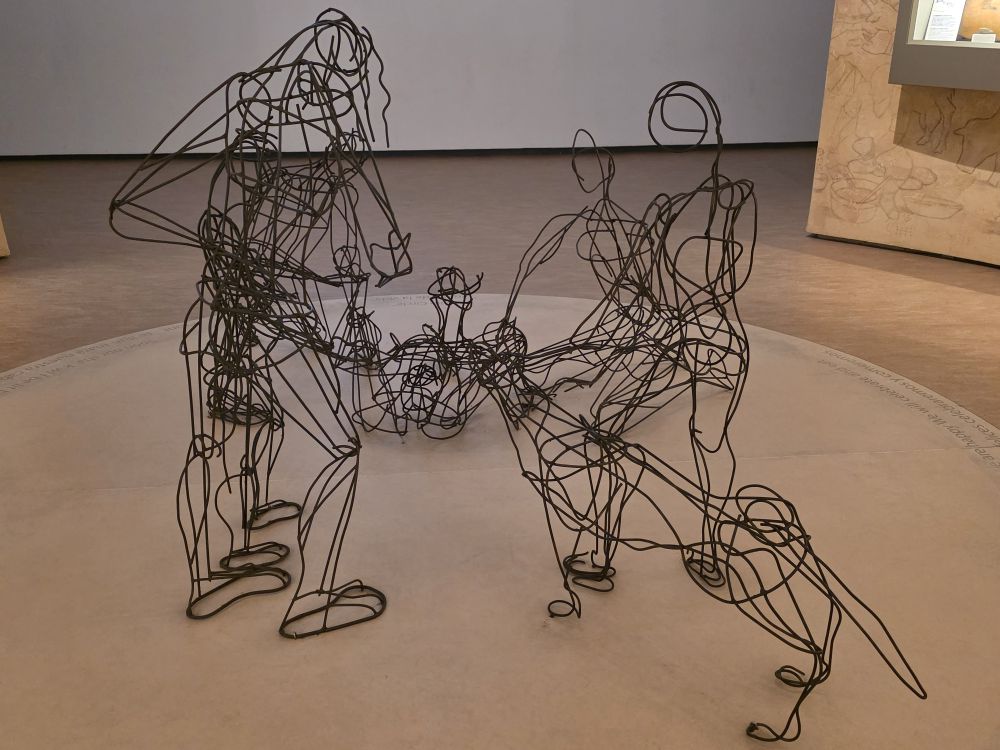
Ok – we’ll just hit the Museum of Almeria and then think about lunch! We were sort of aiming for the museum when we stumbled upon Chi-ton, so off we go. A neat little museum that chronicles the history of the Almeria region – more from an archeology perspective than anything else – beginning with a 3 story high “Stratigraphic Column” that displays 16 different strata from bedrock to the present day – representing the geographical history of Almeria from cave to village. There is also a really cool display of iron statues depicting the circle of life. Yep, that statue in the middle is giving birth, thank you.
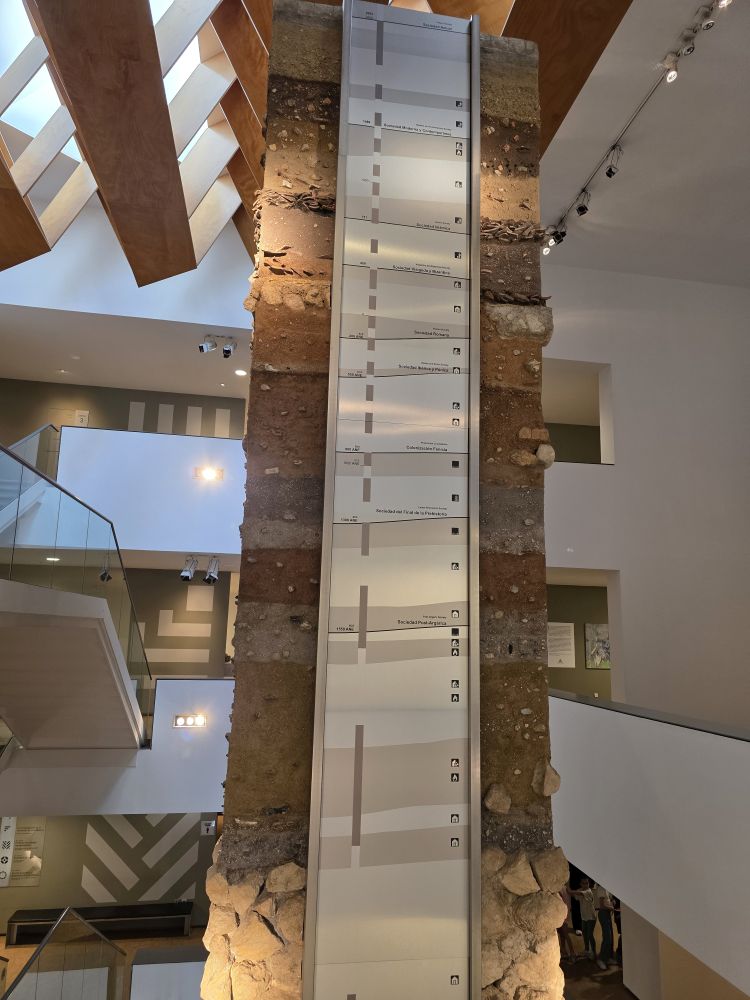
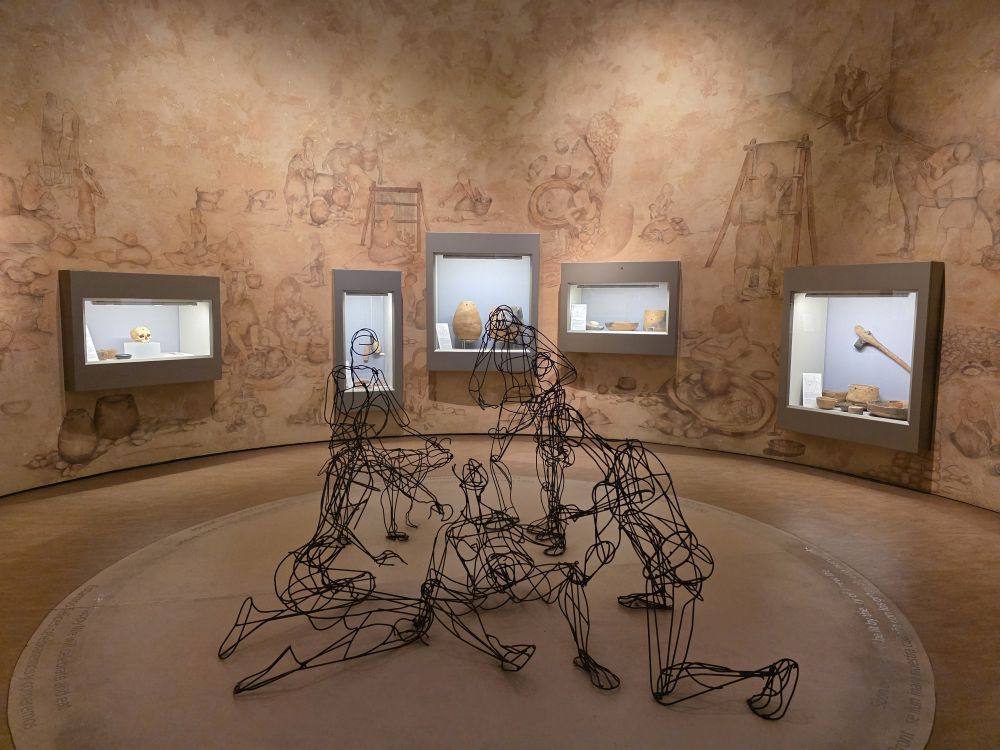
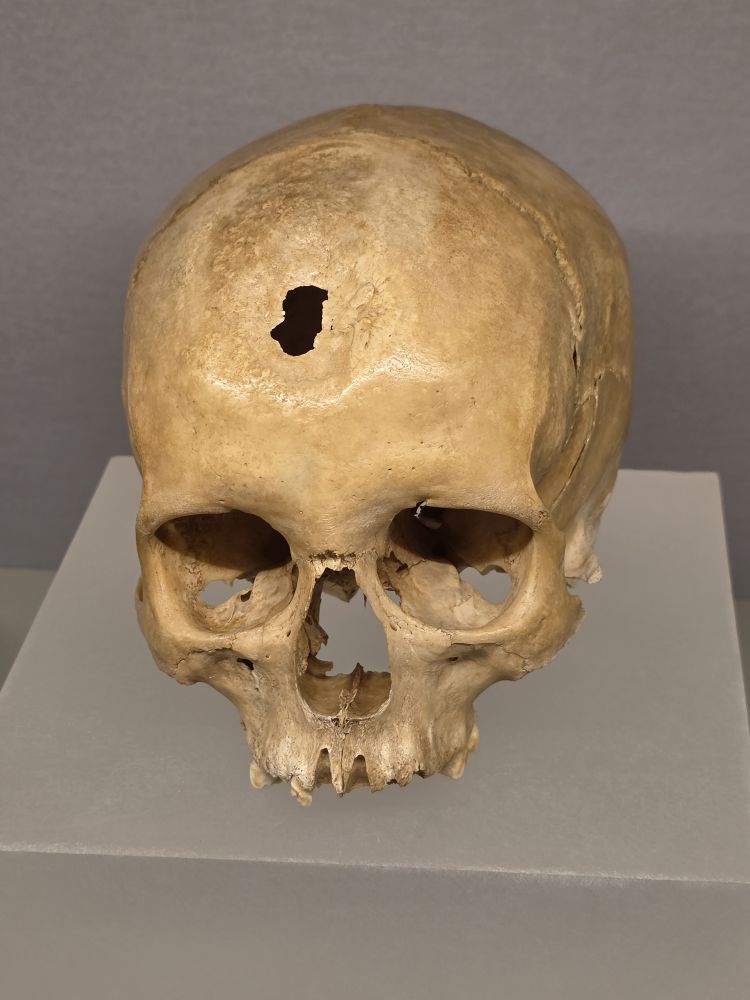
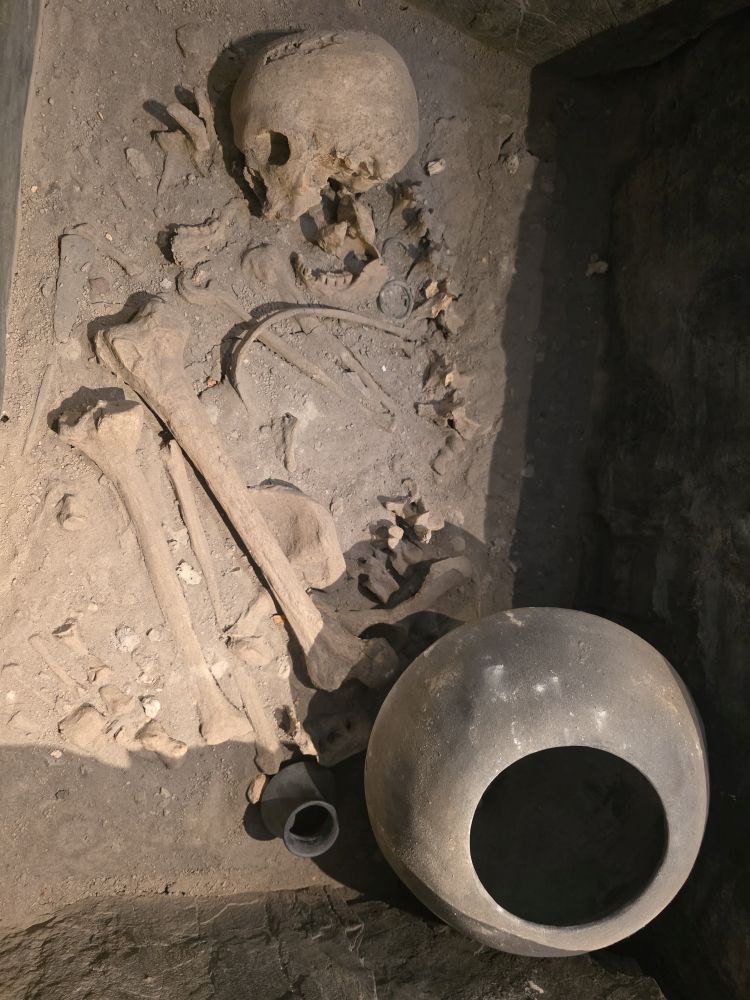
There are excavated tombs, one with the body of a woman who, because of the expensive goods buried with her, is thought to be part of the ruling class. Also an explanatory panel describing the Islamic society in Almeria from 711 – 1489. The most significant fact on this panel for us is the Islamic name: Al-Mariyya. It suddenly dawns on us how many Moorish places are named: the Al from Islamic incorporated into their current names.
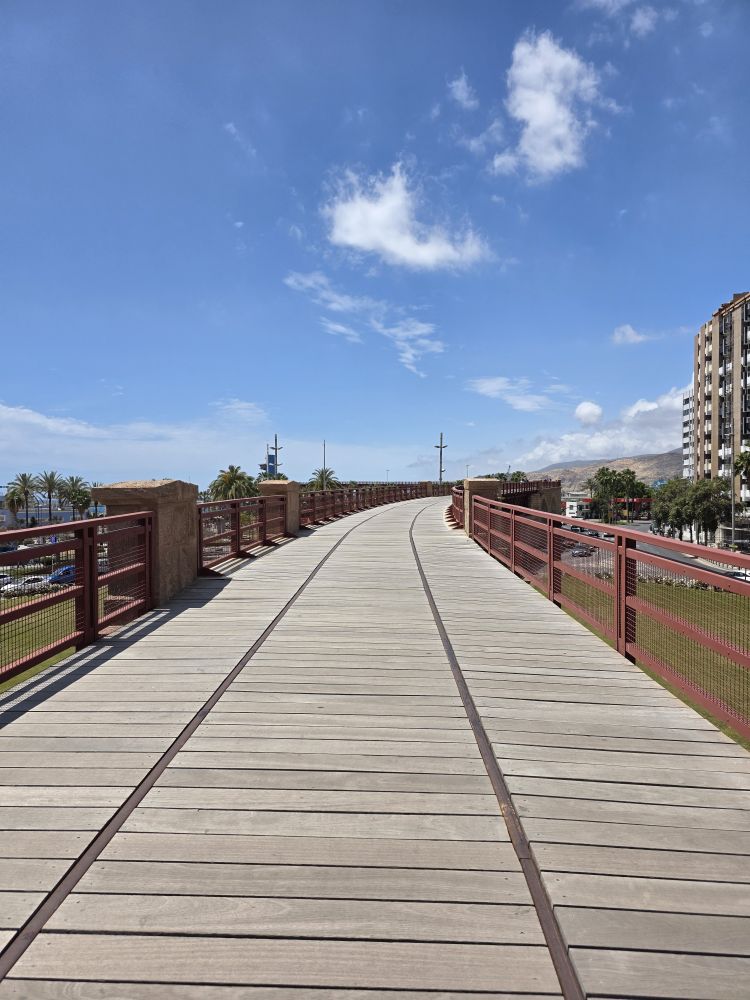
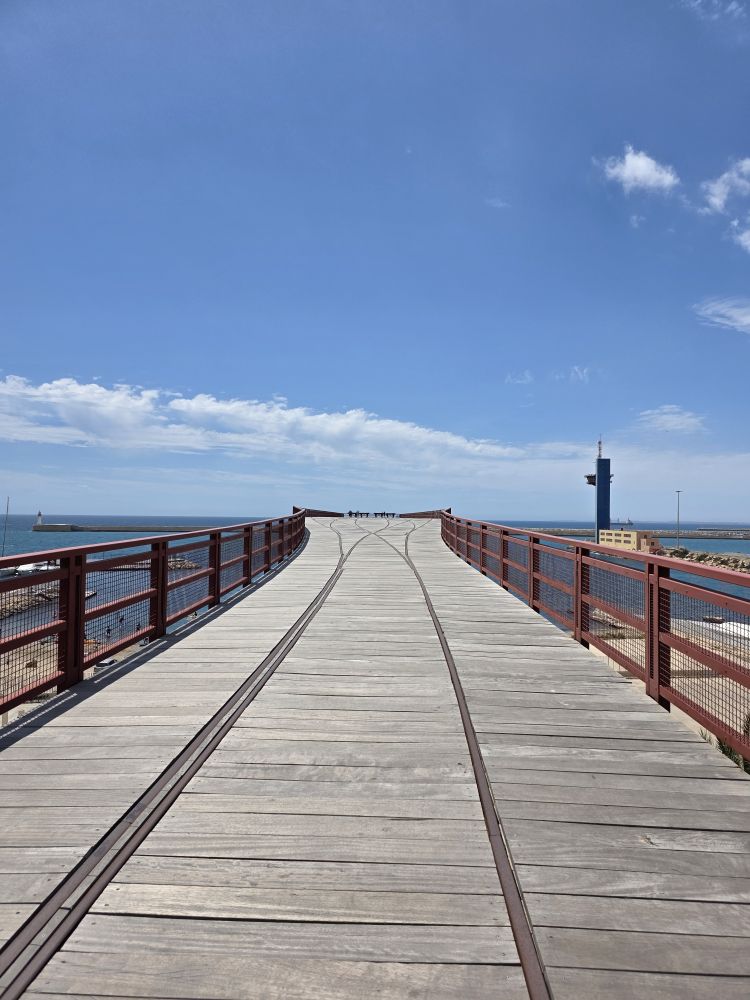
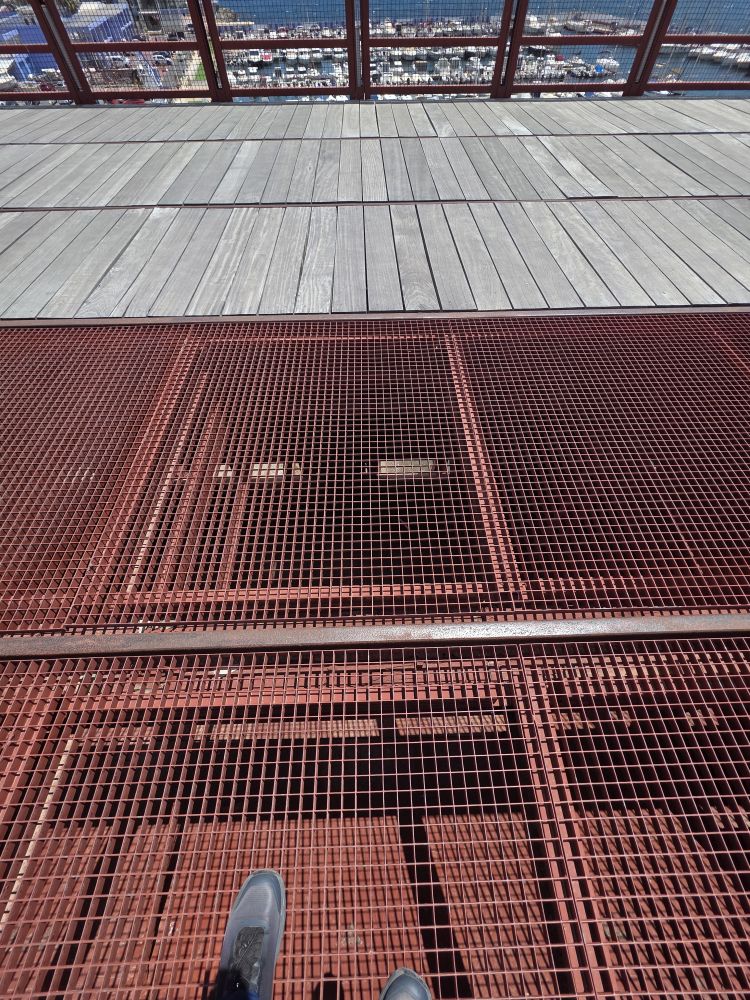
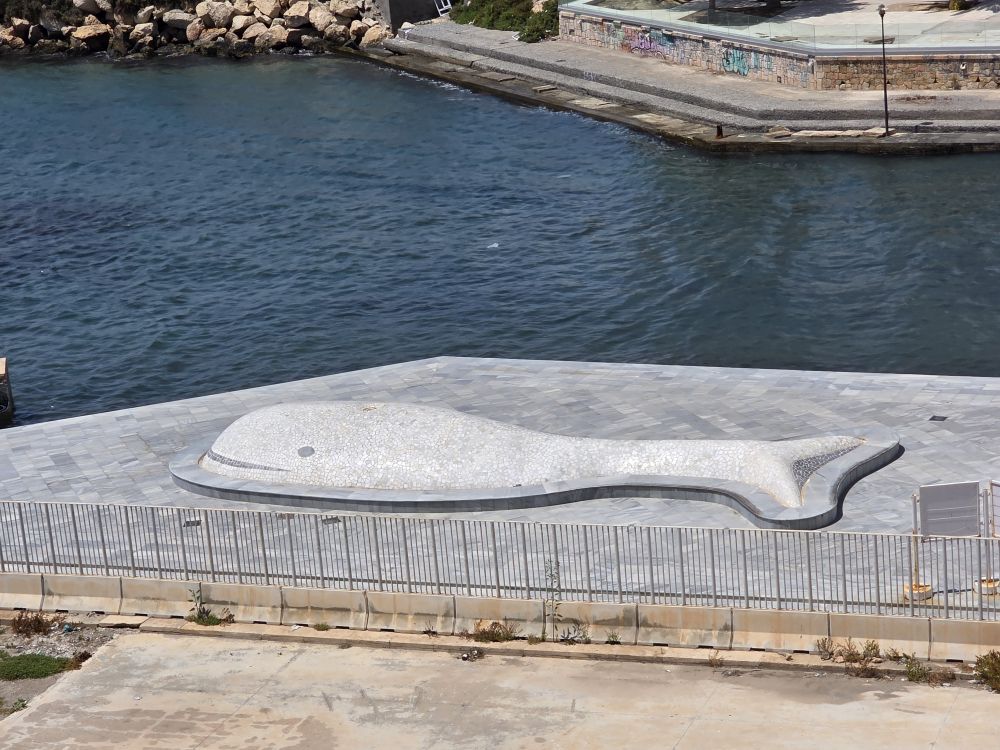
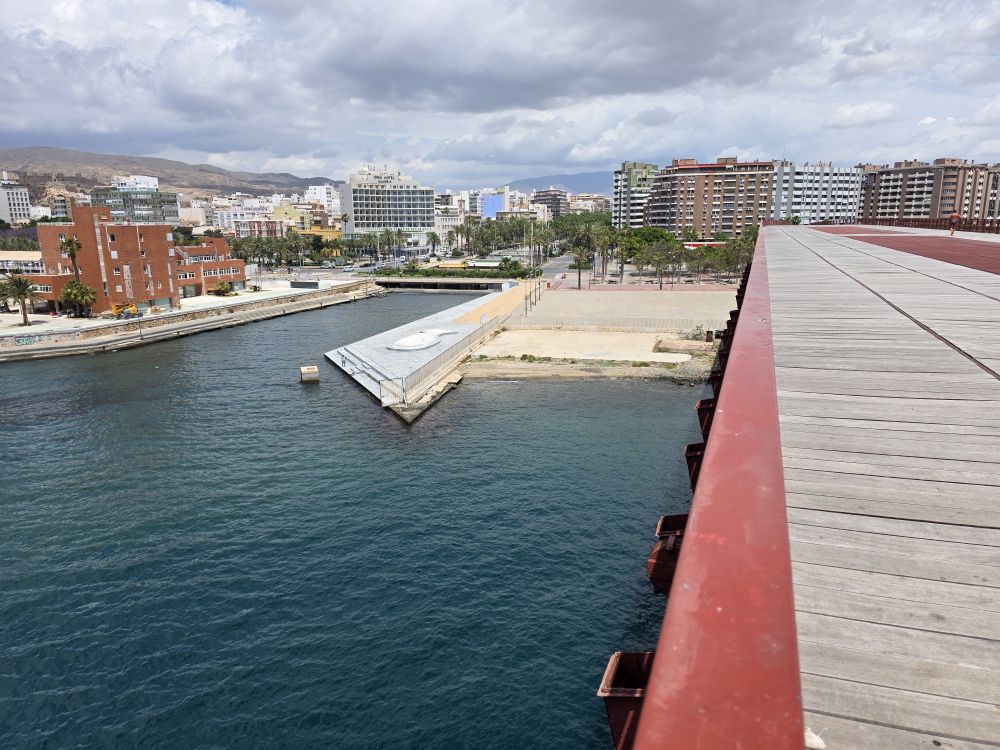
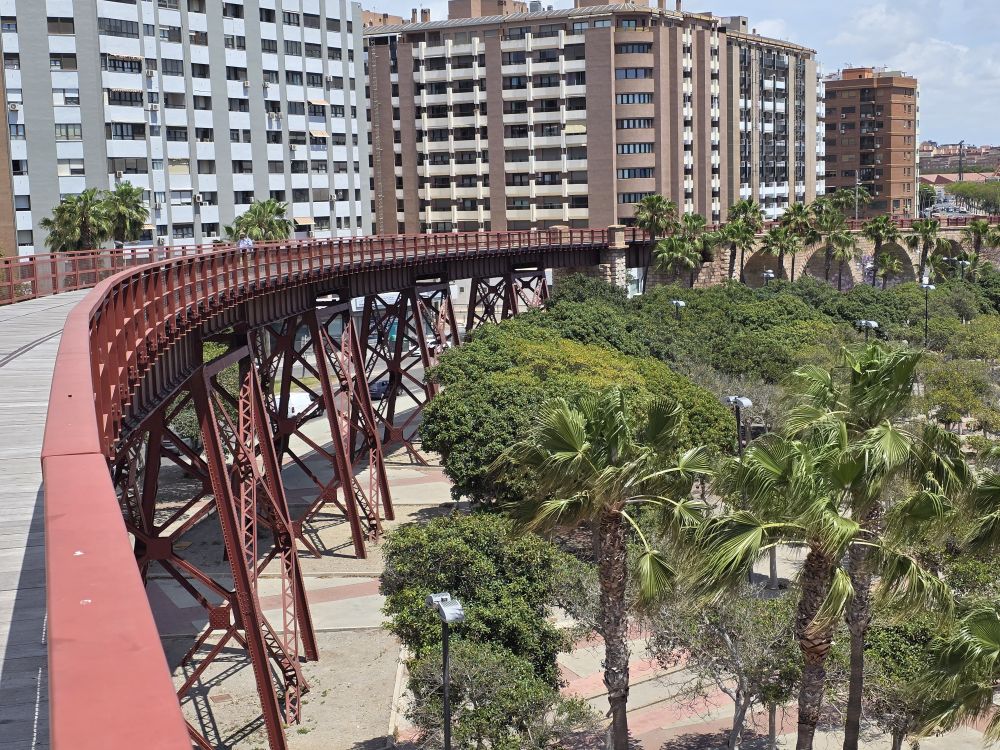
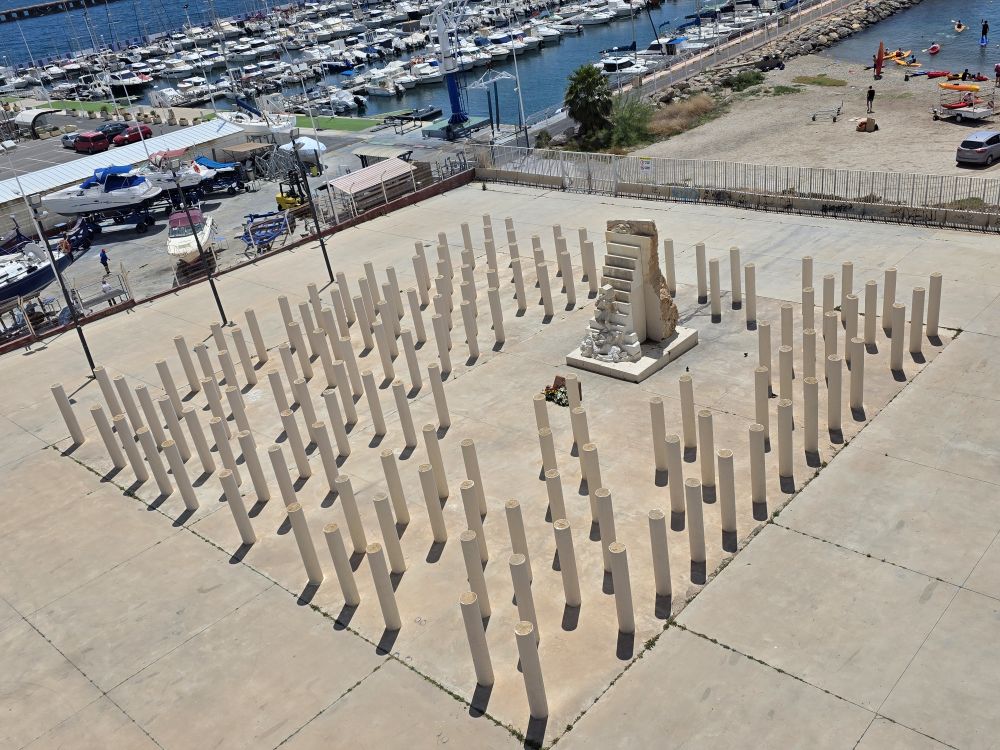
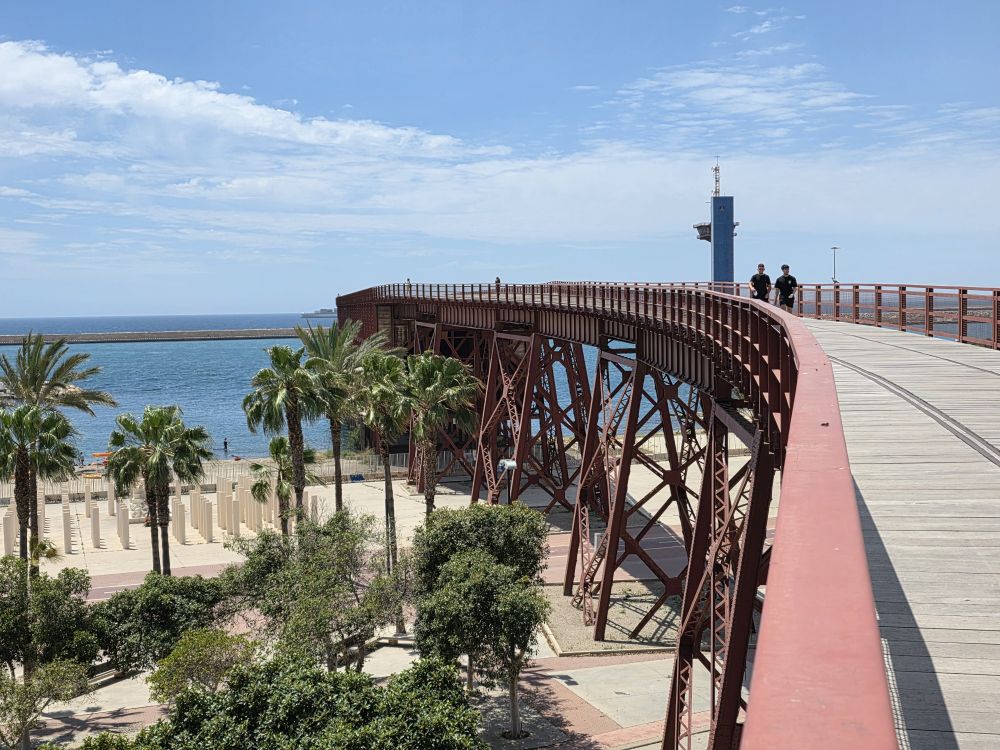
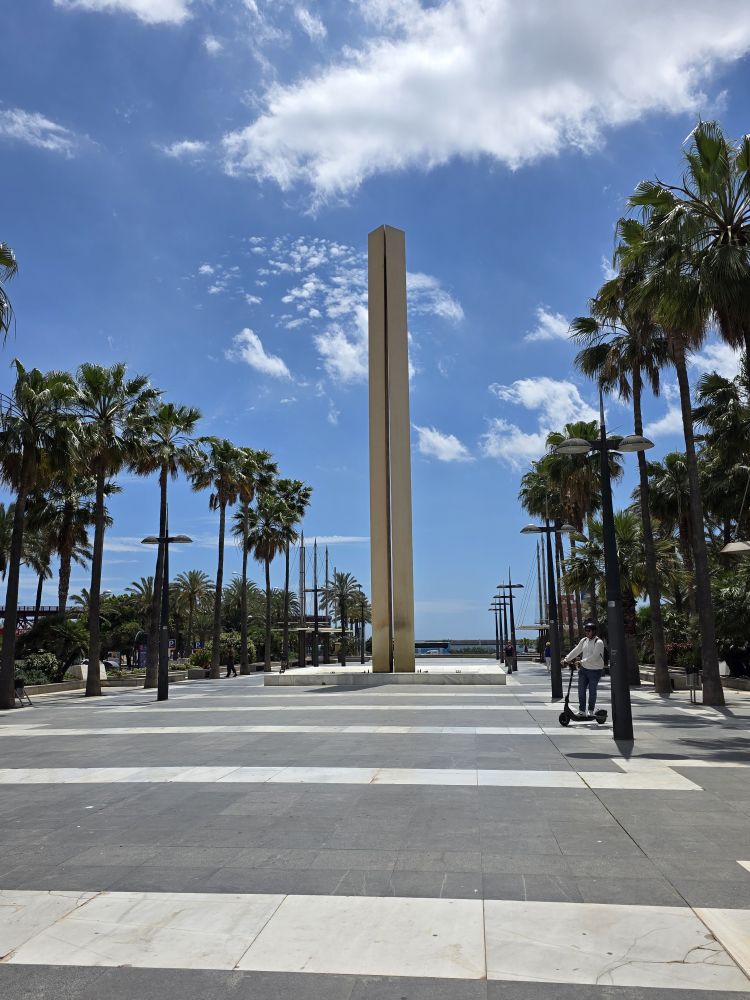
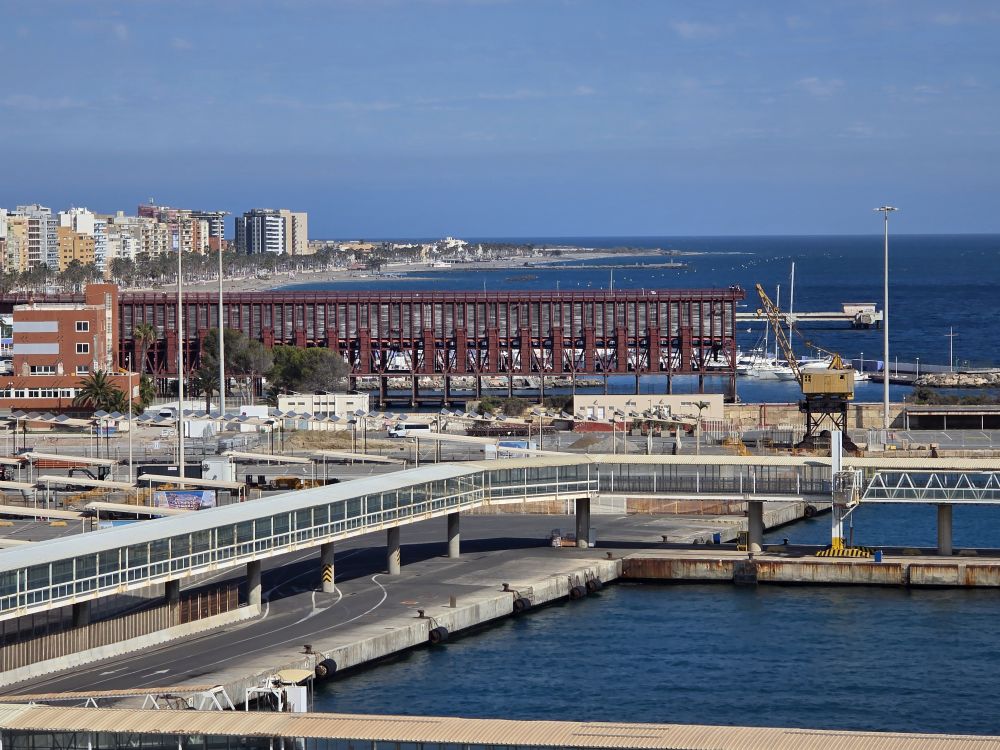
Done with archeology, we were close enough to this weird structure we had spied from the ship – called the El Alquife, or English Cable – it’s a mineral loading dock made out of metal that you can walk down for scenic views across the water and into the old mineral loading facility below. Built in 1904 by the Alquife Mines company to improve the transport and loading of iron from Granada to Almeria, the dock also served as a warehouse for iron as well as a loading/unloading dock. About 1 mile long, hovering 65 feet above the water, in its time this dock could load an 8,000 ton ship in 8-10 hours. A marvel in engineering for the period. Operations stopped in 1970 and in 1998 it was deemed a Site of Cultural interest and restored. Now, a great pedestrian walk with amazing views across the harbor on one side, the beach on the other and a perfect overhead view of the Monument to Tolerance – Dedicated to the Almerian victims of the Mauthausen concentration camp.
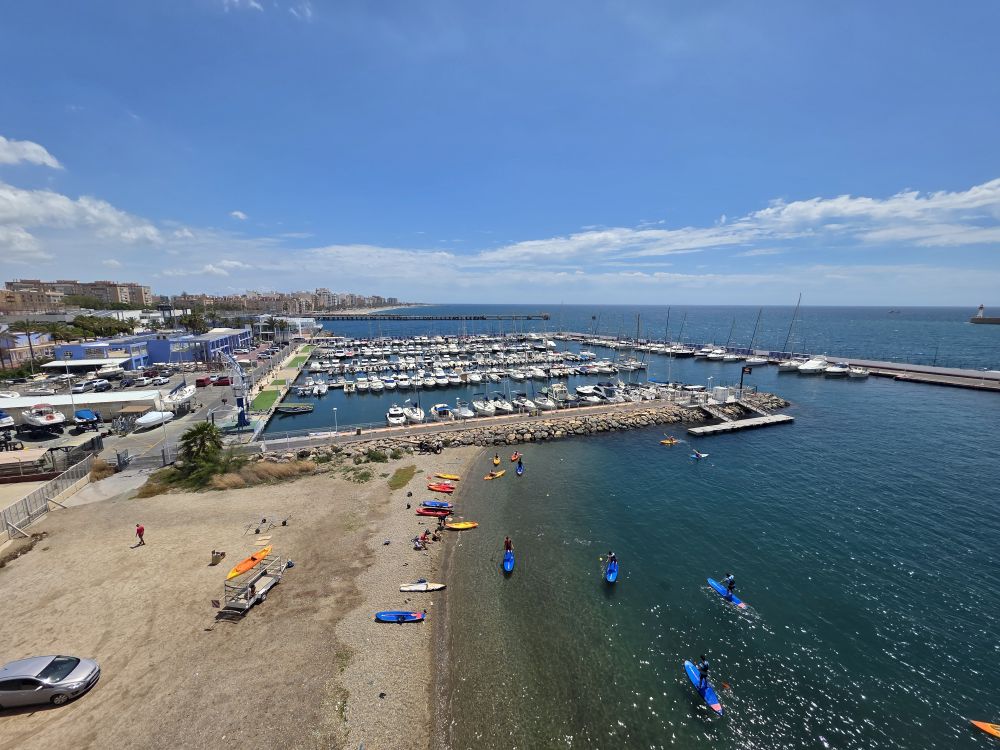
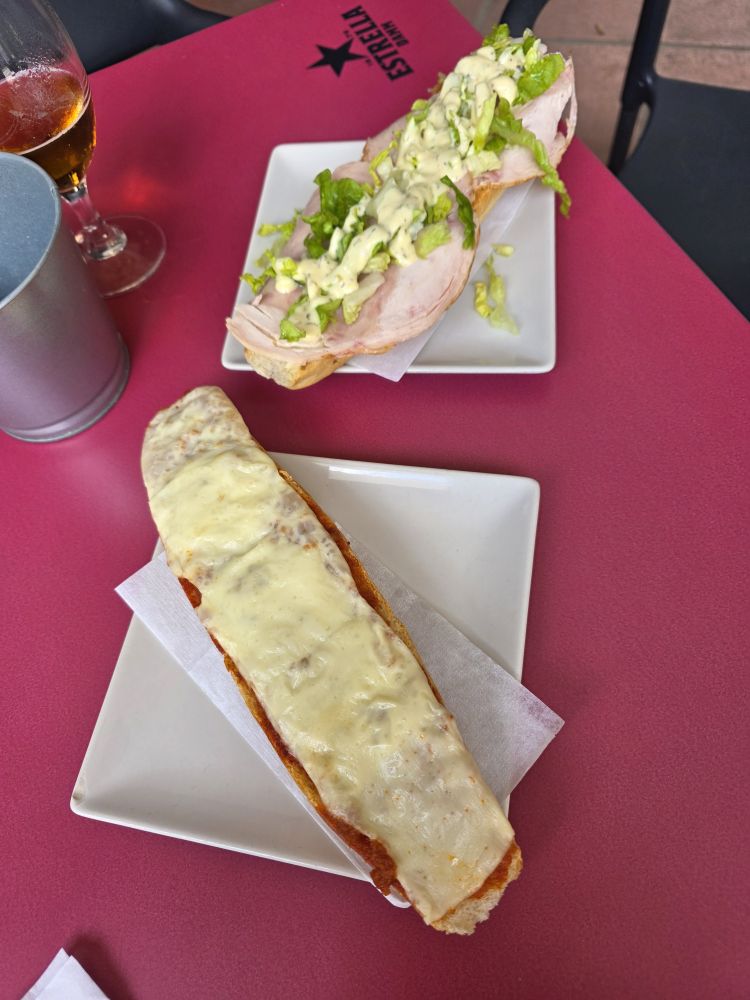
It is a little after 2pm when we finish our loading dock jaunt, time for more snacks. Unfortunately, every café and restaurant we pass is packed with no space available. We asked at a couple places and no go. You know our mantra – we refuse to eat on the ship during port days if at all possible – so we press on, eventually finding the Bar Liceo on this out of the way side street with plenty of outdoor seating. Perfect. 2 canas (those little beers), 1 Rueda wine; a Pollo Tartufa and Sobrasado y Queso tostado to share and we are handled. Perfect light-ish snack for our late lunch in Almeria.
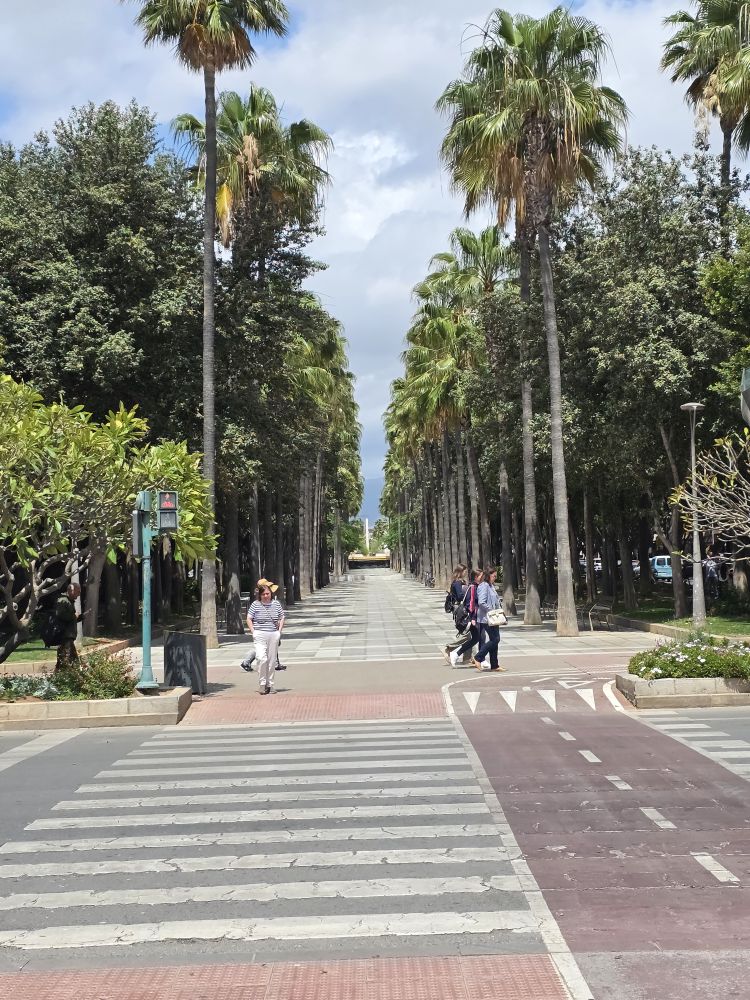
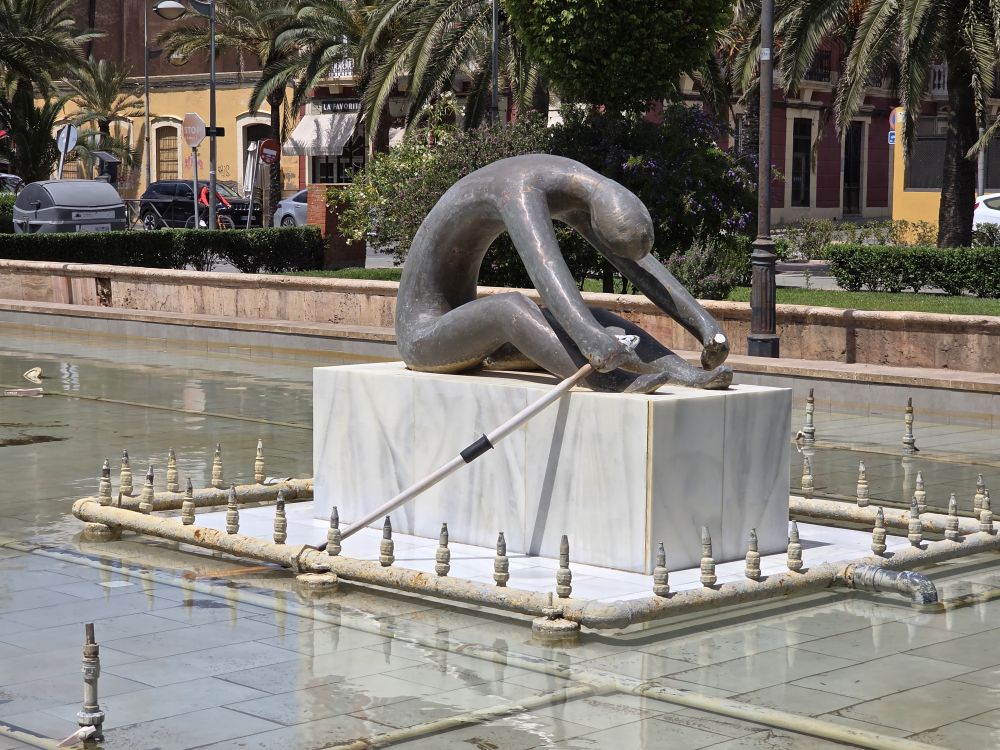
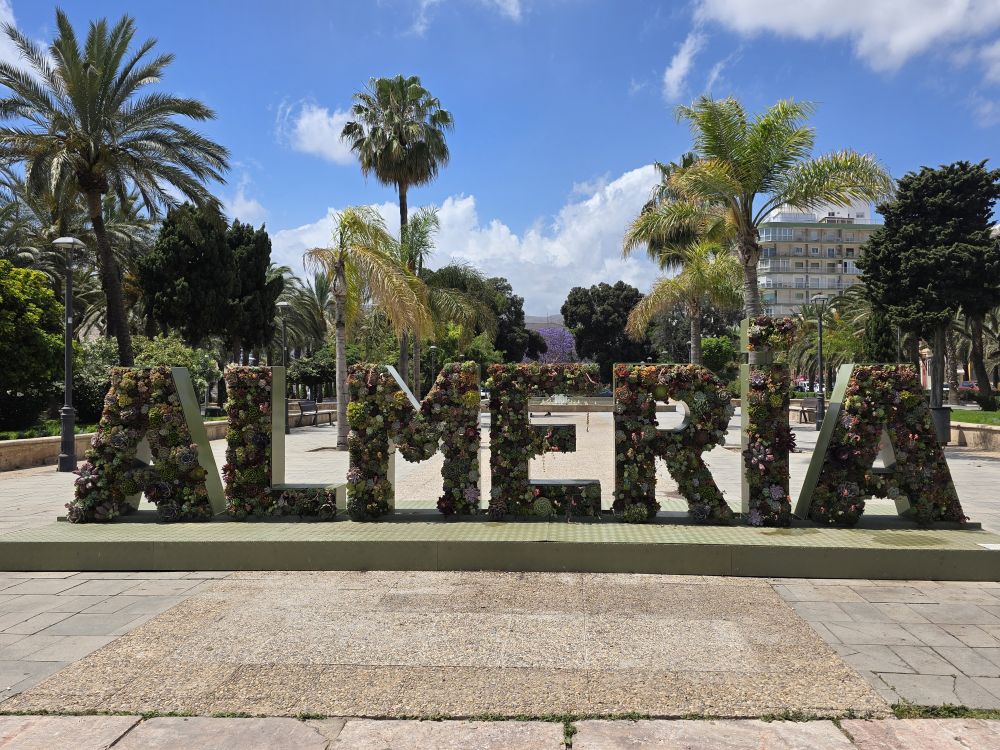
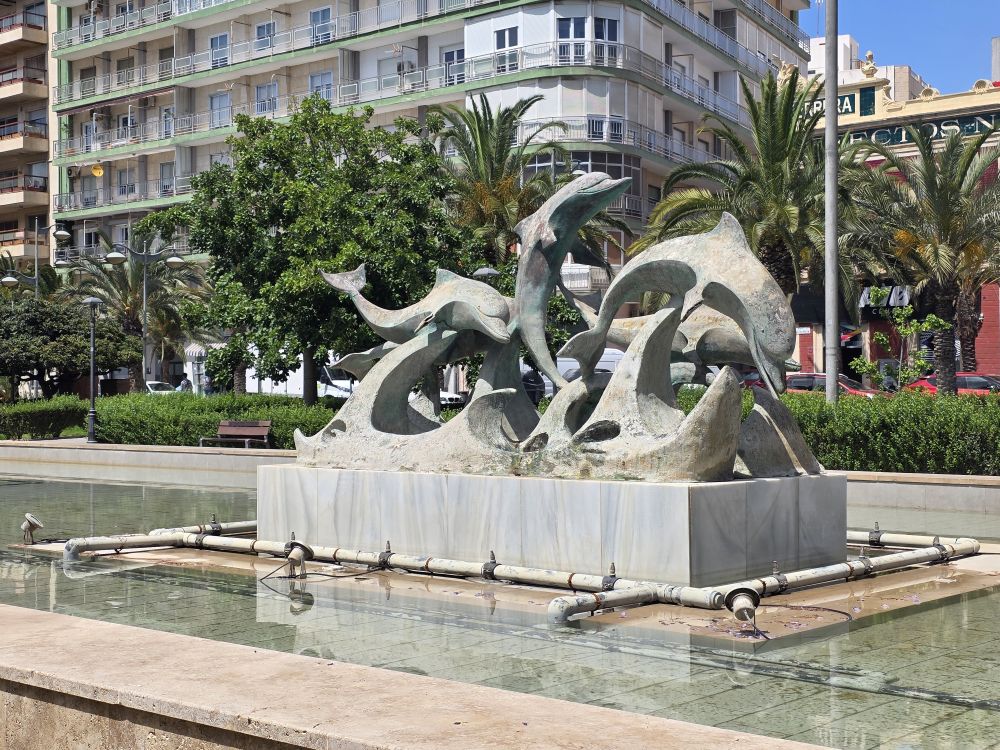
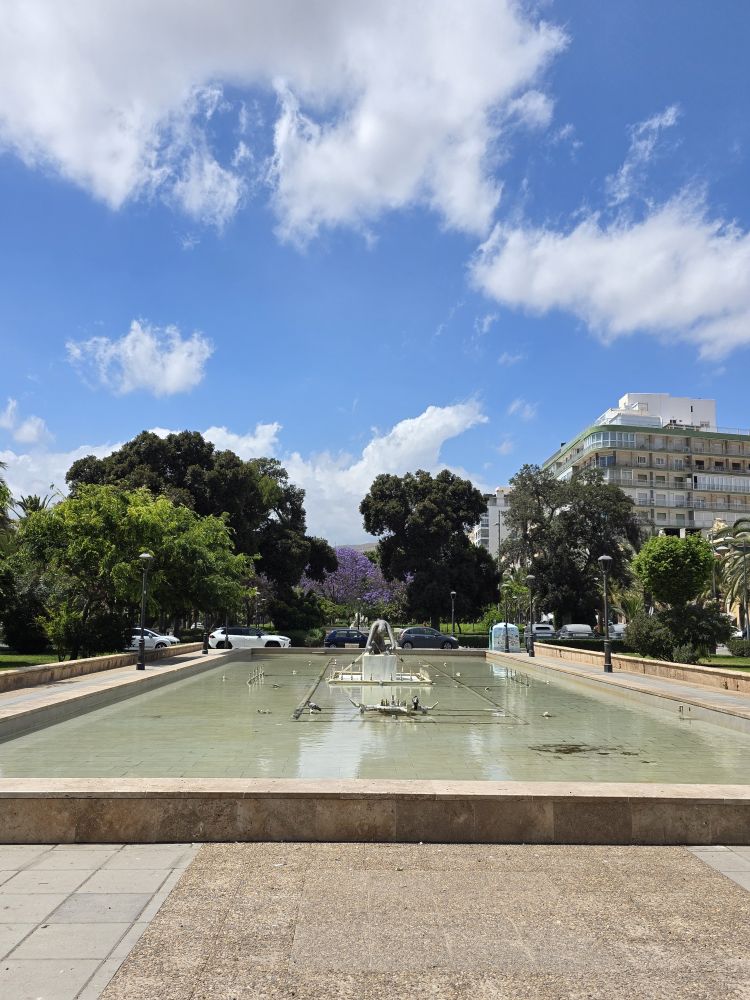
Heading back to the ship, we wander through the Parque Nicolas Salmeron, a linear 550 square foot park built in 1908 with over 1,000 trees and 10,000 shrubs that runs adjacent to the waterfront. A lovely little walk, filled with the aforementioned greenery as well as interesting sculptures and fountains (most of which were not working). A very nice end to our fun day in this sweet, little local town.
Back aboard, we meandered around, talking pictures of the views as we sailed – El Alquife, the Alcazaba, San Cristobal up on the hill.
For dinner, we eschew the dining room and hit the buffet for Spanish night! Yay! Prosciutto, chorizo, you name it! All very good and reminding us very much of how Azamara used to be once upon a time – especially when we overhear the chef telling the HD about the shopping he did ashore today for this buffet. Hopefully Azamara is returning to their roots, but time will tell – and we’ll be able to tell it on the next 3 trips we have planned. At any rate, it was nice enough to eat outside, which of course we did, then hit the comedian’s 2nd show which was just as funny as the first!
Cabin for balcony drinks and the end to an excellent day.
 Andiamo