It was another rough and rocky night – thank God I brought the whole bottle of Dramamine with me! We’re still going slow…too slowly to make it by Sunday we are betting. Sigh. Maybe we’ll get to Ushuaia in time for our flight? Let us hope!
Lots of good lecture today – so at least we’ll be busy all day. First up, the Search for Extraterrestrial Intelligence with Henri. A totally scientific explanation of why there must be alien life out there somewhere. Henri talks about the Drake Equation, thought to be the 2nd most important equation out there, right after the Theory of Relativity. Ok, full disclosure – we’ve never heard of it! Anyhow it’s some complicated equation that tries to find out how many intelligent civilizations are in the milky way that might be able to communicate with other civilizations.
He gives us a refresher on the galaxies – the 1 Septillion stars out there, each with an avg of 2 or 3 planets per star, which provides tons of space for alien life to flourish. We get a quick review of how scientists are searching for aliens – sending probes/devices out there, taking photo images – The Hubble, etc., the Doppler method – a confusing process (to me) using light to find planets and finally the transit method – more light based science that measures the drop in the amount of light star sends to earth which means there is a planet that “transits” in front of the star. The transit method is the most successful of them all, identifying more than 4,000 planets. All in all, more than 6000 exo-planets have been found.
In order for a planet to support life, it has to have water. And to have water, a planet has to be at the right distance from the sun; too far away and it has ice; too close and it is too hot to support life.
Bottom line? Looking at the numbers, there has to be alien life out there. Now it is all about how to communicate with them. There are many ongoing experiments, sending the Voyager probes out into space with recorded welcome messages in 55 languages, but since everything is so far away (we’re talking millions of light years) it will take far more than any of our lifetimes to ever receive any message back. But we have to try.
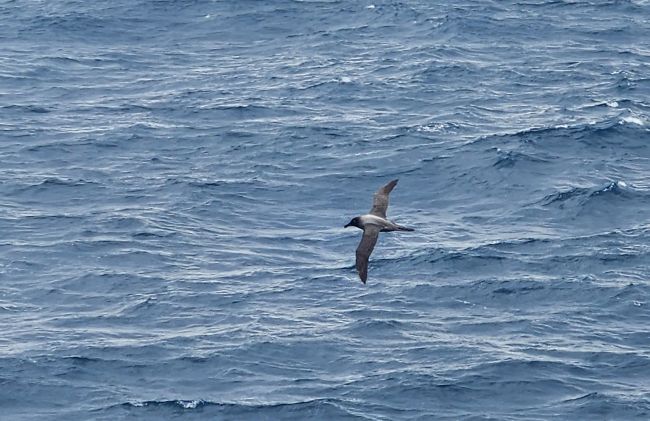
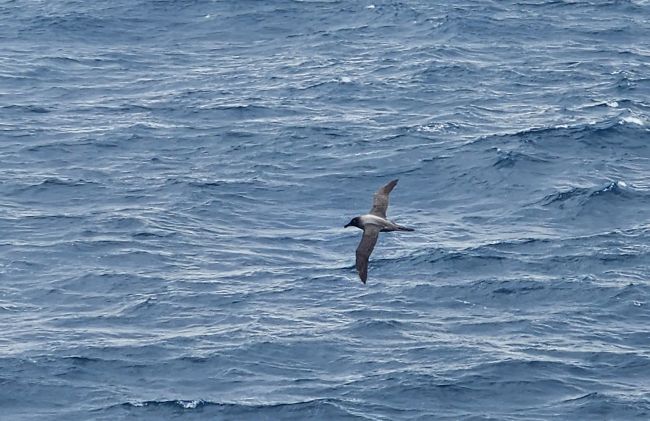
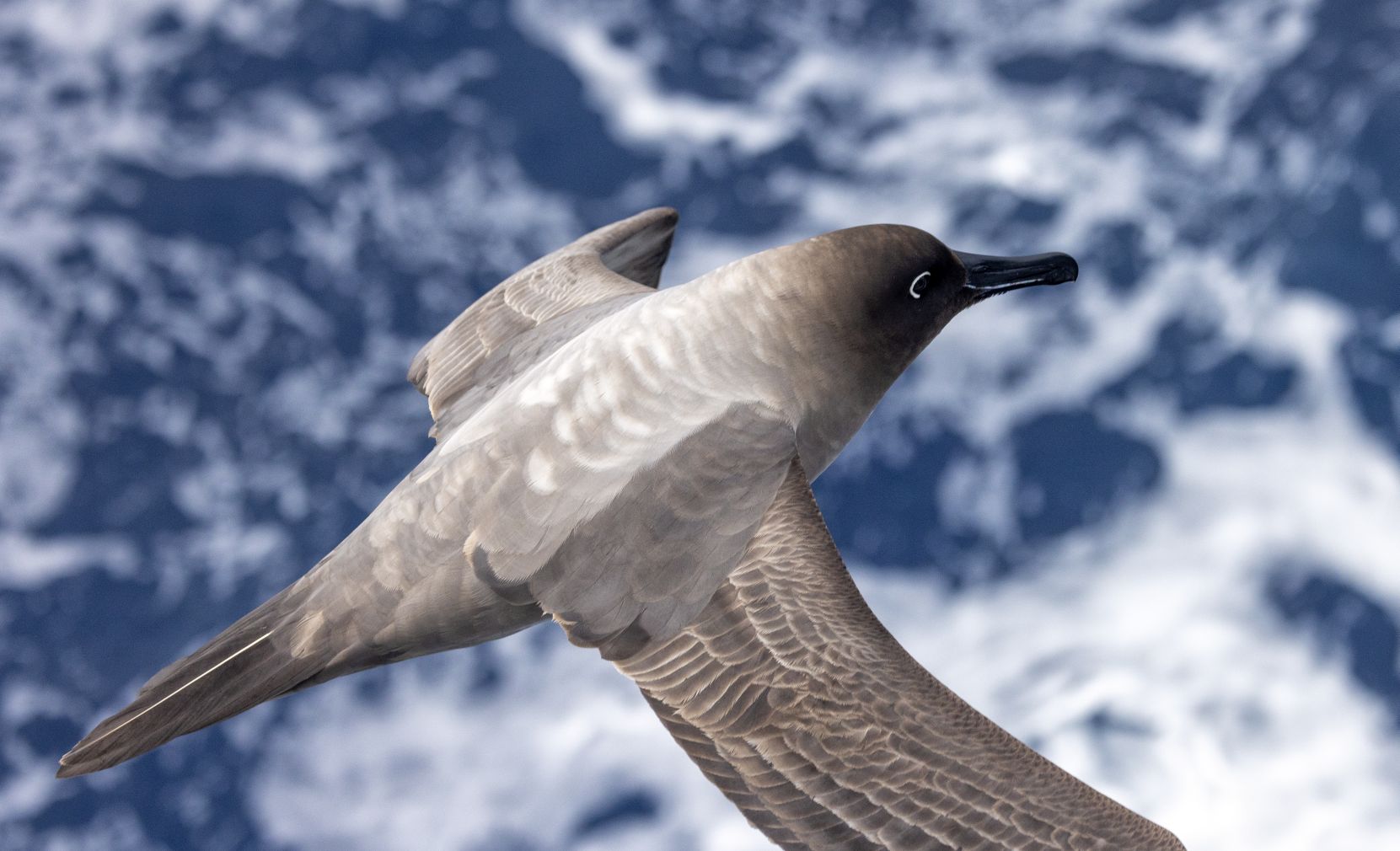
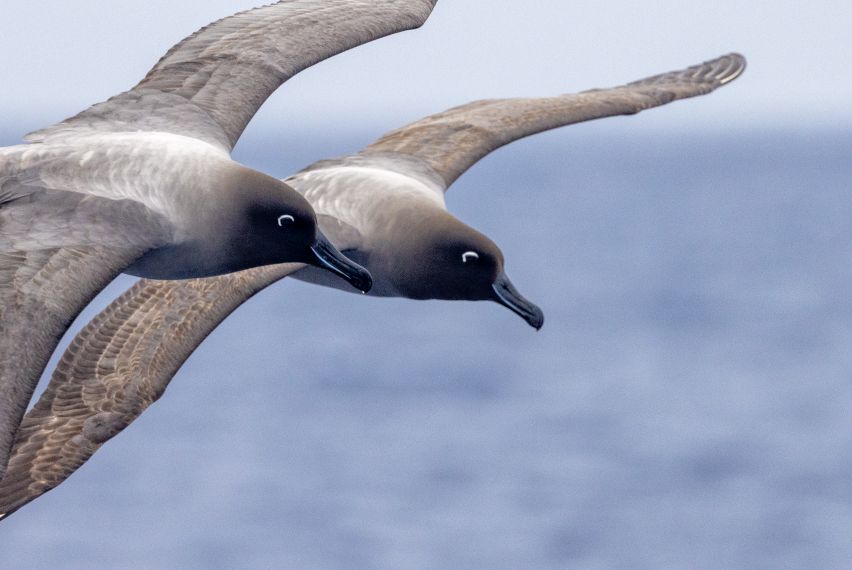
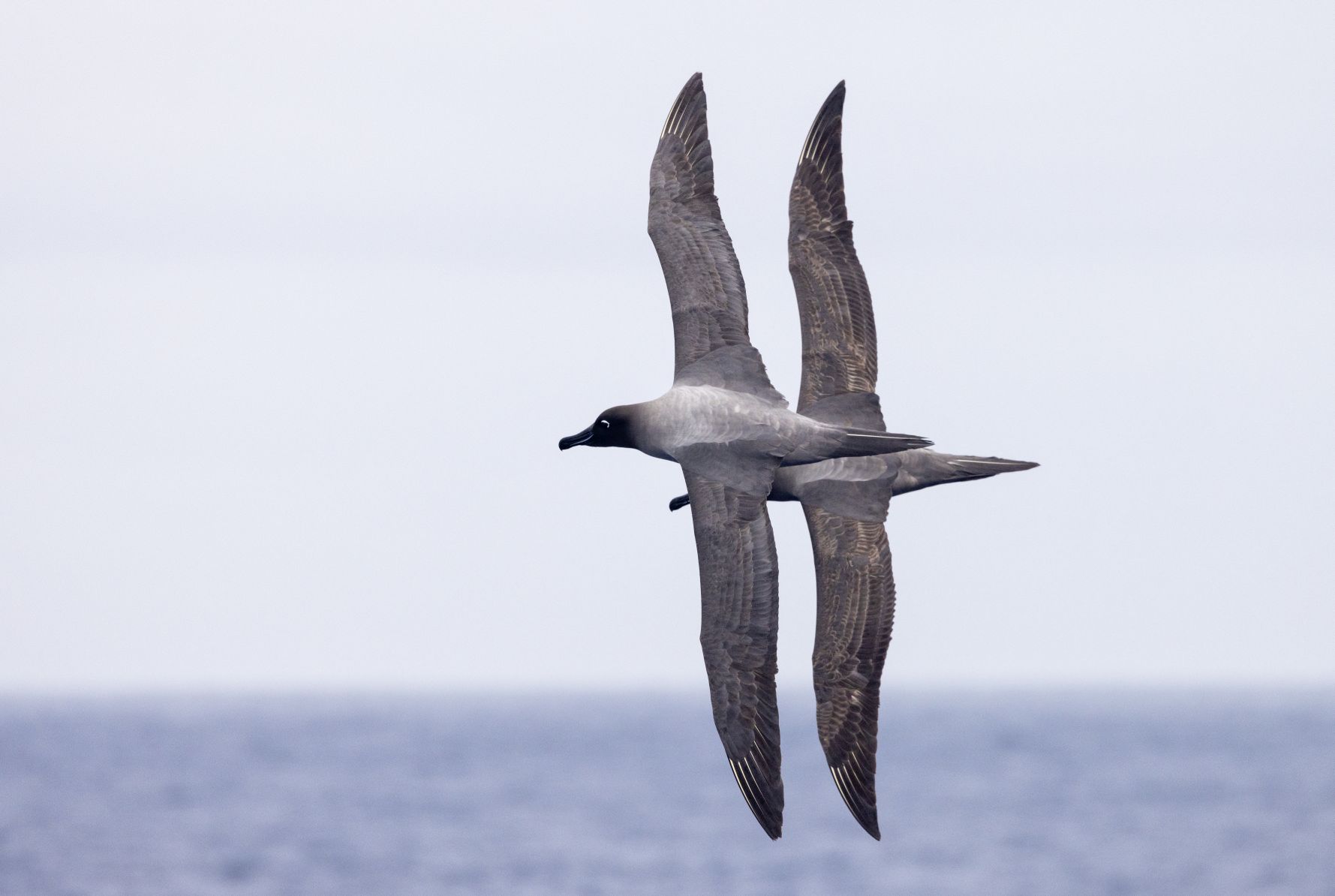
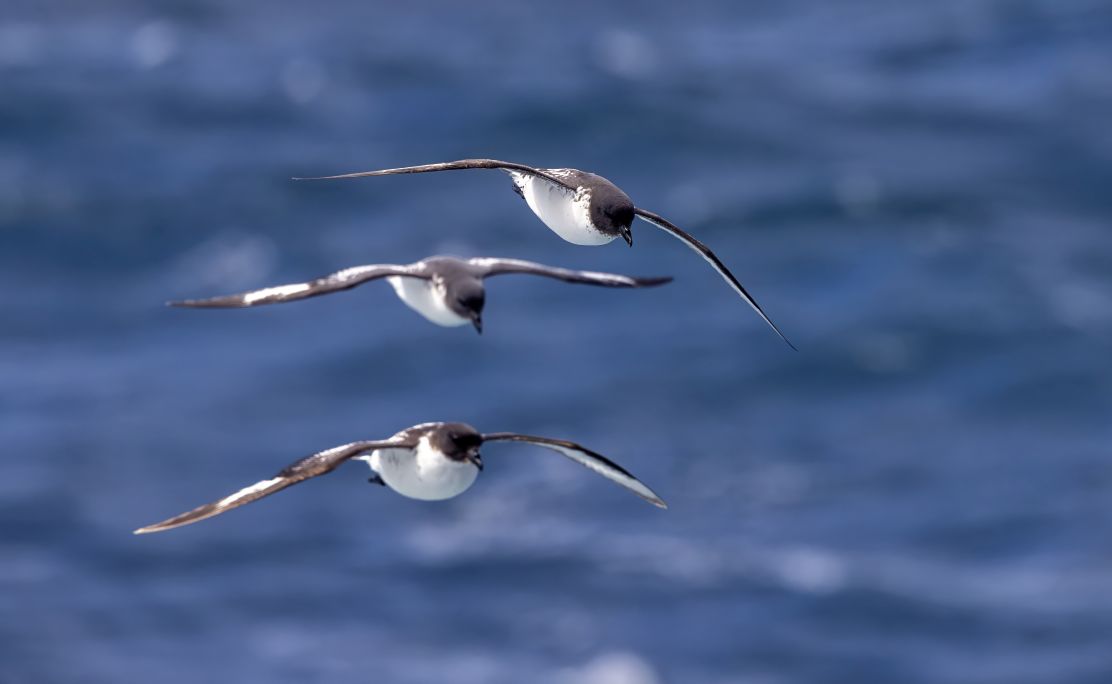
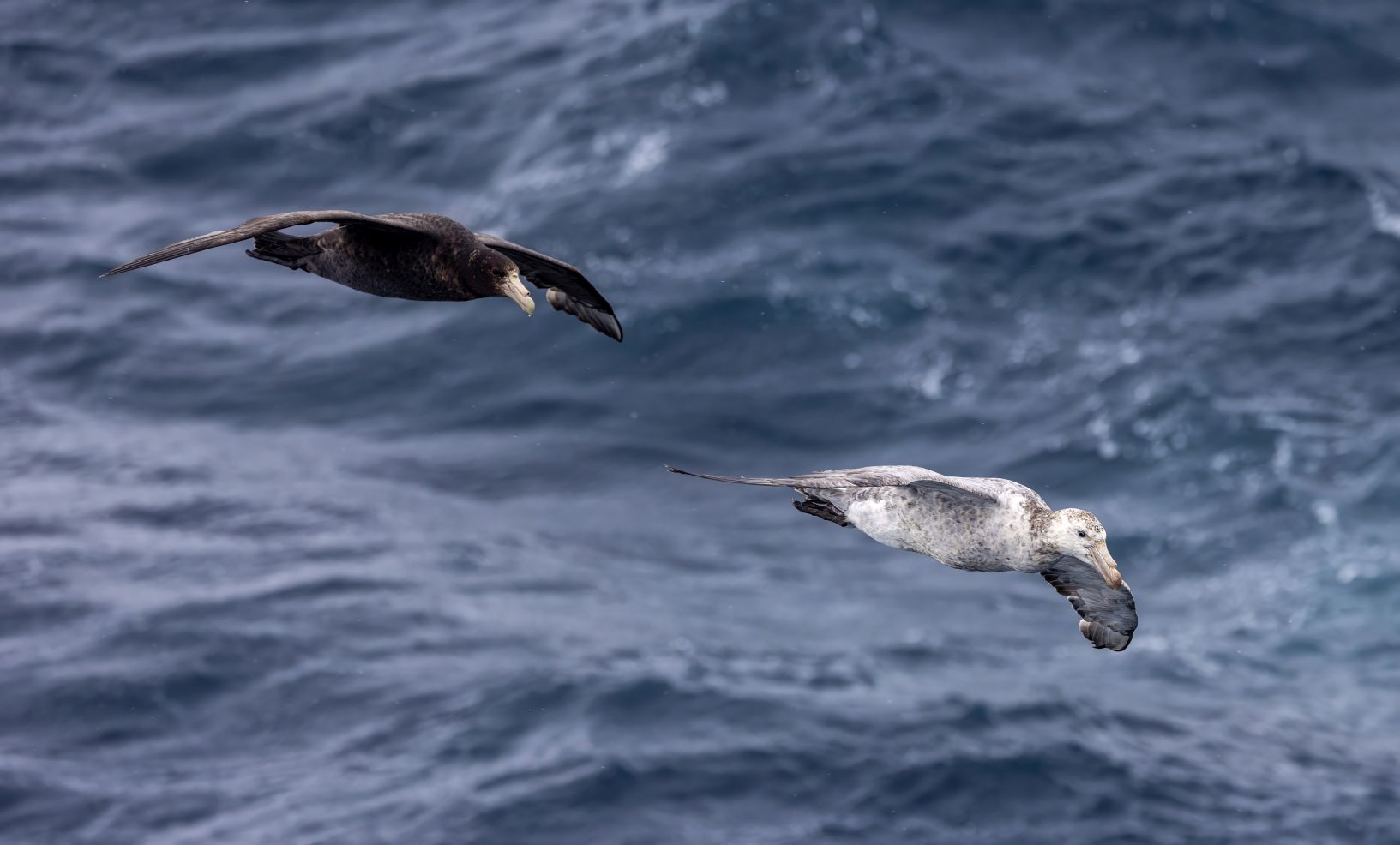
It is a blustery cold day, so we don’t bother with the wildlife viewing – there are tons and tons of birds out there. Ed does go outside for a little while and grabs a few good shots. After watching them for a while from the huge picture windows in the lounge.
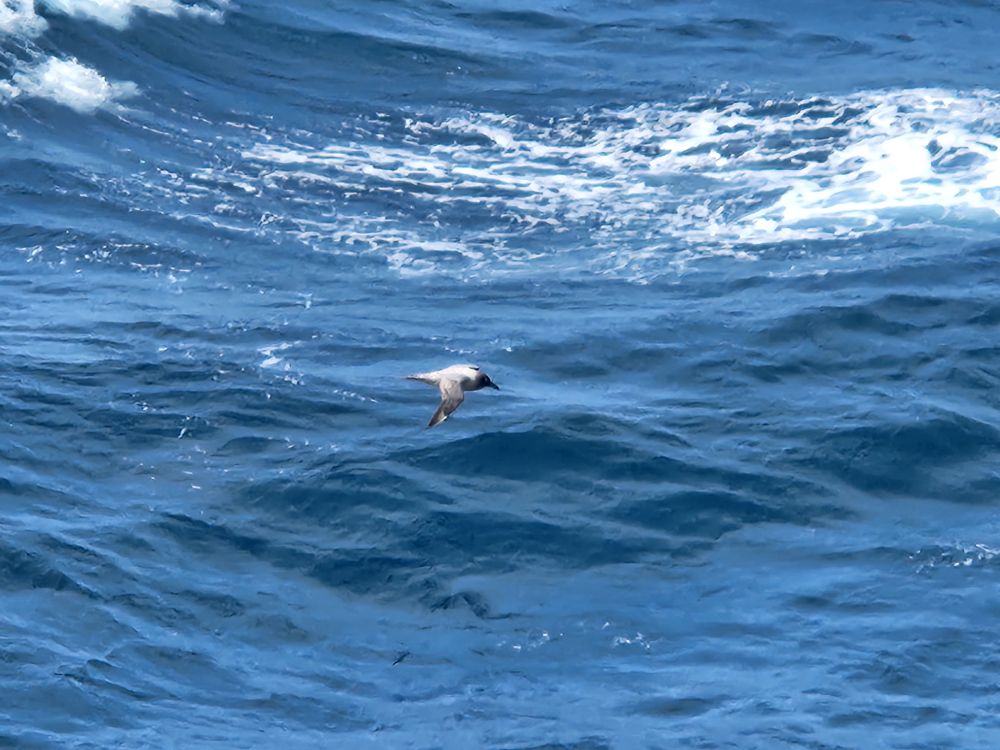
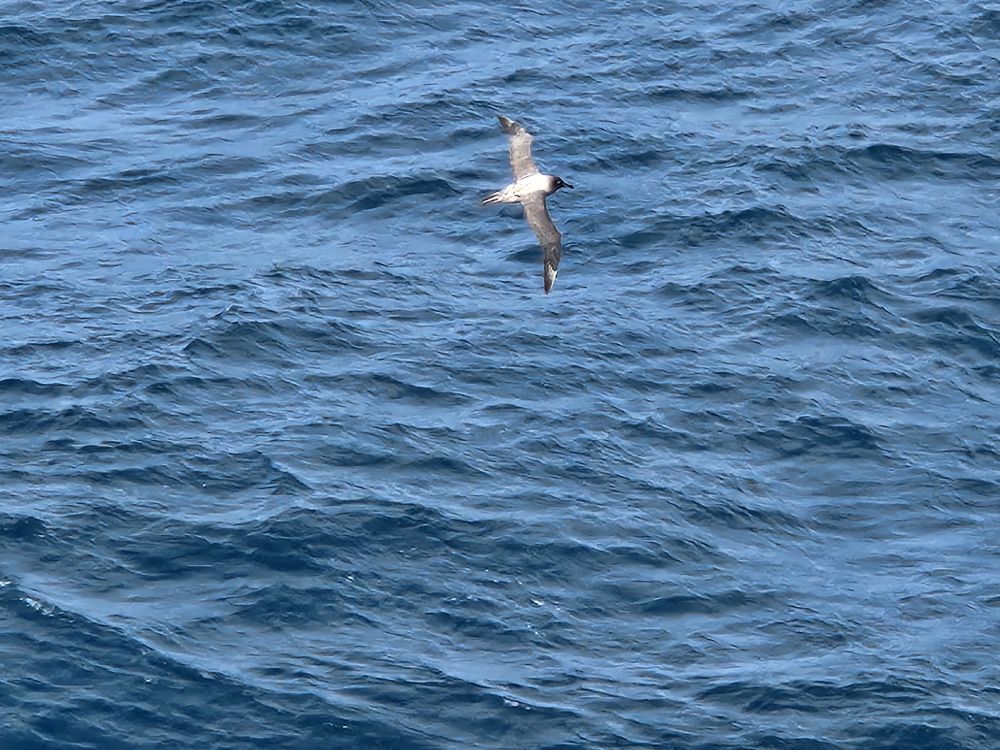
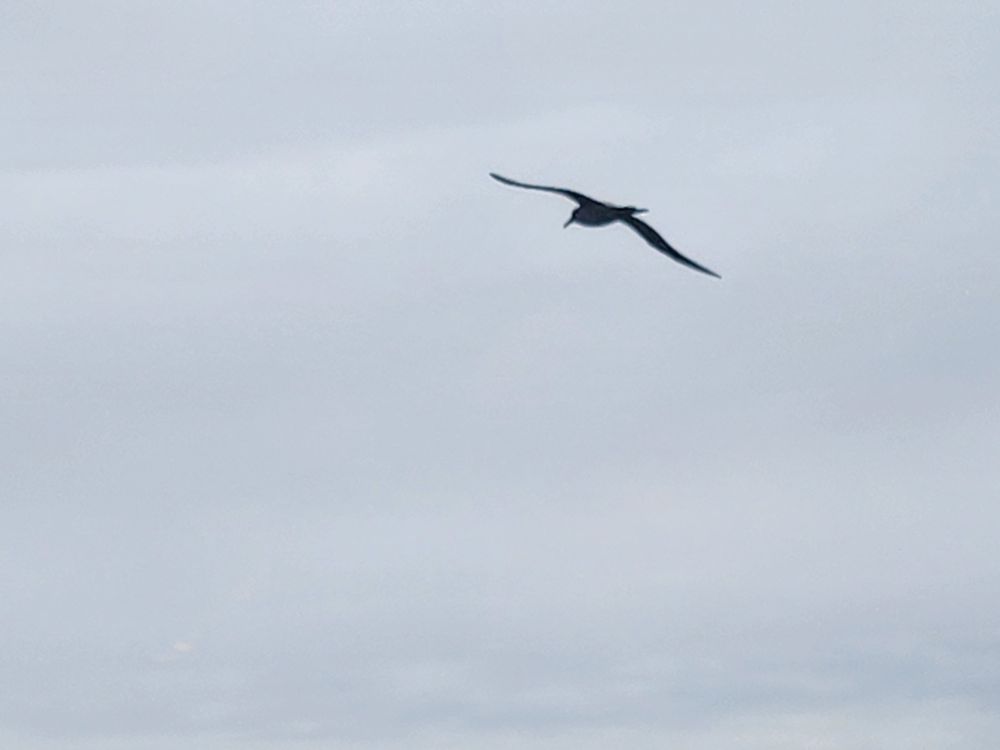
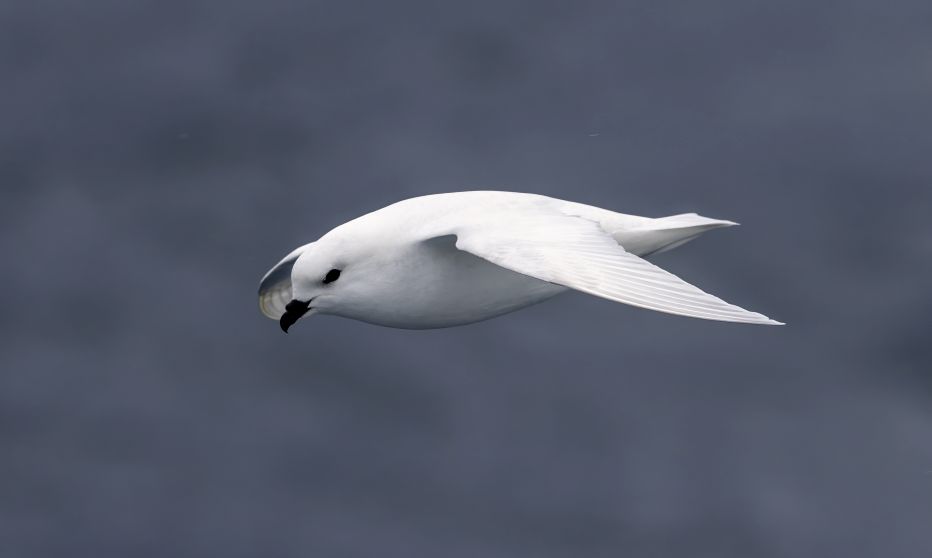
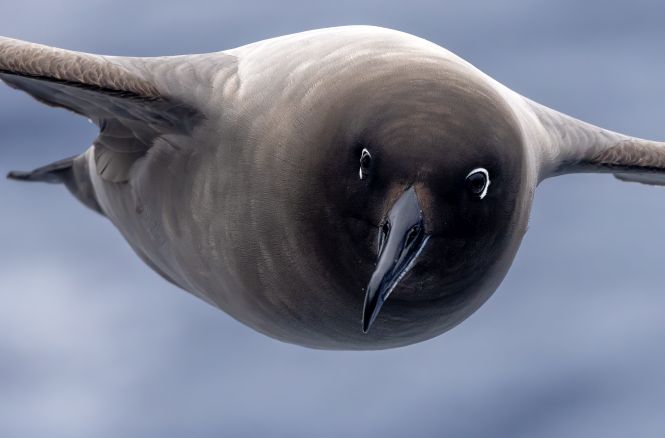
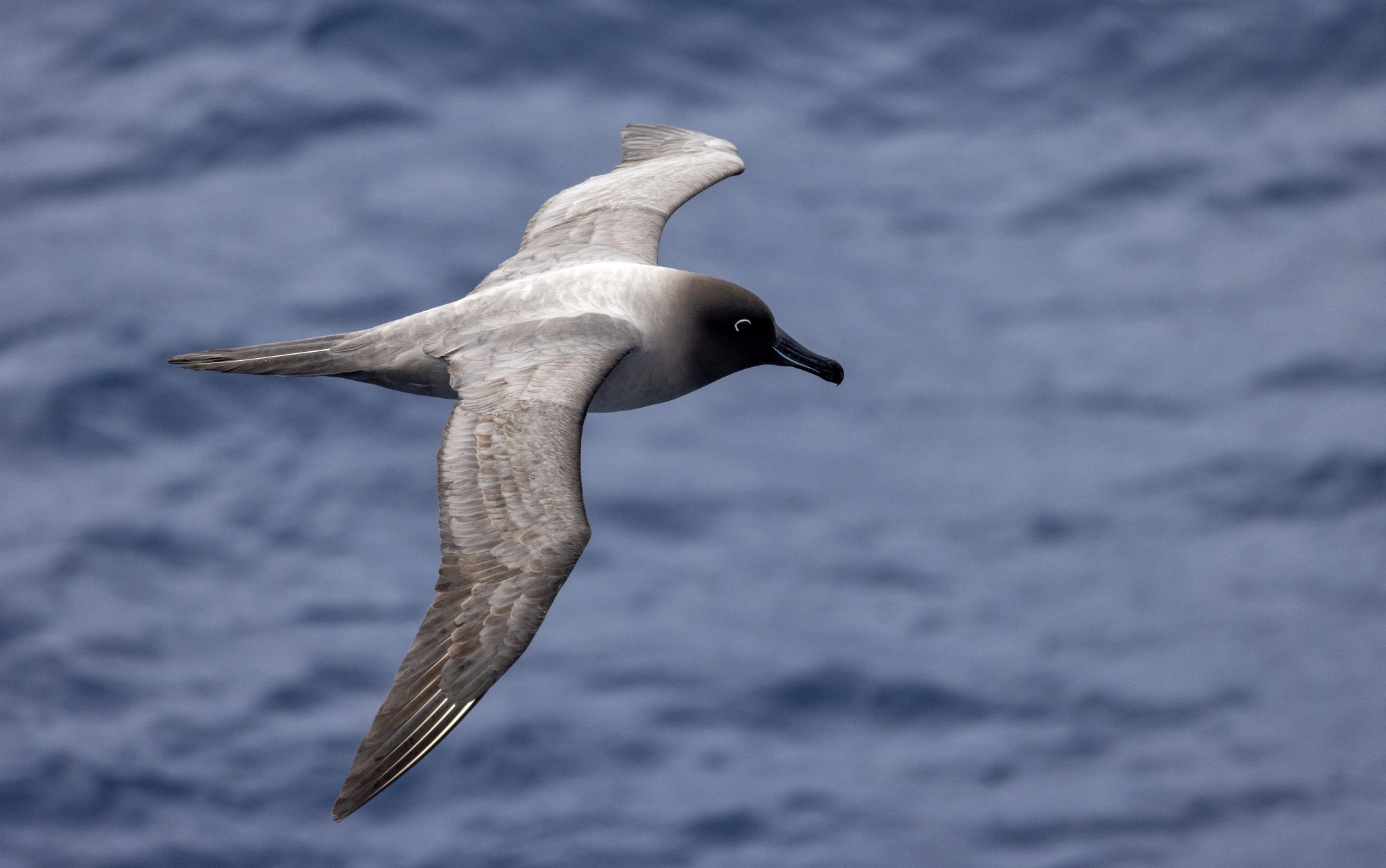
Bird photos courtesy of Gennadiy Skorokhod, SH Diana (Of course Gennadiy has better photos! Here are some of his from our days at sea.)
Oh, and now that ridiculously inaccurate article is all over the internet. Everyone has picked it up! Including Fortune Magazine and the NY Post. For God’s Sake! This is nuts. Ed actually left a comment on the NY Post article correcting all the errors and explaining the situation. Which the Post quickly deleted since it conflicted with their narrative. The internet. The bane of our existence some times!
Lunch in the restaurant, Asian themed (the menus are repeating, but there is always something to eat) then back up to the Lounge for the Discovery of Antarctic Continent with Slava. A ton of information about a Russian explorer, Fabian Bellingshausen, who found Antarctica in 1820. Slava goes through the whole history of expeditions – how back in the days, people explored the Arctic much more because of the proximity to Europe and the Americas. He details all the explorers who traveled far south: Amerigo Vespucci claimed he traveled as far as 50 degrees south; Ferdinand Magellan traveled even further south, discovering Magellan straight; Francis Drake explored the southern tip of S. America (the Drake passage is named after him), the first person to travel Magellan straight both ways; and finally James Cook, the first to circumnavigate the Antarctic continent, who got stopped by the solid ice pack and could go no further. Cook believed, and published, that Antarctica was either completely inaccessible or didn’t exist, which basically stopped all exploration to discover the 6th continent for 50 years. Finally in the early 1800s, explorers returned to the South and Bellinghausen found Antarctica 3 days before Edward Bransfield in 1820. There is much more detail than that – but I got bored just listening, so I won’t continue on for you here (you are probably already bored with all these lecture recaps!).
Miquel is up next with Darwin in Patagonia. Ok, now this was a fascinating, funny and captivating presentation about the comedy of errors that became one of the greatest explorations of all. All about the Voyage on the HMS Beagle around the world from 1826 to 1830 and then later. In a nutshell, every expedition on the Beagle was a mess. The Beagle, helmed by Captain Stokes, was part of a larger expedition with the HMS Adventure, helmed by Captain King, as the lead ship. The Adventure was to chart east of Puerto del Hambre, the Beagle would chart to the west. The weather to the west was awful, making it impossible for the Beagle to get far west. Stokes becomes so depressed, he won’t leave his cabin and hands over the ship to the first officer. Eventually, after explaining to Captain King he feels worthless because he hasn’t fulfilled his duty and can’t cope with the idea of continuing on, Stokes kills himself.
A power struggle ensues over command of the ship, with an Admiral stepping in and assigning Fitzroy, a 23-year-old first officer, as captain of the boat, with instructions to go to the far northwest side of Chile to Chiloe. They eventually make it, losing a whale boat in bad weather on the way. They have another made over the winter, then leave for their explorations. Of course they have no maps yet, they can’t see because of the fog and can’t go very far. Fitzroy decides to anchor the Beagle and send the whale boat and 2 other ancillary boats that will be easier to use to navigate around the southern coast of S. America.
The Whale boat get caught in a storm, forcing them to pull ashore and spend the night on land. When the crew wakes up, the rope to the ship had been cut and the boat had been stolen by the native inhabitants. Fitzroy is furious and makes it his mission to recover the boat. He captures some locals, trying to make a trade for the boat, but the natives simply jump off the ship and swim to shore. He then steals 3 children, again trying to trade for the boat. But the natives didn’t understand. There was no common language, the natives are not even familiar with hostage taking/trading, thus they ignore Fitzroy completely. Now he has 3 children onboard that he can’t take home. He decides to take the children to England, educate them and then take them back to S. America to educate the local people.
More mayhem ensues, when after a few years in England, the oldest of the children (who was over 20 at the time) was sleeping with a 10-year-old. Fitzroy was so worried his reputation would be irrefutably damaged, he rushed to find an expedition back to S. America, even offering to pay for the entire thing himself. He managed to secure the Beagle for an expedition back to S. America. But now he needed a scientist. Fitzroy himself was scientifically inclined, and wanted to determine if magnetic north was due to metals. His idea was to explore the far south to find the metal, mine it and make money for England.
The British navy looked for scientists to accompany Fitzroy, however no one would go with him. Eventually they found Darwin through some of his professors – but his background was not all that stellar. He wasn’t all that good a student, was pressured by his father into going to school to study medicine but hated it. After 2 years he found geology and changed his focus. He liked to collect insects and study the natural environment. His professors recommended him for the expedition and in 1832 they begin their journey to return the children and find the metal.
Darwin is seasick from the first day, writing in his diary that it is so bad he may not be able to go on. (I can relate to that!) It was very rough after Cape Horn, slowing their progress immensely. Eventually they do drop the older child and his family at a point that isn’t near their land, but they insist they can go overland to reach their homelands. The first night ashore, the natives befriend them, and then while the family sleeps, robs them of everything. The Beagle returns to pick up the family and they return to England after declaring the whole expedition a bust.
Darwin meanwhile has been collecting samples and sending them back to England to be categorized and examined. He has discovered that the same species separated by water (one on an island, one on the mainland) are very similar, but not 100% the same. He finds this fascinating phenomena on both sides of S. America. As they are sailing up the coast of the Chile, an earthquake occurs in Concepcion. The land rises many meters and the sea is now further away from certain areas. This gets Darwin thinking that just as geology changes, so do species. He uses his training as a geologist to understand that species change over time to adapt their living areas. They continue onto Galapagos, where he continues to collect samples. But here is the kicker – he totally missed the connection between different species of finches in the island. He categorized each finch, but didn’t write down the exact location of where the bird was found. When he returned to England, other scientists wanted to know upon which island each bird was located. He didn’t know, but Fitzroy had written down each island, so that Darwin could then use that as a basis of his evolution theories. Totally ironic!
Then it is back to the normal routine! Down time in the cabin, evening Briefing and Recap with photos of Cooper Bay and a couple of talks about Ushuaia. Dinner of crab cakes and fish tempura, drinks with Allan, chats with Frances and Michael, then back to the cabin for the evening. Another sea day done.
 Andiamo