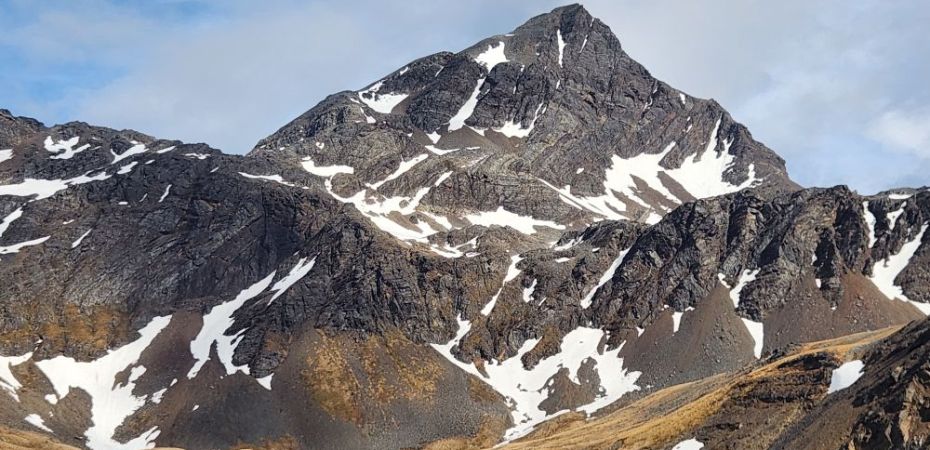
The light wakes us early, and when we look out the window, the scenery is so beautiful we throw on our clothes and head out to the open decks to take in the views and snap picture after picture of the barren, craggy snow-capped peaks. Breathtaking. There is even an iceberg out there in the distance.
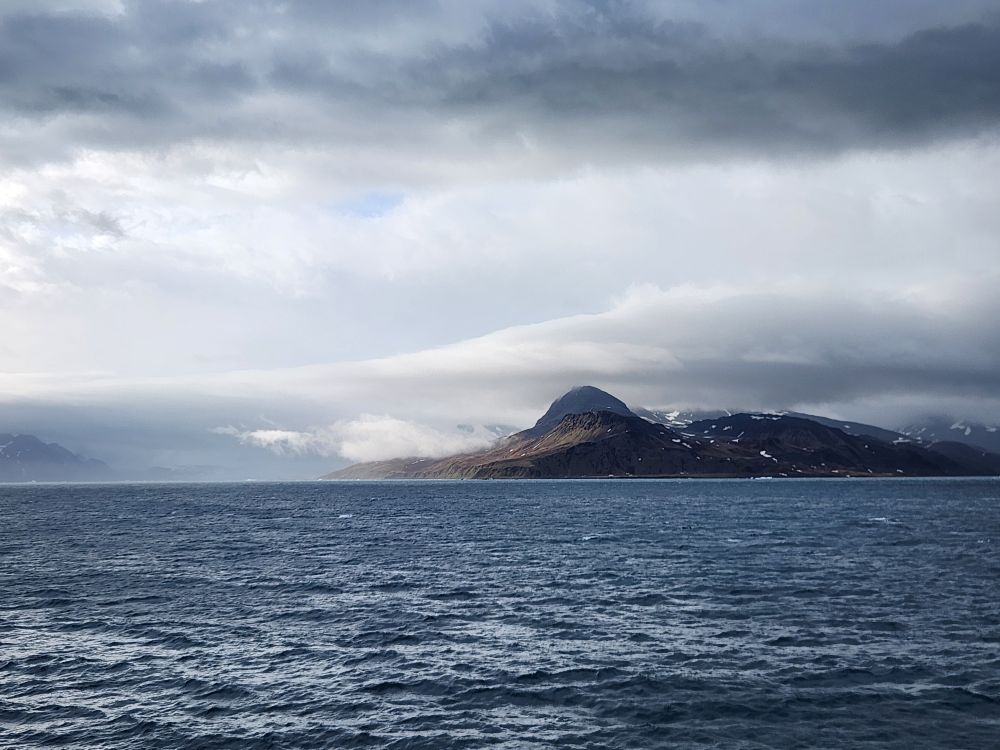
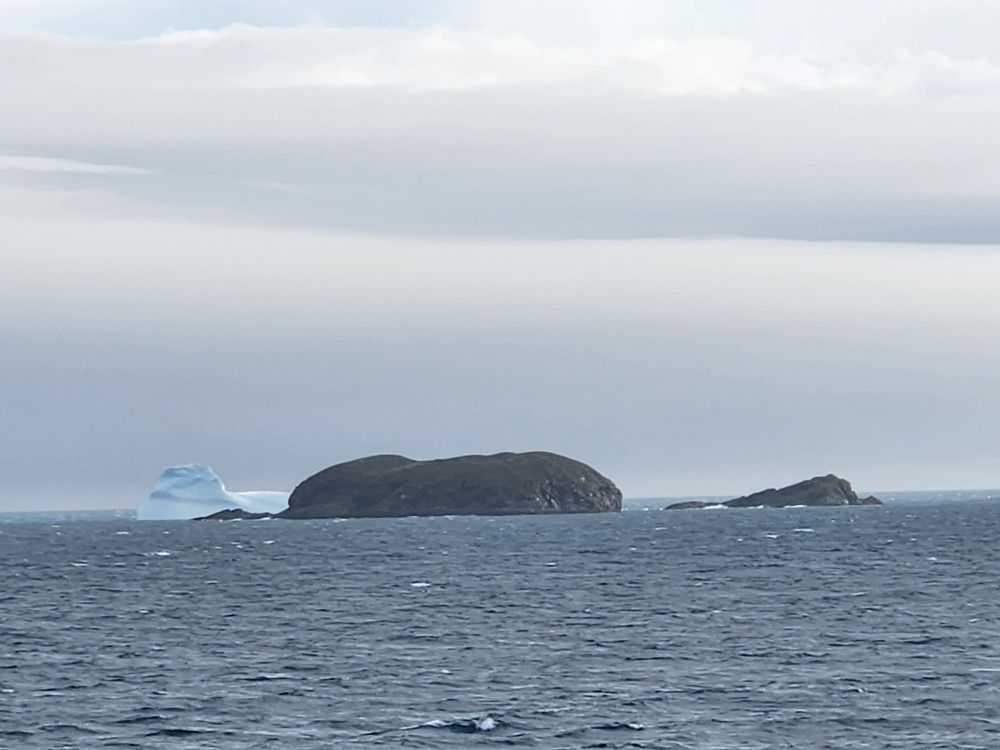
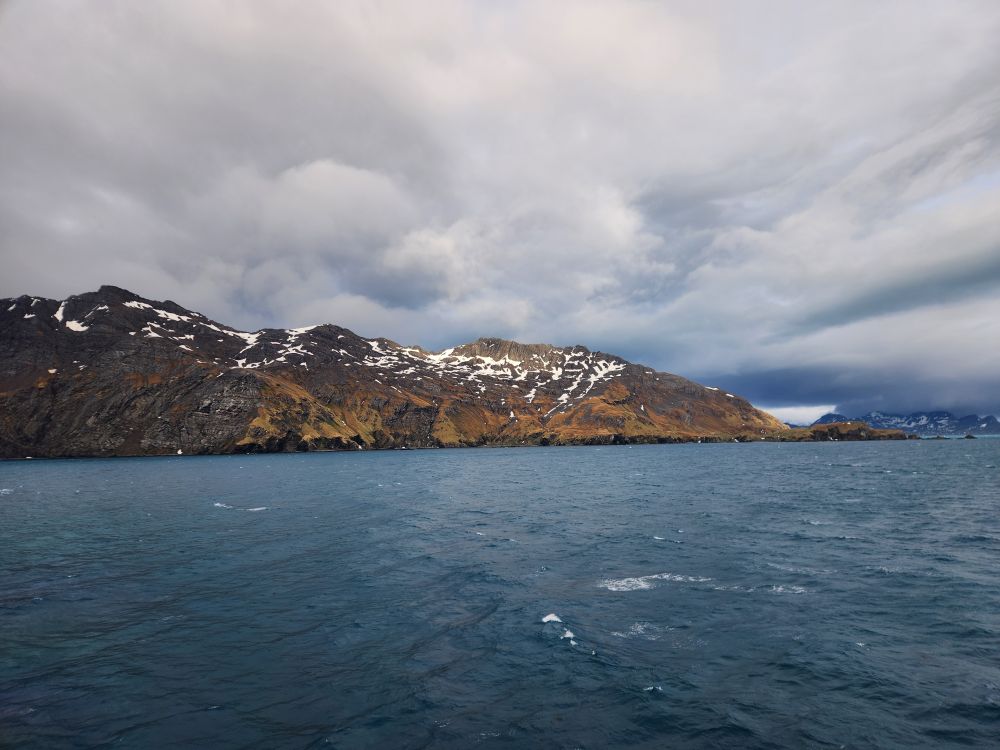
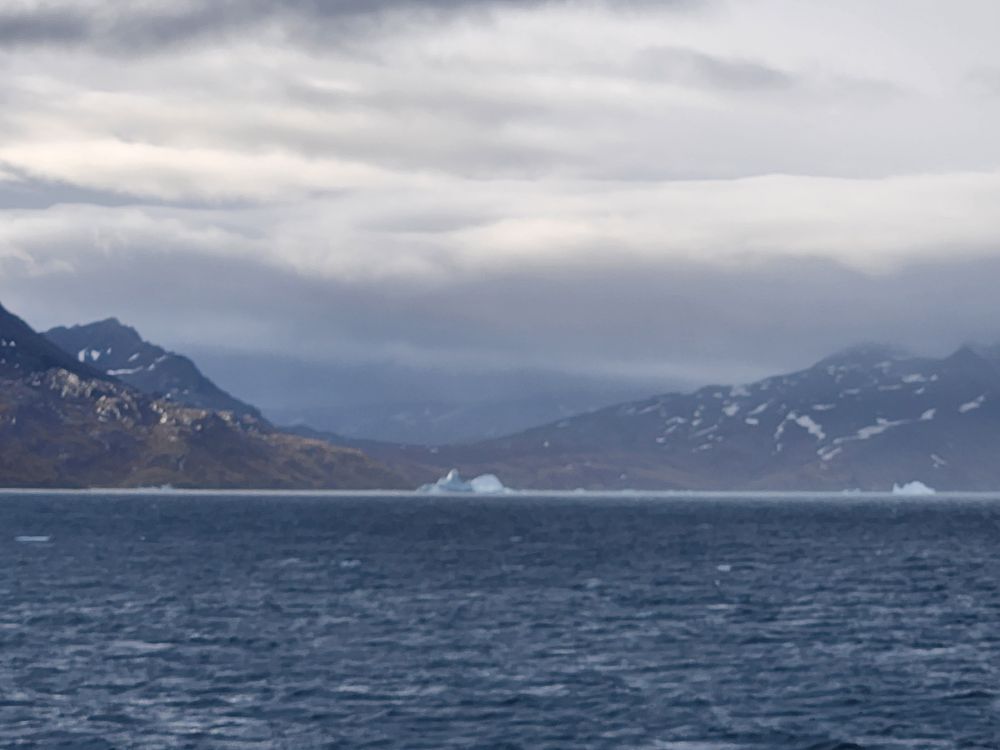
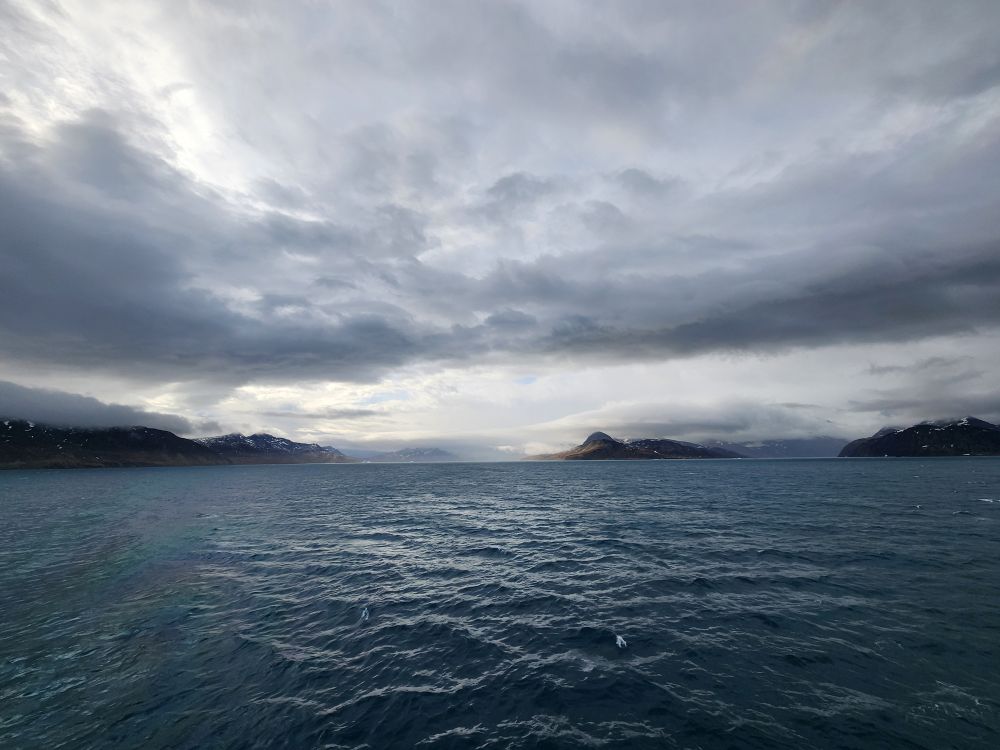
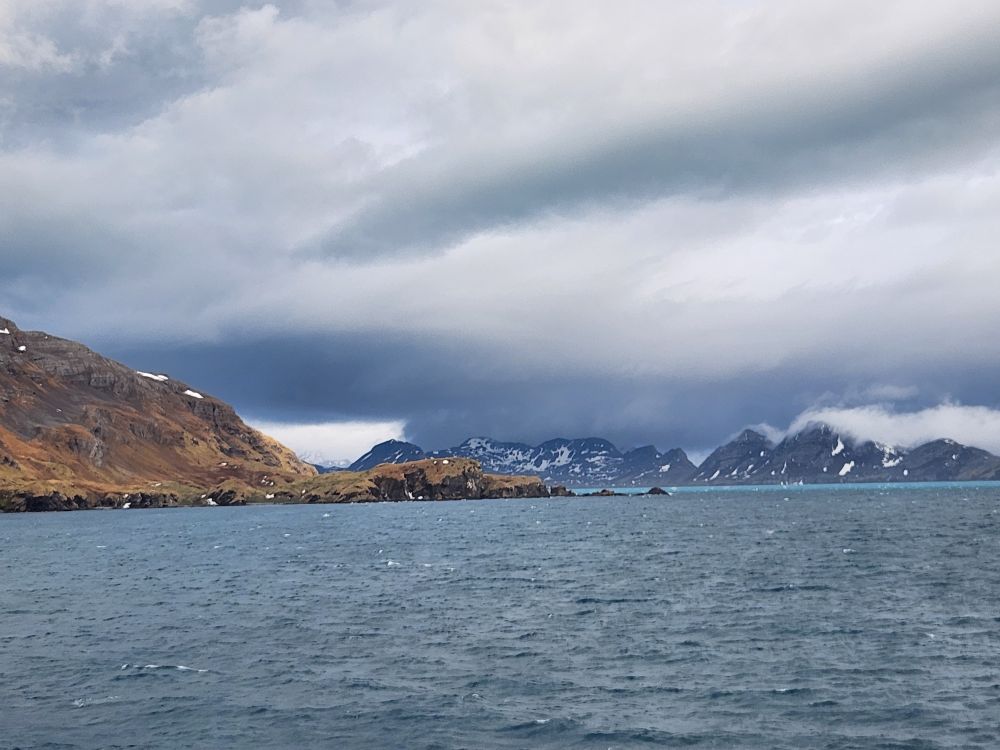
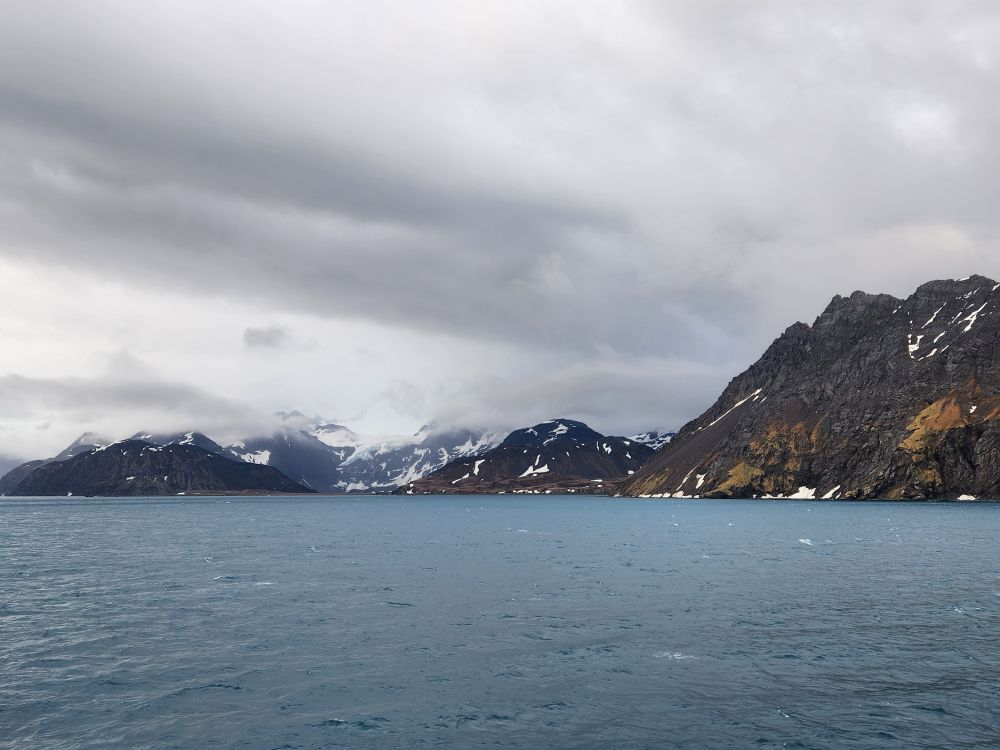
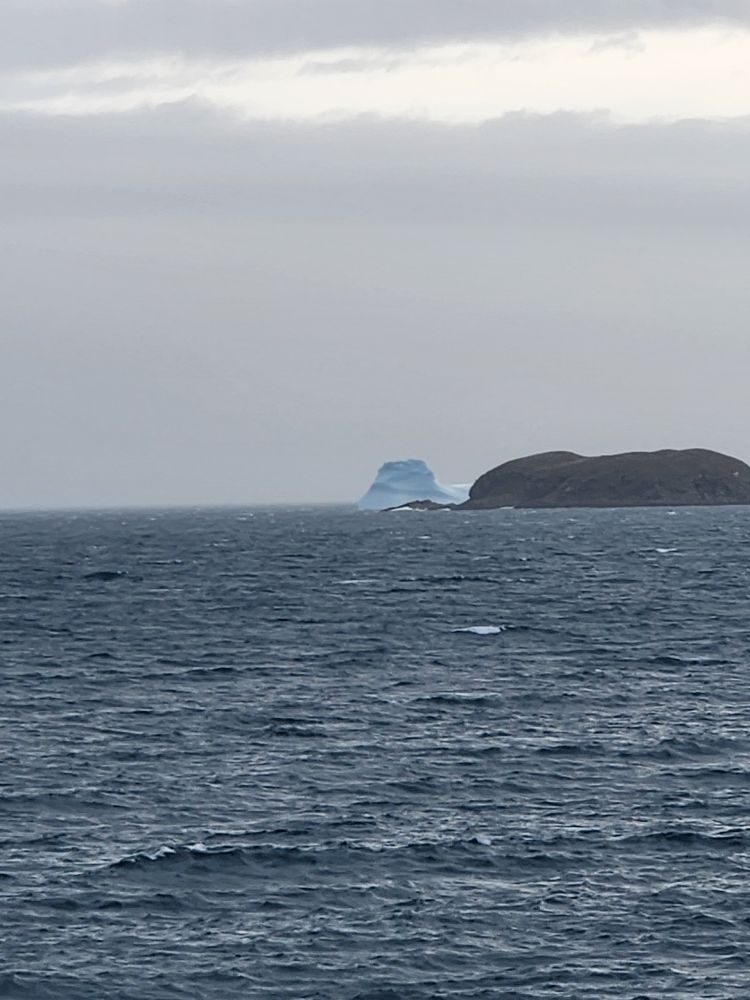
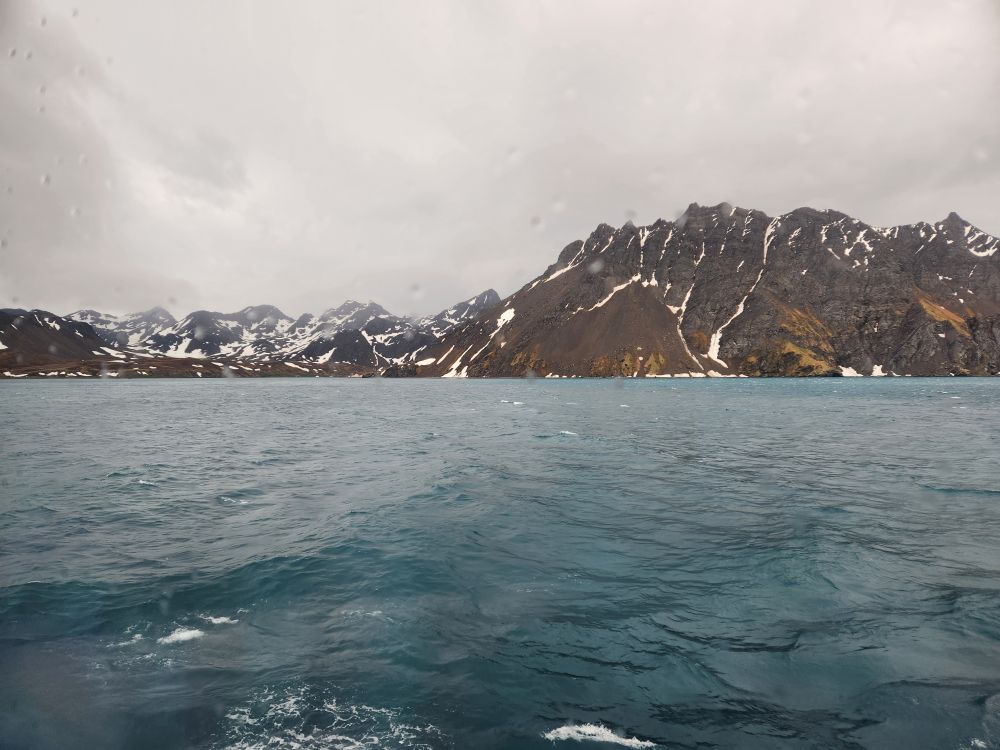
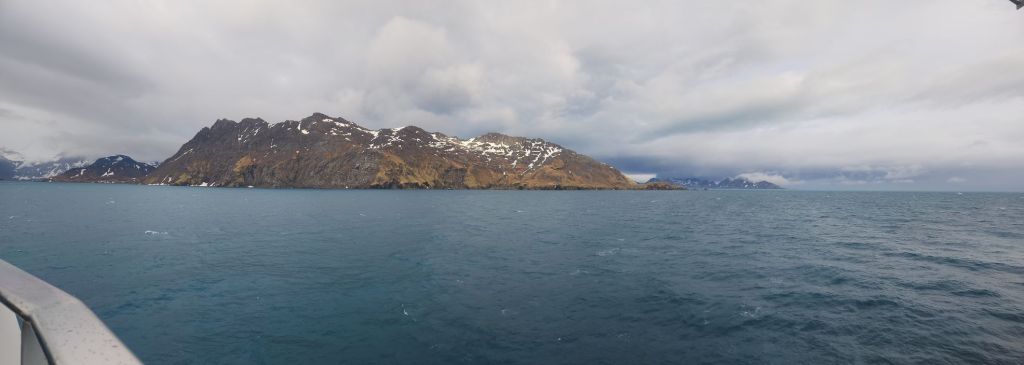
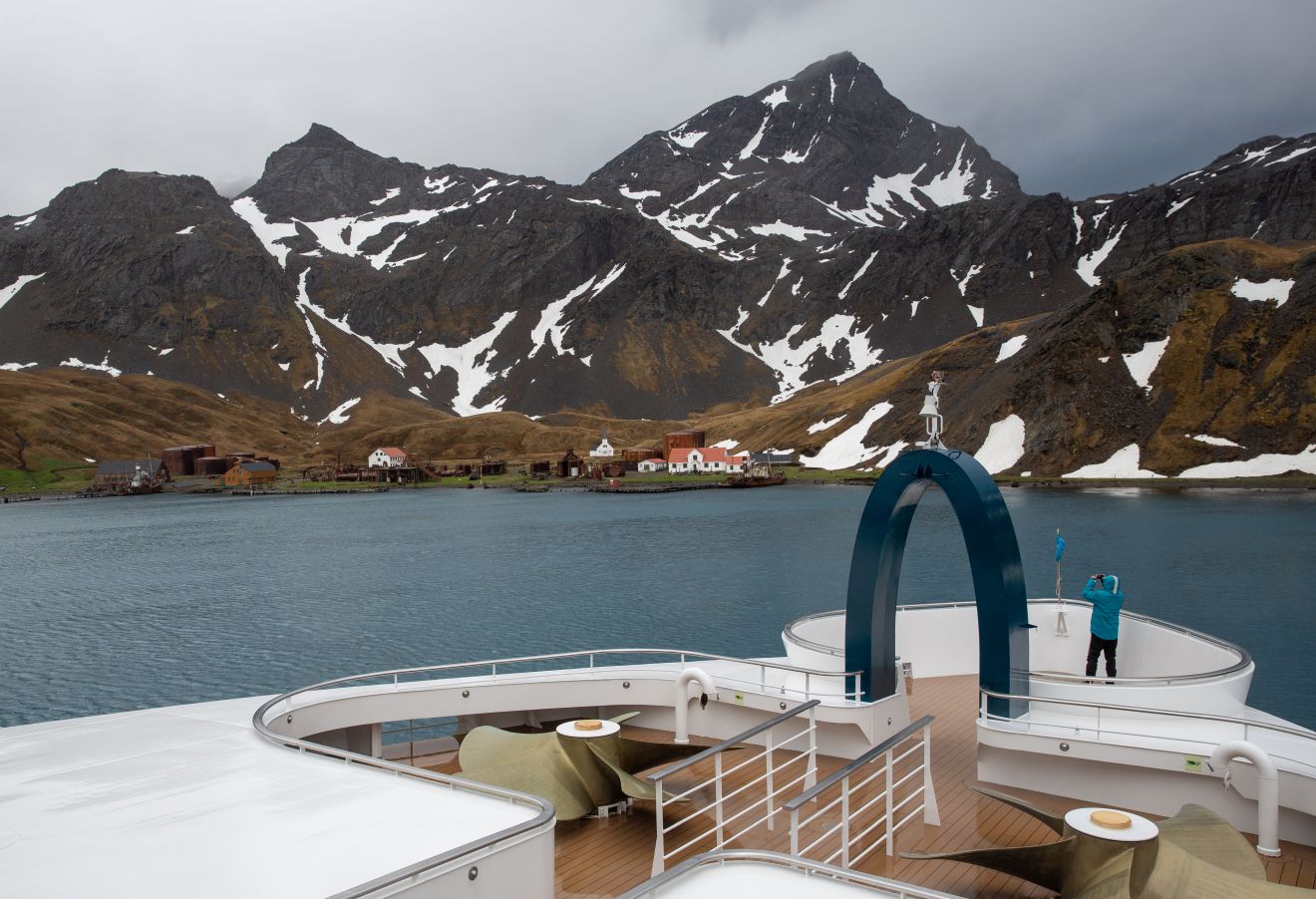
Back in the cabin, we change into our expedition gear – dry landing today, no need for our waterproof pants as we are using the tenders this morning – and head back up to watch our approach to Grytviken nestled in the crook of King Edward Cove. What a scene – what a place! 20 to 40 people live here for the summer doing research and manning the museum and post office. It must be absolutely amazing all alone for 6 months out here.
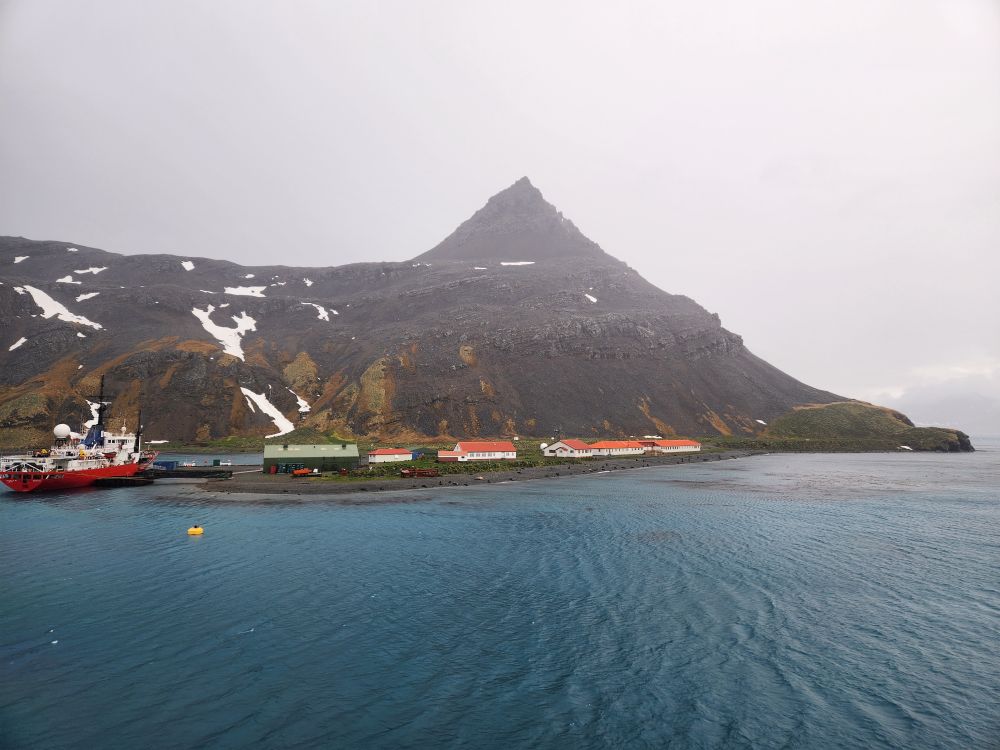
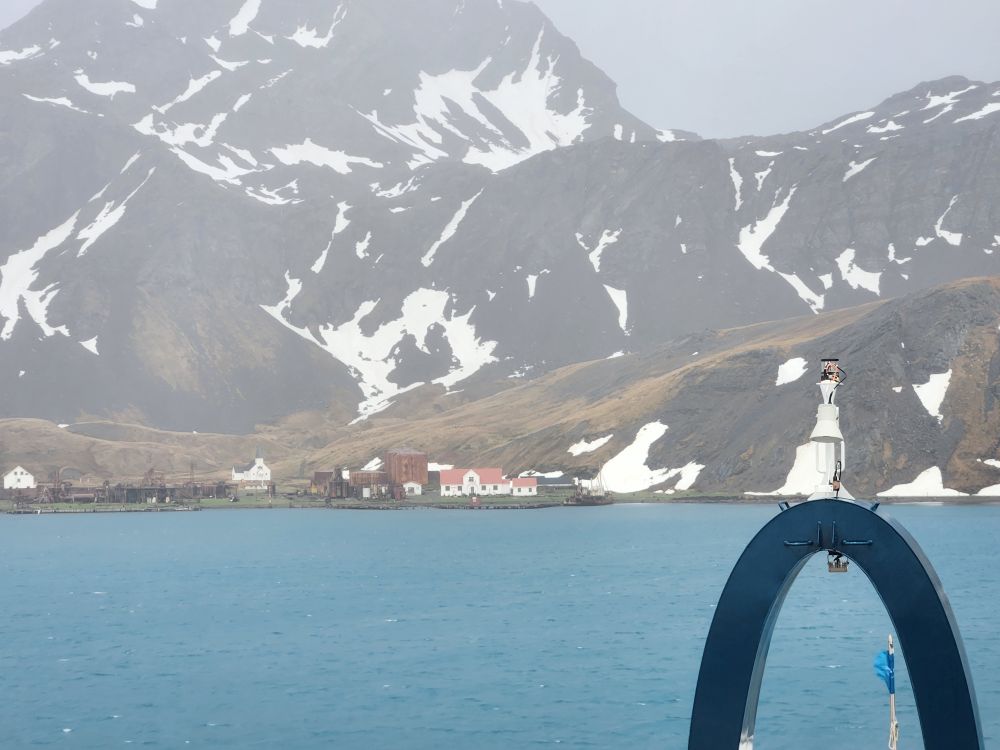
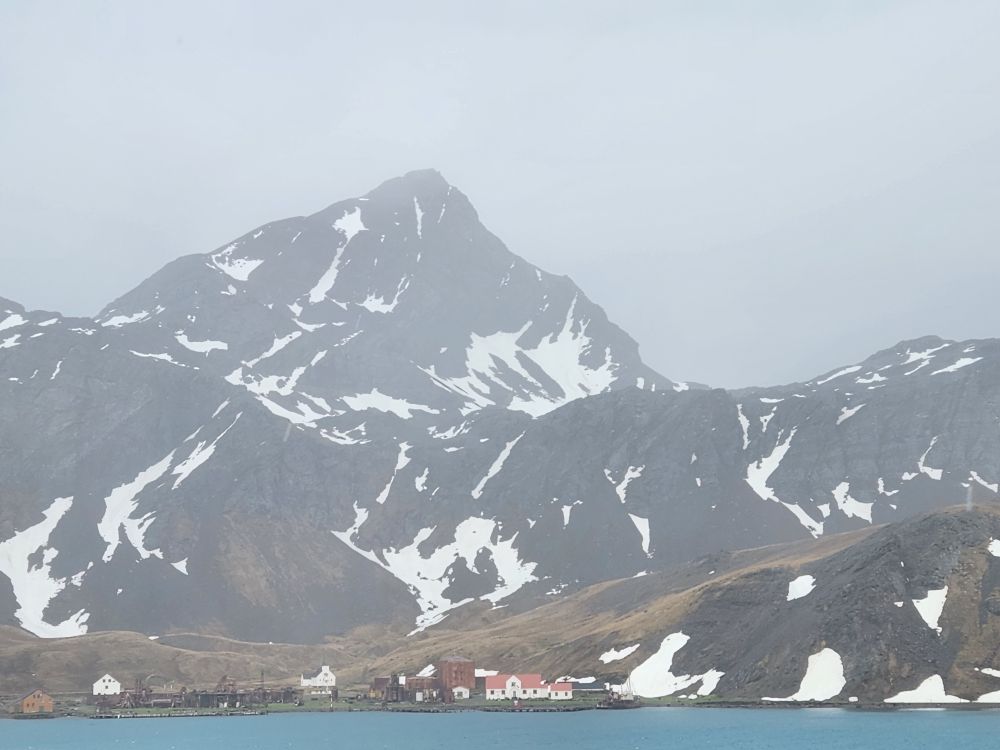
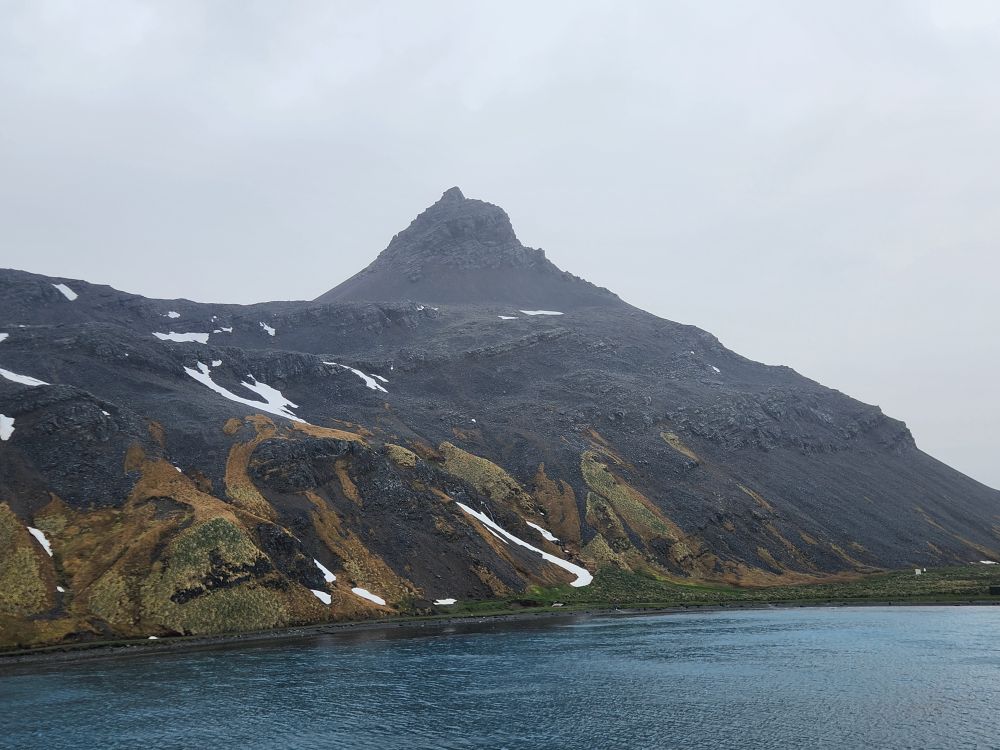
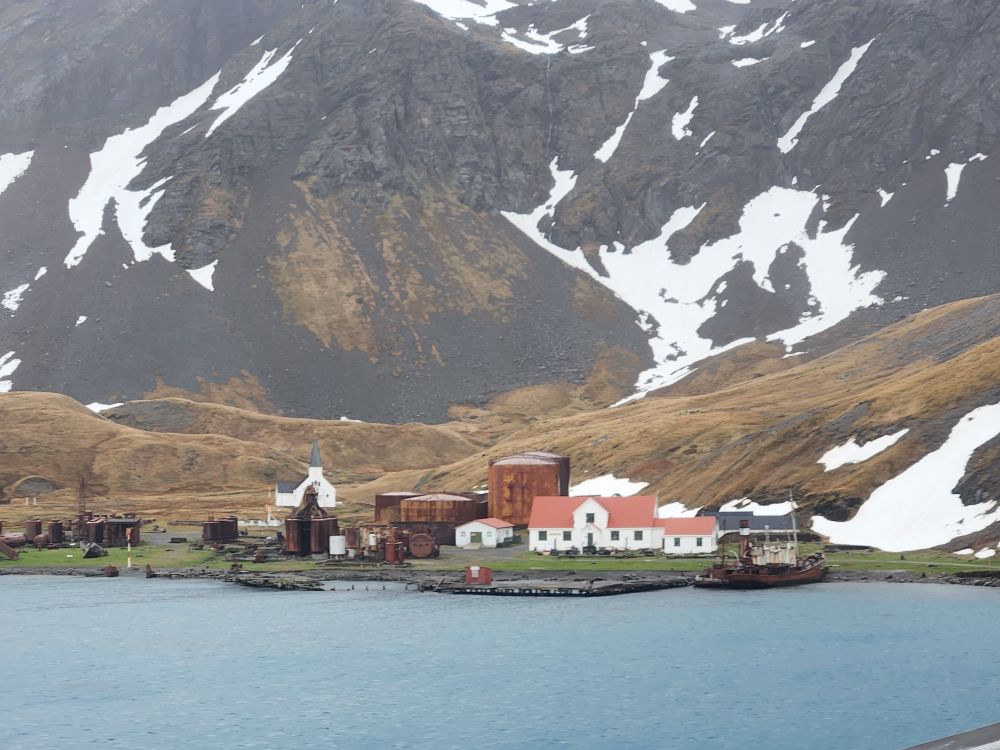
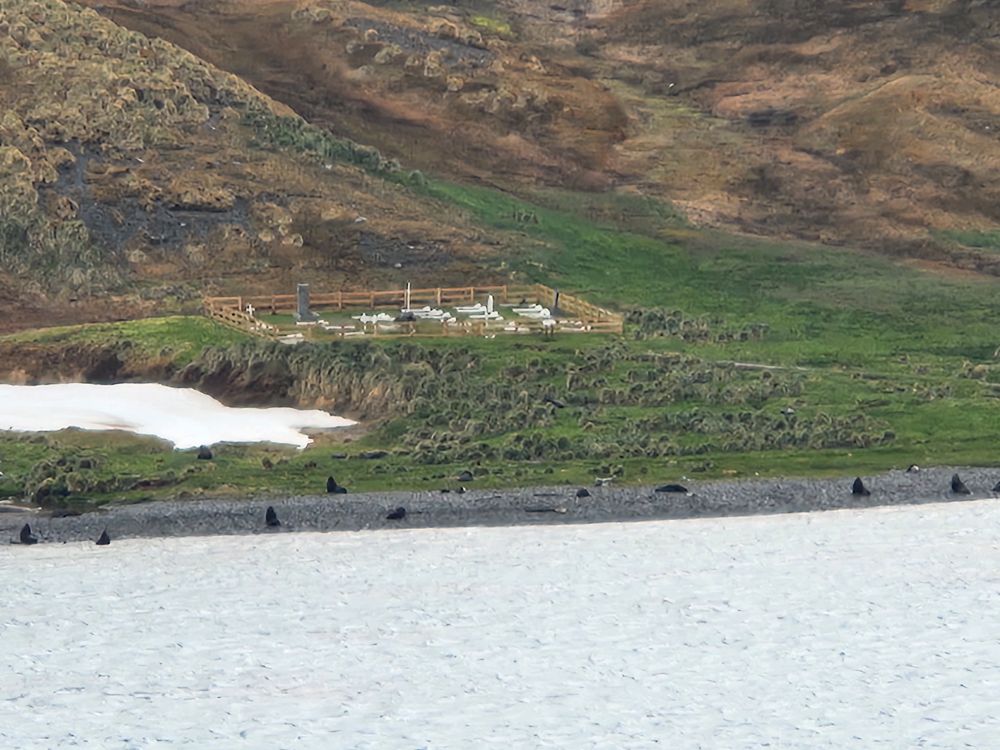
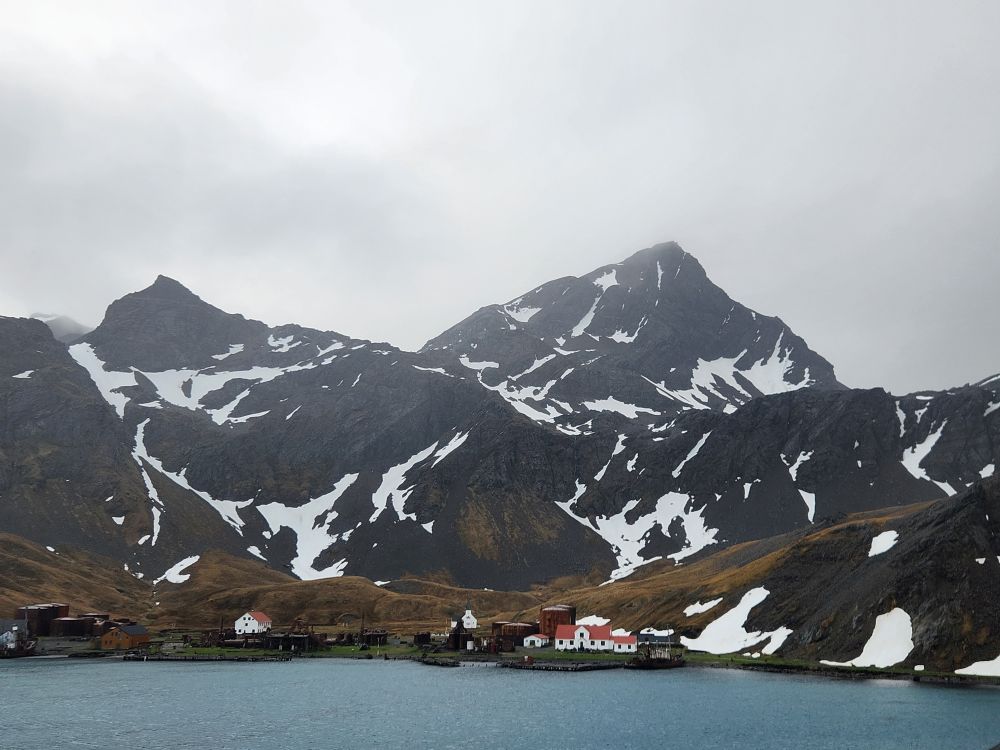
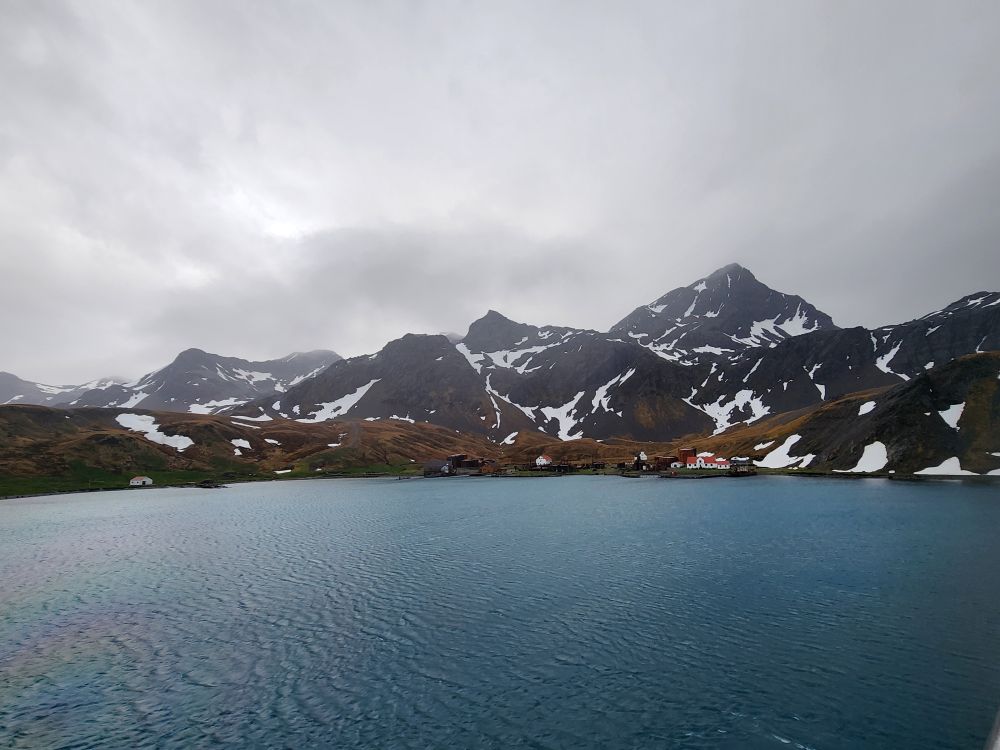
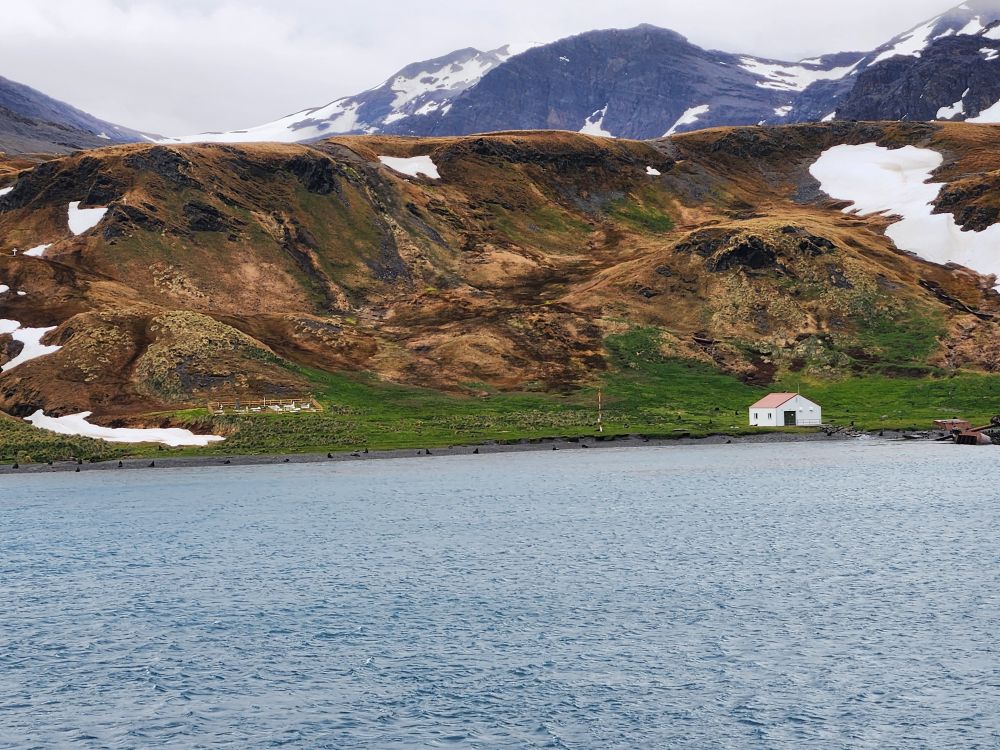
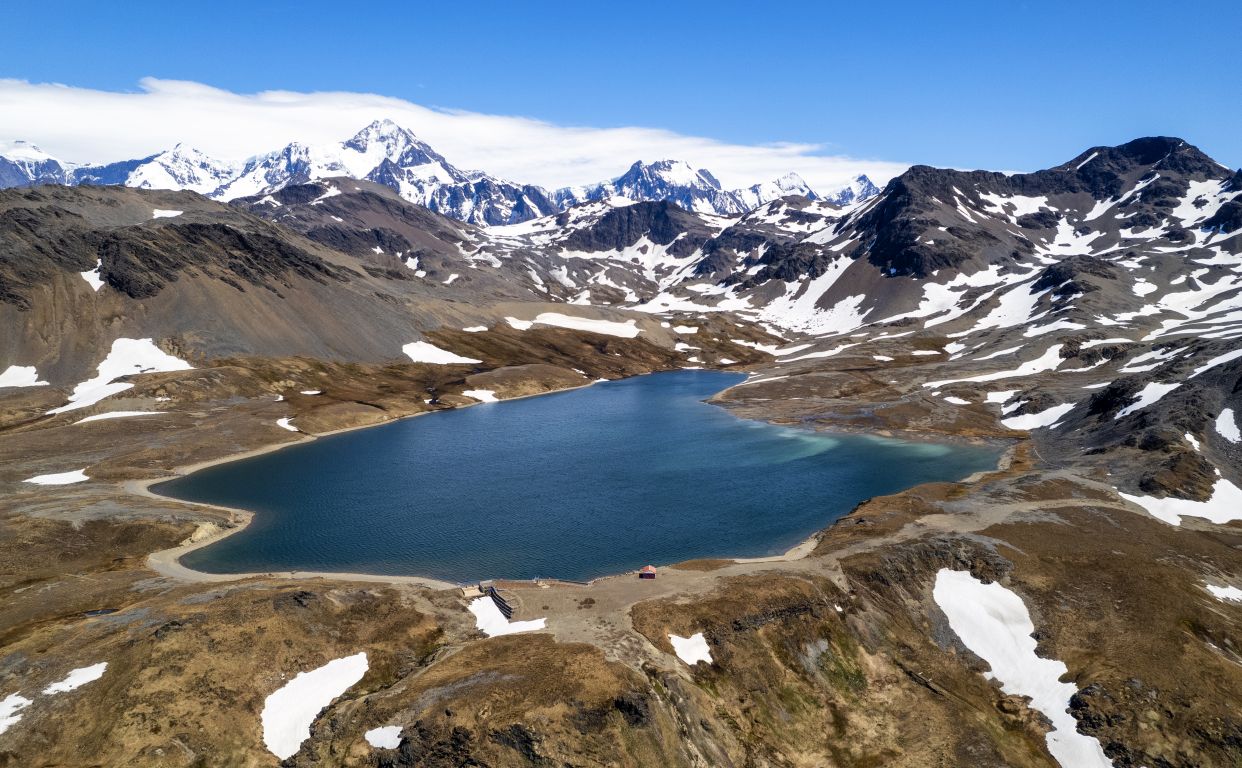
Excellent Drone shots below courtesy of our photographer, Gennadiy Skorokhod and SH Diana
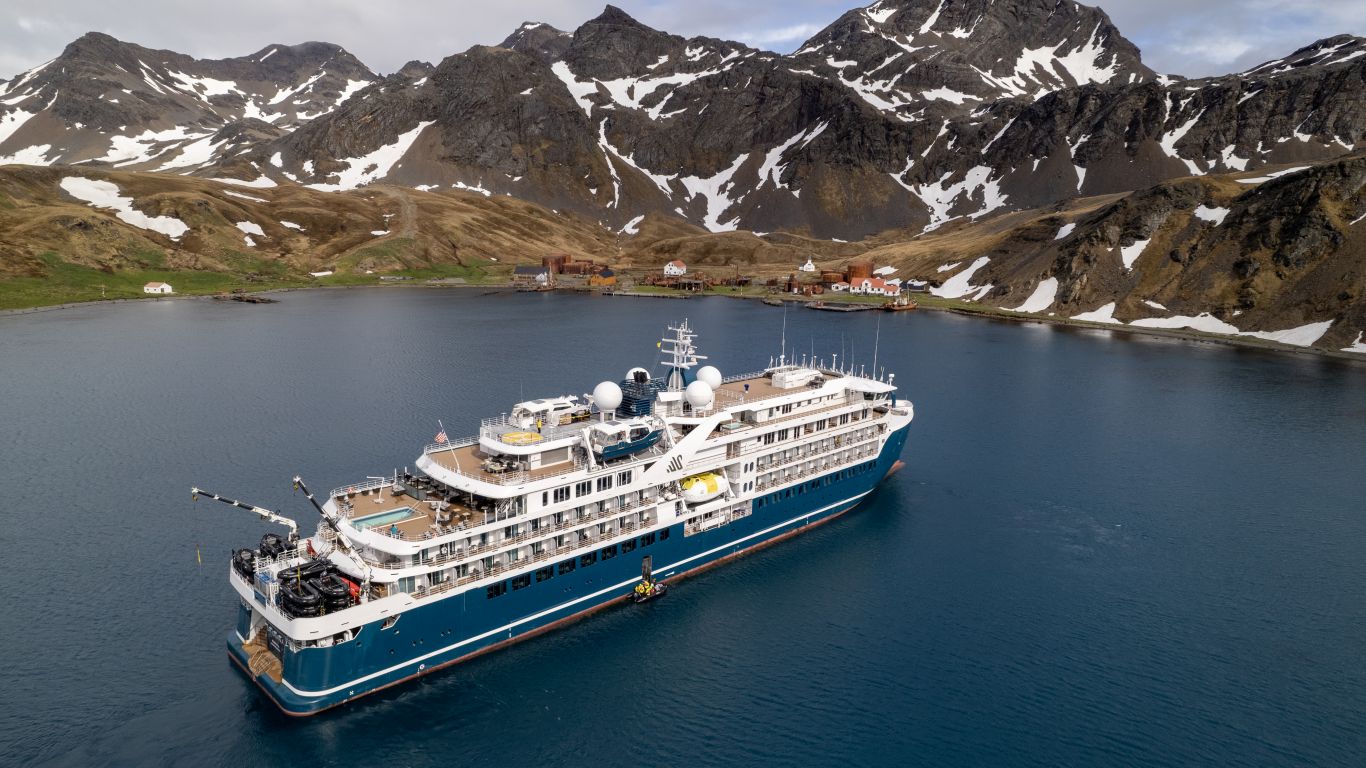
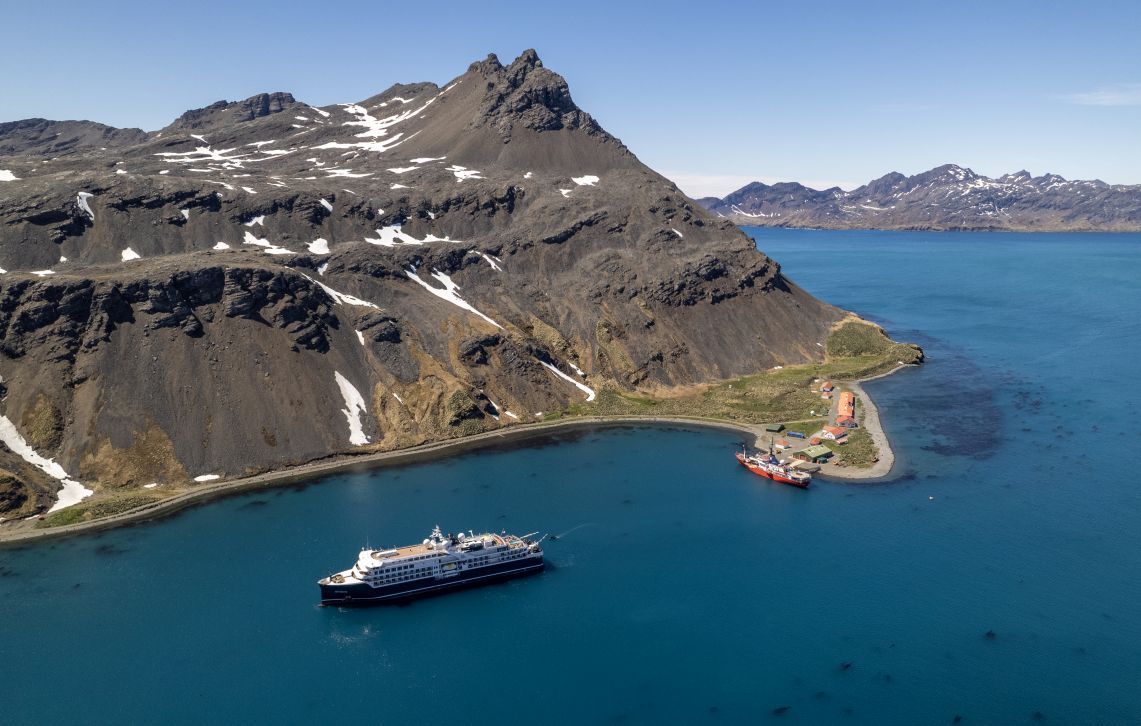
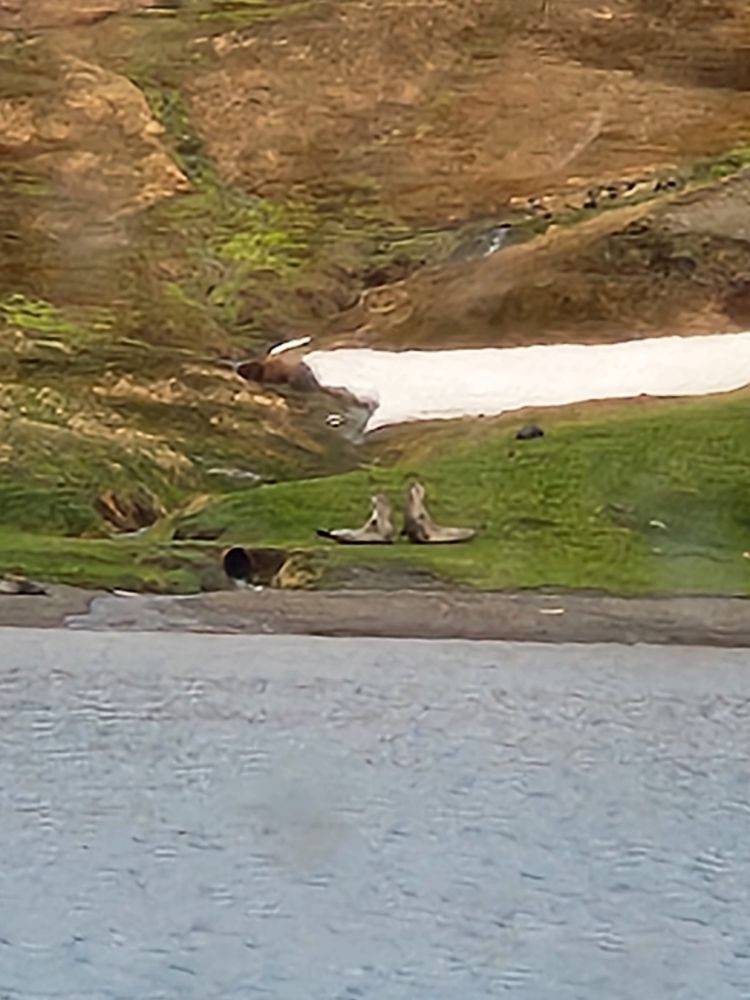
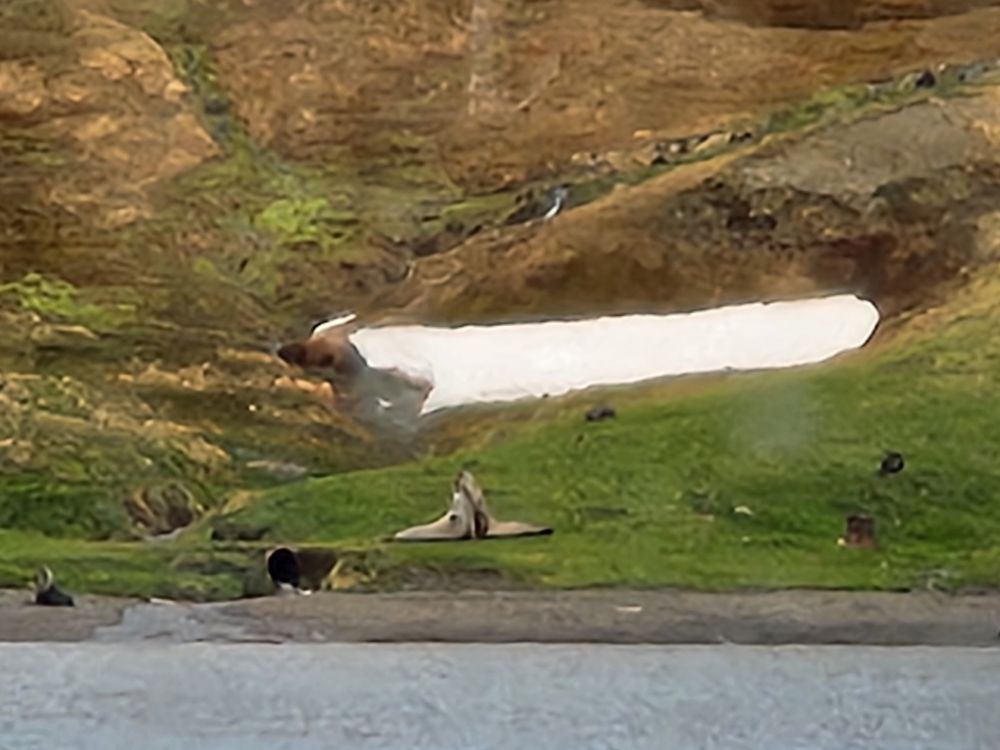
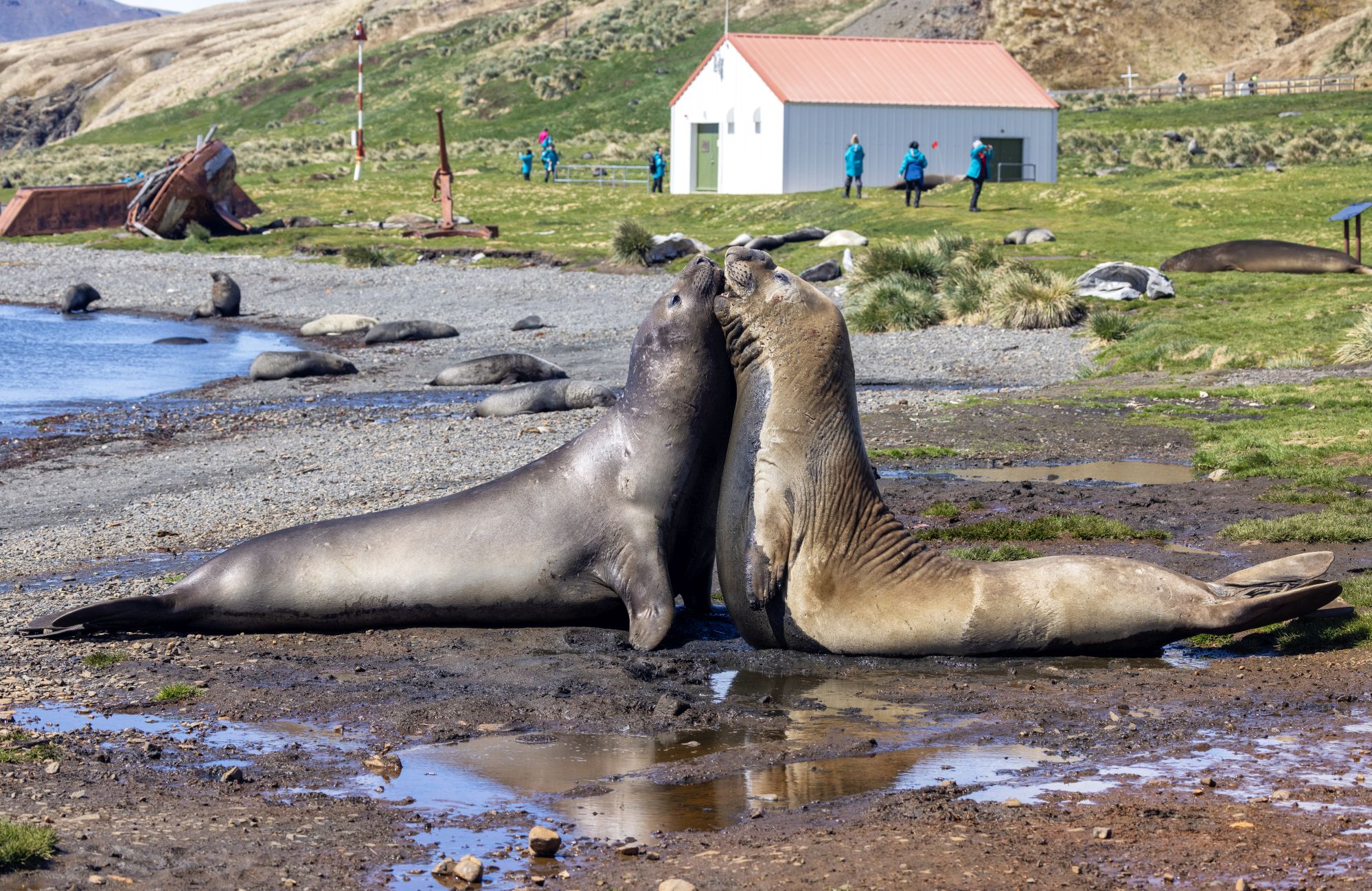
Closer and closer we sail – finally dropping anchor in the cove – where we are treated to the sight of hundreds (probably thousands) of seals – everywhere! There are even two elephant seals fighting or mating (who knows?) on the shore. Incredible. When they break up and move away they look like giant pre-historic worms inching their way along the grass above the shore line.
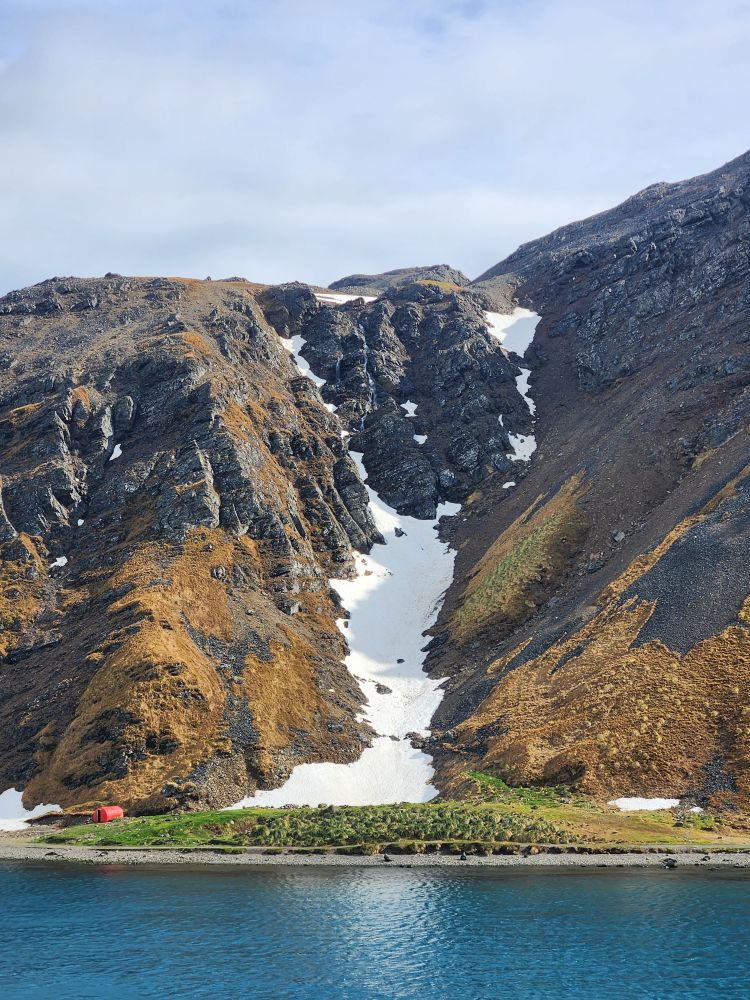
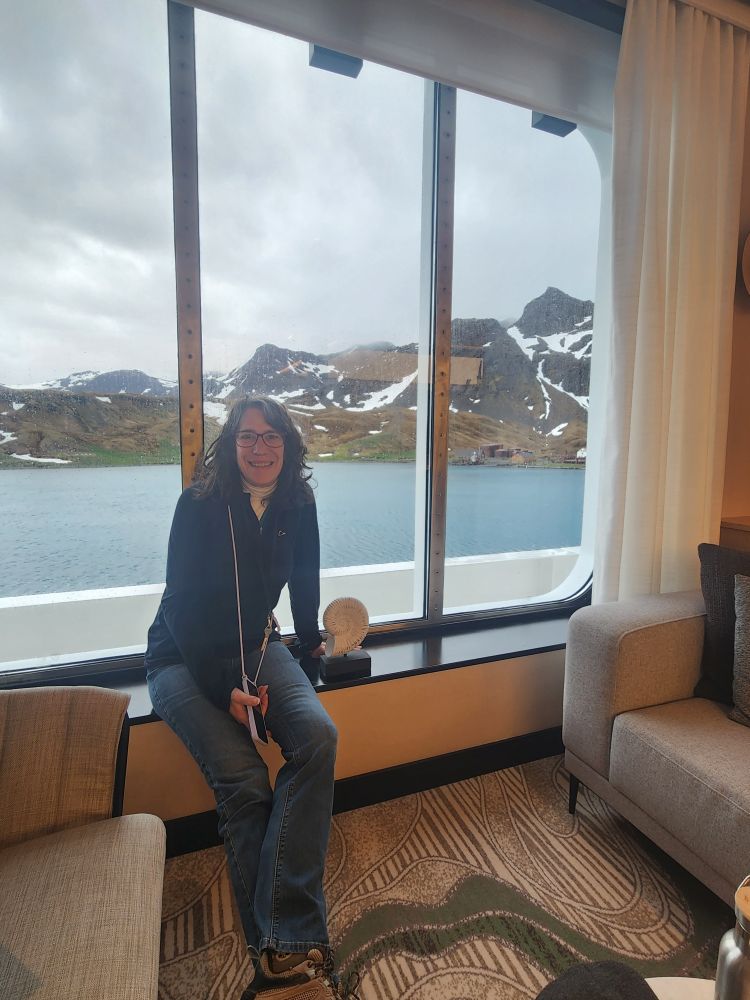
What started out as a cold and rainy day has now turned into a beautiful sunny and slightly chilly day. Fantastic. At the appointed hour, we all head up to the lounge for a Grytviken briefing by the onsite director of the South Georgia Heritage Trust, Deirdre Mitchell, a lovely Scottish woman who tells us all about the Trust and the restoration projects they have going on. All the while the S. Geogia customs agents and biosecurity folks are onboard clearing the ship for arrival.
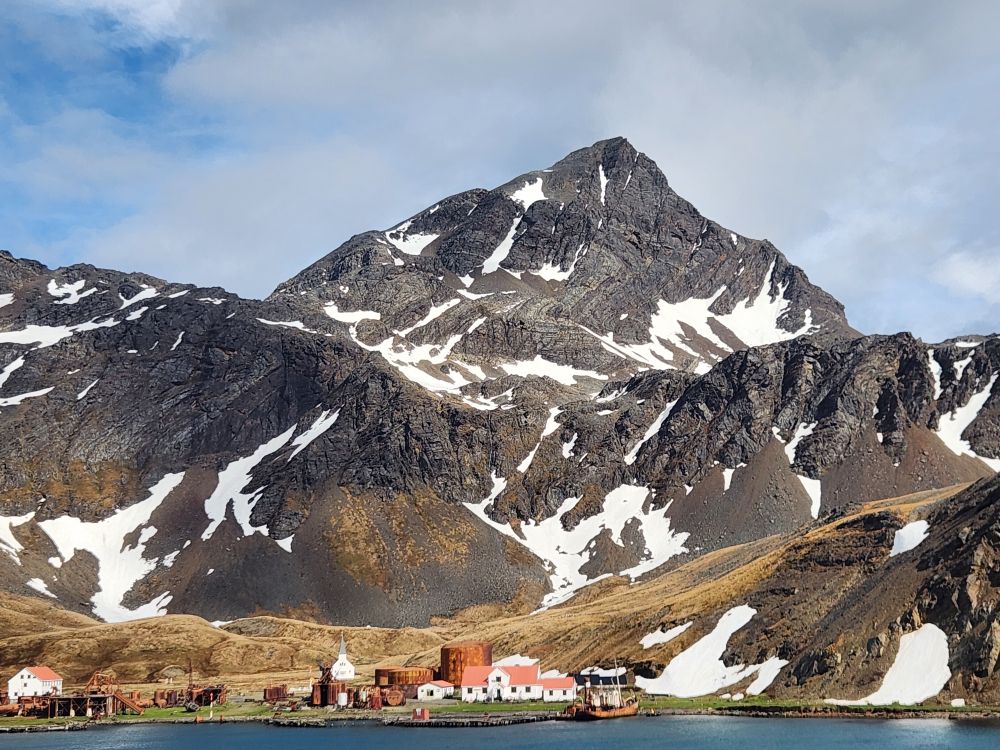
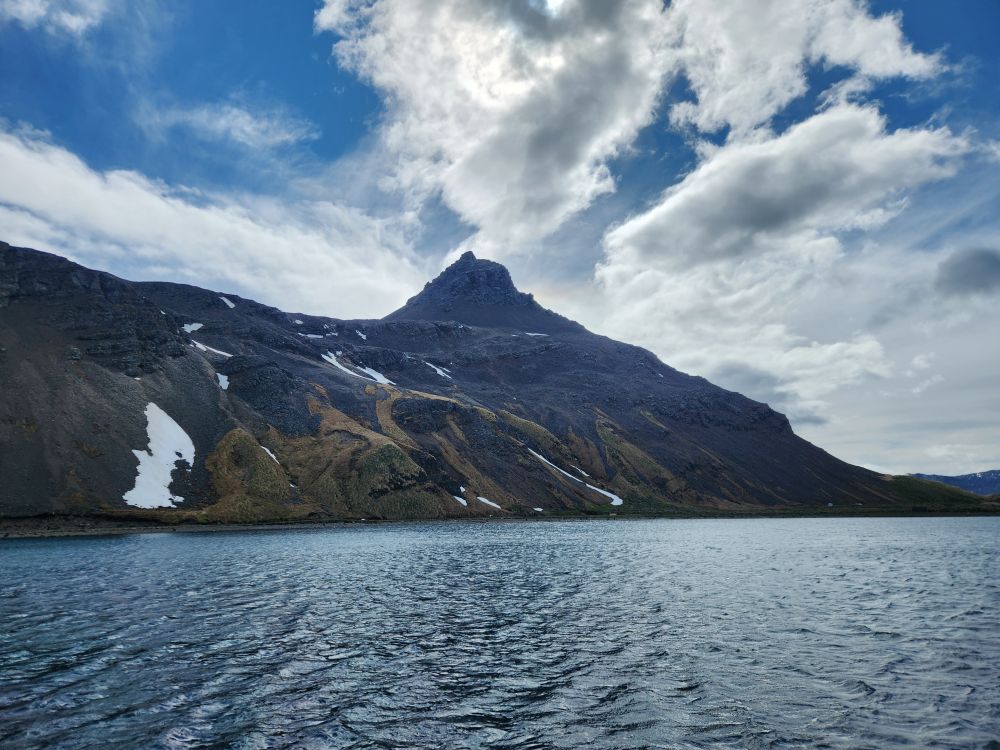
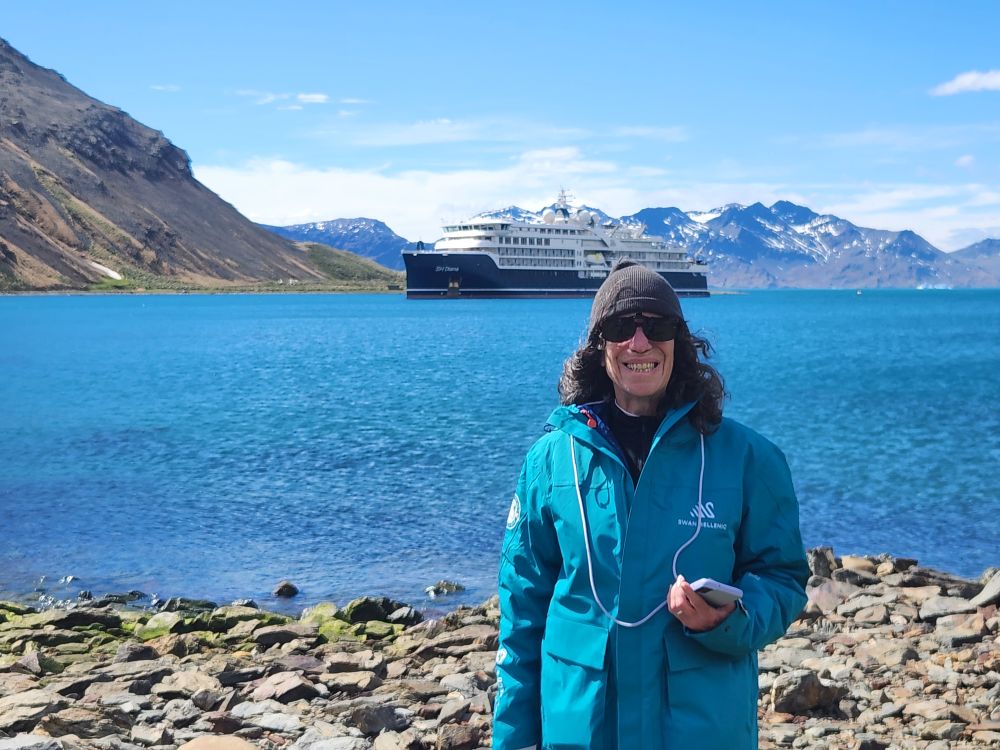
A little before 8:45, we head down to Base Camp to gear up and hop on the tender for the quick ride to Grytviken. We are all (including the expedition staff) happy we are using the tender – much easier and quicker than trying to load 5 or 10 zodiacs full of people. Our entire Yellow group can go over in one tender, which is perfect. We hop aboard first and follow Mark to a great seat by the door – but then we decide to head outside in the bow for the fresh air and scenery. It is brisk to say the least! Ed bails – but I stay for our beautiful ride into Grytviken.
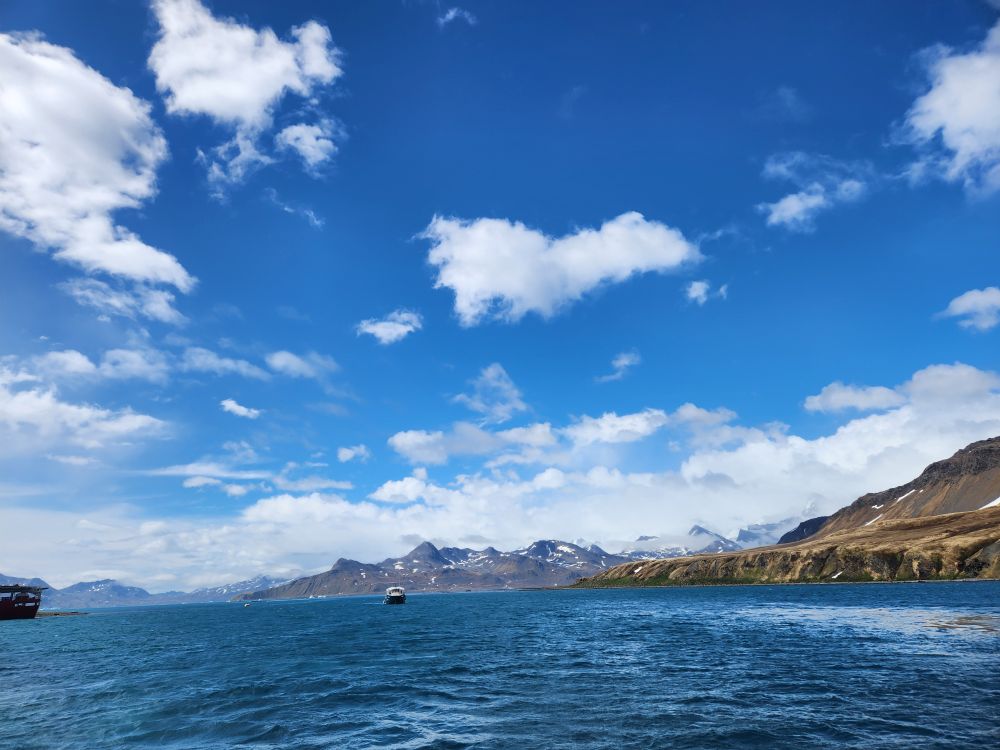
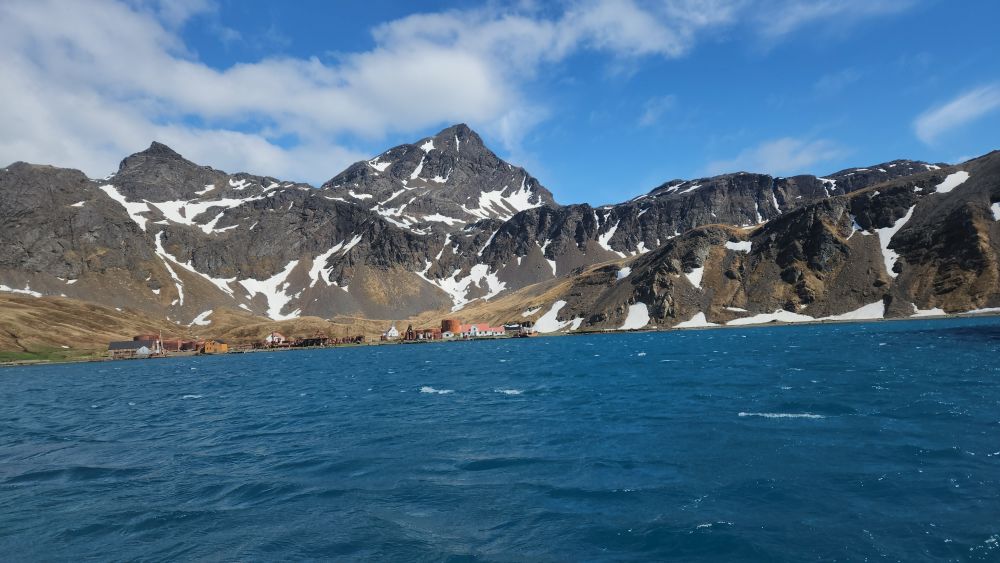
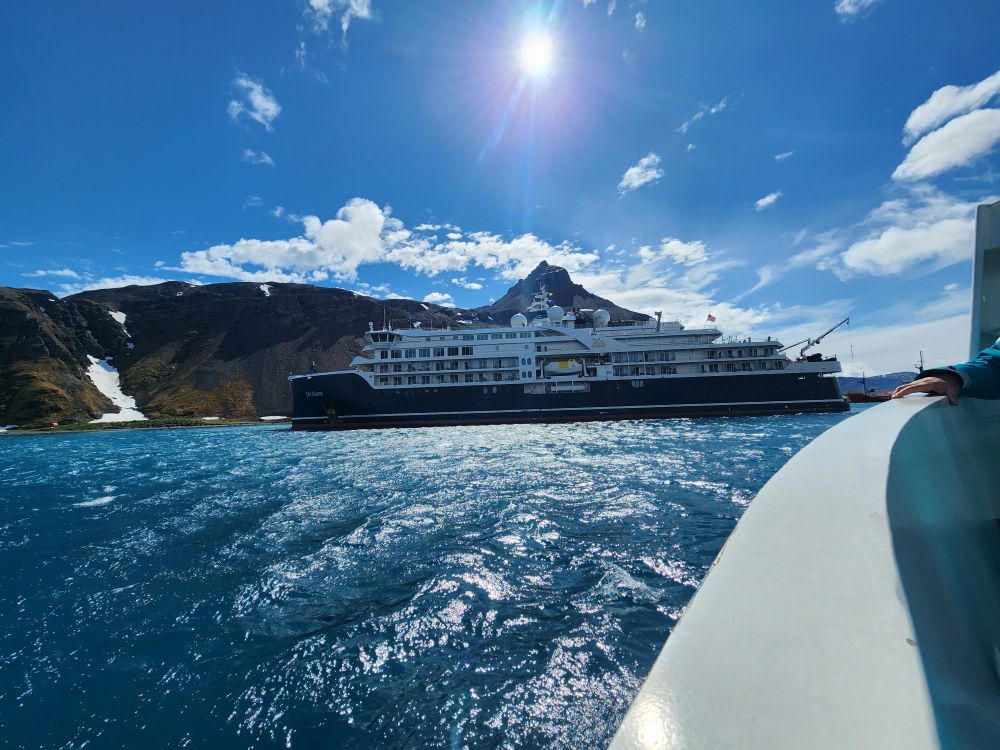
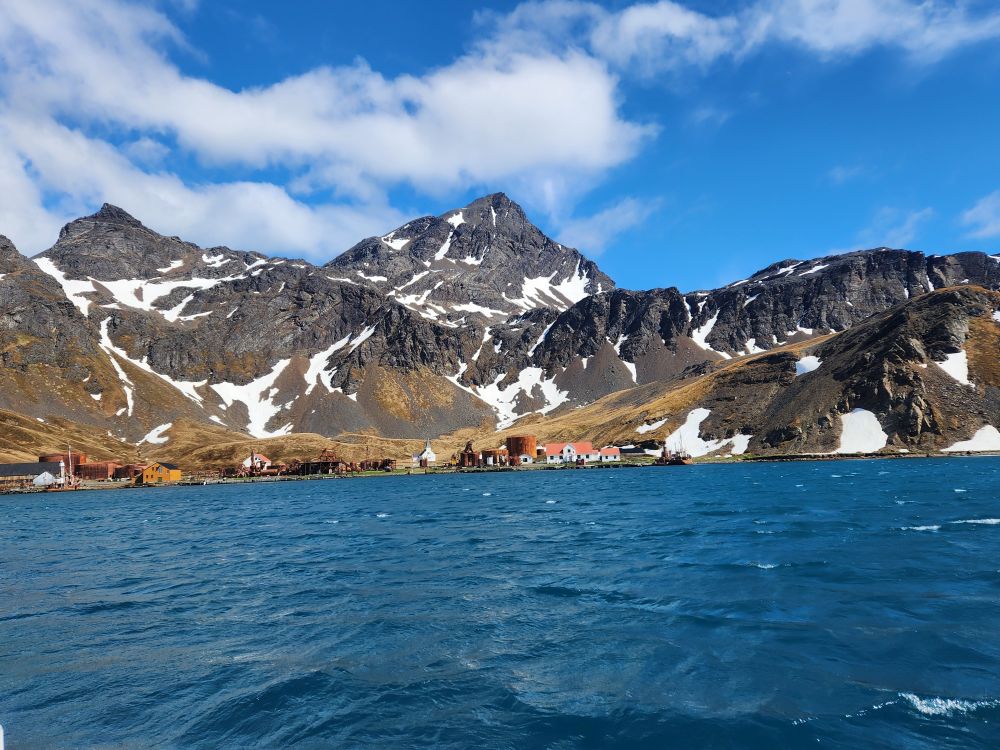
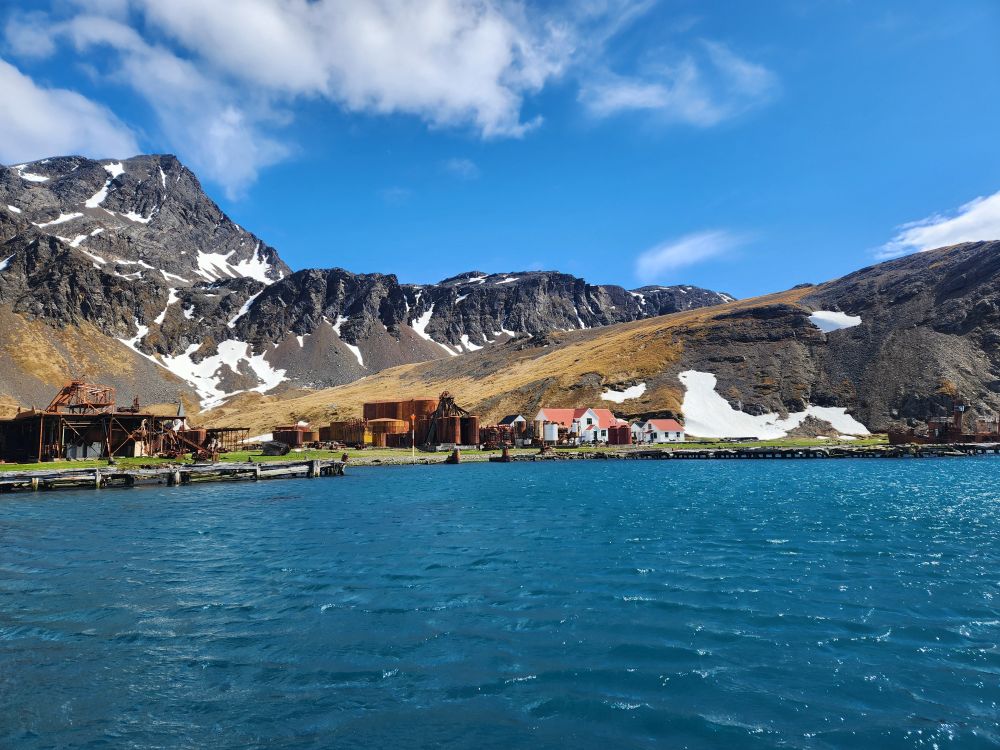
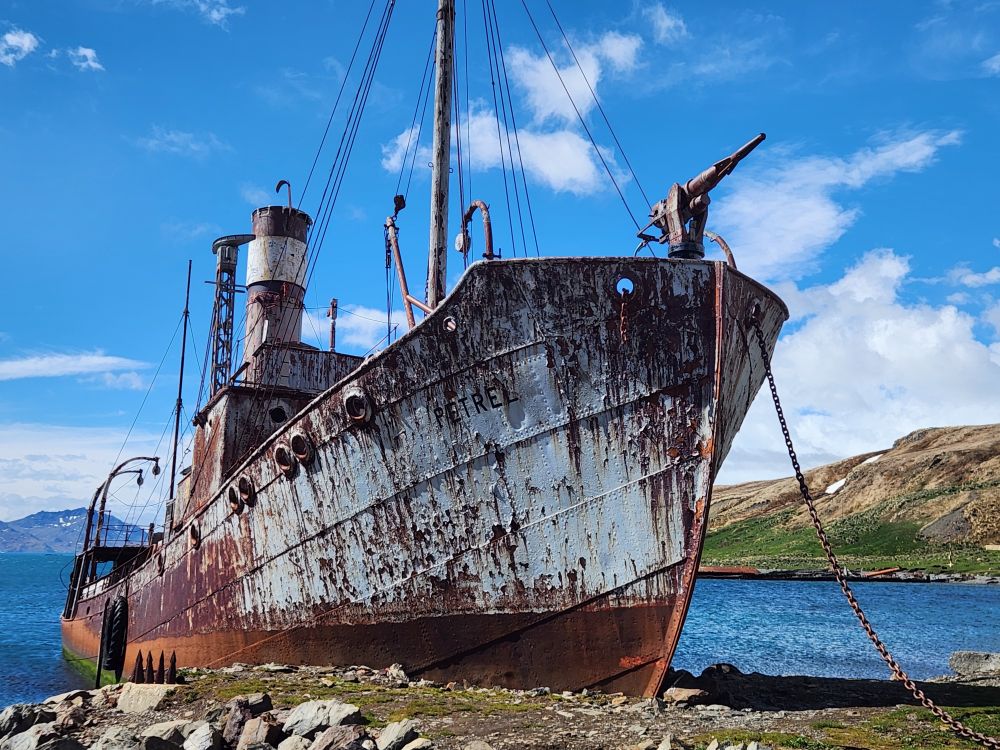
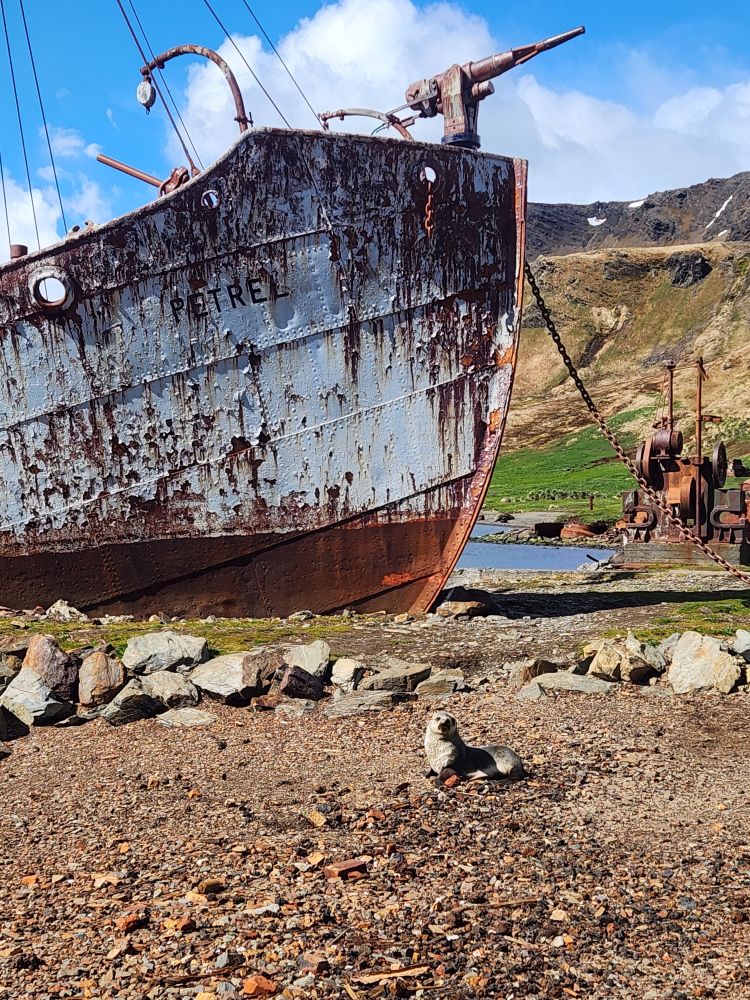
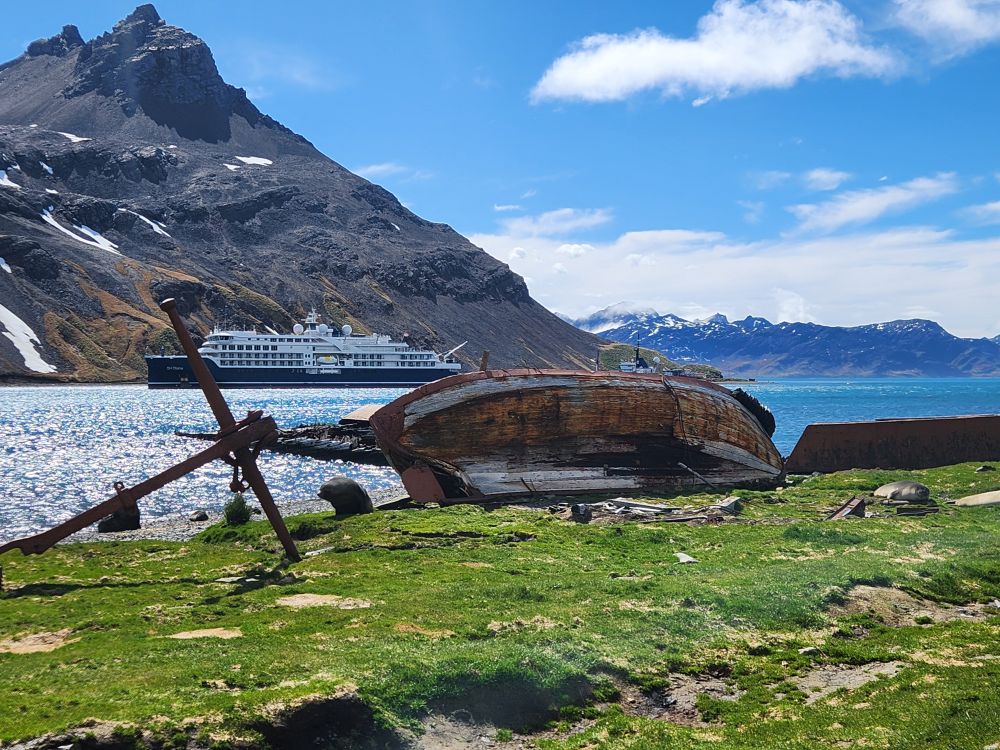
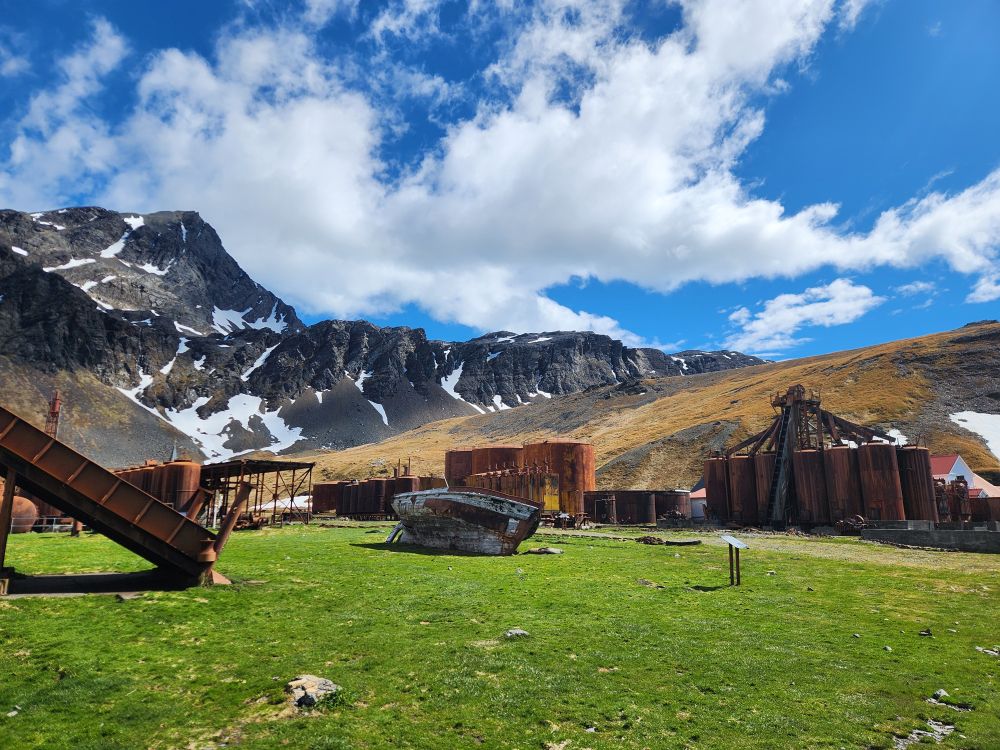
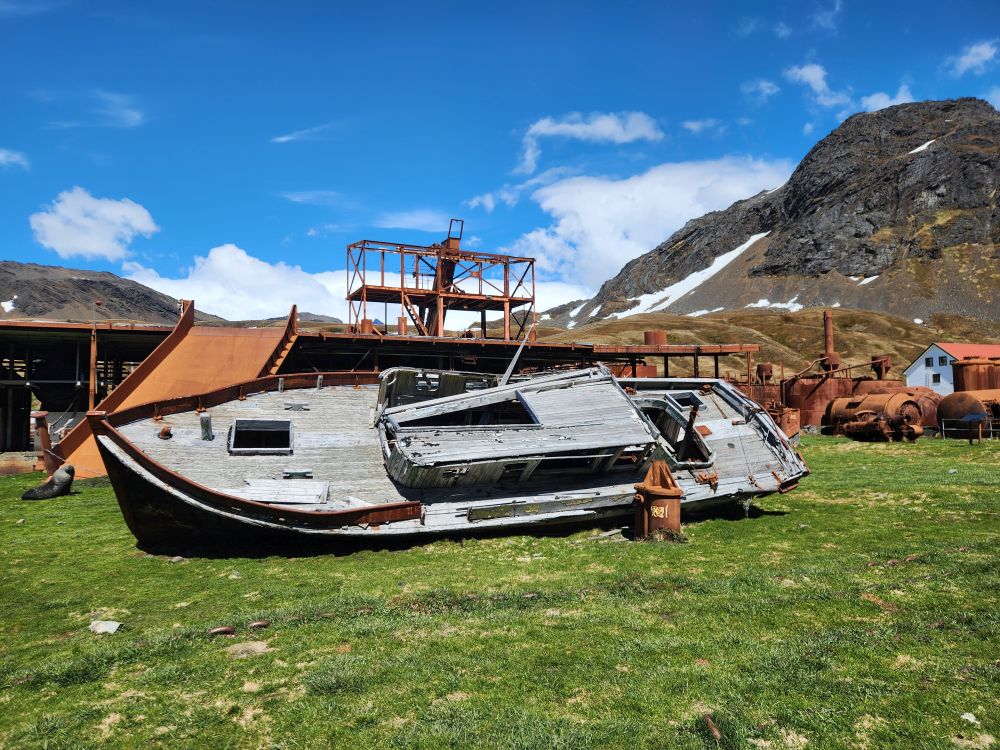
Upon arrival, our group is directed over the cemetery first, so off we trek – following the red flags marking our paths – and always watching out for those seals that are absolutely everywhere making grunting and whining sounds at us. This place is amazing – the remains of the old whaling station, the beached old whaling ship – the scenery, the damn seals! Although some are really cute and posing for us – others, well, not so much.
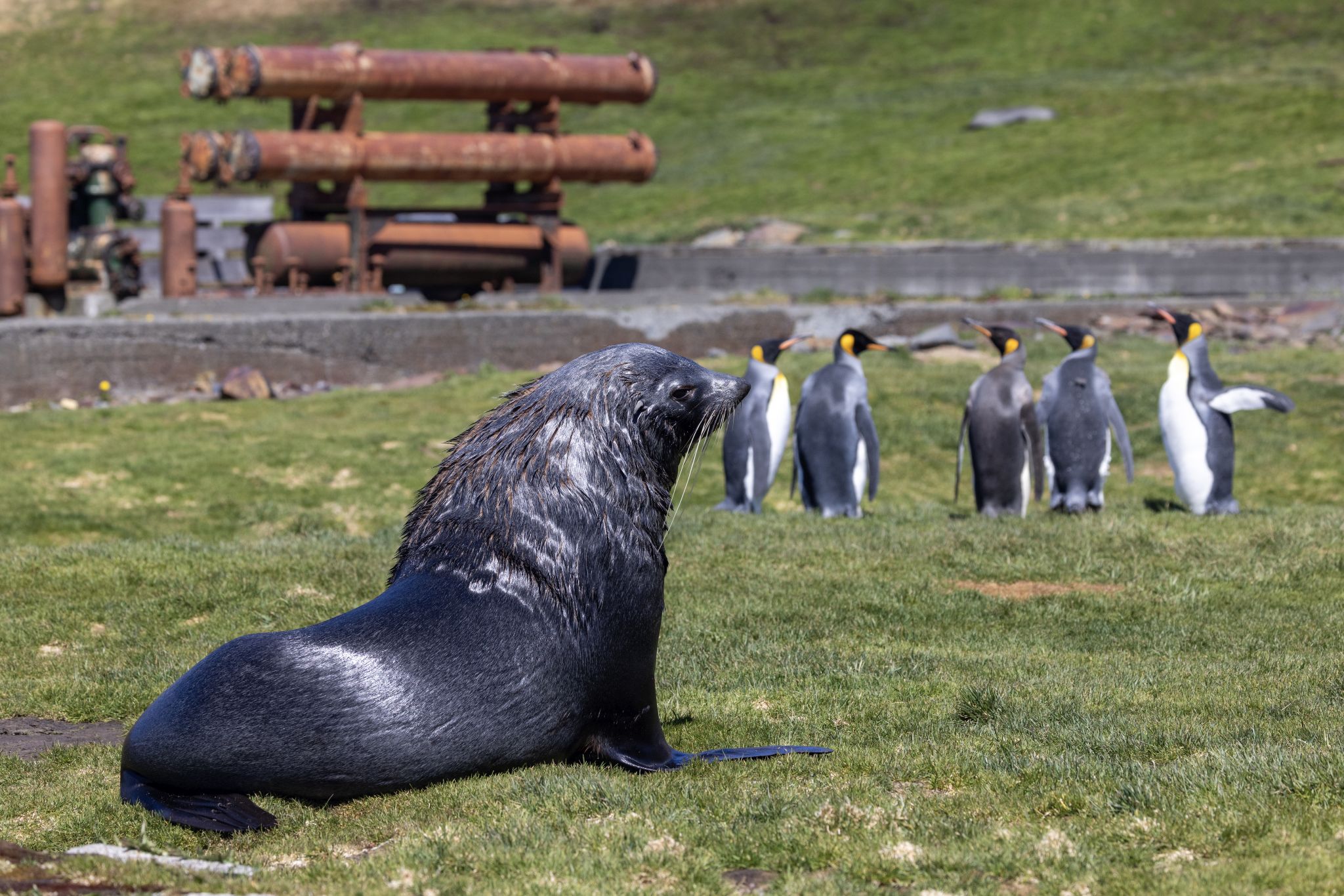
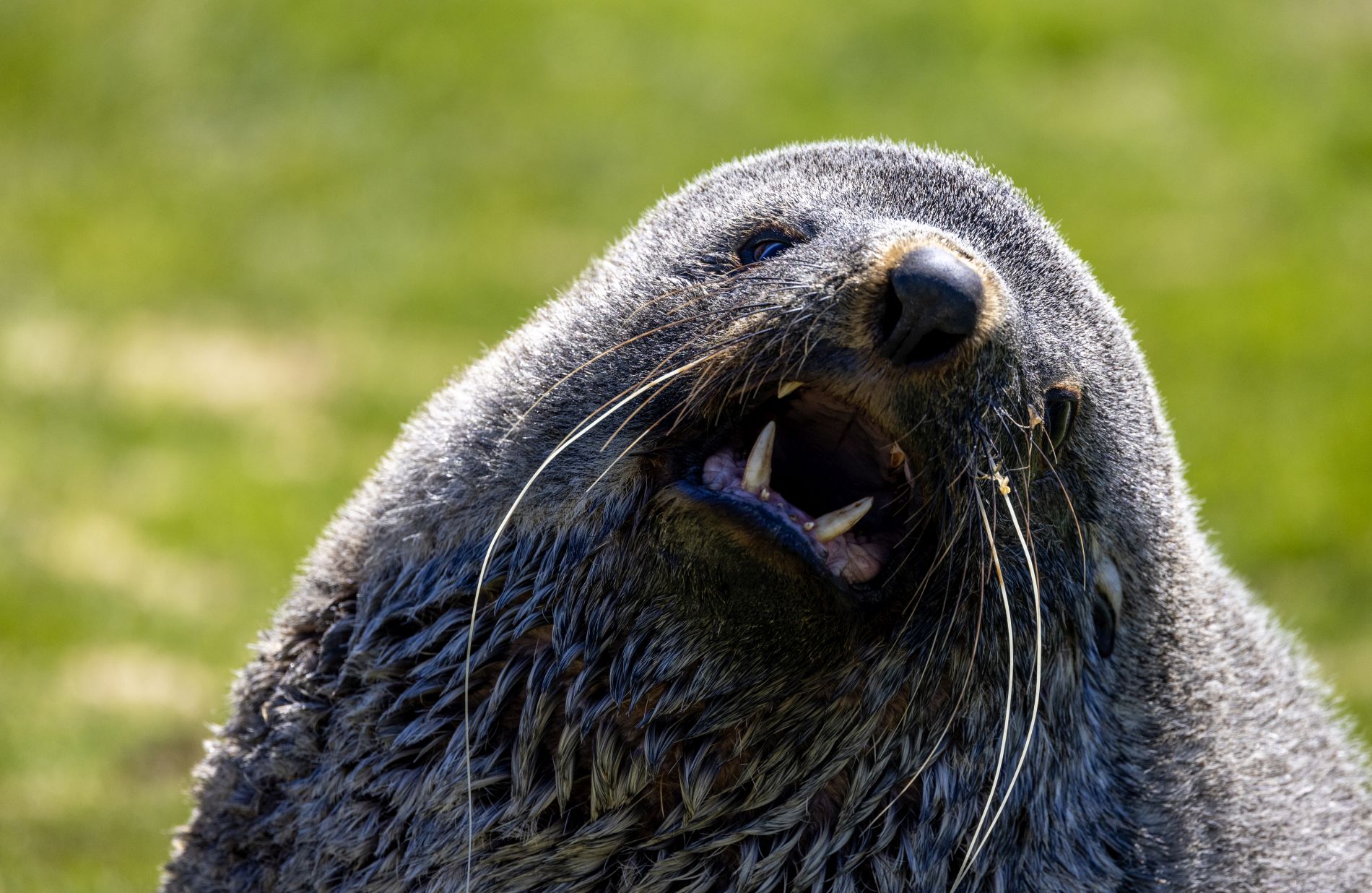
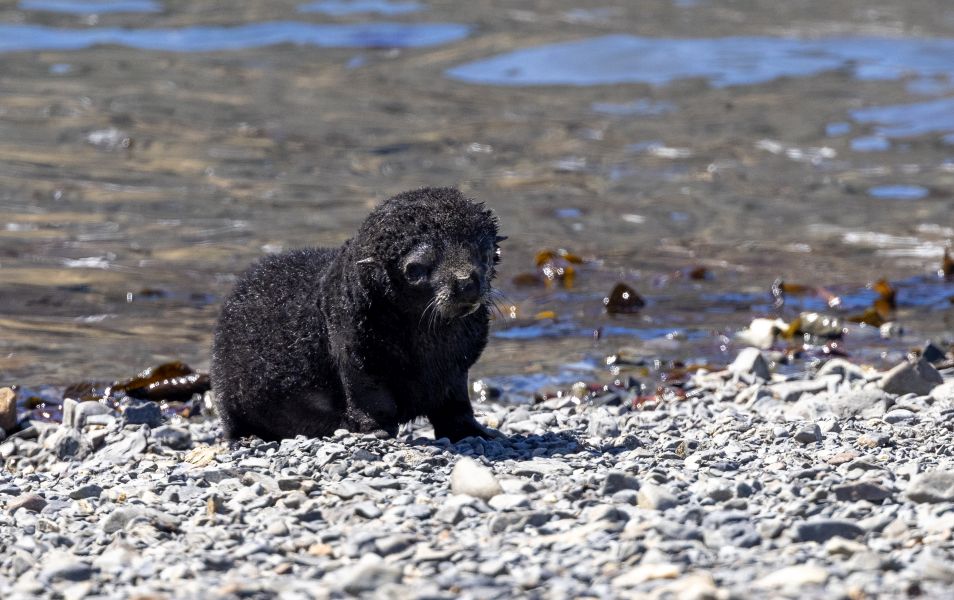
We also pass this poor wounded penguin, just sitting there on the wall looking stoic and sad. Continuing around the coast toward the cemetery, you really have to keep your eyes open everywhere. These seals look like rocks and if you aren’t paying attention you can walk right into one, which would definitely not end well! The little fur seals don’t look too deadly, but we know they can be aggressive. The elephant seals on the other hand are scary as hell. They are massive up close and when they raise their heads and open their mouths at you? They can put the fear of God in you – that is for certain!
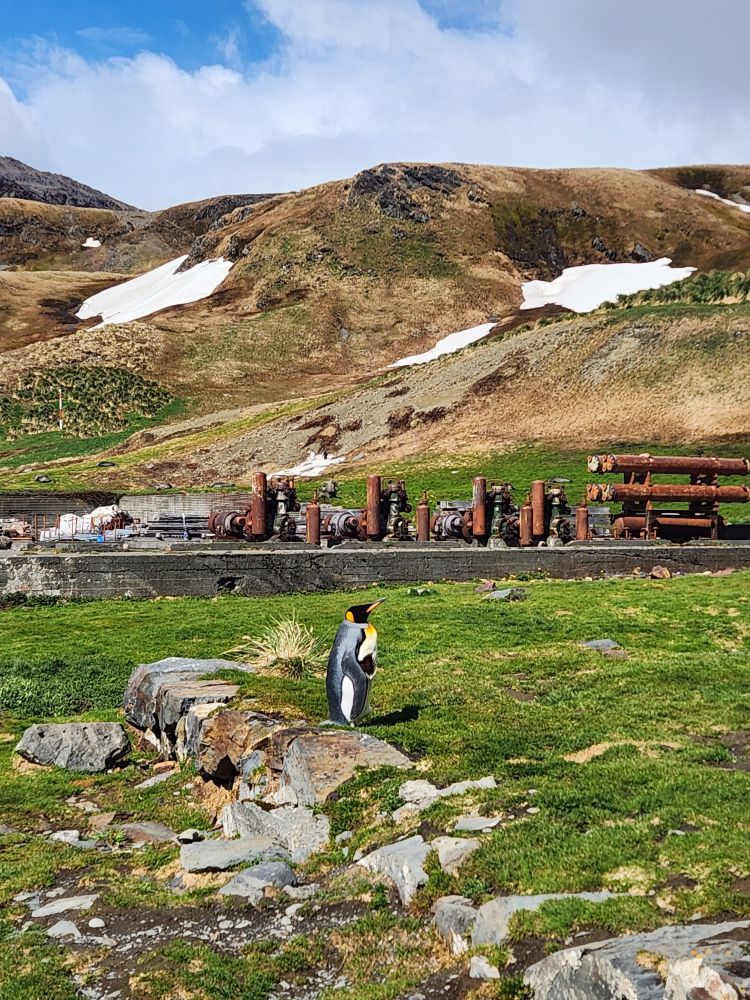
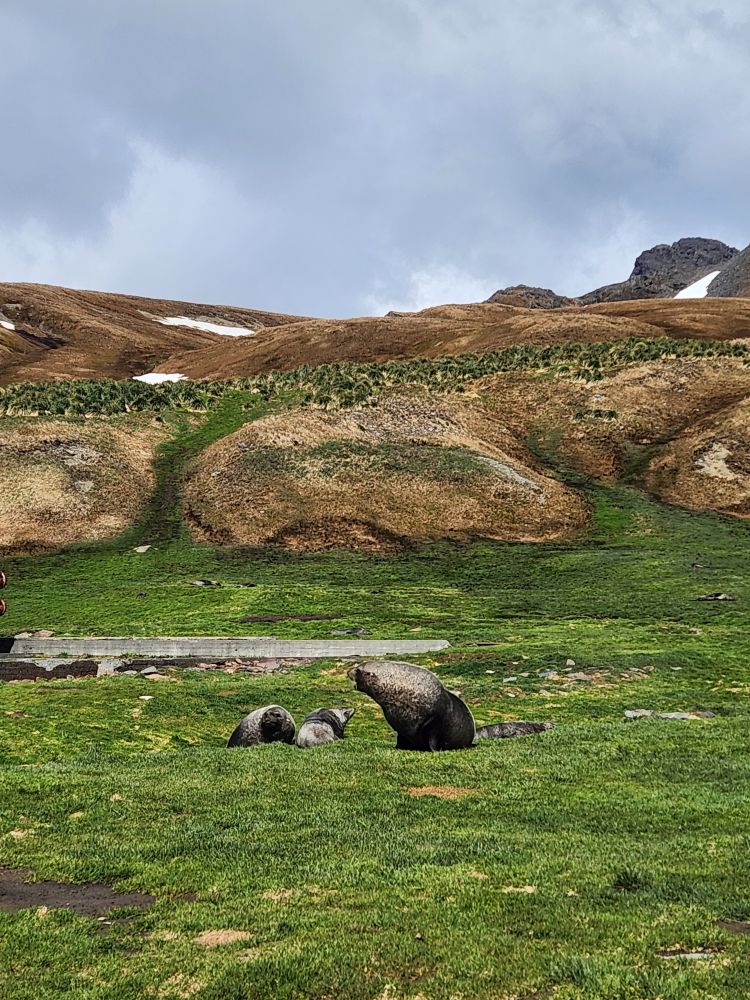
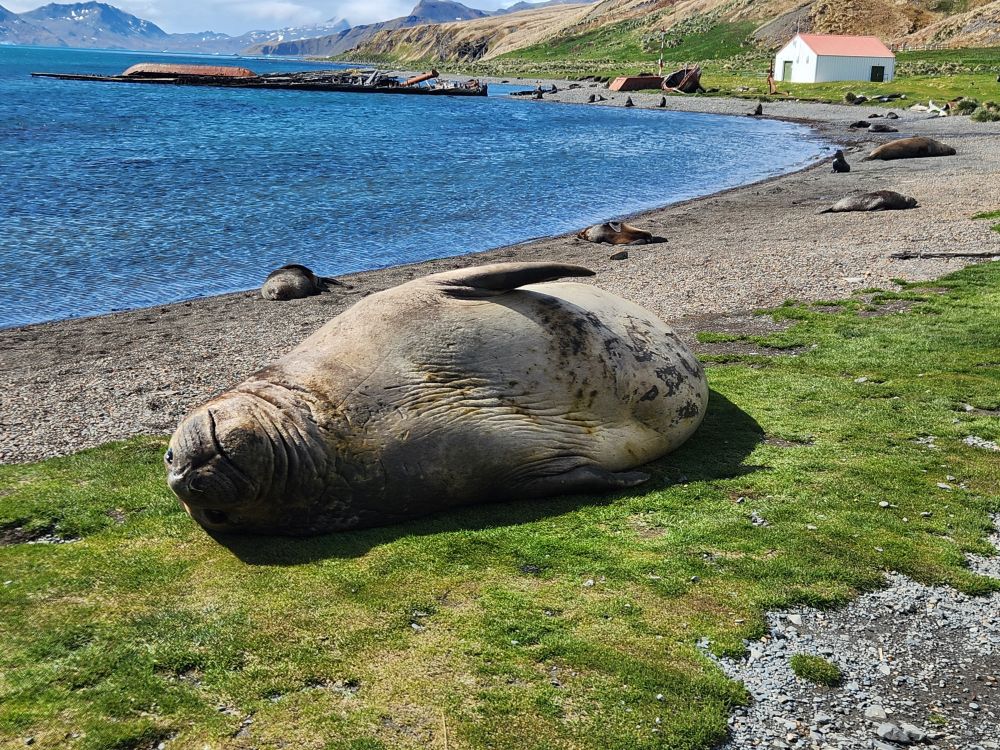
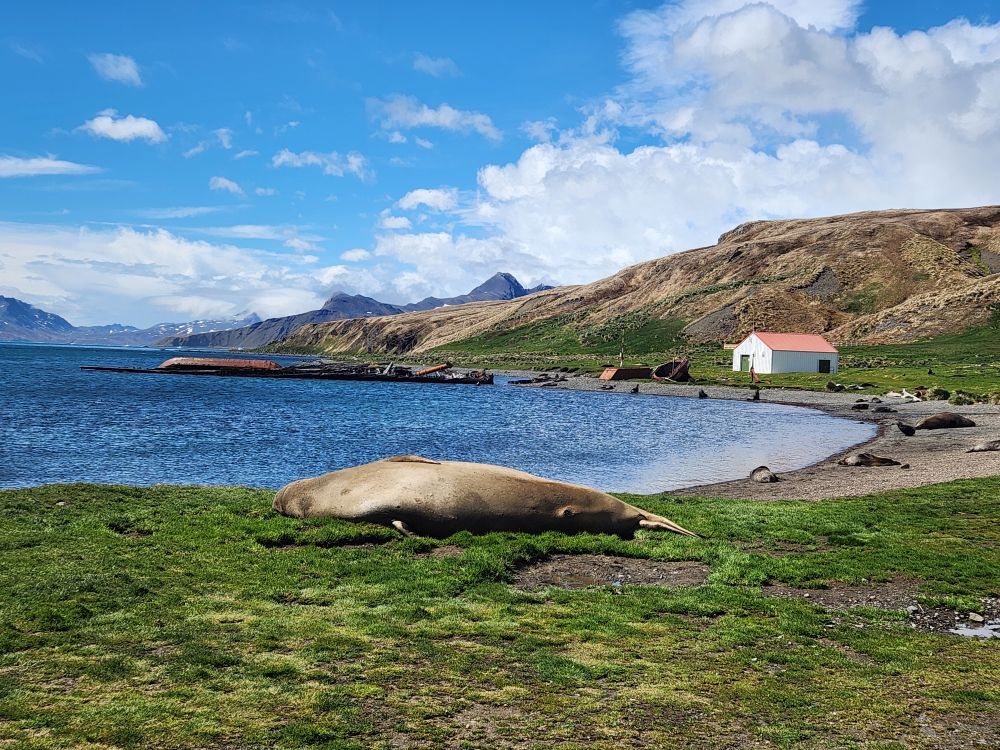
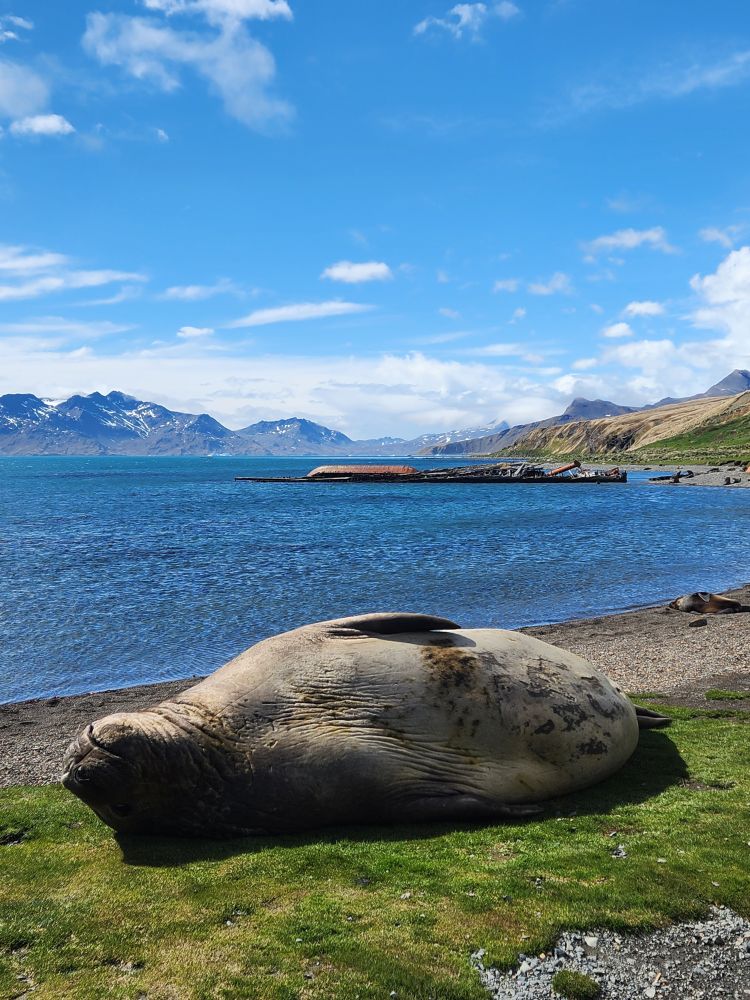
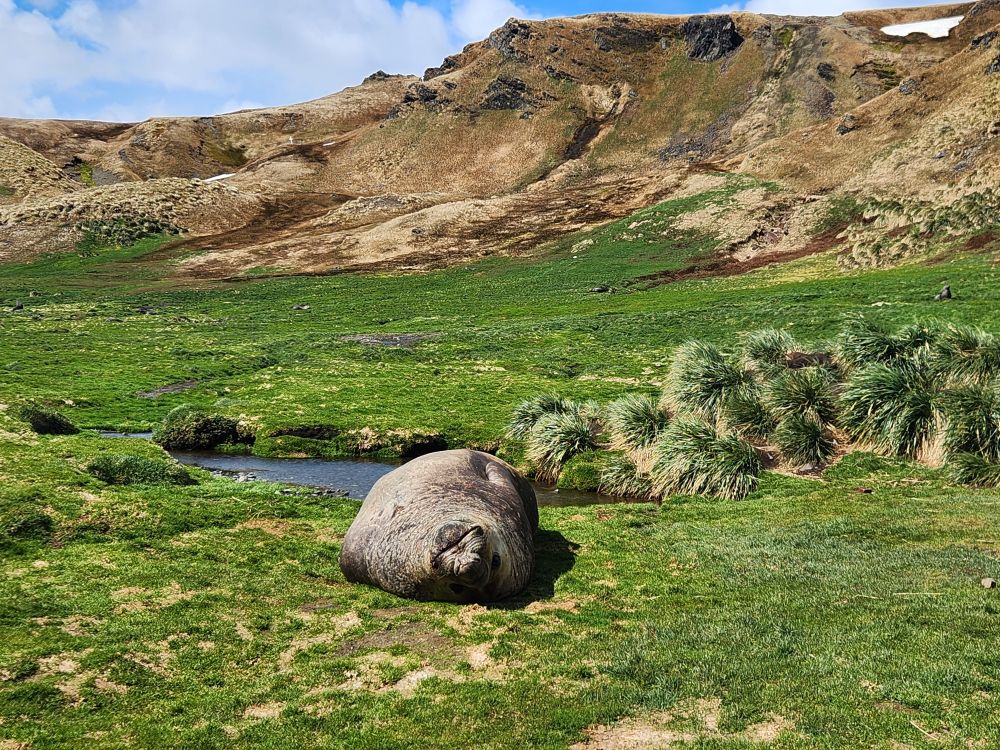
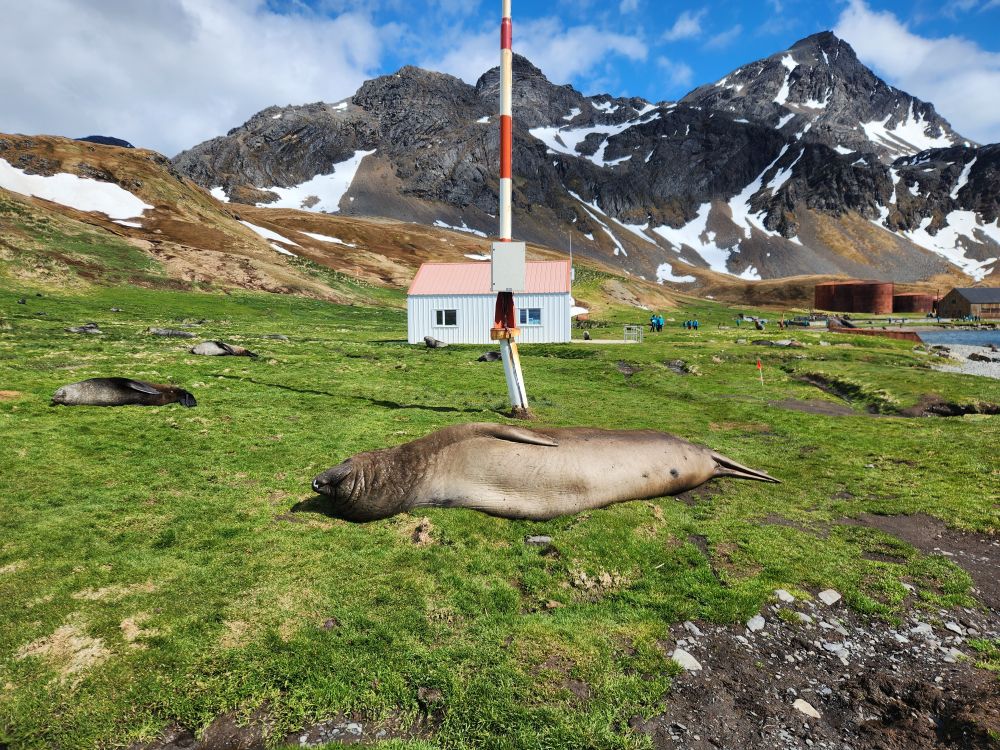
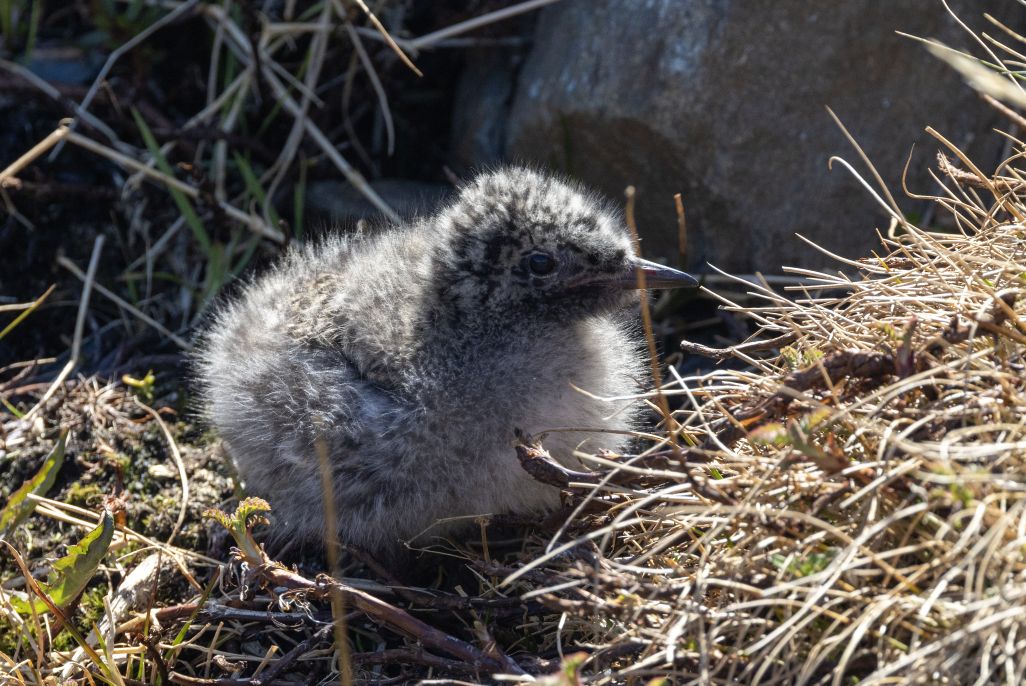
Wildlife shots courtesy of our excellent photographer, Gennadiy Skorokhod and SH Diana
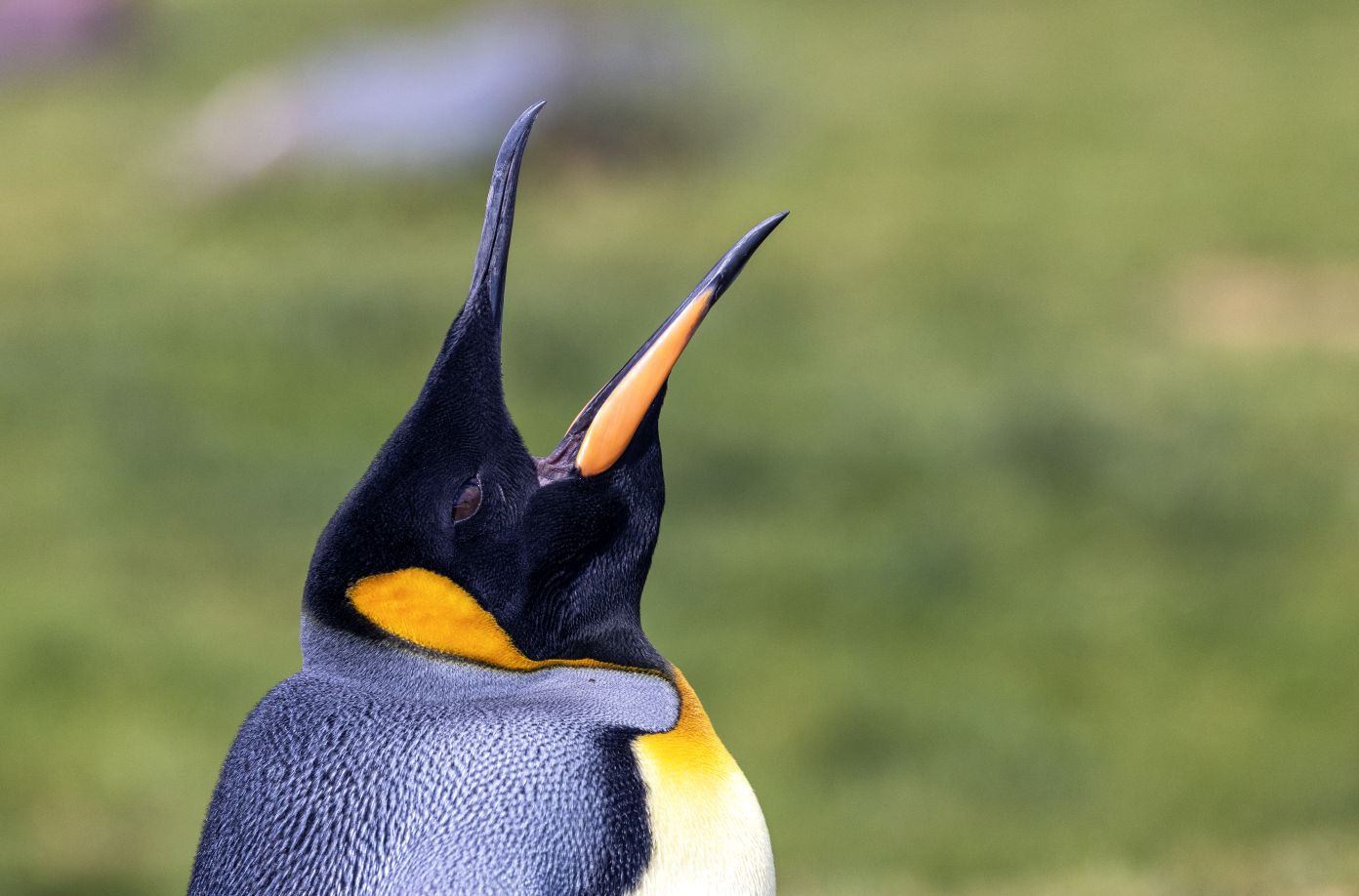
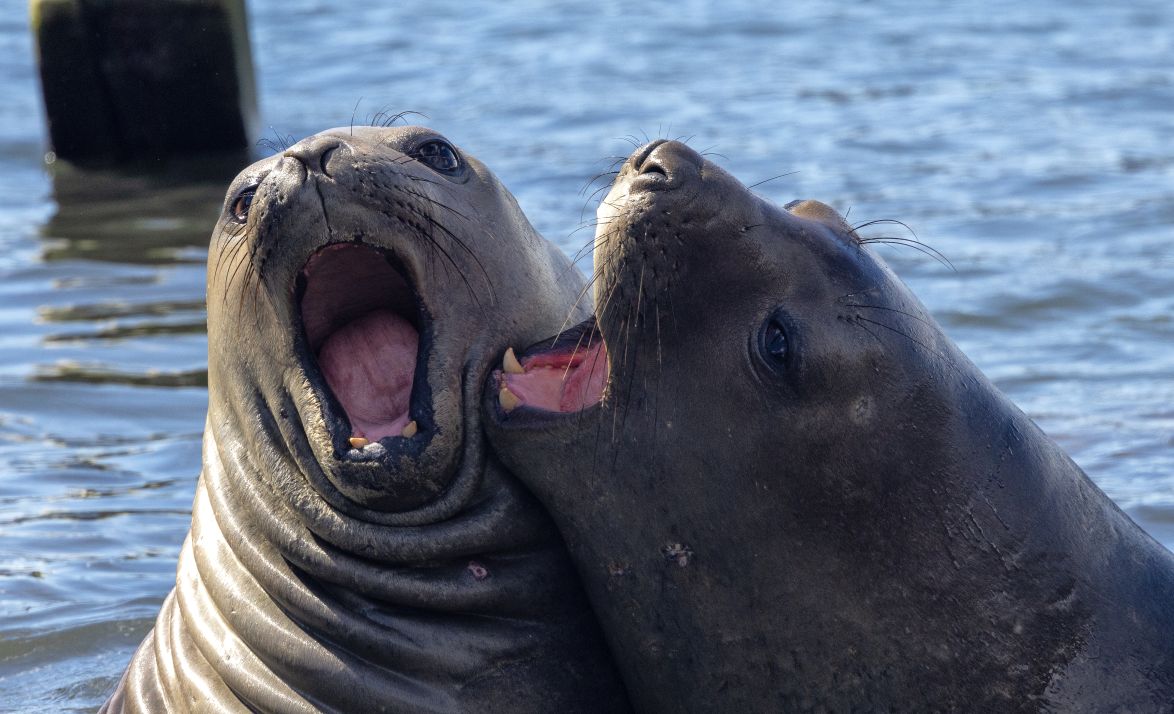
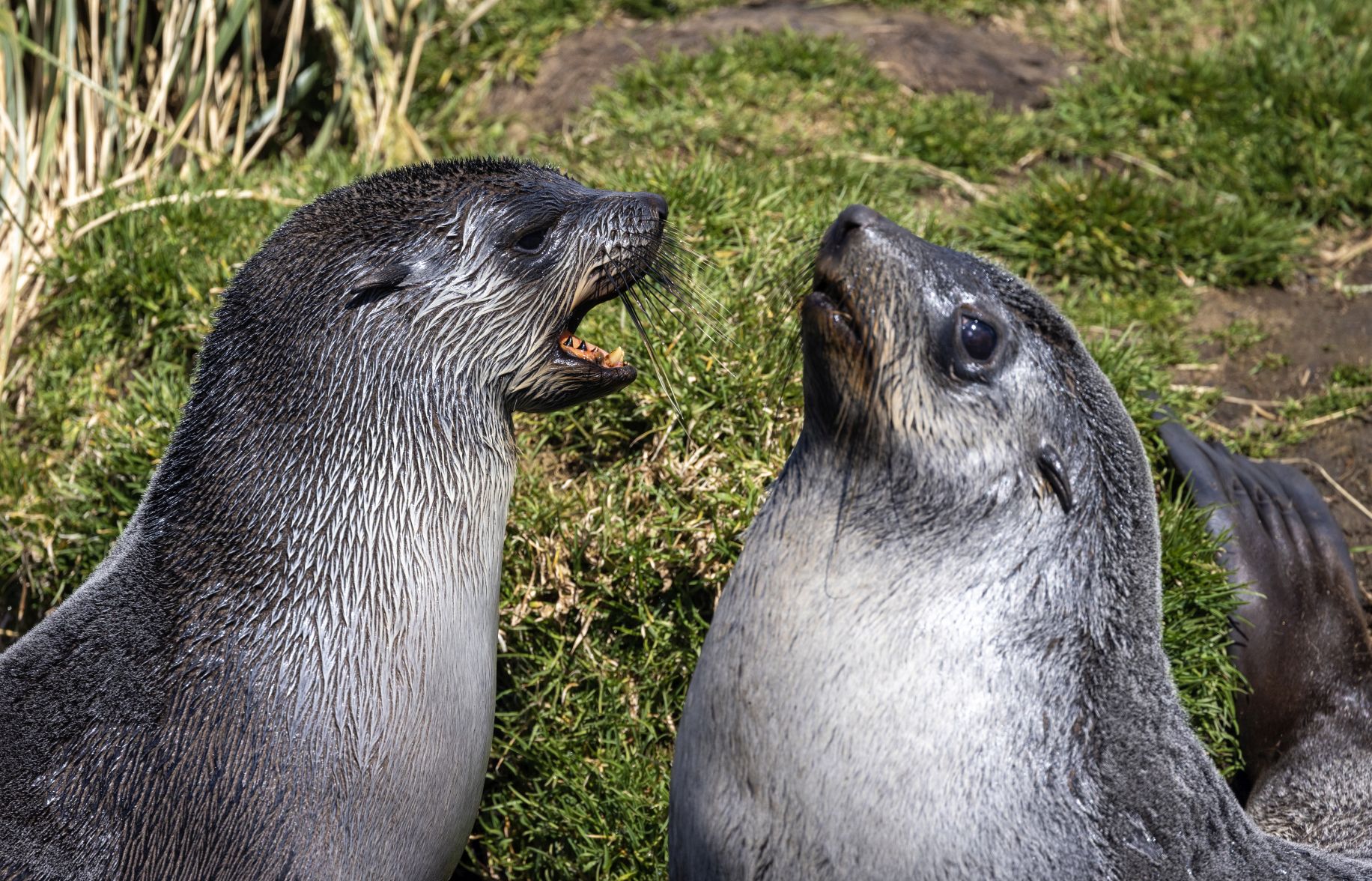
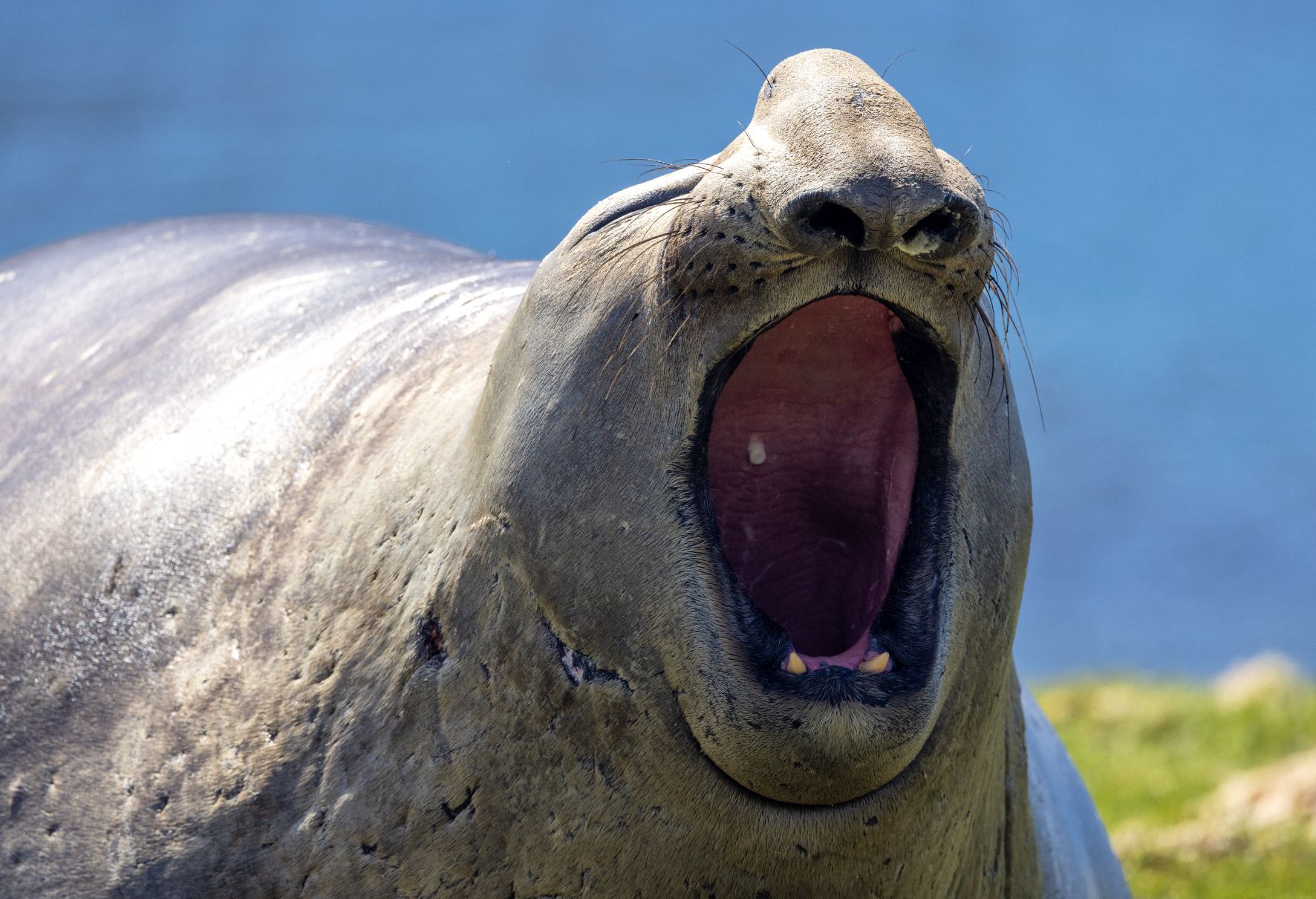
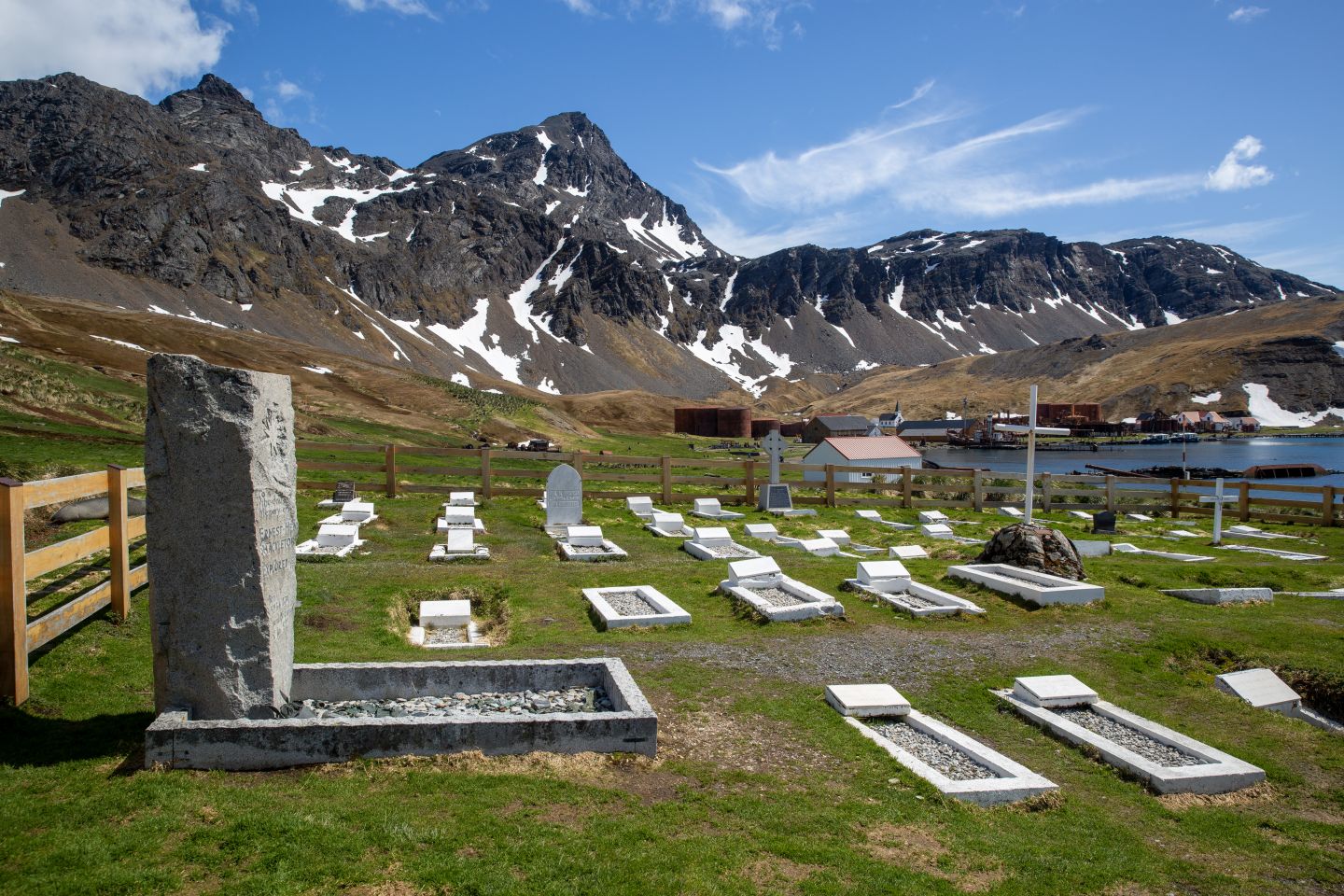
Safely arriving at the Cemetery, Renato, our fantastic F&B Manager is there handing out whiskey for our toast to Shackleton at his grave.
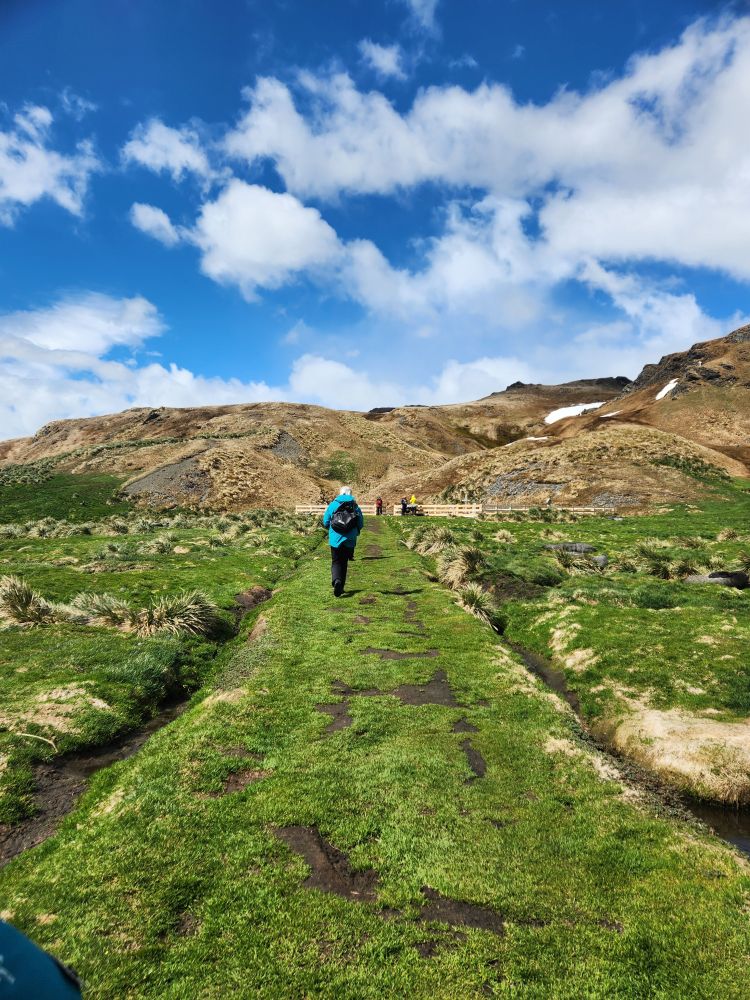
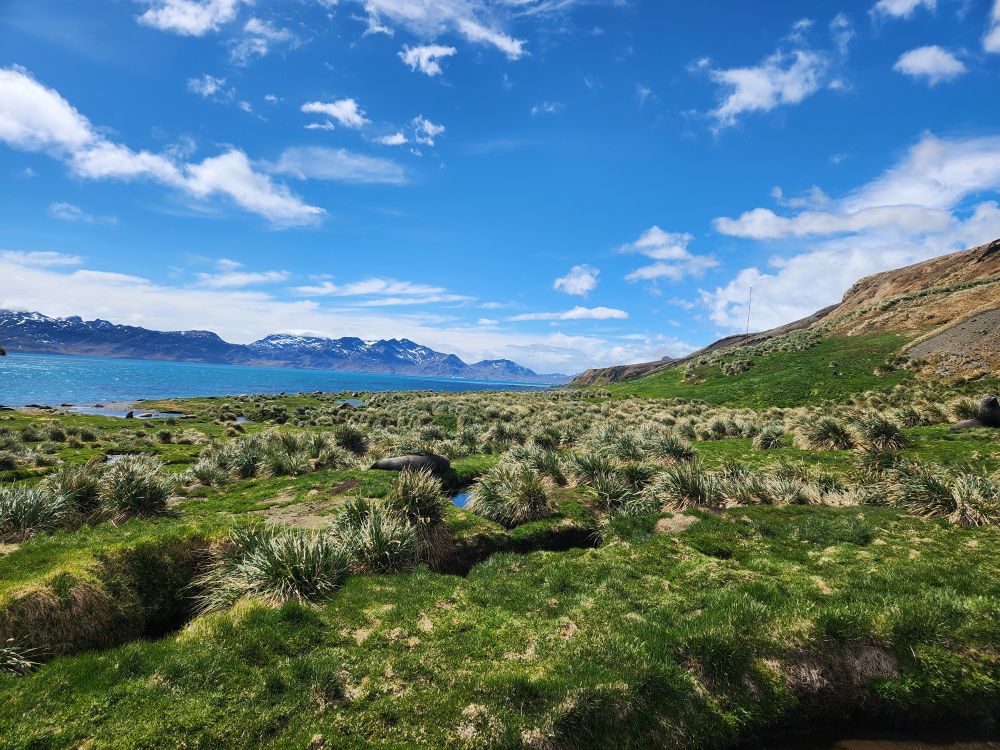
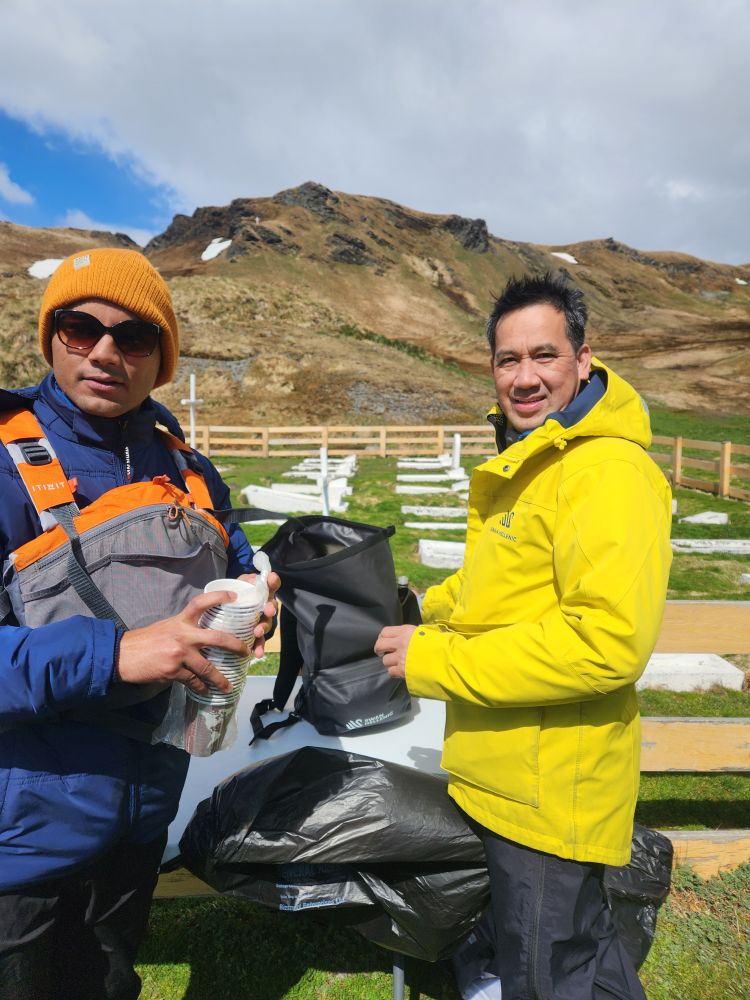
We are one of the first up here – which makes for an awesome visit and experience. We drink our whiskey toast – yes, even I drink the whiskey – and then, against all rules, but because it is established tradition, we throw a little whiskey on the grave and begin to wander about the graveyard. There is a Robert Browning poem on the back of Shackleton’s grave: “I hold that a man should strive to the uttermost for his life’s set prize.” Sounds just like Shackleton. A little trivia – all the graves except Shackleton’s are facing east. Shackleton’s head is facing toward the South – as that was his major quest in life.
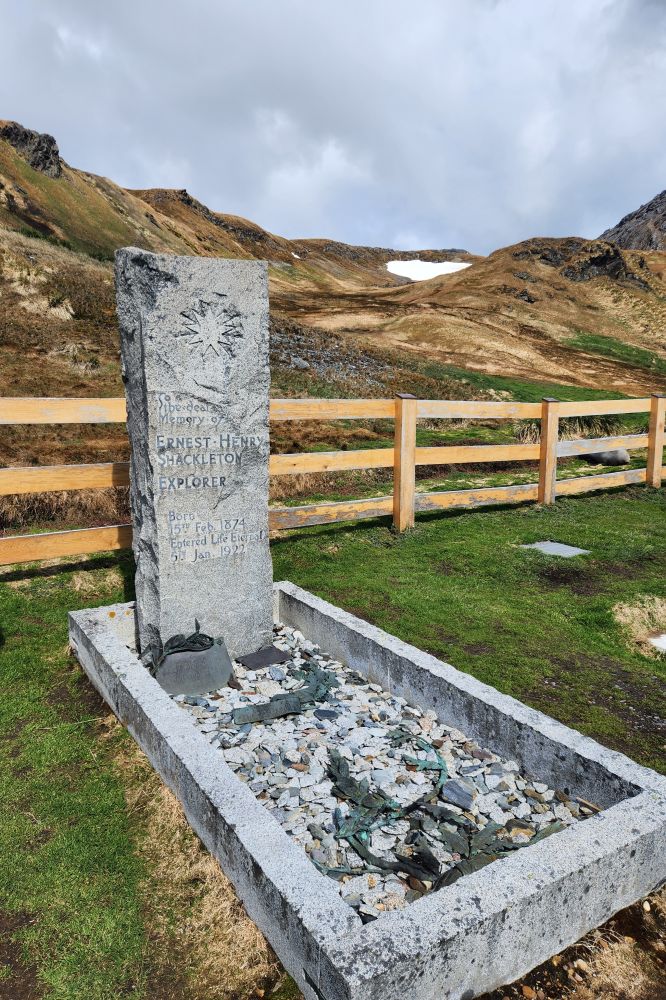
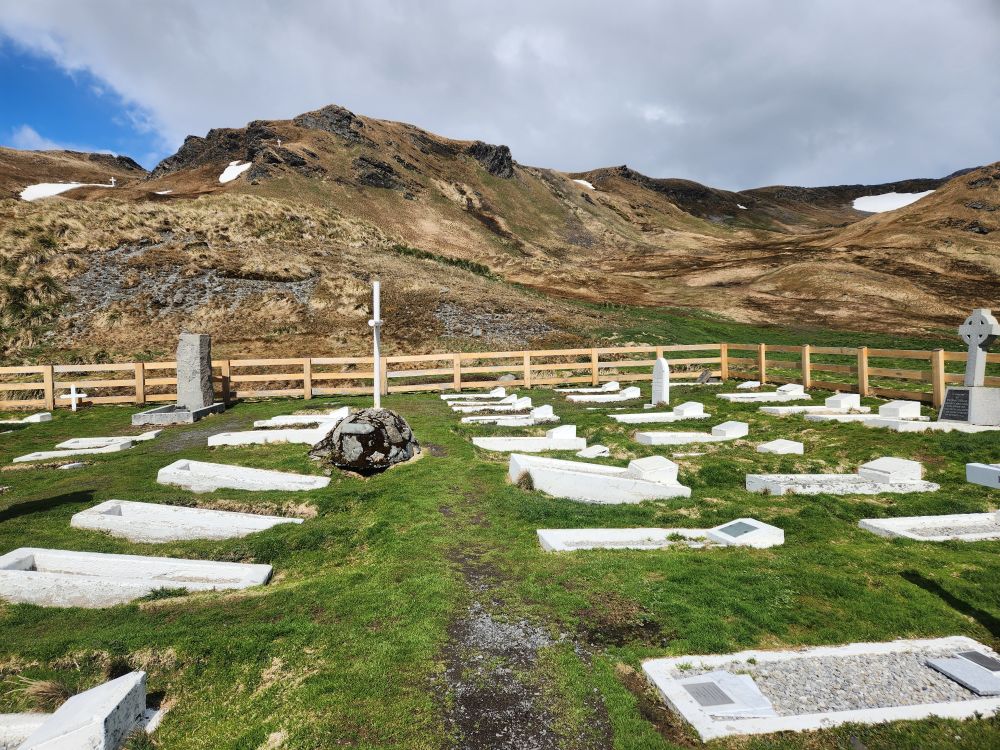
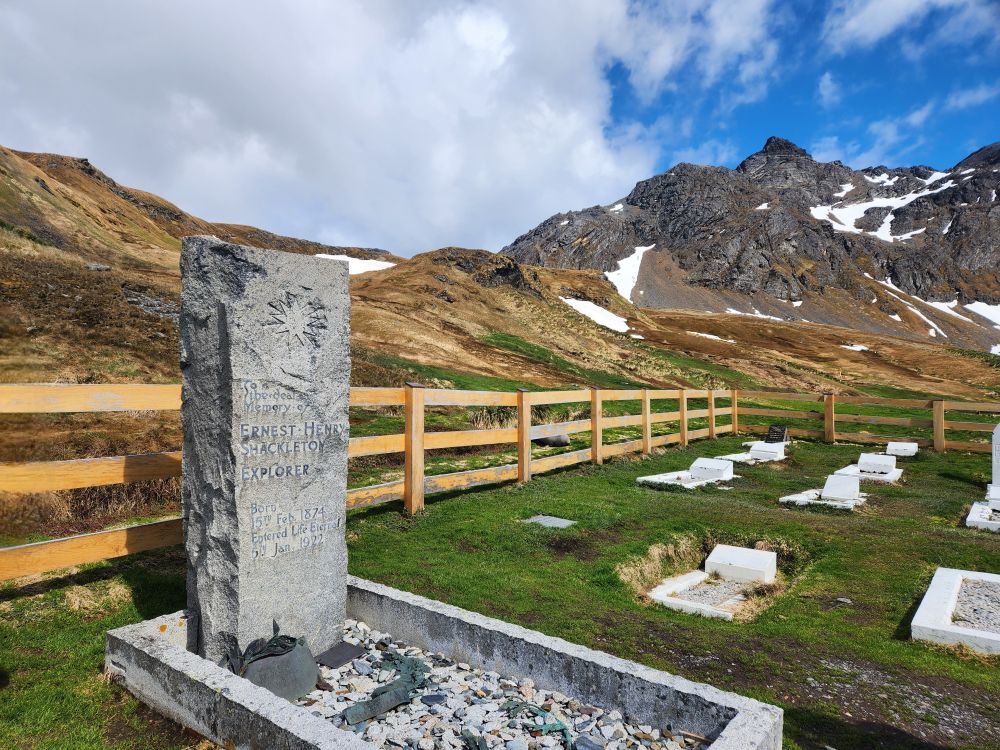
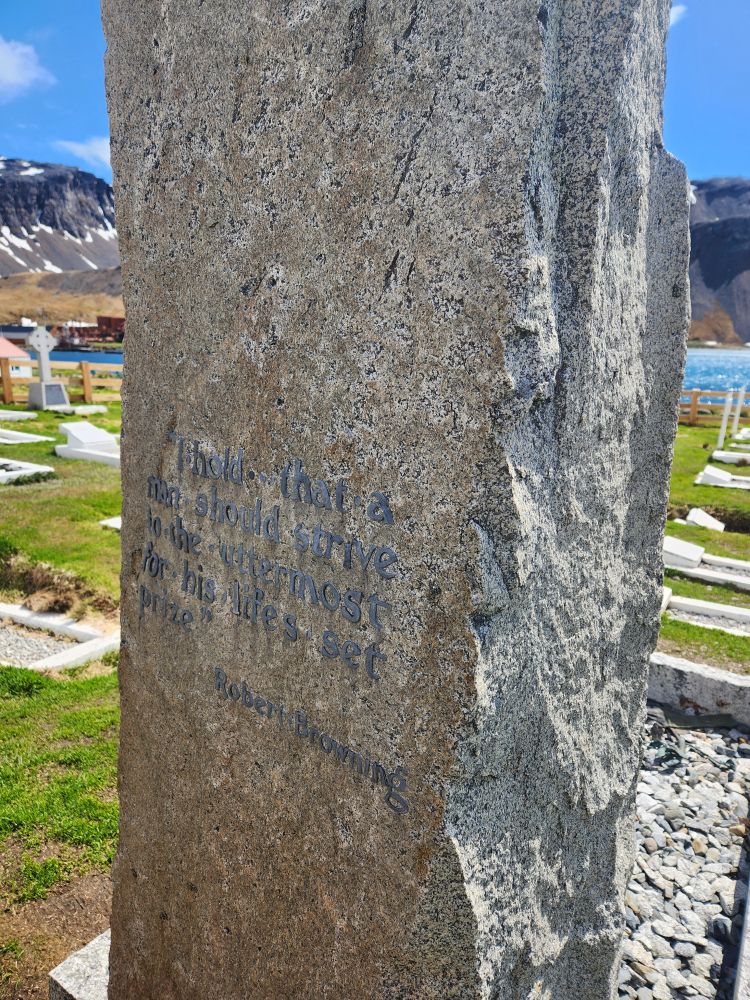
We wander through the pretty little cemetery, looking at all the headstones from the Magistrate of S. Georgia who died in an avalanche to the simple and unadorned grave of Frank Wild, Shackleton’s right hand man. We forget, though, to look for the grave of the Argentinean who was killed in the “conflict” in 1982. Oh well.
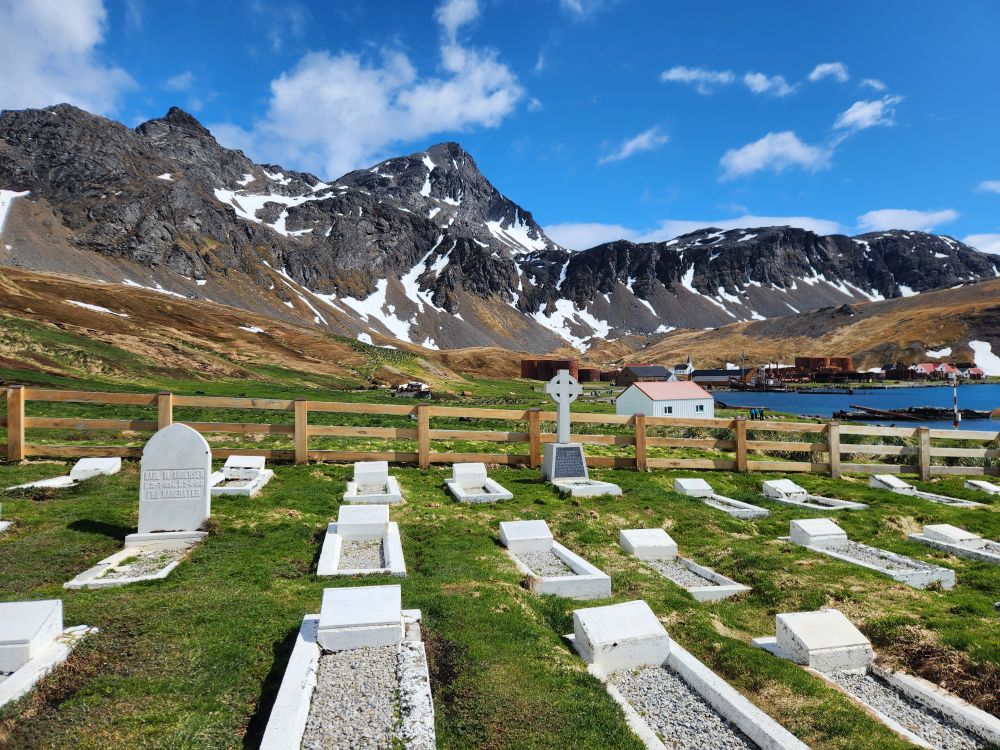
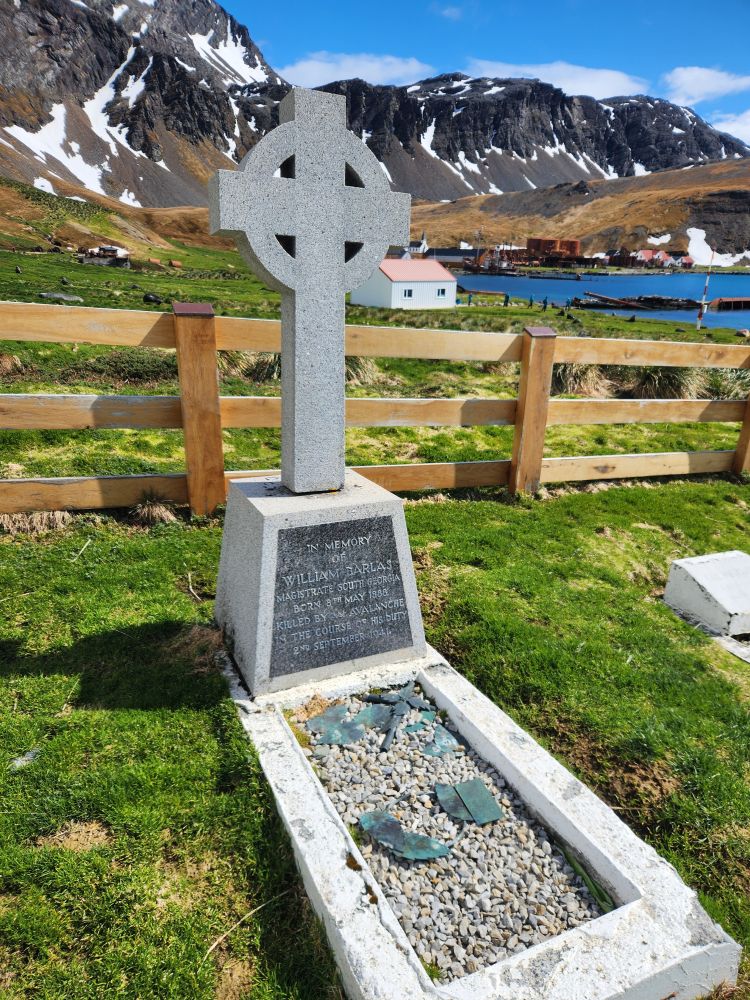
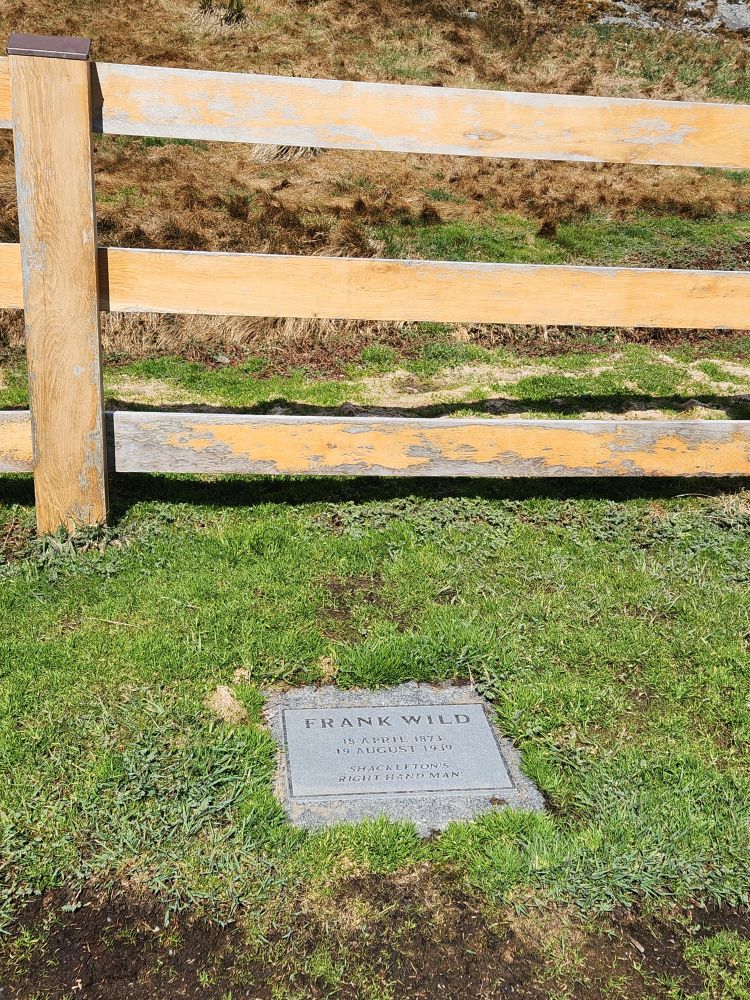
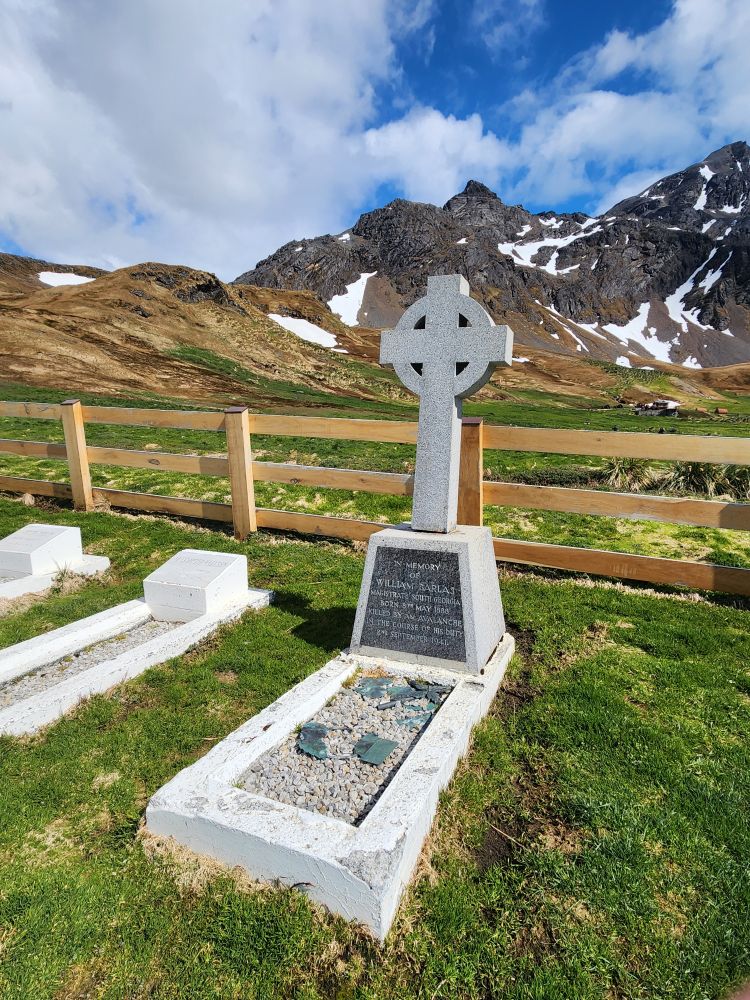
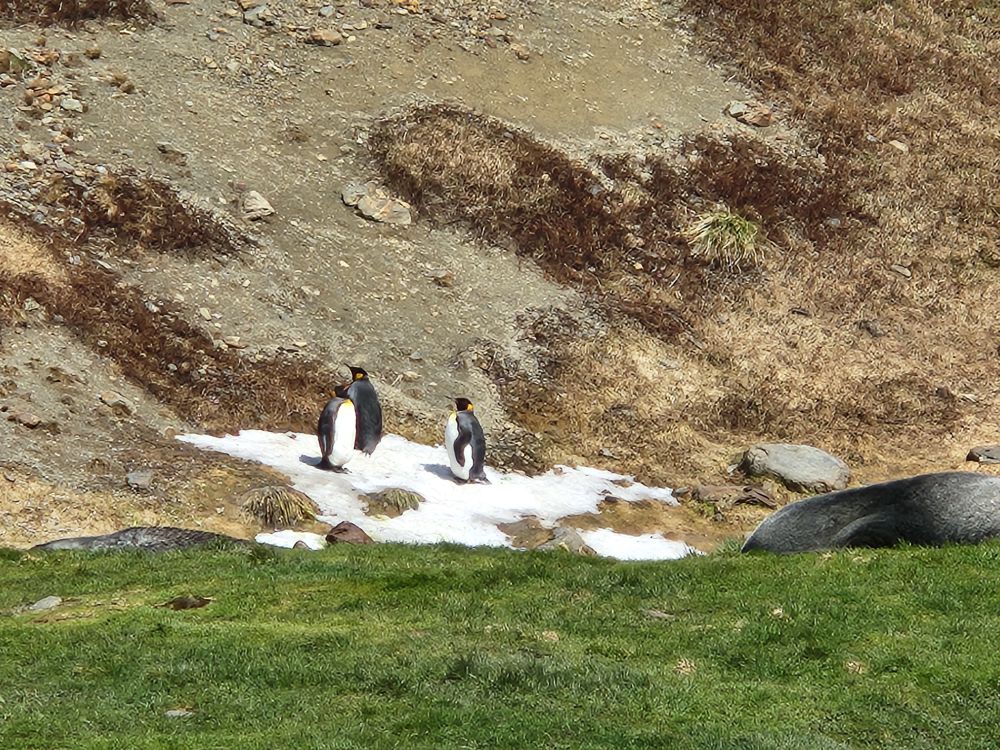
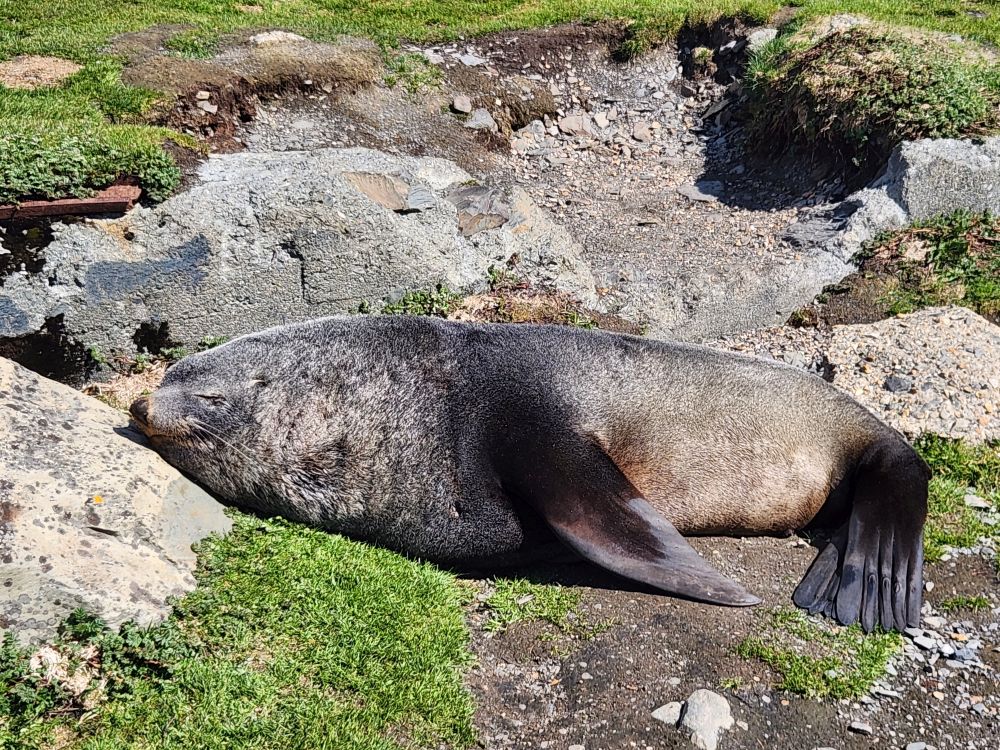
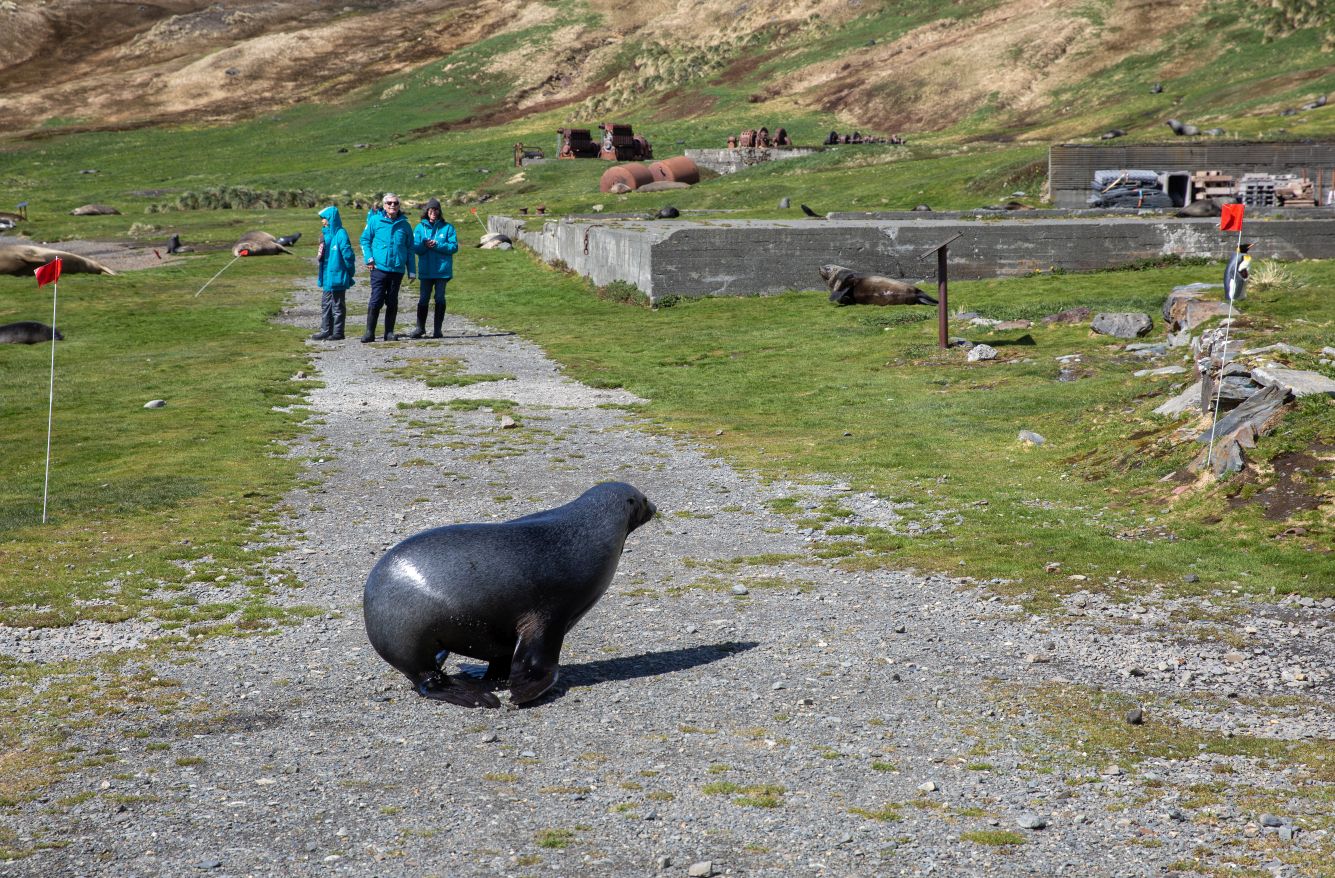
Back through the seal gauntlet we go, weaving our way around gigantic elephant seals and little – on a relative scale – fur seals. The fur seals are actually adorable and make the weirdest snorting and crying sounds. All of them are weirdly cute when they sleep – although we always remember that when they are awake, they can be decidedly not cute! As we walk back toward the abandoned whaling station, we even spot some penguins in the distance cooling off on a little wedge of snow nestled up against the slopes.
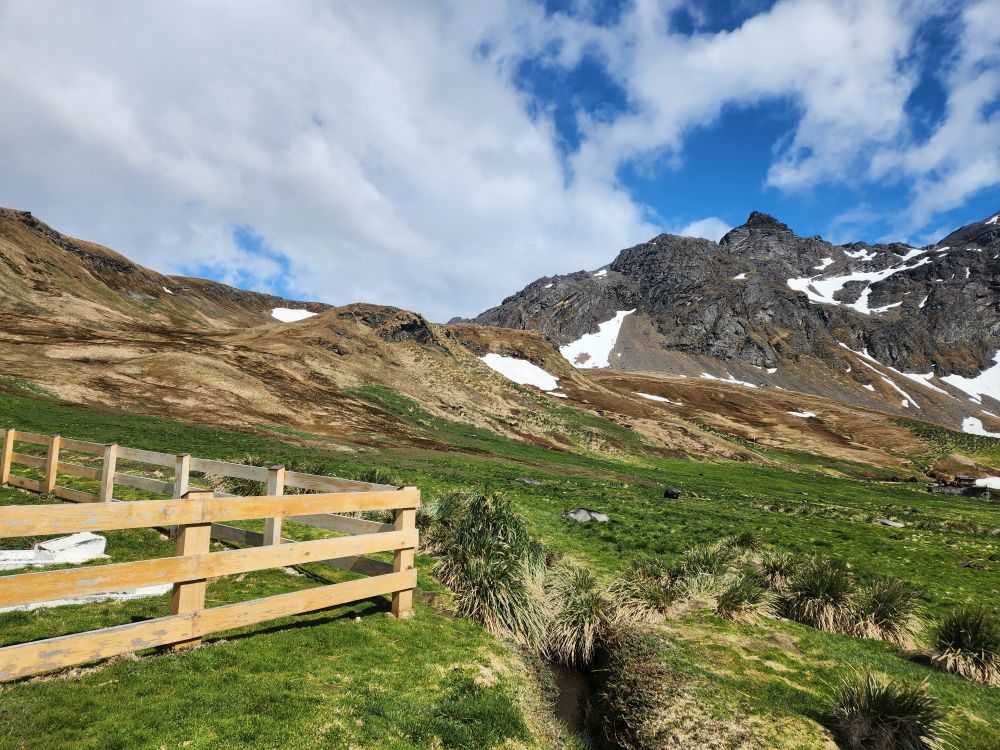
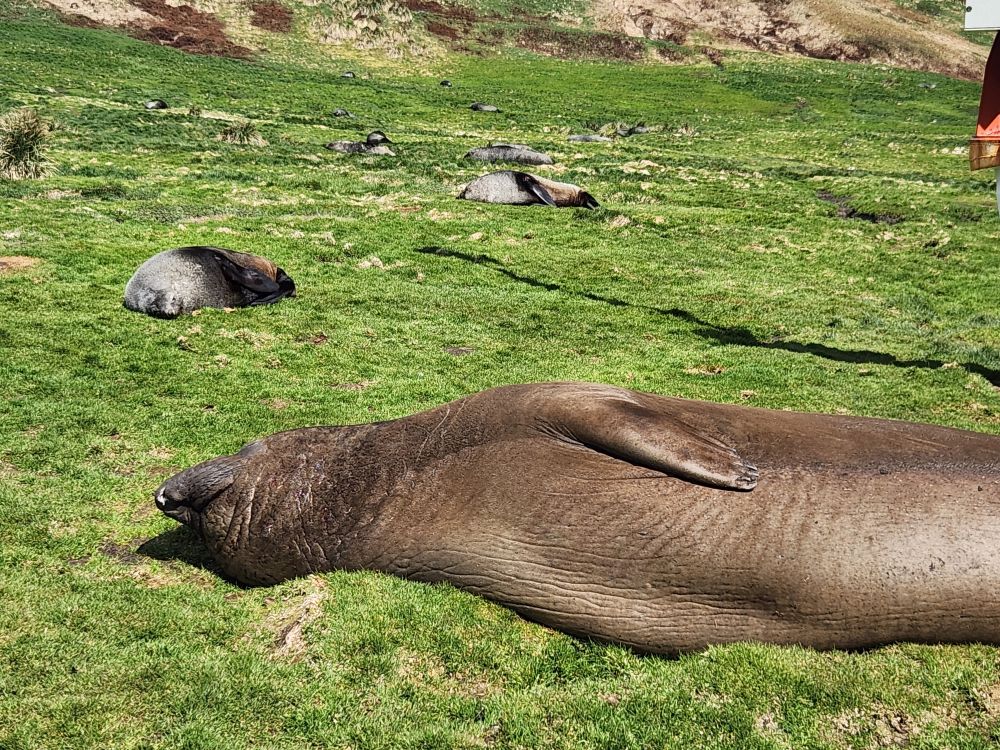
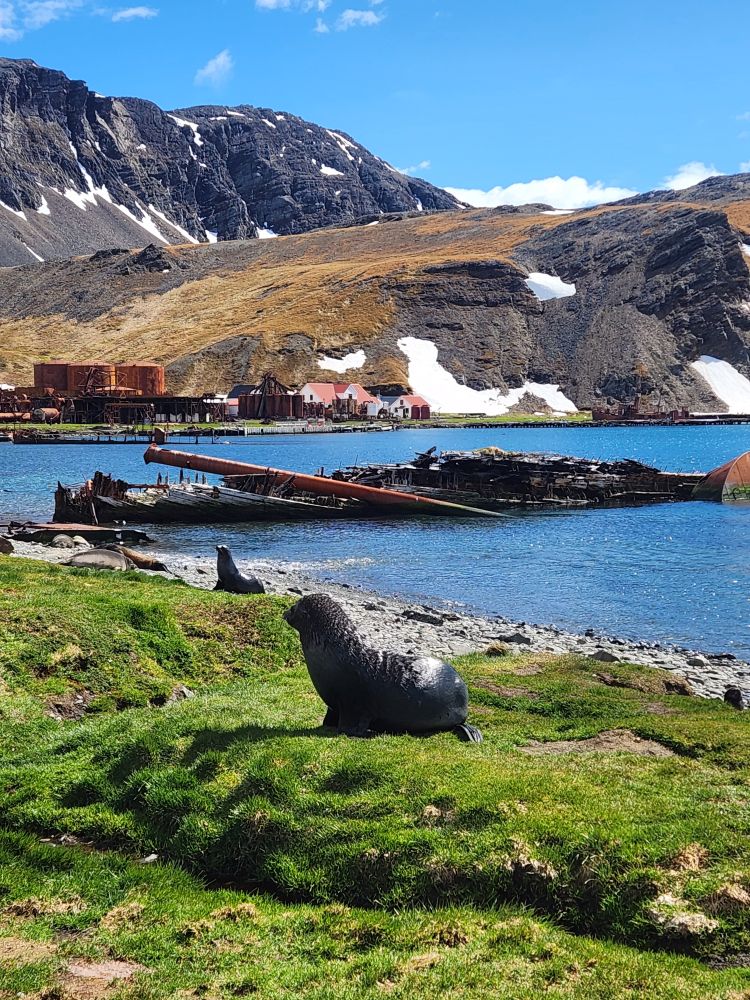
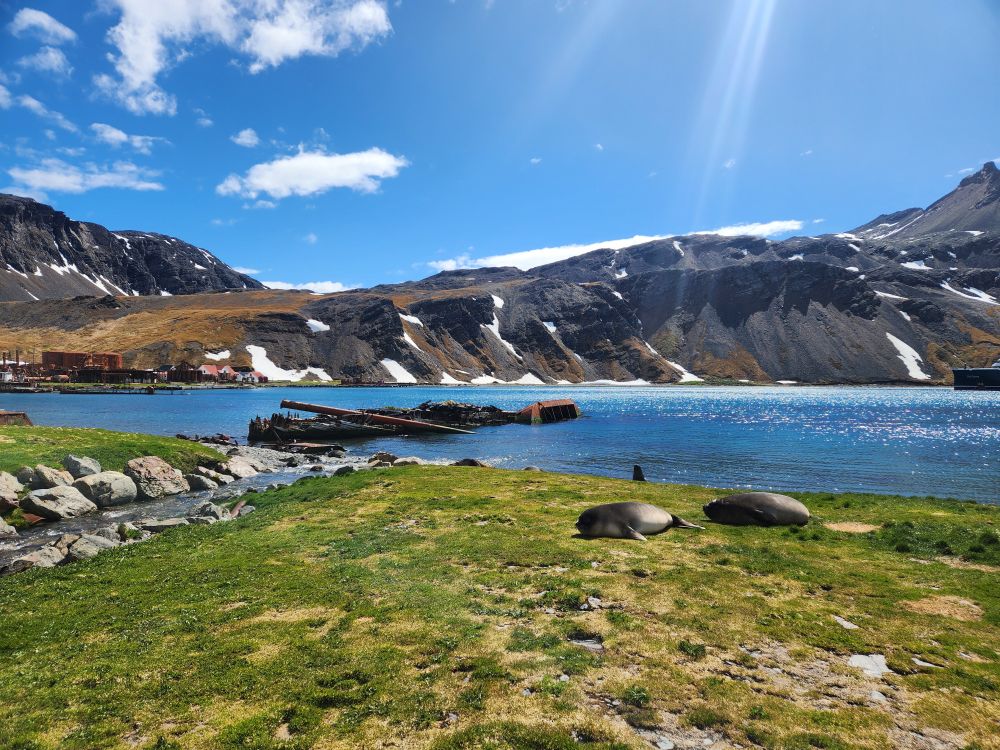
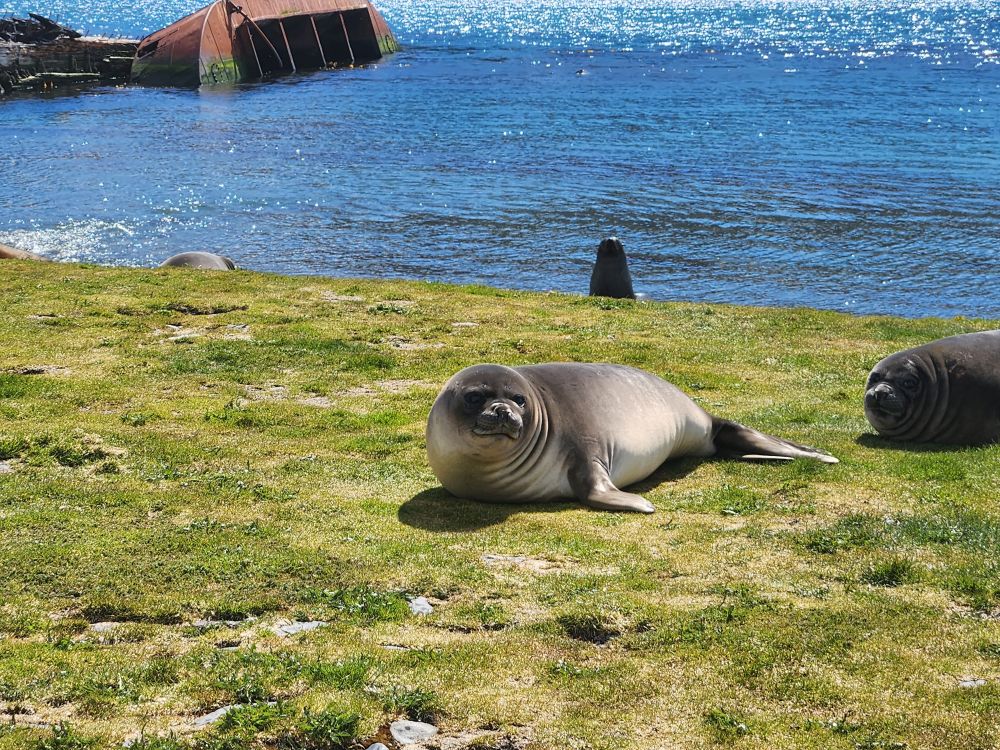
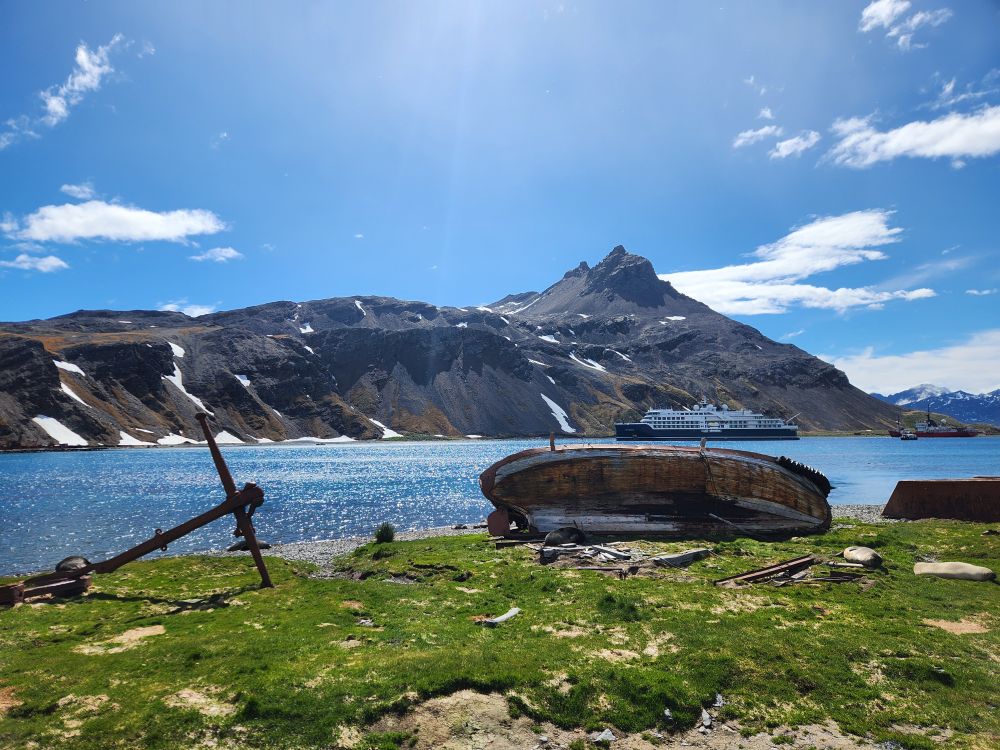
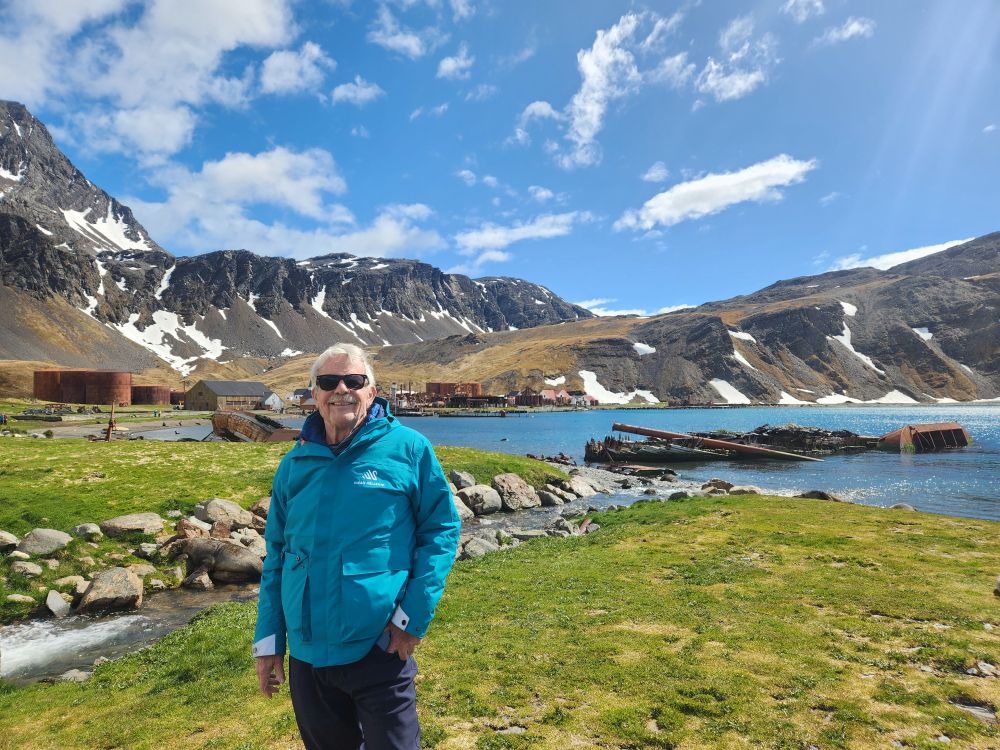
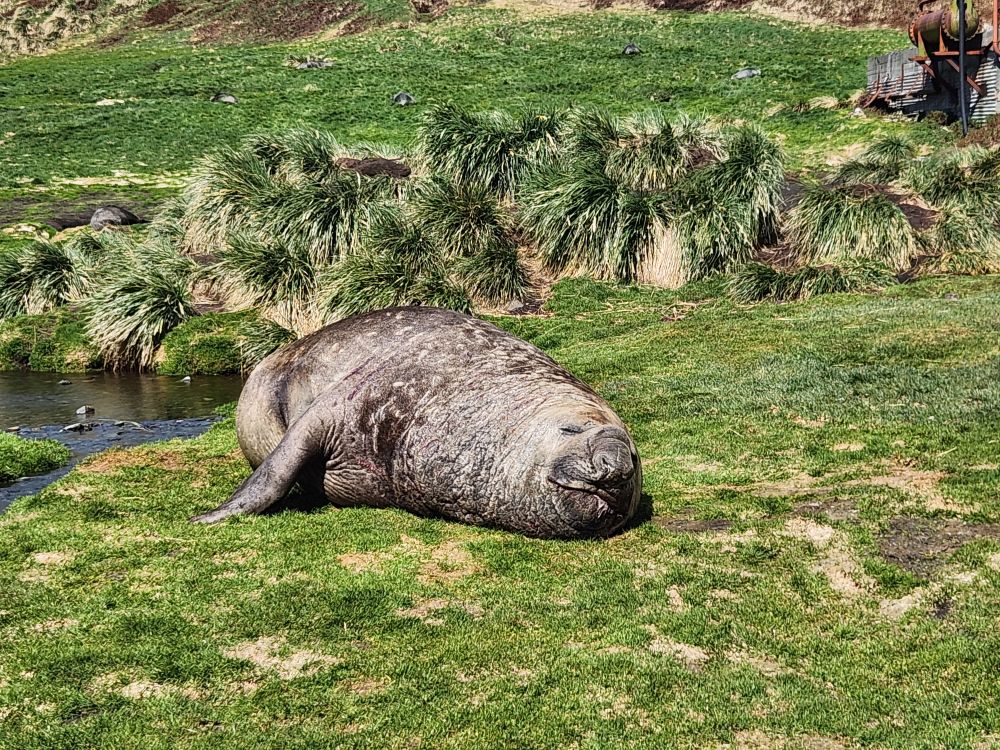
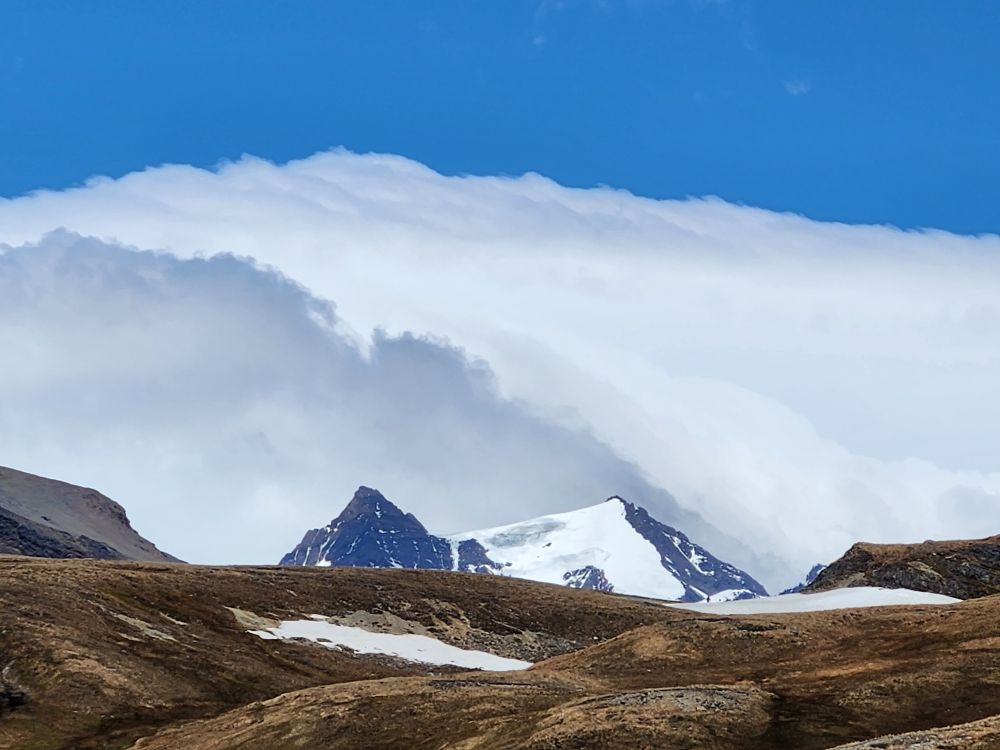
The scenery is so beautiful you just can’t resist taking photos and of course videos – of the scenery as well as the seals and the penguins in the distance!
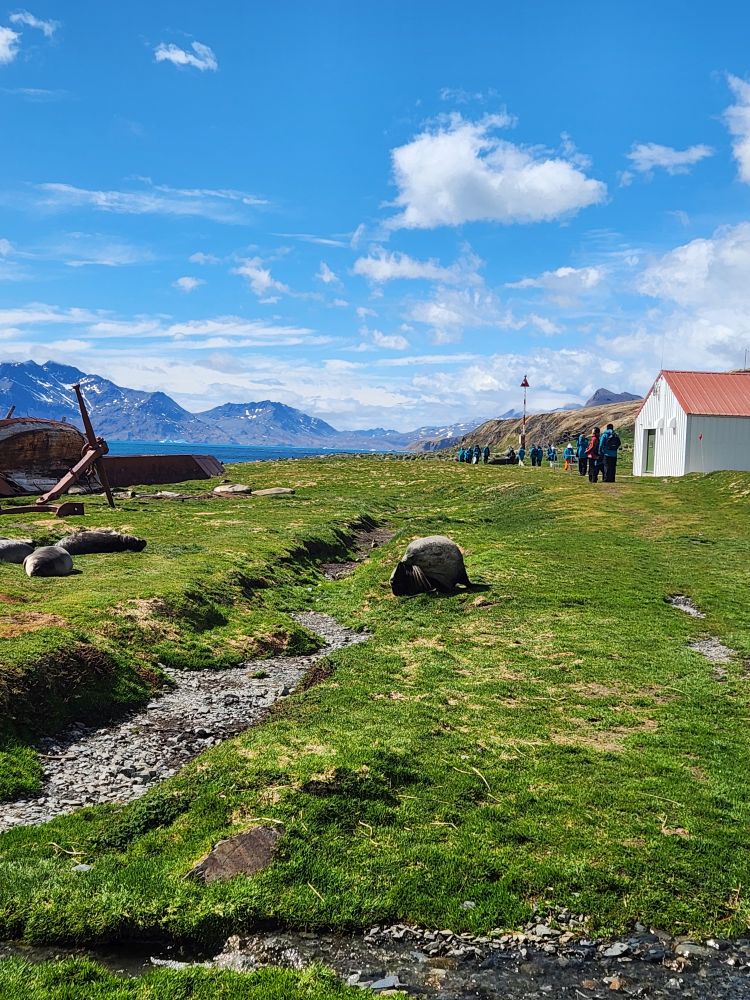
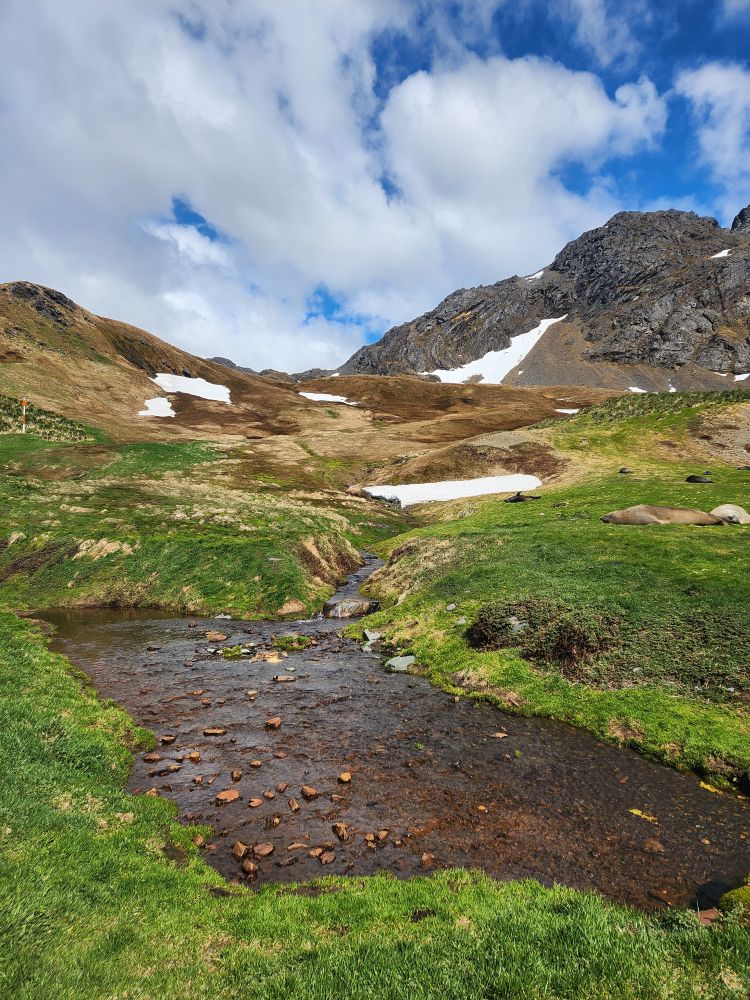
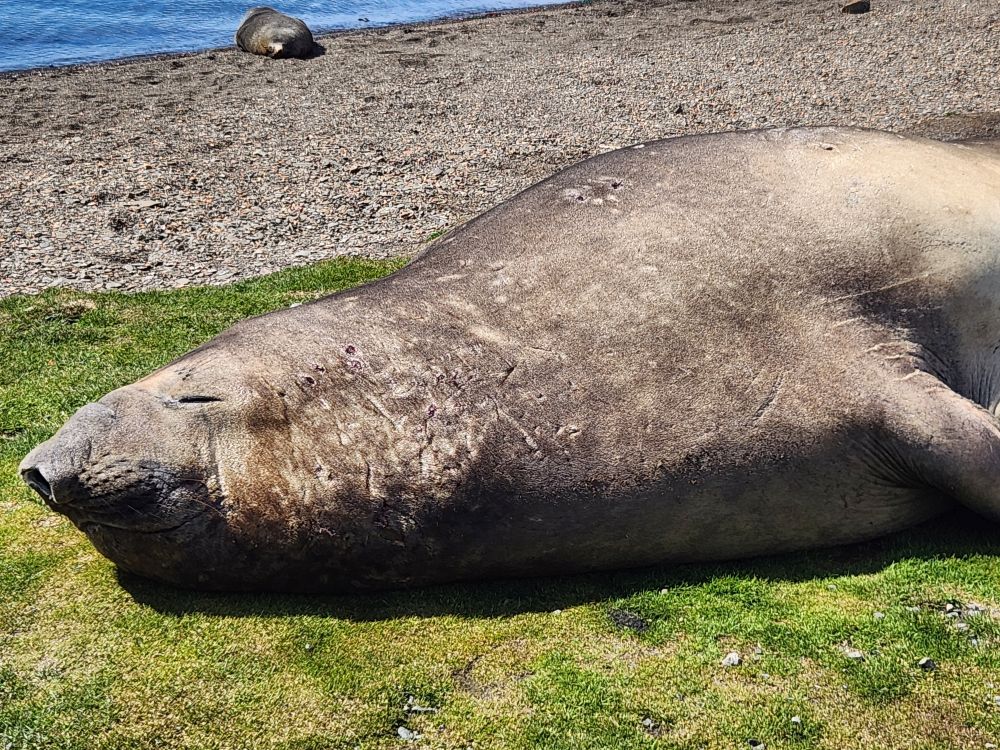
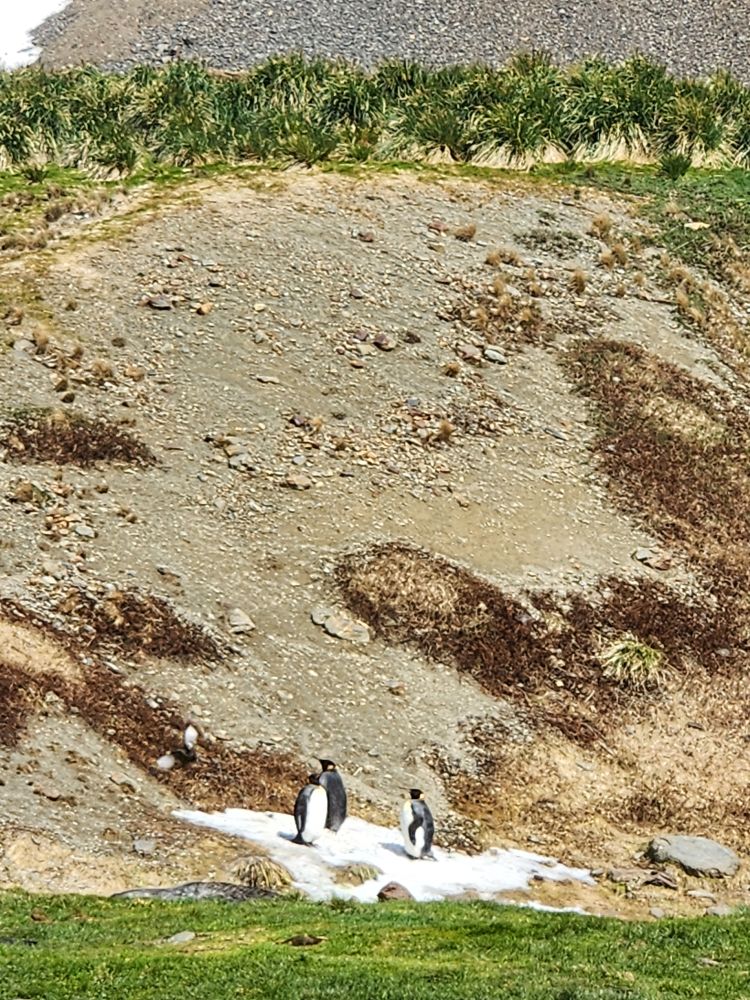
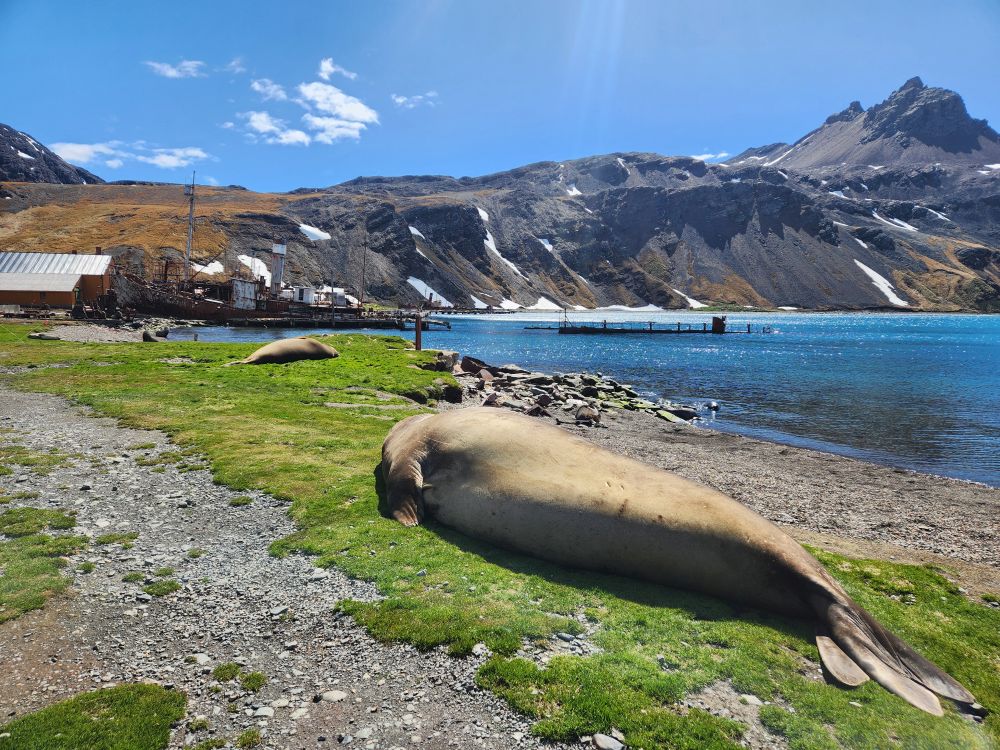
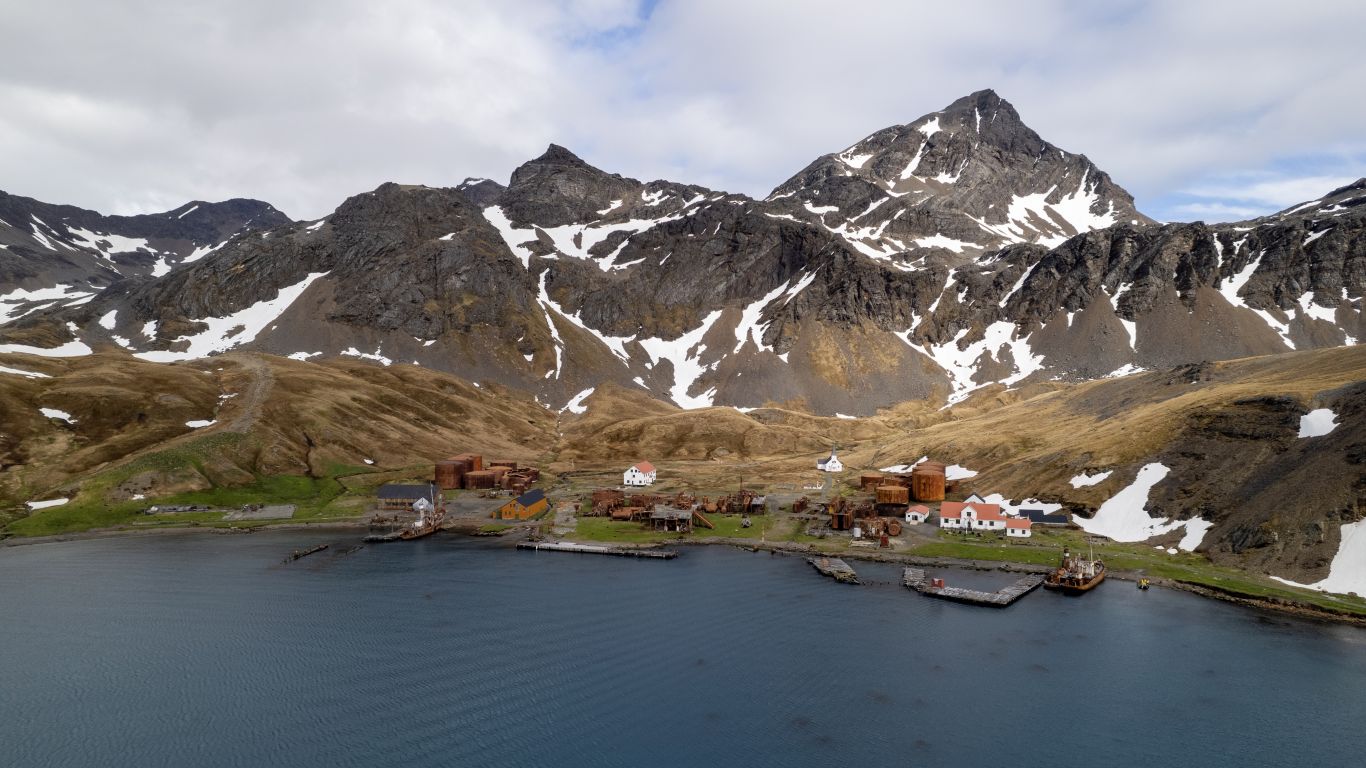
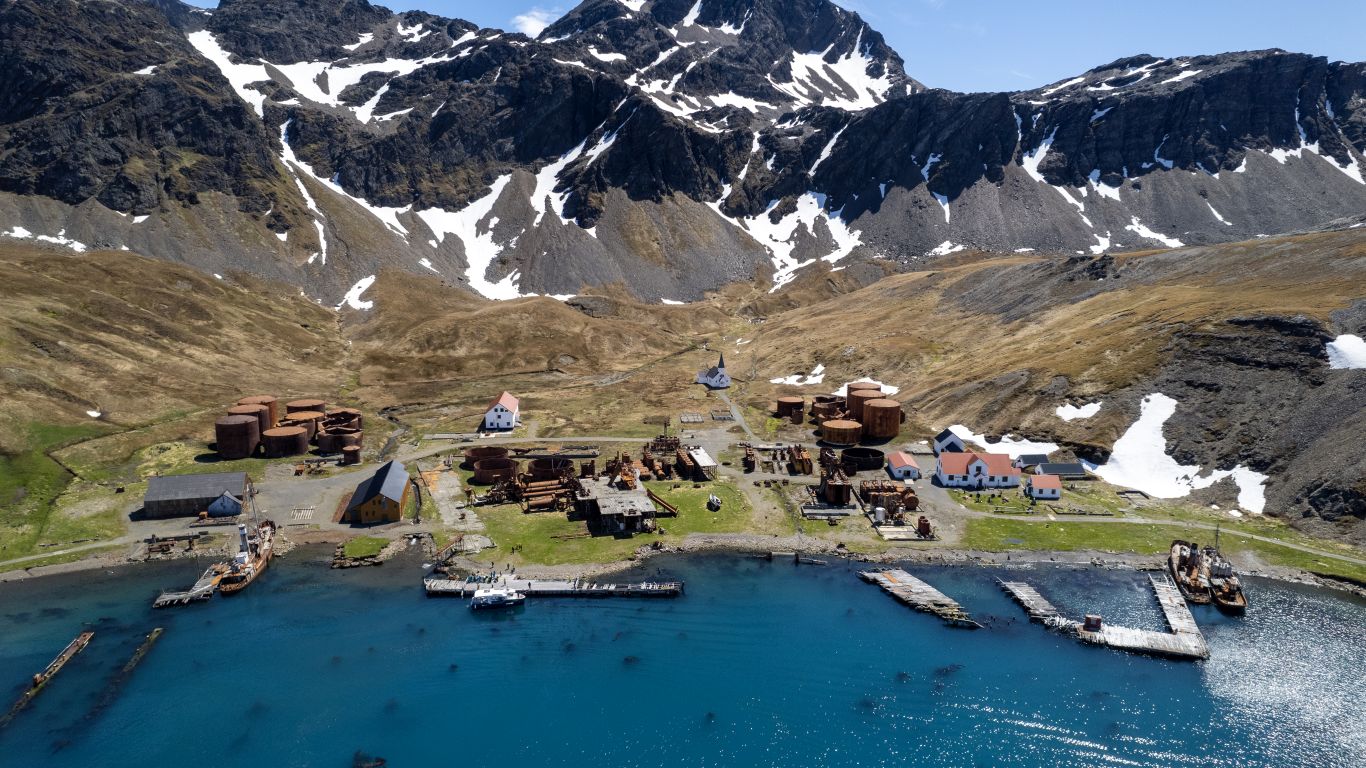
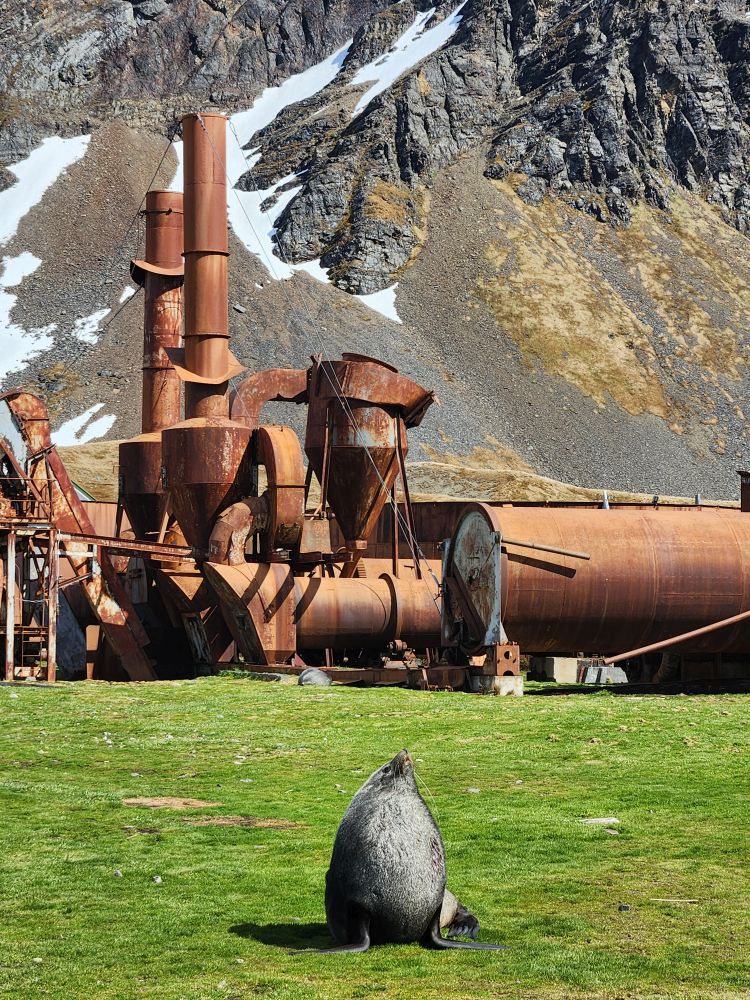
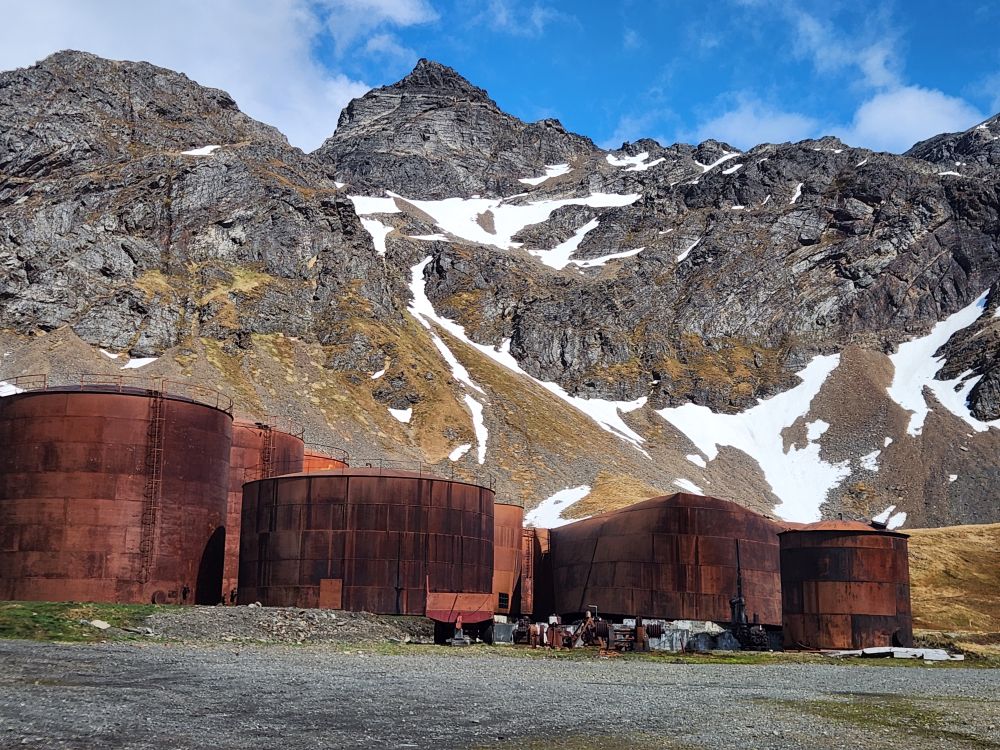
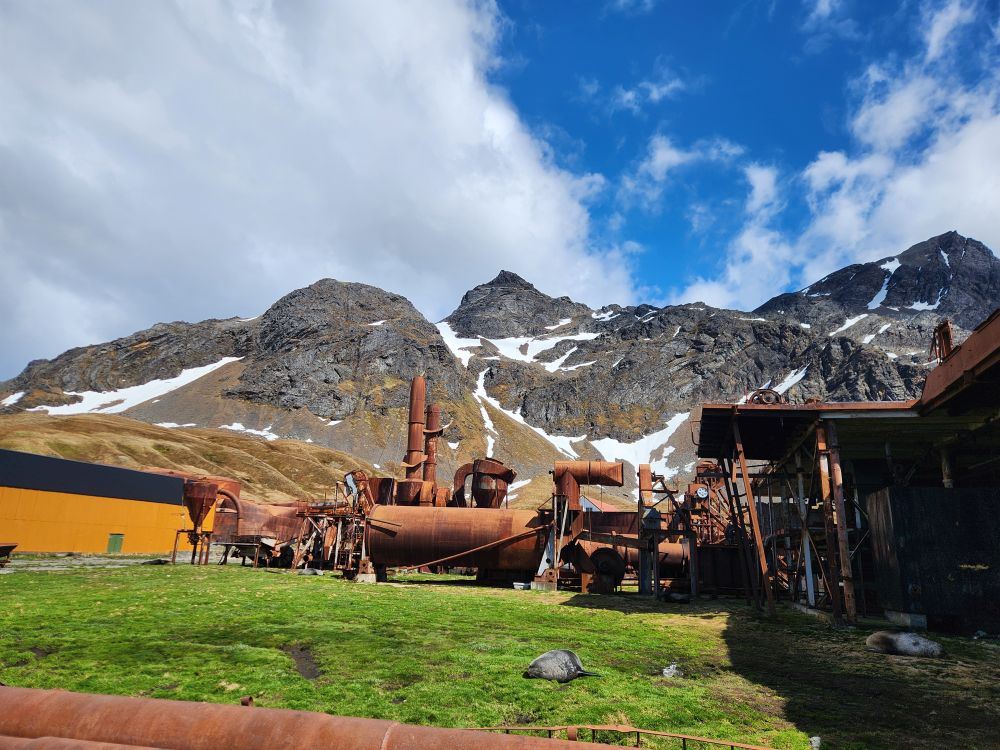
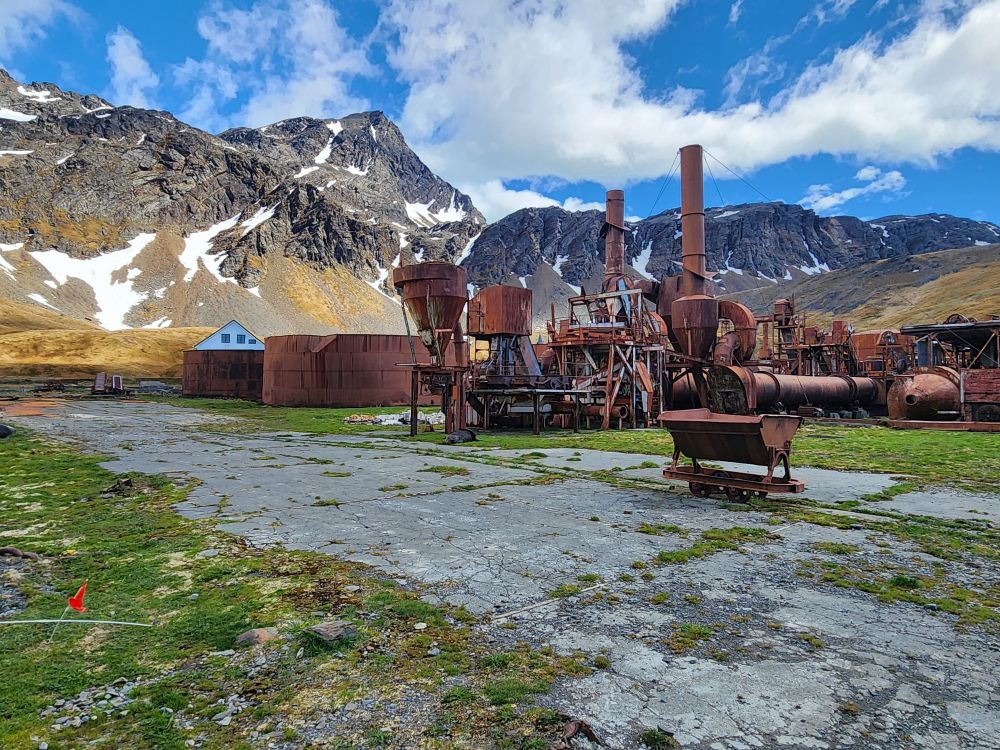
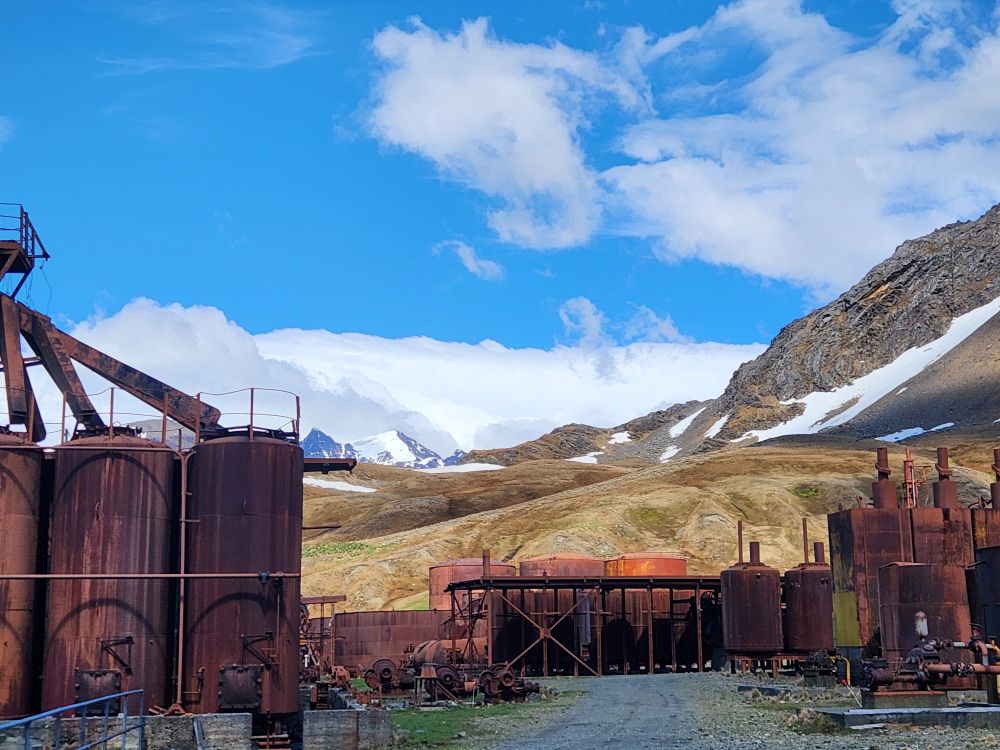
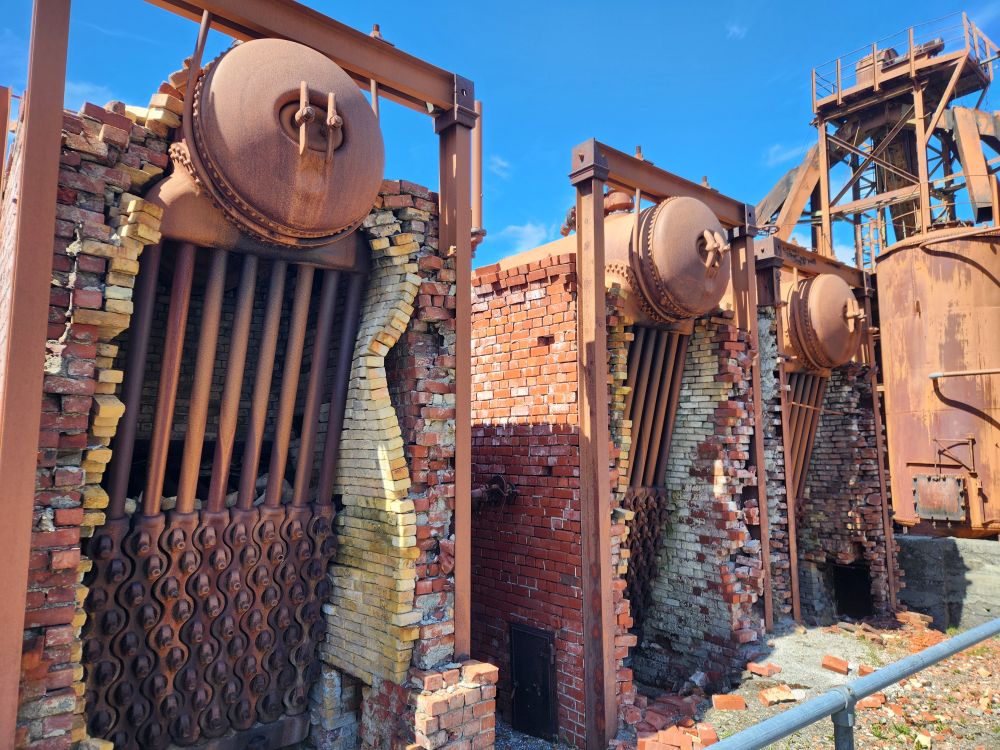
Back at the station, we have to wait on the path for a seal to cross, then we are free to explore the town. Grytviken operated as a whaling station from 1904 to 1964, what remains is a large portion of the buildings and operations – although many buildings have been removed during the environmental clean-up that began in 2003. You can see from the photos the warehouses, cookery buildings (for blubber, meat and bones!), and the plants where the whales and later seals were processed.
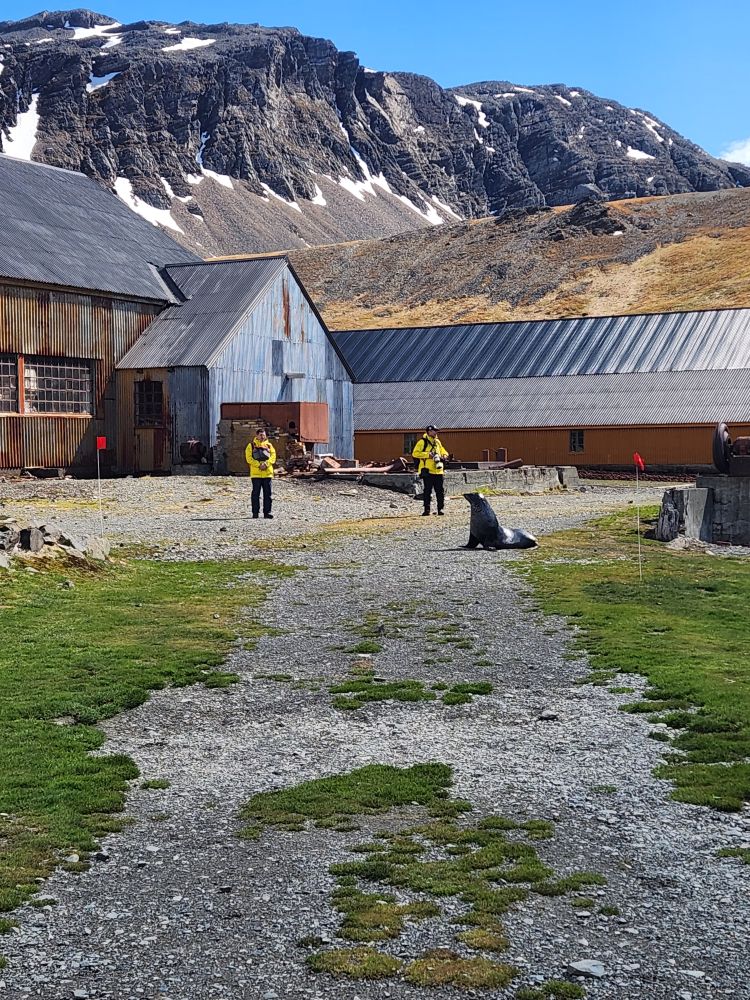
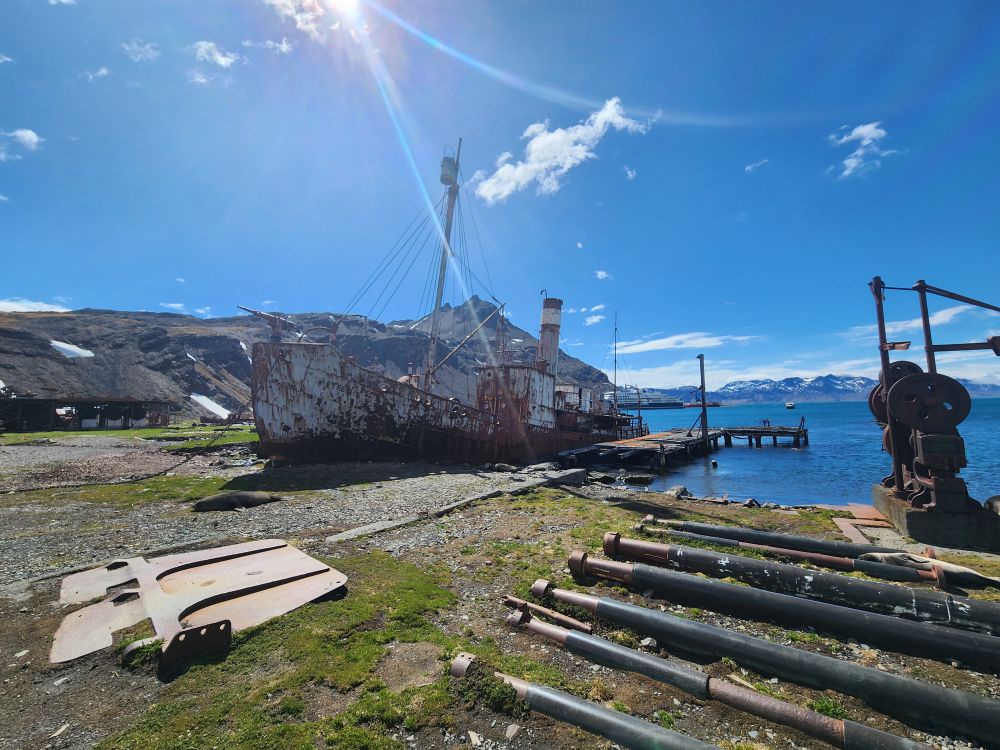
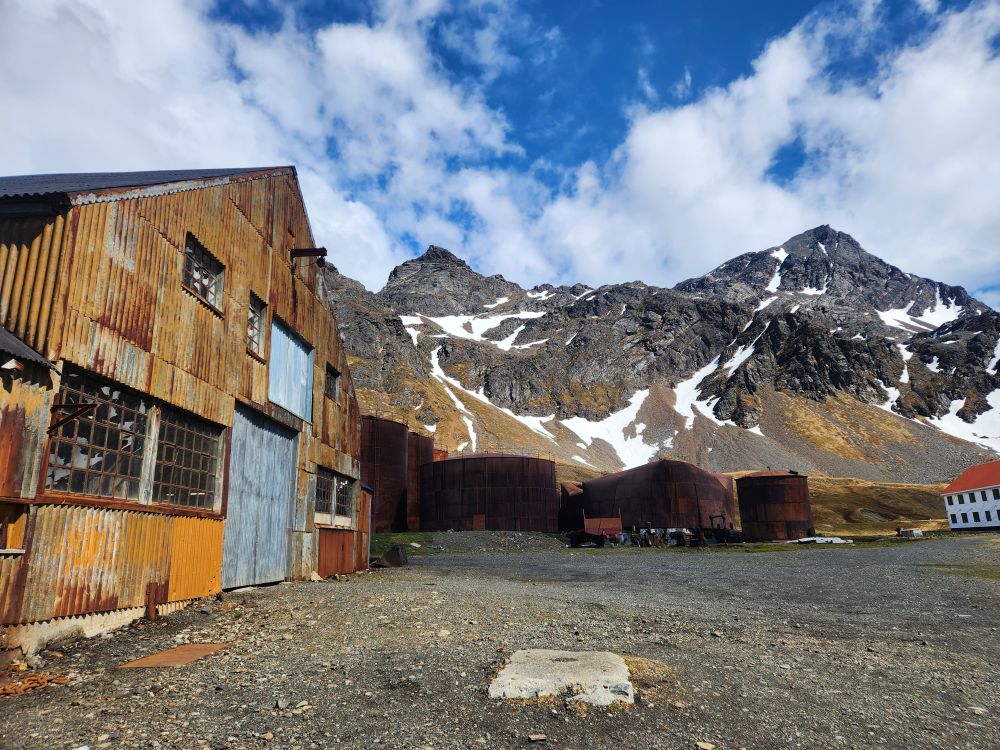
Island shots courtesy of our excellent photographer, Gennadiy Skorokhod and SH Diana (The third picture is us waiting for the seal to pass)
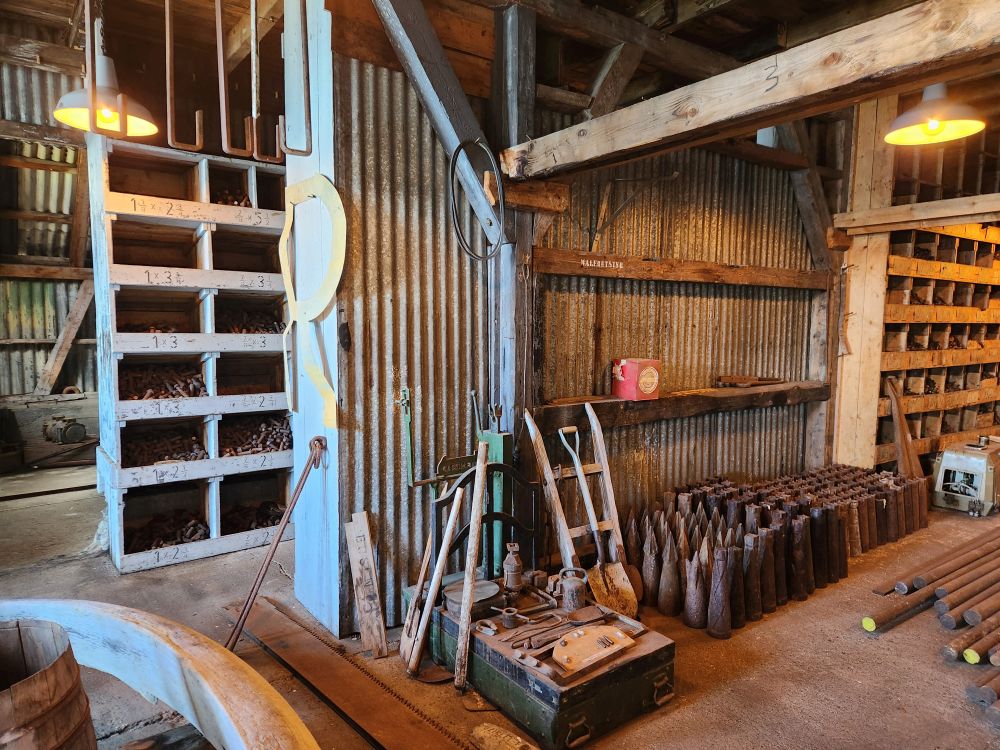
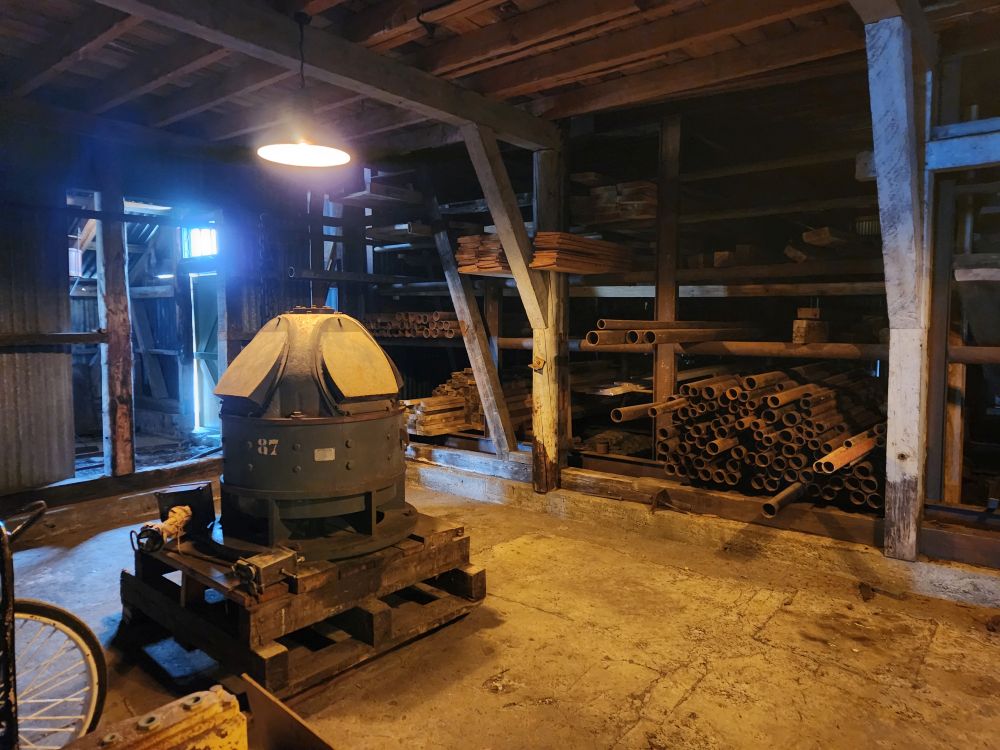
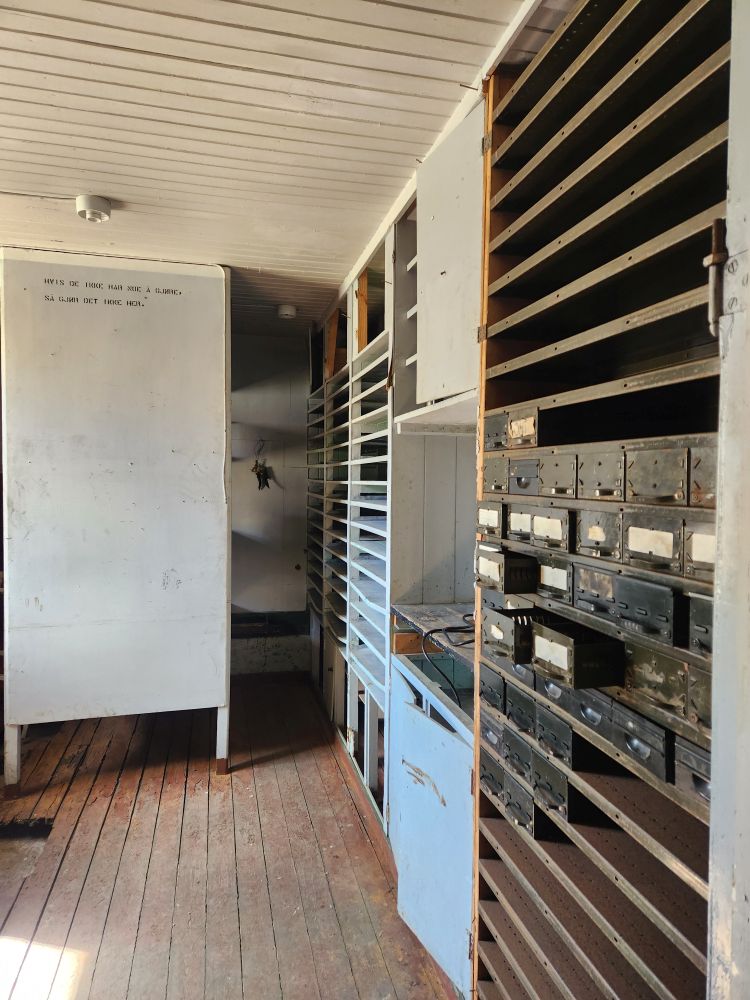
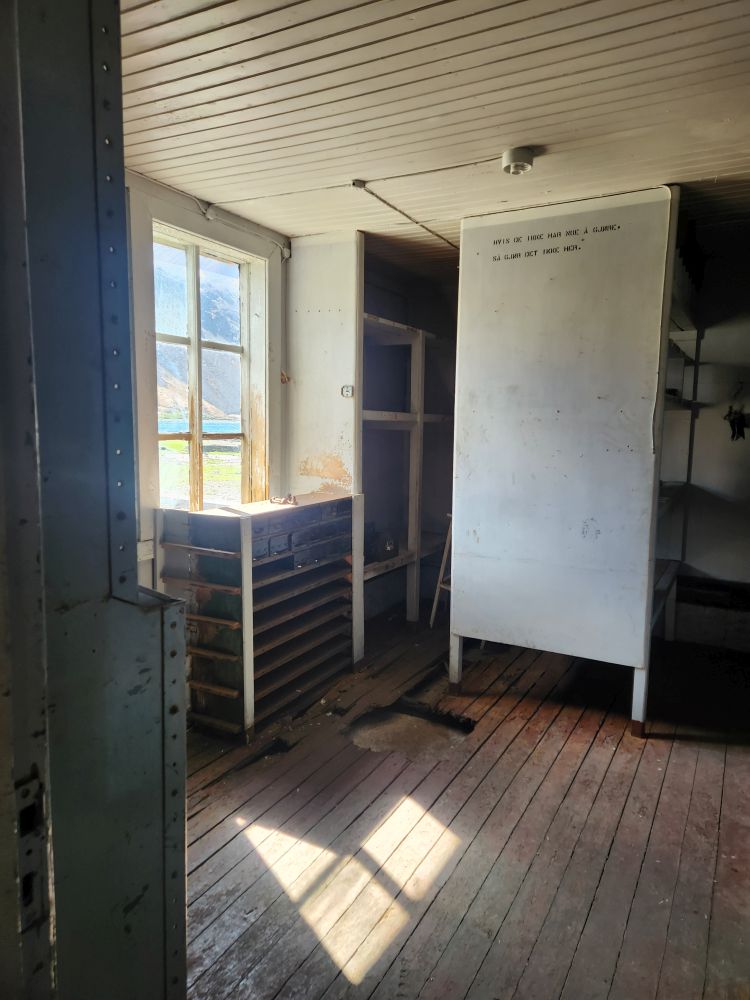
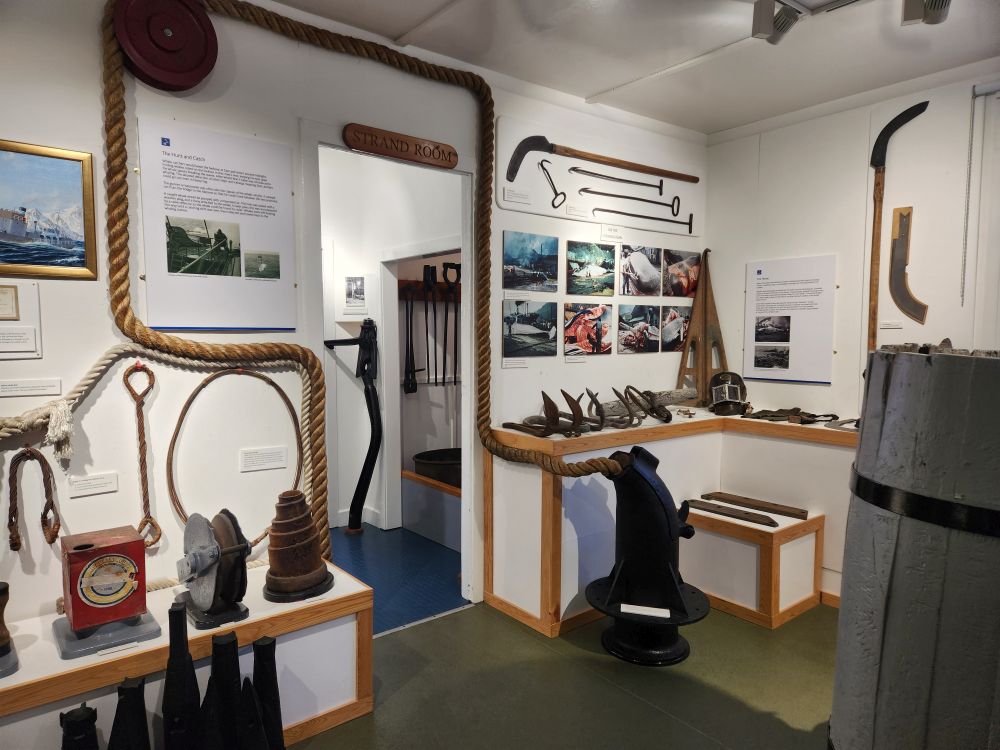
The first place we visit is the Main Store, newly re-opened tourists, is the equivalent to hardware stores of old – just industrial sized. Built in 1920 in between all the whale catcher maintenance workshops, this is where whalers would come for supplies to repair and maintain their vessels, as well as the factories used to process their catch. It’s an amazing building, filled with everything you could ever imagine you would need to repair a ship or machinery. Abandoned in 1964 when the whaling station closed, they just left everything we see today – pipes, valves, bolts, nuts, rivets, pumps, gaskets, harpoons – everything! The original wooden shelves are stocked full with equipment. Crazy they would just leave it. But better for us to get the feel of how the store looked and operated in the heydays of whaling and sealing.
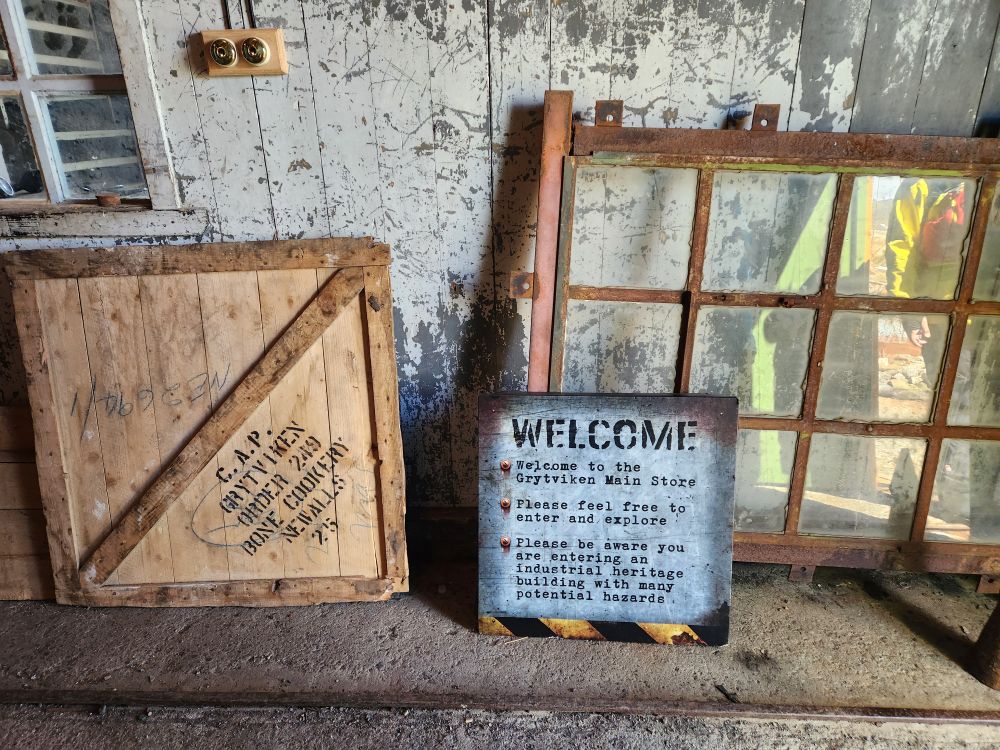
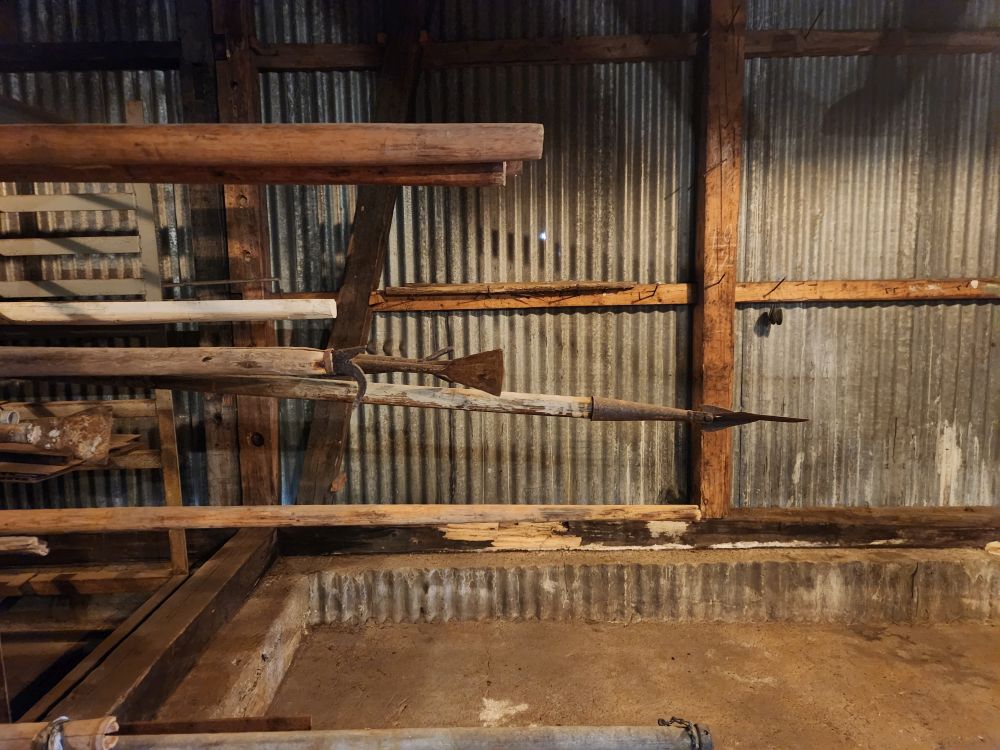
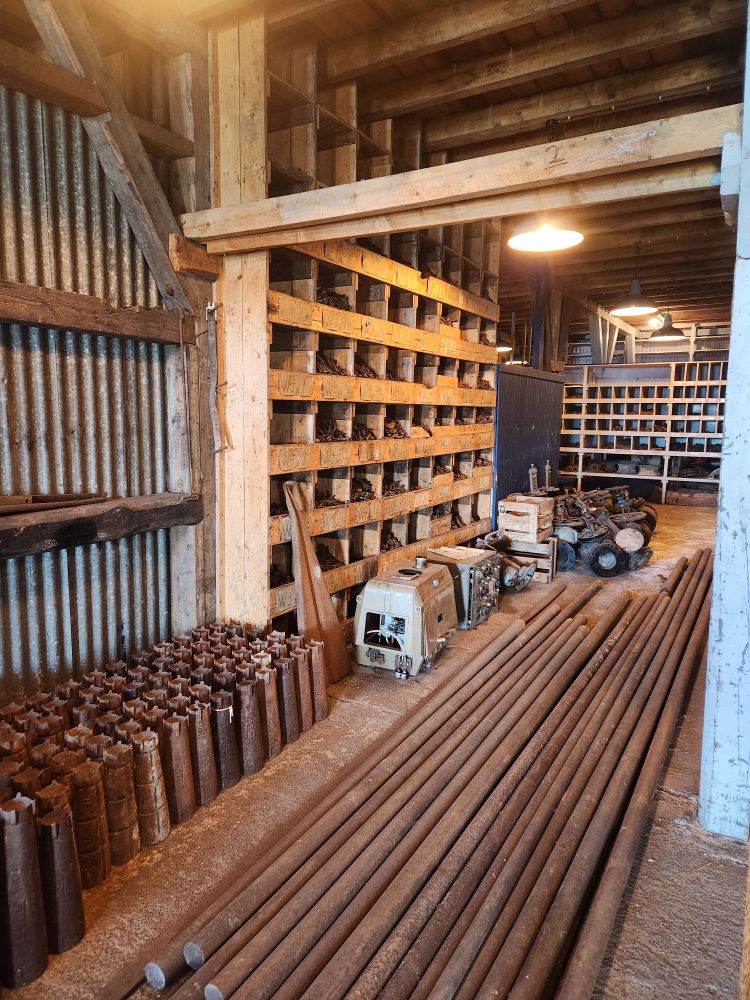
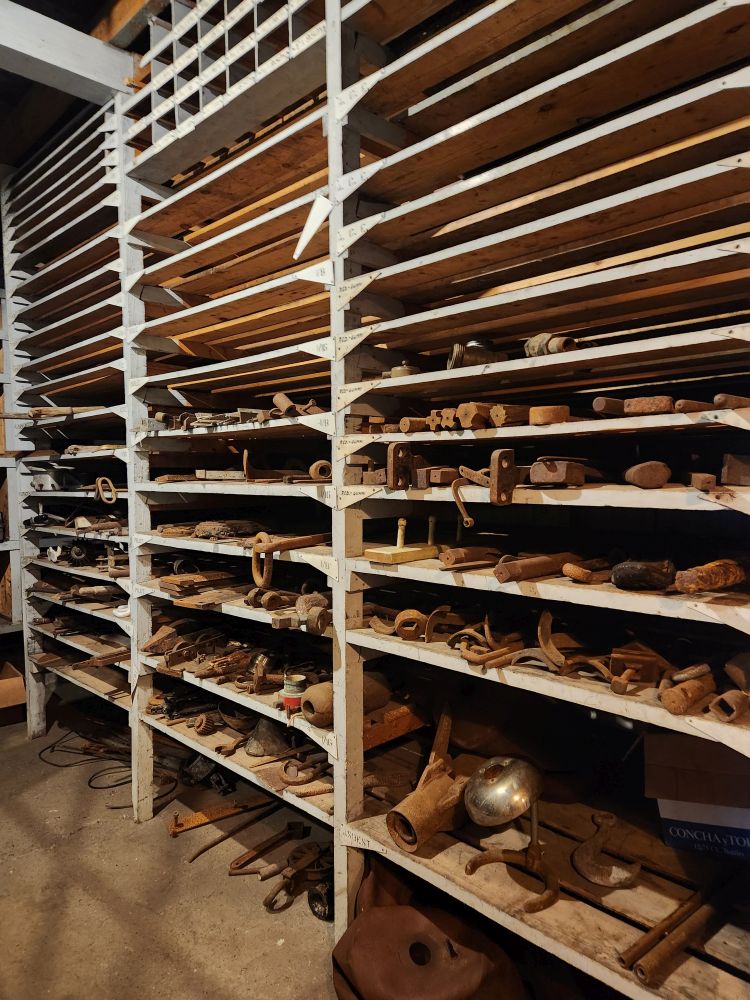
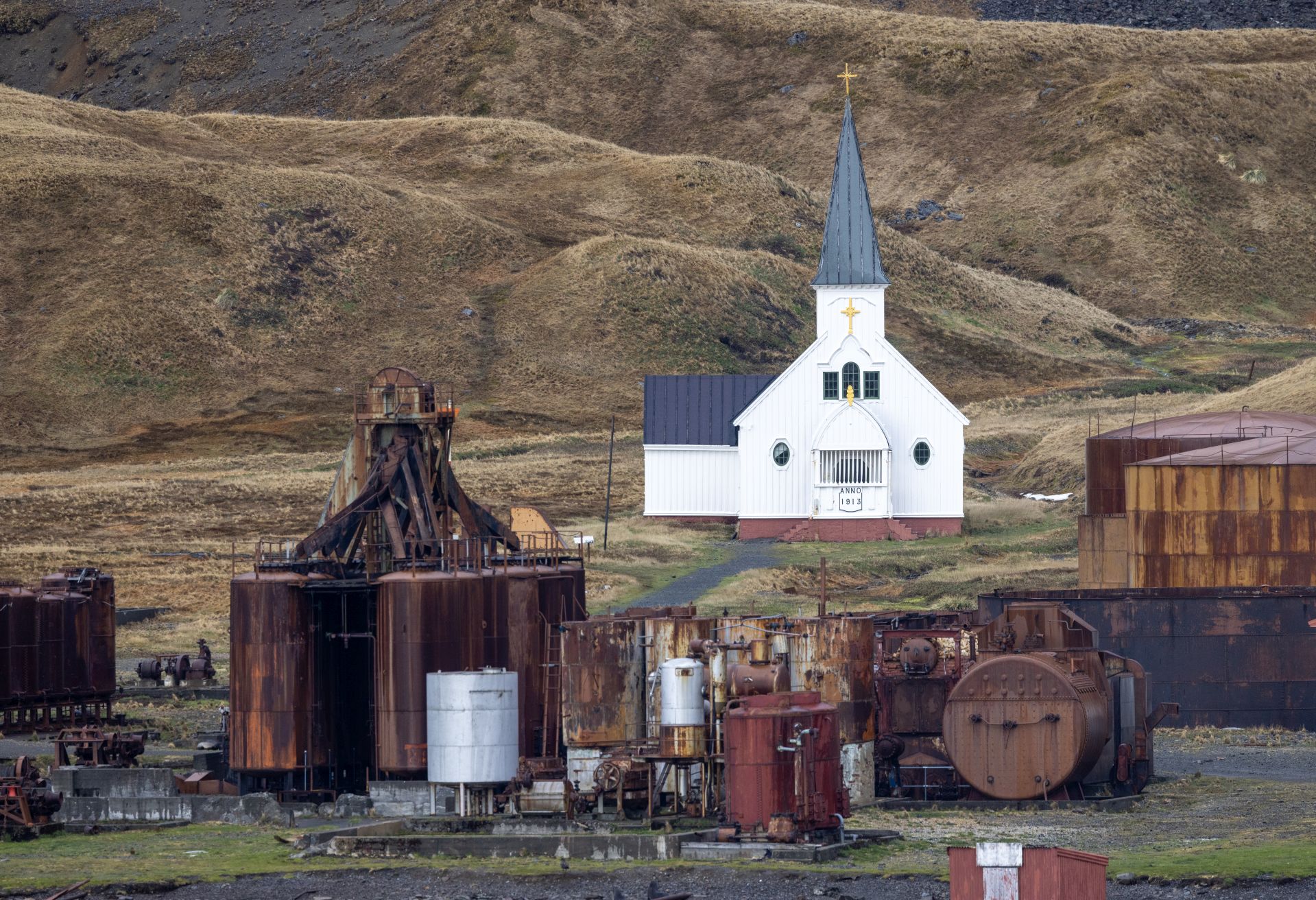
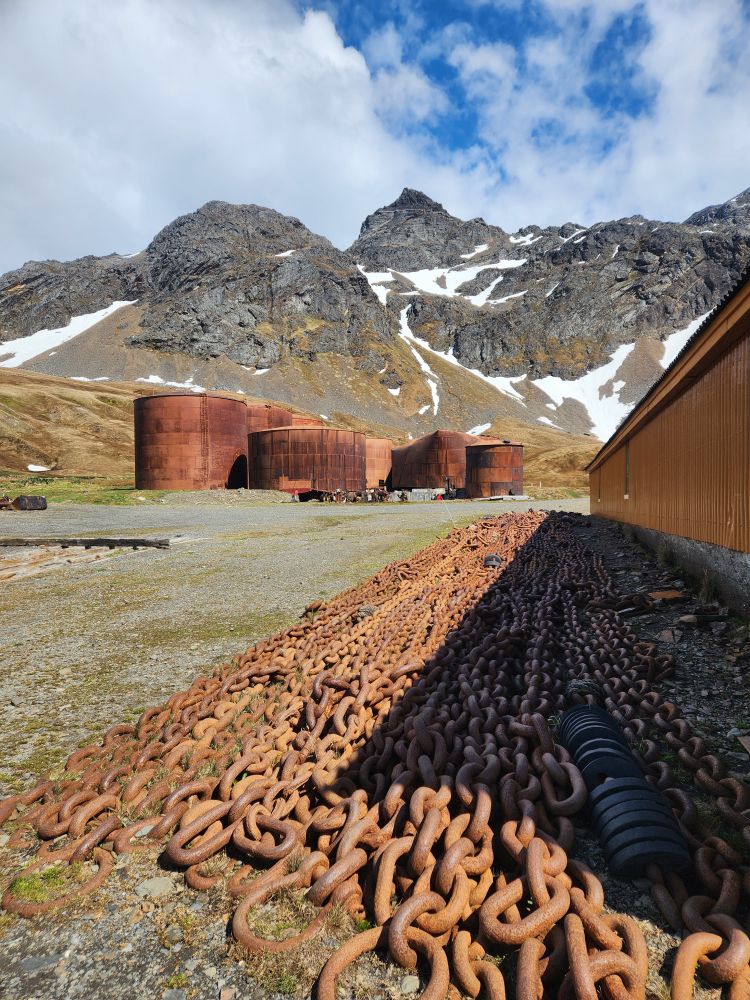
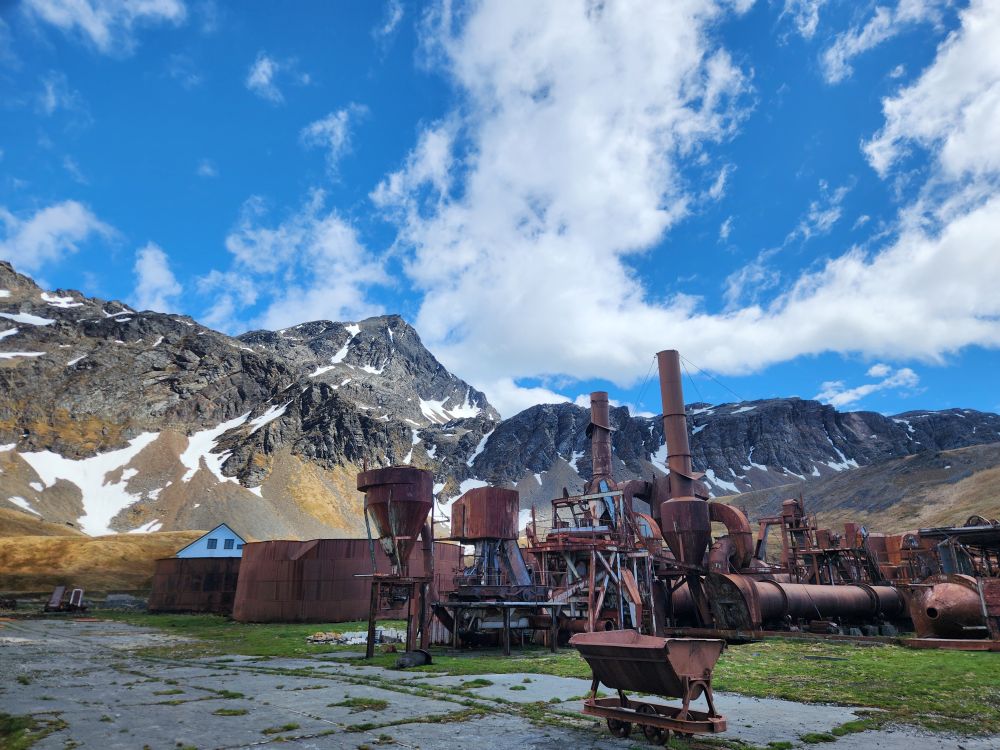
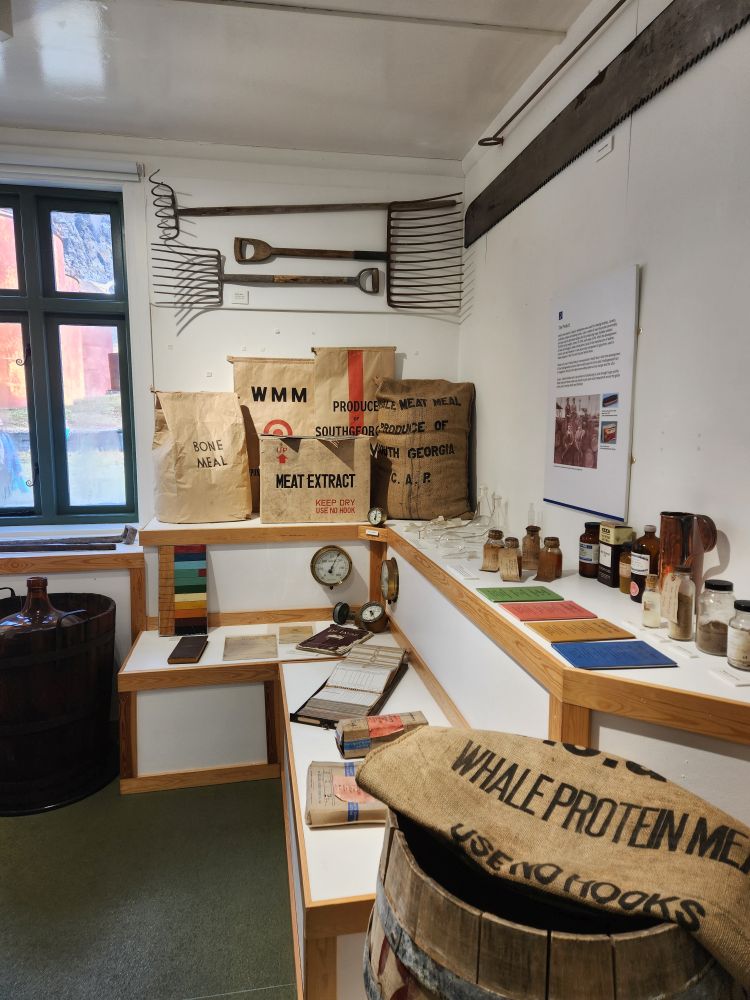
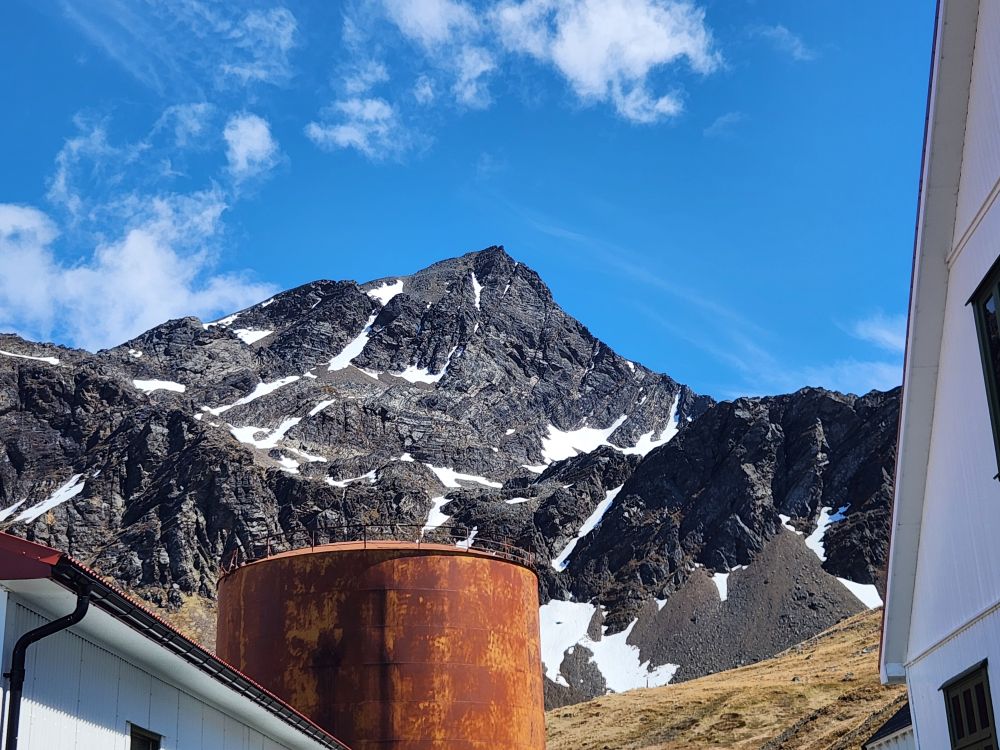
Heading back outside, we wander through the remains of the station – past the meal plant used to process meat and bones into meal, used for cattle feed and fertilizer, respectively. Through the huge silos used to store the meal and other byproducts, all with the stunning black craggy mountains in the background. The contrast between the red rusty metal and orange roofed white buildings is absolutely gorgeous.
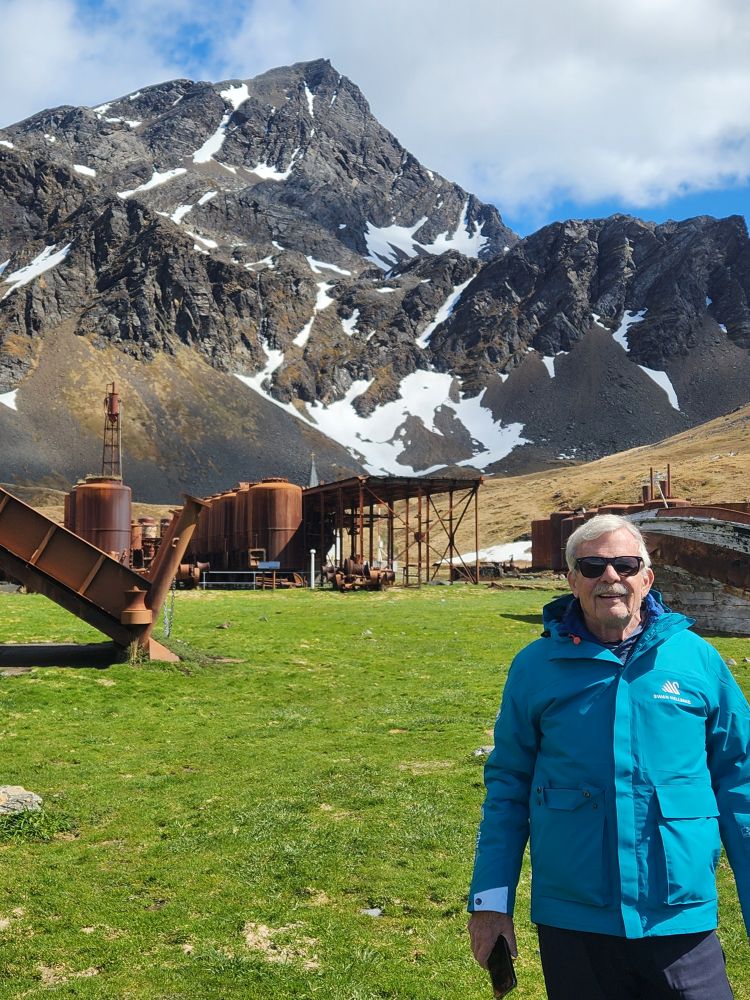
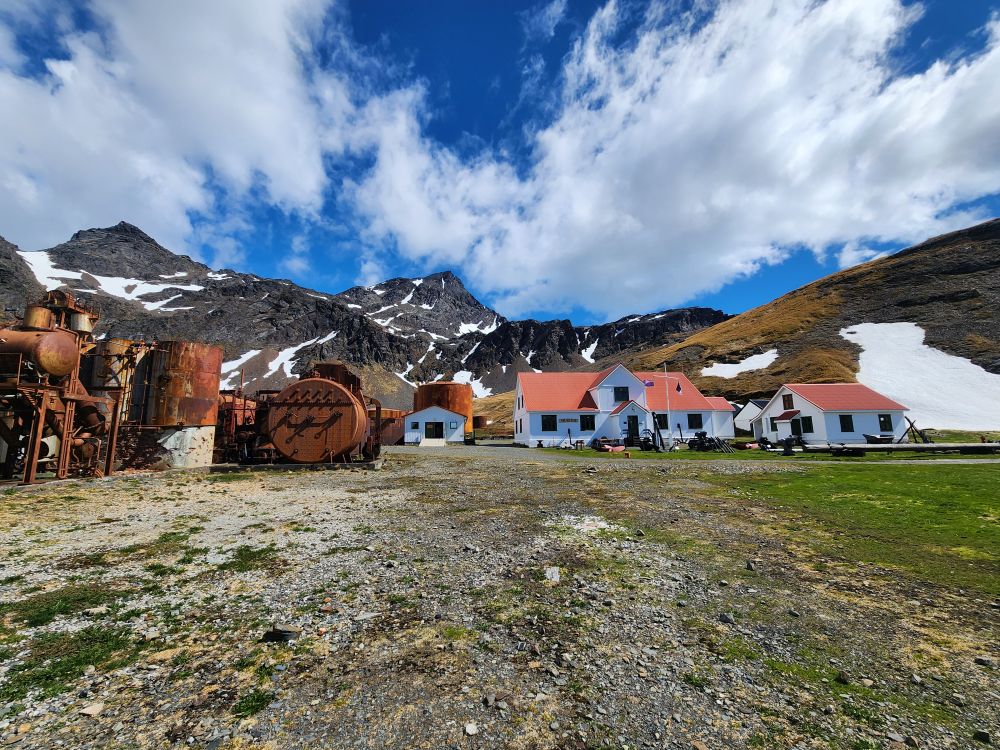
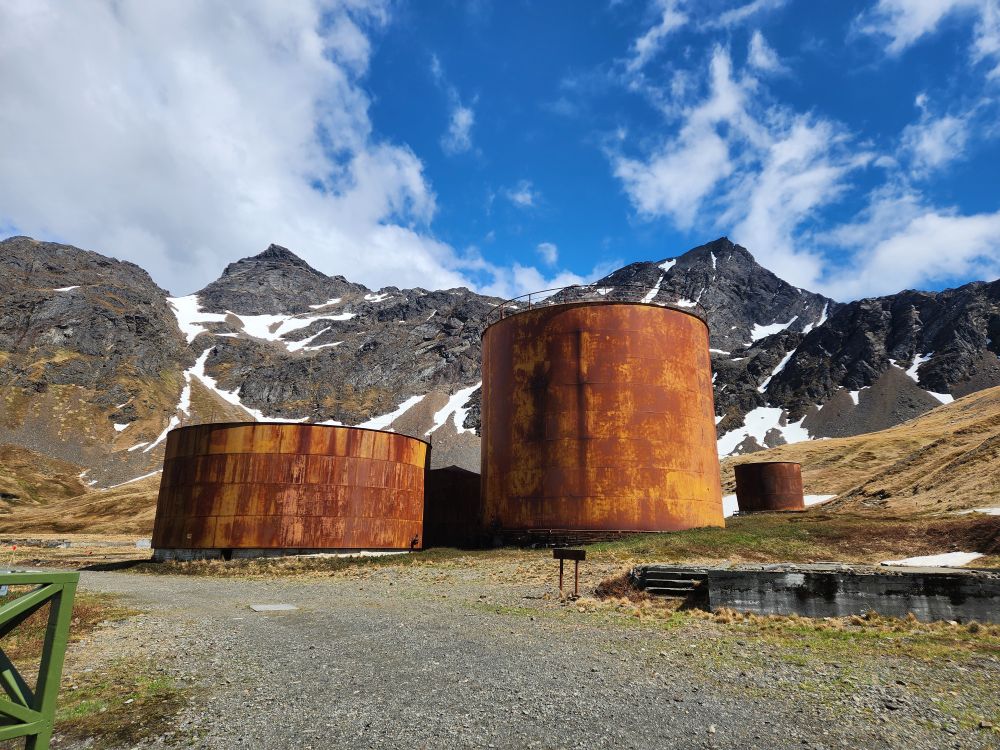
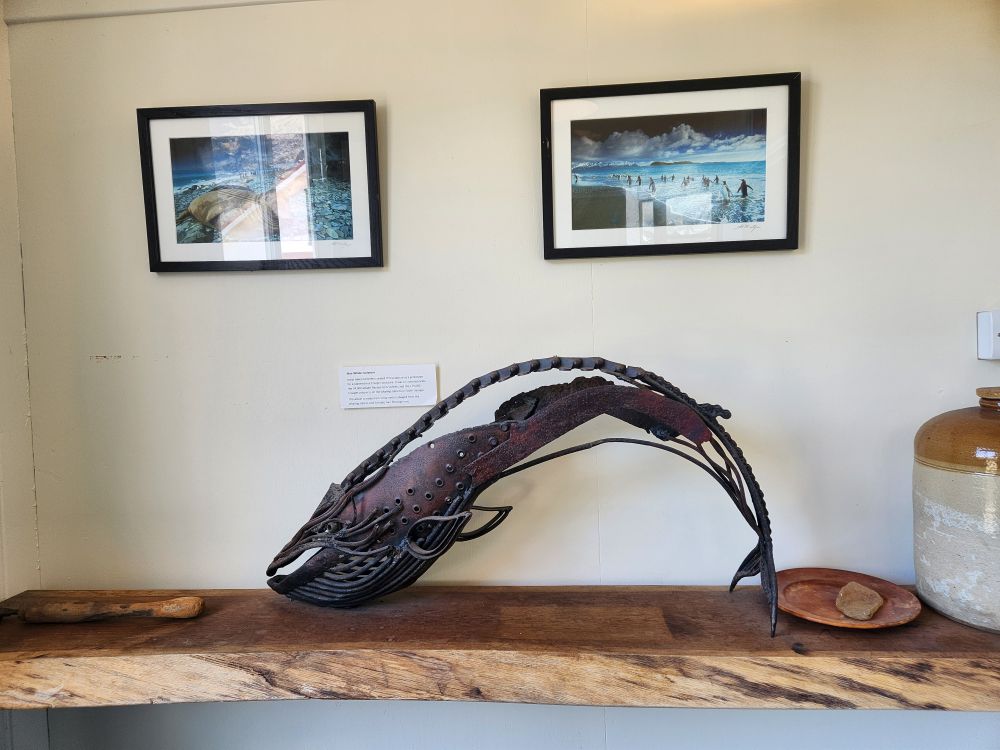
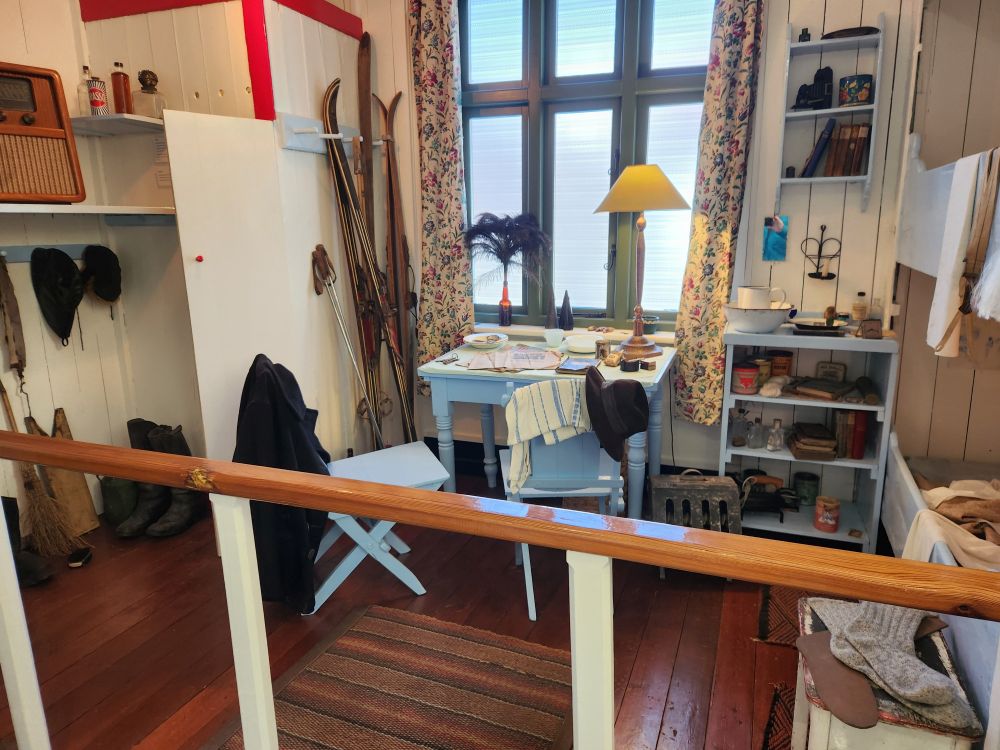
Reaching our objective, the Post Office, we go inside to look around, buying some cool stamps and a t-shirt while talking to one of the sweet girls who works there. She is from Belfast, and when we tell her we were just there and how much we love it, she is over the moon. We could have stayed all day talking to her – she would have done the same – but we have a tender to catch and she had other customers, so we waved goodbye and headed to the museum to wander through the historical displays and exhibitions. Stopping in their gift shop, we spend far too much on more t-shirts before making our way back to the tender pier.
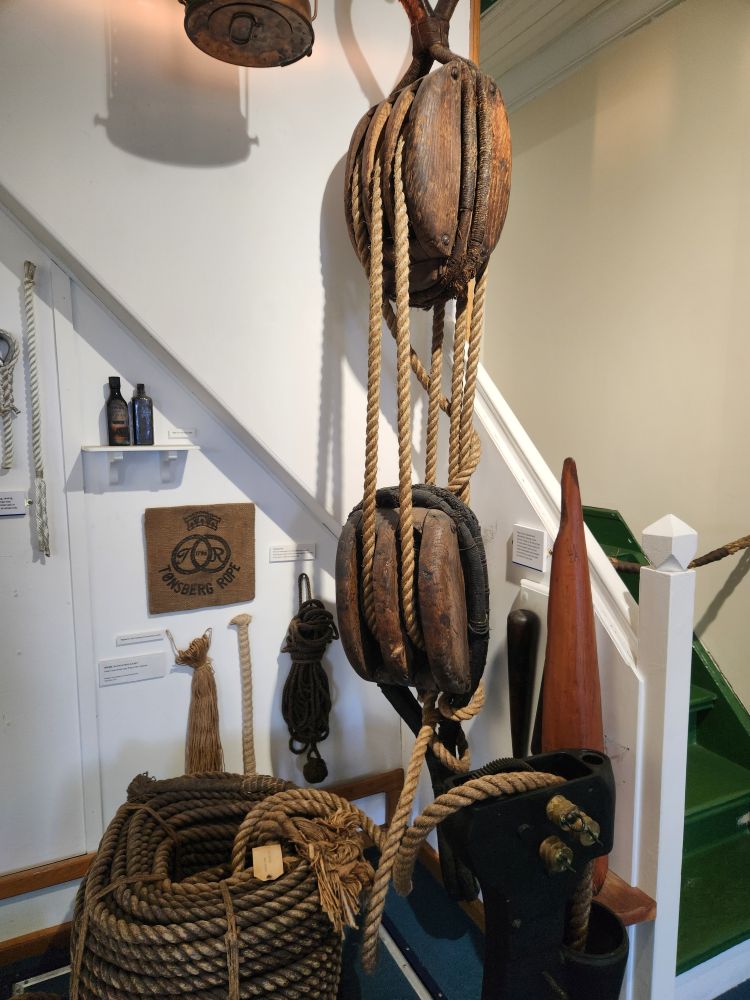
Because we are adhering to the 1 hour timeframe Brandon has told everyone they have on the island, we don’t have time to visit the church at the back of the settlement, which is a bummer – but, hey, we’re just following the rules. Not that anyone else does – there are people out there on that island for hours. Which really ticks us off, but that is the way of group travel. Even though we know it will happen time and time again on tours, it still irks us.
 Andiamo