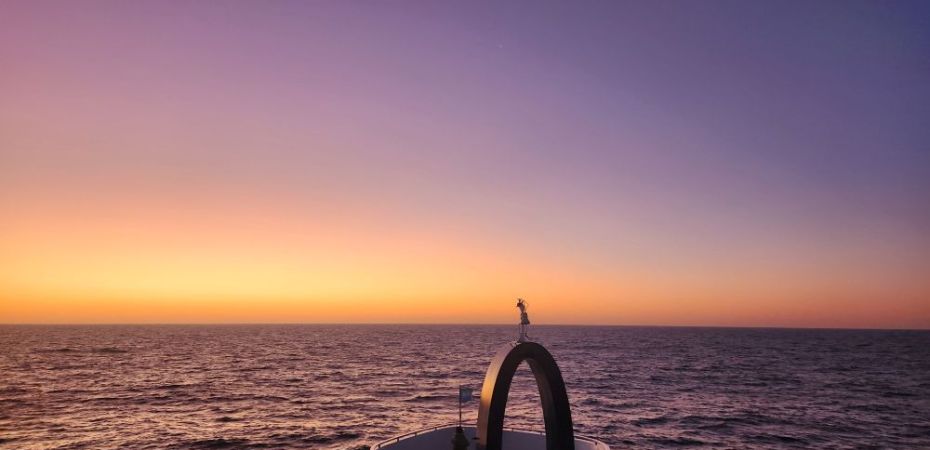
Tuesday 11/19 – We’ve had a night! The seas are still rough – but between the Dramamine and our 4th floor, mid-ship cabin, we are good! Well, ok, I am good – this never affects Ed! It is so rough though; we eschew our morning loop walk and go to the main dining room for a quick breakfast. It is easier and in the lower part of the ship – much better for all concerned. Plus, they have real coffee! Day 6 we figure this out. Slow learners sometimes!
The morning is all our own today – there is literally nothing except a wildlife and bird watch at 10 – not a chance in these seas!
Then a martini tasting at 11. Nope. And a Premium wine package table in the main dining room during lunch. Not interested – unless they run out of my Sauvignon Blanc (coming close) and the blended Chenin Blanc (think we might be good there). Although Cherry, our lovely sommelier, has a very convincing sales pitch, I’m still not buying wine (especially the wine they have – the prices! OMG! There is a $1500 bottle of wine on that list. Um. No. Just no!), I’ll just start my own AA solo group.
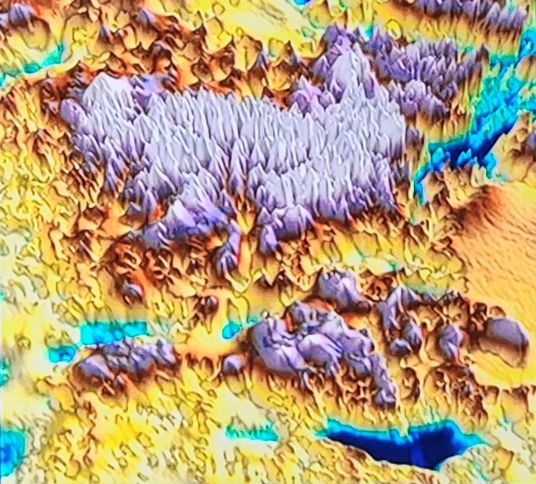
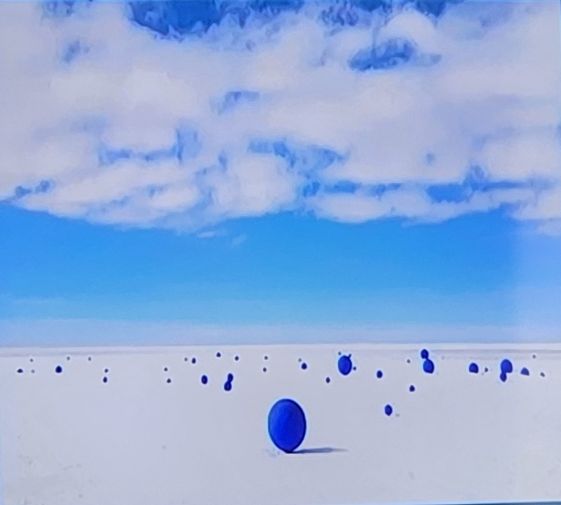
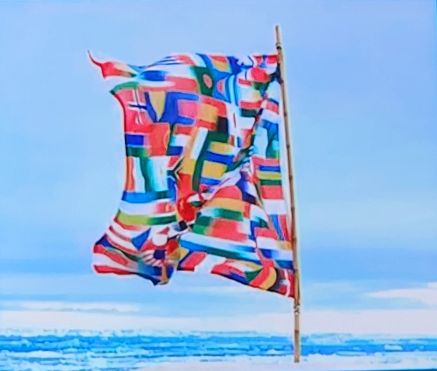
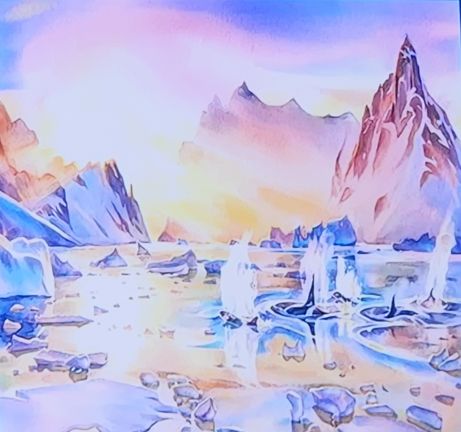
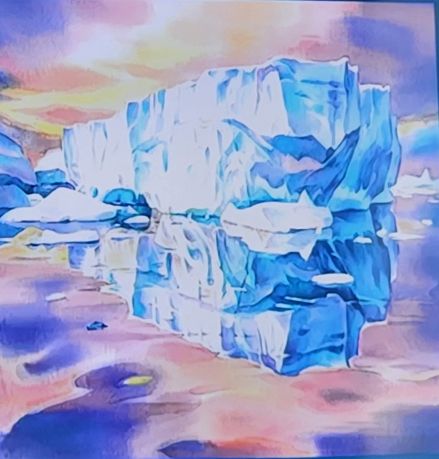
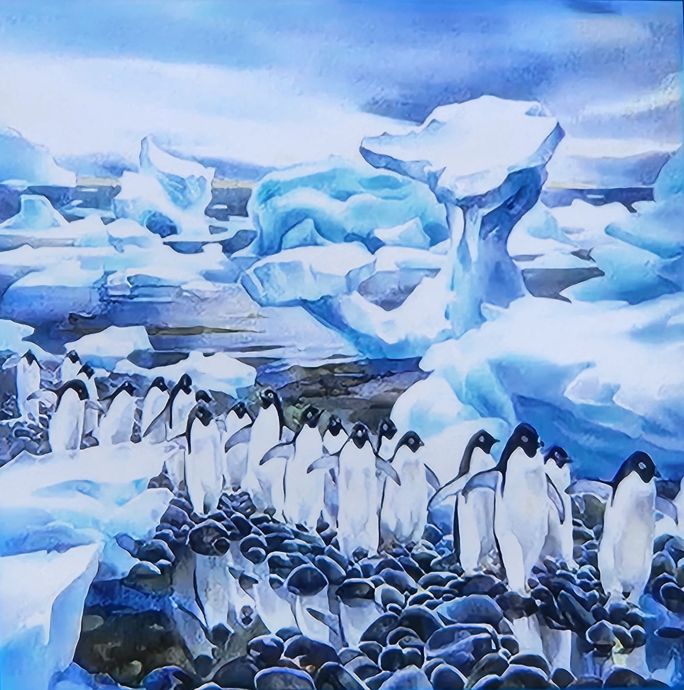
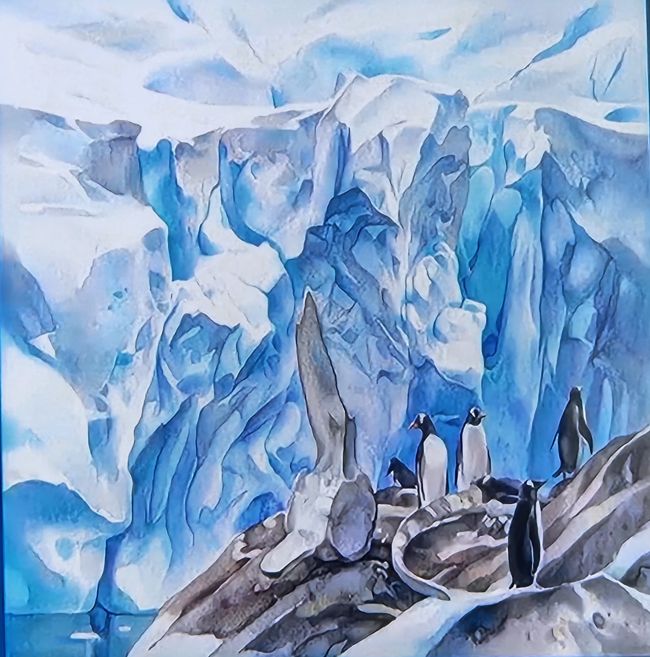
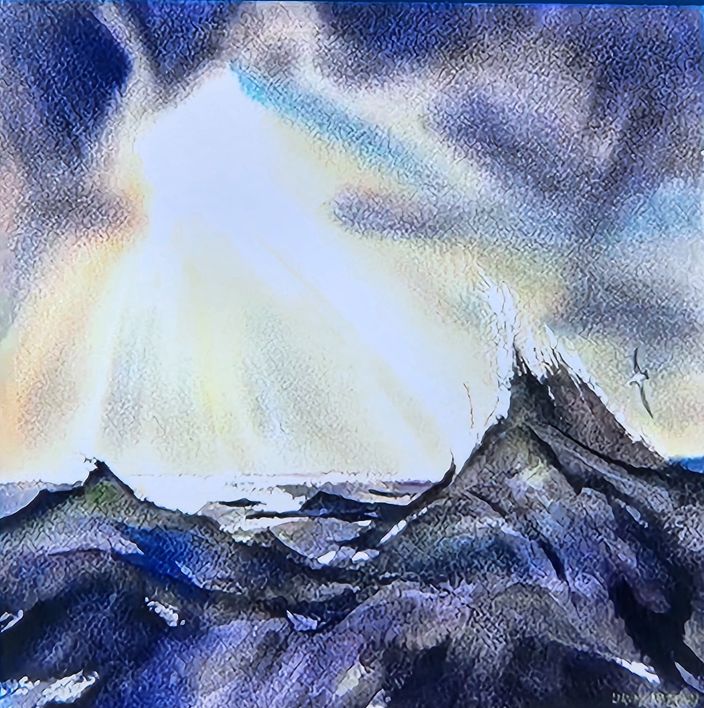
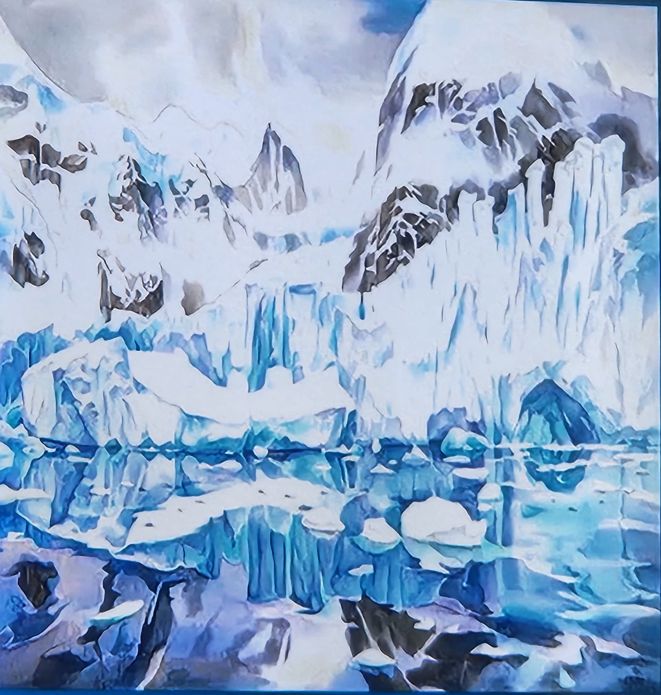
We retire back to the cabin for the rest of the afternoon because they stream all the presentations and briefings live on the TV. It is so active at this point, there is not much reason to go upstairs to deck 7 forward to watch everything. The sofa and TV on deck 4 mid-ship is just fine for us! First we watch Artem giving a presentation on the Art in Antarctica and Antarctica in Art. Very interesting and some great artwork. I took pictures of everything from the TV! Better than all those darn museums that don’t allow photos, that’s for sure. We also learn that every exploration team, from the very first early explorers, had an artist on board to record the journey. In the beginning, they had painters who chronicled everything. Then photographers, the first colorized photo for Antarctica was taken in 1911. Artem talks about all the museums about Antarctica, including the best one in Ushuaia and one in St. Petersburg. He also shows us examples of more recent artwork – a series of data as art, taken from satellite and other mapping data and turned into art. Then about David Kelly, who chronicled the continent for 10 years and painted the most amazing scenes. Plus the Biennale that was put on in 2017 – who knew?
We get an hour break just lolling around, then listen to Miguel give a talk about The Colors of Life – How Animals Use Colors to Survive. To be honest, the first 20 minutes or so are way over our heads – he’s into chemistry equations and all sorts of scientific stuff – but he finally gets into some interesting information about how organisms absorb certain light to colorize themselves (Red algae for instance absorbs the blue and green light, but can’t absorb the red) and how bird pollinator flowers tend to be red because the bees can’t really see the color red. Bees tend to go to blue flowers, because they can spot them easier, and they have a 40% sugar/nectar content which the bees need. The red flowers typically only have 20% sugar/nectar that the birds can use to survive, but it isn’t enough for the bees. We are learning lots of new things every day!
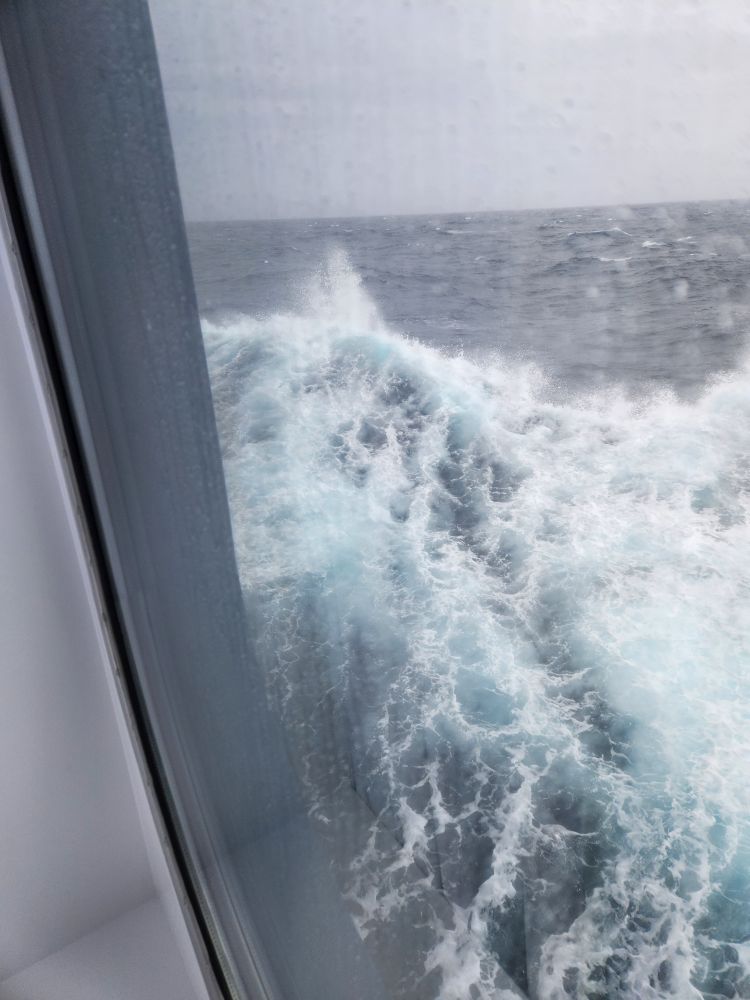
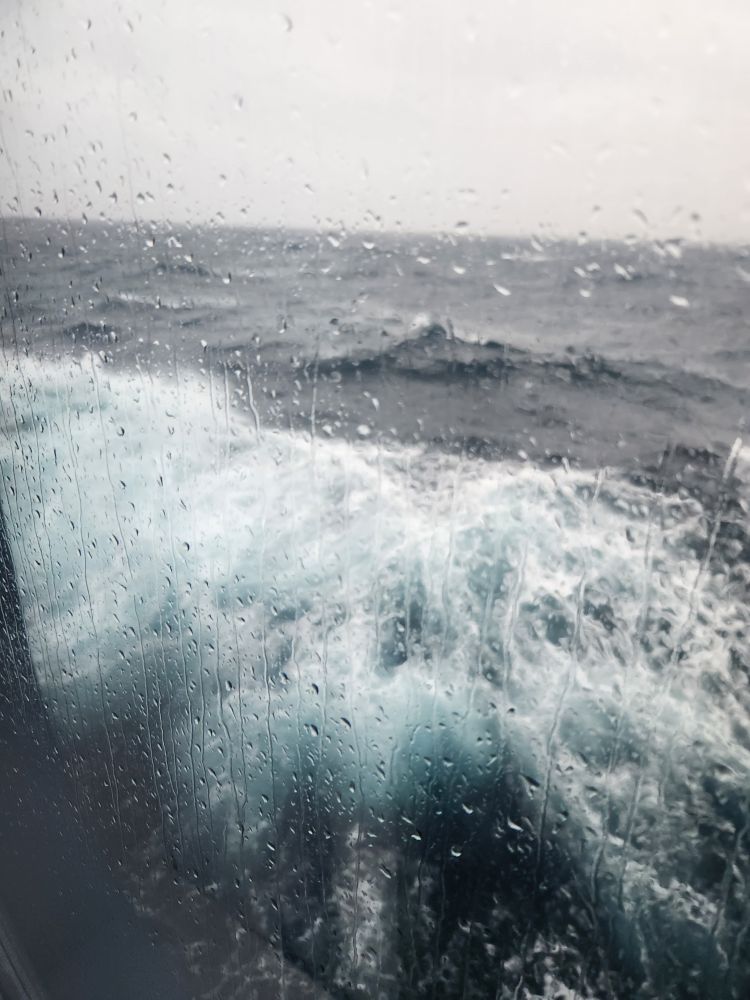
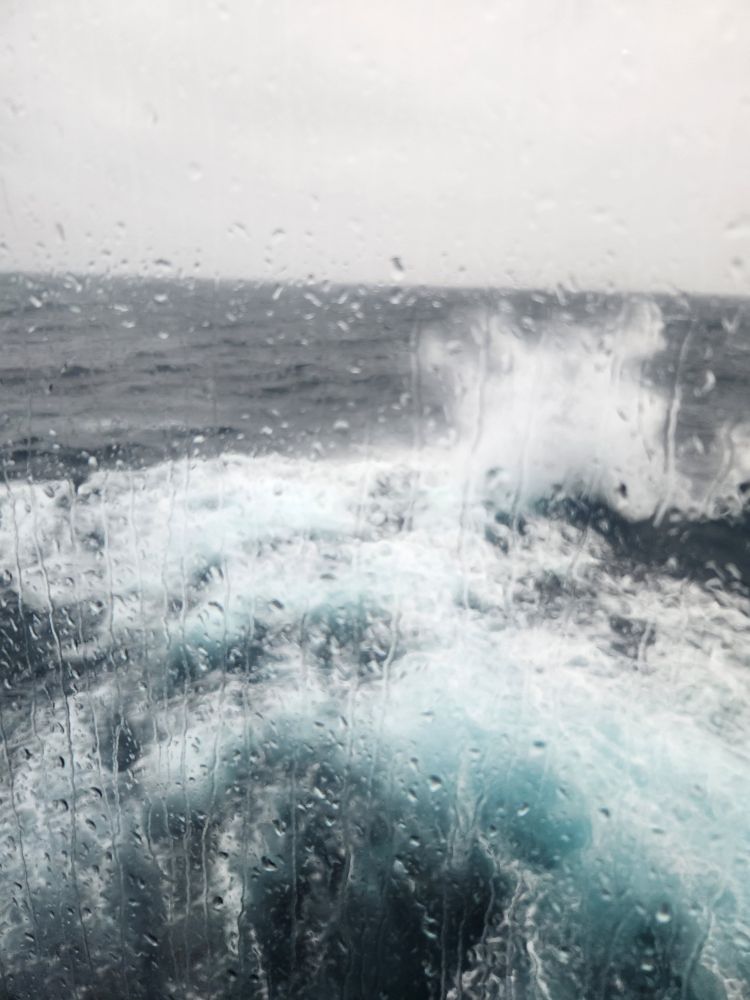
During our down time, we start watching South Pacific – man, I forgot just how sad that movie was! – then we finally extricate ourselves from the cabin – after taking pictures of the seas from our windows – and go up to the lounge for the evening briefing, holding on to the bar every second as those stools revolve too easily in these pitching seas.
Brandon explains our day tomorrow, and we get a recap of some of the photos the team shot during the wildlife watch. Then Richard puts on a demonstration using the entire expedition team of how the Albatross (Henri) uses the wind and the waves to fly. Very fun and sweet.
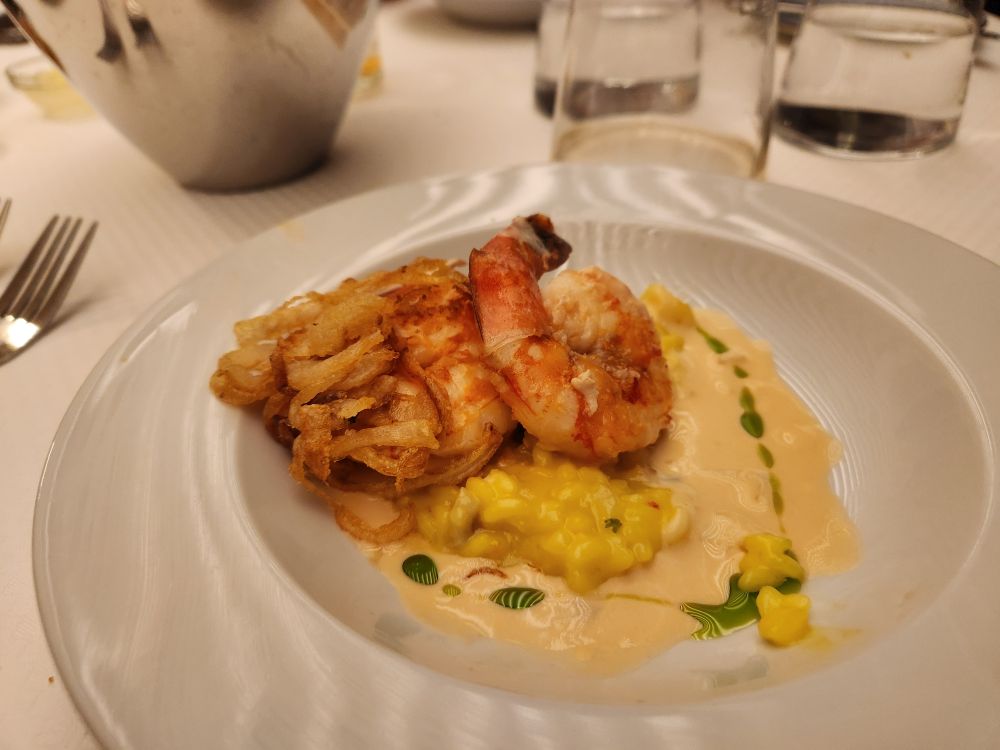
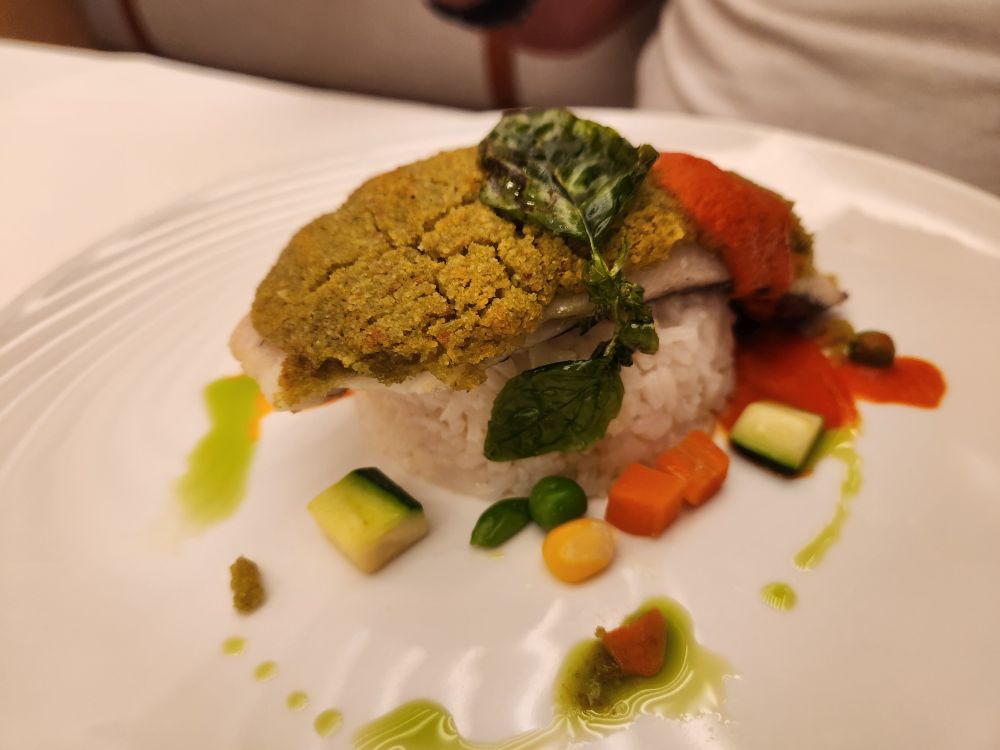
Next, on to dinner where they have the gigantic shrimp again, and some weirdly herb crusted fish. The rest of evening is the norm, a drink with Allan then back to the safety of our cabin for TV. The entertainment tonight – the Majority Rules game show (which might have been interesting, because how in the world will they be able to do that with all these different languages?) has been postponed until tomorrow due to rough seas. We wouldn’t have gone anyway, it was scheduled for 9:30 – when they do it, we’ll just leave it to Allan to give us the recap the next day!
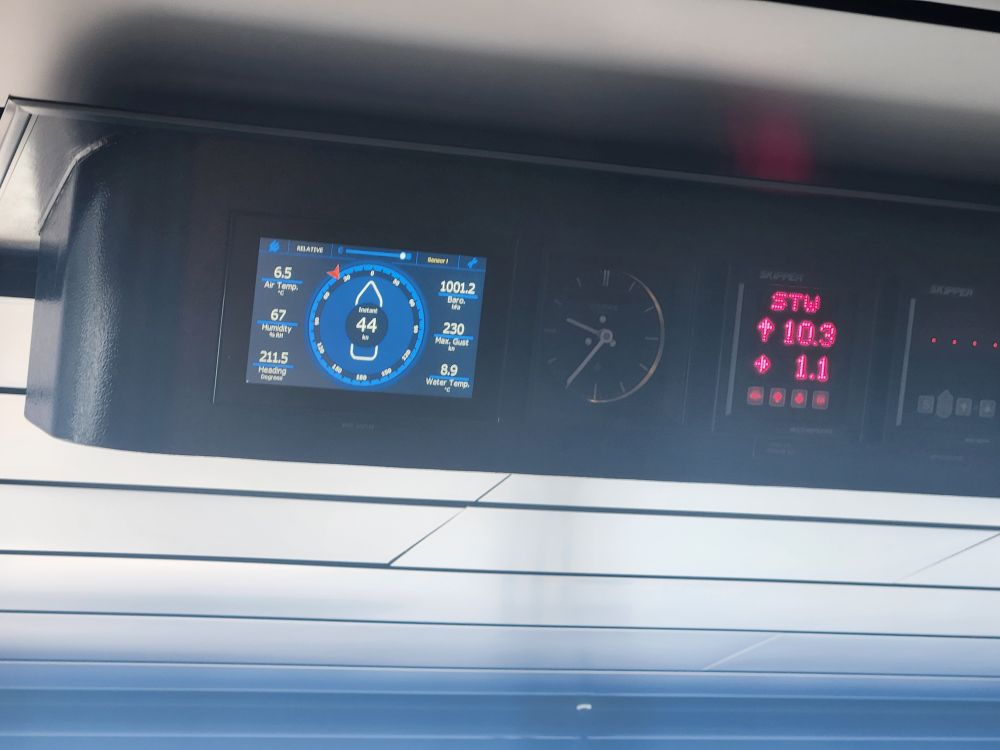
Wednesday 11/20 – Rough seas night – but at least we are sleeping like babies. Being rocked to sleep and kept there! The morning is a little better, we are hopeful for this evening. We have a very slow morning – nothing until our 9:30a bridge tour. So breakfast in the dining room, then up to the bridge where we have a nice presentation from the second officer. Being a new ship, everything up here is state of the art, brand spanking new. Its amazing. After wandering about snapping pictures of the electronics (44 knot winds! Oh, and the ETA for S. Georgia Island which looks like another huge delay…sigh….) and having our picture taken in the Captain’s chair – we end up on the bridge wing (all inside) talking to Gennadiy, the photographer. He takes amazing photos – and we finally get to ask what he does with all of them. Answer: “We give them to you!” Sweet! We were hoping there would be photos or something from our journey, and I had already resigned myself to paying whatever they would ask for the full package – but bonus! It is included. Plus a video of the entire cruise. We are so excited! Now we don’t have to kill ourselves trying to get photos of the albatross or petrels or any other of the myriad of birds around. Or potential whale sightings. Seriously – we are so excited!
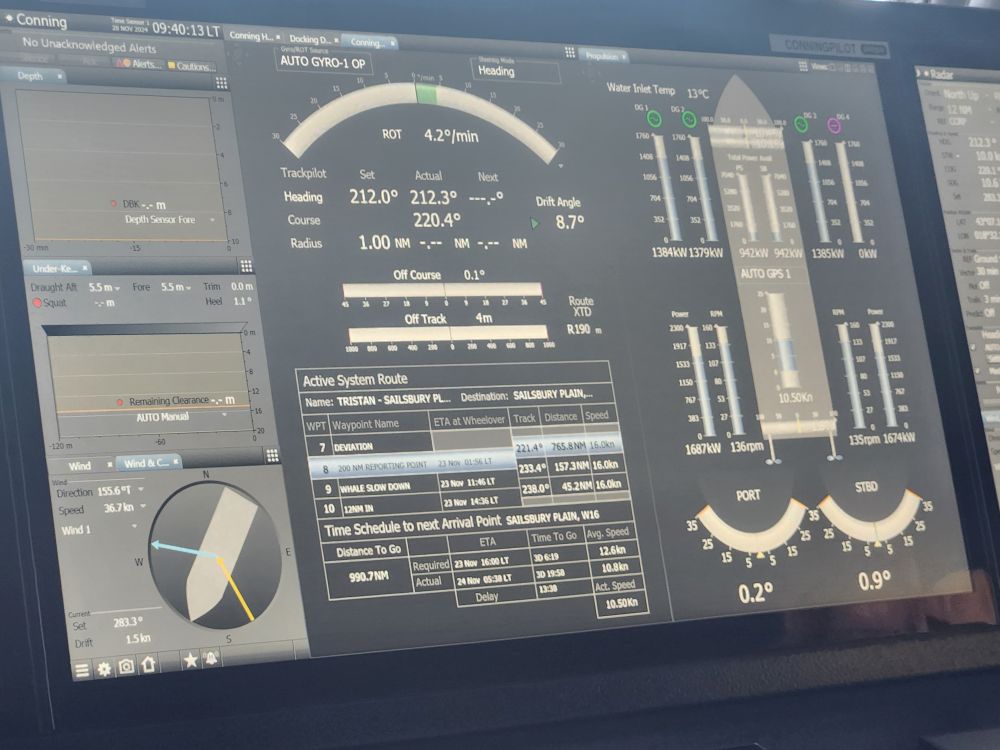
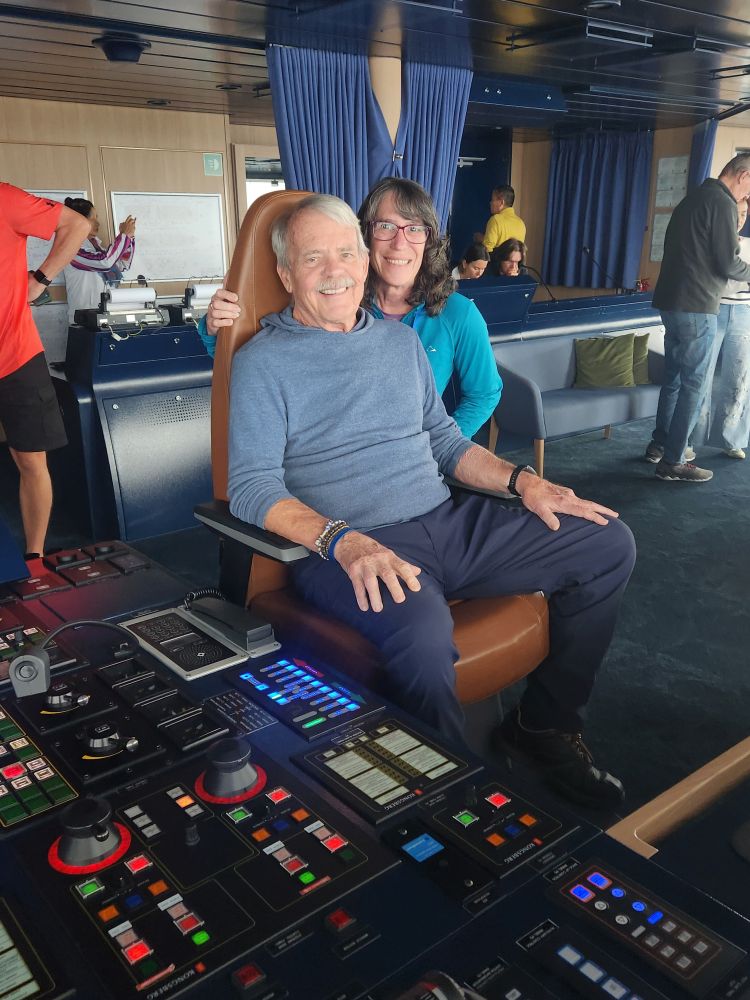
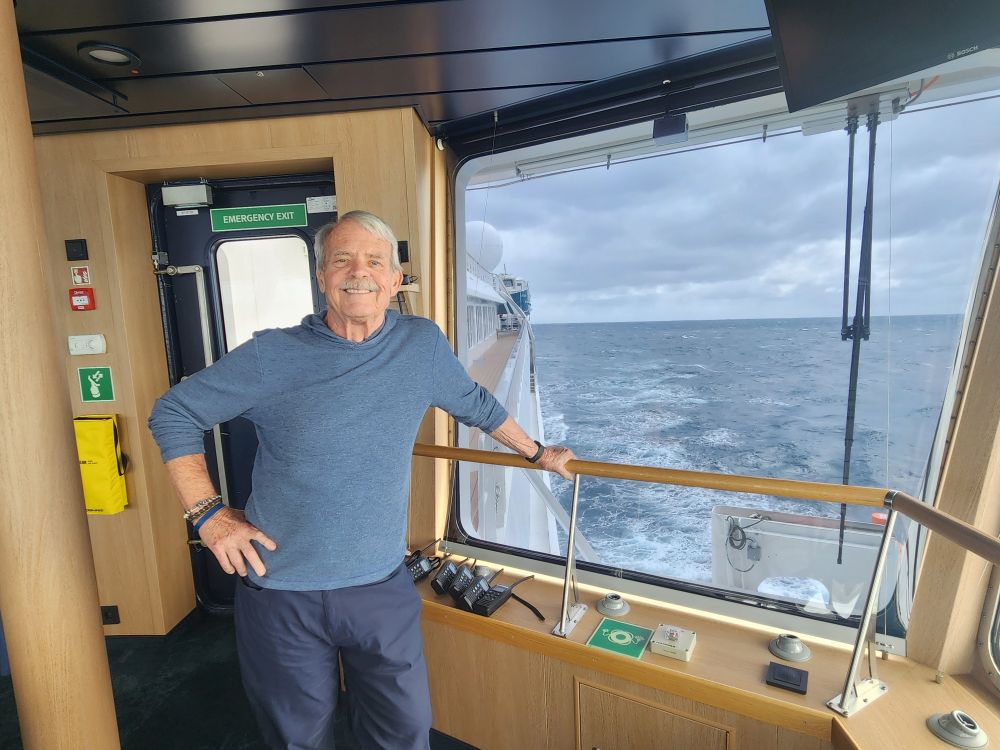
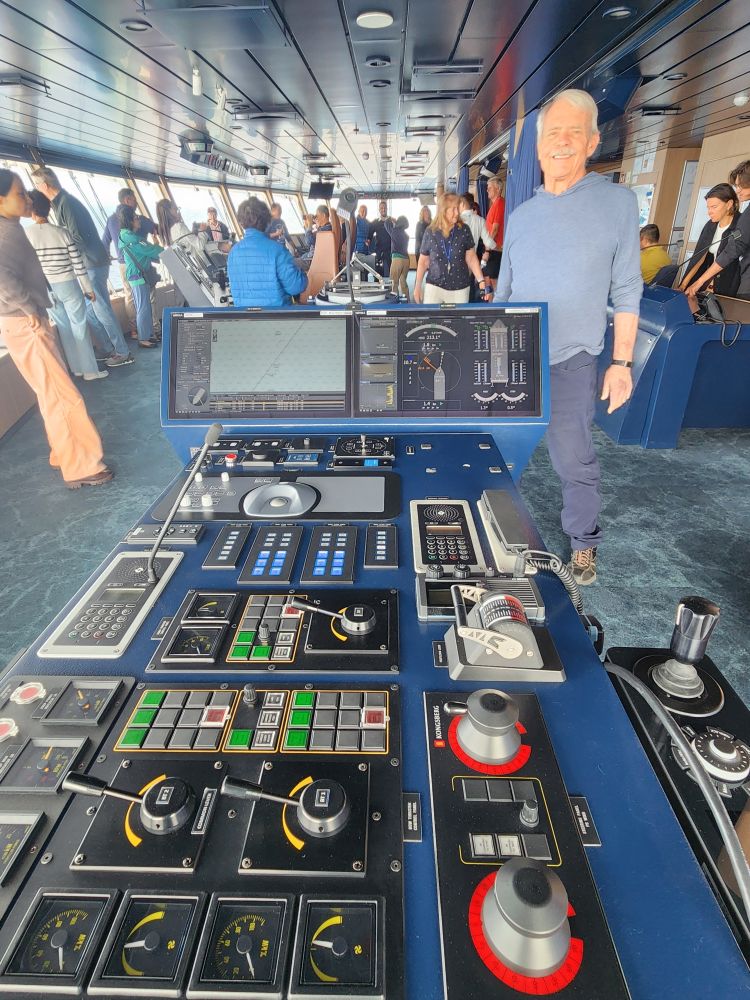
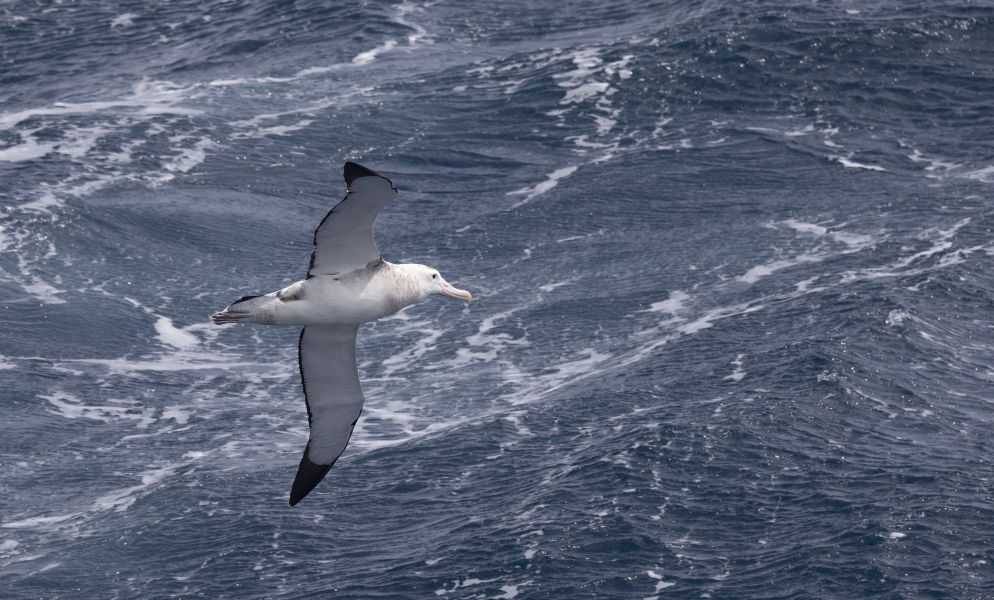
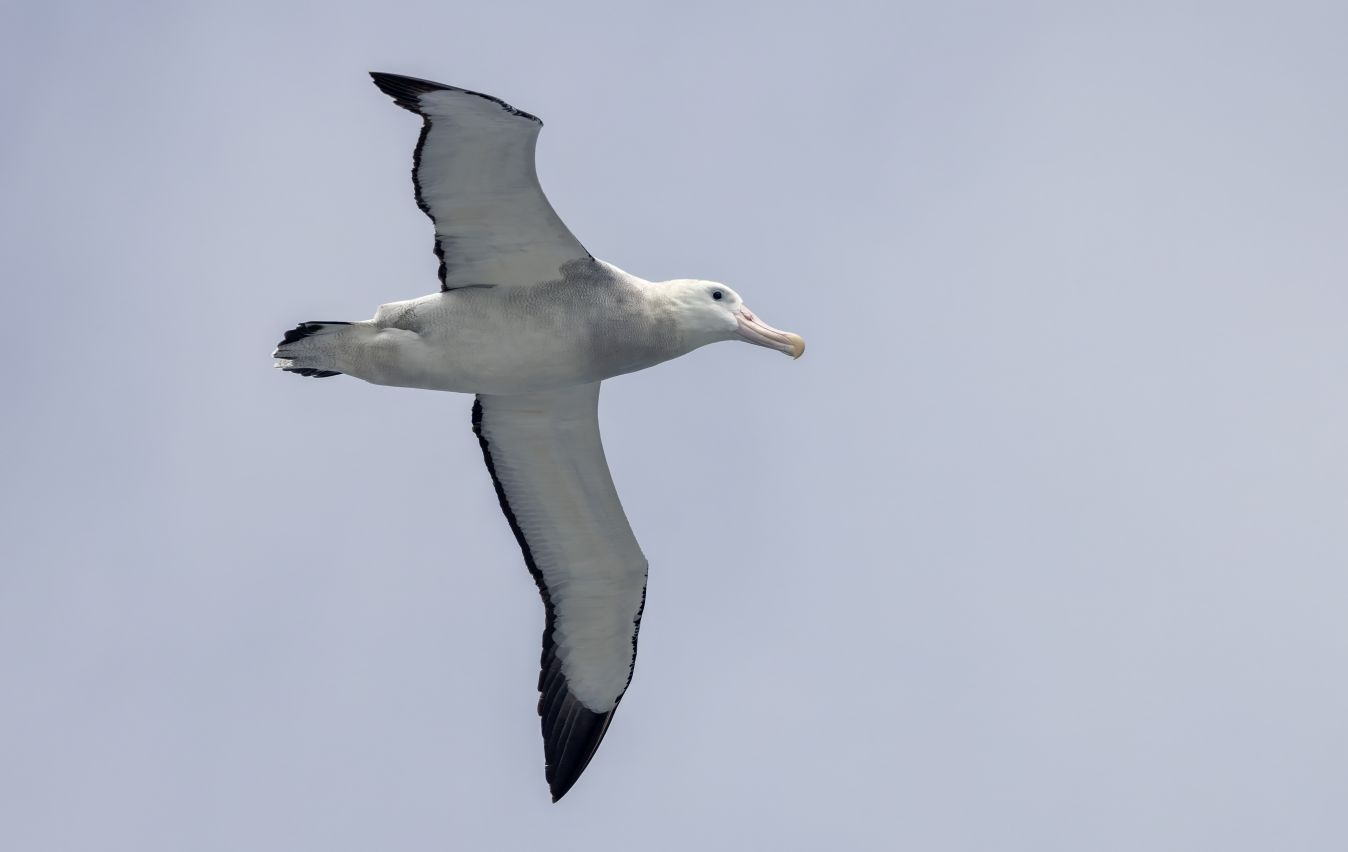
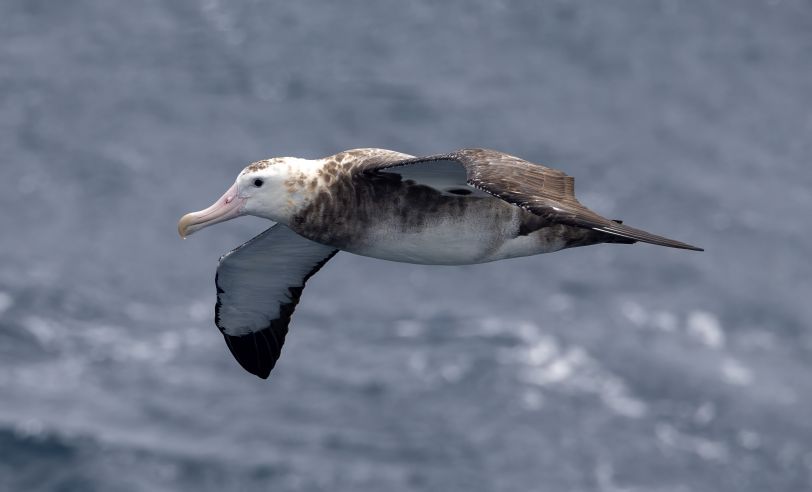
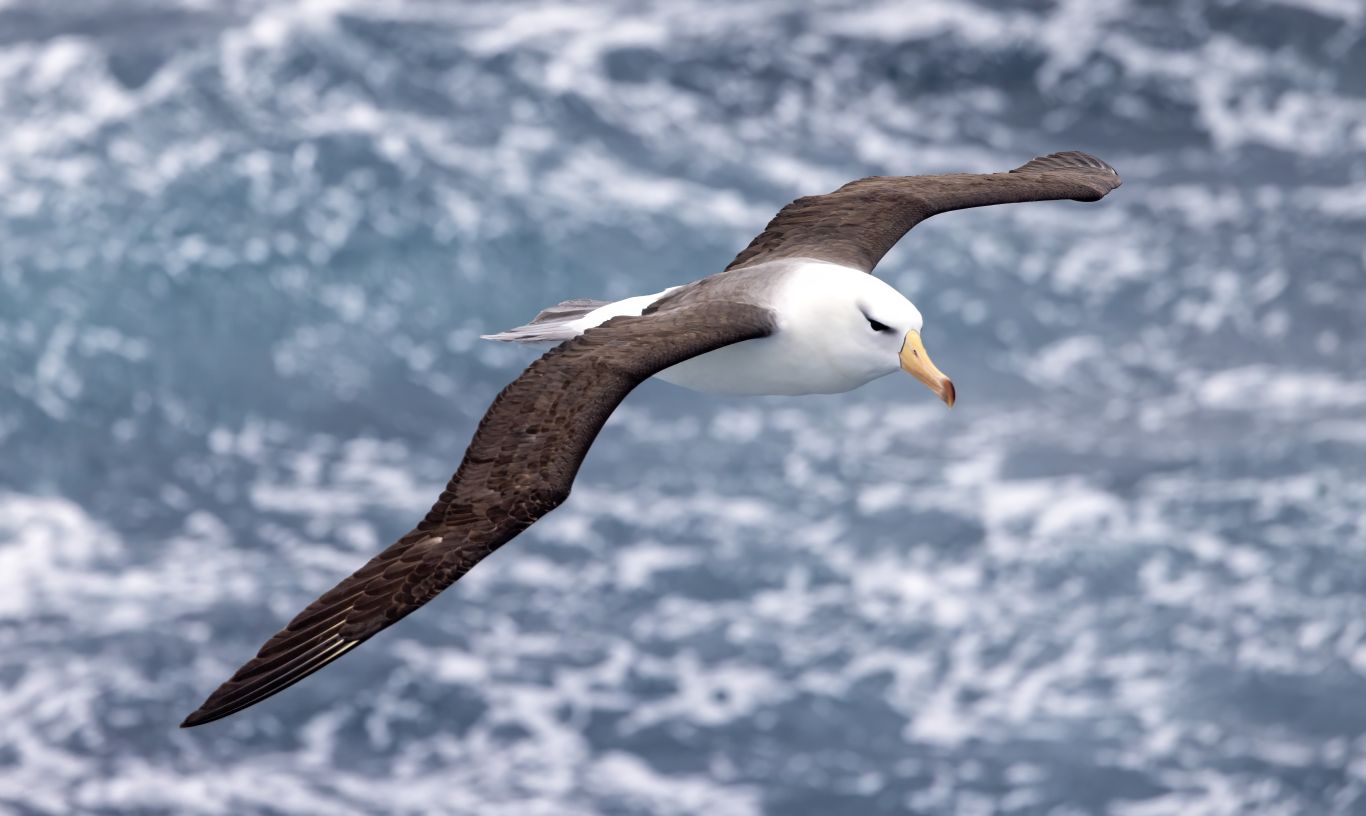
After the tour its down time until lunch, then the afternoon lectures. The seas have calmed down immensely and while you can still feel the motion, it isn’t at all bad so we are back in the Swan lounge for Titanic Wing: Albatrosses and their Heritage with Emil. We’re not all into bird watching, but really, the Albatross is a fascinating species. Their wings have evolved so they use dynamic soaring – the joint in the wings lock and they can use the wind to soar – not thermal currents. They can’t fly if the winds go below 18kn – and they need to fly to feed. They are similar to penguins in that they mate for life, but they only breed biannually. And like so many of these creatures, they return to their original colony year after year. They are also huge – as Emil shows us in a photo of an albatross at a museum compared to himself – and he’s a big tall guy!
Next we have Carine with Water – the Elixir of Life. Yep, we know. Water Knife!! Still our favorite book. Besides the basics, conserve, don’t waste, pollution, etc., she has some interesting information about how water even appeared on the planet – meteors that contained water hit the earth and spread. Some of the stuff that really hit home is that the earth is 71% water, but only 2.13% of that is fresh – you can see why wars will be fought over water in just that one fact. She shows a few videos from an international water conservation organization which have the greatest tag line: Nature doesn’t need people. People need nature. Love it.
There is also this great map that shows how scientists figured out that the ocean currents were all connected: In 1992 a freighter sank in the middle of a Pacific crossing, midway between Asia and Alaska; a cargo container filled with rubber ducks went overboard and the ducks floated away. They showed up several months later in South America, Indonesia and Australia, and even more amazing, more made landfall 11 years later, in 2003, in Maine and England and Alaska. Cool.
More down time – we hit the cabin and watch A Little White Lie – which is actually really funny and good. Then we go up for wildlife viewing, snapping a few photos of the petrels or Albatross or whatever flying creature was following off the aft of the ship.
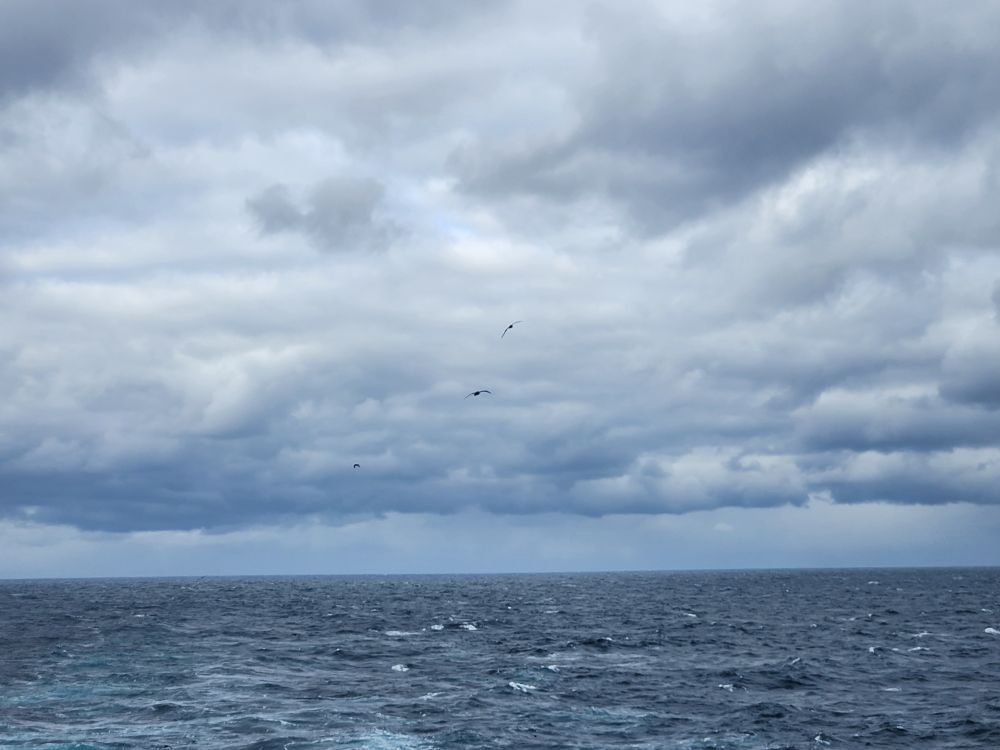
Finally it is time for the briefing, seas are getting better, the swells will go up again later tomorrow or Friday, but not so bad….so far. We have mandatory S. Georgia briefings and bio-checks tomorrow – and that’s about it for the briefing. Dinner, drinks with Allan and back to the cabin. Normal day aboard the SH Diana.
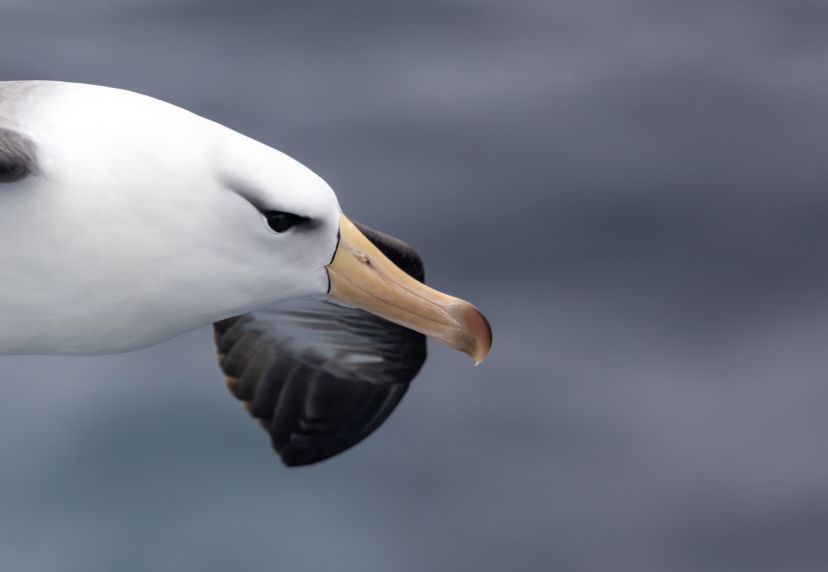
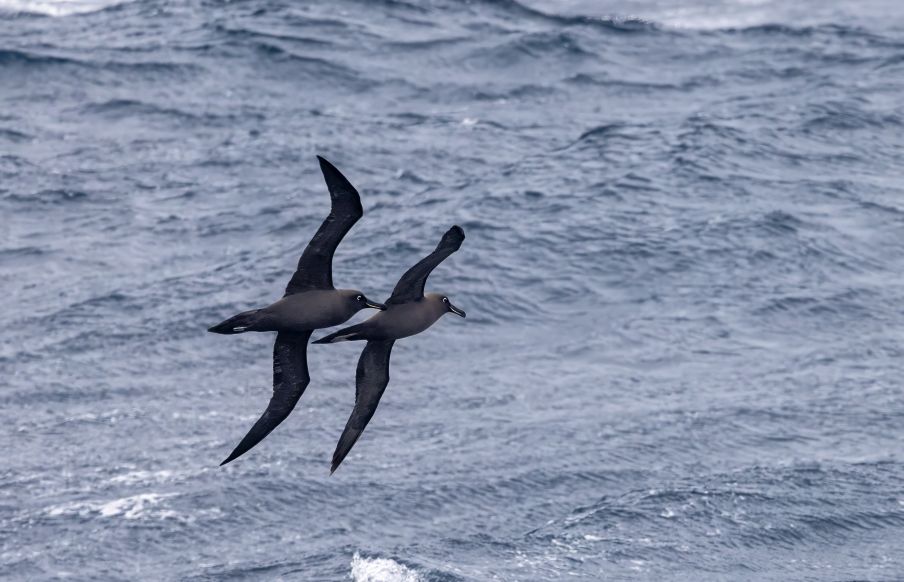
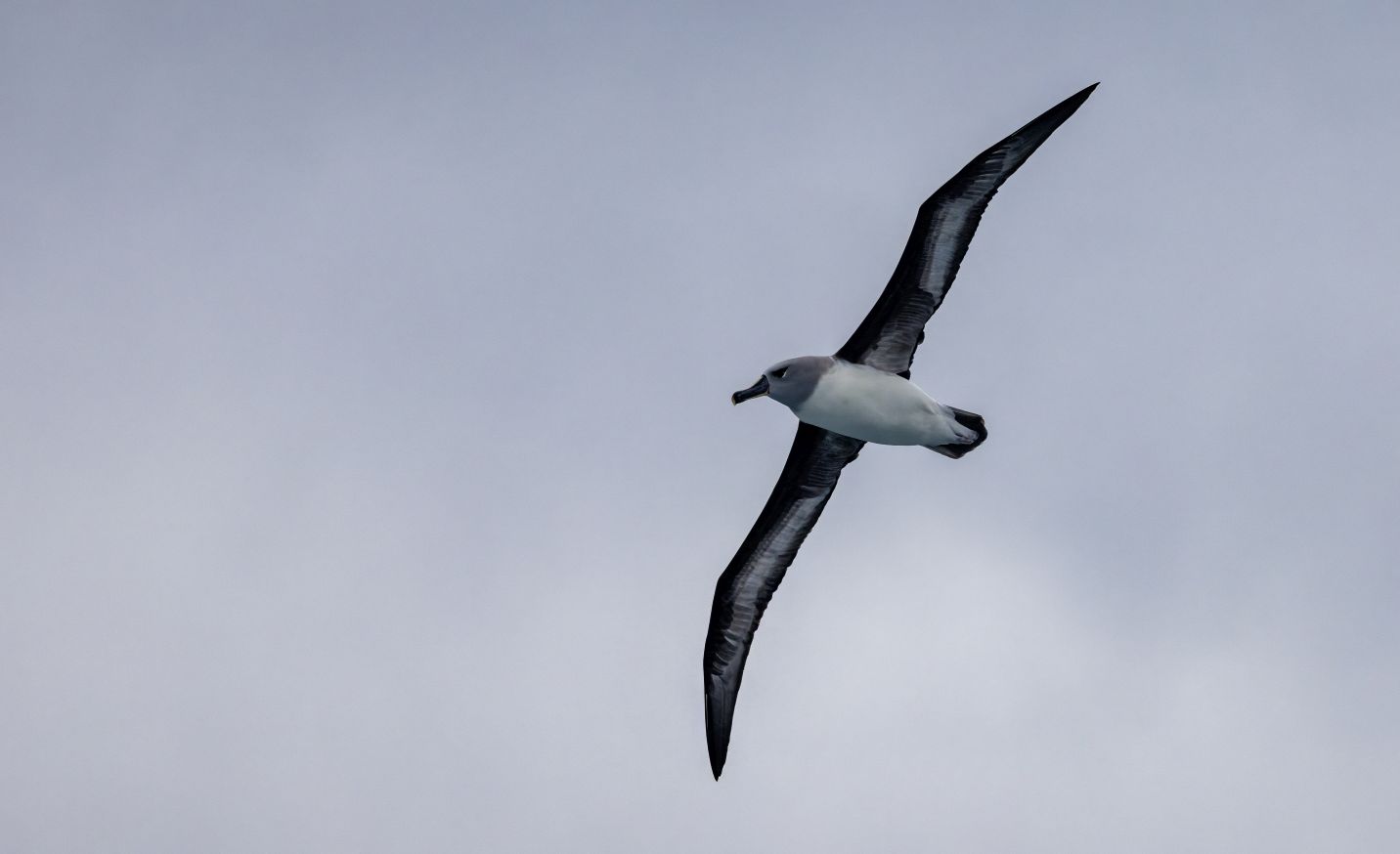
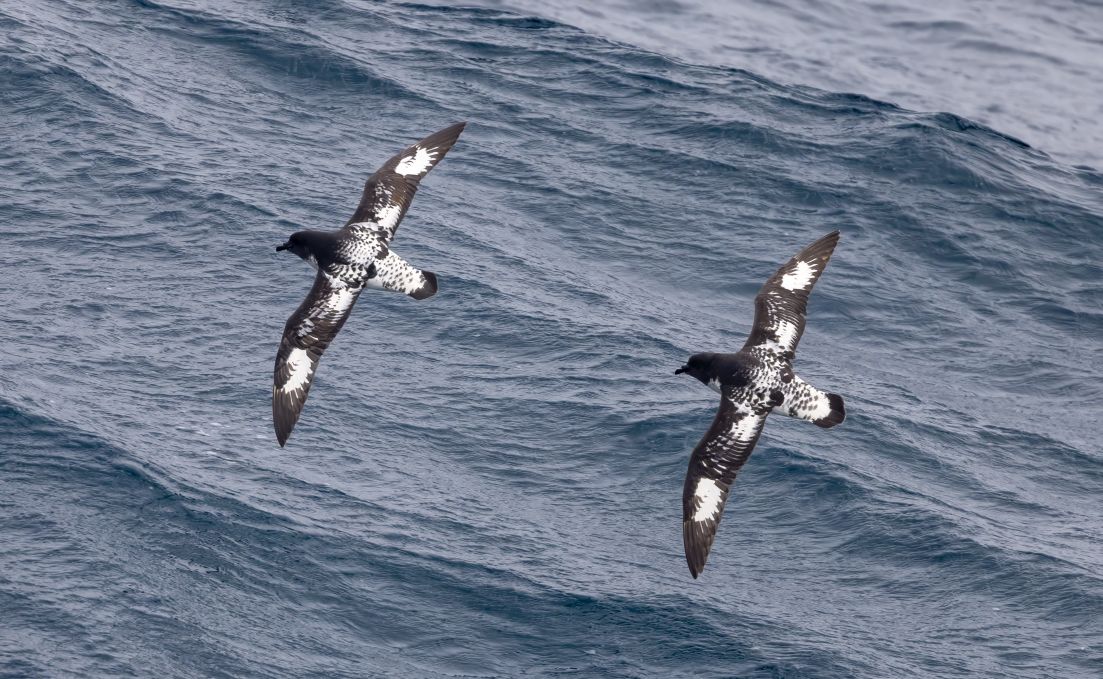
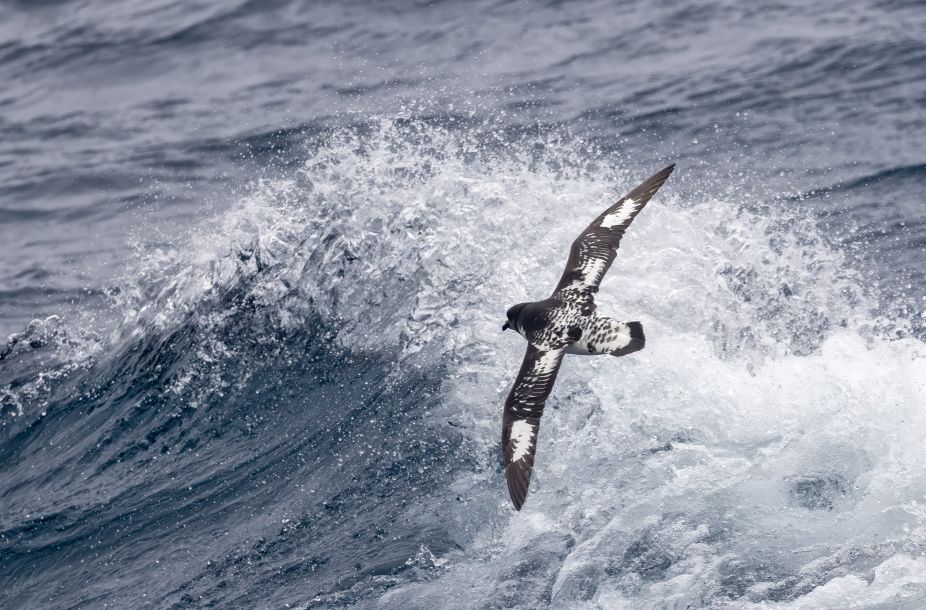
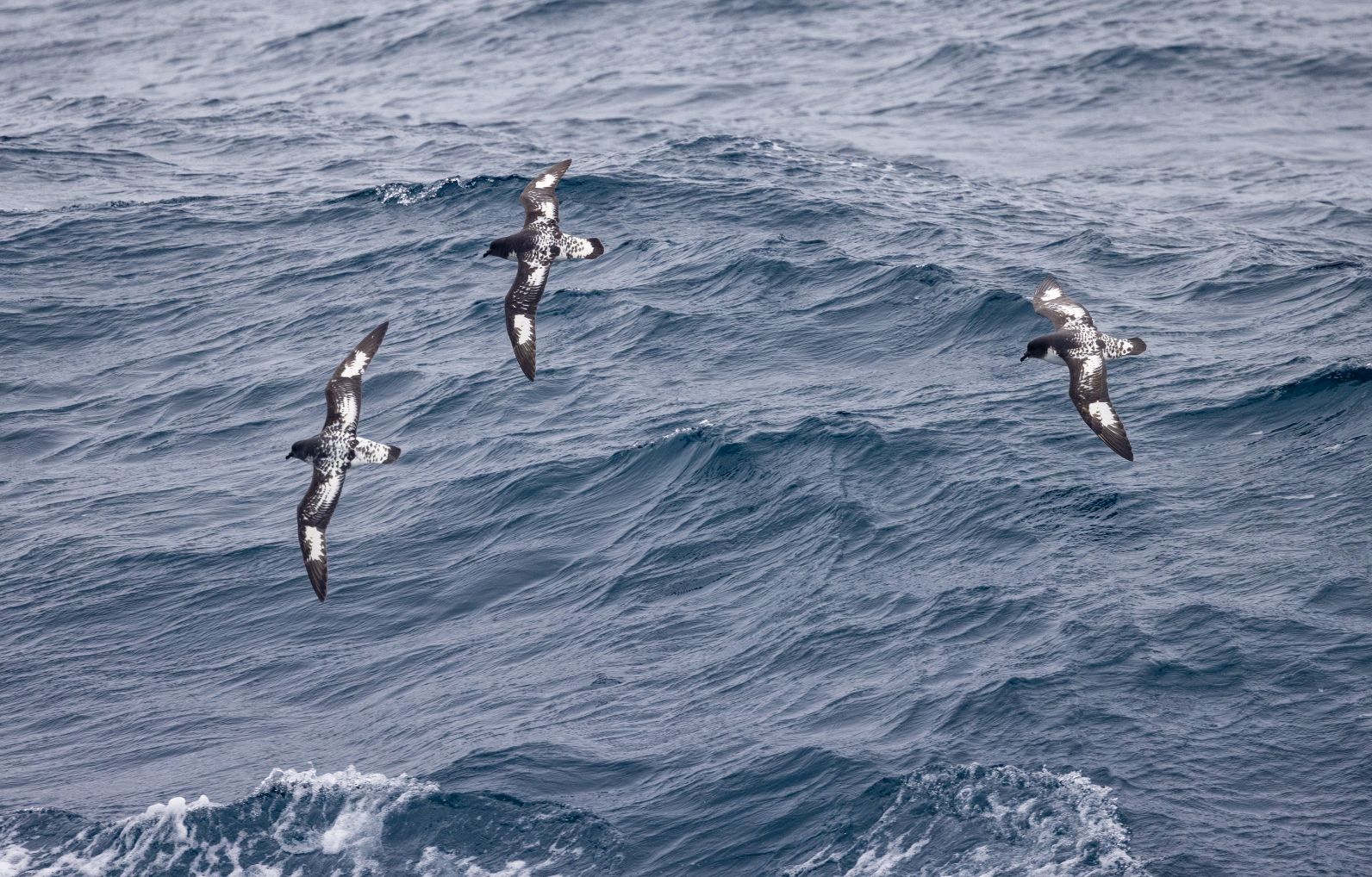
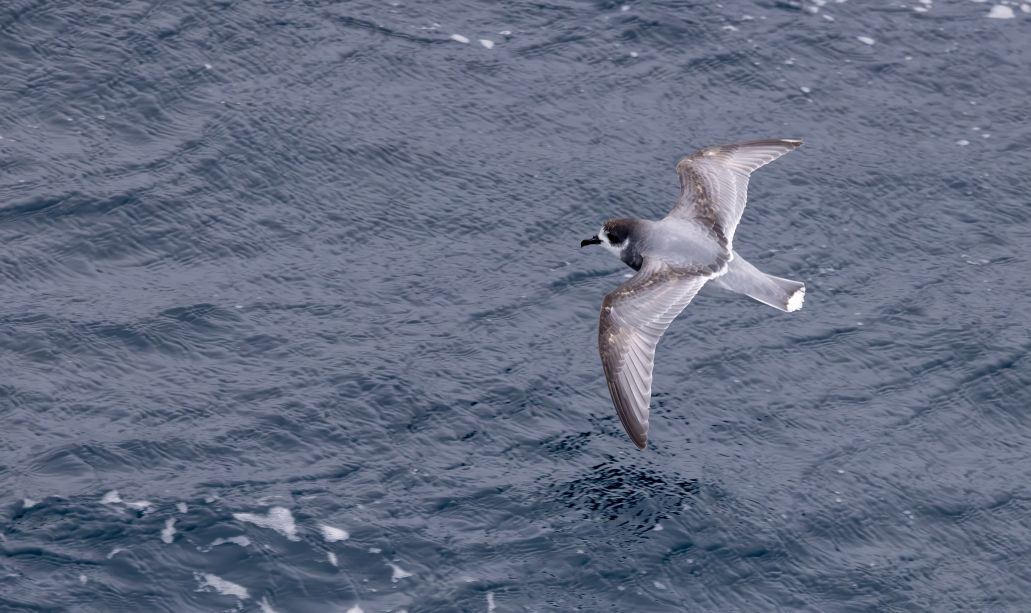
Various photos (including all the bird shots we will never be able to capture!) courtesy of our excellent photographer, Gennadiy Skorokhod and SH Diana
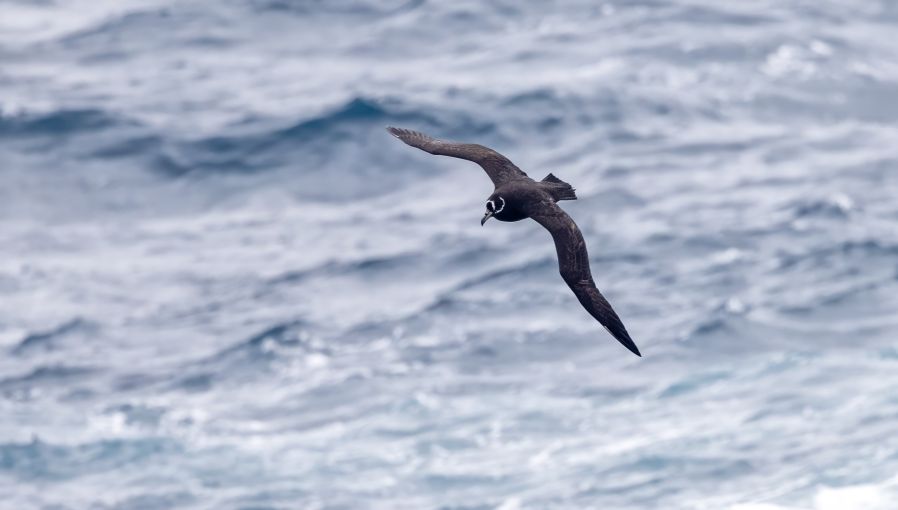
Thursday, 11/21 – Blessedly calm seas. Yay. And cold. It has turned quite cold in the last day, feeling more like we are really going to Antarctica. We skip a big breakfast this morning and just hit the club lounge for fruit and bagels. Then the mandatory S. Georgia briefing where we watch a video about the amazing islands. So exciting! The islands have the greatest concentration of marine mammals and seabirds in the world. We can’t wait. We really hope we aren’t so delayed that we miss a whole day. Fingers crossed (and you know Brandon isn’t going to tell us until tomorrow’s briefing – no reason to upset the masses yet). An interesting factoid: The ship’s windows will be blacked out for our arrival and stay in S. Georgia to protect the birds. As birds are drawn to light, we don’t want any wildlife attracted to the ship at night, so all outside windows that don’t have shades or curtains will have thick black plastic adhered to them. Sort of like going through the Gulf of Aden, just without the armed security guards aboard!
Back to the cabin for our gear, we head to base camp for the bio security check – taking all our gear to be checked for invasive species. Since most of our gear is brand new (balaclava, gloves, waterproof pants, Swan Hellenic backpack) we’re done pretty quickly and back up in the club lounge hanging out until lunch.
It is a beautiful day out there – not a cloud in the sky, bright sunshine. Tons of people are sitting outside on the aft deck already. We’ll probably not be able to get a seat out there for lunch – but we’ve got a very cozy booth inside – and while we love the outdoors, we’re not donning our parkas to sit out there in the cold and read or what have you. We’re good inside here. We end up with the grilled fish – Dorado – or Mahi Mahi. Excellent as usual.
After lunch there is more down time, so back to the cabin we go to watch Notes on a Scandal – another really good movie with Cate Blanchette and Judi Dench. It runs too long for us to make it upstairs for the Geographical terms trivia with Carine. But since we can stream it, we do that in the cabin and are quickly glad we didn’t go – it is real trivia with teams and everything – and sort of boring. Cabin was the right decision. We tire of it quickly and end up watching the beginning of Majority Rules. Lots of people – mostly the Chinese – were up late for that one! We watched for a while and are as astounded as the American team when the majority answer to the question of “Which country would be the best to move to?” is the US. Really? People? Have you not been following the news? The looks on the American teams’ faces are priceless (basically matching ours in the cabin), well worth watching just for that!
We do make it up to the lounge for the History of Whaling in Antarctica and beyond with Artem. An excellent deep dive (excuse the pun) into the whaling industry – beginning with the earliest records of whaling, 6,000 years ago depicted in Korean petroglyphs. The practice of whaling began as a necessary means of sustenance – a whale could feed an entire village. The Inuits, Japanese and Scandinavians all hunted whale for food – the Japanese even worshiping whales as Gods called Ebisu. Then, as early as the 14th C, the Basque began commercial whaling and it grew from there. Mostly hunted for the blubber that is processed into oil for candles and lighting, the baleen (whalebone) was also used for bowls and corsets and other art projects. Nantucket was the center of whaling in the US; with all the fishing by different countries, the Northern Ocean whales were almost extinct by the 1890’s. It was at this time when whaling moved to Antarctica. The first whaling station was opened on S. Georgia at Grytviken in 1904 and processed incredible numbers of whales. Eventually shore based whaling stations became obsolete when factory whaling ships became advanced enough to process the entire whale aboard the ship.
Even though the International Whaling Commission (IWC) was formed to regulate the industry, these ships had the advantage of evading national legislation against whaling – they were sailing in international waters and couldn’t be regulated. Sadly over 2 million whales have been killed throughout the Southern ocean during the 20th century, many now near extinction. If we make it to Grytviken, the ruins of the last whaling station remain there along with a museum that details the industry, the islands and the preservation strategies in place to keep S. Georgia and the Sandwich islands pristine and free of the fishing industry. Save the Whales!
The evening then proceeds as usual – our recap and briefing where Brandon does finally tell us we will be late into S. Georgia. We just can’t make up those 12 hours we lost in Cape Town, and because the currents are stronger than usual, we are not making enough speed to get to Grytviken by 8am on Saturday. As of the briefing, the timing was looking like 8pm on Saturday, which really means landings on Sunday as it will be dark when we arrive.
Bummer. But, what can you do? Mother Nature is conspiring against us and we just have to go with flow. Brandon and Annemieke join us for dinner, and we spend a lovely evening chatting and getting to know them both better. It is Karaoke again tonight, which means cabin for us – we spent so long at dinner and had so much wine, we don’t even go visit Allan for a nightcap!
Another day at sea is behind us….only 2 more to go….hopefully!
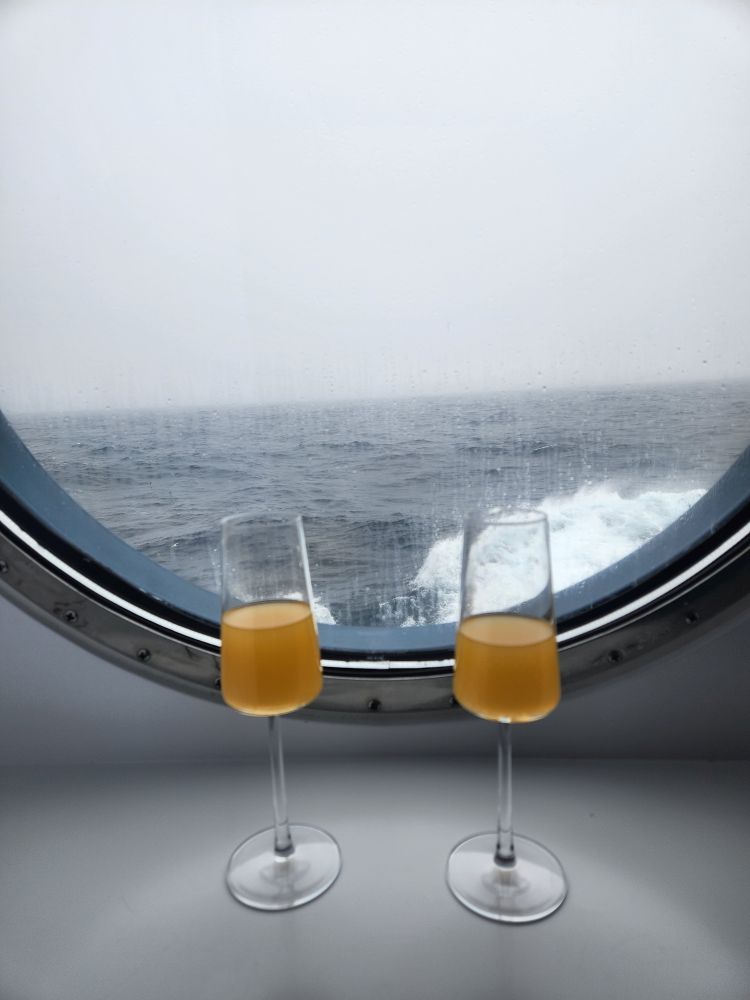
Friday 11/22 – Happy Anniversary to us! 29 years and counting. We are once again up early – time change last night – and the seas are a little rougher this morning. Still not to terribly awful though. Breakfast in the dining room, fresh squeezed orange juice back to the cabin for celebratory mimosas later and we are up and in the lounge café by 9. The Swan lounge is closed this morning for the monthly crew drill and then the mandatory crew S. Georgia briefing, thus, we need to be in the café early to get a seat….as is evidenced by the fact that at 9:30 there isn’t a seat to be had – Ed has gone to the gym and a Chinese guy has just decided to sit in his seat in the booth! Guess he’ll leave when Ed comes back? He actually leaves after I told him he could stay until Ed came back – but I don’t think he understood a word! Maybe he realized he was sitting on someone’s parka and maybe they’d want to come back to sit there?
Also – what’s up with the crew drill again? They’ve already had one on the 2nd or 3rd sea day, where they were all up in the lounge – with the passengers – and the Staff Captain was yelling at everyone. We call him MSC – Mean Staff Captain. Guess this is a re-do to make sure everyone knows their stuff? We’re sure to find out from someone what is going on.
So the morning is all our own. We escape to our blessedly quiet cabin after an hour or 2 of deafening noisiness in the café – man, those Chinese are loud and they are all up there in the café – to blog (of course), read, and celebrate our anniversary with mimosas while watching the wildlife outside our cabin windows. Those are Cape Petrels (or Pintado, painted bird, in Spanish) out there – they just fascinate us. We can watch them all day soaring just above the water, then flying out from under the big waves the ship produces. Mesmerizing.
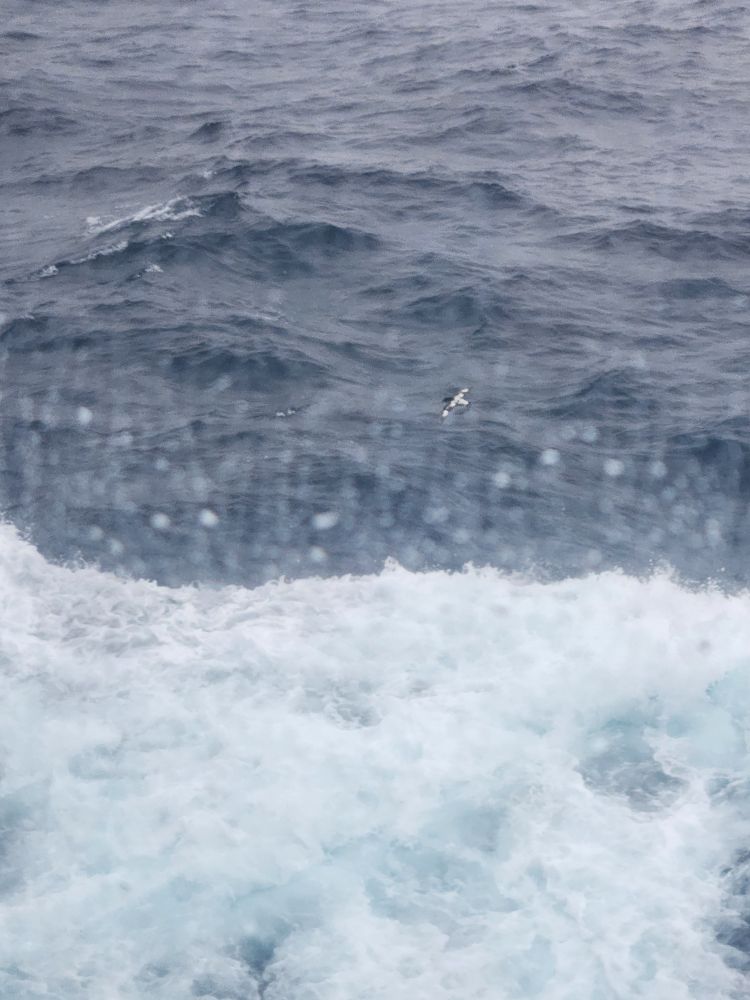
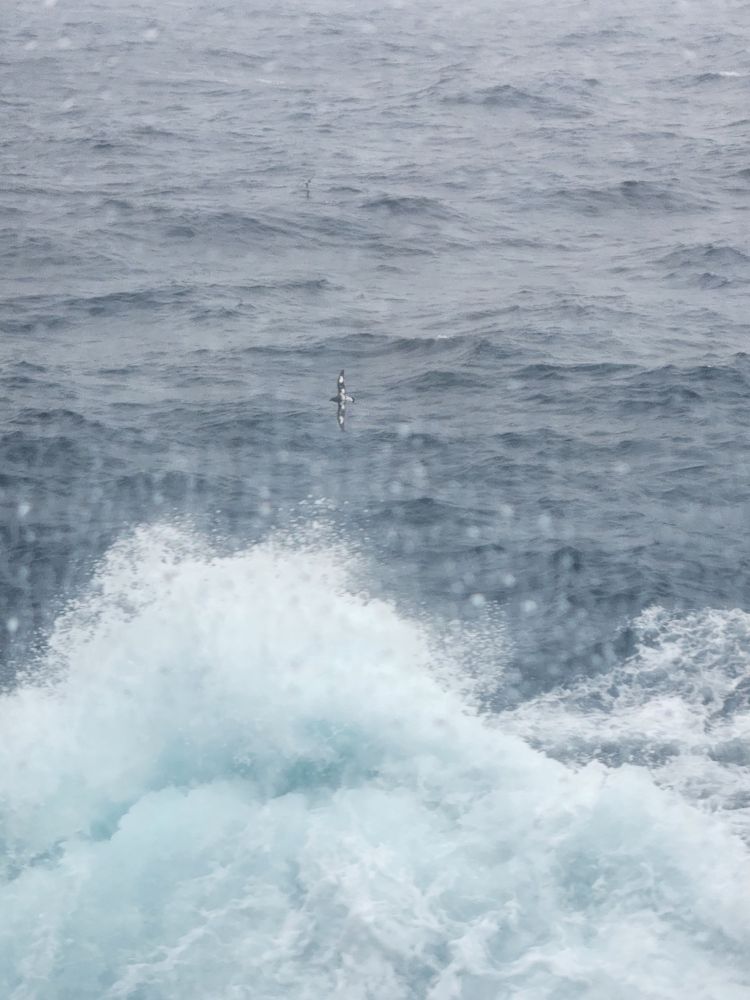
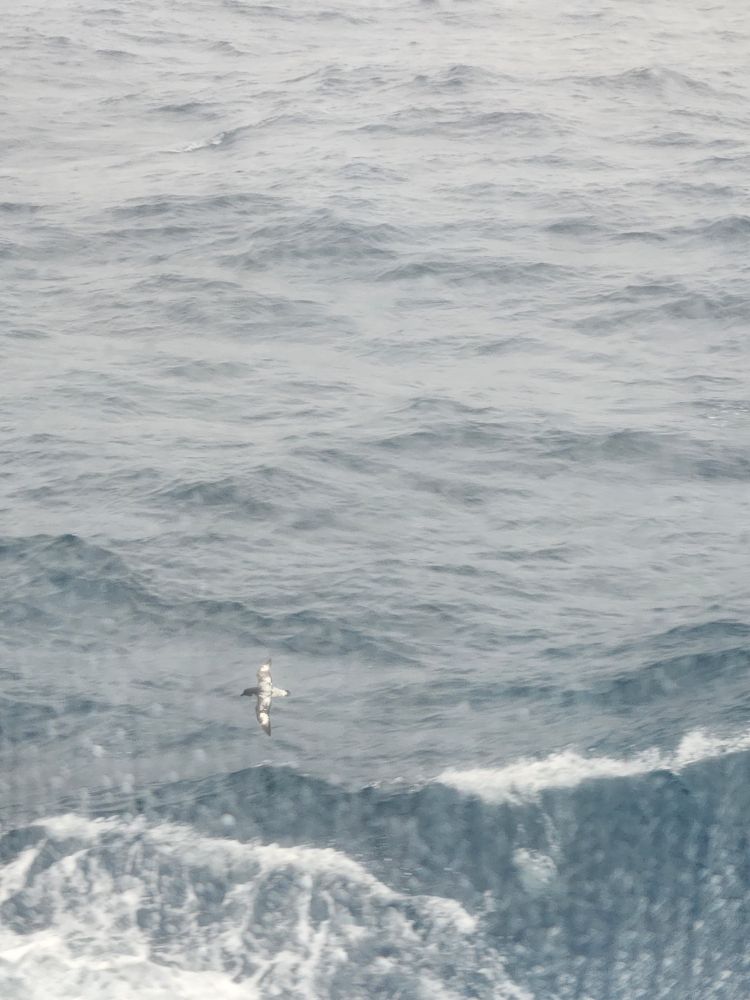
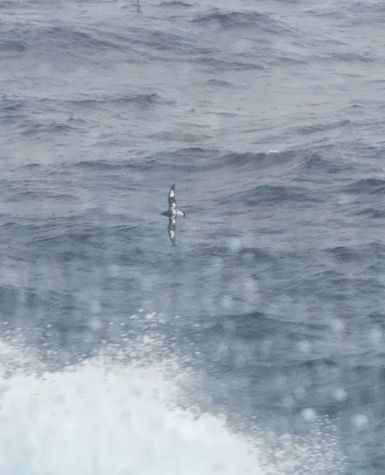
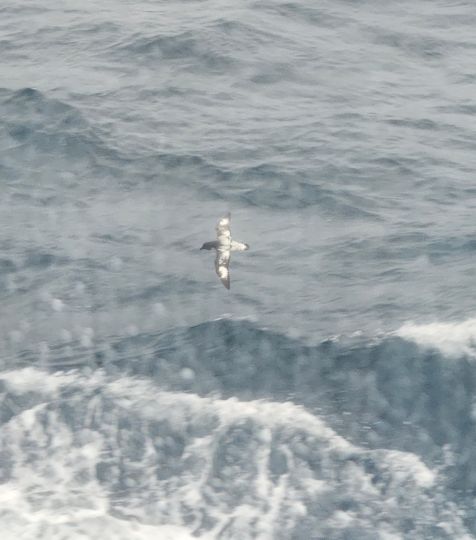
After a nice lunch in the restaurant, we don our parkas and head to deck 9 for a cloud watching sessions for Citizen Science. Well, I go up to deck 9, Ed gets to 8 and aborts. It is wicked windy and cold up here! But there are other hardy souls up here, huddled behind one of the structures on deck to break the wind a bit. Sadly though, it is totally cloudy with a solid cloud bank. Not much cloud spotting today. Plus, it is timed with satellite coverage/passage, and when Carine opens up her app, the time has changed. Now it says the satellite won’t be over head until 3:30, not 2:30 as the schedule stated yesterday. Oh well, time to abort!
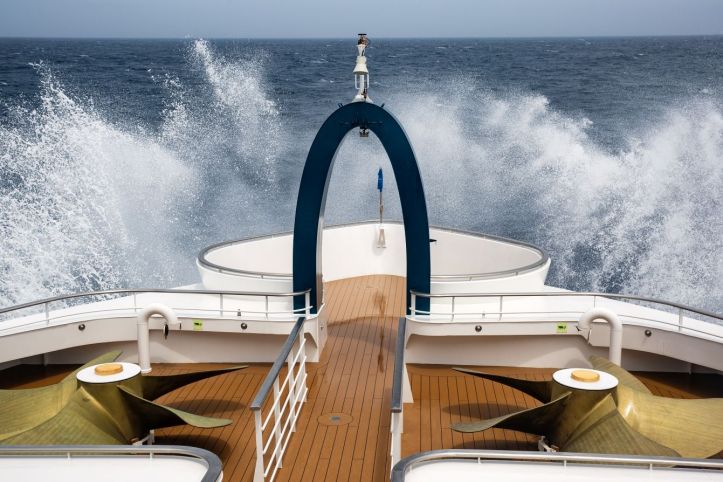
Back down into the lounge I go to reunite with Ed, warm up and listen to Artem and his interesting presentation on The Heroic Age, Heroic Ships. He takes us through 4 ship expeditions: the Belgica, the Fram, the Kainan Maru and of course the Endurance. The Belgica, a Belgian ship, was the first ship to explore Antarctica, and the reason that many of the names on the Antarctica peninsula are Belgian. The famous Fram, the first purpose built polar exploration ship, sailed by Amundson. The interesting side story here is that the Fram expedition was scheduled for the North Pole, but once that was discovered Amundson changed his plans completely, heading to the South Pole – but he didn’t tell the crew until after they were already underway! There are great photos of the Fram frozen in the ice and of Framheim, the “town” they built of huts around the ship to use as their winter home during the 1911 expedition where they finally reached the South Pole. We also learn about the Kainan Maru of Japan, the first Asian ship to try to explore the Antarctic. They made 2 attempts to get to the South Pole, but never succeeded. Last, but not least was Endurance – which we will learn more about in the next lecture – that sank in the Weddel Sea in November 1915 and was just rediscovered, in “pristine” condition, by underwater researchers in March of 2022.
After a quick 30-minute break, we’re onto Shackleton – the Endurance Expedition with Slava. This presentation is all about the 1914 to 1917 Trans-Antarctic expedition. Even though we have read so much about Antarctica, Shackleton and Amundson, I don’t think I really knew all the details of the expedition. It is fascinating and amazing. In a nutshell, the plan was to sail 2 ships; the Endurance arriving to the continent from the Weddel Sea, the Aurora arriving on the opposite side of the continent from McMurdo Sound. Shackleton would take 6 men and trek 1800 miles across the continent to the Ross Sea. The Aurora team would lay depots along the route to help the Endurance team make the journey.
Unfortunately, the Endurance never made it – she was stuck in pack ice, then in February 1915, within 85 miles of their destination they became completely jammed in the ice and could go no further. The ship then began to drift in the ice pack, before finally succumbing when the ice floe on the port side cracked and the ship heeled over to a 30 degree list on October 19th. Shackleton finally gave the order to abandon ship and the men set up an ocean camp they named Patience Camp on the remaining ice floe. The Endurance completely sank on November 21, 1915, and the men stayed on the ice, drifting further from the continent for 170 days until finally being forced to take their life boats off the melting floe and paddling 7 frightening days to reach Elephant Island. Solid land at last.
On the island though, they would never be found and rescued. No one would have any idea they were there or to look for them. After resting, Shackleton took 5 others in the largest boat, the James Caird, to sail to S. Georgia, 800 miles away. Amazingly, they made it to the islands, through storms and horrendous weather conditions. But they were on the opposite side from the Whaling Stations. Shackleton and 2 others trekked 32 miles across the interior of the island in 36 hours! They crossed mountain ridges and glaciers that were anywhere from 2,000 to 4,000 feet above sea level! Truly astonishing. Arriving on May 20th, the whaling station crew quickly took to sea to rescue the 3 men left on the other side of the island and then began plans to rescue the remaining crew stuck on Elephant Island. It took 3 more months before they could get a ship to the remaining men, and then another month and a half before they all arrived safely in Buenos Aires.
And what about Aurora? Well, they made it safely to Ross Sea, but in May of 1915, she broke her moorings and was driven out to sea by a southern gale, leaving a shore party marooned with barely any supplies. The Aurora spent nearly a year stuck in drifting ice while the party tried to survive on the continent. One and a half years later, Shakleton returned aboard the Aurora to rescue the 7 surviving crew members.
That’s an epic story! Amazing the dedication and determination of explorers in that era.
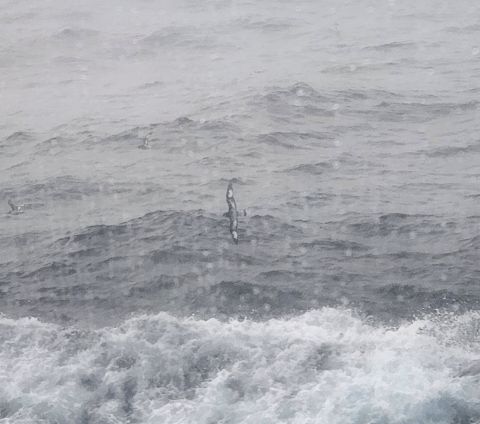
Back in the cabin, we watch more birds, then head upstairs for our Recap and Briefing where we find out we will not arrive into the islands until late in the afternoon or early evening tomorrow. The currents and time lost in Cape Town are really wreaking havoc on our schedule. We had figured this out when a couple of days ago, but Brandon just confirms Ed’s calculations. We don’t have an exact time, he will update us tomorrow at his noon briefing on specific timing – but needless to say – it’s another beautiful day at sea tomorrow.
Down to dinner we go, where I finish what I thought was the last bottle of Sauvignon Blanc. But no! Cherry has a surprise for me – she has managed to hide one more bottle for me. Best Sommelier Ever! Now I will have 1 glass per night for the next couple of nights. A lovely anniversary present. We have politely turned down the offer of singing and a cake during dinner, so sweet – but thanks, not necessary – and return to our cabin to find it decorated like crazy! Totally over the top and lovely!
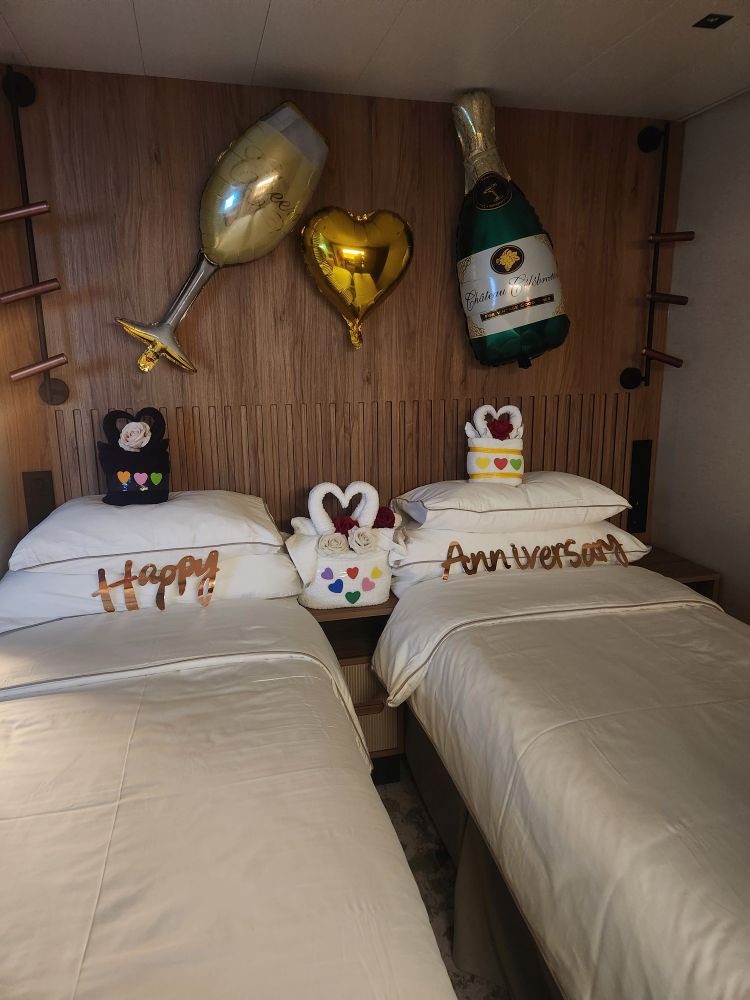
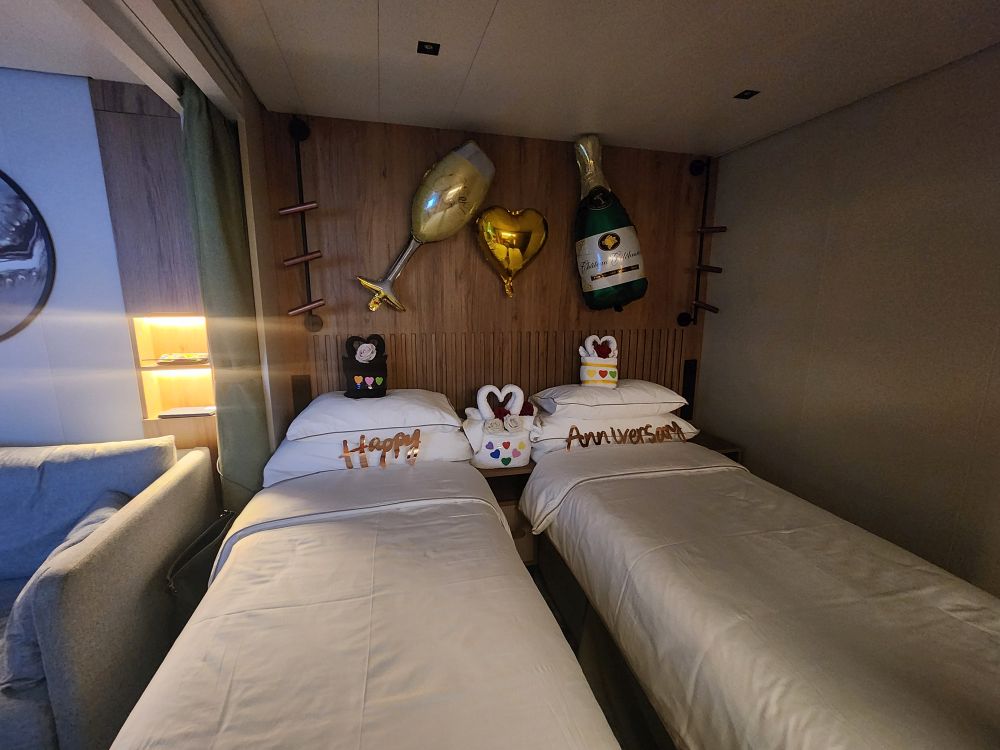
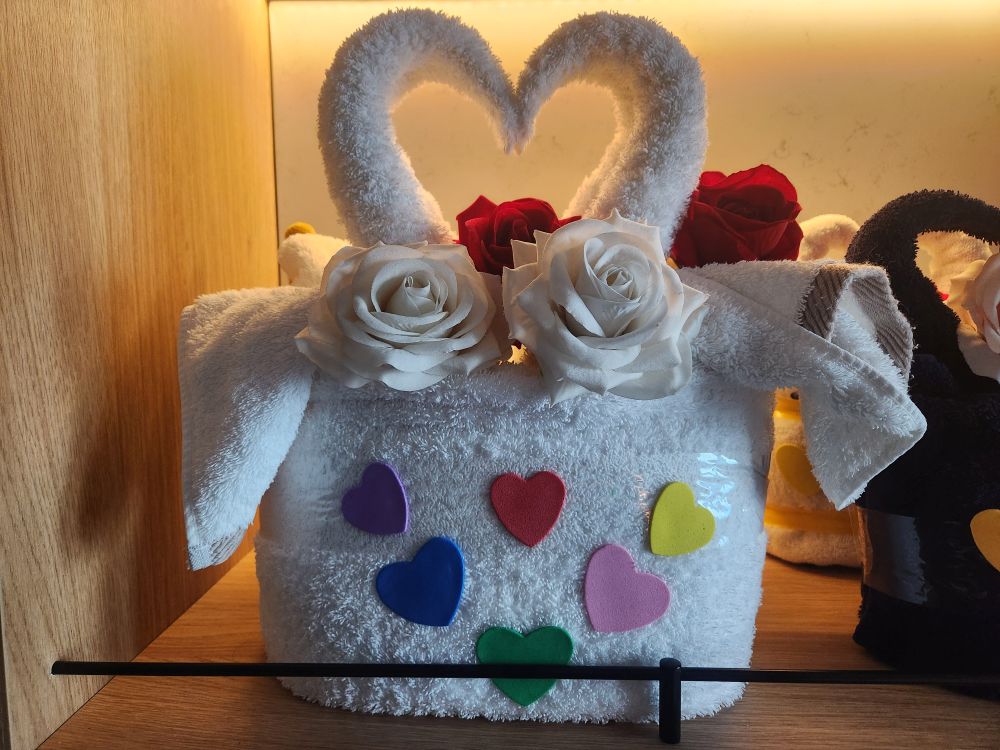
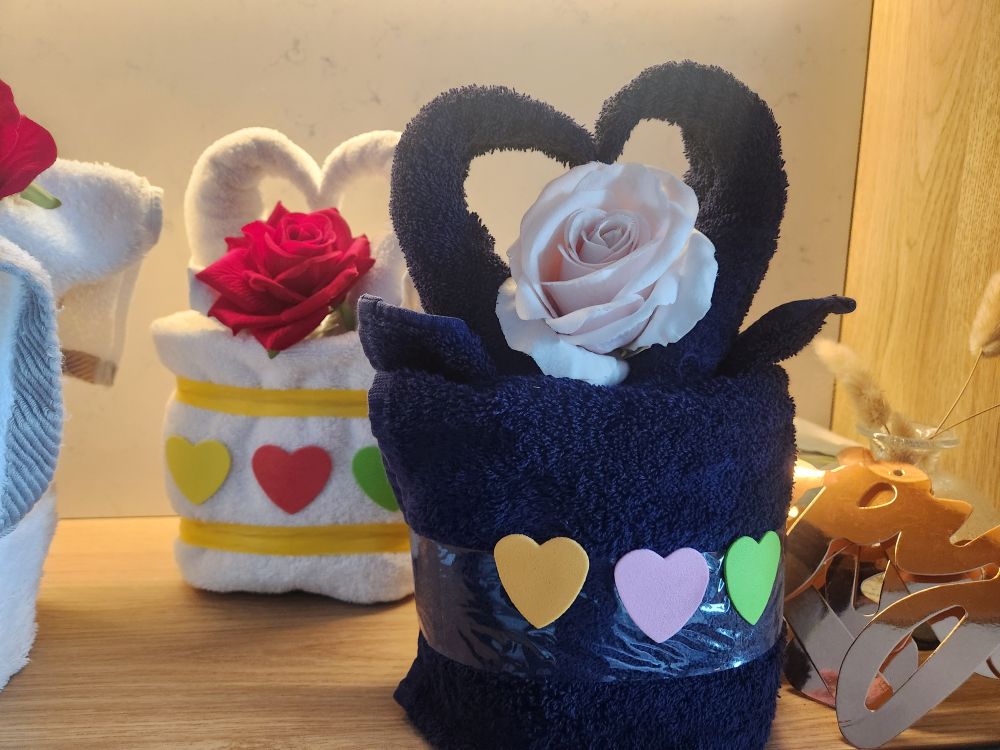
Then it is up for a nightcap with Allan (which turns into way too many for me, btw) while we chat with Allan and other passengers and then….um….why are we not moving? I’m out-front taking pictures of the sunset when Mark, the writer, comes out and says the engines just shut off. Huh? Oh man – not again – and not here!
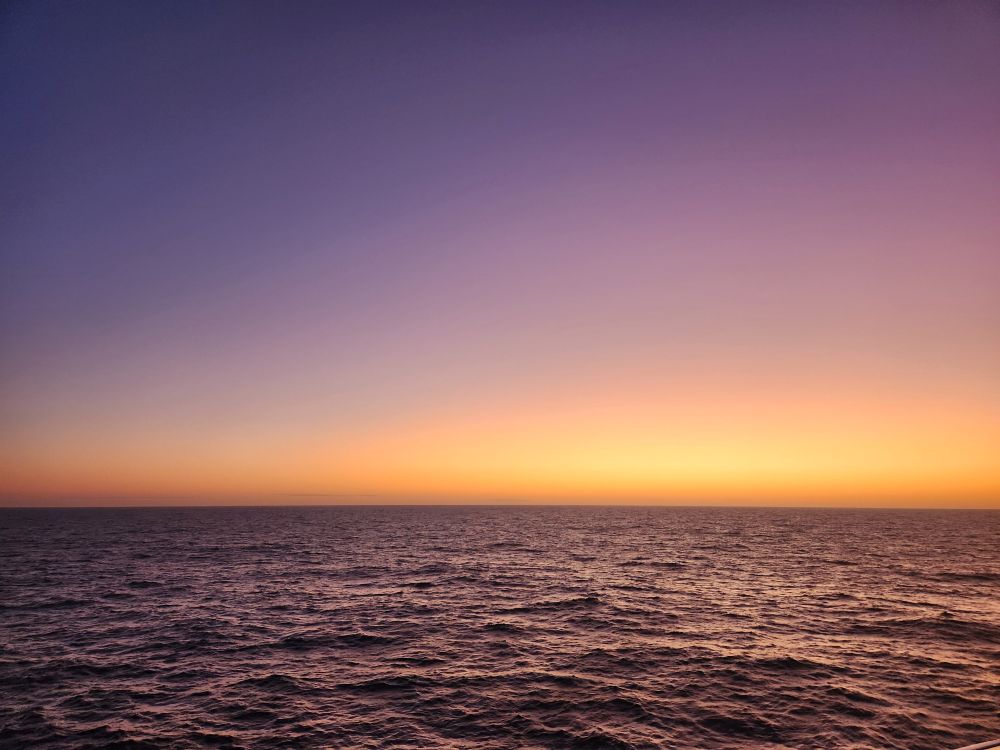
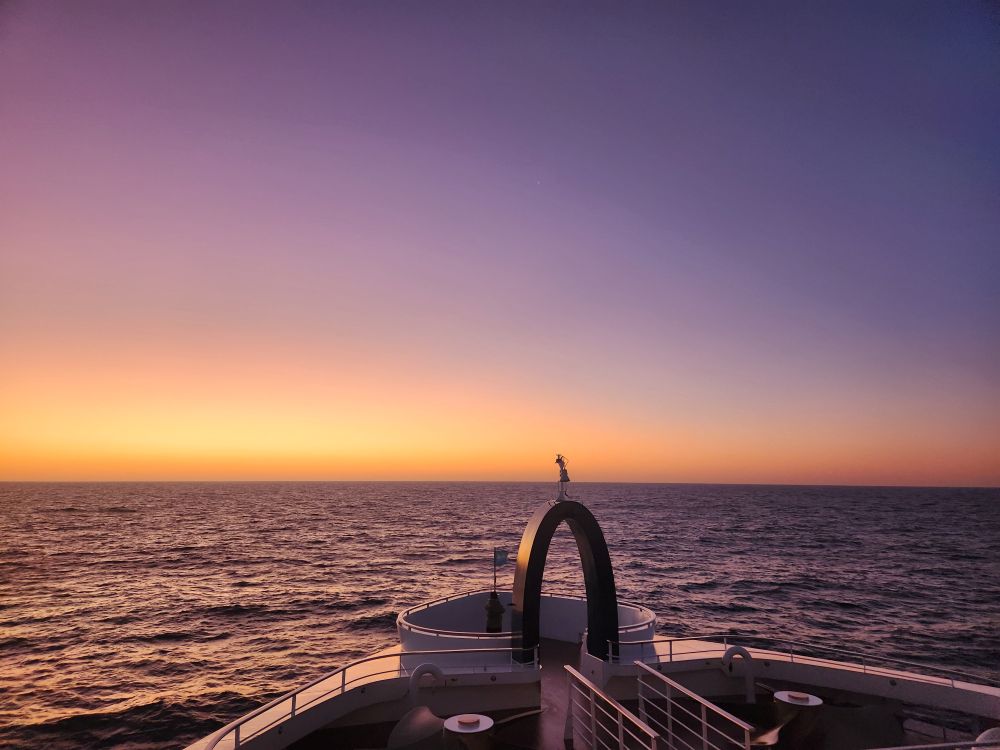
Rushing back inside, all of us at the bar are thinking the same dark thoughts, when Brandon comes over the PA announcing that we have lost propulsion and engineering is checking the shaft. The shaft? Oh, the bleak scenarios abound. While we are laughing as we discuss the possibilities, we are all deep down a bit worried about the real scenarios here. I mean, what happens? Who could possibly come rescue us? We are next to nowhere. This could get really interesting, really fast.
Stumbling back down to the cabin (me, not Ed), the engines still haven’t started. The ship is doing slow revolutions and rocking away with nothing to stabilize us. I end up succumbing to my alcohol abusive evening, hitting the bed and falling asleep immediately – impending doom be damned! Ed stays up until, blissfully, he hears the engines restart and he watches as we slowly regain our speed and continue on our way to S. Georgia 2 hours after the propulsion was lost. Phew!
Always an adventure when we travel! We shall see what tomorrow brings!
 Andiamo