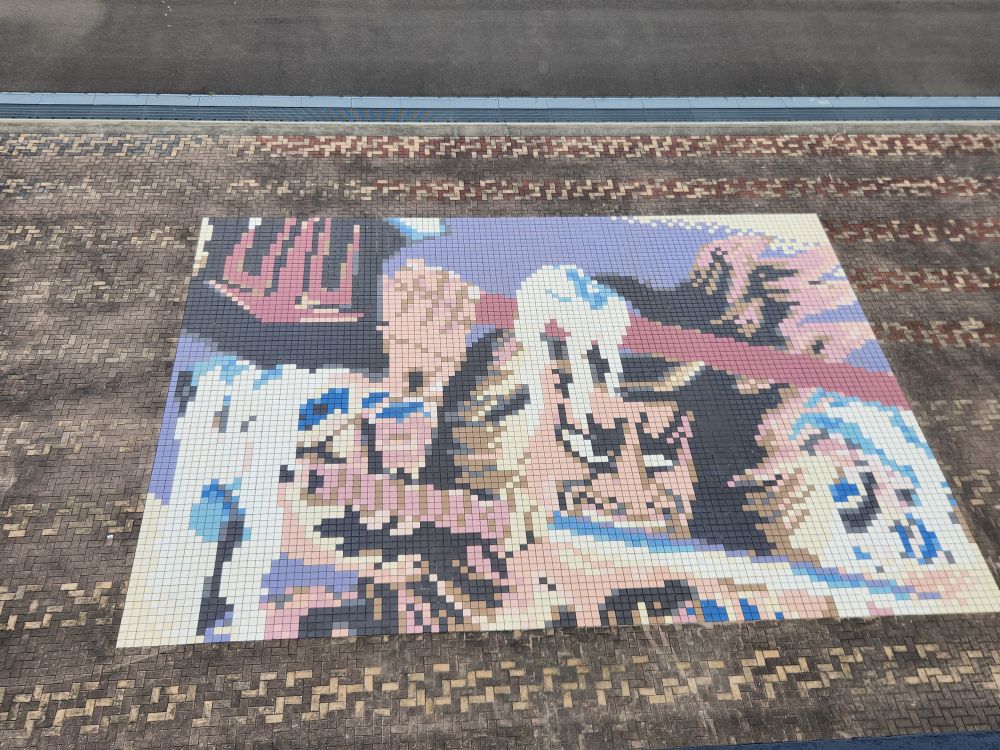
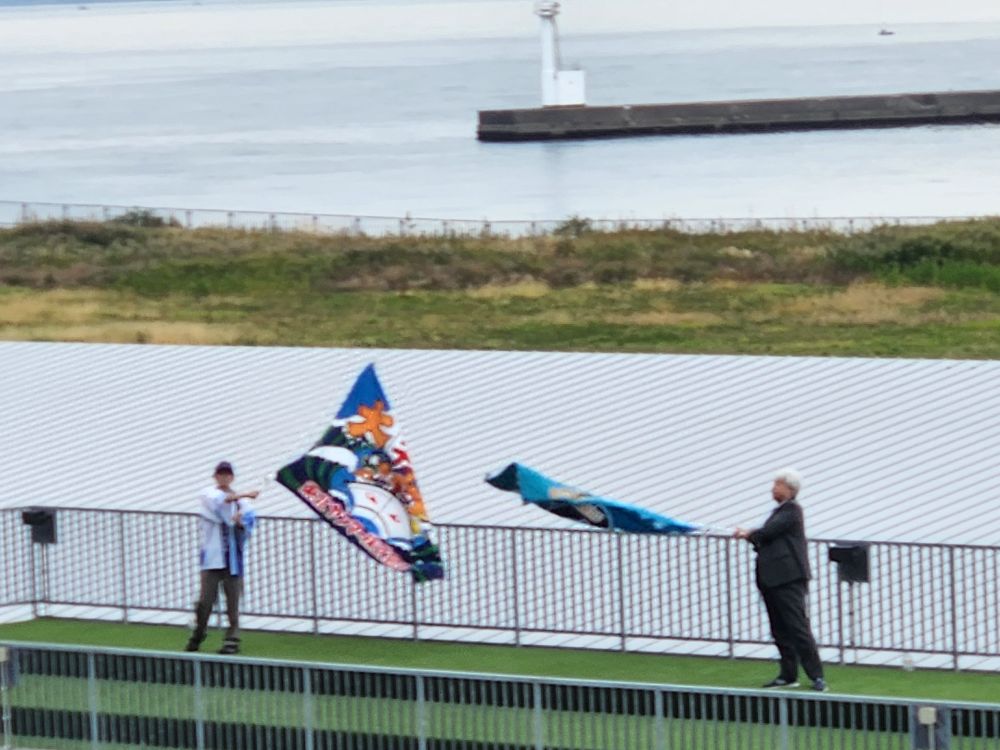
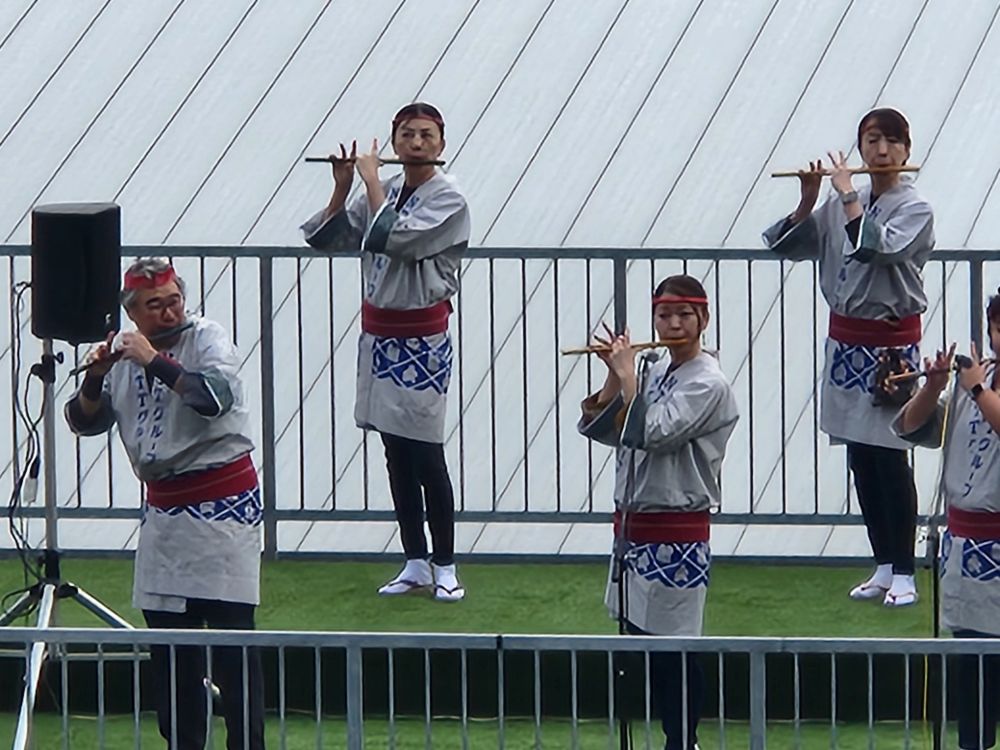
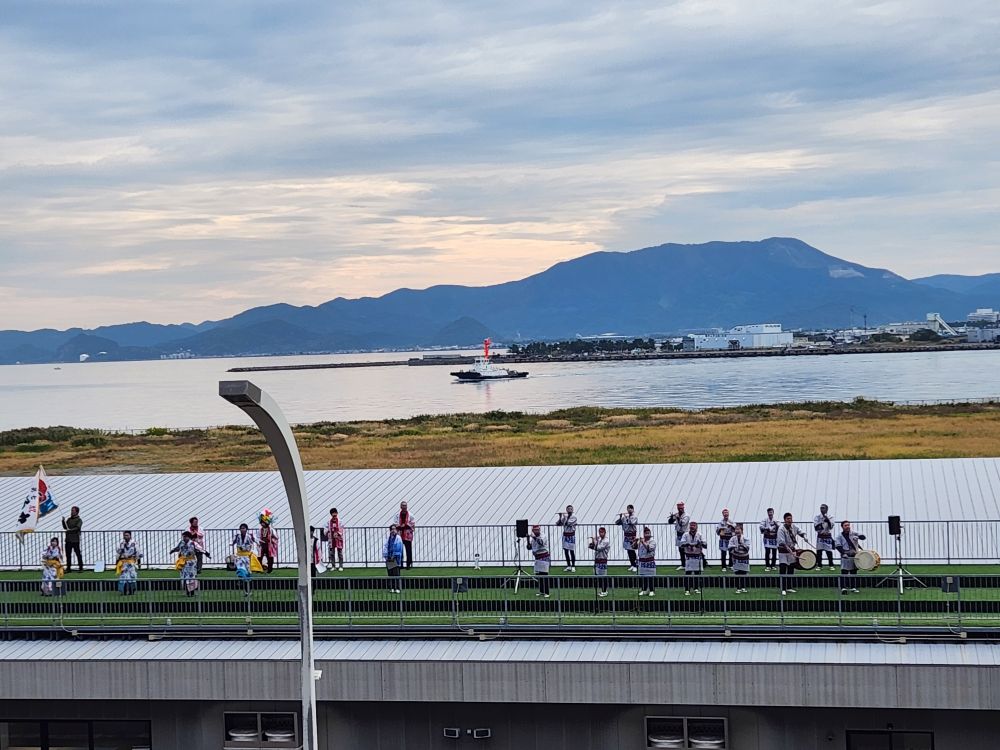
A cloudy but dry dawn greats us. We’ll take it. Sort of cool with a stiff breeze, will be good for us to walk all over this huge port town. We were met by our first welcome ceremony – the waving flags, a great band and some festival dancers. Everything here is focused on their huge Nebuta festival that occurs every August. The music and the dances are all what is performed during this festival. There are even murals of the festival characters on the dock itself.
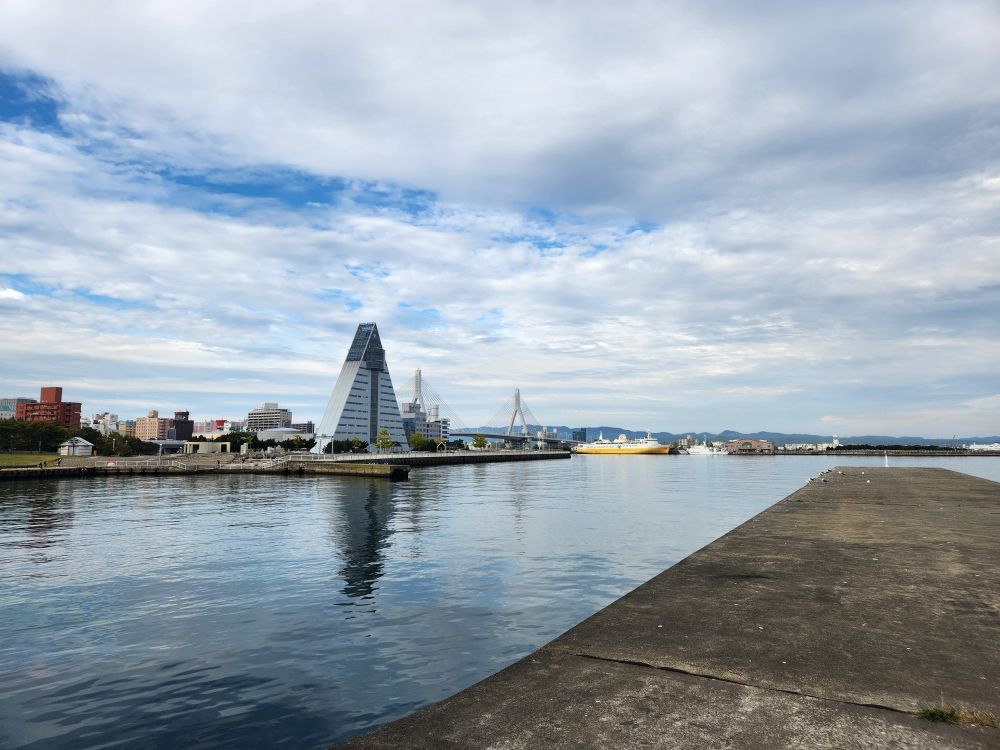
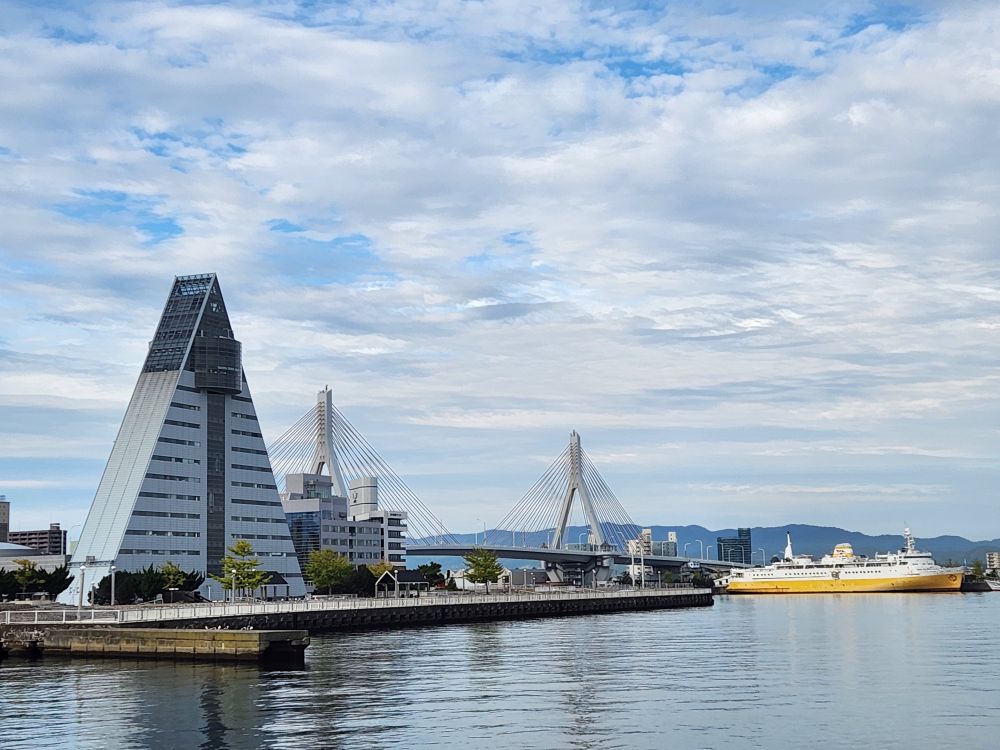
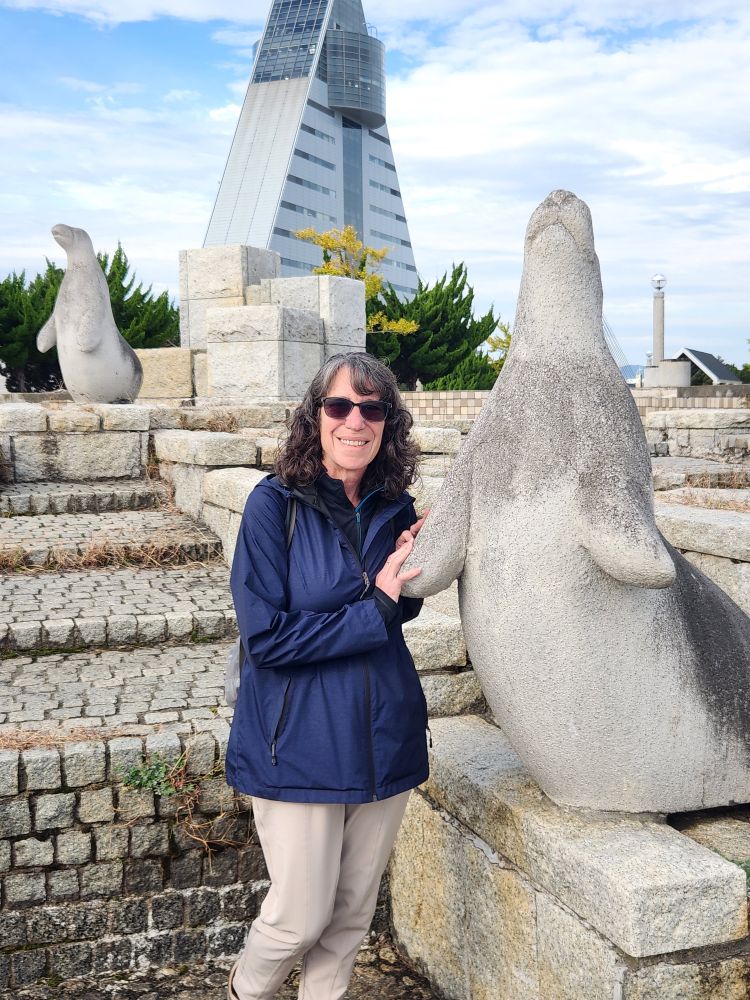
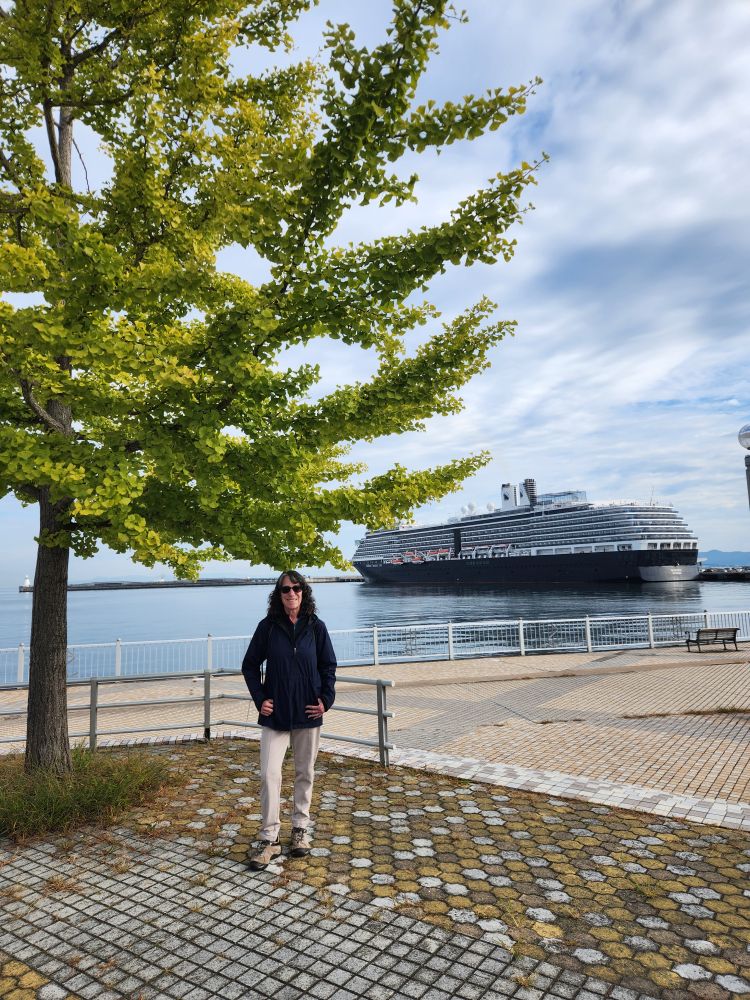
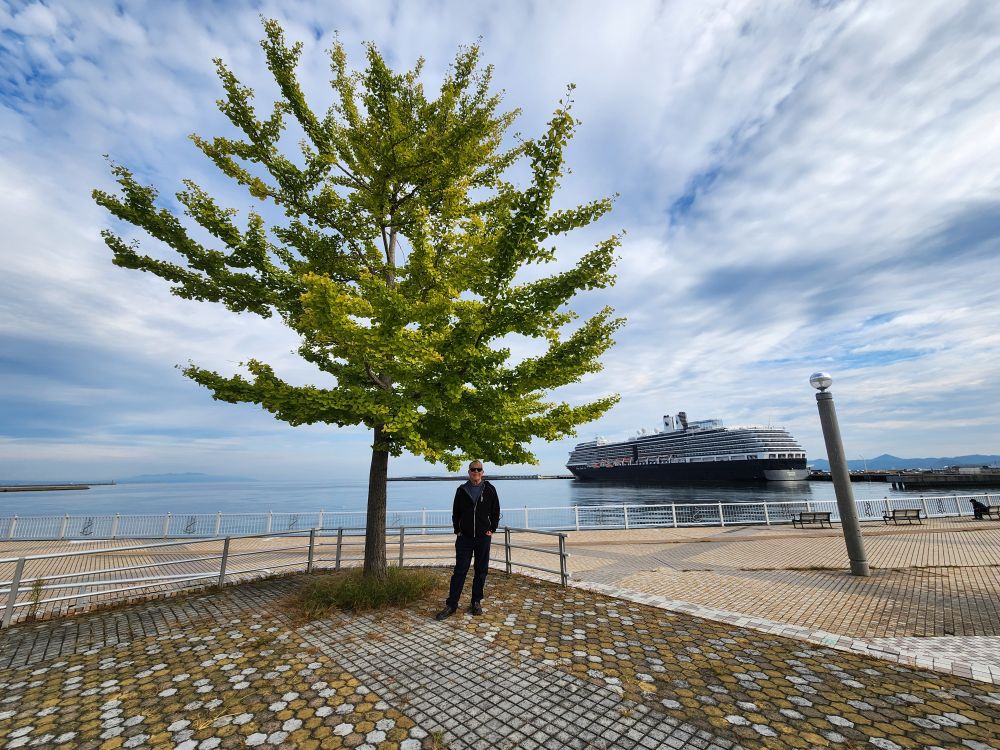
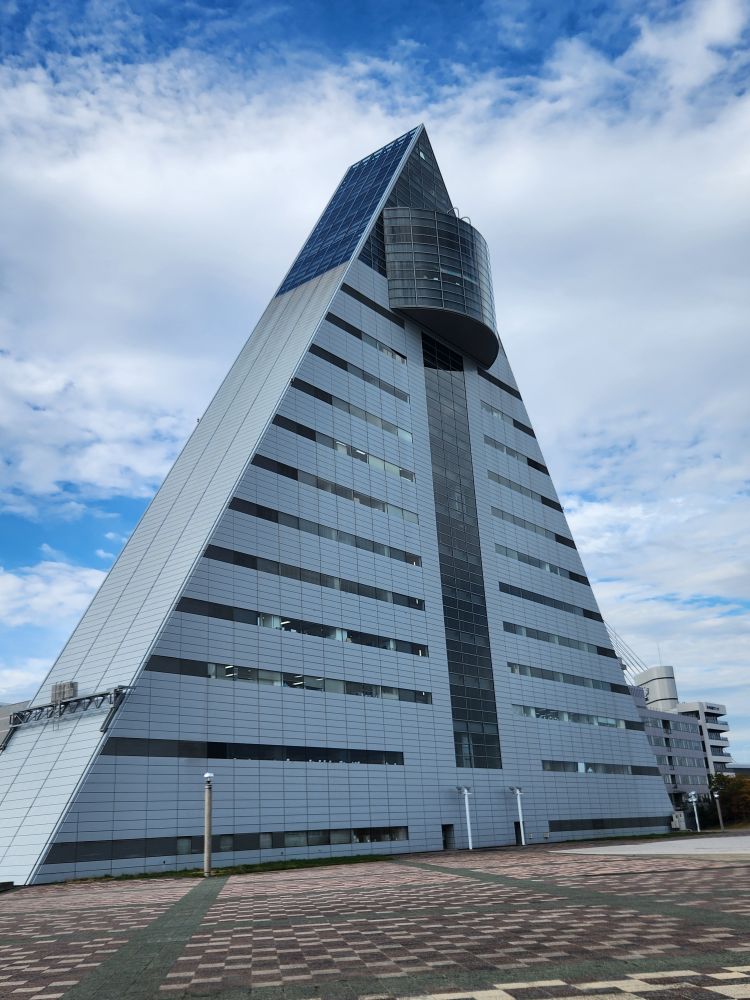
Fittingly, our first stop will be the Nebuta Wa Rasse museum, which was about a 15-minute walk from the pier. But since we are early, we have time to wander through the waterfront park, and photo opportunities with these great concrete seals and a really wild looking tree. We also walked through the APSAM complex – the huge pyramid looking building on the waterfront park. There are tons of shops and restaurants, including a local beer stall, all of which are just getting ready to open. Might be a good place to shop and snack – later once all the shops are open. And since it is right on the way to ship, it’s a convenient stop before reboarding.
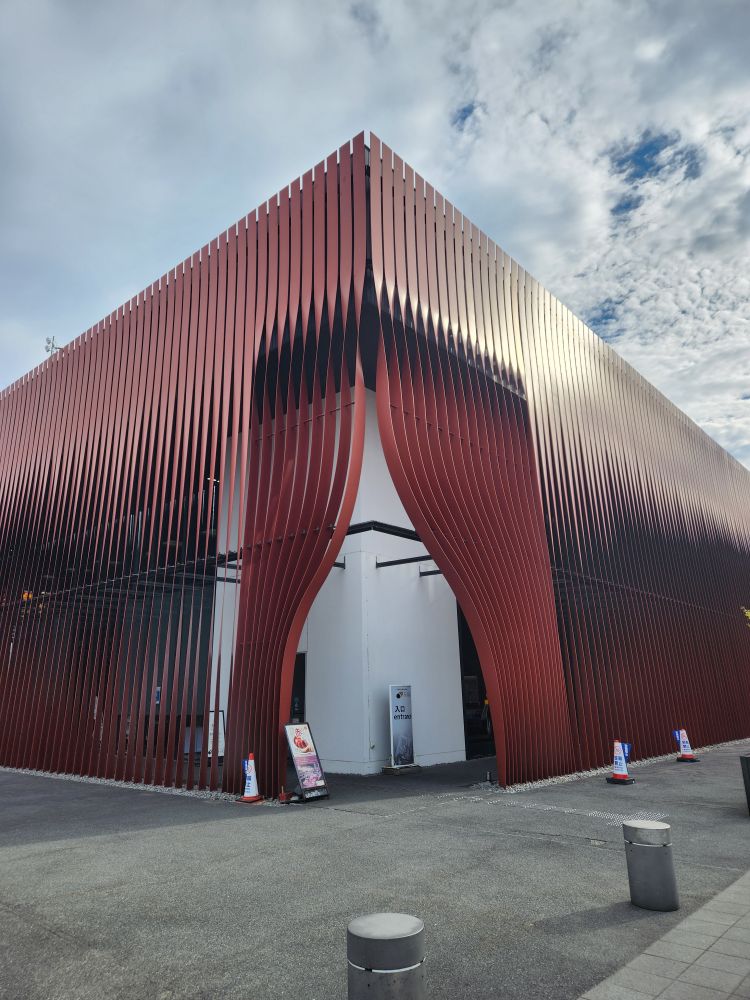
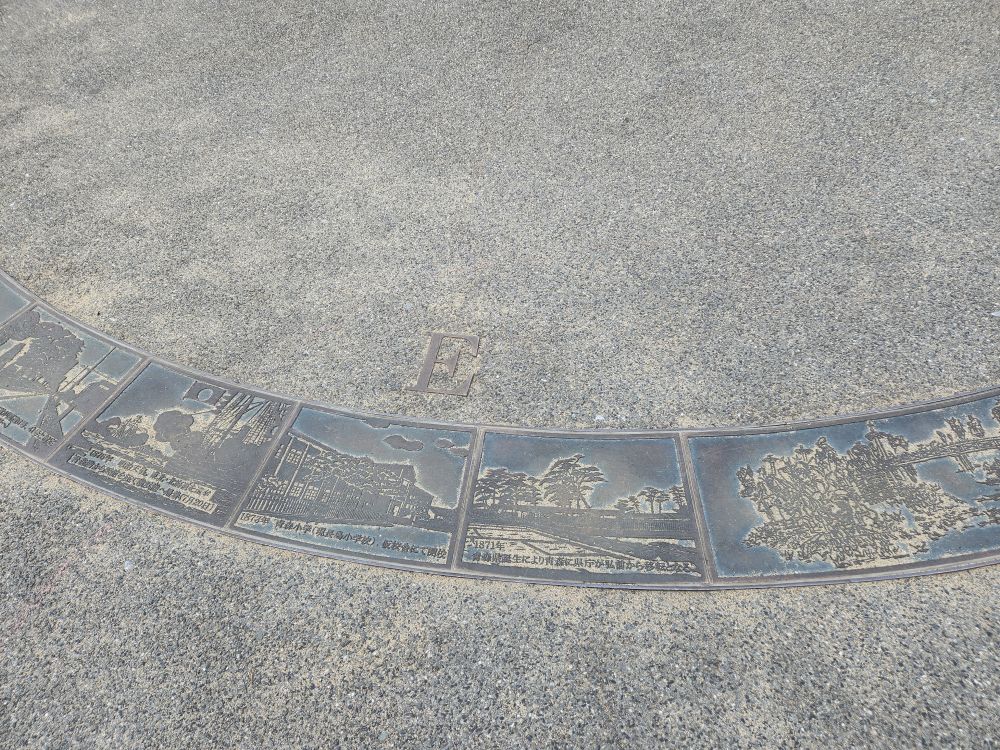
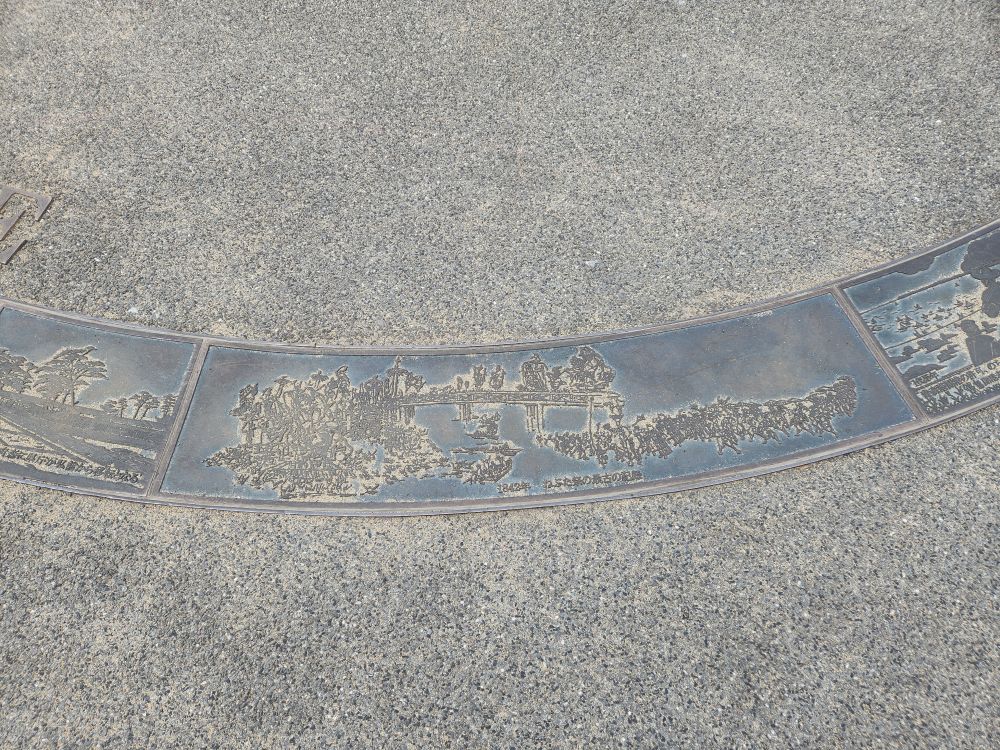
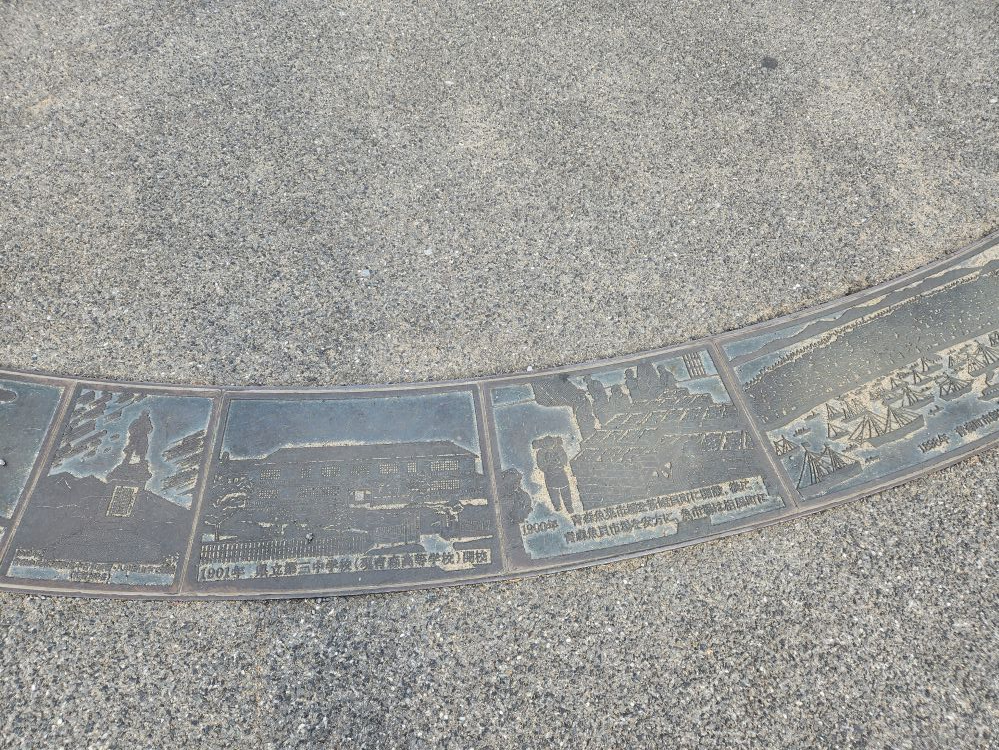
Onward we march to the Wa Rasse museum, which is still 20 minutes away from opening. Might as well just wait here and be first in, so we hang around the entrance of the wildly designed building. It has this whole outer shell of flat red metal strips, about 1 foot wide. At intervals around the building, they are twisted to provide entries into a little walkway – almost like a portico – that runs around the building. It’s really wild – and quite attractive. There is also a “history circle” made up of inlaid tiles on the square outside the museum which depicts 37 key events in Aomori’s history. The tiles span the city’s history from its birth – volcanic eruptions of Mt. Azuma-dake – through the 2010 commencement of Shinkansen routes to the city. Cool idea.
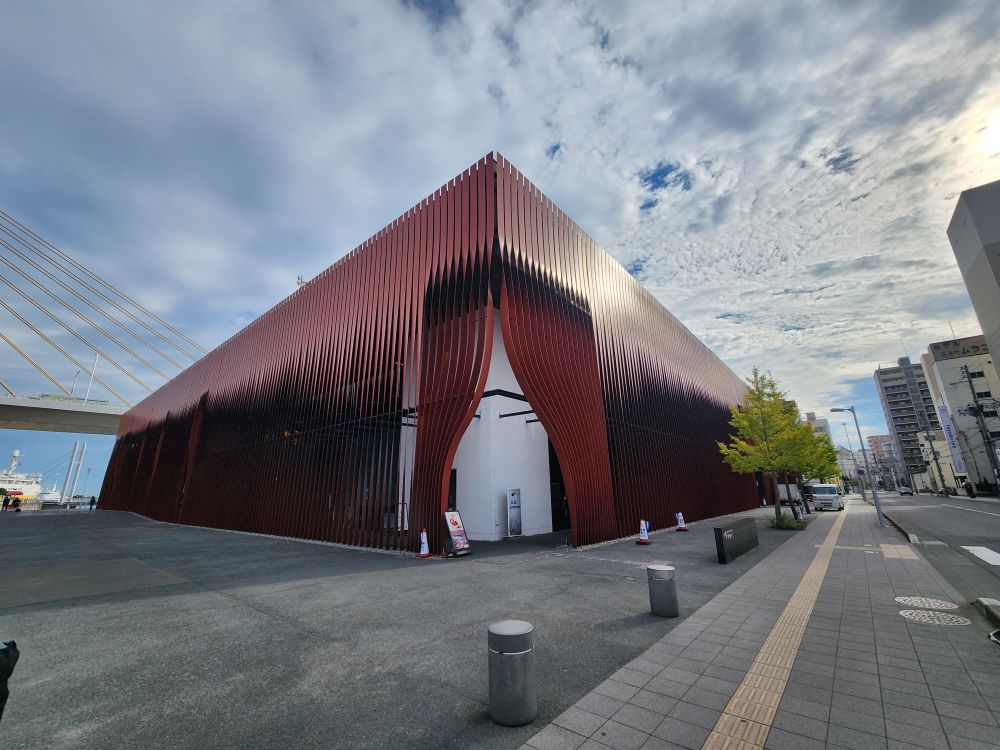
By now, there is a crowd growing, waiting for the museum to open, so we sidle up toward the doors and are finally allowed in a little before 9am. The ticket office is on the 2nd floor, and no one really realizes that, so most of the crowd goes wandering around downstairs through some shops. We figured it out fast, running up the stairs to be the first visitors of the day into the museum. T.I.E. Oh, and we get a discount because we are from the ship. Even better! For the first few minutes, we have the place all to ourselves and wander through the first display which lays out the history and composition of the Nebuta festival in a long dark hallway.
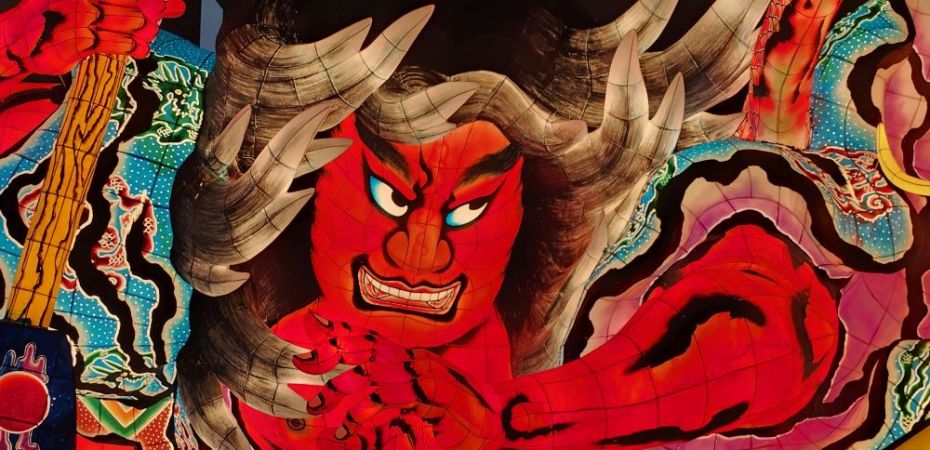
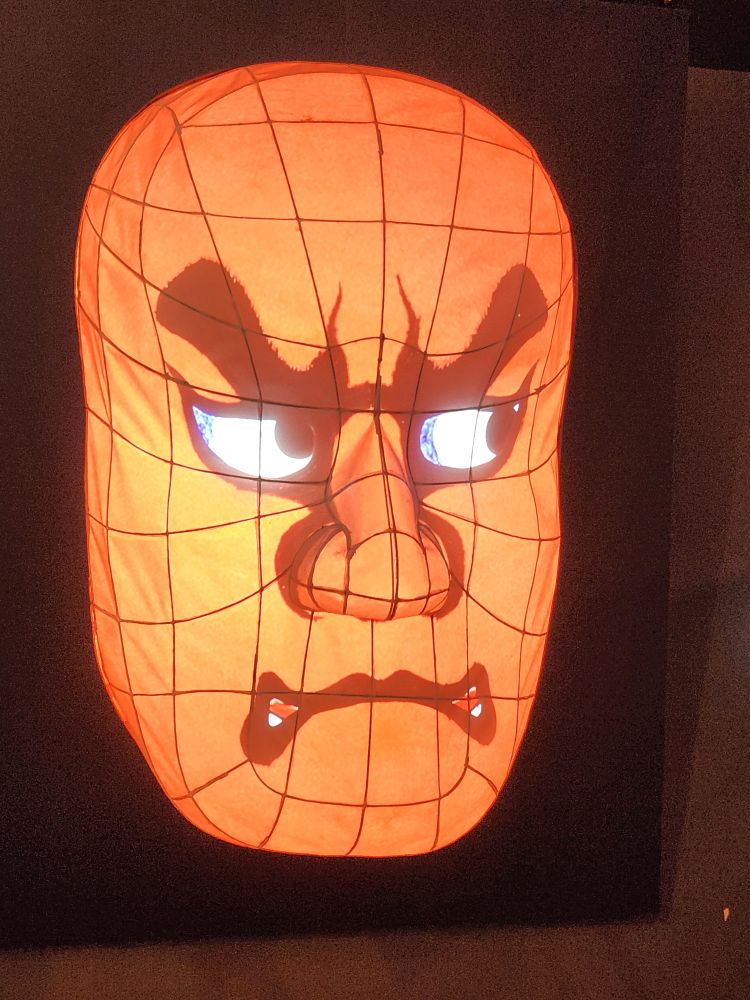
There are many different legends as to how this festival started. The pragmatic explanation is that the festival was introduced to stave off the summer doldrums. Another explanation is that the festival commemorates an old Emperor warrior who created scary masks for his army to wear when fighting opposing clans. The masks scared the attackers so much, it was easy for the Emperor to win wars, protecting Aomori. Thus the festival was born to honor the shogun with large scary masks and characters parading down the streets. But the most popular theory is that the festival is derived from the custom of “Nemuri Nagashi,” the custom that was practiced to ward off the sleep demons – the enemies of farmwork – which caused drowsiness during the busy farming season of summer. Every year about 20 large Nebuta floats are made and paraded during the festival.
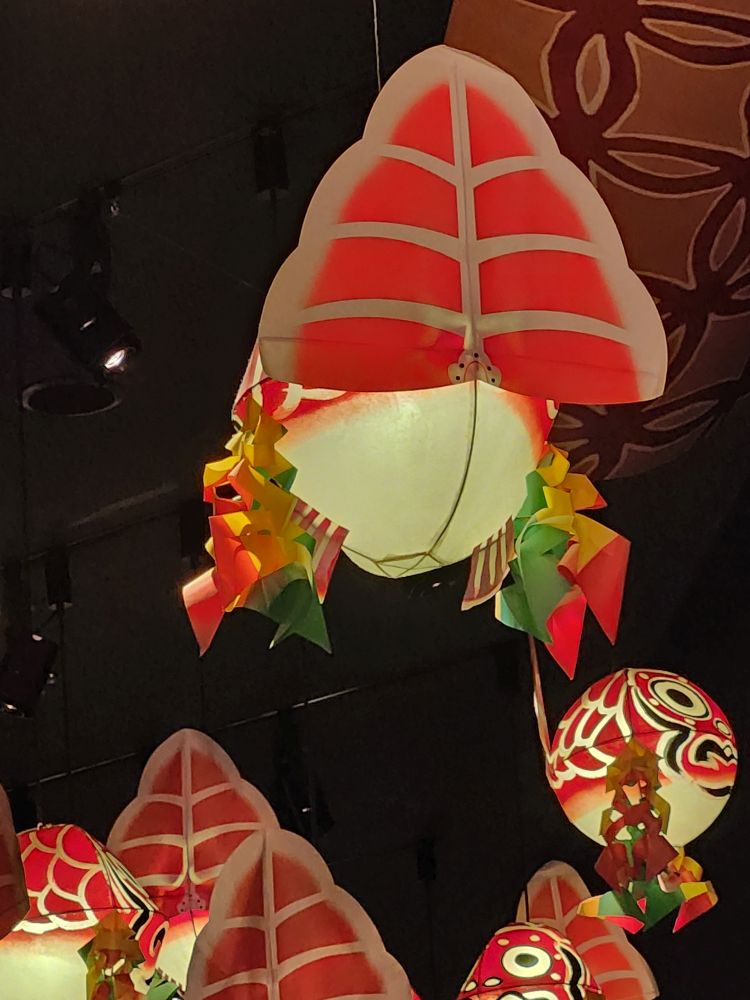
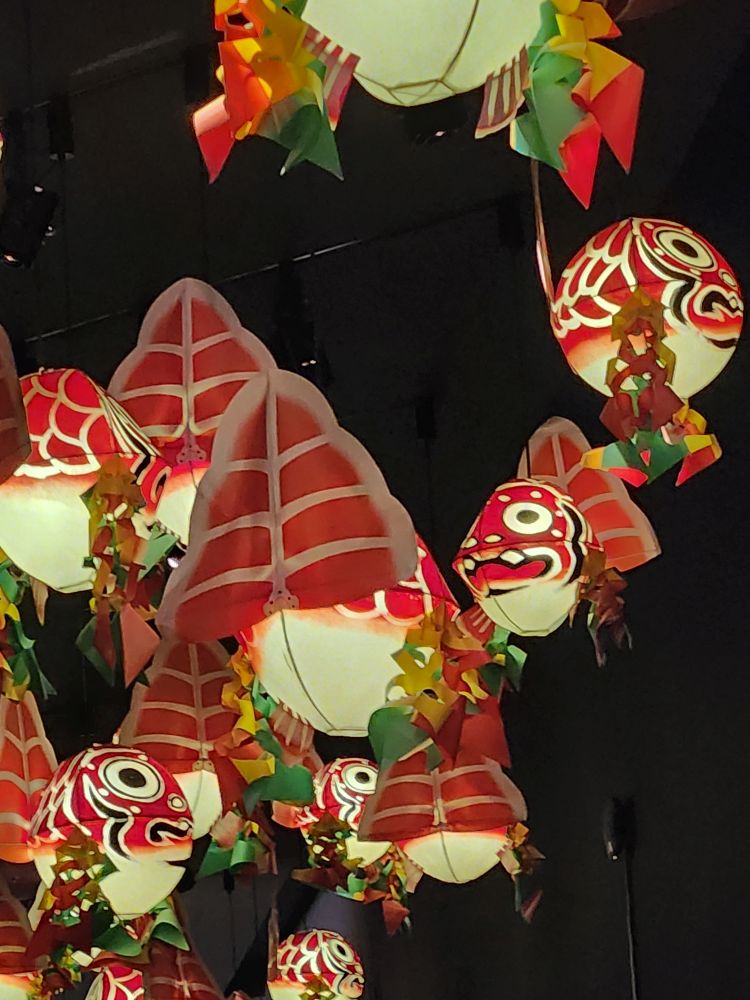
This historical area has lanterns strung about the ceiling and on the floor, plus a wonderful timeline of different floats used through the years. The photos also allow us to really examine these huge floats. Where we thought they floats were mounted on trucks and driven through the streets – but upon close inspection, we realize that the floats are all human powered! Dozens of people are underneath the float, pushing it down the street on it’s two wheels. Totally amazing!
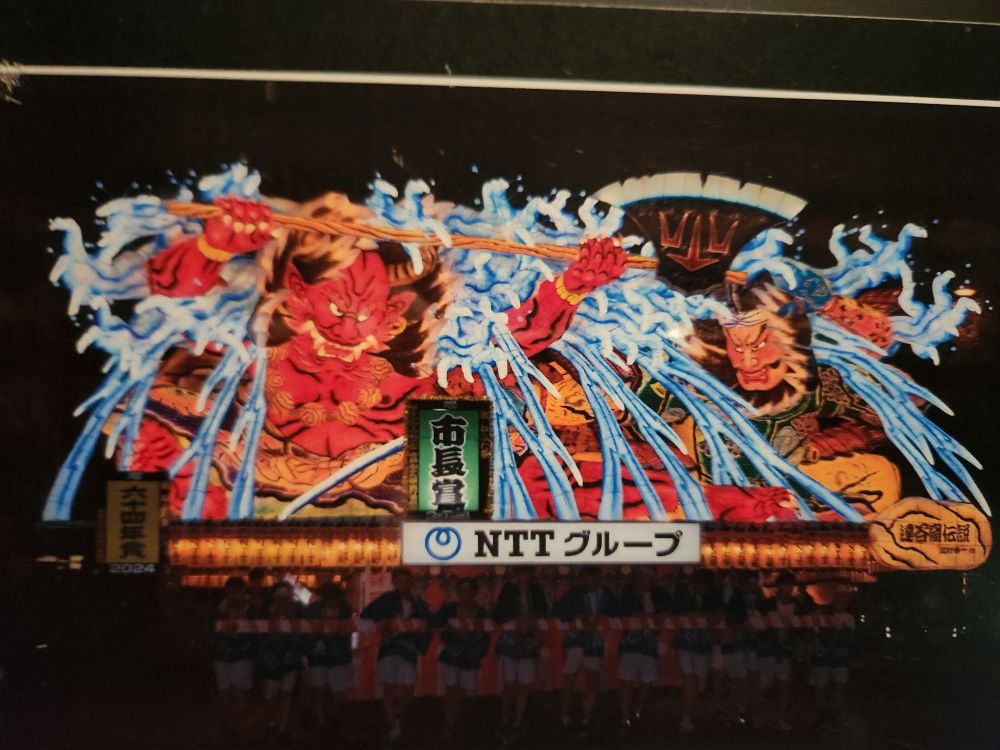
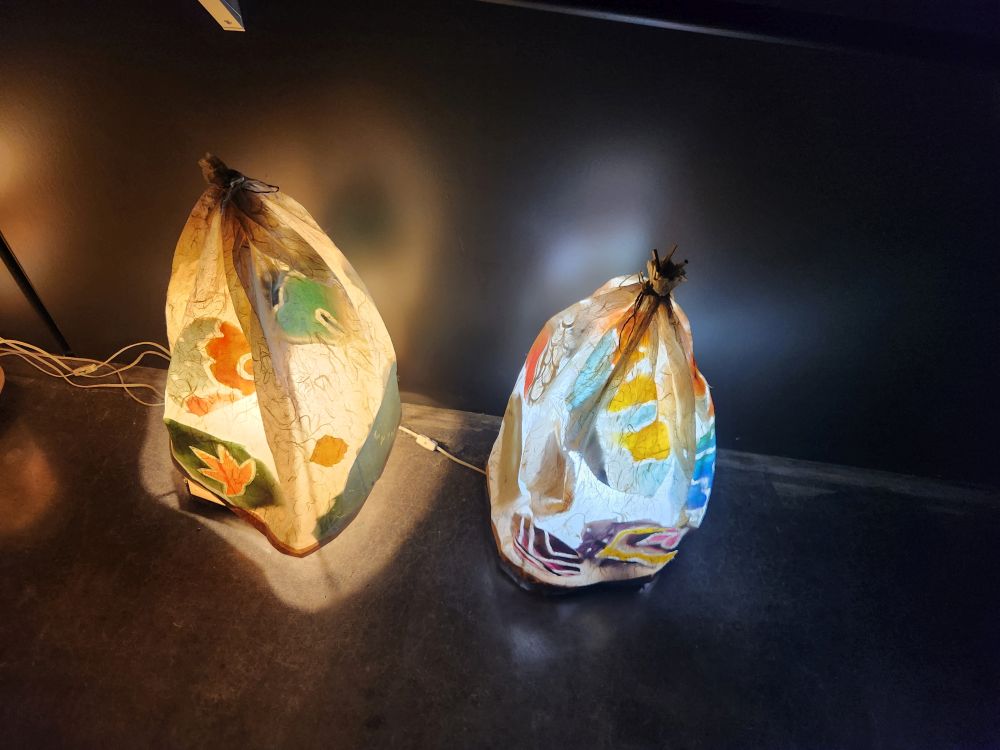
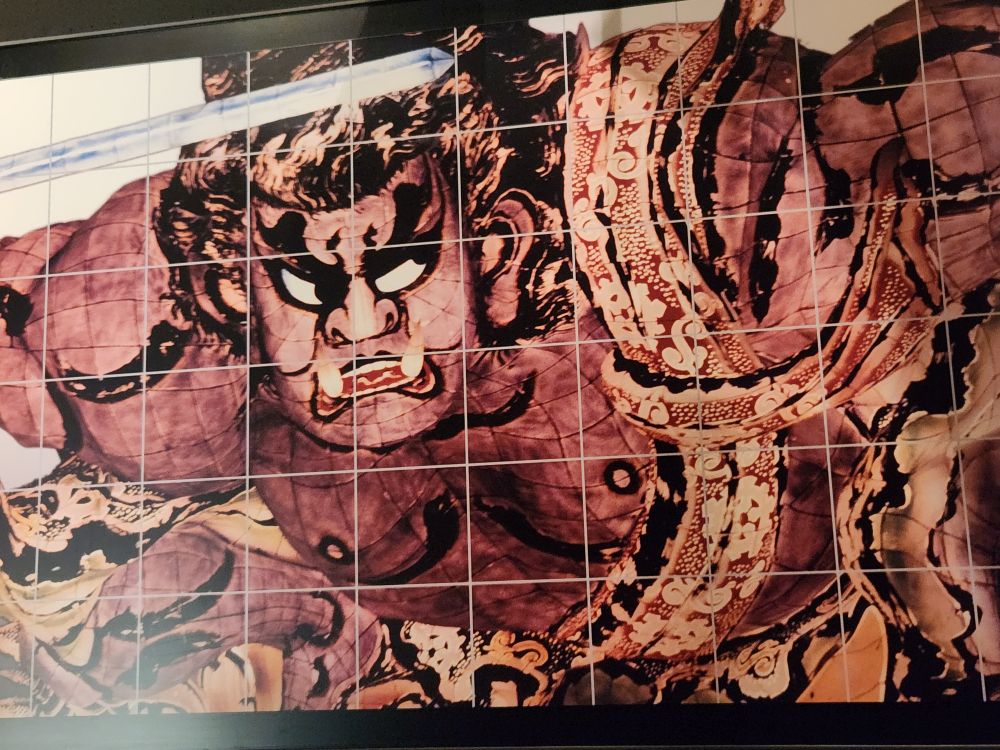
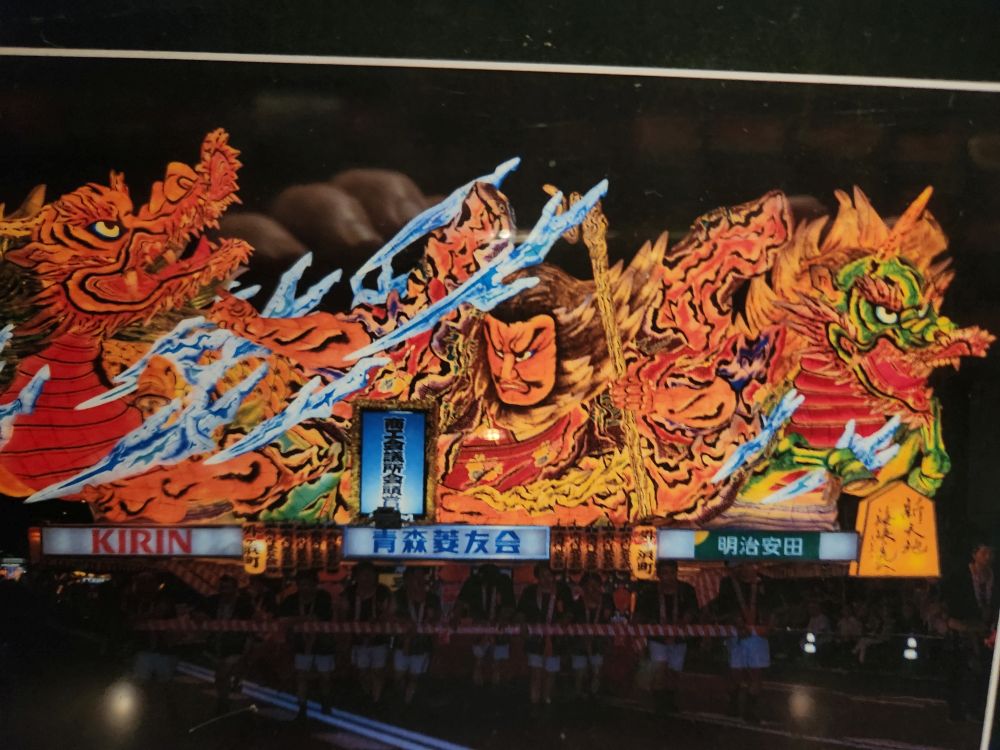
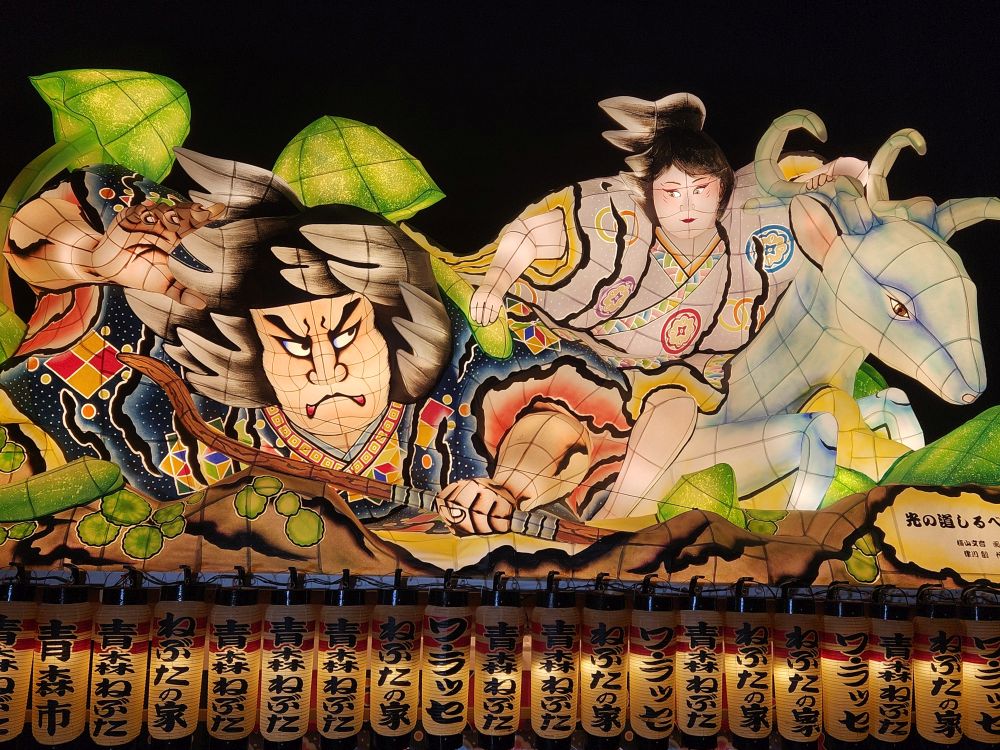
Each float is sponsored by a company and then manned by a that company’s board members along with Haneto dancers in formal costumes who dance and sing all around the float as it parades through town. Each float is created based on a moral scene from Kabuki, Japanese/Chinese history or mythology.
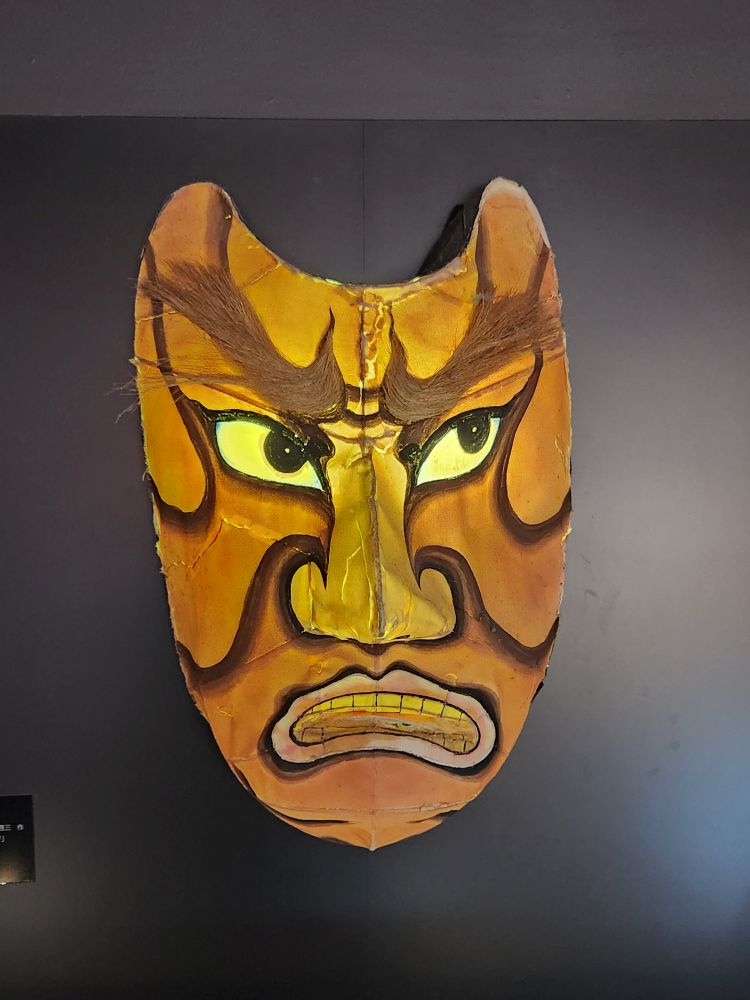
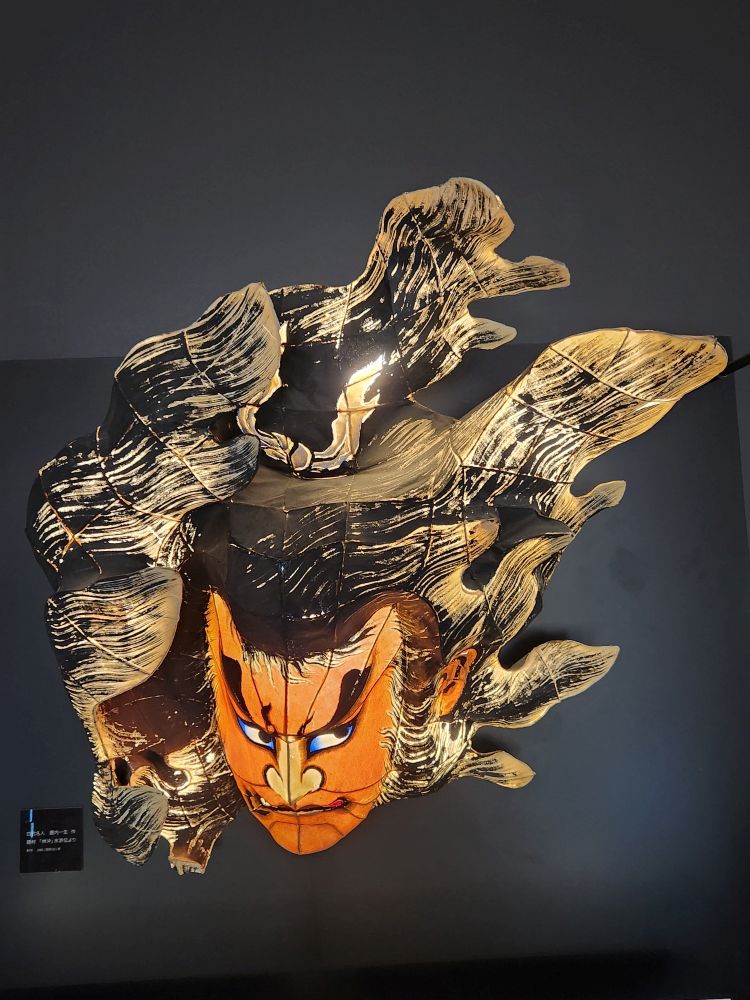
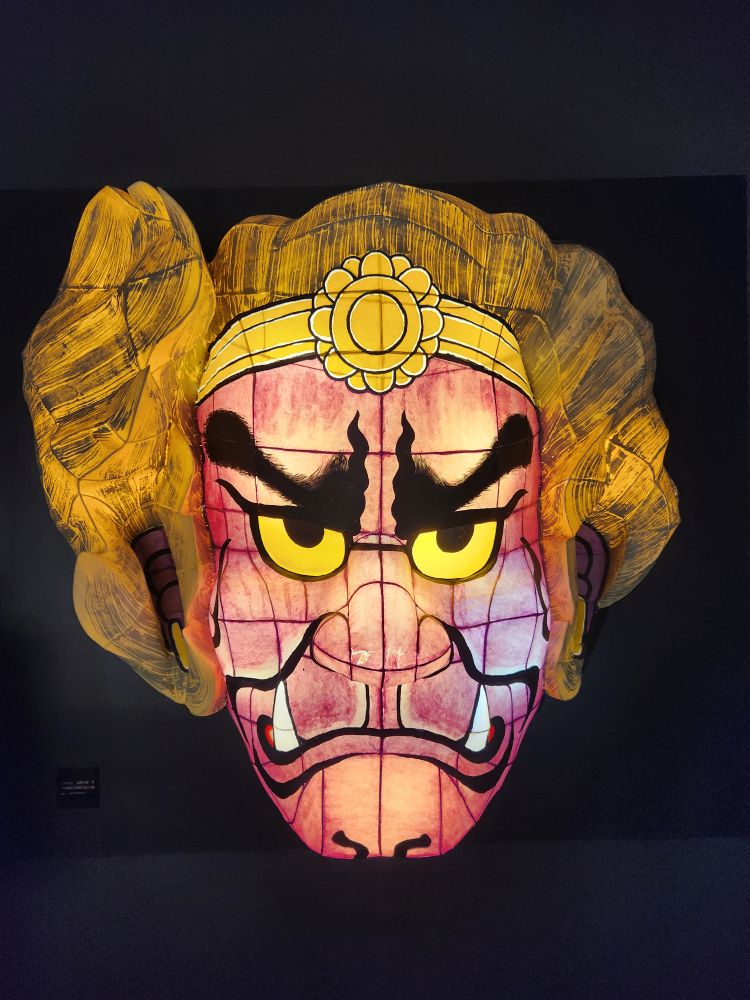
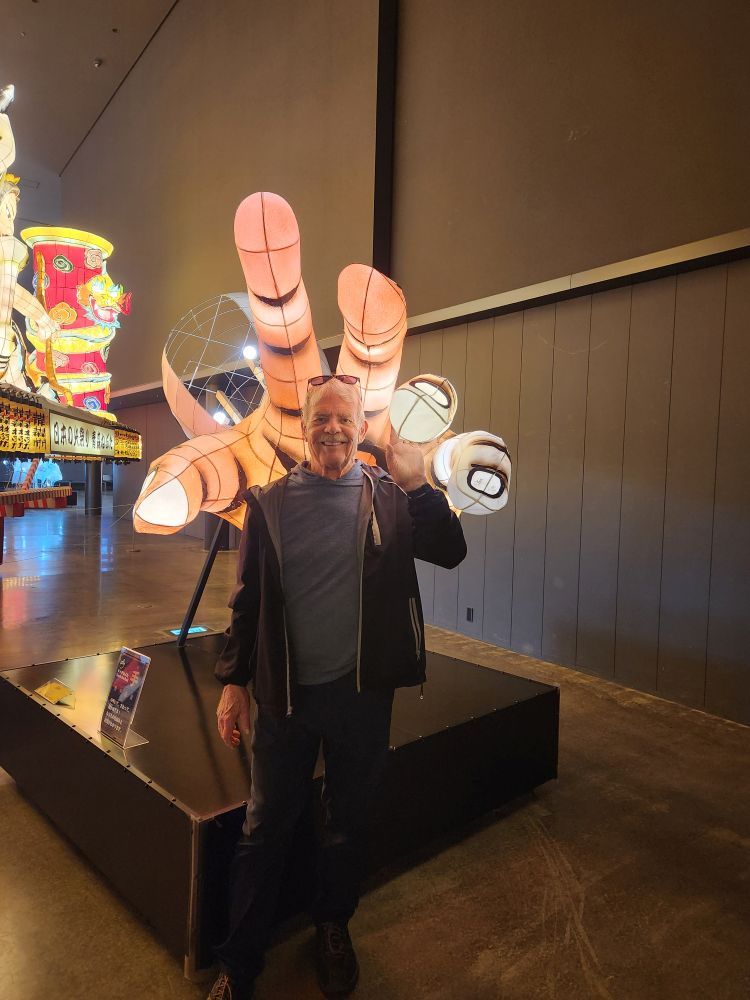
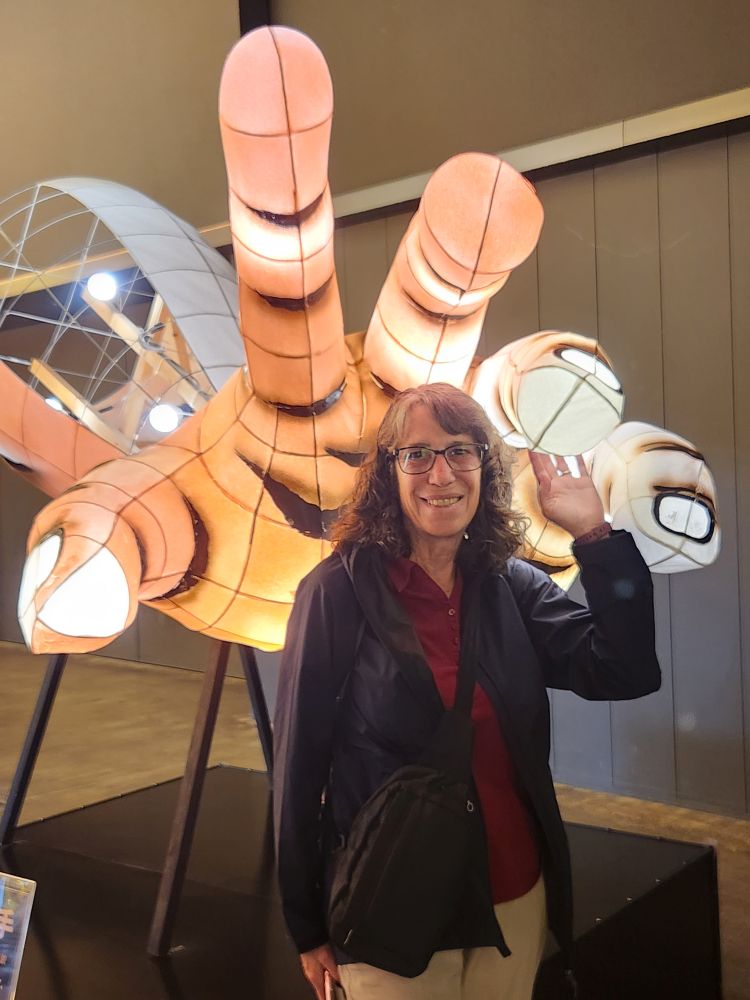
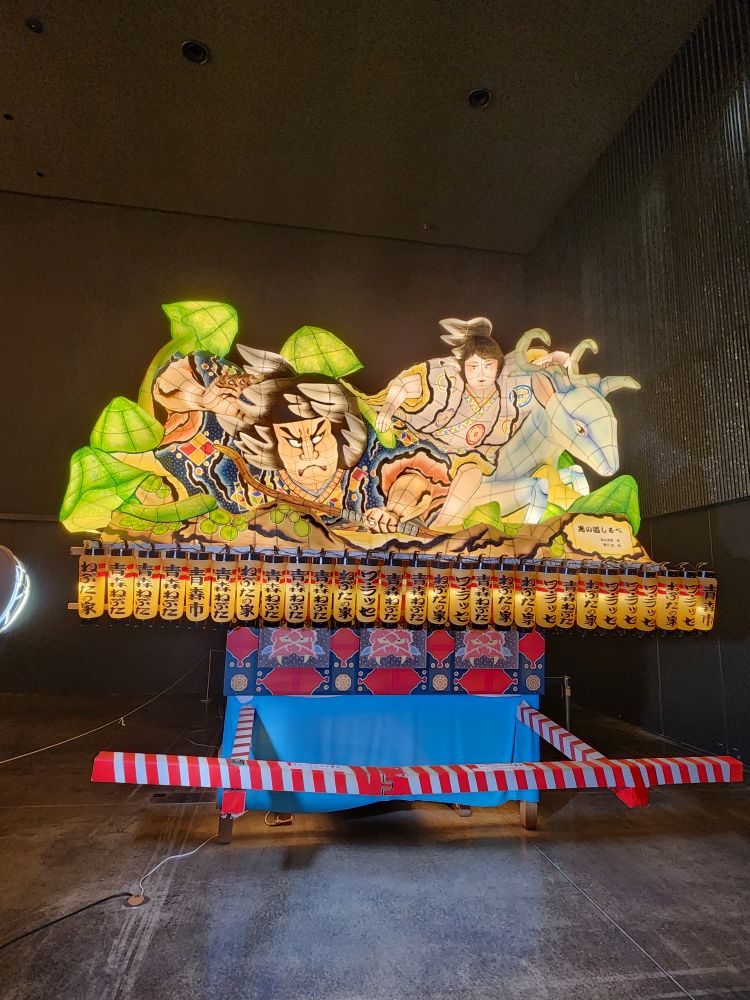
The hallway opens up onto a viewing platform that has a video about 3 Nebuta masters – Kitagawa, Sato and Shikanai – as well as a mask made by each artist. The masks themselves are about 100 years old and made with hemp for the eyebrows and beards. It is also from this platform where we can see our first real float from above. It is a great vantage point to see just how large and detailed these astonishing floats really are, measuring 30 feet wide by 23 feet deep by 16 feet high and weighing in at 4 tons including 800 lights and a power generator. Humongous!
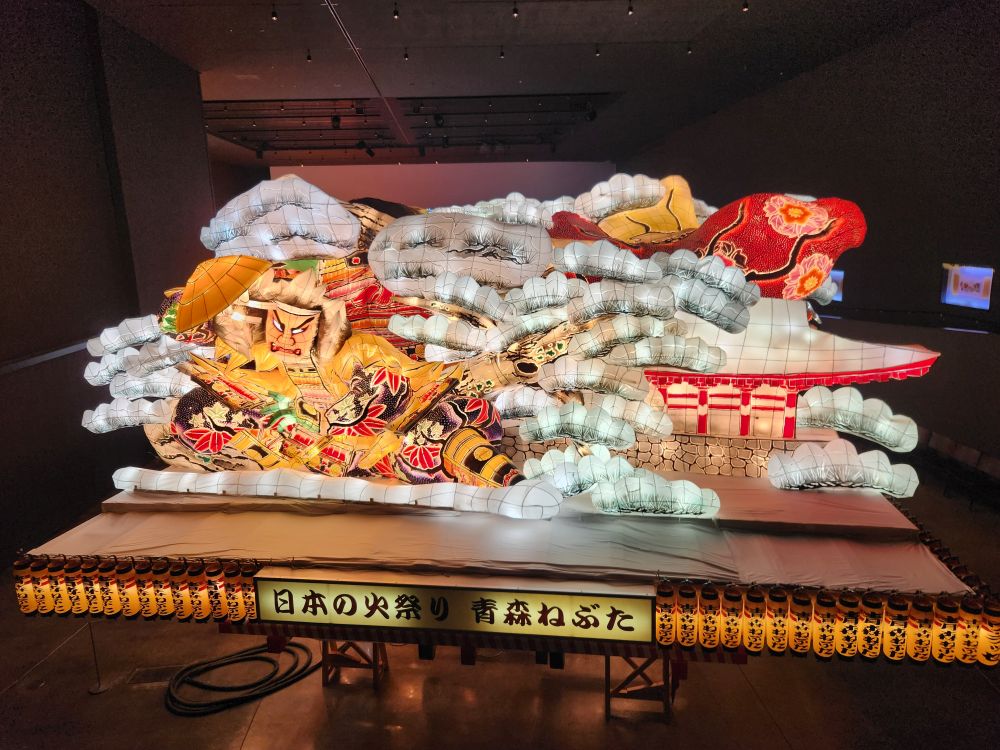
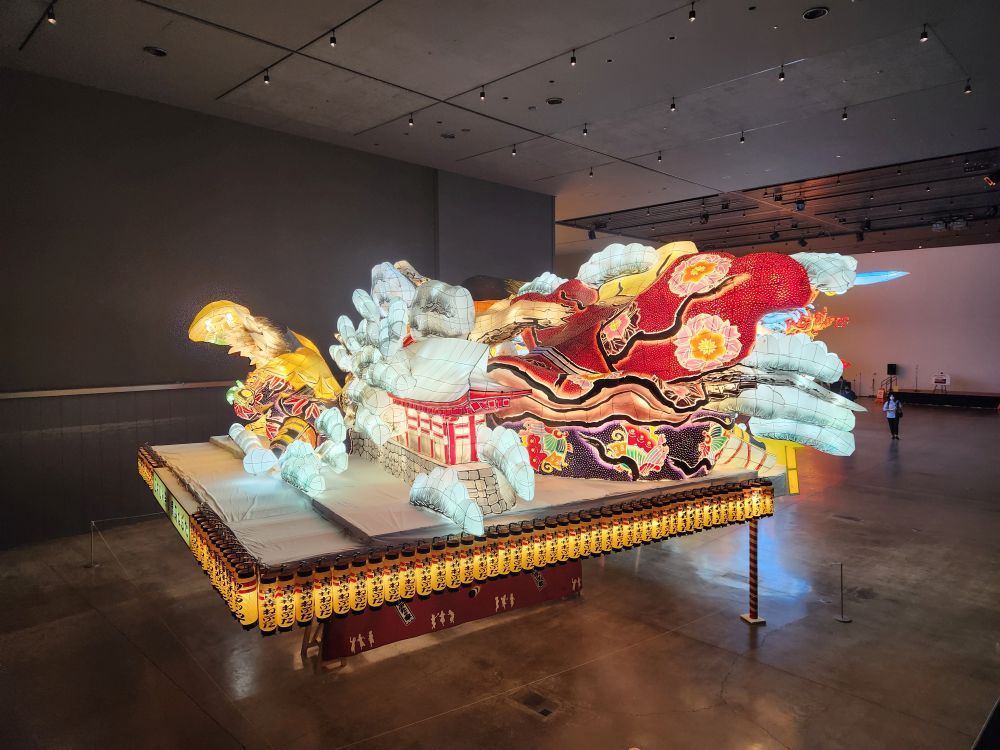
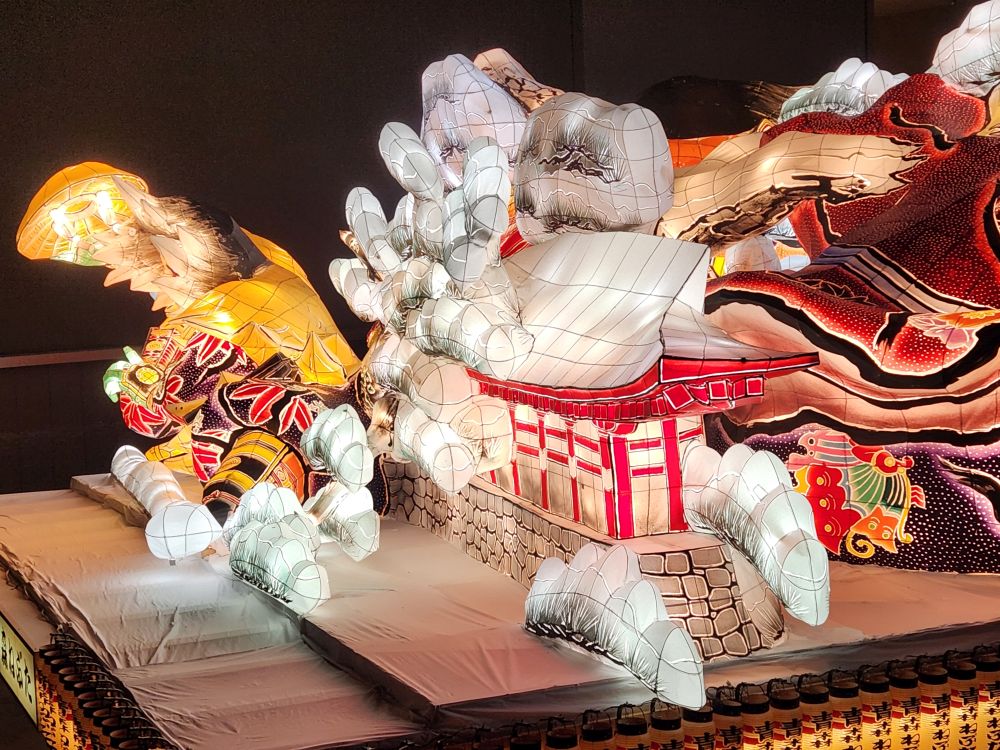
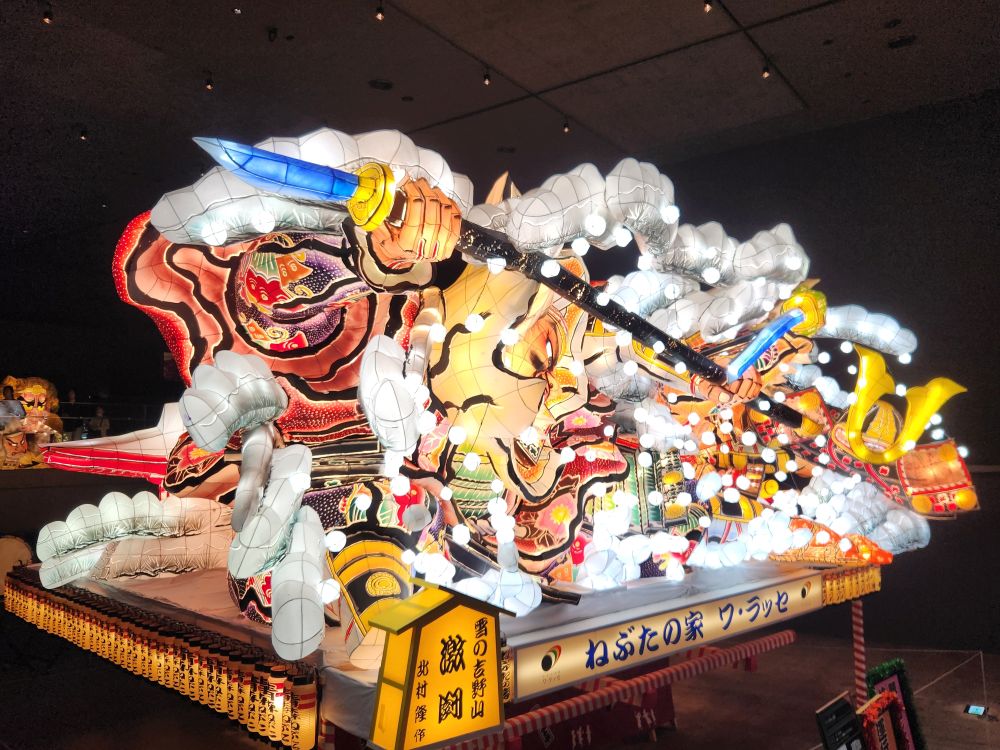
They are all constructed of paper, wire and melted paraffin wax, set atop a wooden platform. The wheels are hidden the draped section under the main platform, and the red and white cross bars are what the participants hold on to while guiding the float down the streets.
Down on the main floor, we can walk around a selection of floats – all with explanation placards indicating the category and story of each float. Plus these great little videos that show the actual float in the parade:
There are only 5 of the 22 floats in the festival are displayed here – you’d need an arena sized building to display them all! But between the floats, the masks, the descriptions of the artists, what more could you possibly need?
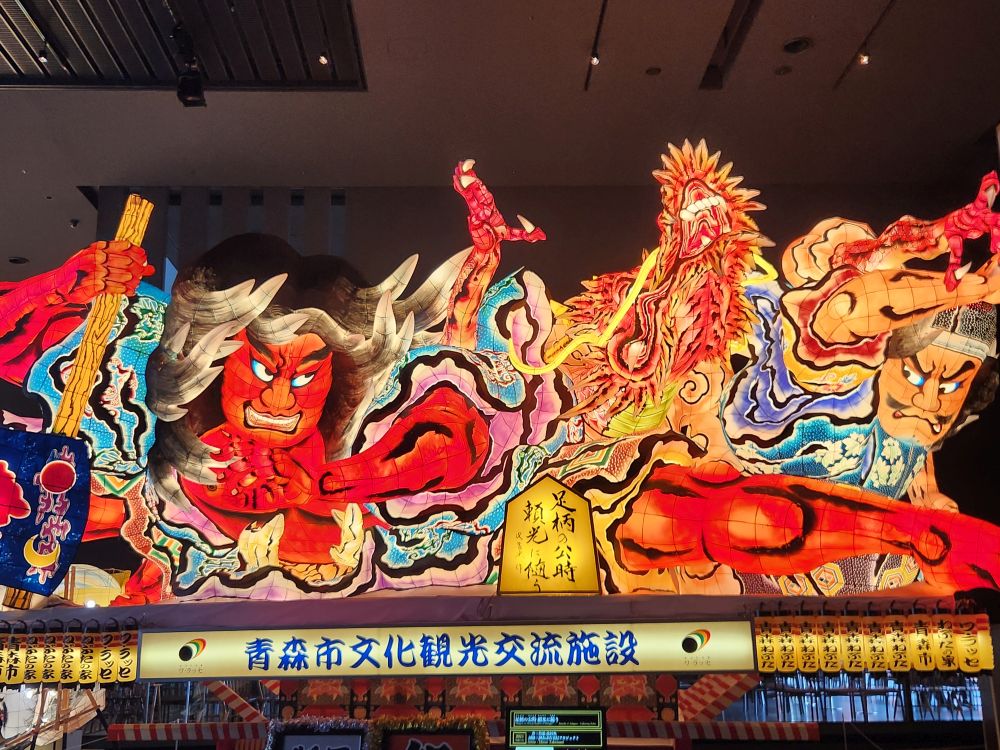
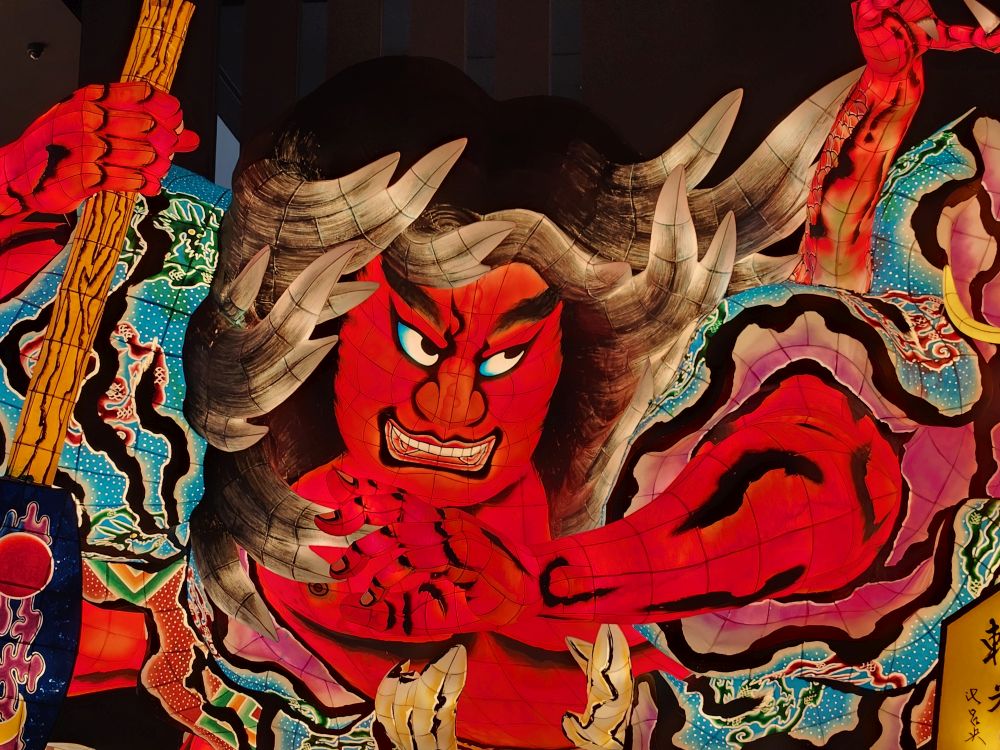
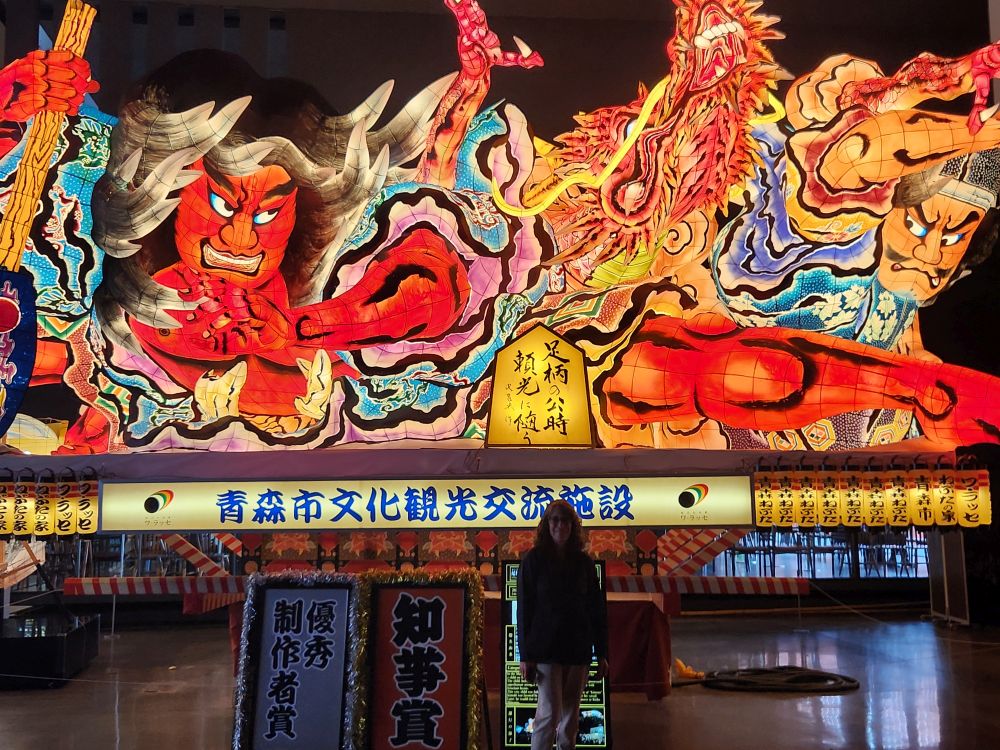
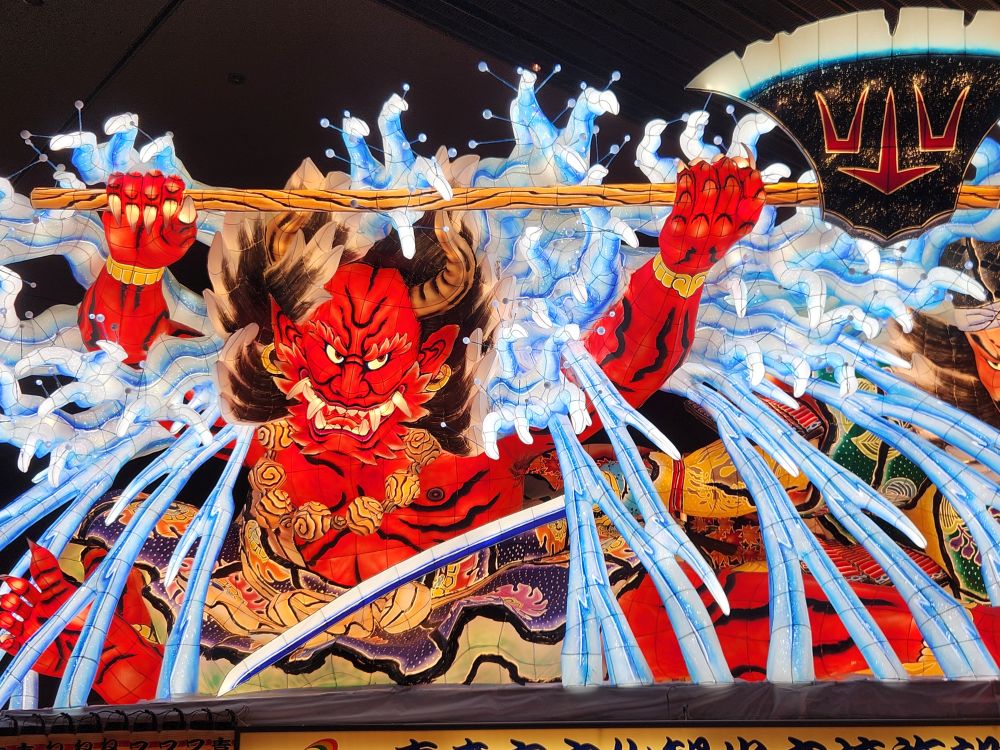
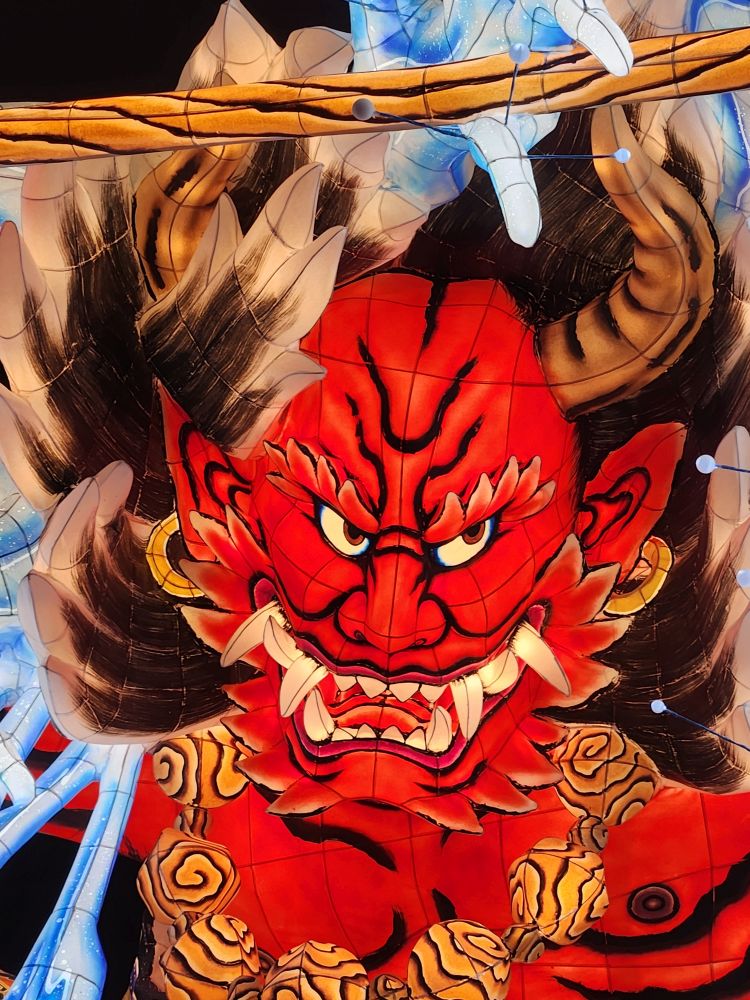
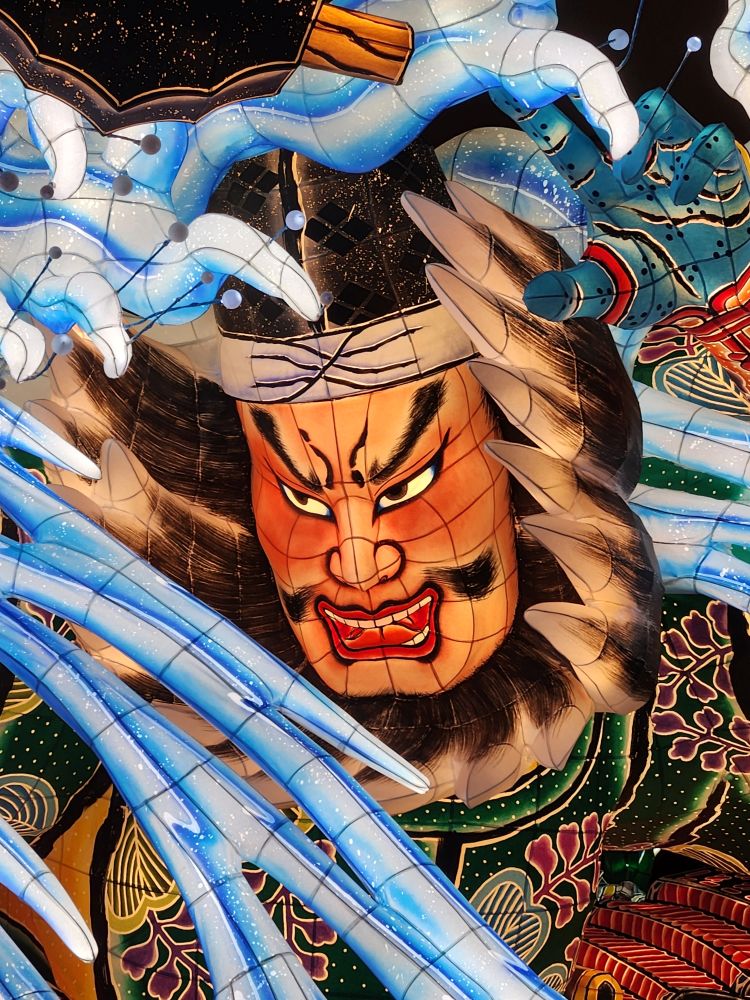
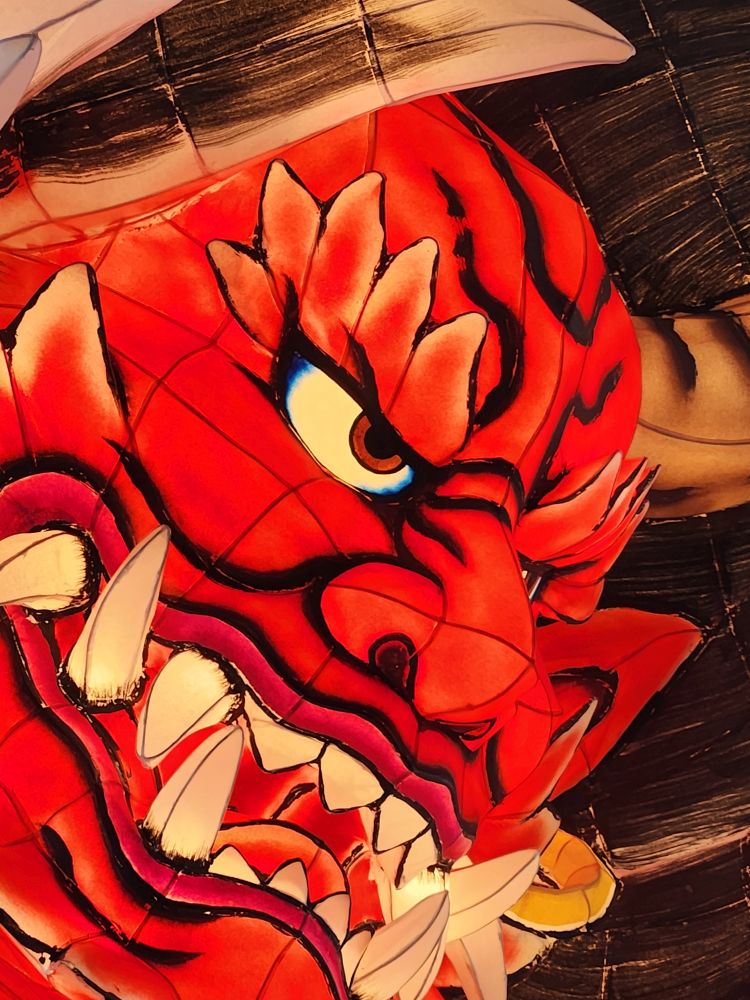
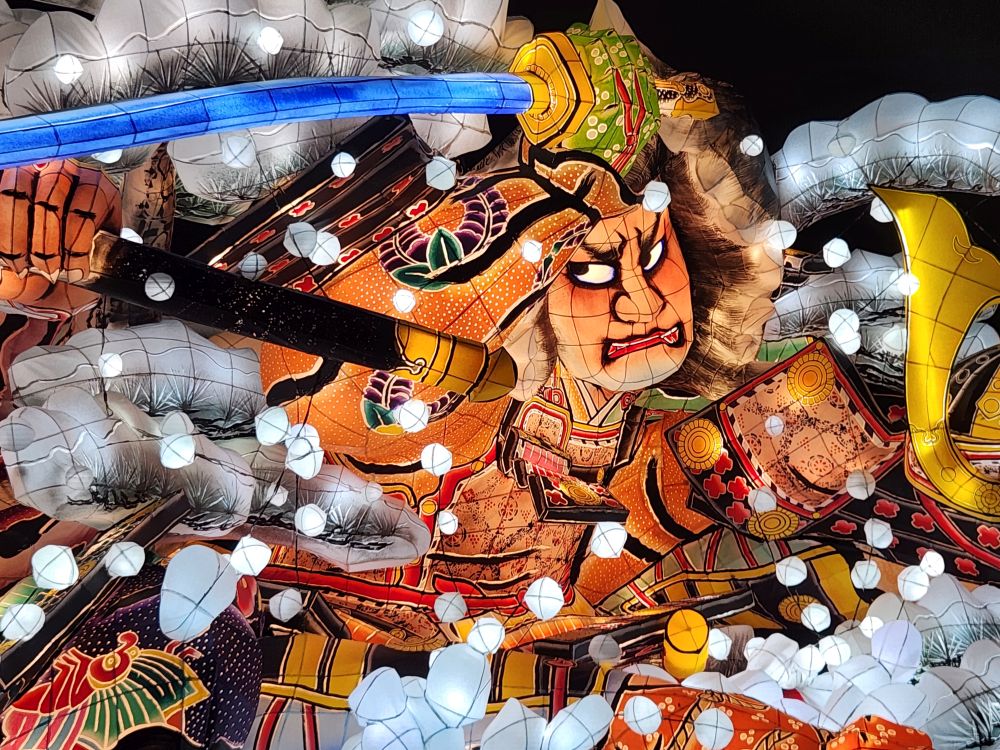
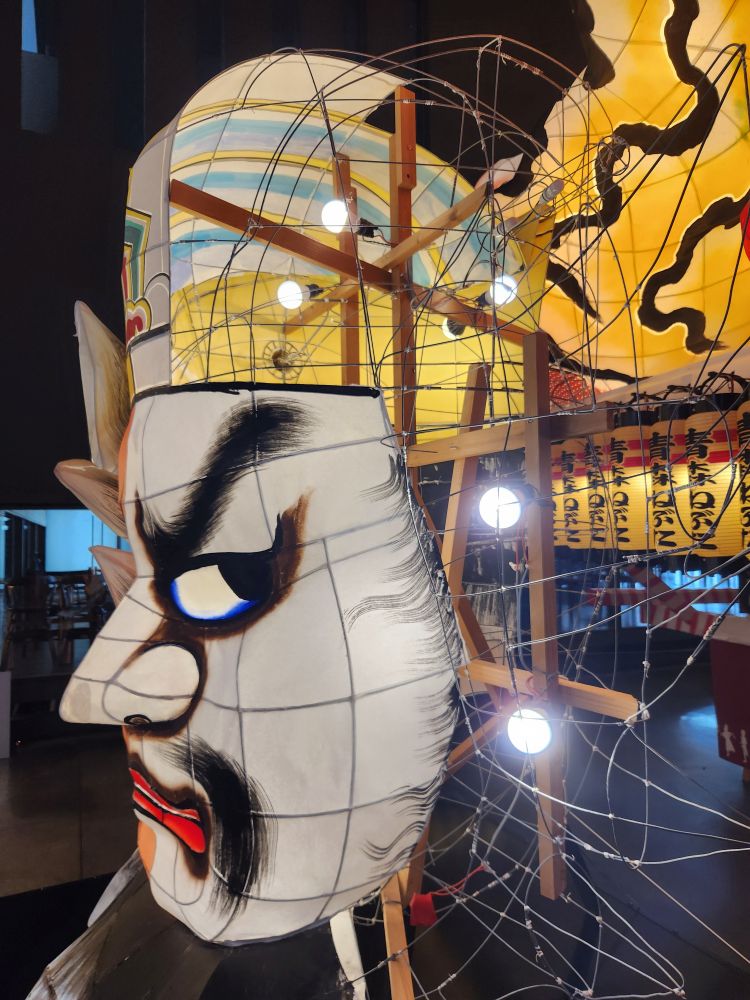
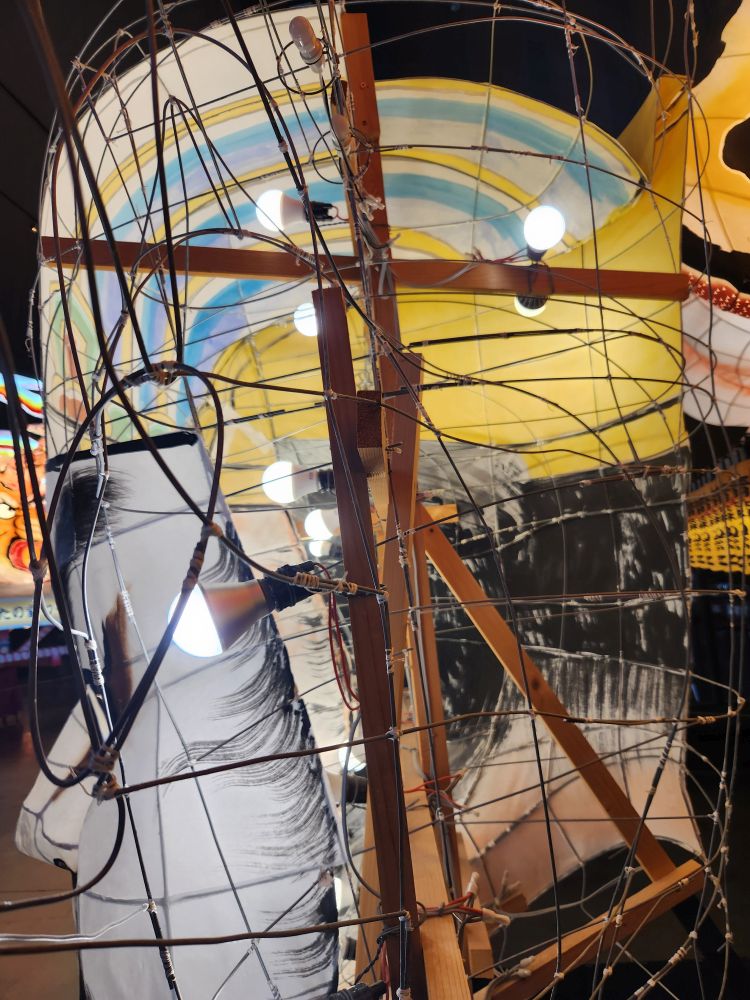
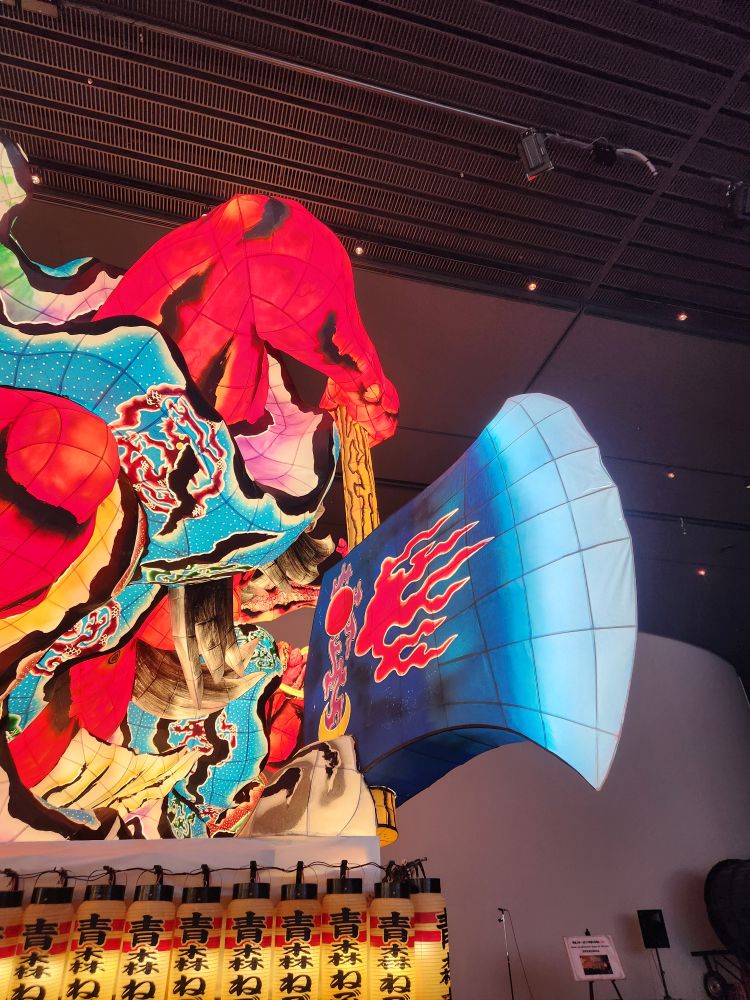
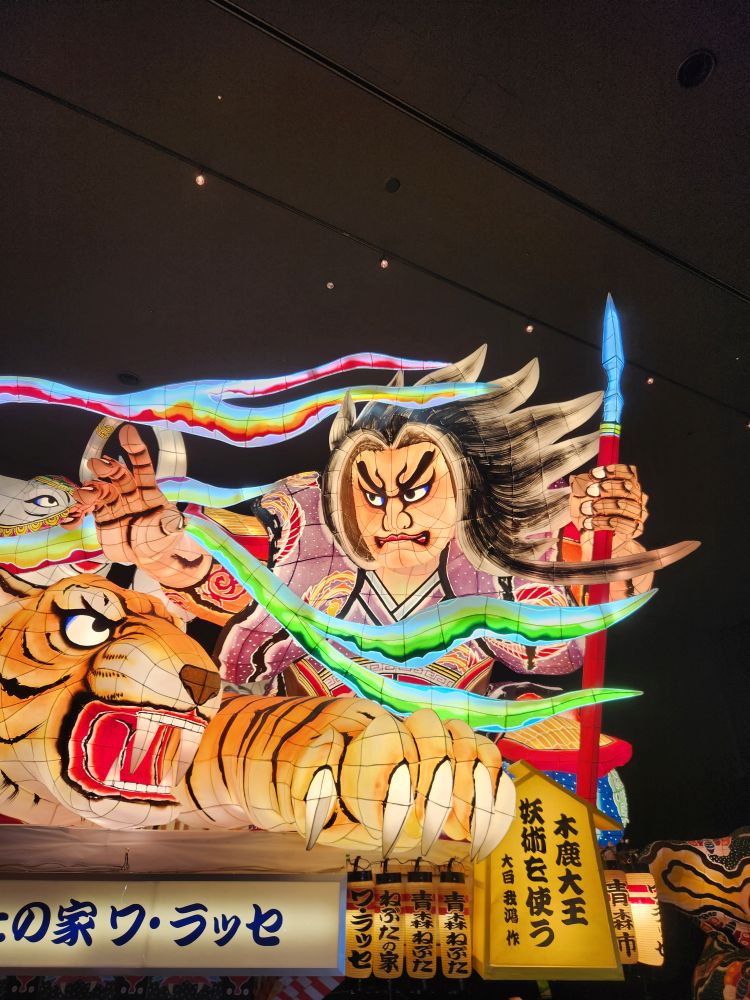
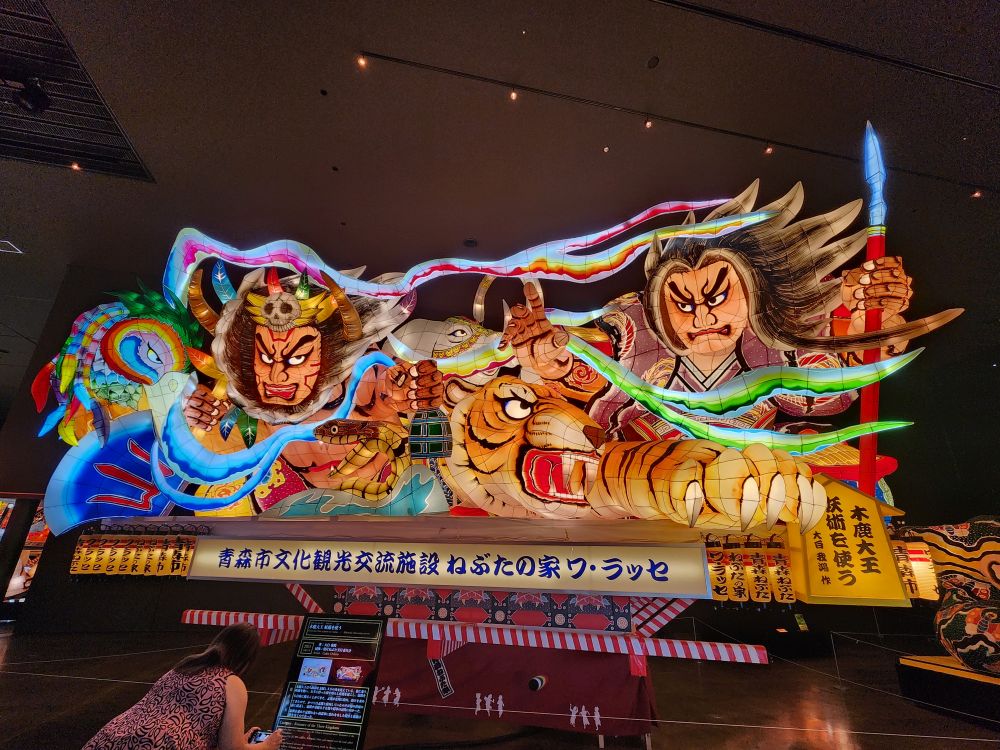
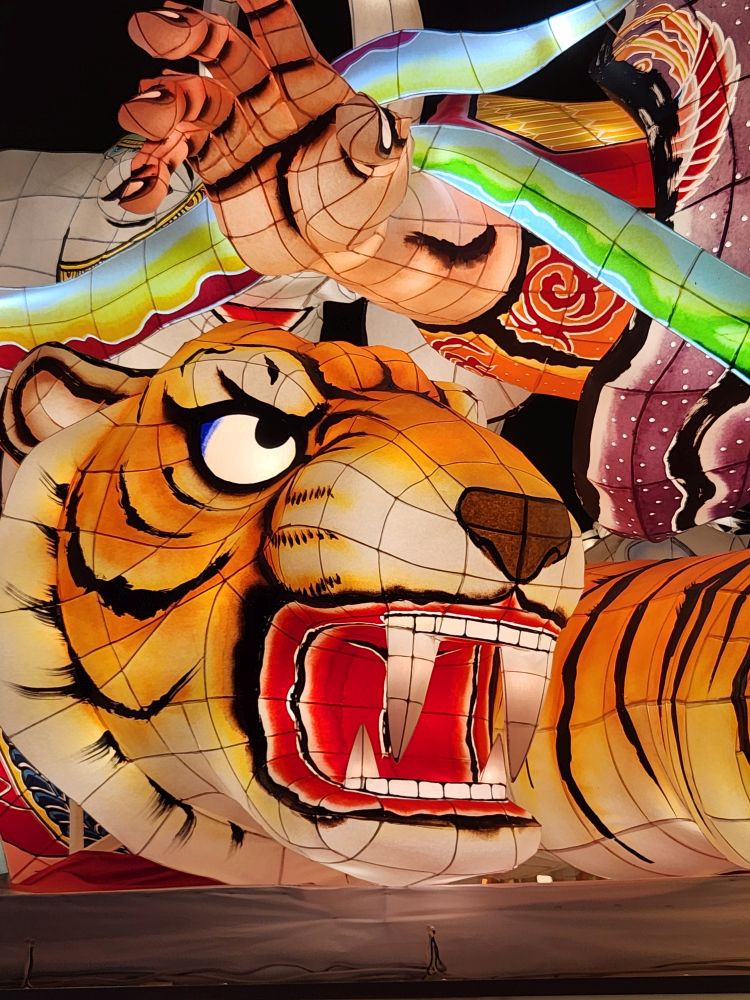
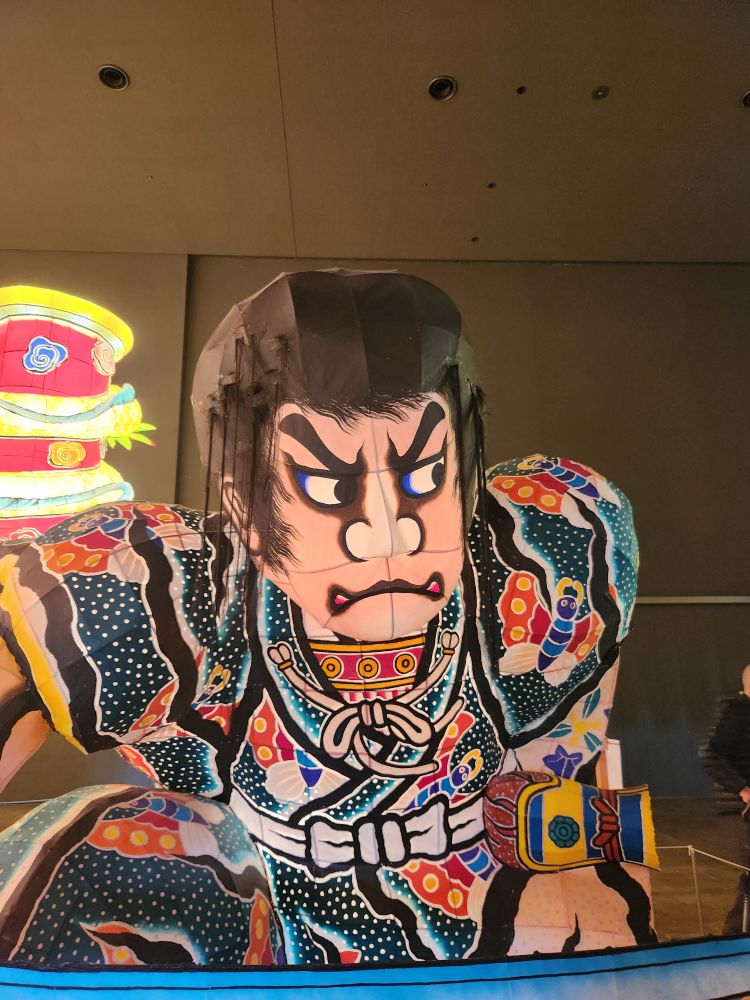
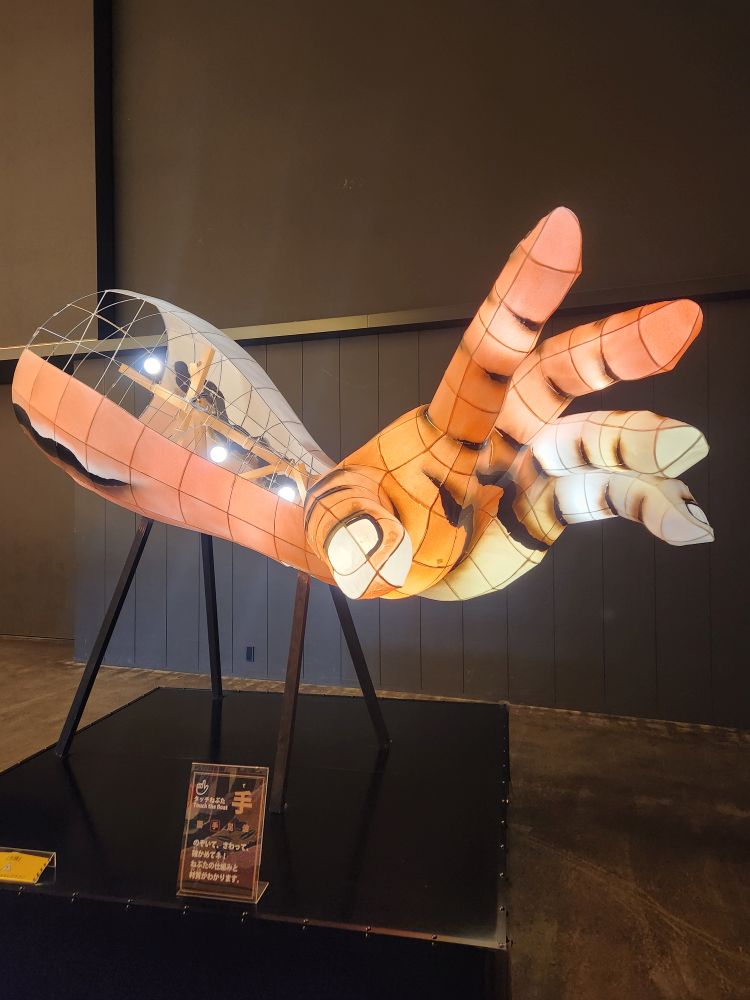
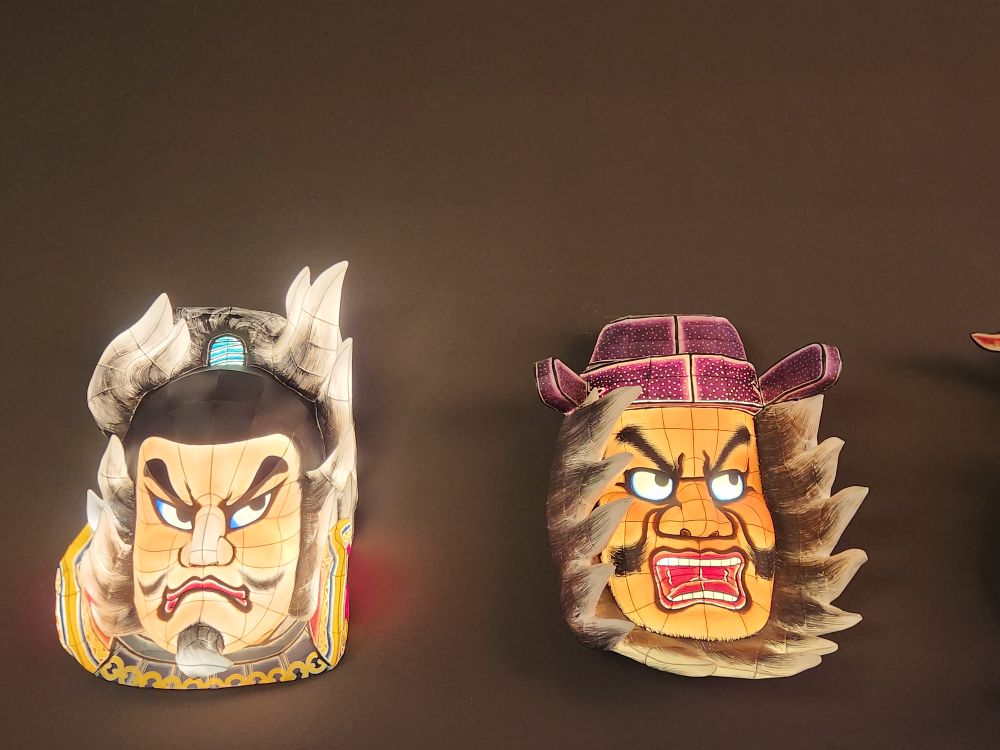
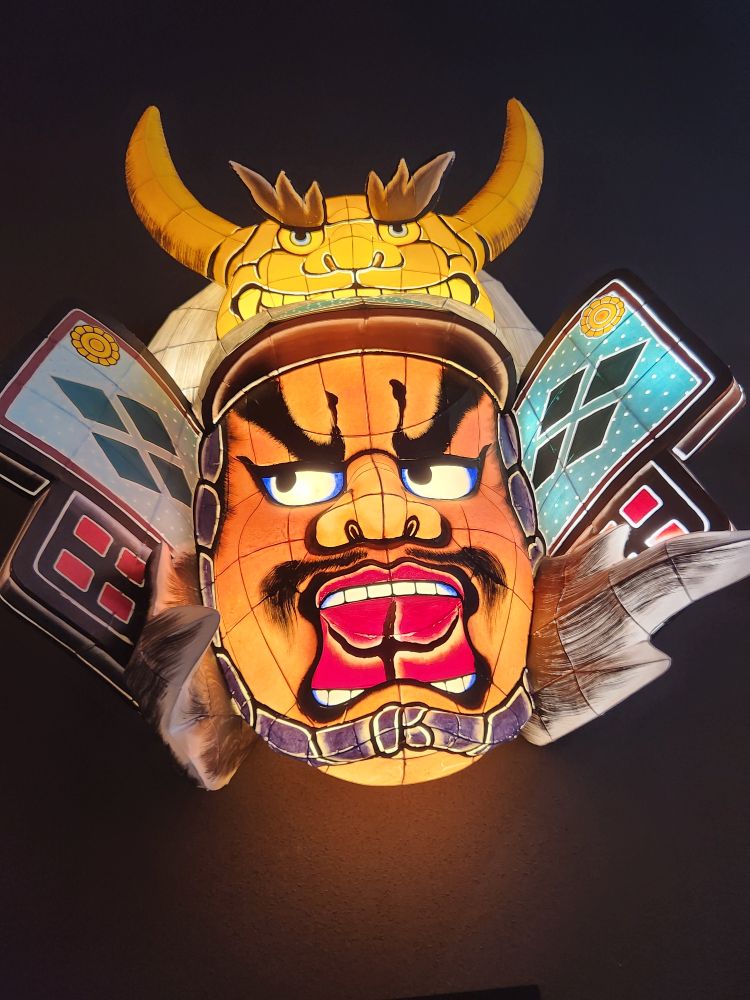
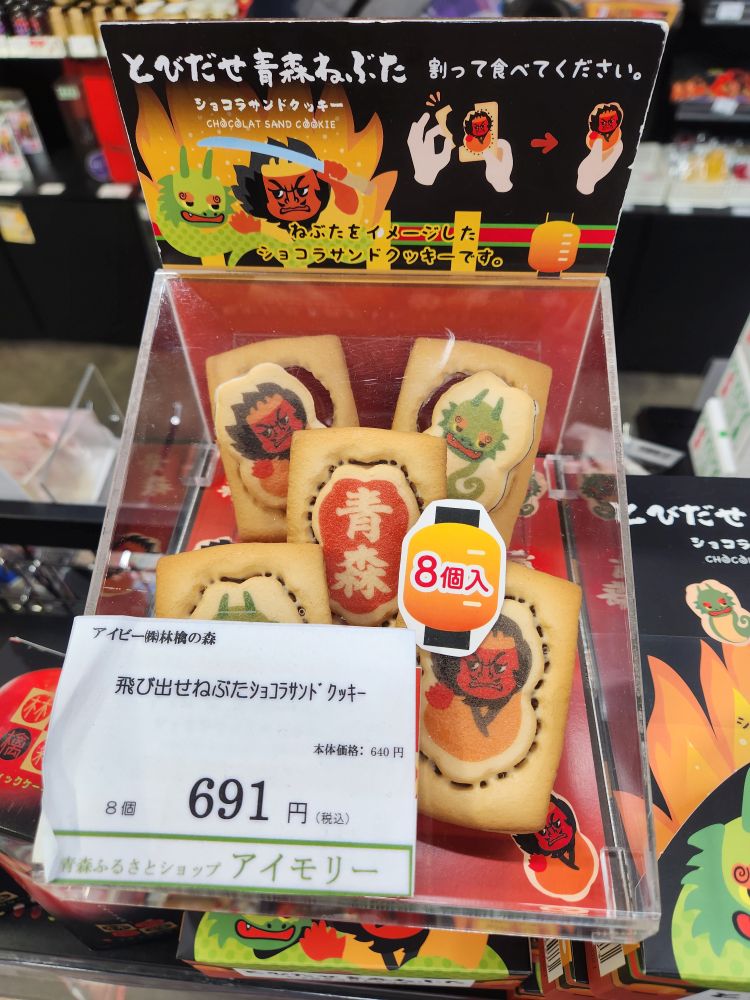
It’s an amazing place. And the associated gift shop is equally amazing! They have every type of souvenir you could think of – including tons of cookies and crackers and other goodies imprinted with Nebuta masks! All far too expensive for our tastes, but oh so fun to look at.
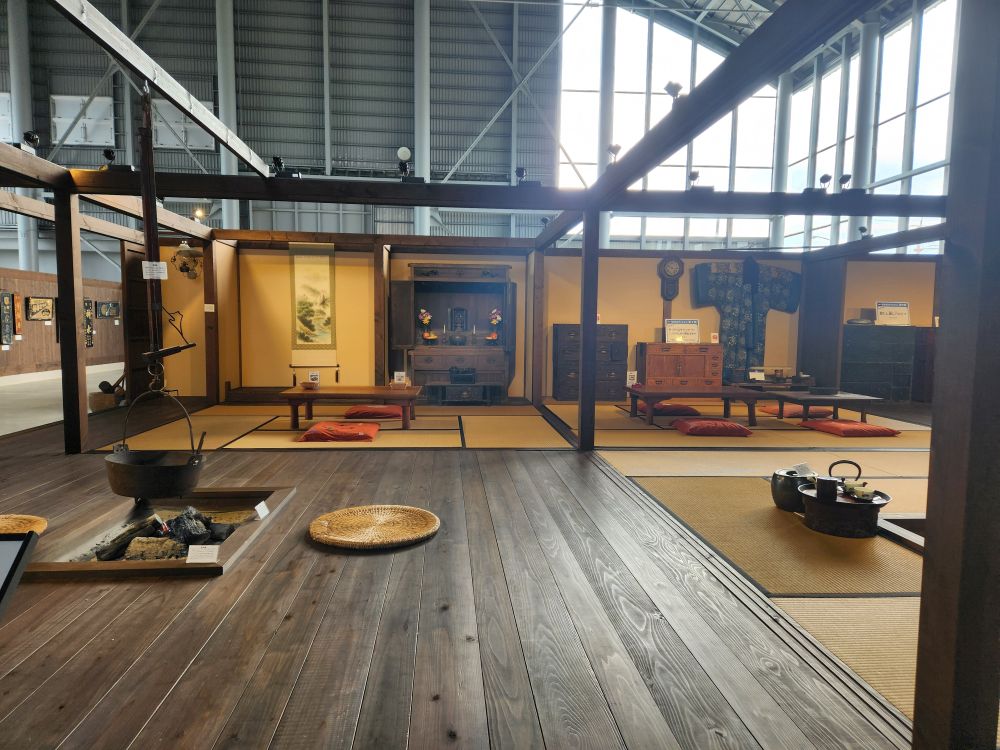
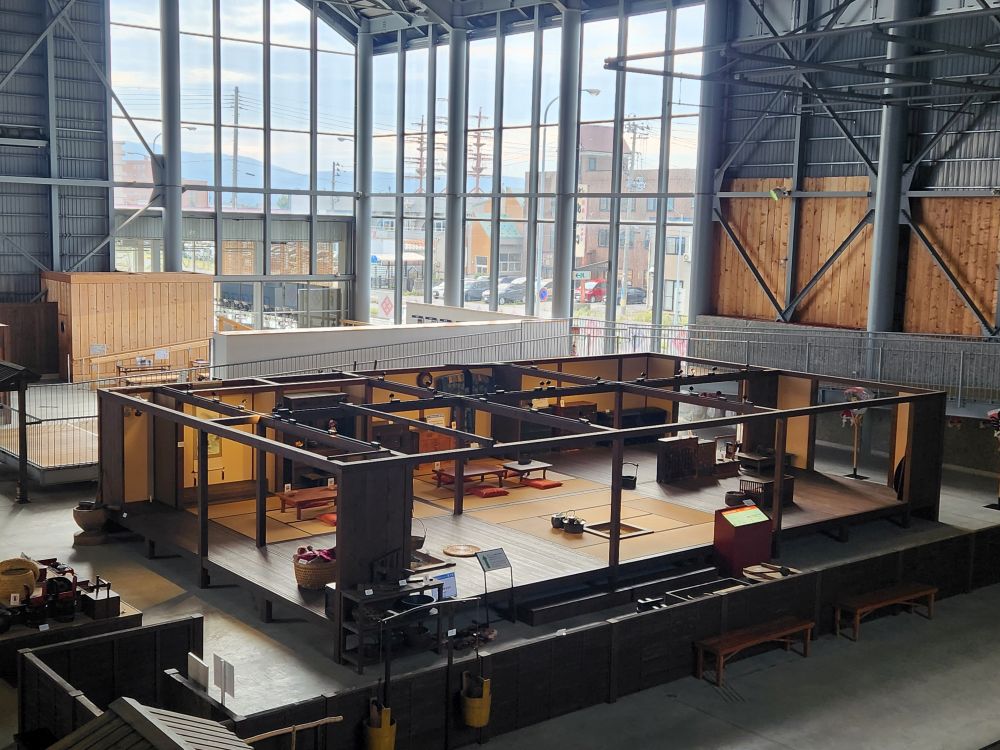
It is starting to get crowded now, and a very good time to boogie on to our next destination – the Aomori Museum of History. On the way though, we make a stop at the train station and buy a couple of SUICA cards, the only way to get around Japan’s metro and bus system. We had to buy the regular cards which comes with a 500 Yen deposit, but we’ll get that back in the end when we turn in the cards. Worth it to have the electronic tap in and out of stations! Then it is a trek to the other end of town for the museum. It is a nice enough day, so the walk isn’t all that bad through a nice little park and along a canal. The museum itself is located in this huge hangar looking building in what seems to be an industrial section on the water. Totally eclectic – the museum covers the fishing history that developed Aomori, as well as dan entire house laid out with explanations of all the tatami rooms. There were tons of little fishing boats all stacked in racks, great artwork depicting fishing boats of old, of course a Nebuta mask (with a little history explanation that gave more detail than we found in the Nebuta museum – but that may have just been a translation thing!), a display about the Forestry Office which administered the entire Tsugaru lumber industry (it is now a museum that is our next stop), and some great old fishing boats with displays explaining how fisherman would use their feet on a “kurumagai” to move the boat while holding a “Hakomegane” with his mouth and a fishing tool with both hands. Totally weird!
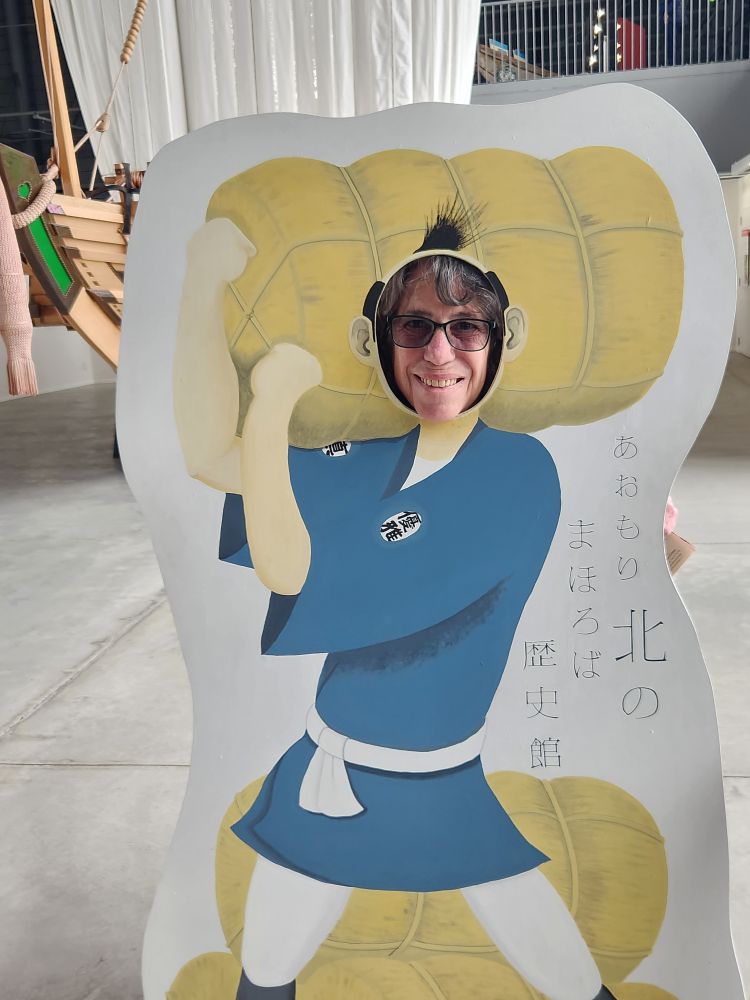
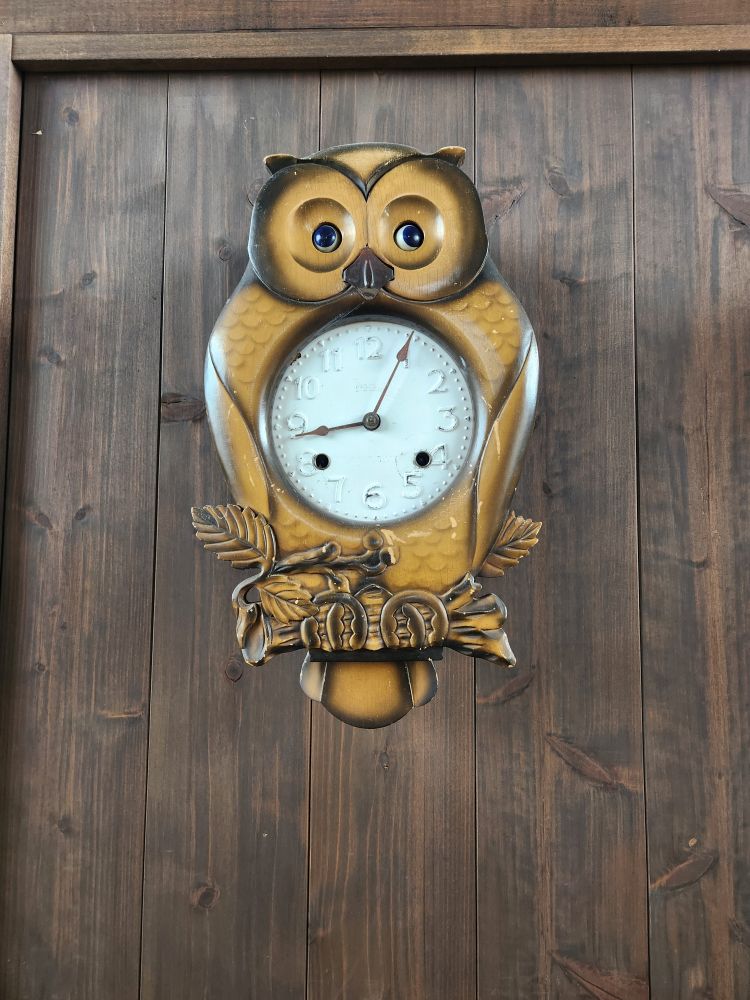
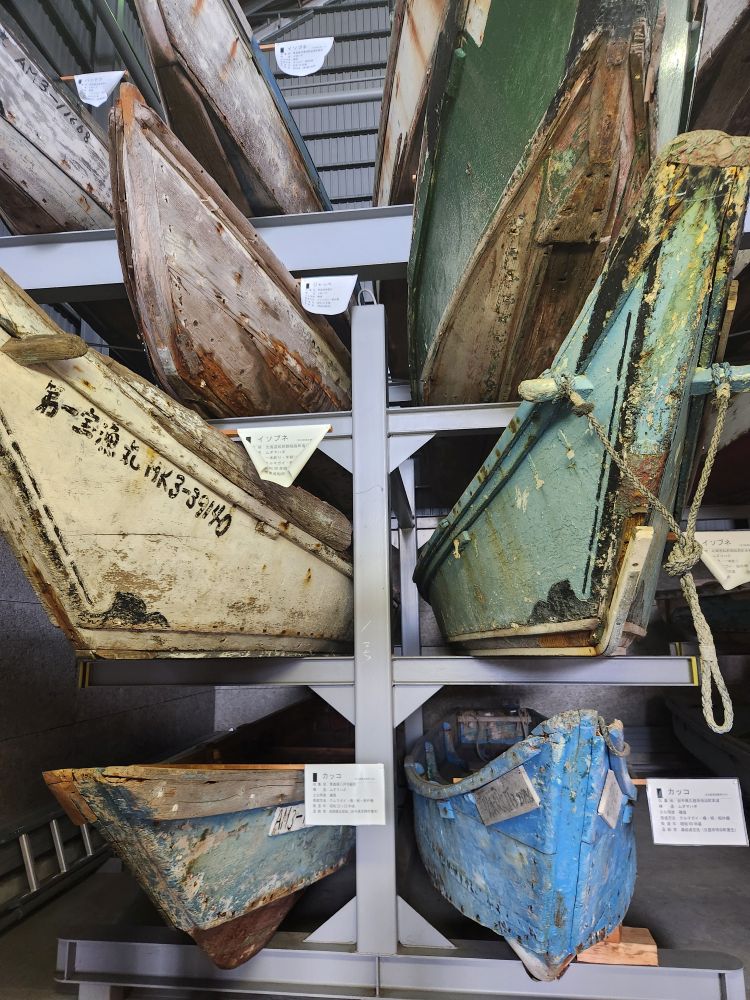
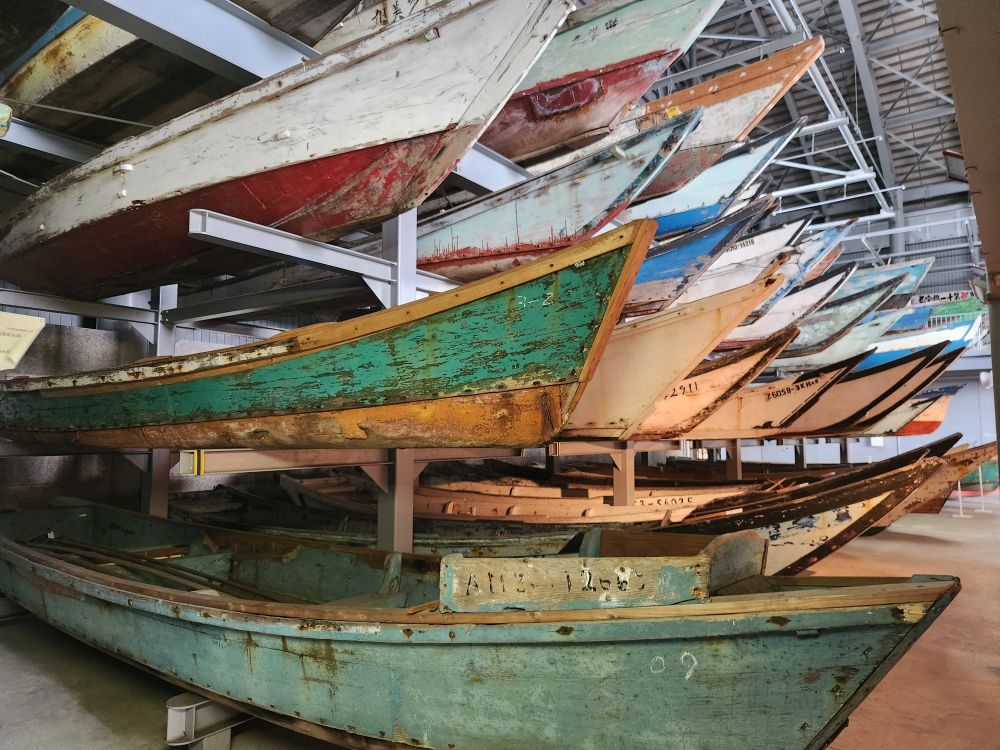
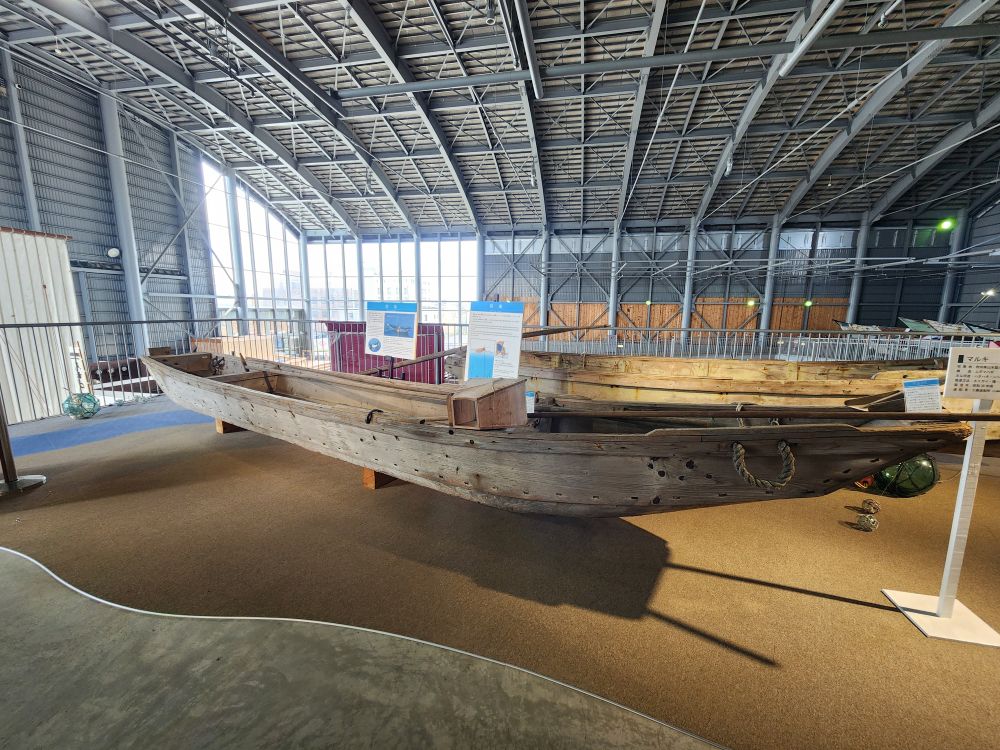
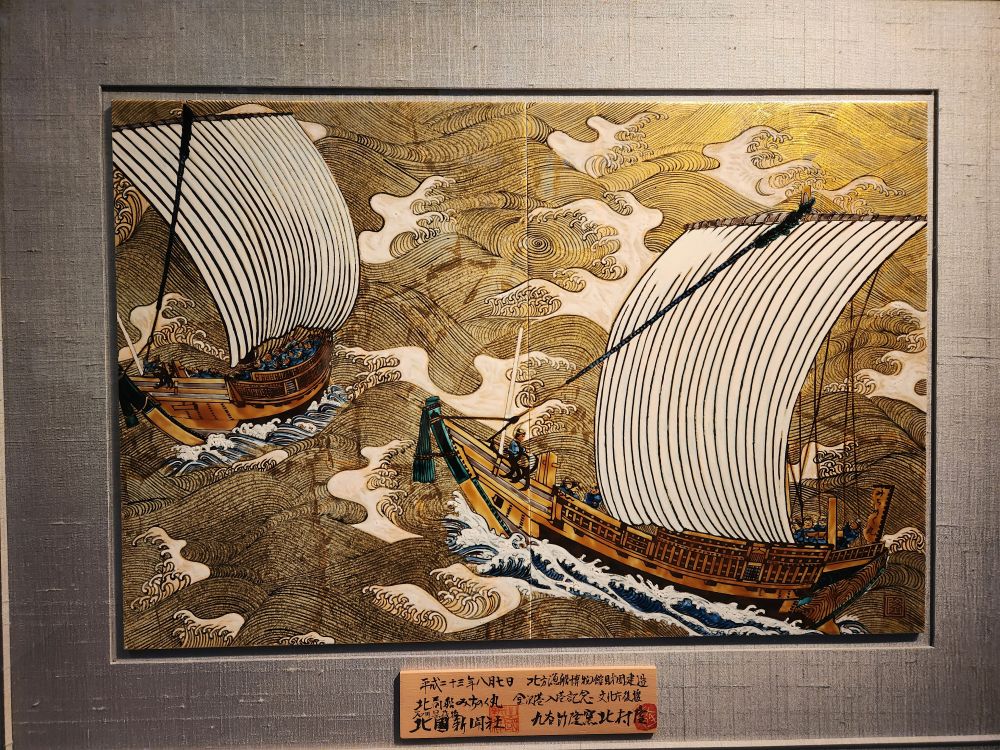
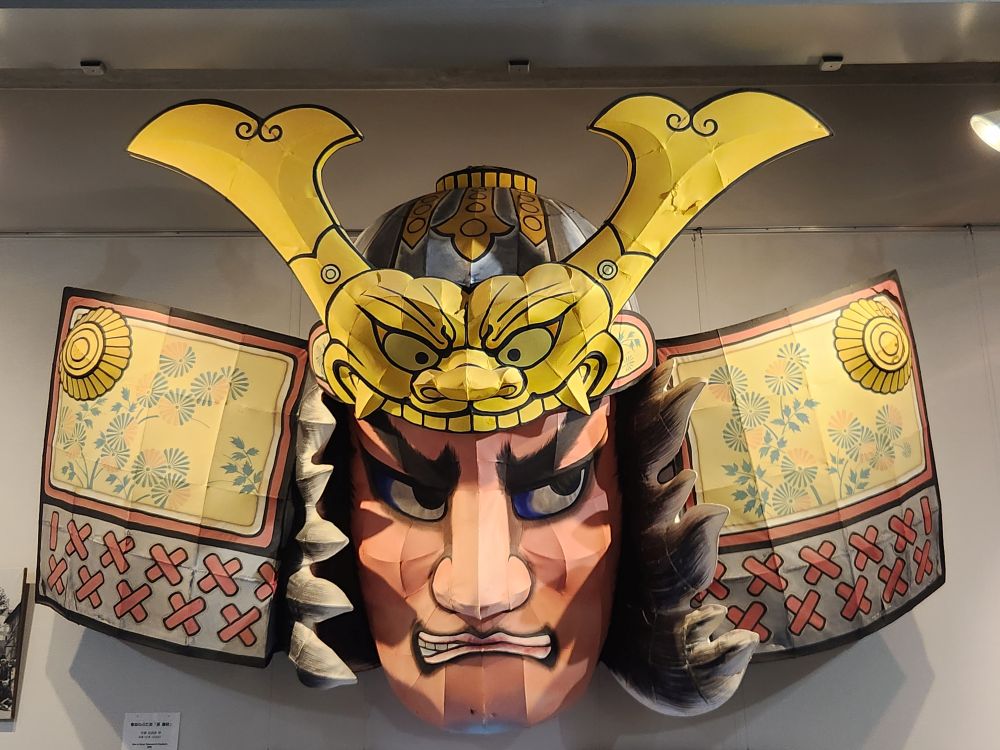
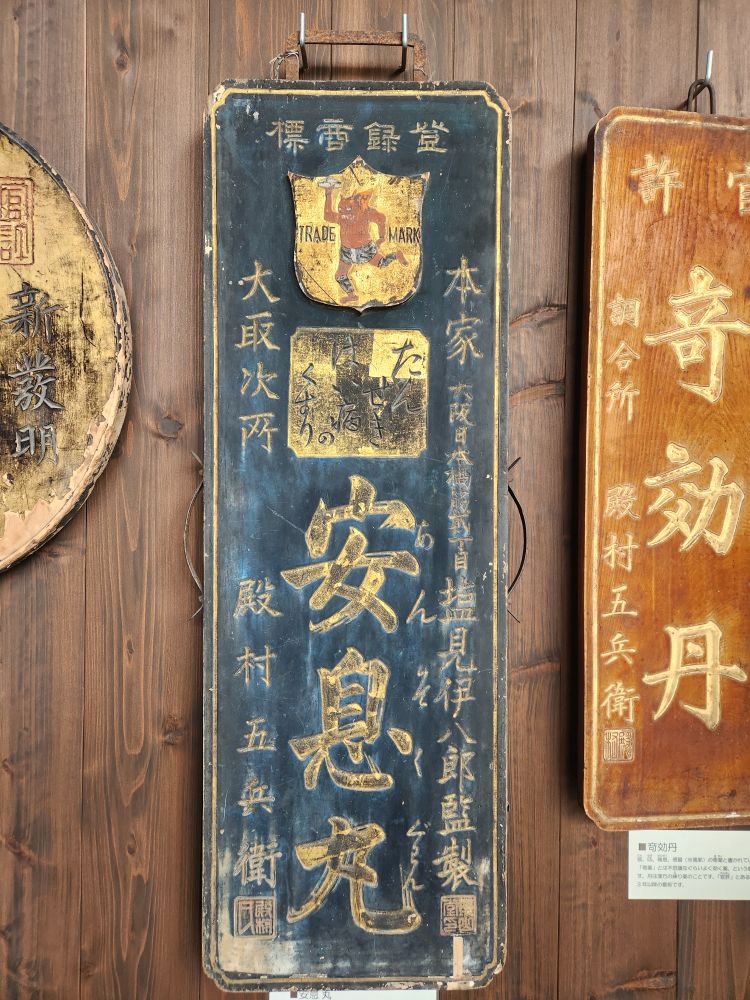
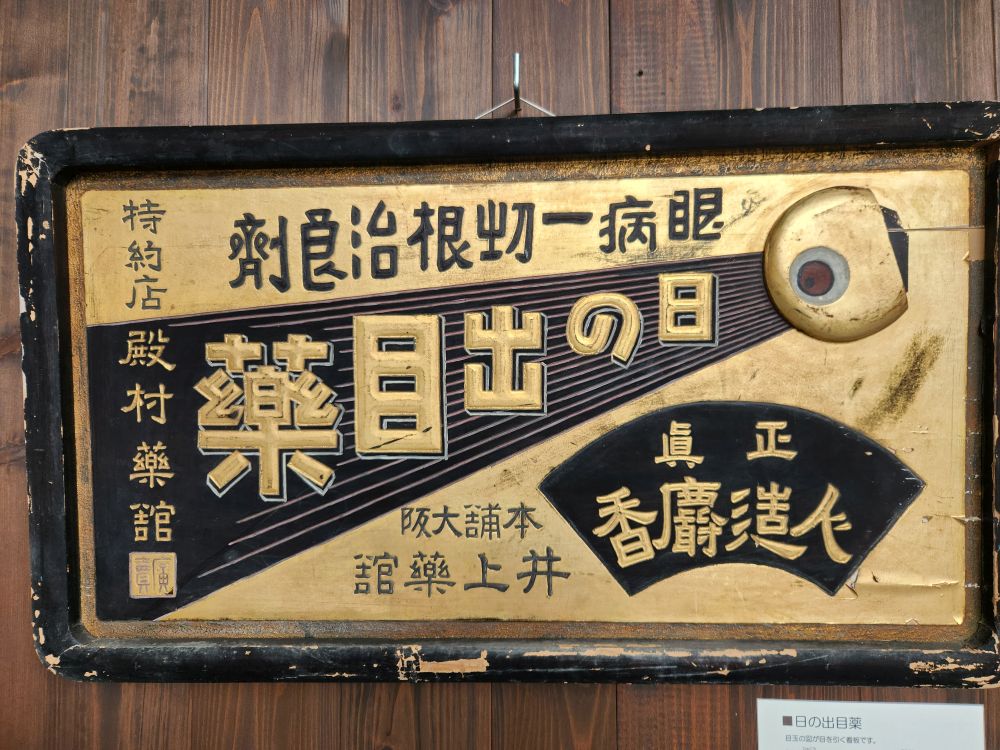
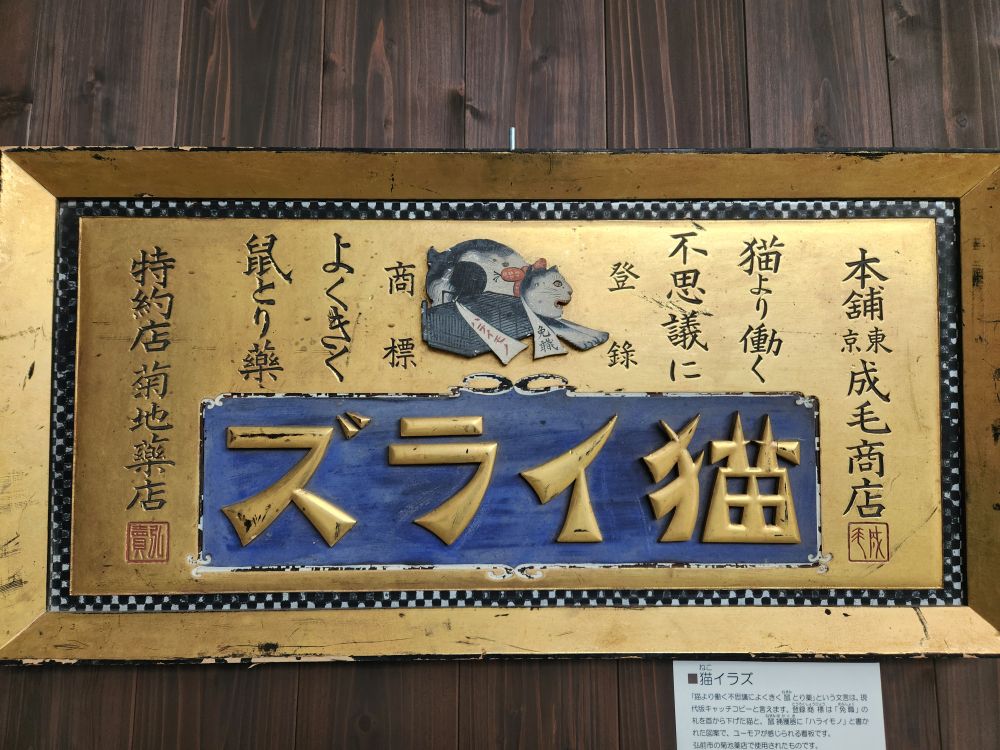
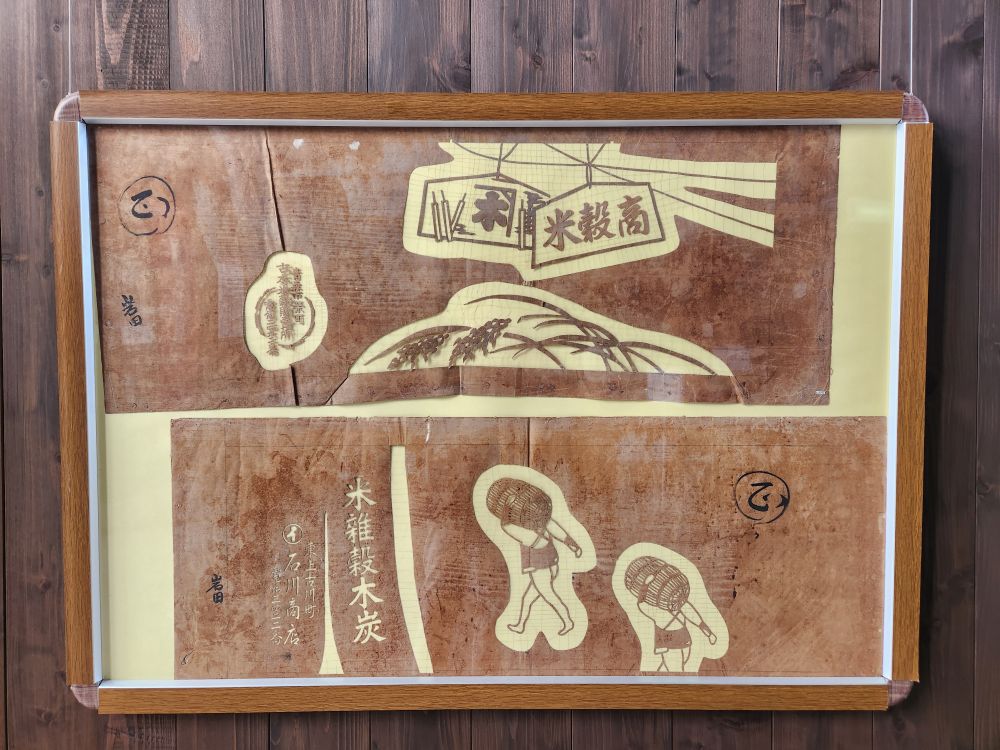
But the strangest was the display of business signs. They were all really cool and neat and interesting – we loved the rate poison sign – but still. Business signs? Oh, and screen printing stencils that were used to make towels to promote businesses. Hmmm….
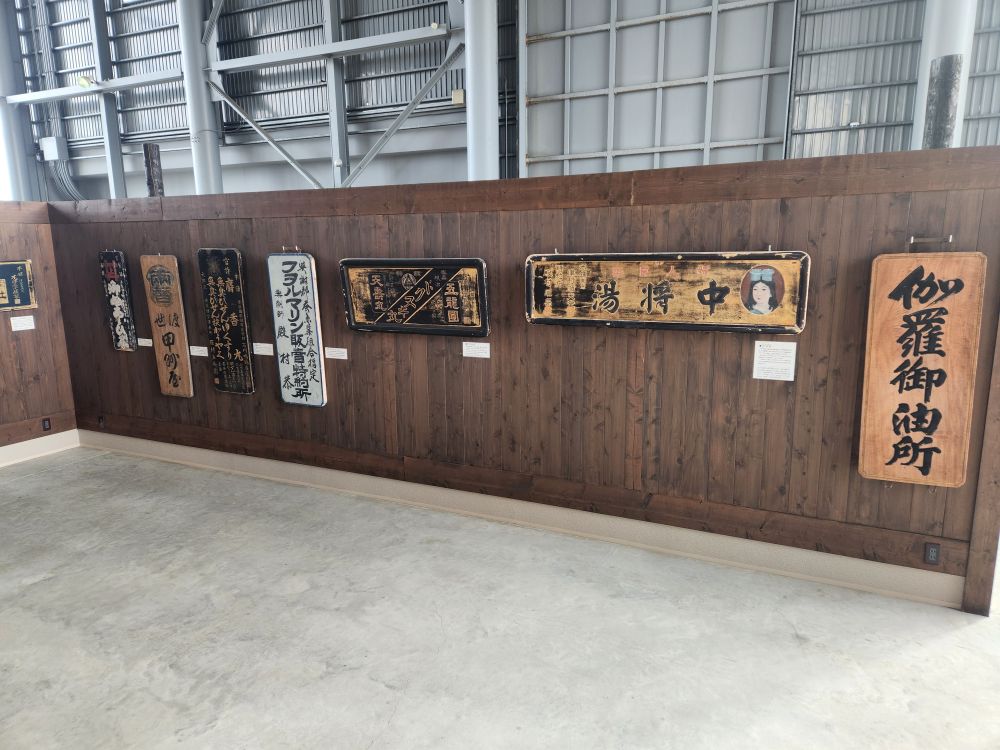
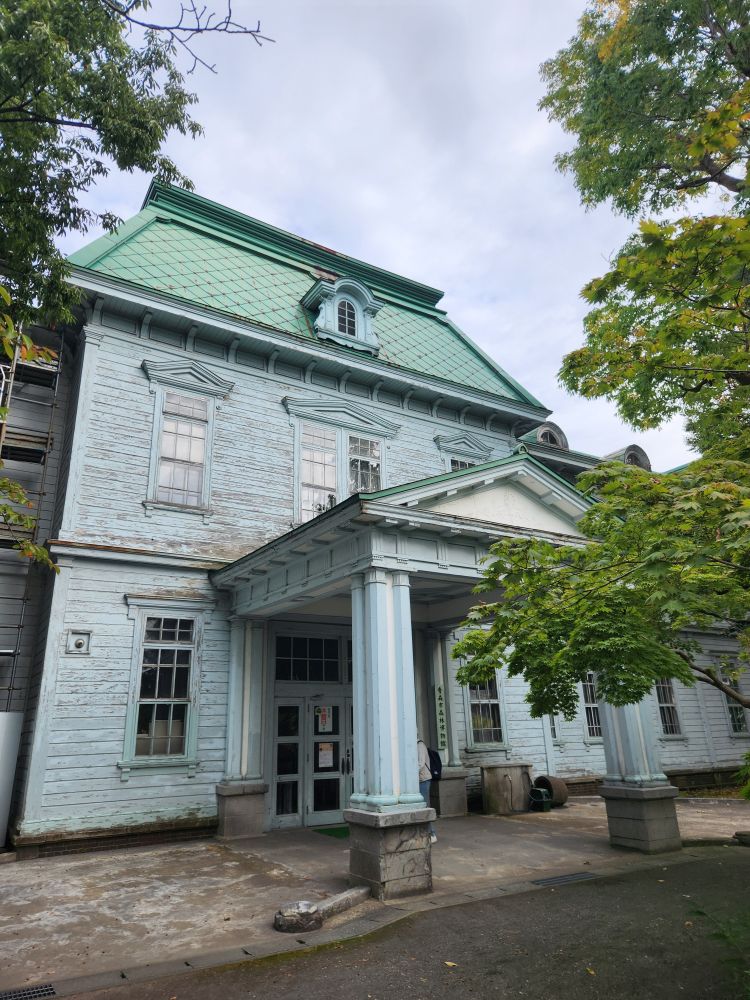
At any rate, it was a great museum and a good way to spend an hour learning about the history and some of the culture here. Reversing our trek, we headed back into town to the Forestry museum which was disappointingly closed. They are doing renovation work on the roof and exterior, so maybe that was why, but we never found anything on the Internet that said it was closed. Oh well – it was a cool building to look at from the outside at least.
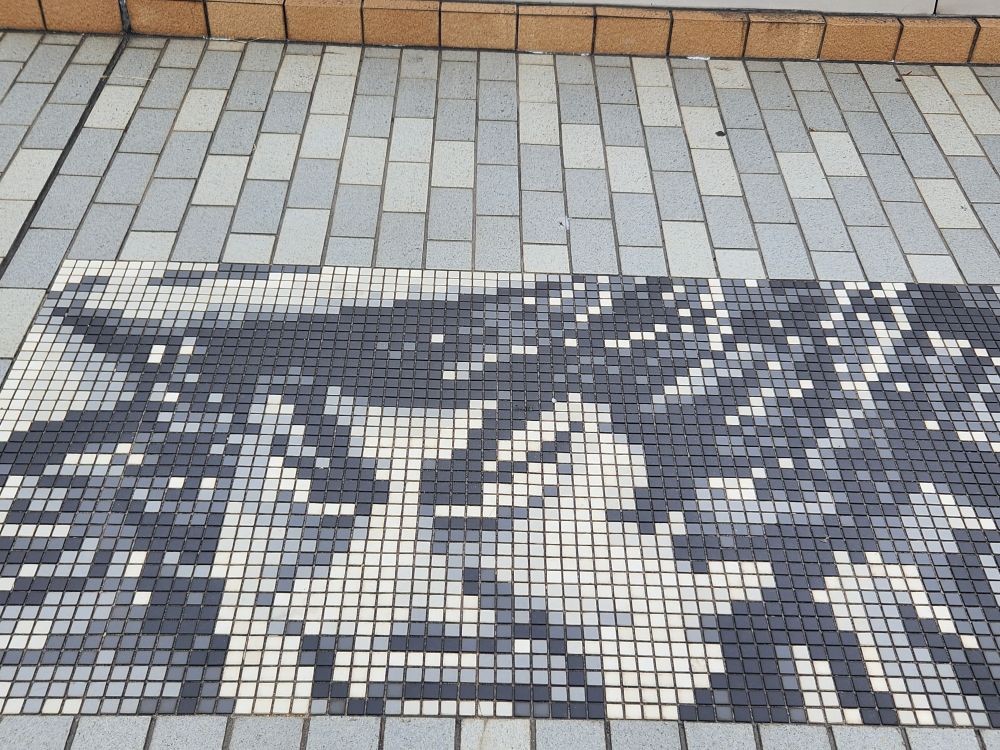
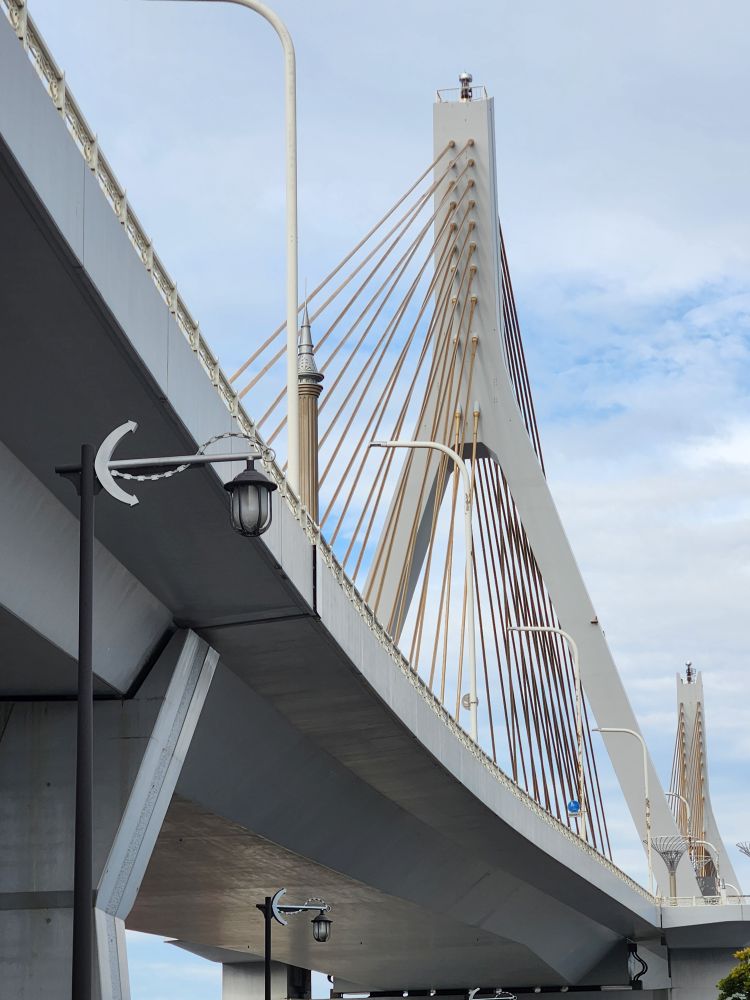
It was around time to start looking for a restaurant anyway, so we headed back to the main town area, crossing what we will always remember as the “Naked Lady statue” bridge. There was this random iron naked lady at the apex of the bridge – with not plaque, no explanation – and no I did not take a picture because I thought it would be too touristy. Ok – so it isn’t like every local here doesn’t know we are tourists, but still….. Also on the bridge was a neat tile mosaic of a Nebuta face.
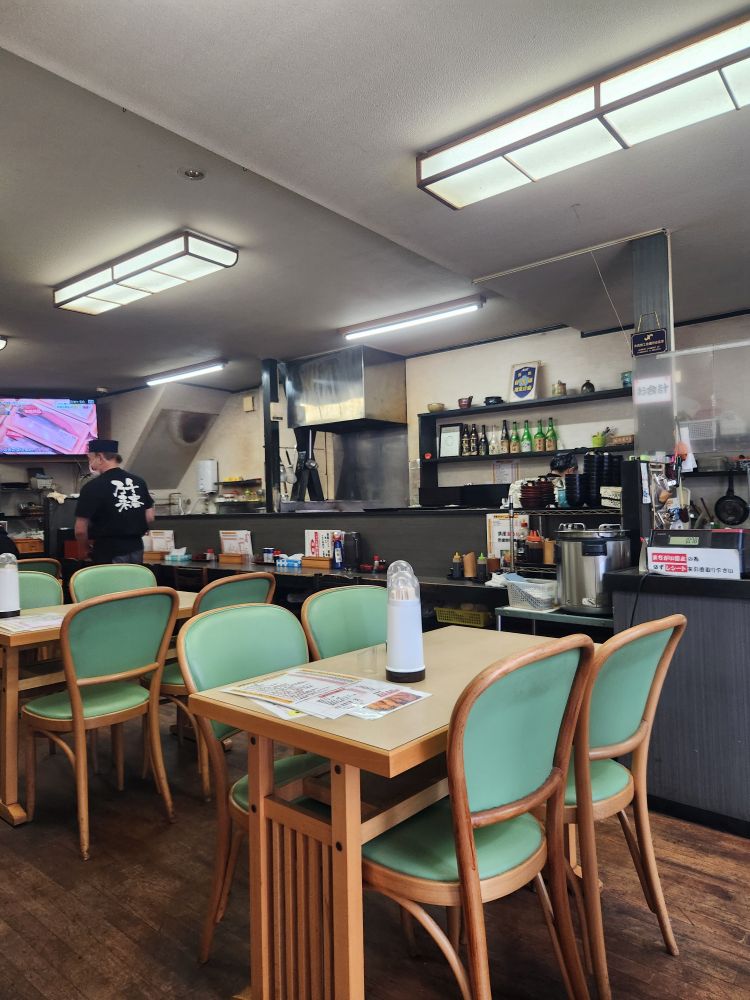
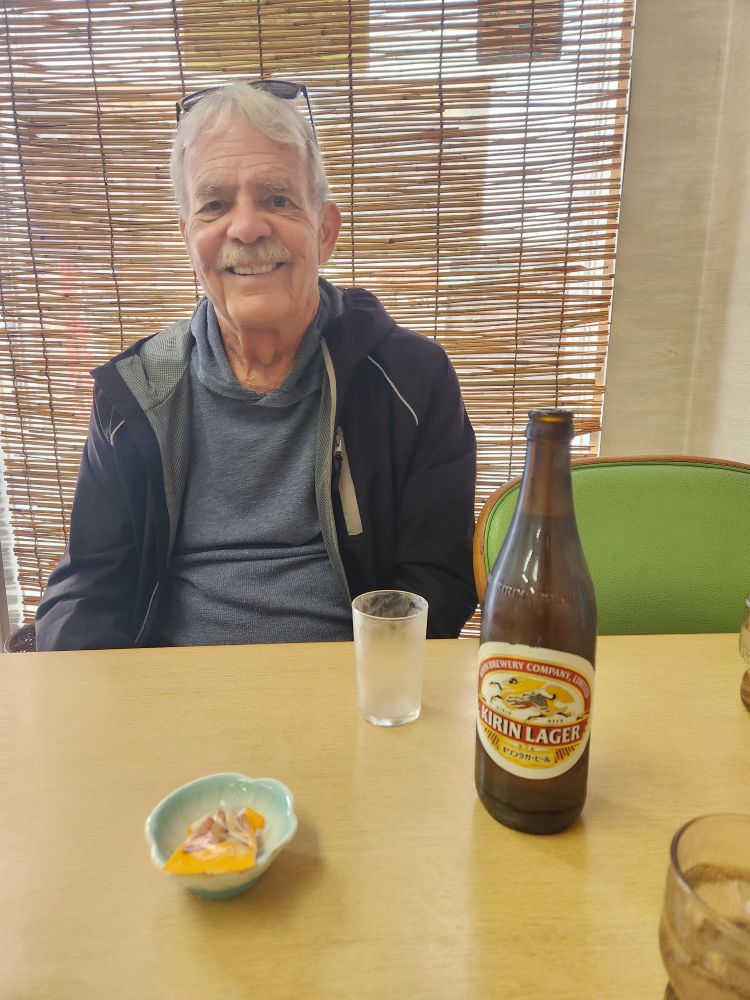
We hiked our way into town, heading for a Sapporo Beer restaurant, only to find it totally westernized and rather pricey. Nope. Not going there. So now we are meandering, and we stumble upon some little Izakaya with the traditional mom and pop running the place and a huge menu. Of course everything’s in Japanese and if you don’t have Google Translate, you’re not gonna eat there! But we do! And pointing works quite well! It was absolutely amazing. I had tuna tataki, which is basically tuna tartare, on rice and Ed had this amazing dish of fried Squid. Both came as a set meal with miso soup (delish) and picked radish and veggies. So fun and cool. And we were the only people who were not Japanese in there.
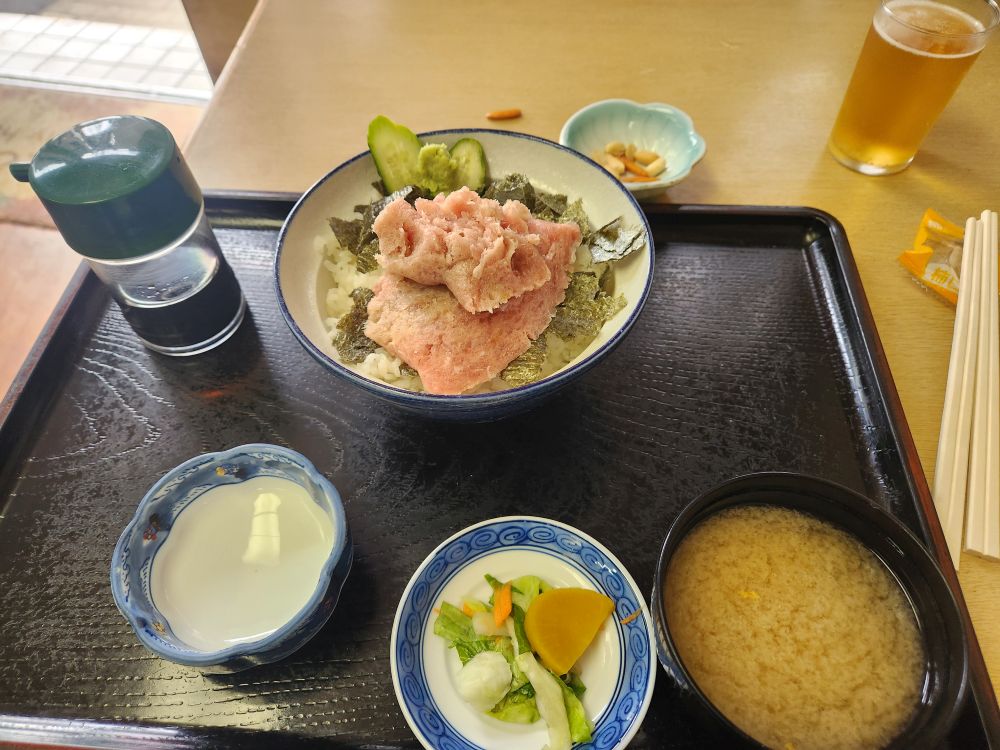
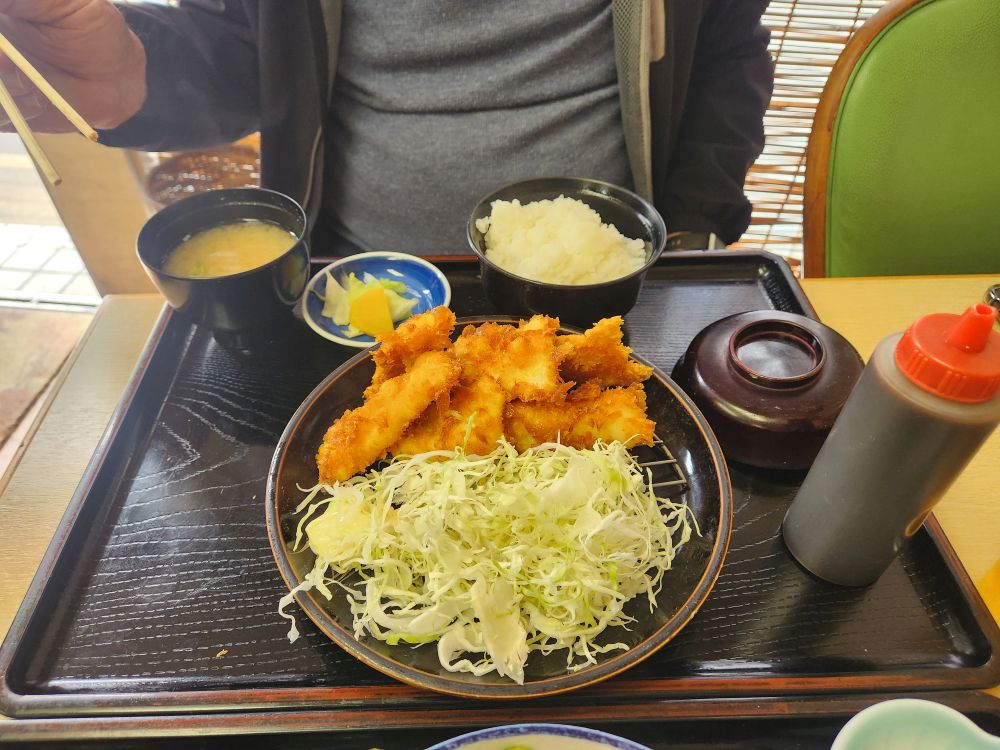
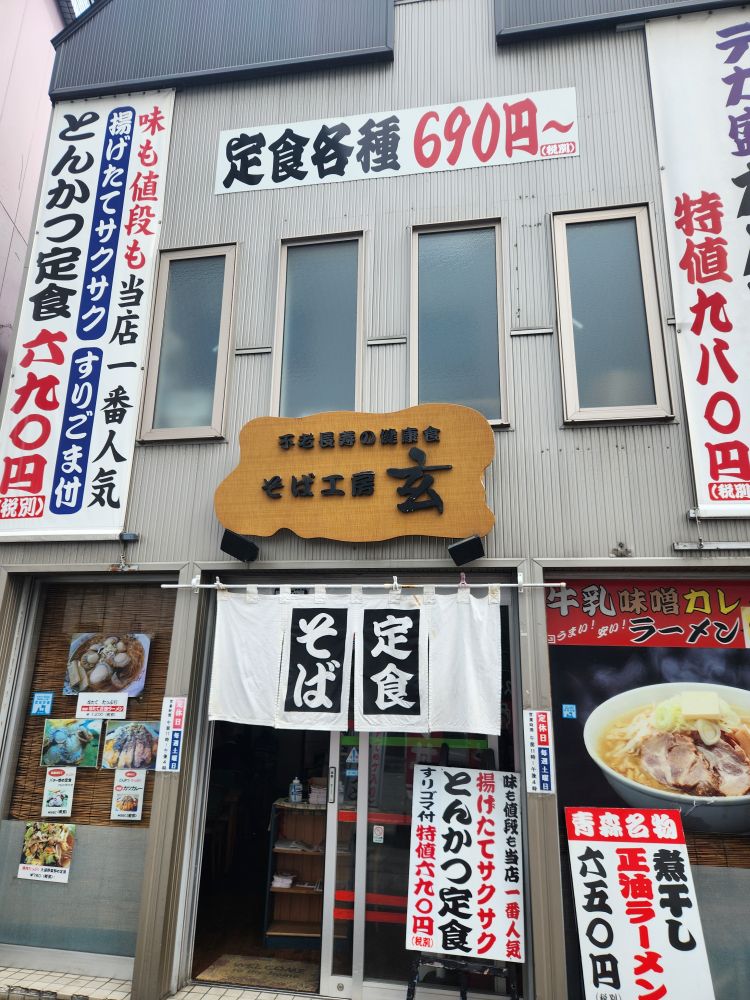
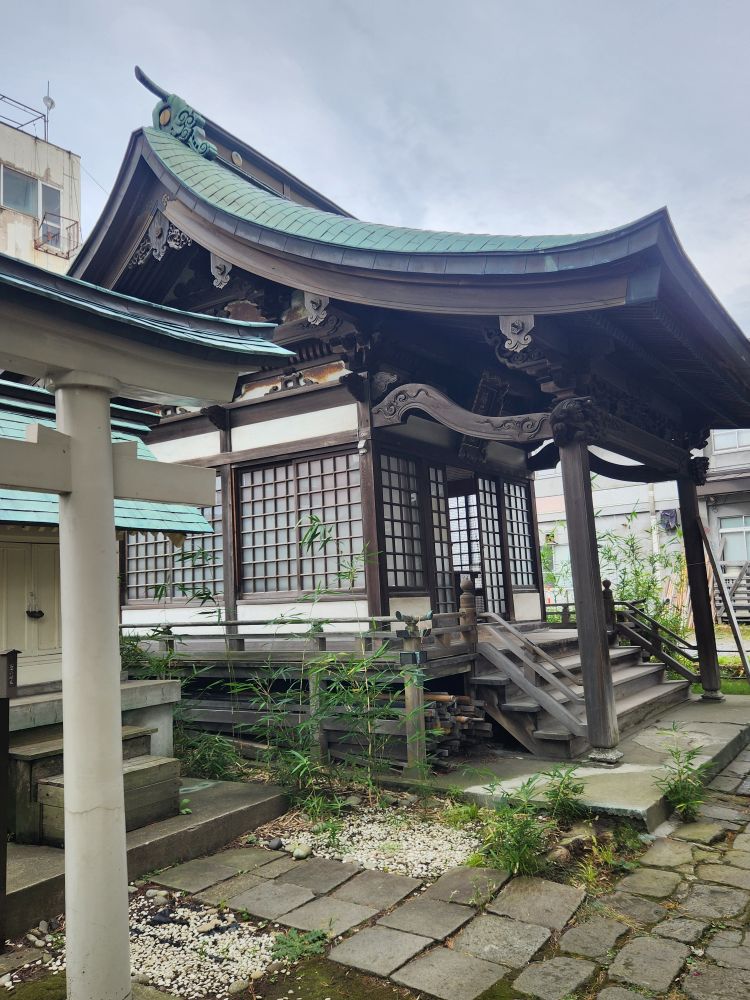
Completely sated, we began our afternoon wandering, walking through the main shopping district which was kind of blah. We did visit the Uto Shrine, which is the original shrine thought of as the birthplace of Aomori city. It was dedicated to the fishing village originally called Uto. Fisherman would use the pine forest at the foot of Mt. Hakkoda as a landmark to navigate to the village port. Later, the city’s name was changed to Aomori which means “Green Forest.”
The shrine area is nice – obviously old – and rather small. Nothing was open, but we did enjoy walking around the old structures, the Sake hut and the peaceful pond. There was a lot of great wooden carving, and of course the Ryujin (God of the Sea and Water) stone carving. A pretty and peaceful little diversion.
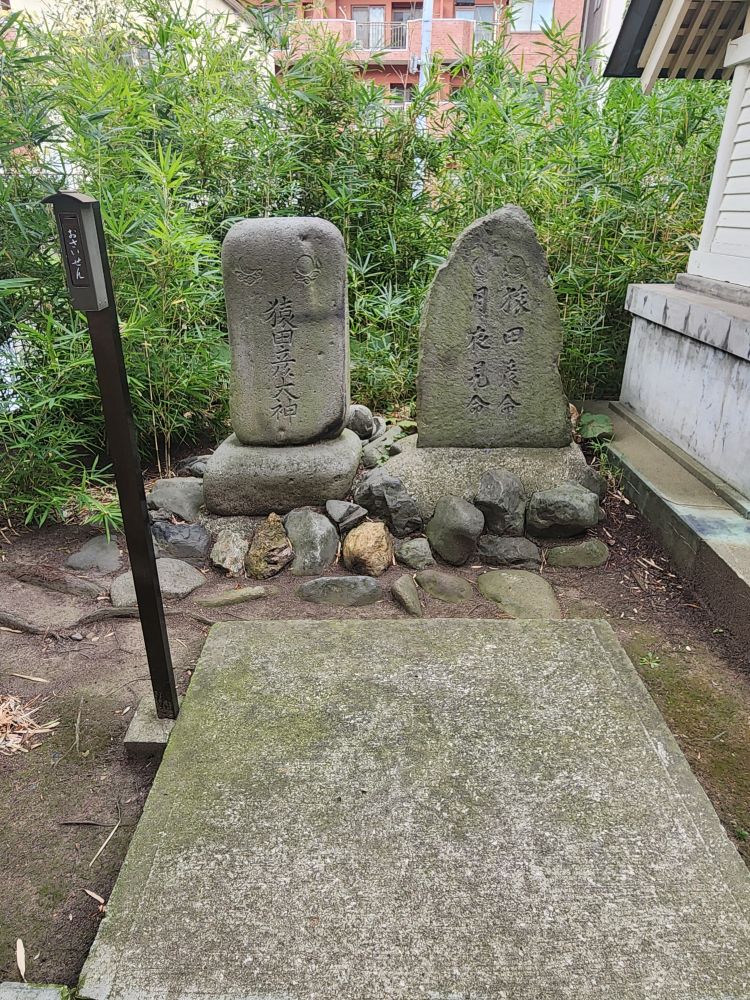
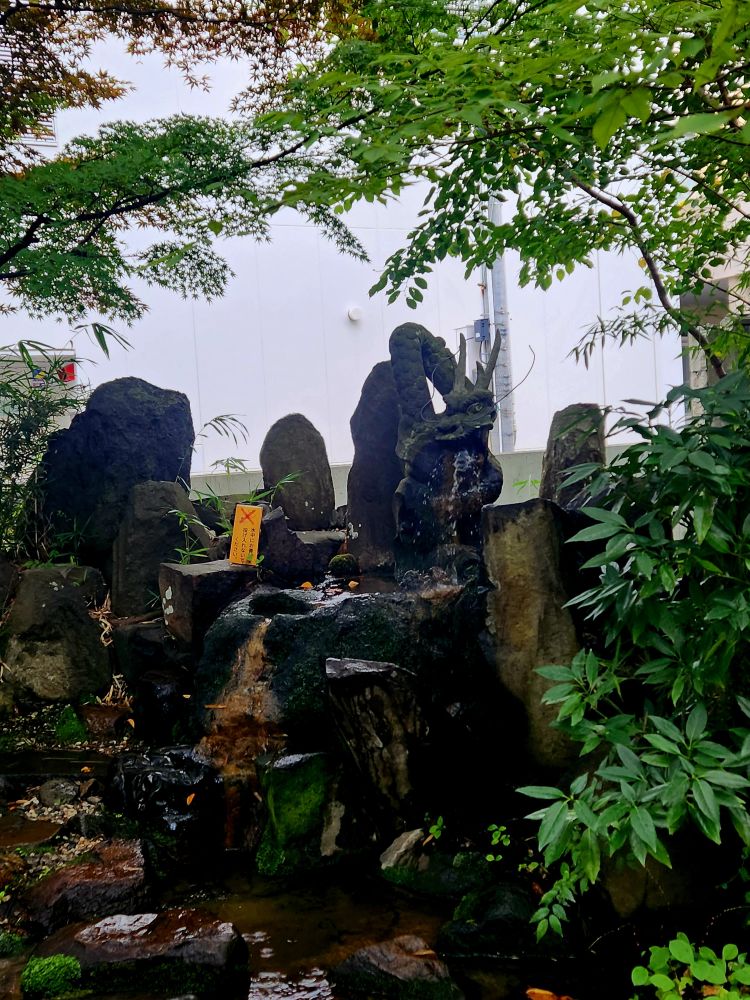
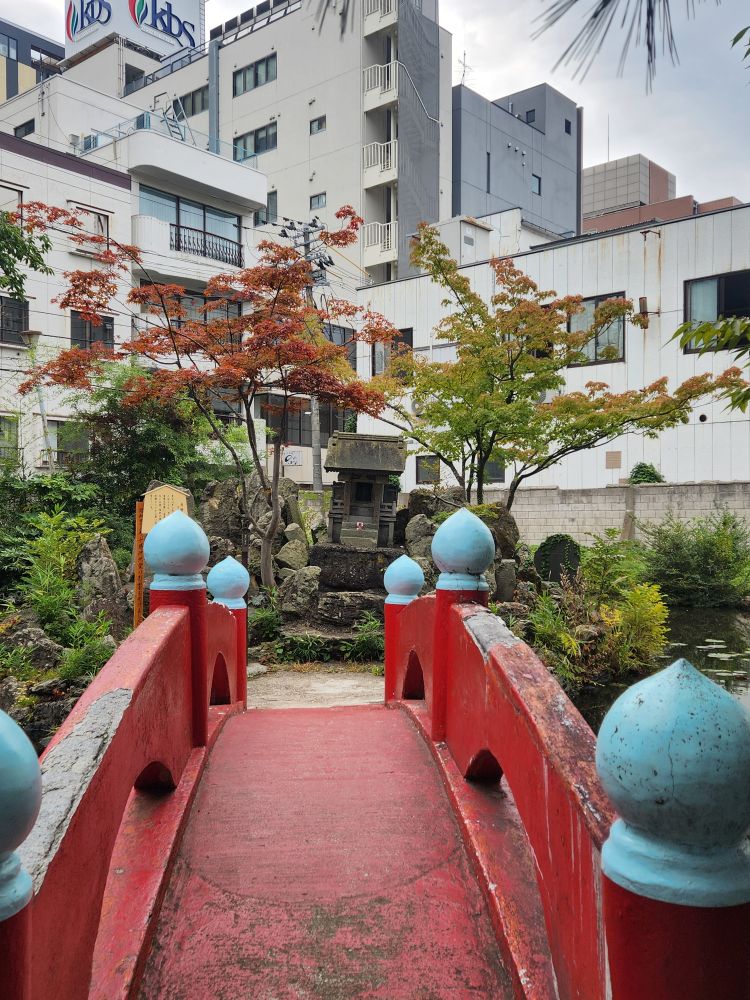
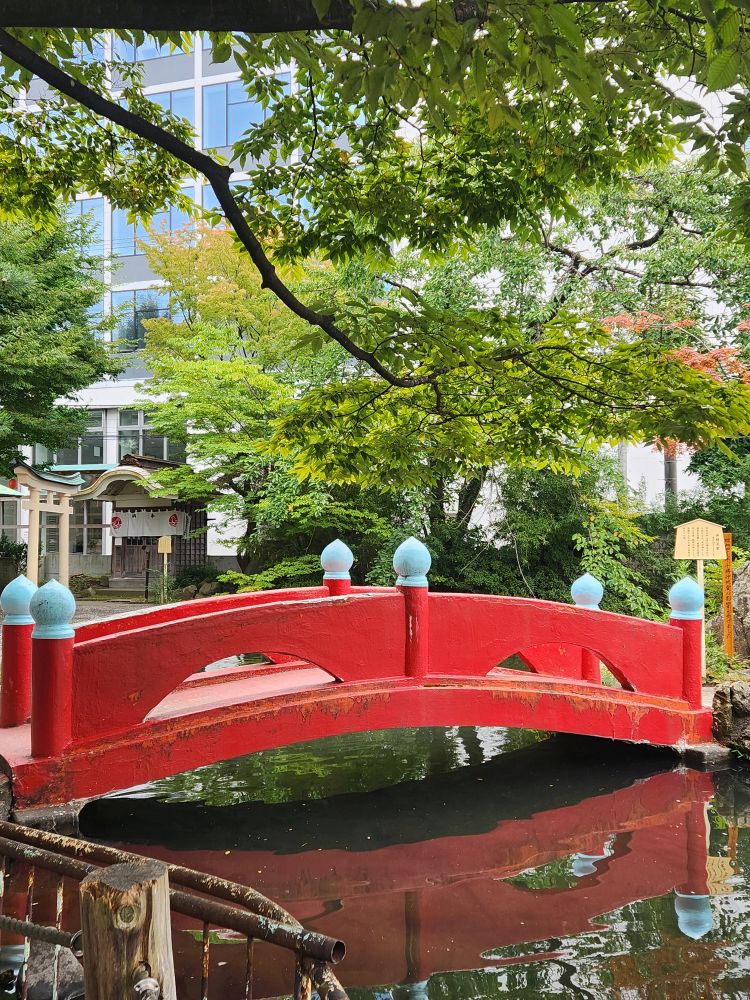
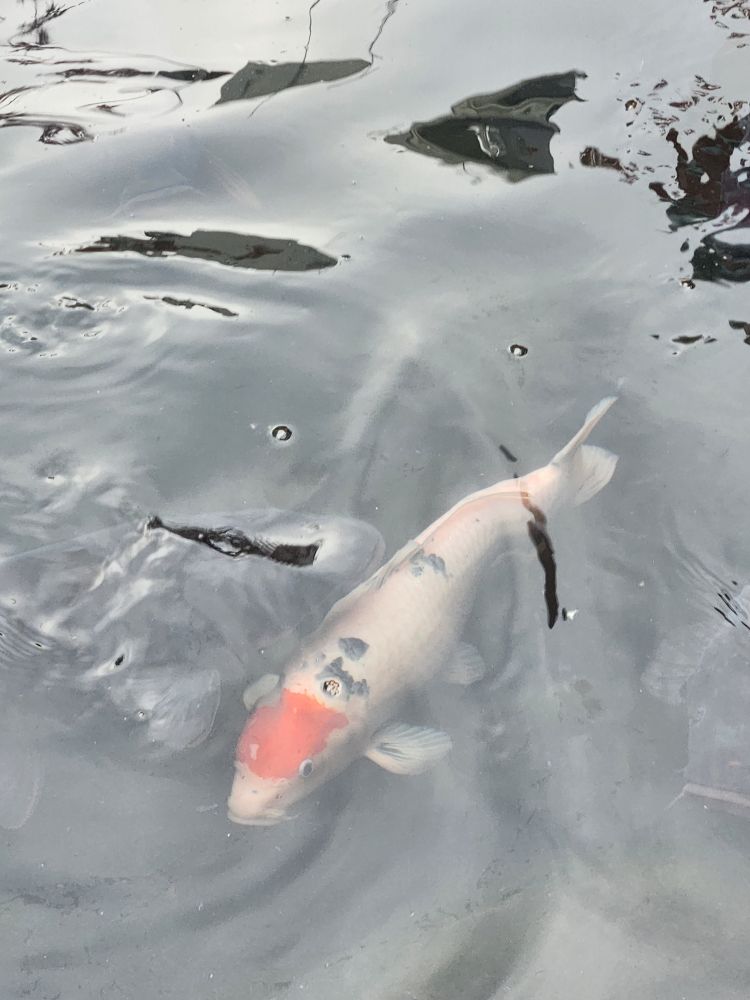
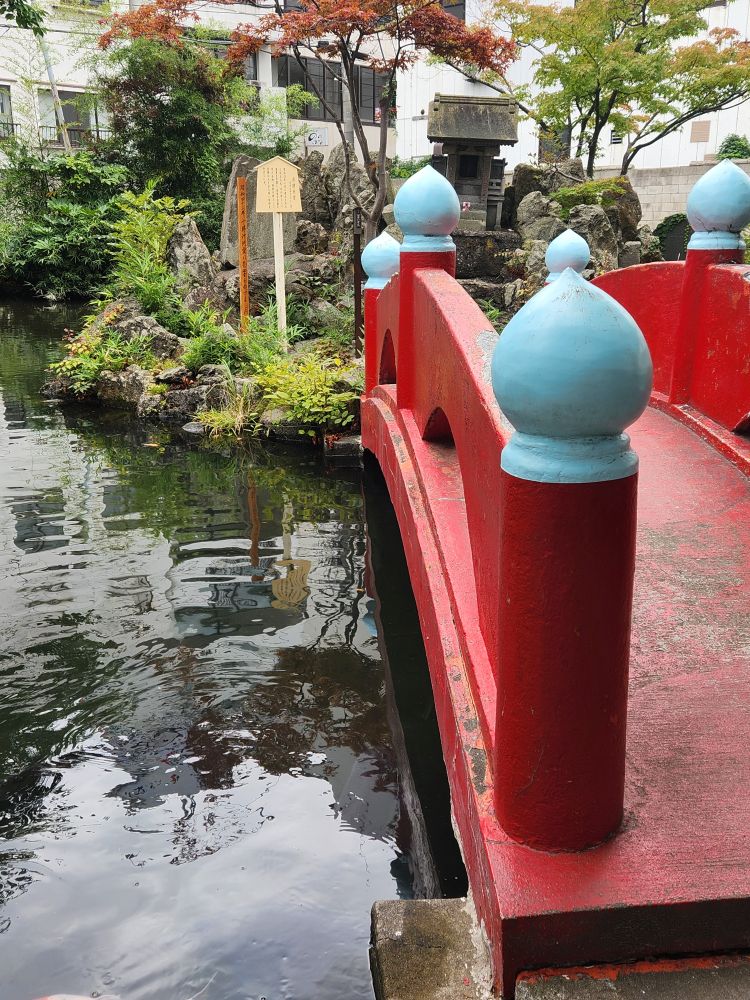
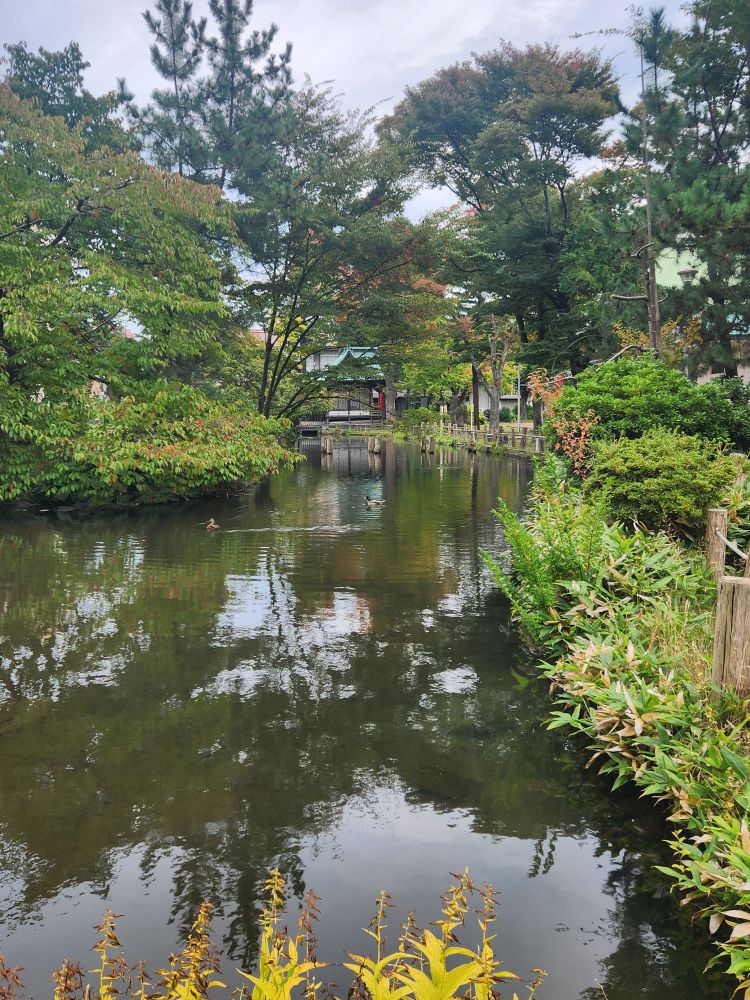
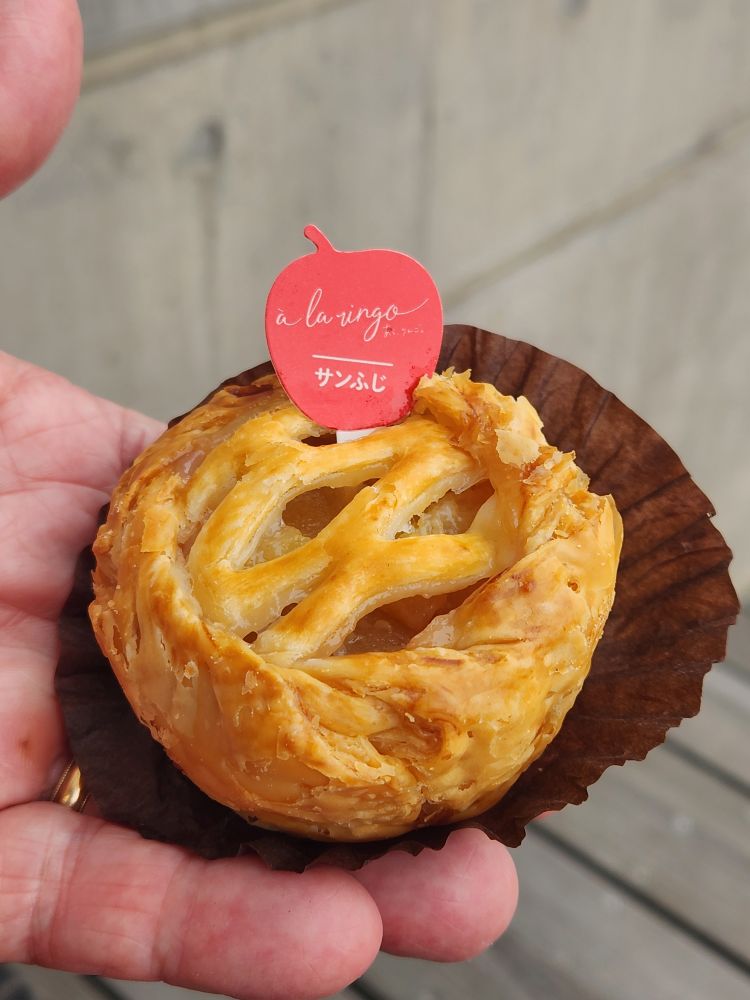
More meandering commenced, when we suddenly realized we could get back to the Nebuta museum for the demonstration of the music and dancing during the festival. We didn’t think we would be able to make the 1:10 start but we literally walked in right as they were starting. There was a ship’s tour there (of course) so it was a bit crowded and there wasn’t really much of an actual demonstration. They beat the drums a couple times and explained how to use all the instruments. Then they asked everyone to form lines and try the drums and symbols out for themselves. Eh. Hokey. So, we left and h-Factory which was an overpriced tourist shop filled with all sorts of expensive Aomori souvenirs. We passed on everything except for dessert: A great little apple turnover pie that was expensive as well, but since Hokkaido is known for its apples, we couldn’t not try something apple related!
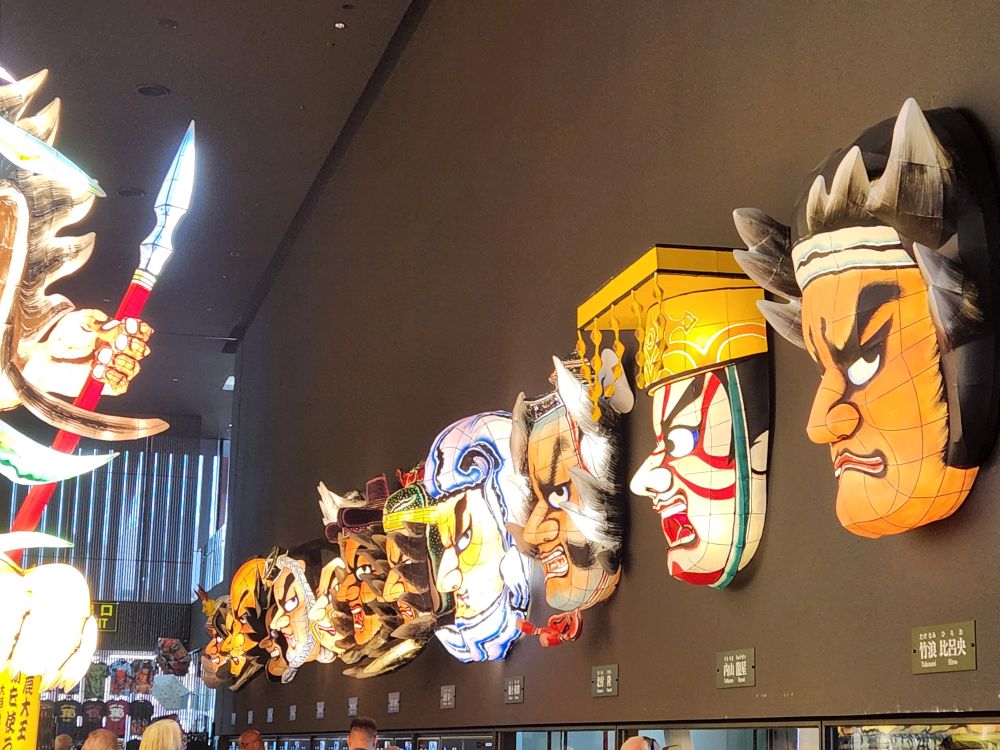
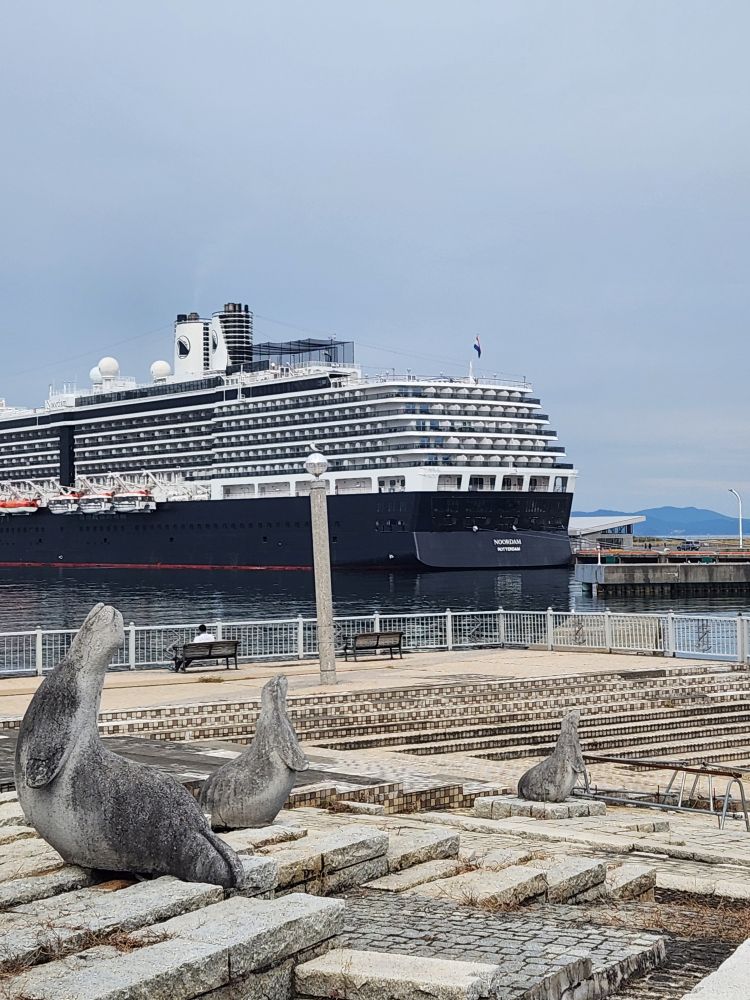
Then it was back to the ship with a pit stop at the APSAM building where we broke down and bought a cool t-shirt for Ed and a great little Nebuta fan for me. Ok, souvenirs done! We’re headed back to the ship, passing the sweet seal statues, and then finally getting the flash to work on the camera to take a picture in front of the Aomori welcome sign in the terminal – without the flash, there are no fireworks in the background (you can see the difference between my photo and the one with Ed). Pretty neat.
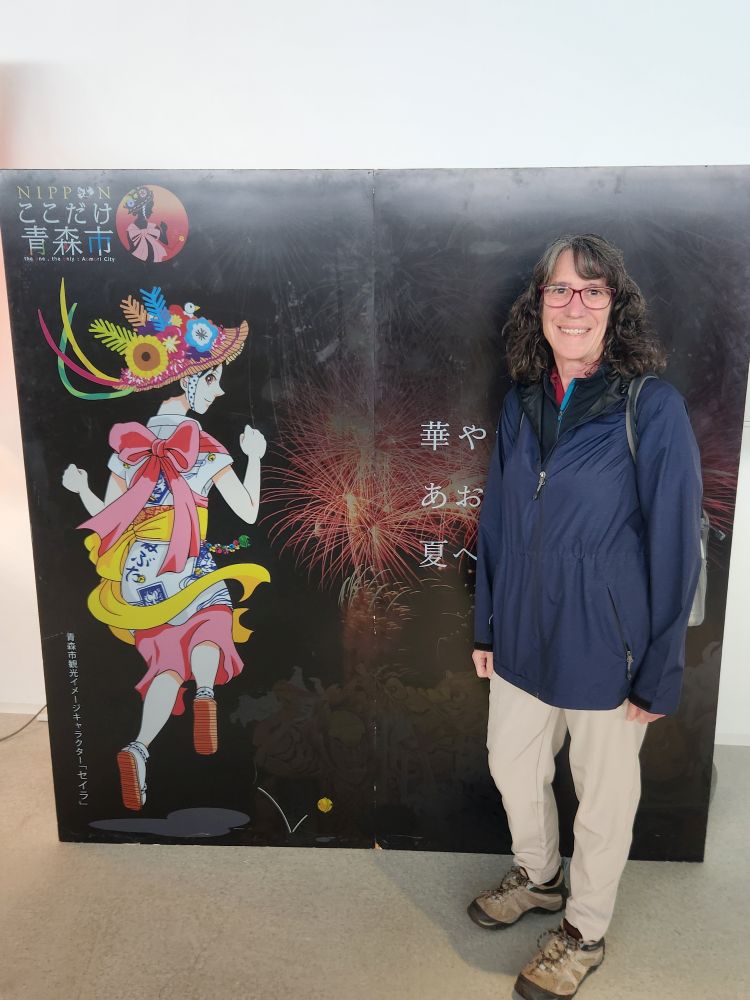
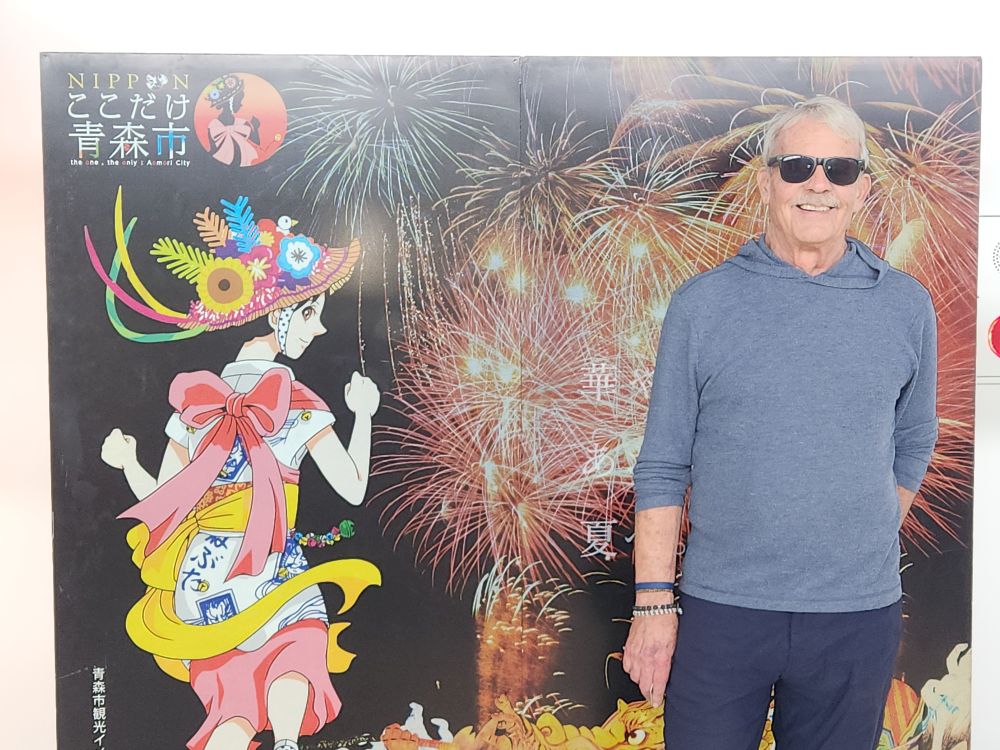
That was a day! Great day, with all we saw and did, and walked – 17 miles. Yep, our kind of day.
For dinner, we went up to the Lido – why bother with the lines in the restaurant? Sat outside in the gorgeous weather, ate our food at our own pace and just enjoying the lovely evening. Later managed to get to the dueling piano guys who are fabulous. Quite a change from the Oosterdam team. Then it was back to the room and balcony for the rest of the evening. Otaru on the horizon tomorrow.
 Andiamo