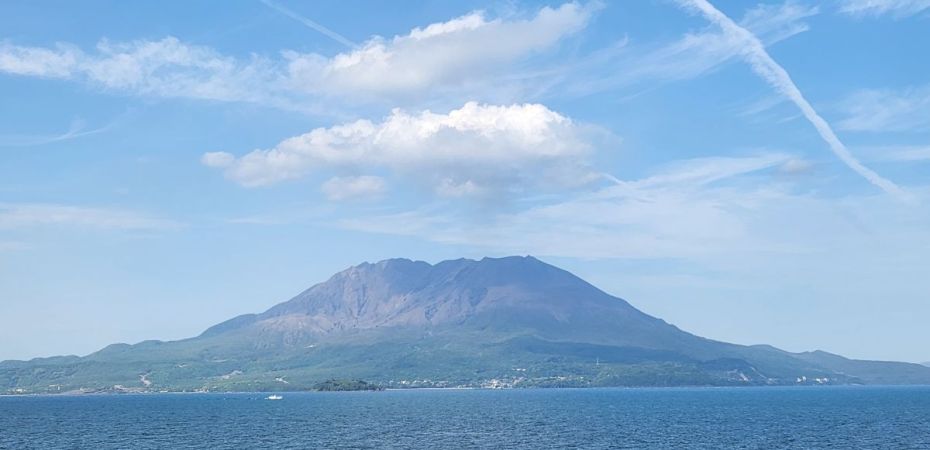
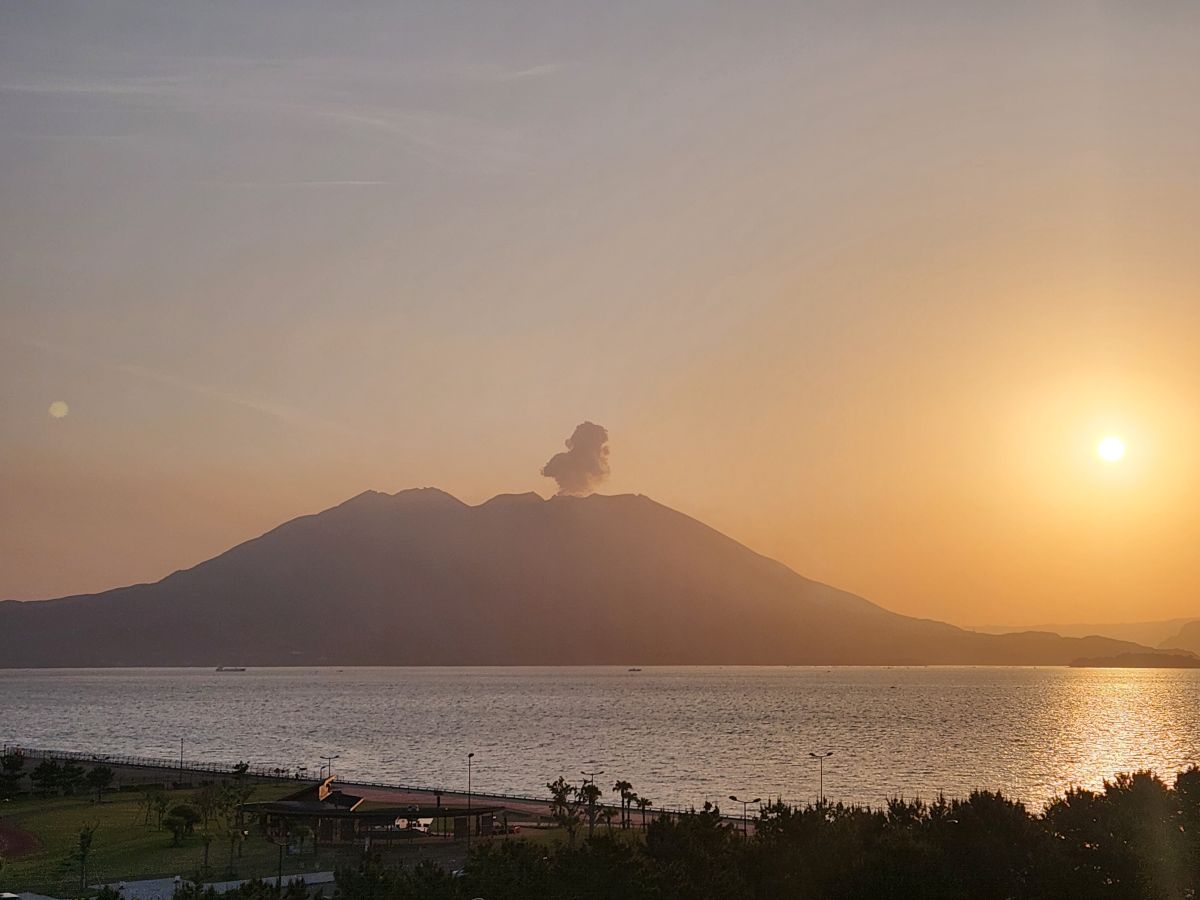
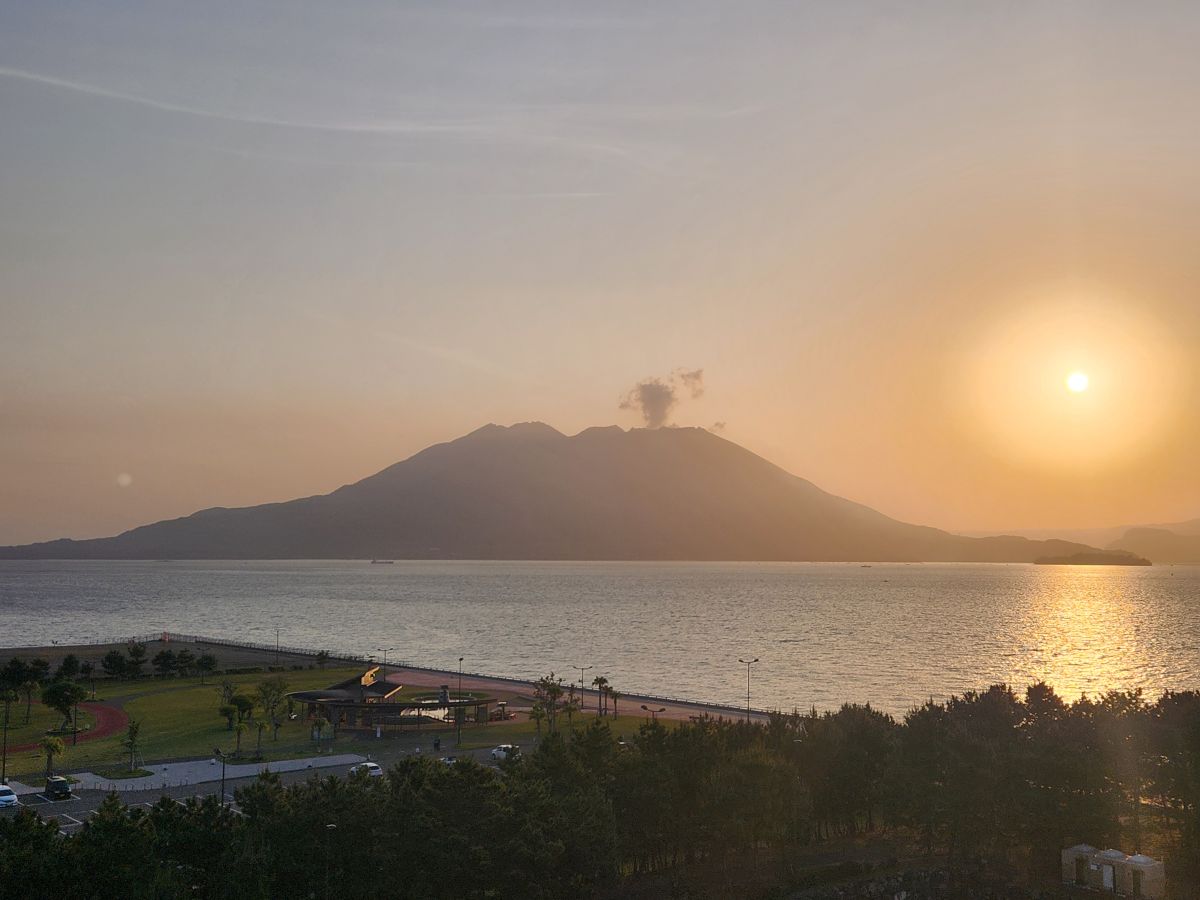
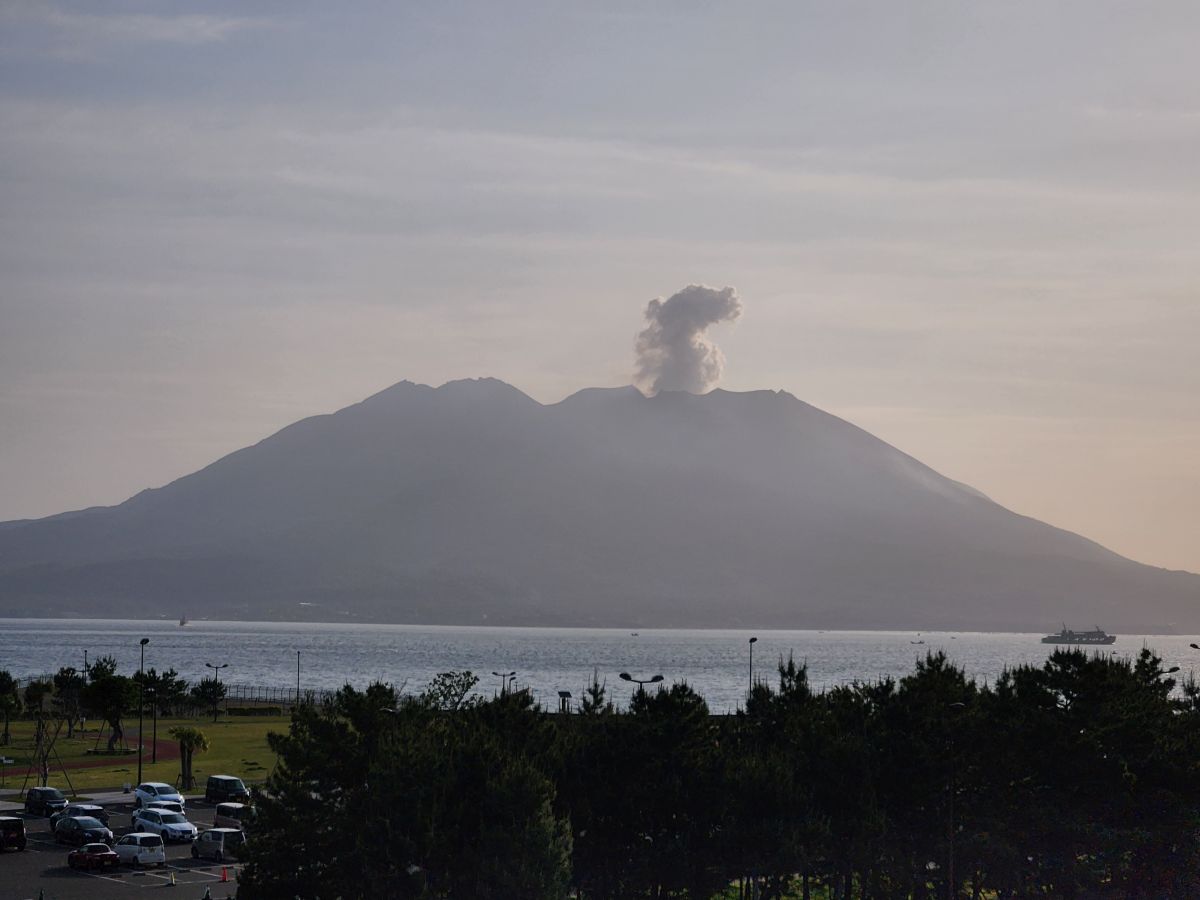
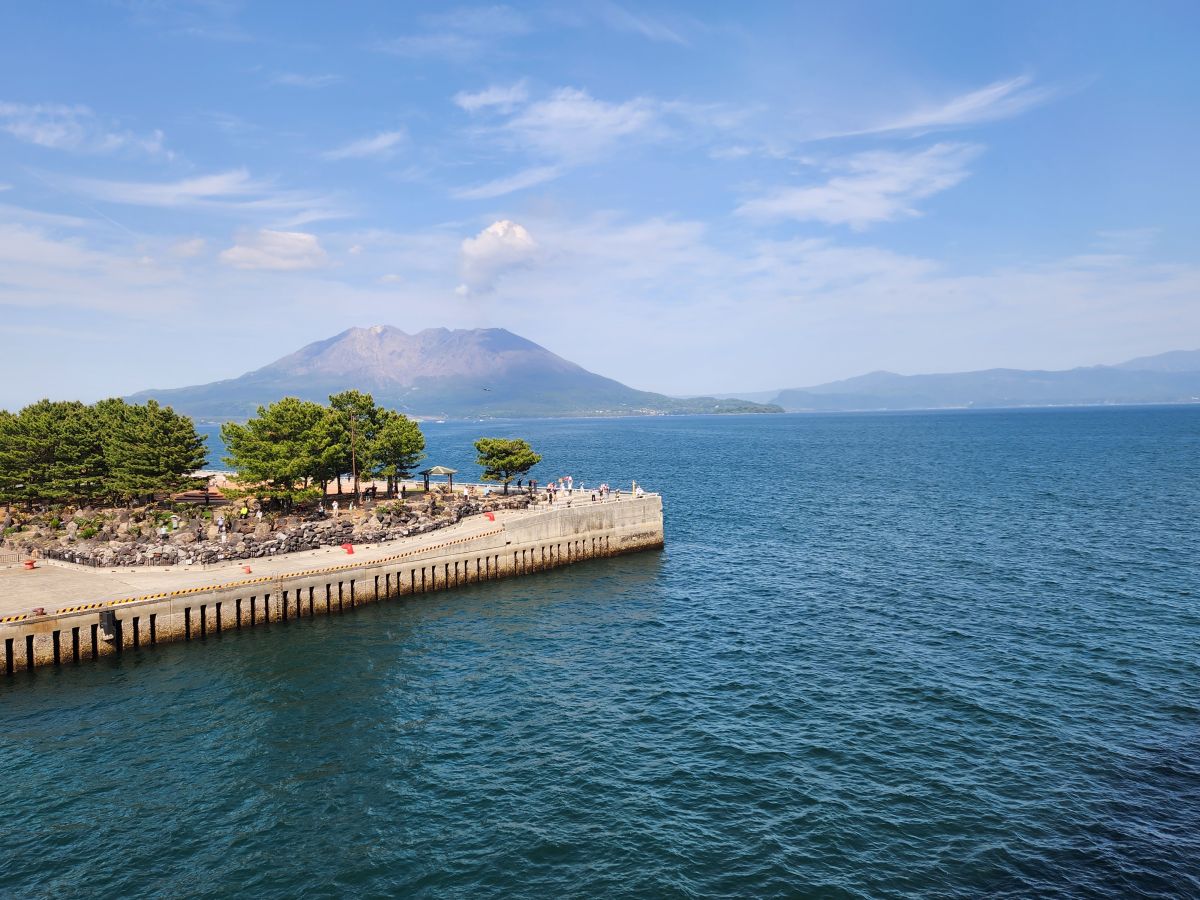
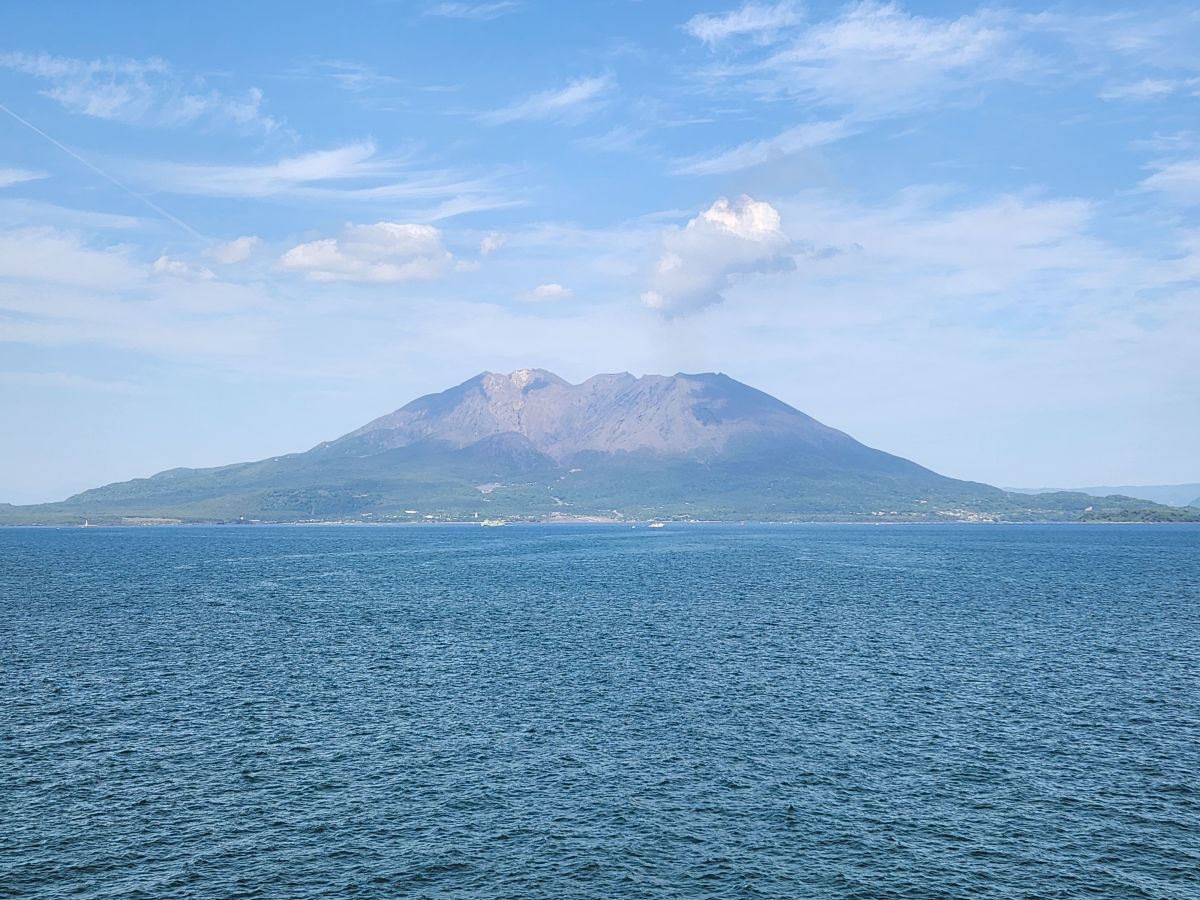
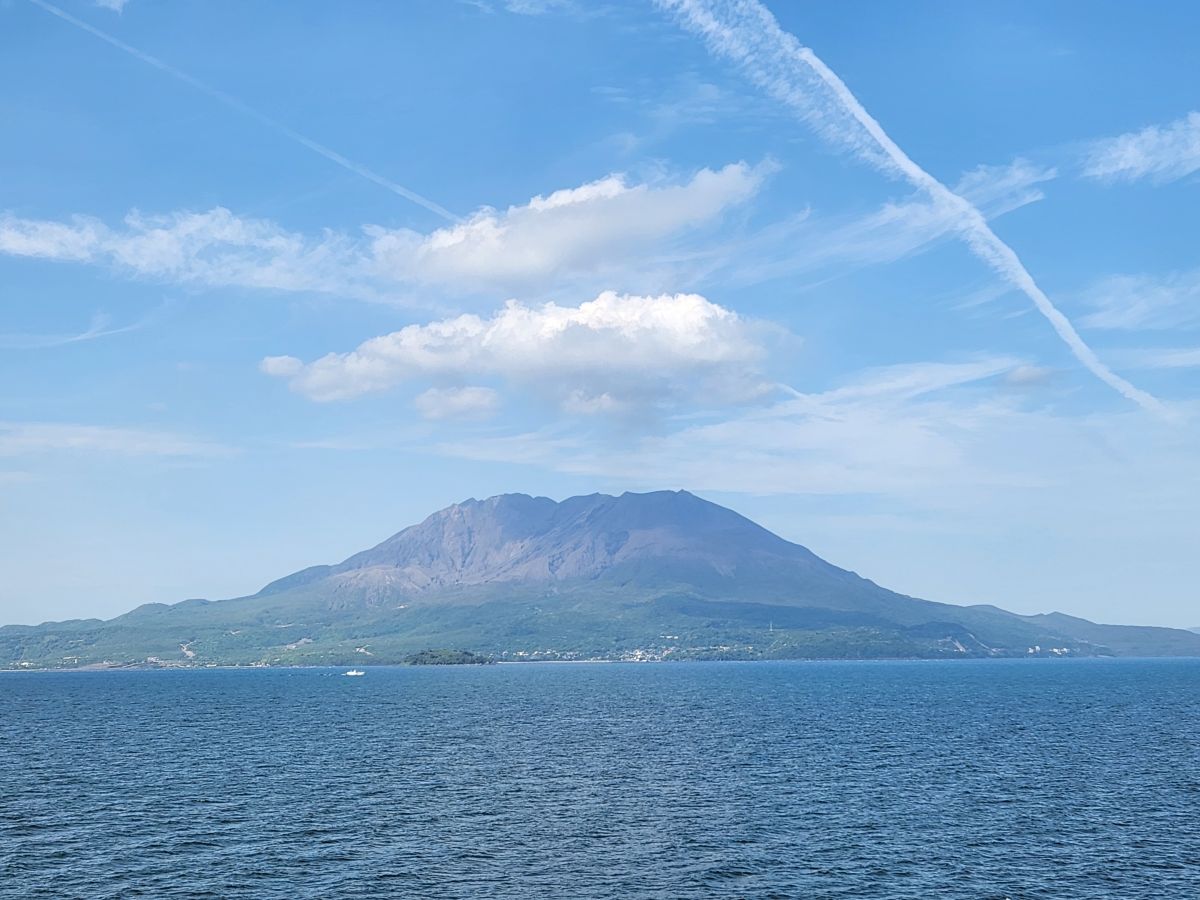
This morning we are greeted with a beautiful sunrise along with some steam erupting from Sakurajima. Not as spectacular as the eruption in 2008 when we were here, but still beautiful.
We have our 2nd tour today, and now that we have the tour strategy down pat, we check in, then head out to the buses without waiting. We’re so early, that the port people don’t even have the passport control section open yet! So we just walk out to the bus – and hop on first. The bus eventually fills up and so far, no one in a chair or anyone that seems to have too many issues walking. We’ll see.
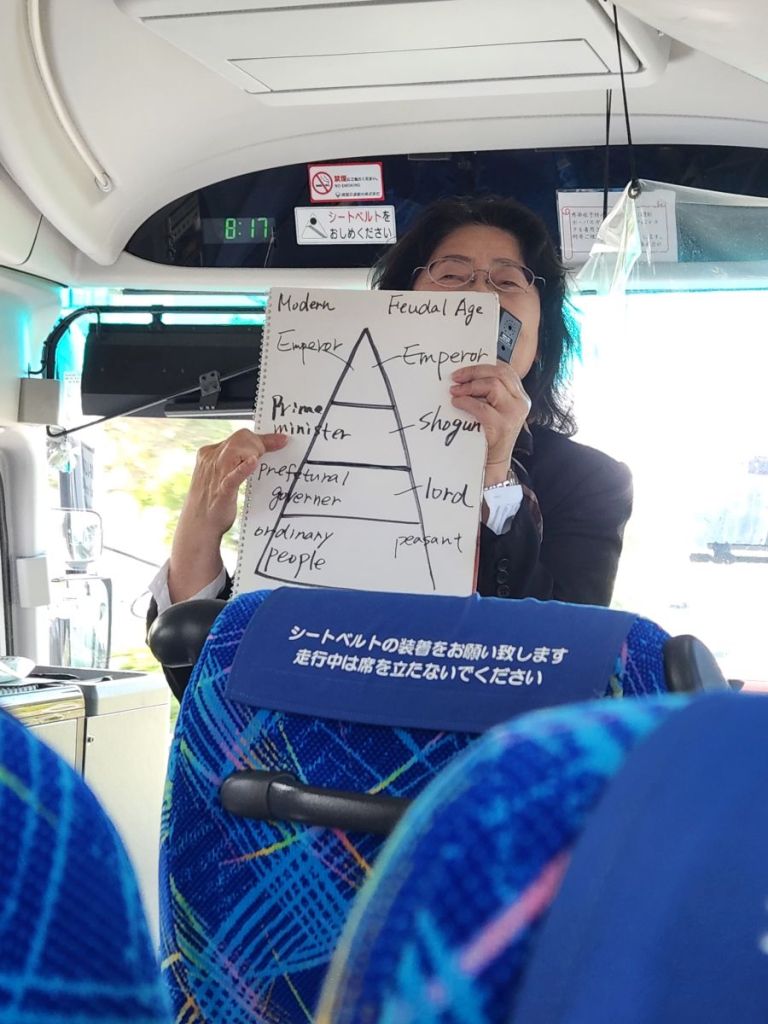
It is an hour drive to the Kamikaze museum – which is oddly called the Chiran Peace Museum. Um. Ok – they are wishing for peace now, but Kamikazes? Not exactly what you would consider peace, you know? Anyhow, our guide today, Tomoko, is the best! She jokes and talks and teaches us about the history of the area and the structure of the Feudal society by comparing it to the government today. Perfect! So easy to understand now. And, oh the props. We love these tour guides and their props!
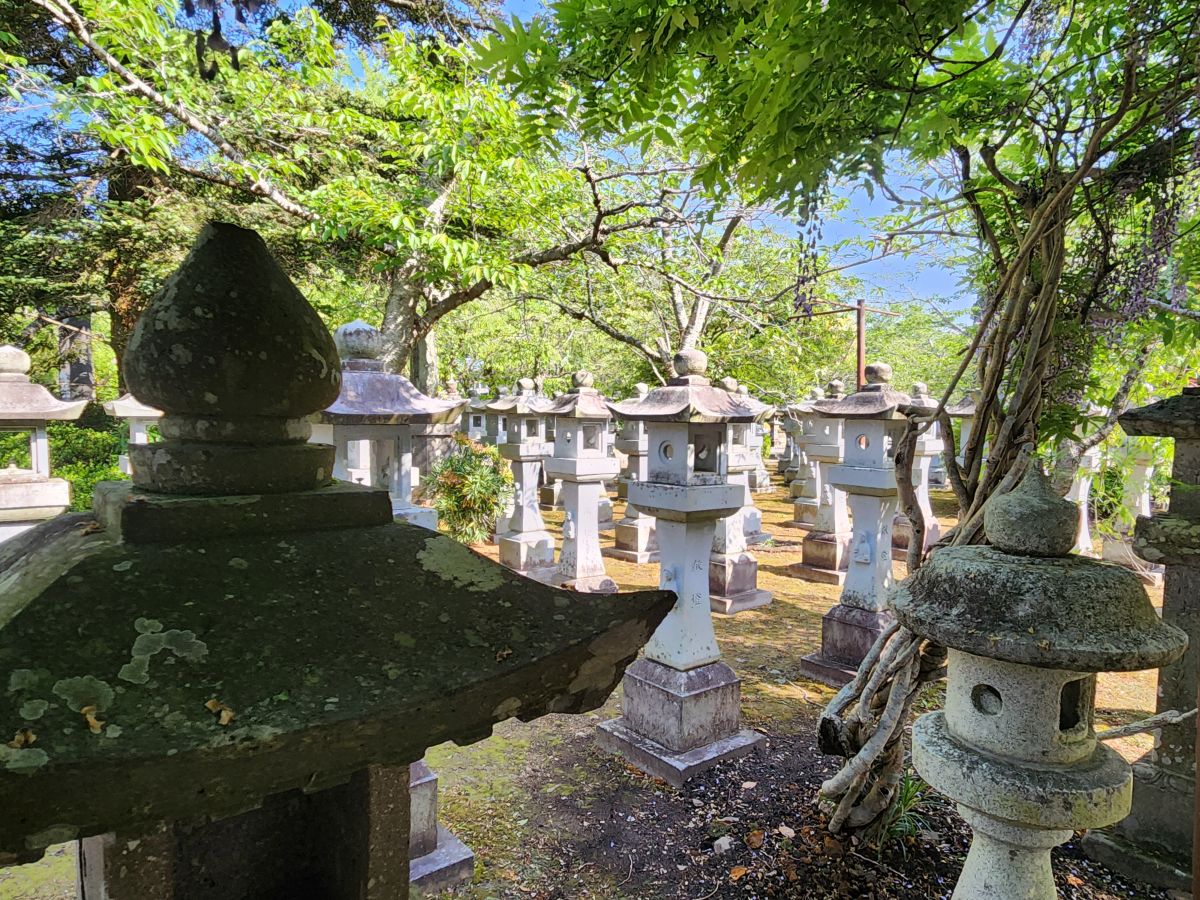
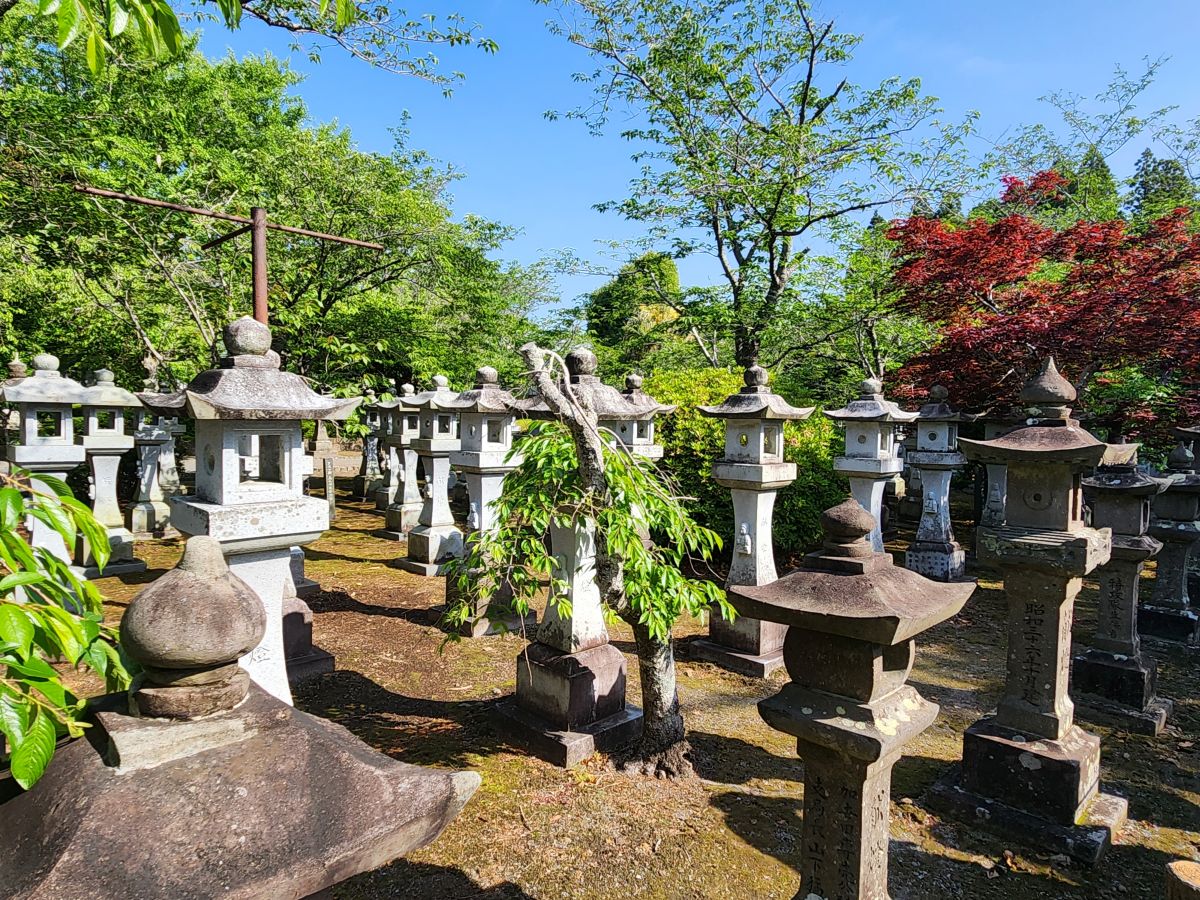
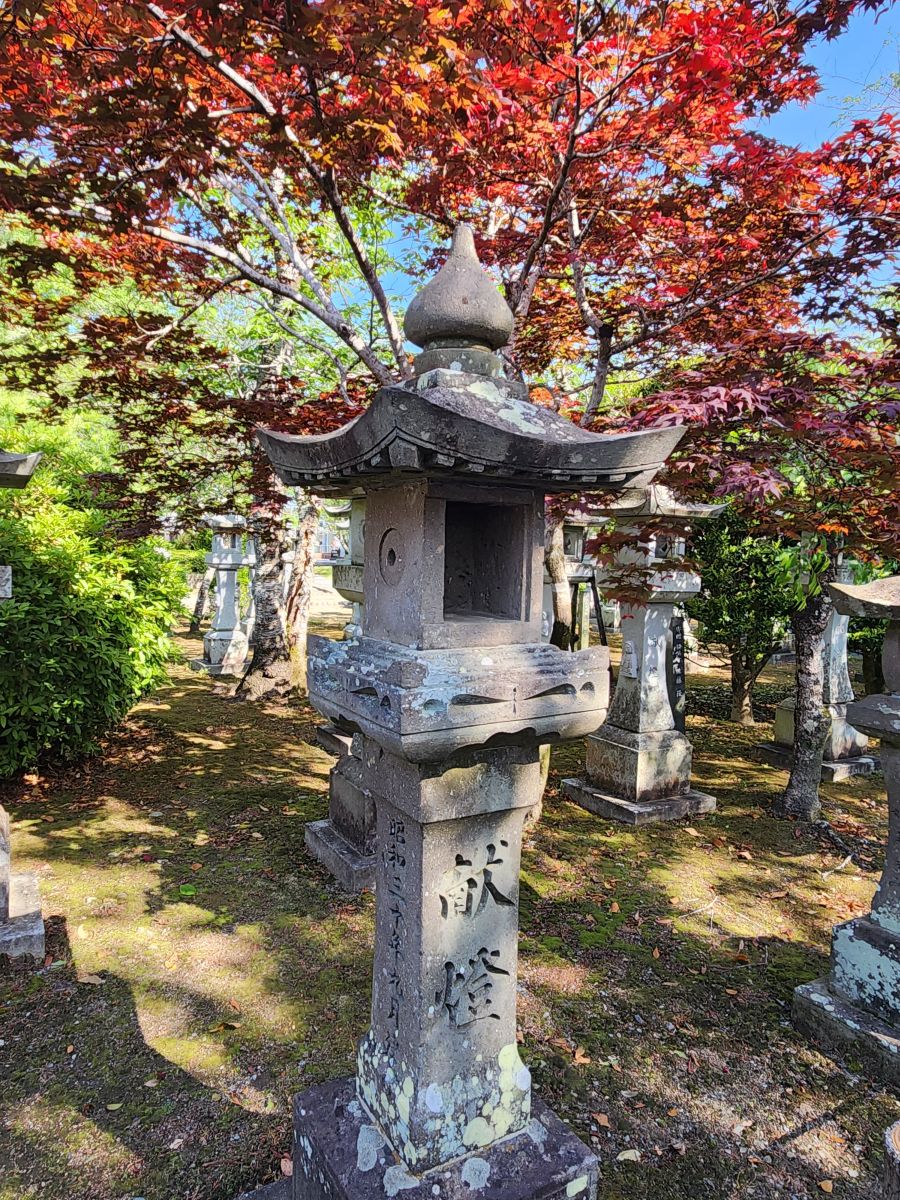
The drive itself was gorgeous, through mountainous terrain and lovely dense forest all with glimpses of the coastline off in the distance. As we near the museum, we drive through the little Samurai village we will be visiting later, with traditional houses perched along the road – but also with granite lanterns that line the street. These lanterns are inscribed with a name and there is one for every one of the over 1,000 Kamikaze pilots who died during the war. They were paid for with donations from the community and from around the country.
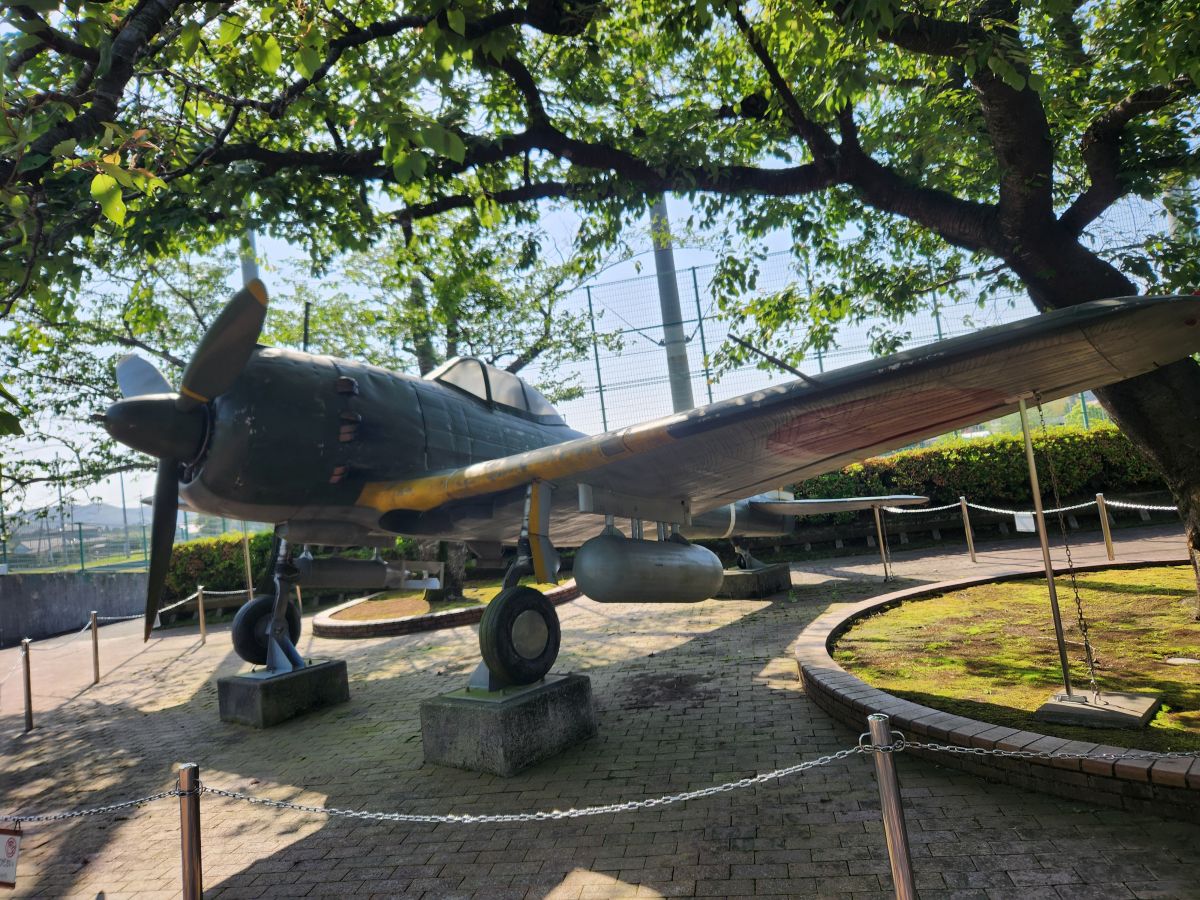
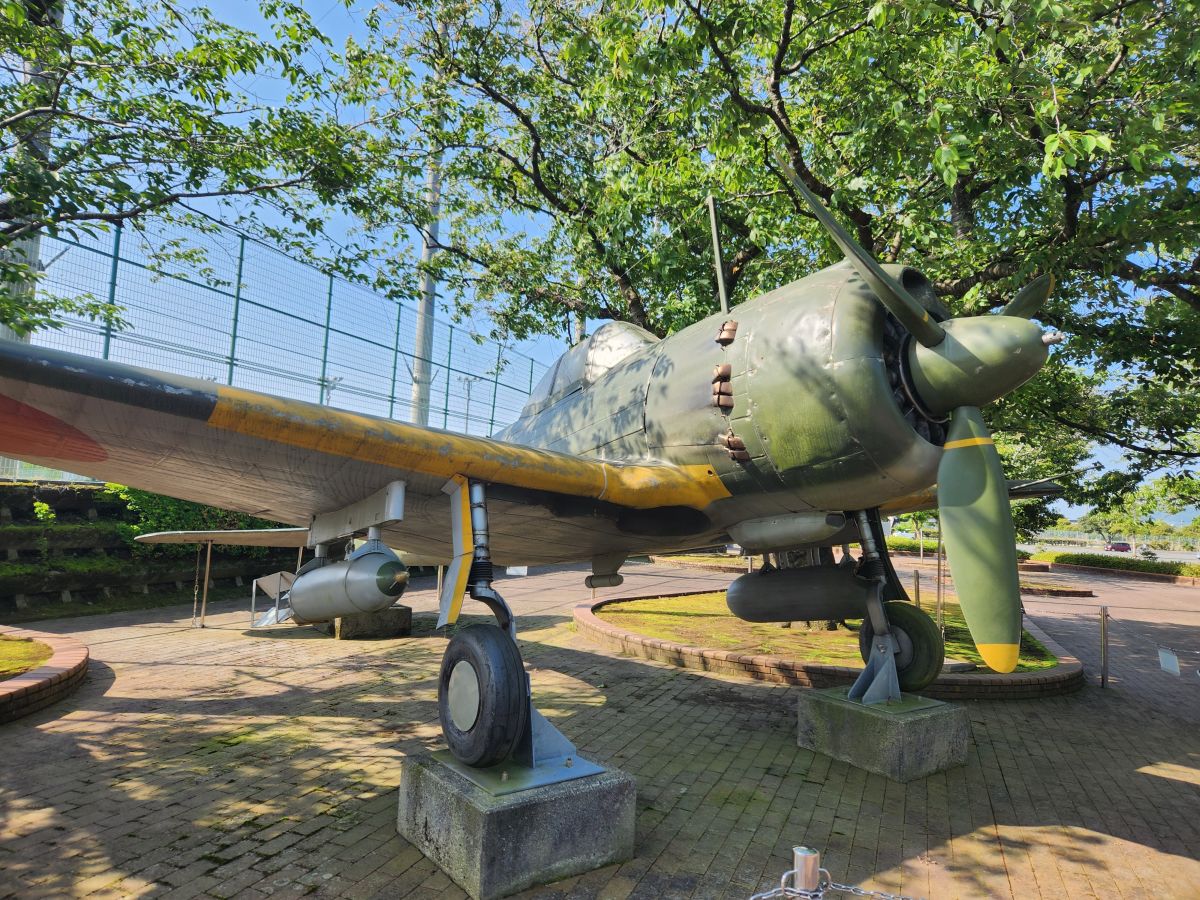
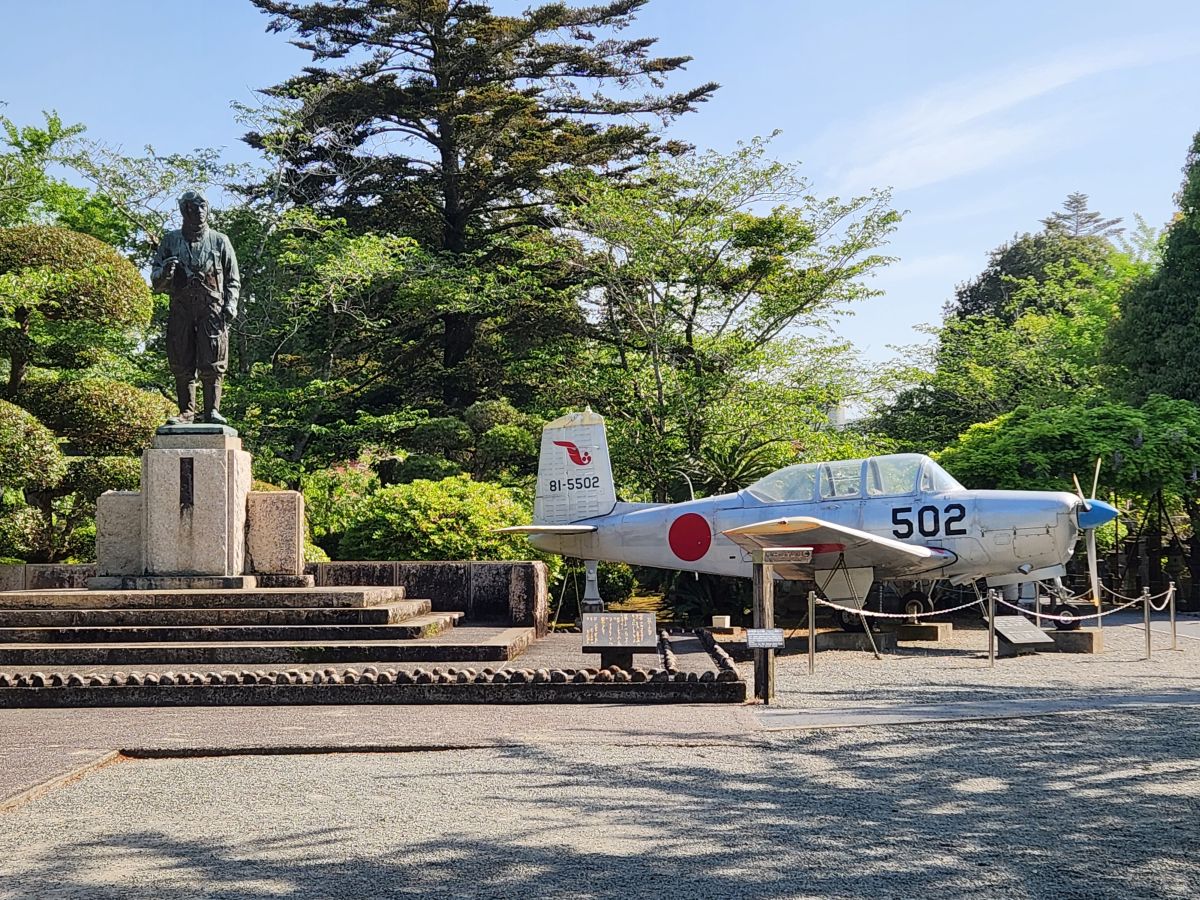
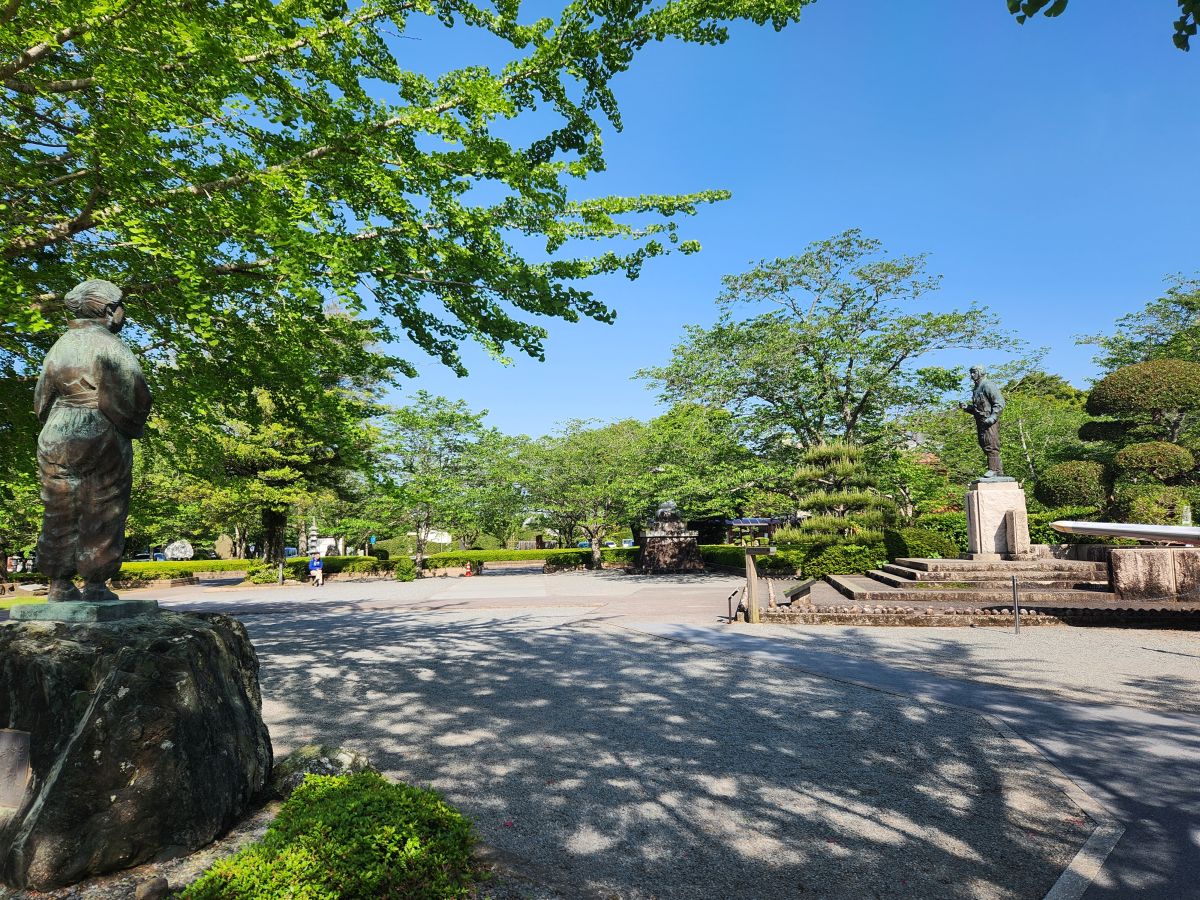
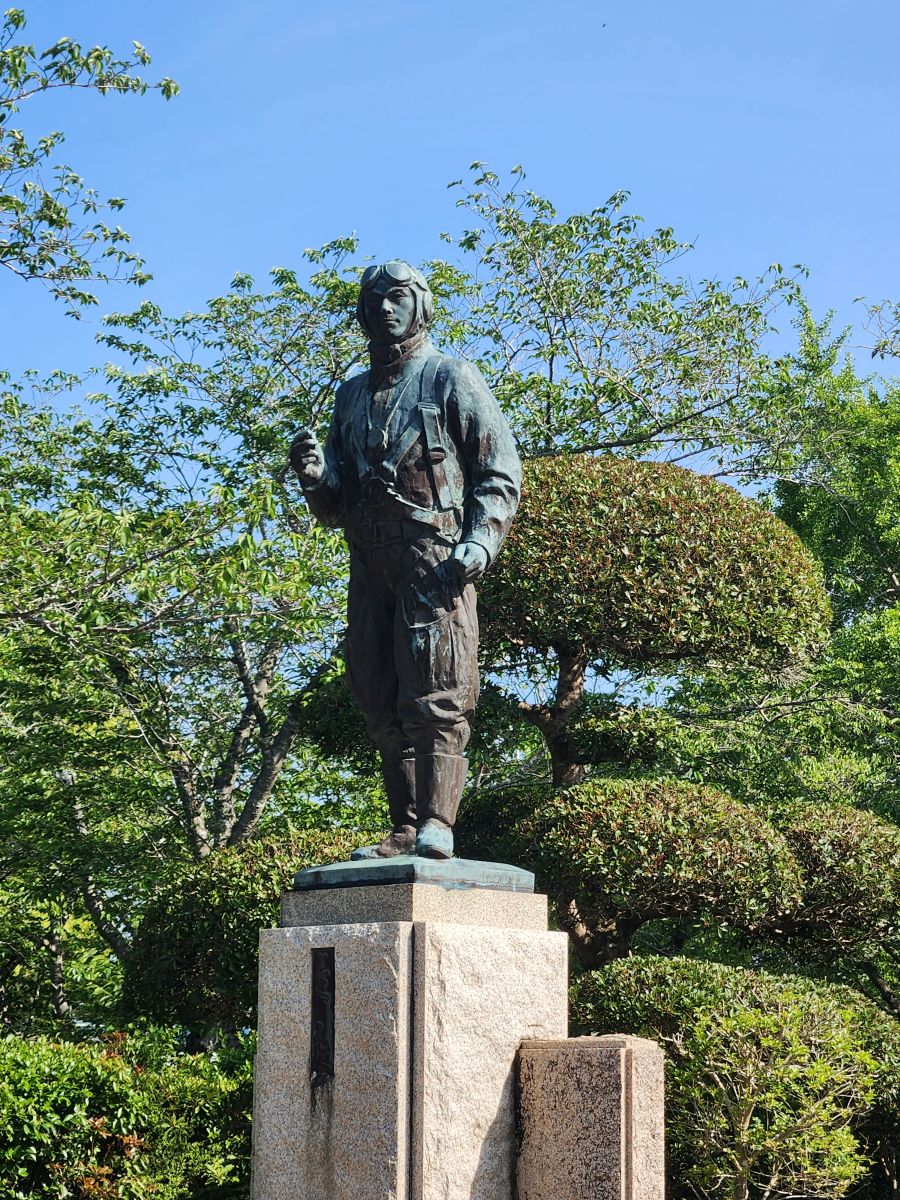
Arriving at the museum, we first walk through the courtyard and garden area, which holds a couple of Zero aircrafts – one real and one that was used in a movie – as well as two statues, one of a “Tokko” pilot (Tokko means “special attack” in Japanese, and it is what the Japanese called the pilots the rest of the world refers to as Kamikaze) and one of a mother. They are both looking at each other over the distance, because it was said that the last thing a Tokko pilot did was write his mother a farewell letter. So crazy sad.
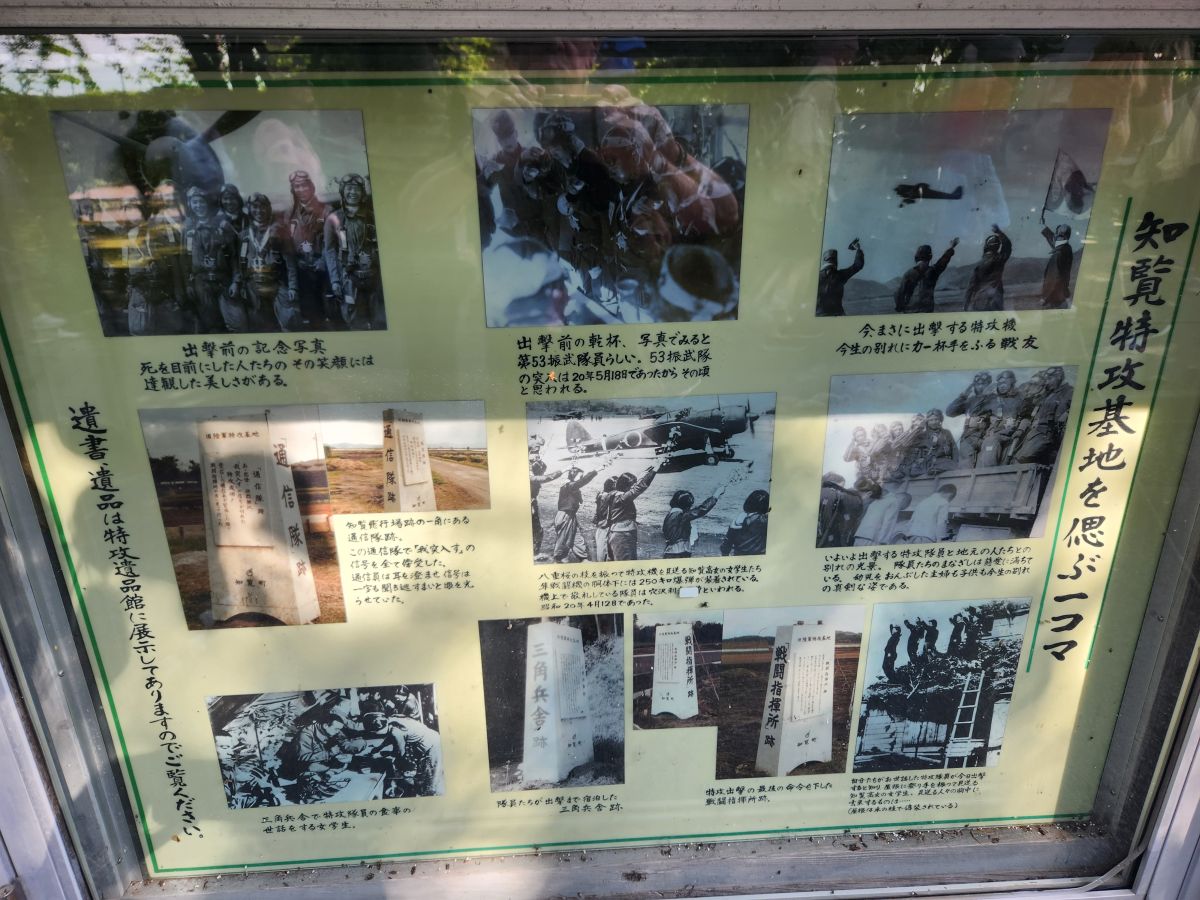
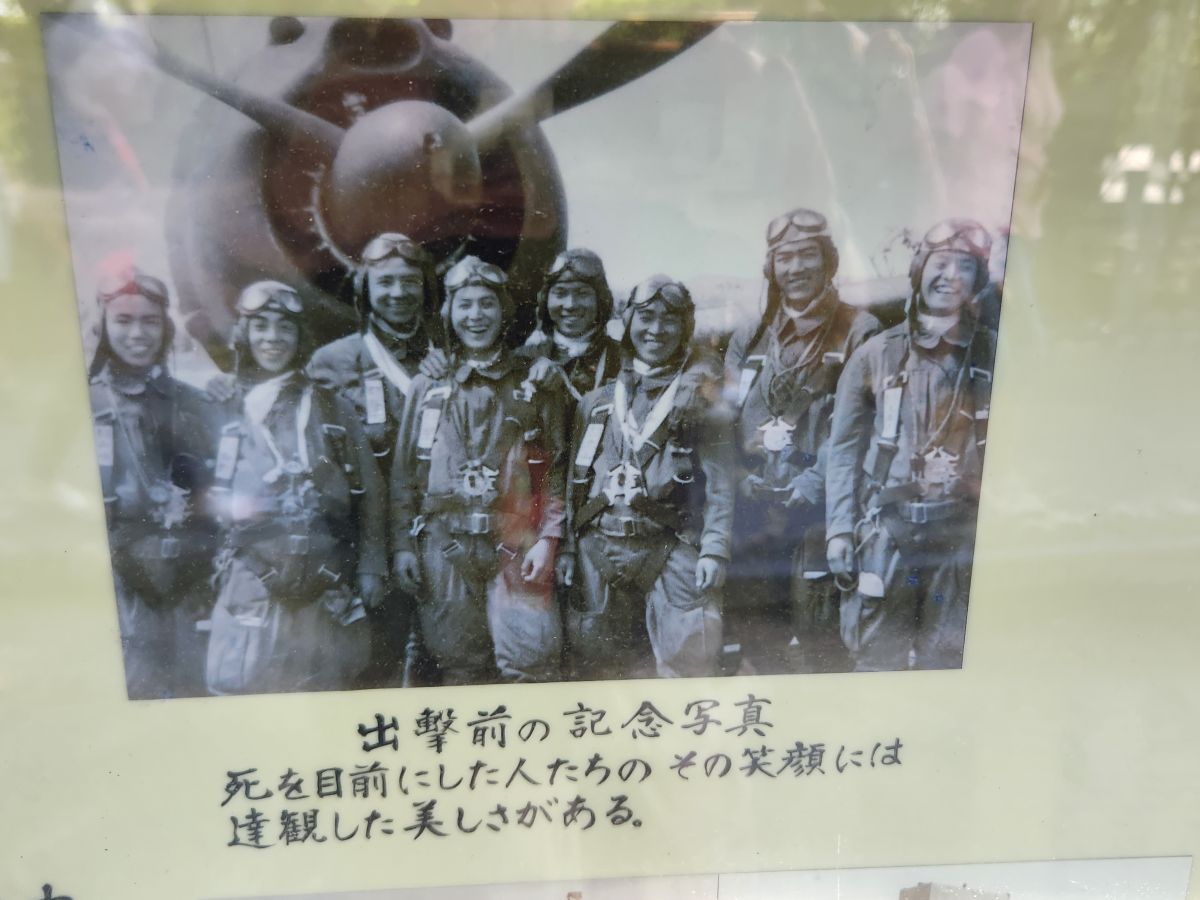
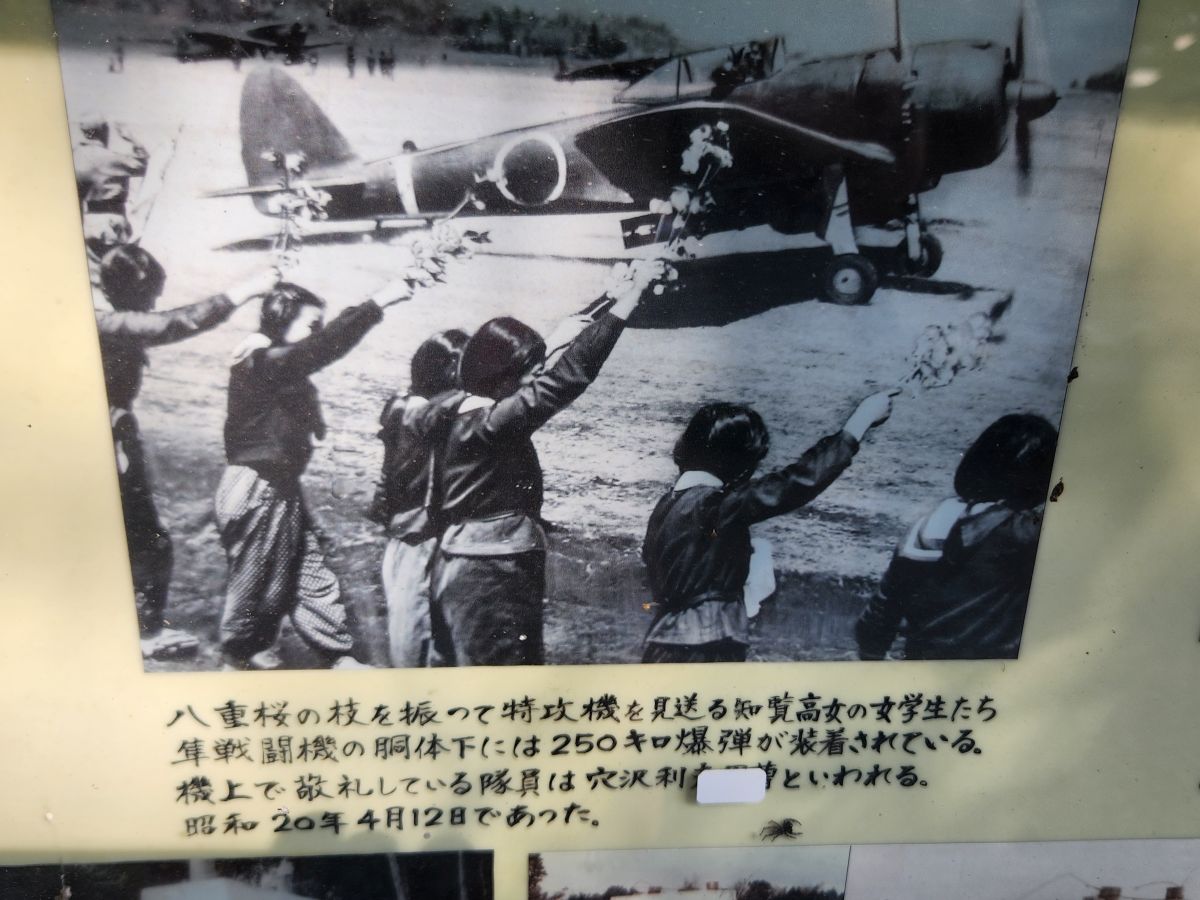
There is also a shrine where we do our prayers, as the rest of the group, who are behind us, look on in confusion. But then Tomoko teaches them what to do – yeah – we’ve been in Japan for a while! Outside the shrine there are more lanterns as well as a display with pictures of an actual Tokko battalion and also these young women who were waving cherry blossoms on the runway. Tomoko explains that these young school girls sort of took care of the Tokkos when they were here at the base. They were their friends and cooked for them and just cared for them, when the pilots took off, they prayed for them and waved the cherry blossoms in honor of their last flight.
We walked through a replica barracks that was built underground – for some reason I never quite grasped – for camouflage maybe? Anyhow, this is where the tokkos stayed for the last days of their lives. Then we enter the museum proper and begin our explorations. There is an original Zero that made a crash landing in the ocean off Kagoshima in 1945. The town of Chiran paid for it to be raised out of the sea in 1980 for the first time in 35 years. That was totally wild. And the only place we can take pictures in the museum. So….
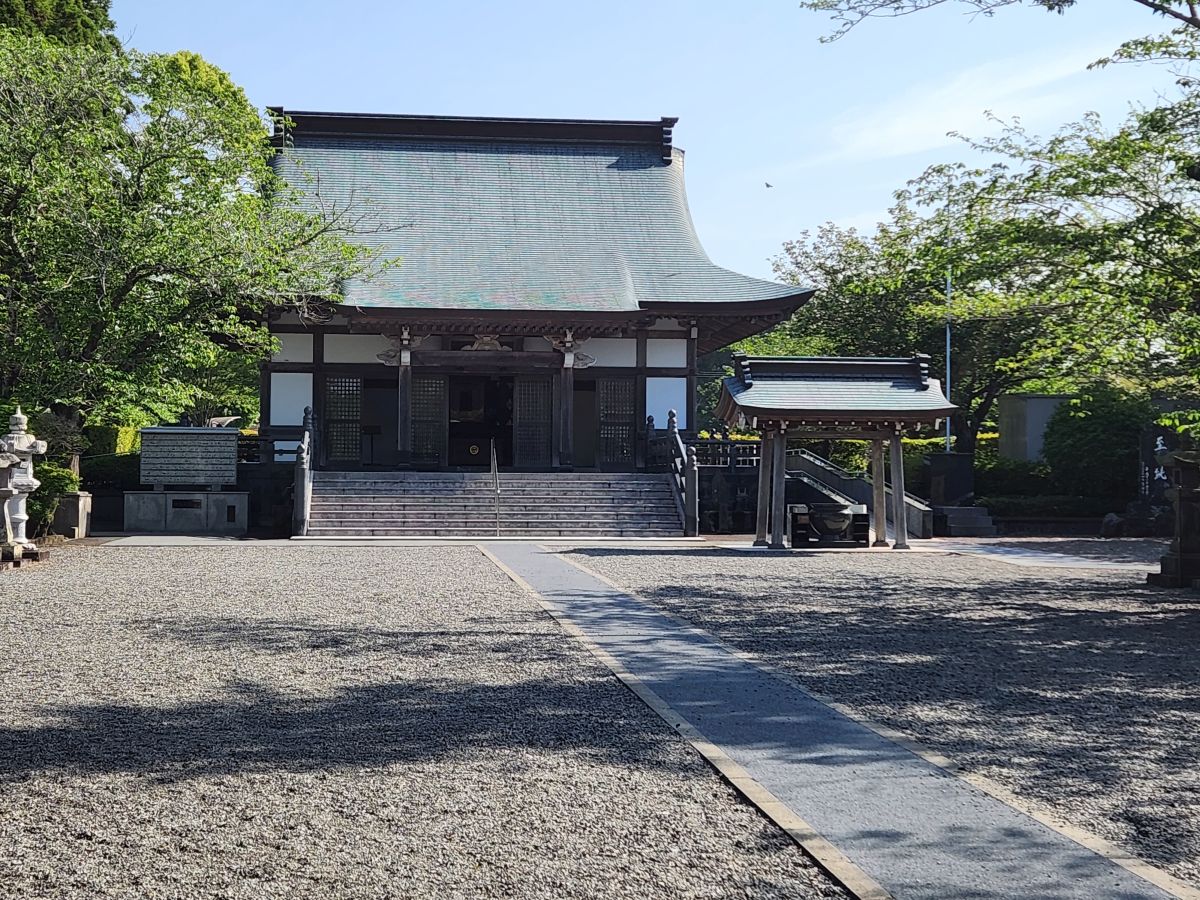
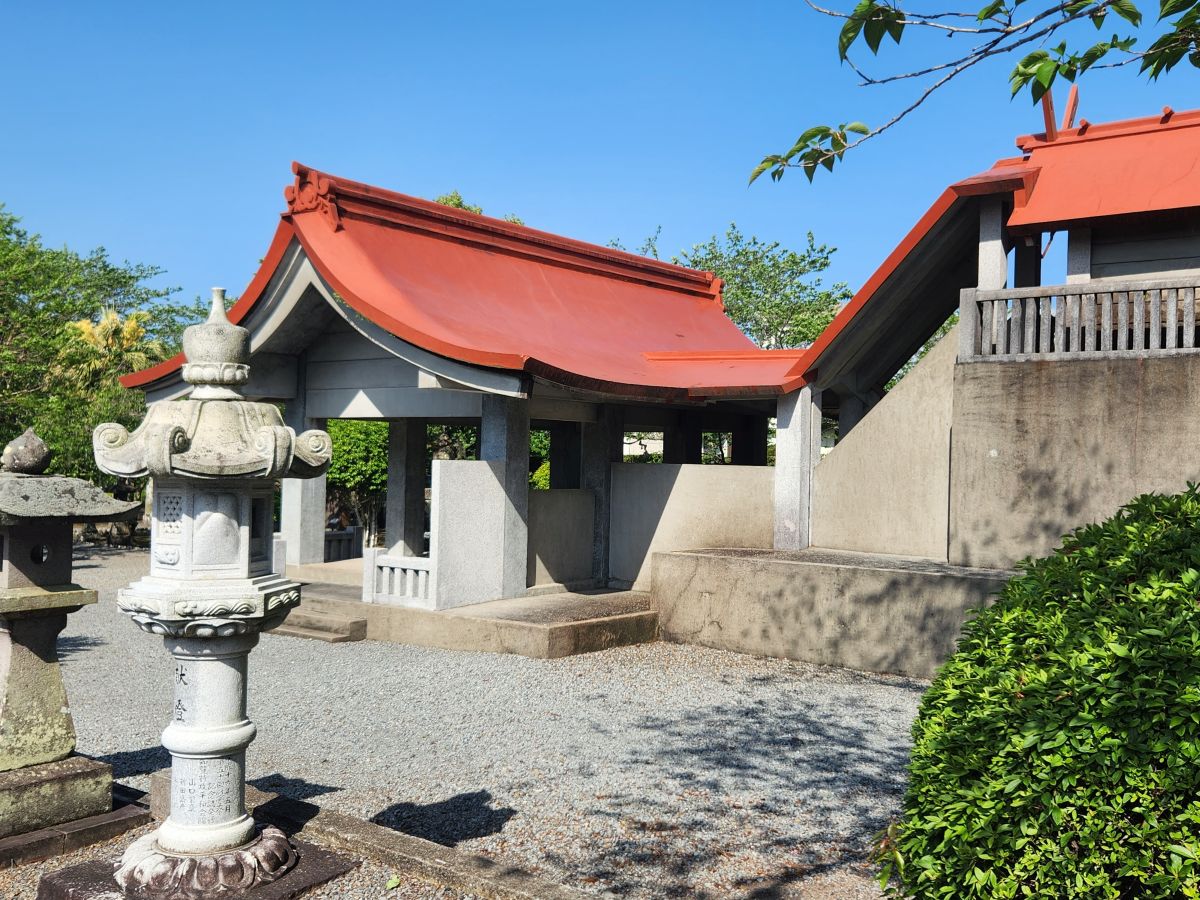
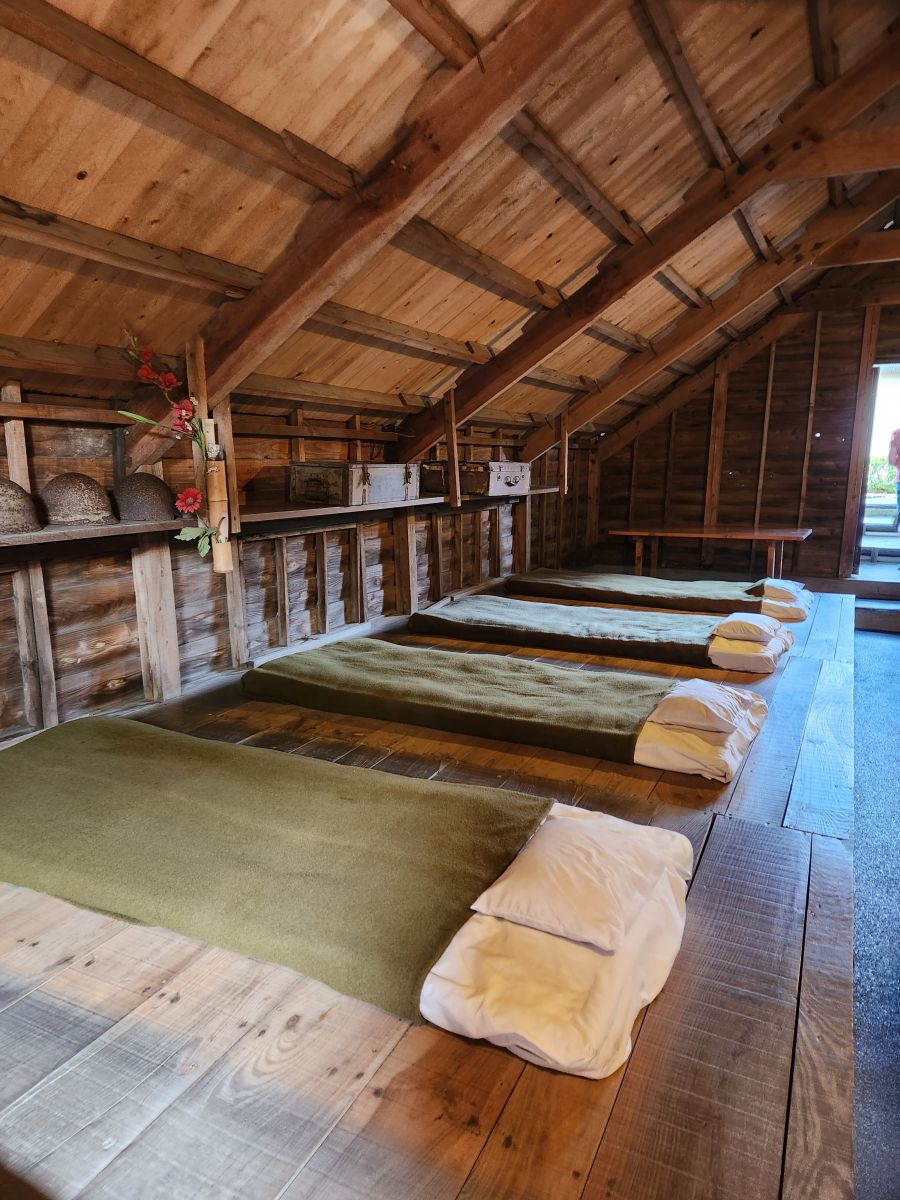
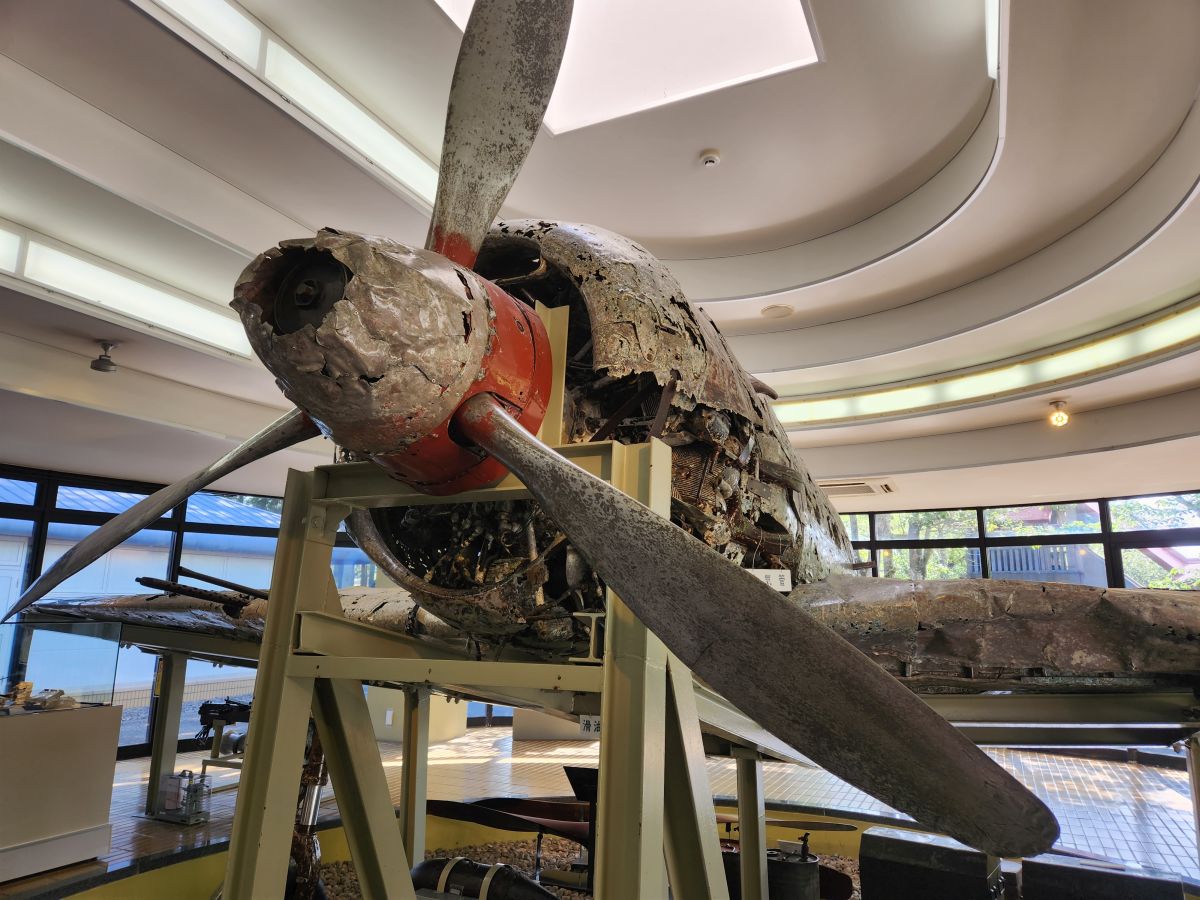
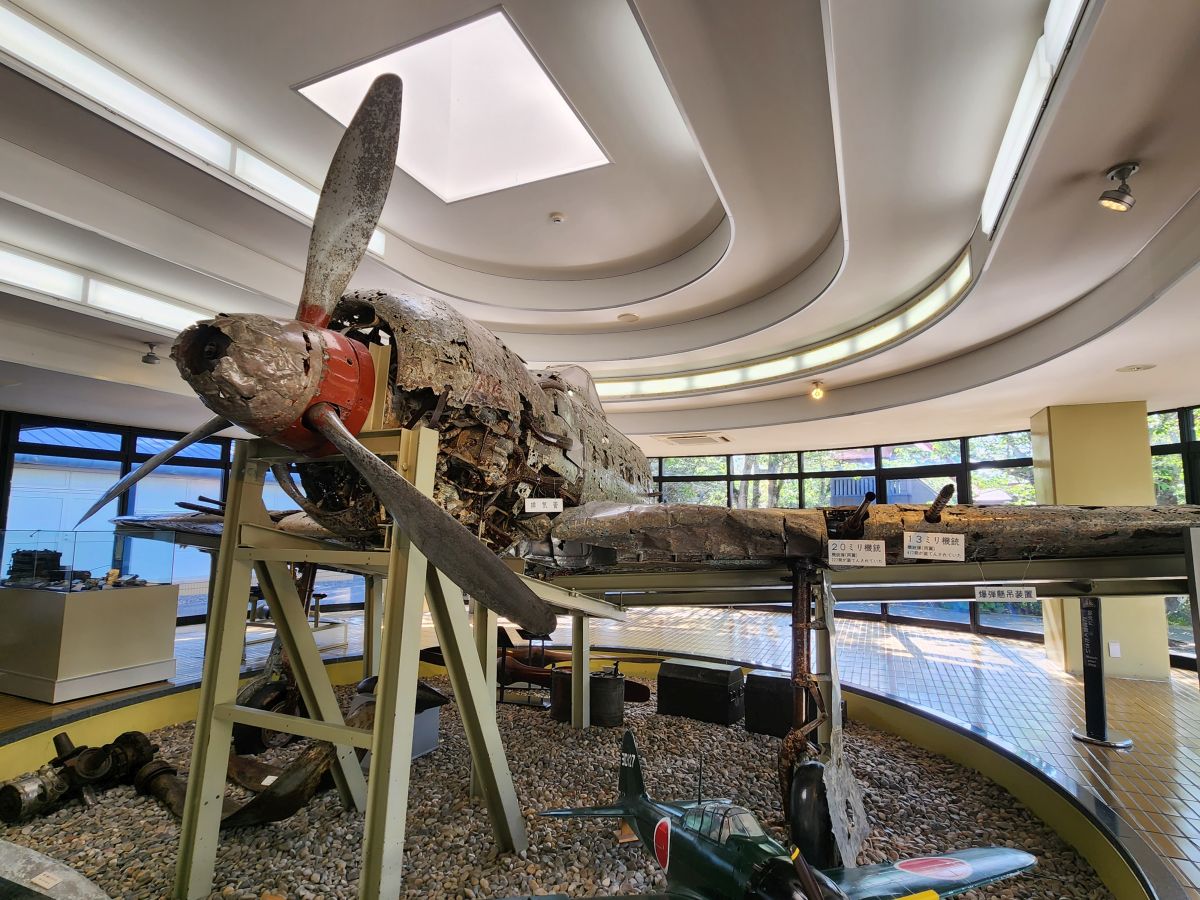
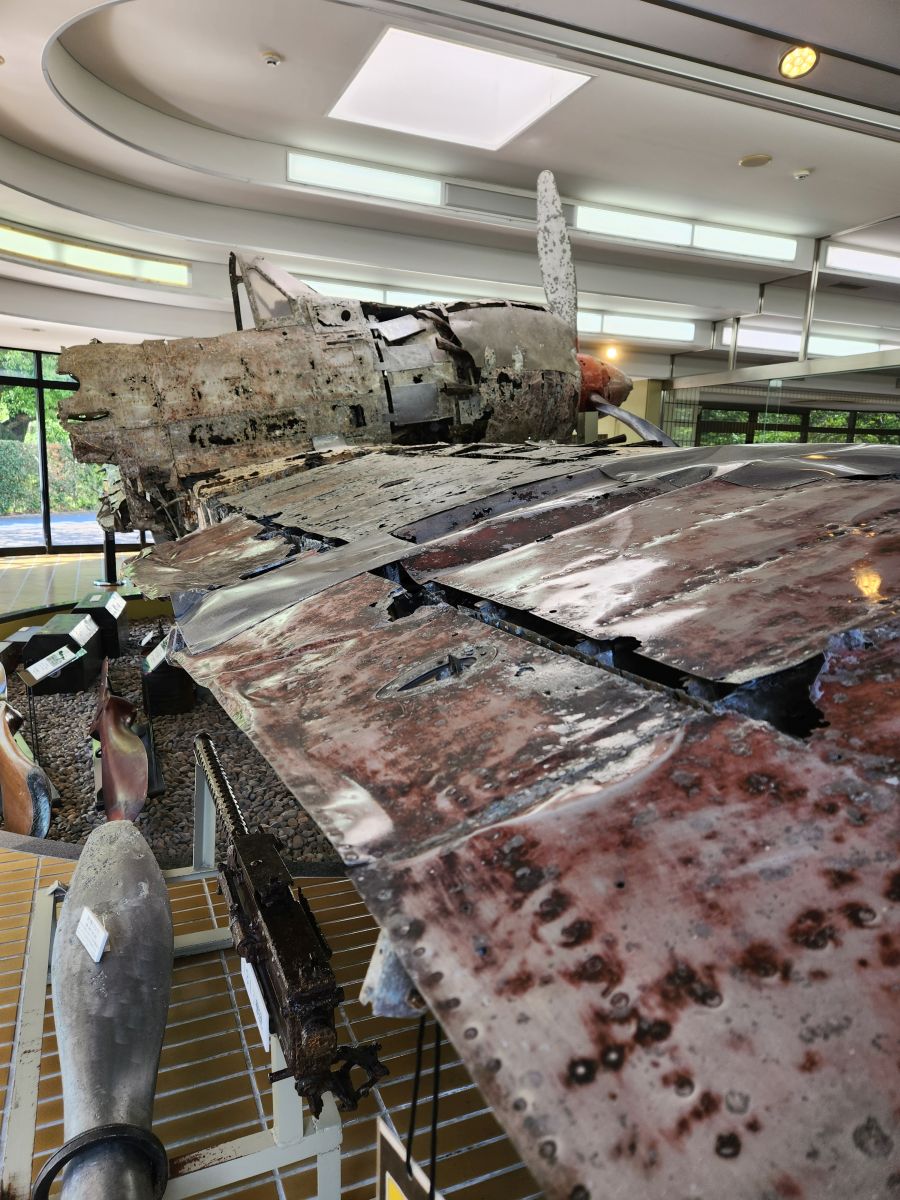
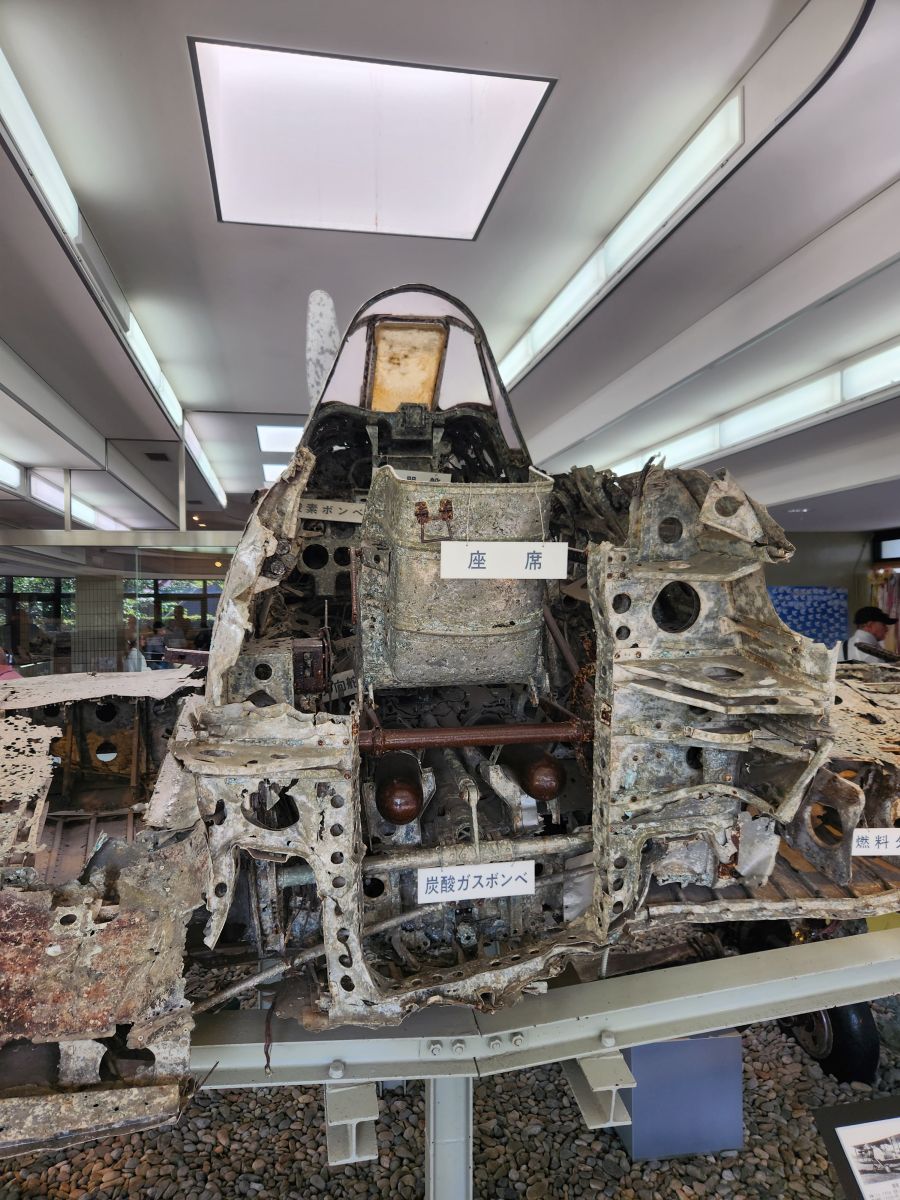
…After the photo Zero room, we wander through all the displays, looking at all the photos of the all the Tokkos that were lost from this area. One of the toughest things about this whole place is that the Chiran airbase actually started as a regular airbase to train pilots. Virtually all of these pilots came here with the expectation of fighting the war – but as a pilot who would return, not a Tokko. Many accepted that fate and even embraced, which gave a fascinating look into the mind of a true Kamikaze. The surreal craziness and dedication to a losing cause, because when this whole strategy began, Japan was definitely at the losing end of their campaign to conquer the world. The worst part though may be that many of these boys (and they were mostly very young) didn’t even know until the last minute they were going to be Tokko.
There were heartbreaking letters from Tokkos to their mothers, but the saddest was the story of an older married pilot who managed a battalion here, but who really wanted to be a Tokko and serve his country. The leadership kept turning him down – ostensibly because he was married and had 2 children (all the other pilots were single and mostly young). Until, that is he received the last letter from his wife who told him she knew how much he wanted to serve his country and that she and the children never wanted to keep him from his duty, so she drowned her children and killed herself. And then he was allowed to be a Tokko. The mentality of that is just mind boggling.
There are a couple of additional airplanes in the back of the museum and a very good movie in the lobby that provides some background for the airbase and the Tokko’s mindset. Then at 10am, we all meet in the media room for an even longer video about the Chiran, the Tokko, their mindset, the base and the war. Totally worth visiting. An incredibly fascinating peek into the minds of the soldiers and the whole Japanese military thinking which is still just so hard to comprehend.
Back to the bus we go, with a quick stop at one of the gift shops where we actually find a cool t-shirt for Ed. Then run back to the bus because we’ve not been given a time to get back here, and sure as heck don’t want to be last. But nobody is around, so we sort of wander back toward the rest of the shops that we ran through – thinking we didn’t have time, but here comes the gang, so back to the bus we go.
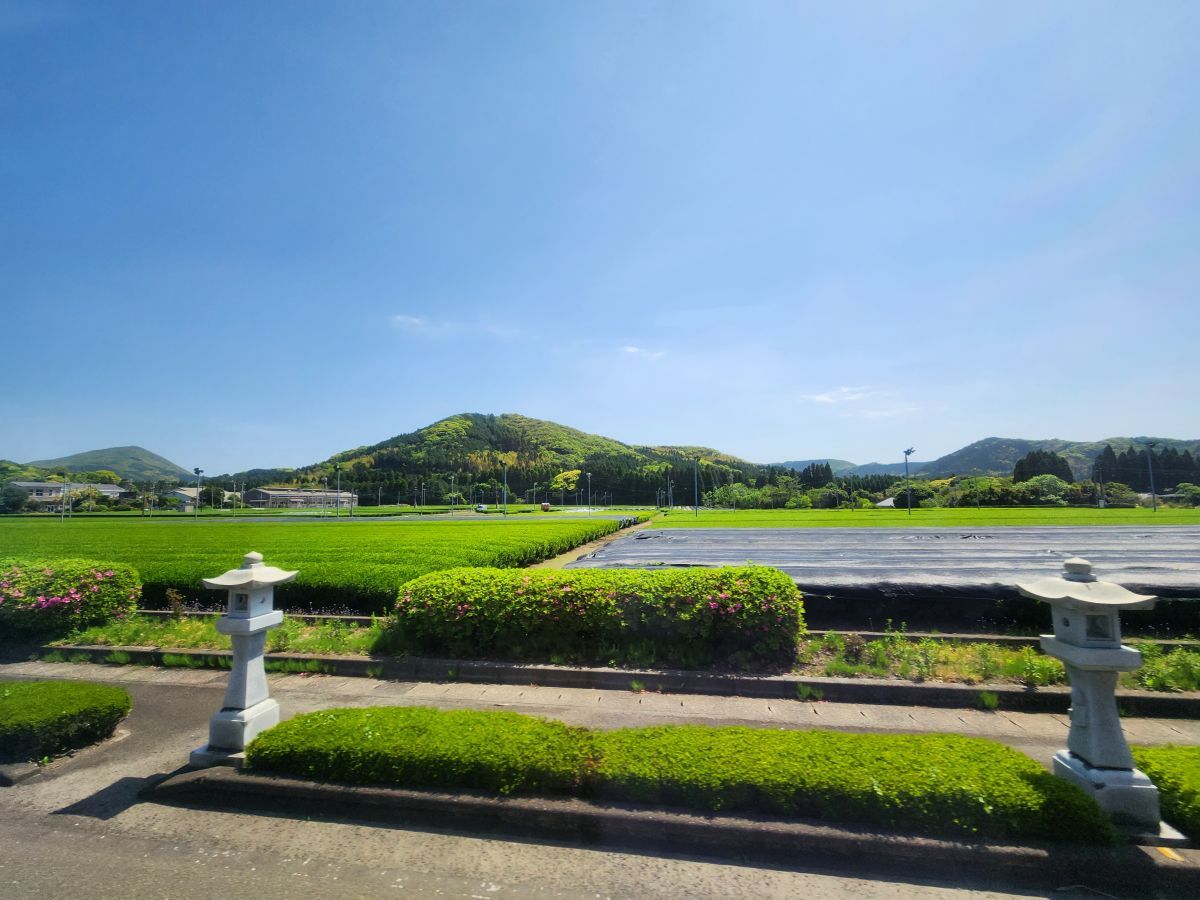
Our drive to the Samurai gardens takes us through tea leaf fields, vibrantly green bushes behind the now ubiquitous stone lanterns, and into the cute little village where we park the bus and head into the samurai gardens.
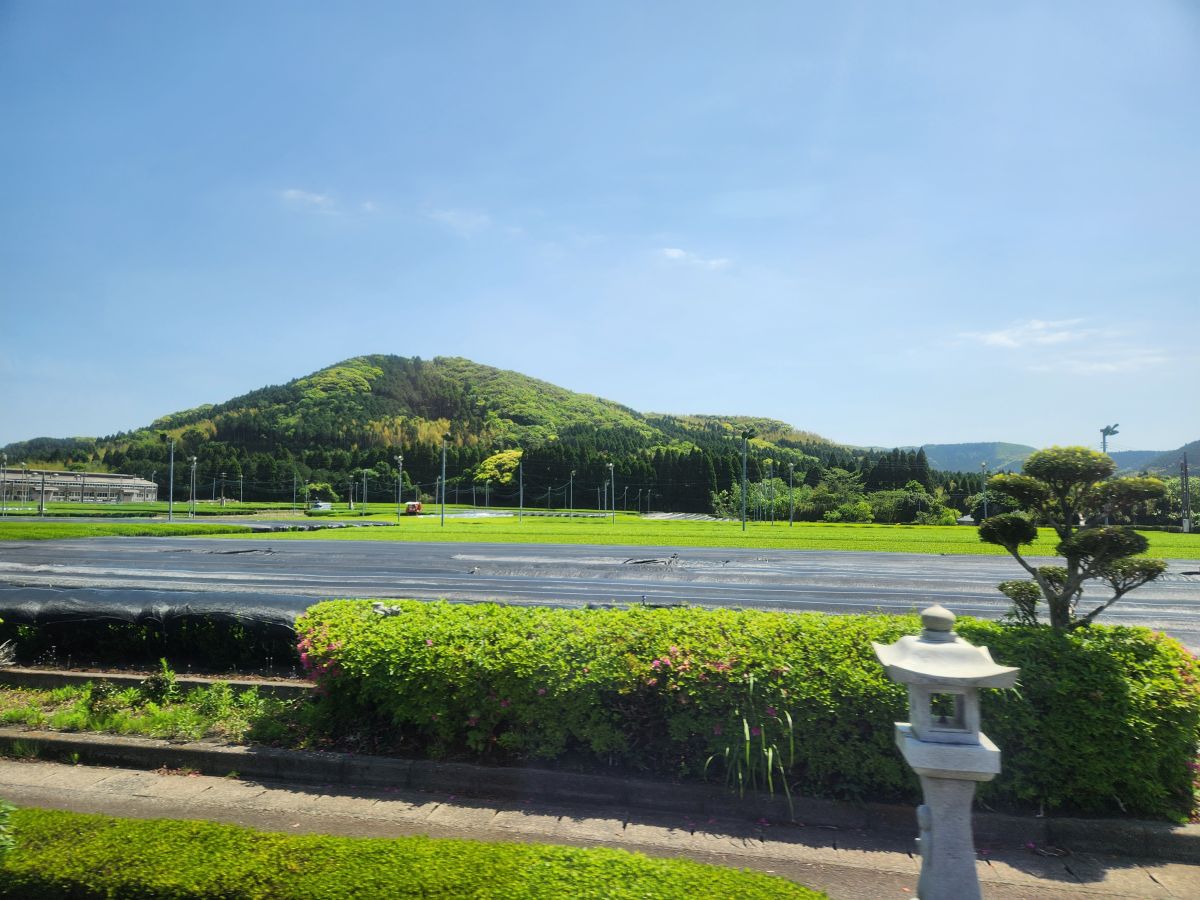
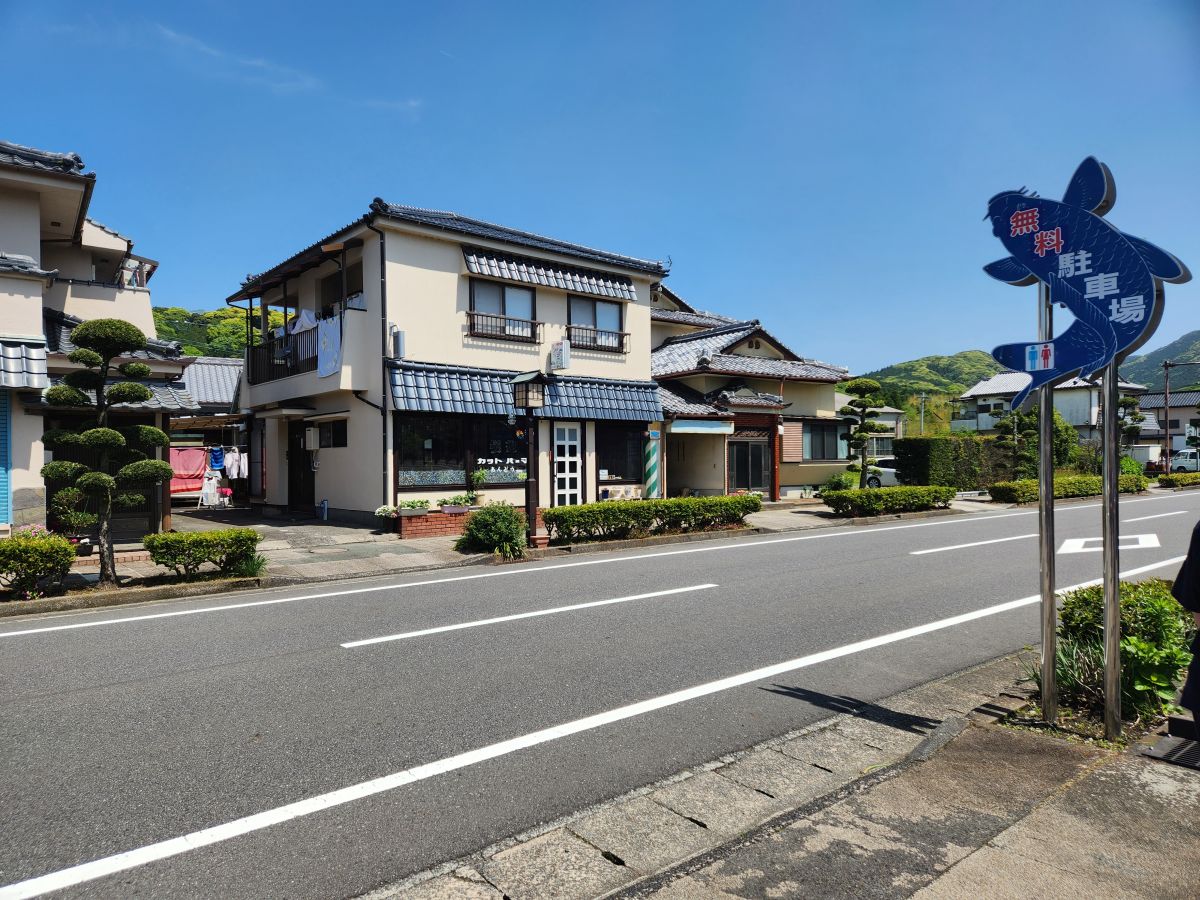
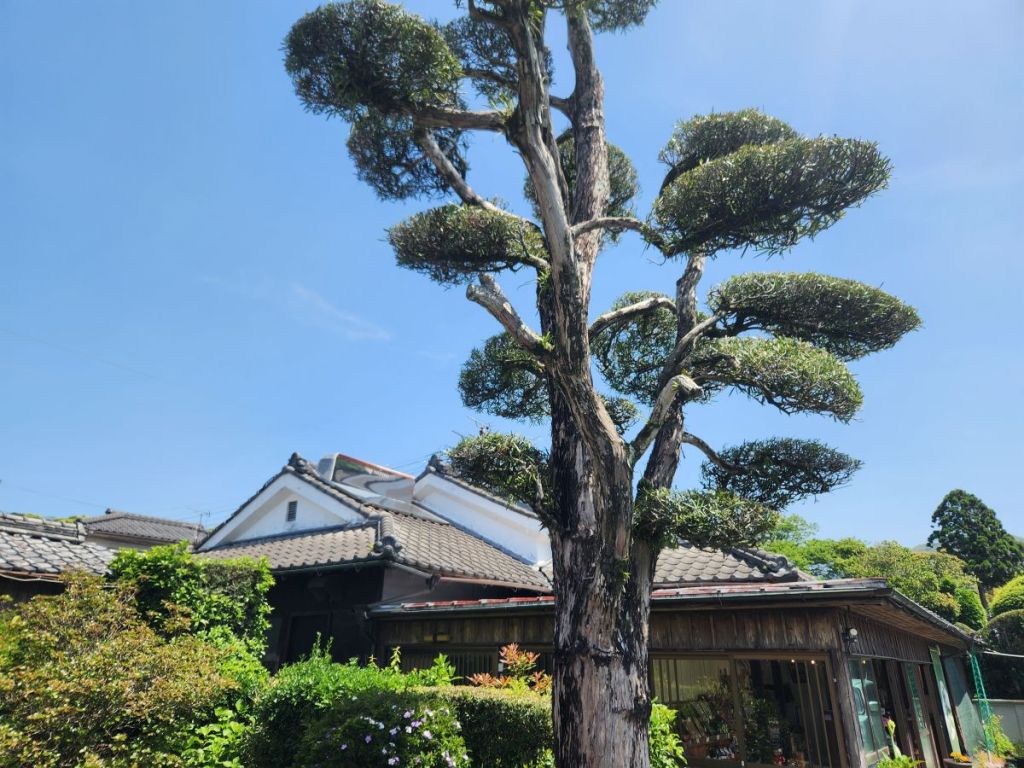
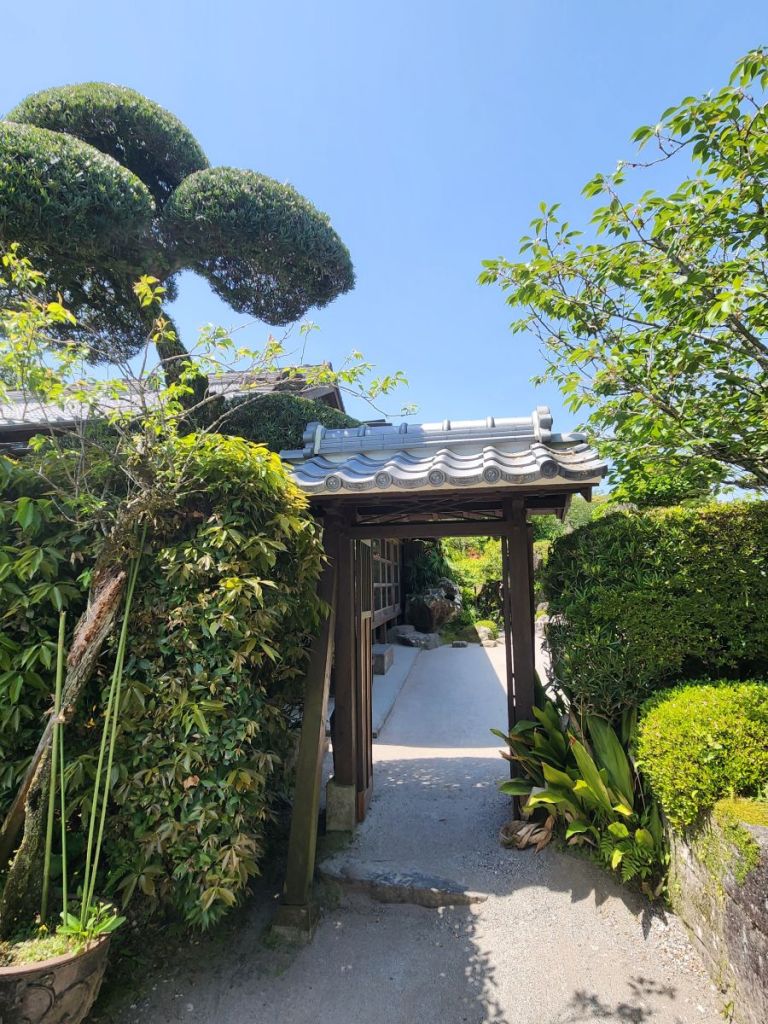
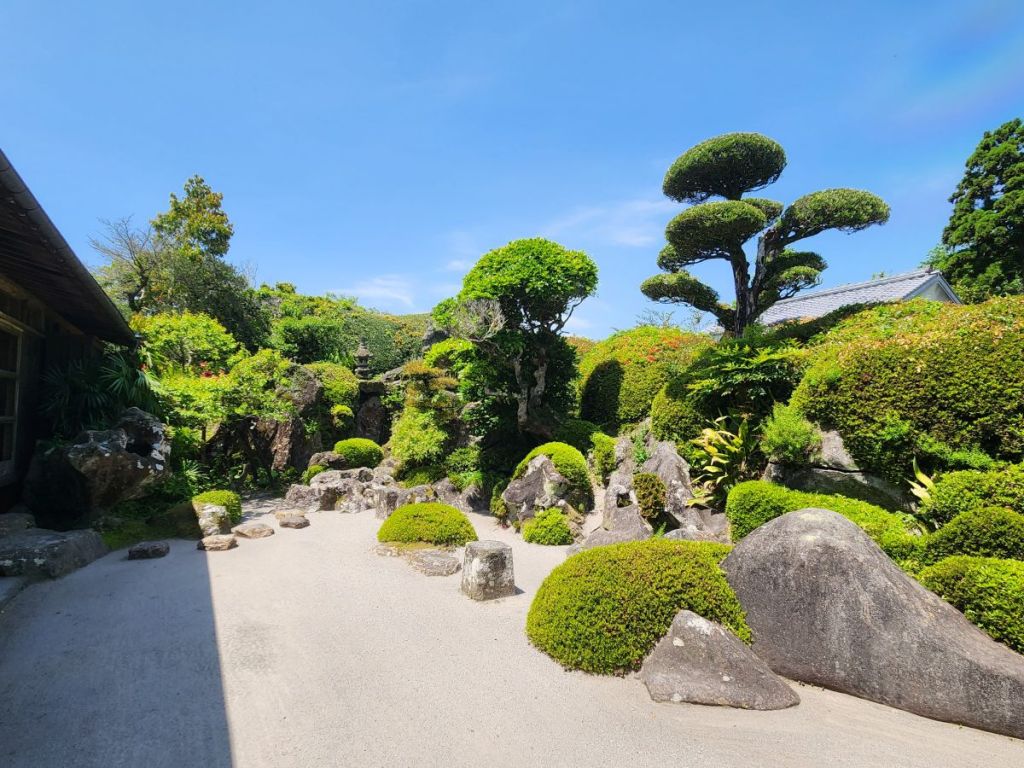
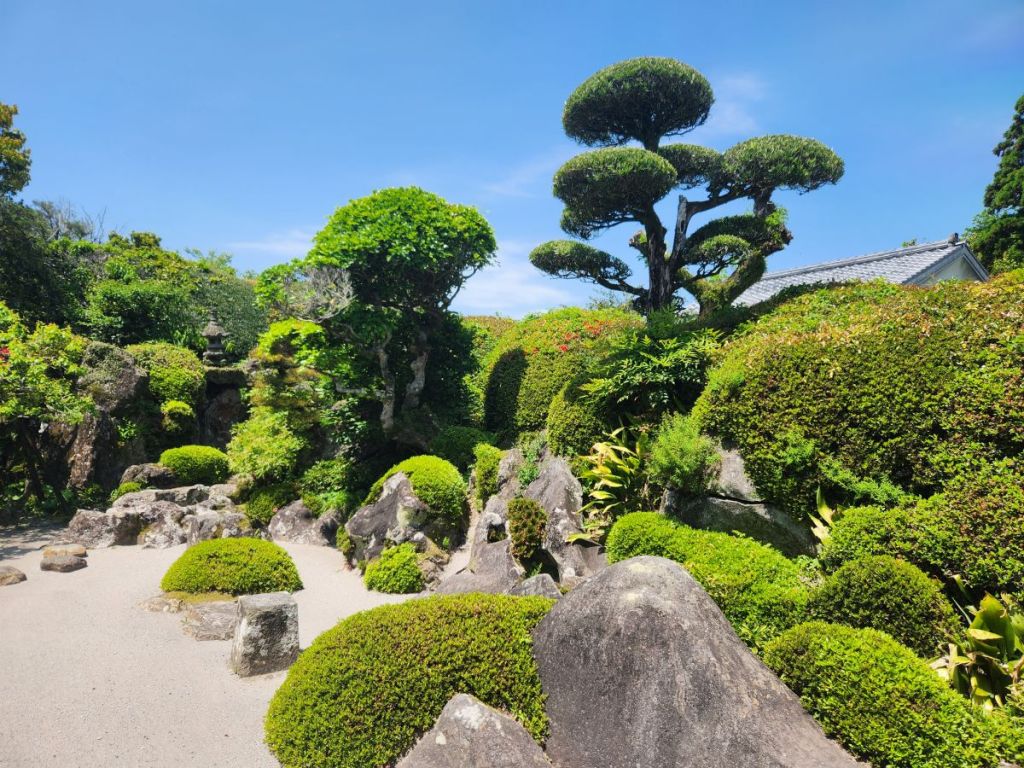
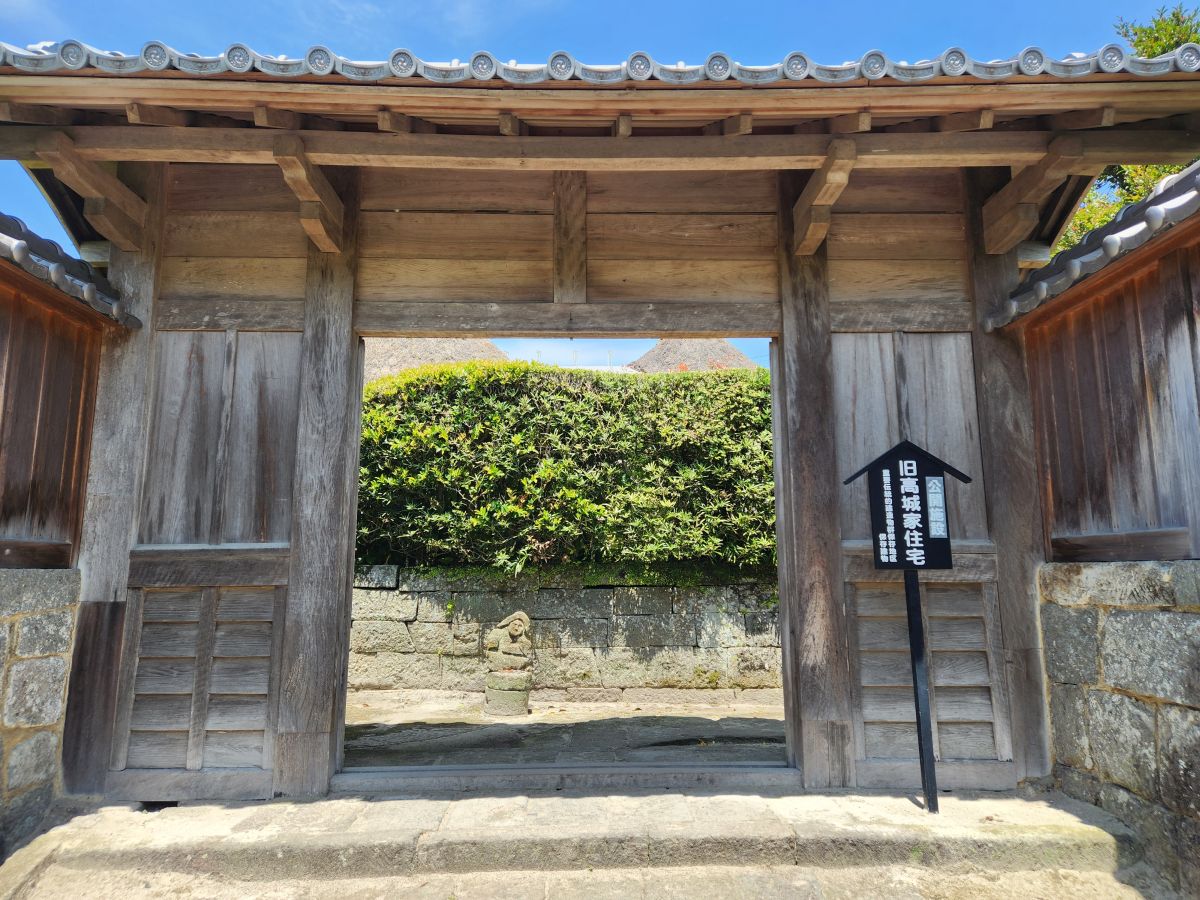
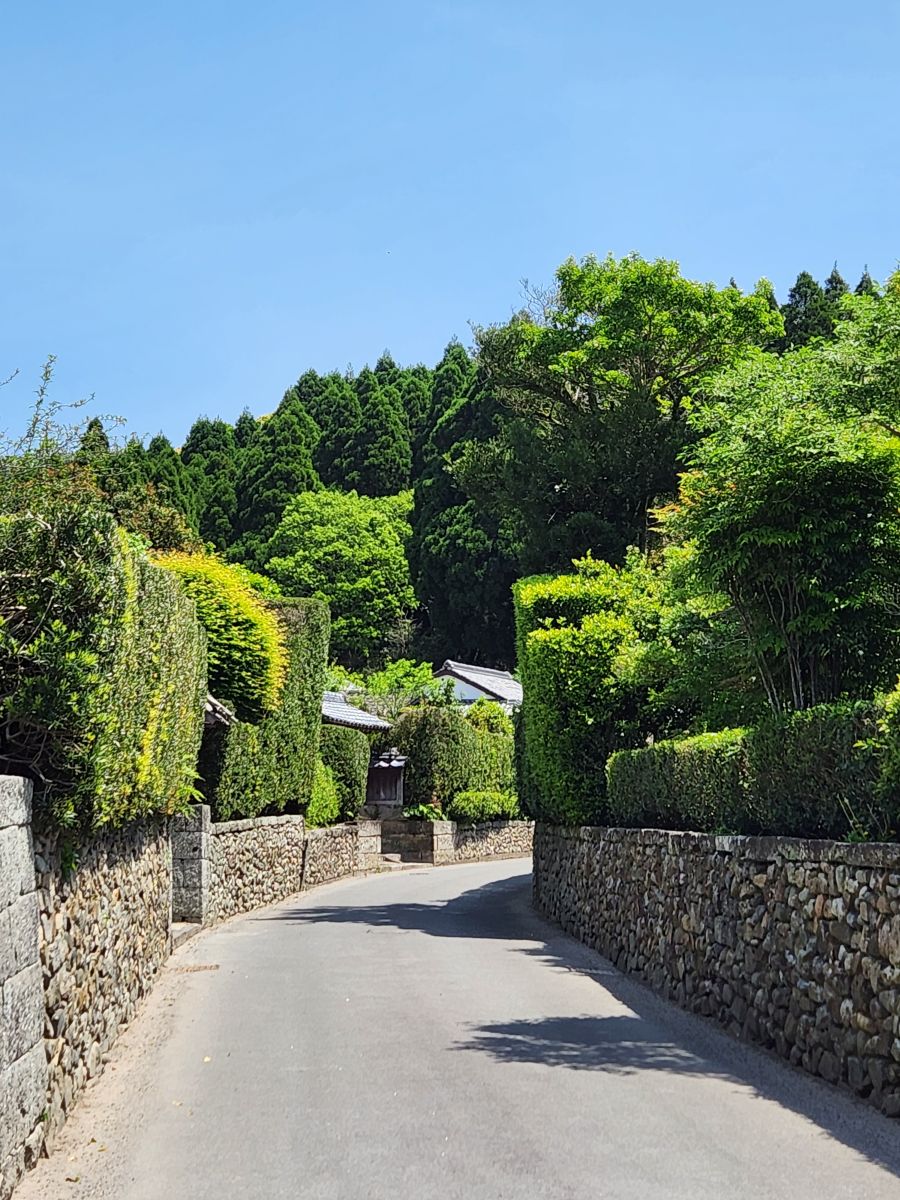
This place is actually a series of 7 gardens of varying types that branches off this pretty lane lined with stone walls and lots of vegetation. Each garden has an accompanying house (which is now private and off limits) that originally housed a samurai, in the day.
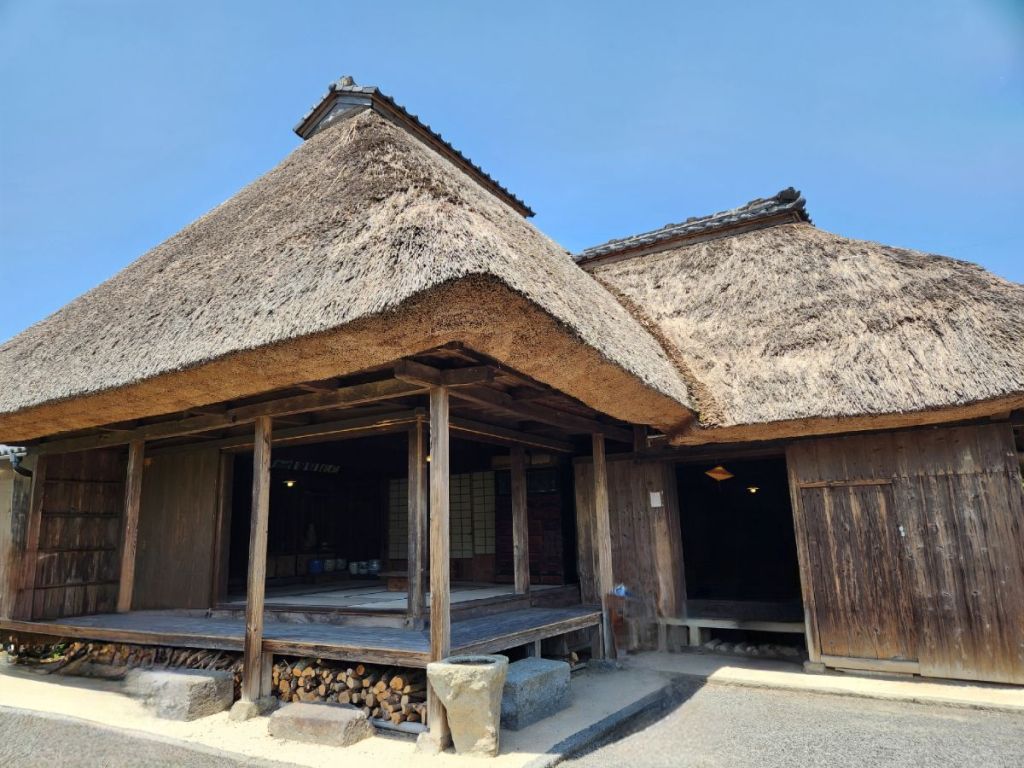
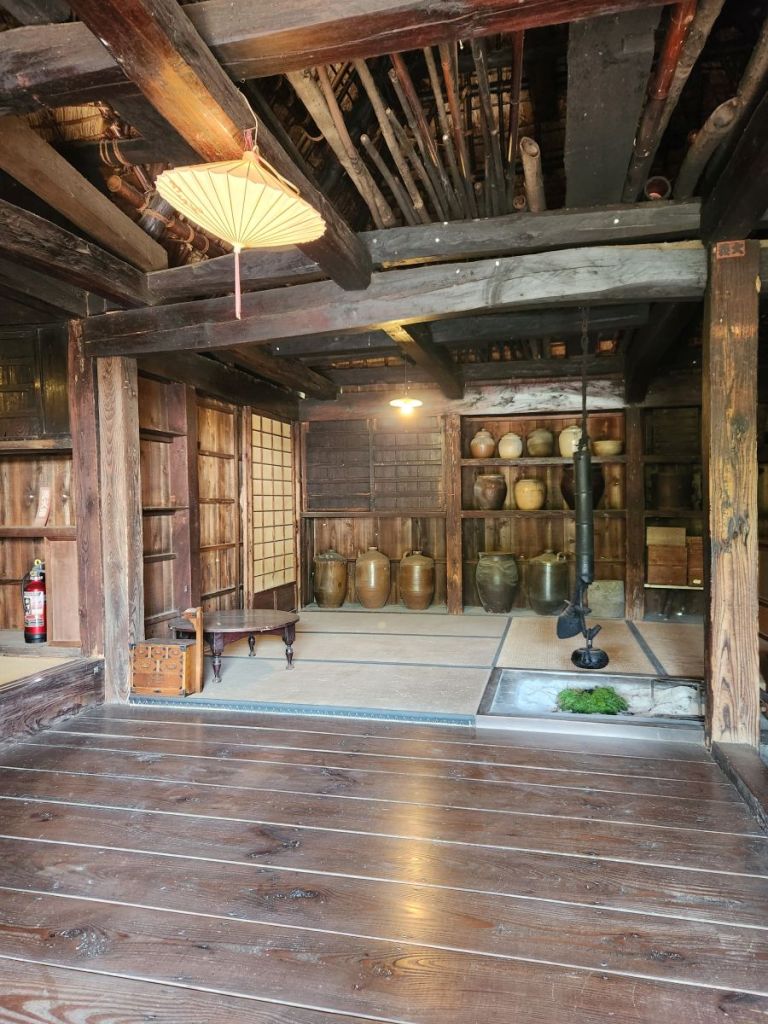
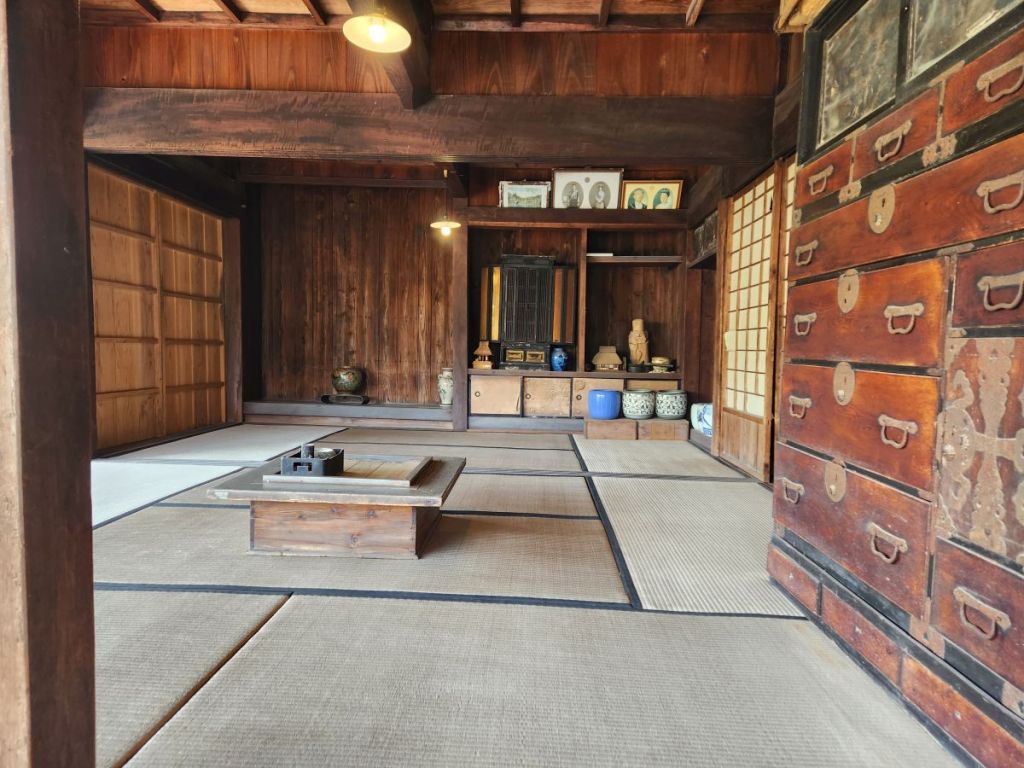
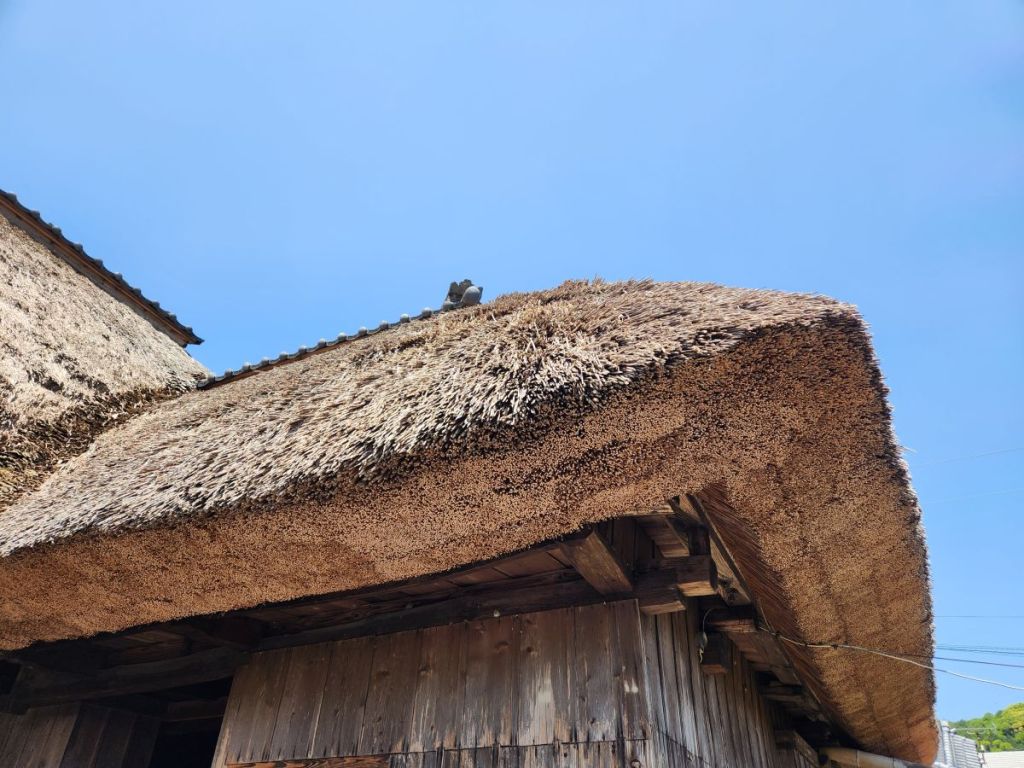
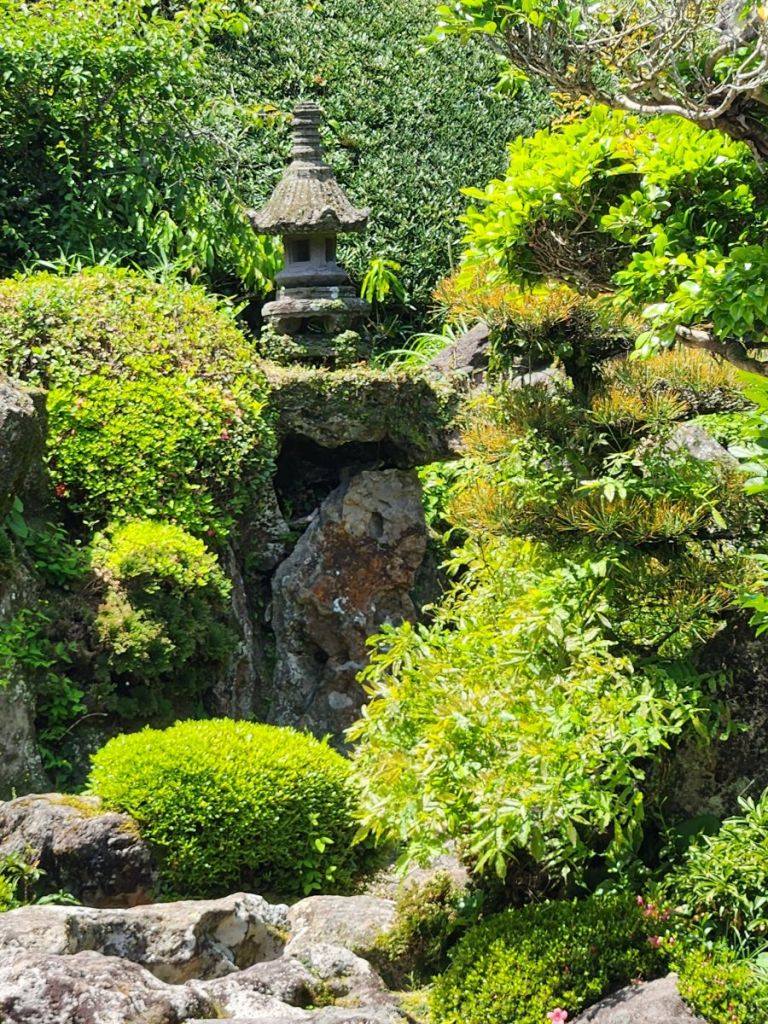
There are a couple of display houses, one of which is a Futatsuya-style house, found only in Chiran, which we enter to see a traditional tatami mat house of the Edo period, which the thick thatched roof, wooden floors and open air design. Then we move onto the actual gardens, 4 of which we visit. I won’t bore you with all the details, you can look at the different photos below. But each garden had specific features, such as a dry waterfall with a stone lantern, huge rocks and strangely shaped stones, trimmed shrubs (azaleas that were finished blooming unfortunately) and one (only one) with a water feature. They were all really neat and different and just an excellent way to spend an afternoon (or an hour in this case) meandering through the different garden designs on a beautiful sunny day.
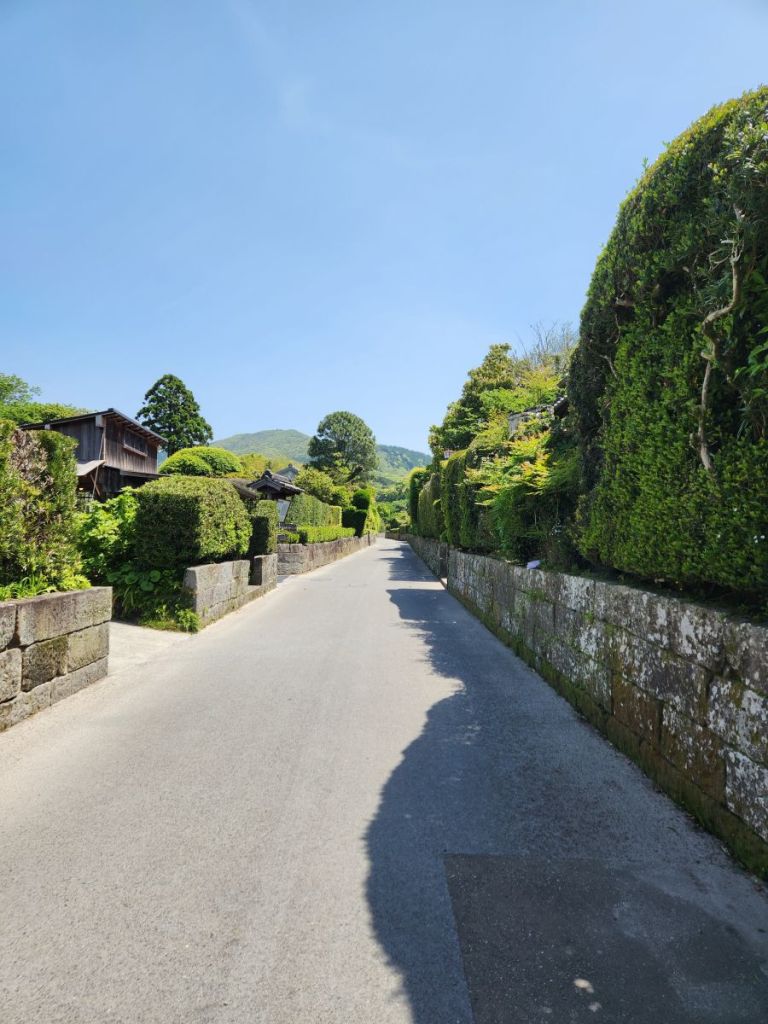
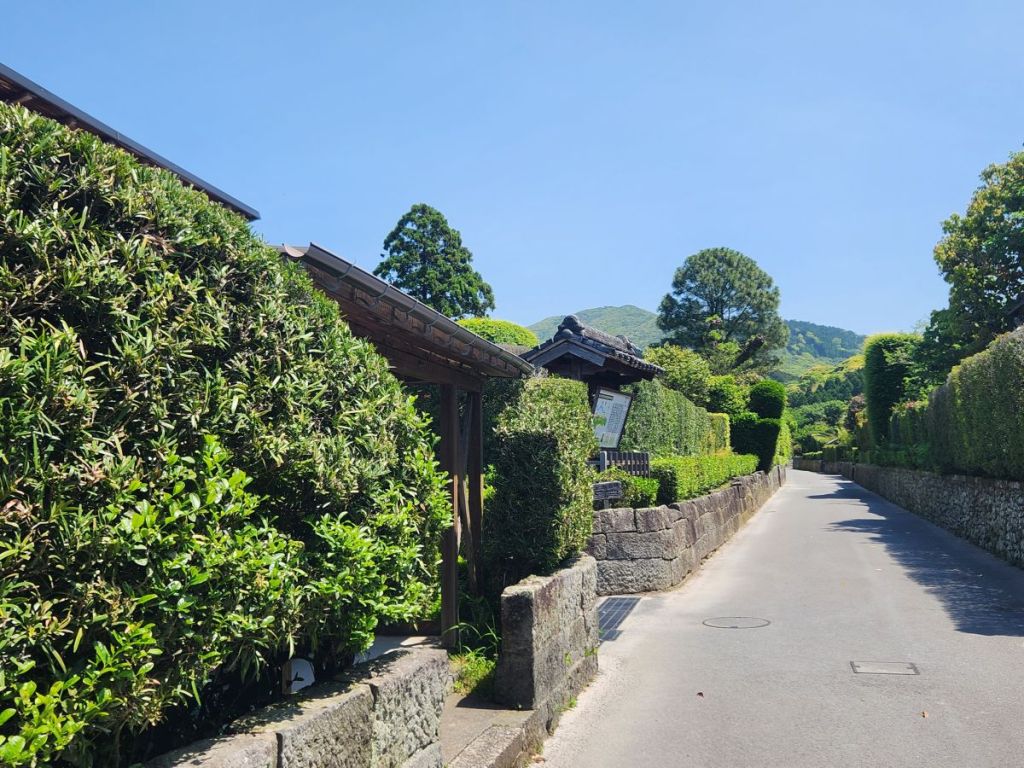
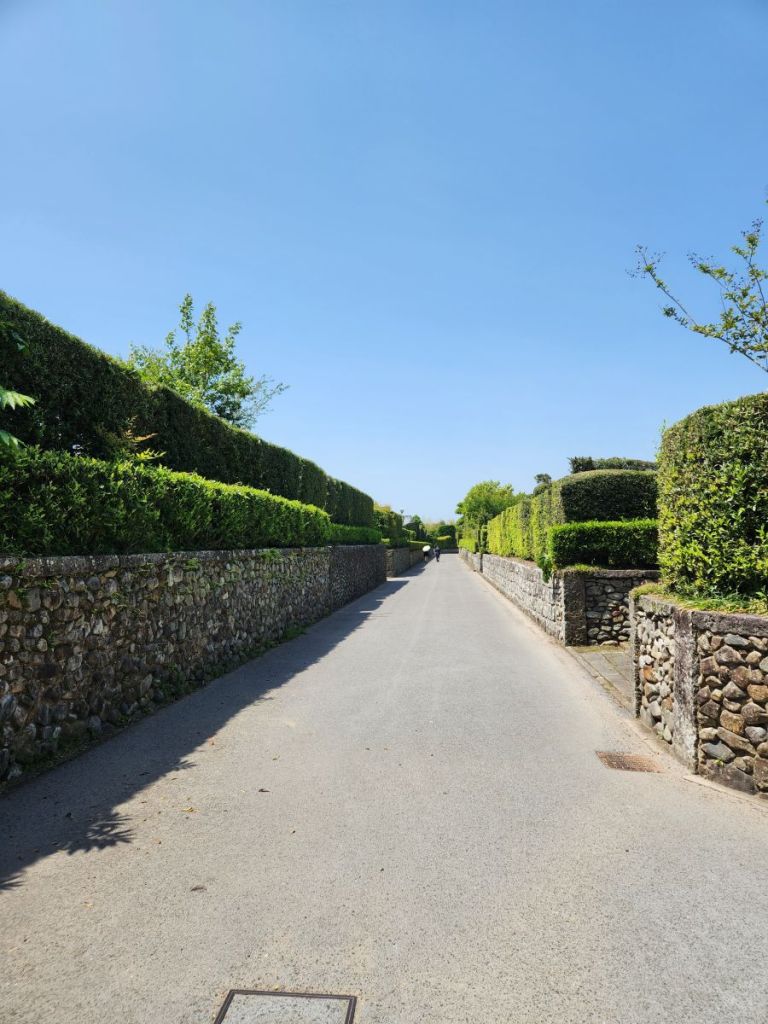
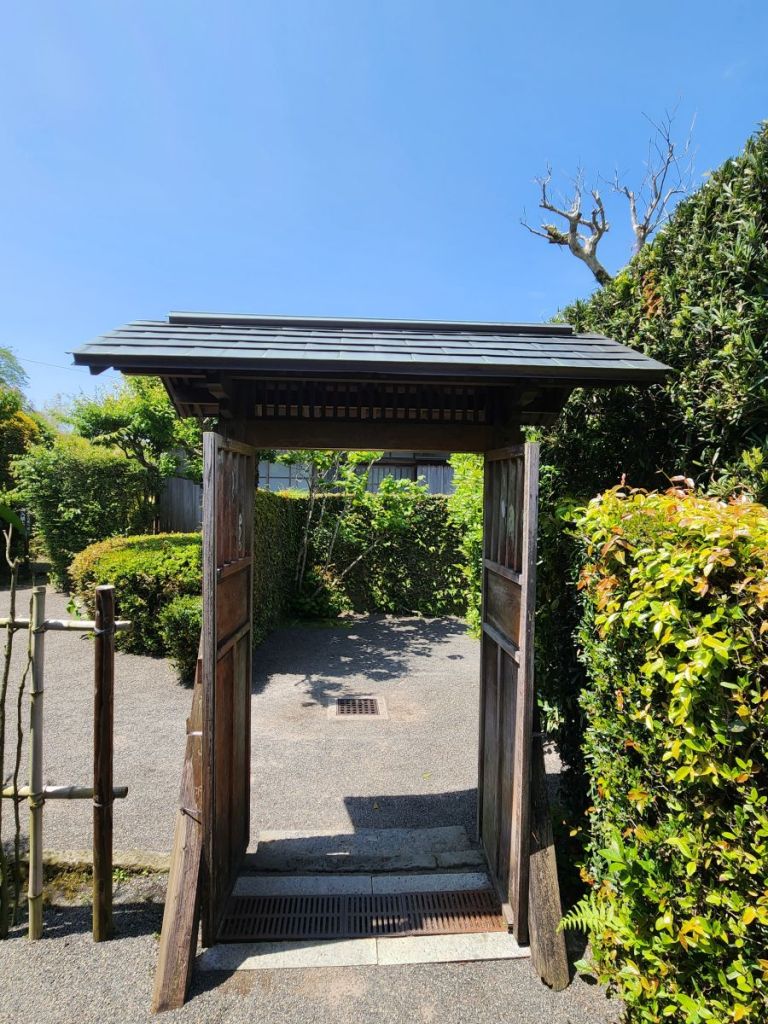
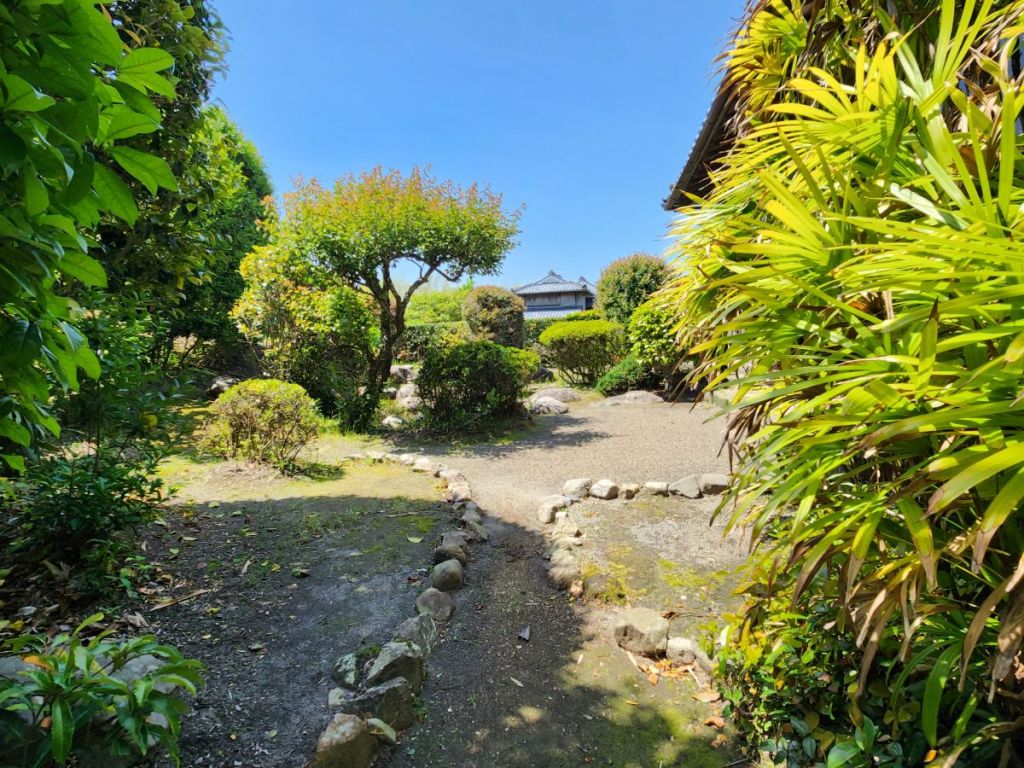
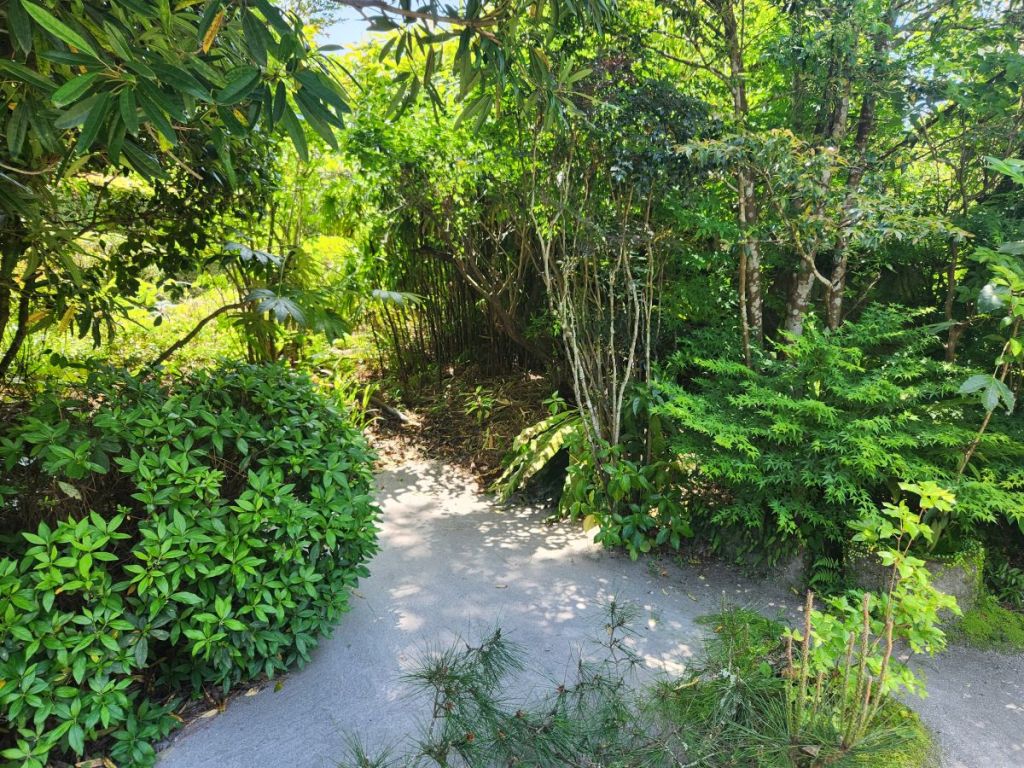
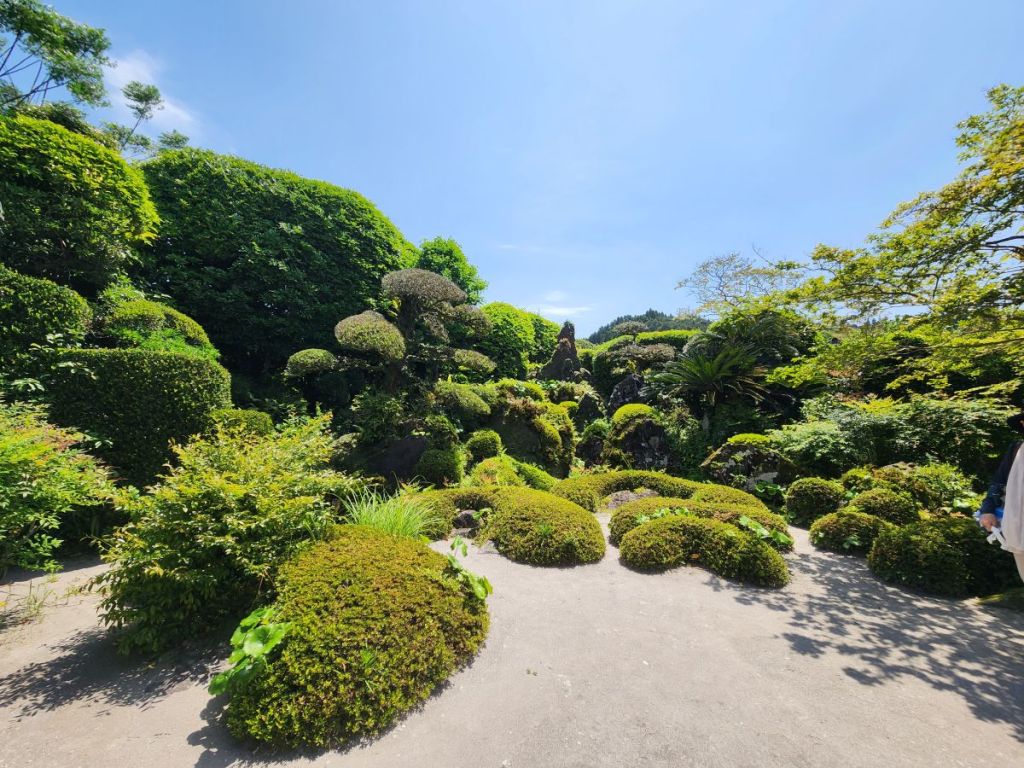
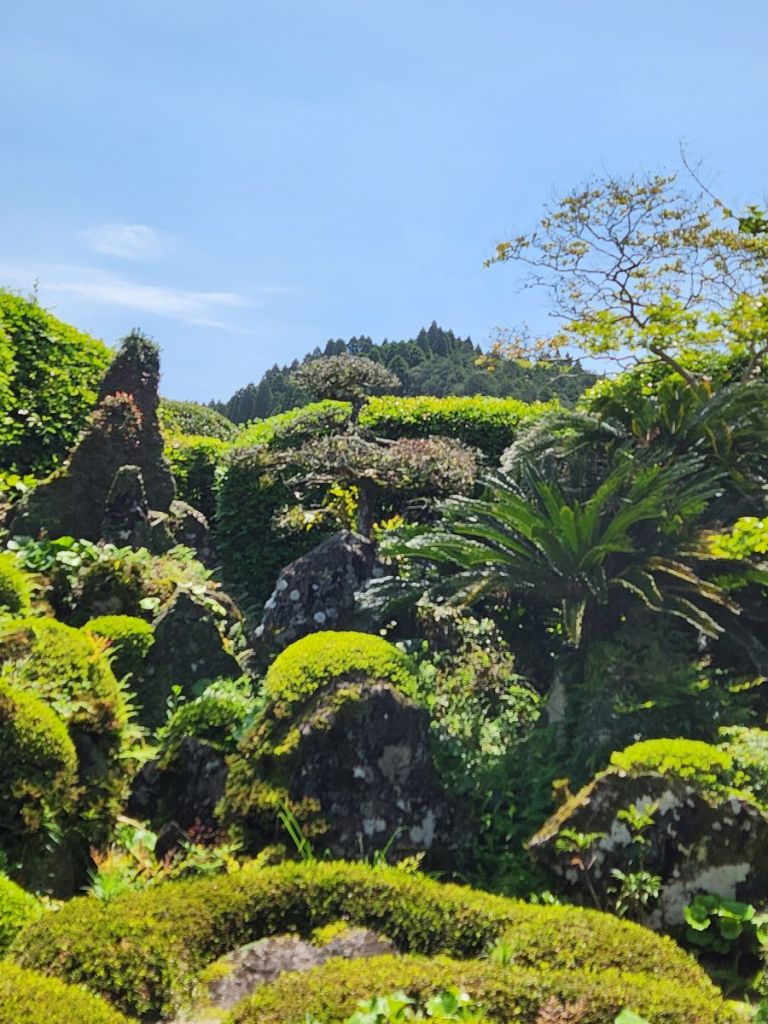
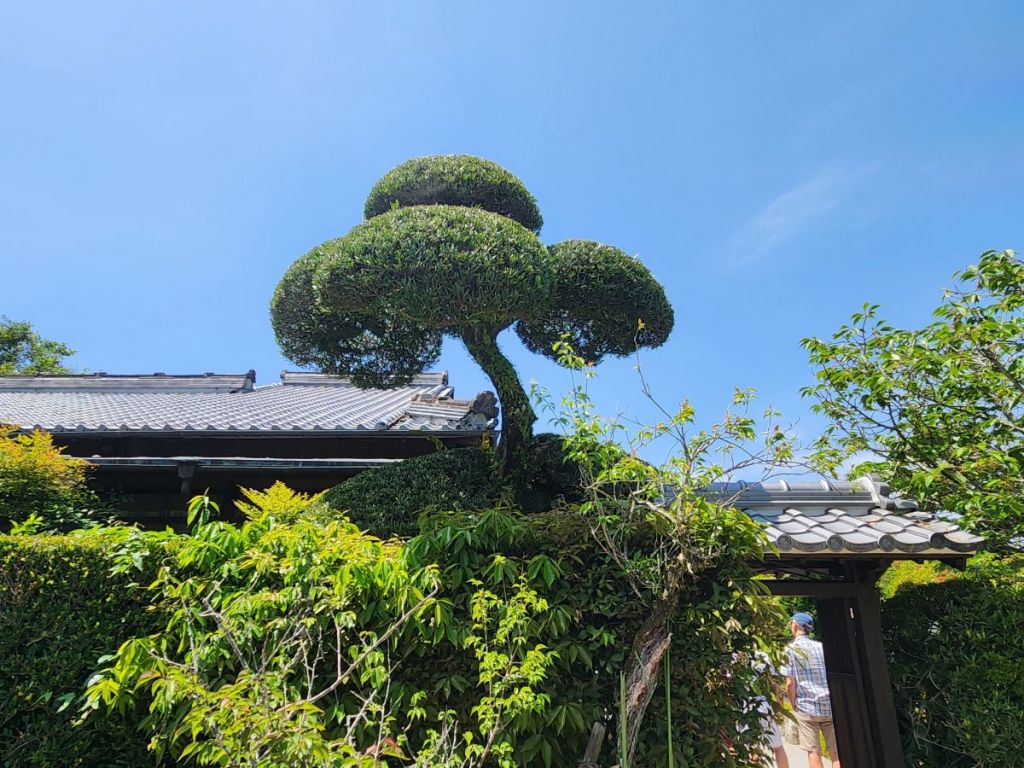
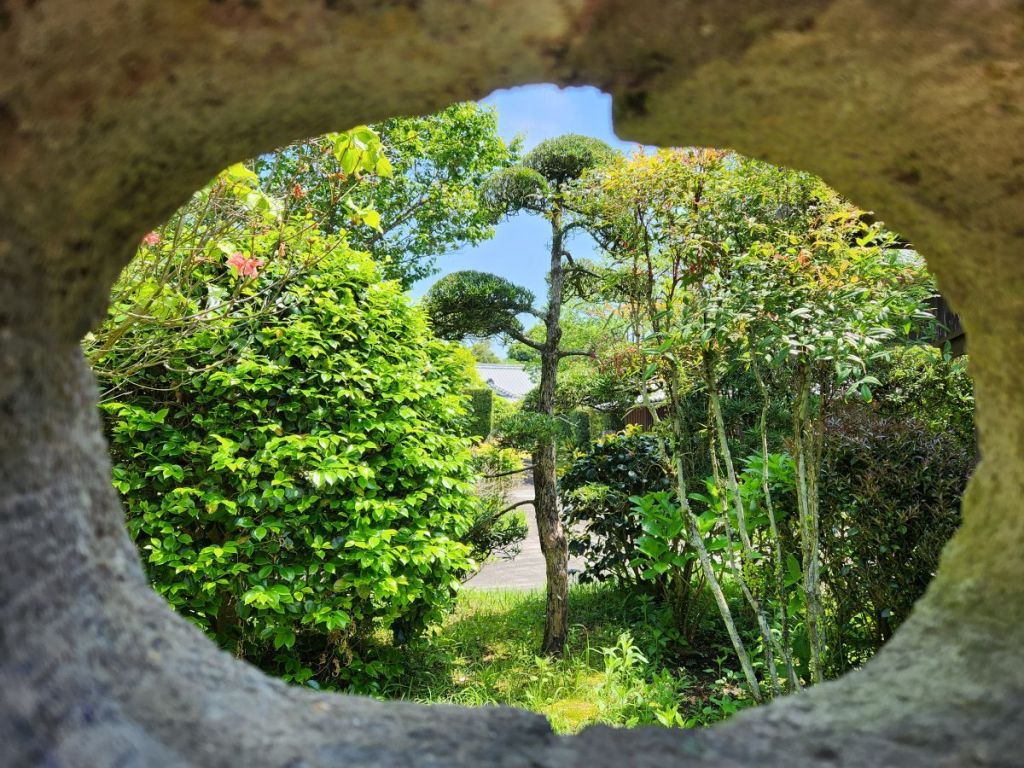
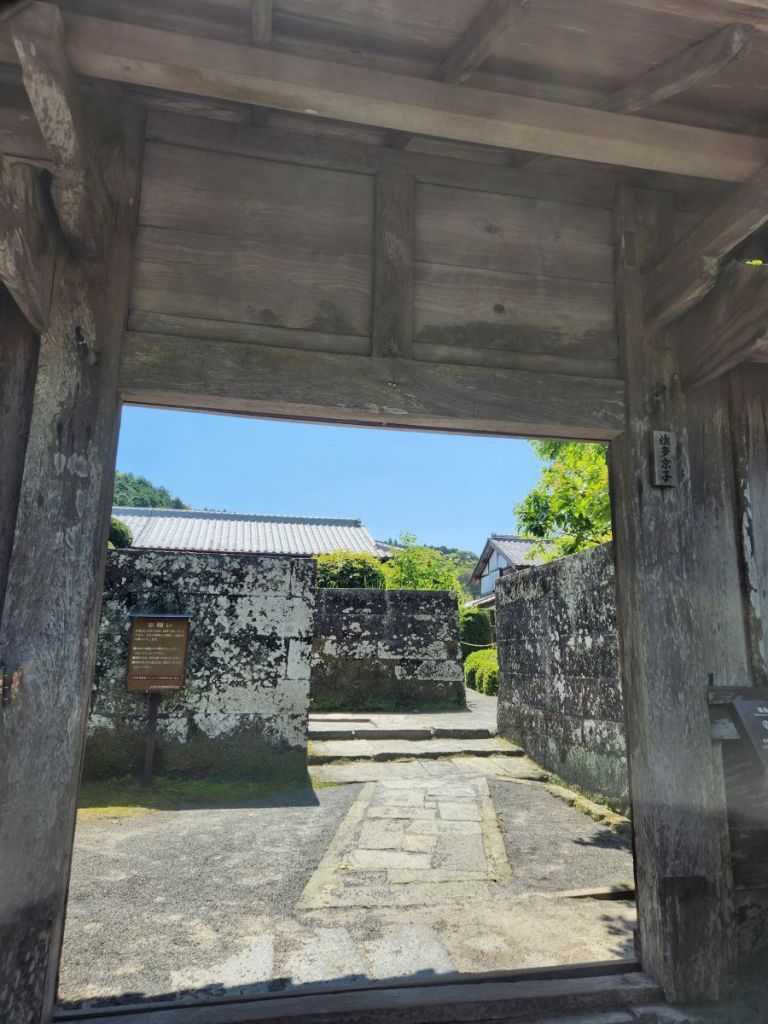
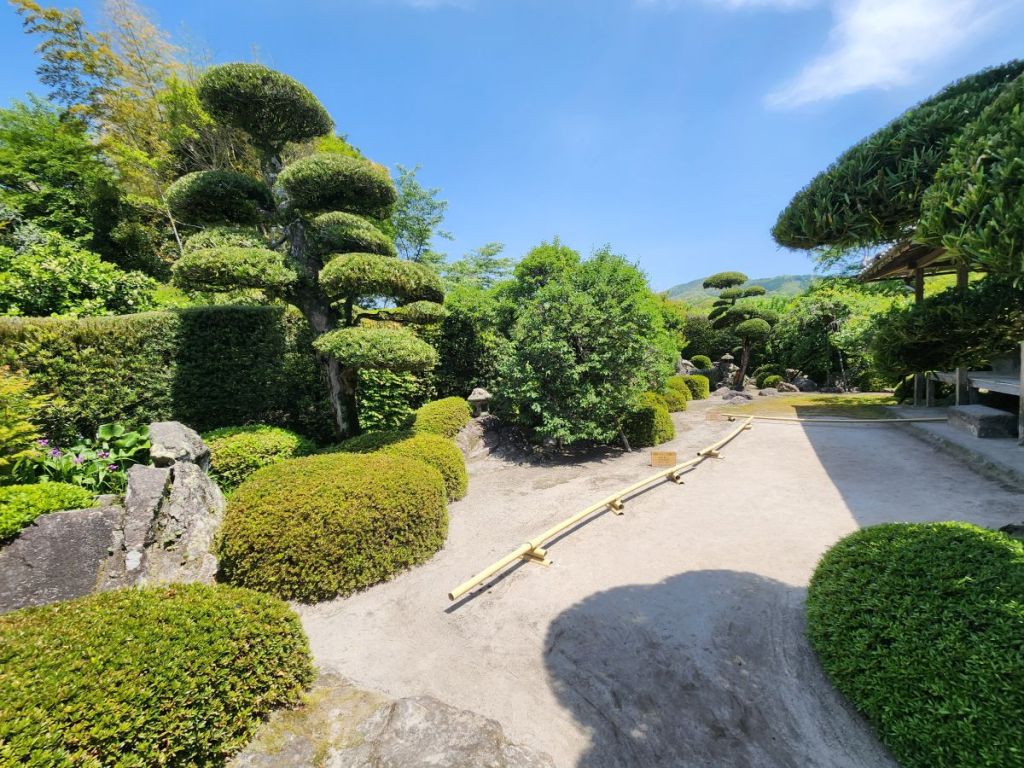
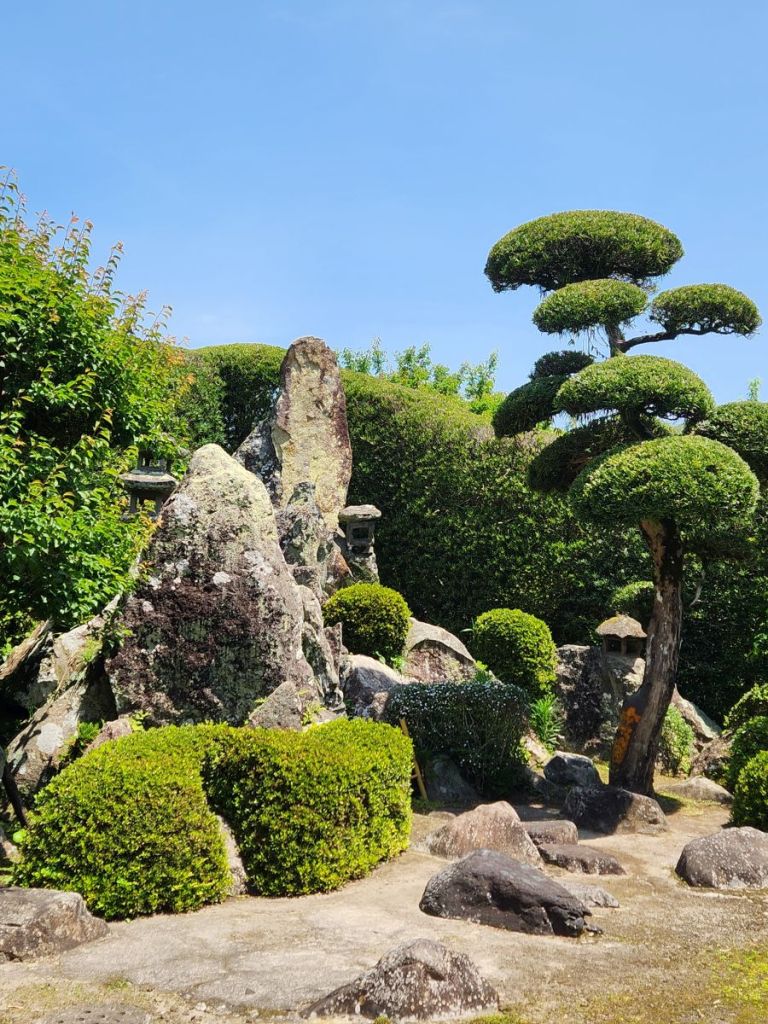
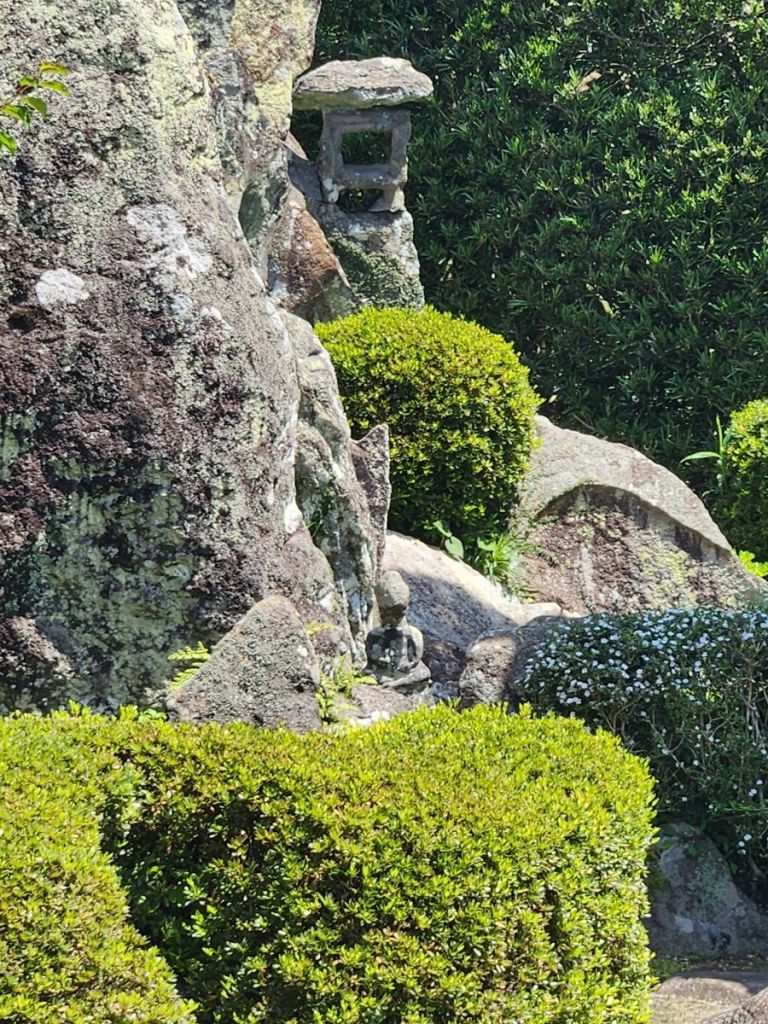
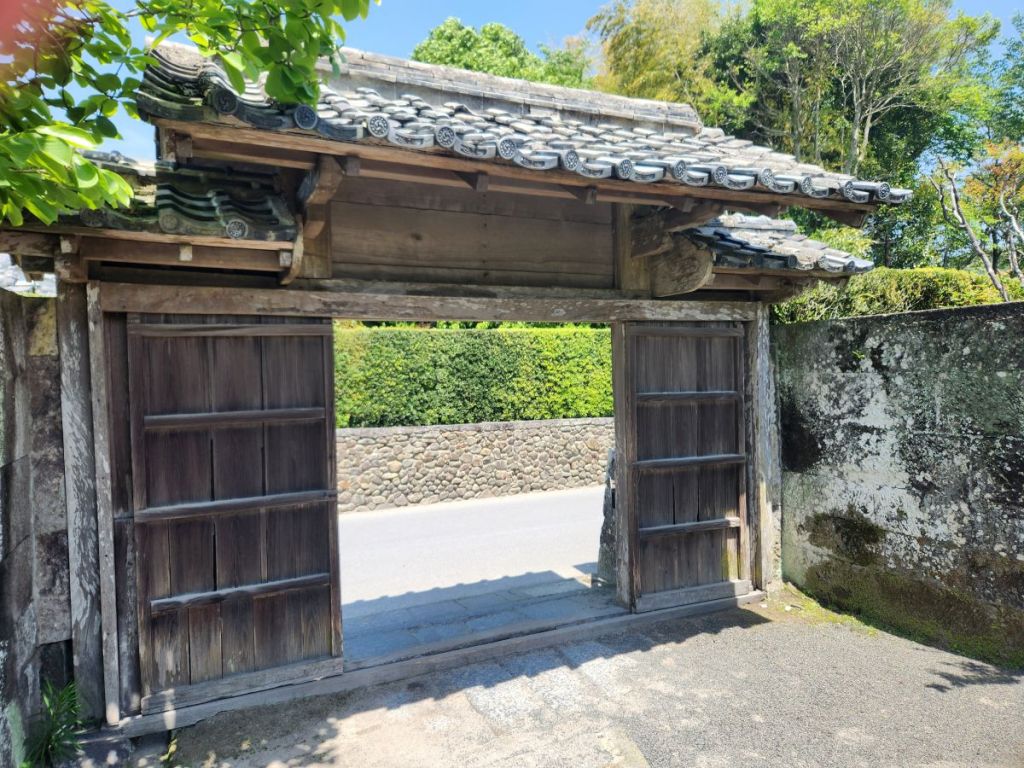
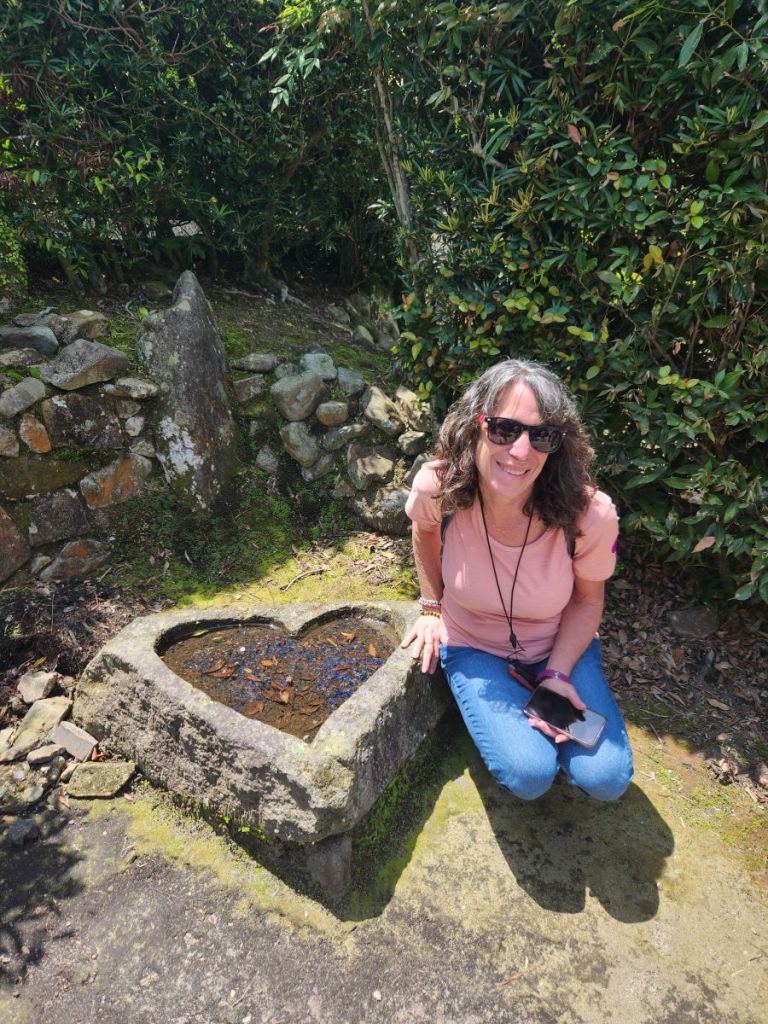
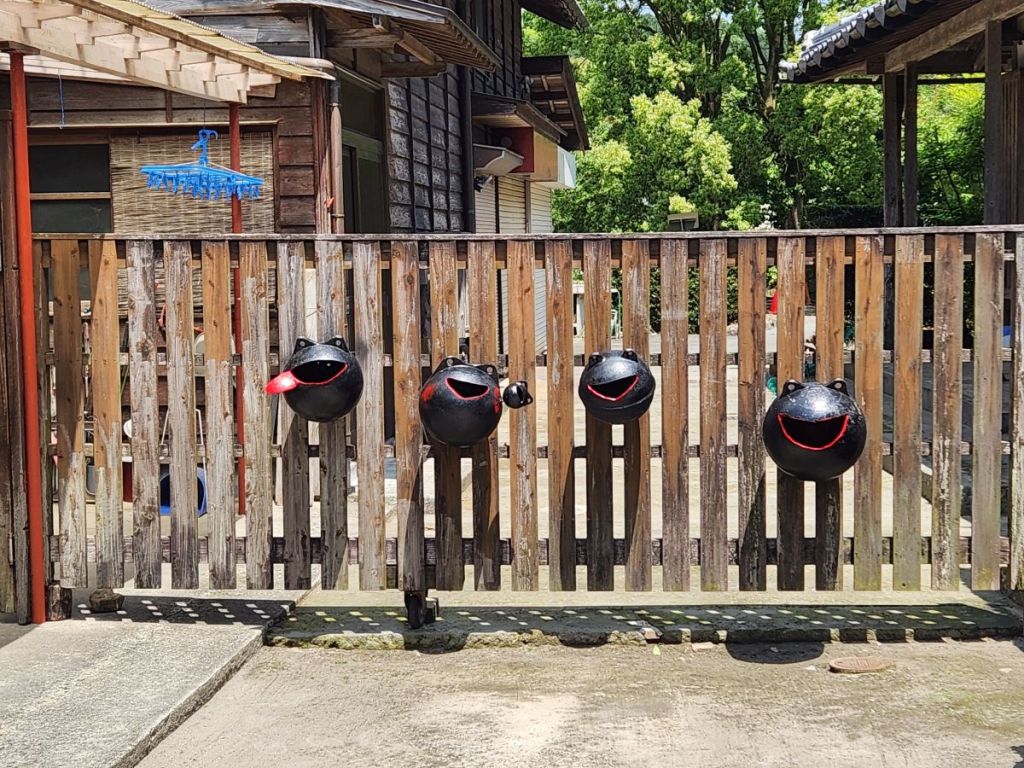
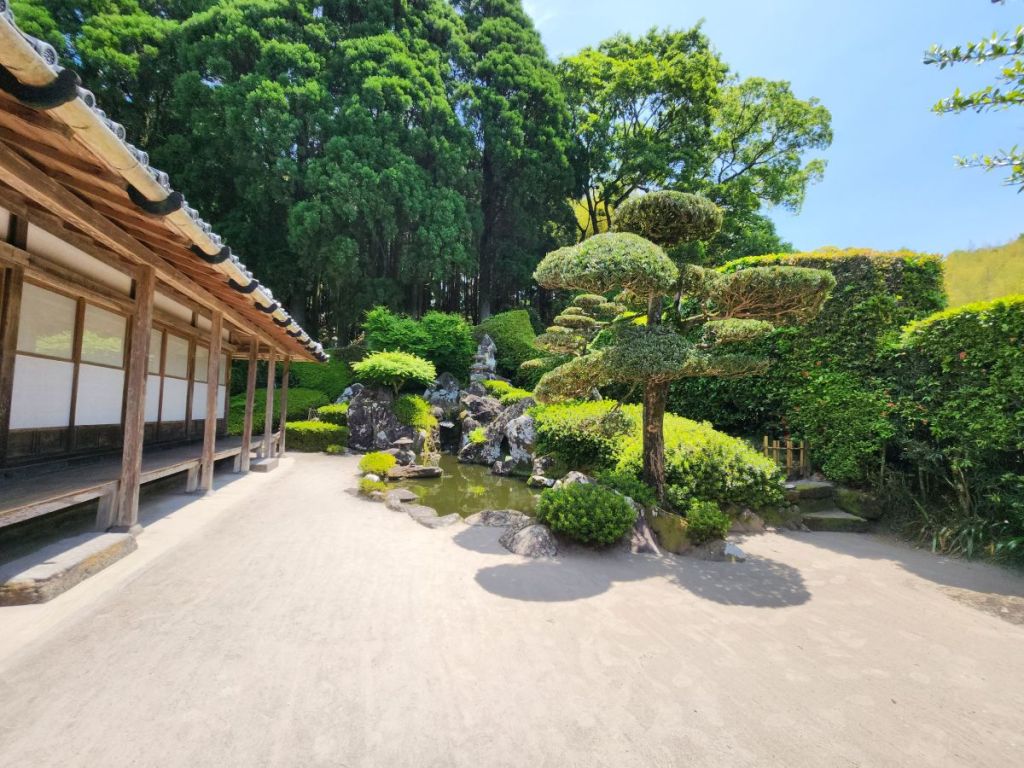
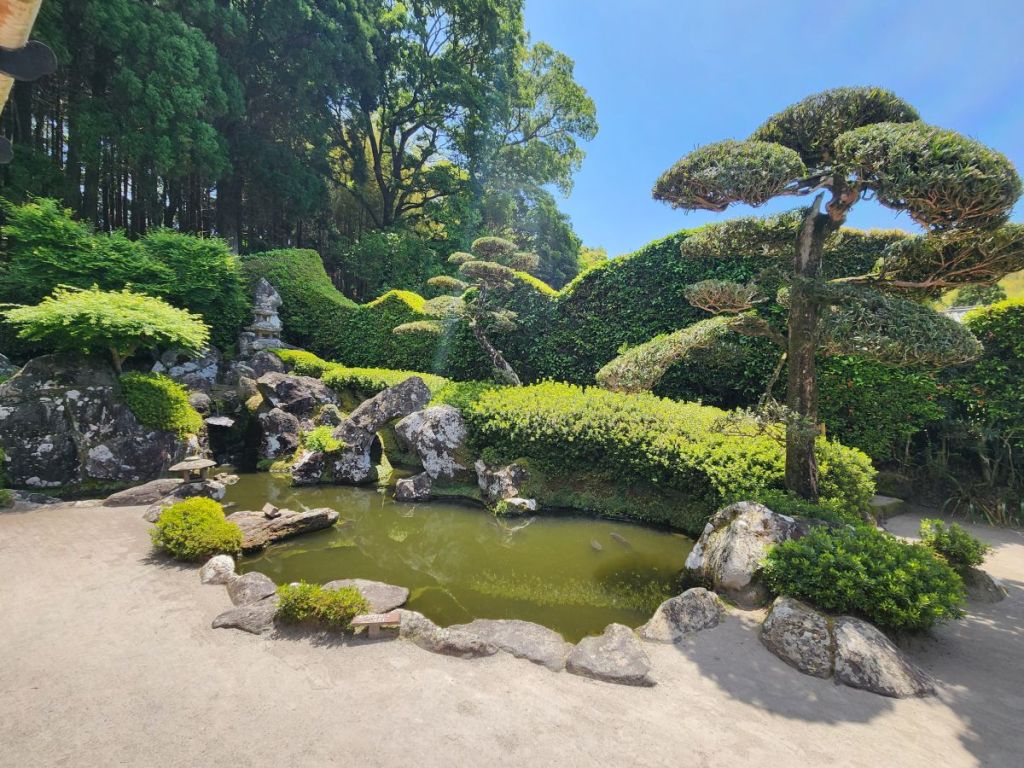
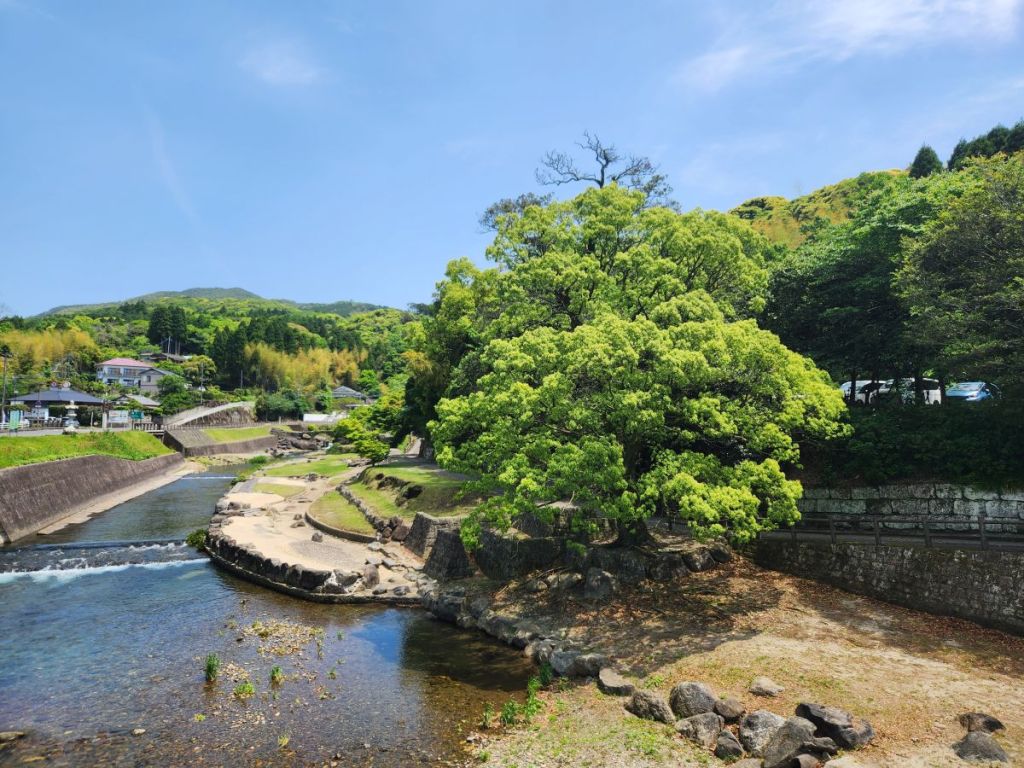
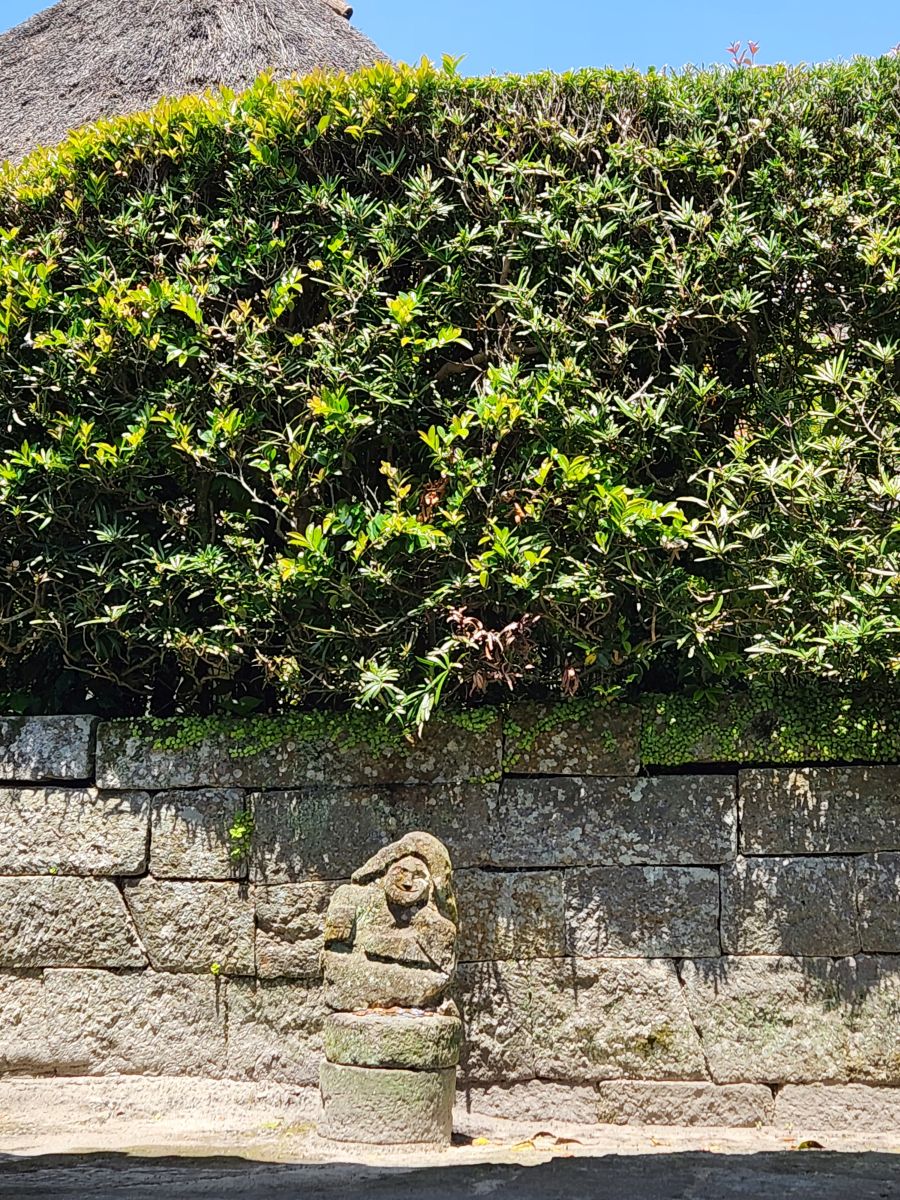
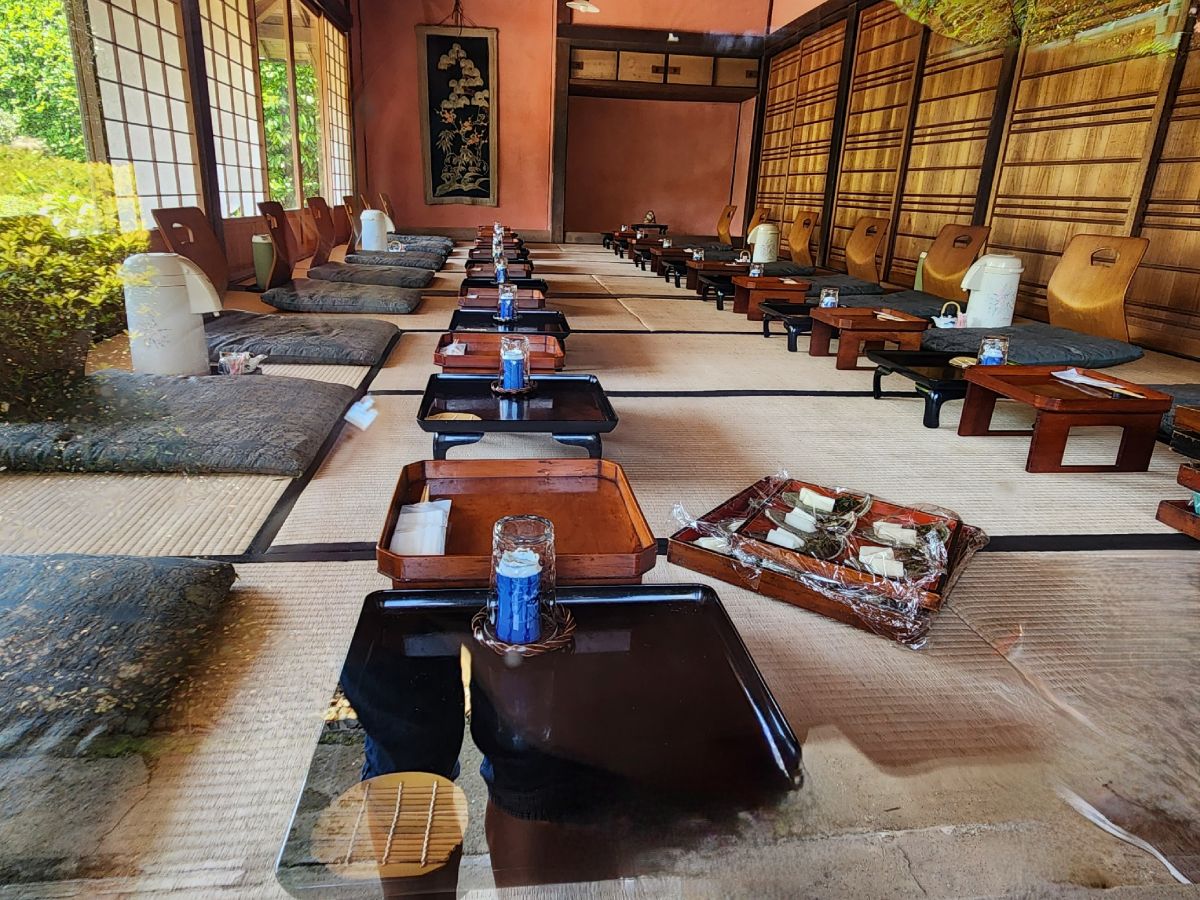
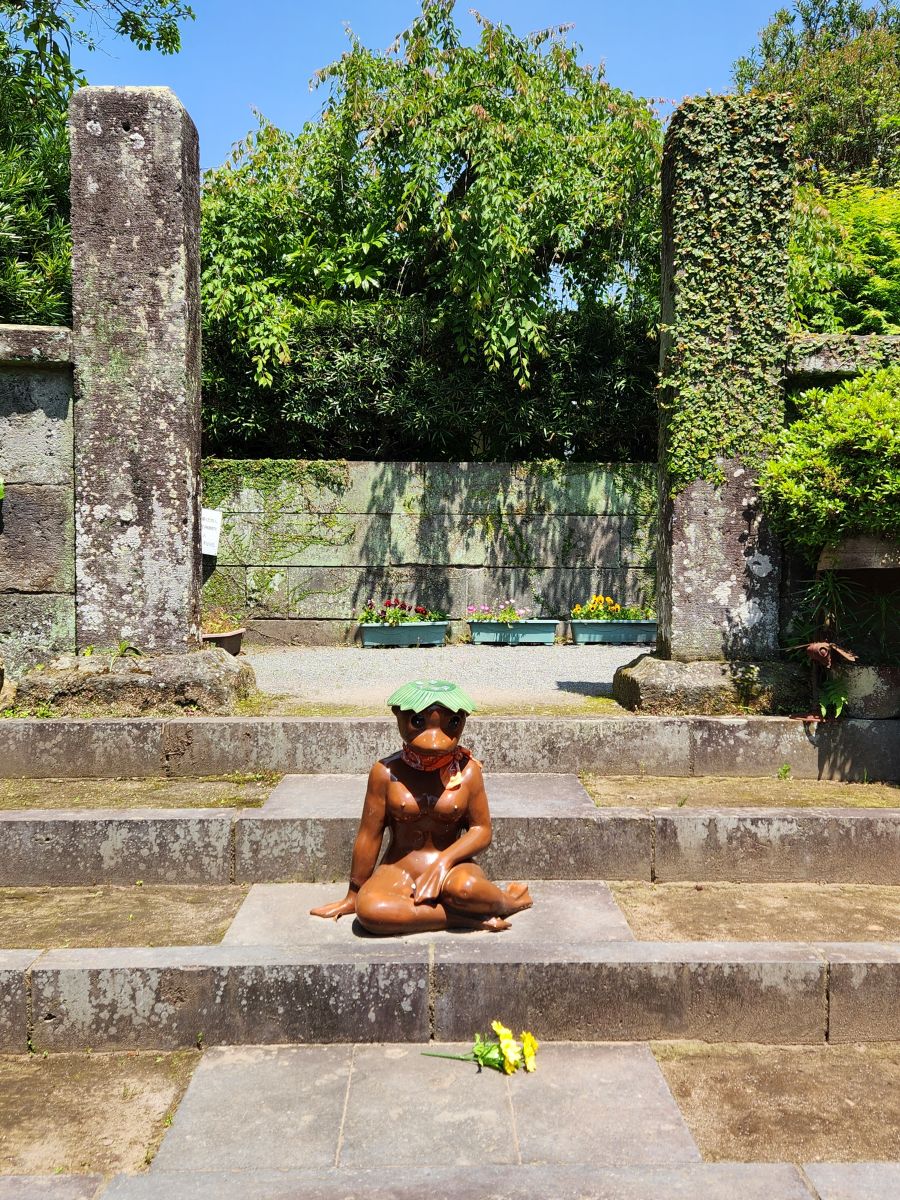
Walking down the pretty lane, Tomoko finds an event hall sort of house and sneaks us in to look at the house and the set up for a ceremony later. She tells us that this is a popular place for weddings and that is probably the dinner they will be having at this location later. We can only look through the windows to take pictures – which is sort of fun. We also pass this interesting frog statue….can’t even explain it – nor could Tomoko, so we’ll just leave it at the photo!
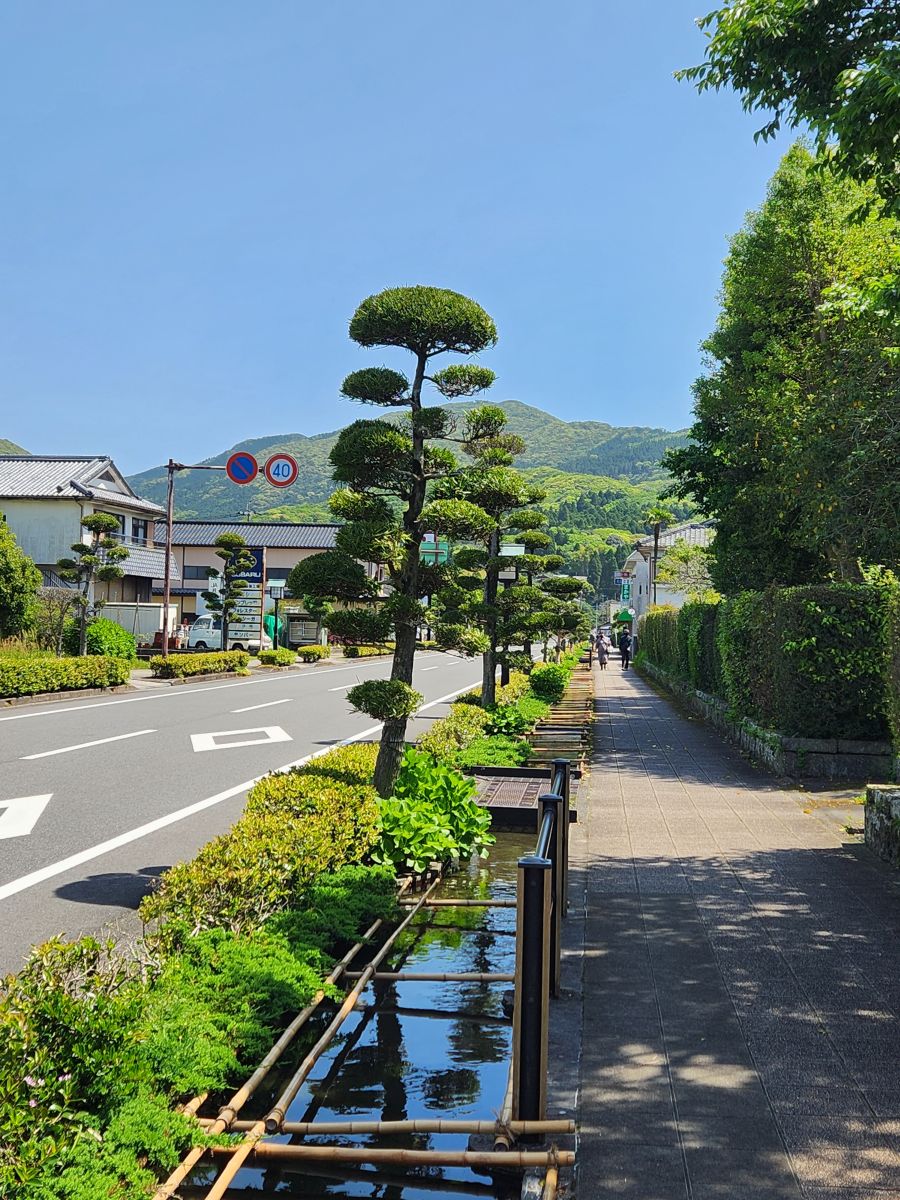
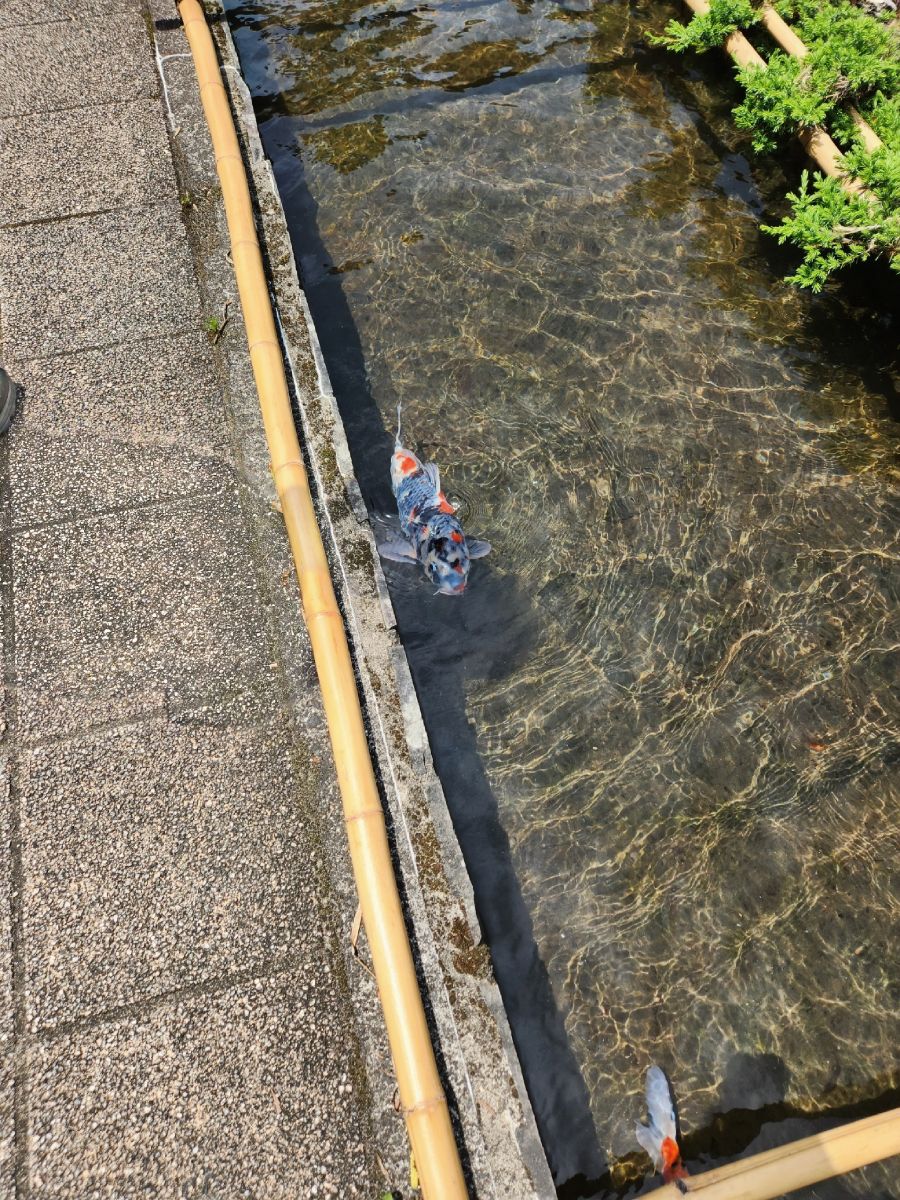
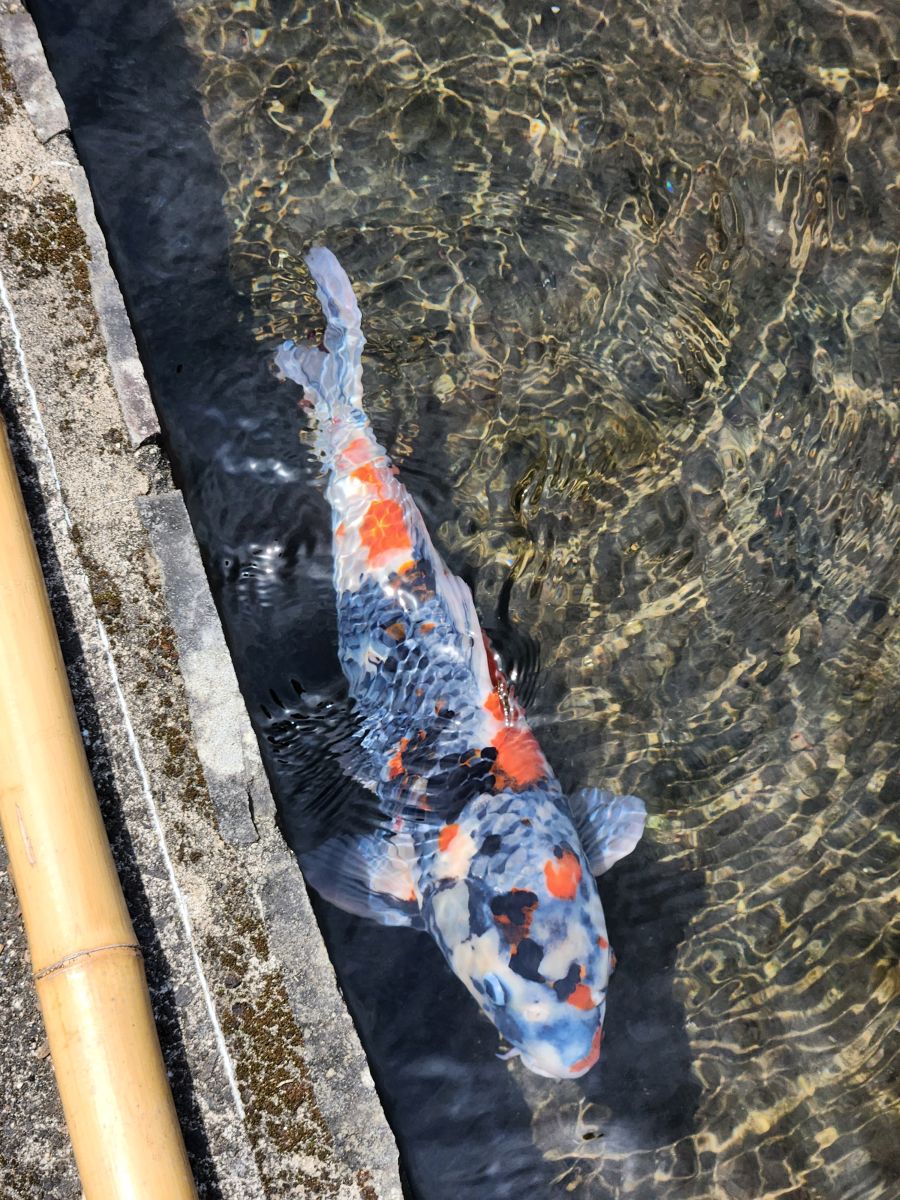
And then we are back on the main street of Chiran, walking alongside the little canal they have built into the sidewalk for Koi – which are huge and very colorful! We duck into a little store cum café to quickly buy some beer for the room (we still have Yen we have to get rid of!) and then follow Tomoko, listening on our whisperers as one of the guys complains to her that this was too much walking. What? It wasn’t even a mile on flat surfaces for God’s sake! And it was clearly spelled out in the tour description. We did notice a few people were having some issues with the teeny number of steps we had to negotiate in the gardens – some definitely had issues trying to step over a gate frame. But still. Too much walking? Ay y yi. But truly, today was a heck of a lot better than yesterday.
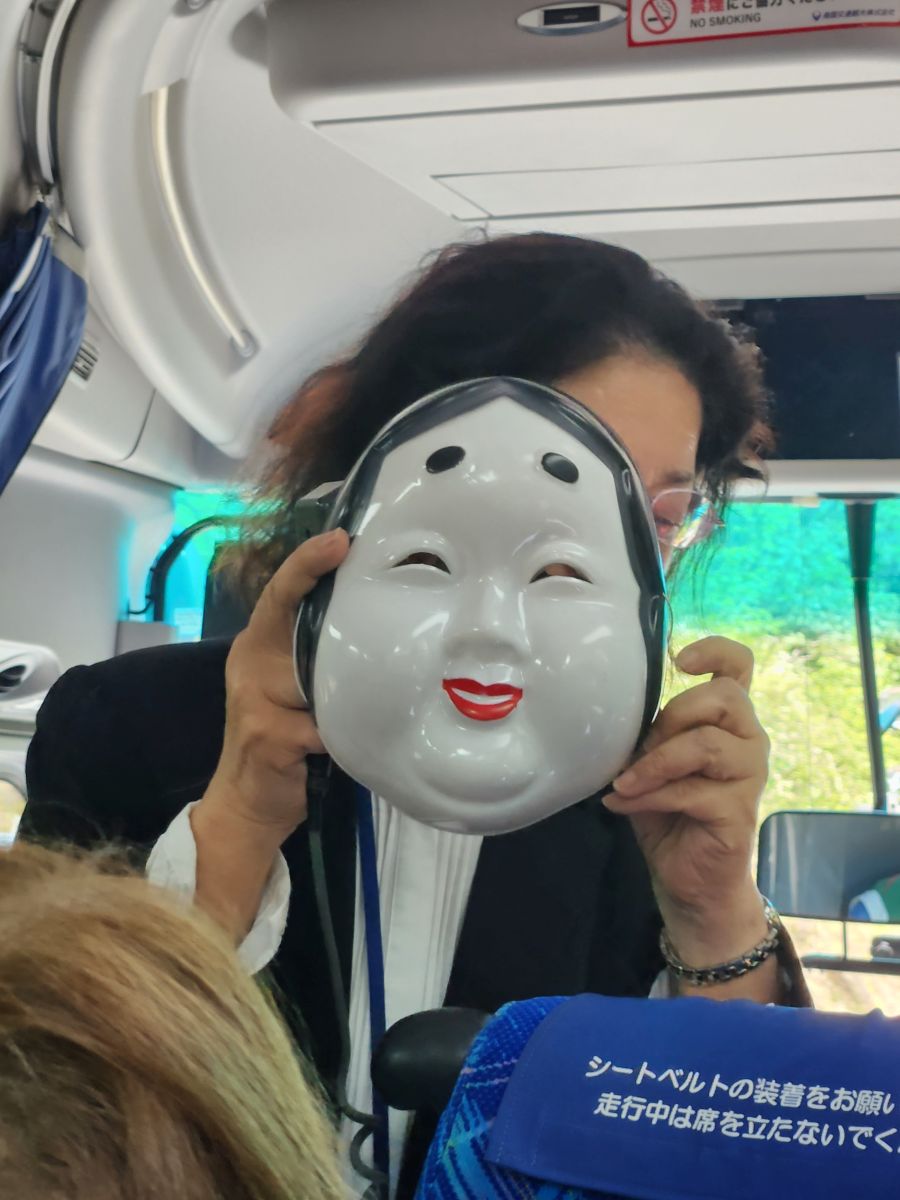
Then we are back on the bus with Tomoko and her props. She is one of the best guides we’ve had. She has these masks which she puts on to explain some festival – one is to blow away the evil, the other for love. She explains that you always wrap a robe with the left side over the right, because the only time the right is over the left is when you die and the shroud is wrapped that way. Which now totally explains why robes are always embroidered with logos on the left side! I could never figure that out and have always wrapped my robe the incorrect way – no more! Thank you Tomoko.
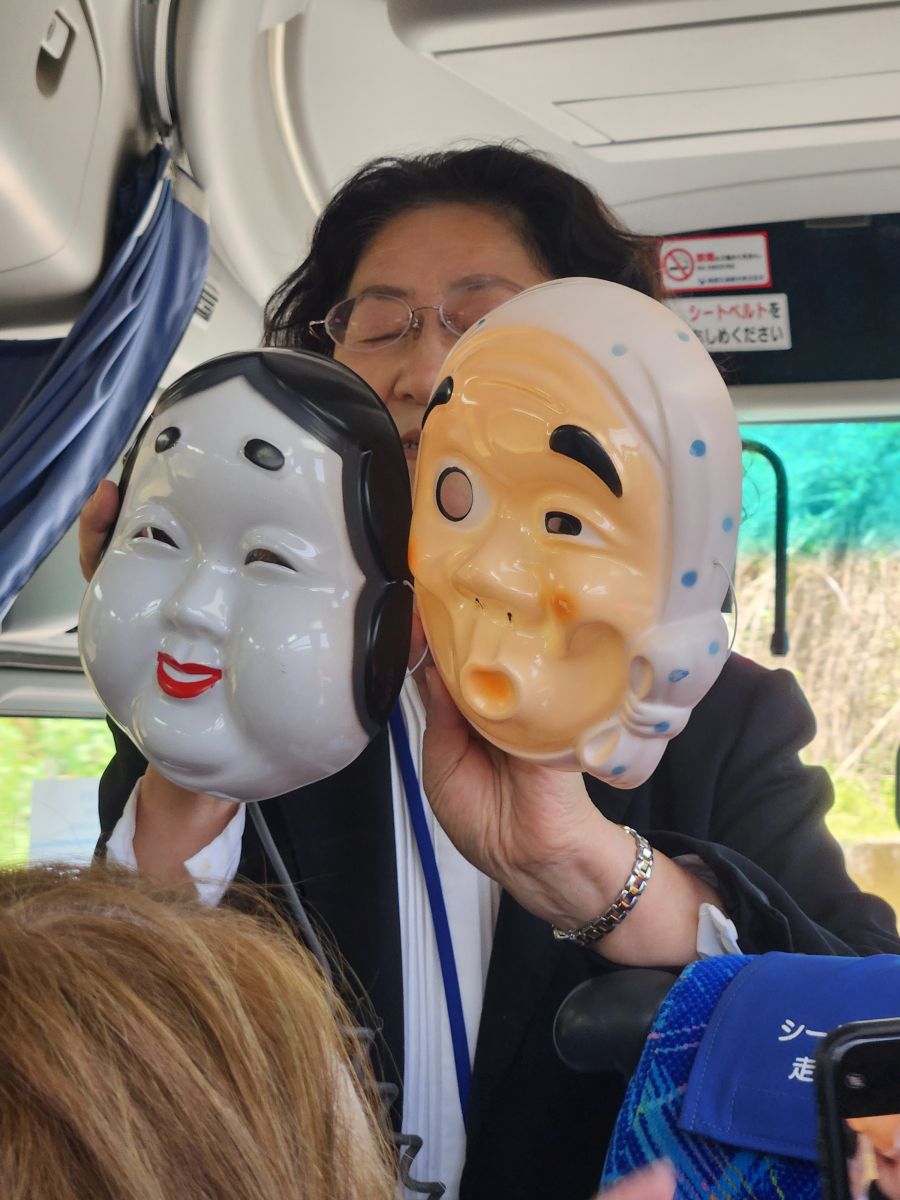
As we drive along through the gorgeous scenery, Tomoko continues to teach us and entertain us with jokes and magic tricks and songs. She sings a beautiful song about Saigo, the last samurai, then continues on with Aloha Oe, that famous Hawaiian song – in Hawaiian, a Capela and from memory mind you! – because this area is considered the Asian Hawaii. So cute!
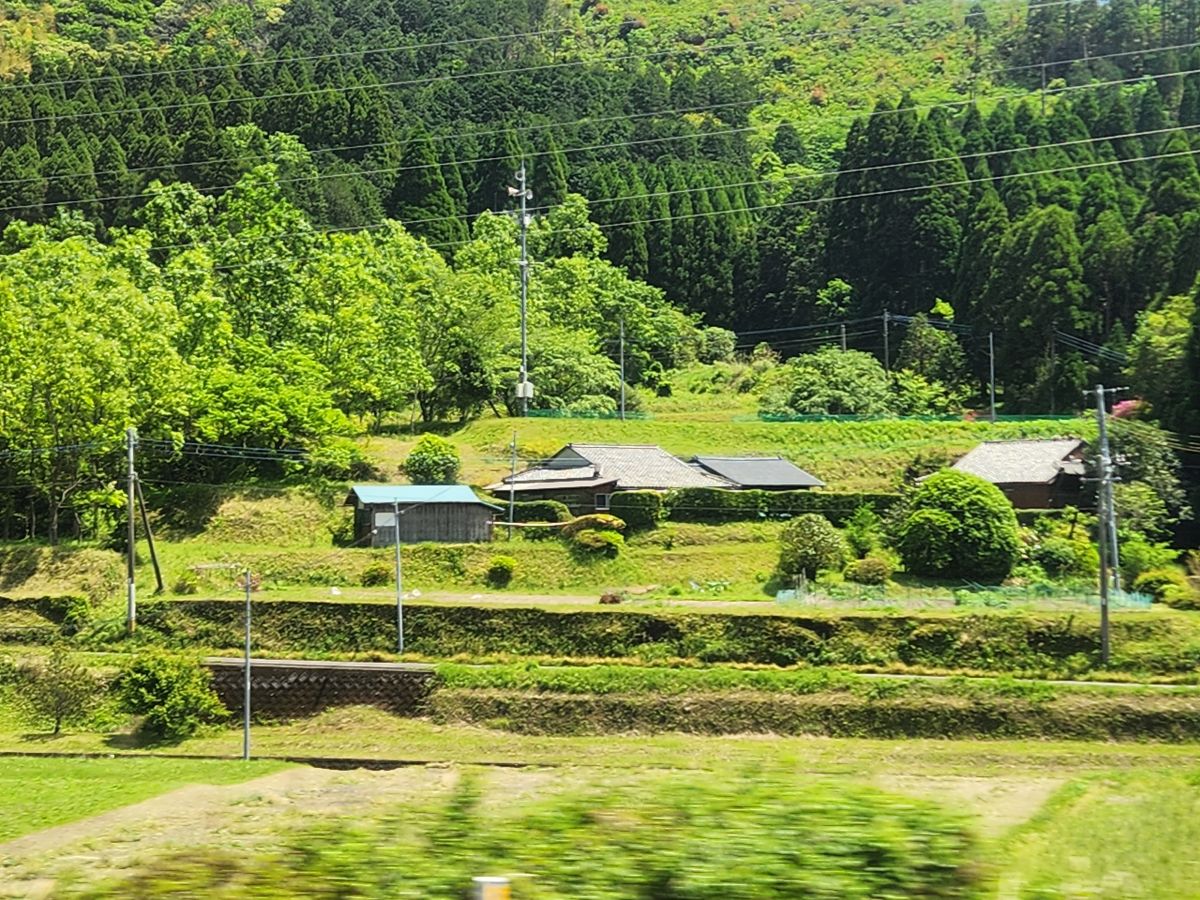
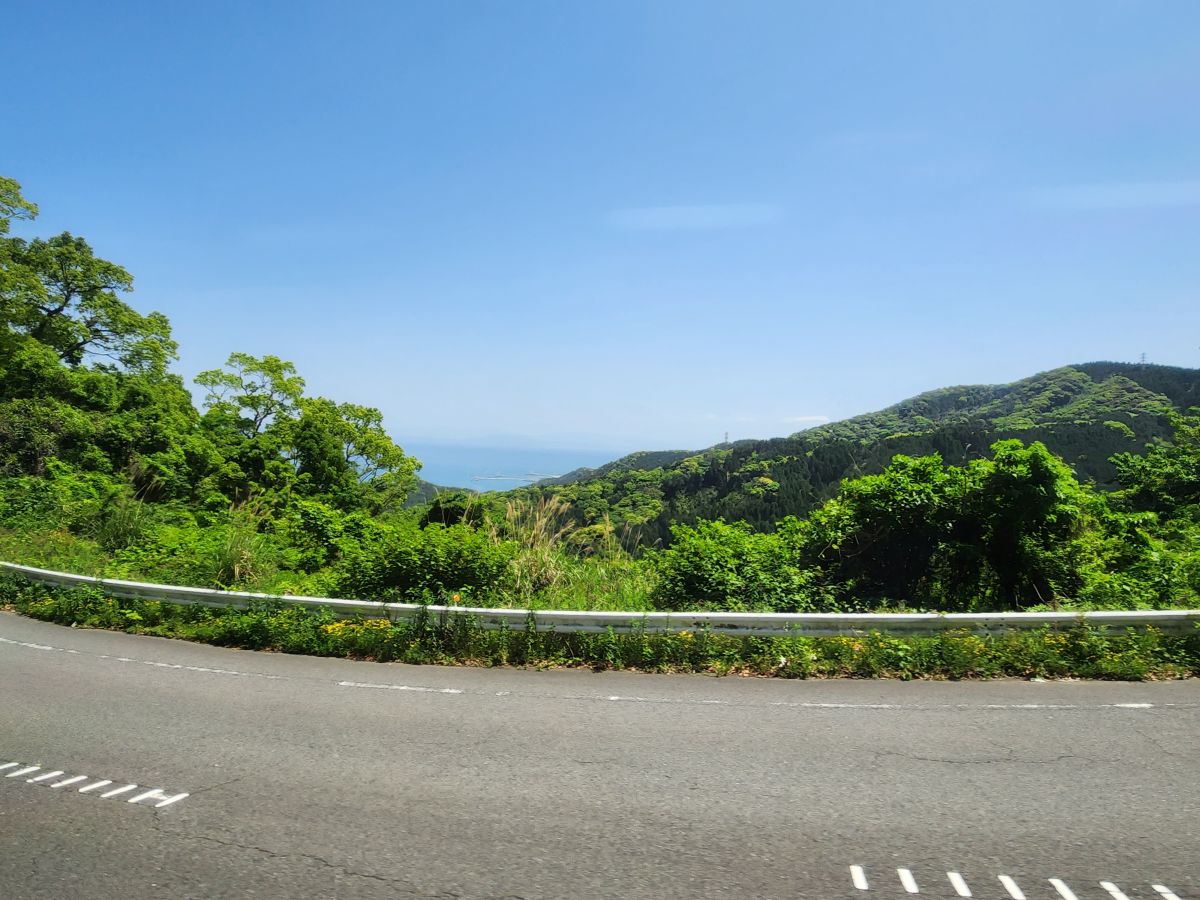
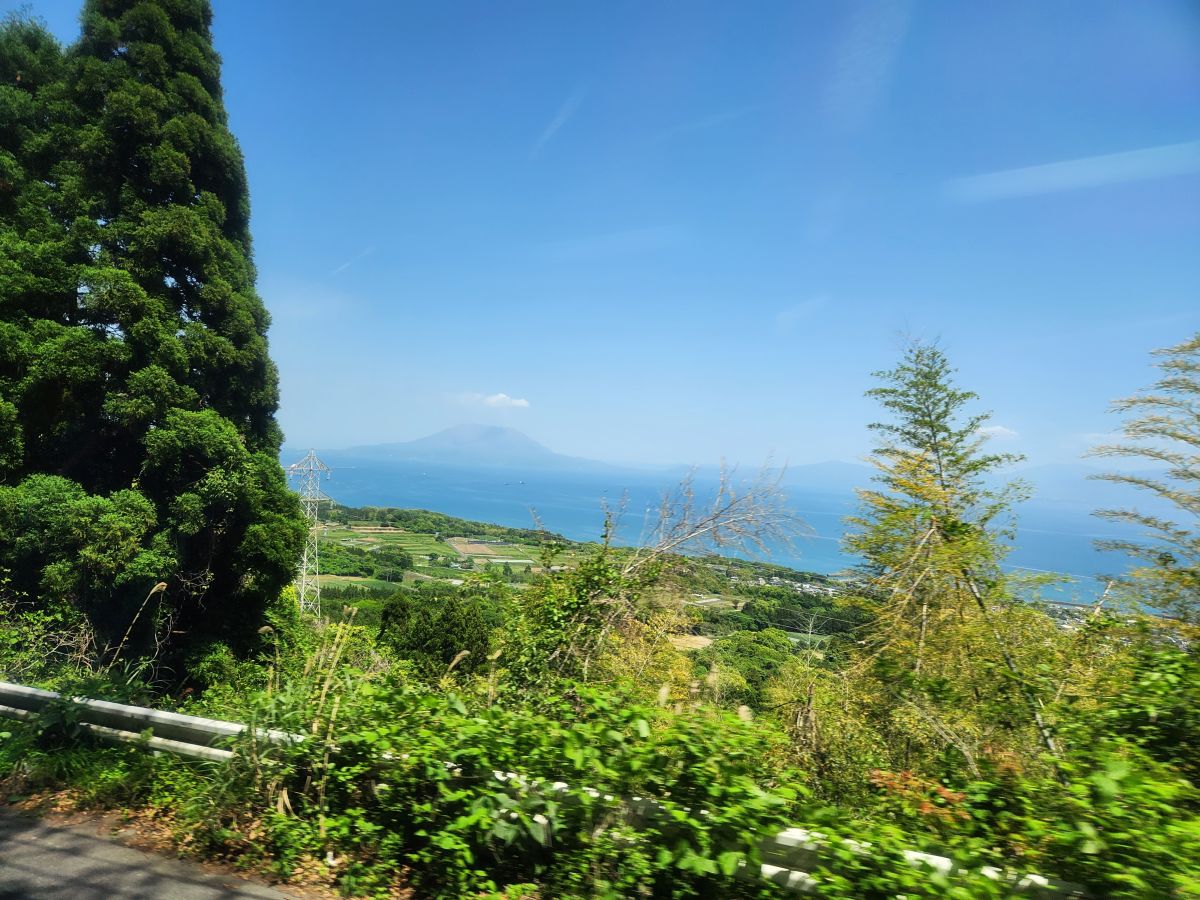
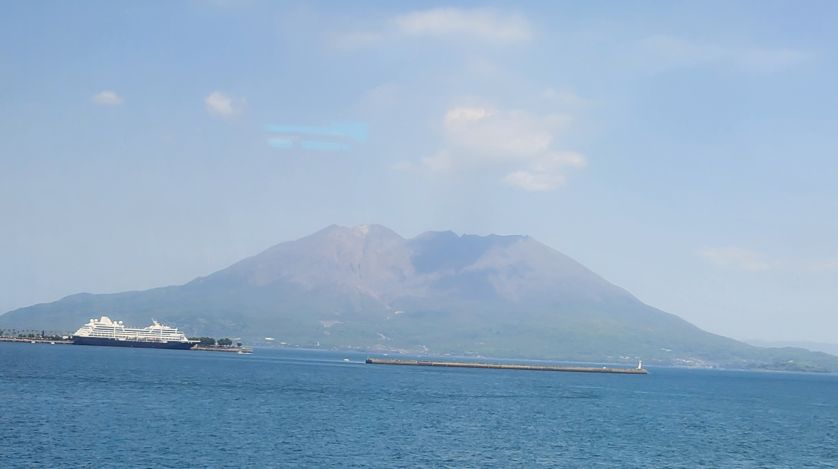
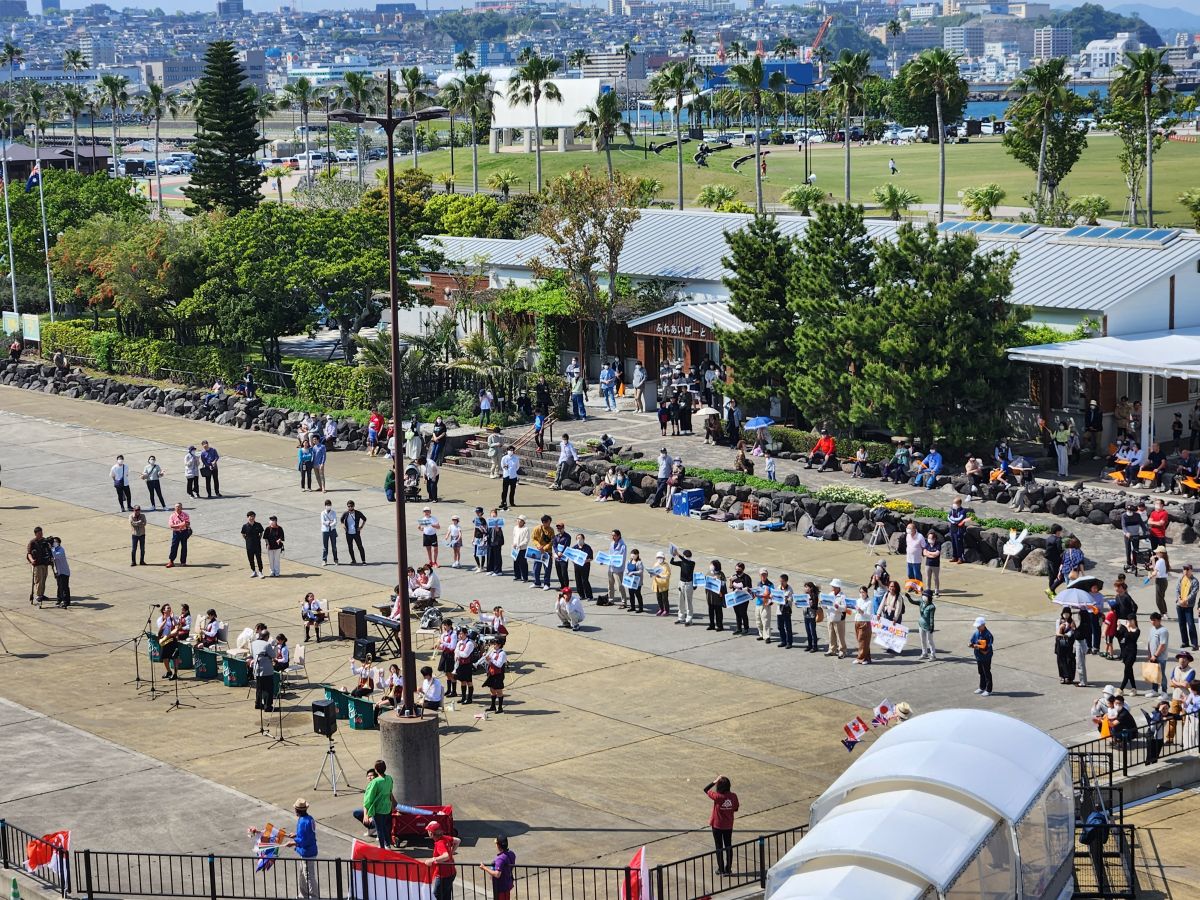
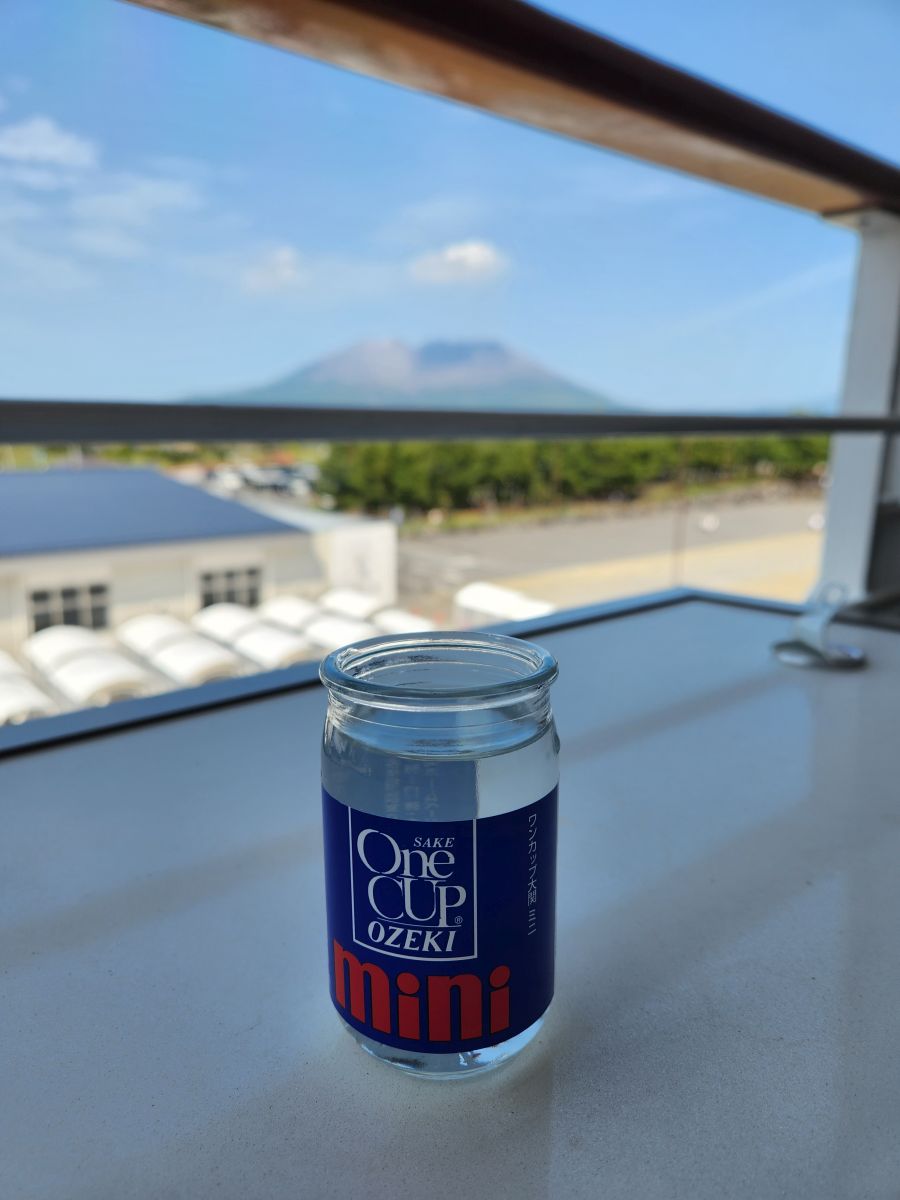
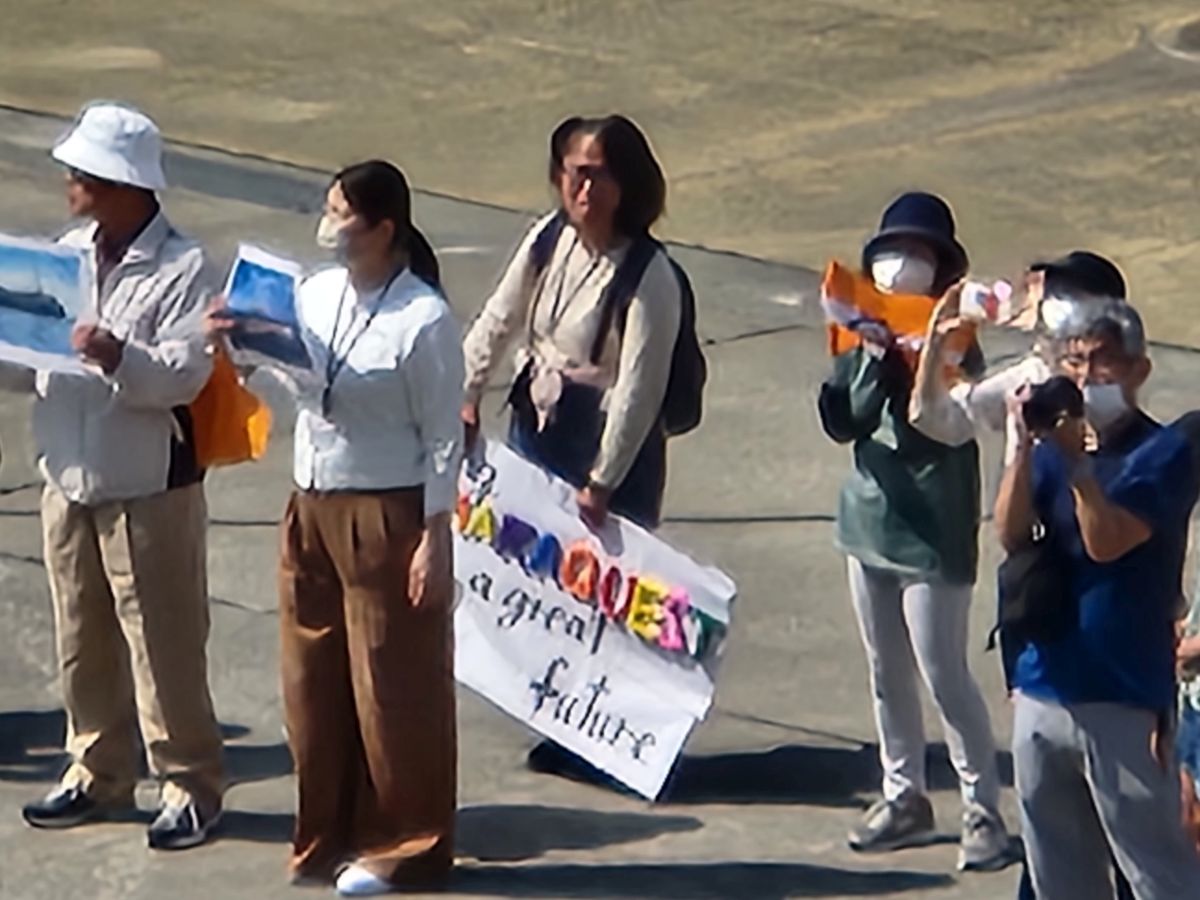
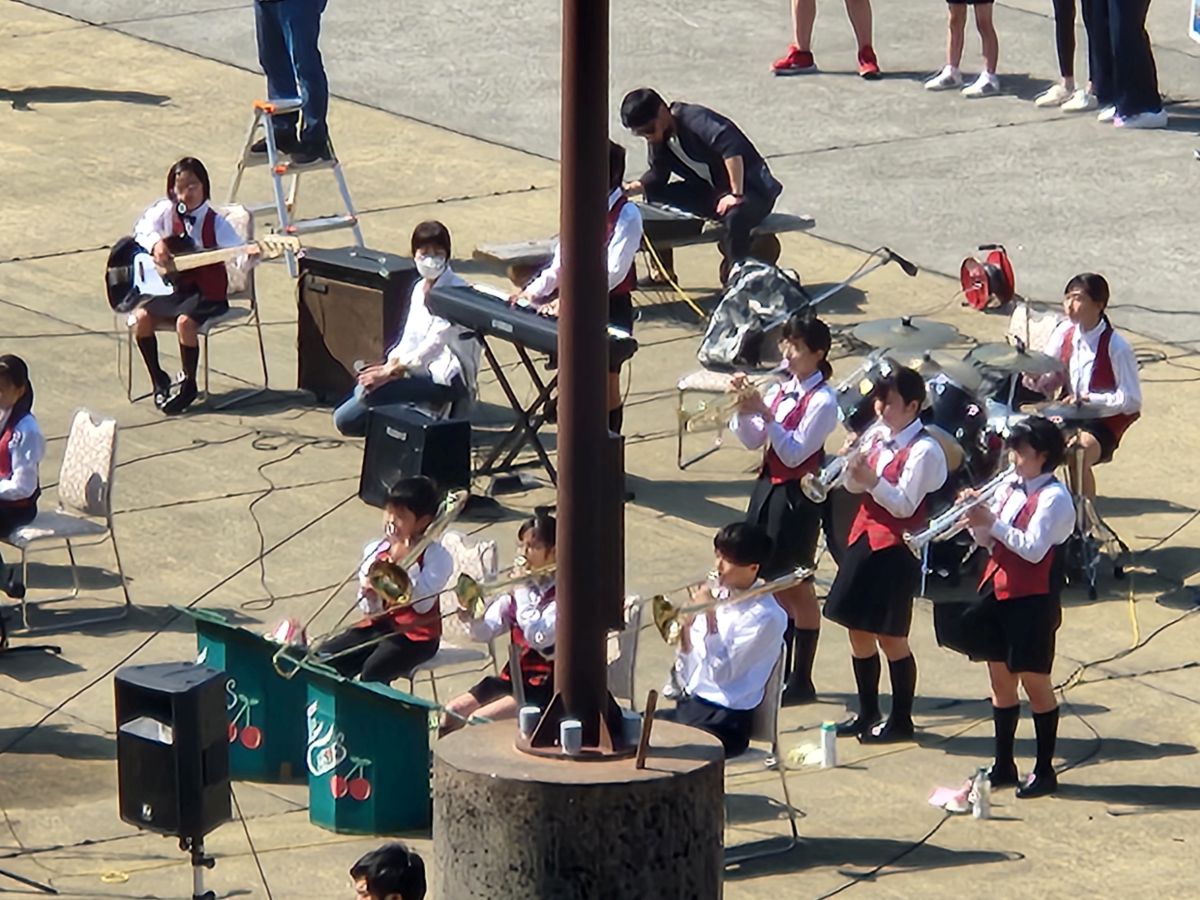
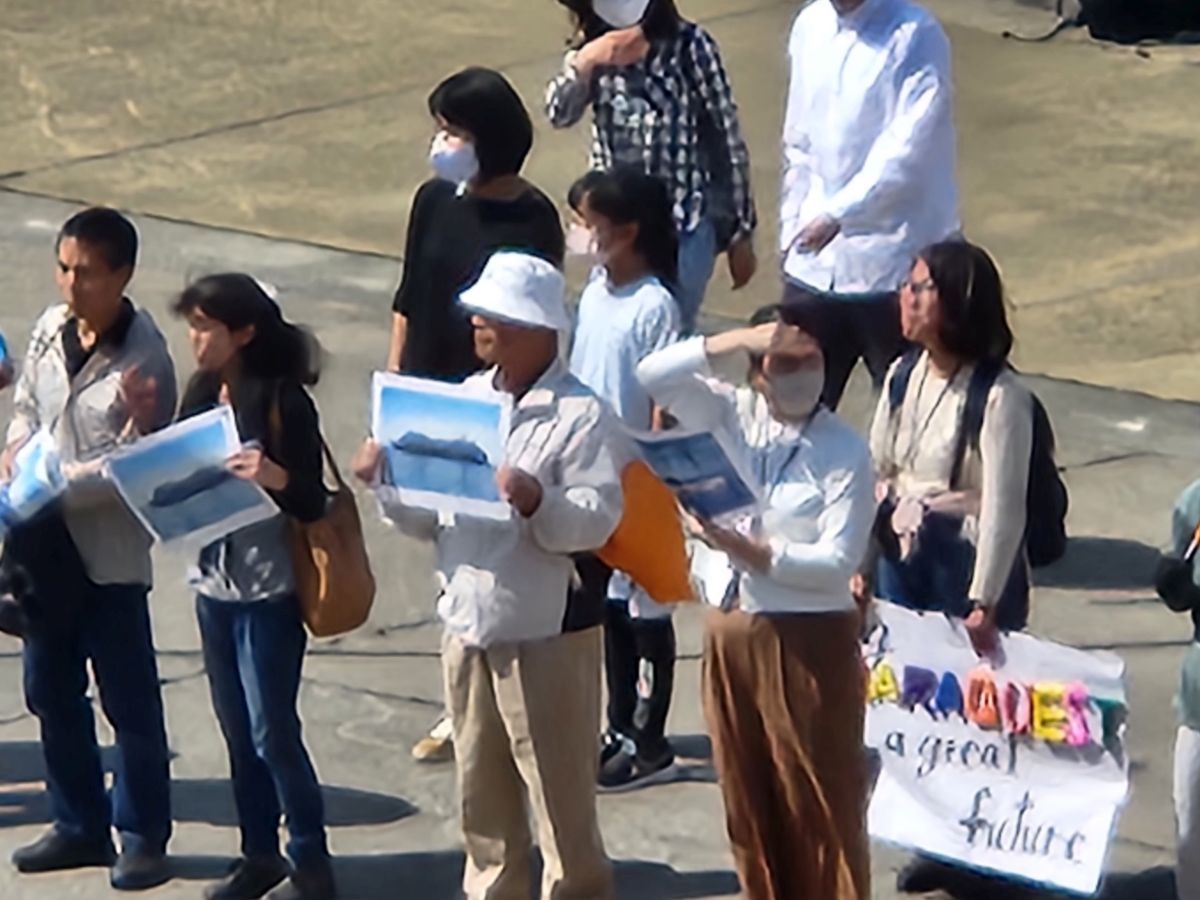
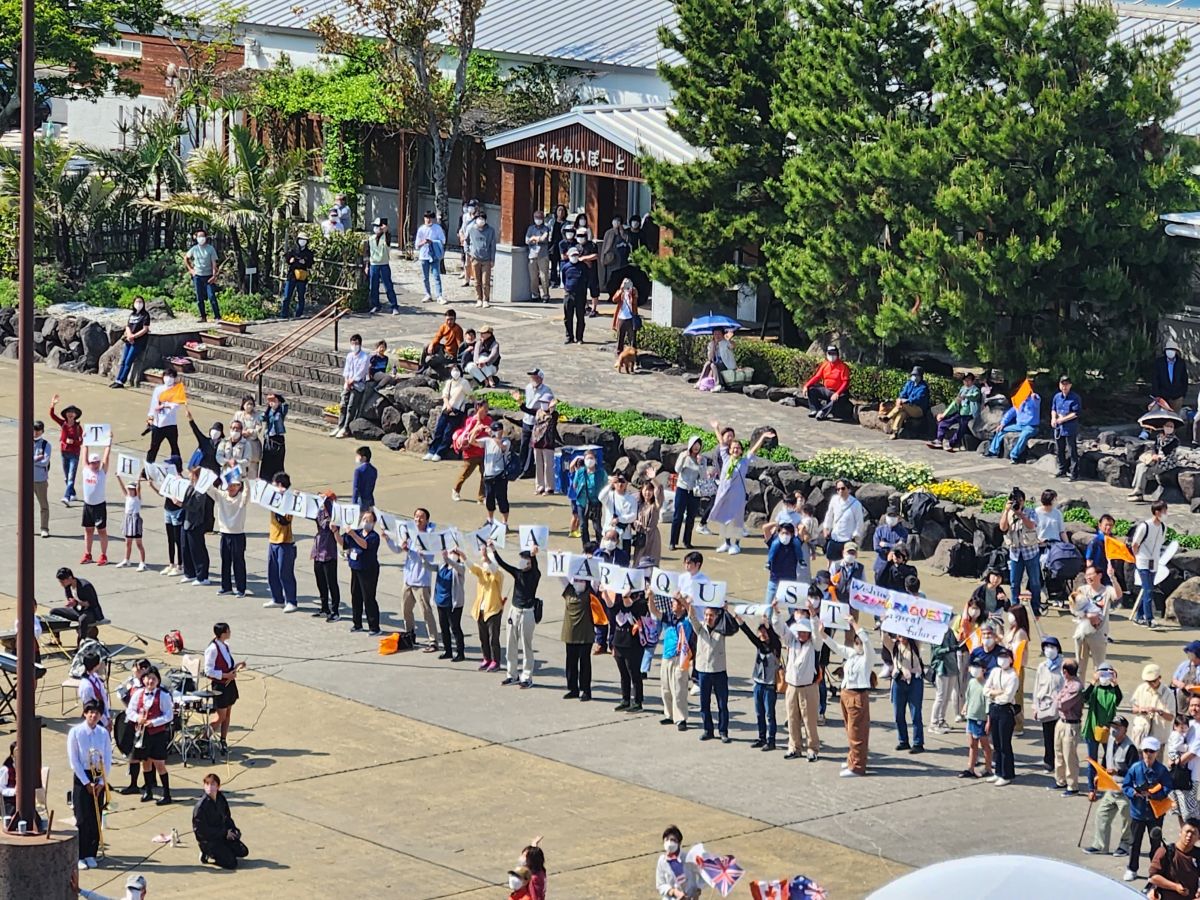
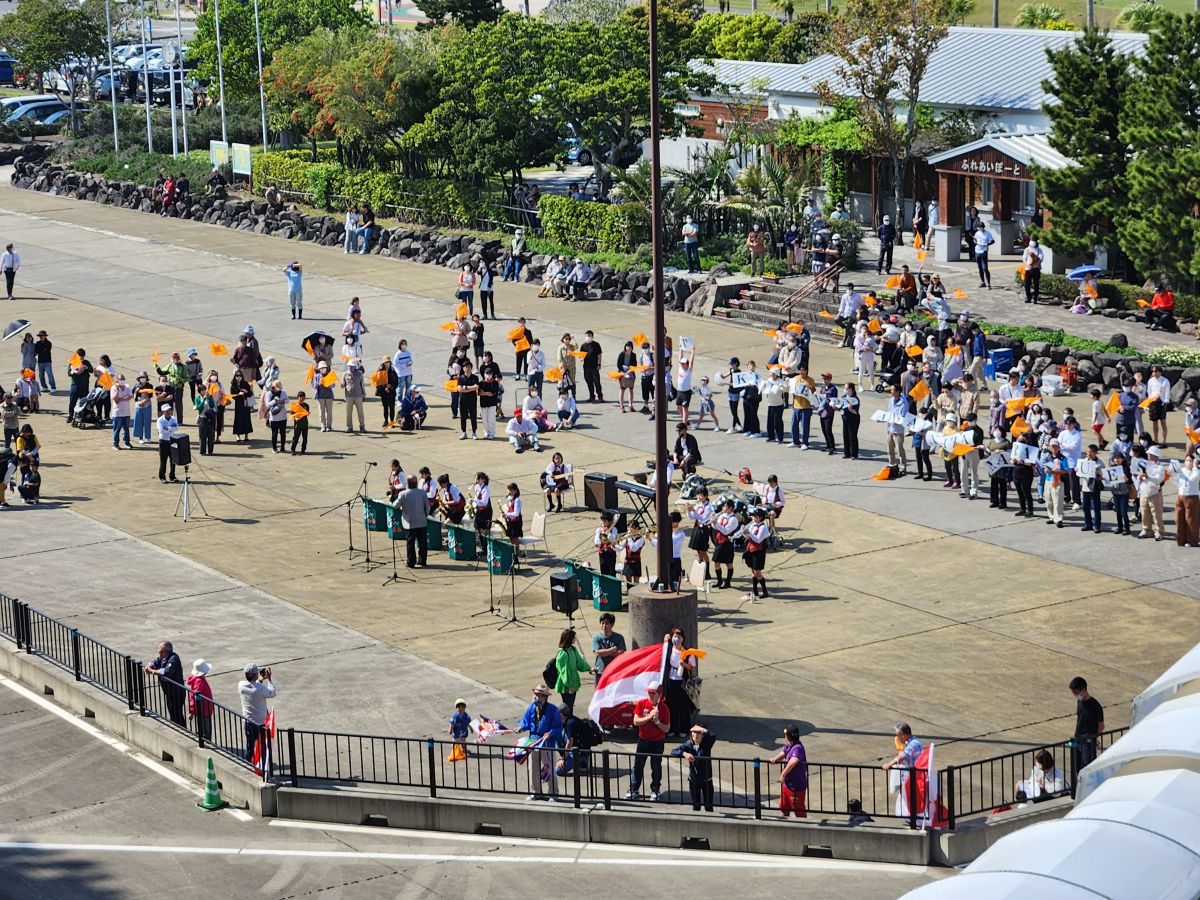
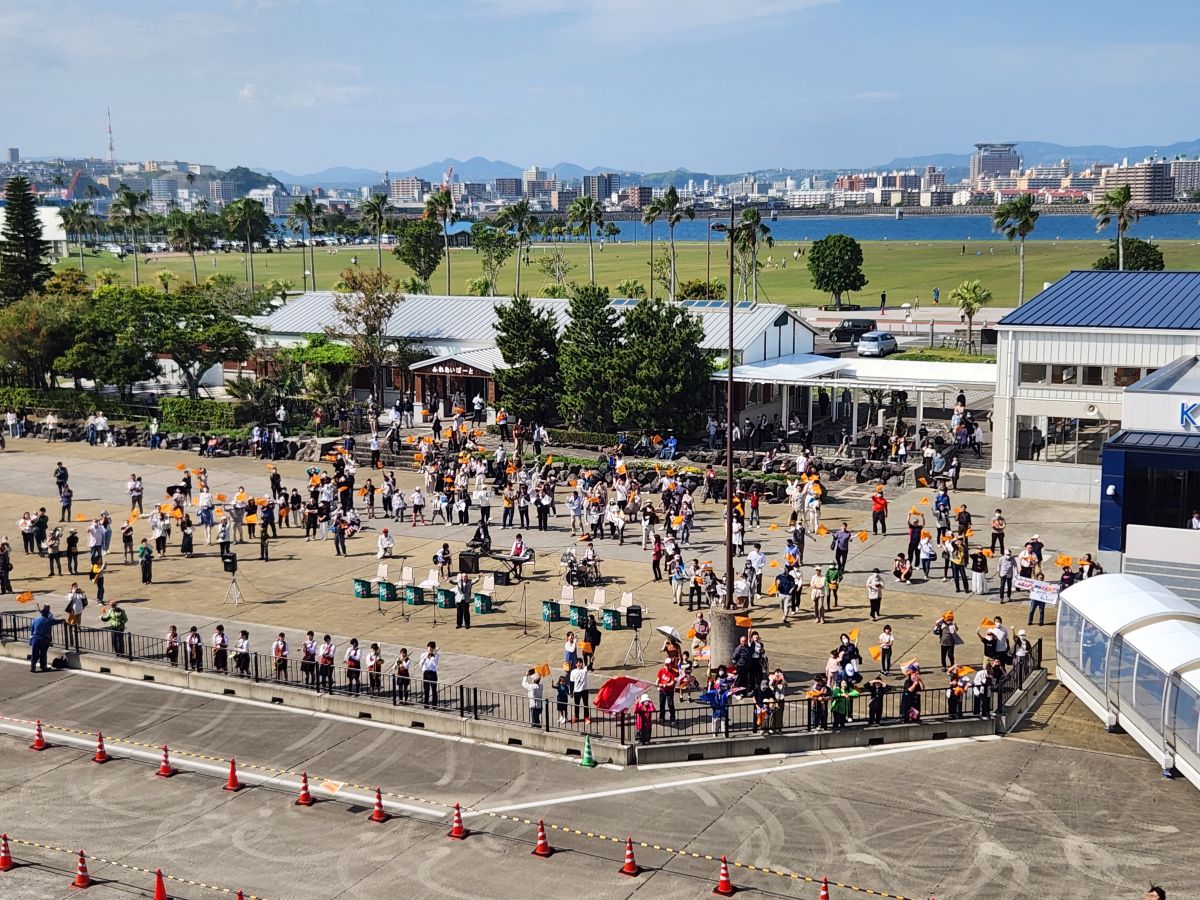
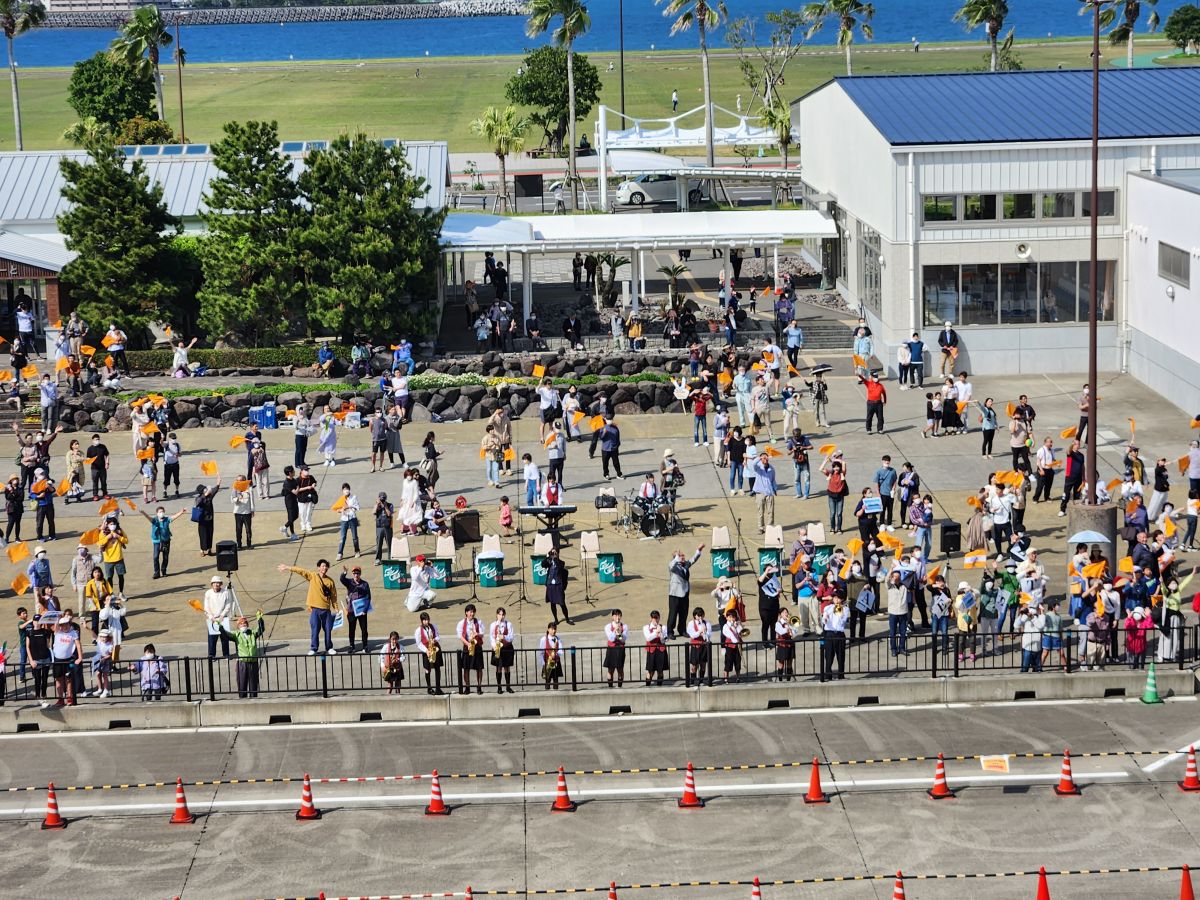
A really good tour – all things considered! And then it is a bittersweet sailaway – hate to leave Japan – with an incredible (tear-inducing) show and farewell from the people of Kagoshima. They put on the most fantastic send off with an all-girl band and tons and tons of people on the pier with signs spelling out ‘Thank you see you again Azamara Quest’ and waving flags that we watched from our prime balcony viewing location with our “one cup” of Sake. (7-11 has you covered!!) Just amazing.
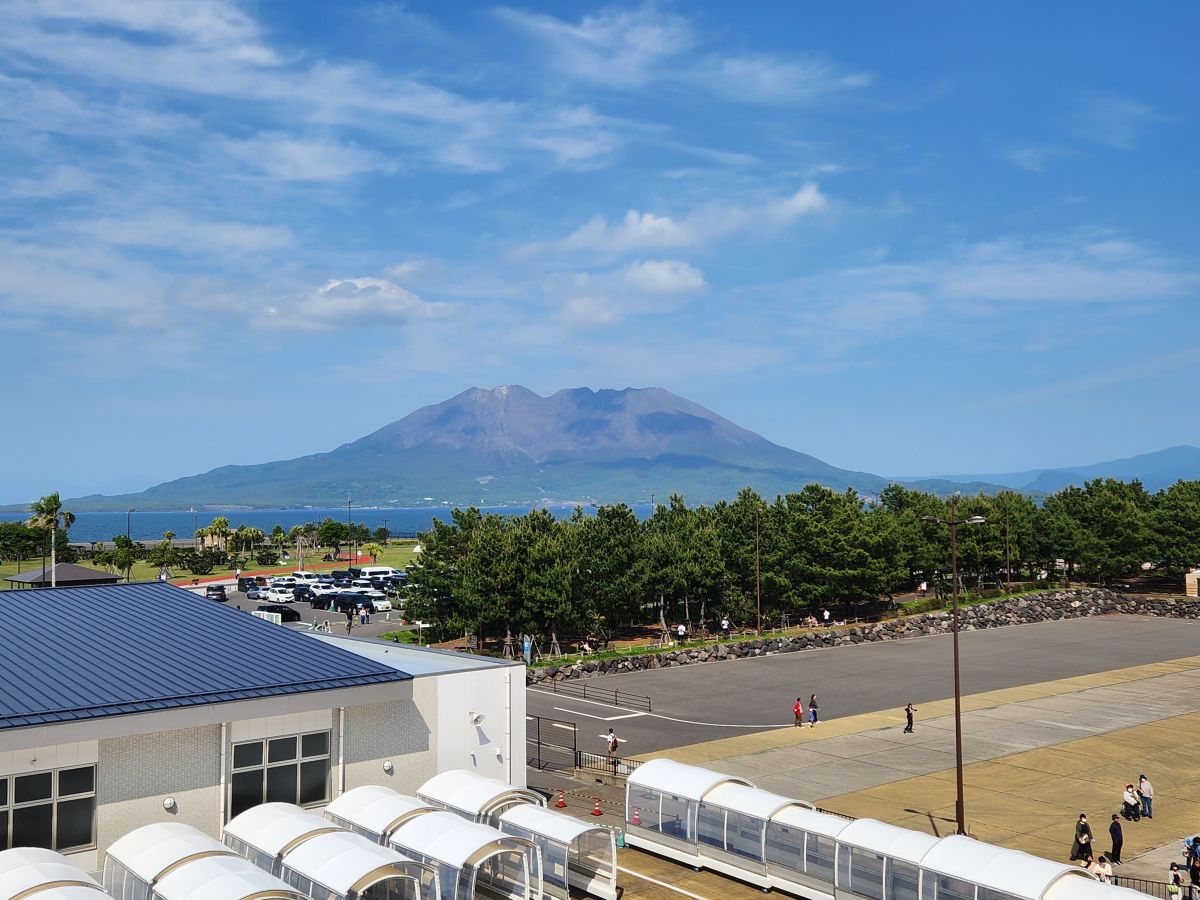
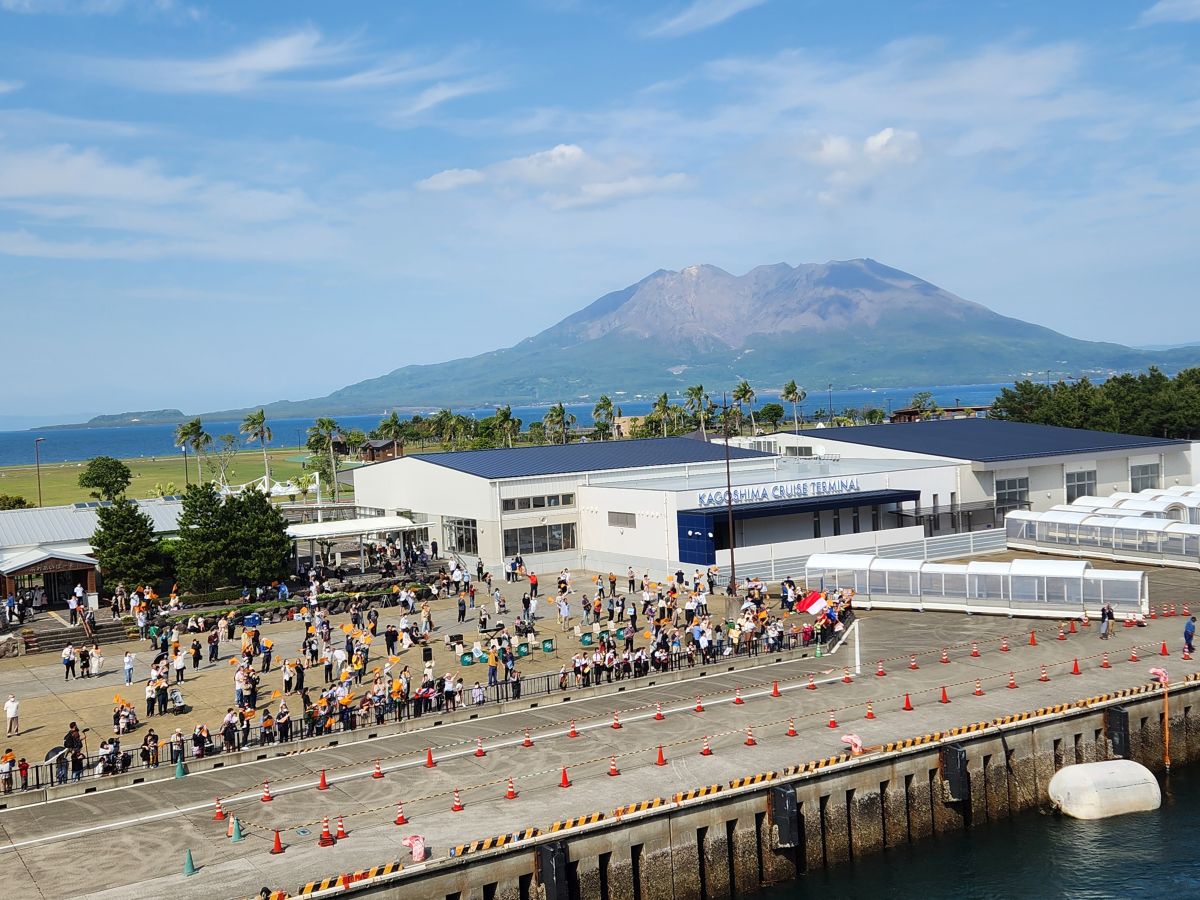
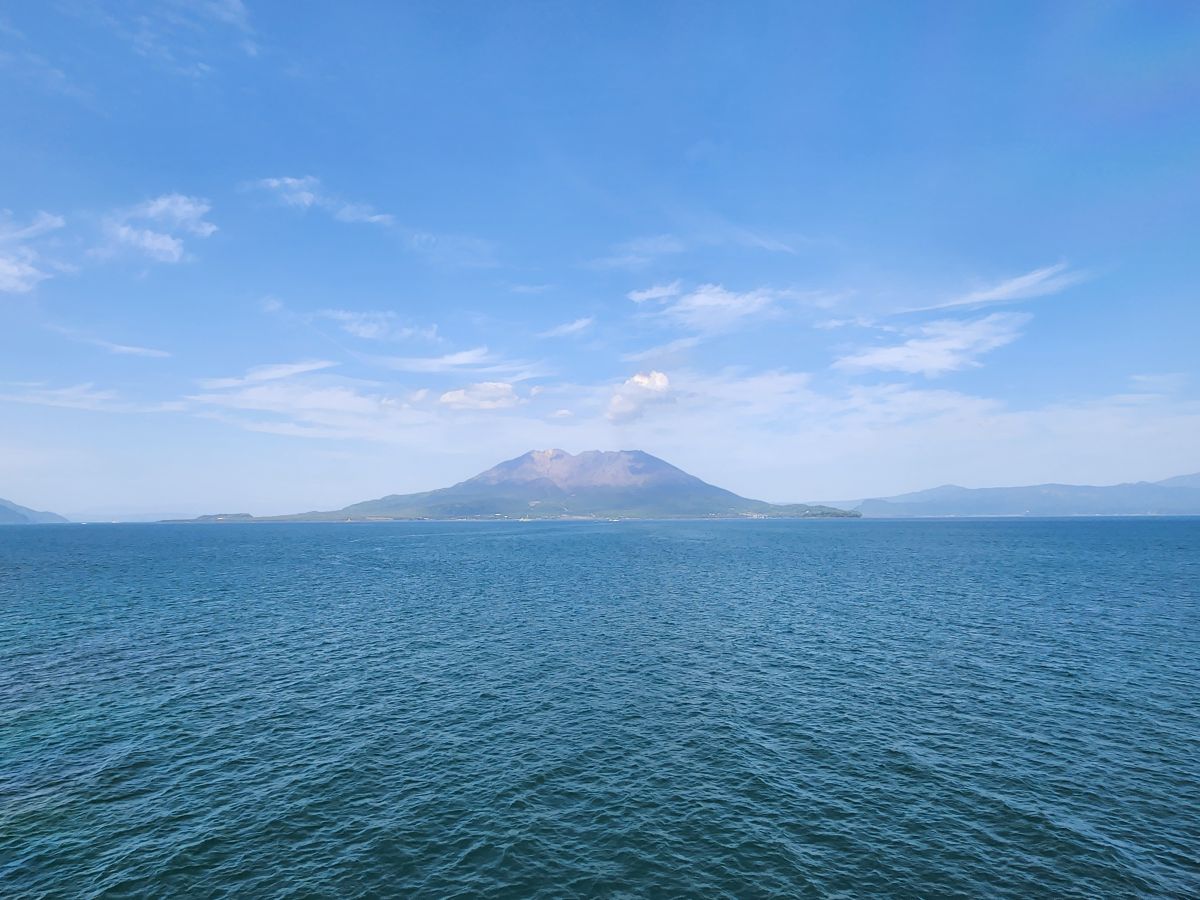
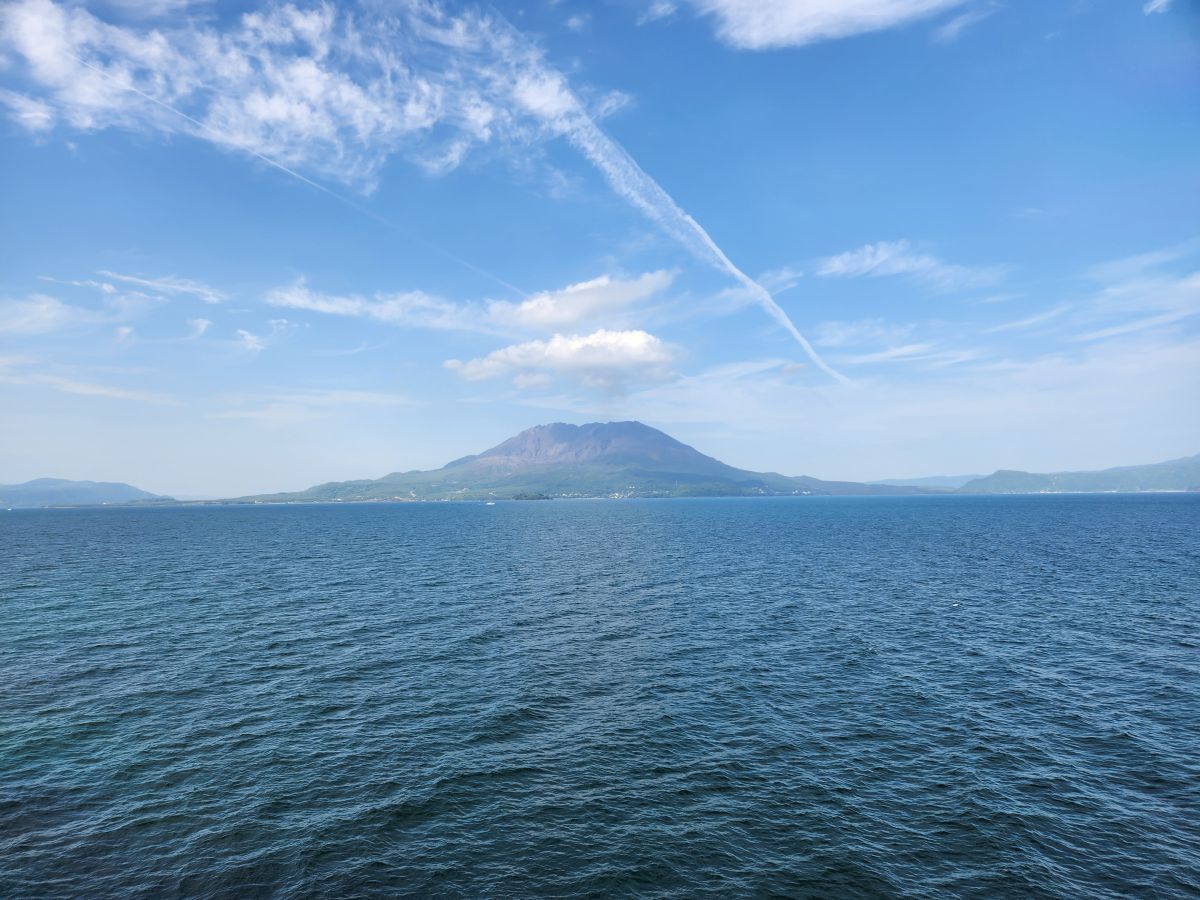
Then we sailed away into the sunset – or the late afternoon – watching Sakurajima in the distance recede slowly from our sight. Onward to the next part of our adventure – Keelung, Taiwan #2.
 Andiamo