Today is a bonus day. This tour originally ended in Ennis, where we were going to rent a car and drive to Shannon to fly out to Athens in order to board the Azamara Journey in Piraeus on the 26th. At some point along the way, the tour was changed to bring us back to Dublin, with an additional day and evening tacked on. Works great for us. No driving in Ireland (sigh of relief – left lane driving is just to stressful!) and a bonus day added on at no charge. Yep. We’re good.
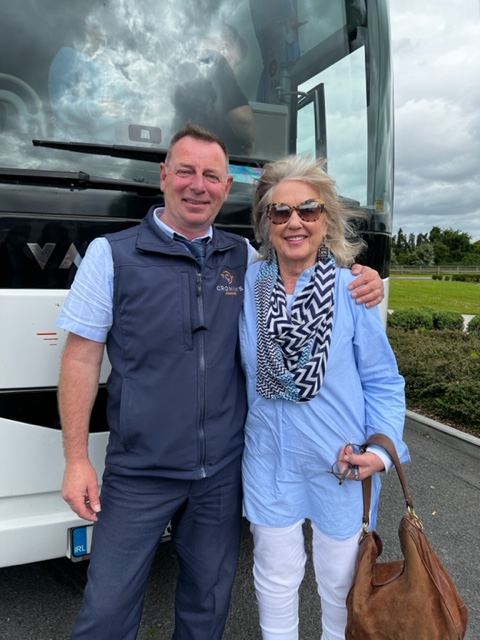
So, bags out, breakfast done, we hit the bus for a 2 and a half hour ride back to Dublin. Today is a sad day though, because we are saying goodbye to Tony, who is off on another tour starting tomorrow. We have really grown fond of him and Alacoque and will miss them both when we leave. Hugs, tips, farewells to Tony – and he’s off to his next adventures while we check into the hotel and then head off for an afternoon on our own in Dublin.
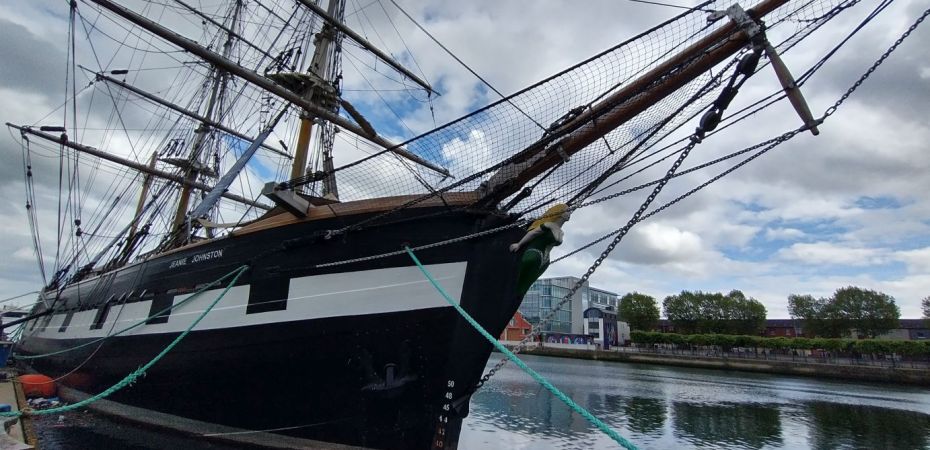
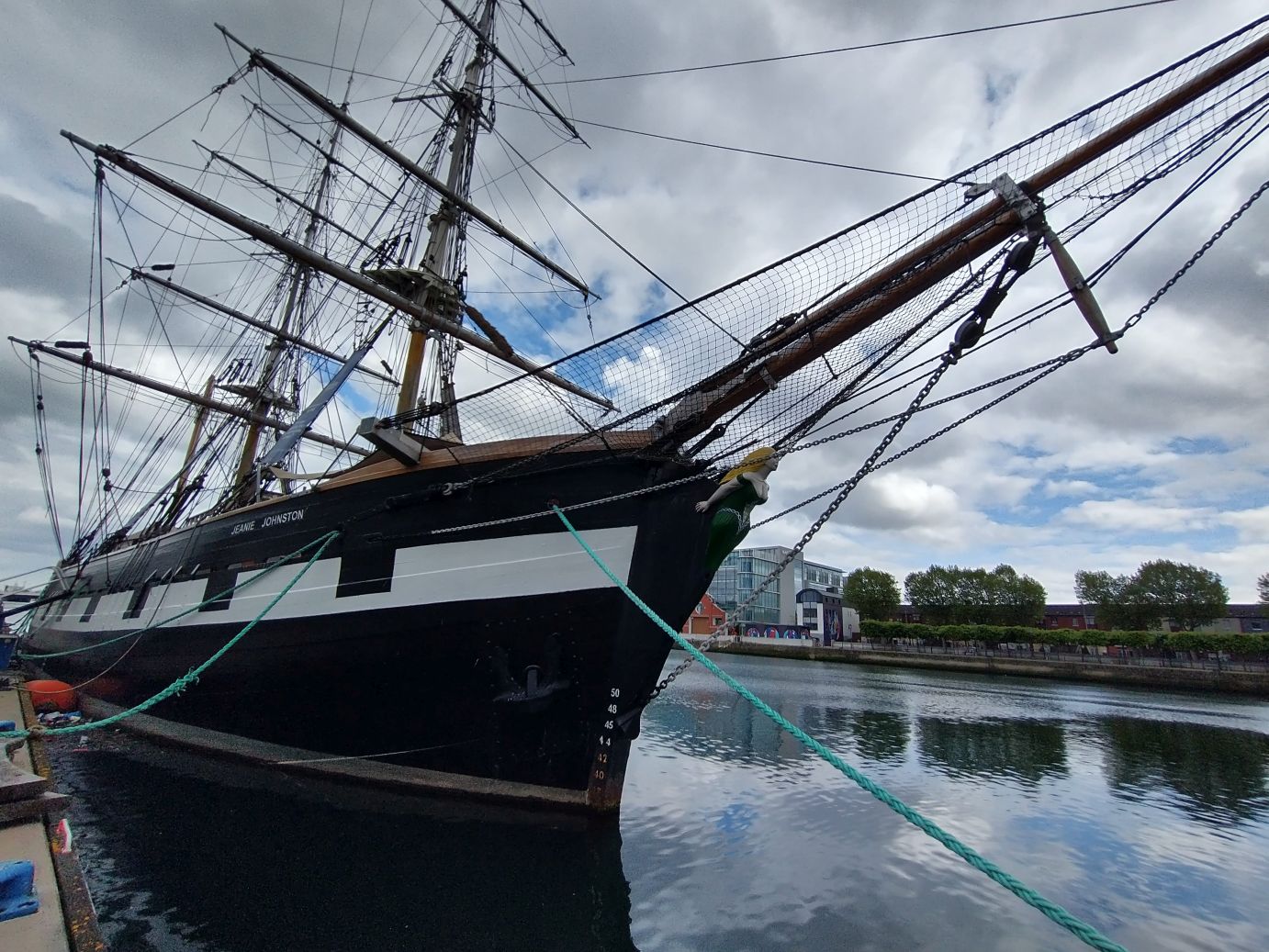
We’ve done so much here, and we’ll be back again in the Fall, so we decide to stick close to the hotel and have booked an afternoon tour on the Jeanie Johnston, which is right across the street.
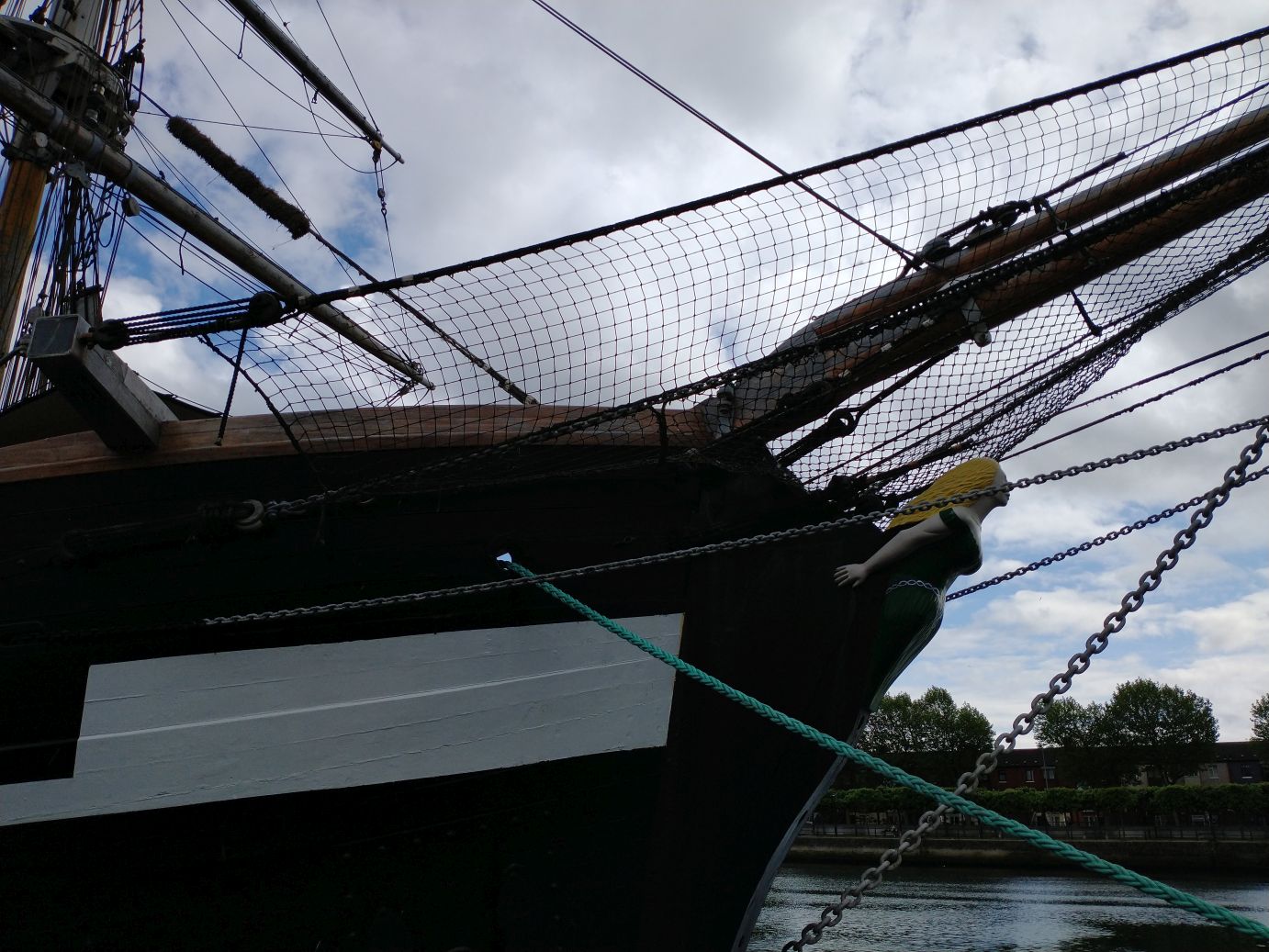
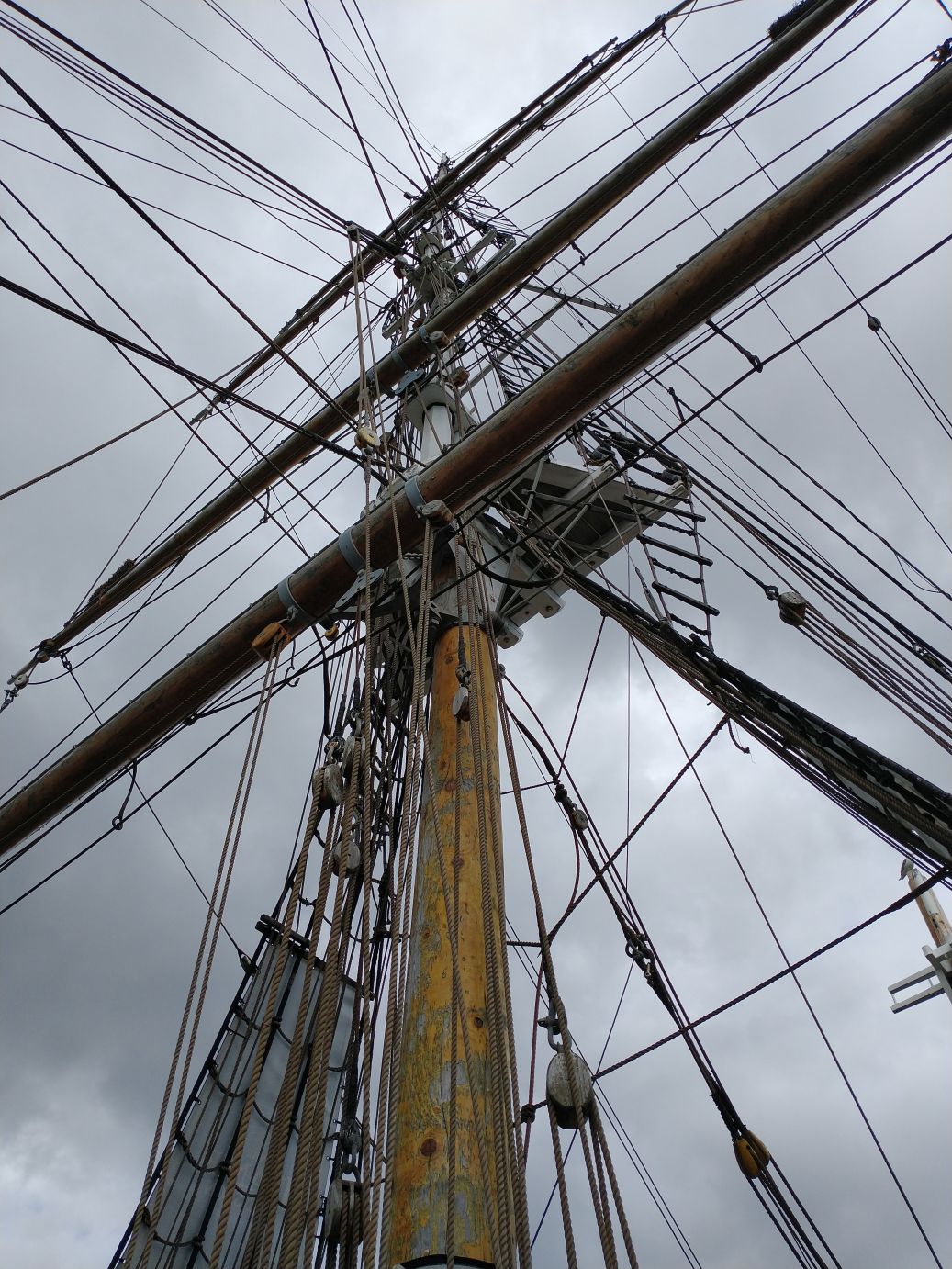
The Jeanie Johnston is a tall ship built in 1847 in Quebec, Canada and originally intended for cargo between Ireland and Canada. The ship was commissioned by a Scottish born shipbuilder and then purchased by John Donovan and Sons, Kerry-based merchants, for use by their family business. The original ship sank in 1858 after taking on water. The crew lashed themselves to the tallest masts and were eventually rescued after 9 days tied to the masts. But unfortunately the ship could not be saved.
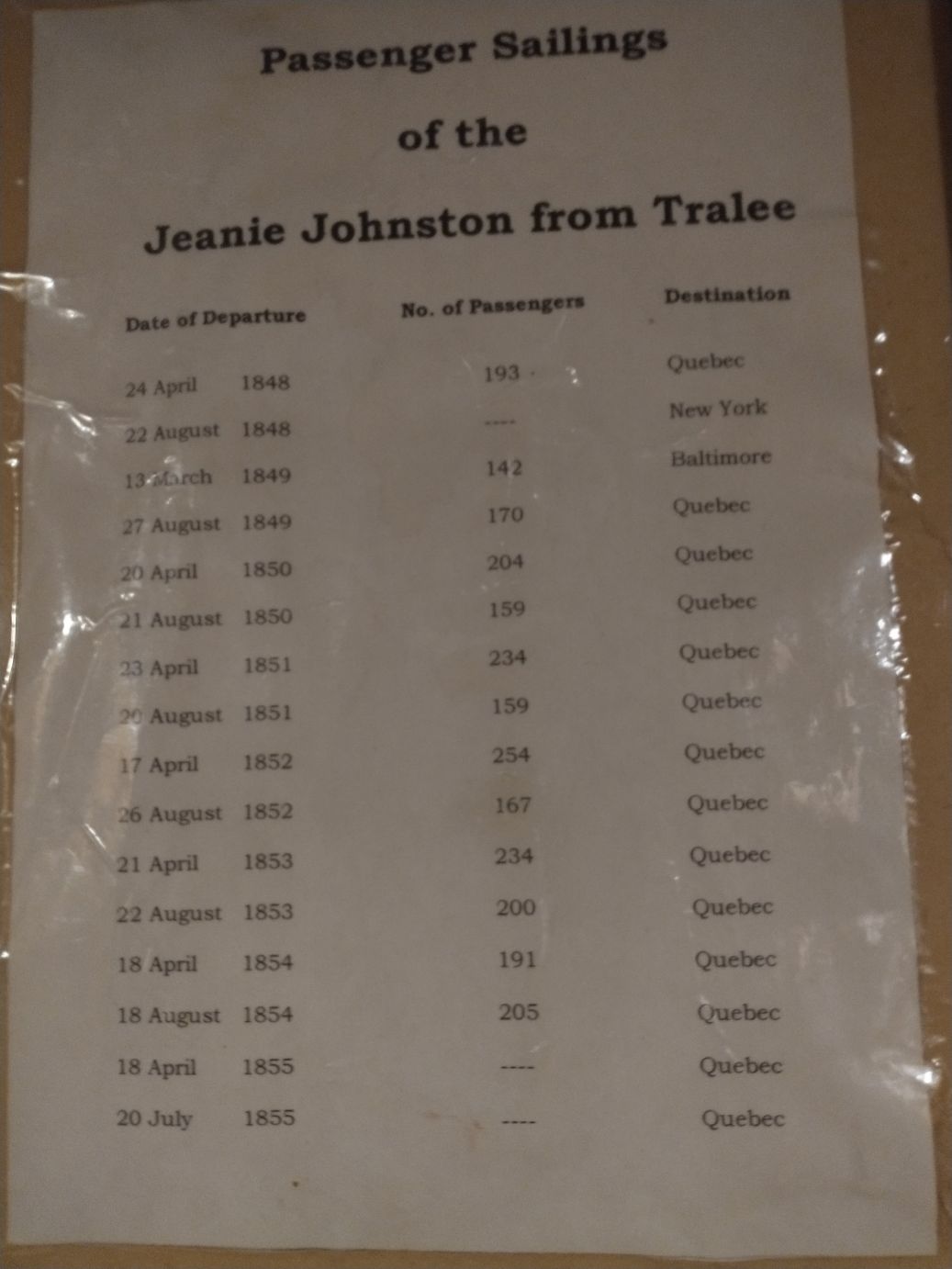
The reason this particular tall ship is so important to the history of Ireland is that instead of carrying cargo, beginning with her maiden voyage from Blennerville to Quebec, the Jeanie Johnston carried over 2500 Irish emigrants on 16 transatlantic voyages throughout the Famine years to North America.
The Donovan family ship was the only ship to have a doctor on board during the voyages and to sincerely care about their passenger cargo getting to the new world safely. She had a perfect safety record, never losing one passenger, which is amazing considering there were up to 250 passengers who spent most of their time below deck, only emerging for a half an hour of fresh air each day.
The tour begins on the deck of the ship where we get a lesson in ocean going seamanship from the 1800s. You really get a feel for just how small and how vulnerable these ships were – to ply the Atlantic ocean all those years ago with so many people aboard. Yeah, I’m already seasick just thinking about it.
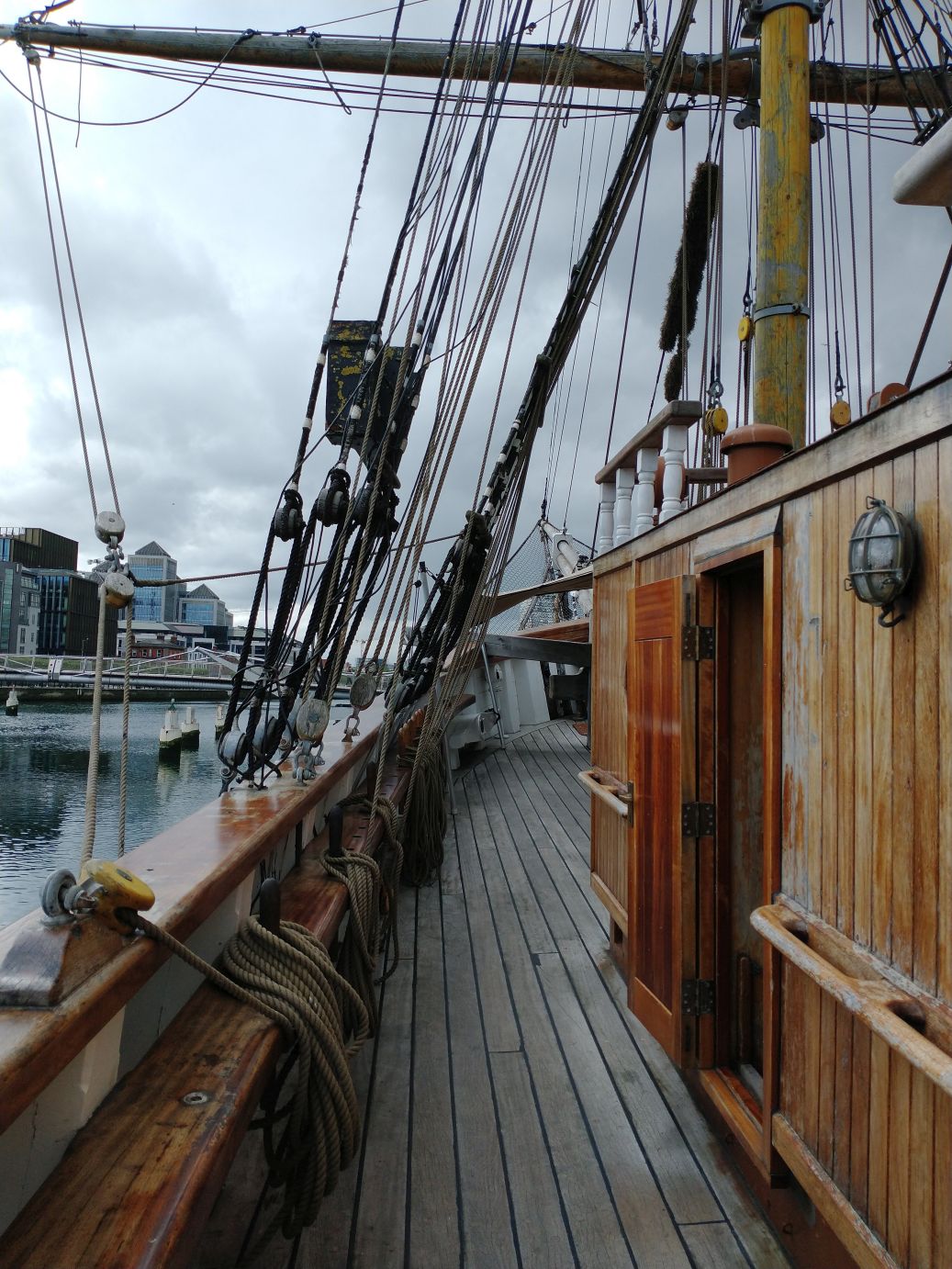
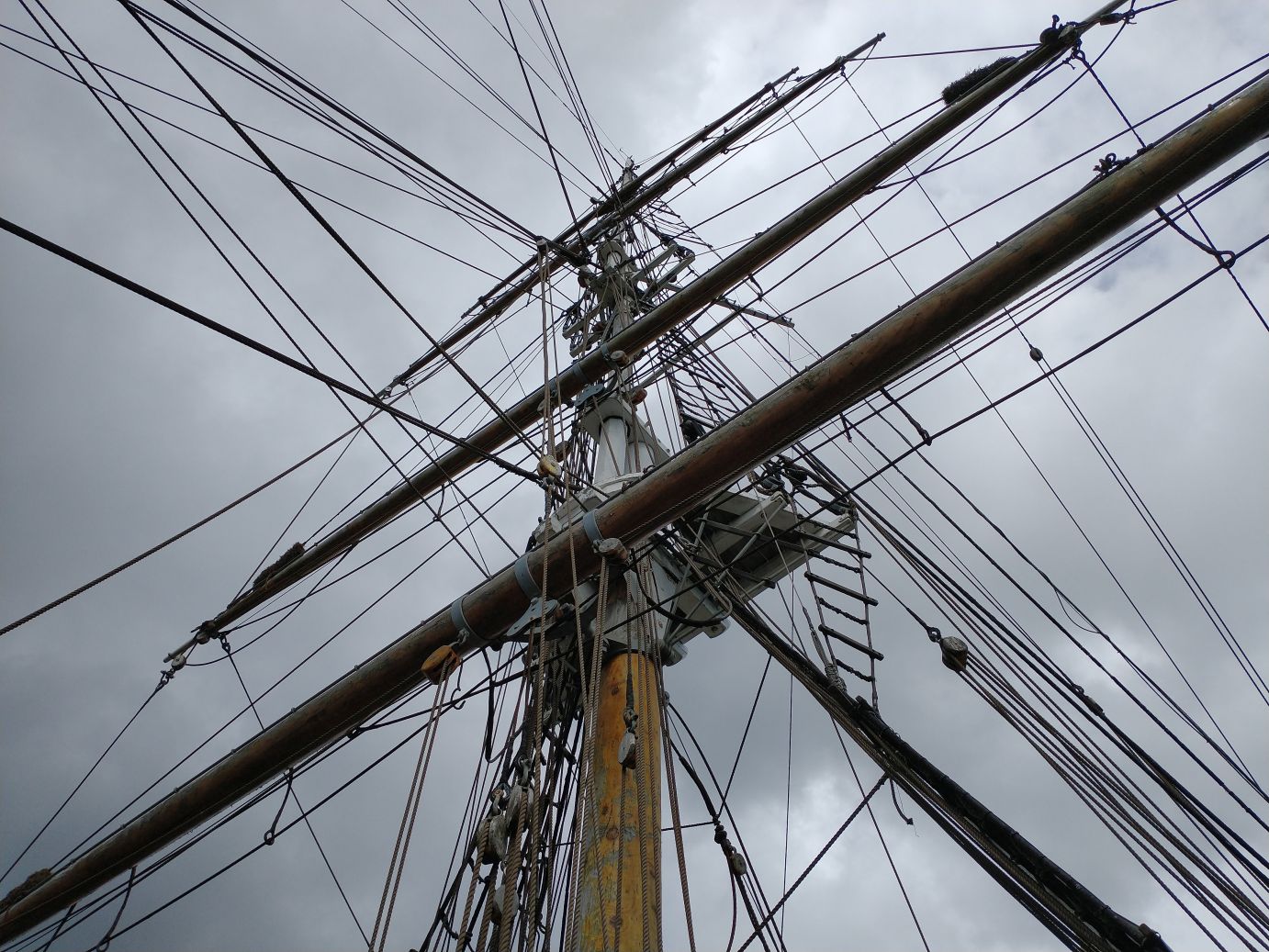
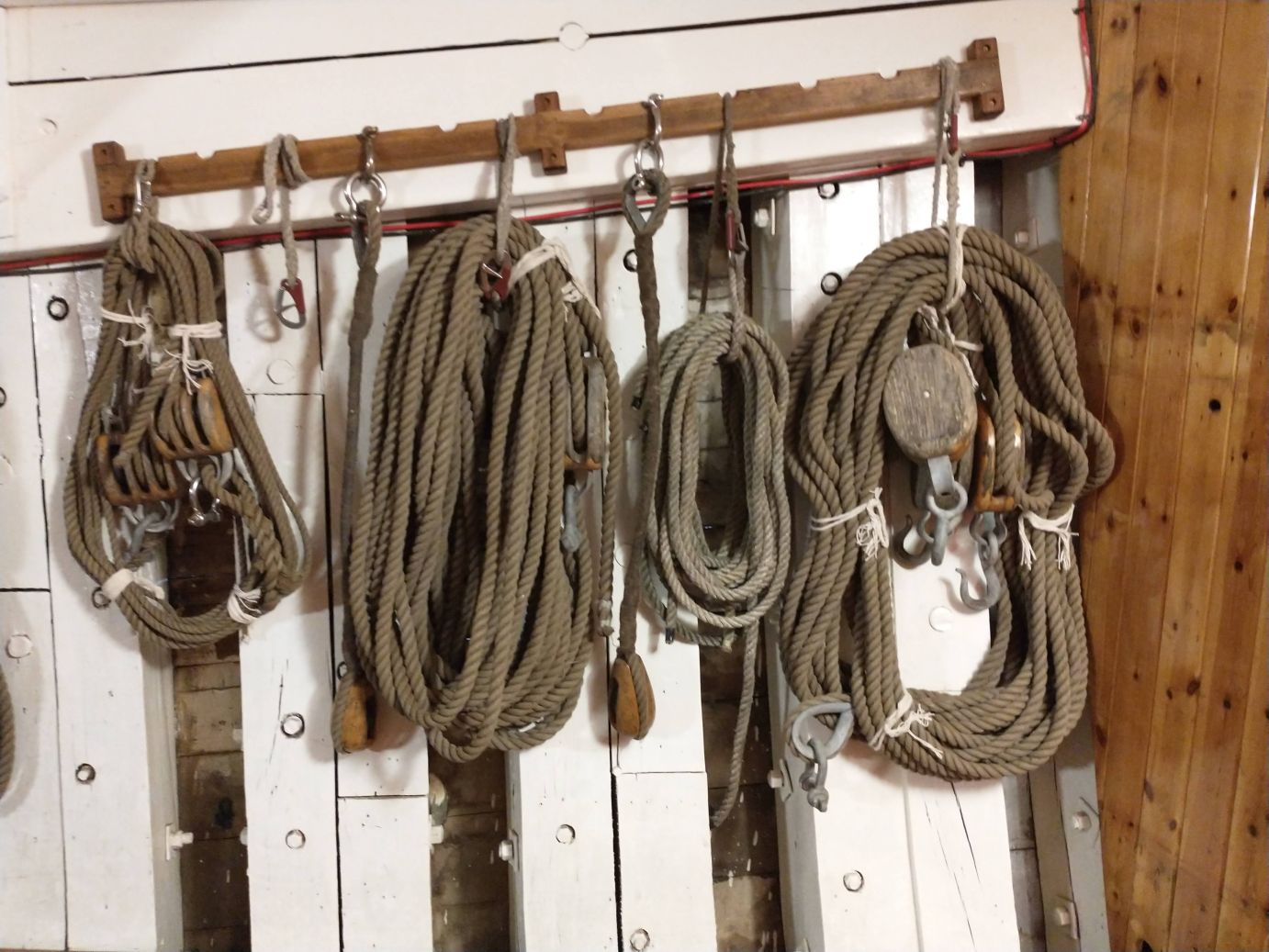
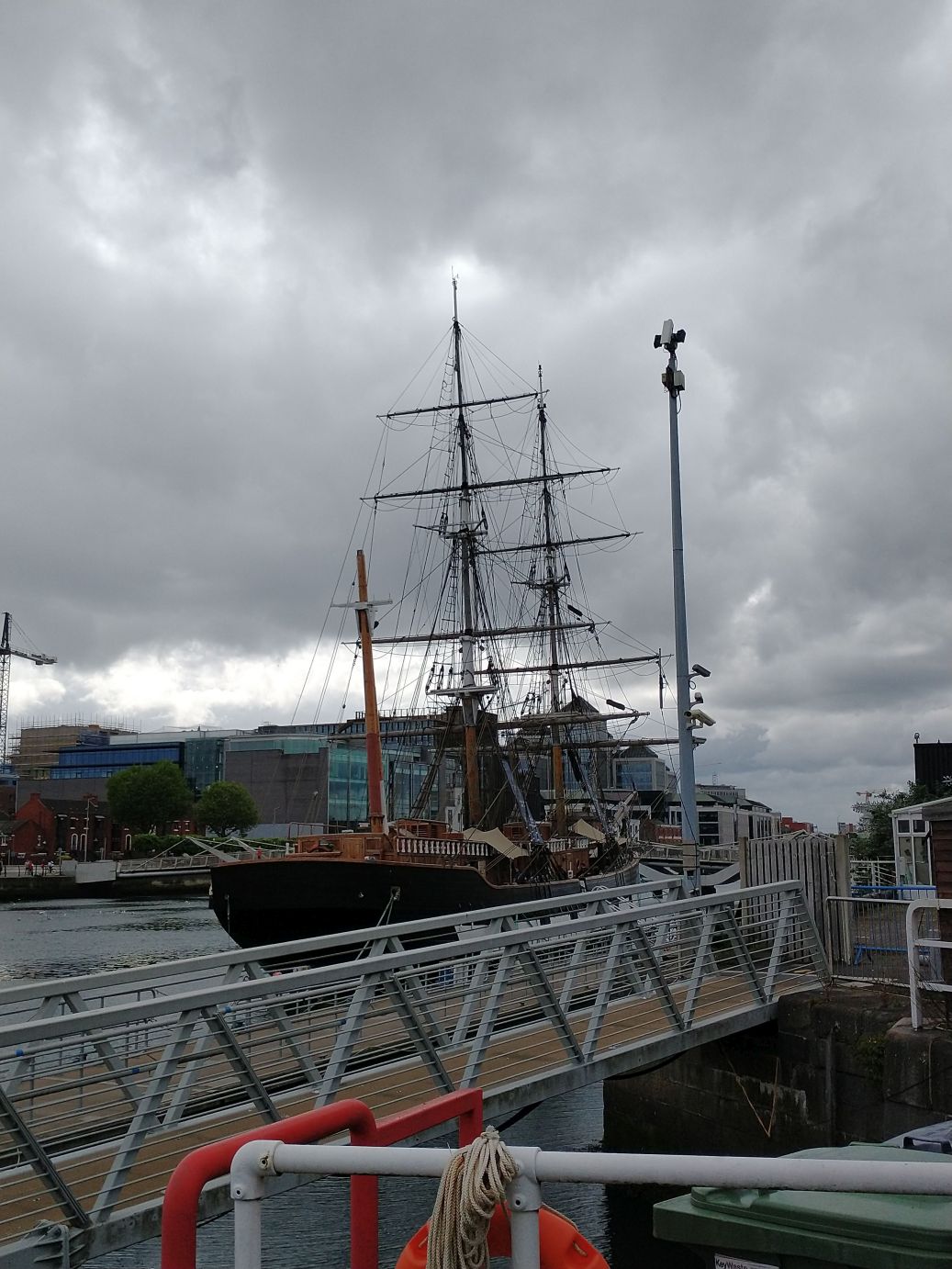
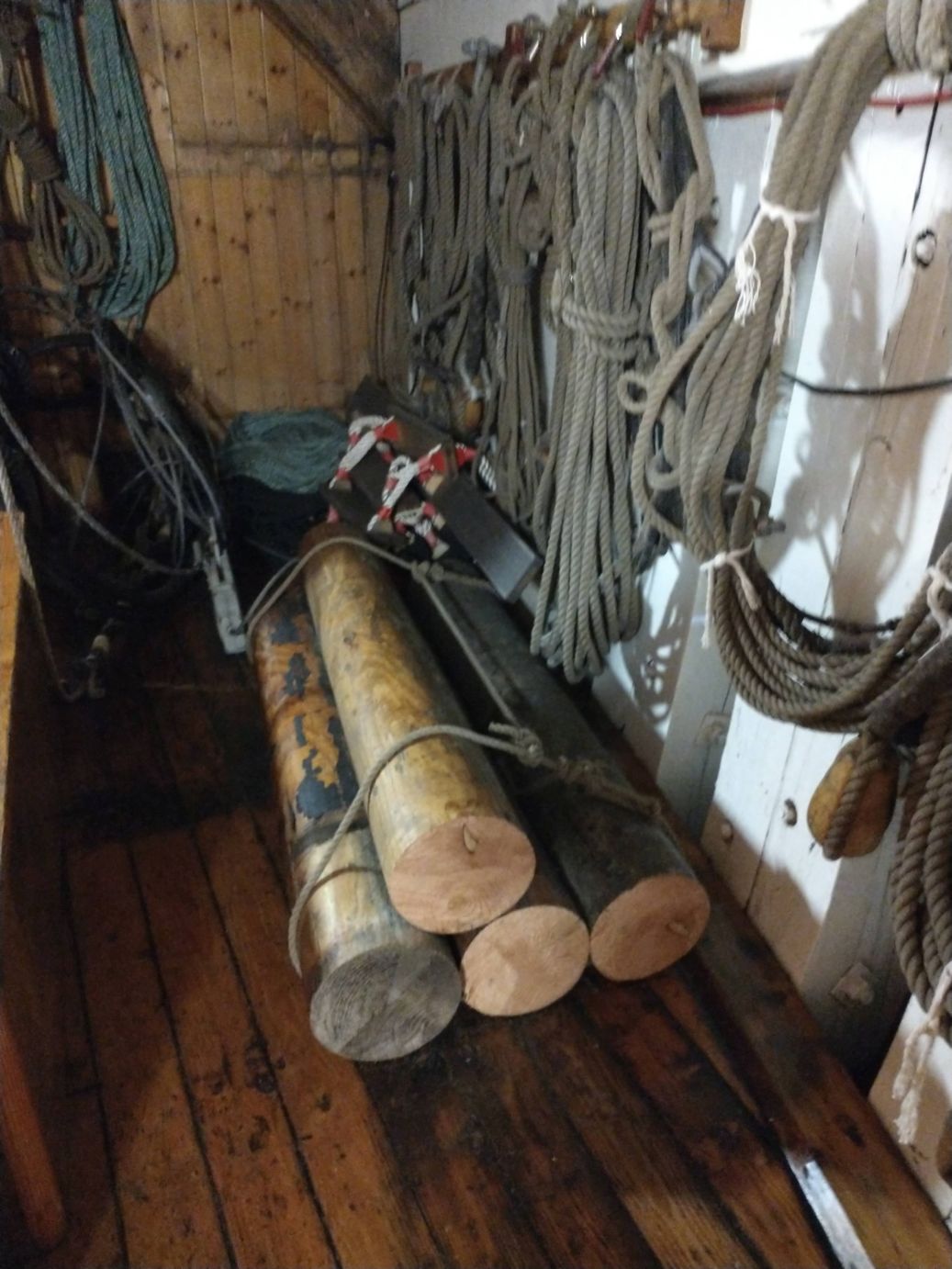
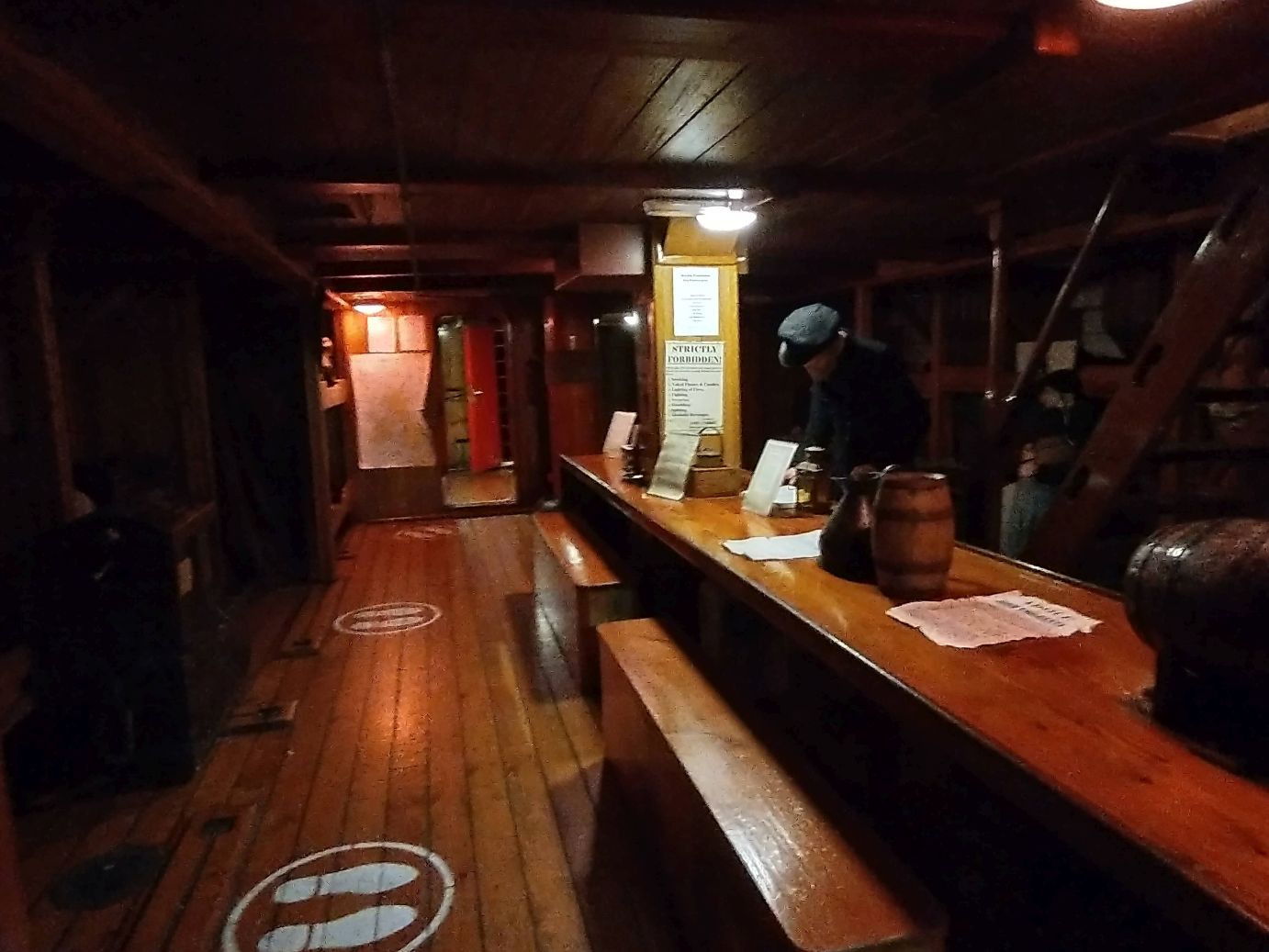
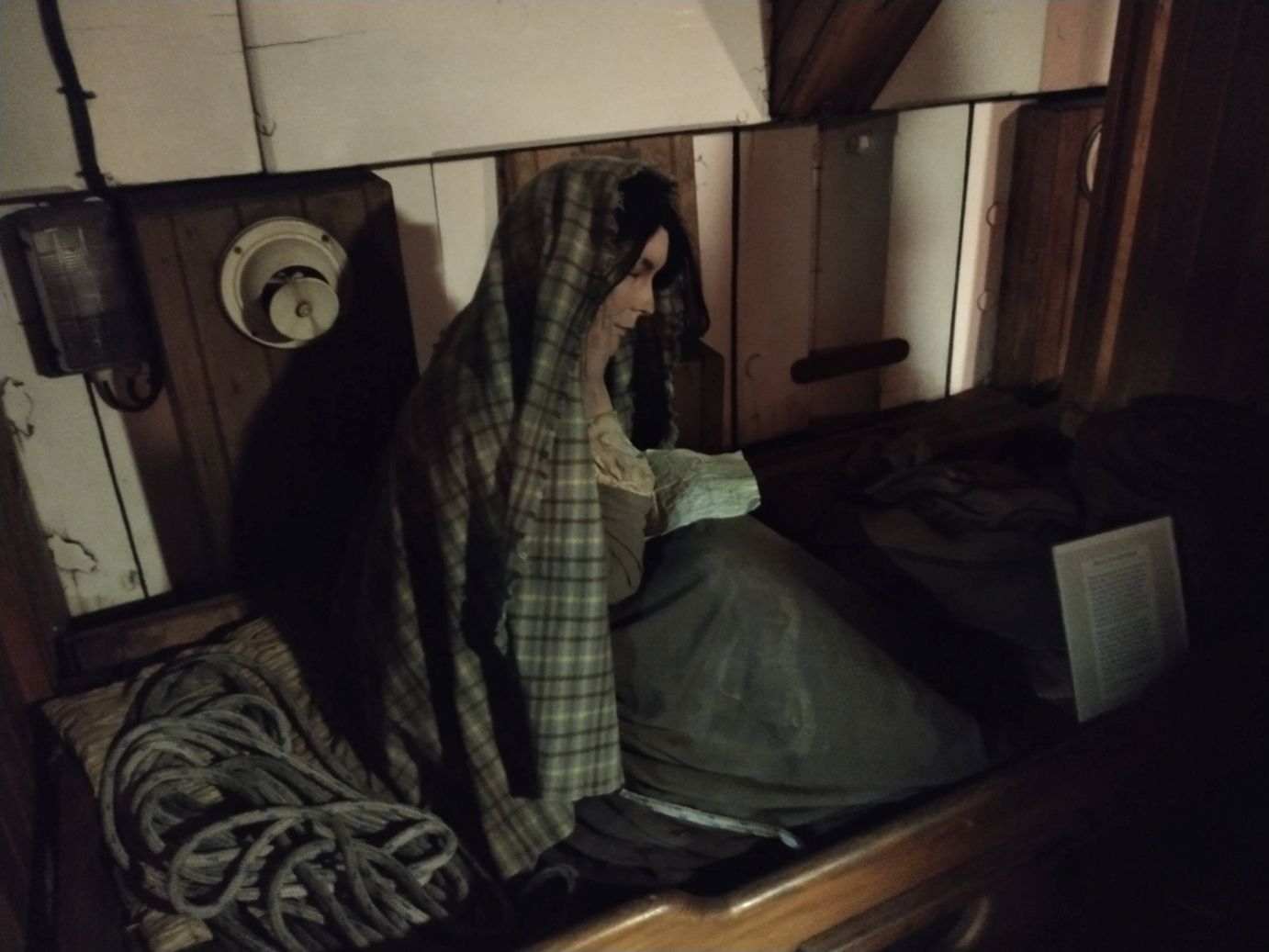
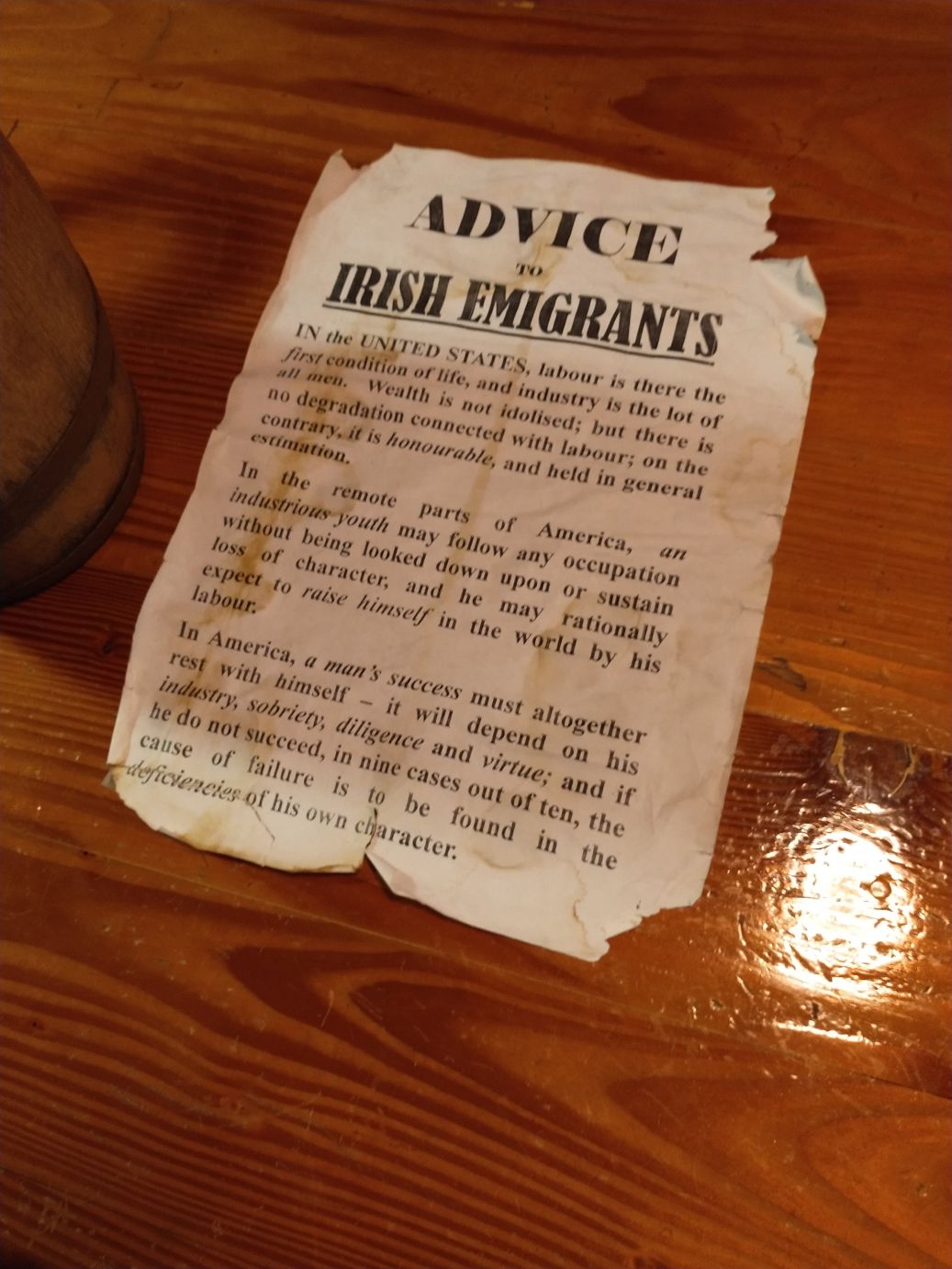
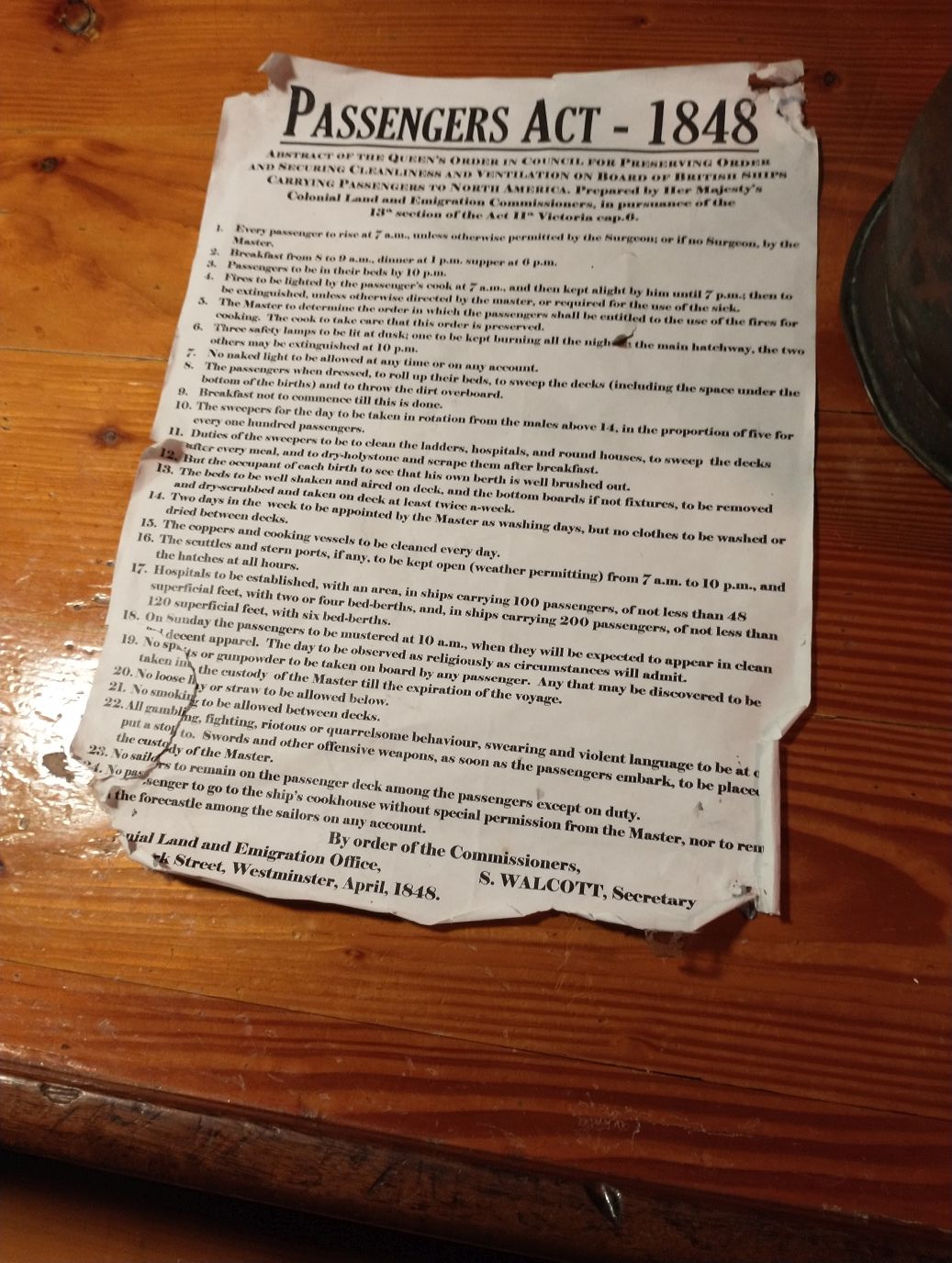
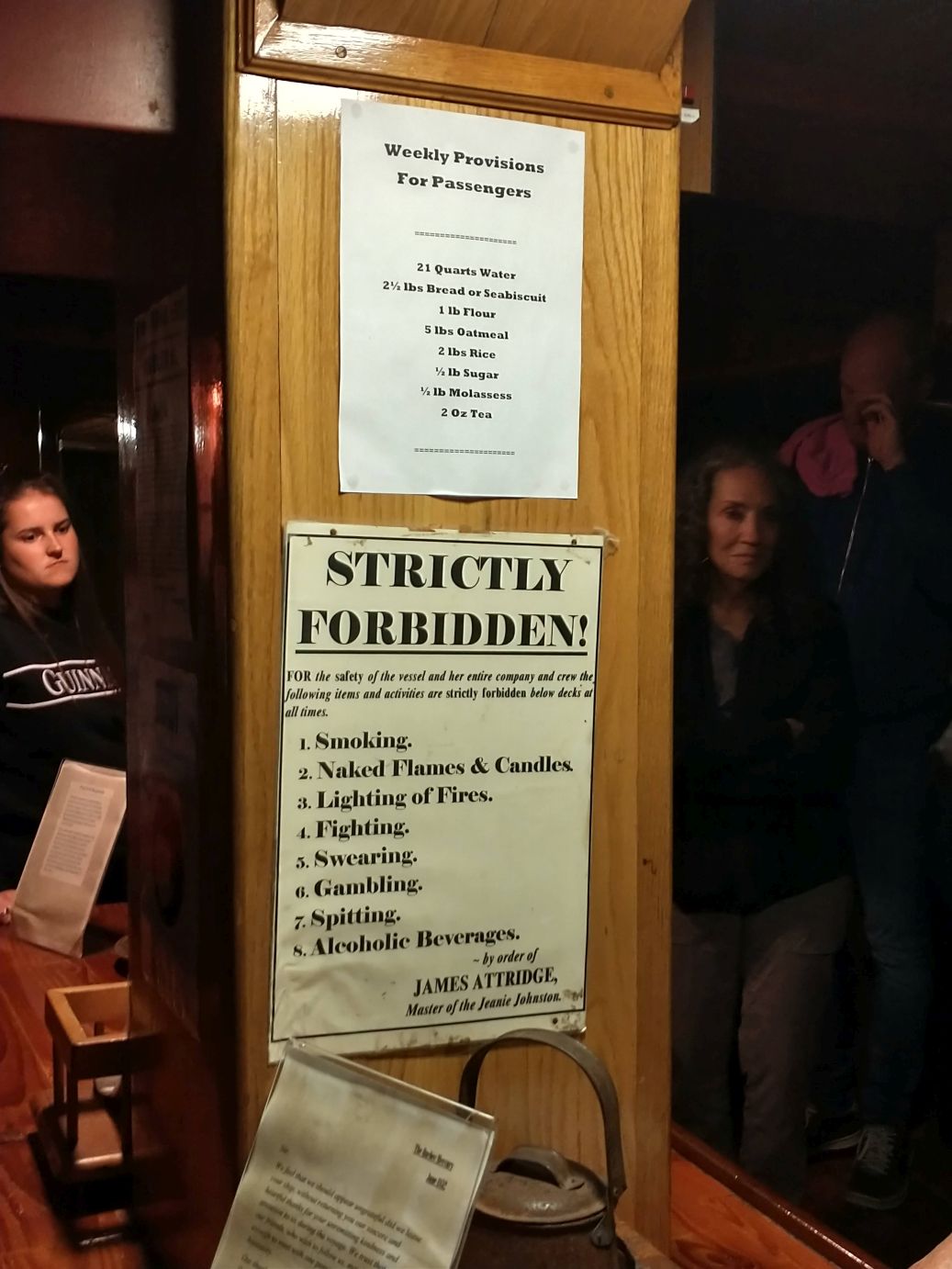
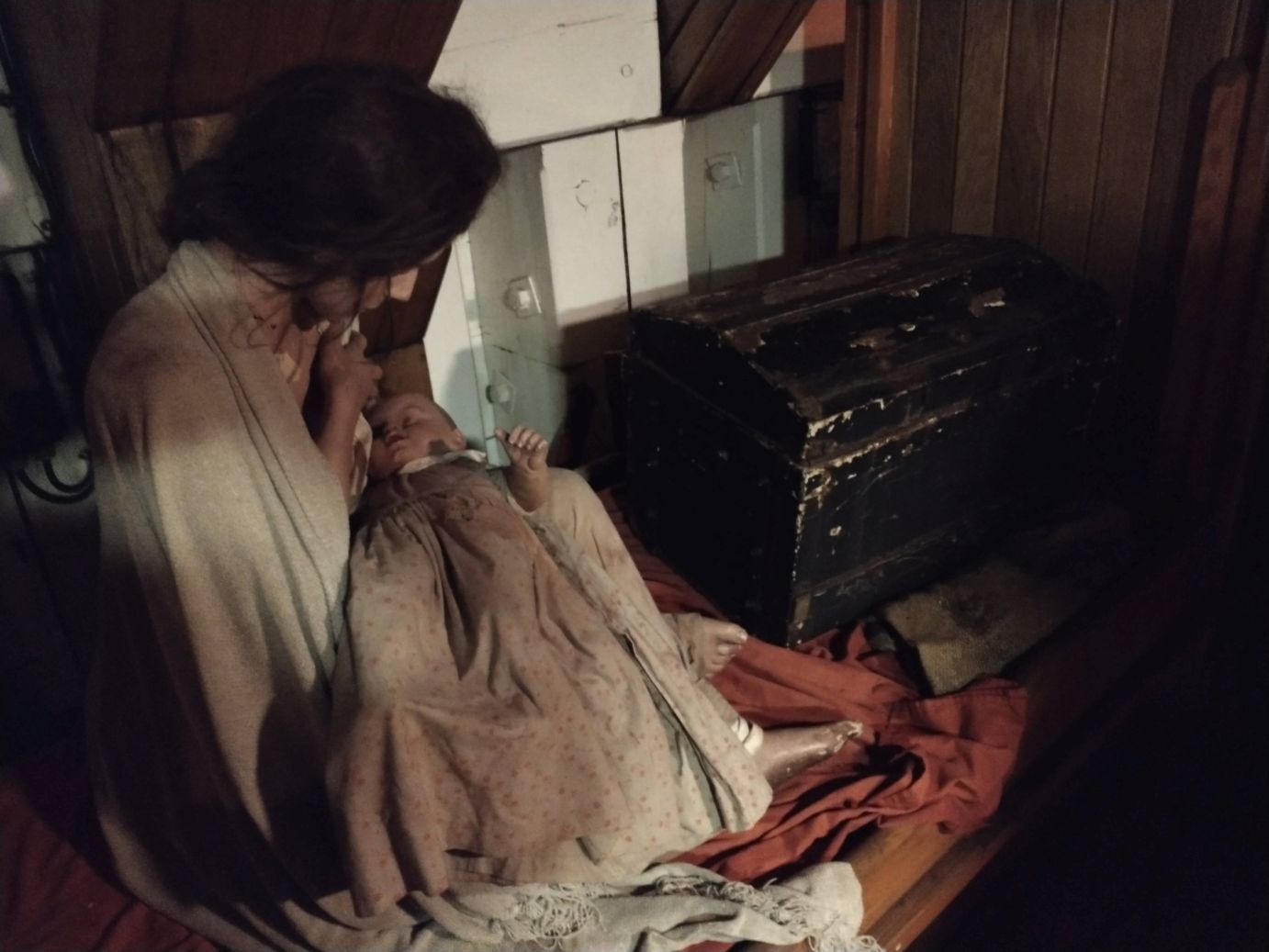
Then it is below deck to where everyone bunked and spent their time. Oh dear me. 250 people? Did I mention I’m also claustrophobic? Well, anyhow, this was an experience. All that aside, they do a great job of really making you feel what it would be like down here with life-like mannequins of the people who were on board at any given time. There are also notices tacked to the dining table and the support poles with rules and advice for emigrating. There is even a list of all the voyages and how many passengers were on each. All very fascinating.
After the tour, we hit Urban Brewing again for a drink, then head back to the hotel for our final farewell dinner. More food – more potatoes – good conversation (including trying not to drop our jaws at the couple who thought they could just take a self COVID test – not proctored, just in their room – and use that to fly back to the States tomorrow), farewell pictures and we are now officially on our own for the rest of the trip.
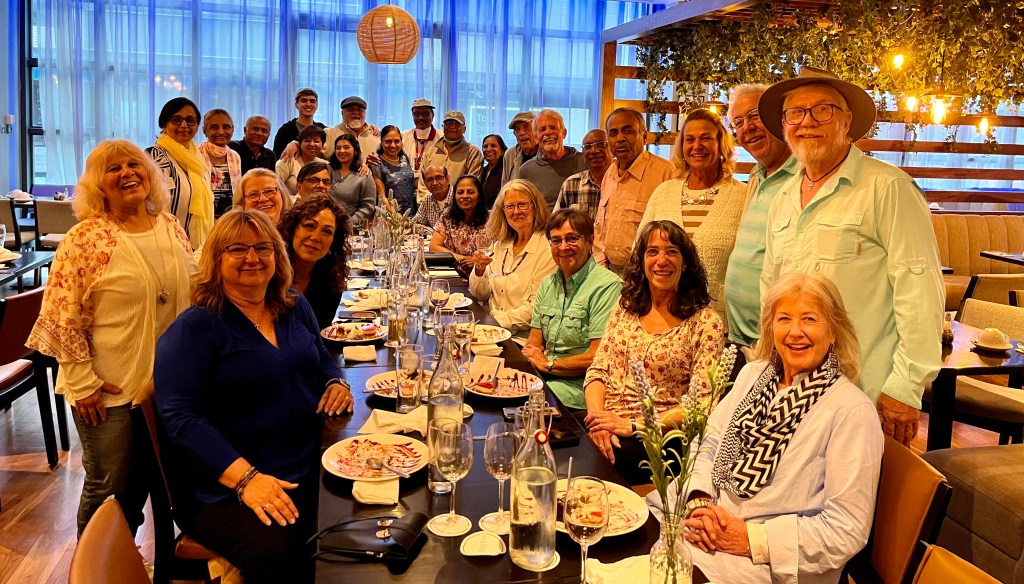
All in all though, 3 great tours, 3 great tour guides and lots of interesting people.
 Andiamo