Ooohhh, today we get to sleep in – well – sort of! The tour doesn’t start until 8, so we can actually go to the gym, eat a leisurely breakfast and then hop on that infernal van. Fortunately there will be lots of stops today and we won’t be doing any long off road adventures. At least not as far as we know, that is.
We have a local guide for the day, Andani, who narrates us through the city on our way to Soweto, the large township in Johannesburg. As we head toward Soweto, you can see lots of sand hills and white sand peaking through any green areas. These are remnants of the gold mining days. When gold was discovered, the British came in and said everything under ground was owned by British. Africans could have anything above ground. Then the companies proceeded to just dump all the excess sand above ground wherever they wanted.
Soweto was developed when gold was found in the city. Companies wanted to mine where the people lived, so they were moved. The story goes that the name Soweto comes from people asking the police, “So where to now” when they were being removed.
The companies also needed workers, and originally brought in immigrants like the Chinese. But they couldn’t handle the temperatures underground, so the companies began using Africans. It was a very hard life, most workers only had a lifespan of 5 years. They had contracts that gave them very little time off – only 2 times or 4 times per year. Because of this many were families destroyed because the men just never came home.
As Soweto developed, it became 70 percent middle class, 20 percent rich 10 percent poor. Here, everyone lives together – rich and poor. No class barriers. We pass the largest hospital in the world, Chris Hani Baragwanath hospital, right outside of Soweto – with 30,000 beds, 5,000 nurses, 500 doctors and an area of 5 km in circumference. All health care is provided here, and you pay what you can according to your job income. If you say you are out of work, then the health care is free.
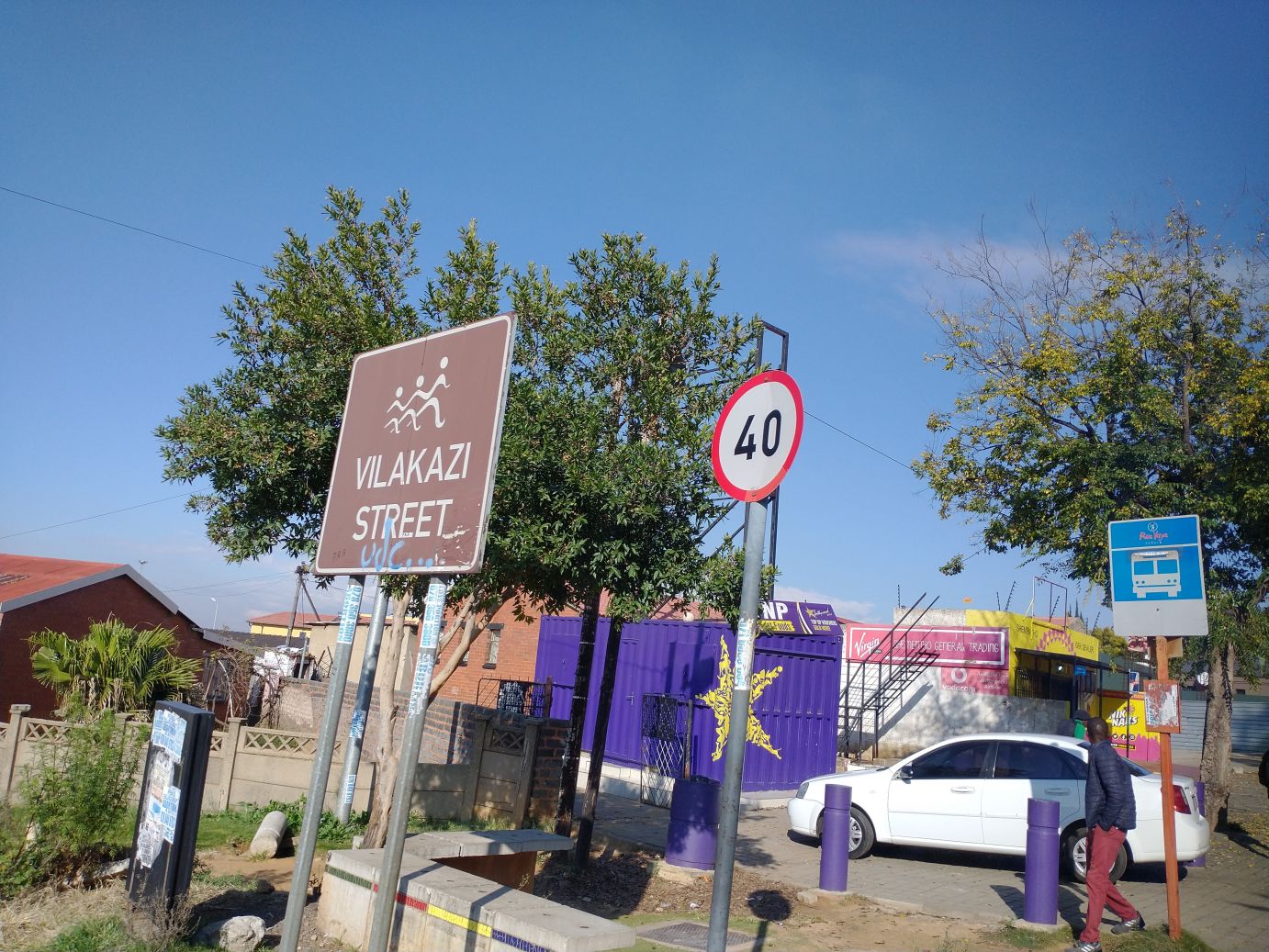
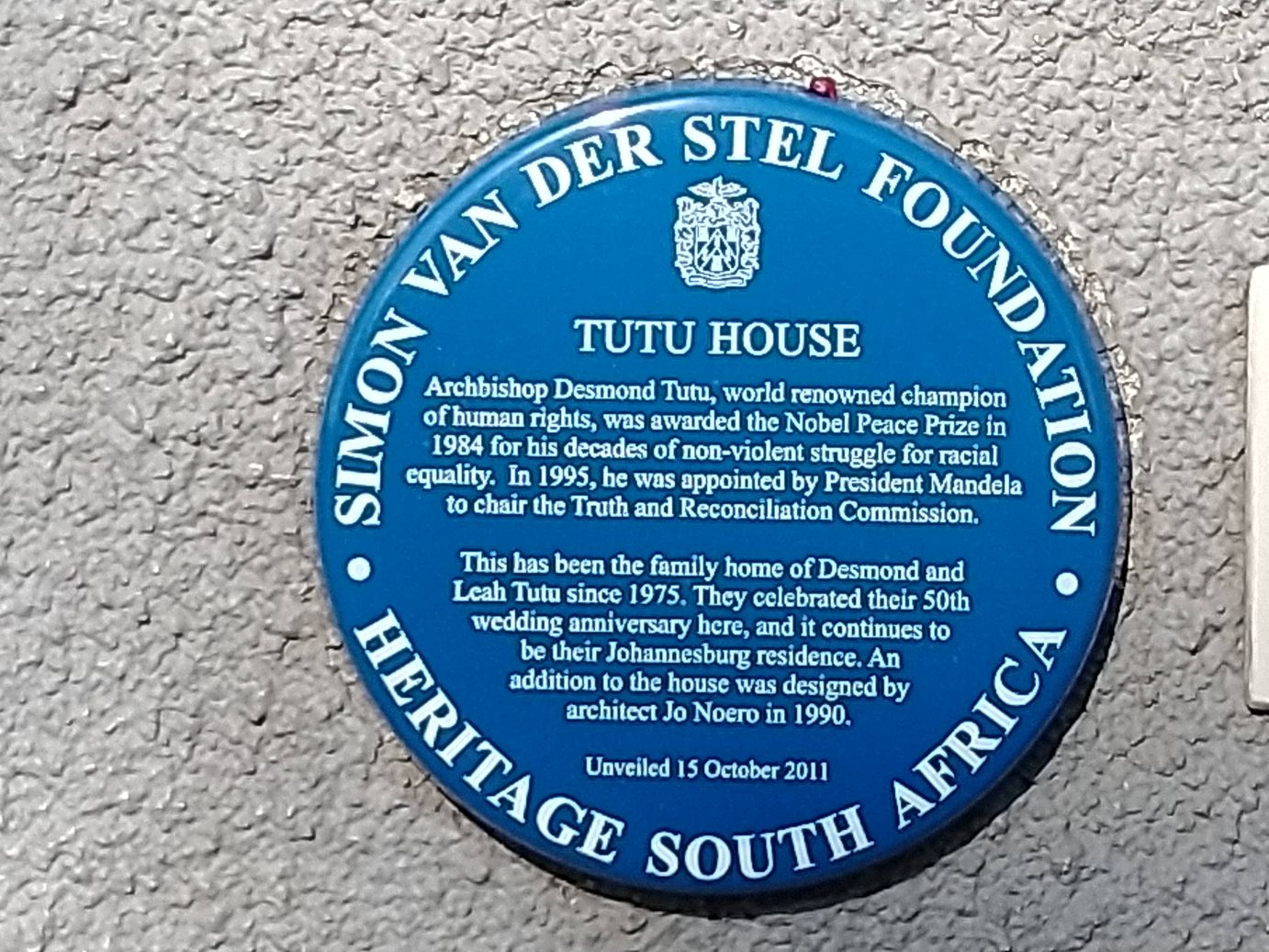
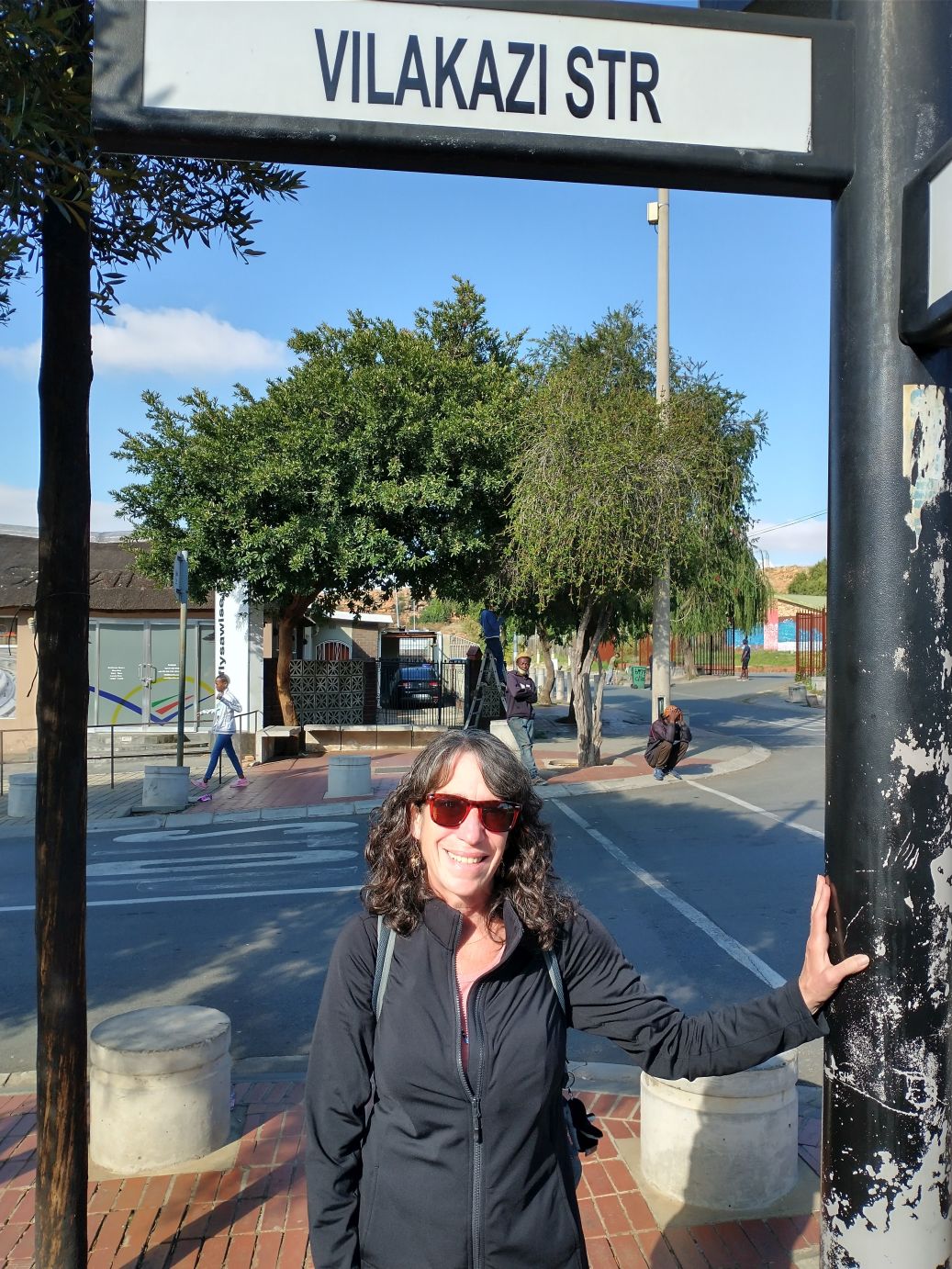
Our first stop is Vilakazi street, where 2 Nobel Peace Prize winners lived: Desmond Tutu and Nelson Mandela. We stop at Tutu’s house first, where we can view a plaque, but not visit. It is still their family’s official residence and not open to the public. A few blocks up the street, past this interesting mural, is the Nelson Mandela house.
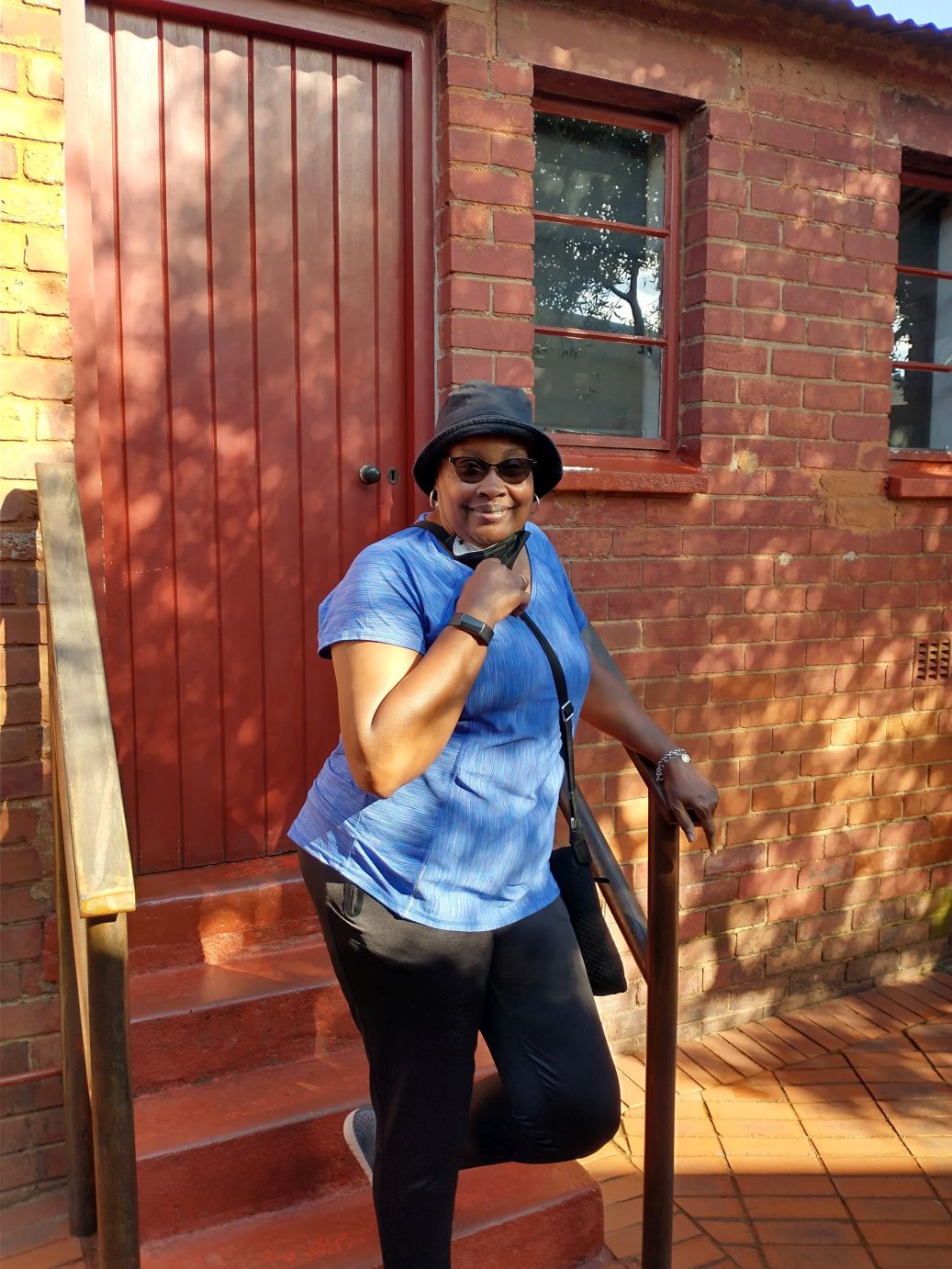
This was his residence before he was imprisoned during the Apartheid times. His children were born here with Winnie and they buried the umbilical cords of the children under the trees in the yard. The house used to be fully furnished, but now just has a few original pieces and more historical displays.
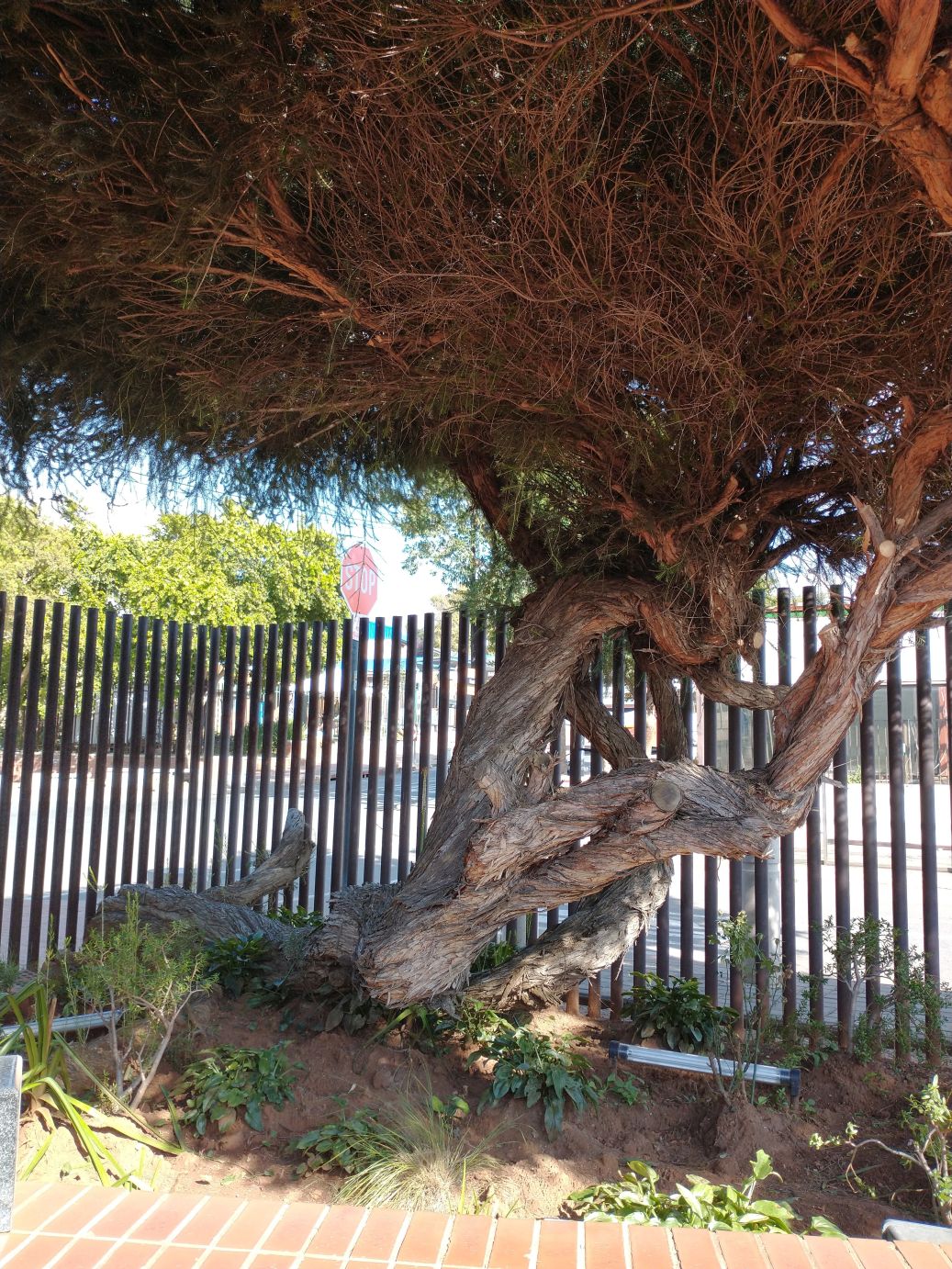
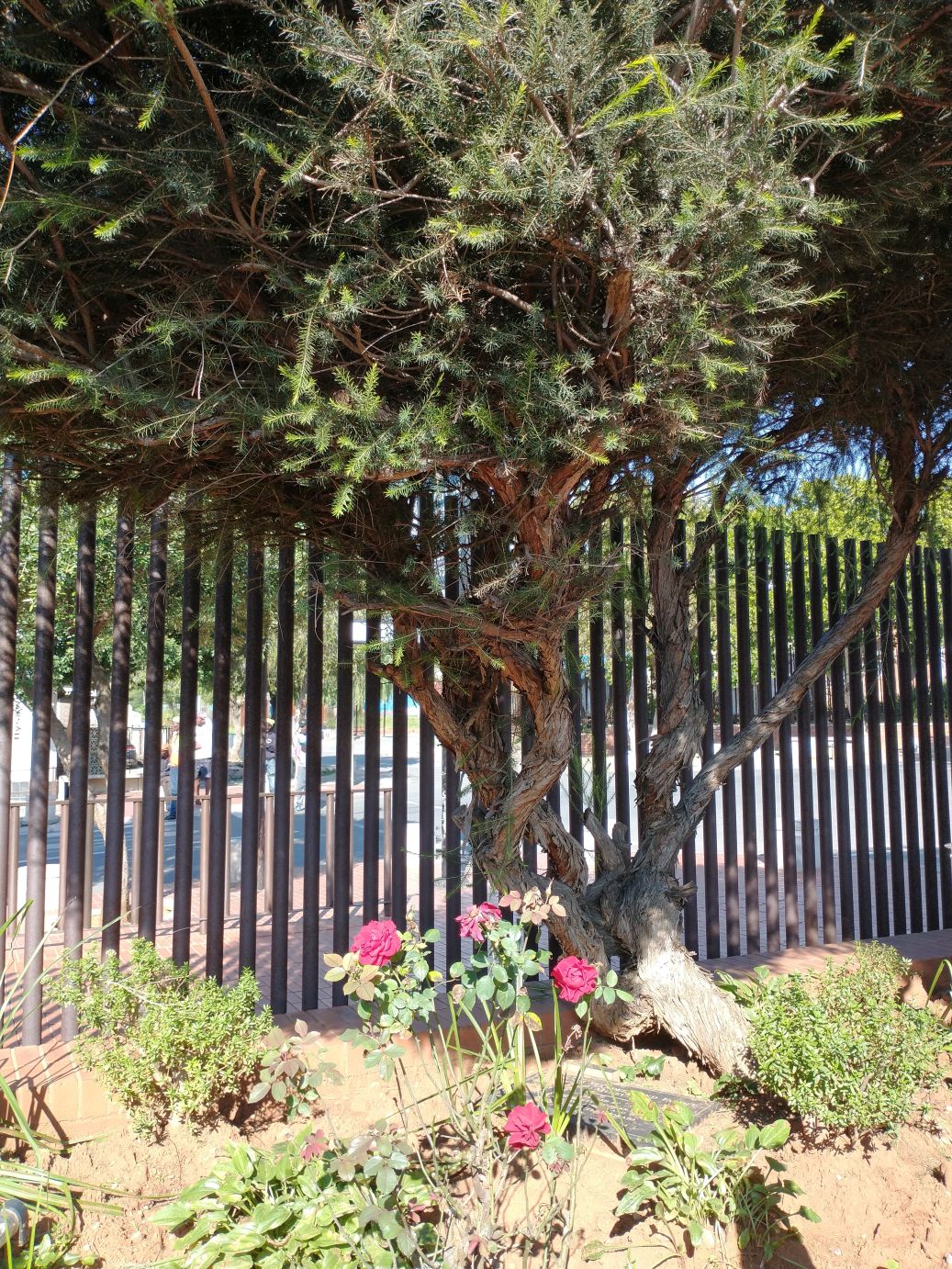
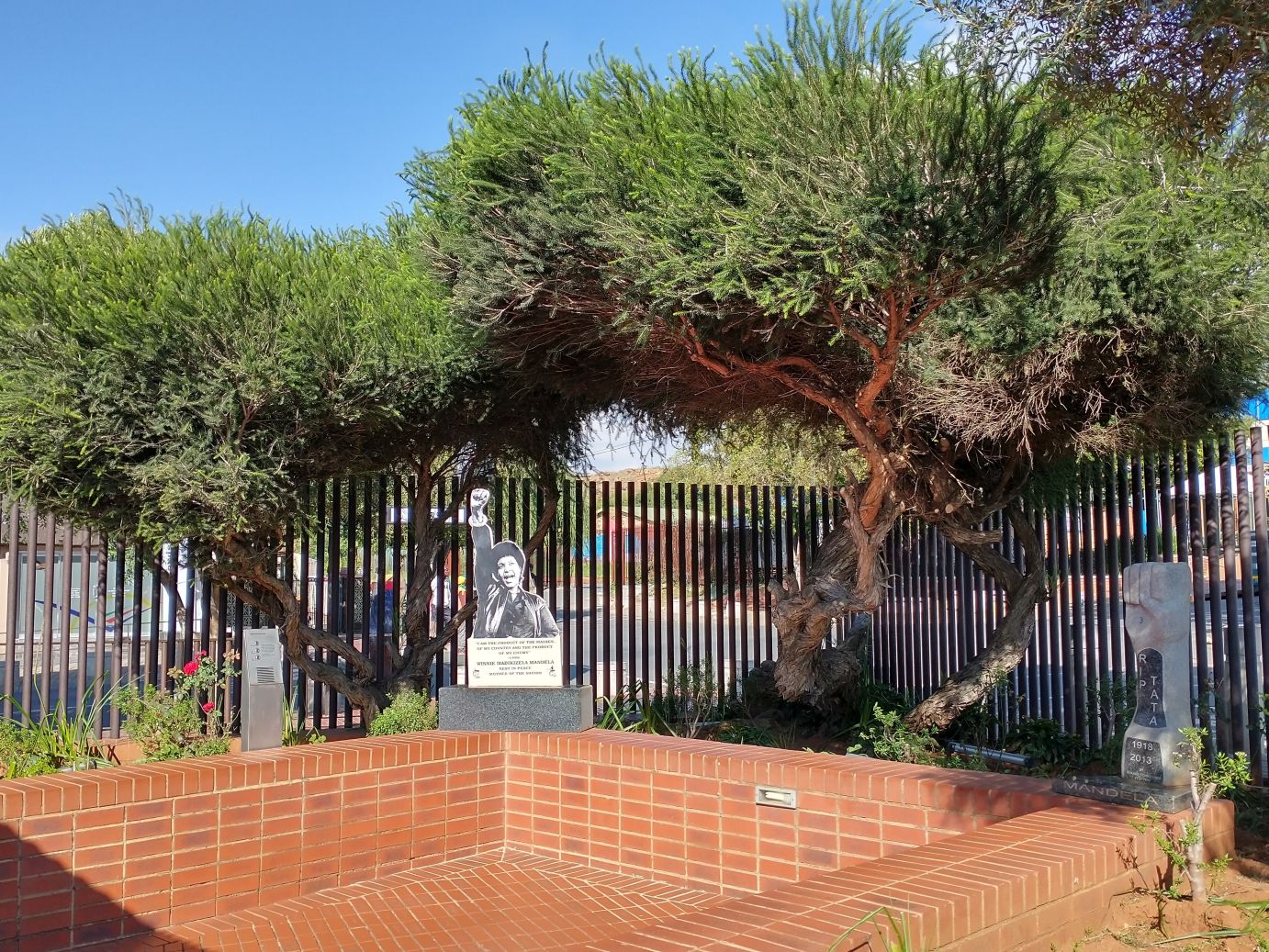
It is a traditional house for the time – tiny with only a coal burning stove in the teeny kitchen and a small bathroom. There are some wonderful displays, nice artwork and family photos inside, as well as photos that show how he looked when he was imprisoned – which is completely different than when he was released. I’d never have recognized him.
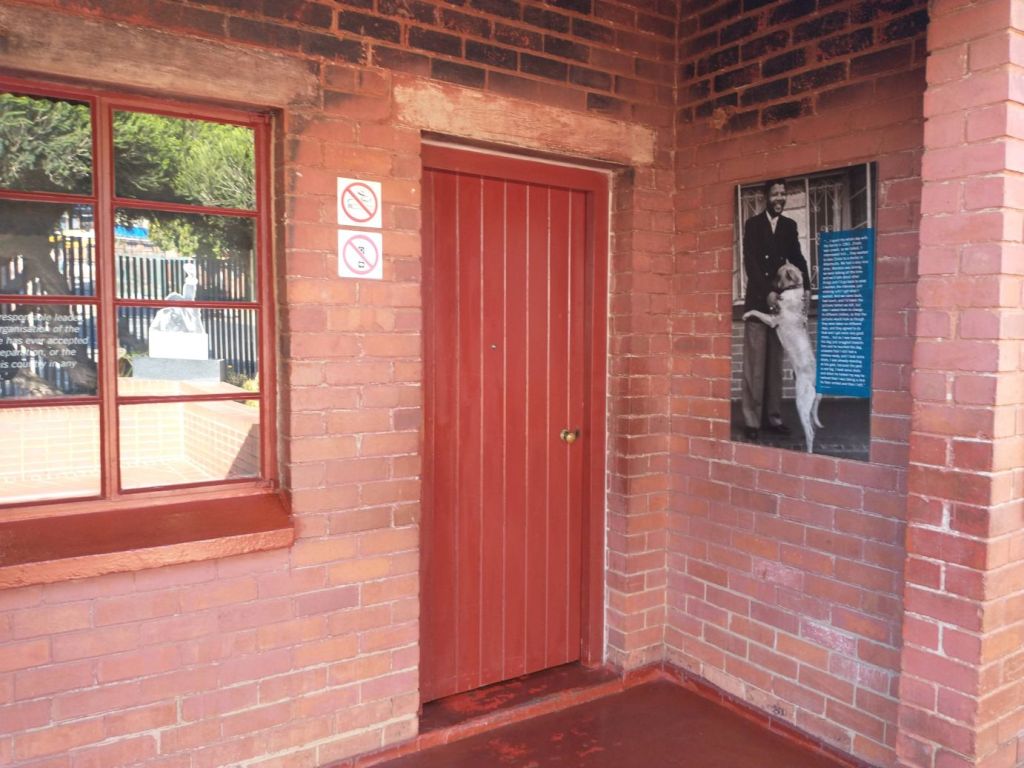
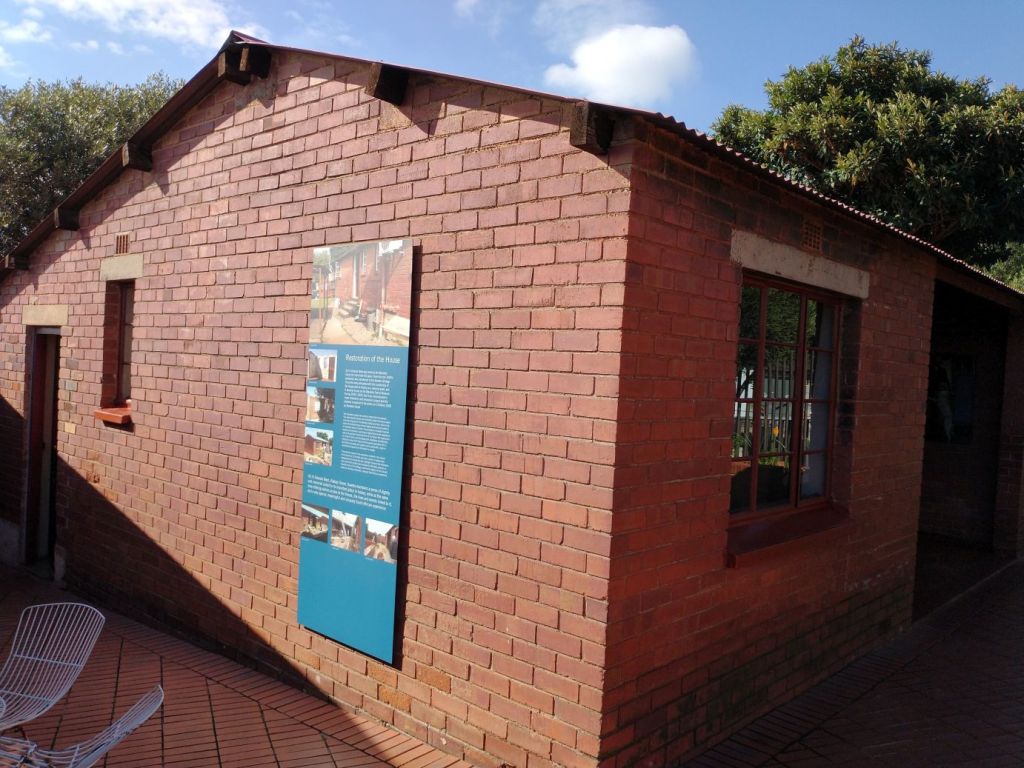
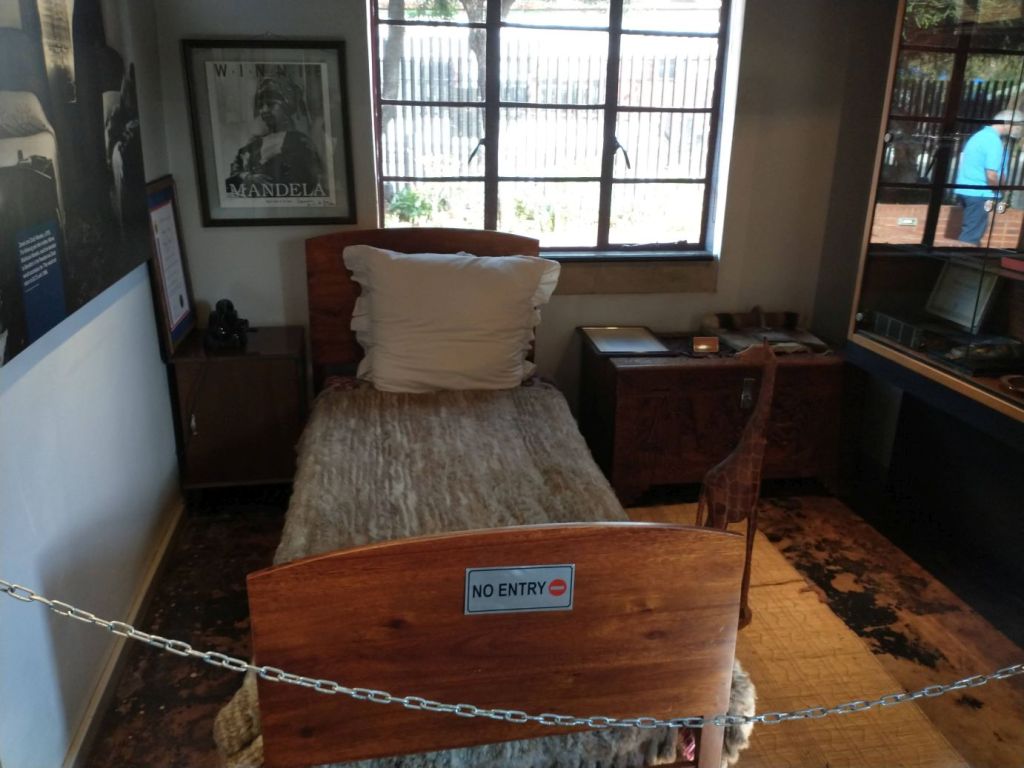
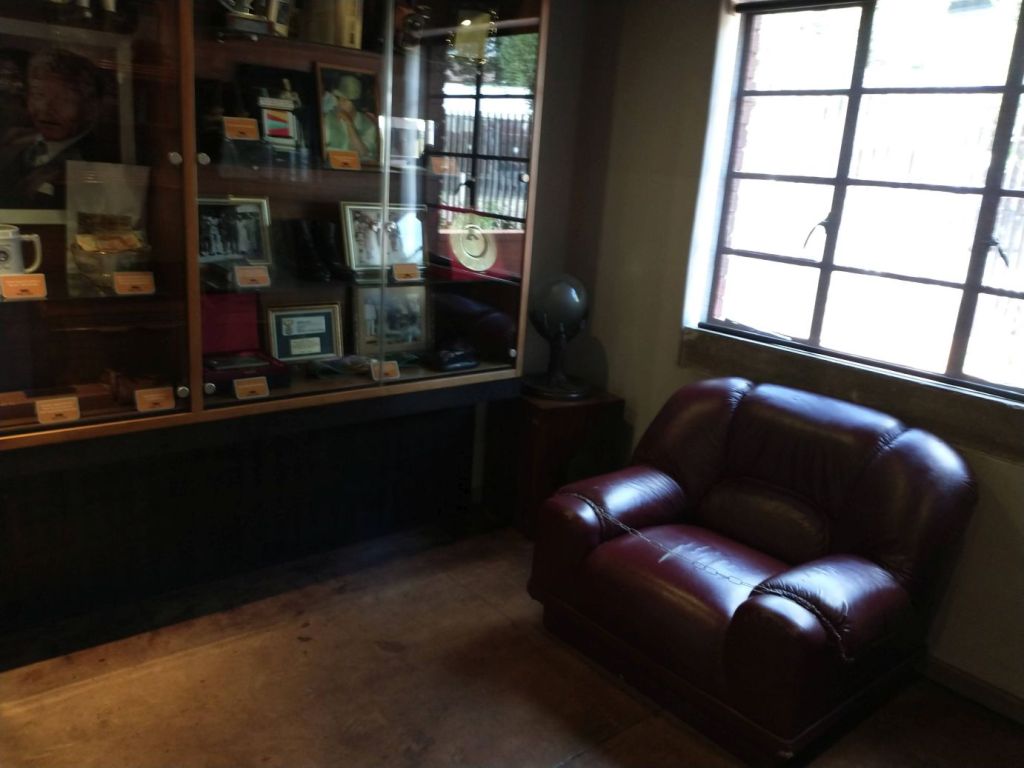
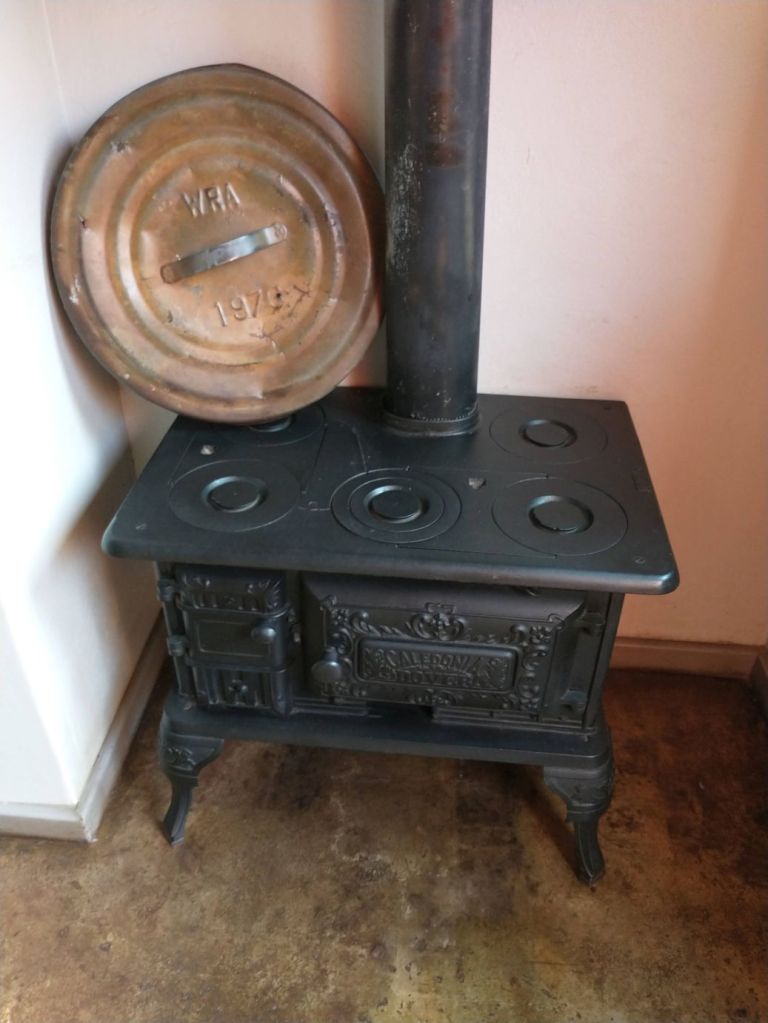
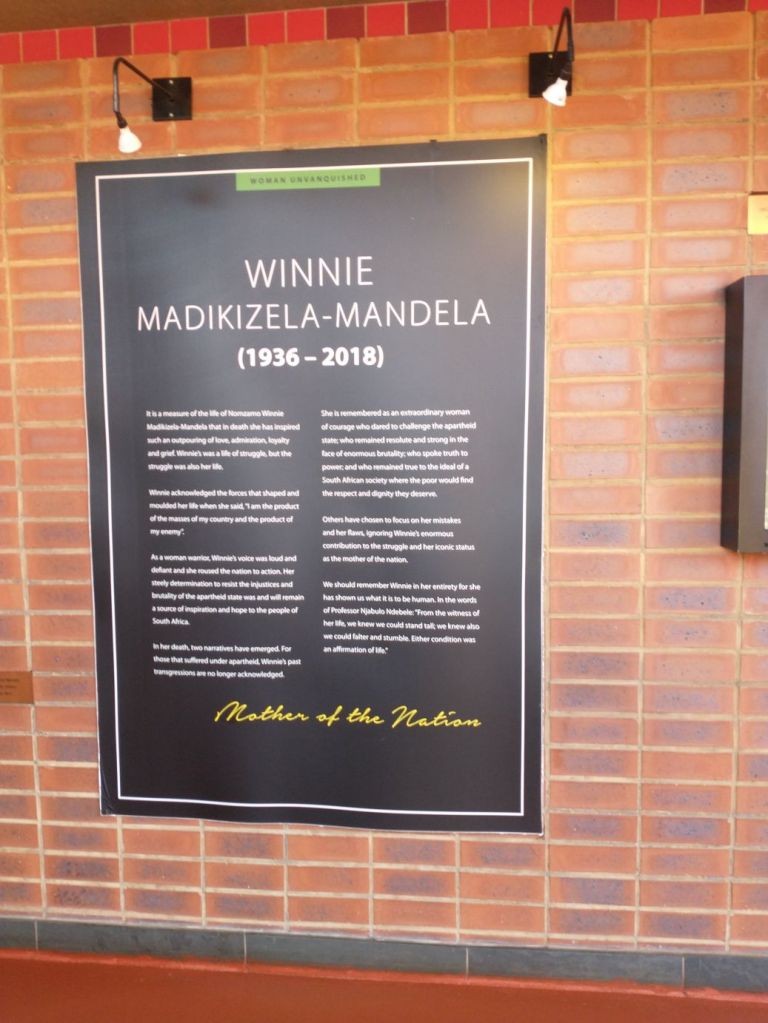
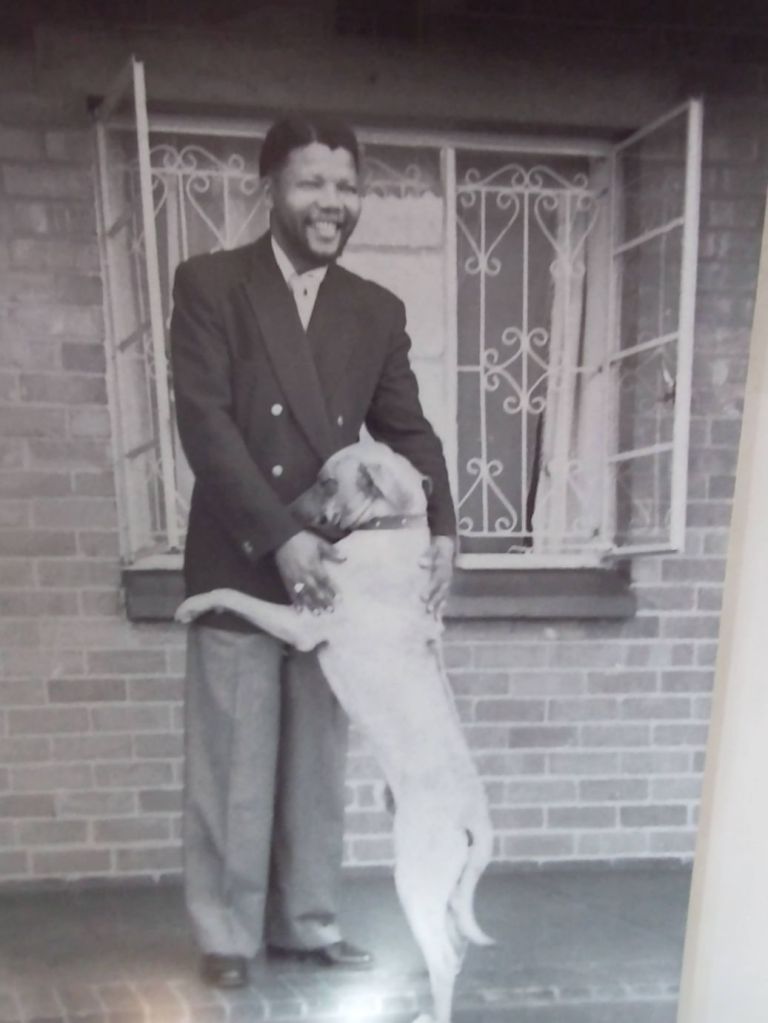
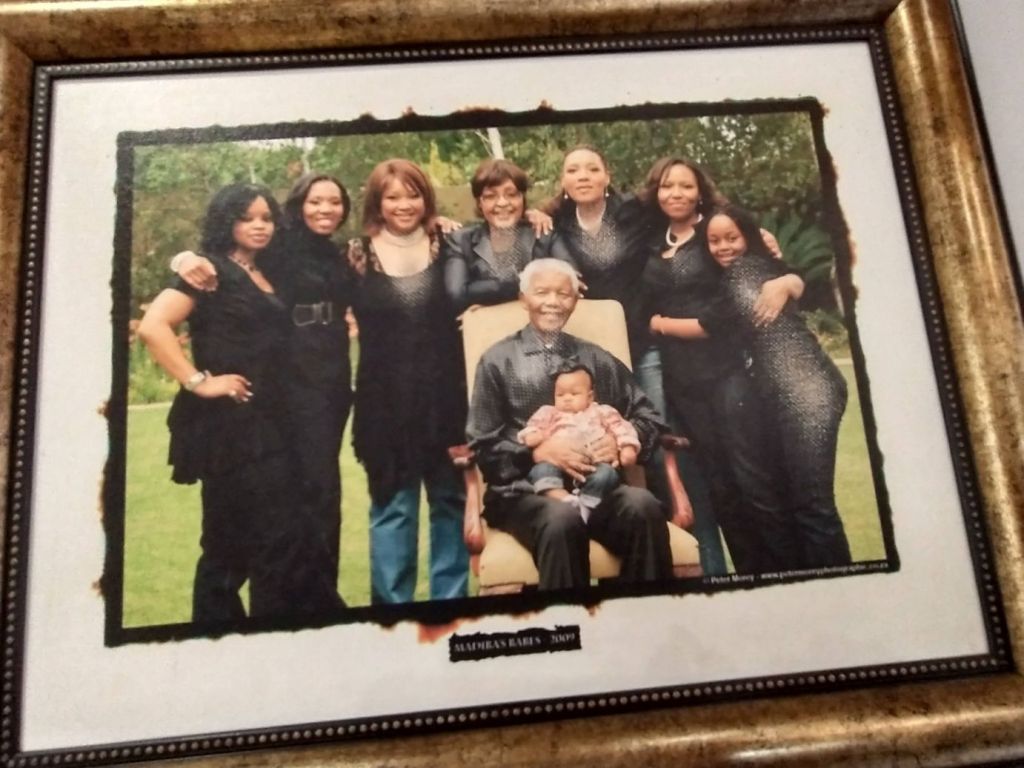
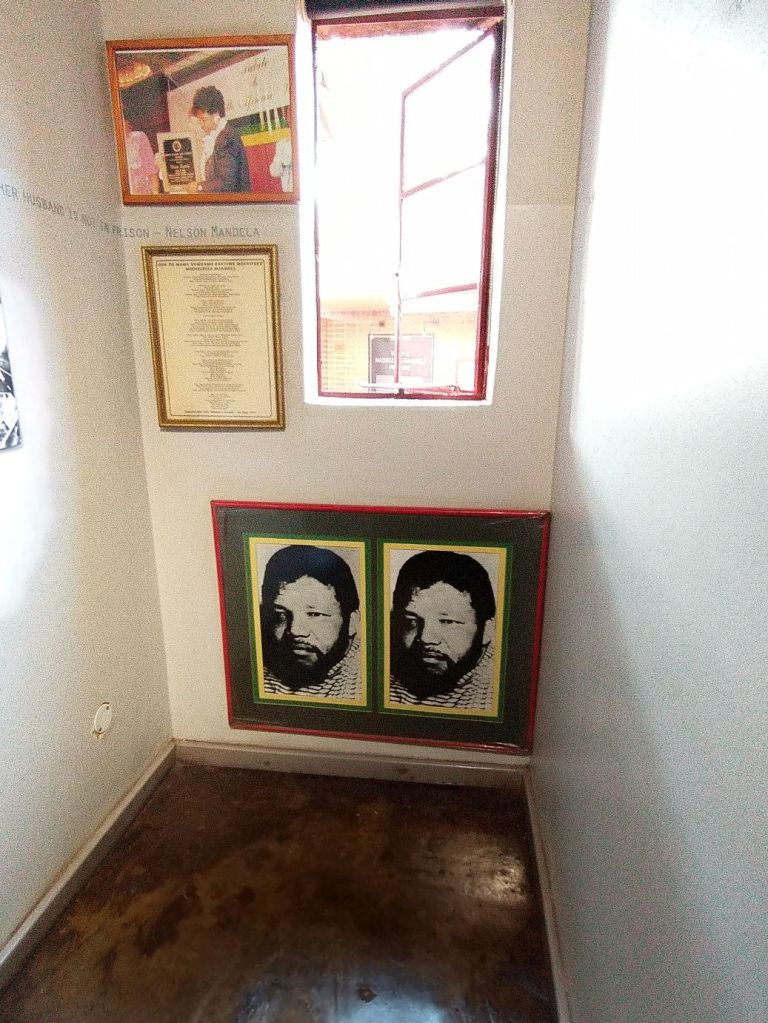
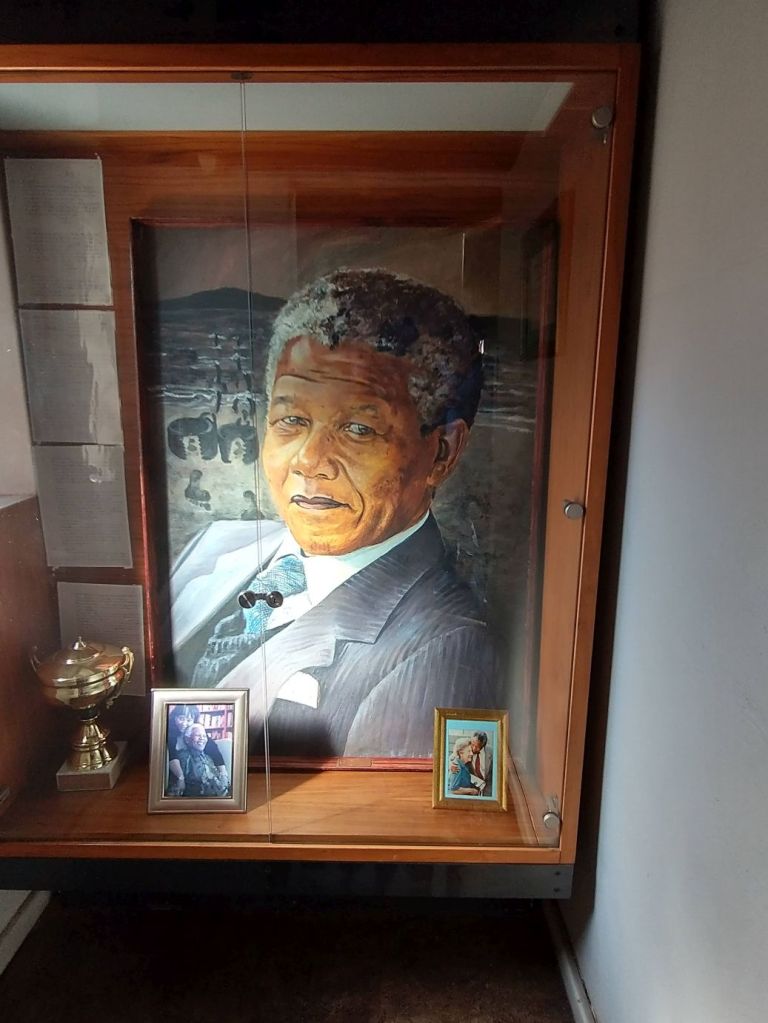
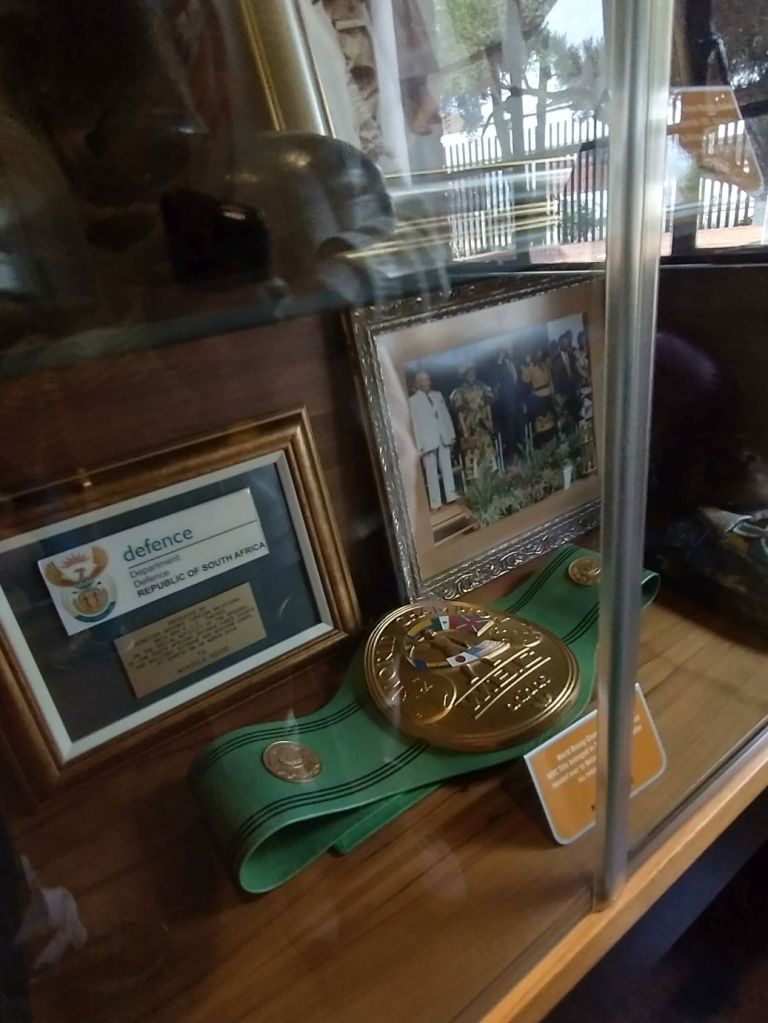
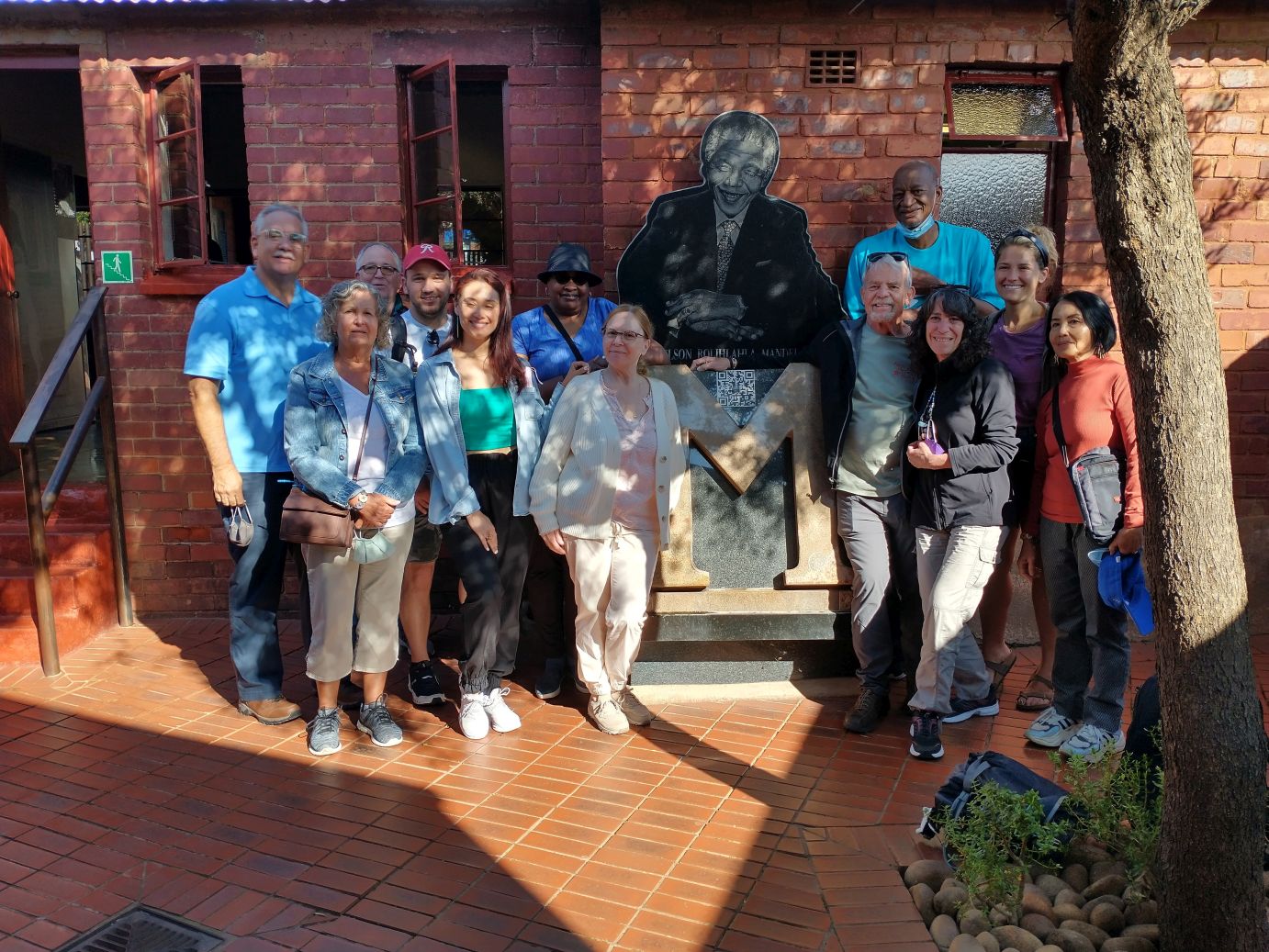
The courtyard is also lovely – with the aforementioned trees, as well as photos depicting life as it was when Mandela was living there, Winnie and how the restoration took place – and a perfect place to take a group photo. Overall, a very interesting visit.
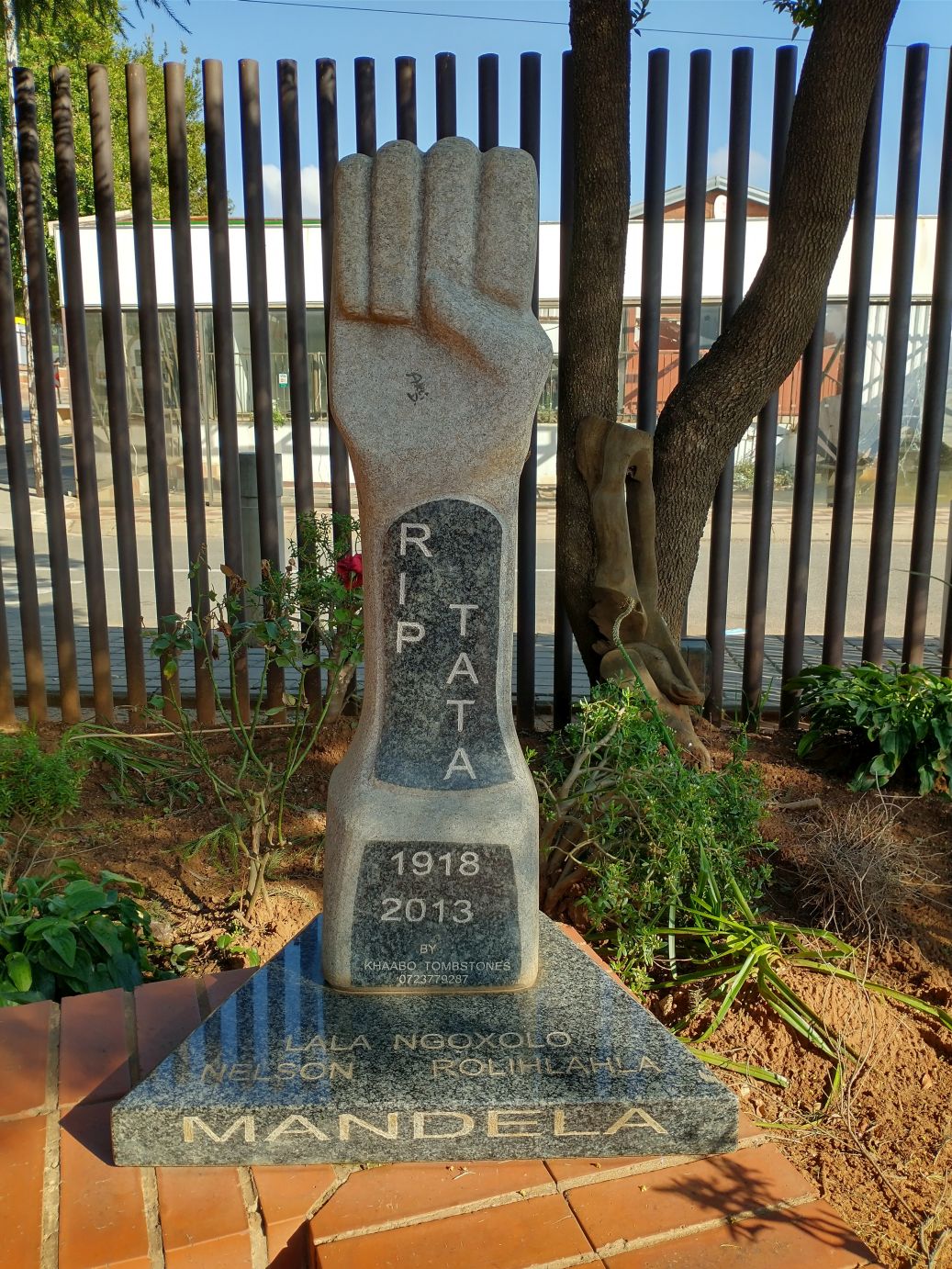
We moved on from here, back on the van, to the Hector Peterson memorial. Hector was the first person killed during the peaceful student protests against Apartheid. What started out as peaceful ended up in police brutality, and this square is a humble reminder of all those who took a stand for freedom that day. There is a lovely granite statue unveiled by Mandela himself as well as the iconic photograph of Hector as he is being carried off, with his sister Antoinette right at his side.
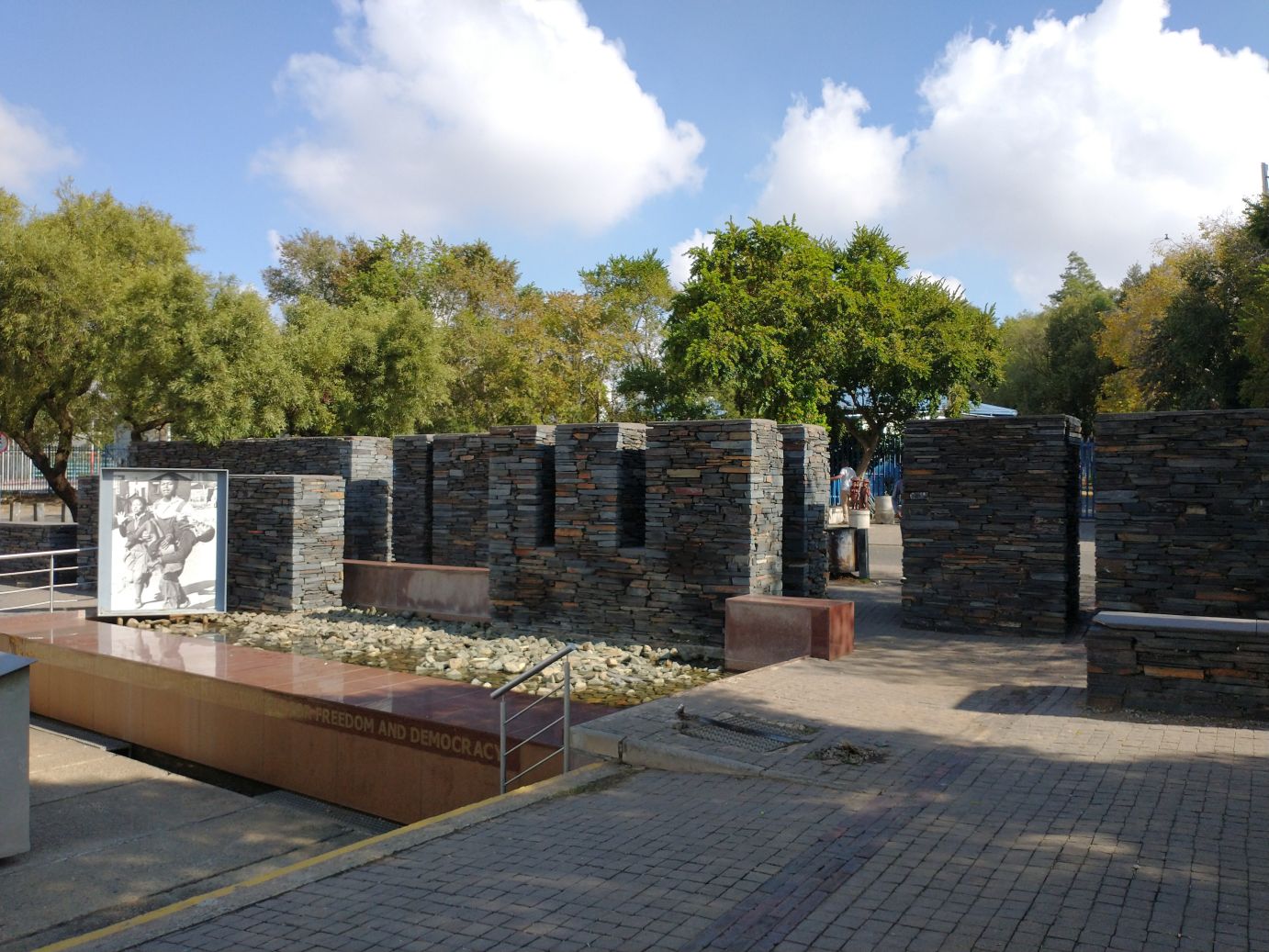
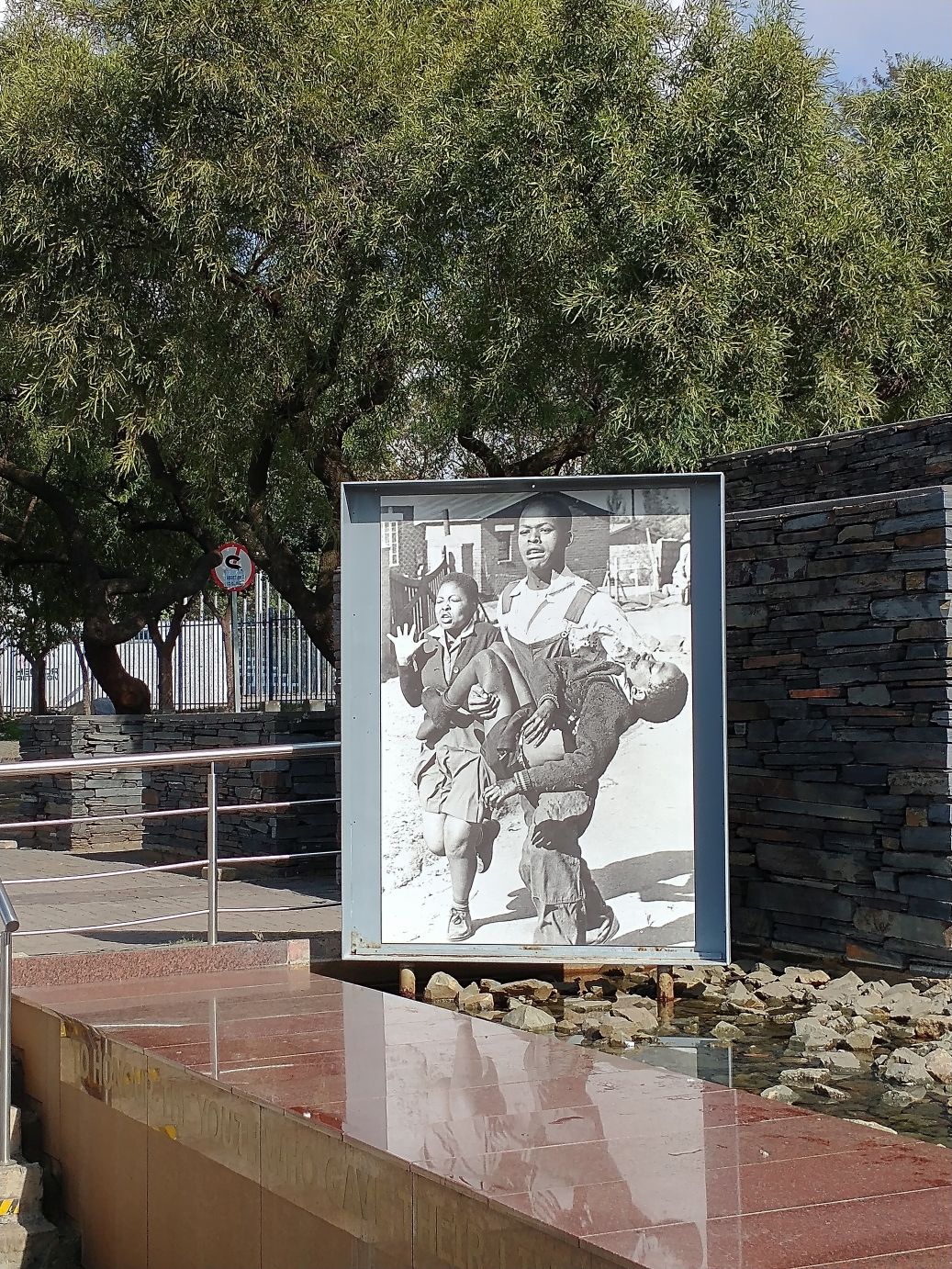
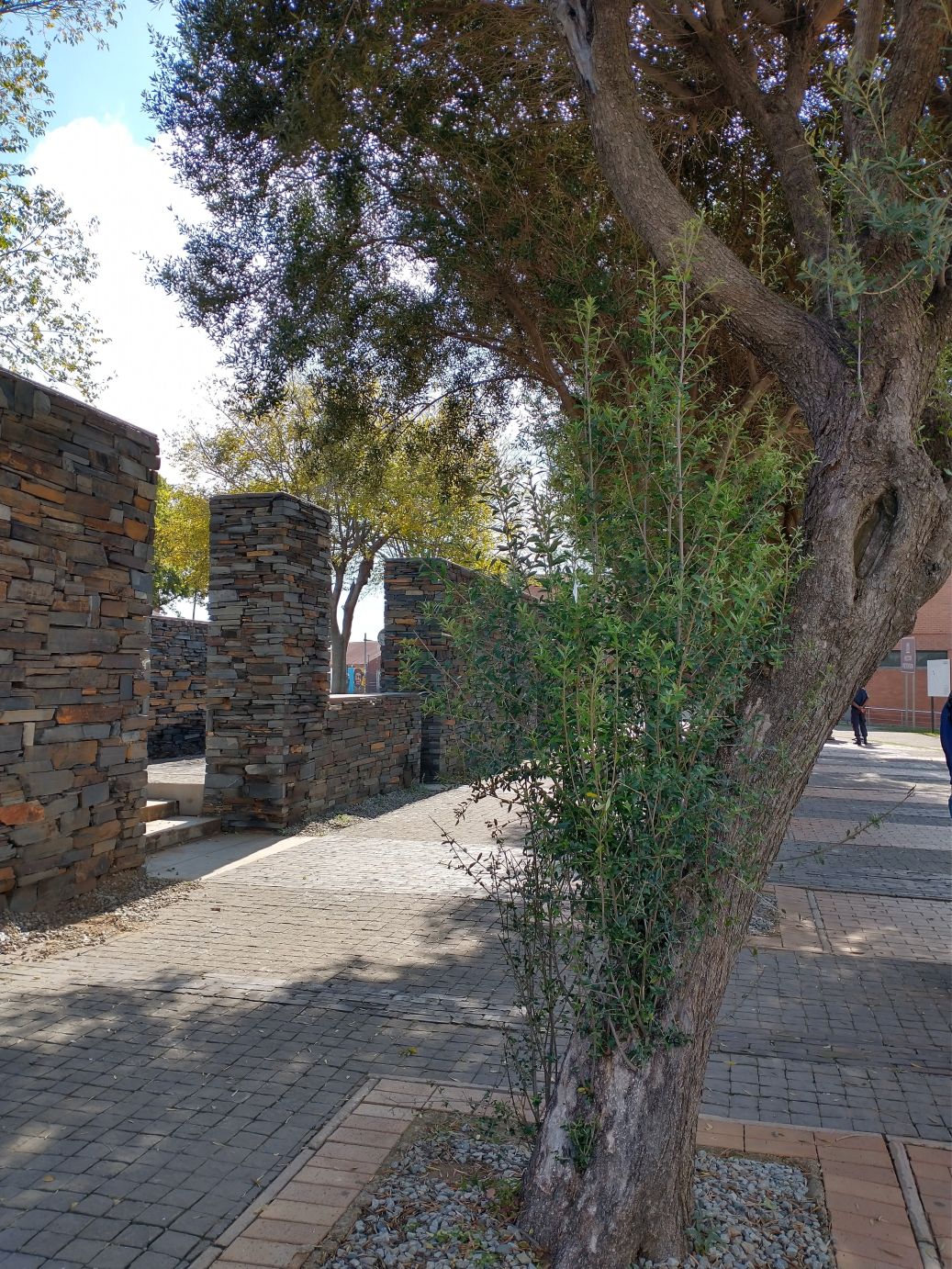
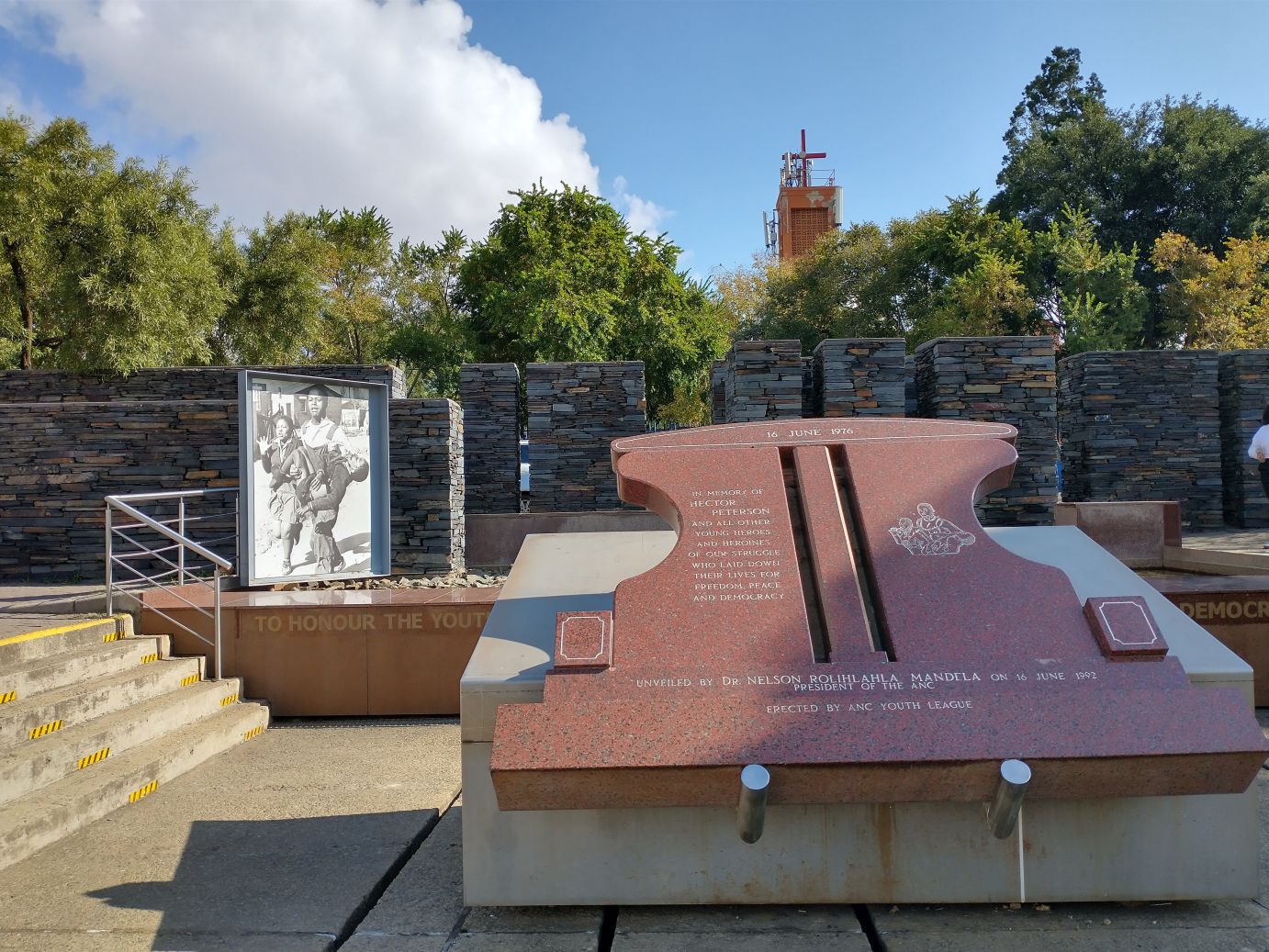
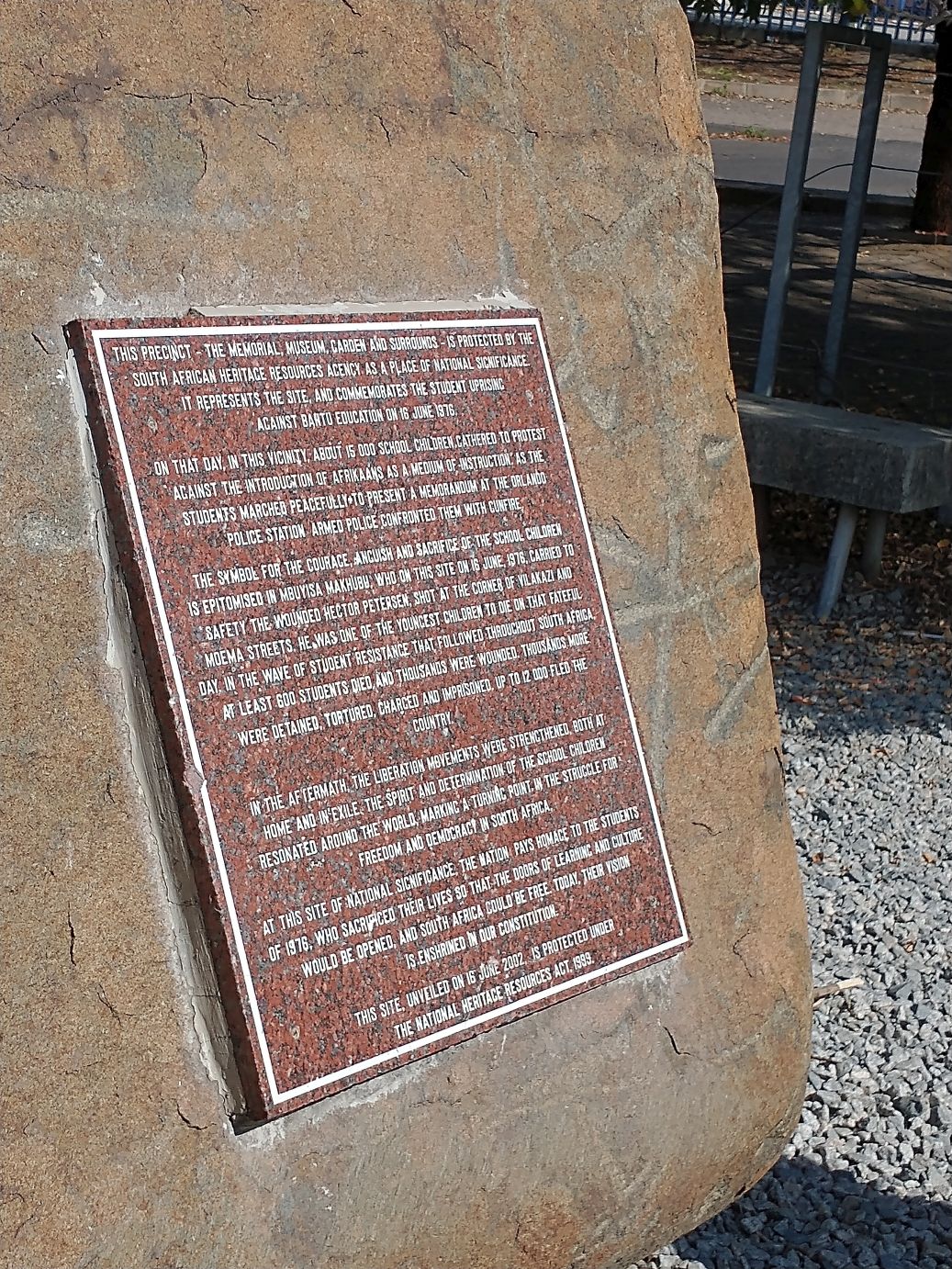
Poignant and powerful.
We continue on toward the Apartheid museum next, passing through the monstrous Soweto suburbs. I mean, they are tremendous – I can’t remember the exact size, but it is something astronomical. The houses just go on and on and on.
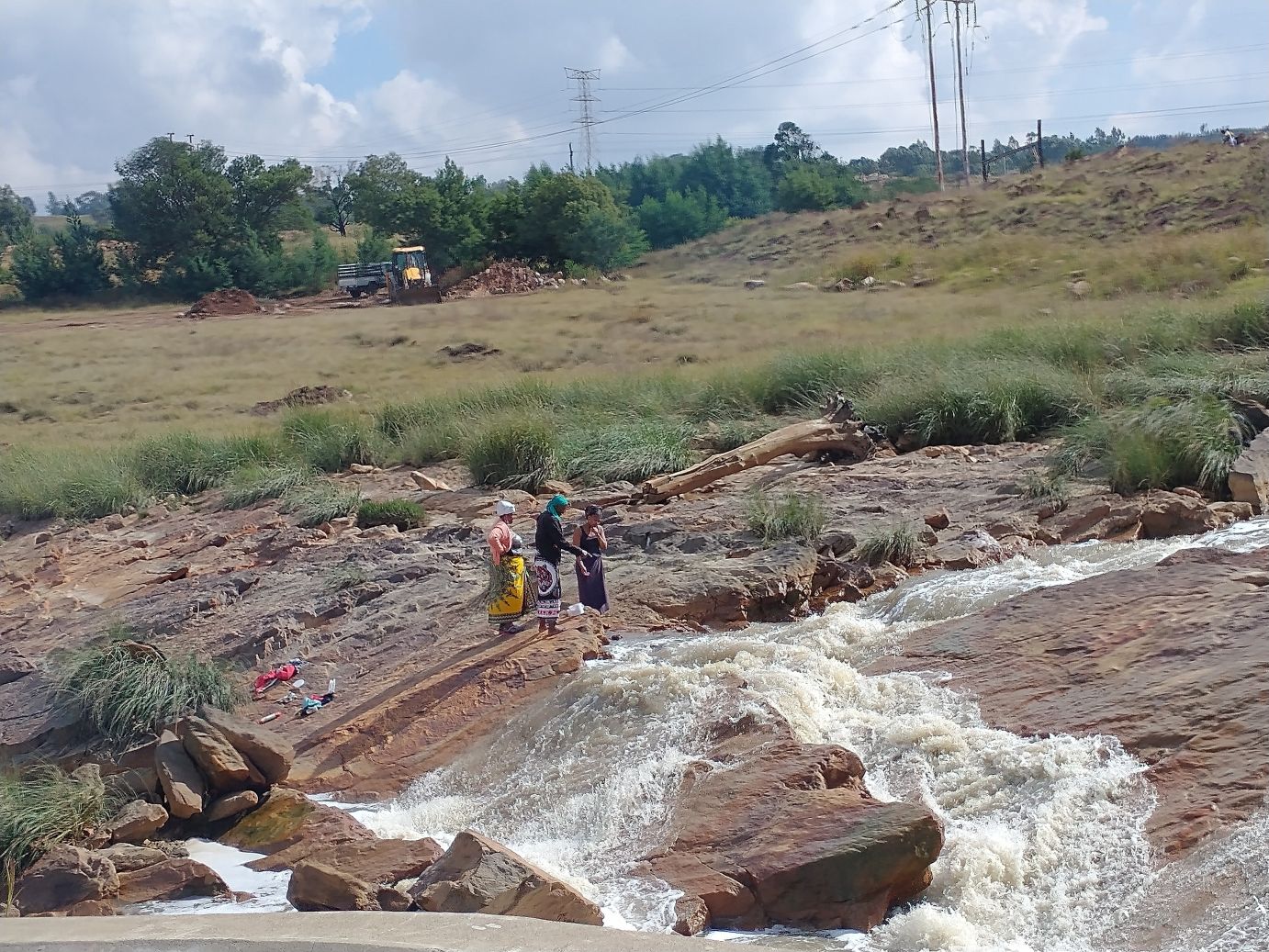
As we cross a small stream/river, we notice a man who looks like he is baptizing a couple of women. He is actually a healer, pouring water over her head to cleanse away the bad spirits or bad health. This is done in the river, because the river waters will flow the badness away from the person.
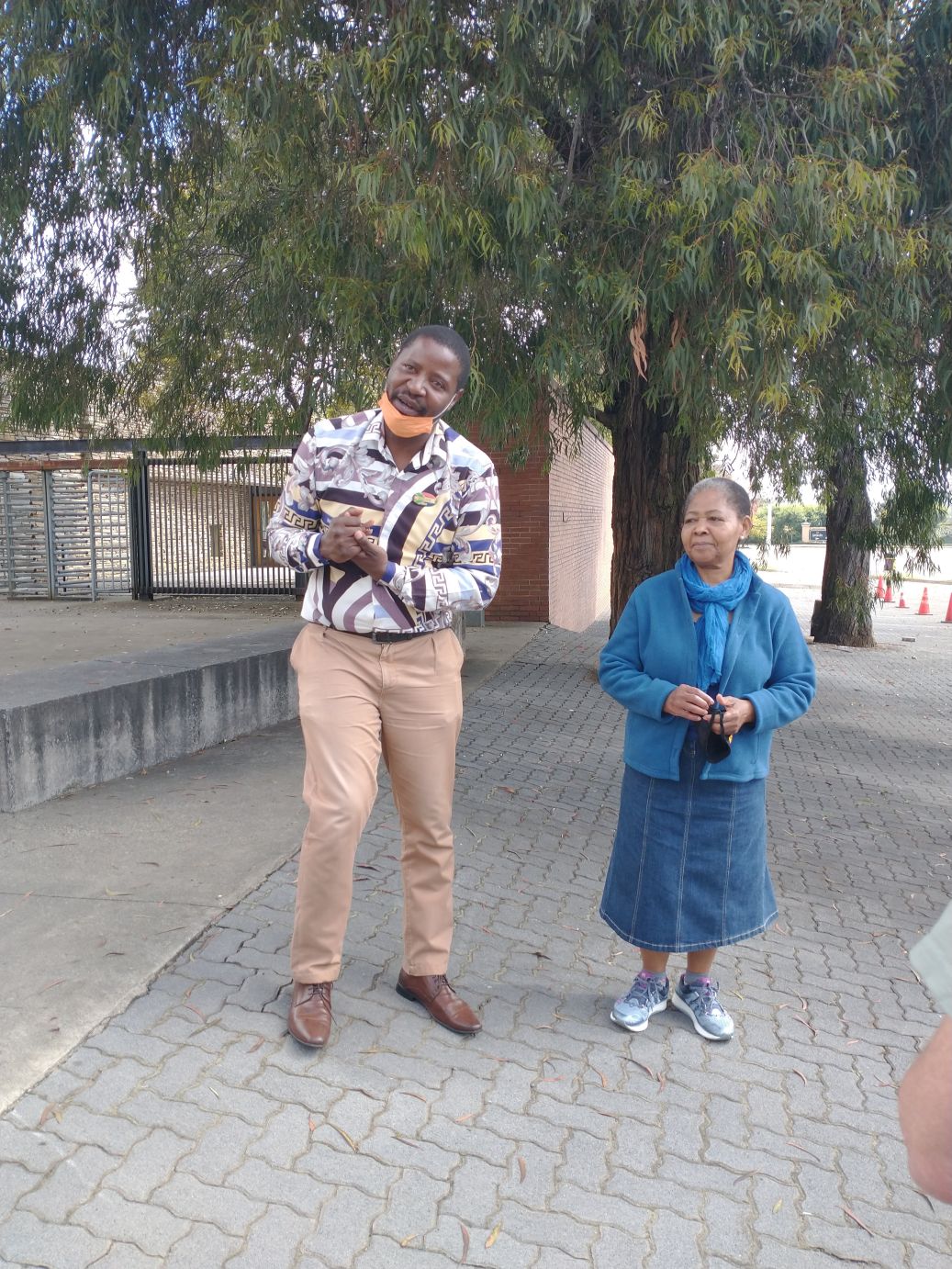
Arriving at the museum, we have a surprise – Hector’s sister, Antoinette is there to speak to us. Now that is amazingly cool. She tells us her first hand experience of the protests. How they went from school to school collecting different kids, the little ones weren’t supposed to come, but they wanted to be involved too, which is how Hector ended up there. She explains they were all very peaceful, just protesting their right to have a full education, not just learn what the government allowed them to learn. Somehow she lost Hector in the crowds, but once the shots rang out, things got crazy really quickly. As she searched for her brother, she noticed a bunch of people crowding around something, but she didn’t really pay attention because she was looking for Hector. But then a man appeared carrying something that looked like a child, and when she took a good look, she realized it was Hector. She ran to the man and asked him where he was going, but he wouldn’t answer, so she kept following him, yelling at him to stop. Eventually they got to a car (or taxi maybe) who took them to the hospital, but it was too late.
What a piece of history, and what a story. That was a true treat.
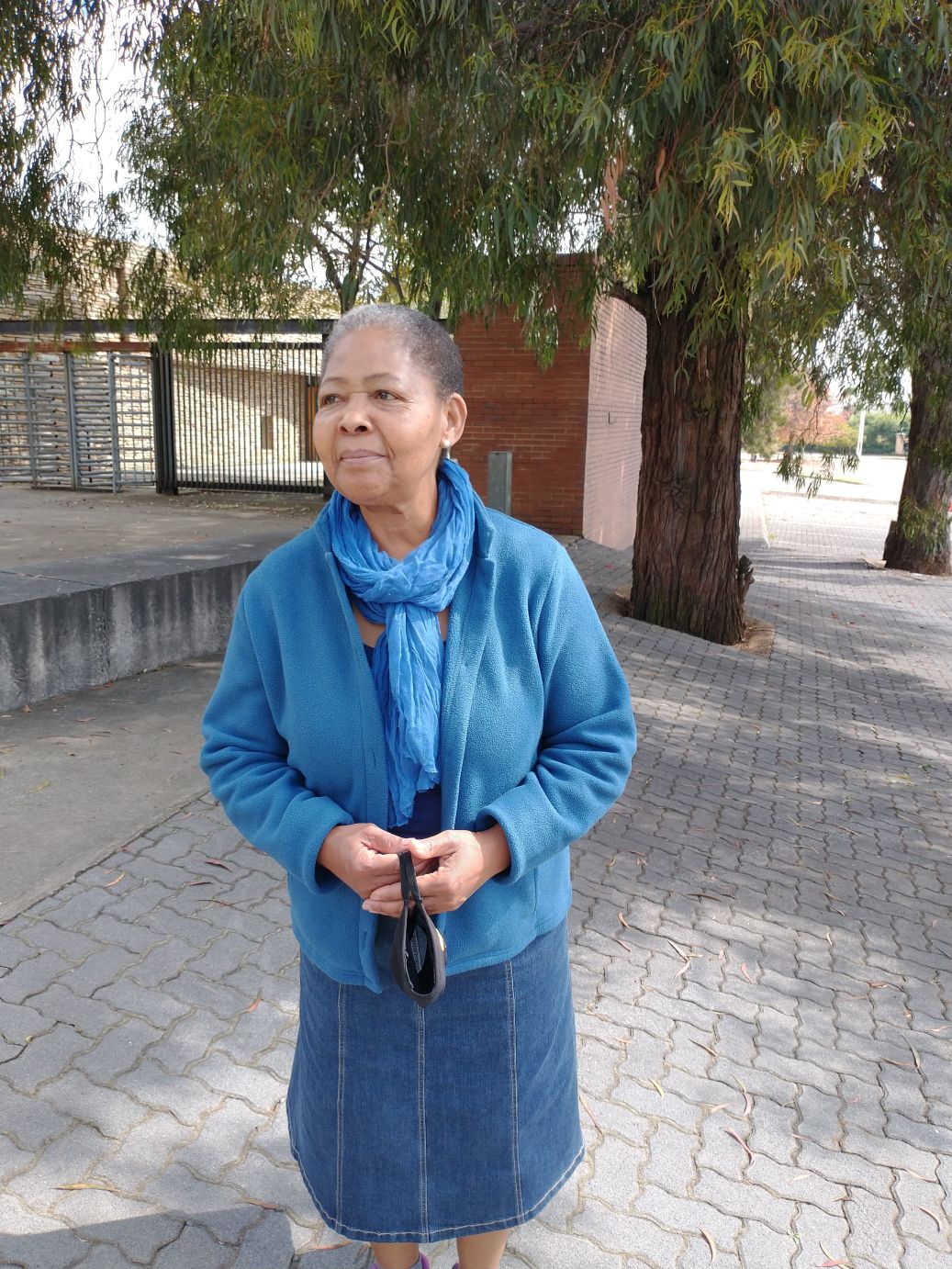
Meeting Antionette brings the history of Apartheid to life for us, and is a great way to begin our museum visit. First thing, we are randomly divided into White, Black and Colored by little cards we are handed. The Whites enter into one area, the Blacks and Coloreds another. Up close and personal interaction showing us how life was lived in those days. Ed is in the Black section, I’m in the Whites, and you can see the difference from the signs and just the general feeling of each side of the entry way.
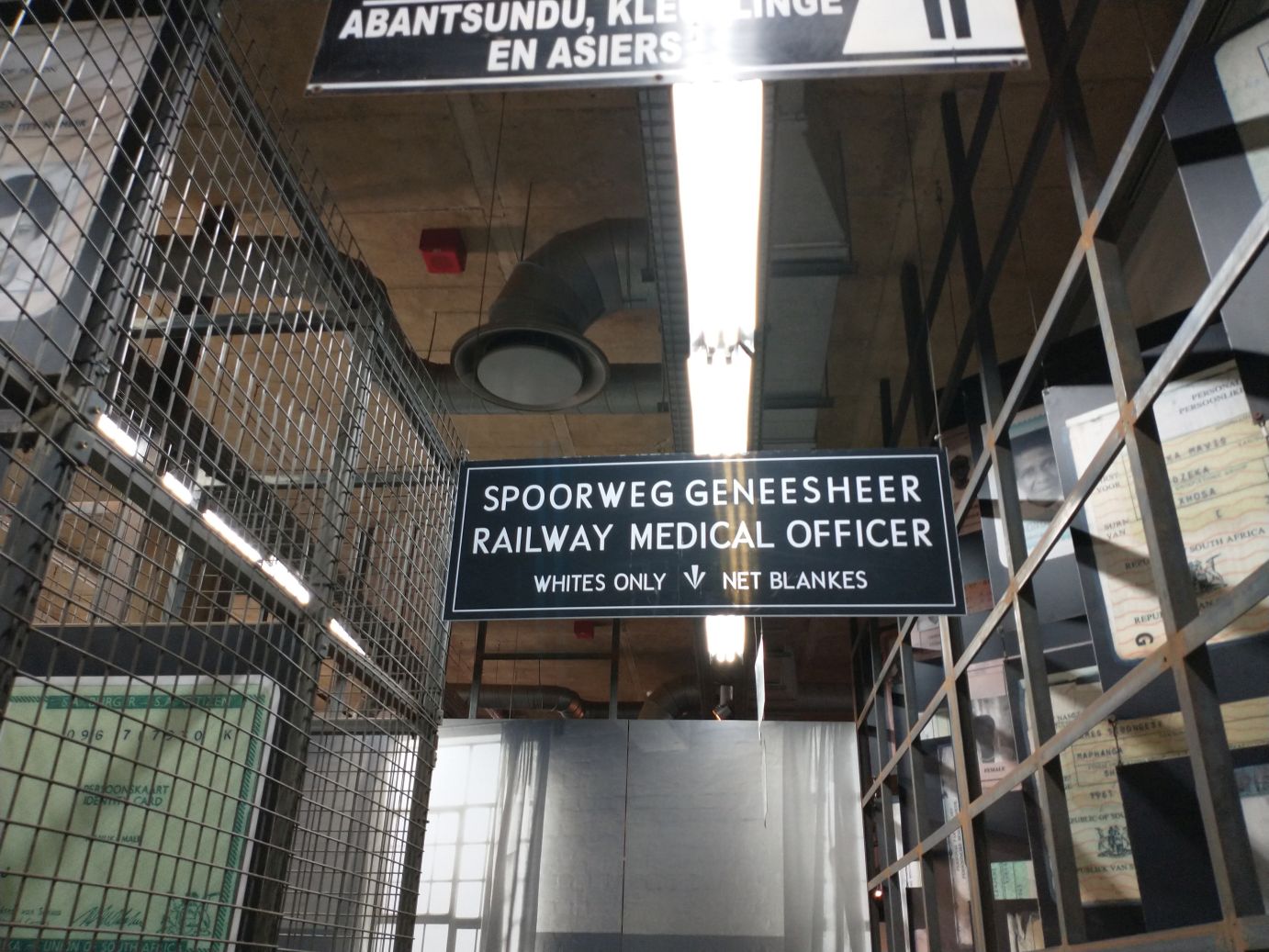
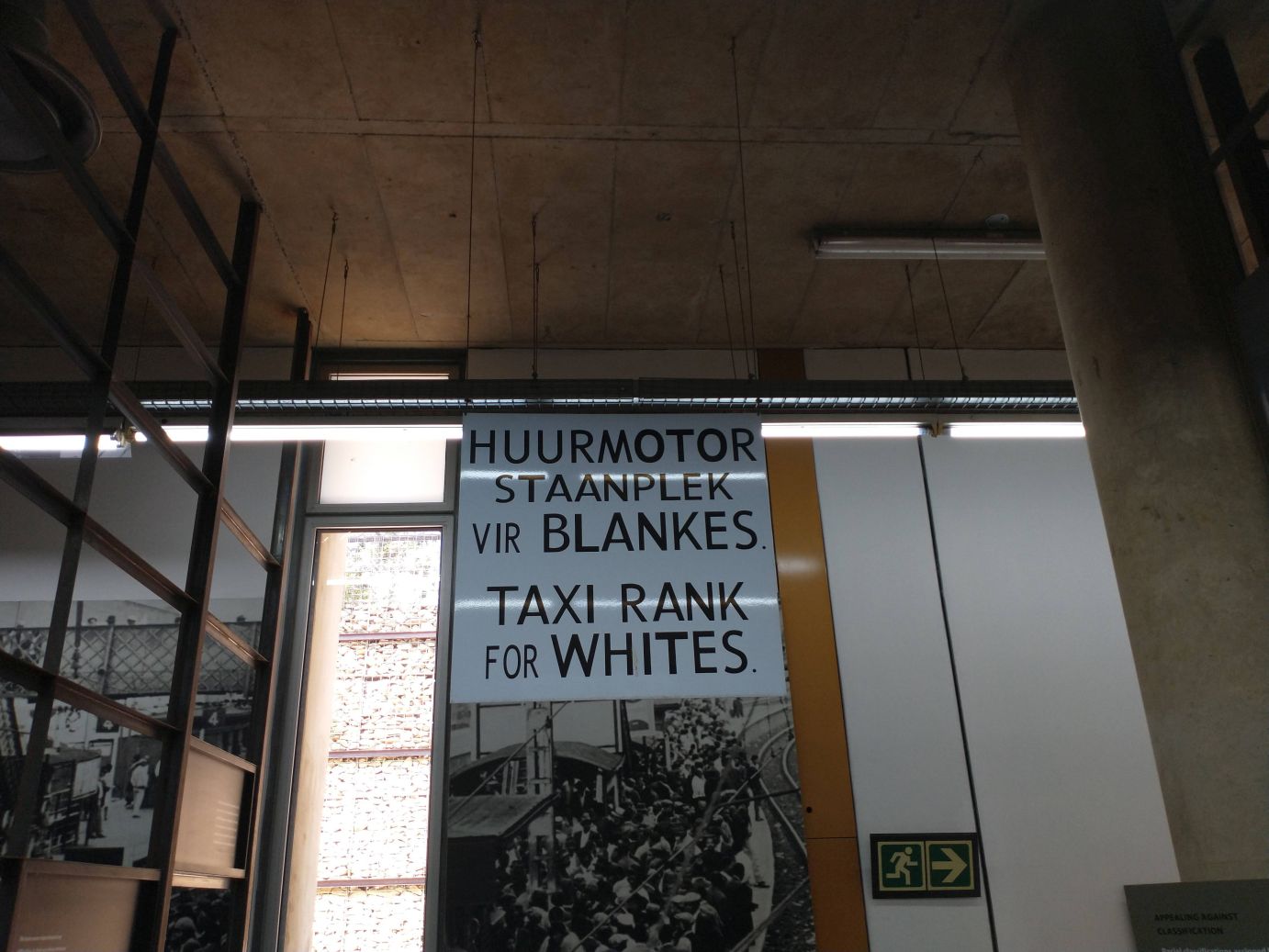
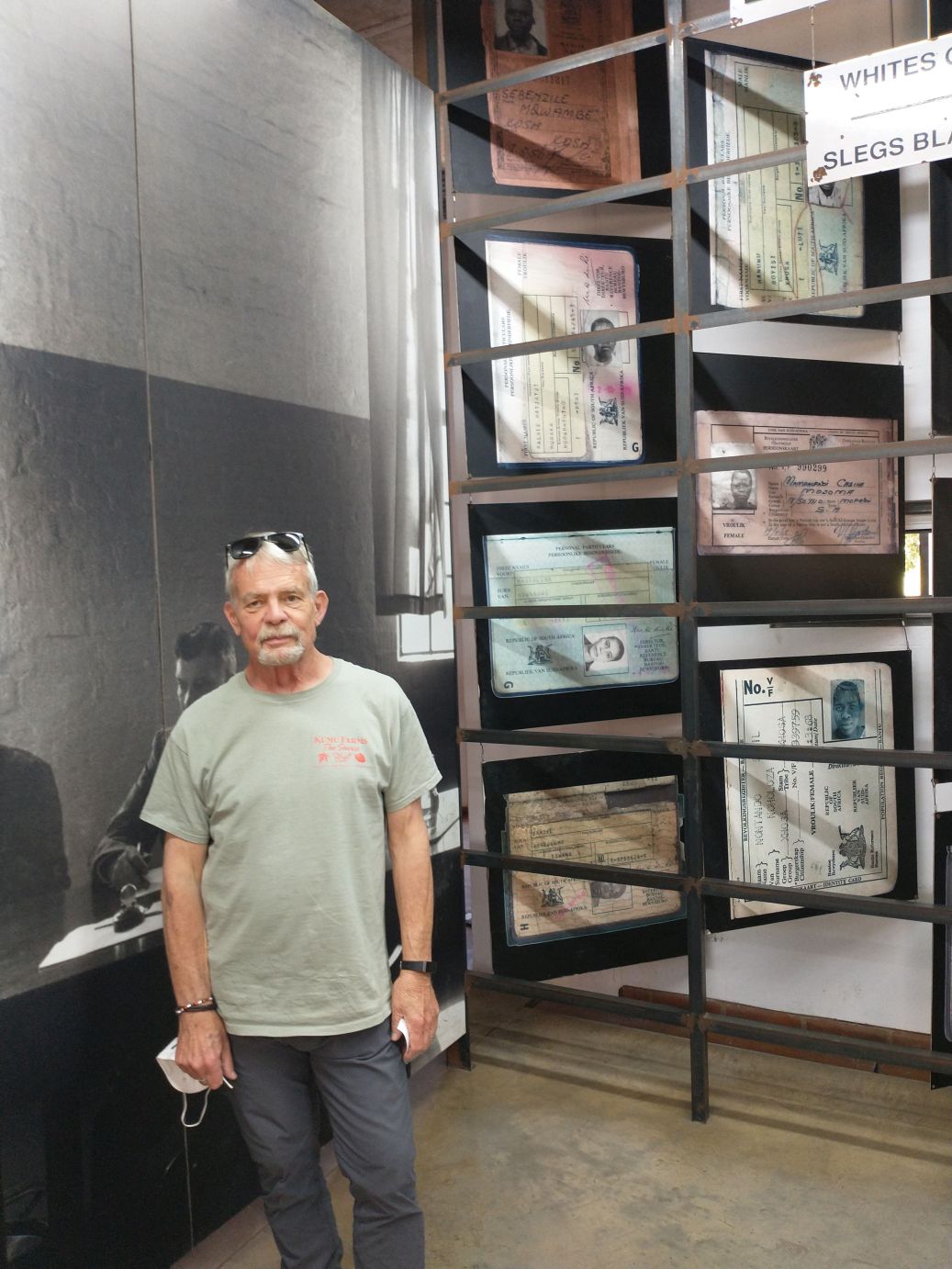
Once released into the exhibit areas, we wander through the Mandela exhibits and then onto the main Apartheid areas. A lot of this information is known to us from our first township tour in Cape Town 2 years ago, but a lot is new. Just the whole idea, the way the government took control and forced these people into basic slave or poverty positions and the strength it took to rise up and demand their independence and democracy back – while awful, gives you hope that the people can in fact prevail.
One last stop on our tour (boo hoo) to a curio shop, where we do actually shop! We find a replacement for our electrical adapter that will not work and a couple of really cool amber bracelets, along with some funky earrings for me. Oh, and beer and wine of course!!!
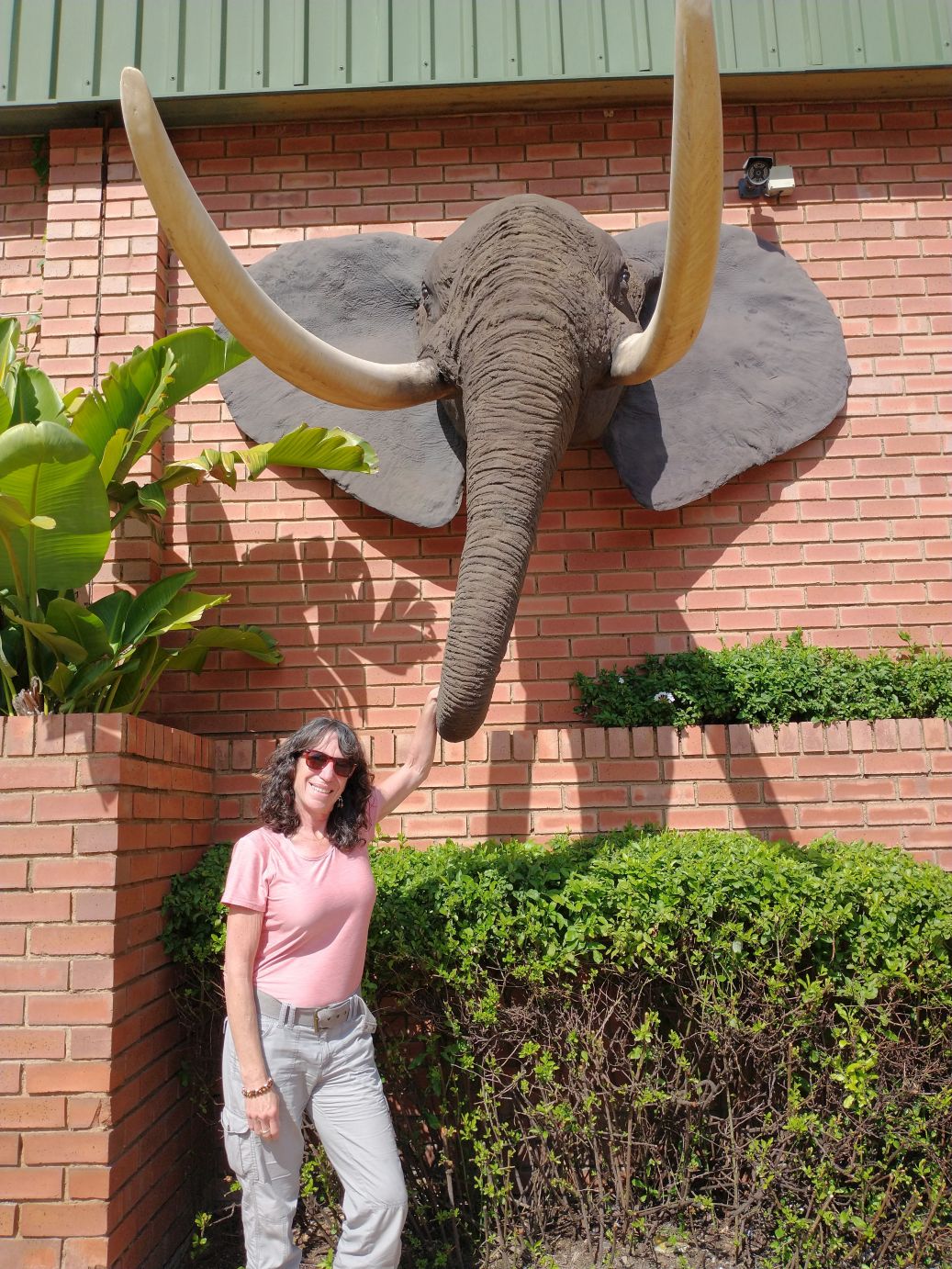
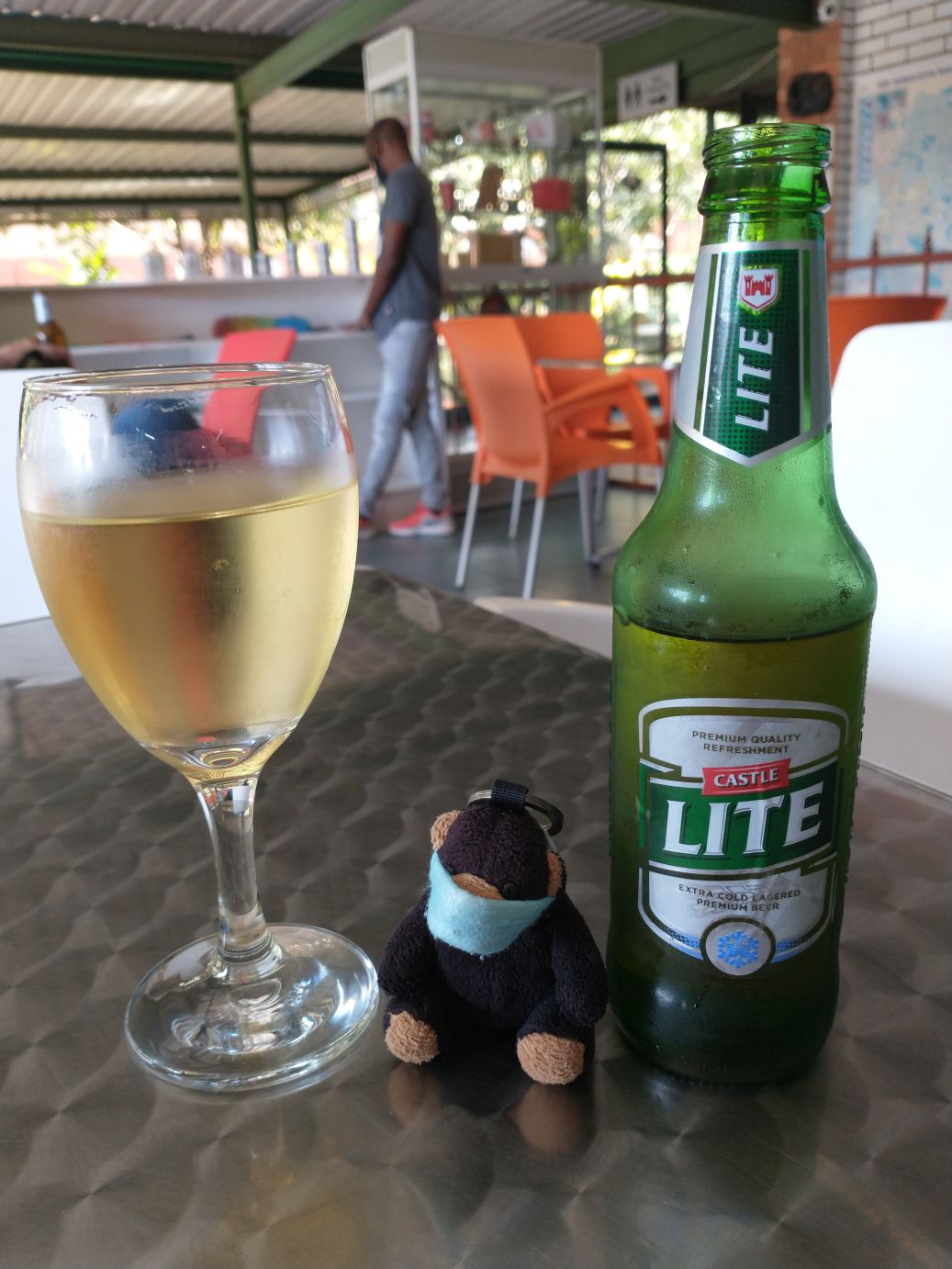
And then we are done and heading back to the hotel for a little bit of time on our own before our farewell dinner at the hotel this evening. Sad sigh.
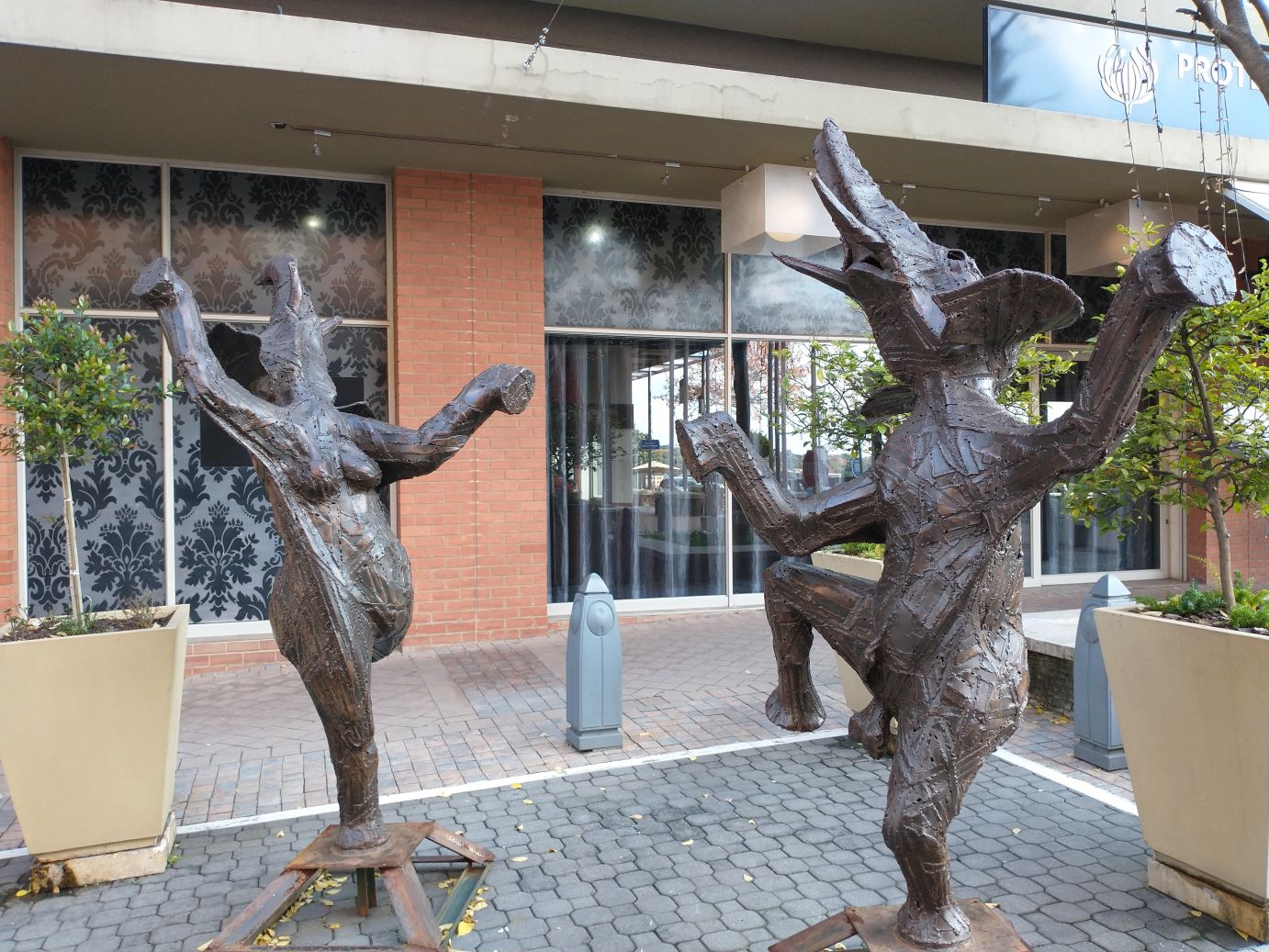
Later, back at the hotel, we wander around the pedestrian area outside, snapping pix of the cool bronze statues there and looking for a jeweler to fix my watch, the back of which has fallen off. The first jeweler we find is so exclusive, they have guards at the doors – and two sets of doors at that. One door must close before the 2nd opens. They look at the watch and tell me the seal is missing and it will take a couple of days to fix. Well that’s not going to work. I vaguely remember someone else telling me that, but the back has been put on and taken off numerous times since, so don’t know how much that matters.
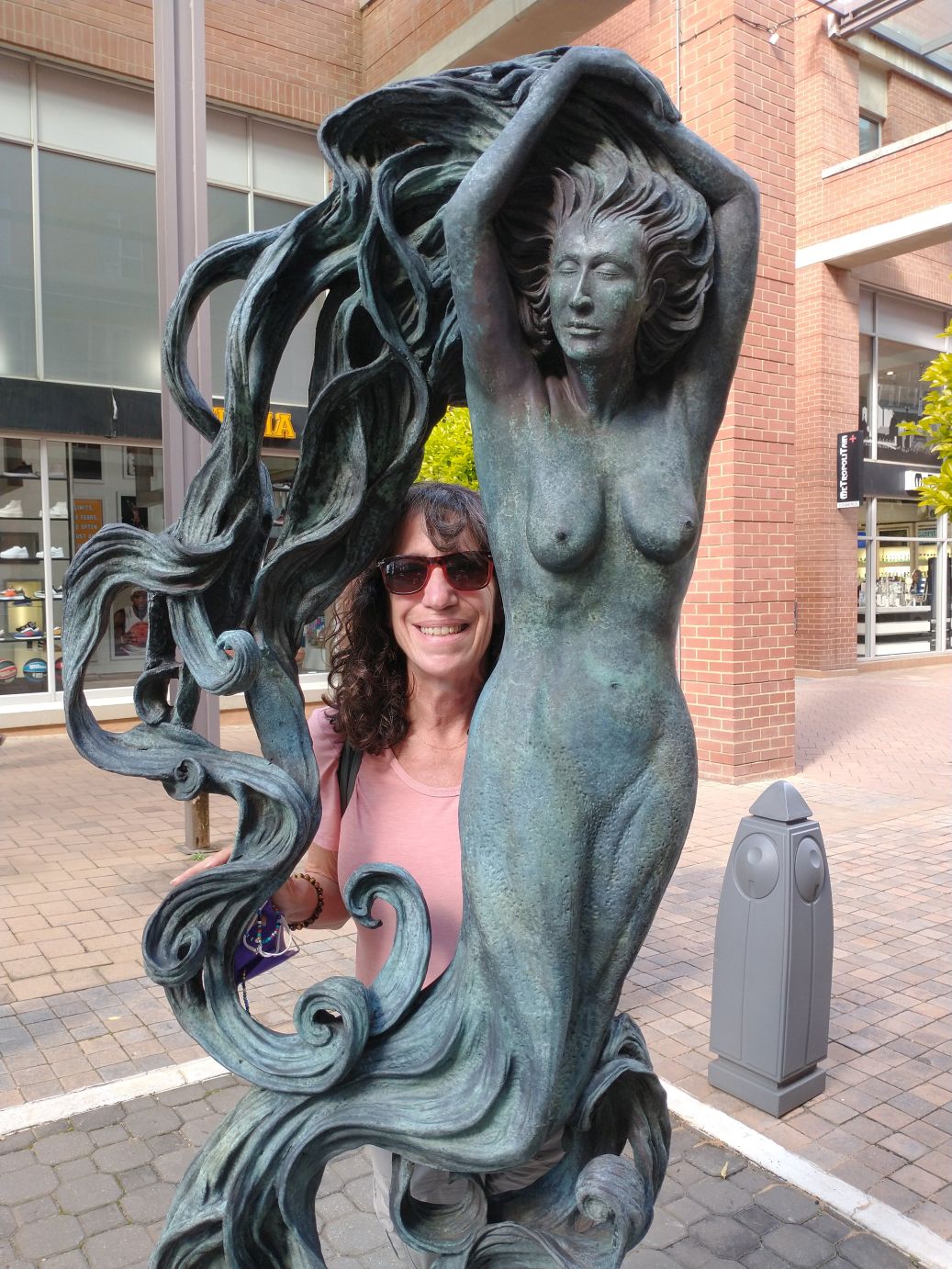
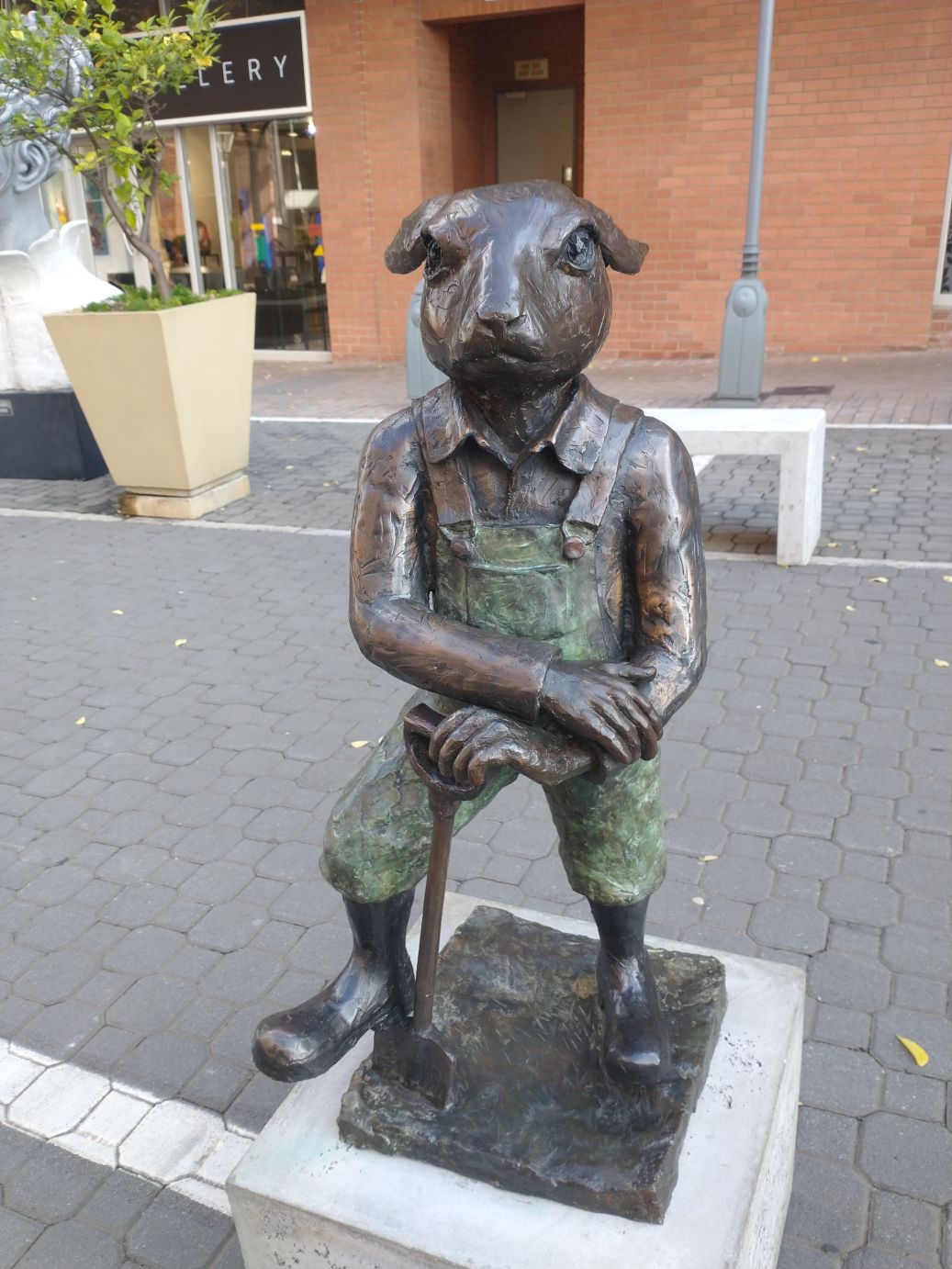
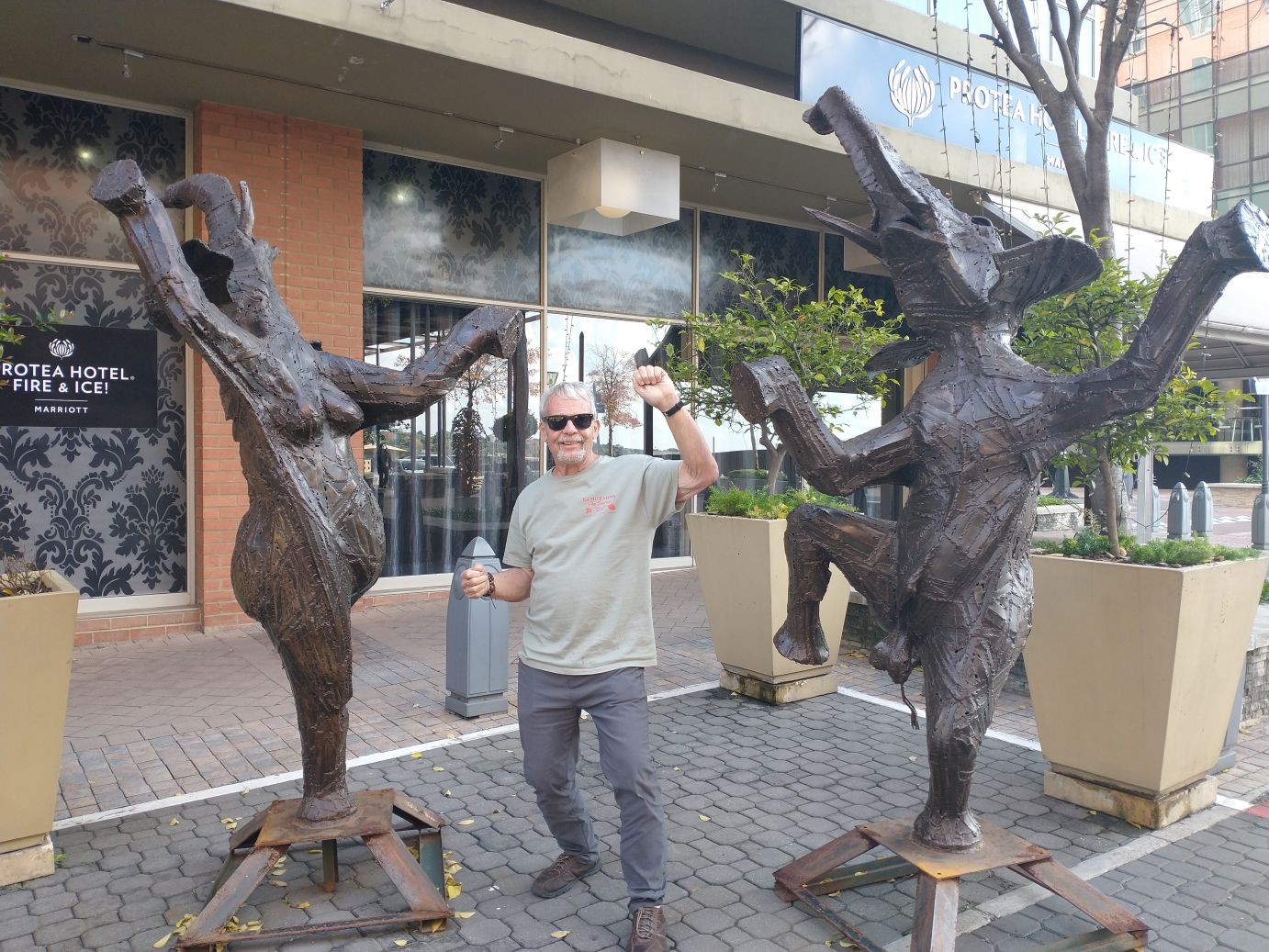
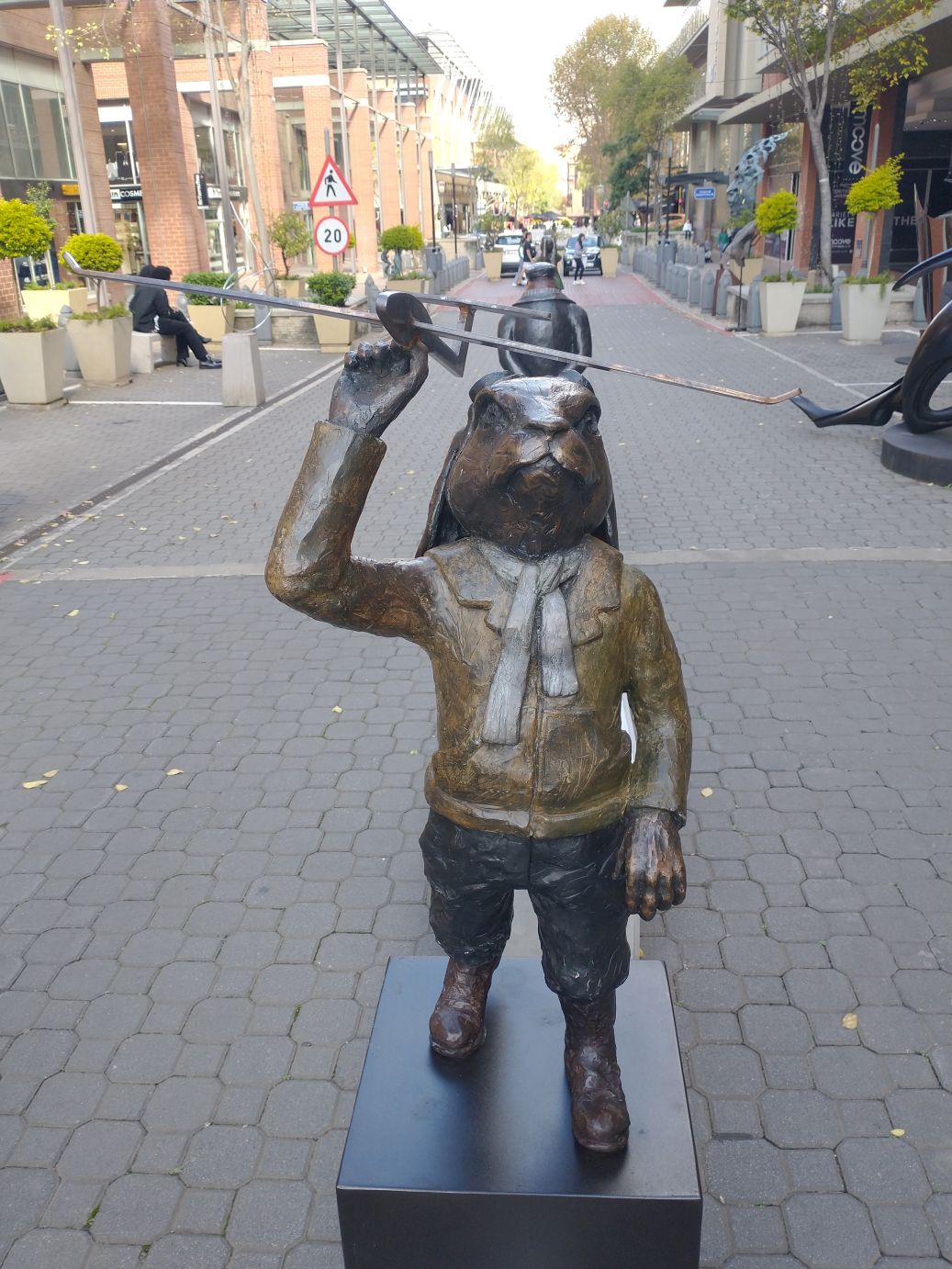
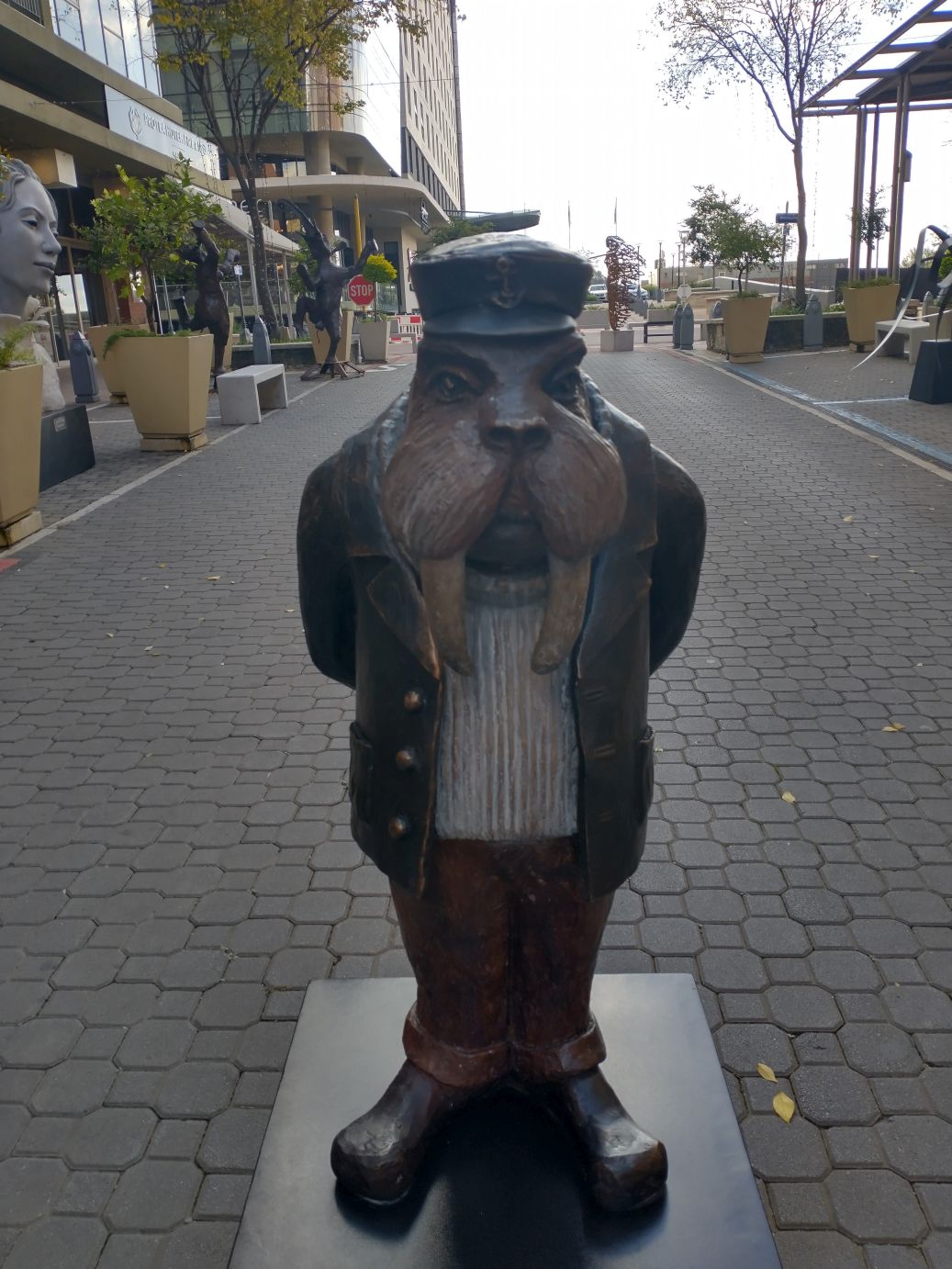
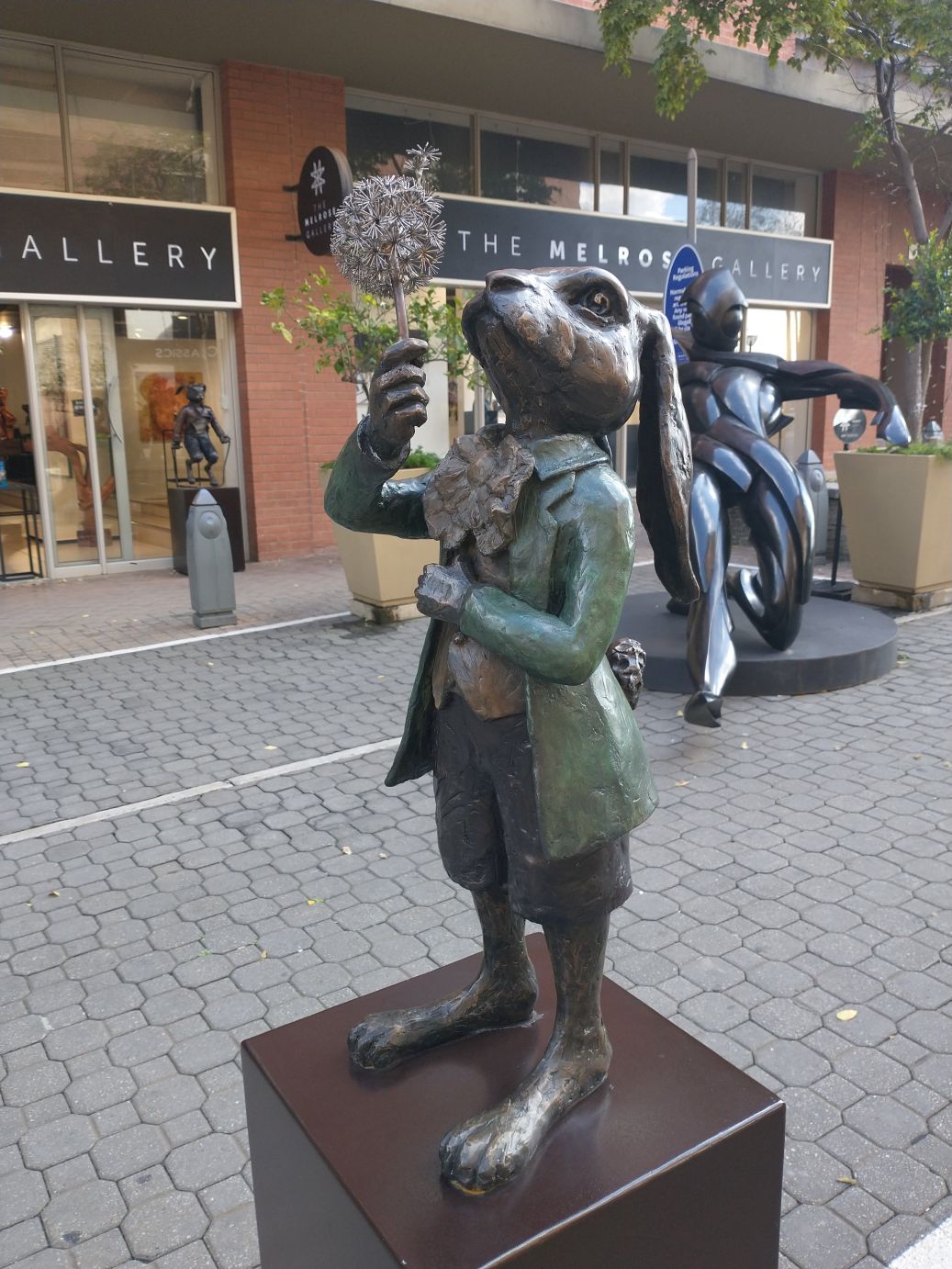
Meandering on, we hit Woolworth’s for some snacks, then find a sort of craft market in the mall where a jeweler is selling watches. Score. She’s got a lovely black and silver watch that would work perfectly for day and night (I need a new nighttime watch – my Swiss Wenger watch isn’t really appropriate for nighttime wear!). It’s only the equivalent of $18 which makes it even better. They have to remove 2 links, so e wander around different stores waiting. When we return, though, they are having problems with the watch. It won’t operate, even with a new battery. Bummer. So, she refunds us the purchase price (in cash unfortunately – we don’t really need any more Rand, but we have it now!) and on a whim I say, I really need to get my existing watch fixed, any chance you can look at it? Well, that worked like a charm. They ran back to their store, got the watch “machine’ and in a jiffy the back was back on and I was back in business. Turned out to be quite a profitable afternoon!
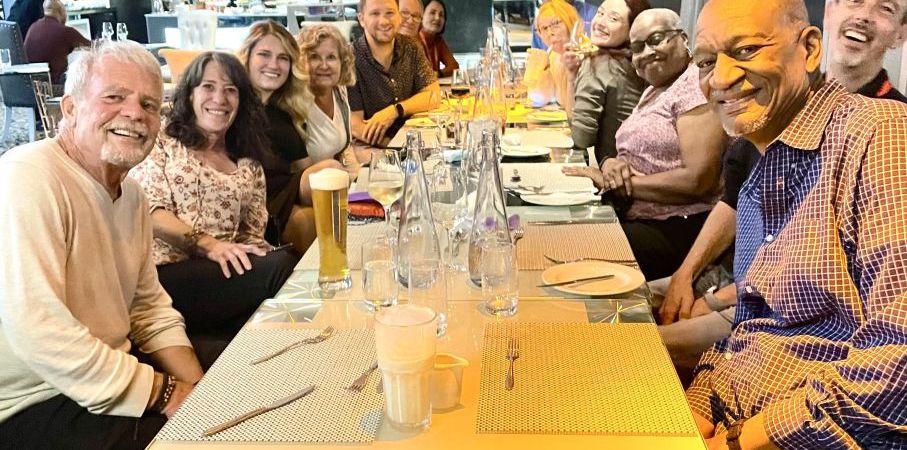
And then it is time for our goodbye dinner. We are at a huge long table and end up with Pat, Walt and Charl at our end, as well as Sam and Scott and we all have a wonderful – if not extremely noisy – last dinner together. Oh God – the poor other diners must have hated us. We talked and laughed and yelled down the table. Sam bought another bottle of wine and was pouring for everyone. It was just a spectacular way to end the evening, the trip, the tour, the whole thing.
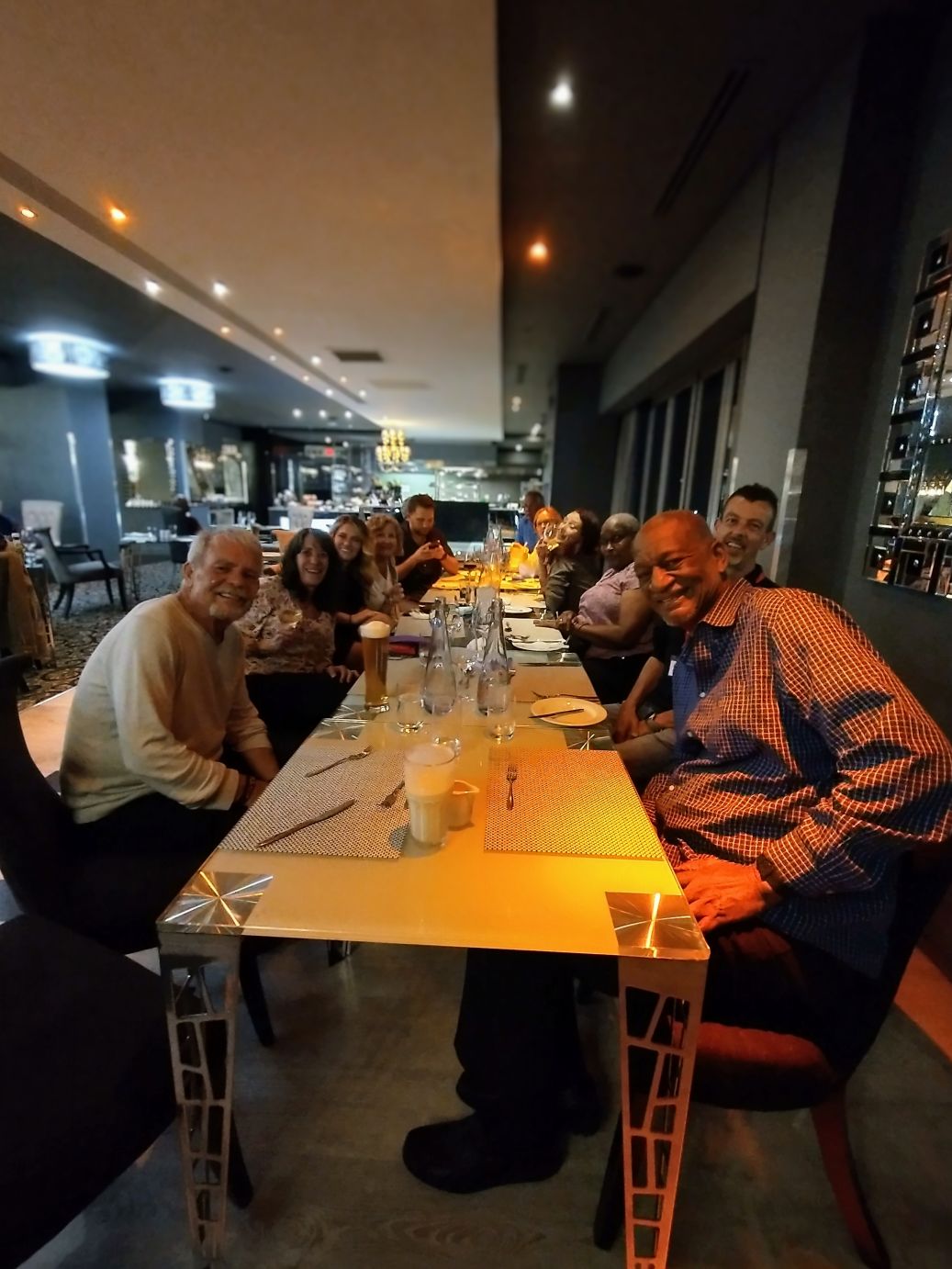
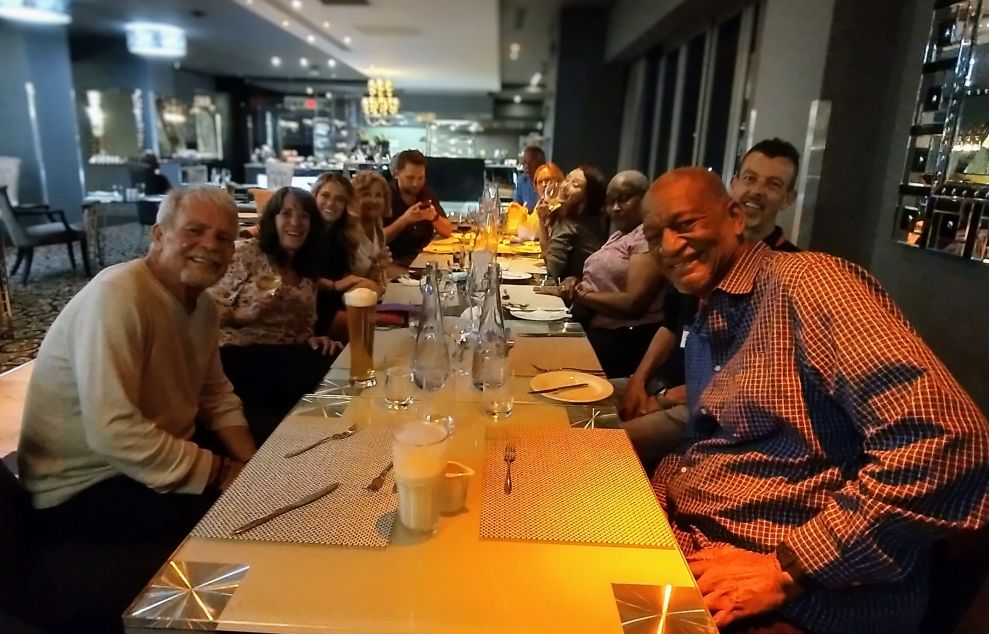
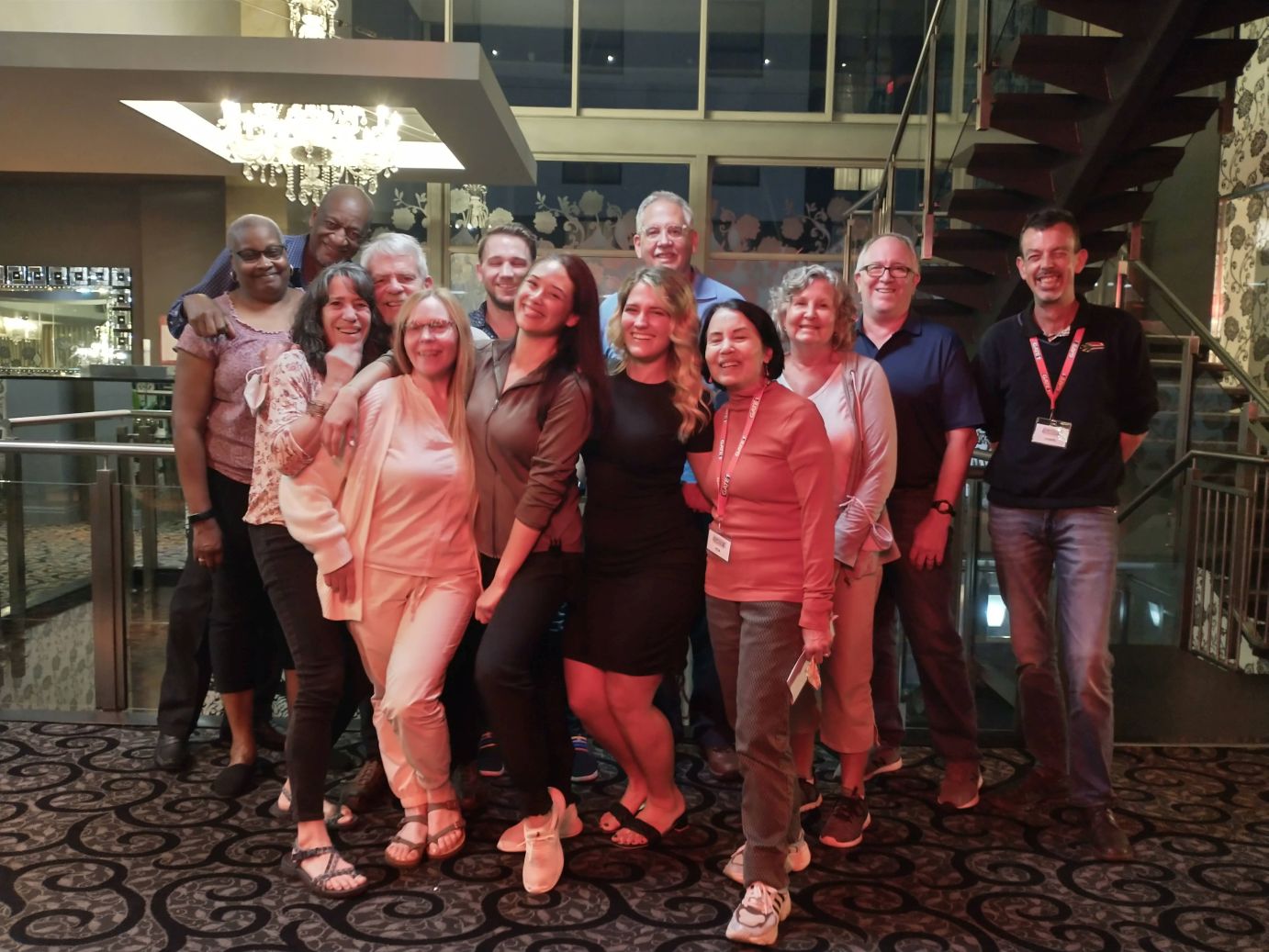
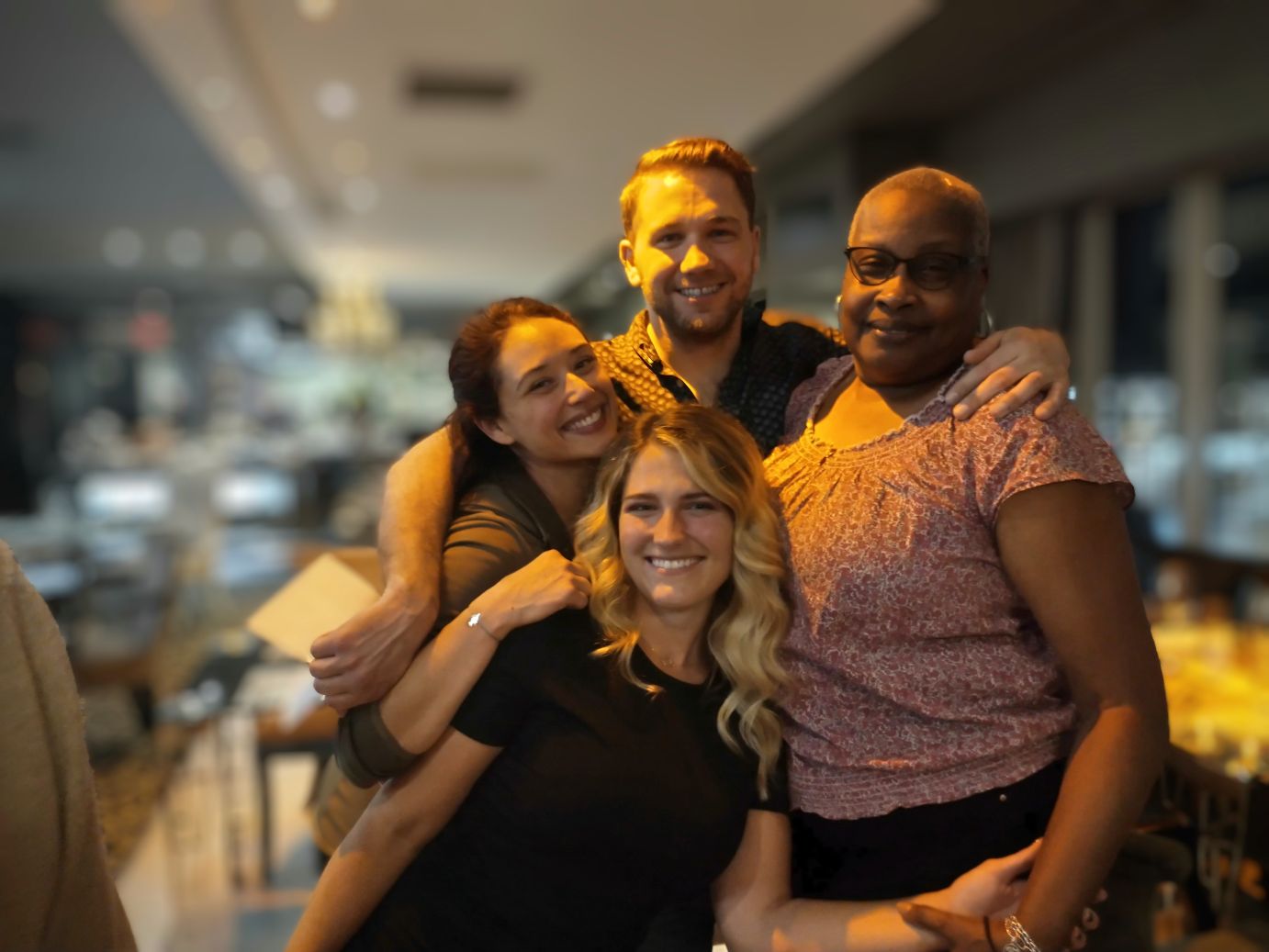
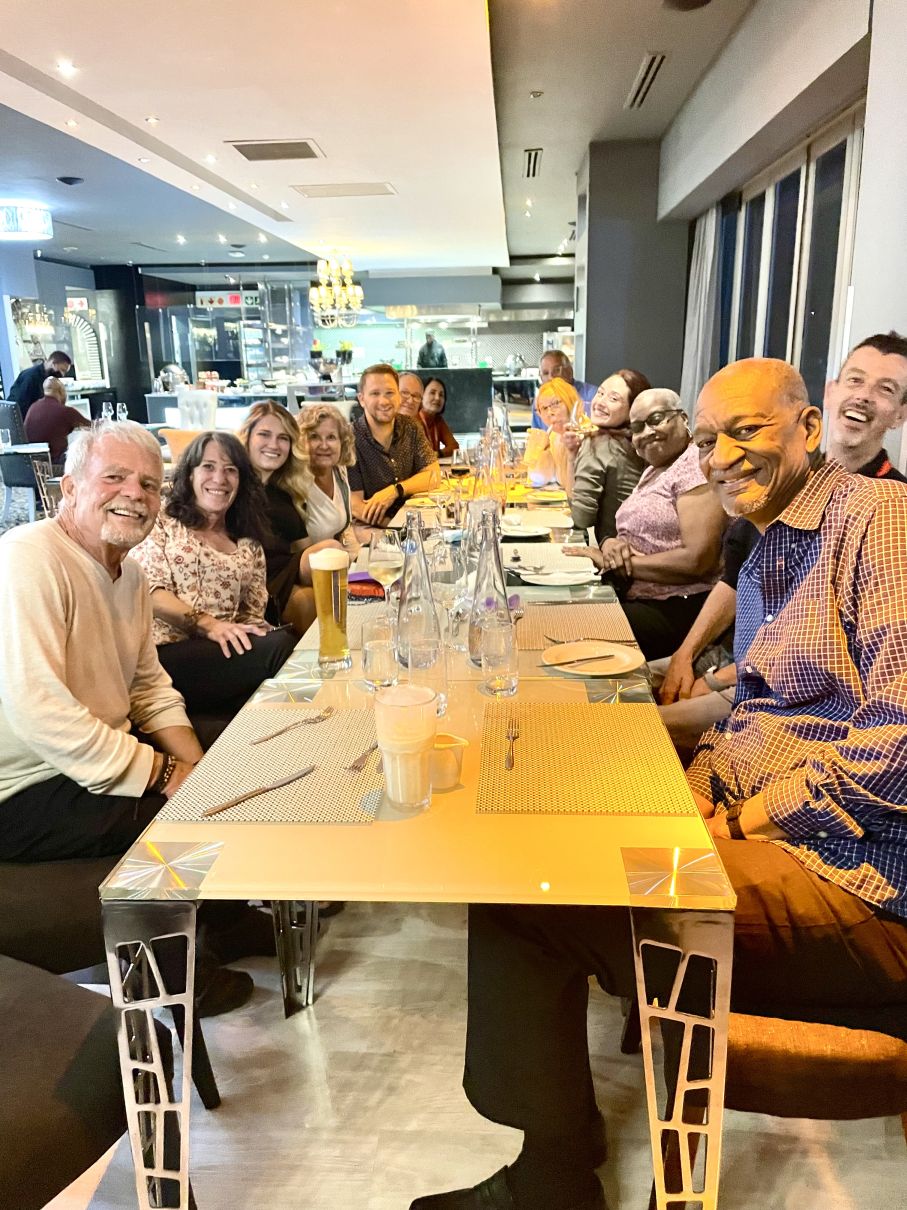
We absolutely loved everything about this trip….and our adventures are just beginning! Tomorrow we strike out all on our own for Oslo.
 Andiamo