We have an oddly timed port call today, 11a – 8p, which wouldn’t be an issue, except it is Sunday and a few of the museums and things we want to do close at either 2 or 3pm, so we are strategically picking and choosing our route. Fortunately, the first place on our agenda is the ARQUA, the Museu Nacional de Arqueologia Subacuatica – The Underwater Archaeology museum – is right outside the pier, literally less than a 5 minute walk. And it is free on Sunday! Bonus!
The museum is blissfully uncrowded as we enter, show our vax cards and take in the displays. For a while we are among only a few visitors who are easily avoidable. ARQUA is a national center for marine archaeology, which combines a research facility with the museum that shows off the different artifacts found from underwater sites throughout the Mediterranean – but mostly off the coast of Cartagena. It’s sort of the museum of shipwrecks and treasures!
The displays are really fascinating, from entire hulls of wooden boats pieced together to pottery, plates and terracotta vessels found in sunken merchant ships to Carthaginian ivory tusks and the treasure of Nuestra Señora de las Mercedes, a frigate that was sunk in the early 19th century with 14.5 tons of gold and silver coins. Some of the articles in the displays date back to 150 BC. It is amazing. There are, or we should say were, tons of interactive displays too, but they’ve fallen prey to the pandemic and are all turned off with signs everywhere telling you to “no tocar.”
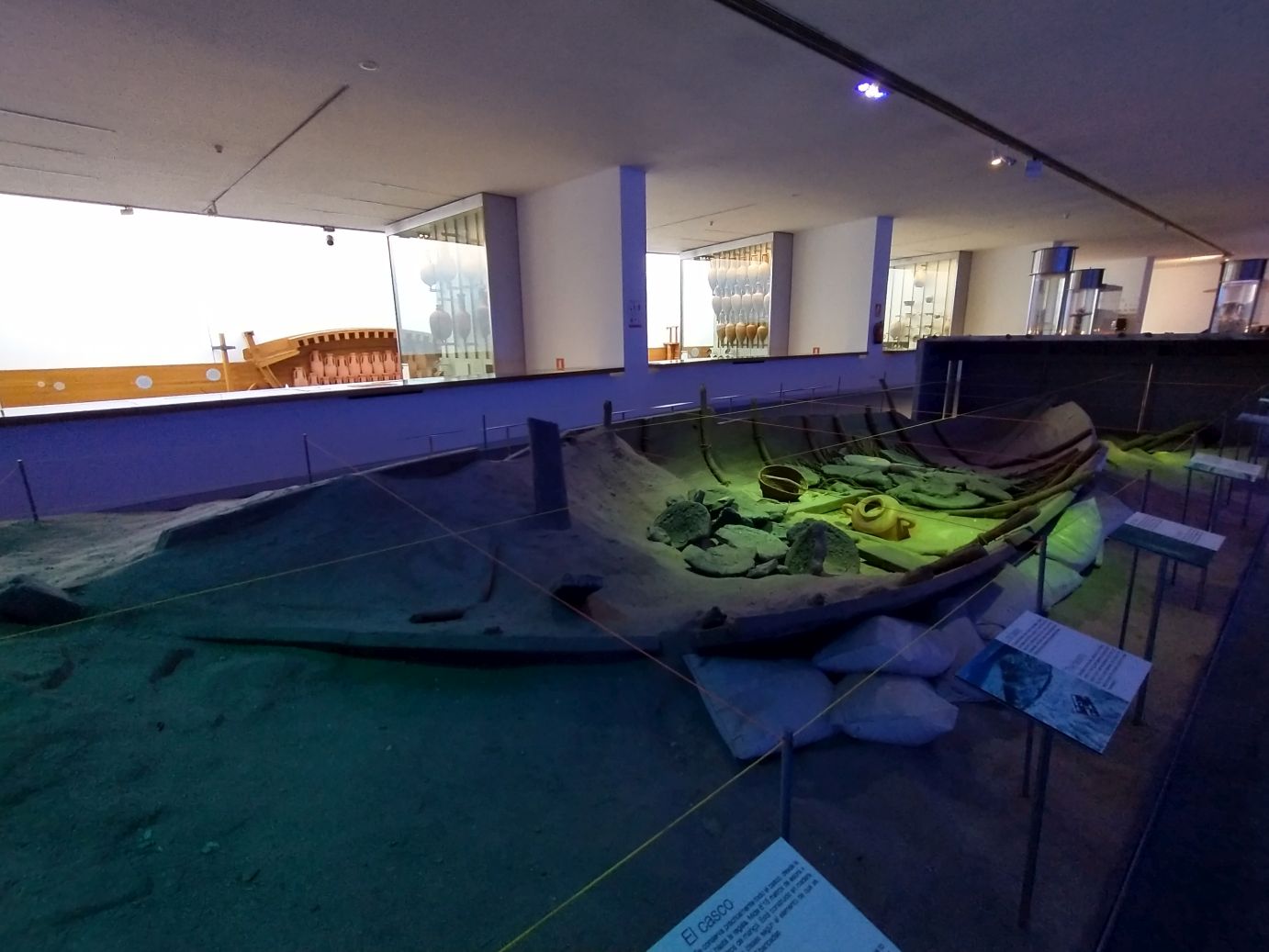
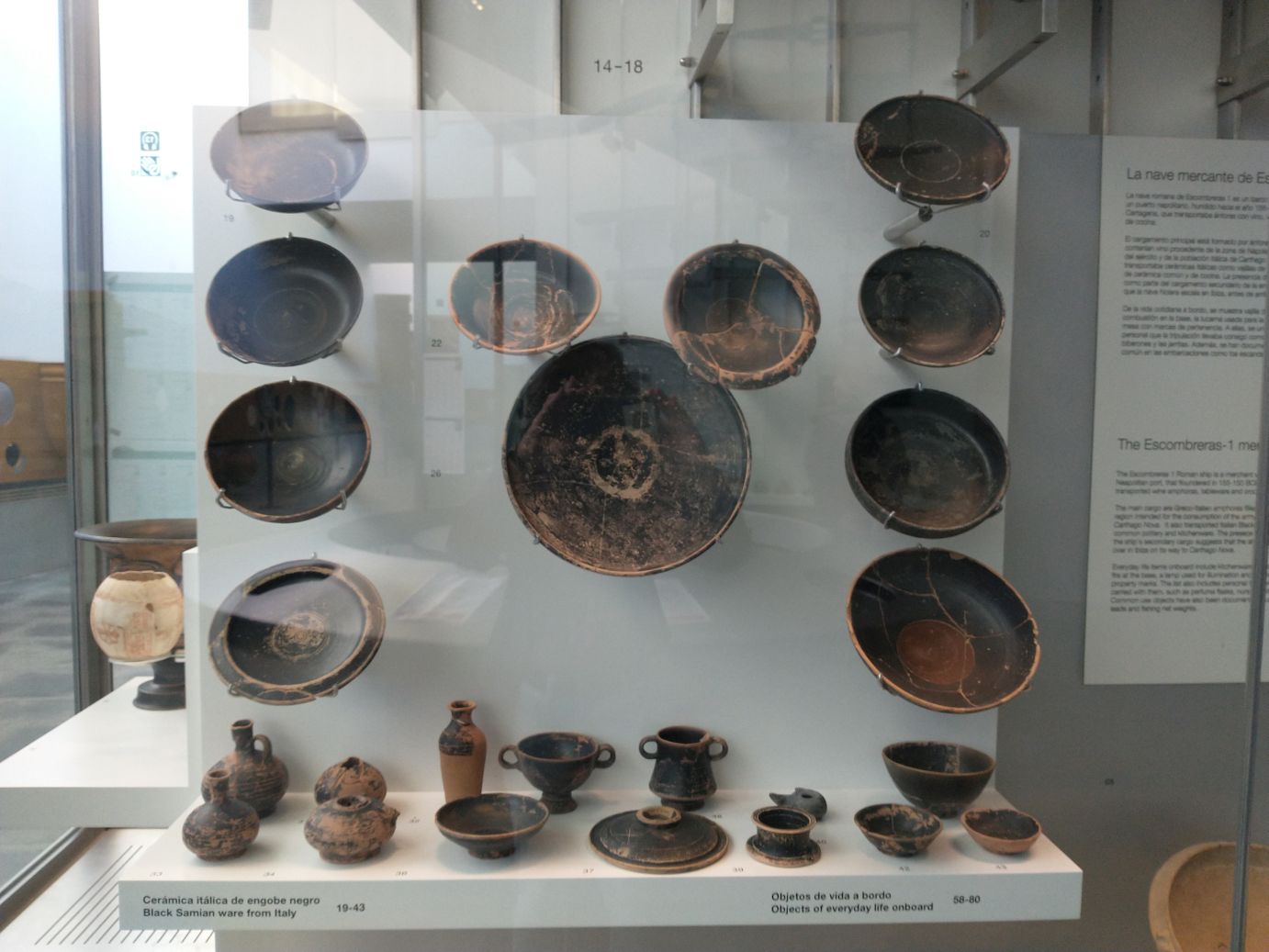
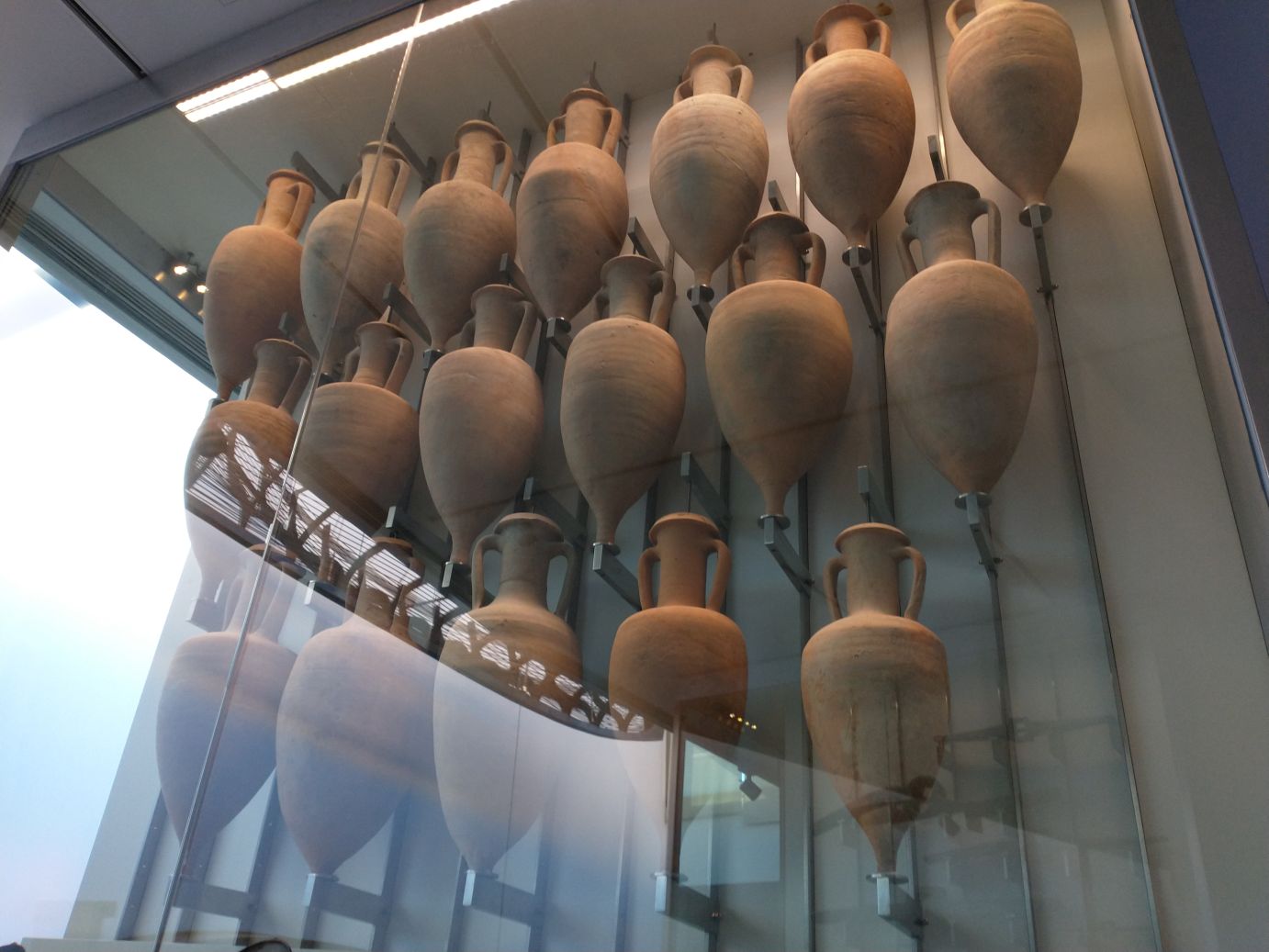
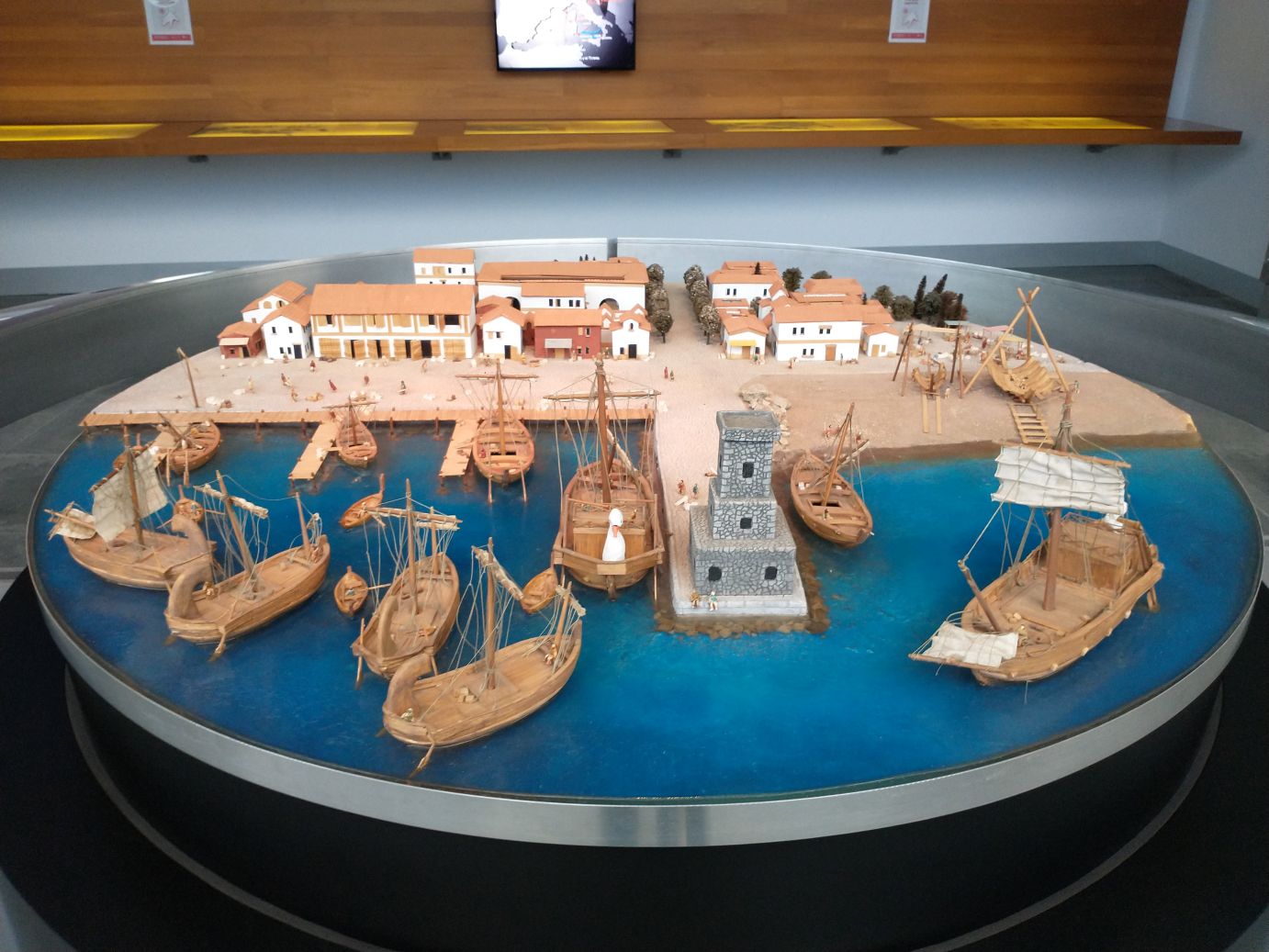
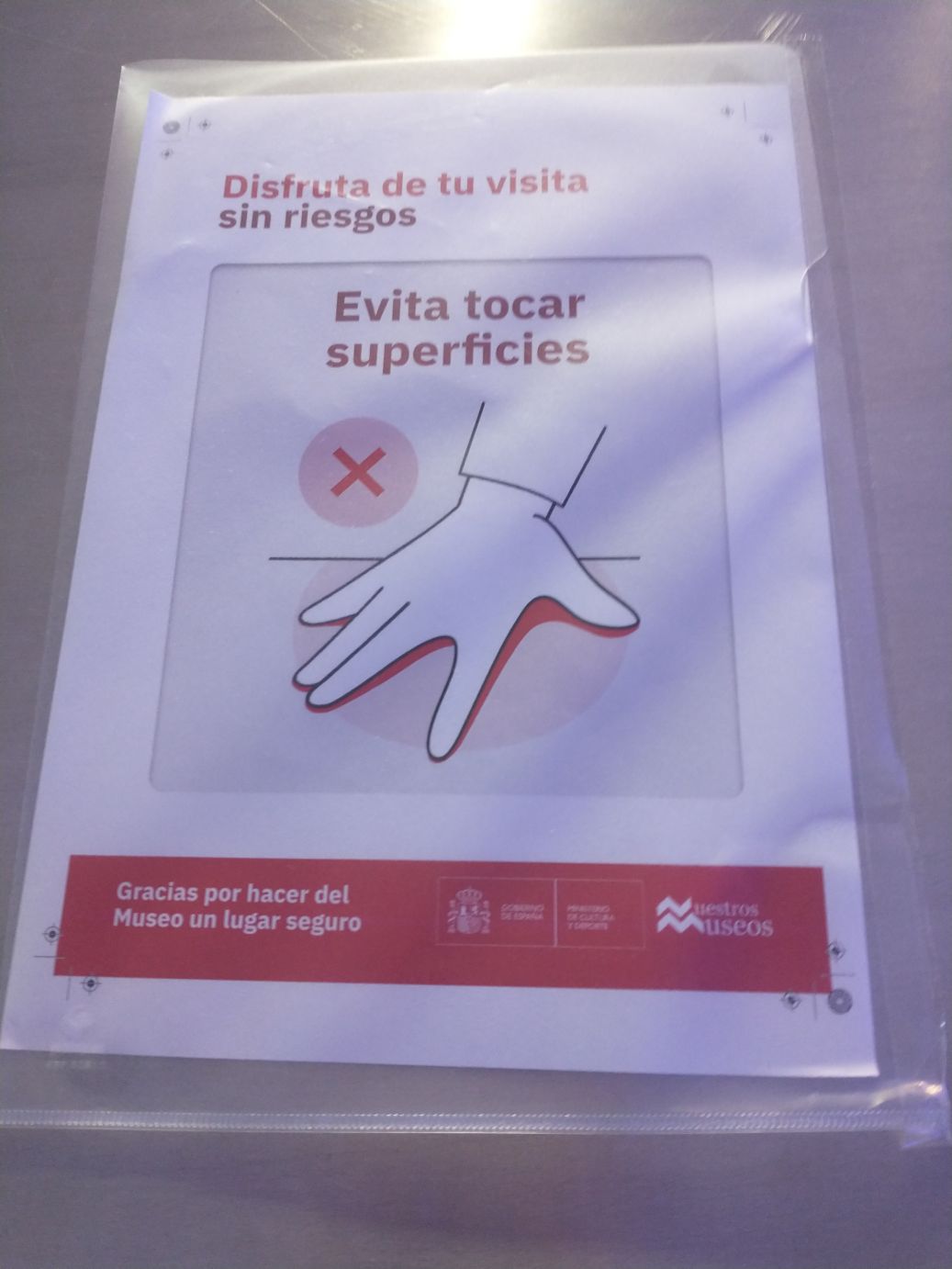
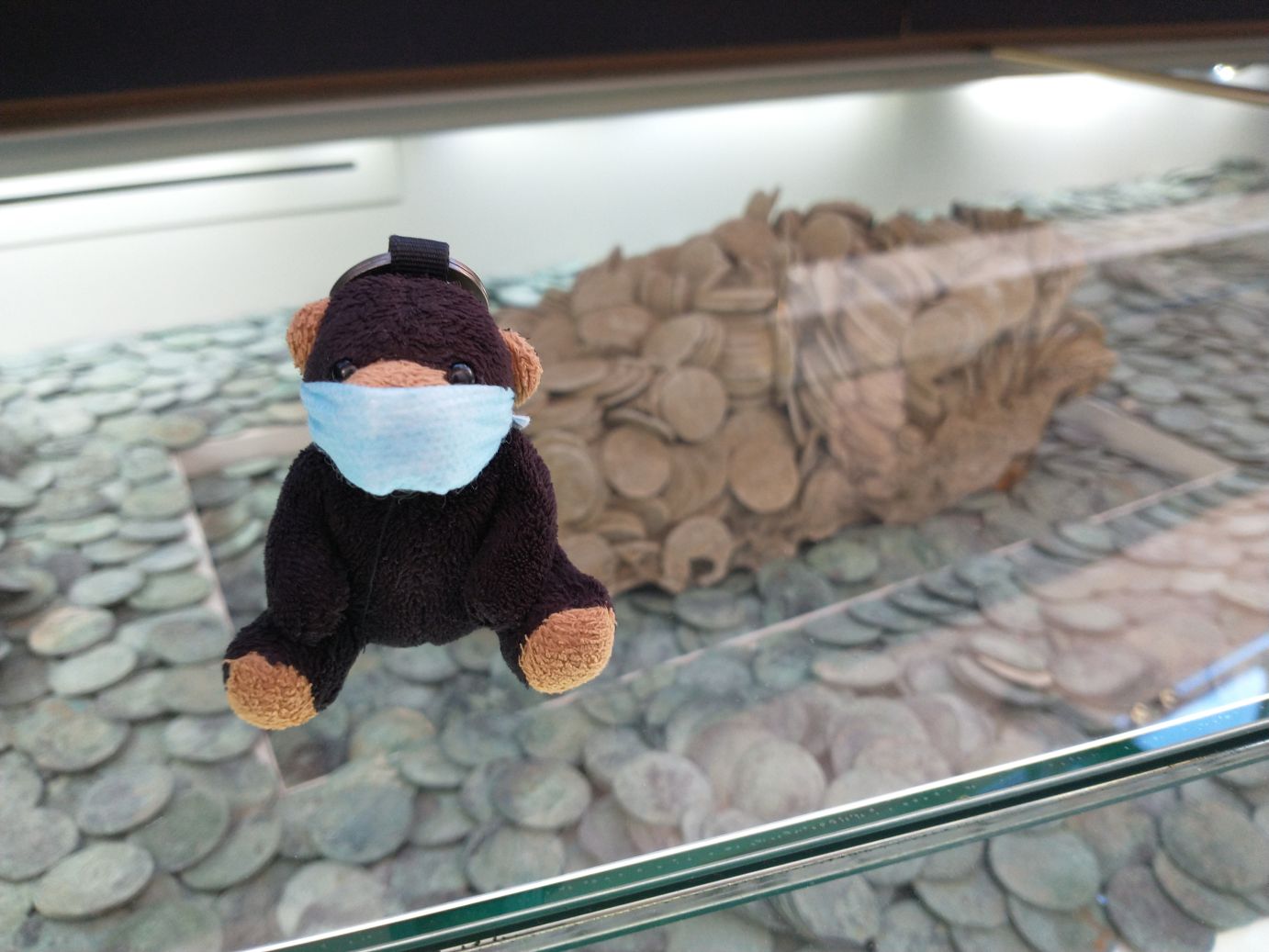
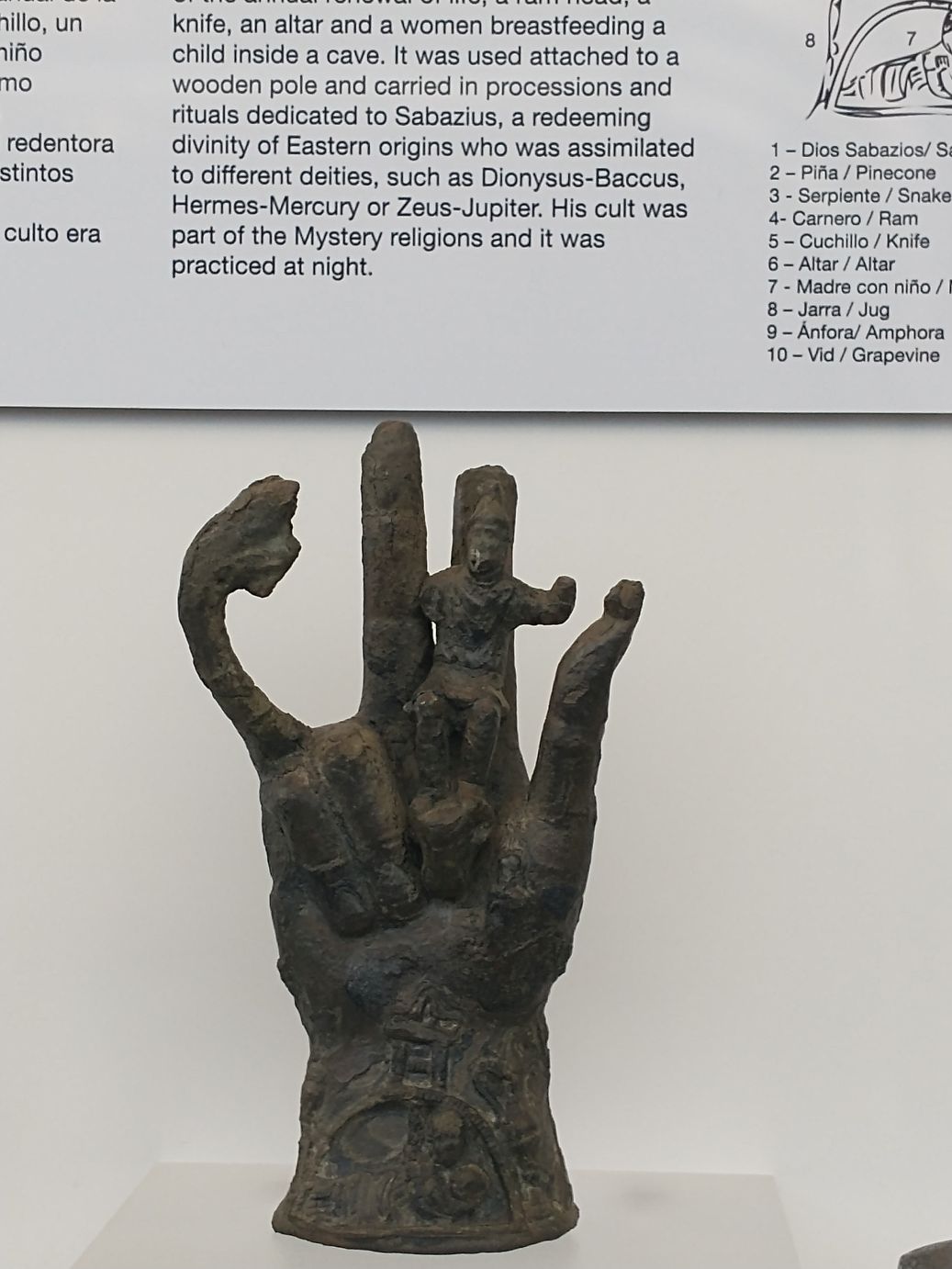
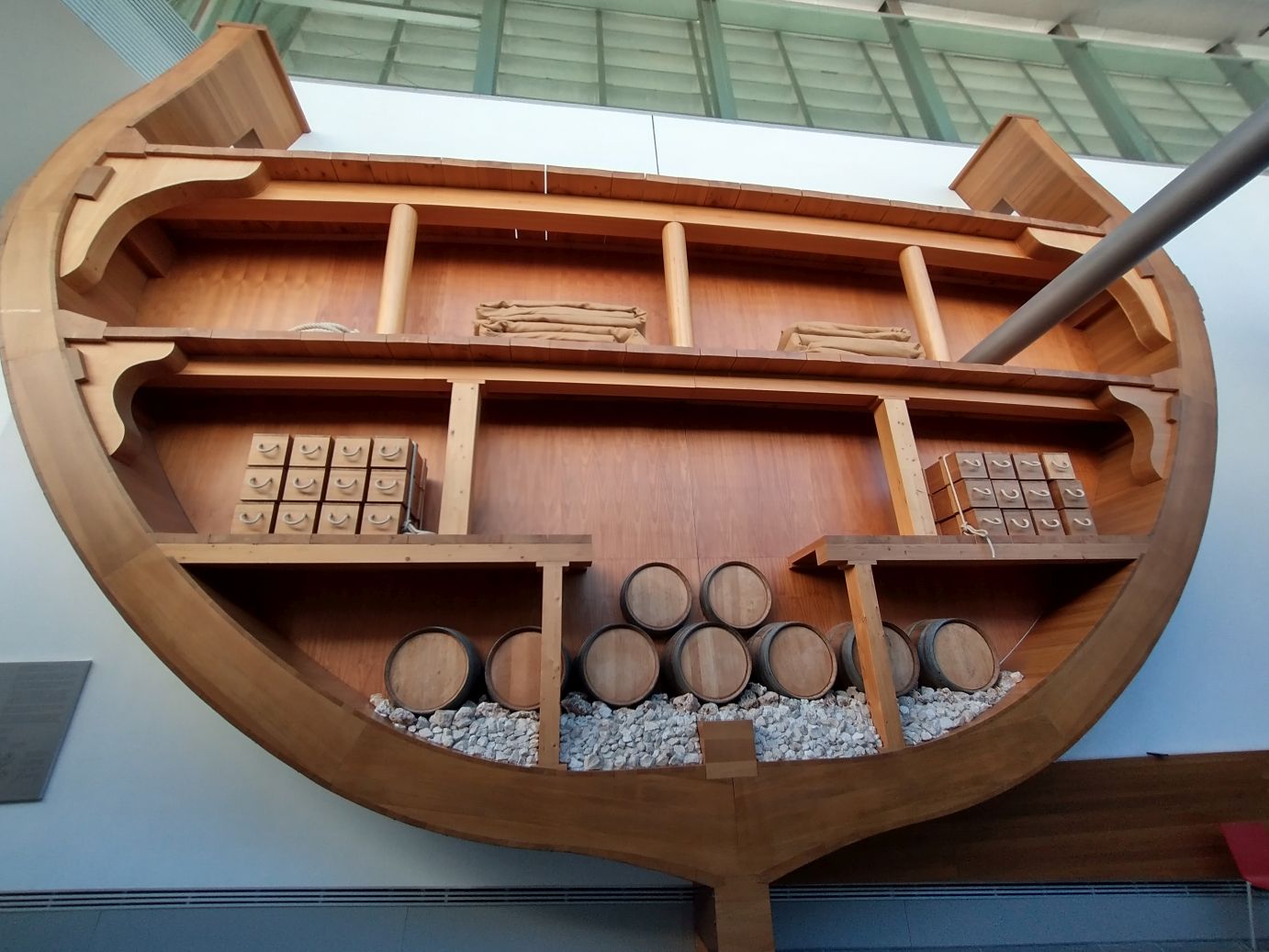
As we wander through, a huge Spanish tour group comes in behind us, making us hurry along to finish our explorations and get out into the fresh air and onto our next stop which – The House of Fortune.
It should be a quick walk, skirting along the hill that holds the Castillo (where we will go later) and into the city proper to the museum. It is easy to get to the little square where the museum is said to be located, but when we arrive all we see is this scaffolding and big iron construction type barriers shielding a set of stairs going down into some creepy basement looking thing. What gives? We couldn’t find the entrance to the House of Fortune to save our souls. Reconnoitering, we sat a bench in the square looking at the maps and trying to figure it out. If I’d paid a little more attention to the description, I might have figured it out sooner, but these are excavated ruins, and it turns out that the House of Fortune is down the stairs!
It isn’t a creepy basement after all, it is the site of the excavation with the remains of a Roman house form the last 1st century BC. It belonged to a wealthier family and gets its name from a Latin inscription on the home’s back entrance that reads “Fortuna Propitia” which means “good luck.” They have a huge fragment of the stone on display down here. It is amazing what they have recovered here – lots of fragments from the walls, including frescos that are pieced together to indicate the decorations that would have existed. Mosaic floors. The old Roman road that led to the home. The different rooms, including a reproduction of what the dining room would have looked like complete with the Klinai, which are beds with pillows and cushions for the guests to recline on while the slaves fed them.
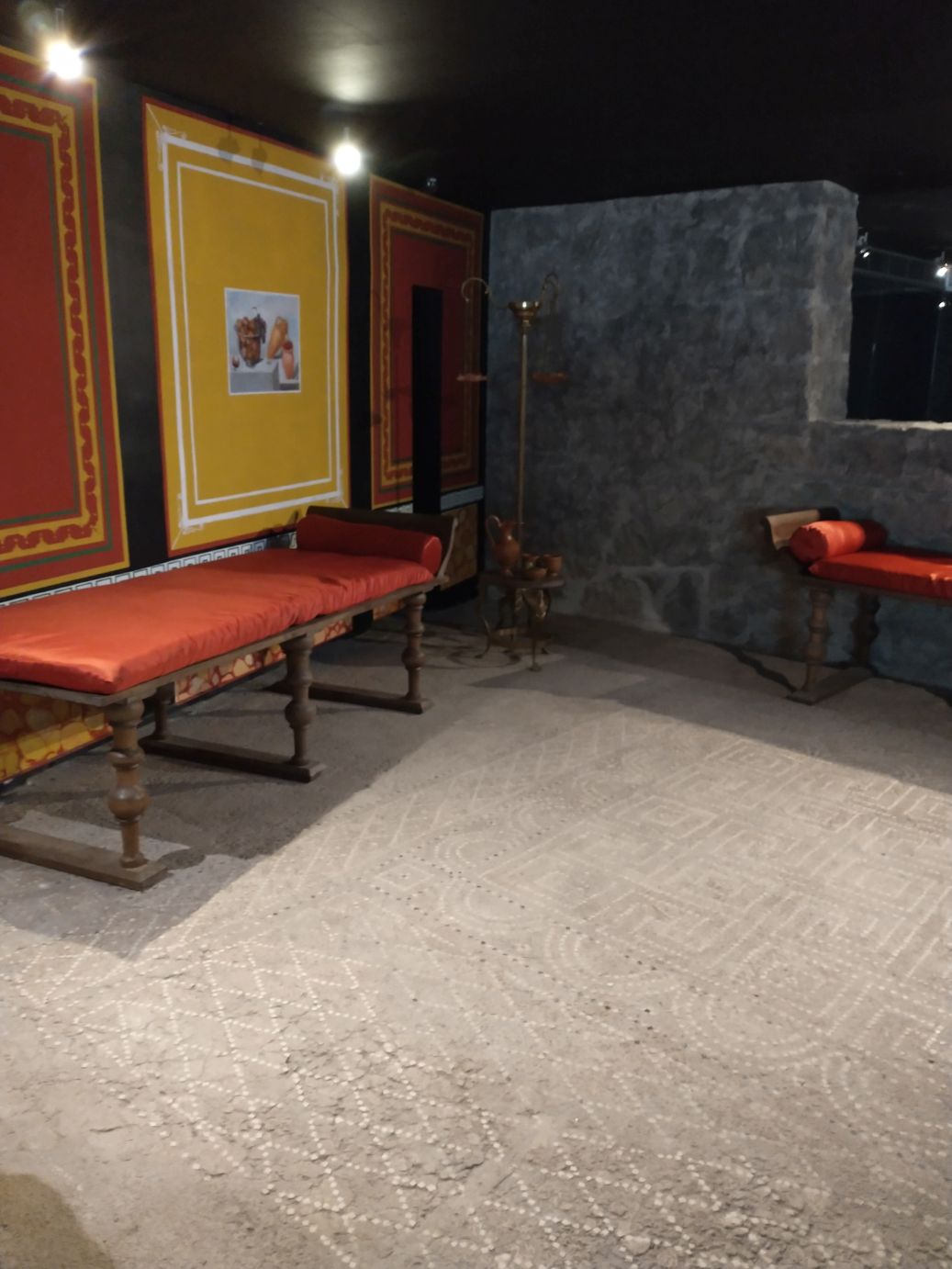
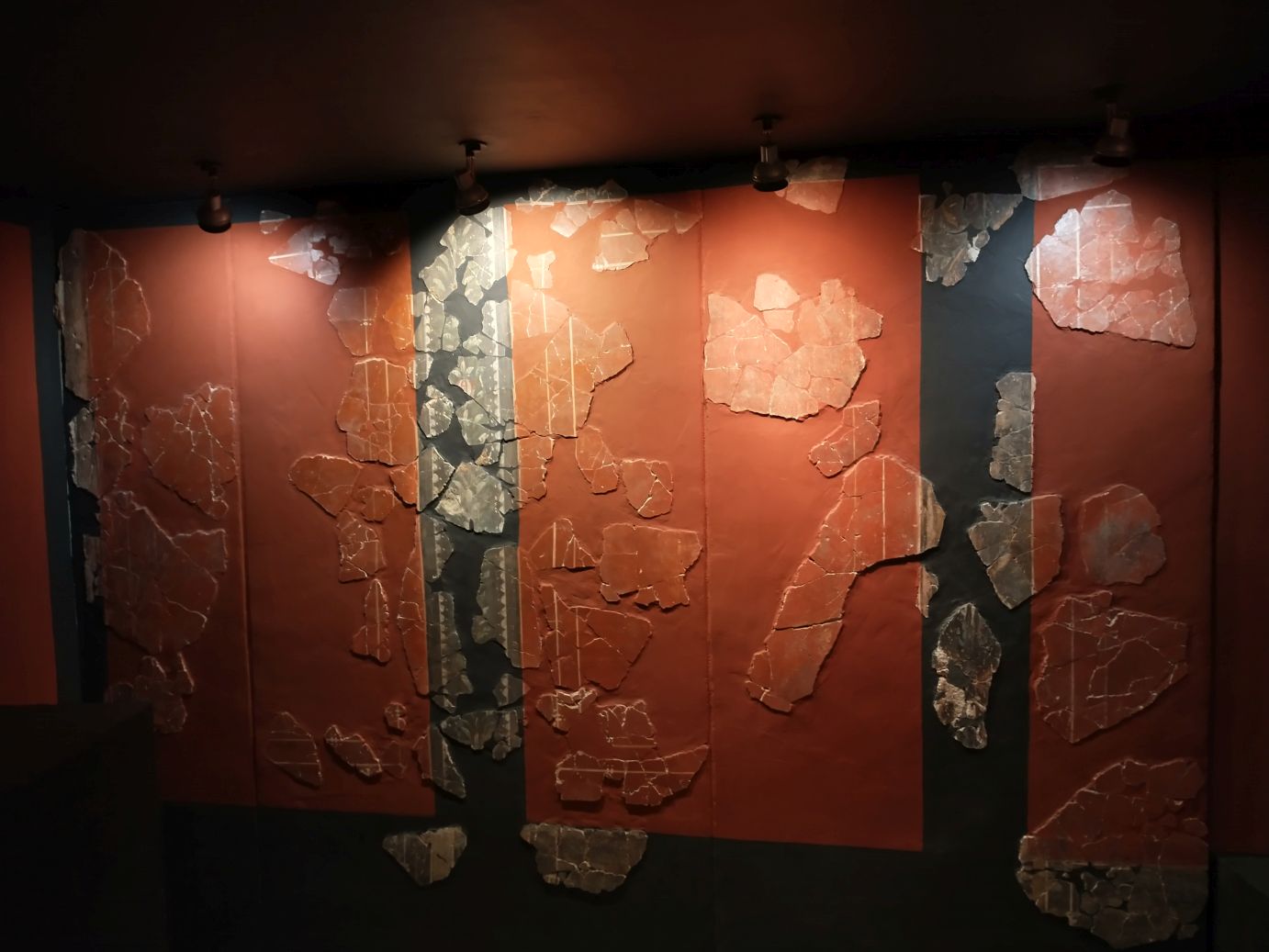
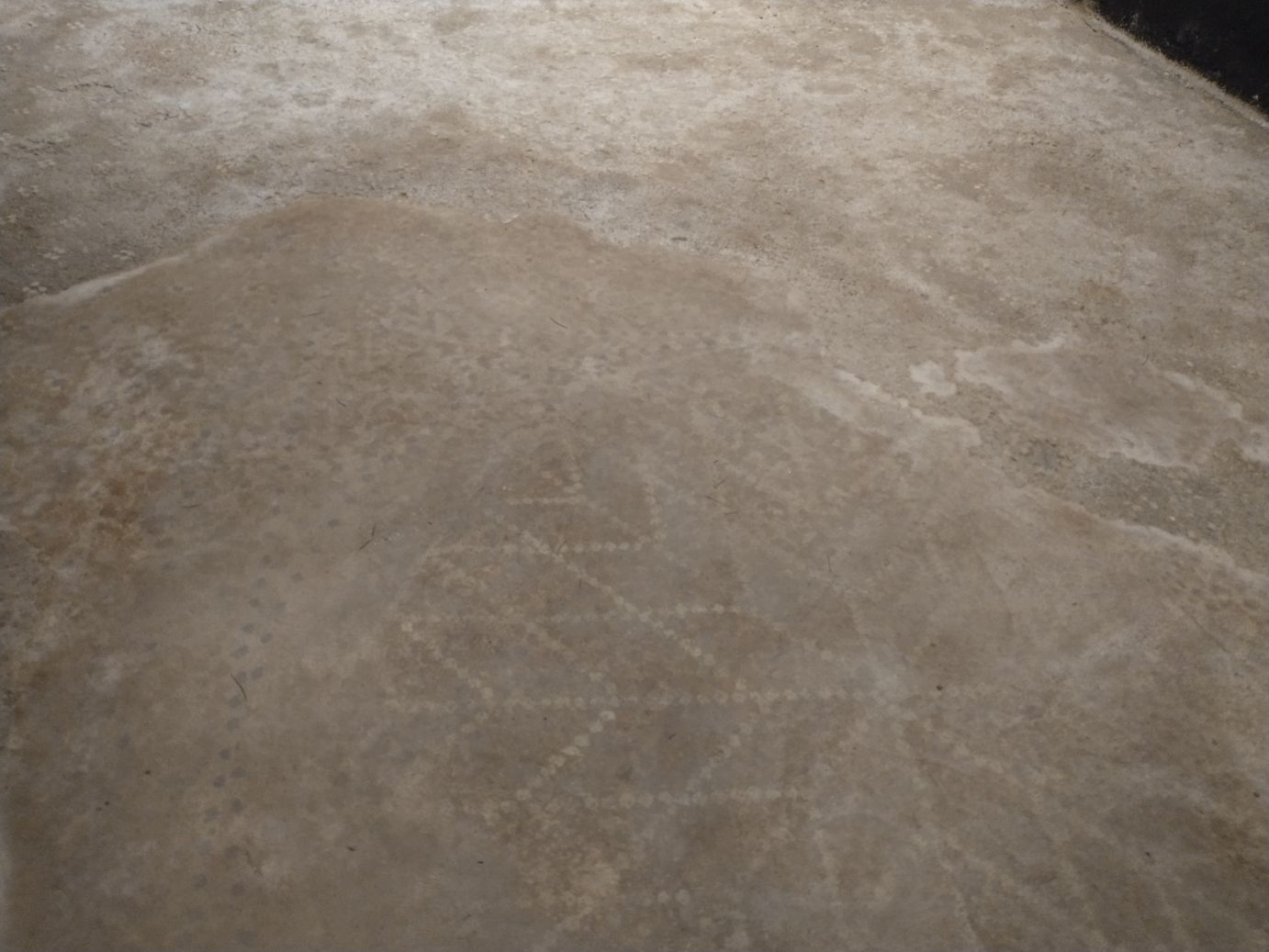
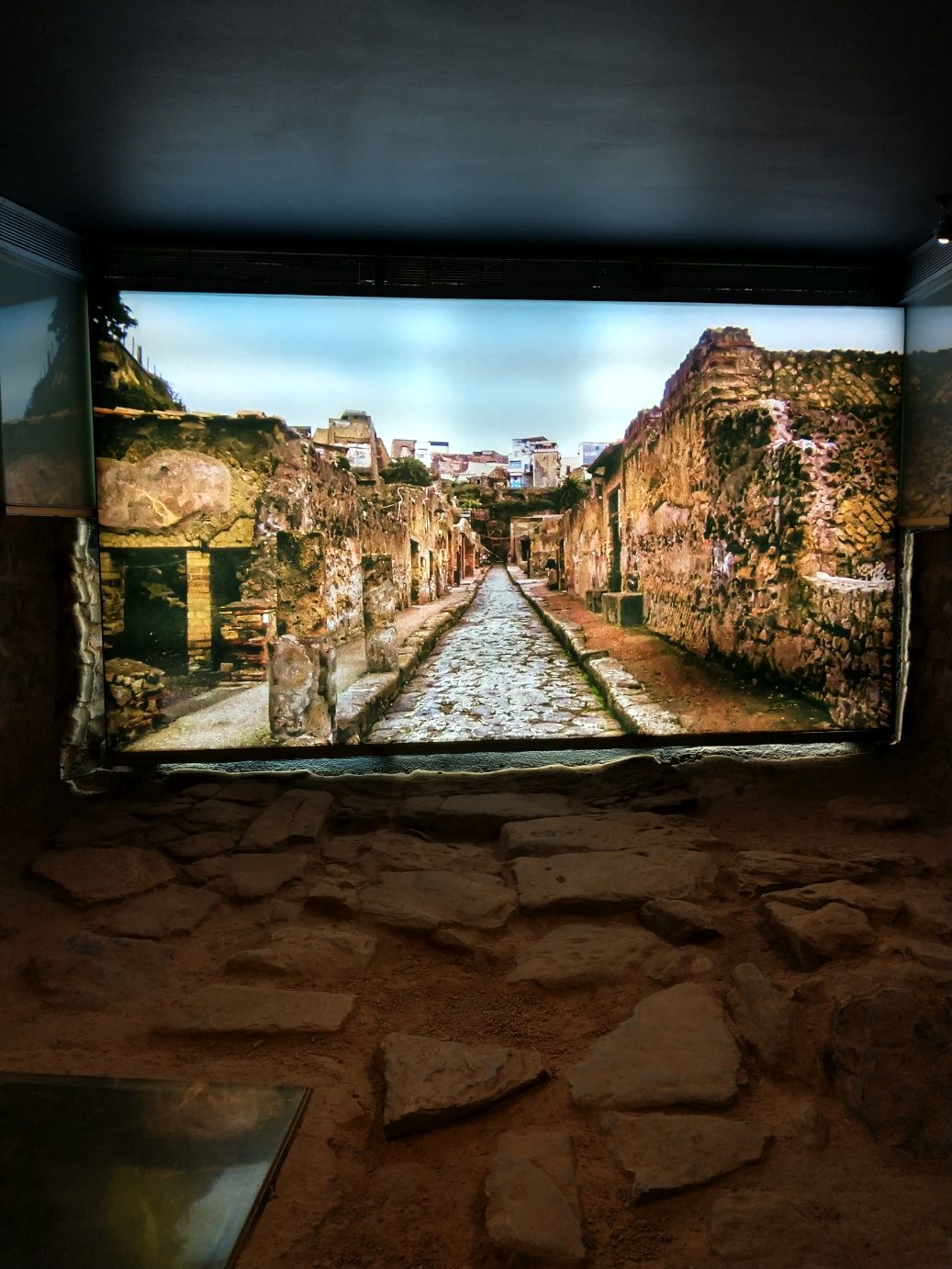
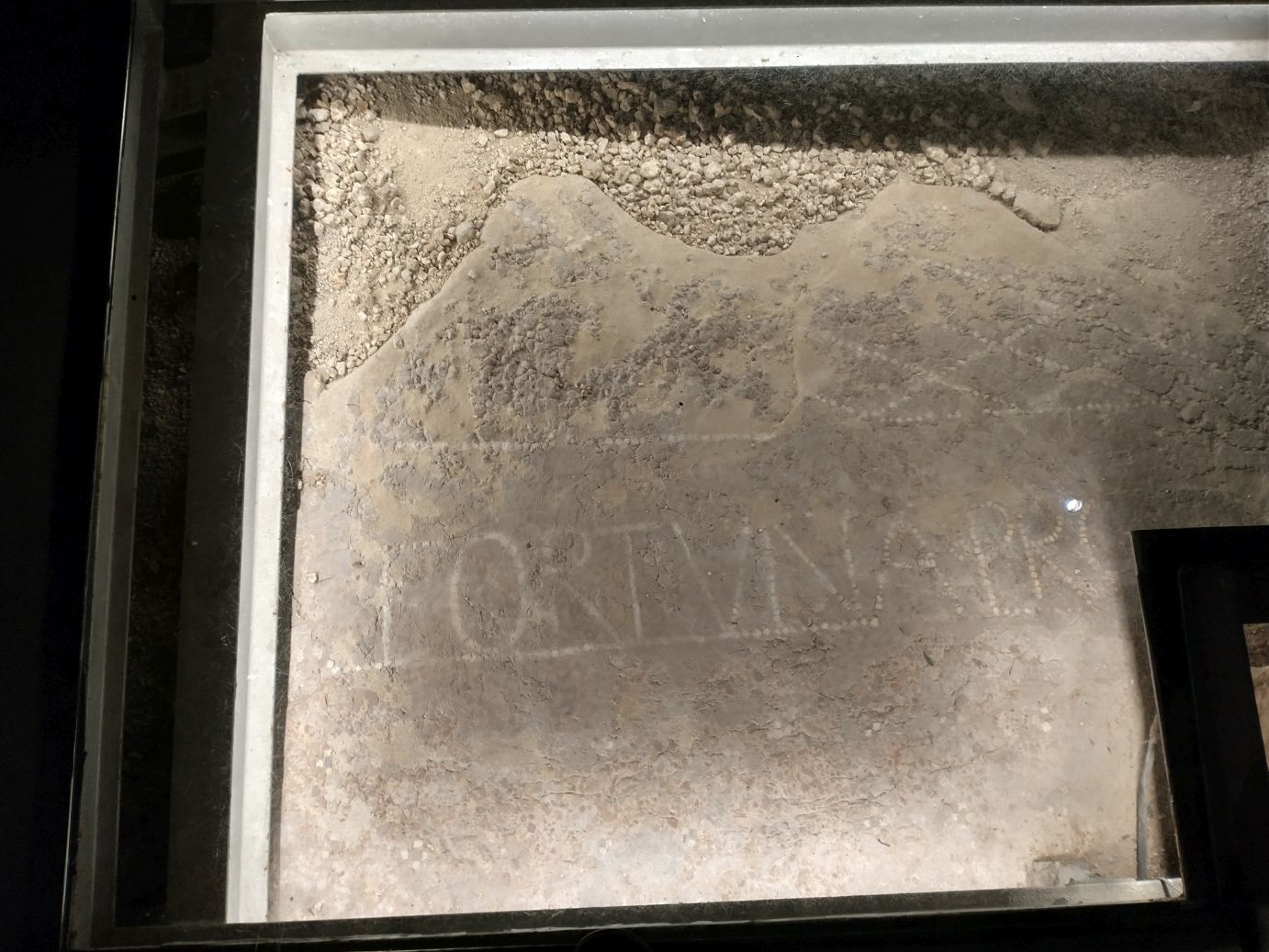
We’re so glad we managed to find the entrance! It was a totally fascinating place full of amazing artifacts.
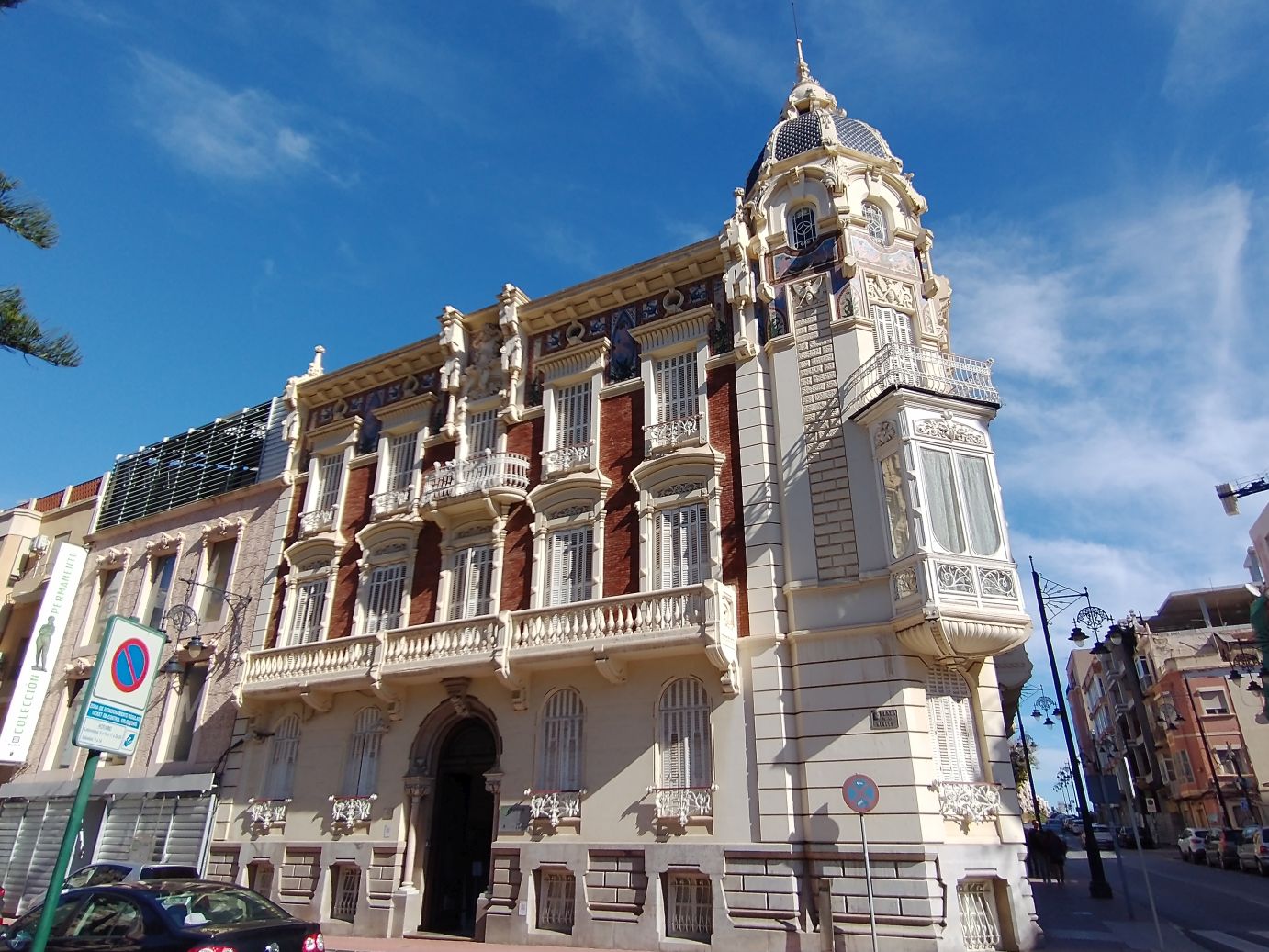
Commencing with our wandering, we walked a few blocks behind the House of Fortune and stumbled on the Museum of Modern art. It is a huge building housed in both the old Aquirre Palace, built in 1901, and a more modern structure attached to the palace where the art is actually housed. We didn’t realize they were 2 separate things at the time, so we strolled into the Palace and the security guard showed us where to go to see the rooms, etc.
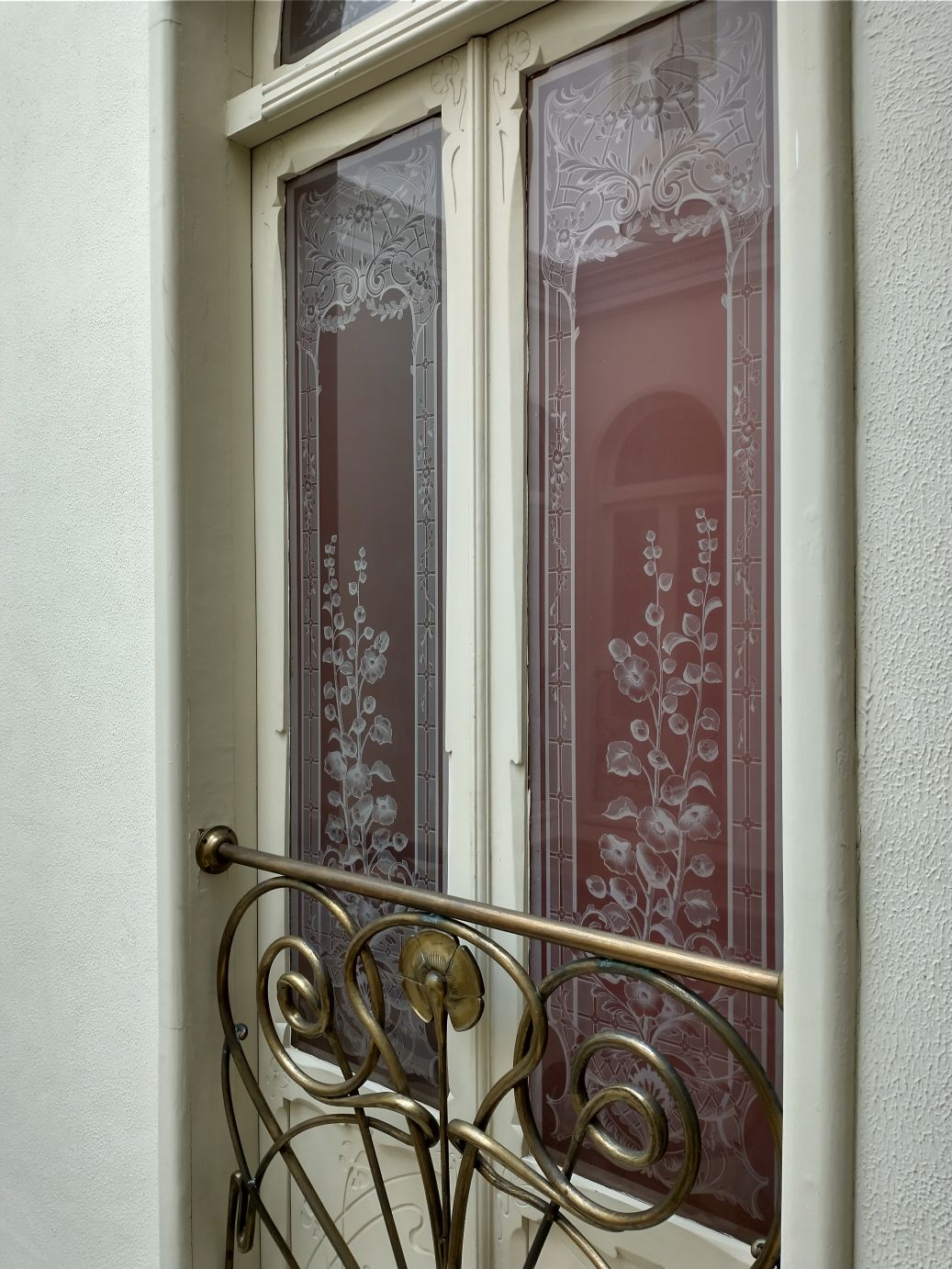
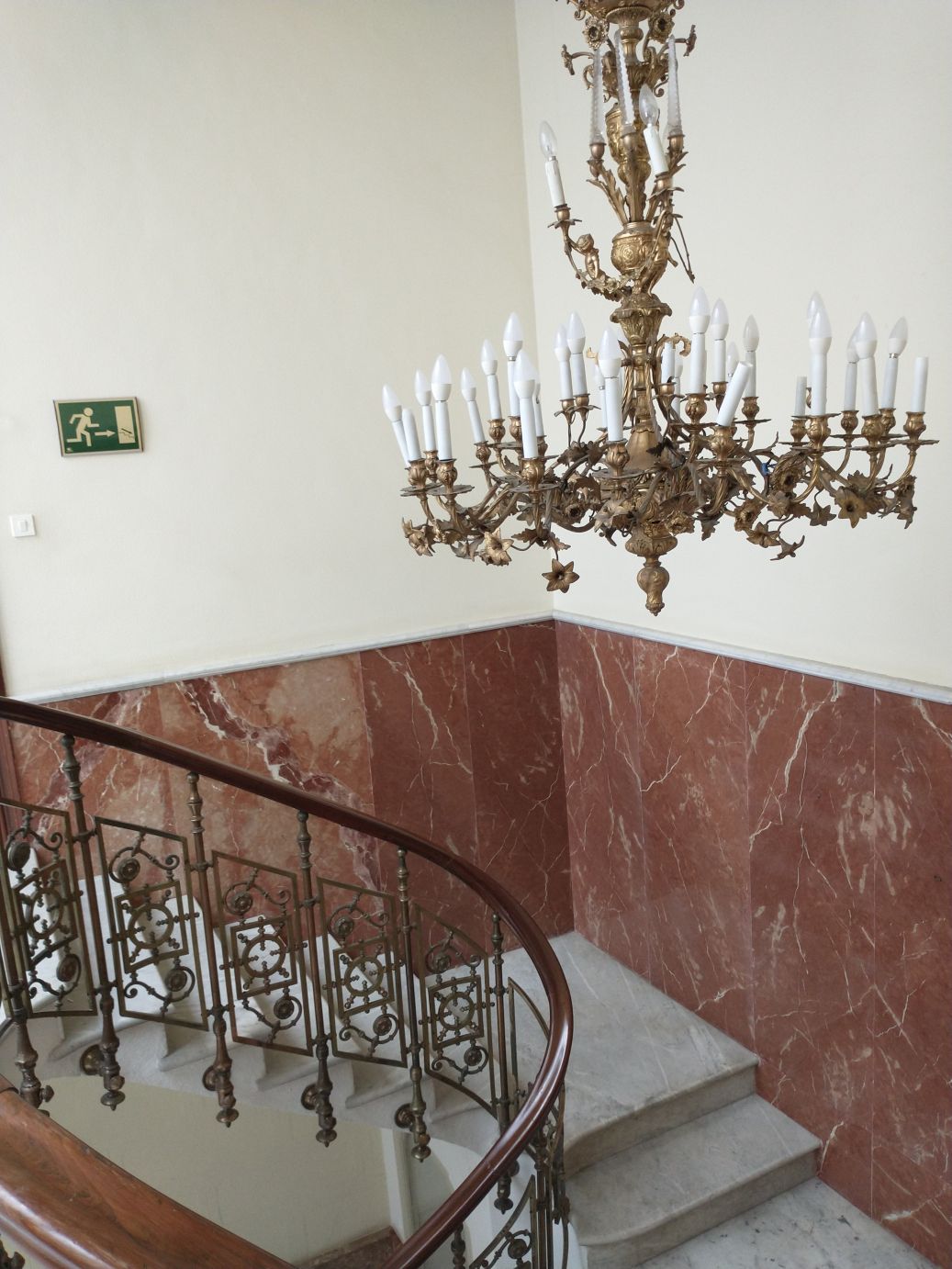
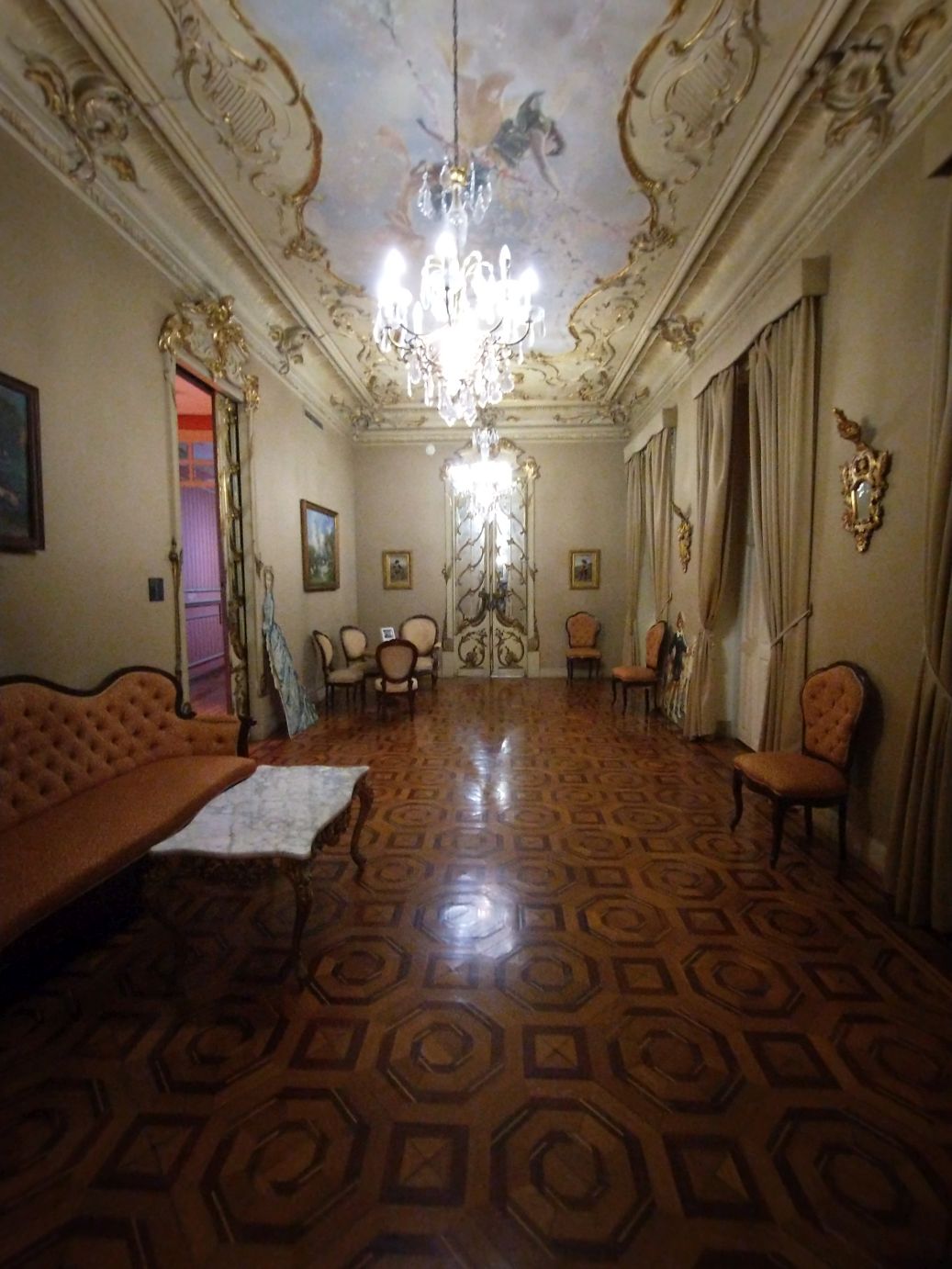
The house is a typical square construction, with the open courtyard type area in the middle – this one marble tiled, not filled with greenery. Entrance doorways leading off the entrance hall are all carved wood with gorgeous etched window panes. Up the grand staircase, with more beautiful windowpanes, we find an assortment of beautifully decorated rooms, with even more ornate wood carved doors, frames and inlaid ceilings. Sumptuous (for the early 1900’s) furniture lines the ballroom, paintings adorn the office, there’s even a chapel. All very decadent for the time we’re sure.
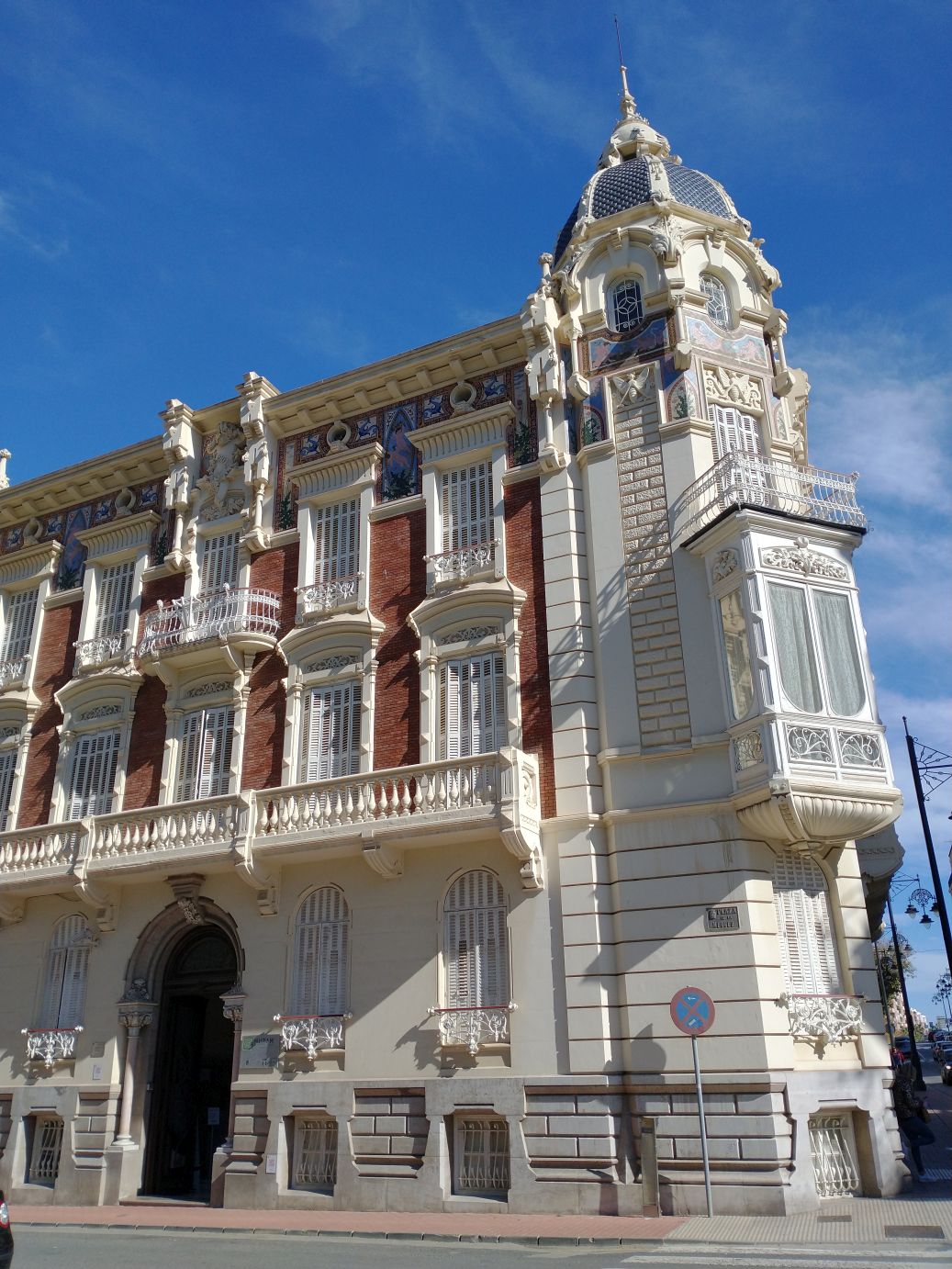
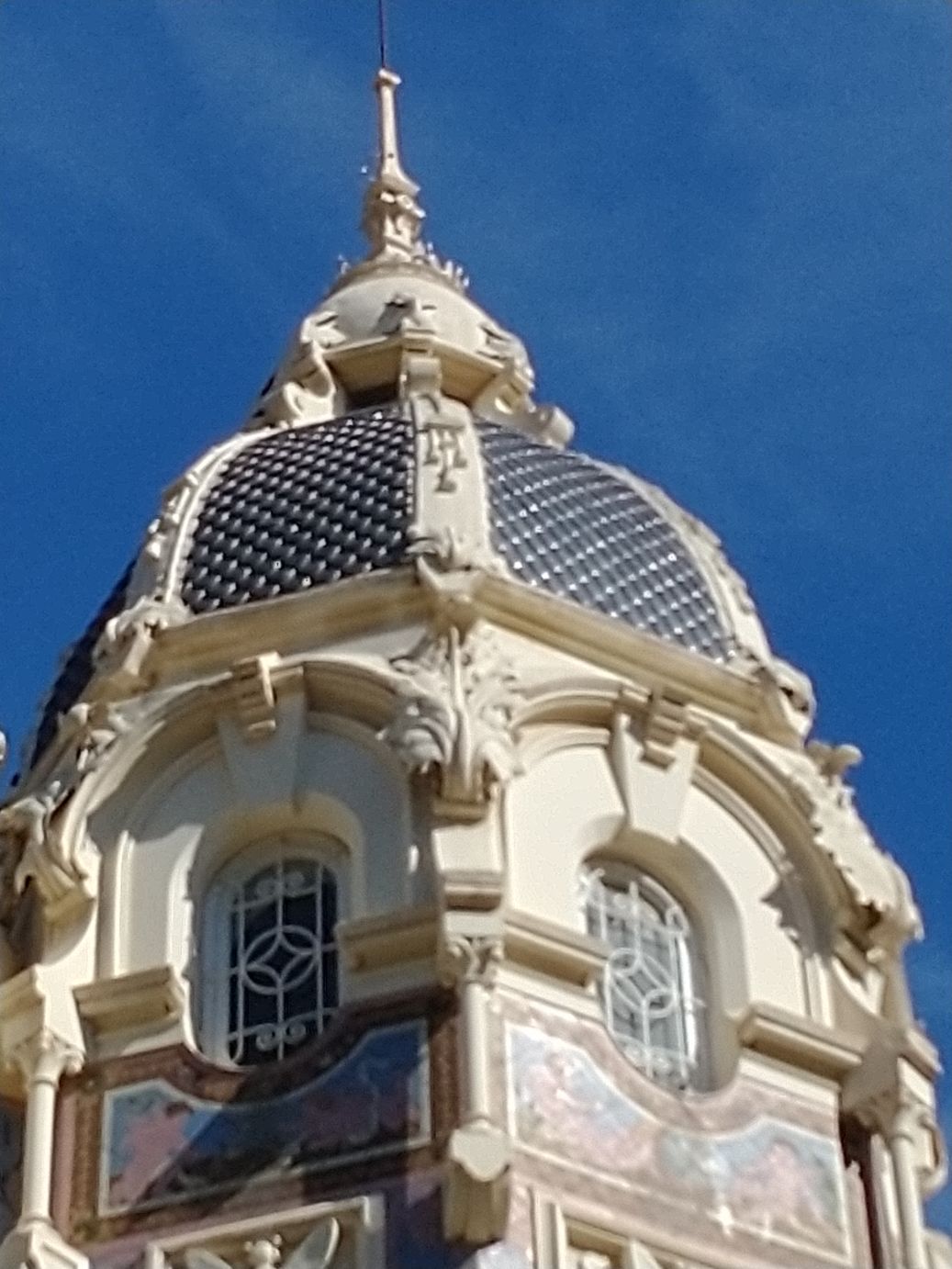
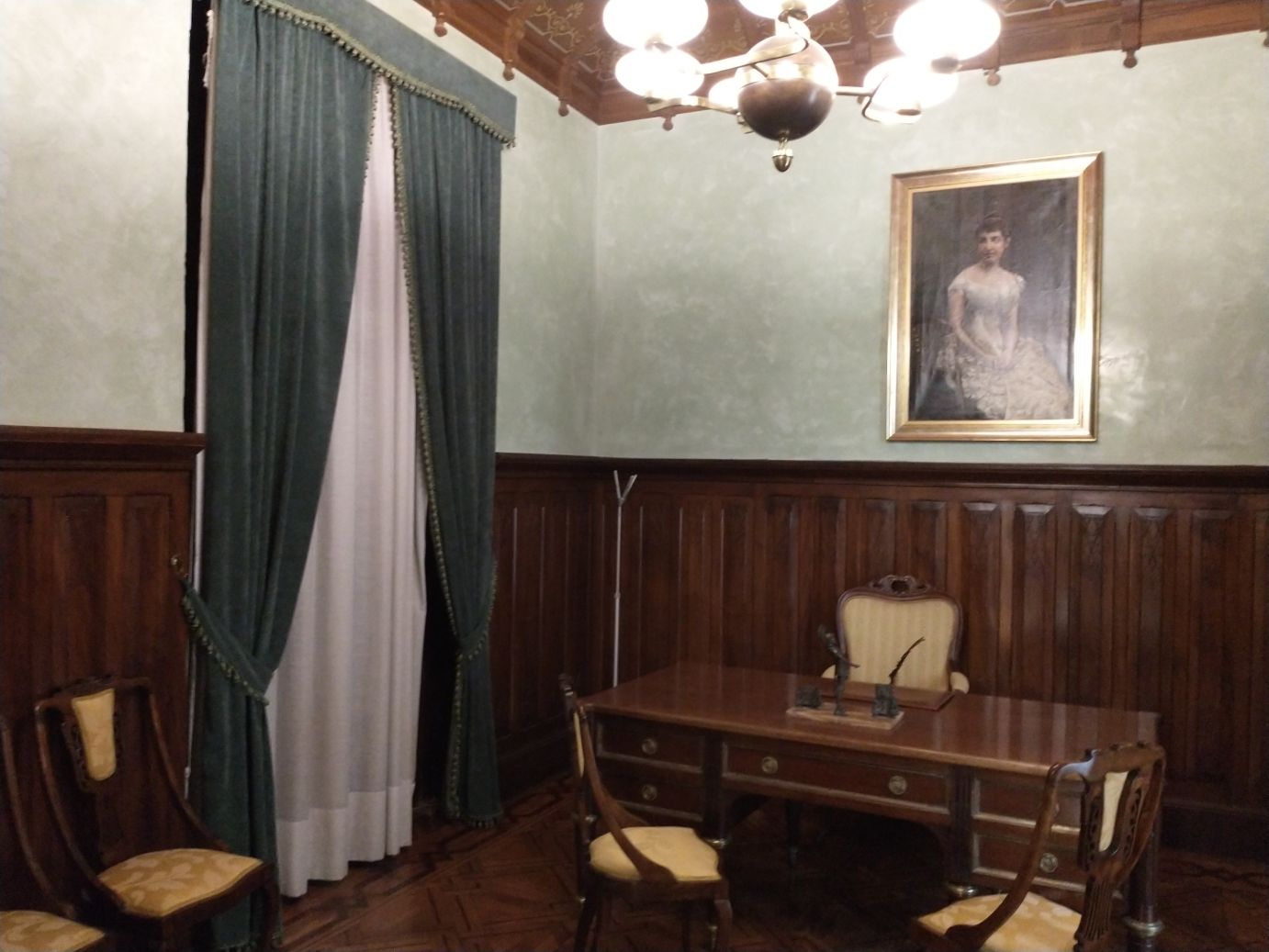
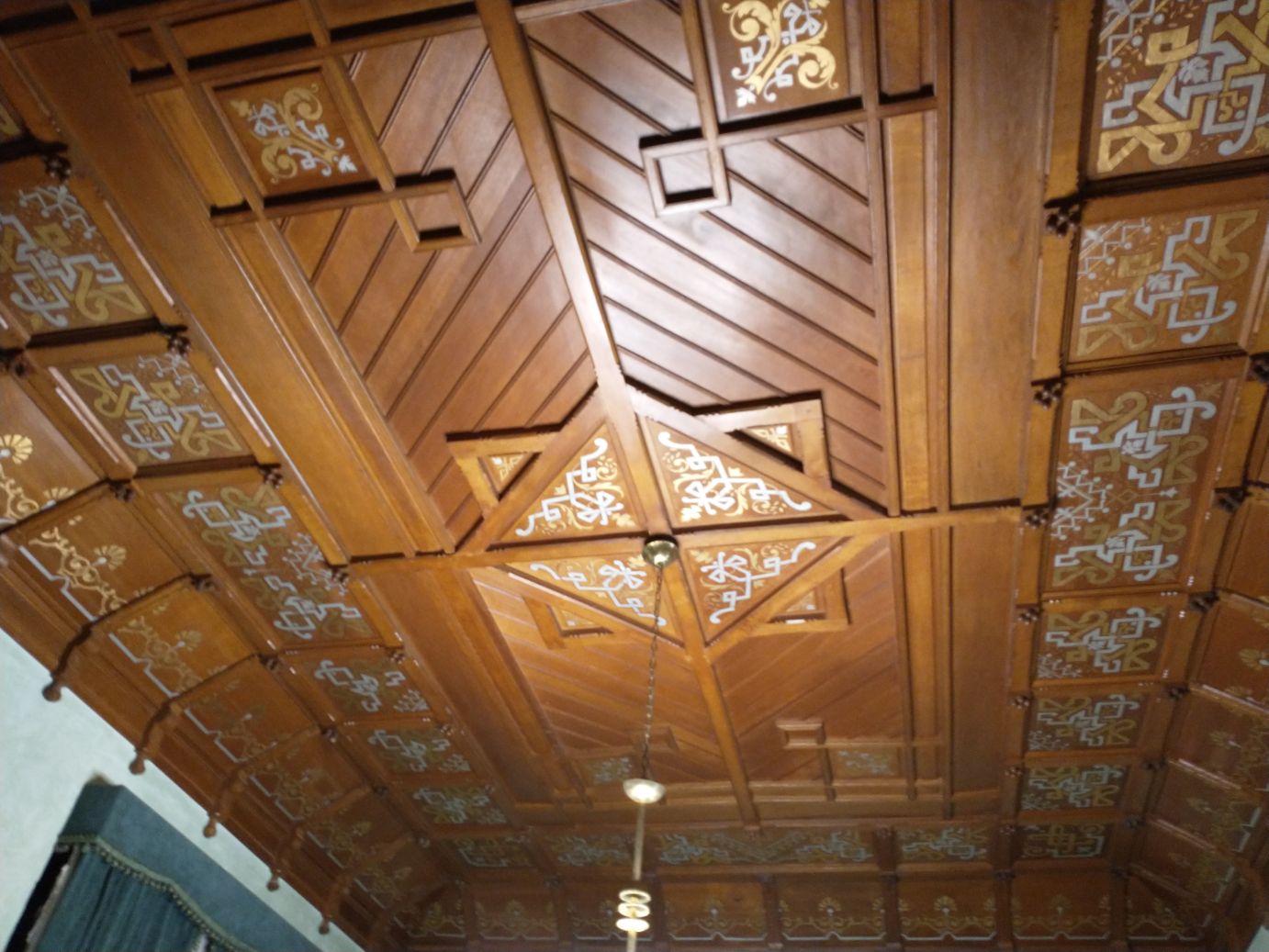
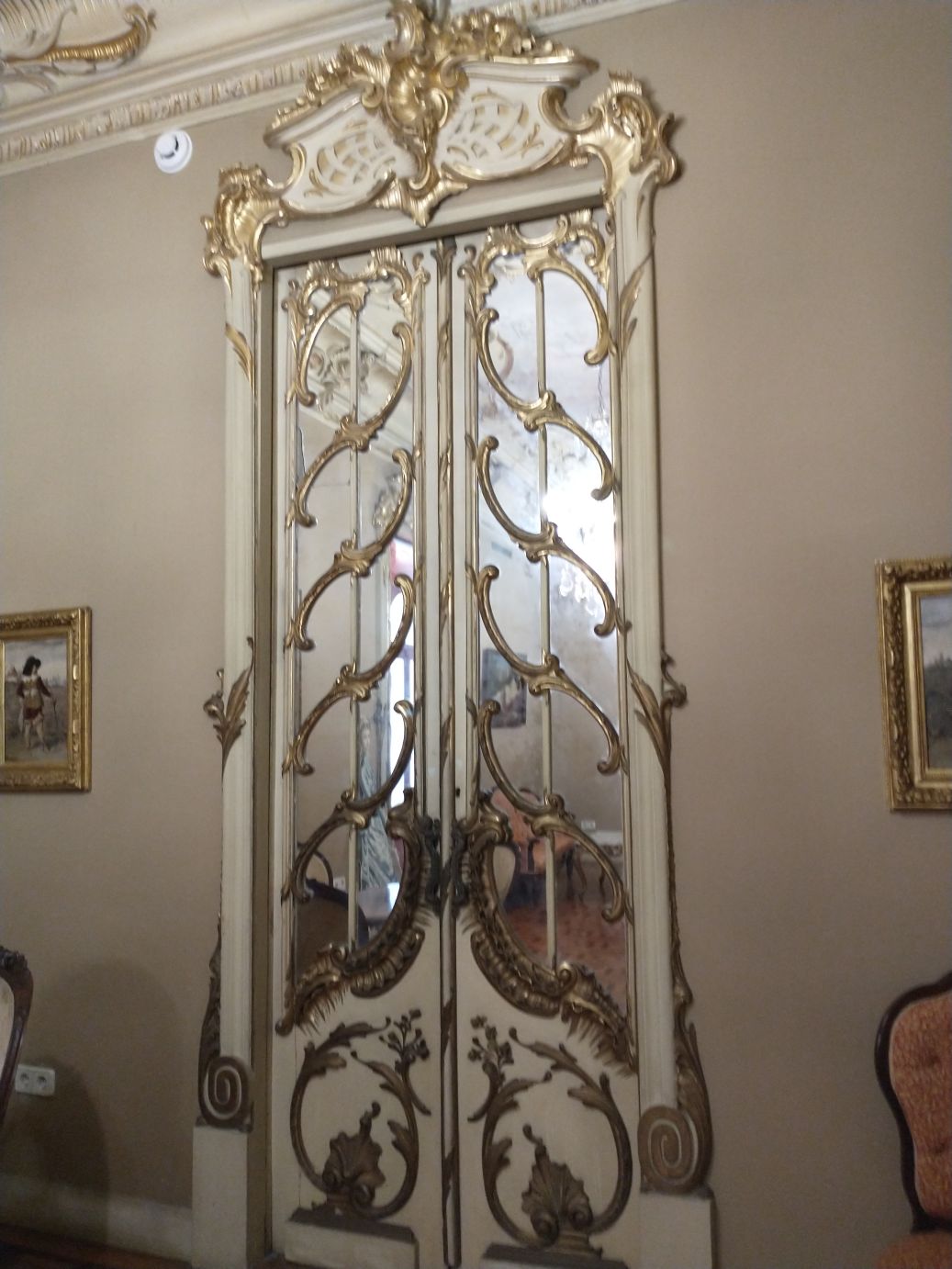
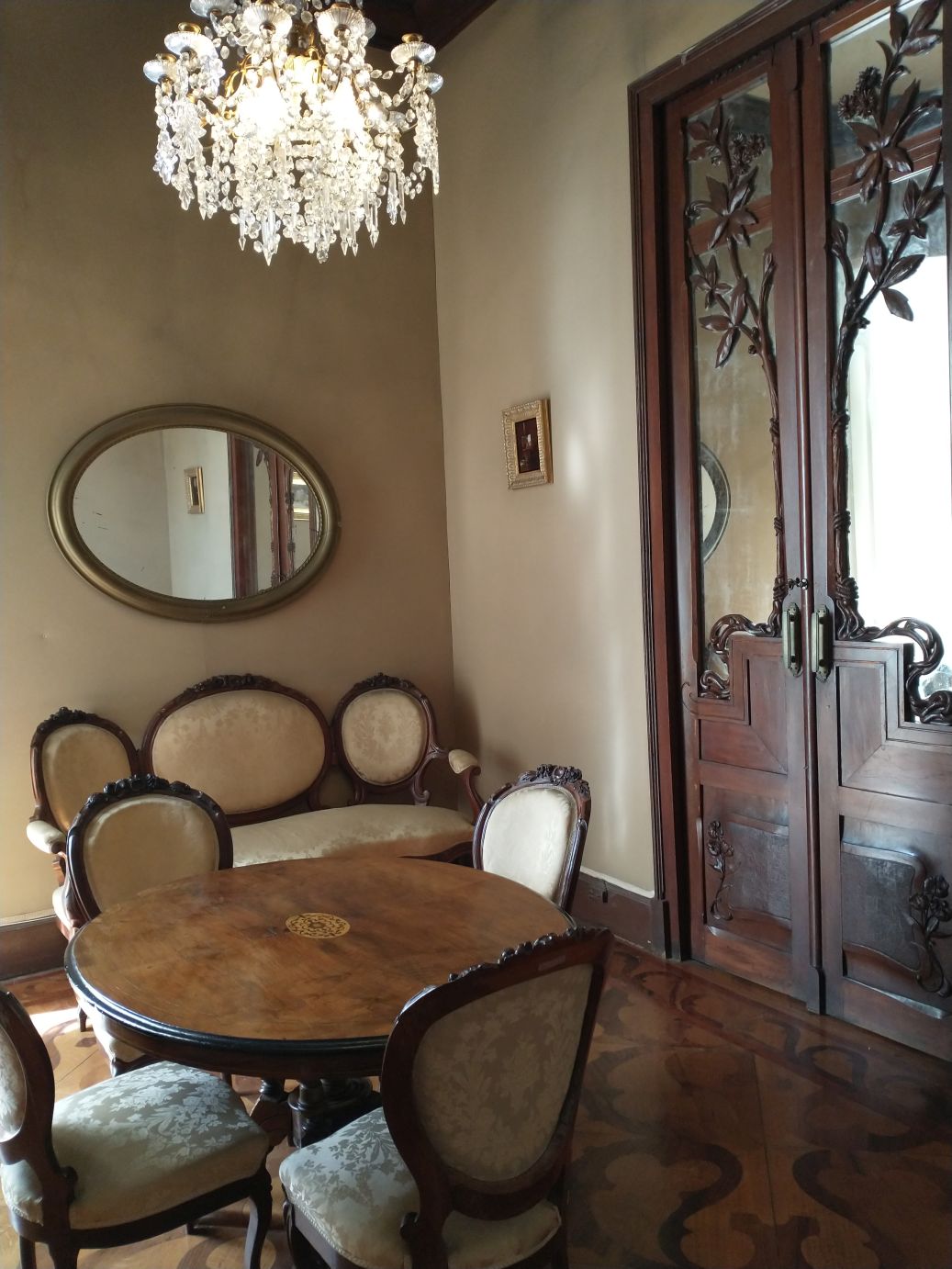
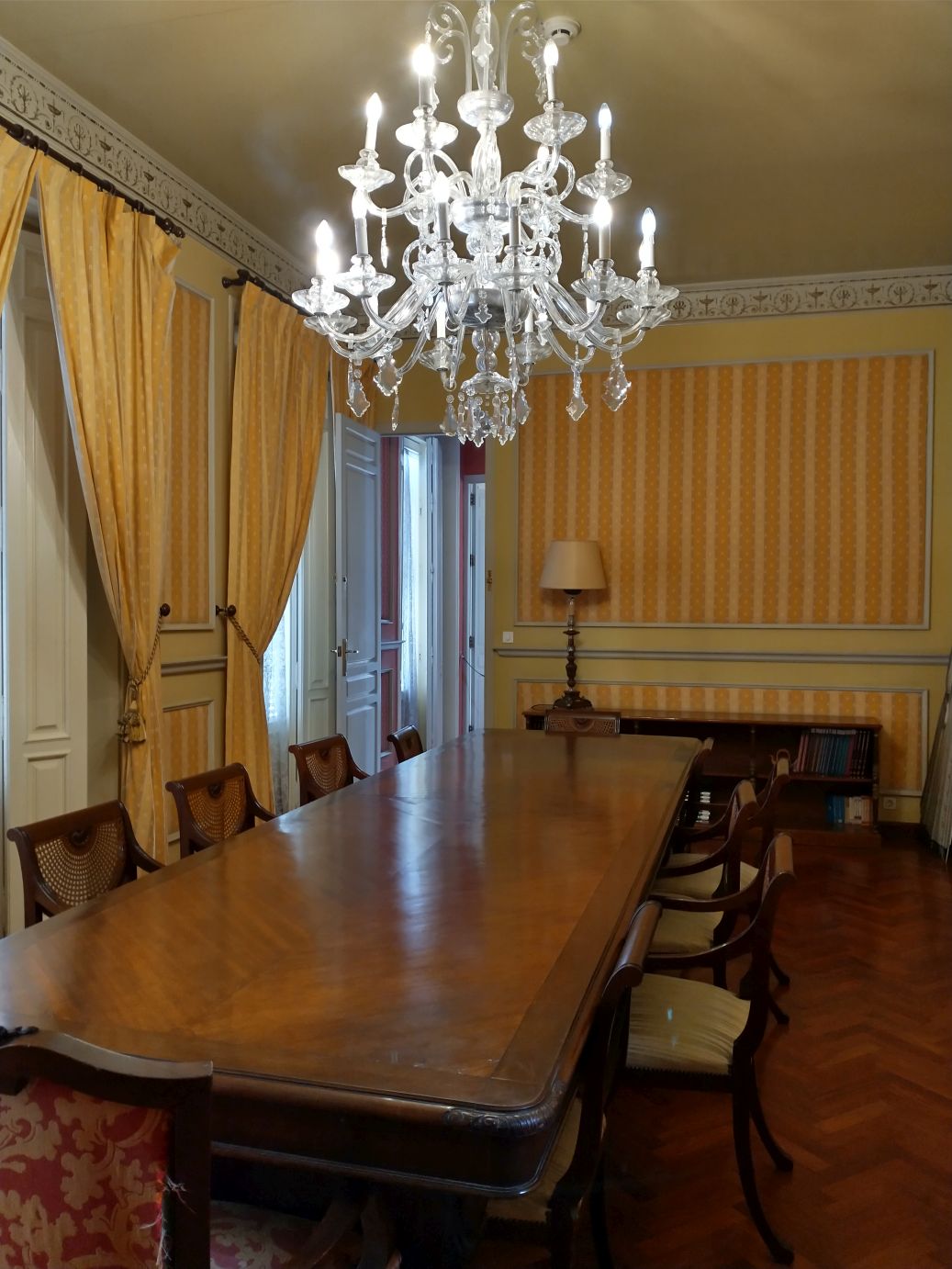
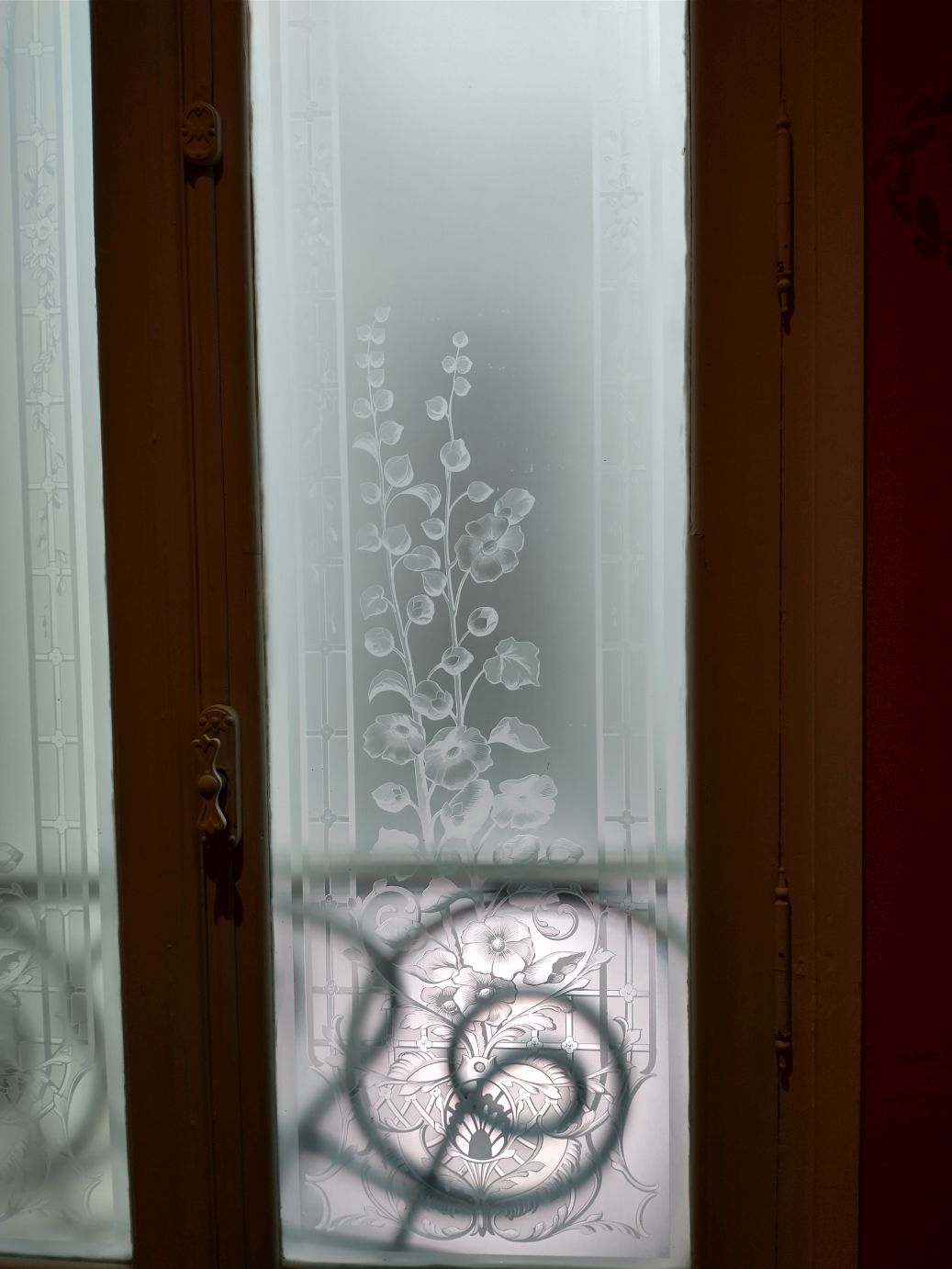
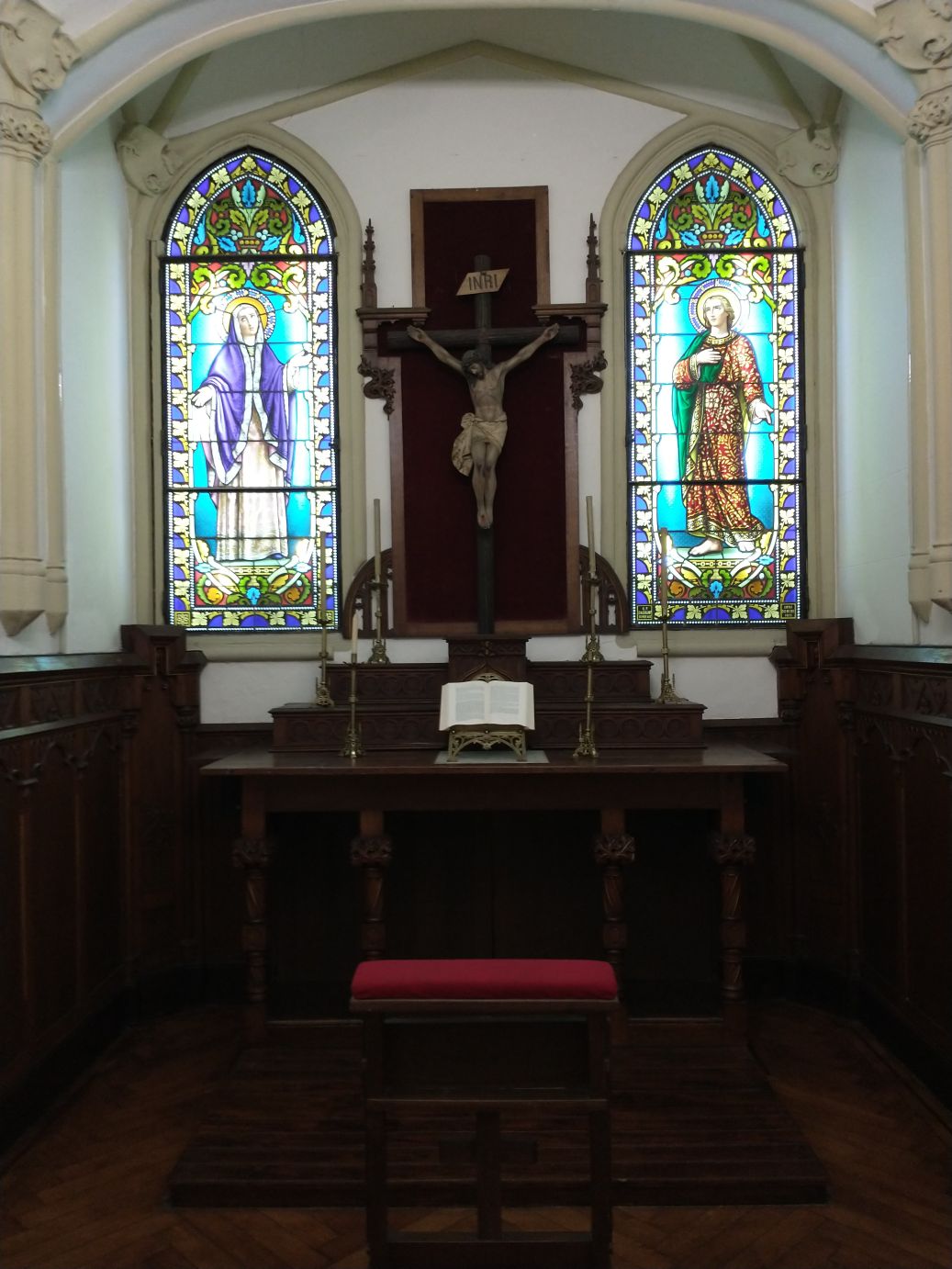
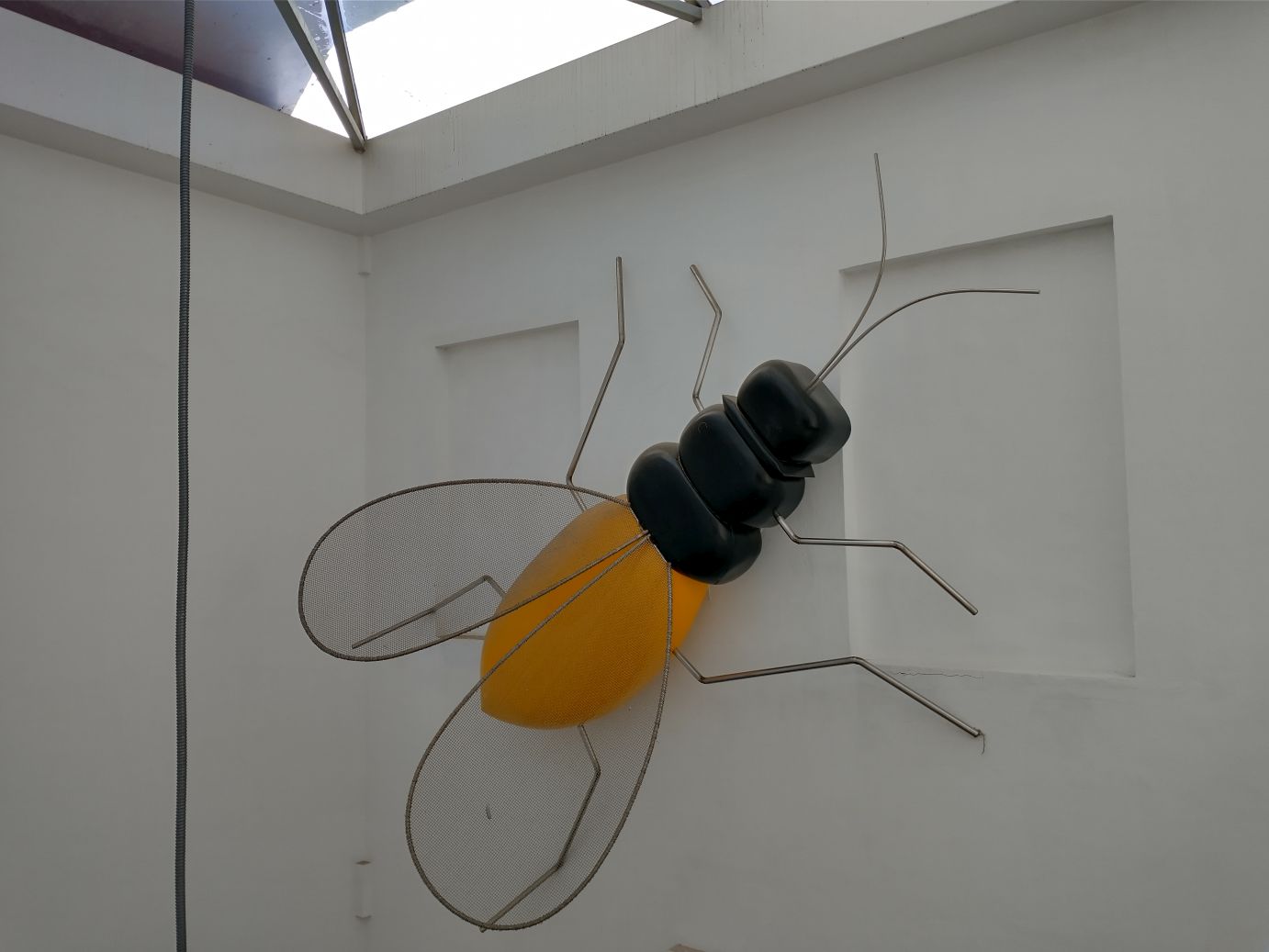
Incongruously, there is an enormous bee figurine attached to the top of the wall near the neo-gothic dome. You can see it from the loggia that leads into the palace rooms. Terribly bizarre. Interesting. But bizarre.
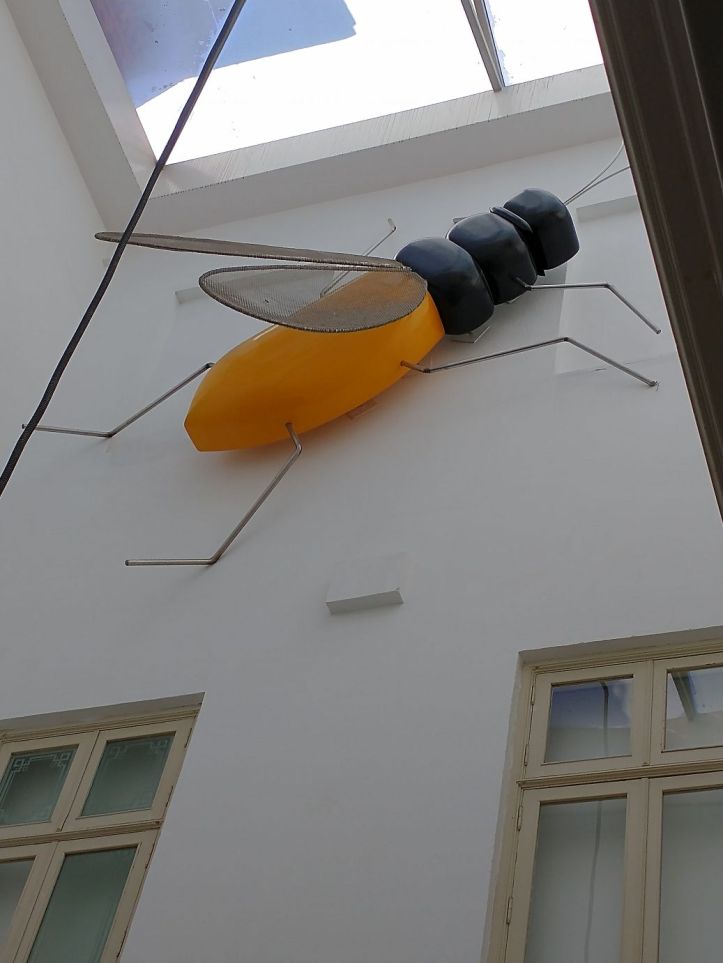
What we didn’t realize, until we went next door at the urging of the guard, was that the bee was part of a Museum of Modern Art display. The two buildings are attached and open to each other on certain floors, which allows you to see the bee from the palace, as well as when you are in the art museum. Pretty wild – if not a little confusing.
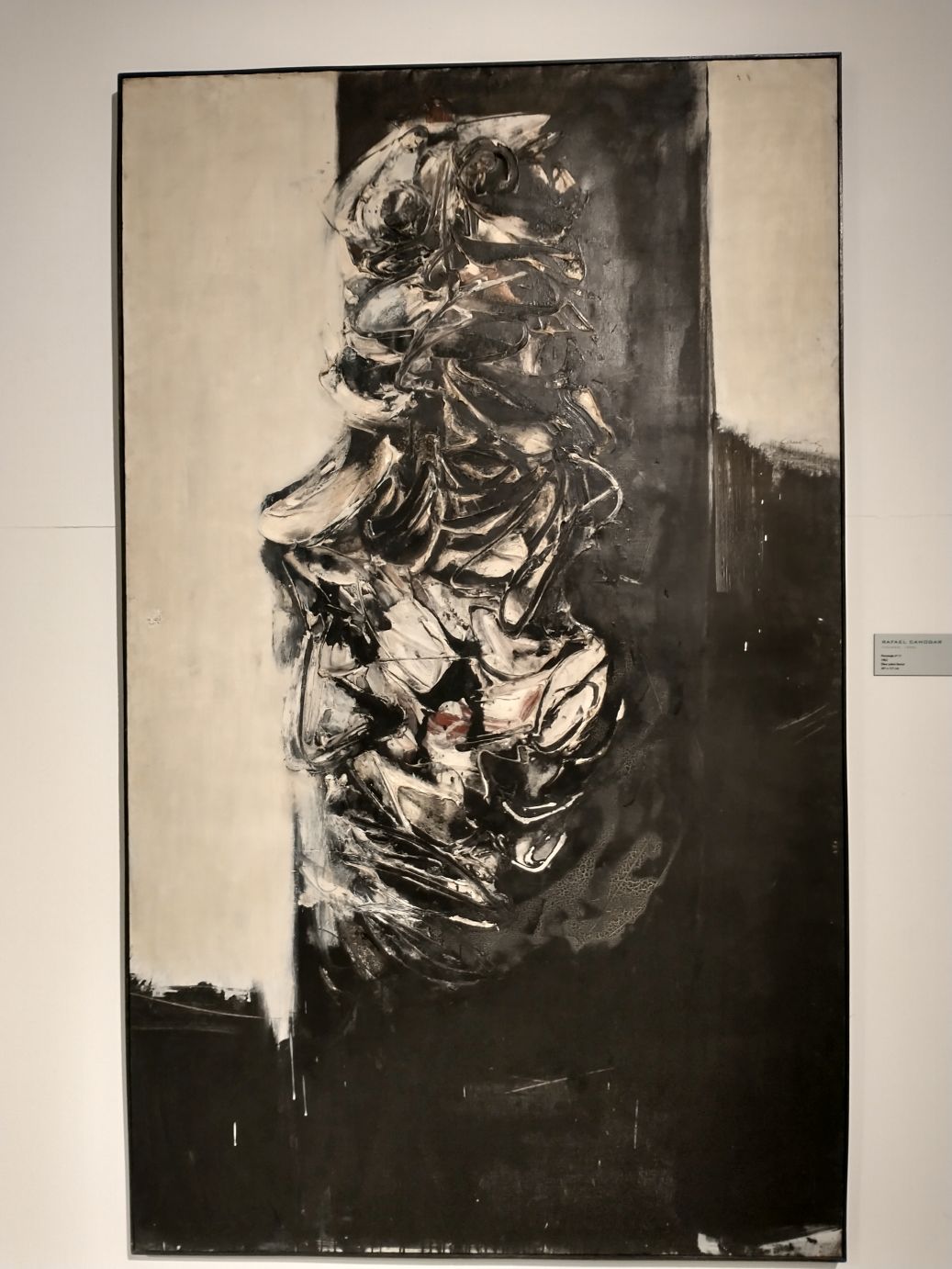
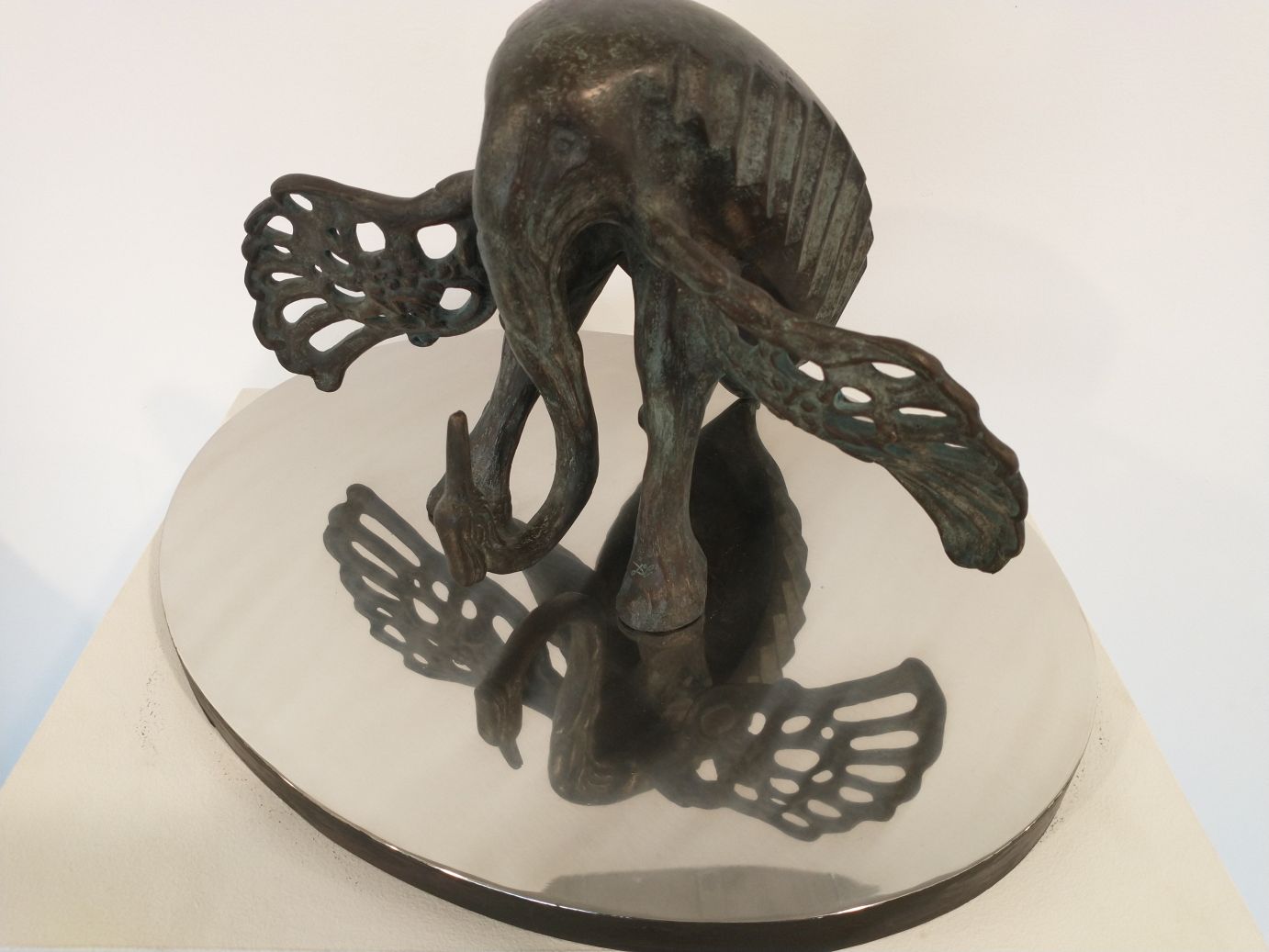
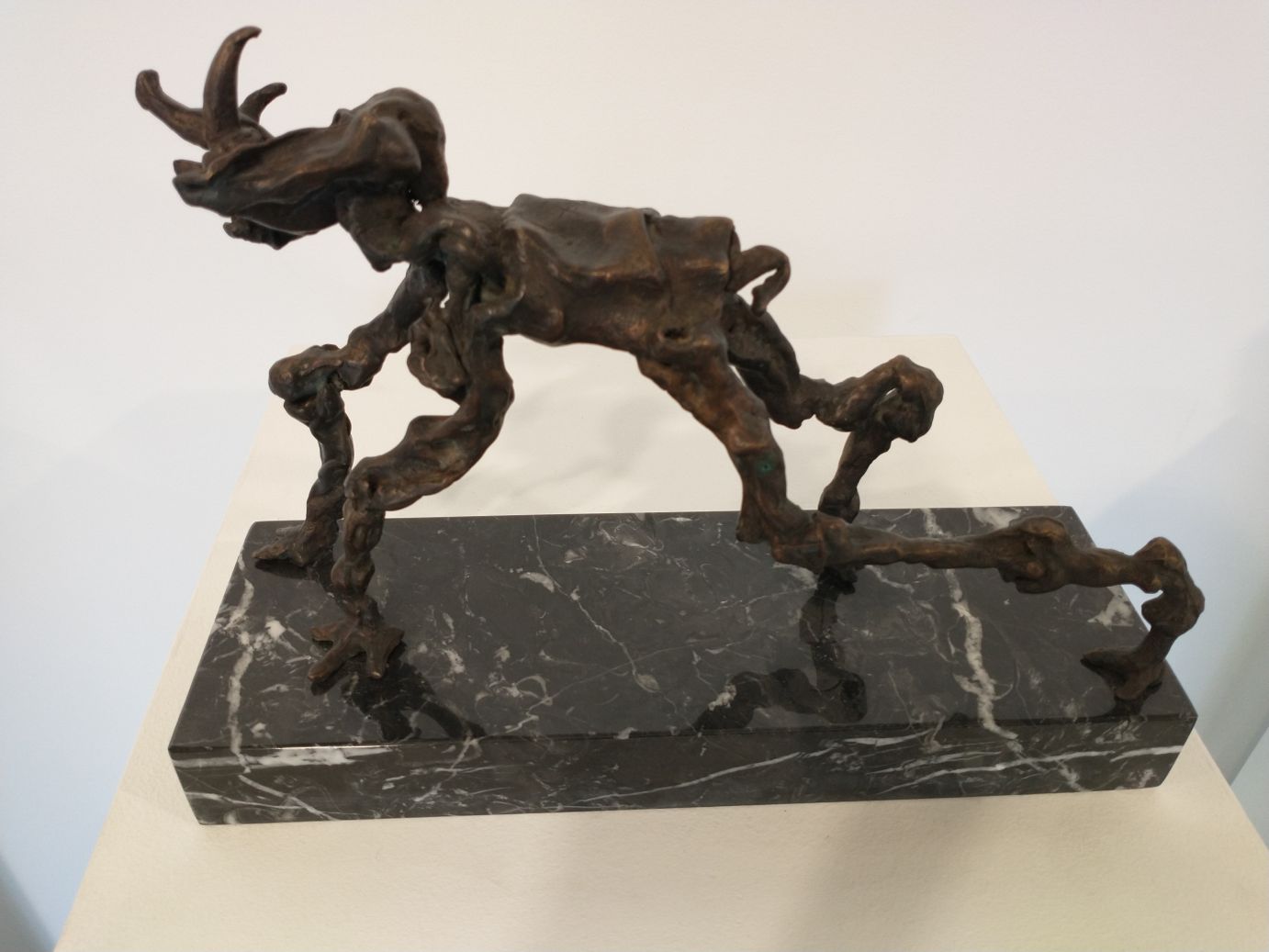
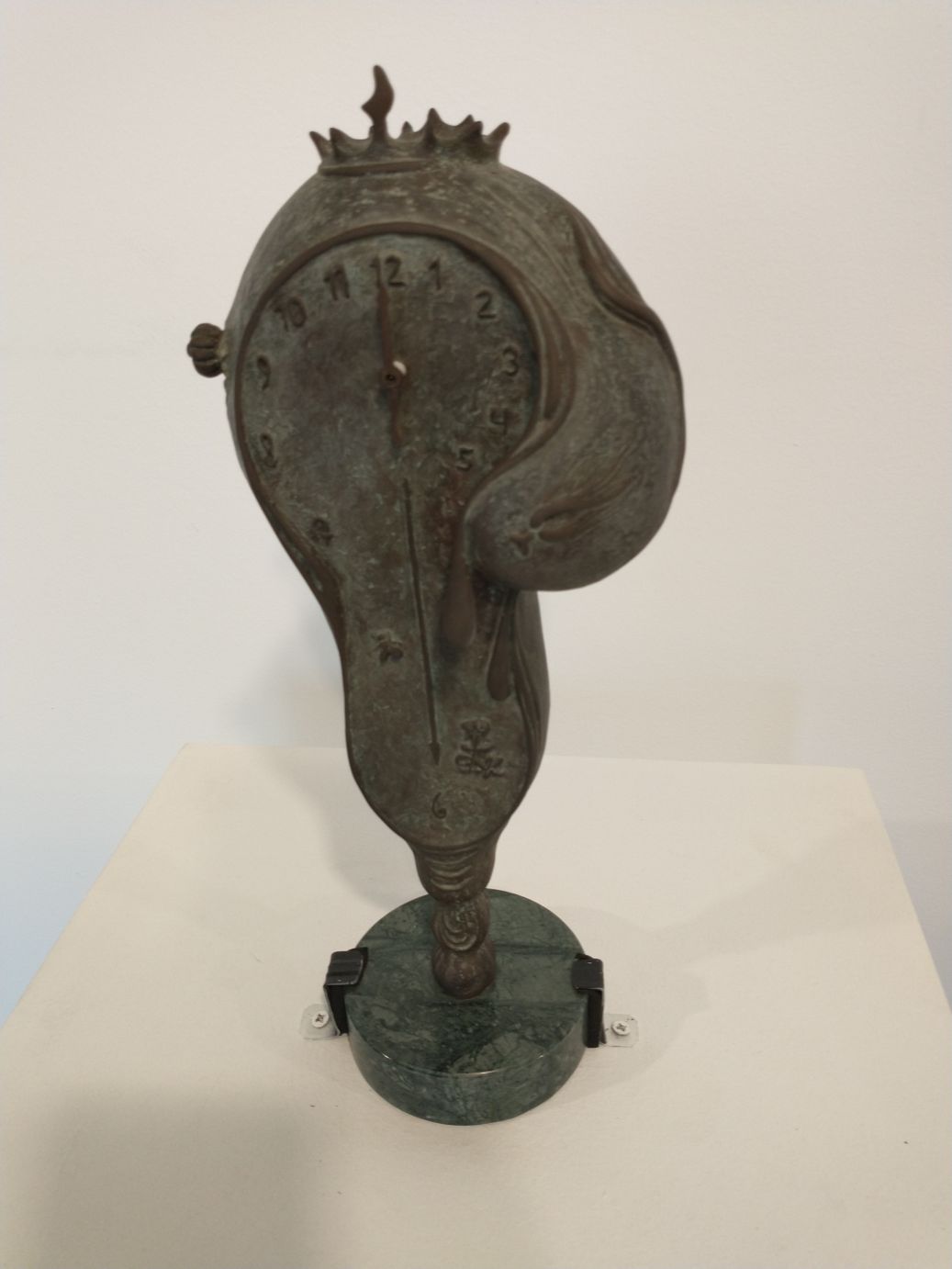
But nonetheless, our visit to the art museum is just as interesting, in very different ways, as the Palace. There are displays on 3 separate floors in all these different little rooms, ranging from odd modernistic type photos to a whole heap of iron Dali statues both large and small. Oh, and a close-up view of the aforementioned bee! Nice diversion.
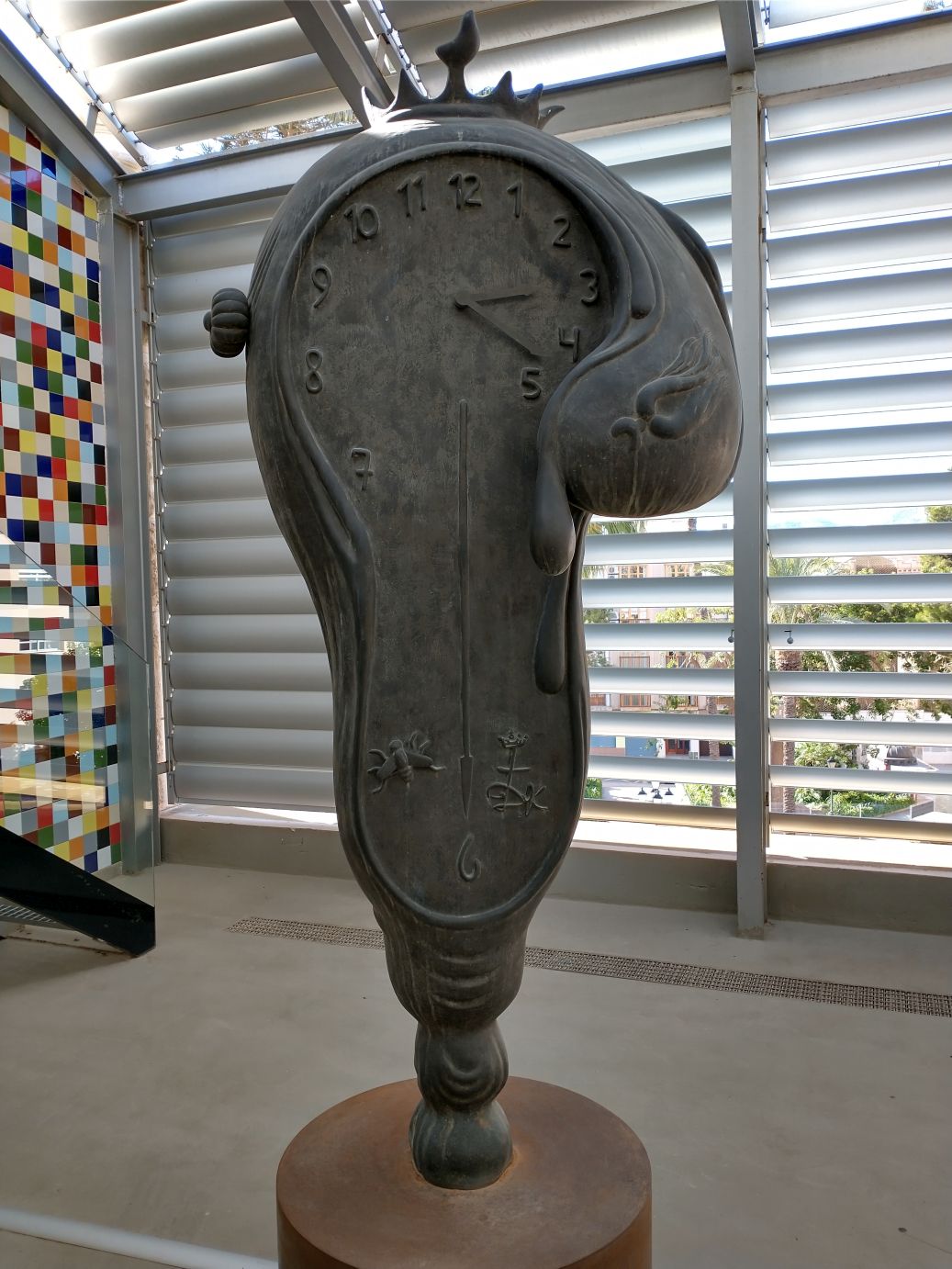
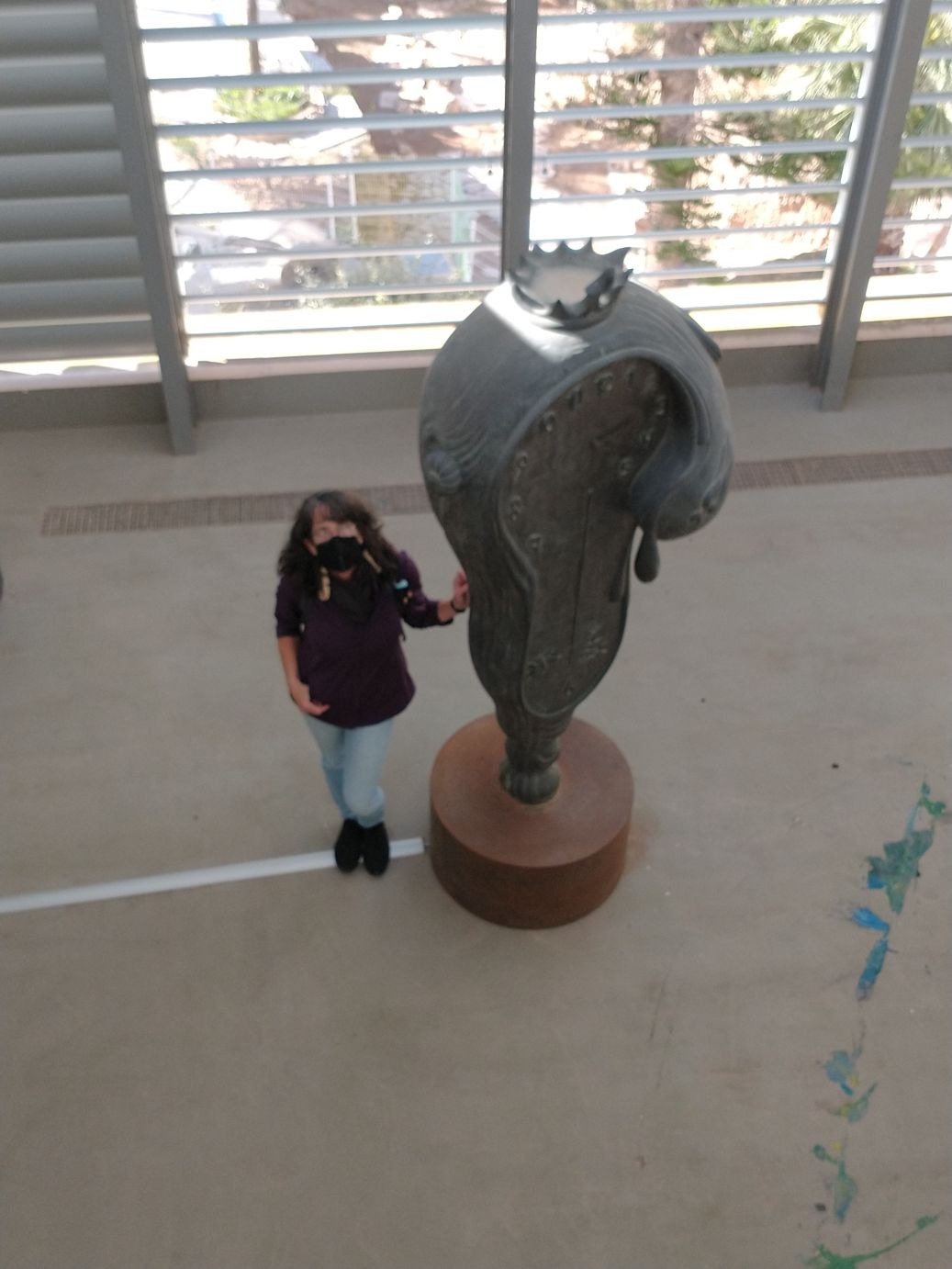
Retracing our steps we head back in the direction of the pier to visit the Castillo de la Concepcion – way up on the hill, what they call a mountain – overlooking the water. We choose to take the panoramic lift instead of hiking up the hill/mountain (ok, so we’re not being THAT athletic today!) which gives us great views looking out over the city. The elevator itself is the weirdest modern structure – and quite the contrast to the old stone walls, neo-classical architecture and ruins found everywhere here. Bizarre – but effective.
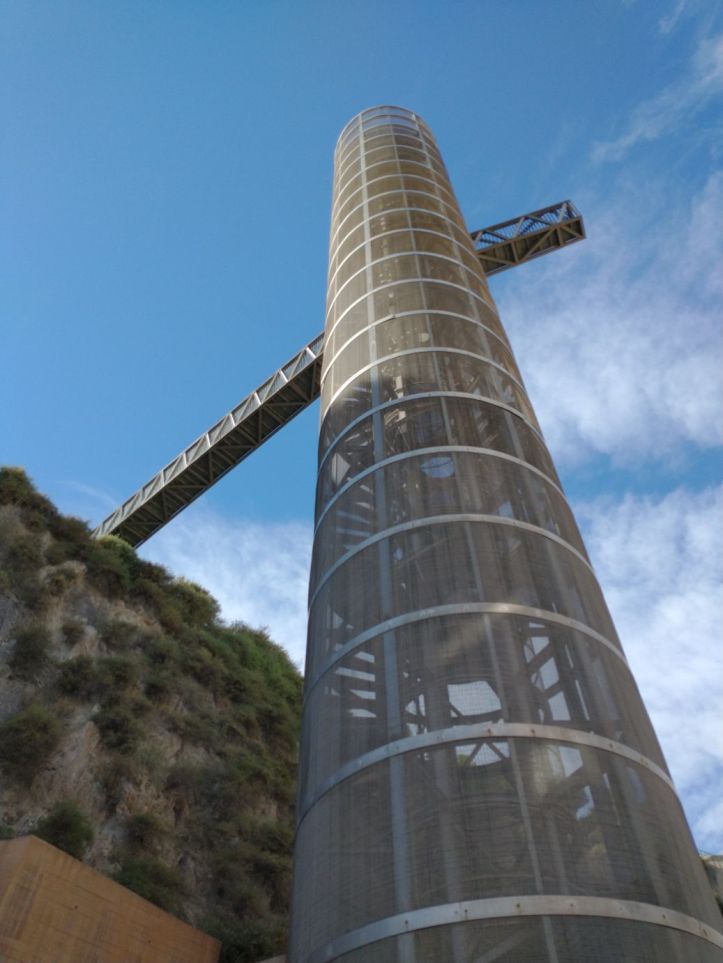
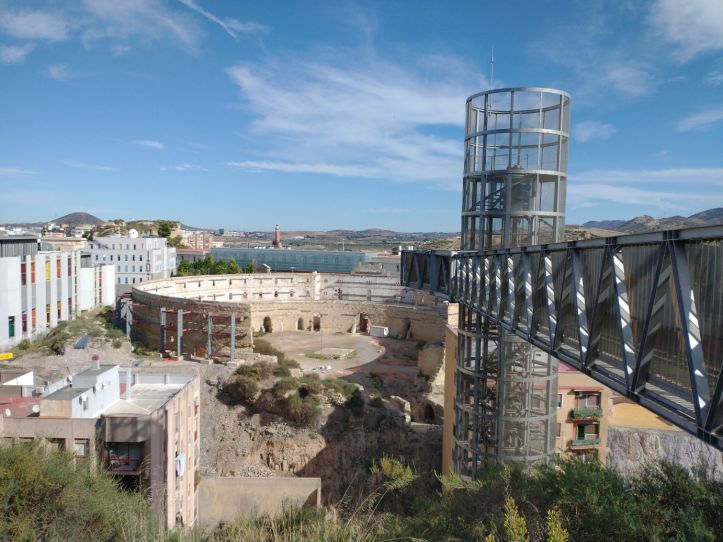
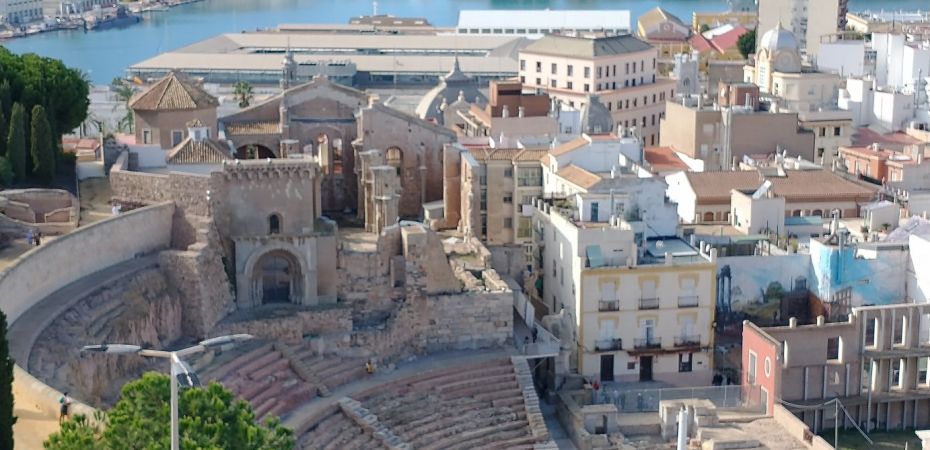
Up on the mountain, the views are stunning. You can see forever up here – from the harbor to the mountains. And some great views down into the Roman Theater which we can’t remember if we visited last time. I tend to think we did, but we might have just walked by at the end of our tour to Murcia in 2019. Who knows – and it doesn’t look like it is open anyway, so we’ll save that for a later visit. Proceeding from the lookout point, we head into the fortifications themselves, walking through different exhibits that explain how this was actually an Alcazaba in the middle ages, then a Roman temple followed by the Christian “re-conquest” modifications. There are cisterns from the Roman periods still intact, which we try to walk through but there are idiots INSIDE without masks inside, so we don’t stay long at all, but get the heck out of that closed space with maskless fools.
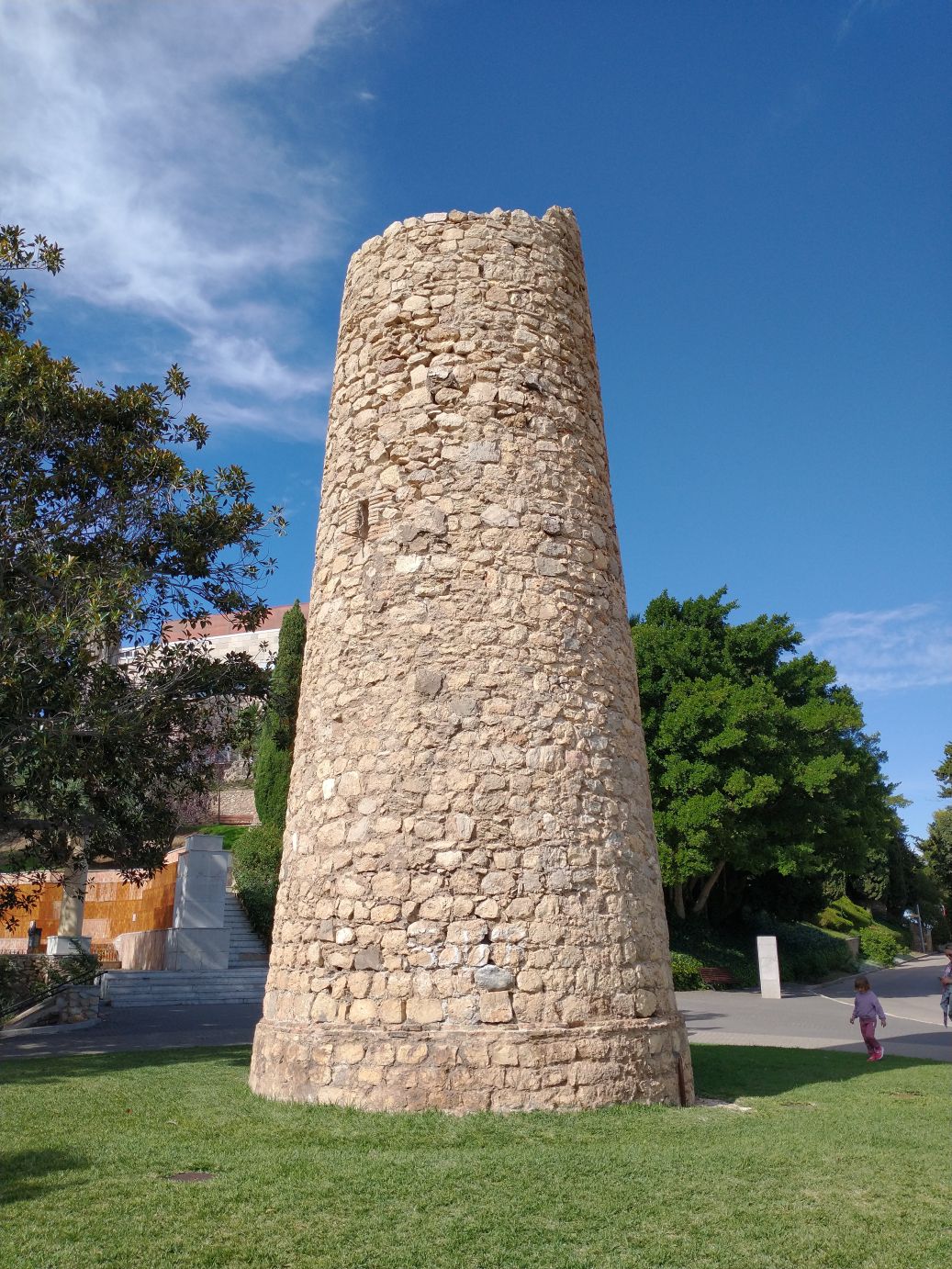
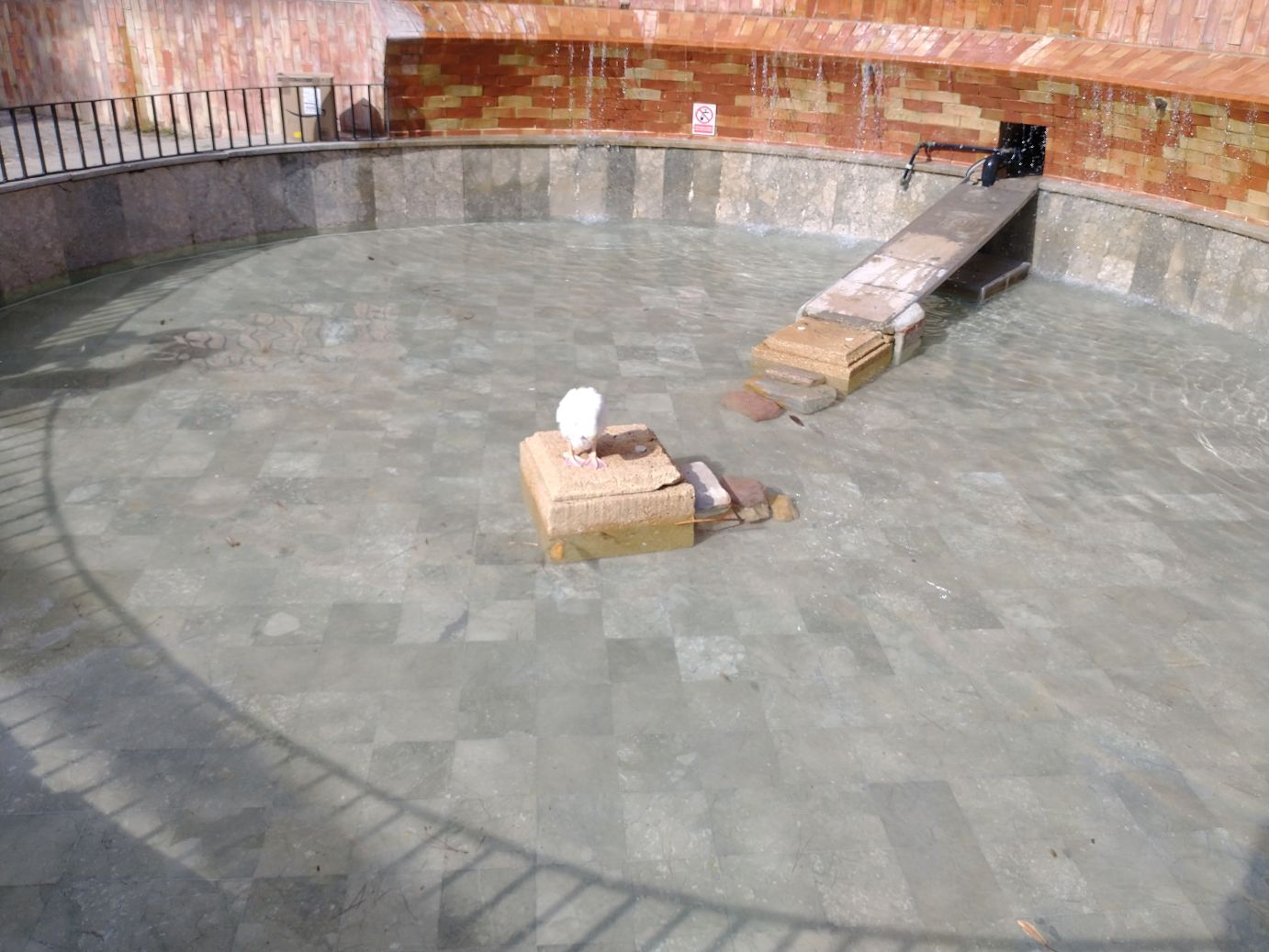
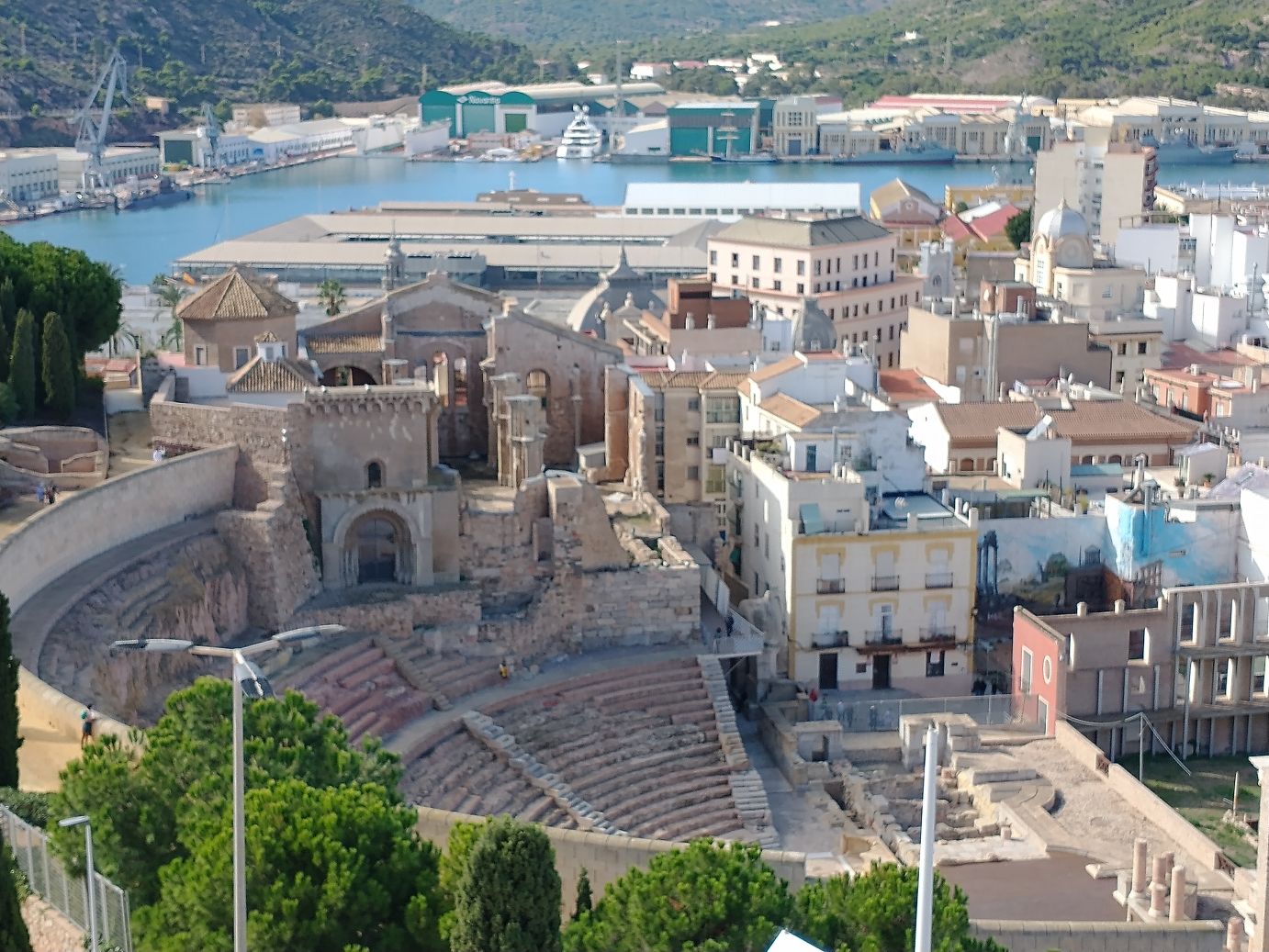

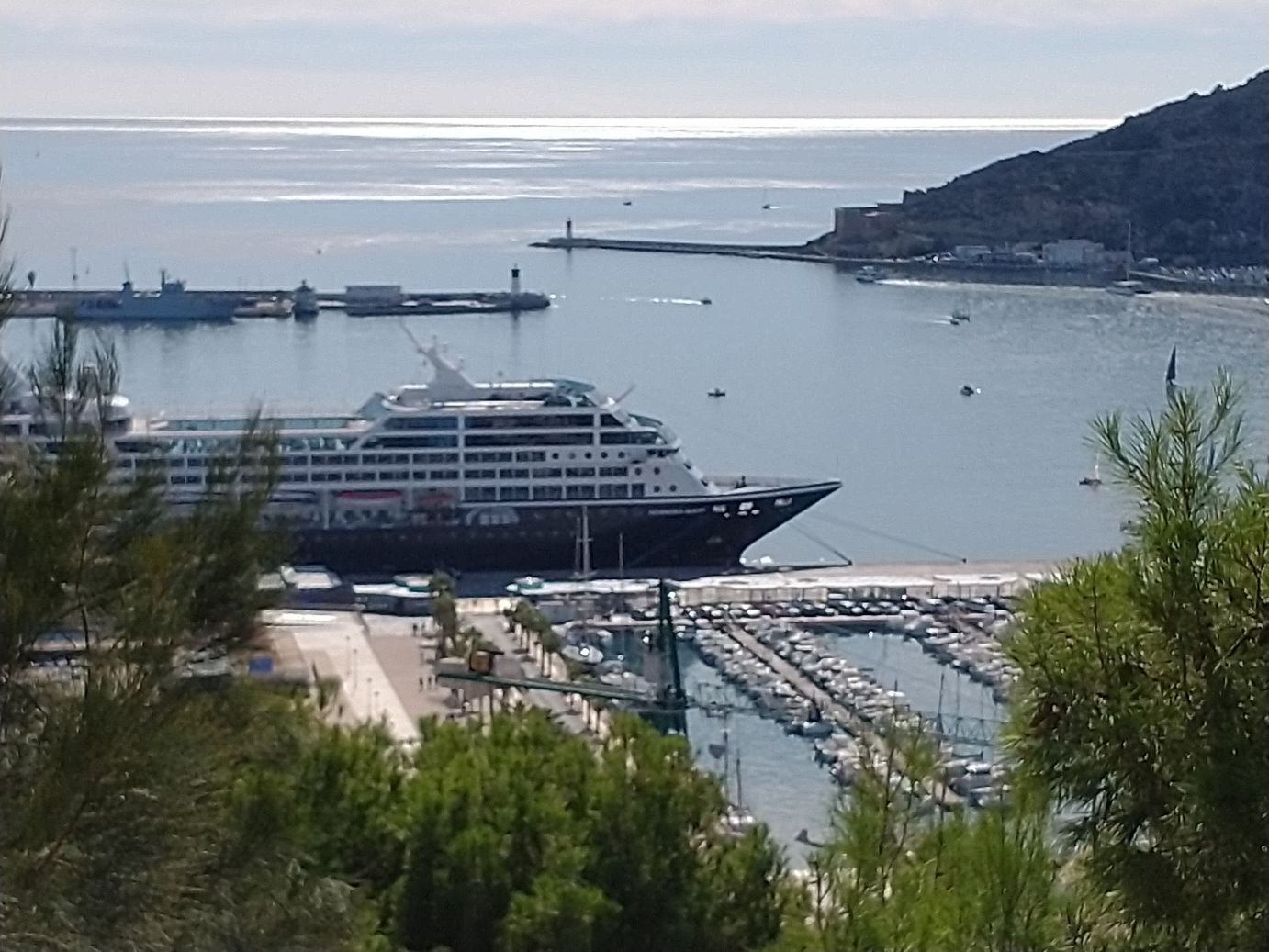
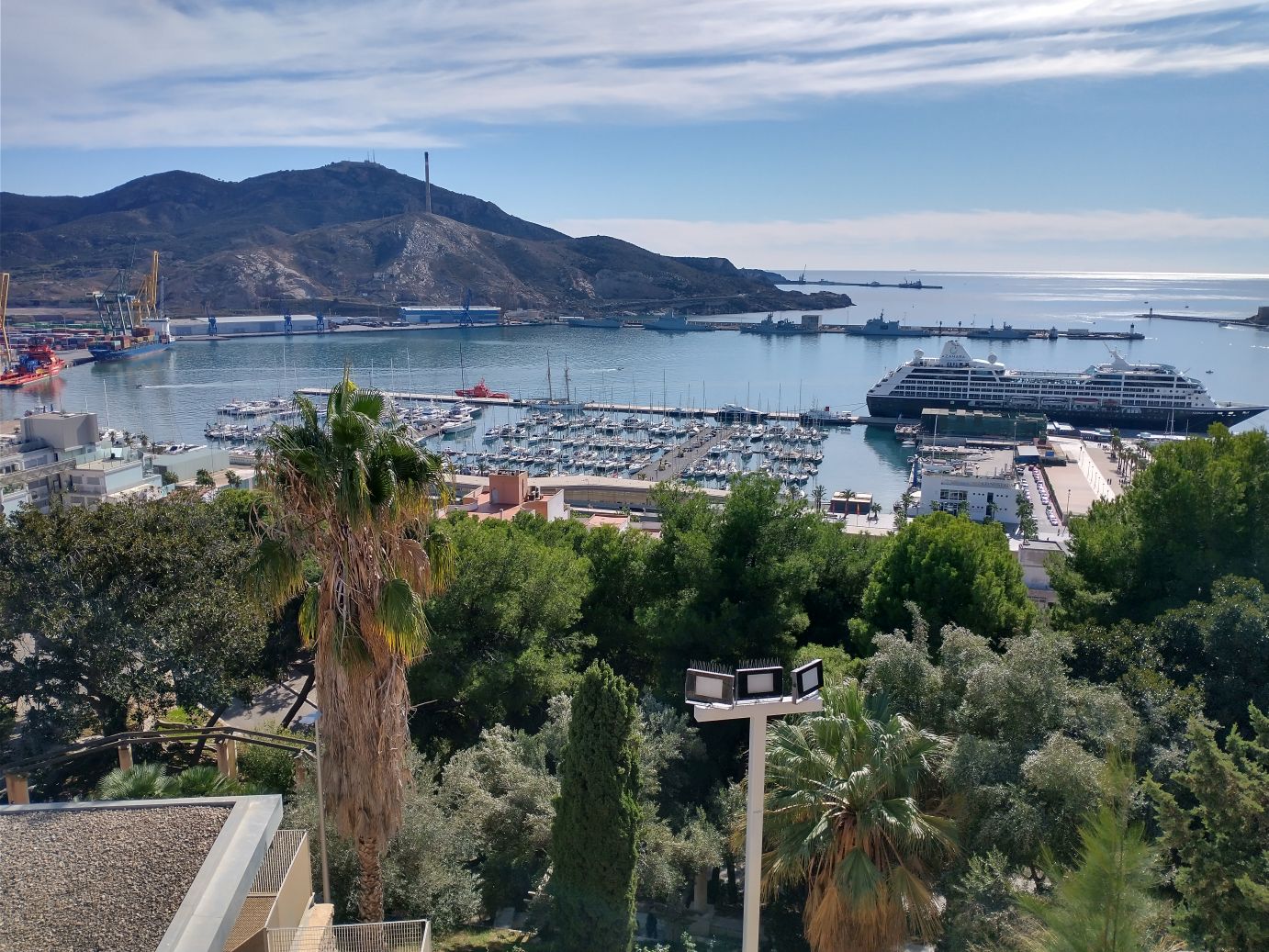
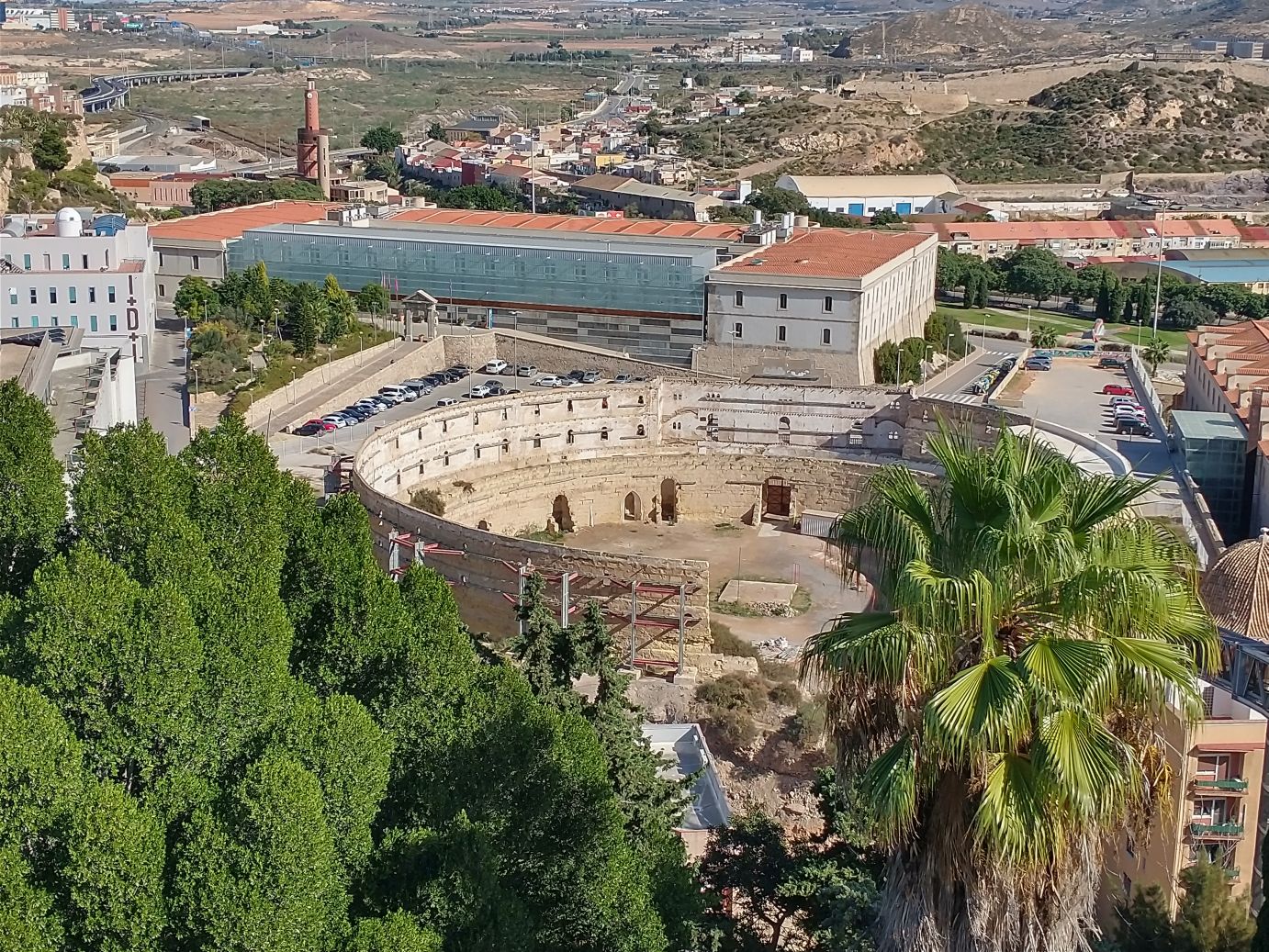
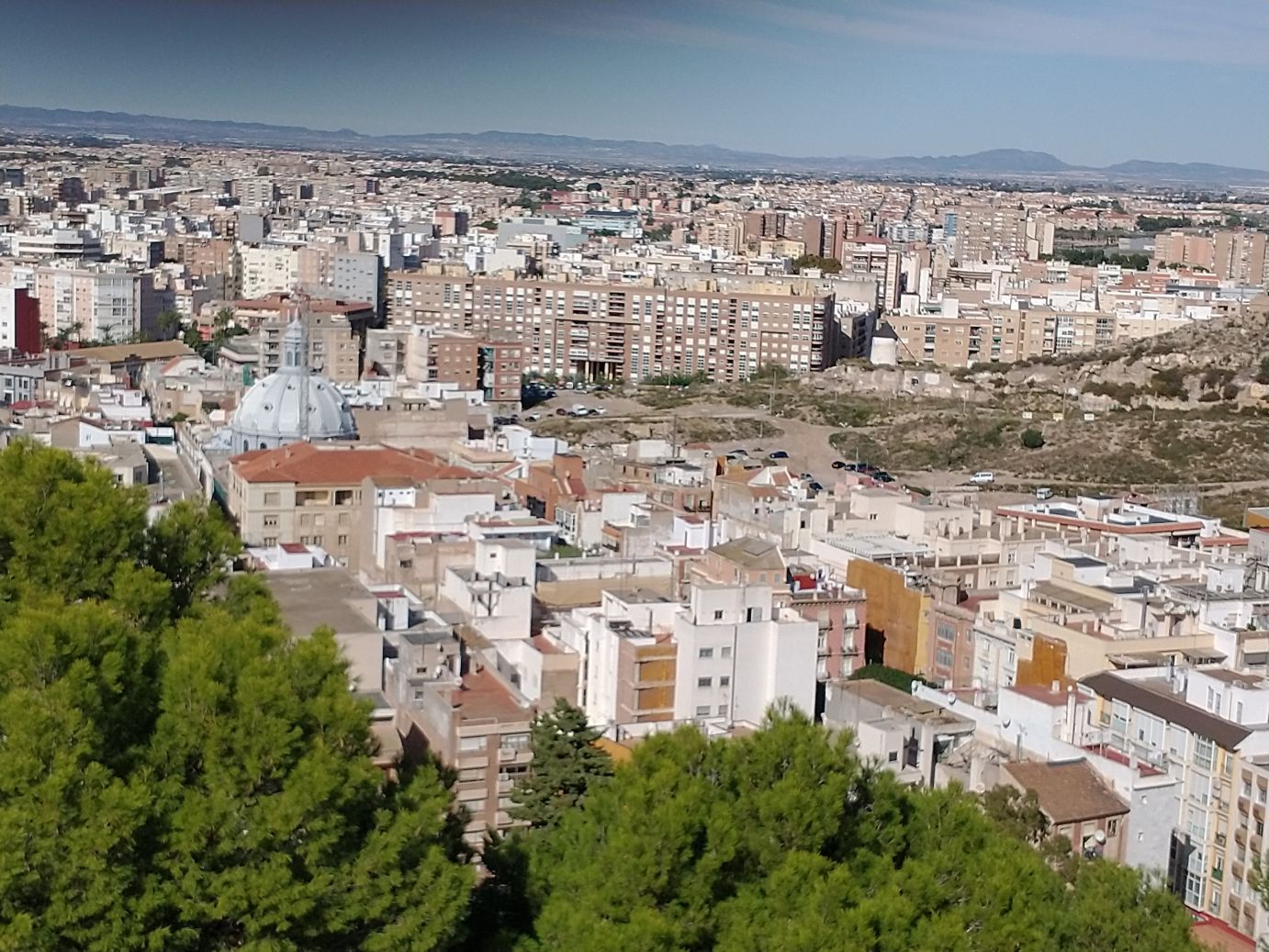
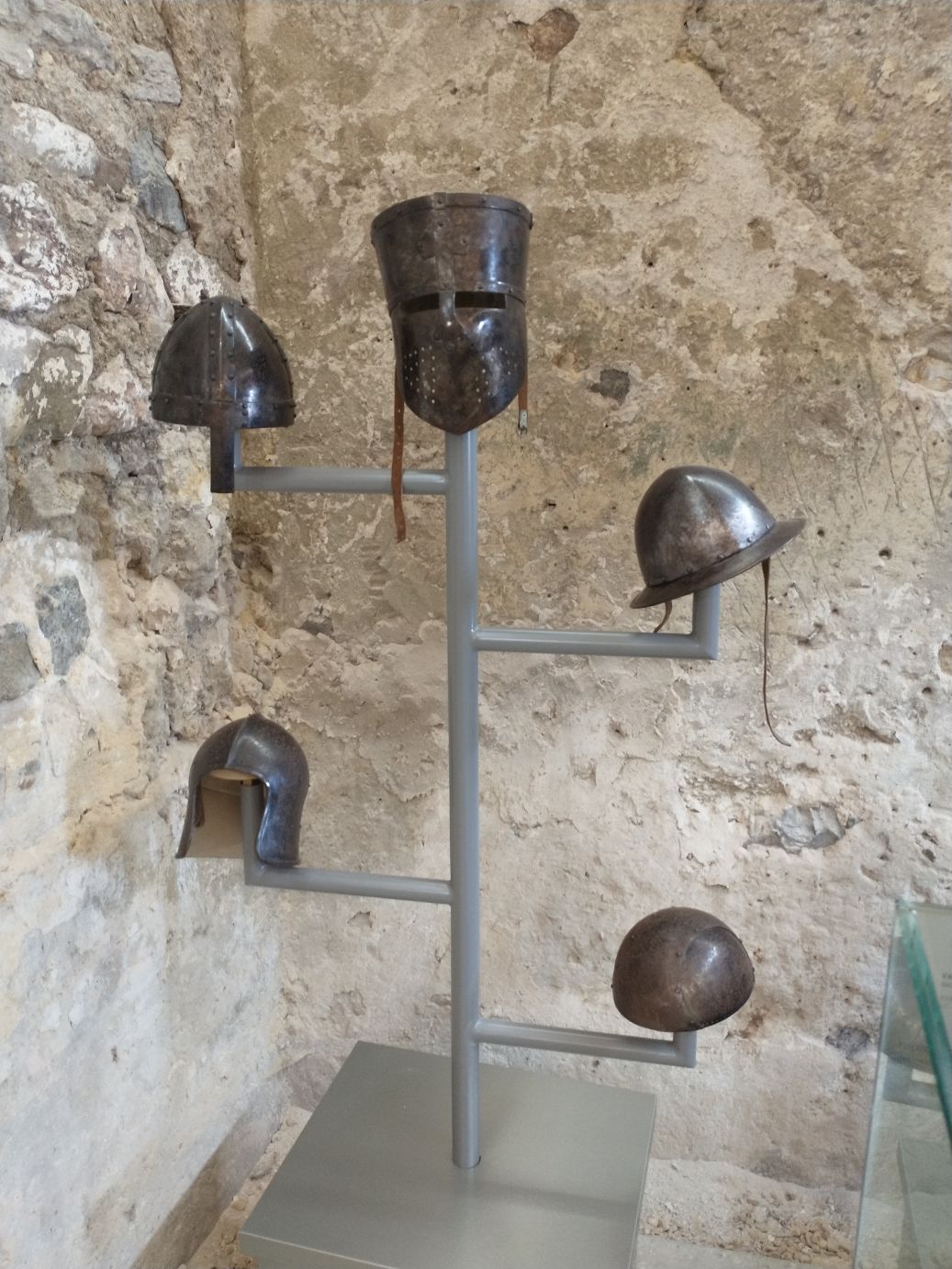
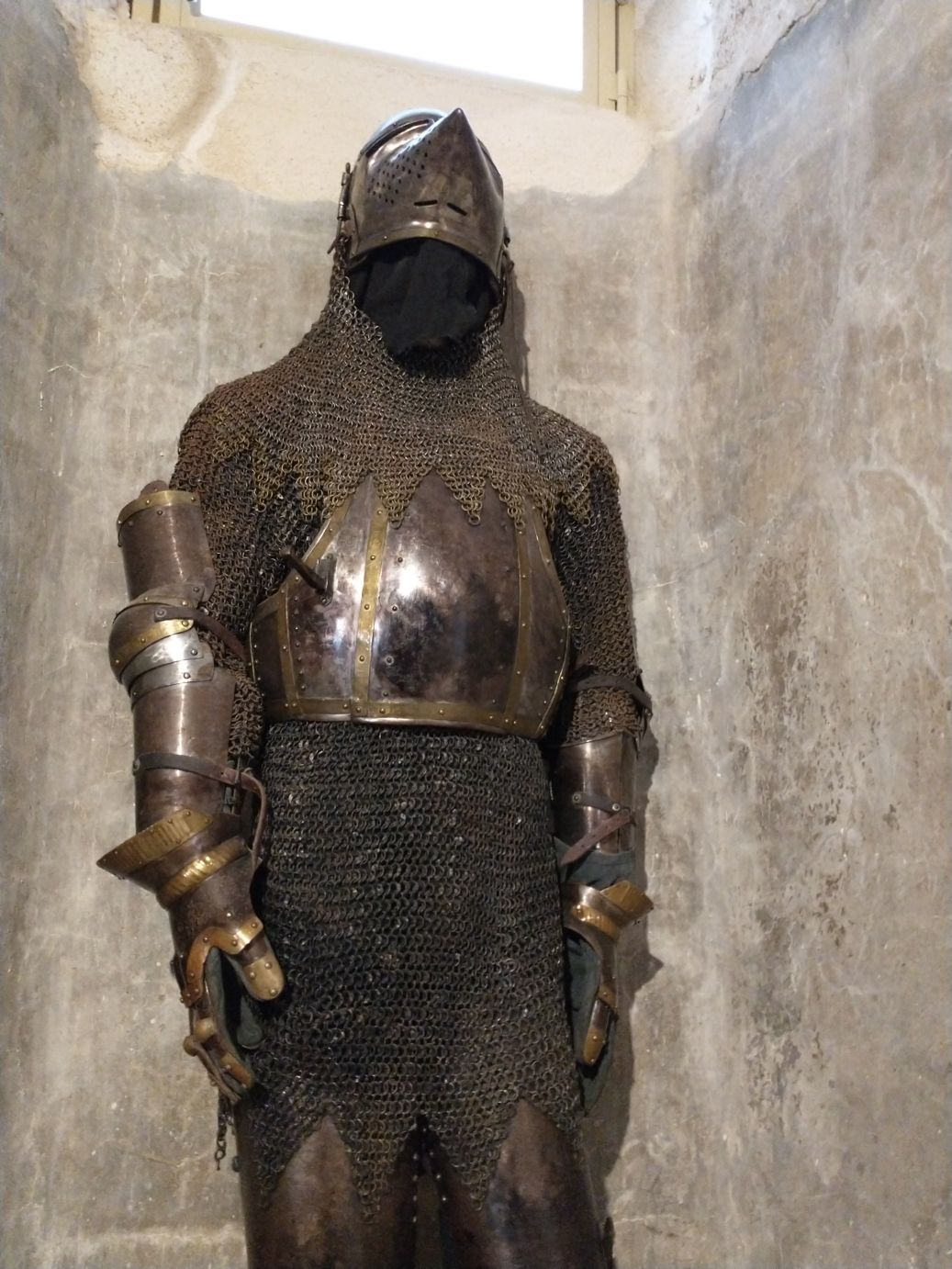
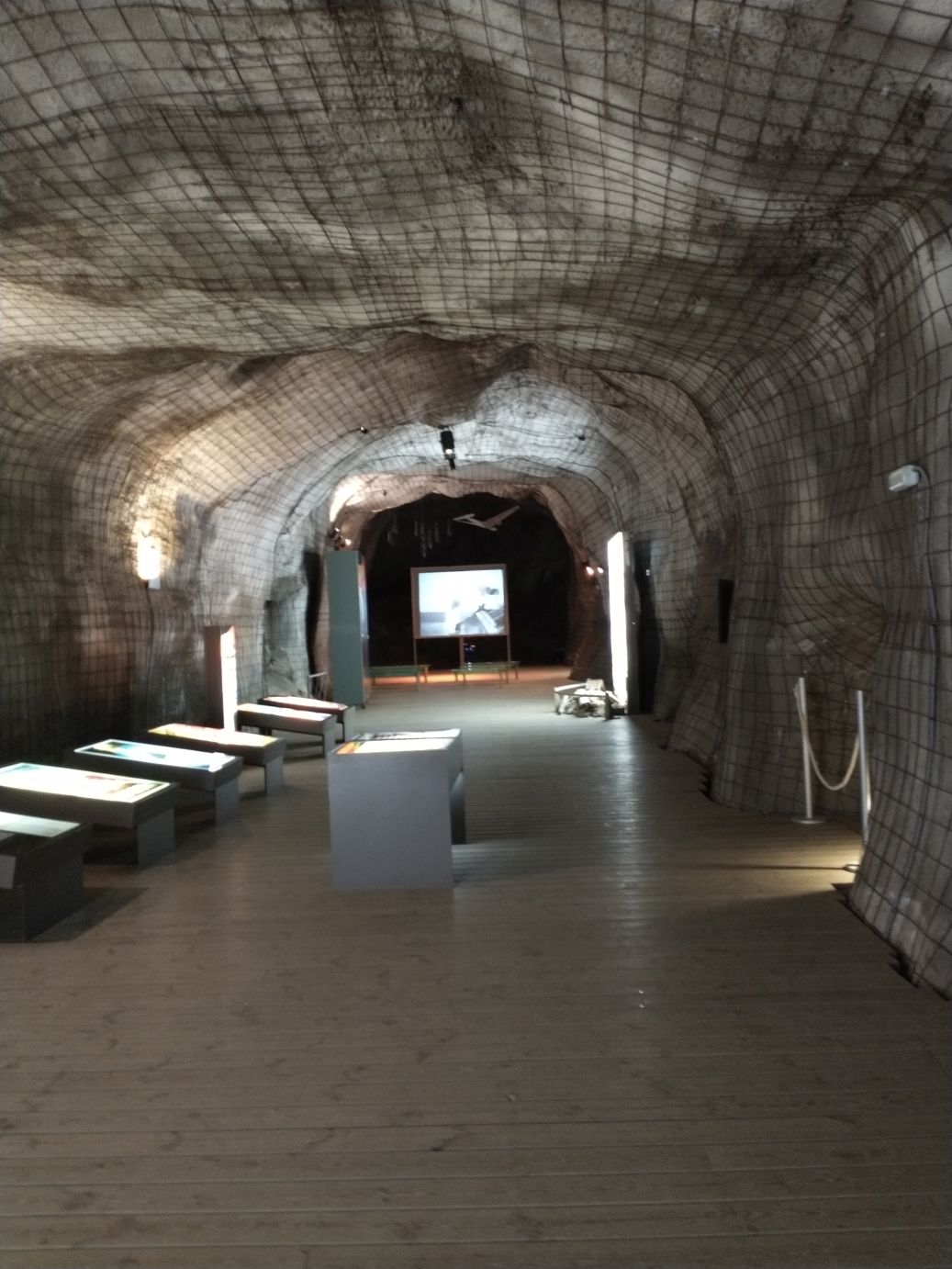
After taking our fill of photos, we head back to the elevator, rushing to beat the crowds, and return down to sea level to find the Civil War Museum. On our initial walk to the House of Fortune, we had passed right by the signs for the museum, but couldn’t find the entrance (here we go again!). When we bought the tickets for the castle, we bought combo tickets for this museum as well and the ticket booth guy told us it was on the first floor of the lift! Aha! That’s why we couldn’t find it! You either need to take the elevator, or walk up a flight of stairs in the elevator shaft to access what is basically a huge air raid shelter used 1937 during the Civil War.
So, this place is incredibly neat – and sort of scary because these caves built into the walls of the mountain were designed to house 5500 people! I mean, really. That is a whole heck of a lot of people living, eating and sleeping in here. Cartagena was repeatedly bombed by the Italian-German forces serving Franco, mostly because of its status as the headquarters of the Republican fleet. A bunch of different types of air raid shelters were built after the bombings started in earnest. Underground tunnels (such as this one), shelters in basements of houses, surface level (typically a separate structure with a sloped roof) and ground level (basically holes dug into the ground with reinforced access doors).
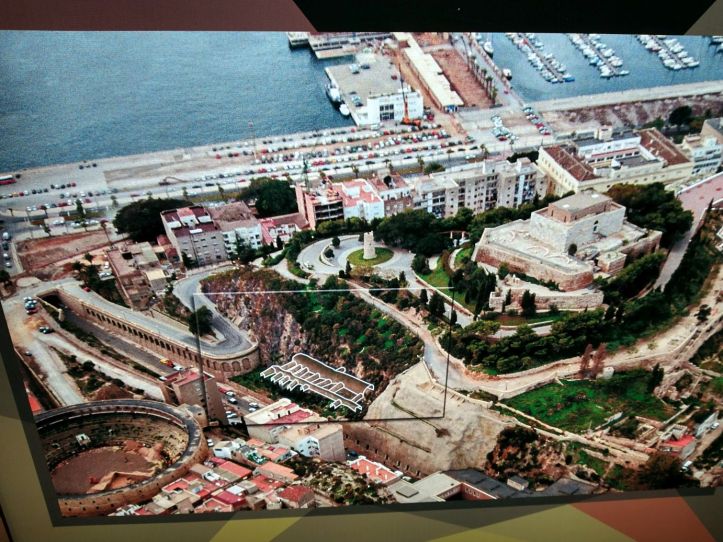
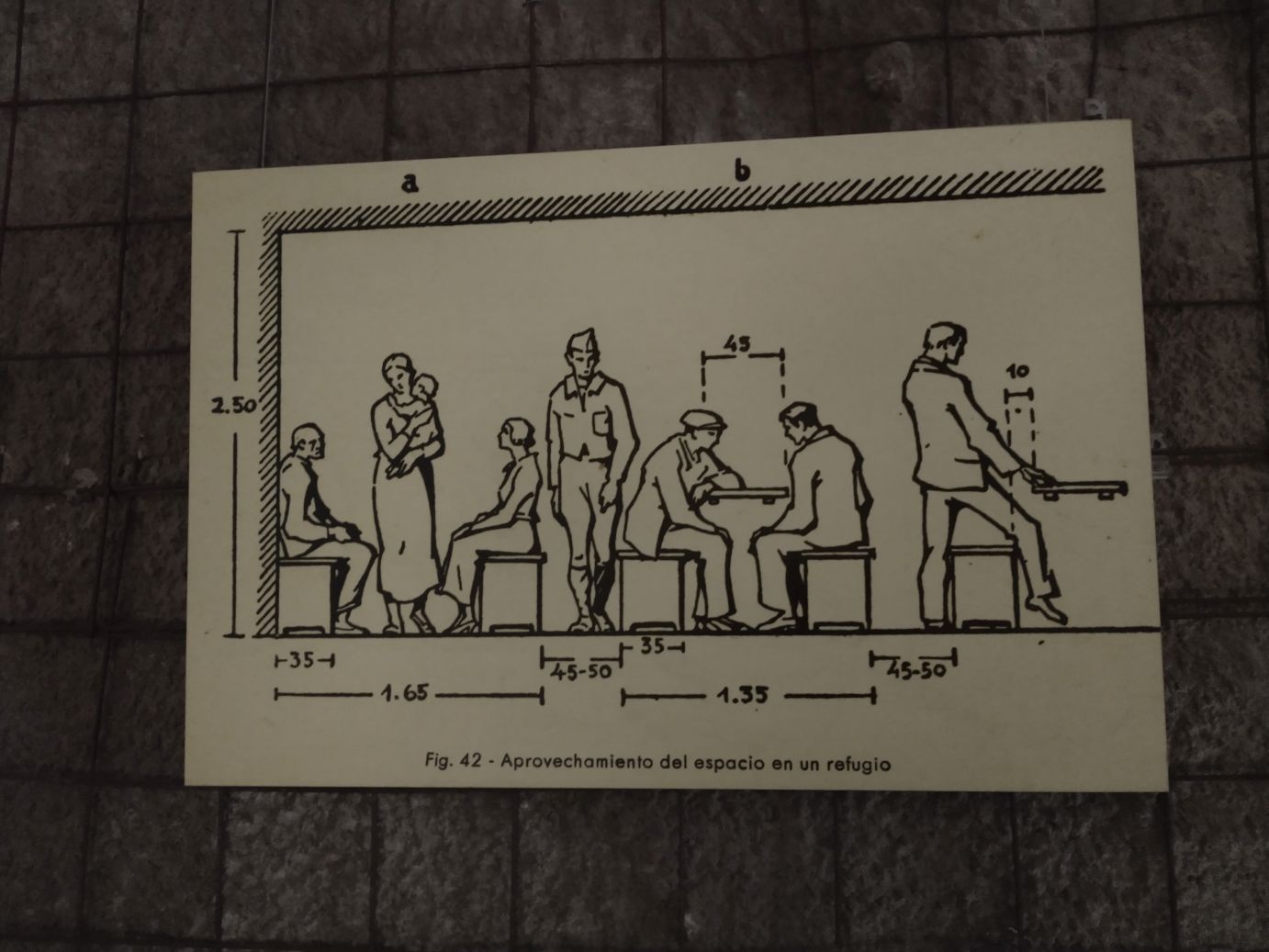
The displays inside this mammoth tunnel system are very interesting and informative. They talk about the passive defenses used to spread information and advice to protect the people of the city, the active defense measures as well as an excellent representation of just how large this shelter is and where it is located in the scheme of the city. Sign boards tell the story of the children, how they went to school, the space allotted to each person (not a lot!), how they ate, rations, etc. And there were at least 13 other shelters strewn about town as well. It is mind-boggling to think of virtually an entire city stuffed into these facilities.
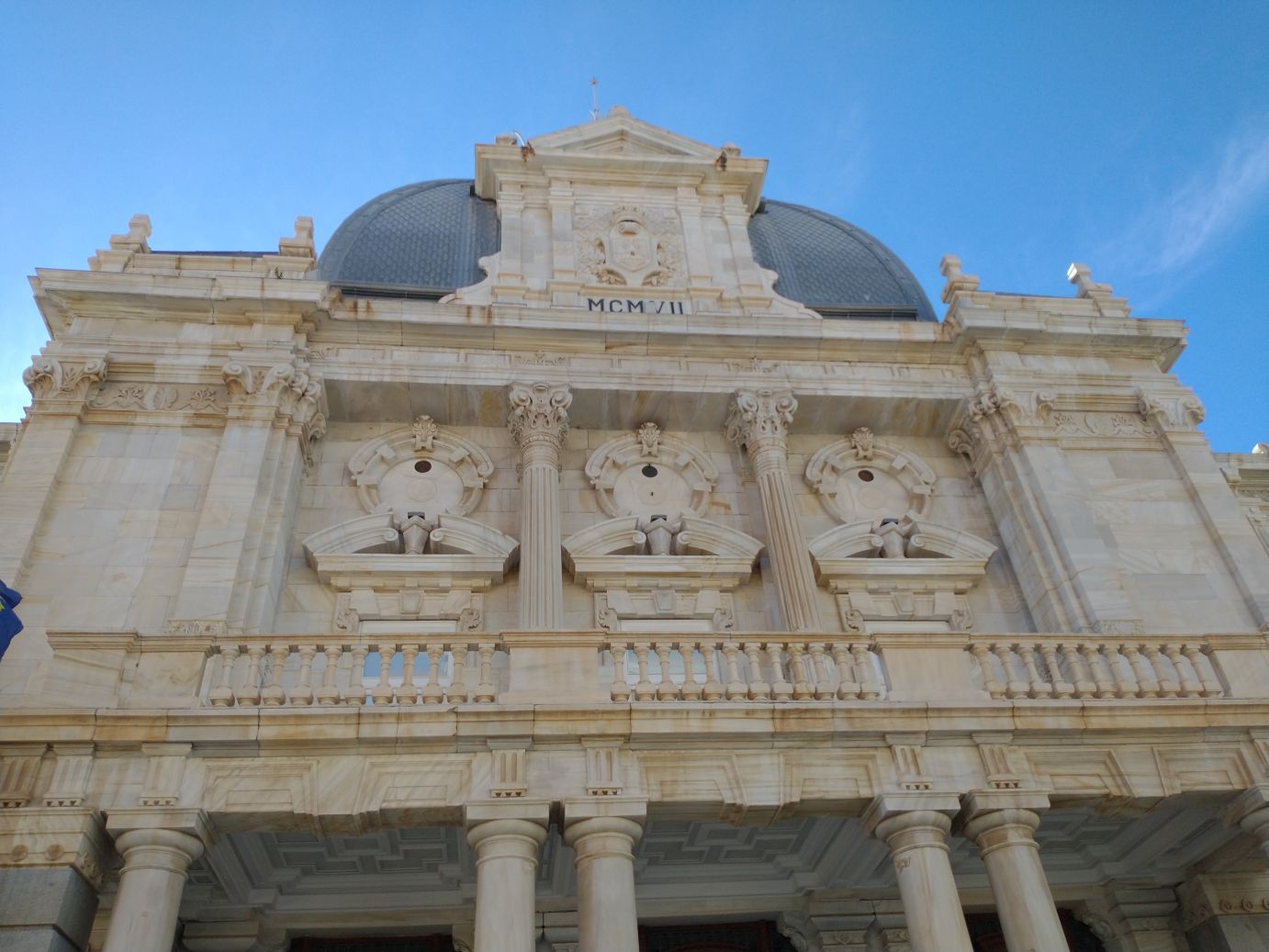
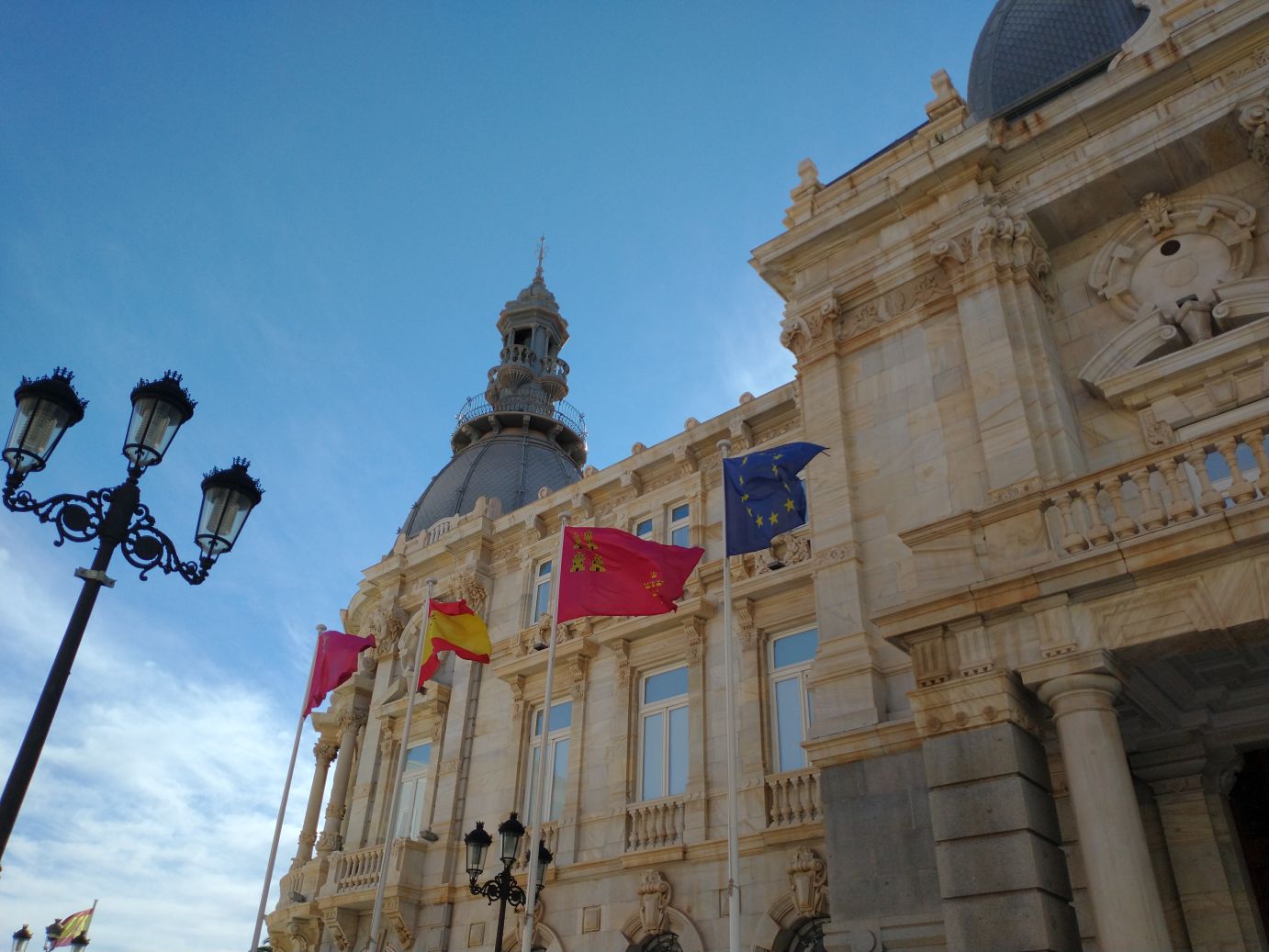
Its nigh on lunch time now, and we head back toward the main part of town, around the mountain aiming toward the Ayuntamiento, even though building was closed on Sunday. On the way passing great architecture, and the façade of a building, just left totally exposed with scaffolding holding it up on the back, but looking like you could walk right into the front doors and live there. Crazy. Probably found some more Roman ruins which stopped construction. At least that’s our guess.
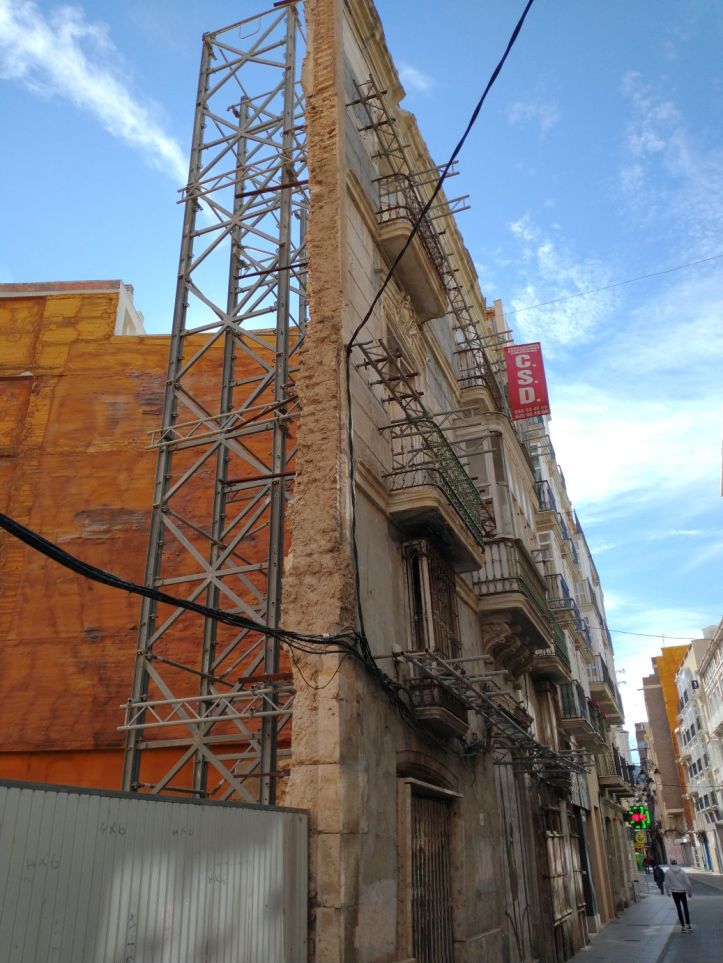
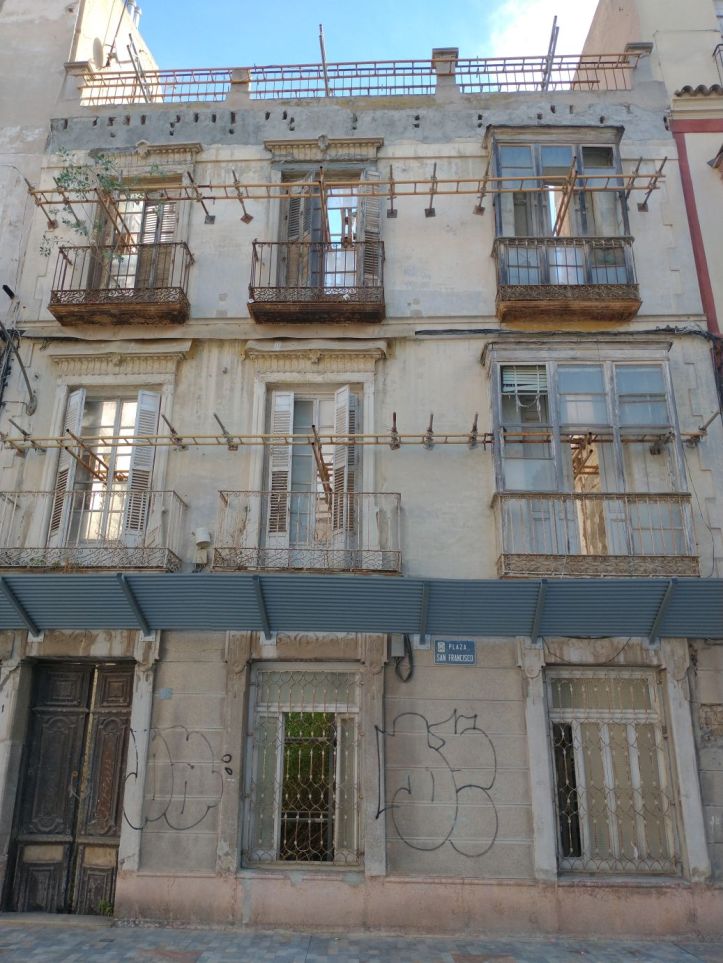
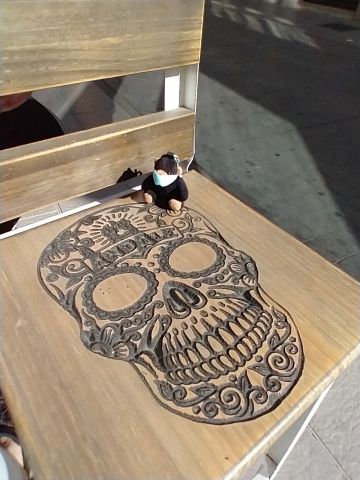
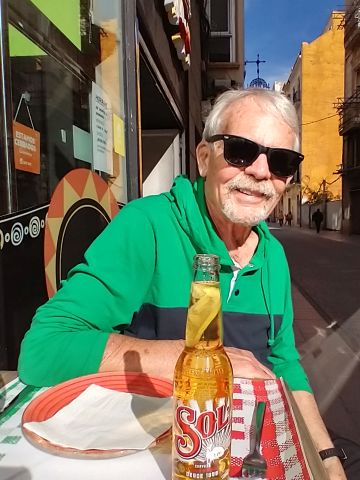
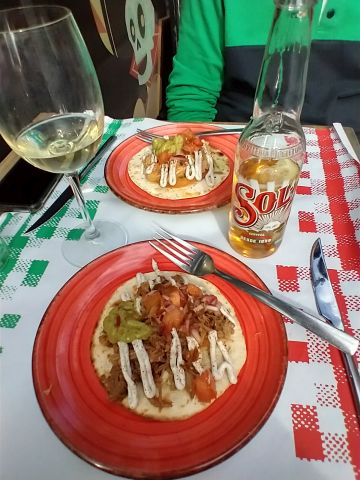
Across from the façade, on a corner is a little Mexican place called Andale, which has a couple of tables on the side, away from other people and even more importantly, in the sun. We wouldn’t typically stop at a Mexican place, but it is Sunday, the city is teeming with people out for lunch and we need to stop for refreshments, so Mexican it is. Andale turns out to be quite good, actually. We have a beer and wine, and also 2 excellent tacos – one chicken, one pork. They are huge – and cheap – and it is a great little stop after walking and sightseeing all day.
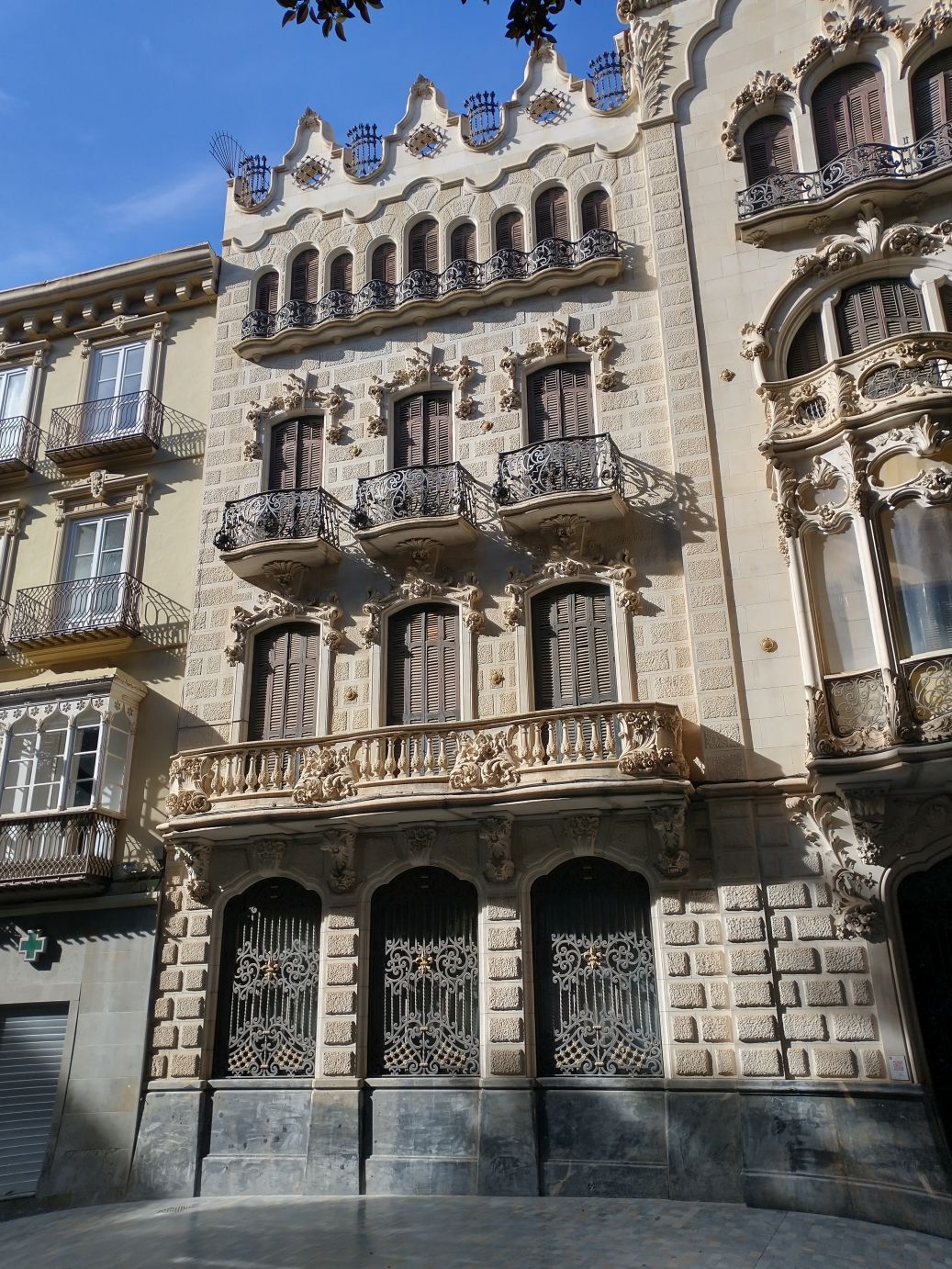
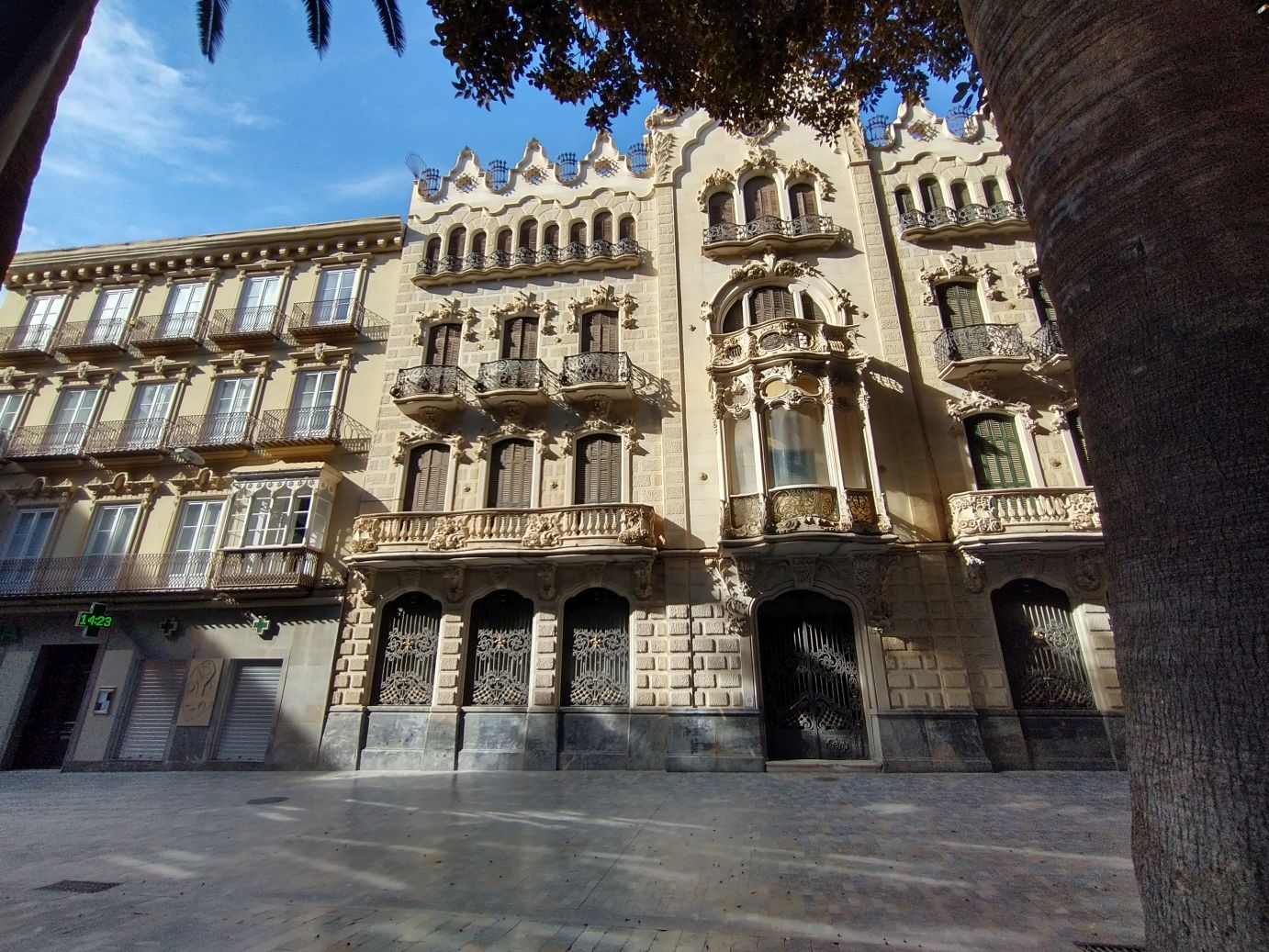
Refreshed and rested, we wander around town for a bit longer, enjoying the sunshine and the fabulous architecture. So grand. Such a mix of styles. The pedestrian streets are jam packed with people, as are all the restaurants, making our Andale choice the right move.
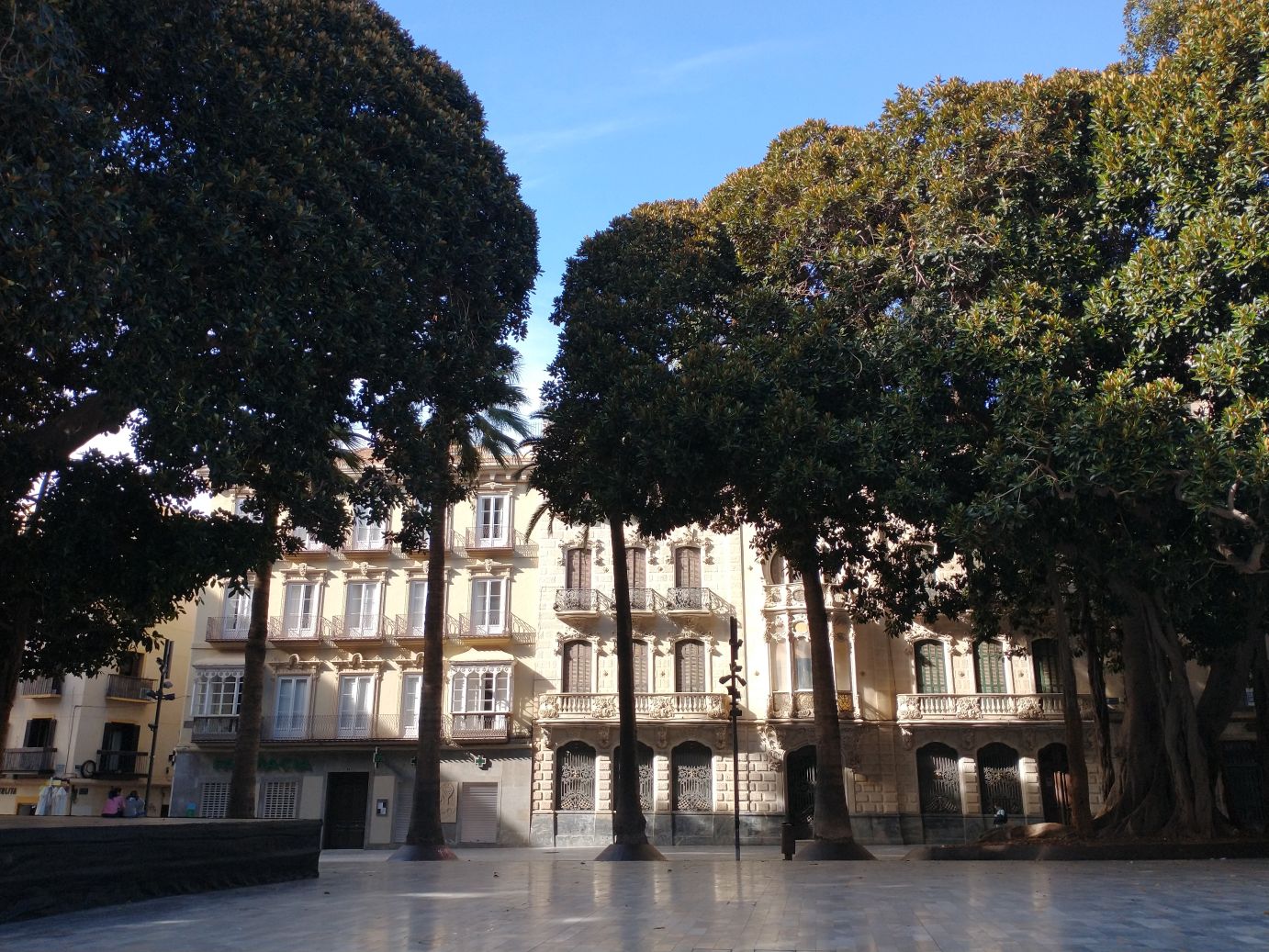
On back through the crowds we go, making our way back to the ship for our afternoon rituals and evening sail away.
 Andiamo