Last port, and last ship’s tour. We debated long and hard about this one, but in the end decided with such a short call (7a to 1p) we were better off on a ship’s tour than trying to find a car and tour on our own. This way we are guaranteed the ship will wait for us – always a good thing when your next stop is NYC!
As usual, we eschew Gian for the theater and wait outside in the hallway on our own. We’ve got the program down now – we can hear when our tour is called and mostly beat everyone down the stairs to be close to the first ones out – however that doesn’t work so well today. Everybody has the program down, so by the time we are outside there is already a line for our tour. Oh well! We end up behind a woman who is coughing, which does not please us at all! She’s going to be on our bus (crap!) so we strategize how to avoid her. Ends up, we take the very last seats on the bus (it’s a mini-van with 21 of us) so that we can be as far behind her as possible. We’d normally not do that – but we don’t have a choice, and actually it works out. Except for the slowness of getting out of the van, we end up spending a pleasant 3+ hours with a funny Aussie couple sharing our back row accommodations.
Our tour guide is Gladys, at least that’s what she tells us she is called. She says it’s her alias in case we complain about the tour guide! Starting off on the right foot – she is hysterical and takes us on a journey around Bonaire filled with stories and one-ups-manship over Aruba and Curacao, making sure we know that Bonaire is way better.
The tour takes us from the main city of Kralendijk, up north past Klein Bonaire, the uninhabited island where people can go to dive and snorkel, through the salt marshes outside one of the gas plants where Flamingos live, through Rincon (which means “corner”) and is the original Spanish village (but later turned into a slave village) to the Washington-Slagbaai National Park, the first natural sanctuary of the Netherlands Antilles.
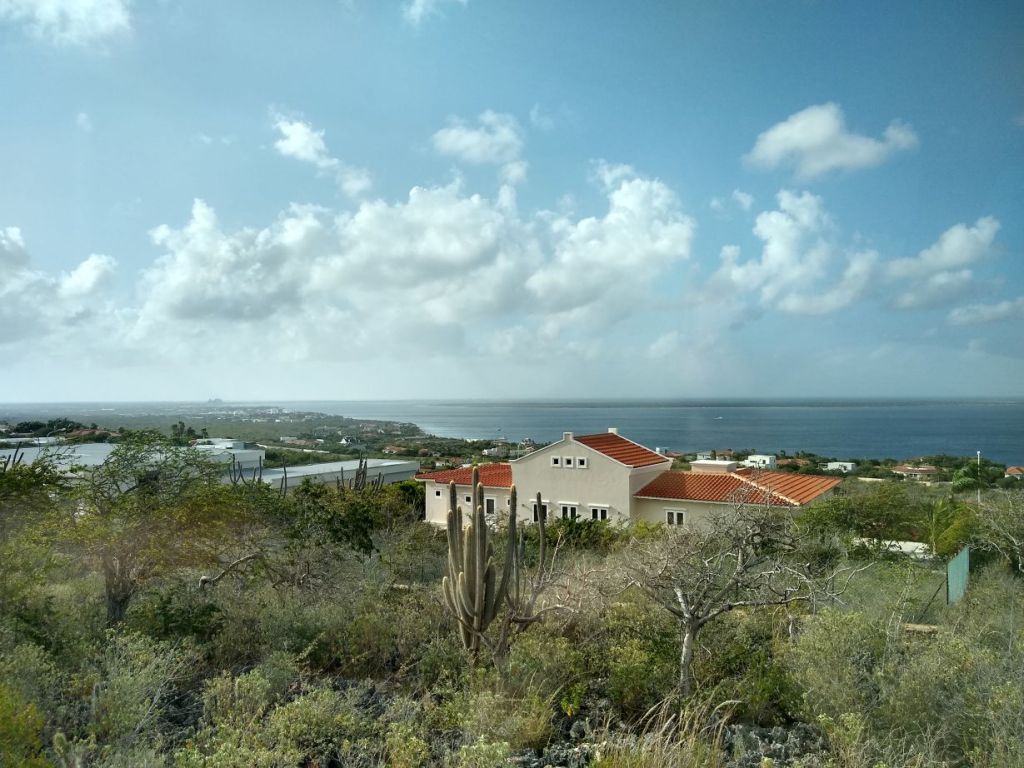
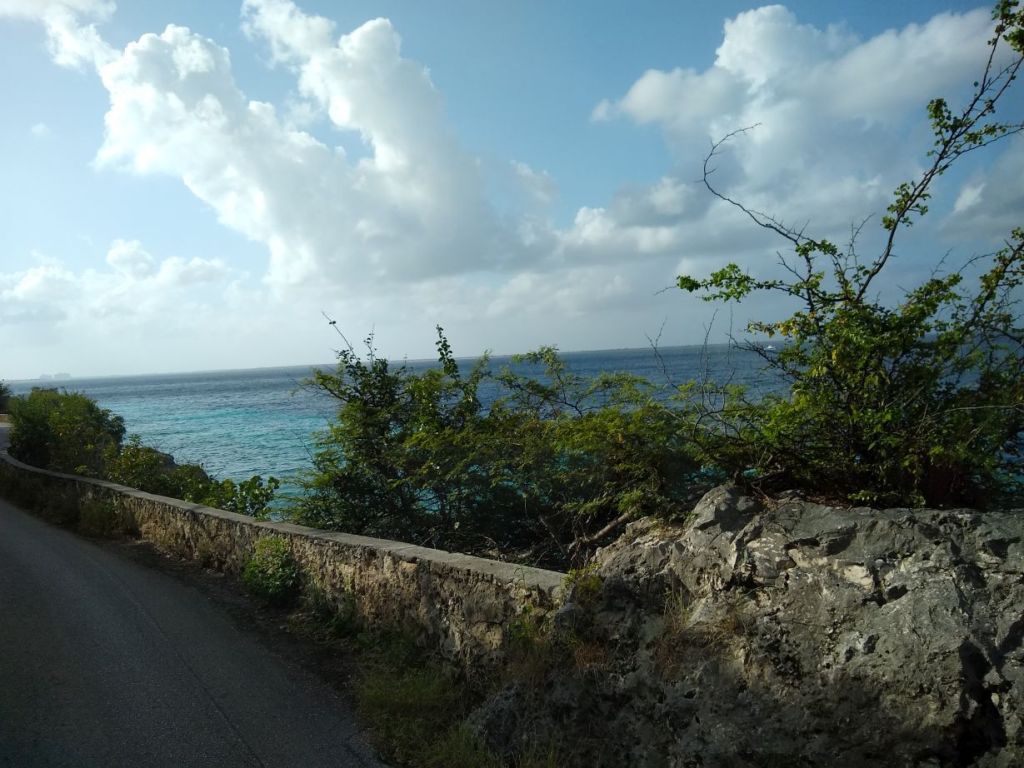
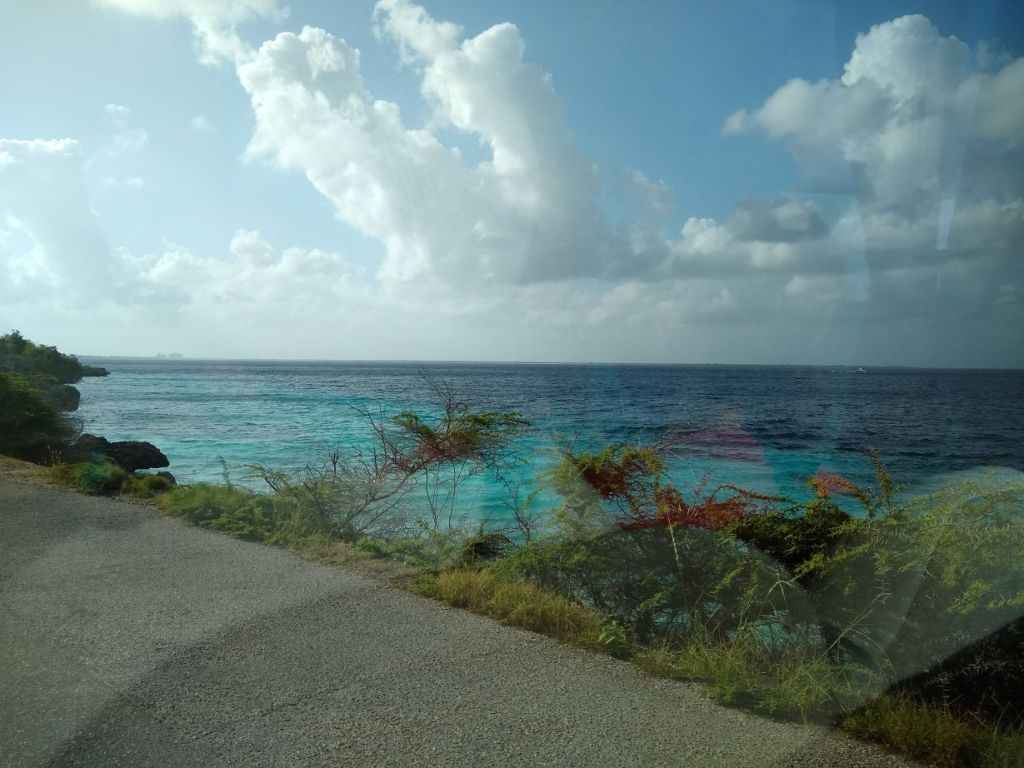
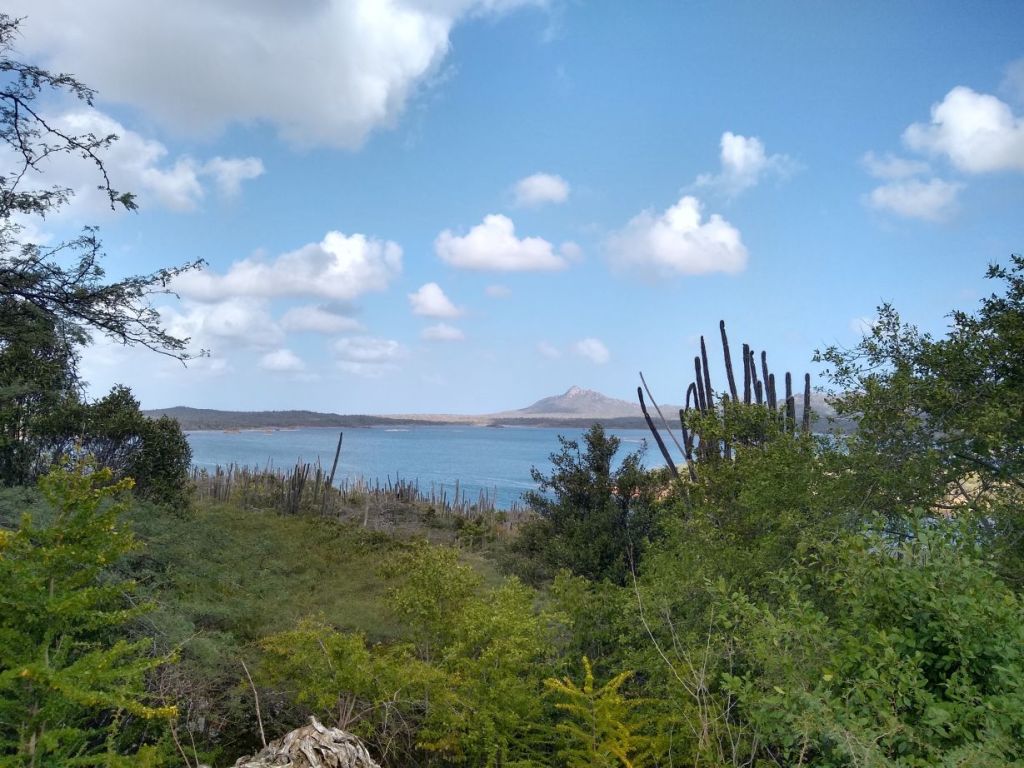
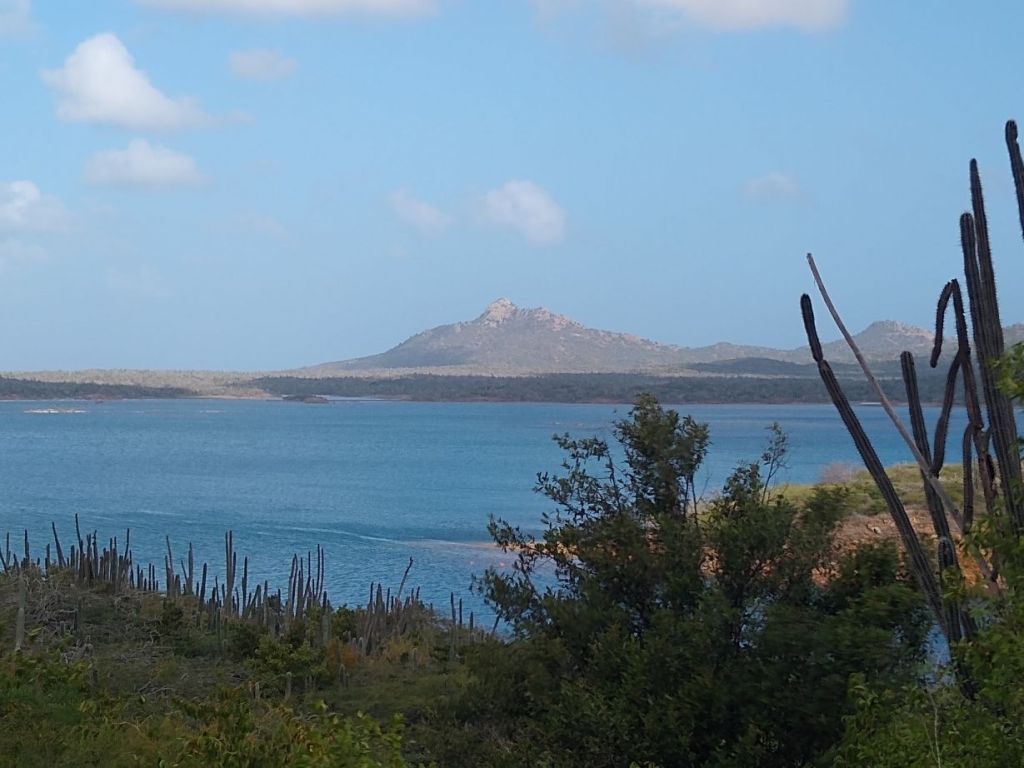
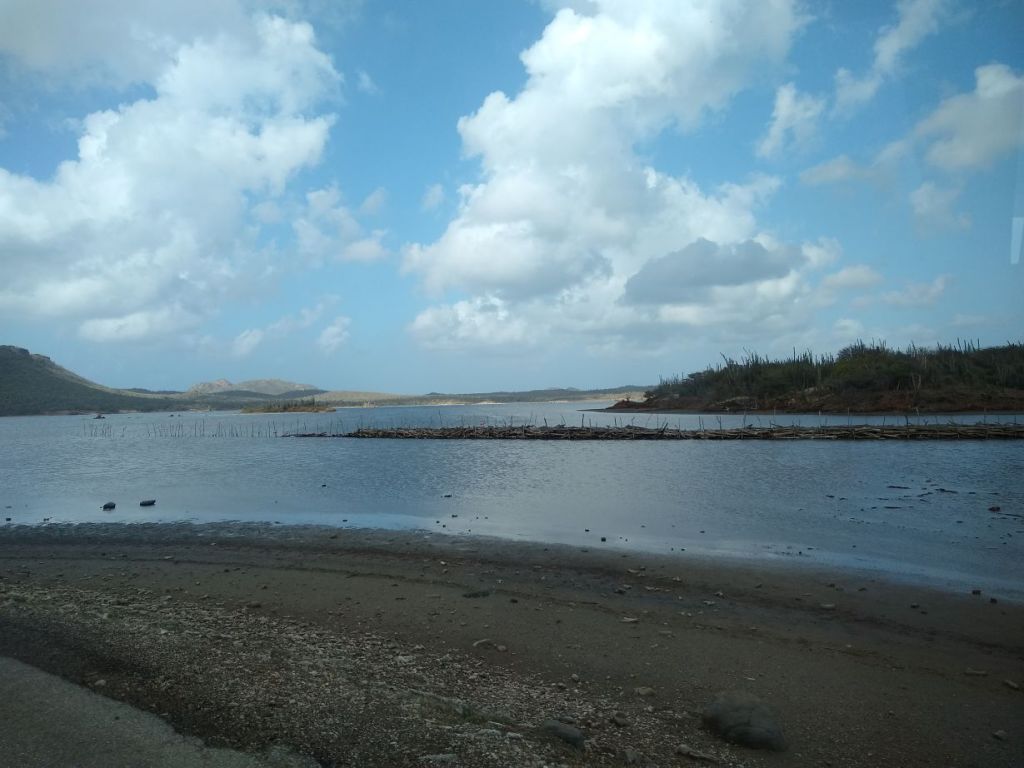
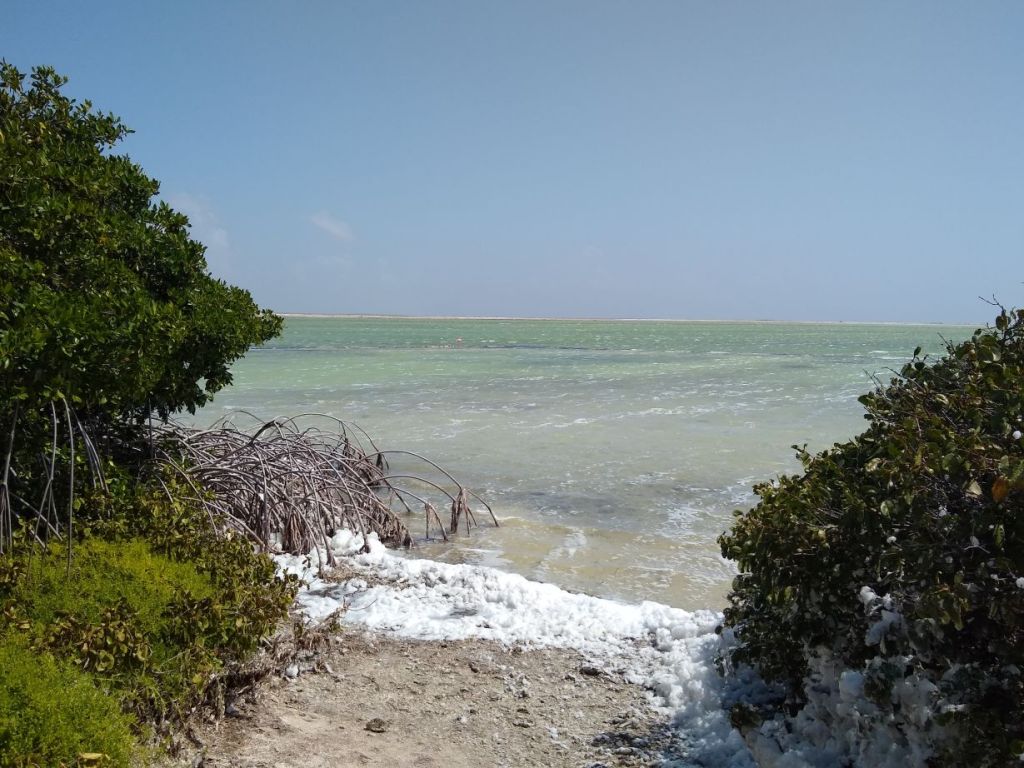
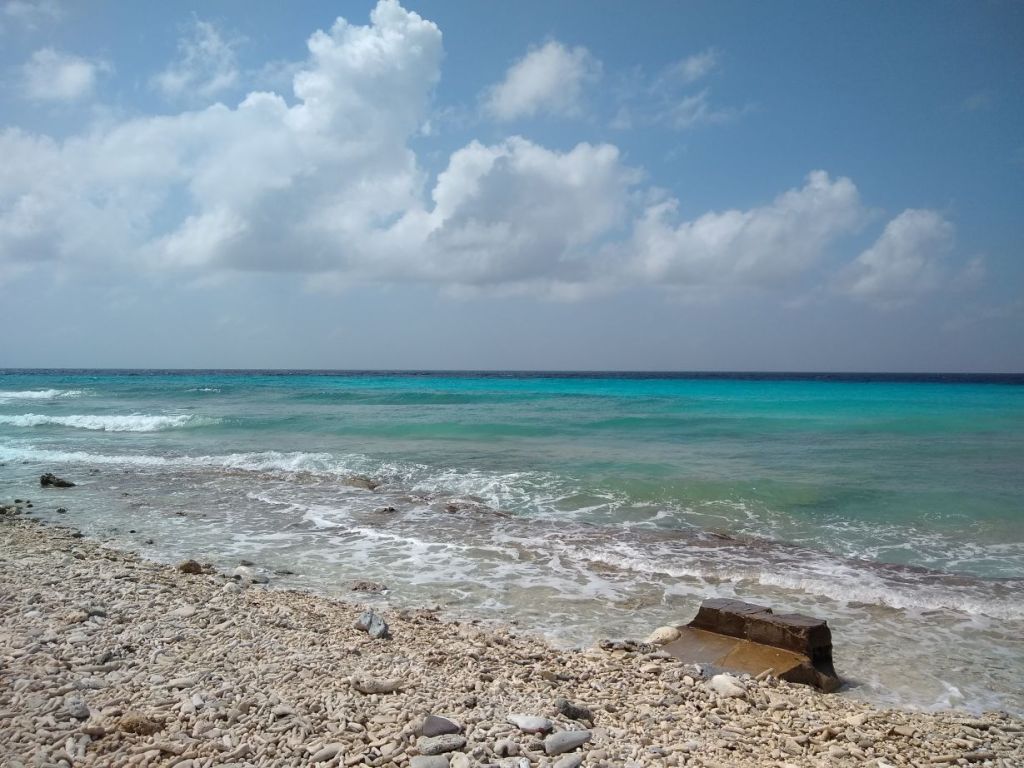
We don’t have any stops along the way (which is a little disappointing) so we have to be content with seeing everything through the bus windows. The water is incredibly beautiful, a see-through brilliant blue near the coast, then darkening to green further out. Everywhere we go, there are yellow stone markers on the side of the road indicating a dive site. Most of the tourism here is from divers – I think Gladys said 80% are here for the dives and snorkeling – and its apparent from all the dive hostels and people we see parked next to and in the water.
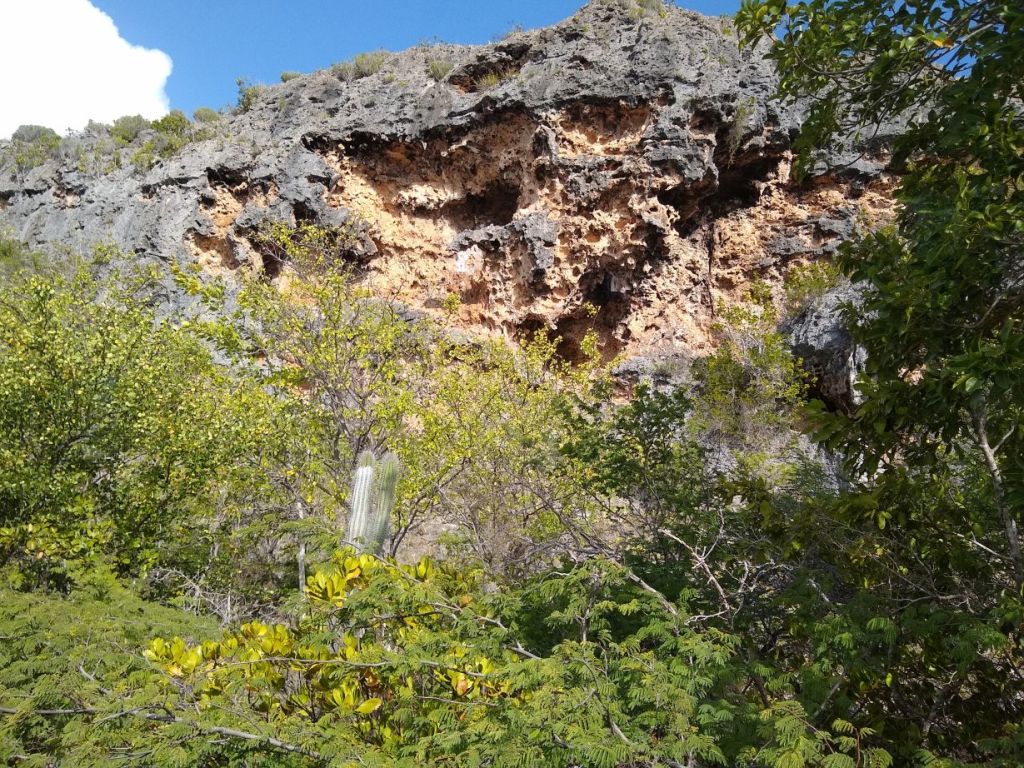
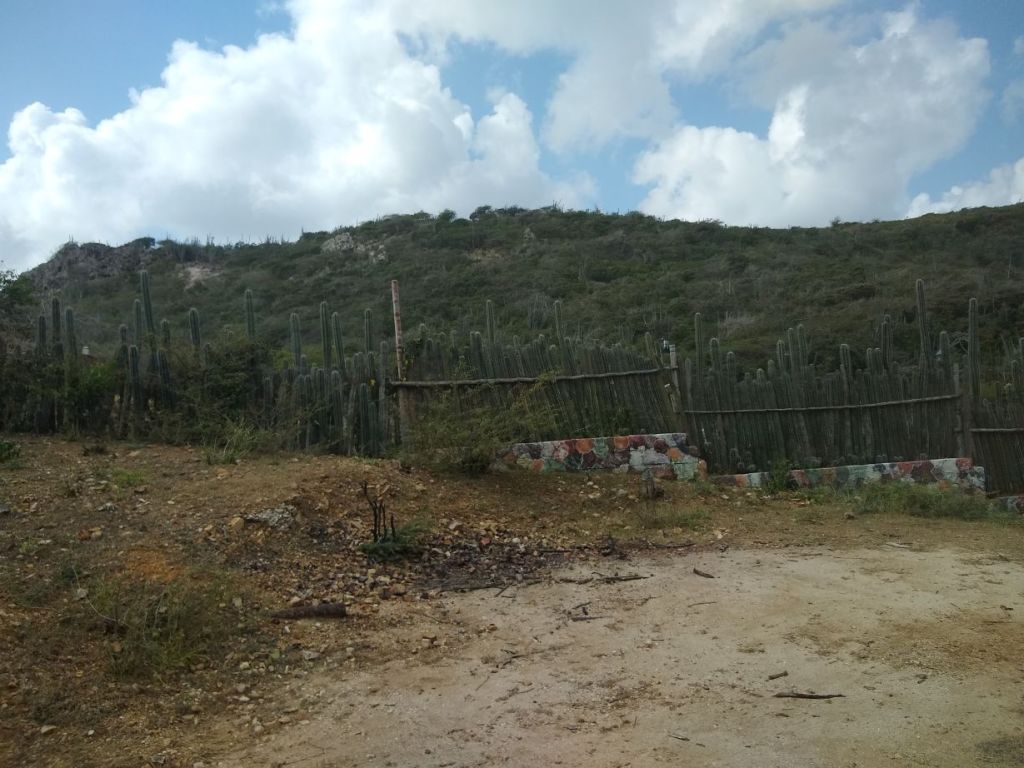
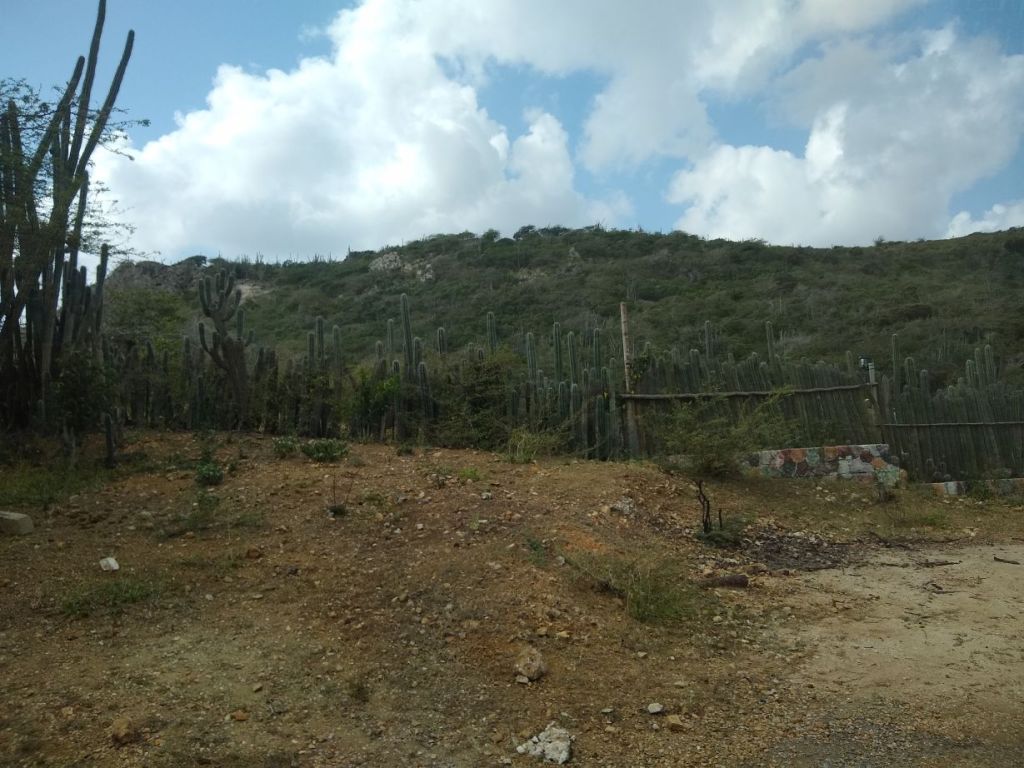
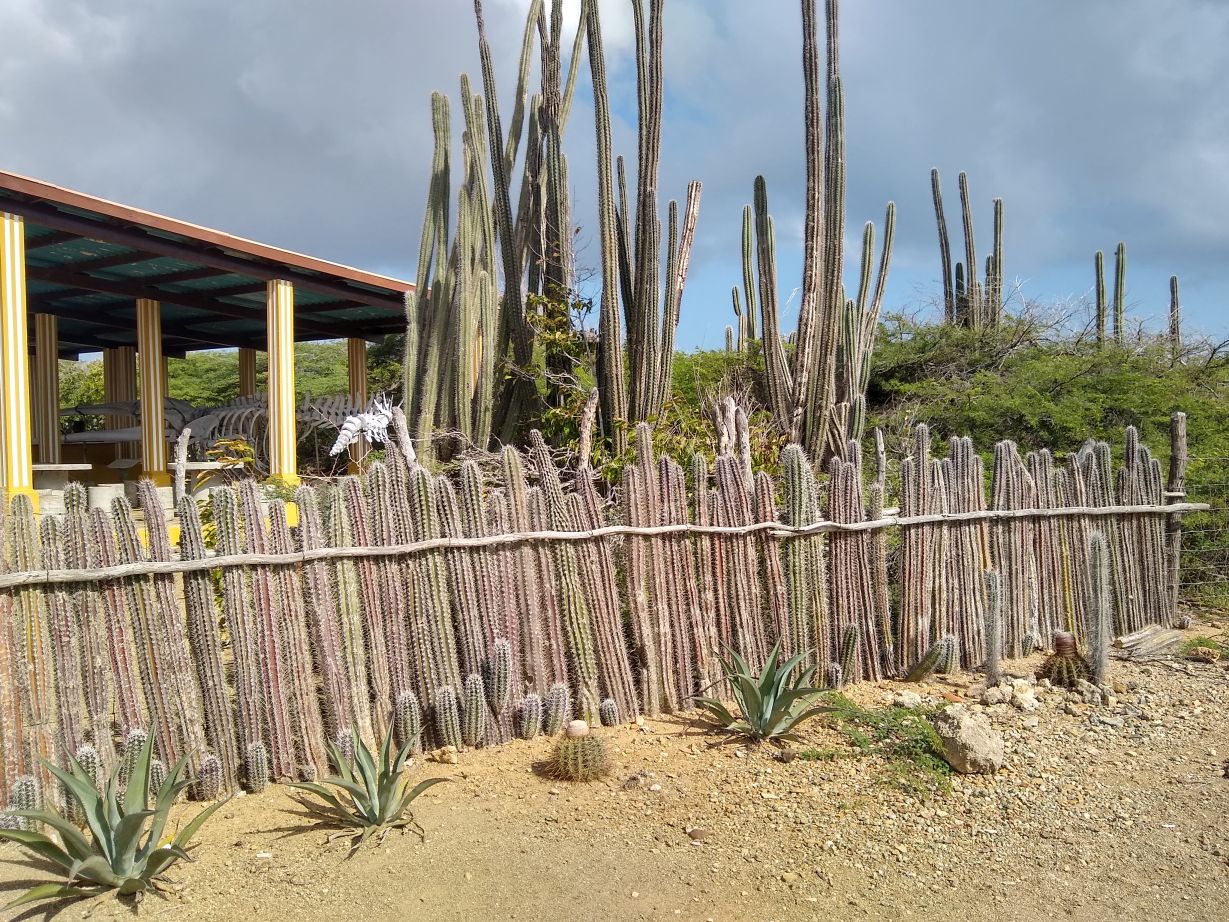
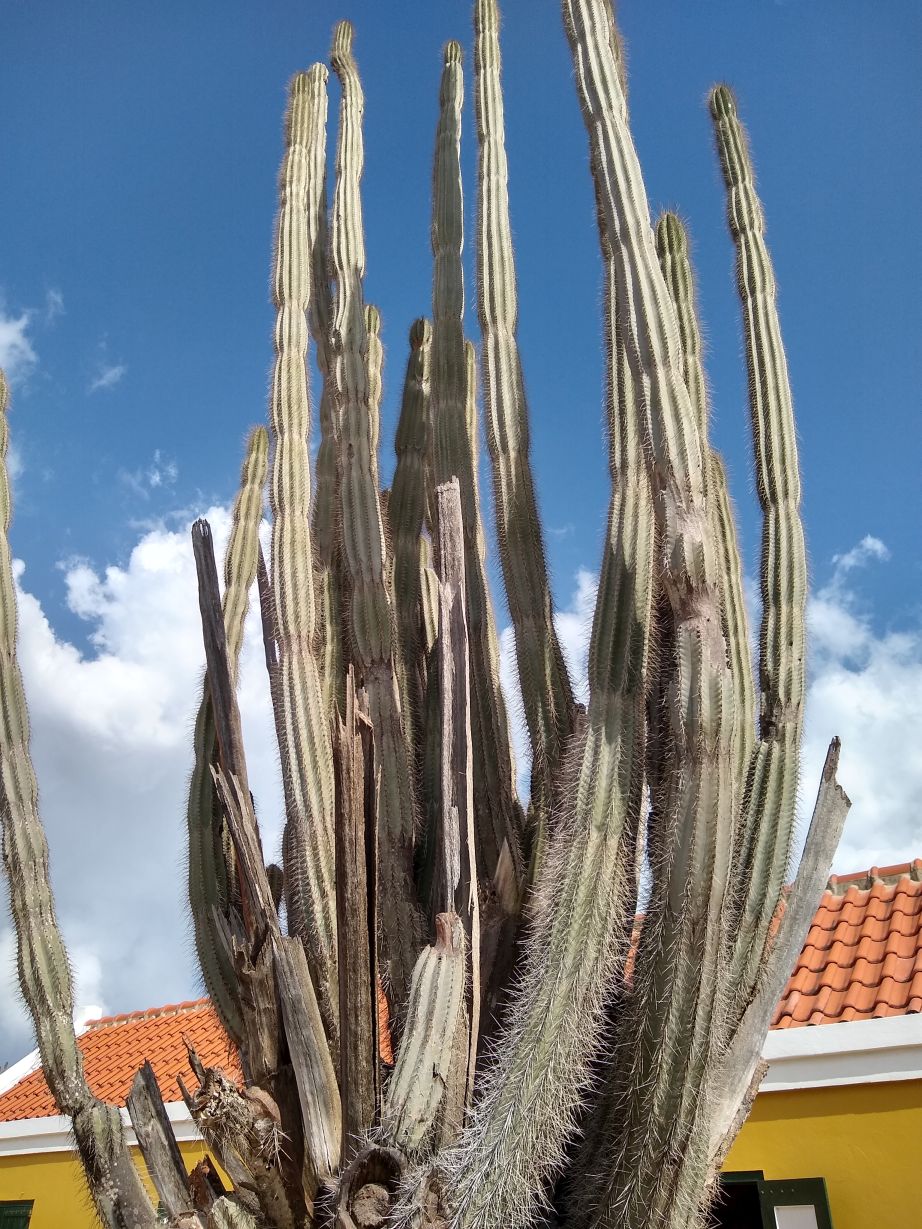
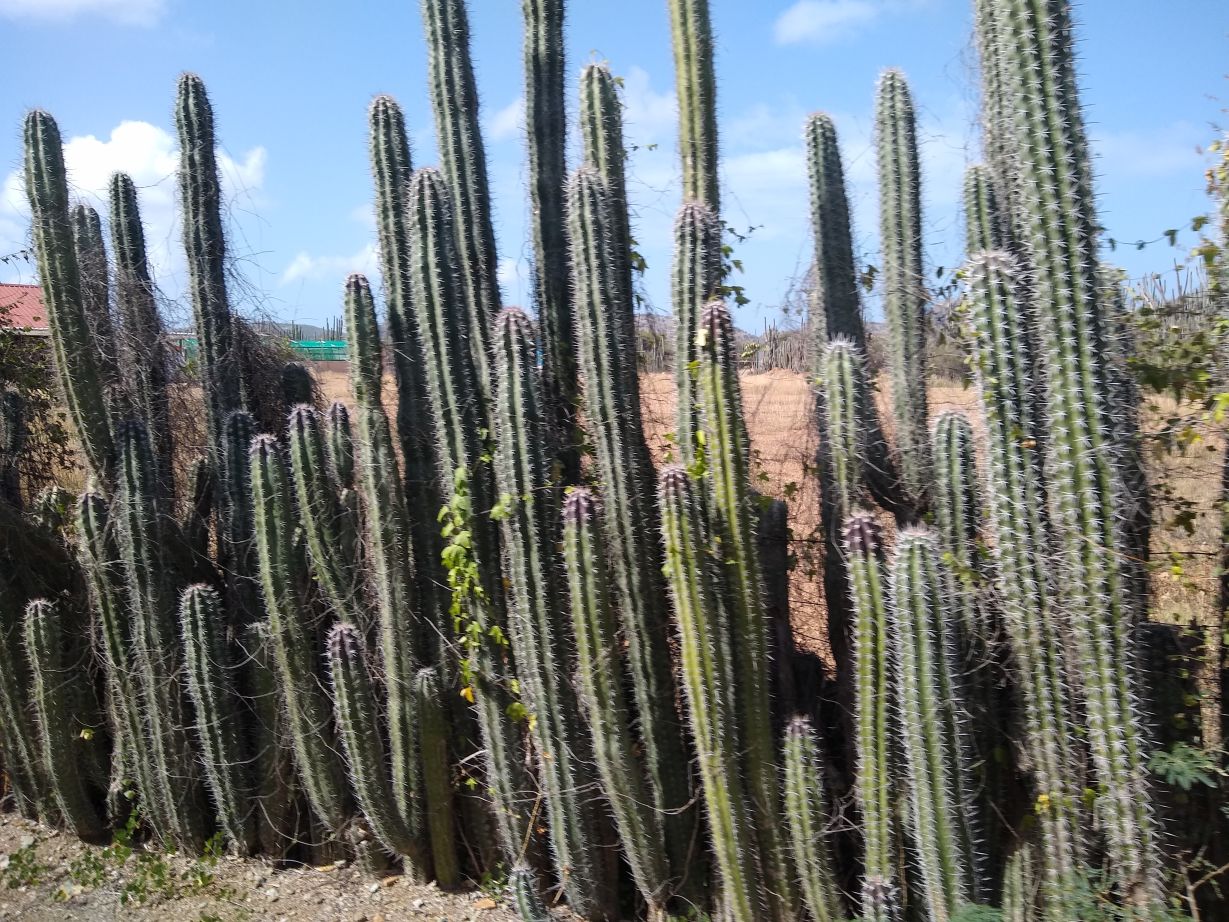
The scenery is just as desert-like as the other islands, only if possible, more so. There isn’t really any soil on the island, so nothing much grows besides acacia trees, cactus and Divi Divi trees. Cacti used for fencing – called a living fence – is everywhere around here, lining the roads and properties in a sort of crisscrossed configuration which is totally unique (at least to me, I’ve never seen anything like that). The roads are narrow almost one-lane affairs where drivers drive in the middle, pulling over to the side as best as possible to let oncoming traffic go by. From the sound of it (from Gladys) the island is very conservation minded. There are huge fines for capturing turtles, birds are protected, particularly the flamingoes and of course the reefs where they derive their biggest tourism dollars.
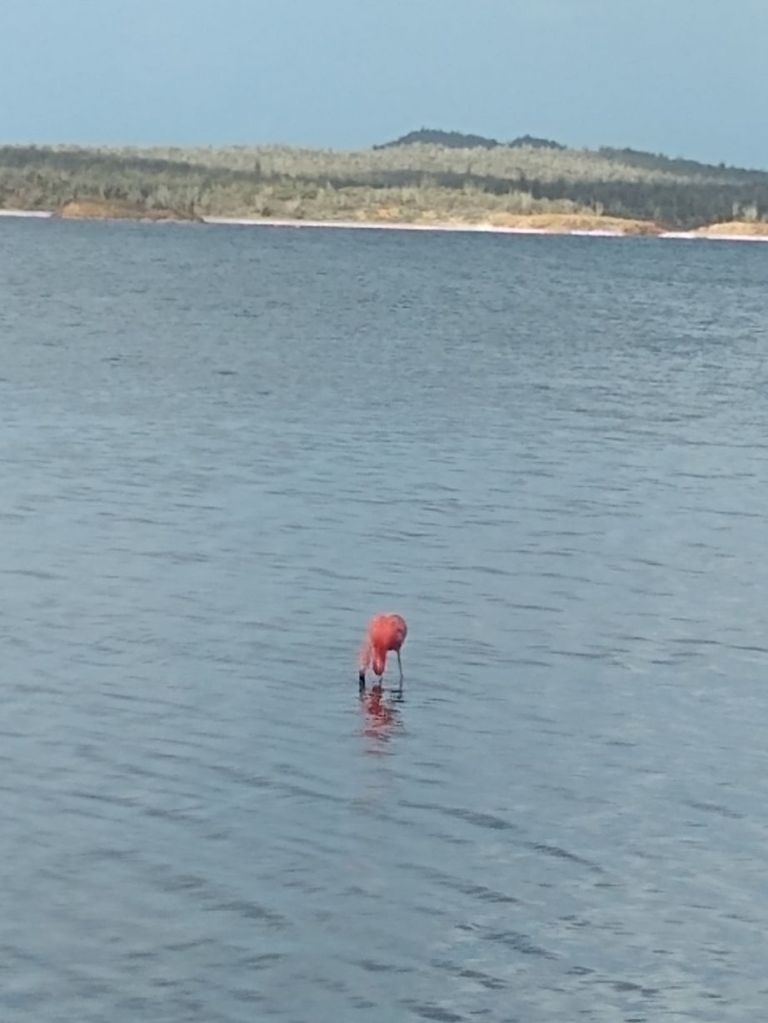
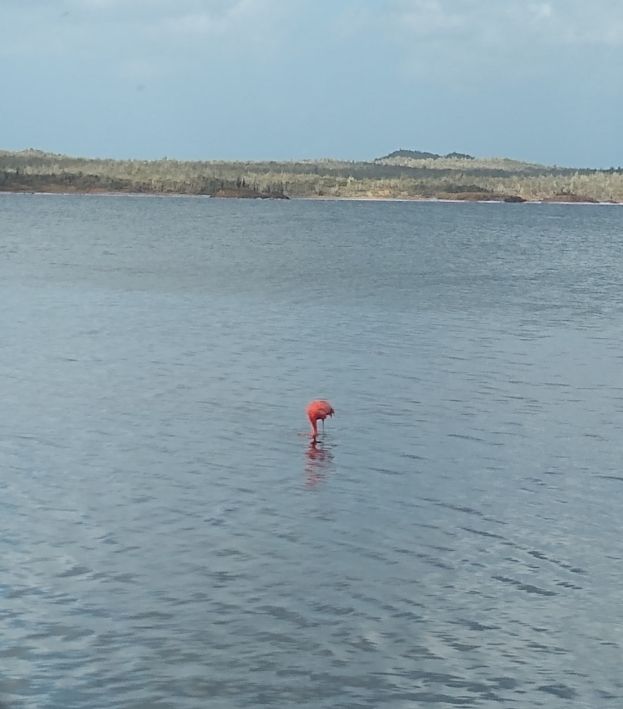
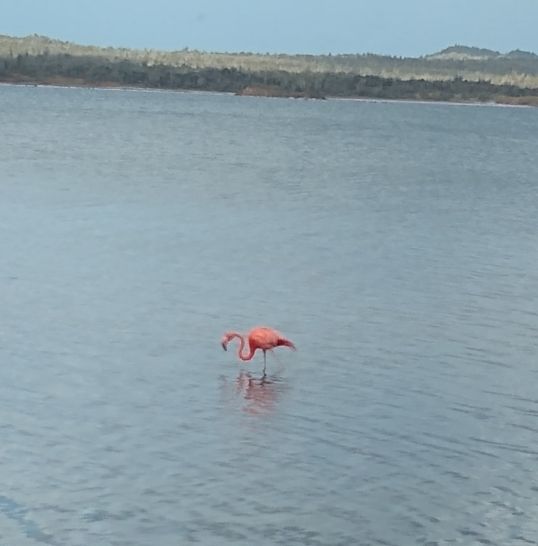
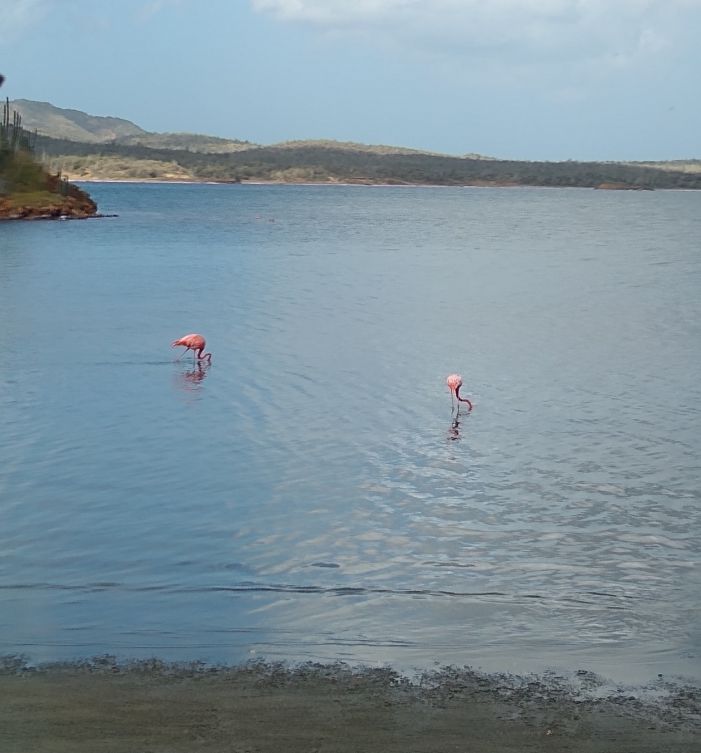
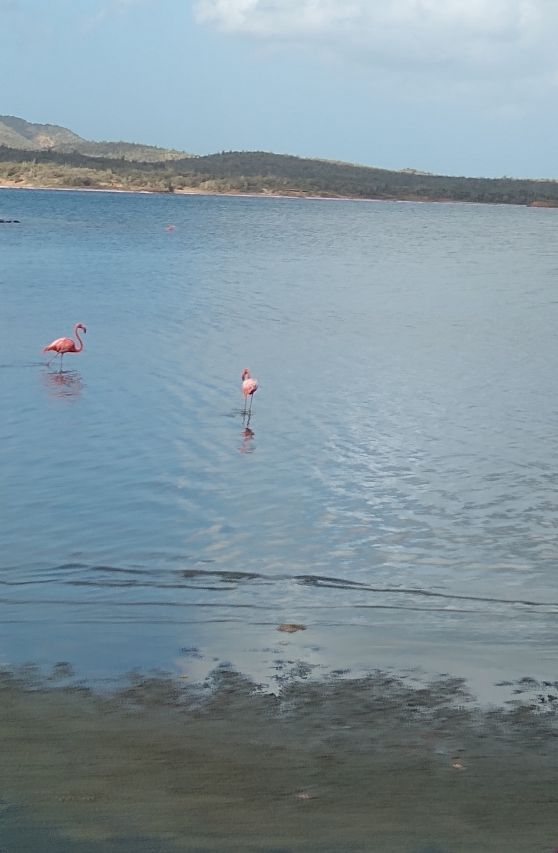
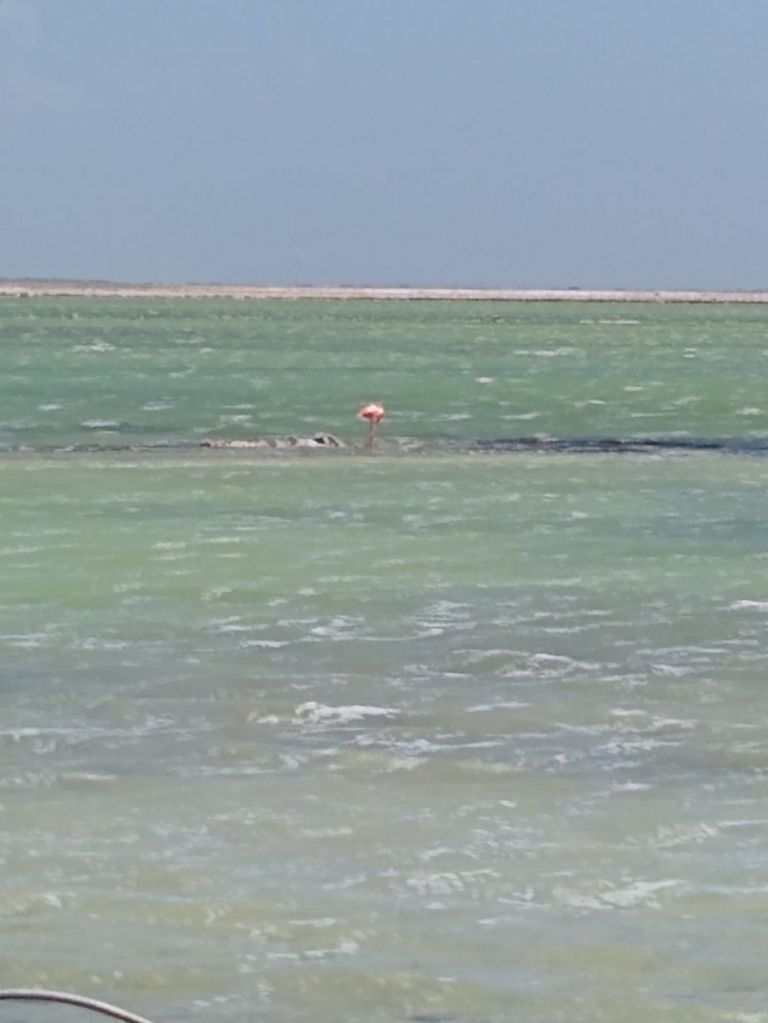
At the flamingo ponds, we do see a ton of them out in the water. Of course with our phone/cameras, we can’t get any totally decent shots, but we do manage to get some….and besides, who really cares, as they are so pretty to just look out – little pink dots standing in the water. We get a lesson on their pink color – it comes from the carotenoids they eat, the more brine and salt, the pinker they become. They only have 1 egg per year, and the babies are little white fuzzy things that don’t resemble in the least the long, tall lithe pink birds they will become.
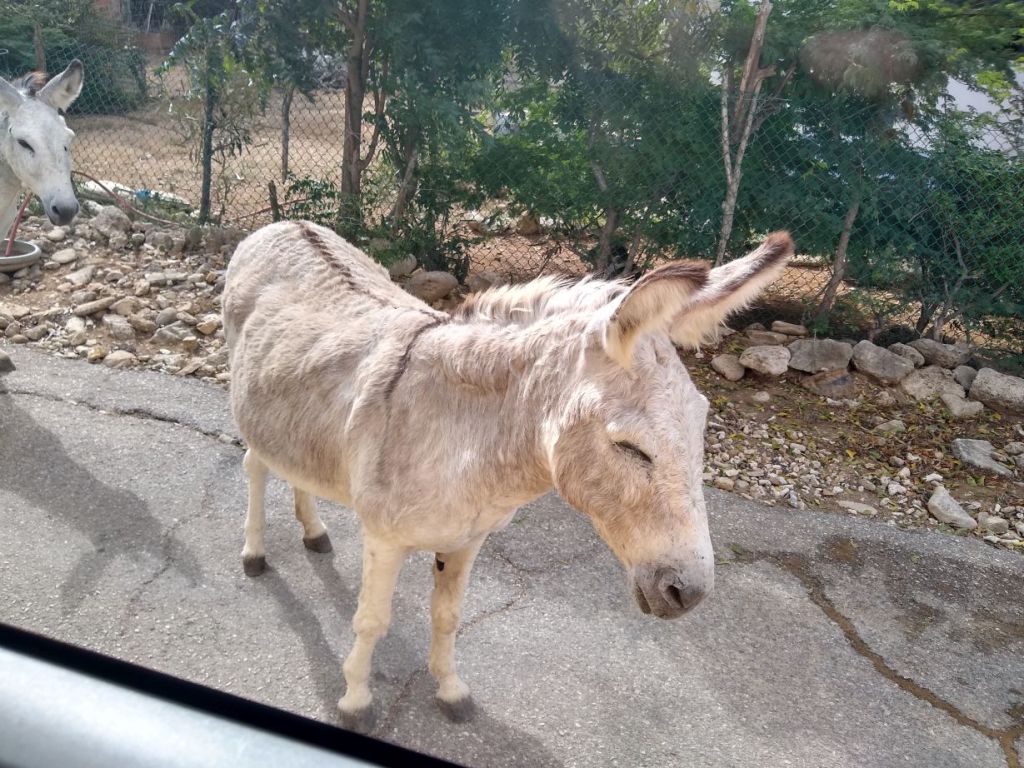
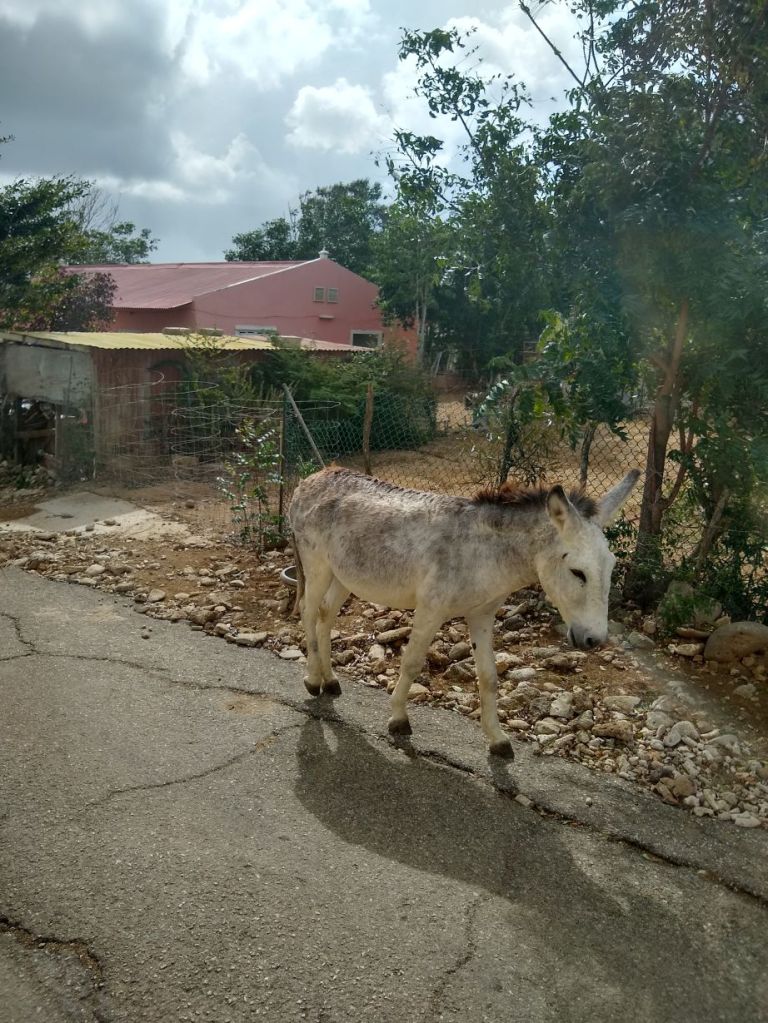
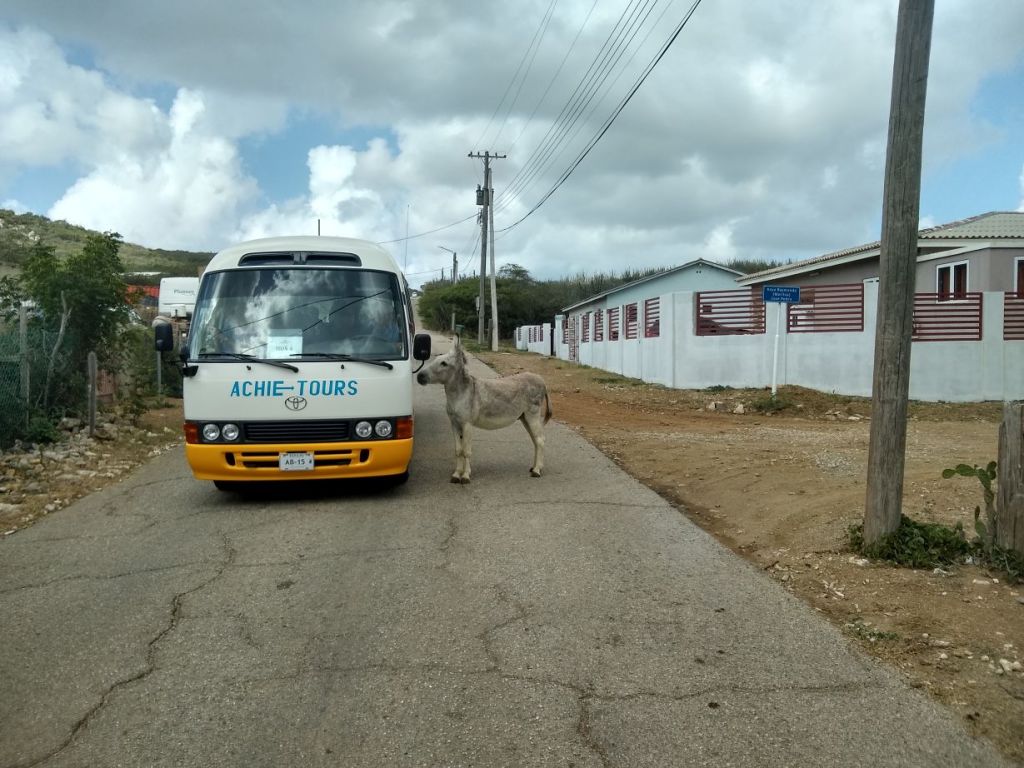
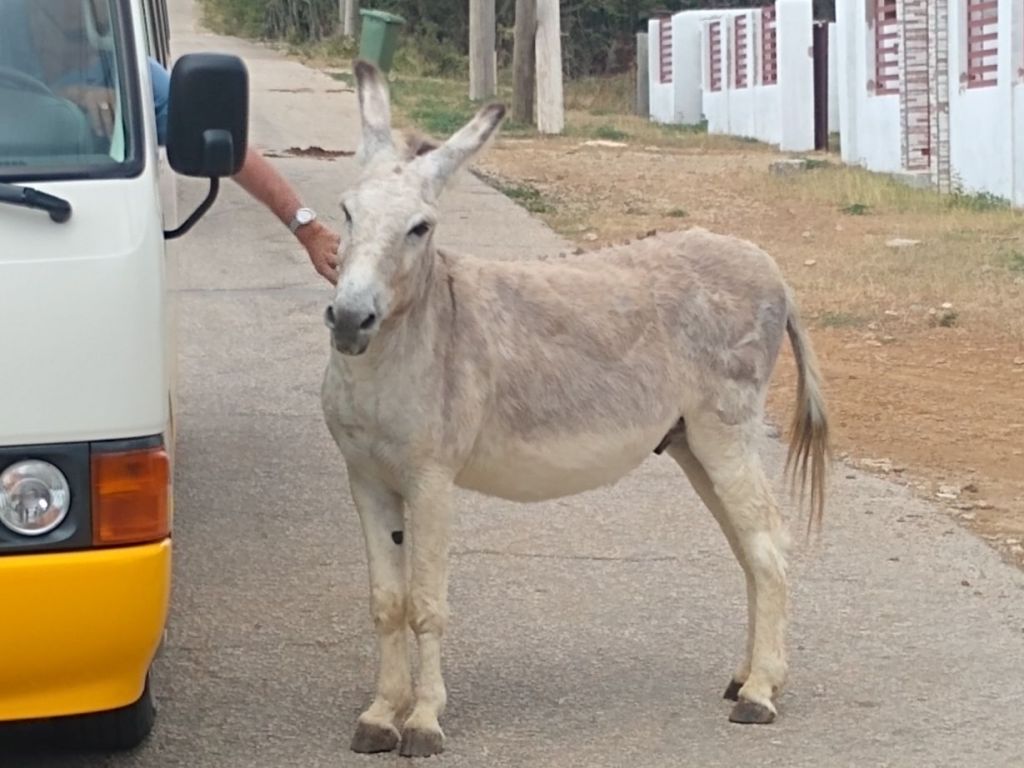
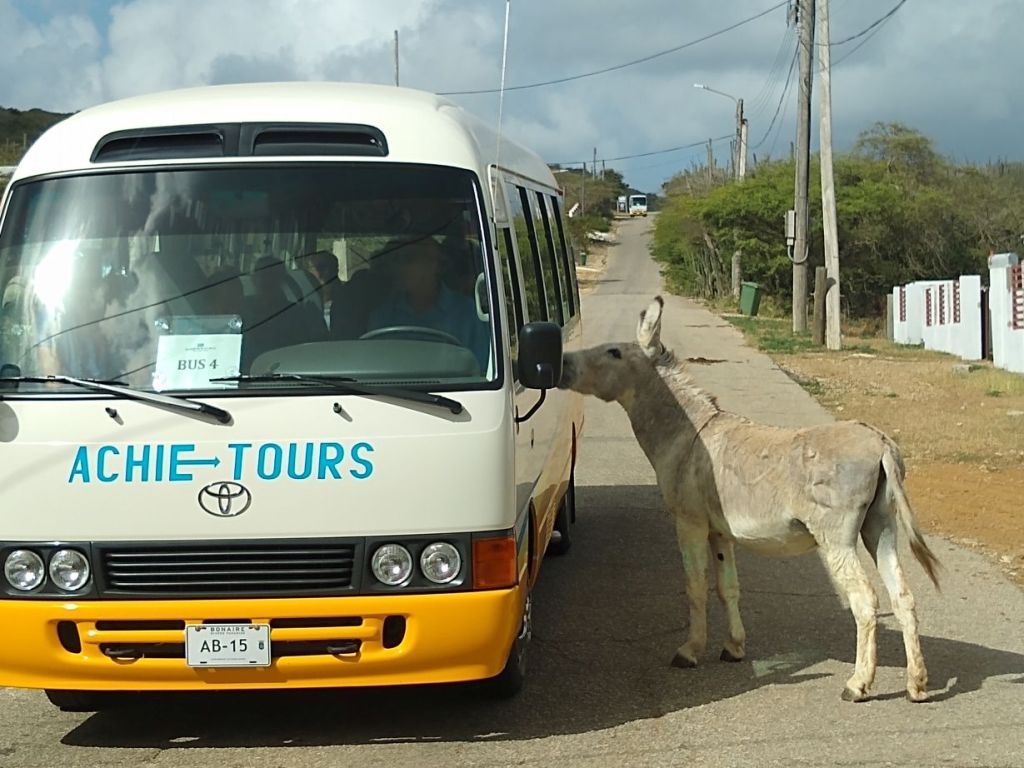
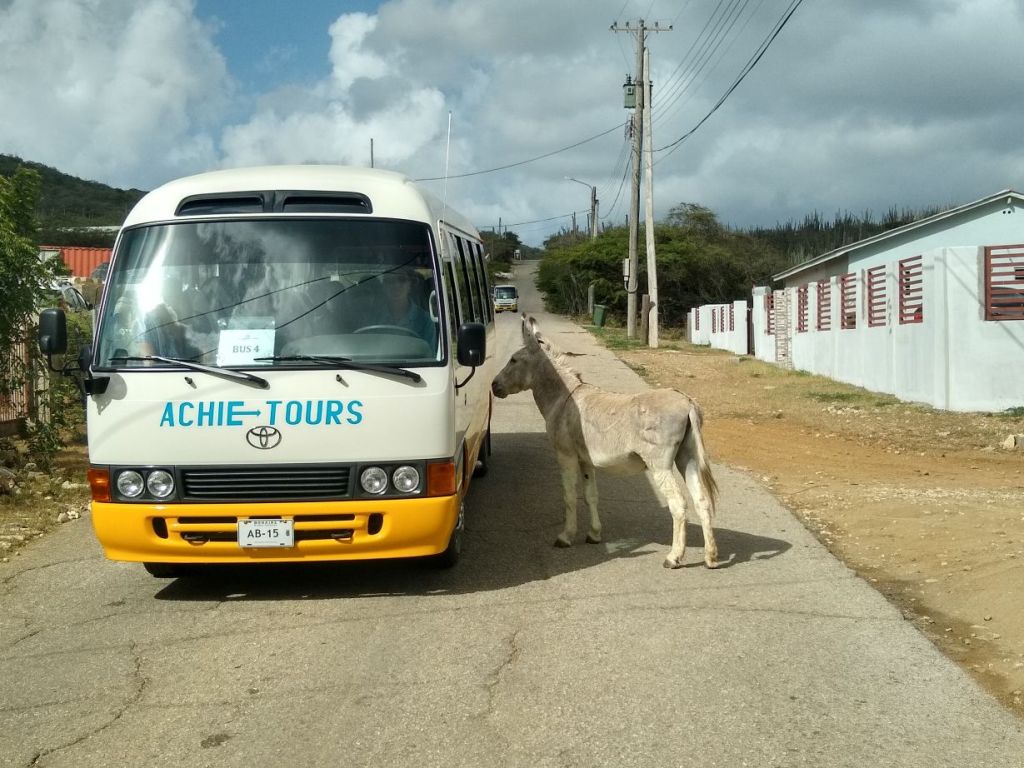
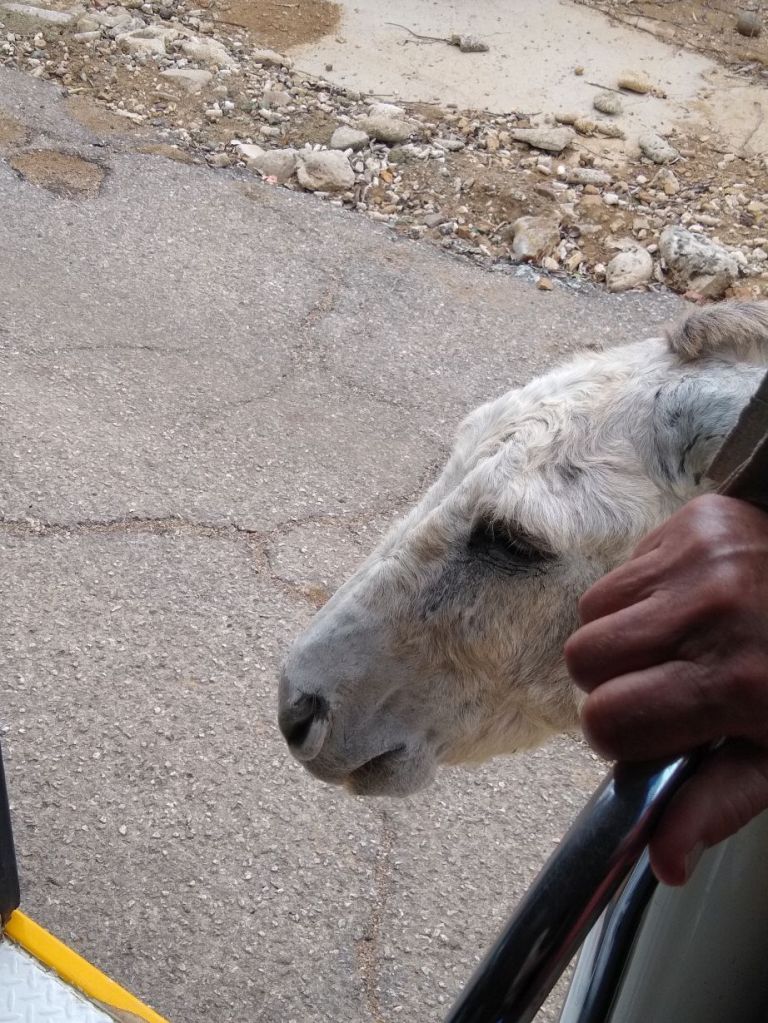
On the way to the park, we find a few wild donkeys (there is a donkey sanctuary on the island, but there are tons that run free) and a couple come up to our vans to be fed. They are so sweet! One of the ladies in the front has chocolate chip cookies, which the donkey seems to really like!
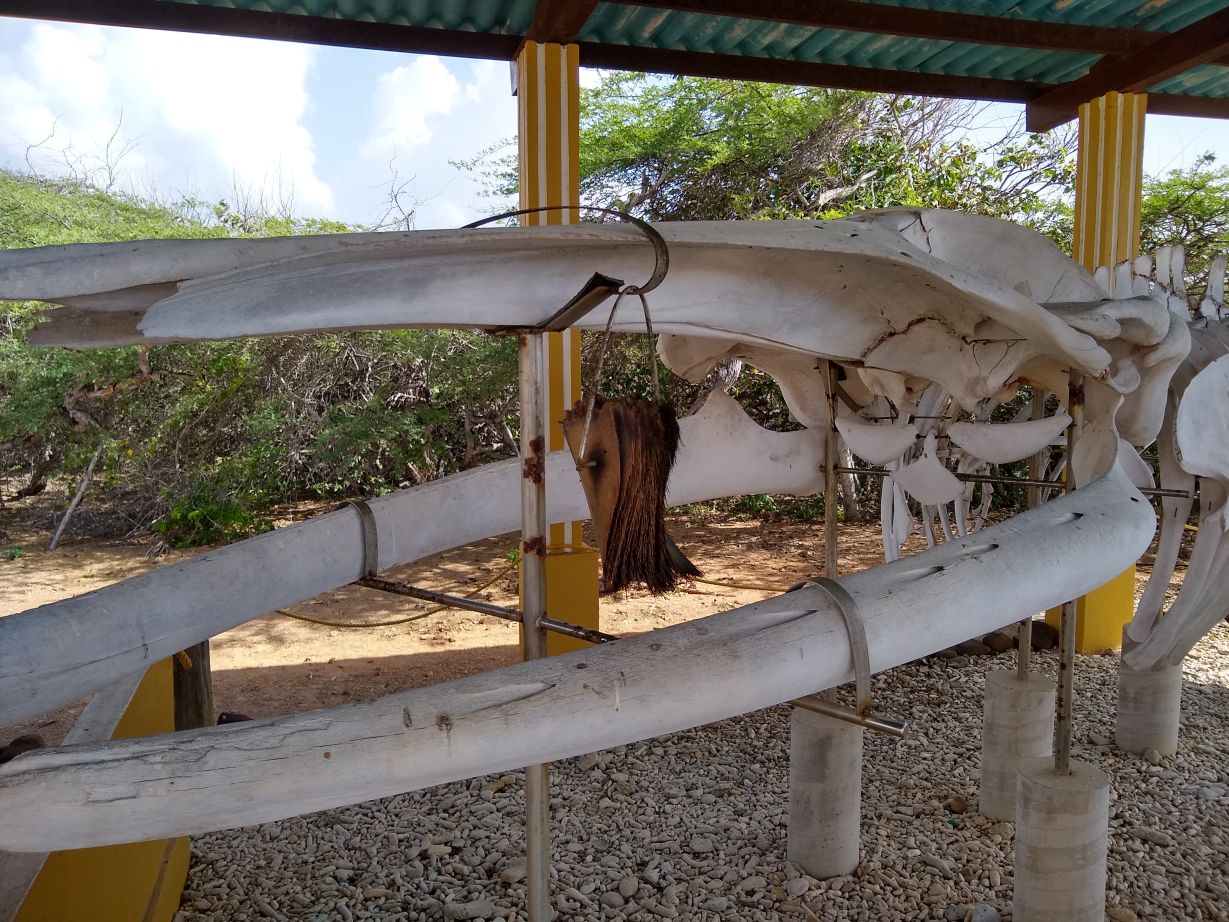
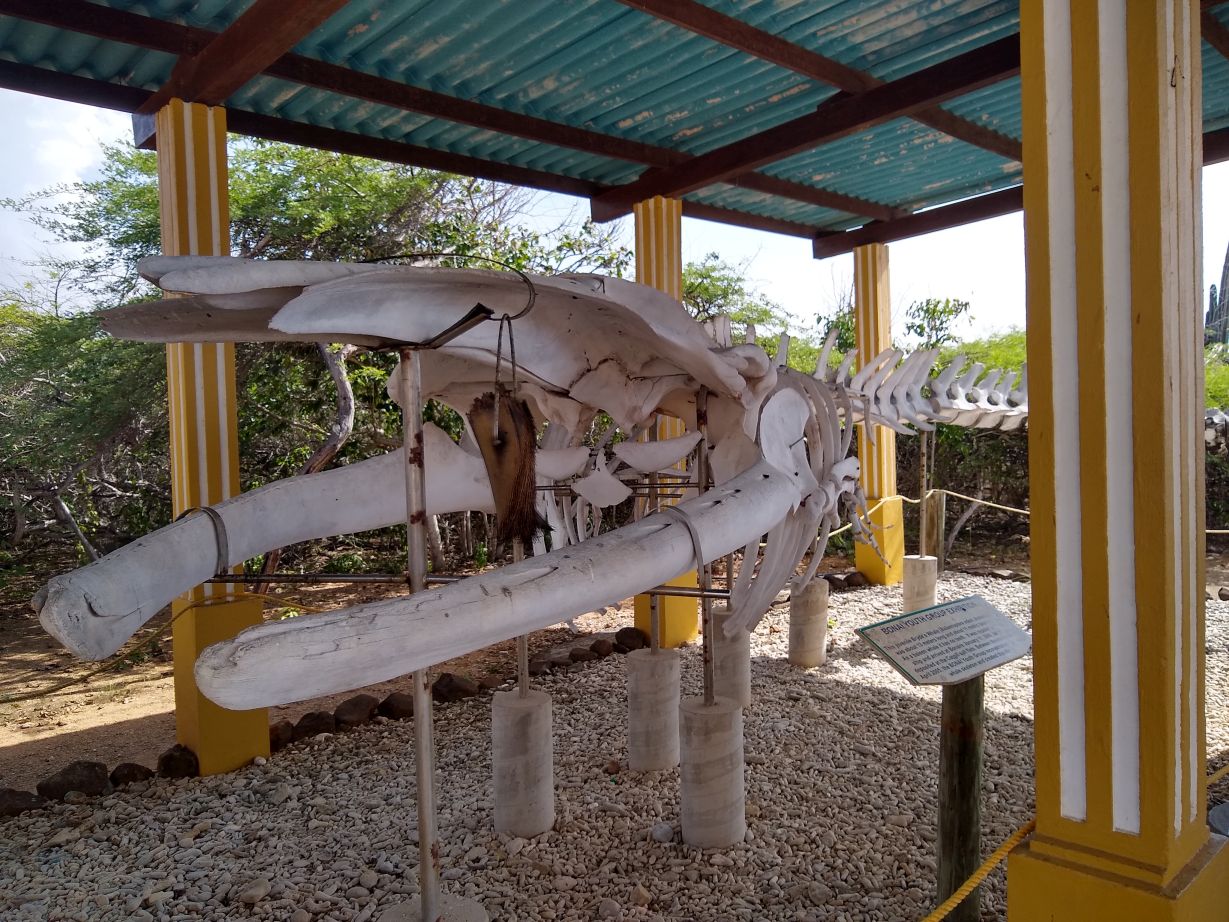
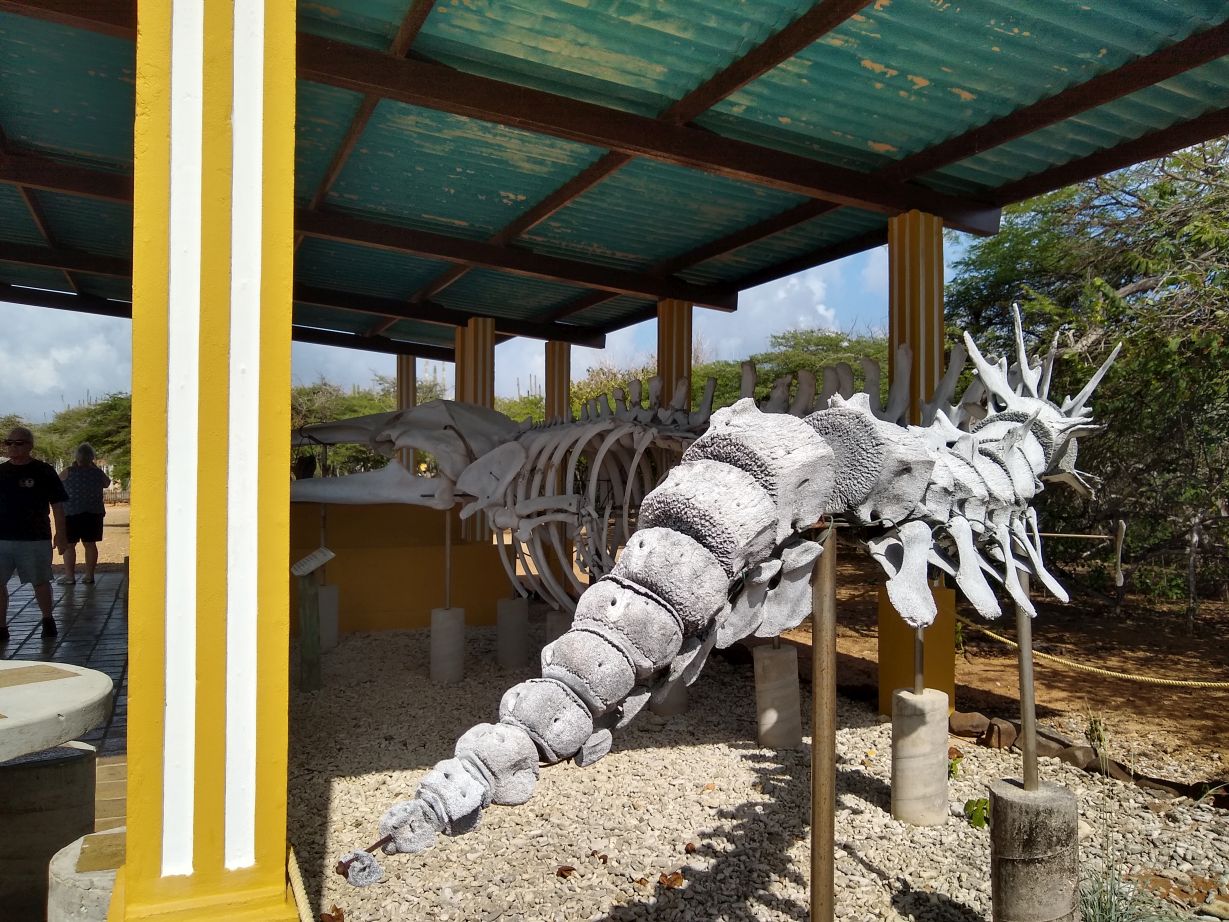
Finally at the park, we have a 20 minute bathroom break where we can also wander through a neat little museum that has a flamingo skeleton (which is amazing to see how little skeletal frame the bird actually has – no wonder it can fly forever without a problem) and lots of historical photos and explanations about the island. There is also the skeleton of the giant Baleen whale that a Holland America ship skewered on its bulbous nose a few years back. They extricated the whale here and then just let it decay, but then the school children got involved, started a project to save the skeleton and managed to raise funds to put it together as a display here at the park entrance.
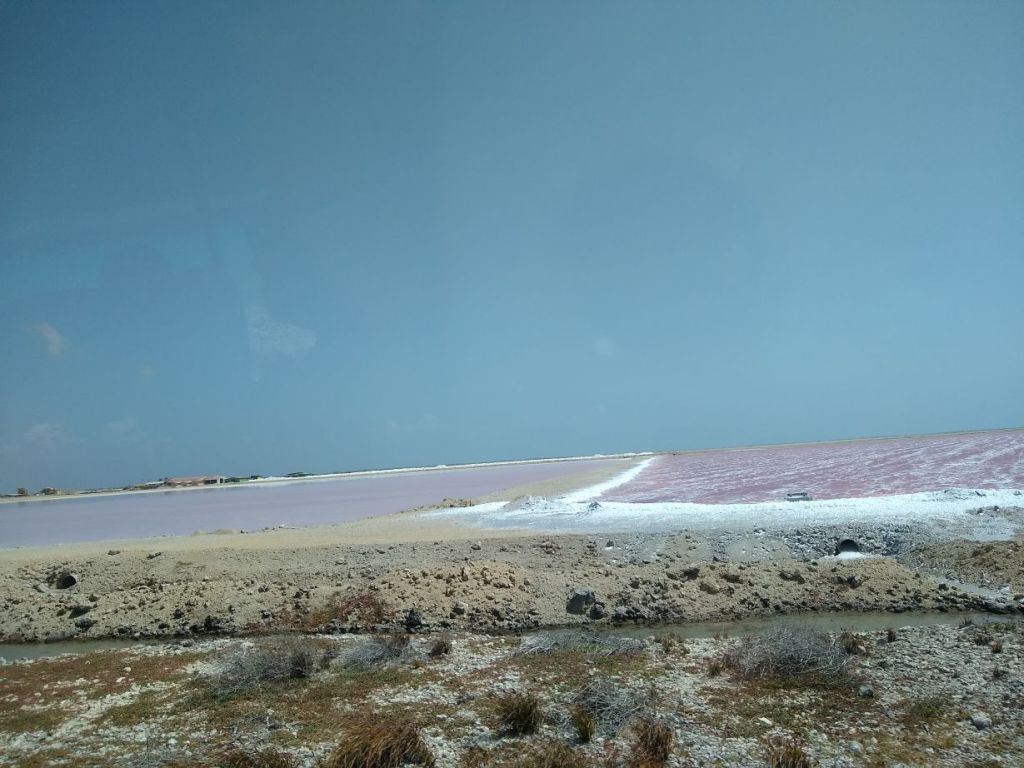
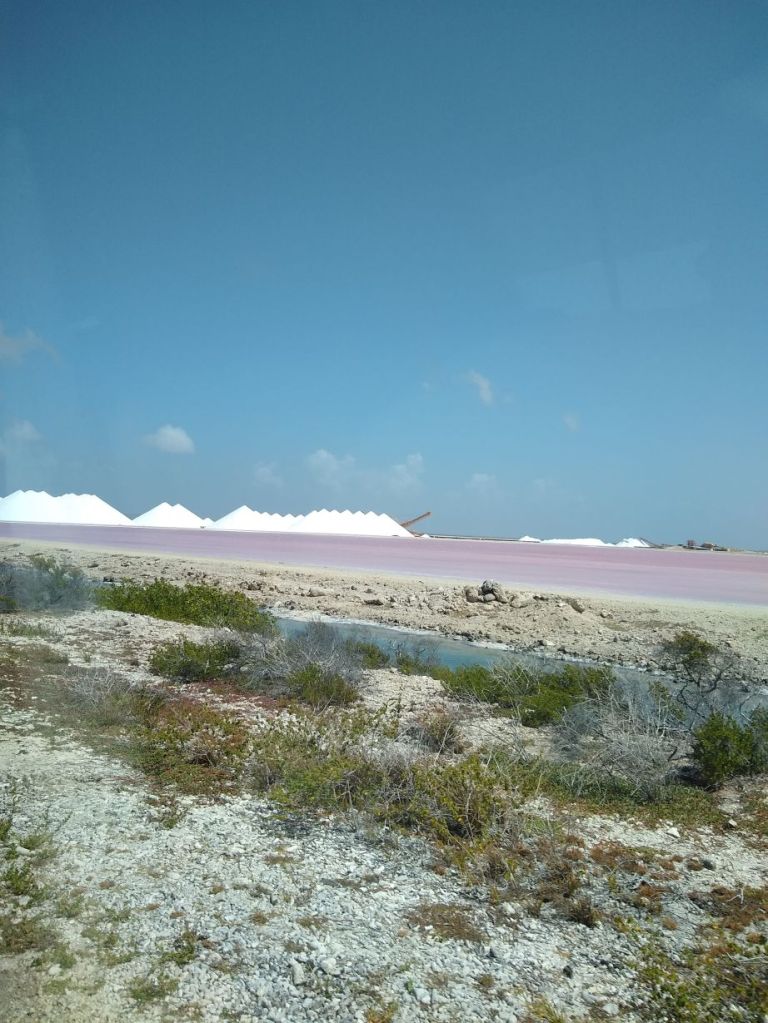
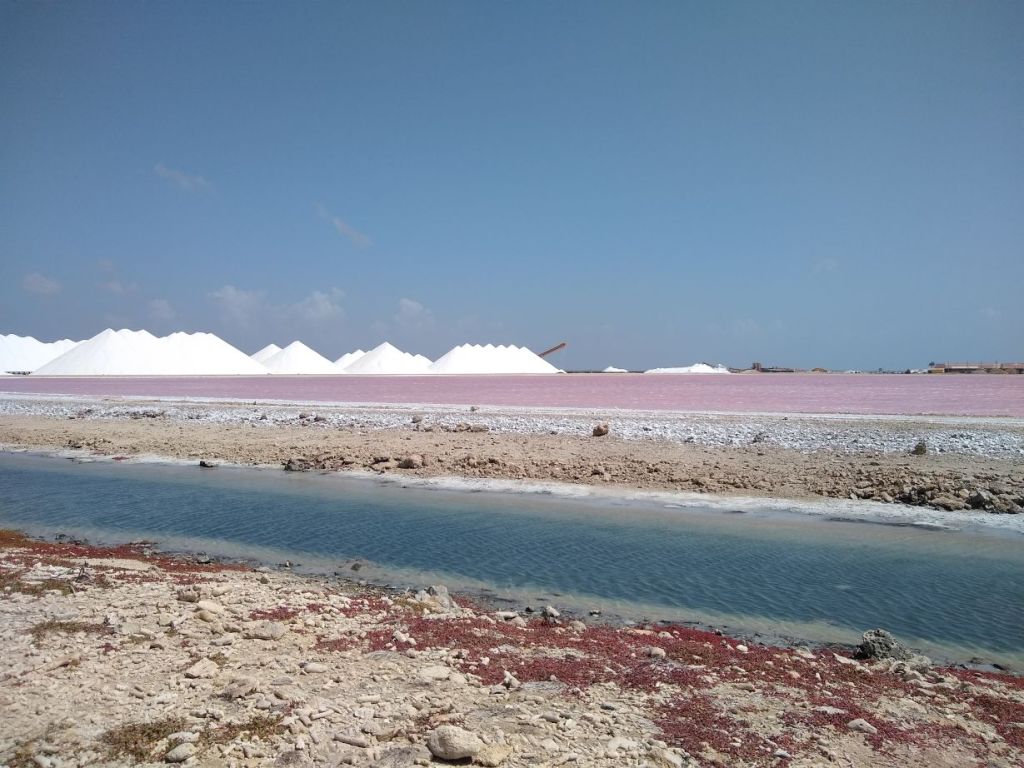
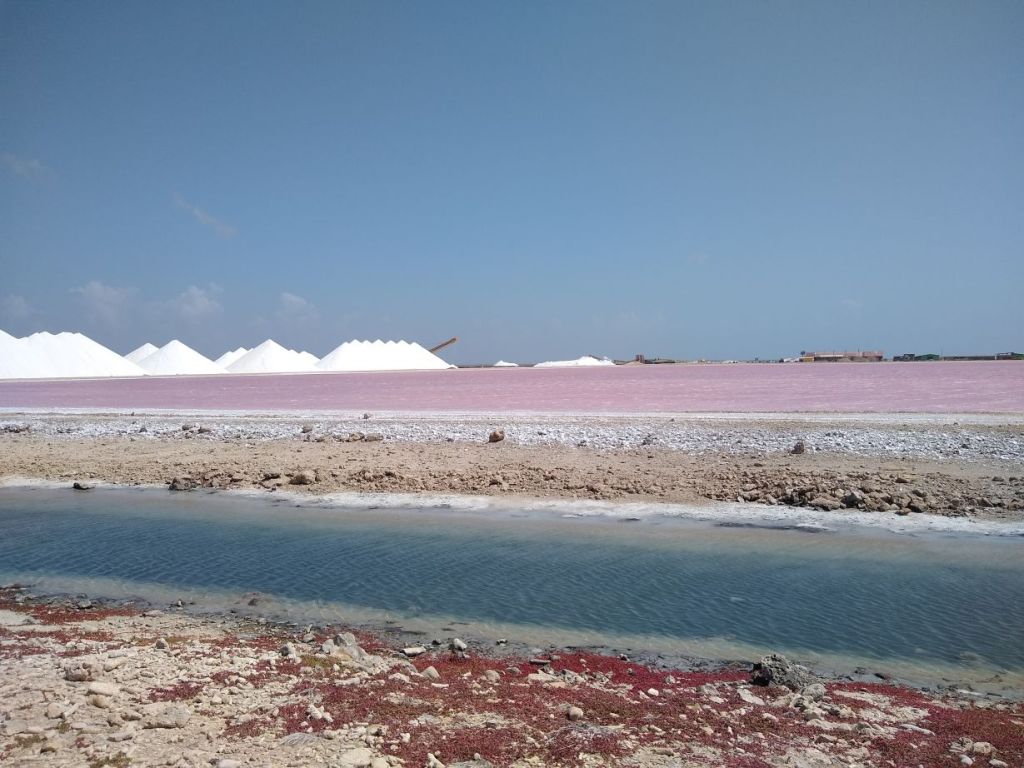
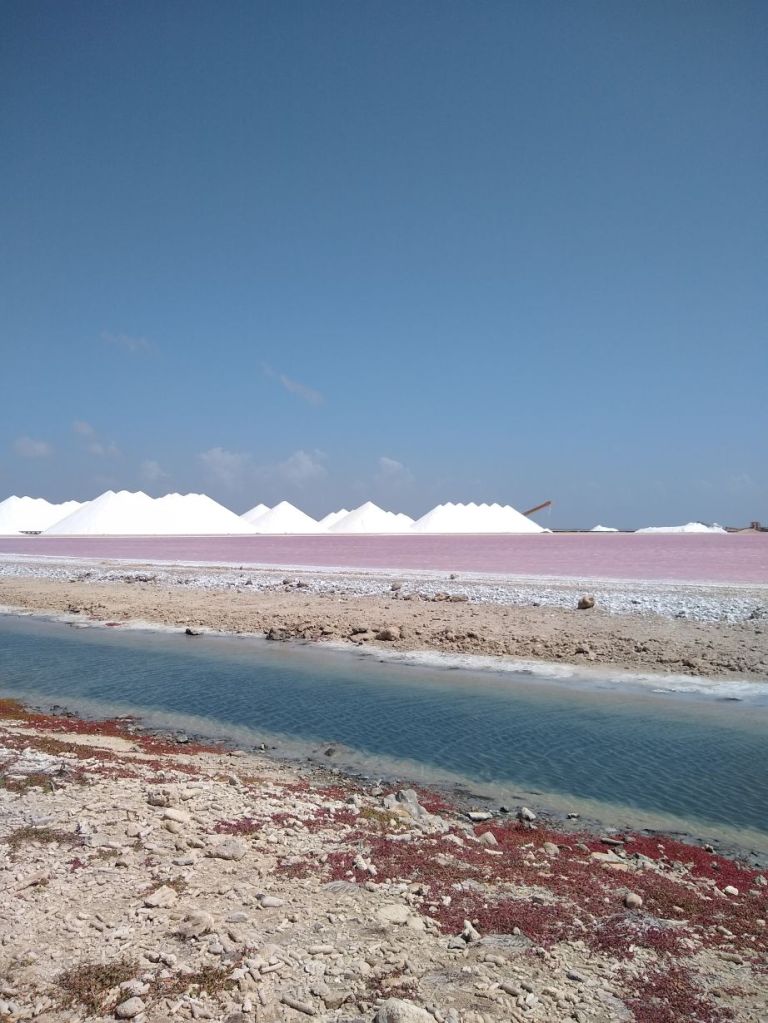
The park itself has lots of roads and trails that look totally cool – but of course, we don’t have time for that. After a taste of desalinated Bonaire water, we are back on the van for our ride south, through the city again, and on down to the salt ponds and slave huts of old. The salt ponds are owned by Cargill, and the island has an agreement with them to help with conservation as long as they are operating here. The ponds are amazing –they are different shades of pink! – and look beautiful against the contrast of stark white salt mounds backed by azure skies.
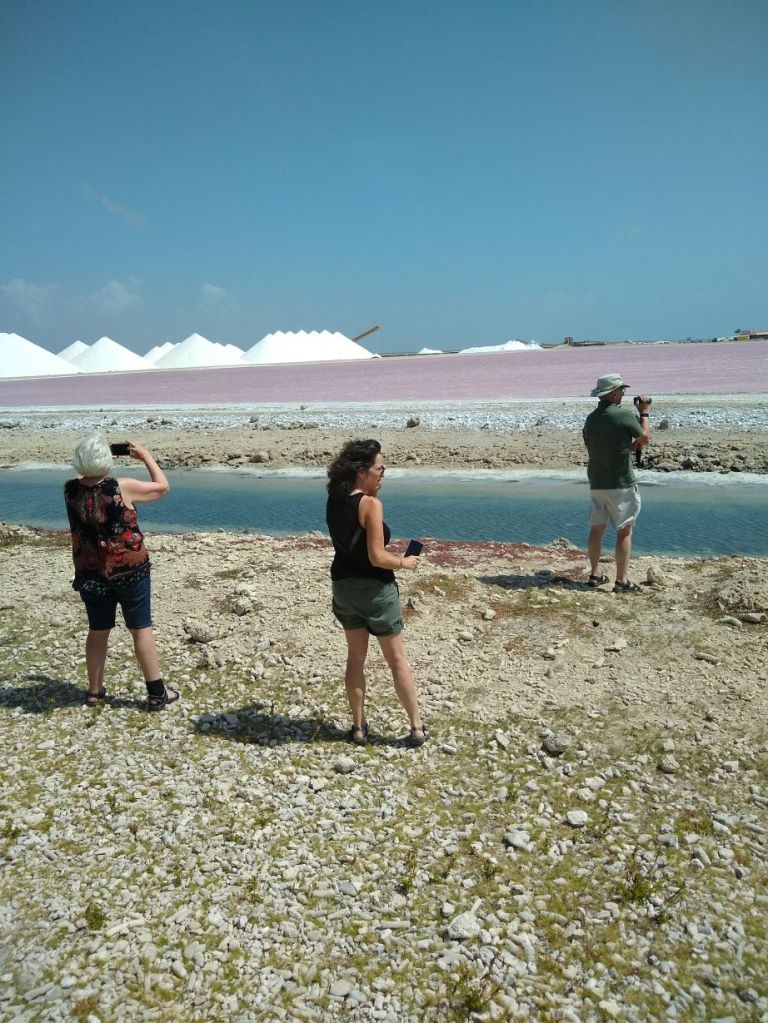
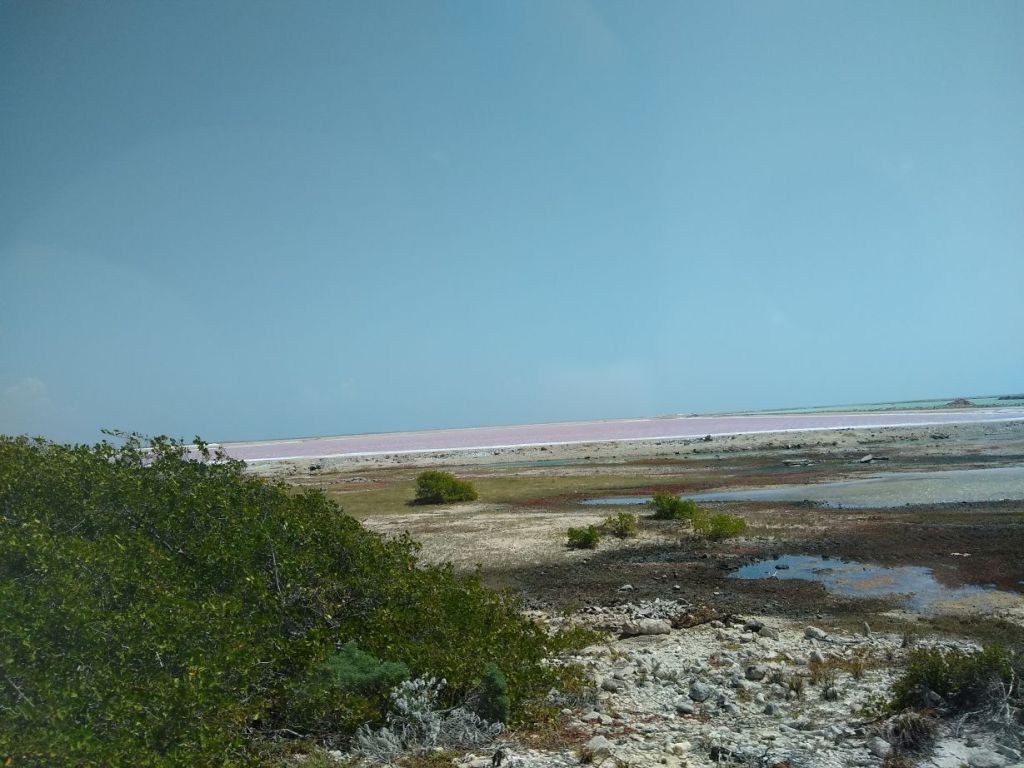
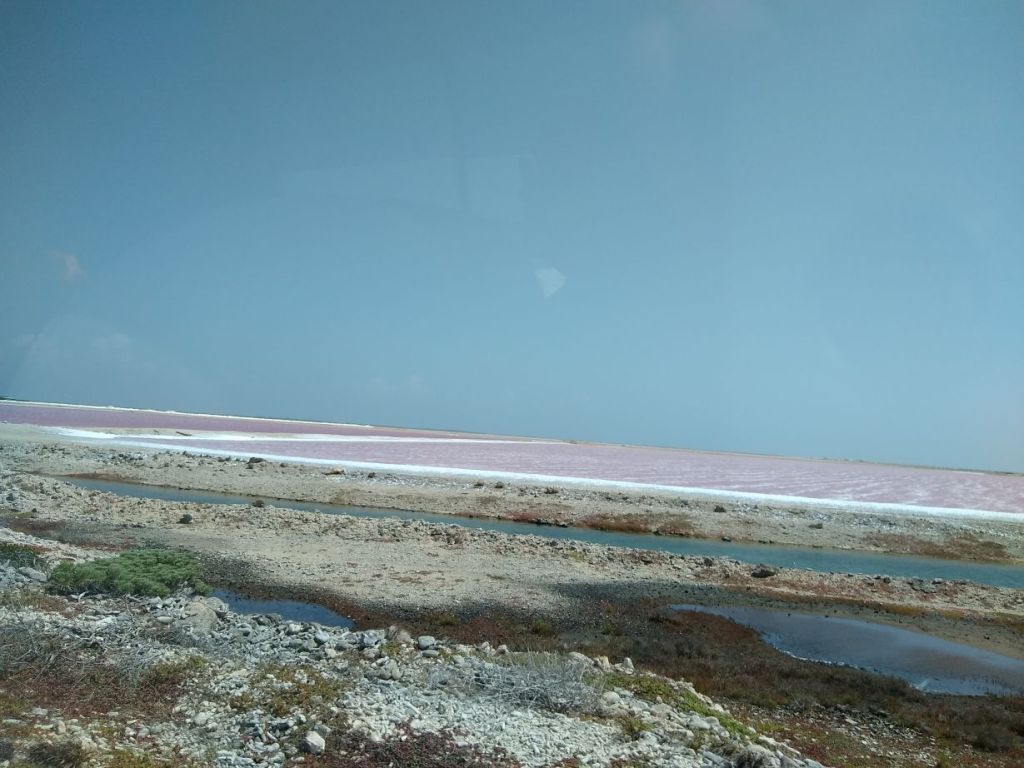
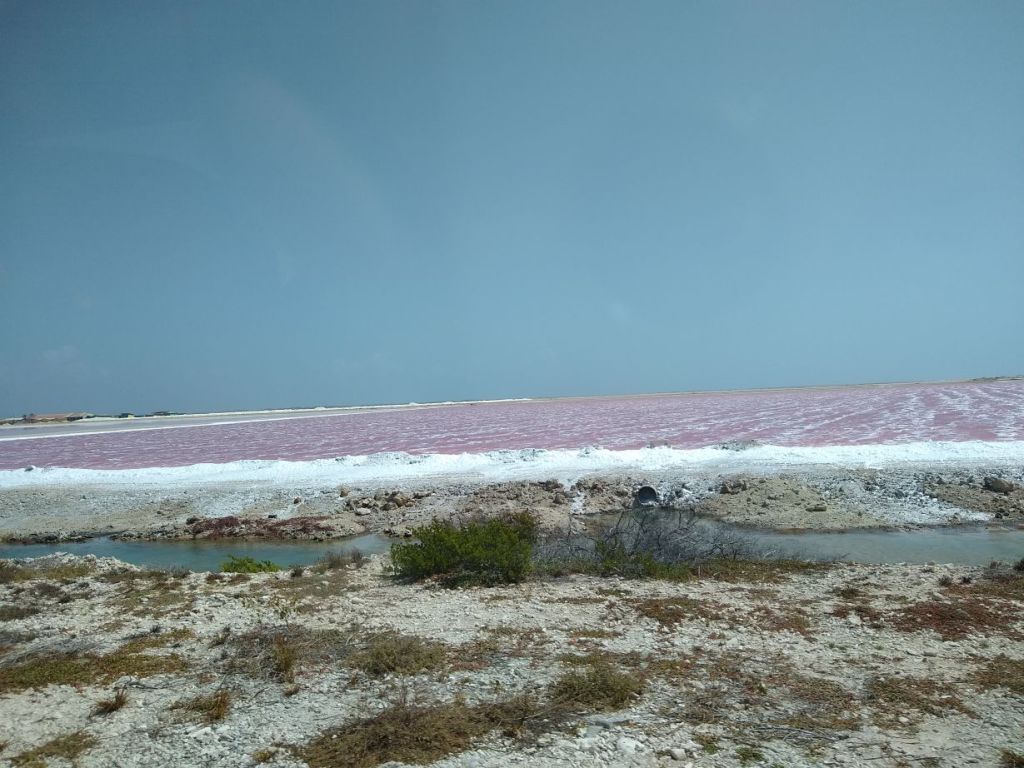
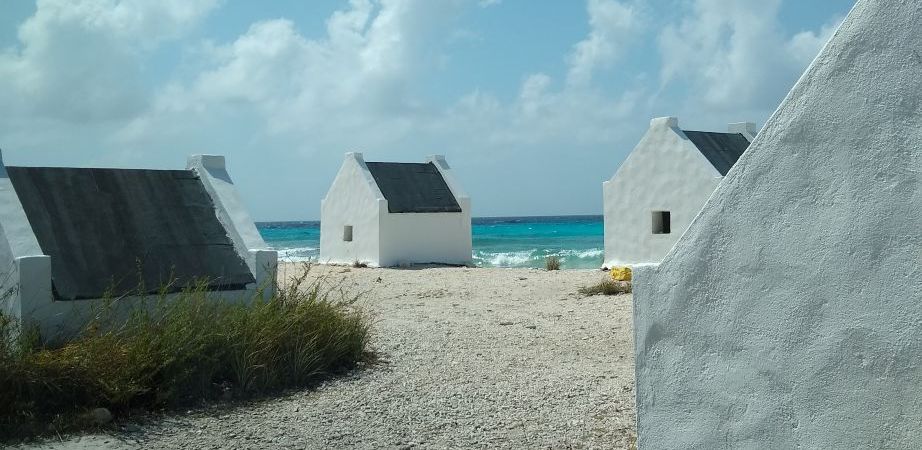
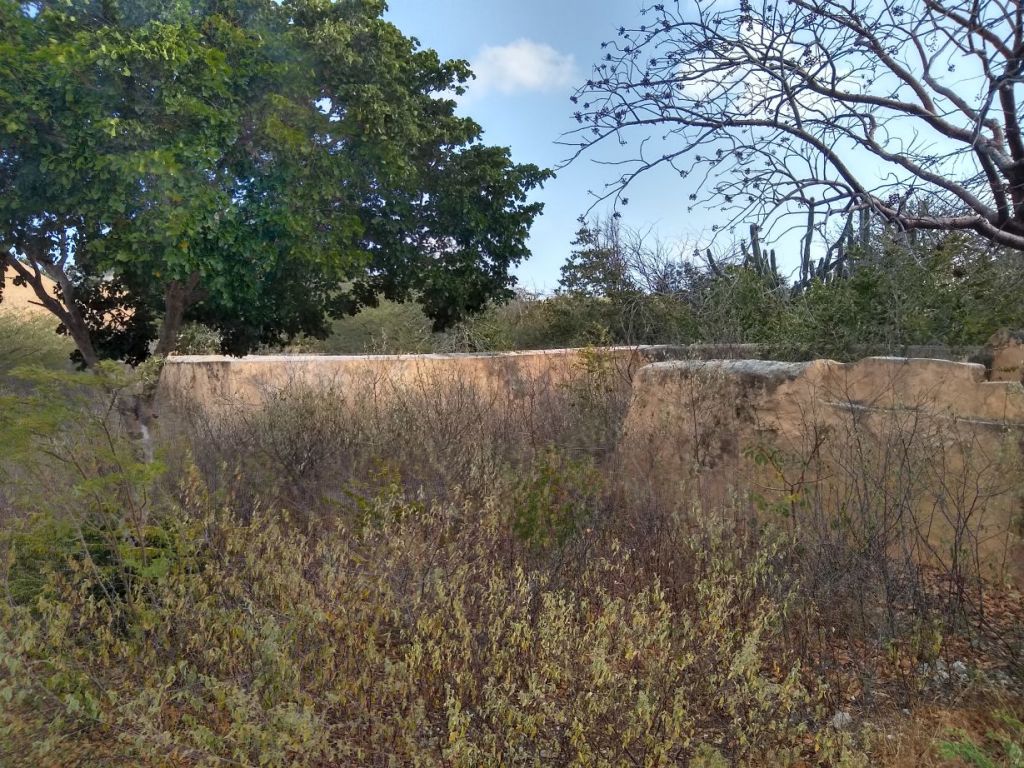
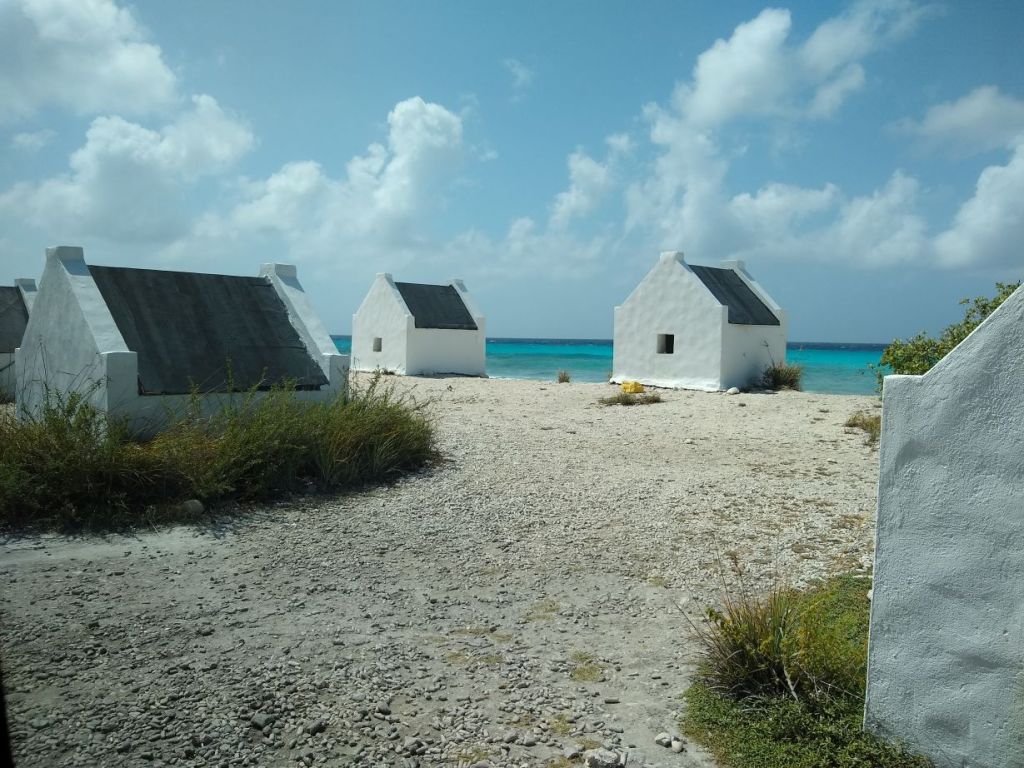
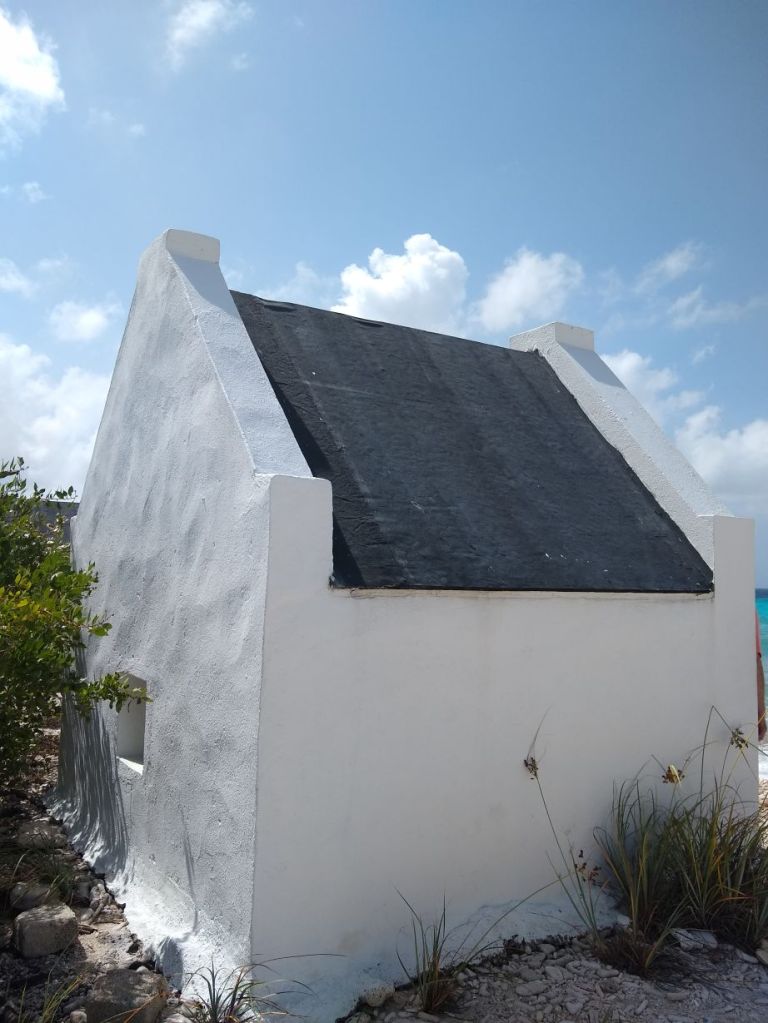
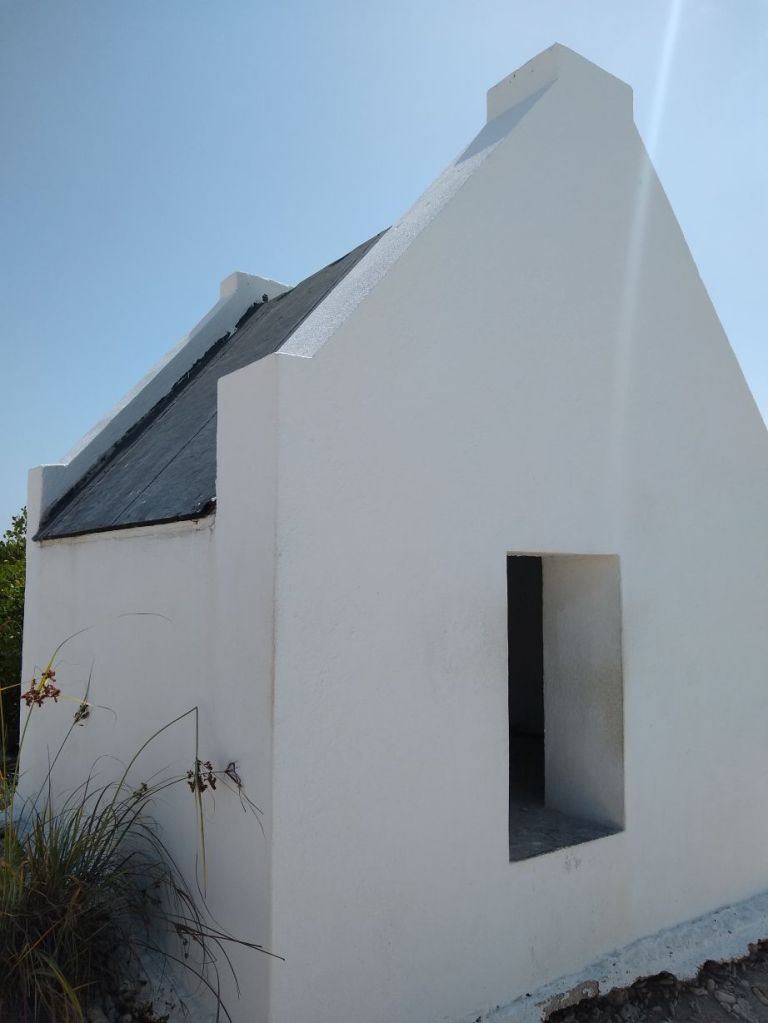
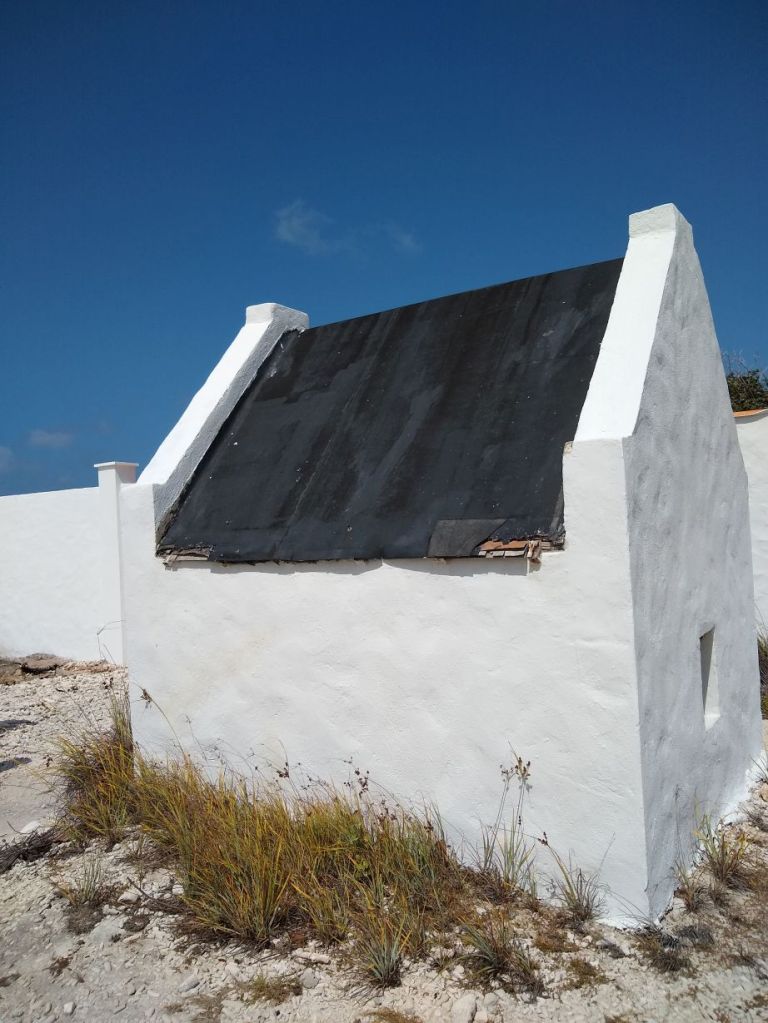
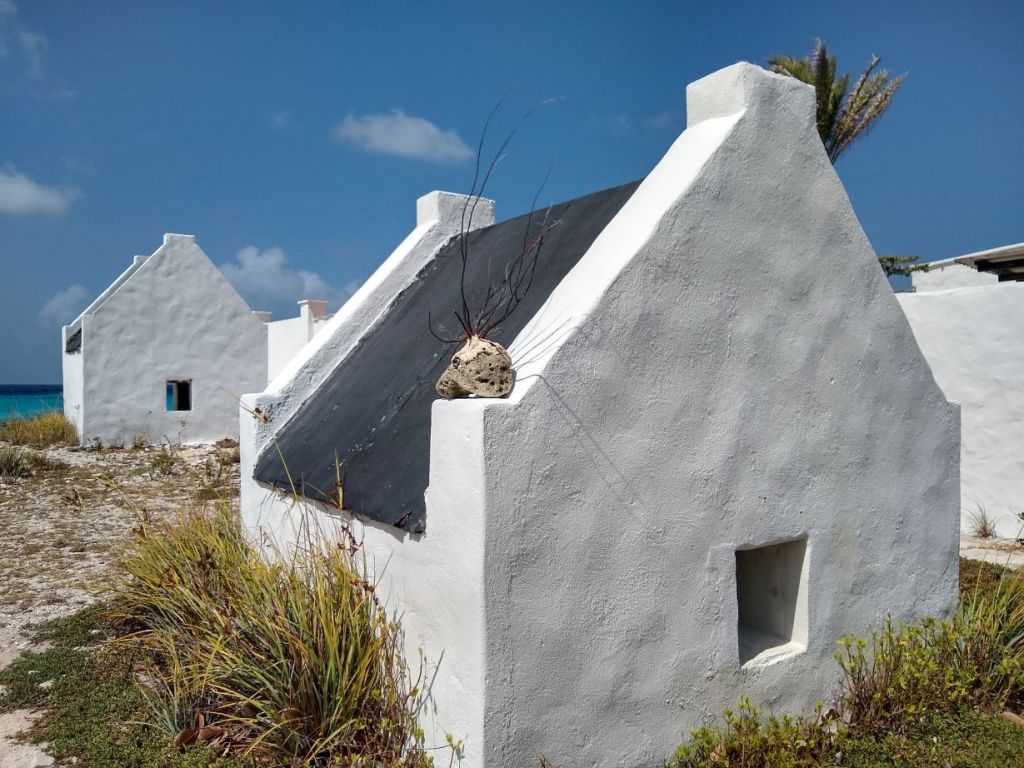
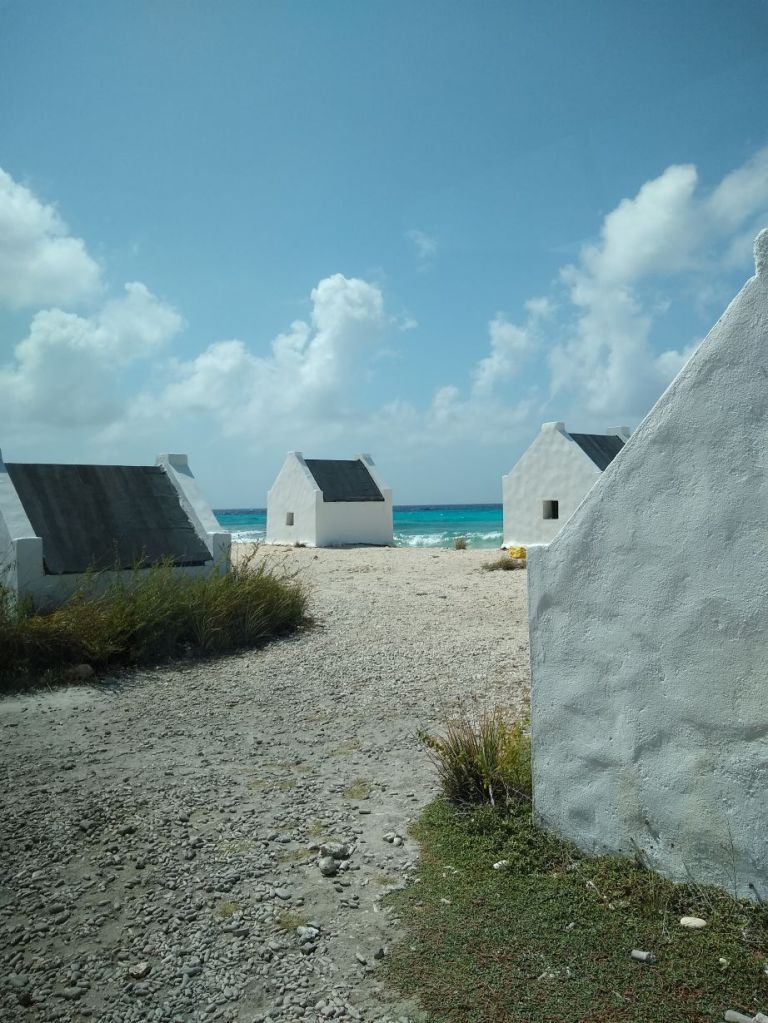
Our last stop are the slave huts- small little white-washed buildings perched on a rocky beach right at the edge of the water. While they make for a beautiful photo, the underlying history makes them a sad reminder of how huge the slavery trade was along all these islands.
And then its back to the ship, with ½ an hour to spare (thank heavens, because one of the ladies is having an absolute fit about getting back to town to shop….sigh). We don’t waste any time on the pier since the line to get back on the ship is the longest we’ve seen the whole trip. Since there really isn’t anything we need or want, shopping isn’t an issue and we’re content to stand in the line, enjoying the sunshine and lovely breeze that keeps us cool.
Back aboard, we wave goodbye to Bonaire….
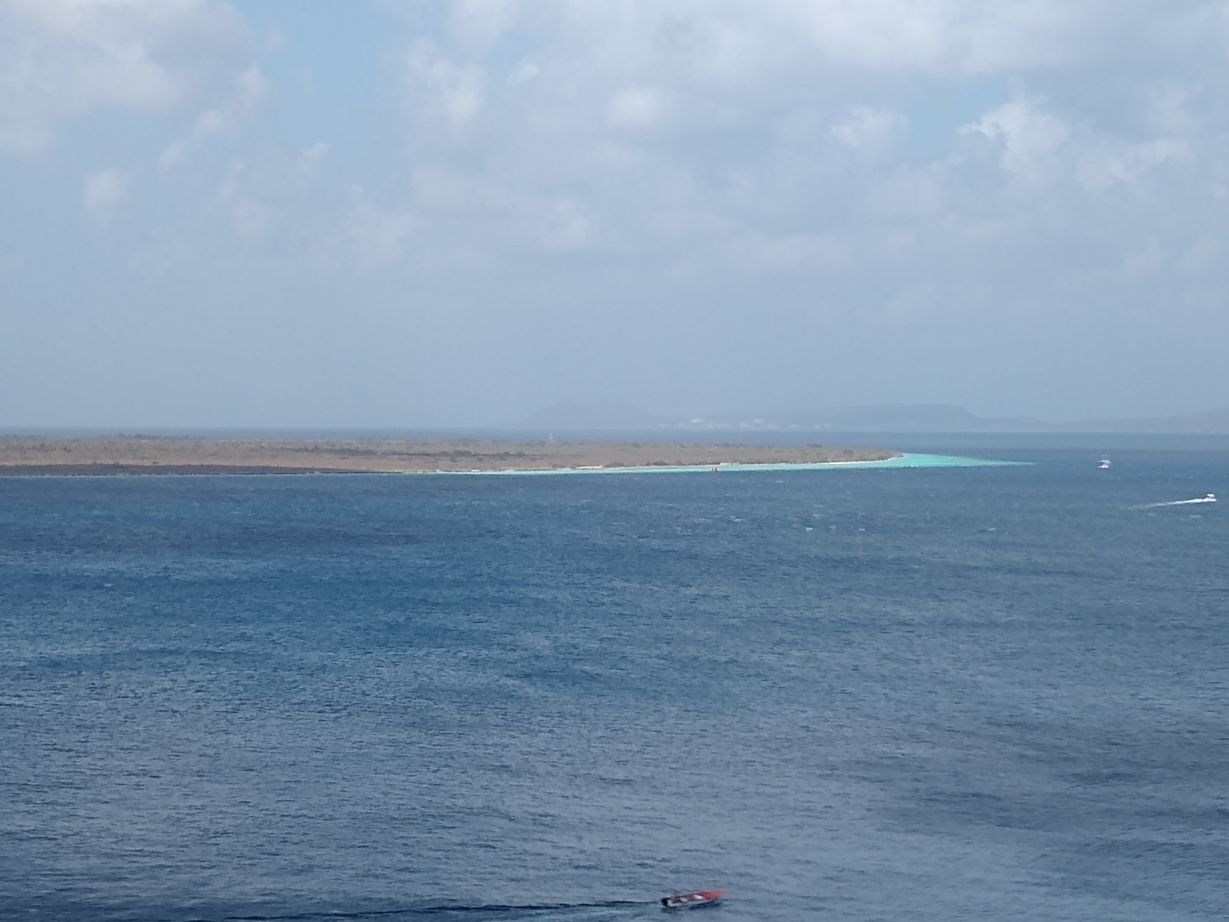
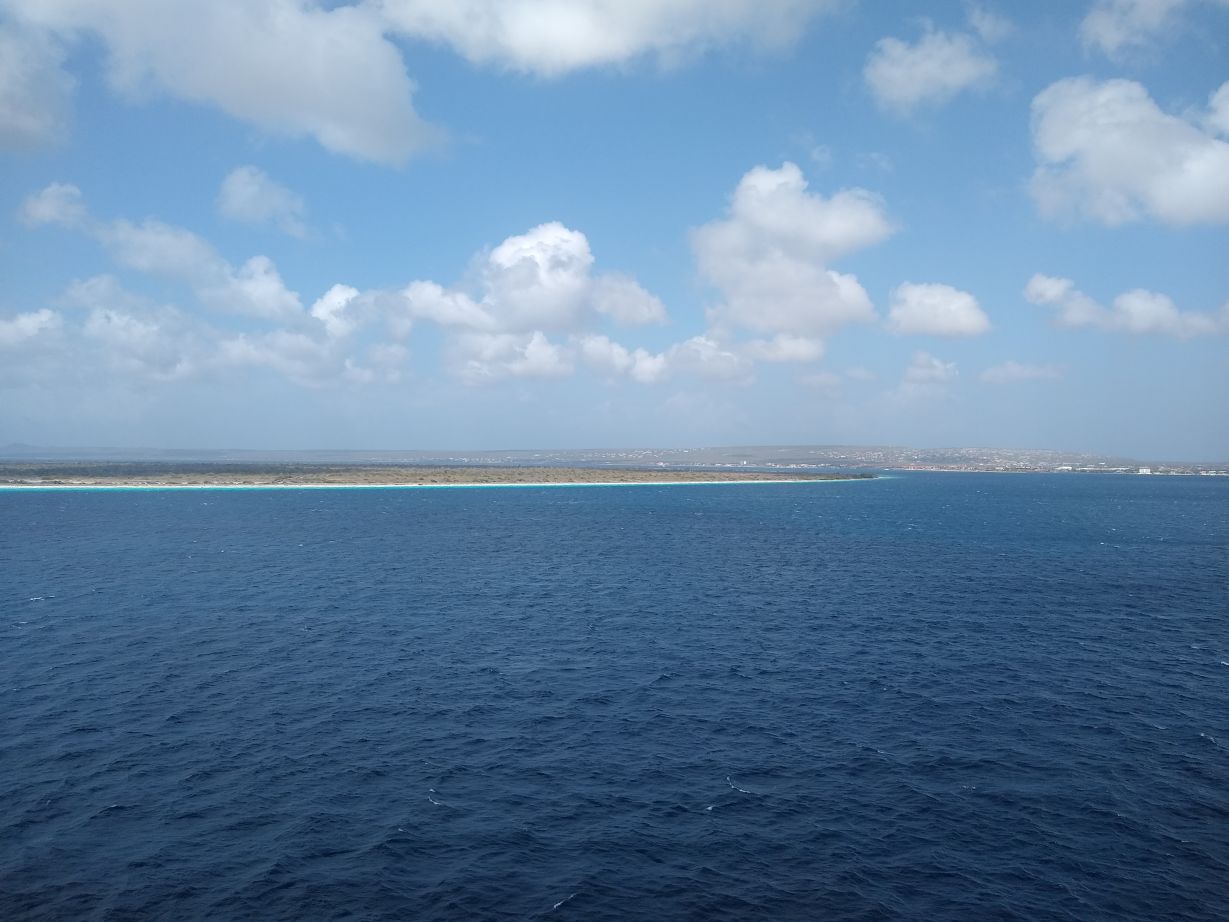
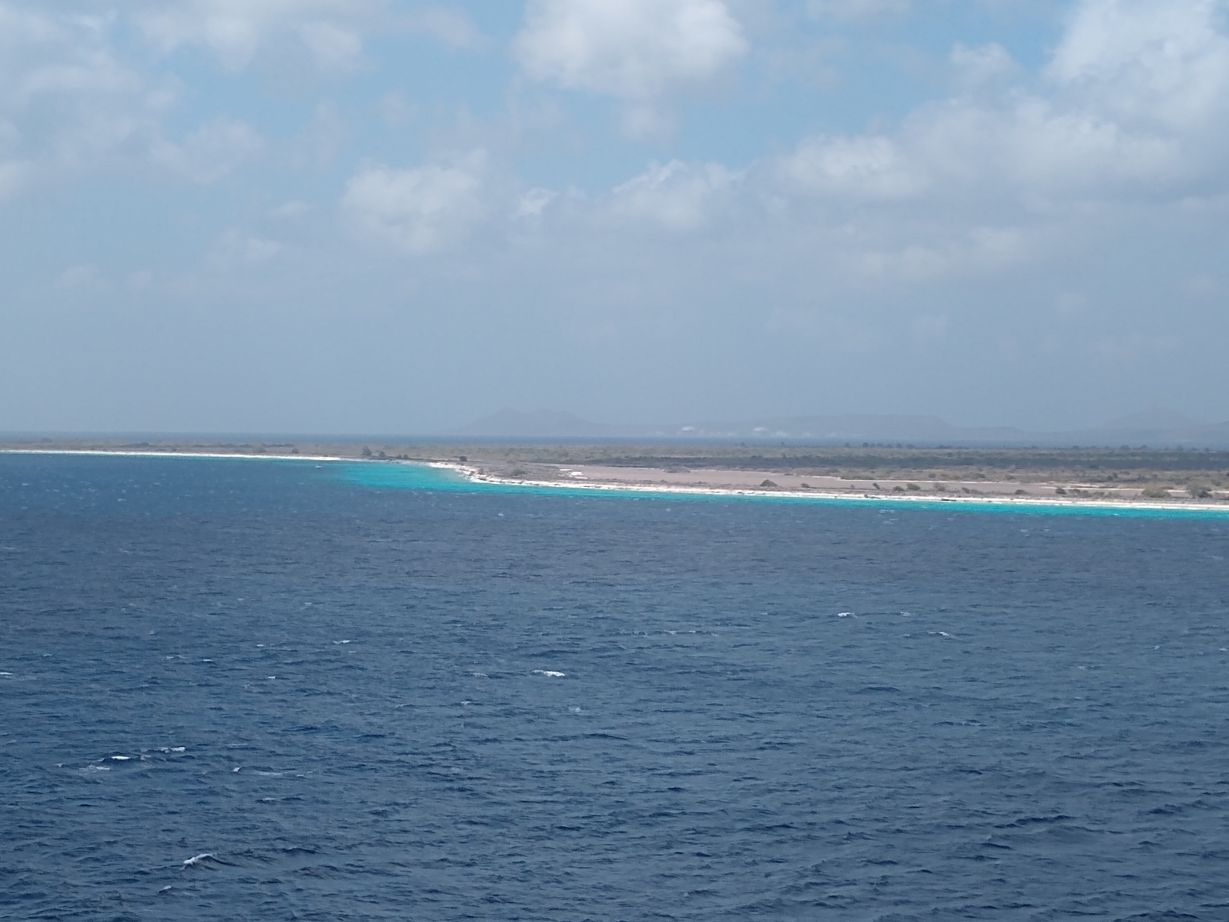
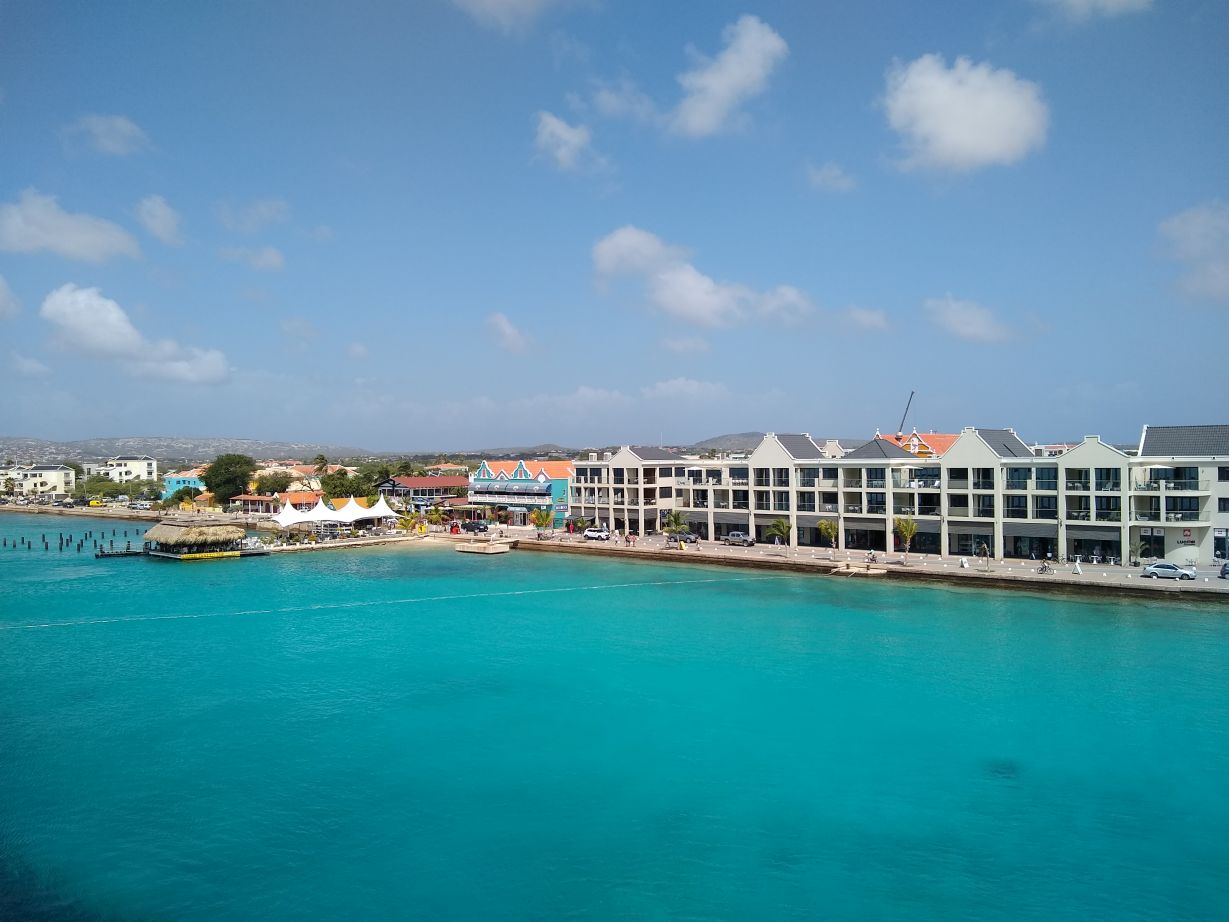
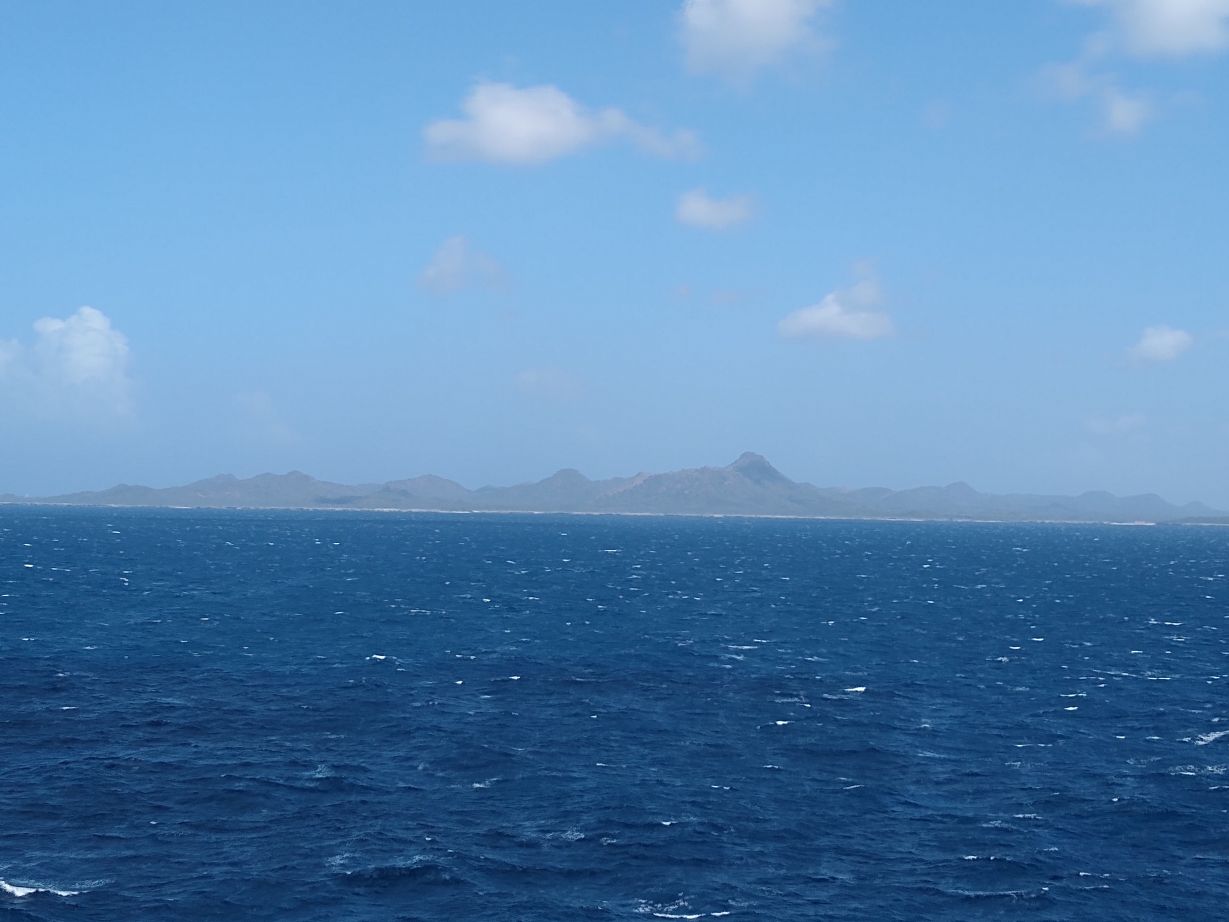
…to begin our northerly journey up through the Caribbean, along the east coast to our final destination: New York City. 3 ½ days at sea to go then onto our next adventure!
 Andiamo