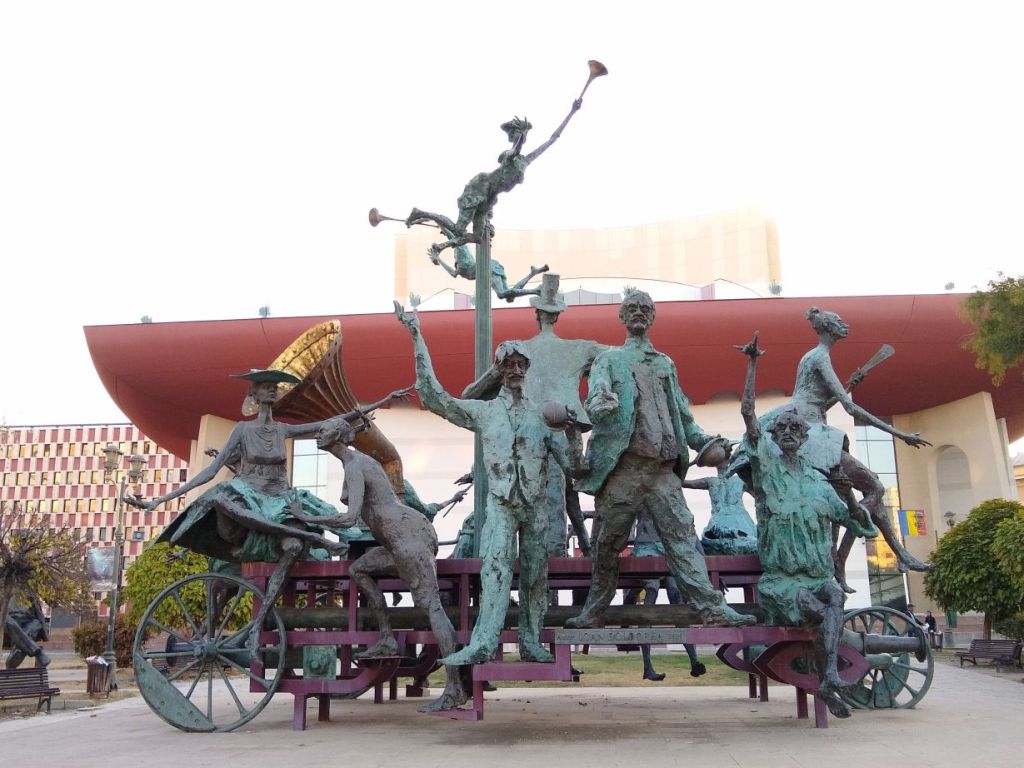
It is up and out early for us today. Breakfast is fast (and fairly empty), and then we hike over to the Intercontinental where we will be staying tomorrow night, but for now is just the meeting place for our day tour to Bulgaria. It’s an easy 10 minute walk to our meeting point that passes through bustling streets (even at 7:30 in the morning) and proves somewhat difficult finding the correct pedestrian tunnel to cross under the huge avenue intersection in front of the University and the National Theatre. But we manage to navigate our way through, and are early enough for time to examine the weird statue in the front of the theatre that pays tribute to one of Romania’s favorite playwright, Ion Luca Caragiale, which you will read more about in tomorrow’s post.
Arriving at the Intercontinental, we go into the lobby to wait for the tour, but as it turns out, they are waiting for us outside on the street. We finally coordinate ourselves, meet our tour guide Rodika and driver Dragos, hop in our little van with 7 others and begin the 2 1/2 hour drive to our first stop in Bulgaria, the St. Dmitar Basarabovski Rock Monastery.
Over the course of the drive, Rodika keeps us occupied with all sorts of history lessons and stories about Romania and Bulgaria. The great thing about taking all these guided tours is the different perspectives we get from each different tour guide. Here are just a few of the tidbits she imparts as we drive through the Danube plains and across the border with Bulgaria:
- Romania:
- 20 million population, 60% live in villages, only 1.8 million live in Bucharest, 9th largest country
- Gypsies are not allowed to have more than 2 children, so you’ll only see old and young gypsies
- Romanians are fined if they are caught giving money to beggars
- During Ceausescu’s reign, he allowed the people to keep religion and churches, but didn’t want to see them and wanted churches out of his way, which led to 36 churches being moved (as we saw in Alba Carolina and will see again tomorrow
- Famous for the Dr. Nicolae Constantin Paulescu who invented insulin, Fountain pens and the longest bridge in Europe
- Bulgaria:
- 7 million population, 80% live in cities, 14th largest country
- 35% of country covered by forest; 3rd most archaeological sites behind Italy and Greece
- Two Bulgarian brothers created the Cryllic alphabet in the 9C
- Bulgarians nod their head up and down to indicate “no,” and shake their head side to side to indicate “yes”
- Famous for inventing yoghurt and airbags for cars
And there you have some of the more interesting tidbits from our long drive. We also touched on Bulgarian history, which is similar to Romania, but more, well, less structured shall we say? The Romans came and conquered the Dacians, the Ottomons ruled in the 14C and brought a mix of languages together with Latin, Slavic and Turkish origins. As time went on, Bulgaria had to look to Russia for kings, then Austria. In more recent history, Todor Zhivkov, who was in power for 32 years, was said to be more involved with Russia than the Russians were. He was ousted after the 1989 revolution when Bulgaria adopted social democracy. They are part of the EU, joining in 2005, and the Euro can be used here alongside their own currency, the Lev. However, Bulgaria is still in the non Schengen area of Europe. The European Parliament has approved the inclusion into the Schengen area, yet the Netherlands insists Bulgaria is not ready to join Schengen yet. The general consensus is that the real reason behind the objection is that the Netherlands is trying to protect the Rotterdam seaport, and view Bulgaria and Romania Black Sea ports as competition since they are a faster way to reach Asia. It is always about the money!
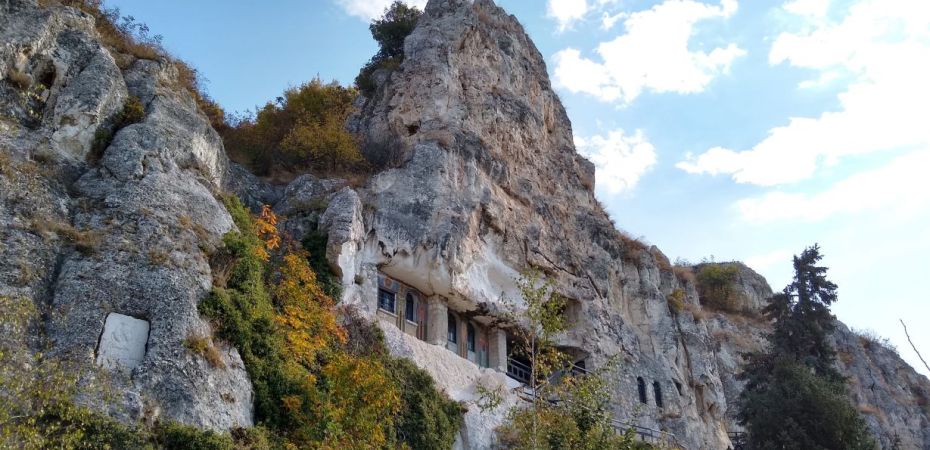
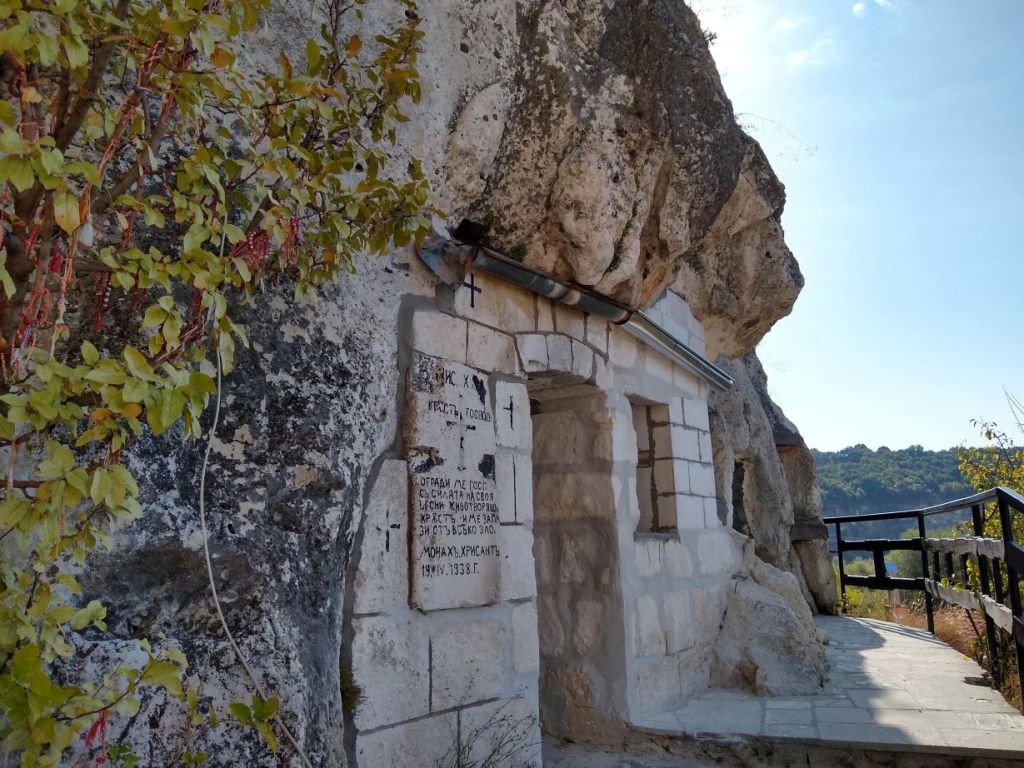
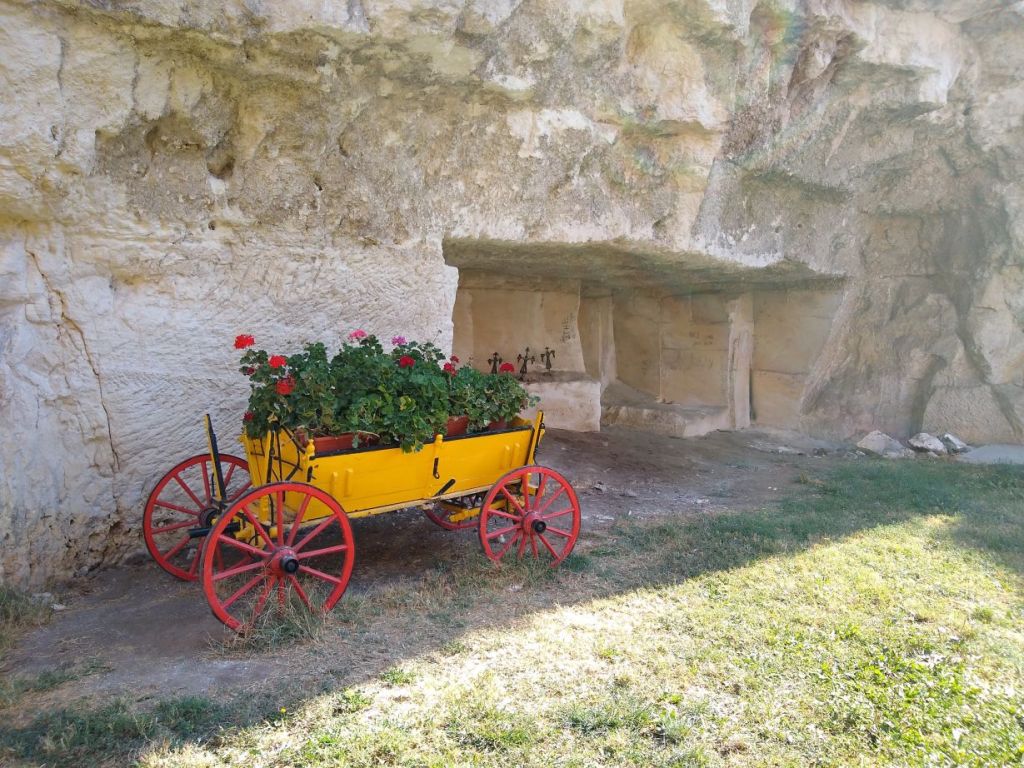
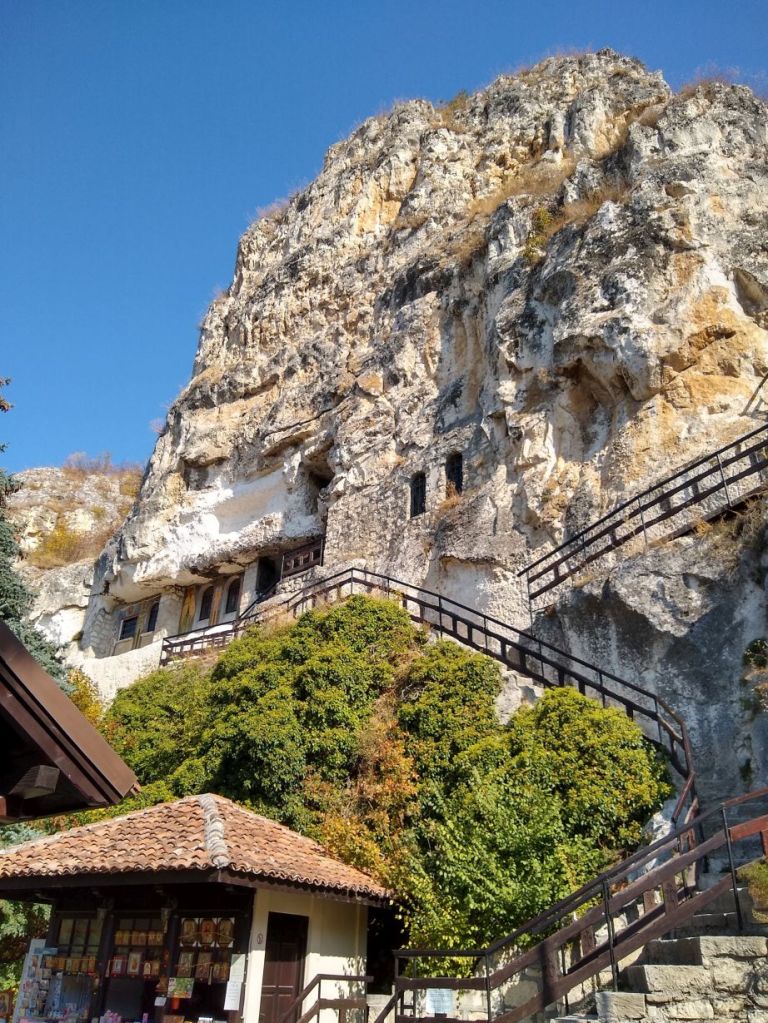
So, once we are fully up to speed on history, most culture and comparisons between the two countries (along with tons of other less fascinating scintillas of information you don’t need to be bored with), we arrive at the Rock Monastery, literally a series of caves cut into the rock about 200 feet above the ground. About 800 years old, this is the only remaining rock monastery out of 300 that were said to exist over the years. Dedicated to St. Dimitar, a shepherd who became a monk that could see the future, including his own death, he was elevated to a Saint after being killed, then thrown into the river and found intact 509 years later.
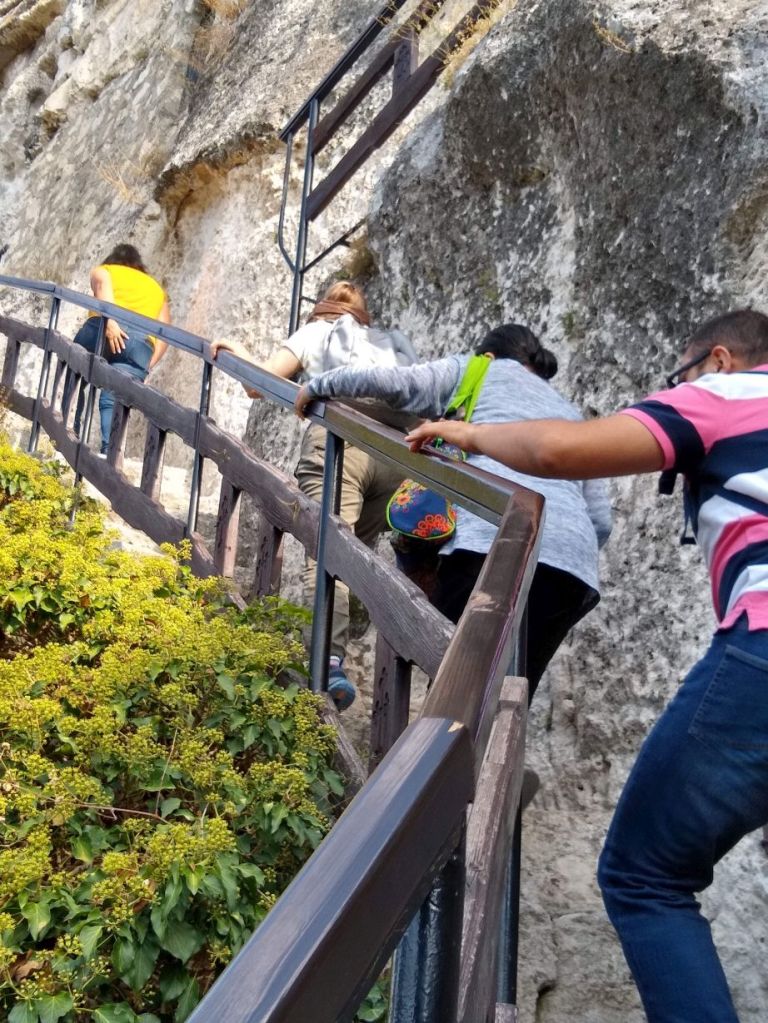
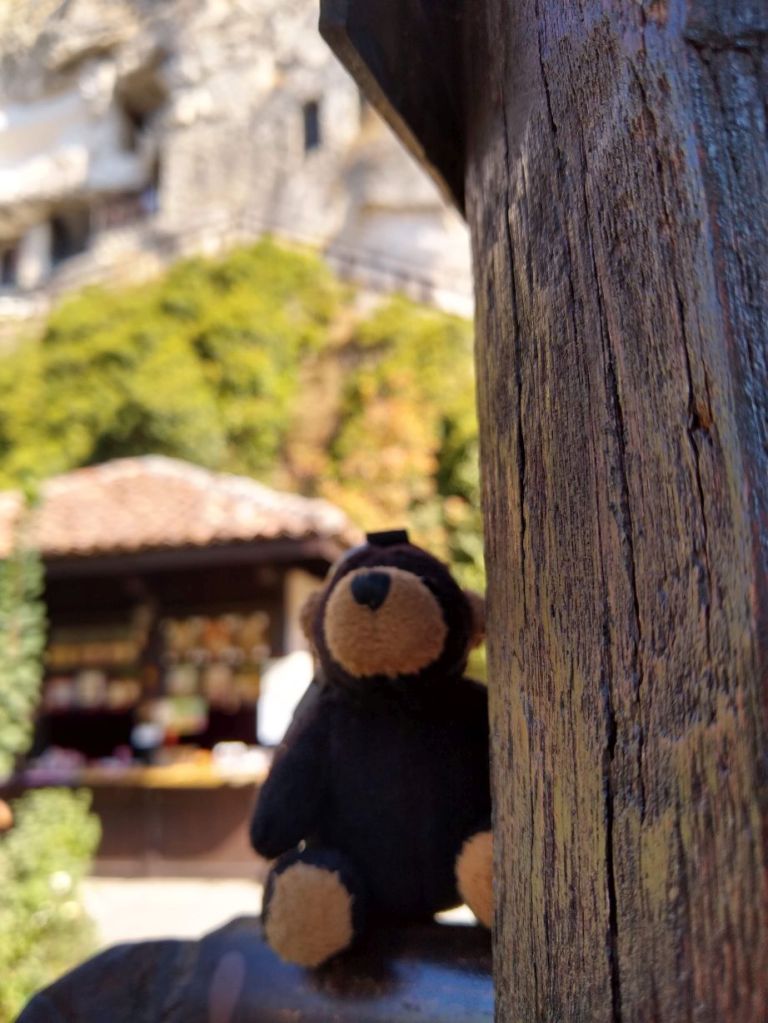
It’s a really impressive sight, the dark wooden staircase leading up to the carved caves way up high. And it is even more impressive when you realize it is still an active monastery.
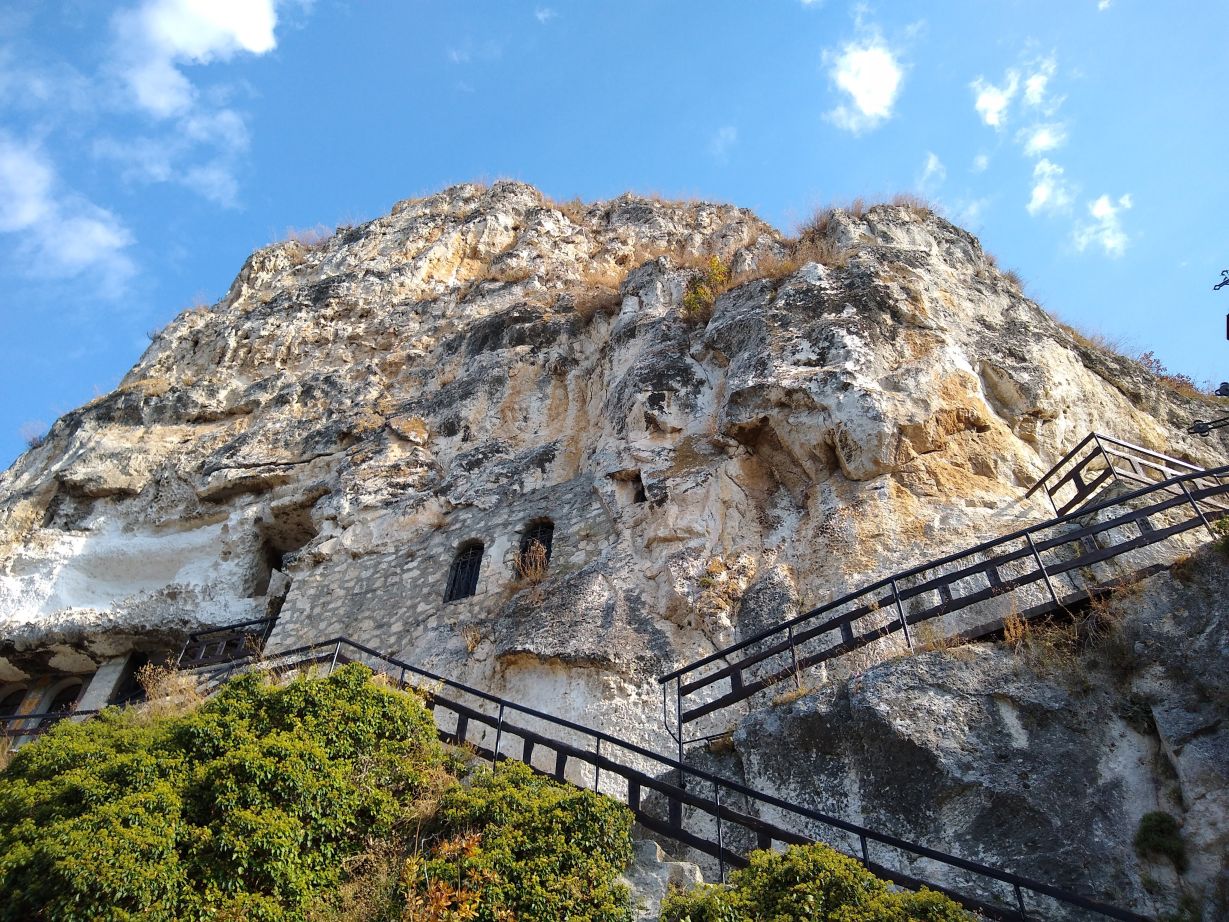
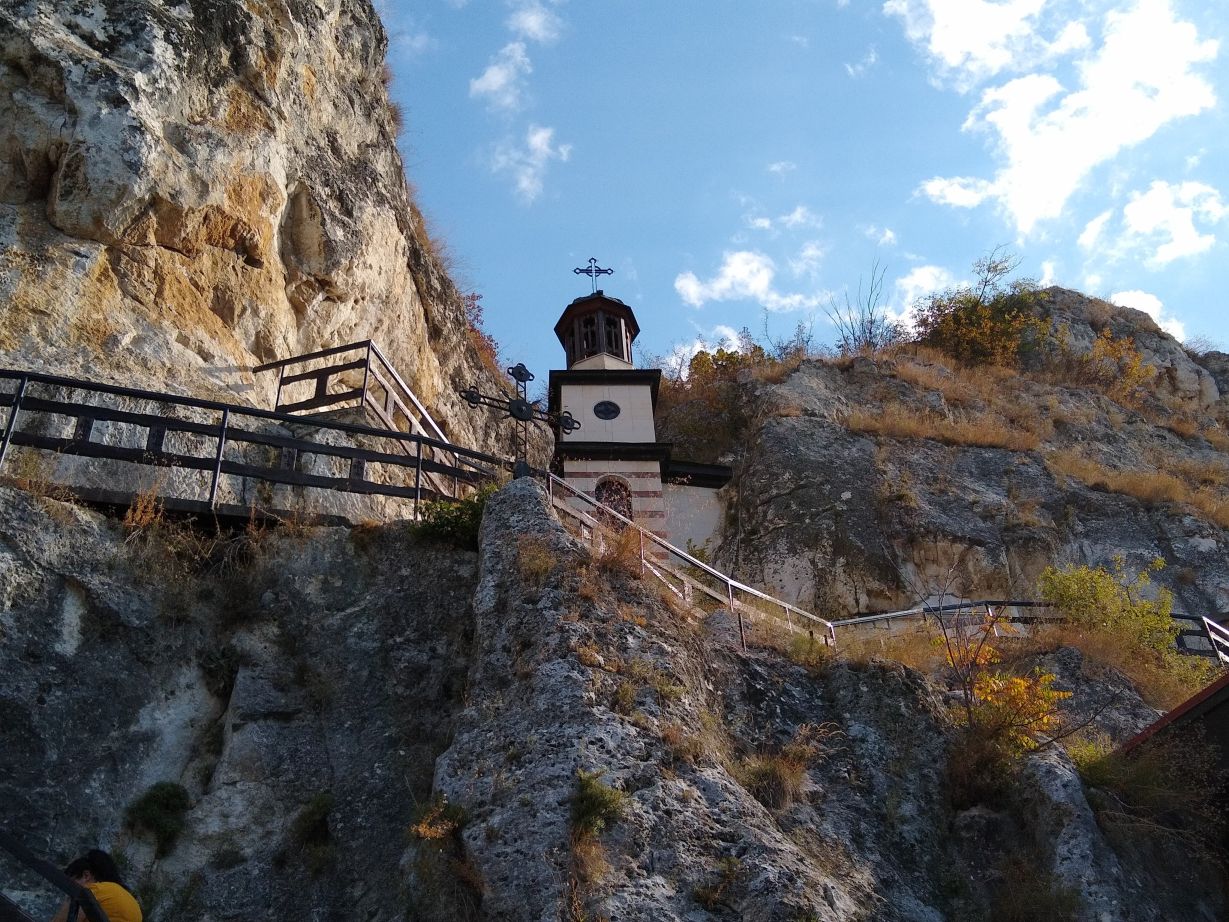
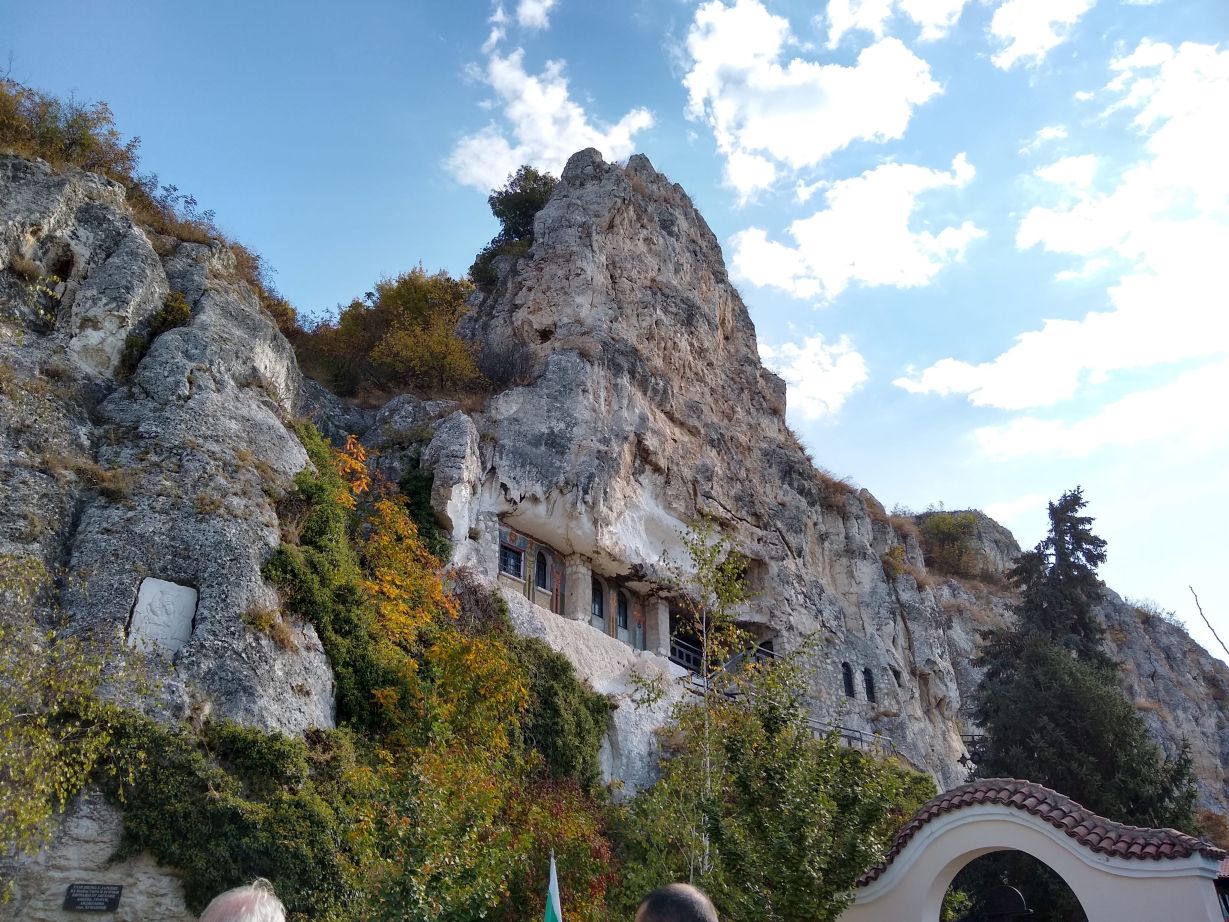
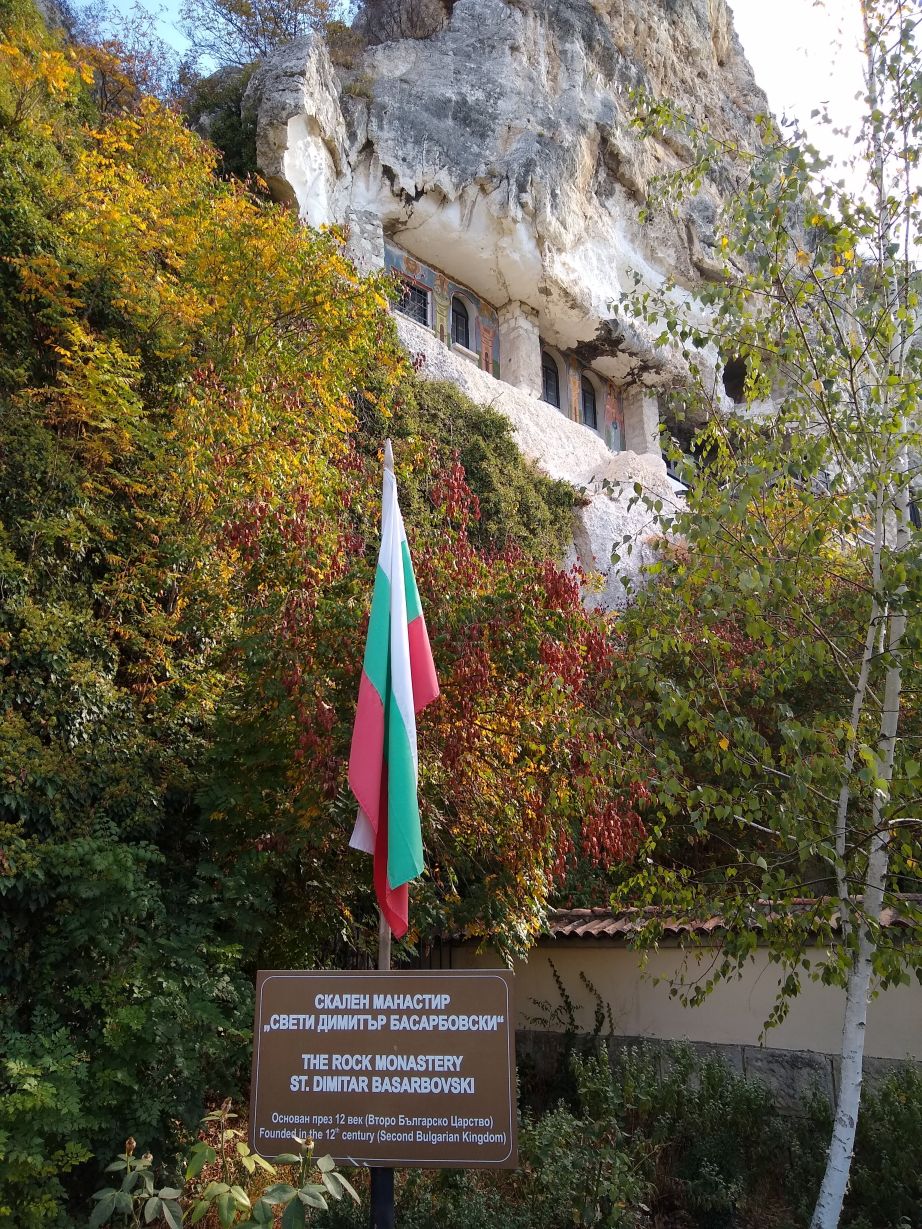
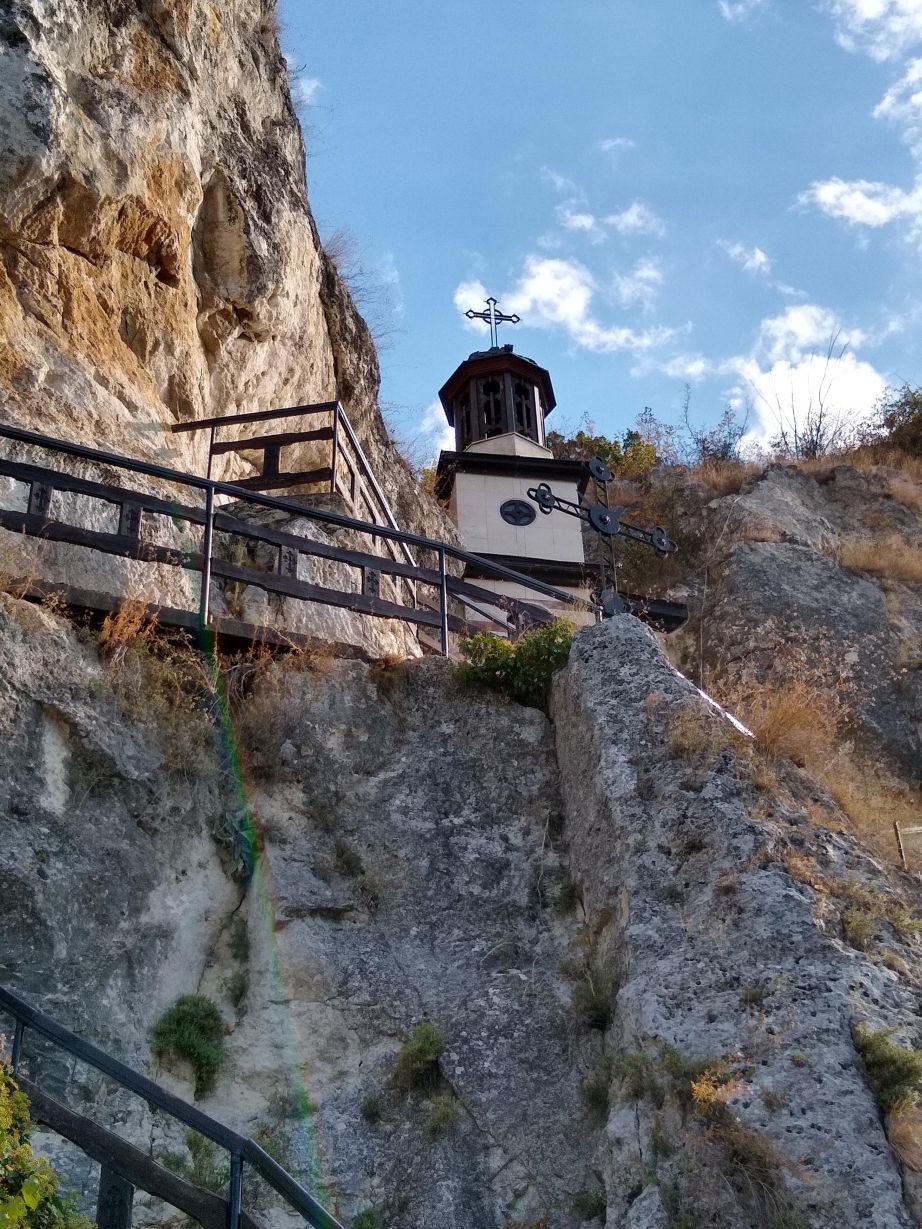
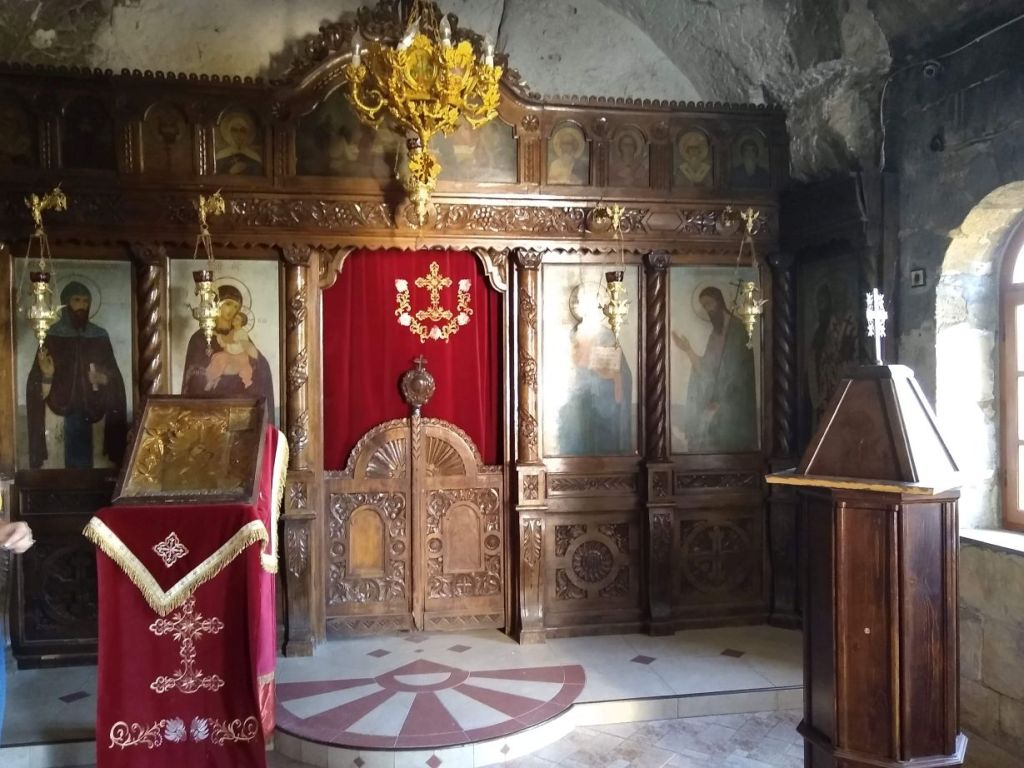
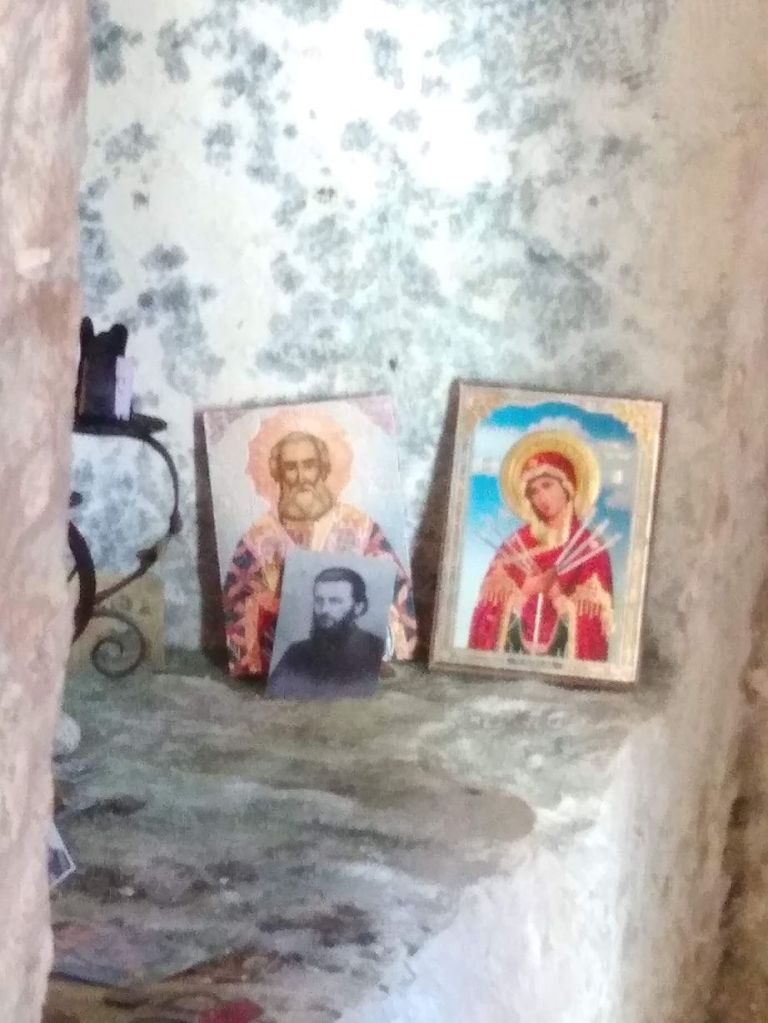
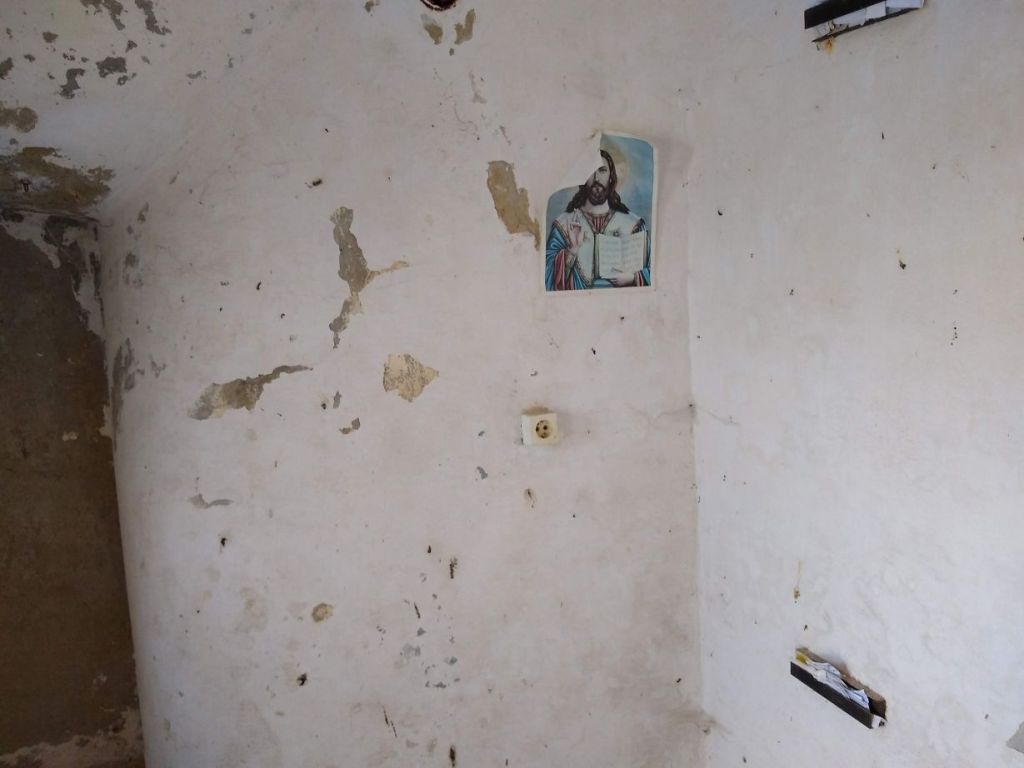
Climbing up to the first level, we find a functioning church with the typical Orthodox altars, frescoes and icons. The main Icon in Monastery dates back to 17C and has a wonderful legend about how the Ottomans came to steal it and were found paralyzed on floor. Then at some time there was also a fire in monastery and when the monks came to put it out, they found the icon outside. Hmmm…..
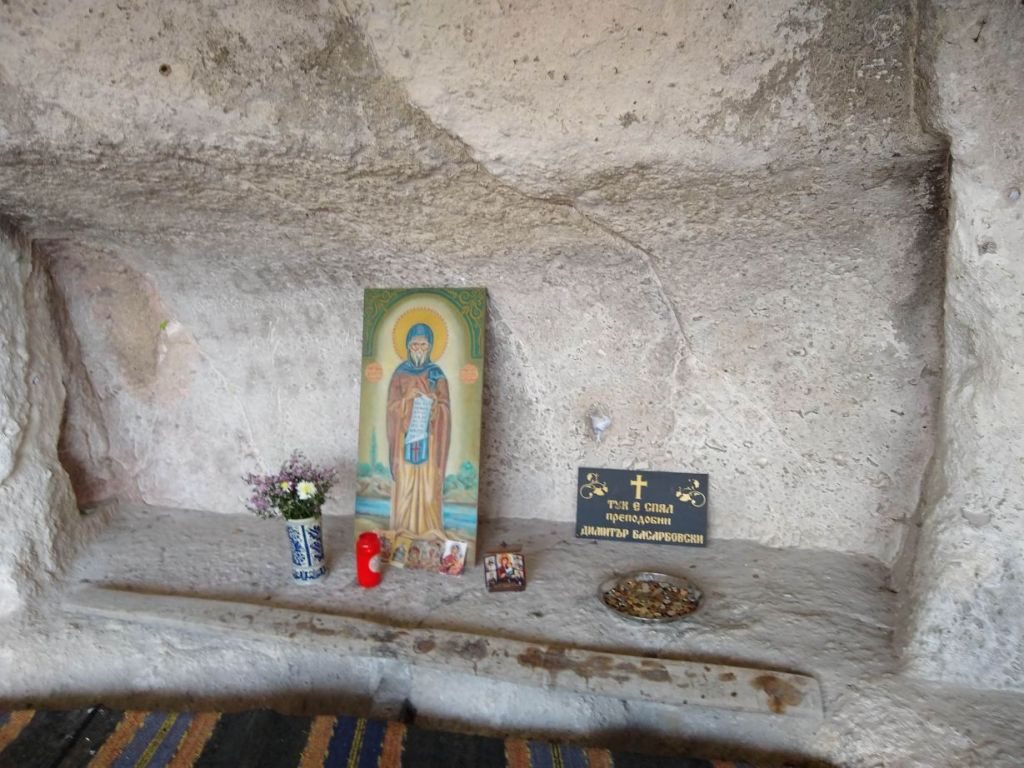
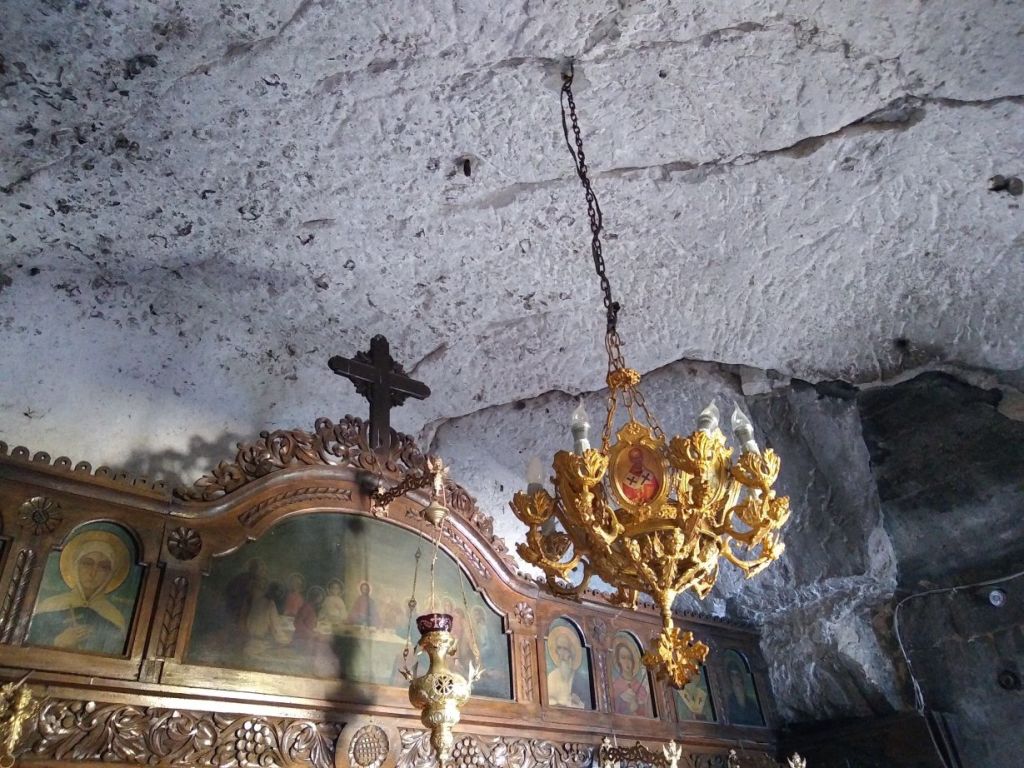
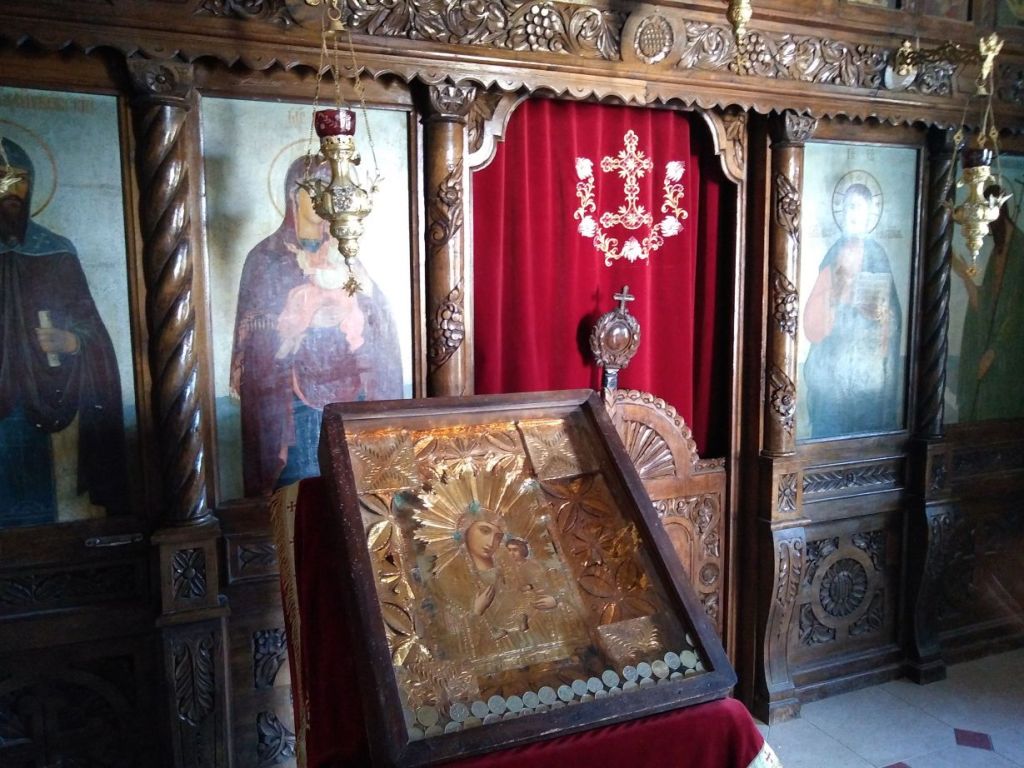
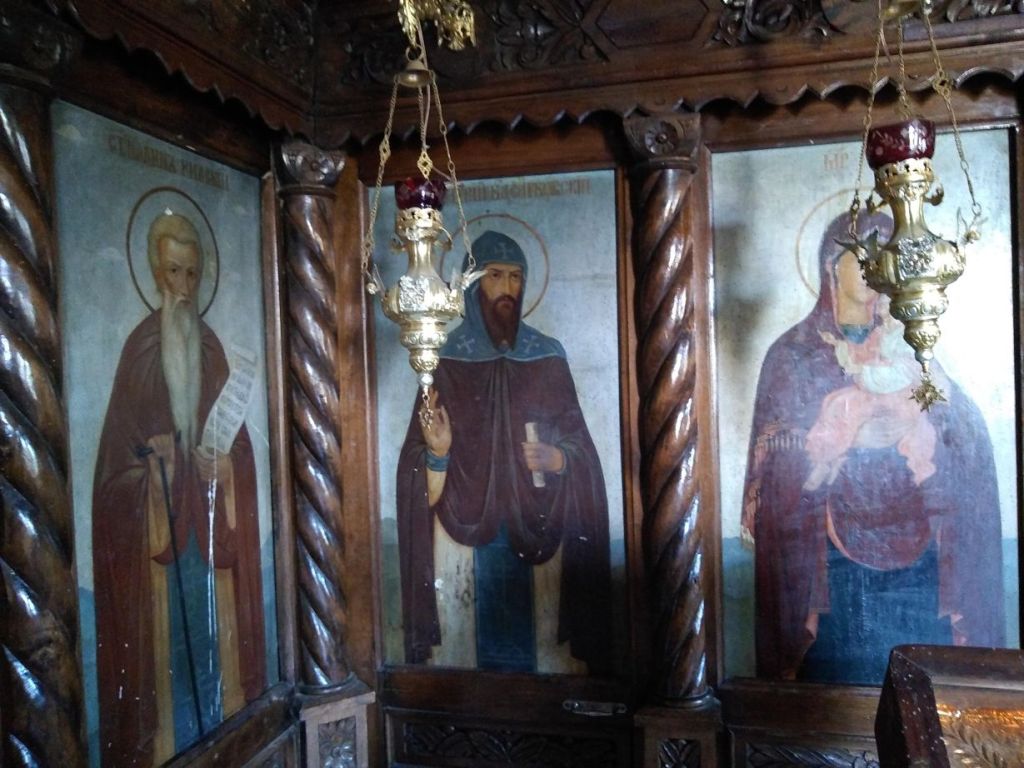
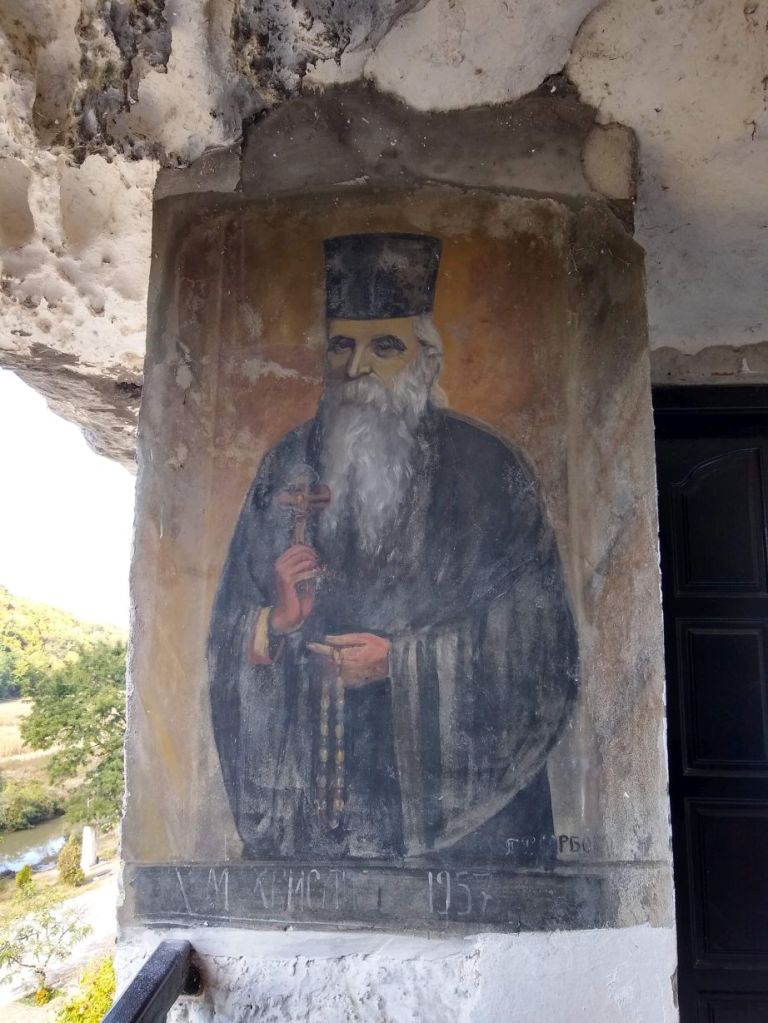
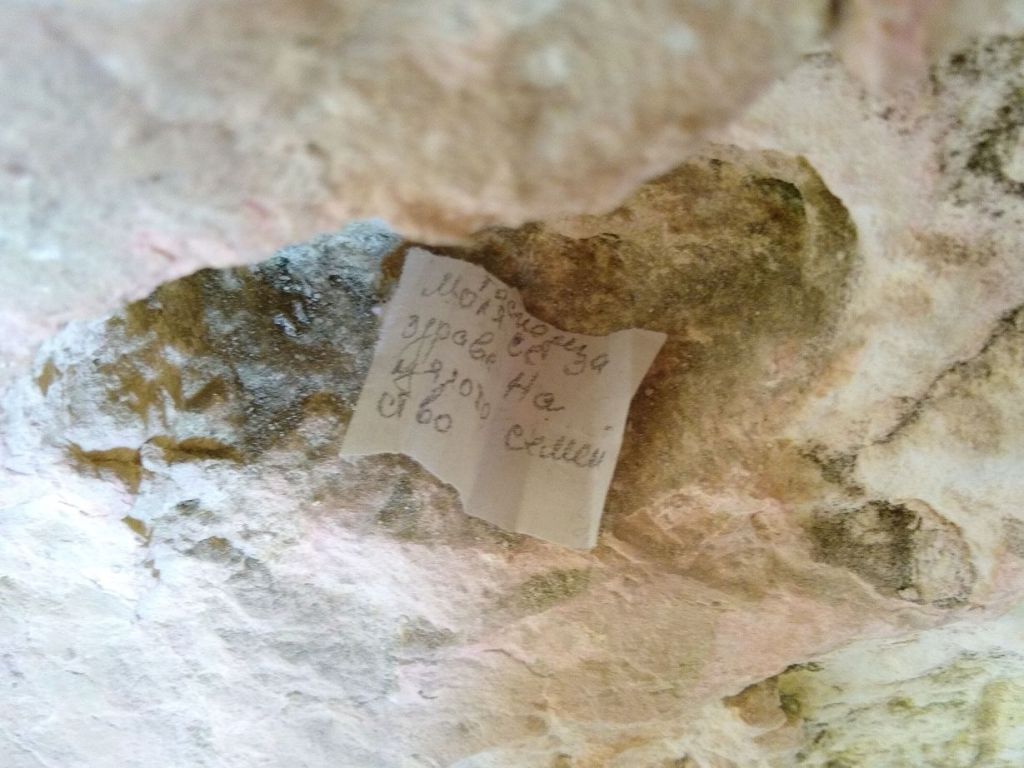
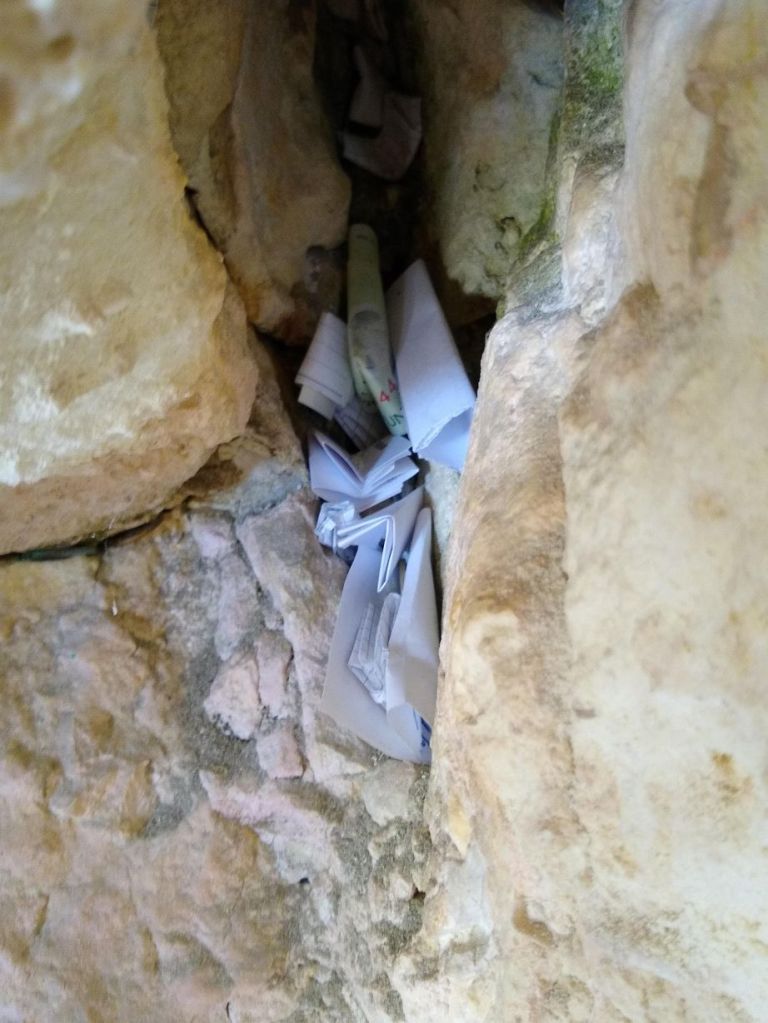
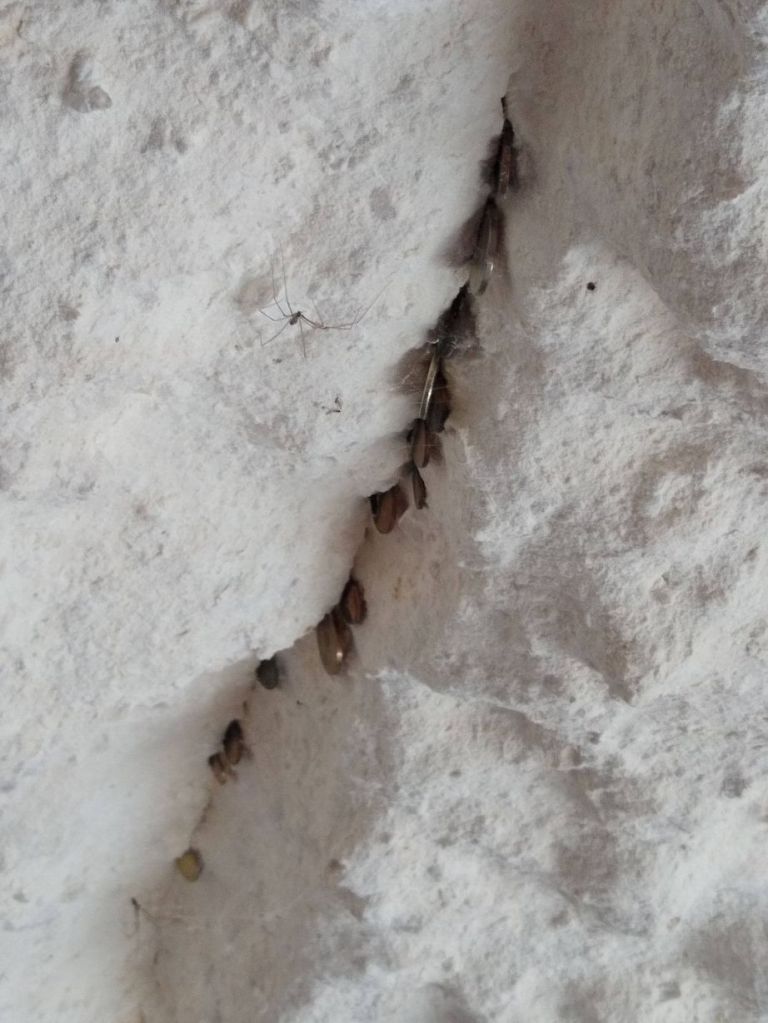
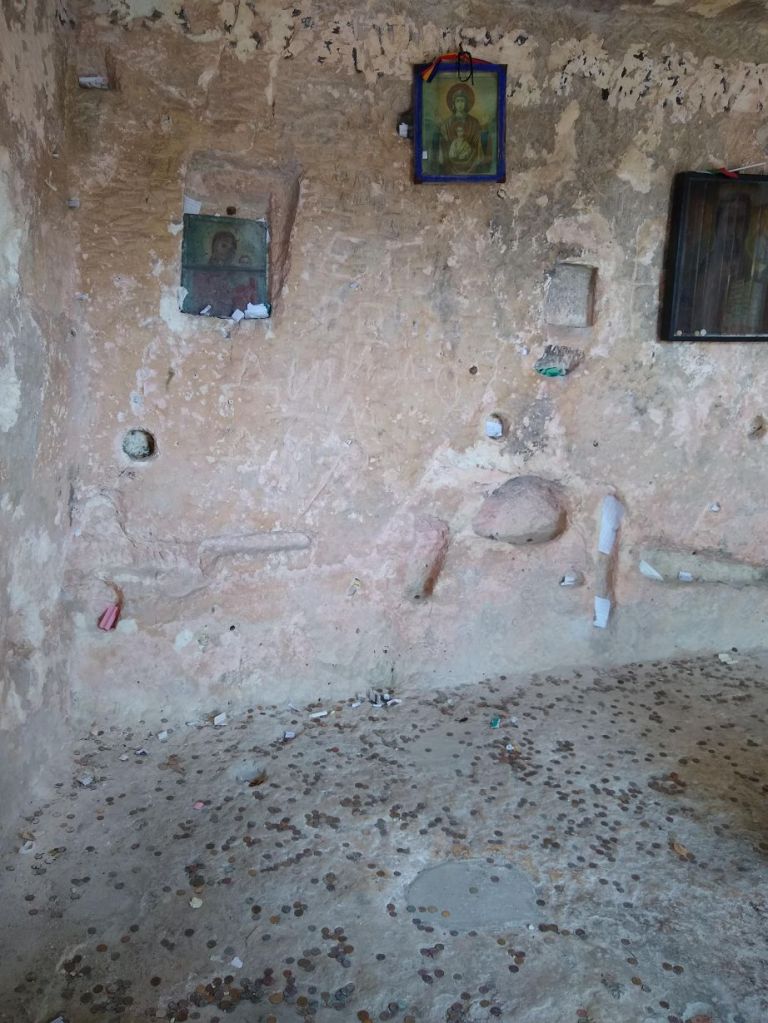
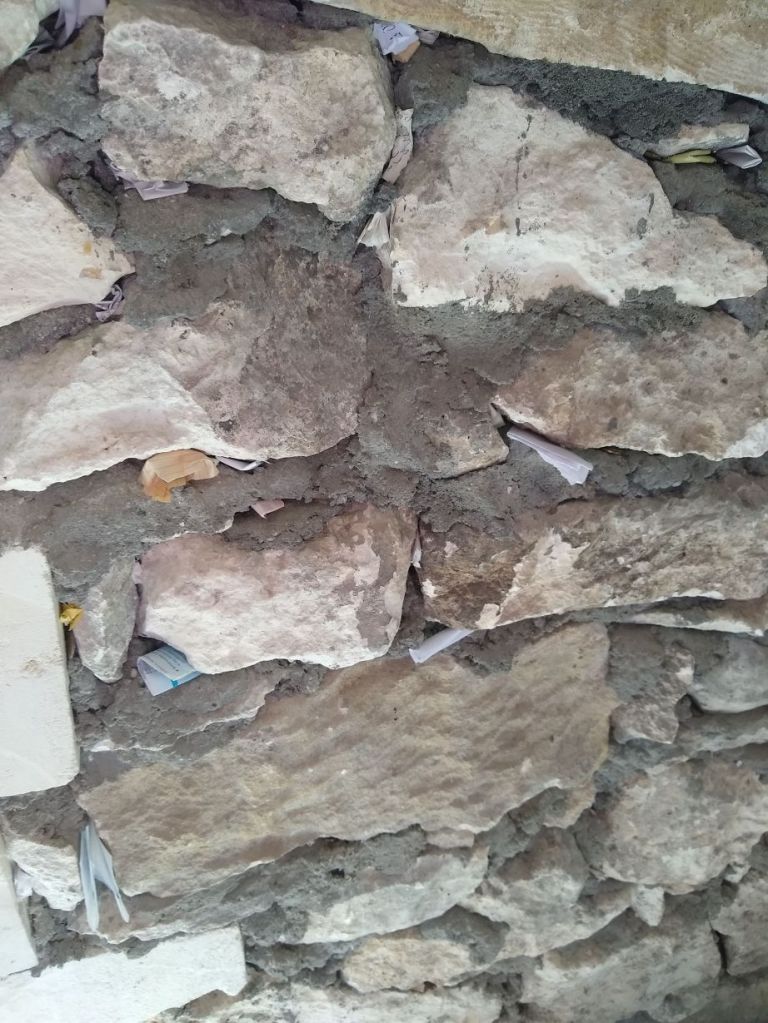
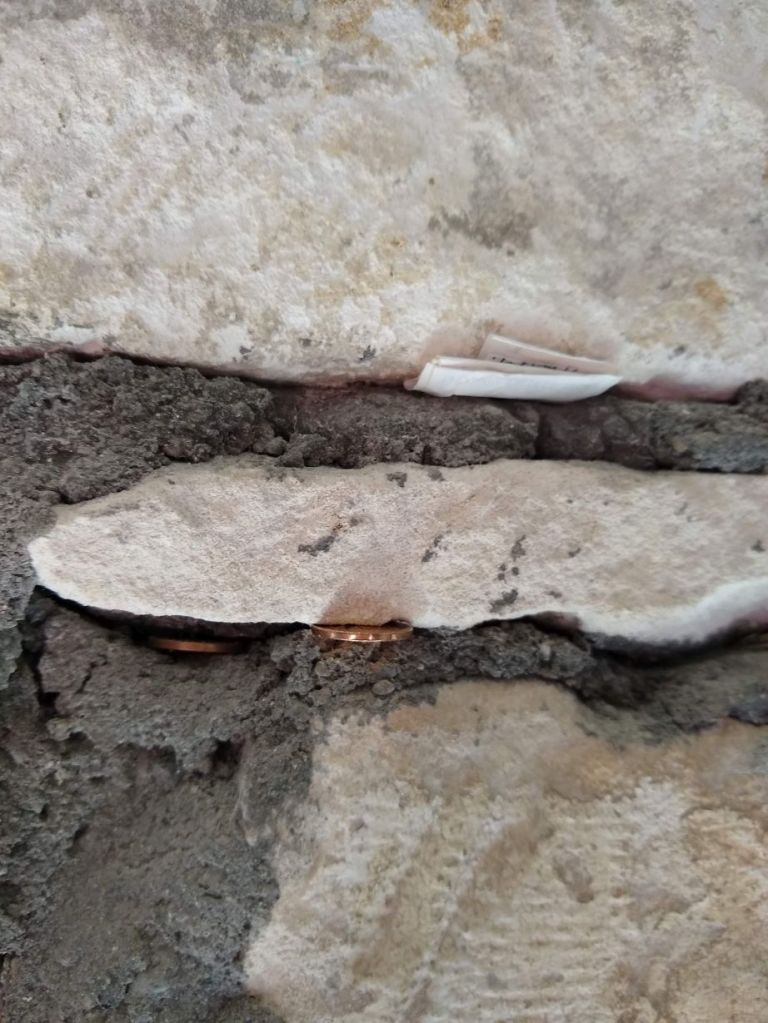
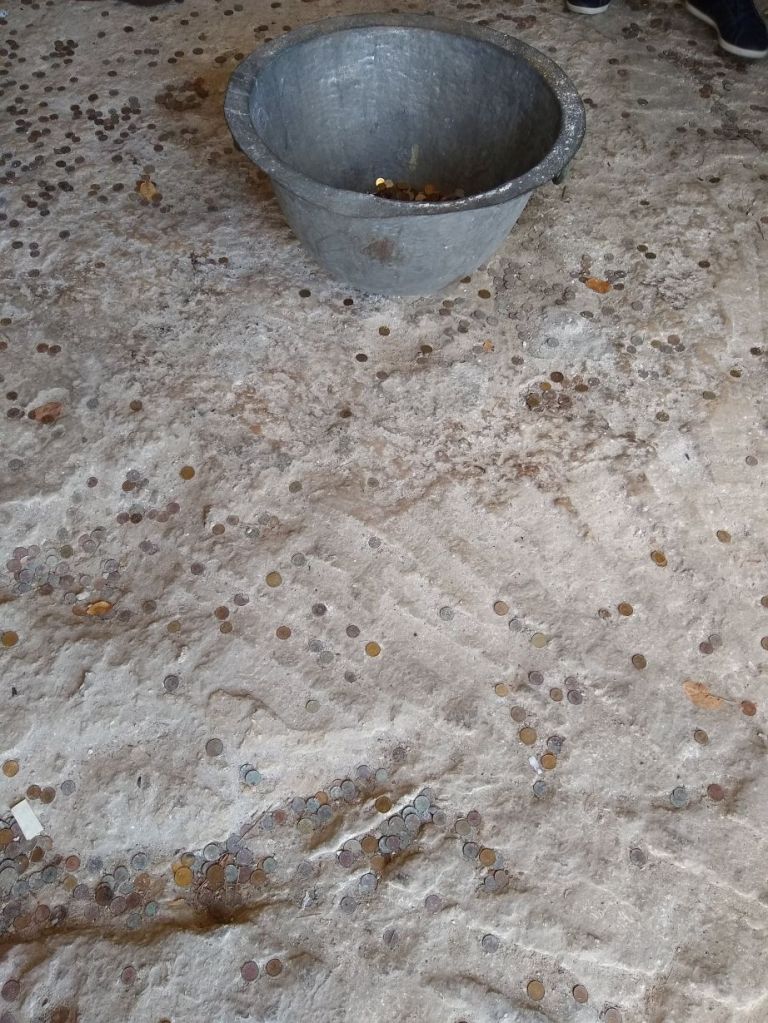
Moving on into the other cave chapels, we see more icons, but also these little pieces of paper stuck everywhere. The tradition here is to write your prayers on the paper for the monks to bless. People can join the monk while he is praying, or write prayers on paper and give it to monk. Busy people will come when they can and leave prayers with money for monks which is why there are papers all over the chapel, including tons stuffed in cracks in walls. We also notice coins stuffed into cracks in the floor and on the walls. These are here to ward off evil eye, essentially paying for your wrongs.
Climbing up to the top level, we enter into a little natural cave where one of the other monks is buried and there are some amazingly intricate carvings in the rock. Here we also get a closer look at the bell tower built into the rock walls – and a great look down below to the courtyard where the kitchen, dining hall and current monks quarters are located.
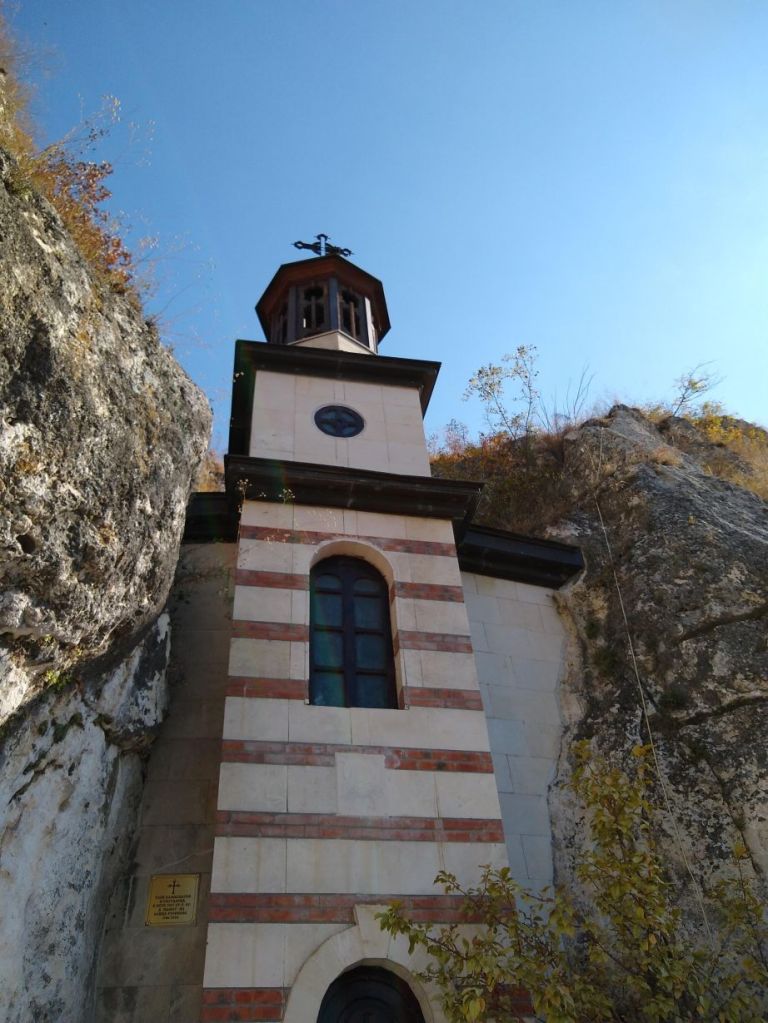
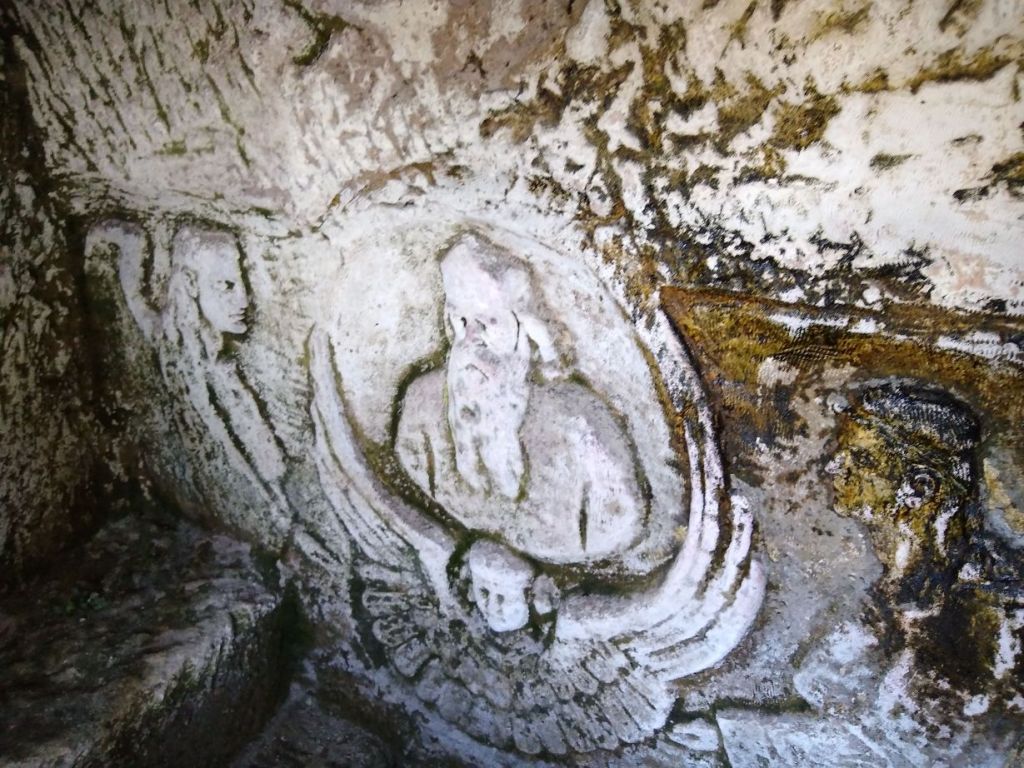
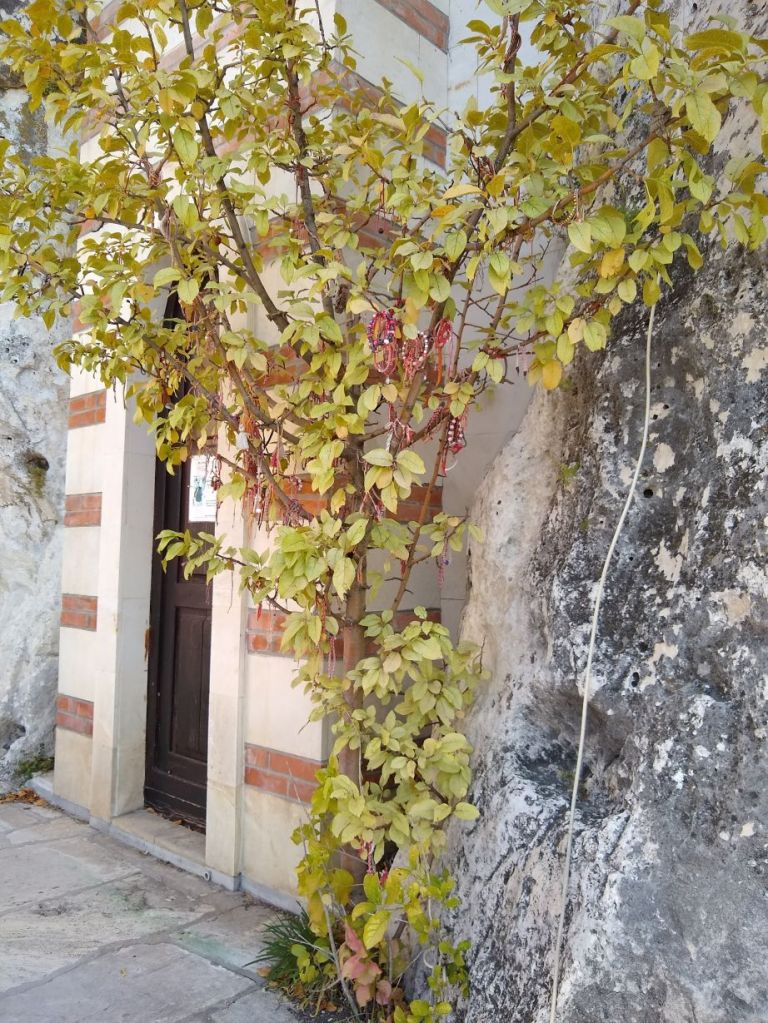
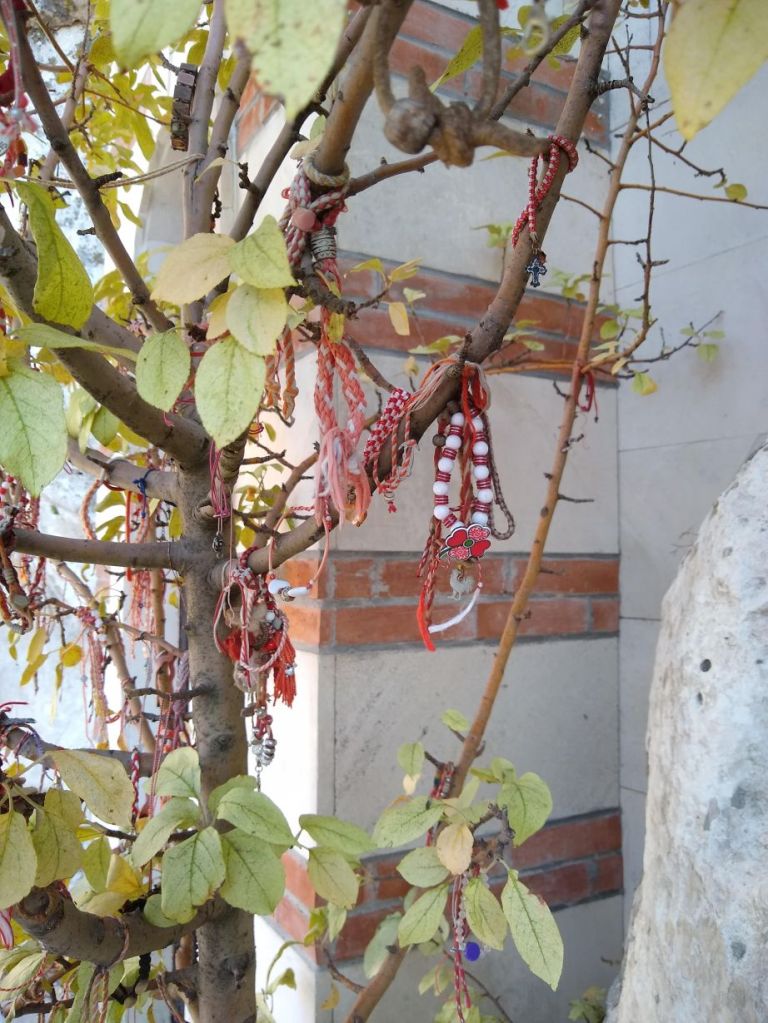
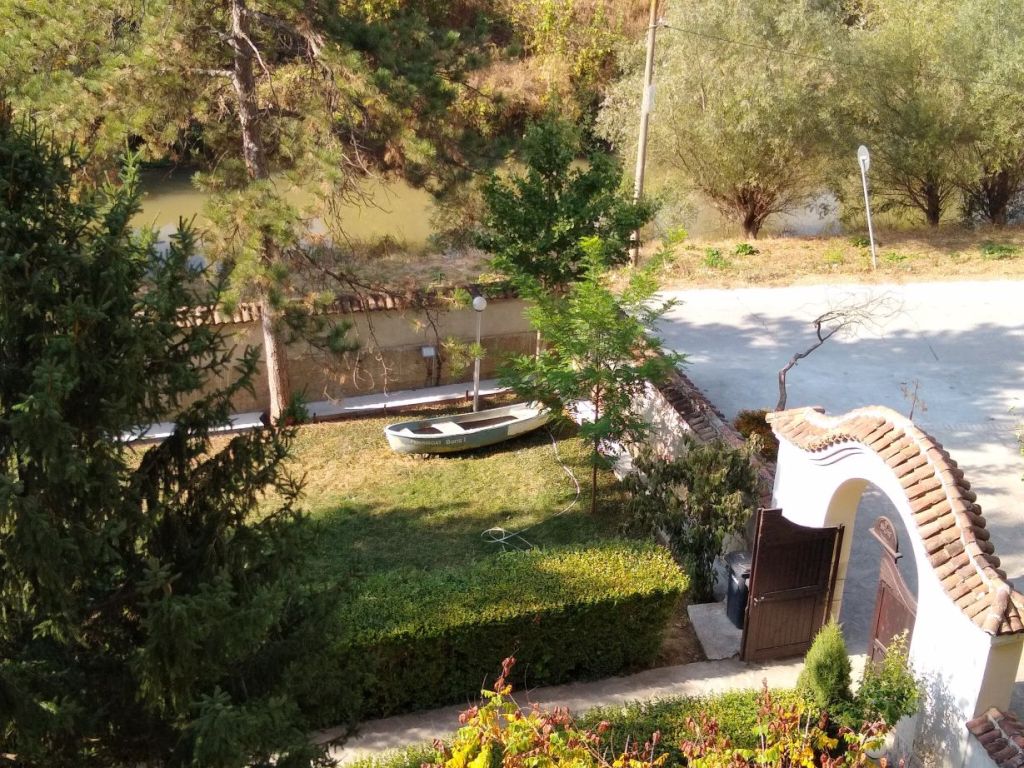
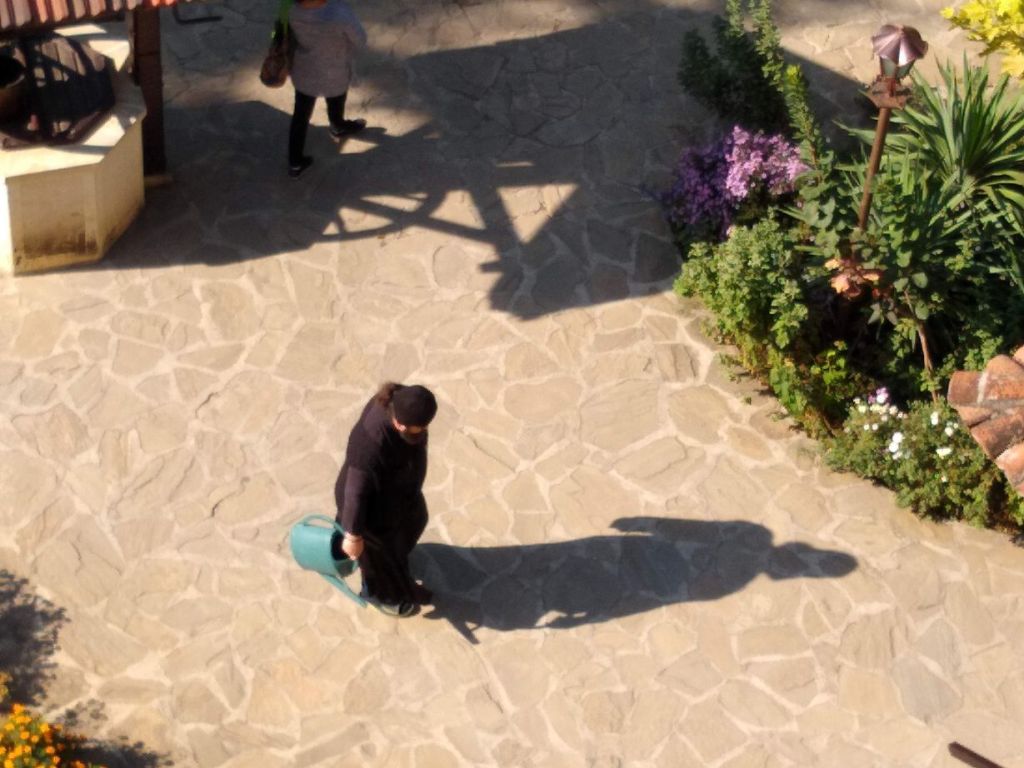
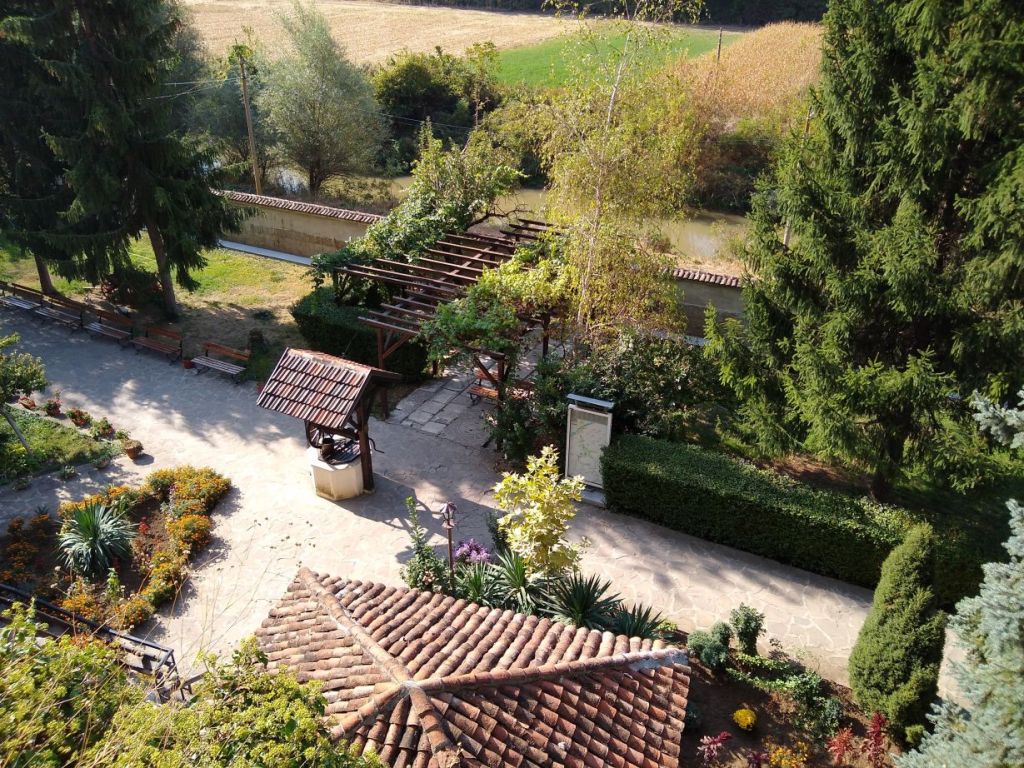
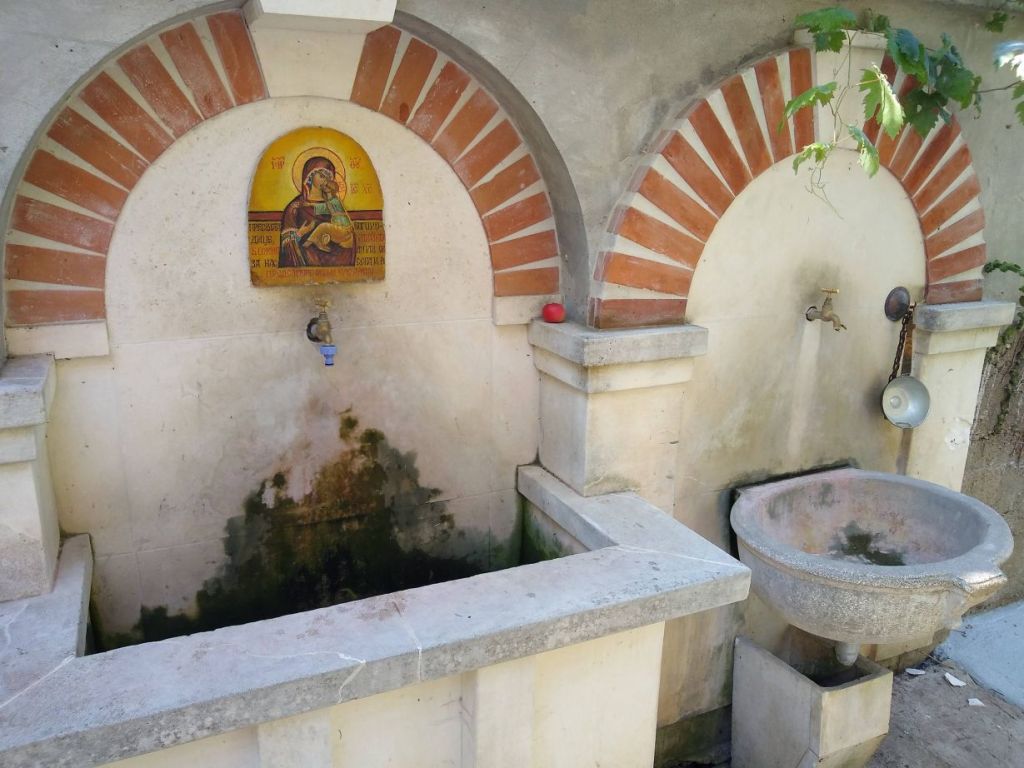
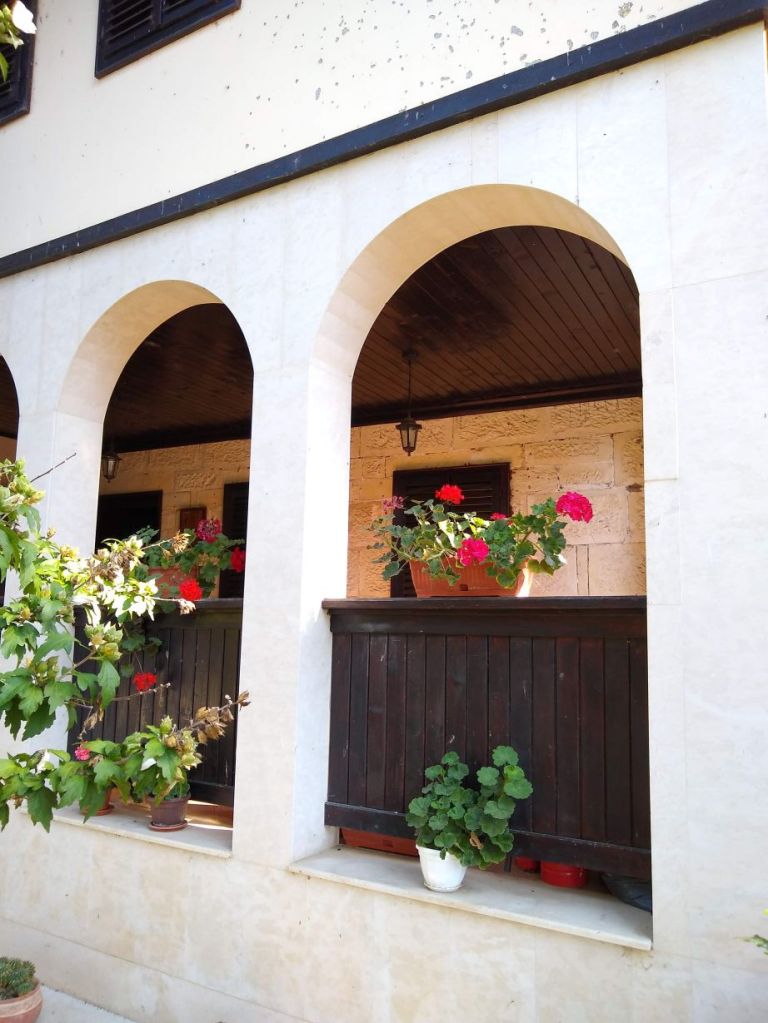
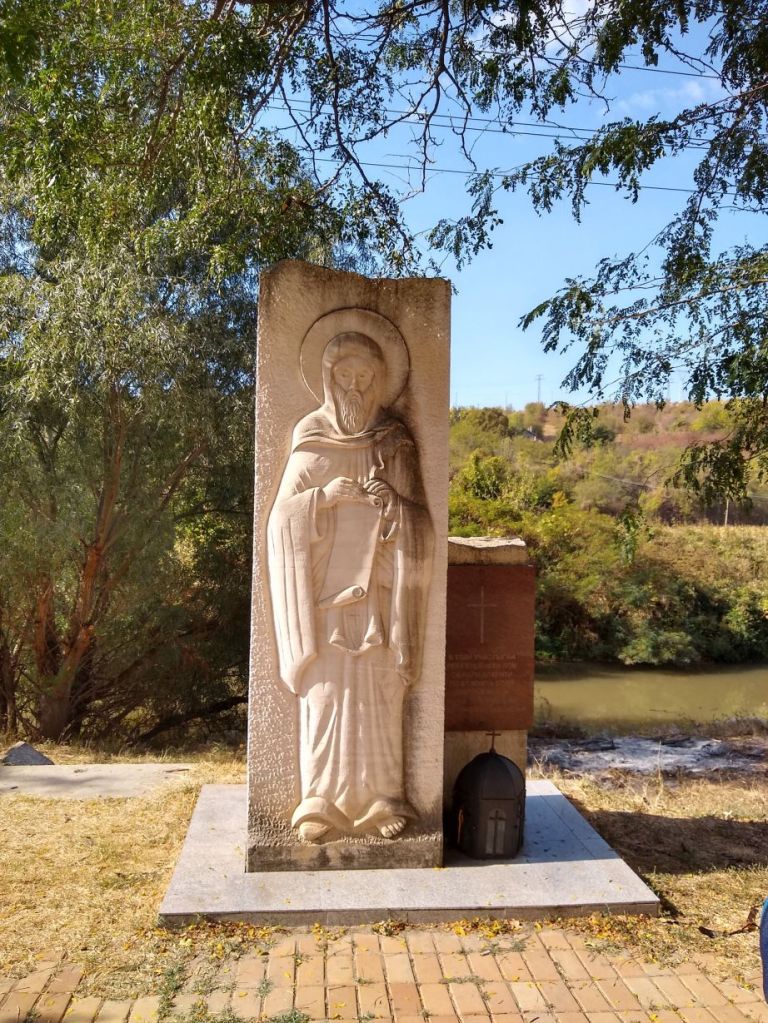
Back down on ground level, we wander around the courtyard, investigating the fountain that locals say has healing water. Take in more great views of the caves above and pay our respects to the statue of Dimitar wearing only one shoe (one she because he is said to have stepped on a bird’s nest and killed the baby birds in it with that foot, so he is punished that one leg by not wearing a shoe).
Those of us wishing to use the facilities do so. I’m waiting, because as Rodica says, the restooms aren’t western style, but what she calls “long drops” or Turkish style. We’ve never heard them called this, and you know that name is now going to stick with us forever! Once everyone is done, we hop back in the van to drive deeper into the Thracian Plains to the foothills of the Balkan mountain range for our next stops at Arbanassi village.
 Andiamo